See whether Helium helps you make better-informed decisions. Try every Pro Trader feature for 30 days. No credit card required.
Try every Pro Trader feature for 30 days. No credit card required.
July 13, 2026 · 0 shares
This analysis relies on Iranian IRGC official statements to frame U.S. actions as aggression, employs charged religious rhetoric and dehumanizing language toward the United States, and provides minimal independent verification, yielding a pro-Iranian, anti-U.S. bias emphasizing retaliation.
IRGC announces retaliatory strikes against a U.S.-linked base in Jordan and synchronized strikes elsewhere, framed as defense of sovereignty and deterrence against Western aggression.
My bias: relies on IRGC sources; may underweight independent verification; confidence 0.6.
July 13, 2026 · 0 shares
Predominantly reproduces Iranian official rhetoric on Hormuz, framing U.S. interference as a threat to sovereignty and portraying potential conflict as a regional security risk with limited counter-perspective.
A report conveying Iranian official warnings that the Strait of Hormuz is non-negotiable and that U.S. interference could trigger swift retaliation and broader regional conflict, with mentions of European roles and related political events.
I may misjudge tone; confidence ~0.55.
A densely one-sided, state-aligned framing that amplifies Iranian official casualty figures and labels U.S. actions as aggression and war crimes, with minimal independent corroboration and heavy reliance on official sources.
A collection of Iranian official statements and headlines alleging U.S. aggression caused casualties and infrastructure damage in Hormozgan, Iran, without independent corroboration.
Automated analysis; not human reviewed. Limitations: Case-specific; conclusions depend on official Iranian sources; independent verification not provided. · 9 of 52 available dimensions scored; omitted dimensions are not treated as neutral. · Verified supporting quotes for 1 of 9 scored dimensions.
Claim: The article uses subjective framing (e.g., 'aggression', 'war crimes').
“"aggression"” · not found in supplied text
“"war crimes"” · not found in supplied text
Why: Emotive language signals normative stance rather than neutral reporting.
Claim: Framing as 'aggression' and infrastructure strikes signals threat perception.
“"attacks disrupted emergency services, transportation, and civilian life"” · not found in supplied text
Why: Describes military actions as threats to civilian life.
Claim: The piece expresses explicit normative stance against US actions.
“"martyred"” · not found in supplied text
“"war crimes"” · not found in supplied text
Why: Use of normative judgments demonstrates opinion-driven framing.
Claim: Content is dominated by international political claims and state actions.
“"Iran Files Criminal Charges Against U.S., Zionist Officials for War Crimes"” · exact text match
“"Iran’s Envoy... aggression"” · not found in supplied text
Why: Delineates political positions rather than neutral facts.
Claim: Presents complex international incidents as unilateral 'aggression' by the U.S.
“"U.S. aggression"” · not found in supplied text
“"civilian infrastructure" attacked” · not found in supplied text
Why: Binary framing reduces geopolitical complexity.
Claim: Framing aligned with Iranian state ideology about US and Israel.
“"war crimes"” · not found in supplied text
“"Bandar Abbas Railway Station"” · not found in supplied text
Why: Editorial framing aligns with Iran's political stance.
Claim: The article relies on Iranian state sources and headlines, indicating alignment with state messaging and lack of independent corroboration.
“"Iran’s Envoy: 43 Iranians Martyred, More Than 400 Injured in Recent U.S. Aggression"” · exact text match
“"Iran’s Permanent Representative to the U.N., Amir-Saeid Iravani, wrote in a letter to the U.N. Security Council and Secretary-General that 43 Iranian citizens have been martyred and more than 400 wounded in U.S. military aggressions since early July 2026."” · exact text match
“"The envoy said the U.S. has been carrying out large-scale strikes on civilian infrastructure in Hormozgan Province, including bridges, roads, and Bandar Abbas Railway Station, adding the attacks disrupted emergency services, transportation, and civilian life."” · exact text match
Why: Content relies on a single official/state source; no independent verification presented.
Claim: Emotionally charged terminology (martyred, war crimes) dominates.
“"martyred"” · not found in supplied text
“"war crimes"” · not found in supplied text
Why: Non-neutral terminology conveys emotional response rather than neutral reporting.
Claim: Single-source casualty figures raise questions about verification.
“"43 Iranian citizens have been martyred and more than 400 wounded"” · not found in supplied text
Why: Reliance on one official source without cross-checks affects perceived integrity.
Single official-source framing; lacks independent corroboration; evidence gaps.
July 18, 2026 · 0 shares
State-aligned Iranian judiciary framing presents U.S. and Zionist officials as defendants in a systemic campaign of alleged war crimes, citing extensive documentation and mass petitions while portraying Iran as a victim pursuing justice through domestic and international tribunals.
Iranian state-backed judiciary communication alleging U.S. and Israeli actions as war crimes, detailing mass domestic and international legal actions and casualty data while portraying Iran as a victim seeking justice.
Automated analysis; not human reviewed. Limitations: Case-specific; relies on official Iranian sources; lacks independent corroboration; emphasizes adversarial framing and normative judgments. · 5 of 52 available dimensions scored; omitted dimensions are not treated as neutral. · Verified supporting quotes for 4 of 5 scored dimensions.
Claim: Normative judgments about crimes, justice, and legitimacy; selective emphasis on state action.
“Jahangir detailed that Iran's Human Rights Headquarters has meticulously documented the crimes—including deliberate strikes on civilians, hospitals, schools, and critical infrastructure—classifying them as war crimes, crimes against humanity, and genocide under the Rome Statute.” · exact text match
“The spokesperson emphasized that Iran... will relentlessly pursue these cases in international tribunals until justice is fully served.” · not found in supplied text
Why: Heightened normative classifications (war crimes, genocide) indicate subjectivity beyond neutral reporting.
Claim: Use of extreme descriptors and large casualty counts to amplify perceived severity.
“deliberate strikes on civilians, hospitals, schools, and critical infrastructure—classifying them as war crimes, crimes against humanity, and genocide under the Rome Statute.” · exact text match
“Iran’s Envoy: 43 Iranians Martyred, More Than 400 Injured in Recent U.S. Aggression” · exact text match
“The scale of the domestic legal pursuit is massive, with over 3,000 legal petitions registered.” · exact text match
Why: Genocide labeling and casualty figures intensify the perceived severity of events.
Claim: Framing includes escalation and punitive actions against U.S. and allied bases.
“IRGC Destroys U.S. Aircraft in Jordan, Urges Jordanian Nation to Expel Occupiers” · exact text match
“IRGC: Kheibar Shekan Missiles Targeted U.S. Command Center in Jordan” · exact text match
“FM Spox: Iran Will Not Let the Strait of Hormuz Become a Threat Against its Security” · exact text match
Why: Depicts aggressive actions and strategic threats toward adversaries, signaling hawkish framing.
Claim: Frames Iran as a victim of foreign aggression and foregrounds Iranian casualties.
“Iran’s Envoy: 43 Iranians Martyred, More Than 400 Injured in Recent U.S. Aggression” · exact text match
“the crimes—including deliberate strikes on civilians, hospitals, schools, and critical infrastructure—classifying them as war crimes” · exact text match
Why: Casualty statements and framing of aggression emphasize victim status.
Claim: State-aligned framing emphasizing official actions and institutions.
“The Iranian Judiciary has announced the formation of criminal cases against the officials of the U.S. government and the Zionist regime for their recent military aggressions and war crimes against Iran.” · exact text match
“The scale of the domestic legal pursuit is massive, with over 3,000 legal petitions registered.” · exact text match
“Iran, supported by the Foreign Ministry and the Presidency's Legal Department, will relentlessly pursue these cases in international tribunals until justice is fully served.” · exact text match
Why: Quotes foreground state institutions and official actions, signaling establishment-aligned framing.
July 18, 2026 · 0 shares
Embedded, strongly anti-U.S. framing that elevates Iranian leadership and state institutions, portrays U.S. actions as deceitful and hostile, and foregrounds mass Iranian support and readiness for confrontation.
A compilation of Iranian leadership statements and headlines emphasizing anti-U.S. rhetoric, unity themes, and IRGC actions within a regional confrontation frame.
Automated analysis; not human reviewed. Limitations: Case-specific; relies on official Iranian sources; lacks independent corroboration; may reflect propaganda or selective reporting. · 19 of 52 available dimensions scored; omitted dimensions are not treated as neutral. · Verified supporting quotes for 5 of 19 scored dimensions.
Claim: Negative framing of U.S. actions and leadership
“the U.S. president's signature is \"worthless and unreliable\"” · not found in supplied text
“the United States' \"true face\"” · exact text match
Counterevidence:
“Quotations come from official Iranian leaders; no independent verification provided” · not found in supplied text
Why: Direct quotes show anti-U.S. bias; lack of external sourcing weakens broader neutrality.
Claim: Emphasizes mass turnout while foregrounding elite leadership
“massive public turnout across Tehran, Qom, Mashhad, and other cities” · exact text match
“One of the most fundamental principles is insisting on sacred unity at all levels” · exact text match
Counterevidence:
“Turnout data not independently verifiable; text relies on official framing” · not found in supplied text
Why: Appeals to both mass support and elite leadership to bolster unity.
Claim: Advocates strong centralized authority and avoidance of weakness
“must not perceive any sign of weakness” · exact text match
“sacred unity at all levels” · exact text match
“confidence in state institutions” · exact text match
Counterevidence:
“Official messaging; no opposing viewpoints shown” · not found in supplied text
Why: Promotes unity and a strong state posture over pluralism.
Claim: Clear advocacy for unity and state legitimacy
“avoid political division and social discord” · exact text match
“maintaining public confidence in the country's executive, legislative, and judicial branches” · exact text match
Counterevidence:
“Normative language dominates; limited counterbalance present” · not found in supplied text
Why: Subjective normative framing evident throughout.
Claim: Frequent normative language and judgments
“criminal and deceitful American enemy” · exact text match
“unforgettable lessons” · exact text match
“historic epic” · exact text match
Counterevidence:
“Quoted official statements; not necessarily editorial by author” · not found in supplied text
Why: Subjective judgments permeate the narrative.
Claim: Supports state legitimacy and unity principles; portrays adversaries as threats
“sacred unity at all levels” · exact text match
“adversaries must not perceive any sign of weakness” · not found in supplied text
Counterevidence:
“Headlines rely on official framing; no dissenting voices shown” · not found in supplied text
Why: Emphasizes state institutions and unity as core values.
Claim: Loaded, emotive language rather than neutral analysis
“worthless and unreliable” · exact text match
“criminal and deceitful American enemy” · exact text match
“unforgettable lessons” · exact text match
Counterevidence:
“Quotes from official statements presented as-is” · not found in supplied text
Why: Emotional diction dominates; limited objective reasoning.
Claim: Rooted in Islamic identity and leadership discourse
“Islamic-Iranian identity” · exact text match
“Leader of Islamic Revolution” · not found in supplied text
“unity against the enemy” · not found in supplied text
Counterevidence:
“Relies on religious framing to legitimize stance” · not found in supplied text
Why: Islamist framing central to the narrative.
Iranian-state framing; evidence gaps; limited cross-checks
July 18, 2026 · 0 shares
Embedded, strongly anti-U.S. framing that elevates Iranian leadership and state institutions, portrays U.S. actions as deceitful and hostile, and foregrounds mass Iranian support and readiness for confrontation.
A compilation of Iranian leadership statements and headlines emphasizing anti-U.S. rhetoric, unity themes, and IRGC actions within a regional confrontation frame.
Automated analysis; not human reviewed. Limitations: Case-specific; relies on official Iranian sources; lacks independent corroboration; may reflect propaganda or selective reporting. · 19 of 52 available dimensions scored; omitted dimensions are not treated as neutral. · Verified supporting quotes for 5 of 19 scored dimensions.
Claim: Negative framing of U.S. actions and leadership
“the U.S. president's signature is \"worthless and unreliable\"” · not found in supplied text
“the United States' \"true face\"” · exact text match
Counterevidence:
“Quotations come from official Iranian leaders; no independent verification provided” · not found in supplied text
Why: Direct quotes show anti-U.S. bias; lack of external sourcing weakens broader neutrality.
Claim: Emphasizes mass turnout while foregrounding elite leadership
“massive public turnout across Tehran, Qom, Mashhad, and other cities” · exact text match
“One of the most fundamental principles is insisting on sacred unity at all levels” · exact text match
Counterevidence:
“Turnout data not independently verifiable; text relies on official framing” · not found in supplied text
Why: Appeals to both mass support and elite leadership to bolster unity.
Claim: Advocates strong centralized authority and avoidance of weakness
“must not perceive any sign of weakness” · exact text match
“sacred unity at all levels” · exact text match
“confidence in state institutions” · exact text match
Counterevidence:
“Official messaging; no opposing viewpoints shown” · not found in supplied text
Why: Promotes unity and a strong state posture over pluralism.
Claim: Clear advocacy for unity and state legitimacy
“avoid political division and social discord” · exact text match
“maintaining public confidence in the country's executive, legislative, and judicial branches” · exact text match
Counterevidence:
“Normative language dominates; limited counterbalance present” · not found in supplied text
Why: Subjective normative framing evident throughout.
Claim: Frequent normative language and judgments
“criminal and deceitful American enemy” · exact text match
“unforgettable lessons” · exact text match
“historic epic” · exact text match
Counterevidence:
“Quoted official statements; not necessarily editorial by author” · not found in supplied text
Why: Subjective judgments permeate the narrative.
Claim: Supports state legitimacy and unity principles; portrays adversaries as threats
“sacred unity at all levels” · exact text match
“adversaries must not perceive any sign of weakness” · not found in supplied text
Counterevidence:
“Headlines rely on official framing; no dissenting voices shown” · not found in supplied text
Why: Emphasizes state institutions and unity as core values.
Claim: Loaded, emotive language rather than neutral analysis
“worthless and unreliable” · exact text match
“criminal and deceitful American enemy” · exact text match
“unforgettable lessons” · exact text match
Counterevidence:
“Quotes from official statements presented as-is” · not found in supplied text
Why: Emotional diction dominates; limited objective reasoning.
Claim: Rooted in Islamic identity and leadership discourse
“Islamic-Iranian identity” · exact text match
“Leader of Islamic Revolution” · not found in supplied text
“unity against the enemy” · not found in supplied text
Counterevidence:
“Relies on religious framing to legitimize stance” · not found in supplied text
Why: Islamist framing central to the narrative.
Iranian-state framing; evidence gaps; limited cross-checks
A pro-establishment, hawkish, and emotive narrative centered on unwavering loyalty to Ayatollah Khamenei, presenting the Resistance Front as continuing its path under leadership and highlighting anti-U.S./anti-Israel actions and war-crimes rhetoric.
A state-backed, pro-Iranian propaganda piece emphasizing loyalty to Ayatollah Khamenei, the Resistance Front, and a slate of anti-U.S. and anti-Israel actions, with minimal independent sourcing.
Automated analysis; not human reviewed. Limitations: Concise, case-specific limitations and plausible alternative interpretations. · 15 of 52 available dimensions scored; omitted dimensions are not treated as neutral. · Verified supporting quotes for 2 of 15 scored dimensions.
Claim: The article advances a pro-establishment framing and anti-U.S. stance consistent with conservative alignment toward ruling authorities.
“The commanders and fighters of the Resistance Front remain committed to continuing the "glorious path of resistance" under the leadership of Ayatollah Seyyed Mojtaba Khamenei.” · not found in supplied text
“In a statement, Qaani expressed gratitude for the Leader's continued support toward the Resistance Front, reaffirming its unwavering loyalty to the covenant made with the "martyred Imam of the Ummah."” · not found in supplied text
“The Resistance Front would continue pursuing the course that has consistently received Ayatollah Khamenei's endorsement.” · not found in supplied text
Why: Reliance on leadership figures and endorsement signals establishment-aligned framing.
Claim: The article frames leadership as the legitimate authority, reflecting elitist framing.
“Leader: U.S. Breach of Accord Proves Washington's Commitments Worthless” · exact text match
“under the leadership of Ayatollah Seyyed Mojtaba Khamenei” · exact text match
“unwavering loyalty to the covenant made with the 'martyred Imam of the Ummah'” · not found in supplied text
Why: Language centers on elite figures and their endorsements.
Claim: The article endorses centralized, leader-led authority and rejects democratic or pluralistic critique.
“under the leadership of Ayatollah Seyyed Mojtaba Khamenei” · exact text match
“Leader's continued support toward the Resistance Front” · exact text match
“endorsement by Ayatollah Khamenei” · not found in supplied text
Why: High emphasis on obedience to a central leader.
Claim: Narrative is highly subjective, emphasizing loyalty and hostility toward opponents.
“"glorious path of resistance"” · exact text match
“"unwavering loyalty"” · not found in supplied text
“"covenant with the martyred Imam of the Ummah"” · not found in supplied text
Why: Uses emotive terms and lacks neutral reporting.
Claim: Presents anti-U.S./war-crimes rhetoric and militant actions as facts.
“"Leader: U.S. Breach of Accord Proves Washington's Commitments Worthless"” · exact text match
“"Iran Files Criminal Charges Against U.S., Zionist Officials for War Crimes"” · exact text match
“"IRGC Obliterates U.S. Drone Depot in Bahrain, Completely Closes Strait of Hormuz"” · exact text match
Why: Uses sensational headlines and war-mongering assertions.
Claim: The article prescribes continued loyalty and ideological commitment as the expected course.
“"the Resistance Front would continue pursuing the course that has consistently received Ayatollah Khamenei's endorsement, pledging to preserve its ideological commitment and remain steadfast in advancing the objectives of the resistance movement."” · not found in supplied text
Why: Direction of narrative is to maintain a policy direction rather than merely describe events.
Claim: Narrative is hawkish, framing violence against U.S. targets as justified.
“"IRGC Destroys U.S. Aircraft in Jordan, Urges Jordanian Nation to Expel Occupiers"” · exact text match
“"IRGC: Kheibar Shekan Missiles Targeted U.S. Command Center in Jordan"” · exact text match
“"IRGC Targets U.S. Bases Across Region in Nasr 2 Operations"” · not found in supplied text
Why: Highlights violent actions against foreign bases and calls for expulsion of occupiers.
Claim: The piece reads as opinion-laden propaganda rather than neutral reporting.
“"glorious path of resistance"” · exact text match
“"unwavering loyalty"” · not found in supplied text
“"covenant with the martyred Imam of the Ummah"” · not found in supplied text
Why: Language indicates normative judgments rather than neutral facts.
Claim: The article communicates a strongly political stance aligned with Iran's leadership and opposition to Western actors.
“"Leader: U.S. Breach of Accord Proves Washington's Commitments Worthless"” · exact text match
“"Iran Files Criminal Charges Against U.S., Zionist Officials for War Crimes"” · exact text match
“"IRGC Obliterates U.S. Drone Depot in Bahrain..."” · not found in supplied text
Why: Political stance is explicit and sustained across items.
Claim: Reduces complex geopolitical issues to a single-actor framing (U.S. vs Iran) and a monolithic resistance block.
“"Leader: U.S. Breach of Accord Proves Washington's Commitments Worthless"” · exact text match
“"IRGC: Kheibar Shekan Missiles Targeted U.S. Command Center in Jordan"” · exact text match
Why: Surface-level framing without nuance.
Claim: The text communicates certainty about outcomes regardless of independent verification.
“"unwavering loyalty"” · not found in supplied text
“"consistently received" endorsement” · not found in supplied text
Why: Claims certainty about loyalty and endorsements without external corroboration.
Claim: Material consistently supports the Iranian state and its leadership against external adversaries.
“"continues the path under Ayatollah Khamenei"” · not found in supplied text
“"endorsement by Ayatollah Khamenei"” · not found in supplied text
Why: Explicit loyalty to state leadership and anti-U.S./anti-Israel framing.
Claim: The piece relies on religious-emotional framing rather than independent evidence, indicating irrational rhetoric.
“"glorious path of resistance"” · exact text match
“"martyred Imam of the Ummah"” · not found in supplied text
“unwavering loyalty to a covenant” · not found in supplied text
Why: Emotive religious language dominates rather than verifiable data.
Claim: Appears to rely on a single, state-sourced authority, limiting independent verification.
“"In a statement, Qaani expressed gratitude for the Leader's continued support toward the Resistance Front"” · not found in supplied text
“"covenant made with the 'martyred Imam of the Ummah'"” · not found in supplied text
Why: Minimal attribution to independent sources; heavy reliance on official statements.
Case-specific: biases lean toward pro-regime framing; lacks independent verification.
July 17, 2026 · 0 shares
IRGC-state messaging frames U.S. bases in Jordan as occupation, extols violent Nasr 2 attack in religious terms, and urges Jordanian expulsion of U.S. forces.
A narrative from IRGC-linked sources describing a Nasr 2 attack on U.S. bases in Jordan, with calls for Jordanians to expel American forces and heavy religious framing surrounding the conflict.
Automated analysis; not human reviewed. Limitations: Concise, case-specific limitations and plausible alternative interpretations. · 38 of 52 available dimensions scored; omitted dimensions are not treated as neutral. · Verified supporting quotes for 0 of 38 scored dimensions.
Claim: Conservative framing through militant/religious rhetoric and dehumanizing language.
“"Noble people of Jordan; the honorable people of the land where the divine prophets set foot..."” · not found in supplied text
“"child-killing U.S. army"” · not found in supplied text
“"center of evil"” · not found in supplied text
Counterevidence:
“"In response to a recent U.S. airstrike on civilian targets in southern Iran"” · not found in supplied text
Why: Religious and militant framing aligns with conservative-leaning communicative styles.
Claim: Calls on ordinary Jordanians to act against perceived occupiers, framing elites as antagonists.
“"Noble people of Jordan; the honorable people..."” · not found in supplied text
“"expel the occupying Americans from the bosom of dear Jordan"” · not found in supplied text
“"center of evil commanding against the people"” · not found in supplied text
Counterevidence:
“"In addition to CENTCOM, an airbase... are stationed on your soil"” · not found in supplied text
Why: Rhetorical appeal to the 'noble people' against a distant 'occupying' power aligns with populist mobilization.
Claim: Advocacy for immediate, state-backed punitive action against perceived enemies.
“"fulfill your divine duty by striking the interests of the aggressive, anti-Islam U.S."” · not found in supplied text
“"expel the occupying Americans"” · not found in supplied text
Why: Prescriptive, forceful language supports authoritarian posture.
Claim: Explicit subjective judgments and moral framing throughout.
“"Noble people of Jordan"” · not found in supplied text
“"the center of evil"” · not found in supplied text
“"the oppressed"” · not found in supplied text
Counterevidence:
“"In addition to CENTCOM... are stationed"” · not found in supplied text
Why: Loaded descriptors indicate subjective framing.
Claim: Text employs sensational descriptors of violence and war crimes.
“"child-killing U.S. army"” · not found in supplied text
“"atrocity"” · not found in supplied text
“"war crime"” · not found in supplied text
Why: Sensational language amplifies emotional impact.
Claim: Content is designed to provoke strong reactions and mobilize support.
“"Noble people of Jordan"” · not found in supplied text
“"Ya Saheb al-Zaman"” · not found in supplied text
Why: Religious-mmilitant framing can heighten audience interest.
Claim: The piece prescribes actions for Jordanian audiences and glorifies aggression.
“"to fulfill your divine duty by striking the interests of the aggressive, anti-Islam U.S."” · not found in supplied text
“"expel the occupying Americans"” · not found in supplied text
Counterevidence:
“"Last night, the child-killing U.S. army committed another atrocity"” · not found in supplied text
Why: Direct exhortations indicate prescriptive bias.
Claim: Advocates aggressive, wartime posture against the U.S.
“"two-stage attack using several ballistic missiles and multiple drones"” · not found in supplied text
“"expel the occupying Americans"” · not found in supplied text
Why: Explicit praise of violent retaliation reflects hawkish orientation.
Claim: Language evokes threat to regional actors to justify retaliation.
“"center of evil"” · not found in supplied text
“"expel the occupying Americans"” · not found in supplied text
Why: Fear appeals are used to justify aggressive action.
Claim: Frames Palestinians and Islamic populations as oppressed to justify retaliation.
“"the oppressed people of Palestine"” · not found in supplied text
“"oppressed in Gaza and the West Bank"” · not found in supplied text
Why: Victim framing supports solidarity with the in-group.
Claim: Explicit alignment with Iran's Islamic Revolutionary ideology and anti-U.S. stance.
“"Iran's Islamic Revolution Guard Corps"” · not found in supplied text
“"anti-Islam U.S."” · not found in supplied text
Why: Clear ideological alignment with the IRGC platform.
Claim: Content aligns with an establishment-voiced regional actor and maligns U.S. actions.
“"IRGC Destroys U.S. Aircraft in Jordan"” · not found in supplied text
“"Iran Will Not Let the Strait of Hormuz Become a Threat Against its Security"” · not found in supplied text
Why: Propagandistic alignment with Iran's regime position.
Claim: Use of emotionally charged descriptors to mobilize support.
“"Noble people of Jordan"” · not found in supplied text
“"the oppressed"” · not found in supplied text
“"center of evil"” · not found in supplied text
Why: Emotional framing aims to influence affective response.
Claim: Religious and emotional framing supersedes neutral factual reporting.
“"divine prophets set foot"” · not found in supplied text
“"blessed password"” · not found in supplied text
“"oppressed" and "center of evil"” · not found in supplied text
Counterevidence:
“"Last night, the child-killing U.S. army committed another atrocity"” · not found in supplied text
Why: Non-factual, emotive terminology indicates irrational framing.
Claim: Reporting shows heavy propagandistic framing, not balanced sourcing.
“"two-stage attack"” · not found in supplied text
“"Ya Saheb al-Zaman"” · not found in supplied text
Counterevidence:
“"IRGC Destroys U.S. Aircraft in Jordan""” · not found in supplied text
Why: Single-source, overtly ideological framing reduces perceived integrity.
Claim: Praises and legitimizes violent attack against perceived enemies.
“"two-stage attack"” · not found in supplied text
“"destruction of several U.S. refuelers and fighter jets"” · not found in supplied text
“"Muslim warriors targeted the U.S. fighter jets and refuelers"” · not found in supplied text
Why: Endorsement of violent action constitutes terrorism-supportive framing.
Claim: Religious framing and legitimization of violence through Islamic references.
“"Noble people of Jordan; the honorable people..."” · not found in supplied text
“"Ya Saheb al-Zaman (AJ) Adrekni"” · not found in supplied text
Why: Religious framing supports Islamist ideological contour.
Claim: Describes violence against civilians as atrocity while promoting further aggression.
“"the child-killing U.S. army"” · not found in supplied text
“"atrocity"” · not found in supplied text
“"war crime"” · not found in supplied text
Why: Violent depictions and endorsement reflect cruelty framing.
Ambiguities: IRGC source; propaganda tone; limited independent sourcing.
July 18, 2026 · 0 shares
State-aligned Iranian judiciary framing presents U.S. and Zionist officials as defendants in a systemic campaign of alleged war crimes, citing extensive documentation and mass petitions while portraying Iran as a victim pursuing justice through domestic and international tribunals.
Iranian state-backed judiciary communication alleging U.S. and Israeli actions as war crimes, detailing mass domestic and international legal actions and casualty data while portraying Iran as a victim seeking justice.
Automated analysis; not human reviewed. Limitations: Case-specific; relies on official Iranian sources; lacks independent corroboration; emphasizes adversarial framing and normative judgments. · 5 of 52 available dimensions scored; omitted dimensions are not treated as neutral. · Verified supporting quotes for 4 of 5 scored dimensions.
Claim: Normative judgments about crimes, justice, and legitimacy; selective emphasis on state action.
“Jahangir detailed that Iran's Human Rights Headquarters has meticulously documented the crimes—including deliberate strikes on civilians, hospitals, schools, and critical infrastructure—classifying them as war crimes, crimes against humanity, and genocide under the Rome Statute.” · exact text match
“The spokesperson emphasized that Iran... will relentlessly pursue these cases in international tribunals until justice is fully served.” · not found in supplied text
Why: Heightened normative classifications (war crimes, genocide) indicate subjectivity beyond neutral reporting.
Claim: Use of extreme descriptors and large casualty counts to amplify perceived severity.
“deliberate strikes on civilians, hospitals, schools, and critical infrastructure—classifying them as war crimes, crimes against humanity, and genocide under the Rome Statute.” · exact text match
“Iran’s Envoy: 43 Iranians Martyred, More Than 400 Injured in Recent U.S. Aggression” · exact text match
“The scale of the domestic legal pursuit is massive, with over 3,000 legal petitions registered.” · exact text match
Why: Genocide labeling and casualty figures intensify the perceived severity of events.
Claim: Framing includes escalation and punitive actions against U.S. and allied bases.
“IRGC Destroys U.S. Aircraft in Jordan, Urges Jordanian Nation to Expel Occupiers” · exact text match
“IRGC: Kheibar Shekan Missiles Targeted U.S. Command Center in Jordan” · exact text match
“FM Spox: Iran Will Not Let the Strait of Hormuz Become a Threat Against its Security” · exact text match
Why: Depicts aggressive actions and strategic threats toward adversaries, signaling hawkish framing.
Claim: Frames Iran as a victim of foreign aggression and foregrounds Iranian casualties.
“Iran’s Envoy: 43 Iranians Martyred, More Than 400 Injured in Recent U.S. Aggression” · exact text match
“the crimes—including deliberate strikes on civilians, hospitals, schools, and critical infrastructure—classifying them as war crimes” · exact text match
Why: Casualty statements and framing of aggression emphasize victim status.
Claim: State-aligned framing emphasizing official actions and institutions.
“The Iranian Judiciary has announced the formation of criminal cases against the officials of the U.S. government and the Zionist regime for their recent military aggressions and war crimes against Iran.” · exact text match
“The scale of the domestic legal pursuit is massive, with over 3,000 legal petitions registered.” · exact text match
“Iran, supported by the Foreign Ministry and the Presidency's Legal Department, will relentlessly pursue these cases in international tribunals until justice is fully served.” · exact text match
Why: Quotes foreground state institutions and official actions, signaling establishment-aligned framing.
July 16, 2026 · 0 shares
IRGC-affiliated hawkish narrative framing the United States and Zionists as aggressors, justifying retaliation with inflammatory, unverified casualty claims and dehumanizing language, reflecting a pro-establishment, militaristic stance.
IRGC-affiliated release describes Nasr 2 missile strikes against U.S. bases in Jordan, framing the United States and Zionists as aggressors and urging retaliation.
Automated analysis; not human reviewed. Limitations: Relies on IRGC statements; lacks independent verification; language is propagandistic and likely lacks balanced counterpoints. · 1 of 52 available dimensions scored; omitted dimensions are not treated as neutral. · Verified supporting quotes for 0 of 1 scored dimensions.
Claim: The piece frames the U.S. and Israel-aligned actors as criminals and justifies aggressive retaliation.
“Last night, the American army in a clear aggression using air bases located in Jordan, targeted various parts of Iran, including the area of a children's cancer hospital, so that 121 children with cancer have been evacuated.” · not found in supplied text
“This is not the first American crime using bases located in Jordan.” · exact text match
“Brave people of Jordan, you have experienced the crimes of America and the Zionists more closely than any other nation. Do not allow the holy land of Jordan, which is the footstep of the prophets, to be used for these crimes against children. Strike at America's interests with all your might and cleanse your land of the filth of the American occupiers.” · exact text match
Why: Emotionally charged, dehumanizing, and prescriptive framing signals a hawkish, authoritarian bias rather than neutral, evidence-based reporting.
Ambiguity: relies on IRGC statements; lacks independent corroboration.
July 18, 2026 · 0 shares
State-aligned, pro-Iran framing with inflammatory anti-U.S. rhetoric, sensational claims of military action, and threats to escalate against Western targets.
A highly biased, propagandistic narrative from an Iranian state-aligned source detailing IRGC attacks on U.S. targets and a closed Strait of Hormuz, framed as retaliation for U.S. actions.
Automated analysis; not human reviewed. Limitations: Case-specific; relies on IRGC-origin content with little independent verification; potential alternative interpretations include translation/propaganda amplification and counter-narratives from other sources. · 1 of 52 available dimensions scored; omitted dimensions are not treated as neutral. · Verified supporting quotes for 0 of 1 scored dimensions.
Claim: Article frames Iranian actions as justified retaliation and depicts the U.S. as aggressor, indicating a conservative, hawkish stance.
“"IRGC Obliterates U.S. Drone Depot in Bahrain, Completely Closes Strait of Hormuz."” · not found in supplied text
“"these attacks were a direct response to the child-killing U.S. army's attacks on several bridges that martyred and wounded civilians."” · not found in supplied text
“"The IRGC warned that all countries hosting U.S. bases in the region are complicit in these war crimes, stressing that if the U.S. targets bridges and transportation infrastructure, Iran will strike the most critical industrial, IT, and AI assets of U.S.-shareholder companies in the region, reducing their most expensive investments to dust."” · exact text match
Why: Headline and statements frame Iran as retaliatory and U.S. as aggressor, reflecting hawkish framing.
July 21, 2026 · 0 shares
Highly pro-Iranian, anti-U.S. framing dominates, with sensational headlines and official statements portraying Iran's retaliation as justified, while presenting U.S. actions as aggression and omitting independent verification.
IRGC statements and allied headlines frame Iran–U.S. confrontation with an emphasis on Iranian retaliation and U.S. aggression.
Automated analysis; not human reviewed. Limitations: Concise, case-specific limitations and plausible alternative interpretations.
Ambiguity: heavy reliance on Iranian sources; limited independent verification.
July 13, 2026 · 0 shares
This analysis relies on Iranian IRGC official statements to frame U.S. actions as aggression, employs charged religious rhetoric and dehumanizing language toward the United States, and provides minimal independent verification, yielding a pro-Iranian, anti-U.S. bias emphasizing retaliation.
IRGC announces retaliatory strikes against a U.S.-linked base in Jordan and synchronized strikes elsewhere, framed as defense of sovereignty and deterrence against Western aggression.
My bias: relies on IRGC sources; may underweight independent verification; confidence 0.6.
July 12, 2026 · 0 shares
An Iran-aligned, state-propaganda-forward report that portrays the Strait of Hormuz incident as justification for escalating retaliation against the United States, uses emotionally charged language like 'child-killing,' elevates martyrdom narratives and leadership tributes, treats official IRGC statements as authoritative, and employs sensational headlines to mobilize nationalist sentiment, resulting in a hawkish, nationalist, and anti-West bias with limited independent verification.
Statement-driven dispatch from IRGC-linked outlets describing an initial warning-fire incident in the Strait of Hormuz, followed by asserted Iranian retaliatory actions against U.S. bases, and a wave of headlines about martyrdom and funerals that frame US and Western actions negatively.
Possible Iran-aligned source bias; confidence ~0.6
Official Iranian government perspective dominates, foregrounding Strait of Hormuz security, anti-US and anti Zionist regime framing, sovereignty assertion, and leadership funeral narratives.
A collection of statements from Iran's Foreign Ministry and related headlines about Strait of Hormuz security, regional policy, and leadership funerals.
Overreliance on official Iranian sources; confidence ~0.6
July 15, 2026 · 0 shares
Victim-centered humanitarian framing around Palestinian medical staff detentions coexists with a broad set of Iran-centered geopolitical headlines, creating a mixed bias that leans toward humanitarian advocacy for Palestinians while signaling sensationalized regional conflict coverage.
Gaza health workers rally to demand release of detained staff; the text also aggregates Iran-related headlines and leadership funerals, indicating a geopolitically charged, multi-topic compilation.
Automated analysis; not human reviewed. Limitations: Case-specific; limited context for quotes; possible alternative interpretations exist due to mixed content. · 4 of 52 available dimensions scored; omitted dimensions are not treated as neutral. · Verified supporting quotes for 3 of 4 scored dimensions.
Claim: Framing uses humanitarian-rights language and a negative descriptor of Israel (Israeli Regime prisons).
“calling for the immediate release of medical personnel held in Israeli Regime prisons” · exact text match
“urge international and human rights organizations to take immediate action to secure their release and ensure respect for international humanitarian law protecting healthcare workers during conflicts.” · not found in supplied text
Why: Loaded anti-Israel phrasing and humanitarian emphasis indicate a liberal-leaning interpretive lens.
Claim: The text includes sensational headlines to evoke emotion.
“'The Greatest Farewell in History': More Than 43 Million For Martyred Leader Funeral” · exact text match
“8 Iranian Army Personnel Martyred in U.S. Attack on Southern Iran” · exact text match
Why: Presence of dramatic language and large numbers signals sensational framing.
Claim: Descriptive reporting is paired with explicit calls for action by international bodies.
“The Association urged international and human rights organizations to take immediate action to secure their release and ensure respect for international humanitarian law protecting healthcare workers during conflicts.” · exact text match
“The Palestinian Medical Association organized solidarity rallies across several areas of the Gaza Strip” · exact text match
Why: Direct combination of event description and normative appeal indicates prescriptive bias in coverage.
Claim: Loaded descriptors indicate non-neutral presentation.
“Israeli Regime prisons” · exact text match
Why: Use of loaded terminology signals bias in presentation.
Ambiguity due to mixed topics; evidence could shift with additional context.
July 18, 2026 · 0 shares
The piece blends straightforward sports reporting on Iranian Ju-Jitsu results with an Iran-centered geopolitical framing, foregrounding anti-U.S. and anti-Israel sentiment in headlines.
A mixed report combining sports results for Iran in the Asian Ju-Jitsu Championships with a large slate of Iran-centered political headlines and statements about U.S. actions and regional conflicts.
Automated analysis; not human reviewed. Limitations: Concise, case-specific limitations and plausible alternative interpretations.
Sports+politics mix; no external sources.
July 20, 2026 · 0 shares
Pro-establishment framing dominates: disaster facts are interwoven with anti-U.S./anti-Western rhetoric and state-centric headlines, indicating bias toward Iranian government narratives while presenting some neutral disaster details.
Two earthquakes measuring 5.2 and 5.7 in Kuzaran, Kermanshah Province, Iran, at 13 km depth; no casualties yet and emergency response, followed by political headlines and statements about Iran-U.S. tensions.
Automated analysis; not human reviewed. Limitations: Concise, case-specific limitations and plausible alternative interpretations. · 2 of 52 available dimensions scored; omitted dimensions are not treated as neutral. · Verified supporting quotes for 2 of 2 scored dimensions.
Claim: Explicit political messaging and advocacy-oriented language.
“Iran's Judiciary Chief Demands Unity, Vows Unyielding Stance Against U.S. Enemy” · exact text match
“Leader: U.S. Breach of Accord Proves Washington's Commitments Worthless” · exact text match
“Iran Files Criminal Charges Against U.S., Zionist Officials for War Crimes” · exact text match
Counterevidence:
“No casualty details; neutral disaster info present” · not found in supplied text
Why: Political statements accompany disaster facts, shaping perception toward geopolitical conflict.
Claim: Pro-establishment framing indicated by state-centric headlines and anti-U.S. rhetoric.
“Iran's Judiciary Chief Demands Unity, Vows Unyielding Stance Against U.S. Enemy” · exact text match
“Leader: U.S. Breach of Accord Proves Washington's Commitments Worthless” · exact text match
“IRGC Destroys U.S. Aircraft in Jordan, Urges Jordanian Nation to Expel Occupiers” · exact text match
Counterevidence:
“No official casualty reports yet” · not found in supplied text
“Emergency response units dispatched to evaluate conditions” · not found in supplied text
Why: Headlines emphasize government narratives alongside disaster facts.
July 23, 2026 · 0 shares
Publisher framing blends cultural diplomacy with hawkish, anti-Western headlines, signaling a state-aligned epistemic stance that foregrounds Iran-centric narratives.
Context: The piece is a publisher's digest that interleaves a cultural diplomacy event with a stream of Iran-centric geopolitical headlines, signaling a pro-government framing.
Automated analysis; not human reviewed. Limitations: Concise, case-specific limitations and plausible alternative interpretations. · 1 of 52 available dimensions scored; omitted dimensions are not treated as neutral. · Verified supporting quotes for 1 of 1 scored dimensions.
Claim: The publisher signals strong alignment with Iran's government through framing that privileges leadership voices and adversarial rhetoric toward U.S./Zionist actors.
“Leader: U.S. Breach of Accord Proves Washington's Commitments Worthless” · exact text match
“IRGC: A Dark Night for U.S. Radars & Air Defense in the Region” · exact text match
“Iran Files Criminal Charges Against U.S., Zionist Officials for War Crimes” · exact text match
Counterevidence:
“The ceremony was attended by Eiman Masdari, head of the Organization of Iranian Specialists and Managers, and Behzad Moradi, Director General of Cultural Heritage, Tourism and Handicrafts of Fars Province, in Shiraz.” · exact text match
Why: Headlines and content repeatedly present adversarial claims about the U.S./Zionist actors and align with Iran's leadership messaging.
Ambiguity on event date; heavy framing; limited quotes to support framing.
July 12, 2026 · 0 shares
Neutral, official-diplomacy–leaning reportage that mildly foregrounds women's empowerment and state diplomacy, while occasionally anchoring to security-focused headlines; overall a mild pro-establishment tilt.
Iranian Vice President for Women and Family Affairs visits Islamabad to attend the 9th OIC Women Ministers Conference, outlining Iran's policies on women's empowerment and regional peace, with accompanying headlines about regional conflict and martyr funerals.
Overindex on official framing; confidence ~0.6.
A densely one-sided, state-aligned framing that amplifies Iranian official casualty figures and labels U.S. actions as aggression and war crimes, with minimal independent corroboration and heavy reliance on official sources.
A collection of Iranian official statements and headlines alleging U.S. aggression caused casualties and infrastructure damage in Hormozgan, Iran, without independent corroboration.
Automated analysis; not human reviewed. Limitations: Case-specific; conclusions depend on official Iranian sources; independent verification not provided. · 9 of 52 available dimensions scored; omitted dimensions are not treated as neutral. · Verified supporting quotes for 1 of 9 scored dimensions.
Claim: The article uses subjective framing (e.g., 'aggression', 'war crimes').
“"aggression"” · not found in supplied text
“"war crimes"” · not found in supplied text
Why: Emotive language signals normative stance rather than neutral reporting.
Claim: Framing as 'aggression' and infrastructure strikes signals threat perception.
“"attacks disrupted emergency services, transportation, and civilian life"” · not found in supplied text
Why: Describes military actions as threats to civilian life.
Claim: The piece expresses explicit normative stance against US actions.
“"martyred"” · not found in supplied text
“"war crimes"” · not found in supplied text
Why: Use of normative judgments demonstrates opinion-driven framing.
Claim: Content is dominated by international political claims and state actions.
“"Iran Files Criminal Charges Against U.S., Zionist Officials for War Crimes"” · exact text match
“"Iran’s Envoy... aggression"” · not found in supplied text
Why: Delineates political positions rather than neutral facts.
Claim: Presents complex international incidents as unilateral 'aggression' by the U.S.
“"U.S. aggression"” · not found in supplied text
“"civilian infrastructure" attacked” · not found in supplied text
Why: Binary framing reduces geopolitical complexity.
Claim: Framing aligned with Iranian state ideology about US and Israel.
“"war crimes"” · not found in supplied text
“"Bandar Abbas Railway Station"” · not found in supplied text
Why: Editorial framing aligns with Iran's political stance.
Claim: The article relies on Iranian state sources and headlines, indicating alignment with state messaging and lack of independent corroboration.
“"Iran’s Envoy: 43 Iranians Martyred, More Than 400 Injured in Recent U.S. Aggression"” · exact text match
“"Iran’s Permanent Representative to the U.N., Amir-Saeid Iravani, wrote in a letter to the U.N. Security Council and Secretary-General that 43 Iranian citizens have been martyred and more than 400 wounded in U.S. military aggressions since early July 2026."” · exact text match
“"The envoy said the U.S. has been carrying out large-scale strikes on civilian infrastructure in Hormozgan Province, including bridges, roads, and Bandar Abbas Railway Station, adding the attacks disrupted emergency services, transportation, and civilian life."” · exact text match
Why: Content relies on a single official/state source; no independent verification presented.
Claim: Emotionally charged terminology (martyred, war crimes) dominates.
“"martyred"” · not found in supplied text
“"war crimes"” · not found in supplied text
Why: Non-neutral terminology conveys emotional response rather than neutral reporting.
Claim: Single-source casualty figures raise questions about verification.
“"43 Iranian citizens have been martyred and more than 400 wounded"” · not found in supplied text
Why: Reliance on one official source without cross-checks affects perceived integrity.
Single official-source framing; lacks independent corroboration; evidence gaps.
July 18, 2026 · 0 shares
State-aligned Iranian judiciary framing presents U.S. and Zionist officials as defendants in a systemic campaign of alleged war crimes, citing extensive documentation and mass petitions while portraying Iran as a victim pursuing justice through domestic and international tribunals.
Iranian state-backed judiciary communication alleging U.S. and Israeli actions as war crimes, detailing mass domestic and international legal actions and casualty data while portraying Iran as a victim seeking justice.
Automated analysis; not human reviewed. Limitations: Case-specific; relies on official Iranian sources; lacks independent corroboration; emphasizes adversarial framing and normative judgments. · 5 of 52 available dimensions scored; omitted dimensions are not treated as neutral. · Verified supporting quotes for 4 of 5 scored dimensions.
Claim: Normative judgments about crimes, justice, and legitimacy; selective emphasis on state action.
“Jahangir detailed that Iran's Human Rights Headquarters has meticulously documented the crimes—including deliberate strikes on civilians, hospitals, schools, and critical infrastructure—classifying them as war crimes, crimes against humanity, and genocide under the Rome Statute.” · exact text match
“The spokesperson emphasized that Iran... will relentlessly pursue these cases in international tribunals until justice is fully served.” · not found in supplied text
Why: Heightened normative classifications (war crimes, genocide) indicate subjectivity beyond neutral reporting.
Claim: Use of extreme descriptors and large casualty counts to amplify perceived severity.
“deliberate strikes on civilians, hospitals, schools, and critical infrastructure—classifying them as war crimes, crimes against humanity, and genocide under the Rome Statute.” · exact text match
“Iran’s Envoy: 43 Iranians Martyred, More Than 400 Injured in Recent U.S. Aggression” · exact text match
“The scale of the domestic legal pursuit is massive, with over 3,000 legal petitions registered.” · exact text match
Why: Genocide labeling and casualty figures intensify the perceived severity of events.
Claim: Framing includes escalation and punitive actions against U.S. and allied bases.
“IRGC Destroys U.S. Aircraft in Jordan, Urges Jordanian Nation to Expel Occupiers” · exact text match
“IRGC: Kheibar Shekan Missiles Targeted U.S. Command Center in Jordan” · exact text match
“FM Spox: Iran Will Not Let the Strait of Hormuz Become a Threat Against its Security” · exact text match
Why: Depicts aggressive actions and strategic threats toward adversaries, signaling hawkish framing.
Claim: Frames Iran as a victim of foreign aggression and foregrounds Iranian casualties.
“Iran’s Envoy: 43 Iranians Martyred, More Than 400 Injured in Recent U.S. Aggression” · exact text match
“the crimes—including deliberate strikes on civilians, hospitals, schools, and critical infrastructure—classifying them as war crimes” · exact text match
Why: Casualty statements and framing of aggression emphasize victim status.
Claim: State-aligned framing emphasizing official actions and institutions.
“The Iranian Judiciary has announced the formation of criminal cases against the officials of the U.S. government and the Zionist regime for their recent military aggressions and war crimes against Iran.” · exact text match
“The scale of the domestic legal pursuit is massive, with over 3,000 legal petitions registered.” · exact text match
“Iran, supported by the Foreign Ministry and the Presidency's Legal Department, will relentlessly pursue these cases in international tribunals until justice is fully served.” · exact text match
Why: Quotes foreground state institutions and official actions, signaling establishment-aligned framing.
July 13, 2026 · 0 shares
This analysis relies on Iranian IRGC official statements to frame U.S. actions as aggression, employs charged religious rhetoric and dehumanizing language toward the United States, and provides minimal independent verification, yielding a pro-Iranian, anti-U.S. bias emphasizing retaliation.
IRGC announces retaliatory strikes against a U.S.-linked base in Jordan and synchronized strikes elsewhere, framed as defense of sovereignty and deterrence against Western aggression.
My bias: relies on IRGC sources; may underweight independent verification; confidence 0.6.
July 17, 2026 · 0 shares
IRGC-state messaging frames U.S. bases in Jordan as occupation, extols violent Nasr 2 attack in religious terms, and urges Jordanian expulsion of U.S. forces.
A narrative from IRGC-linked sources describing a Nasr 2 attack on U.S. bases in Jordan, with calls for Jordanians to expel American forces and heavy religious framing surrounding the conflict.
Automated analysis; not human reviewed. Limitations: Concise, case-specific limitations and plausible alternative interpretations. · 38 of 52 available dimensions scored; omitted dimensions are not treated as neutral. · Verified supporting quotes for 0 of 38 scored dimensions.
Claim: Conservative framing through militant/religious rhetoric and dehumanizing language.
“"Noble people of Jordan; the honorable people of the land where the divine prophets set foot..."” · not found in supplied text
“"child-killing U.S. army"” · not found in supplied text
“"center of evil"” · not found in supplied text
Counterevidence:
“"In response to a recent U.S. airstrike on civilian targets in southern Iran"” · not found in supplied text
Why: Religious and militant framing aligns with conservative-leaning communicative styles.
Claim: Calls on ordinary Jordanians to act against perceived occupiers, framing elites as antagonists.
“"Noble people of Jordan; the honorable people..."” · not found in supplied text
“"expel the occupying Americans from the bosom of dear Jordan"” · not found in supplied text
“"center of evil commanding against the people"” · not found in supplied text
Counterevidence:
“"In addition to CENTCOM, an airbase... are stationed on your soil"” · not found in supplied text
Why: Rhetorical appeal to the 'noble people' against a distant 'occupying' power aligns with populist mobilization.
Claim: Advocacy for immediate, state-backed punitive action against perceived enemies.
“"fulfill your divine duty by striking the interests of the aggressive, anti-Islam U.S."” · not found in supplied text
“"expel the occupying Americans"” · not found in supplied text
Why: Prescriptive, forceful language supports authoritarian posture.
Claim: Explicit subjective judgments and moral framing throughout.
“"Noble people of Jordan"” · not found in supplied text
“"the center of evil"” · not found in supplied text
“"the oppressed"” · not found in supplied text
Counterevidence:
“"In addition to CENTCOM... are stationed"” · not found in supplied text
Why: Loaded descriptors indicate subjective framing.
Claim: Text employs sensational descriptors of violence and war crimes.
“"child-killing U.S. army"” · not found in supplied text
“"atrocity"” · not found in supplied text
“"war crime"” · not found in supplied text
Why: Sensational language amplifies emotional impact.
Claim: Content is designed to provoke strong reactions and mobilize support.
“"Noble people of Jordan"” · not found in supplied text
“"Ya Saheb al-Zaman"” · not found in supplied text
Why: Religious-mmilitant framing can heighten audience interest.
Claim: The piece prescribes actions for Jordanian audiences and glorifies aggression.
“"to fulfill your divine duty by striking the interests of the aggressive, anti-Islam U.S."” · not found in supplied text
“"expel the occupying Americans"” · not found in supplied text
Counterevidence:
“"Last night, the child-killing U.S. army committed another atrocity"” · not found in supplied text
Why: Direct exhortations indicate prescriptive bias.
Claim: Advocates aggressive, wartime posture against the U.S.
“"two-stage attack using several ballistic missiles and multiple drones"” · not found in supplied text
“"expel the occupying Americans"” · not found in supplied text
Why: Explicit praise of violent retaliation reflects hawkish orientation.
Claim: Language evokes threat to regional actors to justify retaliation.
“"center of evil"” · not found in supplied text
“"expel the occupying Americans"” · not found in supplied text
Why: Fear appeals are used to justify aggressive action.
Claim: Frames Palestinians and Islamic populations as oppressed to justify retaliation.
“"the oppressed people of Palestine"” · not found in supplied text
“"oppressed in Gaza and the West Bank"” · not found in supplied text
Why: Victim framing supports solidarity with the in-group.
Claim: Explicit alignment with Iran's Islamic Revolutionary ideology and anti-U.S. stance.
“"Iran's Islamic Revolution Guard Corps"” · not found in supplied text
“"anti-Islam U.S."” · not found in supplied text
Why: Clear ideological alignment with the IRGC platform.
Claim: Content aligns with an establishment-voiced regional actor and maligns U.S. actions.
“"IRGC Destroys U.S. Aircraft in Jordan"” · not found in supplied text
“"Iran Will Not Let the Strait of Hormuz Become a Threat Against its Security"” · not found in supplied text
Why: Propagandistic alignment with Iran's regime position.
Claim: Use of emotionally charged descriptors to mobilize support.
“"Noble people of Jordan"” · not found in supplied text
“"the oppressed"” · not found in supplied text
“"center of evil"” · not found in supplied text
Why: Emotional framing aims to influence affective response.
Claim: Religious and emotional framing supersedes neutral factual reporting.
“"divine prophets set foot"” · not found in supplied text
“"blessed password"” · not found in supplied text
“"oppressed" and "center of evil"” · not found in supplied text
Counterevidence:
“"Last night, the child-killing U.S. army committed another atrocity"” · not found in supplied text
Why: Non-factual, emotive terminology indicates irrational framing.
Claim: Reporting shows heavy propagandistic framing, not balanced sourcing.
“"two-stage attack"” · not found in supplied text
“"Ya Saheb al-Zaman"” · not found in supplied text
Counterevidence:
“"IRGC Destroys U.S. Aircraft in Jordan""” · not found in supplied text
Why: Single-source, overtly ideological framing reduces perceived integrity.
Claim: Praises and legitimizes violent attack against perceived enemies.
“"two-stage attack"” · not found in supplied text
“"destruction of several U.S. refuelers and fighter jets"” · not found in supplied text
“"Muslim warriors targeted the U.S. fighter jets and refuelers"” · not found in supplied text
Why: Endorsement of violent action constitutes terrorism-supportive framing.
Claim: Religious framing and legitimization of violence through Islamic references.
“"Noble people of Jordan; the honorable people..."” · not found in supplied text
“"Ya Saheb al-Zaman (AJ) Adrekni"” · not found in supplied text
Why: Religious framing supports Islamist ideological contour.
Claim: Describes violence against civilians as atrocity while promoting further aggression.
“"the child-killing U.S. army"” · not found in supplied text
“"atrocity"” · not found in supplied text
“"war crime"” · not found in supplied text
Why: Violent depictions and endorsement reflect cruelty framing.
Ambiguities: IRGC source; propaganda tone; limited independent sourcing.
July 18, 2026 · 0 shares
State-aligned, pro-Iran framing with inflammatory anti-U.S. rhetoric, sensational claims of military action, and threats to escalate against Western targets.
A highly biased, propagandistic narrative from an Iranian state-aligned source detailing IRGC attacks on U.S. targets and a closed Strait of Hormuz, framed as retaliation for U.S. actions.
Automated analysis; not human reviewed. Limitations: Case-specific; relies on IRGC-origin content with little independent verification; potential alternative interpretations include translation/propaganda amplification and counter-narratives from other sources. · 1 of 52 available dimensions scored; omitted dimensions are not treated as neutral. · Verified supporting quotes for 0 of 1 scored dimensions.
Claim: Article frames Iranian actions as justified retaliation and depicts the U.S. as aggressor, indicating a conservative, hawkish stance.
“"IRGC Obliterates U.S. Drone Depot in Bahrain, Completely Closes Strait of Hormuz."” · not found in supplied text
“"these attacks were a direct response to the child-killing U.S. army's attacks on several bridges that martyred and wounded civilians."” · not found in supplied text
“"The IRGC warned that all countries hosting U.S. bases in the region are complicit in these war crimes, stressing that if the U.S. targets bridges and transportation infrastructure, Iran will strike the most critical industrial, IT, and AI assets of U.S.-shareholder companies in the region, reducing their most expensive investments to dust."” · exact text match
Why: Headline and statements frame Iran as retaliatory and U.S. as aggressor, reflecting hawkish framing.
July 12, 2026 · 0 shares
An Iran-aligned, state-propaganda-forward report that portrays the Strait of Hormuz incident as justification for escalating retaliation against the United States, uses emotionally charged language like 'child-killing,' elevates martyrdom narratives and leadership tributes, treats official IRGC statements as authoritative, and employs sensational headlines to mobilize nationalist sentiment, resulting in a hawkish, nationalist, and anti-West bias with limited independent verification.
Statement-driven dispatch from IRGC-linked outlets describing an initial warning-fire incident in the Strait of Hormuz, followed by asserted Iranian retaliatory actions against U.S. bases, and a wave of headlines about martyrdom and funerals that frame US and Western actions negatively.
Possible Iran-aligned source bias; confidence ~0.6
July 18, 2026 · 0 shares
Embedded, strongly anti-U.S. framing that elevates Iranian leadership and state institutions, portrays U.S. actions as deceitful and hostile, and foregrounds mass Iranian support and readiness for confrontation.
A compilation of Iranian leadership statements and headlines emphasizing anti-U.S. rhetoric, unity themes, and IRGC actions within a regional confrontation frame.
Automated analysis; not human reviewed. Limitations: Case-specific; relies on official Iranian sources; lacks independent corroboration; may reflect propaganda or selective reporting. · 19 of 52 available dimensions scored; omitted dimensions are not treated as neutral. · Verified supporting quotes for 5 of 19 scored dimensions.
Claim: Negative framing of U.S. actions and leadership
“the U.S. president's signature is \"worthless and unreliable\"” · not found in supplied text
“the United States' \"true face\"” · exact text match
Counterevidence:
“Quotations come from official Iranian leaders; no independent verification provided” · not found in supplied text
Why: Direct quotes show anti-U.S. bias; lack of external sourcing weakens broader neutrality.
Claim: Emphasizes mass turnout while foregrounding elite leadership
“massive public turnout across Tehran, Qom, Mashhad, and other cities” · exact text match
“One of the most fundamental principles is insisting on sacred unity at all levels” · exact text match
Counterevidence:
“Turnout data not independently verifiable; text relies on official framing” · not found in supplied text
Why: Appeals to both mass support and elite leadership to bolster unity.
Claim: Advocates strong centralized authority and avoidance of weakness
“must not perceive any sign of weakness” · exact text match
“sacred unity at all levels” · exact text match
“confidence in state institutions” · exact text match
Counterevidence:
“Official messaging; no opposing viewpoints shown” · not found in supplied text
Why: Promotes unity and a strong state posture over pluralism.
Claim: Clear advocacy for unity and state legitimacy
“avoid political division and social discord” · exact text match
“maintaining public confidence in the country's executive, legislative, and judicial branches” · exact text match
Counterevidence:
“Normative language dominates; limited counterbalance present” · not found in supplied text
Why: Subjective normative framing evident throughout.
Claim: Frequent normative language and judgments
“criminal and deceitful American enemy” · exact text match
“unforgettable lessons” · exact text match
“historic epic” · exact text match
Counterevidence:
“Quoted official statements; not necessarily editorial by author” · not found in supplied text
Why: Subjective judgments permeate the narrative.
Claim: Supports state legitimacy and unity principles; portrays adversaries as threats
“sacred unity at all levels” · exact text match
“adversaries must not perceive any sign of weakness” · not found in supplied text
Counterevidence:
“Headlines rely on official framing; no dissenting voices shown” · not found in supplied text
Why: Emphasizes state institutions and unity as core values.
Claim: Loaded, emotive language rather than neutral analysis
“worthless and unreliable” · exact text match
“criminal and deceitful American enemy” · exact text match
“unforgettable lessons” · exact text match
Counterevidence:
“Quotes from official statements presented as-is” · not found in supplied text
Why: Emotional diction dominates; limited objective reasoning.
Claim: Rooted in Islamic identity and leadership discourse
“Islamic-Iranian identity” · exact text match
“Leader of Islamic Revolution” · not found in supplied text
“unity against the enemy” · not found in supplied text
Counterevidence:
“Relies on religious framing to legitimize stance” · not found in supplied text
Why: Islamist framing central to the narrative.
Iranian-state framing; evidence gaps; limited cross-checks
July 15, 2026 · 0 shares
Victim-centered humanitarian framing around Palestinian medical staff detentions coexists with a broad set of Iran-centered geopolitical headlines, creating a mixed bias that leans toward humanitarian advocacy for Palestinians while signaling sensationalized regional conflict coverage.
Gaza health workers rally to demand release of detained staff; the text also aggregates Iran-related headlines and leadership funerals, indicating a geopolitically charged, multi-topic compilation.
Automated analysis; not human reviewed. Limitations: Case-specific; limited context for quotes; possible alternative interpretations exist due to mixed content. · 4 of 52 available dimensions scored; omitted dimensions are not treated as neutral. · Verified supporting quotes for 3 of 4 scored dimensions.
Claim: Framing uses humanitarian-rights language and a negative descriptor of Israel (Israeli Regime prisons).
“calling for the immediate release of medical personnel held in Israeli Regime prisons” · exact text match
“urge international and human rights organizations to take immediate action to secure their release and ensure respect for international humanitarian law protecting healthcare workers during conflicts.” · not found in supplied text
Why: Loaded anti-Israel phrasing and humanitarian emphasis indicate a liberal-leaning interpretive lens.
Claim: The text includes sensational headlines to evoke emotion.
“'The Greatest Farewell in History': More Than 43 Million For Martyred Leader Funeral” · exact text match
“8 Iranian Army Personnel Martyred in U.S. Attack on Southern Iran” · exact text match
Why: Presence of dramatic language and large numbers signals sensational framing.
Claim: Descriptive reporting is paired with explicit calls for action by international bodies.
“The Association urged international and human rights organizations to take immediate action to secure their release and ensure respect for international humanitarian law protecting healthcare workers during conflicts.” · exact text match
“The Palestinian Medical Association organized solidarity rallies across several areas of the Gaza Strip” · exact text match
Why: Direct combination of event description and normative appeal indicates prescriptive bias in coverage.
Claim: Loaded descriptors indicate non-neutral presentation.
“Israeli Regime prisons” · exact text match
Why: Use of loaded terminology signals bias in presentation.
Ambiguity due to mixed topics; evidence could shift with additional context.
A pro-establishment, hawkish, and emotive narrative centered on unwavering loyalty to Ayatollah Khamenei, presenting the Resistance Front as continuing its path under leadership and highlighting anti-U.S./anti-Israel actions and war-crimes rhetoric.
A state-backed, pro-Iranian propaganda piece emphasizing loyalty to Ayatollah Khamenei, the Resistance Front, and a slate of anti-U.S. and anti-Israel actions, with minimal independent sourcing.
Automated analysis; not human reviewed. Limitations: Concise, case-specific limitations and plausible alternative interpretations. · 15 of 52 available dimensions scored; omitted dimensions are not treated as neutral. · Verified supporting quotes for 2 of 15 scored dimensions.
Claim: The article advances a pro-establishment framing and anti-U.S. stance consistent with conservative alignment toward ruling authorities.
“The commanders and fighters of the Resistance Front remain committed to continuing the "glorious path of resistance" under the leadership of Ayatollah Seyyed Mojtaba Khamenei.” · not found in supplied text
“In a statement, Qaani expressed gratitude for the Leader's continued support toward the Resistance Front, reaffirming its unwavering loyalty to the covenant made with the "martyred Imam of the Ummah."” · not found in supplied text
“The Resistance Front would continue pursuing the course that has consistently received Ayatollah Khamenei's endorsement.” · not found in supplied text
Why: Reliance on leadership figures and endorsement signals establishment-aligned framing.
Claim: The article frames leadership as the legitimate authority, reflecting elitist framing.
“Leader: U.S. Breach of Accord Proves Washington's Commitments Worthless” · exact text match
“under the leadership of Ayatollah Seyyed Mojtaba Khamenei” · exact text match
“unwavering loyalty to the covenant made with the 'martyred Imam of the Ummah'” · not found in supplied text
Why: Language centers on elite figures and their endorsements.
Claim: The article endorses centralized, leader-led authority and rejects democratic or pluralistic critique.
“under the leadership of Ayatollah Seyyed Mojtaba Khamenei” · exact text match
“Leader's continued support toward the Resistance Front” · exact text match
“endorsement by Ayatollah Khamenei” · not found in supplied text
Why: High emphasis on obedience to a central leader.
Claim: Narrative is highly subjective, emphasizing loyalty and hostility toward opponents.
“"glorious path of resistance"” · exact text match
“"unwavering loyalty"” · not found in supplied text
“"covenant with the martyred Imam of the Ummah"” · not found in supplied text
Why: Uses emotive terms and lacks neutral reporting.
Claim: Presents anti-U.S./war-crimes rhetoric and militant actions as facts.
“"Leader: U.S. Breach of Accord Proves Washington's Commitments Worthless"” · exact text match
“"Iran Files Criminal Charges Against U.S., Zionist Officials for War Crimes"” · exact text match
“"IRGC Obliterates U.S. Drone Depot in Bahrain, Completely Closes Strait of Hormuz"” · exact text match
Why: Uses sensational headlines and war-mongering assertions.
Claim: The article prescribes continued loyalty and ideological commitment as the expected course.
“"the Resistance Front would continue pursuing the course that has consistently received Ayatollah Khamenei's endorsement, pledging to preserve its ideological commitment and remain steadfast in advancing the objectives of the resistance movement."” · not found in supplied text
Why: Direction of narrative is to maintain a policy direction rather than merely describe events.
Claim: Narrative is hawkish, framing violence against U.S. targets as justified.
“"IRGC Destroys U.S. Aircraft in Jordan, Urges Jordanian Nation to Expel Occupiers"” · exact text match
“"IRGC: Kheibar Shekan Missiles Targeted U.S. Command Center in Jordan"” · exact text match
“"IRGC Targets U.S. Bases Across Region in Nasr 2 Operations"” · not found in supplied text
Why: Highlights violent actions against foreign bases and calls for expulsion of occupiers.
Claim: The piece reads as opinion-laden propaganda rather than neutral reporting.
“"glorious path of resistance"” · exact text match
“"unwavering loyalty"” · not found in supplied text
“"covenant with the martyred Imam of the Ummah"” · not found in supplied text
Why: Language indicates normative judgments rather than neutral facts.
Claim: The article communicates a strongly political stance aligned with Iran's leadership and opposition to Western actors.
“"Leader: U.S. Breach of Accord Proves Washington's Commitments Worthless"” · exact text match
“"Iran Files Criminal Charges Against U.S., Zionist Officials for War Crimes"” · exact text match
“"IRGC Obliterates U.S. Drone Depot in Bahrain..."” · not found in supplied text
Why: Political stance is explicit and sustained across items.
Claim: Reduces complex geopolitical issues to a single-actor framing (U.S. vs Iran) and a monolithic resistance block.
“"Leader: U.S. Breach of Accord Proves Washington's Commitments Worthless"” · exact text match
“"IRGC: Kheibar Shekan Missiles Targeted U.S. Command Center in Jordan"” · exact text match
Why: Surface-level framing without nuance.
Claim: The text communicates certainty about outcomes regardless of independent verification.
“"unwavering loyalty"” · not found in supplied text
“"consistently received" endorsement” · not found in supplied text
Why: Claims certainty about loyalty and endorsements without external corroboration.
Claim: Material consistently supports the Iranian state and its leadership against external adversaries.
“"continues the path under Ayatollah Khamenei"” · not found in supplied text
“"endorsement by Ayatollah Khamenei"” · not found in supplied text
Why: Explicit loyalty to state leadership and anti-U.S./anti-Israel framing.
Claim: The piece relies on religious-emotional framing rather than independent evidence, indicating irrational rhetoric.
“"glorious path of resistance"” · exact text match
“"martyred Imam of the Ummah"” · not found in supplied text
“unwavering loyalty to a covenant” · not found in supplied text
Why: Emotive religious language dominates rather than verifiable data.
Claim: Appears to rely on a single, state-sourced authority, limiting independent verification.
“"In a statement, Qaani expressed gratitude for the Leader's continued support toward the Resistance Front"” · not found in supplied text
“"covenant made with the 'martyred Imam of the Ummah'"” · not found in supplied text
Why: Minimal attribution to independent sources; heavy reliance on official statements.
Case-specific: biases lean toward pro-regime framing; lacks independent verification.
July 20, 2026 · 0 shares
State-aligned Iran commentary frames U.S. actions as aggression, highlights civilian suffering and rights, elevates diplomacy and defense as the means to protect sovereignty, and assigns moral authority to Iranian diplomats and armed forces, with little presentation of alternative viewpoints.
Iranian government framing emphasizes sovereignty, diplomacy, and defense while denouncing U.S. actions as aggression and highlighting civilian suffering.
Automated analysis; not human reviewed. Limitations: Concise, case-specific limitations and plausible alternative interpretations. · 8 of 52 available dimensions scored; omitted dimensions are not treated as neutral. · Verified supporting quotes for 8 of 8 scored dimensions.
Claim: Authoritarian tilt towards centralized state power; framing emphasizes sovereignty and government-led actions.
“Diplomacy and defense are the two wings of protecting Iran's national interests and sovereignty.” · exact text match
“Iran is determined to enforce its sovereignty in the Strait of Hormuz.” · exact text match
“The main objective of negotiation or war is to safeguard national interests.” · exact text match
Why: Emphasis on sovereignty and state action signals centralized authority framing.
Claim: High degree of subjective framing; normative moral claims without balanced sourcing.
“No political or military claim can justify attacks on civilian infrastructure.” · exact text match
“Nothing can justify the suffering of children awaiting treatment in hospitals or families cut off by the destruction of essential infrastructure.” · exact text match
“Diplomacy and defense are the two wings of protecting Iran's national interests and sovereignty.” · exact text match
Why: Statements center moral judgments rather than presenting neutral evidence.
Claim: Prescribes policy directions; normative statements about what should be done.
“Diplomacy and defense are the two wings of protecting Iran's national interests and sovereignty.” · exact text match
“The main objective of negotiation or war is to safeguard national interests.” · exact text match
“This objective may be achieved through defense, diplomacy, or both simultaneously.” · exact text match
Why: Specifies recommended policy pathways in normative terms.
Claim: Opinionated framing with normative judgments rather than neutral reporting.
“No political or military claim can justify attacks on civilian infrastructure.” · exact text match
“Nothing can justify the suffering of children awaiting treatment in hospitals or families cut off by the destruction of essential infrastructure.” · exact text match
“Diplomacy and defense are the two wings of protecting Iran's national interests and sovereignty.” · exact text match
Why: The text repeatedly asserts normative judgments about right and wrong.
Claim: Explicitly political framing; uses terms like aggressions and sovereignty; promotes policy stance.
“ongoing U.S. aggressions against Iran” · exact text match
“No political or military claim can justify attacks on civilian infrastructure.” · exact text match
“Diplomacy and defense are the two wings of protecting Iran's national interests and sovereignty.” · exact text match
Why: Language centers geopolitical conflict and policy positions.
Claim: Reduces complex geopolitics to moral condemnation and sovereignty framing.
“The main objective of negotiation or war is to safeguard national interests.” · exact text match
“This objective may be achieved through defense, diplomacy, or both simultaneously.” · exact text match
“The remarks come as the U.S. aggressions against Iran continue to fuel regional tensions.” · exact text match
Why: Presents a simplified triad of diplomacy/defense/war and a single cause for regional tensions.
Claim: Foregrounds civilian harm and victimization; moral emphasis on civilians.
“Nothing can justify the suffering of children awaiting treatment in hospitals or families cut off by the destruction of essential infrastructure.” · exact text match
“Strikes on bridges, healthcare facilities, and public service centers are not merely attacks on physical structures, but assaults on the rights to life, security, and human dignity.” · exact text match
Why: Emphasizes civilian victims and rights, shaping reader emotion.
Claim: Pro-establishment framing; the piece centers official Iranian government messaging and defends state sovereignty and diplomacy.
“Diplomacy and defense are the two wings of protecting Iran's national interests and sovereignty.” · exact text match
“Iranian diplomats deserve the same level of public support as the country's armed forces because both are fighting for a common goal.” · exact text match
“Iran is determined to enforce its sovereignty in the Strait of Hormuz.” · exact text match
Why: Text foregrounds state-centric framing and loyalty to sovereignty and the regime's diplomatic/defense apparatus.
Case-specific: official Iranian framing; lacks counter-narratives; single-source text.
July 16, 2026 · 0 shares
An Iran-aligned, one-sided condemnation of Israeli actions that labels them genocide and war crimes, accuses international actors of inaction, and urges immediate global action and accountability.
Official Iranian Foreign Ministry statement condemning Israeli actions in Gaza and the West Bank, accusing Israel of war crimes and a blockade, and calling for immediate international action and accountability, presented amid a broader list of Iran-centered regional headlines.
Automated analysis; not human reviewed. Limitations: Concise, case-specific limitations and plausible alternative interpretations. · 29 of 52 available dimensions scored; omitted dimensions are not treated as neutral. · Verified supporting quotes for 0 of 29 scored dimensions.
Claim: The piece uses humanitarian framing and calls for accountability, aligning with liberal human-rights discourse.
“"terrorist operations" carried out by Israel against Palestinians in the Gaza Strip and the occupied West Bank, calling for immediate international action to halt the violence and hold Israeli officials accountable.” · exact text match
“"a ceasefire agreement reached nearly nine months ago," Israel has violated the truce more than 3,600 times, resulting in the deaths of over 1,100 Palestinians, many of them women and children.” · not found in supplied text
“"end the genocide in Gaza, bring an end to the Israeli occupation, uphold the Palestinian people's right to self-determination, and prosecute those responsible for the war crimes."” · not found in supplied text
Why: The quotes reflect humanitarian framing and calls for accountability, but derive from a single-state official source.
Claim: Distrust of international elites; negative framing of international bodies.
“"the international community's failure to stop the conflict"” · not found in supplied text
“"the so-called Peace Council" remaining inactive and serving to whitewash Israeli actions under continued U.S. support and the United Nations' inaction” · not found in supplied text
Why: Language critiques elites and institutions, suggesting populist sentiment; some institutional framing remains.
Claim: Descriptive statements paired with prescriptive policy actions.
“"calling for immediate international action to halt the violence"” · not found in supplied text
“"prosecute those responsible for the war crimes"” · not found in supplied text
“"end the genocide in Gaza"” · not found in supplied text
Why: Mix of factual framing and policy prescriptions.
Claim: High degree of opinionated content; normative calls.
“"strongly condemned"” · not found in supplied text
“"end the genocide in Gaza"” · not found in supplied text
“"prosecute those responsible for the war crimes"” · not found in supplied text
Why: Explicit normative language indicates opinionated framing.
Claim: Policy-centered framing with attribution of responsibility to US and calls to UN and Muslim countries.
“"the United States bears responsibility for the ongoing conflict due to its military, political, and diplomatic backing of Israel"” · not found in supplied text
“"Call on the international community, particularly the United Nations and Muslim countries"” · not found in supplied text
“"so-called Peace Council"” · not found in supplied text
Why: Geopolitical framing and policy prescriptions predominate.
Claim: Palestinian victims foregrounded; casualties cited.
“"the deaths of over 1,100 Palestinians, many of them women and children"” · not found in supplied text
“"arrest and torture of Palestinians"” · not found in supplied text
“"inhumane blockade on Gaza"” · not found in supplied text
Why: Emphasizes Palestinian suffering; lacking Israeli-perspective counterbalance.
Claim: Emotive language used to shape reader response.
“"genocide in Gaza"” · not found in supplied text
“"inhumane blockade"” · not found in supplied text
“"terrorist operations"” · exact text match
Why: Loaded terms evoke emotional reactions.
Case-specific: relies on Iran's statements; lacks independent corroboration.
July 15, 2026 · 0 shares
Victim-centered humanitarian framing around Palestinian medical staff detentions coexists with a broad set of Iran-centered geopolitical headlines, creating a mixed bias that leans toward humanitarian advocacy for Palestinians while signaling sensationalized regional conflict coverage.
Gaza health workers rally to demand release of detained staff; the text also aggregates Iran-related headlines and leadership funerals, indicating a geopolitically charged, multi-topic compilation.
Automated analysis; not human reviewed. Limitations: Case-specific; limited context for quotes; possible alternative interpretations exist due to mixed content. · 4 of 52 available dimensions scored; omitted dimensions are not treated as neutral. · Verified supporting quotes for 3 of 4 scored dimensions.
Claim: Framing uses humanitarian-rights language and a negative descriptor of Israel (Israeli Regime prisons).
“calling for the immediate release of medical personnel held in Israeli Regime prisons” · exact text match
“urge international and human rights organizations to take immediate action to secure their release and ensure respect for international humanitarian law protecting healthcare workers during conflicts.” · not found in supplied text
Why: Loaded anti-Israel phrasing and humanitarian emphasis indicate a liberal-leaning interpretive lens.
Claim: The text includes sensational headlines to evoke emotion.
“'The Greatest Farewell in History': More Than 43 Million For Martyred Leader Funeral” · exact text match
“8 Iranian Army Personnel Martyred in U.S. Attack on Southern Iran” · exact text match
Why: Presence of dramatic language and large numbers signals sensational framing.
Claim: Descriptive reporting is paired with explicit calls for action by international bodies.
“The Association urged international and human rights organizations to take immediate action to secure their release and ensure respect for international humanitarian law protecting healthcare workers during conflicts.” · exact text match
“The Palestinian Medical Association organized solidarity rallies across several areas of the Gaza Strip” · exact text match
Why: Direct combination of event description and normative appeal indicates prescriptive bias in coverage.
Claim: Loaded descriptors indicate non-neutral presentation.
“Israeli Regime prisons” · exact text match
Why: Use of loaded terminology signals bias in presentation.
Ambiguity due to mixed topics; evidence could shift with additional context.
July 13, 2026 · 0 shares
This analysis relies on Iranian IRGC official statements to frame U.S. actions as aggression, employs charged religious rhetoric and dehumanizing language toward the United States, and provides minimal independent verification, yielding a pro-Iranian, anti-U.S. bias emphasizing retaliation.
IRGC announces retaliatory strikes against a U.S.-linked base in Jordan and synchronized strikes elsewhere, framed as defense of sovereignty and deterrence against Western aggression.
My bias: relies on IRGC sources; may underweight independent verification; confidence 0.6.
July 18, 2026 · 0 shares
State-aligned Iranian judiciary framing presents U.S. and Zionist officials as defendants in a systemic campaign of alleged war crimes, citing extensive documentation and mass petitions while portraying Iran as a victim pursuing justice through domestic and international tribunals.
Iranian state-backed judiciary communication alleging U.S. and Israeli actions as war crimes, detailing mass domestic and international legal actions and casualty data while portraying Iran as a victim seeking justice.
Automated analysis; not human reviewed. Limitations: Case-specific; relies on official Iranian sources; lacks independent corroboration; emphasizes adversarial framing and normative judgments. · 5 of 52 available dimensions scored; omitted dimensions are not treated as neutral. · Verified supporting quotes for 4 of 5 scored dimensions.
Claim: Normative judgments about crimes, justice, and legitimacy; selective emphasis on state action.
“Jahangir detailed that Iran's Human Rights Headquarters has meticulously documented the crimes—including deliberate strikes on civilians, hospitals, schools, and critical infrastructure—classifying them as war crimes, crimes against humanity, and genocide under the Rome Statute.” · exact text match
“The spokesperson emphasized that Iran... will relentlessly pursue these cases in international tribunals until justice is fully served.” · not found in supplied text
Why: Heightened normative classifications (war crimes, genocide) indicate subjectivity beyond neutral reporting.
Claim: Use of extreme descriptors and large casualty counts to amplify perceived severity.
“deliberate strikes on civilians, hospitals, schools, and critical infrastructure—classifying them as war crimes, crimes against humanity, and genocide under the Rome Statute.” · exact text match
“Iran’s Envoy: 43 Iranians Martyred, More Than 400 Injured in Recent U.S. Aggression” · exact text match
“The scale of the domestic legal pursuit is massive, with over 3,000 legal petitions registered.” · exact text match
Why: Genocide labeling and casualty figures intensify the perceived severity of events.
Claim: Framing includes escalation and punitive actions against U.S. and allied bases.
“IRGC Destroys U.S. Aircraft in Jordan, Urges Jordanian Nation to Expel Occupiers” · exact text match
“IRGC: Kheibar Shekan Missiles Targeted U.S. Command Center in Jordan” · exact text match
“FM Spox: Iran Will Not Let the Strait of Hormuz Become a Threat Against its Security” · exact text match
Why: Depicts aggressive actions and strategic threats toward adversaries, signaling hawkish framing.
Claim: Frames Iran as a victim of foreign aggression and foregrounds Iranian casualties.
“Iran’s Envoy: 43 Iranians Martyred, More Than 400 Injured in Recent U.S. Aggression” · exact text match
“the crimes—including deliberate strikes on civilians, hospitals, schools, and critical infrastructure—classifying them as war crimes” · exact text match
Why: Casualty statements and framing of aggression emphasize victim status.
Claim: State-aligned framing emphasizing official actions and institutions.
“The Iranian Judiciary has announced the formation of criminal cases against the officials of the U.S. government and the Zionist regime for their recent military aggressions and war crimes against Iran.” · exact text match
“The scale of the domestic legal pursuit is massive, with over 3,000 legal petitions registered.” · exact text match
“Iran, supported by the Foreign Ministry and the Presidency's Legal Department, will relentlessly pursue these cases in international tribunals until justice is fully served.” · exact text match
Why: Quotes foreground state institutions and official actions, signaling establishment-aligned framing.
July 18, 2026 · 0 shares
Embedded, strongly anti-U.S. framing that elevates Iranian leadership and state institutions, portrays U.S. actions as deceitful and hostile, and foregrounds mass Iranian support and readiness for confrontation.
A compilation of Iranian leadership statements and headlines emphasizing anti-U.S. rhetoric, unity themes, and IRGC actions within a regional confrontation frame.
Automated analysis; not human reviewed. Limitations: Case-specific; relies on official Iranian sources; lacks independent corroboration; may reflect propaganda or selective reporting. · 19 of 52 available dimensions scored; omitted dimensions are not treated as neutral. · Verified supporting quotes for 5 of 19 scored dimensions.
Claim: Negative framing of U.S. actions and leadership
“the U.S. president's signature is \"worthless and unreliable\"” · not found in supplied text
“the United States' \"true face\"” · exact text match
Counterevidence:
“Quotations come from official Iranian leaders; no independent verification provided” · not found in supplied text
Why: Direct quotes show anti-U.S. bias; lack of external sourcing weakens broader neutrality.
Claim: Emphasizes mass turnout while foregrounding elite leadership
“massive public turnout across Tehran, Qom, Mashhad, and other cities” · exact text match
“One of the most fundamental principles is insisting on sacred unity at all levels” · exact text match
Counterevidence:
“Turnout data not independently verifiable; text relies on official framing” · not found in supplied text
Why: Appeals to both mass support and elite leadership to bolster unity.
Claim: Advocates strong centralized authority and avoidance of weakness
“must not perceive any sign of weakness” · exact text match
“sacred unity at all levels” · exact text match
“confidence in state institutions” · exact text match
Counterevidence:
“Official messaging; no opposing viewpoints shown” · not found in supplied text
Why: Promotes unity and a strong state posture over pluralism.
Claim: Clear advocacy for unity and state legitimacy
“avoid political division and social discord” · exact text match
“maintaining public confidence in the country's executive, legislative, and judicial branches” · exact text match
Counterevidence:
“Normative language dominates; limited counterbalance present” · not found in supplied text
Why: Subjective normative framing evident throughout.
Claim: Frequent normative language and judgments
“criminal and deceitful American enemy” · exact text match
“unforgettable lessons” · exact text match
“historic epic” · exact text match
Counterevidence:
“Quoted official statements; not necessarily editorial by author” · not found in supplied text
Why: Subjective judgments permeate the narrative.
Claim: Supports state legitimacy and unity principles; portrays adversaries as threats
“sacred unity at all levels” · exact text match
“adversaries must not perceive any sign of weakness” · not found in supplied text
Counterevidence:
“Headlines rely on official framing; no dissenting voices shown” · not found in supplied text
Why: Emphasizes state institutions and unity as core values.
Claim: Loaded, emotive language rather than neutral analysis
“worthless and unreliable” · exact text match
“criminal and deceitful American enemy” · exact text match
“unforgettable lessons” · exact text match
Counterevidence:
“Quotes from official statements presented as-is” · not found in supplied text
Why: Emotional diction dominates; limited objective reasoning.
Claim: Rooted in Islamic identity and leadership discourse
“Islamic-Iranian identity” · exact text match
“Leader of Islamic Revolution” · not found in supplied text
“unity against the enemy” · not found in supplied text
Counterevidence:
“Relies on religious framing to legitimize stance” · not found in supplied text
Why: Islamist framing central to the narrative.
Iranian-state framing; evidence gaps; limited cross-checks
July 15, 2026 · 0 shares
Victim-centered humanitarian framing around Palestinian medical staff detentions coexists with a broad set of Iran-centered geopolitical headlines, creating a mixed bias that leans toward humanitarian advocacy for Palestinians while signaling sensationalized regional conflict coverage.
Gaza health workers rally to demand release of detained staff; the text also aggregates Iran-related headlines and leadership funerals, indicating a geopolitically charged, multi-topic compilation.
Automated analysis; not human reviewed. Limitations: Case-specific; limited context for quotes; possible alternative interpretations exist due to mixed content. · 4 of 52 available dimensions scored; omitted dimensions are not treated as neutral. · Verified supporting quotes for 3 of 4 scored dimensions.
Claim: Framing uses humanitarian-rights language and a negative descriptor of Israel (Israeli Regime prisons).
“calling for the immediate release of medical personnel held in Israeli Regime prisons” · exact text match
“urge international and human rights organizations to take immediate action to secure their release and ensure respect for international humanitarian law protecting healthcare workers during conflicts.” · not found in supplied text
Why: Loaded anti-Israel phrasing and humanitarian emphasis indicate a liberal-leaning interpretive lens.
Claim: The text includes sensational headlines to evoke emotion.
“'The Greatest Farewell in History': More Than 43 Million For Martyred Leader Funeral” · exact text match
“8 Iranian Army Personnel Martyred in U.S. Attack on Southern Iran” · exact text match
Why: Presence of dramatic language and large numbers signals sensational framing.
Claim: Descriptive reporting is paired with explicit calls for action by international bodies.
“The Association urged international and human rights organizations to take immediate action to secure their release and ensure respect for international humanitarian law protecting healthcare workers during conflicts.” · exact text match
“The Palestinian Medical Association organized solidarity rallies across several areas of the Gaza Strip” · exact text match
Why: Direct combination of event description and normative appeal indicates prescriptive bias in coverage.
Claim: Loaded descriptors indicate non-neutral presentation.
“Israeli Regime prisons” · exact text match
Why: Use of loaded terminology signals bias in presentation.
Ambiguity due to mixed topics; evidence could shift with additional context.
Pro-establishment, Iran-aligned framing that juxtaposes Lebanese child-victim documentation with Iran-centric geopolitical headlines, using emotive language and official rhetoric to depict Israel and the US in a confrontational light while memorializing casualties.
Composite Iranpress itemset blending a Lebanese victim-documentation initiative with multiple Iran-centered geopolitical headlines.
Automated analysis; not human reviewed. · 51 of 52 available dimensions scored; omitted dimensions are not treated as neutral. · Supporting quotes supplied for 0 of 51 scored dimensions; exact matching was not run.
I may overemphasize Iranian-state framing; accuracy ~0.65
July 16, 2026 · 0 shares
An Iran-aligned, one-sided condemnation of Israeli actions that labels them genocide and war crimes, accuses international actors of inaction, and urges immediate global action and accountability.
Official Iranian Foreign Ministry statement condemning Israeli actions in Gaza and the West Bank, accusing Israel of war crimes and a blockade, and calling for immediate international action and accountability, presented amid a broader list of Iran-centered regional headlines.
Automated analysis; not human reviewed. Limitations: Concise, case-specific limitations and plausible alternative interpretations. · 29 of 52 available dimensions scored; omitted dimensions are not treated as neutral. · Verified supporting quotes for 0 of 29 scored dimensions.
Claim: The piece uses humanitarian framing and calls for accountability, aligning with liberal human-rights discourse.
“"terrorist operations" carried out by Israel against Palestinians in the Gaza Strip and the occupied West Bank, calling for immediate international action to halt the violence and hold Israeli officials accountable.” · exact text match
“"a ceasefire agreement reached nearly nine months ago," Israel has violated the truce more than 3,600 times, resulting in the deaths of over 1,100 Palestinians, many of them women and children.” · not found in supplied text
“"end the genocide in Gaza, bring an end to the Israeli occupation, uphold the Palestinian people's right to self-determination, and prosecute those responsible for the war crimes."” · not found in supplied text
Why: The quotes reflect humanitarian framing and calls for accountability, but derive from a single-state official source.
Claim: Distrust of international elites; negative framing of international bodies.
“"the international community's failure to stop the conflict"” · not found in supplied text
“"the so-called Peace Council" remaining inactive and serving to whitewash Israeli actions under continued U.S. support and the United Nations' inaction” · not found in supplied text
Why: Language critiques elites and institutions, suggesting populist sentiment; some institutional framing remains.
Claim: Descriptive statements paired with prescriptive policy actions.
“"calling for immediate international action to halt the violence"” · not found in supplied text
“"prosecute those responsible for the war crimes"” · not found in supplied text
“"end the genocide in Gaza"” · not found in supplied text
Why: Mix of factual framing and policy prescriptions.
Claim: High degree of opinionated content; normative calls.
“"strongly condemned"” · not found in supplied text
“"end the genocide in Gaza"” · not found in supplied text
“"prosecute those responsible for the war crimes"” · not found in supplied text
Why: Explicit normative language indicates opinionated framing.
Claim: Policy-centered framing with attribution of responsibility to US and calls to UN and Muslim countries.
“"the United States bears responsibility for the ongoing conflict due to its military, political, and diplomatic backing of Israel"” · not found in supplied text
“"Call on the international community, particularly the United Nations and Muslim countries"” · not found in supplied text
“"so-called Peace Council"” · not found in supplied text
Why: Geopolitical framing and policy prescriptions predominate.
Claim: Palestinian victims foregrounded; casualties cited.
“"the deaths of over 1,100 Palestinians, many of them women and children"” · not found in supplied text
“"arrest and torture of Palestinians"” · not found in supplied text
“"inhumane blockade on Gaza"” · not found in supplied text
Why: Emphasizes Palestinian suffering; lacking Israeli-perspective counterbalance.
Claim: Emotive language used to shape reader response.
“"genocide in Gaza"” · not found in supplied text
“"inhumane blockade"” · not found in supplied text
“"terrorist operations"” · exact text match
Why: Loaded terms evoke emotional reactions.
Case-specific: relies on Iran's statements; lacks independent corroboration.
July 23, 2026 · 0 shares
Publisher frames the Iran-Pakistan electoral cooperation meeting as a routine, constructive engagement centered on official exchanges, capacity-building, and mutual goodwill.
A high-level Iranian delegation led by Interior Minister Eskandar Momeni visited the Election Commission of Pakistan to discuss electoral cooperation and capacity-building.
July 23, 2026 · 0 shares
Framing emphasizes official prestige and sanctioned resilience by highlighting Iran's AI leadership, 60 science parks, and a pro-cooperation agenda with Pakistan, while foregrounding ministerial statements and strategic visits.
Iran's science ministry announces expansion of tech cooperation with Pakistan, emphasizing AI leadership and Iran's 60 science and technology parks.
Automated analysis; not human reviewed. Limitations: Concise, case-specific limitations and plausible alternative interpretations. · 47 of 52 available dimensions scored; omitted dimensions are not treated as neutral. · Verified supporting quotes for 2 of 47 scored dimensions.
Claim: The piece leans on authority figures (ministers) to lend credibility to the cooperation narrative.
“"Iranian Minister of Science, Research and Technology, Hossein Simaei-Sarraf, said Tehran is ready to broaden scientific and technological cooperation"” · not found in supplied text
“"The Iranian minister invited his Pakistani counterpart to visit Tehran"” · not found in supplied text
Counterevidence:
“There is no independent data or external expert validation cited.” · not found in supplied text
Why: Authoritative quotes anchor the narrative; lack of external validation could heighten bias toward authority.
Claim: The article asserts Iran has attained a prominent position in AI research, implying a high level of capability.
“"Simaei-Sarraf highlighted Iran's scientific achievements despite sanctions, saying the country has attained a prominent position in artificial intelligence research."” · exact text match
Counterevidence:
“No independent benchmarks or external validation are provided in the text.” · not found in supplied text
Why: A strong asserted capability is not supported by independent data in the article.
Claim: The article frames the subject as a state-driven technology diplomacy success.
“Iranian Minister of Science, Research and Technology, Hossein Simaei-Sarraf, said Tehran is ready to broaden scientific and technological cooperation with Pakistan during a meeting in Islamabad.” · not found in supplied text
“Simaei-Sarraf highlighted Iran's scientific achievements despite sanctions, saying the country has attained a prominent position in artificial intelligence research.” · exact text match
“The two sides agreed to strengthen scientific and technological collaboration, with their deputies tasked with developing implementation mechanisms and following up on the agreed initiatives.” · exact text match
Counterevidence:
“Leader: U.S. Breach of Accord Proves Washington's Commitments Worthless” · exact text match
“Baqaei: No Political or Military Claim Can Justify Civilian Suffering” · exact text match
Why: Explicit official framing supports a pro-state collaboration narrative; there is limited critical counterevidence in the main text.
Claim: The piece shows integrity by attributing statements to named officials and outlining concrete steps for follow-up.
“"The Iranian minister invited his Pakistani counterpart to visit Tehran to tour Iranian universities, research centers and the country's innovation ecosystem."” · exact text match
“"The two sides agreed to strengthen scientific and technological collaboration, with their deputies tasked with developing implementation mechanisms and following up on the agreed initiatives."” · exact text match
Counterevidence:
“No balance with independent expert views or external verification is provided.” · not found in supplied text
Why: The text relies on official claims with confirmed names and actions but lacks independent corroboration.
PR framing; reliance on official sources; limited cross-check.
July 22, 2026 · 0 shares
Positive framing of NADRA's modernization and expansion of Iran-Pakistan digital governance cooperation, with emphasis on South-South collaboration and bypassing Western technological frameworks.
Overview of a visit by Iran's Interior Minister to NADRA HQ in Pakistan, highlighting NADRA's modernization and potential for expanded Iran-Pakistan cooperation in digital governance and identity management.
Automated analysis; not human reviewed. Limitations: Case-specific; evidence limited to this article; quotes are selective and may not reflect broader editorial stance. · 1 of 52 available dimensions scored; omitted dimensions are not treated as neutral. · Verified supporting quotes for 1 of 1 scored dimensions.
Claim: Reporting exhibits a positive tilt toward Iran-Pakistan cooperation and NADRA modernization, with emphasis on South-South collaboration and bypassing Western tech frameworks.
“highly pleasant and encouraging” · exact text match
“remarkable and positive transformation” · exact text match
Why: Positive descriptors of NADRA's progress and stated expansion of cooperation signal framing rather than neutral reporting.
Ambiguity: single article; limited quotes; headlines appended may reflect broader framing.
Automated analysis; not human reviewed. Limitations: Concise, case-specific limitations and plausible alternative interpretations. · 1 of 52 available dimensions scored; omitted dimensions are not treated as neutral. · Verified supporting quotes for 0 of 1 scored dimensions.
Claim: Measured neutrality; no ideological tilt toward liberal or conservative framing.
“"Pakistan Showcases Police Professionalism During Visit of Iranian Interior Minister."” · not found in supplied text
“"Iranian Interior Minister Eskandar Momeni was honored with a ceremonial parade during his visit to Islamabad."” · exact text match
“"The Iranian Interior Minister arrived at the Police Lines alongside Pakistan's Minister of State for Interior Talal Chaudhry, where he received a warm welcome upon reaching the parade ground."” · exact text match
Counterevidence:
“"IRGC: A Dark Night for U.S. Radars & Air Defense in the Region"” · exact text match
“"Iran Files Criminal Charges Against U.S., Zionist Officials for War Crimes"” · exact text match
Why: Main content describes ceremony and praise; unrelated headlines provide signals of a broader, less focused feed that could dilute neutrality.
Ambiguity from mixed content and unclear sourcing; main focus may be obscured by unrelated headlines.
July 21, 2026 · 0 shares
Neutral and descriptive coverage of a diplomatic visit, focusing on official actions and participants, with surrounding content presenting unrelated geopolitical headlines rather than evaluative commentary.
Describes an official visit by Iran's interior minister Eskandar Momeni to the Pakistan Monument in Islamabad, including reception by Pakistani officials and ceremonial practices.
Automated analysis; not human reviewed. Limitations: Concise, case-specific limitations and plausible alternative interpretations. · 52 of 52 available dimensions scored; omitted dimensions are not treated as neutral. · Verified supporting quotes for 1 of 52 scored dimensions.
Claim: The report shows no ideological tilt toward liberal or conservative frames.
“"Iranian Interior Minister Eskandar Momeni visited the Pakistan Monument in Islamabad on Tuesday as part of his official visit to Pakistan."” · exact text match
“"The Iranian Interior Minister also toured the Pakistan Monument, where he was briefed on its historical significance and the importance of the Martyrs' Memorial. He appreciated the monument's national and historical value."” · exact text match
“"Inspector General Federal Constabulary Riaz Nazir Gara, the Deputy Inspector General of Islamabad Police, and other senior officials were also present on the occasion."” · exact text match
Counterevidence:
“"Pakistan Showcases Police Professionalism During Visit of Iranian Interior Minister"” · exact text match
“"IRGC: A Dark Night for U.S. Radars & Air Defense in the Region"” · exact text match
Why: Neutral event-focused reporting with official actions; juxtaposed with unrelated geopolitical headlines elsewhere in the text.
Claim: The article does not exhibit populist-elitist framing.
Why: No language indicating populist or elitist framing.
Claim: No libertarian or authoritarian tilt is detectable.
Why: Reporting focuses on ceremonial protocol and officials, not on governance ideology.
Claim: No subjective framing dominates the piece.
Why: Descriptive language about ceremonies without evaluative judgment.
Claim: No sensational framing detected.
Why: Content centers on routine ceremonial details.
Claim: No market-related sentiment is present.
Why: Text does not discuss markets or price movements.
Claim: Neutral level of interest; not particularly provocative.
Why: Factual event details with limited narrative impact.
Claim: Descriptive reporting with no prescriptive guidance.
Why: Text describes events without instructing or prescribing actions.
Claim: No clear hawkish or dovish posture is expressed.
Why: Content centers on ceremony, not on conflict stance.
Claim: No fearful framing detected.
Why: No language intended to elicit fear.
Claim: No circular or self-justifying reasoning detected.
Why: Factual event description without argumentative wrapping.
Claim: No gossipy framing detected.
Why: Content is event-focused and official.
Claim: No overt opinionated framing.
Why: Descriptions are descriptive rather than opinionated.
Claim: No political bias detected in event description.
Why: Coverage centers on ceremonial aspects and official participants, not policy positions.
Claim: No evident oversimplification of complex issues.
Why: The text is largely a straightforward event report with ancillary items.
Claim: No excessive appeal to authority is present.
Why: No argument hinges on authorities beyond standard reporting of officials present.
Claim: No immature or incendiary rhetoric detected.
Why: Tone remains formal and neutral.
Claim: No circular reasoning detected.
Why: Description does not rely on self-referential logic.
Claim: No strategic censorship or avoidance detected.
Why: Content appears to present multiple items, albeit with unrelated headlines elsewhere.
Claim: No framing that portrays a group as victims is present.
Why: Event-focused content without victimization rhetoric.
Claim: No overconfident claims beyond the provided evidence.
Why: Statements align with described events; no certainty beyond sourcing.
Claim: No promotional or spamming tone detected.
Why: Content remains informational rather than promotional.
Claim: No strong ideological tilt detected.
Why: Event-focused reporting without explicit ideological advocacy.
Claim: No evident pro- or anti-establishment framing.
Why: Coverage focuses on official ceremony and participants.
Claim: No evident emotional manipulation.
Why: Descriptive language without emotional manipulation.
Claim: No double standard detected in presented framing.
Why: No comparison-based judgments evident.
Claim: Credibility cannot be fully assessed from the fragment provided.
Why: Limited sourcing details; additional verification would be needed.
Claim: The article avoids irrational or emotional framing; remains factual.
Why: No evidence of irrational or emotionally charged rhetoric.
Claim: No advertorial framing detected.
Why: No product or brand promotion embedded in reporting.
Claim: No definitive indicators of AI authorship detected.
Why: Pattern recognition alone is insufficient to determine AI authorship.
Claim: No indicators of compromised integrity in reporting.
Why: No misleading or deceptive cues detected in the provided text.
Claim: Article intelligence is average; no evident high-level synthesis or critique.
Why: Text provides surface details without deeper analysis.
Claim: No pro- or anti-terrorism framing detected.
Why: No references to terrorism within the event reporting context.
Claim: No explicit Marxist framing detected.
Why: No class-analysis or ownership rhetoric present.
Claim: No advocacy for Islamist governance or movements detected.
Why: Content focuses on ceremonial visit, not religious-political movements.
Claim: No antisemitic content detected.
Why: No references to Jews or antisemitic tropes.
Claim: No anti-LGBT framing detected.
Why: Content doesn't discuss LGBT topics.
Claim: No racist framing detected.
Why: Descriptive account with no racial generalizations.
Claim: No woke framing detected.
Why: No identity-politics framing or demands for institutional remedies.
Claim: No cruelty framing detected.
Why: No depiction of harm for political ends.
Claim: No virtue signaling detected.
Why: No performative signaling observed.
Claim: No conspiracy framing detected.
Why: Content remains non-conspiratorial in tone.
Claim: No compassionate framing that normalizes self-harm detected.
Why: No self-harm tradeoffs discussed.
Claim: No scapegoating framing detected.
Why: Content does not assign blame to a group.
Claim: No hypocrisy framing detected.
Why: No claim of double standards is observable in the provided text.
Claim: No anti-enlightenment framing detected.
Why: No rejection of reason or universal rights present.
Ambiguity from mixed content; neutral core vs. unrelated headlines; limited quotes.
July 18, 2026 · 0 shares
Frame is largely neutral and descriptive in reporting a SCO border-security meeting, emphasizing cooperation and joint operations, while adjacent Iran-focused headlines introduce a more adversarial security frame in the surrounding content.
Digest reports on Iran's participation in a SCO border-security meeting and lists Iran-related headlines and security developments across the region.
Automated analysis; not human reviewed. Limitations: Concise, case-specific limitations and plausible alternative interpretations. · 5 of 52 available dimensions scored; omitted dimensions are not treated as neutral. · Verified supporting quotes for 3 of 5 scored dimensions.
Claim: Frame appears neutral with no explicit liberal or conservative tilt.
“The meeting underscores growing security coordination among SCO member states as they seek to strengthen border management and address shared regional threats through joint operations and intelligence cooperation.” · exact text match
Counterevidence:
“Iran Files Criminal Charges Against U.S., Zionist Officials for War Crimes.” · not found in supplied text
“IRGC Destroys U.S. Aircraft in Jordan, Urges Jordanian Nation to Expel Occupiers” · exact text match
Why: Descriptive language about cooperation suggests neutrality rather than ideological bias.
Claim: Language is predominantly objective/neutral.
“The meeting unanimously approved the results of the 'Solidarity-2025' Joint Border Operation.” · not found in supplied text
Counterevidence:
“Iran’s Envoy: 43 Iranians Martyred, More Than 400 Injured in Recent U.S. Aggression.” · not found in supplied text
Why: Action-oriented statements describe events without normative judgments.
Claim: Valence of the reporting is mixed but includes verifiable details like attendee names and operations.
“Pakistan hosted the annual meeting, bringing together senior border security officials from Belarus, China, India, Iran, Kazakhstan, Kyrgyzstan, Pakistan, Russia, Tajikistan, and Uzbekistan.” · exact text match
“Representatives of the SCO Regional Anti-Terrorist Structure (RATS) also attended the gathering.” · exact text match
Counterevidence:
“N/A” · not found in supplied text
Why: Specifics support credibility; lack of external sources reduces it.
Claim: No endorsement/advocacy of violence; framing is descriptive about counterterrorism.
“The Shanghai Cooperation Organization has increasingly expanded security cooperation among its members through coordinated border operations, intelligence sharing, and counterterrorism initiatives.” · exact text match
Counterevidence:
“IRGC Destroys U.S. Aircraft in Jordan, Urges Jordanian Nation to Expel Occupiers.” · not found in supplied text
Why: Mentions counterterrorism as a topic but not as a justification for violence.
July 20, 2026 · 0 shares
Framed around a Pakistan–Iran high-level visit, coverage blends neutral diplomatic reporting with a curated set of Iran-aligned headlines and anti-US/anti-Israel rhetoric, signaling establishment-friendly, pro-Iran bias in framing regional issues.
A report on Pakistan hosting Iran's interior minister for a high-level visit, paired with a compilation of Iran-aligned statements and headlines focusing on U.S. and Israeli actions in the region.
Automated analysis; not human reviewed. Limitations: Case-specific; quotes reflect official/pro-regime framing; counter-narratives or independent verification may be underrepresented. · 7 of 52 available dimensions scored; omitted dimensions are not treated as neutral. · Verified supporting quotes for 5 of 7 scored dimensions.
Claim: Coverage foregrounds geopolitical conflict framing (US/Israel) and anti-US rhetoric.
“Leader: U.S. Breach of Accord Proves Washington's Commitments Worthless” · exact text match
“Iran Files Criminal Charges Against U.S., Zionist Officials for War Crimes” · exact text match
“Iran Condemns Escalating Israeli Attacks on Palestinians, Urges Global Action” · exact text match
Counterevidence:
“The article includes routine diplomatic event details that are not inherently political in tone.” · not found in supplied text
Why: Headlines and quotes emphasize adversarial stances toward the US and Israel.
Claim: Framing relies on official ceremony-level reporting and a formal visiting narrative.
“Pakistan Welcomes Iranian Interior Minister for High-Level Official Visit.” · exact text match
“During his visit, Iranian Interior Minister Eskandar Momeni is scheduled to call on Prime Minister Muhammad Shehbaz Sharif and Field Marshal Syed Asim Munir.” · exact text match
Counterevidence:
“Pakistani Interior Minister Mohsin Naqvi expressed hope that the Iranian minister had brought "good news" for both countries. He said the visit would further enhance Pakistan-Iran bilateral relations and voiced optimism about positive developments regarding the regional situation.” · not found in supplied text
Why: Official framing emphasizes diplomatic engagement over independent analysis.
Claim: Credibility is challenged by propagation of propagandistic and sensational headlines.
“IRGC Obliterates U.S. Drone Depot in Bahrain, Completely Closes Strait of Hormuz” · exact text match
“Leader: U.S. Breach of Accord Proves Washington's Commitments Worthless” · exact text match
Counterevidence:
“The event description includes straightforward, verifiable details about the visit.” · not found in supplied text
Why: Absence of independent corroboration and reliance on sensational headlines lowers credibility.
Claim: Heavy reliance on Iranian official statements and militant rhetoric; limited balancing coverage.
“The list predominantly features Iranian government statements and militant rhetoric.” · not found in supplied text
Counterevidence:
“The initial event description provides neutral context about the visit.” · not found in supplied text
Why: Skew toward one viewpoint reduces perceived reporting integrity.
Claim: Describes militant actions and warlike rhetoric with sensational framing.
“IRGC Obliterates U.S. Drone Depot in Bahrain, Completely Closes Strait of Hormuz” · exact text match
“IRGC Destroys U.S. Aircraft in Jordan, Urges Jordanian Nation to Expel Occupiers” · exact text match
“IRGC: US Command Center in Syria Targeted” · exact text match
Counterevidence:
“These are headlines from the text; no other narrative is offered by the analysis.” · not found in supplied text
Why: Depictions of militant actions in sensational terms signal a pro-violence framing.
Claim: Mentions Ayatollah Khamenei and Resistance Front, indicating alignment with Islamist leadership.
“Qaani: Resistance Front Will Continue Its Path Under Ayatollah Seyed Mojtaba Khamenei” · exact text match
“Iran’s Leader Vows Justice for Victims of Recent Wars on Iran” · exact text match
Counterevidence:
“Content is presented as statements rather than a direct endorsement by the reporting voice.” · not found in supplied text
Why: References to Islamist leadership imply ideological alignment in framing.
Ambiguity in source reliability; many items are Iran-led headlines; may skew.
July 18, 2026 · 0 shares
Frame is largely neutral and descriptive in reporting a SCO border-security meeting, emphasizing cooperation and joint operations, while adjacent Iran-focused headlines introduce a more adversarial security frame in the surrounding content.
Digest reports on Iran's participation in a SCO border-security meeting and lists Iran-related headlines and security developments across the region.
Automated analysis; not human reviewed. Limitations: Concise, case-specific limitations and plausible alternative interpretations. · 5 of 52 available dimensions scored; omitted dimensions are not treated as neutral. · Verified supporting quotes for 3 of 5 scored dimensions.
Claim: Frame appears neutral with no explicit liberal or conservative tilt.
“The meeting underscores growing security coordination among SCO member states as they seek to strengthen border management and address shared regional threats through joint operations and intelligence cooperation.” · exact text match
Counterevidence:
“Iran Files Criminal Charges Against U.S., Zionist Officials for War Crimes.” · not found in supplied text
“IRGC Destroys U.S. Aircraft in Jordan, Urges Jordanian Nation to Expel Occupiers” · exact text match
Why: Descriptive language about cooperation suggests neutrality rather than ideological bias.
Claim: Language is predominantly objective/neutral.
“The meeting unanimously approved the results of the 'Solidarity-2025' Joint Border Operation.” · not found in supplied text
Counterevidence:
“Iran’s Envoy: 43 Iranians Martyred, More Than 400 Injured in Recent U.S. Aggression.” · not found in supplied text
Why: Action-oriented statements describe events without normative judgments.
Claim: Valence of the reporting is mixed but includes verifiable details like attendee names and operations.
“Pakistan hosted the annual meeting, bringing together senior border security officials from Belarus, China, India, Iran, Kazakhstan, Kyrgyzstan, Pakistan, Russia, Tajikistan, and Uzbekistan.” · exact text match
“Representatives of the SCO Regional Anti-Terrorist Structure (RATS) also attended the gathering.” · exact text match
Counterevidence:
“N/A” · not found in supplied text
Why: Specifics support credibility; lack of external sources reduces it.
Claim: No endorsement/advocacy of violence; framing is descriptive about counterterrorism.
“The Shanghai Cooperation Organization has increasingly expanded security cooperation among its members through coordinated border operations, intelligence sharing, and counterterrorism initiatives.” · exact text match
Counterevidence:
“IRGC Destroys U.S. Aircraft in Jordan, Urges Jordanian Nation to Expel Occupiers.” · not found in supplied text
Why: Mentions counterterrorism as a topic but not as a justification for violence.
Highly detailed, balanced, nuanced, USEFUL, specific summary of article bias in under 5 sentences. Don't say 'this article' or 'the article' or 'the piece'. This is the bias of the article reporting, not the entities mentioned within the article.
A compilation of Iranian state-aligned headlines about Arbaeen 2026, IRGC actions against the U.S., regional tensions, and large-scale mourning for Iranian leaders.
Automated analysis; not human reviewed. Limitations: Concise, case-specific limitations and plausible alternative interpretations. · 32 of 52 available dimensions scored; omitted dimensions are not treated as neutral. · Verified supporting quotes for 8 of 32 scored dimensions.
Claim: Framing shows pro-IRGC, hawkish, conservative political stance rather than neutral reporting.
“IRGC Destroys U.S. Aircraft in Jordan, Urges Jordanian Nation to Expel Occupiers” · exact text match
“IRGC: Kheibar Shekan Missiles Targeted U.S. Command Center in Jordan” · exact text match
“IRGC Targets U.S. Bases Across Region in “Nasr 2” Operations” · exact text match
Counterevidence:
“FM Spox: Iran Will Not Let the Strait of Hormuz Become a Threat Against its Security” · exact text match
“Iran Condemns Escalating Israeli Attacks on Palestinians, Urges Global Action” · exact text match
Why: Headlines emphasize military actions and hardline rhetoric signaling conservative framing.
Claim: Content presents state-aligned perspective as fact.
“IRGC Destroys U.S. Aircraft in Jordan, Urges Jordanian Nation to Expel Occupiers” · exact text match
“Top Iranian Commander Vows Retribution for Assassination of Martyred Leader” · exact text match
Counterevidence:
“FM Spox: Iran Will Not Let the Strait of Hormuz Become a Threat Against its Security” · exact text match
“Iran Condemns Escalating Israeli Attacks on Palestinians, Urges Global Action” · exact text match
Why: Claims are presented as headlines rather than contextualized analysis.
Claim: Reporting leans hawkish, highlighting military actions and retribution rhetoric.
“Top Iranian Commander Vows Retribution for Assassination of Martyred Leader” · exact text match
“IRGC: Key Targets at U.S. Base in Jordan Set on Fire” · exact text match
“8 Iranian Army Personnel Martyred in U.S. Attack on Southern Iran” · exact text match
Counterevidence:
“FM Spox: Iran Will Not Let the Strait of Hormuz Become a Threat Against its Security” · exact text match
“Iran Condemns Escalating Israeli Attacks on Palestinians, Urges Global Action” · exact text match
Why: Militaristic claims and vengeance language reflect hawkish tilt, tempered by defensive statements.
Claim: Narrative reflects ideological commitments around resistance, martyrdom, and leadership veneration.
“'The Greatest Farewell in History': More Than 43 Million For Martyred Leader Funeral” · exact text match
“Millions In Mashhad Bid Farewell To Martyred Leader” · exact text match
“Martyred Leader’s Coffin Circumambulated Around Imam Ali’s Shrine” · exact text match
Counterevidence:
“Lebanese Initiative Documents More Than 700 Children Martyred in Israeli Attacks” · exact text match
Why: Emphasizes religious/martial symbolism and leadership cult motifs.
Claim: Reflects establishment/government narrative and security-oriented framing.
“FM Spox: Iran Will Not Let the Strait of Hormuz Become a Threat Against its Security” · exact text match
“NATO Chief's Remarks Confirm Europe’s Role in War Against Iran: Tehran” · exact text match
“Iran’s Leader Vows Justice for Victims of Recent Wars on Iran” · exact text match
Counterevidence:
“Beirut Hosts Commemoration Ceremony for Martyr Haj Ramzan” · exact text match
Why: Framing centers on official-state security discourse and allied actors.
Claim: Emotional language and memorial imagery shape affective responses.
“'The Greatest Farewell in History': More Than 43 Million For Martyred Leader Funeral” · exact text match
“Millions In Mashhad Bid Farewell To Martyred Leader” · exact text match
“Martyred Leader’s Coffin Circumambulated Around Imam Ali’s Shrine” · exact text match
Counterevidence:
“Iran Condemns Escalating Israeli Attacks on Palestinians, Urges Global Action” · exact text match
Why: Memorial hyperbole and religious imagery cultivate strong emotional responses.
Claim: Credibility appears limited by reliance on headlines with few verifiable sources.
“8 Iranian Army Personnel Martyred in U.S. Attack on Southern Iran” · exact text match
“NATO Chief's Remarks Confirm Europe’s Role in War Against Iran: Tehran” · exact text match
“Millions In Mashhad Bid Farewell To Martyred Leader” · exact text match
Counterevidence:
“Arbaeen 2026 Kicks off; pilgrims from across the globe, including Iran, have begun their walking journey towards the holy shrine of Imam Hussain (AS) in Karbala, Iraq.” · not found in supplied text
Why: Headlines lack sourcing; mixture of celebratory and hostile framings reduces verifiability.
Claim: Framing uses loaded language and dramatic numbers to influence perception.
“The Greatest Farewell in History': More Than 43 Million For Martyred Leader Funeral” · exact text match
“Martyred Leader’s Coffin Circumambulated Around Imam Ali’s Shrine” · exact text match
“8 Iranian Army Personnel Martyred in U.S. Attack on Southern Iran” · exact text match
Counterevidence:
“FM Spox: Iran Will Not Let the Strait of Hormuz Become a Threat Against its Security” · exact text match
“Iran Condemns Escalating Israeli Attacks on Palestinians, Urges Global Action” · exact text match
Why: Numbers and ritual imagery are used to shape collective sentiment and legitimacy.
Claim: Coverage frames violent acts by state actors in a confrontational context.
“IRGC Destroys U.S. Aircraft in Jordan, Urges Jordanian Nation to Expel Occupiers” · exact text match
“IRGC: Kheibar Shekan Missiles Targeted U.S. Command Center in Jordan” · exact text match
“IRGC Targets U.S. Bases Across Region in Nasr 2 Operations” · not found in supplied text
Counterevidence:
“Iran Condemns Escalating Israeli Attacks on Palestinians, Urges Global Action” · exact text match
“FM Spox: Iran Will Not Let the Strait of Hormuz Become a Threat Against its Security” · exact text match
Why: Violence is reported in a pro-conflict frame without dispassionate contextualization.
Ambiguity in source reliability; headlines may reflect propaganda; uncertain credibility.
July 15, 2026 · 0 shares
Victim-centered humanitarian framing around Palestinian medical staff detentions coexists with a broad set of Iran-centered geopolitical headlines, creating a mixed bias that leans toward humanitarian advocacy for Palestinians while signaling sensationalized regional conflict coverage.
Gaza health workers rally to demand release of detained staff; the text also aggregates Iran-related headlines and leadership funerals, indicating a geopolitically charged, multi-topic compilation.
Automated analysis; not human reviewed. Limitations: Case-specific; limited context for quotes; possible alternative interpretations exist due to mixed content. · 4 of 52 available dimensions scored; omitted dimensions are not treated as neutral. · Verified supporting quotes for 3 of 4 scored dimensions.
Claim: Framing uses humanitarian-rights language and a negative descriptor of Israel (Israeli Regime prisons).
“calling for the immediate release of medical personnel held in Israeli Regime prisons” · exact text match
“urge international and human rights organizations to take immediate action to secure their release and ensure respect for international humanitarian law protecting healthcare workers during conflicts.” · not found in supplied text
Why: Loaded anti-Israel phrasing and humanitarian emphasis indicate a liberal-leaning interpretive lens.
Claim: The text includes sensational headlines to evoke emotion.
“'The Greatest Farewell in History': More Than 43 Million For Martyred Leader Funeral” · exact text match
“8 Iranian Army Personnel Martyred in U.S. Attack on Southern Iran” · exact text match
Why: Presence of dramatic language and large numbers signals sensational framing.
Claim: Descriptive reporting is paired with explicit calls for action by international bodies.
“The Association urged international and human rights organizations to take immediate action to secure their release and ensure respect for international humanitarian law protecting healthcare workers during conflicts.” · exact text match
“The Palestinian Medical Association organized solidarity rallies across several areas of the Gaza Strip” · exact text match
Why: Direct combination of event description and normative appeal indicates prescriptive bias in coverage.
Claim: Loaded descriptors indicate non-neutral presentation.
“Israeli Regime prisons” · exact text match
Why: Use of loaded terminology signals bias in presentation.
Ambiguity due to mixed topics; evidence could shift with additional context.
Automated source summary · Updated July 26, 2026 · Not human reviewed. Check recent article panels for claim-level evidence when available.
Weighted source-level patterns from recent analyzed coverage. Open recent articles below to inspect score-specific evidence and limitations when available.
🔵 Liberal <—> Conservative 🔴7
🗽 Libertarian <—> Authoritarian 🚔17
🗞️ Objective <—> Subjective 👁️ 16
🚨 Sensational75
📉 Bearish <—> Bullish 📈6
💡 Boring <—> Interesting17
📝 Prescriptive24
🕊️ Dovish <—> Hawkish 🦁18
😨 Fearful26
📞 Begging the Question8
💭 Opinion100
🗳 Political52
Oversimplification32
🏛️ Appeal to Authority32
🍼 Immature11
👀 Covering Responses19
😢 Victimization28
😤 Overconfidence22
🔒 Ideological92
🏴 Anti-establishment <—> Pro-establishment 📺17
📏📏 Double Standard28
❌ Low Credibility <—> High Credibility ✅6
🧠 Rational <—> Irrational 🤪7
🪨 Low Intelligence <—> High Intelligence 🦉16
💣 Terrorism16
⛓️ Islamist42
✊ Woke10
🔪 Cruel12
🎭 Virtue Signaling78
🔍 Truth-seeking <—> Delusion 🌀6
🔺 Conspiracy30
🐐 Scapegoating26
🤡 Hypocrisy6
⛓️ Anti-enlightenment6
👤 Individualist <—> Collectivist 👥15
🎲 Speculation25
🐍 Manipulative80
🧢 Populist <—> Elitist 🎩-5
🗣️ Gossip2
🔄 Circular Reasoning4
🗑️ Spam1
🤑 Advertising1
💔 Low Integrity <—> High Integrity ❤️2
❤️🔥 Suicidal Empathy0
🔬 Scientific <—> Superstitious 🔮1
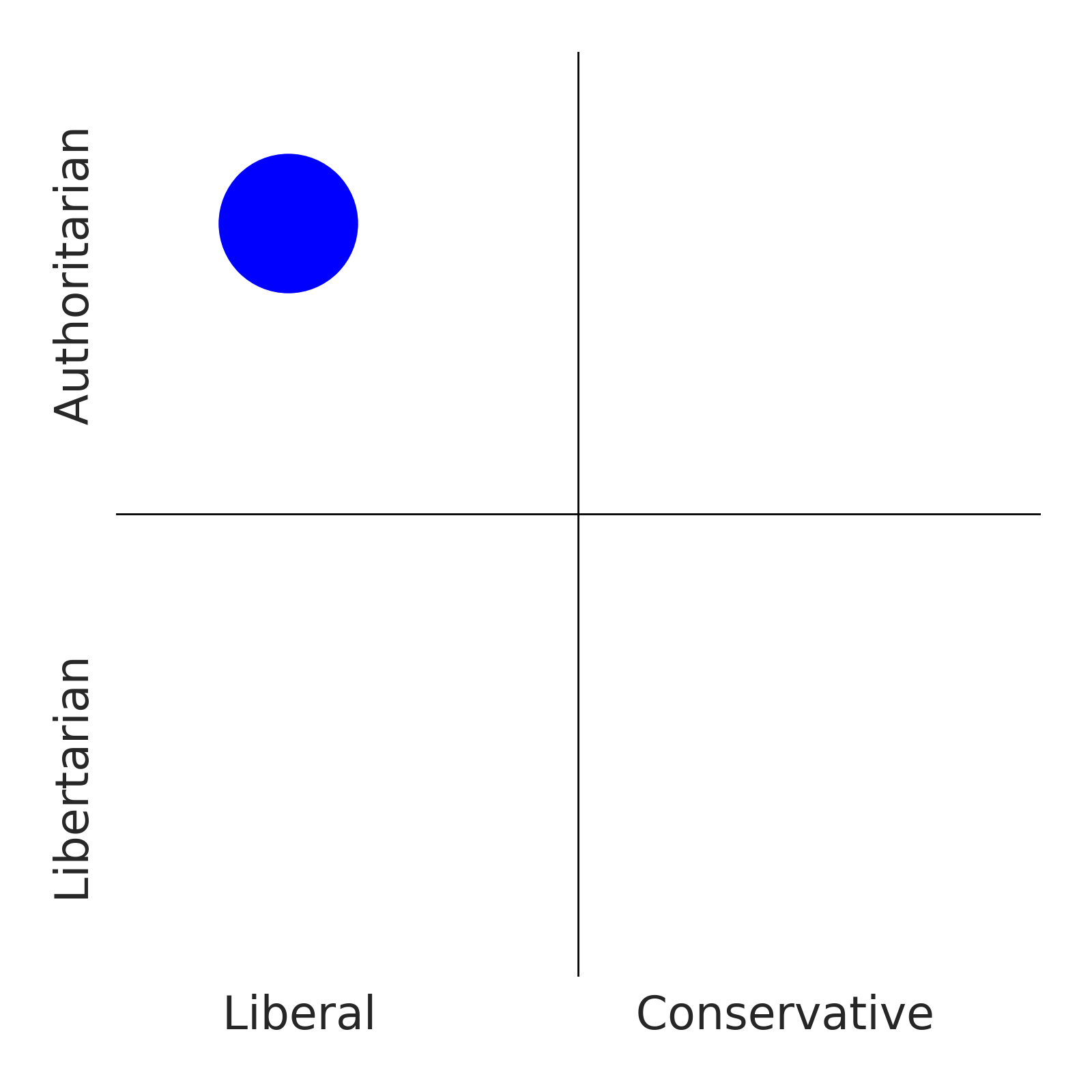
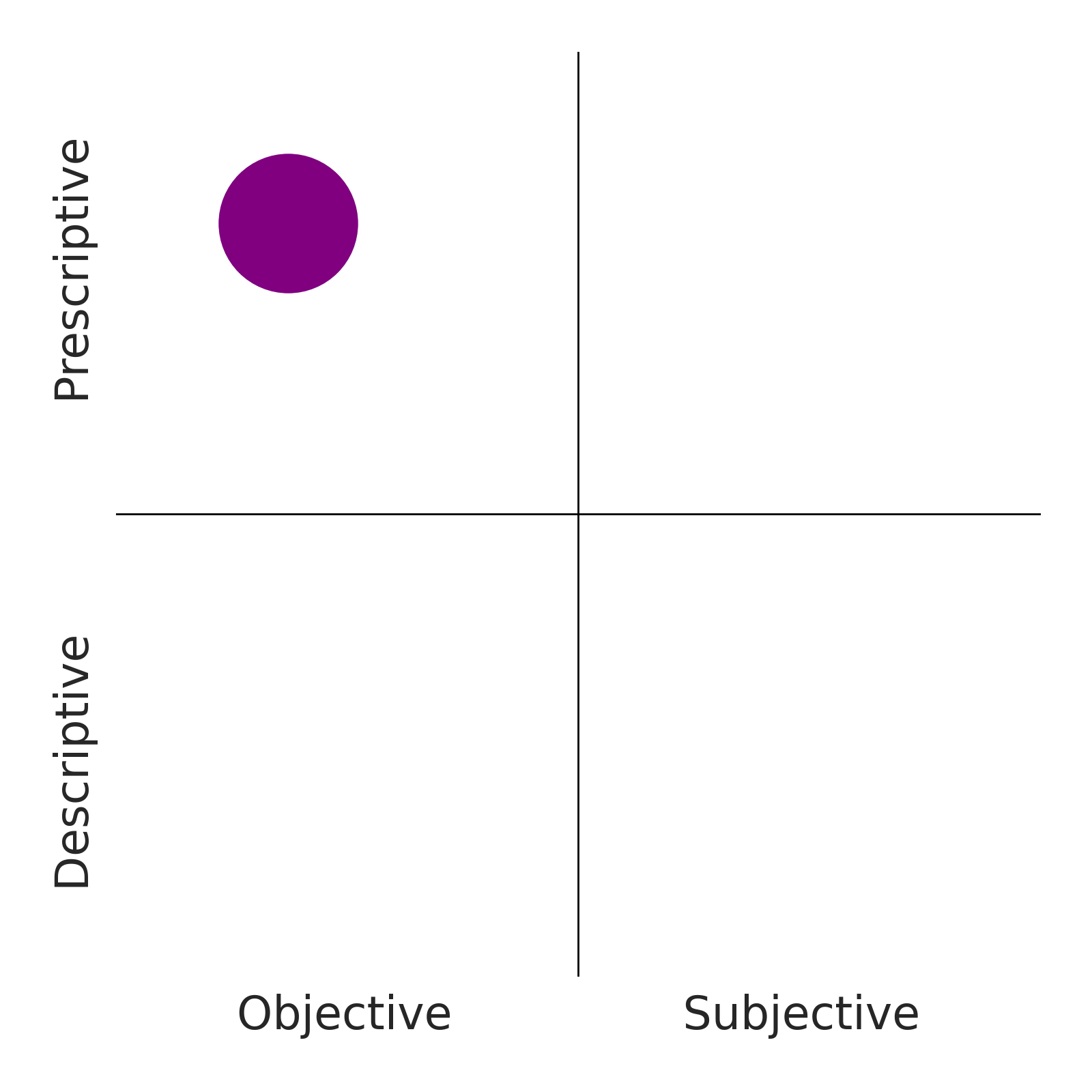
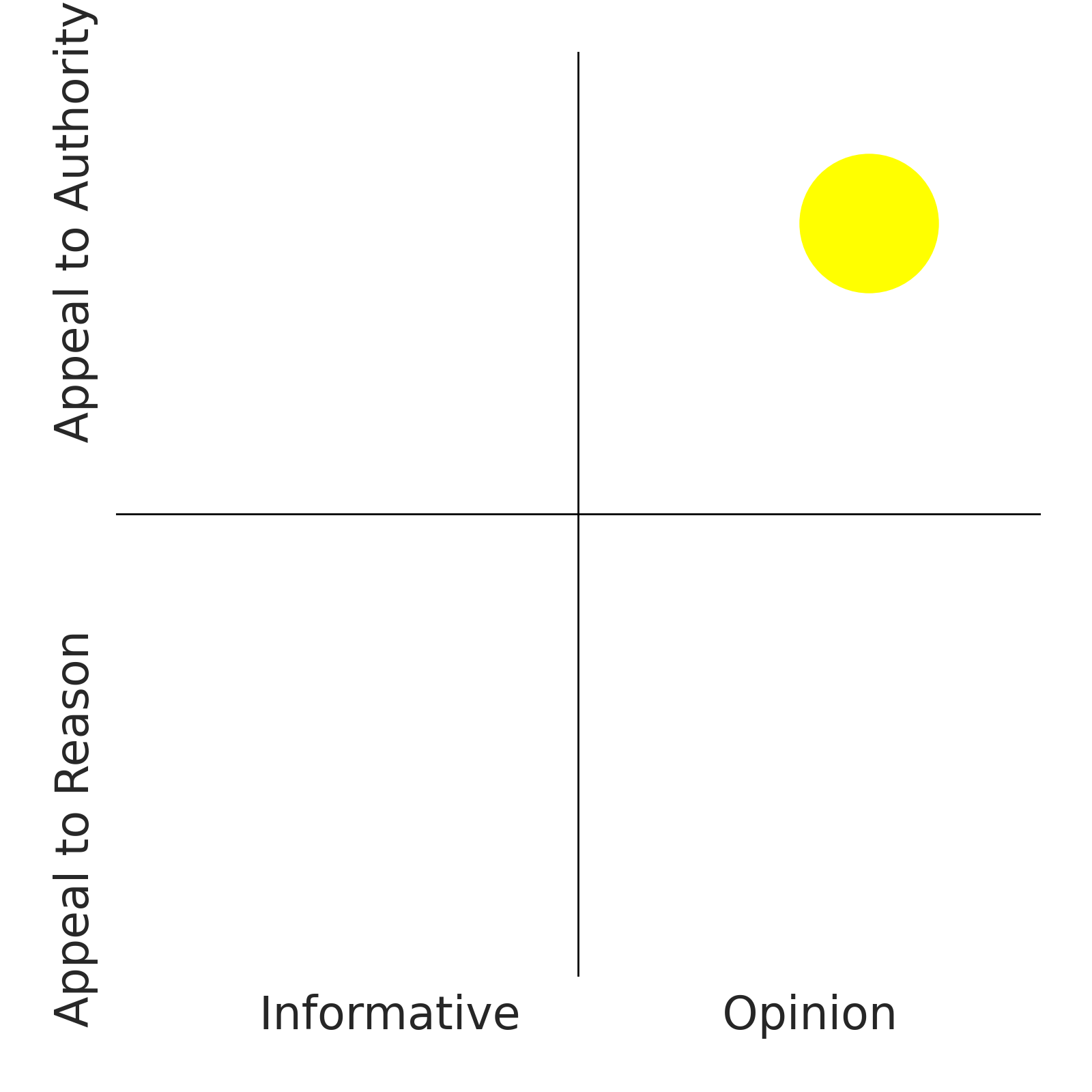
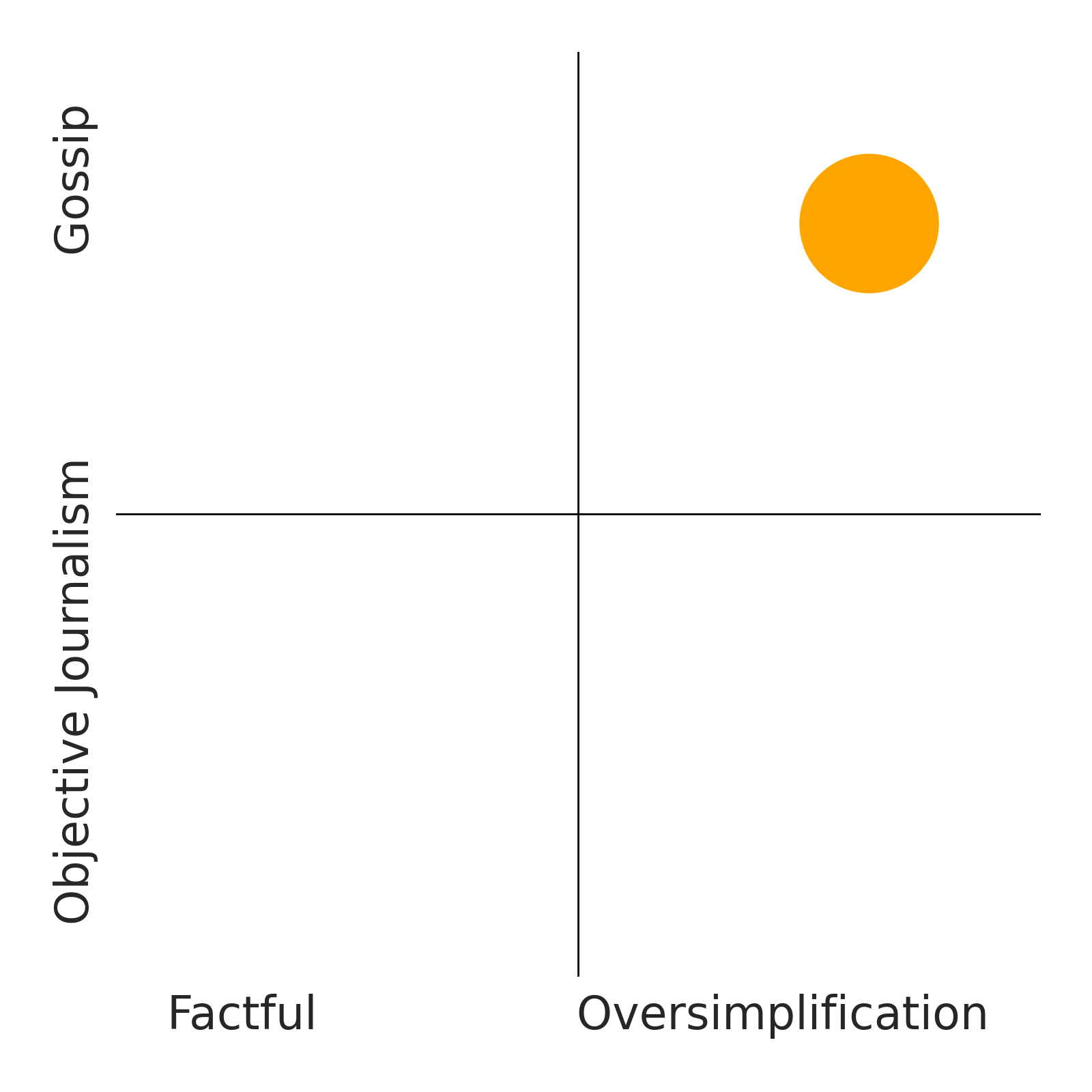
Click points to explore news by date. News sentiment ranges from -10 (very negative) to +10 (very positive) where 0 is neutral.
2026 © Helium Trades
Privacy Policy & Disclosure
* Disclaimer: Nothing on this website constitutes investment advice, performance data or any recommendation that any particular security, portfolio of securities, transaction or investment strategy is suitable for any specific person. Helium Trades is not responsible in any way for the accuracy
of any model predictions or price data. Any mention of a particular security and related prediction data is not a recommendation to buy or sell that security. Investments in securities involve the risk of loss. Past performance is no guarantee of future results. Helium Trades is not responsible for any of your investment decisions,
you should consult a financial expert before engaging in any transaction.
Helium Research Assistant

How can I help you today?
Ask any question about Iran Press bias.