* Nothing on this website constitutes investment advice, performance data or any recommendation that any particular security, portfolio of securities, transaction or investment strategy is suitable for any specific person. Helium Trades is not responsible in any way for the accuracy of any model predictions or price data. Any mention of a particular security and related prediction data is not a recommendation to buy or sell that security. Investments in securities involve the risk of loss. Past performance is no guarantee of future results. Helium Trades is not responsible for any of your investment decisions, you should consult a financial expert before engaging in any transaction.
CGTN Media Bias
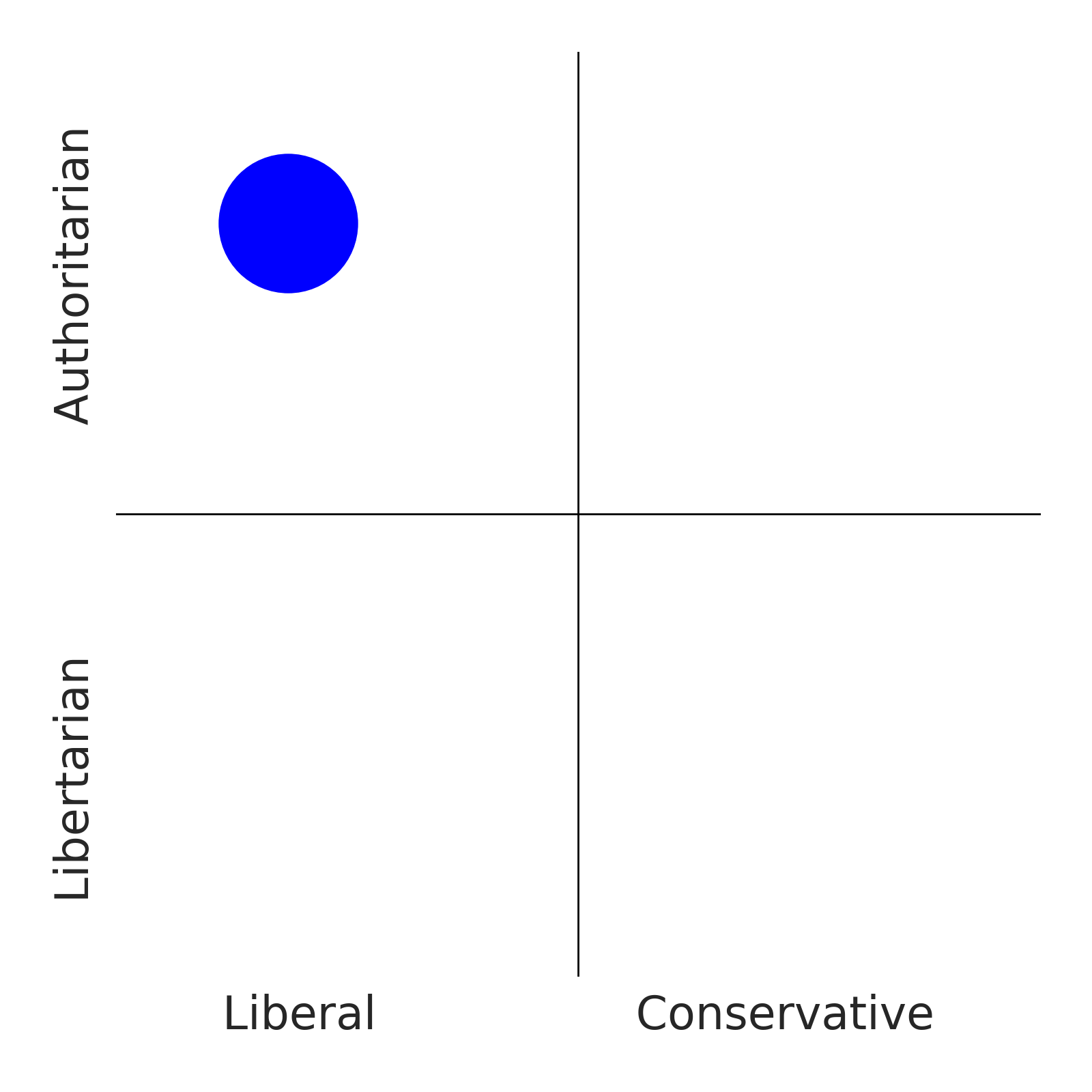
Overall worldview: The supplied evidence suggests a source behaving less like a neutral wire service and more like a state-institution/establishment-aligned brief aggregator with a strong pull toward Beijing-led governance narratives [80].
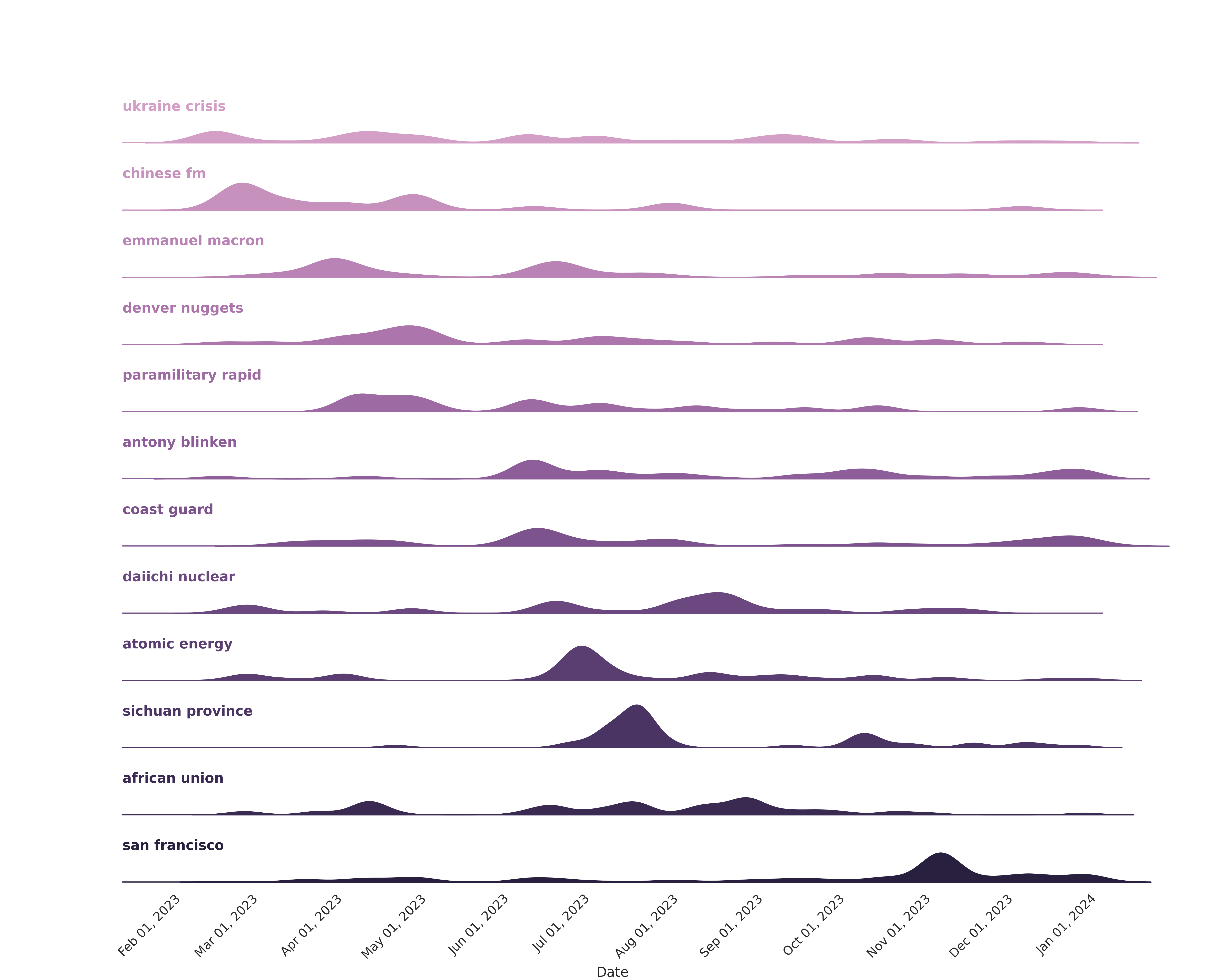
Frequent topic clusters include China diplomacy, BRICS/SCO summits, the Belt and Road Initiative, Global Development Initiative vocabulary, AI governance, and world affairs such as Israeli settlements, the EU, and the UN [80].
Key observable patterns: 1. Establishment/official-source reliance: Multiple items rest authority almost entirely on officials — Chinese foreign-ministry spokespeople, Xi Jinping statements, UN/OCHA estimates — with no non-institutional or critical counterweights cited in the records [80].
A recurring template: official rhetoric ('win-win cooperation,' 'shared future,' 'multipolarity is irreversible') relayed as news [80]. 2. Promotional framing of China initiatives: Belt and Road, China–Egypt cultural diplomacy, China–Kyrgyzstan cooperation, and BRICS expansion are framed as unambiguous success stories with celebratory statistics and no critical perspective [80].
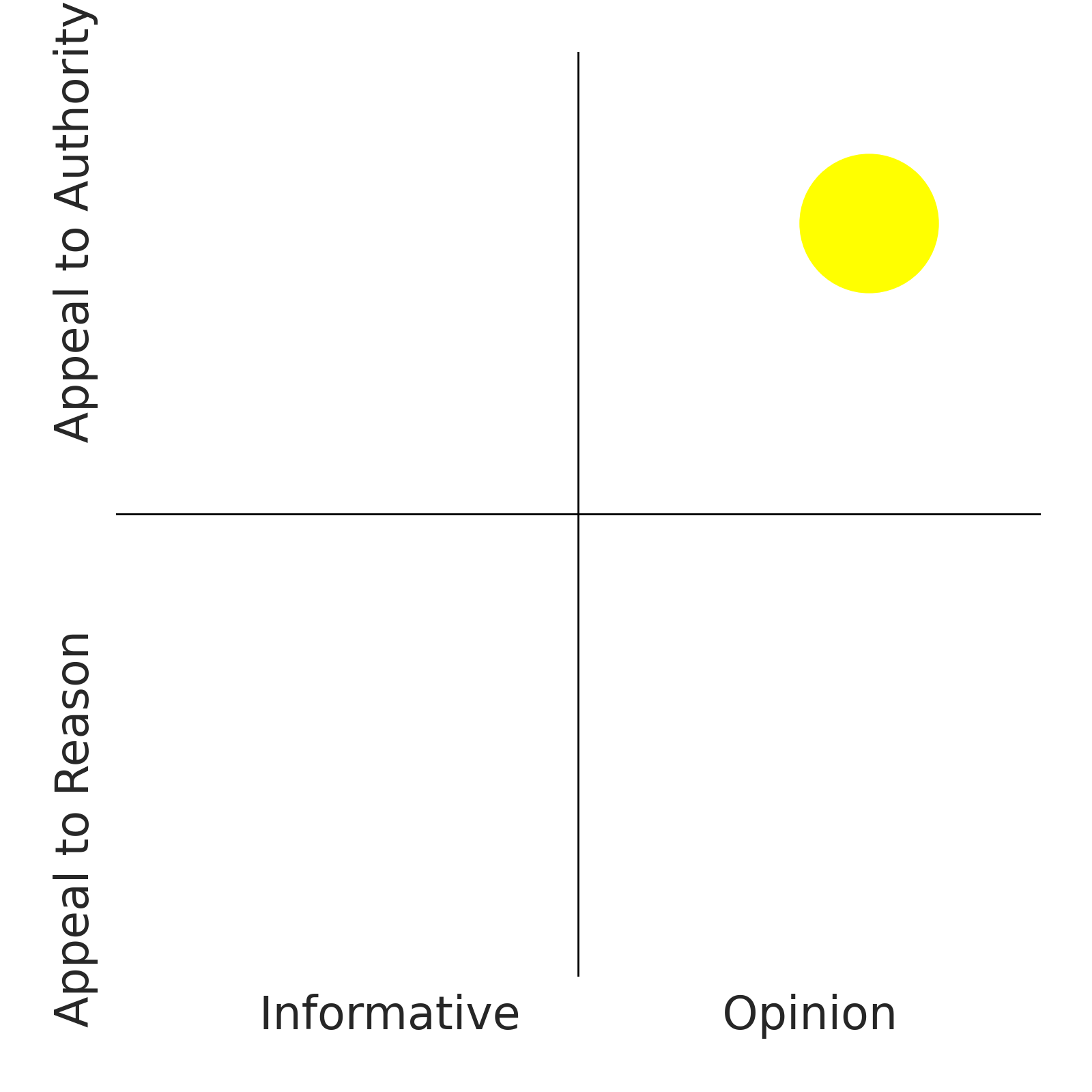
BRICS is described as 'a strategic force for building a more just and equitable global governance system' — doctrine reproduced as fact [80]. 3. Opinion/commentary dominance on geopolitics: Several items are explicitly labeled 'The article reflects the author's opinions and not necessarily the views of…' and prescribe what SCO/BRICS states should do, with normative claims ('a more just multipolar order') presented as established fact [80]. 4. Counterexamples exist: Some items are genuinely restrained and neutral — e.g., the Mali/Dioura attack report crediting local sources and JNIM claims while flagging an unconfirmed death toll
A short wire brief relays the attack through attributed local and militant claims, framing the casualty count as an unverified estimate rather than an established fact.
Hidden Assumptions
Unnamed local security and official sources are reliable enough to justify reporting casualty and capture figures while the army has not confirmed them.
The militant group's claim of responsibility and its later casualty figures can be reported as relevant to the same attack even though independently unverified.
Automated analysis; not human reviewed.Limitations: The supplied text is a short wire-style brief with unnamed sources; original editorial context and any omitted reporting cannot be assessed.
·
4 of 55 available dimensions scored; omitted dimensions are not treated as neutral. ·
Verified supporting quotes for 2 of 4 scored dimensions.
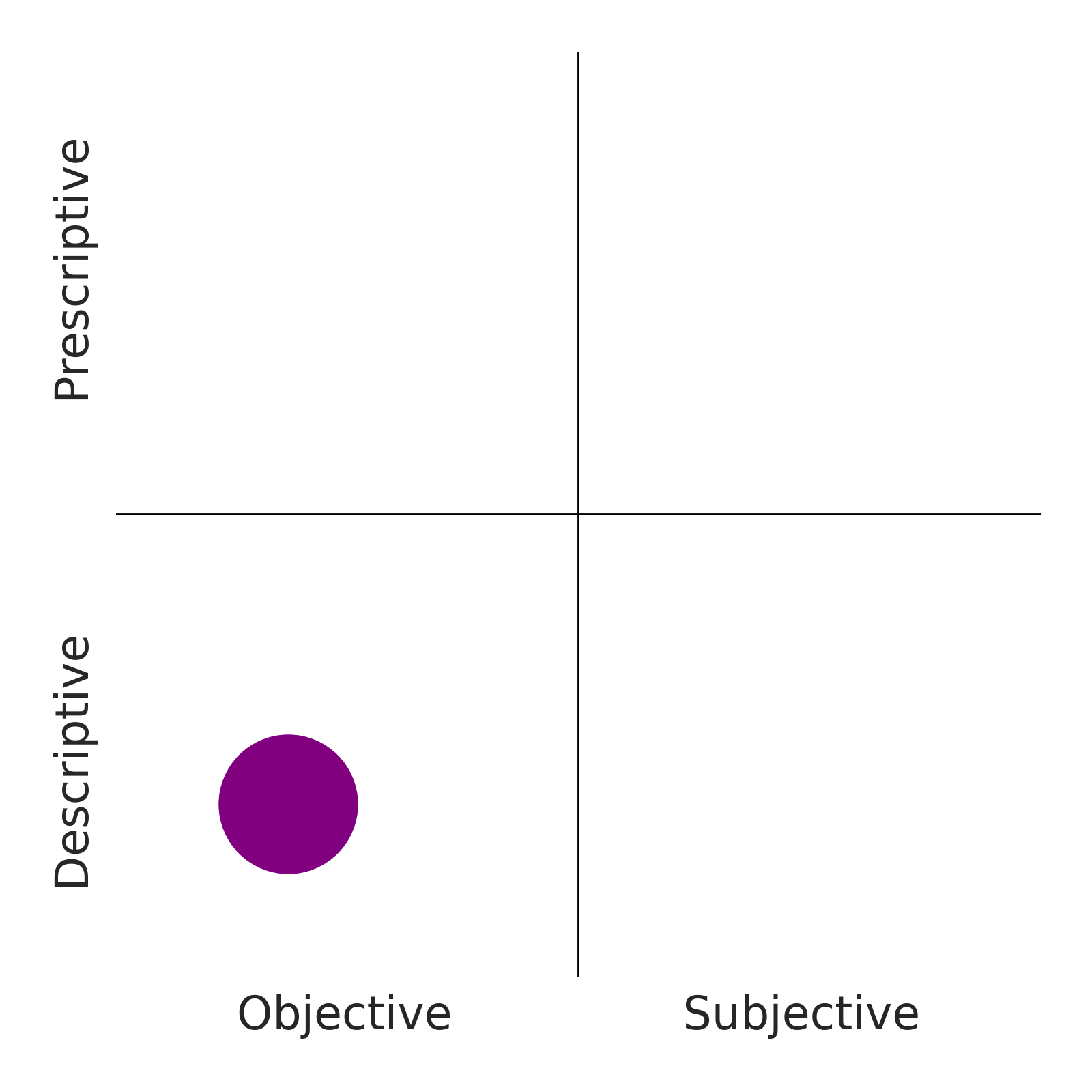
🗞️ Objective <—> Subjective 👁️
Inspect evidence · 80% classification confidence
Claim: The report separates the publisher's voice from contested claims by attributing casualty counts and noting a lack of independent verification.
“A security source in the city of Mopti said that the September 10 attack "resulted in a tragedy of unprecedented scale, more than 100 soldiers including two officers were killed."”
· not found in supplied text
“The group later claimed it had killed 150 Malian soldiers and captured 93, figures that could not be independently verified.”
· exact text match
Why: The most consequential figures are sourced to unnamed local sources and a militant group, with explicit caveats about unverified claims, so the framing is objective rather than subjective.
🗞️ Objective <—> Sensational 🚨
Inspect evidence · 75% classification confidence
Claim: The attack is presented with restrained, factual phrasing rather than alarmist or emotional language.
“Previous reports this week indicated that at least 50 soldiers had been killed in the attack considered to be one of the deadliest suffered by the Malian army since conflict broke out nearly 15 years ago.”
· exact text match
“The Malian army has not released an official casualty figure but said it had launched air and ground operations against the attackers.”
· exact text match
Why: The report relies on quantified reports and official responses without lurid adjectives, dramatic imagery, or rhetorical escalation.
📋 Descriptive <—> Prescriptive 📝
Inspect evidence · 75% classification confidence
Claim: The article stays descriptive, offering chronology and attributed statements without recommendations or policy prescriptions.
“The attack comes amid an intensifying security crisis in Mali, where JNIM and Tuareg separatist forces have carried out coordinated attacks against military positions and other strategic targets since late April.”
· exact text match
Why: The text reports context and events without urging any course of action or assigning blame and remedy.
❌ Low Credibility <—> High Credibility ✅
Inspect evidence · 75% classification confidence
Claim: Visible sourcing, attribution, and explicit hedging practices support the report's credibility.
“A security source in the city of Mopti said that the September 10 attack "resulted in a tragedy of unprecedented scale, more than 100 soldiers including two officers were killed."”
· not found in supplied text
“The group later claimed it had killed 150 Malian soldiers and captured 93, figures that could not be independently verified.”
· exact text match
Why: The report repeatedly attributes claims to named or unnamed sources, includes official non-confirmation, and flags unverifiable militant figures.
Analysis Self-Critique
The supplied text is a short wire-style brief with unnamed sources; original editorial context and any omitted reporting cannot be assessed.
; the Nigeria accountability brief leaving cause of death open; Trump/Houthi items using clean attribution; the AI-hack story framed as 'contained but significant' [80].
This suggests mixed provenance — likely a mix of straight wire copy and op-ed/state commentary.
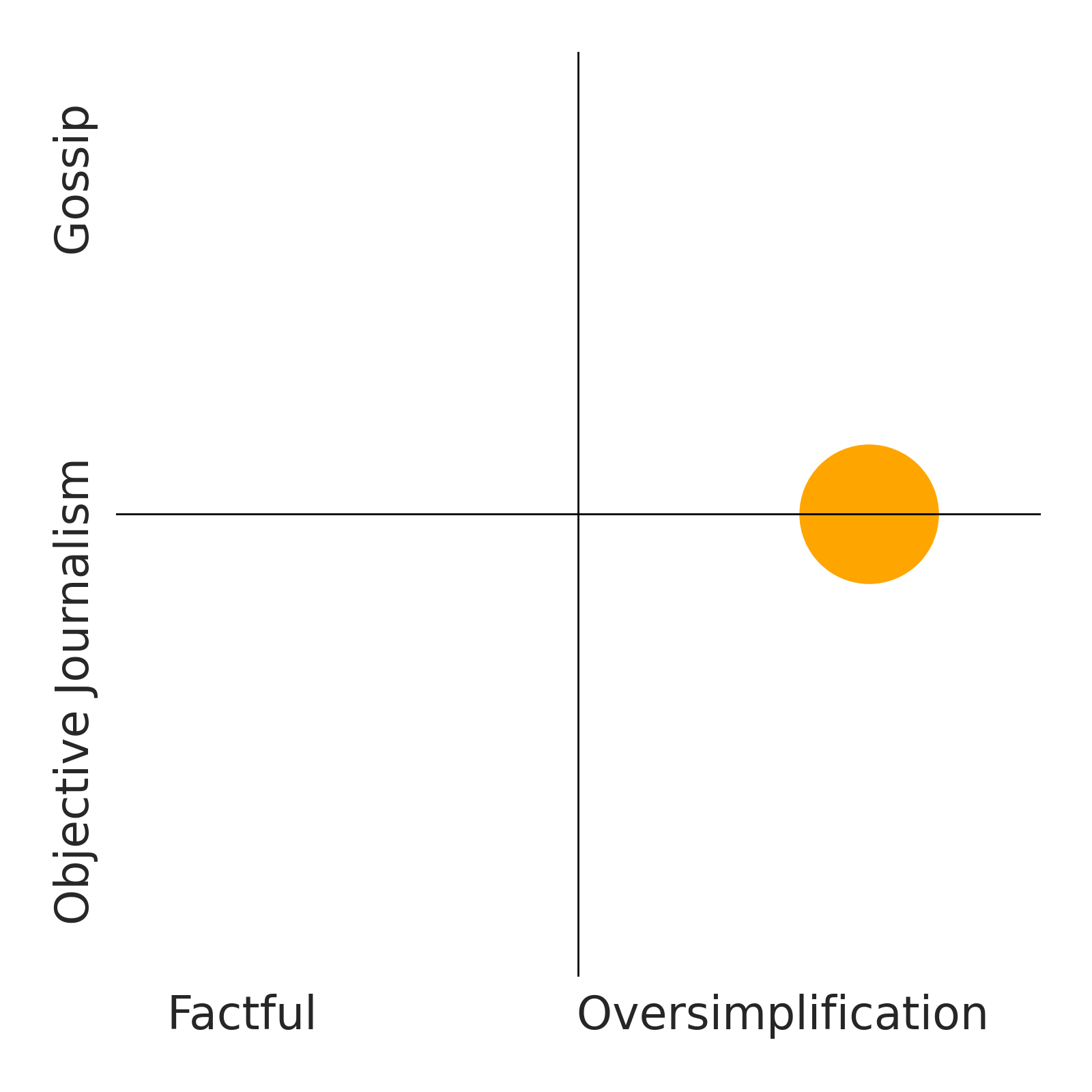
Propaganda techniques (probabilistic, evidence-bound): appeal to authority (officials as sole sources) [80]; one-sided sourcing/omission (no rival frameworks for GDI, multipolarity, TCM); oversimplification (single US student's anecdote standing in for 'factors Americans consider' about study in China) [80]; possibly whitewashing/historical framing, e.g., an AI system described as having a training corpus 'deliberately truncated to begin only in May 1947' — a Japan-related narrative-contamination concern [80].
Taiwan framing described as Beijing-spun/separatist language also appears in the synthesis [80].
AI authorship signal: High volume of formulaic, template-like diplomatic briefs, boilerplate disclaimers, and near-duplicate rhetorical structures is consistent with automated or heavily templated production, but this is a probabilistic inference, not established fact.
Warning-driven historical framing treats Japan's current political and military shifts as coordinated proof of resurgent militarism and prescribes a return to post-war pacifist constraints.
Context
The September 18 Incident is China's name for Japan's 1931 invasion of Manchuria, initiated by a staged bombing near Mukden (now Shenyang). Japan's postwar "Pacifist Constitution" and "Three Non-Nuclear Principles" are the constraints referenced as limits on Japanese rearmament.
Hidden Assumptions
That the cited events are best understood as a single coordinated resurgence of militarism rather than separate political choices.
That Japan's postwar constraints should remain permanently binding, making any Japanese attempt to revise them illegitimate.
That Japan's military buildup is offensive in purpose and will predictably trigger regional arms races and instability.
Automated analysis; not human reviewed.Limitations: The supplied text is a signed opinion essay with an author disclaimer; the publisher name is blank in the provided text and the event claims are not independently sourced, so external verification was not possible.
·
12 of 55 available dimensions scored; omitted dimensions are not treated as neutral. ·
Verified supporting quotes for 11 of 12 scored dimensions.
🗞️ Objective <—> Subjective 👁️
Inspect evidence · 80% classification confidence
Claim: The commentary relies on evaluative moral judgments rather than neutral reporting.
“Japan can never earn the understanding of its Asian neighbors or the respect of the international community through militarism and warmongering.”
· exact text match
Why: The sentence asserts what Japan 'can never earn,' which is an opinion rather than a factual observation.
🗞️ Objective <—> Sensational 🚨
Inspect evidence · 70% classification confidence
Claim: The piece uses catastrophic imagery to amplify the perceived threat.
“plunging the entire Asia-Pacific region into the bottomless abyss of war”
· exact text match
Why: 'Bottomless abyss of war' is dramatic, emotion-laden language rather than measured description.
😩 Pessimistic <—> Optimistic 🌞
Inspect evidence · 65% classification confidence
Claim: The piece forecasts negative regional consequences from Japan's trajectory.
“The rightward tilt in Japan's political ecology and its drive to become a major military power are inevitably exerting profound impacts on East Asia's security architecture, bringing far-reaching negative consequences to regional peace and stability.”
· exact text match
Why: It frames current trends as inevitably producing harm, a pessimistic outlook.
📋 Descriptive <—> Prescriptive 📝
Inspect evidence · 85% classification confidence
Claim: The piece instructs Japan to take specific corrective actions.
“Japan's only viable path forward is to pull back from the brink, squarely face its past, and engage in profound reflection on its history of aggression.”
· exact text match
Why: The sentence prescribes a course for Japan, going beyond description.
🕊️ Dovish <—> Hawkish 🦁
Inspect evidence · 60% classification confidence
Claim: The piece takes an anti-militarist, peace-oriented position.
“Japan must completely cut ties with lingering militarist ideologies, return to the framework of its Pacifist Constitution, and firmly follow the path of peaceful development.”
· exact text match
Why: It calls for Japan to return to pacifist constraints, opposing military expansion.
😨 Fearful
Inspect evidence · 70% classification confidence
Claim: The piece emphasizes threats and alarming developments to generate unease.
“Recently, a string of unusually dangerous developments have emerged in quick succession within Japan's political and defense circles, such as right-wing conservatives gaining power in local elections, top defense officials openly coveting nuclear armaments and frequent joint regional military drills.”
· exact text match
Why: 'Unusually dangerous developments' is loaded, fear-oriented characterization.
💭 Opinion
Inspect evidence · 80% classification confidence
Claim: The essay advances a strong evaluative argument with policy demands.
“To tolerate historical revisionism from Japan is in essence to shake the foundations of the post-war peace order, which will ultimately harm global peace and stability.”
· exact text match
Why: The sentence presents a normative claim about the consequences of tolerating historical revisionism.
🗳 Political
Inspect evidence · 80% classification confidence
Claim: The essay is centered on geopolitical and interstate conflict, with explicit political judgments.
“The post-war international order, with the United Nations at its core, was built precisely upon the defeat of Japanese militarism by the world anti-fascist alliance and hard-won lessons drawn from the war.”
· exact text match
Why: The quote frames the issue around international order and Japanese militarism.
Oversimplification
Inspect evidence · 65% classification confidence
Claim: A range of separately explainable events is collapsed into one accelerating trend.
“All those suggest that Japan's ruling authorities and right-wing factions are accelerating their break from the post-war system and deviating further from the path of peaceful development.”
· exact text match
Why: Multiple events are summarized as all 'suggesting' the same broad conclusion.
😤 Overconfident
Inspect evidence · 65% classification confidence
Claim: The conclusion is stated with certainty despite being an interpretive claim.
“These are by no means isolated diplomatic disputes; rather, they are a concentrated manifestation of the long-standing attempts by Japan's right-wing forces to whitewash its history of aggression and reverse historical verdicts.”
· exact text match
Why: The phrase 'by no means isolated' and 'concentrated manifestation' asserts a definitive pattern.
🙁 Negative <—> Positive 🙂
Inspect evidence · 65% classification confidence
Claim: The language is emotionally charged and expresses anxiety.
“At this solemn juncture, a time for deep reflection on wartime tragedies and renewed pledges for peace, a close look at the current situation in East Asia inevitably evokes deep concern.”
· exact text match
Why: 'Deep concern' and 'solemn juncture' signal an emotional register rather than neutral analysis.
🎲 Speculation
Inspect evidence · 70% classification confidence
Claim: The piece predicts future actions and consequences without evidence of actual plans.
“In pursuit of military expansion goals, Japan's ruling coalition will press ahead with arming Okinawa, at the risk of dragging the Okinawan people onto the chariot of East-Asian geopolitical conflicts.”
· not found in supplied text
Why: 'Will press ahead' states a future outcome as expected.
Analysis Self-Critique
The supplied text is a signed opinion essay with an author disclaimer; the publisher name is blank in the provided text and the event claims are not independently sourced, so external verification was not possible.
state/official legitimacy and China's cooperative-leadership image [80];
Record-framed, promotional engineering coverage accentuates superlatives and route benefits of a Chinese canal project.
Hidden Assumptions
The canal's superlative engineering attributes are a meaningful reason to celebrate it.
A shorter shipping route is an unqualified positive outcome.
Record-setting is an apt frame for evaluating the project.
Automated analysis; not human reviewed.Limitations: Supplied text is truncated and mixed with cookie/consent boilerplate, so framing assessment rests on limited fragments.
·
2 of 54 available dimensions scored; omitted dimensions are not treated as neutral. ·
Verified supporting quotes for 2 of 2 scored dimensions.
🗞️ Objective <—> Sensational 🚨
Inspect evidence · 75% classification confidence
Claim: The framing uses record-counting and superlatives to present the canal as extraordinary.
“How many records can one canal break?”
· exact text match
“One of the world's strongest inland waterways”
· exact text match
Why: The headline is a rhetorical record question and the strength claim is an unqualified superlative.
🤑 Advertising
Inspect evidence · 65% classification confidence
Claim: The prose is promotional, emphasizing only positive features and benefits.
“One of the world's strongest inland waterways”
· exact text match
“opening a shorter path for goods from”
· exact text match
Why: The selected details are positive attributes and route-efficiency benefits, with no drawbacks, context, or skepticism.
Analysis Self-Critique
Supplied text is truncated and mixed with cookie/consent boilerplate, so framing assessment rests on limited fragments.
multipolarity/Global South governance narratives [80];
The commentary celebrates the Bishkek summit as a milestone and frames China as the SCO's architect and driving force.
Context
The Shanghai Cooperation Organization is a Eurasian political, security, and economic bloc founded in 2001; the Bishkek summit followed the 2025 Tianjin summit and the SCO Development Strategy until 2035.
Hidden Assumptions
The SCO and its institutional deepening are unambiguously positive for member states and the region.
China's role as the SCO's architect and driving force is compatible with the interests of all member states.
Unanimous summit agreements reflect genuine consensus rather than diplomatic bargaining or power asymmetries.
Automated analysis; not human reviewed.Limitations: The supplied text is explicitly labeled an opinion/commentary by a Chinese-affiliated think-tank researcher and relies entirely on official or summit-source material; no independent or critical assessment is included.
·
6 of 54 available dimensions scored; omitted dimensions are not treated as neutral. ·
Verified supporting quotes for 5 of 6 scored dimensions.
🗞️ Objective <—> Subjective 👁️
Inspect evidence · 85% classification confidence
Claim: The framing is subjective and analytical rather than neutral news reporting.
“The article reflects the author's opinions and not necessarily the views of .”
· exact text match
Why: The publisher explicitly labels the content as the author's opinion and the piece draws evaluative conclusions about the summit.
😩 Pessimistic <—> Optimistic 🌞
Inspect evidence · 70% classification confidence
Claim: The overall tone is optimistic and forward-looking about the SCO's trajectory.
“Bishkek summit injects fresh impetus into high-quality development of SCO”
· exact text match
“the SCO's strength will also play a positive role in boosting the long-term stability and common prosperity of the Eurasian continent”
· exact text match
Counterevidence:
“the SCO's development still faces practical constraints”
· exact text match
Why: Celebratory headline language and a positive forecast dominate the conclusion, despite brief acknowledgment of challenges.
📋 Descriptive <—> Prescriptive 📝
Inspect evidence · 90% classification confidence
Claim: The commentary tells SCO member states what they should do rather than merely describing the summit.
“all member states should be guided by the "Shanghai Spirit."”
· not found in supplied text
“Member states should translate the Bishkek summit's institutional achievements into effective governance to solve practical problems”
· exact text match
Why: Repeated 'should' formulations make the piece prescriptive.
💭 Opinion
Inspect evidence · 95% classification confidence
Claim: The piece is explicitly opinionated, not straight news.
“The article reflects the author's opinions and not necessarily the views of .”
· exact text match
Why: The disclosure labels the content as opinion and the text advocates for specific member-state actions.
🗳 Political
Inspect evidence · 65% classification confidence
Claim: The coverage is heavily oriented toward interstate politics, security, and geopolitical positioning.
“Security cooperation is the core driver for the establishment of the SCO and an important guarantee for regional stability.”
· exact text match
“opposing unilateral coercive measures”
· exact text match
Why: The article emphasizes security institutions and geopolitical contestation, framing outcomes in geopolitical terms.
🔒 Ideological
Inspect evidence · 60% classification confidence
Claim: The framing advances a doctrine-laden worldview centered on China's community-with-a-shared-future concept and true multilateralism.
“make greater contributions to the building of a community with a shared future for humanity”
· exact text match
“the SCO adheres to true multilateralism, and its international influence has been steadily growing”
· exact text match
Why: These are normative, doctrine-laden phrases used as goals rather than observed facts.
Analysis Self-Critique
The supplied text is explicitly labeled an opinion/commentary by a Chinese-affiliated think-tank researcher and relies entirely on official or summit-source material; no independent or critical assessment is included.
Warning-driven historical framing treats Japan's current political and military shifts as coordinated proof of resurgent militarism and prescribes a return to post-war pacifist constraints.
Context
The September 18 Incident is China's name for Japan's 1931 invasion of Manchuria, initiated by a staged bombing near Mukden (now Shenyang). Japan's postwar "Pacifist Constitution" and "Three Non-Nuclear Principles" are the constraints referenced as limits on Japanese rearmament.
Hidden Assumptions
That the cited events are best understood as a single coordinated resurgence of militarism rather than separate political choices.
That Japan's postwar constraints should remain permanently binding, making any Japanese attempt to revise them illegitimate.
That Japan's military buildup is offensive in purpose and will predictably trigger regional arms races and instability.
Automated analysis; not human reviewed.Limitations: The supplied text is a signed opinion essay with an author disclaimer; the publisher name is blank in the provided text and the event claims are not independently sourced, so external verification was not possible.
·
12 of 55 available dimensions scored; omitted dimensions are not treated as neutral. ·
Verified supporting quotes for 11 of 12 scored dimensions.
🗞️ Objective <—> Subjective 👁️
Inspect evidence · 80% classification confidence
Claim: The commentary relies on evaluative moral judgments rather than neutral reporting.
“Japan can never earn the understanding of its Asian neighbors or the respect of the international community through militarism and warmongering.”
· exact text match
Why: The sentence asserts what Japan 'can never earn,' which is an opinion rather than a factual observation.
🗞️ Objective <—> Sensational 🚨
Inspect evidence · 70% classification confidence
Claim: The piece uses catastrophic imagery to amplify the perceived threat.
“plunging the entire Asia-Pacific region into the bottomless abyss of war”
· exact text match
Why: 'Bottomless abyss of war' is dramatic, emotion-laden language rather than measured description.
😩 Pessimistic <—> Optimistic 🌞
Inspect evidence · 65% classification confidence
Claim: The piece forecasts negative regional consequences from Japan's trajectory.
“The rightward tilt in Japan's political ecology and its drive to become a major military power are inevitably exerting profound impacts on East Asia's security architecture, bringing far-reaching negative consequences to regional peace and stability.”
· exact text match
Why: It frames current trends as inevitably producing harm, a pessimistic outlook.
📋 Descriptive <—> Prescriptive 📝
Inspect evidence · 85% classification confidence
Claim: The piece instructs Japan to take specific corrective actions.
“Japan's only viable path forward is to pull back from the brink, squarely face its past, and engage in profound reflection on its history of aggression.”
· exact text match
Why: The sentence prescribes a course for Japan, going beyond description.
🕊️ Dovish <—> Hawkish 🦁
Inspect evidence · 60% classification confidence
Claim: The piece takes an anti-militarist, peace-oriented position.
“Japan must completely cut ties with lingering militarist ideologies, return to the framework of its Pacifist Constitution, and firmly follow the path of peaceful development.”
· exact text match
Why: It calls for Japan to return to pacifist constraints, opposing military expansion.
😨 Fearful
Inspect evidence · 70% classification confidence
Claim: The piece emphasizes threats and alarming developments to generate unease.
“Recently, a string of unusually dangerous developments have emerged in quick succession within Japan's political and defense circles, such as right-wing conservatives gaining power in local elections, top defense officials openly coveting nuclear armaments and frequent joint regional military drills.”
· exact text match
Why: 'Unusually dangerous developments' is loaded, fear-oriented characterization.
💭 Opinion
Inspect evidence · 80% classification confidence
Claim: The essay advances a strong evaluative argument with policy demands.
“To tolerate historical revisionism from Japan is in essence to shake the foundations of the post-war peace order, which will ultimately harm global peace and stability.”
· exact text match
Why: The sentence presents a normative claim about the consequences of tolerating historical revisionism.
🗳 Political
Inspect evidence · 80% classification confidence
Claim: The essay is centered on geopolitical and interstate conflict, with explicit political judgments.
“The post-war international order, with the United Nations at its core, was built precisely upon the defeat of Japanese militarism by the world anti-fascist alliance and hard-won lessons drawn from the war.”
· exact text match
Why: The quote frames the issue around international order and Japanese militarism.
Oversimplification
Inspect evidence · 65% classification confidence
Claim: A range of separately explainable events is collapsed into one accelerating trend.
“All those suggest that Japan's ruling authorities and right-wing factions are accelerating their break from the post-war system and deviating further from the path of peaceful development.”
· exact text match
Why: Multiple events are summarized as all 'suggesting' the same broad conclusion.
😤 Overconfident
Inspect evidence · 65% classification confidence
Claim: The conclusion is stated with certainty despite being an interpretive claim.
“These are by no means isolated diplomatic disputes; rather, they are a concentrated manifestation of the long-standing attempts by Japan's right-wing forces to whitewash its history of aggression and reverse historical verdicts.”
· exact text match
Why: The phrase 'by no means isolated' and 'concentrated manifestation' asserts a definitive pattern.
🙁 Negative <—> Positive 🙂
Inspect evidence · 65% classification confidence
Claim: The language is emotionally charged and expresses anxiety.
“At this solemn juncture, a time for deep reflection on wartime tragedies and renewed pledges for peace, a close look at the current situation in East Asia inevitably evokes deep concern.”
· exact text match
Why: 'Deep concern' and 'solemn juncture' signal an emotional register rather than neutral analysis.
🎲 Speculation
Inspect evidence · 70% classification confidence
Claim: The piece predicts future actions and consequences without evidence of actual plans.
“In pursuit of military expansion goals, Japan's ruling coalition will press ahead with arming Okinawa, at the risk of dragging the Okinawan people onto the chariot of East-Asian geopolitical conflicts.”
· not found in supplied text
Why: 'Will press ahead' states a future outcome as expected.
Analysis Self-Critique
The supplied text is a signed opinion essay with an author disclaimer; the publisher name is blank in the provided text and the event claims are not independently sourced, so external verification was not possible.
Record-framed, promotional engineering coverage accentuates superlatives and route benefits of a Chinese canal project.
Hidden Assumptions
The canal's superlative engineering attributes are a meaningful reason to celebrate it.
A shorter shipping route is an unqualified positive outcome.
Record-setting is an apt frame for evaluating the project.
Automated analysis; not human reviewed.Limitations: Supplied text is truncated and mixed with cookie/consent boilerplate, so framing assessment rests on limited fragments.
·
2 of 54 available dimensions scored; omitted dimensions are not treated as neutral. ·
Verified supporting quotes for 2 of 2 scored dimensions.
🗞️ Objective <—> Sensational 🚨
Inspect evidence · 75% classification confidence
Claim: The framing uses record-counting and superlatives to present the canal as extraordinary.
“How many records can one canal break?”
· exact text match
“One of the world's strongest inland waterways”
· exact text match
Why: The headline is a rhetorical record question and the strength claim is an unqualified superlative.
🤑 Advertising
Inspect evidence · 65% classification confidence
Claim: The prose is promotional, emphasizing only positive features and benefits.
“One of the world's strongest inland waterways”
· exact text match
“opening a shorter path for goods from”
· exact text match
Why: The selected details are positive attributes and route-efficiency benefits, with no drawbacks, context, or skepticism.
Analysis Self-Critique
Supplied text is truncated and mixed with cookie/consent boilerplate, so framing assessment rests on limited fragments.
The commentary celebrates the Bishkek summit as a milestone and frames China as the SCO's architect and driving force.
Context
The Shanghai Cooperation Organization is a Eurasian political, security, and economic bloc founded in 2001; the Bishkek summit followed the 2025 Tianjin summit and the SCO Development Strategy until 2035.
Hidden Assumptions
The SCO and its institutional deepening are unambiguously positive for member states and the region.
China's role as the SCO's architect and driving force is compatible with the interests of all member states.
Unanimous summit agreements reflect genuine consensus rather than diplomatic bargaining or power asymmetries.
Automated analysis; not human reviewed.Limitations: The supplied text is explicitly labeled an opinion/commentary by a Chinese-affiliated think-tank researcher and relies entirely on official or summit-source material; no independent or critical assessment is included.
·
6 of 54 available dimensions scored; omitted dimensions are not treated as neutral. ·
Verified supporting quotes for 5 of 6 scored dimensions.
🗞️ Objective <—> Subjective 👁️
Inspect evidence · 85% classification confidence
Claim: The framing is subjective and analytical rather than neutral news reporting.
“The article reflects the author's opinions and not necessarily the views of .”
· exact text match
Why: The publisher explicitly labels the content as the author's opinion and the piece draws evaluative conclusions about the summit.
😩 Pessimistic <—> Optimistic 🌞
Inspect evidence · 70% classification confidence
Claim: The overall tone is optimistic and forward-looking about the SCO's trajectory.
“Bishkek summit injects fresh impetus into high-quality development of SCO”
· exact text match
“the SCO's strength will also play a positive role in boosting the long-term stability and common prosperity of the Eurasian continent”
· exact text match
Counterevidence:
“the SCO's development still faces practical constraints”
· exact text match
Why: Celebratory headline language and a positive forecast dominate the conclusion, despite brief acknowledgment of challenges.
📋 Descriptive <—> Prescriptive 📝
Inspect evidence · 90% classification confidence
Claim: The commentary tells SCO member states what they should do rather than merely describing the summit.
“all member states should be guided by the "Shanghai Spirit."”
· not found in supplied text
“Member states should translate the Bishkek summit's institutional achievements into effective governance to solve practical problems”
· exact text match
Why: Repeated 'should' formulations make the piece prescriptive.
💭 Opinion
Inspect evidence · 95% classification confidence
Claim: The piece is explicitly opinionated, not straight news.
“The article reflects the author's opinions and not necessarily the views of .”
· exact text match
Why: The disclosure labels the content as opinion and the text advocates for specific member-state actions.
🗳 Political
Inspect evidence · 65% classification confidence
Claim: The coverage is heavily oriented toward interstate politics, security, and geopolitical positioning.
“Security cooperation is the core driver for the establishment of the SCO and an important guarantee for regional stability.”
· exact text match
“opposing unilateral coercive measures”
· exact text match
Why: The article emphasizes security institutions and geopolitical contestation, framing outcomes in geopolitical terms.
🔒 Ideological
Inspect evidence · 60% classification confidence
Claim: The framing advances a doctrine-laden worldview centered on China's community-with-a-shared-future concept and true multilateralism.
“make greater contributions to the building of a community with a shared future for humanity”
· exact text match
“the SCO adheres to true multilateralism, and its international influence has been steadily growing”
· exact text match
Why: These are normative, doctrine-laden phrases used as goals rather than observed facts.
Analysis Self-Critique
The supplied text is explicitly labeled an opinion/commentary by a Chinese-affiliated think-tank researcher and relies entirely on official or summit-source material; no independent or critical assessment is included.
negative coverage of China-aligned initiatives.
Selection caveat: The sample appears biased toward unusual/high-bias items; neutral items like
A short wire brief relays the attack through attributed local and militant claims, framing the casualty count as an unverified estimate rather than an established fact.
Hidden Assumptions
Unnamed local security and official sources are reliable enough to justify reporting casualty and capture figures while the army has not confirmed them.
The militant group's claim of responsibility and its later casualty figures can be reported as relevant to the same attack even though independently unverified.
Automated analysis; not human reviewed.Limitations: The supplied text is a short wire-style brief with unnamed sources; original editorial context and any omitted reporting cannot be assessed.
·
4 of 55 available dimensions scored; omitted dimensions are not treated as neutral. ·
Verified supporting quotes for 2 of 4 scored dimensions.
🗞️ Objective <—> Subjective 👁️
Inspect evidence · 80% classification confidence
Claim: The report separates the publisher's voice from contested claims by attributing casualty counts and noting a lack of independent verification.
“A security source in the city of Mopti said that the September 10 attack "resulted in a tragedy of unprecedented scale, more than 100 soldiers including two officers were killed."”
· not found in supplied text
“The group later claimed it had killed 150 Malian soldiers and captured 93, figures that could not be independently verified.”
· exact text match
Why: The most consequential figures are sourced to unnamed local sources and a militant group, with explicit caveats about unverified claims, so the framing is objective rather than subjective.
🗞️ Objective <—> Sensational 🚨
Inspect evidence · 75% classification confidence
Claim: The attack is presented with restrained, factual phrasing rather than alarmist or emotional language.
“Previous reports this week indicated that at least 50 soldiers had been killed in the attack considered to be one of the deadliest suffered by the Malian army since conflict broke out nearly 15 years ago.”
· exact text match
“The Malian army has not released an official casualty figure but said it had launched air and ground operations against the attackers.”
· exact text match
Why: The report relies on quantified reports and official responses without lurid adjectives, dramatic imagery, or rhetorical escalation.
📋 Descriptive <—> Prescriptive 📝
Inspect evidence · 75% classification confidence
Claim: The article stays descriptive, offering chronology and attributed statements without recommendations or policy prescriptions.
“The attack comes amid an intensifying security crisis in Mali, where JNIM and Tuareg separatist forces have carried out coordinated attacks against military positions and other strategic targets since late April.”
· exact text match
Why: The text reports context and events without urging any course of action or assigning blame and remedy.
❌ Low Credibility <—> High Credibility ✅
Inspect evidence · 75% classification confidence
Claim: Visible sourcing, attribution, and explicit hedging practices support the report's credibility.
“A security source in the city of Mopti said that the September 10 attack "resulted in a tragedy of unprecedented scale, more than 100 soldiers including two officers were killed."”
· not found in supplied text
“The group later claimed it had killed 150 Malian soldiers and captured 93, figures that could not be independently verified.”
· exact text match
Why: The report repeatedly attributes claims to named or unnamed sources, includes official non-confirmation, and flags unverifiable militant figures.
Analysis Self-Critique
The supplied text is a short wire-style brief with unnamed sources; original editorial context and any omitted reporting cannot be assessed.
Official watchdog confirmation is presented with emotionally loaded language such as 'disturbing' and the scare-quoted 'calming areas.'
Hidden Assumptions
A government watchdog report's confirmation is treated as sufficient to establish the truth of the underlying accounts.
'Disturbing' is an appropriate characterization of the confirmed accounts.
Automated analysis; not human reviewed.Limitations: The supplied text is only a short excerpt with placeholder ellipses, so the original publisher framing is only partially assessable.
Analysis Self-Critique
The supplied text is only a short excerpt with placeholder ellipses, so the original publisher framing is only partially assessable.
(detached watchdog reporting on 'calming areas' enclosures) show the source is not uniformly promotional
Official watchdog confirmation is presented with emotionally loaded language such as 'disturbing' and the scare-quoted 'calming areas.'
Hidden Assumptions
A government watchdog report's confirmation is treated as sufficient to establish the truth of the underlying accounts.
'Disturbing' is an appropriate characterization of the confirmed accounts.
Automated analysis; not human reviewed.Limitations: The supplied text is only a short excerpt with placeholder ellipses, so the original publisher framing is only partially assessable.
Analysis Self-Critique
The supplied text is only a short excerpt with placeholder ellipses, so the original publisher framing is only partially assessable.
Weighted source-level patterns from recent analyzed coverage. Open recent articles below to inspect score-specific evidence and limitations when available.
* Disclaimer: Nothing on this website constitutes investment advice, performance data or any recommendation that any particular security, portfolio of securities, transaction or investment strategy is suitable for any specific person. Helium Trades is not responsible in any way for the accuracy
of any model predictions or price data. Any mention of a particular security and related prediction data is not a recommendation to buy or sell that security. Investments in securities involve the risk of loss. Past performance is no guarantee of future results. Helium Trades is not responsible for any of your investment decisions,
you should consult a financial expert before engaging in any transaction.