See whether Helium helps you make better-informed decisions. Try every Pro Trader feature for 30 days. No credit card required.
Try every Pro Trader feature for 30 days. No credit card required.
Compare news.mit.edu source-level patterns, recent coverage, and article evidence. Updated weekly.
Weighted source-level patterns from recent analyzed coverage. Open recent articles below to inspect score-specific evidence and limitations when available.
🧢 Populist <—> Elitist 🎩13
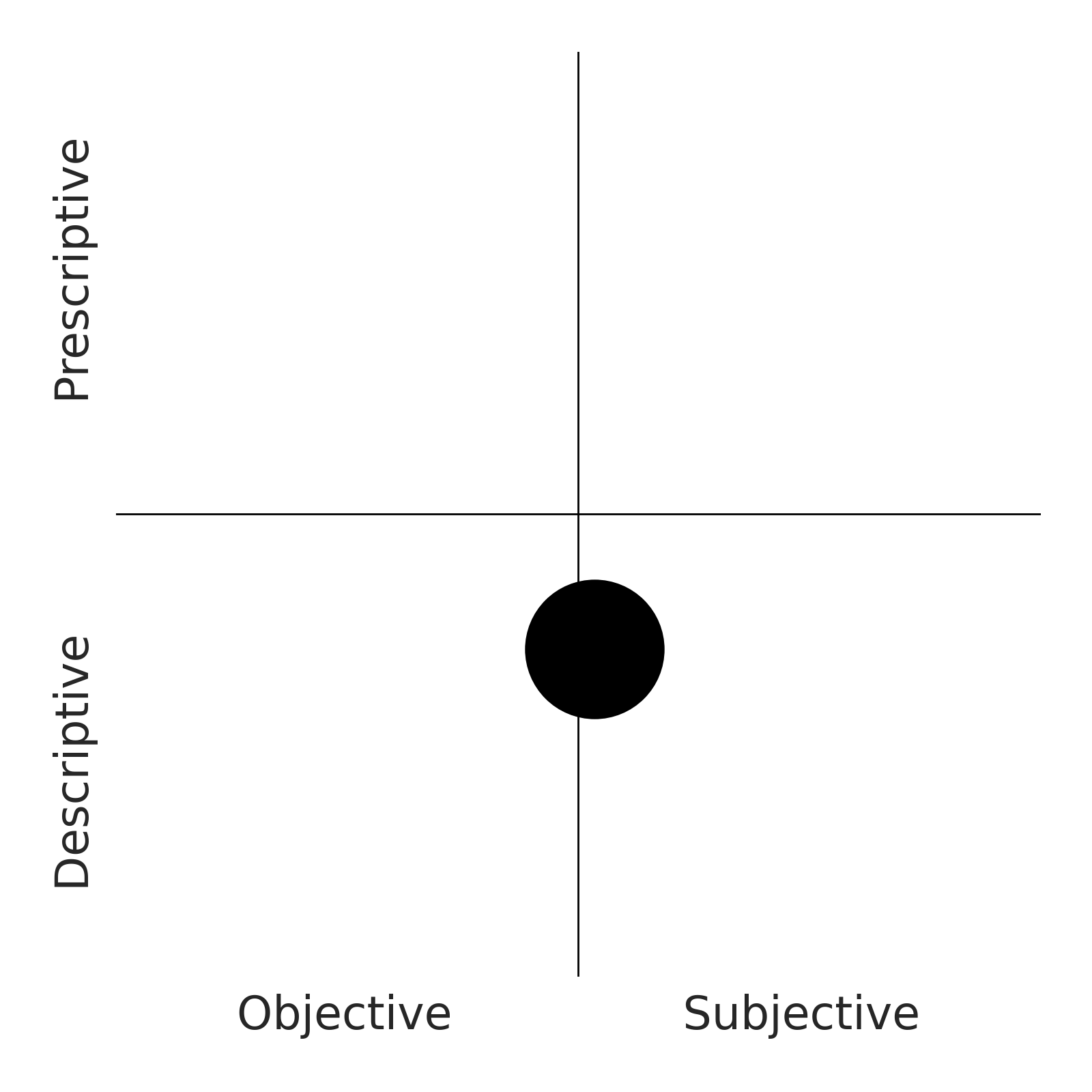
🗞️ Objective <—> Subjective 👁️ -9
📉 Bearish <—> Bullish 📈9
😩 Pessimistic <—> Optimistic 🌞17
💡 Boring <—> Interesting24
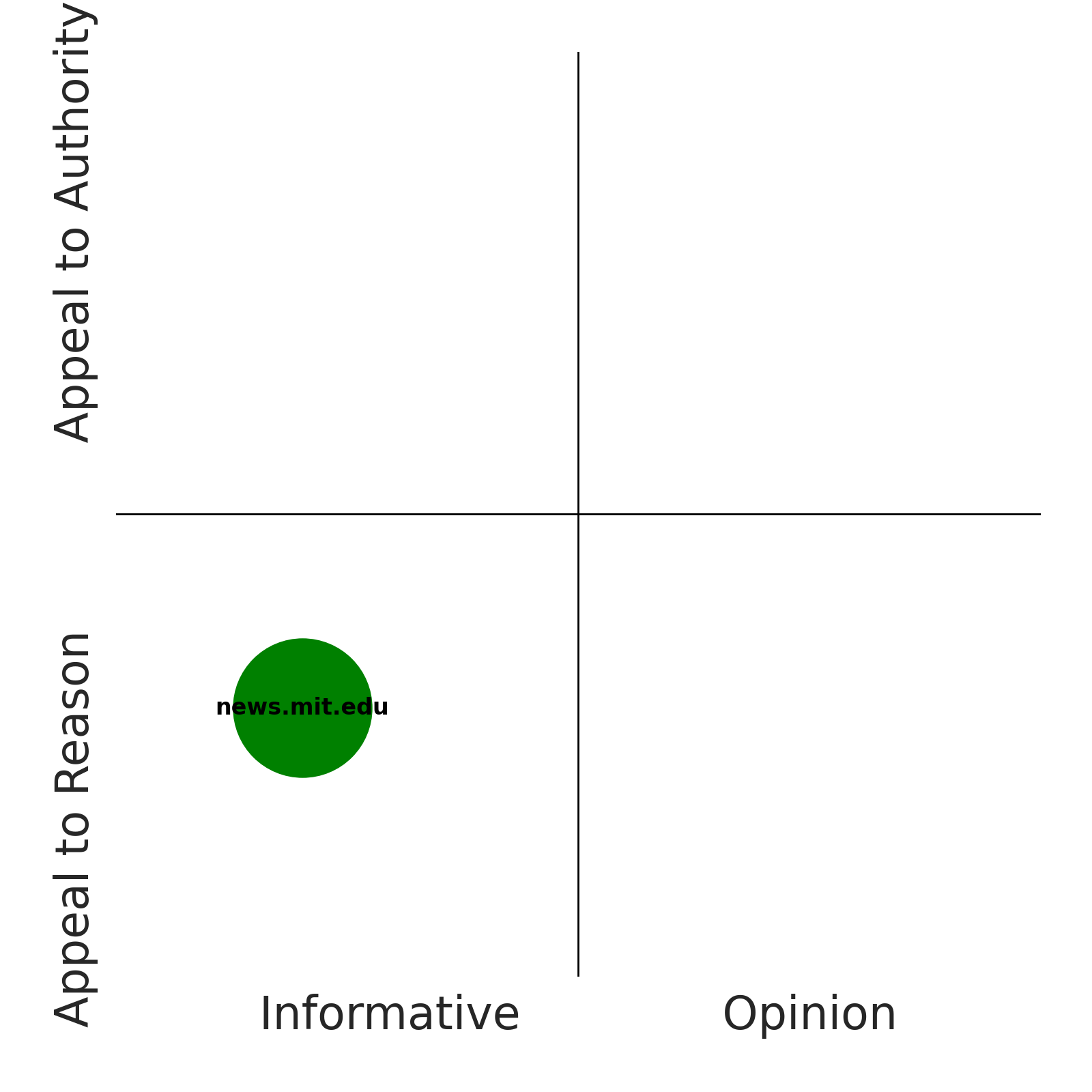
💭 Opinion45
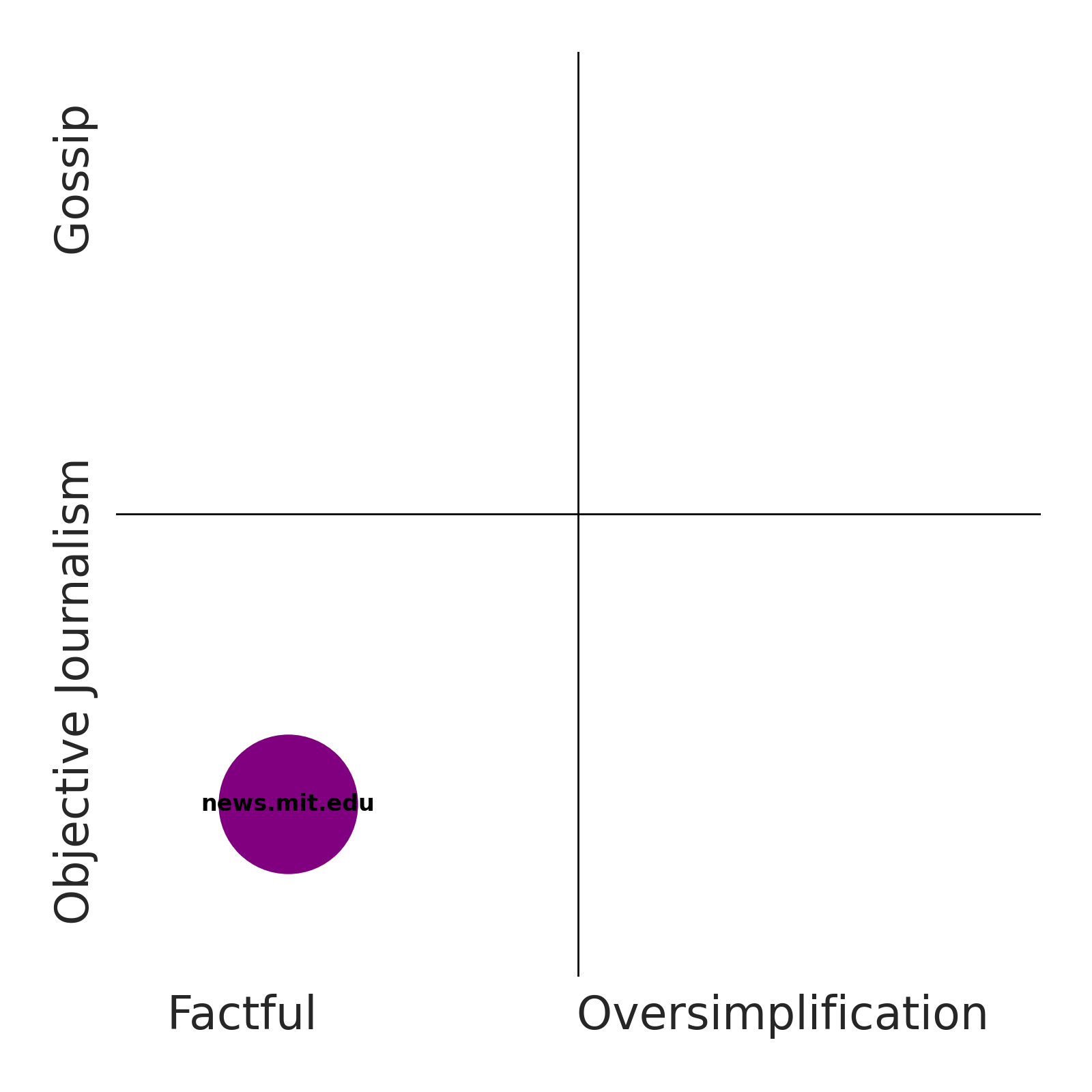
Oversimplification8
🏛️ Appeal to Authority28
👀 Covering Responses13
😤 Overconfidence22
🏴 Anti-establishment <—> Pro-establishment 📺23
❌ Low Credibility <—> High Credibility ✅37
🧠 Rational <—> Irrational 🤪-20
🤑 Advertising17
🤖 Written by AI6
💔 Low Integrity <—> High Integrity ❤️33
🪨 Low Intelligence <—> High Intelligence 🦉68
🎭 Virtue Signaling30
🔍 Truth-seeking <—> Delusion 🌀-14
🔬 Scientific <—> Superstitious 🔮-20
🎲 Speculation27
🐍 Manipulative15
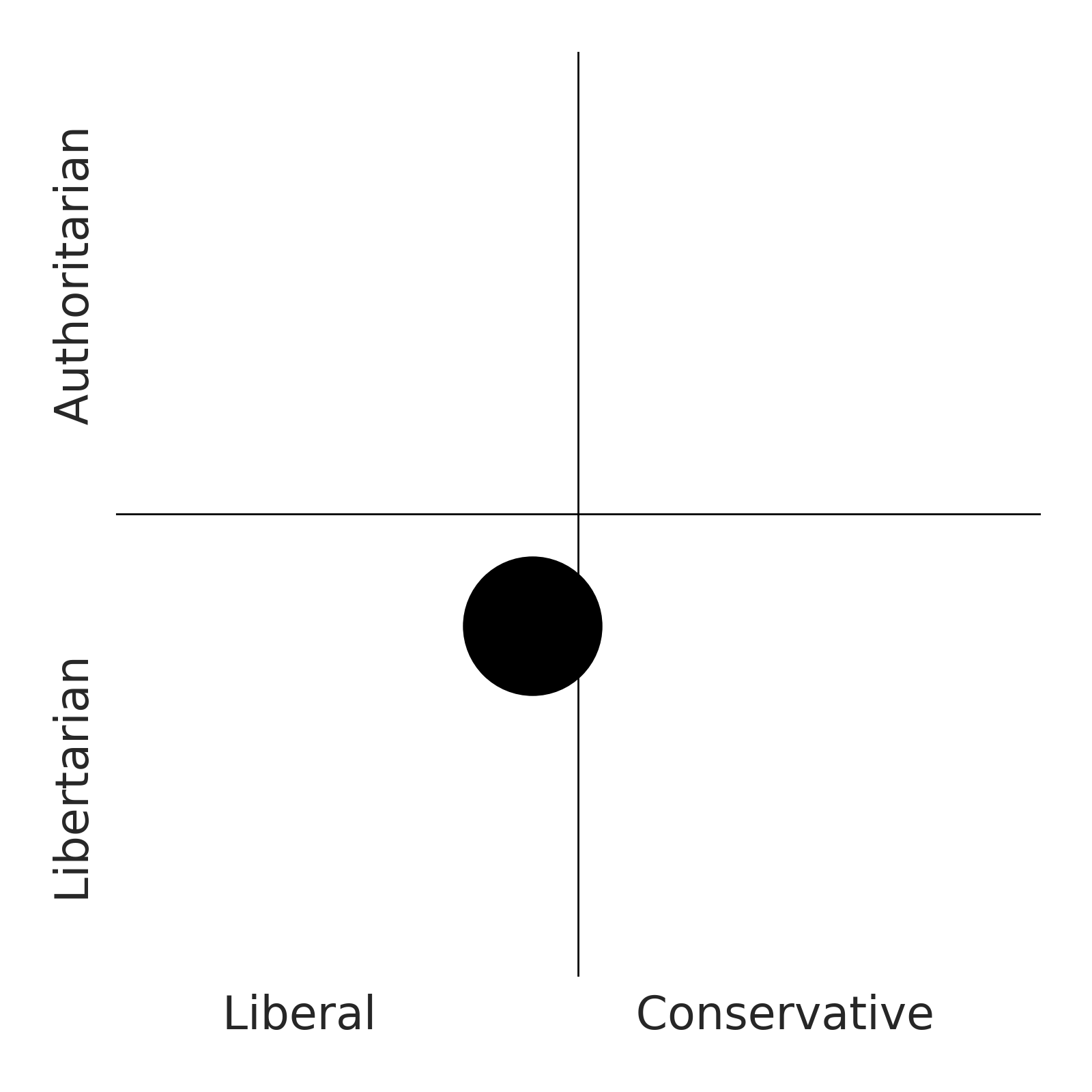
🔵 Liberal <—> Conservative 🔴-1
🗽 Libertarian <—> Authoritarian 🚔0
🚨 Sensational0
📝 Prescriptive0
🕊️ Dovish <—> Hawkish 🦁0
😨 Fearful2
📞 Begging the Question2
🗣️ Gossip0
🗳 Political4
🍼 Immature1
🗑️ Spam1
🔒 Ideological4
📏📏 Double Standard0
✊ Woke5
🦊 Anti-Corporate <—> Pro-Corporate 👔5
👤 Individualist <—> Collectivist 👥2
Click points to explore news by date. News sentiment ranges from -10 (very negative) to +10 (very positive) where 0 is neutral.
October 08, 2026 · 0 shares
The framing is institutionally optimistic and tech-forward, presenting AI as an accelerating force and universities' role as adaptive investment rather than a critical appraisal.
MIT published a report on AI and education this summer, according to the article; Rakhlin's essay synthesizes recent discussions and readings about AI's effects on academia.
Automated analysis; not human reviewed. · 12 of 55 available dimensions scored; omitted dimensions are not treated as neutral. · Verified supporting quotes for 11 of 12 scored dimensions.
Claim: The article presents AI capability claims in measured, institutional language rather than sensational terms.
“We should not assume that abstraction, judgment, or problem formulation will remain beyond AI.” · not found in supplied text
Why: The language is cautious and analytical rather than sensationalized.
Claim: The framing is optimistic about AI's potential and universities' ability to adapt.
“To me, this is a promising path forward, but universities need to invest now to make it possible.” · exact text match
Why: Rakhlin explicitly calls the path forward promising, framing the challenge as manageable with investment.
Claim: The piece is structured as one expert's opinions and prescriptions rather than a neutral factual report.
“This is where I see a real opportunity for universities.” · exact text match
Why: The Q&A format and first-person prescriptions make it heavily opinion-driven.
Claim: The article touches on policy-adjacent questions of public investment and institutional missions but mostly avoids partisan framing.
“This will require substantial public and institutional investment now in compute, secure data systems, and expertise in adapting and post-training AI models.” · exact text match
Why: Public investment and institutional governance are political-adjacent topics, though not partisan.
Claim: The article relies on the authority and position of an MIT center director and mentions expert consensus.
“MIT Statistics and Data Science Center Director Alexander (Sasha) Rakhlin shares important considerations for departments and institutions.” · exact text match
Why: The piece is built around the stature and expertise of its named authority.
Claim: The article asserts strong claims about AI's future capabilities and scientific impacts with limited hedging.
“Universities should prepare for a near future in which AI is smarter than all of us in many, perhaps most, aspects of our intellectual work.” · exact text match
Why: The prediction is stated as something universities should prepare for, with only mild hedging.
Claim: The article frames elite academic institutions as the natural leaders and primary planners for AI's future in higher education.
“Academia's most important strategic asset may be the accumulated knowledge and experience within its laboratories.” · exact text match
Why: The framing centers MIT-led institutional investment and strategy as the path forward, reflecting a pro-establishment perspective.
Claim: The article expresses caution about industry priorities relative to academic science.
“we should not assume that commercial priorities will cover the breadth of science or remain aligned with it over time” · exact text match
Why: The framing mildly favors academic independence over commercial priorities.
Claim: The article is grounded in scientific and empirical reasoning about AI and research.
“Where evaluation is fast and reliable, systems can generate candidates, learn from outcomes, and improve.” · exact text match
Why: The argument relies on empirical mechanisms and scientific practice rather than superstition.
Claim: The article frames academia as a collective enterprise where shared infrastructure and mutual acknowledgement matter.
“With agreed rules for consent and credit, researchers could collaborate more openly, with greater confidence that their work would be acknowledged.” · exact text match
Why: The vision emphasizes collective research infrastructure and shared credit while retaining individual attribution.
Claim: The article leans heavily toward forward-looking scenarios and forecasts about AI and academia.
“We can imagine a future in which MIT's laboratories function more like a single, living, scientific organism, connected through shared AI research infrastructure.” · exact text match
Why: A substantial portion of the piece is explicitly speculative and visionary.
Claim: The article presents a sophisticated synthesis of AI's effects on research and education.
“A central factor determining the pace of AI progress in a particular discipline is the speed and reliability of verification.” · exact text match
Why: It engages with complex mechanisms of AI progress and research workflow rather than simplistic claims.
2026 © Helium Trades
Privacy Policy & Disclosure
* Disclaimer: Nothing on this website constitutes investment advice, performance data or any recommendation that any particular security, portfolio of securities, transaction or investment strategy is suitable for any specific person. Helium Trades is not responsible in any way for the accuracy
of any model predictions or price data. Any mention of a particular security and related prediction data is not a recommendation to buy or sell that security. Investments in securities involve the risk of loss. Past performance is no guarantee of future results. Helium Trades is not responsible for any of your investment decisions,
you should consult a financial expert before engaging in any transaction.


