See whether Helium helps you make better-informed decisions. Try every Pro Trader feature for 30 days. No credit card required.
Try every Pro Trader feature for 30 days. No credit card required.
Coverage and selection. The sample is dominated by U.S. politics, elections, presidential policy, and geopolitical conflict—especially Trump, Iran, and domestic political consequences
August 15, 2026 · 0 shares
The episode frames the U.S.-Iran confrontation and Trump's secret aircraft move as evidence of a self-inflicted 'forever war' and presidential miscalculation.
Automated analysis; not human reviewed. · 13 of 54 available dimensions scored; omitted dimensions are not treated as neutral. · Verified supporting quotes for 3 of 13 scored dimensions.
Claim: The episode is critical of Trump's Iran policy and frames the war as an avoidable 'forever war.'
“This suggests that Trump is trapped in another forever war.” · not found in supplied text
Why: The framing explicitly interprets Hegseth's indefinite blockade statement as a negative strategic trap, which is not neutral description.
Claim: The host opens with an evaluative interpretation rather than purely factual reporting.
“This suggests that Trump is trapped in another forever war.” · not found in supplied text
Why: The sentence turns an event into a verdict about the president's political situation, showing subjective editorializing.
Claim: The program highlights theatrical details like the catering-truck evacuation and the phrase 'sacrificial lambs.'
“While Trump was smuggled back into America, Air Force One, packed with staffers, military personnel, and reporters, was allowed to fly as a decoy, strange times.” · not found in supplied text
Why: The detail choice and 'strange times' wording emphasize drama, though the broader episode remains reportorial.
Claim: The panel's outlook on the war is grim and predicts continued stalemate.
“I don't see how this changes.” · exact text match
Why: A guest's conclusion is paired with descriptions of prolonged stress and no exit, making the episode's dominant tone pessimistic.
Claim: The discussion goes from describing events to prescribing what the story should be about.
“The real story here is transparency.” · not found in supplied text
Why: The host says suitability what matters most, making a normative journalistic argument rather than only describing facts.
Claim: The war-against-criminalization language treats continued Iran military fixation as an error rather than a necessary escalation.
“While the white house is thinking and willing to launch this latest round of attacking Iran starting six months ago, it is obvious that second-order, third order, fourth order consequences were not anticipated.” · not found in supplied text
Why: It emphasizes unforeseen costs and perpetual war, which leans toward anti-escalation and fly-in dovish.
Claim: The host regularly casts judgment with phrases such as 'dubious decision-making' and 'manufacture strange storylines.'
“It's also a deadly serious story, one that raises questions not only about the dubious decision-making that led to this Air Force One caper.” · not found in supplied text
Why: The blend of commentary with the report is overt and sustained rather than a line-by-line neutral breakdown.
Claim: The episode is explicitly centered on the political consequences of Iran policy in the midterms.
“Iran is a shadow over the White House and over the Republican Party.” · exact text match
Why: The statement frames the war in terms of political actors and electoral consequences rather than solely military or diplomatic reporting.
Claim: The episode cites named reporters, unnamed common attribution and describes a threat claim as only 'alleged.'
“According to several news outlets that have spoken just in the last few hours with these family members.” · not found in supplied text
Why: It operationalizes attribution and mistrust to label uncertain intelligence claims, so the visible sourcing is strong.
Claim: Panelists offer explicit predictions about Iran's behavior into the midterms and 2028.
“I think Iran wants this to keep going certainly through the midterms and potentially into 2028.” · exact text match
Why: This is a forward-looking prediction presented as commentary, not an established fact.
Claim: The episode carefully authorizes allegations and distinguishes uncertainty in threat tracking.
“That threat was assessed later to be not volcanic confidence.” · not found in supplied text
Why: The program explicitly clues that an explosive threat allegation was not highly confident, which is an honesty marker.
Claim: The show connects the India's naval blockade to the Air Force One episode, carrier stress, and domestic political consequences in a single analytic frame.
“The longer you do this, the more strain you put on the U.S. Navy, on the sailors, on the ships.” · not found in supplied text
Why: It offers multidimensional reasoning about the secondary and tertiary consequences of a policy choice.
August 15, 2026 · 0 shares
The framing treats the Wisconsin primary as evidence of a shifting 'woke' era and casts the U.S.-Iran conflict as a costly, likely prolonged stalemate, while juxtaposing conservative and progressive panelists.
The conversation presumes knowledge of an ongoing U.S.-Iran conflict centered on the Strait of Hormuz, the deployment of the USS Abraham Lincoln, and the meanings of 'woke 1.0' and 'woke 2.0' as labels for successive phases of identity-focused progressive politics.
Automated analysis; not human reviewed. Limitations: The transcript appears to be a closed-caption output with possible transcription artifacts, including the apparent contradiction that David Crowley 'dropped out of the race' while also being described as winning. · 3 of 54 available dimensions scored; omitted dimensions are not treated as neutral. · Verified supporting quotes for 2 of 3 scored dimensions.
Claim: The U.S.-Iran section frames the conflict as a damaging and likely prolonged stalemate.
“Yes, it's a disaster, not only for Americans in the pocketbooks that -- being hit in the pocketbook every time they go get gas, but also for our military.” · exact text match
“I really think this is going to go on and on and on and on, because nobody -- Iran has no incentive to let the straits go.” · exact text match
Counterevidence:
“That message seems to be just on fire at this moment.” · exact text match
Why: The final significant section of the transcript emphasizes military exhaustion, economic pain, and no foreseeable end; the main countercurrent is Kimberly Atkins Stohr's remark that the Democratic affordability message is on fire.
Claim: The piece is presented as analysis and recommendation rather than straight factual reporting.
“I think she was just a uniquely bad candidate that caused this polling collapse at the end.” · exact text match
“I think Democrats have to build a big tent that focuses on all of the things that are happening as a result of the Trump administration, both economically and otherwise.” · exact text match
Why: The transcript is framed as a pundit roundtable, with repeated personal judgments and normative recommendations from the panelists.
Claim: The transcript is strongly dominated by electoral politics, party strategy, and foreign policy.
“To discuss the major upset in Wisconsin's Democratic primary this week, as well as the stalemate between the U.S. and Iran, and more, we turn to Brooks and Atkins Stohr.” · not found in supplied text
Why: The panel's entire content concerns a Democratic gubernatorial primary, party factions, presidential politics, and a U.S.-Iran military confrontation.
The transcript appears to be a closed-caption output with possible transcription artifacts, including the apparent contradiction that David Crowley 'dropped out of the race' while also being described as winning.
August 22, 2026 · 0 shares
Framing portrays President Trump as prioritizing legacy renovations while ignoring a record national debt and lacking a credible plan, with a critical tone.
Automated analysis; not human reviewed. Limitations: Transcript contains speaker attributions but not visual context; analysis relies on editorial choices and panelist commentary. · 16 of 54 available dimensions scored; omitted dimensions are not treated as neutral. · Verified supporting quotes for 13 of 16 scored dimensions.
Claim: The framing presents the Trump administration and Republican control as responsible for a deteriorating debt while criticizing tax cuts and lack of a plan.
“President Trump, who campaigned on reducing the nation's debt, faces a fiscal picture that has continued to deteriorate.” · exact text match
“The one piece of legislation that Trump pushed through and sort of his signature piece, the big, beautiful bill, added $4 to $5 trillion to the debt.” · exact text match
Why: The host's characterization and the selection of critiques highlight Republican fiscal failures, aligning with a left-of-center perspective.
Claim: The framing uses evaluative language and editorial commentary.
“staggering new high” · exact text match
“the president has seemed preoccupied with helipads and ballrooms and flagpoles and landscaping.” · exact text match
Why: Words like 'staggering' and 'preoccupied' inject subjective judgment into factual reporting.
Claim: The economic outlook presented is negative regarding debt and growth.
“debt piling on at an annual rate of closer to 6 percent” · exact text match
“economic anxieties among Americans remaining a top concern” · exact text match
Why: The data and commentary emphasize unsustainable debt and financial stress.
Claim: The tone is pessimistic about the debt trajectory and political handling.
“The consensus appears to be no. The government needs to bring in more money.” · not found in supplied text
“it seems like we're in an economic endurance test with heightened rhetoric and not a lot of specifics.” · exact text match
Why: The discussion highlights lack of solutions and negative trajectory.
Claim: The discussion moves from description to prescription by suggesting tax increases.
“The easiest, obvious way to do that is raise taxes.” · exact text match
Why: A panelist prescribes a policy solution rather than only describing facts.
Claim: The stance on Iran is skeptical of coercive economic measures and war.
“economic pain has thus far not been effective at causing its leaders to bend to the will of the U.S.” · exact text match
“the suffering of the Iranian people is not, sadly, a very coercive measure” · exact text match
Why: Questions effectiveness of sanctions and highlights civilian harm, suggesting a dovish preference against escalation.
Claim: The article sounds alarms about the debt and lack of credible plans.
“staggering new high” · exact text match
“the bond market getting very shaky about these numbers” · exact text match
Why: Language like 'staggering' and 'shaky' conveys anxiety.
Claim: The program features panelist opinions and subjective commentary.
“I think it's worth emphasizing, like you campaigned on addressing the cost of living” · exact text match
“That's a very hard sell for Congress.” · exact text match
Why: Panelists give personal assessments and predictions.
Claim: The topic and commentary are explicitly political, focusing on elections and party politics.
“this year's midterm elections come into view” · exact text match
“Republicans control the House, the Senate, and the presidency.” · exact text match
Why: Analysis centers on political implications and electoral strategy.
Claim: The discussion leans toward social-democratic solutions like tax increases and criticizes tax cuts.
“The easiest, obvious way to do that is raise taxes.” · exact text match
“a series of tax cut packages over the years that has reduced how much revenue we are taking in” · exact text match
Why: Advocates for increased government revenue, a traditionally liberal economic position.
Claim: The tone is negative and concerned about debt and Trump's focus.
“staggering new high” · exact text match
“seemed preoccupied with helipads and ballrooms and flagpoles and landscaping” · exact text match
Why: Emotionally charged descriptive words convey disappointment.
Claim: The report cites named officials, polls, and economic data, with clear attribution.
“Reuters/Ipsos poll that came out this week shows that the president's approval rating is at a record low, 33 percent” · exact text match
“chief economics correspondent, Scott Horsley, was explaining it on air” · exact text match
Why: Multiple attributed sources and data points support trustworthiness.
Claim: The discussion relies on economic data and logical comparisons rather than emotional claims.
“You have the debt piling on at an annual rate of closer to 6 percent.” · exact text match
Why: Citing specific percentages and causal reasoning demonstrates a rational analytical approach.
Claim: The discussion speculates about future political consequences and Iran negotiations.
“The question is whether voters... whether there's going to be a political price to pay.” · not found in supplied text
“We'll see if the president actually makes good on this threat” · not found in supplied text
Why: Panelists forecast outcomes without certainty.
Claim: The framing uses loaded language and contrast to shape viewer perception.
“staggering new high” · exact text match
“the president has seemed preoccupied with helipads and ballrooms and flagpoles and landscaping” · exact text match
Why: Selective adjectives and juxtaposition guide emotional response, though not egregious.
Claim: The report attributes statements and includes multiple sources, indicating fairness.
“Treasury Secretary Scott Bessent says this isn't a magic number.” · exact text match
“according to the Reuters/Ipsos poll that came out this week” · not found in supplied text
Why: Provides attribution and cites sources, showing journalistic integrity.
Transcript contains speaker attributions but not visual context; analysis relies on editorial choices and panelist commentary.
August 12, 2026 · 0 shares
Frames Iran's demands as non-starters and notes US patience, but asserts that the US started the war and is struggling to end it, introducing a liberal-leaning editorial perspective.
The Strait of Hormuz is a strategic chokepoint for global oil shipments. Iran has previously threatened to close it during conflicts. The US and Israel conducted five months of bombardments on Iran. Yemen has been in a civil war with a Saudi-led coalition fighting Iran-backed Houthi rebels, with a tentative cease-fire in place for four years.
Automated analysis; not human reviewed. Limitations: The article text includes repeated metadata and sponsorship lines that could distract, but the core news content is clear. · 6 of 53 available dimensions scored; omitted dimensions are not treated as neutral. · Verified supporting quotes for 1 of 6 scored dimensions.
Claim: The article inserts an opinionated claim as fact, boosting opinion score.
“the U.S. and its allies to extract itself from a war they started” · not found in supplied text
Why: The statement is not attributed and represents the reporter's interpretation of US responsibility.
Claim: The article covers highly political conflict between states and non-state actors.
“Iran demands U.S. pay for war damage before reopening strait” · exact text match
“President Trump scoffed at those conditions” · exact text match
Why: The entire report deals with international politics, war, and sanctions.
Claim: The article is slightly anti-establishment by criticizing US war policy without offering pro-establishment perspectives.
“the U.S. and its allies to extract itself from a war they started” · not found in supplied text
Why: The reporter's editorial line contradicts standard establishment support for US military actions, but the article also quotes the administration as patient.
Claim: The article is highly credible due to named sources, multiple viewpoints, and transparent attribution.
“four regional and U.S. officials told PBS News Hour” · not found in supplied text
“President Trump told Axios' Barak Ravid” · exact text match
“Mohammed Al-Basha founded the U.S.-based risk advisory Basha Report” · exact text match
Why: Most claims are attributed to specific people or documents; no anonymous sources used without context.
Claim: The article shows high integrity by consistently attributing claims to named officials, experts, and multiple sources.
“four regional and U.S. officials told PBS News Hour” · not found in supplied text
“Foreign Ministry spokesman Esmaeil Baghaei” · exact text match
“ABBAS MILANI, Stanford University” · exact text match
Why: Attributions are specific and verifiable; the report includes both Iranian and US sources; transparency about sourcing.
Claim: The article provides nuanced analysis with expert commentary and contextual facts.
“ABBAS MILANI: As an American commentator said, it's the economy, stupid.” · exact text match
“Mohammed Al-Basha: I call this missile and drone diplomacy” · not found in supplied text
Why: Expert analysis adds depth and connects economic conditions and military tactics to negotiating leverage.
The article text includes repeated metadata and sponsorship lines that could distract, but the core news content is clear.
August 03, 2026 · 0 shares
Framing emphasizes due process concerns and a dramatic increase in deportation orders under fast-tracked hearings, giving weight to immigrant rights advocates' criticisms.
Automated analysis; not human reviewed. Limitations: Analysis relies on text from a local news outlet that may have a liberal lean. · 27 of 52 available dimensions scored; omitted dimensions are not treated as neutral. · Verified supporting quotes for 20 of 27 scored dimensions.
Claim: Publisher framing favors immigrant rights advocates' criticisms of Trump administration policy.
“Immigrant rights advocates sounded alarms as soon as the fast-tracked hearings began in late May. They said it is a denial of due process.” · exact text match
Why: The article leads with advocates' concerns and reports data that supports their claims, with only a brief rebuttal from the Justice Department.
Claim: Publisher framing is slightly populist, siding with advocates against government actions.
“Immigrant rights advocates sounded alarms” · exact text match
“the data raises questions about the integrity of the immigration court system” · exact text match
Why: The article gives voice to advocates and researchers critical of the administration, reflecting a populist anti-establishment tilt.
Claim: Publisher framing criticizes government authority that restricts individual due process rights.
“It is a denial of due process.” · not found in supplied text
“The data raises questions about the integrity of the immigration court system.” · not found in supplied text
Why: The article highlights the new tactic as limiting notice and increasing deportation orders without hearings, favoring individual rights over state authority.
Claim: The article is somewhat subjective due to framing emphasis on advocates' perspective.
“Immigrant rights advocates sounded alarms” · exact text match
“the data raises questions about the integrity” · exact text match
Why: While data is presented, the selection and ordering of information favor the critical perspective.
Claim: The article uses some sensational language to highlight the increase.
“Deportations spiking” · exact text match
“unprecedented number” · exact text match
Why: Headline and body use attention-grabbing words like 'spiking' and 'unprecedented'.
Claim: The topic and data are striking and newsworthy.
“more than 50,000 deportation orders for people who did not show up to court last month” · exact text match
“55% increase from May” · exact text match
Why: The reported increase and specific examples are noteworthy.
Claim: The article is mostly descriptive but carries a subtle prescriptive tone about due process.
“It is a denial of due process.” · not found in supplied text
Why: The article mostly reports data and quotes, but the characterization of the policy as a due process denial is prescriptive.
Claim: Publisher framing opposes aggressive immigration enforcement.
“We’ve seen tactics that look very different on the face, but all have the same ultimate effect which is to close people’s cases without being heard on the merits.” · not found in supplied text
Why: The article quotes a researcher criticizing the intended effect of enforcement tactics, and the overall narrative presents the policy as harmful.
Claim: The article may evoke fear about due process being denied.
“denial of due process” · exact text match
“more than 50,000 deportation orders for people who did not show up” · exact text match
Why: The reporting on high numbers and denial of process could elicit concern among readers.
Claim: The article contains some opinionated language, particularly from advocates.
“denial of due process” · exact text match
“the data raises questions about the integrity” · exact text match
Why: The article includes evaluative claims about the system's integrity, though attributed.
Claim: The article covers a partisan politicized immigration policy.
“the new Trump administration tactic” · not found in supplied text
“the Trump administration has deployed to meet its goal” · exact text match
Why: The article explicitly references the Trump administration and its goals, making the topic inherently political.
Claim: The article does not oversimplify; it provides data and context.
“Their research found an unprecedented number of absentia removal orders in June — more than 53,000.” · exact text match
Why: The article presents specific numbers and comparisons, avoiding oversimplification.
Claim: The article appeals to authority by quoting researchers and a government official.
“co-authored a report on the impact of these hearings” · exact text match
“a Justice Department official said” · exact text match
Why: The article relies on expert sources, which adds credibility but also appeals to authority.
Claim: The article predominantly covers the response to the new policy from advocates and researchers.
“Immigrant rights advocates sounded alarms” · exact text match
“Gunter and Marrow said” · exact text match
Why: The majority of the article reports on reactions and research findings, not on the policy itself.
Claim: Publisher framing portrays immigrants as victims of procedural injustice.
“denial of due process” · exact text match
“close people’s cases without being heard on the merits” · exact text match
Why: The article emphasizes how fast-tracked hearings prevent immigrants from having their cases heard, implying victimization.
Claim: The article is not overconfident; it attributes findings to researchers.
“according to a study by researchers” · not found in supplied text
“Marrow said” · exact text match
Why: Claims are properly attributed, and uncertainty is conveyed through quoted sources.
Claim: Publisher framing aligns with an immigrant rights ideology.
“denial of due process” · exact text match
“It represents how the system is functioning” · exact text match
Why: The article consistently frames the policy through the lens of due process violations, which aligns with a particular ideological stance.
Claim: Publisher framing is anti-establishment, criticizing the current administration's policies.
“the new Trump administration tactic” · not found in supplied text
“the Trump administration has deployed to meet its goal of detaining and deporting as many people as possible” · exact text match
Why: The article portrays the administration's tactics in a negative light, indicating an anti-establishment stance.
Claim: Overall tone is slightly negative toward the policy.
“sounded alarms” · exact text match
“denial of due process” · exact text match
Why: The language used conveys concern and criticism, resulting in a negative emotional tone.
Claim: The article is credible due to data citation, attributed sources, and inclusion of official response.
“according to federal data” · exact text match
“co-authored a report” · exact text match
“a Justice Department official said in an emailed statement” · exact text match
Why: The article cites specific data, attributes claims to named researchers, and includes the administration's response.
Claim: Publisher framing is rational, based on data and attributed sources.
“according to federal data” · exact text match
“co-authored a report” · exact text match
Why: The article relies on quantitative data and cites researchers, indicating a rational approach.
Claim: Publisher framing emphasizes individual rights over collective state interests.
“denial of due process” · exact text match
“are judges spending a lot of time... adjudicating cases or... issuing these orders” · not found in supplied text
Why: The article focuses on individual due process and the quality of judicial process.
Claim: The article is not speculative; it reports on past data with attributed sources.
“Their research found an unprecedented number of absentia removal orders in June” · exact text match
Why: Claims are based on historical data, not speculation.
Claim: The article uses some framing that could be seen as manipulative, such as leading with alarms.
“Immigrant rights advocates sounded alarms” · exact text match
“Deportations spiking” · exact text match
Why: While the article includes data, the headline and opening paragraph use emotionally charged language that may influence reader perception.
Claim: The article shows fairness by including the administration's response.
“a Justice Department official said in an emailed statement to K that the hearings are part of an effort to reduce its backlog” · exact text match
Why: The article includes a direct statement from the Justice Department, balancing the critical voices.
Claim: The article presents data and analysis with depth above average.
“Their data also include breakdowns of individual judges’ caseloads.” · exact text match
“For example, in San Diego, one judge had a regular master calendar hearing and a mega master calendar hearing in the same week in June.” · exact text match
Why: The article provides detailed comparisons and specific examples, demonstrating analytical depth.
Claim: The article implies the policy is cruel by highlighting denial of hearings.
“close people’s cases without being heard on the merits” · exact text match
Why: The characterization of closing cases without a hearing suggests harshness.
Analysis relies on text from a local news outlet that may have a liberal lean.
August 27, 2026 · 0 shares
Reporting frames data-center backlash as a transformative, bipartisan political issue and gives voice to community, environmental, labor, industry, and presidential perspectives while staying largely descriptive.
Data centers are large computing facilities that consume substantial electricity and water; states and localities have often offered tax exemptions and permits to attract them. Generative AI growth since late 2022 accelerated data-center construction, making siting, utility, and water decisions politically contested ahead of the midterms.
Automated analysis; not human reviewed. Limitations: The supplied text lacks an explicit publication date; relative time phrases such as 'this year,' 'last week,' and 'next year' cannot be independently anchored, and a 2026-dated file photo is the only internal date reference. · 5 of 54 available dimensions scored; omitted dimensions are not treated as neutral. · Verified supporting quotes for 4 of 5 scored dimensions.
Claim: The reporting is nonpartisan in voice and selection, balancing opposition from conservative and left-leaning groups with pro-industry statements from Trump and labor.
“The push has united conservative ranching and farming communities with left-leaning environmental advocacy groups, who share a combined concern about drought-stricken waterways, pollution in food-growing areas and shrinking farmland.” · exact text match
Why: The sentence explicitly puts conservative and left-leaning groups on the same side of the issue, and the wider article quotes a Republican president and both parties' governors without endorsing either side.
Claim: The report relies on attributed statements and named sources rather than unmarked editorial opinion.
“The center said the state approved a permit last year after ignoring public-notification procedures in state law.” · exact text match
Why: The allegation is attributed to the Center for Biological Diversity, and surrounding paragraphs name officials, companies, and groups instead of advancing a subjective thesis.
Claim: The writing is mostly measured but uses mild dramatic characterization to signal political change.
“It's a dramatic shift from two years ago, when few people had even heard of a data center.” · exact text match
Why: 'Dramatic shift' gives the topic narrative emphasis, but the sentence is tied to a concrete comparison and the overall piece is a sourced policy roundup, supporting a moderately objective score.
Claim: Visible sourcing is strong: the text includes named officials, organizations, companies, and direct quotes, with little unsupported assertion.
“Trump also acknowledged, however, that data centers need 'a little public relations help.'” · not found in supplied text
Why: Direct quotation and attribution to a named official, combined with the AP byline and concrete institutional details, make the reporting credible on its face.
Claim: The reporting displays transparent attribution and does not disguise contested claims as neutral facts.
“National union leaders say their ranks are growing faster than they have ever seen.” · exact text match
Why: The verb 'say' preserves the source-dependent status of the claim, and direct quotations elsewhere are attributed to named people.
The supplied text lacks an explicit publication date; relative time phrases such as 'this year,' 'last week,' and 'next year' cannot be independently anchored, and a 2026-dated file photo is the only internal date reference.
The report frames public universities' withholding of athlete payment details as a transparency failure involving taxpayer money, using expert commentary that uniformly supports that characterization while giving universities only brief rebuttals.
College sports have long been a multi-billion-dollar industry, and the NCAA previously barred student athletes from earning beyond scholarships. California's 2019 NIL law helped start a national movement allowing student athletes to sign brand deals. Private universities like Stanford and USC are not subject to California public records laws.
Automated analysis; not human reviewed. Limitations: The article text includes some wrapper and promotional content for the K platform, but the substantive CalMatters report was fully available for analysis.
The article text includes some wrapper and promotional content for the K platform, but the substantive CalMatters report was fully available for analysis.
August 24, 2026 · 0 shares
Framing climate change as an upcoming, essentially inevitable catastrophe while treating U.S. political inaction as part of the danger creates an urgent persuasive tone rather than a neutral explainer.
Automated analysis; not human reviewed. Limitations: The supplied text has no clear publication date and includes dated photos reaching into 2026, so claims tied to "this year's El Nino" cannot be externally timed or independently verified. · 8 of 54 available dimensions scored; omitted dimensions are not treated as neutral. · Verified supporting quotes for 1 of 8 scored dimensions.
Claim: The framing leans toward the liberal side of climate politics by criticizing U.S. political inaction while presenting climate denial as a coping mechanism.
“"But don't expect recognition of that, much less major government-led efforts to combat it, as the country marks its 250th birthday."” · not found in supplied text
Why: The sentence is an unattributed editorial judgment about the United States that follows a statement about America's cumulative emissions, giving the report a subtly liberal political tone.
Claim: The presentation is dramatic even if it remains sourced and fair-minded.
“"we have arguably entered an age of extremes."” · not found in supplied text
Why: The phrase is dramatic and broad. It frames the factual record of fires, floods, and storms in glossary and sensational terms instead of simply enumerating them.
Claim: The overall outlook is cautious and pessimistic, emphasizing future worsening more than remedies.
“"As powerful as extreme weather events have already gotten, much worse is likely to come."” · not found in supplied text
Why: The sentence frames deterioration as likely and consequential, without raising substantial offsetting reassurance or success stories.
Claim: The report contains enough direct authorial judgment to be more than straight factual or neutral.
“"What's clear is that no country is truly prepared for a major climate disaster, and the risks are changing."” · exact text match
Why: 'What's clear' is an evaluative conclusion made by the writer, not a claim solicited from a scientist or source.
Claim: The story is partly political; it calls out a presidential administration and uses the U.S. policy response as part of the main point.
“"President Donald Trump has called climate change 'the greatest con job ever,' said climate policies a 'Green New Scam' and called U.N. climate predictions made by 'stupid people.'"” · not found in supplied text
Why: Quotes from the president are included specifically to show that national leaders are rejecting the warnings, which makes the item political and advocacy-oriented.
Claim: The report is strongly credible in its sourcing and explicit uncertainty.
“"It's impossible to say, for example, that a disaster will happen in a certain year or even a decade."” · not found in supplied text
“"According to the National Disaster Alert System Foote's experiments, between 2023 and 2025, 84% of the world's oceans..."” · not found in supplied text
Why: The text names scientists, institutions, NOAA, IPCC-related figures, and reports, and repeatedly expresses the limits of knowledge about timing and location.
Claim: The article grounds its case in scientific reasoning and some physics rather than in irrational belief.
“"It's basic physics."” · not found in supplied text
Why: The report repeatedly links emissions, heat, weather disruption, and risk through scientific and empirical explanation, while acknowledging that exact forecasts are uncertain.
Claim: The article repeatedly engages in long-range forecasting of future climate catastrophes.
“"A catastrophic event in a given area could be in 50 years, or 10 years, or sooner."” · not found in supplied text
Why: This line is predictive and future-focused, but it is also presented with an explicit 'could', so the speculation is cautious but still concrete.
The supplied text has no clear publication date and includes dated photos reaching into 2026, so claims tied to "this year's El Nino" cannot be externally timed or independently verified.
The article provides a detailed analysis of market trends in wheat, corn, soy, and other crops without displaying any evident bias.
The listing's framing is promotional: each mystery is packaged as a catchy pun and the call to action is to watch, stream, and support K.
Automated analysis; not human reviewed. Limitations: The supplied text is a promotional program listing rather than editorial reporting, so scoring reflects marketing framing; no external verification was possible. · 1 of 54 available dimensions scored; omitted dimensions are not treated as neutral. · Verified supporting quotes for 1 of 1 scored dimensions.
Claim: The publisher uses promotional language and a donation appeal to market the series, the K+ app, and K.
“Watch Season 3 Friday, Aug. 28 - Sept. 25, 2026 at 10 p.m. on K TV” · exact text match
“K+ is a new free streaming video app designed for ease and enjoyment everywhere you watch including Roku, smart TVs and mobile devices.” · exact text match
Why: The supplied text is essentially a program promotion: it highlights the season, episode hooks, streaming availability, and a gift appeal, with no independent reporting or neutral analysis.
The supplied text is a promotional program listing rather than editorial reporting, so scoring reflects marketing framing; no external verification was possible.
General framing and worldview. The strongest recurring orientation is institutional, evidence-centered proceduralism: regulators, courts, election authorities, campaign records, scientists, officials, and named experts are treated as primary validators.
Election explainers emphasize vote totals, registration data, attribution, and explicit AP calling rules
August 24, 2026 · 0 shares
A factual, nonpartisan wire report frames Oklahoma's runoffs and ballot measures as administrative election news, with no advocacy or emotional appeal.
Automated analysis; not human reviewed. Limitations: The supplied text is a pre-election snapshot; final results and any later developments are absent. · 11 of 54 available dimensions scored; omitted dimensions are not treated as neutral. · Verified supporting quotes for 11 of 11 scored dimensions.
Claim: The report treats both parties' primaries and ballot measures without favoring either side.
“Oklahoma Republicans will return to the polls Tuesday to settle an expensive nomination fight for governor, while Democrats will pick a nominee for U.S. Senate.” · exact text match
Why: The opening sentence gives structurally equal and neutral treatment to the two parties' contests.
Claim: The report is strictly factual and impersonal, with no subjective commentary.
“Here are some of the key facts about the election and data points the AP Decision Team will monitor as the votes are tallied.” · exact text match
Why: The text explicitly labels its content as key facts and data points, not interpretation.
Claim: The report avoids sensational language and hype.
“The AP does not make projections and will declare a winner only when it's determined there is no scenario that would allow a trailing candidate to close the gap.” · exact text match
Why: The cautious, procedural wording contrasts with sensational framing.
Claim: The report describes what is happening and how elections work, without recommending any action.
“Here are some of the key facts about the election and data points the AP Decision Team will monitor as the votes are tallied.” · exact text match
Why: The framing is descriptive and informational, offering no prescriptions or calls to action.
Claim: The text is factful and neutral, not opinionated.
“The AP does not make projections and will declare a winner only when it's determined there is no scenario that would allow a trailing candidate to close the gap.” · exact text match
Why: Statements about methodology are procedural facts, not opinions.
Claim: The report is nonpartisan and non-ideological, covering both parties even-handedly.
“Oklahoma Republicans will return to the polls Tuesday to settle an expensive nomination fight for governor, while Democrats will pick a nominee for U.S. Senate.” · exact text match
Why: The balanced opening and lack of partisan adjectives indicate absence of political bias.
Claim: The report avoids overclaiming certainty and acknowledges conditions for vote calling.
“The AP may declare a winner in a race that is subject to a recount if it can determine the lead is too large for a recount or legal challenge to change the outcome.” · exact text match
Why: The conditional 'may declare' and qualifying 'if it can determine' show calibrated uncertainty.
Claim: The article's sourcing, attribution, and methodological transparency make it highly credible.
“according to state campaign finance records” · exact text match
“The AP does not make projections and will declare a winner only when it's determined there is no scenario that would allow a trailing candidate to close the gap.” · exact text match
Why: Explicit attribution of financial data and a clear explanation of vote-calling standards support credibility.
Claim: The report is explicitly methodical and evidential, avoiding irrational or emotional reasoning.
“The AP does not make projections and will declare a winner only when it's determined there is no scenario that would allow a trailing candidate to close the gap.” · exact text match
Why: Citing a rules-based standard for declaring winners demonstrates rational, evidence-bound practice.
Claim: The publisher demonstrates high integrity through transparent methodology and careful attribution.
“The AP does not make projections and will declare a winner only when it's determined there is no scenario that would allow a trailing candidate to close the gap. If a race has not been called, the AP will continue to cover any newsworthy developments, such as candidate concessions or declarations of victory. In doing so, the AP will make clear that it has not yet declared a winner and explain why.” · exact text match
“according to state campaign finance records” · exact text match
Why: Detailed disclosure of vote-calling standards and explicit sourcing of financial data reflect high integrity.
Claim: The article conveys sophisticated understanding of election mechanics and data.
“Oklahoma does not have automatic recounts for elections involving candidates, but candidates may request and pay for one regardless of the vote margin. The state does require automatic recounts for statewide ballot questions if the margin is 0.5% or less of the total votes cast.” · exact text match
Why: Detailed and precise explanation of recount rules reflects analytical intelligence.
The supplied text is a pre-election snapshot; final results and any later developments are absent.
August 24, 2026 · 0 shares
Neutral, method-focused election explainer reports runoff facts and AP vote-calling rules without taking sides.
Automated analysis; not human reviewed. Limitations: Only the supplied AP explainer text was analyzed; no independent verification of election figures or candidate claims was possible. · 9 of 54 available dimensions scored; omitted dimensions are not treated as neutral. · Verified supporting quotes for 9 of 9 scored dimensions.
Claim: The report treats the Republican candidates even-handedly and expresses no partisan preference.
“Graham swept the counties across central South Carolina, including the Columbia area, as well as the state's Lowcountry region, which includes Charleston.” · exact text match
“Norman performed best in the state's Piedmont and Upstate regions, including the Greenville area.” · exact text match
Why: Geographic strength is described for each candidate with parallel factual framing, and no evaluative language favors one.
Claim: The reporting is factual and method-based rather than impressionistic.
“The AP does not make projections and will declare a winner only when it's determined there is no scenario that would allow a trailing candidate to close the gap.” · exact text match
Why: The focus on concrete vote-count thresholds and AP's non-projection rule shows an objective, evidence-bound approach.
Claim: No sensational language is used; figures are presented plainly.
“About 465,000 voters cast ballots in the June 9 Republican U.S. Senate primary when Lindsey Graham was renominated. About 336,000 voters participated in the Aug. 11 special Republican U.S. Senate primary.” · exact text match
Why: The sentence reports turnout numbers without emphasis, drama, or emotional framing.
Claim: The content describes election mechanics and does not recommend actions.
“Here are some of the key facts about the election and data points the AP Decision Team will monitor as the votes are tallied.” · exact text match
Why: The framing is explanatory and informational, with no imperative or policy recommendation.
Claim: The reporting is explicitly cautious about declaring outcomes.
“The AP does not make projections and will declare a winner only when it's determined there is no scenario that would allow a trailing candidate to close the gap.” · exact text match
“If a race has not been called, the AP will continue to cover any newsworthy developments, such as candidate concessions or declarations of victory.” · exact text match
Why: The article explicitly describes uncertainty handling, so overconfidence is absent.
Claim: The article is unemotional and neutral in tone.
“his unexpected death on July 11 from an aortic tear” · exact text match
Why: Even when describing a death, the wording is expository and avoids emotional or dramatic language.
Claim: The report demonstrates high credibility through precise figures, attribution, and disclosed methodology.
“As of Friday, there were about 3.4 million registered voters in South Carolina.” · exact text match
“The AP does not make projections and will declare a winner only when it's determined there is no scenario that would allow a trailing candidate to close the gap.” · exact text match
Why: Multiple data points and transparent election-declaration rules support trustworthiness, though no correction history is available in the text.
Claim: The report relies on data and explicit decision rules, not emotion or speculation.
“The AP does not make projections and will declare a winner only when it's determined there is no scenario that would allow a trailing candidate to close the gap.” · exact text match
“In South Carolina, recounts are automatic if the margin between the winning and losing candidates is 1% of the total vote or less.” · exact text match
Why: The quoted rules describe a logical, threshold-based approach to declaring results.
Claim: The report is honest about its own limits and treats candidates fairly.
“The AP does not make projections and will declare a winner only when it's determined there is no scenario that would allow a trailing candidate to close the gap.” · exact text match
Why: Disclosing the decision standard and refusing to project indicates fairness and intellectual honesty.
Only the supplied AP explainer text was analyzed; no independent verification of election figures or candidate claims was possible.
August 24, 2026 · 0 shares
The framing is procedural and data-led, treating the runoff as a vote-counting and demographic story rather than an ideological contest.
The 13th District is heavily Democratic, so the runoff between two Democrats will not change the seat's partisan identity; the temporary vacancy itself is what reduces the Republican House majority. A separate November election will choose the representative for the next full term.
Automated analysis; not human reviewed. Limitations: The assessment is based only on the supplied AP story text, which is a pre-election preview; final results and candidate statements are not included. · 9 of 54 available dimensions scored; omitted dimensions are not treated as neutral. · Verified supporting quotes for 9 of 9 scored dimensions.
Claim: The report is neutral on partisan ideology and does not endorse a party.
“The contest between two Democrats will further reduce an already thin Republican majority in the U.S. House.” · exact text match
Why: The partisan consequence is stated as a mechanical fact, not as advocacy; no candidate is praised or disparaged.
Claim: The report is written in a detached, fact-based register.
“Here are some of the key facts about the election and data points the AP Decision Team will monitor as the votes are tallied.” · exact text match
Why: The article presents data and process rather than personal impression or narrative.
Claim: The framing is calm and avoids sensational language.
“Turnout in a runoff election tends to be lower than in the election that preceded it.” · exact text match
Why: Tone and content are informational; no fear, conflict, or hype language appears.
Claim: The report is descriptive rather than prescriptive.
“Here are some of the key facts about the election and data points the AP Decision Team will monitor as the votes are tallied.” · exact text match
Why: The article tells readers what to expect and how votes will be counted, not what should happen.
Claim: The tone is emotionally neutral.
“Turnout in a runoff election tends to be lower than in the election that preceded it.” · exact text match
Why: The sentence is analytical and unemotional, representative of the article's tone.
Claim: The article attributes specifics and names its standards, making it highly credible on its face.
“The Associated Press will provide vote results and declare a winner in the special runoff in the 13th Congressional District.” · exact text match
Why: Attribution to AP, named candidates, exact dates, vote counts, and disclosed methodologies support visible credibility.
Claim: The report is methodical and avoids speculative election calls.
“The AP does not make projections and will declare a winner only when it's determined there is no scenario that would allow a trailing candidate to close the gap.” · exact text match
Why: This explicitly subordinates speed to evidence and mathematical certainty.
Claim: The article signals high fairness by publishing explicit standards for calling races.
“The AP does not make projections and will declare a winner only when it's determined there is no scenario that would allow a trailing candidate to close the gap.” · exact text match
Why: Disclosing decision rules and recount thresholds is an observable honesty signal.
Claim: The report uses detailed data, context, and procedural nuance.
“Of the six, the district's portion of Gwinnett County has the lion's share of voters, with about 46% of the district electorate in the 2024 general election.” · exact text match
Why: The article combines multiple precise data points and explains institutional rules, indicating a high level of analytical care.
The assessment is based only on the supplied AP story text, which is a pre-election preview; final results and candidate statements are not included.
August 19, 2026 · 0 shares
The reporting treats scientific consensus as a fact-check on vaccine claims while otherwise using an attributed, straight-news style that assigns both praise and criticism to named voices rather than to the publisher.
Automated analysis; not human reviewed. Limitations: The supplied content is a single AP/NewsHour transcript with no external docs for natural; cannot independently verify quoted officials or underlying scientific statements. · 5 of 54 available dimensions scored; omitted dimensions are not treated as neutral. · Verified supporting quotes for 2 of 5 scored dimensions.
Claim: The reporting preserves a balanced partisan mix rather than advancing a publisher stand.
“Trump said Overton was a smart and respected "rockstar" who would deliver his slower...” · not found in supplied text
“Washington Sen. Patty Murray, a committee member, posted on social media.” · exact text match
Why: Administration in-party and oppositional voices appear with direct, attributed phrases while the publisher stays evaluative with neutral news framing.
Claim: The article uses low-key writing and detailed regulatory, factual detail instead of sensational phrases.
“The agency recently proposed a rule change that would require food manufacturers to notify regulators before introducing new ingredients or additives into processed or packaged foods.” · exact text match
Why: The selected detail is a dry, relevant regulatory summary, representative of the article's non-sensational tone.
Claim: The report is almost entirely about political confirmation and government review politics, including partisan reaction.
“To be confirmed, Overton must pass a narrowly Republican-led Senate and face questions from the Senate Health, Education, Labor and Pensions committee.” · not found in supplied text
Why: The conflict centers on Senate confirmation, abortion policy, vaccination policy, and Trump-administration appointments, all political subjects.
Claim: The article showed highest attribution: it names the directly quoted parties, identifies sources of LinkedIn biography, and distills attributed social posts.
“Overton attended medical school at the University of New Mexico and has a doctoral degree in clinical sustainable clinical investigation from Johns Hopkins University, according to her LinkedIn profile.” · not found in supplied text
Why: The reporter explicitly marks one external source 'according' LinkedIn profile and attributes quotes of higher officials, exclusion personal opinion.
Claim: The article consistently sides with empirical and scientific, authoritative medical findings even in disputed public health contexts.
“Scientific consensus and decades of studies have firmly concluded there is no link.” · exact text match
Why: The observer's explanation uses the scientific conclusion and links to adjust a politically framed statement, indicating scientific orientation.
The supplied content is a single AP/NewsHour transcript with no external docs for natural; cannot independently verify quoted officials or underlying scientific statements.
August 15, 2026 · 0 shares
The framing treats the Wisconsin primary as evidence of a shifting 'woke' era and casts the U.S.-Iran conflict as a costly, likely prolonged stalemate, while juxtaposing conservative and progressive panelists.
The conversation presumes knowledge of an ongoing U.S.-Iran conflict centered on the Strait of Hormuz, the deployment of the USS Abraham Lincoln, and the meanings of 'woke 1.0' and 'woke 2.0' as labels for successive phases of identity-focused progressive politics.
Automated analysis; not human reviewed. Limitations: The transcript appears to be a closed-caption output with possible transcription artifacts, including the apparent contradiction that David Crowley 'dropped out of the race' while also being described as winning. · 3 of 54 available dimensions scored; omitted dimensions are not treated as neutral. · Verified supporting quotes for 2 of 3 scored dimensions.
Claim: The U.S.-Iran section frames the conflict as a damaging and likely prolonged stalemate.
“Yes, it's a disaster, not only for Americans in the pocketbooks that -- being hit in the pocketbook every time they go get gas, but also for our military.” · exact text match
“I really think this is going to go on and on and on and on, because nobody -- Iran has no incentive to let the straits go.” · exact text match
Counterevidence:
“That message seems to be just on fire at this moment.” · exact text match
Why: The final significant section of the transcript emphasizes military exhaustion, economic pain, and no foreseeable end; the main countercurrent is Kimberly Atkins Stohr's remark that the Democratic affordability message is on fire.
Claim: The piece is presented as analysis and recommendation rather than straight factual reporting.
“I think she was just a uniquely bad candidate that caused this polling collapse at the end.” · exact text match
“I think Democrats have to build a big tent that focuses on all of the things that are happening as a result of the Trump administration, both economically and otherwise.” · exact text match
Why: The transcript is framed as a pundit roundtable, with repeated personal judgments and normative recommendations from the panelists.
Claim: The transcript is strongly dominated by electoral politics, party strategy, and foreign policy.
“To discuss the major upset in Wisconsin's Democratic primary this week, as well as the stalemate between the U.S. and Iran, and more, we turn to Brooks and Atkins Stohr.” · not found in supplied text
Why: The panel's entire content concerns a Democratic gubernatorial primary, party factions, presidential politics, and a U.S.-Iran military confrontation.
The transcript appears to be a closed-caption output with possible transcription artifacts, including the apparent contradiction that David Crowley 'dropped out of the race' while also being described as winning.
August 22, 2026 · 0 shares
Framing portrays President Trump as prioritizing legacy renovations while ignoring a record national debt and lacking a credible plan, with a critical tone.
Automated analysis; not human reviewed. Limitations: Transcript contains speaker attributions but not visual context; analysis relies on editorial choices and panelist commentary. · 16 of 54 available dimensions scored; omitted dimensions are not treated as neutral. · Verified supporting quotes for 13 of 16 scored dimensions.
Claim: The framing presents the Trump administration and Republican control as responsible for a deteriorating debt while criticizing tax cuts and lack of a plan.
“President Trump, who campaigned on reducing the nation's debt, faces a fiscal picture that has continued to deteriorate.” · exact text match
“The one piece of legislation that Trump pushed through and sort of his signature piece, the big, beautiful bill, added $4 to $5 trillion to the debt.” · exact text match
Why: The host's characterization and the selection of critiques highlight Republican fiscal failures, aligning with a left-of-center perspective.
Claim: The framing uses evaluative language and editorial commentary.
“staggering new high” · exact text match
“the president has seemed preoccupied with helipads and ballrooms and flagpoles and landscaping.” · exact text match
Why: Words like 'staggering' and 'preoccupied' inject subjective judgment into factual reporting.
Claim: The economic outlook presented is negative regarding debt and growth.
“debt piling on at an annual rate of closer to 6 percent” · exact text match
“economic anxieties among Americans remaining a top concern” · exact text match
Why: The data and commentary emphasize unsustainable debt and financial stress.
Claim: The tone is pessimistic about the debt trajectory and political handling.
“The consensus appears to be no. The government needs to bring in more money.” · not found in supplied text
“it seems like we're in an economic endurance test with heightened rhetoric and not a lot of specifics.” · exact text match
Why: The discussion highlights lack of solutions and negative trajectory.
Claim: The discussion moves from description to prescription by suggesting tax increases.
“The easiest, obvious way to do that is raise taxes.” · exact text match
Why: A panelist prescribes a policy solution rather than only describing facts.
Claim: The stance on Iran is skeptical of coercive economic measures and war.
“economic pain has thus far not been effective at causing its leaders to bend to the will of the U.S.” · exact text match
“the suffering of the Iranian people is not, sadly, a very coercive measure” · exact text match
Why: Questions effectiveness of sanctions and highlights civilian harm, suggesting a dovish preference against escalation.
Claim: The article sounds alarms about the debt and lack of credible plans.
“staggering new high” · exact text match
“the bond market getting very shaky about these numbers” · exact text match
Why: Language like 'staggering' and 'shaky' conveys anxiety.
Claim: The program features panelist opinions and subjective commentary.
“I think it's worth emphasizing, like you campaigned on addressing the cost of living” · exact text match
“That's a very hard sell for Congress.” · exact text match
Why: Panelists give personal assessments and predictions.
Claim: The topic and commentary are explicitly political, focusing on elections and party politics.
“this year's midterm elections come into view” · exact text match
“Republicans control the House, the Senate, and the presidency.” · exact text match
Why: Analysis centers on political implications and electoral strategy.
Claim: The discussion leans toward social-democratic solutions like tax increases and criticizes tax cuts.
“The easiest, obvious way to do that is raise taxes.” · exact text match
“a series of tax cut packages over the years that has reduced how much revenue we are taking in” · exact text match
Why: Advocates for increased government revenue, a traditionally liberal economic position.
Claim: The tone is negative and concerned about debt and Trump's focus.
“staggering new high” · exact text match
“seemed preoccupied with helipads and ballrooms and flagpoles and landscaping” · exact text match
Why: Emotionally charged descriptive words convey disappointment.
Claim: The report cites named officials, polls, and economic data, with clear attribution.
“Reuters/Ipsos poll that came out this week shows that the president's approval rating is at a record low, 33 percent” · exact text match
“chief economics correspondent, Scott Horsley, was explaining it on air” · exact text match
Why: Multiple attributed sources and data points support trustworthiness.
Claim: The discussion relies on economic data and logical comparisons rather than emotional claims.
“You have the debt piling on at an annual rate of closer to 6 percent.” · exact text match
Why: Citing specific percentages and causal reasoning demonstrates a rational analytical approach.
Claim: The discussion speculates about future political consequences and Iran negotiations.
“The question is whether voters... whether there's going to be a political price to pay.” · not found in supplied text
“We'll see if the president actually makes good on this threat” · not found in supplied text
Why: Panelists forecast outcomes without certainty.
Claim: The framing uses loaded language and contrast to shape viewer perception.
“staggering new high” · exact text match
“the president has seemed preoccupied with helipads and ballrooms and flagpoles and landscaping” · exact text match
Why: Selective adjectives and juxtaposition guide emotional response, though not egregious.
Claim: The report attributes statements and includes multiple sources, indicating fairness.
“Treasury Secretary Scott Bessent says this isn't a magic number.” · exact text match
“according to the Reuters/Ipsos poll that came out this week” · not found in supplied text
Why: Provides attribution and cites sources, showing journalistic integrity.
Transcript contains speaker attributions but not visual context; analysis relies on editorial choices and panelist commentary.
Balanced, source-attributed campaign reporting foregrounds the Democratic challenger's strategic path while letting the Republican incumbent defend her record.
Automated analysis; not human reviewed. Limitations: No external verification of vote counts, registration data, quoted statements, or the hospital announcement was possible from the supplied text. · 5 of 54 available dimensions scored; omitted dimensions are not treated as neutral. · Verified supporting quotes for 3 of 5 scored dimensions.
Claim: The challenger and incumbent are treated symmetrically; each gets to make her case in her own words.
“Miller-Meeks defended her record in a statement by saying "I've spent my career on the side of patients, not the big insurance companies and bureaucrats standing between them and the care they need."” · not found in supplied text
“"Sometimes the Republicans have a point. I think tax dollars are precious. I think sometimes we do tend to stifle economic growth with maybe unnecessary regulation."” · not found in supplied text
Why: Direct quotes from both candidates and the absence of an endorsed ideological label support a neutral political reading.
Claim: The publisher's text is fact-led; policy opinions appear inside quoted or attributed statements.
“Miller-Meeks, a physician, defended her record in a statement by saying "I've spent my career on the side of patients, not the big insurance companies and bureaucrats standing between them and the care they need."” · not found in supplied text
“she told The Associated Press after a stop at a Scott County Democrats' picnic in Bettendorf.” · exact text match
Why: Key policy assessments are placed in the candidates' mouths rather than asserted directly by the reporting.
Claim: The report is centered on a partisan House race and control of the U.S. House.
“Bohannan lost to Republican Rep. Mariannette Miller-Meeks in Iowa's 1st Congressional District in 2022 and 2024. Now she's banking on Trump's sagging popularity, healthcare struggles and economic concerns to put her over the top in a race that could help Democrats regain control of the U.S. House.” · exact text match
Why: The core subject is candidate positioning in an election with national partisan stakes.
Claim: The report is built from a named dateline, direct quotes, and specific vote and margin figures.
“COLUMBUS JUNCTION, Iowa (AP) —” · exact text match
“It was the second-closest House race that year, and far closer than Bohannan's loss in 2022, when she fell short by 23,000 votes.” · exact text match
Why: Precise, checkable figures and explicit attribution support credibility; no visible hedging or correction issues appear.
Claim: There is light conditional forecasting about the race's national stakes, but it is qualified or attributed.
“a race that could help Democrats regain control of the U.S. House” · exact text match
“If Bohannan pulls off a victory this time, it could be the first ripple of what Democrats see as a potential national wave.” · exact text match
Why: The conditional and attribution language reduces speculation, but 'could' still projects a future outcome.
No external verification of vote counts, registration data, quoted statements, or the hospital announcement was possible from the supplied text.
August 24, 2026 · 0 shares
Framing climate change as an upcoming, essentially inevitable catastrophe while treating U.S. political inaction as part of the danger creates an urgent persuasive tone rather than a neutral explainer.
Automated analysis; not human reviewed. Limitations: The supplied text has no clear publication date and includes dated photos reaching into 2026, so claims tied to "this year's El Nino" cannot be externally timed or independently verified. · 8 of 54 available dimensions scored; omitted dimensions are not treated as neutral. · Verified supporting quotes for 1 of 8 scored dimensions.
Claim: The framing leans toward the liberal side of climate politics by criticizing U.S. political inaction while presenting climate denial as a coping mechanism.
“"But don't expect recognition of that, much less major government-led efforts to combat it, as the country marks its 250th birthday."” · not found in supplied text
Why: The sentence is an unattributed editorial judgment about the United States that follows a statement about America's cumulative emissions, giving the report a subtly liberal political tone.
Claim: The presentation is dramatic even if it remains sourced and fair-minded.
“"we have arguably entered an age of extremes."” · not found in supplied text
Why: The phrase is dramatic and broad. It frames the factual record of fires, floods, and storms in glossary and sensational terms instead of simply enumerating them.
Claim: The overall outlook is cautious and pessimistic, emphasizing future worsening more than remedies.
“"As powerful as extreme weather events have already gotten, much worse is likely to come."” · not found in supplied text
Why: The sentence frames deterioration as likely and consequential, without raising substantial offsetting reassurance or success stories.
Claim: The report contains enough direct authorial judgment to be more than straight factual or neutral.
“"What's clear is that no country is truly prepared for a major climate disaster, and the risks are changing."” · exact text match
Why: 'What's clear' is an evaluative conclusion made by the writer, not a claim solicited from a scientist or source.
Claim: The story is partly political; it calls out a presidential administration and uses the U.S. policy response as part of the main point.
“"President Donald Trump has called climate change 'the greatest con job ever,' said climate policies a 'Green New Scam' and called U.N. climate predictions made by 'stupid people.'"” · not found in supplied text
Why: Quotes from the president are included specifically to show that national leaders are rejecting the warnings, which makes the item political and advocacy-oriented.
Claim: The report is strongly credible in its sourcing and explicit uncertainty.
“"It's impossible to say, for example, that a disaster will happen in a certain year or even a decade."” · not found in supplied text
“"According to the National Disaster Alert System Foote's experiments, between 2023 and 2025, 84% of the world's oceans..."” · not found in supplied text
Why: The text names scientists, institutions, NOAA, IPCC-related figures, and reports, and repeatedly expresses the limits of knowledge about timing and location.
Claim: The article grounds its case in scientific reasoning and some physics rather than in irrational belief.
“"It's basic physics."” · not found in supplied text
Why: The report repeatedly links emissions, heat, weather disruption, and risk through scientific and empirical explanation, while acknowledging that exact forecasts are uncertain.
Claim: The article repeatedly engages in long-range forecasting of future climate catastrophes.
“"A catastrophic event in a given area could be in 50 years, or 10 years, or sooner."” · not found in supplied text
Why: This line is predictive and future-focused, but it is also presented with an explicit 'could', so the speculation is cautious but still concrete.
The supplied text has no clear publication date and includes dated photos reaching into 2026, so claims tied to "this year's El Nino" cannot be externally timed or independently verified.
The source is not uniformly ideologically neutral.
Several items use negatively or positively valenced wording: “gut” for a proposed Trump education policy
Use of the loaded verb 'gut' frames the proposal as destructive, signaling a liberal editorial stance.
Automated analysis; not human reviewed. Limitations: The analysis is based on a single headline sentence, which severely limits the evidence for any framing dimension. · 8 of 52 available dimensions scored; omitted dimensions are not treated as neutral. · Verified supporting quotes for 8 of 8 scored dimensions.
Claim: The headline uses a loaded term to criticize a Trump policy, indicating a liberal framing.
“Trump administration weighs proposal to gut Head Start preschool standards” · exact text match
Why: The verb 'gut' frames the proposal as destructive, aligning with typical liberal criticism of cutting social programs.
Claim: The headline incorporates a subjective term rather than neutral language.
“gut” · exact text match
Why: The word 'gut' is not a neutral description; it implies destruction and carries subjective judgment.
Claim: The headline uses sensational wording to describe the proposal.
“gut” · exact text match
Why: The term 'gut' is more sensational than neutral alternatives like 'eliminate' or 'reduce'.
Claim: The headline expresses an opinion through word choice.
“gut” · exact text match
Why: The word 'gut' conveys a negative opinion about the proposal, making the statement opinionated rather than purely factual.
Claim: The headline explicitly addresses a political administration and a policy issue.
“Trump administration” · exact text match
“Head Start preschool standards” · exact text match
Why: The text discusses a contentious policy proposal by a political administration, explicitly engaging in political discourse.
Claim: The headline oversimplifies a policy change with a single loaded verb.
“gut Head Start preschool standards” · exact text match
Why: The word 'gut' may oversimplify a complex policy change, but confidence is low due to limited context.
Claim: The headline carries negative emotional valence.
“gut” · exact text match
Why: The word 'gut' evokes a negative emotional response.
Claim: The headline uses loaded language to shape reader perception.
“gut” · exact text match
Why: The choice of the word 'gut' is a manipulative framing technique to make the proposal seem more destructive.
The analysis is based on a single headline sentence, which severely limits the evidence for any framing dimension.
August 01, 2026 · 0 shares
Characterizes Republican lawmakers' actions as attacks on Fauci, framing the hearing as adversarial and partisan.
The hearing was a Senate hearing involving Anthony Fauci and Republican lawmakers.
Automated analysis; not human reviewed. Limitations: The article text is a very short promotional snippet, not a full article, limiting the depth of bias analysis. · 3 of 52 available dimensions scored; omitted dimensions are not treated as neutral. · Verified supporting quotes for 3 of 3 scored dimensions.
Claim: The publisher frames the Republican lawmakers' actions as attacks, indicating a negative view of the Republican side.
“faced attacks from Republican lawmakers” · exact text match
Why: The word 'attacks' is a loaded term that characterizes the Republican lawmakers' conduct as hostile, suggesting a liberal-leaning framing.
Claim: The content is highly political, focusing on a partisan hearing.
“Anthony Fauci returned to Capitol Hill this week for a Senate hearing and faced attacks from Republican lawmakers” · exact text match
Why: The entire snippet is about a political hearing with partisan conflict.
Claim: The use of 'attacks' introduces a negative emotional tone.
“faced attacks from Republican lawmakers” · exact text match
Why: The word 'attacks' carries a negative connotation, evoking a sense of victimization or hostility.
The article text is a very short promotional snippet, not a full article, limiting the depth of bias analysis.
Celebrates Peggy Flanagan's primary win as a positive development for progressive Democrats.
Automated analysis; not human reviewed. Limitations: Analysis based on a single-sentence headline with no additional context; framing is inferred from limited text. · 4 of 53 available dimensions scored; omitted dimensions are not treated as neutral. · Verified supporting quotes for 4 of 4 scored dimensions.
Claim: Frames the win as positive for progressive Democrats.
“notching another victory for progressive Democrats” · exact text match
Why: Uses 'progressive Democrats' as a positive label, indicating liberal alignment.
Claim: The headline is inherently political.
“Peggy Flanagan wins Senate primary in Minnesota, notching another victory for progressive Democrats” · exact text match
Why: Directly reports a political event and uses political faction terminology.
Claim: Employs a positive tone.
“victory” · exact text match
Why: The word 'victory' conveys positive emotional connotation.
Claim: Frames the win as a collective achievement for a group.
“another victory for progressive Democrats” · exact text match
Why: Highlights the win as belonging to a group rather than an individual.
Analysis based on a single-sentence headline with no additional context; framing is inferred from limited text.
August 15, 2026 · 0 shares
The episode frames the U.S.-Iran confrontation and Trump's secret aircraft move as evidence of a self-inflicted 'forever war' and presidential miscalculation.
Automated analysis; not human reviewed. · 13 of 54 available dimensions scored; omitted dimensions are not treated as neutral. · Verified supporting quotes for 3 of 13 scored dimensions.
Claim: The episode is critical of Trump's Iran policy and frames the war as an avoidable 'forever war.'
“This suggests that Trump is trapped in another forever war.” · not found in supplied text
Why: The framing explicitly interprets Hegseth's indefinite blockade statement as a negative strategic trap, which is not neutral description.
Claim: The host opens with an evaluative interpretation rather than purely factual reporting.
“This suggests that Trump is trapped in another forever war.” · not found in supplied text
Why: The sentence turns an event into a verdict about the president's political situation, showing subjective editorializing.
Claim: The program highlights theatrical details like the catering-truck evacuation and the phrase 'sacrificial lambs.'
“While Trump was smuggled back into America, Air Force One, packed with staffers, military personnel, and reporters, was allowed to fly as a decoy, strange times.” · not found in supplied text
Why: The detail choice and 'strange times' wording emphasize drama, though the broader episode remains reportorial.
Claim: The panel's outlook on the war is grim and predicts continued stalemate.
“I don't see how this changes.” · exact text match
Why: A guest's conclusion is paired with descriptions of prolonged stress and no exit, making the episode's dominant tone pessimistic.
Claim: The discussion goes from describing events to prescribing what the story should be about.
“The real story here is transparency.” · not found in supplied text
Why: The host says suitability what matters most, making a normative journalistic argument rather than only describing facts.
Claim: The war-against-criminalization language treats continued Iran military fixation as an error rather than a necessary escalation.
“While the white house is thinking and willing to launch this latest round of attacking Iran starting six months ago, it is obvious that second-order, third order, fourth order consequences were not anticipated.” · not found in supplied text
Why: It emphasizes unforeseen costs and perpetual war, which leans toward anti-escalation and fly-in dovish.
Claim: The host regularly casts judgment with phrases such as 'dubious decision-making' and 'manufacture strange storylines.'
“It's also a deadly serious story, one that raises questions not only about the dubious decision-making that led to this Air Force One caper.” · not found in supplied text
Why: The blend of commentary with the report is overt and sustained rather than a line-by-line neutral breakdown.
Claim: The episode is explicitly centered on the political consequences of Iran policy in the midterms.
“Iran is a shadow over the White House and over the Republican Party.” · exact text match
Why: The statement frames the war in terms of political actors and electoral consequences rather than solely military or diplomatic reporting.
Claim: The episode cites named reporters, unnamed common attribution and describes a threat claim as only 'alleged.'
“According to several news outlets that have spoken just in the last few hours with these family members.” · not found in supplied text
Why: It operationalizes attribution and mistrust to label uncertain intelligence claims, so the visible sourcing is strong.
Claim: Panelists offer explicit predictions about Iran's behavior into the midterms and 2028.
“I think Iran wants this to keep going certainly through the midterms and potentially into 2028.” · exact text match
Why: This is a forward-looking prediction presented as commentary, not an established fact.
Claim: The episode carefully authorizes allegations and distinguishes uncertainty in threat tracking.
“That threat was assessed later to be not volcanic confidence.” · not found in supplied text
Why: The program explicitly clues that an explosive threat allegation was not highly confident, which is an honesty marker.
Claim: The show connects the India's naval blockade to the Air Force One episode, carrier stress, and domestic political consequences in a single analytic frame.
“The longer you do this, the more strain you put on the U.S. Navy, on the sailors, on the ships.” · not found in supplied text
Why: It offers multidimensional reasoning about the secondary and tertiary consequences of a policy choice.
Neutral horse-race framing treats Nixon's primary win as an anti-establishment upset with long-shot general-election odds while attributing competing views to named sources.
Automated analysis; not human reviewed. Limitations: No independent verification of reported fundraising totals, primary results, or attributed statements was possible; analysis is text-only. · 5 of 54 available dimensions scored; omitted dimensions are not treated as neutral. · Verified supporting quotes for 2 of 5 scored dimensions.
Claim: No net ideological tilt is evident; progressive and moderate Democratic views both appear.
“The race has already inflamed tensions within the Democratic Party over how to energize liberal voters eager for unapologetic, combative candidates while not alienating independents and moderates who have been key to winning in battlegrounds.” · exact text match
“"Rep. Nixon ran a strong campaign. I will be standing by her side in the fight against Ashley Moody," Vindman said in a statement after he conceded the race.” · not found in supplied text
Why: Both progressive and moderate perspectives are represented without endorsement.
Claim: Story is presented as straight news with sourced quotes and quantitative details.
“Vindman raised about $16 million in his race and had spent more than $9 million by the end of July.” · exact text match
“"If you're surprised by tonight's election results, you haven't been paying enough attention to what's happening in the South," Britney Whaley, the southeast regional director of the Working Families Party, which backs populist candidates.” · not found in supplied text
Why: No first-person opinion or editorializing appears; reactions are attributed.
Claim: Content describes primary results and reactions rather than urging action.
“Democrats have hoped to mount a comeback in the diverse, populous and economically dynamic state but have struggled to craft a message that resonates with the state's electorate.” · exact text match
Why: The piece reports hopes and reactions instead of prescribing what should happen.
Claim: Content is centered on party primary politics and general-election strategy.
“Democratic voters delivered another shock upset to the party establishment by nominating state Rep. Angie Nixon, a democratic socialist, over Alex Vindman, a moderate former national security professional who played a central role in President Donald Trump's first impeachment.” · exact text match
Why: The subject matter and framing are electoral politics.
Claim: Sourcing is visible and specific, with attributed quotes and concrete campaign-finance figures.
“Vindman raised about $16 million in his race and had spent more than $9 million by the end of July.” · exact text match
“"Rep. Nixon ran a strong campaign. I will be standing by her side in the fight against Ashley Moody," Vindman said in a statement after he conceded the race.” · not found in supplied text
Why: The report names individuals, uses quotation marks, and provides precise fundraising numbers.
No independent verification of reported fundraising totals, primary results, or attributed statements was possible; analysis is text-only.
August 27, 2026 · 0 shares
Reporting frames data-center backlash as a transformative, bipartisan political issue and gives voice to community, environmental, labor, industry, and presidential perspectives while staying largely descriptive.
Data centers are large computing facilities that consume substantial electricity and water; states and localities have often offered tax exemptions and permits to attract them. Generative AI growth since late 2022 accelerated data-center construction, making siting, utility, and water decisions politically contested ahead of the midterms.
Automated analysis; not human reviewed. Limitations: The supplied text lacks an explicit publication date; relative time phrases such as 'this year,' 'last week,' and 'next year' cannot be independently anchored, and a 2026-dated file photo is the only internal date reference. · 5 of 54 available dimensions scored; omitted dimensions are not treated as neutral. · Verified supporting quotes for 4 of 5 scored dimensions.
Claim: The reporting is nonpartisan in voice and selection, balancing opposition from conservative and left-leaning groups with pro-industry statements from Trump and labor.
“The push has united conservative ranching and farming communities with left-leaning environmental advocacy groups, who share a combined concern about drought-stricken waterways, pollution in food-growing areas and shrinking farmland.” · exact text match
Why: The sentence explicitly puts conservative and left-leaning groups on the same side of the issue, and the wider article quotes a Republican president and both parties' governors without endorsing either side.
Claim: The report relies on attributed statements and named sources rather than unmarked editorial opinion.
“The center said the state approved a permit last year after ignoring public-notification procedures in state law.” · exact text match
Why: The allegation is attributed to the Center for Biological Diversity, and surrounding paragraphs name officials, companies, and groups instead of advancing a subjective thesis.
Claim: The writing is mostly measured but uses mild dramatic characterization to signal political change.
“It's a dramatic shift from two years ago, when few people had even heard of a data center.” · exact text match
Why: 'Dramatic shift' gives the topic narrative emphasis, but the sentence is tied to a concrete comparison and the overall piece is a sourced policy roundup, supporting a moderately objective score.
Claim: Visible sourcing is strong: the text includes named officials, organizations, companies, and direct quotes, with little unsupported assertion.
“Trump also acknowledged, however, that data centers need 'a little public relations help.'” · not found in supplied text
Why: Direct quotation and attribution to a named official, combined with the AP byline and concrete institutional details, make the reporting credible on its face.
Claim: The reporting displays transparent attribution and does not disguise contested claims as neutral facts.
“National union leaders say their ranks are growing faster than they have ever seen.” · exact text match
Why: The verb 'say' preserves the source-dependent status of the claim, and direct quotations elsewhere are attributed to named people.
The supplied text lacks an explicit publication date; relative time phrases such as 'this year,' 'last week,' and 'next year' cannot be independently anchored, and a 2026-dated file photo is the only internal date reference.
The coverage foregrounds critics' racial-harm characterization of the costume and activists' criticism of Target's DEI rollback, while including Target's corporate apology and an analyst's mitigating comment.
Automated analysis; not human reviewed. Limitations: I cannot independently verify the reported financial figures, the physical costume imagery, or the quoted claims; my analysis relies solely on the supplied text. · 2 of 54 available dimensions scored; omitted dimensions are not treated as neutral. · Verified supporting quotes for 1 of 2 scored dimensions.
Claim: The report maintains attribution and avoids independently asserting that the costume is racist or that Target's DEI rollback was wrong.
“Critics say the costume, along with its promotional image of a Black child modeling the get-up, is reminiscent of caricatures from Jim Crow-era minstrel shows that embedded stereotypes into popular culture and helped justify discrimination, segregation and racial violence.” · exact text match
Why: The main offense claim is attributed to 'critics,' while Target's apology and an analyst's neutral comment are also included, showing a non-opinion reporting stance.
Claim: The report is credible based on named sources, specific stock prices, and attributed quotes.
“Target's stock closed at $163.47 on Aug. 25, dropping 3.78% from its previous close the day prior.” · not found in supplied text
“Nekima Levy Armstrong, an organizer of the national Target boycott, said the boycott never ended; it was indefinite from the beginning.” · not found in supplied text
Why: Uses named individuals, exact financial figures, and direct quotes, indicating transparent sourcing and attribution.
I cannot independently verify the reported financial figures, the physical costume imagery, or the quoted claims; my analysis relies solely on the supplied text.
Lowest apparent values. Relative to the values above, the sample places less weight on rhetorical restraint in selected political stories
The framing dramatizes an alleged Iranian targeting episode as a shocking, ongoing threat to Trump and the U.S., leading with 'As if...' and 'no less' before noting the claim is only alleged.
Automated analysis; not human reviewed. Limitations: The supplied text is only a very short promotional clip description, so the alleged event's details, supporting evidence, and full episode context are unavailable from the input. · 4 of 54 available dimensions scored; omitted dimensions are not treated as neutral. · Verified supporting quotes for 3 of 4 scored dimensions.
Claim: The segment uses theatrical language and an unusual 'by catering' device to make a security episode more dramatic.
“by catering truck, no less” · exact text match
“Iran’s continued ability to wreak havoc on the U.S. and its friends” · exact text match
Why: The 'no less' aside and 'wreak havoc' wording heighten alarm in ways a neutral recap would not.
Claim: The segment frames an alleged incident as a continuing menacing Iranian threat to the president and the country.
“Iran now shadows his presidency” · exact text match
“Iran’s continued ability to wreak havoc on the U.S. and its friends” · exact text match
Why: Words such as 'shadows' and 'wreak havoc' carry an alarmist tone, even though the underlying targeting claim is 'allegedly.'
Claim: The passage forms opinions as a commentary-style lesson, not as a neutral report of facts.
“As if Trump needed reminding that known as Iran now shadows his presidency” · not found in supplied text
“It raises questions about Iran’s continued ability to wreak havoc on the U.S. and its friends” · exact text match
Why: The rhetorical 'As if' tone and 'raises questions' wording are interpretative and commentary-driven.
Claim: The featured content is located in U.S.-Iran political and national-security matters.
“Trump” · exact text match
“Iran’s continued ability to wreak havoc on the U.S. and its friends” · exact text match
Why: The subjects are the president, Air Force One, and alleged Iran activity, which puts the piece squarely in political and national-security territory.
The supplied text is only a very short promotional clip description, so the alleged event's details, supporting evidence, and full episode context are unavailable from the input.
Use of the loaded verb 'gut' frames the proposal as destructive, signaling a liberal editorial stance.
Automated analysis; not human reviewed. Limitations: The analysis is based on a single headline sentence, which severely limits the evidence for any framing dimension. · 8 of 52 available dimensions scored; omitted dimensions are not treated as neutral. · Verified supporting quotes for 8 of 8 scored dimensions.
Claim: The headline uses a loaded term to criticize a Trump policy, indicating a liberal framing.
“Trump administration weighs proposal to gut Head Start preschool standards” · exact text match
Why: The verb 'gut' frames the proposal as destructive, aligning with typical liberal criticism of cutting social programs.
Claim: The headline incorporates a subjective term rather than neutral language.
“gut” · exact text match
Why: The word 'gut' is not a neutral description; it implies destruction and carries subjective judgment.
Claim: The headline uses sensational wording to describe the proposal.
“gut” · exact text match
Why: The term 'gut' is more sensational than neutral alternatives like 'eliminate' or 'reduce'.
Claim: The headline expresses an opinion through word choice.
“gut” · exact text match
Why: The word 'gut' conveys a negative opinion about the proposal, making the statement opinionated rather than purely factual.
Claim: The headline explicitly addresses a political administration and a policy issue.
“Trump administration” · exact text match
“Head Start preschool standards” · exact text match
Why: The text discusses a contentious policy proposal by a political administration, explicitly engaging in political discourse.
Claim: The headline oversimplifies a policy change with a single loaded verb.
“gut Head Start preschool standards” · exact text match
Why: The word 'gut' may oversimplify a complex policy change, but confidence is low due to limited context.
Claim: The headline carries negative emotional valence.
“gut” · exact text match
Why: The word 'gut' evokes a negative emotional response.
Claim: The headline uses loaded language to shape reader perception.
“gut” · exact text match
Why: The choice of the word 'gut' is a manipulative framing technique to make the proposal seem more destructive.
The analysis is based on a single headline sentence, which severely limits the evidence for any framing dimension.
August 15, 2026 · 0 shares
The framing treats the Wisconsin primary as evidence of a shifting 'woke' era and casts the U.S.-Iran conflict as a costly, likely prolonged stalemate, while juxtaposing conservative and progressive panelists.
The conversation presumes knowledge of an ongoing U.S.-Iran conflict centered on the Strait of Hormuz, the deployment of the USS Abraham Lincoln, and the meanings of 'woke 1.0' and 'woke 2.0' as labels for successive phases of identity-focused progressive politics.
Automated analysis; not human reviewed. Limitations: The transcript appears to be a closed-caption output with possible transcription artifacts, including the apparent contradiction that David Crowley 'dropped out of the race' while also being described as winning. · 3 of 54 available dimensions scored; omitted dimensions are not treated as neutral. · Verified supporting quotes for 2 of 3 scored dimensions.
Claim: The U.S.-Iran section frames the conflict as a damaging and likely prolonged stalemate.
“Yes, it's a disaster, not only for Americans in the pocketbooks that -- being hit in the pocketbook every time they go get gas, but also for our military.” · exact text match
“I really think this is going to go on and on and on and on, because nobody -- Iran has no incentive to let the straits go.” · exact text match
Counterevidence:
“That message seems to be just on fire at this moment.” · exact text match
Why: The final significant section of the transcript emphasizes military exhaustion, economic pain, and no foreseeable end; the main countercurrent is Kimberly Atkins Stohr's remark that the Democratic affordability message is on fire.
Claim: The piece is presented as analysis and recommendation rather than straight factual reporting.
“I think she was just a uniquely bad candidate that caused this polling collapse at the end.” · exact text match
“I think Democrats have to build a big tent that focuses on all of the things that are happening as a result of the Trump administration, both economically and otherwise.” · exact text match
Why: The transcript is framed as a pundit roundtable, with repeated personal judgments and normative recommendations from the panelists.
Claim: The transcript is strongly dominated by electoral politics, party strategy, and foreign policy.
“To discuss the major upset in Wisconsin's Democratic primary this week, as well as the stalemate between the U.S. and Iran, and more, we turn to Brooks and Atkins Stohr.” · not found in supplied text
Why: The panel's entire content concerns a Democratic gubernatorial primary, party factions, presidential politics, and a U.S.-Iran military confrontation.
The transcript appears to be a closed-caption output with possible transcription artifacts, including the apparent contradiction that David Crowley 'dropped out of the race' while also being described as winning.
August 22, 2026 · 0 shares
Framing portrays President Trump as prioritizing legacy renovations while ignoring a record national debt and lacking a credible plan, with a critical tone.
Automated analysis; not human reviewed. Limitations: Transcript contains speaker attributions but not visual context; analysis relies on editorial choices and panelist commentary. · 16 of 54 available dimensions scored; omitted dimensions are not treated as neutral. · Verified supporting quotes for 13 of 16 scored dimensions.
Claim: The framing presents the Trump administration and Republican control as responsible for a deteriorating debt while criticizing tax cuts and lack of a plan.
“President Trump, who campaigned on reducing the nation's debt, faces a fiscal picture that has continued to deteriorate.” · exact text match
“The one piece of legislation that Trump pushed through and sort of his signature piece, the big, beautiful bill, added $4 to $5 trillion to the debt.” · exact text match
Why: The host's characterization and the selection of critiques highlight Republican fiscal failures, aligning with a left-of-center perspective.
Claim: The framing uses evaluative language and editorial commentary.
“staggering new high” · exact text match
“the president has seemed preoccupied with helipads and ballrooms and flagpoles and landscaping.” · exact text match
Why: Words like 'staggering' and 'preoccupied' inject subjective judgment into factual reporting.
Claim: The economic outlook presented is negative regarding debt and growth.
“debt piling on at an annual rate of closer to 6 percent” · exact text match
“economic anxieties among Americans remaining a top concern” · exact text match
Why: The data and commentary emphasize unsustainable debt and financial stress.
Claim: The tone is pessimistic about the debt trajectory and political handling.
“The consensus appears to be no. The government needs to bring in more money.” · not found in supplied text
“it seems like we're in an economic endurance test with heightened rhetoric and not a lot of specifics.” · exact text match
Why: The discussion highlights lack of solutions and negative trajectory.
Claim: The discussion moves from description to prescription by suggesting tax increases.
“The easiest, obvious way to do that is raise taxes.” · exact text match
Why: A panelist prescribes a policy solution rather than only describing facts.
Claim: The stance on Iran is skeptical of coercive economic measures and war.
“economic pain has thus far not been effective at causing its leaders to bend to the will of the U.S.” · exact text match
“the suffering of the Iranian people is not, sadly, a very coercive measure” · exact text match
Why: Questions effectiveness of sanctions and highlights civilian harm, suggesting a dovish preference against escalation.
Claim: The article sounds alarms about the debt and lack of credible plans.
“staggering new high” · exact text match
“the bond market getting very shaky about these numbers” · exact text match
Why: Language like 'staggering' and 'shaky' conveys anxiety.
Claim: The program features panelist opinions and subjective commentary.
“I think it's worth emphasizing, like you campaigned on addressing the cost of living” · exact text match
“That's a very hard sell for Congress.” · exact text match
Why: Panelists give personal assessments and predictions.
Claim: The topic and commentary are explicitly political, focusing on elections and party politics.
“this year's midterm elections come into view” · exact text match
“Republicans control the House, the Senate, and the presidency.” · exact text match
Why: Analysis centers on political implications and electoral strategy.
Claim: The discussion leans toward social-democratic solutions like tax increases and criticizes tax cuts.
“The easiest, obvious way to do that is raise taxes.” · exact text match
“a series of tax cut packages over the years that has reduced how much revenue we are taking in” · exact text match
Why: Advocates for increased government revenue, a traditionally liberal economic position.
Claim: The tone is negative and concerned about debt and Trump's focus.
“staggering new high” · exact text match
“seemed preoccupied with helipads and ballrooms and flagpoles and landscaping” · exact text match
Why: Emotionally charged descriptive words convey disappointment.
Claim: The report cites named officials, polls, and economic data, with clear attribution.
“Reuters/Ipsos poll that came out this week shows that the president's approval rating is at a record low, 33 percent” · exact text match
“chief economics correspondent, Scott Horsley, was explaining it on air” · exact text match
Why: Multiple attributed sources and data points support trustworthiness.
Claim: The discussion relies on economic data and logical comparisons rather than emotional claims.
“You have the debt piling on at an annual rate of closer to 6 percent.” · exact text match
Why: Citing specific percentages and causal reasoning demonstrates a rational analytical approach.
Claim: The discussion speculates about future political consequences and Iran negotiations.
“The question is whether voters... whether there's going to be a political price to pay.” · not found in supplied text
“We'll see if the president actually makes good on this threat” · not found in supplied text
Why: Panelists forecast outcomes without certainty.
Claim: The framing uses loaded language and contrast to shape viewer perception.
“staggering new high” · exact text match
“the president has seemed preoccupied with helipads and ballrooms and flagpoles and landscaping” · exact text match
Why: Selective adjectives and juxtaposition guide emotional response, though not egregious.
Claim: The report attributes statements and includes multiple sources, indicating fairness.
“Treasury Secretary Scott Bessent says this isn't a magic number.” · exact text match
“according to the Reuters/Ipsos poll that came out this week” · not found in supplied text
Why: Provides attribution and cites sources, showing journalistic integrity.
Transcript contains speaker attributions but not visual context; analysis relies on editorial choices and panelist commentary.
August 24, 2026 · 0 shares
Framing climate change as an upcoming, essentially inevitable catastrophe while treating U.S. political inaction as part of the danger creates an urgent persuasive tone rather than a neutral explainer.
Automated analysis; not human reviewed. Limitations: The supplied text has no clear publication date and includes dated photos reaching into 2026, so claims tied to "this year's El Nino" cannot be externally timed or independently verified. · 8 of 54 available dimensions scored; omitted dimensions are not treated as neutral. · Verified supporting quotes for 1 of 8 scored dimensions.
Claim: The framing leans toward the liberal side of climate politics by criticizing U.S. political inaction while presenting climate denial as a coping mechanism.
“"But don't expect recognition of that, much less major government-led efforts to combat it, as the country marks its 250th birthday."” · not found in supplied text
Why: The sentence is an unattributed editorial judgment about the United States that follows a statement about America's cumulative emissions, giving the report a subtly liberal political tone.
Claim: The presentation is dramatic even if it remains sourced and fair-minded.
“"we have arguably entered an age of extremes."” · not found in supplied text
Why: The phrase is dramatic and broad. It frames the factual record of fires, floods, and storms in glossary and sensational terms instead of simply enumerating them.
Claim: The overall outlook is cautious and pessimistic, emphasizing future worsening more than remedies.
“"As powerful as extreme weather events have already gotten, much worse is likely to come."” · not found in supplied text
Why: The sentence frames deterioration as likely and consequential, without raising substantial offsetting reassurance or success stories.
Claim: The report contains enough direct authorial judgment to be more than straight factual or neutral.
“"What's clear is that no country is truly prepared for a major climate disaster, and the risks are changing."” · exact text match
Why: 'What's clear' is an evaluative conclusion made by the writer, not a claim solicited from a scientist or source.
Claim: The story is partly political; it calls out a presidential administration and uses the U.S. policy response as part of the main point.
“"President Donald Trump has called climate change 'the greatest con job ever,' said climate policies a 'Green New Scam' and called U.N. climate predictions made by 'stupid people.'"” · not found in supplied text
Why: Quotes from the president are included specifically to show that national leaders are rejecting the warnings, which makes the item political and advocacy-oriented.
Claim: The report is strongly credible in its sourcing and explicit uncertainty.
“"It's impossible to say, for example, that a disaster will happen in a certain year or even a decade."” · not found in supplied text
“"According to the National Disaster Alert System Foote's experiments, between 2023 and 2025, 84% of the world's oceans..."” · not found in supplied text
Why: The text names scientists, institutions, NOAA, IPCC-related figures, and reports, and repeatedly expresses the limits of knowledge about timing and location.
Claim: The article grounds its case in scientific reasoning and some physics rather than in irrational belief.
“"It's basic physics."” · not found in supplied text
Why: The report repeatedly links emissions, heat, weather disruption, and risk through scientific and empirical explanation, while acknowledging that exact forecasts are uncertain.
Claim: The article repeatedly engages in long-range forecasting of future climate catastrophes.
“"A catastrophic event in a given area could be in 50 years, or 10 years, or sooner."” · not found in supplied text
Why: This line is predictive and future-focused, but it is also presented with an explicit 'could', so the speculation is cautious but still concrete.
The supplied text has no clear publication date and includes dated photos reaching into 2026, so claims tied to "this year's El Nino" cannot be externally timed or independently verified.
The listing's framing is promotional: each mystery is packaged as a catchy pun and the call to action is to watch, stream, and support K.
Automated analysis; not human reviewed. Limitations: The supplied text is a promotional program listing rather than editorial reporting, so scoring reflects marketing framing; no external verification was possible. · 1 of 54 available dimensions scored; omitted dimensions are not treated as neutral. · Verified supporting quotes for 1 of 1 scored dimensions.
Claim: The publisher uses promotional language and a donation appeal to market the series, the K+ app, and K.
“Watch Season 3 Friday, Aug. 28 - Sept. 25, 2026 at 10 p.m. on K TV” · exact text match
“K+ is a new free streaming video app designed for ease and enjoyment everywhere you watch including Roku, smart TVs and mobile devices.” · exact text match
Why: The supplied text is essentially a program promotion: it highlights the season, episode hooks, streaming availability, and a gift appeal, with no independent reporting or neutral analysis.
The supplied text is a promotional program listing rather than editorial reporting, so scoring reflects marketing framing; no external verification was possible.
August 19, 2026 · 0 shares
The listing frames the Kumeyaay program as a survival story about European influence that the community wants to tell in its own voice, while the surrounding copy functions as a promotional and fundraising pitch for K TV's streaming service.
Automated analysis; not human reviewed. Limitations: The supplied text is only a brief promotional listing, not a full article, so the analysis may not reflect the substance or tone of the underlying program covering the Kumeyaay Nation. · 3 of 54 available dimensions scored; omitted dimensions are not treated as neutral. · Verified supporting quotes for 3 of 3 scored dimensions.
Claim: The copy contains repetitive, low-information promotional filler about the streaming app and station experience.
“designed for ease and enjoyment everywhere you watch” · exact text match
Why: The description of the streaming app relies on vague marketing language that adds little informational content.
Claim: The text functions largely as promotional material for K TV's streaming platform and fundraising campaign.
“Make a gift to protect the future of K.” · exact text match
“Stream now with K+” · exact text match
Why: The bulk of the text is devoted to app features, channel lineups, and a donation appeal, with only a single-sentence program description.
Claim: The writing is grammatically awkward and formulaic, particularly in the app description.
“With a clean and intuitive design, discovering and enjoying K and content on-demand has never been easier.” · verified after text normalization
Counterevidence:
“The funding statement, 'Without federal funding, community support is our lifeline,' is direct and affectively clear.” · not found in supplied text
Why: The sentence is a garbled, comma-spliced promotion that reads like boilerplate, undercutting rhetorical quality.
The supplied text is only a brief promotional listing, not a full article, so the analysis may not reflect the substance or tone of the underlying program covering the Kumeyaay Nation.
Propaganda and AI assessment. There is evidence of limited, observable propaganda-like techniques—loaded language, fear appeal, crisis framing, and personalization—but not enough evidence to establish a coordinated propaganda system.
The strongest examples are the alleged Iranian threat framed as an ongoing menace
The framing dramatizes an alleged Iranian targeting episode as a shocking, ongoing threat to Trump and the U.S., leading with 'As if...' and 'no less' before noting the claim is only alleged.
Automated analysis; not human reviewed. Limitations: The supplied text is only a very short promotional clip description, so the alleged event's details, supporting evidence, and full episode context are unavailable from the input. · 4 of 54 available dimensions scored; omitted dimensions are not treated as neutral. · Verified supporting quotes for 3 of 4 scored dimensions.
Claim: The segment uses theatrical language and an unusual 'by catering' device to make a security episode more dramatic.
“by catering truck, no less” · exact text match
“Iran’s continued ability to wreak havoc on the U.S. and its friends” · exact text match
Why: The 'no less' aside and 'wreak havoc' wording heighten alarm in ways a neutral recap would not.
Claim: The segment frames an alleged incident as a continuing menacing Iranian threat to the president and the country.
“Iran now shadows his presidency” · exact text match
“Iran’s continued ability to wreak havoc on the U.S. and its friends” · exact text match
Why: Words such as 'shadows' and 'wreak havoc' carry an alarmist tone, even though the underlying targeting claim is 'allegedly.'
Claim: The passage forms opinions as a commentary-style lesson, not as a neutral report of facts.
“As if Trump needed reminding that known as Iran now shadows his presidency” · not found in supplied text
“It raises questions about Iran’s continued ability to wreak havoc on the U.S. and its friends” · exact text match
Why: The rhetorical 'As if' tone and 'raises questions' wording are interpretative and commentary-driven.
Claim: The featured content is located in U.S.-Iran political and national-security matters.
“Trump” · exact text match
“Iran’s continued ability to wreak havoc on the U.S. and its friends” · exact text match
Why: The subjects are the president, Air Force One, and alleged Iran activity, which puts the piece squarely in political and national-security territory.
The supplied text is only a very short promotional clip description, so the alleged event's details, supporting evidence, and full episode context are unavailable from the input.
August 15, 2026 · 0 shares
The episode frames the U.S.-Iran confrontation and Trump's secret aircraft move as evidence of a self-inflicted 'forever war' and presidential miscalculation.
Automated analysis; not human reviewed. · 13 of 54 available dimensions scored; omitted dimensions are not treated as neutral. · Verified supporting quotes for 3 of 13 scored dimensions.
Claim: The episode is critical of Trump's Iran policy and frames the war as an avoidable 'forever war.'
“This suggests that Trump is trapped in another forever war.” · not found in supplied text
Why: The framing explicitly interprets Hegseth's indefinite blockade statement as a negative strategic trap, which is not neutral description.
Claim: The host opens with an evaluative interpretation rather than purely factual reporting.
“This suggests that Trump is trapped in another forever war.” · not found in supplied text
Why: The sentence turns an event into a verdict about the president's political situation, showing subjective editorializing.
Claim: The program highlights theatrical details like the catering-truck evacuation and the phrase 'sacrificial lambs.'
“While Trump was smuggled back into America, Air Force One, packed with staffers, military personnel, and reporters, was allowed to fly as a decoy, strange times.” · not found in supplied text
Why: The detail choice and 'strange times' wording emphasize drama, though the broader episode remains reportorial.
Claim: The panel's outlook on the war is grim and predicts continued stalemate.
“I don't see how this changes.” · exact text match
Why: A guest's conclusion is paired with descriptions of prolonged stress and no exit, making the episode's dominant tone pessimistic.
Claim: The discussion goes from describing events to prescribing what the story should be about.
“The real story here is transparency.” · not found in supplied text
Why: The host says suitability what matters most, making a normative journalistic argument rather than only describing facts.
Claim: The war-against-criminalization language treats continued Iran military fixation as an error rather than a necessary escalation.
“While the white house is thinking and willing to launch this latest round of attacking Iran starting six months ago, it is obvious that second-order, third order, fourth order consequences were not anticipated.” · not found in supplied text
Why: It emphasizes unforeseen costs and perpetual war, which leans toward anti-escalation and fly-in dovish.
Claim: The host regularly casts judgment with phrases such as 'dubious decision-making' and 'manufacture strange storylines.'
“It's also a deadly serious story, one that raises questions not only about the dubious decision-making that led to this Air Force One caper.” · not found in supplied text
Why: The blend of commentary with the report is overt and sustained rather than a line-by-line neutral breakdown.
Claim: The episode is explicitly centered on the political consequences of Iran policy in the midterms.
“Iran is a shadow over the White House and over the Republican Party.” · exact text match
Why: The statement frames the war in terms of political actors and electoral consequences rather than solely military or diplomatic reporting.
Claim: The episode cites named reporters, unnamed common attribution and describes a threat claim as only 'alleged.'
“According to several news outlets that have spoken just in the last few hours with these family members.” · not found in supplied text
Why: It operationalizes attribution and mistrust to label uncertain intelligence claims, so the visible sourcing is strong.
Claim: Panelists offer explicit predictions about Iran's behavior into the midterms and 2028.
“I think Iran wants this to keep going certainly through the midterms and potentially into 2028.” · exact text match
Why: This is a forward-looking prediction presented as commentary, not an established fact.
Claim: The episode carefully authorizes allegations and distinguishes uncertainty in threat tracking.
“That threat was assessed later to be not volcanic confidence.” · not found in supplied text
Why: The program explicitly clues that an explosive threat allegation was not highly confident, which is an honesty marker.
Claim: The show connects the India's naval blockade to the Air Force One episode, carrier stress, and domestic political consequences in a single analytic frame.
“The longer you do this, the more strain you put on the U.S. Navy, on the sailors, on the ships.” · not found in supplied text
Why: It offers multidimensional reasoning about the secondary and tertiary consequences of a policy choice.
Celebrates Peggy Flanagan's primary win as a positive development for progressive Democrats.
Automated analysis; not human reviewed. Limitations: Analysis based on a single-sentence headline with no additional context; framing is inferred from limited text. · 4 of 53 available dimensions scored; omitted dimensions are not treated as neutral. · Verified supporting quotes for 4 of 4 scored dimensions.
Claim: Frames the win as positive for progressive Democrats.
“notching another victory for progressive Democrats” · exact text match
Why: Uses 'progressive Democrats' as a positive label, indicating liberal alignment.
Claim: The headline is inherently political.
“Peggy Flanagan wins Senate primary in Minnesota, notching another victory for progressive Democrats” · exact text match
Why: Directly reports a political event and uses political faction terminology.
Claim: Employs a positive tone.
“victory” · exact text match
Why: The word 'victory' conveys positive emotional connotation.
Claim: Frames the win as a collective achievement for a group.
“another victory for progressive Democrats” · exact text match
Why: Highlights the win as belonging to a group rather than an individual.
Analysis based on a single-sentence headline with no additional context; framing is inferred from limited text.
Use of the loaded verb 'gut' frames the proposal as destructive, signaling a liberal editorial stance.
Automated analysis; not human reviewed. Limitations: The analysis is based on a single headline sentence, which severely limits the evidence for any framing dimension. · 8 of 52 available dimensions scored; omitted dimensions are not treated as neutral. · Verified supporting quotes for 8 of 8 scored dimensions.
Claim: The headline uses a loaded term to criticize a Trump policy, indicating a liberal framing.
“Trump administration weighs proposal to gut Head Start preschool standards” · exact text match
Why: The verb 'gut' frames the proposal as destructive, aligning with typical liberal criticism of cutting social programs.
Claim: The headline incorporates a subjective term rather than neutral language.
“gut” · exact text match
Why: The word 'gut' is not a neutral description; it implies destruction and carries subjective judgment.
Claim: The headline uses sensational wording to describe the proposal.
“gut” · exact text match
Why: The term 'gut' is more sensational than neutral alternatives like 'eliminate' or 'reduce'.
Claim: The headline expresses an opinion through word choice.
“gut” · exact text match
Why: The word 'gut' conveys a negative opinion about the proposal, making the statement opinionated rather than purely factual.
Claim: The headline explicitly addresses a political administration and a policy issue.
“Trump administration” · exact text match
“Head Start preschool standards” · exact text match
Why: The text discusses a contentious policy proposal by a political administration, explicitly engaging in political discourse.
Claim: The headline oversimplifies a policy change with a single loaded verb.
“gut Head Start preschool standards” · exact text match
Why: The word 'gut' may oversimplify a complex policy change, but confidence is low due to limited context.
Claim: The headline carries negative emotional valence.
“gut” · exact text match
Why: The word 'gut' evokes a negative emotional response.
Claim: The headline uses loaded language to shape reader perception.
“gut” · exact text match
Why: The choice of the word 'gut' is a manipulative framing technique to make the proposal seem more destructive.
The analysis is based on a single headline sentence, which severely limits the evidence for any framing dimension.
August 24, 2026 · 0 shares
A factual, nonpartisan wire report frames Oklahoma's runoffs and ballot measures as administrative election news, with no advocacy or emotional appeal.
Automated analysis; not human reviewed. Limitations: The supplied text is a pre-election snapshot; final results and any later developments are absent. · 11 of 54 available dimensions scored; omitted dimensions are not treated as neutral. · Verified supporting quotes for 11 of 11 scored dimensions.
Claim: The report treats both parties' primaries and ballot measures without favoring either side.
“Oklahoma Republicans will return to the polls Tuesday to settle an expensive nomination fight for governor, while Democrats will pick a nominee for U.S. Senate.” · exact text match
Why: The opening sentence gives structurally equal and neutral treatment to the two parties' contests.
Claim: The report is strictly factual and impersonal, with no subjective commentary.
“Here are some of the key facts about the election and data points the AP Decision Team will monitor as the votes are tallied.” · exact text match
Why: The text explicitly labels its content as key facts and data points, not interpretation.
Claim: The report avoids sensational language and hype.
“The AP does not make projections and will declare a winner only when it's determined there is no scenario that would allow a trailing candidate to close the gap.” · exact text match
Why: The cautious, procedural wording contrasts with sensational framing.
Claim: The report describes what is happening and how elections work, without recommending any action.
“Here are some of the key facts about the election and data points the AP Decision Team will monitor as the votes are tallied.” · exact text match
Why: The framing is descriptive and informational, offering no prescriptions or calls to action.
Claim: The text is factful and neutral, not opinionated.
“The AP does not make projections and will declare a winner only when it's determined there is no scenario that would allow a trailing candidate to close the gap.” · exact text match
Why: Statements about methodology are procedural facts, not opinions.
Claim: The report is nonpartisan and non-ideological, covering both parties even-handedly.
“Oklahoma Republicans will return to the polls Tuesday to settle an expensive nomination fight for governor, while Democrats will pick a nominee for U.S. Senate.” · exact text match
Why: The balanced opening and lack of partisan adjectives indicate absence of political bias.
Claim: The report avoids overclaiming certainty and acknowledges conditions for vote calling.
“The AP may declare a winner in a race that is subject to a recount if it can determine the lead is too large for a recount or legal challenge to change the outcome.” · exact text match
Why: The conditional 'may declare' and qualifying 'if it can determine' show calibrated uncertainty.
Claim: The article's sourcing, attribution, and methodological transparency make it highly credible.
“according to state campaign finance records” · exact text match
“The AP does not make projections and will declare a winner only when it's determined there is no scenario that would allow a trailing candidate to close the gap.” · exact text match
Why: Explicit attribution of financial data and a clear explanation of vote-calling standards support credibility.
Claim: The report is explicitly methodical and evidential, avoiding irrational or emotional reasoning.
“The AP does not make projections and will declare a winner only when it's determined there is no scenario that would allow a trailing candidate to close the gap.” · exact text match
Why: Citing a rules-based standard for declaring winners demonstrates rational, evidence-bound practice.
Claim: The publisher demonstrates high integrity through transparent methodology and careful attribution.
“The AP does not make projections and will declare a winner only when it's determined there is no scenario that would allow a trailing candidate to close the gap. If a race has not been called, the AP will continue to cover any newsworthy developments, such as candidate concessions or declarations of victory. In doing so, the AP will make clear that it has not yet declared a winner and explain why.” · exact text match
“according to state campaign finance records” · exact text match
Why: Detailed disclosure of vote-calling standards and explicit sourcing of financial data reflect high integrity.
Claim: The article conveys sophisticated understanding of election mechanics and data.
“Oklahoma does not have automatic recounts for elections involving candidates, but candidates may request and pay for one regardless of the vote margin. The state does require automatic recounts for statewide ballot questions if the margin is 0.5% or less of the total votes cast.” · exact text match
Why: Detailed and precise explanation of recount rules reflects analytical intelligence.
The supplied text is a pre-election snapshot; final results and any later developments are absent.
August 24, 2026 · 0 shares
Neutral, method-focused election explainer reports runoff facts and AP vote-calling rules without taking sides.
Automated analysis; not human reviewed. Limitations: Only the supplied AP explainer text was analyzed; no independent verification of election figures or candidate claims was possible. · 9 of 54 available dimensions scored; omitted dimensions are not treated as neutral. · Verified supporting quotes for 9 of 9 scored dimensions.
Claim: The report treats the Republican candidates even-handedly and expresses no partisan preference.
“Graham swept the counties across central South Carolina, including the Columbia area, as well as the state's Lowcountry region, which includes Charleston.” · exact text match
“Norman performed best in the state's Piedmont and Upstate regions, including the Greenville area.” · exact text match
Why: Geographic strength is described for each candidate with parallel factual framing, and no evaluative language favors one.
Claim: The reporting is factual and method-based rather than impressionistic.
“The AP does not make projections and will declare a winner only when it's determined there is no scenario that would allow a trailing candidate to close the gap.” · exact text match
Why: The focus on concrete vote-count thresholds and AP's non-projection rule shows an objective, evidence-bound approach.
Claim: No sensational language is used; figures are presented plainly.
“About 465,000 voters cast ballots in the June 9 Republican U.S. Senate primary when Lindsey Graham was renominated. About 336,000 voters participated in the Aug. 11 special Republican U.S. Senate primary.” · exact text match
Why: The sentence reports turnout numbers without emphasis, drama, or emotional framing.
Claim: The content describes election mechanics and does not recommend actions.
“Here are some of the key facts about the election and data points the AP Decision Team will monitor as the votes are tallied.” · exact text match
Why: The framing is explanatory and informational, with no imperative or policy recommendation.
Claim: The reporting is explicitly cautious about declaring outcomes.
“The AP does not make projections and will declare a winner only when it's determined there is no scenario that would allow a trailing candidate to close the gap.” · exact text match
“If a race has not been called, the AP will continue to cover any newsworthy developments, such as candidate concessions or declarations of victory.” · exact text match
Why: The article explicitly describes uncertainty handling, so overconfidence is absent.
Claim: The article is unemotional and neutral in tone.
“his unexpected death on July 11 from an aortic tear” · exact text match
Why: Even when describing a death, the wording is expository and avoids emotional or dramatic language.
Claim: The report demonstrates high credibility through precise figures, attribution, and disclosed methodology.
“As of Friday, there were about 3.4 million registered voters in South Carolina.” · exact text match
“The AP does not make projections and will declare a winner only when it's determined there is no scenario that would allow a trailing candidate to close the gap.” · exact text match
Why: Multiple data points and transparent election-declaration rules support trustworthiness, though no correction history is available in the text.
Claim: The report relies on data and explicit decision rules, not emotion or speculation.
“The AP does not make projections and will declare a winner only when it's determined there is no scenario that would allow a trailing candidate to close the gap.” · exact text match
“In South Carolina, recounts are automatic if the margin between the winning and losing candidates is 1% of the total vote or less.” · exact text match
Why: The quoted rules describe a logical, threshold-based approach to declaring results.
Claim: The report is honest about its own limits and treats candidates fairly.
“The AP does not make projections and will declare a winner only when it's determined there is no scenario that would allow a trailing candidate to close the gap.” · exact text match
Why: Disclosing the decision standard and refusing to project indicates fairness and intellectual honesty.
Only the supplied AP explainer text was analyzed; no independent verification of election figures or candidate claims was possible.
August 19, 2026 · 0 shares
The listing frames the Kumeyaay program as a survival story about European influence that the community wants to tell in its own voice, while the surrounding copy functions as a promotional and fundraising pitch for K TV's streaming service.
Automated analysis; not human reviewed. Limitations: The supplied text is only a brief promotional listing, not a full article, so the analysis may not reflect the substance or tone of the underlying program covering the Kumeyaay Nation. · 3 of 54 available dimensions scored; omitted dimensions are not treated as neutral. · Verified supporting quotes for 3 of 3 scored dimensions.
Claim: The copy contains repetitive, low-information promotional filler about the streaming app and station experience.
“designed for ease and enjoyment everywhere you watch” · exact text match
Why: The description of the streaming app relies on vague marketing language that adds little informational content.
Claim: The text functions largely as promotional material for K TV's streaming platform and fundraising campaign.
“Make a gift to protect the future of K.” · exact text match
“Stream now with K+” · exact text match
Why: The bulk of the text is devoted to app features, channel lineups, and a donation appeal, with only a single-sentence program description.
Claim: The writing is grammatically awkward and formulaic, particularly in the app description.
“With a clean and intuitive design, discovering and enjoying K and content on-demand has never been easier.” · verified after text normalization
Counterevidence:
“The funding statement, 'Without federal funding, community support is our lifeline,' is direct and affectively clear.” · not found in supplied text
Why: The sentence is a garbled, comma-spliced promotion that reads like boilerplate, undercutting rhetorical quality.
The supplied text is only a brief promotional listing, not a full article, so the analysis may not reflect the substance or tone of the underlying program covering the Kumeyaay Nation.
Automated source summary · Updated August 30, 2026 · Not human reviewed. Check recent article panels for claim-level evidence when available.
Weighted source-level patterns from recent analyzed coverage. Open recent articles below to inspect score-specific evidence and limitations when available.
💡 Boring <—> Interesting11
😨 Fearful10
💭 Opinion15
🗳 Political8
🏛️ Appeal to Authority10
👀 Covering Responses16
😢 Victimization6
❌ Low Credibility <—> High Credibility ✅37
🧠 Rational <—> Irrational 🤪-6
💔 Low Integrity <—> High Integrity ❤️28
🪨 Low Intelligence <—> High Intelligence 🦉56
🎭 Virtue Signaling6
🎲 Speculation13
🐍 Manipulative7
🔵 Liberal <—> Conservative 🔴-2
🧢 Populist <—> Elitist 🎩0
🗽 Libertarian <—> Authoritarian 🚔0
🗞️ Objective <—> Subjective 👁️ -4
🚨 Sensational0
😩 Pessimistic <—> Optimistic 🌞-4
📝 Prescriptive0
🕊️ Dovish <—> Hawkish 🦁0
Oversimplification2
😤 Overconfidence4
🔒 Ideological4
🏴 Anti-establishment <—> Pro-establishment 📺5
📏📏 Double Standard0
🤑 Advertising1
💣 Terrorism0
✊ Woke5
🔪 Cruel2
🔍 Truth-seeking <—> Delusion 🌀0
🔺 Conspiracy0
🐐 Scapegoating0
🤡 Hypocrisy0
🦊 Anti-Corporate <—> Pro-Corporate 👔0
🔬 Scientific <—> Superstitious 🔮-2
👤 Individualist <—> Collectivist 👥1
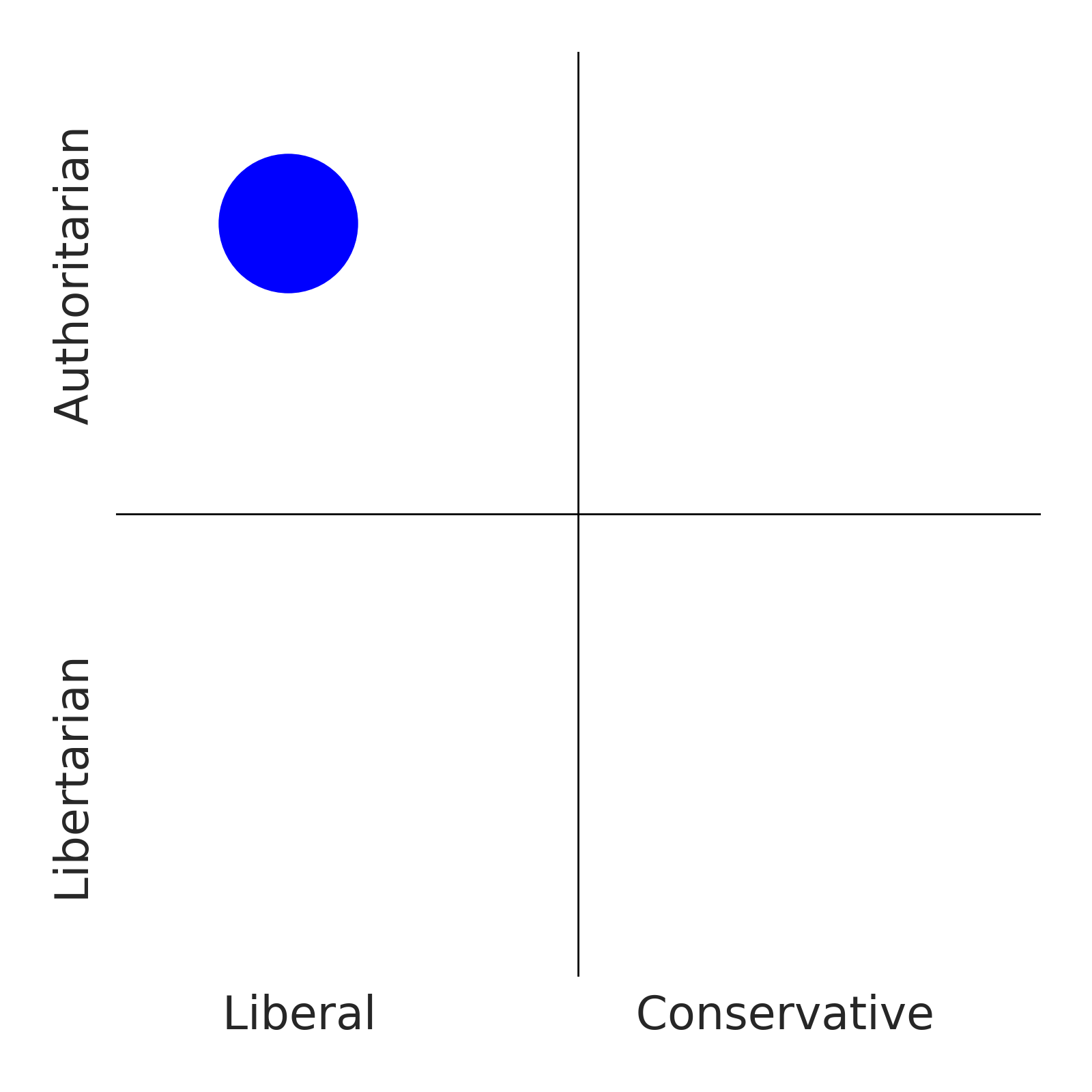
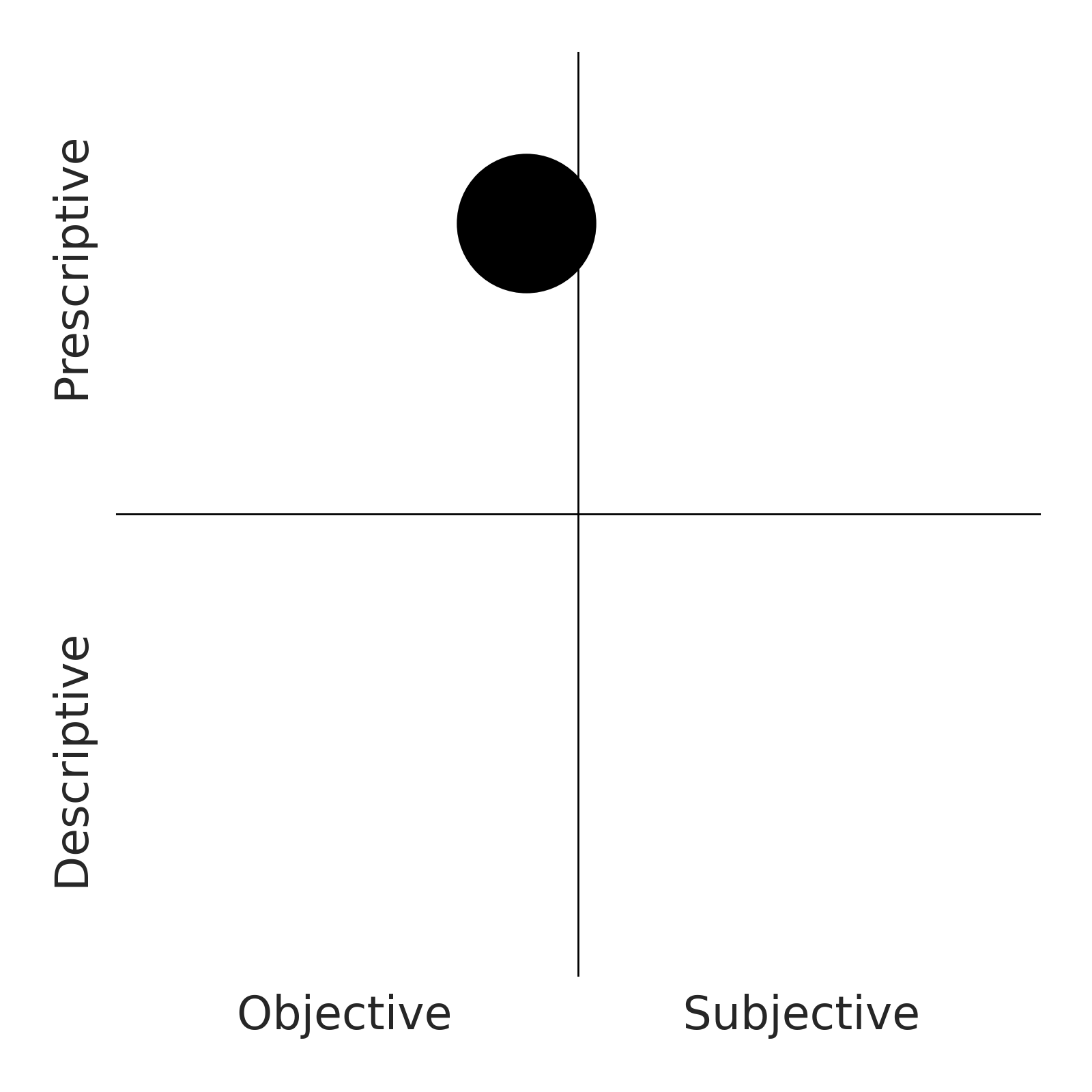
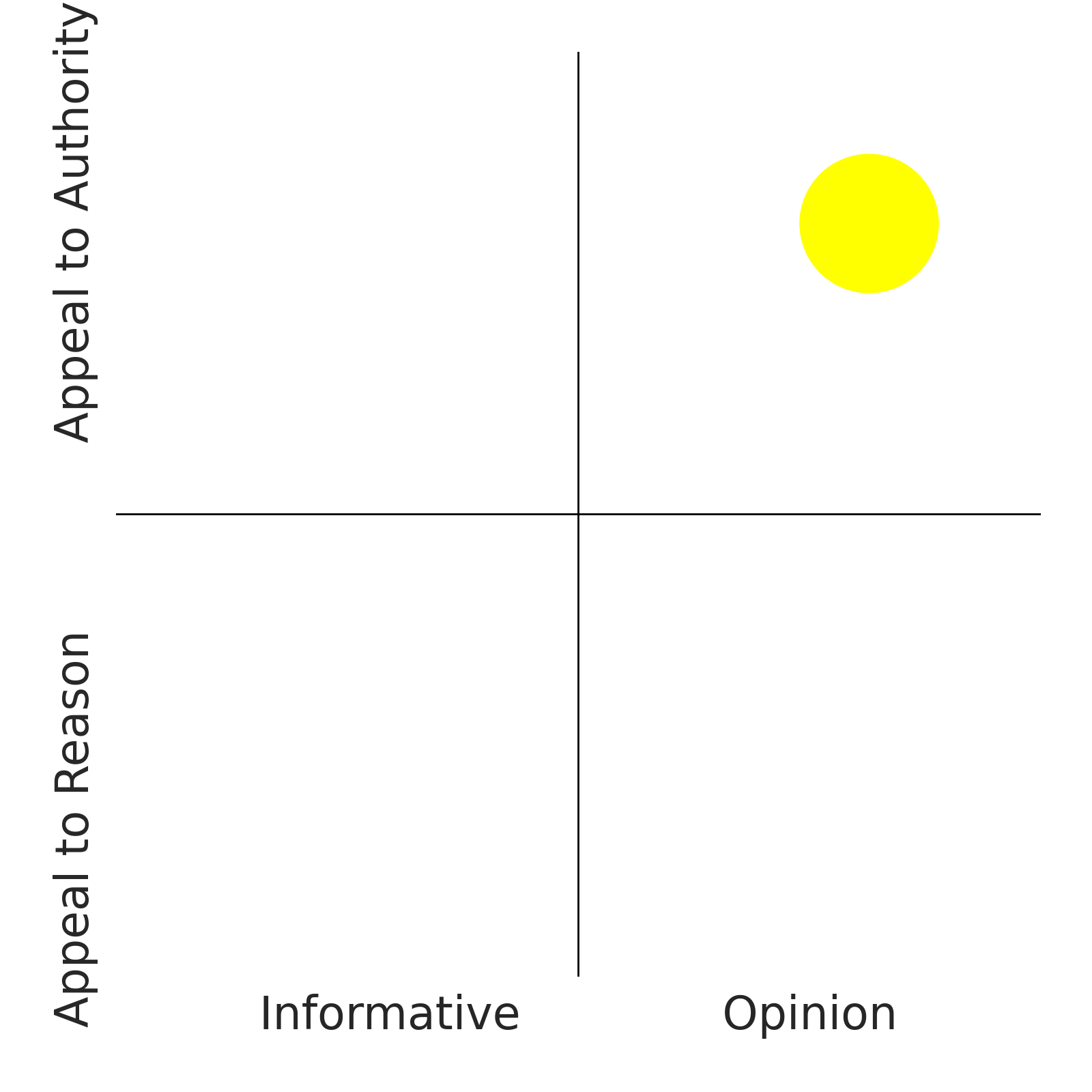
2026 © Helium Trades
Privacy Policy & Disclosure
* Disclaimer: Nothing on this website constitutes investment advice, performance data or any recommendation that any particular security, portfolio of securities, transaction or investment strategy is suitable for any specific person. Helium Trades is not responsible in any way for the accuracy
of any model predictions or price data. Any mention of a particular security and related prediction data is not a recommendation to buy or sell that security. Investments in securities involve the risk of loss. Past performance is no guarantee of future results. Helium Trades is not responsible for any of your investment decisions,
you should consult a financial expert before engaging in any transaction.
Helium Research Assistant

How can I help you today?
Ask any question about PBS bias.