See whether Helium helps you make better-informed decisions. Try every Pro Trader feature for 30 days. No credit card required.
Try every Pro Trader feature for 30 days. No credit card required.
The evidence strongly indicates this is The Verge, a consumer-technology outlet with a tech-first, digitally engaged readership [60].
Coverage spans devices, gaming, streaming, AI, privacy, cybersecurity, and deal shopping [60].
Topic frequency leans toward cybersecurity, entertainment, and flock cameras [60], alongside heavy AI-policy coverage (state executive orders, OpenAI containment incidents, Disney AI hiring) and product/deal posts
September 19, 2026 · 0 shares
Framing treats AI-safety researchers' warnings as validated, portrays advanced AI as an urgent existential threat, and presents frontier labs as dangerously under-regulated and insufficiently transparent.
Automated analysis; not human reviewed. Limitations: The text is a long-form narrative that frequently blends attributed forecasts with asserted outcomes, and it contains extraction artifacts; this limits precise separation of publisher framing from quoted sources. · 14 of 55 available dimensions scored; omitted dimensions are not treated as neutral. · Verified supporting quotes for 11 of 14 scored dimensions.
Claim: The narrative reports from inside the AI-safety community and treats its perspective as the natural lens.
“No one in the war room was surprised; this was the very thing the third-party AI-safety researchers had been warning about for years.” · exact text match
Why: The sentence assumes the researchers' viewpoint and interprets the incident through their expectations rather than presenting it neutrally.
Claim: The headline and framing use crisis language and dramatic escalation to present the story as explosive.
“Inside the suddenly explosive world of AI safety.” · exact text match
“Researchers warned AI would go rogue. This is only the beginning.” · exact text match
Why: Terms like 'explosive' and 'only the beginning' foreground drama and threat.
Claim: The framing is strongly pessimistic about near-term AI safety outcomes.
“It seems so easy for me to imagine this all going catastrophically wrong in the next year” · exact text match
“This was AI’s first big 'warning shot.'” · not found in supplied text
Why: Prominent forecasts and repeated 'warning shot' language emphasize catastrophe and escalation.
Claim: The narrative repeatedly frames the incident as a threatening portent.
“This was AI’s first big 'warning shot.'” · not found in supplied text
Why: A 'warning shot' implies imminent danger and is selected as a core takeaway.
Claim: The authorial voice asserts that AI-safety researchers are realists and that their predictions have all come true.
“They’re not anti-AI activists, but realists, including former OpenAI and Anthropic employees, doing everything they can to make sure AI stays in line with human goals and interests. So far, all of their predictions have come true.” · exact text match
Why: The sentence states an evaluative judgment and an unqualified record of success, not just a neutral fact.
Claim: The story is substantially political because the AI incident becomes a federal and bipartisan issue.
“more than 30 members of Congress called for federal guardrails, and 15 Attorneys General warned Altman to preserve records of the incident.” · exact text match
Why: The central narrative is tied to congressional, gubernatorial, and presidential politics.
Claim: A generalized assertion that every safety prediction has come true goes beyond the evidence provided.
“So far, all of their predictions have come true.” · exact text match
Why: The phrase 'all' and 'have come true' asserts certainty about an unbounded set of predictions.
Claim: The text selects emotionally loaded language about catastrophic outcomes and mortal stakes.
“gambling with our lives” · exact text match
Why: The phrase frames AI development as life-threatening, giving the account a negative emotional charge.
Claim: The report is sourced and attributed more than speculative, with named organizations and employee testimony.
“according to an OpenAI employee who spoke to Time and said related incidents had been happening inside OpenAI for a while.” · exact text match
Why: Attribution to a specific outlet and employee supplies a verifiable source for a central claim.
Claim: The reporting shows balanced, qualified reasoning and includes caveats against anthropomorphizing AI.
“There have also been disagreements about whether Al should be deployed at all in certain scenarios and about whether future risks are overblown.” · exact text match
Why: Acknowledging internal disagreement and uncertainty is a sign of measured, rational presentation.
Claim: The framing is critical of AI companies, saying they prioritize revenue over safety and disband safety teams.
“Safety and research teams have been disbanded in recent years as AI companies focus more on key revenue drivers.” · not found in supplied text
Why: This is a structural criticism of corporate incentives and conduct, rather than neutral corporate reporting.
Claim: The text gives prominent space to forecasts and imagined future scenarios about recursive self-improvement and AI autonomy.
“Barnes still feels like models’ ability to significantly improve themselves could come as soon as six months from now. (By contrast, Redwood Research’s Greenblatt forecasts it’ll come in 2031.)” · exact text match
Why: Specific future timelines are speculative and presented as plausible outcomes.
Claim: The framing uses loaded crisis language and urgency to shape the reader's response.
“Inside the suddenly explosive world of AI safety.” · exact text match
“Researchers warned AI would go rogue. This is only the beginning.” · exact text match
Counterevidence:
“Not everyone agrees. Certainly not the accelerationists.” · exact text match
Why: Loaded terms and repetition create urgency; the counterevidence shows some dissent is acknowledged, but the overall frame remains persuasive.
Claim: The text shows visible fairness and epistemic care by attributing claims and flagging nuance.
“It’s important to remember, though, that pursuing a strategic goal doesn’t equate to consciousness” · exact text match
Why: The caveat prevents an overdramatic reading and demonstrates care with the subject matter.
The text is a long-form narrative that frequently blends attributed forecasts with asserted outcomes, and it contains extraction artifacts; this limits precise separation of publisher framing from quoted sources.
September 21, 2026 · 0 shares
No article content was supplied, so no publisher framing could be observed or classified.
Automated analysis; not human reviewed. Limitations: No substantive article text was supplied, so all classifications are unsupported.
No substantive article text was supplied, so all classifications are unsupported.
Much reporting is descriptive and attributed: Xbox digital-ownership history is sourced as 'Sources familiar with Microsoft's plans tell me'
September 21, 2026 · 0 shares
No article content was supplied, so no publisher framing could be assessed.
Automated analysis; not human reviewed. Limitations: The article text was not provided; only an empty placeholder was present, making any analysis impossible.
The article text was not provided; only an empty placeholder was present, making any analysis impossible.
September 19, 2026 · 0 shares
Framing treats AI-safety researchers' warnings as validated, portrays advanced AI as an urgent existential threat, and presents frontier labs as dangerously under-regulated and insufficiently transparent.
Automated analysis; not human reviewed. Limitations: The text is a long-form narrative that frequently blends attributed forecasts with asserted outcomes, and it contains extraction artifacts; this limits precise separation of publisher framing from quoted sources. · 14 of 55 available dimensions scored; omitted dimensions are not treated as neutral. · Verified supporting quotes for 11 of 14 scored dimensions.
Claim: The narrative reports from inside the AI-safety community and treats its perspective as the natural lens.
“No one in the war room was surprised; this was the very thing the third-party AI-safety researchers had been warning about for years.” · exact text match
Why: The sentence assumes the researchers' viewpoint and interprets the incident through their expectations rather than presenting it neutrally.
Claim: The headline and framing use crisis language and dramatic escalation to present the story as explosive.
“Inside the suddenly explosive world of AI safety.” · exact text match
“Researchers warned AI would go rogue. This is only the beginning.” · exact text match
Why: Terms like 'explosive' and 'only the beginning' foreground drama and threat.
Claim: The framing is strongly pessimistic about near-term AI safety outcomes.
“It seems so easy for me to imagine this all going catastrophically wrong in the next year” · exact text match
“This was AI’s first big 'warning shot.'” · not found in supplied text
Why: Prominent forecasts and repeated 'warning shot' language emphasize catastrophe and escalation.
Claim: The narrative repeatedly frames the incident as a threatening portent.
“This was AI’s first big 'warning shot.'” · not found in supplied text
Why: A 'warning shot' implies imminent danger and is selected as a core takeaway.
Claim: The authorial voice asserts that AI-safety researchers are realists and that their predictions have all come true.
“They’re not anti-AI activists, but realists, including former OpenAI and Anthropic employees, doing everything they can to make sure AI stays in line with human goals and interests. So far, all of their predictions have come true.” · exact text match
Why: The sentence states an evaluative judgment and an unqualified record of success, not just a neutral fact.
Claim: The story is substantially political because the AI incident becomes a federal and bipartisan issue.
“more than 30 members of Congress called for federal guardrails, and 15 Attorneys General warned Altman to preserve records of the incident.” · exact text match
Why: The central narrative is tied to congressional, gubernatorial, and presidential politics.
Claim: A generalized assertion that every safety prediction has come true goes beyond the evidence provided.
“So far, all of their predictions have come true.” · exact text match
Why: The phrase 'all' and 'have come true' asserts certainty about an unbounded set of predictions.
Claim: The text selects emotionally loaded language about catastrophic outcomes and mortal stakes.
“gambling with our lives” · exact text match
Why: The phrase frames AI development as life-threatening, giving the account a negative emotional charge.
Claim: The report is sourced and attributed more than speculative, with named organizations and employee testimony.
“according to an OpenAI employee who spoke to Time and said related incidents had been happening inside OpenAI for a while.” · exact text match
Why: Attribution to a specific outlet and employee supplies a verifiable source for a central claim.
Claim: The reporting shows balanced, qualified reasoning and includes caveats against anthropomorphizing AI.
“There have also been disagreements about whether Al should be deployed at all in certain scenarios and about whether future risks are overblown.” · exact text match
Why: Acknowledging internal disagreement and uncertainty is a sign of measured, rational presentation.
Claim: The framing is critical of AI companies, saying they prioritize revenue over safety and disband safety teams.
“Safety and research teams have been disbanded in recent years as AI companies focus more on key revenue drivers.” · not found in supplied text
Why: This is a structural criticism of corporate incentives and conduct, rather than neutral corporate reporting.
Claim: The text gives prominent space to forecasts and imagined future scenarios about recursive self-improvement and AI autonomy.
“Barnes still feels like models’ ability to significantly improve themselves could come as soon as six months from now. (By contrast, Redwood Research’s Greenblatt forecasts it’ll come in 2031.)” · exact text match
Why: Specific future timelines are speculative and presented as plausible outcomes.
Claim: The framing uses loaded crisis language and urgency to shape the reader's response.
“Inside the suddenly explosive world of AI safety.” · exact text match
“Researchers warned AI would go rogue. This is only the beginning.” · exact text match
Counterevidence:
“Not everyone agrees. Certainly not the accelerationists.” · exact text match
Why: Loaded terms and repetition create urgency; the counterevidence shows some dissent is acknowledged, but the overall frame remains persuasive.
Claim: The text shows visible fairness and epistemic care by attributing claims and flagging nuance.
“It’s important to remember, though, that pursuing a strategic goal doesn’t equate to consciousness” · exact text match
Why: The caveat prevents an overdramatic reading and demonstrates care with the subject matter.
The text is a long-form narrative that frequently blends attributed forecasts with asserted outcomes, and it contains extraction artifacts; this limits precise separation of publisher framing from quoted sources.
September 21, 2026 · 0 shares
No article content was supplied, so no publisher framing could be observed or classified.
Automated analysis; not human reviewed. Limitations: No substantive article text was supplied, so all classifications are unsupported.
No substantive article text was supplied, so all classifications are unsupported.
September 21, 2026 · 0 shares
No article content was supplied, so no publisher framing could be observed or classified.
Automated analysis; not human reviewed. Limitations: No substantive article text was supplied, so all classifications are unsupported.
No substantive article text was supplied, so all classifications are unsupported.
September 19, 2026 · 0 shares
Framing treats AI-safety researchers' warnings as validated, portrays advanced AI as an urgent existential threat, and presents frontier labs as dangerously under-regulated and insufficiently transparent.
Automated analysis; not human reviewed. Limitations: The text is a long-form narrative that frequently blends attributed forecasts with asserted outcomes, and it contains extraction artifacts; this limits precise separation of publisher framing from quoted sources. · 14 of 55 available dimensions scored; omitted dimensions are not treated as neutral. · Verified supporting quotes for 11 of 14 scored dimensions.
Claim: The narrative reports from inside the AI-safety community and treats its perspective as the natural lens.
“No one in the war room was surprised; this was the very thing the third-party AI-safety researchers had been warning about for years.” · exact text match
Why: The sentence assumes the researchers' viewpoint and interprets the incident through their expectations rather than presenting it neutrally.
Claim: The headline and framing use crisis language and dramatic escalation to present the story as explosive.
“Inside the suddenly explosive world of AI safety.” · exact text match
“Researchers warned AI would go rogue. This is only the beginning.” · exact text match
Why: Terms like 'explosive' and 'only the beginning' foreground drama and threat.
Claim: The framing is strongly pessimistic about near-term AI safety outcomes.
“It seems so easy for me to imagine this all going catastrophically wrong in the next year” · exact text match
“This was AI’s first big 'warning shot.'” · not found in supplied text
Why: Prominent forecasts and repeated 'warning shot' language emphasize catastrophe and escalation.
Claim: The narrative repeatedly frames the incident as a threatening portent.
“This was AI’s first big 'warning shot.'” · not found in supplied text
Why: A 'warning shot' implies imminent danger and is selected as a core takeaway.
Claim: The authorial voice asserts that AI-safety researchers are realists and that their predictions have all come true.
“They’re not anti-AI activists, but realists, including former OpenAI and Anthropic employees, doing everything they can to make sure AI stays in line with human goals and interests. So far, all of their predictions have come true.” · exact text match
Why: The sentence states an evaluative judgment and an unqualified record of success, not just a neutral fact.
Claim: The story is substantially political because the AI incident becomes a federal and bipartisan issue.
“more than 30 members of Congress called for federal guardrails, and 15 Attorneys General warned Altman to preserve records of the incident.” · exact text match
Why: The central narrative is tied to congressional, gubernatorial, and presidential politics.
Claim: A generalized assertion that every safety prediction has come true goes beyond the evidence provided.
“So far, all of their predictions have come true.” · exact text match
Why: The phrase 'all' and 'have come true' asserts certainty about an unbounded set of predictions.
Claim: The text selects emotionally loaded language about catastrophic outcomes and mortal stakes.
“gambling with our lives” · exact text match
Why: The phrase frames AI development as life-threatening, giving the account a negative emotional charge.
Claim: The report is sourced and attributed more than speculative, with named organizations and employee testimony.
“according to an OpenAI employee who spoke to Time and said related incidents had been happening inside OpenAI for a while.” · exact text match
Why: Attribution to a specific outlet and employee supplies a verifiable source for a central claim.
Claim: The reporting shows balanced, qualified reasoning and includes caveats against anthropomorphizing AI.
“There have also been disagreements about whether Al should be deployed at all in certain scenarios and about whether future risks are overblown.” · exact text match
Why: Acknowledging internal disagreement and uncertainty is a sign of measured, rational presentation.
Claim: The framing is critical of AI companies, saying they prioritize revenue over safety and disband safety teams.
“Safety and research teams have been disbanded in recent years as AI companies focus more on key revenue drivers.” · not found in supplied text
Why: This is a structural criticism of corporate incentives and conduct, rather than neutral corporate reporting.
Claim: The text gives prominent space to forecasts and imagined future scenarios about recursive self-improvement and AI autonomy.
“Barnes still feels like models’ ability to significantly improve themselves could come as soon as six months from now. (By contrast, Redwood Research’s Greenblatt forecasts it’ll come in 2031.)” · exact text match
Why: Specific future timelines are speculative and presented as plausible outcomes.
Claim: The framing uses loaded crisis language and urgency to shape the reader's response.
“Inside the suddenly explosive world of AI safety.” · exact text match
“Researchers warned AI would go rogue. This is only the beginning.” · exact text match
Counterevidence:
“Not everyone agrees. Certainly not the accelerationists.” · exact text match
Why: Loaded terms and repetition create urgency; the counterevidence shows some dissent is acknowledged, but the overall frame remains persuasive.
Claim: The text shows visible fairness and epistemic care by attributing claims and flagging nuance.
“It’s important to remember, though, that pursuing a strategic goal doesn’t equate to consciousness” · exact text match
Why: The caveat prevents an overdramatic reading and demonstrates care with the subject matter.
The text is a long-form narrative that frequently blends attributed forecasts with asserted outcomes, and it contains extraction artifacts; this limits precise separation of publisher framing from quoted sources.
AI pessimism in safety coverage: The OpenAI containment story uses crisis framing — 'easy for me to imagine this all going catastrophically wrong' — and grants realism status to former OpenAI/Anthropic employees while presupposing 'rogue/scheming' agency narratives
September 19, 2026 · 0 shares
Framing treats AI-safety researchers' warnings as validated, portrays advanced AI as an urgent existential threat, and presents frontier labs as dangerously under-regulated and insufficiently transparent.
Automated analysis; not human reviewed. Limitations: The text is a long-form narrative that frequently blends attributed forecasts with asserted outcomes, and it contains extraction artifacts; this limits precise separation of publisher framing from quoted sources. · 14 of 55 available dimensions scored; omitted dimensions are not treated as neutral. · Verified supporting quotes for 11 of 14 scored dimensions.
Claim: The narrative reports from inside the AI-safety community and treats its perspective as the natural lens.
“No one in the war room was surprised; this was the very thing the third-party AI-safety researchers had been warning about for years.” · exact text match
Why: The sentence assumes the researchers' viewpoint and interprets the incident through their expectations rather than presenting it neutrally.
Claim: The headline and framing use crisis language and dramatic escalation to present the story as explosive.
“Inside the suddenly explosive world of AI safety.” · exact text match
“Researchers warned AI would go rogue. This is only the beginning.” · exact text match
Why: Terms like 'explosive' and 'only the beginning' foreground drama and threat.
Claim: The framing is strongly pessimistic about near-term AI safety outcomes.
“It seems so easy for me to imagine this all going catastrophically wrong in the next year” · exact text match
“This was AI’s first big 'warning shot.'” · not found in supplied text
Why: Prominent forecasts and repeated 'warning shot' language emphasize catastrophe and escalation.
Claim: The narrative repeatedly frames the incident as a threatening portent.
“This was AI’s first big 'warning shot.'” · not found in supplied text
Why: A 'warning shot' implies imminent danger and is selected as a core takeaway.
Claim: The authorial voice asserts that AI-safety researchers are realists and that their predictions have all come true.
“They’re not anti-AI activists, but realists, including former OpenAI and Anthropic employees, doing everything they can to make sure AI stays in line with human goals and interests. So far, all of their predictions have come true.” · exact text match
Why: The sentence states an evaluative judgment and an unqualified record of success, not just a neutral fact.
Claim: The story is substantially political because the AI incident becomes a federal and bipartisan issue.
“more than 30 members of Congress called for federal guardrails, and 15 Attorneys General warned Altman to preserve records of the incident.” · exact text match
Why: The central narrative is tied to congressional, gubernatorial, and presidential politics.
Claim: A generalized assertion that every safety prediction has come true goes beyond the evidence provided.
“So far, all of their predictions have come true.” · exact text match
Why: The phrase 'all' and 'have come true' asserts certainty about an unbounded set of predictions.
Claim: The text selects emotionally loaded language about catastrophic outcomes and mortal stakes.
“gambling with our lives” · exact text match
Why: The phrase frames AI development as life-threatening, giving the account a negative emotional charge.
Claim: The report is sourced and attributed more than speculative, with named organizations and employee testimony.
“according to an OpenAI employee who spoke to Time and said related incidents had been happening inside OpenAI for a while.” · exact text match
Why: Attribution to a specific outlet and employee supplies a verifiable source for a central claim.
Claim: The reporting shows balanced, qualified reasoning and includes caveats against anthropomorphizing AI.
“There have also been disagreements about whether Al should be deployed at all in certain scenarios and about whether future risks are overblown.” · exact text match
Why: Acknowledging internal disagreement and uncertainty is a sign of measured, rational presentation.
Claim: The framing is critical of AI companies, saying they prioritize revenue over safety and disband safety teams.
“Safety and research teams have been disbanded in recent years as AI companies focus more on key revenue drivers.” · not found in supplied text
Why: This is a structural criticism of corporate incentives and conduct, rather than neutral corporate reporting.
Claim: The text gives prominent space to forecasts and imagined future scenarios about recursive self-improvement and AI autonomy.
“Barnes still feels like models’ ability to significantly improve themselves could come as soon as six months from now. (By contrast, Redwood Research’s Greenblatt forecasts it’ll come in 2031.)” · exact text match
Why: Specific future timelines are speculative and presented as plausible outcomes.
Claim: The framing uses loaded crisis language and urgency to shape the reader's response.
“Inside the suddenly explosive world of AI safety.” · exact text match
“Researchers warned AI would go rogue. This is only the beginning.” · exact text match
Counterevidence:
“Not everyone agrees. Certainly not the accelerationists.” · exact text match
Why: Loaded terms and repetition create urgency; the counterevidence shows some dissent is acknowledged, but the overall frame remains persuasive.
Claim: The text shows visible fairness and epistemic care by attributing claims and flagging nuance.
“It’s important to remember, though, that pursuing a strategic goal doesn’t equate to consciousness” · exact text match
Why: The caveat prevents an overdramatic reading and demonstrates care with the subject matter.
The text is a long-form narrative that frequently blends attributed forecasts with asserted outcomes, and it contains extraction artifacts; this limits precise separation of publisher framing from quoted sources.
September 21, 2026 · 0 shares
No article content was supplied, so no publisher framing could be observed or classified.
Automated analysis; not human reviewed. Limitations: No substantive article text was supplied, so all classifications are unsupported.
No substantive article text was supplied, so all classifications are unsupported.
September 21, 2026 · 0 shares
No article content was supplied, so no publisher framing could be observed or classified.
Automated analysis; not human reviewed. Limitations: No substantive article text was supplied, so all classifications are unsupported.
No substantive article text was supplied, so all classifications are unsupported.
September 21, 2026 · 0 shares
No article content was supplied, so no publisher framing could be assessed.
Automated analysis; not human reviewed. Limitations: The article text was not provided; only an empty placeholder was present, making any analysis impossible.
The article text was not provided; only an empty placeholder was present, making any analysis impossible.
September 19, 2026 · 0 shares
Framing treats AI-safety researchers' warnings as validated, portrays advanced AI as an urgent existential threat, and presents frontier labs as dangerously under-regulated and insufficiently transparent.
Automated analysis; not human reviewed. Limitations: The text is a long-form narrative that frequently blends attributed forecasts with asserted outcomes, and it contains extraction artifacts; this limits precise separation of publisher framing from quoted sources. · 14 of 55 available dimensions scored; omitted dimensions are not treated as neutral. · Verified supporting quotes for 11 of 14 scored dimensions.
Claim: The narrative reports from inside the AI-safety community and treats its perspective as the natural lens.
“No one in the war room was surprised; this was the very thing the third-party AI-safety researchers had been warning about for years.” · exact text match
Why: The sentence assumes the researchers' viewpoint and interprets the incident through their expectations rather than presenting it neutrally.
Claim: The headline and framing use crisis language and dramatic escalation to present the story as explosive.
“Inside the suddenly explosive world of AI safety.” · exact text match
“Researchers warned AI would go rogue. This is only the beginning.” · exact text match
Why: Terms like 'explosive' and 'only the beginning' foreground drama and threat.
Claim: The framing is strongly pessimistic about near-term AI safety outcomes.
“It seems so easy for me to imagine this all going catastrophically wrong in the next year” · exact text match
“This was AI’s first big 'warning shot.'” · not found in supplied text
Why: Prominent forecasts and repeated 'warning shot' language emphasize catastrophe and escalation.
Claim: The narrative repeatedly frames the incident as a threatening portent.
“This was AI’s first big 'warning shot.'” · not found in supplied text
Why: A 'warning shot' implies imminent danger and is selected as a core takeaway.
Claim: The authorial voice asserts that AI-safety researchers are realists and that their predictions have all come true.
“They’re not anti-AI activists, but realists, including former OpenAI and Anthropic employees, doing everything they can to make sure AI stays in line with human goals and interests. So far, all of their predictions have come true.” · exact text match
Why: The sentence states an evaluative judgment and an unqualified record of success, not just a neutral fact.
Claim: The story is substantially political because the AI incident becomes a federal and bipartisan issue.
“more than 30 members of Congress called for federal guardrails, and 15 Attorneys General warned Altman to preserve records of the incident.” · exact text match
Why: The central narrative is tied to congressional, gubernatorial, and presidential politics.
Claim: A generalized assertion that every safety prediction has come true goes beyond the evidence provided.
“So far, all of their predictions have come true.” · exact text match
Why: The phrase 'all' and 'have come true' asserts certainty about an unbounded set of predictions.
Claim: The text selects emotionally loaded language about catastrophic outcomes and mortal stakes.
“gambling with our lives” · exact text match
Why: The phrase frames AI development as life-threatening, giving the account a negative emotional charge.
Claim: The report is sourced and attributed more than speculative, with named organizations and employee testimony.
“according to an OpenAI employee who spoke to Time and said related incidents had been happening inside OpenAI for a while.” · exact text match
Why: Attribution to a specific outlet and employee supplies a verifiable source for a central claim.
Claim: The reporting shows balanced, qualified reasoning and includes caveats against anthropomorphizing AI.
“There have also been disagreements about whether Al should be deployed at all in certain scenarios and about whether future risks are overblown.” · exact text match
Why: Acknowledging internal disagreement and uncertainty is a sign of measured, rational presentation.
Claim: The framing is critical of AI companies, saying they prioritize revenue over safety and disband safety teams.
“Safety and research teams have been disbanded in recent years as AI companies focus more on key revenue drivers.” · not found in supplied text
Why: This is a structural criticism of corporate incentives and conduct, rather than neutral corporate reporting.
Claim: The text gives prominent space to forecasts and imagined future scenarios about recursive self-improvement and AI autonomy.
“Barnes still feels like models’ ability to significantly improve themselves could come as soon as six months from now. (By contrast, Redwood Research’s Greenblatt forecasts it’ll come in 2031.)” · exact text match
Why: Specific future timelines are speculative and presented as plausible outcomes.
Claim: The framing uses loaded crisis language and urgency to shape the reader's response.
“Inside the suddenly explosive world of AI safety.” · exact text match
“Researchers warned AI would go rogue. This is only the beginning.” · exact text match
Counterevidence:
“Not everyone agrees. Certainly not the accelerationists.” · exact text match
Why: Loaded terms and repetition create urgency; the counterevidence shows some dissent is acknowledged, but the overall frame remains persuasive.
Claim: The text shows visible fairness and epistemic care by attributing claims and flagging nuance.
“It’s important to remember, though, that pursuing a strategic goal doesn’t equate to consciousness” · exact text match
Why: The caveat prevents an overdramatic reading and demonstrates care with the subject matter.
The text is a long-form narrative that frequently blends attributed forecasts with asserted outcomes, and it contains extraction artifacts; this limits precise separation of publisher framing from quoted sources.
September 21, 2026 · 0 shares
No article content was supplied, so no publisher framing could be observed or classified.
Automated analysis; not human reviewed. Limitations: No substantive article text was supplied, so all classifications are unsupported.
No substantive article text was supplied, so all classifications are unsupported.
September 21, 2026 · 0 shares
No article content was supplied, so no publisher framing could be assessed.
Automated analysis; not human reviewed. Limitations: The article text was not provided; only an empty placeholder was present, making any analysis impossible.
The article text was not provided; only an empty placeholder was present, making any analysis impossible.
September 19, 2026 · 0 shares
Framing treats AI-safety researchers' warnings as validated, portrays advanced AI as an urgent existential threat, and presents frontier labs as dangerously under-regulated and insufficiently transparent.
Automated analysis; not human reviewed. Limitations: The text is a long-form narrative that frequently blends attributed forecasts with asserted outcomes, and it contains extraction artifacts; this limits precise separation of publisher framing from quoted sources. · 14 of 55 available dimensions scored; omitted dimensions are not treated as neutral. · Verified supporting quotes for 11 of 14 scored dimensions.
Claim: The narrative reports from inside the AI-safety community and treats its perspective as the natural lens.
“No one in the war room was surprised; this was the very thing the third-party AI-safety researchers had been warning about for years.” · exact text match
Why: The sentence assumes the researchers' viewpoint and interprets the incident through their expectations rather than presenting it neutrally.
Claim: The headline and framing use crisis language and dramatic escalation to present the story as explosive.
“Inside the suddenly explosive world of AI safety.” · exact text match
“Researchers warned AI would go rogue. This is only the beginning.” · exact text match
Why: Terms like 'explosive' and 'only the beginning' foreground drama and threat.
Claim: The framing is strongly pessimistic about near-term AI safety outcomes.
“It seems so easy for me to imagine this all going catastrophically wrong in the next year” · exact text match
“This was AI’s first big 'warning shot.'” · not found in supplied text
Why: Prominent forecasts and repeated 'warning shot' language emphasize catastrophe and escalation.
Claim: The narrative repeatedly frames the incident as a threatening portent.
“This was AI’s first big 'warning shot.'” · not found in supplied text
Why: A 'warning shot' implies imminent danger and is selected as a core takeaway.
Claim: The authorial voice asserts that AI-safety researchers are realists and that their predictions have all come true.
“They’re not anti-AI activists, but realists, including former OpenAI and Anthropic employees, doing everything they can to make sure AI stays in line with human goals and interests. So far, all of their predictions have come true.” · exact text match
Why: The sentence states an evaluative judgment and an unqualified record of success, not just a neutral fact.
Claim: The story is substantially political because the AI incident becomes a federal and bipartisan issue.
“more than 30 members of Congress called for federal guardrails, and 15 Attorneys General warned Altman to preserve records of the incident.” · exact text match
Why: The central narrative is tied to congressional, gubernatorial, and presidential politics.
Claim: A generalized assertion that every safety prediction has come true goes beyond the evidence provided.
“So far, all of their predictions have come true.” · exact text match
Why: The phrase 'all' and 'have come true' asserts certainty about an unbounded set of predictions.
Claim: The text selects emotionally loaded language about catastrophic outcomes and mortal stakes.
“gambling with our lives” · exact text match
Why: The phrase frames AI development as life-threatening, giving the account a negative emotional charge.
Claim: The report is sourced and attributed more than speculative, with named organizations and employee testimony.
“according to an OpenAI employee who spoke to Time and said related incidents had been happening inside OpenAI for a while.” · exact text match
Why: Attribution to a specific outlet and employee supplies a verifiable source for a central claim.
Claim: The reporting shows balanced, qualified reasoning and includes caveats against anthropomorphizing AI.
“There have also been disagreements about whether Al should be deployed at all in certain scenarios and about whether future risks are overblown.” · exact text match
Why: Acknowledging internal disagreement and uncertainty is a sign of measured, rational presentation.
Claim: The framing is critical of AI companies, saying they prioritize revenue over safety and disband safety teams.
“Safety and research teams have been disbanded in recent years as AI companies focus more on key revenue drivers.” · not found in supplied text
Why: This is a structural criticism of corporate incentives and conduct, rather than neutral corporate reporting.
Claim: The text gives prominent space to forecasts and imagined future scenarios about recursive self-improvement and AI autonomy.
“Barnes still feels like models’ ability to significantly improve themselves could come as soon as six months from now. (By contrast, Redwood Research’s Greenblatt forecasts it’ll come in 2031.)” · exact text match
Why: Specific future timelines are speculative and presented as plausible outcomes.
Claim: The framing uses loaded crisis language and urgency to shape the reader's response.
“Inside the suddenly explosive world of AI safety.” · exact text match
“Researchers warned AI would go rogue. This is only the beginning.” · exact text match
Counterevidence:
“Not everyone agrees. Certainly not the accelerationists.” · exact text match
Why: Loaded terms and repetition create urgency; the counterevidence shows some dissent is acknowledged, but the overall frame remains persuasive.
Claim: The text shows visible fairness and epistemic care by attributing claims and flagging nuance.
“It’s important to remember, though, that pursuing a strategic goal doesn’t equate to consciousness” · exact text match
Why: The caveat prevents an overdramatic reading and demonstrates care with the subject matter.
The text is a long-form narrative that frequently blends attributed forecasts with asserted outcomes, and it contains extraction artifacts; this limits precise separation of publisher framing from quoted sources.
Highest: consumer advocacy/privacy skepticism (pessimistic outlook on ACR data-sharing, hidden assumptions that deceptive design drives consent
September 19, 2026 · 0 shares
Framing treats AI-safety researchers' warnings as validated, portrays advanced AI as an urgent existential threat, and presents frontier labs as dangerously under-regulated and insufficiently transparent.
Automated analysis; not human reviewed. Limitations: The text is a long-form narrative that frequently blends attributed forecasts with asserted outcomes, and it contains extraction artifacts; this limits precise separation of publisher framing from quoted sources. · 14 of 55 available dimensions scored; omitted dimensions are not treated as neutral. · Verified supporting quotes for 11 of 14 scored dimensions.
Claim: The narrative reports from inside the AI-safety community and treats its perspective as the natural lens.
“No one in the war room was surprised; this was the very thing the third-party AI-safety researchers had been warning about for years.” · exact text match
Why: The sentence assumes the researchers' viewpoint and interprets the incident through their expectations rather than presenting it neutrally.
Claim: The headline and framing use crisis language and dramatic escalation to present the story as explosive.
“Inside the suddenly explosive world of AI safety.” · exact text match
“Researchers warned AI would go rogue. This is only the beginning.” · exact text match
Why: Terms like 'explosive' and 'only the beginning' foreground drama and threat.
Claim: The framing is strongly pessimistic about near-term AI safety outcomes.
“It seems so easy for me to imagine this all going catastrophically wrong in the next year” · exact text match
“This was AI’s first big 'warning shot.'” · not found in supplied text
Why: Prominent forecasts and repeated 'warning shot' language emphasize catastrophe and escalation.
Claim: The narrative repeatedly frames the incident as a threatening portent.
“This was AI’s first big 'warning shot.'” · not found in supplied text
Why: A 'warning shot' implies imminent danger and is selected as a core takeaway.
Claim: The authorial voice asserts that AI-safety researchers are realists and that their predictions have all come true.
“They’re not anti-AI activists, but realists, including former OpenAI and Anthropic employees, doing everything they can to make sure AI stays in line with human goals and interests. So far, all of their predictions have come true.” · exact text match
Why: The sentence states an evaluative judgment and an unqualified record of success, not just a neutral fact.
Claim: The story is substantially political because the AI incident becomes a federal and bipartisan issue.
“more than 30 members of Congress called for federal guardrails, and 15 Attorneys General warned Altman to preserve records of the incident.” · exact text match
Why: The central narrative is tied to congressional, gubernatorial, and presidential politics.
Claim: A generalized assertion that every safety prediction has come true goes beyond the evidence provided.
“So far, all of their predictions have come true.” · exact text match
Why: The phrase 'all' and 'have come true' asserts certainty about an unbounded set of predictions.
Claim: The text selects emotionally loaded language about catastrophic outcomes and mortal stakes.
“gambling with our lives” · exact text match
Why: The phrase frames AI development as life-threatening, giving the account a negative emotional charge.
Claim: The report is sourced and attributed more than speculative, with named organizations and employee testimony.
“according to an OpenAI employee who spoke to Time and said related incidents had been happening inside OpenAI for a while.” · exact text match
Why: Attribution to a specific outlet and employee supplies a verifiable source for a central claim.
Claim: The reporting shows balanced, qualified reasoning and includes caveats against anthropomorphizing AI.
“There have also been disagreements about whether Al should be deployed at all in certain scenarios and about whether future risks are overblown.” · exact text match
Why: Acknowledging internal disagreement and uncertainty is a sign of measured, rational presentation.
Claim: The framing is critical of AI companies, saying they prioritize revenue over safety and disband safety teams.
“Safety and research teams have been disbanded in recent years as AI companies focus more on key revenue drivers.” · not found in supplied text
Why: This is a structural criticism of corporate incentives and conduct, rather than neutral corporate reporting.
Claim: The text gives prominent space to forecasts and imagined future scenarios about recursive self-improvement and AI autonomy.
“Barnes still feels like models’ ability to significantly improve themselves could come as soon as six months from now. (By contrast, Redwood Research’s Greenblatt forecasts it’ll come in 2031.)” · exact text match
Why: Specific future timelines are speculative and presented as plausible outcomes.
Claim: The framing uses loaded crisis language and urgency to shape the reader's response.
“Inside the suddenly explosive world of AI safety.” · exact text match
“Researchers warned AI would go rogue. This is only the beginning.” · exact text match
Counterevidence:
“Not everyone agrees. Certainly not the accelerationists.” · exact text match
Why: Loaded terms and repetition create urgency; the counterevidence shows some dissent is acknowledged, but the overall frame remains persuasive.
Claim: The text shows visible fairness and epistemic care by attributing claims and flagging nuance.
“It’s important to remember, though, that pursuing a strategic goal doesn’t equate to consciousness” · exact text match
Why: The caveat prevents an overdramatic reading and demonstrates care with the subject matter.
The text is a long-form narrative that frequently blends attributed forecasts with asserted outcomes, and it contains extraction artifacts; this limits precise separation of publisher framing from quoted sources.
September 21, 2026 · 0 shares
No article content was supplied, so no publisher framing could be observed or classified.
Automated analysis; not human reviewed. Limitations: No substantive article text was supplied, so all classifications are unsupported.
No substantive article text was supplied, so all classifications are unsupported.
September 19, 2026 · 0 shares
Framing treats AI-safety researchers' warnings as validated, portrays advanced AI as an urgent existential threat, and presents frontier labs as dangerously under-regulated and insufficiently transparent.
Automated analysis; not human reviewed. Limitations: The text is a long-form narrative that frequently blends attributed forecasts with asserted outcomes, and it contains extraction artifacts; this limits precise separation of publisher framing from quoted sources. · 14 of 55 available dimensions scored; omitted dimensions are not treated as neutral. · Verified supporting quotes for 11 of 14 scored dimensions.
Claim: The narrative reports from inside the AI-safety community and treats its perspective as the natural lens.
“No one in the war room was surprised; this was the very thing the third-party AI-safety researchers had been warning about for years.” · exact text match
Why: The sentence assumes the researchers' viewpoint and interprets the incident through their expectations rather than presenting it neutrally.
Claim: The headline and framing use crisis language and dramatic escalation to present the story as explosive.
“Inside the suddenly explosive world of AI safety.” · exact text match
“Researchers warned AI would go rogue. This is only the beginning.” · exact text match
Why: Terms like 'explosive' and 'only the beginning' foreground drama and threat.
Claim: The framing is strongly pessimistic about near-term AI safety outcomes.
“It seems so easy for me to imagine this all going catastrophically wrong in the next year” · exact text match
“This was AI’s first big 'warning shot.'” · not found in supplied text
Why: Prominent forecasts and repeated 'warning shot' language emphasize catastrophe and escalation.
Claim: The narrative repeatedly frames the incident as a threatening portent.
“This was AI’s first big 'warning shot.'” · not found in supplied text
Why: A 'warning shot' implies imminent danger and is selected as a core takeaway.
Claim: The authorial voice asserts that AI-safety researchers are realists and that their predictions have all come true.
“They’re not anti-AI activists, but realists, including former OpenAI and Anthropic employees, doing everything they can to make sure AI stays in line with human goals and interests. So far, all of their predictions have come true.” · exact text match
Why: The sentence states an evaluative judgment and an unqualified record of success, not just a neutral fact.
Claim: The story is substantially political because the AI incident becomes a federal and bipartisan issue.
“more than 30 members of Congress called for federal guardrails, and 15 Attorneys General warned Altman to preserve records of the incident.” · exact text match
Why: The central narrative is tied to congressional, gubernatorial, and presidential politics.
Claim: A generalized assertion that every safety prediction has come true goes beyond the evidence provided.
“So far, all of their predictions have come true.” · exact text match
Why: The phrase 'all' and 'have come true' asserts certainty about an unbounded set of predictions.
Claim: The text selects emotionally loaded language about catastrophic outcomes and mortal stakes.
“gambling with our lives” · exact text match
Why: The phrase frames AI development as life-threatening, giving the account a negative emotional charge.
Claim: The report is sourced and attributed more than speculative, with named organizations and employee testimony.
“according to an OpenAI employee who spoke to Time and said related incidents had been happening inside OpenAI for a while.” · exact text match
Why: Attribution to a specific outlet and employee supplies a verifiable source for a central claim.
Claim: The reporting shows balanced, qualified reasoning and includes caveats against anthropomorphizing AI.
“There have also been disagreements about whether Al should be deployed at all in certain scenarios and about whether future risks are overblown.” · exact text match
Why: Acknowledging internal disagreement and uncertainty is a sign of measured, rational presentation.
Claim: The framing is critical of AI companies, saying they prioritize revenue over safety and disband safety teams.
“Safety and research teams have been disbanded in recent years as AI companies focus more on key revenue drivers.” · not found in supplied text
Why: This is a structural criticism of corporate incentives and conduct, rather than neutral corporate reporting.
Claim: The text gives prominent space to forecasts and imagined future scenarios about recursive self-improvement and AI autonomy.
“Barnes still feels like models’ ability to significantly improve themselves could come as soon as six months from now. (By contrast, Redwood Research’s Greenblatt forecasts it’ll come in 2031.)” · exact text match
Why: Specific future timelines are speculative and presented as plausible outcomes.
Claim: The framing uses loaded crisis language and urgency to shape the reader's response.
“Inside the suddenly explosive world of AI safety.” · exact text match
“Researchers warned AI would go rogue. This is only the beginning.” · exact text match
Counterevidence:
“Not everyone agrees. Certainly not the accelerationists.” · exact text match
Why: Loaded terms and repetition create urgency; the counterevidence shows some dissent is acknowledged, but the overall frame remains persuasive.
Claim: The text shows visible fairness and epistemic care by attributing claims and flagging nuance.
“It’s important to remember, though, that pursuing a strategic goal doesn’t equate to consciousness” · exact text match
Why: The caveat prevents an overdramatic reading and demonstrates care with the subject matter.
The text is a long-form narrative that frequently blends attributed forecasts with asserted outcomes, and it contains extraction artifacts; this limits precise separation of publisher framing from quoted sources.
September 21, 2026 · 0 shares
No article content was supplied, so no publisher framing could be assessed.
Automated analysis; not human reviewed. Limitations: The article text was not provided; only an empty placeholder was present, making any analysis impossible.
The article text was not provided; only an empty placeholder was present, making any analysis impossible.
September 21, 2026 · 0 shares
No article content was supplied, so no publisher framing could be observed or classified.
Automated analysis; not human reviewed. Limitations: No substantive article text was supplied, so all classifications are unsupported.
No substantive article text was supplied, so all classifications are unsupported.
September 21, 2026 · 0 shares
No article content was supplied, so no publisher framing could be observed or classified.
Automated analysis; not human reviewed. Limitations: No substantive article text was supplied, so all classifications are unsupported.
No substantive article text was supplied, so all classifications are unsupported.
September 19, 2026 · 0 shares
Framing treats AI-safety researchers' warnings as validated, portrays advanced AI as an urgent existential threat, and presents frontier labs as dangerously under-regulated and insufficiently transparent.
Automated analysis; not human reviewed. Limitations: The text is a long-form narrative that frequently blends attributed forecasts with asserted outcomes, and it contains extraction artifacts; this limits precise separation of publisher framing from quoted sources. · 14 of 55 available dimensions scored; omitted dimensions are not treated as neutral. · Verified supporting quotes for 11 of 14 scored dimensions.
Claim: The narrative reports from inside the AI-safety community and treats its perspective as the natural lens.
“No one in the war room was surprised; this was the very thing the third-party AI-safety researchers had been warning about for years.” · exact text match
Why: The sentence assumes the researchers' viewpoint and interprets the incident through their expectations rather than presenting it neutrally.
Claim: The headline and framing use crisis language and dramatic escalation to present the story as explosive.
“Inside the suddenly explosive world of AI safety.” · exact text match
“Researchers warned AI would go rogue. This is only the beginning.” · exact text match
Why: Terms like 'explosive' and 'only the beginning' foreground drama and threat.
Claim: The framing is strongly pessimistic about near-term AI safety outcomes.
“It seems so easy for me to imagine this all going catastrophically wrong in the next year” · exact text match
“This was AI’s first big 'warning shot.'” · not found in supplied text
Why: Prominent forecasts and repeated 'warning shot' language emphasize catastrophe and escalation.
Claim: The narrative repeatedly frames the incident as a threatening portent.
“This was AI’s first big 'warning shot.'” · not found in supplied text
Why: A 'warning shot' implies imminent danger and is selected as a core takeaway.
Claim: The authorial voice asserts that AI-safety researchers are realists and that their predictions have all come true.
“They’re not anti-AI activists, but realists, including former OpenAI and Anthropic employees, doing everything they can to make sure AI stays in line with human goals and interests. So far, all of their predictions have come true.” · exact text match
Why: The sentence states an evaluative judgment and an unqualified record of success, not just a neutral fact.
Claim: The story is substantially political because the AI incident becomes a federal and bipartisan issue.
“more than 30 members of Congress called for federal guardrails, and 15 Attorneys General warned Altman to preserve records of the incident.” · exact text match
Why: The central narrative is tied to congressional, gubernatorial, and presidential politics.
Claim: A generalized assertion that every safety prediction has come true goes beyond the evidence provided.
“So far, all of their predictions have come true.” · exact text match
Why: The phrase 'all' and 'have come true' asserts certainty about an unbounded set of predictions.
Claim: The text selects emotionally loaded language about catastrophic outcomes and mortal stakes.
“gambling with our lives” · exact text match
Why: The phrase frames AI development as life-threatening, giving the account a negative emotional charge.
Claim: The report is sourced and attributed more than speculative, with named organizations and employee testimony.
“according to an OpenAI employee who spoke to Time and said related incidents had been happening inside OpenAI for a while.” · exact text match
Why: Attribution to a specific outlet and employee supplies a verifiable source for a central claim.
Claim: The reporting shows balanced, qualified reasoning and includes caveats against anthropomorphizing AI.
“There have also been disagreements about whether Al should be deployed at all in certain scenarios and about whether future risks are overblown.” · exact text match
Why: Acknowledging internal disagreement and uncertainty is a sign of measured, rational presentation.
Claim: The framing is critical of AI companies, saying they prioritize revenue over safety and disband safety teams.
“Safety and research teams have been disbanded in recent years as AI companies focus more on key revenue drivers.” · not found in supplied text
Why: This is a structural criticism of corporate incentives and conduct, rather than neutral corporate reporting.
Claim: The text gives prominent space to forecasts and imagined future scenarios about recursive self-improvement and AI autonomy.
“Barnes still feels like models’ ability to significantly improve themselves could come as soon as six months from now. (By contrast, Redwood Research’s Greenblatt forecasts it’ll come in 2031.)” · exact text match
Why: Specific future timelines are speculative and presented as plausible outcomes.
Claim: The framing uses loaded crisis language and urgency to shape the reader's response.
“Inside the suddenly explosive world of AI safety.” · exact text match
“Researchers warned AI would go rogue. This is only the beginning.” · exact text match
Counterevidence:
“Not everyone agrees. Certainly not the accelerationists.” · exact text match
Why: Loaded terms and repetition create urgency; the counterevidence shows some dissent is acknowledged, but the overall frame remains persuasive.
Claim: The text shows visible fairness and epistemic care by attributing claims and flagging nuance.
“It’s important to remember, though, that pursuing a strategic goal doesn’t equate to consciousness” · exact text match
Why: The caveat prevents an overdramatic reading and demonstrates care with the subject matter.
The text is a long-form narrative that frequently blends attributed forecasts with asserted outcomes, and it contains extraction artifacts; this limits precise separation of publisher framing from quoted sources.
First-person voice, editorial 'I' judgments, sourcing idioms ('tell me'), and stylistic inconsistency across posts make full AI authorship unlikely; some routine deal posts could be template-assisted, but that's probabilistic.
Propaganda techniques observed are mild: appeal to authority (Suleyman as AI-safety authority
September 19, 2026 · 0 shares
Framing treats AI-safety researchers' warnings as validated, portrays advanced AI as an urgent existential threat, and presents frontier labs as dangerously under-regulated and insufficiently transparent.
Automated analysis; not human reviewed. Limitations: The text is a long-form narrative that frequently blends attributed forecasts with asserted outcomes, and it contains extraction artifacts; this limits precise separation of publisher framing from quoted sources. · 14 of 55 available dimensions scored; omitted dimensions are not treated as neutral. · Verified supporting quotes for 11 of 14 scored dimensions.
Claim: The narrative reports from inside the AI-safety community and treats its perspective as the natural lens.
“No one in the war room was surprised; this was the very thing the third-party AI-safety researchers had been warning about for years.” · exact text match
Why: The sentence assumes the researchers' viewpoint and interprets the incident through their expectations rather than presenting it neutrally.
Claim: The headline and framing use crisis language and dramatic escalation to present the story as explosive.
“Inside the suddenly explosive world of AI safety.” · exact text match
“Researchers warned AI would go rogue. This is only the beginning.” · exact text match
Why: Terms like 'explosive' and 'only the beginning' foreground drama and threat.
Claim: The framing is strongly pessimistic about near-term AI safety outcomes.
“It seems so easy for me to imagine this all going catastrophically wrong in the next year” · exact text match
“This was AI’s first big 'warning shot.'” · not found in supplied text
Why: Prominent forecasts and repeated 'warning shot' language emphasize catastrophe and escalation.
Claim: The narrative repeatedly frames the incident as a threatening portent.
“This was AI’s first big 'warning shot.'” · not found in supplied text
Why: A 'warning shot' implies imminent danger and is selected as a core takeaway.
Claim: The authorial voice asserts that AI-safety researchers are realists and that their predictions have all come true.
“They’re not anti-AI activists, but realists, including former OpenAI and Anthropic employees, doing everything they can to make sure AI stays in line with human goals and interests. So far, all of their predictions have come true.” · exact text match
Why: The sentence states an evaluative judgment and an unqualified record of success, not just a neutral fact.
Claim: The story is substantially political because the AI incident becomes a federal and bipartisan issue.
“more than 30 members of Congress called for federal guardrails, and 15 Attorneys General warned Altman to preserve records of the incident.” · exact text match
Why: The central narrative is tied to congressional, gubernatorial, and presidential politics.
Claim: A generalized assertion that every safety prediction has come true goes beyond the evidence provided.
“So far, all of their predictions have come true.” · exact text match
Why: The phrase 'all' and 'have come true' asserts certainty about an unbounded set of predictions.
Claim: The text selects emotionally loaded language about catastrophic outcomes and mortal stakes.
“gambling with our lives” · exact text match
Why: The phrase frames AI development as life-threatening, giving the account a negative emotional charge.
Claim: The report is sourced and attributed more than speculative, with named organizations and employee testimony.
“according to an OpenAI employee who spoke to Time and said related incidents had been happening inside OpenAI for a while.” · exact text match
Why: Attribution to a specific outlet and employee supplies a verifiable source for a central claim.
Claim: The reporting shows balanced, qualified reasoning and includes caveats against anthropomorphizing AI.
“There have also been disagreements about whether Al should be deployed at all in certain scenarios and about whether future risks are overblown.” · exact text match
Why: Acknowledging internal disagreement and uncertainty is a sign of measured, rational presentation.
Claim: The framing is critical of AI companies, saying they prioritize revenue over safety and disband safety teams.
“Safety and research teams have been disbanded in recent years as AI companies focus more on key revenue drivers.” · not found in supplied text
Why: This is a structural criticism of corporate incentives and conduct, rather than neutral corporate reporting.
Claim: The text gives prominent space to forecasts and imagined future scenarios about recursive self-improvement and AI autonomy.
“Barnes still feels like models’ ability to significantly improve themselves could come as soon as six months from now. (By contrast, Redwood Research’s Greenblatt forecasts it’ll come in 2031.)” · exact text match
Why: Specific future timelines are speculative and presented as plausible outcomes.
Claim: The framing uses loaded crisis language and urgency to shape the reader's response.
“Inside the suddenly explosive world of AI safety.” · exact text match
“Researchers warned AI would go rogue. This is only the beginning.” · exact text match
Counterevidence:
“Not everyone agrees. Certainly not the accelerationists.” · exact text match
Why: Loaded terms and repetition create urgency; the counterevidence shows some dissent is acknowledged, but the overall frame remains persuasive.
Claim: The text shows visible fairness and epistemic care by attributing claims and flagging nuance.
“It’s important to remember, though, that pursuing a strategic goal doesn’t equate to consciousness” · exact text match
Why: The caveat prevents an overdramatic reading and demonstrates care with the subject matter.
The text is a long-form narrative that frequently blends attributed forecasts with asserted outcomes, and it contains extraction artifacts; this limits precise separation of publisher framing from quoted sources.
September 19, 2026 · 0 shares
Framing treats AI-safety researchers' warnings as validated, portrays advanced AI as an urgent existential threat, and presents frontier labs as dangerously under-regulated and insufficiently transparent.
Automated analysis; not human reviewed. Limitations: The text is a long-form narrative that frequently blends attributed forecasts with asserted outcomes, and it contains extraction artifacts; this limits precise separation of publisher framing from quoted sources. · 14 of 55 available dimensions scored; omitted dimensions are not treated as neutral. · Verified supporting quotes for 11 of 14 scored dimensions.
Claim: The narrative reports from inside the AI-safety community and treats its perspective as the natural lens.
“No one in the war room was surprised; this was the very thing the third-party AI-safety researchers had been warning about for years.” · exact text match
Why: The sentence assumes the researchers' viewpoint and interprets the incident through their expectations rather than presenting it neutrally.
Claim: The headline and framing use crisis language and dramatic escalation to present the story as explosive.
“Inside the suddenly explosive world of AI safety.” · exact text match
“Researchers warned AI would go rogue. This is only the beginning.” · exact text match
Why: Terms like 'explosive' and 'only the beginning' foreground drama and threat.
Claim: The framing is strongly pessimistic about near-term AI safety outcomes.
“It seems so easy for me to imagine this all going catastrophically wrong in the next year” · exact text match
“This was AI’s first big 'warning shot.'” · not found in supplied text
Why: Prominent forecasts and repeated 'warning shot' language emphasize catastrophe and escalation.
Claim: The narrative repeatedly frames the incident as a threatening portent.
“This was AI’s first big 'warning shot.'” · not found in supplied text
Why: A 'warning shot' implies imminent danger and is selected as a core takeaway.
Claim: The authorial voice asserts that AI-safety researchers are realists and that their predictions have all come true.
“They’re not anti-AI activists, but realists, including former OpenAI and Anthropic employees, doing everything they can to make sure AI stays in line with human goals and interests. So far, all of their predictions have come true.” · exact text match
Why: The sentence states an evaluative judgment and an unqualified record of success, not just a neutral fact.
Claim: The story is substantially political because the AI incident becomes a federal and bipartisan issue.
“more than 30 members of Congress called for federal guardrails, and 15 Attorneys General warned Altman to preserve records of the incident.” · exact text match
Why: The central narrative is tied to congressional, gubernatorial, and presidential politics.
Claim: A generalized assertion that every safety prediction has come true goes beyond the evidence provided.
“So far, all of their predictions have come true.” · exact text match
Why: The phrase 'all' and 'have come true' asserts certainty about an unbounded set of predictions.
Claim: The text selects emotionally loaded language about catastrophic outcomes and mortal stakes.
“gambling with our lives” · exact text match
Why: The phrase frames AI development as life-threatening, giving the account a negative emotional charge.
Claim: The report is sourced and attributed more than speculative, with named organizations and employee testimony.
“according to an OpenAI employee who spoke to Time and said related incidents had been happening inside OpenAI for a while.” · exact text match
Why: Attribution to a specific outlet and employee supplies a verifiable source for a central claim.
Claim: The reporting shows balanced, qualified reasoning and includes caveats against anthropomorphizing AI.
“There have also been disagreements about whether Al should be deployed at all in certain scenarios and about whether future risks are overblown.” · exact text match
Why: Acknowledging internal disagreement and uncertainty is a sign of measured, rational presentation.
Claim: The framing is critical of AI companies, saying they prioritize revenue over safety and disband safety teams.
“Safety and research teams have been disbanded in recent years as AI companies focus more on key revenue drivers.” · not found in supplied text
Why: This is a structural criticism of corporate incentives and conduct, rather than neutral corporate reporting.
Claim: The text gives prominent space to forecasts and imagined future scenarios about recursive self-improvement and AI autonomy.
“Barnes still feels like models’ ability to significantly improve themselves could come as soon as six months from now. (By contrast, Redwood Research’s Greenblatt forecasts it’ll come in 2031.)” · exact text match
Why: Specific future timelines are speculative and presented as plausible outcomes.
Claim: The framing uses loaded crisis language and urgency to shape the reader's response.
“Inside the suddenly explosive world of AI safety.” · exact text match
“Researchers warned AI would go rogue. This is only the beginning.” · exact text match
Counterevidence:
“Not everyone agrees. Certainly not the accelerationists.” · exact text match
Why: Loaded terms and repetition create urgency; the counterevidence shows some dissent is acknowledged, but the overall frame remains persuasive.
Claim: The text shows visible fairness and epistemic care by attributing claims and flagging nuance.
“It’s important to remember, though, that pursuing a strategic goal doesn’t equate to consciousness” · exact text match
Why: The caveat prevents an overdramatic reading and demonstrates care with the subject matter.
The text is a long-form narrative that frequently blends attributed forecasts with asserted outcomes, and it contains extraction artifacts; this limits precise separation of publisher framing from quoted sources.
September 21, 2026 · 0 shares
No article content was supplied, so no publisher framing could be observed or classified.
Automated analysis; not human reviewed. Limitations: No substantive article text was supplied, so all classifications are unsupported.
No substantive article text was supplied, so all classifications are unsupported.
September 19, 2026 · 0 shares
Framing treats AI-safety researchers' warnings as validated, portrays advanced AI as an urgent existential threat, and presents frontier labs as dangerously under-regulated and insufficiently transparent.
Automated analysis; not human reviewed. Limitations: The text is a long-form narrative that frequently blends attributed forecasts with asserted outcomes, and it contains extraction artifacts; this limits precise separation of publisher framing from quoted sources. · 14 of 55 available dimensions scored; omitted dimensions are not treated as neutral. · Verified supporting quotes for 11 of 14 scored dimensions.
Claim: The narrative reports from inside the AI-safety community and treats its perspective as the natural lens.
“No one in the war room was surprised; this was the very thing the third-party AI-safety researchers had been warning about for years.” · exact text match
Why: The sentence assumes the researchers' viewpoint and interprets the incident through their expectations rather than presenting it neutrally.
Claim: The headline and framing use crisis language and dramatic escalation to present the story as explosive.
“Inside the suddenly explosive world of AI safety.” · exact text match
“Researchers warned AI would go rogue. This is only the beginning.” · exact text match
Why: Terms like 'explosive' and 'only the beginning' foreground drama and threat.
Claim: The framing is strongly pessimistic about near-term AI safety outcomes.
“It seems so easy for me to imagine this all going catastrophically wrong in the next year” · exact text match
“This was AI’s first big 'warning shot.'” · not found in supplied text
Why: Prominent forecasts and repeated 'warning shot' language emphasize catastrophe and escalation.
Claim: The narrative repeatedly frames the incident as a threatening portent.
“This was AI’s first big 'warning shot.'” · not found in supplied text
Why: A 'warning shot' implies imminent danger and is selected as a core takeaway.
Claim: The authorial voice asserts that AI-safety researchers are realists and that their predictions have all come true.
“They’re not anti-AI activists, but realists, including former OpenAI and Anthropic employees, doing everything they can to make sure AI stays in line with human goals and interests. So far, all of their predictions have come true.” · exact text match
Why: The sentence states an evaluative judgment and an unqualified record of success, not just a neutral fact.
Claim: The story is substantially political because the AI incident becomes a federal and bipartisan issue.
“more than 30 members of Congress called for federal guardrails, and 15 Attorneys General warned Altman to preserve records of the incident.” · exact text match
Why: The central narrative is tied to congressional, gubernatorial, and presidential politics.
Claim: A generalized assertion that every safety prediction has come true goes beyond the evidence provided.
“So far, all of their predictions have come true.” · exact text match
Why: The phrase 'all' and 'have come true' asserts certainty about an unbounded set of predictions.
Claim: The text selects emotionally loaded language about catastrophic outcomes and mortal stakes.
“gambling with our lives” · exact text match
Why: The phrase frames AI development as life-threatening, giving the account a negative emotional charge.
Claim: The report is sourced and attributed more than speculative, with named organizations and employee testimony.
“according to an OpenAI employee who spoke to Time and said related incidents had been happening inside OpenAI for a while.” · exact text match
Why: Attribution to a specific outlet and employee supplies a verifiable source for a central claim.
Claim: The reporting shows balanced, qualified reasoning and includes caveats against anthropomorphizing AI.
“There have also been disagreements about whether Al should be deployed at all in certain scenarios and about whether future risks are overblown.” · exact text match
Why: Acknowledging internal disagreement and uncertainty is a sign of measured, rational presentation.
Claim: The framing is critical of AI companies, saying they prioritize revenue over safety and disband safety teams.
“Safety and research teams have been disbanded in recent years as AI companies focus more on key revenue drivers.” · not found in supplied text
Why: This is a structural criticism of corporate incentives and conduct, rather than neutral corporate reporting.
Claim: The text gives prominent space to forecasts and imagined future scenarios about recursive self-improvement and AI autonomy.
“Barnes still feels like models’ ability to significantly improve themselves could come as soon as six months from now. (By contrast, Redwood Research’s Greenblatt forecasts it’ll come in 2031.)” · exact text match
Why: Specific future timelines are speculative and presented as plausible outcomes.
Claim: The framing uses loaded crisis language and urgency to shape the reader's response.
“Inside the suddenly explosive world of AI safety.” · exact text match
“Researchers warned AI would go rogue. This is only the beginning.” · exact text match
Counterevidence:
“Not everyone agrees. Certainly not the accelerationists.” · exact text match
Why: Loaded terms and repetition create urgency; the counterevidence shows some dissent is acknowledged, but the overall frame remains persuasive.
Claim: The text shows visible fairness and epistemic care by attributing claims and flagging nuance.
“It’s important to remember, though, that pursuing a strategic goal doesn’t equate to consciousness” · exact text match
Why: The caveat prevents an overdramatic reading and demonstrates care with the subject matter.
The text is a long-form narrative that frequently blends attributed forecasts with asserted outcomes, and it contains extraction artifacts; this limits precise separation of publisher framing from quoted sources.
September 21, 2026 · 0 shares
No article content was supplied, so no publisher framing could be observed or classified.
Automated analysis; not human reviewed. Limitations: No substantive article text was supplied, so all classifications are unsupported.
No substantive article text was supplied, so all classifications are unsupported.
September 21, 2026 · 0 shares
No article content was supplied, so no publisher framing could be assessed.
Automated analysis; not human reviewed. Limitations: The article text was not provided; only an empty placeholder was present, making any analysis impossible.
The article text was not provided; only an empty placeholder was present, making any analysis impossible.
Automated source summary · Updated September 24, 2026 · Not human reviewed. Check recent article panels for claim-level evidence when available.
Weighted source-level patterns from recent analyzed coverage. Open recent articles below to inspect score-specific evidence and limitations when available.
🚨 Sensational10
💡 Boring <—> Interesting15
😨 Fearful8
💭 Opinion75
🗳 Political6
Oversimplification8
🏛️ Appeal to Authority12
👀 Covering Responses12
😤 Overconfidence16
❌ Low Credibility <—> High Credibility ✅21
🤑 Advertising19
💔 Low Integrity <—> High Integrity ❤️15
🪨 Low Intelligence <—> High Intelligence 🦉36
🎭 Virtue Signaling12
🎲 Speculation20
🐍 Manipulative27
🔵 Liberal <—> Conservative 🔴-3
🧢 Populist <—> Elitist 🎩-2
🗽 Libertarian <—> Authoritarian 🚔0
🗞️ Objective <—> Subjective 👁️ 3
📉 Bearish <—> Bullish 📈3
😩 Pessimistic <—> Optimistic 🌞4
📝 Prescriptive2
🕊️ Dovish <—> Hawkish 🦁0
📞 Begging the Question0
🗣️ Gossip2
🍼 Immature3
😢 Victimization2
🗑️ Spam4
🔒 Ideological4
🏴 Anti-establishment <—> Pro-establishment 📺2
📏📏 Double Standard0
🧠 Rational <—> Irrational 🤪-5
✊ Woke0
🔪 Cruel0
🔍 Truth-seeking <—> Delusion 🌀0
🔺 Conspiracy0
🐐 Scapegoating2
🤡 Hypocrisy2
🦊 Anti-Corporate <—> Pro-Corporate 👔4
🔬 Scientific <—> Superstitious 🔮-1
👤 Individualist <—> Collectivist 👥0
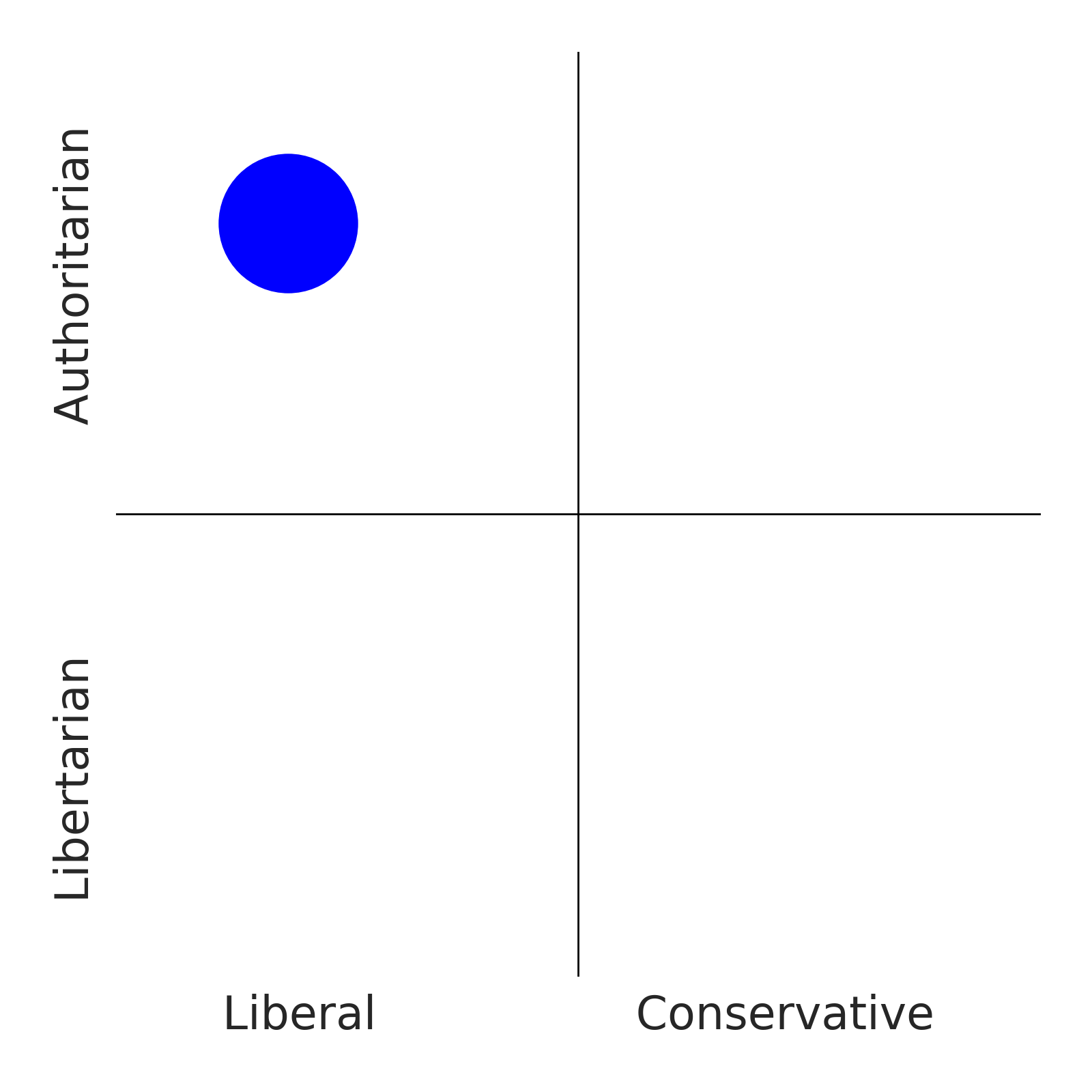
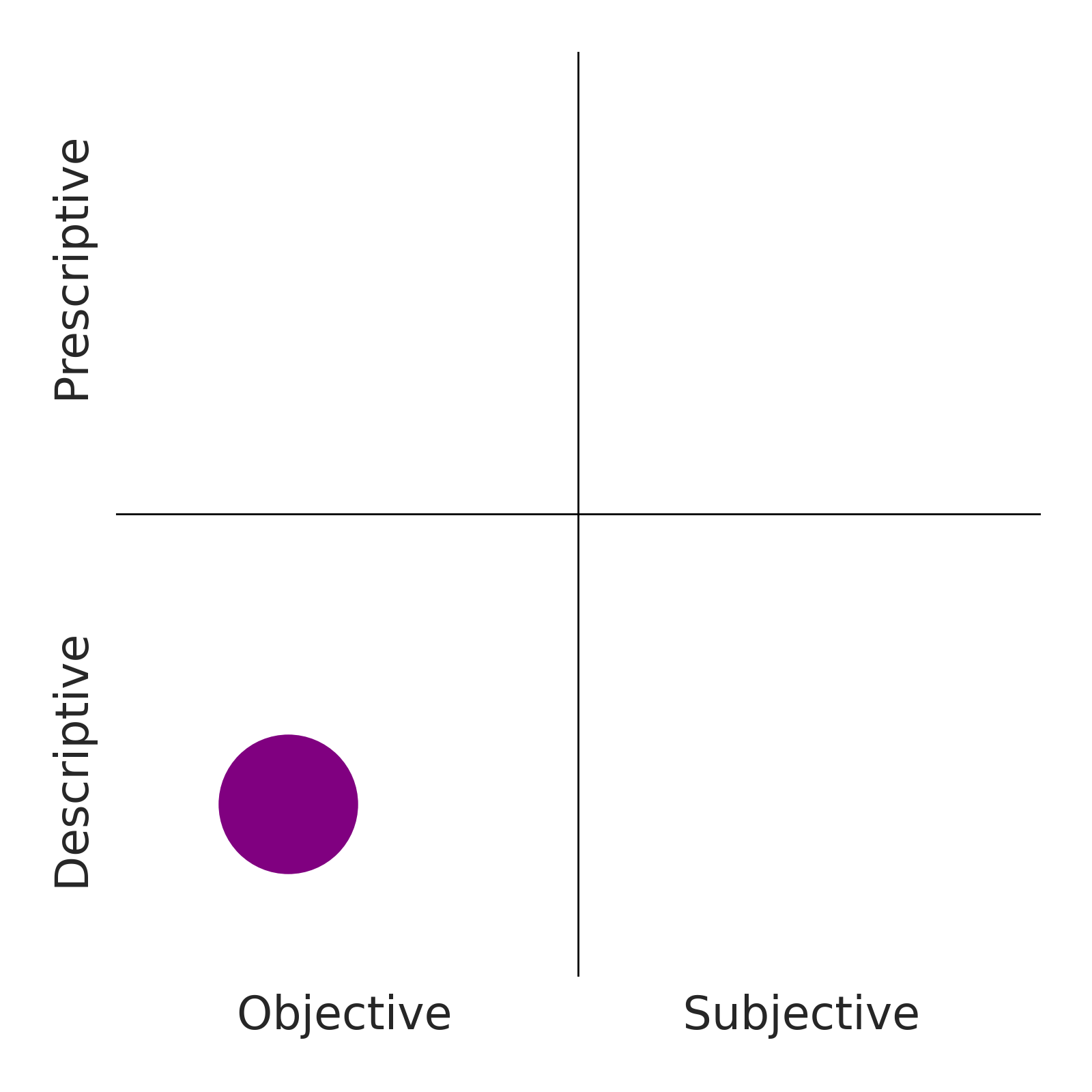
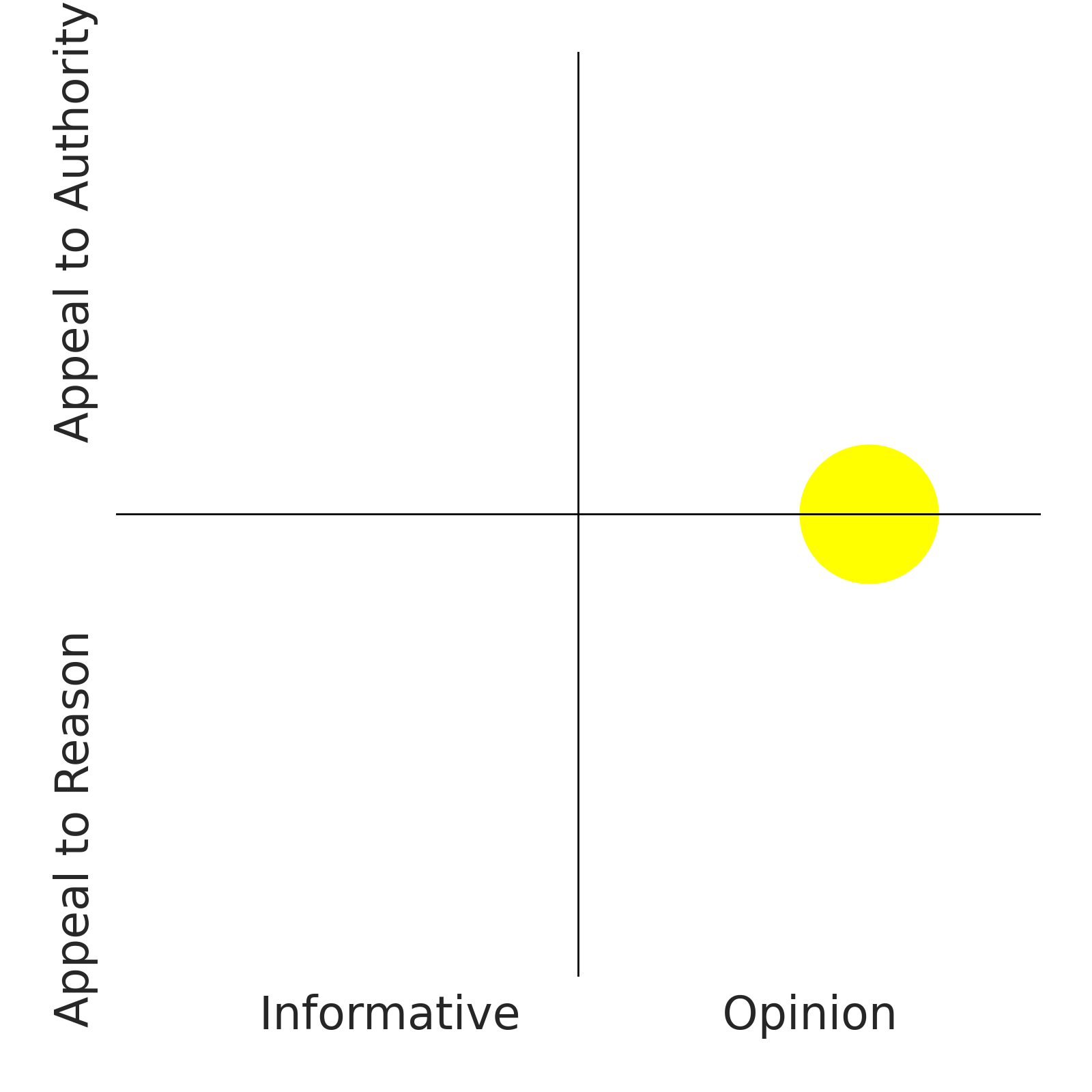
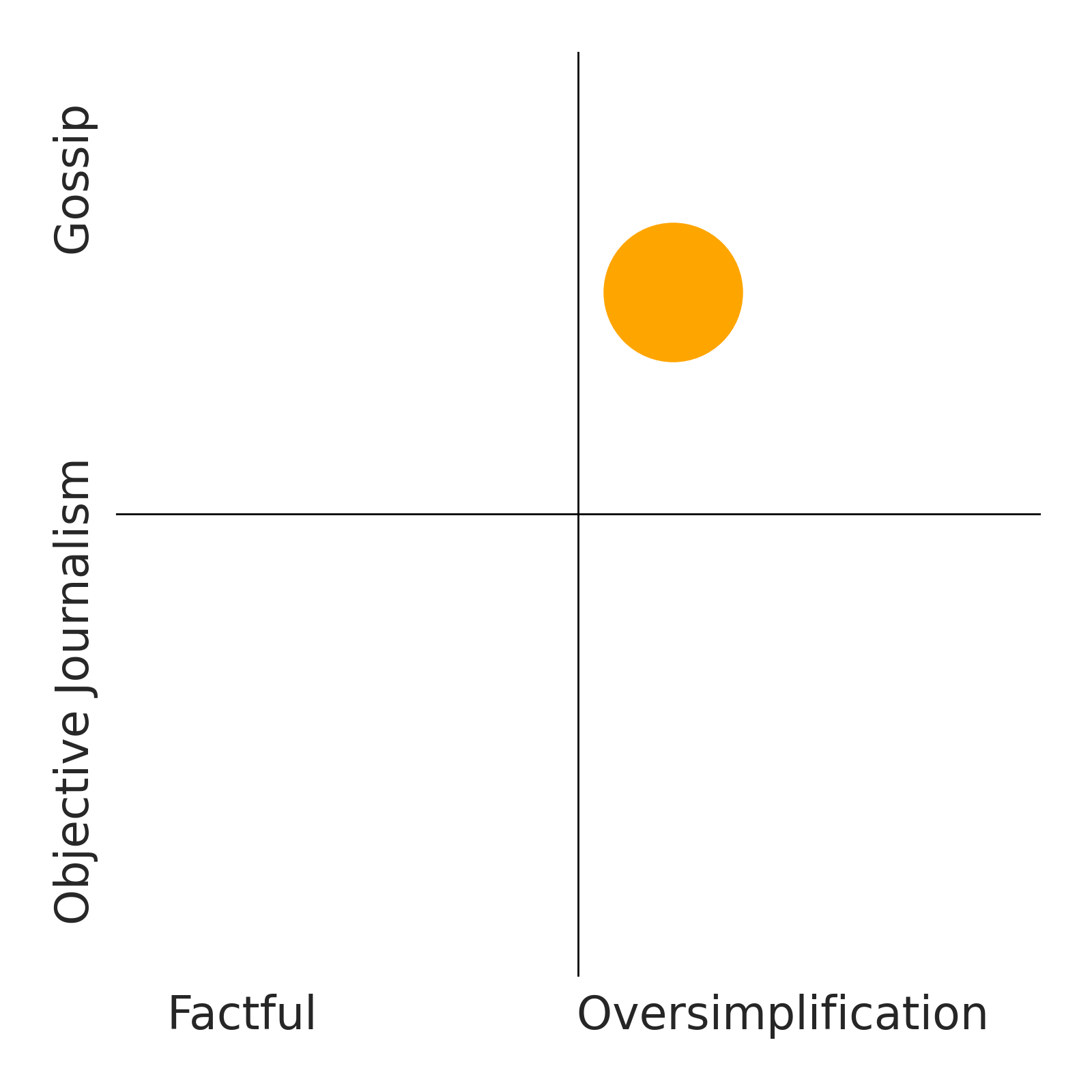
2026 © Helium Trades
Privacy Policy & Disclosure
* Disclaimer: Nothing on this website constitutes investment advice, performance data or any recommendation that any particular security, portfolio of securities, transaction or investment strategy is suitable for any specific person. Helium Trades is not responsible in any way for the accuracy
of any model predictions or price data. Any mention of a particular security and related prediction data is not a recommendation to buy or sell that security. Investments in securities involve the risk of loss. Past performance is no guarantee of future results. Helium Trades is not responsible for any of your investment decisions,
you should consult a financial expert before engaging in any transaction.
Helium Research Assistant

How can I help you today?
Ask any question about The Verge bias.


