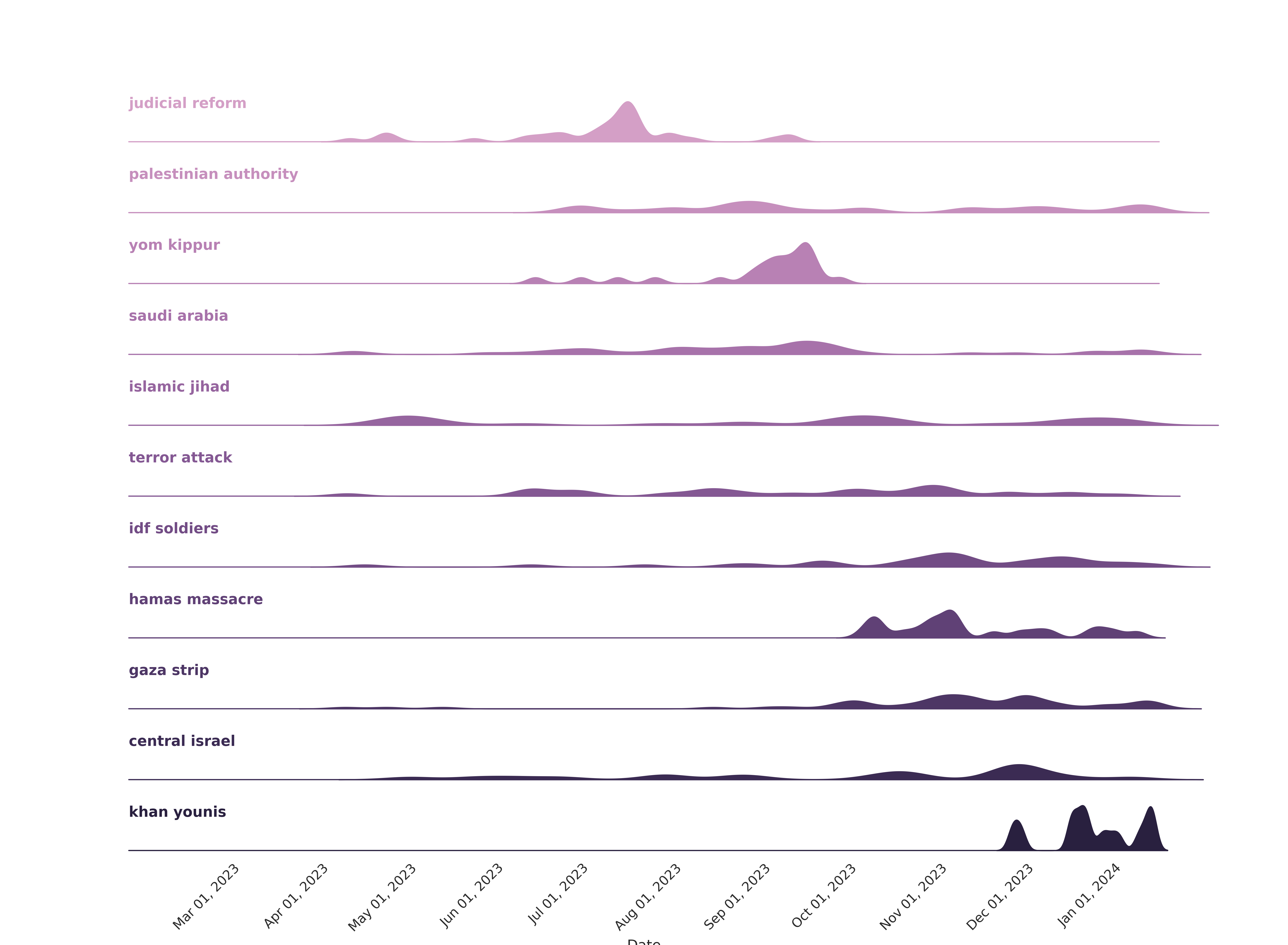
See whether Helium helps you make better-informed decisions. Try every Pro Trader feature for 30 days. No credit card required.
Try every Pro Trader feature for 30 days. No credit card required.
The piece uses dramatic framing and quotes to present Iran's Pickaxe Mountain facility as deeply fortified and potentially invulnerable to bombing, while noting Trump’s threats, resulting in a hawkish, sensational portrayal with limited corroboration.
A concise report on Iran's Pickaxe Mountain nuclear facility, its depth and resilience, and the claim it may resist advanced bombing, in the context of Trump’s threats.
Automated analysis; not human reviewed. · 51 of 52 available dimensions scored; omitted dimensions are not treated as neutral. · Supporting quotes supplied for 0 of 51 scored dimensions; exact matching was not run.
I may overemphasize sensational framing; ~0.25 chance of error.
July 15, 2026 · 0 shares
Coverage neutrally reports President Trump's hawkish rhetoric toward Iran and resumed Gulf actions, relying on attribution and direct quotes with minimal broader context, yielding a hawkish, policy-focused framing rather than a neutral, contextualized account.
Describes statements and military actions by the United States toward Iran in the Gulf, including a resumed naval blockade and threats of destruction, with Hormuz staying open and oil flow claims.
Automated analysis; not human reviewed. · 51 of 52 available dimensions scored; omitted dimensions are not treated as neutral. · Supporting quotes supplied for 0 of 51 scored dimensions; exact matching was not run.
Slight hawkish framing; confidence 0.6
Loaded framing favors US policy in the Strait of Hormuz and casts Iran's leadership as deceitful and dangerous, using adversarial rhetoric that privileges hawkish, establishment-oriented positions over alternative viewpoints.
Concise report on US foreign policy toward the Strait of Hormuz, including a tax waiver, planned blockade, and quoted criticism of Iran's leadership.
Automated analysis; not human reviewed. · 19 of 52 available dimensions scored; omitted dimensions are not treated as neutral. · Supporting quotes supplied for 0 of 19 scored dimensions; exact matching was not run.
I may overrepresent US hawkish framing; confidence ~0.62.
July 17, 2026 · 0 shares
Source-dependent, minimal-context reporting relies on CENTCOM to describe ongoing U.S. strikes against Iran, with limited corroboration.
A brief, fact-focused report describing U.S. military strikes on Iran over seven nights, citing CENTCOM's account of a port blockade and vessel movements.
Automated analysis; not human reviewed. Limitations: Conciseness and reliance on a single official source limit context and external corroboration; alternative interpretations are plausible. · 1 of 52 available dimensions scored; omitted dimensions are not treated as neutral. · Verified supporting quotes for 1 of 1 scored dimensions.
Claim: Report relies on an official source (CENTCOM) and presents events with minimal context, indicating a neutral, objective posture.
“US military launches fresh Iran strikes for seventh consecutive night.” · exact text match
“CENTCOM says forces redirected four commercial vessels, disabled one and boarded another during the blockade on Iranian ports” · exact text match
Why: Descriptive, attribution-based language suggests neutrality rather than interpretation or advocacy.
July 16, 2026 · 0 shares
Detailed, balanced, source-driven report of a high-stakes geopolitical confrontation, using direct quotes and Reuters attribution to present threats without overt editorial framing.
Concise, attribution-based report on cross-border threats involving Iran and the Houthis, including Reuters-reported details and quoted statements.
Automated analysis; not human reviewed. Limitations: Concise, case-specific limitations and plausible alternative interpretations. · 52 of 52 available dimensions scored; omitted dimensions are not treated as neutral. · Verified supporting quotes for 3 of 52 scored dimensions.
Claim: No detectable liberal or conservative tilt; article reports threats without ideological framing.
“Iran threatens Red Sea shipping, tells Houthis to ready Bab el-Mandeb blockade.” · exact text match
“Trump threatened to strike power plants and bridges, while Reuters reported Iran asked the Houthis to prepare to block Bab al-Mandab.” · not found in supplied text
Why: Direct reporting of actions and quotes with no ideological framing; absence of opinion signals balanced framing.
Claim: Article appears credible due to Reuters attribution and inclusion of direct quotes.
“Trump threatened to strike power plants and bridges, while Reuters reported Iran asked the Houthis to prepare to block Bab al-Mandab” · exact text match
“Iran warned: ‘If Trump’s threats are carried out, all regional infrastructure will be destroyed’” · exact text match
Counterevidence:
“Single-sentence text with limited context; lacks broader sourcing.” · not found in supplied text
Why: Direct quotes and explicit source mention (Reuters) support credibility, but limited context reduces it.
Claim: Event-driven, not irrational; relies on attributed statements and quotes.
“Trump threatened to strike power plants and bridges, while Reuters reported Iran asked the Houthis to prepare to block Bab al-Mandab” · exact text match
“Iran warned: ‘If Trump’s threats are carried out, all regional infrastructure will be destroyed’” · exact text match
Why: Text presents claims as reported threats, not speculative analysis.
Claim: Describes threats that could entail violence but does not advocate or justify violence.
“block Bab al-Mandab” · exact text match
“If Trump’s threats are carried out, all regional infrastructure will be destroyed” · exact text match
Why: Narrates threats, not endorsement or shaming of violence.
Case-specific: limited data; no clear bias signal beyond quotes.
July 17, 2026 · 0 shares
Automated analysis; not human reviewed. · 1 of 52 available dimensions scored; omitted dimensions are not treated as neutral. · Verified supporting quotes for 1 of 1 scored dimensions.
Claim: Score indicates hawkish framing toward Hezbollah and a pro-Israel orientation in reporting.
“Inside Hezbollah's underground fortress built to conquer northern Israel.” · exact text match
“IDF troops found living quarters, an operating room, Iranian anti-tank missiles and anti-helicopter mines in a vast southern Lebanon complex built for prolonged combat” · exact text match
Counterevidence:
“Text presents factual discoveries (contents of the fortress) without explicit policy prescriptions.” · not found in supplied text
Why: Phrasing centers Hezbollah as aggressive and frames the site within an Israeli military context; limited context prevents higher confidence.
January 01, 2024 · 39 shares
The article is biased towards Israel and against Hamas, with a fearful and emotional tone, supporting the political viewpoint that Israel is failing to protect its citizens and Jews abroad.
July 30, 2025 · 11 shares
The article presents a personal account of a former Hamas hostage, highlighting her emotional challenges and the ongoing struggle surrounding the issue of hostages, reflecting a strong emphasis on personal trauma and loss.
Neutral training data, designed to analyze text accurately.
July 16, 2026 · 0 shares
Detailed, balanced, source-driven report of a high-stakes geopolitical confrontation, using direct quotes and Reuters attribution to present threats without overt editorial framing.
Concise, attribution-based report on cross-border threats involving Iran and the Houthis, including Reuters-reported details and quoted statements.
Automated analysis; not human reviewed. Limitations: Concise, case-specific limitations and plausible alternative interpretations. · 52 of 52 available dimensions scored; omitted dimensions are not treated as neutral. · Verified supporting quotes for 3 of 52 scored dimensions.
Claim: No detectable liberal or conservative tilt; article reports threats without ideological framing.
“Iran threatens Red Sea shipping, tells Houthis to ready Bab el-Mandeb blockade.” · exact text match
“Trump threatened to strike power plants and bridges, while Reuters reported Iran asked the Houthis to prepare to block Bab al-Mandab.” · not found in supplied text
Why: Direct reporting of actions and quotes with no ideological framing; absence of opinion signals balanced framing.
Claim: Article appears credible due to Reuters attribution and inclusion of direct quotes.
“Trump threatened to strike power plants and bridges, while Reuters reported Iran asked the Houthis to prepare to block Bab al-Mandab” · exact text match
“Iran warned: ‘If Trump’s threats are carried out, all regional infrastructure will be destroyed’” · exact text match
Counterevidence:
“Single-sentence text with limited context; lacks broader sourcing.” · not found in supplied text
Why: Direct quotes and explicit source mention (Reuters) support credibility, but limited context reduces it.
Claim: Event-driven, not irrational; relies on attributed statements and quotes.
“Trump threatened to strike power plants and bridges, while Reuters reported Iran asked the Houthis to prepare to block Bab al-Mandab” · exact text match
“Iran warned: ‘If Trump’s threats are carried out, all regional infrastructure will be destroyed’” · exact text match
Why: Text presents claims as reported threats, not speculative analysis.
Claim: Describes threats that could entail violence but does not advocate or justify violence.
“block Bab al-Mandab” · exact text match
“If Trump’s threats are carried out, all regional infrastructure will be destroyed” · exact text match
Why: Narrates threats, not endorsement or shaming of violence.
Case-specific: limited data; no clear bias signal beyond quotes.
July 16, 2026 · 0 shares
Neutral, event-focused report on U.S. strikes expanding into Iran, noting targeted infrastructure, blocked roads, casualties, and Tehran's threats with Jerusalem's retaliation considerations.
Concise, factful, accurate, balanced context in one sentence.
Automated analysis; not human reviewed. Limitations: Concise, case-specific limitations and plausible alternative interpretations.
Limited text; lacks sources/context; conclusions depend on missing citations.
July 17, 2026 · 0 shares
Source-dependent, minimal-context reporting relies on CENTCOM to describe ongoing U.S. strikes against Iran, with limited corroboration.
A brief, fact-focused report describing U.S. military strikes on Iran over seven nights, citing CENTCOM's account of a port blockade and vessel movements.
Automated analysis; not human reviewed. Limitations: Conciseness and reliance on a single official source limit context and external corroboration; alternative interpretations are plausible. · 1 of 52 available dimensions scored; omitted dimensions are not treated as neutral. · Verified supporting quotes for 1 of 1 scored dimensions.
Claim: Report relies on an official source (CENTCOM) and presents events with minimal context, indicating a neutral, objective posture.
“US military launches fresh Iran strikes for seventh consecutive night.” · exact text match
“CENTCOM says forces redirected four commercial vessels, disabled one and boarded another during the blockade on Iranian ports” · exact text match
Why: Descriptive, attribution-based language suggests neutrality rather than interpretation or advocacy.
July 17, 2026 · 0 shares
Neutral, fact-focused framing with minimal evaluative language, reporting detentions and a border-area context without editorializing or advocacy.
Report of IDF detentions near the Syrian border, with detentions near Majdal Shams and the southern Golan Heights as the military warns of a growing and dangerous phenomenon.
Automated analysis; not human reviewed. Limitations: Concise, case-specific limitations and plausible alternative interpretations. · 21 of 52 available dimensions scored; omitted dimensions are not treated as neutral. · Verified supporting quotes for 21 of 21 scored dimensions.
Claim: Neutral framing with no ideological tilt.
“IDF detains Israelis after spending day across Syrian border.” · exact text match
“Several civilians were detained near Majdal Shams and in the southern Golan Heights” · exact text match
“as the military warned of a growing and dangerous phenomenon” · exact text match
Why: Direct, factual statements describe events without partisan framing.
Claim: Neutral framing with no populist or elitist bias.
“IDF detains Israelis after spending day across Syrian border.” · exact text match
“Several civilians were detained near Majdal Shams and in the southern Golan Heights” · exact text match
“as the military warned of a growing and dangerous phenomenon” · exact text match
Why: No populist or elite-focused language; straightforward reportage of events.
Claim: No libertarian or authoritarian framing.
“IDF detains Israelis after spending day across Syrian border.” · exact text match
“Several civilians were detained near Majdal Shams and in the southern Golan Heights” · exact text match
“as the military warned of a growing and dangerous phenomenon” · exact text match
Why: No calls for policy change, rights-based arguments, or power structures.
Claim: Objectivity in reporting.
“IDF detains Israelis after spending day across Syrian border.” · exact text match
“Several civilians were detained near Majdal Shams and in the southern Golan Heights” · exact text match
“as the military warned of a growing and dangerous phenomenon” · exact text match
Why: Language remains descriptive rather than evaluative.
Claim: Low sensationalism; neutral tone.
“IDF detains Israelis after spending day across Syrian border.” · exact text match
“Several civilians were detained near Majdal Shams and in the southern Golan Heights” · exact text match
“as the military warned of a growing and dangerous phenomenon” · exact text match
Why: No vivid adjectives or speculative language; straightforward reporting.
Claim: No market framing; not relevant; neutral.
“IDF detains Israelis after spending day across Syrian border.” · exact text match
“Several civilians were detained near Majdal Shams and in the southern Golan Heights” · exact text match
“as the military warned of a growing and dangerous phenomenon” · exact text match
Why: The subject is not financial; no optimism/pessimism framing.
Claim: Not particularly interesting; neutral.
“IDF detains Israelis after spending day across Syrian border.” · exact text match
“Several civilians were detained near Majdal Shams and in the southern Golan Heights” · exact text match
“as the military warned of a growing and dangerous phenomenon” · exact text match
Why: Content is straightforward; lacks additional context to be considered highly interesting.
Claim: Descriptive, not prescriptive.
“IDF detains Israelis after spending day across Syrian border.” · exact text match
“Several civilians were detained near Majdal Shams and in the southern Golan Heights” · exact text match
“as the military warned of a growing and dangerous phenomenon” · exact text match
Why: No recommendations or normative judgments.
Claim: No evident dovish or hawkish stance.
“IDF detains Israelis after spending day across Syrian border.” · exact text match
“Several civilians were detained near Majdal Shams and in the southern Golan Heights” · exact text match
“as the military warned of a growing and dangerous phenomenon” · exact text match
Why: The piece lacks policy stances; it is merely descriptive.
Claim: No fear-based framing.
“IDF detains Israelis after spending day across Syrian border.” · exact text match
“Several civilians were detained near Majdal Shams and in the southern Golan Heights” · exact text match
“as the military warned of a growing and dangerous phenomenon” · exact text match
Why: No use of fear rhetoric; depicts events factually.
Claim: No circular reasoning or presuppositions.
“IDF detains Israelis after spending day across Syrian border.” · exact text match
“Several civilians were detained near Majdal Shams and in the southern Golan Heights” · exact text match
“as the military warned of a growing and dangerous phenomenon” · exact text match
Why: Statements are self-contained and not assuming conclusions.
Claim: No gossip-oriented framing.
“IDF detains Israelis after spending day across Syrian border.” · exact text match
“Several civilians were detained near Majdal Shams and in the southern Golan Heights” · exact text match
“as the military warned of a growing and dangerous phenomenon” · exact text match
Why: Text sticks to declarative facts.
Claim: No opinionated language.
“IDF detains Israelis after spending day across Syrian border.” · exact text match
“Several civilians were detained near Majdal Shams and in the southern Golan Heights” · exact text match
“as the military warned of a growing and dangerous phenomenon” · exact text match
Why: Text remains descriptive without evaluative terms.
Claim: No political stance expressed.
“IDF detains Israelis after spending day across Syrian border.” · exact text match
“Several civilians were detained near Majdal Shams and in the southern Golan Heights” · exact text match
“as the military warned of a growing and dangerous phenomenon” · exact text match
Why: Content is a factual report without policy positions.
Claim: No clear oversimplification; content is minimal but not reductive.
“IDF detains Israelis after spending day across Syrian border.” · exact text match
“Several civilians were detained near Majdal Shams and in the southern Golan Heights” · exact text match
“as the military warned of a growing and dangerous phenomenon” · exact text match
Why: Short excerpt limits context; cannot assess broader simplifications.
Claim: No undue appeal to authority.
“IDF detains Israelis after spending day across Syrian border.” · exact text match
“Several civilians were detained near Majdal Shams and in the southern Golan Heights” · exact text match
“as the military warned of a growing and dangerous phenomenon” · exact text match
Why: No reliance on external authorities beyond the article's own content.
Claim: No immature rhetoric.
“IDF detains Israelis after spending day across Syrian border.” · exact text match
“Several civilians were detained near Majdal Shams and in the southern Golan Heights” · exact text match
“as the military warned of a growing and dangerous phenomenon” · exact text match
Why: Tone remains straightforward.
Claim: No overconfidence; statements are basic facts.
“IDF detains Israelis after spending day across Syrian border.” · exact text match
“Several civilians were detained near Majdal Shams and in the southern Golan Heights” · exact text match
“as the military warned of a growing and dangerous phenomenon” · exact text match
Why: Statements align with presented facts without over-assertion.
Claim: No pro- or anti-establishment framing.
“IDF detains Israelis after spending day across Syrian border.” · exact text match
“Several civilians were detained near Majdal Shams and in the southern Golan Heights” · exact text match
“as the military warned of a growing and dangerous phenomenon” · exact text match
Why: Descriptive phrasing without critique of institutions.
Claim: Rationale neutrality; no irrational framing.
“IDF detains Israelis after spending day across Syrian border.” · exact text match
“Several civilians were detained near Majdal Shams and in the southern Golan Heights” · exact text match
“as the military warned of a growing and dangerous phenomenon” · exact text match
Why: Excerpts present facts and a warning without speculation.
Claim: No apparent signal of compromised integrity.
“IDF detains Israelis after spending day across Syrian border.” · exact text match
“Several civilians were detained near Majdal Shams and in the southern Golan Heights” · exact text match
“as the military warned of a growing and dangerous phenomenon” · exact text match
Why: Direct presentation of factual statements; no conflicting claims.
Limited excerpt; context on 'phenomenon' not given; counts unknown.
July 17, 2026 · 0 shares
Neutral, fact-focused briefing that reports Lebanese army deployment in a pilot zone, Israeli withdrawal from a second zone, and consideration of an Italian role in monitoring disarmament, with no evaluative framing.
Concise report about Lebanese army deployment and Israeli withdrawal, with potential Italian involvement in monitoring disarmament.
Automated analysis; not human reviewed. · 52 of 52 available dimensions scored; omitted dimensions are not treated as neutral. · Verified supporting quotes for 0 of 52 scored dimensions.
Limited excerpt; lacks sourcing/context; bias judgments may change with full article.
The piece uses dramatic framing and quotes to present Iran's Pickaxe Mountain facility as deeply fortified and potentially invulnerable to bombing, while noting Trump’s threats, resulting in a hawkish, sensational portrayal with limited corroboration.
A concise report on Iran's Pickaxe Mountain nuclear facility, its depth and resilience, and the claim it may resist advanced bombing, in the context of Trump’s threats.
Automated analysis; not human reviewed. · 51 of 52 available dimensions scored; omitted dimensions are not treated as neutral. · Supporting quotes supplied for 0 of 51 scored dimensions; exact matching was not run.
I may overemphasize sensational framing; ~0.25 chance of error.
July 15, 2026 · 0 shares
Coverage neutrally reports President Trump's hawkish rhetoric toward Iran and resumed Gulf actions, relying on attribution and direct quotes with minimal broader context, yielding a hawkish, policy-focused framing rather than a neutral, contextualized account.
Describes statements and military actions by the United States toward Iran in the Gulf, including a resumed naval blockade and threats of destruction, with Hormuz staying open and oil flow claims.
Automated analysis; not human reviewed. · 51 of 52 available dimensions scored; omitted dimensions are not treated as neutral. · Supporting quotes supplied for 0 of 51 scored dimensions; exact matching was not run.
Slight hawkish framing; confidence 0.6
Loaded framing favors US policy in the Strait of Hormuz and casts Iran's leadership as deceitful and dangerous, using adversarial rhetoric that privileges hawkish, establishment-oriented positions over alternative viewpoints.
Concise report on US foreign policy toward the Strait of Hormuz, including a tax waiver, planned blockade, and quoted criticism of Iran's leadership.
Automated analysis; not human reviewed. · 19 of 52 available dimensions scored; omitted dimensions are not treated as neutral. · Supporting quotes supplied for 0 of 19 scored dimensions; exact matching was not run.
I may overrepresent US hawkish framing; confidence ~0.62.
July 16, 2026 · 0 shares
Loaded framing appears in the descriptor 'Malaysia, one of the Muslim world's most hostile countries toward Israel' alongside reporting of a deportation vow and identity checks, signaling a negative framing of Malaysia's policy toward Israel rather than purely neutral reportage.
A brief news report about Malaysia's vow to deport Israelis and check foreign identities, noting hostility toward Israel.
Automated analysis; not human reviewed. Limitations: Concise, case-specific limitations and plausible alternative interpretations. · 3 of 52 available dimensions scored; omitted dimensions are not treated as neutral. · Verified supporting quotes for 3 of 3 scored dimensions.
Claim: The descriptor 'hostile' introduces subjectivity into policy reporting.
“Malaysia vows to deport all Israelis found in country.” · exact text match
“Malaysia, one of the Muslim world's most hostile countries toward Israel, has launched an operation to check the identities of foreign citizens, after reports that Israelis with dual citizenship participated in a technology project in the country” · exact text match
Why: Loaded evaluative language signals subjective framing beyond neutral policy reporting.
Claim: Reporting is primarily descriptive about policy actions with limited normative guidance.
“Malaysia vows to deport all Israelis found in country.” · exact text match
“has launched an operation to check the identities of foreign citizens” · exact text match
Why: Mainly describes actions rather than prescribing reader behavior.
Claim: Framing the deportation policy as a political matter with evaluative language toward foreign policy.
“Malaysia vows to deport all Israelis found in country.” · exact text match
“Malaysia, one of the Muslim world's most hostile countries toward Israel” · exact text match
Why: Explicit political framing in the description of policy.
Ambiguity in bias measurement; evidence limited to two sentences.
July 17, 2026 · 0 shares
Automated analysis; not human reviewed. · 1 of 52 available dimensions scored; omitted dimensions are not treated as neutral. · Verified supporting quotes for 1 of 1 scored dimensions.
Claim: Score indicates hawkish framing toward Hezbollah and a pro-Israel orientation in reporting.
“Inside Hezbollah's underground fortress built to conquer northern Israel.” · exact text match
“IDF troops found living quarters, an operating room, Iranian anti-tank missiles and anti-helicopter mines in a vast southern Lebanon complex built for prolonged combat” · exact text match
Counterevidence:
“Text presents factual discoveries (contents of the fortress) without explicit policy prescriptions.” · not found in supplied text
Why: Phrasing centers Hezbollah as aggressive and frames the site within an Israeli military context; limited context prevents higher confidence.
Official-denial framing dominates coverage, foregrounding Dubai's media office and urging reliance on official sources while minimizing independent witness accounts amid escalating regional fighting.
Dubai's media office denies Reuters report of booms in downtown Dubai and urges reliance on official sources amid escalating regional fighting.
Automated analysis; not human reviewed. Limitations: Case-specific constraints: brief text; limited perspectives; potential alternative interpretations (e.g., independent eyewitness coverage) cannot be assessed from the fragment. · 4 of 52 available dimensions scored; omitted dimensions are not treated as neutral. · Verified supporting quotes for 4 of 4 scored dimensions.
Claim: Framing favors elite/state sources over independent witnesses.
“Dubai denies report of booms heard in city center.” · exact text match
“emirate’s media office rejected the Reuters report and urged the public to rely only on official” · exact text match
Counterevidence:
“Witnesses had reported explosions in downtown Dubai amid escalating regional fighting,” · exact text match
Why: Use of official denial and calls to rely on official sources suggests deference to elite authority.
Claim: Authoritarian tilt by endorsing centralized information control.
“emirate’s media office rejected the Reuters report and urged the public to rely only on official” · exact text match
Counterevidence:
“Witnesses had reported explosions in downtown Dubai amid escalating regional fighting,” · exact text match
Why: Explicit instruction to rely solely on official sources indicates prioritization of centralized authority over independent reporting.
Claim: Frequent reliance on official source as the sole basis for credibility.
“urged the public to rely only on official” · exact text match
Counterevidence:
“Witnesses had reported explosions in downtown Dubai amid escalating regional fighting,” · exact text match
Why: Directive to rely on official sources demonstrates reliance on authority.
Claim: Coverage foregrounds official denial and emphasizes official sources.
“Dubai denies report of booms heard in city center.” · exact text match
“but the emirate’s media office rejected the Reuters report and urged the public to rely only on official” · exact text match
Counterevidence:
“Witnesses had reported explosions in downtown Dubai amid escalating regional fighting,” · exact text match
Why: Official denial and emphasis on official sources frame the event through the lens of authorities rather than independent verification.
July 17, 2026 · 0 shares
Source-dependent, minimal-context reporting relies on CENTCOM to describe ongoing U.S. strikes against Iran, with limited corroboration.
A brief, fact-focused report describing U.S. military strikes on Iran over seven nights, citing CENTCOM's account of a port blockade and vessel movements.
Automated analysis; not human reviewed. Limitations: Conciseness and reliance on a single official source limit context and external corroboration; alternative interpretations are plausible. · 1 of 52 available dimensions scored; omitted dimensions are not treated as neutral. · Verified supporting quotes for 1 of 1 scored dimensions.
Claim: Report relies on an official source (CENTCOM) and presents events with minimal context, indicating a neutral, objective posture.
“US military launches fresh Iran strikes for seventh consecutive night.” · exact text match
“CENTCOM says forces redirected four commercial vessels, disabled one and boarded another during the blockade on Iranian ports” · exact text match
Why: Descriptive, attribution-based language suggests neutrality rather than interpretation or advocacy.
Dispassionate, event-focused coverage with minimal normative language; relies on satellite imagery to describe a vessel hijacking and alleged Iranian missile strike, without evident editorial stance.
Brief report on a maritime incident and an alleged Iranian missile strike, framed as a regional security event based on satellite imagery.
Automated analysis; not human reviewed. Limitations: Concise, case-specific limitations and plausible alternative interpretations. · 52 of 52 available dimensions scored; omitted dimensions are not treated as neutral. · Verified supporting quotes for 2 of 52 scored dimensions.
Claim: No evident tilt toward liberal or conservative framing; tone is descriptive.
“Vessel hijacked off Yemen as satellite images show Iranian missile hit US Patriot battery.” · exact text match
“A vessel was hijacked off Yemen's coast as satellite images showed an Iranian missile struck a US Patriot battery in Iraq; The images also revealed damage at US bases in the Gulf, Iranian military sites and a power and desalination plant in Kuwait” · exact text match
Why: Text describes events without advocacy or policy prescriptions.
Claim: Text appears to present events factually with minimal interpretation.
“Vessel hijacked off Yemen as satellite images show Iranian missile hit US Patriot battery.” · exact text match
Why: Language is declarative and event-based rather than normative.
Case-specific ambiguity due to brief text; evidence gaps could alter the assessment.
July 17, 2026 · 0 shares
Press-release style framing by a defense contractor presents Hypnosis as a defensive enhancement for drone swarm mitigation, emphasizing security benefits and operational efficiency while omitting independent verification or potential limitations.
IAI announces Hypnosis, a soft defense system to disrupt drone swarms, disrupt satellite navigation, reduce reliance on kinetic interceptors, and protect strategic sites, military bases and critical infrastructure.
Automated analysis; not human reviewed. Limitations: Concise, case-specific limitations and plausible alternative interpretations. · 1 of 52 available dimensions scored; omitted dimensions are not treated as neutral. · Verified supporting quotes for 1 of 1 scored dimensions.
Claim: Promotional framing; reliance on company-provided statements without independent corroboration.
“IAI reveals 'Hypnosis' system to disrupt and neutralize drone swarms.” · exact text match
“Aiming to counter large-scale drone swarm attacks, IAI unveiled 'Hypnosis,' a new soft defense system that disrupts satellite navigation, reduces reliance on kinetic interceptors and protects strategic sites, military bases and critical infrastructure” · exact text match
Why: Framing centers on benefits; lacks independent verification.
Promotional framing; potential undisclosed limitations.
July 17, 2026 · 0 shares
Disaster reporting with neutral framing, presenting essential facts without editorializing.
Concise, factful, accurate, balanced context for the article in one sentence.
Automated analysis; not human reviewed. Limitations: Case-specific; only the provided text; no broader context; potential alternative readings exist.
Ambiguities: limited text; more context could change bias view.
July 17, 2026 · 0 shares
Event-focused, neutral presentation with no evident political or ideological framing, centered on a fatal traffic-stop incident and the victim's identity.
Fatal incident on Highway 65 near the Iron Interchange involving a traffic stop and a 20-year-old woman who was killed when another vehicle veered onto the shoulder.
Automated analysis; not human reviewed. Limitations: Concise, case-specific limitations and plausible alternative interpretations. · 1 of 52 available dimensions scored; omitted dimensions are not treated as neutral. · Verified supporting quotes for 0 of 1 scored dimensions.
Ambiguity: sparse context; no sources; cannot gauge editorial stance.
September 06, 2025 · 0 shares
Neutral, evidence-based note on how human memory can distort courtroom testimony, warning that suggestion, bias, and even good-faith errors can influence outcomes across criminal, family, and inheritance cases, without advocating a position and with explicit caveats about reliability.
Guarded, evidence-focused; may underreport normative/legal implications outside podcast framing.
July 16, 2026 · 0 shares
Neutral, descriptive framing of pro-Palestinian activism affecting Israeli-owned US restaurants and bakeries, noting both publicity/community support and harassment/closures.
Pro-Palestinian activists targeted Israeli-owned US restaurants and bakeries with boycotts, protests and customer harassment, generating publicity, packed counters and community support, while some businesses closed.
Automated analysis; not human reviewed. Limitations: Concise, case-specific limitations and plausible alternative interpretations. · 1 of 52 available dimensions scored; omitted dimensions are not treated as neutral. · Verified supporting quotes for 1 of 1 scored dimensions.
Claim: Neutral, descriptive framing of events with balanced mention of both positive and negative outcomes.
“Pro-Palestinian activists targeted Israeli-owned US restaurants and bakeries with boycotts, protests and customer harassment” · exact text match
“but the campaigns generated publicity, packed counters and community support; other businesses were ultimately forced to close” · exact text match
Why: The text describes actions and outcomes in a straightforward manner, including both negative and positive elements, indicating descriptive framing rather than advocacy.
Official-denial framing dominates coverage, foregrounding Dubai's media office and urging reliance on official sources while minimizing independent witness accounts amid escalating regional fighting.
Dubai's media office denies Reuters report of booms in downtown Dubai and urges reliance on official sources amid escalating regional fighting.
Automated analysis; not human reviewed. Limitations: Case-specific constraints: brief text; limited perspectives; potential alternative interpretations (e.g., independent eyewitness coverage) cannot be assessed from the fragment. · 4 of 52 available dimensions scored; omitted dimensions are not treated as neutral. · Verified supporting quotes for 4 of 4 scored dimensions.
Claim: Framing favors elite/state sources over independent witnesses.
“Dubai denies report of booms heard in city center.” · exact text match
“emirate’s media office rejected the Reuters report and urged the public to rely only on official” · exact text match
Counterevidence:
“Witnesses had reported explosions in downtown Dubai amid escalating regional fighting,” · exact text match
Why: Use of official denial and calls to rely on official sources suggests deference to elite authority.
Claim: Authoritarian tilt by endorsing centralized information control.
“emirate’s media office rejected the Reuters report and urged the public to rely only on official” · exact text match
Counterevidence:
“Witnesses had reported explosions in downtown Dubai amid escalating regional fighting,” · exact text match
Why: Explicit instruction to rely solely on official sources indicates prioritization of centralized authority over independent reporting.
Claim: Frequent reliance on official source as the sole basis for credibility.
“urged the public to rely only on official” · exact text match
Counterevidence:
“Witnesses had reported explosions in downtown Dubai amid escalating regional fighting,” · exact text match
Why: Directive to rely on official sources demonstrates reliance on authority.
Claim: Coverage foregrounds official denial and emphasizes official sources.
“Dubai denies report of booms heard in city center.” · exact text match
“but the emirate’s media office rejected the Reuters report and urged the public to rely only on official” · exact text match
Counterevidence:
“Witnesses had reported explosions in downtown Dubai amid escalating regional fighting,” · exact text match
Why: Official denial and emphasis on official sources frame the event through the lens of authorities rather than independent verification.
July 17, 2026 · 0 shares
Source-dependent, minimal-context reporting relies on CENTCOM to describe ongoing U.S. strikes against Iran, with limited corroboration.
A brief, fact-focused report describing U.S. military strikes on Iran over seven nights, citing CENTCOM's account of a port blockade and vessel movements.
Automated analysis; not human reviewed. Limitations: Conciseness and reliance on a single official source limit context and external corroboration; alternative interpretations are plausible. · 1 of 52 available dimensions scored; omitted dimensions are not treated as neutral. · Verified supporting quotes for 1 of 1 scored dimensions.
Claim: Report relies on an official source (CENTCOM) and presents events with minimal context, indicating a neutral, objective posture.
“US military launches fresh Iran strikes for seventh consecutive night.” · exact text match
“CENTCOM says forces redirected four commercial vessels, disabled one and boarded another during the blockade on Iranian ports” · exact text match
Why: Descriptive, attribution-based language suggests neutrality rather than interpretation or advocacy.
The piece uses dramatic framing and quotes to present Iran's Pickaxe Mountain facility as deeply fortified and potentially invulnerable to bombing, while noting Trump’s threats, resulting in a hawkish, sensational portrayal with limited corroboration.
A concise report on Iran's Pickaxe Mountain nuclear facility, its depth and resilience, and the claim it may resist advanced bombing, in the context of Trump’s threats.
Automated analysis; not human reviewed. · 51 of 52 available dimensions scored; omitted dimensions are not treated as neutral. · Supporting quotes supplied for 0 of 51 scored dimensions; exact matching was not run.
I may overemphasize sensational framing; ~0.25 chance of error.
July 17, 2026 · 0 shares
Press-release style framing by a defense contractor presents Hypnosis as a defensive enhancement for drone swarm mitigation, emphasizing security benefits and operational efficiency while omitting independent verification or potential limitations.
IAI announces Hypnosis, a soft defense system to disrupt drone swarms, disrupt satellite navigation, reduce reliance on kinetic interceptors, and protect strategic sites, military bases and critical infrastructure.
Automated analysis; not human reviewed. Limitations: Concise, case-specific limitations and plausible alternative interpretations. · 1 of 52 available dimensions scored; omitted dimensions are not treated as neutral. · Verified supporting quotes for 1 of 1 scored dimensions.
Claim: Promotional framing; reliance on company-provided statements without independent corroboration.
“IAI reveals 'Hypnosis' system to disrupt and neutralize drone swarms.” · exact text match
“Aiming to counter large-scale drone swarm attacks, IAI unveiled 'Hypnosis,' a new soft defense system that disrupts satellite navigation, reduces reliance on kinetic interceptors and protects strategic sites, military bases and critical infrastructure” · exact text match
Why: Framing centers on benefits; lacks independent verification.
Promotional framing; potential undisclosed limitations.
The piece uses dramatic framing and quotes to present Iran's Pickaxe Mountain facility as deeply fortified and potentially invulnerable to bombing, while noting Trump’s threats, resulting in a hawkish, sensational portrayal with limited corroboration.
A concise report on Iran's Pickaxe Mountain nuclear facility, its depth and resilience, and the claim it may resist advanced bombing, in the context of Trump’s threats.
Automated analysis; not human reviewed. · 51 of 52 available dimensions scored; omitted dimensions are not treated as neutral. · Supporting quotes supplied for 0 of 51 scored dimensions; exact matching was not run.
I may overemphasize sensational framing; ~0.25 chance of error.
July 15, 2026 · 0 shares
Coverage neutrally reports President Trump's hawkish rhetoric toward Iran and resumed Gulf actions, relying on attribution and direct quotes with minimal broader context, yielding a hawkish, policy-focused framing rather than a neutral, contextualized account.
Describes statements and military actions by the United States toward Iran in the Gulf, including a resumed naval blockade and threats of destruction, with Hormuz staying open and oil flow claims.
Automated analysis; not human reviewed. · 51 of 52 available dimensions scored; omitted dimensions are not treated as neutral. · Supporting quotes supplied for 0 of 51 scored dimensions; exact matching was not run.
Slight hawkish framing; confidence 0.6
Official-denial framing dominates coverage, foregrounding Dubai's media office and urging reliance on official sources while minimizing independent witness accounts amid escalating regional fighting.
Dubai's media office denies Reuters report of booms in downtown Dubai and urges reliance on official sources amid escalating regional fighting.
Automated analysis; not human reviewed. Limitations: Case-specific constraints: brief text; limited perspectives; potential alternative interpretations (e.g., independent eyewitness coverage) cannot be assessed from the fragment. · 4 of 52 available dimensions scored; omitted dimensions are not treated as neutral. · Verified supporting quotes for 4 of 4 scored dimensions.
Claim: Framing favors elite/state sources over independent witnesses.
“Dubai denies report of booms heard in city center.” · exact text match
“emirate’s media office rejected the Reuters report and urged the public to rely only on official” · exact text match
Counterevidence:
“Witnesses had reported explosions in downtown Dubai amid escalating regional fighting,” · exact text match
Why: Use of official denial and calls to rely on official sources suggests deference to elite authority.
Claim: Authoritarian tilt by endorsing centralized information control.
“emirate’s media office rejected the Reuters report and urged the public to rely only on official” · exact text match
Counterevidence:
“Witnesses had reported explosions in downtown Dubai amid escalating regional fighting,” · exact text match
Why: Explicit instruction to rely solely on official sources indicates prioritization of centralized authority over independent reporting.
Claim: Frequent reliance on official source as the sole basis for credibility.
“urged the public to rely only on official” · exact text match
Counterevidence:
“Witnesses had reported explosions in downtown Dubai amid escalating regional fighting,” · exact text match
Why: Directive to rely on official sources demonstrates reliance on authority.
Claim: Coverage foregrounds official denial and emphasizes official sources.
“Dubai denies report of booms heard in city center.” · exact text match
“but the emirate’s media office rejected the Reuters report and urged the public to rely only on official” · exact text match
Counterevidence:
“Witnesses had reported explosions in downtown Dubai amid escalating regional fighting,” · exact text match
Why: Official denial and emphasis on official sources frame the event through the lens of authorities rather than independent verification.
Loaded framing favors US policy in the Strait of Hormuz and casts Iran's leadership as deceitful and dangerous, using adversarial rhetoric that privileges hawkish, establishment-oriented positions over alternative viewpoints.
Concise report on US foreign policy toward the Strait of Hormuz, including a tax waiver, planned blockade, and quoted criticism of Iran's leadership.
Automated analysis; not human reviewed. · 19 of 52 available dimensions scored; omitted dimensions are not treated as neutral. · Supporting quotes supplied for 0 of 19 scored dimensions; exact matching was not run.
I may overrepresent US hawkish framing; confidence ~0.62.
July 16, 2026 · 0 shares
Loaded framing appears in the descriptor 'Malaysia, one of the Muslim world's most hostile countries toward Israel' alongside reporting of a deportation vow and identity checks, signaling a negative framing of Malaysia's policy toward Israel rather than purely neutral reportage.
A brief news report about Malaysia's vow to deport Israelis and check foreign identities, noting hostility toward Israel.
Automated analysis; not human reviewed. Limitations: Concise, case-specific limitations and plausible alternative interpretations. · 3 of 52 available dimensions scored; omitted dimensions are not treated as neutral. · Verified supporting quotes for 3 of 3 scored dimensions.
Claim: The descriptor 'hostile' introduces subjectivity into policy reporting.
“Malaysia vows to deport all Israelis found in country.” · exact text match
“Malaysia, one of the Muslim world's most hostile countries toward Israel, has launched an operation to check the identities of foreign citizens, after reports that Israelis with dual citizenship participated in a technology project in the country” · exact text match
Why: Loaded evaluative language signals subjective framing beyond neutral policy reporting.
Claim: Reporting is primarily descriptive about policy actions with limited normative guidance.
“Malaysia vows to deport all Israelis found in country.” · exact text match
“has launched an operation to check the identities of foreign citizens” · exact text match
Why: Mainly describes actions rather than prescribing reader behavior.
Claim: Framing the deportation policy as a political matter with evaluative language toward foreign policy.
“Malaysia vows to deport all Israelis found in country.” · exact text match
“Malaysia, one of the Muslim world's most hostile countries toward Israel” · exact text match
Why: Explicit political framing in the description of policy.
Ambiguity in bias measurement; evidence limited to two sentences.
July 17, 2026 · 0 shares
Press-release style framing by a defense contractor presents Hypnosis as a defensive enhancement for drone swarm mitigation, emphasizing security benefits and operational efficiency while omitting independent verification or potential limitations.
IAI announces Hypnosis, a soft defense system to disrupt drone swarms, disrupt satellite navigation, reduce reliance on kinetic interceptors, and protect strategic sites, military bases and critical infrastructure.
Automated analysis; not human reviewed. Limitations: Concise, case-specific limitations and plausible alternative interpretations. · 1 of 52 available dimensions scored; omitted dimensions are not treated as neutral. · Verified supporting quotes for 1 of 1 scored dimensions.
Claim: Promotional framing; reliance on company-provided statements without independent corroboration.
“IAI reveals 'Hypnosis' system to disrupt and neutralize drone swarms.” · exact text match
“Aiming to counter large-scale drone swarm attacks, IAI unveiled 'Hypnosis,' a new soft defense system that disrupts satellite navigation, reduces reliance on kinetic interceptors and protects strategic sites, military bases and critical infrastructure” · exact text match
Why: Framing centers on benefits; lacks independent verification.
Promotional framing; potential undisclosed limitations.
Dispassionate, event-focused coverage with minimal normative language; relies on satellite imagery to describe a vessel hijacking and alleged Iranian missile strike, without evident editorial stance.
Brief report on a maritime incident and an alleged Iranian missile strike, framed as a regional security event based on satellite imagery.
Automated analysis; not human reviewed. Limitations: Concise, case-specific limitations and plausible alternative interpretations. · 52 of 52 available dimensions scored; omitted dimensions are not treated as neutral. · Verified supporting quotes for 2 of 52 scored dimensions.
Claim: No evident tilt toward liberal or conservative framing; tone is descriptive.
“Vessel hijacked off Yemen as satellite images show Iranian missile hit US Patriot battery.” · exact text match
“A vessel was hijacked off Yemen's coast as satellite images showed an Iranian missile struck a US Patriot battery in Iraq; The images also revealed damage at US bases in the Gulf, Iranian military sites and a power and desalination plant in Kuwait” · exact text match
Why: Text describes events without advocacy or policy prescriptions.
Claim: Text appears to present events factually with minimal interpretation.
“Vessel hijacked off Yemen as satellite images show Iranian missile hit US Patriot battery.” · exact text match
Why: Language is declarative and event-based rather than normative.
Case-specific ambiguity due to brief text; evidence gaps could alter the assessment.
July 17, 2026 · 0 shares
The piece frames the blocking of Boris Nadezhdin as a suppression of political opposition by Russian authorities, foregrounding the opposition's claim of silencing dissent while noting the court's extremist-symbol charge as the official, legal framing in the context of Moscow's war in Ukraine.
Russian authorities barred a Putin critic from parliamentary elections on extremist-symbol charges, framed within the Ukraine war context.
Automated analysis; not human reviewed. Limitations: Concise, case-specific limitations and plausible alternative interpretations. · 8 of 52 available dimensions scored; omitted dimensions are not treated as neutral. · Verified supporting quotes for 7 of 8 scored dimensions.
Claim: Frames crackdown as suppression of political opposition by the state, indicating a liberal-leaning bias.
“Russia just blocked Putin's biggest election challenger.” · exact text match
“Putin critic Boris Nadezhdin was barred from Russia’s parliamentary race after a court convicted him of displaying 'extremist symbols',” · not found in supplied text
“a move he says is aimed at silencing his opposition to Moscow’s war in Ukraine” · exact text match
Counterevidence:
“Putin critic Boris Nadezhdin was barred from Russia’s parliamentary race after a court convicted him of displaying 'extremist symbols'” · not found in supplied text
Why: Framing emphasizes opposition suppression and uses the opposition's claim to define the action.
Claim: Subjective framing evident in the charge that the action is to silence opposition.
“Russia just blocked Putin's biggest election challenger.” · exact text match
“a move he says is aimed at silencing his opposition to Moscow’s war in Ukraine” · exact text match
Counterevidence:
“Putin critic Boris Nadezhdin was barred from Russia’s parliamentary race after a court convicted him of displaying 'extremist symbols',” · not found in supplied text
Why: Language conveys a stance rather than neutral factual reporting.
Claim: The article demonstrates a political, pro-opposition tilt.
“Russia just blocked Putin's biggest election challenger.” · exact text match
“a move he says is aimed at silencing his opposition to Moscow’s war in Ukraine” · exact text match
Counterevidence:
“Putin critic Boris Nadezhdin was barred from Russia’s parliamentary race after a court convicted him of displaying 'extremist symbols',” · not found in supplied text
Why: Language frames the event as an infringement on opposition figures.
Claim: Reduces complex political/legal action to a simple 'silencing opposition' narrative.
“silencing his opposition” · exact text match
“blocked Putin's biggest election challenger” · exact text match
Counterevidence:
“court convicted him of displaying 'extremist symbols'” · not found in supplied text
Why: Narrative focuses on suppression without details.
Claim: Depicts the opposition candidate as a victim of government action.
“Putin critic Boris Nadezhdin was barred from Russia’s parliamentary race” · exact text match
“a move he says is aimed at silencing his opposition” · exact text match
Counterevidence:
“court convicted him of displaying 'extremist symbols'” · not found in supplied text
Why: Emphasizes the impact on the opposition figure.
Claim: The article carries an anti-war, pro-opposition stance by foregrounding 'silencing' in context of Moscow's war in Ukraine.
“a move he says is aimed at silencing his opposition to Moscow’s war in Ukraine” · exact text match
Counterevidence:
“Putin critic Boris Nadezhdin was barred from Russia’s parliamentary race after a court convicted him of displaying 'extremist symbols'.” · not found in supplied text
Why: The war context and the framing of opposition are central to the narrative.
Claim: Represents anti-establishment stance by challenging the government's actions and framing them as political repression.
“Russia just blocked Putin's biggest election challenger.” · exact text match
“a move he says is aimed at silencing his opposition to Moscow’s war in Ukraine” · exact text match
Counterevidence:
“Putin critic Boris Nadezhdin was barred from Russia’s parliamentary race after a court convicted him of displaying 'extremist symbols',” · not found in supplied text
Why: Hints at government overreach and political repression.
Claim: The language conveys an emotional tilt toward sympathy for the opposition.
“silencing his opposition” · exact text match
Counterevidence:
“court convicted him of displaying 'extremist symbols'” · not found in supplied text
Why: Emotional term 'silencing' introduces bias toward opposition.
Case-specific: limited data; possible framing bias due to lack of corroboration.
Automated source summary · Updated July 19, 2026 · Not human reviewed. Check recent article panels for claim-level evidence when available.
Weighted source-level patterns from recent analyzed coverage. Open recent articles below to inspect score-specific evidence and limitations when available.
🚨 Sensational10
😨 Fearful8
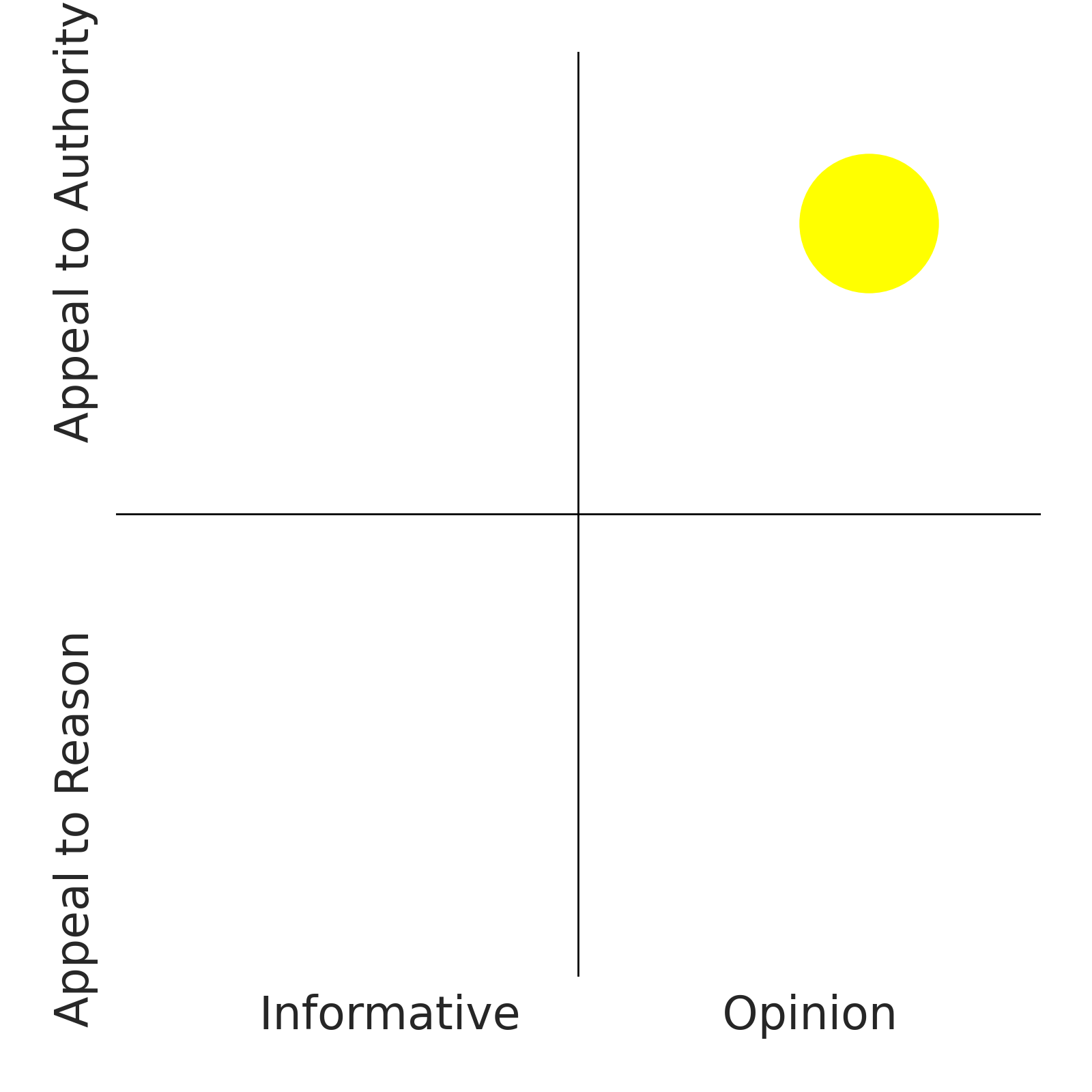
💭 Opinion15
🗳 Political8
Oversimplification6
🔒 Ideological8
❌ Low Credibility <—> High Credibility ✅8
🪨 Low Intelligence <—> High Intelligence 🦉6
🎲 Speculation7
🐍 Manipulative10
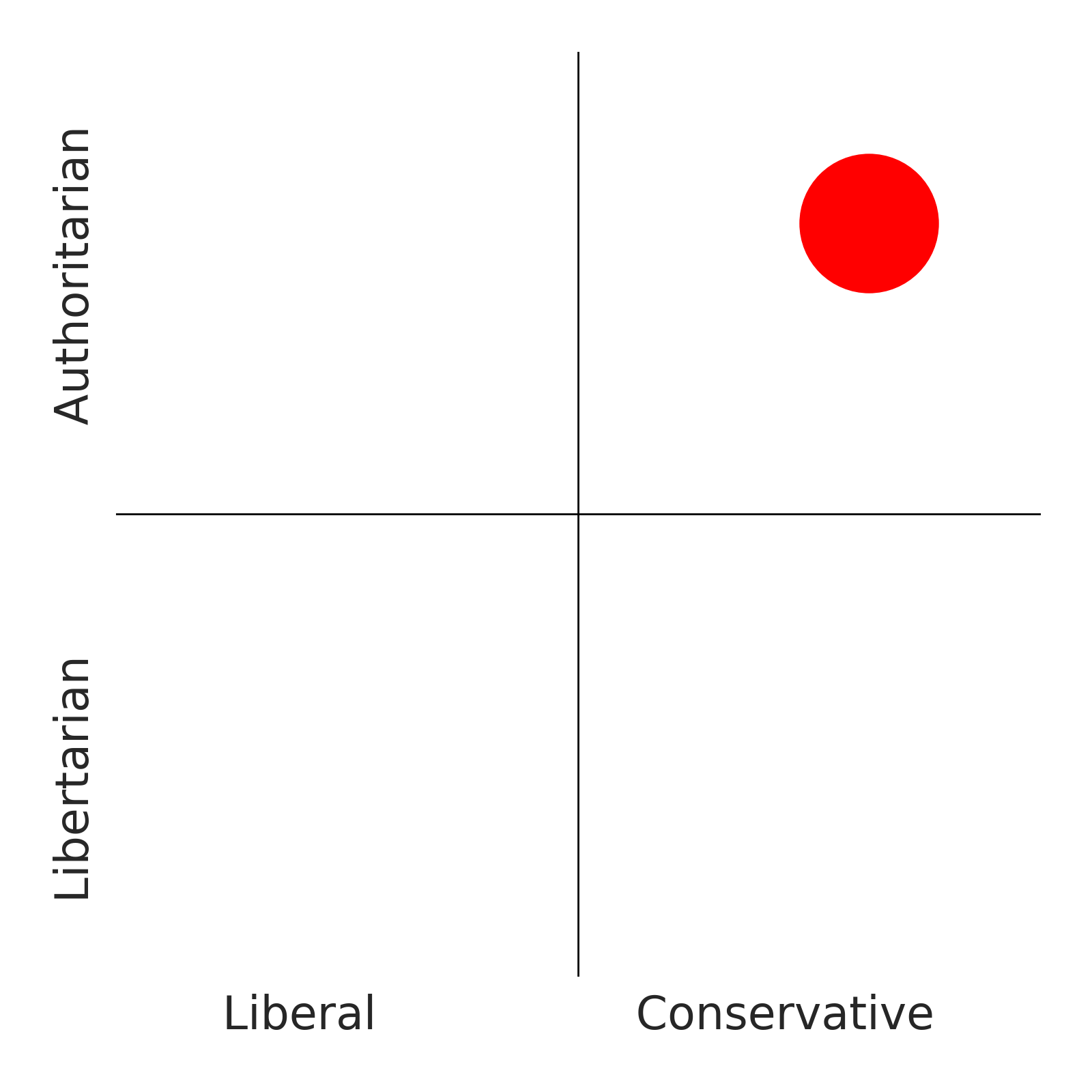
🔵 Liberal <—> Conservative 🔴0
🗽 Libertarian <—> Authoritarian 🚔0
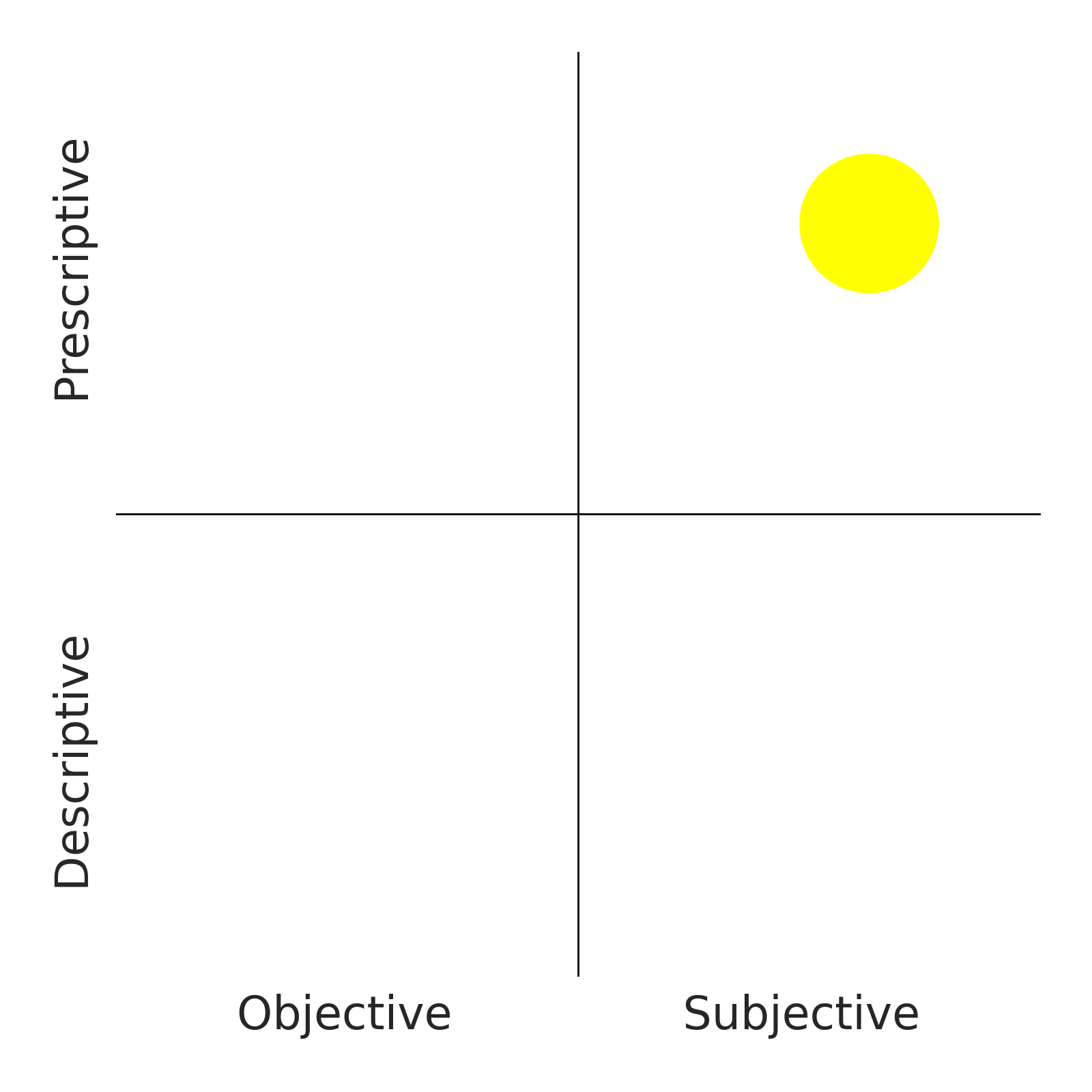
🗞️ Objective <—> Subjective 👁️ 0
💡 Boring <—> Interesting5
📝 Prescriptive0
🕊️ Dovish <—> Hawkish 🦁4
📞 Begging the Question0
🗣️ Gossip0
🏛️ Appeal to Authority4
🍼 Immature1
👀 Covering Responses3
😢 Victimization4
😤 Overconfidence4
🏴 Anti-establishment <—> Pro-establishment 📺3
🧠 Rational <—> Irrational 🤪-1
💔 Low Integrity <—> High Integrity ❤️3
💣 Terrorism0
✊ Woke0
🔪 Cruel0
🎭 Virtue Signaling0
🔺 Conspiracy0
🐐 Scapegoating0
👤 Individualist <—> Collectivist 👥0
2026 © Helium Trades
Privacy Policy & Disclosure
* Disclaimer: Nothing on this website constitutes investment advice, performance data or any recommendation that any particular security, portfolio of securities, transaction or investment strategy is suitable for any specific person. Helium Trades is not responsible in any way for the accuracy
of any model predictions or price data. Any mention of a particular security and related prediction data is not a recommendation to buy or sell that security. Investments in securities involve the risk of loss. Past performance is no guarantee of future results. Helium Trades is not responsible for any of your investment decisions,
you should consult a financial expert before engaging in any transaction.