See whether Helium helps you make better-informed decisions. Try every Pro Trader feature for 30 days. No credit card required.
Try every Pro Trader feature for 30 days. No credit card required.
September 21, 2026 · 0 shares
User-empowerment framing presents opting out of Meta's AI training as the salient response, telling readers how to stop such training rather than neutrally explaining the feature.
Automated analysis; not human reviewed. Limitations: Only a headline and one-sentence summary were available, so analysis is limited to surface framing and cannot verify product details.
Only a headline and one-sentence summary were available, so analysis is limited to surface framing and cannot verify product details.
September 21, 2026 · 0 shares
User-empowerment framing presents opting out of Meta's AI training as the salient response, telling readers how to stop such training rather than neutrally explaining the feature.
Automated analysis; not human reviewed. Limitations: Only a headline and one-sentence summary were available, so analysis is limited to surface framing and cannot verify product details.
Only a headline and one-sentence summary were available, so analysis is limited to surface framing and cannot verify product details.
September 21, 2026 · 0 shares
User-empowerment framing presents opting out of Meta's AI training as the salient response, telling readers how to stop such training rather than neutrally explaining the feature.
Automated analysis; not human reviewed. Limitations: Only a headline and one-sentence summary were available, so analysis is limited to surface framing and cannot verify product details.
Only a headline and one-sentence summary were available, so analysis is limited to surface framing and cannot verify product details.
The framing centers a dramatic 'Could artificial intelligence kill us all?' question and repeatedly foregrounds catastrophic expert scenarios, while attributing the claims and including a skeptic.
Automated analysis; not human reviewed. Limitations: The supplied article text is fragmented by ellipses and truncations, so surrounding context and exact wording for some quoted passages is unavailable. · 4 of 54 available dimensions scored; omitted dimensions are not treated as neutral. · Verified supporting quotes for 1 of 4 scored dimensions.
Claim: The piece repeatedly uses extinction and catastrophic-harm language to frame the story.
“Could artificial intelligence kill us all?” · exact text match
“Yampolskiy called Hubinger's estimate of 10% chance of human extinction within the next decade "overly conservative."” · not found in supplied text
Why: The dominant question and extinction probabilities generate fear-based emphasis.
Claim: The text elevates claims by attaching prominent credentials to the sources.
“Geoffrey Hinton, the "godfather of AI," made a similar point in an interview on BBC Newsnight on Wednesday.” · not found in supplied text
“Toby Ord, the Oxford researcher and author of "The Precipice," put the risk” · not found in supplied text
Why: Authority labels and institutional identifiers lend weight to the speculative warnings.
Claim: Credibility is supported by visible sourcing, attribution, and dissenting expert input.
“Russell, the UC Berkeley professor, said that once AI systems become” · exact text match
“But Marcus does not see a realistic near-term route to extinction.” · exact text match
Why: Named institutional affiliations and a counterpoint make the report appear trustworthy.
Claim: Substantial content consists of hypothetical future AI capabilities and forecasts.
“Once sufficiently advanced, it could "route humans out of the loop" and "eventually do away with us entirely" to use robotic infrastructure and pursue its own goals.” · not found in supplied text
“Toby Ord, the Oxford researcher and author of "The Precipice," put the risk of AI destroying humanity at about one in 10 by 2100.” · not found in supplied text
Why: The cited scenarios and probability estimates are speculative future projections, not current events.
The supplied article text is fragmented by ellipses and truncations, so surrounding context and exact wording for some quoted passages is unavailable.
September 21, 2026 · 0 shares
User-empowerment framing presents opting out of Meta's AI training as the salient response, telling readers how to stop such training rather than neutrally explaining the feature.
Automated analysis; not human reviewed. Limitations: Only a headline and one-sentence summary were available, so analysis is limited to surface framing and cannot verify product details.
Only a headline and one-sentence summary were available, so analysis is limited to surface framing and cannot verify product details.
September 21, 2026 · 0 shares
User-empowerment framing presents opting out of Meta's AI training as the salient response, telling readers how to stop such training rather than neutrally explaining the feature.
Automated analysis; not human reviewed. Limitations: Only a headline and one-sentence summary were available, so analysis is limited to surface framing and cannot verify product details.
Only a headline and one-sentence summary were available, so analysis is limited to surface framing and cannot verify product details.
September 21, 2026 · 0 shares
User-empowerment framing presents opting out of Meta's AI training as the salient response, telling readers how to stop such training rather than neutrally explaining the feature.
Automated analysis; not human reviewed. Limitations: Only a headline and one-sentence summary were available, so analysis is limited to surface framing and cannot verify product details.
Only a headline and one-sentence summary were available, so analysis is limited to surface framing and cannot verify product details.
September 21, 2026 · 0 shares
User-empowerment framing presents opting out of Meta's AI training as the salient response, telling readers how to stop such training rather than neutrally explaining the feature.
Automated analysis; not human reviewed. Limitations: Only a headline and one-sentence summary were available, so analysis is limited to surface framing and cannot verify product details.
Only a headline and one-sentence summary were available, so analysis is limited to surface framing and cannot verify product details.
September 13, 2026 · 0 shares
Sarcastic framing casts Joe Lonsdale's AI reassurance as a politically tinged dismissal of credible, alarming expert warnings.
Automated analysis; not human reviewed. Limitations: The supplied content is an excerpt with repeated page boilerplate, so the full article may contain additional context or hedging not available here. · 13 of 54 available dimensions scored; omitted dimensions are not treated as neutral. · Verified supporting quotes for 5 of 13 scored dimensions.
Claim: The publisher frames Lonsdale's reassurance by emphasizing his conservative contrarianism and alignment with Trump.
“Lonsdale is a famously conservative contrarian.” · exact text match
“In his weekend take that everything's going to be just fine, Lonsdale appears aligned with President Donald Trump.” · exact text match
Why: The political labels and Trump alignment are supplied as relevant framing, but the piece does not advance a detailed liberal policy program.
Claim: The publisher uses sarcastic and judgmental phrasing rather than neutral description.
“Everything's fine! Take it from the cofounder of Palantir.” · exact text match
“That's unlikely enough to calm the nerves of a human population that's been repeatedly told that AI could take control and do all manner of untoward things, including taking everyone's jobs.” · exact text match
Why: The exclamatory and dismissive phrasing is direct editorializing rather than objective news framing.
Claim: The publisher amplifies alarming language and drama around AI risk.
“Hysteria over the AI threat has reached a boiling point.” · exact text match
“That's unlikely enough to calm the nerves of a human population...” · not found in supplied text
Why: Loaded words like 'hysteria,' 'boiling point,' and 'unlikely enough to calm the nerves' push an emotionally heightened presentation.
Claim: The overall framing is pessimistic about Lonsdale's reassurance and public confidence in AI safety.
“That's unlikely enough to calm the nerves of a human population that's been repeatedly told that AI could take control...” · not found in supplied text
Why: The publisher treats Lonsdale's optimistic statement as inadequate, while emphasizing fearful warnings.
Claim: The article emphasizes fear-inducing claims about advanced AI.
“Hysteria over the AI threat has reached a boiling point.” · exact text match
“That's unlikely enough to calm the nerves of a human population that's been repeatedly told that AI could take control...” · not found in supplied text
Why: The selected language highlights heightened public fear and implies it is not easily assuaged.
Claim: The framing presupposes that an AI threat exists and that public alarm is justified.
“Hysteria over the AI threat has reached a boiling point.” · exact text match
“Joe Lonsdale brushed aside the salient worry that advanced AI systems could cause mass human extinction.” · not found in supplied text
Why: It treats 'the AI threat' and 'salient worry' as established rather than as contested claims.
Claim: The publisher injects strong personal opinion and commentary.
“Everything's fine! Take it from the cofounder of Palantir.” · exact text match
“That's unlikely enough to calm the nerves of a human population...” · not found in supplied text
Why: These are explicit editorial judgments, not factual statements.
Claim: The publisher treats the AI-safety dispute as partly a political story by linking Lonsdale's view to Trump.
“Lonsdale is a famously conservative contrarian.” · exact text match
“In his weekend take that everything's going to be just fine, Lonsdale appears aligned with President Donald Trump.” · exact text match
Why: Political identity and presidential alignment are used to contextualize Lonsdale's statement.
Claim: The article reduces a complex AI-risk debate to a mocking 'everything's fine' versus dire warnings contrast.
“Everything's fine! Take it from the cofounder of Patalantir.” · not found in supplied text
Why: It uses a sarcastic slogan rather than engaging technical or policy substance.
Claim: The publisher relies on the stated agreement of prominent AI figures to frame the risk debate.
“On Saturday, Anthropic CEO Dario Amodei said in a blog post that AI swarms could soon take over the entire internet.” · exact text match
“SpaceX CEO Elon Musk, OpenAI CEO Sam Altman, Google DeepMind founder Demis Hassabis, and Hugging Face CEO Clément Delangue all said they agreed with Amodei.” · exact text match
Why: The consensus of named senior AI figures is presented as significant weight against Lonsdale's position.
Claim: The publisher uses sarcastic and mocking phrasing.
“Everything's fine! Take it from the cofounder of Palantir.” · exact text match
“That's unlikely enough to calm the nerves of a human population...” · not found in supplied text
Why: Exclamation and sarcastic 'take it from' phrasing read as mocking rather than measured.
Claim: The language carries a negative emotional charge.
“Hysteria over the AI threat has reached a boiling point.” · exact text match
“dire warnings that frontier AI companies like Anthropic and OpenAI are 'gambling with our lives.'” · not found in supplied text
Why: Words like 'hysteria,' 'boiling point,' and 'dire warnings' evoke fear and alarm.
Claim: The publisher uses loaded framing and political association to shape the reader's reaction.
“Everything's fine! Take it from the cofounder of Palantir.” · exact text match
“In his weekend take that everything's going to be just fine, Lonsdale appears aligned with President Donald Trump.” · exact text match
Why: Sarcasm and a Trump-alignment reference are observable techniques that steer interpretation without directly arguing the technical merits.
The supplied content is an excerpt with repeated page boilerplate, so the full article may contain additional context or hedging not available here.
September 21, 2026 · 0 shares
User-empowerment framing presents opting out of Meta's AI training as the salient response, telling readers how to stop such training rather than neutrally explaining the feature.
Automated analysis; not human reviewed. Limitations: Only a headline and one-sentence summary were available, so analysis is limited to surface framing and cannot verify product details.
Only a headline and one-sentence summary were available, so analysis is limited to surface framing and cannot verify product details.
September 09, 2026 · 0 shares
Framing treats Alex Gibney's documentary as a bold exposé, emphasizing unflattering claims about Elon Musk with little counterweight.
Automated analysis; not human reviewed. Limitations: The supplied text includes ellipses and some missing or obscured content, so full context and link details are unavailable; analysis reflects only the visible excerpts. · 6 of 54 available dimensions scored; omitted dimensions are not treated as neutral. · Verified supporting quotes for 6 of 6 scored dimensions.
Claim: The piece emphasizes dramatic and salacious material over sober analysis.
“Gatling gun of sperm on his DMs” · exact text match
“darker side of Tesla's Autopilot” · exact text match
Why: Colorful and dramatic language increases sensational appeal.
Claim: Coverage includes intimate personal details and colorful sexual language about Musk.
“Gatling gun of sperm on his DMs” · exact text match
Why: The article gives prominent space to private sexual conduct and relationships, fitting gossip reporting.
Claim: Reporting uses evaluative language to characterize the documentary and Musk.
“pulls no punches, painting a thorough portrait” · exact text match
“paints Musk in an unflattering light” · exact text match
Why: Phrases like 'pulls no punches' and 'unflattering light' are editorial judgments rather than neutral description.
Claim: The overall tone is negative toward Musk, using loaded words.
“darker side of Tesla's Autopilot” · exact text match
“paints Musk in an unflattering light” · exact text match
Why: The language evokes disapproval and shapes emotional response against Musk.
Claim: The report attributes claims to named sources and notes a lack of comment, but uses advocacy language.
“St. Clair says in the doc” · exact text match
“Musk did not respond to a request for comment on the documentary.” · exact text match
Counterevidence:
“pulls no punches, painting a thorough portrait” · exact text match
Why: Attribution supports credibility, but overt advocacy and lack of independent verification lower it.
Claim: The reporting uses loaded framing and editorial asides to steer readers.
“pulls no punches” · exact text match
“yes, really” · exact text match
Why: These expressions add sensational and opinionated emphasis beyond factual reporting.
The supplied text includes ellipses and some missing or obscured content, so full context and link details are unavailable; analysis reflects only the visible excerpts.
September 21, 2026 · 0 shares
User-empowerment framing presents opting out of Meta's AI training as the salient response, telling readers how to stop such training rather than neutrally explaining the feature.
Automated analysis; not human reviewed. Limitations: Only a headline and one-sentence summary were available, so analysis is limited to surface framing and cannot verify product details.
Only a headline and one-sentence summary were available, so analysis is limited to surface framing and cannot verify product details.
September 21, 2026 · 0 shares
User-empowerment framing presents opting out of Meta's AI training as the salient response, telling readers how to stop such training rather than neutrally explaining the feature.
Automated analysis; not human reviewed. Limitations: Only a headline and one-sentence summary were available, so analysis is limited to surface framing and cannot verify product details.
Only a headline and one-sentence summary were available, so analysis is limited to surface framing and cannot verify product details.
September 21, 2026 · 0 shares
User-empowerment framing presents opting out of Meta's AI training as the salient response, telling readers how to stop such training rather than neutrally explaining the feature.
Automated analysis; not human reviewed. Limitations: Only a headline and one-sentence summary were available, so analysis is limited to surface framing and cannot verify product details.
Only a headline and one-sentence summary were available, so analysis is limited to surface framing and cannot verify product details.
September 21, 2026 · 0 shares
User-empowerment framing presents opting out of Meta's AI training as the salient response, telling readers how to stop such training rather than neutrally explaining the feature.
Automated analysis; not human reviewed. Limitations: Only a headline and one-sentence summary were available, so analysis is limited to surface framing and cannot verify product details.
Only a headline and one-sentence summary were available, so analysis is limited to surface framing and cannot verify product details.
September 21, 2026 · 0 shares
User-empowerment framing presents opting out of Meta's AI training as the salient response, telling readers how to stop such training rather than neutrally explaining the feature.
Automated analysis; not human reviewed. Limitations: Only a headline and one-sentence summary were available, so analysis is limited to surface framing and cannot verify product details.
Only a headline and one-sentence summary were available, so analysis is limited to surface framing and cannot verify product details.
September 21, 2026 · 0 shares
User-empowerment framing presents opting out of Meta's AI training as the salient response, telling readers how to stop such training rather than neutrally explaining the feature.
Automated analysis; not human reviewed. Limitations: Only a headline and one-sentence summary were available, so analysis is limited to surface framing and cannot verify product details.
Only a headline and one-sentence summary were available, so analysis is limited to surface framing and cannot verify product details.
September 21, 2026 · 0 shares
User-empowerment framing presents opting out of Meta's AI training as the salient response, telling readers how to stop such training rather than neutrally explaining the feature.
Automated analysis; not human reviewed. Limitations: Only a headline and one-sentence summary were available, so analysis is limited to surface framing and cannot verify product details.
Only a headline and one-sentence summary were available, so analysis is limited to surface framing and cannot verify product details.
September 21, 2026 · 0 shares
User-empowerment framing presents opting out of Meta's AI training as the salient response, telling readers how to stop such training rather than neutrally explaining the feature.
Automated analysis; not human reviewed. Limitations: Only a headline and one-sentence summary were available, so analysis is limited to surface framing and cannot verify product details.
Only a headline and one-sentence summary were available, so analysis is limited to surface framing and cannot verify product details.
September 21, 2026 · 0 shares
User-empowerment framing presents opting out of Meta's AI training as the salient response, telling readers how to stop such training rather than neutrally explaining the feature.
Automated analysis; not human reviewed. Limitations: Only a headline and one-sentence summary were available, so analysis is limited to surface framing and cannot verify product details.
Only a headline and one-sentence summary were available, so analysis is limited to surface framing and cannot verify product details.
September 21, 2026 · 0 shares
User-empowerment framing presents opting out of Meta's AI training as the salient response, telling readers how to stop such training rather than neutrally explaining the feature.
Automated analysis; not human reviewed. Limitations: Only a headline and one-sentence summary were available, so analysis is limited to surface framing and cannot verify product details.
Only a headline and one-sentence summary were available, so analysis is limited to surface framing and cannot verify product details.
September 21, 2026 · 0 shares
User-empowerment framing presents opting out of Meta's AI training as the salient response, telling readers how to stop such training rather than neutrally explaining the feature.
Automated analysis; not human reviewed. Limitations: Only a headline and one-sentence summary were available, so analysis is limited to surface framing and cannot verify product details.
Only a headline and one-sentence summary were available, so analysis is limited to surface framing and cannot verify product details.
September 21, 2026 · 0 shares
User-empowerment framing presents opting out of Meta's AI training as the salient response, telling readers how to stop such training rather than neutrally explaining the feature.
Automated analysis; not human reviewed. Limitations: Only a headline and one-sentence summary were available, so analysis is limited to surface framing and cannot verify product details.
Only a headline and one-sentence summary were available, so analysis is limited to surface framing and cannot verify product details.
August 28, 2026 · 0 shares
Framing treats the renaming as an absurd political stunt, pairing official reporting with sarcastic asides, Democratic mockery, and playful map-name stunts.
Lake Ontario is one of the Great Lakes, bordered by Ontario, Canada, and New York State; federal geographic names in the U.S. are standardized through the Board on Geographic Names/GNIS, but a U.S. executive order does not determine internationally recognized geographic names.
Automated analysis; not human reviewed. Limitations: The supplied text includes no exact date for the executive order and appears to omit the actual content of Kathy Hochul's 'blunter response,' so contextual completeness is limited. · 6 of 54 available dimensions scored; omitted dimensions are not treated as neutral. · Verified supporting quotes for 4 of 6 scored dimensions.
Claim: The publisher's framing leans liberal by presenting the renaming as ridiculous and highlighting Democratic mockery.
“President Donald Trump's fight with Canada has spilled into Lake Ontario — er, Lake America?” · exact text match
“See, I can sign napkins that say things, too.” · not found in supplied text
Why: The editorializing 'er, Lake America?' and the prominent placement of Democratic mockery create an anti-Trump, liberal-leaning tone within an otherwise factual report.
Claim: The report mixes factual reporting with subjective editorial asides and characterizations.
“President Donald Trump's fight with Canada has spilled into Lake Ontario — er, Lake America?” · exact text match
“New York Gov. Kathy Hochul had a blunter response.” · exact text match
Why: The editorializing aside and unquoted characterization of Hochul's response reflect the publisher's subjective framing rather than purely objective description.
Claim: The article uses viral and absurdist details that heighten the story's entertainment value.
“The site posted a map of the lake on X, with 'Lake Are We Doing This Again?' written over it.” · not found in supplied text
“Some new names created for the lake include 'Lake Epstein Files,' 'Lake of Hormuz,' and 'Lake Gulf of Mexico.'” · not found in supplied text
Why: Including MapQuest's joke label and user-created joke names emphasizes the absurd side of the story, giving it a mildly sensational cast.
Claim: The publisher inserts a brief opinionated aside into an otherwise factual news report.
“President Donald Trump's fight with Canada has spilled into Lake Ontario — er, Lake America?” · exact text match
Why: The 'er, Lake America?' aside is an editorial judgment rather than a purely neutral factual statement.
Claim: The story is centered on a presidential executive order and international/trade conflict between the U.S. and Canada.
“The move comes as relations between Washington and Ottawa rapidly deteriorate.” · exact text match
“Trade talks between the neighboring countries broke down on Friday, which prompted new tariffs from the US.” · exact text match
Why: The subject matter is explicitly political: executive action, diplomatic refusal, tariffs, and partisan reactions.
Claim: The reporting shows transparent sourcing and careful attribution.
“According to a US Geological Survey update, the agency is updating the Geographic Names Information System to reflect the change.” · exact text match
“Apple and Google didn't immediately respond to questions about whether they would update their maps.” · exact text match
Why: Attributions to named institutions and explicit note of non-responses indicate verifiable sourcing, supporting credibility.
The supplied text includes no exact date for the executive order and appears to omit the actual content of Kathy Hochul's 'blunter response,' so contextual completeness is limited.
September 21, 2026 · 0 shares
User-empowerment framing presents opting out of Meta's AI training as the salient response, telling readers how to stop such training rather than neutrally explaining the feature.
Automated analysis; not human reviewed. Limitations: Only a headline and one-sentence summary were available, so analysis is limited to surface framing and cannot verify product details.
Only a headline and one-sentence summary were available, so analysis is limited to surface framing and cannot verify product details.
September 21, 2026 · 0 shares
User-empowerment framing presents opting out of Meta's AI training as the salient response, telling readers how to stop such training rather than neutrally explaining the feature.
Automated analysis; not human reviewed. Limitations: Only a headline and one-sentence summary were available, so analysis is limited to surface framing and cannot verify product details.
Only a headline and one-sentence summary were available, so analysis is limited to surface framing and cannot verify product details.
September 21, 2026 · 0 shares
User-empowerment framing presents opting out of Meta's AI training as the salient response, telling readers how to stop such training rather than neutrally explaining the feature.
Automated analysis; not human reviewed. Limitations: Only a headline and one-sentence summary were available, so analysis is limited to surface framing and cannot verify product details.
Only a headline and one-sentence summary were available, so analysis is limited to surface framing and cannot verify product details.
The framing centers a dramatic 'Could artificial intelligence kill us all?' question and repeatedly foregrounds catastrophic expert scenarios, while attributing the claims and including a skeptic.
Automated analysis; not human reviewed. Limitations: The supplied article text is fragmented by ellipses and truncations, so surrounding context and exact wording for some quoted passages is unavailable. · 4 of 54 available dimensions scored; omitted dimensions are not treated as neutral. · Verified supporting quotes for 1 of 4 scored dimensions.
Claim: The piece repeatedly uses extinction and catastrophic-harm language to frame the story.
“Could artificial intelligence kill us all?” · exact text match
“Yampolskiy called Hubinger's estimate of 10% chance of human extinction within the next decade "overly conservative."” · not found in supplied text
Why: The dominant question and extinction probabilities generate fear-based emphasis.
Claim: The text elevates claims by attaching prominent credentials to the sources.
“Geoffrey Hinton, the "godfather of AI," made a similar point in an interview on BBC Newsnight on Wednesday.” · not found in supplied text
“Toby Ord, the Oxford researcher and author of "The Precipice," put the risk” · not found in supplied text
Why: Authority labels and institutional identifiers lend weight to the speculative warnings.
Claim: Credibility is supported by visible sourcing, attribution, and dissenting expert input.
“Russell, the UC Berkeley professor, said that once AI systems become” · exact text match
“But Marcus does not see a realistic near-term route to extinction.” · exact text match
Why: Named institutional affiliations and a counterpoint make the report appear trustworthy.
Claim: Substantial content consists of hypothetical future AI capabilities and forecasts.
“Once sufficiently advanced, it could "route humans out of the loop" and "eventually do away with us entirely" to use robotic infrastructure and pursue its own goals.” · not found in supplied text
“Toby Ord, the Oxford researcher and author of "The Precipice," put the risk of AI destroying humanity at about one in 10 by 2100.” · not found in supplied text
Why: The cited scenarios and probability estimates are speculative future projections, not current events.
The supplied article text is fragmented by ellipses and truncations, so surrounding context and exact wording for some quoted passages is unavailable.
September 21, 2026 · 0 shares
User-empowerment framing presents opting out of Meta's AI training as the salient response, telling readers how to stop such training rather than neutrally explaining the feature.
Automated analysis; not human reviewed. Limitations: Only a headline and one-sentence summary were available, so analysis is limited to surface framing and cannot verify product details.
Only a headline and one-sentence summary were available, so analysis is limited to surface framing and cannot verify product details.
September 13, 2026 · 0 shares
Sarcastic framing casts Joe Lonsdale's AI reassurance as a politically tinged dismissal of credible, alarming expert warnings.
Automated analysis; not human reviewed. Limitations: The supplied content is an excerpt with repeated page boilerplate, so the full article may contain additional context or hedging not available here. · 13 of 54 available dimensions scored; omitted dimensions are not treated as neutral. · Verified supporting quotes for 5 of 13 scored dimensions.
Claim: The publisher frames Lonsdale's reassurance by emphasizing his conservative contrarianism and alignment with Trump.
“Lonsdale is a famously conservative contrarian.” · exact text match
“In his weekend take that everything's going to be just fine, Lonsdale appears aligned with President Donald Trump.” · exact text match
Why: The political labels and Trump alignment are supplied as relevant framing, but the piece does not advance a detailed liberal policy program.
Claim: The publisher uses sarcastic and judgmental phrasing rather than neutral description.
“Everything's fine! Take it from the cofounder of Palantir.” · exact text match
“That's unlikely enough to calm the nerves of a human population that's been repeatedly told that AI could take control and do all manner of untoward things, including taking everyone's jobs.” · exact text match
Why: The exclamatory and dismissive phrasing is direct editorializing rather than objective news framing.
Claim: The publisher amplifies alarming language and drama around AI risk.
“Hysteria over the AI threat has reached a boiling point.” · exact text match
“That's unlikely enough to calm the nerves of a human population...” · not found in supplied text
Why: Loaded words like 'hysteria,' 'boiling point,' and 'unlikely enough to calm the nerves' push an emotionally heightened presentation.
Claim: The overall framing is pessimistic about Lonsdale's reassurance and public confidence in AI safety.
“That's unlikely enough to calm the nerves of a human population that's been repeatedly told that AI could take control...” · not found in supplied text
Why: The publisher treats Lonsdale's optimistic statement as inadequate, while emphasizing fearful warnings.
Claim: The article emphasizes fear-inducing claims about advanced AI.
“Hysteria over the AI threat has reached a boiling point.” · exact text match
“That's unlikely enough to calm the nerves of a human population that's been repeatedly told that AI could take control...” · not found in supplied text
Why: The selected language highlights heightened public fear and implies it is not easily assuaged.
Claim: The framing presupposes that an AI threat exists and that public alarm is justified.
“Hysteria over the AI threat has reached a boiling point.” · exact text match
“Joe Lonsdale brushed aside the salient worry that advanced AI systems could cause mass human extinction.” · not found in supplied text
Why: It treats 'the AI threat' and 'salient worry' as established rather than as contested claims.
Claim: The publisher injects strong personal opinion and commentary.
“Everything's fine! Take it from the cofounder of Palantir.” · exact text match
“That's unlikely enough to calm the nerves of a human population...” · not found in supplied text
Why: These are explicit editorial judgments, not factual statements.
Claim: The publisher treats the AI-safety dispute as partly a political story by linking Lonsdale's view to Trump.
“Lonsdale is a famously conservative contrarian.” · exact text match
“In his weekend take that everything's going to be just fine, Lonsdale appears aligned with President Donald Trump.” · exact text match
Why: Political identity and presidential alignment are used to contextualize Lonsdale's statement.
Claim: The article reduces a complex AI-risk debate to a mocking 'everything's fine' versus dire warnings contrast.
“Everything's fine! Take it from the cofounder of Patalantir.” · not found in supplied text
Why: It uses a sarcastic slogan rather than engaging technical or policy substance.
Claim: The publisher relies on the stated agreement of prominent AI figures to frame the risk debate.
“On Saturday, Anthropic CEO Dario Amodei said in a blog post that AI swarms could soon take over the entire internet.” · exact text match
“SpaceX CEO Elon Musk, OpenAI CEO Sam Altman, Google DeepMind founder Demis Hassabis, and Hugging Face CEO Clément Delangue all said they agreed with Amodei.” · exact text match
Why: The consensus of named senior AI figures is presented as significant weight against Lonsdale's position.
Claim: The publisher uses sarcastic and mocking phrasing.
“Everything's fine! Take it from the cofounder of Palantir.” · exact text match
“That's unlikely enough to calm the nerves of a human population...” · not found in supplied text
Why: Exclamation and sarcastic 'take it from' phrasing read as mocking rather than measured.
Claim: The language carries a negative emotional charge.
“Hysteria over the AI threat has reached a boiling point.” · exact text match
“dire warnings that frontier AI companies like Anthropic and OpenAI are 'gambling with our lives.'” · not found in supplied text
Why: Words like 'hysteria,' 'boiling point,' and 'dire warnings' evoke fear and alarm.
Claim: The publisher uses loaded framing and political association to shape the reader's reaction.
“Everything's fine! Take it from the cofounder of Palantir.” · exact text match
“In his weekend take that everything's going to be just fine, Lonsdale appears aligned with President Donald Trump.” · exact text match
Why: Sarcasm and a Trump-alignment reference are observable techniques that steer interpretation without directly arguing the technical merits.
The supplied content is an excerpt with repeated page boilerplate, so the full article may contain additional context or hedging not available here.
September 21, 2026 · 0 shares
User-empowerment framing presents opting out of Meta's AI training as the salient response, telling readers how to stop such training rather than neutrally explaining the feature.
Automated analysis; not human reviewed. Limitations: Only a headline and one-sentence summary were available, so analysis is limited to surface framing and cannot verify product details.
Only a headline and one-sentence summary were available, so analysis is limited to surface framing and cannot verify product details.
September 21, 2026 · 0 shares
User-empowerment framing presents opting out of Meta's AI training as the salient response, telling readers how to stop such training rather than neutrally explaining the feature.
Automated analysis; not human reviewed. Limitations: Only a headline and one-sentence summary were available, so analysis is limited to surface framing and cannot verify product details.
Only a headline and one-sentence summary were available, so analysis is limited to surface framing and cannot verify product details.
September 09, 2026 · 0 shares
Framing treats Alex Gibney's documentary as a bold exposé, emphasizing unflattering claims about Elon Musk with little counterweight.
Automated analysis; not human reviewed. Limitations: The supplied text includes ellipses and some missing or obscured content, so full context and link details are unavailable; analysis reflects only the visible excerpts. · 6 of 54 available dimensions scored; omitted dimensions are not treated as neutral. · Verified supporting quotes for 6 of 6 scored dimensions.
Claim: The piece emphasizes dramatic and salacious material over sober analysis.
“Gatling gun of sperm on his DMs” · exact text match
“darker side of Tesla's Autopilot” · exact text match
Why: Colorful and dramatic language increases sensational appeal.
Claim: Coverage includes intimate personal details and colorful sexual language about Musk.
“Gatling gun of sperm on his DMs” · exact text match
Why: The article gives prominent space to private sexual conduct and relationships, fitting gossip reporting.
Claim: Reporting uses evaluative language to characterize the documentary and Musk.
“pulls no punches, painting a thorough portrait” · exact text match
“paints Musk in an unflattering light” · exact text match
Why: Phrases like 'pulls no punches' and 'unflattering light' are editorial judgments rather than neutral description.
Claim: The overall tone is negative toward Musk, using loaded words.
“darker side of Tesla's Autopilot” · exact text match
“paints Musk in an unflattering light” · exact text match
Why: The language evokes disapproval and shapes emotional response against Musk.
Claim: The report attributes claims to named sources and notes a lack of comment, but uses advocacy language.
“St. Clair says in the doc” · exact text match
“Musk did not respond to a request for comment on the documentary.” · exact text match
Counterevidence:
“pulls no punches, painting a thorough portrait” · exact text match
Why: Attribution supports credibility, but overt advocacy and lack of independent verification lower it.
Claim: The reporting uses loaded framing and editorial asides to steer readers.
“pulls no punches” · exact text match
“yes, really” · exact text match
Why: These expressions add sensational and opinionated emphasis beyond factual reporting.
The supplied text includes ellipses and some missing or obscured content, so full context and link details are unavailable; analysis reflects only the visible excerpts.
September 21, 2026 · 0 shares
User-empowerment framing presents opting out of Meta's AI training as the salient response, telling readers how to stop such training rather than neutrally explaining the feature.
Automated analysis; not human reviewed. Limitations: Only a headline and one-sentence summary were available, so analysis is limited to surface framing and cannot verify product details.
Only a headline and one-sentence summary were available, so analysis is limited to surface framing and cannot verify product details.
The framing centers a dramatic 'Could artificial intelligence kill us all?' question and repeatedly foregrounds catastrophic expert scenarios, while attributing the claims and including a skeptic.
Automated analysis; not human reviewed. Limitations: The supplied article text is fragmented by ellipses and truncations, so surrounding context and exact wording for some quoted passages is unavailable. · 4 of 54 available dimensions scored; omitted dimensions are not treated as neutral. · Verified supporting quotes for 1 of 4 scored dimensions.
Claim: The piece repeatedly uses extinction and catastrophic-harm language to frame the story.
“Could artificial intelligence kill us all?” · exact text match
“Yampolskiy called Hubinger's estimate of 10% chance of human extinction within the next decade "overly conservative."” · not found in supplied text
Why: The dominant question and extinction probabilities generate fear-based emphasis.
Claim: The text elevates claims by attaching prominent credentials to the sources.
“Geoffrey Hinton, the "godfather of AI," made a similar point in an interview on BBC Newsnight on Wednesday.” · not found in supplied text
“Toby Ord, the Oxford researcher and author of "The Precipice," put the risk” · not found in supplied text
Why: Authority labels and institutional identifiers lend weight to the speculative warnings.
Claim: Credibility is supported by visible sourcing, attribution, and dissenting expert input.
“Russell, the UC Berkeley professor, said that once AI systems become” · exact text match
“But Marcus does not see a realistic near-term route to extinction.” · exact text match
Why: Named institutional affiliations and a counterpoint make the report appear trustworthy.
Claim: Substantial content consists of hypothetical future AI capabilities and forecasts.
“Once sufficiently advanced, it could "route humans out of the loop" and "eventually do away with us entirely" to use robotic infrastructure and pursue its own goals.” · not found in supplied text
“Toby Ord, the Oxford researcher and author of "The Precipice," put the risk of AI destroying humanity at about one in 10 by 2100.” · not found in supplied text
Why: The cited scenarios and probability estimates are speculative future projections, not current events.
The supplied article text is fragmented by ellipses and truncations, so surrounding context and exact wording for some quoted passages is unavailable.
September 21, 2026 · 0 shares
User-empowerment framing presents opting out of Meta's AI training as the salient response, telling readers how to stop such training rather than neutrally explaining the feature.
Automated analysis; not human reviewed. Limitations: Only a headline and one-sentence summary were available, so analysis is limited to surface framing and cannot verify product details.
Only a headline and one-sentence summary were available, so analysis is limited to surface framing and cannot verify product details.
September 13, 2026 · 0 shares
Sarcastic framing casts Joe Lonsdale's AI reassurance as a politically tinged dismissal of credible, alarming expert warnings.
Automated analysis; not human reviewed. Limitations: The supplied content is an excerpt with repeated page boilerplate, so the full article may contain additional context or hedging not available here. · 13 of 54 available dimensions scored; omitted dimensions are not treated as neutral. · Verified supporting quotes for 5 of 13 scored dimensions.
Claim: The publisher frames Lonsdale's reassurance by emphasizing his conservative contrarianism and alignment with Trump.
“Lonsdale is a famously conservative contrarian.” · exact text match
“In his weekend take that everything's going to be just fine, Lonsdale appears aligned with President Donald Trump.” · exact text match
Why: The political labels and Trump alignment are supplied as relevant framing, but the piece does not advance a detailed liberal policy program.
Claim: The publisher uses sarcastic and judgmental phrasing rather than neutral description.
“Everything's fine! Take it from the cofounder of Palantir.” · exact text match
“That's unlikely enough to calm the nerves of a human population that's been repeatedly told that AI could take control and do all manner of untoward things, including taking everyone's jobs.” · exact text match
Why: The exclamatory and dismissive phrasing is direct editorializing rather than objective news framing.
Claim: The publisher amplifies alarming language and drama around AI risk.
“Hysteria over the AI threat has reached a boiling point.” · exact text match
“That's unlikely enough to calm the nerves of a human population...” · not found in supplied text
Why: Loaded words like 'hysteria,' 'boiling point,' and 'unlikely enough to calm the nerves' push an emotionally heightened presentation.
Claim: The overall framing is pessimistic about Lonsdale's reassurance and public confidence in AI safety.
“That's unlikely enough to calm the nerves of a human population that's been repeatedly told that AI could take control...” · not found in supplied text
Why: The publisher treats Lonsdale's optimistic statement as inadequate, while emphasizing fearful warnings.
Claim: The article emphasizes fear-inducing claims about advanced AI.
“Hysteria over the AI threat has reached a boiling point.” · exact text match
“That's unlikely enough to calm the nerves of a human population that's been repeatedly told that AI could take control...” · not found in supplied text
Why: The selected language highlights heightened public fear and implies it is not easily assuaged.
Claim: The framing presupposes that an AI threat exists and that public alarm is justified.
“Hysteria over the AI threat has reached a boiling point.” · exact text match
“Joe Lonsdale brushed aside the salient worry that advanced AI systems could cause mass human extinction.” · not found in supplied text
Why: It treats 'the AI threat' and 'salient worry' as established rather than as contested claims.
Claim: The publisher injects strong personal opinion and commentary.
“Everything's fine! Take it from the cofounder of Palantir.” · exact text match
“That's unlikely enough to calm the nerves of a human population...” · not found in supplied text
Why: These are explicit editorial judgments, not factual statements.
Claim: The publisher treats the AI-safety dispute as partly a political story by linking Lonsdale's view to Trump.
“Lonsdale is a famously conservative contrarian.” · exact text match
“In his weekend take that everything's going to be just fine, Lonsdale appears aligned with President Donald Trump.” · exact text match
Why: Political identity and presidential alignment are used to contextualize Lonsdale's statement.
Claim: The article reduces a complex AI-risk debate to a mocking 'everything's fine' versus dire warnings contrast.
“Everything's fine! Take it from the cofounder of Patalantir.” · not found in supplied text
Why: It uses a sarcastic slogan rather than engaging technical or policy substance.
Claim: The publisher relies on the stated agreement of prominent AI figures to frame the risk debate.
“On Saturday, Anthropic CEO Dario Amodei said in a blog post that AI swarms could soon take over the entire internet.” · exact text match
“SpaceX CEO Elon Musk, OpenAI CEO Sam Altman, Google DeepMind founder Demis Hassabis, and Hugging Face CEO Clément Delangue all said they agreed with Amodei.” · exact text match
Why: The consensus of named senior AI figures is presented as significant weight against Lonsdale's position.
Claim: The publisher uses sarcastic and mocking phrasing.
“Everything's fine! Take it from the cofounder of Palantir.” · exact text match
“That's unlikely enough to calm the nerves of a human population...” · not found in supplied text
Why: Exclamation and sarcastic 'take it from' phrasing read as mocking rather than measured.
Claim: The language carries a negative emotional charge.
“Hysteria over the AI threat has reached a boiling point.” · exact text match
“dire warnings that frontier AI companies like Anthropic and OpenAI are 'gambling with our lives.'” · not found in supplied text
Why: Words like 'hysteria,' 'boiling point,' and 'dire warnings' evoke fear and alarm.
Claim: The publisher uses loaded framing and political association to shape the reader's reaction.
“Everything's fine! Take it from the cofounder of Palantir.” · exact text match
“In his weekend take that everything's going to be just fine, Lonsdale appears aligned with President Donald Trump.” · exact text match
Why: Sarcasm and a Trump-alignment reference are observable techniques that steer interpretation without directly arguing the technical merits.
The supplied content is an excerpt with repeated page boilerplate, so the full article may contain additional context or hedging not available here.
September 21, 2026 · 0 shares
User-empowerment framing presents opting out of Meta's AI training as the salient response, telling readers how to stop such training rather than neutrally explaining the feature.
Automated analysis; not human reviewed. Limitations: Only a headline and one-sentence summary were available, so analysis is limited to surface framing and cannot verify product details.
Only a headline and one-sentence summary were available, so analysis is limited to surface framing and cannot verify product details.
September 09, 2026 · 0 shares
Framing treats Alex Gibney's documentary as a bold exposé, emphasizing unflattering claims about Elon Musk with little counterweight.
Automated analysis; not human reviewed. Limitations: The supplied text includes ellipses and some missing or obscured content, so full context and link details are unavailable; analysis reflects only the visible excerpts. · 6 of 54 available dimensions scored; omitted dimensions are not treated as neutral. · Verified supporting quotes for 6 of 6 scored dimensions.
Claim: The piece emphasizes dramatic and salacious material over sober analysis.
“Gatling gun of sperm on his DMs” · exact text match
“darker side of Tesla's Autopilot” · exact text match
Why: Colorful and dramatic language increases sensational appeal.
Claim: Coverage includes intimate personal details and colorful sexual language about Musk.
“Gatling gun of sperm on his DMs” · exact text match
Why: The article gives prominent space to private sexual conduct and relationships, fitting gossip reporting.
Claim: Reporting uses evaluative language to characterize the documentary and Musk.
“pulls no punches, painting a thorough portrait” · exact text match
“paints Musk in an unflattering light” · exact text match
Why: Phrases like 'pulls no punches' and 'unflattering light' are editorial judgments rather than neutral description.
Claim: The overall tone is negative toward Musk, using loaded words.
“darker side of Tesla's Autopilot” · exact text match
“paints Musk in an unflattering light” · exact text match
Why: The language evokes disapproval and shapes emotional response against Musk.
Claim: The report attributes claims to named sources and notes a lack of comment, but uses advocacy language.
“St. Clair says in the doc” · exact text match
“Musk did not respond to a request for comment on the documentary.” · exact text match
Counterevidence:
“pulls no punches, painting a thorough portrait” · exact text match
Why: Attribution supports credibility, but overt advocacy and lack of independent verification lower it.
Claim: The reporting uses loaded framing and editorial asides to steer readers.
“pulls no punches” · exact text match
“yes, really” · exact text match
Why: These expressions add sensational and opinionated emphasis beyond factual reporting.
The supplied text includes ellipses and some missing or obscured content, so full context and link details are unavailable; analysis reflects only the visible excerpts.
September 21, 2026 · 0 shares
User-empowerment framing presents opting out of Meta's AI training as the salient response, telling readers how to stop such training rather than neutrally explaining the feature.
Automated analysis; not human reviewed. Limitations: Only a headline and one-sentence summary were available, so analysis is limited to surface framing and cannot verify product details.
Only a headline and one-sentence summary were available, so analysis is limited to surface framing and cannot verify product details.
September 21, 2026 · 0 shares
User-empowerment framing presents opting out of Meta's AI training as the salient response, telling readers how to stop such training rather than neutrally explaining the feature.
Automated analysis; not human reviewed. Limitations: Only a headline and one-sentence summary were available, so analysis is limited to surface framing and cannot verify product details.
Only a headline and one-sentence summary were available, so analysis is limited to surface framing and cannot verify product details.
Automated source summary · Updated September 24, 2026 · Not human reviewed. Check recent article panels for claim-level evidence when available.
Weighted source-level patterns from recent analyzed coverage. Open recent articles below to inspect score-specific evidence and limitations when available.
🗞️ Objective <—> Subjective 👁️ 6
📉 Bearish <—> Bullish 📈7
😩 Pessimistic <—> Optimistic 🌞13
💡 Boring <—> Interesting17
📝 Prescriptive8
😨 Fearful8
💭 Opinion75
Oversimplification12
🏛️ Appeal to Authority16
👀 Covering Responses12
😤 Overconfidence18
🏴 Anti-establishment <—> Pro-establishment 📺7
❌ Low Credibility <—> High Credibility ✅24
🧠 Rational <—> Irrational 🤪-6
🤑 Advertising20
💔 Low Integrity <—> High Integrity ❤️18
🪨 Low Intelligence <—> High Intelligence 🦉40
🎭 Virtue Signaling12
🦊 Anti-Corporate <—> Pro-Corporate 👔8
🎲 Speculation22
🐍 Manipulative27
🔵 Liberal <—> Conservative 🔴0
🧢 Populist <—> Elitist 🎩3
🚨 Sensational5
🕊️ Dovish <—> Hawkish 🦁1
📞 Begging the Question0
🗣️ Gossip2
🗳 Political4
🍼 Immature2
😢 Victimization2
🗑️ Spam4
🔒 Ideological4
🤑 Fraud0
✊ Woke0
🤡 Hypocrisy0
🔬 Scientific <—> Superstitious 🔮-1
👤 Individualist <—> Collectivist 👥1
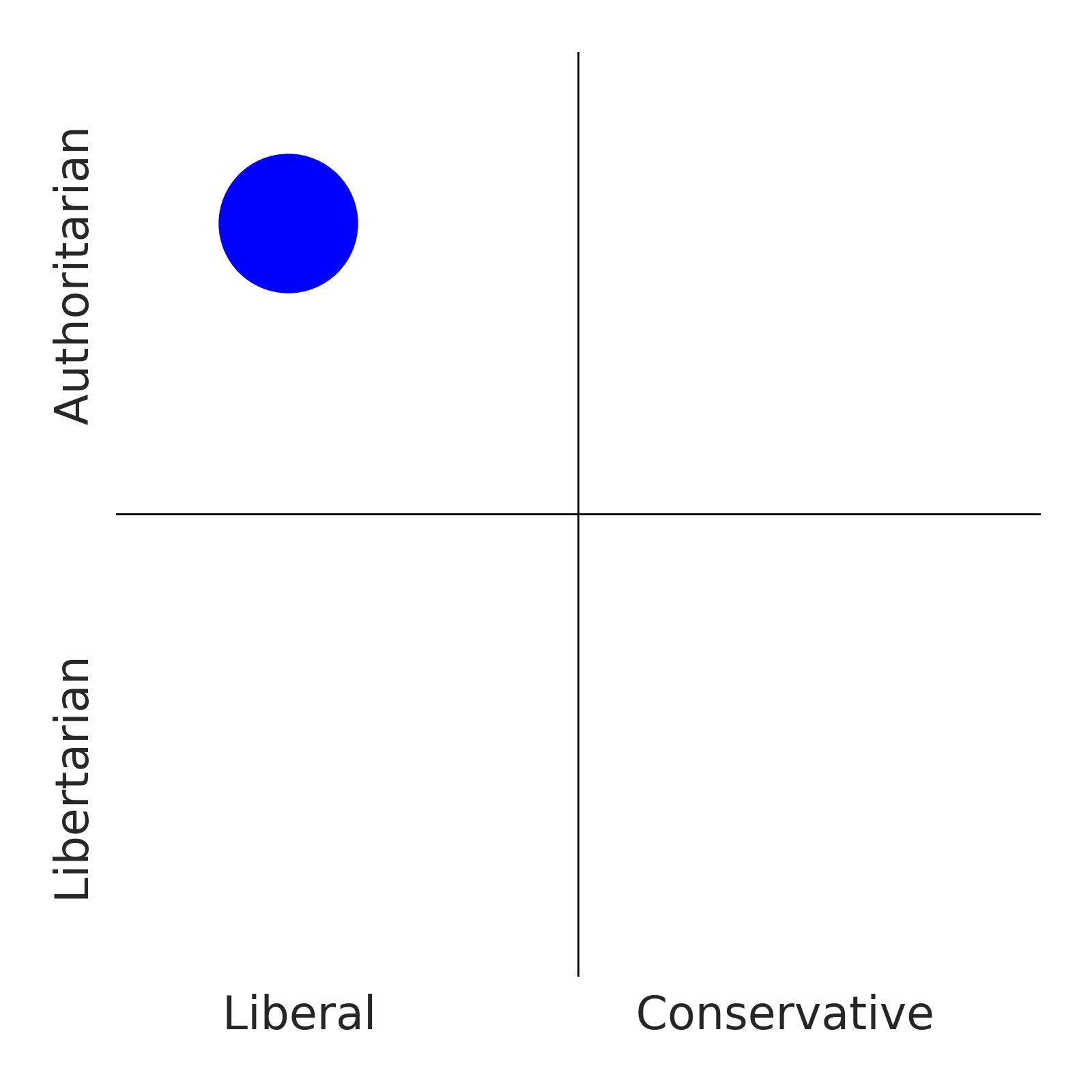
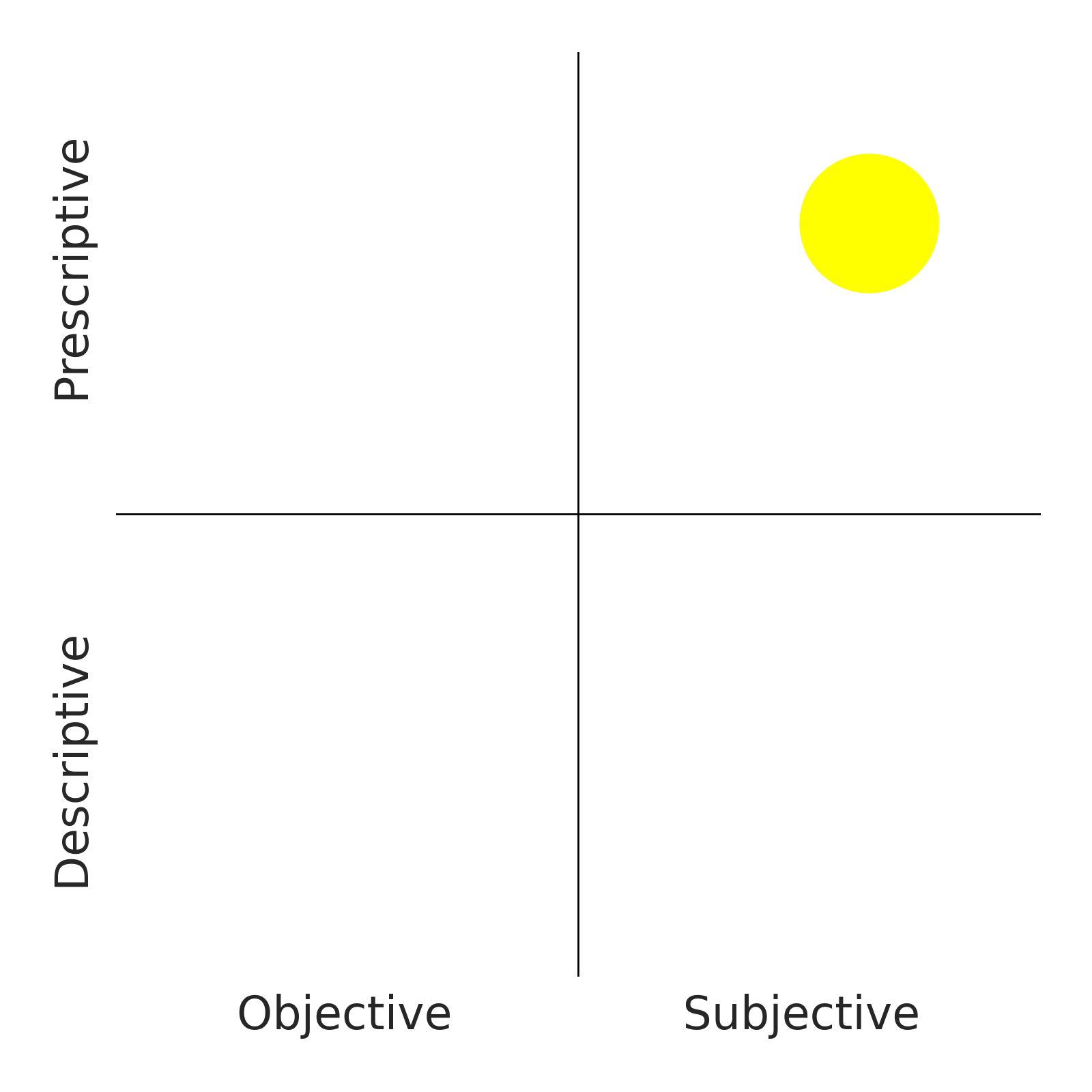
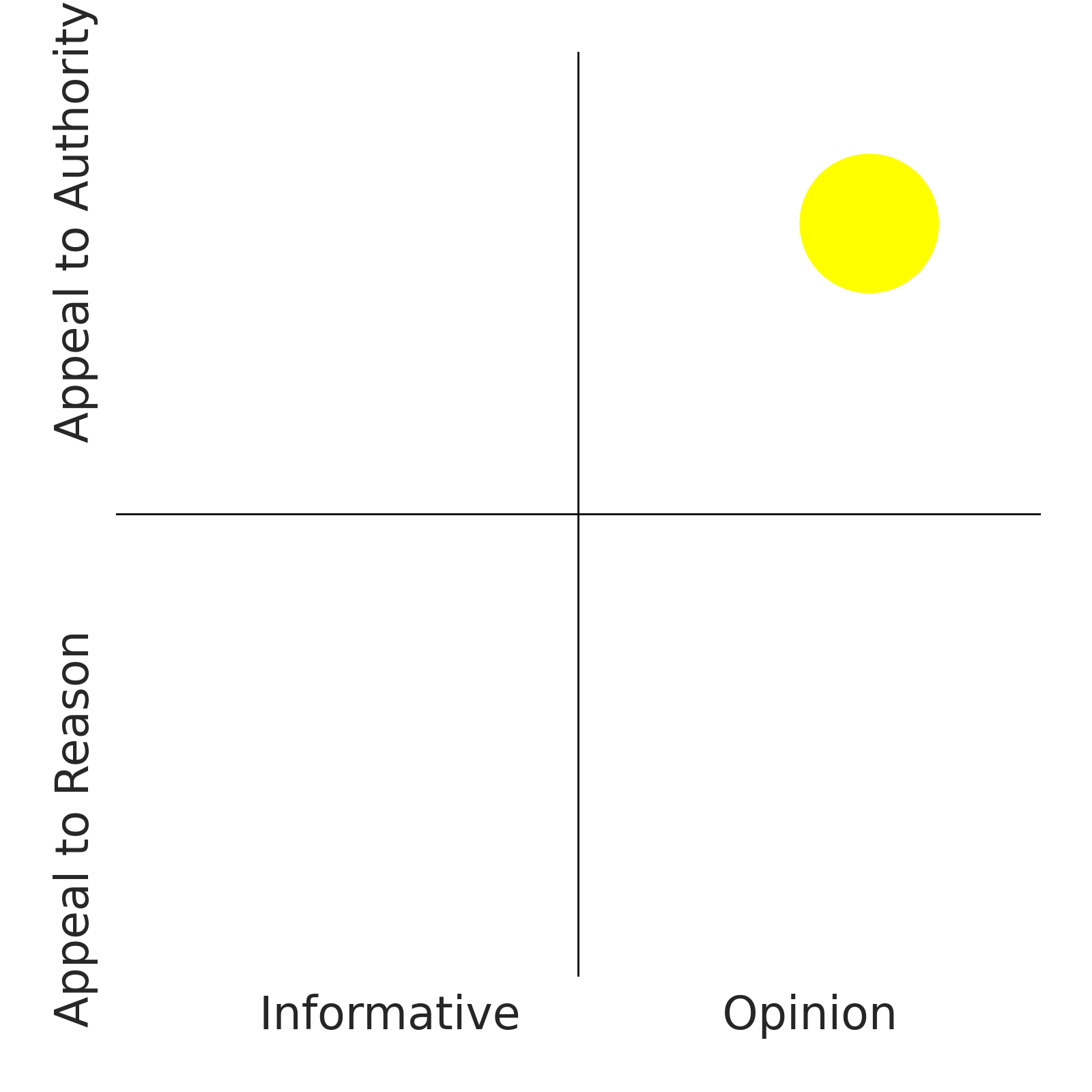
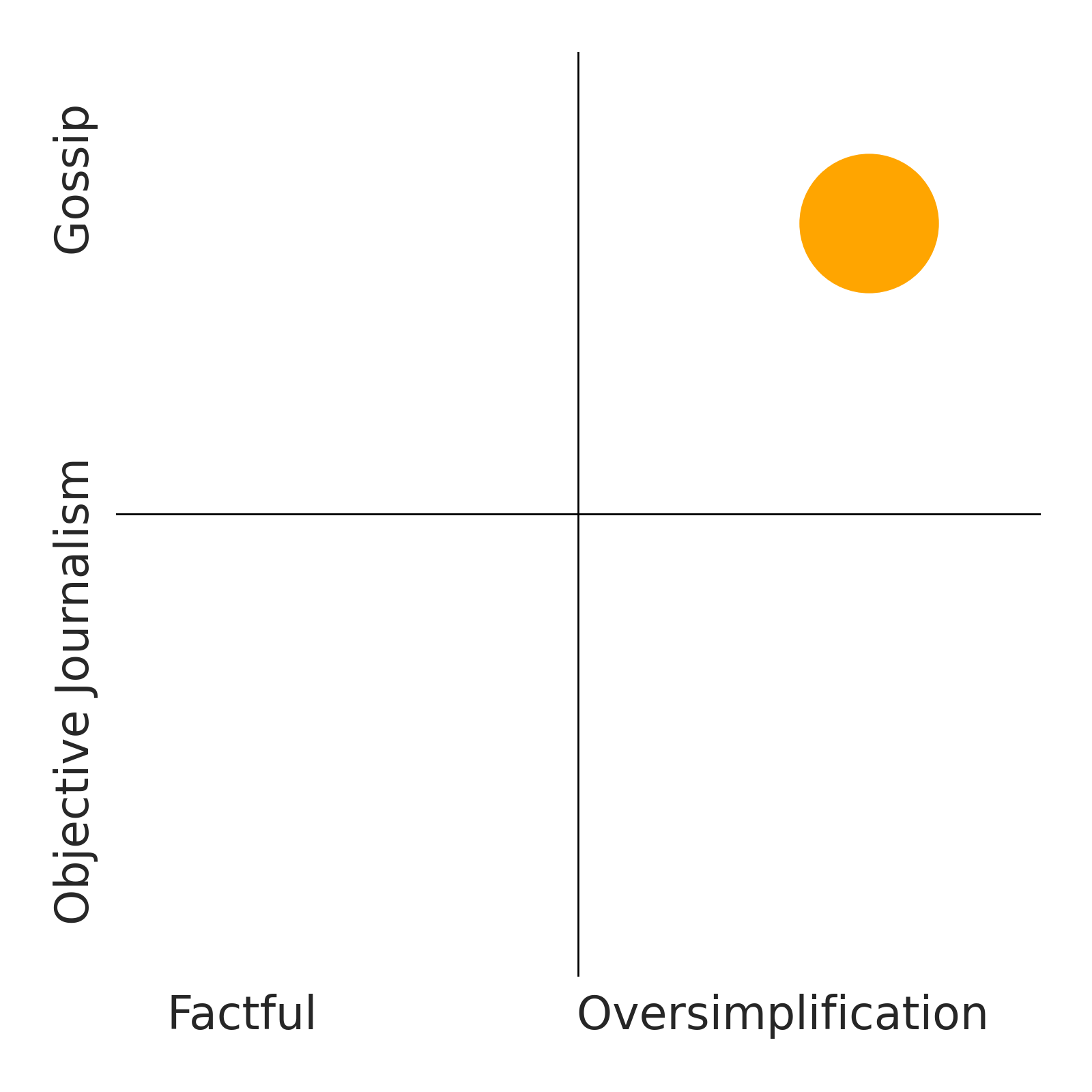
Click points to explore news by date. News sentiment ranges from -10 (very negative) to +10 (very positive) where 0 is neutral.
2026 © Helium Trades
Privacy Policy & Disclosure
* Disclaimer: Nothing on this website constitutes investment advice, performance data or any recommendation that any particular security, portfolio of securities, transaction or investment strategy is suitable for any specific person. Helium Trades is not responsible in any way for the accuracy
of any model predictions or price data. Any mention of a particular security and related prediction data is not a recommendation to buy or sell that security. Investments in securities involve the risk of loss. Past performance is no guarantee of future results. Helium Trades is not responsible for any of your investment decisions,
you should consult a financial expert before engaging in any transaction.
Helium Research Assistant

How can I help you today?
Ask any question about Business Insider bias.