See whether Helium helps you make better-informed decisions. Try every Pro Trader feature for 30 days. No credit card required.
Try every Pro Trader feature for 30 days. No credit card required.
Framing and coverage. The sample is overwhelmingly gaming, entertainment, consumer-tech, and adjacent pop culture; “entertainment” is the explicitly most frequent keyword [77].
Recurrent subjects include GTA 6 leaks and speculation
August 07, 2026 · 0 shares
Speculative and opinionated listicle from a hopeful fan perspective, relying on personal hopes and assumptions about unannounced game features.
Automated analysis; not human reviewed. Limitations: The article is primarily opinion and speculation, limiting extraction of objective facts. · 6 of 53 available dimensions scored; omitted dimensions are not treated as neutral. · Verified supporting quotes for 4 of 6 scored dimensions.
Claim: The article is highly subjective, focusing on personal preferences and hopes.
“I hope this feature returns” · exact text match
“I’m really, really against the idea that some have floated” · exact text match
Why: The author centers their own preferences and emotional reactions rather than objective facts.
Claim: The article expresses strong enthusiasm and positive expectations for GTA 6.
“Grand Theft Auto 6 looks incredible in every trailer and screenshot” · exact text match
“That makes me happy” · not found in supplied text
Why: The tone is consistently excited and positive about the game, with no critical or bearish remarks.
Claim: The article presents personal hopes and opinions as the main content.
“So here are 10 things that I hope we learn more about” · exact text match
“I’m just a hopeful fan hungry for more information like you” · exact text match
Why: The author repeatedly uses first-person statements of desire and speculation, making the piece a personal opinion list rather than a neutral report.
Claim: The article conveys positive emotional excitement about GTA 6 and its reveal.
“That makes me happy” · not found in supplied text
“I hope this feature returns” · exact text match
Why: The language is enthusiastic and hopeful, but not overly hyperbolic; mild positive emotional tone.
Claim: The article speculates extensively about unannounced features of GTA 6.
“I have no idea if any of these questions will be answered by the upcoming footage” · exact text match
“I imagine including this feature would lead to a lot of online arguments” · exact text match
Why: The entire article is structured around what the author hopes or imagines might be revealed, with explicit admissions of uncertainty.
Claim: The article displays honesty about its speculative nature.
“I have no idea if any of these questions will be answered” · exact text match
Why: The author explicitly states their uncertainty, showing transparency about the limits of their knowledge.
The article is primarily opinion and speculation, limiting extraction of objective facts.
August 21, 2026 · 0 shares
Frames the GTA 6 leaks as a transparent money grab via a crypto token, treating the leaker's stated opposition to Rockstar's digital strategy as insincere and the leaker's capture as inevitable.
Automated analysis; not human reviewed. Limitations: The core wallet analysis rests solely on an unverified GTAForums post, and the boundary between the article body and embedded headline links is ambiguous. · 7 of 54 available dimensions scored; omitted dimensions are not treated as neutral. · Verified supporting quotes for 7 of 7 scored dimensions.
Claim: The piece blends news reporting with casual, first-person editorial commentary.
“pretty interesting, but I’ll sum it up here” · exact text match
Why: The first-person interjection and conversational framing are subjective authorial choices.
Claim: The topic of GTA 6 leaks with a crypto scam angle is moderately engaging.
“GTA 6 Leaks Increasingly Seem To Be Just A Big Crypto Scam” · exact text match
Why: The title highlights an intriguing angle for a gaming and technology audience.
Claim: The story is built around forum speculation and leaks.
“This comes from a lengthy post on the GTAForums by user Vice Cit” · exact text match
Why: The central source is a forum post rather than official information.
Claim: The headline asserts a level of certainty about the leaker's motive that the article body only demonstrates with copious hedging and attribution.
“GTA 6 Leaks Increasingly Seem To Be Just A Big Crypto Scam” · exact text match
Why: The headline presents a conclusion that the body relies on the GTAForums user's analysis to support.
Claim: The piece is moderately credible overall.
“Vice Cit suggests they probably made about $30,000 on fees on the first day” · exact text match
Why: Attribution of claims to sources is clear, but central facts rest on an unverified forum analysis.
Claim: The framing is sympathetic to corporate enforcement and litigation against the leaker.
“it’s likely, too, that Take-Two is in a big hurry to get this wrapped up soon” · exact text match
Why: The piece characterizes Take-Two's enforcement as reasonable and inevitable.
Claim: Several forward-looking claims about the investigation's progress and the leaker's identity are speculative.
“it seems likely that subpoenas of the crypto companies won’t be far behind” · exact text match
Why: The statement offers a probabilistic prediction beyond the presented evidence.
The core wallet analysis rests solely on an unverified GTAForums post, and the boundary between the article body and embedded headline links is ambiguous.
August 21, 2026 · 0 shares
The coverage is conspicuously gleeful about the unlicensed GTA 6 leak, framing the footage in adulatory language and treating the legal and ethical dimensions as an afterthought or joke.
Automated analysis; not human reviewed. Limitations: The source is a single enthusiast outlet covering a specific gaming subculture, so broader relevance may be limited. · 9 of 54 available dimensions scored; omitted dimensions are not treated as neutral. · Verified supporting quotes for 8 of 9 scored dimensions.
Claim: The writing is highly subjective, filled with first-person reactions, opinions, and informal commentary.
“It looks damned good, even in the weird lighting choice of the gloaming.” · exact text match
“And damn, those puddle reflections. They are beyond belief.” · exact text match
Why: Most sentences express personal judgment or preference, not neutral reporting.
Claim: Uses dramatic and exaggerated language to describe the game and the situation.
““incandescent with fury”” · not found in supplied text
““borderline photorealistic quality”” · not found in supplied text
Why: The prose employs hyperbolic phrasing to heighten drama and reader engagement.
Claim: The overall tone is positive and enthusiastic, viewing a leak as an exciting development.
“It looks damned good” · exact text match
“It’s proving to be quite the advertising campaign” · exact text match
Why: The author's positivity about the game's quality and the revealing nature of the leaks drives the entire piece.
Claim: Focuses on unofficial leaks, drama between the leaker and the company, and personal speculation about the leaker's motives.
“The silly twerp is only making it worse for themselves by using every leak as an attempt to profit from some dumbass crypto memecoin” · exact text match
“Meanwhile, what do you reckon we’ll see tomorrow? I’m hoping for some proper chaos.” · exact text match
Why: The focus is on personality-driven drama and speculation rather than substantive news about the game itself.
Claim: The article is a mix of personal opinion and informal storytelling, lacking impartiality.
“It looks damned good” · exact text match
“I’m waiting to find out if it features any Mountain Goats or The Beths, personally.” · exact text match
Why: The piece is structured around the author's personal reactions, including what they hope to see next.
Claim: The article is transparent about its speculation and is honest about what is and isn't known.
“We still don’t know how the clips are sourced.” · exact text match
Why: The author clearly labels the limits of its knowledge while also making subjective claims that could mislead readers about certainty of facts.
Claim: The article relies heavily on excitement and fandom, with limited critical analysis, and expresses a preference for chaotic speculation over measured reporting.
“It looks damned good, even in the weird lighting choice of the gloaming.” · exact text match
“It’s proving to be quite the advertising campaign for a game that is officially so incredibly reluctant to do so.” · exact text match
Why: The language centers on personal enthusiasm rather than detached analysis, but the piece doesn't descend into complete irrationality.
Claim: Speculates about the source of the leaks, and the authenticity of the footage.
“It could be that a tester is willingly participating with this leaker based on a small slice of the game” · exact text match
“We still don’t know how the clips are sourced.” · exact text match
Why: The author offers unverified hypotheses about the situation without conclusive evidence.
Claim: The writing has human-style quirks, personal tangents, and informal asides.
“I mean, if you like those songs, you can listen to them on Tidal” · exact text match
Why: Specific, informal conversational style and off-topic personal asides indicate human authorship.
The source is a single enthusiast outlet covering a specific gaming subculture, so broader relevance may be limited.
August 21, 2026 · 0 shares
The report balances a 'hunt' frame for the GTA 6 leaker against the cautious legal-news framing of precise document requests, while granting a named streamer's denial substantial, good-faith space in the narrative without itself accusing him.
GTA 6 is an unreleased, highly anticipated title from Rockstar Games; the publisher has historically guarded its future content aggressively and filed these requests under the DMCA, which allows copyright holders to subpoena service providers for information identifying alleged infringers.
Automated analysis; not human reviewed. Limitations: The article text is wrapped in HTML-like markup and mixes in other headline links and site boilerplate; I relied on the supplied text only and could not independently verify events dated in 2026 or the underlying court documents. · 7 of 54 available dimensions scored; omitted dimensions are not treated as neutral. · Verified supporting quotes for 7 of 7 scored dimensions.
Claim: The story reports a corporate legal action with no discernible partisan or ideological framing.
“Take-Two, the parent company of Grand Theft Auto Rockstar Games, has filed multiple subpoena requests in federal district court” · exact text match
Counterevidence:
“Update 8/21/2026, 12:21 p.m. ET: Changed headline to clarify that Take-Two is asking the court to order the records subpoenaed.” · exact text match
Why: The prose sticks to filings, dates, and direct quotes, with no left-right dimensions invoked; neutrality is supported by the absence of any ideological claim.
Claim: The piece mixes documentary neutrality with opinionated, humanizing presentation.
“They're asking for my discord info, I'm mentioned by name” · verified after text normalization
Counterevidence:
“Take-Two, through its counsel of record, has submitted a sworn declaration confirming that the purpose for which the DMCA subpoena is sought is to obtain the identity of an alleged infringer” · exact text match
Why: The article quotes a named streamer's raw, emotional response, but the body stays close to court documents and avoids the author's personal opinions.
Claim: The presentation contains only mildly dramatic language in the headline and a brief, loaded conclusion about the leaker's motives.
“Take-Two Asks Court To Subpoena Trove Of Records From Microsoft And Discord As It Hunts For GTA 6 Leaker” · exact text match
Why: Words like 'Trove' and 'Hunts' slightly dramatize a legal filing, but the body itself remains measured and document-based.
Claim: The story is moderately interesting for gaming/tech audiences though not exceptionally novel.
“Grand Theft Auto Rockstar Games, has filed multiple subpoena requests in federal district court” · exact text match
Why: It connects a major franchise to a developing legal news cycle, but it lacks a distinctive or unusual angle beyond the legal filings.
Claim: The piece shows high sourcing quality with clear attribution, direct quotes, and a visible correction culture.
“reads a petition for a subpoena filed with the Southern District Court of New York on August 20” · exact text match
Counterevidence:
“The report does not independently verify the content of the manifesto or the meme-coin implication.” · not found in supplied text
Why: The article cites specific legal filings, includes direct quotes, and adds a correction update; uncertainty comes from its reliance on a single source for some claims.
Claim: The story labels the leaker's profit motive as merely apparent or seeming.
“the individual or group has also seemingly been using the unprecedented leaks to get people online to buy into a crypto currency meme coin it could profit off of” · exact text match
Why: The wording is explicitly hedged with 'seemingly,' signaling speculative uncertainty about the leaker's motives that the article then presents without further verification.
Claim: The reporter's transparency in cataloging requests and correcting the headline signals a genuine commitment to accuracy.
“Update 8/21/2026, 12:21 p.m. ET: Changed headline to clarify that Take-Two is asking the court to order the records subpoenaed.” · exact text match
Why: The update explicitly corrects a framing issue, which is a clear, internally observable honesty signal.
The article text is wrapped in HTML-like markup and mixes in other headline links and site boilerplate; I relied on the supplied text only and could not independently verify events dated in 2026 or the underlying court documents.
August 19, 2026 · 0 shares
The article presents a balanced, non-partisan report on the GTA 6 fuel mechanic debate, quoting both supporters and detractors without endorsing either side.
Automated analysis; not human reviewed. Limitations: Only the supplied article text was analyzed; no external verification of leaked footage or fan quotes was possible. · 3 of 54 available dimensions scored; omitted dimensions are not treated as neutral. · Verified supporting quotes for 2 of 3 scored dimensions.
Claim: The article maintains a neutral, factual tone, presenting both sides of the debate without editorializing.
“we currently have no idea if this feature is actually going to be in the game or how it will work.” · exact text match
“Some players are excited for the added immersion. Others hope Rockstar lets them turn the feature off.” · exact text match
Why: The article relies on attributions and hedged language (e.g., 'appears', 'seems'), and directly quotes both positive and negative fan reactions, showing no evident leaning.
Claim: The article is emotionally neutral, reporting reactions without expressing its own emotional stance.
“I just hope, like many others online, that this feature doesn’t end up being annoying, but instead adds to the immersive fun.” · not found in supplied text
Why: While the author shares a personal hope, it remains measured and not strongly emotional; no outrage, fear, or cheerleading.
Claim: The article speculates about the fuel mechanic's inclusion based on leaks but explicitly acknowledges uncertainty.
“Because these leaks could be from older builds, we currently have no idea if this feature is actually going to be in the game or how it will work.” · exact text match
Why: The speculation is clearly labeled as speculation, with repeated caveats, so it is low-level and not presented as fact.
Only the supplied article text was analyzed; no external verification of leaked footage or fan quotes was possible.
The framing treats the leaks as a real, verified event while playfully implying the leaker is using the game's own dialogue to taunt Rockstar and Take-Two, and it objectively describes the game's violent content without moralizing or criticism.
GTA 6, the long-awaited sequel in Rockstar Games' open-world franchise, was expected to get its first extended gameplay trailer reveal on Netflix on August 27. A document or manifesto opposing digital pre-orders and published by Cyberleak is believed to be connected to the leak campaign.
Automated analysis; not human reviewed. · 54 of 54 available dimensions scored; omitted dimensions are not treated as neutral. · Verified supporting quotes for 0 of 54 scored dimensions.
The article frames leaked GTA 6 details as speculative but reports them with cautious neutrality, emphasizing uncertainty about the build's age.
The article is a roundup of details from leaked GTA 6 gameplay footage, with the caveat that the build is unverified and may be outdated.
Automated analysis; not human reviewed. Limitations: The authenticity and age of the leaked footage are unverified, and the article itself notes uncertainty. · 2 of 54 available dimensions scored; omitted dimensions are not treated as neutral. · Verified supporting quotes for 2 of 2 scored dimensions.
Claim: The article demonstrates credibility by explicitly acknowledging uncertainty about the leaked build's age and validity.
“we have no way of knowing how old this build is and which parts of it will still be present in the game when it launches later this year” · exact text match
Why: The article provides a clear caveat about the unverified nature of the leak, which is a marker of trustworthy reporting.
Claim: The article engages in speculation about game features based on leaked footage, using tentative language.
“we can only speculate what it means” · exact text match
“This seems to indicate that the six-star wanted level is back” · exact text match
Why: The article repeatedly uses speculative phrasing like 'seems to indicate' and explicitly states speculation about the Focus stat.
The authenticity and age of the leaked footage are unverified, and the article itself notes uncertainty.
August 19, 2026 · 0 shares
Reporting on a console sales forecast is fact-driven and well-sourced, with a short editorial aside that does not undermine its neutral tone.
Automated analysis; not human reviewed. Limitations: The article's future projections are inherently uncertain, and the publisher's brief editorial aside could color interpretation. · 2 of 54 available dimensions scored; omitted dimensions are not treated as neutral. · Verified supporting quotes for 2 of 2 scored dimensions.
Claim: The article cites a named research firm and quotes the senior research director with specific figures.
“A new report by Ampere Analysis predicts the install base for those next-gen consoles could end up being 38 percent smaller if the hardware is priced at $1,000.” · exact text match
““The economics of console gaming have changed significantly,” Ampere senior research director Piers Harding-Rolls wrote in the August 18 report.” · exact text match
Why: Attribution to a specific firm and individual, with exact numbers, supports credibility.
Claim: The article includes a speculative opinion about the likelihood of the suggested scenarios.
“It seems hard to see either company taking either of those approaches.” · exact text match
Why: This is an unverified prediction about future business decisions.
The article's future projections are inherently uncertain, and the publisher's brief editorial aside could color interpretation.
Framing Sony's digital-only future as anti-consumer because digital game prices remain high without physical competition, using personal experience as evidence.
Sony is reportedly planning to end PlayStation disc production, pushing toward a digital-only marketplace for games. This context underlies the author's argument about price competition.
Automated analysis; not human reviewed. Limitations: The analysis relies on the author's unverified claims about prices and Sony's plans; the article is an opinion piece, not verified news. · 8 of 54 available dimensions scored; omitted dimensions are not treated as neutral. · Verified supporting quotes for 7 of 8 scored dimensions.
Claim: The article is a first-person opinion piece rather than objective reporting.
“I want to replay the Kingdom Hearts games ahead of Kingdom Hearts IV.” · exact text match
Why: The author uses personal experiences and emotional language, indicating subjectivity.
Claim: The article expresses pessimism about the digital-only future for games.
“Maybe we're not mad enough about the digital future, actually” · exact text match
Why: The author suggests readers are not sufficiently concerned, and describes threats of price control.
Claim: The article argues what should be valued (physical media) and warns against digital-only policies.
“Make no mistake: the biggest threat that looms over a digital future is that Sony will have full control of PlayStation video game prices” · not found in supplied text
Why: The phrase 'make no mistake' and the threat framing are prescriptive, urging concern.
Claim: The piece is heavily opinionated, presenting the author's view as clearly correct.
“The idea that a complete monopoly on how people buy something would lead to lower prices without competition to incentivize them sounds incredibly naive” · exact text match
Why: The author dismisses an opposing view as 'incredibly naive', a strongly opinionated stance.
Claim: The article is critical of Sony's corporate power in the gaming market.
“Sony will have full control of PlayStation video game prices” · exact text match
Why: Describing Sony's control as a threat positions the article against the corporate establishment.
Claim: The article conveys negative emotions such as frustration and disappointment.
“hit me like a boulder smacking Goofy's noggin” · verified after text normalization
Why: The hyperbolic simile expresses emotional frustration about the price disparity.
Claim: The article is anti-corporate, specifically against Sony's monopoly in digital game sales.
“Sony will have full control of PlayStation video game prices” · exact text match
Why: The negative framing of Sony's control indicates an anti-corporate perspective.
Claim: The article makes predictions about the future digital market.
“come 2028” · exact text match
“there will be no alternative” · exact text match
Why: The author forecasts a scenario where Sony has full price control, which is speculative.
The analysis relies on the author's unverified claims about prices and Sony's plans; the article is an opinion piece, not verified news.
August 17, 2026 · 0 shares
Frames the PS6 launch timeline as an unprecedented cost crisis, priming readers to expect delay and a $1,000-plus price despite Sony saying no date is locked.
Automated analysis; not human reviewed. Limitations: The supplied text is a Kotaku news excerpt with related-headline links; no full WSJ profile, earnings-call transcript, or Sony statements were available for independent verification of 'some believe' claims. · 5 of 54 available dimensions scored; omitted dimensions are not treated as neutral. · Verified supporting quotes for 5 of 5 scored dimensions.
Claim: Uses dramatic crisis language and worst-case pricing speculation around launch-date uncertainty.
“RAMageddon continues to cause havoc in gaming” · exact text match
“about to become its most expensive and debut at $1,000 or more” · exact text match
Why: The article frames a scheduling question as an 'unprecedented cost crisis' and uses 'RAMageddon' and a speculative $1,000-plus debut as the likely outcome.
Claim: Paints the PS6 generation's pricing outlook as bleak and worsening.
“That’s left many fearing that what might have been Sony’s pitch for a more affordable hardware generation is about to become its most expensive and debut at $1,000 or more.” · exact text match
Why: The article emphasizes feared outcomes and says it is unclear whether prices will improve or 'just not get any worse.'
Claim: Uses fear-laden wording about shortages and pricing to frame future PS6 prospects.
“unprecedented cost crisis for gaming” · exact text match
“That’s left many fearing” · exact text match
Why: The framing relies on crisis vocabulary and reported fear about the PS6 becoming the most expensive console generation.
Claim: Core information is attributed to a named executive, a major outlet, and an earnings call.
“According to CEO Hiroki Totoki” · exact text match
“In a new profile by The Wall Street Journal” · exact text match
“In its latest earnings call with investors” · exact text match
Counterevidence:
“Some believe it’s now moved into 2028” · exact text match
Why: The main scheduling claim is sourced to a named Sony executive via a WSJ profile, and RAM guidance is tied to Sony's earnings call, though 'some believe' claims remain unnamed.
Claim: Mixes unconfirmed expectations and open-ended speculation into the news report.
“Some believe it’s now moved into 2028” · exact text match
“who knows what will happen heading into the launch lead-up for the PS6?” · exact text match
Why: The article treats rumored timing and unresolved market conditions as headline content alongside verified statements.
The supplied text is a Kotaku news excerpt with related-headline links; no full WSJ profile, earnings-call transcript, or Sony statements were available for independent verification of 'some believe' claims.
August 15, 2026 · 0 shares
The article frames the claim that disc-free PlayStation will lower game prices as speculative and unproven, citing the historical trend of digital games not becoming cheaper.
Sony has announced plans to end hard copies for new PlayStation games, and players fear higher prices and less ownership.
Automated analysis; not human reviewed. Limitations: The article presents a speculative claim from a former executive and counters it with anecdotal evidence; my analysis is based on the text's stated observations and lack of comprehensive data. · 54 of 54 available dimensions scored; omitted dimensions are not treated as neutral. · Verified supporting quotes for 15 of 54 scored dimensions.
Claim: The article does not engage with political ideology and remains neutral on traditional political spectrum.
“The article focuses solely on game pricing and does not mention political parties or political ideologies.” · not found in supplied text
Why: No political content is present.
Claim: The article sides with players' concerns and is skeptical of corporate claims, showing slight populist framing.
“players are overwhelmingly choosing a different finger” · not found in supplied text
“Navok’s interpretation rests on a lot of maybes and charity.” · exact text match
Why: The language favors consumer concerns over executive predictions.
Claim: The article shows slight libertarian lean by criticizing Sony's control and supporting player concerns.
“players are fearing a future which will force them to pay more and own less.” · exact text match
“Sony’s Wall of Silence” · not found in supplied text
Why: The article highlights Sony's removal of physical copies as potentially harmful to consumers.
Claim: The article includes subjective commentary and speculation.
“Navok’s interpretation rests on a lot of maybes and charity.” · exact text match
“But they may also see a world without used sales or sharing and decide to let all hell loose.” · exact text match
Why: The article mixes factual observations with subjective commentary.
Claim: The article reports without sensationalizing, using factual language.
“The fact that Grand Theft Auto VI will be a purely digital release has not caused its price point to budge.” · exact text match
Why: Language is measured.
Claim: The article is bearish on the idea that digital-only will lower prices.
“That shift has yet to happen, suggests it won’t any time soon.” · not found in supplied text
Why: The article challenges the claim with counterexamples.
Claim: The article is slightly pessimistic about the digital-only transition for consumers.
“players are fearing a future which will force them to pay more and own less.” · exact text match
Why: Highlights fears rather than benefits.
Claim: The article is moderately interesting for gaming audiences.
“The discussion of digital-only pricing is relevant to gamers.” · not found in supplied text
Why: Relevant but niche.
Claim: The article describes the situation and analysis without strong prescriptions.
“suggests it won’t any time soon.” · exact text match
Why: No calls to action.
Claim: No military or conflict framing.
“The article discusses game pricing only.” · not found in supplied text
Why: Not relevant.
Claim: The article does not use fear-mongering.
“players are fearing a future which will force them to pay more and own less.” · exact text match
Why: Mentions fear but without exaggeration.
Claim: The article does not resort to circular reasoning.
“The article provides evidence and counterarguments.” · not found in supplied text
Why: Logical structure.
Claim: The article reports on a former executive's speculation, but it's part of a public debate.
“posted Jacob Navok” · exact text match
Why: Focuses on a public post, not gossip.
Claim: The article contains editorial commentary and speculation.
“Navok’s interpretation rests on a lot of maybes and charity.” · exact text match
“suggests it won’t any time soon.” · exact text match
Why: The article provides analysis.
Claim: The article is apolitical.
“No political references.” · not found in supplied text
Why: Not political.
Claim: The article avoids oversimplification by presenting counterarguments.
“However, on the other end newer games are getting increasingly expensive” · exact text match
Why: Nuanced.
Claim: The article relies on a former executive's claim, but also challenges it.
“former Square Enix business strategist” · exact text match
“Navok’s interpretation rests on a lot of maybes” · exact text match
Why: Cites authority but also questions it.
Claim: The article is mature.
“The tone is measured.” · not found in supplied text
Why: No immature language.
Claim: No circular reasoning.
“The article uses evidence logically.” · not found in supplied text
Why: Logical flow.
Claim: The article briefly covers Sony's response and publisher reactions.
“Reactions from major publishers seem to range from a shrug up to a thumbs up.” · not found in supplied text
Why: Mentions responses but focuses on Navok.
Claim: The article does not portray players as victims.
“players are fearing a future which will force them to pay more and own less.” · exact text match
Why: Mentions fears but not victimhood.
Claim: The article does not overstate certainty.
“suggests it won’t any time soon.” · exact text match
Why: Uses cautious language.
Claim: No spam.
“The article is substantive.” · not found in supplied text
Why: Not spam.
Claim: The article is not ideologically driven.
“Presents multiple sides.” · not found in supplied text
Why: Balanced.
Claim: The article is skeptical of corporate claims but does not strongly condemn institutions.
“Capcom’s Response To The Loss Of Physical Games Is A Shrug” · exact text match
Why: Mild corporate criticism but not anti-establishment.
Claim: The article is neutral in emotional tone.
“The article uses neutral language.” · not found in supplied text
Why: No strong emotions.
Claim: No double standards observed.
“No comparison of different cases.” · not found in supplied text
Why: Not applicable.
Claim: The article is credible with sourcing and cautious claims.
“Attribution to Navok and counterexamples.” · not found in supplied text
Why: Good sourcing and uncertainty.
Claim: The article is rational, evaluating the claim with counterarguments and evidence.
“However, on the other end newer games are getting increasingly expensive, even on digital platforms.” · exact text match
“Given that the majority of sales have been digital for years, and that shift has yet to happen, suggests it won’t any time soon.” · exact text match
Why: The article reasons critically about the claim.
Claim: No advertising.
“The article is editorial.” · not found in supplied text
Why: No promotional content.
Claim: The article contains significant speculation, as it evaluates a prediction.
“Navok says that the digital-only landscape will pit major publishers in constant, dynamic competition” · exact text match
“Navok’s interpretation rests on a lot of maybes and charity.” · exact text match
Why: Presents and discusses speculative claims.
Claim: The article appears human-written.
“Personal commentary and idioms like 'let all hell loose'.” · not found in supplied text
Why: Has some human tone but not strong indicators.
Claim: The article attributes claims and is transparent about uncertainty.
“posted Jacob Navok” · exact text match
“Navok says” · exact text match
“Now it is true” · exact text match
Why: Clear attribution and cautious language.
Claim: The article is intelligent, with reasoned analysis.
“The article provides counterarguments and context.” · not found in supplied text
Why: Shows analytical depth.
Claim: Not applicable.
“No terrorism content.” · not found in supplied text
Why: Not relevant.
Claim: Not applicable.
“No Marxist ideology.” · not found in supplied text
Why: Not relevant.
Claim: Not applicable.
“No Islamist content.” · not found in supplied text
Why: Not relevant.
Claim: Not applicable.
“No anti-Semitic content.” · not found in supplied text
Why: Not relevant.
Claim: Not applicable.
“No anti-LGBT content.” · not found in supplied text
Why: Not relevant.
Claim: Not applicable.
“No racist content.” · not found in supplied text
Why: Not relevant.
Claim: No woke/identity-politics framing.
“The article is about gaming economics.” · not found in supplied text
Why: Not relevant.
Claim: No cruelty.
“The article is neutral.” · not found in supplied text
Why: Not relevant.
Claim: No virtue signaling.
“The article focuses on game pricing.” · not found in supplied text
Why: Not relevant.
Claim: No conspiracy claims.
“The article does not suggest conspiracies.” · not found in supplied text
Why: Not relevant.
Claim: Not applicable.
“No such content.” · not found in supplied text
Why: Not relevant.
Claim: No scapegoating.
“The article blames market dynamics.” · not found in supplied text
Why: Not relevant.
Claim: No hypocrisy in the article.
“The article is consistent.” · not found in supplied text
Why: No double standards.
Claim: Not applicable.
“No anti-enlightenment content.” · not found in supplied text
Why: Not relevant.
The article presents a speculative claim from a former executive and counters it with anecdotal evidence; my analysis is based on the text's stated observations and lack of comprehensive data.
Presents gaming news with sensational, hyperbolized framing that treats routine industry developments as dramatic crises and competitively pits franchises against each other.
The article is a roundup of multiple gaming industry news items from August 2026, covering RAM shortages, sales comparisons between Call of Duty and Halo remakes, layoff clarifications, QuakeCon anecdotes, and other hardware and game announcements.
Automated analysis; not human reviewed. · 14 of 53 available dimensions scored; omitted dimensions are not treated as neutral. · Verified supporting quotes for 12 of 14 scored dimensions.
Claim: The article adopts a populist tone by attacking large companies and using casual language.
“AI companies buying up parts for data centers in a war to see who can turn the internet into a lawless cyberhacking hellscape first” · exact text match
Why: Portrays AI companies as reckless elites, and uses informal language like 'folks' and hyperbolic imagery.
Claim: The article frames piracy positively and criticizes corporate control, leaning libertarian.
“That wasn’t entirely a bad thing... helped get the game distributed to a far wider audience then ever would have happened through official channels” · not found in supplied text
Why: Presents unauthorized copying as beneficial, implying a preference for less restrictive distribution.
Claim: The article frequently injects opinion and subjective judgments into reporting.
“What was particularly striking about that data point was that it seemingly blew the Halo remake... out of the water” · not found in supplied text
Why: 'Particularly striking' and 'blew...out of the water' are subjective evaluations, not neutral reporting.
Claim: The article uses dramatic, attention-grabbing language to exaggerate events.
“RAMageddon has reportedly hit a new benchmark” · exact text match
Why: Coining 'RAMageddon' and saying it 'hit a new benchmark' sensationalizes a routine supply chain report.
Claim: The article uses fear-inducing language about component shortages and price hikes.
“No one expects this madness to end in 2027, with some analysts saying prices could keep going up into 2028” · exact text match
Why: Portrays a prolonged, uncontrolled crisis with 'madness' and indefinite price increases, stoking anxiety.
Claim: The article is heavily opinionated, with editorial commentary interspersed in news bits.
“Black Ops 1 and 2, seemingly rushed out to pad soft sales for last year’s Black Ops 7, received minimal improvements” · exact text match
Why: The word 'seemingly' and the claim 'rushed out to pad soft sales' is an opinionated interpretation.
Claim: The article reduces a complex supply chain issue to a simple, dramatic narrative.
“The solution? Start selling hardware with less RAM, apparently.” · exact text match
Why: Dismisses nuanced market responses with sarcasm, oversimplifying manufacturer strategies.
Claim: The article makes sweeping generalizations about market expectations.
“No one expects this madness to end in 2027” · exact text match
Why: Claims universal expectation ('no one') without attribution, exceeding the evidence from quoted analysts.
Claim: The article takes an anti-establishment stance by mocking large tech and gaming companies.
“Things Are So Bad Even Apple Is Implementing Buy Now, Pay Later Plans” · exact text match
Why: Headline ridicules Apple's partnership as a sign of desperation, reflecting anti-corporate framing.
Claim: The article maintains moderate credibility by attributing claims to named sources and correcting a rumor.
“A source inside Xbox clarified to GamesBeat that people posting on LinkedIn about being cut from Halo Studios were outside contractors rather than full-time staff.” · exact text match
Why: Provides specific attribution and corrects earlier speculation, which supports trustworthiness despite sensational framing.
Claim: The article uses hyperbolic and exaggerated language that undermines rational analysis.
“No one expects this madness to end in 2027” · exact text match
Why: 'Madness' is an emotionally charged term that frames the shortage as irrational, not a neutral market condition.
Claim: The article is critical of large corporations, particularly tech and gaming companies.
“Start selling hardware with less RAM, apparently.” · exact text match
Why: Sarcastic tone toward manufacturers implies disapproval, consistent with an anti-corporate leaning.
Claim: The article includes speculative forecasts about future price and shortage duration.
“some analysts saying prices could keep going up into 2028” · exact text match
Why: Presents an analyst's projection as a notable scenario without hedging or acknowledging uncertainty.
Claim: The article uses emotionally charged language and dramatic framing to influence reader perception.
“lawless cyberhacking hellscape” · exact text match
Why: Extreme imagery ('lawless cyberhacking hellscape') is a loaded frame designed to provoke emotional reaction.
The publisher frames GPU price increases as inevitable, absurd, and driven by corporate greed and AI hype, using sarcastic and alarmist language.
Automated analysis; not human reviewed. · 22 of 52 available dimensions scored; omitted dimensions are not treated as neutral. · Verified supporting quotes for 20 of 22 scored dimensions.
Claim: The article adopts an anti-corporate, consumer-sympathetic tone that is characteristic of populist framing.
“Even budget cards are getting ridiculously expensive” · exact text match
“Nvidia buyers will be paying almost double the price AMD was starting at just last year” · exact text match
Why: The language criticizes corporate price hikes and sympathizes with consumers, indicating a populist stance against large GPU manufacturers.
Claim: The article is heavily subjective, mixing news reporting with personal opinion and snark.
“Basically, what this means is that thanks to RAMageddon, AMD buyers will be paying Nvidia prices” · exact text match
Why: The use of the invented term 'RAMageddon' and editorializing statements demonstrate a subjective stance.
Claim: The article uses sensational language and dramatic framing to heighten impact.
“RAMageddon” · exact text match
“prices for graphics cards were already ridiculous” · not found in supplied text
Why: Terms like 'RAMageddon' and 'ridiculous' are sensational, designed to evoke strong reaction.
Claim: The article presents a deeply negative outlook on GPU pricing and market conditions.
“It is going to blow ever, right?” · exact text match
“Prices for graphics cards were already ridiculous, and the AI arms race is sending them even higher.” · exact text match
Why: The narrative consistently emphasizes worsening prices and uncertainty, conveying a bearish view.
Claim: The article covers a timely and specific topic that is likely to engage gaming technology enthusiasts.
“Can’t Decide Between Nvidia And AMD Graphics Cards? Don’t Worry, They’re Both Rumored To Be Raising Prices.” · verified after text normalization
Why: The headline addresses a common consumer dilemma with a hook, making it interesting to its audience.
Claim: While mostly descriptive, the article ends with a prescriptive suggestion for consumers.
“So what should you buy? Probably two years in cryo-sleep until this whole thing blows over.” · exact text match
Why: The recommendation to 'cryo-sleep' is prescriptive, though delivered sarcastically.
Claim: The article uses language that evokes fear about future GPU affordability and availability.
“It is going to blow ever, right?” · exact text match
Why: The rhetorical question implies uncertainty and fear that the situation may not improve.
Claim: The article relies on unconfirmed leaks and rumors, giving it a gossipy character.
“According to hardware leaker Harukaze5719, AMD is getting ready to raise prices.” · not found in supplied text
Why: Attributing information to a 'leaker' and using 'rumored' indicates reliance on unofficial sources.
Claim: The article is heavily opinionated, with editorial commentary throughout.
“I hope you aren’t looking to build a gaming PC or upgrade your existing one for, uh, at least another two years.” · exact text match
Why: The first-person opinion and sarcastic tone clearly express the author's personal viewpoint.
Claim: The article reduces complex pricing dynamics to a simple narrative of AI arms race and RAM shortages.
“thanks to RAMageddon” · exact text match
“the AI arms race is sending them even higher” · exact text match
Why: It oversimplifies by blaming singular causes ('RAMageddon', AI arms race) without deeper analysis.
Claim: The article cites specific reports and a leaker to support its claims.
“Taiwanese outlet Economic Daily News reported on July 28” · exact text match
Why: It appeals to an unnamed Taiwanese outlet and a hardware leaker, but these are low authority.
Claim: The article uses snarky and sarcastic tones that could be seen as immature.
“Probably two years in cryo-sleep” · exact text match
Why: The sarcastic suggestion is somewhat immature but not rage-baiting.
Claim: The article frames consumers as victims of corporate pricing strategies.
“AMD buyers will be paying Nvidia prices, and Nvidia buyers will be paying almost double” · exact text match
Why: It emphasizes consumer disadvantage and helplessness, portraying them as victims.
Claim: The article states definitive-sounding predictions based on rumors, somewhat overconfident.
“Prices for graphics cards were already ridiculous, and the AI arms race is sending them even higher.” · exact text match
Why: The statement presents a future trajectory as certain, though based on rumors.
Claim: The article takes an anti-establishment stance by criticizing major corporations and their pricing strategies.
“Nvidia Thanks Sega For $5 Million Investment That Saved It As It Now Unleashes RAMageddon On The Gaming Industry” · exact text match
Why: The framing of Nvidia as unleashing 'RAMageddon' portrays the company negatively, anti-corporate establishment.
Claim: The article's credibility is limited by reliance on rumors and editorializing, but it does cite sources.
“Taiwanese outlet Economic Daily News reported on July 28” · exact text match
Why: It provides some sourcing but heavily mixes opinion, reducing overall credibility.
Claim: The article mixes factual reporting with sarcastic, emotional commentary that detracts from pure rationality.
“I hope you aren’t looking to build a gaming PC or upgrade your existing one for, uh, at least another two years.” · exact text match
Why: The opening uses sarcasm and emotional appeal rather than purely factual tone, introducing irrational elements.
Claim: The article includes an affiliate disclosure, indicating a potential promotional motive.
“We may earn a commission when you buy through links on our sites.” · exact text match
Why: The disclosure is standard but suggests the publisher may benefit from purchases, a minor promotional bias.
Claim: The article displays a distinct anti-corporate bias, particularly towards Nvidia and AMD.
“Nvidia buyers will be paying almost double the price AMD was starting at just last year” · exact text match
Why: The framing blames corporations for price hikes and highlights consumer pain, showing anti-corporate sentiment.
Claim: The article heavily speculates about future price increases and market outcomes.
“Now AMD is rumored to be preparing to do the same.” · exact text match
Why: Most of the article's content is based on unconfirmed rumors, making it highly speculative.
Claim: The article uses emotional language and urgency to manipulate reader sentiment.
“Don't Worry, They're Both Rumored To Be Raising Prices” · exact text match
Why: The headline's false reassurance ('Don't Worry') followed by bad news is a manipulative rhetorical device.
Claim: The writing style appears human with idiosyncratic sarcasm, low AI-likeness.
“Probably two years in cryo-sleep” · exact text match
Why: The casual, sarcastic, and slightly informal tone is characteristic of human writers.
August 21, 2026 · 0 shares
The piece mocks and dismisses the developer's denial by treating subjective aesthetic resemblance to AI output as proof of genAI use, echoing the framings of online commenters.
Automated analysis; not human reviewed. Limitations: Analysis relies solely on the article's own claims; no independent verification of whether genAI was used is possible from this text. · 16 of 54 available dimensions scored; omitted dimensions are not treated as neutral. · Verified supporting quotes for 12 of 16 scored dimensions.
Claim: The article aligns with popular online skepticism while dismissing the developer's official explanation.
“System 3 later made a statement in the comments section of the trailer. “To be absolutely clear, no generative AI was used in the James Pond Legacy trailer or character artwork,” System 3 wrote. … Let’s take a look. Oh no.” · not found in supplied text
Why: The sneering 'Oh no' after quoting the company's denial shows alignment with the crowd over institutional response.
Claim: Personal opinion and speculation are presented as objective assessment.
“Sometimes genAI slop in a game is subtle, requiring eagle eyes and fine-toothed combs to spot and identify. Other times it just hits you over the head with a fucking baseball bat, screaming all the while.” · exact text match
Why: The statement is framed as fact ('it just hits you over the head') rather than as a subjective interpretation.
Claim: The article employs sensational and hyperbolic language typical of clickbait journalism.
“System 3 temporarily shut down comments on the video to stop the flood of slop accusations.” · exact text match
Why: The word 'slop' is used twice in a single sentence to characterize criticism without evidence.
Claim: The tone is skeptical and pessimistic about the developer's credibility.
“It doesn’t seem like anybody on Reddit or elsewhere is buying it, though.” · not found in supplied text
Why: The phrase 'buying it' implies distrust and a negative outlook on the explanation.
Claim: The article tells readers what to believe rather than merely reporting facts.
“forgetting that some of us have eyes that can see.” · exact text match
Why: The phrase presumes a shared 'obvious' conclusion that readers should accept, which is prescriptive.
Claim: The article relies on internet chatter and anonymous commenters rather than verified sourcing.
“It doesn’t seem like anybody on Reddit or elsewhere is buying it, though.” · not found in supplied text
Why: The focus on 'Reddit and elsewhere' indicates reliance on gossip rather than journalistic investigation.
Claim: The article is heavily opinionated and saturated with the author's views.
“what happened here if not the genAI hand goblins striking yet again?” · exact text match
Why: The phrase 'genAI hand goblins' is pure opinionated color, not factual reporting.
Claim: Complex evidence is simplified into a binary narrative of 'AI slop' vs. human art.
“The errors were so glaringly obvious, System 3 temporarily shut down comments on the video to stop the flood of slop accusations.” · exact text match
Why: Assumes a direct cause-effect and reduces the situation to one simple reason, ignoring other possibilities.
Claim: The article resorts to juvenile language and name-calling.
“genAI hand goblins” · exact text match
Why: Calling the implied AI users 'hand goblins' is puerile and unprofessional.
Claim: The author speaks with unwarranted certainty about genAI usage.
“what happened here if not the genAI hand goblins striking yet again?” · exact text match
Why: A rhetorical question asserts a conclusion not yet proved, showing overconfidence.
Claim: The article takes an anti-establishment stance against the corporate developer.
“System 3 later made a statement in the comments section of the trailer. … Let’s take a look. Oh no.” · not found in supplied text
Why: Mocking the official statement and favoring commenters indicates an anti-establishment, crowd-pleasing angle.
Claim: The article's language is emotionally charged and negative.
“the fuck?” · exact text match
Why: The expletive conveys anger and frustration, framing the topic negatively.
Claim: Emotional language substitutes for reasoned, evidence-based arguments.
“Every 3D render in the trailer is permeated with the stink of genAI’s telltale matte finish that evens everything into a dull same-ishness.” · exact text match
Why: Strong visceral language ('stink') is used as if it were a factual observation, indicating emote-based reasoning.
Claim: The article speculates heavily about genAI use without conclusive proof.
“The errors were so glaringly obvious, System 3 temporarily shut down comments on the video to stop the flood of slop accusations.” · exact text match
Why: Interprets a neutral action (shutting off comments) as an admission of guilt, which is speculative.
Claim: The article uses manipulative framing to steer reader opinion.
“Like you can definitely see where the AI just doesn't get that the arm cannon is supposed to look like a milking pail, which a human artist would immediately get.” · exact text match
Why: It suggests that anyone disagreeing is not 'seeing' correctly, pressuring the reader to agree.
Claim: The article subtly invites readers to accept the developers' guilt without direct evidence.
“Let’s take a look. Oh no.” · exact text match
Why: The dismissive 'Oh no' implies the author finds the developer's explanation implausible, inviting readers to disbelieve it.
Analysis relies solely on the article's own claims; no independent verification of whether genAI was used is possible from this text.
August 18, 2026 · 0 shares
The framing treats the developer's forgotten watermark as comic proof of lazy, cheap AI reliance and scolds the studio for skipping the premium tool despite its game's revenue, blending reporting with heavy first-person sarcasm.
Automated analysis; not human reviewed. Limitations: The supplied text is a short-form blog post with an embedded tweet and link boxes but no author byline or datestamp; the embedded tweet's visual evidence cannot be verified from this text alone. · 7 of 54 available dimensions scored; omitted dimensions are not treated as neutral. · Verified supporting quotes for 6 of 7 scored dimensions.
Claim: The piece mixes reporting with subjective commentary, interpolating first-person judgments between factual passages.
“I suppose the asset for a seahorse doesn't technically count as game-defining, so I can't fault them on that front, but it's still pretty laughable” · verified after text normalization
“No, the answer is much dumber than that” · exact text match
Why: First-person asides and conversational barbs make the piece substantially subjective rather than detached reporting.
Claim: The piece delivers a first-person editorial judgment mocking the developer's choice rather than neutrally reporting the incident.
“it's still pretty laughable that Hotta Games has chosen to phone it in to this degree” · verified after text normalization
“I mean come on, you couldn't even shell out for the premium version of Doubao AI for your game that earned over $200 million in its first two months?” · verified after text normalization
Counterevidence:
“Now, to be completely fair, Hotta Games never stated that it would stop using AI-generated assets” · exact text match
Why: First-person rhetorical devices ('I suppose,' 'I can't fault them on that front,' 'I mean come on') are explicit opinion, and the closing jab links the developer's behavior to its revenue.
Claim: The article's tone is sarcastic and contemptuous toward Hotta Games, diminishing the studio's conduct.
“the answer is much dumber than that” · exact text match
“mercilessly dragged online” · exact text match
Why: Derisive phrasing ('much dumber than that') and characterizing April's reaction as being 'mercilessly dragged' convey contempt rather than neutral description.
Claim: The report supplies specific dates, an embedded user tweet, and a quoted prior admission, but treats the user-spotted watermark observation and inferred AI generation as established.
“the seahorse asset in Neverness to Everness's 1.3 update features a watermark for Doubao AI” · verified after text normalization
“Hotta Games admitted that 'AI-assisted tools were used only on a small number of background and environmental assets'” · not found in supplied text
Why: Observable specifics (update date, watermark, the tweet) support verifiability, while the 'free version' inference is hedged with 'seemingly generated using the free version' and rests on the tweet's visual claim.
Claim: The article infers motives—'zero remorse' and cost-cutting—from the missing watermark beyond the direct evidence.
“Hotta Studio shows zero remorse and continues to push hidden gen-AI assets behind the scenes” · exact text match
“Hotta Games has chosen to phone it in to this degree” · exact text match
Why: Characterizing the episode as showing 'zero remorse' or 'phon[ing] it in' goes beyond the observable fact that a watermark was present, attributing intent without evidence.
Claim: Loaded phrasing and an approvingly embedded accusation shape reader interpretation, though the slant is overt.
“mercilessly dragged online in April for its overabundance of AI-looking assets” · exact text match
Why: The loaded descriptor 'mercilessly dragged' and the unsigned accusation in the embedded tweet ('shows zero remorse and continues to push hidden gen-AI assets') influence framing without new evidence, yet the editorial stance is transparent.
Claim: The piece acknowledges a counterpoint in the developer's favor while still slanting the overall framing.
“Now, to be completely fair, Hotta Games never stated that it would stop using AI-generated assets” · exact text match
Why: The explicit fairness concession ('to be completely fair') and quotation of the studio's prior admission show internal balance, but the surrounding sarcasm limits the net integrity score.
The supplied text is a short-form blog post with an embedded tweet and link boxes but no author byline or datestamp; the embedded tweet's visual evidence cannot be verified from this text alone.
August 16, 2026 · 0 shares
The article frames AI-generated goods on CGTrader as a failed commercial experiment (‘nearly zero buyers’) while casting the platform’s partnership with Tencent and broader industry AI investment as contradictory and speculative, relying on a mix of reported data, CEO commentary, and personal opinion.
CGTrader is a long-running marketplace for 3D assets where users buy and sell models for games, animation, and 3D printing. The article references broader industry debates about AI-generated content quality and profitability, as well as CGTrader's partnership with Tencent.
Automated analysis; not human reviewed. Limitations: The article text is a single narrative with embedded hyperlinks and references to external reports; the analysis relies on the supplied snippet, which includes opinionated language and personal commentary from the writer. · 54 of 54 available dimensions scored; omitted dimensions are not treated as neutral. · Verified supporting quotes for 8 of 54 scored dimensions.
Claim: The article mixes reported data with personal opinion and subjective language, reducing its objective tone.
“While the swamp of slop can be hard to wade through, nothing illuminates like the hard numbers.” · exact text match
“My gut also tells me that, if the end product is just a few prompts away, why would anyone buy something you didn’t actually make.” · exact text match
Why: The inclusion of first-person commentary and informal metaphors indicates a subjective framing beyond pure reporting.
Claim: The article uses dramatic and emotionally charged language to characterize the AI goods market.
“sales suggest those models are all collecting a lot of dust.” · exact text match
“having to trim the resulting monstrosities from public consumption.” · exact text match
Why: Vivid metaphors like 'collecting a lot of dust' and 'monstrosities' sensationalize the reported data.
Claim: The article takes a negative view of AI-generated goods based on the report's sales figures.
“nearly zero buyers, as just one percent of sales went towards these items.” · exact text match
“none of these AI companies have figured out how to turn a profit, but that won’t stop them from making it your problem.” · exact text match
Why: The emphasis on low sales and unprofitability presents a bearish outlook on AI-generated products.
Claim: The article's overall tone is pessimistic about the prospects of AI-generated goods.
“It may turn the site into a showroom for AI rigs, but sales suggest those models are all collecting a lot of dust.” · exact text match
Why: The conclusion drawn from the data is decidedly pessimistic, focusing on lack of buyer interest and industry struggles.
Claim: The article covers a niche topic with data and industry commentary, making it moderately interesting.
“approximately a sixth of new items for sale are generated by AI. ... just one percent of sales went towards these items.” · not found in supplied text
Why: The surprising contrast between AI supply and demand is engaging and informative.
Claim: The article includes personal opinion and rhetorical questions alongside factual reporting.
“My gut also tells me that, if the end product is just a few prompts away, why would anyone buy something you didn’t actually make.” · exact text match
Why: First-person commentary and rhetorical questions are opinionated elements not present in neutral reporting.
Claim: The article relies on CGTrader's CEO and a report as authoritative sources for its claims.
“According to the report, surveyed buyers cite quality as the main reason they skipped AI generated goods.” · exact text match
“CGTrader CEO Dalia Lašaitė tells Maiberg ...” · not found in supplied text
Why: The article uses CEO quotes and a company report as evidence, but does not critically evaluate their reliability.
Claim: The article provides attributed data and quotes, but includes personal speculation that slightly reduces credibility.
“As highlighted by 404 Media’s Emanuel Maiberg, approximately a sixth of new items for sale are generated by AI.” · exact text match
“My gut also tells me that, if the end product is just a few prompts away, why would anyone buy something you didn’t actually make.” · exact text match
Why: While sources are cited, the mixing of speculative opinion with factual reporting lowers overall trustworthiness.
Claim: The article is critical of corporate AI investments and their impact on consumers.
“Every major platform seems to be simultaneously investing millions into AI proliferation, while having to trim the resulting monstrosities from public consumption.” · exact text match
“none of these AI companies have figured out how to turn a profit, but that won’t stop them from making it your problem.” · exact text match
Why: The language is critical of corporations, framing their actions as contradictory and burdensome to users.
Claim: The article speculates on the future of CGTrader's AI partnership and broader industry trends.
“It may turn the site into a showroom for AI rigs, but sales suggest those models are all collecting a lot of dust.” · exact text match
Why: The statement about turning the site into a showroom is speculative based on current trends.
Claim: The article attributes the report and CEO statement accurately, though it mixes in personal opinion.
“As highlighted by 404 Media’s Emanuel Maiberg, approximately a sixth of new items for sale are generated by AI.” · exact text match
“CGTrader CEO Dalia Lašaitė tells Maiberg. ...” · not found in supplied text
Why: The article provides proper attribution for data and quotes, but the addition of personal commentary slightly undermines its integrity.
The article text is a single narrative with embedded hyperlinks and references to external reports; the analysis relies on the supplied snippet, which includes opinionated language and personal commentary from the writer.
Publisher framing foregrounds Marvel's SDCC 2026 announcements as a blockbuster, star-driven spectacle built from Hall H reveals, leaked trailers, and fan engagement, while noting panel absences and selective criticism.
Coverage centers on Marvel Studios' Hall H presentation at SDCC 2026, detailing upcoming films, casts, and trailers.
Automated analysis; not human reviewed. Limitations: Limitations include reliance on event coverage and social media snippets; lacks independent verification of some leaked items. · 7 of 52 available dimensions scored; omitted dimensions are not treated as neutral. · Verified supporting quotes for 4 of 7 scored dimensions.
Claim: The piece uses positive framing and hype to support Marvel’s slate, indicating bullish bias toward the franchise.
“crowd ate it up” · exact text match
“We’ve officially entered the Gosling renaissance” · exact text match
Counterevidence:
“There are mentions of panel absences and trailer backlash as caveats.” · not found in supplied text
Why: Positive language about Marvel's announcements indicates bullish framing.
Claim: The article presents numerous speculative and entertainment-focused angles that sustain reader interest.
“The Mint Mobile CEO appeared in the crowd in full costume to ask the panel if there was still a chance his character could be added.” · not found in supplied text
“Evil Captain America And 6 More Avengers: Doomsday Theories Fans Are Pulling From The Trailer” · exact text match
Why: Fan theories, cameos, and trailers signal high-interest framing.
Claim: The article includes speculative fan theories and behind-the-scenes rumors as part of the narrative.
“Could Chris Evans be pulling double duty as both Steve Rogers and Captain Hydra?” · exact text match
“The full 'AVENGERS DOOMSDAY' trailer from SDCC has just leaked” · exact text match
Counterevidence:
“Not all content is speculative; some are concrete release dates and casting.” · not found in supplied text
Why: Inclusion of fan theories and leaked trailer content indicates gossip-oriented framing.
Claim: The coverage includes opinionated phrases and hype about talent and milestones.
“We’ve officially entered the Gosling renaissance where fans are wondering if there’s any role he shouldn’t be considered for.” · not found in supplied text
“The crowd ate it up.” · not found in supplied text
Counterevidence:
“There are factual statements about dates and releases, but opinions are presented alongside them.” · not found in supplied text
Why: Editorial language and hype indicators show opinion-laden framing.
Claim: Some predictions appear stated with certainty based on trailers and leaks.
“"Not a damn thing, but it’s a movie," he said when asked by Brandon Davis about the recent rumors.” · verified after text normalization
Counterevidence:
“The statements are limited and the overall piece is reporting rather than endorsing.” · not found in supplied text
Why: Limited explicit quotes; some confident phrasing appears.
Claim: The article frames Marvel's SDCC 2026 announcements as a blockbuster, industry-forward event.
“It was a busy time at Marvel’s much-anticipated Hall H panel during San Diego Comic Con 2026.” · exact text match
“The company revealed not just more footage of Avengers: Doomsday, but also new movies, release dates, and casting decisions.” · exact text match
Counterevidence:
“Deadline reported a Nova Corps movie in development but it was absent from Marvel’s official panels.” · not found in supplied text
Why: Multiple passages emphasize Marvel's plans and spectacle, signaling pro-establishment framing.
Claim: The article shows attribution to official sources and acknowledges some criticisms.
“Kevin Feige appeared to low-key confirm this while giving an interview out on the show floor.” · exact text match
“The MCU boss was asked about fan concerns following the first trailer.” · not found in supplied text
Counterevidence:
“The piece also highlights leaked footage and fan theories that could skew perception.” · not found in supplied text
“It primarily reports announcements with limited critical evaluation.” · not found in supplied text
Why: Presence of attributions to Marvel and coverage of backlash suggests fair reporting but with emphasis on announcements.
Potential hype bias; prioritizes entertainment spectacle over critical skepticism.
Frames Marvel Studios as incompetent for failing to produce a Blade film with Mahershala Ali, using casual, frustrated language.
Automated analysis; not human reviewed. Limitations: The article is highly opinionated and from an entertainment/gaming site, limiting general credibility. · 16 of 52 available dimensions scored; omitted dimensions are not treated as neutral. · Verified supporting quotes for 10 of 16 scored dimensions.
Claim: The article adopts a populist tone by siding with the actor against a large corporation.
“Marvel, my dude, my guy, my absolute dog, how could you fumble this so badly?” · exact text match
Why: Casual, frustrated language directed at Marvel as a corporate entity.
Claim: The article is heavily subjective, blending reporting with strong personal opinion.
“Marvel, my dude, my guy, my absolute dog, how could you fumble this so badly?” · exact text match
Why: The opening line is an opinionated exclamation, not neutral reporting.
Claim: The article uses sensational language and framing to attract attention.
“Marvel, my dude, my guy, my absolute dog, how could you fumble this so badly?” · exact text match
Why: Hyperbolic, casual language and exclamation marks create sensational tone.
Claim: The article prescribes how Marvel should have handled the project.
“You had an eager and perfect lead actor, and were armed with all the blank-check levels of Disney / MCU money a production could ask for at the time. What happened?” · not found in supplied text
Why: Rhetorical question implies Marvel had everything needed and still failed, prescribing better outcomes.
Claim: The article includes gossip-like speculation on behind-the-scenes drama.
“Variety reported that the Blade movie was plagued by creative confusion, with the script undergoing several rewrites” · exact text match
Why: Reporting on internal production conflicts, a staple of gossip.
Claim: The article is heavily opinionated, mixing fact with personal commentary.
“Which begs the question: How on Earth did y’all screw that up, Marvel?” · exact text match
Why: Direct opinionated question to the subject.
Claim: The article oversimplifies the reasons for the project's failure.
“You had a director, an eager and perfect lead actor, and were armed with all the blank-check levels of Disney / MCU money... What happened?” · not found in supplied text
Why: Reduces complex production issues to a simple blame on Marvel.
Claim: The article uses immature, casual language.
“Marvel, my dude, my guy, my absolute dog” · exact text match
Why: Youthful, informal address.
Claim: The article frames Ali as a victim of Marvel's incompetence.
“You had me under contract, they have billions of dollars, if they wanted to do the movie, we would’ve done the movie. So we’re not doing the movie.” · not found in supplied text
Why: Portrays Ali as willing but blocked by Marvel's inaction.
Claim: The article expresses certainty about blame beyond supported evidence.
“How could you fumble this so badly?” · not found in supplied text
Why: Assumes fault is entirely Marvel's without full internal knowledge.
Claim: The article is anti-establishment, criticizing a major studio.
“How could you fumble this so badly?” · not found in supplied text
Why: Direct criticism of Marvel as a powerful entity.
Claim: The article has a negative emotional tone.
“How could you fumble this so badly?” · not found in supplied text
Why: Frustrated and disappointed tone.
Claim: The article is anti-corporate, criticizing Disney/Marvel.
“they have billions of dollars, if they wanted to do the movie, we would’ve done the movie.” · exact text match
Why: Highlights corporate wealth and inaction.
Claim: The article speculates on reasons behind the project's failure.
“What happened?” · exact text match
Why: The question invites speculation.
Claim: The article uses loaded language to manipulate reader opinion.
“Marvel, my dude, my guy, my absolute dog, how could you fumble this so badly?” · exact text match
Why: Loaded, informal language frames Marvel as incompetent.
Claim: The article scapegoats Marvel for the project's failure.
“Which begs the question: How on Earth did y’all screw that up, Marvel?” · exact text match
Why: Directly blames Marvel without considering other factors.
The article is highly opinionated and from an entertainment/gaming site, limiting general credibility.
July 31, 2026 · 0 shares
A subjective review that praises the movie's organic integration of MCU characters and defends it against criticisms of being a setup, with speculative implications for future films.
Automated analysis; not human reviewed. · 5 of 52 available dimensions scored; omitted dimensions are not treated as neutral. · Verified supporting quotes for 5 of 5 scored dimensions.
Claim: The article is strongly subjective, using personal opinion and evaluative language throughout.
“What I got was something that didn’t feel like it needed to expand the world but rather was content to live in the one that’s already been created.” · exact text match
“Brand New Day is similarly smart in the way it handles the several existing characters from other MCU projects who make an appearance.” · exact text match
Why: The text repeatedly uses subjective evaluations ('smart', 'elegantly', 'organic') and first-person perspective.
Claim: The article implies an ideal way for MCU movies to handle crossovers, advocating for organic integration over setup.
“But Brand New Day’s use of these characters feels organic, less like it’s eagerly pointing to the next movie and more like it’s treating Peter’s New York as the shared world that it is.” · exact text match
Why: The wording 'less like...and more like' contrasts bad and good approaches, indicating a preference.
Claim: The article is highly opinionated, consisting entirely of the reviewer's subjective assessment.
“I’ve been wrestling with various thoughts about Spider-Man: Brand New Day since I left the theater after seeing it last night” · exact text match
“What I got was something that didn’t feel like it needed to expand the world but rather was content to live in the one that’s already been created.” · exact text match
Why: First-person perspective, no factual reporting, only opinions.
Claim: The tone is positive toward the movie, using words like 'smart', 'organic', 'elegantly'.
“Brand New Day is similarly smart” · exact text match
“Jean’s introduction here is handled elegantly” · exact text match
Why: Positive evaluative adjectives.
Claim: The article speculates about future X-Men movies based on Jean Grey's appearance.
“The addition of Sadie Sink’s Jean Grey has plenty of implications for a future X-Men movie and a proper introduction of the Mutants into the MCU” · exact text match
Why: Direct speculation about implications.
MCU-centered framing uses an opinionated tone that praises Brand New Day's emotional ambition while noting the broader universe-building can hinder standalone storytelling.
Fourth Tom Holland-led Spider-Man film in the Marvel Cinematic Universe, directed by Destin Daniel Cretton; features Sadie Sink; centers on Peter Parker's struggles with his past and a mysterious evil; weaves MCU connections and multiverse elements.
Automated analysis; not human reviewed. Limitations: The article relies heavily on subjective judgments and sensational language, which may skew perception of the film's quality. · 1 of 52 available dimensions scored; omitted dimensions are not treated as neutral. · Verified supporting quotes for 1 of 1 scored dimensions.
Claim: The piece is heavily opinionated about Brand New Day's quality and its franchise significance.
“Brand New Day is a fantastic film about Peter Parker and his ongoing, often disastrous attempts to be a good person, no matter how much it hurts him personally.” · exact text match
“There’s a sense that, for the first time in a long time, this is a Spider-Man movie that’s been made for the right reasons, with its long-term legacy in mind, not just Friday night audience reactions.” · exact text match
Why: The quotes demonstrate evaluative language and normative judgments about the film and franchise.
The article relies heavily on subjective judgments and sensational language, which may skew perception of the film's quality.
Frames the cancellation as a puzzling, sudden decision by Marvel/Disney, centered on the showrunner's emotional reaction and the show's positive reception.
Automated analysis; not human reviewed. · 4 of 52 available dimensions scored; omitted dimensions are not treated as neutral. · Verified supporting quotes for 2 of 4 scored dimensions.
Claim: Publisher asserts that Wonder Man received far better reception than She-Hulk without attribution.
“The idiosyncratic approach to the oft-bench warming Avenger connected with fans, received far better than the similarly irreverent She-Hulk, and earned a second season by March.” · exact text match
Why: The statement lacks attribution and presents a comparative judgment as fact, indicating publisher opinion.
Claim: The article focuses almost entirely on the showrunner's response rather than the cancellation's reasons or broader implications.
“Andrew Guest took to TikTok to lament Marvel pulling the plug on the show...” · not found in supplied text
““I feel how you all feel and I just wanna clear up what I can here,” Guest says...” · not found in supplied text
Why: The primary narrative is built around Guest's TikTok reaction, with minimal independent reporting on the decision itself.
Claim: The publisher uses direct quotes and attributes information to sources, supporting credibility.
““This is not a marketing stunt. There is no movie in the works, and Destin’s schedule, and no one’s schedule, was an issue…” Guest says.” · not found in supplied text
“Guest says that contracts had been signed, schedules were aligned and the writers were ready to assemble in just a few weeks.” · exact text match
Why: Multiple direct quotes from the showrunner are provided, and key facts are attributed, indicating a credible reporting practice.
Claim: Publisher speculates about disarray at Marvel Studios without direct evidence.
“While Spider-Man’s running hot and Doomsday looms over the holiday season, it’s pretty clear that things are in disarray at Marvel Studios after numerous layoffs and disappointing returns since Endgame.” · exact text match
Why: The phrase 'it's pretty clear' precedes an inference not directly supported by cited evidence, indicating speculation.
Snarky homework-themed framing turns a straightforward Disney+ catch-up list into a series of personal quality verdicts on Marvel titles.
The MCU’s Multiverse Saga is the storyline that allows characters from older non-MCU Marvel franchises, such as X-Men and Fantastic Four, to enter the Marvel Cinematic Universe; Disney+ is Marvel’s streaming platform.
Automated analysis; not human reviewed. Limitations: The article is an opinionated entertainment post with future-dated claims and no external sourcing, so analysis cannot independently verify the factual assertions. · 5 of 54 available dimensions scored; omitted dimensions are not treated as neutral. · Verified supporting quotes for 5 of 5 scored dimensions.
Claim: The framing is heavily subjective, mixing personal aesthetic judgments into what is otherwise presented as a list of recommended titles.
“the deeply boring Captain America: Brave New World” · exact text match
“the truly excellent Doctor Strange in the Multiverse of Madness, the truly meh Thunderbolts*, and finally the rather lovely The Fantastic Four: First Steps” · exact text match
Why: Evaluative adjectives are attached to specific titles as if they were descriptive facts, making the overall framing strongly subjective.
Claim: The article heightens emotional intensity with hyperbolic language beyond the informational content.
“Loki season 2, which is just so astonishingly boring” · exact text match
“wrapping up the painfully drawn-out “Multiverse Saga,”” · exact text match
Why: Words such as “astonishingly” and “painfully drawn-out” exaggerate subjective reactions, pushing the tone toward sensational rather than objective.
Claim: The text is substantially opinionated, inserting first-person taste and personal priorities into the reported list.
“The real chore on the list that does feel obligatory is Loki season 2, which is just so astonishingly boring, but seems too important not to have lined up.” · exact text match
Why: The sentence states a personal ranking and obligation judgment rather than simply reporting the collection’s contents.
Claim: Negative emotional language dominates the article’s tone, with occasional positive praise.
“there’s no way I’m sitting through Brave New World or Thunderbolts* again” · exact text match
“Loki season 2, which is just so astonishingly boring” · exact text match
Counterevidence:
“the truly excellent Doctor Strange in the Multiverse of Madness, the truly meh Thunderbolts*, and finally the rather lovely The Fantastic Four: First Steps” · exact text match
Why: Aversive language about specific titles is more frequent than praise, giving the overall emotional cast a mildly negative, snarky valence.
Claim: Key factual assertions in the article are presented without sourcing, attribution, or hedging.
“a once-ailing franchise given new life by Spider-Man: Brand New Day making $2 billion in its first two weeks” · exact text match
Why: A specific box-office claim drives the framing but is stated as settled fact with no visible source, reducing the text’s visible credibility.
The article is an opinionated entertainment post with future-dated claims and no external sourcing, so analysis cannot independently verify the factual assertions.
Worldview and perspective. The observable perspective is entertainment-first, fan-literate, informal, and highly authorial.
It often privileges consumer affordability, creator autonomy, labor organizing, and skepticism toward concentrated corporate power: Sony’s digital storefront is framed as potentially monopolistic
Framing Sony's digital-only future as anti-consumer because digital game prices remain high without physical competition, using personal experience as evidence.
Sony is reportedly planning to end PlayStation disc production, pushing toward a digital-only marketplace for games. This context underlies the author's argument about price competition.
Automated analysis; not human reviewed. Limitations: The analysis relies on the author's unverified claims about prices and Sony's plans; the article is an opinion piece, not verified news. · 8 of 54 available dimensions scored; omitted dimensions are not treated as neutral. · Verified supporting quotes for 7 of 8 scored dimensions.
Claim: The article is a first-person opinion piece rather than objective reporting.
“I want to replay the Kingdom Hearts games ahead of Kingdom Hearts IV.” · exact text match
Why: The author uses personal experiences and emotional language, indicating subjectivity.
Claim: The article expresses pessimism about the digital-only future for games.
“Maybe we're not mad enough about the digital future, actually” · exact text match
Why: The author suggests readers are not sufficiently concerned, and describes threats of price control.
Claim: The article argues what should be valued (physical media) and warns against digital-only policies.
“Make no mistake: the biggest threat that looms over a digital future is that Sony will have full control of PlayStation video game prices” · not found in supplied text
Why: The phrase 'make no mistake' and the threat framing are prescriptive, urging concern.
Claim: The piece is heavily opinionated, presenting the author's view as clearly correct.
“The idea that a complete monopoly on how people buy something would lead to lower prices without competition to incentivize them sounds incredibly naive” · exact text match
Why: The author dismisses an opposing view as 'incredibly naive', a strongly opinionated stance.
Claim: The article is critical of Sony's corporate power in the gaming market.
“Sony will have full control of PlayStation video game prices” · exact text match
Why: Describing Sony's control as a threat positions the article against the corporate establishment.
Claim: The article conveys negative emotions such as frustration and disappointment.
“hit me like a boulder smacking Goofy's noggin” · verified after text normalization
Why: The hyperbolic simile expresses emotional frustration about the price disparity.
Claim: The article is anti-corporate, specifically against Sony's monopoly in digital game sales.
“Sony will have full control of PlayStation video game prices” · exact text match
Why: The negative framing of Sony's control indicates an anti-corporate perspective.
Claim: The article makes predictions about the future digital market.
“come 2028” · exact text match
“there will be no alternative” · exact text match
Why: The author forecasts a scenario where Sony has full price control, which is speculative.
The analysis relies on the author's unverified claims about prices and Sony's plans; the article is an opinion piece, not verified news.
The article frames layoffs at Xbox/Bethesda as an abrupt, negative shift under Microsoft ownership, emphasizing worker solidarity and union organizing with sympathetic language toward affected employees.
Bethesda Game Studios was acquired by Microsoft as part of ZeniMax Media in 2021. The gaming industry has experienced widespread layoffs in recent years. The Communications Workers of America (CWA) supports unions in the tech and gaming sectors.
Automated analysis; not human reviewed. Limitations: The article is based on interviews with union members and appears to align with the workers' perspective. Without independent verification of the claims about layoffs and company conduct, the analysis reflects the article's framing. · 54 of 54 available dimensions scored; omitted dimensions are not treated as neutral. · Verified supporting quotes for 0 of 54 scored dimensions.
The article is based on interviews with union members and appears to align with the workers' perspective. Without independent verification of the claims about layoffs and company conduct, the analysis reflects the article's framing.
Nintendo-friendly, enthusiastic framing that presents Splatoon Raiders as a successful, enjoyable extension of a beloved franchise, with minor caveats.
Automated analysis; not human reviewed. · 1 of 52 available dimensions scored; omitted dimensions are not treated as neutral. · Verified supporting quotes for 1 of 1 scored dimensions.
Claim: Publisher frames Nintendo positively and markets Splatoon Raiders as a successful extension of a beloved franchise.
“Nintendo's squiddy swing at a PvE shooter manages to stay fresh” · exact text match
“Nintendo has been rightfully praised for its interpretation of the competitive shooter, a genre that if you had asked me ahead of Splatoon’s announcement, I would have said Nintendo cannot and will not ever play in. But it has, and been riotously successful with it.” · exact text match
Why: Direct quotes show positive framing of Nintendo and the game's direction.
July 28, 2026 · 0 shares
Framing centers on Nintendo as uniquely successful because it prioritizes 'fun to play' over chasing trends or live-service monetization, contrasting rivals' strategies and industry woes.
Famitsu interview with Shigeru Miyamoto; article frames Nintendo as uniquely successful due to a philosophy of 'fun to play' and detachment from live-service trends, contrasting with Sony and Microsoft; includes price increase notes and Splatoon Metacritic reference.
Automated analysis; not human reviewed. Limitations: Reliance on translated quotes from Famitsu; claims rest on publisher framing and a single interview without independent corroboration. · 18 of 52 available dimensions scored; omitted dimensions are not treated as neutral. · Verified supporting quotes for 0 of 18 scored dimensions.
Claim: The piece blends descriptive reporting with normative judgments about Nintendo's strategy and rivals' approaches.
““It seems kinda “duh” for a video game maker to say, “we’re successful because we create stuff that’s fun to play,” but examining how Nintendo does that compared to its peers is key to understanding why the company doesn’t seem to generate the relentlessly depressing headlines Sony and Microsoft do.”” · not found in supplied text
Why: Uses evaluative language and contrasts to imply normative judgments
Claim: The framing is bullish toward Nintendo and portrays rivals as failing or misguided.
““Nintendo doesn’t publish any live-service multiplayer games.”” · not found in supplied text
““customers are no longer solely focused on specs.”” · exact text match
Why: Positive framing of Nintendo contrasted with criticisms of rivals
Claim: The piece contains normative interpretations of Nintendo's strategy alongside quotes.
““Nintendo doesn’t chase trends or state-of-the-art technology. It’s the only console manufacturer that can say that.”” · not found in supplied text
Why: Quotes paired with evaluative interpretation indicate prescriptive tone
Claim: The text includes opinionated framing about Nintendo and rivals.
““the relentlessly depressing headlines Sony and Microsoft do”” · not found in supplied text
““the Switch and now the Switch 2 have the appeal they do”” · not found in supplied text
Why: Subjective framing present in comparisons and conclusions
Claim: The headline frames the industry as having one major flaw and reduces complexity.
““Shigeru Miyamoto Sums Up Everything Wrong With The Industry In One Sentence.”” · not found in supplied text
Why: Headline frames broad industry issues in a single sentence
Claim: The framing elevates a major industry player and positions it as standard-bearer.
““the only console manufacturer that can say that”” · not found in supplied text
““not currently on fire”” · not found in supplied text
Why: Positive portrayal of Nintendo's status relative to rivals
Claim: The language invokes emotion to sway reader sentiment toward Nintendo.
““the relentlessly depressing headlines”” · not found in supplied text
““mercenary appeal”” · not found in supplied text
Why: Emotive descriptors shape reader perception
Claim: The article uses sourced quotes with translation notes to support claims.
““Famitsu (and translated via machine translation)”” · not found in supplied text
Why: Sourcing and translation note bolster credibility, though translation adds uncertainty
Claim: The article presents Miyamoto's statements as rational justifications for Nintendo's strategy.
““The reason why Nintendo is particularly supported globally is that we don’t start by asking ‘what’s popular now?'”” · exact text match
““If you only think about whether something will make money quickly when you create it, you can’t create anything unique or with potential.”” · not found in supplied text
Why: Direct quotes frame strategy as reasoned and principled rather than impulsive
Claim: The framing supports Nintendo’s corporate strategy and profitability emphasis.
““the decisions the company’s made around increasing hardware and software prices certainly reflect that.”” · not found in supplied text
““Nintendo doesn’t chase trends”” · not found in supplied text
Why: Consistent emphasis on corporate strategy as effective
Claim: The text engages in speculative framing about future live-service profitability.
““the next lightning-in-a-bottle live-service game that generates billions in revenue ala Fortnite”” · not found in supplied text
Why: Speculative language about future outcomes rather than present facts
Claim: The article anchors claims in attributed sources and discloses translation status.
““In an interview with Japanese gaming magazine Famitsu (and translated via machine translation)”” · not found in supplied text
Why: Clear sourcing and translation disclosure support perceived reliability
Reliance on translated quotes from Famitsu; claims rest on publisher framing and a single interview without independent corroboration.
August 21, 2026 · 0 shares
A mostly straightforward news brief that uses enthusiastic, first-person promotion ("it's genuinely delightful") and favorable adjectives like "beloved" to frame Double Fine's independence from Microsoft positively.
Automated analysis; not human reviewed. Limitations: The supplied text mixes the main article with related linked headlines and site boilerplate, so the framing analysis relies on the lede and direct quotes. · 1 of 54 available dimensions scored; omitted dimensions are not treated as neutral. · Verified supporting quotes for 1 of 1 scored dimensions.
Claim: The article inserts first-person editorializing and positive evaluative language into an otherwise attributed news report.
“You should pick it up, it’s genuinely delightful.” · exact text match
“beloved internal game jam” · exact text match
Why: The quoted sentence is a direct, unsourced endorsement, while "beloved" applies a positive value judgment to Double Fine's game jam.
The supplied text mixes the main article with related linked headlines and site boilerplate, so the framing analysis relies on the lede and direct quotes.
August 17, 2026 · 0 shares
A colorful, adulatory obituary celebrates Screaming Mad George as an irreplaceable cult oddball, emphasizing grotesque aesthetics and cross-medium impact.
Automated analysis; not human reviewed. Limitations: The supplied text is a JSON-like block that mixes the obituary with unrelated headline teasers; this analysis treats only the substantive obituary paragraphs as the article, while the exact publication date relative to the reported February death remains ambiguous. · 5 of 54 available dimensions scored; omitted dimensions are not treated as neutral. · Verified supporting quotes for 5 of 5 scored dimensions.
Claim: The reporting voice repeatedly evaluates the subject with hyperbolic admiration and aesthetic judgments.
“god-like weirdos so prolific that their careers pierce culture at every joint, knuckle and orifice” · exact text match
“Screaming Mad George’s wild, absurdist approach made the gnarly ‘90s possible.” · exact text match
Why: Subjective hyperbole and evaluative claims about cultural impact appear throughout, marking the text as a tribute rather than detached reporting.
Claim: The article uses lurid, exaggerated language and grotesque imagery to dramatize the artist's life and work.
“The special-effects sorcerer conjured his specific brand of big-screen grotesqueries” · exact text match
“climaxing in an oozy orgy” · exact text match
Why: The phrasing is deliberately vivid and sensational, emphasizing gore and strangeness.
Claim: The article states evaluative judgments about the artist's importance and legacy as if they were settled.
“Screaming Mad George’s wild, absurdist approach made the gnarly ‘90s possible.” · exact text match
“the infamous ParaNoiascape” · exact text match
Why: Opinions about impact and reputation are presented directly rather than attributed or hedged.
Claim: The prose is celebratory and mournful, conveying strong positive affect toward the subject.
“Sadly, the uncanny artist has passed away at 69 following a cardiac arrest.” · exact text match
“We share this earth with a number of irreplaceable freaks.” · exact text match
Why: The word 'Sadly' marks grief, while the hyperbolic praise conveys admiration and fondness.
Claim: The obituary attributes private death and health details to the family, giving it a visible sourcing basis despite some un-sourced assertions.
“Late last night, his family revealed that the artist had passed away in February” · exact text match
“They say his health turned around 2024” · exact text match
Why: Attribution to the family supports credibility; the cause of death is asserted without an explicit source, so the credibility rating is moderate rather than high.
The supplied text is a JSON-like block that mixes the obituary with unrelated headline teasers; this analysis treats only the substantive obituary paragraphs as the article, while the exact publication date relative to the reported February death remains ambiguous.
An unabashedly subjective enthusiast framing treats the game's dark, 'metal' atmosphere as its chief selling point, frames the stamina-meter removal as the right design call, and mixes profane praise with a few disclosed flaws.
Soulslike games are a genre named after FromSoftware's Dark Souls series, typically featuring difficult combat, stamina management, checkpoints, and punishing death mechanics.
Automated analysis; not human reviewed. Limitations: The analysis relies solely on this review text; gameplay assertions could not be independently verified. · 8 of 54 available dimensions scored; omitted dimensions are not treated as neutral. · Verified supporting quotes for 8 of 8 scored dimensions.
Claim: The author's framing is structured around personal aesthetic enthusiasm and taste rather than neutral reporting.
“Mortal Shell II is the most metal video game I have ever played.” · exact text match
“I am buying everything that it is selling, the drippy viscosity of it all.” · exact text match
Why: First-person superlatives and emotional purchase language dominate the evaluation, indicating a subjective stance.
Claim: The author uses hyperbolic, emotionally charged imagery that amplifies rather than simply describes the game's atmosphere.
“There are no brakes. There are only double bass kick drums.” · exact text match
“I mean, this is fucking metal metal.” · exact text match
Why: Exclamatory profanity and exaggerated musical imagery are sensational in tone, even in a highly personal evaluation.
Claim: Despite acknowledged flaws, the overall tone is strongly positive and enthusiastic about the game.
“Absolutely. These are the things that drive me, because I love exploring these places.” · exact text match
“I am buying everything that it is selling, the drippy viscosity of it all.” · exact text match
Why: Repeated expressions of love and endorsement outweigh the listed criticisms, producing a positive outlook.
Claim: The author moves beyond describing the game into explicit prescription about whether and why readers should play it.
“You should play Mortal Shell II because it might, before your very blistered eyes, be conjuring something from a nether dimension with too many consonants to feasibly pronounce.” · exact text match
Why: The 'you should play' construction is a direct prescriptive recommendation.
Claim: The content consists primarily of the author's opinions, recommendations, and personal reactions.
“Look, I’m going to give it to you straight here.” · exact text match
“You should play Mortal Shell II because it might, before your very blistered eyes, be conjuring something from a nether dimension with too many consonants to feasibly pronounce.” · exact text match
Why: A direct recommendation and emphasis on personal straight talk exemplify opinionated reviewing rather than factual reporting.
Claim: The language is emotionally charged and positive in valence.
“I love cult stuff; those dancing lunatics with their uniform robes and a deep, starry-eyed belief that doing the worst, most despicable evil is a Good Idea? Yes.” · exact text match
“I like basking in how smart I am as much as I like cackling at the screen for how well I kill things.” · exact text match
Why: The language conveys affection and glee, making the emotional tone openly positive rather than detached.
Claim: The author provides specific, falsifiable details about the playthrough and conditions, supporting the evidentiary basis.
“40 hours. Completed the main campaign and several dozen dungeons, found all the shells but missed a couple of weapons. Dinked around in Night (Hard) mode, but played the campaign in normal conditions.” · exact text match
Why: Specific playtime, completion scope, and difficulty settings are stated, giving the reader concrete grounds to evaluate the review's claims.
Claim: The author signals fairness by disclosing a change of mind and listing specific criticisms alongside praise.
“I admit that I turned my nose up at this. Taking away one of the key design tenets of the genre felt like backward thinking. Over time, and after many hundreds of enemy encounters and tinkering with character builds, I came around to the weightiness of the game” · exact text match
“Scarcity of upgrade materials and currency made character builds restricting and grindy, occasionally getting stuck in the environment super sucks” · exact text match
Why: Explicit admission of initial skepticism and named flaws indicates internally observable fair-mindedness, though the overall evaluation is still strongly favorable.
The analysis relies solely on this review text; gameplay assertions could not be independently verified.
Three highest apparent values:
The publisher frames GPU price increases as inevitable, absurd, and driven by corporate greed and AI hype, using sarcastic and alarmist language.
Automated analysis; not human reviewed.
·
22 of 52 available dimensions scored; omitted dimensions are not treated as neutral. ·
Verified supporting quotes for 20 of 22 scored dimensions.
Claim: The article adopts an anti-corporate, consumer-sympathetic tone that is characteristic of populist framing.
“Even budget cards are getting ridiculously expensive”
· exact text match
“Nvidia buyers will be paying almost double the price AMD was starting at just last year”
· exact text match
Why: The language criticizes corporate price hikes and sympathizes with consumers, indicating a populist stance against large GPU manufacturers. Claim: The article is heavily subjective, mixing news reporting with personal opinion and snark.
“Basically, what this means is that thanks to RAMageddon, AMD buyers will be paying Nvidia prices”
· exact text match
Why: The use of the invented term 'RAMageddon' and editorializing statements demonstrate a subjective stance. Claim: The article uses sensational language and dramatic framing to heighten impact.
“RAMageddon”
· exact text match
“prices for graphics cards were already ridiculous”
· not found in supplied text
Why: Terms like 'RAMageddon' and 'ridiculous' are sensational, designed to evoke strong reaction. Claim: The article presents a deeply negative outlook on GPU pricing and market conditions.
“It is going to blow ever, right?”
· exact text match
“Prices for graphics cards were already ridiculous, and the AI arms race is sending them even higher.”
· exact text match
Why: The narrative consistently emphasizes worsening prices and uncertainty, conveying a bearish view. Claim: The article covers a timely and specific topic that is likely to engage gaming technology enthusiasts.
“Can’t Decide Between Nvidia And AMD Graphics Cards? Don’t Worry, They’re Both Rumored To Be Raising Prices.”
· verified after text normalization
Why: The headline addresses a common consumer dilemma with a hook, making it interesting to its audience. Claim: While mostly descriptive, the article ends with a prescriptive suggestion for consumers.
“So what should you buy? Probably two years in cryo-sleep until this whole thing blows over.”
· exact text match
Why: The recommendation to 'cryo-sleep' is prescriptive, though delivered sarcastically. Claim: The article uses language that evokes fear about future GPU affordability and availability.
“It is going to blow ever, right?”
· exact text match
Why: The rhetorical question implies uncertainty and fear that the situation may not improve. Claim: The article relies on unconfirmed leaks and rumors, giving it a gossipy character.
“According to hardware leaker Harukaze5719, AMD is getting ready to raise prices.”
· not found in supplied text
Why: Attributing information to a 'leaker' and using 'rumored' indicates reliance on unofficial sources. Claim: The article is heavily opinionated, with editorial commentary throughout.
“I hope you aren’t looking to build a gaming PC or upgrade your existing one for, uh, at least another two years.”
· exact text match
Why: The first-person opinion and sarcastic tone clearly express the author's personal viewpoint. Claim: The article reduces complex pricing dynamics to a simple narrative of AI arms race and RAM shortages.
“thanks to RAMageddon”
· exact text match
“the AI arms race is sending them even higher”
· exact text match
Why: It oversimplifies by blaming singular causes ('RAMageddon', AI arms race) without deeper analysis. Claim: The article cites specific reports and a leaker to support its claims.
“Taiwanese outlet Economic Daily News reported on July 28”
· exact text match
Why: It appeals to an unnamed Taiwanese outlet and a hardware leaker, but these are low authority. Claim: The article uses snarky and sarcastic tones that could be seen as immature.
“Probably two years in cryo-sleep”
· exact text match
Why: The sarcastic suggestion is somewhat immature but not rage-baiting. Claim: The article frames consumers as victims of corporate pricing strategies.
“AMD buyers will be paying Nvidia prices, and Nvidia buyers will be paying almost double”
· exact text match
Why: It emphasizes consumer disadvantage and helplessness, portraying them as victims. Claim: The article states definitive-sounding predictions based on rumors, somewhat overconfident.
“Prices for graphics cards were already ridiculous, and the AI arms race is sending them even higher.”
· exact text match
Why: The statement presents a future trajectory as certain, though based on rumors. Claim: The article takes an anti-establishment stance by criticizing major corporations and their pricing strategies.
“Nvidia Thanks Sega For $5 Million Investment That Saved It As It Now Unleashes RAMageddon On The Gaming Industry”
· exact text match
Why: The framing of Nvidia as unleashing 'RAMageddon' portrays the company negatively, anti-corporate establishment. Claim: The article's credibility is limited by reliance on rumors and editorializing, but it does cite sources.
“Taiwanese outlet Economic Daily News reported on July 28”
· exact text match
Why: It provides some sourcing but heavily mixes opinion, reducing overall credibility. Claim: The article mixes factual reporting with sarcastic, emotional commentary that detracts from pure rationality.
“I hope you aren’t looking to build a gaming PC or upgrade your existing one for, uh, at least another two years.”
· exact text match
Why: The opening uses sarcasm and emotional appeal rather than purely factual tone, introducing irrational elements. Claim: The article includes an affiliate disclosure, indicating a potential promotional motive.
“We may earn a commission when you buy through links on our sites.”
· exact text match
Why: The disclosure is standard but suggests the publisher may benefit from purchases, a minor promotional bias. Claim: The article displays a distinct anti-corporate bias, particularly towards Nvidia and AMD.
“Nvidia buyers will be paying almost double the price AMD was starting at just last year”
· exact text match
Why: The framing blames corporations for price hikes and highlights consumer pain, showing anti-corporate sentiment. Claim: The article heavily speculates about future price increases and market outcomes.
“Now AMD is rumored to be preparing to do the same.”
· exact text match
Why: Most of the article's content is based on unconfirmed rumors, making it highly speculative. Claim: The article uses emotional language and urgency to manipulate reader sentiment.
“Don't Worry, They're Both Rumored To Be Raising Prices”
· exact text match
Why: The headline's false reassurance ('Don't Worry') followed by bad news is a manipulative rhetorical device. Claim: The writing style appears human with idiosyncratic sarcasm, low AI-likeness.
“Probably two years in cryo-sleep”
· exact text match
Why: The casual, sarcastic, and slightly informal tone is characteristic of human writers.
Article Analysis
Inspect evidence · 70% classification confidence
Inspect evidence · 85% classification confidence
Inspect evidence · 80% classification confidence
Inspect evidence · 90% classification confidence
Inspect evidence · 60% classification confidence
Inspect evidence · 50% classification confidence
Inspect evidence · 70% classification confidence
Inspect evidence · 60% classification confidence
Inspect evidence · 90% classification confidence
Inspect evidence · 60% classification confidence
Inspect evidence · 40% classification confidence
Inspect evidence · 40% classification confidence
Inspect evidence · 60% classification confidence
Inspect evidence · 50% classification confidence
Inspect evidence · 70% classification confidence
Inspect evidence · 50% classification confidence
Inspect evidence · 60% classification confidence
Inspect evidence · 30% classification confidence
Inspect evidence · 75% classification confidence
Inspect evidence · 85% classification confidence
Inspect evidence · 60% classification confidence
Inspect evidence · 10% classification confidence
August 17, 2026 · 0 shares
A celebratory, first-person editorial voice frames the rare-card play as a sign of authentic fandom and jabs at celebrity collectors.
Game Knights is an Actual Play YouTube series for Magic: The Gathering; Commander is a multiplayer format with a large card pool. The One Ring is an iconic card from The Lord of the Rings crossover set, printed as a single unique copy.
Automated analysis; not human reviewed. Limitations: I could not independently verify the $2 million purchase or the game outcome; analysis relies on the article's own claims. · 6 of 54 available dimensions scored; omitted dimensions are not treated as neutral. · Verified supporting quotes for 6 of 6 scored dimensions.
Claim: The piece is written from a strongly first-person, opinionated perspective.
“Do you know why I respect Post Malone over any other “famous” card collector? Because mans actually plays with his cards.” · exact text match
Why: The opening and commentary express personal admiration rather than neutral reporting.
Claim: The language uses exaggerated praise and informal emotional exclamations.
“Mad respect to a guy for actually using his collector's item for its original purpose” · exact text match
“literal holy grail of Magic cards” · exact text match
Why: Phrases like 'Mad respect' and 'literal holy grail' hype the event rather than simply report it.
Claim: Personal judgments and asides pervade the article.
“Something I don’t think fake Pokémon fan Logan Paul can lay claim to.” · exact text match
Why: The writer directly evaluates Logan Paul and expresses opinions about players.
Claim: The piece has a positive, enthusiastic tone.
“It was a delight watching Post Malone play this game of Commander” · exact text match
“which absolutely delighted my green-mana-big-creatures-loving-ass” · exact text match
Why: Words like 'delight' and enthusiastic exclamation show positive emotion.
Claim: The piece provides specific, checkable factual details.
“He famously purchased the 1-of-1 card from a Toronto collector for $2 million in 2023.” · exact text match
Why: This is a precise verifiable claim, though no source is linked.
Claim: The text has strong human idiosyncrasies and informal slang.
“Oh shit. I know what’s happening here. I’m being influenced.” · exact text match
Why: Direct exclamation and self-aware commentary are typical of human writing.
I could not independently verify the $2 million purchase or the game outcome; analysis relies on the article's own claims.
August 10, 2026 · 0 shares
A nostalgic, enthusiast-driven retrospective that celebrates a 2002 game sequel announcement with unguarded excitement and personal opinion.
Golden Sun, a role-playing game for the Game Boy Advance, was released in 2001 and ended on a cliffhanger after visiting two of four elemental lighthouses. The sequel was announced less than a year later.
Automated analysis; not human reviewed. Limitations: The article is a reprint of a 2002 enthusiast piece, making its framing a historical artifact; the analysis reflects the publisher's nostalgic presentation rather than a contemporary news report. · 10 of 53 available dimensions scored; omitted dimensions are not treated as neutral. · Verified supporting quotes for 8 of 10 scored dimensions.
Claim: The article expresses personal opinions and excitement rather than neutral reporting.
“I, for one, cannot wait for a Golden Sun sequel.” · exact text match
Why: The article is written in first person and conveys the author's enthusiasm, indicating a subjective stance.
Claim: The article uses sensational language to hype the sequel.
“Even better news: It looks incredible.” · exact text match
Why: The phrase 'It looks incredible' is a strong positive evaluation without supporting evidence, typical of sensational framing.
Claim: The article is bullish on the sequel's quality and anticipation.
“I Can't Believe They're Already Making A Sequel To Golden Sun, The Best Game Boy Advance RPG.” · exact text match
Why: The headline declares Golden Sun the best GBA RPG and expresses excitement for the sequel, indicating a bullish stance.
Claim: The article is interesting for fans of Golden Sun and retro gaming.
“The article is part of the 2002 edition of Warp Week, a series that takes readers back to gaming’s past.” · not found in supplied text
Why: The nostalgic context and specific game details appeal to a niche audience.
Claim: The article is heavily opinionated, lacking factual news reporting.
“I, for one, cannot wait for a Golden Sun sequel.” · exact text match
Why: The entire article is framed as the author's personal reaction and anticipation, not objective news.
Claim: The article simplifies the game's anticipation by asserting it 'looks incredible' without critical analysis.
“Even better news: It looks incredible.” · exact text match
Why: The assertion is unsupported by detailed analysis, oversimplifying the evaluation.
Claim: The article expresses certainty about the sequel's quality beyond what early screenshots and a trailer can support.
“It looks incredible.” · exact text match
Why: The statement is presented as fact without hedging, despite limited evidence.
Claim: The article conveys strong positive emotion about the sequel.
“I, for one, cannot wait for a Golden Sun sequel.” · exact text match
Why: The author explicitly states personal eagerness, indicating a positive emotional tone.
Claim: The article is a reprint of a 2002 enthusiast piece, so its credibility as factual reporting is moderate.
“The story you just read is part of the 2002 edition of Warp Week.” · not found in supplied text
Why: The article is transparent about being a historical reprint, but it contains opinion rather than verified facts.
Claim: The article speculates about unconfirmed details, such as the water magic user.
“Still open is the question of who will be using water-themed magic to round out the party: one would assume it’s the villain still traveling with them, Alex, but that has yet to be confirmed.” · exact text match
Why: The article engages in speculation about an unconfirmed party member, indicating speculative framing.
The article is a reprint of a 2002 enthusiast piece, making its framing a historical artifact; the analysis reflects the publisher's nostalgic presentation rather than a contemporary news report.
August 03, 2026 · 0 shares
Speculative, gossipy, and immature framing focuses on nudity and humor rather than substantive game details.
Automated analysis; not human reviewed. Limitations: Limited substantive content; analysis relies on tone and speculation. · 8 of 52 available dimensions scored; omitted dimensions are not treated as neutral. · Verified supporting quotes for 8 of 8 scored dimensions.
Claim: The article is highly subjective, expressing personal speculation and opinion.
“The question is, just how hairy will it be? Will they be cowards and go for a shiny, polished rear, or be true to the hirsute character’s true nature and let his freak fur fly?” · exact text match
Why: The quote is purely speculative opinion with no factual basis, indicating strong subjectivity.
Claim: The article uses sensational framing to attract attention.
“Wolverine's Going To Get His Butt Out In Insomniac's New Game” · exact text match
“BREAKING NEWS: We’re probably going to see Wolverine’s bottom in Marvel’s Wolverine when it releases on PS5 September 15.” · exact text match
Why: The headline and opening line use 'BREAKING NEWS' and focus on nudity, typical sensationalism.
Claim: The article focuses on trivial personal details about a character's nudity in a gossipy manner.
“This is, of course, not the first time the X-Man has revealed his rear. Hugh Jackman’s ass was shown in X-Men: Days of Future Past (thanks Polygon), and Deadpool is completely obsessed with his buddy’s posterior. So it’s good to know that Insomniac looks likely to continue this tradition.” · exact text match
Why: The quote discusses past instances of nudity and treats it as a tradition, typical gossip framing.
Claim: The article is opinionated, presenting assumptions and personal judgments as content.
“The assumption is that this character will be Wolverine, given it’d be rather odd for it to be anyone else, really.” · exact text match
Why: The statement explicitly states an assumption and a personal judgment, not a fact.
Claim: The article uses juvenile humor and focuses on nudity in an immature way.
“The question is, just how hairy will it be? Will they be cowards and go for a shiny, polished rear, or be true to the hirsute character’s true nature and let his freak fur fly?” · exact text match
Why: The quote employs childish humor about hairiness and cowardice, immature tone.
Claim: The article has low credibility due to speculative and trivial content.
“We’re probably going to see Wolverine’s bottom in Marvel’s Wolverine when it releases on PS5 September 15.” · exact text match
Why: The claim about release date is speculative and not supported by ESRB description; trivial focus further reduces credibility.
Claim: The article relies heavily on speculation rather than confirmed facts.
“We’re probably going to see Wolverine’s bottom in Marvel’s Wolverine when it releases on PS5 September 15.” · exact text match
“looks likely to continue this tradition” · exact text match
Why: Multiple phrases like 'probably' and 'looks likely' indicate speculation about future content.
Claim: The article is unintelligent, lacking substantive analysis and focusing on trivial gossip.
“The question is, just how hairy will it be? Will they be cowards and go for a shiny, polished rear, or be true to the hirsute character’s true nature and let his freak fur fly?” · exact text match
Why: The entire premise is a juvenile discussion of a character's buttocks hair, showing low intellectual depth.
Limited substantive content; analysis relies on tone and speculation.
Strongly critical framing portraying Twitch as deceptive and exploitative in its AI training opt-out policy, using loaded language and selective quotes to amplify negative reaction.
Automated analysis; not human reviewed. Limitations: The analysis is based solely on the provided article text, which is a single piece from Kotaku; generalizing to publisher-wide bias may be limited. · 12 of 53 available dimensions scored; omitted dimensions are not treated as neutral. · Verified supporting quotes for 8 of 12 scored dimensions.
Claim: The article adopts a progressive critique of corporate power, portraying Twitch/Amazon as exploitative.
“Twitch Is Now Using Your Content To Train Amazon AI Models And Has Hidden The Option To Opt Out” · exact text match
Why: The headline and body use terms like 'hidden' and 'quietly' to frame the policy as deceptive, aligning with left-leaning skepticism of big tech.
Claim: The article sides with individual streamers (the 'people') against a large corporation (Twitch/Amazon).
“Perhaps the most damning moment came early in the Stream when chief product officer Mike Minton addressed the chat, asking why this option was opt-out instead of opt-in.” · exact text match
Why: The article describes the CPO's admission as 'damning' and frames Twitch as dismissive of community feedback, a classic populist underdog narrative.
Claim: The article criticizes a corporation's top-down policy, implying a preference for user autonomy.
“If it was opt in, nobody would opt in,' admitted the streaming site's chief product officer” · not found in supplied text
Why: The article highlights the opt-out default as a control issue, but the criticism is of corporate authority, not government. Moderate confidence due to ambiguity.
Claim: The article mixes factual reporting with strong editorial commentary.
“Fun stuff!” · exact text match
“depressing livestream” · exact text match
“Perhaps the most damning moment” · exact text match
Why: The inclusion of subjective adjectives and sarcasm ('Fun stuff!') shows heavy editorializing, not neutral reporting.
Claim: The article uses sensational language to heighten drama.
“Twitch Is Now Using Your Content To Train Amazon AI Models And Has Hidden The Option To Opt Out” · exact text match
Why: The headline implies clandestine behavior ('hidden'), which is somewhat sensational given that the option exists and is documented.
Claim: The article invokes concern about AI training and loss of control.
“But how long will Amazon let users opt out for before it decides it wants everything on Twitch fed into its AI models” · exact text match
Why: The rhetorical question implies a future threat, creating a sense of fear or uncertainty about the policy.
Claim: The article is heavily opinionated, presenting the policy as negative.
“Perhaps the most damning moment” · exact text match
“depressing livestream” · exact text match
“Twitch addresses AI opting-in in a depressing livestream” · exact text match
Why: The article consistently uses emotional and judgmental language to describe events, far beyond neutral reporting.
Claim: The article frames streamers as victims of a corporate decision.
“Twitch Is Now Using Your Content ... And Has Hidden The Option To Opt Out” · not found in supplied text
Why: By stating 'your content' and 'hidden', the article positions streamers as having their property taken without adequate notice.
Claim: The article takes an anti-establishment stance against corporate power.
“It isn’t surprising that Amazon, one of the tech giants desperate to win the 'AI WAR,' would start tapping into Twitch” · not found in supplied text
Why: The phrase 'desperate' and framing Amazon as a 'tech giant' reflects a critical, anti-corporate viewpoint.
Claim: The article is moderately credible due to direct quotes and named sources, but editorializing lowers trust.
“On August 12, content creator and streaming reporter Zach Bussey posted a screenshot” · exact text match
“Twitch’s head of community, Mary Kish, tried to downplay” · exact text match
Why: The article attributes information to named individuals and a screenshot, but the heavy framing makes it less trustworthy as a neutral account.
Claim: The article is strongly anti-corporate, critical of Amazon/Twitch.
“It isn’t surprising that Amazon, one of the tech giants desperate to win the 'AI WAR,' would start tapping into Twitch to help it further train its genAI models and tools.” · not found in supplied text
Why: The description 'desperate' and the critical tone toward Amazon's motives show a clear anti-corporate bias.
Claim: The article employs loaded language and selective emphasis to manipulate reader opinion.
“depressing livestream” · exact text match
“Perhaps the most damning moment” · exact text match
“Fun stuff!” · exact text match
Why: The use of emotionally charged phrases and sarcasm is a manipulative technique to guide reader perception.
The analysis is based solely on the provided article text, which is a single piece from Kotaku; generalizing to publisher-wide bias may be limited.
Framing Sony's digital-only future as anti-consumer because digital game prices remain high without physical competition, using personal experience as evidence.
Sony is reportedly planning to end PlayStation disc production, pushing toward a digital-only marketplace for games. This context underlies the author's argument about price competition.
Automated analysis; not human reviewed. Limitations: The analysis relies on the author's unverified claims about prices and Sony's plans; the article is an opinion piece, not verified news. · 8 of 54 available dimensions scored; omitted dimensions are not treated as neutral. · Verified supporting quotes for 7 of 8 scored dimensions.
Claim: The article is a first-person opinion piece rather than objective reporting.
“I want to replay the Kingdom Hearts games ahead of Kingdom Hearts IV.” · exact text match
Why: The author uses personal experiences and emotional language, indicating subjectivity.
Claim: The article expresses pessimism about the digital-only future for games.
“Maybe we're not mad enough about the digital future, actually” · exact text match
Why: The author suggests readers are not sufficiently concerned, and describes threats of price control.
Claim: The article argues what should be valued (physical media) and warns against digital-only policies.
“Make no mistake: the biggest threat that looms over a digital future is that Sony will have full control of PlayStation video game prices” · not found in supplied text
Why: The phrase 'make no mistake' and the threat framing are prescriptive, urging concern.
Claim: The piece is heavily opinionated, presenting the author's view as clearly correct.
“The idea that a complete monopoly on how people buy something would lead to lower prices without competition to incentivize them sounds incredibly naive” · exact text match
Why: The author dismisses an opposing view as 'incredibly naive', a strongly opinionated stance.
Claim: The article is critical of Sony's corporate power in the gaming market.
“Sony will have full control of PlayStation video game prices” · exact text match
Why: Describing Sony's control as a threat positions the article against the corporate establishment.
Claim: The article conveys negative emotions such as frustration and disappointment.
“hit me like a boulder smacking Goofy's noggin” · verified after text normalization
Why: The hyperbolic simile expresses emotional frustration about the price disparity.
Claim: The article is anti-corporate, specifically against Sony's monopoly in digital game sales.
“Sony will have full control of PlayStation video game prices” · exact text match
Why: The negative framing of Sony's control indicates an anti-corporate perspective.
Claim: The article makes predictions about the future digital market.
“come 2028” · exact text match
“there will be no alternative” · exact text match
Why: The author forecasts a scenario where Sony has full price control, which is speculative.
The analysis relies on the author's unverified claims about prices and Sony's plans; the article is an opinion piece, not verified news.
Spoiler-driven, hype-focused framing that foregrounds unverified fan theories and social-media–style speculation about Sadie Sink's Marvel role.
Context: Entertainment coverage of Spider-Man: Brand New Day focusing on speculative rumors about Sadie Sink's role (potentially Jean Grey) and noting Steve Lacy's spoilery comment; the film release is July 31 and there was a Los Angeles premiere.
Automated analysis; not human reviewed. Limitations: Ambiguity due to reliance on rumors and speculation; no verified confirmation. · 1 of 52 available dimensions scored; omitted dimensions are not treated as neutral. · Verified supporting quotes for 1 of 1 scored dimensions.
Claim: The piece frames content as gossip-based speculation about a spoiler and casting.
“BRAND NEW DAY POTENTIAL SPOILERS: steve lacy just spoiled a major character and plot point dawgggggg pic.twitter.com/mHP3mzr1JE” · exact text match
“Welp. I assume Lacy’s getting a stern call from Marvel Studios president Kevin Feige any minute now.” · exact text match
Why: Direct quotes show gossipy framing and speculation.
Ambiguity due to reliance on rumors and speculation; no verified confirmation.
Strongly pro-union and anti-corporate-layoff framing, emphasizing worker solidarity and unionization as solutions.
Automated analysis; not human reviewed. · 21 of 52 available dimensions scored; omitted dimensions are not treated as neutral. · Verified supporting quotes for 0 of 21 scored dimensions.
Claim: Article frames layoffs as industry failure and advocates unionization, aligning with liberal labor positions.
“'the next best way: unionization'” · not found in supplied text
“'layoffs are more than just a number... They are human beings whose livelihoods have been taken from them'” · not found in supplied text
Why: Explicit support for union and emotional framing against corporate layoffs.
Claim: Article takes a pro-worker, anti-corporate stance, characterizing layoffs as systemic failure and promoting collective action.
“'the grim job reaper comes for them all'” · not found in supplied text
“'community support is the best way through this. The next best way: unionization.'” · not found in supplied text
Why: Frames industry as failing workers and espouses populist solution of union and community.
Claim: Article mixes factual reporting with subjective opinion and emotional language.
“'The reality of being a video game developer today is that layoffs seem inevitable.'” · not found in supplied text
“'They are human beings whose livelihoods have been taken from them, often in spite of stellar, critically and financially successful work.'” · not found in supplied text
Why: Factual bundle details and GDC statistics are interwoven with subjective commentary and emotional appeal.
Claim: Uses vivid, emotionally charged language beyond simple reporting.
“'the grim job reaper comes for them all'” · not found in supplied text
“'a sick and failing industry'” · not found in supplied text
Why: Metaphorical and dramatic terms heighten emotional impact.
Claim: Article is pessimistic about industry trends but optimistic about community/union response.
“'layoffs seem inevitable'” · not found in supplied text
“'this bundle and the fund it supports is an effort to keep those lives going'” · not found in supplied text
Why: Negative outlook on industry, positive on the initiative, net bearish.
Claim: Article prescribes solutions (unionization, community support) beyond describing events.
“'community support is the best way through this. The next best way: unionization.'” · not found in supplied text
Why: Explicitly recommends actions to address the described problem.
Claim: Article evokes fear of inevitable layoffs and industry crisis.
“'layoffs seem inevitable'” · not found in supplied text
“'It seems the grim job reaper comes for them all.'” · not found in supplied text
Why: Language suggests unavoidable negative outcomes, inducing concern.
Claim: Article contains opinionated statements beyond factual reporting.
“'The reality of being a video game developer today is that layoffs seem inevitable.'” · not found in supplied text
“'But layoffs are more than just a number on a balance sheet indicative of a sick and failing industry.'” · not found in supplied text
Why: Claims about inevitability and sickness of industry are subjective.
Claim: Article engages with labor politics, supporting unionization and criticizing corporate policy.
“'the next best way: unionization'” · not found in supplied text
“'UVW-CWA union'” · not found in supplied text
Why: Explicit endorsement of union activity and framing of layoffs as political/economic issue.
Claim: Simplifies complex industry layoffs as an inevitable pattern across all companies.
“'Large publishers, small studios, successful games or not, it seems the grim job reaper comes for them all.'” · not found in supplied text
Why: Presents layoffs as universal inevitability rather than varied causes.
Claim: Article leverages the authority of the union and a GDC report to bolster arguments.
“'According to the 2026 GDC State of the Game Industry report'” · not found in supplied text
“'UVW-CWA union'” · not found in supplied text
Why: Cites a report and uses union name, but does not heavily rely on authority alone.
Claim: Portrays laid-off developers primarily as victims of systemic forces.
“'human beings whose livelihoods have been taken from them, often in spite of stellar, critically and financially successful work.'” · not found in supplied text
Why: Focuses on powerlessness and unfairness, emphasizing victimhood.
Claim: Article is ideologically consistent with pro-union, anti-corporate views.
“'the next best way: unionization'” · not found in supplied text
“'community support is the best way'” · not found in supplied text
Why: Consistently promotes collective action and criticizes corporate decisions, reflecting a clear ideology.
Claim: Article is anti-establishment, criticizing corporate layoff practices and advocating worker-led organization.
“'the grim job reaper comes for them all'” · not found in supplied text
“'next best way: unionization'” · not found in supplied text
Why: Portrays industry management as failing and promotes alternatives outside corporate control.
Claim: Article has a negative emotional tone, focusing on the human cost of layoffs.
“'They are human beings whose livelihoods have been taken from them'” · not found in supplied text
“'the grim job reaper'” · not found in supplied text
Why: Evokes sympathy and sorrow, creating a negative emotional slant.
Claim: Article includes a disclosure, cites a report, and provides specific figures, enhancing credibility.
“'(Disclosure: I am on a podcast with the bundle’s organizer)'” · not found in supplied text
“'According to the 2026 GDC State of the Game Industry report'” · not found in supplied text
“'raised over $20,000'” · not found in supplied text
Why: Transparency and specific data points support reliability.
Claim: Article is critical of corporations, framing layoffs as a failure of corporate management.
“'a sick and failing industry'” · not found in supplied text
“'the grim job reaper'” · not found in supplied text
Why: Negative characterization of industry corporates.
Claim: Article promotes collectivist solutions (union, community fund) over individual action.
“'community support is the best way through this. The next best way: unionization.'” · not found in supplied text
Why: Explicit advocacy for collective organization and mutual aid.
Claim: Uses emotionally charged language and framing to guide reader sympathy and support for the bundle and union.
“'the grim job reaper comes for them all'” · not found in supplied text
“'human beings whose livelihoods have been taken from them'” · not found in supplied text
Why: Emotional appeal and dramatic metaphor could influence reader perception, but not overtly deceptive.
Claim: Includes a personal disclosure and cites a specific report, showing transparency.
“'(Disclosure: I am on a podcast with the bundle’s organizer, Brandon Sheffield)'” · not found in supplied text
“'According to the 2026 GDC State of the Game Industry report'” · not found in supplied text
Why: Disclosure of potential conflict and use of verifiable source increase trustworthiness.
Claim: Article may signal moral virtue by promoting charitable bundle and union support.
“'an effort to keep those lives going'” · not found in supplied text
“'community support is the best way through this'” · not found in supplied text
Why: While genuine, the language elevates the moral value of the initiative, possibly to signal virtue.
August 21, 2026 · 0 shares
A mostly straightforward news brief that uses enthusiastic, first-person promotion ("it's genuinely delightful") and favorable adjectives like "beloved" to frame Double Fine's independence from Microsoft positively.
Automated analysis; not human reviewed. Limitations: The supplied text mixes the main article with related linked headlines and site boilerplate, so the framing analysis relies on the lede and direct quotes. · 1 of 54 available dimensions scored; omitted dimensions are not treated as neutral. · Verified supporting quotes for 1 of 1 scored dimensions.
Claim: The article inserts first-person editorializing and positive evaluative language into an otherwise attributed news report.
“You should pick it up, it’s genuinely delightful.” · exact text match
“beloved internal game jam” · exact text match
Why: The quoted sentence is a direct, unsourced endorsement, while "beloved" applies a positive value judgment to Double Fine's game jam.
The supplied text mixes the main article with related linked headlines and site boilerplate, so the framing analysis relies on the lede and direct quotes.
The publisher frames GPU price increases as inevitable, absurd, and driven by corporate greed and AI hype, using sarcastic and alarmist language.
Automated analysis; not human reviewed. · 22 of 52 available dimensions scored; omitted dimensions are not treated as neutral. · Verified supporting quotes for 20 of 22 scored dimensions.
Claim: The article adopts an anti-corporate, consumer-sympathetic tone that is characteristic of populist framing.
“Even budget cards are getting ridiculously expensive” · exact text match
“Nvidia buyers will be paying almost double the price AMD was starting at just last year” · exact text match
Why: The language criticizes corporate price hikes and sympathizes with consumers, indicating a populist stance against large GPU manufacturers.
Claim: The article is heavily subjective, mixing news reporting with personal opinion and snark.
“Basically, what this means is that thanks to RAMageddon, AMD buyers will be paying Nvidia prices” · exact text match
Why: The use of the invented term 'RAMageddon' and editorializing statements demonstrate a subjective stance.
Claim: The article uses sensational language and dramatic framing to heighten impact.
“RAMageddon” · exact text match
“prices for graphics cards were already ridiculous” · not found in supplied text
Why: Terms like 'RAMageddon' and 'ridiculous' are sensational, designed to evoke strong reaction.
Claim: The article presents a deeply negative outlook on GPU pricing and market conditions.
“It is going to blow ever, right?” · exact text match
“Prices for graphics cards were already ridiculous, and the AI arms race is sending them even higher.” · exact text match
Why: The narrative consistently emphasizes worsening prices and uncertainty, conveying a bearish view.
Claim: The article covers a timely and specific topic that is likely to engage gaming technology enthusiasts.
“Can’t Decide Between Nvidia And AMD Graphics Cards? Don’t Worry, They’re Both Rumored To Be Raising Prices.” · verified after text normalization
Why: The headline addresses a common consumer dilemma with a hook, making it interesting to its audience.
Claim: While mostly descriptive, the article ends with a prescriptive suggestion for consumers.
“So what should you buy? Probably two years in cryo-sleep until this whole thing blows over.” · exact text match
Why: The recommendation to 'cryo-sleep' is prescriptive, though delivered sarcastically.
Claim: The article uses language that evokes fear about future GPU affordability and availability.
“It is going to blow ever, right?” · exact text match
Why: The rhetorical question implies uncertainty and fear that the situation may not improve.
Claim: The article relies on unconfirmed leaks and rumors, giving it a gossipy character.
“According to hardware leaker Harukaze5719, AMD is getting ready to raise prices.” · not found in supplied text
Why: Attributing information to a 'leaker' and using 'rumored' indicates reliance on unofficial sources.
Claim: The article is heavily opinionated, with editorial commentary throughout.
“I hope you aren’t looking to build a gaming PC or upgrade your existing one for, uh, at least another two years.” · exact text match
Why: The first-person opinion and sarcastic tone clearly express the author's personal viewpoint.
Claim: The article reduces complex pricing dynamics to a simple narrative of AI arms race and RAM shortages.
“thanks to RAMageddon” · exact text match
“the AI arms race is sending them even higher” · exact text match
Why: It oversimplifies by blaming singular causes ('RAMageddon', AI arms race) without deeper analysis.
Claim: The article cites specific reports and a leaker to support its claims.
“Taiwanese outlet Economic Daily News reported on July 28” · exact text match
Why: It appeals to an unnamed Taiwanese outlet and a hardware leaker, but these are low authority.
Claim: The article uses snarky and sarcastic tones that could be seen as immature.
“Probably two years in cryo-sleep” · exact text match
Why: The sarcastic suggestion is somewhat immature but not rage-baiting.
Claim: The article frames consumers as victims of corporate pricing strategies.
“AMD buyers will be paying Nvidia prices, and Nvidia buyers will be paying almost double” · exact text match
Why: It emphasizes consumer disadvantage and helplessness, portraying them as victims.
Claim: The article states definitive-sounding predictions based on rumors, somewhat overconfident.
“Prices for graphics cards were already ridiculous, and the AI arms race is sending them even higher.” · exact text match
Why: The statement presents a future trajectory as certain, though based on rumors.
Claim: The article takes an anti-establishment stance by criticizing major corporations and their pricing strategies.
“Nvidia Thanks Sega For $5 Million Investment That Saved It As It Now Unleashes RAMageddon On The Gaming Industry” · exact text match
Why: The framing of Nvidia as unleashing 'RAMageddon' portrays the company negatively, anti-corporate establishment.
Claim: The article's credibility is limited by reliance on rumors and editorializing, but it does cite sources.
“Taiwanese outlet Economic Daily News reported on July 28” · exact text match
Why: It provides some sourcing but heavily mixes opinion, reducing overall credibility.
Claim: The article mixes factual reporting with sarcastic, emotional commentary that detracts from pure rationality.
“I hope you aren’t looking to build a gaming PC or upgrade your existing one for, uh, at least another two years.” · exact text match
Why: The opening uses sarcasm and emotional appeal rather than purely factual tone, introducing irrational elements.
Claim: The article includes an affiliate disclosure, indicating a potential promotional motive.
“We may earn a commission when you buy through links on our sites.” · exact text match
Why: The disclosure is standard but suggests the publisher may benefit from purchases, a minor promotional bias.
Claim: The article displays a distinct anti-corporate bias, particularly towards Nvidia and AMD.
“Nvidia buyers will be paying almost double the price AMD was starting at just last year” · exact text match
Why: The framing blames corporations for price hikes and highlights consumer pain, showing anti-corporate sentiment.
Claim: The article heavily speculates about future price increases and market outcomes.
“Now AMD is rumored to be preparing to do the same.” · exact text match
Why: Most of the article's content is based on unconfirmed rumors, making it highly speculative.
Claim: The article uses emotional language and urgency to manipulate reader sentiment.
“Don't Worry, They're Both Rumored To Be Raising Prices” · exact text match
Why: The headline's false reassurance ('Don't Worry') followed by bad news is a manipulative rhetorical device.
Claim: The writing style appears human with idiosyncratic sarcasm, low AI-likeness.
“Probably two years in cryo-sleep” · exact text match
Why: The casual, sarcastic, and slightly informal tone is characteristic of human writers.
Frames Marvel Studios as incompetent for failing to produce a Blade film with Mahershala Ali, using casual, frustrated language.
Automated analysis; not human reviewed. Limitations: The article is highly opinionated and from an entertainment/gaming site, limiting general credibility. · 16 of 52 available dimensions scored; omitted dimensions are not treated as neutral. · Verified supporting quotes for 10 of 16 scored dimensions.
Claim: The article adopts a populist tone by siding with the actor against a large corporation.
“Marvel, my dude, my guy, my absolute dog, how could you fumble this so badly?” · exact text match
Why: Casual, frustrated language directed at Marvel as a corporate entity.
Claim: The article is heavily subjective, blending reporting with strong personal opinion.
“Marvel, my dude, my guy, my absolute dog, how could you fumble this so badly?” · exact text match
Why: The opening line is an opinionated exclamation, not neutral reporting.
Claim: The article uses sensational language and framing to attract attention.
“Marvel, my dude, my guy, my absolute dog, how could you fumble this so badly?” · exact text match
Why: Hyperbolic, casual language and exclamation marks create sensational tone.
Claim: The article prescribes how Marvel should have handled the project.
“You had an eager and perfect lead actor, and were armed with all the blank-check levels of Disney / MCU money a production could ask for at the time. What happened?” · not found in supplied text
Why: Rhetorical question implies Marvel had everything needed and still failed, prescribing better outcomes.
Claim: The article includes gossip-like speculation on behind-the-scenes drama.
“Variety reported that the Blade movie was plagued by creative confusion, with the script undergoing several rewrites” · exact text match
Why: Reporting on internal production conflicts, a staple of gossip.
Claim: The article is heavily opinionated, mixing fact with personal commentary.
“Which begs the question: How on Earth did y’all screw that up, Marvel?” · exact text match
Why: Direct opinionated question to the subject.
Claim: The article oversimplifies the reasons for the project's failure.
“You had a director, an eager and perfect lead actor, and were armed with all the blank-check levels of Disney / MCU money... What happened?” · not found in supplied text
Why: Reduces complex production issues to a simple blame on Marvel.
Claim: The article uses immature, casual language.
“Marvel, my dude, my guy, my absolute dog” · exact text match
Why: Youthful, informal address.
Claim: The article frames Ali as a victim of Marvel's incompetence.
“You had me under contract, they have billions of dollars, if they wanted to do the movie, we would’ve done the movie. So we’re not doing the movie.” · not found in supplied text
Why: Portrays Ali as willing but blocked by Marvel's inaction.
Claim: The article expresses certainty about blame beyond supported evidence.
“How could you fumble this so badly?” · not found in supplied text
Why: Assumes fault is entirely Marvel's without full internal knowledge.
Claim: The article is anti-establishment, criticizing a major studio.
“How could you fumble this so badly?” · not found in supplied text
Why: Direct criticism of Marvel as a powerful entity.
Claim: The article has a negative emotional tone.
“How could you fumble this so badly?” · not found in supplied text
Why: Frustrated and disappointed tone.
Claim: The article is anti-corporate, criticizing Disney/Marvel.
“they have billions of dollars, if they wanted to do the movie, we would’ve done the movie.” · exact text match
Why: Highlights corporate wealth and inaction.
Claim: The article speculates on reasons behind the project's failure.
“What happened?” · exact text match
Why: The question invites speculation.
Claim: The article uses loaded language to manipulate reader opinion.
“Marvel, my dude, my guy, my absolute dog, how could you fumble this so badly?” · exact text match
Why: Loaded, informal language frames Marvel as incompetent.
Claim: The article scapegoats Marvel for the project's failure.
“Which begs the question: How on Earth did y’all screw that up, Marvel?” · exact text match
Why: Directly blames Marvel without considering other factors.
The article is highly opinionated and from an entertainment/gaming site, limiting general credibility.
August 19, 2026 · 0 shares
A first-person opinion column uses hyperbolic, conversational language to advocate for crafting-from-storage mechanics, framing the feature as a quality-of-life improvement.
Automated analysis; not human reviewed. Limitations: The article is an opinion piece, so its claims are inherently subjective. Additionally, specific game update numbers (e.g., Stardew Valley 1.4, Animal Crossing 3.0) are cited without sources, limiting verifiability. · 5 of 54 available dimensions scored; omitted dimensions are not treated as neutral. · Verified supporting quotes for 4 of 5 scored dimensions.
Claim: The article is a subjective personal opinion rather than objective reporting.
“This is one of my biggest video game pet peeves” · exact text match
“I don’t ever want to have to sit there and think for minutes at a time” · exact text match
Why: The article is written in first person, states personal preferences, and argues for a subjective opinion. The title itself is an opinionated command.
Claim: The article expresses cautious optimism about the trend of games adopting crafting-from-storage.
“more and more games are figuring out that I don’t ever want to have to sit there and think for minutes at a time” · not found in supplied text
“Thank you, developers, for giving me the power of crafting from storage” · exact text match
Why: The author acknowledges a positive trend and expresses gratitude, but the tone is more relieved than exuberant, leading to a moderately positive score.
Claim: The article prescribes a specific game design choice rather than describing existing mechanics neutrally.
“Every Game Should Let Me Craft Directly From My Storage” · exact text match
“please never take it away” · exact text match
Why: The use of 'should' and the entreaty 'please never take it away' prescribe a course of action for game developers.
Claim: The article is highly opinionated, presenting a personal viewpoint as a demand.
“Every Game Should Let Me Craft Directly From My Storage” · exact text match
“get with the program” · exact text match
Why: The title is an imperative statement of opinion, and the phrase 'get with the program' explicitly demands action based on the author's preference.
Claim: The article oversimplifies game design decisions by dismissing realism with a casual comment.
“But like, who cares, man? It’s a video game.” · exact text match
Why: The quote reduces complex game design trade-offs to a single dismissive phrase, ignoring potential reasons for inventory limitations.
The article is an opinion piece, so its claims are inherently subjective. Additionally, specific game update numbers (e.g., Stardew Valley 1.4, Animal Crossing 3.0) are cited without sources, limiting verifiability.
August 03, 2026 · 0 shares
Speculative, gossipy, and immature framing focuses on nudity and humor rather than substantive game details.
Automated analysis; not human reviewed. Limitations: Limited substantive content; analysis relies on tone and speculation. · 8 of 52 available dimensions scored; omitted dimensions are not treated as neutral. · Verified supporting quotes for 8 of 8 scored dimensions.
Claim: The article is highly subjective, expressing personal speculation and opinion.
“The question is, just how hairy will it be? Will they be cowards and go for a shiny, polished rear, or be true to the hirsute character’s true nature and let his freak fur fly?” · exact text match
Why: The quote is purely speculative opinion with no factual basis, indicating strong subjectivity.
Claim: The article uses sensational framing to attract attention.
“Wolverine's Going To Get His Butt Out In Insomniac's New Game” · exact text match
“BREAKING NEWS: We’re probably going to see Wolverine’s bottom in Marvel’s Wolverine when it releases on PS5 September 15.” · exact text match
Why: The headline and opening line use 'BREAKING NEWS' and focus on nudity, typical sensationalism.
Claim: The article focuses on trivial personal details about a character's nudity in a gossipy manner.
“This is, of course, not the first time the X-Man has revealed his rear. Hugh Jackman’s ass was shown in X-Men: Days of Future Past (thanks Polygon), and Deadpool is completely obsessed with his buddy’s posterior. So it’s good to know that Insomniac looks likely to continue this tradition.” · exact text match
Why: The quote discusses past instances of nudity and treats it as a tradition, typical gossip framing.
Claim: The article is opinionated, presenting assumptions and personal judgments as content.
“The assumption is that this character will be Wolverine, given it’d be rather odd for it to be anyone else, really.” · exact text match
Why: The statement explicitly states an assumption and a personal judgment, not a fact.
Claim: The article uses juvenile humor and focuses on nudity in an immature way.
“The question is, just how hairy will it be? Will they be cowards and go for a shiny, polished rear, or be true to the hirsute character’s true nature and let his freak fur fly?” · exact text match
Why: The quote employs childish humor about hairiness and cowardice, immature tone.
Claim: The article has low credibility due to speculative and trivial content.
“We’re probably going to see Wolverine’s bottom in Marvel’s Wolverine when it releases on PS5 September 15.” · exact text match
Why: The claim about release date is speculative and not supported by ESRB description; trivial focus further reduces credibility.
Claim: The article relies heavily on speculation rather than confirmed facts.
“We’re probably going to see Wolverine’s bottom in Marvel’s Wolverine when it releases on PS5 September 15.” · exact text match
“looks likely to continue this tradition” · exact text match
Why: Multiple phrases like 'probably' and 'looks likely' indicate speculation about future content.
Claim: The article is unintelligent, lacking substantive analysis and focusing on trivial gossip.
“The question is, just how hairy will it be? Will they be cowards and go for a shiny, polished rear, or be true to the hirsute character’s true nature and let his freak fur fly?” · exact text match
Why: The entire premise is a juvenile discussion of a character's buttocks hair, showing low intellectual depth.
Limited substantive content; analysis relies on tone and speculation.
Presents gaming news with sensational, hyperbolized framing that treats routine industry developments as dramatic crises and competitively pits franchises against each other.
The article is a roundup of multiple gaming industry news items from August 2026, covering RAM shortages, sales comparisons between Call of Duty and Halo remakes, layoff clarifications, QuakeCon anecdotes, and other hardware and game announcements.
Automated analysis; not human reviewed. · 14 of 53 available dimensions scored; omitted dimensions are not treated as neutral. · Verified supporting quotes for 12 of 14 scored dimensions.
Claim: The article adopts a populist tone by attacking large companies and using casual language.
“AI companies buying up parts for data centers in a war to see who can turn the internet into a lawless cyberhacking hellscape first” · exact text match
Why: Portrays AI companies as reckless elites, and uses informal language like 'folks' and hyperbolic imagery.
Claim: The article frames piracy positively and criticizes corporate control, leaning libertarian.
“That wasn’t entirely a bad thing... helped get the game distributed to a far wider audience then ever would have happened through official channels” · not found in supplied text
Why: Presents unauthorized copying as beneficial, implying a preference for less restrictive distribution.
Claim: The article frequently injects opinion and subjective judgments into reporting.
“What was particularly striking about that data point was that it seemingly blew the Halo remake... out of the water” · not found in supplied text
Why: 'Particularly striking' and 'blew...out of the water' are subjective evaluations, not neutral reporting.
Claim: The article uses dramatic, attention-grabbing language to exaggerate events.
“RAMageddon has reportedly hit a new benchmark” · exact text match
Why: Coining 'RAMageddon' and saying it 'hit a new benchmark' sensationalizes a routine supply chain report.
Claim: The article uses fear-inducing language about component shortages and price hikes.
“No one expects this madness to end in 2027, with some analysts saying prices could keep going up into 2028” · exact text match
Why: Portrays a prolonged, uncontrolled crisis with 'madness' and indefinite price increases, stoking anxiety.
Claim: The article is heavily opinionated, with editorial commentary interspersed in news bits.
“Black Ops 1 and 2, seemingly rushed out to pad soft sales for last year’s Black Ops 7, received minimal improvements” · exact text match
Why: The word 'seemingly' and the claim 'rushed out to pad soft sales' is an opinionated interpretation.
Claim: The article reduces a complex supply chain issue to a simple, dramatic narrative.
“The solution? Start selling hardware with less RAM, apparently.” · exact text match
Why: Dismisses nuanced market responses with sarcasm, oversimplifying manufacturer strategies.
Claim: The article makes sweeping generalizations about market expectations.
“No one expects this madness to end in 2027” · exact text match
Why: Claims universal expectation ('no one') without attribution, exceeding the evidence from quoted analysts.
Claim: The article takes an anti-establishment stance by mocking large tech and gaming companies.
“Things Are So Bad Even Apple Is Implementing Buy Now, Pay Later Plans” · exact text match
Why: Headline ridicules Apple's partnership as a sign of desperation, reflecting anti-corporate framing.
Claim: The article maintains moderate credibility by attributing claims to named sources and correcting a rumor.
“A source inside Xbox clarified to GamesBeat that people posting on LinkedIn about being cut from Halo Studios were outside contractors rather than full-time staff.” · exact text match
Why: Provides specific attribution and corrects earlier speculation, which supports trustworthiness despite sensational framing.
Claim: The article uses hyperbolic and exaggerated language that undermines rational analysis.
“No one expects this madness to end in 2027” · exact text match
Why: 'Madness' is an emotionally charged term that frames the shortage as irrational, not a neutral market condition.
Claim: The article is critical of large corporations, particularly tech and gaming companies.
“Start selling hardware with less RAM, apparently.” · exact text match
Why: Sarcastic tone toward manufacturers implies disapproval, consistent with an anti-corporate leaning.
Claim: The article includes speculative forecasts about future price and shortage duration.
“some analysts saying prices could keep going up into 2028” · exact text match
Why: Presents an analyst's projection as a notable scenario without hedging or acknowledging uncertainty.
Claim: The article uses emotionally charged language and dramatic framing to influence reader perception.
“lawless cyberhacking hellscape” · exact text match
Why: Extreme imagery ('lawless cyberhacking hellscape') is a loaded frame designed to provoke emotional reaction.
August 17, 2026 · 0 shares
Frames the PS6 launch timeline as an unprecedented cost crisis, priming readers to expect delay and a $1,000-plus price despite Sony saying no date is locked.
Automated analysis; not human reviewed. Limitations: The supplied text is a Kotaku news excerpt with related-headline links; no full WSJ profile, earnings-call transcript, or Sony statements were available for independent verification of 'some believe' claims. · 5 of 54 available dimensions scored; omitted dimensions are not treated as neutral. · Verified supporting quotes for 5 of 5 scored dimensions.
Claim: Uses dramatic crisis language and worst-case pricing speculation around launch-date uncertainty.
“RAMageddon continues to cause havoc in gaming” · exact text match
“about to become its most expensive and debut at $1,000 or more” · exact text match
Why: The article frames a scheduling question as an 'unprecedented cost crisis' and uses 'RAMageddon' and a speculative $1,000-plus debut as the likely outcome.
Claim: Paints the PS6 generation's pricing outlook as bleak and worsening.
“That’s left many fearing that what might have been Sony’s pitch for a more affordable hardware generation is about to become its most expensive and debut at $1,000 or more.” · exact text match
Why: The article emphasizes feared outcomes and says it is unclear whether prices will improve or 'just not get any worse.'
Claim: Uses fear-laden wording about shortages and pricing to frame future PS6 prospects.
“unprecedented cost crisis for gaming” · exact text match
“That’s left many fearing” · exact text match
Why: The framing relies on crisis vocabulary and reported fear about the PS6 becoming the most expensive console generation.
Claim: Core information is attributed to a named executive, a major outlet, and an earnings call.
“According to CEO Hiroki Totoki” · exact text match
“In a new profile by The Wall Street Journal” · exact text match
“In its latest earnings call with investors” · exact text match
Counterevidence:
“Some believe it’s now moved into 2028” · exact text match
Why: The main scheduling claim is sourced to a named Sony executive via a WSJ profile, and RAM guidance is tied to Sony's earnings call, though 'some believe' claims remain unnamed.
Claim: Mixes unconfirmed expectations and open-ended speculation into the news report.
“Some believe it’s now moved into 2028” · exact text match
“who knows what will happen heading into the launch lead-up for the PS6?” · exact text match
Why: The article treats rumored timing and unresolved market conditions as headline content alongside verified statements.
The supplied text is a Kotaku news excerpt with related-headline links; no full WSJ profile, earnings-call transcript, or Sony statements were available for independent verification of 'some believe' claims.
Spoiler-driven, hype-focused framing that foregrounds unverified fan theories and social-media–style speculation about Sadie Sink's Marvel role.
Context: Entertainment coverage of Spider-Man: Brand New Day focusing on speculative rumors about Sadie Sink's role (potentially Jean Grey) and noting Steve Lacy's spoilery comment; the film release is July 31 and there was a Los Angeles premiere.
Automated analysis; not human reviewed. Limitations: Ambiguity due to reliance on rumors and speculation; no verified confirmation. · 1 of 52 available dimensions scored; omitted dimensions are not treated as neutral. · Verified supporting quotes for 1 of 1 scored dimensions.
Claim: The piece frames content as gossip-based speculation about a spoiler and casting.
“BRAND NEW DAY POTENTIAL SPOILERS: steve lacy just spoiled a major character and plot point dawgggggg pic.twitter.com/mHP3mzr1JE” · exact text match
“Welp. I assume Lacy’s getting a stern call from Marvel Studios president Kevin Feige any minute now.” · exact text match
Why: Direct quotes show gossipy framing and speculation.
Ambiguity due to reliance on rumors and speculation; no verified confirmation.
August 21, 2026 · 0 shares
The piece mocks and dismisses the developer's denial by treating subjective aesthetic resemblance to AI output as proof of genAI use, echoing the framings of online commenters.
Automated analysis; not human reviewed. Limitations: Analysis relies solely on the article's own claims; no independent verification of whether genAI was used is possible from this text. · 16 of 54 available dimensions scored; omitted dimensions are not treated as neutral. · Verified supporting quotes for 12 of 16 scored dimensions.
Claim: The article aligns with popular online skepticism while dismissing the developer's official explanation.
“System 3 later made a statement in the comments section of the trailer. “To be absolutely clear, no generative AI was used in the James Pond Legacy trailer or character artwork,” System 3 wrote. … Let’s take a look. Oh no.” · not found in supplied text
Why: The sneering 'Oh no' after quoting the company's denial shows alignment with the crowd over institutional response.
Claim: Personal opinion and speculation are presented as objective assessment.
“Sometimes genAI slop in a game is subtle, requiring eagle eyes and fine-toothed combs to spot and identify. Other times it just hits you over the head with a fucking baseball bat, screaming all the while.” · exact text match
Why: The statement is framed as fact ('it just hits you over the head') rather than as a subjective interpretation.
Claim: The article employs sensational and hyperbolic language typical of clickbait journalism.
“System 3 temporarily shut down comments on the video to stop the flood of slop accusations.” · exact text match
Why: The word 'slop' is used twice in a single sentence to characterize criticism without evidence.
Claim: The tone is skeptical and pessimistic about the developer's credibility.
“It doesn’t seem like anybody on Reddit or elsewhere is buying it, though.” · not found in supplied text
Why: The phrase 'buying it' implies distrust and a negative outlook on the explanation.
Claim: The article tells readers what to believe rather than merely reporting facts.
“forgetting that some of us have eyes that can see.” · exact text match
Why: The phrase presumes a shared 'obvious' conclusion that readers should accept, which is prescriptive.
Claim: The article relies on internet chatter and anonymous commenters rather than verified sourcing.
“It doesn’t seem like anybody on Reddit or elsewhere is buying it, though.” · not found in supplied text
Why: The focus on 'Reddit and elsewhere' indicates reliance on gossip rather than journalistic investigation.
Claim: The article is heavily opinionated and saturated with the author's views.
“what happened here if not the genAI hand goblins striking yet again?” · exact text match
Why: The phrase 'genAI hand goblins' is pure opinionated color, not factual reporting.
Claim: Complex evidence is simplified into a binary narrative of 'AI slop' vs. human art.
“The errors were so glaringly obvious, System 3 temporarily shut down comments on the video to stop the flood of slop accusations.” · exact text match
Why: Assumes a direct cause-effect and reduces the situation to one simple reason, ignoring other possibilities.
Claim: The article resorts to juvenile language and name-calling.
“genAI hand goblins” · exact text match
Why: Calling the implied AI users 'hand goblins' is puerile and unprofessional.
Claim: The author speaks with unwarranted certainty about genAI usage.
“what happened here if not the genAI hand goblins striking yet again?” · exact text match
Why: A rhetorical question asserts a conclusion not yet proved, showing overconfidence.
Claim: The article takes an anti-establishment stance against the corporate developer.
“System 3 later made a statement in the comments section of the trailer. … Let’s take a look. Oh no.” · not found in supplied text
Why: Mocking the official statement and favoring commenters indicates an anti-establishment, crowd-pleasing angle.
Claim: The article's language is emotionally charged and negative.
“the fuck?” · exact text match
Why: The expletive conveys anger and frustration, framing the topic negatively.
Claim: Emotional language substitutes for reasoned, evidence-based arguments.
“Every 3D render in the trailer is permeated with the stink of genAI’s telltale matte finish that evens everything into a dull same-ishness.” · exact text match
Why: Strong visceral language ('stink') is used as if it were a factual observation, indicating emote-based reasoning.
Claim: The article speculates heavily about genAI use without conclusive proof.
“The errors were so glaringly obvious, System 3 temporarily shut down comments on the video to stop the flood of slop accusations.” · exact text match
Why: Interprets a neutral action (shutting off comments) as an admission of guilt, which is speculative.
Claim: The article uses manipulative framing to steer reader opinion.
“Like you can definitely see where the AI just doesn't get that the arm cannon is supposed to look like a milking pail, which a human artist would immediately get.” · exact text match
Why: It suggests that anyone disagreeing is not 'seeing' correctly, pressuring the reader to agree.
Claim: The article subtly invites readers to accept the developers' guilt without direct evidence.
“Let’s take a look. Oh no.” · exact text match
Why: The dismissive 'Oh no' implies the author finds the developer's explanation implausible, inviting readers to disbelieve it.
Analysis relies solely on the article's own claims; no independent verification of whether genAI was used is possible from this text.
August 21, 2026 · 0 shares
Frames the GTA 6 leaks as a transparent money grab via a crypto token, treating the leaker's stated opposition to Rockstar's digital strategy as insincere and the leaker's capture as inevitable.
Automated analysis; not human reviewed. Limitations: The core wallet analysis rests solely on an unverified GTAForums post, and the boundary between the article body and embedded headline links is ambiguous. · 7 of 54 available dimensions scored; omitted dimensions are not treated as neutral. · Verified supporting quotes for 7 of 7 scored dimensions.
Claim: The piece blends news reporting with casual, first-person editorial commentary.
“pretty interesting, but I’ll sum it up here” · exact text match
Why: The first-person interjection and conversational framing are subjective authorial choices.
Claim: The topic of GTA 6 leaks with a crypto scam angle is moderately engaging.
“GTA 6 Leaks Increasingly Seem To Be Just A Big Crypto Scam” · exact text match
Why: The title highlights an intriguing angle for a gaming and technology audience.
Claim: The story is built around forum speculation and leaks.
“This comes from a lengthy post on the GTAForums by user Vice Cit” · exact text match
Why: The central source is a forum post rather than official information.
Claim: The headline asserts a level of certainty about the leaker's motive that the article body only demonstrates with copious hedging and attribution.
“GTA 6 Leaks Increasingly Seem To Be Just A Big Crypto Scam” · exact text match
Why: The headline presents a conclusion that the body relies on the GTAForums user's analysis to support.
Claim: The piece is moderately credible overall.
“Vice Cit suggests they probably made about $30,000 on fees on the first day” · exact text match
Why: Attribution of claims to sources is clear, but central facts rest on an unverified forum analysis.
Claim: The framing is sympathetic to corporate enforcement and litigation against the leaker.
“it’s likely, too, that Take-Two is in a big hurry to get this wrapped up soon” · exact text match
Why: The piece characterizes Take-Two's enforcement as reasonable and inevitable.
Claim: Several forward-looking claims about the investigation's progress and the leaker's identity are speculative.
“it seems likely that subpoenas of the crypto companies won’t be far behind” · exact text match
Why: The statement offers a probabilistic prediction beyond the presented evidence.
The core wallet analysis rests solely on an unverified GTAForums post, and the boundary between the article body and embedded headline links is ambiguous.
August 17, 2026 · 0 shares
Reports on an unverified re-enlistment incentive memo with transparent caveats, then shifts to personal speculation about societal disruption from the game launch.
Automated analysis; not human reviewed. Limitations: Publisher name appears as blank placeholder in the text; analysis is based solely on the supplied content. · 1 of 54 available dimensions scored; omitted dimensions are not treated as neutral. · Verified supporting quotes for 1 of 1 scored dimensions.
Claim: The story uses a novel and unexpected incentive to generate reader interest.
“One Army Battalion Reportedly Offering Time Off To Play GTA 6 As Re-Enlistment Bonus” · exact text match
Why: The headline and subject matter combine military policy with a major gaming release, which is inherently attention-grabbing.
Publisher name appears as blank placeholder in the text; analysis is based solely on the supplied content.
Reliability and propaganda-like techniques. Reliability is mixed.
Some reports use named sources, explicit uncertainty, and corrections
August 21, 2026 · 0 shares
The report balances a 'hunt' frame for the GTA 6 leaker against the cautious legal-news framing of precise document requests, while granting a named streamer's denial substantial, good-faith space in the narrative without itself accusing him.
GTA 6 is an unreleased, highly anticipated title from Rockstar Games; the publisher has historically guarded its future content aggressively and filed these requests under the DMCA, which allows copyright holders to subpoena service providers for information identifying alleged infringers.
Automated analysis; not human reviewed. Limitations: The article text is wrapped in HTML-like markup and mixes in other headline links and site boilerplate; I relied on the supplied text only and could not independently verify events dated in 2026 or the underlying court documents. · 7 of 54 available dimensions scored; omitted dimensions are not treated as neutral. · Verified supporting quotes for 7 of 7 scored dimensions.
Claim: The story reports a corporate legal action with no discernible partisan or ideological framing.
“Take-Two, the parent company of Grand Theft Auto Rockstar Games, has filed multiple subpoena requests in federal district court” · exact text match
Counterevidence:
“Update 8/21/2026, 12:21 p.m. ET: Changed headline to clarify that Take-Two is asking the court to order the records subpoenaed.” · exact text match
Why: The prose sticks to filings, dates, and direct quotes, with no left-right dimensions invoked; neutrality is supported by the absence of any ideological claim.
Claim: The piece mixes documentary neutrality with opinionated, humanizing presentation.
“They're asking for my discord info, I'm mentioned by name” · verified after text normalization
Counterevidence:
“Take-Two, through its counsel of record, has submitted a sworn declaration confirming that the purpose for which the DMCA subpoena is sought is to obtain the identity of an alleged infringer” · exact text match
Why: The article quotes a named streamer's raw, emotional response, but the body stays close to court documents and avoids the author's personal opinions.
Claim: The presentation contains only mildly dramatic language in the headline and a brief, loaded conclusion about the leaker's motives.
“Take-Two Asks Court To Subpoena Trove Of Records From Microsoft And Discord As It Hunts For GTA 6 Leaker” · exact text match
Why: Words like 'Trove' and 'Hunts' slightly dramatize a legal filing, but the body itself remains measured and document-based.
Claim: The story is moderately interesting for gaming/tech audiences though not exceptionally novel.
“Grand Theft Auto Rockstar Games, has filed multiple subpoena requests in federal district court” · exact text match
Why: It connects a major franchise to a developing legal news cycle, but it lacks a distinctive or unusual angle beyond the legal filings.
Claim: The piece shows high sourcing quality with clear attribution, direct quotes, and a visible correction culture.
“reads a petition for a subpoena filed with the Southern District Court of New York on August 20” · exact text match
Counterevidence:
“The report does not independently verify the content of the manifesto or the meme-coin implication.” · not found in supplied text
Why: The article cites specific legal filings, includes direct quotes, and adds a correction update; uncertainty comes from its reliance on a single source for some claims.
Claim: The story labels the leaker's profit motive as merely apparent or seeming.
“the individual or group has also seemingly been using the unprecedented leaks to get people online to buy into a crypto currency meme coin it could profit off of” · exact text match
Why: The wording is explicitly hedged with 'seemingly,' signaling speculative uncertainty about the leaker's motives that the article then presents without further verification.
Claim: The reporter's transparency in cataloging requests and correcting the headline signals a genuine commitment to accuracy.
“Update 8/21/2026, 12:21 p.m. ET: Changed headline to clarify that Take-Two is asking the court to order the records subpoenaed.” · exact text match
Why: The update explicitly corrects a framing issue, which is a clear, internally observable honesty signal.
The article text is wrapped in HTML-like markup and mixes in other headline links and site boilerplate; I relied on the supplied text only and could not independently verify events dated in 2026 or the underlying court documents.
August 19, 2026 · 0 shares
Reporting on a console sales forecast is fact-driven and well-sourced, with a short editorial aside that does not undermine its neutral tone.
Automated analysis; not human reviewed. Limitations: The article's future projections are inherently uncertain, and the publisher's brief editorial aside could color interpretation. · 2 of 54 available dimensions scored; omitted dimensions are not treated as neutral. · Verified supporting quotes for 2 of 2 scored dimensions.
Claim: The article cites a named research firm and quotes the senior research director with specific figures.
“A new report by Ampere Analysis predicts the install base for those next-gen consoles could end up being 38 percent smaller if the hardware is priced at $1,000.” · exact text match
““The economics of console gaming have changed significantly,” Ampere senior research director Piers Harding-Rolls wrote in the August 18 report.” · exact text match
Why: Attribution to a specific firm and individual, with exact numbers, supports credibility.
Claim: The article includes a speculative opinion about the likelihood of the suggested scenarios.
“It seems hard to see either company taking either of those approaches.” · exact text match
Why: This is an unverified prediction about future business decisions.
The article's future projections are inherently uncertain, and the publisher's brief editorial aside could color interpretation.
August 18, 2026 · 0 shares
The article's framing is neutral, presenting a routine maintenance explanation for a Steam outage without sensationalism.
Automated analysis; not human reviewed. Limitations: Limited external verification; analysis based solely on the article text. · 1 of 54 available dimensions scored; omitted dimensions are not treated as neutral. · Verified supporting quotes for 1 of 1 scored dimensions.
Claim: The article demonstrates visible sourcing and transparent uncertainty, supporting moderate credibility.
“SteamDB and DownDetector seemed to think so.” · exact text match
“It doesn't seem to be published anywhere official.” · verified after text normalization
Why: The author cites third-party monitoring services and explicitly acknowledges the lack of official publication, showing epistemic caution rather than overclaiming.
Limited external verification; analysis based solely on the article text.
The article frames leaked GTA 6 details as speculative but reports them with cautious neutrality, emphasizing uncertainty about the build's age.
The article is a roundup of details from leaked GTA 6 gameplay footage, with the caveat that the build is unverified and may be outdated.
Automated analysis; not human reviewed. Limitations: The authenticity and age of the leaked footage are unverified, and the article itself notes uncertainty. · 2 of 54 available dimensions scored; omitted dimensions are not treated as neutral. · Verified supporting quotes for 2 of 2 scored dimensions.
Claim: The article demonstrates credibility by explicitly acknowledging uncertainty about the leaked build's age and validity.
“we have no way of knowing how old this build is and which parts of it will still be present in the game when it launches later this year” · exact text match
Why: The article provides a clear caveat about the unverified nature of the leak, which is a marker of trustworthy reporting.
Claim: The article engages in speculation about game features based on leaked footage, using tentative language.
“we can only speculate what it means” · exact text match
“This seems to indicate that the six-star wanted level is back” · exact text match
Why: The article repeatedly uses speculative phrasing like 'seems to indicate' and explicitly states speculation about the Focus stat.
The authenticity and age of the leaked footage are unverified, and the article itself notes uncertainty.
August 10, 2026 · 0 shares
Presents a fictional movie review as a factual report without any disclaimer, framing the non-existent film as real.
Spider-Man: Brand New Day is not a real movie; it is a fictional scenario created by the article's authors. The article presents a review of this non-existent film as if it were a real Marvel Cinematic Universe release.
Automated analysis; not human reviewed. Limitations: The article is about a fictional movie, making it impossible to verify any claims; the analysis relies on the article's own framing without external confirmation. · 9 of 53 available dimensions scored; omitted dimensions are not treated as neutral. · Verified supporting quotes for 8 of 9 scored dimensions.
Claim: The article is entirely subjective, relying on personal opinions rather than objective facts.
“I really like all these scenes—it’s a cool idea” · exact text match
Why: The article is a personal review with no objective evidence or neutral reporting.
Claim: The article is heavily opinionated, consisting of personal reactions and subjective judgments.
“I really like all these scenes—it’s a cool idea, a great way to make a superpower visually distinct” · exact text match
Why: The article is written in first-person and expresses personal preferences, with no attempt at objective reporting.
Claim: The article has a strongly positive emotional tone, praising the fictional movie enthusiastically.
“Excellent stuff!” · exact text match
“It’s just very well done!” · exact text match
Why: The language is consistently positive and excited, reflecting a favorable bias toward the fictional subject.
Claim: The article is not credible because it reports on a fictional movie as if it were real.
“The 10 Best Moments From Spider-Man: Brand New Day” · exact text match
Why: The article's core premise is false, making the entire piece untrustworthy as a factual report.
Claim: The article makes irrational claims by asserting the existence of a non-existent movie.
“Spider-Man: Brand New Day is the first Marvel movie worth really talking about in a hot minute.” · exact text match
Why: The statement is factually false, demonstrating a departure from rational discourse.
Claim: The article speculates about the plot and details of a fictional movie, treating them as established facts.
“The final moment of the movie shows Peter reuniting with his best friend Ned and, despite the latter having forgotten him, doing their signature, elaborate, corny handshake.” · exact text match
Why: The article describes scenes and outcomes that are entirely speculative because the movie does not exist.
Claim: The article presents a fictional movie as a real released film without any disclaimer.
“Spider-Man: Brand New Day is the first Marvel movie worth really talking about in a hot minute.” · exact text match
Why: The article states a factual claim about a movie that does not exist, and the entire review is written as if the movie is real, with no indication of fiction.
Claim: The article appears to be written by a human, given the personal anecdotes and natural language.
“I (Rebekah Valentine) am barely a Marvel fan” · exact text match
Why: The first-person narrative and informal style are typical of human writing, with no AI indicators.
Claim: The article treats a fictional scenario as reality, asserting events and characters that are not part of the actual MCU.
“The presumed antagonist (later revealed as Jean Grey) has some mysterious, then-unknown power to take full control of an individual’s body” · not found in supplied text
Why: The article describes plot details and character arcs that are not based on any real film, indicating a delusional framing of a non-existent movie.
The article is about a fictional movie, making it impossible to verify any claims; the analysis relies on the article's own framing without external confirmation.
August 21, 2026 · 0 shares
The piece mocks and dismisses the developer's denial by treating subjective aesthetic resemblance to AI output as proof of genAI use, echoing the framings of online commenters.
Automated analysis; not human reviewed. Limitations: Analysis relies solely on the article's own claims; no independent verification of whether genAI was used is possible from this text. · 16 of 54 available dimensions scored; omitted dimensions are not treated as neutral. · Verified supporting quotes for 12 of 16 scored dimensions.
Claim: The article aligns with popular online skepticism while dismissing the developer's official explanation.
“System 3 later made a statement in the comments section of the trailer. “To be absolutely clear, no generative AI was used in the James Pond Legacy trailer or character artwork,” System 3 wrote. … Let’s take a look. Oh no.” · not found in supplied text
Why: The sneering 'Oh no' after quoting the company's denial shows alignment with the crowd over institutional response.
Claim: Personal opinion and speculation are presented as objective assessment.
“Sometimes genAI slop in a game is subtle, requiring eagle eyes and fine-toothed combs to spot and identify. Other times it just hits you over the head with a fucking baseball bat, screaming all the while.” · exact text match
Why: The statement is framed as fact ('it just hits you over the head') rather than as a subjective interpretation.
Claim: The article employs sensational and hyperbolic language typical of clickbait journalism.
“System 3 temporarily shut down comments on the video to stop the flood of slop accusations.” · exact text match
Why: The word 'slop' is used twice in a single sentence to characterize criticism without evidence.
Claim: The tone is skeptical and pessimistic about the developer's credibility.
“It doesn’t seem like anybody on Reddit or elsewhere is buying it, though.” · not found in supplied text
Why: The phrase 'buying it' implies distrust and a negative outlook on the explanation.
Claim: The article tells readers what to believe rather than merely reporting facts.
“forgetting that some of us have eyes that can see.” · exact text match
Why: The phrase presumes a shared 'obvious' conclusion that readers should accept, which is prescriptive.
Claim: The article relies on internet chatter and anonymous commenters rather than verified sourcing.
“It doesn’t seem like anybody on Reddit or elsewhere is buying it, though.” · not found in supplied text
Why: The focus on 'Reddit and elsewhere' indicates reliance on gossip rather than journalistic investigation.
Claim: The article is heavily opinionated and saturated with the author's views.
“what happened here if not the genAI hand goblins striking yet again?” · exact text match
Why: The phrase 'genAI hand goblins' is pure opinionated color, not factual reporting.
Claim: Complex evidence is simplified into a binary narrative of 'AI slop' vs. human art.
“The errors were so glaringly obvious, System 3 temporarily shut down comments on the video to stop the flood of slop accusations.” · exact text match
Why: Assumes a direct cause-effect and reduces the situation to one simple reason, ignoring other possibilities.
Claim: The article resorts to juvenile language and name-calling.
“genAI hand goblins” · exact text match
Why: Calling the implied AI users 'hand goblins' is puerile and unprofessional.
Claim: The author speaks with unwarranted certainty about genAI usage.
“what happened here if not the genAI hand goblins striking yet again?” · exact text match
Why: A rhetorical question asserts a conclusion not yet proved, showing overconfidence.
Claim: The article takes an anti-establishment stance against the corporate developer.
“System 3 later made a statement in the comments section of the trailer. … Let’s take a look. Oh no.” · not found in supplied text
Why: Mocking the official statement and favoring commenters indicates an anti-establishment, crowd-pleasing angle.
Claim: The article's language is emotionally charged and negative.
“the fuck?” · exact text match
Why: The expletive conveys anger and frustration, framing the topic negatively.
Claim: Emotional language substitutes for reasoned, evidence-based arguments.
“Every 3D render in the trailer is permeated with the stink of genAI’s telltale matte finish that evens everything into a dull same-ishness.” · exact text match
Why: Strong visceral language ('stink') is used as if it were a factual observation, indicating emote-based reasoning.
Claim: The article speculates heavily about genAI use without conclusive proof.
“The errors were so glaringly obvious, System 3 temporarily shut down comments on the video to stop the flood of slop accusations.” · exact text match
Why: Interprets a neutral action (shutting off comments) as an admission of guilt, which is speculative.
Claim: The article uses manipulative framing to steer reader opinion.
“Like you can definitely see where the AI just doesn't get that the arm cannon is supposed to look like a milking pail, which a human artist would immediately get.” · exact text match
Why: It suggests that anyone disagreeing is not 'seeing' correctly, pressuring the reader to agree.
Claim: The article subtly invites readers to accept the developers' guilt without direct evidence.
“Let’s take a look. Oh no.” · exact text match
Why: The dismissive 'Oh no' implies the author finds the developer's explanation implausible, inviting readers to disbelieve it.
Analysis relies solely on the article's own claims; no independent verification of whether genAI was used is possible from this text.
The publisher frames GPU price increases as inevitable, absurd, and driven by corporate greed and AI hype, using sarcastic and alarmist language.
Automated analysis; not human reviewed. · 22 of 52 available dimensions scored; omitted dimensions are not treated as neutral. · Verified supporting quotes for 20 of 22 scored dimensions.
Claim: The article adopts an anti-corporate, consumer-sympathetic tone that is characteristic of populist framing.
“Even budget cards are getting ridiculously expensive” · exact text match
“Nvidia buyers will be paying almost double the price AMD was starting at just last year” · exact text match
Why: The language criticizes corporate price hikes and sympathizes with consumers, indicating a populist stance against large GPU manufacturers.
Claim: The article is heavily subjective, mixing news reporting with personal opinion and snark.
“Basically, what this means is that thanks to RAMageddon, AMD buyers will be paying Nvidia prices” · exact text match
Why: The use of the invented term 'RAMageddon' and editorializing statements demonstrate a subjective stance.
Claim: The article uses sensational language and dramatic framing to heighten impact.
“RAMageddon” · exact text match
“prices for graphics cards were already ridiculous” · not found in supplied text
Why: Terms like 'RAMageddon' and 'ridiculous' are sensational, designed to evoke strong reaction.
Claim: The article presents a deeply negative outlook on GPU pricing and market conditions.
“It is going to blow ever, right?” · exact text match
“Prices for graphics cards were already ridiculous, and the AI arms race is sending them even higher.” · exact text match
Why: The narrative consistently emphasizes worsening prices and uncertainty, conveying a bearish view.
Claim: The article covers a timely and specific topic that is likely to engage gaming technology enthusiasts.
“Can’t Decide Between Nvidia And AMD Graphics Cards? Don’t Worry, They’re Both Rumored To Be Raising Prices.” · verified after text normalization
Why: The headline addresses a common consumer dilemma with a hook, making it interesting to its audience.
Claim: While mostly descriptive, the article ends with a prescriptive suggestion for consumers.
“So what should you buy? Probably two years in cryo-sleep until this whole thing blows over.” · exact text match
Why: The recommendation to 'cryo-sleep' is prescriptive, though delivered sarcastically.
Claim: The article uses language that evokes fear about future GPU affordability and availability.
“It is going to blow ever, right?” · exact text match
Why: The rhetorical question implies uncertainty and fear that the situation may not improve.
Claim: The article relies on unconfirmed leaks and rumors, giving it a gossipy character.
“According to hardware leaker Harukaze5719, AMD is getting ready to raise prices.” · not found in supplied text
Why: Attributing information to a 'leaker' and using 'rumored' indicates reliance on unofficial sources.
Claim: The article is heavily opinionated, with editorial commentary throughout.
“I hope you aren’t looking to build a gaming PC or upgrade your existing one for, uh, at least another two years.” · exact text match
Why: The first-person opinion and sarcastic tone clearly express the author's personal viewpoint.
Claim: The article reduces complex pricing dynamics to a simple narrative of AI arms race and RAM shortages.
“thanks to RAMageddon” · exact text match
“the AI arms race is sending them even higher” · exact text match
Why: It oversimplifies by blaming singular causes ('RAMageddon', AI arms race) without deeper analysis.
Claim: The article cites specific reports and a leaker to support its claims.
“Taiwanese outlet Economic Daily News reported on July 28” · exact text match
Why: It appeals to an unnamed Taiwanese outlet and a hardware leaker, but these are low authority.
Claim: The article uses snarky and sarcastic tones that could be seen as immature.
“Probably two years in cryo-sleep” · exact text match
Why: The sarcastic suggestion is somewhat immature but not rage-baiting.
Claim: The article frames consumers as victims of corporate pricing strategies.
“AMD buyers will be paying Nvidia prices, and Nvidia buyers will be paying almost double” · exact text match
Why: It emphasizes consumer disadvantage and helplessness, portraying them as victims.
Claim: The article states definitive-sounding predictions based on rumors, somewhat overconfident.
“Prices for graphics cards were already ridiculous, and the AI arms race is sending them even higher.” · exact text match
Why: The statement presents a future trajectory as certain, though based on rumors.
Claim: The article takes an anti-establishment stance by criticizing major corporations and their pricing strategies.
“Nvidia Thanks Sega For $5 Million Investment That Saved It As It Now Unleashes RAMageddon On The Gaming Industry” · exact text match
Why: The framing of Nvidia as unleashing 'RAMageddon' portrays the company negatively, anti-corporate establishment.
Claim: The article's credibility is limited by reliance on rumors and editorializing, but it does cite sources.
“Taiwanese outlet Economic Daily News reported on July 28” · exact text match
Why: It provides some sourcing but heavily mixes opinion, reducing overall credibility.
Claim: The article mixes factual reporting with sarcastic, emotional commentary that detracts from pure rationality.
“I hope you aren’t looking to build a gaming PC or upgrade your existing one for, uh, at least another two years.” · exact text match
Why: The opening uses sarcasm and emotional appeal rather than purely factual tone, introducing irrational elements.
Claim: The article includes an affiliate disclosure, indicating a potential promotional motive.
“We may earn a commission when you buy through links on our sites.” · exact text match
Why: The disclosure is standard but suggests the publisher may benefit from purchases, a minor promotional bias.
Claim: The article displays a distinct anti-corporate bias, particularly towards Nvidia and AMD.
“Nvidia buyers will be paying almost double the price AMD was starting at just last year” · exact text match
Why: The framing blames corporations for price hikes and highlights consumer pain, showing anti-corporate sentiment.
Claim: The article heavily speculates about future price increases and market outcomes.
“Now AMD is rumored to be preparing to do the same.” · exact text match
Why: Most of the article's content is based on unconfirmed rumors, making it highly speculative.
Claim: The article uses emotional language and urgency to manipulate reader sentiment.
“Don't Worry, They're Both Rumored To Be Raising Prices” · exact text match
Why: The headline's false reassurance ('Don't Worry') followed by bad news is a manipulative rhetorical device.
Claim: The writing style appears human with idiosyncratic sarcasm, low AI-likeness.
“Probably two years in cryo-sleep” · exact text match
Why: The casual, sarcastic, and slightly informal tone is characteristic of human writers.
Mocking and dismissive framing of Ryan Cohen's business ambitions, using sarcasm and ad hominem attacks.
Automated analysis; not human reviewed. · 13 of 53 available dimensions scored; omitted dimensions are not treated as neutral. · Verified supporting quotes for 12 of 13 scored dimensions.
Claim: The article is heavily opinionated, using subjective insults and personal attacks.
“tiresome mini-Musk” · exact text match
Why: The description 'tiresome mini-Musk' is a subjective insult, not an objective report.
Claim: The article uses sensational and dramatic language to heighten the story.
“car-crash interview with CNBC” · exact text match
Why: Calling a CNBC interview a 'car-crash' is sensational, implying disaster without evidence.
Claim: The article relies on unnamed sources and presents insider speculation as news.
“people 'familiar with the matter' are telling Bloomberg” · not found in supplied text
Why: The attribution to anonymous sources is a hallmark of gossip reporting, especially when combined with mocking commentary.
Claim: The entire article is an opinion piece rather than a factual news report.
“My favorite irony of this entire idiotic situation” · exact text match
Why: The use of first-person opinion ('My favorite irony') explicitly marks the content as editorial.
Claim: The article reduces a complex business negotiation to simple mockery.
“Cohen’s intention was seemingly to plug the gap with petulance” · exact text match
Why: Attributing the funding shortfall to 'petulance' oversimplifies the financial realities.
Claim: The article uses name-calling and juvenile sarcasm.
“the former pet food salesman” · exact text match
Why: Referring to Cohen by his past career in a mocking way is immature and unprofessional.
Claim: The article conveys a strong negative emotional tone, heavily mocking and contemptuous.
“dumbfounded when the grown-ups in the room can barely be bothered to laugh at him” · exact text match
Why: The imagery of 'grown-ups' laughing at Cohen is contemptuous and emotionally charged.
Claim: The article has low credibility due to heavy opinion, ad hominem, and lack of factual rigor.
“Cohen has just enough money to feel like he’s part of the billionaire class, but nowhere near enough to be taken seriously” · exact text match
Why: This is a subjective judgment presented as fact, undermining credibility.
Claim: The article frames Cohen's plan as irrational and delusional, using dismissive language.
“delusional goal of buying the online marketplace” · exact text match
Why: The phrase 'delusional goal' directly characterizes the plan as irrational, and the overall tone reinforces this judgment.
Claim: The article speculates about Cohen's motives and state of mind.
“Cohen seems to believe he has the same ability to just wish a reality into existence” · exact text match
Why: The word 'seems' indicates speculation about Cohen's beliefs, not a confirmed fact.
Claim: The article uses loaded language and asymmetric standards to manipulate reader opinion.
“colossal scams and raids on Americans’ pensions” · exact text match
Why: Labeling Cohen's actions as 'colossal scams and raids' is an inflammatory characterization that manipulates perception.
Claim: The article lacks integrity by consistently resorting to ad hominem attacks and unsubstantiated opinions rather than factual reporting.
“tiresome mini-Musk from declaring he’ll buy it anyway” · exact text match
Why: The use of 'tiresome mini-Musk' is an ad hominem attack, detracting from objective reporting.
Claim: The article displays low intellectual rigor through ad hominem attacks and lack of substantive analysis.
“Cohen seems to believe he has the same ability to just wish a reality into existence” · exact text match
Why: This statement is a subjective mockery of Cohen's thinking, not a reasoned critique.
Sensational framing casts Roblox's age-rating changes as causing a game's death and presents the missing creator as the only fix.
Roblox began forcing creators to rate their games based on content in August 2025, with unrated experiences becoming unplayable.
Automated analysis; not human reviewed. Limitations: The article relies on unverified numbers and aggregator headlines, limiting reliability. · 10 of 52 available dimensions scored; omitted dimensions are not treated as neutral. · Verified supporting quotes for 7 of 10 scored dimensions.
Claim: Platform policy enforcement by Roblox imposes mandatory content ratings on creators.
“Roblox began forcing creators to rate their games based on what kind of content was included.” · exact text match
Why: Shows centralized control over content.
Claim: Coverage uses emotive language to describe the event.
“"Man, this is really sad," posted one former player on Reddit.” · verified after text normalization
Why: Emotional language signals subjectivity.
Claim: Headline frames the event with sensational wording ('dead' due to rules).
“Popular Game About Dying Is Now Dead Due To New Rules And Only Its Missing Creator Can Save It.” · exact text match
Why: Dramatic framing signals sensationalism.
Claim: The article describes normative remedies proposed by players.
“Many Roblox players want the company to automatically slap an 18+ (the game’s highest rating) on any experience that hasn’t been rated by the creator yet.” · exact text match
Why: Describes calls for policy changes.
Claim: Players are depicted as victims of policy changes.
“"Man, this is really sad," posted one former player on Reddit.” · verified after text normalization
Why: Emotive portrayal of players' situation.
Claim: Forecasts the game's death as very likely to be permanent.
“So it is very likely that Be Dead Forever Simulator will remain permanently dead… forever.” · exact text match
Why: Certainty about future state exceeds current corroboration.
Claim: Prognostication about future outcomes argues the game will stay dead.
“So it is very likely that Be Dead Forever Simulator will remain permanently dead… forever.” · exact text match
Why: Forecasting beyond the immediate facts.
Claim: The article cites external criticisms to provide context.
“Roblox has faced years of criticism from parents and government officials.” · not found in supplied text
Why: Inclusion of external criticisms informs framing.
The article relies on unverified numbers and aggregator headlines, limiting reliability.
Sarcastic and dismissive framing mocks Ubisoft's NFT game failure as obvious and portrays NFTs as scam technology.
Ubisoft launched Champions Tactics: Grimoria Chronicles in 2024 as a Web3 game allowing minting and trading of units on the Oasys blockchain; a free-to-play non-NFT version was released on Steam but received mixed reviews.
Automated analysis; not human reviewed. Limitations: The article includes several unrelated headline links at the end, which were excluded from analysis as they are not part of the reported story. · 11 of 52 available dimensions scored; omitted dimensions are not treated as neutral. · Verified supporting quotes for 10 of 11 scored dimensions.
Claim: Article employs populist framing against Ubisoft's corporate decision-making.
“For some reason, Ubisoft seemed stuck trying to make NFTs happen despite an overwhelming majority of gamers absolutely hating the scam-ass technology.” · not found in supplied text
Why: Quote aligns with gamers against corporate persistence, using 'scam-ass technology' to ridicule the company's elite decision.
Claim: Article is highly subjective, expressing opinion and emotion rather than objective reporting.
“In A 'Who Could Have Possibly Seen This Coming' Event” · exact text match
“scam-ass technology” · exact text match
Why: Sarcastic headline and loaded language clearly indicate subjective commentary.
Claim: Article uses sensational language to dramatize the event.
“Oh no! Ubisoft has announced it’s shutting down Champions Tactics” · exact text match
Why: Exclamation 'Oh no!' dramatizes the shutdown announcement.
Claim: Article prescribes that NFTs are bad and Ubisoft should have known better.
“For some reason, Ubisoft seemed stuck trying to make NFTs happen” · exact text match
Why: Implies a prescription that they should have stopped.
Claim: Article is heavily opinionated, not factual reporting.
“For some reason, Ubisoft seemed stuck trying to make NFTs happen” · exact text match
“the scam-ass technology” · exact text match
Why: Entire piece is laden with opinion and editorializing.
Claim: Oversimplifies the failure as obvious and inevitable.
“In A 'Who Could Have Possibly Seen This Coming' Event” · exact text match
Why: Headline suggests failure was obvious, omitting nuance.
Claim: Article uses immature name-calling and sarcasm.
“scam-ass technology” · exact text match
Why: Directly calling technology 'scam-ass' is an immature tone.
Claim: Article is anti-establishment, mocking a large corporation.
“Ubisoft seemed stuck trying to make NFTs happen” · exact text match
Why: Negative view of corporate establishment.
Claim: Article is critical of Ubisoft's corporate decisions.
“Ubisoft seemed stuck trying to make NFTs happen” · exact text match
Why: Negative portrayal of corporate persistence in pursuing NFTs.
Claim: Article uses loaded language to manipulate reader opinion against NFTs.
“scam-ass technology” · exact text match
Why: Pejorative term aims to influence reader perception.
Claim: Article lacks balanced reporting by using insulting language.
“scam-ass technology” · exact text match
Why: Name-calling reduces perceived fairness and integrity.
The article includes several unrelated headline links at the end, which were excluded from analysis as they are not part of the reported story.
August 10, 2026 · 0 shares
Criticizes Ubisoft's PC port of The Division Resurgence as a barebones, microtransaction-heavy mobile port with poor UI, using user reviews as evidence.
Automated analysis; not human reviewed. Limitations: The article text includes multiple unrelated news snippets that were not part of the main article; analysis focused on the first section about The Division Resurgence. · 8 of 53 available dimensions scored; omitted dimensions are not treated as neutral. · Verified supporting quotes for 6 of 8 scored dimensions.
Claim: The article adopts a populist perspective by siding with gamers against Ubisoft.
“players are primarily taking issue with the overabundance of microtransactions” · not found in supplied text
“exactly why anyone would pay for microtransactions that cost more than the price of the entire first game is beyond me” · not found in supplied text
Why: The writer frames the game's reception from the player's viewpoint and expresses personal incredulity at the monetization, aligning with consumer interests against a large corporation.
Claim: The article uses subjective language when describing the game and its port.
“the barebones attempt to differentiate the PC version” · exact text match
Why: The phrase 'barebones attempt' is a subjective judgment, not a neutral report of fact.
Claim: The article uses sensational language in the headline and body.
“is already taking a thoroughly sound whooping in the reviews department” · exact text match
Why: The phrase 'thoroughly sound whooping' is dramatic and informal, heightening the negative portrayal.
Claim: The article implies a prescriptive expectation that the PC port should have been updated.
“if you were expecting the game to, perhaps, be updated and modernized for PCs, guess again” · exact text match
Why: The conditional 'if you were expecting' sets up a normative expectation that the port should have been improved, which is prescriptive.
Claim: The article contains opinionated statements beyond reporting facts.
“exactly why anyone would pay for microtransactions that cost more than the price of the entire first game is beyond me” · not found in supplied text
Why: The writer expresses personal bewilderment, which is an opinion rather than a factual statement.
Claim: The article focuses overwhelmingly on the reaction (Steam user reviews) rather than the game's features or development.
“The latest entry in the Division franchise is already sitting at 'Mixed' user reviews on Steam” · exact text match
Why: The entire article is structured around the negative user reviews, with the game's details presented only as context for the reaction.
Claim: The article is critical of Ubisoft, a major corporate publisher.
“Ubisoft has decided to do the bare minimum with the PC port” · exact text match
Why: The criticism of Ubisoft's effort and monetization choices reflects an anti-establishment stance toward a large corporation.
Claim: The article cites sources and attributes information, lending it credibility.
“As spotted by PC Gamer” · exact text match
“as one Steam reviewer puts it” · exact text match
Why: The article explicitly attributes its sources (PC Gamer, Steam reviews) and reports specific numbers, which supports trustworthiness.
The article text includes multiple unrelated news snippets that were not part of the main article; analysis focused on the first section about The Division Resurgence.
August 16, 2026 · 0 shares
Framing treats negative social-media reaction to Marvel’s Wolverine previews as an algorithm-driven, bad-faith pile-on and endorses Insomniac’s community director’s complaint rather than engaging the criticism’s substance.
Insomniac Games is the developer behind Marvel’s Spider-Man games; Marvel’s Wolverine is an upcoming Sony first-party title. The preview event and Sony’s digital-only Wolverine console announcement are prior developments referenced but not explained in the report.
Automated analysis; not human reviewed. Limitations: The supplied text is short and mixes editorial commentary, an embedded quote, and related-link blocks; the main-article boundary is inferred from visible formatting. · 10 of 54 available dimensions scored; omitted dimensions are not treated as neutral. · Verified supporting quotes for 10 of 10 scored dimensions.
Claim: The publication distances itself from online critics and aligns with the developer/insider perspective.
“online yucksters found their soft spots” · exact text match
“social media is a hater’s paradise” · exact text match
Why: Pejorative labels for critics and characterization of social-media users as haters signal an insider/anti-public framing.
Claim: The report combines reporting with explicit editorial judgments and endorsement of a quoted opinion.
“Stevenson is correct that the negative feedback loops on major platforms is a major component to the continued mania around gaming.” · exact text match
“These platforms inherently reward fast takes and bad faith” · exact text match
Why: Words like “correct” and normative generalizations about platforms are the publisher’s own evaluative assertions, not neutral description.
Claim: Headline and emotional language sensationalize the backlash as overnight hate and mental-health assault.
“Insomniac Staff Pins Overnight Wolverine Hate On Twitter.” · exact text match
“It’s a relentless onslaught that I cannot believe is good for anyone’s mental health” · exact text match
Why: “Overnight hate” and “relentless onslaught” select emotionally charged language to characterize a preview backlash.
Claim: The report’s characterization of online discourse is predominantly negative and pessimistic.
“These platforms inherently reward fast takes and bad faith” · exact text match
“social media is a hater’s paradise” · exact text match
Why: The selected descriptors frame online discussion as predominantly negative and bad-faith.
Claim: The article is heavily editorial, asserting correctness of a quoted opinion and offering its own game-design assessment.
“Stevenson is correct that the negative feedback loops on major platforms is a major component to the continued mania around gaming.” · exact text match
“Which, to be fair, was the same recipe for the best Wolverine game thus far.” · exact text match
Why: The publisher asserts the correctness of one viewpoint and inserts its own assessment of the game formula.
Claim: The story is organized around Insomniac staff’s response to criticism, not around the preview’s content.
“Insomniac Staff Pins Overnight Wolverine Hate On Twitter.” · exact text match
“Regardless of written takeaways, the response was led by memes and misery.” · exact text match
Why: The headline and lede frame the story around the developer’s accusation against Twitter, not around the game or the specific criticisms.
Claim: The developer is framed as a victim of an unrelenting, mentally harmful online onslaught.
“It’s a relentless onslaught that I cannot believe is good for anyone’s mental health” · exact text match
“at least the source of torment isn’t an x-factor” · exact text match
Why: The quoted complaint and the outlet’s “torment” language cast the developer as suffering from social-media attacks.
Claim: The tone is negative and emotionally charged, emphasizing misery and hatred.
“the response was led by memes and misery” · exact text match
“social media is a hater’s paradise” · exact text match
Why: Words like “misery” and “hater’s paradise” evoke a negative emotional response rather than neutral reporting.
Claim: The report shows basic sourcing and hedging, but editorializing lowers its neutral credibility.
“if you believe X’s metrics” · exact text match
Counterevidence:
“social media is a hater’s paradise” · exact text match
Why: The hedge demonstrates caution about unverified view counts; however, the surrounding opinionated language prevents a high credibility score.
Claim: The negative reaction is attributed to platform algorithms and bad-faith incentives rather than to the substance of the criticism.
“the wild way this algorithm amplifies and forces negativity upon you” · exact text match
“These platforms inherently reward fast takes and bad faith” · exact text match
Why: The headline “Pins ... Hate On Twitter” and the quoted algorithm complaint assign causal responsibility to the platform, deflecting from critics’ specific points.
The supplied text is short and mixes editorial commentary, an embedded quote, and related-link blocks; the main-article boundary is inferred from visible formatting.
August 04, 2026 · 0 shares
Promotional framing presents Steam's Cyberpunk Fest as offering exceptional and urgent deals, using enthusiastic and subjective language to encourage purchases.
Automated analysis; not human reviewed. Limitations: The article is a short promotional listicle with limited depth for bias analysis; affiliate disclosure is present. · 5 of 53 available dimensions scored; omitted dimensions are not treated as neutral. · Verified supporting quotes for 5 of 5 scored dimensions.
Claim: Article is heavily opinionated, with frequent subjective judgments about game quality and deal value.
“a really strong shooter” · exact text match
“splendid” · exact text match
Why: These statements express personal evaluations rather than factual reporting.
Claim: Article conveys a consistently positive emotional tone about the deals.
“damned fine deal” · exact text match
“splendid” · exact text match
Why: The language is enthusiastic and positive, aiming to excite readers.
Claim: Article functions as promotion for game purchases, with affiliate commission incentive disclosed.
“We may earn a commission when you buy through links on our sites.” · exact text match
Why: The entire article lists deals and encourages buying, directly monetized via affiliate links.
Claim: Publisher uses urgency (sale deadline) and superlatives to influence reader purchasing decisions.
“running from now until August 10” · exact text match
“lowest price it’s ever been” · exact text match
Why: Deadline creates pressure, and 'lowest ever' implies scarcity and exceptional opportunity.
Claim: Publisher includes explicit affiliate disclosure, indicating transparency about commercial relationship.
“We may earn a commission when you buy through links on our sites.” · exact text match
Why: Disclosure is present, which is a positive integrity signal, though the overall content is promotional.
The article is a short promotional listicle with limited depth for bias analysis; affiliate disclosure is present.
Promotional, affiliate-driven framing that foregrounds discounted PS5 RPGs and endorses select titles as must-plays.
Background: Sony's Summer Sale discounting PS5 RPGs; the article is a discount roundup that includes an affiliate-disclosure.
Automated analysis; not human reviewed. Limitations: The article's affiliate-disclosure and promotional tone may influence recommendations. · 6 of 52 available dimensions scored; omitted dimensions are not treated as neutral. · Verified supporting quotes for 6 of 6 scored dimensions.
Claim: Use of prescriptive language ('must-plays','easy-to-recommend')
“Kingdom Come: Deliverance 2 and Clair Obscur: Expedition 33 are both must-plays that haven’t gotten cheaper than this” · exact text match
“The above are all easy-to-recommend games, especially for the genre and their current respective discount levels.” · exact text match
Why: Explicit prescriptive language shaping reader guidance.
Claim: Author endorses titles and uses personal recommendations.
“But if you want my real RPG sicko picks, I’d also recommend the following:” · exact text match
Why: Explicitly indicates subjective opinion guiding recommendations.
Claim: Certainty about deals and recommendations beyond evidence.
“are both must-plays that haven’t gotten cheaper than this” · exact text match
“easy-to-recommend games” · exact text match
Why: Use of definitive phrases indicating certainty.
Claim: Emotional language used to frame recommendations.
“my real RPG sicko picks” · exact text match
“the very meaty, numbers-intensive Digimon Story Time Stranger” · exact text match
Why: Exhibits emotive descriptors rather than neutral language.
Claim: Promotional framing to drive purchases.
“We may earn a commission when you buy through links on our sites.” · exact text match
Why: Affiliate disclosure signaling promotional intent.
Claim: Affiliate revenue disclosure is present.
“We may earn a commission when you buy through links on our sites.” · exact text match
Why: Direct disclosure of affiliate ties.
The article's affiliate-disclosure and promotional tone may influence recommendations.
July 29, 2026 · 0 shares
Affiliate-driven promotional framing with explicit ad disclosures and a commission-focused note shapes coverage of the Lego Game Boy sale.
Automated analysis; not human reviewed. · 1 of 52 available dimensions scored; omitted dimensions are not treated as neutral. · Verified supporting quotes for 1 of 1 scored dimensions.
Claim: Explicit ad labeling and commission disclosure indicate promotional framing
“LEGO Game Boy Building Kit is $47.99 at Macy's buff.ly/vG5pwNv #ad” · exact text match
“We may earn a commission when you buy through links on our sites.” · exact text match
Why: Presence of '#ad' and commission notice signals promotional framing.
AI authorship. The source does not appear demonstrably AI-written.
Slang, idiosyncratic profanity, self-reference, humor, and sharply differentiated personal reactions suggest human editorial voice
August 17, 2026 · 0 shares
A celebratory, first-person editorial voice frames the rare-card play as a sign of authentic fandom and jabs at celebrity collectors.
Game Knights is an Actual Play YouTube series for Magic: The Gathering; Commander is a multiplayer format with a large card pool. The One Ring is an iconic card from The Lord of the Rings crossover set, printed as a single unique copy.
Automated analysis; not human reviewed. Limitations: I could not independently verify the $2 million purchase or the game outcome; analysis relies on the article's own claims. · 6 of 54 available dimensions scored; omitted dimensions are not treated as neutral. · Verified supporting quotes for 6 of 6 scored dimensions.
Claim: The piece is written from a strongly first-person, opinionated perspective.
“Do you know why I respect Post Malone over any other “famous” card collector? Because mans actually plays with his cards.” · exact text match
Why: The opening and commentary express personal admiration rather than neutral reporting.
Claim: The language uses exaggerated praise and informal emotional exclamations.
“Mad respect to a guy for actually using his collector's item for its original purpose” · exact text match
“literal holy grail of Magic cards” · exact text match
Why: Phrases like 'Mad respect' and 'literal holy grail' hype the event rather than simply report it.
Claim: Personal judgments and asides pervade the article.
“Something I don’t think fake Pokémon fan Logan Paul can lay claim to.” · exact text match
Why: The writer directly evaluates Logan Paul and expresses opinions about players.
Claim: The piece has a positive, enthusiastic tone.
“It was a delight watching Post Malone play this game of Commander” · exact text match
“which absolutely delighted my green-mana-big-creatures-loving-ass” · exact text match
Why: Words like 'delight' and enthusiastic exclamation show positive emotion.
Claim: The piece provides specific, checkable factual details.
“He famously purchased the 1-of-1 card from a Toronto collector for $2 million in 2023.” · exact text match
Why: This is a precise verifiable claim, though no source is linked.
Claim: The text has strong human idiosyncrasies and informal slang.
“Oh shit. I know what’s happening here. I’m being influenced.” · exact text match
Why: Direct exclamation and self-aware commentary are typical of human writing.
I could not independently verify the $2 million purchase or the game outcome; analysis relies on the article's own claims.
An unabashedly subjective enthusiast framing treats the game's dark, 'metal' atmosphere as its chief selling point, frames the stamina-meter removal as the right design call, and mixes profane praise with a few disclosed flaws.
Soulslike games are a genre named after FromSoftware's Dark Souls series, typically featuring difficult combat, stamina management, checkpoints, and punishing death mechanics.
Automated analysis; not human reviewed. Limitations: The analysis relies solely on this review text; gameplay assertions could not be independently verified. · 8 of 54 available dimensions scored; omitted dimensions are not treated as neutral. · Verified supporting quotes for 8 of 8 scored dimensions.
Claim: The author's framing is structured around personal aesthetic enthusiasm and taste rather than neutral reporting.
“Mortal Shell II is the most metal video game I have ever played.” · exact text match
“I am buying everything that it is selling, the drippy viscosity of it all.” · exact text match
Why: First-person superlatives and emotional purchase language dominate the evaluation, indicating a subjective stance.
Claim: The author uses hyperbolic, emotionally charged imagery that amplifies rather than simply describes the game's atmosphere.
“There are no brakes. There are only double bass kick drums.” · exact text match
“I mean, this is fucking metal metal.” · exact text match
Why: Exclamatory profanity and exaggerated musical imagery are sensational in tone, even in a highly personal evaluation.
Claim: Despite acknowledged flaws, the overall tone is strongly positive and enthusiastic about the game.
“Absolutely. These are the things that drive me, because I love exploring these places.” · exact text match
“I am buying everything that it is selling, the drippy viscosity of it all.” · exact text match
Why: Repeated expressions of love and endorsement outweigh the listed criticisms, producing a positive outlook.
Claim: The author moves beyond describing the game into explicit prescription about whether and why readers should play it.
“You should play Mortal Shell II because it might, before your very blistered eyes, be conjuring something from a nether dimension with too many consonants to feasibly pronounce.” · exact text match
Why: The 'you should play' construction is a direct prescriptive recommendation.
Claim: The content consists primarily of the author's opinions, recommendations, and personal reactions.
“Look, I’m going to give it to you straight here.” · exact text match
“You should play Mortal Shell II because it might, before your very blistered eyes, be conjuring something from a nether dimension with too many consonants to feasibly pronounce.” · exact text match
Why: A direct recommendation and emphasis on personal straight talk exemplify opinionated reviewing rather than factual reporting.
Claim: The language is emotionally charged and positive in valence.
“I love cult stuff; those dancing lunatics with their uniform robes and a deep, starry-eyed belief that doing the worst, most despicable evil is a Good Idea? Yes.” · exact text match
“I like basking in how smart I am as much as I like cackling at the screen for how well I kill things.” · exact text match
Why: The language conveys affection and glee, making the emotional tone openly positive rather than detached.
Claim: The author provides specific, falsifiable details about the playthrough and conditions, supporting the evidentiary basis.
“40 hours. Completed the main campaign and several dozen dungeons, found all the shells but missed a couple of weapons. Dinked around in Night (Hard) mode, but played the campaign in normal conditions.” · exact text match
Why: Specific playtime, completion scope, and difficulty settings are stated, giving the reader concrete grounds to evaluate the review's claims.
Claim: The author signals fairness by disclosing a change of mind and listing specific criticisms alongside praise.
“I admit that I turned my nose up at this. Taking away one of the key design tenets of the genre felt like backward thinking. Over time, and after many hundreds of enemy encounters and tinkering with character builds, I came around to the weightiness of the game” · exact text match
“Scarcity of upgrade materials and currency made character builds restricting and grindy, occasionally getting stuck in the environment super sucks” · exact text match
Why: Explicit admission of initial skepticism and named flaws indicates internally observable fair-mindedness, though the overall evaluation is still strongly favorable.
The analysis relies solely on this review text; gameplay assertions could not be independently verified.
Frames Marvel Studios as incompetent for failing to produce a Blade film with Mahershala Ali, using casual, frustrated language.
Automated analysis; not human reviewed. Limitations: The article is highly opinionated and from an entertainment/gaming site, limiting general credibility. · 16 of 52 available dimensions scored; omitted dimensions are not treated as neutral. · Verified supporting quotes for 10 of 16 scored dimensions.
Claim: The article adopts a populist tone by siding with the actor against a large corporation.
“Marvel, my dude, my guy, my absolute dog, how could you fumble this so badly?” · exact text match
Why: Casual, frustrated language directed at Marvel as a corporate entity.
Claim: The article is heavily subjective, blending reporting with strong personal opinion.
“Marvel, my dude, my guy, my absolute dog, how could you fumble this so badly?” · exact text match
Why: The opening line is an opinionated exclamation, not neutral reporting.
Claim: The article uses sensational language and framing to attract attention.
“Marvel, my dude, my guy, my absolute dog, how could you fumble this so badly?” · exact text match
Why: Hyperbolic, casual language and exclamation marks create sensational tone.
Claim: The article prescribes how Marvel should have handled the project.
“You had an eager and perfect lead actor, and were armed with all the blank-check levels of Disney / MCU money a production could ask for at the time. What happened?” · not found in supplied text
Why: Rhetorical question implies Marvel had everything needed and still failed, prescribing better outcomes.
Claim: The article includes gossip-like speculation on behind-the-scenes drama.
“Variety reported that the Blade movie was plagued by creative confusion, with the script undergoing several rewrites” · exact text match
Why: Reporting on internal production conflicts, a staple of gossip.
Claim: The article is heavily opinionated, mixing fact with personal commentary.
“Which begs the question: How on Earth did y’all screw that up, Marvel?” · exact text match
Why: Direct opinionated question to the subject.
Claim: The article oversimplifies the reasons for the project's failure.
“You had a director, an eager and perfect lead actor, and were armed with all the blank-check levels of Disney / MCU money... What happened?” · not found in supplied text
Why: Reduces complex production issues to a simple blame on Marvel.
Claim: The article uses immature, casual language.
“Marvel, my dude, my guy, my absolute dog” · exact text match
Why: Youthful, informal address.
Claim: The article frames Ali as a victim of Marvel's incompetence.
“You had me under contract, they have billions of dollars, if they wanted to do the movie, we would’ve done the movie. So we’re not doing the movie.” · not found in supplied text
Why: Portrays Ali as willing but blocked by Marvel's inaction.
Claim: The article expresses certainty about blame beyond supported evidence.
“How could you fumble this so badly?” · not found in supplied text
Why: Assumes fault is entirely Marvel's without full internal knowledge.
Claim: The article is anti-establishment, criticizing a major studio.
“How could you fumble this so badly?” · not found in supplied text
Why: Direct criticism of Marvel as a powerful entity.
Claim: The article has a negative emotional tone.
“How could you fumble this so badly?” · not found in supplied text
Why: Frustrated and disappointed tone.
Claim: The article is anti-corporate, criticizing Disney/Marvel.
“they have billions of dollars, if they wanted to do the movie, we would’ve done the movie.” · exact text match
Why: Highlights corporate wealth and inaction.
Claim: The article speculates on reasons behind the project's failure.
“What happened?” · exact text match
Why: The question invites speculation.
Claim: The article uses loaded language to manipulate reader opinion.
“Marvel, my dude, my guy, my absolute dog, how could you fumble this so badly?” · exact text match
Why: Loaded, informal language frames Marvel as incompetent.
Claim: The article scapegoats Marvel for the project's failure.
“Which begs the question: How on Earth did y’all screw that up, Marvel?” · exact text match
Why: Directly blames Marvel without considering other factors.
The article is highly opinionated and from an entertainment/gaming site, limiting general credibility.
August 21, 2026 · 0 shares
The piece mocks and dismisses the developer's denial by treating subjective aesthetic resemblance to AI output as proof of genAI use, echoing the framings of online commenters.
Automated analysis; not human reviewed. Limitations: Analysis relies solely on the article's own claims; no independent verification of whether genAI was used is possible from this text. · 16 of 54 available dimensions scored; omitted dimensions are not treated as neutral. · Verified supporting quotes for 12 of 16 scored dimensions.
Claim: The article aligns with popular online skepticism while dismissing the developer's official explanation.
“System 3 later made a statement in the comments section of the trailer. “To be absolutely clear, no generative AI was used in the James Pond Legacy trailer or character artwork,” System 3 wrote. … Let’s take a look. Oh no.” · not found in supplied text
Why: The sneering 'Oh no' after quoting the company's denial shows alignment with the crowd over institutional response.
Claim: Personal opinion and speculation are presented as objective assessment.
“Sometimes genAI slop in a game is subtle, requiring eagle eyes and fine-toothed combs to spot and identify. Other times it just hits you over the head with a fucking baseball bat, screaming all the while.” · exact text match
Why: The statement is framed as fact ('it just hits you over the head') rather than as a subjective interpretation.
Claim: The article employs sensational and hyperbolic language typical of clickbait journalism.
“System 3 temporarily shut down comments on the video to stop the flood of slop accusations.” · exact text match
Why: The word 'slop' is used twice in a single sentence to characterize criticism without evidence.
Claim: The tone is skeptical and pessimistic about the developer's credibility.
“It doesn’t seem like anybody on Reddit or elsewhere is buying it, though.” · not found in supplied text
Why: The phrase 'buying it' implies distrust and a negative outlook on the explanation.
Claim: The article tells readers what to believe rather than merely reporting facts.
“forgetting that some of us have eyes that can see.” · exact text match
Why: The phrase presumes a shared 'obvious' conclusion that readers should accept, which is prescriptive.
Claim: The article relies on internet chatter and anonymous commenters rather than verified sourcing.
“It doesn’t seem like anybody on Reddit or elsewhere is buying it, though.” · not found in supplied text
Why: The focus on 'Reddit and elsewhere' indicates reliance on gossip rather than journalistic investigation.
Claim: The article is heavily opinionated and saturated with the author's views.
“what happened here if not the genAI hand goblins striking yet again?” · exact text match
Why: The phrase 'genAI hand goblins' is pure opinionated color, not factual reporting.
Claim: Complex evidence is simplified into a binary narrative of 'AI slop' vs. human art.
“The errors were so glaringly obvious, System 3 temporarily shut down comments on the video to stop the flood of slop accusations.” · exact text match
Why: Assumes a direct cause-effect and reduces the situation to one simple reason, ignoring other possibilities.
Claim: The article resorts to juvenile language and name-calling.
“genAI hand goblins” · exact text match
Why: Calling the implied AI users 'hand goblins' is puerile and unprofessional.
Claim: The author speaks with unwarranted certainty about genAI usage.
“what happened here if not the genAI hand goblins striking yet again?” · exact text match
Why: A rhetorical question asserts a conclusion not yet proved, showing overconfidence.
Claim: The article takes an anti-establishment stance against the corporate developer.
“System 3 later made a statement in the comments section of the trailer. … Let’s take a look. Oh no.” · not found in supplied text
Why: Mocking the official statement and favoring commenters indicates an anti-establishment, crowd-pleasing angle.
Claim: The article's language is emotionally charged and negative.
“the fuck?” · exact text match
Why: The expletive conveys anger and frustration, framing the topic negatively.
Claim: Emotional language substitutes for reasoned, evidence-based arguments.
“Every 3D render in the trailer is permeated with the stink of genAI’s telltale matte finish that evens everything into a dull same-ishness.” · exact text match
Why: Strong visceral language ('stink') is used as if it were a factual observation, indicating emote-based reasoning.
Claim: The article speculates heavily about genAI use without conclusive proof.
“The errors were so glaringly obvious, System 3 temporarily shut down comments on the video to stop the flood of slop accusations.” · exact text match
Why: Interprets a neutral action (shutting off comments) as an admission of guilt, which is speculative.
Claim: The article uses manipulative framing to steer reader opinion.
“Like you can definitely see where the AI just doesn't get that the arm cannon is supposed to look like a milking pail, which a human artist would immediately get.” · exact text match
Why: It suggests that anyone disagreeing is not 'seeing' correctly, pressuring the reader to agree.
Claim: The article subtly invites readers to accept the developers' guilt without direct evidence.
“Let’s take a look. Oh no.” · exact text match
Why: The dismissive 'Oh no' implies the author finds the developer's explanation implausible, inviting readers to disbelieve it.
Analysis relies solely on the article's own claims; no independent verification of whether genAI was used is possible from this text.
August 10, 2026 · 0 shares
Presents a fictional movie review as a factual report without any disclaimer, framing the non-existent film as real.
Spider-Man: Brand New Day is not a real movie; it is a fictional scenario created by the article's authors. The article presents a review of this non-existent film as if it were a real Marvel Cinematic Universe release.
Automated analysis; not human reviewed. Limitations: The article is about a fictional movie, making it impossible to verify any claims; the analysis relies on the article's own framing without external confirmation. · 9 of 53 available dimensions scored; omitted dimensions are not treated as neutral. · Verified supporting quotes for 8 of 9 scored dimensions.
Claim: The article is entirely subjective, relying on personal opinions rather than objective facts.
“I really like all these scenes—it’s a cool idea” · exact text match
Why: The article is a personal review with no objective evidence or neutral reporting.
Claim: The article is heavily opinionated, consisting of personal reactions and subjective judgments.
“I really like all these scenes—it’s a cool idea, a great way to make a superpower visually distinct” · exact text match
Why: The article is written in first-person and expresses personal preferences, with no attempt at objective reporting.
Claim: The article has a strongly positive emotional tone, praising the fictional movie enthusiastically.
“Excellent stuff!” · exact text match
“It’s just very well done!” · exact text match
Why: The language is consistently positive and excited, reflecting a favorable bias toward the fictional subject.
Claim: The article is not credible because it reports on a fictional movie as if it were real.
“The 10 Best Moments From Spider-Man: Brand New Day” · exact text match
Why: The article's core premise is false, making the entire piece untrustworthy as a factual report.
Claim: The article makes irrational claims by asserting the existence of a non-existent movie.
“Spider-Man: Brand New Day is the first Marvel movie worth really talking about in a hot minute.” · exact text match
Why: The statement is factually false, demonstrating a departure from rational discourse.
Claim: The article speculates about the plot and details of a fictional movie, treating them as established facts.
“The final moment of the movie shows Peter reuniting with his best friend Ned and, despite the latter having forgotten him, doing their signature, elaborate, corny handshake.” · exact text match
Why: The article describes scenes and outcomes that are entirely speculative because the movie does not exist.
Claim: The article presents a fictional movie as a real released film without any disclaimer.
“Spider-Man: Brand New Day is the first Marvel movie worth really talking about in a hot minute.” · exact text match
Why: The article states a factual claim about a movie that does not exist, and the entire review is written as if the movie is real, with no indication of fiction.
Claim: The article appears to be written by a human, given the personal anecdotes and natural language.
“I (Rebekah Valentine) am barely a Marvel fan” · exact text match
Why: The first-person narrative and informal style are typical of human writing, with no AI indicators.
Claim: The article treats a fictional scenario as reality, asserting events and characters that are not part of the actual MCU.
“The presumed antagonist (later revealed as Jean Grey) has some mysterious, then-unknown power to take full control of an individual’s body” · not found in supplied text
Why: The article describes plot details and character arcs that are not based on any real film, indicating a delusional framing of a non-existent movie.
The article is about a fictional movie, making it impossible to verify any claims; the analysis relies on the article's own framing without external confirmation.
Limits. The sample is recent and likely selected toward unusual or high-bias articles; social-share counts are mostly zero; several records are sparse; historical summaries are contextual rather than independent evidence.
It cannot reveal unpublished stories, editorial workflows, correction rates, or the outlet’s full ideological distribution.
Automated source summary · Updated August 23, 2026 · Not human reviewed. Check recent article panels for claim-level evidence when available.
Weighted source-level patterns from recent analyzed coverage. Open recent articles below to inspect score-specific evidence and limitations when available.
🧢 Populist <—> Elitist 🎩-7
🗞️ Objective <—> Subjective 👁️ 11
🚨 Sensational50
💡 Boring <—> Interesting20
📝 Prescriptive10
😨 Fearful8
🗣️ Gossip8
💭 Opinion100
Oversimplification14
🏛️ Appeal to Authority12
🍼 Immature10
👀 Covering Responses16
😤 Overconfidence20
🔒 Ideological8
❌ Low Credibility <—> High Credibility ✅22
🤑 Advertising16
💔 Low Integrity <—> High Integrity ❤️13
🪨 Low Intelligence <—> High Intelligence 🦉36
🎭 Virtue Signaling12
🎲 Speculation31
🐍 Manipulative35
🔵 Liberal <—> Conservative 🔴-2
🗽 Libertarian <—> Authoritarian 🚔-1
📉 Bearish <—> Bullish 📈1
😩 Pessimistic <—> Optimistic 🌞-2
📞 Begging the Question2
🗳 Political2
🔄 Circular Reasoning0
😢 Victimization4
🗑️ Spam2
🏴 Anti-establishment <—> Pro-establishment 📺0
📏📏 Double Standard4
🧠 Rational <—> Irrational 🤪-2
⚠️🌍 Racism0
✊ Woke5
🔪 Cruel4
🔍 Truth-seeking <—> Delusion 🌀0
🔺 Conspiracy5
🐐 Scapegoating4
🤡 Hypocrisy2
🦊 Anti-Corporate <—> Pro-Corporate 👔-1
👤 Individualist <—> Collectivist 👥1
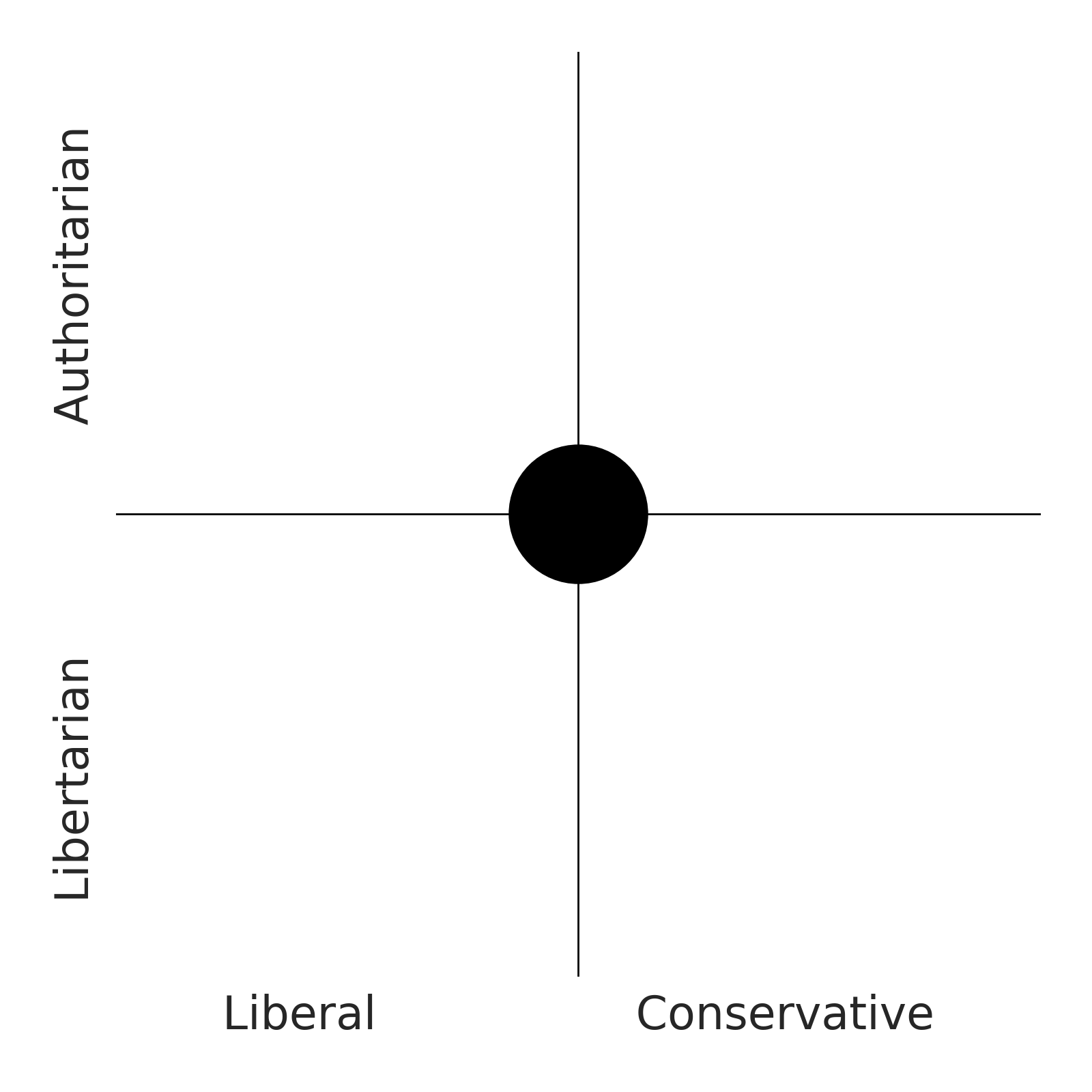
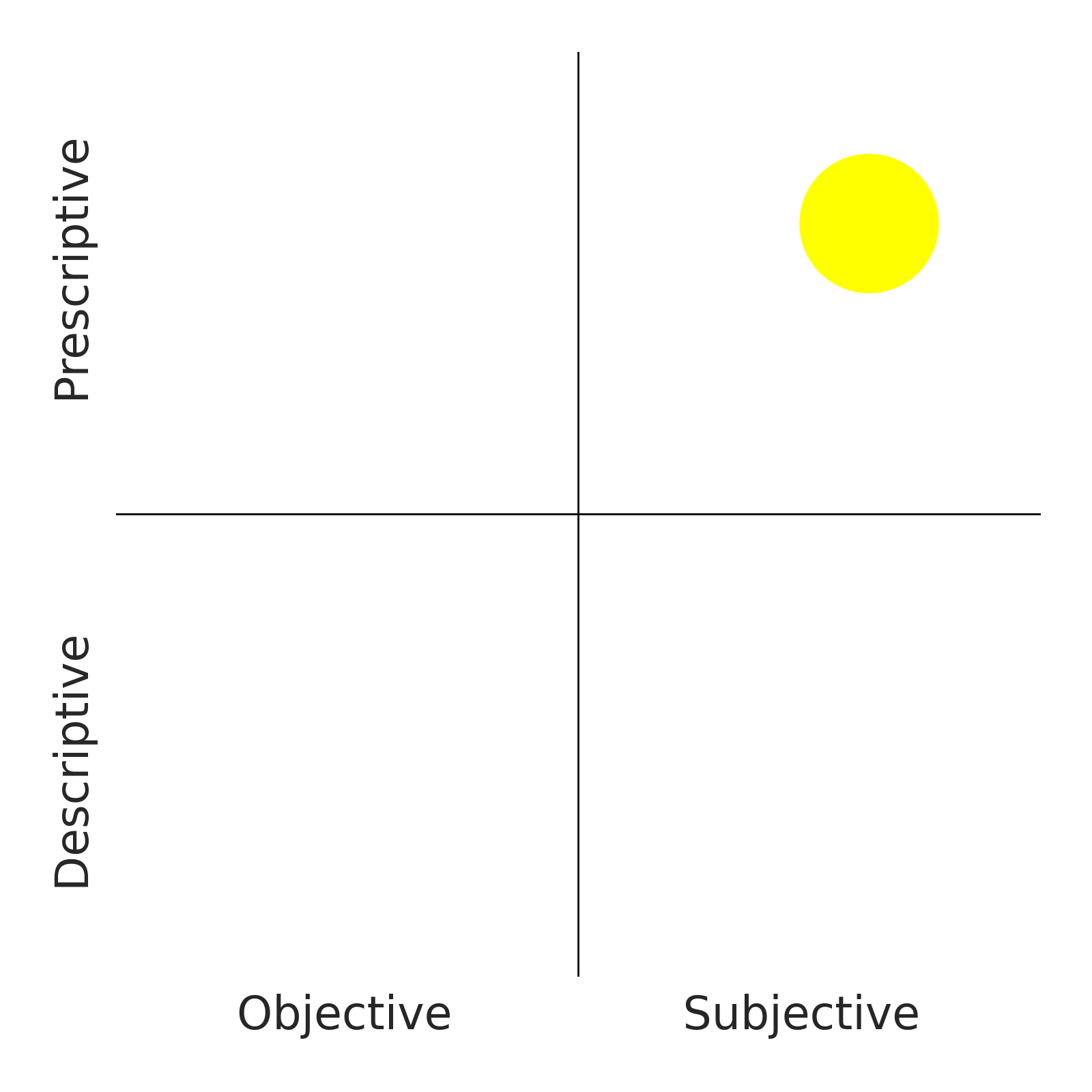
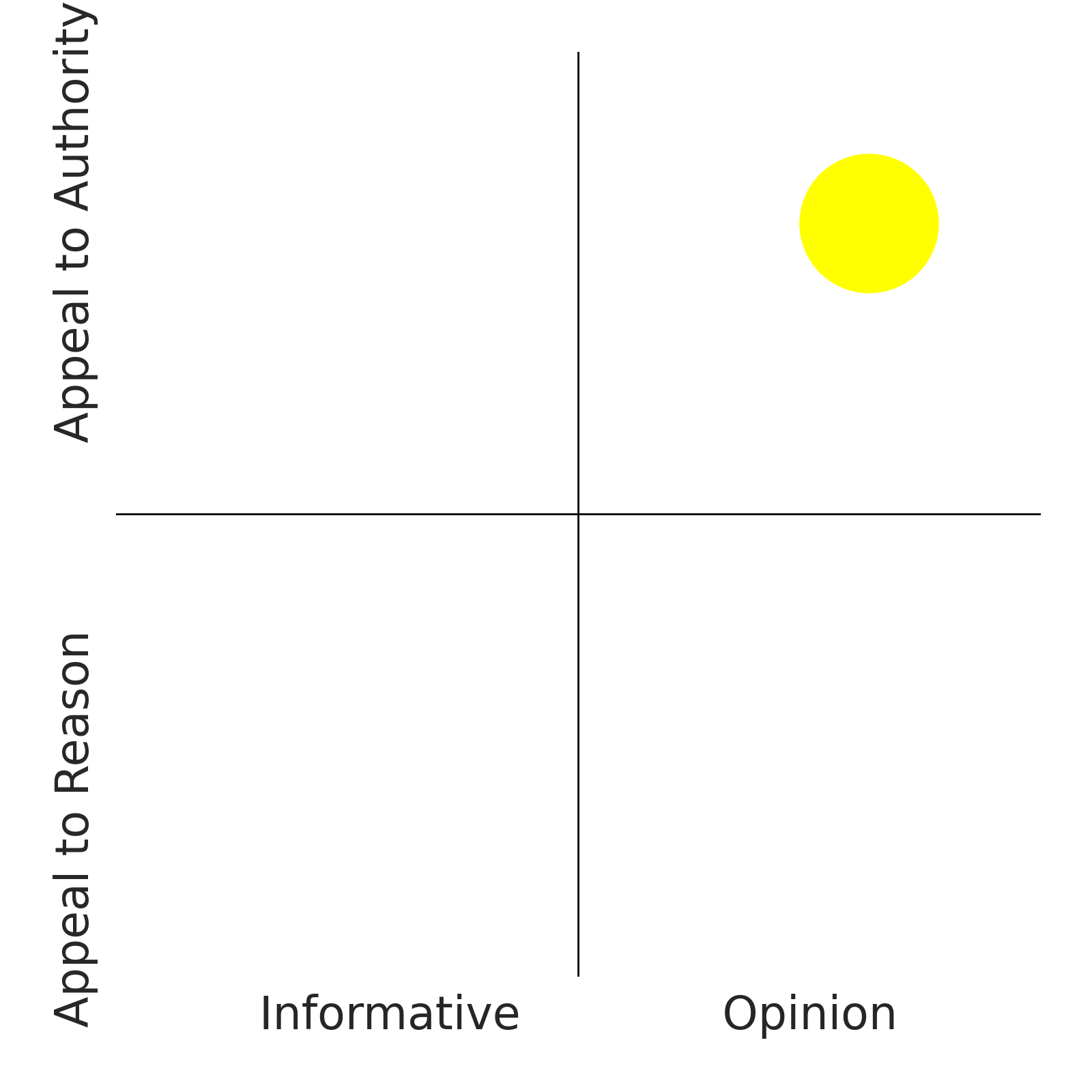
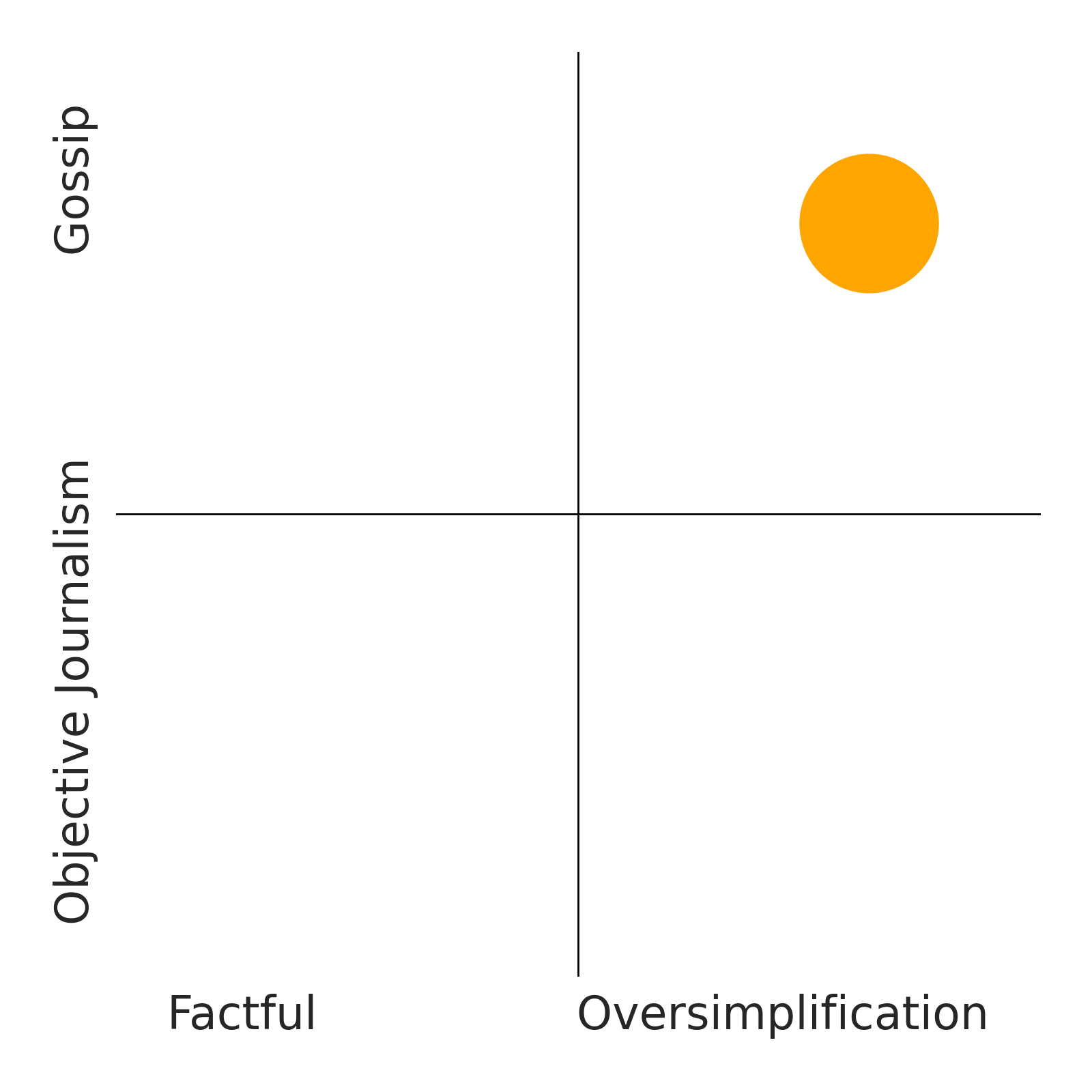
2026 © Helium Trades
Privacy Policy & Disclosure
* Disclaimer: Nothing on this website constitutes investment advice, performance data or any recommendation that any particular security, portfolio of securities, transaction or investment strategy is suitable for any specific person. Helium Trades is not responsible in any way for the accuracy
of any model predictions or price data. Any mention of a particular security and related prediction data is not a recommendation to buy or sell that security. Investments in securities involve the risk of loss. Past performance is no guarantee of future results. Helium Trades is not responsible for any of your investment decisions,
you should consult a financial expert before engaging in any transaction.
Helium Research Assistant

How can I help you today?
Ask any question about Kotaku bias.


