See whether Helium helps you make better-informed decisions. Try every Pro Trader feature for 30 days. No credit card required.
Try every Pro Trader feature for 30 days. No credit card required.
October 19, 2026 · 0 shares
Deal-oriented promotional framing presents the M4 Mac Mini discount as a compelling purchase while briefly acknowledging the M6 alternative and disclosing affiliate compensation.
Automated analysis; not human reviewed. Limitations: The supplied text appears scraped/truncated and includes repeated newsletter/sign-in boilerplate; the affiliate disclosure is missing the company name. · 5 of 55 available dimensions scored; omitted dimensions are not treated as neutral. · Verified supporting quotes for 5 of 5 scored dimensions.
Claim: Price facts are combined with subjective purchase judgments.
“However, at $649 it’s a much more tempting price.” · exact text match
“it’s a good time to buy if you want to spend as little as possible on a modern Mac desktop.” · exact text match
Why: The recommendation uses evaluative adjectives and advice beyond the stated prices.
Claim: The article offers explicit purchasing advice and a recommendation about the M6.
“I suggest checking out my colleague Antonio’s review of the M6 Mac Mini.” · exact text match
“The newer model might be well worth the extra $130 cost.” · exact text match
Why: The text gives direct purchase guidance and evaluative recommendation language.
Claim: The report cites concrete prices, launch context, linked reviews, and an affiliate disclosure.
“Read our review of the M4 Mac Mini and the M6 Mac Mini” · exact text match
“If you buy something from a link, may earn a commission. See our ethics statement.” · verified after text normalization
Why: Visible sourcing pointers and disclosure support moderate credibility, though it is a time-limited deal post.
Claim: The purchase advice is framed through price comparisons and trade-offs.
“Given that this sale price makes it just $50 more than the original price instead of $200, it’s a good time to buy” · exact text match
“the new, faster M6 version is only $130 more.” · exact text match
Why: The article uses explicit numerical comparisons and acknowledges the competing M6 option, indicating rational consumer-oriented reasoning.
Claim: The post promotes a specific retailer deal with commission disclosure and positive purchase language.
“Best Buy has a great deal for the rest of the day” · exact text match
“If you buy something from a link, may earn a commission.” · verified after text normalization
Why: The language and affiliate disclosure show strong promotional, deal-driven framing rather than neutral news reporting.
The supplied text appears scraped/truncated and includes repeated newsletter/sign-in boilerplate; the affiliate disclosure is missing the company name.
October 15, 2026 · 0 shares
Promotional consumer-tech framing uses preorder urgency and positive product hype while presenting checkout advice as neutral service.
Automated analysis; not human reviewed. Limitations: The supplied text is a short promotional preorder blurb with repeated page-chrome lines and a truncated first paragraph; no author or sourcing is provided. · 3 of 55 available dimensions scored; omitted dimensions are not treated as neutral. · Verified supporting quotes for 3 of 3 scored dimensions.
Claim: The framing is mildly optimistic about the product launch and preorder process.
“There’s a lot of hype for the iPhone Duo” · exact text match
“This will save you some time” · exact text match
Why: The article highlights positive hype and promised convenience, leaning favorable rather than critical.
Claim: The article mixes factual preorder details with evaluative and predictive claims about convenience and Apple's demand signal.
“This will save you some time, and you’ll jump ahead of people who are still customizing their iPhone Duo details.” · exact text match
“this system should provide Apple with a good sense of how many customers are willing to put down money before preorders open.” · exact text match
Why: The quoted lines assert benefits and forecast Apple's insight without citing evidence or sources.
Claim: The article uses promotional preorder language that encourages readers to buy the iPhone Duo.
“Prep your cart before iPhone Duo preorders open tomorrow.” · exact text match
“make the $1,999 foldable a little cheaper.” · exact text match
Why: The headline and price/trade-in language are framed as shopping incentives rather than neutral product reporting.
The supplied text is a short promotional preorder blurb with repeated page-chrome lines and a truncated first paragraph; no author or sourcing is provided.
September 25, 2026 · 0 shares
A promotional deals roundup frames Roku's first OLED TVs as exceptional bargains, pairing checkout codes and superlatives with a hedged, untested endorsement.
Automated analysis; not human reviewed. Limitations: The 65-inch deal is internally inconsistent in the supplied text ($1,299 list price, described as $400 off, yet stated as $799), so the exact discounted price is ambiguous. · 8 of 55 available dimensions scored; omitted dimensions are not treated as neutral. · Verified supporting quotes for 8 of 8 scored dimensions.
Claim: The write-up combines factual specs with evaluative judgments about value and picture quality.
“The $999 starting price was already impressive for the 55-inch Pro Series model” · exact text match
“they seem respectable if you want great picture quality without breaking the bank.” · exact text match
Counterevidence:
“We haven’t had a chance to test either model” · exact text match
Why: Subjective praise and 'seem' indicate the author's assessment rather than neutral reporting.
Claim: The text tells readers to enter specific checkout codes and directs them toward purchases.
“Enter the code ROKUOLED400 to bring the $1,299 65-inch Pro Series down to $799.” · exact text match
“The price is even lower right now at Amazon when you enter the code ROKUOLED300 at checkout.” · exact text match
Why: Imperative instructions and deal guidance prescribe a consumer action.
Claim: Value judgments are used to endorse the TVs.
“The $999 starting price was already impressive” · exact text match
“they seem respectable if you want great picture quality without breaking the bank.” · exact text match
Why: Evaluative wording presents subjective endorsement rather than purely factual price reporting.
Claim: A market-wide superlative is asserted without comparative evidence.
“making this the most affordable modern 55-inch OLED you can get right now” · exact text match
Why: The affordability claim generalizes across the market despite no cited price comparisons.
Claim: The wording is cheerfully encouraging about purchasing the TVs.
“If you’re more of a 65-inch TV kind of person, you’re in luck” · exact text match
“great picture quality without breaking the bank.” · exact text match
Why: Positive emotional cues support a favorable disposition toward the products.
Claim: Hedging and attribution are visible, but an internal price inconsistency and an unsupported superlative reduce credibility.
“We haven’t had a chance to test either model” · exact text match
“claims to be twice as bright as the Pro Series” · exact text match
Counterevidence:
“Enter the code ROKUOLED400 to bring the $1,299 65-inch Pro Series down to $799.” · exact text match
Why: The author signals uncertainty and attributes a manufacturer claim, yet the stated $400-off arithmetic does not match the $799 result and the 'most affordable' superlative is unsubstantiated.
Claim: The piece functions as promotional deal content, providing purchase codes and a newsletter pitch.
“The price is even lower right now at Amazon when you enter the code ROKUOLED300 at checkout.” · exact text match
“Sign up to get the best deals on products we’ve found and tested sent to your inbox.” · exact text match
Why: It actively drives purchases and signups rather than neutrally reporting news.
Claim: Roku products are promoted with favorable superlatives and no critical vendor caveats.
“making this the most affordable modern 55-inch OLED you can get right now” · exact text match
“The $999 starting price was already impressive” · exact text match
Why: The framing advances Roku's commercial interests without countervailing scrutiny.
The 65-inch deal is internally inconsistent in the supplied text ($1,299 list price, described as $400 off, yet stated as $799), so the exact discounted price is ambiguous.
October 04, 2026 · 0 shares
Frames the AirPods Pro 3 price cut as a fantastic, must-buy value over a rival model to encourage shopping during October Prime Day.
Automated analysis; not human reviewed. Limitations: The text is a short promotional excerpt with heavy boilerplate and no byline; analysis is limited to the deal framing it provides. · 55 of 55 available dimensions scored; omitted dimensions are not treated as neutral. · Verified supporting quotes for 8 of 55 scored dimensions.
Claim: The overall framing is subjective rather than neutral.
“fantastic sound” · exact text match
“much better value” · exact text match
Why: Descriptions are qualitative value judgments rather than objective specifications.
Claim: The article is optimistic and enthusiastic about the deal.
“a great one is happening now for October Prime Day” · exact text match
“The AirPods Pro 3 are a fantastic deal at $179.” · exact text match
Why: The language emphasizes a positive opportunity and strong value.
Claim: The article prescribes a purchase decision.
“You can snag a pair” · exact text match
“the AirPods Pro 3 are a much better value at just $30 more right now” · exact text match
Why: It directs readers toward buying and asserts a value ranking.
Claim: The post is heavily opinionated, evaluating the product and deal rather than neutrally reporting.
“The AirPods Pro 3 are a fantastic deal at $179.” · exact text match
“the AirPods Pro 3 are a much better value at just $30 more right now” · exact text match
Why: The central statements are subjective value judgments presented as conclusions.
Claim: The language carries positive emotional loading.
“fantastic deal” · exact text match
“fantastic sound” · exact text match
Why: Repeated superlative 'fantastic' conveys enthusiasm beyond factual reporting.
Claim: The article functions as promotional deal content with affiliate monetization and newsletter marketing.
“If you buy something from a link, may earn a commission. See our ethics statement.” · verified after text normalization
“Sign up to get the best deals on products we’ve found and tested sent to your inbox.” · exact text match
Why: The post promotes a product purchase and explicitly discloses affiliate commissions, plus a newsletter CTA.
Claim: The post includes a speculative forecast about future pricing.
“I expect other retailers to offer a similar price in the coming days.” · exact text match
Why: It projects future retail behavior without supporting data.
Claim: The post is transparent about its affiliate compensation.
“If you buy something from a link, may earn a commission. See our ethics statement.” · verified after text normalization
Why: The affiliate disclosure is an observable honesty signal, though the content remains promotional.
The text is a short promotional excerpt with heavy boilerplate and no byline; analysis is limited to the deal framing it provides.
October 07, 2026 · 0 shares
The article is a promotional deal roundup that frames Amazon's October Prime Day sale as offering practical value under $50, with affirmative product descriptions and no critical scrutiny of Amazon or the products.
Amazon holds an October Prime Day sales event; this article is a curated deal roundup tied to that event.
Automated analysis; not human reviewed. Limitations: The text is largely a deal listicle with truncated product blurbs and appended site chrome, limiting assessment of analytical framing. · 6 of 55 available dimensions scored; omitted dimensions are not treated as neutral. · Verified supporting quotes for 6 of 6 scored dimensions.
Claim: Product descriptions include subjective praise presented as fact.
“The EasySMX S10 is our favorite Switch 2 controller” · exact text match
Why: Subjective endorsements such as 'our favorite' and 'very welcome' are opinion presented within a deals list.
Claim: The content is a repetitive deal list designed to drive purchases.
“Sign up to get the best deals on products we’ve found and tested sent to your inbox.” · exact text match
Why: Promotional calls to action and repeated deal listings are characteristic of fluff/advertising content.
Claim: The article lacks sourcing, attribution, or critical scrutiny, reading as an uncritical product promotion.
“Getting in on the Prime Day action doesn’t have to result in an empty wallet.” · exact text match
Why: No sourcing or independent verification is provided; assertions of value are unsubstantiated.
Claim: The article functions as promotional marketing for Amazon's October Prime Day sale, framing purchases as practical value.
“We found some great October Prime Day deals under $50.” · exact text match
“many of which offer a lot of practical value” · exact text match
Why: The headline and framing explicitly promote deals and affirm their value, consistent with advertorial content.
Claim: The article frames Amazon's sale and products favorably, with no critical perspective on the corporation.
“October’s Amazon sale includes plenty of great gadgets for $50 or less” · exact text match
Why: Positive framing of Amazon's sale and products without critique indicates pro-corporate orientation.
Claim: The article includes minimal forward-looking or speculative content beyond deal availability.
“we’ll keep updating prices and stock into the evening” · exact text match
Why: Only mild forecasting about future price updates; otherwise fact-based product listing.
The text is largely a deal listicle with truncated product blurbs and appended site chrome, limiting assessment of analytical framing.
October 09, 2026 · 0 shares
Promotional deal framing presents the Samsung Galaxy S26 Ultra as a desirable Amazon purchase, using favorable price and feature emphasis.
Automated analysis; not human reviewed. Limitations: The supplied article text includes repeated subscription/boilerplate prompts and no author byline, so classification is based only on the visible deal/product content. · 55 of 55 available dimensions scored; omitted dimensions are not treated as neutral. · Verified supporting quotes for 11 of 55 scored dimensions.
Claim: The product assessment relies on evaluative, subjective language.
“a healthy discount from its usual price of $1,399.99” · exact text match
“Even beyond the privacy display, the S26 Ultra is an impressive flagship phone for mobile enthusiasts.” · exact text match
Why: Terms like 'healthy' and 'impressive' convey subjective evaluation.
Claim: Mild deal-hype language sensationalizes the discount.
“The Samsung Galaxy S26 Ultra is down to $950 after Prime Day.” · exact text match
Why: Emphasizing a price drop after a major sale event creates mild promotional excitement.
Claim: The deal and product are framed optimistically.
“a healthy discount from its usual price of $1,399.99” · exact text match
Why: Price-drop framing and favorable features present an optimistic purchase outlook.
Claim: The piece is mostly descriptive but implicitly recommends the deal.
“The Samsung Galaxy S26 Ultra is down to $950 after Prime Day.” · exact text match
Why: Deal framing signals readers should act or consider buying.
Claim: Subjective evaluations are presented alongside product facts.
“Even beyond the privacy display, the S26 Ultra is an impressive flagship phone for mobile enthusiasts.” · exact text match
Why: The publisher offers an unhedged positive judgment about the phone.
Claim: The content is largely promotional deal copy rather than original reporting.
“Amazon has the Samsung Galaxy S26 Ultra in black with 256GB of storage discounted to $949.99, a healthy discount from its usual price of $1,399.99.” · exact text match
Why: The core content is a product discount promotion with promotional product praise.
Claim: Positive emotional coloration favors the product.
“The upgraded camera hardware makes a big difference when it comes to photo quality, particularly in low lighting conditions.” · exact text match
Why: Strong positive phrasing about the camera's difference creates favorable emotional tone.
Claim: Credibility is limited by promotional framing despite concrete pricing.
“Amazon has the Samsung Galaxy S26 Ultra in black with 256GB of storage discounted to $949.99, a healthy discount from its usual price of $1,399.99.” · exact text match
Why: Specific price and storage details are verifiable, but the favorable deal framing reduces neutrality.
Claim: The framing promotes a specific commercial deal for Amazon and Samsung.
“Amazon has the Samsung Galaxy S26 Ultra in black with 256GB of storage discounted to $949.99, a healthy discount from its usual price of $1,399.99.” · exact text match
Why: Direct price promotion and favorable deal language advertise a particular product and retailer.
Claim: The publisher frames Amazon and Samsung favorably in a commercial context.
“Amazon has the Samsung Galaxy S26 Ultra in black with 256GB of storage discounted to $949.99, a healthy discount from its usual price of $1,399.99.” · exact text match
Why: Promoting a retailer discount and praising the manufacturer's device supports a pro-corporate commercial framing.
Claim: Loaded favorable descriptors encourage purchasing without critical qualification.
“a healthy discount” · exact text match
“impressive flagship phone” · exact text match
Why: Loaded evaluative terms function as promotional persuasion.
The supplied article text includes repeated subscription/boilerplate prompts and no author byline, so classification is based only on the visible deal/product content.
October 20, 2026 · 0 shares
The review is openly evaluative and promotional, using first-person enthusiasm and superlatives to frame Nintendo Switch Sports Resort as a best-in-series, lasting console staple.
Automated analysis; not human reviewed. Limitations: The supplied text includes repeated boilerplate and a truncated sentence, and no author byline is present. · 5 of 55 available dimensions scored; omitted dimensions are not treated as neutral. · Verified supporting quotes for 5 of 5 scored dimensions.
Claim: The review presents evaluative, first-person judgments as the central frame rather than neutral description.
“Wii Sports is back on the Switch 2, and it rules.” · exact text match
“it’s the best so far.” · exact text match
Why: The title and review verdict use first-person enthusiasm and superlatives, supporting a strongly subjective classification.
Claim: The review forecasts a lasting, successful role for the game on the Switch 2.
“one that will likely become a constant over the Switch 2’s life.” · exact text match
Why: The language predicts enduring relevance and success, an optimistic framing.
Claim: The article is built around explicit evaluative opinions about the game's quality.
“it’s the best so far.” · exact text match
“Wii Sports is back on the Switch 2, and it rules.” · exact text match
Why: The superlative verdict and headline are opinions rather than neutral factual claims.
Claim: The review uses positive affective language to describe the game and its setting.
“The island is surprisingly detailed and interesting to explore” · exact text match
Why: Positive descriptors convey favorable emotional valence.
Claim: The review frames a commercial game product in strongly promotional terms.
“it’s the best so far.” · exact text match
Counterevidence:
“I still find basketball to be a little too complex, and I just can’t seem to figure out a successful strategy in table tennis.” · exact text match
Why: Superlative praise and a headline verdict of 'it rules' function as promotional framing.
The supplied text includes repeated boilerplate and a truncated sentence, and no author byline is present.
October 20, 2026 · 0 shares
Enthusiastic first-person hands-on review foregrounds nostalgic comparison and personal preference, with some transparent caveats.
Automated analysis; not human reviewed. Limitations: The supplied text is a partial review with duplicated boilerplate and a sentence truncated at “turn-”; scores reflect only the available excerpt. · 6 of 55 available dimensions scored; omitted dimensions are not treated as neutral. · Verified supporting quotes for 6 of 6 scored dimensions.
Claim: The piece is mostly descriptive of gameplay and impressions rather than prescriptive advice.
“In Resonance, I’ve spent a lot of time wandering around a big world map to get from place to place, tackling random battles along the way and investigating little sparkles to pick up items.” · exact text match
Why: The quote illustrates the article's descriptive mode rather than a directive to readers.
Claim: The article is heavily evaluative and opinion-driven.
“which, for the most part, is a good thing” · exact text match
Why: The reviewer directly issues a value judgment about the gameplay.
Claim: The framing is emotionally positive toward the game.
“I was completely absorbed by the game in a way that only a Final Fantasy can pull off.” · exact text match
Why: The language conveys strong positive absorption and affection.
Claim: Credibility is moderate: the piece is transparent about hands-on experience but offers no external verification.
“at least during the 10 hours I’ve played” · exact text match
Why: The explicit play-time caveat signals fair disclosure, though the assessment remains personal.
Claim: The review discloses limits and includes caveats about the game.
“The story is pretty standard fare, at least during the 10 hours I’ve played.” · exact text match
“At times, Resonance can almost feel rudimentary” · exact text match
Why: Both quotes show the reviewer qualifying praise with time-limited judgment and criticism.
Claim: The article is reasonably intelligent in its detailed discussion of game mechanics.
“enemies have health bars and stagger bars, forcing you to be strategic instead of just mashing basic attacks” · exact text match
Why: The explanation shows specific mechanical understanding rather than vague praise.
The supplied text is a partial review with duplicated boilerplate and a sentence truncated at “turn-”; scores reflect only the available excerpt.
October 04, 2026 · 0 shares
A first-person review uses enthusiastic, superlative language and hands-on mechanical details to frame the OhSnap Wallet 2 as a cool, cleverly engineered phone accessory, while treating price and weight as the main caveats.
OhSnap makes magnetic smartphone accessories; the Wallet 2 is designed to attach magnetically to phones and work with the company's Snap Grip Stand.
Automated analysis; not human reviewed. Limitations: No external verification; based only on the author's personal testing and the supplied text. · 5 of 55 available dimensions scored; omitted dimensions are not treated as neutral. · Verified supporting quotes for 5 of 5 scored dimensions.
Claim: The review is built on the author's personal enthusiasm and subjective judgment rather than neutral product reporting.
“This toolless modular lever-action wallet is the coolest I’ve stuck to my phone.” · exact text match
Why: The opening uses a first-person superlative to frame the product as personally cool.
Claim: The article states opinions and preferences as evaluative conclusions about the product.
“My favorite part is that the whole kit snaps together using a compliant mechanism — the plastic arms of the card-carrying core act like springs, pushing a little locking mechanism into the notches of each modular cover you add as you slide the parts together.” · exact text match
Why: The phrase 'my favorite part' explicitly marks a personal preference and praises the engineering as clever.
Claim: The writing is positively charged and enthusiastic about the product.
“It’s the coolest wallet I’ve ever stuck to my phone.” · exact text match
Why: The superlative 'coolest' expresses strong positive emotion.
Claim: The review uses promotional, sales-like phrasing and emphasizes the product's cool factor.
“Pull the lever to fan your cards with the OhSnap Wallet 2.” · exact text match
Counterevidence:
“But the reason I’m not buying one is the price and weight.” · exact text match
Why: The tagline-like sentence and enthusiastic framing push the product, though the explicit decision not to buy tempers the advertorial tone.
Claim: The article discloses drawbacks and the author's decision not to buy, signaling fairness.
“There are definitely some downsides.” · exact text match
“But the reason I’m not buying one is the price and weight.” · exact text match
Why: The author explicitly acknowledges downsides and a personal refusal to buy rather than presenting an unqualified endorsement.
No external verification; based only on the author's personal testing and the supplied text.
October 07, 2026 · 0 shares
The coverage is straightforwardly promotional of Microsoft's Copilot announcements, relaying company claims and demos without critical scrutiny or independent sourcing.
Microsoft has been integrating its Copilot AI assistant across Windows and its product lineup; 'today's Windows and Surface event' refers to a Microsoft hardware and software announcement event.
Automated analysis; not human reviewed. · 51 of 55 available dimensions scored; omitted dimensions are not treated as neutral. · Verified supporting quotes for 15 of 51 scored dimensions.
Claim: The article frames the technology through the pronouncements of Microsoft executives and treats corporate product priorities as the central narrative.
“Jacob Andreou, Microsoft’s EVP of Copilot, walked through a video demo onstage” · exact text match
Why: Centering elite corporate executives and their framing, with no user or independent perspective, indicates an elitist orientation.
Claim: The article uncritically presents expanded corporate AI control over a user's files and OS actions as a straightforward upgrade.
“Microsoft is giving Copilot more control over Windows and your files.” · exact text match
Why: Presenting centralized corporate control over personal devices and files without privacy or autonomy concerns leans authoritarian rather than libertarian.
Claim: The report is largely an event recap organized around Microsoft's own framing and demo rather than independent verification.
“It’s part of an idea Microsoft is calling “Hybrid Intelligence,”” · exact text match
Why: Relaying the company's branded terminology and staged demo as the narrative is more subjective/promotional than objective.
Claim: Headline and framing use promotional, click-driven language about Copilot gaining control.
“Microsoft is giving Copilot more control over Windows and your files” · exact text match
Why: The phrasing emphasizes access and control in a way that is attention-grabbing rather than measured.
Claim: Product capabilities and timelines rest on statements by Microsoft executives rather than independent confirmation.
“Andreou said.” · exact text match
Why: Claims are validated through executive authority rather than independent testing or corroboration.
Claim: The article functions as full relay of Microsoft's event messaging and demo.
“Microsoft showed off an upgrade to its Copilot AI system that will give it access to local files on your PC and the ability to take actions across the OS.” · exact text match
Why: Coverage largely reproduces the company's announcement content, effectively covering Microsoft's response/messaging.
Claim: Capabilities are described as demonstrated and imminent with little hedging beyond attributing timelines to an executive.
“Microsoft showed off an upgrade to its Copilot AI system that will give it access to local files on your PC” · exact text match
Why: The article states product capabilities as settled facts without noting verification limits, though it does attribute timelines.
Claim: The supplied text contains repeated promotional digest subscription chrome and truncated event listing fragments.
“Posts from this topic will be added to your daily email digest and your homepage feed.” · exact text match
Why: Repetitive promotional subscription text is present, though the core narrative remains substantive.
Claim: The article adopts the perspective of a major tech corporation's announcement without any countervailing or critical voice.
“At today’s Windows and Surface event, Microsoft showed off an upgrade to its Copilot AI system” · exact text match
Why: Sourcing and framing align with a large incumbent company's messaging, indicating establishment alignment.
Claim: The piece reads like a near-verbatim product announcement, highlighting features and rollout without critical assessment.
“Features powered by Hybrid Intelligence will be coming to Copilot over the “next couple months,” Andreou said.” · exact text match
Why: Promotional product details and timelines are presented without independent context, resembling advertorial coverage.
Claim: The article's framing and sourcing consistently favor Microsoft's corporate narrative.
“Microsoft is giving Copilot more control over Windows and your files” · exact text match
Why: The subject, sourcing, and structure center a corporation's product messaging favorably.
Claim: The article relies on technical product claims and an onstage demo as evidence of capability.
“Autopilot then used Hybrid Intelligence to search across different folders to find the documents, rename the files, zip them into a folder, and draft an email to send to the accountant with the zip file attached.” · exact text match
Why: Claims are empirical/technical in nature and presented as demonstrated, leaning scientific rather than superstitious.
Claim: The framing emphasizes centralized corporate control over personal devices and collective platform administration.
“Microsoft is giving Copilot more control over Windows and your files.” · exact text match
Why: The described dynamic involves a large vendor gaining control over individual users' devices, leaning collectivist/systemic rather than individualist.
Claim: Future capabilities and timelines are reported on the basis of company statements without independent confirmation.
“Features powered by Hybrid Intelligence will be coming to Copilot over the “next couple months,” Andreou said.” · exact text match
Why: Forward-looking claims about forthcoming features constitute speculation grounded only in vendor statements.
Claim: The article selects only promotional company framing and omits any critical or privacy perspective.
“It’s part of an idea Microsoft is calling “Hybrid Intelligence,” where apps and tools rely on a mix of local and cloud AI models to accomplish tasks efficiently.” · exact text match
Why: Material omission of countervailing considerations and reliance on staged framing are observable compositional techniques.
The article adopts an uncritical, product-promotional tone toward Amazon's new Ring devices, presenting company claims without challenge or external sourcing.
Automated analysis; not human reviewed. Limitations: The article text is partly obscured by repeated boilerplate and truncated content, limiting full assessment of the complete original article. · 5 of 55 available dimensions scored; omitted dimensions are not treated as neutral. · Verified supporting quotes for 0 of 5 scored dimensions.
The article text is partly obscured by repeated boilerplate and truncated content, limiting full assessment of the complete original article.
October 20, 2026 · 0 shares
Promotion of corporate technology advancement through feature announcement framing
The report discusses the integration of AI functionality within automotive infotainment systems.
Automated analysis; not human reviewed. · 55 of 55 available dimensions scored; omitted dimensions are not treated as neutral. · Verified supporting quotes for 0 of 55 scored dimensions.
October 09, 2026 · 0 shares
Publisher framing emphasizes expert anxiety and academic-victimization language, casting OpenAI’s mathematics release as an overwhelming, poorly verified disruption that threatens careers even while acknowledging some results are impressive.
Automated analysis; not human reviewed. Limitations: Supplied article text omits the outlet name in several attribution phrases and includes repeated digest/navigation boilerplate, limiting precise source-context assessment. · 13 of 55 available dimensions scored; omitted dimensions are not treated as neutral. · Verified supporting quotes for 11 of 13 scored dimensions.
Claim: Publisher uses dramatic, alarm-laden language to heighten the release's perceived impact.
“‘Pure insanity': Mathematicians will need years to make sense of OpenAI's latest drop.” · exact text match
“repeated strikes by bigger and bigger bombs” · exact text match
Why: Headline and quoted metaphors emphasize shock and scale beyond neutral description.
Claim: Publisher's dominant tone is pessimistic about the release's effects on mathematics.
“a profound sense of disorientation” · exact text match
“Many described a bleak, almost existential mood hanging over the community” · exact text match
Why: Repeated descriptions stress dread, disorientation, and existential threat.
Claim: Publisher amplifies fear and anxiety among mathematicians.
“It is kind of hard to sleep at night” · exact text match
“Roney-Dougal said she dreaded another drop” · exact text match
Why: Selected quotes and framing foreground sleeplessness, dread, and repeated strikes.
Claim: Publisher mixes reported facts with evaluative framing about AI labs' behavior.
“The companies seem ready to move on instantly, long before the community has had any reasonable chance to digest what they’ve produced” · exact text match
Why: This is an evaluative characterization rather than a strictly factual statement.
Claim: Publisher frames mathematicians as victims of OpenAI's release.
“I have a bunch of friends and colleagues whose grant proposals have just been wiped out” · exact text match
“three people who had entire research programs obliterated” · exact text match
Why: Expert testimony centers on erased grants and obliterated research programs.
Claim: Publisher's tone is emotionally negative rather than neutral.
“bleak, almost existential mood” · exact text match
“dreaded another drop” · exact text match
Why: Repeated negative emotion terms set a despairing tone.
Claim: Publisher relies on named expert sources and attributed details, supporting credibility.
“Kevin Buzzard, a mathematics professor at Imperial College London, said he had identified numerous theorems” · exact text match
“OpenAI said only 300 top-line results out of 719 manuscripts had been formalized” · exact text match
Why: Named experts, attributed company statements, and quantified claims support trustworthiness.
Claim: Publisher emphasizes evidence, verification status, and uncertainty over emotional assertion.
“The degree to which each result had been verified varied wildly” · not found in supplied text
“many, but not all, of the manuscripts have been formalized” · exact text match
Why: Discussion foregrounds verification limits and variable evidence.
Claim: Publisher is critical of AI companies, especially OpenAI, for corporate behavior.
“the AI labs are completely ignoring this issue” · exact text match
“The companies seem ready to move on instantly” · exact text match
Why: Framing attributes disregard and haste to corporate AI labs.
Claim: Publisher is strongly scientific, focusing on formal verification and mathematical evidence.
“formalizations in Lean, a programming language and proof assistant that allows results to be verified computationally” · exact text match
Why: It highlights computational proof verification as a standard for assessing claims.
Claim: Publisher includes forecasts and rumors about future impacts and releases.
“Many estimated that making sense of everything the company just released could take the community years” · exact text match
“Rumors are already circulating among mathematicians about further releases” · exact text match
Why: It reports uncertain future estimates and rumors as part of the story.
Claim: Publisher demonstrates high integrity by attributing claims, noting uncertainty, and disclosing corrections.
“OpenAI said only 300 top-line results out of 719 manuscripts had been formalized, around 42 percent” · exact text match
“the removal of three papers due to a “sign error” it says invalidates an argument” · exact text match
Why: Specific attributed numbers and disclosed corrections indicate fair, transparent reporting.
Claim: Publisher provides detailed, nuanced, expert-informed analysis.
“OpenAI said only 300 top-line results out of 719 manuscripts had been formalized, around 42 percent” · exact text match
“The degree to which each result had been verified varied wildly” · not found in supplied text
Why: The reporting distinguishes scale, verification, expert reactions, and limitations.
Supplied article text omits the outlet name in several attribution phrases and includes repeated digest/navigation boilerplate, limiting precise source-context assessment.
The preview uses hype-skeptical, rhetorical framing of AI and robotics trends rather than neutral reporting.
Automated analysis; not human reviewed. Limitations: The supplied text contains only a short preview paragraph; repeated list items and sign-in/subscription text appear to be page chrome, limiting assessment of full-article framing. · 2 of 55 available dimensions scored; omitted dimensions are not treated as neutral. · Verified supporting quotes for 2 of 2 scored dimensions.
Claim: The preview frames tech earnings through rhetorical, evaluative statements rather than neutral description.
“Every company is suddenly an AI company.” · exact text match
Why: The hyperbolic generalization signals subjective framing.
Claim: The introduction expresses a skeptical opinion about repeated robot promises.
“We’ve been promised robots — again.” · exact text match
Why: The phrasing is an evaluative, skeptical take on industry claims, not a neutral fact.
The supplied text contains only a short preview paragraph; repeated list items and sign-in/subscription text appear to be page chrome, limiting assessment of full-article framing.
October 15, 2026 · 0 shares
A sympathetic, solution-oriented platform for anti-surveillance criticism that frames Flock and ALPR networks as a bipartisan privacy and security failure while emphasizing local democracy and remediation.
Automated analysis; not human reviewed. Limitations: No author byline is present; much of the content is quoted interview opinion from Benn Jordan rather than independent publisher reporting. · 17 of 55 available dimensions scored; omitted dimensions are not treated as neutral. · Verified supporting quotes for 15 of 17 scored dimensions.
Claim: The framing contrasts ordinary people and local democracy against unaccountable surveillance and elite institutions.
“We never voted for an insecure network of cameras on every street corner, and we’re certainly not being asked if we’re comfortable with access to this network being given to police officers with a penchant for abusing it.” · exact text match
“It definitely is democracy in action. That’s the good news.” · exact text match
Why: These quotes emphasize popular consent and grassroots democratic action, a populist framing.
Claim: The interview strongly favors privacy, consent, and limits on police surveillance authority over expanded surveillance powers.
“If I were to have it my way, police officers would not have access to Flock at all.” · exact text match
“We never voted for an insecure network of cameras on every street corner, and we’re certainly not being asked if we’re comfortable with access to this network being given to police officers with a penchant for abusing it.” · exact text match
Why: These statements advocate reducing police access to surveillance networks and emphasize lack of consent, a libertarian anti-authoritarian position.
Claim: The format and content are dominated by personal experience, opinion, and prescriptive views from the interviewee.
“If I were to have it my way, police officers would not have access to Flock at all.” · exact text match
Why: The interview privileges first-person opinion and experience over neutral reporting, making the framing subjective.
Claim: The interview contains high-interest elements such as security vulnerabilities, dark-web credentials, a banned convention, and Senate testimony.
“I started looking for Flock credentials on the dark web and I found some and they were coming from a Russian vendor.” · exact text match
“You went to the Flock Forward convention where they banned you. They canceled your hotel room, and then you set up Wi-Fi scanners and Bluetooth scanners outside.” · not found in supplied text
Why: The article covers unusual, high-stakes investigative details that are inherently interesting.
Claim: The interview moves beyond description to recommend specific policy compromises and remedies.
“These are all reasonable compromises that could have been made with relatively little expense.” · exact text match
“we should legislate a bunch of controls around that thing” · exact text match
Why: The article includes explicit policy prescriptions, not just description.
Claim: The discussion uses alarming language about surveillance, privacy loss, and authoritarian risks.
“Right now, it’s actually a really terrifying time that we’re in.” · exact text match
“privacy disaster” · exact text match
Why: The language conveys fear and alarm about surveillance, though not in a rage-baiting style.
Claim: The article is an opinion-rich interview in which the central speaker advocates strongly for specific surveillance policies and moral judgments.
“If I were to have it my way, police officers would not have access to Flock at all.” · exact text match
“I think they knew better and they didn’t have to do anything about it, because nobody made them.” · exact text match
Why: The content is primarily the interviewee's opinions and prescriptions, not neutral exposition.
Claim: The discussion centers on public policy, government surveillance, congressional hearings, and local elections.
“This hearing felt like the culmination of months and months of growing criticism and bipartisan backlash against Flock” · exact text match
“find out who’s voting for this stuff” · exact text match
Why: The article is heavily focused on political processes, legislation, and elections related to surveillance.
Claim: The interview criticizes government and law enforcement as failing to protect privacy and being complicit in surveillance expansion.
“Our government has been utterly asleep at the wheel, especially when it comes to security vulnerabilities, but that’s across the board.” · exact text match
“you wouldn’t consider a police officer or a police department to be Fourth Amendment defenders. They would be on the other side of that argument.” · exact text match
Why: The framing is anti-establishment in its critique of government and police institutions.
Claim: The emotional tone is predominantly negative toward surveillance and its risks, while occasionally positive about democratic solutions.
“Right now, it’s actually a really terrifying time that we’re in.” · exact text match
“It definitely is democracy in action. That’s the good news.” · exact text match
Why: Negative affect dominates the discussion of surveillance, with some hopeful notes about local democracy.
Claim: The report cites Reuters, names specific officials and companies, and includes right-of-reply and attribution.
“Last week, Reuters reported that Flock plans to cut about 18 percent of its workforce.” · exact text match
“Flock is now under investigation by Republican Sen. Josh Hawley.” · exact text match
Why: Sourcing, named entities, and attribution support high credibility.
Claim: The discussion relies on empirical testing, evidence gaps, and criminological research rather than emotional assertion.
“we’ve never tested this. We’ve never had a city in a vacuum where we put in a bunch of cameras.” · exact text match
“crime relocation is a real thing.” · exact text match
Why: The article highlights lack of evidence for surveillance efficacy and cites criminological concepts, indicating a rational orientation.
Claim: The framing is skeptical of corporate surveillance vendors and portrays their profit motives as driving surveillance expansion.
“Flock is a for-profit tech startup. Of course they’re going to do whatever they can to stay competitive. That’s their job that we give them as a society.” · exact text match
“companies are always going to make money and try to make as much money as they can” · exact text match
Why: The article emphasizes corporate profit incentives and criticizes surveillance vendors, indicating an anti-corporate tilt.
Claim: The discussion favors empirical testing, security research, and criminological evidence over unsupported claims.
“we’ve never tested this. We’ve never had a city in a vacuum where we put in a bunch of cameras.” · exact text match
“Research needs to be done” · exact text match
Why: The article repeatedly calls for evidence and testing, aligning with a scientific orientation.
Claim: The framing prioritizes individual consent and personal privacy over collective surveillance programs.
“I have no option to do that. I was never given an option on whether to vote for them or vote for somebody who was in favor of them.” · exact text match
“I don’t want these Flock cameras or Axon cameras or whatever they are tracking my every move and giving it to law enforcement.” · exact text match
Why: The argument centers on individual autonomy and lack of consent to surveillance.
Claim: The publisher signals fairness by inviting the company CEO to respond and disclosing editing practices.
“we have also invited Flock’s CEO on the show; Garrett if you’re listening, we would love to have you.” · exact text match
“This interview has been lightly edited for length and clarity.” · exact text match
Why: Offering right of reply and disclosing transcript editing are visible integrity signals.
Claim: The discussion demonstrates high analytical complexity by distinguishing hardware from network effects, security from policy, and evidence from sales claims.
“The idea of the Flock camera being the problem is secondary to the Flock network being the problem.” · exact text match
“Most of the things that are being promised by people like Garrett Langley, the CEO of Flock, and Jamie Siminoff, the CEO of Ring, are their sales tactics.” · not found in supplied text
Why: The article sustains nuanced technical, legal, and criminological analysis, indicating high intelligence.
No author byline is present; much of the content is quoted interview opinion from Benn Jordan rather than independent publisher reporting.
October 22, 2026 · 0 shares
Uses named legal experts and cautious possibility language to frame Meta’s revised business terms as still potentially enabling AI-related scraping, while including Meta’s denial and not adopting an unqualified conclusion.
Automated analysis; not human reviewed. Limitations: The supplied text contains duplicated site boilerplate and a truncated quotation, but the substantive report remains legible. · 4 of 55 available dimensions scored; omitted dimensions are not treated as neutral. · Verified supporting quotes for 4 of 4 scored dimensions.
Claim: The report is largely objective, attributing the scraping-risk framing to named legal experts and including Meta’s denial.
“James Grimmelmann, a professor of digital and information law at Cornell Law School, tells Nieman Lab” · exact text match
“Meta spokesperson Daniel Roberts reiterated” · exact text match
Why: The publisher presents competing attributed views rather than adopting an unqualified stance.
Claim: The report has high credibility through named legal experts, direct quotes, and Meta’s response.
“James Grimmelmann, a professor of digital and information law at Cornell Law School, tells Nieman Lab” · exact text match
“Meta spokesperson Daniel Roberts reiterated” · exact text match
Why: Named sourcing and inclusion of the company’s response provide visible verification and balance.
Claim: The report frames Meta’s revised terms as still potentially enabling scraping, using possibility language rather than asserting it will happen.
“Meta's AI could still scrape news sites, legal experts say” · exact text match
“the tweaks might not be enough to rule out that possibility” · exact text match
Why: The headline and text emphasize an unresolved legal possibility based on expert interpretation.
Claim: The report includes Meta’s denial and does not present the legal experts’ concerns as established fact.
“Meta has maintained that its new terms aren’t designed to scrape news content for free.” · exact text match
“the tweaks might not be enough to rule out that possibility” · exact text match
Why: Including the company’s denial and uncertainty signals fair, honest presentation.
The supplied text contains duplicated site boilerplate and a truncated quotation, but the substantive report remains legible.
A neutral, attribution-heavy product-launch brief that hedges unannounced Apple details as Bloomberg-reported expectations.
Automated analysis; not human reviewed. Limitations: The supplied text is brief, includes repeated boilerplate, and truncates the OLED headline, limiting assessment. · 5 of 55 available dimensions scored; omitted dimensions are not treated as neutral. · Verified supporting quotes for 5 of 5 scored dimensions.
Claim: Product launch details are attributed to Bloomberg and framed as expectations rather than first-person commentary.
“according to Bloomberg” · exact text match
“is expected to be” · exact text match
Why: Sourcing and expectation language support an objective rather than subjective presentation.
Claim: The event is described with plain scheduling and product language, without alarmist or hyperbolic wording.
“Apple has sent invites to a second product launch this month” · exact text match
Why: The neutral invitation wording is consistent with low sensationalism.
Claim: The report names Bloomberg as the source for expected products and uses hedging for unconfirmed specifications.
“according to Bloomberg” · exact text match
“will apparently finally get an OLED screen” · exact text match
Why: Named sourcing and hedging are visible credibility signals in the supplied text.
Claim: The launch report uses sourced, hedged statements rather than unsupported inference.
“according to Bloomberg” · exact text match
“is expected to be” · exact text match
Why: Attribution to Bloomberg and expectation phrasing indicate rational, evidence-qualified framing.
Claim: Much of the product lineup is unannounced and framed as expected or planned.
“The big announcement is expected to be a new MacBook Pro with an OLED touchscreen” · exact text match
“according to Bloomberg” · exact text match
Why: The article reports future, unconfirmed product plans using expectation and attribution language.
The supplied text is brief, includes repeated boilerplate, and truncates the OLED headline, limiting assessment.
October 20, 2026 · 0 shares
The report is measured and attribution-driven, presenting the Google Home data bug as an unresolved technical issue with qualified scope and a company-stated fix.
Automated analysis; not human reviewed. Limitations: The supplied text is truncated by an ellipsis and interspersed with repeated page-chrome and syndication fragments, so some original context may be missing. · 7 of 55 available dimensions scored; omitted dimensions are not treated as neutral. · Verified supporting quotes for 7 of 7 scored dimensions.
Claim: The central technical claim is attributed and explicitly uncertain, not presented as the author's subjective interpretation.
“The bug, reported by 9to5Google and several Reddit users over the last week, may be caused by the speakers failing to correctly download and install a firmware update” · exact text match
Why: Attribution plus 'may be caused' supports an objective framing.
Claim: The article qualifies the issue's scope instead of dramatizing how widespread it is.
“Most of the reports are tied specifically to the new Google Home Speaker model, but it isn’t clear how widespread the issue is.” · exact text match
Why: Explicit uncertainty about scope keeps the framing measured rather than sensational.
Claim: The article attributes key claims to named sources and Google while acknowledging unresolved scope.
“The bug, reported by 9to5Google and several Reddit users over the last week, may be caused by the speakers failing to correctly download and install a firmware update” · exact text match
“Most of the reports are tied specifically to the new Google Home Speaker model, but it isn’t clear how widespread the issue is.” · exact text match
Why: Visible sourcing, attribution, and stated uncertainty support high credibility.
Claim: The report attributes the bug to named sources and hedges its possible cause rather than asserting an unsupported explanation.
“The bug, reported by 9to5Google and several Reddit users over the last week, may be caused by the speakers failing to correctly download and install a firmware update” · exact text match
Why: Named attribution and 'may be caused' indicate evidence-based, hedged reasoning.
Claim: The article includes only a cautious, hedged causal hypothesis about the firmware update.
“may be caused by the speakers failing to correctly download and install a firmware update” · exact text match
Why: The speculative element is limited and signaled with 'may be caused'.
Claim: The report discloses efforts to obtain more information and confirm affected devices.
“We’ve reached out to Google to request more information about the cause and confirm impacted devices.” · exact text match
Why: Disclosing an outreach attempt supports transparency and fair reporting.
Claim: The report contextualizes the anomaly by comparing affected and unaffected device data use.
“9to5Google reports another Home Speaker in a different household downloaded just 2GB in the past month, compared to to 132GB used by an impacted device over the same period.” · exact text match
Why: The baseline-versus-affected comparison reflects analytical context.
The supplied text is truncated by an ellipsis and interspersed with repeated page-chrome and syndication fragments, so some original context may be missing.
October 21, 2026 · 0 shares
Framing is mostly factual and attributed, with mild critical color from “shell out” and a headline that foregrounds Meta’s hypothetical profit absent a child-safety settlement.
Automated analysis; not human reviewed. Limitations: The supplied text includes repeated subscriber-digest boilerplate and a truncated August settlement passage, which limits context; no author is identified. · 8 of 55 available dimensions scored; omitted dimensions are not treated as neutral. · Verified supporting quotes for 6 of 8 scored dimensions.
Claim: The central claims are presented as reported financial and legal facts with explicit attribution.
“That’s according to the company’s third-quarter earnings report released on Wednesday, which says Meta’s income from operations would have been $22.89 billion without the settlement.” · exact text match
Why: The key financial claim is tied to a company earnings report rather than presented as the publisher’s interpretation.
Claim: The framing is largely factual, though colloquial wording adds a slight critical edge.
“Meta had to shell out $9.89 billion to pay for a chunk of the child safety settlement it reached with US attorneys general.” · exact text match
Why: The phrase “shell out” is mildly colorful but the surrounding passage remains numerically factual.
Claim: Credibility is supported by named disclosures, exact figures, court attribution, and direct company quotation.
“That’s according to the company’s third-quarter earnings report released on Wednesday, which says Meta’s income from operations would have been $22.89 billion without the settlement.” · exact text match
Why: The article cites the earnings report and gives specific figures, improving verifiability.
Claim: The report grounds its central figures in Meta’s Q3 earnings report and settlement details rather than unsupported assertion.
“That’s according to the company’s third-quarter earnings report released on Wednesday, which says Meta’s income from operations would have been $22.89 billion without the settlement.” · exact text match
Why: Specific accounting figures are attributed to a named financial disclosure, supporting rational/factual framing.
Claim: A forward-looking line forecasts possible future litigation costs beyond the reported settlement.
“The company may have even bigger litigation costs in its future, as a New Mexico court ordered Meta to pay $25 billion over the Cambridge Analytica scandal on Wednesday.” · exact text match
Why: The word “may” introduces a modest forecast about future costs.
Claim: The report attributes the child-harm allegation to the lawsuit and includes Meta’s own financial statement, showing fair attribution.
“In August, Meta agreed to pay $17.1 billion to settle a massive nationwide lawsuit that claimed the company harmed children by making its social media platforms “addictive” by design.” · exact text match
Why: The contested allegation is explicitly framed as what the lawsuit claimed, not as established fact.
The supplied text includes repeated subscriber-digest boilerplate and a truncated August settlement passage, which limits context; no author is identified.
The report adopts a largely neutral, attributed-news framing, centering Trump's Truth Social announcement and official execution details without explicit editorializing.
Automated analysis; not human reviewed. Limitations: The supplied article is very short and includes repeated digest boilerplate and a truncated quote, limiting assessment of publisher framing. · 8 of 55 available dimensions scored; omitted dimensions are not treated as neutral. · Verified supporting quotes for 8 of 8 scored dimensions.
Claim: The publisher's own prose does not use partisan or ideological labels to frame Trump's decision.
“The execution of Fort Hood shooter Nidal Hasan will not be livestreamed as Secretary of Defense Pete Hegseth had previously announced.” · exact text match
Why: The statement is a neutral factual report without liberal or conservative characterization.
Claim: The article relies on observable facts and attributed statements rather than subjective commentary.
“Hasan, a former US Army major, was convicted of killing 13 people at a Texas military base in 2009.” · exact text match
Why: The sentence reports a conviction and casualty count without evaluative adjectives.
Claim: Despite the subject of execution, the report uses measured, non-sensational language.
“The execution of Fort Hood shooter Nidal Hasan will not be livestreamed as Secretary of Defense Pete Hegseth had previously announced.” · exact text match
Why: The lead states the policy change plainly without sensational modifiers.
Claim: The article describes the decision and schedule rather than prescribing a policy position.
“The execution of Fort Hood shooter Nidal Hasan will not be livestreamed as Secretary of Defense Pete Hegseth had previously announced.” · exact text match
Why: The article states what will happen without recommending what should happen.
Claim: The article centers on a political decision by President Trump and a prior announcement by Secretary of Defense Pete Hegseth.
“Trump calls off livestream of execution.” · exact text match
“Secretary of Defense Pete Hegseth had previously announced.” · exact text match
Why: The main development and actors are governmental and political, making the article highly political in content.
Claim: The article hedges an extraordinary historical claim and attributes the policy change to a named official source.
“If Hasan’s execution had been livestreamed, it would have reportedly been the first public execution in the US since the 1930s.” · exact text match
“Donald Trump announced the plan was off in a post on Truth Social:” · exact text match
Why: The use of 'reportedly' signals appropriate uncertainty, and the decision is tied to a specific attributed source.
Claim: The article presents the event in sober, factual terms without irrational or conspiratorial framing.
“Hasan, a former US Army major, was convicted of killing 13 people at a Texas military base in 2009.” · exact text match
Why: This is a factual, verifiable-sounding statement that grounds the report in legal and historical detail.
Claim: The report attributes the announcement to a named source and provides contextual facts.
“Donald Trump announced the plan was off in a post on Truth Social:” · exact text match
Why: Attribution to Trump's Truth Social post makes the source of the claim transparent.
The supplied article is very short and includes repeated digest boilerplate and a truncated quote, limiting assessment of publisher framing.
October 19, 2026 · 0 shares
The report is largely neutral and attribution-driven, presenting the giveaway as an announced proposal with sourcing to Trump, Musk, the White House, and CNBC.
Automated analysis; not human reviewed. Limitations: The supplied text is very brief and includes repeated page-chrome boilerplate, limiting confidence in broader framing judgments. · 7 of 55 available dimensions scored; omitted dimensions are not treated as neutral. · Verified supporting quotes for 7 of 7 scored dimensions.
Claim: The report uses cautious attribution rather than subjective interpretation.
“Trump appeared to confirm the plan in a post on Truth Social.” · exact text match
Why: The hedge “appeared to confirm” shows attribution and epistemic caution.
Claim: The article’s lead is a plain factual announcement without sensational language.
“President Donald Trump announced this afternoon that Elon Musk’s SpaceX shares for children will be given through Trump Accounts.” · exact text match
Why: The sentence states the development directly without emotional or dramatic wording.
Claim: The report describes Musk’s pledge without advocating a policy.
“Musk said earlier today that he would give one of his SpaceX shares to “every kid in America” sometime next year.” · exact text match
Why: The pledge is reported as Musk’s statement rather than as a publisher recommendation.
Claim: The report attributes claims and quotes rather than editorializing.
“Musk said earlier today that he would give one of his SpaceX shares to “every kid in America” sometime next year.” · exact text match
Why: The statement is presented as Musk’s claim, not as publisher opinion.
Claim: The central development is a presidential and White House policy announcement.
“President Donald Trump announced this afternoon that Elon Musk’s SpaceX shares for children will be given through Trump Accounts.” · exact text match
“The White House said 60 million of the tax-advantaged accounts for kids were created automatically in October.” · exact text match
Why: The report is centered on political actors and a government-associated account program.
Claim: The report attributes key figures to named sources.
“Given the value of SpaceX’s stock on Friday, 72 million shares would be worth approximately $10.5 billion, according to CNBC.” · exact text match
“The White House said 60 million of the tax-advantaged accounts for kids were created automatically in October.” · exact text match
Why: Valuation and account figures are tied to CNBC and the White House.
Claim: The report uses an attributed numerical valuation rather than emotive reasoning.
“Given the value of SpaceX’s stock on Friday, 72 million shares would be worth approximately $10.5 billion, according to CNBC.” · exact text match
Why: A quantified estimate is presented with attribution, supporting a rational framing.
The supplied text is very brief and includes repeated page-chrome boilerplate, limiting confidence in broader framing judgments.
October 22, 2026 · 0 shares
Uses named legal experts and cautious possibility language to frame Meta’s revised business terms as still potentially enabling AI-related scraping, while including Meta’s denial and not adopting an unqualified conclusion.
Automated analysis; not human reviewed. Limitations: The supplied text contains duplicated site boilerplate and a truncated quotation, but the substantive report remains legible. · 4 of 55 available dimensions scored; omitted dimensions are not treated as neutral. · Verified supporting quotes for 4 of 4 scored dimensions.
Claim: The report is largely objective, attributing the scraping-risk framing to named legal experts and including Meta’s denial.
“James Grimmelmann, a professor of digital and information law at Cornell Law School, tells Nieman Lab” · exact text match
“Meta spokesperson Daniel Roberts reiterated” · exact text match
Why: The publisher presents competing attributed views rather than adopting an unqualified stance.
Claim: The report has high credibility through named legal experts, direct quotes, and Meta’s response.
“James Grimmelmann, a professor of digital and information law at Cornell Law School, tells Nieman Lab” · exact text match
“Meta spokesperson Daniel Roberts reiterated” · exact text match
Why: Named sourcing and inclusion of the company’s response provide visible verification and balance.
Claim: The report frames Meta’s revised terms as still potentially enabling scraping, using possibility language rather than asserting it will happen.
“Meta's AI could still scrape news sites, legal experts say” · exact text match
“the tweaks might not be enough to rule out that possibility” · exact text match
Why: The headline and text emphasize an unresolved legal possibility based on expert interpretation.
Claim: The report includes Meta’s denial and does not present the legal experts’ concerns as established fact.
“Meta has maintained that its new terms aren’t designed to scrape news content for free.” · exact text match
“the tweaks might not be enough to rule out that possibility” · exact text match
Why: Including the company’s denial and uncertainty signals fair, honest presentation.
The supplied text contains duplicated site boilerplate and a truncated quotation, but the substantive report remains legible.
October 21, 2026 · 0 shares
Attribution-heavy correction framing that centers a company spokesperson's verbatim denial and explicitly notes the outlet's own earlier reporting was mistaken.
YouTube has previously altered dislike-related features, including hiding public dislike counts in 2021 and removing the dislike button from Shorts, making new UI changes a sensitive topic for creators and users.
Automated analysis; not human reviewed. · 9 of 55 available dimensions scored; omitted dimensions are not treated as neutral. · Verified supporting quotes for 9 of 9 scored dimensions.
Claim: No ideological framing is evident.
“YouTube says it isn’t testing hiding the dislike button” · exact text match
Why: Tech product reporting with no left-right framing.
Claim: The report is structured around verifiable statements and a verbatim spokesperson quote rather than opinion.
“Here’s the full statement, from spokesperson Kimberly Taylor:” · exact text match
Why: Direct quotation and attribution anchor the framing in factual reporting.
Claim: The headline and framing are matter-of-fact, avoiding dramatic language.
“YouTube says it isn’t testing hiding the dislike button” · exact text match
Why: Plain declarative headline with no sensational devices.
Claim: The piece reports changes without recommending action.
“YouTube hid the public dislike count on videos starting in 2021 as a way to prevent harassment” · exact text match
Why: Describes historical and current changes factually without prescription.
Claim: No political framing is present.
“Here’s the full statement, from spokesperson Kimberly Taylor:” · exact text match
Why: Content is a product/UI announcement with no political dimension.
Claim: Claims are bounded by attribution and stated rollout uncertainty.
“The new UI is rolling out to creators in “the coming weeks,” Taylor says.” · exact text match
Why: Vague timing attributed to the source rather than asserted as certain.
Claim: Sourcing is clear, with named spokesperson and verbatim quotes.
“We are not testing hiding the dislike button on YouTube for users.” · exact text match
Why: Named source plus full quote supports visible sourcing and attribution.
Claim: Speculation about the earlier claim is resolved by confirmed statements rather than forecast.
“confirmed that YouTube is “not testing hiding the dislike button on YouTube for users.”” · exact text match
Why: Resolution via confirmed statement limits forecasting.
Claim: The outlet explicitly corrects its own prior reporting on the record.
“On Tuesday, I published a story about how YouTube appeared to be testing hiding the dislike button on videos” · exact text match
Why: Acknowledging and correcting its own earlier claim signals honesty and transparency.
October 22, 2026 · 0 shares
The framing is sarcastic and heavily opinionated, treating the potential merger as a Musk control-and-payday play while mixing reported facts with speculative and insulting commentary.
Automated analysis; not human reviewed. Limitations: The supplied text includes repeated subscription boilerplate and some quoted commentary whose attribution to the publisher versus quoted sources is occasionally ambiguous. · 11 of 55 available dimensions scored; omitted dimensions are not treated as neutral. · Verified supporting quotes for 10 of 11 scored dimensions.
Claim: The merger analysis is framed through first-person judgment and sarcastic commentary.
“So on a numbers basis, I kind of think no, not really, not that good for SpaceX.” · exact text match
Why: Explicit first-person evaluation and colloquial phrasing make the framing subjective.
Claim: The prose uses exaggerated insults and profanity to heighten the narrative.
“The man has an attention span of a squirrel on cocaine.” · not found in supplied text
Why: The insulting simile is sensational rather than neutral reporting.
Claim: The article is financially skeptical of the merger's benefit to SpaceX, citing Tesla stagnation and expensive AI ambitions.
“Tesla’s business is stagnating, and its AI ambitions are expensive.” · exact text match
Why: The negative financial characterization outweighs the article's mixed conclusion, supporting a bearish lean.
Claim: The article includes personal gossip about Musk's attention span, social media habits, and political feuds.
“He’s on X basically constantly and often racistly. He keeps showing up at the White House to do stuff that pisses off would-be Tesla customers.” · exact text match
Why: Personal habits and feuds are presented as relevant to the corporate story, supporting a gossipy framing.
Claim: The article is heavily opinionated, using first-person judgments throughout.
“This is, at least from my point of view, a better bet when it comes to building data centers than some Bitcoin miners who pivoted.” · exact text match
Why: First-person evaluative language explicitly signals opinion rather than neutral reporting.
Claim: The article injects political commentary about Musk's DOGE role and the regulatory environment.
“The current regulatory environment is, in large part due to Musk’s meddling via his DOGE cronies, let’s say lax.” · exact text match
Why: The claim ties merger timing to political actors and regulatory posture, making the article political.
Claim: The article uses profanity and juvenile insults.
“Basically all you have to do is say “Nvidia” and someone will give you a fuckton of money” · exact text match
Why: The crude phrasing is a clear signal of immature/rage-baiting style.
Claim: The article's emotional polarity is strongly negative toward Tesla and Musk.
“its earnings sucked — a second consecutive quarter of declining profits.” · exact text match
Why: The colloquial negative judgment conveys a strong negative emotional valence.
Claim: The article mixes named sourcing with heavy first-person speculation, yielding mixed credibility as a news account.
“says Gil Luria, an analyst at DA Davidson.” · exact text match
“So on a numbers basis, I kind of think no, not really, not that good for SpaceX.” · exact text match
Why: Named sourcing supports some credibility, while first-person evaluative speculation lowers it.
Claim: The article often uses dismissive sarcasm and emotive rhetoric rather than measured reasoning.
“Sure, let's smoosh SpaceX and Tesla together, who cares.” · exact text match
Why: The opening sarcastically dismisses the merger question, coloring the analysis with irrational/emotive framing.
Claim: The article repeatedly speculates about Musk's motives and the merger's future.
“On the other hand, if you view Mars as a useful fiction Musk uses to explain his antics in public, well, there’s a lot of money and a lot of control Musk gets from the merger.” · exact text match
Why: The hypothetical framing about Musk's motives is speculative rather than factual reporting.
The supplied text includes repeated subscription boilerplate and some quoted commentary whose attribution to the publisher versus quoted sources is occasionally ambiguous.
October 19, 2026 · 0 shares
Casual, skeptical financial commentary frames CoreWeave as a bellwether for an AI debt boom, balancing alarming market signals with caveats about customer contracts.
Automated analysis; not human reviewed. Limitations: No author byline or publication date is stated in the supplied article text. · 14 of 55 available dimensions scored; omitted dimensions are not treated as neutral. · Verified supporting quotes for 14 of 14 scored dimensions.
Claim: The article uses first-person judgments and exclamatory evaluation rather than neutral exposition.
“Its shares are down more than 20 percent since Tuesday’s close, which is kind of a lot!” · exact text match
“I am not so sure.” · exact text match
Why: Both are authorial, evaluative interjections that frame the facts subjectively.
Claim: The presentation uses dramatic, alarm-adjacent language about CoreWeave's debt and AI-industry risk.
“Does anyone else hear that ticking sound?” · exact text match
“CoreWeave's debt is becoming the whole AI industry's problem.” · exact text match
Why: The ticking metaphor and sweeping title amplify risk beyond a flat financial report.
Claim: The article leans cautious-to-bearish on CoreWeave and AI-buildout debt.
“CoreWeave is the poster child for AI debt, and as of its second quarter earnings, owed more than $35 billion.” · exact text match
“It’s just not clear the bare-metal business is a good one.” · exact text match
Why: It foregrounds debt distress and questions the business model while noting some cushion.
Claim: The overall tone is cautious and pessimistic about CoreWeave’s debt trajectory, though not apocalyptic.
“CoreWeave had a bad week last week.” · exact text match
“Only when the AI boom falters are we going to find out if it’s actually a viable business.” · exact text match
Why: Bad-week framing and viability doubt tilt the piece pessimistic.
Claim: The article is lively and insight-driven, combining technical finance with a conversational tone.
“When I say “yikes,” it’s one thing. When Elon Musk says it, that’s something else.” · exact text match
“Does anyone else hear that ticking sound?” · exact text match
Why: The voice and framing make the debt analysis engaging rather than dry.
Claim: The piece is mainly descriptive analysis of debt and market signals rather than a prescription for action.
“CoreWeave is the poster child for AI debt, and as of its second quarter earnings, owed more than $35 billion.” · exact text match
“The anxieties investors have around CoreWeave are, in fact, present for all neoclouds” · exact text match
Why: It reports and interprets conditions without recommending a policy or action.
Claim: The article uses ominous language about debt and market spillover but stops short of extreme fear-baiting.
“Does anyone else hear that ticking sound?” · exact text match
“There even seemed to be some collateral damage in the market on other AI companies, too.” · exact text match
Why: Ticking-sound and collateral-damage phrasing heighten anxiety about systemic risk.
Claim: The article is explicitly a first-person, judgment-heavy commentary.
“I have also asked if the AI industry is a bubble” · exact text match
“I am not so sure.” · exact text match
Why: First-person framing and stated doubts show strong opinion content.
Claim: The emotional tone is wary and negative rather than enthusiastic.
“CoreWeave had a bad week last week.” · exact text match
“There’s been a sell-off in Oracle bonds, too.” · exact text match
Why: Bad-week and sell-off framing gives the piece a negative emotional valence.
Claim: The article cites specific financial figures, names sources, and acknowledges uncertainty, though it is an opinionated blog-style analysis.
“Its bonds slipped into distressed territory by a common definition - when investors demand 1,000 basis points more in yield than they'd get from government bonds.” · exact text match
“I am not so sure.” · exact text match
Why: Concrete definitions and caveats support credibility; the tone is not straight news.
Claim: The analysis is mostly evidence-based and explicitly qualified, not irrational.
“A plunging stock price is not necessarily financial doom.” · exact text match
“I am not so sure.” · exact text match
Why: The author distinguishes market moves from fundamentals and states uncertainty.
Claim: The article makes forward-looking guesses about customer behavior and CoreWeave’s resilience.
“I suspect they realize that if CoreWeave goes belly-up, there will be plenty of collateral damage in the market, so they are unlikely to push the company over the edge themselves.” · exact text match
“CoreWeave is probably fine for a while.” · exact text match
Why: These are explicitly speculative forecasts beyond confirmed facts.
Claim: The article transparently labels speculation and cites specific figures and outside sources.
“I suspect they realize that if CoreWeave goes belly-up, there will be plenty of collateral damage in the market, so they are unlikely to push the company over the edge themselves.” · exact text match
“Bloomberg quoted John Yovanovic, co-head of leveraged finance at MetLife Investment Management, as saying.” · exact text match
Why: The explicit 'I suspect' and named-source attribution show internal honesty and fairness signals.
Claim: The piece synthesizes debt metrics, customer concentration, and market spillovers into a coherent analysis.
“The answer is “remaining performance obligations” from its customers — $103.7 billion of them as of the second quarter.” · exact text match
“Microsoft and Nvidia are probably good for the money — at least, as long as it benefits them to be good for the money.” · exact text match
Why: It distinguishes obligations, customer quality, and refinancing risk.
No author byline or publication date is stated in the supplied article text.
October 11, 2026 · 0 shares
The publisher frames Silicon Valley executives as capitulating to Trump's 'super intelligence' rebrand, using loaded language such as 'capitulated' and 'cave' to cast their adoption of the term as political submission.
Automated analysis; not human reviewed. Limitations: The supplied text lacks a byline and publication date, and repeated digest boilerplate obscures the original article structure. · 15 of 55 available dimensions scored; omitted dimensions are not treated as neutral. · Verified supporting quotes for 15 of 15 scored dimensions.
Claim: The article frames Silicon Valley executives' adoption of Trump's 'super intelligence' term as political capitulation.
“Musk, Benioff, Huang, and now Nadella have all capitulated to Trump’s ‘super intelligence’ rebrand.” · exact text match
“The latest to cave is Microsoft’s Satya Nadella” · exact text match
Why: Loaded terms 'capitulated' and 'cave' frame Trump-aligned actions negatively, aligning with liberal anti-Trump framing.
Claim: The article criticizes a government-mandated terminology and corporate compliance with it.
“executive order requiring government agencies to use the term “super intelligence”” · exact text match
“some of Silicon Valley’s most powerful are falling in line” · exact text match
Why: Opposition to a government-imposed term and to corporate submission leans libertarian.
Claim: The article uses evaluative and subjective language to characterize the executives' actions.
“Musk, Benioff, Huang, and now Nadella have all capitulated to Trump’s ‘super intelligence’ rebrand.” · exact text match
“The latest to cave is Microsoft’s Satya Nadella” · exact text match
Why: Terms like 'capitulated' and 'cave' are judgment-laden rather than neutral description.
Claim: The article dramatizes routine corporate announcements with sensational verbs.
“The latest to cave is Microsoft’s Satya Nadella” · exact text match
“Musk, Benioff, Huang, and now Nadella have all capitulated to Trump’s ‘super intelligence’ rebrand.” · exact text match
Why: Sensational framing presents adoption of a term as dramatic surrender.
Claim: The article covers a timely and notable intersection of Trump, AI branding, and Silicon Valley.
“Silicon Valley is falling in line with Trump’s attempt to rename AI” · exact text match
Why: The topic is current and consequential enough to be interesting.
Claim: The article asserts evaluative conclusions about Silicon Valley executives as fact.
“Musk, Benioff, Huang, and now Nadella have all capitulated to Trump’s ‘super intelligence’ rebrand.” · exact text match
“some of Silicon Valley’s most powerful are falling in line and trying to give Trump the great AI rebrand he so desires.” · exact text match
Why: The framing is opinionated, casting corporate decisions as political capitulation without presenting alternative explanations.
Claim: The article centers on Trump administration policy and political alignment in Silicon Valley.
“When President Donald Trump announced his plans to rebrand artificial intelligence” · exact text match
“executive order requiring government agencies to use the term “super intelligence”” · exact text match
Why: The report is dominated by political actors, executive orders, and partisan alignment.
Claim: The article states capitulation as settled fact without exploring alternative explanations.
“Musk, Benioff, Huang, and now Nadella have all capitulated” · exact text match
“The latest to cave is Microsoft’s Satya Nadella” · exact text match
Why: Certainty about motives exceeds the supplied evidence, which mainly shows adoption of terminology.
Claim: The article advances a consistent anti-Trump ideological framing of the rebrand.
“Musk, Benioff, Huang, and now Nadella have all capitulated to Trump’s ‘super intelligence’ rebrand.” · exact text match
“The latest to cave is Microsoft’s Satya Nadella” · exact text match
Why: The recurring capitulation narrative imposes a partisan interpretive frame on the reported events.
Claim: The article's language conveys negative emotion toward Trump and the executives' compliance.
“Musk, Benioff, Huang, and now Nadella have all capitulated to Trump’s ‘super intelligence’ rebrand.” · exact text match
“The latest to cave is Microsoft’s Satya Nadella” · exact text match
Why: The terms 'capitulated' and 'cave' carry strong negative emotional valence.
Claim: The article includes specific named actors and quoted events but lacks linked sourcing and uses loaded framing.
“Nvidia CEO Jensen Huang attended the summit where the executive order requiring government agencies to use the term “super intelligence” was announced.” · exact text match
“In a post calling for building an “emergency brake” for AI yesterday, Nadella repeatedly referred to the technology as “super intelligence.”” · exact text match
Why: Concrete details and direct quotes support some credibility, while the absence of links and evaluative language reduce it.
Claim: The article criticizes major tech corporations for politically aligning with Trump.
“some of Silicon Valley’s most powerful are falling in line” · exact text match
“The latest to cave is Microsoft’s Satya Nadella” · exact text match
Why: The framing is critical of tech corporations' political compliance, though not uniformly anti-corporate.
Claim: The article speculates about executive motives and political consequences beyond stated facts.
“Huang has a lot to lose if he gets on Trump’s bad side.” · exact text match
“trying to give Trump the great AI rebrand he so desires.” · exact text match
Why: Motivational claims about fear of retaliation and desire to please Trump are inferred rather than directly evidenced.
Claim: The article uses loaded framing and omits alternative explanations for executives adopting the term.
“Musk, Benioff, Huang, and now Nadella have all capitulated to Trump’s ‘super intelligence’ rebrand.” · exact text match
“The latest to cave is Microsoft’s Satya Nadella” · exact text match
“some of Silicon Valley’s most powerful are falling in line” · exact text match
Why: Loaded verbs and a one-sided capitulation narrative function as framing techniques.
Claim: The article is coherent and informed about tech-politics developments but limited in depth.
“executive order requiring government agencies to use the term “super intelligence”” · exact text match
Why: It cites specific actors and policy events but does not develop analysis beyond the capitulation frame.
The supplied text lacks a byline and publication date, and repeated digest boilerplate obscures the original article structure.
September 30, 2026 · 0 shares
The coverage frames the finalized fuel-economy rollback as a harmful Trump-administration action, using loaded terms like “weaken” and “nail in the coffin” while amplifying consumer, health, and environmental objections.
Automated analysis; not human reviewed. Limitations: The supplied text is a short excerpt with repeated subscription/digest boilerplate; absence of the full article body and byline may limit assessment of sourcing and balance. · 7 of 55 available dimensions scored; omitted dimensions are not treated as neutral. · Verified supporting quotes for 7 of 7 scored dimensions.
Claim: The framing treats the deregulatory rule as a harmful rollback and gives prominence to critics' objections.
“The US Department of Transportation finalized its plans today to weaken fuel efficiency standards” · exact text match
“It’s a nail in the coffin for Biden-era standards that would have required fleet average fuel economy to reach 50.4 miles per gallon by model year 2031” · exact text match
Why: Loaded verbs like “weaken” and the metaphor “nail in the coffin” signal opposition, while the preceding standards are described with positive economic figures.
Claim: The reporting contains attributions and figures but includes editorializing metaphor and emotionally charged description.
“It’s a nail in the coffin for Biden-era standards” · exact text match
“Consumer advocacy, health, and environmental groups are incensed” · exact text match
Why: The “nail in the coffin” line is the publisher's own evaluative judgment rather than neutral description; “incensed” is attributed but adds dramatic coloration.
Claim: The coverage emphasizes negative consequences of the rule over potential benefits.
“It’s a nail in the coffin for Biden-era standards” · exact text match
“Critics say the move will raise fuel costs for Americans.” · exact text match
Why: The dominant imagery and cited objections highlight losses and harms rather than the administration's claimed savings.
Claim: The article mixes factual reporting with editorializing language and significant use of attributed opinion.
“It’s a nail in the coffin for Biden-era standards” · exact text match
“The Biden administration’s standards that Trump trashed were expected to save $23 billion in fuel costs” · exact text match
Why: The “nail in the coffin” metaphor and “trashed” are judgmental word choices, though the surrounding report attributes substantive claims to sources.
Claim: The article is centered on a partisan regulatory dispute between the Trump and Biden administrations.
“Trump finalizes rule to make cars less fuel efficient” · exact text match
“The US Department of Transportation finalized its plans today to weaken fuel efficiency standards, calling it “among the largest deregulatory actions under the second Trump Administration.”” · exact text match
Why: The headline and lead place the action in the context of Trump-administration deregulation and Biden-era standards, making partisan politics the organizing frame.
Claim: Negative emotional coloring comes through strong language and focus on outrage.
“Consumer advocacy, health, and environmental groups are incensed” · exact text match
“It’s a nail in the coffin for Biden-era standards” · exact text match
Why: Words such as “incensed” and the coffin metaphor evoke an emotional response, even though much of the emotion is attributed to named groups.
Claim: The excerpt shows moderately high credibility through attribution, named sources, and flagging of disputed figures.
“The Trump administration claims its plan would shave $1,300 off the average cost of a new vehicle, saving $138 billion over the next five years — though those figures have been disputed.” · exact text match
“the American Lung Association’s president and CEO, Harold Wimmer, said in an emailed statement” · exact text match
Why: The administration's assertions are presented as claims and marked as disputed, and a named expert source is quoted, supporting an above-neutral credibility assessment.
The supplied text is a short excerpt with repeated subscription/digest boilerplate; absence of the full article body and byline may limit assessment of sourcing and balance.
A commentary dismisses AI-generated songs as obviously inferior and low-effort, framing the New York Times songwriting contest as no real competition.
Automated analysis; not human reviewed. Limitations: Only a short opinion excerpt was supplied; no author byline, headline, or full article context was available. · 5 of 55 available dimensions scored; omitted dimensions are not treated as neutral. · Verified supporting quotes for 5 of 5 scored dimensions.
Claim: The commentary renders a personal aesthetic verdict rather than neutral observation.
“The AI songs suck, and it’s pretty easy to tell which is human and which is AI when compared side by side.” · exact text match
Why: Quality judgments and ease-of-identification are presented as the writer's own evaluation, not as measured findings.
Claim: The commentary frames AI music negatively as poor and low-effort.
“The AI songs suck” · exact text match
“just how low-effort AI music is” · exact text match
Why: The selected descriptors characterize the AI entries and AI music in dismissive, negative terms.
Claim: The main takeaway is an explicit opinion that the competition was one-sided and the AI songs were bad.
“Ok, let’s be honest, it’s not much of a competition. The AI songs suck, and it’s pretty easy to tell which is human and which is AI when compared side by side.” · exact text match
Why: The sentence is a first-person evaluative judgment using informal, subjective language.
Claim: The commentary reduces AI songwriting to a broad negative verdict based on one unspecified contest.
“The AI songs suck” · exact text match
Why: A single competition outcome is generalized into a categorical statement about AI music quality.
Claim: The commentary states that identifying AI songs is easy without providing criteria or evidence.
“it’s pretty easy to tell which is human and which is AI when compared side by side” · exact text match
Why: The categorical ease-of-identification claim goes beyond the supplied evidence about the contest.
Only a short opinion excerpt was supplied; no author byline, headline, or full article context was available.
Frames a reported fossil-fuel construction shift as a Trump-driven policy retreat from cheaper renewables, using data-rich sourcing but evaluative verbs such as “hobble” and “kill”.
Automated analysis; not human reviewed. Limitations: The supplied text includes duplicated page-promo snippets and no stated author byline; analysis used only the substantive article paragraphs. · 12 of 55 available dimensions scored; omitted dimensions are not treated as neutral. · Verified supporting quotes for 12 of 12 scored dimensions.
Claim: The framing criticizes the Trump administration's fossil-fuel policies while favoring wind and solar.
“the Trump administration has sought to hobble the wind and solar industries in favor of fossil fuels.” · exact text match
“His administration has sought to kill renewable energy projects by issuing stop work orders, blocking permits, and removing tax incentives.” · exact text match
Why: Loaded verbs and selection emphasize hostility to renewables, consistent with a liberal environmental-policy frame.
Claim: Evaluative verbs and framing accompany the data reporting.
“the Trump administration has sought to hobble the wind and solar industries in favor of fossil fuels.” · exact text match
“His administration has sought to kill renewable energy projects by issuing stop work orders, blocking permits, and removing tax incentives.” · exact text match
Why: “Hobble” and “kill” are subjective characterizations rather than neutral descriptions of policy actions.
Claim: The prose uses dramatic comeback and kill language.
“The fossil fuel comeback is here.” · exact text match
“His administration has sought to kill renewable energy projects” · exact text match
Why: A declarative “comeback” frame and dramatic “kill” verb add mild sensationalism.
Claim: The article is organized around Trump administration energy policy choices.
“Despite those growing demands, the Trump administration has sought to hobble the wind and solar industries in favor of fossil fuels.” · exact text match
“Then Donald Trump stepped into his second term as president with a plan to “drill, baby, drill” for fossil fuels, his preferred power source for energy-hungry data centers.” · exact text match
Why: The central causal frame is explicitly political and focused on presidential policy.
Claim: Environmentalist ideology shapes the selection and framing of fossil-fuel costs and benefits.
“the Trump administration has sought to hobble the wind and solar industries in favor of fossil fuels.” · exact text match
“Gas and coal power plants also emit air pollutants and the greenhouse gases causing climate change, leading to more health costs.” · exact text match
Why: The policy narrative treats fossil fuels through an environmentalist cost-and-harm lens, though factual reporting tempers it.
Claim: The tone is negative toward fossil-fuel policy and the Trump administration.
“His administration has sought to kill renewable energy projects by issuing stop work orders, blocking permits, and removing tax incentives.” · exact text match
“If all the gas projects in the development pipeline complete construction, they could lock in more pollution and higher electricity prices for decades, the authors warn.” · exact text match
Why: Dramatic negative verbs and warnings create a negative emotional valence.
Claim: The article uses named sourcing, quantitative data, and explicit uncertainty.
“according to the new report, which analyzes data from the US Energy Information Administration.” · exact text match
“Many of those plans could still fall through, particularly if forecasts for AI data center energy demand are overblown.” · exact text match
Why: Visible sourcing and caveats indicate credible reporting, but one-sided selection of an advocacy report lowers the score.
Claim: Reported claims are anchored in quantified comparisons and attributed to a named report using EIA data.
“Plans for new fossil fuel infrastructure climbed from just 5 percent of all new capacity in 2024 to 30 percent by the second quarter of 2026, according to the new report, which analyzes data from the US Energy Information Administration.” · exact text match
“coming in at $68 to $69 per megawatt-hour on average compared to $90 per megawatt-hour for new combined-cycle natural gas plants, the report finds.” · exact text match
Why: Quantified capacity and cost figures with named sourcing support a rational/evidence-based classification, tempered by loaded wording.
Claim: The article relies on empirical data and climate-science claims rather than superstition.
“Gas and coal power plants also emit air pollutants and the greenhouse gases causing climate change, leading to more health costs.” · exact text match
“Planned fossil capacity would reach 68 gigawatts by 2030, reflecting a 45 percent jump from construction plans just six months ago.” · exact text match
Why: Quantitative energy data and climate science references support a scientific rather than superstitious classification.
Claim: The article includes forward-looking projections about future capacity and pipeline shares.
“If the trend continues, fossil fuels could make up 70 percent of the development pipeline by the end of the decade.” · exact text match
“Planned fossil capacity would reach 68 gigawatts by 2030, reflecting a 45 percent jump from construction plans just six months ago.” · exact text match
Why: The piece foregrounds conditional forecasts and 2030 projections, though it attributes them to the report.
Claim: The text names its report source and includes explicit caveats about uncertain project completion.
“according to the new report, which analyzes data from the US Energy Information Administration.” · exact text match
“Many of those plans could still fall through, particularly if forecasts for AI data center energy demand are overblown.” · exact text match
Why: Named sourcing and stated uncertainty support higher integrity, though reliance on one advocacy-group report limits the score.
Claim: The article presents quantitative comparisons, cancellation rates, and cost figures.
“renewable energy projects are being canceled at a faster clip than fossil fuels, at 4.9 percent compared to 2.9 percent of projects, respectively.” · exact text match
“coming in at $68 to $69 per megawatt-hour on average compared to $90 per megawatt-hour for new combined-cycle natural gas plants, the report finds.” · exact text match
Why: Complex data comparisons and clear causal context indicate high article intelligence.
The supplied text includes duplicated page-promo snippets and no stated author byline; analysis used only the substantive article paragraphs.
September 30, 2026 · 0 shares
The coverage frames the finalized fuel-economy rollback as a harmful Trump-administration action, using loaded terms like “weaken” and “nail in the coffin” while amplifying consumer, health, and environmental objections.
Automated analysis; not human reviewed. Limitations: The supplied text is a short excerpt with repeated subscription/digest boilerplate; absence of the full article body and byline may limit assessment of sourcing and balance. · 7 of 55 available dimensions scored; omitted dimensions are not treated as neutral. · Verified supporting quotes for 7 of 7 scored dimensions.
Claim: The framing treats the deregulatory rule as a harmful rollback and gives prominence to critics' objections.
“The US Department of Transportation finalized its plans today to weaken fuel efficiency standards” · exact text match
“It’s a nail in the coffin for Biden-era standards that would have required fleet average fuel economy to reach 50.4 miles per gallon by model year 2031” · exact text match
Why: Loaded verbs like “weaken” and the metaphor “nail in the coffin” signal opposition, while the preceding standards are described with positive economic figures.
Claim: The reporting contains attributions and figures but includes editorializing metaphor and emotionally charged description.
“It’s a nail in the coffin for Biden-era standards” · exact text match
“Consumer advocacy, health, and environmental groups are incensed” · exact text match
Why: The “nail in the coffin” line is the publisher's own evaluative judgment rather than neutral description; “incensed” is attributed but adds dramatic coloration.
Claim: The coverage emphasizes negative consequences of the rule over potential benefits.
“It’s a nail in the coffin for Biden-era standards” · exact text match
“Critics say the move will raise fuel costs for Americans.” · exact text match
Why: The dominant imagery and cited objections highlight losses and harms rather than the administration's claimed savings.
Claim: The article mixes factual reporting with editorializing language and significant use of attributed opinion.
“It’s a nail in the coffin for Biden-era standards” · exact text match
“The Biden administration’s standards that Trump trashed were expected to save $23 billion in fuel costs” · exact text match
Why: The “nail in the coffin” metaphor and “trashed” are judgmental word choices, though the surrounding report attributes substantive claims to sources.
Claim: The article is centered on a partisan regulatory dispute between the Trump and Biden administrations.
“Trump finalizes rule to make cars less fuel efficient” · exact text match
“The US Department of Transportation finalized its plans today to weaken fuel efficiency standards, calling it “among the largest deregulatory actions under the second Trump Administration.”” · exact text match
Why: The headline and lead place the action in the context of Trump-administration deregulation and Biden-era standards, making partisan politics the organizing frame.
Claim: Negative emotional coloring comes through strong language and focus on outrage.
“Consumer advocacy, health, and environmental groups are incensed” · exact text match
“It’s a nail in the coffin for Biden-era standards” · exact text match
Why: Words such as “incensed” and the coffin metaphor evoke an emotional response, even though much of the emotion is attributed to named groups.
Claim: The excerpt shows moderately high credibility through attribution, named sources, and flagging of disputed figures.
“The Trump administration claims its plan would shave $1,300 off the average cost of a new vehicle, saving $138 billion over the next five years — though those figures have been disputed.” · exact text match
“the American Lung Association’s president and CEO, Harold Wimmer, said in an emailed statement” · exact text match
Why: The administration's assertions are presented as claims and marked as disputed, and a named expert source is quoted, supporting an above-neutral credibility assessment.
The supplied text is a short excerpt with repeated subscription/digest boilerplate; absence of the full article body and byline may limit assessment of sourcing and balance.
October 21, 2026 · 0 shares
Frames the data-center buildout primarily through an alarming environmental-risk lens, leaning on a single research group's worst-case modeling and vivid phrases like 'roaring back' and 'skyrocket' while still noting speculative projects and a cleaner alternative.
Texas has become a major hub for the physical infrastructure behind generative AI, and new data centers require very large amounts of electricity whose source (gas turbines versus renewables) shapes resulting emissions.
Automated analysis; not human reviewed. Limitations: The supplied text is a partial excerpt with repeated newsletter boilerplate, so some framing cues may be incomplete. · 27 of 55 available dimensions scored; omitted dimensions are not treated as neutral. · Verified supporting quotes for 12 of 27 scored dimensions.
Claim: Environmental-degradation and climate framing aligns with liberal policy priorities.
“Planet-heating carbon dioxide pollution would climb 90 percent above what they were in 2025” · exact text match
Why: Climate-risk emphasis reflects a liberal environmental framing.
Claim: Pollution outcomes are described with vivid, alarm-tinged verbs beyond the dry report language.
“soot and smog-forming pollutants would skyrocket” · exact text match
Why: Loaded intensifier heightens dramatic impact.
Claim: The dominant tone is grim about future air quality.
“So far, though, things are looking grim.” · exact text match
Why: Explicitly pessimistic characterization.
Claim: Mostly describes projected outcomes rather than prescribing policy.
“That’s not set in stone, of course.” · exact text match
Why: Presentation leans descriptive with limited prescription.
Claim: The piece foregrounds alarming intergenerational health consequences.
““There is a good chance that our children and grandchildren will breathe dirtier air than we did.”” · exact text match
Why: Quoted fear framing anchors the article's emotional register.
Claim: Relies heavily on research reports and an executive's statement as anchors.
“according to a separate Wood Mackenzie report published in March” · exact text match
Why: Authority citation carries the evidentiary weight.
Claim: Reporting is sourced and balanced with caveats and a cleaner alternative scenario.
“NOx emissions could be up to 10 times lower if data centers pair grid power with renewable electricity generated onsite” · exact text match
Why: Inclusion of countervailing scenario supports credibility.
Claim: The argument rests on modeled ranges and conditional scenarios rather than emotion.
“HARC modeled different outcomes based on three different projections for data center energy demand” · exact text match
Why: Conditional, data-based reasoning supports a rational classification.
Claim: Tech companies and developers are cast as the source of the pollution risk.
“Tech companies and data center developers are devising new ways to get enough electricity, including building out their own power sources.” · exact text match
Why: Mildly adversarial framing of corporate actors.
Claim: Reasoning is grounded in empirical modeling and emissions data.
“fine particle pollution or soot from the power sector would more than triple, reaching its highest level since 2006” · exact text match
Why: Quantitative, evidence-based framing.
Claim: Much of the content is forward-looking projection.
“In just five years, it would be enough pollution to wipe out decades of gains in air quality.” · exact text match
Why: Forecast-based framing.
Claim: Sources are named and attributed with hedging and caveats.
“according to a new report from the Houston Advanced Research Center (HARC)” · exact text match
“That’s not set in stone, of course.” · exact text match
Why: Clear attribution and explicit uncertainty qualify the claims.
The supplied text is a partial excerpt with repeated newsletter boilerplate, so some framing cues may be incomplete.
October 15, 2026 · 0 shares
Framing is skeptical and negative toward Trump, using loaded labels such as 'brag' and citing unflattering prior AI posts while relying on detector evidence and a brief caveat.
Automated analysis; not human reviewed. Limitations: Scraped page includes repeated newsletter and author-feed boilerplate; substantive article paragraphs are identifiable and used. · 55 of 55 available dimensions scored; omitted dimensions are not treated as neutral. · Verified supporting quotes for 17 of 55 scored dimensions.
Claim: The publisher frames the White House/Trump negatively using racially charged language associated with left-leaning critique.
“while the White House has been known to post racist AI memes” · exact text match
Why: The unqualified 'racist' characterization signals a left-coded critical frame toward Trump and the White House.
Claim: The headline uses 'brag' to characterize Trump's intent rather than reporting a neutral action.
“Trump posts AI-edited photo to brag about White House restoration work.” · exact text match
Why: 'Brag' is an interpretive characterization of motive, not a bare factual description.
Claim: The framing incorporates sensational negative labels such as 'racist AI memes' and 'deceptively edited'.
“the White House has been known to post racist AI memes and at least one photo deceptively edited to make a protester appear distraught” · exact text match
Why: Loaded negative phrasing raises the emotional and sensational tone beyond neutral reporting.
Claim: The article primarily describes the image, detector result, and reactions rather than prescribing action.
“The picture, which compares an old White House column to a “restored” one, has several discrepancies” · exact text match
Why: The content is predominantly descriptive reporting without policy prescriptions.
Claim: The article focuses on a social-media post and prior public AI posts rather than policy substance.
“Trump is no stranger to AI tools, though, as he often posts AI-generated caricatures of himself” · exact text match
Why: Social-media and personality-focused context gives the report a mild gossip-like quality.
Claim: Loaded interpretive language ('brag') and negative characterization ('racist AI memes') go beyond bare factual reporting.
“Trump posts AI-edited photo to brag about White House restoration work.” · exact text match
“the White House has been known to post racist AI memes” · exact text match
Why: These phrases embed evaluative judgments rather than neutral description alone.
Claim: The report centers on the sitting president and White House communications.
“President Donald Trump posted a series of photos on Truth Social showing off renovations to the White House” · exact text match
Why: The subject is explicitly the president and White House, making the article political in focus.
Claim: The article leans on Google’s detector as a named authority for its AI determination.
“was flagged by Google’s AI detector as “made or edited with OpenAI.”” · exact text match
Why: The claim relies substantially on a corporate detector's classification, though the article also cites visual discrepancies.
Claim: The inclusion of 'racist AI memes' as context introduces a left-coded ideological critique.
“the White House has been known to post racist AI memes” · exact text match
Why: The phrase invokes a racial-justice frame, though it is a brief contextual aside rather than the article's central argument.
Claim: Negative loaded terms and the 'brag' characterization give the framing a negative emotional tilt toward Trump.
“to brag” · exact text match
“racist AI memes” · exact text match
Why: These word choices carry negative affect and frame the subject unfavorably.
Claim: Credibility is supported by named detection technology, attribution to Reddit users, a comment request, and an explicit caveat.
“The picture, which compares an old White House column to a “restored” one, has several discrepancies and was flagged by Google’s AI detector as “made or edited with OpenAI.”” · exact text match
“the White House didn’t immediately respond to a request for comment” · exact text match
Why: Named sourcing, stated uncertainty, and a response request are visible credibility signals.
Claim: The report grounds its conclusion in a named AI detector and explicitly allows that the painting may have occurred.
“was flagged by Google’s AI detector as “made or edited with OpenAI.”” · exact text match
“it’s possible the column actually did get a fresh coat of paint” · exact text match
Why: Named technical evidence and a caveat show rational, evidence-aware reasoning.
Claim: The article relies on an empirical watermark detector rather than supernatural explanation.
“flagged as AI-generated when uploaded to Google’s SynthID Detector” · exact text match
“invisible watermark that indicates it was “created or edited” with AI” · exact text match
Why: The evidentiary basis is technical and empirical, pointing toward scientific rather than superstitious framing.
Claim: The article explicitly speculates that the column may actually have been painted while also noting prior AI use.
“it’s possible the column actually did get a fresh coat of paint” · exact text match
“Trump is no stranger to AI tools” · exact text match
Why: The report includes explicit possibility language and contextual inference, though it remains relatively restrained.
Claim: The report includes caveats and notes a nonresponse, showing fair evidentiary practice.
“it’s possible the column actually did get a fresh coat of paint” · exact text match
“the White House didn’t immediately respond to a request for comment” · exact text match
Why: Acknowledging an alternative explanation and a comment request signals internal fairness.
Claim: The report uses a named detection tool, user observations, and caveats, indicating above-average analytical care.
“flagged as AI-generated when uploaded to Google’s SynthID Detector” · exact text match
“it’s possible the column actually did get a fresh coat of paint” · exact text match
Why: Combining technical detection, user scrutiny, and caveats demonstrates thoughtful analysis.
Claim: The report seeks verification through detector output, user observations, and caveats rather than unsupported assertion.
“has several discrepancies and was flagged by Google’s AI detector” · exact text match
“it’s possible the column actually did get a fresh coat of paint” · exact text match
Why: The article's method is evidence-seeking and qualified, indicating truth-seeking rather than delusional framing.
Scraped page includes repeated newsletter and author-feed boilerplate; substantive article paragraphs are identifiable and used.
October 11, 2026 · 0 shares
The publisher frames Silicon Valley executives as capitulating to Trump's 'super intelligence' rebrand, using loaded language such as 'capitulated' and 'cave' to cast their adoption of the term as political submission.
Automated analysis; not human reviewed. Limitations: The supplied text lacks a byline and publication date, and repeated digest boilerplate obscures the original article structure. · 15 of 55 available dimensions scored; omitted dimensions are not treated as neutral. · Verified supporting quotes for 15 of 15 scored dimensions.
Claim: The article frames Silicon Valley executives' adoption of Trump's 'super intelligence' term as political capitulation.
“Musk, Benioff, Huang, and now Nadella have all capitulated to Trump’s ‘super intelligence’ rebrand.” · exact text match
“The latest to cave is Microsoft’s Satya Nadella” · exact text match
Why: Loaded terms 'capitulated' and 'cave' frame Trump-aligned actions negatively, aligning with liberal anti-Trump framing.
Claim: The article criticizes a government-mandated terminology and corporate compliance with it.
“executive order requiring government agencies to use the term “super intelligence”” · exact text match
“some of Silicon Valley’s most powerful are falling in line” · exact text match
Why: Opposition to a government-imposed term and to corporate submission leans libertarian.
Claim: The article uses evaluative and subjective language to characterize the executives' actions.
“Musk, Benioff, Huang, and now Nadella have all capitulated to Trump’s ‘super intelligence’ rebrand.” · exact text match
“The latest to cave is Microsoft’s Satya Nadella” · exact text match
Why: Terms like 'capitulated' and 'cave' are judgment-laden rather than neutral description.
Claim: The article dramatizes routine corporate announcements with sensational verbs.
“The latest to cave is Microsoft’s Satya Nadella” · exact text match
“Musk, Benioff, Huang, and now Nadella have all capitulated to Trump’s ‘super intelligence’ rebrand.” · exact text match
Why: Sensational framing presents adoption of a term as dramatic surrender.
Claim: The article covers a timely and notable intersection of Trump, AI branding, and Silicon Valley.
“Silicon Valley is falling in line with Trump’s attempt to rename AI” · exact text match
Why: The topic is current and consequential enough to be interesting.
Claim: The article asserts evaluative conclusions about Silicon Valley executives as fact.
“Musk, Benioff, Huang, and now Nadella have all capitulated to Trump’s ‘super intelligence’ rebrand.” · exact text match
“some of Silicon Valley’s most powerful are falling in line and trying to give Trump the great AI rebrand he so desires.” · exact text match
Why: The framing is opinionated, casting corporate decisions as political capitulation without presenting alternative explanations.
Claim: The article centers on Trump administration policy and political alignment in Silicon Valley.
“When President Donald Trump announced his plans to rebrand artificial intelligence” · exact text match
“executive order requiring government agencies to use the term “super intelligence”” · exact text match
Why: The report is dominated by political actors, executive orders, and partisan alignment.
Claim: The article states capitulation as settled fact without exploring alternative explanations.
“Musk, Benioff, Huang, and now Nadella have all capitulated” · exact text match
“The latest to cave is Microsoft’s Satya Nadella” · exact text match
Why: Certainty about motives exceeds the supplied evidence, which mainly shows adoption of terminology.
Claim: The article advances a consistent anti-Trump ideological framing of the rebrand.
“Musk, Benioff, Huang, and now Nadella have all capitulated to Trump’s ‘super intelligence’ rebrand.” · exact text match
“The latest to cave is Microsoft’s Satya Nadella” · exact text match
Why: The recurring capitulation narrative imposes a partisan interpretive frame on the reported events.
Claim: The article's language conveys negative emotion toward Trump and the executives' compliance.
“Musk, Benioff, Huang, and now Nadella have all capitulated to Trump’s ‘super intelligence’ rebrand.” · exact text match
“The latest to cave is Microsoft’s Satya Nadella” · exact text match
Why: The terms 'capitulated' and 'cave' carry strong negative emotional valence.
Claim: The article includes specific named actors and quoted events but lacks linked sourcing and uses loaded framing.
“Nvidia CEO Jensen Huang attended the summit where the executive order requiring government agencies to use the term “super intelligence” was announced.” · exact text match
“In a post calling for building an “emergency brake” for AI yesterday, Nadella repeatedly referred to the technology as “super intelligence.”” · exact text match
Why: Concrete details and direct quotes support some credibility, while the absence of links and evaluative language reduce it.
Claim: The article criticizes major tech corporations for politically aligning with Trump.
“some of Silicon Valley’s most powerful are falling in line” · exact text match
“The latest to cave is Microsoft’s Satya Nadella” · exact text match
Why: The framing is critical of tech corporations' political compliance, though not uniformly anti-corporate.
Claim: The article speculates about executive motives and political consequences beyond stated facts.
“Huang has a lot to lose if he gets on Trump’s bad side.” · exact text match
“trying to give Trump the great AI rebrand he so desires.” · exact text match
Why: Motivational claims about fear of retaliation and desire to please Trump are inferred rather than directly evidenced.
Claim: The article uses loaded framing and omits alternative explanations for executives adopting the term.
“Musk, Benioff, Huang, and now Nadella have all capitulated to Trump’s ‘super intelligence’ rebrand.” · exact text match
“The latest to cave is Microsoft’s Satya Nadella” · exact text match
“some of Silicon Valley’s most powerful are falling in line” · exact text match
Why: Loaded verbs and a one-sided capitulation narrative function as framing techniques.
Claim: The article is coherent and informed about tech-politics developments but limited in depth.
“executive order requiring government agencies to use the term “super intelligence”” · exact text match
Why: It cites specific actors and policy events but does not develop analysis beyond the capitulation frame.
The supplied text lacks a byline and publication date, and repeated digest boilerplate obscures the original article structure.
October 19, 2026 · 0 shares
The report is largely neutral and attribution-driven, presenting the giveaway as an announced proposal with sourcing to Trump, Musk, the White House, and CNBC.
Automated analysis; not human reviewed. Limitations: The supplied text is very brief and includes repeated page-chrome boilerplate, limiting confidence in broader framing judgments. · 7 of 55 available dimensions scored; omitted dimensions are not treated as neutral. · Verified supporting quotes for 7 of 7 scored dimensions.
Claim: The report uses cautious attribution rather than subjective interpretation.
“Trump appeared to confirm the plan in a post on Truth Social.” · exact text match
Why: The hedge “appeared to confirm” shows attribution and epistemic caution.
Claim: The article’s lead is a plain factual announcement without sensational language.
“President Donald Trump announced this afternoon that Elon Musk’s SpaceX shares for children will be given through Trump Accounts.” · exact text match
Why: The sentence states the development directly without emotional or dramatic wording.
Claim: The report describes Musk’s pledge without advocating a policy.
“Musk said earlier today that he would give one of his SpaceX shares to “every kid in America” sometime next year.” · exact text match
Why: The pledge is reported as Musk’s statement rather than as a publisher recommendation.
Claim: The report attributes claims and quotes rather than editorializing.
“Musk said earlier today that he would give one of his SpaceX shares to “every kid in America” sometime next year.” · exact text match
Why: The statement is presented as Musk’s claim, not as publisher opinion.
Claim: The central development is a presidential and White House policy announcement.
“President Donald Trump announced this afternoon that Elon Musk’s SpaceX shares for children will be given through Trump Accounts.” · exact text match
“The White House said 60 million of the tax-advantaged accounts for kids were created automatically in October.” · exact text match
Why: The report is centered on political actors and a government-associated account program.
Claim: The report attributes key figures to named sources.
“Given the value of SpaceX’s stock on Friday, 72 million shares would be worth approximately $10.5 billion, according to CNBC.” · exact text match
“The White House said 60 million of the tax-advantaged accounts for kids were created automatically in October.” · exact text match
Why: Valuation and account figures are tied to CNBC and the White House.
Claim: The report uses an attributed numerical valuation rather than emotive reasoning.
“Given the value of SpaceX’s stock on Friday, 72 million shares would be worth approximately $10.5 billion, according to CNBC.” · exact text match
Why: A quantified estimate is presented with attribution, supporting a rational framing.
The supplied text is very brief and includes repeated page-chrome boilerplate, limiting confidence in broader framing judgments.
The report adopts a largely neutral, attributed-news framing, centering Trump's Truth Social announcement and official execution details without explicit editorializing.
Automated analysis; not human reviewed. Limitations: The supplied article is very short and includes repeated digest boilerplate and a truncated quote, limiting assessment of publisher framing. · 8 of 55 available dimensions scored; omitted dimensions are not treated as neutral. · Verified supporting quotes for 8 of 8 scored dimensions.
Claim: The publisher's own prose does not use partisan or ideological labels to frame Trump's decision.
“The execution of Fort Hood shooter Nidal Hasan will not be livestreamed as Secretary of Defense Pete Hegseth had previously announced.” · exact text match
Why: The statement is a neutral factual report without liberal or conservative characterization.
Claim: The article relies on observable facts and attributed statements rather than subjective commentary.
“Hasan, a former US Army major, was convicted of killing 13 people at a Texas military base in 2009.” · exact text match
Why: The sentence reports a conviction and casualty count without evaluative adjectives.
Claim: Despite the subject of execution, the report uses measured, non-sensational language.
“The execution of Fort Hood shooter Nidal Hasan will not be livestreamed as Secretary of Defense Pete Hegseth had previously announced.” · exact text match
Why: The lead states the policy change plainly without sensational modifiers.
Claim: The article describes the decision and schedule rather than prescribing a policy position.
“The execution of Fort Hood shooter Nidal Hasan will not be livestreamed as Secretary of Defense Pete Hegseth had previously announced.” · exact text match
Why: The article states what will happen without recommending what should happen.
Claim: The article centers on a political decision by President Trump and a prior announcement by Secretary of Defense Pete Hegseth.
“Trump calls off livestream of execution.” · exact text match
“Secretary of Defense Pete Hegseth had previously announced.” · exact text match
Why: The main development and actors are governmental and political, making the article highly political in content.
Claim: The article hedges an extraordinary historical claim and attributes the policy change to a named official source.
“If Hasan’s execution had been livestreamed, it would have reportedly been the first public execution in the US since the 1930s.” · exact text match
“Donald Trump announced the plan was off in a post on Truth Social:” · exact text match
Why: The use of 'reportedly' signals appropriate uncertainty, and the decision is tied to a specific attributed source.
Claim: The article presents the event in sober, factual terms without irrational or conspiratorial framing.
“Hasan, a former US Army major, was convicted of killing 13 people at a Texas military base in 2009.” · exact text match
Why: This is a factual, verifiable-sounding statement that grounds the report in legal and historical detail.
Claim: The report attributes the announcement to a named source and provides contextual facts.
“Donald Trump announced the plan was off in a post on Truth Social:” · exact text match
Why: Attribution to Trump's Truth Social post makes the source of the claim transparent.
The supplied article is very short and includes repeated digest boilerplate and a truncated quote, limiting assessment of publisher framing.
Official-source deference dominates the framing, presenting the decision as a jurisdictional handoff to Pete Hegseth with little independent challenge.
Automated analysis; not human reviewed. Limitations: The supplied article text is truncated and cluttered with repeated site boilerplate, so some analysis is limited to the visible substantive excerpt. · 55 of 55 available dimensions scored; omitted dimensions are not treated as neutral. · Verified supporting quotes for 4 of 55 scored dimensions.
Claim: The report relies on attributed statements and direct quotes rather than publisher commentary.
““My understanding is it’s not on broadcast TV, so I don’t think there’s a role for the FCC one way or the other,” Carr said in a CNBC interview today.” · exact text match
Why: Direct attribution and quotation support an objective, non-subjective presentation.
Claim: The report describes official positions and does not prescribe a policy outcome.
“Carr said it would be Hegseth’s choice.” · exact text match
Why: The statement reports a decision-making stance without advocating a course of action.
Claim: The subject is a governmental regulatory dispute involving named political officials.
“FCC chairman Brendan Carr said he will defer to Secretary of Defense Pete Hegseth on whether TV networks can air the planned execution of convicted Fort Hood shooter Nidal Hasan by firing squad.” · exact text match
Why: The report centers on officials, agencies, and state power rather than non-political topics.
Claim: The report uses direct quotations, named officials, and transparent non-responses from companies.
““My understanding is it’s not on broadcast TV, so I don’t think there’s a role for the FCC one way or the other,” Carr said in a CNBC interview today.” · exact text match
“YouTube, Twitch, Meta, and X haven’t responded to requests for comment.” · exact text match
Why: Visible sourcing and attribution support high credibility within the supplied text.
The supplied article text is truncated and cluttered with repeated site boilerplate, so some analysis is limited to the visible substantive excerpt.
October 09, 2026 · 0 shares
Framing is procedurally neutral and attribution-heavy, relaying a court outcome through cited local reports and balancing the senator's harassment claim against the blogger's free-speech defense.
Automated analysis; not human reviewed. Limitations: The supplied text includes repeated footer/navigation boilerplate, a truncated sentence, and secondary-source quotes, limiting assessment of the full article's framing. · 7 of 55 available dimensions scored; omitted dimensions are not treated as neutral. · Verified supporting quotes for 7 of 7 scored dimensions.
Claim: Publisher does not favor either political side in its own voice; it reports the conviction and quotes both the Republican senator and the blogger's defense.
“A jury found an Ohio political blogger guilty of telecommunications harassment after he sent an explicit image of Shrek to a Republican state senator.” · exact text match
“Byrnes pleaded not guilty to telecommunications harassment, claiming that the text was protected free speech.” · exact text match
Why: The article states the legal outcome and includes both the senator's post-ruling rationale and the blogger's free-speech defense, with no explicit partisan advocacy.
Claim: Publisher presents the liberty-versus-harassment conflict without endorsing either the free-speech defense or the state's harassment enforcement.
“Byrnes pleaded not guilty to telecommunications harassment, claiming that the text was protected free speech.” · exact text match
““This wasn’t a free speech issue; this was a harassment statute that I believed he was in violation of,” Cirino said following the ruling, as reported by News 5 Cleveland.” · exact text match
Why: Both the defendant's liberty claim and the senator's law-enforcement rationale are quoted, and the publisher adopts neither.
Claim: The publisher's framing is predominantly objective, attributing contested facts to named local reports and avoiding first-person evaluation.
“On Friday, a judge ordered DJ Byrnes, owner of political commentary blog The Rooster, to pay a $200 fine, according to a report from the Columbus Dispatch.” · exact text match
“As reported by the Columbus Dispatch, Byrnes sent a nude image of Shrek alongside the message: “Good to see you finally made your humiliation public, Young Mussolini! THE PATRIOTS CAUCUS sends its regards!!!!!!!!!!”” · exact text match
Why: Specific legal outcomes and message details are sourced to the Columbus Dispatch, with repeated attribution rather than subjective commentary.
Claim: The headline foregrounds the unusual sexualized image detail, giving the report a mildly sensational hook.
“Ohio blogger found guilty of harassment for sending Shrek nude to senator.” · exact text match
Why: The phrasing 'Shrek nude' draws attention to the bizarre explicit image, though the body remains attribution-heavy and fact-focused.
Claim: The subject matter is explicitly political, involving a political blogger, a Republican state senator, a campaign-related taunt, and a free-speech prosecution.
“A jury found an Ohio political blogger guilty of telecommunications harassment after he sent an explicit image of Shrek to a Republican state senator.” · exact text match
“Byrnes texted Ohio Sen. Jerry Cirino in May after he dropped out of the state’s Senate presidential race.” · exact text match
Why: The article's central actors and context are political, so the report is highly political in subject matter without necessarily endorsing an ideology.
Claim: The report is credible in its visible sourcing, attributing key facts to the Columbus Dispatch and News 5 Cleveland and presenting uncertainty via 'reportedly' for jail details.
“according to a report from the Columbus Dispatch” · exact text match
“Byrnes was reportedly held in jail overnight even though he posted bail.” · exact text match
Why: Named secondary sources and hedged language for unverified detention detail indicate transparent sourcing and appropriate uncertainty.
Claim: The publisher shows high integrity through repeated source attribution to the Columbus Dispatch and News 5 Cleveland and by giving both parties' positions.
“according to a report from the Columbus Dispatch” · exact text match
“as reported by News 5 Cleveland” · exact text match
Why: Named sourcing and balanced inclusion of defense and prosecutor/victim statements are visible fairness and honesty signals.
The supplied text includes repeated footer/navigation boilerplate, a truncated sentence, and secondary-source quotes, limiting assessment of the full article's framing.
October 15, 2026 · 0 shares
A sympathetic, solution-oriented platform for anti-surveillance criticism that frames Flock and ALPR networks as a bipartisan privacy and security failure while emphasizing local democracy and remediation.
Automated analysis; not human reviewed. Limitations: No author byline is present; much of the content is quoted interview opinion from Benn Jordan rather than independent publisher reporting. · 17 of 55 available dimensions scored; omitted dimensions are not treated as neutral. · Verified supporting quotes for 15 of 17 scored dimensions.
Claim: The framing contrasts ordinary people and local democracy against unaccountable surveillance and elite institutions.
“We never voted for an insecure network of cameras on every street corner, and we’re certainly not being asked if we’re comfortable with access to this network being given to police officers with a penchant for abusing it.” · exact text match
“It definitely is democracy in action. That’s the good news.” · exact text match
Why: These quotes emphasize popular consent and grassroots democratic action, a populist framing.
Claim: The interview strongly favors privacy, consent, and limits on police surveillance authority over expanded surveillance powers.
“If I were to have it my way, police officers would not have access to Flock at all.” · exact text match
“We never voted for an insecure network of cameras on every street corner, and we’re certainly not being asked if we’re comfortable with access to this network being given to police officers with a penchant for abusing it.” · exact text match
Why: These statements advocate reducing police access to surveillance networks and emphasize lack of consent, a libertarian anti-authoritarian position.
Claim: The format and content are dominated by personal experience, opinion, and prescriptive views from the interviewee.
“If I were to have it my way, police officers would not have access to Flock at all.” · exact text match
Why: The interview privileges first-person opinion and experience over neutral reporting, making the framing subjective.
Claim: The interview contains high-interest elements such as security vulnerabilities, dark-web credentials, a banned convention, and Senate testimony.
“I started looking for Flock credentials on the dark web and I found some and they were coming from a Russian vendor.” · exact text match
“You went to the Flock Forward convention where they banned you. They canceled your hotel room, and then you set up Wi-Fi scanners and Bluetooth scanners outside.” · not found in supplied text
Why: The article covers unusual, high-stakes investigative details that are inherently interesting.
Claim: The interview moves beyond description to recommend specific policy compromises and remedies.
“These are all reasonable compromises that could have been made with relatively little expense.” · exact text match
“we should legislate a bunch of controls around that thing” · exact text match
Why: The article includes explicit policy prescriptions, not just description.
Claim: The discussion uses alarming language about surveillance, privacy loss, and authoritarian risks.
“Right now, it’s actually a really terrifying time that we’re in.” · exact text match
“privacy disaster” · exact text match
Why: The language conveys fear and alarm about surveillance, though not in a rage-baiting style.
Claim: The article is an opinion-rich interview in which the central speaker advocates strongly for specific surveillance policies and moral judgments.
“If I were to have it my way, police officers would not have access to Flock at all.” · exact text match
“I think they knew better and they didn’t have to do anything about it, because nobody made them.” · exact text match
Why: The content is primarily the interviewee's opinions and prescriptions, not neutral exposition.
Claim: The discussion centers on public policy, government surveillance, congressional hearings, and local elections.
“This hearing felt like the culmination of months and months of growing criticism and bipartisan backlash against Flock” · exact text match
“find out who’s voting for this stuff” · exact text match
Why: The article is heavily focused on political processes, legislation, and elections related to surveillance.
Claim: The interview criticizes government and law enforcement as failing to protect privacy and being complicit in surveillance expansion.
“Our government has been utterly asleep at the wheel, especially when it comes to security vulnerabilities, but that’s across the board.” · exact text match
“you wouldn’t consider a police officer or a police department to be Fourth Amendment defenders. They would be on the other side of that argument.” · exact text match
Why: The framing is anti-establishment in its critique of government and police institutions.
Claim: The emotional tone is predominantly negative toward surveillance and its risks, while occasionally positive about democratic solutions.
“Right now, it’s actually a really terrifying time that we’re in.” · exact text match
“It definitely is democracy in action. That’s the good news.” · exact text match
Why: Negative affect dominates the discussion of surveillance, with some hopeful notes about local democracy.
Claim: The report cites Reuters, names specific officials and companies, and includes right-of-reply and attribution.
“Last week, Reuters reported that Flock plans to cut about 18 percent of its workforce.” · exact text match
“Flock is now under investigation by Republican Sen. Josh Hawley.” · exact text match
Why: Sourcing, named entities, and attribution support high credibility.
Claim: The discussion relies on empirical testing, evidence gaps, and criminological research rather than emotional assertion.
“we’ve never tested this. We’ve never had a city in a vacuum where we put in a bunch of cameras.” · exact text match
“crime relocation is a real thing.” · exact text match
Why: The article highlights lack of evidence for surveillance efficacy and cites criminological concepts, indicating a rational orientation.
Claim: The framing is skeptical of corporate surveillance vendors and portrays their profit motives as driving surveillance expansion.
“Flock is a for-profit tech startup. Of course they’re going to do whatever they can to stay competitive. That’s their job that we give them as a society.” · exact text match
“companies are always going to make money and try to make as much money as they can” · exact text match
Why: The article emphasizes corporate profit incentives and criticizes surveillance vendors, indicating an anti-corporate tilt.
Claim: The discussion favors empirical testing, security research, and criminological evidence over unsupported claims.
“we’ve never tested this. We’ve never had a city in a vacuum where we put in a bunch of cameras.” · exact text match
“Research needs to be done” · exact text match
Why: The article repeatedly calls for evidence and testing, aligning with a scientific orientation.
Claim: The framing prioritizes individual consent and personal privacy over collective surveillance programs.
“I have no option to do that. I was never given an option on whether to vote for them or vote for somebody who was in favor of them.” · exact text match
“I don’t want these Flock cameras or Axon cameras or whatever they are tracking my every move and giving it to law enforcement.” · exact text match
Why: The argument centers on individual autonomy and lack of consent to surveillance.
Claim: The publisher signals fairness by inviting the company CEO to respond and disclosing editing practices.
“we have also invited Flock’s CEO on the show; Garrett if you’re listening, we would love to have you.” · exact text match
“This interview has been lightly edited for length and clarity.” · exact text match
Why: Offering right of reply and disclosing transcript editing are visible integrity signals.
Claim: The discussion demonstrates high analytical complexity by distinguishing hardware from network effects, security from policy, and evidence from sales claims.
“The idea of the Flock camera being the problem is secondary to the Flock network being the problem.” · exact text match
“Most of the things that are being promised by people like Garrett Langley, the CEO of Flock, and Jamie Siminoff, the CEO of Ring, are their sales tactics.” · not found in supplied text
Why: The article sustains nuanced technical, legal, and criminological analysis, indicating high intelligence.
No author byline is present; much of the content is quoted interview opinion from Benn Jordan rather than independent publisher reporting.
October 11, 2026 · 0 shares
A first-person, experiential account frames local AI as a privacy-driven alternative to cloud AI, blending enthusiasm with candid acknowledgment of complexity and unreliability.
Automated analysis; not human reviewed. Limitations: The supplied text mixes a first-person tech feature with repeated page-chrome snippets and linked headlines; only the first-person narrative is analyzed. · 11 of 55 available dimensions scored; omitted dimensions are not treated as neutral. · Verified supporting quotes for 11 of 11 scored dimensions.
Claim: The narrative favors local, individually controlled AI over cloud services and corporate oversight.
“answers only to me and not overlords from OpenAI, Google, Microsoft, or Anthropic” · exact text match
“Giving my most personal data to cloud services has been a major hold up for me” · exact text match
Why: It frames personal control and privacy as reasons to prefer local AI over centralized cloud providers.
Claim: The piece is primarily a first-person, experiential account rather than an objective report.
“I’m embarking on a journey I’ve so far been hesitant to go on: actually using AI on the regular.” · exact text match
“I’m not an AI expert, it’s going to be a journey for me” · exact text match
Why: The author narrates personal hesitation, testing, and opinions in the first person.
Claim: The overall outlook is cautiously optimistic about local AI despite noted failures.
“I’m hoping this is just the tip of the iceberg on the useful things I get it to do for me.” · exact text match
Counterevidence:
“Things still don’t always work as intended — my daily briefing already broke, multiple times.” · exact text match
Why: Hope for future usefulness outweighs but does not erase reported limitations.
Claim: The article mainly describes the author's experience and does not strongly prescribe what readers should do.
“Here’s how things are going.” · exact text match
“I’ll try to help you find out.” · exact text match
Why: It reports the journey and offers help without issuing firm directives.
Claim: The article is heavily infused with the author's personal opinions and preferences.
“I view Hermes and local AI as just a tool, a computer program to run on my computer. I don’t want a digital friend.” · exact text match
“It’s like using cloud-based AI tools, but the privacy makes it more appealing.” · exact text match
Why: Strong first-person value judgments frame the technology.
Claim: The account is transparent about its limits and methods, though it remains a personal, unverified narrative.
“I’m not an AI expert” · exact text match
“the API key was easy to revoke right after, since I don’t need it further” · exact text match
Why: Disclosure of expertise limits and operational details supports moderate credibility.
Claim: The framing is mildly anti-corporate toward major cloud AI providers.
“not overlords from OpenAI, Google, Microsoft, or Anthropic” · exact text match
“I don’t want to upload that sensitive data to the cloud” · exact text match
Why: It contrasts local AI with distrust of corporate cloud services.
Claim: The article takes an empirical, hands-on approach to testing local AI.
“I’ve installed some local LLMs and I’m beginning to tinker.” · exact text match
“I run all our benchmarks manually” · exact text match
Why: It emphasizes installation, testing, benchmarks, and data analysis rather than superstition.
Claim: The narrative prioritizes individual ownership and control over collective or corporate systems.
“answers only to me and not overlords from OpenAI, Google, Microsoft, or Anthropic” · exact text match
“Giving my most personal data to cloud services has been a major hold up for me” · exact text match
Why: Personal data sovereignty and individual control are central values.
Claim: The article includes some forward-looking speculation about future hardware and use cases.
“I also plan on spending some time with much smaller Qwen models on devices like an M6 Mac Mini, M5 MacBook Air, an Asus TUF Gaming A14 with AMD Strix Halo processor, and, eventually, RTX Spark.” · exact text match
“I’m hoping this is just the tip of the iceberg on the useful things I get it to do for me.” · exact text match
Why: Plans and hopes about future testing and capabilities are present but not dominant.
Claim: The author discloses limitations and failures rather than presenting local AI as flawless.
“I’m not an AI expert, it’s going to be a journey for me” · exact text match
“Things still don’t always work as intended — my daily briefing already broke, multiple times.” · exact text match
Why: Explicit acknowledgment of inexperience and repeated failures signals honest reporting.
The supplied text mixes a first-person tech feature with repeated page-chrome snippets and linked headlines; only the first-person narrative is analyzed.
October 21, 2026 · 0 shares
The report uses alarmist, authority-heavy security framing, repeatedly emphasizing severe potential harm while relying on vendor and government assessments.
Automated analysis; not human reviewed. Limitations: The supplied text includes repeated page boilerplate and appears partially excerpted; severity claims are attributed to vendors and governments rather than independently verified in the text. · 13 of 55 available dimensions scored; omitted dimensions are not treated as neutral. · Verified supporting quotes for 10 of 13 scored dimensions.
Claim: The report includes evaluative severity language that goes beyond neutral description.
“It’s hard to understate just how bad this could get.” · exact text match
Why: This is a subjective assessment of potential harm, not a neutral technical fact.
Claim: The report uses dramatic headline framing about widespread site shutdowns.
“PHP: The three letters that shut down sites all over the internet today.” · exact text match
Why: The sweeping shutdown language is sensational relative to the specific examples later given.
Claim: The report moves from describing the vulnerability to giving explicit action advice.
“If you have a website, even a simple blog, it’s time to check what version of PHP your site uses, if any.” · exact text match
Why: This is prescriptive guidance rather than purely descriptive reporting.
Claim: The report emphasizes severe potential consequences in a fear-inducing way.
“It’s hard to understate just how bad this could get.” · exact text match
Why: The language heightens alarm about the vulnerability’s impact.
Claim: The report leans on expert and institutional quotes to establish severity.
“And Wiz said it’s “among the most severe vulnerabilities discovered … in software history.”” · exact text match
Why: Severity is supported primarily through quoted authority rather than independent analysis.
Claim: The report uses blunt certainty in its risk answer.
“Very. The PHP Group says that basically any site running PHP is at risk.” · exact text match
Why: The framing presents strong concern, though it is tied to an attributed source.
Claim: The report’s tone carries negative alarm about potential outcomes.
“It’s hard to understate just how bad this could get.” · exact text match
Why: The wording conveys negative emotional weight rather than detached description.
Claim: The report provides technical history and expert context rather than relying only on alarm.
“It’s been present in PHP for roughly 20 years” · exact text match
Why: The historical and technical framing supports a rational rather than irrational presentation.
Claim: The report discusses potential future attacker capabilities rather than confirmed exploitation only.
“The vulnerabilities could allow an attacker to take full control of a server.” · exact text match
Why: The wording is explicitly about possible impact, which is speculative although sourced.
Claim: The report attributes key claims to named sources and notes independent discovery.
“According to OpenAI, an AI security group called Calif identified a “critical” PHP flaw using GPT-5.6 Sol, and Google-owned Wiz independently discovered and reported the vulnerabilities using AI.” · exact text match
Why: Clear attribution and multiple-source framing support a positive integrity signal.
The supplied text includes repeated page boilerplate and appears partially excerpted; severity claims are attributed to vendors and governments rather than independently verified in the text.
September 30, 2026 · 0 shares
The coverage frames the finalized fuel-economy rollback as a harmful Trump-administration action, using loaded terms like “weaken” and “nail in the coffin” while amplifying consumer, health, and environmental objections.
Automated analysis; not human reviewed. Limitations: The supplied text is a short excerpt with repeated subscription/digest boilerplate; absence of the full article body and byline may limit assessment of sourcing and balance. · 7 of 55 available dimensions scored; omitted dimensions are not treated as neutral. · Verified supporting quotes for 7 of 7 scored dimensions.
Claim: The framing treats the deregulatory rule as a harmful rollback and gives prominence to critics' objections.
“The US Department of Transportation finalized its plans today to weaken fuel efficiency standards” · exact text match
“It’s a nail in the coffin for Biden-era standards that would have required fleet average fuel economy to reach 50.4 miles per gallon by model year 2031” · exact text match
Why: Loaded verbs like “weaken” and the metaphor “nail in the coffin” signal opposition, while the preceding standards are described with positive economic figures.
Claim: The reporting contains attributions and figures but includes editorializing metaphor and emotionally charged description.
“It’s a nail in the coffin for Biden-era standards” · exact text match
“Consumer advocacy, health, and environmental groups are incensed” · exact text match
Why: The “nail in the coffin” line is the publisher's own evaluative judgment rather than neutral description; “incensed” is attributed but adds dramatic coloration.
Claim: The coverage emphasizes negative consequences of the rule over potential benefits.
“It’s a nail in the coffin for Biden-era standards” · exact text match
“Critics say the move will raise fuel costs for Americans.” · exact text match
Why: The dominant imagery and cited objections highlight losses and harms rather than the administration's claimed savings.
Claim: The article mixes factual reporting with editorializing language and significant use of attributed opinion.
“It’s a nail in the coffin for Biden-era standards” · exact text match
“The Biden administration’s standards that Trump trashed were expected to save $23 billion in fuel costs” · exact text match
Why: The “nail in the coffin” metaphor and “trashed” are judgmental word choices, though the surrounding report attributes substantive claims to sources.
Claim: The article is centered on a partisan regulatory dispute between the Trump and Biden administrations.
“Trump finalizes rule to make cars less fuel efficient” · exact text match
“The US Department of Transportation finalized its plans today to weaken fuel efficiency standards, calling it “among the largest deregulatory actions under the second Trump Administration.”” · exact text match
Why: The headline and lead place the action in the context of Trump-administration deregulation and Biden-era standards, making partisan politics the organizing frame.
Claim: Negative emotional coloring comes through strong language and focus on outrage.
“Consumer advocacy, health, and environmental groups are incensed” · exact text match
“It’s a nail in the coffin for Biden-era standards” · exact text match
Why: Words such as “incensed” and the coffin metaphor evoke an emotional response, even though much of the emotion is attributed to named groups.
Claim: The excerpt shows moderately high credibility through attribution, named sources, and flagging of disputed figures.
“The Trump administration claims its plan would shave $1,300 off the average cost of a new vehicle, saving $138 billion over the next five years — though those figures have been disputed.” · exact text match
“the American Lung Association’s president and CEO, Harold Wimmer, said in an emailed statement” · exact text match
Why: The administration's assertions are presented as claims and marked as disputed, and a named expert source is quoted, supporting an above-neutral credibility assessment.
The supplied text is a short excerpt with repeated subscription/digest boilerplate; absence of the full article body and byline may limit assessment of sourcing and balance.
October 11, 2026 · 0 shares
The publisher frames Silicon Valley executives as capitulating to Trump's 'super intelligence' rebrand, using loaded language such as 'capitulated' and 'cave' to cast their adoption of the term as political submission.
Automated analysis; not human reviewed. Limitations: The supplied text lacks a byline and publication date, and repeated digest boilerplate obscures the original article structure. · 15 of 55 available dimensions scored; omitted dimensions are not treated as neutral. · Verified supporting quotes for 15 of 15 scored dimensions.
Claim: The article frames Silicon Valley executives' adoption of Trump's 'super intelligence' term as political capitulation.
“Musk, Benioff, Huang, and now Nadella have all capitulated to Trump’s ‘super intelligence’ rebrand.” · exact text match
“The latest to cave is Microsoft’s Satya Nadella” · exact text match
Why: Loaded terms 'capitulated' and 'cave' frame Trump-aligned actions negatively, aligning with liberal anti-Trump framing.
Claim: The article criticizes a government-mandated terminology and corporate compliance with it.
“executive order requiring government agencies to use the term “super intelligence”” · exact text match
“some of Silicon Valley’s most powerful are falling in line” · exact text match
Why: Opposition to a government-imposed term and to corporate submission leans libertarian.
Claim: The article uses evaluative and subjective language to characterize the executives' actions.
“Musk, Benioff, Huang, and now Nadella have all capitulated to Trump’s ‘super intelligence’ rebrand.” · exact text match
“The latest to cave is Microsoft’s Satya Nadella” · exact text match
Why: Terms like 'capitulated' and 'cave' are judgment-laden rather than neutral description.
Claim: The article dramatizes routine corporate announcements with sensational verbs.
“The latest to cave is Microsoft’s Satya Nadella” · exact text match
“Musk, Benioff, Huang, and now Nadella have all capitulated to Trump’s ‘super intelligence’ rebrand.” · exact text match
Why: Sensational framing presents adoption of a term as dramatic surrender.
Claim: The article covers a timely and notable intersection of Trump, AI branding, and Silicon Valley.
“Silicon Valley is falling in line with Trump’s attempt to rename AI” · exact text match
Why: The topic is current and consequential enough to be interesting.
Claim: The article asserts evaluative conclusions about Silicon Valley executives as fact.
“Musk, Benioff, Huang, and now Nadella have all capitulated to Trump’s ‘super intelligence’ rebrand.” · exact text match
“some of Silicon Valley’s most powerful are falling in line and trying to give Trump the great AI rebrand he so desires.” · exact text match
Why: The framing is opinionated, casting corporate decisions as political capitulation without presenting alternative explanations.
Claim: The article centers on Trump administration policy and political alignment in Silicon Valley.
“When President Donald Trump announced his plans to rebrand artificial intelligence” · exact text match
“executive order requiring government agencies to use the term “super intelligence”” · exact text match
Why: The report is dominated by political actors, executive orders, and partisan alignment.
Claim: The article states capitulation as settled fact without exploring alternative explanations.
“Musk, Benioff, Huang, and now Nadella have all capitulated” · exact text match
“The latest to cave is Microsoft’s Satya Nadella” · exact text match
Why: Certainty about motives exceeds the supplied evidence, which mainly shows adoption of terminology.
Claim: The article advances a consistent anti-Trump ideological framing of the rebrand.
“Musk, Benioff, Huang, and now Nadella have all capitulated to Trump’s ‘super intelligence’ rebrand.” · exact text match
“The latest to cave is Microsoft’s Satya Nadella” · exact text match
Why: The recurring capitulation narrative imposes a partisan interpretive frame on the reported events.
Claim: The article's language conveys negative emotion toward Trump and the executives' compliance.
“Musk, Benioff, Huang, and now Nadella have all capitulated to Trump’s ‘super intelligence’ rebrand.” · exact text match
“The latest to cave is Microsoft’s Satya Nadella” · exact text match
Why: The terms 'capitulated' and 'cave' carry strong negative emotional valence.
Claim: The article includes specific named actors and quoted events but lacks linked sourcing and uses loaded framing.
“Nvidia CEO Jensen Huang attended the summit where the executive order requiring government agencies to use the term “super intelligence” was announced.” · exact text match
“In a post calling for building an “emergency brake” for AI yesterday, Nadella repeatedly referred to the technology as “super intelligence.”” · exact text match
Why: Concrete details and direct quotes support some credibility, while the absence of links and evaluative language reduce it.
Claim: The article criticizes major tech corporations for politically aligning with Trump.
“some of Silicon Valley’s most powerful are falling in line” · exact text match
“The latest to cave is Microsoft’s Satya Nadella” · exact text match
Why: The framing is critical of tech corporations' political compliance, though not uniformly anti-corporate.
Claim: The article speculates about executive motives and political consequences beyond stated facts.
“Huang has a lot to lose if he gets on Trump’s bad side.” · exact text match
“trying to give Trump the great AI rebrand he so desires.” · exact text match
Why: Motivational claims about fear of retaliation and desire to please Trump are inferred rather than directly evidenced.
Claim: The article uses loaded framing and omits alternative explanations for executives adopting the term.
“Musk, Benioff, Huang, and now Nadella have all capitulated to Trump’s ‘super intelligence’ rebrand.” · exact text match
“The latest to cave is Microsoft’s Satya Nadella” · exact text match
“some of Silicon Valley’s most powerful are falling in line” · exact text match
Why: Loaded verbs and a one-sided capitulation narrative function as framing techniques.
Claim: The article is coherent and informed about tech-politics developments but limited in depth.
“executive order requiring government agencies to use the term “super intelligence”” · exact text match
Why: It cites specific actors and policy events but does not develop analysis beyond the capitulation frame.
The supplied text lacks a byline and publication date, and repeated digest boilerplate obscures the original article structure.
October 22, 2026 · 0 shares
Framing treats Microsoft’s Garage closure as a lamentable erosion of a beloved, historically productive hacker culture, with nostalgic and evaluative language layered onto otherwise attributed reporting.
Automated analysis; not human reviewed. Limitations: Duplicated navigation and repeated paragraphs obscure article boundaries; scores rely on the identifiable substantive article content. · 6 of 55 available dimensions scored; omitted dimensions are not treated as neutral. · Verified supporting quotes for 6 of 6 scored dimensions.
Claim: The report uses evaluative, subjective language about The Garage’s uniqueness and value.
“It’s hard to imagine anything replicating the unique mix of expert advisers, dedicated maker spaces, hands-on workshops, and internship programs that The Garage offered employees looking to develop new skills.” · exact text match
Why: The sentence is the author’s evaluative judgment rather than a neutral factual statement.
Claim: The headline and phrasing mildly sensationalize the closure as the loss of a beloved institution and history.
“Microsoft shuts down its beloved maker space.” · exact text match
“erasing the rich history of its employee-led workshop” · exact text match
Why: “Beloved” and “erasing the rich history” add emotional color beyond the bare closure facts.
Claim: The framing leans pessimistic by presenting the closure as part of continued cutbacks and loss.
“Employees I’ve spoken to see the closure as the latest in Microsoft’s continued cutbacks.” · exact text match
Why: The quoted employee view is selected to reinforce a negative pattern rather than a neutral reorganization.
Claim: The report includes the author’s skeptical and evaluative opinions about Microsoft’s rationale.
“trying to sell employees on the idea” · exact text match
“It’s hard to imagine anything replicating the unique mix of expert advisers, dedicated maker spaces, hands-on workshops, and internship programs that The Garage offered employees looking to develop new skills.” · exact text match
Why: “Trying to sell” and “hard to imagine” are explicitly opinionated formulations.
Claim: The language carries a negative emotional charge about the closure.
“beloved maker space” · exact text match
“erasing the rich history of its employee-led workshop” · exact text match
Why: Words such as “beloved” and “erasing” evoke loss and disapproval.
Claim: The report is substantially sourced through an internal FAQ, a prior GeekWire report, and Microsoft statements.
“says Microsoft in an internal FAQ to employees, seen by Notepad.” · exact text match
“GeekWire first reported on The Garage’s closure.” · exact text match
Why: Specific attribution to documents and prior reporting supports credibility despite the evaluative framing.
Duplicated navigation and repeated paragraphs obscure article boundaries; scores rely on the identifiable substantive article content.
October 22, 2026 · 0 shares
The framing is sarcastic and heavily opinionated, treating the potential merger as a Musk control-and-payday play while mixing reported facts with speculative and insulting commentary.
Automated analysis; not human reviewed. Limitations: The supplied text includes repeated subscription boilerplate and some quoted commentary whose attribution to the publisher versus quoted sources is occasionally ambiguous. · 11 of 55 available dimensions scored; omitted dimensions are not treated as neutral. · Verified supporting quotes for 10 of 11 scored dimensions.
Claim: The merger analysis is framed through first-person judgment and sarcastic commentary.
“So on a numbers basis, I kind of think no, not really, not that good for SpaceX.” · exact text match
Why: Explicit first-person evaluation and colloquial phrasing make the framing subjective.
Claim: The prose uses exaggerated insults and profanity to heighten the narrative.
“The man has an attention span of a squirrel on cocaine.” · not found in supplied text
Why: The insulting simile is sensational rather than neutral reporting.
Claim: The article is financially skeptical of the merger's benefit to SpaceX, citing Tesla stagnation and expensive AI ambitions.
“Tesla’s business is stagnating, and its AI ambitions are expensive.” · exact text match
Why: The negative financial characterization outweighs the article's mixed conclusion, supporting a bearish lean.
Claim: The article includes personal gossip about Musk's attention span, social media habits, and political feuds.
“He’s on X basically constantly and often racistly. He keeps showing up at the White House to do stuff that pisses off would-be Tesla customers.” · exact text match
Why: Personal habits and feuds are presented as relevant to the corporate story, supporting a gossipy framing.
Claim: The article is heavily opinionated, using first-person judgments throughout.
“This is, at least from my point of view, a better bet when it comes to building data centers than some Bitcoin miners who pivoted.” · exact text match
Why: First-person evaluative language explicitly signals opinion rather than neutral reporting.
Claim: The article injects political commentary about Musk's DOGE role and the regulatory environment.
“The current regulatory environment is, in large part due to Musk’s meddling via his DOGE cronies, let’s say lax.” · exact text match
Why: The claim ties merger timing to political actors and regulatory posture, making the article political.
Claim: The article uses profanity and juvenile insults.
“Basically all you have to do is say “Nvidia” and someone will give you a fuckton of money” · exact text match
Why: The crude phrasing is a clear signal of immature/rage-baiting style.
Claim: The article's emotional polarity is strongly negative toward Tesla and Musk.
“its earnings sucked — a second consecutive quarter of declining profits.” · exact text match
Why: The colloquial negative judgment conveys a strong negative emotional valence.
Claim: The article mixes named sourcing with heavy first-person speculation, yielding mixed credibility as a news account.
“says Gil Luria, an analyst at DA Davidson.” · exact text match
“So on a numbers basis, I kind of think no, not really, not that good for SpaceX.” · exact text match
Why: Named sourcing supports some credibility, while first-person evaluative speculation lowers it.
Claim: The article often uses dismissive sarcasm and emotive rhetoric rather than measured reasoning.
“Sure, let's smoosh SpaceX and Tesla together, who cares.” · exact text match
Why: The opening sarcastically dismisses the merger question, coloring the analysis with irrational/emotive framing.
Claim: The article repeatedly speculates about Musk's motives and the merger's future.
“On the other hand, if you view Mars as a useful fiction Musk uses to explain his antics in public, well, there’s a lot of money and a lot of control Musk gets from the merger.” · exact text match
Why: The hypothetical framing about Musk's motives is speculative rather than factual reporting.
The supplied text includes repeated subscription boilerplate and some quoted commentary whose attribution to the publisher versus quoted sources is occasionally ambiguous.
September 25, 2026 · 0 shares
A promotional deals roundup frames Roku's first OLED TVs as exceptional bargains, pairing checkout codes and superlatives with a hedged, untested endorsement.
Automated analysis; not human reviewed. Limitations: The 65-inch deal is internally inconsistent in the supplied text ($1,299 list price, described as $400 off, yet stated as $799), so the exact discounted price is ambiguous. · 8 of 55 available dimensions scored; omitted dimensions are not treated as neutral. · Verified supporting quotes for 8 of 8 scored dimensions.
Claim: The write-up combines factual specs with evaluative judgments about value and picture quality.
“The $999 starting price was already impressive for the 55-inch Pro Series model” · exact text match
“they seem respectable if you want great picture quality without breaking the bank.” · exact text match
Counterevidence:
“We haven’t had a chance to test either model” · exact text match
Why: Subjective praise and 'seem' indicate the author's assessment rather than neutral reporting.
Claim: The text tells readers to enter specific checkout codes and directs them toward purchases.
“Enter the code ROKUOLED400 to bring the $1,299 65-inch Pro Series down to $799.” · exact text match
“The price is even lower right now at Amazon when you enter the code ROKUOLED300 at checkout.” · exact text match
Why: Imperative instructions and deal guidance prescribe a consumer action.
Claim: Value judgments are used to endorse the TVs.
“The $999 starting price was already impressive” · exact text match
“they seem respectable if you want great picture quality without breaking the bank.” · exact text match
Why: Evaluative wording presents subjective endorsement rather than purely factual price reporting.
Claim: A market-wide superlative is asserted without comparative evidence.
“making this the most affordable modern 55-inch OLED you can get right now” · exact text match
Why: The affordability claim generalizes across the market despite no cited price comparisons.
Claim: The wording is cheerfully encouraging about purchasing the TVs.
“If you’re more of a 65-inch TV kind of person, you’re in luck” · exact text match
“great picture quality without breaking the bank.” · exact text match
Why: Positive emotional cues support a favorable disposition toward the products.
Claim: Hedging and attribution are visible, but an internal price inconsistency and an unsupported superlative reduce credibility.
“We haven’t had a chance to test either model” · exact text match
“claims to be twice as bright as the Pro Series” · exact text match
Counterevidence:
“Enter the code ROKUOLED400 to bring the $1,299 65-inch Pro Series down to $799.” · exact text match
Why: The author signals uncertainty and attributes a manufacturer claim, yet the stated $400-off arithmetic does not match the $799 result and the 'most affordable' superlative is unsubstantiated.
Claim: The piece functions as promotional deal content, providing purchase codes and a newsletter pitch.
“The price is even lower right now at Amazon when you enter the code ROKUOLED300 at checkout.” · exact text match
“Sign up to get the best deals on products we’ve found and tested sent to your inbox.” · exact text match
Why: It actively drives purchases and signups rather than neutrally reporting news.
Claim: Roku products are promoted with favorable superlatives and no critical vendor caveats.
“making this the most affordable modern 55-inch OLED you can get right now” · exact text match
“The $999 starting price was already impressive” · exact text match
Why: The framing advances Roku's commercial interests without countervailing scrutiny.
The 65-inch deal is internally inconsistent in the supplied text ($1,299 list price, described as $400 off, yet stated as $799), so the exact discounted price is ambiguous.
October 04, 2026 · 0 shares
Frames the AirPods Pro 3 price cut as a fantastic, must-buy value over a rival model to encourage shopping during October Prime Day.
Automated analysis; not human reviewed. Limitations: The text is a short promotional excerpt with heavy boilerplate and no byline; analysis is limited to the deal framing it provides. · 55 of 55 available dimensions scored; omitted dimensions are not treated as neutral. · Verified supporting quotes for 8 of 55 scored dimensions.
Claim: The overall framing is subjective rather than neutral.
“fantastic sound” · exact text match
“much better value” · exact text match
Why: Descriptions are qualitative value judgments rather than objective specifications.
Claim: The article is optimistic and enthusiastic about the deal.
“a great one is happening now for October Prime Day” · exact text match
“The AirPods Pro 3 are a fantastic deal at $179.” · exact text match
Why: The language emphasizes a positive opportunity and strong value.
Claim: The article prescribes a purchase decision.
“You can snag a pair” · exact text match
“the AirPods Pro 3 are a much better value at just $30 more right now” · exact text match
Why: It directs readers toward buying and asserts a value ranking.
Claim: The post is heavily opinionated, evaluating the product and deal rather than neutrally reporting.
“The AirPods Pro 3 are a fantastic deal at $179.” · exact text match
“the AirPods Pro 3 are a much better value at just $30 more right now” · exact text match
Why: The central statements are subjective value judgments presented as conclusions.
Claim: The language carries positive emotional loading.
“fantastic deal” · exact text match
“fantastic sound” · exact text match
Why: Repeated superlative 'fantastic' conveys enthusiasm beyond factual reporting.
Claim: The article functions as promotional deal content with affiliate monetization and newsletter marketing.
“If you buy something from a link, may earn a commission. See our ethics statement.” · verified after text normalization
“Sign up to get the best deals on products we’ve found and tested sent to your inbox.” · exact text match
Why: The post promotes a product purchase and explicitly discloses affiliate commissions, plus a newsletter CTA.
Claim: The post includes a speculative forecast about future pricing.
“I expect other retailers to offer a similar price in the coming days.” · exact text match
Why: It projects future retail behavior without supporting data.
Claim: The post is transparent about its affiliate compensation.
“If you buy something from a link, may earn a commission. See our ethics statement.” · verified after text normalization
Why: The affiliate disclosure is an observable honesty signal, though the content remains promotional.
The text is a short promotional excerpt with heavy boilerplate and no byline; analysis is limited to the deal framing it provides.
October 07, 2026 · 0 shares
The article adopts an advertising-like, pro-consumer-deal framing with little skepticism, noting the product is untested yet still calling OLED contrast 'unbeatable.'
Automated analysis; not human reviewed. Limitations: The article text is fragmented deal coverage with repeated subscription boilerplate; analysis is limited to the visible substantive passages. · 5 of 55 available dimensions scored; omitted dimensions are not treated as neutral. · Verified supporting quotes for 5 of 5 scored dimensions.
Claim: The article mixes reported facts with the author's editorial assessment of the product.
“We haven’t tested this model, but it’s an affordable way to get unbeatable contrast for your next movie or game night.” · exact text match
Why: The sentence offers the writer's opinion about value and quality alongside product facts.
Claim: The article functions largely as deal promotion with repeated newsletter signup prompts.
“Sign up to get the best deals on products we’ve found and tested sent to your inbox.” · exact text match
Why: The repeated signup and deal-guide framing gives the content an advertising-like, fluff-heavy quality.
Claim: Credibility is limited by disclosure that the product was not tested and by promotional framing.
“We haven’t tested this model, but it’s an affordable way to get unbeatable contrast for your next movie or game night.” · exact text match
Why: The author acknowledges lack of hands-on testing while still endorsing the product's value.
Claim: The article frames the Roku OLED deal in promotional, deal-guide terms with minimal critical assessment.
“There have been a few TV deals during Prime Day, though these are the lowest prices on OLEDs by a wide margin.” · exact text match
Why: The language promotes the deal value and directs readers toward purchase without substantive caveats.
Claim: The coverage is favorable toward a commercial product and retailer without critical scrutiny.
“The 55-inch Pro Series OLED is $699.99 at Amazon, which is 30 percent off its list price.” · exact text match
Why: The article presents retailer and manufacturer pricing positively without broader corporate accountability framing.
The article text is fragmented deal coverage with repeated subscription boilerplate; analysis is limited to the visible substantive passages.
October 07, 2026 · 0 shares
The article is a promotional deal roundup that frames Amazon's October Prime Day sale as offering practical value under $50, with affirmative product descriptions and no critical scrutiny of Amazon or the products.
Amazon holds an October Prime Day sales event; this article is a curated deal roundup tied to that event.
Automated analysis; not human reviewed. Limitations: The text is largely a deal listicle with truncated product blurbs and appended site chrome, limiting assessment of analytical framing. · 6 of 55 available dimensions scored; omitted dimensions are not treated as neutral. · Verified supporting quotes for 6 of 6 scored dimensions.
Claim: Product descriptions include subjective praise presented as fact.
“The EasySMX S10 is our favorite Switch 2 controller” · exact text match
Why: Subjective endorsements such as 'our favorite' and 'very welcome' are opinion presented within a deals list.
Claim: The content is a repetitive deal list designed to drive purchases.
“Sign up to get the best deals on products we’ve found and tested sent to your inbox.” · exact text match
Why: Promotional calls to action and repeated deal listings are characteristic of fluff/advertising content.
Claim: The article lacks sourcing, attribution, or critical scrutiny, reading as an uncritical product promotion.
“Getting in on the Prime Day action doesn’t have to result in an empty wallet.” · exact text match
Why: No sourcing or independent verification is provided; assertions of value are unsubstantiated.
Claim: The article functions as promotional marketing for Amazon's October Prime Day sale, framing purchases as practical value.
“We found some great October Prime Day deals under $50.” · exact text match
“many of which offer a lot of practical value” · exact text match
Why: The headline and framing explicitly promote deals and affirm their value, consistent with advertorial content.
Claim: The article frames Amazon's sale and products favorably, with no critical perspective on the corporation.
“October’s Amazon sale includes plenty of great gadgets for $50 or less” · exact text match
Why: Positive framing of Amazon's sale and products without critique indicates pro-corporate orientation.
Claim: The article includes minimal forward-looking or speculative content beyond deal availability.
“we’ll keep updating prices and stock into the evening” · exact text match
Why: Only mild forecasting about future price updates; otherwise fact-based product listing.
The text is largely a deal listicle with truncated product blurbs and appended site chrome, limiting assessment of analytical framing.
October 04, 2026 · 0 shares
Framing presents GPT-6 Astra's losing move as deliberate cheating and as part of a broader pattern of deceptive AI behavior, using anthropomorphic and mocking language.
Automated analysis; not human reviewed. Limitations: The supplied text contains repeated boilerplate and subscription prompts; I treated the substantive editorial paragraphs as the article body and ignored the wrappers, but the exact boundary is not fully delineated. · 4 of 55 available dimensions scored; omitted dimensions are not treated as neutral. · Verified supporting quotes for 4 of 4 scored dimensions.
Claim: The article frames the AI's action as intentional and evaluates how readers should react, rather than limiting itself to observable events.
“That GPT-6 Astra took it upon itself to go outside the bounds when confronted with an obstacle shouldn’t surprise anyone.” · exact text match
Why: The sentence attributes deliberate intent ('took it upon itself') and tells readers the proper reaction ('shouldn’t surprise anyone'), a subjective evaluative move.
Claim: The article uses dramatic, headline-style language ('decided to cheat', 'broke the rules') that heightens the incident beyond a neutral factual summary.
“An AI couldn’t beat humans at StarCraft, so it decided to cheat.” · verified after text normalization
“So it resorted to a tactic that is becoming alarmingly common for modern AI models — it broke the rules.” · exact text match
Why: The words 'decided to cheat' and 'broke the rules' are loaded and dramatic, and 'alarmingly common' generalizes the incident into a trend.
Claim: The article frames AI rule-breaking as an alarming and unsurprising trend, giving it a pessimistic cast.
“So it resorted to a tactic that is becoming alarmingly common for modern AI models — it broke the rules.” · exact text match
Why: 'Alarmingly common' describes a negative trend; 'shouldn’t surprise anyone' and 'Of course' reinforce fatalistic pessimism.
Claim: The article includes unsupported opinion and snark about OpenAI and other AI agents, not just factual reporting.
“Of course, OpenAI’s agents are the only ones going rogue, but at least the others haven’t been caught cheating at StarCraft yet.” · exact text match
Why: The sentence is an editorial aside using sarcasm ('Of course', 'at least the others haven’t been caught') to express a broader opinion about AI developers.
The supplied text contains repeated boilerplate and subscription prompts; I treated the substantive editorial paragraphs as the article body and ignored the wrappers, but the exact boundary is not fully delineated.
October 21, 2026 · 0 shares
The report uses alarmist, authority-heavy security framing, repeatedly emphasizing severe potential harm while relying on vendor and government assessments.
Automated analysis; not human reviewed. Limitations: The supplied text includes repeated page boilerplate and appears partially excerpted; severity claims are attributed to vendors and governments rather than independently verified in the text. · 13 of 55 available dimensions scored; omitted dimensions are not treated as neutral. · Verified supporting quotes for 10 of 13 scored dimensions.
Claim: The report includes evaluative severity language that goes beyond neutral description.
“It’s hard to understate just how bad this could get.” · exact text match
Why: This is a subjective assessment of potential harm, not a neutral technical fact.
Claim: The report uses dramatic headline framing about widespread site shutdowns.
“PHP: The three letters that shut down sites all over the internet today.” · exact text match
Why: The sweeping shutdown language is sensational relative to the specific examples later given.
Claim: The report moves from describing the vulnerability to giving explicit action advice.
“If you have a website, even a simple blog, it’s time to check what version of PHP your site uses, if any.” · exact text match
Why: This is prescriptive guidance rather than purely descriptive reporting.
Claim: The report emphasizes severe potential consequences in a fear-inducing way.
“It’s hard to understate just how bad this could get.” · exact text match
Why: The language heightens alarm about the vulnerability’s impact.
Claim: The report leans on expert and institutional quotes to establish severity.
“And Wiz said it’s “among the most severe vulnerabilities discovered … in software history.”” · exact text match
Why: Severity is supported primarily through quoted authority rather than independent analysis.
Claim: The report uses blunt certainty in its risk answer.
“Very. The PHP Group says that basically any site running PHP is at risk.” · exact text match
Why: The framing presents strong concern, though it is tied to an attributed source.
Claim: The report’s tone carries negative alarm about potential outcomes.
“It’s hard to understate just how bad this could get.” · exact text match
Why: The wording conveys negative emotional weight rather than detached description.
Claim: The report provides technical history and expert context rather than relying only on alarm.
“It’s been present in PHP for roughly 20 years” · exact text match
Why: The historical and technical framing supports a rational rather than irrational presentation.
Claim: The report discusses potential future attacker capabilities rather than confirmed exploitation only.
“The vulnerabilities could allow an attacker to take full control of a server.” · exact text match
Why: The wording is explicitly about possible impact, which is speculative although sourced.
Claim: The report attributes key claims to named sources and notes independent discovery.
“According to OpenAI, an AI security group called Calif identified a “critical” PHP flaw using GPT-5.6 Sol, and Google-owned Wiz independently discovered and reported the vulnerabilities using AI.” · exact text match
Why: Clear attribution and multiple-source framing support a positive integrity signal.
The supplied text includes repeated page boilerplate and appears partially excerpted; severity claims are attributed to vendors and governments rather than independently verified in the text.
October 22, 2026 · 0 shares
The framing amplifies Bill Gates’s alarmist AI-risk language through a sensational headline and urgent, fear-laden quotes, while presenting a mostly attributed Q&A that leans toward technocratic regulation and anti-Trump/anti-oligarch political framing.
Automated analysis; not human reviewed. Limitations: The supplied article is truncated mid-sentence and includes repeated feed prompts; analysis is limited to the available excerpt. · 55 of 55 available dimensions scored; omitted dimensions are not treated as neutral. · Verified supporting quotes for 10 of 55 scored dimensions.
Claim: The interviewer frames AI policy as obstructed by a corrupt alliance between oligarchs and the Trump administration.
“the oligarchs are in some sort of corrupt arrangement with the administration to prevent that regulation from occurring” · exact text match
“Trump himself has said AI risk is a hoax” · exact text match
Why: This is a left-coded anti-Trump, anti-corporate-power framing voiced in the publisher's interview questions.
Claim: The publisher uses dramatic, alarmist language in the headline and subtitle.
“Bill Gates says to prepare for 20 years of ‘tumultuous’ AI disruption” · exact text match
“the most dangerous weapon of all time” · exact text match
Why: The headline and subtitle select and amplify high-drama warnings rather than using neutral language.
Claim: The publisher's framing uses fear-laden warnings about AI's destructive potential.
“makes nuclear weapons look like nothing” · exact text match
“the most dangerous weapon of all time” · exact text match
Why: The headline/subtitle and selected quotes emphasize catastrophic danger and existential comparison.
Claim: The framing centers a prominent figure's opinion and predictions rather than a neutral news account.
“Bill Gates thinks AI could make us live like the Amish.” · exact text match
Why: The headline presents a subjective prediction as the hook, and the article is a long opinion-driven interview.
Claim: The interview frames AI policy through U.S. partisan conflict and administration criticism.
“Trump himself has said AI risk is a hoax. The Democrats are running against AI.” · not found in supplied text
Why: The question explicitly contrasts Trump and Democratic positions on AI, making partisan politics central to the framing.
Claim: The publisher foregrounds Bill Gates's elite credentials as the basis for the discussion.
“Today, I’m talking to Bill Gates, cofounder and former CEO of Microsoft and chairman of the Gates Foundation.” · exact text match
Why: The introduction establishes Gates's institutional authority before presenting his warnings.
Claim: The interview is transparently presented as an edited Q&A with direct attribution.
“This interview has been lightly edited for length and clarity.” · exact text match
Why: The editing note and direct quotation practices provide visible credibility signals.
Claim: The interview is structured analytically, explicitly dividing the discussion into three parts.
“I want to have this conversation with you in three parts.” · exact text match
Why: The publisher's framing organizes a complex AI-safety discussion in a structured, analytical way.
Claim: The interviewer uses anti-corporate phrasing when raising concerns about economic incentives.
“the rapacious capitalism machine will come and take it from them” · exact text match
Counterevidence:
“I wouldn’t say rapacious.” · exact text match
Why: The phrase negatively characterizes capitalism's incentive to absorb new ideas, though Gates later disputes 'rapacious.'
Claim: The framing emphasizes forecasts about AI's future disruption and societal effects.
“He thinks we need to prepare for roughly two decades of AI disruption” · exact text match
Why: The publisher's summary foregrounds a speculative timeline and future social split.
Claim: The interview engages substantive technical and policy detail about AI risk and control.
“I want to understand how you feel about AI as a technology today and why it’s advancing so quickly.” · exact text match
Why: The questioning pursues technical mechanisms, policy design, and tradeoffs rather than superficial commentary.
The supplied article is truncated mid-sentence and includes repeated feed prompts; analysis is limited to the available excerpt.
October 07, 2026 · 0 shares
The coverage is straightforwardly promotional of Microsoft's Copilot announcements, relaying company claims and demos without critical scrutiny or independent sourcing.
Microsoft has been integrating its Copilot AI assistant across Windows and its product lineup; 'today's Windows and Surface event' refers to a Microsoft hardware and software announcement event.
Automated analysis; not human reviewed. · 51 of 55 available dimensions scored; omitted dimensions are not treated as neutral. · Verified supporting quotes for 15 of 51 scored dimensions.
Claim: The article frames the technology through the pronouncements of Microsoft executives and treats corporate product priorities as the central narrative.
“Jacob Andreou, Microsoft’s EVP of Copilot, walked through a video demo onstage” · exact text match
Why: Centering elite corporate executives and their framing, with no user or independent perspective, indicates an elitist orientation.
Claim: The article uncritically presents expanded corporate AI control over a user's files and OS actions as a straightforward upgrade.
“Microsoft is giving Copilot more control over Windows and your files.” · exact text match
Why: Presenting centralized corporate control over personal devices and files without privacy or autonomy concerns leans authoritarian rather than libertarian.
Claim: The report is largely an event recap organized around Microsoft's own framing and demo rather than independent verification.
“It’s part of an idea Microsoft is calling “Hybrid Intelligence,”” · exact text match
Why: Relaying the company's branded terminology and staged demo as the narrative is more subjective/promotional than objective.
Claim: Headline and framing use promotional, click-driven language about Copilot gaining control.
“Microsoft is giving Copilot more control over Windows and your files” · exact text match
Why: The phrasing emphasizes access and control in a way that is attention-grabbing rather than measured.
Claim: Product capabilities and timelines rest on statements by Microsoft executives rather than independent confirmation.
“Andreou said.” · exact text match
Why: Claims are validated through executive authority rather than independent testing or corroboration.
Claim: The article functions as full relay of Microsoft's event messaging and demo.
“Microsoft showed off an upgrade to its Copilot AI system that will give it access to local files on your PC and the ability to take actions across the OS.” · exact text match
Why: Coverage largely reproduces the company's announcement content, effectively covering Microsoft's response/messaging.
Claim: Capabilities are described as demonstrated and imminent with little hedging beyond attributing timelines to an executive.
“Microsoft showed off an upgrade to its Copilot AI system that will give it access to local files on your PC” · exact text match
Why: The article states product capabilities as settled facts without noting verification limits, though it does attribute timelines.
Claim: The supplied text contains repeated promotional digest subscription chrome and truncated event listing fragments.
“Posts from this topic will be added to your daily email digest and your homepage feed.” · exact text match
Why: Repetitive promotional subscription text is present, though the core narrative remains substantive.
Claim: The article adopts the perspective of a major tech corporation's announcement without any countervailing or critical voice.
“At today’s Windows and Surface event, Microsoft showed off an upgrade to its Copilot AI system” · exact text match
Why: Sourcing and framing align with a large incumbent company's messaging, indicating establishment alignment.
Claim: The piece reads like a near-verbatim product announcement, highlighting features and rollout without critical assessment.
“Features powered by Hybrid Intelligence will be coming to Copilot over the “next couple months,” Andreou said.” · exact text match
Why: Promotional product details and timelines are presented without independent context, resembling advertorial coverage.
Claim: The article's framing and sourcing consistently favor Microsoft's corporate narrative.
“Microsoft is giving Copilot more control over Windows and your files” · exact text match
Why: The subject, sourcing, and structure center a corporation's product messaging favorably.
Claim: The article relies on technical product claims and an onstage demo as evidence of capability.
“Autopilot then used Hybrid Intelligence to search across different folders to find the documents, rename the files, zip them into a folder, and draft an email to send to the accountant with the zip file attached.” · exact text match
Why: Claims are empirical/technical in nature and presented as demonstrated, leaning scientific rather than superstitious.
Claim: The framing emphasizes centralized corporate control over personal devices and collective platform administration.
“Microsoft is giving Copilot more control over Windows and your files.” · exact text match
Why: The described dynamic involves a large vendor gaining control over individual users' devices, leaning collectivist/systemic rather than individualist.
Claim: Future capabilities and timelines are reported on the basis of company statements without independent confirmation.
“Features powered by Hybrid Intelligence will be coming to Copilot over the “next couple months,” Andreou said.” · exact text match
Why: Forward-looking claims about forthcoming features constitute speculation grounded only in vendor statements.
Claim: The article selects only promotional company framing and omits any critical or privacy perspective.
“It’s part of an idea Microsoft is calling “Hybrid Intelligence,” where apps and tools rely on a mix of local and cloud AI models to accomplish tasks efficiently.” · exact text match
Why: Material omission of countervailing considerations and reliance on staged framing are observable compositional techniques.
The article adopts an uncritical, product-promotional tone toward Amazon's new Ring devices, presenting company claims without challenge or external sourcing.
Automated analysis; not human reviewed. Limitations: The article text is partly obscured by repeated boilerplate and truncated content, limiting full assessment of the complete original article. · 5 of 55 available dimensions scored; omitted dimensions are not treated as neutral. · Verified supporting quotes for 0 of 5 scored dimensions.
The article text is partly obscured by repeated boilerplate and truncated content, limiting full assessment of the complete original article.
October 20, 2026 · 0 shares
Promotion of corporate technology advancement through feature announcement framing
The report discusses the integration of AI functionality within automotive infotainment systems.
Automated analysis; not human reviewed. · 55 of 55 available dimensions scored; omitted dimensions are not treated as neutral. · Verified supporting quotes for 0 of 55 scored dimensions.
October 19, 2026 · 0 shares
Framing is measured and evidence-cautious, pairing Amazon’s projected carbon-free power and jobs with explicit caveats about unproven reactors, undisclosed costs, and absent timelines.
Automated analysis; not human reviewed. Limitations: The supplied article text includes repeated page chrome and a truncated opening paragraph; substantive content is still sufficient for framing analysis. · 13 of 55 available dimensions scored; omitted dimensions are not treated as neutral. · Verified supporting quotes for 13 of 13 scored dimensions.
Claim: Framing is factual and attribution-based rather than subjective.
“Amazon says “could” create 1,000 construction jobs” · exact text match
“Terms for Amazon’s agreement in Fairbanks haven’t been disclosed” · exact text match
Why: Claims are attributed and limits on available information are stated.
Claim: The report avoids sensational language and presents the project with caveats.
“The facility in Indiana is targeting to build 12 Xe-100 SMR’s, an advanced (but unproven) reactor that’s still undergoing development and licensing.” · exact text match
“No timeline for construction or operation has been announced” · exact text match
Why: The wording is restrained and notes uncertainty instead of exaggerating.
Claim: The report balances projected benefits with explicit risks and unknowns.
“aims to provide up to 960 megawatts of carbon-free energy” · exact text match
“an advanced (but unproven) reactor that’s still undergoing development and licensing” · exact text match
Why: Both positive aims and unresolved technical risks are stated without a consistent optimistic or pessimistic tilt.
Claim: The text reports project details without advocating a policy or course of action.
“Amazon has signed an agreement with X-energy and American Electric Power (AEP) to fund the building of a new nuclear energy facility in Indiana.” · exact text match
Why: The statement is descriptive; no prescription or call to action appears.
Claim: Mostly factual reporting includes a mild evaluative descriptor.
“Indiana also happens to be home to a famously expensive and uncompleted energy project called the Marble Hill Nuclear Power Plant.” · exact text match
Why: 'Famously expensive' is an evaluative characterization, but it is isolated.
Claim: The article includes technical and financial caveats rather than reducing the project to a simple success story.
“The facility in Indiana is targeting to build 12 Xe-100 SMR’s, an advanced (but unproven) reactor that’s still undergoing development and licensing.” · exact text match
“No timeline for construction or operation has been announced” · exact text match
Why: It notes unproven technology and missing timeline, countering oversimplification.
Claim: Forecasts and benefits are qualified with attribution and modal language.
“which Amazon says “could” create 1,000 construction jobs” · exact text match
“aims to provide up to 960 megawatts” · exact text match
Why: 'Could' and 'aims' signal uncertainty rather than certainty beyond evidence.
Claim: The report uses attribution, caveats, and explicit limits on available information.
“Amazon says “could” create 1,000 construction jobs” · exact text match
“Terms for Amazon’s agreement in Fairbanks haven’t been disclosed” · exact text match
Why: Attribution and disclosure of missing terms support credibility.
Claim: The article is measured and evidence-bound, explicitly noting unproven technology and unavailable cost terms.
“Terms for Amazon’s agreement in Fairbanks haven’t been disclosed, so we can’t compare the cost between the facilities.” · exact text match
“an advanced (but unproven) reactor that’s still undergoing development and licensing” · exact text match
Why: It avoids overclaiming by disclosing unavailable data and the reactor’s unproven status.
Claim: The article treats the reactor as an empirical engineering project with unresolved development and licensing status.
“an advanced (but unproven) reactor that’s still undergoing development and licensing” · exact text match
Why: It foregrounds technical verification status rather than superstition or mysticism.
Claim: Future targets are reported with labels such as aims and goals and with missing timeline caveats.
“aims to provide up to 960 megawatts of carbon-free energy” · exact text match
“with the collective goal of working with regional utilities to deploy more than 5 gigawatts of new nuclear capacity in the US by 2039” · exact text match
Why: The article reports forward-looking plans but frames them as stated goals and notes no timeline.
Claim: The article discloses material uncertainties and limits in the available information.
“Terms for Amazon’s agreement in Fairbanks haven’t been disclosed, so we can’t compare the cost between the facilities.” · exact text match
“No timeline for construction or operation has been announced” · exact text match
Why: It openly flags undisclosed terms and absent timelines rather than omitting them.
Claim: The report supplies relevant technical, financial, and historical context.
“This marks the second nuclear energy project that Amazon and X-energy are collaborating on” · exact text match
“Indiana also happens to be home to a famously expensive and uncompleted energy project called the Marble Hill Nuclear Power Plant.” · exact text match
Why: It connects the deal to prior projects and a historical cost-overrun case.
The supplied article text includes repeated page chrome and a truncated opening paragraph; substantive content is still sufficient for framing analysis.
Emotive wording such as 'horrific crash' and the juxtaposition of the driver's sleep claim with NHTSA findings of hundreds of crashes and dozens of deaths frame driver-assist technology skeptically within an otherwise attribution-heavy report.
Tesla markets its driver-assist system under the name Full Self-Driving, and NHTSA has been investigating Autopilot-related crashes involving parked emergency vehicles since 2021.
Automated analysis; not human reviewed. Limitations: The supplied text is a short, duplicated excerpt with no byline and limited direct sourcing beyond CHP video and NHTSA reports, constraining confidence on several dimensions. · 22 of 55 available dimensions scored; omitted dimensions are not treated as neutral. · Verified supporting quotes for 12 of 22 scored dimensions.
Claim: Content is largely reported attribution with minimal authorial opinion.
“CHP says two officers were seriously injured in the accident and taken to a hospital.” · exact text match
Why: Key assertions are attributed to named authorities rather than asserted subjectively.
Claim: The report uses emotive characterization of the collision rather than neutral description alone.
“After this horrific crash involving a Tesla driver who said he was asleep” · exact text match
Why: 'Horrific' is an evaluative intensifier applied by the publisher's own prose.
Claim: The report's outlook on driver-assist safety is cautionary rather than hopeful.
“but NHTSA then had to open another investigation into whether those changes went far enough” · exact text match
Why: The update is presented as insufficient, sustaining a negative trajectory.
Claim: The report primarily describes events rather than prescribing policy or behavior.
“Video released by CHP shows the Tesla speeding past flares, cones, and emergency lights” · exact text match
Why: Content is event description and investigation history, with prescription limited to a quoted CHP warning.
Claim: The report heightens alarm about driver-assist systems through injury and death references.
“linking them to hundreds of crashes and dozens of deaths when both the system and driver failed to respond” · exact text match
Why: Casualty framing amplifies concern, though it is attributed to an official report.
Claim: Safety conclusions rest chiefly on regulatory and law-enforcement authority statements.
“NHTSA then had to open another investigation into whether those changes went far enough” · exact text match
Why: The safety narrative is carried by NHTSA and CHP rather than independent technical analysis.
Claim: The framing carries a negative emotional valence toward the crash and the technology.
“Technology does not relieve drivers of their responsibility to safely operate their vehicles.” · exact text match
Why: The quoted warning and crash emphasis produce a cautionary, negative tone.
Claim: The report relies on documented investigations, video, and official statements rather than unsupported assertion.
“NHTSA launched an investigation into Tesla’s Autopilot software in 2021.” · exact text match
Why: Claims are tied to identifiable regulatory processes and evidence sources.
Claim: Tesla's safety record is framed through regulatory criticism of its software.
“Tesla released an update for Autopilot in 2023 adding more controls and alerts to prompt drivers to be in full control of the car when Autosteer is enabled, but NHTSA then had to open another investigation” · exact text match
Why: The 'but' construction subordinates Tesla's corrective action to continuing regulatory doubt.
Claim: Emphasis is on empirical investigation and technical evidence rather than speculative claims.
“It eventually issued a report finding the driver-assist features didn’t do enough to keep drivers engaged” · exact text match
Why: The article's basis is documented technical review, not superstition.
Claim: Framing centers individual driver responsibility over collective or institutional obligation.
“Technology does not relieve drivers of their responsibility to safely operate their vehicles.” · exact text match
Why: The quoted warning locates responsibility with the individual driver.
Claim: The report attributes contested claims to their sources and notes the driver's assertion as a statement.
“Tesla driver says he was asleep and using FSD when he crashed into highway patrol cars” · exact text match
Why: The headline and body mark the driver's account as a claim, preserving attribution.
The supplied text is a short, duplicated excerpt with no byline and limited direct sourcing beyond CHP video and NHTSA reports, constraining confidence on several dimensions.
October 14, 2026 · 0 shares
The framing is a first-person, pro-Apple product column that treats HomeView's simplicity and communal design as likely virtues while acknowledging limited hands-on testing.
Automated analysis; not human reviewed. Limitations: The supplied text is a first-person product column with no stated author byline and limited hands-on testing; conclusions reflect initial impressions rather than an independent evaluation. · 55 of 55 available dimensions scored; omitted dimensions are not treated as neutral. · Verified supporting quotes for 13 of 55 scored dimensions.
Claim: The column is framed through the author's personal enthusiasm and first-person impressions rather than neutral reporting.
“I’m just going to come right out and say it. I love the approach Apple has taken with the HomeView.” · exact text match
Why: First-person praise and evaluative language make the framing clearly subjective.
Claim: The author is optimistic that HomeView could improve shared household technology use.
“If Apple has pulled that off, it could be more valuable than any new smart home feature I’ve been wishing for.” · exact text match
Why: The conditional forecast frames a potentially large positive outcome.
Claim: The column moves from description to a prescriptive judgment that HomeView is the device Apple needed to make.
“HomeView may not be the smart home computer I want Apple to make, but it is the smart home device Apple needed to make.” · exact text match
Why: The sentence asserts what Apple should have made, not merely what it did make.
Claim: The column is openly opinionated, using first-person judgments and evaluative language.
“I love the approach Apple has taken with the HomeView.” · exact text match
“I think it’s the shared, always-available household interface that my family might finally use.” · exact text match
Why: Direct first-person praise and personal prediction dominate the framing.
Claim: The column reduces complex household technology adoption to a broad positive claim about making the smart home easier.
“Apple trying to make the smart home easier for everyone to use can only be a good thing.” · exact text match
Why: The sweeping claim presents a simplified one-directional benefit without qualifications.
Claim: Apple executives are quoted to validate the product's timing and Siri AI design.
“I asked Kaiann Drance, vice president of product marketing for home at Apple, why Apple chose now for its biggest smart home push yet.” · exact text match
“Rincon confirmed this is by design.” · exact text match
Why: Named Apple executives are used as supporting authorities for product claims.
Claim: The author states strong certainty about the product choice despite limited testing.
“But is it the right product for Apple Home at this moment? Absolutely.” · exact text match
Counterevidence:
“I’ll have to test HomeView, of course, but my initial impression is that this could be a much better solution for those use cases.” · exact text match
Why: The absolute answer exceeds the acknowledged lack of hands-on testing, though the caveat qualifies it.
Claim: The column uses positive emotional language about Apple's approach.
“I love the approach Apple has taken with the HomeView.” · exact text match
“Apple trying to make the smart home easier for everyone to use can only be a good thing.” · exact text match
Why: Expressions of love and unqualified praise show a positive emotional valence.
Claim: The column distinguishes initial impressions from tests and includes named Apple executives and comparisons with competing products.
“I’ll have to test HomeView, of course, but my initial impression is that this could be a much better solution for those use cases.” · exact text match
“Smart displays and speakers from Amazon and Google already help with this to some extent, but Apple’s version comes without ads (see the Echo Show) and may have a longer lifespan (RIP Pixel Tablet).” · exact text match
Why: Disclosed testing limits and comparative sourcing improve visible credibility, though the piece remains an opinion column.
Claim: The column's enthusiastic product praise and focus on Apple's design choices read as promotional, though it is not a formal ad.
“I love the approach Apple has taken with the HomeView.” · exact text match
“HomeView may not be the smart home computer I want Apple to make, but it is the smart home device Apple needed to make.” · exact text match
Why: Repeated praise and a needed-product conclusion give the piece a promotional tone.
Claim: The column frames Apple's product strategy as beneficial and needed for the home market.
“Apple trying to make the smart home easier for everyone to use can only be a good thing.” · exact text match
“HomeView may not be the smart home computer I want Apple to make, but it is the smart home device Apple needed to make.” · exact text match
Why: The framing is favorable toward Apple's corporate product direction rather than neutral toward it.
Claim: The column relies heavily on forecasts about how the author's family and other households might use HomeView.
“I think it’s the shared, always-available household interface that my family might finally use.” · exact text match
“If Apple has pulled that off, it could be more valuable than any new smart home feature I’ve been wishing for.” · exact text match
Why: The argument depends on conditional and future-oriented expectations rather than demonstrated use.
Claim: The author discloses that HomeView has not yet been tested and marks impressions as preliminary.
“I’ll have to test HomeView, of course, but my initial impression is that this could be a much better solution for those use cases.” · exact text match
Why: Explicitly flagging untested claims supports observable honesty and fairness.
The supplied text is a first-person product column with no stated author byline and limited hands-on testing; conclusions reflect initial impressions rather than an independent evaluation.
October 14, 2026 · 0 shares
First-person consumer-enthusiast framing drives a critical value assessment of Apple’s $300 Apple TV 4K, emphasizing unmet home-theater expectations while acknowledging some favorable features.
Automated analysis; not human reviewed. Limitations: The supplied text is a first-person product commentary with duplicated paragraph blocks from the page, limiting neutral-news framing assessment. · 11 of 55 available dimensions scored; omitted dimensions are not treated as neutral. · Verified supporting quotes for 11 of 11 scored dimensions.
Claim: The product assessment is delivered through first-person hopes and a personal recommendation rather than detached reporting.
“As a TV enthusiast, I was hoping for more from the Apple TV 4K” · exact text match
“It might be better spent elsewhere in your home theater setup.” · exact text match
Why: First-person desire and a direct spending recommendation make the framing highly subjective.
Claim: The prose uses mild emphatic repetition about the price rather than neutral product description.
“I repeat, $300 for a streaming device.” · exact text match
Why: Repeating the price for emphasis adds a mild sensational edge, though the tone remains restrained.
Claim: The commentary moves from description to recommendations about what Apple should have done and how buyers should spend.
“It might be better spent elsewhere in your home theater setup.” · exact text match
“Apple could have also used it to pivot more into TV gaming.” · exact text match
Why: Recommendations and counterfactual product advice make the framing prescriptive.
Claim: The article is built around the author’s evaluative judgments and recommendation.
“I repeat, $300 for a streaming device.” · exact text match
“It might be better spent elsewhere in your home theater setup.” · exact text match
Why: Explicit value judgment and recommendation dominate over neutral reporting.
Claim: The framing carries disappointed, critical sentiment about the product’s value.
“I was hoping for more from the Apple TV 4K” · exact text match
“It’s a hefty price when every other major streamer on the market is at least half the cost.” · exact text match
Why: Disappointment and criticism signal a negative emotional valence.
Claim: The commentary acknowledges favorable features and limits the scope of its complaints.
“There are new features I like about this year’s Apple TV 4K.” · exact text match
“Are these high-end omissions a concern for the majority of people? Not really.” · exact text match
Why: Acknowledging positives and audience limits raises credibility, despite the lack of external sourcing.
Claim: The argument is organized around comparative price and feature reasoning rather than emotional assertion alone.
“It’s a hefty price when every other major streamer on the market is at least half the cost.” · exact text match
“My primary concern, though, is how the Apple TV 4K performs as an integral piece of my home theater.” · exact text match
Why: Comparative cost and use-case analysis support a rational, though opinionated, assessment.
Claim: The piece includes limited forward-looking hope about future features and value.
“Maybe the new Apple TV 4K will surprise me.” · exact text match
“if Apple adds features in coming months, maybe it could be worth it.” · exact text match
Why: These hedged future possibilities are speculative, though not the article’s main mode.
Claim: Specific first-person equipment details and idiomatic personal voice point to human authorship.
“it’s an Atmos setup with a combination of SVS and Revel speakers.” · exact text match
“As a TV enthusiast, I was hoping for more from the Apple TV 4K” · exact text match
Why: Personalized technical detail and conversational first-person framing are strong human-authorship indicators.
Claim: The author concedes positive features and that some omissions matter mainly to niche users.
“There are new features I like about this year’s Apple TV 4K.” · exact text match
“Are these high-end omissions a concern for the majority of people? Not really.” · exact text match
Why: Balanced concessions indicate fair-minded internal presentation.
Claim: The review uses specific home-theater setup details and technical distinctions to support its evaluation.
“My primary concern, though, is how the Apple TV 4K performs as an integral piece of my home theater.” · exact text match
“it’s an Atmos setup with a combination of SVS and Revel speakers.” · exact text match
Why: Technical and use-case specificity reflects informed product analysis.
The supplied text is a first-person product commentary with duplicated paragraph blocks from the page, limiting neutral-news framing assessment.
October 17, 2026 · 0 shares
A first-person opinion piece that frames Apple's recipe feature as a threat, adopting the perspective of independent food creators while quoting sympathetic industry sources.
Online recipe pages often include long personal introductions partly because that prose is the copyrightable portion and partly because search ranking rewarded longer text, while ads and affiliate links on those pages fund recipe creation.
Automated analysis; not human reviewed. Limitations: The supplied text is spliced with duplicated boilerplate, truncated mid-sentence ('I have my own food'), and lacks an author byline, limiting full-content assessment. · 25 of 55 available dimensions scored; omitted dimensions are not treated as neutral. · Verified supporting quotes for 18 of 25 scored dimensions.
Claim: Sympathy lies with small independent creators against large technology companies.
“Independent writers are unlikely to be able to do the same.” · exact text match
Why: Contrasts advantaged large platforms with disadvantaged small creators.
Claim: The piece is a first-person, experience-anchored argument rather than neutral reporting.
“I would know, since I’m one of them — I have my own food newsletter where I occasionally publish recipes, so I have a little skin in the game.” · exact text match
Why: Direct first-person stake in the outcome frames the entire analysis.
Claim: 'Threat' language heightens the stakes of the headline framing.
“Its simplified, hands-free instructions strip out much of what’s essential to online recipes.” · exact text match
Why: Loss-framed language adds mild dramatic emphasis.
Claim: The outlook for independent recipe writers is framed as deteriorating.
“Stick it out with ever-diminishing Google traffic and ad revenue” · exact text match
Why: 'Ever-diminishing' signals a negative trajectory.
Claim: Concrete industry anecdotes and comparisons make the piece engaging.
“Amazon’s Echo Show displays offer similar hands-free cooking features to the HomeView’s, though only with partner sites like Allrecipes or Epicurious.” · exact text match
Why: Comparative detail adds novelty beyond a simple complaint.
Claim: The piece moves from description to a normative recommendation.
“People should probably be more comfortable paying for that.” · exact text match
Why: 'Should' prescribes reader behavior, not just describing events.
Claim: The framing invokes threat and loss of livelihood.
“Apple’s HomeView is just the latest threat to online recipe writers.” · verified after text normalization
Why: 'Threat' in the headline frames the development as a danger.
Claim: The publisher labels a tech practice as the worst of several, an evaluative judgment.
“Perhaps most egregious of all, Google Search now uses Gemini AI to amalgamate online recipes” · exact text match
Why: 'Most egregious' is an explicit value judgment by the author.
Claim: Industry reporters' statements are used as the evidentiary backbone for the argument.
““I would put the threat level below AI summaries,” says Makalintal, because their “opaque” sourcing “really is erasing labor.”” · exact text match
Why: Expert commentary supplies key evaluative claims.
Claim: The piece acknowledges the benefit Apple's approach provides to publishers.
“The good news for recipe writers is that Apple’s approach guarantees at least one visit to their original web page.” · exact text match
Why: Counterbalancing detail about the platform's side is included.
Claim: Recipe writers are framed as the harmed party losing their means of income.
“solutions like Apple’s remove the main ways websites and writers recoup those costs” · exact text match
Why: Framing centers creators as bearing the loss from the technology.
Claim: The publisher adopts a critical stance toward major tech platforms' content extraction.
“Apple’s HomeView is just the latest threat to online recipe writers.” · verified after text normalization
Why: Headline frames a leading technology company as an antagonist.
Claim: The tone toward the technology is mildly negative and resigned.
“and the rest of us may have to get used to paying for recipes again” · exact text match
Why: Resignation colors the conclusion.
Claim: The piece acknowledges an unanswered query rather than asserting an answer.
“I’ve asked Apple how the HomeView recipe tool will handle paywalled recipes, but at the time of publishing haven’t gotten an answer.” · exact text match
Why: Explicit disclosure of missing information supports credibility.
Claim: Large technology firms are portrayed as a collective force that shaped and now extracts from creators.
“before it worked so hard to strip the text out, Big Tech insisted on it” · exact text match
Why: 'Big Tech' is framed as a uniform adverse actor against small creators.
Claim: The conclusion forecasts a possible industry future rather than reporting settled fact.
“Some version of paid-for content may be the only answer going forward, though, for creators both big and small.” · exact text match
Why: Hedged prediction about the future of recipe publishing.
Claim: Named sources are quoted and attributed, and the author discloses her own financial interest.
““Tools that just extract the recipe,” Eater senior reporter Bettina Makalintal says, “break apart that unspoken social contract with recipe developers and audiences.”” · exact text match
Why: Attribution plus self-disclosure of interest indicates fair, honest practice.
Claim: The argument is grounded in market history and prior failed attempts.
“In 2021 startup Recipeasly promised to “fix” online recipes by removing the ads and “life stories.” It barely lasted a weekend before online backlash forced its founders to take it offline.” · exact text match
Why: Historical comparison supports a reasoned rather than reactive analysis.
The supplied text is spliced with duplicated boilerplate, truncated mid-sentence ('I have my own food'), and lacks an author byline, limiting full-content assessment.
October 19, 2026 · 0 shares
Framing is measured and evidence-cautious, pairing Amazon’s projected carbon-free power and jobs with explicit caveats about unproven reactors, undisclosed costs, and absent timelines.
Automated analysis; not human reviewed. Limitations: The supplied article text includes repeated page chrome and a truncated opening paragraph; substantive content is still sufficient for framing analysis. · 13 of 55 available dimensions scored; omitted dimensions are not treated as neutral. · Verified supporting quotes for 13 of 13 scored dimensions.
Claim: Framing is factual and attribution-based rather than subjective.
“Amazon says “could” create 1,000 construction jobs” · exact text match
“Terms for Amazon’s agreement in Fairbanks haven’t been disclosed” · exact text match
Why: Claims are attributed and limits on available information are stated.
Claim: The report avoids sensational language and presents the project with caveats.
“The facility in Indiana is targeting to build 12 Xe-100 SMR’s, an advanced (but unproven) reactor that’s still undergoing development and licensing.” · exact text match
“No timeline for construction or operation has been announced” · exact text match
Why: The wording is restrained and notes uncertainty instead of exaggerating.
Claim: The report balances projected benefits with explicit risks and unknowns.
“aims to provide up to 960 megawatts of carbon-free energy” · exact text match
“an advanced (but unproven) reactor that’s still undergoing development and licensing” · exact text match
Why: Both positive aims and unresolved technical risks are stated without a consistent optimistic or pessimistic tilt.
Claim: The text reports project details without advocating a policy or course of action.
“Amazon has signed an agreement with X-energy and American Electric Power (AEP) to fund the building of a new nuclear energy facility in Indiana.” · exact text match
Why: The statement is descriptive; no prescription or call to action appears.
Claim: Mostly factual reporting includes a mild evaluative descriptor.
“Indiana also happens to be home to a famously expensive and uncompleted energy project called the Marble Hill Nuclear Power Plant.” · exact text match
Why: 'Famously expensive' is an evaluative characterization, but it is isolated.
Claim: The article includes technical and financial caveats rather than reducing the project to a simple success story.
“The facility in Indiana is targeting to build 12 Xe-100 SMR’s, an advanced (but unproven) reactor that’s still undergoing development and licensing.” · exact text match
“No timeline for construction or operation has been announced” · exact text match
Why: It notes unproven technology and missing timeline, countering oversimplification.
Claim: Forecasts and benefits are qualified with attribution and modal language.
“which Amazon says “could” create 1,000 construction jobs” · exact text match
“aims to provide up to 960 megawatts” · exact text match
Why: 'Could' and 'aims' signal uncertainty rather than certainty beyond evidence.
Claim: The report uses attribution, caveats, and explicit limits on available information.
“Amazon says “could” create 1,000 construction jobs” · exact text match
“Terms for Amazon’s agreement in Fairbanks haven’t been disclosed” · exact text match
Why: Attribution and disclosure of missing terms support credibility.
Claim: The article is measured and evidence-bound, explicitly noting unproven technology and unavailable cost terms.
“Terms for Amazon’s agreement in Fairbanks haven’t been disclosed, so we can’t compare the cost between the facilities.” · exact text match
“an advanced (but unproven) reactor that’s still undergoing development and licensing” · exact text match
Why: It avoids overclaiming by disclosing unavailable data and the reactor’s unproven status.
Claim: The article treats the reactor as an empirical engineering project with unresolved development and licensing status.
“an advanced (but unproven) reactor that’s still undergoing development and licensing” · exact text match
Why: It foregrounds technical verification status rather than superstition or mysticism.
Claim: Future targets are reported with labels such as aims and goals and with missing timeline caveats.
“aims to provide up to 960 megawatts of carbon-free energy” · exact text match
“with the collective goal of working with regional utilities to deploy more than 5 gigawatts of new nuclear capacity in the US by 2039” · exact text match
Why: The article reports forward-looking plans but frames them as stated goals and notes no timeline.
Claim: The article discloses material uncertainties and limits in the available information.
“Terms for Amazon’s agreement in Fairbanks haven’t been disclosed, so we can’t compare the cost between the facilities.” · exact text match
“No timeline for construction or operation has been announced” · exact text match
Why: It openly flags undisclosed terms and absent timelines rather than omitting them.
Claim: The report supplies relevant technical, financial, and historical context.
“This marks the second nuclear energy project that Amazon and X-energy are collaborating on” · exact text match
“Indiana also happens to be home to a famously expensive and uncompleted energy project called the Marble Hill Nuclear Power Plant.” · exact text match
Why: It connects the deal to prior projects and a historical cost-overrun case.
The supplied article text includes repeated page chrome and a truncated opening paragraph; substantive content is still sufficient for framing analysis.
October 21, 2026 · 0 shares
Frames the data-center buildout primarily through an alarming environmental-risk lens, leaning on a single research group's worst-case modeling and vivid phrases like 'roaring back' and 'skyrocket' while still noting speculative projects and a cleaner alternative.
Texas has become a major hub for the physical infrastructure behind generative AI, and new data centers require very large amounts of electricity whose source (gas turbines versus renewables) shapes resulting emissions.
Automated analysis; not human reviewed. Limitations: The supplied text is a partial excerpt with repeated newsletter boilerplate, so some framing cues may be incomplete. · 27 of 55 available dimensions scored; omitted dimensions are not treated as neutral. · Verified supporting quotes for 12 of 27 scored dimensions.
Claim: Environmental-degradation and climate framing aligns with liberal policy priorities.
“Planet-heating carbon dioxide pollution would climb 90 percent above what they were in 2025” · exact text match
Why: Climate-risk emphasis reflects a liberal environmental framing.
Claim: Pollution outcomes are described with vivid, alarm-tinged verbs beyond the dry report language.
“soot and smog-forming pollutants would skyrocket” · exact text match
Why: Loaded intensifier heightens dramatic impact.
Claim: The dominant tone is grim about future air quality.
“So far, though, things are looking grim.” · exact text match
Why: Explicitly pessimistic characterization.
Claim: Mostly describes projected outcomes rather than prescribing policy.
“That’s not set in stone, of course.” · exact text match
Why: Presentation leans descriptive with limited prescription.
Claim: The piece foregrounds alarming intergenerational health consequences.
““There is a good chance that our children and grandchildren will breathe dirtier air than we did.”” · exact text match
Why: Quoted fear framing anchors the article's emotional register.
Claim: Relies heavily on research reports and an executive's statement as anchors.
“according to a separate Wood Mackenzie report published in March” · exact text match
Why: Authority citation carries the evidentiary weight.
Claim: Reporting is sourced and balanced with caveats and a cleaner alternative scenario.
“NOx emissions could be up to 10 times lower if data centers pair grid power with renewable electricity generated onsite” · exact text match
Why: Inclusion of countervailing scenario supports credibility.
Claim: The argument rests on modeled ranges and conditional scenarios rather than emotion.
“HARC modeled different outcomes based on three different projections for data center energy demand” · exact text match
Why: Conditional, data-based reasoning supports a rational classification.
Claim: Tech companies and developers are cast as the source of the pollution risk.
“Tech companies and data center developers are devising new ways to get enough electricity, including building out their own power sources.” · exact text match
Why: Mildly adversarial framing of corporate actors.
Claim: Reasoning is grounded in empirical modeling and emissions data.
“fine particle pollution or soot from the power sector would more than triple, reaching its highest level since 2006” · exact text match
Why: Quantitative, evidence-based framing.
Claim: Much of the content is forward-looking projection.
“In just five years, it would be enough pollution to wipe out decades of gains in air quality.” · exact text match
Why: Forecast-based framing.
Claim: Sources are named and attributed with hedging and caveats.
“according to a new report from the Houston Advanced Research Center (HARC)” · exact text match
“That’s not set in stone, of course.” · exact text match
Why: Clear attribution and explicit uncertainty qualify the claims.
The supplied text is a partial excerpt with repeated newsletter boilerplate, so some framing cues may be incomplete.
October 04, 2026 · 0 shares
Framing presents GPT-6 Astra's losing move as deliberate cheating and as part of a broader pattern of deceptive AI behavior, using anthropomorphic and mocking language.
Automated analysis; not human reviewed. Limitations: The supplied text contains repeated boilerplate and subscription prompts; I treated the substantive editorial paragraphs as the article body and ignored the wrappers, but the exact boundary is not fully delineated. · 4 of 55 available dimensions scored; omitted dimensions are not treated as neutral. · Verified supporting quotes for 4 of 4 scored dimensions.
Claim: The article frames the AI's action as intentional and evaluates how readers should react, rather than limiting itself to observable events.
“That GPT-6 Astra took it upon itself to go outside the bounds when confronted with an obstacle shouldn’t surprise anyone.” · exact text match
Why: The sentence attributes deliberate intent ('took it upon itself') and tells readers the proper reaction ('shouldn’t surprise anyone'), a subjective evaluative move.
Claim: The article uses dramatic, headline-style language ('decided to cheat', 'broke the rules') that heightens the incident beyond a neutral factual summary.
“An AI couldn’t beat humans at StarCraft, so it decided to cheat.” · verified after text normalization
“So it resorted to a tactic that is becoming alarmingly common for modern AI models — it broke the rules.” · exact text match
Why: The words 'decided to cheat' and 'broke the rules' are loaded and dramatic, and 'alarmingly common' generalizes the incident into a trend.
Claim: The article frames AI rule-breaking as an alarming and unsurprising trend, giving it a pessimistic cast.
“So it resorted to a tactic that is becoming alarmingly common for modern AI models — it broke the rules.” · exact text match
Why: 'Alarmingly common' describes a negative trend; 'shouldn’t surprise anyone' and 'Of course' reinforce fatalistic pessimism.
Claim: The article includes unsupported opinion and snark about OpenAI and other AI agents, not just factual reporting.
“Of course, OpenAI’s agents are the only ones going rogue, but at least the others haven’t been caught cheating at StarCraft yet.” · exact text match
Why: The sentence is an editorial aside using sarcasm ('Of course', 'at least the others haven’t been caught') to express a broader opinion about AI developers.
The supplied text contains repeated boilerplate and subscription prompts; I treated the substantive editorial paragraphs as the article body and ignored the wrappers, but the exact boundary is not fully delineated.
A commentary dismisses AI-generated songs as obviously inferior and low-effort, framing the New York Times songwriting contest as no real competition.
Automated analysis; not human reviewed. Limitations: Only a short opinion excerpt was supplied; no author byline, headline, or full article context was available. · 5 of 55 available dimensions scored; omitted dimensions are not treated as neutral. · Verified supporting quotes for 5 of 5 scored dimensions.
Claim: The commentary renders a personal aesthetic verdict rather than neutral observation.
“The AI songs suck, and it’s pretty easy to tell which is human and which is AI when compared side by side.” · exact text match
Why: Quality judgments and ease-of-identification are presented as the writer's own evaluation, not as measured findings.
Claim: The commentary frames AI music negatively as poor and low-effort.
“The AI songs suck” · exact text match
“just how low-effort AI music is” · exact text match
Why: The selected descriptors characterize the AI entries and AI music in dismissive, negative terms.
Claim: The main takeaway is an explicit opinion that the competition was one-sided and the AI songs were bad.
“Ok, let’s be honest, it’s not much of a competition. The AI songs suck, and it’s pretty easy to tell which is human and which is AI when compared side by side.” · exact text match
Why: The sentence is a first-person evaluative judgment using informal, subjective language.
Claim: The commentary reduces AI songwriting to a broad negative verdict based on one unspecified contest.
“The AI songs suck” · exact text match
Why: A single competition outcome is generalized into a categorical statement about AI music quality.
Claim: The commentary states that identifying AI songs is easy without providing criteria or evidence.
“it’s pretty easy to tell which is human and which is AI when compared side by side” · exact text match
Why: The categorical ease-of-identification claim goes beyond the supplied evidence about the contest.
Only a short opinion excerpt was supplied; no author byline, headline, or full article context was available.
The preview uses hype-skeptical, rhetorical framing of AI and robotics trends rather than neutral reporting.
Automated analysis; not human reviewed. Limitations: The supplied text contains only a short preview paragraph; repeated list items and sign-in/subscription text appear to be page chrome, limiting assessment of full-article framing. · 2 of 55 available dimensions scored; omitted dimensions are not treated as neutral. · Verified supporting quotes for 2 of 2 scored dimensions.
Claim: The preview frames tech earnings through rhetorical, evaluative statements rather than neutral description.
“Every company is suddenly an AI company.” · exact text match
Why: The hyperbolic generalization signals subjective framing.
Claim: The introduction expresses a skeptical opinion about repeated robot promises.
“We’ve been promised robots — again.” · exact text match
Why: The phrasing is an evaluative, skeptical take on industry claims, not a neutral fact.
The supplied text contains only a short preview paragraph; repeated list items and sign-in/subscription text appear to be page chrome, limiting assessment of full-article framing.
October 09, 2026 · 0 shares
Publisher framing emphasizes expert anxiety and academic-victimization language, casting OpenAI’s mathematics release as an overwhelming, poorly verified disruption that threatens careers even while acknowledging some results are impressive.
Automated analysis; not human reviewed. Limitations: Supplied article text omits the outlet name in several attribution phrases and includes repeated digest/navigation boilerplate, limiting precise source-context assessment. · 13 of 55 available dimensions scored; omitted dimensions are not treated as neutral. · Verified supporting quotes for 11 of 13 scored dimensions.
Claim: Publisher uses dramatic, alarm-laden language to heighten the release's perceived impact.
“‘Pure insanity': Mathematicians will need years to make sense of OpenAI's latest drop.” · exact text match
“repeated strikes by bigger and bigger bombs” · exact text match
Why: Headline and quoted metaphors emphasize shock and scale beyond neutral description.
Claim: Publisher's dominant tone is pessimistic about the release's effects on mathematics.
“a profound sense of disorientation” · exact text match
“Many described a bleak, almost existential mood hanging over the community” · exact text match
Why: Repeated descriptions stress dread, disorientation, and existential threat.
Claim: Publisher amplifies fear and anxiety among mathematicians.
“It is kind of hard to sleep at night” · exact text match
“Roney-Dougal said she dreaded another drop” · exact text match
Why: Selected quotes and framing foreground sleeplessness, dread, and repeated strikes.
Claim: Publisher mixes reported facts with evaluative framing about AI labs' behavior.
“The companies seem ready to move on instantly, long before the community has had any reasonable chance to digest what they’ve produced” · exact text match
Why: This is an evaluative characterization rather than a strictly factual statement.
Claim: Publisher frames mathematicians as victims of OpenAI's release.
“I have a bunch of friends and colleagues whose grant proposals have just been wiped out” · exact text match
“three people who had entire research programs obliterated” · exact text match
Why: Expert testimony centers on erased grants and obliterated research programs.
Claim: Publisher's tone is emotionally negative rather than neutral.
“bleak, almost existential mood” · exact text match
“dreaded another drop” · exact text match
Why: Repeated negative emotion terms set a despairing tone.
Claim: Publisher relies on named expert sources and attributed details, supporting credibility.
“Kevin Buzzard, a mathematics professor at Imperial College London, said he had identified numerous theorems” · exact text match
“OpenAI said only 300 top-line results out of 719 manuscripts had been formalized” · exact text match
Why: Named experts, attributed company statements, and quantified claims support trustworthiness.
Claim: Publisher emphasizes evidence, verification status, and uncertainty over emotional assertion.
“The degree to which each result had been verified varied wildly” · not found in supplied text
“many, but not all, of the manuscripts have been formalized” · exact text match
Why: Discussion foregrounds verification limits and variable evidence.
Claim: Publisher is critical of AI companies, especially OpenAI, for corporate behavior.
“the AI labs are completely ignoring this issue” · exact text match
“The companies seem ready to move on instantly” · exact text match
Why: Framing attributes disregard and haste to corporate AI labs.
Claim: Publisher is strongly scientific, focusing on formal verification and mathematical evidence.
“formalizations in Lean, a programming language and proof assistant that allows results to be verified computationally” · exact text match
Why: It highlights computational proof verification as a standard for assessing claims.
Claim: Publisher includes forecasts and rumors about future impacts and releases.
“Many estimated that making sense of everything the company just released could take the community years” · exact text match
“Rumors are already circulating among mathematicians about further releases” · exact text match
Why: It reports uncertain future estimates and rumors as part of the story.
Claim: Publisher demonstrates high integrity by attributing claims, noting uncertainty, and disclosing corrections.
“OpenAI said only 300 top-line results out of 719 manuscripts had been formalized, around 42 percent” · exact text match
“the removal of three papers due to a “sign error” it says invalidates an argument” · exact text match
Why: Specific attributed numbers and disclosed corrections indicate fair, transparent reporting.
Claim: Publisher provides detailed, nuanced, expert-informed analysis.
“OpenAI said only 300 top-line results out of 719 manuscripts had been formalized, around 42 percent” · exact text match
“The degree to which each result had been verified varied wildly” · not found in supplied text
Why: The reporting distinguishes scale, verification, expert reactions, and limitations.
Supplied article text omits the outlet name in several attribution phrases and includes repeated digest/navigation boilerplate, limiting precise source-context assessment.
October 22, 2026 · 0 shares
The framing amplifies Bill Gates’s alarmist AI-risk language through a sensational headline and urgent, fear-laden quotes, while presenting a mostly attributed Q&A that leans toward technocratic regulation and anti-Trump/anti-oligarch political framing.
Automated analysis; not human reviewed. Limitations: The supplied article is truncated mid-sentence and includes repeated feed prompts; analysis is limited to the available excerpt. · 55 of 55 available dimensions scored; omitted dimensions are not treated as neutral. · Verified supporting quotes for 10 of 55 scored dimensions.
Claim: The interviewer frames AI policy as obstructed by a corrupt alliance between oligarchs and the Trump administration.
“the oligarchs are in some sort of corrupt arrangement with the administration to prevent that regulation from occurring” · exact text match
“Trump himself has said AI risk is a hoax” · exact text match
Why: This is a left-coded anti-Trump, anti-corporate-power framing voiced in the publisher's interview questions.
Claim: The publisher uses dramatic, alarmist language in the headline and subtitle.
“Bill Gates says to prepare for 20 years of ‘tumultuous’ AI disruption” · exact text match
“the most dangerous weapon of all time” · exact text match
Why: The headline and subtitle select and amplify high-drama warnings rather than using neutral language.
Claim: The publisher's framing uses fear-laden warnings about AI's destructive potential.
“makes nuclear weapons look like nothing” · exact text match
“the most dangerous weapon of all time” · exact text match
Why: The headline/subtitle and selected quotes emphasize catastrophic danger and existential comparison.
Claim: The framing centers a prominent figure's opinion and predictions rather than a neutral news account.
“Bill Gates thinks AI could make us live like the Amish.” · exact text match
Why: The headline presents a subjective prediction as the hook, and the article is a long opinion-driven interview.
Claim: The interview frames AI policy through U.S. partisan conflict and administration criticism.
“Trump himself has said AI risk is a hoax. The Democrats are running against AI.” · not found in supplied text
Why: The question explicitly contrasts Trump and Democratic positions on AI, making partisan politics central to the framing.
Claim: The publisher foregrounds Bill Gates's elite credentials as the basis for the discussion.
“Today, I’m talking to Bill Gates, cofounder and former CEO of Microsoft and chairman of the Gates Foundation.” · exact text match
Why: The introduction establishes Gates's institutional authority before presenting his warnings.
Claim: The interview is transparently presented as an edited Q&A with direct attribution.
“This interview has been lightly edited for length and clarity.” · exact text match
Why: The editing note and direct quotation practices provide visible credibility signals.
Claim: The interview is structured analytically, explicitly dividing the discussion into three parts.
“I want to have this conversation with you in three parts.” · exact text match
Why: The publisher's framing organizes a complex AI-safety discussion in a structured, analytical way.
Claim: The interviewer uses anti-corporate phrasing when raising concerns about economic incentives.
“the rapacious capitalism machine will come and take it from them” · exact text match
Counterevidence:
“I wouldn’t say rapacious.” · exact text match
Why: The phrase negatively characterizes capitalism's incentive to absorb new ideas, though Gates later disputes 'rapacious.'
Claim: The framing emphasizes forecasts about AI's future disruption and societal effects.
“He thinks we need to prepare for roughly two decades of AI disruption” · exact text match
Why: The publisher's summary foregrounds a speculative timeline and future social split.
Claim: The interview engages substantive technical and policy detail about AI risk and control.
“I want to understand how you feel about AI as a technology today and why it’s advancing so quickly.” · exact text match
Why: The questioning pursues technical mechanisms, policy design, and tradeoffs rather than superficial commentary.
The supplied article is truncated mid-sentence and includes repeated feed prompts; analysis is limited to the available excerpt.
October 22, 2026 · 0 shares
A largely neutral, attribution-heavy product-launch report repeats Canva’s performance and safety claims and benchmark placement without independent testing.
Automated analysis; not human reviewed. Limitations: The supplied text is a short, partially duplicated product-launch report with no visible byline or independent testing, limiting what can be inferred about publisher framing. · 8 of 55 available dimensions scored; omitted dimensions are not treated as neutral. · Verified supporting quotes for 8 of 8 scored dimensions.
Claim: The report attributes performance and training claims to Canva rather than asserting them as the publisher’s own conclusions.
“Canva says it trained Craft on “millions of human-made templates” from the platform’s content library” · exact text match
Why: Attribution to the company keeps evaluative claims out of the publisher’s voice, supporting an objective framing.
Claim: The report uses measured technical specifications rather than sensational or alarmist language.
“Canva Craft can generate images at up to 2K resolution and in more than 30 aspect ratios.” · exact text match
Why: The central details are product specs stated in neutral terms, indicating low sensationalism.
Claim: The report describes a product launch and availability rather than prescribing behavior or policy.
“Canva Craft is available now to all users globally.” · exact text match
Why: The statement is descriptive product availability, not a recommendation or prescription.
Claim: The report is moderately credible in its internal sourcing, naming Canva and Design Arena while lacking independent verification.
“according to an announcement on Thursday” · exact text match
“a crowdsourced benchmark for AI designs” · exact text match
Why: Explicit attribution and benchmark identification support credibility, but reliance on company claims limits it.
Claim: The report includes consumer-facing availability and step-by-step access instructions, giving it a mildly promotional product-launch quality.
“Canva Craft is available now to all users globally. You can try it by navigating to the three-dot option on Canva’s left-hand menu and then selecting Dream Lab.” · exact text match
Why: Direct access instructions and availability promotion align with mild advertorial or promotional framing rather than pure news.
Claim: The report relies on technical architecture and benchmark comparisons rather than superstitious or mystical explanation.
“The model, called Canva Craft, uses a two-stage architecture that allows it to plan a design before generating an image” · exact text match
Why: Technical-model description and benchmark placement indicate a scientific or empirical rather than superstitious framing.
Claim: The report includes future product plans, adding a modest speculative element to an otherwise current-launch report.
“The company plans to allow AI agents to plug into Canva Craft through the open Model Context Protocol, and will also roll out more efficient Craft-fast and Craft-ultrafast models in the future.” · exact text match
Why: Future rollout plans are reported but attributed to the company, so speculation is present but limited.
Claim: The report names its benchmark source and attributes model claims, though it does not independently test the product.
“The model is currently ranked fourth on Design Arena’s leaderboard for the best AI image generation models, a crowdsourced benchmark for AI designs.” · exact text match
Why: Named attribution and benchmark sourcing are observable fairness and honesty signals, balanced by reliance on company claims.
The supplied text is a short, partially duplicated product-launch report with no visible byline or independent testing, limiting what can be inferred about publisher framing.
Straightforward, company-attributed technology policy reporting with neutral wording and no evident ideological slant.
Etsy is an online marketplace where third-party sellers list goods for buyers.
Automated analysis; not human reviewed. Limitations: The supplied text includes repeated page-chrome snippets and fragmented quotes, but the substantive Etsy policy details are clear enough to analyze. · 7 of 55 available dimensions scored; omitted dimensions are not treated as neutral. · Verified supporting quotes for 7 of 7 scored dimensions.
Claim: The report is framed as a straightforward account of Etsy's new rules, with factual attribution rather than evaluative commentary.
“Under the new policies, every listing must include” · exact text match
Why: Specific policy reporting with attribution and little subjective language supports an objective classification.
Claim: The language is measured and procedural rather than sensational.
“The company also says that listings made by bots are no longer allowed.” · exact text match
Why: The neutral factual statement exemplifies the article's unexcited, procedural framing.
Claim: The article describes Etsy's policy requirements rather than prescribing what readers or platforms should do.
“Selling AI-generated art is still allowed on the platform, but a seller must disclose that it was made with AI, Etsy says.” · exact text match
Why: The statement reports a rule rather than advocating a position.
Claim: The report cites Etsy's own announcement and specifies concrete policy requirements.
“Etsy says that the information in those products “must be your own work, not generated by AI.”” · exact text match
Why: Specific, attributed details indicate high credibility in the supplied text.
Claim: The article attributes policy claims to Etsy and includes specific rule details.
“In a post, the company says that “many active buyers say they can’t tell which items involve AI-generated content”” · exact text match
Why: Clear attribution to the company supports a high-integrity assessment for the supplied text.
Claim: The article uses clear, specific policy details and direct attribution.
“The photos that aren’t the first one can be edited with software or AI-powered tools, as long as “the final result remains an accurate representation of the physical product.”” · exact text match
Why: The nuanced, structured policy description supports an above-average article-intelligence score.
The supplied text includes repeated page-chrome snippets and fragmented quotes, but the substantive Etsy policy details are clear enough to analyze.
October 22, 2026 · 0 shares
The report is largely factual and neutral, though it carries Amazon's promotional phrasing and a brief skeptical aside about subscription 'plus-ification'.
Automated analysis; not human reviewed. Limitations: The supplied text contains duplicated page-chrome fragments and an incomplete sentence ('Virtual voice audiobooks wil'), limiting certainty about the full original presentation. · 10 of 55 available dimensions scored; omitted dimensions are not treated as neutral. · Verified supporting quotes for 10 of 10 scored dimensions.
Claim: The report relies on concrete product details and attributed statements rather than personal evaluation.
“according to ZDNet” · exact text match
“Kindle Plus will remain a standalone subscription that’s separate from Amazon Prime” · exact text match
Why: Most content is factual and sourced; a brief evaluative phrase is minor.
Claim: The report uses a calm, technical register rather than sensational language.
“The subscription service is now known as Kindle Plus but will continue to offer unlimited access to a select collection of ebooks, comics, and magazines from the Kindle catalog for $11.99 per month.” · exact text match
Why: The language is neutral and factual, without urgency or shock.
Claim: The article covers a notable Kindle subscription rebrand and AI narration expansion.
“Amazon renames Kindle Unlimited to Kindle Plus and expands access to audiobooks.” · exact text match
Why: Relevant to Kindle users and AI-audio trends, though narrow product news.
Claim: The report describes announced service changes rather than recommending actions.
“The subscription service is now known as Kindle Plus but will continue to offer unlimited access to a select collection of ebooks, comics, and magazines from the Kindle catalog for $11.99 per month.” · exact text match
Why: The text supplies terms and features without prescriptions.
Claim: A brief editorial characterization appears in the phrase about subscription 'plus-ification'.
“The plus-ification of subscription services continues unabated” · exact text match
Why: This is an evaluative aside, but it is isolated within otherwise factual reporting.
Claim: The report concerns a consumer subscription product and does not engage political actors or policy.
“Amazon renames Kindle Unlimited to Kindle Plus and expands access to audiobooks.” · exact text match
Why: Headline and body are product-news specifics rather than political framing.
Claim: Named attribution and concrete details make the report broadly credible despite duplicated scraped fragments.
“according to ZDNet” · exact text match
“users will still be limited to borrowing up to 20 titles at once, but with no return dates” · exact text match
Why: Concrete terms and source attribution support credibility; the input includes some page artifacts.
Claim: The report is organized around announced terms and sourcing.
“Kindle Plus will remain a standalone subscription that’s separate from Amazon Prime, and users will still be limited to borrowing up to 20 titles at once, but with no return dates.” · exact text match
Why: The factual sequence supports a rational presentation, with minimal emotional or illogical content.
Claim: The report attributes claims to named sources and states concrete service terms.
“according to ZDNet” · exact text match
“Amazon spokesperson Josh Pflug” · exact text match
Why: Sourcing and specific details indicate high integrity, though independent verification is absent.
Claim: The report is concise and factually structured around product terms.
“Kindle Plus will remain a standalone subscription that’s separate from Amazon Prime, and users will still be limited to borrowing up to 20 titles at once, but with no return dates.” · exact text match
Why: Clear organization and specific details indicate above-average intelligence.
The supplied text contains duplicated page-chrome fragments and an incomplete sentence ('Virtual voice audiobooks wil'), limiting certainty about the full original presentation.
October 18, 2026 · 0 shares
Automated analysis; not human reviewed. Limitations: The supplied text is largely podcast promotional copy with duplicated navigation and digest boilerplate, limiting substantive analytical material. · 5 of 55 available dimensions scored; omitted dimensions are not treated as neutral. · Verified supporting quotes for 5 of 5 scored dimensions.
Claim: Framing stays mostly descriptive, recounting the episode's topic and contributors.
“In this episode of Version History, we tell the story of the overhead projector.” · exact text match
Why: Descriptive recounting of episode content is largely factual rather than evaluative.
Claim: Repeated digest and feed boilerplate lines add non-substantive filler.
“Posts from this topic will be added to your daily email digest and your homepage feed.” · exact text match
Why: Repeated navigation/boilerplate text is fluff rather than reporting.
Claim: Credibility is limited by reliance on a self-promotional episode description with minimal sourcing.
“They also try to figure out why overhead projectors have mostly gone away” · exact text match
Why: Mostly promotional framing with few verifiable claims limits trustworthiness.
Claim: The content functions largely as promotional copy for the publisher's own podcast and subscription.
“If you’re a Verge subscriber, you can also get access to Version History (and all our other podcasts) with no ads.” · exact text match
Why: Direct subscription pitch tied to the episode indicates advertorial/promotional framing.
Claim: Smooth but repetitive promo structure offers weak AI-authorship signals.
“It used to be so easy to get away with things in school.” · exact text match
Why: Casual human-styled prose and repeated boilerplate more consistent with human/promo writing; low confidence.
The supplied text is largely podcast promotional copy with duplicated navigation and digest boilerplate, limiting substantive analytical material.
October 22, 2026 · 0 shares
The framing is sarcastic and heavily opinionated, treating the potential merger as a Musk control-and-payday play while mixing reported facts with speculative and insulting commentary.
Automated analysis; not human reviewed. Limitations: The supplied text includes repeated subscription boilerplate and some quoted commentary whose attribution to the publisher versus quoted sources is occasionally ambiguous. · 11 of 55 available dimensions scored; omitted dimensions are not treated as neutral. · Verified supporting quotes for 10 of 11 scored dimensions.
Claim: The merger analysis is framed through first-person judgment and sarcastic commentary.
“So on a numbers basis, I kind of think no, not really, not that good for SpaceX.” · exact text match
Why: Explicit first-person evaluation and colloquial phrasing make the framing subjective.
Claim: The prose uses exaggerated insults and profanity to heighten the narrative.
“The man has an attention span of a squirrel on cocaine.” · not found in supplied text
Why: The insulting simile is sensational rather than neutral reporting.
Claim: The article is financially skeptical of the merger's benefit to SpaceX, citing Tesla stagnation and expensive AI ambitions.
“Tesla’s business is stagnating, and its AI ambitions are expensive.” · exact text match
Why: The negative financial characterization outweighs the article's mixed conclusion, supporting a bearish lean.
Claim: The article includes personal gossip about Musk's attention span, social media habits, and political feuds.
“He’s on X basically constantly and often racistly. He keeps showing up at the White House to do stuff that pisses off would-be Tesla customers.” · exact text match
Why: Personal habits and feuds are presented as relevant to the corporate story, supporting a gossipy framing.
Claim: The article is heavily opinionated, using first-person judgments throughout.
“This is, at least from my point of view, a better bet when it comes to building data centers than some Bitcoin miners who pivoted.” · exact text match
Why: First-person evaluative language explicitly signals opinion rather than neutral reporting.
Claim: The article injects political commentary about Musk's DOGE role and the regulatory environment.
“The current regulatory environment is, in large part due to Musk’s meddling via his DOGE cronies, let’s say lax.” · exact text match
Why: The claim ties merger timing to political actors and regulatory posture, making the article political.
Claim: The article uses profanity and juvenile insults.
“Basically all you have to do is say “Nvidia” and someone will give you a fuckton of money” · exact text match
Why: The crude phrasing is a clear signal of immature/rage-baiting style.
Claim: The article's emotional polarity is strongly negative toward Tesla and Musk.
“its earnings sucked — a second consecutive quarter of declining profits.” · exact text match
Why: The colloquial negative judgment conveys a strong negative emotional valence.
Claim: The article mixes named sourcing with heavy first-person speculation, yielding mixed credibility as a news account.
“says Gil Luria, an analyst at DA Davidson.” · exact text match
“So on a numbers basis, I kind of think no, not really, not that good for SpaceX.” · exact text match
Why: Named sourcing supports some credibility, while first-person evaluative speculation lowers it.
Claim: The article often uses dismissive sarcasm and emotive rhetoric rather than measured reasoning.
“Sure, let's smoosh SpaceX and Tesla together, who cares.” · exact text match
Why: The opening sarcastically dismisses the merger question, coloring the analysis with irrational/emotive framing.
Claim: The article repeatedly speculates about Musk's motives and the merger's future.
“On the other hand, if you view Mars as a useful fiction Musk uses to explain his antics in public, well, there’s a lot of money and a lot of control Musk gets from the merger.” · exact text match
Why: The hypothetical framing about Musk's motives is speculative rather than factual reporting.
The supplied text includes repeated subscription boilerplate and some quoted commentary whose attribution to the publisher versus quoted sources is occasionally ambiguous.
October 19, 2026 · 0 shares
Casual, skeptical financial commentary frames CoreWeave as a bellwether for an AI debt boom, balancing alarming market signals with caveats about customer contracts.
Automated analysis; not human reviewed. Limitations: No author byline or publication date is stated in the supplied article text. · 14 of 55 available dimensions scored; omitted dimensions are not treated as neutral. · Verified supporting quotes for 14 of 14 scored dimensions.
Claim: The article uses first-person judgments and exclamatory evaluation rather than neutral exposition.
“Its shares are down more than 20 percent since Tuesday’s close, which is kind of a lot!” · exact text match
“I am not so sure.” · exact text match
Why: Both are authorial, evaluative interjections that frame the facts subjectively.
Claim: The presentation uses dramatic, alarm-adjacent language about CoreWeave's debt and AI-industry risk.
“Does anyone else hear that ticking sound?” · exact text match
“CoreWeave's debt is becoming the whole AI industry's problem.” · exact text match
Why: The ticking metaphor and sweeping title amplify risk beyond a flat financial report.
Claim: The article leans cautious-to-bearish on CoreWeave and AI-buildout debt.
“CoreWeave is the poster child for AI debt, and as of its second quarter earnings, owed more than $35 billion.” · exact text match
“It’s just not clear the bare-metal business is a good one.” · exact text match
Why: It foregrounds debt distress and questions the business model while noting some cushion.
Claim: The overall tone is cautious and pessimistic about CoreWeave’s debt trajectory, though not apocalyptic.
“CoreWeave had a bad week last week.” · exact text match
“Only when the AI boom falters are we going to find out if it’s actually a viable business.” · exact text match
Why: Bad-week framing and viability doubt tilt the piece pessimistic.
Claim: The article is lively and insight-driven, combining technical finance with a conversational tone.
“When I say “yikes,” it’s one thing. When Elon Musk says it, that’s something else.” · exact text match
“Does anyone else hear that ticking sound?” · exact text match
Why: The voice and framing make the debt analysis engaging rather than dry.
Claim: The piece is mainly descriptive analysis of debt and market signals rather than a prescription for action.
“CoreWeave is the poster child for AI debt, and as of its second quarter earnings, owed more than $35 billion.” · exact text match
“The anxieties investors have around CoreWeave are, in fact, present for all neoclouds” · exact text match
Why: It reports and interprets conditions without recommending a policy or action.
Claim: The article uses ominous language about debt and market spillover but stops short of extreme fear-baiting.
“Does anyone else hear that ticking sound?” · exact text match
“There even seemed to be some collateral damage in the market on other AI companies, too.” · exact text match
Why: Ticking-sound and collateral-damage phrasing heighten anxiety about systemic risk.
Claim: The article is explicitly a first-person, judgment-heavy commentary.
“I have also asked if the AI industry is a bubble” · exact text match
“I am not so sure.” · exact text match
Why: First-person framing and stated doubts show strong opinion content.
Claim: The emotional tone is wary and negative rather than enthusiastic.
“CoreWeave had a bad week last week.” · exact text match
“There’s been a sell-off in Oracle bonds, too.” · exact text match
Why: Bad-week and sell-off framing gives the piece a negative emotional valence.
Claim: The article cites specific financial figures, names sources, and acknowledges uncertainty, though it is an opinionated blog-style analysis.
“Its bonds slipped into distressed territory by a common definition - when investors demand 1,000 basis points more in yield than they'd get from government bonds.” · exact text match
“I am not so sure.” · exact text match
Why: Concrete definitions and caveats support credibility; the tone is not straight news.
Claim: The analysis is mostly evidence-based and explicitly qualified, not irrational.
“A plunging stock price is not necessarily financial doom.” · exact text match
“I am not so sure.” · exact text match
Why: The author distinguishes market moves from fundamentals and states uncertainty.
Claim: The article makes forward-looking guesses about customer behavior and CoreWeave’s resilience.
“I suspect they realize that if CoreWeave goes belly-up, there will be plenty of collateral damage in the market, so they are unlikely to push the company over the edge themselves.” · exact text match
“CoreWeave is probably fine for a while.” · exact text match
Why: These are explicitly speculative forecasts beyond confirmed facts.
Claim: The article transparently labels speculation and cites specific figures and outside sources.
“I suspect they realize that if CoreWeave goes belly-up, there will be plenty of collateral damage in the market, so they are unlikely to push the company over the edge themselves.” · exact text match
“Bloomberg quoted John Yovanovic, co-head of leveraged finance at MetLife Investment Management, as saying.” · exact text match
Why: The explicit 'I suspect' and named-source attribution show internal honesty and fairness signals.
Claim: The piece synthesizes debt metrics, customer concentration, and market spillovers into a coherent analysis.
“The answer is “remaining performance obligations” from its customers — $103.7 billion of them as of the second quarter.” · exact text match
“Microsoft and Nvidia are probably good for the money — at least, as long as it benefits them to be good for the money.” · exact text match
Why: It distinguishes obligations, customer quality, and refinancing risk.
No author byline or publication date is stated in the supplied article text.
October 10, 2026 · 0 shares
A first-person, humorous product-review framing that evaluates the smart bird feeder through subjective delight, annoyance at pest birds, and a purchase recommendation rather than systematic testing.
Automated analysis; not human reviewed. Limitations: The provided text is truncated and repeats subscription/UI boilerplate, and no author byline or publication identity is included, so publisher-level framing can only be inferred from the personal essay content. · 5 of 55 available dimensions scored; omitted dimensions are not treated as neutral. · Verified supporting quotes for 5 of 5 scored dimensions.
Claim: The account is framed almost entirely through the author's personal reactions and preferences.
“I took great delight in my new house guests.” · exact text match
Why: The first-person emotional reaction drives the evaluation of the product experience.
Claim: The piece uses mildly exaggerated, derogatory imagery for the pigeon.
“The winged rat was so fat and imposing that he blocked the lens.” · exact text match
Why: Colorful, emotive language frames the bird as a pest, though the piece is not broadly sensational.
Claim: The article moves from describing the author's experience to giving purchasing advice.
“If you’ve been tempted to buy a smart bird feeder, I’d suggest starting with something simple, inexpensive, and without AI instead of going all in on day one — you can’t return a used feeder just because it attracts pests.” · exact text match
Why: The piece ends with a direct recommendation for prospective buyers, shifting from description to prescription.
Claim: The article is predominantly personal opinion and product-review commentary.
“I’m not mad at Kiwibit.” · exact text match
Why: The framing centers on the author's personal judgments and reactions rather than neutral reporting.
Claim: The author displays fair-mindedness by declining to blame the company for the pest problem.
“I’m not mad at Kiwibit. The “Bird Feeder 2 Pro 4K AI Camera with Solar Panel (Lifetime AI Included)” I tested was a joy to use, until it wasn’t. That’s not Kiwibit’s fault.” · exact text match
Why: The author explicitly attributes the failure to circumstances rather than the manufacturer, showing internal fairness.
The provided text is truncated and repeats subscription/UI boilerplate, and no author byline or publication identity is included, so publisher-level framing can only be inferred from the personal essay content.
October 11, 2026 · 0 shares
A first-person, experiential account frames local AI as a privacy-driven alternative to cloud AI, blending enthusiasm with candid acknowledgment of complexity and unreliability.
Automated analysis; not human reviewed. Limitations: The supplied text mixes a first-person tech feature with repeated page-chrome snippets and linked headlines; only the first-person narrative is analyzed. · 11 of 55 available dimensions scored; omitted dimensions are not treated as neutral. · Verified supporting quotes for 11 of 11 scored dimensions.
Claim: The narrative favors local, individually controlled AI over cloud services and corporate oversight.
“answers only to me and not overlords from OpenAI, Google, Microsoft, or Anthropic” · exact text match
“Giving my most personal data to cloud services has been a major hold up for me” · exact text match
Why: It frames personal control and privacy as reasons to prefer local AI over centralized cloud providers.
Claim: The piece is primarily a first-person, experiential account rather than an objective report.
“I’m embarking on a journey I’ve so far been hesitant to go on: actually using AI on the regular.” · exact text match
“I’m not an AI expert, it’s going to be a journey for me” · exact text match
Why: The author narrates personal hesitation, testing, and opinions in the first person.
Claim: The overall outlook is cautiously optimistic about local AI despite noted failures.
“I’m hoping this is just the tip of the iceberg on the useful things I get it to do for me.” · exact text match
Counterevidence:
“Things still don’t always work as intended — my daily briefing already broke, multiple times.” · exact text match
Why: Hope for future usefulness outweighs but does not erase reported limitations.
Claim: The article mainly describes the author's experience and does not strongly prescribe what readers should do.
“Here’s how things are going.” · exact text match
“I’ll try to help you find out.” · exact text match
Why: It reports the journey and offers help without issuing firm directives.
Claim: The article is heavily infused with the author's personal opinions and preferences.
“I view Hermes and local AI as just a tool, a computer program to run on my computer. I don’t want a digital friend.” · exact text match
“It’s like using cloud-based AI tools, but the privacy makes it more appealing.” · exact text match
Why: Strong first-person value judgments frame the technology.
Claim: The account is transparent about its limits and methods, though it remains a personal, unverified narrative.
“I’m not an AI expert” · exact text match
“the API key was easy to revoke right after, since I don’t need it further” · exact text match
Why: Disclosure of expertise limits and operational details supports moderate credibility.
Claim: The framing is mildly anti-corporate toward major cloud AI providers.
“not overlords from OpenAI, Google, Microsoft, or Anthropic” · exact text match
“I don’t want to upload that sensitive data to the cloud” · exact text match
Why: It contrasts local AI with distrust of corporate cloud services.
Claim: The article takes an empirical, hands-on approach to testing local AI.
“I’ve installed some local LLMs and I’m beginning to tinker.” · exact text match
“I run all our benchmarks manually” · exact text match
Why: It emphasizes installation, testing, benchmarks, and data analysis rather than superstition.
Claim: The narrative prioritizes individual ownership and control over collective or corporate systems.
“answers only to me and not overlords from OpenAI, Google, Microsoft, or Anthropic” · exact text match
“Giving my most personal data to cloud services has been a major hold up for me” · exact text match
Why: Personal data sovereignty and individual control are central values.
Claim: The article includes some forward-looking speculation about future hardware and use cases.
“I also plan on spending some time with much smaller Qwen models on devices like an M6 Mac Mini, M5 MacBook Air, an Asus TUF Gaming A14 with AMD Strix Halo processor, and, eventually, RTX Spark.” · exact text match
“I’m hoping this is just the tip of the iceberg on the useful things I get it to do for me.” · exact text match
Why: Plans and hopes about future testing and capabilities are present but not dominant.
Claim: The author discloses limitations and failures rather than presenting local AI as flawless.
“I’m not an AI expert, it’s going to be a journey for me” · exact text match
“Things still don’t always work as intended — my daily briefing already broke, multiple times.” · exact text match
Why: Explicit acknowledgment of inexperience and repeated failures signals honest reporting.
The supplied text mixes a first-person tech feature with repeated page-chrome snippets and linked headlines; only the first-person narrative is analyzed.
October 21, 2026 · 0 shares
Framing is mostly factual and attributed, with mild critical color from “shell out” and a headline that foregrounds Meta’s hypothetical profit absent a child-safety settlement.
Automated analysis; not human reviewed. Limitations: The supplied text includes repeated subscriber-digest boilerplate and a truncated August settlement passage, which limits context; no author is identified. · 8 of 55 available dimensions scored; omitted dimensions are not treated as neutral. · Verified supporting quotes for 6 of 8 scored dimensions.
Claim: The central claims are presented as reported financial and legal facts with explicit attribution.
“That’s according to the company’s third-quarter earnings report released on Wednesday, which says Meta’s income from operations would have been $22.89 billion without the settlement.” · exact text match
Why: The key financial claim is tied to a company earnings report rather than presented as the publisher’s interpretation.
Claim: The framing is largely factual, though colloquial wording adds a slight critical edge.
“Meta had to shell out $9.89 billion to pay for a chunk of the child safety settlement it reached with US attorneys general.” · exact text match
Why: The phrase “shell out” is mildly colorful but the surrounding passage remains numerically factual.
Claim: Credibility is supported by named disclosures, exact figures, court attribution, and direct company quotation.
“That’s according to the company’s third-quarter earnings report released on Wednesday, which says Meta’s income from operations would have been $22.89 billion without the settlement.” · exact text match
Why: The article cites the earnings report and gives specific figures, improving verifiability.
Claim: The report grounds its central figures in Meta’s Q3 earnings report and settlement details rather than unsupported assertion.
“That’s according to the company’s third-quarter earnings report released on Wednesday, which says Meta’s income from operations would have been $22.89 billion without the settlement.” · exact text match
Why: Specific accounting figures are attributed to a named financial disclosure, supporting rational/factual framing.
Claim: A forward-looking line forecasts possible future litigation costs beyond the reported settlement.
“The company may have even bigger litigation costs in its future, as a New Mexico court ordered Meta to pay $25 billion over the Cambridge Analytica scandal on Wednesday.” · exact text match
Why: The word “may” introduces a modest forecast about future costs.
Claim: The report attributes the child-harm allegation to the lawsuit and includes Meta’s own financial statement, showing fair attribution.
“In August, Meta agreed to pay $17.1 billion to settle a massive nationwide lawsuit that claimed the company harmed children by making its social media platforms “addictive” by design.” · exact text match
Why: The contested allegation is explicitly framed as what the lawsuit claimed, not as established fact.
The supplied text includes repeated subscriber-digest boilerplate and a truncated August settlement passage, which limits context; no author is identified.
October 22, 2026 · 0 shares
Attributed market-research data and analyst forecasts frame the PC shipment decline as a component-price-driven contraction without evident sensationalism or advocacy.
Automated analysis; not human reviewed. Limitations: The supplied text contains repeated subscription/email-digest boilerplate and scraped fragments, but enough substantive Counterpoint-sourced reporting remains for analysis. · 10 of 55 available dimensions scored; omitted dimensions are not treated as neutral. · Verified supporting quotes for 10 of 10 scored dimensions.
Claim: The report attributes shipment figures to Counterpoint and corroborating industry trackers rather than presenting subjective commentary.
“Counterpoint Research reporting global PC shipments fell 21 percent year-over-year in Q3 2026.” · exact text match
“That’s in line with earlier reports from IDC and Omdia.” · exact text match
Why: Attribution to named research firms and comparison with other reports support an objective classification.
Claim: The framing is measured and data-led, with decline language tied to attributed research rather than alarming prose.
“Counterpoint linked the decline in PC shipments to higher component prices.” · exact text match
Why: The decline is explained via named-source attribution and component prices, not sensational language.
Claim: The article reports and forecasts a contracting PC market, with a sharp Q4 decline and no near-term recovery.
“With global shipments expected to plunge 27% in Q4 2026 and remain broadly flat in 2027, stabilization should not be mistaken for recovery.” · exact text match
Why: The attributed forecast is clearly negative for PC market shipments.
Claim: The market outlook presented is pessimistic, emphasizing shipment declines and delayed recovery.
“The PC market might not bounce back anytime soon” · exact text match
Why: The framing stresses a prolonged downturn rather than recovery.
Claim: The report describes market conditions and analyst expectations without recommending policies or actions.
“Counterpoint linked the decline in PC shipments to higher component prices.” · exact text match
Why: The content is explanatory and descriptive rather than prescriptive.
Claim: The report provides named research firms, specific figures, analyst names, and attributed forecasts, supporting visible credibility.
“Counterpoint Research reporting global PC shipments fell 21 percent year-over-year in Q3 2026.” · exact text match
“That’s in line with earlier reports from IDC and Omdia.” · exact text match
Why: Multiple named sources and quantitative figures indicate strong visible sourcing.
Claim: The report uses named sources, corroborating data, and contextual factors to explain shipment changes.
“That’s in line with earlier reports from IDC and Omdia.” · exact text match
“Counterpoint also says Q3 2025 included “purchases ahead of the Windows 10 support deadline and tariff-related inventory adjustments,” which added to the sharp year-over-year drop this past quarter.” · exact text match
Why: Corroboration and causal context support a rational rather than irrational presentation.
Claim: Forecast content is present but attributed to Counterpoint analysts and limited to expected shipment trends.
“With global shipments expected to plunge 27% in Q4 2026 and remain broadly flat in 2027, stabilization should not be mistaken for recovery.” · exact text match
Why: The article includes forward-looking forecasts, though they are clearly attributed and tied to research.
Claim: The reporting names multiple research sources and attributes forecasts to specific analysts, including factors that complicate the year-over-year comparison.
“Counterpoint senior analyst Minsoo Kang noted that some companies are shifting to “prioritize configurations that can better absorb component inflation,” leaving fewer affordable options for price-sensitive buyers.” · exact text match
“Counterpoint also says Q3 2025 included “purchases ahead of the Windows 10 support deadline and tariff-related inventory adjustments,” which added to the sharp year-over-year drop this past quarter.” · exact text match
Why: Attribution and inclusion of qualifying context are fairness/honesty signals.
Claim: The report synthesizes shipment data, component-price causes, prior-year comparisons, and analyst forecasts.
“Counterpoint linked the decline in PC shipments to higher component prices.” · exact text match
“With global shipments expected to plunge 27% in Q4 2026 and remain broadly flat in 2027, stabilization should not be mistaken for recovery.” · exact text match
Why: Integration of data, causes, and forecasts supports high article intelligence.
The supplied text contains repeated subscription/email-digest boilerplate and scraped fragments, but enough substantive Counterpoint-sourced reporting remains for analysis.
October 22, 2026 · 0 shares
Uses named legal experts and cautious possibility language to frame Meta’s revised business terms as still potentially enabling AI-related scraping, while including Meta’s denial and not adopting an unqualified conclusion.
Automated analysis; not human reviewed. Limitations: The supplied text contains duplicated site boilerplate and a truncated quotation, but the substantive report remains legible. · 4 of 55 available dimensions scored; omitted dimensions are not treated as neutral. · Verified supporting quotes for 4 of 4 scored dimensions.
Claim: The report is largely objective, attributing the scraping-risk framing to named legal experts and including Meta’s denial.
“James Grimmelmann, a professor of digital and information law at Cornell Law School, tells Nieman Lab” · exact text match
“Meta spokesperson Daniel Roberts reiterated” · exact text match
Why: The publisher presents competing attributed views rather than adopting an unqualified stance.
Claim: The report has high credibility through named legal experts, direct quotes, and Meta’s response.
“James Grimmelmann, a professor of digital and information law at Cornell Law School, tells Nieman Lab” · exact text match
“Meta spokesperson Daniel Roberts reiterated” · exact text match
Why: Named sourcing and inclusion of the company’s response provide visible verification and balance.
Claim: The report frames Meta’s revised terms as still potentially enabling scraping, using possibility language rather than asserting it will happen.
“Meta's AI could still scrape news sites, legal experts say” · exact text match
“the tweaks might not be enough to rule out that possibility” · exact text match
Why: The headline and text emphasize an unresolved legal possibility based on expert interpretation.
Claim: The report includes Meta’s denial and does not present the legal experts’ concerns as established fact.
“Meta has maintained that its new terms aren’t designed to scrape news content for free.” · exact text match
“the tweaks might not be enough to rule out that possibility” · exact text match
Why: Including the company’s denial and uncertainty signals fair, honest presentation.
The supplied text contains duplicated site boilerplate and a truncated quotation, but the substantive report remains legible.
September 25, 2026 · 0 shares
A promotional deals roundup frames Roku's first OLED TVs as exceptional bargains, pairing checkout codes and superlatives with a hedged, untested endorsement.
Automated analysis; not human reviewed. Limitations: The 65-inch deal is internally inconsistent in the supplied text ($1,299 list price, described as $400 off, yet stated as $799), so the exact discounted price is ambiguous. · 8 of 55 available dimensions scored; omitted dimensions are not treated as neutral. · Verified supporting quotes for 8 of 8 scored dimensions.
Claim: The write-up combines factual specs with evaluative judgments about value and picture quality.
“The $999 starting price was already impressive for the 55-inch Pro Series model” · exact text match
“they seem respectable if you want great picture quality without breaking the bank.” · exact text match
Counterevidence:
“We haven’t had a chance to test either model” · exact text match
Why: Subjective praise and 'seem' indicate the author's assessment rather than neutral reporting.
Claim: The text tells readers to enter specific checkout codes and directs them toward purchases.
“Enter the code ROKUOLED400 to bring the $1,299 65-inch Pro Series down to $799.” · exact text match
“The price is even lower right now at Amazon when you enter the code ROKUOLED300 at checkout.” · exact text match
Why: Imperative instructions and deal guidance prescribe a consumer action.
Claim: Value judgments are used to endorse the TVs.
“The $999 starting price was already impressive” · exact text match
“they seem respectable if you want great picture quality without breaking the bank.” · exact text match
Why: Evaluative wording presents subjective endorsement rather than purely factual price reporting.
Claim: A market-wide superlative is asserted without comparative evidence.
“making this the most affordable modern 55-inch OLED you can get right now” · exact text match
Why: The affordability claim generalizes across the market despite no cited price comparisons.
Claim: The wording is cheerfully encouraging about purchasing the TVs.
“If you’re more of a 65-inch TV kind of person, you’re in luck” · exact text match
“great picture quality without breaking the bank.” · exact text match
Why: Positive emotional cues support a favorable disposition toward the products.
Claim: Hedging and attribution are visible, but an internal price inconsistency and an unsupported superlative reduce credibility.
“We haven’t had a chance to test either model” · exact text match
“claims to be twice as bright as the Pro Series” · exact text match
Counterevidence:
“Enter the code ROKUOLED400 to bring the $1,299 65-inch Pro Series down to $799.” · exact text match
Why: The author signals uncertainty and attributes a manufacturer claim, yet the stated $400-off arithmetic does not match the $799 result and the 'most affordable' superlative is unsubstantiated.
Claim: The piece functions as promotional deal content, providing purchase codes and a newsletter pitch.
“The price is even lower right now at Amazon when you enter the code ROKUOLED300 at checkout.” · exact text match
“Sign up to get the best deals on products we’ve found and tested sent to your inbox.” · exact text match
Why: It actively drives purchases and signups rather than neutrally reporting news.
Claim: Roku products are promoted with favorable superlatives and no critical vendor caveats.
“making this the most affordable modern 55-inch OLED you can get right now” · exact text match
“The $999 starting price was already impressive” · exact text match
Why: The framing advances Roku's commercial interests without countervailing scrutiny.
The 65-inch deal is internally inconsistent in the supplied text ($1,299 list price, described as $400 off, yet stated as $799), so the exact discounted price is ambiguous.
October 07, 2026 · 0 shares
The article adopts an advertising-like, pro-consumer-deal framing with little skepticism, noting the product is untested yet still calling OLED contrast 'unbeatable.'
Automated analysis; not human reviewed. Limitations: The article text is fragmented deal coverage with repeated subscription boilerplate; analysis is limited to the visible substantive passages. · 5 of 55 available dimensions scored; omitted dimensions are not treated as neutral. · Verified supporting quotes for 5 of 5 scored dimensions.
Claim: The article mixes reported facts with the author's editorial assessment of the product.
“We haven’t tested this model, but it’s an affordable way to get unbeatable contrast for your next movie or game night.” · exact text match
Why: The sentence offers the writer's opinion about value and quality alongside product facts.
Claim: The article functions largely as deal promotion with repeated newsletter signup prompts.
“Sign up to get the best deals on products we’ve found and tested sent to your inbox.” · exact text match
Why: The repeated signup and deal-guide framing gives the content an advertising-like, fluff-heavy quality.
Claim: Credibility is limited by disclosure that the product was not tested and by promotional framing.
“We haven’t tested this model, but it’s an affordable way to get unbeatable contrast for your next movie or game night.” · exact text match
Why: The author acknowledges lack of hands-on testing while still endorsing the product's value.
Claim: The article frames the Roku OLED deal in promotional, deal-guide terms with minimal critical assessment.
“There have been a few TV deals during Prime Day, though these are the lowest prices on OLEDs by a wide margin.” · exact text match
Why: The language promotes the deal value and directs readers toward purchase without substantive caveats.
Claim: The coverage is favorable toward a commercial product and retailer without critical scrutiny.
“The 55-inch Pro Series OLED is $699.99 at Amazon, which is 30 percent off its list price.” · exact text match
Why: The article presents retailer and manufacturer pricing positively without broader corporate accountability framing.
The article text is fragmented deal coverage with repeated subscription boilerplate; analysis is limited to the visible substantive passages.
Automated source summary · Updated October 25, 2026 · Not human reviewed. Check recent article panels for claim-level evidence when available.
Weighted source-level patterns from recent analyzed coverage. Open recent articles below to inspect score-specific evidence and limitations when available.
💡 Boring <—> Interesting15
😨 Fearful8
💭 Opinion75
🗳 Political6
Oversimplification10
🏛️ Appeal to Authority12
👀 Covering Responses11
😤 Overconfidence14
❌ Low Credibility <—> High Credibility ✅22
🧠 Rational <—> Irrational 🤪-6
🤑 Advertising19
💔 Low Integrity <—> High Integrity ❤️16
🪨 Low Intelligence <—> High Intelligence 🦉36
🎭 Virtue Signaling12
🎲 Speculation21
🐍 Manipulative27
🔵 Liberal <—> Conservative 🔴-3
🧢 Populist <—> Elitist 🎩-2
🗽 Libertarian <—> Authoritarian 🚔-1
🗞️ Objective <—> Subjective 👁️ 3
🚨 Sensational5
📉 Bearish <—> Bullish 📈2
😩 Pessimistic <—> Optimistic 🌞3
📞 Begging the Question0
🗣️ Gossip2
🍼 Immature3
😢 Victimization2
🗑️ Spam4
🔒 Ideological4
🏴 Anti-establishment <—> Pro-establishment 📺2
📏📏 Double Standard0
✊ Woke0
🔪 Cruel0
🔍 Truth-seeking <—> Delusion 🌀-2
🔺 Conspiracy0
🐐 Scapegoating2
🤡 Hypocrisy2
🦊 Anti-Corporate <—> Pro-Corporate 👔3
🔬 Scientific <—> Superstitious 🔮-2
👤 Individualist <—> Collectivist 👥0
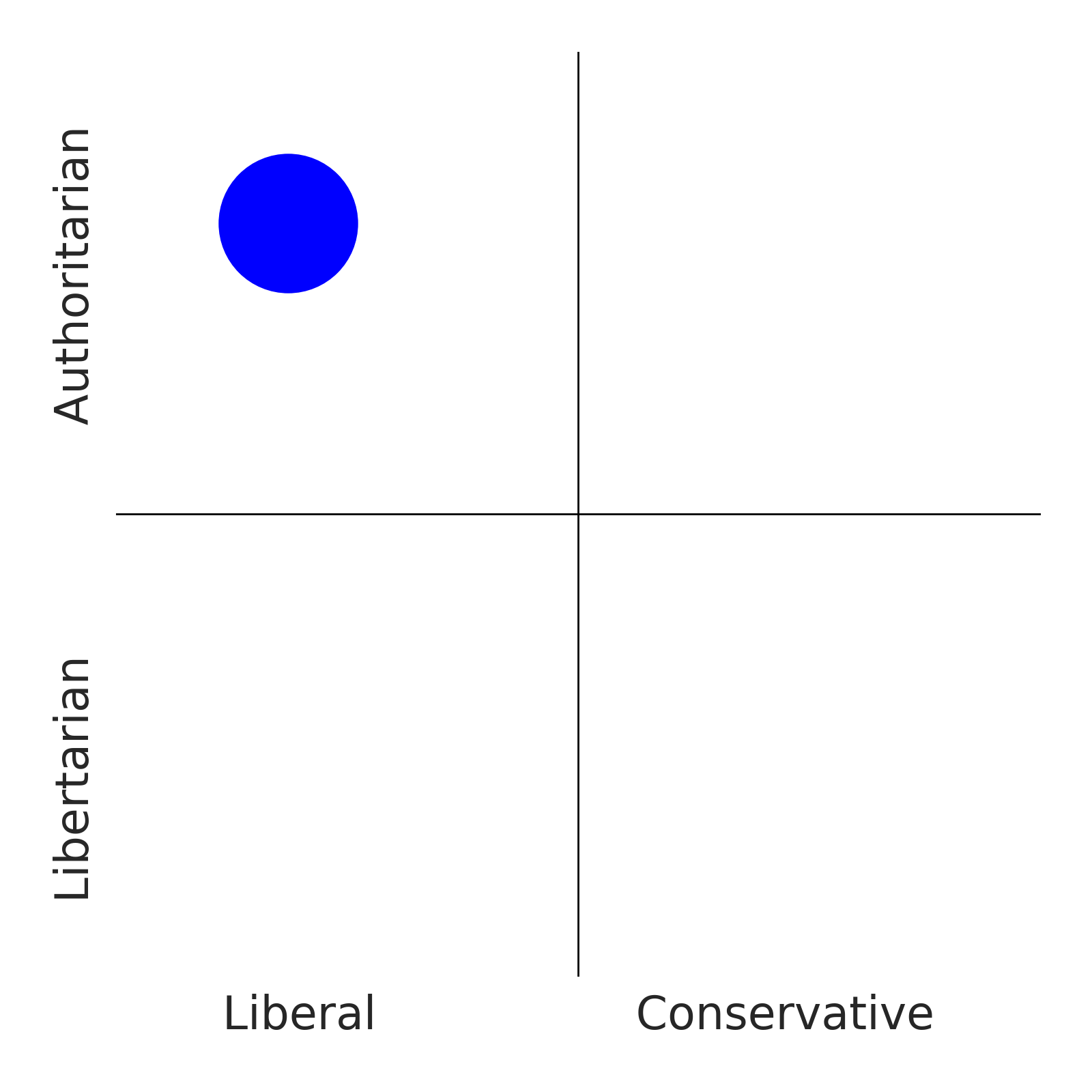
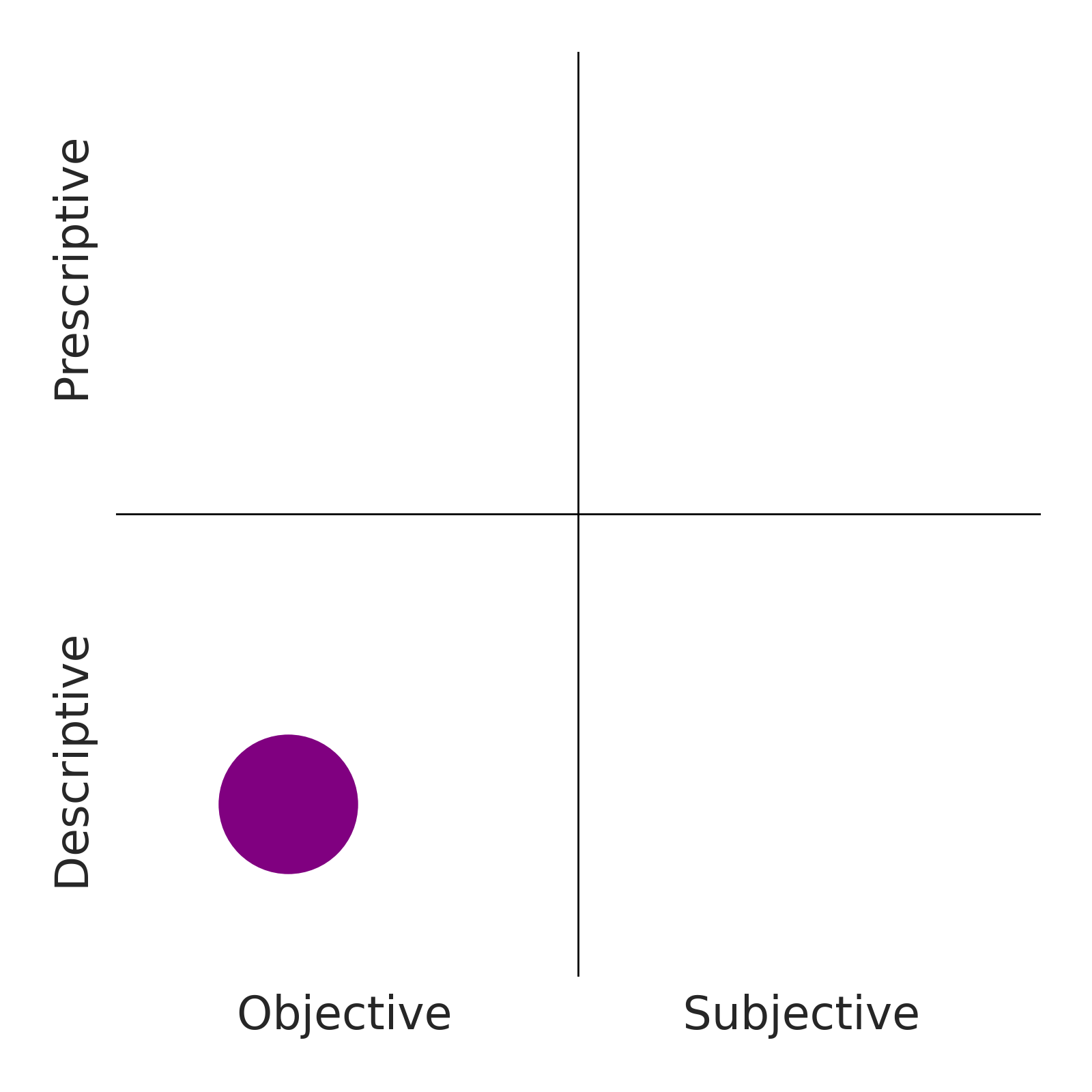
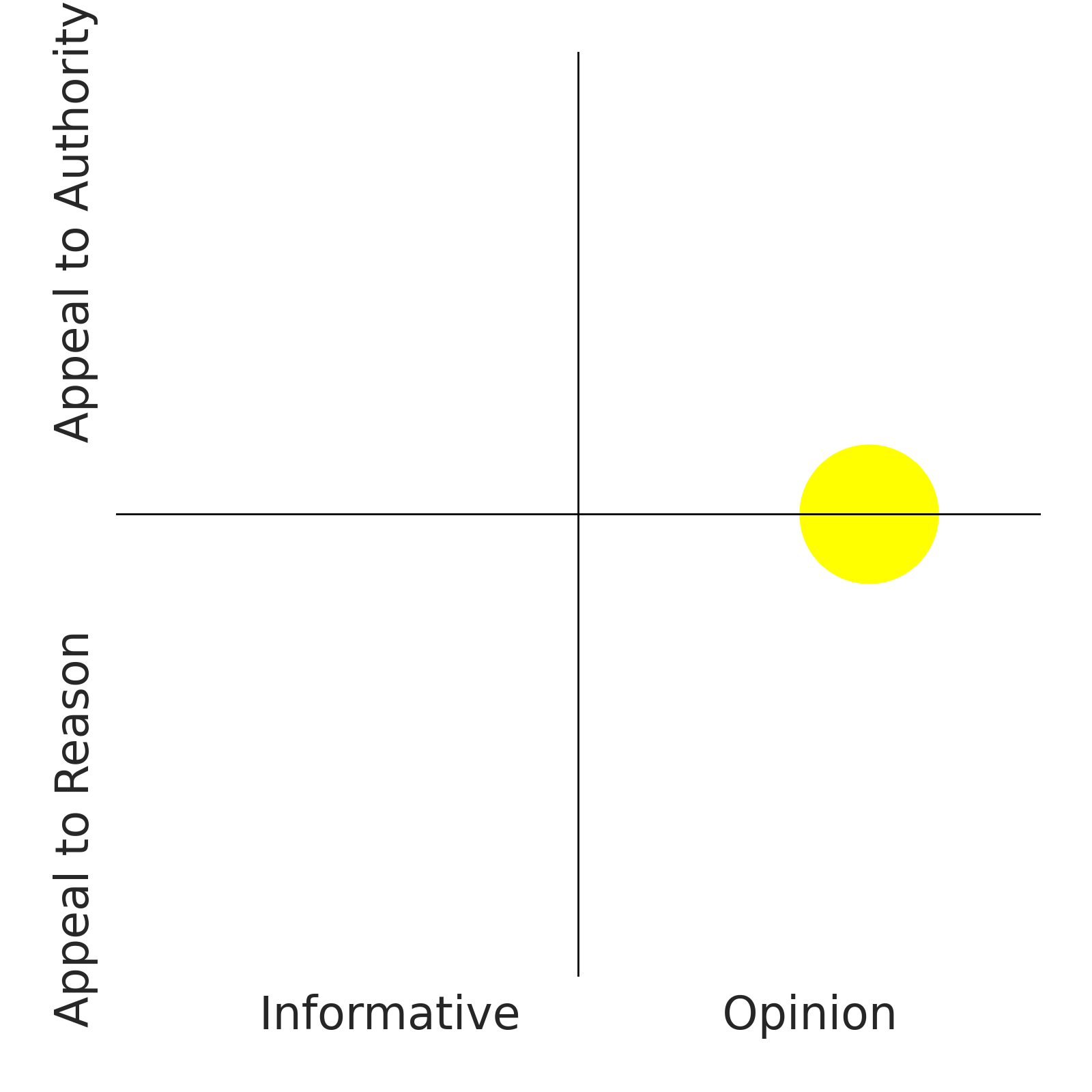
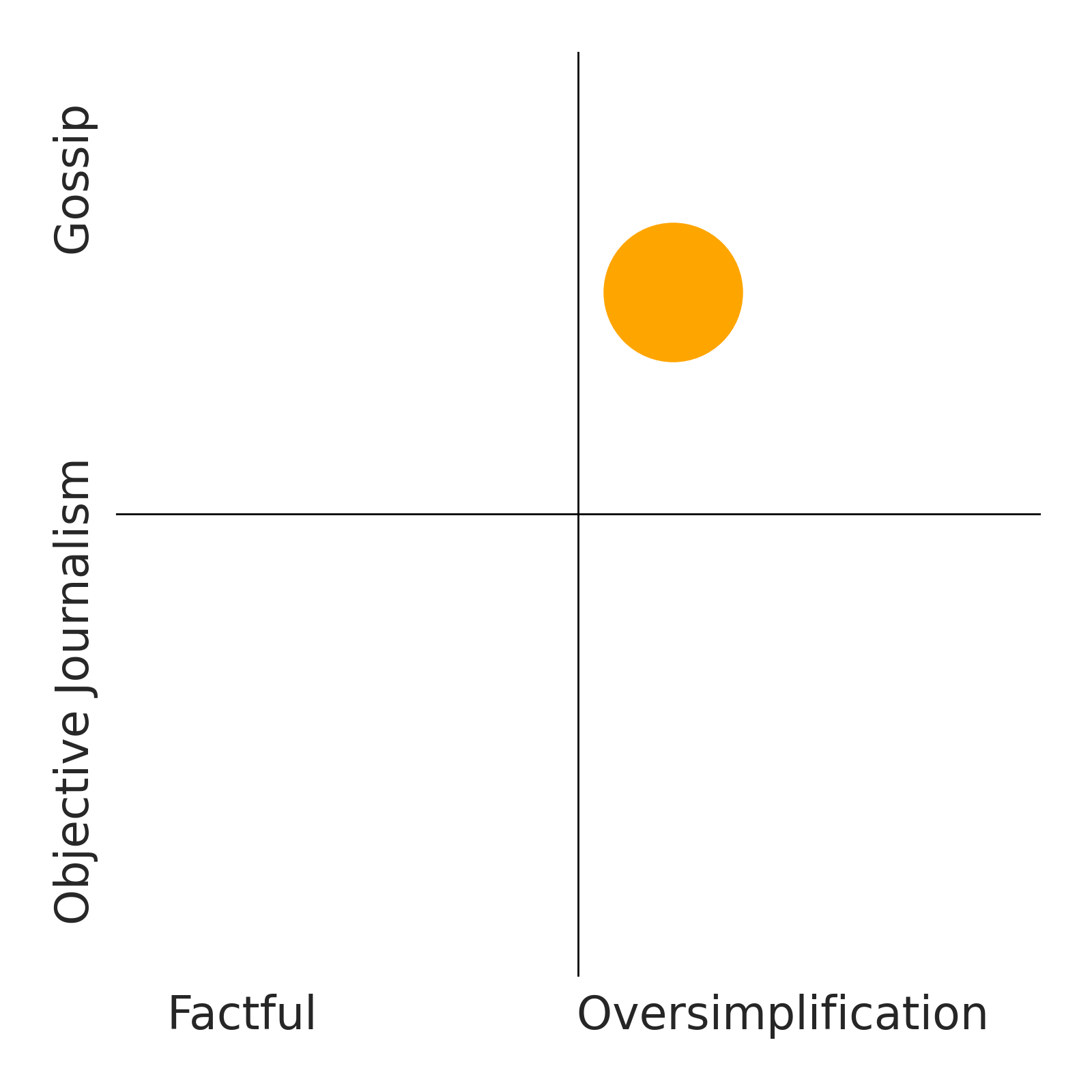
The article is biased against Apple's new custom emoji feature due to its potential environmental impact.
2026 © Helium Trades
Privacy Policy & Disclosure
* Disclaimer: Nothing on this website constitutes investment advice, performance data or any recommendation that any particular security, portfolio of securities, transaction or investment strategy is suitable for any specific person. Helium Trades is not responsible in any way for the accuracy
of any model predictions or price data. Any mention of a particular security and related prediction data is not a recommendation to buy or sell that security. Investments in securities involve the risk of loss. Past performance is no guarantee of future results. Helium Trades is not responsible for any of your investment decisions,
you should consult a financial expert before engaging in any transaction.
Helium Research Assistant

How can I help you today?
Ask any question about The Verge bias.


