See whether Helium helps you make better-informed decisions. Try every Pro Trader feature for 30 days. No credit card required.
Try every Pro Trader feature for 30 days. No credit card required.
Booing at several sporting events is paired with a friendlier Knoxville reception and supporters' misgivings about the Iran war and Trump's manner, while the Republican Party is framed as bracing for a difficult midterm.
Midterm elections in the U.S. occur halfway through a president's four-year term.
Automated analysis; not human reviewed. Limitations: The supplied text is a very short, truncated news snippet with no headline, publisher, byline, or publication date; only a few sentences and a Bluesky metadata string were available for analysis. · 4 of 55 available dimensions scored; omitted dimensions are not treated as neutral. · Verified supporting quotes for 4 of 4 scored dimensions.
Claim: The report is politically neutral, presenting both negative and positive aspects of Trump's reception.
“President Trump has been booed at several sporting events as his party braces for a difficult midterm.” · exact text match
“In Knoxville, the reception was friendlier.” · exact text match
Why: The first quote reports booing, the second reports a friendlier reception, balancing negative and positive framing without endorsing a partisan view.
Claim: The report is predominantly objective, using descriptive statements and attributing opinions to fans rather than asserting them as fact.
“In the parking lots, some fans who voted for him voiced misgivings about the Iran war and his manner.” · exact text match
Why: The only evaluative content is attributed to fans, while the rest of the text is a factual event report.
Claim: The report describes events and expectations without offering prescriptions or calls to action.
“President Trump has been booed at several sporting events as his party braces for a difficult midterm.” · exact text match
Why: The sentence states what has happened and what the party expects, with no imperative or recommendation.
Claim: The report is centered on partisan politics and electoral strategy.
“President Trump has been booed at several sporting events as his party braces for a difficult midterm.” · exact text match
“In the parking lots, some fans who voted for him voiced misgivings about the Iran war and his manner.” · exact text match
Why: The subject matter is a president, his voters, and midterm election prospects, with no non-political focus.
The supplied text is a very short, truncated news snippet with no headline, publisher, byline, or publication date; only a few sentences and a Bluesky metadata string were available for analysis.
October 04, 2026 · 0 shares
Framing positions Roy Cooper as Democrats' strongest Senate-flip opportunity, adopting the Democratic electoral goal as its reference point.
Automated analysis; not human reviewed. Limitations: Headline-only input limits analysis to title wording; no body text or sourcing was available. · 3 of 55 available dimensions scored; omitted dimensions are not treated as neutral. · Verified supporting quotes for 3 of 3 scored dimensions.
Claim: The headline frames Democratic electoral success as the implicit reference point and calls Cooper the 'best chance,' a favorable characterization.
“How Roy Cooper became Democrats' best chance to flip a Senate seat” · exact text match
Why: Adopting the Democrats' goal as the frame and using 'best chance' suggests a mildly pro-Democratic orientation, though no ideological policy is mentioned.
Claim: The headline is an evaluative strategic claim rather than a verifiable factual report.
“How Roy Cooper became Democrats' best chance to flip a Senate seat” · exact text match
Why: 'Best chance' is a subjective comparative judgment, not an observable event.
Claim: The headline explicitly addresses Democratic Party electoral strategy.
“How Roy Cooper became Democrats' best chance to flip a Senate seat” · exact text match
Why: Both 'Democrats' and 'flip a Senate seat' place the item in partisan electoral politics.
Headline-only input limits analysis to title wording; no body text or sourcing was available.
Framing emphasizes Republican electoral anxiety over blue-collar and Latino coalition erosion, with no sourcing or attribution for the worries.
Trump's 2024 winning coalition included blue-collar workers and Latinos; he had already visited Texas within the previous week.
Automated analysis; not human reviewed. Limitations: Fragmentary article text with duplicated strings and an ad fragment; no sourcing or full context is provided. · 13 of 55 available dimensions scored; omitted dimensions are not treated as neutral. · Verified supporting quotes for 13 of 13 scored dimensions.
Claim: Framing highlights Republican electoral vulnerability among coalition groups without conservative-aligned context.
“amid Republican worries about losing support from the blue-collar workers.” · exact text match
Why: The emphasis on GOP worries and reliance on the term blue-collar workers suggests a mild liberal-framing tilt.
Claim: Focus on blue-collar workers and Latino coalition support leans populist in subject matter.
“the blue-collar workers” · exact text match
Why: Elevating working-class and minority coalition groups as the central political concern is populist-coded.
Claim: Unattributed claims about Republican worries are presented without sourcing.
“amid Republican worries about losing support” · exact text match
Why: The lack of attribution makes the framing subjective rather than fully objective.
Claim: Use of 'worries' adds mild dramatization to a routine political trip.
“amid Republican worries” · exact text match
Why: The emotional framing is mildly sensational for a travel report.
Claim: The central claim relies on an unsourced assertion of Republican worries.
“amid Republican worries about losing support” · exact text match
Why: Presenting an unvested political sentiment as fact leans opinionated.
Claim: The article is entirely about electoral politics and coalition strategy.
“who helped build their winning coalition in 2024” · exact text match
Why: The content is fully political.
Claim: Coalition dynamics are reduced to a single trip and unsourced worries.
“heading to Texas for the second time in less than a week” · exact text match
Why: The brief framing oversimplifies complex electoral dynamics into a travel rationale.
Claim: The report leads with GOP concerns rather than a response to those concerns.
“amid Republican worries about losing support” · exact text match
Why: Emphasis on worries without response coverage mildly favors the concern framing.
Claim: Republican worries are stated as fact without attribution or qualification.
“amid Republican worries about losing support” · exact text match
Why: The unsourced certainty exceeds the thin supplied evidence.
Claim: The report centers establishment political maneuvering and coalition anxiety.
“amid Republican worries about losing support” · exact text match
Why: Focusing on party establishment coalition concerns is mildly pro-establishment framing.
Claim: The claim of Republican worries is speculative because no source is given.
“amid Republican worries about losing support” · exact text match
Why: Unsourced prediction about coalition erosion is speculative.
Claim: The item omits attribution for a politically charged claim while using an ad-fragment in the text.
“amid Republican worries about losing support” · exact text match
Why: Omission of sourcing for a loaded claim is a mild manipulation signal.
Claim: The brief item offers minimal context and no attribution.
“President Trump is heading to Texas for the second time in less than a week” · exact text match
Why: The very limited sourcing and context indicate below-average analytical depth.
Fragmentary article text with duplicated strings and an ad fragment; no sourcing or full context is provided.
October 08, 2026 · 0 shares
Tentative, unsourced political narrative links immigration arrests to an apparent Democratic shift among Trump-backing South Texas voters without explicit ideological evaluation.
Automated analysis; not human reviewed. Limitations: The supplied text is only a very short excerpt with no named sourcing or author, limiting bias assessment for most dimensions. · 5 of 55 available dimensions scored; omitted dimensions are not treated as neutral. · Verified supporting quotes for 5 of 5 scored dimensions.
Claim: The article's tone is objective and factual, using neutral, hedged language.
“many South Texas voters who backed President Trump appear to be shifting to Democrats.” · exact text match
Why: The claim is presented as a factual observation with the hedge 'appear' and no evaluative adjectives.
Claim: The article is not sensational; its language is matter-of-fact.
“As the government arrests laborers who are in the U.S.. illegally,” · verified after text normalization
Why: The sentence reports an event in straightforward terms without sensational or emotive wording.
Claim: The article is descriptive rather than prescriptive, reporting an apparent political trend without recommending action.
“many South Texas voters who backed President Trump appear to be shifting to Democrats.” · exact text match
Why: The sentence states an observed trend but offers no policy recommendation or call to action.
Claim: The article is highly political, centering on electoral shifts and immigration enforcement.
“many South Texas voters who backed President Trump appear to be shifting to Democrats.” · exact text match
Why: The quoted sentence discusses voter behavior and partisan affiliation in an election context.
Claim: The article contains a speculative element in describing an unconfirmed voter shift.
“many South Texas voters who backed President Trump appear to be shifting to Democrats.” · exact text match
Why: The word 'appear' signals uncertainty and an apparent rather than confirmed trend.
The supplied text is only a very short excerpt with no named sourcing or author, limiting bias assessment for most dimensions.
October 14, 2026 · 0 shares
Analysis-labeled framing leans administration-critical by presenting hedged, unnamed-expert claims that a raid on Rep. Ilhan Omar's home amounts to an intimidation effort aimed at Democratic lawmakers and naturalized-immigrant voters.
Automated analysis; not human reviewed. Limitations: The supplied text is only a one-sentence analysis lede plus unrelated page boilerplate, so full-article sourcing, evidence, and counterpoints cannot be assessed and scores rest on the opening framing alone. · 9 of 55 available dimensions scored; omitted dimensions are not treated as neutral. · Verified supporting quotes for 9 of 9 scored dimensions.
Claim: The supplied framing is administration-critical and liberal-coded, casting a Republican administration's raid as intimidation of Democratic lawmakers and immigrant voters.
“has many of the makings of an intimidation effort — not just for Democratic members of Congress, but for naturalized immigrants who can legally vote” · exact text match
Counterevidence:
“Legal experts argued” · exact text match
Why: The only characterization offered is negative toward the Trump administration, with stakes framed around Democratic legislators and immigrant voting rights, indicating a mild liberal lean in the adopted analysis frame.
Claim: The content is interpretive analysis rather than straight factual reporting.
“Analysis: Legal experts argued the Trump administration's raid” · exact text match
“has many of the makings of an intimidation effort” · exact text match
Why: The 'Analysis' label marks interpretive content, and the central assertion is an evaluative judgment about intent and effect rather than a verified fact.
Claim: A raid on a sitting member of Congress's home framed as voter intimidation is high-salience political news.
“the Trump administration's raid of the home of Rep.. Ilhan Omar (D-Minnesota)” · verified after text normalization
Why: Federal action against a lawmaker with alleged chilling effects on voters is inherently newsworthy and engaging.
Claim: The item presents an opinion/analysis thesis rather than neutral fact reporting.
“Analysis: Legal experts argued” · exact text match
“has many of the makings of an intimidation effort” · exact text match
Why: The 'Analysis' designation and the evaluative characterization of the raid's purpose make the content opinion-forward, though the core claim is attributed to experts.
Claim: The subject is overtly political: a presidential administration's action against a Democratic member of Congress, framed around party and voting blocs.
“Legal experts argued the Trump administration's raid” · exact text match
“not just for Democratic members of Congress, but for naturalized immigrants who can legally vote” · exact text match
Why: The text explicitly involves the Trump administration, a Democratic congresswoman, and immigrant voters, making the content highly political.
Claim: The central characterization rests on the assertion of unnamed legal experts rather than cited evidence or reasoning.
“Legal experts argued the Trump administration's raid” · exact text match
Why: The thesis is anchored in unspecified expert opinion with no named sources, evidence, or legal reasoning supplied, a mild appeal to authority.
Claim: The framing casts Democratic members of Congress and naturalized-immigrant voters as targets of an intimidation campaign.
“not just for Democratic members of Congress, but for naturalized immigrants who can legally vote” · exact text match
Why: The frame broadens the target population beyond the raid's direct subject, presenting these groups as victims of state intimidation.
Claim: Sourcing is attributed but vague, and the text offers no verifiable detail beyond the characterization.
“Legal experts argued” · exact text match
“has many of the makings of an intimidation effort” · exact text match
Why: Attribution and hedging support some credibility, but unnamed 'legal experts' and the absence of specifics cap it at mildly positive.
Claim: The framing attributes its strongest characterization to legal experts and hedges it as 'makings of' rather than asserting it as fact.
“Legal experts argued” · exact text match
“has many of the makings of an intimidation effort” · exact text match
Why: Visible attribution and hedging are honesty signals, though unnamed sourcing keeps the score only mildly positive.
The supplied text is only a one-sentence analysis lede plus unrelated page boilerplate, so full-article sourcing, evidence, and counterpoints cannot be assessed and scores rest on the opening framing alone.
An unattributed headline uses dramatic verbs ('erupts,' 'loom') to frame the White House as conflict-ridden and headed for electoral losses.
U.S. midterm elections occur two years into a presidential term and can shift control of Congress, affecting a president's political leverage.
Automated analysis; not human reviewed. Limitations: Only a single headline was available; no body text, sourcing, or named actors, limiting assessment of framing and credibility. · 8 of 55 available dimensions scored; omitted dimensions are not treated as neutral. · Verified supporting quotes for 8 of 8 scored dimensions.
Claim: Dramatic verbs heighten the headline's impact.
“Power struggle erupts” · exact text match
“as midterm losses loom” · exact text match
Why: 'Erupts' and 'loom' are vivid, dramatic verbs that sensationalize the report.
Claim: The word 'loom' and the conflict framing create a sense of impending threat.
“as midterm losses loom” · exact text match
Why: 'Loom' signals an ominous, threatening development.
Claim: The headline centers on insider political intrigue without substantive policy content.
“Power struggle erupts in Trump’s White House” · exact text match
Why: The framing emphasizes internal White House conflict rather than governance or policy.
Claim: 'Power struggle' is an interpretive characterization embedded in a purportedly factual headline.
“Power struggle erupts” · exact text match
Why: The phrase frames internal dynamics as conflict without explaining the characterization.
Claim: The headline is entirely framed around political power and electoral stakes.
“Power struggle erupts in Trump’s White House as midterm losses loom.” · verified after text normalization
Why: Both clauses concern White House political control and midterm election outcomes.
Claim: A complex political situation is compressed into a two-clause conflict-and-loss frame.
“Power struggle erupts in Trump’s White House as midterm losses loom.” · verified after text normalization
Why: The headline reduces institutional dynamics to a simple conflict-plus-electoral-loss narrative.
Claim: An assertion of a White House power struggle is made with no attribution or qualifying language.
“Power struggle erupts in Trump’s White House” · exact text match
Why: The claim is stated as settled fact without sourcing or hedging.
Claim: The headline presents looming midterm losses as a backdrop without attributing the forecast.
“as midterm losses loom” · exact text match
Why: An electoral forecast is asserted without source, timeframe, or basis.
Only a single headline was available; no body text, sourcing, or named actors, limiting assessment of framing and credibility.
September 19, 2026 · 0 shares
Frames the week's Trump administration news as an ongoing push of vaccine skepticism, an evaluative characterization offered without supporting examples.
Automated analysis; not human reviewed. Limitations: The supplied text is a short newsletter introduction, so the underlying events and sources could not be assessed. · 6 of 55 available dimensions scored; omitted dimensions are not treated as neutral. · Verified supporting quotes for 6 of 6 scored dimensions.
Claim: The framing of vaccine skepticism as an ongoing push can be read as a liberal-aligned critique of Trump.
“Trump and his administration continue to push vaccine skepticism.” · exact text match
Why: The evaluative phrasing implies disapproval of the administration's stance, but the excerpt is too short to establish an explicit partisan framework.
Claim: The text presents an interpretive characterization rather than a documented report of events.
“Trump and his administration continue to push vaccine skepticism.” · exact text match
Why: The central claim is an evaluative summary without named actions, dates, or sources.
Claim: The central assertion is an unsupported editorial judgment presented as established.
“Trump and his administration continue to push vaccine skepticism.” · exact text match
Why: No specific policy action, statement, or source is supplied; the sentence functions as interpretation rather than factual reporting.
Claim: The item is explicitly organized around Trump-administration politics and frames vaccine skepticism as a political issue.
“What happened under the Trump administration this week” · exact text match
“a free analysis of the day’s biggest political news” · exact text match
Why: The stated topic is the Trump administration and the newsletter describes itself as covering the day's biggest political news.
Claim: The phrase 'continue to push' asserts a definite pattern with no cited evidence in the excerpt.
“Trump and his administration continue to push vaccine skepticism.” · exact text match
Why: The word 'continue' conveys certainty about an ongoing pattern, but the supplied text contains no supporting facts to justify that level of definiteness.
Claim: Visible credibility markers are absent: the central claim is unattributed, unsourced, and unverified in the supplied text.
“Trump and his administration continue to push vaccine skepticism.” · exact text match
Why: The excerpt offers an unsupported assertion in a newsletter introduction, so the text itself supplies little basis for trust.
The supplied text is a short newsletter introduction, so the underlying events and sources could not be assessed.
The headline leans on 'Secret documents reveal' to dramatize a political donor disclosure involving $330 million and Trump's ballroom.
Automated analysis; not human reviewed. Limitations: The supplied text is only a headline/snippet; donor identities, document source, article body, and publisher context are absent, limiting bias assessment. · 2 of 55 available dimensions scored; omitted dimensions are not treated as neutral. · Verified supporting quotes for 2 of 2 scored dimensions.
Claim: The phrase 'Secret documents reveal' uses sensational secrecy framing rather than neutral sourcing.
“Secret documents reveal donors” · exact text match
Why: The wording emphasizes secret documents and a reveal, heightening drama beyond a plain report of donor disclosure.
Claim: The headline is political because it centers on donors, money, and a Trump-associated project.
“donors behind $330 million for Trump's ballroom” · exact text match
Why: The subject matter is political finance and a figure central to U.S. politics, so the item is highly political in content.
The supplied text is only a headline/snippet; donor identities, document source, article body, and publisher context are absent, limiting bias assessment.
Framing is reduced to an administration proposal plus expert concern about pass-through costs, with no supporting details, official attribution, or opposing perspective.
Automated analysis; not human reviewed. Limitations: The supplied article text is extremely limited and appears contaminated by promotional Bluesky boilerplate, leaving insufficient substantive material for reliable scoring. · 55 of 55 available dimensions scored; omitted dimensions are not treated as neutral. · Verified supporting quotes for 50 of 55 scored dimensions.
Claim: The frame centers on federal policy affecting universities and international students, an elite institutional policy domain.
“charging universities up to $100,000 for each international student” · exact text match
Why: The affected institutions and policy process are elite and bureaucratic rather than grassroots populist.
Claim: The proposal described is a state-imposed fee on institutions that recommend international students for work.
“The Trump administration proposed charging universities up to $100,000 for each international student they recommend to work in the U.S..” · exact text match
Why: The policy mechanism is a coercive state charge tied to migration-related recommendations.
Claim: The story emphasizes added cost and potential burden rather than any market or institutional benefit.
“could be passed on to students.” · exact text match
Why: The only consequence highlighted is a negative cost transfer.
Claim: The chief implied outcome is a cost shifted onto students.
“a cost that experts say could be passed on to students.” · exact text match
Why: The excerpt foregrounds burden rather than opportunity or neutral policy mechanics.
Claim: The article is very brief and dominated by a single policy statement plus promotional boilerplate.
“Learn more about Bluesky at bsky.social and atproto.com.” · exact text match
Why: Substantive content is minimal and includes unrelated promotional fluff, reducing interest.
Claim: The text reports a proposed policy and a stated consequence without recommending a course of action.
“a cost that experts say could be passed on to students.” · exact text match
Why: No explicit prescriptive demand or advocacy is present.
Claim: The article states a cost-shift risk without establishing why or how it would occur.
“could be passed on to students.” · exact text match
Why: The consequence is asserted in a way that assumes the mechanism rather than demonstrating it.
Claim: The article is a policy report, not personal or social gossip.
“The Trump administration proposed charging universities up to $100,000 for each international student they recommend to work in the U.S..” · exact text match
Why: Content concerns institutional policy rather than private or celebrity affairs.
Claim: The article largely relays a policy proposal and an expert assertion rather than supplying independent factual verification.
“a cost that experts say could be passed on to students.” · exact text match
Why: The cost-shift claim is presented through unattributed opinion-like expert commentary rather than documented evidence.
Claim: The story is framed almost entirely as a Trump administration policy proposal, placing it squarely in political contestation.
“The Trump administration proposed charging universities up to $100,000 for each international student they recommend to work in the U.S..” · exact text match
Why: The sole substantive actor is a political administration and its proposed policy.
Claim: A complex immigration and higher-education policy proposal is condensed to a single fee figure and an expert pass-through concern.
“The Trump administration proposed charging universities up to $100,000 for each international student they recommend to work in the U.S..” · exact text match
Why: The frame reduces the policy to one cost and one consequence without institutional or legal context.
Claim: The only evaluative support is an unattributed appeal to unspecified experts.
“a cost that experts say could be passed on to students.” · exact text match
Why: The concern is grounded in generic expert assertion with no named source, data, or reasoning.
Claim: The article does not use rage-baiting, mockery, or juvenile framing.
“The Trump administration proposed charging universities up to $100,000 for each international student they recommend to work in the U.S..” · exact text match
Why: The brief text is straightforward, if underdeveloped.
Claim: The article's reasoning is minimal rather than logically circular.
“a cost that experts say could be passed on to students.” · exact text match
Why: There is too little argumentative structure to establish circular reasoning.
Claim: The article does not include or address any opposing or defensive response to the proposed fee.
“The Trump administration proposed charging universities up to $100,000 for each international student they recommend to work in the U.S..” · exact text match
Why: Only the proposal and a critical expert note are presented, with no response coverage.
Claim: International students are framed as potential bearers of the fee's cost.
“could be passed on to students.” · exact text match
Why: The frame highlights students as the likely harmed party, though without explicit grievance language.
Claim: The article asserts an administration proposal and a pass-through risk without hedging beyond 'could' or sourcing beyond 'experts.'
“a cost that experts say could be passed on to students.” · exact text match
Why: Certainty is limited by conditional phrasing, though attribution remains vague.
Claim: The supplied text contains promotional boilerplate unrelated to the policy reporting.
“Learn more about Bluesky at bsky.social and atproto.com.” · exact text match
Why: This is explicit promotional call-to-action content embedded in the article text.
Claim: The story is organized around a Trump administration policy and an expert objection without presenting competing stakeholder views.
“The Trump administration proposed charging universities up to $100,000 for each international student they recommend to work in the U.S..” · exact text match
Why: A single institutional actor and one critical frame dominate the brief report.
Claim: The piece reports an executive-branch proposal in a straightforward institutional frame.
“The Trump administration proposed charging universities up to $100,000 for each international student they recommend to work in the U.S..” · exact text match
Why: The government's action is presented as the central institutional fact with limited adversarial or populist framing.
Claim: The article's only evaluative note is a mild negative burden on students.
“could be passed on to students.” · exact text match
Why: The tone is mildly negative but largely neutral and brief.
Claim: The article reports only administrational burden and student pass-through concern, with no university or administration defense of the policy.
“a cost that experts say could be passed on to students.” · exact text match
Why: One-sided selection of consequence framing without comparable attention to policy rationale or benefits.
Claim: No named sources, official statements, data, or uncertainty details are provided to support the central claims.
“a cost that experts say could be passed on to students.” · exact text match
Why: Visible sourcing and verifiability are absent, weakening trustworthiness of the framing.
Claim: The report offers no data, named experts, or policy detail to substantiate its cost-shift claim.
“a cost that experts say could be passed on to students.” · exact text match
Why: An unsupported expert assertion is the main analytical content.
Claim: The text includes an overt promotional plug for Bluesky and atproto resources.
“Learn more about Bluesky at bsky.social and atproto.com.” · exact text match
Why: The line is direct marketing language for external platforms rather than news content.
Claim: The article forwards a potential cost shift using the conditional 'could' and unnamed experts.
“could be passed on to students.” · exact text match
Why: The main consequence is stated as a forecast rather than an observed outcome.
Claim: The article omits essential context such as named experts, fee mechanics, and any administration rationale, leaving a loaded cost-shift impression.
“a cost that experts say could be passed on to students.” · exact text match
Why: Material omission of source identity and explanatory detail creates an asymmetric concern-only frame.
Claim: No independent AI-authorship indicators are present in this extremely brief and truncated text.
“a cost that experts say could be passed on to students.” · exact text match
Why: The text is too short and lacks multiple independent AI-pattern signals.
Claim: The article does not name experts or disclose potential conflicts, though it makes no overt false claims.
“a cost that experts say could be passed on to students.” · exact text match
Why: Sourcing opacity weakens observable fairness signals without establishing deception.
Claim: The report provides a sparse summary with no analysis or corroboration.
“a cost that experts say could be passed on to students.” · exact text match
Why: The content is a surface-level brief rather than a developed analysis.
Claim: The article makes no counterfactual or unfalsifiable claims within its brief content.
“The Trump administration proposed charging universities up to $100,000 for each international student they recommend to work in the U.S..” · exact text match
Why: The central report is a concrete proposal claim rather than a delusional or paranoid narrative.
Claim: No terrorism or political violence content appears in the article.
“The Trump administration proposed charging universities up to $100,000 for each international student they recommend to work in the U.S..” · exact text match
Why: The subject is immigration and higher-education policy, not terrorism.
Claim: No fraud, scam, or deceptive-gain framing is present in the article.
“The Trump administration proposed charging universities up to $100,000 for each international student they recommend to work in the U.S..” · exact text match
Why: The report describes a policy fee, not deception or fraudulent activity.
Claim: No class-conflict materialism or anti-capital framing appears in the article.
“The Trump administration proposed charging universities up to $100,000 for each international student they recommend to work in the U.S..” · exact text match
Why: The content is about a state fee, not Marxist class analysis.
Claim: No Islamist advocacy or religious-political content appears in the article.
“The Trump administration proposed charging universities up to $100,000 for each international student they recommend to work in the U.S..” · exact text match
Why: The report concerns immigration policy fees, not Islamist ideology.
Claim: No anti-Jewish content or collective blame appears in the article.
“The Trump administration proposed charging universities up to $100,000 for each international student they recommend to work in the U.S..” · exact text match
Why: The subject matter is unrelated to anti-Semitism.
Claim: No anti-LGBT content or group generalization appears in the article.
“The Trump administration proposed charging universities up to $100,000 for each international student they recommend to work in the U.S..” · exact text match
Why: The article does not address LGBT issues.
Claim: No racist generalization or collective blame appears in the article.
“The Trump administration proposed charging universities up to $100,000 for each international student they recommend to work in the U.S..” · exact text match
Why: The policy discussion does not invoke racial hierarchy or group denigration.
Claim: The article does not deploy identity-group power framing or prescriptive equity remedies.
“charging universities up to $100,000 for each international student” · exact text match
Why: International-student status is mentioned as policy scope, not as a woke identity-power frame.
Claim: The article reports a policy burden on students but does not endorse or celebrate it.
“a cost that experts say could be passed on to students.” · exact text match
Why: The text describes potential harm without cruel or approving framing.
Claim: No moralized signaling or performative virtue language appears in the article.
“a cost that experts say could be passed on to students.” · exact text match
Why: The text is a terse policy report without virtue-signaling rhetoric.
Claim: No conspiratorial narrative or hidden-plot framing appears in the article.
“The Trump administration proposed charging universities up to $100,000 for each international student they recommend to work in the U.S..” · exact text match
Why: The article reports a policy proposal without conspiracy claims.
Claim: The article notes a potential cost to international students but does not advocate compassion-based self-harm tradeoffs.
“could be passed on to students.” · exact text match
Why: No severe self-harm tradeoff is endorsed or ignored in the brief text.
Claim: Universities are positioned as the institutions that would bear or pass on the fee.
“charging universities up to $100,000 for each international student” · exact text match
Why: The frame points at universities as intermediaries, though without explicit blame language.
Claim: No incompatible standards are applied to comparable cases within the article.
“a cost that experts say could be passed on to students.” · exact text match
Why: The text is too brief to establish a double standard or hypocrisy pattern.
Claim: The article does not reject reason, evidence, or universal rights.
“a cost that experts say could be passed on to students.” · exact text match
Why: No anti-rational or anti-universal-rights framing is present.
The supplied article text is extremely limited and appears contaminated by promotional Bluesky boilerplate, leaving insufficient substantive material for reliable scoring.
Frames Gaza's bleak conditions as a failure caused by Netanyahu's political self-interest, presenting contested blame as established fact.
A Trump peace plan for Gaza was advanced roughly a year before the report; the Oct. 7 attack occurred three years earlier.
Automated analysis; not human reviewed. Limitations: Headline and excerpt only; full body text unavailable, limiting comprehensive bias analysis. · 9 of 55 available dimensions scored; omitted dimensions are not treated as neutral. · Verified supporting quotes for 0 of 9 scored dimensions.
Headline and excerpt only; full body text unavailable, limiting comprehensive bias analysis.
A terse, unqualified headline frames Russia's recruitment and imprisonment of Ukrainian children as established fact, with no attribution or hedging.
Automated analysis; not human reviewed. Limitations: The supplied text is only a headline fragment; no full article, publisher byline, or sourcing was available for analysis. · 2 of 55 available dimensions scored; omitted dimensions are not treated as neutral. · Verified supporting quotes for 2 of 2 scored dimensions.
Claim: The headline asserts a specific factual claim as settled fact without hedges, attribution, or qualifying uncertainty.
“Russia recruited Ukrainian children to carry out attacks.” · exact text match
Why: The claim is stated directly and categorically, with no marker such as 'allegedly' or 'according to' to signal that it is an accusation.
Claim: The supplied text provides no source, attribution, or correction information to support its factual assertions.
“Russia recruited Ukrainian children to carry out attacks. They were imprisoned.” · exact text match
Why: The assertions are presented as facts without any named source, evidentiary backing, or hedge, so visible credibility is low.
The supplied text is only a headline fragment; no full article, publisher byline, or sourcing was available for analysis.
The article consists of a short, neutral report on Messi's final Argentina match, with no evident ideological or sensational framing beyond a stray unlabeled quote fragment.
Messi's long career with the Argentina national team, including captaining the side in this match, provides the backdrop for the reported farewell.
Automated analysis; not human reviewed. Limitations: The article is very short and contains a stray bracketed quote fragment seemingly unrelated to the report, limiting confidence in several classifications. · 55 of 55 available dimensions scored; omitted dimensions are not treated as neutral. · Verified supporting quotes for 55 of 55 scored dimensions.
Claim: No discernible ideological direction is present in the report.
“Lionel Messi played one final game alongside Argentina on Tuesday night, leading the team as captain to a friendly 3-0 win over Benin..” · exact text match
Why: The text is a neutral sports report with no political content.
Claim: No populist or elitist framing is evident in the text.
“Lionel Messi played one final game alongside Argentina on Tuesday night, leading the team as captain to a friendly 3-0 win over Benin..” · exact text match
Why: The report describes a sports event without populist or elitist appeals.
Claim: No political authority dimension is present.
“Lionel Messi played one final game alongside Argentina on Tuesday night, leading the team as captain to a friendly 3-0 win over Benin..” · exact text match
Why: The article does not address governance or liberty.
Claim: The report is largely objective, consisting of verifiable event facts and a named quote.
“Lionel Messi played one final game alongside Argentina on Tuesday night, leading the team as captain to a friendly 3-0 win over Benin..” · exact text match
Why: The article avoids personal commentary or subjective interpretation.
Claim: The report is objective and non-sensational.
“Lionel Messi played one final game alongside Argentina on Tuesday night, leading the team as captain to a friendly 3-0 win over Benin..” · exact text match
Why: No sensational language or heightened framing is used.
Claim: No financial or market direction is indicated.
“Lionel Messi played one final game alongside Argentina on Tuesday night, leading the team as captain to a friendly 3-0 win over Benin..” · exact text match
Why: The text contains no financial content.
Claim: The reported quote and result give a positive tone.
“I am proud to be Argentinian and to have fulfilled this dream with all of you,” · exact text match
Why: The only evaluative content is the positive quote from Messi.
Claim: The article has mild general interest as a sports farewell.
“Lionel Messi played one final game alongside Argentina on Tuesday night, leading the team as captain to a friendly 3-0 win over Benin..” · exact text match
Why: A famous athlete's final national-team game is moderately notable.
Claim: The article is purely descriptive.
“Lionel Messi played one final game alongside Argentina on Tuesday night, leading the team as captain to a friendly 3-0 win over Benin..” · exact text match
Why: It reports what occurred and does not prescribe actions.
Claim: No foreign-policy dimension appears in the text.
“Lionel Messi played one final game alongside Argentina on Tuesday night, leading the team as captain to a friendly 3-0 win over Benin..” · exact text match
Why: The article is about a football match.
Claim: There is no fearful or rage-baiting framing.
“Lionel Messi played one final game alongside Argentina on Tuesday night, leading the team as captain to a friendly 3-0 win over Benin..” · exact text match
Why: The tone is positive and neutral.
Claim: No question-begging structure is apparent.
“Lionel Messi played one final game alongside Argentina on Tuesday night, leading the team as captain to a friendly 3-0 win over Benin..” · exact text match
Why: The article is a simple factual report.
Claim: There is minimal gossip framing, limited to a star-athlete farewell.
“Lionel Messi played one final game alongside Argentina on Tuesday night, leading the team as captain to a friendly 3-0 win over Benin..” · exact text match
Why: It focuses on an event rather than personal gossip.
Claim: The article is nearly all factual with no publisher opinion.
“Lionel Messi played one final game alongside Argentina on Tuesday night, leading the team as captain to a friendly 3-0 win over Benin..” · exact text match
Why: The text reports actions and quotes without editorializing.
Claim: No political content is present.
“Lionel Messi played one final game alongside Argentina on Tuesday night, leading the team as captain to a friendly 3-0 win over Benin..” · exact text match
Why: The article is about sports.
Claim: The report is extremely brief and omits nearly all context.
“Lionel Messi played one final game alongside Argentina on Tuesday night, leading the team as captain to a friendly 3-0 win over Benin..” · exact text match
Why: Its brevity may oversimplify the event by leaving out details.
Claim: Quoting Messi is appeal to a person, not epistemic authority.
“I am proud to be Argentinian and to have fulfilled this dream with all of you,” · exact text match
Why: The quote is attributed, but it is a personal statement rather than an authority claim.
Claim: No immature or rage-baiting content is present.
“Lionel Messi played one final game alongside Argentina on Tuesday night, leading the team as captain to a friendly 3-0 win over Benin..” · exact text match
Why: The report is straightforward.
Claim: No circular reasoning is evident.
“Lionel Messi played one final game alongside Argentina on Tuesday night, leading the team as captain to a friendly 3-0 win over Benin..” · exact text match
Why: There is no argumentative structure.
Claim: No response-covering behavior appears.
“Lionel Messi played one final game alongside Argentina on Tuesday night, leading the team as captain to a friendly 3-0 win over Benin..” · exact text match
Why: The article is a simple event report.
Claim: No victimization narrative is present.
“Lionel Messi played one final game alongside Argentina on Tuesday night, leading the team as captain to a friendly 3-0 win over Benin..” · exact text match
Why: The tone is celebratory, not victim-focused.
Claim: The article states the result and finality of the game with high certainty.
“Lionel Messi played one final game alongside Argentina on Tuesday night, leading the team as captain to a friendly 3-0 win over Benin..” · exact text match
Why: Certain phrasing is used without noting sourcing limits.
Claim: The article is not spam or advertising.
“Lionel Messi played one final game alongside Argentina on Tuesday night, leading the team as captain to a friendly 3-0 win over Benin..” · exact text match
Why: It is a short news item.
Claim: No ideological content is present.
“Lionel Messi played one final game alongside Argentina on Tuesday night, leading the team as captain to a friendly 3-0 win over Benin..” · exact text match
Why: The article is non-ideological sports reporting.
Claim: No establishment or anti-establishment political framing is present.
“Lionel Messi played one final game alongside Argentina on Tuesday night, leading the team as captain to a friendly 3-0 win over Benin..” · exact text match
Why: The article is a sports item.
Claim: The quoted celebration gives a mildly positive emotional tone.
“I am proud to be Argentinian and to have fulfilled this dream with all of you,” · exact text match
Why: The only emotional content is Messi's positive quote.
Claim: No double standard is observable.
“Lionel Messi played one final game alongside Argentina on Tuesday night, leading the team as captain to a friendly 3-0 win over Benin..” · exact text match
Why: There are no comparable cases in the text.
Claim: Credibility is difficult to assess due to extreme brevity and lack of sourcing detail.
“Lionel Messi played one final game alongside Argentina on Tuesday night, leading the team as captain to a friendly 3-0 win over Benin..” · exact text match
Why: The article is too short to demonstrate robust sourcing or verification practices.
Claim: The article's claims are straightforwardly empirical and contain no irrational reasoning.
“Lionel Messi played one final game alongside Argentina on Tuesday night, leading the team as captain to a friendly 3-0 win over Benin..” · exact text match
Why: The text sticks to basic factual reporting.
Claim: No promotional or advertorial content appears except a stray platform link.
“Learn more about Bluesky at bsky.social and atproto.com.” · exact text match
Why: A platform promotion fragment appears but is not central to the article.
Claim: There is a stray unlabeled quote fragment that may be page chrome, but no clear manipulative technique.
“['', 'Learn more about Bluesky at bsky.social and atproto.com.']” · exact text match
Why: The fragment is ambiguous and not clearly a manipulation tactic.
Claim: The text is extremely short and includes an unrelated bracketed fragment, but shows no strong AI-authorship indicators.
“Lionel Messi played one final game alongside Argentina on Tuesday night, leading the team as captain to a friendly 3-0 win over Benin..” · exact text match
Why: The awkward link fragment is weak evidence; overall the text is too minimal to judge.
Claim: The article attributes the quote and reports the basic result without distortion.
“I am proud to be Argentinian and to have fulfilled this dream with all of you,” · exact text match
Why: The text provides attributable quotes and a clear result, though very briefly.
Claim: The article is a very short, low-complexity report.
“Lionel Messi played one final game alongside Argentina on Tuesday night, leading the team as captain to a friendly 3-0 win over Benin..” · exact text match
Why: The text is brief and minimally analytical.
Claim: No delusional content appears.
“Lionel Messi played one final game alongside Argentina on Tuesday night, leading the team as captain to a friendly 3-0 win over Benin..” · exact text match
Why: The article reports a mundane event.
Claim: No terrorism-related content exists.
“Lionel Messi played one final game alongside Argentina on Tuesday night, leading the team as captain to a friendly 3-0 win over Benin..” · exact text match
Why: The article is about a football match.
Claim: No fraud-related content is present.
“Lionel Messi played one final game alongside Argentina on Tuesday night, leading the team as captain to a friendly 3-0 win over Benin..” · exact text match
Why: The article does not mention fraud.
Claim: No Marxist or class-conflict framing is present.
“Lionel Messi played one final game alongside Argentina on Tuesday night, leading the team as captain to a friendly 3-0 win over Benin..” · exact text match
Why: The text is sports reporting.
Claim: No Islamist or religious-political advocacy appears.
“Lionel Messi played one final game alongside Argentina on Tuesday night, leading the team as captain to a friendly 3-0 win over Benin..” · exact text match
Why: The article does not discuss religion or politics.
Claim: No anti-Jewish content appears.
“Lionel Messi played one final game alongside Argentina on Tuesday night, leading the team as captain to a friendly 3-0 win over Benin..” · exact text match
Why: The article contains no such references.
Claim: No anti-LGBT content appears.
“Lionel Messi played one final game alongside Argentina on Tuesday night, leading the team as captain to a friendly 3-0 win over Benin..” · exact text match
Why: The article contains no such references.
Claim: No racist content appears.
“Lionel Messi played one final game alongside Argentina on Tuesday night, leading the team as captain to a friendly 3-0 win over Benin..” · exact text match
Why: The article contains no such references.
Claim: No identity-politics framing appears.
“Lionel Messi played one final game alongside Argentina on Tuesday night, leading the team as captain to a friendly 3-0 win over Benin..” · exact text match
Why: The article contains no identity-group power framing.
Claim: No cruel framing appears.
“I am proud to be Argentinian and to have fulfilled this dream with all of you,” · exact text match
Why: The tone is positive and celebratory.
Claim: No virtue signaling is evident.
“I am proud to be Argentinian and to have fulfilled this dream with all of you,” · exact text match
Why: The quoted statement is personal, not publisher virtue signaling.
Claim: No conspiracy content appears.
“Lionel Messi played one final game alongside Argentina on Tuesday night, leading the team as captain to a friendly 3-0 win over Benin..” · exact text match
Why: The article is a simple sports report.
Claim: No compassion-based self-harm framing appears.
“Lionel Messi played one final game alongside Argentina on Tuesday night, leading the team as captain to a friendly 3-0 win over Benin..” · exact text match
Why: The article contains no policy or harm trade-off discussion.
Claim: No scapegoating is present.
“Lionel Messi played one final game alongside Argentina on Tuesday night, leading the team as captain to a friendly 3-0 win over Benin..” · exact text match
Why: The text does not blame any group.
Claim: No inconsistent standards are observable.
“Lionel Messi played one final game alongside Argentina on Tuesday night, leading the team as captain to a friendly 3-0 win over Benin..” · exact text match
Why: The article is too brief and uniform to show hypocrisy.
Claim: No anti-enlightenment content appears.
“Lionel Messi played one final game alongside Argentina on Tuesday night, leading the team as captain to a friendly 3-0 win over Benin..” · exact text match
Why: The article is a sports report.
The article is very short and contains a stray bracketed quote fragment seemingly unrelated to the report, limiting confidence in several classifications.
September 28, 2026 · 0 shares
Celebratory framing surrounds Ringo Starr's return to the stage with admiring, feel-good language and a resilient quote.
Ringo Starr is a musician best known as the drummer for the Beatles.
Automated analysis; not human reviewed. Limitations: Assessment is limited to a brief excerpt; no independent verification of the quoted statements or performance was possible. · 2 of 55 available dimensions scored; omitted dimensions are not treated as neutral. · Verified supporting quotes for 2 of 2 scored dimensions.
Claim: The framing presents an evaluative, admiring description rather than purely neutral reporting.
“death-defying energy and feel-good vibes” · exact text match
Why: The phrase assigns positive qualitative judgments to Starr's performance, which is subjective rather than factual.
Claim: The framing emphasizes a positive, upbeat emotional tone.
“feel-good vibes” · exact text match
“I keep going because I keep going” · exact text match
Why: The evaluative phrase and the resilient quoted statement together project a positive outlook rather than a pessimistic one.
Assessment is limited to a brief excerpt; no independent verification of the quoted statements or performance was possible.
A 'Breaking news' label frames an unsourced, declarative sentence as urgent established fact.
Automated analysis; not human reviewed. Limitations: Only a one-sentence unsourced claim is available; no publisher, date, or external context to verify the assertion. · 3 of 55 available dimensions scored; omitted dimensions are not treated as neutral. · Verified supporting quotes for 3 of 3 scored dimensions.
Claim: The text uses the 'Breaking news' label to package a bare, unsourced assertion as urgent news.
“Breaking news: Major League Baseball has abandoned a proposal to build a ballpark in Wyoming's Grand Teton National Park.” · exact text match
Why: The 'Breaking news' label is inherently sensational and is applied to a single sentence with no reporting context or corroboration.
Claim: The text presents the abandonment as an established fact without attribution, hedge, or supporting detail.
“Major League Baseball has abandoned a proposal to build a ballpark in Wyoming's Grand Teton National Park.” · exact text match
Why: The definitive present-perfect construction 'has abandoned' expresses certainty the supplied text does not support, since no source or evidence is given.
Claim: The text offers no sourcing, attribution, or uncertainty cues, so its credibility rests entirely on an unverified assertion.
“Breaking news: Major League Baseball has abandoned a proposal to build a ballpark in Wyoming's Grand Teton National Park.” · exact text match
Why: No author, source, date, or corroboration is visible in the supplied text; a single declarative sentence cannot establish credibility.
Only a one-sentence unsourced claim is available; no publisher, date, or external context to verify the assertion.
An uplifting human-interest vignette frames a volunteer's initial fear as disproved by the generosity of food-insecure people, with no contextual reporting.
Automated analysis; not human reviewed. Limitations: The excerpt is extremely short and lacks byline, date, location, and corroborating details, so all framing judgments are based on minimal wording. · 3 of 55 available dimensions scored; omitted dimensions are not treated as neutral. · Verified supporting quotes for 3 of 3 scored dimensions.
Claim: The item is framed as a subjective personal anecdote rather than an objective report.
“he was afraid he would have to say “no” a lot” · exact text match
Why: The core content is one volunteer's emotional recollection and a quotation; no verifiable facts, dates, locations, or data are supplied.
Claim: The story resolves positively, emphasizing a volunteer's pleasant surprise about the generosity of people in need.
“Then, he realized how wrong he had been.” · exact text match
Why: The narrator frames Jensen's initial fear as mistaken and the closing quote highlights recipients' altruism, creating an uplifting tone.
Claim: The wording is selected to evoke a positive emotional response through a sentimental anecdote.
““Some folks are clearly not getting enough to eat and they’re still thinking of other people,” he said.” · exact text match
Why: The direct quote combines hardship and generosity in a deliberately affecting contrast, and the narration presents the reversal as heartwarming.
The excerpt is extremely short and lacks byline, date, location, and corroborating details, so all framing judgments are based on minimal wording.
Purely promotional publisher copy touting a personal-finance columnist's new video podcast, framed warmly around her emotions-and-values philosophy with no substantive reporting.
Automated analysis; not human reviewed. Limitations: The supplied text is a truncated promotional snippet with apparent page artifacts (a duplicated hook sentence and a Bluesky boilerplate line), so all classifications rest on minimal publisher copy. · 5 of 55 available dimensions scored; omitted dimensions are not treated as neutral. · Verified supporting quotes for 5 of 5 scored dimensions.
Claim: Framing leans slightly subjective by leading with a values-based characterization of personal finance.
“personal finance isn't just about the math — it's our emotions, relationships and values” · exact text match
Why: The promo foregrounds an emotive, value-laden philosophy rather than neutral factual content.
Claim: The snippet is a trivial product announcement with minimal informational value.
“you’ll get to see and hear from her directly with our new video podcast” · exact text match
Why: A two-sentence promotional teaser containing no news substance, data, or developments beyond the plug.
Claim: The content is low-substance promotional fluff that repeats a single hook.
“Michelle Singletary has always believed that personal finance isn’t just about the math — it’s our emotions, relationships and values.” · exact text match
Why: The same promotional sentence appears twice in the snippet and no reportable facts beyond the podcast announcement are supplied.
Claim: The tone is mildly warm and positive, consistent with an upbeat promo.
“you’ll get to see and hear from her directly with our new video podcast” · exact text match
Why: Inviting, affirmative promotional language with no critical or negative elements.
Claim: The text is publisher self-promotion for its own new video podcast rather than independent reporting.
“Now, instead of just reading her column, you’ll get to see and hear from her directly with our new video podcast:” · exact text match
Why: First-person promotional pitch ('our new video podcast') steering audiences toward the new product, with no informational content beyond the announcement.
The supplied text is a truncated promotional snippet with apparent page artifacts (a duplicated hook sentence and a Bluesky boilerplate line), so all classifications rest on minimal publisher copy.
An unattributed headline uses dramatic verbs ('erupts,' 'loom') to frame the White House as conflict-ridden and headed for electoral losses.
U.S. midterm elections occur two years into a presidential term and can shift control of Congress, affecting a president's political leverage.
Automated analysis; not human reviewed. Limitations: Only a single headline was available; no body text, sourcing, or named actors, limiting assessment of framing and credibility. · 8 of 55 available dimensions scored; omitted dimensions are not treated as neutral. · Verified supporting quotes for 8 of 8 scored dimensions.
Claim: Dramatic verbs heighten the headline's impact.
“Power struggle erupts” · exact text match
“as midterm losses loom” · exact text match
Why: 'Erupts' and 'loom' are vivid, dramatic verbs that sensationalize the report.
Claim: The word 'loom' and the conflict framing create a sense of impending threat.
“as midterm losses loom” · exact text match
Why: 'Loom' signals an ominous, threatening development.
Claim: The headline centers on insider political intrigue without substantive policy content.
“Power struggle erupts in Trump’s White House” · exact text match
Why: The framing emphasizes internal White House conflict rather than governance or policy.
Claim: 'Power struggle' is an interpretive characterization embedded in a purportedly factual headline.
“Power struggle erupts” · exact text match
Why: The phrase frames internal dynamics as conflict without explaining the characterization.
Claim: The headline is entirely framed around political power and electoral stakes.
“Power struggle erupts in Trump’s White House as midterm losses loom.” · verified after text normalization
Why: Both clauses concern White House political control and midterm election outcomes.
Claim: A complex political situation is compressed into a two-clause conflict-and-loss frame.
“Power struggle erupts in Trump’s White House as midterm losses loom.” · verified after text normalization
Why: The headline reduces institutional dynamics to a simple conflict-plus-electoral-loss narrative.
Claim: An assertion of a White House power struggle is made with no attribution or qualifying language.
“Power struggle erupts in Trump’s White House” · exact text match
Why: The claim is stated as settled fact without sourcing or hedging.
Claim: The headline presents looming midterm losses as a backdrop without attributing the forecast.
“as midterm losses loom” · exact text match
Why: An electoral forecast is asserted without source, timeframe, or basis.
Only a single headline was available; no body text, sourcing, or named actors, limiting assessment of framing and credibility.
October 14, 2026 · 0 shares
Analysis-labeled framing leans administration-critical by presenting hedged, unnamed-expert claims that a raid on Rep. Ilhan Omar's home amounts to an intimidation effort aimed at Democratic lawmakers and naturalized-immigrant voters.
Automated analysis; not human reviewed. Limitations: The supplied text is only a one-sentence analysis lede plus unrelated page boilerplate, so full-article sourcing, evidence, and counterpoints cannot be assessed and scores rest on the opening framing alone. · 9 of 55 available dimensions scored; omitted dimensions are not treated as neutral. · Verified supporting quotes for 9 of 9 scored dimensions.
Claim: The supplied framing is administration-critical and liberal-coded, casting a Republican administration's raid as intimidation of Democratic lawmakers and immigrant voters.
“has many of the makings of an intimidation effort — not just for Democratic members of Congress, but for naturalized immigrants who can legally vote” · exact text match
Counterevidence:
“Legal experts argued” · exact text match
Why: The only characterization offered is negative toward the Trump administration, with stakes framed around Democratic legislators and immigrant voting rights, indicating a mild liberal lean in the adopted analysis frame.
Claim: The content is interpretive analysis rather than straight factual reporting.
“Analysis: Legal experts argued the Trump administration's raid” · exact text match
“has many of the makings of an intimidation effort” · exact text match
Why: The 'Analysis' label marks interpretive content, and the central assertion is an evaluative judgment about intent and effect rather than a verified fact.
Claim: A raid on a sitting member of Congress's home framed as voter intimidation is high-salience political news.
“the Trump administration's raid of the home of Rep.. Ilhan Omar (D-Minnesota)” · verified after text normalization
Why: Federal action against a lawmaker with alleged chilling effects on voters is inherently newsworthy and engaging.
Claim: The item presents an opinion/analysis thesis rather than neutral fact reporting.
“Analysis: Legal experts argued” · exact text match
“has many of the makings of an intimidation effort” · exact text match
Why: The 'Analysis' designation and the evaluative characterization of the raid's purpose make the content opinion-forward, though the core claim is attributed to experts.
Claim: The subject is overtly political: a presidential administration's action against a Democratic member of Congress, framed around party and voting blocs.
“Legal experts argued the Trump administration's raid” · exact text match
“not just for Democratic members of Congress, but for naturalized immigrants who can legally vote” · exact text match
Why: The text explicitly involves the Trump administration, a Democratic congresswoman, and immigrant voters, making the content highly political.
Claim: The central characterization rests on the assertion of unnamed legal experts rather than cited evidence or reasoning.
“Legal experts argued the Trump administration's raid” · exact text match
Why: The thesis is anchored in unspecified expert opinion with no named sources, evidence, or legal reasoning supplied, a mild appeal to authority.
Claim: The framing casts Democratic members of Congress and naturalized-immigrant voters as targets of an intimidation campaign.
“not just for Democratic members of Congress, but for naturalized immigrants who can legally vote” · exact text match
Why: The frame broadens the target population beyond the raid's direct subject, presenting these groups as victims of state intimidation.
Claim: Sourcing is attributed but vague, and the text offers no verifiable detail beyond the characterization.
“Legal experts argued” · exact text match
“has many of the makings of an intimidation effort” · exact text match
Why: Attribution and hedging support some credibility, but unnamed 'legal experts' and the absence of specifics cap it at mildly positive.
Claim: The framing attributes its strongest characterization to legal experts and hedges it as 'makings of' rather than asserting it as fact.
“Legal experts argued” · exact text match
“has many of the makings of an intimidation effort” · exact text match
Why: Visible attribution and hedging are honesty signals, though unnamed sourcing keeps the score only mildly positive.
The supplied text is only a one-sentence analysis lede plus unrelated page boilerplate, so full-article sourcing, evidence, and counterpoints cannot be assessed and scores rest on the opening framing alone.
Framing is reduced to an administration proposal plus expert concern about pass-through costs, with no supporting details, official attribution, or opposing perspective.
Automated analysis; not human reviewed. Limitations: The supplied article text is extremely limited and appears contaminated by promotional Bluesky boilerplate, leaving insufficient substantive material for reliable scoring. · 55 of 55 available dimensions scored; omitted dimensions are not treated as neutral. · Verified supporting quotes for 50 of 55 scored dimensions.
Claim: The frame centers on federal policy affecting universities and international students, an elite institutional policy domain.
“charging universities up to $100,000 for each international student” · exact text match
Why: The affected institutions and policy process are elite and bureaucratic rather than grassroots populist.
Claim: The proposal described is a state-imposed fee on institutions that recommend international students for work.
“The Trump administration proposed charging universities up to $100,000 for each international student they recommend to work in the U.S..” · exact text match
Why: The policy mechanism is a coercive state charge tied to migration-related recommendations.
Claim: The story emphasizes added cost and potential burden rather than any market or institutional benefit.
“could be passed on to students.” · exact text match
Why: The only consequence highlighted is a negative cost transfer.
Claim: The chief implied outcome is a cost shifted onto students.
“a cost that experts say could be passed on to students.” · exact text match
Why: The excerpt foregrounds burden rather than opportunity or neutral policy mechanics.
Claim: The article is very brief and dominated by a single policy statement plus promotional boilerplate.
“Learn more about Bluesky at bsky.social and atproto.com.” · exact text match
Why: Substantive content is minimal and includes unrelated promotional fluff, reducing interest.
Claim: The text reports a proposed policy and a stated consequence without recommending a course of action.
“a cost that experts say could be passed on to students.” · exact text match
Why: No explicit prescriptive demand or advocacy is present.
Claim: The article states a cost-shift risk without establishing why or how it would occur.
“could be passed on to students.” · exact text match
Why: The consequence is asserted in a way that assumes the mechanism rather than demonstrating it.
Claim: The article is a policy report, not personal or social gossip.
“The Trump administration proposed charging universities up to $100,000 for each international student they recommend to work in the U.S..” · exact text match
Why: Content concerns institutional policy rather than private or celebrity affairs.
Claim: The article largely relays a policy proposal and an expert assertion rather than supplying independent factual verification.
“a cost that experts say could be passed on to students.” · exact text match
Why: The cost-shift claim is presented through unattributed opinion-like expert commentary rather than documented evidence.
Claim: The story is framed almost entirely as a Trump administration policy proposal, placing it squarely in political contestation.
“The Trump administration proposed charging universities up to $100,000 for each international student they recommend to work in the U.S..” · exact text match
Why: The sole substantive actor is a political administration and its proposed policy.
Claim: A complex immigration and higher-education policy proposal is condensed to a single fee figure and an expert pass-through concern.
“The Trump administration proposed charging universities up to $100,000 for each international student they recommend to work in the U.S..” · exact text match
Why: The frame reduces the policy to one cost and one consequence without institutional or legal context.
Claim: The only evaluative support is an unattributed appeal to unspecified experts.
“a cost that experts say could be passed on to students.” · exact text match
Why: The concern is grounded in generic expert assertion with no named source, data, or reasoning.
Claim: The article does not use rage-baiting, mockery, or juvenile framing.
“The Trump administration proposed charging universities up to $100,000 for each international student they recommend to work in the U.S..” · exact text match
Why: The brief text is straightforward, if underdeveloped.
Claim: The article's reasoning is minimal rather than logically circular.
“a cost that experts say could be passed on to students.” · exact text match
Why: There is too little argumentative structure to establish circular reasoning.
Claim: The article does not include or address any opposing or defensive response to the proposed fee.
“The Trump administration proposed charging universities up to $100,000 for each international student they recommend to work in the U.S..” · exact text match
Why: Only the proposal and a critical expert note are presented, with no response coverage.
Claim: International students are framed as potential bearers of the fee's cost.
“could be passed on to students.” · exact text match
Why: The frame highlights students as the likely harmed party, though without explicit grievance language.
Claim: The article asserts an administration proposal and a pass-through risk without hedging beyond 'could' or sourcing beyond 'experts.'
“a cost that experts say could be passed on to students.” · exact text match
Why: Certainty is limited by conditional phrasing, though attribution remains vague.
Claim: The supplied text contains promotional boilerplate unrelated to the policy reporting.
“Learn more about Bluesky at bsky.social and atproto.com.” · exact text match
Why: This is explicit promotional call-to-action content embedded in the article text.
Claim: The story is organized around a Trump administration policy and an expert objection without presenting competing stakeholder views.
“The Trump administration proposed charging universities up to $100,000 for each international student they recommend to work in the U.S..” · exact text match
Why: A single institutional actor and one critical frame dominate the brief report.
Claim: The piece reports an executive-branch proposal in a straightforward institutional frame.
“The Trump administration proposed charging universities up to $100,000 for each international student they recommend to work in the U.S..” · exact text match
Why: The government's action is presented as the central institutional fact with limited adversarial or populist framing.
Claim: The article's only evaluative note is a mild negative burden on students.
“could be passed on to students.” · exact text match
Why: The tone is mildly negative but largely neutral and brief.
Claim: The article reports only administrational burden and student pass-through concern, with no university or administration defense of the policy.
“a cost that experts say could be passed on to students.” · exact text match
Why: One-sided selection of consequence framing without comparable attention to policy rationale or benefits.
Claim: No named sources, official statements, data, or uncertainty details are provided to support the central claims.
“a cost that experts say could be passed on to students.” · exact text match
Why: Visible sourcing and verifiability are absent, weakening trustworthiness of the framing.
Claim: The report offers no data, named experts, or policy detail to substantiate its cost-shift claim.
“a cost that experts say could be passed on to students.” · exact text match
Why: An unsupported expert assertion is the main analytical content.
Claim: The text includes an overt promotional plug for Bluesky and atproto resources.
“Learn more about Bluesky at bsky.social and atproto.com.” · exact text match
Why: The line is direct marketing language for external platforms rather than news content.
Claim: The article forwards a potential cost shift using the conditional 'could' and unnamed experts.
“could be passed on to students.” · exact text match
Why: The main consequence is stated as a forecast rather than an observed outcome.
Claim: The article omits essential context such as named experts, fee mechanics, and any administration rationale, leaving a loaded cost-shift impression.
“a cost that experts say could be passed on to students.” · exact text match
Why: Material omission of source identity and explanatory detail creates an asymmetric concern-only frame.
Claim: No independent AI-authorship indicators are present in this extremely brief and truncated text.
“a cost that experts say could be passed on to students.” · exact text match
Why: The text is too short and lacks multiple independent AI-pattern signals.
Claim: The article does not name experts or disclose potential conflicts, though it makes no overt false claims.
“a cost that experts say could be passed on to students.” · exact text match
Why: Sourcing opacity weakens observable fairness signals without establishing deception.
Claim: The report provides a sparse summary with no analysis or corroboration.
“a cost that experts say could be passed on to students.” · exact text match
Why: The content is a surface-level brief rather than a developed analysis.
Claim: The article makes no counterfactual or unfalsifiable claims within its brief content.
“The Trump administration proposed charging universities up to $100,000 for each international student they recommend to work in the U.S..” · exact text match
Why: The central report is a concrete proposal claim rather than a delusional or paranoid narrative.
Claim: No terrorism or political violence content appears in the article.
“The Trump administration proposed charging universities up to $100,000 for each international student they recommend to work in the U.S..” · exact text match
Why: The subject is immigration and higher-education policy, not terrorism.
Claim: No fraud, scam, or deceptive-gain framing is present in the article.
“The Trump administration proposed charging universities up to $100,000 for each international student they recommend to work in the U.S..” · exact text match
Why: The report describes a policy fee, not deception or fraudulent activity.
Claim: No class-conflict materialism or anti-capital framing appears in the article.
“The Trump administration proposed charging universities up to $100,000 for each international student they recommend to work in the U.S..” · exact text match
Why: The content is about a state fee, not Marxist class analysis.
Claim: No Islamist advocacy or religious-political content appears in the article.
“The Trump administration proposed charging universities up to $100,000 for each international student they recommend to work in the U.S..” · exact text match
Why: The report concerns immigration policy fees, not Islamist ideology.
Claim: No anti-Jewish content or collective blame appears in the article.
“The Trump administration proposed charging universities up to $100,000 for each international student they recommend to work in the U.S..” · exact text match
Why: The subject matter is unrelated to anti-Semitism.
Claim: No anti-LGBT content or group generalization appears in the article.
“The Trump administration proposed charging universities up to $100,000 for each international student they recommend to work in the U.S..” · exact text match
Why: The article does not address LGBT issues.
Claim: No racist generalization or collective blame appears in the article.
“The Trump administration proposed charging universities up to $100,000 for each international student they recommend to work in the U.S..” · exact text match
Why: The policy discussion does not invoke racial hierarchy or group denigration.
Claim: The article does not deploy identity-group power framing or prescriptive equity remedies.
“charging universities up to $100,000 for each international student” · exact text match
Why: International-student status is mentioned as policy scope, not as a woke identity-power frame.
Claim: The article reports a policy burden on students but does not endorse or celebrate it.
“a cost that experts say could be passed on to students.” · exact text match
Why: The text describes potential harm without cruel or approving framing.
Claim: No moralized signaling or performative virtue language appears in the article.
“a cost that experts say could be passed on to students.” · exact text match
Why: The text is a terse policy report without virtue-signaling rhetoric.
Claim: No conspiratorial narrative or hidden-plot framing appears in the article.
“The Trump administration proposed charging universities up to $100,000 for each international student they recommend to work in the U.S..” · exact text match
Why: The article reports a policy proposal without conspiracy claims.
Claim: The article notes a potential cost to international students but does not advocate compassion-based self-harm tradeoffs.
“could be passed on to students.” · exact text match
Why: No severe self-harm tradeoff is endorsed or ignored in the brief text.
Claim: Universities are positioned as the institutions that would bear or pass on the fee.
“charging universities up to $100,000 for each international student” · exact text match
Why: The frame points at universities as intermediaries, though without explicit blame language.
Claim: No incompatible standards are applied to comparable cases within the article.
“a cost that experts say could be passed on to students.” · exact text match
Why: The text is too brief to establish a double standard or hypocrisy pattern.
Claim: The article does not reject reason, evidence, or universal rights.
“a cost that experts say could be passed on to students.” · exact text match
Why: No anti-rational or anti-universal-rights framing is present.
The supplied article text is extremely limited and appears contaminated by promotional Bluesky boilerplate, leaving insufficient substantive material for reliable scoring.
The headline leans on 'Secret documents reveal' to dramatize a political donor disclosure involving $330 million and Trump's ballroom.
Automated analysis; not human reviewed. Limitations: The supplied text is only a headline/snippet; donor identities, document source, article body, and publisher context are absent, limiting bias assessment. · 2 of 55 available dimensions scored; omitted dimensions are not treated as neutral. · Verified supporting quotes for 2 of 2 scored dimensions.
Claim: The phrase 'Secret documents reveal' uses sensational secrecy framing rather than neutral sourcing.
“Secret documents reveal donors” · exact text match
Why: The wording emphasizes secret documents and a reveal, heightening drama beyond a plain report of donor disclosure.
Claim: The headline is political because it centers on donors, money, and a Trump-associated project.
“donors behind $330 million for Trump's ballroom” · exact text match
Why: The subject matter is political finance and a figure central to U.S. politics, so the item is highly political in content.
The supplied text is only a headline/snippet; donor identities, document source, article body, and publisher context are absent, limiting bias assessment.
September 19, 2026 · 0 shares
Frames the week's Trump administration news as an ongoing push of vaccine skepticism, an evaluative characterization offered without supporting examples.
Automated analysis; not human reviewed. Limitations: The supplied text is a short newsletter introduction, so the underlying events and sources could not be assessed. · 6 of 55 available dimensions scored; omitted dimensions are not treated as neutral. · Verified supporting quotes for 6 of 6 scored dimensions.
Claim: The framing of vaccine skepticism as an ongoing push can be read as a liberal-aligned critique of Trump.
“Trump and his administration continue to push vaccine skepticism.” · exact text match
Why: The evaluative phrasing implies disapproval of the administration's stance, but the excerpt is too short to establish an explicit partisan framework.
Claim: The text presents an interpretive characterization rather than a documented report of events.
“Trump and his administration continue to push vaccine skepticism.” · exact text match
Why: The central claim is an evaluative summary without named actions, dates, or sources.
Claim: The central assertion is an unsupported editorial judgment presented as established.
“Trump and his administration continue to push vaccine skepticism.” · exact text match
Why: No specific policy action, statement, or source is supplied; the sentence functions as interpretation rather than factual reporting.
Claim: The item is explicitly organized around Trump-administration politics and frames vaccine skepticism as a political issue.
“What happened under the Trump administration this week” · exact text match
“a free analysis of the day’s biggest political news” · exact text match
Why: The stated topic is the Trump administration and the newsletter describes itself as covering the day's biggest political news.
Claim: The phrase 'continue to push' asserts a definite pattern with no cited evidence in the excerpt.
“Trump and his administration continue to push vaccine skepticism.” · exact text match
Why: The word 'continue' conveys certainty about an ongoing pattern, but the supplied text contains no supporting facts to justify that level of definiteness.
Claim: Visible credibility markers are absent: the central claim is unattributed, unsourced, and unverified in the supplied text.
“Trump and his administration continue to push vaccine skepticism.” · exact text match
Why: The excerpt offers an unsupported assertion in a newsletter introduction, so the text itself supplies little basis for trust.
The supplied text is a short newsletter introduction, so the underlying events and sources could not be assessed.
October 04, 2026 · 0 shares
Framing positions Roy Cooper as Democrats' strongest Senate-flip opportunity, adopting the Democratic electoral goal as its reference point.
Automated analysis; not human reviewed. Limitations: Headline-only input limits analysis to title wording; no body text or sourcing was available. · 3 of 55 available dimensions scored; omitted dimensions are not treated as neutral. · Verified supporting quotes for 3 of 3 scored dimensions.
Claim: The headline frames Democratic electoral success as the implicit reference point and calls Cooper the 'best chance,' a favorable characterization.
“How Roy Cooper became Democrats' best chance to flip a Senate seat” · exact text match
Why: Adopting the Democrats' goal as the frame and using 'best chance' suggests a mildly pro-Democratic orientation, though no ideological policy is mentioned.
Claim: The headline is an evaluative strategic claim rather than a verifiable factual report.
“How Roy Cooper became Democrats' best chance to flip a Senate seat” · exact text match
Why: 'Best chance' is a subjective comparative judgment, not an observable event.
Claim: The headline explicitly addresses Democratic Party electoral strategy.
“How Roy Cooper became Democrats' best chance to flip a Senate seat” · exact text match
Why: Both 'Democrats' and 'flip a Senate seat' place the item in partisan electoral politics.
Headline-only input limits analysis to title wording; no body text or sourcing was available.
The strongest observable framing is a neutral political brief that relays Wes Moore's stated 2028 ambitions without evident ideological or evaluative embellishment.
Automated analysis; not human reviewed. Limitations: The article is only a one-sentence excerpt, limiting assessment of broader framing and sourcing. · 5 of 55 available dimensions scored; omitted dimensions are not treated as neutral. · Verified supporting quotes for 5 of 5 scored dimensions.
Claim: The publisher's framing is objective, relying on attributed statements without evaluative adjectives.
“has previously said he’s focused on the midterm and his own reelection campaign but wants to be “part of the conversation”” · exact text match
Why: The sentence attributes the claims to Moore and uses neutral wording, indicating an objective presentation.
Claim: The article's tone is non-sensational and measured.
“has previously said he’s focused on the midterm and his own reelection campaign” · exact text match
Why: The phrasing is calm and factual, not sensational.
Claim: The article is descriptive rather than prescriptive, reporting Moore's stated priorities and ambitions without recommending action.
“has previously said he’s focused on the midterm and his own reelection campaign but wants to be “part of the conversation”” · exact text match
Why: The text describes a politician's position and future intent, with no advocacy or policy prescription.
Claim: The publisher article is highly political, centered on Maryland Gov. Wes Moore's electoral positioning.
“Maryland Gov.. Wes Moore (D) has previously said he’s focused on the midterm and his own reelection campaign but wants to be “part of the conversation” about the 2028 presidential campaign.” · verified after text normalization
Why: The only substantive content concerns elections and a potential presidential campaign, making political bias high.
Claim: The article is moderately speculative because it centers on a future 2028 presidential campaign and Moore's possible participation.
“wants to be “part of the conversation” about the 2028 presidential campaign” · exact text match
Why: The text reports a future-oriented ambition, though it attributes it to Moore's prior statement rather than the publisher's own forecast.
The article is only a one-sentence excerpt, limiting assessment of broader framing and sourcing.
Booing at several sporting events is paired with a friendlier Knoxville reception and supporters' misgivings about the Iran war and Trump's manner, while the Republican Party is framed as bracing for a difficult midterm.
Midterm elections in the U.S. occur halfway through a president's four-year term.
Automated analysis; not human reviewed. Limitations: The supplied text is a very short, truncated news snippet with no headline, publisher, byline, or publication date; only a few sentences and a Bluesky metadata string were available for analysis. · 4 of 55 available dimensions scored; omitted dimensions are not treated as neutral. · Verified supporting quotes for 4 of 4 scored dimensions.
Claim: The report is politically neutral, presenting both negative and positive aspects of Trump's reception.
“President Trump has been booed at several sporting events as his party braces for a difficult midterm.” · exact text match
“In Knoxville, the reception was friendlier.” · exact text match
Why: The first quote reports booing, the second reports a friendlier reception, balancing negative and positive framing without endorsing a partisan view.
Claim: The report is predominantly objective, using descriptive statements and attributing opinions to fans rather than asserting them as fact.
“In the parking lots, some fans who voted for him voiced misgivings about the Iran war and his manner.” · exact text match
Why: The only evaluative content is attributed to fans, while the rest of the text is a factual event report.
Claim: The report describes events and expectations without offering prescriptions or calls to action.
“President Trump has been booed at several sporting events as his party braces for a difficult midterm.” · exact text match
Why: The sentence states what has happened and what the party expects, with no imperative or recommendation.
Claim: The report is centered on partisan politics and electoral strategy.
“President Trump has been booed at several sporting events as his party braces for a difficult midterm.” · exact text match
“In the parking lots, some fans who voted for him voiced misgivings about the Iran war and his manner.” · exact text match
Why: The subject matter is a president, his voters, and midterm election prospects, with no non-political focus.
The supplied text is a very short, truncated news snippet with no headline, publisher, byline, or publication date; only a few sentences and a Bluesky metadata string were available for analysis.
October 07, 2026 · 0 shares
The framing treats Collins's effectiveness and Maine-dollar reputation as the established baseline that Jackson's debate criticism tries to pierce.
Automated analysis; not human reviewed. Limitations: Only one sentence of substantive article text was available; it lacks direct quotes and full editorial context, so framing inferences remain limited. · 5 of 55 available dimensions scored; omitted dimensions are not treated as neutral. · Verified supporting quotes for 5 of 5 scored dimensions.
Claim: The report is mostly factual but uses an interpretive metaphor to characterize Jackson's debate move.
“attempted to pierce Republican Sen.. Susan Collins’s reputation as an effective senator who steers millions of dollars to Maine” · verified after text normalization
“criticizing her for making life more expensive for Mainers” · exact text match
Why: The core sentence attributes a real debate exchange, but 'attempted to pierce ... reputation' is an interpretive frame rather than a purely neutral description.
Claim: The article describes the debate and the criticism without recommending any action or judgment.
“Democrat Troy Jackson attempted to pierce Republican Sen.. Susan Collins’s reputation as an effective senator who steers millions of dollars to Maine in a Tuesday night debate, criticizing her for making life more expensive for Mainers” · verified after text normalization
Why: The sentence is limited to reporting what Jackson did and said, with no prescriptive language.
Claim: The report centers on a partisan election debate with party labels and political reputations.
“Democrat Troy Jackson” · exact text match
“Republican Sen.. Susan Collins” · verified after text normalization
“Tuesday night debate” · exact text match
Why: Both actors are identified by party and office, and the event is an explicitly political debate.
Claim: The framing treats Collins's positive reputation as an effective Maine-funding senator as the baseline that Jackson attacks.
“reputation as an effective senator who steers millions of dollars to Maine” · exact text match
Counterevidence:
“criticizing her for making life more expensive for Mainers” · exact text match
Why: Characterizing Collins through a positive reputation and presenting Jackson's move as an attempt to pierce it positions the report within a pro-incumbent, mainstream understanding.
Claim: The report names specific participants and attributes the inflation criticism to Jackson.
“criticizing her for making life more expensive for Mainers” · exact text match
Why: It provides identifiable actors and attributed criticism, though no direct quotes or independent sourcing are visible in the supplied text.
Only one sentence of substantive article text was available; it lacks direct quotes and full editorial context, so framing inferences remain limited.
October 08, 2026 · 0 shares
Tentative, unsourced political narrative links immigration arrests to an apparent Democratic shift among Trump-backing South Texas voters without explicit ideological evaluation.
Automated analysis; not human reviewed. Limitations: The supplied text is only a very short excerpt with no named sourcing or author, limiting bias assessment for most dimensions. · 5 of 55 available dimensions scored; omitted dimensions are not treated as neutral. · Verified supporting quotes for 5 of 5 scored dimensions.
Claim: The article's tone is objective and factual, using neutral, hedged language.
“many South Texas voters who backed President Trump appear to be shifting to Democrats.” · exact text match
Why: The claim is presented as a factual observation with the hedge 'appear' and no evaluative adjectives.
Claim: The article is not sensational; its language is matter-of-fact.
“As the government arrests laborers who are in the U.S.. illegally,” · verified after text normalization
Why: The sentence reports an event in straightforward terms without sensational or emotive wording.
Claim: The article is descriptive rather than prescriptive, reporting an apparent political trend without recommending action.
“many South Texas voters who backed President Trump appear to be shifting to Democrats.” · exact text match
Why: The sentence states an observed trend but offers no policy recommendation or call to action.
Claim: The article is highly political, centering on electoral shifts and immigration enforcement.
“many South Texas voters who backed President Trump appear to be shifting to Democrats.” · exact text match
Why: The quoted sentence discusses voter behavior and partisan affiliation in an election context.
Claim: The article contains a speculative element in describing an unconfirmed voter shift.
“many South Texas voters who backed President Trump appear to be shifting to Democrats.” · exact text match
Why: The word 'appear' signals uncertainty and an apparent rather than confirmed trend.
The supplied text is only a very short excerpt with no named sourcing or author, limiting bias assessment for most dimensions.
Framing emphasizes Republican electoral anxiety over blue-collar and Latino coalition erosion, with no sourcing or attribution for the worries.
Trump's 2024 winning coalition included blue-collar workers and Latinos; he had already visited Texas within the previous week.
Automated analysis; not human reviewed. Limitations: Fragmentary article text with duplicated strings and an ad fragment; no sourcing or full context is provided. · 13 of 55 available dimensions scored; omitted dimensions are not treated as neutral. · Verified supporting quotes for 13 of 13 scored dimensions.
Claim: Framing highlights Republican electoral vulnerability among coalition groups without conservative-aligned context.
“amid Republican worries about losing support from the blue-collar workers.” · exact text match
Why: The emphasis on GOP worries and reliance on the term blue-collar workers suggests a mild liberal-framing tilt.
Claim: Focus on blue-collar workers and Latino coalition support leans populist in subject matter.
“the blue-collar workers” · exact text match
Why: Elevating working-class and minority coalition groups as the central political concern is populist-coded.
Claim: Unattributed claims about Republican worries are presented without sourcing.
“amid Republican worries about losing support” · exact text match
Why: The lack of attribution makes the framing subjective rather than fully objective.
Claim: Use of 'worries' adds mild dramatization to a routine political trip.
“amid Republican worries” · exact text match
Why: The emotional framing is mildly sensational for a travel report.
Claim: The central claim relies on an unsourced assertion of Republican worries.
“amid Republican worries about losing support” · exact text match
Why: Presenting an unvested political sentiment as fact leans opinionated.
Claim: The article is entirely about electoral politics and coalition strategy.
“who helped build their winning coalition in 2024” · exact text match
Why: The content is fully political.
Claim: Coalition dynamics are reduced to a single trip and unsourced worries.
“heading to Texas for the second time in less than a week” · exact text match
Why: The brief framing oversimplifies complex electoral dynamics into a travel rationale.
Claim: The report leads with GOP concerns rather than a response to those concerns.
“amid Republican worries about losing support” · exact text match
Why: Emphasis on worries without response coverage mildly favors the concern framing.
Claim: Republican worries are stated as fact without attribution or qualification.
“amid Republican worries about losing support” · exact text match
Why: The unsourced certainty exceeds the thin supplied evidence.
Claim: The report centers establishment political maneuvering and coalition anxiety.
“amid Republican worries about losing support” · exact text match
Why: Focusing on party establishment coalition concerns is mildly pro-establishment framing.
Claim: The claim of Republican worries is speculative because no source is given.
“amid Republican worries about losing support” · exact text match
Why: Unsourced prediction about coalition erosion is speculative.
Claim: The item omits attribution for a politically charged claim while using an ad-fragment in the text.
“amid Republican worries about losing support” · exact text match
Why: Omission of sourcing for a loaded claim is a mild manipulation signal.
Claim: The brief item offers minimal context and no attribution.
“President Trump is heading to Texas for the second time in less than a week” · exact text match
Why: The very limited sourcing and context indicate below-average analytical depth.
Fragmentary article text with duplicated strings and an ad fragment; no sourcing or full context is provided.
October 04, 2026 · 0 shares
Framing positions Roy Cooper as Democrats' strongest Senate-flip opportunity, adopting the Democratic electoral goal as its reference point.
Automated analysis; not human reviewed. Limitations: Headline-only input limits analysis to title wording; no body text or sourcing was available. · 3 of 55 available dimensions scored; omitted dimensions are not treated as neutral. · Verified supporting quotes for 3 of 3 scored dimensions.
Claim: The headline frames Democratic electoral success as the implicit reference point and calls Cooper the 'best chance,' a favorable characterization.
“How Roy Cooper became Democrats' best chance to flip a Senate seat” · exact text match
Why: Adopting the Democrats' goal as the frame and using 'best chance' suggests a mildly pro-Democratic orientation, though no ideological policy is mentioned.
Claim: The headline is an evaluative strategic claim rather than a verifiable factual report.
“How Roy Cooper became Democrats' best chance to flip a Senate seat” · exact text match
Why: 'Best chance' is a subjective comparative judgment, not an observable event.
Claim: The headline explicitly addresses Democratic Party electoral strategy.
“How Roy Cooper became Democrats' best chance to flip a Senate seat” · exact text match
Why: Both 'Democrats' and 'flip a Senate seat' place the item in partisan electoral politics.
Headline-only input limits analysis to title wording; no body text or sourcing was available.
October 08, 2026 · 0 shares
Tentative, unsourced political narrative links immigration arrests to an apparent Democratic shift among Trump-backing South Texas voters without explicit ideological evaluation.
Automated analysis; not human reviewed. Limitations: The supplied text is only a very short excerpt with no named sourcing or author, limiting bias assessment for most dimensions. · 5 of 55 available dimensions scored; omitted dimensions are not treated as neutral. · Verified supporting quotes for 5 of 5 scored dimensions.
Claim: The article's tone is objective and factual, using neutral, hedged language.
“many South Texas voters who backed President Trump appear to be shifting to Democrats.” · exact text match
Why: The claim is presented as a factual observation with the hedge 'appear' and no evaluative adjectives.
Claim: The article is not sensational; its language is matter-of-fact.
“As the government arrests laborers who are in the U.S.. illegally,” · verified after text normalization
Why: The sentence reports an event in straightforward terms without sensational or emotive wording.
Claim: The article is descriptive rather than prescriptive, reporting an apparent political trend without recommending action.
“many South Texas voters who backed President Trump appear to be shifting to Democrats.” · exact text match
Why: The sentence states an observed trend but offers no policy recommendation or call to action.
Claim: The article is highly political, centering on electoral shifts and immigration enforcement.
“many South Texas voters who backed President Trump appear to be shifting to Democrats.” · exact text match
Why: The quoted sentence discusses voter behavior and partisan affiliation in an election context.
Claim: The article contains a speculative element in describing an unconfirmed voter shift.
“many South Texas voters who backed President Trump appear to be shifting to Democrats.” · exact text match
Why: The word 'appear' signals uncertainty and an apparent rather than confirmed trend.
The supplied text is only a very short excerpt with no named sourcing or author, limiting bias assessment for most dimensions.
The strongest observable framing is a neutral political brief that relays Wes Moore's stated 2028 ambitions without evident ideological or evaluative embellishment.
Automated analysis; not human reviewed. Limitations: The article is only a one-sentence excerpt, limiting assessment of broader framing and sourcing. · 5 of 55 available dimensions scored; omitted dimensions are not treated as neutral. · Verified supporting quotes for 5 of 5 scored dimensions.
Claim: The publisher's framing is objective, relying on attributed statements without evaluative adjectives.
“has previously said he’s focused on the midterm and his own reelection campaign but wants to be “part of the conversation”” · exact text match
Why: The sentence attributes the claims to Moore and uses neutral wording, indicating an objective presentation.
Claim: The article's tone is non-sensational and measured.
“has previously said he’s focused on the midterm and his own reelection campaign” · exact text match
Why: The phrasing is calm and factual, not sensational.
Claim: The article is descriptive rather than prescriptive, reporting Moore's stated priorities and ambitions without recommending action.
“has previously said he’s focused on the midterm and his own reelection campaign but wants to be “part of the conversation”” · exact text match
Why: The text describes a politician's position and future intent, with no advocacy or policy prescription.
Claim: The publisher article is highly political, centered on Maryland Gov. Wes Moore's electoral positioning.
“Maryland Gov.. Wes Moore (D) has previously said he’s focused on the midterm and his own reelection campaign but wants to be “part of the conversation” about the 2028 presidential campaign.” · verified after text normalization
Why: The only substantive content concerns elections and a potential presidential campaign, making political bias high.
Claim: The article is moderately speculative because it centers on a future 2028 presidential campaign and Moore's possible participation.
“wants to be “part of the conversation” about the 2028 presidential campaign” · exact text match
Why: The text reports a future-oriented ambition, though it attributes it to Moore's prior statement rather than the publisher's own forecast.
The article is only a one-sentence excerpt, limiting assessment of broader framing and sourcing.
The headline leans on 'Secret documents reveal' to dramatize a political donor disclosure involving $330 million and Trump's ballroom.
Automated analysis; not human reviewed. Limitations: The supplied text is only a headline/snippet; donor identities, document source, article body, and publisher context are absent, limiting bias assessment. · 2 of 55 available dimensions scored; omitted dimensions are not treated as neutral. · Verified supporting quotes for 2 of 2 scored dimensions.
Claim: The phrase 'Secret documents reveal' uses sensational secrecy framing rather than neutral sourcing.
“Secret documents reveal donors” · exact text match
Why: The wording emphasizes secret documents and a reveal, heightening drama beyond a plain report of donor disclosure.
Claim: The headline is political because it centers on donors, money, and a Trump-associated project.
“donors behind $330 million for Trump's ballroom” · exact text match
Why: The subject matter is political finance and a figure central to U.S. politics, so the item is highly political in content.
The supplied text is only a headline/snippet; donor identities, document source, article body, and publisher context are absent, limiting bias assessment.
October 14, 2026 · 0 shares
Analysis-labeled framing leans administration-critical by presenting hedged, unnamed-expert claims that a raid on Rep. Ilhan Omar's home amounts to an intimidation effort aimed at Democratic lawmakers and naturalized-immigrant voters.
Automated analysis; not human reviewed. Limitations: The supplied text is only a one-sentence analysis lede plus unrelated page boilerplate, so full-article sourcing, evidence, and counterpoints cannot be assessed and scores rest on the opening framing alone. · 9 of 55 available dimensions scored; omitted dimensions are not treated as neutral. · Verified supporting quotes for 9 of 9 scored dimensions.
Claim: The supplied framing is administration-critical and liberal-coded, casting a Republican administration's raid as intimidation of Democratic lawmakers and immigrant voters.
“has many of the makings of an intimidation effort — not just for Democratic members of Congress, but for naturalized immigrants who can legally vote” · exact text match
Counterevidence:
“Legal experts argued” · exact text match
Why: The only characterization offered is negative toward the Trump administration, with stakes framed around Democratic legislators and immigrant voting rights, indicating a mild liberal lean in the adopted analysis frame.
Claim: The content is interpretive analysis rather than straight factual reporting.
“Analysis: Legal experts argued the Trump administration's raid” · exact text match
“has many of the makings of an intimidation effort” · exact text match
Why: The 'Analysis' label marks interpretive content, and the central assertion is an evaluative judgment about intent and effect rather than a verified fact.
Claim: A raid on a sitting member of Congress's home framed as voter intimidation is high-salience political news.
“the Trump administration's raid of the home of Rep.. Ilhan Omar (D-Minnesota)” · verified after text normalization
Why: Federal action against a lawmaker with alleged chilling effects on voters is inherently newsworthy and engaging.
Claim: The item presents an opinion/analysis thesis rather than neutral fact reporting.
“Analysis: Legal experts argued” · exact text match
“has many of the makings of an intimidation effort” · exact text match
Why: The 'Analysis' designation and the evaluative characterization of the raid's purpose make the content opinion-forward, though the core claim is attributed to experts.
Claim: The subject is overtly political: a presidential administration's action against a Democratic member of Congress, framed around party and voting blocs.
“Legal experts argued the Trump administration's raid” · exact text match
“not just for Democratic members of Congress, but for naturalized immigrants who can legally vote” · exact text match
Why: The text explicitly involves the Trump administration, a Democratic congresswoman, and immigrant voters, making the content highly political.
Claim: The central characterization rests on the assertion of unnamed legal experts rather than cited evidence or reasoning.
“Legal experts argued the Trump administration's raid” · exact text match
Why: The thesis is anchored in unspecified expert opinion with no named sources, evidence, or legal reasoning supplied, a mild appeal to authority.
Claim: The framing casts Democratic members of Congress and naturalized-immigrant voters as targets of an intimidation campaign.
“not just for Democratic members of Congress, but for naturalized immigrants who can legally vote” · exact text match
Why: The frame broadens the target population beyond the raid's direct subject, presenting these groups as victims of state intimidation.
Claim: Sourcing is attributed but vague, and the text offers no verifiable detail beyond the characterization.
“Legal experts argued” · exact text match
“has many of the makings of an intimidation effort” · exact text match
Why: Attribution and hedging support some credibility, but unnamed 'legal experts' and the absence of specifics cap it at mildly positive.
Claim: The framing attributes its strongest characterization to legal experts and hedges it as 'makings of' rather than asserting it as fact.
“Legal experts argued” · exact text match
“has many of the makings of an intimidation effort” · exact text match
Why: Visible attribution and hedging are honesty signals, though unnamed sourcing keeps the score only mildly positive.
The supplied text is only a one-sentence analysis lede plus unrelated page boilerplate, so full-article sourcing, evidence, and counterpoints cannot be assessed and scores rest on the opening framing alone.
Framing treats Bo French's refusal to remove an 'anti-immigrant' post as a cynical fundraising ploy and leads with donor backlash for his opponent.
Automated analysis; not human reviewed. Limitations: Only a short, unsourced excerpt was supplied, with no publisher identity, date, or original post text. · 9 of 55 available dimensions scored; omitted dimensions are not treated as neutral. · Verified supporting quotes for 9 of 9 scored dimensions.
Claim: The framing is left-leaning in its treatment of the candidate.
“anti-immigrant post” · exact text match
“Donations have poured in for his opponent.” · exact text match
Why: It uses a pejorative political label and frames the opponent's fundraising surge as the notable consequence.
Claim: The report editorializes about the candidate's motives rather than staying strictly factual.
“instead attempting to raise funds off of the publicity” · exact text match
Why: The phrase ascribes intent and uses 'off of the publicity' pejoratively.
Claim: The narrative uses vivid language to dramatize the donor response.
“Donations have poured in for his opponent.” · exact text match
Why: 'Poured in' is a colorful, non-quantified depiction of donations.
Claim: The account is opinionated in its characterization of the post and French's conduct.
“anti-immigrant post” · exact text match
“instead attempting to raise funds off of the publicity” · exact text match
Why: It combines an unproved label with an interpretive account of motive.
Claim: The item focuses on a partisan campaign controversy.
“Texas Railroad Commission candidate” · exact text match
“Donations have poured in for his opponent.” · exact text match
Why: The subject is a candidate campaign and the outcome is framed by donor support.
Claim: The controversy is reduced to a simple good/bad narrative without context.
“anti-immigrant post” · exact text match
“Donations have poured in for his opponent.” · exact text match
Why: No details about the post, the candidate's rationale, or the opponent are supplied.
Claim: The wording carries a negative emotional charge toward the candidate.
“instead attempting to raise funds off of the publicity” · exact text match
“Donations have poured in for his opponent.” · exact text match
Why: The phrase suggests cynical opportunism and the donor surge is framed as backlash.
Claim: The item lacks visible sourcing and supporting detail for its assertions.
“Donations have poured in for his opponent.” · exact text match
Why: The assertion is presented as fact with no source, and the 'anti-immigrant' label is unsubstantiated.
Claim: The item uses loaded framing that could steer readers against the candidate.
“anti-immigrant post” · exact text match
“instead attempting to raise funds off of the publicity” · exact text match
Why: It labels the post without quoting it and infers a fundraising motive, while omitting the candidate's response.
Only a short, unsourced excerpt was supplied, with no publisher identity, date, or original post text.
Frames Gaza's bleak conditions as a failure caused by Netanyahu's political self-interest, presenting contested blame as established fact.
A Trump peace plan for Gaza was advanced roughly a year before the report; the Oct. 7 attack occurred three years earlier.
Automated analysis; not human reviewed. Limitations: Headline and excerpt only; full body text unavailable, limiting comprehensive bias analysis. · 9 of 55 available dimensions scored; omitted dimensions are not treated as neutral. · Verified supporting quotes for 0 of 9 scored dimensions.
Headline and excerpt only; full body text unavailable, limiting comprehensive bias analysis.
A terse, unqualified headline frames Russia's recruitment and imprisonment of Ukrainian children as established fact, with no attribution or hedging.
Automated analysis; not human reviewed. Limitations: The supplied text is only a headline fragment; no full article, publisher byline, or sourcing was available for analysis. · 2 of 55 available dimensions scored; omitted dimensions are not treated as neutral. · Verified supporting quotes for 2 of 2 scored dimensions.
Claim: The headline asserts a specific factual claim as settled fact without hedges, attribution, or qualifying uncertainty.
“Russia recruited Ukrainian children to carry out attacks.” · exact text match
Why: The claim is stated directly and categorically, with no marker such as 'allegedly' or 'according to' to signal that it is an accusation.
Claim: The supplied text provides no source, attribution, or correction information to support its factual assertions.
“Russia recruited Ukrainian children to carry out attacks. They were imprisoned.” · exact text match
Why: The assertions are presented as facts without any named source, evidentiary backing, or hedge, so visible credibility is low.
The supplied text is only a headline fragment; no full article, publisher byline, or sourcing was available for analysis.
A 'Breaking news' label frames an unsourced, declarative sentence as urgent established fact.
Automated analysis; not human reviewed. Limitations: Only a one-sentence unsourced claim is available; no publisher, date, or external context to verify the assertion. · 3 of 55 available dimensions scored; omitted dimensions are not treated as neutral. · Verified supporting quotes for 3 of 3 scored dimensions.
Claim: The text uses the 'Breaking news' label to package a bare, unsourced assertion as urgent news.
“Breaking news: Major League Baseball has abandoned a proposal to build a ballpark in Wyoming's Grand Teton National Park.” · exact text match
Why: The 'Breaking news' label is inherently sensational and is applied to a single sentence with no reporting context or corroboration.
Claim: The text presents the abandonment as an established fact without attribution, hedge, or supporting detail.
“Major League Baseball has abandoned a proposal to build a ballpark in Wyoming's Grand Teton National Park.” · exact text match
Why: The definitive present-perfect construction 'has abandoned' expresses certainty the supplied text does not support, since no source or evidence is given.
Claim: The text offers no sourcing, attribution, or uncertainty cues, so its credibility rests entirely on an unverified assertion.
“Breaking news: Major League Baseball has abandoned a proposal to build a ballpark in Wyoming's Grand Teton National Park.” · exact text match
Why: No author, source, date, or corroboration is visible in the supplied text; a single declarative sentence cannot establish credibility.
Only a one-sentence unsourced claim is available; no publisher, date, or external context to verify the assertion.
Framing treats a single hair as definitive proof of Jefferson's paternity while acknowledging that earlier DNA testing did not include Jefferson himself.
Thomas Jefferson, the third U.S. president, and Sally Hemings, an enslaved woman at Monticello, are at the center of a long-running historical dispute over whether Jefferson fathered Hemings's children.
Automated analysis; not human reviewed. Limitations: The supplied text is an extremely short, partially fragmented excerpt with platform boilerplate, so scoring is based on limited wording rather than a full article. · 2 of 55 available dimensions scored; omitted dimensions are not treated as neutral. · Verified supporting quotes for 1 of 2 scored dimensions.
Claim: The text presents a single hair as definitive proof despite not providing supporting scientific or historical evidence.
“A single hair stuck to a handmade bible now offers proof.” · exact text match
Why: The wording 'offers proof' is categorical, but the text supplies no testing details, chain of custody, or corroboration, so the certainty exceeds the support supplied.
Claim: The text lacks visible sourcing for its central assertions.
“Most historians already accept that Thomas Jefferson fathered children with Sally Hemings.” · not found in supplied text
“A single hair stuck to a handmade bible now offers proof.” · exact text match
Why: No author, publication, study, or methodology is named for either the consensus statement or the definitive proof claim, leaving the central assertions unsupported in the supplied text.
The supplied text is an extremely short, partially fragmented excerpt with platform boilerplate, so scoring is based on limited wording rather than a full article.
The framing is highly fragmentary and promotional, mixing a terse sewage-spill health claim with irrelevant promotional text rather than substantive reporting.
The Potomac River runs through Washington, D.C., and surrounding areas; the spill involved raw human sewage, which normally poses water-quality and public-health concerns.
Automated analysis; not human reviewed. Limitations: The supplied text is extremely fragmentary and includes duplicated promotional fragments, limiting reliable framing analysis. · 8 of 55 available dimensions scored; omitted dimensions are not treated as neutral. · Verified supporting quotes for 8 of 8 scored dimensions.
Claim: The text presents a major sewage spill and health declaration in a sensational, unsupported manner.
“Water officials have declared it is now healthy.” · exact text match
Why: The bare declaration of health without data, sourcing detail, or qualification is a sensational, under-supported assertion.
Claim: A complex sewage-spill recovery is reduced to a one-line health declaration.
“Water officials have declared it is now healthy.” · exact text match
Why: The text omits testing data, safety criteria, and health risk details, oversimplifying the issue.
Claim: The article states the river is healthy with no stated evidence or uncertainty.
“Water officials have declared it is now healthy.” · exact text match
Why: The claim is presented as settled without quantified water-quality results, methods, or caveats.
Claim: Promotional fragments for Bluesky and atproto.com appear in the article text.
“Learn more about Bluesky at bsky.social and atproto.com.” · exact text match
Why: The repeated promotional call to learn about Bluesky is spam-like fluff unrelated to the reported event.
Claim: The text lacks sourcing detail and contains irrelevant promotional content.
“Learn more about Bluesky at bsky.social and atproto.com.” · exact text match
Why: Promotional fragments and absent verification reduce visible credibility of the supplied content.
Claim: The text contains promotional material for Bluesky and atproto.com.
“Learn more about Bluesky at bsky.social and atproto.com.” · exact text match
Why: The article text includes direct promotional language and links for a social platform.
Claim: The supplied text is fragmented and mixes a public-health claim with irrelevant promotional content.
“Learn more about Bluesky at bsky.social and atproto.com.” · exact text match
Why: Including promotional Bluesky text inside a sewage-spill report indicates low editorial coherence.
The supplied text is extremely fragmentary and includes duplicated promotional fragments, limiting reliable framing analysis.
Framing is reduced to an administration proposal plus expert concern about pass-through costs, with no supporting details, official attribution, or opposing perspective.
Automated analysis; not human reviewed. Limitations: The supplied article text is extremely limited and appears contaminated by promotional Bluesky boilerplate, leaving insufficient substantive material for reliable scoring. · 55 of 55 available dimensions scored; omitted dimensions are not treated as neutral. · Verified supporting quotes for 50 of 55 scored dimensions.
Claim: The frame centers on federal policy affecting universities and international students, an elite institutional policy domain.
“charging universities up to $100,000 for each international student” · exact text match
Why: The affected institutions and policy process are elite and bureaucratic rather than grassroots populist.
Claim: The proposal described is a state-imposed fee on institutions that recommend international students for work.
“The Trump administration proposed charging universities up to $100,000 for each international student they recommend to work in the U.S..” · exact text match
Why: The policy mechanism is a coercive state charge tied to migration-related recommendations.
Claim: The story emphasizes added cost and potential burden rather than any market or institutional benefit.
“could be passed on to students.” · exact text match
Why: The only consequence highlighted is a negative cost transfer.
Claim: The chief implied outcome is a cost shifted onto students.
“a cost that experts say could be passed on to students.” · exact text match
Why: The excerpt foregrounds burden rather than opportunity or neutral policy mechanics.
Claim: The article is very brief and dominated by a single policy statement plus promotional boilerplate.
“Learn more about Bluesky at bsky.social and atproto.com.” · exact text match
Why: Substantive content is minimal and includes unrelated promotional fluff, reducing interest.
Claim: The text reports a proposed policy and a stated consequence without recommending a course of action.
“a cost that experts say could be passed on to students.” · exact text match
Why: No explicit prescriptive demand or advocacy is present.
Claim: The article states a cost-shift risk without establishing why or how it would occur.
“could be passed on to students.” · exact text match
Why: The consequence is asserted in a way that assumes the mechanism rather than demonstrating it.
Claim: The article is a policy report, not personal or social gossip.
“The Trump administration proposed charging universities up to $100,000 for each international student they recommend to work in the U.S..” · exact text match
Why: Content concerns institutional policy rather than private or celebrity affairs.
Claim: The article largely relays a policy proposal and an expert assertion rather than supplying independent factual verification.
“a cost that experts say could be passed on to students.” · exact text match
Why: The cost-shift claim is presented through unattributed opinion-like expert commentary rather than documented evidence.
Claim: The story is framed almost entirely as a Trump administration policy proposal, placing it squarely in political contestation.
“The Trump administration proposed charging universities up to $100,000 for each international student they recommend to work in the U.S..” · exact text match
Why: The sole substantive actor is a political administration and its proposed policy.
Claim: A complex immigration and higher-education policy proposal is condensed to a single fee figure and an expert pass-through concern.
“The Trump administration proposed charging universities up to $100,000 for each international student they recommend to work in the U.S..” · exact text match
Why: The frame reduces the policy to one cost and one consequence without institutional or legal context.
Claim: The only evaluative support is an unattributed appeal to unspecified experts.
“a cost that experts say could be passed on to students.” · exact text match
Why: The concern is grounded in generic expert assertion with no named source, data, or reasoning.
Claim: The article does not use rage-baiting, mockery, or juvenile framing.
“The Trump administration proposed charging universities up to $100,000 for each international student they recommend to work in the U.S..” · exact text match
Why: The brief text is straightforward, if underdeveloped.
Claim: The article's reasoning is minimal rather than logically circular.
“a cost that experts say could be passed on to students.” · exact text match
Why: There is too little argumentative structure to establish circular reasoning.
Claim: The article does not include or address any opposing or defensive response to the proposed fee.
“The Trump administration proposed charging universities up to $100,000 for each international student they recommend to work in the U.S..” · exact text match
Why: Only the proposal and a critical expert note are presented, with no response coverage.
Claim: International students are framed as potential bearers of the fee's cost.
“could be passed on to students.” · exact text match
Why: The frame highlights students as the likely harmed party, though without explicit grievance language.
Claim: The article asserts an administration proposal and a pass-through risk without hedging beyond 'could' or sourcing beyond 'experts.'
“a cost that experts say could be passed on to students.” · exact text match
Why: Certainty is limited by conditional phrasing, though attribution remains vague.
Claim: The supplied text contains promotional boilerplate unrelated to the policy reporting.
“Learn more about Bluesky at bsky.social and atproto.com.” · exact text match
Why: This is explicit promotional call-to-action content embedded in the article text.
Claim: The story is organized around a Trump administration policy and an expert objection without presenting competing stakeholder views.
“The Trump administration proposed charging universities up to $100,000 for each international student they recommend to work in the U.S..” · exact text match
Why: A single institutional actor and one critical frame dominate the brief report.
Claim: The piece reports an executive-branch proposal in a straightforward institutional frame.
“The Trump administration proposed charging universities up to $100,000 for each international student they recommend to work in the U.S..” · exact text match
Why: The government's action is presented as the central institutional fact with limited adversarial or populist framing.
Claim: The article's only evaluative note is a mild negative burden on students.
“could be passed on to students.” · exact text match
Why: The tone is mildly negative but largely neutral and brief.
Claim: The article reports only administrational burden and student pass-through concern, with no university or administration defense of the policy.
“a cost that experts say could be passed on to students.” · exact text match
Why: One-sided selection of consequence framing without comparable attention to policy rationale or benefits.
Claim: No named sources, official statements, data, or uncertainty details are provided to support the central claims.
“a cost that experts say could be passed on to students.” · exact text match
Why: Visible sourcing and verifiability are absent, weakening trustworthiness of the framing.
Claim: The report offers no data, named experts, or policy detail to substantiate its cost-shift claim.
“a cost that experts say could be passed on to students.” · exact text match
Why: An unsupported expert assertion is the main analytical content.
Claim: The text includes an overt promotional plug for Bluesky and atproto resources.
“Learn more about Bluesky at bsky.social and atproto.com.” · exact text match
Why: The line is direct marketing language for external platforms rather than news content.
Claim: The article forwards a potential cost shift using the conditional 'could' and unnamed experts.
“could be passed on to students.” · exact text match
Why: The main consequence is stated as a forecast rather than an observed outcome.
Claim: The article omits essential context such as named experts, fee mechanics, and any administration rationale, leaving a loaded cost-shift impression.
“a cost that experts say could be passed on to students.” · exact text match
Why: Material omission of source identity and explanatory detail creates an asymmetric concern-only frame.
Claim: No independent AI-authorship indicators are present in this extremely brief and truncated text.
“a cost that experts say could be passed on to students.” · exact text match
Why: The text is too short and lacks multiple independent AI-pattern signals.
Claim: The article does not name experts or disclose potential conflicts, though it makes no overt false claims.
“a cost that experts say could be passed on to students.” · exact text match
Why: Sourcing opacity weakens observable fairness signals without establishing deception.
Claim: The report provides a sparse summary with no analysis or corroboration.
“a cost that experts say could be passed on to students.” · exact text match
Why: The content is a surface-level brief rather than a developed analysis.
Claim: The article makes no counterfactual or unfalsifiable claims within its brief content.
“The Trump administration proposed charging universities up to $100,000 for each international student they recommend to work in the U.S..” · exact text match
Why: The central report is a concrete proposal claim rather than a delusional or paranoid narrative.
Claim: No terrorism or political violence content appears in the article.
“The Trump administration proposed charging universities up to $100,000 for each international student they recommend to work in the U.S..” · exact text match
Why: The subject is immigration and higher-education policy, not terrorism.
Claim: No fraud, scam, or deceptive-gain framing is present in the article.
“The Trump administration proposed charging universities up to $100,000 for each international student they recommend to work in the U.S..” · exact text match
Why: The report describes a policy fee, not deception or fraudulent activity.
Claim: No class-conflict materialism or anti-capital framing appears in the article.
“The Trump administration proposed charging universities up to $100,000 for each international student they recommend to work in the U.S..” · exact text match
Why: The content is about a state fee, not Marxist class analysis.
Claim: No Islamist advocacy or religious-political content appears in the article.
“The Trump administration proposed charging universities up to $100,000 for each international student they recommend to work in the U.S..” · exact text match
Why: The report concerns immigration policy fees, not Islamist ideology.
Claim: No anti-Jewish content or collective blame appears in the article.
“The Trump administration proposed charging universities up to $100,000 for each international student they recommend to work in the U.S..” · exact text match
Why: The subject matter is unrelated to anti-Semitism.
Claim: No anti-LGBT content or group generalization appears in the article.
“The Trump administration proposed charging universities up to $100,000 for each international student they recommend to work in the U.S..” · exact text match
Why: The article does not address LGBT issues.
Claim: No racist generalization or collective blame appears in the article.
“The Trump administration proposed charging universities up to $100,000 for each international student they recommend to work in the U.S..” · exact text match
Why: The policy discussion does not invoke racial hierarchy or group denigration.
Claim: The article does not deploy identity-group power framing or prescriptive equity remedies.
“charging universities up to $100,000 for each international student” · exact text match
Why: International-student status is mentioned as policy scope, not as a woke identity-power frame.
Claim: The article reports a policy burden on students but does not endorse or celebrate it.
“a cost that experts say could be passed on to students.” · exact text match
Why: The text describes potential harm without cruel or approving framing.
Claim: No moralized signaling or performative virtue language appears in the article.
“a cost that experts say could be passed on to students.” · exact text match
Why: The text is a terse policy report without virtue-signaling rhetoric.
Claim: No conspiratorial narrative or hidden-plot framing appears in the article.
“The Trump administration proposed charging universities up to $100,000 for each international student they recommend to work in the U.S..” · exact text match
Why: The article reports a policy proposal without conspiracy claims.
Claim: The article notes a potential cost to international students but does not advocate compassion-based self-harm tradeoffs.
“could be passed on to students.” · exact text match
Why: No severe self-harm tradeoff is endorsed or ignored in the brief text.
Claim: Universities are positioned as the institutions that would bear or pass on the fee.
“charging universities up to $100,000 for each international student” · exact text match
Why: The frame points at universities as intermediaries, though without explicit blame language.
Claim: No incompatible standards are applied to comparable cases within the article.
“a cost that experts say could be passed on to students.” · exact text match
Why: The text is too brief to establish a double standard or hypocrisy pattern.
Claim: The article does not reject reason, evidence, or universal rights.
“a cost that experts say could be passed on to students.” · exact text match
Why: No anti-rational or anti-universal-rights framing is present.
The supplied article text is extremely limited and appears contaminated by promotional Bluesky boilerplate, leaving insufficient substantive material for reliable scoring.
The analysis frames wealthy political spending as potentially backfiring on Republicans amid voter discontent, a mildly left-leaning, speculative interpretation.
Midterm elections in the United States, where political spending by wealthy donors and groups is often a major factor.
Automated analysis; not human reviewed. · 54 of 55 available dimensions scored; omitted dimensions are not treated as neutral. · Verified supporting quotes for 25 of 54 scored dimensions.
Claim: The article leans slightly liberal by suggesting Republican spending may backfire and highlighting voter discontent.
“money doesn’t seem to be solving Republicans’ problems, and the spending may backfire amid voters’ discontent with their government” · exact text match
Why: Focus on potential negative consequences for Republicans and voter dissatisfaction aligns with a mild liberal perspective.
Claim: The article has a mildly populist tone by emphasizing the wealthy's dominance in political spending.
“the year the wealthy dominated in political spending” · exact text match
Why: Highlighting the wealthy's outsized influence suggests a populist concern about elites.
Claim: The article is mildly subjective, offering an interpretive analysis rather than pure facts.
“Analysis: These midterm elections may be remembered as the year the wealthy dominated in political spending” · exact text match
Why: The piece is labeled as analysis and uses interpretive language like 'may be remembered'.
Claim: The article is fairly objective, avoiding sensational language.
“money doesn’t seem to be solving Republicans’ problems” · exact text match
Why: The tone is measured and lacks sensationalism.
Claim: The article has a slightly pessimistic tone for Republicans, predicting possible backfiring.
“the spending may backfire” · exact text match
Why: The word 'backfire' implies a negative outcome for Republicans.
Claim: The article is somewhat boring due to its brief, superficial treatment.
“Analysis: These midterm elections may be remembered as the year the wealthy dominated in political spending” · exact text match
Why: Short and lacking depth, it may not engage readers strongly.
Claim: The article is mainly descriptive, with minor prescriptive implications.
“money doesn’t seem to be solving Republicans’ problems” · exact text match
Why: It describes a situation without explicitly prescribing action.
Claim: The article has a slight gossipy tone by focusing on political spending drama.
“the year the wealthy dominated in political spending” · exact text match
Why: It highlights a sensational aspect of elections without deep substance.
Claim: The article is highly opinionated, presented as analysis.
“Analysis: These midterm elections may be remembered as the year the wealthy dominated in political spending” · exact text match
Why: The label 'Analysis' and subjective wording indicate strong opinion.
Claim: The article is very political, focusing on elections and political spending.
“midterm elections may be remembered as the year the wealthy dominated in political spending” · exact text match
Why: The core subject is political elections and spending.
Claim: The article oversimplifies complex electoral dynamics into a single narrative.
“money doesn’t seem to be solving Republicans’ problems” · exact text match
Why: It reduces voter behavior to a simple discontent without nuance.
Claim: The article mildly frames voters or Republicans as victims of spending.
“spending may backfire amid voters’ discontent with their government” · exact text match
Why: It suggests voters are discontented, implying victimhood from government actions.
Claim: The article includes promotional content for Bluesky, resembling spam.
“Learn more about Bluesky at bsky.social and atproto.com” · exact text match
Why: The abrupt promotion of an external site is spammy and unrelated to the article.
Claim: The article leans ideologically by implying Republican spending is ineffective.
“money doesn’t seem to be solving Republicans’ problems” · exact text match
Why: It takes an ideological slant against Republican strategy.
Claim: The article is slightly anti-establishment by critiquing wealthy spending influence.
“the wealthy dominated in political spending” · exact text match
Why: Criticism of wealthy dominance can be seen as anti-establishment.
Claim: The article may apply a double standard by singling out Republicans for spending issues.
“money doesn’t seem to be solving Republicans’ problems” · exact text match
Why: Only Republicans are mentioned, but no explicit comparison is made.
Claim: The article has low credibility due to its brevity and lack of sourcing.
“Analysis: These midterm elections may be remembered as the year the wealthy dominated in political spending” · exact text match
Why: It presents an analysis without attributing sources or data.
Claim: The article is somewhat rational in its analytic framing but remains speculative.
“Analysis: These midterm elections may be remembered as the year the wealthy dominated in political spending” · exact text match
Why: It offers a reasoned analysis but lacks deep evidence, staying at a moderate rational level.
Claim: The article has an advertisement for Bluesky appended.
“Learn more about Bluesky at bsky.social and atproto.com” · exact text match
Why: The link serves as marketing for a social media platform.
Claim: The article leans slightly pro-corporate by focusing on wealthy spending as a political problem, but not critiquing corporations.
“the wealthy dominated in political spending” · exact text match
Why: The focus on wealthy individuals rather than corporations suggests a neutral-to-slightly-pro stance.
Claim: The article has a mild collectivist tilt by focusing on voters' collective discontent.
“voters’ discontent with their government” · exact text match
Why: Emphasis on voters as a group suggests a collectivist perspective.
Claim: The article is highly speculative, predicting how the election may be remembered.
“may be remembered as the year the wealthy dominated in political spending” · exact text match
Why: It uses forecasting language about future memory and outcomes.
Claim: The article shows low manipulation, with straightforward though brief analysis.
“money doesn’t seem to be solving Republicans’ problems” · exact text match
Why: No overt manipulative techniques observed.
Claim: The article appears human-written with no strong AI indicators.
Why: Short text lacks AI patterns; no evidence of AI authorship.
Claim: The article shows neutral integrity signals.
“Analysis: These midterm elections may be remembered as the year the wealthy dominated in political spending” · exact text match
Why: No clear evidence of high or low integrity, but analysis is framed transparently.
Claim: The article is mildly truth-seeking but speculative.
“may be remembered as the year the wealthy dominated in political spending” · exact text match
Why: It acknowledges uncertainty with 'may' but still asserts a narrative.
Purely promotional publisher copy touting a personal-finance columnist's new video podcast, framed warmly around her emotions-and-values philosophy with no substantive reporting.
Automated analysis; not human reviewed. Limitations: The supplied text is a truncated promotional snippet with apparent page artifacts (a duplicated hook sentence and a Bluesky boilerplate line), so all classifications rest on minimal publisher copy. · 5 of 55 available dimensions scored; omitted dimensions are not treated as neutral. · Verified supporting quotes for 5 of 5 scored dimensions.
Claim: Framing leans slightly subjective by leading with a values-based characterization of personal finance.
“personal finance isn't just about the math — it's our emotions, relationships and values” · exact text match
Why: The promo foregrounds an emotive, value-laden philosophy rather than neutral factual content.
Claim: The snippet is a trivial product announcement with minimal informational value.
“you’ll get to see and hear from her directly with our new video podcast” · exact text match
Why: A two-sentence promotional teaser containing no news substance, data, or developments beyond the plug.
Claim: The content is low-substance promotional fluff that repeats a single hook.
“Michelle Singletary has always believed that personal finance isn’t just about the math — it’s our emotions, relationships and values.” · exact text match
Why: The same promotional sentence appears twice in the snippet and no reportable facts beyond the podcast announcement are supplied.
Claim: The tone is mildly warm and positive, consistent with an upbeat promo.
“you’ll get to see and hear from her directly with our new video podcast” · exact text match
Why: Inviting, affirmative promotional language with no critical or negative elements.
Claim: The text is publisher self-promotion for its own new video podcast rather than independent reporting.
“Now, instead of just reading her column, you’ll get to see and hear from her directly with our new video podcast:” · exact text match
Why: First-person promotional pitch ('our new video podcast') steering audiences toward the new product, with no informational content beyond the announcement.
The supplied text is a truncated promotional snippet with apparent page artifacts (a duplicated hook sentence and a Bluesky boilerplate line), so all classifications rest on minimal publisher copy.
An unattributed headline uses dramatic verbs ('erupts,' 'loom') to frame the White House as conflict-ridden and headed for electoral losses.
U.S. midterm elections occur two years into a presidential term and can shift control of Congress, affecting a president's political leverage.
Automated analysis; not human reviewed. Limitations: Only a single headline was available; no body text, sourcing, or named actors, limiting assessment of framing and credibility. · 8 of 55 available dimensions scored; omitted dimensions are not treated as neutral. · Verified supporting quotes for 8 of 8 scored dimensions.
Claim: Dramatic verbs heighten the headline's impact.
“Power struggle erupts” · exact text match
“as midterm losses loom” · exact text match
Why: 'Erupts' and 'loom' are vivid, dramatic verbs that sensationalize the report.
Claim: The word 'loom' and the conflict framing create a sense of impending threat.
“as midterm losses loom” · exact text match
Why: 'Loom' signals an ominous, threatening development.
Claim: The headline centers on insider political intrigue without substantive policy content.
“Power struggle erupts in Trump’s White House” · exact text match
Why: The framing emphasizes internal White House conflict rather than governance or policy.
Claim: 'Power struggle' is an interpretive characterization embedded in a purportedly factual headline.
“Power struggle erupts” · exact text match
Why: The phrase frames internal dynamics as conflict without explaining the characterization.
Claim: The headline is entirely framed around political power and electoral stakes.
“Power struggle erupts in Trump’s White House as midterm losses loom.” · verified after text normalization
Why: Both clauses concern White House political control and midterm election outcomes.
Claim: A complex political situation is compressed into a two-clause conflict-and-loss frame.
“Power struggle erupts in Trump’s White House as midterm losses loom.” · verified after text normalization
Why: The headline reduces institutional dynamics to a simple conflict-plus-electoral-loss narrative.
Claim: An assertion of a White House power struggle is made with no attribution or qualifying language.
“Power struggle erupts in Trump’s White House” · exact text match
Why: The claim is stated as settled fact without sourcing or hedging.
Claim: The headline presents looming midterm losses as a backdrop without attributing the forecast.
“as midterm losses loom” · exact text match
Why: An electoral forecast is asserted without source, timeframe, or basis.
Only a single headline was available; no body text, sourcing, or named actors, limiting assessment of framing and credibility.
October 04, 2026 · 0 shares
Framing positions Roy Cooper as Democrats' strongest Senate-flip opportunity, adopting the Democratic electoral goal as its reference point.
Automated analysis; not human reviewed. Limitations: Headline-only input limits analysis to title wording; no body text or sourcing was available. · 3 of 55 available dimensions scored; omitted dimensions are not treated as neutral. · Verified supporting quotes for 3 of 3 scored dimensions.
Claim: The headline frames Democratic electoral success as the implicit reference point and calls Cooper the 'best chance,' a favorable characterization.
“How Roy Cooper became Democrats' best chance to flip a Senate seat” · exact text match
Why: Adopting the Democrats' goal as the frame and using 'best chance' suggests a mildly pro-Democratic orientation, though no ideological policy is mentioned.
Claim: The headline is an evaluative strategic claim rather than a verifiable factual report.
“How Roy Cooper became Democrats' best chance to flip a Senate seat” · exact text match
Why: 'Best chance' is a subjective comparative judgment, not an observable event.
Claim: The headline explicitly addresses Democratic Party electoral strategy.
“How Roy Cooper became Democrats' best chance to flip a Senate seat” · exact text match
Why: Both 'Democrats' and 'flip a Senate seat' place the item in partisan electoral politics.
Headline-only input limits analysis to title wording; no body text or sourcing was available.
Frames a fatal crash around institutional/systemic failures and official investigative consensus while providing no dissenting or independent sourcing.
DCA refers to Ronald Reagan Washington National Airport; the crash involved a military Black Hawk helicopter and a civilian airliner.
Automated analysis; not human reviewed. · 11 of 55 available dimensions scored; omitted dimensions are not treated as neutral. · Verified supporting quotes for 11 of 11 scored dimensions.
Claim: The report states investigative findings and attributed causes without emotional language or first-person perspective.
“according to the military’s investigative findings provided to families affected by the disaster” · exact text match
Why: Attribution to official findings and neutral phrasing indicate descriptive, objective reporting.
Claim: The report uses measured, non-sensational language despite covering a fatal crash.
“killing 67 people” · exact text match
Why: Stating the death toll plainly without dramatic embellishment is objective rather than sensational.
Claim: The report does not take any dovish or hawkish policy position on military or conflict matters.
“Multiple systemic failures within the Army converged last year” · exact text match
Why: No foreign-policy or military-posture stance is advocated or implied, supporting a neutral score.
Claim: The report is primarily a factual account of an official investigation, with minimal editorializing.
“The report largely follows NTSB findings” · exact text match
Why: It reports what the investigation found rather than advancing the outlet's own opinion.
Claim: The report compresses complex causation into a brief systemic-failure narrative without detailed elaboration.
“Multiple systemic failures within the Army converged last year” · exact text match
Why: Attributing the crash to 'multiple systemic failures' is a simplification, though it may reflect the limited available text.
Claim: The report grounds its claims in the authority of the military investigation and NTSB findings.
“according to the military’s investigative findings provided to families affected by the disaster” · exact text match
Why: The central claims rest on official investigative authorities rather than independent verification.
Claim: The report includes the fact that findings were provided to affected families, a minimal response element.
“provided to families affected by the disaster” · exact text match
Why: Mentioning the family briefing is a limited response element, but it is not the central focus, so this score is uncertain.
Claim: The report relies on official military and NTSB findings as the authoritative account.
“according to the military’s investigative findings” · exact text match
“The report largely follows NTSB findings” · exact text match
Why: Deferring to government investigative bodies without challenging their conclusions reflects a mildly pro-establishment framing.
Claim: The report attributes its claims to specific official investigations and provides concrete facts.
“according to the military’s investigative findings provided to families affected by the disaster” · exact text match
Why: Clear attribution to official sources and specific details support moderate-to-high credibility.
Claim: The report maintains a cause-and-effect, evidence-based framing tied to investigative findings.
“Multiple systemic failures within the Army converged last year when a Black Hawk helicopter collided with a civilian airliner” · exact text match
Why: The causal explanation and attribution to an official report reflect rational rather than irrational framing.
Claim: The report concisely identifies the accident, casualties, investigative source, and attributed cause.
“Multiple systemic failures within the Army converged last year when a Black Hawk helicopter collided with a civilian airliner in Washington, killing 67 people” · exact text match
Why: Clear, informative structure and specific facts indicate above-average intelligence for a brief news report.
An uplifting human-interest vignette frames a volunteer's initial fear as disproved by the generosity of food-insecure people, with no contextual reporting.
Automated analysis; not human reviewed. Limitations: The excerpt is extremely short and lacks byline, date, location, and corroborating details, so all framing judgments are based on minimal wording. · 3 of 55 available dimensions scored; omitted dimensions are not treated as neutral. · Verified supporting quotes for 3 of 3 scored dimensions.
Claim: The item is framed as a subjective personal anecdote rather than an objective report.
“he was afraid he would have to say “no” a lot” · exact text match
Why: The core content is one volunteer's emotional recollection and a quotation; no verifiable facts, dates, locations, or data are supplied.
Claim: The story resolves positively, emphasizing a volunteer's pleasant surprise about the generosity of people in need.
“Then, he realized how wrong he had been.” · exact text match
Why: The narrator frames Jensen's initial fear as mistaken and the closing quote highlights recipients' altruism, creating an uplifting tone.
Claim: The wording is selected to evoke a positive emotional response through a sentimental anecdote.
““Some folks are clearly not getting enough to eat and they’re still thinking of other people,” he said.” · exact text match
Why: The direct quote combines hardship and generosity in a deliberately affecting contrast, and the narration presents the reversal as heartwarming.
The excerpt is extremely short and lacks byline, date, location, and corroborating details, so all framing judgments are based on minimal wording.
September 28, 2026 · 0 shares
Celebratory framing surrounds Ringo Starr's return to the stage with admiring, feel-good language and a resilient quote.
Ringo Starr is a musician best known as the drummer for the Beatles.
Automated analysis; not human reviewed. Limitations: Assessment is limited to a brief excerpt; no independent verification of the quoted statements or performance was possible. · 2 of 55 available dimensions scored; omitted dimensions are not treated as neutral. · Verified supporting quotes for 2 of 2 scored dimensions.
Claim: The framing presents an evaluative, admiring description rather than purely neutral reporting.
“death-defying energy and feel-good vibes” · exact text match
Why: The phrase assigns positive qualitative judgments to Starr's performance, which is subjective rather than factual.
Claim: The framing emphasizes a positive, upbeat emotional tone.
“feel-good vibes” · exact text match
“I keep going because I keep going” · exact text match
Why: The evaluative phrase and the resilient quoted statement together project a positive outlook rather than a pessimistic one.
Assessment is limited to a brief excerpt; no independent verification of the quoted statements or performance was possible.
A terse, unqualified headline frames Russia's recruitment and imprisonment of Ukrainian children as established fact, with no attribution or hedging.
Automated analysis; not human reviewed. Limitations: The supplied text is only a headline fragment; no full article, publisher byline, or sourcing was available for analysis. · 2 of 55 available dimensions scored; omitted dimensions are not treated as neutral. · Verified supporting quotes for 2 of 2 scored dimensions.
Claim: The headline asserts a specific factual claim as settled fact without hedges, attribution, or qualifying uncertainty.
“Russia recruited Ukrainian children to carry out attacks.” · exact text match
Why: The claim is stated directly and categorically, with no marker such as 'allegedly' or 'according to' to signal that it is an accusation.
Claim: The supplied text provides no source, attribution, or correction information to support its factual assertions.
“Russia recruited Ukrainian children to carry out attacks. They were imprisoned.” · exact text match
Why: The assertions are presented as facts without any named source, evidentiary backing, or hedge, so visible credibility is low.
The supplied text is only a headline fragment; no full article, publisher byline, or sourcing was available for analysis.
Framing treats a single hair as definitive proof of Jefferson's paternity while acknowledging that earlier DNA testing did not include Jefferson himself.
Thomas Jefferson, the third U.S. president, and Sally Hemings, an enslaved woman at Monticello, are at the center of a long-running historical dispute over whether Jefferson fathered Hemings's children.
Automated analysis; not human reviewed. Limitations: The supplied text is an extremely short, partially fragmented excerpt with platform boilerplate, so scoring is based on limited wording rather than a full article. · 2 of 55 available dimensions scored; omitted dimensions are not treated as neutral. · Verified supporting quotes for 1 of 2 scored dimensions.
Claim: The text presents a single hair as definitive proof despite not providing supporting scientific or historical evidence.
“A single hair stuck to a handmade bible now offers proof.” · exact text match
Why: The wording 'offers proof' is categorical, but the text supplies no testing details, chain of custody, or corroboration, so the certainty exceeds the support supplied.
Claim: The text lacks visible sourcing for its central assertions.
“Most historians already accept that Thomas Jefferson fathered children with Sally Hemings.” · not found in supplied text
“A single hair stuck to a handmade bible now offers proof.” · exact text match
Why: No author, publication, study, or methodology is named for either the consensus statement or the definitive proof claim, leaving the central assertions unsupported in the supplied text.
The supplied text is an extremely short, partially fragmented excerpt with platform boilerplate, so scoring is based on limited wording rather than a full article.
Automated analysis; not human reviewed. Limitations: Article text is a truncated headline fragment with no body content; only the unspecified 'extraordinary' claim is available. · 6 of 55 available dimensions scored; omitted dimensions are not treated as neutral. · Verified supporting quotes for 6 of 6 scored dimensions.
Claim: The wording uses a dramatic superlative to attract attention rather than inform.
“just how extraordinary” · exact text match
Why: Sensational adjective with no factual content to substantiate it.
Claim: A complex climate/weather season is compressed into the single adjective 'extraordinary'.
“New analysis shows just how extraordinary California's winter could be.” · exact text match
Why: No mechanism, magnitude, or scope is provided, reducing the issue to a teaser label.
Claim: The headline asserts 'extraordinary' as an established finding while hedging with 'could be'.
“New analysis shows just how extraordinary California's winter could be.” · exact text match
Why: The certain framing 'shows just how extraordinary' exceeds the unsupported text.
Claim: No source, method, or outcome is provided for the referenced analysis.
“New analysis shows just how extraordinary California's winter could be.” · exact text match
Why: Unattributed and unsupported, offering no visible sourcing or uncertainty handling.
Claim: The article forecasts an extraordinary winter without presenting any evidence.
“New analysis shows just how extraordinary California's winter could be.” · exact text match
Why: A forward-looking claim about what 'could be' with no substantiation is speculative.
Claim: The supplied text offers no substantive information beyond a teaser phrase.
“New analysis shows just how extraordinary California's winter could be.” · exact text match
Why: No detail, data, or context is present to convey actual analysis.
Article text is a truncated headline fragment with no body content; only the unspecified 'extraordinary' claim is available.
The framing is highly fragmentary and promotional, mixing a terse sewage-spill health claim with irrelevant promotional text rather than substantive reporting.
The Potomac River runs through Washington, D.C., and surrounding areas; the spill involved raw human sewage, which normally poses water-quality and public-health concerns.
Automated analysis; not human reviewed. Limitations: The supplied text is extremely fragmentary and includes duplicated promotional fragments, limiting reliable framing analysis. · 8 of 55 available dimensions scored; omitted dimensions are not treated as neutral. · Verified supporting quotes for 8 of 8 scored dimensions.
Claim: The text presents a major sewage spill and health declaration in a sensational, unsupported manner.
“Water officials have declared it is now healthy.” · exact text match
Why: The bare declaration of health without data, sourcing detail, or qualification is a sensational, under-supported assertion.
Claim: A complex sewage-spill recovery is reduced to a one-line health declaration.
“Water officials have declared it is now healthy.” · exact text match
Why: The text omits testing data, safety criteria, and health risk details, oversimplifying the issue.
Claim: The article states the river is healthy with no stated evidence or uncertainty.
“Water officials have declared it is now healthy.” · exact text match
Why: The claim is presented as settled without quantified water-quality results, methods, or caveats.
Claim: Promotional fragments for Bluesky and atproto.com appear in the article text.
“Learn more about Bluesky at bsky.social and atproto.com.” · exact text match
Why: The repeated promotional call to learn about Bluesky is spam-like fluff unrelated to the reported event.
Claim: The text lacks sourcing detail and contains irrelevant promotional content.
“Learn more about Bluesky at bsky.social and atproto.com.” · exact text match
Why: Promotional fragments and absent verification reduce visible credibility of the supplied content.
Claim: The text contains promotional material for Bluesky and atproto.com.
“Learn more about Bluesky at bsky.social and atproto.com.” · exact text match
Why: The article text includes direct promotional language and links for a social platform.
Claim: The supplied text is fragmented and mixes a public-health claim with irrelevant promotional content.
“Learn more about Bluesky at bsky.social and atproto.com.” · exact text match
Why: Including promotional Bluesky text inside a sewage-spill report indicates low editorial coherence.
The supplied text is extremely fragmentary and includes duplicated promotional fragments, limiting reliable framing analysis.
October 14, 2026 · 0 shares
Analysis-labeled framing leans administration-critical by presenting hedged, unnamed-expert claims that a raid on Rep. Ilhan Omar's home amounts to an intimidation effort aimed at Democratic lawmakers and naturalized-immigrant voters.
Automated analysis; not human reviewed. Limitations: The supplied text is only a one-sentence analysis lede plus unrelated page boilerplate, so full-article sourcing, evidence, and counterpoints cannot be assessed and scores rest on the opening framing alone. · 9 of 55 available dimensions scored; omitted dimensions are not treated as neutral. · Verified supporting quotes for 9 of 9 scored dimensions.
Claim: The supplied framing is administration-critical and liberal-coded, casting a Republican administration's raid as intimidation of Democratic lawmakers and immigrant voters.
“has many of the makings of an intimidation effort — not just for Democratic members of Congress, but for naturalized immigrants who can legally vote” · exact text match
Counterevidence:
“Legal experts argued” · exact text match
Why: The only characterization offered is negative toward the Trump administration, with stakes framed around Democratic legislators and immigrant voting rights, indicating a mild liberal lean in the adopted analysis frame.
Claim: The content is interpretive analysis rather than straight factual reporting.
“Analysis: Legal experts argued the Trump administration's raid” · exact text match
“has many of the makings of an intimidation effort” · exact text match
Why: The 'Analysis' label marks interpretive content, and the central assertion is an evaluative judgment about intent and effect rather than a verified fact.
Claim: A raid on a sitting member of Congress's home framed as voter intimidation is high-salience political news.
“the Trump administration's raid of the home of Rep.. Ilhan Omar (D-Minnesota)” · verified after text normalization
Why: Federal action against a lawmaker with alleged chilling effects on voters is inherently newsworthy and engaging.
Claim: The item presents an opinion/analysis thesis rather than neutral fact reporting.
“Analysis: Legal experts argued” · exact text match
“has many of the makings of an intimidation effort” · exact text match
Why: The 'Analysis' designation and the evaluative characterization of the raid's purpose make the content opinion-forward, though the core claim is attributed to experts.
Claim: The subject is overtly political: a presidential administration's action against a Democratic member of Congress, framed around party and voting blocs.
“Legal experts argued the Trump administration's raid” · exact text match
“not just for Democratic members of Congress, but for naturalized immigrants who can legally vote” · exact text match
Why: The text explicitly involves the Trump administration, a Democratic congresswoman, and immigrant voters, making the content highly political.
Claim: The central characterization rests on the assertion of unnamed legal experts rather than cited evidence or reasoning.
“Legal experts argued the Trump administration's raid” · exact text match
Why: The thesis is anchored in unspecified expert opinion with no named sources, evidence, or legal reasoning supplied, a mild appeal to authority.
Claim: The framing casts Democratic members of Congress and naturalized-immigrant voters as targets of an intimidation campaign.
“not just for Democratic members of Congress, but for naturalized immigrants who can legally vote” · exact text match
Why: The frame broadens the target population beyond the raid's direct subject, presenting these groups as victims of state intimidation.
Claim: Sourcing is attributed but vague, and the text offers no verifiable detail beyond the characterization.
“Legal experts argued” · exact text match
“has many of the makings of an intimidation effort” · exact text match
Why: Attribution and hedging support some credibility, but unnamed 'legal experts' and the absence of specifics cap it at mildly positive.
Claim: The framing attributes its strongest characterization to legal experts and hedges it as 'makings of' rather than asserting it as fact.
“Legal experts argued” · exact text match
“has many of the makings of an intimidation effort” · exact text match
Why: Visible attribution and hedging are honesty signals, though unnamed sourcing keeps the score only mildly positive.
The supplied text is only a one-sentence analysis lede plus unrelated page boilerplate, so full-article sourcing, evidence, and counterpoints cannot be assessed and scores rest on the opening framing alone.
September 19, 2026 · 0 shares
Frames the week's Trump administration news as an ongoing push of vaccine skepticism, an evaluative characterization offered without supporting examples.
Automated analysis; not human reviewed. Limitations: The supplied text is a short newsletter introduction, so the underlying events and sources could not be assessed. · 6 of 55 available dimensions scored; omitted dimensions are not treated as neutral. · Verified supporting quotes for 6 of 6 scored dimensions.
Claim: The framing of vaccine skepticism as an ongoing push can be read as a liberal-aligned critique of Trump.
“Trump and his administration continue to push vaccine skepticism.” · exact text match
Why: The evaluative phrasing implies disapproval of the administration's stance, but the excerpt is too short to establish an explicit partisan framework.
Claim: The text presents an interpretive characterization rather than a documented report of events.
“Trump and his administration continue to push vaccine skepticism.” · exact text match
Why: The central claim is an evaluative summary without named actions, dates, or sources.
Claim: The central assertion is an unsupported editorial judgment presented as established.
“Trump and his administration continue to push vaccine skepticism.” · exact text match
Why: No specific policy action, statement, or source is supplied; the sentence functions as interpretation rather than factual reporting.
Claim: The item is explicitly organized around Trump-administration politics and frames vaccine skepticism as a political issue.
“What happened under the Trump administration this week” · exact text match
“a free analysis of the day’s biggest political news” · exact text match
Why: The stated topic is the Trump administration and the newsletter describes itself as covering the day's biggest political news.
Claim: The phrase 'continue to push' asserts a definite pattern with no cited evidence in the excerpt.
“Trump and his administration continue to push vaccine skepticism.” · exact text match
Why: The word 'continue' conveys certainty about an ongoing pattern, but the supplied text contains no supporting facts to justify that level of definiteness.
Claim: Visible credibility markers are absent: the central claim is unattributed, unsourced, and unverified in the supplied text.
“Trump and his administration continue to push vaccine skepticism.” · exact text match
Why: The excerpt offers an unsupported assertion in a newsletter introduction, so the text itself supplies little basis for trust.
The supplied text is a short newsletter introduction, so the underlying events and sources could not be assessed.
Framing treats Bo French's refusal to remove an 'anti-immigrant' post as a cynical fundraising ploy and leads with donor backlash for his opponent.
Automated analysis; not human reviewed. Limitations: Only a short, unsourced excerpt was supplied, with no publisher identity, date, or original post text. · 9 of 55 available dimensions scored; omitted dimensions are not treated as neutral. · Verified supporting quotes for 9 of 9 scored dimensions.
Claim: The framing is left-leaning in its treatment of the candidate.
“anti-immigrant post” · exact text match
“Donations have poured in for his opponent.” · exact text match
Why: It uses a pejorative political label and frames the opponent's fundraising surge as the notable consequence.
Claim: The report editorializes about the candidate's motives rather than staying strictly factual.
“instead attempting to raise funds off of the publicity” · exact text match
Why: The phrase ascribes intent and uses 'off of the publicity' pejoratively.
Claim: The narrative uses vivid language to dramatize the donor response.
“Donations have poured in for his opponent.” · exact text match
Why: 'Poured in' is a colorful, non-quantified depiction of donations.
Claim: The account is opinionated in its characterization of the post and French's conduct.
“anti-immigrant post” · exact text match
“instead attempting to raise funds off of the publicity” · exact text match
Why: It combines an unproved label with an interpretive account of motive.
Claim: The item focuses on a partisan campaign controversy.
“Texas Railroad Commission candidate” · exact text match
“Donations have poured in for his opponent.” · exact text match
Why: The subject is a candidate campaign and the outcome is framed by donor support.
Claim: The controversy is reduced to a simple good/bad narrative without context.
“anti-immigrant post” · exact text match
“Donations have poured in for his opponent.” · exact text match
Why: No details about the post, the candidate's rationale, or the opponent are supplied.
Claim: The wording carries a negative emotional charge toward the candidate.
“instead attempting to raise funds off of the publicity” · exact text match
“Donations have poured in for his opponent.” · exact text match
Why: The phrase suggests cynical opportunism and the donor surge is framed as backlash.
Claim: The item lacks visible sourcing and supporting detail for its assertions.
“Donations have poured in for his opponent.” · exact text match
Why: The assertion is presented as fact with no source, and the 'anti-immigrant' label is unsubstantiated.
Claim: The item uses loaded framing that could steer readers against the candidate.
“anti-immigrant post” · exact text match
“instead attempting to raise funds off of the publicity” · exact text match
Why: It labels the post without quoting it and infers a fundraising motive, while omitting the candidate's response.
Only a short, unsourced excerpt was supplied, with no publisher identity, date, or original post text.
The framing is highly fragmentary and promotional, mixing a terse sewage-spill health claim with irrelevant promotional text rather than substantive reporting.
The Potomac River runs through Washington, D.C., and surrounding areas; the spill involved raw human sewage, which normally poses water-quality and public-health concerns.
Automated analysis; not human reviewed. Limitations: The supplied text is extremely fragmentary and includes duplicated promotional fragments, limiting reliable framing analysis. · 8 of 55 available dimensions scored; omitted dimensions are not treated as neutral. · Verified supporting quotes for 8 of 8 scored dimensions.
Claim: The text presents a major sewage spill and health declaration in a sensational, unsupported manner.
“Water officials have declared it is now healthy.” · exact text match
Why: The bare declaration of health without data, sourcing detail, or qualification is a sensational, under-supported assertion.
Claim: A complex sewage-spill recovery is reduced to a one-line health declaration.
“Water officials have declared it is now healthy.” · exact text match
Why: The text omits testing data, safety criteria, and health risk details, oversimplifying the issue.
Claim: The article states the river is healthy with no stated evidence or uncertainty.
“Water officials have declared it is now healthy.” · exact text match
Why: The claim is presented as settled without quantified water-quality results, methods, or caveats.
Claim: Promotional fragments for Bluesky and atproto.com appear in the article text.
“Learn more about Bluesky at bsky.social and atproto.com.” · exact text match
Why: The repeated promotional call to learn about Bluesky is spam-like fluff unrelated to the reported event.
Claim: The text lacks sourcing detail and contains irrelevant promotional content.
“Learn more about Bluesky at bsky.social and atproto.com.” · exact text match
Why: Promotional fragments and absent verification reduce visible credibility of the supplied content.
Claim: The text contains promotional material for Bluesky and atproto.com.
“Learn more about Bluesky at bsky.social and atproto.com.” · exact text match
Why: The article text includes direct promotional language and links for a social platform.
Claim: The supplied text is fragmented and mixes a public-health claim with irrelevant promotional content.
“Learn more about Bluesky at bsky.social and atproto.com.” · exact text match
Why: Including promotional Bluesky text inside a sewage-spill report indicates low editorial coherence.
The supplied text is extremely fragmentary and includes duplicated promotional fragments, limiting reliable framing analysis.
Framing is reduced to an administration proposal plus expert concern about pass-through costs, with no supporting details, official attribution, or opposing perspective.
Automated analysis; not human reviewed. Limitations: The supplied article text is extremely limited and appears contaminated by promotional Bluesky boilerplate, leaving insufficient substantive material for reliable scoring. · 55 of 55 available dimensions scored; omitted dimensions are not treated as neutral. · Verified supporting quotes for 50 of 55 scored dimensions.
Claim: The frame centers on federal policy affecting universities and international students, an elite institutional policy domain.
“charging universities up to $100,000 for each international student” · exact text match
Why: The affected institutions and policy process are elite and bureaucratic rather than grassroots populist.
Claim: The proposal described is a state-imposed fee on institutions that recommend international students for work.
“The Trump administration proposed charging universities up to $100,000 for each international student they recommend to work in the U.S..” · exact text match
Why: The policy mechanism is a coercive state charge tied to migration-related recommendations.
Claim: The story emphasizes added cost and potential burden rather than any market or institutional benefit.
“could be passed on to students.” · exact text match
Why: The only consequence highlighted is a negative cost transfer.
Claim: The chief implied outcome is a cost shifted onto students.
“a cost that experts say could be passed on to students.” · exact text match
Why: The excerpt foregrounds burden rather than opportunity or neutral policy mechanics.
Claim: The article is very brief and dominated by a single policy statement plus promotional boilerplate.
“Learn more about Bluesky at bsky.social and atproto.com.” · exact text match
Why: Substantive content is minimal and includes unrelated promotional fluff, reducing interest.
Claim: The text reports a proposed policy and a stated consequence without recommending a course of action.
“a cost that experts say could be passed on to students.” · exact text match
Why: No explicit prescriptive demand or advocacy is present.
Claim: The article states a cost-shift risk without establishing why or how it would occur.
“could be passed on to students.” · exact text match
Why: The consequence is asserted in a way that assumes the mechanism rather than demonstrating it.
Claim: The article is a policy report, not personal or social gossip.
“The Trump administration proposed charging universities up to $100,000 for each international student they recommend to work in the U.S..” · exact text match
Why: Content concerns institutional policy rather than private or celebrity affairs.
Claim: The article largely relays a policy proposal and an expert assertion rather than supplying independent factual verification.
“a cost that experts say could be passed on to students.” · exact text match
Why: The cost-shift claim is presented through unattributed opinion-like expert commentary rather than documented evidence.
Claim: The story is framed almost entirely as a Trump administration policy proposal, placing it squarely in political contestation.
“The Trump administration proposed charging universities up to $100,000 for each international student they recommend to work in the U.S..” · exact text match
Why: The sole substantive actor is a political administration and its proposed policy.
Claim: A complex immigration and higher-education policy proposal is condensed to a single fee figure and an expert pass-through concern.
“The Trump administration proposed charging universities up to $100,000 for each international student they recommend to work in the U.S..” · exact text match
Why: The frame reduces the policy to one cost and one consequence without institutional or legal context.
Claim: The only evaluative support is an unattributed appeal to unspecified experts.
“a cost that experts say could be passed on to students.” · exact text match
Why: The concern is grounded in generic expert assertion with no named source, data, or reasoning.
Claim: The article does not use rage-baiting, mockery, or juvenile framing.
“The Trump administration proposed charging universities up to $100,000 for each international student they recommend to work in the U.S..” · exact text match
Why: The brief text is straightforward, if underdeveloped.
Claim: The article's reasoning is minimal rather than logically circular.
“a cost that experts say could be passed on to students.” · exact text match
Why: There is too little argumentative structure to establish circular reasoning.
Claim: The article does not include or address any opposing or defensive response to the proposed fee.
“The Trump administration proposed charging universities up to $100,000 for each international student they recommend to work in the U.S..” · exact text match
Why: Only the proposal and a critical expert note are presented, with no response coverage.
Claim: International students are framed as potential bearers of the fee's cost.
“could be passed on to students.” · exact text match
Why: The frame highlights students as the likely harmed party, though without explicit grievance language.
Claim: The article asserts an administration proposal and a pass-through risk without hedging beyond 'could' or sourcing beyond 'experts.'
“a cost that experts say could be passed on to students.” · exact text match
Why: Certainty is limited by conditional phrasing, though attribution remains vague.
Claim: The supplied text contains promotional boilerplate unrelated to the policy reporting.
“Learn more about Bluesky at bsky.social and atproto.com.” · exact text match
Why: This is explicit promotional call-to-action content embedded in the article text.
Claim: The story is organized around a Trump administration policy and an expert objection without presenting competing stakeholder views.
“The Trump administration proposed charging universities up to $100,000 for each international student they recommend to work in the U.S..” · exact text match
Why: A single institutional actor and one critical frame dominate the brief report.
Claim: The piece reports an executive-branch proposal in a straightforward institutional frame.
“The Trump administration proposed charging universities up to $100,000 for each international student they recommend to work in the U.S..” · exact text match
Why: The government's action is presented as the central institutional fact with limited adversarial or populist framing.
Claim: The article's only evaluative note is a mild negative burden on students.
“could be passed on to students.” · exact text match
Why: The tone is mildly negative but largely neutral and brief.
Claim: The article reports only administrational burden and student pass-through concern, with no university or administration defense of the policy.
“a cost that experts say could be passed on to students.” · exact text match
Why: One-sided selection of consequence framing without comparable attention to policy rationale or benefits.
Claim: No named sources, official statements, data, or uncertainty details are provided to support the central claims.
“a cost that experts say could be passed on to students.” · exact text match
Why: Visible sourcing and verifiability are absent, weakening trustworthiness of the framing.
Claim: The report offers no data, named experts, or policy detail to substantiate its cost-shift claim.
“a cost that experts say could be passed on to students.” · exact text match
Why: An unsupported expert assertion is the main analytical content.
Claim: The text includes an overt promotional plug for Bluesky and atproto resources.
“Learn more about Bluesky at bsky.social and atproto.com.” · exact text match
Why: The line is direct marketing language for external platforms rather than news content.
Claim: The article forwards a potential cost shift using the conditional 'could' and unnamed experts.
“could be passed on to students.” · exact text match
Why: The main consequence is stated as a forecast rather than an observed outcome.
Claim: The article omits essential context such as named experts, fee mechanics, and any administration rationale, leaving a loaded cost-shift impression.
“a cost that experts say could be passed on to students.” · exact text match
Why: Material omission of source identity and explanatory detail creates an asymmetric concern-only frame.
Claim: No independent AI-authorship indicators are present in this extremely brief and truncated text.
“a cost that experts say could be passed on to students.” · exact text match
Why: The text is too short and lacks multiple independent AI-pattern signals.
Claim: The article does not name experts or disclose potential conflicts, though it makes no overt false claims.
“a cost that experts say could be passed on to students.” · exact text match
Why: Sourcing opacity weakens observable fairness signals without establishing deception.
Claim: The report provides a sparse summary with no analysis or corroboration.
“a cost that experts say could be passed on to students.” · exact text match
Why: The content is a surface-level brief rather than a developed analysis.
Claim: The article makes no counterfactual or unfalsifiable claims within its brief content.
“The Trump administration proposed charging universities up to $100,000 for each international student they recommend to work in the U.S..” · exact text match
Why: The central report is a concrete proposal claim rather than a delusional or paranoid narrative.
Claim: No terrorism or political violence content appears in the article.
“The Trump administration proposed charging universities up to $100,000 for each international student they recommend to work in the U.S..” · exact text match
Why: The subject is immigration and higher-education policy, not terrorism.
Claim: No fraud, scam, or deceptive-gain framing is present in the article.
“The Trump administration proposed charging universities up to $100,000 for each international student they recommend to work in the U.S..” · exact text match
Why: The report describes a policy fee, not deception or fraudulent activity.
Claim: No class-conflict materialism or anti-capital framing appears in the article.
“The Trump administration proposed charging universities up to $100,000 for each international student they recommend to work in the U.S..” · exact text match
Why: The content is about a state fee, not Marxist class analysis.
Claim: No Islamist advocacy or religious-political content appears in the article.
“The Trump administration proposed charging universities up to $100,000 for each international student they recommend to work in the U.S..” · exact text match
Why: The report concerns immigration policy fees, not Islamist ideology.
Claim: No anti-Jewish content or collective blame appears in the article.
“The Trump administration proposed charging universities up to $100,000 for each international student they recommend to work in the U.S..” · exact text match
Why: The subject matter is unrelated to anti-Semitism.
Claim: No anti-LGBT content or group generalization appears in the article.
“The Trump administration proposed charging universities up to $100,000 for each international student they recommend to work in the U.S..” · exact text match
Why: The article does not address LGBT issues.
Claim: No racist generalization or collective blame appears in the article.
“The Trump administration proposed charging universities up to $100,000 for each international student they recommend to work in the U.S..” · exact text match
Why: The policy discussion does not invoke racial hierarchy or group denigration.
Claim: The article does not deploy identity-group power framing or prescriptive equity remedies.
“charging universities up to $100,000 for each international student” · exact text match
Why: International-student status is mentioned as policy scope, not as a woke identity-power frame.
Claim: The article reports a policy burden on students but does not endorse or celebrate it.
“a cost that experts say could be passed on to students.” · exact text match
Why: The text describes potential harm without cruel or approving framing.
Claim: No moralized signaling or performative virtue language appears in the article.
“a cost that experts say could be passed on to students.” · exact text match
Why: The text is a terse policy report without virtue-signaling rhetoric.
Claim: No conspiratorial narrative or hidden-plot framing appears in the article.
“The Trump administration proposed charging universities up to $100,000 for each international student they recommend to work in the U.S..” · exact text match
Why: The article reports a policy proposal without conspiracy claims.
Claim: The article notes a potential cost to international students but does not advocate compassion-based self-harm tradeoffs.
“could be passed on to students.” · exact text match
Why: No severe self-harm tradeoff is endorsed or ignored in the brief text.
Claim: Universities are positioned as the institutions that would bear or pass on the fee.
“charging universities up to $100,000 for each international student” · exact text match
Why: The frame points at universities as intermediaries, though without explicit blame language.
Claim: No incompatible standards are applied to comparable cases within the article.
“a cost that experts say could be passed on to students.” · exact text match
Why: The text is too brief to establish a double standard or hypocrisy pattern.
Claim: The article does not reject reason, evidence, or universal rights.
“a cost that experts say could be passed on to students.” · exact text match
Why: No anti-rational or anti-universal-rights framing is present.
The supplied article text is extremely limited and appears contaminated by promotional Bluesky boilerplate, leaving insufficient substantive material for reliable scoring.
Framing treats Bo French's refusal to remove an 'anti-immigrant' post as a cynical fundraising ploy and leads with donor backlash for his opponent.
Automated analysis; not human reviewed. Limitations: Only a short, unsourced excerpt was supplied, with no publisher identity, date, or original post text. · 9 of 55 available dimensions scored; omitted dimensions are not treated as neutral. · Verified supporting quotes for 9 of 9 scored dimensions.
Claim: The framing is left-leaning in its treatment of the candidate.
“anti-immigrant post” · exact text match
“Donations have poured in for his opponent.” · exact text match
Why: It uses a pejorative political label and frames the opponent's fundraising surge as the notable consequence.
Claim: The report editorializes about the candidate's motives rather than staying strictly factual.
“instead attempting to raise funds off of the publicity” · exact text match
Why: The phrase ascribes intent and uses 'off of the publicity' pejoratively.
Claim: The narrative uses vivid language to dramatize the donor response.
“Donations have poured in for his opponent.” · exact text match
Why: 'Poured in' is a colorful, non-quantified depiction of donations.
Claim: The account is opinionated in its characterization of the post and French's conduct.
“anti-immigrant post” · exact text match
“instead attempting to raise funds off of the publicity” · exact text match
Why: It combines an unproved label with an interpretive account of motive.
Claim: The item focuses on a partisan campaign controversy.
“Texas Railroad Commission candidate” · exact text match
“Donations have poured in for his opponent.” · exact text match
Why: The subject is a candidate campaign and the outcome is framed by donor support.
Claim: The controversy is reduced to a simple good/bad narrative without context.
“anti-immigrant post” · exact text match
“Donations have poured in for his opponent.” · exact text match
Why: No details about the post, the candidate's rationale, or the opponent are supplied.
Claim: The wording carries a negative emotional charge toward the candidate.
“instead attempting to raise funds off of the publicity” · exact text match
“Donations have poured in for his opponent.” · exact text match
Why: The phrase suggests cynical opportunism and the donor surge is framed as backlash.
Claim: The item lacks visible sourcing and supporting detail for its assertions.
“Donations have poured in for his opponent.” · exact text match
Why: The assertion is presented as fact with no source, and the 'anti-immigrant' label is unsubstantiated.
Claim: The item uses loaded framing that could steer readers against the candidate.
“anti-immigrant post” · exact text match
“instead attempting to raise funds off of the publicity” · exact text match
Why: It labels the post without quoting it and infers a fundraising motive, while omitting the candidate's response.
Only a short, unsourced excerpt was supplied, with no publisher identity, date, or original post text.
September 19, 2026 · 0 shares
Frames the week's Trump administration news as an ongoing push of vaccine skepticism, an evaluative characterization offered without supporting examples.
Automated analysis; not human reviewed. Limitations: The supplied text is a short newsletter introduction, so the underlying events and sources could not be assessed. · 6 of 55 available dimensions scored; omitted dimensions are not treated as neutral. · Verified supporting quotes for 6 of 6 scored dimensions.
Claim: The framing of vaccine skepticism as an ongoing push can be read as a liberal-aligned critique of Trump.
“Trump and his administration continue to push vaccine skepticism.” · exact text match
Why: The evaluative phrasing implies disapproval of the administration's stance, but the excerpt is too short to establish an explicit partisan framework.
Claim: The text presents an interpretive characterization rather than a documented report of events.
“Trump and his administration continue to push vaccine skepticism.” · exact text match
Why: The central claim is an evaluative summary without named actions, dates, or sources.
Claim: The central assertion is an unsupported editorial judgment presented as established.
“Trump and his administration continue to push vaccine skepticism.” · exact text match
Why: No specific policy action, statement, or source is supplied; the sentence functions as interpretation rather than factual reporting.
Claim: The item is explicitly organized around Trump-administration politics and frames vaccine skepticism as a political issue.
“What happened under the Trump administration this week” · exact text match
“a free analysis of the day’s biggest political news” · exact text match
Why: The stated topic is the Trump administration and the newsletter describes itself as covering the day's biggest political news.
Claim: The phrase 'continue to push' asserts a definite pattern with no cited evidence in the excerpt.
“Trump and his administration continue to push vaccine skepticism.” · exact text match
Why: The word 'continue' conveys certainty about an ongoing pattern, but the supplied text contains no supporting facts to justify that level of definiteness.
Claim: Visible credibility markers are absent: the central claim is unattributed, unsourced, and unverified in the supplied text.
“Trump and his administration continue to push vaccine skepticism.” · exact text match
Why: The excerpt offers an unsupported assertion in a newsletter introduction, so the text itself supplies little basis for trust.
The supplied text is a short newsletter introduction, so the underlying events and sources could not be assessed.
A terse, unqualified headline frames Russia's recruitment and imprisonment of Ukrainian children as established fact, with no attribution or hedging.
Automated analysis; not human reviewed. Limitations: The supplied text is only a headline fragment; no full article, publisher byline, or sourcing was available for analysis. · 2 of 55 available dimensions scored; omitted dimensions are not treated as neutral. · Verified supporting quotes for 2 of 2 scored dimensions.
Claim: The headline asserts a specific factual claim as settled fact without hedges, attribution, or qualifying uncertainty.
“Russia recruited Ukrainian children to carry out attacks.” · exact text match
Why: The claim is stated directly and categorically, with no marker such as 'allegedly' or 'according to' to signal that it is an accusation.
Claim: The supplied text provides no source, attribution, or correction information to support its factual assertions.
“Russia recruited Ukrainian children to carry out attacks. They were imprisoned.” · exact text match
Why: The assertions are presented as facts without any named source, evidentiary backing, or hedge, so visible credibility is low.
The supplied text is only a headline fragment; no full article, publisher byline, or sourcing was available for analysis.
An unattributed headline uses dramatic verbs ('erupts,' 'loom') to frame the White House as conflict-ridden and headed for electoral losses.
U.S. midterm elections occur two years into a presidential term and can shift control of Congress, affecting a president's political leverage.
Automated analysis; not human reviewed. Limitations: Only a single headline was available; no body text, sourcing, or named actors, limiting assessment of framing and credibility. · 8 of 55 available dimensions scored; omitted dimensions are not treated as neutral. · Verified supporting quotes for 8 of 8 scored dimensions.
Claim: Dramatic verbs heighten the headline's impact.
“Power struggle erupts” · exact text match
“as midterm losses loom” · exact text match
Why: 'Erupts' and 'loom' are vivid, dramatic verbs that sensationalize the report.
Claim: The word 'loom' and the conflict framing create a sense of impending threat.
“as midterm losses loom” · exact text match
Why: 'Loom' signals an ominous, threatening development.
Claim: The headline centers on insider political intrigue without substantive policy content.
“Power struggle erupts in Trump’s White House” · exact text match
Why: The framing emphasizes internal White House conflict rather than governance or policy.
Claim: 'Power struggle' is an interpretive characterization embedded in a purportedly factual headline.
“Power struggle erupts” · exact text match
Why: The phrase frames internal dynamics as conflict without explaining the characterization.
Claim: The headline is entirely framed around political power and electoral stakes.
“Power struggle erupts in Trump’s White House as midterm losses loom.” · verified after text normalization
Why: Both clauses concern White House political control and midterm election outcomes.
Claim: A complex political situation is compressed into a two-clause conflict-and-loss frame.
“Power struggle erupts in Trump’s White House as midterm losses loom.” · verified after text normalization
Why: The headline reduces institutional dynamics to a simple conflict-plus-electoral-loss narrative.
Claim: An assertion of a White House power struggle is made with no attribution or qualifying language.
“Power struggle erupts in Trump’s White House” · exact text match
Why: The claim is stated as settled fact without sourcing or hedging.
Claim: The headline presents looming midterm losses as a backdrop without attributing the forecast.
“as midterm losses loom” · exact text match
Why: An electoral forecast is asserted without source, timeframe, or basis.
Only a single headline was available; no body text, sourcing, or named actors, limiting assessment of framing and credibility.
The headline leans on 'Secret documents reveal' to dramatize a political donor disclosure involving $330 million and Trump's ballroom.
Automated analysis; not human reviewed. Limitations: The supplied text is only a headline/snippet; donor identities, document source, article body, and publisher context are absent, limiting bias assessment. · 2 of 55 available dimensions scored; omitted dimensions are not treated as neutral. · Verified supporting quotes for 2 of 2 scored dimensions.
Claim: The phrase 'Secret documents reveal' uses sensational secrecy framing rather than neutral sourcing.
“Secret documents reveal donors” · exact text match
Why: The wording emphasizes secret documents and a reveal, heightening drama beyond a plain report of donor disclosure.
Claim: The headline is political because it centers on donors, money, and a Trump-associated project.
“donors behind $330 million for Trump's ballroom” · exact text match
Why: The subject matter is political finance and a figure central to U.S. politics, so the item is highly political in content.
The supplied text is only a headline/snippet; donor identities, document source, article body, and publisher context are absent, limiting bias assessment.
Frames Gaza's bleak conditions as a failure caused by Netanyahu's political self-interest, presenting contested blame as established fact.
A Trump peace plan for Gaza was advanced roughly a year before the report; the Oct. 7 attack occurred three years earlier.
Automated analysis; not human reviewed. Limitations: Headline and excerpt only; full body text unavailable, limiting comprehensive bias analysis. · 9 of 55 available dimensions scored; omitted dimensions are not treated as neutral. · Verified supporting quotes for 0 of 9 scored dimensions.
Headline and excerpt only; full body text unavailable, limiting comprehensive bias analysis.
Automated source summary · Updated October 18, 2026 · Not human reviewed. Check recent article panels for claim-level evidence when available.
Weighted source-level patterns from recent analyzed coverage. Open recent articles below to inspect score-specific evidence and limitations when available.
🗞️ Objective <—> Subjective 👁️ -9
💡 Boring <—> Interesting6
😨 Fearful6
💭 Opinion35
🗳 Political28
Oversimplification12
🏛️ Appeal to Authority6
😤 Overconfidence22
🔒 Ideological8
❌ Low Credibility <—> High Credibility ✅10
💔 Low Integrity <—> High Integrity ❤️7
🪨 Low Intelligence <—> High Intelligence 🦉6
🎲 Speculation13
🐍 Manipulative15
🔵 Liberal <—> Conservative 🔴-3
🧢 Populist <—> Elitist 🎩0
🚨 Sensational0
😩 Pessimistic <—> Optimistic 🌞-1
📝 Prescriptive0
📞 Begging the Question0
🗣️ Gossip2
🍼 Immature1
👀 Covering Responses3
😢 Victimization2
🗑️ Spam2
🏴 Anti-establishment <—> Pro-establishment 📺1
📏📏 Double Standard0
🧠 Rational <—> Irrational 🤪-5
🤑 Advertising4
🤖 Written by AI0
🎭 Virtue Signaling0
🔍 Truth-seeking <—> Delusion 🌀0
🐐 Scapegoating0
🦊 Anti-Corporate <—> Pro-Corporate 👔0
🔬 Scientific <—> Superstitious 🔮-2
💊 Big Pharma4
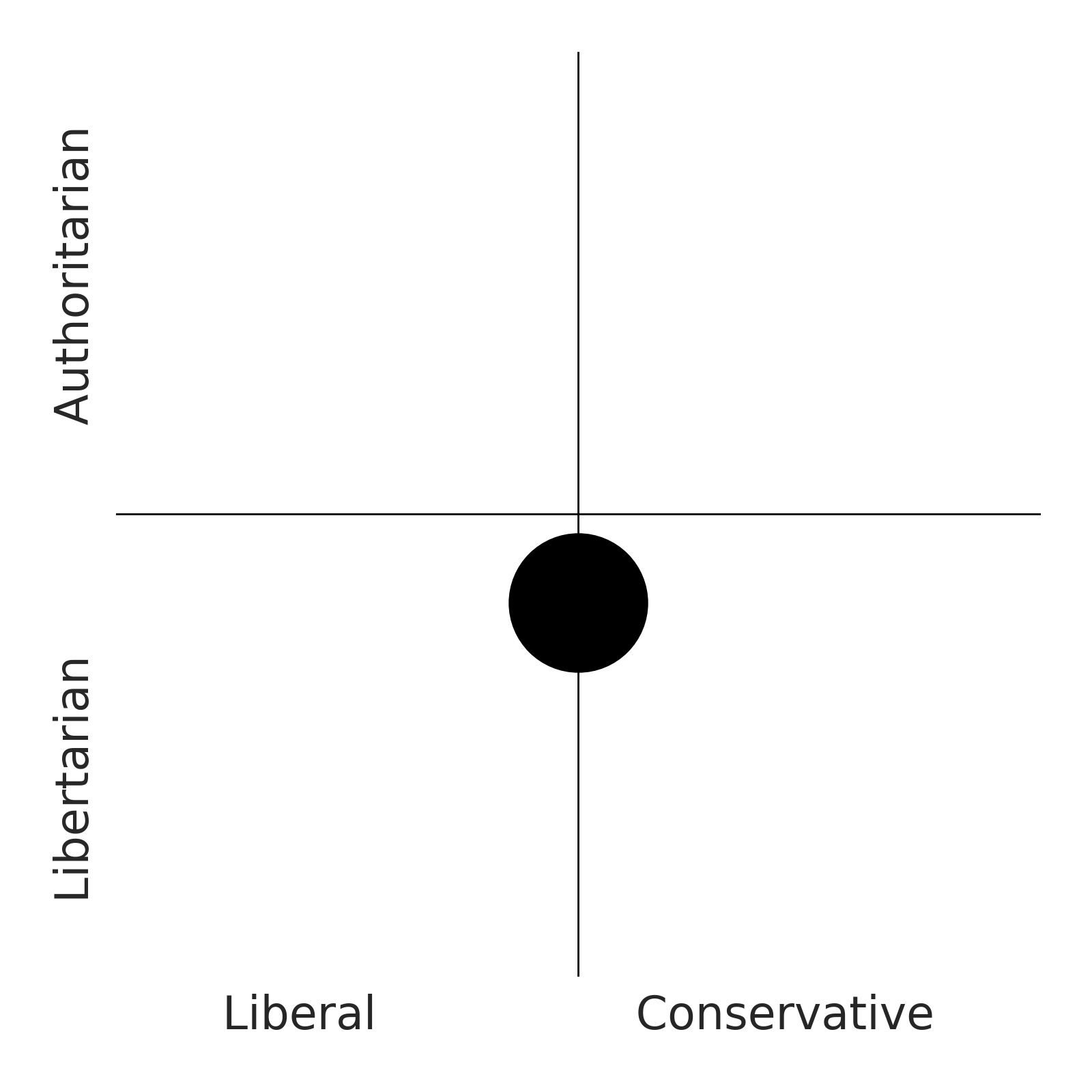
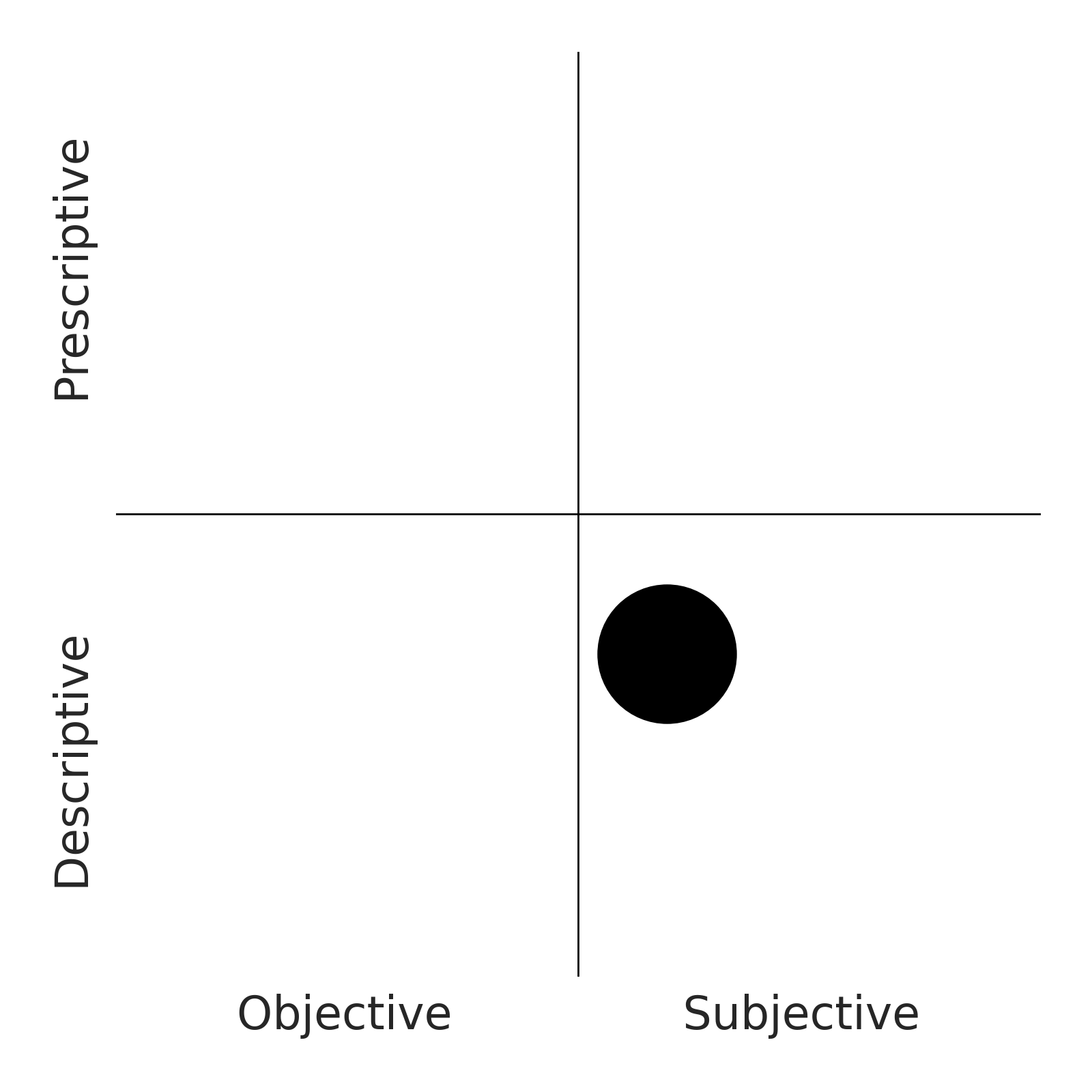
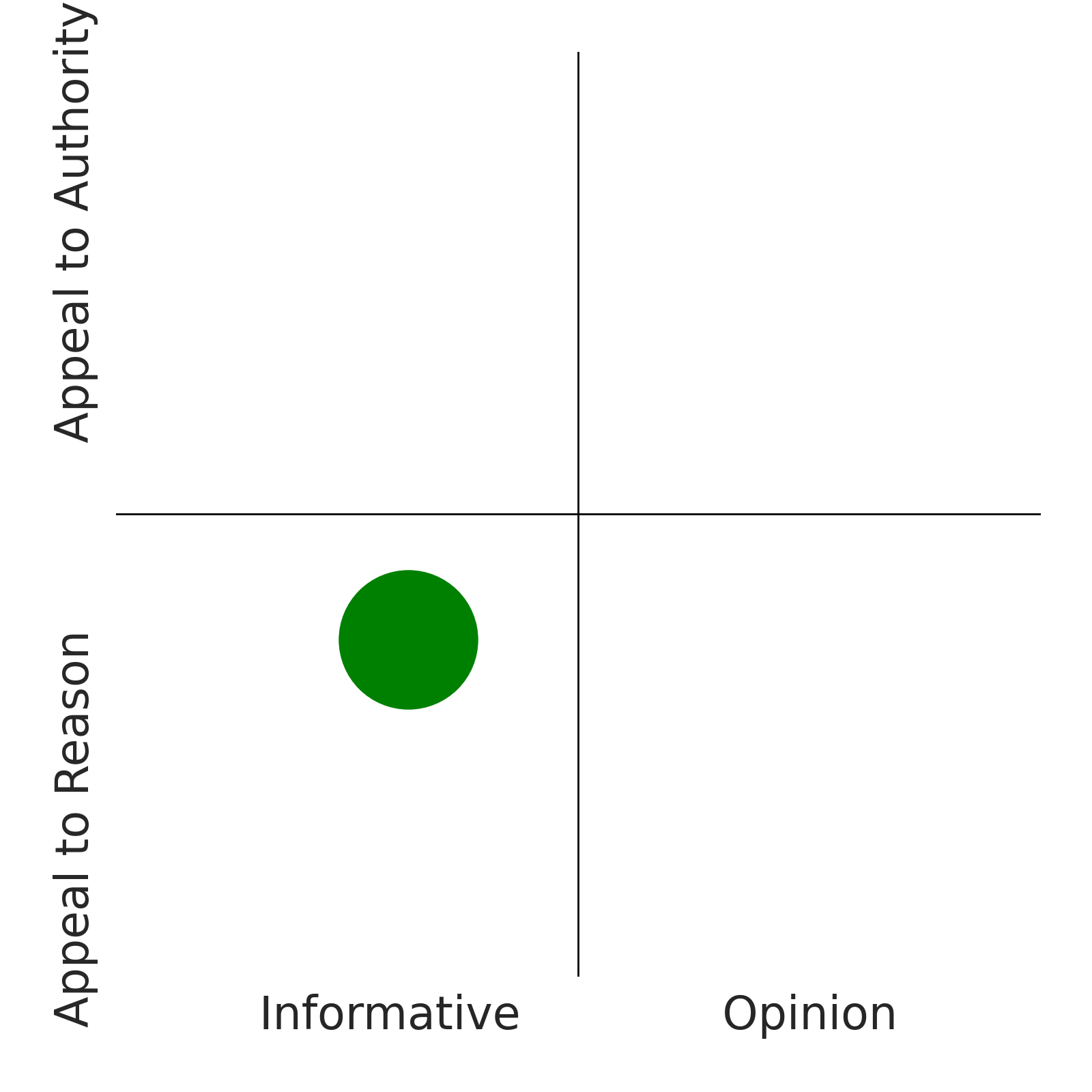
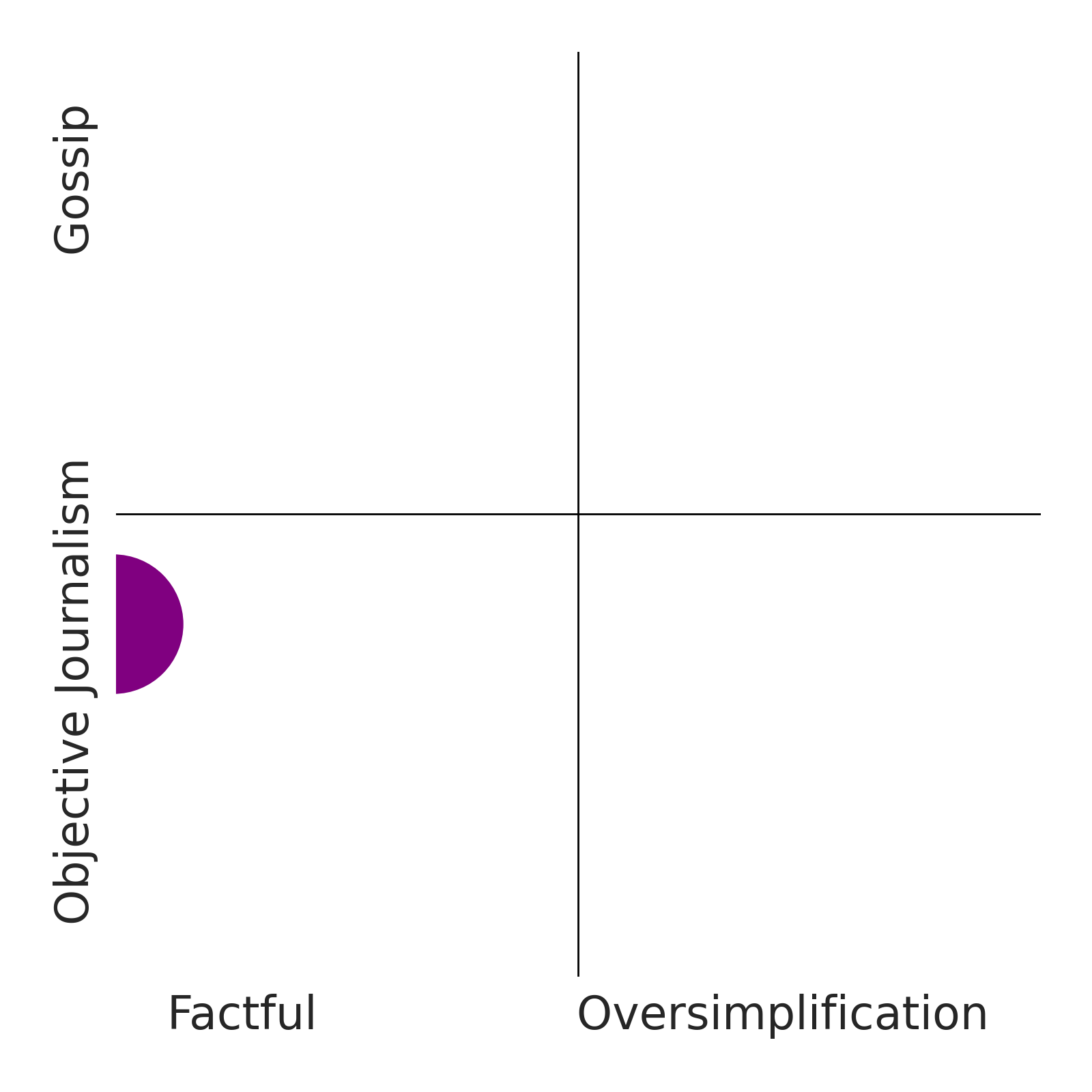
2026 © Helium Trades
Privacy Policy & Disclosure
* Disclaimer: Nothing on this website constitutes investment advice, performance data or any recommendation that any particular security, portfolio of securities, transaction or investment strategy is suitable for any specific person. Helium Trades is not responsible in any way for the accuracy
of any model predictions or price data. Any mention of a particular security and related prediction data is not a recommendation to buy or sell that security. Investments in securities involve the risk of loss. Past performance is no guarantee of future results. Helium Trades is not responsible for any of your investment decisions,
you should consult a financial expert before engaging in any transaction.
Helium Research Assistant

How can I help you today?
Ask any question about Washington Post bias.