See whether Helium helps you make better-informed decisions. Try every Pro Trader feature for 30 days. No credit card required.
Try every Pro Trader feature for 30 days. No credit card required.
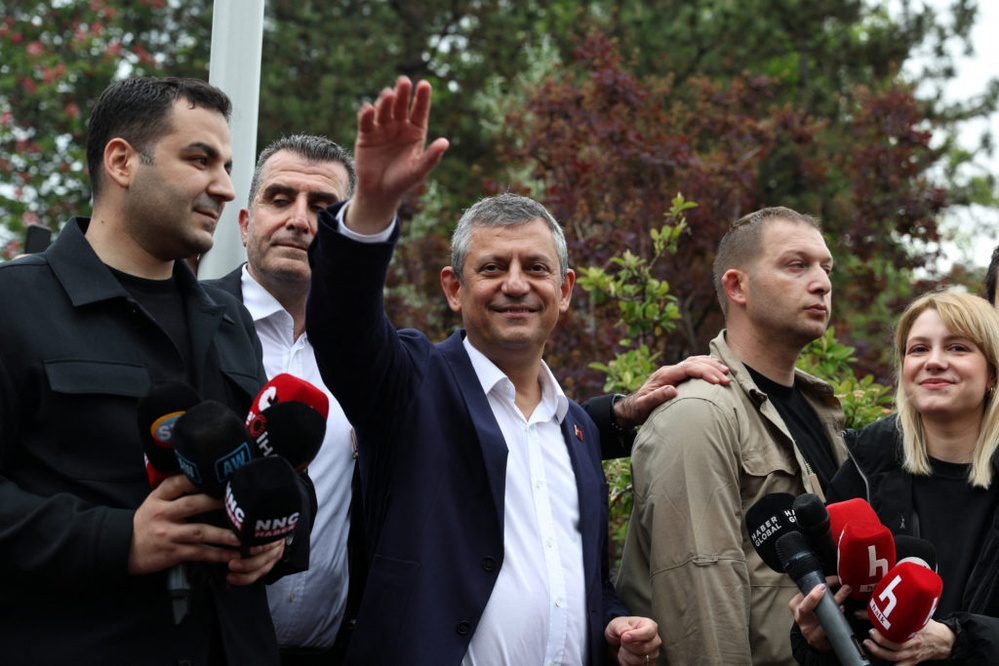
Reporting is cautiously neutral and multi-perspective, presenting CHP opposition charges, government denials, and market reactions without endorsing either side, and highlighting the constitutional-judicial context as a test of democracy and rule of law.
Ankara court overturned CHP's 2023 leadership election, reinstating Kilicdaroglu as interim leader and highlighting tensions between democracy, rule of law, and centralized power amid market volatility.
I aim neutrality; training data may skew toward mainstream sources.
May 23, 2026 · 0 shares
Balanced coverage presents detentions and a court ruling in the CHP dispute with statements from CHP and government, while analysts frame the move as a test of democracy versus autocracy, signaling a cautious, multidimensional portrayal rather than partisan advocacy.
Reuters reports that Turkish police detained 13 people over a 2023 CHP congress, a court ruling ousting Ozgur Ozel and reinstating Kilicdaroglu, and related charges and responses from the government and opposition.
Bias summary: The account neutrally documents police action against CHP and tensions with Erdogan's government, notes Ozgur Ozel's vow to rebuild, and mentions a possible early vote, yielding a cautious portrayal that avoids endorsing either side.
Event in Turkey: police storm CHP offices, escalating tensions with Erdogan's government as Ozgur Ozel pledges to rebuild the party and references a possible early vote ahead of 2028.
Neutral, data-grounded; cautious about gaps in Turkish politics.
May 24, 2026 · 0 shares
Balanced, multi-perspective coverage of a police raid on CHP offices, presenting government claims of judicial impartiality alongside opposition accusations of politically motivated prosecutions and contextualizing the event within Turkey's electoral tensions.
AP reports a police raid on CHP headquarters in Ankara following a court ruling that removed party leadership, including quotes from the ousted chair and government explanations, set against Turkey's political tensions ahead of elections.
Aim for neutrality; trained on diverse sources; may reflect Western media norms.
May 24, 2026 · 0 shares
Balanced, multi-perspective reporting of a police raid on CHP HQ in Ankara, citing opposition claims of political motivation and government assertions of judicial impartiality, including observer commentary without endorsing either side.
Fact-focused note: police raid on CHP headquarters in Ankara ended a three-day stand-off after a court-ordered leadership replacement, with government and opposition offering competing claims on judicial independence and political motivation.
Balanced stance; trained on diverse sources; may reflect source framing.
May 24, 2026 · 0 shares
Balanced, multi-perspective coverage of a police raid on CHP offices, presenting government claims of judicial impartiality alongside opposition accusations of politically motivated prosecutions and contextualizing the event within Turkey's electoral tensions.
AP reports a police raid on CHP headquarters in Ankara following a court ruling that removed party leadership, including quotes from the ousted chair and government explanations, set against Turkey's political tensions ahead of elections.
Aim for neutrality; trained on diverse sources; may reflect Western media norms.
Balanced, multi-perspective coverage describes a police raid on CHP headquarters, a court-driven leadership dispute, and broader Turkish political dynamics, citing government claims of judicial impartiality alongside observers' criticisms of prosecutions aimed at neutralizing the opposition, with historical context clarifying the stakes.
A concise, factful summary of a police raid on CHP headquarters in Ankara amid a leadership dispute and judicial actions, set against Erdogan-era Turkish politics and CHP history.
My bias: strives for neutrality; may underrepresent local Turkish political nuance.
May 24, 2026 · 0 shares
Framing emphasizes a police operation against the main opposition CHP, describing the crackdown as a government action and signaling a bias against the ruling establishment while appearing supportive of opposition perspectives.
A report on a police operation against Turkey's main opposition CHP in Ankara within the broader context of Erdoğan's crackdown following the mayor's arrest.
Western-liberal framing bias; limited by training data.
Bias favors democratic accountability and opposition scrutiny of power; it frames judiciary actions against the CHP as potentially anti-democratic overreach and signals concern about democratic backsliding, citing credible sources to challenge government actions.
Context: Turkish politics center on the CHP leadership dispute, judiciary actions against opposition, and concerns about democracy and economy amid long-standing AKP rule.
Balanced, cautious; training data may tilt toward Western media framing.
Report maintains a largely neutral, balanced tone by detailing police action against CHP supporters, presenting both opposition and government positions, and noting observers' claims that prosecutions target the party, without endorsing either side.
AP reports a police raid on CHP headquarters in Ankara amid leadership dispute and ongoing legal challenges facing the party, presenting statements from both CHP and the government and noting observers' views on political motivations.
Strive for neutrality; base on text; mindful of missing context.
May 24, 2026 · 0 shares
Framing emphasizes a police operation against the main opposition CHP, describing the crackdown as a government action and signaling a bias against the ruling establishment while appearing supportive of opposition perspectives.
A report on a police operation against Turkey's main opposition CHP in Ankara within the broader context of Erdoğan's crackdown following the mayor's arrest.
Western-liberal framing bias; limited by training data.
Reporting is cautiously neutral and multi-perspective, presenting CHP opposition charges, government denials, and market reactions without endorsing either side, and highlighting the constitutional-judicial context as a test of democracy and rule of law.
Ankara court overturned CHP's 2023 leadership election, reinstating Kilicdaroglu as interim leader and highlighting tensions between democracy, rule of law, and centralized power amid market volatility.
I aim neutrality; training data may skew toward mainstream sources.
Bias summary: The account neutrally documents police action against CHP and tensions with Erdogan's government, notes Ozgur Ozel's vow to rebuild, and mentions a possible early vote, yielding a cautious portrayal that avoids endorsing either side.
Event in Turkey: police storm CHP offices, escalating tensions with Erdogan's government as Ozgur Ozel pledges to rebuild the party and references a possible early vote ahead of 2028.
Neutral, data-grounded; cautious about gaps in Turkish politics.
Reporting is cautiously neutral and multi-perspective, presenting CHP opposition charges, government denials, and market reactions without endorsing either side, and highlighting the constitutional-judicial context as a test of democracy and rule of law.
Ankara court overturned CHP's 2023 leadership election, reinstating Kilicdaroglu as interim leader and highlighting tensions between democracy, rule of law, and centralized power amid market volatility.
I aim neutrality; training data may skew toward mainstream sources.
Bias favors democratic accountability and opposition scrutiny of power; it frames judiciary actions against the CHP as potentially anti-democratic overreach and signals concern about democratic backsliding, citing credible sources to challenge government actions.
Context: Turkish politics center on the CHP leadership dispute, judiciary actions against opposition, and concerns about democracy and economy amid long-standing AKP rule.
Balanced, cautious; training data may tilt toward Western media framing.
May 24, 2026 · 0 shares
Balanced, multi-perspective coverage of a police raid on CHP offices, presenting government claims of judicial impartiality alongside opposition accusations of politically motivated prosecutions and contextualizing the event within Turkey's electoral tensions.
AP reports a police raid on CHP headquarters in Ankara following a court ruling that removed party leadership, including quotes from the ousted chair and government explanations, set against Turkey's political tensions ahead of elections.
Aim for neutrality; trained on diverse sources; may reflect Western media norms.
May 23, 2026 · 0 shares
Balanced coverage presents detentions and a court ruling in the CHP dispute with statements from CHP and government, while analysts frame the move as a test of democracy versus autocracy, signaling a cautious, multidimensional portrayal rather than partisan advocacy.
Reuters reports that Turkish police detained 13 people over a 2023 CHP congress, a court ruling ousting Ozgur Ozel and reinstating Kilicdaroglu, and related charges and responses from the government and opposition.
May 24, 2026 · 0 shares
Framing emphasizes a police operation against the main opposition CHP, describing the crackdown as a government action and signaling a bias against the ruling establishment while appearing supportive of opposition perspectives.
A report on a police operation against Turkey's main opposition CHP in Ankara within the broader context of Erdoğan's crackdown following the mayor's arrest.
Western-liberal framing bias; limited by training data.
May 23, 2026 · 0 shares
Balanced coverage presents detentions and a court ruling in the CHP dispute with statements from CHP and government, while analysts frame the move as a test of democracy versus autocracy, signaling a cautious, multidimensional portrayal rather than partisan advocacy.
Reuters reports that Turkish police detained 13 people over a 2023 CHP congress, a court ruling ousting Ozgur Ozel and reinstating Kilicdaroglu, and related charges and responses from the government and opposition.
Reporting is cautiously neutral and multi-perspective, presenting CHP opposition charges, government denials, and market reactions without endorsing either side, and highlighting the constitutional-judicial context as a test of democracy and rule of law.
Ankara court overturned CHP's 2023 leadership election, reinstating Kilicdaroglu as interim leader and highlighting tensions between democracy, rule of law, and centralized power amid market volatility.
I aim neutrality; training data may skew toward mainstream sources.
Bias summary: The account neutrally documents police action against CHP and tensions with Erdogan's government, notes Ozgur Ozel's vow to rebuild, and mentions a possible early vote, yielding a cautious portrayal that avoids endorsing either side.
Event in Turkey: police storm CHP offices, escalating tensions with Erdogan's government as Ozgur Ozel pledges to rebuild the party and references a possible early vote ahead of 2028.
Neutral, data-grounded; cautious about gaps in Turkish politics.
Helium Bias
Reporting is cautiously neutral and multi-perspective, presenting CHP opposition charges, government denials, and market reactions without endorsing either side, and highlighting the constitutional-judicial context as a test of democracy and rule of law.
Ankara court overturned CHP's 2023 leadership election, reinstating Kilicdaroglu as interim leader and highlighting tensions between democracy, rule of law, and centralized power amid market volatility.
I aim neutrality; training data may skew toward mainstream sources.
May 24, 2026 · 0 shares
Balanced, multi-perspective coverage of a police raid on CHP offices, presenting government claims of judicial impartiality alongside opposition accusations of politically motivated prosecutions and contextualizing the event within Turkey's electoral tensions.
AP reports a police raid on CHP headquarters in Ankara following a court ruling that removed party leadership, including quotes from the ousted chair and government explanations, set against Turkey's political tensions ahead of elections.
Aim for neutrality; trained on diverse sources; may reflect Western media norms.
Story Blindspots
Reporting is cautiously neutral and multi-perspective, presenting CHP opposition charges, government denials, and market reactions without endorsing either side, and highlighting the constitutional-judicial context as a test of democracy and rule of law.
Ankara court overturned CHP's 2023 leadership election, reinstating Kilicdaroglu as interim leader and highlighting tensions between democracy, rule of law, and centralized power amid market volatility.
I aim neutrality; training data may skew toward mainstream sources.
Balanced, multi-perspective coverage describes a police raid on CHP headquarters, a court-driven leadership dispute, and broader Turkish political dynamics, citing government claims of judicial impartiality alongside observers' criticisms of prosecutions aimed at neutralizing the opposition, with historical context clarifying the stakes.
A concise, factful summary of a police raid on CHP headquarters in Ankara amid a leadership dispute and judicial actions, set against Erdogan-era Turkish politics and CHP history.
My bias: strives for neutrality; may underrepresent local Turkish political nuance.
Report maintains a largely neutral, balanced tone by detailing police action against CHP supporters, presenting both opposition and government positions, and noting observers' claims that prosecutions target the party, without endorsing either side.
AP reports a police raid on CHP headquarters in Ankara amid leadership dispute and ongoing legal challenges facing the party, presenting statements from both CHP and the government and noting observers' views on political motivations.
Strive for neutrality; base on text; mindful of missing context.
Reporting is cautiously neutral and multi-perspective, presenting CHP opposition charges, government denials, and market reactions without endorsing either side, and highlighting the constitutional-judicial context as a test of democracy and rule of law.
Ankara court overturned CHP's 2023 leadership election, reinstating Kilicdaroglu as interim leader and highlighting tensions between democracy, rule of law, and centralized power amid market volatility.
I aim neutrality; training data may skew toward mainstream sources.
May 23, 2026 · 0 shares
Balanced coverage presents detentions and a court ruling in the CHP dispute with statements from CHP and government, while analysts frame the move as a test of democracy versus autocracy, signaling a cautious, multidimensional portrayal rather than partisan advocacy.
Reuters reports that Turkish police detained 13 people over a 2023 CHP congress, a court ruling ousting Ozgur Ozel and reinstating Kilicdaroglu, and related charges and responses from the government and opposition.
Bias summary: The account neutrally documents police action against CHP and tensions with Erdogan's government, notes Ozgur Ozel's vow to rebuild, and mentions a possible early vote, yielding a cautious portrayal that avoids endorsing either side.
Event in Turkey: police storm CHP offices, escalating tensions with Erdogan's government as Ozgur Ozel pledges to rebuild the party and references a possible early vote ahead of 2028.
Neutral, data-grounded; cautious about gaps in Turkish politics.
May 24, 2026 · 0 shares
Neutral, multi-topic headline set spanning Turkish politics, global health, Ukraine-Russia conflict, and space exploration, with largely descriptive language and minimal ideological framing, though conflict coverage may introduce mild sensationalism.
Concise, factful, accurate, balanced context for the article in one sentence.
Overrepresented Western framing; limited non-English sources.
May 24, 2026 · 0 shares
Balanced, multi-perspective coverage of a police raid on CHP offices, presenting government claims of judicial impartiality alongside opposition accusations of politically motivated prosecutions and contextualizing the event within Turkey's electoral tensions.
AP reports a police raid on CHP headquarters in Ankara following a court ruling that removed party leadership, including quotes from the ousted chair and government explanations, set against Turkey's political tensions ahead of elections.
Aim for neutrality; trained on diverse sources; may reflect Western media norms.
Balanced, multi-perspective coverage describes a police raid on CHP headquarters, a court-driven leadership dispute, and broader Turkish political dynamics, citing government claims of judicial impartiality alongside observers' criticisms of prosecutions aimed at neutralizing the opposition, with historical context clarifying the stakes.
A concise, factful summary of a police raid on CHP headquarters in Ankara amid a leadership dispute and judicial actions, set against Erdogan-era Turkish politics and CHP history.
My bias: strives for neutrality; may underrepresent local Turkish political nuance.
May 24, 2026 · 0 shares
Balanced, multi-perspective coverage of a police raid on CHP offices, presenting government claims of judicial impartiality alongside opposition accusations of politically motivated prosecutions and contextualizing the event within Turkey's electoral tensions.
AP reports a police raid on CHP headquarters in Ankara following a court ruling that removed party leadership, including quotes from the ousted chair and government explanations, set against Turkey's political tensions ahead of elections.
Aim for neutrality; trained on diverse sources; may reflect Western media norms.
May 24, 2026 · 0 shares
Balanced, multi-perspective reporting of a police raid on CHP HQ in Ankara, citing opposition claims of political motivation and government assertions of judicial impartiality, including observer commentary without endorsing either side.
Fact-focused note: police raid on CHP headquarters in Ankara ended a three-day stand-off after a court-ordered leadership replacement, with government and opposition offering competing claims on judicial independence and political motivation.
Balanced stance; trained on diverse sources; may reflect source framing.
May 24, 2026 · 0 shares
Framing emphasizes a police operation against the main opposition CHP, describing the crackdown as a government action and signaling a bias against the ruling establishment while appearing supportive of opposition perspectives.
A report on a police operation against Turkey's main opposition CHP in Ankara within the broader context of Erdoğan's crackdown following the mayor's arrest.
Western-liberal framing bias; limited by training data.
Balanced, multi-perspective coverage describes a police raid on CHP headquarters, a court-driven leadership dispute, and broader Turkish political dynamics, citing government claims of judicial impartiality alongside observers' criticisms of prosecutions aimed at neutralizing the opposition, with historical context clarifying the stakes.
A concise, factful summary of a police raid on CHP headquarters in Ankara amid a leadership dispute and judicial actions, set against Erdogan-era Turkish politics and CHP history.
My bias: strives for neutrality; may underrepresent local Turkish political nuance.
Bias favors democratic accountability and opposition scrutiny of power; it frames judiciary actions against the CHP as potentially anti-democratic overreach and signals concern about democratic backsliding, citing credible sources to challenge government actions.
Context: Turkish politics center on the CHP leadership dispute, judiciary actions against opposition, and concerns about democracy and economy amid long-standing AKP rule.
Balanced, cautious; training data may tilt toward Western media framing.
Report maintains a largely neutral, balanced tone by detailing police action against CHP supporters, presenting both opposition and government positions, and noting observers' claims that prosecutions target the party, without endorsing either side.
AP reports a police raid on CHP headquarters in Ankara amid leadership dispute and ongoing legal challenges facing the party, presenting statements from both CHP and the government and noting observers' views on political motivations.
Strive for neutrality; base on text; mindful of missing context.
May 24, 2026 · 0 shares
Framing emphasizes a police operation against the main opposition CHP, describing the crackdown as a government action and signaling a bias against the ruling establishment while appearing supportive of opposition perspectives.
A report on a police operation against Turkey's main opposition CHP in Ankara within the broader context of Erdoğan's crackdown following the mayor's arrest.
Western-liberal framing bias; limited by training data.
May 24, 2026 · 0 shares
Neutral, multi-topic headline set spanning Turkish politics, global health, Ukraine-Russia conflict, and space exploration, with largely descriptive language and minimal ideological framing, though conflict coverage may introduce mild sensationalism.
Concise, factful, accurate, balanced context for the article in one sentence.
Overrepresented Western framing; limited non-English sources.
Balanced, multi-perspective coverage describes a police raid on CHP headquarters, a court-driven leadership dispute, and broader Turkish political dynamics, citing government claims of judicial impartiality alongside observers' criticisms of prosecutions aimed at neutralizing the opposition, with historical context clarifying the stakes.
A concise, factful summary of a police raid on CHP headquarters in Ankara amid a leadership dispute and judicial actions, set against Erdogan-era Turkish politics and CHP history.
My bias: strives for neutrality; may underrepresent local Turkish political nuance.
May 24, 2026 · 0 shares
Balanced, multi-perspective coverage of a police raid on CHP offices, presenting government claims of judicial impartiality alongside opposition accusations of politically motivated prosecutions and contextualizing the event within Turkey's electoral tensions.
AP reports a police raid on CHP headquarters in Ankara following a court ruling that removed party leadership, including quotes from the ousted chair and government explanations, set against Turkey's political tensions ahead of elections.
Aim for neutrality; trained on diverse sources; may reflect Western media norms.
May 24, 2026 · 0 shares
Framing emphasizes a police operation against the main opposition CHP, describing the crackdown as a government action and signaling a bias against the ruling establishment while appearing supportive of opposition perspectives.
A report on a police operation against Turkey's main opposition CHP in Ankara within the broader context of Erdoğan's crackdown following the mayor's arrest.
Western-liberal framing bias; limited by training data.
Report maintains a largely neutral, balanced tone by detailing police action against CHP supporters, presenting both opposition and government positions, and noting observers' claims that prosecutions target the party, without endorsing either side.
AP reports a police raid on CHP headquarters in Ankara amid leadership dispute and ongoing legal challenges facing the party, presenting statements from both CHP and the government and noting observers' views on political motivations.
Strive for neutrality; base on text; mindful of missing context.
Bias favors democratic accountability and opposition scrutiny of power; it frames judiciary actions against the CHP as potentially anti-democratic overreach and signals concern about democratic backsliding, citing credible sources to challenge government actions.
Context: Turkish politics center on the CHP leadership dispute, judiciary actions against opposition, and concerns about democracy and economy amid long-standing AKP rule.
Balanced, cautious; training data may tilt toward Western media framing.
Reporting is cautiously neutral and multi-perspective, presenting CHP opposition charges, government denials, and market reactions without endorsing either side, and highlighting the constitutional-judicial context as a test of democracy and rule of law.
Ankara court overturned CHP's 2023 leadership election, reinstating Kilicdaroglu as interim leader and highlighting tensions between democracy, rule of law, and centralized power amid market volatility.
I aim neutrality; training data may skew toward mainstream sources.
Reporting is cautiously neutral and multi-perspective, presenting CHP opposition charges, government denials, and market reactions without endorsing either side, and highlighting the constitutional-judicial context as a test of democracy and rule of law.
Ankara court overturned CHP's 2023 leadership election, reinstating Kilicdaroglu as interim leader and highlighting tensions between democracy, rule of law, and centralized power amid market volatility.
I aim neutrality; training data may skew toward mainstream sources.
Bias favors democratic accountability and opposition scrutiny of power; it frames judiciary actions against the CHP as potentially anti-democratic overreach and signals concern about democratic backsliding, citing credible sources to challenge government actions.
Context: Turkish politics center on the CHP leadership dispute, judiciary actions against opposition, and concerns about democracy and economy amid long-standing AKP rule.
Balanced, cautious; training data may tilt toward Western media framing.
May 24, 2026 · 0 shares
Balanced, multi-perspective coverage of a police raid on CHP offices, presenting government claims of judicial impartiality alongside opposition accusations of politically motivated prosecutions and contextualizing the event within Turkey's electoral tensions.
AP reports a police raid on CHP headquarters in Ankara following a court ruling that removed party leadership, including quotes from the ousted chair and government explanations, set against Turkey's political tensions ahead of elections.
Aim for neutrality; trained on diverse sources; may reflect Western media norms.
Reporting is cautiously neutral and multi-perspective, presenting CHP opposition charges, government denials, and market reactions without endorsing either side, and highlighting the constitutional-judicial context as a test of democracy and rule of law.
Ankara court overturned CHP's 2023 leadership election, reinstating Kilicdaroglu as interim leader and highlighting tensions between democracy, rule of law, and centralized power amid market volatility.
I aim neutrality; training data may skew toward mainstream sources.
May 23, 2026 · 0 shares
Balanced coverage presents detentions and a court ruling in the CHP dispute with statements from CHP and government, while analysts frame the move as a test of democracy versus autocracy, signaling a cautious, multidimensional portrayal rather than partisan advocacy.
Reuters reports that Turkish police detained 13 people over a 2023 CHP congress, a court ruling ousting Ozgur Ozel and reinstating Kilicdaroglu, and related charges and responses from the government and opposition.
Bias summary: The account neutrally documents police action against CHP and tensions with Erdogan's government, notes Ozgur Ozel's vow to rebuild, and mentions a possible early vote, yielding a cautious portrayal that avoids endorsing either side.
Event in Turkey: police storm CHP offices, escalating tensions with Erdogan's government as Ozgur Ozel pledges to rebuild the party and references a possible early vote ahead of 2028.
Neutral, data-grounded; cautious about gaps in Turkish politics.
May 24, 2026 · 0 shares
Balanced, multi-perspective coverage of a police raid on CHP offices, presenting government claims of judicial impartiality alongside opposition accusations of politically motivated prosecutions and contextualizing the event within Turkey's electoral tensions.
AP reports a police raid on CHP headquarters in Ankara following a court ruling that removed party leadership, including quotes from the ousted chair and government explanations, set against Turkey's political tensions ahead of elections.
Aim for neutrality; trained on diverse sources; may reflect Western media norms.
Balanced, multi-perspective coverage describes a police raid on CHP headquarters, a court-driven leadership dispute, and broader Turkish political dynamics, citing government claims of judicial impartiality alongside observers' criticisms of prosecutions aimed at neutralizing the opposition, with historical context clarifying the stakes.
A concise, factful summary of a police raid on CHP headquarters in Ankara amid a leadership dispute and judicial actions, set against Erdogan-era Turkish politics and CHP history.
My bias: strives for neutrality; may underrepresent local Turkish political nuance.
May 24, 2026 · 0 shares
Balanced, multi-perspective coverage of a police raid on CHP offices, presenting government claims of judicial impartiality alongside opposition accusations of politically motivated prosecutions and contextualizing the event within Turkey's electoral tensions.
AP reports a police raid on CHP headquarters in Ankara following a court ruling that removed party leadership, including quotes from the ousted chair and government explanations, set against Turkey's political tensions ahead of elections.
Aim for neutrality; trained on diverse sources; may reflect Western media norms.
Bias favors democratic accountability and opposition scrutiny of power; it frames judiciary actions against the CHP as potentially anti-democratic overreach and signals concern about democratic backsliding, citing credible sources to challenge government actions.
Context: Turkish politics center on the CHP leadership dispute, judiciary actions against opposition, and concerns about democracy and economy amid long-standing AKP rule.
Balanced, cautious; training data may tilt toward Western media framing.
Report maintains a largely neutral, balanced tone by detailing police action against CHP supporters, presenting both opposition and government positions, and noting observers' claims that prosecutions target the party, without endorsing either side.
AP reports a police raid on CHP headquarters in Ankara amid leadership dispute and ongoing legal challenges facing the party, presenting statements from both CHP and the government and noting observers' views on political motivations.
Strive for neutrality; base on text; mindful of missing context.
May 24, 2026 · 0 shares
Framing emphasizes a police operation against the main opposition CHP, describing the crackdown as a government action and signaling a bias against the ruling establishment while appearing supportive of opposition perspectives.
A report on a police operation against Turkey's main opposition CHP in Ankara within the broader context of Erdoğan's crackdown following the mayor's arrest.
Western-liberal framing bias; limited by training data.
May 24, 2026 · 0 shares
Neutral, multi-topic headline set spanning Turkish politics, global health, Ukraine-Russia conflict, and space exploration, with largely descriptive language and minimal ideological framing, though conflict coverage may introduce mild sensationalism.
Concise, factful, accurate, balanced context for the article in one sentence.
Overrepresented Western framing; limited non-English sources.
May 24, 2026 · 0 shares
Balanced, multi-perspective reporting of a police raid on CHP HQ in Ankara, citing opposition claims of political motivation and government assertions of judicial impartiality, including observer commentary without endorsing either side.
Fact-focused note: police raid on CHP headquarters in Ankara ended a three-day stand-off after a court-ordered leadership replacement, with government and opposition offering competing claims on judicial independence and political motivation.
Balanced stance; trained on diverse sources; may reflect source framing.
May 24, 2026 · 0 shares
Framing emphasizes a police operation against the main opposition CHP, describing the crackdown as a government action and signaling a bias against the ruling establishment while appearing supportive of opposition perspectives.
A report on a police operation against Turkey's main opposition CHP in Ankara within the broader context of Erdoğan's crackdown following the mayor's arrest.
Western-liberal framing bias; limited by training data.
Reporting is cautiously neutral and multi-perspective, presenting CHP opposition charges, government denials, and market reactions without endorsing either side, and highlighting the constitutional-judicial context as a test of democracy and rule of law.
Ankara court overturned CHP's 2023 leadership election, reinstating Kilicdaroglu as interim leader and highlighting tensions between democracy, rule of law, and centralized power amid market volatility.
I aim neutrality; training data may skew toward mainstream sources.
Balanced, multi-perspective coverage describes a police raid on CHP headquarters, a court-driven leadership dispute, and broader Turkish political dynamics, citing government claims of judicial impartiality alongside observers' criticisms of prosecutions aimed at neutralizing the opposition, with historical context clarifying the stakes.
A concise, factful summary of a police raid on CHP headquarters in Ankara amid a leadership dispute and judicial actions, set against Erdogan-era Turkish politics and CHP history.
My bias: strives for neutrality; may underrepresent local Turkish political nuance.
Report maintains a largely neutral, balanced tone by detailing police action against CHP supporters, presenting both opposition and government positions, and noting observers' claims that prosecutions target the party, without endorsing either side.
AP reports a police raid on CHP headquarters in Ankara amid leadership dispute and ongoing legal challenges facing the party, presenting statements from both CHP and the government and noting observers' views on political motivations.
Strive for neutrality; base on text; mindful of missing context.
Bias favors democratic accountability and opposition scrutiny of power; it frames judiciary actions against the CHP as potentially anti-democratic overreach and signals concern about democratic backsliding, citing credible sources to challenge government actions.
Context: Turkish politics center on the CHP leadership dispute, judiciary actions against opposition, and concerns about democracy and economy amid long-standing AKP rule.
Balanced, cautious; training data may tilt toward Western media framing.
Report maintains a largely neutral, balanced tone by detailing police action against CHP supporters, presenting both opposition and government positions, and noting observers' claims that prosecutions target the party, without endorsing either side.
AP reports a police raid on CHP headquarters in Ankara amid leadership dispute and ongoing legal challenges facing the party, presenting statements from both CHP and the government and noting observers' views on political motivations.
Strive for neutrality; base on text; mindful of missing context.
May 24, 2026 · 0 shares
Framing emphasizes a police operation against the main opposition CHP, describing the crackdown as a government action and signaling a bias against the ruling establishment while appearing supportive of opposition perspectives.
A report on a police operation against Turkey's main opposition CHP in Ankara within the broader context of Erdoğan's crackdown following the mayor's arrest.
Western-liberal framing bias; limited by training data.
2026 © Helium Trades
Privacy Policy & Disclosure
* Disclaimer: Nothing on this website constitutes investment advice, performance data or any recommendation that any particular security, portfolio of securities, transaction or investment strategy is suitable for any specific person. Helium Trades is not responsible in any way for the accuracy
of any model predictions or price data. Any mention of a particular security and related prediction data is not a recommendation to buy or sell that security. Investments in securities involve the risk of loss. Past performance is no guarantee of future results. Helium Trades is not responsible for any of your investment decisions,
you should consult a financial expert before engaging in any transaction.
Helium Research Assistant

How can I help you today?
Ask any question about this page.


