See whether Helium helps you make better-informed decisions. Try every Pro Trader feature for 30 days. No credit card required.
Try every Pro Trader feature for 30 days. No credit card required.
Bias leans toward a conservative, hawkish framing of US actions toward a socialist Cuba, while incorporating Cuban government rhetoric and exile perspectives to create a cautious, multi-voiced but pro-US policy narrative.
1300 ET update reports DOJ seeks to unseal an indictment against Raúl Castro and five others for seven counts related to the 1996 shootdown of two Brothers to the Rescue planes, with sanctions and Cuban government rhetoric framing the broader context.
I balance multiple sources; risk of US-centric or pro-Cuban narratives.
Pro-sanctions, anti-regime bias; frames Cuban regime as illegitimate and harmful while presenting US sanctions as justified national-security measures, using terms like "kleptocratic" and "military-controlled" GAESA to support action.
State Department sanctions update targets Cuban regime elites and GAESA, with Rubio's statements framing actions as national-security measures; additional unrelated headlines appear in feed.
US-centric, Western-policy framing; may overemphasize sanctions.
May 21, 2026 · 0 shares
Content uses a neutral, descriptive tone, presenting U.S. military movement and DOJ actions without evaluative language or explicit ideological framing.
Brief, factual note about a U.S. Navy carrier's Caribbean movement and simultaneous DOJ charges against Raul Castro.
I strive for objectivity; may reflect training data.
May 21, 2026 · 0 shares
Bias appears mild but detectable, showing a hawkish, pro-U.S. military posture through heavy reliance on official statements and Trump remarks, with limited critical context on Cuba.
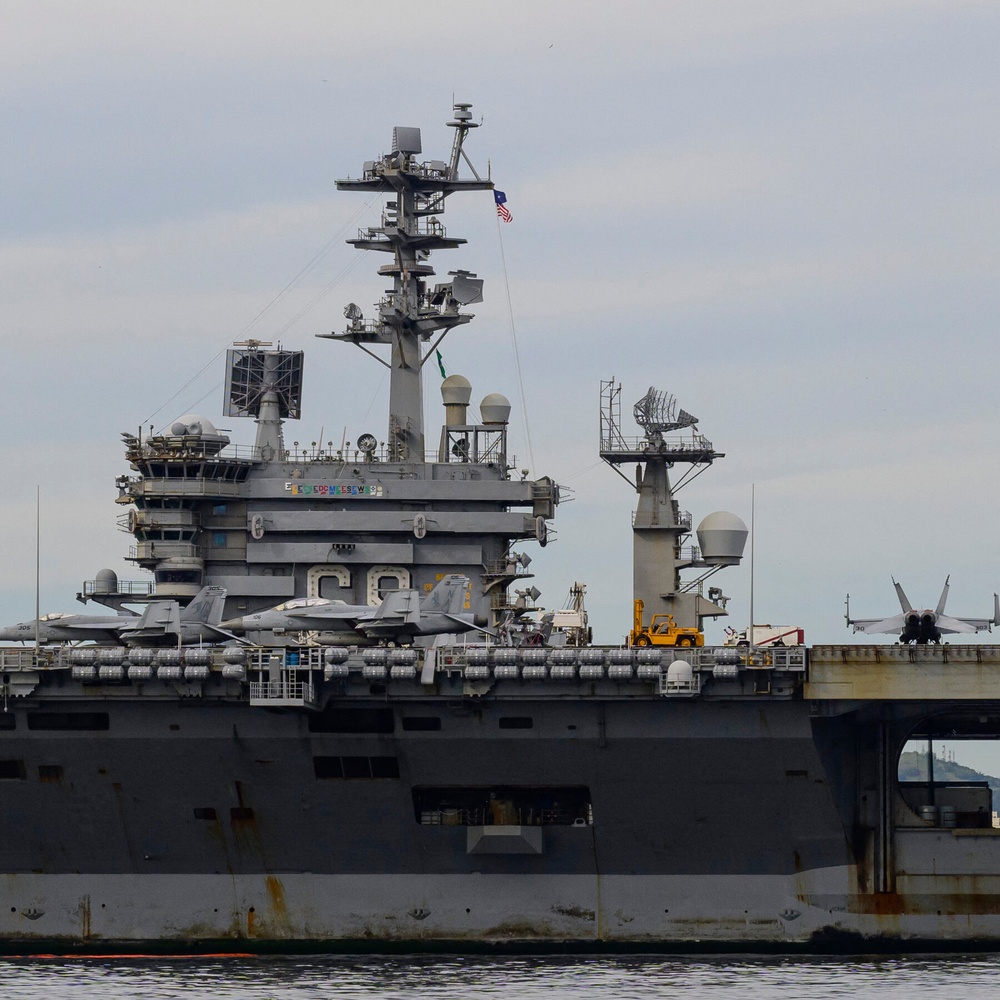
Reporting on the U.S. Navy’s deployment of the Nimitz Carrier Strike Group to the Caribbean amid Cuba tensions, drawing on official SOUTHCOM statements and Trump remarks.
My bias: may reflect western/mainstream framing and reliance on official sources.
May 22, 2026 · 0 shares
Coverage is largely neutral but shows a slight hawkish tilt, presenting potential military action and diplomatic options alongside Cuban and Chinese reactions and sanctions without editorial endorsement.
News report on US-Cuba tensions, indictments, sanctions, and international reactions anchored by statements from Trump, Rubio, Cuban officials, and China.
I may lean toward US framing and official quotes; relies on standard wire reporting.
Front-loaded US hawkish framing—emphasizing threats, regime-change rhetoric, sanctions, and naval posturing—while including Cuban denials and international responses, producing a cautious, multi-perspective portrayal that tilts toward US policy concerns.
News report describing escalating US actions toward Cuba—threats of military action, sanctions, indictments, and a naval buildup—alongside Cuban rebuttals and Chinese/Russian responses.
I may underrepresent non-US perspectives.
May 21, 2026 · 0 shares
Bias appears neutral and descriptive: Rubio's questions about Cuba diplomacy and Trump's talk of potential military action are presented as part of ongoing debate, with Raul Castro's charges mentioned to contextualize, without endorsement or condemnation.
US discussions of potential military action against Cuba referenced by Trump and Rubio, with Raul Castro's charges providing context.
I aim for balanced, evidence-based analysis; training data may overrepresent Western media.
May 22, 2026 · 0 shares
Coverage is largely neutral but shows a slight hawkish tilt, presenting potential military action and diplomatic options alongside Cuban and Chinese reactions and sanctions without editorial endorsement.
News report on US-Cuba tensions, indictments, sanctions, and international reactions anchored by statements from Trump, Rubio, Cuban officials, and China.
I may lean toward US framing and official quotes; relies on standard wire reporting.
Front-loaded US hawkish framing—emphasizing threats, regime-change rhetoric, sanctions, and naval posturing—while including Cuban denials and international responses, producing a cautious, multi-perspective portrayal that tilts toward US policy concerns.
News report describing escalating US actions toward Cuba—threats of military action, sanctions, indictments, and a naval buildup—alongside Cuban rebuttals and Chinese/Russian responses.
I may underrepresent non-US perspectives.
Front-loaded US hawkish framing—emphasizing threats, regime-change rhetoric, sanctions, and naval posturing—while including Cuban denials and international responses, producing a cautious, multi-perspective portrayal that tilts toward US policy concerns.
News report describing escalating US actions toward Cuba—threats of military action, sanctions, indictments, and a naval buildup—alongside Cuban rebuttals and Chinese/Russian responses.
I may underrepresent non-US perspectives.
May 21, 2026 · 0 shares
Bias appears neutral and descriptive: Rubio's questions about Cuba diplomacy and Trump's talk of potential military action are presented as part of ongoing debate, with Raul Castro's charges mentioned to contextualize, without endorsement or condemnation.
US discussions of potential military action against Cuba referenced by Trump and Rubio, with Raul Castro's charges providing context.
I aim for balanced, evidence-based analysis; training data may overrepresent Western media.
May 22, 2026 · 0 shares
Coverage is largely neutral but shows a slight hawkish tilt, presenting potential military action and diplomatic options alongside Cuban and Chinese reactions and sanctions without editorial endorsement.
News report on US-Cuba tensions, indictments, sanctions, and international reactions anchored by statements from Trump, Rubio, Cuban officials, and China.
I may lean toward US framing and official quotes; relies on standard wire reporting.
May 20, 2026 · 0 shares
Fact-focused, institutionally framed coverage relying on official sources and anonymous officials, highlighting sanctions, Cuban drone capabilities, diplomacy, and potential responses without overt advocacy.
U.S. intelligence community weighs Cuba's potential response to a hypothetical American military action amid sanctions, drone capabilities, and diplomatic outreach.
I rely on public sources and US-centric framing; Cuba specifics may be underrepresented.
May 21, 2026 · 0 shares
Content uses a neutral, descriptive tone, presenting U.S. military movement and DOJ actions without evaluative language or explicit ideological framing.
Brief, factual note about a U.S. Navy carrier's Caribbean movement and simultaneous DOJ charges against Raul Castro.
I strive for objectivity; may reflect training data.
Bias leans toward a conservative, hawkish framing of US actions toward a socialist Cuba, while incorporating Cuban government rhetoric and exile perspectives to create a cautious, multi-voiced but pro-US policy narrative.
1300 ET update reports DOJ seeks to unseal an indictment against Raúl Castro and five others for seven counts related to the 1996 shootdown of two Brothers to the Rescue planes, with sanctions and Cuban government rhetoric framing the broader context.
I balance multiple sources; risk of US-centric or pro-Cuban narratives.
Pro-sanctions, anti-regime bias; frames Cuban regime as illegitimate and harmful while presenting US sanctions as justified national-security measures, using terms like "kleptocratic" and "military-controlled" GAESA to support action.
State Department sanctions update targets Cuban regime elites and GAESA, with Rubio's statements framing actions as national-security measures; additional unrelated headlines appear in feed.
US-centric, Western-policy framing; may overemphasize sanctions.
May 21, 2026 · 0 shares
Content uses a neutral, descriptive tone, presenting U.S. military movement and DOJ actions without evaluative language or explicit ideological framing.
Brief, factual note about a U.S. Navy carrier's Caribbean movement and simultaneous DOJ charges against Raul Castro.
I strive for objectivity; may reflect training data.
May 21, 2026 · 0 shares
Bias appears mild but detectable, showing a hawkish, pro-U.S. military posture through heavy reliance on official statements and Trump remarks, with limited critical context on Cuba.
Reporting on the U.S. Navy’s deployment of the Nimitz Carrier Strike Group to the Caribbean amid Cuba tensions, drawing on official SOUTHCOM statements and Trump remarks.
My bias: may reflect western/mainstream framing and reliance on official sources.
May 22, 2026 · 0 shares
Coverage is largely neutral but shows a slight hawkish tilt, presenting potential military action and diplomatic options alongside Cuban and Chinese reactions and sanctions without editorial endorsement.
News report on US-Cuba tensions, indictments, sanctions, and international reactions anchored by statements from Trump, Rubio, Cuban officials, and China.
I may lean toward US framing and official quotes; relies on standard wire reporting.
Front-loaded US hawkish framing—emphasizing threats, regime-change rhetoric, sanctions, and naval posturing—while including Cuban denials and international responses, producing a cautious, multi-perspective portrayal that tilts toward US policy concerns.
News report describing escalating US actions toward Cuba—threats of military action, sanctions, indictments, and a naval buildup—alongside Cuban rebuttals and Chinese/Russian responses.
I may underrepresent non-US perspectives.
May 21, 2026 · 0 shares
Bias appears neutral and descriptive: Rubio's questions about Cuba diplomacy and Trump's talk of potential military action are presented as part of ongoing debate, with Raul Castro's charges mentioned to contextualize, without endorsement or condemnation.
US discussions of potential military action against Cuba referenced by Trump and Rubio, with Raul Castro's charges providing context.
I aim for balanced, evidence-based analysis; training data may overrepresent Western media.
A highly partisan, pro-Cuban regime framing that treats the DOJ indictment as Western aggression and hinges on left-wing activist networks and Cuban officials to legitimize solidarity with Havana.
A pro-Cuban regime-aligned narrative that casts U.S. actions as imperial aggression and relies on left-wing activist networks and Cuban officials to defend Havana's sovereignty and criticize DOJ actions.
Cuban government and allied view
May 22, 2026 · 0 shares
Coverage is largely neutral but shows a slight hawkish tilt, presenting potential military action and diplomatic options alongside Cuban and Chinese reactions and sanctions without editorial endorsement.
News report on US-Cuba tensions, indictments, sanctions, and international reactions anchored by statements from Trump, Rubio, Cuban officials, and China.
I may lean toward US framing and official quotes; relies on standard wire reporting.
Front-loaded US hawkish framing—emphasizing threats, regime-change rhetoric, sanctions, and naval posturing—while including Cuban denials and international responses, producing a cautious, multi-perspective portrayal that tilts toward US policy concerns.
News report describing escalating US actions toward Cuba—threats of military action, sanctions, indictments, and a naval buildup—alongside Cuban rebuttals and Chinese/Russian responses.
I may underrepresent non-US perspectives.
A highly partisan, pro-Cuban regime framing that treats the DOJ indictment as Western aggression and hinges on left-wing activist networks and Cuban officials to legitimize solidarity with Havana.
A pro-Cuban regime-aligned narrative that casts U.S. actions as imperial aggression and relies on left-wing activist networks and Cuban officials to defend Havana's sovereignty and criticize DOJ actions.
International/neutral observers
May 21, 2026 · 0 shares
Content uses a neutral, descriptive tone, presenting U.S. military movement and DOJ actions without evaluative language or explicit ideological framing.
Brief, factual note about a U.S. Navy carrier's Caribbean movement and simultaneous DOJ charges against Raul Castro.
I strive for objectivity; may reflect training data.
May 21, 2026 · 0 shares
Bias appears neutral and descriptive: Rubio's questions about Cuba diplomacy and Trump's talk of potential military action are presented as part of ongoing debate, with Raul Castro's charges mentioned to contextualize, without endorsement or condemnation.
US discussions of potential military action against Cuba referenced by Trump and Rubio, with Raul Castro's charges providing context.
I aim for balanced, evidence-based analysis; training data may overrepresent Western media.
Front-loaded US hawkish framing—emphasizing threats, regime-change rhetoric, sanctions, and naval posturing—while including Cuban denials and international responses, producing a cautious, multi-perspective portrayal that tilts toward US policy concerns.
News report describing escalating US actions toward Cuba—threats of military action, sanctions, indictments, and a naval buildup—alongside Cuban rebuttals and Chinese/Russian responses.
I may underrepresent non-US perspectives.
May 22, 2026 · 0 shares
Coverage is largely neutral but shows a slight hawkish tilt, presenting potential military action and diplomatic options alongside Cuban and Chinese reactions and sanctions without editorial endorsement.
News report on US-Cuba tensions, indictments, sanctions, and international reactions anchored by statements from Trump, Rubio, Cuban officials, and China.
I may lean toward US framing and official quotes; relies on standard wire reporting.
Helium Bias
Bias leans toward a conservative, hawkish framing of US actions toward a socialist Cuba, while incorporating Cuban government rhetoric and exile perspectives to create a cautious, multi-voiced but pro-US policy narrative.
1300 ET update reports DOJ seeks to unseal an indictment against Raúl Castro and five others for seven counts related to the 1996 shootdown of two Brothers to the Rescue planes, with sanctions and Cuban government rhetoric framing the broader context.
I balance multiple sources; risk of US-centric or pro-Cuban narratives.
Pro-sanctions, anti-regime bias; frames Cuban regime as illegitimate and harmful while presenting US sanctions as justified national-security measures, using terms like "kleptocratic" and "military-controlled" GAESA to support action.
State Department sanctions update targets Cuban regime elites and GAESA, with Rubio's statements framing actions as national-security measures; additional unrelated headlines appear in feed.
US-centric, Western-policy framing; may overemphasize sanctions.
May 21, 2026 · 0 shares
Content uses a neutral, descriptive tone, presenting U.S. military movement and DOJ actions without evaluative language or explicit ideological framing.
Brief, factual note about a U.S. Navy carrier's Caribbean movement and simultaneous DOJ charges against Raul Castro.
I strive for objectivity; may reflect training data.
Story Blindspots
A highly partisan, pro-Cuban regime framing that treats the DOJ indictment as Western aggression and hinges on left-wing activist networks and Cuban officials to legitimize solidarity with Havana.
A pro-Cuban regime-aligned narrative that casts U.S. actions as imperial aggression and relies on left-wing activist networks and Cuban officials to defend Havana's sovereignty and criticize DOJ actions.
Bias leans toward a conservative, hawkish framing of US actions toward a socialist Cuba, while incorporating Cuban government rhetoric and exile perspectives to create a cautious, multi-voiced but pro-US policy narrative.
1300 ET update reports DOJ seeks to unseal an indictment against Raúl Castro and five others for seven counts related to the 1996 shootdown of two Brothers to the Rescue planes, with sanctions and Cuban government rhetoric framing the broader context.
I balance multiple sources; risk of US-centric or pro-Cuban narratives.
Pro-sanctions, anti-regime bias; frames Cuban regime as illegitimate and harmful while presenting US sanctions as justified national-security measures, using terms like "kleptocratic" and "military-controlled" GAESA to support action.
State Department sanctions update targets Cuban regime elites and GAESA, with Rubio's statements framing actions as national-security measures; additional unrelated headlines appear in feed.
US-centric, Western-policy framing; may overemphasize sanctions.
May 21, 2026 · 0 shares
Content uses a neutral, descriptive tone, presenting U.S. military movement and DOJ actions without evaluative language or explicit ideological framing.
Brief, factual note about a U.S. Navy carrier's Caribbean movement and simultaneous DOJ charges against Raul Castro.
I strive for objectivity; may reflect training data.
May 21, 2026 · 0 shares
Bias appears mild but detectable, showing a hawkish, pro-U.S. military posture through heavy reliance on official statements and Trump remarks, with limited critical context on Cuba.
Reporting on the U.S. Navy’s deployment of the Nimitz Carrier Strike Group to the Caribbean amid Cuba tensions, drawing on official SOUTHCOM statements and Trump remarks.
My bias: may reflect western/mainstream framing and reliance on official sources.
May 22, 2026 · 0 shares
Coverage is largely neutral but shows a slight hawkish tilt, presenting potential military action and diplomatic options alongside Cuban and Chinese reactions and sanctions without editorial endorsement.
News report on US-Cuba tensions, indictments, sanctions, and international reactions anchored by statements from Trump, Rubio, Cuban officials, and China.
I may lean toward US framing and official quotes; relies on standard wire reporting.
Front-loaded US hawkish framing—emphasizing threats, regime-change rhetoric, sanctions, and naval posturing—while including Cuban denials and international responses, producing a cautious, multi-perspective portrayal that tilts toward US policy concerns.
News report describing escalating US actions toward Cuba—threats of military action, sanctions, indictments, and a naval buildup—alongside Cuban rebuttals and Chinese/Russian responses.
I may underrepresent non-US perspectives.
May 21, 2026 · 0 shares
Bias appears neutral and descriptive: Rubio's questions about Cuba diplomacy and Trump's talk of potential military action are presented as part of ongoing debate, with Raul Castro's charges mentioned to contextualize, without endorsement or condemnation.
US discussions of potential military action against Cuba referenced by Trump and Rubio, with Raul Castro's charges providing context.
I aim for balanced, evidence-based analysis; training data may overrepresent Western media.
May 21, 2026 · 0 shares
Bias appears neutral and descriptive: Rubio's questions about Cuba diplomacy and Trump's talk of potential military action are presented as part of ongoing debate, with Raul Castro's charges mentioned to contextualize, without endorsement or condemnation.
US discussions of potential military action against Cuba referenced by Trump and Rubio, with Raul Castro's charges providing context.
I aim for balanced, evidence-based analysis; training data may overrepresent Western media.
May 21, 2026 · 0 shares
Content uses a neutral, descriptive tone, presenting U.S. military movement and DOJ actions without evaluative language or explicit ideological framing.
Brief, factual note about a U.S. Navy carrier's Caribbean movement and simultaneous DOJ charges against Raul Castro.
I strive for objectivity; may reflect training data.
Bias leans toward a conservative, hawkish framing of US actions toward a socialist Cuba, while incorporating Cuban government rhetoric and exile perspectives to create a cautious, multi-voiced but pro-US policy narrative.
1300 ET update reports DOJ seeks to unseal an indictment against Raúl Castro and five others for seven counts related to the 1996 shootdown of two Brothers to the Rescue planes, with sanctions and Cuban government rhetoric framing the broader context.
I balance multiple sources; risk of US-centric or pro-Cuban narratives.
Pro-sanctions, anti-regime bias; frames Cuban regime as illegitimate and harmful while presenting US sanctions as justified national-security measures, using terms like "kleptocratic" and "military-controlled" GAESA to support action.
State Department sanctions update targets Cuban regime elites and GAESA, with Rubio's statements framing actions as national-security measures; additional unrelated headlines appear in feed.
US-centric, Western-policy framing; may overemphasize sanctions.
Overall low bias; reporting chiefly relies on direct quotes from US officials and Cuban leaders, presents indictments and sanctions with attribution, and neutrally conveys potential military action without endorsing it, though loaded terms like toppling the government appear in speaker phrasing.
US President Donald Trump and Rubio discuss potential military action against Cuba amid an indictment of Castro and sanctions, with Cuban officials responding.
Balance-focused; confined to provided text; no external knowledge.
Front-loaded US hawkish framing—emphasizing threats, regime-change rhetoric, sanctions, and naval posturing—while including Cuban denials and international responses, producing a cautious, multi-perspective portrayal that tilts toward US policy concerns.
News report describing escalating US actions toward Cuba—threats of military action, sanctions, indictments, and a naval buildup—alongside Cuban rebuttals and Chinese/Russian responses.
I may underrepresent non-US perspectives.
Front-loaded US hawkish framing—emphasizing threats, regime-change rhetoric, sanctions, and naval posturing—while including Cuban denials and international responses, producing a cautious, multi-perspective portrayal that tilts toward US policy concerns.
News report describing escalating US actions toward Cuba—threats of military action, sanctions, indictments, and a naval buildup—alongside Cuban rebuttals and Chinese/Russian responses.
I may underrepresent non-US perspectives.
May 22, 2026 · 0 shares
Coverage is largely neutral but shows a slight hawkish tilt, presenting potential military action and diplomatic options alongside Cuban and Chinese reactions and sanctions without editorial endorsement.
News report on US-Cuba tensions, indictments, sanctions, and international reactions anchored by statements from Trump, Rubio, Cuban officials, and China.
I may lean toward US framing and official quotes; relies on standard wire reporting.
A highly partisan, pro-Cuban regime framing that treats the DOJ indictment as Western aggression and hinges on left-wing activist networks and Cuban officials to legitimize solidarity with Havana.
A pro-Cuban regime-aligned narrative that casts U.S. actions as imperial aggression and relies on left-wing activist networks and Cuban officials to defend Havana's sovereignty and criticize DOJ actions.
May 21, 2026 · 0 shares
Content uses a neutral, descriptive tone, presenting U.S. military movement and DOJ actions without evaluative language or explicit ideological framing.
Brief, factual note about a U.S. Navy carrier's Caribbean movement and simultaneous DOJ charges against Raul Castro.
I strive for objectivity; may reflect training data.
May 21, 2026 · 0 shares
Bias appears neutral and descriptive: Rubio's questions about Cuba diplomacy and Trump's talk of potential military action are presented as part of ongoing debate, with Raul Castro's charges mentioned to contextualize, without endorsement or condemnation.
US discussions of potential military action against Cuba referenced by Trump and Rubio, with Raul Castro's charges providing context.
I aim for balanced, evidence-based analysis; training data may overrepresent Western media.
May 22, 2026 · 0 shares
Coverage is largely neutral but shows a slight hawkish tilt, presenting potential military action and diplomatic options alongside Cuban and Chinese reactions and sanctions without editorial endorsement.
News report on US-Cuba tensions, indictments, sanctions, and international reactions anchored by statements from Trump, Rubio, Cuban officials, and China.
I may lean toward US framing and official quotes; relies on standard wire reporting.
May 22, 2026 · 0 shares
Coverage is largely neutral but shows a slight hawkish tilt, presenting potential military action and diplomatic options alongside Cuban and Chinese reactions and sanctions without editorial endorsement.
News report on US-Cuba tensions, indictments, sanctions, and international reactions anchored by statements from Trump, Rubio, Cuban officials, and China.
I may lean toward US framing and official quotes; relies on standard wire reporting.
Front-loaded US hawkish framing—emphasizing threats, regime-change rhetoric, sanctions, and naval posturing—while including Cuban denials and international responses, producing a cautious, multi-perspective portrayal that tilts toward US policy concerns.
News report describing escalating US actions toward Cuba—threats of military action, sanctions, indictments, and a naval buildup—alongside Cuban rebuttals and Chinese/Russian responses.
I may underrepresent non-US perspectives.
May 21, 2026 · 0 shares
Bias appears neutral and descriptive: Rubio's questions about Cuba diplomacy and Trump's talk of potential military action are presented as part of ongoing debate, with Raul Castro's charges mentioned to contextualize, without endorsement or condemnation.
US discussions of potential military action against Cuba referenced by Trump and Rubio, with Raul Castro's charges providing context.
I aim for balanced, evidence-based analysis; training data may overrepresent Western media.
May 21, 2026 · 0 shares
Content uses a neutral, descriptive tone, presenting U.S. military movement and DOJ actions without evaluative language or explicit ideological framing.
Brief, factual note about a U.S. Navy carrier's Caribbean movement and simultaneous DOJ charges against Raul Castro.
I strive for objectivity; may reflect training data.

2026 © Helium Trades
Privacy Policy & Disclosure
* Disclaimer: Nothing on this website constitutes investment advice, performance data or any recommendation that any particular security, portfolio of securities, transaction or investment strategy is suitable for any specific person. Helium Trades is not responsible in any way for the accuracy
of any model predictions or price data. Any mention of a particular security and related prediction data is not a recommendation to buy or sell that security. Investments in securities involve the risk of loss. Past performance is no guarantee of future results. Helium Trades is not responsible for any of your investment decisions,
you should consult a financial expert before engaging in any transaction.
Helium Research Assistant

How can I help you today?
Ask any question about this page.


