See whether Helium helps you make better-informed decisions. Try every Pro Trader feature for 30 days. No credit card required.
Try every Pro Trader feature for 30 days. No credit card required.
May 31, 2026 · 0 shares
Live-update coverage centers on Israeli military advances announced by the defence minister, with limited Hezbollah or Lebanese counter-perspective, yielding a mild pro-state framing and limited balance.
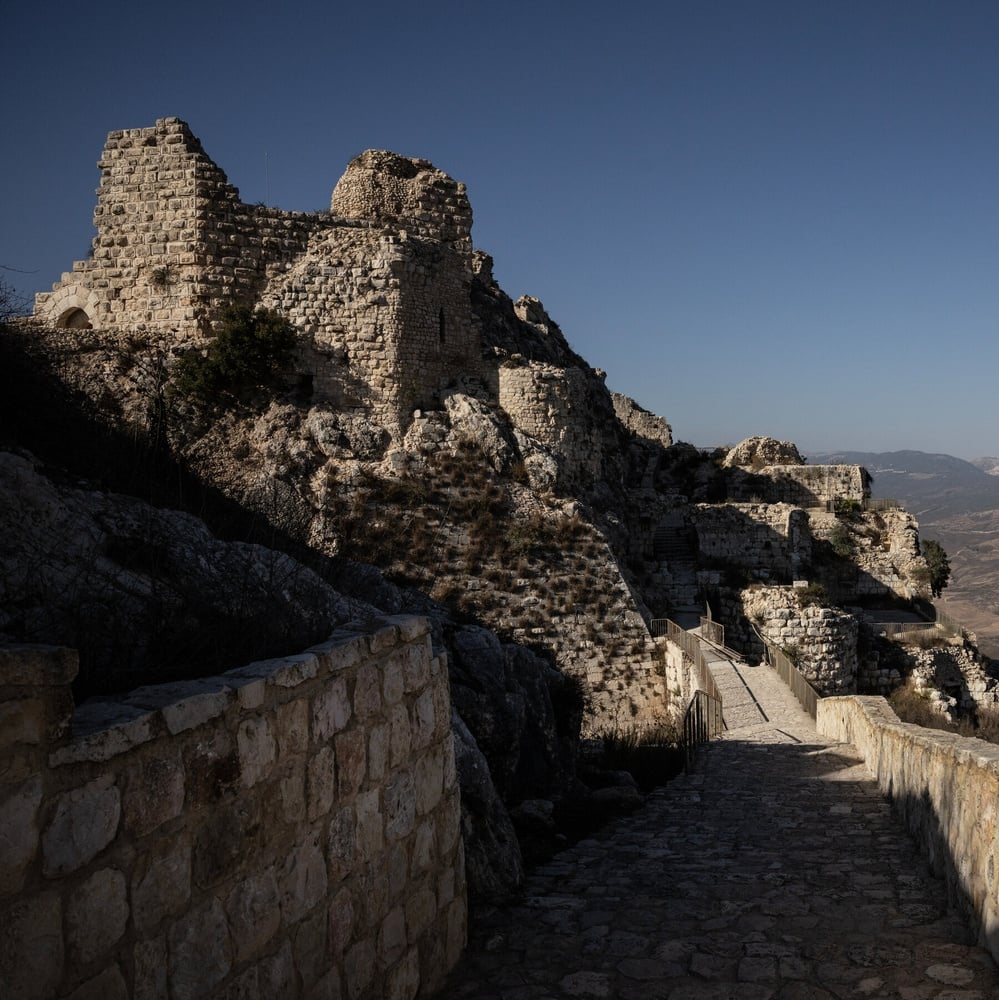
A live updates report describing the capture of Beaufort Castle by Israeli forces and the strategic implications of a deeper incursion into Lebanon, with reference to past occupation and official statements.
Based on provided text, may underrepresent Hezbollah/Lebanese perspectives.
Neutral-to-slightly cautious, multi-voiced coverage that presents Israeli, Lebanese, and international perspectives via quotes and casualty data, without overt advocacy for either side.
Beaufort Castle capture and evacuation warnings amid Israeli ground operations in southern Lebanon, with casualty reports and international reactions shaping the broader conflict with Hezbollah.
Neutral stance; relies on quoted sources.
May 31, 2026 · 0 shares
Overall balance with evidence from both sides, but uses some loaded framing (invading army) that subtly leans against Israeli actions while foregrounding Lebanese criticism and Hezbollah context.
AL-MONITOR reports on Israel's flag atop Beaufort Castle in south Lebanon amid evacuation orders and ongoing clashes with Hezbollah, with casualty figures and US talks present.
Limited by training data; aims for neutral, evidence-based analysis.
Multi-sourced, balanced coverage of the Israel-Hezbollah conflict that reports Beaufort castle's capture and broader incursions with statements from Israeli, Lebanese, and international officials, emphasizes casualty figures and displacement from multiple perspectives, and avoids editorialized judgments.
Fact-focused update on Beaufort castle capture and broader Israel-Hezbollah conflict with international reactions and casualty data
Rely on public/Western sources; casualty counts contested.
May 31, 2026 · 0 shares
This report presents factual moves (Beaufort Castle capture, flag planting, escalation of the Lebanon ground operation) and Netanyahu's framing of a dramatic shift in the campaign against Hezbollah, indicating a slight hawkish tilt without critical analysis.
Israeli forces captured Beaufort Castle in southern Lebanon and escalated their ground operation against Hezbollah, with Netanyahu describing it as a dramatic shift.
Moderate neutral bias; may emphasize actions; limited regional context.
Coverage frames Netanyahu's Beaufort Castle capture as a triumph and advocates a dramatic policy shift on Hezbollah, signaling pro-establishment bias.
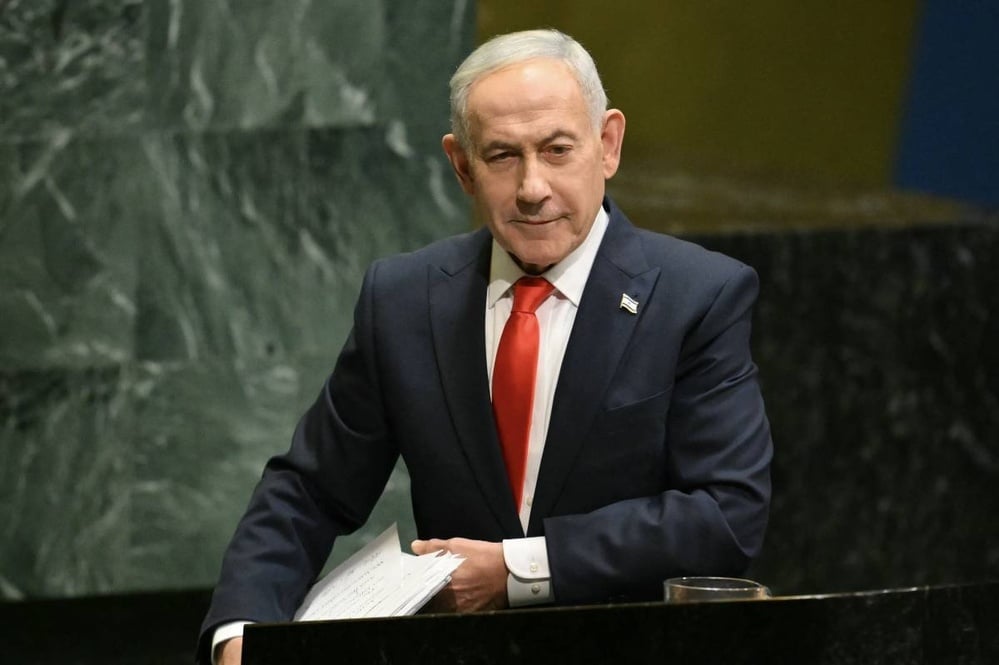
Times of Israel coverage focusing on Netanyahu's reaction to the Beaufort Castle capture and anticipated policy shift on Hezbollah.
Training-data framing; cautious about domestic political angle
May 31, 2026 · 0 shares
Bias appears modestly hawkish toward Israeli actions, foregrounding military advances and Netanyahu's rhetoric while also presenting France's condemnation and UN diplomacy to appear balanced.
A multi-faceted report on the Israeli capture of Beaufort Castle in southern Lebanon during the Israel-Hezbollah conflict, including casualty figures, ceasefire context, and international reactions.
May reflect Western media frames; aims for neutral, evidence-based answers.
Neutral-to-slightly cautious, multi-voiced coverage that presents Israeli, Lebanese, and international perspectives via quotes and casualty data, without overt advocacy for either side.
Beaufort Castle capture and evacuation warnings amid Israeli ground operations in southern Lebanon, with casualty reports and international reactions shaping the broader conflict with Hezbollah.
Neutral stance; relies on quoted sources.
May 31, 2026 · 0 shares
Overall balance with evidence from both sides, but uses some loaded framing (invading army) that subtly leans against Israeli actions while foregrounding Lebanese criticism and Hezbollah context.
AL-MONITOR reports on Israel's flag atop Beaufort Castle in south Lebanon amid evacuation orders and ongoing clashes with Hezbollah, with casualty figures and US talks present.
Limited by training data; aims for neutral, evidence-based analysis.
Attribution-heavy, multi-source reporting emphasizes civilian harm and ceasefire dynamics while avoiding overt advocacy, yielding a balanced, context-rich portrayal with limited editorial framing.
Cross-border conflict reporting focusing on Israeli strikes in southern Lebanon, civilian casualties, evacuations, and related political statements.
I strive for neutrality; training data may reflect media biases.
Neutral-to-slightly cautious, multi-voiced coverage that presents Israeli, Lebanese, and international perspectives via quotes and casualty data, without overt advocacy for either side.
Beaufort Castle capture and evacuation warnings amid Israeli ground operations in southern Lebanon, with casualty reports and international reactions shaping the broader conflict with Hezbollah.
Neutral stance; relies on quoted sources.
Attribution-heavy, multi-source reporting emphasizes civilian harm and ceasefire dynamics while avoiding overt advocacy, yielding a balanced, context-rich portrayal with limited editorial framing.
Cross-border conflict reporting focusing on Israeli strikes in southern Lebanon, civilian casualties, evacuations, and related political statements.
I strive for neutrality; training data may reflect media biases.
Multi-sourced, balanced coverage of the Israel-Hezbollah conflict that reports Beaufort castle's capture and broader incursions with statements from Israeli, Lebanese, and international officials, emphasizes casualty figures and displacement from multiple perspectives, and avoids editorialized judgments.
Fact-focused update on Beaufort castle capture and broader Israel-Hezbollah conflict with international reactions and casualty data
Rely on public/Western sources; casualty counts contested.
Neutral-to-slightly cautious, multi-voiced coverage that presents Israeli, Lebanese, and international perspectives via quotes and casualty data, without overt advocacy for either side.
Beaufort Castle capture and evacuation warnings amid Israeli ground operations in southern Lebanon, with casualty reports and international reactions shaping the broader conflict with Hezbollah.
Neutral stance; relies on quoted sources.
Multi-sourced, balanced coverage of the Israel-Hezbollah conflict that reports Beaufort castle's capture and broader incursions with statements from Israeli, Lebanese, and international officials, emphasizes casualty figures and displacement from multiple perspectives, and avoids editorialized judgments.
Fact-focused update on Beaufort castle capture and broader Israel-Hezbollah conflict with international reactions and casualty data
Rely on public/Western sources; casualty counts contested.
May 31, 2026 · 0 shares
Bias appears modestly hawkish toward Israeli actions, foregrounding military advances and Netanyahu's rhetoric while also presenting France's condemnation and UN diplomacy to appear balanced.
A multi-faceted report on the Israeli capture of Beaufort Castle in southern Lebanon during the Israel-Hezbollah conflict, including casualty figures, ceasefire context, and international reactions.
May reflect Western media frames; aims for neutral, evidence-based answers.
May 31, 2026 · 0 shares
Overall balance with evidence from both sides, but uses some loaded framing (invading army) that subtly leans against Israeli actions while foregrounding Lebanese criticism and Hezbollah context.
AL-MONITOR reports on Israel's flag atop Beaufort Castle in south Lebanon amid evacuation orders and ongoing clashes with Hezbollah, with casualty figures and US talks present.
Limited by training data; aims for neutral, evidence-based analysis.
Multi-sourced, balanced coverage of the Israel-Hezbollah conflict that reports Beaufort castle's capture and broader incursions with statements from Israeli, Lebanese, and international officials, emphasizes casualty figures and displacement from multiple perspectives, and avoids editorialized judgments.
Fact-focused update on Beaufort castle capture and broader Israel-Hezbollah conflict with international reactions and casualty data
Rely on public/Western sources; casualty counts contested.
May 31, 2026 · 0 shares
Bias appears modestly hawkish toward Israeli actions, foregrounding military advances and Netanyahu's rhetoric while also presenting France's condemnation and UN diplomacy to appear balanced.
A multi-faceted report on the Israeli capture of Beaufort Castle in southern Lebanon during the Israel-Hezbollah conflict, including casualty figures, ceasefire context, and international reactions.
May reflect Western media frames; aims for neutral, evidence-based answers.
Attribution-heavy, multi-source reporting emphasizes civilian harm and ceasefire dynamics while avoiding overt advocacy, yielding a balanced, context-rich portrayal with limited editorial framing.
Cross-border conflict reporting focusing on Israeli strikes in southern Lebanon, civilian casualties, evacuations, and related political statements.
I strive for neutrality; training data may reflect media biases.
Neutral-to-slightly cautious, multi-voiced coverage that presents Israeli, Lebanese, and international perspectives via quotes and casualty data, without overt advocacy for either side.
Beaufort Castle capture and evacuation warnings amid Israeli ground operations in southern Lebanon, with casualty reports and international reactions shaping the broader conflict with Hezbollah.
Neutral stance; relies on quoted sources.
May 31, 2026 · 0 shares
Overall balance with evidence from both sides, but uses some loaded framing (invading army) that subtly leans against Israeli actions while foregrounding Lebanese criticism and Hezbollah context.
AL-MONITOR reports on Israel's flag atop Beaufort Castle in south Lebanon amid evacuation orders and ongoing clashes with Hezbollah, with casualty figures and US talks present.
Limited by training data; aims for neutral, evidence-based analysis.
Attribution-heavy, multi-source reporting emphasizes civilian harm and ceasefire dynamics while avoiding overt advocacy, yielding a balanced, context-rich portrayal with limited editorial framing.
Cross-border conflict reporting focusing on Israeli strikes in southern Lebanon, civilian casualties, evacuations, and related political statements.
I strive for neutrality; training data may reflect media biases.
Neutral-to-slightly cautious, multi-voiced coverage that presents Israeli, Lebanese, and international perspectives via quotes and casualty data, without overt advocacy for either side.
Beaufort Castle capture and evacuation warnings amid Israeli ground operations in southern Lebanon, with casualty reports and international reactions shaping the broader conflict with Hezbollah.
Neutral stance; relies on quoted sources.
Multi-sourced, balanced coverage of the Israel-Hezbollah conflict that reports Beaufort castle's capture and broader incursions with statements from Israeli, Lebanese, and international officials, emphasizes casualty figures and displacement from multiple perspectives, and avoids editorialized judgments.
Fact-focused update on Beaufort castle capture and broader Israel-Hezbollah conflict with international reactions and casualty data
Rely on public/Western sources; casualty counts contested.
May 31, 2026 · 0 shares
Bias appears modestly hawkish toward Israeli actions, foregrounding military advances and Netanyahu's rhetoric while also presenting France's condemnation and UN diplomacy to appear balanced.
A multi-faceted report on the Israeli capture of Beaufort Castle in southern Lebanon during the Israel-Hezbollah conflict, including casualty figures, ceasefire context, and international reactions.
May reflect Western media frames; aims for neutral, evidence-based answers.
Israeli official / operations-centered framing
May 31, 2026 · 0 shares
Live-update coverage centers on Israeli military advances announced by the defence minister, with limited Hezbollah or Lebanese counter-perspective, yielding a mild pro-state framing and limited balance.
A live updates report describing the capture of Beaufort Castle by Israeli forces and the strategic implications of a deeper incursion into Lebanon, with reference to past occupation and official statements.
Based on provided text, may underrepresent Hezbollah/Lebanese perspectives.
May 31, 2026 · 0 shares
Live-update coverage centers on Israeli military advances announced by the defence minister, with limited Hezbollah or Lebanese counter-perspective, yielding a mild pro-state framing and limited balance.
A live updates report describing the capture of Beaufort Castle by Israeli forces and the strategic implications of a deeper incursion into Lebanon, with reference to past occupation and official statements.
Based on provided text, may underrepresent Hezbollah/Lebanese perspectives.
May 31, 2026 · 0 shares
Event-focused military update that relies on official terminology and lists units and objectives with minimal independent context, producing a largely neutral framing that omits casualty details and broader implications.
Israeli forces conducted a cross-Litani operation in southern Lebanon, capturing Beaufort Castle and targeting Hezbollah infrastructure near a strategic ridge, with named units cited.
Neutral by design; no personal political stance.
May 31, 2026 · 0 shares
This report presents factual moves (Beaufort Castle capture, flag planting, escalation of the Lebanon ground operation) and Netanyahu's framing of a dramatic shift in the campaign against Hezbollah, indicating a slight hawkish tilt without critical analysis.
Israeli forces captured Beaufort Castle in southern Lebanon and escalated their ground operation against Hezbollah, with Netanyahu describing it as a dramatic shift.
Moderate neutral bias; may emphasize actions; limited regional context.
Coverage frames Netanyahu's Beaufort Castle capture as a triumph and advocates a dramatic policy shift on Hezbollah, signaling pro-establishment bias.
Times of Israel coverage focusing on Netanyahu's reaction to the Beaufort Castle capture and anticipated policy shift on Hezbollah.
Training-data framing; cautious about domestic political angle
Neutral-to-slightly cautious, multi-voiced coverage that presents Israeli, Lebanese, and international perspectives via quotes and casualty data, without overt advocacy for either side.
Beaufort Castle capture and evacuation warnings amid Israeli ground operations in southern Lebanon, with casualty reports and international reactions shaping the broader conflict with Hezbollah.
Neutral stance; relies on quoted sources.
Neutral-to-slightly cautious, multi-voiced coverage that presents Israeli, Lebanese, and international perspectives via quotes and casualty data, without overt advocacy for either side.
Beaufort Castle capture and evacuation warnings amid Israeli ground operations in southern Lebanon, with casualty reports and international reactions shaping the broader conflict with Hezbollah.
Neutral stance; relies on quoted sources.
Multi-sourced, balanced coverage of the Israel-Hezbollah conflict that reports Beaufort castle's capture and broader incursions with statements from Israeli, Lebanese, and international officials, emphasizes casualty figures and displacement from multiple perspectives, and avoids editorialized judgments.
Fact-focused update on Beaufort castle capture and broader Israel-Hezbollah conflict with international reactions and casualty data
Rely on public/Western sources; casualty counts contested.
Lebanese/Hezbollah grievance and proportionality-centered framing
Neutral-to-slightly cautious, multi-voiced coverage that presents Israeli, Lebanese, and international perspectives via quotes and casualty data, without overt advocacy for either side.
Beaufort Castle capture and evacuation warnings amid Israeli ground operations in southern Lebanon, with casualty reports and international reactions shaping the broader conflict with Hezbollah.
Neutral stance; relies on quoted sources.
May 31, 2026 · 0 shares
Overall balance with evidence from both sides, but uses some loaded framing (invading army) that subtly leans against Israeli actions while foregrounding Lebanese criticism and Hezbollah context.
AL-MONITOR reports on Israel's flag atop Beaufort Castle in south Lebanon amid evacuation orders and ongoing clashes with Hezbollah, with casualty figures and US talks present.
Limited by training data; aims for neutral, evidence-based analysis.
Multi-sourced, balanced coverage of the Israel-Hezbollah conflict that reports Beaufort castle's capture and broader incursions with statements from Israeli, Lebanese, and international officials, emphasizes casualty figures and displacement from multiple perspectives, and avoids editorialized judgments.
Fact-focused update on Beaufort castle capture and broader Israel-Hezbollah conflict with international reactions and casualty data
Rely on public/Western sources; casualty counts contested.
June 01, 2026 · 0 shares
Citing Israeli military statements and Hezbollah claims, the narrative emphasizes IDF operations and Beaufort Castle's strategic significance, yielding a mild pro-Israeli tilt in emphasis while noting casualties.
News report detailing the Israeli capture of Beaufort Castle in southern Lebanon amid ongoing Israel-Hezbollah clashes, with historical background and casualty figures.
Slight Western/Israel-leaning bias due to training data
May 31, 2026 · 0 shares
Framing emphasizes Israel's capture of Beaufort Castle as emblematic of a long occupation in Lebanon within a widening clash with Hezbollah, signaling a bias that foregrounds occupation critique and regional memory.
Two-sentence note about Israel capturing Beaufort Castle in southern Lebanon amid ongoing Lebanon occupation and the Israel-Hezbollah conflict.
Training data may favor liberal framing; risk overemphasizing occupation critique.
May 28, 2026 · 0 shares
Emotive framing around Beaufort Castle frames past wars as a painful Lebanese symbol, relies on an establishment official to question retaking, and uses sensational language to color the debate without prescribing policy.
Short report about renewed IDF activity near Beaufort Castle, recalling the 1982 Lebanon War and the 2000 withdrawal, citing Orna Mizrahi's cautious view on retaking.
Tendency to frame via Israeli security lens; Lebanon-symbol framing.
May 31, 2026 · 0 shares
Overall balance with evidence from both sides, but uses some loaded framing (invading army) that subtly leans against Israeli actions while foregrounding Lebanese criticism and Hezbollah context.
AL-MONITOR reports on Israel's flag atop Beaufort Castle in south Lebanon amid evacuation orders and ongoing clashes with Hezbollah, with casualty figures and US talks present.
Limited by training data; aims for neutral, evidence-based analysis.
May 31, 2026 · 0 shares
Bias appears modestly hawkish toward Israeli actions, foregrounding military advances and Netanyahu's rhetoric while also presenting France's condemnation and UN diplomacy to appear balanced.
A multi-faceted report on the Israeli capture of Beaufort Castle in southern Lebanon during the Israel-Hezbollah conflict, including casualty figures, ceasefire context, and international reactions.
May reflect Western media frames; aims for neutral, evidence-based answers.
Neutral-to-slightly cautious, multi-voiced coverage that presents Israeli, Lebanese, and international perspectives via quotes and casualty data, without overt advocacy for either side.
Beaufort Castle capture and evacuation warnings amid Israeli ground operations in southern Lebanon, with casualty reports and international reactions shaping the broader conflict with Hezbollah.
Neutral stance; relies on quoted sources.
Multi-sourced, balanced coverage of the Israel-Hezbollah conflict that reports Beaufort castle's capture and broader incursions with statements from Israeli, Lebanese, and international officials, emphasizes casualty figures and displacement from multiple perspectives, and avoids editorialized judgments.
Fact-focused update on Beaufort castle capture and broader Israel-Hezbollah conflict with international reactions and casualty data
Rely on public/Western sources; casualty counts contested.
International diplomatic/legal and civil-society scrutiny framing
Neutral-to-slightly cautious, multi-voiced coverage that presents Israeli, Lebanese, and international perspectives via quotes and casualty data, without overt advocacy for either side.
Beaufort Castle capture and evacuation warnings amid Israeli ground operations in southern Lebanon, with casualty reports and international reactions shaping the broader conflict with Hezbollah.
Neutral stance; relies on quoted sources.
May 31, 2026 · 0 shares
Bias appears modestly hawkish toward Israeli actions, foregrounding military advances and Netanyahu's rhetoric while also presenting France's condemnation and UN diplomacy to appear balanced.
A multi-faceted report on the Israeli capture of Beaufort Castle in southern Lebanon during the Israel-Hezbollah conflict, including casualty figures, ceasefire context, and international reactions.
May reflect Western media frames; aims for neutral, evidence-based answers.
Multi-sourced, balanced coverage of the Israel-Hezbollah conflict that reports Beaufort castle's capture and broader incursions with statements from Israeli, Lebanese, and international officials, emphasizes casualty figures and displacement from multiple perspectives, and avoids editorialized judgments.
Fact-focused update on Beaufort castle capture and broader Israel-Hezbollah conflict with international reactions and casualty data
Rely on public/Western sources; casualty counts contested.
May 31, 2026 · 0 shares
Overall balance with evidence from both sides, but uses some loaded framing (invading army) that subtly leans against Israeli actions while foregrounding Lebanese criticism and Hezbollah context.
AL-MONITOR reports on Israel's flag atop Beaufort Castle in south Lebanon amid evacuation orders and ongoing clashes with Hezbollah, with casualty figures and US talks present.
Limited by training data; aims for neutral, evidence-based analysis.
May 31, 2026 · 0 shares
Bias appears modestly hawkish toward Israeli actions, foregrounding military advances and Netanyahu's rhetoric while also presenting France's condemnation and UN diplomacy to appear balanced.
A multi-faceted report on the Israeli capture of Beaufort Castle in southern Lebanon during the Israel-Hezbollah conflict, including casualty figures, ceasefire context, and international reactions.
May reflect Western media frames; aims for neutral, evidence-based answers.
Attribution-heavy, multi-source reporting emphasizes civilian harm and ceasefire dynamics while avoiding overt advocacy, yielding a balanced, context-rich portrayal with limited editorial framing.
Cross-border conflict reporting focusing on Israeli strikes in southern Lebanon, civilian casualties, evacuations, and related political statements.
I strive for neutrality; training data may reflect media biases.
Neutral-to-slightly cautious, multi-voiced coverage that presents Israeli, Lebanese, and international perspectives via quotes and casualty data, without overt advocacy for either side.
Beaufort Castle capture and evacuation warnings amid Israeli ground operations in southern Lebanon, with casualty reports and international reactions shaping the broader conflict with Hezbollah.
Neutral stance; relies on quoted sources.
May 31, 2026 · 0 shares
Bias appears modestly hawkish toward Israeli actions, foregrounding military advances and Netanyahu's rhetoric while also presenting France's condemnation and UN diplomacy to appear balanced.
A multi-faceted report on the Israeli capture of Beaufort Castle in southern Lebanon during the Israel-Hezbollah conflict, including casualty figures, ceasefire context, and international reactions.
May reflect Western media frames; aims for neutral, evidence-based answers.
Cross-media framing comparison (how different outlets choose emphasis)
May 31, 2026 · 0 shares
Overall balance with evidence from both sides, but uses some loaded framing (invading army) that subtly leans against Israeli actions while foregrounding Lebanese criticism and Hezbollah context.
AL-MONITOR reports on Israel's flag atop Beaufort Castle in south Lebanon amid evacuation orders and ongoing clashes with Hezbollah, with casualty figures and US talks present.
Limited by training data; aims for neutral, evidence-based analysis.
Multi-sourced, balanced coverage of the Israel-Hezbollah conflict that reports Beaufort castle's capture and broader incursions with statements from Israeli, Lebanese, and international officials, emphasizes casualty figures and displacement from multiple perspectives, and avoids editorialized judgments.
Fact-focused update on Beaufort castle capture and broader Israel-Hezbollah conflict with international reactions and casualty data
Rely on public/Western sources; casualty counts contested.
Attribution-heavy, multi-source reporting emphasizes civilian harm and ceasefire dynamics while avoiding overt advocacy, yielding a balanced, context-rich portrayal with limited editorial framing.
Cross-border conflict reporting focusing on Israeli strikes in southern Lebanon, civilian casualties, evacuations, and related political statements.
I strive for neutrality; training data may reflect media biases.
May 31, 2026 · 0 shares
Bias appears modestly hawkish toward Israeli actions, foregrounding military advances and Netanyahu's rhetoric while also presenting France's condemnation and UN diplomacy to appear balanced.
A multi-faceted report on the Israeli capture of Beaufort Castle in southern Lebanon during the Israel-Hezbollah conflict, including casualty figures, ceasefire context, and international reactions.
May reflect Western media frames; aims for neutral, evidence-based answers.
June 01, 2026 · 0 shares
Citing Israeli military statements and Hezbollah claims, the narrative emphasizes IDF operations and Beaufort Castle's strategic significance, yielding a mild pro-Israeli tilt in emphasis while noting casualties.
News report detailing the Israeli capture of Beaufort Castle in southern Lebanon amid ongoing Israel-Hezbollah clashes, with historical background and casualty figures.
Slight Western/Israel-leaning bias due to training data
Multi-sourced, balanced coverage of the Israel-Hezbollah conflict that reports Beaufort castle's capture and broader incursions with statements from Israeli, Lebanese, and international officials, emphasizes casualty figures and displacement from multiple perspectives, and avoids editorialized judgments.
Fact-focused update on Beaufort castle capture and broader Israel-Hezbollah conflict with international reactions and casualty data
Rely on public/Western sources; casualty counts contested.
May 28, 2026 · 0 shares
Emotive framing around Beaufort Castle frames past wars as a painful Lebanese symbol, relies on an establishment official to question retaking, and uses sensational language to color the debate without prescribing policy.
Short report about renewed IDF activity near Beaufort Castle, recalling the 1982 Lebanon War and the 2000 withdrawal, citing Orna Mizrahi's cautious view on retaking.
Tendency to frame via Israeli security lens; Lebanon-symbol framing.
Coverage frames Netanyahu's Beaufort Castle capture as a triumph and advocates a dramatic policy shift on Hezbollah, signaling pro-establishment bias.
Times of Israel coverage focusing on Netanyahu's reaction to the Beaufort Castle capture and anticipated policy shift on Hezbollah.
Training-data framing; cautious about domestic political angle
Multi-sourced, balanced coverage of the Israel-Hezbollah conflict that reports Beaufort castle's capture and broader incursions with statements from Israeli, Lebanese, and international officials, emphasizes casualty figures and displacement from multiple perspectives, and avoids editorialized judgments.
Fact-focused update on Beaufort castle capture and broader Israel-Hezbollah conflict with international reactions and casualty data
Rely on public/Western sources; casualty counts contested.
Neutral-to-slightly cautious, multi-voiced coverage that presents Israeli, Lebanese, and international perspectives via quotes and casualty data, without overt advocacy for either side.
Beaufort Castle capture and evacuation warnings amid Israeli ground operations in southern Lebanon, with casualty reports and international reactions shaping the broader conflict with Hezbollah.
Neutral stance; relies on quoted sources.
Helium Bias
Story Blindspots
May 31, 2026 · 0 shares
Beaufort Castle seizure described against Lebanon's two-decade occupation and civilian evacuations, implying a mildly critical framing of Israeli expansion amid a Hezbollah conflict.
Concise report of Israeli capture of Beaufort Castle in Lebanon, evacuation orders for civilians, and reference to Hezbollah, credited to FRANCE 24's Noga Tarnopolsky.
I may reflect Western media framing; aim for neutral, cautious analysis.
Coverage frames Netanyahu's Beaufort Castle capture as a triumph and advocates a dramatic policy shift on Hezbollah, signaling pro-establishment bias.
Times of Israel coverage focusing on Netanyahu's reaction to the Beaufort Castle capture and anticipated policy shift on Hezbollah.
Training-data framing; cautious about domestic political angle
May 31, 2026 · 0 shares
Bias appears modestly hawkish toward Israeli actions, foregrounding military advances and Netanyahu's rhetoric while also presenting France's condemnation and UN diplomacy to appear balanced.
A multi-faceted report on the Israeli capture of Beaufort Castle in southern Lebanon during the Israel-Hezbollah conflict, including casualty figures, ceasefire context, and international reactions.
May reflect Western media frames; aims for neutral, evidence-based answers.
Neutral-to-slightly cautious, multi-voiced coverage that presents Israeli, Lebanese, and international perspectives via quotes and casualty data, without overt advocacy for either side.
Beaufort Castle capture and evacuation warnings amid Israeli ground operations in southern Lebanon, with casualty reports and international reactions shaping the broader conflict with Hezbollah.
Neutral stance; relies on quoted sources.
May 31, 2026 · 0 shares
Overall balance with evidence from both sides, but uses some loaded framing (invading army) that subtly leans against Israeli actions while foregrounding Lebanese criticism and Hezbollah context.
AL-MONITOR reports on Israel's flag atop Beaufort Castle in south Lebanon amid evacuation orders and ongoing clashes with Hezbollah, with casualty figures and US talks present.
Limited by training data; aims for neutral, evidence-based analysis.
Multi-sourced, balanced coverage of the Israel-Hezbollah conflict that reports Beaufort castle's capture and broader incursions with statements from Israeli, Lebanese, and international officials, emphasizes casualty figures and displacement from multiple perspectives, and avoids editorialized judgments.
Fact-focused update on Beaufort castle capture and broader Israel-Hezbollah conflict with international reactions and casualty data
Rely on public/Western sources; casualty counts contested.
May 31, 2026 · 0 shares
Overall balance with evidence from both sides, but uses some loaded framing (invading army) that subtly leans against Israeli actions while foregrounding Lebanese criticism and Hezbollah context.
AL-MONITOR reports on Israel's flag atop Beaufort Castle in south Lebanon amid evacuation orders and ongoing clashes with Hezbollah, with casualty figures and US talks present.
Limited by training data; aims for neutral, evidence-based analysis.
May 31, 2026 · 0 shares
Bias appears modestly hawkish toward Israeli actions, foregrounding military advances and Netanyahu's rhetoric while also presenting France's condemnation and UN diplomacy to appear balanced.
A multi-faceted report on the Israeli capture of Beaufort Castle in southern Lebanon during the Israel-Hezbollah conflict, including casualty figures, ceasefire context, and international reactions.
May reflect Western media frames; aims for neutral, evidence-based answers.
May 31, 2026 · 0 shares
Framing emphasizes Israel's capture of Beaufort Castle as emblematic of a long occupation in Lebanon within a widening clash with Hezbollah, signaling a bias that foregrounds occupation critique and regional memory.
Two-sentence note about Israel capturing Beaufort Castle in southern Lebanon amid ongoing Lebanon occupation and the Israel-Hezbollah conflict.
Training data may favor liberal framing; risk overemphasizing occupation critique.
May 28, 2026 · 0 shares
Emotive framing around Beaufort Castle frames past wars as a painful Lebanese symbol, relies on an establishment official to question retaking, and uses sensational language to color the debate without prescribing policy.
Short report about renewed IDF activity near Beaufort Castle, recalling the 1982 Lebanon War and the 2000 withdrawal, citing Orna Mizrahi's cautious view on retaking.
Tendency to frame via Israeli security lens; Lebanon-symbol framing.
Attribution-heavy, multi-source reporting emphasizes civilian harm and ceasefire dynamics while avoiding overt advocacy, yielding a balanced, context-rich portrayal with limited editorial framing.
Cross-border conflict reporting focusing on Israeli strikes in southern Lebanon, civilian casualties, evacuations, and related political statements.
I strive for neutrality; training data may reflect media biases.
Neutral-to-slightly cautious, multi-voiced coverage that presents Israeli, Lebanese, and international perspectives via quotes and casualty data, without overt advocacy for either side.
Beaufort Castle capture and evacuation warnings amid Israeli ground operations in southern Lebanon, with casualty reports and international reactions shaping the broader conflict with Hezbollah.
Neutral stance; relies on quoted sources.
May 31, 2026 · 0 shares
Overall balance with evidence from both sides, but uses some loaded framing (invading army) that subtly leans against Israeli actions while foregrounding Lebanese criticism and Hezbollah context.
AL-MONITOR reports on Israel's flag atop Beaufort Castle in south Lebanon amid evacuation orders and ongoing clashes with Hezbollah, with casualty figures and US talks present.
Limited by training data; aims for neutral, evidence-based analysis.
May 31, 2026 · 0 shares
Live-update coverage centers on Israeli military advances announced by the defence minister, with limited Hezbollah or Lebanese counter-perspective, yielding a mild pro-state framing and limited balance.
A live updates report describing the capture of Beaufort Castle by Israeli forces and the strategic implications of a deeper incursion into Lebanon, with reference to past occupation and official statements.
Based on provided text, may underrepresent Hezbollah/Lebanese perspectives.
Attribution-heavy, multi-source reporting emphasizes civilian harm and ceasefire dynamics while avoiding overt advocacy, yielding a balanced, context-rich portrayal with limited editorial framing.
Cross-border conflict reporting focusing on Israeli strikes in southern Lebanon, civilian casualties, evacuations, and related political statements.
I strive for neutrality; training data may reflect media biases.
May 31, 2026 · 0 shares
This report presents factual moves (Beaufort Castle capture, flag planting, escalation of the Lebanon ground operation) and Netanyahu's framing of a dramatic shift in the campaign against Hezbollah, indicating a slight hawkish tilt without critical analysis.
Israeli forces captured Beaufort Castle in southern Lebanon and escalated their ground operation against Hezbollah, with Netanyahu describing it as a dramatic shift.
Moderate neutral bias; may emphasize actions; limited regional context.
Coverage frames Netanyahu's Beaufort Castle capture as a triumph and advocates a dramatic policy shift on Hezbollah, signaling pro-establishment bias.
Times of Israel coverage focusing on Netanyahu's reaction to the Beaufort Castle capture and anticipated policy shift on Hezbollah.
Training-data framing; cautious about domestic political angle
Neutral-to-slightly cautious, multi-voiced coverage that presents Israeli, Lebanese, and international perspectives via quotes and casualty data, without overt advocacy for either side.
Beaufort Castle capture and evacuation warnings amid Israeli ground operations in southern Lebanon, with casualty reports and international reactions shaping the broader conflict with Hezbollah.
Neutral stance; relies on quoted sources.
May 31, 2026 · 0 shares
Bias appears modestly hawkish toward Israeli actions, foregrounding military advances and Netanyahu's rhetoric while also presenting France's condemnation and UN diplomacy to appear balanced.
A multi-faceted report on the Israeli capture of Beaufort Castle in southern Lebanon during the Israel-Hezbollah conflict, including casualty figures, ceasefire context, and international reactions.
May reflect Western media frames; aims for neutral, evidence-based answers.
Neutral-to-slightly cautious, multi-voiced coverage that presents Israeli, Lebanese, and international perspectives via quotes and casualty data, without overt advocacy for either side.
Beaufort Castle capture and evacuation warnings amid Israeli ground operations in southern Lebanon, with casualty reports and international reactions shaping the broader conflict with Hezbollah.
Neutral stance; relies on quoted sources.
May 31, 2026 · 0 shares
Live-update coverage centers on Israeli military advances announced by the defence minister, with limited Hezbollah or Lebanese counter-perspective, yielding a mild pro-state framing and limited balance.
A live updates report describing the capture of Beaufort Castle by Israeli forces and the strategic implications of a deeper incursion into Lebanon, with reference to past occupation and official statements.
Based on provided text, may underrepresent Hezbollah/Lebanese perspectives.
May 31, 2026 · 0 shares
Overall balance with evidence from both sides, but uses some loaded framing (invading army) that subtly leans against Israeli actions while foregrounding Lebanese criticism and Hezbollah context.
AL-MONITOR reports on Israel's flag atop Beaufort Castle in south Lebanon amid evacuation orders and ongoing clashes with Hezbollah, with casualty figures and US talks present.
Limited by training data; aims for neutral, evidence-based analysis.
May 31, 2026 · 0 shares
This report presents factual moves (Beaufort Castle capture, flag planting, escalation of the Lebanon ground operation) and Netanyahu's framing of a dramatic shift in the campaign against Hezbollah, indicating a slight hawkish tilt without critical analysis.
Israeli forces captured Beaufort Castle in southern Lebanon and escalated their ground operation against Hezbollah, with Netanyahu describing it as a dramatic shift.
Moderate neutral bias; may emphasize actions; limited regional context.
May 31, 2026 · 0 shares
Live-update coverage centers on Israeli military advances announced by the defence minister, with limited Hezbollah or Lebanese counter-perspective, yielding a mild pro-state framing and limited balance.
A live updates report describing the capture of Beaufort Castle by Israeli forces and the strategic implications of a deeper incursion into Lebanon, with reference to past occupation and official statements.
Based on provided text, may underrepresent Hezbollah/Lebanese perspectives.
Coverage frames Netanyahu's Beaufort Castle capture as a triumph and advocates a dramatic policy shift on Hezbollah, signaling pro-establishment bias.
Times of Israel coverage focusing on Netanyahu's reaction to the Beaufort Castle capture and anticipated policy shift on Hezbollah.
Training-data framing; cautious about domestic political angle
Neutral-to-slightly cautious, multi-voiced coverage that presents Israeli, Lebanese, and international perspectives via quotes and casualty data, without overt advocacy for either side.
Beaufort Castle capture and evacuation warnings amid Israeli ground operations in southern Lebanon, with casualty reports and international reactions shaping the broader conflict with Hezbollah.
Neutral stance; relies on quoted sources.
May 31, 2026 · 0 shares
Overall balance with evidence from both sides, but uses some loaded framing (invading army) that subtly leans against Israeli actions while foregrounding Lebanese criticism and Hezbollah context.
AL-MONITOR reports on Israel's flag atop Beaufort Castle in south Lebanon amid evacuation orders and ongoing clashes with Hezbollah, with casualty figures and US talks present.
Limited by training data; aims for neutral, evidence-based analysis.
Neutral-to-slightly cautious, multi-voiced coverage that presents Israeli, Lebanese, and international perspectives via quotes and casualty data, without overt advocacy for either side.
Beaufort Castle capture and evacuation warnings amid Israeli ground operations in southern Lebanon, with casualty reports and international reactions shaping the broader conflict with Hezbollah.
Neutral stance; relies on quoted sources.
Multi-sourced, balanced coverage of the Israel-Hezbollah conflict that reports Beaufort castle's capture and broader incursions with statements from Israeli, Lebanese, and international officials, emphasizes casualty figures and displacement from multiple perspectives, and avoids editorialized judgments.
Fact-focused update on Beaufort castle capture and broader Israel-Hezbollah conflict with international reactions and casualty data
Rely on public/Western sources; casualty counts contested.
Attribution-heavy, multi-source reporting emphasizes civilian harm and ceasefire dynamics while avoiding overt advocacy, yielding a balanced, context-rich portrayal with limited editorial framing.
Cross-border conflict reporting focusing on Israeli strikes in southern Lebanon, civilian casualties, evacuations, and related political statements.
I strive for neutrality; training data may reflect media biases.
Neutral-to-slightly cautious, multi-voiced coverage that presents Israeli, Lebanese, and international perspectives via quotes and casualty data, without overt advocacy for either side.
Beaufort Castle capture and evacuation warnings amid Israeli ground operations in southern Lebanon, with casualty reports and international reactions shaping the broader conflict with Hezbollah.
Neutral stance; relies on quoted sources.
Multi-sourced, balanced coverage of the Israel-Hezbollah conflict that reports Beaufort castle's capture and broader incursions with statements from Israeli, Lebanese, and international officials, emphasizes casualty figures and displacement from multiple perspectives, and avoids editorialized judgments.
Fact-focused update on Beaufort castle capture and broader Israel-Hezbollah conflict with international reactions and casualty data
Rely on public/Western sources; casualty counts contested.
May 31, 2026 · 0 shares
Bias appears modestly hawkish toward Israeli actions, foregrounding military advances and Netanyahu's rhetoric while also presenting France's condemnation and UN diplomacy to appear balanced.
A multi-faceted report on the Israeli capture of Beaufort Castle in southern Lebanon during the Israel-Hezbollah conflict, including casualty figures, ceasefire context, and international reactions.
May reflect Western media frames; aims for neutral, evidence-based answers.
Attribution-heavy, multi-source reporting emphasizes civilian harm and ceasefire dynamics while avoiding overt advocacy, yielding a balanced, context-rich portrayal with limited editorial framing.
Cross-border conflict reporting focusing on Israeli strikes in southern Lebanon, civilian casualties, evacuations, and related political statements.
I strive for neutrality; training data may reflect media biases.
May 31, 2026 · 0 shares
Bias appears modestly hawkish toward Israeli actions, foregrounding military advances and Netanyahu's rhetoric while also presenting France's condemnation and UN diplomacy to appear balanced.
A multi-faceted report on the Israeli capture of Beaufort Castle in southern Lebanon during the Israel-Hezbollah conflict, including casualty figures, ceasefire context, and international reactions.
May reflect Western media frames; aims for neutral, evidence-based answers.
May 28, 2026 · 0 shares
Emotive framing around Beaufort Castle frames past wars as a painful Lebanese symbol, relies on an establishment official to question retaking, and uses sensational language to color the debate without prescribing policy.
Short report about renewed IDF activity near Beaufort Castle, recalling the 1982 Lebanon War and the 2000 withdrawal, citing Orna Mizrahi's cautious view on retaking.
Tendency to frame via Israeli security lens; Lebanon-symbol framing.
May 31, 2026 · 0 shares
Overall balance with evidence from both sides, but uses some loaded framing (invading army) that subtly leans against Israeli actions while foregrounding Lebanese criticism and Hezbollah context.
AL-MONITOR reports on Israel's flag atop Beaufort Castle in south Lebanon amid evacuation orders and ongoing clashes with Hezbollah, with casualty figures and US talks present.
Limited by training data; aims for neutral, evidence-based analysis.
Multi-sourced, balanced coverage of the Israel-Hezbollah conflict that reports Beaufort castle's capture and broader incursions with statements from Israeli, Lebanese, and international officials, emphasizes casualty figures and displacement from multiple perspectives, and avoids editorialized judgments.
Fact-focused update on Beaufort castle capture and broader Israel-Hezbollah conflict with international reactions and casualty data
Rely on public/Western sources; casualty counts contested.
May 31, 2026 · 0 shares
Bias appears modestly hawkish toward Israeli actions, foregrounding military advances and Netanyahu's rhetoric while also presenting France's condemnation and UN diplomacy to appear balanced.
A multi-faceted report on the Israeli capture of Beaufort Castle in southern Lebanon during the Israel-Hezbollah conflict, including casualty figures, ceasefire context, and international reactions.
May reflect Western media frames; aims for neutral, evidence-based answers.
Neutral-to-slightly cautious, multi-voiced coverage that presents Israeli, Lebanese, and international perspectives via quotes and casualty data, without overt advocacy for either side.
Beaufort Castle capture and evacuation warnings amid Israeli ground operations in southern Lebanon, with casualty reports and international reactions shaping the broader conflict with Hezbollah.
Neutral stance; relies on quoted sources.
May 31, 2026 · 0 shares
Overall balance with evidence from both sides, but uses some loaded framing (invading army) that subtly leans against Israeli actions while foregrounding Lebanese criticism and Hezbollah context.
AL-MONITOR reports on Israel's flag atop Beaufort Castle in south Lebanon amid evacuation orders and ongoing clashes with Hezbollah, with casualty figures and US talks present.
Limited by training data; aims for neutral, evidence-based analysis.
May 31, 2026 · 0 shares
Bias appears modestly hawkish toward Israeli actions, foregrounding military advances and Netanyahu's rhetoric while also presenting France's condemnation and UN diplomacy to appear balanced.
A multi-faceted report on the Israeli capture of Beaufort Castle in southern Lebanon during the Israel-Hezbollah conflict, including casualty figures, ceasefire context, and international reactions.
May reflect Western media frames; aims for neutral, evidence-based answers.
Multi-sourced, balanced coverage of the Israel-Hezbollah conflict that reports Beaufort castle's capture and broader incursions with statements from Israeli, Lebanese, and international officials, emphasizes casualty figures and displacement from multiple perspectives, and avoids editorialized judgments.
Fact-focused update on Beaufort castle capture and broader Israel-Hezbollah conflict with international reactions and casualty data
Rely on public/Western sources; casualty counts contested.
2026 © Helium Trades
Privacy Policy & Disclosure
* Disclaimer: Nothing on this website constitutes investment advice, performance data or any recommendation that any particular security, portfolio of securities, transaction or investment strategy is suitable for any specific person. Helium Trades is not responsible in any way for the accuracy
of any model predictions or price data. Any mention of a particular security and related prediction data is not a recommendation to buy or sell that security. Investments in securities involve the risk of loss. Past performance is no guarantee of future results. Helium Trades is not responsible for any of your investment decisions,
you should consult a financial expert before engaging in any transaction.
Helium Research Assistant

How can I help you today?
Ask any question about this page.


