See whether Helium helps you make better-informed decisions. Try every Pro Trader feature for 30 days. No credit card required.
Try every Pro Trader feature for 30 days. No credit card required.
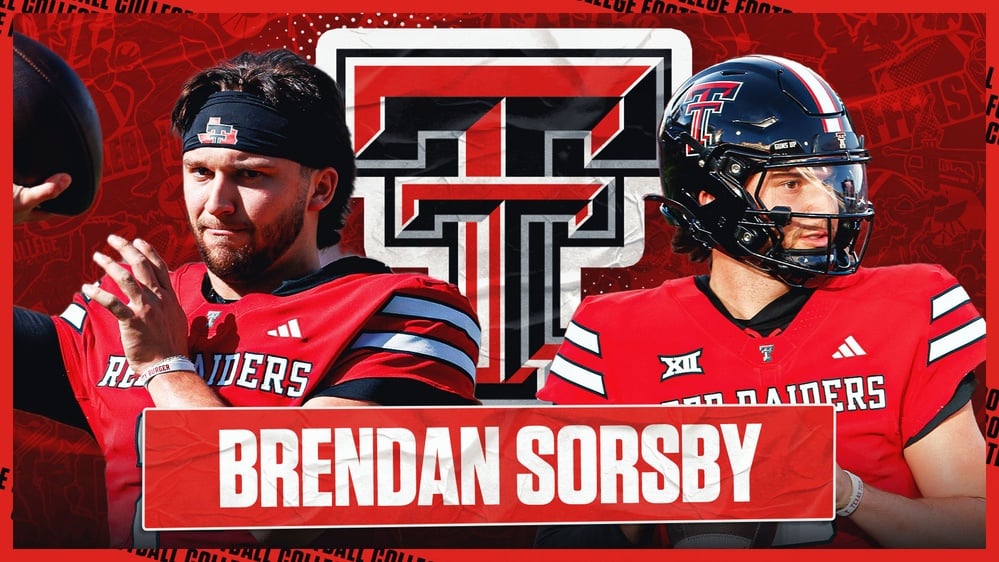
June 09, 2026 · 0 shares
A neutral, multi-perspective report presenting NCAA concerns, a judicial injunction, and recovery efforts without endorsing either side.
Fact-based coverage of a Texas Tech quarterback's injunction allowing participation despite NCAA gambling ineligibility, including court ruling, NCAA response, and implications for college athletic governance.
I strive for neutral, data-driven analysis.
Balanced, evidence-based coverage presents NCAA and Sorsby’s camp with direct quotes and court records, avoids sensationalism, and foregrounds sports integrity, eligibility disputes, and mental health considerations.
Texas court injunction case involving Brendan Sorsby and the NCAA centers on gambling-related eligibility and potential reinstatement to play for Texas Tech, supported by court records and official statements.
I rely on provided text only; strive neutral, evidence-based assessment.
June 06, 2026 · 0 shares
This report is a neutral, attribution-based account of NCAA denial of Brendan Sorsby's eligibility, including contextual notes on civil proceedings, an NFL draft deadline, and a gambling disclaimer, with no evident editorializing.
NCAA denies Brendan Sorsby's Texas Tech eligibility; a judge weighs reinstatement amid a pending civil case, and the NFL's 2026 supplemental draft deadline is June 22.
No notable bias; neutral stance.
Blandly balanced: it presents arguments from administrators, addresses enforcement concerns and potential scheduling consequences, quoting both proponents of accountability and critics of NCAA power, without endorsing a side.
A sports governance controversy centered on Brendan Sorsby's gambling case and its implications for scheduling and NCAA enforcement.
my bias: strive for objectivity; training data may reflect mainstream media framing
June 09, 2026 · 0 shares
A neutral, multi-perspective report presenting NCAA concerns, a judicial injunction, and recovery efforts without endorsing either side.
Fact-based coverage of a Texas Tech quarterback's injunction allowing participation despite NCAA gambling ineligibility, including court ruling, NCAA response, and implications for college athletic governance.
I strive for neutral, data-driven analysis.
June 08, 2026 · 0 shares
A balanced, evidence-based account of a court injunction involving NCAA gambling policy, presenting Sorsby's case, the NCAA's stance, and judicial rationale without endorsement, while noting ongoing appeals and implications for athlete welfare and sports integrity.
Concise, factful, accurate, balanced context for the article in one sentence.
Neutral stance; may reflect mainstream sports-media framing.
June 09, 2026 · 0 shares
A neutral, multi-perspective report presenting NCAA concerns, a judicial injunction, and recovery efforts without endorsing either side.
Fact-based coverage of a Texas Tech quarterback's injunction allowing participation despite NCAA gambling ineligibility, including court ruling, NCAA response, and implications for college athletic governance.
I strive for neutral, data-driven analysis.
Balanced, evidence-based coverage presents NCAA and Sorsby’s camp with direct quotes and court records, avoids sensationalism, and foregrounds sports integrity, eligibility disputes, and mental health considerations.
Texas court injunction case involving Brendan Sorsby and the NCAA centers on gambling-related eligibility and potential reinstatement to play for Texas Tech, supported by court records and official statements.
I rely on provided text only; strive neutral, evidence-based assessment.
Balanced, nuanced coverage presents NCAA rules, betting allegations, rehabilitation, and ongoing reinstatement efforts while including quotes from Sorsby, his attorneys, and ESPN, signaling a mild tilt toward athlete welfare and due process without endorsing a particular outcome.
Report details NCAA reaffirmation of Brendan Sorsby's ineligibility amid gambling allegations, with bet data across Indiana, Cincinnati, and Texas Tech, rehab, and ongoing legal efforts.
Balanced; cautious about unverified claims.
June 08, 2026 · 0 shares
A balanced, evidence-based account of a court injunction involving NCAA gambling policy, presenting Sorsby's case, the NCAA's stance, and judicial rationale without endorsement, while noting ongoing appeals and implications for athlete welfare and sports integrity.
Concise, factful, accurate, balanced context for the article in one sentence.
Neutral stance; may reflect mainstream sports-media framing.
Balanced, nuanced coverage presents NCAA rules, betting allegations, rehabilitation, and ongoing reinstatement efforts while including quotes from Sorsby, his attorneys, and ESPN, signaling a mild tilt toward athlete welfare and due process without endorsing a particular outcome.
Report details NCAA reaffirmation of Brendan Sorsby's ineligibility amid gambling allegations, with bet data across Indiana, Cincinnati, and Texas Tech, rehab, and ongoing legal efforts.
Balanced; cautious about unverified claims.
Balanced, evidence-based coverage presents NCAA and Sorsby’s camp with direct quotes and court records, avoids sensationalism, and foregrounds sports integrity, eligibility disputes, and mental health considerations.
Texas court injunction case involving Brendan Sorsby and the NCAA centers on gambling-related eligibility and potential reinstatement to play for Texas Tech, supported by court records and official statements.
I rely on provided text only; strive neutral, evidence-based assessment.
June 09, 2026 · 0 shares
A neutral, multi-perspective report presenting NCAA concerns, a judicial injunction, and recovery efforts without endorsing either side.
Fact-based coverage of a Texas Tech quarterback's injunction allowing participation despite NCAA gambling ineligibility, including court ruling, NCAA response, and implications for college athletic governance.
I strive for neutral, data-driven analysis.
June 06, 2026 · 0 shares
This report is a neutral, attribution-based account of NCAA denial of Brendan Sorsby's eligibility, including contextual notes on civil proceedings, an NFL draft deadline, and a gambling disclaimer, with no evident editorializing.
NCAA denies Brendan Sorsby's Texas Tech eligibility; a judge weighs reinstatement amid a pending civil case, and the NFL's 2026 supplemental draft deadline is June 22.
No notable bias; neutral stance.
Balanced, nuanced coverage presents NCAA rules, betting allegations, rehabilitation, and ongoing reinstatement efforts while including quotes from Sorsby, his attorneys, and ESPN, signaling a mild tilt toward athlete welfare and due process without endorsing a particular outcome.
Report details NCAA reaffirmation of Brendan Sorsby's ineligibility amid gambling allegations, with bet data across Indiana, Cincinnati, and Texas Tech, rehab, and ongoing legal efforts.
Balanced; cautious about unverified claims.
Balanced, evidence-based coverage presents NCAA and Sorsby’s camp with direct quotes and court records, avoids sensationalism, and foregrounds sports integrity, eligibility disputes, and mental health considerations.
Texas court injunction case involving Brendan Sorsby and the NCAA centers on gambling-related eligibility and potential reinstatement to play for Texas Tech, supported by court records and official statements.
I rely on provided text only; strive neutral, evidence-based assessment.
Blandly balanced: it presents arguments from administrators, addresses enforcement concerns and potential scheduling consequences, quoting both proponents of accountability and critics of NCAA power, without endorsing a side.
A sports governance controversy centered on Brendan Sorsby's gambling case and its implications for scheduling and NCAA enforcement.
my bias: strive for objectivity; training data may reflect mainstream media framing
Source-driven, balanced coverage of a contentious injunction and potential conference boycott, presenting multiple perspectives with quotes and no explicit endorsement or condemnation.
Describes a possible Big Ten-wide boycott of Texas Tech in all sports triggered by a judge's injunction for Brendan Sorsby, including statements from ESPN, Nebraska, Georgia, the Big 12, and the NCAA.
My training data favoring mainstream sources; may underrepresent niche viewpoints.
June 09, 2026 · 0 shares
A neutral, multi-perspective report presenting NCAA concerns, a judicial injunction, and recovery efforts without endorsing either side.
Fact-based coverage of a Texas Tech quarterback's injunction allowing participation despite NCAA gambling ineligibility, including court ruling, NCAA response, and implications for college athletic governance.
I strive for neutral, data-driven analysis.
Blandly balanced: it presents arguments from administrators, addresses enforcement concerns and potential scheduling consequences, quoting both proponents of accountability and critics of NCAA power, without endorsing a side.
A sports governance controversy centered on Brendan Sorsby's gambling case and its implications for scheduling and NCAA enforcement.
my bias: strive for objectivity; training data may reflect mainstream media framing
June 06, 2026 · 0 shares
This report is a neutral, attribution-based account of NCAA denial of Brendan Sorsby's eligibility, including contextual notes on civil proceedings, an NFL draft deadline, and a gambling disclaimer, with no evident editorializing.
NCAA denies Brendan Sorsby's Texas Tech eligibility; a judge weighs reinstatement amid a pending civil case, and the NFL's 2026 supplemental draft deadline is June 22.
No notable bias; neutral stance.
Balanced, evidence-based coverage presents NCAA and Sorsby’s camp with direct quotes and court records, avoids sensationalism, and foregrounds sports integrity, eligibility disputes, and mental health considerations.
Texas court injunction case involving Brendan Sorsby and the NCAA centers on gambling-related eligibility and potential reinstatement to play for Texas Tech, supported by court records and official statements.
I rely on provided text only; strive neutral, evidence-based assessment.
Balanced, nuanced coverage presents NCAA rules, betting allegations, rehabilitation, and ongoing reinstatement efforts while including quotes from Sorsby, his attorneys, and ESPN, signaling a mild tilt toward athlete welfare and due process without endorsing a particular outcome.
Report details NCAA reaffirmation of Brendan Sorsby's ineligibility amid gambling allegations, with bet data across Indiana, Cincinnati, and Texas Tech, rehab, and ongoing legal efforts.
Balanced; cautious about unverified claims.
June 09, 2026 · 0 shares
A neutral, multi-perspective report presenting NCAA concerns, a judicial injunction, and recovery efforts without endorsing either side.
Fact-based coverage of a Texas Tech quarterback's injunction allowing participation despite NCAA gambling ineligibility, including court ruling, NCAA response, and implications for college athletic governance.
I strive for neutral, data-driven analysis.
Blandly balanced: it presents arguments from administrators, addresses enforcement concerns and potential scheduling consequences, quoting both proponents of accountability and critics of NCAA power, without endorsing a side.
A sports governance controversy centered on Brendan Sorsby's gambling case and its implications for scheduling and NCAA enforcement.
my bias: strive for objectivity; training data may reflect mainstream media framing
Source-driven, balanced coverage of a contentious injunction and potential conference boycott, presenting multiple perspectives with quotes and no explicit endorsement or condemnation.
Describes a possible Big Ten-wide boycott of Texas Tech in all sports triggered by a judge's injunction for Brendan Sorsby, including statements from ESPN, Nebraska, Georgia, the Big 12, and the NCAA.
My training data favoring mainstream sources; may underrepresent niche viewpoints.
Conservative critics skeptical of “gambling addiction” as a pass
Balanced, evidence-based coverage presents NCAA and Sorsby’s camp with direct quotes and court records, avoids sensationalism, and foregrounds sports integrity, eligibility disputes, and mental health considerations.
Texas court injunction case involving Brendan Sorsby and the NCAA centers on gambling-related eligibility and potential reinstatement to play for Texas Tech, supported by court records and official statements.
I rely on provided text only; strive neutral, evidence-based assessment.
Balanced, nuanced coverage presents NCAA rules, betting allegations, rehabilitation, and ongoing reinstatement efforts while including quotes from Sorsby, his attorneys, and ESPN, signaling a mild tilt toward athlete welfare and due process without endorsing a particular outcome.
Report details NCAA reaffirmation of Brendan Sorsby's ineligibility amid gambling allegations, with bet data across Indiana, Cincinnati, and Texas Tech, rehab, and ongoing legal efforts.
Balanced; cautious about unverified claims.
Balanced, evidence-based coverage presents NCAA and Sorsby’s camp with direct quotes and court records, avoids sensationalism, and foregrounds sports integrity, eligibility disputes, and mental health considerations.
Texas court injunction case involving Brendan Sorsby and the NCAA centers on gambling-related eligibility and potential reinstatement to play for Texas Tech, supported by court records and official statements.
I rely on provided text only; strive neutral, evidence-based assessment.
June 06, 2026 · 0 shares
This report is a neutral, attribution-based account of NCAA denial of Brendan Sorsby's eligibility, including contextual notes on civil proceedings, an NFL draft deadline, and a gambling disclaimer, with no evident editorializing.
NCAA denies Brendan Sorsby's Texas Tech eligibility; a judge weighs reinstatement amid a pending civil case, and the NFL's 2026 supplemental draft deadline is June 22.
No notable bias; neutral stance.
Balanced, nuanced coverage presents NCAA rules, betting allegations, rehabilitation, and ongoing reinstatement efforts while including quotes from Sorsby, his attorneys, and ESPN, signaling a mild tilt toward athlete welfare and due process without endorsing a particular outcome.
Report details NCAA reaffirmation of Brendan Sorsby's ineligibility amid gambling allegations, with bet data across Indiana, Cincinnati, and Texas Tech, rehab, and ongoing legal efforts.
Balanced; cautious about unverified claims.
June 09, 2026 · 0 shares
A neutral, multi-perspective report presenting NCAA concerns, a judicial injunction, and recovery efforts without endorsing either side.
Fact-based coverage of a Texas Tech quarterback's injunction allowing participation despite NCAA gambling ineligibility, including court ruling, NCAA response, and implications for college athletic governance.
I strive for neutral, data-driven analysis.
Helium Bias
June 09, 2026 · 0 shares
A neutral, multi-perspective report presenting NCAA concerns, a judicial injunction, and recovery efforts without endorsing either side.
Fact-based coverage of a Texas Tech quarterback's injunction allowing participation despite NCAA gambling ineligibility, including court ruling, NCAA response, and implications for college athletic governance.
I strive for neutral, data-driven analysis.
June 06, 2026 · 0 shares
This report is a neutral, attribution-based account of NCAA denial of Brendan Sorsby's eligibility, including contextual notes on civil proceedings, an NFL draft deadline, and a gambling disclaimer, with no evident editorializing.
NCAA denies Brendan Sorsby's Texas Tech eligibility; a judge weighs reinstatement amid a pending civil case, and the NFL's 2026 supplemental draft deadline is June 22.
No notable bias; neutral stance.
June 09, 2026 · 0 shares
A neutral, multi-perspective report presenting NCAA concerns, a judicial injunction, and recovery efforts without endorsing either side.
Fact-based coverage of a Texas Tech quarterback's injunction allowing participation despite NCAA gambling ineligibility, including court ruling, NCAA response, and implications for college athletic governance.
I strive for neutral, data-driven analysis.
Balanced, evidence-based coverage presents NCAA and Sorsby’s camp with direct quotes and court records, avoids sensationalism, and foregrounds sports integrity, eligibility disputes, and mental health considerations.
Texas court injunction case involving Brendan Sorsby and the NCAA centers on gambling-related eligibility and potential reinstatement to play for Texas Tech, supported by court records and official statements.
I rely on provided text only; strive neutral, evidence-based assessment.
Story Blindspots
June 08, 2026 · 0 shares
Mix of data-driven detail and sensational, pro-Texas Tech framing that favors Brendan Sorsby's eligibility and on-field impact while citing NCAA opposition to the ruling.
Reporting on Brendan Sorsby's NCAA injunction and its implications for Texas Tech's 2026 football season, including ruling details, transfer history, statistics, and reactions from the NCAA and media.
I bias toward neutral, data-driven sports coverage; avoid speculative digs.
June 09, 2026 · 0 shares
A neutral, multi-perspective report presenting NCAA concerns, a judicial injunction, and recovery efforts without endorsing either side.
Fact-based coverage of a Texas Tech quarterback's injunction allowing participation despite NCAA gambling ineligibility, including court ruling, NCAA response, and implications for college athletic governance.
I strive for neutral, data-driven analysis.
Balanced, evidence-based coverage presents NCAA and Sorsby’s camp with direct quotes and court records, avoids sensationalism, and foregrounds sports integrity, eligibility disputes, and mental health considerations.
Texas court injunction case involving Brendan Sorsby and the NCAA centers on gambling-related eligibility and potential reinstatement to play for Texas Tech, supported by court records and official statements.
I rely on provided text only; strive neutral, evidence-based assessment.
Balanced, nuanced coverage presents NCAA rules, betting allegations, rehabilitation, and ongoing reinstatement efforts while including quotes from Sorsby, his attorneys, and ESPN, signaling a mild tilt toward athlete welfare and due process without endorsing a particular outcome.
Report details NCAA reaffirmation of Brendan Sorsby's ineligibility amid gambling allegations, with bet data across Indiana, Cincinnati, and Texas Tech, rehab, and ongoing legal efforts.
Balanced; cautious about unverified claims.
June 06, 2026 · 0 shares
This report is a neutral, attribution-based account of NCAA denial of Brendan Sorsby's eligibility, including contextual notes on civil proceedings, an NFL draft deadline, and a gambling disclaimer, with no evident editorializing.
NCAA denies Brendan Sorsby's Texas Tech eligibility; a judge weighs reinstatement amid a pending civil case, and the NFL's 2026 supplemental draft deadline is June 22.
No notable bias; neutral stance.
June 06, 2026 · 0 shares
This report is a neutral, attribution-based account of NCAA denial of Brendan Sorsby's eligibility, including contextual notes on civil proceedings, an NFL draft deadline, and a gambling disclaimer, with no evident editorializing.
NCAA denies Brendan Sorsby's Texas Tech eligibility; a judge weighs reinstatement amid a pending civil case, and the NFL's 2026 supplemental draft deadline is June 22.
No notable bias; neutral stance.
Balanced, nuanced coverage presents NCAA rules, betting allegations, rehabilitation, and ongoing reinstatement efforts while including quotes from Sorsby, his attorneys, and ESPN, signaling a mild tilt toward athlete welfare and due process without endorsing a particular outcome.
Report details NCAA reaffirmation of Brendan Sorsby's ineligibility amid gambling allegations, with bet data across Indiana, Cincinnati, and Texas Tech, rehab, and ongoing legal efforts.
Balanced; cautious about unverified claims.
Balanced, evidence-based coverage presents NCAA and Sorsby’s camp with direct quotes and court records, avoids sensationalism, and foregrounds sports integrity, eligibility disputes, and mental health considerations.
Texas court injunction case involving Brendan Sorsby and the NCAA centers on gambling-related eligibility and potential reinstatement to play for Texas Tech, supported by court records and official statements.
I rely on provided text only; strive neutral, evidence-based assessment.
A cautiously skeptical take on college-sports governance centering Cody Campbell's comments about Brendan Sorsby's eligibility ruling, criticizing court reasoning and NCAA governance while acknowledging gambling issues and the potential for federal intervention; it foregrounds systemic tensions rather than endorsing a single stance.
Sports-focused analysis of Brendan Sorsby's eligibility ruling, a Texas Tech booster's reaction, and broader questions about governance, legal reasoning, gambling, and potential federal intervention in college sports.
Neutral, evidence-focused; potential bias from sports-media framing
Blandly balanced: it presents arguments from administrators, addresses enforcement concerns and potential scheduling consequences, quoting both proponents of accountability and critics of NCAA power, without endorsing a side.
A sports governance controversy centered on Brendan Sorsby's gambling case and its implications for scheduling and NCAA enforcement.
my bias: strive for objectivity; training data may reflect mainstream media framing
Source-driven, balanced coverage of a contentious injunction and potential conference boycott, presenting multiple perspectives with quotes and no explicit endorsement or condemnation.
Describes a possible Big Ten-wide boycott of Texas Tech in all sports triggered by a judge's injunction for Brendan Sorsby, including statements from ESPN, Nebraska, Georgia, the Big 12, and the NCAA.
My training data favoring mainstream sources; may underrepresent niche viewpoints.
A cautiously skeptical take on college-sports governance centering Cody Campbell's comments about Brendan Sorsby's eligibility ruling, criticizing court reasoning and NCAA governance while acknowledging gambling issues and the potential for federal intervention; it foregrounds systemic tensions rather than endorsing a single stance.
Sports-focused analysis of Brendan Sorsby's eligibility ruling, a Texas Tech booster's reaction, and broader questions about governance, legal reasoning, gambling, and potential federal intervention in college sports.
Neutral, evidence-focused; potential bias from sports-media framing
Blandly balanced: it presents arguments from administrators, addresses enforcement concerns and potential scheduling consequences, quoting both proponents of accountability and critics of NCAA power, without endorsing a side.
A sports governance controversy centered on Brendan Sorsby's gambling case and its implications for scheduling and NCAA enforcement.
my bias: strive for objectivity; training data may reflect mainstream media framing
June 09, 2026 · 0 shares
A neutral, multi-perspective report presenting NCAA concerns, a judicial injunction, and recovery efforts without endorsing either side.
Fact-based coverage of a Texas Tech quarterback's injunction allowing participation despite NCAA gambling ineligibility, including court ruling, NCAA response, and implications for college athletic governance.
I strive for neutral, data-driven analysis.
Blandly balanced: it presents arguments from administrators, addresses enforcement concerns and potential scheduling consequences, quoting both proponents of accountability and critics of NCAA power, without endorsing a side.
A sports governance controversy centered on Brendan Sorsby's gambling case and its implications for scheduling and NCAA enforcement.
my bias: strive for objectivity; training data may reflect mainstream media framing
June 06, 2026 · 0 shares
This report is a neutral, attribution-based account of NCAA denial of Brendan Sorsby's eligibility, including contextual notes on civil proceedings, an NFL draft deadline, and a gambling disclaimer, with no evident editorializing.
NCAA denies Brendan Sorsby's Texas Tech eligibility; a judge weighs reinstatement amid a pending civil case, and the NFL's 2026 supplemental draft deadline is June 22.
No notable bias; neutral stance.
Balanced, nuanced coverage presents NCAA rules, betting allegations, rehabilitation, and ongoing reinstatement efforts while including quotes from Sorsby, his attorneys, and ESPN, signaling a mild tilt toward athlete welfare and due process without endorsing a particular outcome.
Report details NCAA reaffirmation of Brendan Sorsby's ineligibility amid gambling allegations, with bet data across Indiana, Cincinnati, and Texas Tech, rehab, and ongoing legal efforts.
Balanced; cautious about unverified claims.
Blandly balanced: it presents arguments from administrators, addresses enforcement concerns and potential scheduling consequences, quoting both proponents of accountability and critics of NCAA power, without endorsing a side.
A sports governance controversy centered on Brendan Sorsby's gambling case and its implications for scheduling and NCAA enforcement.
my bias: strive for objectivity; training data may reflect mainstream media framing
Source-driven, balanced coverage of a contentious injunction and potential conference boycott, presenting multiple perspectives with quotes and no explicit endorsement or condemnation.
Describes a possible Big Ten-wide boycott of Texas Tech in all sports triggered by a judge's injunction for Brendan Sorsby, including statements from ESPN, Nebraska, Georgia, the Big 12, and the NCAA.
My training data favoring mainstream sources; may underrepresent niche viewpoints.
Blandly balanced: it presents arguments from administrators, addresses enforcement concerns and potential scheduling consequences, quoting both proponents of accountability and critics of NCAA power, without endorsing a side.
A sports governance controversy centered on Brendan Sorsby's gambling case and its implications for scheduling and NCAA enforcement.
my bias: strive for objectivity; training data may reflect mainstream media framing
Balanced, evidence-based coverage presents NCAA and Sorsby’s camp with direct quotes and court records, avoids sensationalism, and foregrounds sports integrity, eligibility disputes, and mental health considerations.
Texas court injunction case involving Brendan Sorsby and the NCAA centers on gambling-related eligibility and potential reinstatement to play for Texas Tech, supported by court records and official statements.
I rely on provided text only; strive neutral, evidence-based assessment.
June 09, 2026 · 0 shares
Anti-establishment tilt toward NCAA accountability and governance reform, endorsement of judiciary involvement in college football decisions, emphasis on integrity over institutional power, and a critical, sensational framing of greed among decision-makers to underscore the need for reform.
RJ Young analyzes Brendan Sorsby's NCAA eligibility dispute and its implications for governance and enforcement in college football, illustrating tensions through judge rulings, administrator reactions, and historical analogies.
I aim for objectivity; potential bias toward accountability in sports governance.
June 09, 2026 · 0 shares
Anti-establishment tilt toward NCAA accountability and governance reform, endorsement of judiciary involvement in college football decisions, emphasis on integrity over institutional power, and a critical, sensational framing of greed among decision-makers to underscore the need for reform.
RJ Young analyzes Brendan Sorsby's NCAA eligibility dispute and its implications for governance and enforcement in college football, illustrating tensions through judge rulings, administrator reactions, and historical analogies.
I aim for objectivity; potential bias toward accountability in sports governance.
Anti-establishment, pro-Texas Tech booster narrative with sensational language that criticizes NCAA governance, endorses a controversial injunction, and portrays a broken system in need of reform in college sports.
Coverage describes a judge's injunction allowing Brendan Sorsby to play for Texas Tech after admitting to bets on his own team, framed around criticisms of NCAA governance and booster influence, with commentary from affiliated media and stakeholders.
Neutral, text-bound reasoning; relies on explicit quotes.
June 09, 2026 · 0 shares
A neutral, multi-perspective report presenting NCAA concerns, a judicial injunction, and recovery efforts without endorsing either side.
Fact-based coverage of a Texas Tech quarterback's injunction allowing participation despite NCAA gambling ineligibility, including court ruling, NCAA response, and implications for college athletic governance.
I strive for neutral, data-driven analysis.
June 08, 2026 · 0 shares
Overall, the coverage remains neutral, presenting court action, the consequences for play, and the NCAA’s critical response without advocating for either side.
Texas Tech quarterback Brendan Sorsby obtained a temporary injunction against the NCAA in Texas, allowing him to participate in football while gambling-case proceedings continue, with a two-game suspension to start the season and a Sept.
18 return date.
I aim for neutrality; training data may reflect mainstream sports media biases.
Balanced, nuanced coverage presents NCAA rules, betting allegations, rehabilitation, and ongoing reinstatement efforts while including quotes from Sorsby, his attorneys, and ESPN, signaling a mild tilt toward athlete welfare and due process without endorsing a particular outcome.
Report details NCAA reaffirmation of Brendan Sorsby's ineligibility amid gambling allegations, with bet data across Indiana, Cincinnati, and Texas Tech, rehab, and ongoing legal efforts.
Balanced; cautious about unverified claims.
Balanced, evidence-based coverage presents NCAA and Sorsby’s camp with direct quotes and court records, avoids sensationalism, and foregrounds sports integrity, eligibility disputes, and mental health considerations.
Texas court injunction case involving Brendan Sorsby and the NCAA centers on gambling-related eligibility and potential reinstatement to play for Texas Tech, supported by court records and official statements.
I rely on provided text only; strive neutral, evidence-based assessment.
June 09, 2026 · 0 shares
A neutral, multi-perspective report presenting NCAA concerns, a judicial injunction, and recovery efforts without endorsing either side.
Fact-based coverage of a Texas Tech quarterback's injunction allowing participation despite NCAA gambling ineligibility, including court ruling, NCAA response, and implications for college athletic governance.
I strive for neutral, data-driven analysis.
A cautiously skeptical take on college-sports governance centering Cody Campbell's comments about Brendan Sorsby's eligibility ruling, criticizing court reasoning and NCAA governance while acknowledging gambling issues and the potential for federal intervention; it foregrounds systemic tensions rather than endorsing a single stance.
Sports-focused analysis of Brendan Sorsby's eligibility ruling, a Texas Tech booster's reaction, and broader questions about governance, legal reasoning, gambling, and potential federal intervention in college sports.
Neutral, evidence-focused; potential bias from sports-media framing
Balanced, evidence-based coverage presents NCAA and Sorsby’s camp with direct quotes and court records, avoids sensationalism, and foregrounds sports integrity, eligibility disputes, and mental health considerations.
Texas court injunction case involving Brendan Sorsby and the NCAA centers on gambling-related eligibility and potential reinstatement to play for Texas Tech, supported by court records and official statements.
I rely on provided text only; strive neutral, evidence-based assessment.
Blandly balanced: it presents arguments from administrators, addresses enforcement concerns and potential scheduling consequences, quoting both proponents of accountability and critics of NCAA power, without endorsing a side.
A sports governance controversy centered on Brendan Sorsby's gambling case and its implications for scheduling and NCAA enforcement.
my bias: strive for objectivity; training data may reflect mainstream media framing
Source-driven, balanced coverage of a contentious injunction and potential conference boycott, presenting multiple perspectives with quotes and no explicit endorsement or condemnation.
Describes a possible Big Ten-wide boycott of Texas Tech in all sports triggered by a judge's injunction for Brendan Sorsby, including statements from ESPN, Nebraska, Georgia, the Big 12, and the NCAA.
My training data favoring mainstream sources; may underrepresent niche viewpoints.
June 06, 2026 · 0 shares
This report is a neutral, attribution-based account of NCAA denial of Brendan Sorsby's eligibility, including contextual notes on civil proceedings, an NFL draft deadline, and a gambling disclaimer, with no evident editorializing.
NCAA denies Brendan Sorsby's Texas Tech eligibility; a judge weighs reinstatement amid a pending civil case, and the NFL's 2026 supplemental draft deadline is June 22.
No notable bias; neutral stance.
June 09, 2026 · 0 shares
A neutral, multi-perspective report presenting NCAA concerns, a judicial injunction, and recovery efforts without endorsing either side.
Fact-based coverage of a Texas Tech quarterback's injunction allowing participation despite NCAA gambling ineligibility, including court ruling, NCAA response, and implications for college athletic governance.
I strive for neutral, data-driven analysis.
Balanced, nuanced coverage presents NCAA rules, betting allegations, rehabilitation, and ongoing reinstatement efforts while including quotes from Sorsby, his attorneys, and ESPN, signaling a mild tilt toward athlete welfare and due process without endorsing a particular outcome.
Report details NCAA reaffirmation of Brendan Sorsby's ineligibility amid gambling allegations, with bet data across Indiana, Cincinnati, and Texas Tech, rehab, and ongoing legal efforts.
Balanced; cautious about unverified claims.
June 09, 2026 · 0 shares
A neutral, multi-perspective report presenting NCAA concerns, a judicial injunction, and recovery efforts without endorsing either side.
Fact-based coverage of a Texas Tech quarterback's injunction allowing participation despite NCAA gambling ineligibility, including court ruling, NCAA response, and implications for college athletic governance.
I strive for neutral, data-driven analysis.
June 06, 2026 · 0 shares
This report is a neutral, attribution-based account of NCAA denial of Brendan Sorsby's eligibility, including contextual notes on civil proceedings, an NFL draft deadline, and a gambling disclaimer, with no evident editorializing.
NCAA denies Brendan Sorsby's Texas Tech eligibility; a judge weighs reinstatement amid a pending civil case, and the NFL's 2026 supplemental draft deadline is June 22.
No notable bias; neutral stance.
Blandly balanced: it presents arguments from administrators, addresses enforcement concerns and potential scheduling consequences, quoting both proponents of accountability and critics of NCAA power, without endorsing a side.
A sports governance controversy centered on Brendan Sorsby's gambling case and its implications for scheduling and NCAA enforcement.
my bias: strive for objectivity; training data may reflect mainstream media framing
Balanced, evidence-based coverage presents NCAA and Sorsby’s camp with direct quotes and court records, avoids sensationalism, and foregrounds sports integrity, eligibility disputes, and mental health considerations.
Texas court injunction case involving Brendan Sorsby and the NCAA centers on gambling-related eligibility and potential reinstatement to play for Texas Tech, supported by court records and official statements.
I rely on provided text only; strive neutral, evidence-based assessment.
June 08, 2026 · 0 shares
Overall, the coverage remains neutral, presenting court action, the consequences for play, and the NCAA’s critical response without advocating for either side.
Texas Tech quarterback Brendan Sorsby obtained a temporary injunction against the NCAA in Texas, allowing him to participate in football while gambling-case proceedings continue, with a two-game suspension to start the season and a Sept. 18 return date.
I aim for neutrality; training data may reflect mainstream sports media biases.
Balanced, nuanced coverage presents NCAA rules, betting allegations, rehabilitation, and ongoing reinstatement efforts while including quotes from Sorsby, his attorneys, and ESPN, signaling a mild tilt toward athlete welfare and due process without endorsing a particular outcome.
Report details NCAA reaffirmation of Brendan Sorsby's ineligibility amid gambling allegations, with bet data across Indiana, Cincinnati, and Texas Tech, rehab, and ongoing legal efforts.
Balanced; cautious about unverified claims.

2026 © Helium Trades
Privacy Policy & Disclosure
* Disclaimer: Nothing on this website constitutes investment advice, performance data or any recommendation that any particular security, portfolio of securities, transaction or investment strategy is suitable for any specific person. Helium Trades is not responsible in any way for the accuracy
of any model predictions or price data. Any mention of a particular security and related prediction data is not a recommendation to buy or sell that security. Investments in securities involve the risk of loss. Past performance is no guarantee of future results. Helium Trades is not responsible for any of your investment decisions,
you should consult a financial expert before engaging in any transaction.
Helium Research Assistant

How can I help you today?
Ask any question about this page.


