See whether Helium helps you make better-informed decisions. Try every Pro Trader feature for 30 days. No credit card required.
Try every Pro Trader feature for 30 days. No credit card required.
July 30, 2026 · 0 shares
Two competing narratives frame the murder trial: prosecutors claim a calculated decision to kill the children, while the defense attributes the killings to overmedication and postpartum psychosis.
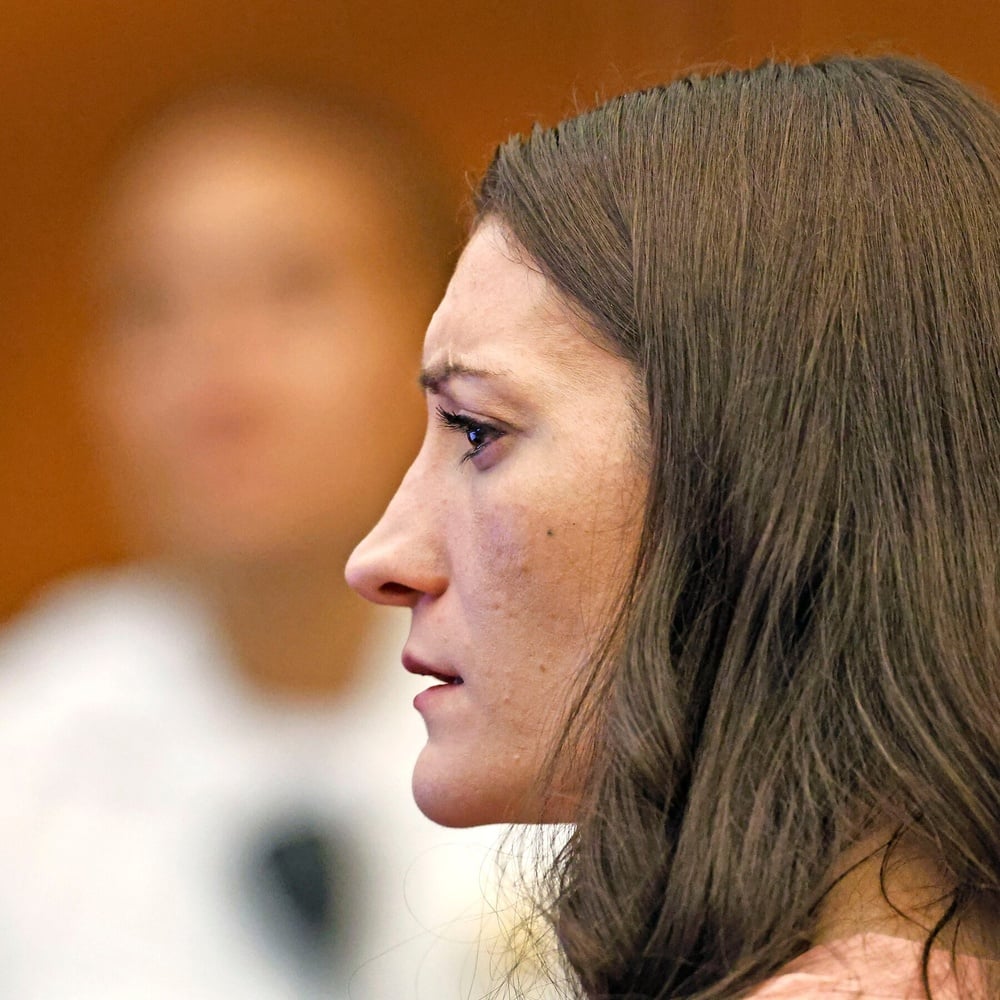
Lindsay Clancy is on trial in Massachusetts for the January 2023 deaths of her three children; the trial centers on whether the killings were calculated or the result of postpartum psychosis, with the ex-husband's 911 call and testimony about her mental health central to the proceedings.
Automated analysis; not human reviewed.
·
40 of 52 available dimensions scored; omitted dimensions are not treated as neutral.
·
Verified supporting quotes for 4 of 40 scored dimensions.
Claim: The piece maintains a neutral, two-sided framing rather than a political tilt.
“conflicting narratives” · exact text match
“calculated decision” · exact text match
Why: The article presents both prosecutors' theory and the defense's account without endorsing either.
Claim: The publisher uses sensational language around the trial.
“as horrific as you can imagine” · exact text match
“harrowing details” · exact text match
Why: Descriptors heighten emotional intensity around the events.
Claim: Emotional framing through dramatic language.
“harrowing details” · exact text match
“as horrific as you can imagine” · exact text match
Why: The use of emotive adjectives indicates emotional framing.
Claim: Balanced presentation through opposing viewpoints.
“Prosecutors and Clancy's attorneys have provided conflicting narratives” · exact text match
Why: Cites opposing sides rather than endorsing one viewpoint.
Frames the case through the prosecution's narrative of deliberate, meticulously carried-out killings, while signaling a defense invoking postpartum psychosis.
July 27, 2026 · 0 shares
Framing emphasizes the psychiatric defense—postpartum psychosis—as the basis for lack of criminal responsibility in a Massachusetts child-murder case.
Context: High-profile Massachusetts murder trial focusing on postpartum psychosis as a potential defense to lack of criminal responsibility for killing three children in January 2023.
July 29, 2026 · 0 shares
Frames Lindsay Clancy's murder trial as an emotionally charged, procedural courtroom proceeding that foregrounds witness testimony, mental-health context, and ongoing rulings.
Lindsay Clancy is on trial in Plymouth Superior Court, Massachusetts, for the January 2023 murders of her three children; the proceedings include testimony from her ex-husband Patrick Clancy, the 911 call, a diary indicating mental-health concerns, and defense motions to suppress or strike certain evidence or statements.
Automated analysis; not human reviewed.
·
1 of 52 available dimensions scored; omitted dimensions are not treated as neutral.
·
Verified supporting quotes for 1 of 1 scored dimensions.
Claim: The article's credibility is supported by its use of named reporters and direct quotes from both prosecution and defense, indicating balanced reporting.
“WBZ-TV's Kristina Rex provided a recap of what happened Wednesday during the second day of testimony in Lindsay Clancy's murder trial.” · exact text match
“Prosecutor Jennifer Sprague returned to ask Patrick additional questions under re-direct examination.” · exact text match
“Defense questions Patrick Clancy about Google searches” · exact text match
Why: Quoted phrases from named sources and references to both sides' actions indicate balanced, standard-news coverage.
July 28, 2026 · 0 shares
Prosecutorial framing emphasizes medication non-adherence as central evidence, portraying Lindsay Clancy as having taken only a fraction of prescribed medications.
Automated analysis; not human reviewed. Limitations: Content is extremely brief; lacks context about charges, case status, or other evidence; no independent verification provided.
Content is extremely brief; lacks context about charges, case status, or other evidence; no independent verification provided.
July 30, 2026 · 0 shares
Two competing narratives frame the murder trial: prosecutors claim a calculated decision to kill the children, while the defense attributes the killings to overmedication and postpartum psychosis.
Lindsay Clancy is on trial in Massachusetts for the January 2023 deaths of her three children; the trial centers on whether the killings were calculated or the result of postpartum psychosis, with the ex-husband's 911 call and testimony about her mental health central to the proceedings.
Automated analysis; not human reviewed.
·
40 of 52 available dimensions scored; omitted dimensions are not treated as neutral.
·
Verified supporting quotes for 4 of 40 scored dimensions.
Claim: The piece maintains a neutral, two-sided framing rather than a political tilt.
“conflicting narratives” · exact text match
“calculated decision” · exact text match
Why: The article presents both prosecutors' theory and the defense's account without endorsing either.
Claim: The publisher uses sensational language around the trial.
“as horrific as you can imagine” · exact text match
“harrowing details” · exact text match
Why: Descriptors heighten emotional intensity around the events.
Claim: Emotional framing through dramatic language.
“harrowing details” · exact text match
“as horrific as you can imagine” · exact text match
Why: The use of emotive adjectives indicates emotional framing.
Claim: Balanced presentation through opposing viewpoints.
“Prosecutors and Clancy's attorneys have provided conflicting narratives” · exact text match
Why: Cites opposing sides rather than endorsing one viewpoint.
Frames the case through the prosecution's narrative of deliberate, meticulously carried-out killings, while signaling a defense invoking postpartum psychosis.
Framing centers on potential hazards of psychiatric medications and regulatory gaps, advocating stronger FDA warnings and clearer labeling to prevent tragedies.
Automated analysis; not human reviewed.
Limitations: Reliance on a single article; no cross-check with independent medical sources is provided.
·
2 of 52 available dimensions scored; omitted dimensions are not treated as neutral.
·
Verified supporting quotes for 1 of 2 scored dimensions.
Claim: Framing advocates stronger FDA warnings about psychiatric medications.
“Dr. Bennett and a growing network of advocates are pushing the FDA to change that, arguing that clearer warnings could prevent future tragedies.” · exact text match
“However, no psychiatric medication carries that level warning for homicidal behavior or violent ideation.” · exact text match
“Currently, the FDA mandates its strictest 'black box' warning on all antidepressants to alert families and doctors to the risk of suicidal thoughts and behaviors in children and young adults up to age 24.” · not found in supplied text
Why: The quotes indicate advocacy for regulatory action and reference existing warnings, showing a pro-regulatory framing.
Claim: The article frames real-world adverse events as not proving causation while highlighting potential gaps in labeling.
“While these voluntary reports document real-world adverse events rather than scientifically proven causation, researchers argue they reveal a critical gap in drug labeling.” · exact text match
Why: The article uses cautious language about causation, relying on expert commentary and regulatory data to present the issue as a cautious inquiry rather than a proven link.
Reliance on a single article; no cross-check with independent medical sources is provided.
July 27, 2026 · 0 shares
Framing emphasizes the psychiatric defense—postpartum psychosis—as the basis for lack of criminal responsibility in a Massachusetts child-murder case.
Context: High-profile Massachusetts murder trial focusing on postpartum psychosis as a potential defense to lack of criminal responsibility for killing three children in January 2023.
July 27, 2026 · 0 shares
Publisher framing centers postpartum psychosis as the interpretive hinge, presenting competing prosecutorial and defense views while interweaving promotional copy.
The trial centers on whether postpartum psychosis mitigates criminal responsibility, with parallels to Andrea Yates and Dena Schlosser.
Automated analysis; not human reviewed. Limitations: Concise, case-specific limitations and plausible alternative interpretations.
Promo content may bias framing; limited excerpt.
July 29, 2026 · 0 shares
Ex-husband-centered framing foregrounds Patrick Clancy's actions in finding the children and his testimony about doctor warnings.
Empathy- and mental health-focused framing foregrounds the defendant through the ex-husband's testimony, shaping the narrative around personal context.
Framing centers on potential hazards of psychiatric medications and regulatory gaps, advocating stronger FDA warnings and clearer labeling to prevent tragedies.
Automated analysis; not human reviewed.
Limitations: Reliance on a single article; no cross-check with independent medical sources is provided.
·
2 of 52 available dimensions scored; omitted dimensions are not treated as neutral.
·
Verified supporting quotes for 1 of 2 scored dimensions.
Claim: Framing advocates stronger FDA warnings about psychiatric medications.
“Dr. Bennett and a growing network of advocates are pushing the FDA to change that, arguing that clearer warnings could prevent future tragedies.” · exact text match
“However, no psychiatric medication carries that level warning for homicidal behavior or violent ideation.” · exact text match
“Currently, the FDA mandates its strictest 'black box' warning on all antidepressants to alert families and doctors to the risk of suicidal thoughts and behaviors in children and young adults up to age 24.” · not found in supplied text
Why: The quotes indicate advocacy for regulatory action and reference existing warnings, showing a pro-regulatory framing.
Claim: The article frames real-world adverse events as not proving causation while highlighting potential gaps in labeling.
“While these voluntary reports document real-world adverse events rather than scientifically proven causation, researchers argue they reveal a critical gap in drug labeling.” · exact text match
Why: The article uses cautious language about causation, relying on expert commentary and regulatory data to present the issue as a cautious inquiry rather than a proven link.
Reliance on a single article; no cross-check with independent medical sources is provided.
Empathy- and mental health-focused framing foregrounds the defendant through the ex-husband's testimony, shaping the narrative around personal context.
July 29, 2026 · 0 shares
Frames Lindsay Clancy's murder trial as an emotionally charged, procedural courtroom proceeding that foregrounds witness testimony, mental-health context, and ongoing rulings.
Lindsay Clancy is on trial in Plymouth Superior Court, Massachusetts, for the January 2023 murders of her three children; the proceedings include testimony from her ex-husband Patrick Clancy, the 911 call, a diary indicating mental-health concerns, and defense motions to suppress or strike certain evidence or statements.
Automated analysis; not human reviewed. · 1 of 52 available dimensions scored; omitted dimensions are not treated as neutral. · Verified supporting quotes for 1 of 1 scored dimensions.
Claim: The article's credibility is supported by its use of named reporters and direct quotes from both prosecution and defense, indicating balanced reporting.
“WBZ-TV's Kristina Rex provided a recap of what happened Wednesday during the second day of testimony in Lindsay Clancy's murder trial.” · exact text match
“Prosecutor Jennifer Sprague returned to ask Patrick additional questions under re-direct examination.” · exact text match
“Defense questions Patrick Clancy about Google searches” · exact text match
Why: Quoted phrases from named sources and references to both sides' actions indicate balanced, standard-news coverage.
July 30, 2026 · 0 shares
Two competing narratives frame the murder trial: prosecutors claim a calculated decision to kill the children, while the defense attributes the killings to overmedication and postpartum psychosis.
Lindsay Clancy is on trial in Massachusetts for the January 2023 deaths of her three children; the trial centers on whether the killings were calculated or the result of postpartum psychosis, with the ex-husband's 911 call and testimony about her mental health central to the proceedings.
Automated analysis; not human reviewed. · 40 of 52 available dimensions scored; omitted dimensions are not treated as neutral. · Verified supporting quotes for 4 of 40 scored dimensions.
Claim: The piece maintains a neutral, two-sided framing rather than a political tilt.
“conflicting narratives” · exact text match
“calculated decision” · exact text match
Why: The article presents both prosecutors' theory and the defense's account without endorsing either.
Claim: The publisher uses sensational language around the trial.
“as horrific as you can imagine” · exact text match
“harrowing details” · exact text match
Why: Descriptors heighten emotional intensity around the events.
Claim: Emotional framing through dramatic language.
“harrowing details” · exact text match
“as horrific as you can imagine” · exact text match
Why: The use of emotive adjectives indicates emotional framing.
Claim: Balanced presentation through opposing viewpoints.
“Prosecutors and Clancy's attorneys have provided conflicting narratives” · exact text match
Why: Cites opposing sides rather than endorsing one viewpoint.
July 27, 2026 · 0 shares
Framing emphasizes the psychiatric defense—postpartum psychosis—as the basis for lack of criminal responsibility in a Massachusetts child-murder case.
Context: High-profile Massachusetts murder trial focusing on postpartum psychosis as a potential defense to lack of criminal responsibility for killing three children in January 2023.
Empathy- and mental health-focused framing foregrounds the defendant through the ex-husband's testimony, shaping the narrative around personal context.
July 29, 2026 · 0 shares
Frames Lindsay Clancy's murder trial as an emotionally charged, procedural courtroom proceeding that foregrounds witness testimony, mental-health context, and ongoing rulings.
Lindsay Clancy is on trial in Plymouth Superior Court, Massachusetts, for the January 2023 murders of her three children; the proceedings include testimony from her ex-husband Patrick Clancy, the 911 call, a diary indicating mental-health concerns, and defense motions to suppress or strike certain evidence or statements.
Automated analysis; not human reviewed. · 1 of 52 available dimensions scored; omitted dimensions are not treated as neutral. · Verified supporting quotes for 1 of 1 scored dimensions.
Claim: The article's credibility is supported by its use of named reporters and direct quotes from both prosecution and defense, indicating balanced reporting.
“WBZ-TV's Kristina Rex provided a recap of what happened Wednesday during the second day of testimony in Lindsay Clancy's murder trial.” · exact text match
“Prosecutor Jennifer Sprague returned to ask Patrick additional questions under re-direct examination.” · exact text match
“Defense questions Patrick Clancy about Google searches” · exact text match
Why: Quoted phrases from named sources and references to both sides' actions indicate balanced, standard-news coverage.
July 28, 2026 · 0 shares
Prosecutorial framing emphasizes medication non-adherence as central evidence, portraying Lindsay Clancy as having taken only a fraction of prescribed medications.
Automated analysis; not human reviewed. Limitations: Content is extremely brief; lacks context about charges, case status, or other evidence; no independent verification provided.
Content is extremely brief; lacks context about charges, case status, or other evidence; no independent verification provided.
Framing centers on potential hazards of psychiatric medications and regulatory gaps, advocating stronger FDA warnings and clearer labeling to prevent tragedies.
Automated analysis; not human reviewed. Limitations: Reliance on a single article; no cross-check with independent medical sources is provided. · 2 of 52 available dimensions scored; omitted dimensions are not treated as neutral. · Verified supporting quotes for 1 of 2 scored dimensions.
Claim: Framing advocates stronger FDA warnings about psychiatric medications.
“Dr. Bennett and a growing network of advocates are pushing the FDA to change that, arguing that clearer warnings could prevent future tragedies.” · exact text match
“However, no psychiatric medication carries that level warning for homicidal behavior or violent ideation.” · exact text match
“Currently, the FDA mandates its strictest 'black box' warning on all antidepressants to alert families and doctors to the risk of suicidal thoughts and behaviors in children and young adults up to age 24.” · not found in supplied text
Why: The quotes indicate advocacy for regulatory action and reference existing warnings, showing a pro-regulatory framing.
Claim: The article frames real-world adverse events as not proving causation while highlighting potential gaps in labeling.
“While these voluntary reports document real-world adverse events rather than scientifically proven causation, researchers argue they reveal a critical gap in drug labeling.” · exact text match
Why: The article uses cautious language about causation, relying on expert commentary and regulatory data to present the issue as a cautious inquiry rather than a proven link.
Reliance on a single article; no cross-check with independent medical sources is provided.
July 30, 2026 · 0 shares
Two competing narratives frame the murder trial: prosecutors claim a calculated decision to kill the children, while the defense attributes the killings to overmedication and postpartum psychosis.
Lindsay Clancy is on trial in Massachusetts for the January 2023 deaths of her three children; the trial centers on whether the killings were calculated or the result of postpartum psychosis, with the ex-husband's 911 call and testimony about her mental health central to the proceedings.
Automated analysis; not human reviewed. · 40 of 52 available dimensions scored; omitted dimensions are not treated as neutral. · Verified supporting quotes for 4 of 40 scored dimensions.
Claim: The piece maintains a neutral, two-sided framing rather than a political tilt.
“conflicting narratives” · exact text match
“calculated decision” · exact text match
Why: The article presents both prosecutors' theory and the defense's account without endorsing either.
Claim: The publisher uses sensational language around the trial.
“as horrific as you can imagine” · exact text match
“harrowing details” · exact text match
Why: Descriptors heighten emotional intensity around the events.
Claim: Emotional framing through dramatic language.
“harrowing details” · exact text match
“as horrific as you can imagine” · exact text match
Why: The use of emotive adjectives indicates emotional framing.
Claim: Balanced presentation through opposing viewpoints.
“Prosecutors and Clancy's attorneys have provided conflicting narratives” · exact text match
Why: Cites opposing sides rather than endorsing one viewpoint.
Frames the case through the prosecution's narrative of deliberate, meticulously carried-out killings, while signaling a defense invoking postpartum psychosis.
July 27, 2026 · 0 shares
Framing emphasizes the psychiatric defense—postpartum psychosis—as the basis for lack of criminal responsibility in a Massachusetts child-murder case.
Context: High-profile Massachusetts murder trial focusing on postpartum psychosis as a potential defense to lack of criminal responsibility for killing three children in January 2023.
Prosecution
July 30, 2026 · 0 shares
Two competing narratives frame the murder trial: prosecutors claim a calculated decision to kill the children, while the defense attributes the killings to overmedication and postpartum psychosis.
Lindsay Clancy is on trial in Massachusetts for the January 2023 deaths of her three children; the trial centers on whether the killings were calculated or the result of postpartum psychosis, with the ex-husband's 911 call and testimony about her mental health central to the proceedings.
Automated analysis; not human reviewed. · 40 of 52 available dimensions scored; omitted dimensions are not treated as neutral. · Verified supporting quotes for 4 of 40 scored dimensions.
Claim: The piece maintains a neutral, two-sided framing rather than a political tilt.
“conflicting narratives” · exact text match
“calculated decision” · exact text match
Why: The article presents both prosecutors' theory and the defense's account without endorsing either.
Claim: The publisher uses sensational language around the trial.
“as horrific as you can imagine” · exact text match
“harrowing details” · exact text match
Why: Descriptors heighten emotional intensity around the events.
Claim: Emotional framing through dramatic language.
“harrowing details” · exact text match
“as horrific as you can imagine” · exact text match
Why: The use of emotive adjectives indicates emotional framing.
Claim: Balanced presentation through opposing viewpoints.
“Prosecutors and Clancy's attorneys have provided conflicting narratives” · exact text match
Why: Cites opposing sides rather than endorsing one viewpoint.
Frames the case through the prosecution's narrative of deliberate, meticulously carried-out killings, while signaling a defense invoking postpartum psychosis.
July 27, 2026 · 0 shares
Publisher framing centers postpartum psychosis as the interpretive hinge, presenting competing prosecutorial and defense views while interweaving promotional copy.
The trial centers on whether postpartum psychosis mitigates criminal responsibility, with parallels to Andrea Yates and Dena Schlosser.
Automated analysis; not human reviewed. Limitations: Concise, case-specific limitations and plausible alternative interpretations.
Promo content may bias framing; limited excerpt.
July 29, 2026 · 0 shares
Frames Lindsay Clancy's murder trial as an emotionally charged, procedural courtroom proceeding that foregrounds witness testimony, mental-health context, and ongoing rulings.
Lindsay Clancy is on trial in Plymouth Superior Court, Massachusetts, for the January 2023 murders of her three children; the proceedings include testimony from her ex-husband Patrick Clancy, the 911 call, a diary indicating mental-health concerns, and defense motions to suppress or strike certain evidence or statements.
Automated analysis; not human reviewed. · 1 of 52 available dimensions scored; omitted dimensions are not treated as neutral. · Verified supporting quotes for 1 of 1 scored dimensions.
Claim: The article's credibility is supported by its use of named reporters and direct quotes from both prosecution and defense, indicating balanced reporting.
“WBZ-TV's Kristina Rex provided a recap of what happened Wednesday during the second day of testimony in Lindsay Clancy's murder trial.” · exact text match
“Prosecutor Jennifer Sprague returned to ask Patrick additional questions under re-direct examination.” · exact text match
“Defense questions Patrick Clancy about Google searches” · exact text match
Why: Quoted phrases from named sources and references to both sides' actions indicate balanced, standard-news coverage.
July 28, 2026 · 0 shares
Prosecutorial framing emphasizes medication non-adherence as central evidence, portraying Lindsay Clancy as having taken only a fraction of prescribed medications.
Automated analysis; not human reviewed. Limitations: Content is extremely brief; lacks context about charges, case status, or other evidence; no independent verification provided.
Content is extremely brief; lacks context about charges, case status, or other evidence; no independent verification provided.
July 30, 2026 · 0 shares
Two competing narratives frame the murder trial: prosecutors claim a calculated decision to kill the children, while the defense attributes the killings to overmedication and postpartum psychosis.
Lindsay Clancy is on trial in Massachusetts for the January 2023 deaths of her three children; the trial centers on whether the killings were calculated or the result of postpartum psychosis, with the ex-husband's 911 call and testimony about her mental health central to the proceedings.
Automated analysis; not human reviewed. · 40 of 52 available dimensions scored; omitted dimensions are not treated as neutral. · Verified supporting quotes for 4 of 40 scored dimensions.
Claim: The piece maintains a neutral, two-sided framing rather than a political tilt.
“conflicting narratives” · exact text match
“calculated decision” · exact text match
Why: The article presents both prosecutors' theory and the defense's account without endorsing either.
Claim: The publisher uses sensational language around the trial.
“as horrific as you can imagine” · exact text match
“harrowing details” · exact text match
Why: Descriptors heighten emotional intensity around the events.
Claim: Emotional framing through dramatic language.
“harrowing details” · exact text match
“as horrific as you can imagine” · exact text match
Why: The use of emotive adjectives indicates emotional framing.
Claim: Balanced presentation through opposing viewpoints.
“Prosecutors and Clancy's attorneys have provided conflicting narratives” · exact text match
Why: Cites opposing sides rather than endorsing one viewpoint.
July 29, 2026 · 0 shares
Frames Lindsay Clancy's murder trial as an emotionally charged, procedural courtroom proceeding that foregrounds witness testimony, mental-health context, and ongoing rulings.
Lindsay Clancy is on trial in Plymouth Superior Court, Massachusetts, for the January 2023 murders of her three children; the proceedings include testimony from her ex-husband Patrick Clancy, the 911 call, a diary indicating mental-health concerns, and defense motions to suppress or strike certain evidence or statements.
Automated analysis; not human reviewed. · 1 of 52 available dimensions scored; omitted dimensions are not treated as neutral. · Verified supporting quotes for 1 of 1 scored dimensions.
Claim: The article's credibility is supported by its use of named reporters and direct quotes from both prosecution and defense, indicating balanced reporting.
“WBZ-TV's Kristina Rex provided a recap of what happened Wednesday during the second day of testimony in Lindsay Clancy's murder trial.” · exact text match
“Prosecutor Jennifer Sprague returned to ask Patrick additional questions under re-direct examination.” · exact text match
“Defense questions Patrick Clancy about Google searches” · exact text match
Why: Quoted phrases from named sources and references to both sides' actions indicate balanced, standard-news coverage.
July 28, 2026 · 0 shares
Prosecutorial framing emphasizes medication non-adherence as central evidence, portraying Lindsay Clancy as having taken only a fraction of prescribed medications.
Automated analysis; not human reviewed. Limitations: Content is extremely brief; lacks context about charges, case status, or other evidence; no independent verification provided.
Content is extremely brief; lacks context about charges, case status, or other evidence; no independent verification provided.
Helium Bias
July 29, 2026 · 0 shares
Frames Lindsay Clancy's murder trial as an emotionally charged, procedural courtroom proceeding that foregrounds witness testimony, mental-health context, and ongoing rulings.
Lindsay Clancy is on trial in Plymouth Superior Court, Massachusetts, for the January 2023 murders of her three children; the proceedings include testimony from her ex-husband Patrick Clancy, the 911 call, a diary indicating mental-health concerns, and defense motions to suppress or strike certain evidence or statements.
Automated analysis; not human reviewed. · 1 of 52 available dimensions scored; omitted dimensions are not treated as neutral. · Verified supporting quotes for 1 of 1 scored dimensions.
Claim: The article's credibility is supported by its use of named reporters and direct quotes from both prosecution and defense, indicating balanced reporting.
“WBZ-TV's Kristina Rex provided a recap of what happened Wednesday during the second day of testimony in Lindsay Clancy's murder trial.” · exact text match
“Prosecutor Jennifer Sprague returned to ask Patrick additional questions under re-direct examination.” · exact text match
“Defense questions Patrick Clancy about Google searches” · exact text match
Why: Quoted phrases from named sources and references to both sides' actions indicate balanced, standard-news coverage.
Framing centers on potential hazards of psychiatric medications and regulatory gaps, advocating stronger FDA warnings and clearer labeling to prevent tragedies.
Automated analysis; not human reviewed. Limitations: Reliance on a single article; no cross-check with independent medical sources is provided. · 2 of 52 available dimensions scored; omitted dimensions are not treated as neutral. · Verified supporting quotes for 1 of 2 scored dimensions.
Claim: Framing advocates stronger FDA warnings about psychiatric medications.
“Dr. Bennett and a growing network of advocates are pushing the FDA to change that, arguing that clearer warnings could prevent future tragedies.” · exact text match
“However, no psychiatric medication carries that level warning for homicidal behavior or violent ideation.” · exact text match
“Currently, the FDA mandates its strictest 'black box' warning on all antidepressants to alert families and doctors to the risk of suicidal thoughts and behaviors in children and young adults up to age 24.” · not found in supplied text
Why: The quotes indicate advocacy for regulatory action and reference existing warnings, showing a pro-regulatory framing.
Claim: The article frames real-world adverse events as not proving causation while highlighting potential gaps in labeling.
“While these voluntary reports document real-world adverse events rather than scientifically proven causation, researchers argue they reveal a critical gap in drug labeling.” · exact text match
Why: The article uses cautious language about causation, relying on expert commentary and regulatory data to present the issue as a cautious inquiry rather than a proven link.
Reliance on a single article; no cross-check with independent medical sources is provided.
July 30, 2026 · 0 shares
Two competing narratives frame the murder trial: prosecutors claim a calculated decision to kill the children, while the defense attributes the killings to overmedication and postpartum psychosis.
Lindsay Clancy is on trial in Massachusetts for the January 2023 deaths of her three children; the trial centers on whether the killings were calculated or the result of postpartum psychosis, with the ex-husband's 911 call and testimony about her mental health central to the proceedings.
Automated analysis; not human reviewed. · 40 of 52 available dimensions scored; omitted dimensions are not treated as neutral. · Verified supporting quotes for 4 of 40 scored dimensions.
Claim: The piece maintains a neutral, two-sided framing rather than a political tilt.
“conflicting narratives” · exact text match
“calculated decision” · exact text match
Why: The article presents both prosecutors' theory and the defense's account without endorsing either.
Claim: The publisher uses sensational language around the trial.
“as horrific as you can imagine” · exact text match
“harrowing details” · exact text match
Why: Descriptors heighten emotional intensity around the events.
Claim: Emotional framing through dramatic language.
“harrowing details” · exact text match
“as horrific as you can imagine” · exact text match
Why: The use of emotive adjectives indicates emotional framing.
Claim: Balanced presentation through opposing viewpoints.
“Prosecutors and Clancy's attorneys have provided conflicting narratives” · exact text match
Why: Cites opposing sides rather than endorsing one viewpoint.
Empathy- and mental health-focused framing foregrounds the defendant through the ex-husband's testimony, shaping the narrative around personal context.
July 29, 2026 · 0 shares
Frames Lindsay Clancy's murder trial as an emotionally charged, procedural courtroom proceeding that foregrounds witness testimony, mental-health context, and ongoing rulings.
Lindsay Clancy is on trial in Plymouth Superior Court, Massachusetts, for the January 2023 murders of her three children; the proceedings include testimony from her ex-husband Patrick Clancy, the 911 call, a diary indicating mental-health concerns, and defense motions to suppress or strike certain evidence or statements.
Automated analysis; not human reviewed. · 1 of 52 available dimensions scored; omitted dimensions are not treated as neutral. · Verified supporting quotes for 1 of 1 scored dimensions.
Claim: The article's credibility is supported by its use of named reporters and direct quotes from both prosecution and defense, indicating balanced reporting.
“WBZ-TV's Kristina Rex provided a recap of what happened Wednesday during the second day of testimony in Lindsay Clancy's murder trial.” · exact text match
“Prosecutor Jennifer Sprague returned to ask Patrick additional questions under re-direct examination.” · exact text match
“Defense questions Patrick Clancy about Google searches” · exact text match
Why: Quoted phrases from named sources and references to both sides' actions indicate balanced, standard-news coverage.
July 30, 2026 · 0 shares
Two competing narratives frame the murder trial: prosecutors claim a calculated decision to kill the children, while the defense attributes the killings to overmedication and postpartum psychosis.
Lindsay Clancy is on trial in Massachusetts for the January 2023 deaths of her three children; the trial centers on whether the killings were calculated or the result of postpartum psychosis, with the ex-husband's 911 call and testimony about her mental health central to the proceedings.
Automated analysis; not human reviewed. · 40 of 52 available dimensions scored; omitted dimensions are not treated as neutral. · Verified supporting quotes for 4 of 40 scored dimensions.
Claim: The piece maintains a neutral, two-sided framing rather than a political tilt.
“conflicting narratives” · exact text match
“calculated decision” · exact text match
Why: The article presents both prosecutors' theory and the defense's account without endorsing either.
Claim: The publisher uses sensational language around the trial.
“as horrific as you can imagine” · exact text match
“harrowing details” · exact text match
Why: Descriptors heighten emotional intensity around the events.
Claim: Emotional framing through dramatic language.
“harrowing details” · exact text match
“as horrific as you can imagine” · exact text match
Why: The use of emotive adjectives indicates emotional framing.
Claim: Balanced presentation through opposing viewpoints.
“Prosecutors and Clancy's attorneys have provided conflicting narratives” · exact text match
Why: Cites opposing sides rather than endorsing one viewpoint.
Story Blindspots
July 29, 2026 · 0 shares
Frames Lindsay Clancy's murder trial as an emotionally charged, procedural courtroom proceeding that foregrounds witness testimony, mental-health context, and ongoing rulings.
Lindsay Clancy is on trial in Plymouth Superior Court, Massachusetts, for the January 2023 murders of her three children; the proceedings include testimony from her ex-husband Patrick Clancy, the 911 call, a diary indicating mental-health concerns, and defense motions to suppress or strike certain evidence or statements.
Automated analysis; not human reviewed. · 1 of 52 available dimensions scored; omitted dimensions are not treated as neutral. · Verified supporting quotes for 1 of 1 scored dimensions.
Claim: The article's credibility is supported by its use of named reporters and direct quotes from both prosecution and defense, indicating balanced reporting.
“WBZ-TV's Kristina Rex provided a recap of what happened Wednesday during the second day of testimony in Lindsay Clancy's murder trial.” · exact text match
“Prosecutor Jennifer Sprague returned to ask Patrick additional questions under re-direct examination.” · exact text match
“Defense questions Patrick Clancy about Google searches” · exact text match
Why: Quoted phrases from named sources and references to both sides' actions indicate balanced, standard-news coverage.
Framing centers on potential hazards of psychiatric medications and regulatory gaps, advocating stronger FDA warnings and clearer labeling to prevent tragedies.
Automated analysis; not human reviewed. Limitations: Reliance on a single article; no cross-check with independent medical sources is provided. · 2 of 52 available dimensions scored; omitted dimensions are not treated as neutral. · Verified supporting quotes for 1 of 2 scored dimensions.
Claim: Framing advocates stronger FDA warnings about psychiatric medications.
“Dr. Bennett and a growing network of advocates are pushing the FDA to change that, arguing that clearer warnings could prevent future tragedies.” · exact text match
“However, no psychiatric medication carries that level warning for homicidal behavior or violent ideation.” · exact text match
“Currently, the FDA mandates its strictest 'black box' warning on all antidepressants to alert families and doctors to the risk of suicidal thoughts and behaviors in children and young adults up to age 24.” · not found in supplied text
Why: The quotes indicate advocacy for regulatory action and reference existing warnings, showing a pro-regulatory framing.
Claim: The article frames real-world adverse events as not proving causation while highlighting potential gaps in labeling.
“While these voluntary reports document real-world adverse events rather than scientifically proven causation, researchers argue they reveal a critical gap in drug labeling.” · exact text match
Why: The article uses cautious language about causation, relying on expert commentary and regulatory data to present the issue as a cautious inquiry rather than a proven link.
Reliance on a single article; no cross-check with independent medical sources is provided.
July 27, 2026 · 0 shares
Framing emphasizes the psychiatric defense—postpartum psychosis—as the basis for lack of criminal responsibility in a Massachusetts child-murder case.
Context: High-profile Massachusetts murder trial focusing on postpartum psychosis as a potential defense to lack of criminal responsibility for killing three children in January 2023.
Framing centers on potential hazards of psychiatric medications and regulatory gaps, advocating stronger FDA warnings and clearer labeling to prevent tragedies.
Automated analysis; not human reviewed. Limitations: Reliance on a single article; no cross-check with independent medical sources is provided. · 2 of 52 available dimensions scored; omitted dimensions are not treated as neutral. · Verified supporting quotes for 1 of 2 scored dimensions.
Claim: Framing advocates stronger FDA warnings about psychiatric medications.
“Dr. Bennett and a growing network of advocates are pushing the FDA to change that, arguing that clearer warnings could prevent future tragedies.” · exact text match
“However, no psychiatric medication carries that level warning for homicidal behavior or violent ideation.” · exact text match
“Currently, the FDA mandates its strictest 'black box' warning on all antidepressants to alert families and doctors to the risk of suicidal thoughts and behaviors in children and young adults up to age 24.” · not found in supplied text
Why: The quotes indicate advocacy for regulatory action and reference existing warnings, showing a pro-regulatory framing.
Claim: The article frames real-world adverse events as not proving causation while highlighting potential gaps in labeling.
“While these voluntary reports document real-world adverse events rather than scientifically proven causation, researchers argue they reveal a critical gap in drug labeling.” · exact text match
Why: The article uses cautious language about causation, relying on expert commentary and regulatory data to present the issue as a cautious inquiry rather than a proven link.
Reliance on a single article; no cross-check with independent medical sources is provided.
Frames the case through the prosecution's narrative of deliberate, meticulously carried-out killings, while signaling a defense invoking postpartum psychosis.
July 27, 2026 · 0 shares
Framing emphasizes the psychiatric defense—postpartum psychosis—as the basis for lack of criminal responsibility in a Massachusetts child-murder case.
Context: High-profile Massachusetts murder trial focusing on postpartum psychosis as a potential defense to lack of criminal responsibility for killing three children in January 2023.
Empathy- and mental health-focused framing foregrounds the defendant through the ex-husband's testimony, shaping the narrative around personal context.
Empathy- and mental health-focused framing foregrounds the defendant through the ex-husband's testimony, shaping the narrative around personal context.
July 29, 2026 · 0 shares
Frames Lindsay Clancy's murder trial as an emotionally charged, procedural courtroom proceeding that foregrounds witness testimony, mental-health context, and ongoing rulings.
Lindsay Clancy is on trial in Plymouth Superior Court, Massachusetts, for the January 2023 murders of her three children; the proceedings include testimony from her ex-husband Patrick Clancy, the 911 call, a diary indicating mental-health concerns, and defense motions to suppress or strike certain evidence or statements.
Automated analysis; not human reviewed. · 1 of 52 available dimensions scored; omitted dimensions are not treated as neutral. · Verified supporting quotes for 1 of 1 scored dimensions.
Claim: The article's credibility is supported by its use of named reporters and direct quotes from both prosecution and defense, indicating balanced reporting.
“WBZ-TV's Kristina Rex provided a recap of what happened Wednesday during the second day of testimony in Lindsay Clancy's murder trial.” · exact text match
“Prosecutor Jennifer Sprague returned to ask Patrick additional questions under re-direct examination.” · exact text match
“Defense questions Patrick Clancy about Google searches” · exact text match
Why: Quoted phrases from named sources and references to both sides' actions indicate balanced, standard-news coverage.
July 30, 2026 · 0 shares
Two competing narratives frame the murder trial: prosecutors claim a calculated decision to kill the children, while the defense attributes the killings to overmedication and postpartum psychosis.
Lindsay Clancy is on trial in Massachusetts for the January 2023 deaths of her three children; the trial centers on whether the killings were calculated or the result of postpartum psychosis, with the ex-husband's 911 call and testimony about her mental health central to the proceedings.
Automated analysis; not human reviewed. · 40 of 52 available dimensions scored; omitted dimensions are not treated as neutral. · Verified supporting quotes for 4 of 40 scored dimensions.
Claim: The piece maintains a neutral, two-sided framing rather than a political tilt.
“conflicting narratives” · exact text match
“calculated decision” · exact text match
Why: The article presents both prosecutors' theory and the defense's account without endorsing either.
Claim: The publisher uses sensational language around the trial.
“as horrific as you can imagine” · exact text match
“harrowing details” · exact text match
Why: Descriptors heighten emotional intensity around the events.
Claim: Emotional framing through dramatic language.
“harrowing details” · exact text match
“as horrific as you can imagine” · exact text match
Why: The use of emotive adjectives indicates emotional framing.
Claim: Balanced presentation through opposing viewpoints.
“Prosecutors and Clancy's attorneys have provided conflicting narratives” · exact text match
Why: Cites opposing sides rather than endorsing one viewpoint.
Frames the case through the prosecution's narrative of deliberate, meticulously carried-out killings, while signaling a defense invoking postpartum psychosis.
July 27, 2026 · 0 shares
Framing emphasizes the psychiatric defense—postpartum psychosis—as the basis for lack of criminal responsibility in a Massachusetts child-murder case.
Context: High-profile Massachusetts murder trial focusing on postpartum psychosis as a potential defense to lack of criminal responsibility for killing three children in January 2023.
Empathy- and mental health-focused framing foregrounds the defendant through the ex-husband's testimony, shaping the narrative around personal context.
July 30, 2026 · 0 shares
Two competing narratives frame the murder trial: prosecutors claim a calculated decision to kill the children, while the defense attributes the killings to overmedication and postpartum psychosis.
Lindsay Clancy is on trial in Massachusetts for the January 2023 deaths of her three children; the trial centers on whether the killings were calculated or the result of postpartum psychosis, with the ex-husband's 911 call and testimony about her mental health central to the proceedings.
Automated analysis; not human reviewed. · 40 of 52 available dimensions scored; omitted dimensions are not treated as neutral. · Verified supporting quotes for 4 of 40 scored dimensions.
Claim: The piece maintains a neutral, two-sided framing rather than a political tilt.
“conflicting narratives” · exact text match
“calculated decision” · exact text match
Why: The article presents both prosecutors' theory and the defense's account without endorsing either.
Claim: The publisher uses sensational language around the trial.
“as horrific as you can imagine” · exact text match
“harrowing details” · exact text match
Why: Descriptors heighten emotional intensity around the events.
Claim: Emotional framing through dramatic language.
“harrowing details” · exact text match
“as horrific as you can imagine” · exact text match
Why: The use of emotive adjectives indicates emotional framing.
Claim: Balanced presentation through opposing viewpoints.
“Prosecutors and Clancy's attorneys have provided conflicting narratives” · exact text match
Why: Cites opposing sides rather than endorsing one viewpoint.
Frames the case through the prosecution's narrative of deliberate, meticulously carried-out killings, while signaling a defense invoking postpartum psychosis.
July 27, 2026 · 0 shares
Publisher framing centers postpartum psychosis as the interpretive hinge, presenting competing prosecutorial and defense views while interweaving promotional copy.
The trial centers on whether postpartum psychosis mitigates criminal responsibility, with parallels to Andrea Yates and Dena Schlosser.
Automated analysis; not human reviewed. Limitations: Concise, case-specific limitations and plausible alternative interpretations.
Promo content may bias framing; limited excerpt.
July 29, 2026 · 0 shares
Frames Lindsay Clancy's murder trial as an emotionally charged, procedural courtroom proceeding that foregrounds witness testimony, mental-health context, and ongoing rulings.
Lindsay Clancy is on trial in Plymouth Superior Court, Massachusetts, for the January 2023 murders of her three children; the proceedings include testimony from her ex-husband Patrick Clancy, the 911 call, a diary indicating mental-health concerns, and defense motions to suppress or strike certain evidence or statements.
Automated analysis; not human reviewed. · 1 of 52 available dimensions scored; omitted dimensions are not treated as neutral. · Verified supporting quotes for 1 of 1 scored dimensions.
Claim: The article's credibility is supported by its use of named reporters and direct quotes from both prosecution and defense, indicating balanced reporting.
“WBZ-TV's Kristina Rex provided a recap of what happened Wednesday during the second day of testimony in Lindsay Clancy's murder trial.” · exact text match
“Prosecutor Jennifer Sprague returned to ask Patrick additional questions under re-direct examination.” · exact text match
“Defense questions Patrick Clancy about Google searches” · exact text match
Why: Quoted phrases from named sources and references to both sides' actions indicate balanced, standard-news coverage.
Framing centers on potential hazards of psychiatric medications and regulatory gaps, advocating stronger FDA warnings and clearer labeling to prevent tragedies.
Automated analysis; not human reviewed. Limitations: Reliance on a single article; no cross-check with independent medical sources is provided. · 2 of 52 available dimensions scored; omitted dimensions are not treated as neutral. · Verified supporting quotes for 1 of 2 scored dimensions.
Claim: Framing advocates stronger FDA warnings about psychiatric medications.
“Dr. Bennett and a growing network of advocates are pushing the FDA to change that, arguing that clearer warnings could prevent future tragedies.” · exact text match
“However, no psychiatric medication carries that level warning for homicidal behavior or violent ideation.” · exact text match
“Currently, the FDA mandates its strictest 'black box' warning on all antidepressants to alert families and doctors to the risk of suicidal thoughts and behaviors in children and young adults up to age 24.” · not found in supplied text
Why: The quotes indicate advocacy for regulatory action and reference existing warnings, showing a pro-regulatory framing.
Claim: The article frames real-world adverse events as not proving causation while highlighting potential gaps in labeling.
“While these voluntary reports document real-world adverse events rather than scientifically proven causation, researchers argue they reveal a critical gap in drug labeling.” · exact text match
Why: The article uses cautious language about causation, relying on expert commentary and regulatory data to present the issue as a cautious inquiry rather than a proven link.
Reliance on a single article; no cross-check with independent medical sources is provided.
July 27, 2026 · 0 shares
Framing emphasizes the psychiatric defense—postpartum psychosis—as the basis for lack of criminal responsibility in a Massachusetts child-murder case.
Context: High-profile Massachusetts murder trial focusing on postpartum psychosis as a potential defense to lack of criminal responsibility for killing three children in January 2023.
Framing centers on potential hazards of psychiatric medications and regulatory gaps, advocating stronger FDA warnings and clearer labeling to prevent tragedies.
Automated analysis; not human reviewed. Limitations: Reliance on a single article; no cross-check with independent medical sources is provided. · 2 of 52 available dimensions scored; omitted dimensions are not treated as neutral. · Verified supporting quotes for 1 of 2 scored dimensions.
Claim: Framing advocates stronger FDA warnings about psychiatric medications.
“Dr. Bennett and a growing network of advocates are pushing the FDA to change that, arguing that clearer warnings could prevent future tragedies.” · exact text match
“However, no psychiatric medication carries that level warning for homicidal behavior or violent ideation.” · exact text match
“Currently, the FDA mandates its strictest 'black box' warning on all antidepressants to alert families and doctors to the risk of suicidal thoughts and behaviors in children and young adults up to age 24.” · not found in supplied text
Why: The quotes indicate advocacy for regulatory action and reference existing warnings, showing a pro-regulatory framing.
Claim: The article frames real-world adverse events as not proving causation while highlighting potential gaps in labeling.
“While these voluntary reports document real-world adverse events rather than scientifically proven causation, researchers argue they reveal a critical gap in drug labeling.” · exact text match
Why: The article uses cautious language about causation, relying on expert commentary and regulatory data to present the issue as a cautious inquiry rather than a proven link.
Reliance on a single article; no cross-check with independent medical sources is provided.
July 28, 2026 · 0 shares
Prosecutorial framing emphasizes medication non-adherence as central evidence, portraying Lindsay Clancy as having taken only a fraction of prescribed medications.
Automated analysis; not human reviewed. Limitations: Content is extremely brief; lacks context about charges, case status, or other evidence; no independent verification provided.
Content is extremely brief; lacks context about charges, case status, or other evidence; no independent verification provided.
Framing centers on potential hazards of psychiatric medications and regulatory gaps, advocating stronger FDA warnings and clearer labeling to prevent tragedies.
Automated analysis; not human reviewed. Limitations: Reliance on a single article; no cross-check with independent medical sources is provided. · 2 of 52 available dimensions scored; omitted dimensions are not treated as neutral. · Verified supporting quotes for 1 of 2 scored dimensions.
Claim: Framing advocates stronger FDA warnings about psychiatric medications.
“Dr. Bennett and a growing network of advocates are pushing the FDA to change that, arguing that clearer warnings could prevent future tragedies.” · exact text match
“However, no psychiatric medication carries that level warning for homicidal behavior or violent ideation.” · exact text match
“Currently, the FDA mandates its strictest 'black box' warning on all antidepressants to alert families and doctors to the risk of suicidal thoughts and behaviors in children and young adults up to age 24.” · not found in supplied text
Why: The quotes indicate advocacy for regulatory action and reference existing warnings, showing a pro-regulatory framing.
Claim: The article frames real-world adverse events as not proving causation while highlighting potential gaps in labeling.
“While these voluntary reports document real-world adverse events rather than scientifically proven causation, researchers argue they reveal a critical gap in drug labeling.” · exact text match
Why: The article uses cautious language about causation, relying on expert commentary and regulatory data to present the issue as a cautious inquiry rather than a proven link.
Reliance on a single article; no cross-check with independent medical sources is provided.
Dual framing centers prosecutors' claim of deliberate murder and the defense's postpartum-psychosis theory, shaping coverage around contested criminal responsibility.
Massachusetts murder trial of Lindsay Clancy over the 2023 deaths of her three children; defense cites postpartum psychosis; ex-husband Patrick Clancy testified about her mental health deterioration and intrusive thoughts; the day began with doctors' appointments, snowman building, and arts and crafts before the deaths.
Empathy- and mental health-focused framing foregrounds the defendant through the ex-husband's testimony, shaping the narrative around personal context.
July 29, 2026 · 0 shares
Ex-husband-centered framing foregrounds Patrick Clancy's actions in finding the children and his testimony about doctor warnings.
Empathy- and mental health-focused framing foregrounds the defendant through the ex-husband's testimony, shaping the narrative around personal context.
July 29, 2026 · 0 shares
Frames Lindsay Clancy's murder trial as an emotionally charged, procedural courtroom proceeding that foregrounds witness testimony, mental-health context, and ongoing rulings.
Lindsay Clancy is on trial in Plymouth Superior Court, Massachusetts, for the January 2023 murders of her three children; the proceedings include testimony from her ex-husband Patrick Clancy, the 911 call, a diary indicating mental-health concerns, and defense motions to suppress or strike certain evidence or statements.
Automated analysis; not human reviewed.
·
1 of 52 available dimensions scored; omitted dimensions are not treated as neutral.
·
Verified supporting quotes for 1 of 1 scored dimensions.
Claim: The article's credibility is supported by its use of named reporters and direct quotes from both prosecution and defense, indicating balanced reporting.
“WBZ-TV's Kristina Rex provided a recap of what happened Wednesday during the second day of testimony in Lindsay Clancy's murder trial.” · exact text match
“Prosecutor Jennifer Sprague returned to ask Patrick additional questions under re-direct examination.” · exact text match
“Defense questions Patrick Clancy about Google searches” · exact text match
Why: Quoted phrases from named sources and references to both sides' actions indicate balanced, standard-news coverage.
July 30, 2026 · 0 shares
Two competing narratives frame the murder trial: prosecutors claim a calculated decision to kill the children, while the defense attributes the killings to overmedication and postpartum psychosis.
Lindsay Clancy is on trial in Massachusetts for the January 2023 deaths of her three children; the trial centers on whether the killings were calculated or the result of postpartum psychosis, with the ex-husband's 911 call and testimony about her mental health central to the proceedings.
Automated analysis; not human reviewed.
·
40 of 52 available dimensions scored; omitted dimensions are not treated as neutral.
·
Verified supporting quotes for 4 of 40 scored dimensions.
Claim: The piece maintains a neutral, two-sided framing rather than a political tilt.
“conflicting narratives” · exact text match
“calculated decision” · exact text match
Why: The article presents both prosecutors' theory and the defense's account without endorsing either.
Claim: The publisher uses sensational language around the trial.
“as horrific as you can imagine” · exact text match
“harrowing details” · exact text match
Why: Descriptors heighten emotional intensity around the events.
Claim: Emotional framing through dramatic language.
“harrowing details” · exact text match
“as horrific as you can imagine” · exact text match
Why: The use of emotive adjectives indicates emotional framing.
Claim: Balanced presentation through opposing viewpoints.
“Prosecutors and Clancy's attorneys have provided conflicting narratives” · exact text match
Why: Cites opposing sides rather than endorsing one viewpoint.
Frames the case through the prosecution's narrative of deliberate, meticulously carried-out killings, while signaling a defense invoking postpartum psychosis.
July 27, 2026 · 0 shares
Framing emphasizes the psychiatric defense—postpartum psychosis—as the basis for lack of criminal responsibility in a Massachusetts child-murder case.
Context: High-profile Massachusetts murder trial focusing on postpartum psychosis as a potential defense to lack of criminal responsibility for killing three children in January 2023.
July 27, 2026 · 0 shares
Publisher framing centers postpartum psychosis as the interpretive hinge, presenting competing prosecutorial and defense views while interweaving promotional copy.
The trial centers on whether postpartum psychosis mitigates criminal responsibility, with parallels to Andrea Yates and Dena Schlosser.
Automated analysis; not human reviewed. Limitations: Concise, case-specific limitations and plausible alternative interpretations.
Promo content may bias framing; limited excerpt.
Dual framing centers prosecutors' claim of deliberate murder and the defense's postpartum-psychosis theory, shaping coverage around contested criminal responsibility.
Massachusetts murder trial of Lindsay Clancy over the 2023 deaths of her three children; defense cites postpartum psychosis; ex-husband Patrick Clancy testified about her mental health deterioration and intrusive thoughts; the day began with doctors' appointments, snowman building, and arts and crafts before the deaths.
Framing centers on potential hazards of psychiatric medications and regulatory gaps, advocating stronger FDA warnings and clearer labeling to prevent tragedies.
Automated analysis; not human reviewed.
Limitations: Reliance on a single article; no cross-check with independent medical sources is provided.
·
2 of 52 available dimensions scored; omitted dimensions are not treated as neutral.
·
Verified supporting quotes for 1 of 2 scored dimensions.
Claim: Framing advocates stronger FDA warnings about psychiatric medications.
“Dr. Bennett and a growing network of advocates are pushing the FDA to change that, arguing that clearer warnings could prevent future tragedies.” · exact text match
“However, no psychiatric medication carries that level warning for homicidal behavior or violent ideation.” · exact text match
“Currently, the FDA mandates its strictest 'black box' warning on all antidepressants to alert families and doctors to the risk of suicidal thoughts and behaviors in children and young adults up to age 24.” · not found in supplied text
Why: The quotes indicate advocacy for regulatory action and reference existing warnings, showing a pro-regulatory framing.
Claim: The article frames real-world adverse events as not proving causation while highlighting potential gaps in labeling.
“While these voluntary reports document real-world adverse events rather than scientifically proven causation, researchers argue they reveal a critical gap in drug labeling.” · exact text match
Why: The article uses cautious language about causation, relying on expert commentary and regulatory data to present the issue as a cautious inquiry rather than a proven link.
Reliance on a single article; no cross-check with independent medical sources is provided.
Empathy- and mental health-focused framing foregrounds the defendant through the ex-husband's testimony, shaping the narrative around personal context.
July 29, 2026 · 0 shares
Frames Lindsay Clancy's murder trial as an emotionally charged, procedural courtroom proceeding that foregrounds witness testimony, mental-health context, and ongoing rulings.
Lindsay Clancy is on trial in Plymouth Superior Court, Massachusetts, for the January 2023 murders of her three children; the proceedings include testimony from her ex-husband Patrick Clancy, the 911 call, a diary indicating mental-health concerns, and defense motions to suppress or strike certain evidence or statements.
Automated analysis; not human reviewed.
·
1 of 52 available dimensions scored; omitted dimensions are not treated as neutral.
·
Verified supporting quotes for 1 of 1 scored dimensions.
Claim: The article's credibility is supported by its use of named reporters and direct quotes from both prosecution and defense, indicating balanced reporting.
“WBZ-TV's Kristina Rex provided a recap of what happened Wednesday during the second day of testimony in Lindsay Clancy's murder trial.” · exact text match
“Prosecutor Jennifer Sprague returned to ask Patrick additional questions under re-direct examination.” · exact text match
“Defense questions Patrick Clancy about Google searches” · exact text match
Why: Quoted phrases from named sources and references to both sides' actions indicate balanced, standard-news coverage.
Framing centers on potential hazards of psychiatric medications and regulatory gaps, advocating stronger FDA warnings and clearer labeling to prevent tragedies.
Automated analysis; not human reviewed.
Limitations: Reliance on a single article; no cross-check with independent medical sources is provided.
·
2 of 52 available dimensions scored; omitted dimensions are not treated as neutral.
·
Verified supporting quotes for 1 of 2 scored dimensions.
Claim: Framing advocates stronger FDA warnings about psychiatric medications.
“Dr. Bennett and a growing network of advocates are pushing the FDA to change that, arguing that clearer warnings could prevent future tragedies.” · exact text match
“However, no psychiatric medication carries that level warning for homicidal behavior or violent ideation.” · exact text match
“Currently, the FDA mandates its strictest 'black box' warning on all antidepressants to alert families and doctors to the risk of suicidal thoughts and behaviors in children and young adults up to age 24.” · not found in supplied text
Why: The quotes indicate advocacy for regulatory action and reference existing warnings, showing a pro-regulatory framing.
Claim: The article frames real-world adverse events as not proving causation while highlighting potential gaps in labeling.
“While these voluntary reports document real-world adverse events rather than scientifically proven causation, researchers argue they reveal a critical gap in drug labeling.” · exact text match
Why: The article uses cautious language about causation, relying on expert commentary and regulatory data to present the issue as a cautious inquiry rather than a proven link.
Reliance on a single article; no cross-check with independent medical sources is provided.
July 30, 2026 · 0 shares
Two competing narratives frame the murder trial: prosecutors claim a calculated decision to kill the children, while the defense attributes the killings to overmedication and postpartum psychosis.
Lindsay Clancy is on trial in Massachusetts for the January 2023 deaths of her three children; the trial centers on whether the killings were calculated or the result of postpartum psychosis, with the ex-husband's 911 call and testimony about her mental health central to the proceedings.
Automated analysis; not human reviewed.
·
40 of 52 available dimensions scored; omitted dimensions are not treated as neutral.
·
Verified supporting quotes for 4 of 40 scored dimensions.
Claim: The piece maintains a neutral, two-sided framing rather than a political tilt.
“conflicting narratives” · exact text match
“calculated decision” · exact text match
Why: The article presents both prosecutors' theory and the defense's account without endorsing either.
Claim: The publisher uses sensational language around the trial.
“as horrific as you can imagine” · exact text match
“harrowing details” · exact text match
Why: Descriptors heighten emotional intensity around the events.
Claim: Emotional framing through dramatic language.
“harrowing details” · exact text match
“as horrific as you can imagine” · exact text match
Why: The use of emotive adjectives indicates emotional framing.
Claim: Balanced presentation through opposing viewpoints.
“Prosecutors and Clancy's attorneys have provided conflicting narratives” · exact text match
Why: Cites opposing sides rather than endorsing one viewpoint.
Framing centers on potential hazards of psychiatric medications and regulatory gaps, advocating stronger FDA warnings and clearer labeling to prevent tragedies.
Automated analysis; not human reviewed. Limitations: Reliance on a single article; no cross-check with independent medical sources is provided. · 2 of 52 available dimensions scored; omitted dimensions are not treated as neutral. · Verified supporting quotes for 1 of 2 scored dimensions.
Claim: Framing advocates stronger FDA warnings about psychiatric medications.
“Dr. Bennett and a growing network of advocates are pushing the FDA to change that, arguing that clearer warnings could prevent future tragedies.” · exact text match
“However, no psychiatric medication carries that level warning for homicidal behavior or violent ideation.” · exact text match
“Currently, the FDA mandates its strictest 'black box' warning on all antidepressants to alert families and doctors to the risk of suicidal thoughts and behaviors in children and young adults up to age 24.” · not found in supplied text
Why: The quotes indicate advocacy for regulatory action and reference existing warnings, showing a pro-regulatory framing.
Claim: The article frames real-world adverse events as not proving causation while highlighting potential gaps in labeling.
“While these voluntary reports document real-world adverse events rather than scientifically proven causation, researchers argue they reveal a critical gap in drug labeling.” · exact text match
Why: The article uses cautious language about causation, relying on expert commentary and regulatory data to present the issue as a cautious inquiry rather than a proven link.
Reliance on a single article; no cross-check with independent medical sources is provided.
July 27, 2026 · 0 shares
Framing emphasizes the psychiatric defense—postpartum psychosis—as the basis for lack of criminal responsibility in a Massachusetts child-murder case.
Context: High-profile Massachusetts murder trial focusing on postpartum psychosis as a potential defense to lack of criminal responsibility for killing three children in January 2023.



2026 © Helium Trades
Privacy Policy & Disclosure
* Disclaimer: Nothing on this website constitutes investment advice, performance data or any recommendation that any particular security, portfolio of securities, transaction or investment strategy is suitable for any specific person. Helium Trades is not responsible in any way for the accuracy
of any model predictions or price data. Any mention of a particular security and related prediction data is not a recommendation to buy or sell that security. Investments in securities involve the risk of loss. Past performance is no guarantee of future results. Helium Trades is not responsible for any of your investment decisions,
you should consult a financial expert before engaging in any transaction.
Helium Research Assistant

How can I help you today?
Ask any question about this page.


