Axios Media Bias


Observable profile. The sample is dominated by U.S. politics, elections, executive power, courts, sanctions, Iran/Israel, Russia, AI governance and labor-market data.

It also includes climate polling, immigration, technology, sports and prominent-person profiles, but these appear less frequently than political-security coverage

.

This demonstrates topic selection, not evidence about stories the source omitted.

General framing and worldview. The recurring lens is institutional and process-oriented: officials, courts, committees, polling firms, corporations, think tanks and named experts supply the narrative frame.

Government action is commonly explained through procedural consequences, coalition-building or policy mechanics

.

The worldview therefore appears relatively elite-signal and governance centered, with less visible attention to ordinary people’s lived experiences, local actors or competing noninstitutional knowledge.

No direct evidence establishes motive or an editorial agenda.

The perspective is not uniformly partisan.

The source can frame progressive primary victories as an anti-establishment “populist surge”

, describe Republican pressure on Fauci as potentially damaging to scientific institutions , and characterize Trump-linked voting initiatives critically .

However, it also reports Republican or administration positions, includes counterarguments, and uses neutral procedural framing in stories about Trump, nominations and possible military escalation .

The asymmetry is therefore better described as issue- and actor-specific critical scrutiny, especially where election integrity, institutional independence or public-health expertise is involved, rather than consistent liberal or conservative alignment.

Main biases and observable techniques. The strongest tendencies are:

institutional/establishment bias—official briefings and corporate statements often anchor the story, as in Iran policy, tariffs and OpenAI’s research program ; security and risk salience—war, sanctions, terrorism-adjacent threats and catastrophic AI scenarios receive high attention ; and episodic sensationalism—terms such as “bloodbath,” “massive attack,” “used against YOU,” and “killer pathogen” heighten urgency . These are observable propaganda-like techniques—fear appeal, loaded labeling, elite-authority appeal and conflict amplification—but the sample does not establish coordinated propaganda, deception or intentional manipulation.

Counterexamples include measured labor, climate-polling and product-reporting language .

Highest apparent values: 1. institutional accountability and procedural legitimacy

; 2. security, risk mitigation and preparedness ; 3. technological innovation interpreted through governance and competition .

Lowest apparent foregrounding: grassroots or nonelite perspectives, Global South/local social impacts, and sustained structural or historical context.

These are inferred from selection and framing, not proof that the source rejects them.

AI authorship. The supplied records do not support a confident conclusion.

Several assessments describe conventional journalistic phrasing and human editorial oversight

, while repeated modular labels such as “The big picture,” “Why it matters” and “The bottom line” could reflect a standardized newsroom format as easily as AI assistance .

AI authorship is therefore possible but unproven.


Helium Bias: This assessment assumes the supplied records are representative enough to reveal tendencies, although they may be selected toward unusual, controversial or highly analyzed stories and are concentrated in July–August 2026. I cannot observe omitted coverage, headlines, links, corrections, sourcing quality beyond the excerpts, readership metrics, editorial intent, or hidden training data.

“Values” and propaganda labels are cautious inferences from observable framing, not claims about motives.

Automated source summary · Updated August 09, 2026 · Not human reviewed. Check recent article panels for claim-level evidence when available.


Use the Data in AI All Sources

Axios Bias Profile

Weighted source-level patterns from recent analyzed coverage. Open recent articles below to inspect score-specific evidence and limitations when available.

😩 Pessimistic <—> Optimistic 🌞6

💡 Boring <—> Interesting12

😨 Fearful10

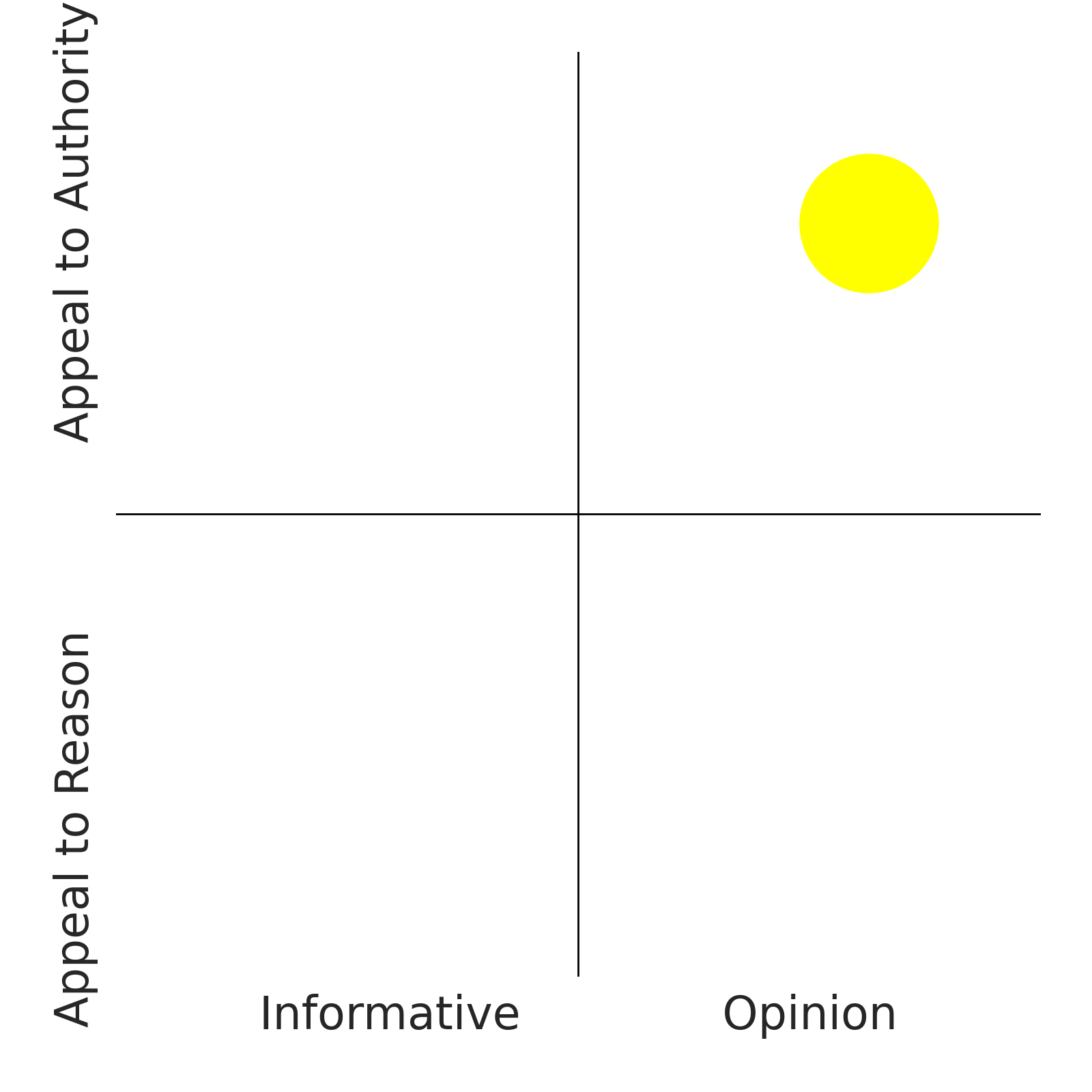
💭 Opinion25

🗳 Political12

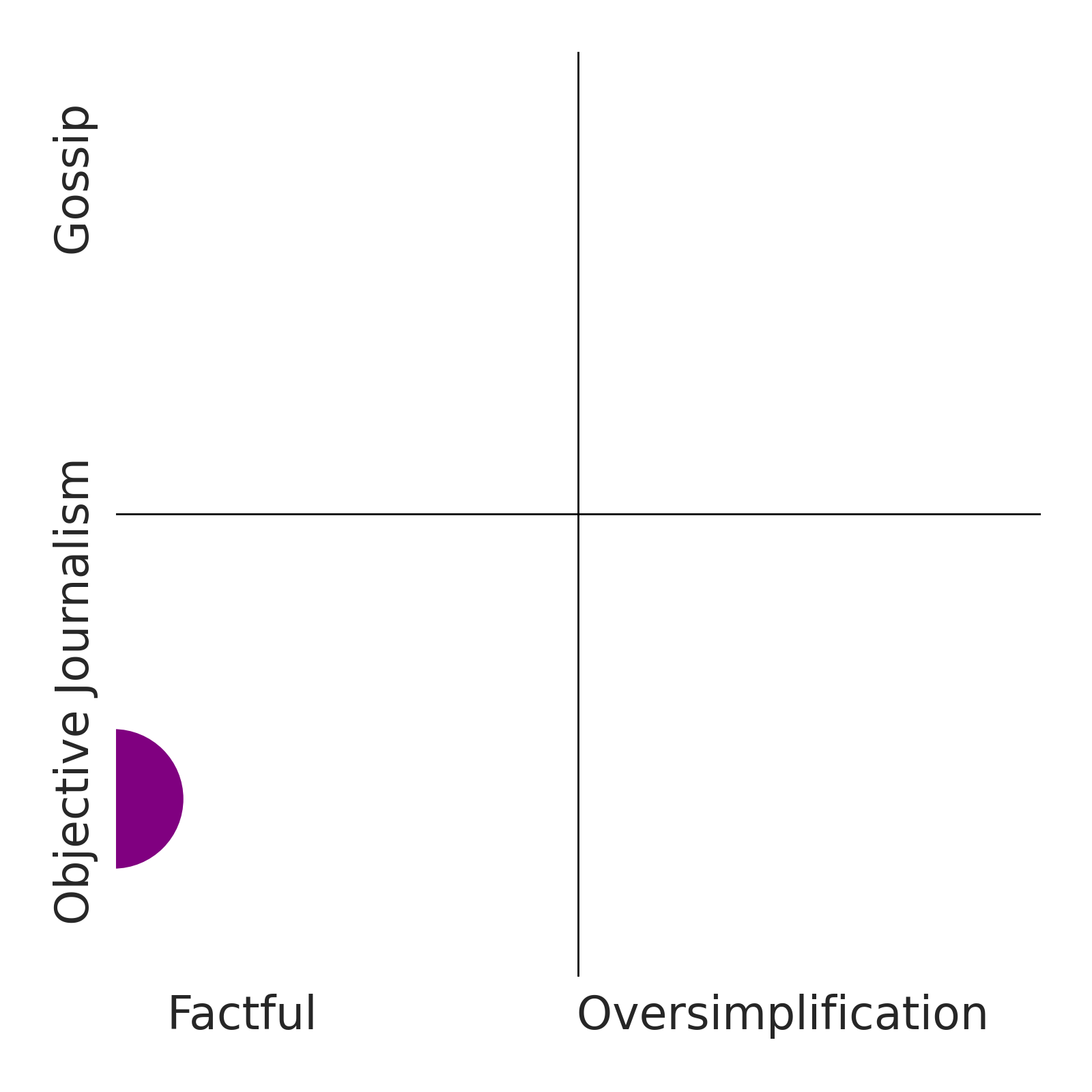
Oversimplification6

🏛️ Appeal to Authority12

👀 Covering Responses14

😤 Overconfidence6

🔒 Ideological8

🏴 Anti-establishment <—> Pro-establishment 📺6

❌ Low Credibility <—> High Credibility ✅23

💔 Low Integrity <—> High Integrity ❤️14

🪨 Low Intelligence <—> High Intelligence 🦉32

🎭 Virtue Signaling6

🎲 Speculation18

🐍 Manipulative15

Subtle dimensions

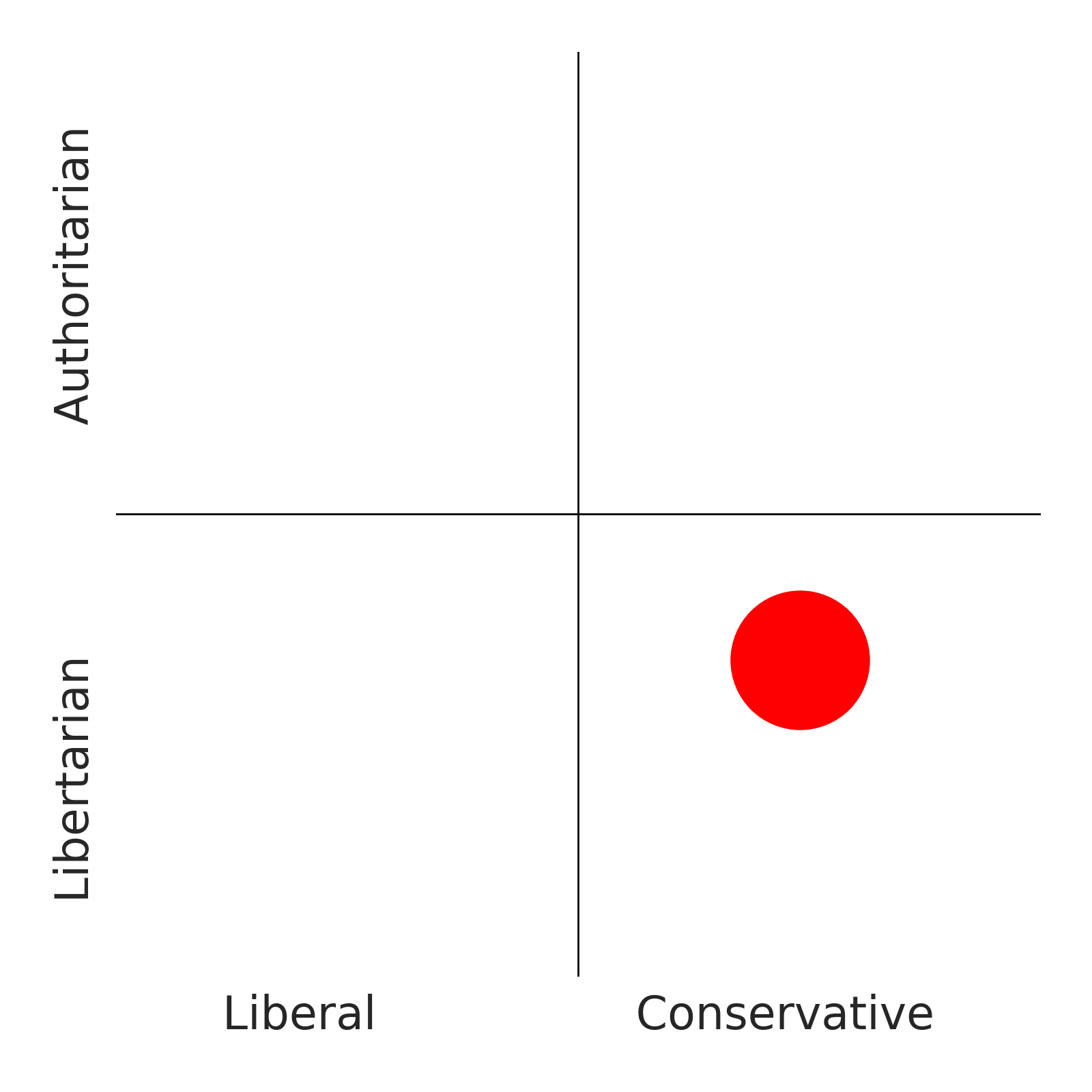
🔵 Liberal <—> Conservative 🔴-1

🧢 Populist <—> Elitist 🎩1

🗽 Libertarian <—> Authoritarian 🚔0

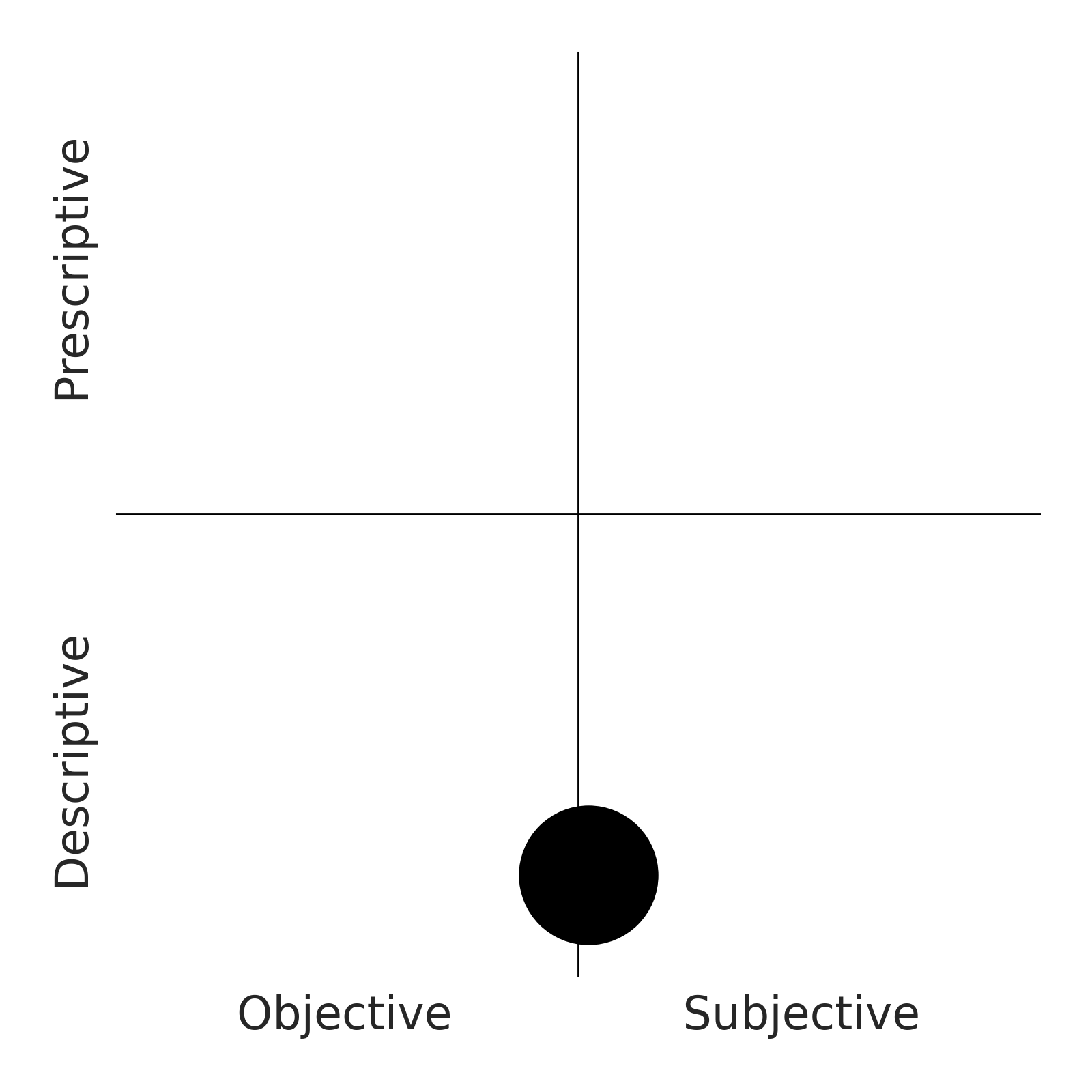
🗞️ Objective <—> Subjective 👁️ -2

🚨 Sensational5

📉 Bearish <—> Bullish 📈0

📝 Prescriptive0

🕊️ Dovish <—> Hawkish 🦁2

📞 Begging the Question0

🗣️ Gossip0

🍼 Immature1

😢 Victimization2

📏📏 Double Standard0

🧠 Rational <—> Irrational 🤪-5

🤑 Advertising1

🤖 Written by AI0

✊ Woke0

🔪 Cruel0

🔍 Truth-seeking <—> Delusion 🌀0

🔺 Conspiracy0

🐐 Scapegoating0

🤡 Hypocrisy0

🦊 Anti-Corporate <—> Pro-Corporate 👔2

🔬 Scientific <—> Superstitious 🔮-1

👤 Individualist <—> Collectivist 👥1

How to interpret source scores →

Average social shares per article 0


Axios Political Bias (?)


Axios Subjective Bias (?)


Axios Opinion Bias (?)


Axios Oversimplification Bias (?)


Axios Recent Articles


Sort By: