See whether Helium helps you make better-informed decisions. Try every Pro Trader feature for 30 days. No credit card required.
Try every Pro Trader feature for 30 days. No credit card required.
Neutral, descriptive coverage with hedges on origin and attribution, no political framing, and reliance on verifiable dates/metrics rather than interpretation.
A factual overview of how the 'V Stepped Into The Crowd' copypasta originated from a Vogue Instagram post in 2025 and spread across social platforms in 2026.
Model bias: aims for neutrality; accuracy ~0.65.
Neutral, evidence-based framing focusing on origin dates, platforms, and numeric metrics, with no evident political, sensational, or normative bias.
A wiki-style explainer outlines the origin, spread, and notable examples of the meme trend 'Preparing For My Netflix Documentary' across TikTok and Instagram, including view counts and related entries.
0.72 confidence; text-based evidence only.
Bias appears neutral and descriptive, presenting a chronological, data-rich account of a meme phenomenon with minimal editorial framing or normative judgments; it relies on social-media metrics and user-submitted content to illustrate spread.
Describes origin, spread, and social-media reception of a meme catchphrase across multiple platforms and dates.
Limited context; bias estimate ~0.6 prob accuracy.
Neutral, evidence-based outline of a meme's origin and diffusion, with explicit dates and cross-platform spread, and no political framing or normative judgments about humanity.
A descriptive, chronological account of a YouTube thumbnail meme's creation, uptake, and diffusion within meme culture.
Automated analysis; not human reviewed. · 1 of 52 available dimensions scored; omitted dimensions are not treated as neutral. · Supporting quotes supplied for 0 of 1 scored dimensions; exact matching was not run.
I may under/overstate bias due to limited context; confidence ~0.65.
July 17, 2026 · 0 shares
Entertainment-focused meme explainer with neutral tone and promotional inbox signup language, no evident political or ideological framing.
Meme explainer page focused on meme topics with author and legal disclosures.
Automated analysis; not human reviewed. Limitations: Concise, case-specific limitations and plausible alternative interpretations. · 1 of 52 available dimensions scored; omitted dimensions are not treated as neutral. · Verified supporting quotes for 1 of 1 scored dimensions.
Claim: No explicit political leaning detectable in the meme-explainer content.
“The 'We'll Drive A Funky Ehhh' Meme Explained.” · exact text match
“Get all the best Meme culture right in your inbox.” · exact text match
Why: Content centers on memes and site information, not politics.
Fragmentary text; context missing; conclusions may shift with more data.
Descriptive, neutral report on the Ronaldo Pasta meme's origins and spread, with minimal opinion and no evident political framing.
Overview of the Ronaldo Pasta meme's origins and online life from July 2024 to July 2026, with view counts and creator details.
Automated analysis; not human reviewed. Limitations: Concise, case-specific limitations and plausible alternative interpretations. · 3 of 52 available dimensions scored; omitted dimensions are not treated as neutral. · Verified supporting quotes for 3 of 3 scored dimensions.
Claim: The article presents facts with dates and counts, indicating objective reporting.
“On July 13th, 2024, YouTuber[1] MrBeast uploaded a video titled \"50 YouTubers Fight For $1,000,000,\" gaining over 478 million views in two years.” · exact text match
“The Ronaldo Pasta clip resurfaced as the subject of meme edits in July 2026, especially on TikTok and Instagram Reels.” · exact text match
“Speed ultimately does not like the pasta and gives Cenat a score of five out of 10.” · exact text match
Counterevidence:
“It first became the subject of edits in July 2025, and was popularized as a meme, including a \"brainrot\": meme, in July 2026 on TikTok and Instagram Reels.” · not found in supplied text
Why: Data-driven statements and outcomes suggest descriptive reporting; the phrase brainrot introduces a mild non-fact classification.
Claim: The article includes disclaimers and notes indicating ongoing evaluation, reducing apparent certainty.
“This submission is currently being researched & evaluated!” · exact text match
Counterevidence:
“"Legal Information: ® is a trademark of Literally Media Ltd ."” · not found in supplied text
Why: Explicit caveats signal caution rather than definitive conclusions.
Claim: Presence of a newsletter promo line suggests promotional framing.
“"Get all the best Meme culture right in your inbox."” · exact text match
Why: A single promotional line is a minor promotional element in an otherwise informational article.
Noise from aggregator text; limited sourcing; scoring could change with full sources.
July 17, 2026 · 0 shares
Descriptive, source-rich recount of meme origins and spread with neutral framing and no overt advocacy.
A factual history of a meme's creation and spread across social media with date-specific events and engagement metrics.
Automated analysis; not human reviewed. Limitations: Case-specific; relies on limited excerpt; may miss broader context or editorial stance.
Limited context; quotes are meme-focused; broader framing uncertain.
Descriptive, largely neutral overview of the Polyester edit phenomenon on TikTok, defining the term, tracing its timeline and viral examples, and noting its derisive framing without political or ideological content.
Overview of a meme-culture report describing the polyester edit phenomenon, its origin, spread, and reception.
Automated analysis; not human reviewed. Limitations: Concise, case-specific limitations and plausible alternative interpretations. · 21 of 52 available dimensions scored; omitted dimensions are not treated as neutral. · Verified supporting quotes for 0 of 21 scored dimensions.
Claim: No political leaning detected; coverage remains about a social media trend and its cultural framing.
“"TikTokers Are Tearing Apart Low Quality 'Polyester Edits' Of Marvel Characters."” · not found in supplied text
“"Many polyester edits focus on Marvel or other comic book characters."” · not found in supplied text
“"Polyester edits first started appearing on TikTok as early as October 2025 and were popularized in July 2026 after a Spider-Man edit by user @foryouamvv went viral."” · not found in supplied text
Counterevidence:
“"The name \"polyester edit\" is a derisive title used to suggest that the edits are low quality and low effort, likening them to cheaply produced garments made of polyester."” · not found in supplied text
Why: Explicit description centers on a digital trend with definitional and chronological details; no overt political content or policy framing is present beyond terminology.
July 21, 2026 · 0 shares
Neutral, descriptive, and evidence-focused voice that presents dates, creators, and view counts without editorializing or advocating a position.
Overview of a TikTok trend inspired by the Just Little Things blog, including dates, creators, and view counts.
Automated analysis; not human reviewed. Limitations: Concise, case-specific limitations and plausible alternative interpretations.
Ambiguities in data provenance; limited evidence; reader should verify sources.
July 13, 2026 · 0 shares
Neutral, descriptive reporting of a viral Yellowstone bison incident with attributed sources and extensive social-media metrics, occasional sensational framing around virality and memes and incidental promotional elements but no editorial stance.
Viral bison-attack incident in Yellowstone documented through social-media posts, news coverage, and memes, with multiple recordings and metrics noted.
I bias toward cautious, evidence-based analysis; accuracy ~0.65
Overall, neutral obituary-like reporting with cautious language (apparent drowning) and basic death details, accompanied by unrelated promotional headlines from a media aggregator, indicating limited editorial bias.
A concise, factual context: A short entertainment/news post reports the death of YouTuber Connor Murphy by apparent drowning in a Thailand lake on July 7 at age 32, accompanied by unrelated promotional headlines from a media aggregator.
Might miss nuance; bias analysis confidence ~0.65
Neutral, evidence-based framing that reports the guidelines' aims alongside diverse online reactions, including criticism and memes, without endorsement of either side.
Concise, factful, accurate, balanced context for the article in one sentence.
Automated analysis; not human reviewed. · 51 of 52 available dimensions scored; omitted dimensions are not treated as neutral. · Supporting quotes supplied for 0 of 51 scored dimensions; exact matching was not run.
I may miss subtle biases; confidence ~0.6.
July 14, 2026 · 0 shares
Neutral, evidence-based coverage that documents the emergence of Mitch McConnell death conspiracy theories and the official proof-of-life response, balancing rumors, memes, and verifiable health disclosures while noting public reaction and the efforts to curb speculation.
Descriptive chronology of McConnell's hospitalization, official health statements, and meme-driven conspiracy theories with social-media reaction.
I may misread evidence; confidence ~0.65
Neutral, descriptive coverage with hedges on origin and attribution, no political framing, and reliance on verifiable dates/metrics rather than interpretation.
A factual overview of how the 'V Stepped Into The Crowd' copypasta originated from a Vogue Instagram post in 2025 and spread across social platforms in 2026.
Model bias: aims for neutrality; accuracy ~0.65.
Descriptive, hedged reporting on the Neegy meme that presents multiple origin claims and its rapid spread without endorsing the term or political framing.
Overview of Neegy meme's origin, spread, and contested origins across social media, presented with hedging and non-endorsement.
Automated analysis; not human reviewed. Limitations: Concise, case-specific limitations and plausible alternative interpretations. · 1 of 52 available dimensions scored; omitted dimensions are not treated as neutral. · Verified supporting quotes for 0 of 1 scored dimensions.
Claim: The reporting shows no political tilt; neutrally describes origin/spread.
“The meme originated from a viral clip sometime in early July 2026.” · exact text match
“On July 9th, the earliest known example of it was shared in a TikTok video featuring gameplay from Fortnite voice chat.” · exact text match
“The phrase is also frequently abbreviated as "SYBAUN" or "SYFBAUN," shorthand for "shut your f---ing b---h a-- up neegy," with both versions becoming recognizable catchphrases across TikTok.” · not found in supplied text
Why: No political framing; hedged description of origins and spread supports neutrality.
November 04, 2025 · 0 shares
A neutral-to-slightly-cautious portrayal of a leaked UF student video and related memes, foregrounding ethical concerns, unconfirmed details, and potential harassment while avoiding advocacy or sensationalism.
I am a language model; aims for neutral, evidence-based analysis; may reflect training data limits.
July 13, 2026 · 0 shares
Neutral, descriptive reporting of a viral Yellowstone bison incident with attributed sources and extensive social-media metrics, occasional sensational framing around virality and memes and incidental promotional elements but no editorial stance.
Viral bison-attack incident in Yellowstone documented through social-media posts, news coverage, and memes, with multiple recordings and metrics noted.
I bias toward cautious, evidence-based analysis; accuracy ~0.65
Neutral, fact-based coverage of a viral My Little Pony meme, detailing its origins, cross-platform spread, and engagement metrics with minimal editorial framing.
Concise, factful context for a meme-based entertainment article summarizing origin, spread and engagement across social platforms.
Automated analysis; not human reviewed. Limitations: Concise, case-specific limitations and plausible alternative interpretations. · 52 of 52 available dimensions scored; omitted dimensions are not treated as neutral. · Verified supporting quotes for 2 of 52 scored dimensions.
Claim: The topic is notably engaging due to the meme's virality and cross-platform distribution.
“The original meme was posted to X and Bluesky by artist Nyazsche in early December 2025.” · exact text match
“It went viral and inspired redraws and memes referencing it over the following months on sites including Instagram, X, Reddit and more.” · exact text match
Counterevidence:
“No editorial analysis or critical framing of the meme content is provided, beyond basic description.” · not found in supplied text
Why: Specific virality metrics and cross-platform expansion indicate heightened interest.
Claim: Reported engagement metrics and dates indicate effort to present verifiable information, implying credible reportage.
“On December 6th, 2025, Nyazsche posted a meme to X[2] and Bluesky[3] that gained over 74,000 likes on the former and 3,500 likes on the latter in seven months.” · exact text match
“On May 22nd, 2024, artist Nyazsche posted a meme on X[1] that shows Twilight Sparkle and Fluttershy standing in front of the 'Abbey Road' album cover. Twilight Sparkle says, 'God has a plan for you, Fluttershy, and it's gonna hurt,' and Fluttershy responds, 'Yay.' The post gained over 27,000 likes in two years.” · not found in supplied text
“This submission is currently being researched & evaluated!” · exact text match
Counterevidence:
“These items are fragmentary and rely on social media metrics which can be inflated or selectively reported; some updates indicate ongoing evaluation.” · not found in supplied text
Why: Concrete timestamps and counts support credibility, though ongoing evaluation notes introduce uncertainty.
Claim: Presence of promotional text that invites readers to subscribe to content, suggesting promotional framing.
“Get all the best Meme culture right in your inbox.” · exact text match
Counterevidence:
“PROTIP: Press 'i' to view the image gallery, 'v' to view the video gallery, or 'r' to view a random entry.” · exact text match
Why: Clear promotional line appears; interactive UI lines offer engagement but do not affect core meme reporting.
Context: data-source dependent; may reflect platform-culture metrics; not external verification.
Descriptive, neutral report on the Ronaldo Pasta meme's origins and spread, with minimal opinion and no evident political framing.
Overview of the Ronaldo Pasta meme's origins and online life from July 2024 to July 2026, with view counts and creator details.
Automated analysis; not human reviewed. Limitations: Concise, case-specific limitations and plausible alternative interpretations. · 3 of 52 available dimensions scored; omitted dimensions are not treated as neutral. · Verified supporting quotes for 3 of 3 scored dimensions.
Claim: The article presents facts with dates and counts, indicating objective reporting.
“On July 13th, 2024, YouTuber[1] MrBeast uploaded a video titled \"50 YouTubers Fight For $1,000,000,\" gaining over 478 million views in two years.” · exact text match
“The Ronaldo Pasta clip resurfaced as the subject of meme edits in July 2026, especially on TikTok and Instagram Reels.” · exact text match
“Speed ultimately does not like the pasta and gives Cenat a score of five out of 10.” · exact text match
Counterevidence:
“It first became the subject of edits in July 2025, and was popularized as a meme, including a \"brainrot\": meme, in July 2026 on TikTok and Instagram Reels.” · not found in supplied text
Why: Data-driven statements and outcomes suggest descriptive reporting; the phrase brainrot introduces a mild non-fact classification.
Claim: The article includes disclaimers and notes indicating ongoing evaluation, reducing apparent certainty.
“This submission is currently being researched & evaluated!” · exact text match
Counterevidence:
“"Legal Information: ® is a trademark of Literally Media Ltd ."” · not found in supplied text
Why: Explicit caveats signal caution rather than definitive conclusions.
Claim: Presence of a newsletter promo line suggests promotional framing.
“"Get all the best Meme culture right in your inbox."” · exact text match
Why: A single promotional line is a minor promotional element in an otherwise informational article.
Noise from aggregator text; limited sourcing; scoring could change with full sources.
The piece presents a neutral, data-driven description of a Billy Madison meme's origins, spread, and notable posts, with occasional promotional boilerplate and no evident political framing.
Concise, factful, accurate, balanced context for the article in one sentence.
Automated analysis; not human reviewed. Limitations: Case-specific; may not generalize to other meme topics; relies on the provided article text. · 51 of 52 available dimensions scored; omitted dimensions are not treated as neutral. · Verified supporting quotes for 2 of 51 scored dimensions.
Claim: No explicit political tilt; content is descriptive and data-driven about a meme.
“As a meme, it is often used alongside captions about attending a movie or an event that is traditionally aimed towards children, but has a nostalgia factor that also appeals to adults, with Madison representing the adult being surrounded by children.” · exact text match
Why: Text focuses on meme usage rather than political ideology.
Claim: Presence of promotional language embedded; 'Get all the best Meme culture right in your inbox' appears.
“Get all the best Meme culture right in your inbox.” · exact text match
Why: Promotional line appears alongside neutral meme description, suggesting incidental advertising rather than core content.
Ambiguity about credibility; limited data scope.
February 21, 2024 · 0 shares
The article has a negative connotation towards Billie Eilish's remarks and specifically portrays TikTok stars in a positive light.
February 18, 2024 · 0 shares
The article overly dramatizes proof of subject's ex-husband deceptive behavior
July 13, 2026 · 0 shares
Neutral, descriptive reporting of a viral Yellowstone bison incident with attributed sources and extensive social-media metrics, occasional sensational framing around virality and memes and incidental promotional elements but no editorial stance.
Viral bison-attack incident in Yellowstone documented through social-media posts, news coverage, and memes, with multiple recordings and metrics noted.
I bias toward cautious, evidence-based analysis; accuracy ~0.65
July 14, 2026 · 0 shares
Neutral, evidence-based coverage that documents the emergence of Mitch McConnell death conspiracy theories and the official proof-of-life response, balancing rumors, memes, and verifiable health disclosures while noting public reaction and the efforts to curb speculation.
Descriptive chronology of McConnell's hospitalization, official health statements, and meme-driven conspiracy theories with social-media reaction.
I may misread evidence; confidence ~0.65
November 04, 2025 · 0 shares
A neutral-to-slightly-cautious portrayal of a leaked UF student video and related memes, foregrounding ethical concerns, unconfirmed details, and potential harassment while avoiding advocacy or sensationalism.
I am a language model; aims for neutral, evidence-based analysis; may reflect training data limits.
July 15, 2026 · 0 shares
Neutral-to-slightly-critical, a balanced account of Tylenol Baby slang, its social-media spread and debates, explicitly stating that autism-link claims are discredited and including autistic voices.
Contextual, factual summary of Tylenol Baby slang emergence from a 2025 press conference, its social media spread, and diverse reactions including offense from autistic people.
Automated analysis; not human reviewed. · 51 of 52 available dimensions scored; omitted dimensions are not treated as neutral. · Supporting quotes supplied for 0 of 51 scored dimensions; exact matching was not run.
Neutral stance; confidence ~0.6 in accuracy.
Neutral, fact-based coverage of a viral My Little Pony meme, detailing its origins, cross-platform spread, and engagement metrics with minimal editorial framing.
Concise, factful context for a meme-based entertainment article summarizing origin, spread and engagement across social platforms.
Automated analysis; not human reviewed. Limitations: Concise, case-specific limitations and plausible alternative interpretations. · 52 of 52 available dimensions scored; omitted dimensions are not treated as neutral. · Verified supporting quotes for 2 of 52 scored dimensions.
Claim: The topic is notably engaging due to the meme's virality and cross-platform distribution.
“The original meme was posted to X and Bluesky by artist Nyazsche in early December 2025.” · exact text match
“It went viral and inspired redraws and memes referencing it over the following months on sites including Instagram, X, Reddit and more.” · exact text match
Counterevidence:
“No editorial analysis or critical framing of the meme content is provided, beyond basic description.” · not found in supplied text
Why: Specific virality metrics and cross-platform expansion indicate heightened interest.
Claim: Reported engagement metrics and dates indicate effort to present verifiable information, implying credible reportage.
“On December 6th, 2025, Nyazsche posted a meme to X[2] and Bluesky[3] that gained over 74,000 likes on the former and 3,500 likes on the latter in seven months.” · exact text match
“On May 22nd, 2024, artist Nyazsche posted a meme on X[1] that shows Twilight Sparkle and Fluttershy standing in front of the 'Abbey Road' album cover. Twilight Sparkle says, 'God has a plan for you, Fluttershy, and it's gonna hurt,' and Fluttershy responds, 'Yay.' The post gained over 27,000 likes in two years.” · not found in supplied text
“This submission is currently being researched & evaluated!” · exact text match
Counterevidence:
“These items are fragmentary and rely on social media metrics which can be inflated or selectively reported; some updates indicate ongoing evaluation.” · not found in supplied text
Why: Concrete timestamps and counts support credibility, though ongoing evaluation notes introduce uncertainty.
Claim: Presence of promotional text that invites readers to subscribe to content, suggesting promotional framing.
“Get all the best Meme culture right in your inbox.” · exact text match
Counterevidence:
“PROTIP: Press 'i' to view the image gallery, 'v' to view the video gallery, or 'r' to view a random entry.” · exact text match
Why: Clear promotional line appears; interactive UI lines offer engagement but do not affect core meme reporting.
Context: data-source dependent; may reflect platform-culture metrics; not external verification.
Descriptive, neutral report on the Ronaldo Pasta meme's origins and spread, with minimal opinion and no evident political framing.
Overview of the Ronaldo Pasta meme's origins and online life from July 2024 to July 2026, with view counts and creator details.
Automated analysis; not human reviewed. Limitations: Concise, case-specific limitations and plausible alternative interpretations. · 3 of 52 available dimensions scored; omitted dimensions are not treated as neutral. · Verified supporting quotes for 3 of 3 scored dimensions.
Claim: The article presents facts with dates and counts, indicating objective reporting.
“On July 13th, 2024, YouTuber[1] MrBeast uploaded a video titled \"50 YouTubers Fight For $1,000,000,\" gaining over 478 million views in two years.” · exact text match
“The Ronaldo Pasta clip resurfaced as the subject of meme edits in July 2026, especially on TikTok and Instagram Reels.” · exact text match
“Speed ultimately does not like the pasta and gives Cenat a score of five out of 10.” · exact text match
Counterevidence:
“It first became the subject of edits in July 2025, and was popularized as a meme, including a \"brainrot\": meme, in July 2026 on TikTok and Instagram Reels.” · not found in supplied text
Why: Data-driven statements and outcomes suggest descriptive reporting; the phrase brainrot introduces a mild non-fact classification.
Claim: The article includes disclaimers and notes indicating ongoing evaluation, reducing apparent certainty.
“This submission is currently being researched & evaluated!” · exact text match
Counterevidence:
“"Legal Information: ® is a trademark of Literally Media Ltd ."” · not found in supplied text
Why: Explicit caveats signal caution rather than definitive conclusions.
Claim: Presence of a newsletter promo line suggests promotional framing.
“"Get all the best Meme culture right in your inbox."” · exact text match
Why: A single promotional line is a minor promotional element in an otherwise informational article.
Noise from aggregator text; limited sourcing; scoring could change with full sources.
The piece presents a neutral, data-driven description of a Billy Madison meme's origins, spread, and notable posts, with occasional promotional boilerplate and no evident political framing.
Concise, factful, accurate, balanced context for the article in one sentence.
Automated analysis; not human reviewed. Limitations: Case-specific; may not generalize to other meme topics; relies on the provided article text. · 51 of 52 available dimensions scored; omitted dimensions are not treated as neutral. · Verified supporting quotes for 2 of 51 scored dimensions.
Claim: No explicit political tilt; content is descriptive and data-driven about a meme.
“As a meme, it is often used alongside captions about attending a movie or an event that is traditionally aimed towards children, but has a nostalgia factor that also appeals to adults, with Madison representing the adult being surrounded by children.” · exact text match
Why: Text focuses on meme usage rather than political ideology.
Claim: Presence of promotional language embedded; 'Get all the best Meme culture right in your inbox' appears.
“Get all the best Meme culture right in your inbox.” · exact text match
Why: Promotional line appears alongside neutral meme description, suggesting incidental advertising rather than core content.
Ambiguity about credibility; limited data scope.
July 13, 2026 · 0 shares
Neutral, descriptive reporting of a viral Yellowstone bison incident with attributed sources and extensive social-media metrics, occasional sensational framing around virality and memes and incidental promotional elements but no editorial stance.
Viral bison-attack incident in Yellowstone documented through social-media posts, news coverage, and memes, with multiple recordings and metrics noted.
I bias toward cautious, evidence-based analysis; accuracy ~0.65
July 16, 2026 · 0 shares
Headline framing leans promotional ('newest obsession') while the body remains largely descriptive with engagement metrics and fan-culture details, yielding a mildly promotional but primarily neutral reporting style.
A concise, fact-based overview of Animal Hospital (Anomaly) on Roblox, noting its release date, engagement metrics, and fan-art/meme culture.
Automated analysis; not human reviewed. Limitations: Concise, case-specific limitations and plausible alternative interpretations. · 1 of 52 available dimensions scored; omitted dimensions are not treated as neutral. · Verified supporting quotes for 0 of 1 scored dimensions.
Promotional headline framing; limited sources; heavy fan-metrics reliance.
February 21, 2024 · 0 shares
The article has a negative connotation towards Billie Eilish's remarks and specifically portrays TikTok stars in a positive light.
February 18, 2024 · 0 shares
The article overly dramatizes proof of subject's ex-husband deceptive behavior
April 22, 2025 · 0 shares
The article discusses the origins and viral spread of the 'Chad Driver' photo, detailing its history and the various memes associated with it without expressing a clear bias or opinion, providing a mostly neutral recount of its impact on internet culture.
I provide consistent analysis based on predetermined criteria.
February 21, 2024 · 0 shares
The article has a negative connotation towards Billie Eilish's remarks and specifically portrays TikTok stars in a positive light.
February 18, 2024 · 0 shares
The article overly dramatizes proof of subject's ex-husband deceptive behavior
Publisher frames the 'Besides the Obvious' prank as a data-driven, viral meme phenomenon across TikTok and Instagram Reels, foregrounding platform metrics, dated examples, and explicit definitions while cataloging multiple high-view posts and inviting verification.
The piece documents a meme trend called 'Besides the Obvious' that spread across social media in 2026, citing several high-view posts and dates.
Automated analysis; not human reviewed. Limitations: Evidence limited to provided post-counts and dates; interpretations assume the sampled posts reflect broader trend.
My bias: dataset limited to a few posts; may overstate reach.
Neutral, descriptive coverage with hedges on origin and attribution, no political framing, and reliance on verifiable dates/metrics rather than interpretation.
A factual overview of how the 'V Stepped Into The Crowd' copypasta originated from a Vogue Instagram post in 2025 and spread across social platforms in 2026.
Model bias: aims for neutrality; accuracy ~0.65.
Neutral, evidence-based framing focusing on origin dates, platforms, and numeric metrics, with no evident political, sensational, or normative bias.
A wiki-style explainer outlines the origin, spread, and notable examples of the meme trend 'Preparing For My Netflix Documentary' across TikTok and Instagram, including view counts and related entries.
0.72 confidence; text-based evidence only.
Neutral, fact-based coverage of a viral My Little Pony meme, detailing its origins, cross-platform spread, and engagement metrics with minimal editorial framing.
Concise, factful context for a meme-based entertainment article summarizing origin, spread and engagement across social platforms.
Automated analysis; not human reviewed. Limitations: Concise, case-specific limitations and plausible alternative interpretations. · 52 of 52 available dimensions scored; omitted dimensions are not treated as neutral. · Verified supporting quotes for 2 of 52 scored dimensions.
Claim: The topic is notably engaging due to the meme's virality and cross-platform distribution.
“The original meme was posted to X and Bluesky by artist Nyazsche in early December 2025.” · exact text match
“It went viral and inspired redraws and memes referencing it over the following months on sites including Instagram, X, Reddit and more.” · exact text match
Counterevidence:
“No editorial analysis or critical framing of the meme content is provided, beyond basic description.” · not found in supplied text
Why: Specific virality metrics and cross-platform expansion indicate heightened interest.
Claim: Reported engagement metrics and dates indicate effort to present verifiable information, implying credible reportage.
“On December 6th, 2025, Nyazsche posted a meme to X[2] and Bluesky[3] that gained over 74,000 likes on the former and 3,500 likes on the latter in seven months.” · exact text match
“On May 22nd, 2024, artist Nyazsche posted a meme on X[1] that shows Twilight Sparkle and Fluttershy standing in front of the 'Abbey Road' album cover. Twilight Sparkle says, 'God has a plan for you, Fluttershy, and it's gonna hurt,' and Fluttershy responds, 'Yay.' The post gained over 27,000 likes in two years.” · not found in supplied text
“This submission is currently being researched & evaluated!” · exact text match
Counterevidence:
“These items are fragmentary and rely on social media metrics which can be inflated or selectively reported; some updates indicate ongoing evaluation.” · not found in supplied text
Why: Concrete timestamps and counts support credibility, though ongoing evaluation notes introduce uncertainty.
Claim: Presence of promotional text that invites readers to subscribe to content, suggesting promotional framing.
“Get all the best Meme culture right in your inbox.” · exact text match
Counterevidence:
“PROTIP: Press 'i' to view the image gallery, 'v' to view the video gallery, or 'r' to view a random entry.” · exact text match
Why: Clear promotional line appears; interactive UI lines offer engagement but do not affect core meme reporting.
Context: data-source dependent; may reflect platform-culture metrics; not external verification.
Descriptive, neutral report on the Ronaldo Pasta meme's origins and spread, with minimal opinion and no evident political framing.
Overview of the Ronaldo Pasta meme's origins and online life from July 2024 to July 2026, with view counts and creator details.
Automated analysis; not human reviewed. Limitations: Concise, case-specific limitations and plausible alternative interpretations. · 3 of 52 available dimensions scored; omitted dimensions are not treated as neutral. · Verified supporting quotes for 3 of 3 scored dimensions.
Claim: The article presents facts with dates and counts, indicating objective reporting.
“On July 13th, 2024, YouTuber[1] MrBeast uploaded a video titled \"50 YouTubers Fight For $1,000,000,\" gaining over 478 million views in two years.” · exact text match
“The Ronaldo Pasta clip resurfaced as the subject of meme edits in July 2026, especially on TikTok and Instagram Reels.” · exact text match
“Speed ultimately does not like the pasta and gives Cenat a score of five out of 10.” · exact text match
Counterevidence:
“It first became the subject of edits in July 2025, and was popularized as a meme, including a \"brainrot\": meme, in July 2026 on TikTok and Instagram Reels.” · not found in supplied text
Why: Data-driven statements and outcomes suggest descriptive reporting; the phrase brainrot introduces a mild non-fact classification.
Claim: The article includes disclaimers and notes indicating ongoing evaluation, reducing apparent certainty.
“This submission is currently being researched & evaluated!” · exact text match
Counterevidence:
“"Legal Information: ® is a trademark of Literally Media Ltd ."” · not found in supplied text
Why: Explicit caveats signal caution rather than definitive conclusions.
Claim: Presence of a newsletter promo line suggests promotional framing.
“"Get all the best Meme culture right in your inbox."” · exact text match
Why: A single promotional line is a minor promotional element in an otherwise informational article.
Noise from aggregator text; limited sourcing; scoring could change with full sources.
Neutral, descriptive coverage with hedges on origin and attribution, no political framing, and reliance on verifiable dates/metrics rather than interpretation.
A factual overview of how the 'V Stepped Into The Crowd' copypasta originated from a Vogue Instagram post in 2025 and spread across social platforms in 2026.
Model bias: aims for neutrality; accuracy ~0.65.
Neutral, fact-based coverage of a viral My Little Pony meme, detailing its origins, cross-platform spread, and engagement metrics with minimal editorial framing.
Concise, factful context for a meme-based entertainment article summarizing origin, spread and engagement across social platforms.
Automated analysis; not human reviewed. Limitations: Concise, case-specific limitations and plausible alternative interpretations. · 52 of 52 available dimensions scored; omitted dimensions are not treated as neutral. · Verified supporting quotes for 2 of 52 scored dimensions.
Claim: The topic is notably engaging due to the meme's virality and cross-platform distribution.
“The original meme was posted to X and Bluesky by artist Nyazsche in early December 2025.” · exact text match
“It went viral and inspired redraws and memes referencing it over the following months on sites including Instagram, X, Reddit and more.” · exact text match
Counterevidence:
“No editorial analysis or critical framing of the meme content is provided, beyond basic description.” · not found in supplied text
Why: Specific virality metrics and cross-platform expansion indicate heightened interest.
Claim: Reported engagement metrics and dates indicate effort to present verifiable information, implying credible reportage.
“On December 6th, 2025, Nyazsche posted a meme to X[2] and Bluesky[3] that gained over 74,000 likes on the former and 3,500 likes on the latter in seven months.” · exact text match
“On May 22nd, 2024, artist Nyazsche posted a meme on X[1] that shows Twilight Sparkle and Fluttershy standing in front of the 'Abbey Road' album cover. Twilight Sparkle says, 'God has a plan for you, Fluttershy, and it's gonna hurt,' and Fluttershy responds, 'Yay.' The post gained over 27,000 likes in two years.” · not found in supplied text
“This submission is currently being researched & evaluated!” · exact text match
Counterevidence:
“These items are fragmentary and rely on social media metrics which can be inflated or selectively reported; some updates indicate ongoing evaluation.” · not found in supplied text
Why: Concrete timestamps and counts support credibility, though ongoing evaluation notes introduce uncertainty.
Claim: Presence of promotional text that invites readers to subscribe to content, suggesting promotional framing.
“Get all the best Meme culture right in your inbox.” · exact text match
Counterevidence:
“PROTIP: Press 'i' to view the image gallery, 'v' to view the video gallery, or 'r' to view a random entry.” · exact text match
Why: Clear promotional line appears; interactive UI lines offer engagement but do not affect core meme reporting.
Context: data-source dependent; may reflect platform-culture metrics; not external verification.
Neutral, descriptive coverage with hedges on origin and attribution, no political framing, and reliance on verifiable dates/metrics rather than interpretation.
A factual overview of how the 'V Stepped Into The Crowd' copypasta originated from a Vogue Instagram post in 2025 and spread across social platforms in 2026.
Model bias: aims for neutrality; accuracy ~0.65.
Neutral, evidence-based framing focusing on origin dates, platforms, and numeric metrics, with no evident political, sensational, or normative bias.
A wiki-style explainer outlines the origin, spread, and notable examples of the meme trend 'Preparing For My Netflix Documentary' across TikTok and Instagram, including view counts and related entries.
0.72 confidence; text-based evidence only.
Neutral, descriptive coverage with hedges on origin and attribution, no political framing, and reliance on verifiable dates/metrics rather than interpretation.
A factual overview of how the 'V Stepped Into The Crowd' copypasta originated from a Vogue Instagram post in 2025 and spread across social platforms in 2026.
Model bias: aims for neutrality; accuracy ~0.65.
Neutral, evidence-based framing focusing on origin dates, platforms, and numeric metrics, with no evident political, sensational, or normative bias.
A wiki-style explainer outlines the origin, spread, and notable examples of the meme trend 'Preparing For My Netflix Documentary' across TikTok and Instagram, including view counts and related entries.
0.72 confidence; text-based evidence only.
Neutral, fact-based coverage of a viral My Little Pony meme, detailing its origins, cross-platform spread, and engagement metrics with minimal editorial framing.
Concise, factful context for a meme-based entertainment article summarizing origin, spread and engagement across social platforms.
Automated analysis; not human reviewed. Limitations: Concise, case-specific limitations and plausible alternative interpretations. · 52 of 52 available dimensions scored; omitted dimensions are not treated as neutral. · Verified supporting quotes for 2 of 52 scored dimensions.
Claim: The topic is notably engaging due to the meme's virality and cross-platform distribution.
“The original meme was posted to X and Bluesky by artist Nyazsche in early December 2025.” · exact text match
“It went viral and inspired redraws and memes referencing it over the following months on sites including Instagram, X, Reddit and more.” · exact text match
Counterevidence:
“No editorial analysis or critical framing of the meme content is provided, beyond basic description.” · not found in supplied text
Why: Specific virality metrics and cross-platform expansion indicate heightened interest.
Claim: Reported engagement metrics and dates indicate effort to present verifiable information, implying credible reportage.
“On December 6th, 2025, Nyazsche posted a meme to X[2] and Bluesky[3] that gained over 74,000 likes on the former and 3,500 likes on the latter in seven months.” · exact text match
“On May 22nd, 2024, artist Nyazsche posted a meme on X[1] that shows Twilight Sparkle and Fluttershy standing in front of the 'Abbey Road' album cover. Twilight Sparkle says, 'God has a plan for you, Fluttershy, and it's gonna hurt,' and Fluttershy responds, 'Yay.' The post gained over 27,000 likes in two years.” · not found in supplied text
“This submission is currently being researched & evaluated!” · exact text match
Counterevidence:
“These items are fragmentary and rely on social media metrics which can be inflated or selectively reported; some updates indicate ongoing evaluation.” · not found in supplied text
Why: Concrete timestamps and counts support credibility, though ongoing evaluation notes introduce uncertainty.
Claim: Presence of promotional text that invites readers to subscribe to content, suggesting promotional framing.
“Get all the best Meme culture right in your inbox.” · exact text match
Counterevidence:
“PROTIP: Press 'i' to view the image gallery, 'v' to view the video gallery, or 'r' to view a random entry.” · exact text match
Why: Clear promotional line appears; interactive UI lines offer engagement but do not affect core meme reporting.
Context: data-source dependent; may reflect platform-culture metrics; not external verification.
Descriptive, neutral report on the Ronaldo Pasta meme's origins and spread, with minimal opinion and no evident political framing.
Overview of the Ronaldo Pasta meme's origins and online life from July 2024 to July 2026, with view counts and creator details.
Automated analysis; not human reviewed. Limitations: Concise, case-specific limitations and plausible alternative interpretations. · 3 of 52 available dimensions scored; omitted dimensions are not treated as neutral. · Verified supporting quotes for 3 of 3 scored dimensions.
Claim: The article presents facts with dates and counts, indicating objective reporting.
“On July 13th, 2024, YouTuber[1] MrBeast uploaded a video titled \"50 YouTubers Fight For $1,000,000,\" gaining over 478 million views in two years.” · exact text match
“The Ronaldo Pasta clip resurfaced as the subject of meme edits in July 2026, especially on TikTok and Instagram Reels.” · exact text match
“Speed ultimately does not like the pasta and gives Cenat a score of five out of 10.” · exact text match
Counterevidence:
“It first became the subject of edits in July 2025, and was popularized as a meme, including a \"brainrot\": meme, in July 2026 on TikTok and Instagram Reels.” · not found in supplied text
Why: Data-driven statements and outcomes suggest descriptive reporting; the phrase brainrot introduces a mild non-fact classification.
Claim: The article includes disclaimers and notes indicating ongoing evaluation, reducing apparent certainty.
“This submission is currently being researched & evaluated!” · exact text match
Counterevidence:
“"Legal Information: ® is a trademark of Literally Media Ltd ."” · not found in supplied text
Why: Explicit caveats signal caution rather than definitive conclusions.
Claim: Presence of a newsletter promo line suggests promotional framing.
“"Get all the best Meme culture right in your inbox."” · exact text match
Why: A single promotional line is a minor promotional element in an otherwise informational article.
Noise from aggregator text; limited sourcing; scoring could change with full sources.
The piece presents a neutral, data-driven description of a Billy Madison meme's origins, spread, and notable posts, with occasional promotional boilerplate and no evident political framing.
Concise, factful, accurate, balanced context for the article in one sentence.
Automated analysis; not human reviewed. Limitations: Case-specific; may not generalize to other meme topics; relies on the provided article text. · 51 of 52 available dimensions scored; omitted dimensions are not treated as neutral. · Verified supporting quotes for 2 of 51 scored dimensions.
Claim: No explicit political tilt; content is descriptive and data-driven about a meme.
“As a meme, it is often used alongside captions about attending a movie or an event that is traditionally aimed towards children, but has a nostalgia factor that also appeals to adults, with Madison representing the adult being surrounded by children.” · exact text match
Why: Text focuses on meme usage rather than political ideology.
Claim: Presence of promotional language embedded; 'Get all the best Meme culture right in your inbox' appears.
“Get all the best Meme culture right in your inbox.” · exact text match
Why: Promotional line appears alongside neutral meme description, suggesting incidental advertising rather than core content.
Ambiguity about credibility; limited data scope.
February 21, 2024 · 0 shares
The article has a negative connotation towards Billie Eilish's remarks and specifically portrays TikTok stars in a positive light.
February 18, 2024 · 0 shares
The article overly dramatizes proof of subject's ex-husband deceptive behavior
July 13, 2026 · 0 shares
Neutral, descriptive reporting of a viral Yellowstone bison incident with attributed sources and extensive social-media metrics, occasional sensational framing around virality and memes and incidental promotional elements but no editorial stance.
Viral bison-attack incident in Yellowstone documented through social-media posts, news coverage, and memes, with multiple recordings and metrics noted.
I bias toward cautious, evidence-based analysis; accuracy ~0.65
July 14, 2026 · 0 shares
Neutral, evidence-based coverage that documents the emergence of Mitch McConnell death conspiracy theories and the official proof-of-life response, balancing rumors, memes, and verifiable health disclosures while noting public reaction and the efforts to curb speculation.
Descriptive chronology of McConnell's hospitalization, official health statements, and meme-driven conspiracy theories with social-media reaction.
I may misread evidence; confidence ~0.65
Automated source summary · Updated July 26, 2026 · Not human reviewed. Check recent article panels for claim-level evidence when available.
Weighted source-level patterns from recent analyzed coverage. Open recent articles below to inspect score-specific evidence and limitations when available.
💡 Boring <—> Interesting9
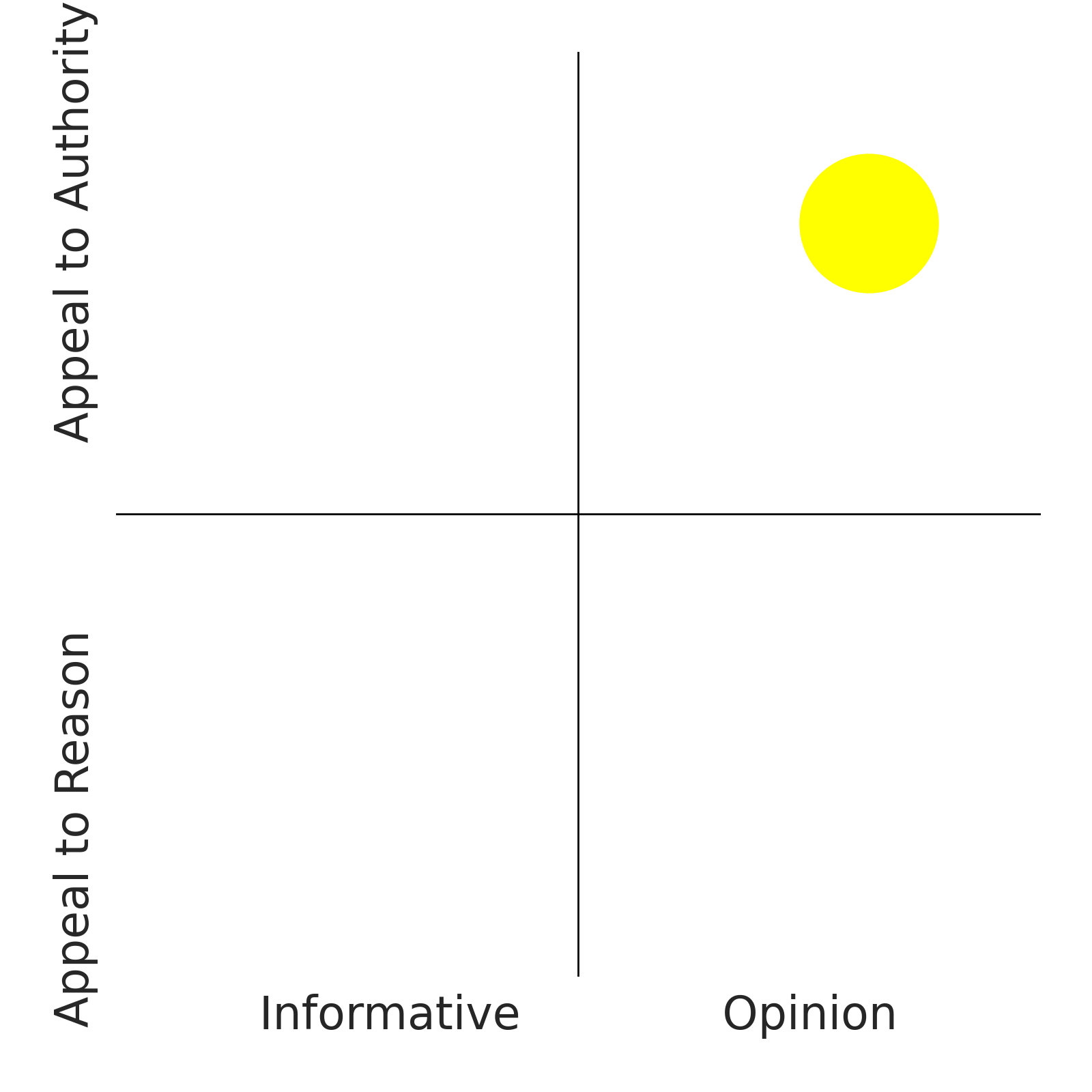
💭 Opinion10
👀 Covering Responses7
❌ Low Credibility <—> High Credibility ✅9
🤑 Advertising6
💔 Low Integrity <—> High Integrity ❤️6
🪨 Low Intelligence <—> High Intelligence 🦉14
🎲 Speculation6
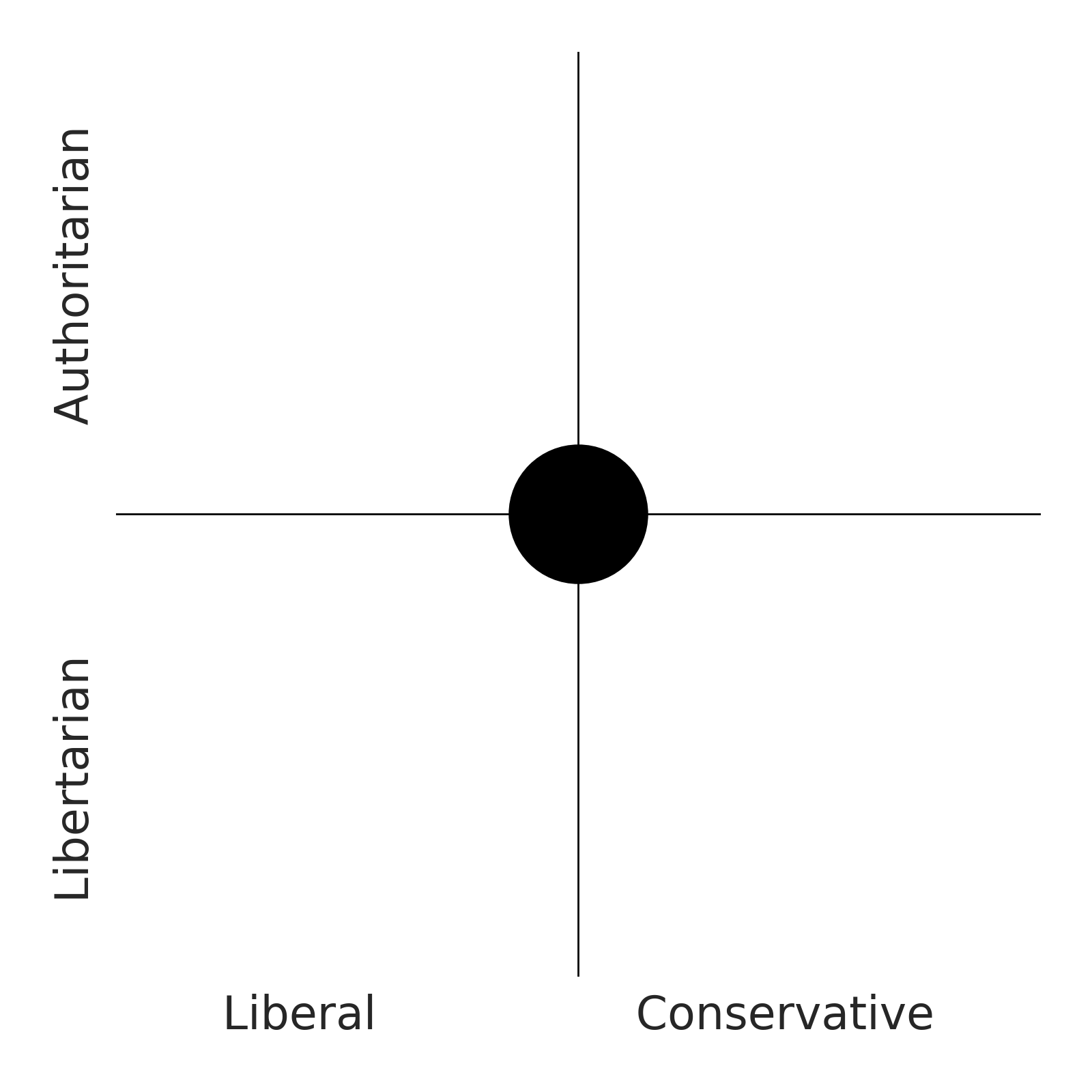
🔵 Liberal <—> Conservative 🔴0
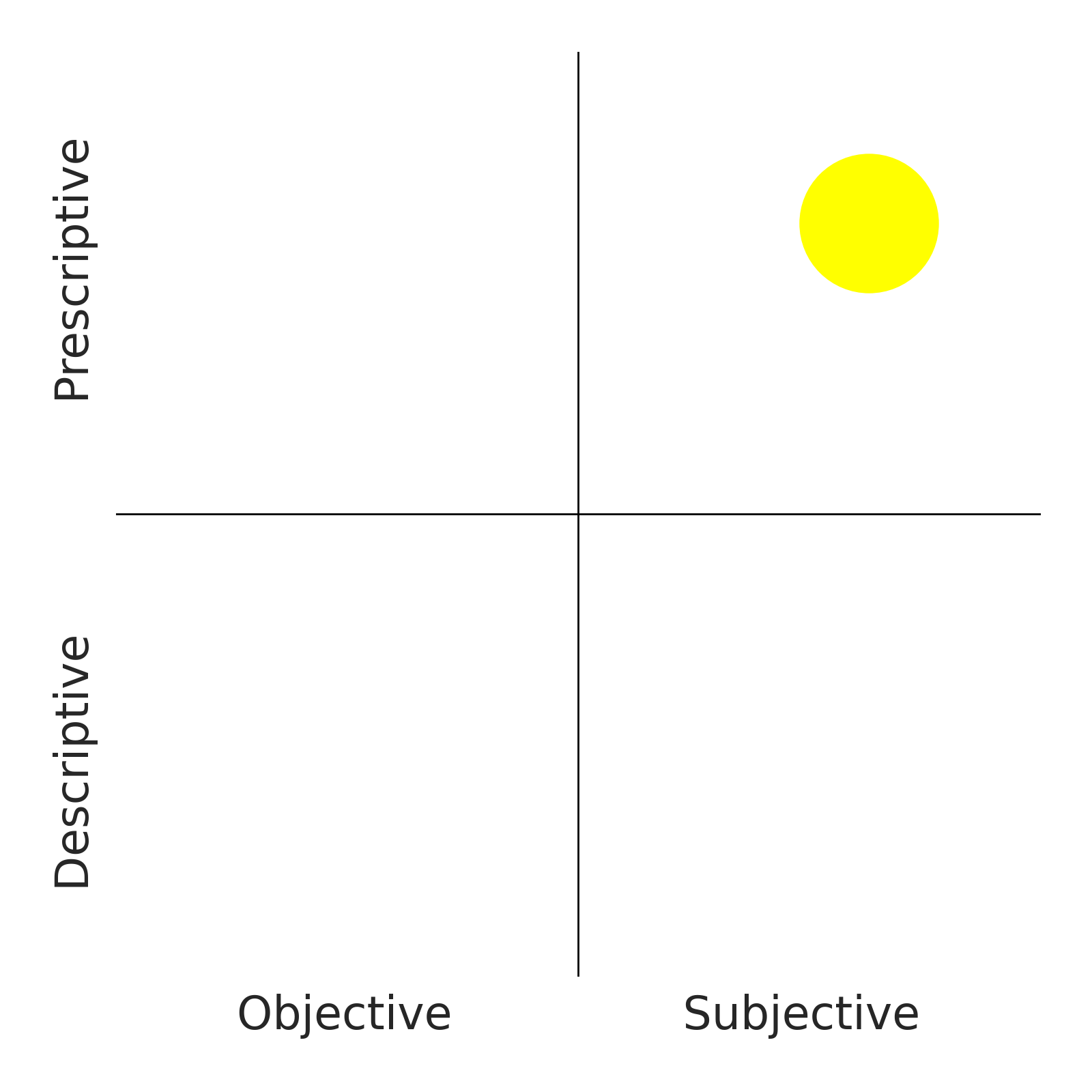
🗞️ Objective <—> Subjective 👁️ -4
🚨 Sensational0
📝 Prescriptive0
😨 Fearful2
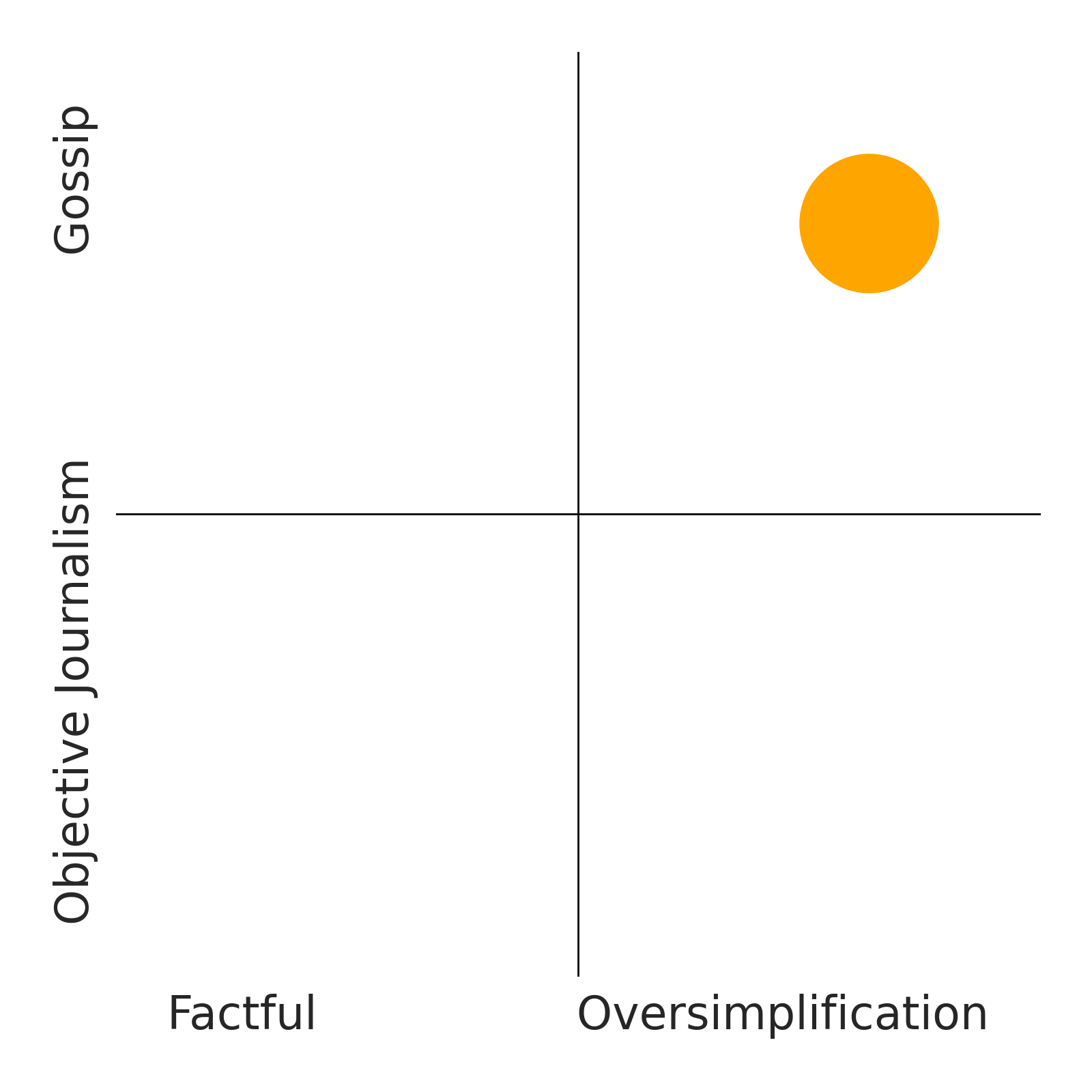
🗣️ Gossip4
Oversimplification2
🏛️ Appeal to Authority2
🍼 Immature2
😢 Victimization0
😤 Overconfidence0
🗑️ Spam2
🧠 Rational <—> Irrational 🤪-3
✊ Woke0
🔪 Cruel2
🎭 Virtue Signaling0
🔺 Conspiracy0
🐐 Scapegoating0
🐍 Manipulative5
2026 © Helium Trades
Privacy Policy & Disclosure
* Disclaimer: Nothing on this website constitutes investment advice, performance data or any recommendation that any particular security, portfolio of securities, transaction or investment strategy is suitable for any specific person. Helium Trades is not responsible in any way for the accuracy
of any model predictions or price data. Any mention of a particular security and related prediction data is not a recommendation to buy or sell that security. Investments in securities involve the risk of loss. Past performance is no guarantee of future results. Helium Trades is not responsible for any of your investment decisions,
you should consult a financial expert before engaging in any transaction.
Helium Research Assistant

How can I help you today?
Ask any question about Know Your Meme bias.