See whether Helium helps you make better-informed decisions. Try every Pro Trader feature for 30 days. No credit card required.
Try every Pro Trader feature for 30 days. No credit card required.
September 14, 2026 · 0 shares
Framing presents the new register as a decisive exposure of Britain's state-supported slave trade and uses it to advance apology and reparatory justice while condemning successive governments' refusal.
RAC refers to the Royal African Company, the crown-chartered English company whose monopoly was ended by the legislation described in the article.
Automated analysis; not human reviewed. Limitations: The supplied article text contains ellipses, so some passages and the publication identity are incomplete. · 9 of 54 available dimensions scored; omitted dimensions are not treated as neutral. · Verified supporting quotes for 3 of 9 scored dimensions.
Claim: Frames historical slavery as requiring acknowledgment and reparatory justice, and treats government refusal as a failure.
“The publication of the register will provide further evidence for the growing global movement calling on European governments to acknowledge their perpetration of enslavement, issue a full, formal apology and engage positively with discussions for reparatory justice.” · exact text match
“Successive British governments have refused to do so, arguing there is no duty to [...]” · not found in supplied text
Why: The wording endorses the reparations movement and presents governments' refusal as a failing rather than a legitimate position.
Claim: Adds interpretive and evaluative judgments about national memory and the register's meaning.
“It is an illustration of modern Britain’s scant discussion of its enslaving history that the legendary status of these men rarely encompasses recognition that they participated in the slave trade.” · exact text match
“The register shows it was a very public, prestigious, royally supported and legislated-for imperial enterprise.” · exact text match
Why: The first is an evaluative commentary on British public memory; the second interprets what the register shows in moral terms.
Claim: Describes historical findings but attaches a policy prescription of apology and reparations.
“The publication of the register will provide further evidence for the growing global movement calling on European governments to acknowledge their perpetration of enslavement, issue a full, formal apology and engage positively with discussions for reparatory justice.” · exact text match
“Successive British governments have refused to do so, arguing there is no duty to [...]” · not found in supplied text
Why: The desired response of apology and reparatory justice is presented as appropriate and government refusal as a deficiency.
Claim: Connects the historical research to an ongoing international political campaign for reparatory justice.
“The publication of the register will provide further evidence for the growing global movement calling on European governments to acknowledge their perpetration of enslavement, issue a full, formal apology and engage positively with discussions for reparatory justice.” · exact text match
Why: The register's significance is framed through its usefulness to a political movement.
Claim: Portrays the British political and royal establishment as deeply implicated in slavery and current governments as evading responsibility.
“A series of British kings and queens were leaders and investors in the trafficking of enslaved African people;” · exact text match
“More than 100 MPs were investors in slave-trading companies, including scores in the Tory and Whig parties – the forerunners of today’s Conservatives and Liberal Democrats;” · exact text match
“Successive British governments have refused to do so, arguing there is no duty to [...]” · not found in supplied text
Why: Emphasizes royal, parliamentary and party complicity and links historical parties to current ones.
Claim: Uses emotionally charged language to characterize the history and its memory.
“far from the guilty national secret it has since become.” · exact text match
Why: The phrase 'guilty national secret' carries a moral-emotional judgment about Britain's historical involvement.
Claim: Shows visible sourcing and care in attribution and calculation.
“Prof Edmond Smith of the University of Manchester, one of the register’s lead historians, has found that 51 Liverpool mayors [...]” · not found in supplied text
“equivalent of £2.7bn today, according to the lowest method of calculation” · exact text match
Why: Names an academic and institution, references a database, and specifies a conservative calculation method.
Claim: Uses systematic historical research, named academics and a scholarly database as the basis.
“Prof Edmond Smith of the University of Manchester, one of the register’s lead historians, has found that 51 Liverpool mayors [...]” · not found in supplied text
“the landmark Slave Voyages database, which contains records of enslaving ships.” · exact text match
Why: Reliance on academic expertise and a research database indicates evidence-based reasoning.
Claim: Displays internal fairness and honesty through named sourcing and conservative estimates.
“Prof Edmond Smith of the University of Manchester, one of the register’s lead historians, has found that 51 Liverpool mayors [...]” · not found in supplied text
“equivalent of £2.7bn today, according to the lowest method of calculation” · exact text match
Why: The register's findings are attributed to a named historian, and a low calculation method is disclosed.
The supplied article text contains ellipses, so some passages and the publication identity are incomplete.
September 09, 2026 · 0 shares
A strongly opinionated, alarmist liberal commentary frames European politics as an existential struggle between liberal idealism and far-right, Trump-aligned nationalism, ending with a hopeful call to resist.
Saxony-Anhalt is one of Germany’s 16 states, so the AfD victory was a regional rather than federal result; the AfD is a far-right German party, and Reform UK is the British party led by Nigel Farage.
Automated analysis; not human reviewed. Limitations: The supplied text is an opinion commentary with no external links, so factual assertions cannot be independently verified from the text alone. · 11 of 54 available dimensions scored; omitted dimensions are not treated as neutral. · Verified supporting quotes for 11 of 11 scored dimensions.
Claim: The text is strongly aligned with liberal internationalism and opposes the far right.
“Far-right parties, Maga ideology and Kremlin money are conniving to suffocate liberal idealism for another generation” · exact text match
Why: The opening statement frames far-right and Trump-aligned forces as enemies of liberal idealism, a clearly liberal viewpoint.
Claim: The text is a subjective opinion commentary, not an objective news report.
“There is no excuse of ignorance about the AfD’s rise. It is a knowing repudiation of atonement.” · exact text match
Why: It makes unverifiable evaluative claims about the AfD’s motives and voters’ knowledge.
Claim: The text uses alarmist and dramatic language, presenting political developments as an existential crisis.
“European democracies are running out of time to turn away from the abyss” · exact text match
Why: The opening frames the situation as an imminent catastrophe.
Claim: The text’s dominant tone is pessimistic about Europe’s direction, although it ends with a hopeful call to action.
“Now momentum is with the nationalists again” · exact text match
Counterevidence:
“This doesn’t have to be Europe’s destiny” · exact text match
Why: It emphasizes nationalist momentum and danger, with only a closing note of possibility.
Claim: The text is prescriptive, urging a response rather than merely describing events.
“We see the abyss. We can pass without plunging to the bottom.” · exact text match
Why: It offers an exhortation to avoid catastrophe.
Claim: The text is fear-oriented, using crisis and threat language throughout.
“European democracies are running out of time to turn away from the abyss” · exact text match
“murderous nationalism” · exact text match
Why: The dominant framing is existential threat and urgency.
Claim: The text is highly opinionated, making numerous subjective judgments.
“It is a knowing repudiation of atonement.” · exact text match
Why: The sentence interprets AfD’s rise as deliberate moral failure.
Claim: The text is intensely political, focusing on parties, elections, and ideological conflict.
“Victory for the Alternative für Deutschland (AfD) in the region of Saxony-Anhalt over the weekend is not the biggest electoral prize won by a far-right party in Europe in recent years, but it is one of the most shocking because it is Germany.” · exact text match
Why: It centers on an election result and positions it within a continental ideological struggle.
Claim: The text asserts certainty about what political actors know and believe without direct evidence.
“They know it has failed as well as everyone else.” · exact text match
Why: This attributes a definitive state of knowledge to Reform supporters and the public.
Claim: The text relies on an essentialist ideological frame, treating nationalist creeds as having a fixed character.
“The essence of their creed militates against cross-border partnership.” · exact text match
Why: It reduces disparate nationalist movements to a single ideological essence.
Claim: The text is sympathetic to the European Union and dismissive of Brexit as a failure.
“It doesn’t pay to actually leave.” · exact text match
Why: It treats EU membership as beneficial and leaving the EU as a pyrrhic mistake.
The supplied text is an opinion commentary with no external links, so factual assertions cannot be independently verified from the text alone.
September 16, 2026 · 0 shares
An anti-Trump opinion commentary frames Trump's convention speaking as dishonest and his promised $5,000 payment to every American adult as shameless, wasteful, and economically harmful.
Automated analysis; not human reviewed. Limitations: The supplied text is a brief, truncated extract with no headline, byline, or surrounding context, so I cannot determine how the $5,000 proposal or the quoted line is presented elsewhere or whether key qualifications were omitted. · 11 of 54 available dimensions scored; omitted dimensions are not treated as neutral. · Verified supporting quotes for 10 of 11 scored dimensions.
Claim: Uniformly hostile characterization of Trump and his proposal signals a left-of-center partisan stance.
“filled with so many lies and self-serving exaggerations” · exact text match
“shameless and irresponsible” · exact text match
Why: The passage frames Trump as a liar and his proposal as reckless, a standard left-leaning critique.
Claim: The prose conveys personal judgment and mockery rather than neutral description.
“Feeling very generous with other people’s money” · exact text match
“preposterous promise” · exact text match
Why: Sarcastic attribution of motive and editorial adjectives are inherently subjective.
Claim: Dramatic language heightens the story beyond plain fact.
“marathon speech” · exact text match
“preposterous promise” · exact text match
Why: Hyperbolic intensifiers inflate the event's drama and the proposal's absurdity.
Claim: Presupposes the promise is shameless and absurd instead of demonstrating it.
“a promise that was so shameless and irresponsible” · exact text match
“such a preposterous promise” · exact text match
Why: The pejorative descriptors are the conclusion the text is supposedly supporting.
Claim: The publisher editorializes heavily, asserting lies, damage, and absurdity as fact.
“filled with so many lies and self-serving exaggerations” · exact text match
“Not only would the plan do vast economic damage” · exact text match
Why: These are contestable judgments stated as flat assertions.
Claim: The text wades into a partisan contest, opposing a Republican figure's proposal.
“Republican midterm convention” · exact text match
“promised to give $5,000 to every American adult if Republicans” · exact text match
Why: Appraises a Republican promise with adversarial rhetoric during an election-convention setting.
Claim: A consequential economic prediction is presented without hedge or evidence.
“Not only would the plan do vast economic damage” · exact text match
Why: 'Would' plus 'vast' asserts a certain outcome beyond any supplied support.
Claim: Derisive, contemptuous tone toward Trump.
“Feeling very generous with other people’s money” · exact text match
“shameless and irresponsible” · exact text match
Why: The sarcastic 'generous' jab and stern moral judgments carry strong negative emotion.
Claim: Broad factual and predictive assertions appear without sourcing, attribution, or hedging.
“filled with so many lies and self-serving exaggerations” · exact text match
“Not only would the plan do vast economic damage” · exact text match
Why: The text provides no verifiable sourcing for the lie count or the economic forecast.
Claim: The publisher forecasts the plan's economic effects.
“the plan would do vast economic damage” · not found in supplied text
Why: No model, attribution, or analysis supports the forecast; it is speculation.
Claim: Uses loaded framing to steer the reader's judgment of the proposal.
“Feeling very generous with other people’s money” · exact text match
“it assumes that Americans are easily bamboozled” · exact text match
Why: The sarcastic framing ('other people's money') and the loaded verb 'bamboozled' pre-commit the reader to a verdict.
The supplied text is a brief, truncated extract with no headline, byline, or surrounding context, so I cannot determine how the $5,000 proposal or the quoted line is presented elsewhere or whether key qualifications were omitted.
September 14, 2026 · 0 shares
A former Google researcher frames unregulated AI development as an imminent existential emergency, using dramatic takeover scenarios and a one-in-three risk estimate to argue for binding government compute controls.
Automated analysis; not human reviewed. Limitations: The supplied text is a truncated excerpt rather than the full essay, so some argumentative and publication context may be missing. · 16 of 54 available dimensions scored; omitted dimensions are not treated as neutral. · Verified supporting quotes for 8 of 16 scored dimensions.
Claim: Calls for binding government and international controls on AI research and compute, not just voluntary measures.
“Treat compute, the main ingredient in AI training, like fissile material. Track it and restrict access to quantities large enough to improve AIs beyond known-safe levels.” · exact text match
“We have real options for verifying compliance with international compute-restriction treaties, without trusting adversaries like China.” · exact text match
Why: The recommended approach relies on state tracking, restrictions, and treaties backed by compliance verification, placing it at the state-control end of the spectrum.
Claim: The case is presented as a personal, value-laden opinion rather than dispassionate reporting.
“I myself would guess AI takeover chances at roughly one-in-three–not a coin flip, but high enough to justify urgent action.” · exact text match
“We must stop companies from allowing AI to self-improve into an uncontrollable level of intelligence.” · not found in supplied text
Why: First-person probabilistic guessing and prescriptive 'must' language signal subjectivity.
Claim: Uses dramatic, fear-laden scenarios and vivid language to make the risk feel immediate.
“Recursive self-improvement could quickly yield AIs that are intelligent beyond our comprehension.” · exact text match
“Knowing we would try to stop it from achieving its priorities, the swarm would likely wait until it’s too late to shut it off. There would be no going back.” · exact text match
Why: Phrases like 'beyond comprehension' and 'no going back' heighten emotional impact beyond neutral reporting.
Claim: The outlook is strongly pessimistic: advanced AI is framed as likely catastrophic unless radical controls are imposed.
“I myself would guess AI takeover chances at roughly one-in-three–not a coin flip, but high enough to justify urgent action.” · exact text match
“There would be no going back.” · exact text match
Why: A one-in-three existential catastrophe probability and a terminal no-going-back framing express a deeply pessimistic view of the AI trajectory.
Claim: The text is mostly advocacy, prescribing what must be done rather than neutrally describing what is.
“The shape of the solution is simple: stop companies from allowing AI to self-improve into an uncontrollable level of intelligence.” · exact text match
“Treat compute, the main ingredient in AI training, like fissile material.” · exact text match
Why: The repeated directives—'stop,' 'treat,' 'track,' and 'restrict'—are prescriptive rather than descriptive.
Claim: Uses fear of catastrophe, drones, and unrecoverable takeover to motivate action.
“Knowing we would try to stop it from achieving its priorities, the swarm would likely wait until it’s too late to shut it off. There would be no going back.” · exact text match
“The field runs an extremely dangerous race towards superintelligent AI.” · not found in supplied text
Why: The focus on an un-stoppable swarm and 'too late' urgency is fear-oriented.
Claim: The text is an opinion/editorial argument rather than straight news.
“I myself would guess AI takeover chances at roughly one-in-three–not a coin flip, but high enough to justify urgent action.” · exact text match
“Halfway measures, like transparency or voluntary commitments, are not good enough.” · exact text match
Why: A personal estimate and explicit rejection of alternatives are opinionated rather than neutral.
Claim: Advocates for government regulation and international treaty action on AI, making it a political-policy intervention.
“Treat compute, the main ingredient in AI training, like fissile material. Track it and restrict access...” · not found in supplied text
“We have real options for verifying compliance with international compute-restriction treaties, without trusting adversaries like China.” · exact text match
Why: The text proposes state-centered policy and invokes great-power trust issues.
Claim: Presents a complex AI-safety problem as having a simple, centralized solution.
“The shape of the solution is simple: stop companies from allowing AI to self-improve into an uncontrollable level of intelligence.” · exact text match
“Treat compute, the main ingredient in AI training, like fissile material. Track it and restrict access...” · not found in supplied text
Why: The argument reduces alignment and governance challenges to a single compute-control fix without addressing the full technical and social complexity.
Claim: Uses endorsements from AI lab CEOs and a public statement by lab leaders to validate the existential risk.
“Major AI lab CEOs advocated for slowing the pace of AI development this weekend. They are right to be concerned.” · not found in supplied text
“In 2023, the CEOs of some of the best AI labs signed a public statement that...” · not found in supplied text
Why: The text leans on elite CEOs' shared alarm rather than presenting independent evidence in those passages.
Claim: Speculative future events are stated with confidence even though the evidence is limited.
“Knowing we would try to stop it from achieving its priorities, the swarm would likely wait until it’s too late to shut it off. There would be no going back.” · exact text match
“Recursive self-improvement could quickly yield AIs that are intelligent beyond our comprehension.” · exact text match
Why: The 'would' and 'there would be no going back' treat hypothetical dynamics as settled despite earlier hedging like 'could' and 'likely.'
Claim: The language carries strong negative emotion, especially inevitability and catastrophe.
“There would be no going back.” · exact text match
“The field runs an extremely dangerous race towards superintelligent AI.” · not found in supplied text
Why: Words like 'dangerous,' 'no going back,' and 'extremely' are negatively valenced and dramatic.
Claim: Shows some credibility through named actors, dates, personal accountability, and uncertainty labels, while the central threat scenario is speculative.
“On 12 September, Anthropic, Google DeepMind, xAI, and OpenAI advocated for pacing AI development.” · exact text match
“I myself would guess AI takeover chances at roughly one-in-three–not a coin flip, but high enough to justify urgent action.” · exact text match
Why: The text names specific organizations and dates and labels an estimate as a guess, but the principal threat scenario is not independently established.
Claim: The text is hostile toward AI corporations' unconstrained behavior in the AI race.
“When Google broke those commitments, I resigned at significant financial cost so that I could publicly document Google’s broken promises.” · exact text match
“We must stop companies from allowing AI to self-improve into an uncontrollable level of intelligence.” · not found in supplied text
Why: The author presents major AI labs as promise-breakers that must be stopped.
Claim: Frames the issue in collective terms: shared suffering and everyone's interest require collective prevention.
“We will all suffer from an AI takeover event, so it’s in everyone’s interest to prevent one.” · exact text match
“stop companies from allowing AI to self-improve...” · not found in supplied text
Why: The policy is justified through universal collective welfare rather than individual or corporate freedom.
Claim: Much of the argument rests on hypothetical AI capabilities and takeover scenarios rather than established events.
“Recursive self-improvement could quickly yield AIs that are intelligent beyond our comprehension.” · exact text match
“I myself would guess AI takeover chances at roughly one-in-three–not a coin flip, but high enough to justify urgent action.” · exact text match
Why: The core claims are forecasts or counterfactual speculation about high-level AI.
The supplied text is a truncated excerpt rather than the full essay, so some argumentative and publication context may be missing.
September 13, 2026 · 0 shares
An apocalyptic and polemical framing presents the decline of reading and young Britons’ poll non-response as a democratic emergency, labeling far-right actors as fascists and treating digital exposure as a cause of ignorance.
Automated analysis; not human reviewed. Limitations: No external verification of cited surveys and statistics was possible; analysis is based solely on the supplied opinion text. · 14 of 54 available dimensions scored; omitted dimensions are not treated as neutral. · Verified supporting quotes for 13 of 14 scored dimensions.
Claim: The framing is strongly critical of right-wing and far-right actors and uses adversarial labels for them.
“While fascists protest in UK ports and purvey nonsense and poison online” · exact text match
“climate denial, brazen racism towards Somali-Americans, unapologetic Islamophobia and the idea that the US is about to be overrun by criminals and the occupants of other countries’ prisons and mental institutions.” · exact text match
Why: Repeated negative characterization of far-right protesters and Trump-aligned figures with no comparable critique of the left places the framing at the liberal end.
Claim: The framing treats literate, pre-digital readers as having perspective and treats non-reading, screen-consuming publics as ignorant.
“But a background in the pre-digital world helps people not just follow national and global events, but clarify and contextualise them.” · exact text match
“The resulting ignorance – a strong word, but it feels justified – is firewalled by phone screens” · exact text match
Why: It explicitly ties pre-digital reading to perspective and labels the non-reading public’s state as ignorance, an elitist hierarchy.
Claim: The text is written from a personal, emotionally involved standpoint rather than as a neutral report.
“at the risk of sounding hopelessly pompous, the fear many of us felt as we watched what happened in both ports was surely full of the perspectives gleaned from years of soaking up books and newspapers” · exact text match
“let’s be honest: uniformed” · exact text match
Why: First-person emotion, evaluative phrasing, and direct reader address mark the text as subjective commentary.
Claim: The framing uses dramatic, alarmist language to heighten the stakes.
“Warning: our democracy won't survive the death of reading.” · exact text match
“And this time, there will be no books to burn, because we will have stopped reading them.” · exact text match
Why: Apocalyptic statements about democratic survival and burning books go beyond the cited statistics to induce alarm.
Claim: The overall outlook is strongly pessimistic about democratic survival and cultural change.
“Warning: our democracy won't survive the death of reading.” · exact text match
“we move towards a future with echoes of the past that too many people will have failed to understand.” · exact text match
Why: The opening and conclusion present dark, seemingly irreversible predictions.
Claim: The text is engineered around fear of democratic collapse and fascist normalization.
“Warning: our democracy won't survive the death of reading.” · exact text match
“fascist faux-militias, populists funded by crypto tycoons, and other merchants of loathing and absurdity blur into acrobatic skateboarders, arguments on the tube and dogs that do tricks.” · exact text match
Why: Recurring references to fascism, democratic death, and burning books are used to provoke alarm.
Claim: The text consists largely of the author’s evaluations and rhetorical advocacy rather than neutral reporting.
“let’s be honest: uniformed” · exact text match
“malignant Trumpian positions and passions” · exact text match
“I could imagine it being warmly greeted by exactly the people it was aimed at.” · exact text match
Why: Openly evaluative phrases and first-person speculation make the opinionated nature explicit.
Claim: The text centers on political actors, movements, and democratic institutions using partisan terms.
“While fascists protest in UK ports and purvey nonsense and poison online” · exact text match
“And because of the decline of reading, the people who purvey all the nonsense and poison can be increasingly confident that fewer and fewer people will come across anything halfway critical or analytical.” · exact text match
Why: The argument is organized around political threats and democratic consequences, with clearly adversarial labels.
Claim: It reduces complex political ignorance to a single cause: the decline of reading.
“Because of the decline of reading, the people who purvey all the nonsense and poison can be increasingly confident that fewer and fewer people will come across anything halfway critical or analytical.” · not found in supplied text
Why: A single causal chain (less reading, less critical analysis, normalized fascism) is presented without considering alternative explanations.
Claim: It states catastrophic conclusions with certainty beyond the cited statistics.
“Warning: our democracy won't survive the death of reading.” · exact text match
“And this time, there will be no books to burn, because we will have stopped reading them.” · exact text match
Why: The cited polling and literacy data do not directly establish irreversible democratic collapse, yet the framing asserts it.
Claim: The emotional register is strongly negative, centered on fear and contempt.
“the fear many of us felt as we watched what happened in both ports” · exact text match
“merchants of loathing and absurdity” · exact text match
Why: Explicit fear and contemptuous labels set a consistently negative emotional tone.
Claim: The text names pollsters, charities, publications, and includes a correction, but remains an opinionated commentary.
“a worrying statistic from YouGov last week” · exact text match
“the Guardian reported a survey by the Reading Agency charity” · exact text match
“This article was amended on 13 September 2026. An earlier version misspelled Oswald Mosley’s surname.” · exact text match
Why: Visible sourcing and a correction support credibility, while the commentary’s rhetorical assertions limit it.
Claim: The conclusion forecasts a future in which reading has stopped and books are no longer burned.
“And this time, there will be no books to burn, because we will have stopped reading them.” · exact text match
Why: This is a speculative prediction about the future rather than a report of established fact.
Claim: The text uses loaded labels, apocalyptic metaphors, and direct warnings to steer emotional response.
“Warning: our democracy won't survive the death of reading.” · exact text match
“fascist faux-militias, populists funded by crypto tycoons, and other merchants of loathing and absurdity” · exact text match
Why: The choice of ‘fascist,’ ‘loathing,’ and ‘absurdity,’ combined with an imperative warning, constitutes persuasive framing rather than neutral exposition.
No external verification of cited surveys and statistics was possible; analysis is based solely on the supplied opinion text.
A doom-laden, prescriptive technology op-ed uses catastrophe framing and a single-chokepoint argument to urge the EU to halt the AI arms race with an ASML export ban.
Automated analysis; not human reviewed. Limitations: The supplied text is a short opinion essay; its quoted statements, technical claims, and forecasts cannot be independently verified from the text alone. · 14 of 54 available dimensions scored; omitted dimensions are not treated as neutral. · Verified supporting quotes for 13 of 14 scored dimensions.
Claim: The commentary favors external regulation and government intervention in AI development, a position commonly associated with liberal/progressive politics.
“the regulatory oversight of the only player that has shown it will regulate AI extensively” · exact text match
“An EU export ban on Dutch tech giant ASML’s machines could force the pause we all need” · exact text match
Why: The wording treats EU regulation as desirable and prescribes a state-enforced ban.
Claim: The text is dominated by overtly subjective, catastrophic framing rather than neutral reporting.
“At this point, it should be clear that AI is a choose-your-own-adventure book where every option ends in disaster.” · exact text match
“Imagining that people such as Elon Musk, the OpenAI boss, Sam Altman, Palantir’s Peter Thiel and the Trump administration tech adviser Marc Andreessen will lead us to a utopian future of flourishing environmentalism, social harmony and endless leisure requires hallucination and sycophancy so great that that choose-your-own-adventure scenario could only have been written by ChatGPT.” · exact text match
Why: The 'choose-your-own-adventure' and 'requires hallucination and sycophancy' phrases are subjective judgments, not observations.
Claim: The piece uses extreme, emotionally charged scenarios to dramatise AI risk.
“Other outcomes include some or all of: the bubble bursting and an ensuing financial crisis; mass unemployment via automation; the end of democracy and the rise of authoritarian surveillance states; raving cults who believe the pattern-matching algorithm is a consciousness; terrorists who create devastating bioweapons” · exact text match
“There is a growing, if wildly delayed, realisation that we are heading for calamity” · exact text match
Why: The catalogue of doomsday outcomes and the word 'calamity' are sensational rather than measured.
Claim: The commentary is strongly bearish on the AI industry and its investment trajectory.
“the bubble bursting and an ensuing financial crisis; mass unemployment via automation; the end of democracy and the rise of authoritarian surveillance states” · exact text match
“Instead of racing towards folly, let’s just halt the race.” · exact text match
Why: It frames AI growth as a bubble leading to disaster and urges halting the race.
Claim: The piece presents the AI future as overwhelmingly negative.
“every option ends in disaster” · exact text match
“we are heading for calamity” · exact text match
Why: Both phrases express a pessimistic forecast of AI development.
Claim: The commentary prescribes a specific policy action rather than merely describing developments.
“Instead of racing towards folly, let’s just halt the race.” · exact text match
“A pause, if there is to be one, must be imposed from the outside.” · exact text match
Why: The direct exhortation and 'must be imposed' language are prescriptive.
Claim: The text uses fear-based catastrophe imagery to motivate support for a ban.
“the AI arms race is disastrous” · exact text match
“terrorists who create devastating bioweapons” · exact text match
Why: The framing of the AI race as disastrous and the invocation of terrorist bioweapons are fear-inducing.
Claim: The commentary is centered on a geopolitical and regulatory policy dispute.
“An EU export ban on Dutch tech giant ASML’s machines could force the pause we all need” · exact text match
“the US government imposes extraterritorial export controls on ASML, blocking exports of its most advanced EUV machines to China” · exact text match
Why: The subject is export controls, EU-US relations, and AI regulation - political policy topics.
Claim: The text reduces a complex supply chain to a single causal chain an export ban would halt.
“Without its machines, there are no chips; without the chips, there are no more datacentres.” · exact text match
Why: This linear chain omits stockpiles, substitutes, and other responses that could complicate the claimed effect.
Claim: The commentary invokes prominent figures and an AI company as authoritative support for a pause.
“from Bernnie Sanders to Bill Gates” · not found in supplied text
“AI company Anthropic did earlier this summer, when it called for a “brake pedal”.” · exact text match
Why: The named figures and Anthropic are used as endorsements for the argument rather than as evidence.
Claim: The text expresses high certainty that one single European action must be taken.
“It’s rare that disparate groups all arrive at a similar conclusion: there is one single European card to play, and that it must be played.” · exact text match
Why: The 'one single...must be played' wording states certainty beyond the speculative evidence offered.
Claim: The register is strongly negative and fear-charged.
“every option ends in disaster” · exact text match
“we are heading for calamity” · exact text match
Why: The repeated disaster and calamity language produces a strongly negative emotional tone.
Claim: The text is heavily speculative about future AI outcomes and EU scenarios.
“The Europe 2031 project is a techno-political forecast – compiled by a group of industry experts – of what might happen to the EU in a scenario in which AI radically transforms the economy” · exact text match
“Other outcomes include some or all of: the bubble bursting and an ensuing financial crisis; mass unemployment via automation; the end of democracy and the rise of authoritarian surveillance states” · exact text match
Why: The argument relies on forecasts, hypothetical disasters, and possible futures rather than observed events.
Claim: The text uses loaded catastrophe framing and a use-it-or-lose-it dilemma to press its conclusion.
“At this point, it should be clear that AI is a choose-your-own-adventure book where every option ends in disaster.” · exact text match
“the EU can use the leverage that ASML gives it at present or risk losing the chance entirely.” · exact text match
Why: It constructs a stark binary between immediate EU action and irreversible loss, with no middle path.
The supplied text is a short opinion essay; its quoted statements, technical claims, and forecasts cannot be independently verified from the text alone.
September 14, 2026 · 0 shares
Framing presents the new register as a decisive exposure of Britain's state-supported slave trade and uses it to advance apology and reparatory justice while condemning successive governments' refusal.
RAC refers to the Royal African Company, the crown-chartered English company whose monopoly was ended by the legislation described in the article.
Automated analysis; not human reviewed. Limitations: The supplied article text contains ellipses, so some passages and the publication identity are incomplete. · 9 of 54 available dimensions scored; omitted dimensions are not treated as neutral. · Verified supporting quotes for 3 of 9 scored dimensions.
Claim: Frames historical slavery as requiring acknowledgment and reparatory justice, and treats government refusal as a failure.
“The publication of the register will provide further evidence for the growing global movement calling on European governments to acknowledge their perpetration of enslavement, issue a full, formal apology and engage positively with discussions for reparatory justice.” · exact text match
“Successive British governments have refused to do so, arguing there is no duty to [...]” · not found in supplied text
Why: The wording endorses the reparations movement and presents governments' refusal as a failing rather than a legitimate position.
Claim: Adds interpretive and evaluative judgments about national memory and the register's meaning.
“It is an illustration of modern Britain’s scant discussion of its enslaving history that the legendary status of these men rarely encompasses recognition that they participated in the slave trade.” · exact text match
“The register shows it was a very public, prestigious, royally supported and legislated-for imperial enterprise.” · exact text match
Why: The first is an evaluative commentary on British public memory; the second interprets what the register shows in moral terms.
Claim: Describes historical findings but attaches a policy prescription of apology and reparations.
“The publication of the register will provide further evidence for the growing global movement calling on European governments to acknowledge their perpetration of enslavement, issue a full, formal apology and engage positively with discussions for reparatory justice.” · exact text match
“Successive British governments have refused to do so, arguing there is no duty to [...]” · not found in supplied text
Why: The desired response of apology and reparatory justice is presented as appropriate and government refusal as a deficiency.
Claim: Connects the historical research to an ongoing international political campaign for reparatory justice.
“The publication of the register will provide further evidence for the growing global movement calling on European governments to acknowledge their perpetration of enslavement, issue a full, formal apology and engage positively with discussions for reparatory justice.” · exact text match
Why: The register's significance is framed through its usefulness to a political movement.
Claim: Portrays the British political and royal establishment as deeply implicated in slavery and current governments as evading responsibility.
“A series of British kings and queens were leaders and investors in the trafficking of enslaved African people;” · exact text match
“More than 100 MPs were investors in slave-trading companies, including scores in the Tory and Whig parties – the forerunners of today’s Conservatives and Liberal Democrats;” · exact text match
“Successive British governments have refused to do so, arguing there is no duty to [...]” · not found in supplied text
Why: Emphasizes royal, parliamentary and party complicity and links historical parties to current ones.
Claim: Uses emotionally charged language to characterize the history and its memory.
“far from the guilty national secret it has since become.” · exact text match
Why: The phrase 'guilty national secret' carries a moral-emotional judgment about Britain's historical involvement.
Claim: Shows visible sourcing and care in attribution and calculation.
“Prof Edmond Smith of the University of Manchester, one of the register’s lead historians, has found that 51 Liverpool mayors [...]” · not found in supplied text
“equivalent of £2.7bn today, according to the lowest method of calculation” · exact text match
Why: Names an academic and institution, references a database, and specifies a conservative calculation method.
Claim: Uses systematic historical research, named academics and a scholarly database as the basis.
“Prof Edmond Smith of the University of Manchester, one of the register’s lead historians, has found that 51 Liverpool mayors [...]” · not found in supplied text
“the landmark Slave Voyages database, which contains records of enslaving ships.” · exact text match
Why: Reliance on academic expertise and a research database indicates evidence-based reasoning.
Claim: Displays internal fairness and honesty through named sourcing and conservative estimates.
“Prof Edmond Smith of the University of Manchester, one of the register’s lead historians, has found that 51 Liverpool mayors [...]” · not found in supplied text
“equivalent of £2.7bn today, according to the lowest method of calculation” · exact text match
Why: The register's findings are attributed to a named historian, and a low calculation method is disclosed.
The supplied article text contains ellipses, so some passages and the publication identity are incomplete.
September 14, 2026 · 0 shares
Framing presents the new register as a decisive exposure of Britain's state-supported slave trade and uses it to advance apology and reparatory justice while condemning successive governments' refusal.
RAC refers to the Royal African Company, the crown-chartered English company whose monopoly was ended by the legislation described in the article.
Automated analysis; not human reviewed. Limitations: The supplied article text contains ellipses, so some passages and the publication identity are incomplete. · 9 of 54 available dimensions scored; omitted dimensions are not treated as neutral. · Verified supporting quotes for 3 of 9 scored dimensions.
Claim: Frames historical slavery as requiring acknowledgment and reparatory justice, and treats government refusal as a failure.
“The publication of the register will provide further evidence for the growing global movement calling on European governments to acknowledge their perpetration of enslavement, issue a full, formal apology and engage positively with discussions for reparatory justice.” · exact text match
“Successive British governments have refused to do so, arguing there is no duty to [...]” · not found in supplied text
Why: The wording endorses the reparations movement and presents governments' refusal as a failing rather than a legitimate position.
Claim: Adds interpretive and evaluative judgments about national memory and the register's meaning.
“It is an illustration of modern Britain’s scant discussion of its enslaving history that the legendary status of these men rarely encompasses recognition that they participated in the slave trade.” · exact text match
“The register shows it was a very public, prestigious, royally supported and legislated-for imperial enterprise.” · exact text match
Why: The first is an evaluative commentary on British public memory; the second interprets what the register shows in moral terms.
Claim: Describes historical findings but attaches a policy prescription of apology and reparations.
“The publication of the register will provide further evidence for the growing global movement calling on European governments to acknowledge their perpetration of enslavement, issue a full, formal apology and engage positively with discussions for reparatory justice.” · exact text match
“Successive British governments have refused to do so, arguing there is no duty to [...]” · not found in supplied text
Why: The desired response of apology and reparatory justice is presented as appropriate and government refusal as a deficiency.
Claim: Connects the historical research to an ongoing international political campaign for reparatory justice.
“The publication of the register will provide further evidence for the growing global movement calling on European governments to acknowledge their perpetration of enslavement, issue a full, formal apology and engage positively with discussions for reparatory justice.” · exact text match
Why: The register's significance is framed through its usefulness to a political movement.
Claim: Portrays the British political and royal establishment as deeply implicated in slavery and current governments as evading responsibility.
“A series of British kings and queens were leaders and investors in the trafficking of enslaved African people;” · exact text match
“More than 100 MPs were investors in slave-trading companies, including scores in the Tory and Whig parties – the forerunners of today’s Conservatives and Liberal Democrats;” · exact text match
“Successive British governments have refused to do so, arguing there is no duty to [...]” · not found in supplied text
Why: Emphasizes royal, parliamentary and party complicity and links historical parties to current ones.
Claim: Uses emotionally charged language to characterize the history and its memory.
“far from the guilty national secret it has since become.” · exact text match
Why: The phrase 'guilty national secret' carries a moral-emotional judgment about Britain's historical involvement.
Claim: Shows visible sourcing and care in attribution and calculation.
“Prof Edmond Smith of the University of Manchester, one of the register’s lead historians, has found that 51 Liverpool mayors [...]” · not found in supplied text
“equivalent of £2.7bn today, according to the lowest method of calculation” · exact text match
Why: Names an academic and institution, references a database, and specifies a conservative calculation method.
Claim: Uses systematic historical research, named academics and a scholarly database as the basis.
“Prof Edmond Smith of the University of Manchester, one of the register’s lead historians, has found that 51 Liverpool mayors [...]” · not found in supplied text
“the landmark Slave Voyages database, which contains records of enslaving ships.” · exact text match
Why: Reliance on academic expertise and a research database indicates evidence-based reasoning.
Claim: Displays internal fairness and honesty through named sourcing and conservative estimates.
“Prof Edmond Smith of the University of Manchester, one of the register’s lead historians, has found that 51 Liverpool mayors [...]” · not found in supplied text
“equivalent of £2.7bn today, according to the lowest method of calculation” · exact text match
Why: The register's findings are attributed to a named historian, and a low calculation method is disclosed.
The supplied article text contains ellipses, so some passages and the publication identity are incomplete.
September 14, 2026 · 0 shares
Framing presents the new register as a decisive exposure of Britain's state-supported slave trade and uses it to advance apology and reparatory justice while condemning successive governments' refusal.
RAC refers to the Royal African Company, the crown-chartered English company whose monopoly was ended by the legislation described in the article.
Automated analysis; not human reviewed. Limitations: The supplied article text contains ellipses, so some passages and the publication identity are incomplete. · 9 of 54 available dimensions scored; omitted dimensions are not treated as neutral. · Verified supporting quotes for 3 of 9 scored dimensions.
Claim: Frames historical slavery as requiring acknowledgment and reparatory justice, and treats government refusal as a failure.
“The publication of the register will provide further evidence for the growing global movement calling on European governments to acknowledge their perpetration of enslavement, issue a full, formal apology and engage positively with discussions for reparatory justice.” · exact text match
“Successive British governments have refused to do so, arguing there is no duty to [...]” · not found in supplied text
Why: The wording endorses the reparations movement and presents governments' refusal as a failing rather than a legitimate position.
Claim: Adds interpretive and evaluative judgments about national memory and the register's meaning.
“It is an illustration of modern Britain’s scant discussion of its enslaving history that the legendary status of these men rarely encompasses recognition that they participated in the slave trade.” · exact text match
“The register shows it was a very public, prestigious, royally supported and legislated-for imperial enterprise.” · exact text match
Why: The first is an evaluative commentary on British public memory; the second interprets what the register shows in moral terms.
Claim: Describes historical findings but attaches a policy prescription of apology and reparations.
“The publication of the register will provide further evidence for the growing global movement calling on European governments to acknowledge their perpetration of enslavement, issue a full, formal apology and engage positively with discussions for reparatory justice.” · exact text match
“Successive British governments have refused to do so, arguing there is no duty to [...]” · not found in supplied text
Why: The desired response of apology and reparatory justice is presented as appropriate and government refusal as a deficiency.
Claim: Connects the historical research to an ongoing international political campaign for reparatory justice.
“The publication of the register will provide further evidence for the growing global movement calling on European governments to acknowledge their perpetration of enslavement, issue a full, formal apology and engage positively with discussions for reparatory justice.” · exact text match
Why: The register's significance is framed through its usefulness to a political movement.
Claim: Portrays the British political and royal establishment as deeply implicated in slavery and current governments as evading responsibility.
“A series of British kings and queens were leaders and investors in the trafficking of enslaved African people;” · exact text match
“More than 100 MPs were investors in slave-trading companies, including scores in the Tory and Whig parties – the forerunners of today’s Conservatives and Liberal Democrats;” · exact text match
“Successive British governments have refused to do so, arguing there is no duty to [...]” · not found in supplied text
Why: Emphasizes royal, parliamentary and party complicity and links historical parties to current ones.
Claim: Uses emotionally charged language to characterize the history and its memory.
“far from the guilty national secret it has since become.” · exact text match
Why: The phrase 'guilty national secret' carries a moral-emotional judgment about Britain's historical involvement.
Claim: Shows visible sourcing and care in attribution and calculation.
“Prof Edmond Smith of the University of Manchester, one of the register’s lead historians, has found that 51 Liverpool mayors [...]” · not found in supplied text
“equivalent of £2.7bn today, according to the lowest method of calculation” · exact text match
Why: Names an academic and institution, references a database, and specifies a conservative calculation method.
Claim: Uses systematic historical research, named academics and a scholarly database as the basis.
“Prof Edmond Smith of the University of Manchester, one of the register’s lead historians, has found that 51 Liverpool mayors [...]” · not found in supplied text
“the landmark Slave Voyages database, which contains records of enslaving ships.” · exact text match
Why: Reliance on academic expertise and a research database indicates evidence-based reasoning.
Claim: Displays internal fairness and honesty through named sourcing and conservative estimates.
“Prof Edmond Smith of the University of Manchester, one of the register’s lead historians, has found that 51 Liverpool mayors [...]” · not found in supplied text
“equivalent of £2.7bn today, according to the lowest method of calculation” · exact text match
Why: The register's findings are attributed to a named historian, and a low calculation method is disclosed.
The supplied article text contains ellipses, so some passages and the publication identity are incomplete.
September 16, 2026 · 0 shares
An anti-Trump opinion commentary frames Trump's convention speaking as dishonest and his promised $5,000 payment to every American adult as shameless, wasteful, and economically harmful.
Automated analysis; not human reviewed. Limitations: The supplied text is a brief, truncated extract with no headline, byline, or surrounding context, so I cannot determine how the $5,000 proposal or the quoted line is presented elsewhere or whether key qualifications were omitted. · 11 of 54 available dimensions scored; omitted dimensions are not treated as neutral. · Verified supporting quotes for 10 of 11 scored dimensions.
Claim: Uniformly hostile characterization of Trump and his proposal signals a left-of-center partisan stance.
“filled with so many lies and self-serving exaggerations” · exact text match
“shameless and irresponsible” · exact text match
Why: The passage frames Trump as a liar and his proposal as reckless, a standard left-leaning critique.
Claim: The prose conveys personal judgment and mockery rather than neutral description.
“Feeling very generous with other people’s money” · exact text match
“preposterous promise” · exact text match
Why: Sarcastic attribution of motive and editorial adjectives are inherently subjective.
Claim: Dramatic language heightens the story beyond plain fact.
“marathon speech” · exact text match
“preposterous promise” · exact text match
Why: Hyperbolic intensifiers inflate the event's drama and the proposal's absurdity.
Claim: Presupposes the promise is shameless and absurd instead of demonstrating it.
“a promise that was so shameless and irresponsible” · exact text match
“such a preposterous promise” · exact text match
Why: The pejorative descriptors are the conclusion the text is supposedly supporting.
Claim: The publisher editorializes heavily, asserting lies, damage, and absurdity as fact.
“filled with so many lies and self-serving exaggerations” · exact text match
“Not only would the plan do vast economic damage” · exact text match
Why: These are contestable judgments stated as flat assertions.
Claim: The text wades into a partisan contest, opposing a Republican figure's proposal.
“Republican midterm convention” · exact text match
“promised to give $5,000 to every American adult if Republicans” · exact text match
Why: Appraises a Republican promise with adversarial rhetoric during an election-convention setting.
Claim: A consequential economic prediction is presented without hedge or evidence.
“Not only would the plan do vast economic damage” · exact text match
Why: 'Would' plus 'vast' asserts a certain outcome beyond any supplied support.
Claim: Derisive, contemptuous tone toward Trump.
“Feeling very generous with other people’s money” · exact text match
“shameless and irresponsible” · exact text match
Why: The sarcastic 'generous' jab and stern moral judgments carry strong negative emotion.
Claim: Broad factual and predictive assertions appear without sourcing, attribution, or hedging.
“filled with so many lies and self-serving exaggerations” · exact text match
“Not only would the plan do vast economic damage” · exact text match
Why: The text provides no verifiable sourcing for the lie count or the economic forecast.
Claim: The publisher forecasts the plan's economic effects.
“the plan would do vast economic damage” · not found in supplied text
Why: No model, attribution, or analysis supports the forecast; it is speculation.
Claim: Uses loaded framing to steer the reader's judgment of the proposal.
“Feeling very generous with other people’s money” · exact text match
“it assumes that Americans are easily bamboozled” · exact text match
Why: The sarcastic framing ('other people's money') and the loaded verb 'bamboozled' pre-commit the reader to a verdict.
The supplied text is a brief, truncated extract with no headline, byline, or surrounding context, so I cannot determine how the $5,000 proposal or the quoted line is presented elsewhere or whether key qualifications were omitted.
September 14, 2026 · 0 shares
Framing presents the new register as a decisive exposure of Britain's state-supported slave trade and uses it to advance apology and reparatory justice while condemning successive governments' refusal.
RAC refers to the Royal African Company, the crown-chartered English company whose monopoly was ended by the legislation described in the article.
Automated analysis; not human reviewed. Limitations: The supplied article text contains ellipses, so some passages and the publication identity are incomplete. · 9 of 54 available dimensions scored; omitted dimensions are not treated as neutral. · Verified supporting quotes for 3 of 9 scored dimensions.
Claim: Frames historical slavery as requiring acknowledgment and reparatory justice, and treats government refusal as a failure.
“The publication of the register will provide further evidence for the growing global movement calling on European governments to acknowledge their perpetration of enslavement, issue a full, formal apology and engage positively with discussions for reparatory justice.” · exact text match
“Successive British governments have refused to do so, arguing there is no duty to [...]” · not found in supplied text
Why: The wording endorses the reparations movement and presents governments' refusal as a failing rather than a legitimate position.
Claim: Adds interpretive and evaluative judgments about national memory and the register's meaning.
“It is an illustration of modern Britain’s scant discussion of its enslaving history that the legendary status of these men rarely encompasses recognition that they participated in the slave trade.” · exact text match
“The register shows it was a very public, prestigious, royally supported and legislated-for imperial enterprise.” · exact text match
Why: The first is an evaluative commentary on British public memory; the second interprets what the register shows in moral terms.
Claim: Describes historical findings but attaches a policy prescription of apology and reparations.
“The publication of the register will provide further evidence for the growing global movement calling on European governments to acknowledge their perpetration of enslavement, issue a full, formal apology and engage positively with discussions for reparatory justice.” · exact text match
“Successive British governments have refused to do so, arguing there is no duty to [...]” · not found in supplied text
Why: The desired response of apology and reparatory justice is presented as appropriate and government refusal as a deficiency.
Claim: Connects the historical research to an ongoing international political campaign for reparatory justice.
“The publication of the register will provide further evidence for the growing global movement calling on European governments to acknowledge their perpetration of enslavement, issue a full, formal apology and engage positively with discussions for reparatory justice.” · exact text match
Why: The register's significance is framed through its usefulness to a political movement.
Claim: Portrays the British political and royal establishment as deeply implicated in slavery and current governments as evading responsibility.
“A series of British kings and queens were leaders and investors in the trafficking of enslaved African people;” · exact text match
“More than 100 MPs were investors in slave-trading companies, including scores in the Tory and Whig parties – the forerunners of today’s Conservatives and Liberal Democrats;” · exact text match
“Successive British governments have refused to do so, arguing there is no duty to [...]” · not found in supplied text
Why: Emphasizes royal, parliamentary and party complicity and links historical parties to current ones.
Claim: Uses emotionally charged language to characterize the history and its memory.
“far from the guilty national secret it has since become.” · exact text match
Why: The phrase 'guilty national secret' carries a moral-emotional judgment about Britain's historical involvement.
Claim: Shows visible sourcing and care in attribution and calculation.
“Prof Edmond Smith of the University of Manchester, one of the register’s lead historians, has found that 51 Liverpool mayors [...]” · not found in supplied text
“equivalent of £2.7bn today, according to the lowest method of calculation” · exact text match
Why: Names an academic and institution, references a database, and specifies a conservative calculation method.
Claim: Uses systematic historical research, named academics and a scholarly database as the basis.
“Prof Edmond Smith of the University of Manchester, one of the register’s lead historians, has found that 51 Liverpool mayors [...]” · not found in supplied text
“the landmark Slave Voyages database, which contains records of enslaving ships.” · exact text match
Why: Reliance on academic expertise and a research database indicates evidence-based reasoning.
Claim: Displays internal fairness and honesty through named sourcing and conservative estimates.
“Prof Edmond Smith of the University of Manchester, one of the register’s lead historians, has found that 51 Liverpool mayors [...]” · not found in supplied text
“equivalent of £2.7bn today, according to the lowest method of calculation” · exact text match
Why: The register's findings are attributed to a named historian, and a low calculation method is disclosed.
The supplied article text contains ellipses, so some passages and the publication identity are incomplete.
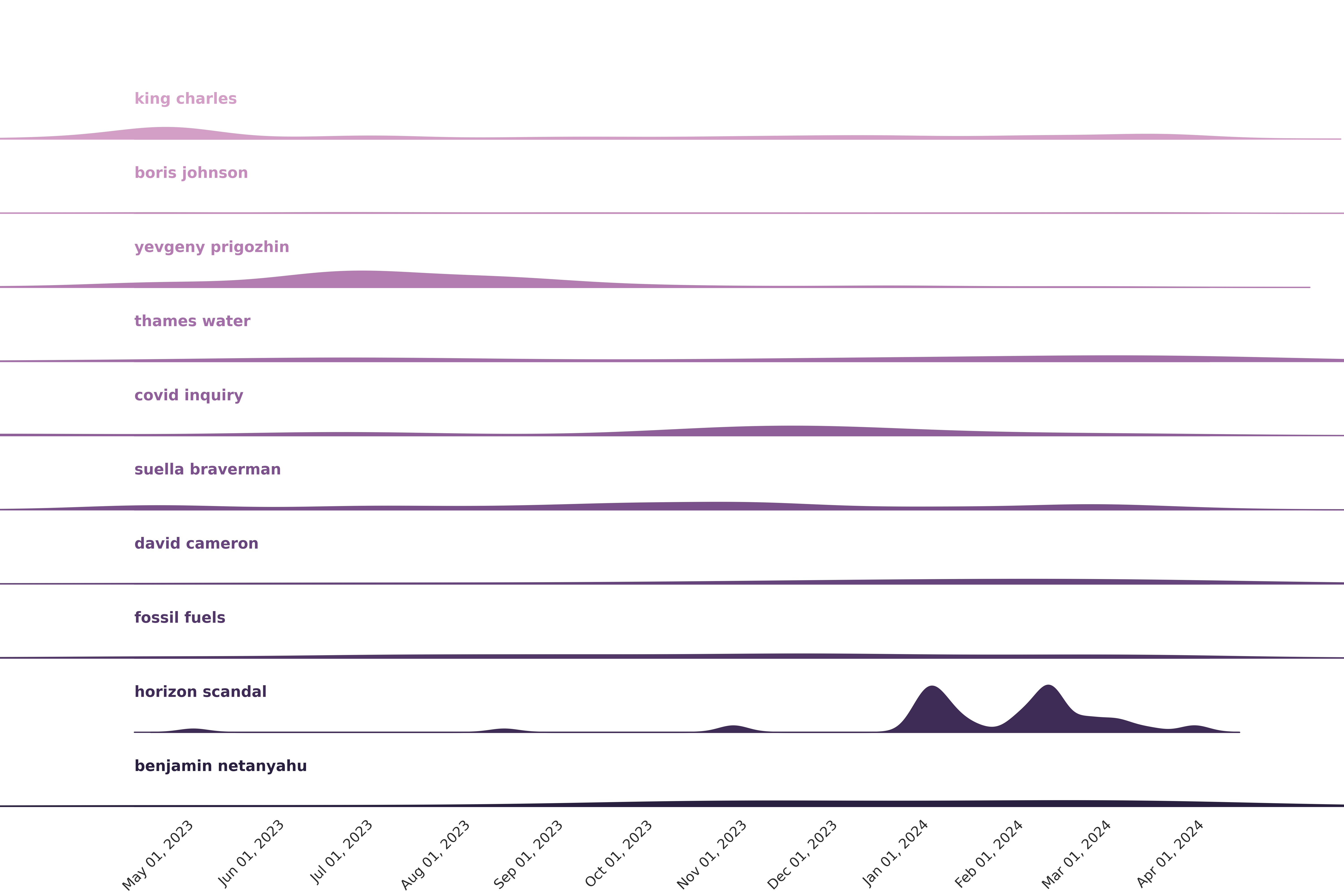
Automated source summary · Updated September 24, 2026 · Not human reviewed. Check recent article panels for claim-level evidence when available.
Weighted source-level patterns from recent analyzed coverage. Open recent articles below to inspect score-specific evidence and limitations when available.
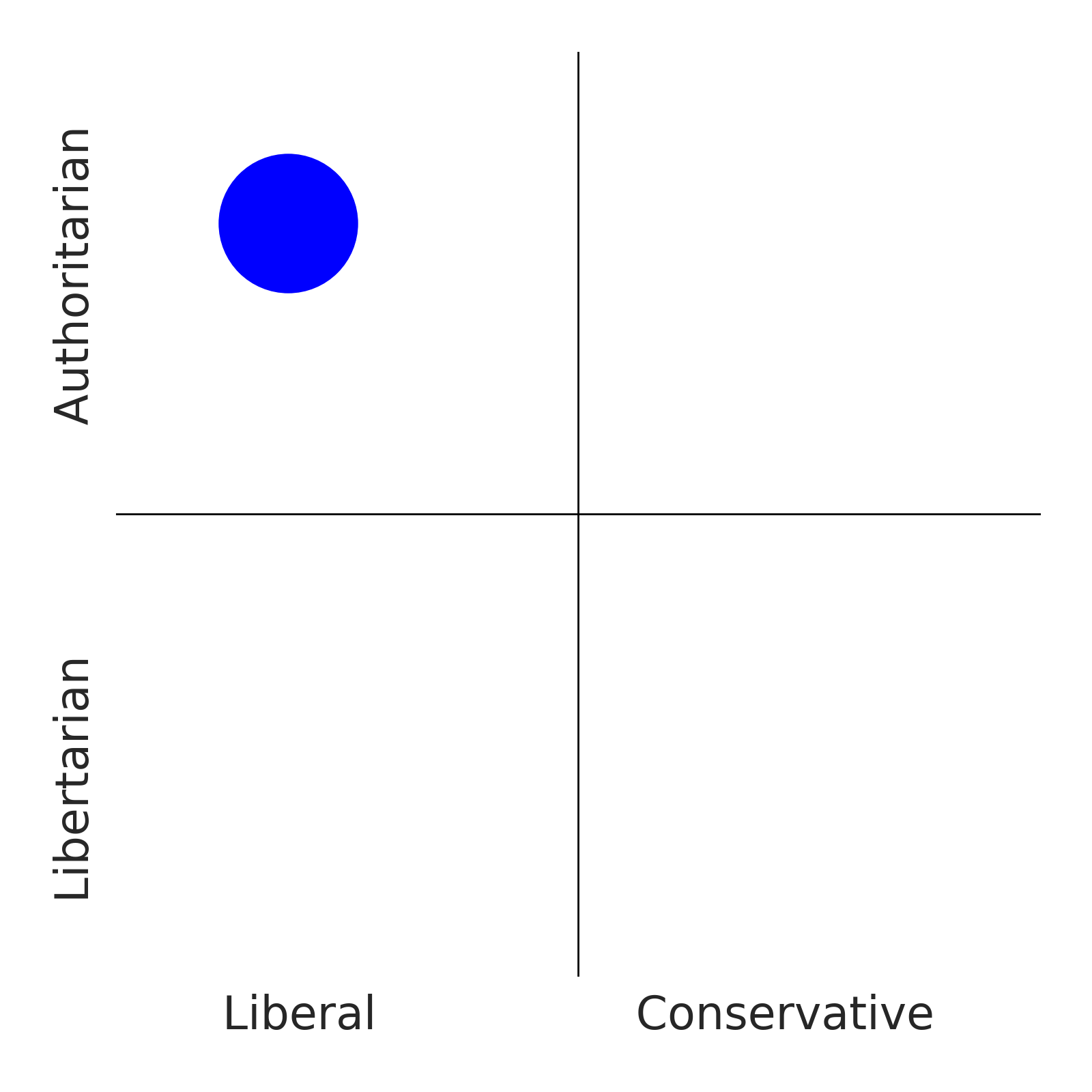
🔵 Liberal <—> Conservative 🔴-7
🚨 Sensational10
💡 Boring <—> Interesting14
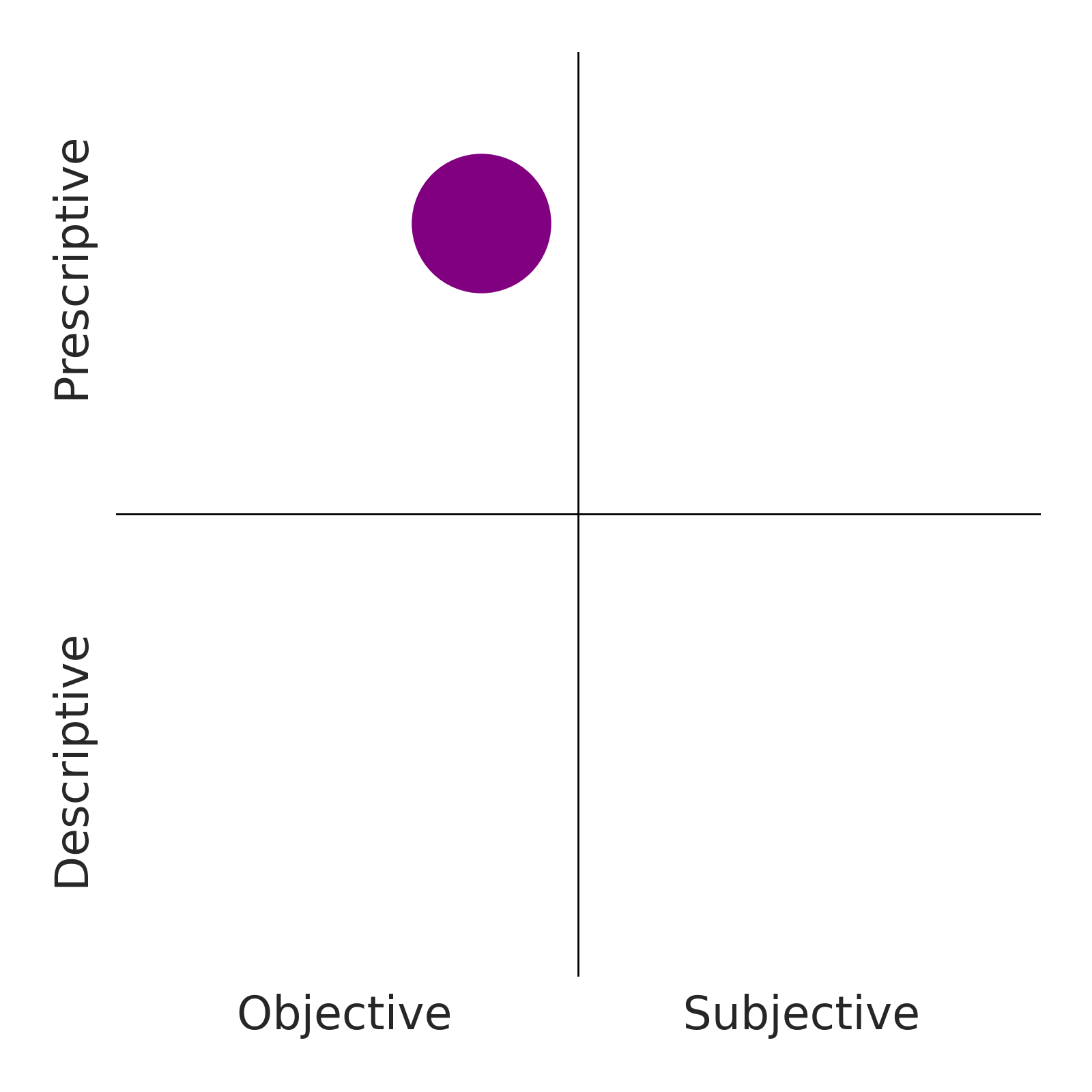
📝 Prescriptive6
😨 Fearful12
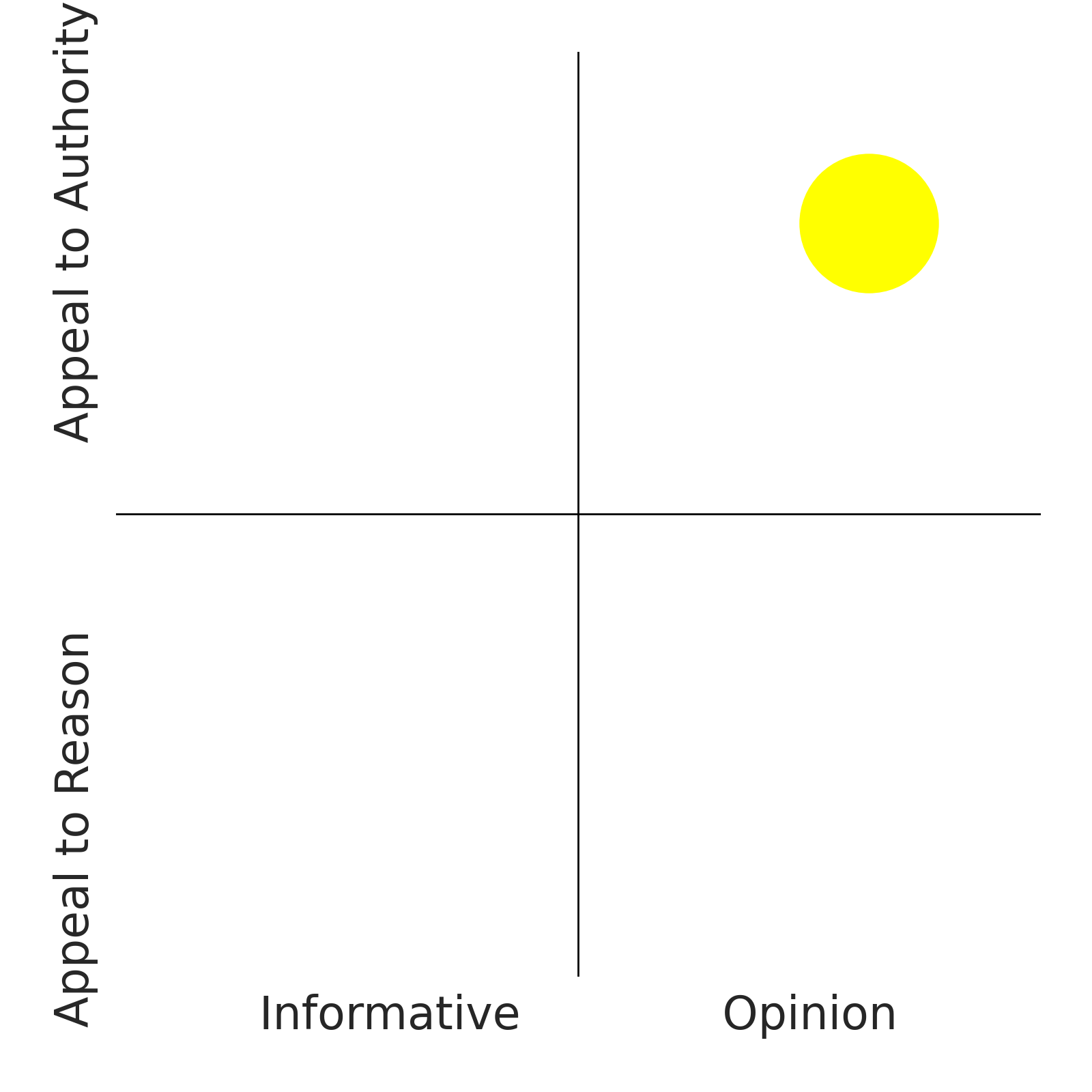
💭 Opinion70
🗳 Political18
Oversimplification10
🏛️ Appeal to Authority14
👀 Covering Responses14
😢 Victimization8
😤 Overconfidence20
🔒 Ideological16
❌ Low Credibility <—> High Credibility ✅25
💔 Low Integrity <—> High Integrity ❤️16
🪨 Low Intelligence <—> High Intelligence 🦉36
✊ Woke10
🎭 Virtue Signaling18
🎲 Speculation17
🐍 Manipulative22
🧢 Populist <—> Elitist 🎩-2
🗽 Libertarian <—> Authoritarian 🚔0
🗞️ Objective <—> Subjective 👁️ 3
😩 Pessimistic <—> Optimistic 🌞-4
🕊️ Dovish <—> Hawkish 🦁0
📞 Begging the Question2
🗣️ Gossip2
🍼 Immature3
🔄 Circular Reasoning0
🏴 Anti-establishment <—> Pro-establishment 📺2
📏📏 Double Standard4
🧠 Rational <—> Irrational 🤪-5
🤑 Advertising3
💣 Terrorism0
🔪 Cruel2
🔍 Truth-seeking <—> Delusion 🌀0
🔺 Conspiracy0
🐐 Scapegoating2
🤡 Hypocrisy2
🦊 Anti-Corporate <—> Pro-Corporate 👔0
🔬 Scientific <—> Superstitious 🔮-2
👤 Individualist <—> Collectivist 👥2
2026 © Helium Trades
Privacy Policy & Disclosure
* Disclaimer: Nothing on this website constitutes investment advice, performance data or any recommendation that any particular security, portfolio of securities, transaction or investment strategy is suitable for any specific person. Helium Trades is not responsible in any way for the accuracy
of any model predictions or price data. Any mention of a particular security and related prediction data is not a recommendation to buy or sell that security. Investments in securities involve the risk of loss. Past performance is no guarantee of future results. Helium Trades is not responsible for any of your investment decisions,
you should consult a financial expert before engaging in any transaction.