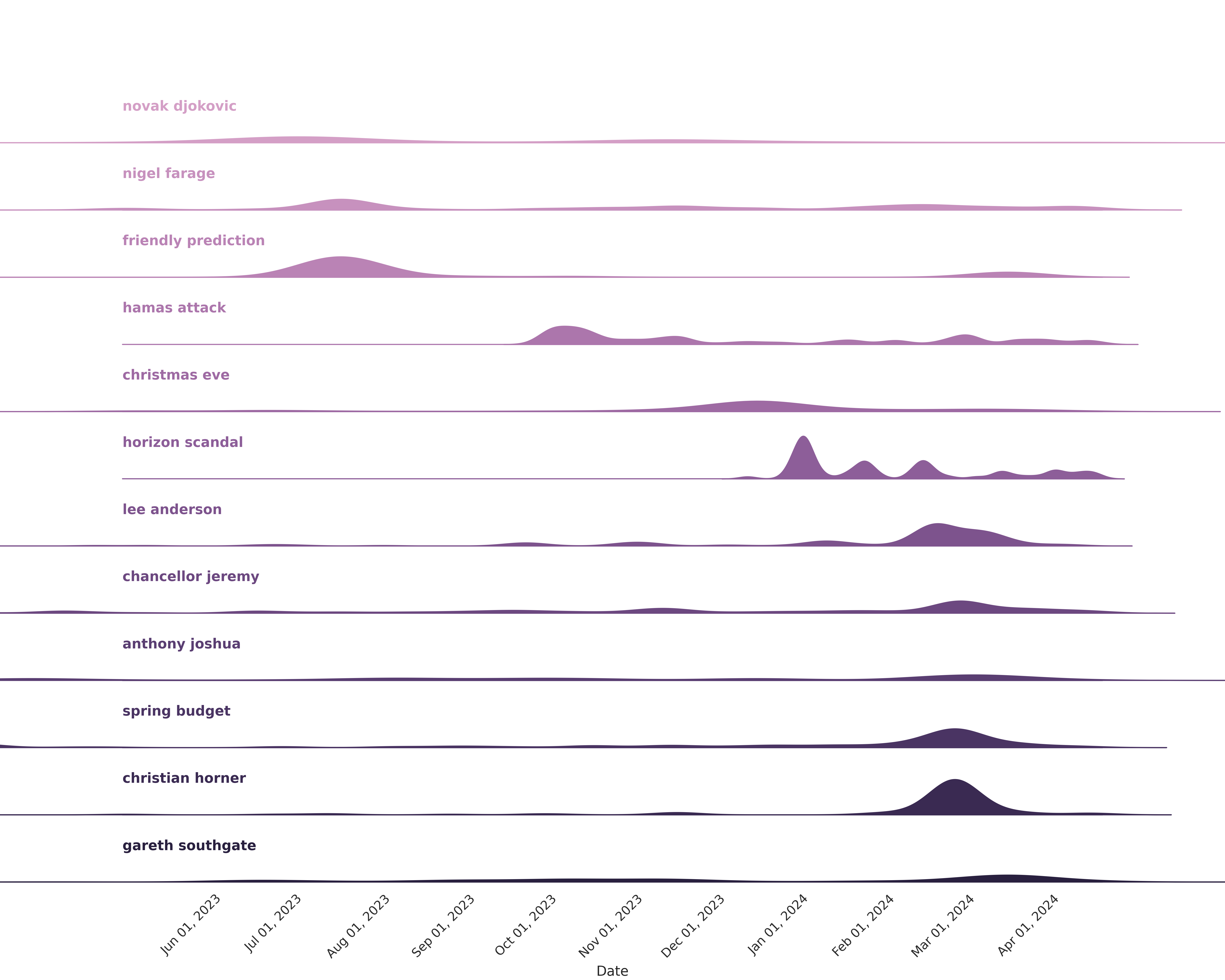
Weekly Standard Media Bias


Scope and overall framing. The supplied records suggest a multi-topic UK outlet with especially frequent coverage of football transfers, celebrity controversy, sexual-assault/crime stories, politics, London civic affairs, weather and climate, arts, lifestyle, and betting/consumer products.

Keyword frequency specifically highlights Ann Widdecombe, sexual assault, Andrew and Tristan Tate, and Gianni Infantino [158].

Topic selection therefore appears driven partly by public-interest news and partly by high-attention material; however, publication frequency cannot be inferred for topics absent from the sample.

Dominant worldview. The strongest recurring frame is authority- and public-safety-oriented: police, courts, regulators, government departments, meteorological agencies, and corporate statements commonly supply the factual backbone .

This is counterbalanced by occasional anti-establishment or accountability framing, such as criticism of Thames Water privatization and executive pay , residents’ opposition to the proposed Chinese embassy , and workers’ union claims at the V&A .

The evidence therefore supports an authority-forward default, not a uniformly pro-government stance.

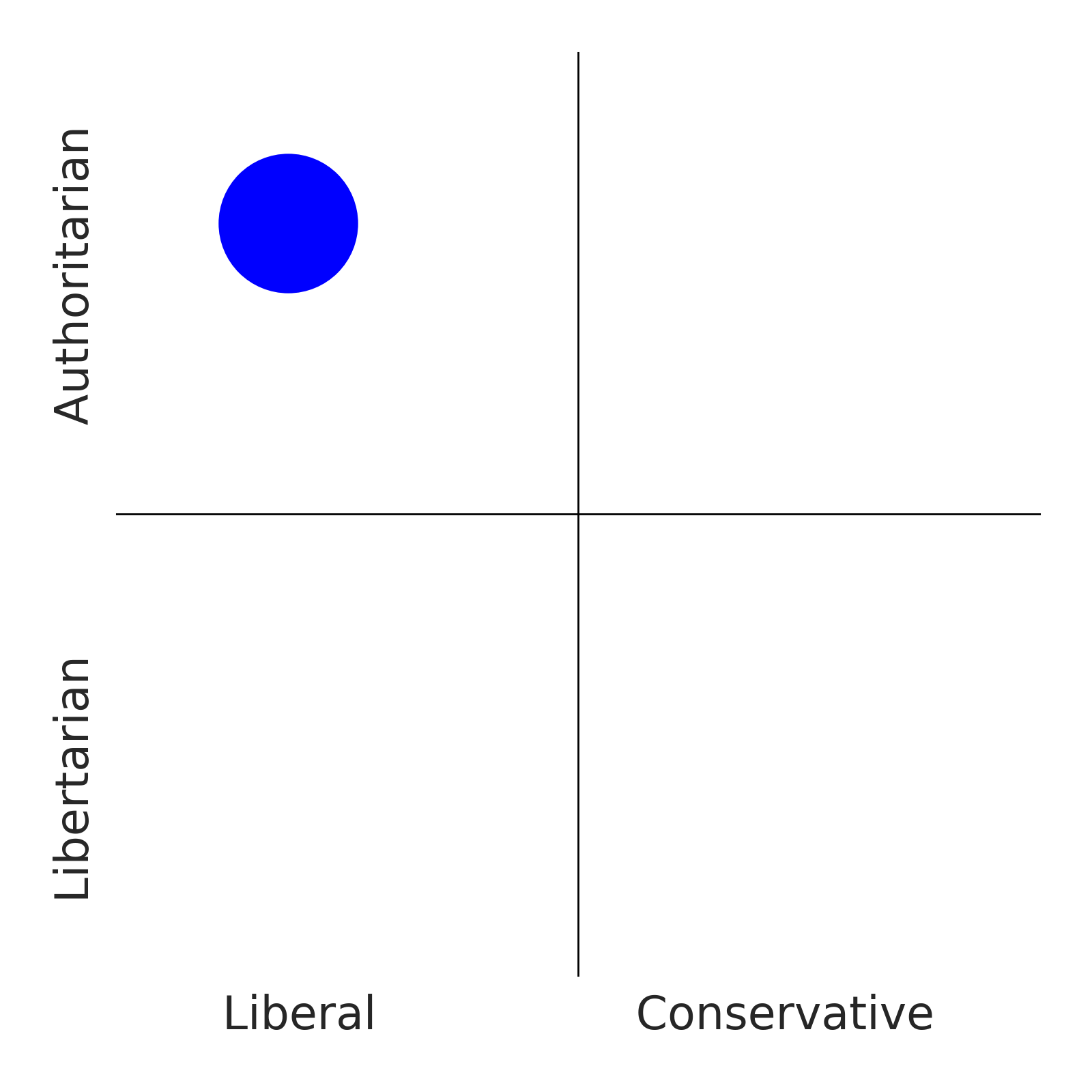
Political and social orientation. The sample contains clear left-leaning or progressive frames in pro-Palestinian protest coverage , public ownership and devolution reporting , and animal-welfare/environmental stories .

It also contains conservative or enforcement-oriented frames on fare evasion , migration , and national security involving China . Straight, comparatively balanced political reporting is also present .

This indicates issue-dependent ideological variance, with stronger slant where stories involve identity, migration, public ownership, sovereignty, or climate policy.

Main biases and observable techniques. The most substantial bias is commercial/promotional: betting, casino, beauty, travel, fashion, food, and branded-property content repeatedly foreground offers, affiliate commissions, or aspirational consumption .

A second is sensationalism and attention optimization, visible in loaded headlines, transfer-rumour language, celebrity scandal, and emotionally vivid framing .

A third is response and source-selection bias: some articles foreground politicians, activists, residents, or victims’ reactions while giving opposing institutions less space .

Observable propaganda-like techniques include fear appeals , authority appeal , bandwagon/unity language , victimization framing , and selective omission.

These are techniques of persuasion, but the sample does not establish coordinated propaganda or state direction.

Reliability and AI likelihood. Reliability is uneven.

Court, market, weather, and transport briefs generally show attribution and numerical specificity , while several football items present demonstrably implausible transfers, managers, squads, or political premises as fact .

The latter, plus repetitive templated transfer coverage, is consistent with possible automated or weakly edited production, but cannot prove AI authorship; human-written errors, syndication, or deliberate hypothetical publishing remain possible.

Inferred highest three values: public safety and protection, especially in crime, transport, health, and security coverage ; institutional accountability and official verification ; audience engagement and commercial usefulness, evident in entertainment, lifestyle, betting, and affiliate content .

Lowest three values: epistemic restraint in rumours and predictions ; commercial independence in sponsored or affiliate material ; privacy and reputational caution in celebrity-gossip coverage .

Helium Bias: This assessment treats the supplied summaries and quoted snippets as representative indicators, although they may be selected toward unusual or high-bias articles and are heavily concentrated in July–August 2026. I cannot observe unpublished stories, full article context, corrections, ownership, editorial policy, or metadata proving authorship.

“Values” are inferred from recurring framing choices, not measured intentions; AI and propaganda judgments remain probabilistic.

Automated source summary · Updated August 09, 2026 · Not human reviewed. Check recent article panels for claim-level evidence when available.


Use the Data in AI All Sources

Weekly Standard News Cycle (?):


Weekly Standard Bias Profile

Weighted source-level patterns from recent analyzed coverage. Open recent articles below to inspect score-specific evidence and limitations when available.

💡 Boring <—> Interesting10

😨 Fearful6

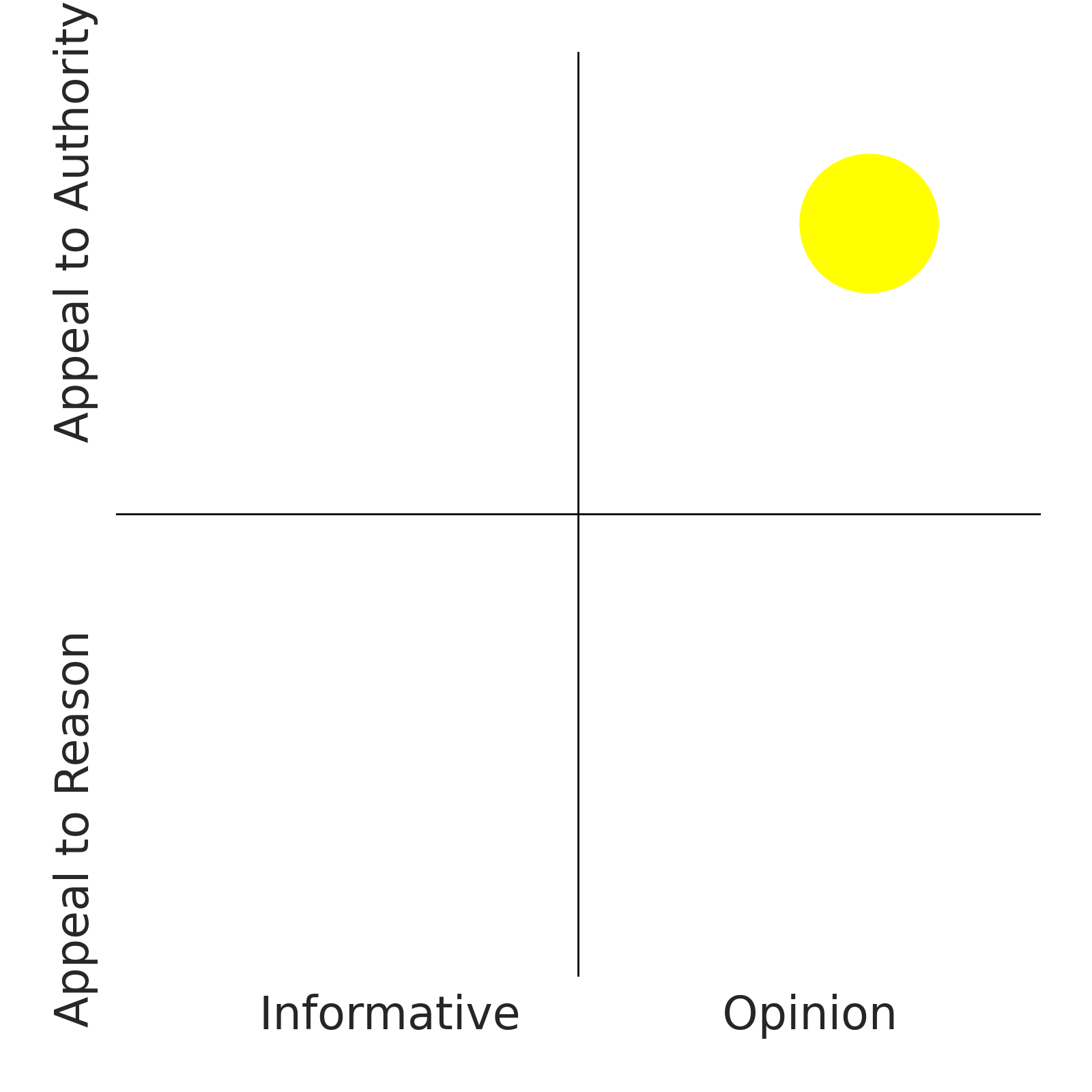
💭 Opinion30

🗳 Political6

🏛️ Appeal to Authority12

👀 Covering Responses10

😤 Overconfidence6

❌ Low Credibility <—> High Credibility ✅20

💔 Low Integrity <—> High Integrity ❤️12

🪨 Low Intelligence <—> High Intelligence 🦉28

🎭 Virtue Signaling12

🎲 Speculation13

🐍 Manipulative15

Subtle dimensions

🔵 Liberal <—> Conservative 🔴0

🗽 Libertarian <—> Authoritarian 🚔1

🚨 Sensational5

📉 Bearish <—> Bullish 📈2

😩 Pessimistic <—> Optimistic 🌞1

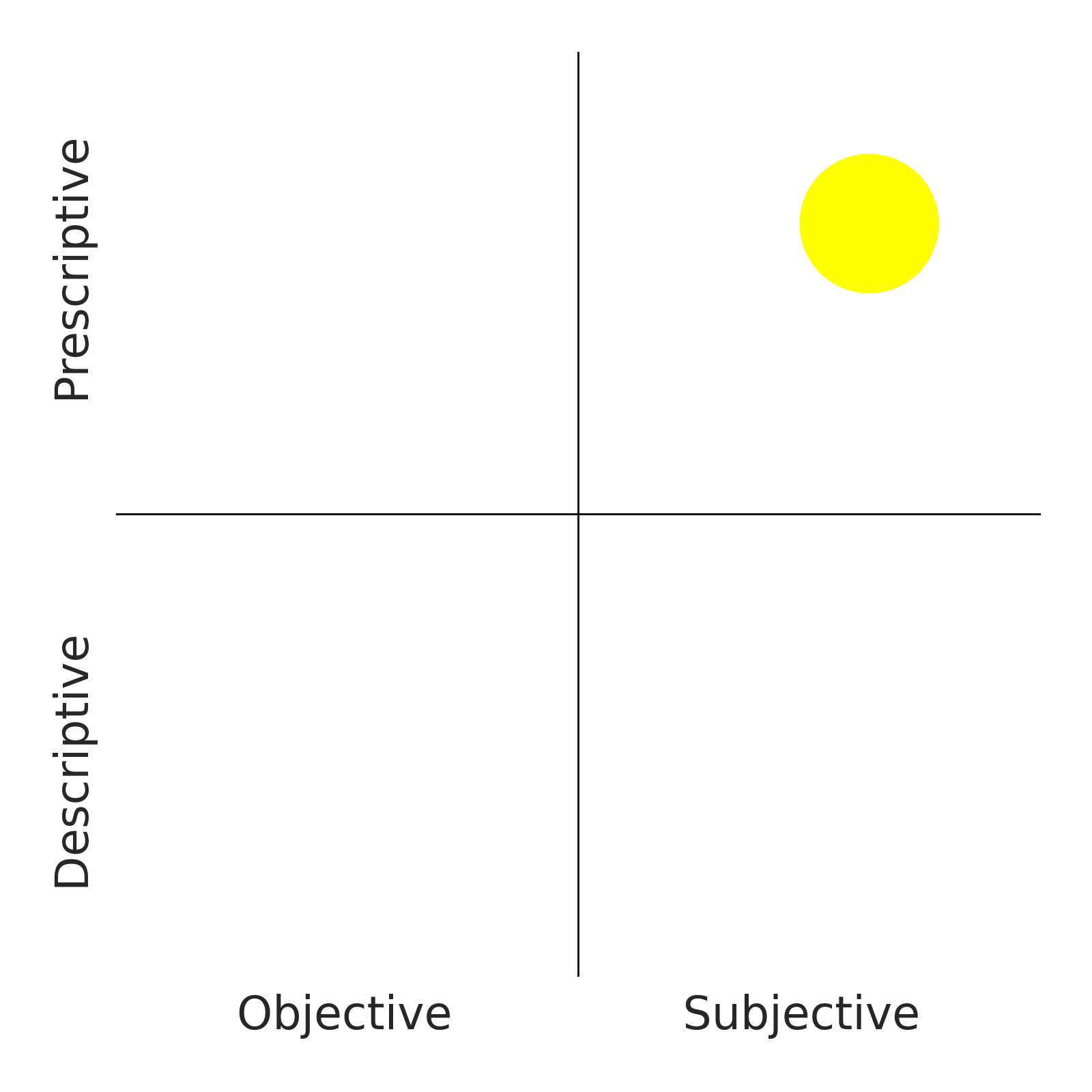
📝 Prescriptive2

🕊️ Dovish <—> Hawkish 🦁1

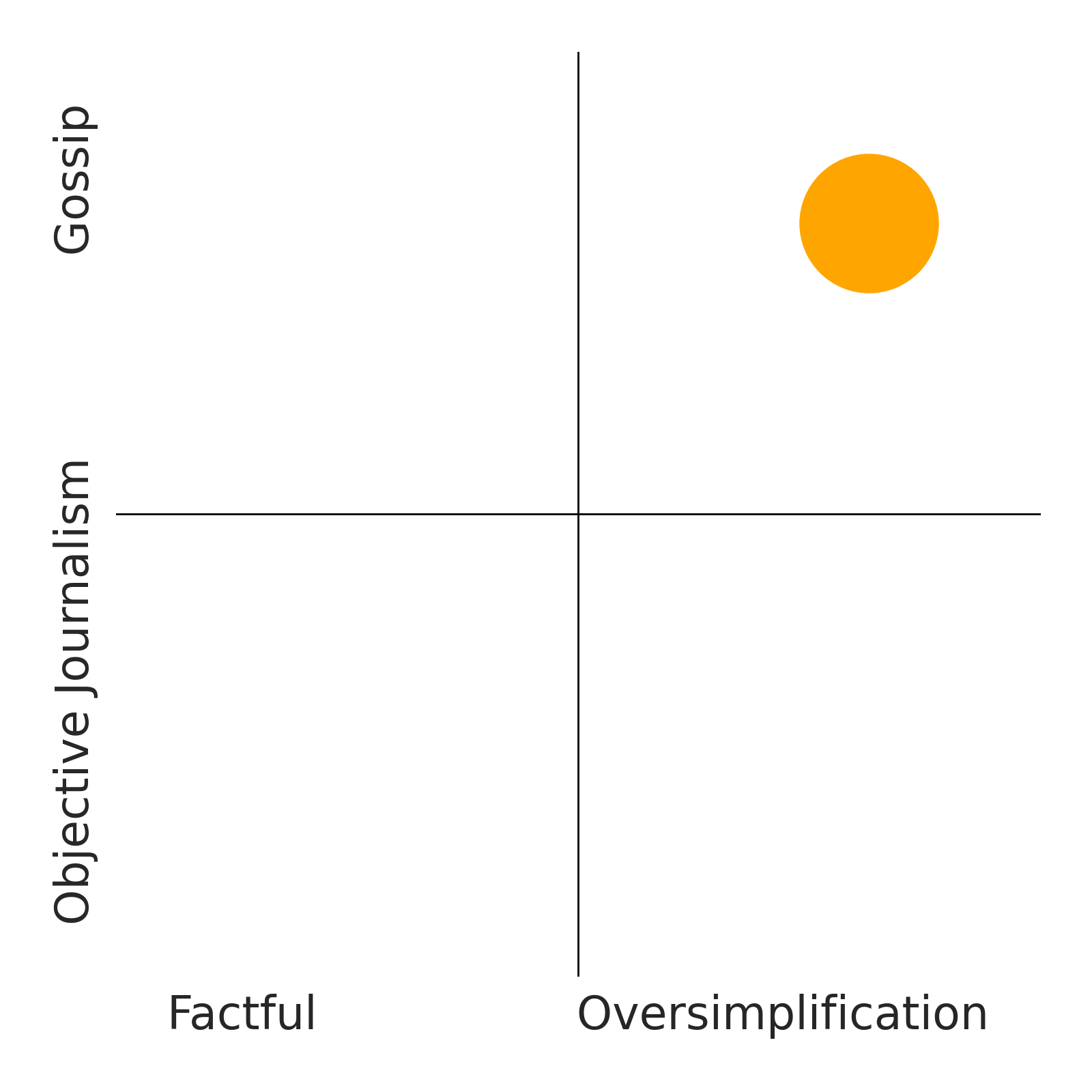
🗣️ Gossip2

Oversimplification4

🍼 Immature1

😢 Victimization4

🗑️ Spam1

🔒 Ideological4

🏴 Anti-establishment <—> Pro-establishment 📺5

🧠 Rational <—> Irrational 🤪-3

🤑 Advertising5

✊ Woke0

🔪 Cruel0

🐐 Scapegoating0

🦊 Anti-Corporate <—> Pro-Corporate 👔1

🔬 Scientific <—> Superstitious 🔮0

👤 Individualist <—> Collectivist 👥1

How to interpret source scores →

Average social shares per article 0


Weekly Standard Political Bias (?)


Weekly Standard Subjective Bias (?)


Weekly Standard Opinion Bias (?)


Weekly Standard Oversimplification Bias (?)


Discuss this source


Weekly Standard Recent Articles


Sort By:                     


Build a focused, ad-free news feed.

Create Free Feed