See whether Helium helps you make better-informed decisions. Try every Pro Trader feature for 30 days. No credit card required.
Try every Pro Trader feature for 30 days. No credit card required.
The framing presents a corporate farmers-market food giveaway as unqualified good news, foregrounding the sponsor's stated intent to help.
Automated analysis; not human reviewed. Limitations: The supplied content is only a headline/snippet, so framing judgments are limited to its promotional wording and no independent reporting is available. · 3 of 55 available dimensions scored; omitted dimensions are not treated as neutral. · Verified supporting quotes for 3 of 3 scored dimensions.
Claim: The story's word choice and quote cast the initiative in an optimistic light.
“free, healthy food” · exact text match
“We're really trying to help.” · exact text match
Why: The combination of "free," "healthy," and the quoted intention to help frames the program positively.
Claim: The supplied content functions as promotional framing rather than neutral reporting.
“Highmark Wholecare offers free, healthy food to all at farmers markets” · exact text match
“We're really trying to help.” · exact text match
Why: The entire observable text is an announcement-style sentence with a positive sponsor quote, lacking reportorial context or independent detail.
Claim: The framing depicts a corporation's program favorably as a charitable act.
“Highmark Wholecare offers free, healthy food to all at farmers markets: "We're really trying to help."” · exact text match
Why: The content centers on a company's own initiative and quoted intent to help, without scrutiny or balancing information.
The supplied content is only a headline/snippet, so framing judgments are limited to its promotional wording and no independent reporting is available.
September 02, 2026 · 0 shares
A one-line crime brief uses a macabre religious search query as its hook, giving the report a sensational edge while attributing the detail to officials.
Automated analysis; not human reviewed. Limitations: Only a one-sentence headline was supplied, with no article body, named source, date, or location, so classifications rest entirely on headline framing. · 2 of 54 available dimensions scored; omitted dimensions are not treated as neutral. · Verified supporting quotes for 2 of 2 scored dimensions.
Claim: The headline is built around a shocking search query rather than contextual crime reporting.
“Murder suspect searched "what does God say about murder" after killing girlfriend, officials say.” · exact text match
Why: The sole substantive detail is the macabre question paired with the killing, which emphasizes shock value over context or explanation.
Claim: The text reports an alleged event without issuing advice, instruction, or moral direction.
“Murder suspect searched "what does God say about murder" after killing girlfriend, officials say.” · exact text match
Why: The sentence is a straightforward attributed news statement with no prescriptive or hortatory language.
Only a one-sentence headline was supplied, with no article body, named source, date, or location, so classifications rest entirely on headline framing.
A flat, unadorned digest presents two hard-news items without evaluation, context, or hedging.
Automated analysis; not human reviewed. Limitations: Only a one-sentence episode summary was supplied, so the full article's sourcing and editorial context could not be assessed. · 2 of 55 available dimensions scored; omitted dimensions are not treated as neutral. · Verified supporting quotes for 2 of 2 scored dimensions.
Claim: The summary uses only declarative, non-evaluative language to describe two events.
“Networks pull out of White House pool coverage after President Trump bars three media outlets; ICE agent shoots man delivering food in Austin, Texas.” · exact text match
Why: No opinion terms, emotional intensifiers, or explicit judgments modify either event; the sentence is structured as a neutral news brief.
Claim: Potentially dramatic material is presented without sensational or exaggerated wording.
“ICE agent shoots man delivering food in Austin, Texas.” · exact text match
Why: The shooting is described in plain noun-verb-object form with no adjectives, urgency, or added color.
Only a one-sentence episode summary was supplied, so the full article's sourcing and editorial context could not be assessed.
September 21, 2026 · 0 shares
A prominent technology figure's warning about AI catastrophe is framed as a credible global-policy issue, with urgency balanced by a nod to AI's potential benefits.
Automated analysis; not human reviewed. Limitations: The supplied text is a short preview snippet, so framing analysis depends on condensed headline-style wording rather than the full interview or article. · 2 of 55 available dimensions scored; omitted dimensions are not treated as neutral. · Verified supporting quotes for 2 of 2 scored dimensions.
Claim: The text uses high-stakes wording, including 'catastrophe' and repeated 'huge,' to frame AI as an urgent global concern.
“Bill Gates says it may take a catastrophe for the world to act on AI dangers.” · exact text match
“Microsoft co-founder Bill Gates is in New York City this week for the UN General Assembly, hoping to prepare world leaders for the huge potential and huge threats AI poses.” · exact text match
Why: The lead is built around 'catastrophe' and the body emphasizes 'huge' risk, but the warning is attributed to Gates and paired with 'huge potential,' limiting the degree of sensationalism.
Claim: The report attributes its claims to a named speaker and identifies the interviewer, but includes no direct quotation or additional context.
“Bill Gates says it may take a catastrophe for the world to act on AI dangers.” · exact text match
“He spoke with Tony Dokoupil about his concerns.” · exact text match
Why: Attribution to Gates and identification of the interview indicate standard sourcing, while the lack of direct quotes or detail holds credibility to a moderate level.
The supplied text is a short preview snippet, so framing analysis depends on condensed headline-style wording rather than the full interview or article.
September 21, 2026 · 0 shares
Article content unavailable; the supplied text is only a trending-news headline with no substantive reporting to assess.
Automated analysis; not human reviewed. Limitations: Only a short trending-news headline was supplied, with no article body to analyze.
Only a short trending-news headline was supplied, with no article body to analyze.
September 21, 2026 · 0 shares
No substantive content was supplied, so no publisher framing could be classified.
Automated analysis; not human reviewed. Limitations: The supplied text was only a placeholder, so no source content was available for bias analysis.
The supplied text was only a placeholder, so no source content was available for bias analysis.
September 21, 2026 · 0 shares
A prominent technology figure's warning about AI catastrophe is framed as a credible global-policy issue, with urgency balanced by a nod to AI's potential benefits.
Automated analysis; not human reviewed. Limitations: The supplied text is a short preview snippet, so framing analysis depends on condensed headline-style wording rather than the full interview or article. · 2 of 55 available dimensions scored; omitted dimensions are not treated as neutral. · Verified supporting quotes for 2 of 2 scored dimensions.
Claim: The text uses high-stakes wording, including 'catastrophe' and repeated 'huge,' to frame AI as an urgent global concern.
“Bill Gates says it may take a catastrophe for the world to act on AI dangers.” · exact text match
“Microsoft co-founder Bill Gates is in New York City this week for the UN General Assembly, hoping to prepare world leaders for the huge potential and huge threats AI poses.” · exact text match
Why: The lead is built around 'catastrophe' and the body emphasizes 'huge' risk, but the warning is attributed to Gates and paired with 'huge potential,' limiting the degree of sensationalism.
Claim: The report attributes its claims to a named speaker and identifies the interviewer, but includes no direct quotation or additional context.
“Bill Gates says it may take a catastrophe for the world to act on AI dangers.” · exact text match
“He spoke with Tony Dokoupil about his concerns.” · exact text match
Why: Attribution to Gates and identification of the interview indicate standard sourcing, while the lack of direct quotes or detail holds credibility to a moderate level.
The supplied text is a short preview snippet, so framing analysis depends on condensed headline-style wording rather than the full interview or article.
The framing presents a corporate farmers-market food giveaway as unqualified good news, foregrounding the sponsor's stated intent to help.
Automated analysis; not human reviewed. Limitations: The supplied content is only a headline/snippet, so framing judgments are limited to its promotional wording and no independent reporting is available. · 3 of 55 available dimensions scored; omitted dimensions are not treated as neutral. · Verified supporting quotes for 3 of 3 scored dimensions.
Claim: The story's word choice and quote cast the initiative in an optimistic light.
“free, healthy food” · exact text match
“We're really trying to help.” · exact text match
Why: The combination of "free," "healthy," and the quoted intention to help frames the program positively.
Claim: The supplied content functions as promotional framing rather than neutral reporting.
“Highmark Wholecare offers free, healthy food to all at farmers markets” · exact text match
“We're really trying to help.” · exact text match
Why: The entire observable text is an announcement-style sentence with a positive sponsor quote, lacking reportorial context or independent detail.
Claim: The framing depicts a corporation's program favorably as a charitable act.
“Highmark Wholecare offers free, healthy food to all at farmers markets: "We're really trying to help."” · exact text match
Why: The content centers on a company's own initiative and quoted intent to help, without scrutiny or balancing information.
The supplied content is only a headline/snippet, so framing judgments are limited to its promotional wording and no independent reporting is available.
September 16, 2026 · 0 shares
The framing promotes an upcoming segment by using a Sanders-Bannon pairing to make AI safety look like a bipartisan concern, rather than reporting policy detail.
Automated analysis; not human reviewed. Limitations: The text is too short and promotional to support most bias classifications; only the promotional purpose is directly observable. · 1 of 54 available dimensions scored; omitted dimensions are not treated as neutral. · Verified supporting quotes for 1 of 1 scored dimensions.
Claim: The text is a promotional teaser for a broadcast appearance rather than a standalone news report.
“Washington Post tech reporter Gerrit De Vynk joins News to discuss where AI legislation stands.” · verified after text normalization
Why: The final sentence explicitly points to an upcoming segment appearance, and the rest of the text is a hook; this is self-promotional framing.
The text is too short and promotional to support most bias classifications; only the promotional purpose is directly observable.
A flat, unadorned digest presents two hard-news items without evaluation, context, or hedging.
Automated analysis; not human reviewed. Limitations: Only a one-sentence episode summary was supplied, so the full article's sourcing and editorial context could not be assessed. · 2 of 55 available dimensions scored; omitted dimensions are not treated as neutral. · Verified supporting quotes for 2 of 2 scored dimensions.
Claim: The summary uses only declarative, non-evaluative language to describe two events.
“Networks pull out of White House pool coverage after President Trump bars three media outlets; ICE agent shoots man delivering food in Austin, Texas.” · exact text match
Why: No opinion terms, emotional intensifiers, or explicit judgments modify either event; the sentence is structured as a neutral news brief.
Claim: Potentially dramatic material is presented without sensational or exaggerated wording.
“ICE agent shoots man delivering food in Austin, Texas.” · exact text match
Why: The shooting is described in plain noun-verb-object form with no adjectives, urgency, or added color.
Only a one-sentence episode summary was supplied, so the full article's sourcing and editorial context could not be assessed.
September 16, 2026 · 0 shares
The framing promotes an upcoming segment by using a Sanders-Bannon pairing to make AI safety look like a bipartisan concern, rather than reporting policy detail.
Automated analysis; not human reviewed. Limitations: The text is too short and promotional to support most bias classifications; only the promotional purpose is directly observable. · 1 of 54 available dimensions scored; omitted dimensions are not treated as neutral. · Verified supporting quotes for 1 of 1 scored dimensions.
Claim: The text is a promotional teaser for a broadcast appearance rather than a standalone news report.
“Washington Post tech reporter Gerrit De Vynk joins News to discuss where AI legislation stands.” · verified after text normalization
Why: The final sentence explicitly points to an upcoming segment appearance, and the rest of the text is a hook; this is self-promotional framing.
The text is too short and promotional to support most bias classifications; only the promotional purpose is directly observable.
September 02, 2026 · 0 shares
A one-line crime brief uses a macabre religious search query as its hook, giving the report a sensational edge while attributing the detail to officials.
Automated analysis; not human reviewed. Limitations: Only a one-sentence headline was supplied, with no article body, named source, date, or location, so classifications rest entirely on headline framing. · 2 of 54 available dimensions scored; omitted dimensions are not treated as neutral. · Verified supporting quotes for 2 of 2 scored dimensions.
Claim: The headline is built around a shocking search query rather than contextual crime reporting.
“Murder suspect searched "what does God say about murder" after killing girlfriend, officials say.” · exact text match
Why: The sole substantive detail is the macabre question paired with the killing, which emphasizes shock value over context or explanation.
Claim: The text reports an alleged event without issuing advice, instruction, or moral direction.
“Murder suspect searched "what does God say about murder" after killing girlfriend, officials say.” · exact text match
Why: The sentence is a straightforward attributed news statement with no prescriptive or hortatory language.
Only a one-sentence headline was supplied, with no article body, named source, date, or location, so classifications rest entirely on headline framing.
The framing emphasizes the fatal attack's shocking, visceral elements—horror and blood—to maximize emotional impact.
Automated analysis; not human reviewed. Limitations: Only a headline was supplied; no body text, sourcing, or publication context was available. · 3 of 55 available dimensions scored; omitted dimensions are not treated as neutral. · Verified supporting quotes for 3 of 3 scored dimensions.
Claim: The headline uses emotionally charged, dramatic language to present the event.
“horrified beachgoers” · exact text match
“I could see a pool of blood” · exact text match
Why: The selection of "horrified" and the graphic "pool of blood" detail is sensational framing rather than a neutral, clinical account.
Claim: The framing heightens fear by emphasizing the fatal attack and a gory eyewitness detail.
“killed in shark attack” · exact text match
“I could see a pool of blood” · exact text match
Why: The headline presents a fatal shark encounter with a graphic eyewitness detail, increasing alarm beyond a simple factual report.
Claim: The wording is strongly negative in emotional valence.
“killed in shark attack” · exact text match
“horrified beachgoers” · exact text match
“pool of blood” · exact text match
Why: Words like "killed," "horrified," and "pool of blood" evoke fear and distress, placing the report at the negative end of the emotional scale.
Only a headline was supplied; no body text, sourcing, or publication context was available.
September 02, 2026 · 0 shares
A one-line crime brief uses a macabre religious search query as its hook, giving the report a sensational edge while attributing the detail to officials.
Automated analysis; not human reviewed. Limitations: Only a one-sentence headline was supplied, with no article body, named source, date, or location, so classifications rest entirely on headline framing. · 2 of 54 available dimensions scored; omitted dimensions are not treated as neutral. · Verified supporting quotes for 2 of 2 scored dimensions.
Claim: The headline is built around a shocking search query rather than contextual crime reporting.
“Murder suspect searched "what does God say about murder" after killing girlfriend, officials say.” · exact text match
Why: The sole substantive detail is the macabre question paired with the killing, which emphasizes shock value over context or explanation.
Claim: The text reports an alleged event without issuing advice, instruction, or moral direction.
“Murder suspect searched "what does God say about murder" after killing girlfriend, officials say.” · exact text match
Why: The sentence is a straightforward attributed news statement with no prescriptive or hortatory language.
Only a one-sentence headline was supplied, with no article body, named source, date, or location, so classifications rest entirely on headline framing.
Celebrity health privacy is framed as shareable family news rather than as an intrusion or a purely private matter.
Automated analysis; not human reviewed. Limitations: Only a headline/snippet was supplied; no article body is available to verify context or analyze fuller framing. · 1 of 54 available dimensions scored; omitted dimensions are not treated as neutral. · Verified supporting quotes for 1 of 1 scored dimensions.
Claim: The headline centers on a family member disclosing the reason for a celebrity's private health decision.
“Dolly Parton's sister, Stella Parton, shares why the country music star kept her cancer battle private.” · exact text match
Why: The only substantive content is a disclosure hook about private health information, which is a personal-interest framing characteristic of gossip.
Only a headline/snippet was supplied; no article body is available to verify context or analyze fuller framing.
The framing presents a corporate farmers-market food giveaway as unqualified good news, foregrounding the sponsor's stated intent to help.
Automated analysis; not human reviewed. Limitations: The supplied content is only a headline/snippet, so framing judgments are limited to its promotional wording and no independent reporting is available. · 3 of 55 available dimensions scored; omitted dimensions are not treated as neutral. · Verified supporting quotes for 3 of 3 scored dimensions.
Claim: The story's word choice and quote cast the initiative in an optimistic light.
“free, healthy food” · exact text match
“We're really trying to help.” · exact text match
Why: The combination of "free," "healthy," and the quoted intention to help frames the program positively.
Claim: The supplied content functions as promotional framing rather than neutral reporting.
“Highmark Wholecare offers free, healthy food to all at farmers markets” · exact text match
“We're really trying to help.” · exact text match
Why: The entire observable text is an announcement-style sentence with a positive sponsor quote, lacking reportorial context or independent detail.
Claim: The framing depicts a corporation's program favorably as a charitable act.
“Highmark Wholecare offers free, healthy food to all at farmers markets: "We're really trying to help."” · exact text match
Why: The content centers on a company's own initiative and quoted intent to help, without scrutiny or balancing information.
The supplied content is only a headline/snippet, so framing judgments are limited to its promotional wording and no independent reporting is available.
September 02, 2026 · 0 shares
A one-line crime brief uses a macabre religious search query as its hook, giving the report a sensational edge while attributing the detail to officials.
Automated analysis; not human reviewed. Limitations: Only a one-sentence headline was supplied, with no article body, named source, date, or location, so classifications rest entirely on headline framing. · 2 of 54 available dimensions scored; omitted dimensions are not treated as neutral. · Verified supporting quotes for 2 of 2 scored dimensions.
Claim: The headline is built around a shocking search query rather than contextual crime reporting.
“Murder suspect searched "what does God say about murder" after killing girlfriend, officials say.” · exact text match
Why: The sole substantive detail is the macabre question paired with the killing, which emphasizes shock value over context or explanation.
Claim: The text reports an alleged event without issuing advice, instruction, or moral direction.
“Murder suspect searched "what does God say about murder" after killing girlfriend, officials say.” · exact text match
Why: The sentence is a straightforward attributed news statement with no prescriptive or hortatory language.
Only a one-sentence headline was supplied, with no article body, named source, date, or location, so classifications rest entirely on headline framing.
The framing presents a corporate farmers-market food giveaway as unqualified good news, foregrounding the sponsor's stated intent to help.
Automated analysis; not human reviewed. Limitations: The supplied content is only a headline/snippet, so framing judgments are limited to its promotional wording and no independent reporting is available. · 3 of 55 available dimensions scored; omitted dimensions are not treated as neutral. · Verified supporting quotes for 3 of 3 scored dimensions.
Claim: The story's word choice and quote cast the initiative in an optimistic light.
“free, healthy food” · exact text match
“We're really trying to help.” · exact text match
Why: The combination of "free," "healthy," and the quoted intention to help frames the program positively.
Claim: The supplied content functions as promotional framing rather than neutral reporting.
“Highmark Wholecare offers free, healthy food to all at farmers markets” · exact text match
“We're really trying to help.” · exact text match
Why: The entire observable text is an announcement-style sentence with a positive sponsor quote, lacking reportorial context or independent detail.
Claim: The framing depicts a corporation's program favorably as a charitable act.
“Highmark Wholecare offers free, healthy food to all at farmers markets: "We're really trying to help."” · exact text match
Why: The content centers on a company's own initiative and quoted intent to help, without scrutiny or balancing information.
The supplied content is only a headline/snippet, so framing judgments are limited to its promotional wording and no independent reporting is available.
September 17, 2026 · 0 shares
First-person storytelling, macabre detail, and promotional mentions of a Netflix series frame the century-old Borden murders as an unsolved true-crime spectacle rather than a neutral news report.
Automated analysis; not human reviewed. Limitations: The supplied text is a short first-person promotional narrative; no independent court records, forensic data, or corroborating sources are included. · 5 of 55 available dimensions scored; omitted dimensions are not treated as neutral. · Verified supporting quotes for 3 of 5 scored dimensions.
Claim: The report is framed as a personal, experiential narrative rather than detached news.
“I went to bed in running gear, in the event I wanted to make a quick exit, but I am sorry to report that I slept undisturbed the entire night.” · exact text match
Why: First-person reactions and physical details are central to the piece, marking it as subjective/experiential.
Claim: The piece uses macabre and dramatic framing to heighten interest in a century-old murder.
“You can't get much closer to a murder case than actually sleeping at the crime scene in the very bedroom where the crime occurred.” · exact text match
“the house is filled with macabre black and white photos, including actual crime scene photos of Abby's Borden's body on the floor of an upstairs bedroom” · exact text match
Why: The language emphasizes proximity to violence and ghoulish detail, typical of sensational true-crime presentation.
Claim: The narrative advances the writer's own doubts and interpretations rather than reporting established findings.
“It seems difficult to believe that Abby didn't cry out when she was attacked.” · exact text match
“How could she have changed clothes and cleaned up?” · exact text match
Why: Rhetorical questions and personal incredulity inject the author's evaluation into the account.
Claim: The piece promotes CBS's 48 Hours and a Netflix true-crime series.
“That's exactly what "48 Hours" did in the summer of 2019.” · not found in supplied text
“This week, "Monster: The Lizzie Borden Story," a part of Ryan Murphy and Ian Brennan's true-crime anthology series, premieres on Netflix.” · not found in supplied text
Why: Named programs and a premiere are highlighted within the story, serving promotional purposes.
Claim: The article speculates about supernatural encounters and unsolved-case hypotheticals.
“maybe Abby would appear and give me the interview of an "after-lifetime."” · not found in supplied text
“If Lizzie used a hatchet to kill her parents, how did she manage to do it without a drip of blood left on her dress?” · exact text match
Why: The text entertains unverified possibilities about haunting and reconstructs the crime through hypothetical questions.
The supplied text is a short first-person promotional narrative; no independent court records, forensic data, or corroborating sources are included.
The framing presents a corporate farmers-market food giveaway as unqualified good news, foregrounding the sponsor's stated intent to help.
Automated analysis; not human reviewed. Limitations: The supplied content is only a headline/snippet, so framing judgments are limited to its promotional wording and no independent reporting is available. · 3 of 55 available dimensions scored; omitted dimensions are not treated as neutral. · Verified supporting quotes for 3 of 3 scored dimensions.
Claim: The story's word choice and quote cast the initiative in an optimistic light.
“free, healthy food” · exact text match
“We're really trying to help.” · exact text match
Why: The combination of "free," "healthy," and the quoted intention to help frames the program positively.
Claim: The supplied content functions as promotional framing rather than neutral reporting.
“Highmark Wholecare offers free, healthy food to all at farmers markets” · exact text match
“We're really trying to help.” · exact text match
Why: The entire observable text is an announcement-style sentence with a positive sponsor quote, lacking reportorial context or independent detail.
Claim: The framing depicts a corporation's program favorably as a charitable act.
“Highmark Wholecare offers free, healthy food to all at farmers markets: "We're really trying to help."” · exact text match
Why: The content centers on a company's own initiative and quoted intent to help, without scrutiny or balancing information.
The supplied content is only a headline/snippet, so framing judgments are limited to its promotional wording and no independent reporting is available.
September 16, 2026 · 0 shares
The framing promotes an upcoming segment by using a Sanders-Bannon pairing to make AI safety look like a bipartisan concern, rather than reporting policy detail.
Automated analysis; not human reviewed. Limitations: The text is too short and promotional to support most bias classifications; only the promotional purpose is directly observable. · 1 of 54 available dimensions scored; omitted dimensions are not treated as neutral. · Verified supporting quotes for 1 of 1 scored dimensions.
Claim: The text is a promotional teaser for a broadcast appearance rather than a standalone news report.
“Washington Post tech reporter Gerrit De Vynk joins News to discuss where AI legislation stands.” · verified after text normalization
Why: The final sentence explicitly points to an upcoming segment appearance, and the rest of the text is a hook; this is self-promotional framing.
The text is too short and promotional to support most bias classifications; only the promotional purpose is directly observable.
The article is a highly laudatory tribute to Dolly Parton, consistently praising her character, career, and philanthropy without critical perspective.
This is a tribute piece published following the death of Dolly Parton, compiling quotes from her past interviews and reflections from others.
Automated analysis; not human reviewed. Limitations: The article is a tribute, so it is inherently positive and not neutral. · 5 of 54 available dimensions scored; omitted dimensions are not treated as neutral. · Verified supporting quotes for 5 of 5 scored dimensions.
Claim: The article presents subjective assessments as objective fact.
“Perhaps only Dolly Parton could dress like a flag – and still be taken seriously by a ship full of sailors.” · exact text match
Counterevidence:
“The article also includes factual details and attributed quotes.” · not found in supplied text
Why: This sentence is a personal opinion.
Claim: The article views Parton's life and legacy in a positive light.
“Her warmth and wit, her unshakable honesty, and that Tennessee timbre that flowed like whiskey in songs about heartache, faith and fear, made Dolly Parton a once-in-a-generation talent.” · exact text match
Why: The tone is uniformly positive.
Claim: The article is opinion-heavy rather than purely factual.
“Tributes poured in from everywhere this past week for the singer-songwriter, hailed as the queen of country music” · exact text match
Why: It uses accolades and celebrates her.
Claim: The article uses consistently positive and affectionate language toward Parton.
“the astonishing career” · exact text match
“genuine, once-in-a-generation luminary” · exact text match
Why: The entire text is celebratory.
Claim: The article bases its claims on attributed quotes and specific details, but it is a tribute with a positive slant.
“Her Imagination Library has delivered one book a month to pre-K kids since 1995” · exact text match
Why: It provides verifiable facts but is not neutral.
The article is a tribute, so it is inherently positive and not neutral.
September 21, 2026 · 0 shares
A prominent technology figure's warning about AI catastrophe is framed as a credible global-policy issue, with urgency balanced by a nod to AI's potential benefits.
Automated analysis; not human reviewed. Limitations: The supplied text is a short preview snippet, so framing analysis depends on condensed headline-style wording rather than the full interview or article. · 2 of 55 available dimensions scored; omitted dimensions are not treated as neutral. · Verified supporting quotes for 2 of 2 scored dimensions.
Claim: The text uses high-stakes wording, including 'catastrophe' and repeated 'huge,' to frame AI as an urgent global concern.
“Bill Gates says it may take a catastrophe for the world to act on AI dangers.” · exact text match
“Microsoft co-founder Bill Gates is in New York City this week for the UN General Assembly, hoping to prepare world leaders for the huge potential and huge threats AI poses.” · exact text match
Why: The lead is built around 'catastrophe' and the body emphasizes 'huge' risk, but the warning is attributed to Gates and paired with 'huge potential,' limiting the degree of sensationalism.
Claim: The report attributes its claims to a named speaker and identifies the interviewer, but includes no direct quotation or additional context.
“Bill Gates says it may take a catastrophe for the world to act on AI dangers.” · exact text match
“He spoke with Tony Dokoupil about his concerns.” · exact text match
Why: Attribution to Gates and identification of the interview indicate standard sourcing, while the lack of direct quotes or detail holds credibility to a moderate level.
The supplied text is a short preview snippet, so framing analysis depends on condensed headline-style wording rather than the full interview or article.
The framing presents a corporate farmers-market food giveaway as unqualified good news, foregrounding the sponsor's stated intent to help.
Automated analysis; not human reviewed. Limitations: The supplied content is only a headline/snippet, so framing judgments are limited to its promotional wording and no independent reporting is available. · 3 of 55 available dimensions scored; omitted dimensions are not treated as neutral. · Verified supporting quotes for 3 of 3 scored dimensions.
Claim: The story's word choice and quote cast the initiative in an optimistic light.
“free, healthy food” · exact text match
“We're really trying to help.” · exact text match
Why: The combination of "free," "healthy," and the quoted intention to help frames the program positively.
Claim: The supplied content functions as promotional framing rather than neutral reporting.
“Highmark Wholecare offers free, healthy food to all at farmers markets” · exact text match
“We're really trying to help.” · exact text match
Why: The entire observable text is an announcement-style sentence with a positive sponsor quote, lacking reportorial context or independent detail.
Claim: The framing depicts a corporation's program favorably as a charitable act.
“Highmark Wholecare offers free, healthy food to all at farmers markets: "We're really trying to help."” · exact text match
Why: The content centers on a company's own initiative and quoted intent to help, without scrutiny or balancing information.
The supplied content is only a headline/snippet, so framing judgments are limited to its promotional wording and no independent reporting is available.
September 12, 2026 · 0 shares
Promotional framing presents Goosefeather as an appealing culinary fusion built on Chef Dale Talde's personal background.
Automated analysis; not human reviewed. Limitations: Input is a very short promotional blurb with no sourcing, so bias classifications depend on evaluative wording and limited factual content. · 3 of 54 available dimensions scored; omitted dimensions are not treated as neutral. · Verified supporting quotes for 3 of 3 scored dimensions.
Claim: The blurb is framed through evaluative literary language rather than neutral reporting.
“Filipino flavors and Cantonese cuisine harmonize” · exact text match
“His Filipino roots, Midwest upbringing and love of Chinese cuisine all come together at Goosefeather.” · exact text match
Why: Words like 'harmonize' and 'come together' present a subjective aesthetic judgment as description.
Claim: The blurb asserts subjective appraisal of the chef and restaurant as fact.
“Known for his bold, innovative cooking” · exact text match
Why: The unqualified phrase 'bold, innovative cooking' is a value judgment offered without evidence or attribution.
Claim: The text is promotional marketing language for the restaurant.
“Known for his bold, innovative cooking” · exact text match
“His Filipino roots, Midwest upbringing and love of Chinese cuisine all come together at Goosefeather.” · exact text match
Why: Uniformly laudatory, unsourced phrasing sells the restaurant rather than reporting independently verifiable information.
Input is a very short promotional blurb with no sourcing, so bias classifications depend on evaluative wording and limited factual content.
The framing presents a corporate farmers-market food giveaway as unqualified good news, foregrounding the sponsor's stated intent to help.
Automated analysis; not human reviewed. Limitations: The supplied content is only a headline/snippet, so framing judgments are limited to its promotional wording and no independent reporting is available. · 3 of 55 available dimensions scored; omitted dimensions are not treated as neutral. · Verified supporting quotes for 3 of 3 scored dimensions.
Claim: The story's word choice and quote cast the initiative in an optimistic light.
“free, healthy food” · exact text match
“We're really trying to help.” · exact text match
Why: The combination of "free," "healthy," and the quoted intention to help frames the program positively.
Claim: The supplied content functions as promotional framing rather than neutral reporting.
“Highmark Wholecare offers free, healthy food to all at farmers markets” · exact text match
“We're really trying to help.” · exact text match
Why: The entire observable text is an announcement-style sentence with a positive sponsor quote, lacking reportorial context or independent detail.
Claim: The framing depicts a corporation's program favorably as a charitable act.
“Highmark Wholecare offers free, healthy food to all at farmers markets: "We're really trying to help."” · exact text match
Why: The content centers on a company's own initiative and quoted intent to help, without scrutiny or balancing information.
The supplied content is only a headline/snippet, so framing judgments are limited to its promotional wording and no independent reporting is available.
September 02, 2026 · 0 shares
A one-line crime brief uses a macabre religious search query as its hook, giving the report a sensational edge while attributing the detail to officials.
Automated analysis; not human reviewed. Limitations: Only a one-sentence headline was supplied, with no article body, named source, date, or location, so classifications rest entirely on headline framing. · 2 of 54 available dimensions scored; omitted dimensions are not treated as neutral. · Verified supporting quotes for 2 of 2 scored dimensions.
Claim: The headline is built around a shocking search query rather than contextual crime reporting.
“Murder suspect searched "what does God say about murder" after killing girlfriend, officials say.” · exact text match
Why: The sole substantive detail is the macabre question paired with the killing, which emphasizes shock value over context or explanation.
Claim: The text reports an alleged event without issuing advice, instruction, or moral direction.
“Murder suspect searched "what does God say about murder" after killing girlfriend, officials say.” · exact text match
Why: The sentence is a straightforward attributed news statement with no prescriptive or hortatory language.
Only a one-sentence headline was supplied, with no article body, named source, date, or location, so classifications rest entirely on headline framing.
Framing foregrounds a source's subjective 'new era' verdict as the headline hook, leaving the Ed Sheeran controversy unspecified.
Automated analysis; not human reviewed. Limitations: Only a headline/snippet was supplied, and the underlying article body and the specific Ed Sheeran controversy were unavailable for verification. · 2 of 55 available dimensions scored; omitted dimensions are not treated as neutral. · Verified supporting quotes for 2 of 2 scored dimensions.
Claim: The publisher's headline foregrounds a subjective evaluation rather than a documented fact.
“Philadelphia DJ Patty Jackson says it's "a new era" for music, politics” · exact text match
Why: The substantive hook is a source's evaluative judgment, not a reported event or independently verified claim.
Claim: The content is built around an opinionated quotation rather than neutral factual reporting.
“Philadelphia DJ Patty Jackson says it's "a new era" for music, politics” · exact text match
Why: The headline presents a named person's opinion as the main substance, giving the item an opinion-led framing.
Only a headline/snippet was supplied, and the underlying article body and the specific Ed Sheeran controversy were unavailable for verification.
September 21, 2026 · 0 shares
A prominent technology figure's warning about AI catastrophe is framed as a credible global-policy issue, with urgency balanced by a nod to AI's potential benefits.
Automated analysis; not human reviewed. Limitations: The supplied text is a short preview snippet, so framing analysis depends on condensed headline-style wording rather than the full interview or article. · 2 of 55 available dimensions scored; omitted dimensions are not treated as neutral. · Verified supporting quotes for 2 of 2 scored dimensions.
Claim: The text uses high-stakes wording, including 'catastrophe' and repeated 'huge,' to frame AI as an urgent global concern.
“Bill Gates says it may take a catastrophe for the world to act on AI dangers.” · exact text match
“Microsoft co-founder Bill Gates is in New York City this week for the UN General Assembly, hoping to prepare world leaders for the huge potential and huge threats AI poses.” · exact text match
Why: The lead is built around 'catastrophe' and the body emphasizes 'huge' risk, but the warning is attributed to Gates and paired with 'huge potential,' limiting the degree of sensationalism.
Claim: The report attributes its claims to a named speaker and identifies the interviewer, but includes no direct quotation or additional context.
“Bill Gates says it may take a catastrophe for the world to act on AI dangers.” · exact text match
“He spoke with Tony Dokoupil about his concerns.” · exact text match
Why: Attribution to Gates and identification of the interview indicate standard sourcing, while the lack of direct quotes or detail holds credibility to a moderate level.
The supplied text is a short preview snippet, so framing analysis depends on condensed headline-style wording rather than the full interview or article.
September 02, 2026 · 0 shares
A one-line crime brief uses a macabre religious search query as its hook, giving the report a sensational edge while attributing the detail to officials.
Automated analysis; not human reviewed. Limitations: Only a one-sentence headline was supplied, with no article body, named source, date, or location, so classifications rest entirely on headline framing. · 2 of 54 available dimensions scored; omitted dimensions are not treated as neutral. · Verified supporting quotes for 2 of 2 scored dimensions.
Claim: The headline is built around a shocking search query rather than contextual crime reporting.
“Murder suspect searched "what does God say about murder" after killing girlfriend, officials say.” · exact text match
Why: The sole substantive detail is the macabre question paired with the killing, which emphasizes shock value over context or explanation.
Claim: The text reports an alleged event without issuing advice, instruction, or moral direction.
“Murder suspect searched "what does God say about murder" after killing girlfriend, officials say.” · exact text match
Why: The sentence is a straightforward attributed news statement with no prescriptive or hortatory language.
Only a one-sentence headline was supplied, with no article body, named source, date, or location, so classifications rest entirely on headline framing.
September 16, 2026 · 0 shares
The framing promotes an upcoming segment by using a Sanders-Bannon pairing to make AI safety look like a bipartisan concern, rather than reporting policy detail.
Automated analysis; not human reviewed. Limitations: The text is too short and promotional to support most bias classifications; only the promotional purpose is directly observable. · 1 of 54 available dimensions scored; omitted dimensions are not treated as neutral. · Verified supporting quotes for 1 of 1 scored dimensions.
Claim: The text is a promotional teaser for a broadcast appearance rather than a standalone news report.
“Washington Post tech reporter Gerrit De Vynk joins News to discuss where AI legislation stands.” · verified after text normalization
Why: The final sentence explicitly points to an upcoming segment appearance, and the rest of the text is a hook; this is self-promotional framing.
The text is too short and promotional to support most bias classifications; only the promotional purpose is directly observable.
The framing presents a corporate farmers-market food giveaway as unqualified good news, foregrounding the sponsor's stated intent to help.
Automated analysis; not human reviewed. Limitations: The supplied content is only a headline/snippet, so framing judgments are limited to its promotional wording and no independent reporting is available. · 3 of 55 available dimensions scored; omitted dimensions are not treated as neutral. · Verified supporting quotes for 3 of 3 scored dimensions.
Claim: The story's word choice and quote cast the initiative in an optimistic light.
“free, healthy food” · exact text match
“We're really trying to help.” · exact text match
Why: The combination of "free," "healthy," and the quoted intention to help frames the program positively.
Claim: The supplied content functions as promotional framing rather than neutral reporting.
“Highmark Wholecare offers free, healthy food to all at farmers markets” · exact text match
“We're really trying to help.” · exact text match
Why: The entire observable text is an announcement-style sentence with a positive sponsor quote, lacking reportorial context or independent detail.
Claim: The framing depicts a corporation's program favorably as a charitable act.
“Highmark Wholecare offers free, healthy food to all at farmers markets: "We're really trying to help."” · exact text match
Why: The content centers on a company's own initiative and quoted intent to help, without scrutiny or balancing information.
The supplied content is only a headline/snippet, so framing judgments are limited to its promotional wording and no independent reporting is available.
A flat, unadorned digest presents two hard-news items without evaluation, context, or hedging.
Automated analysis; not human reviewed. Limitations: Only a one-sentence episode summary was supplied, so the full article's sourcing and editorial context could not be assessed. · 2 of 55 available dimensions scored; omitted dimensions are not treated as neutral. · Verified supporting quotes for 2 of 2 scored dimensions.
Claim: The summary uses only declarative, non-evaluative language to describe two events.
“Networks pull out of White House pool coverage after President Trump bars three media outlets; ICE agent shoots man delivering food in Austin, Texas.” · exact text match
Why: No opinion terms, emotional intensifiers, or explicit judgments modify either event; the sentence is structured as a neutral news brief.
Claim: Potentially dramatic material is presented without sensational or exaggerated wording.
“ICE agent shoots man delivering food in Austin, Texas.” · exact text match
Why: The shooting is described in plain noun-verb-object form with no adjectives, urgency, or added color.
Only a one-sentence episode summary was supplied, so the full article's sourcing and editorial context could not be assessed.
The framing presents a corporate farmers-market food giveaway as unqualified good news, foregrounding the sponsor's stated intent to help.
Automated analysis; not human reviewed. Limitations: The supplied content is only a headline/snippet, so framing judgments are limited to its promotional wording and no independent reporting is available. · 3 of 55 available dimensions scored; omitted dimensions are not treated as neutral. · Verified supporting quotes for 3 of 3 scored dimensions.
Claim: The story's word choice and quote cast the initiative in an optimistic light.
“free, healthy food” · exact text match
“We're really trying to help.” · exact text match
Why: The combination of "free," "healthy," and the quoted intention to help frames the program positively.
Claim: The supplied content functions as promotional framing rather than neutral reporting.
“Highmark Wholecare offers free, healthy food to all at farmers markets” · exact text match
“We're really trying to help.” · exact text match
Why: The entire observable text is an announcement-style sentence with a positive sponsor quote, lacking reportorial context or independent detail.
Claim: The framing depicts a corporation's program favorably as a charitable act.
“Highmark Wholecare offers free, healthy food to all at farmers markets: "We're really trying to help."” · exact text match
Why: The content centers on a company's own initiative and quoted intent to help, without scrutiny or balancing information.
The supplied content is only a headline/snippet, so framing judgments are limited to its promotional wording and no independent reporting is available.
September 02, 2026 · 0 shares
A one-line crime brief uses a macabre religious search query as its hook, giving the report a sensational edge while attributing the detail to officials.
Automated analysis; not human reviewed. Limitations: Only a one-sentence headline was supplied, with no article body, named source, date, or location, so classifications rest entirely on headline framing. · 2 of 54 available dimensions scored; omitted dimensions are not treated as neutral. · Verified supporting quotes for 2 of 2 scored dimensions.
Claim: The headline is built around a shocking search query rather than contextual crime reporting.
“Murder suspect searched "what does God say about murder" after killing girlfriend, officials say.” · exact text match
Why: The sole substantive detail is the macabre question paired with the killing, which emphasizes shock value over context or explanation.
Claim: The text reports an alleged event without issuing advice, instruction, or moral direction.
“Murder suspect searched "what does God say about murder" after killing girlfriend, officials say.” · exact text match
Why: The sentence is a straightforward attributed news statement with no prescriptive or hortatory language.
Only a one-sentence headline was supplied, with no article body, named source, date, or location, so classifications rest entirely on headline framing.
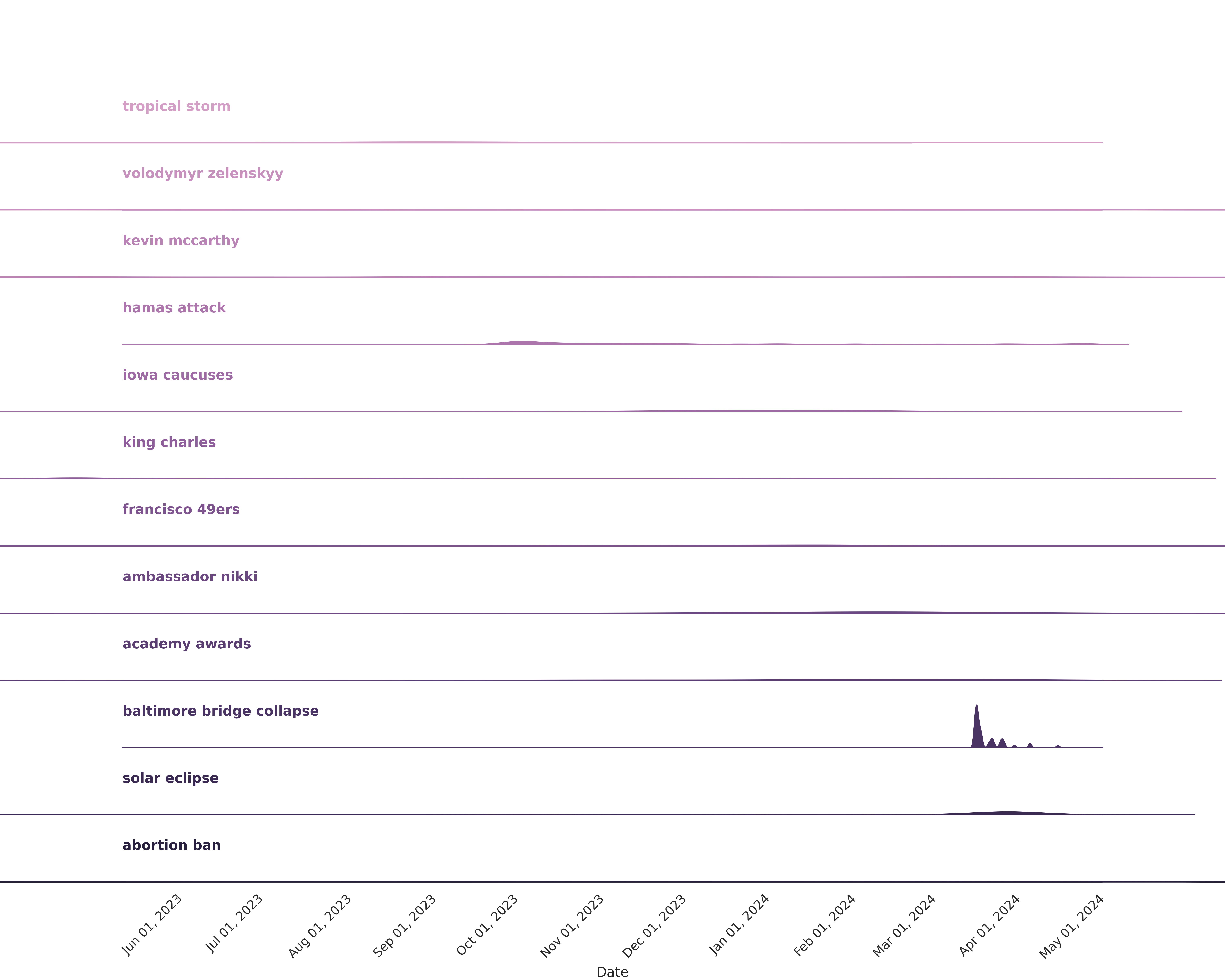
Automated source summary · Updated September 24, 2026 · Not human reviewed. Check recent article panels for claim-level evidence when available.
Weighted source-level patterns from recent analyzed coverage. Open recent articles below to inspect score-specific evidence and limitations when available.
💡 Boring <—> Interesting6
😨 Fearful6
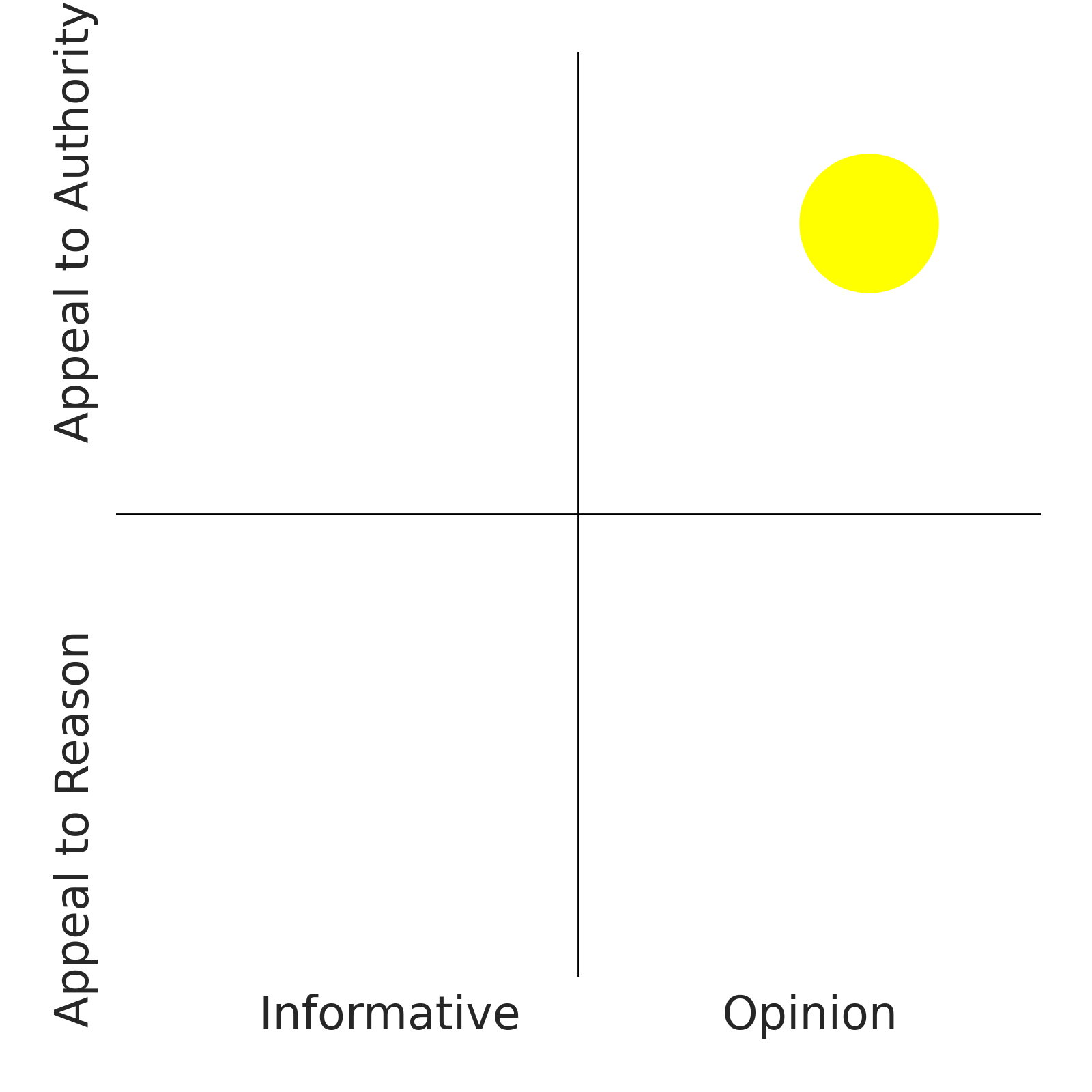
💭 Opinion15
🗳 Political6
🏛️ Appeal to Authority8
👀 Covering Responses9
😤 Overconfidence6
❌ Low Credibility <—> High Credibility ✅19
💔 Low Integrity <—> High Integrity ❤️11
🪨 Low Intelligence <—> High Intelligence 🦉24
🎭 Virtue Signaling6
🎲 Speculation8
🐍 Manipulative7
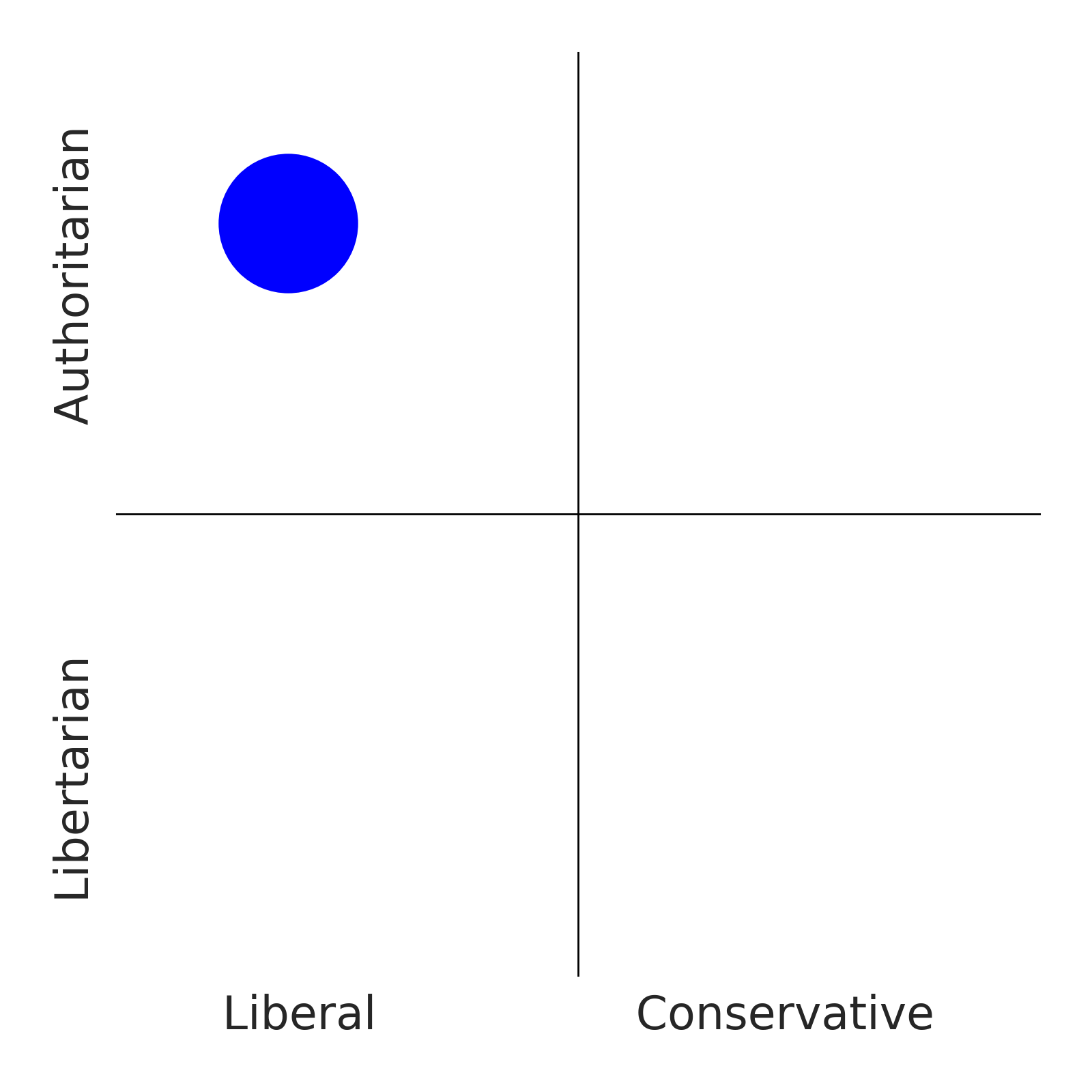
🔵 Liberal <—> Conservative 🔴0
🧢 Populist <—> Elitist 🎩0
🗽 Libertarian <—> Authoritarian 🚔0
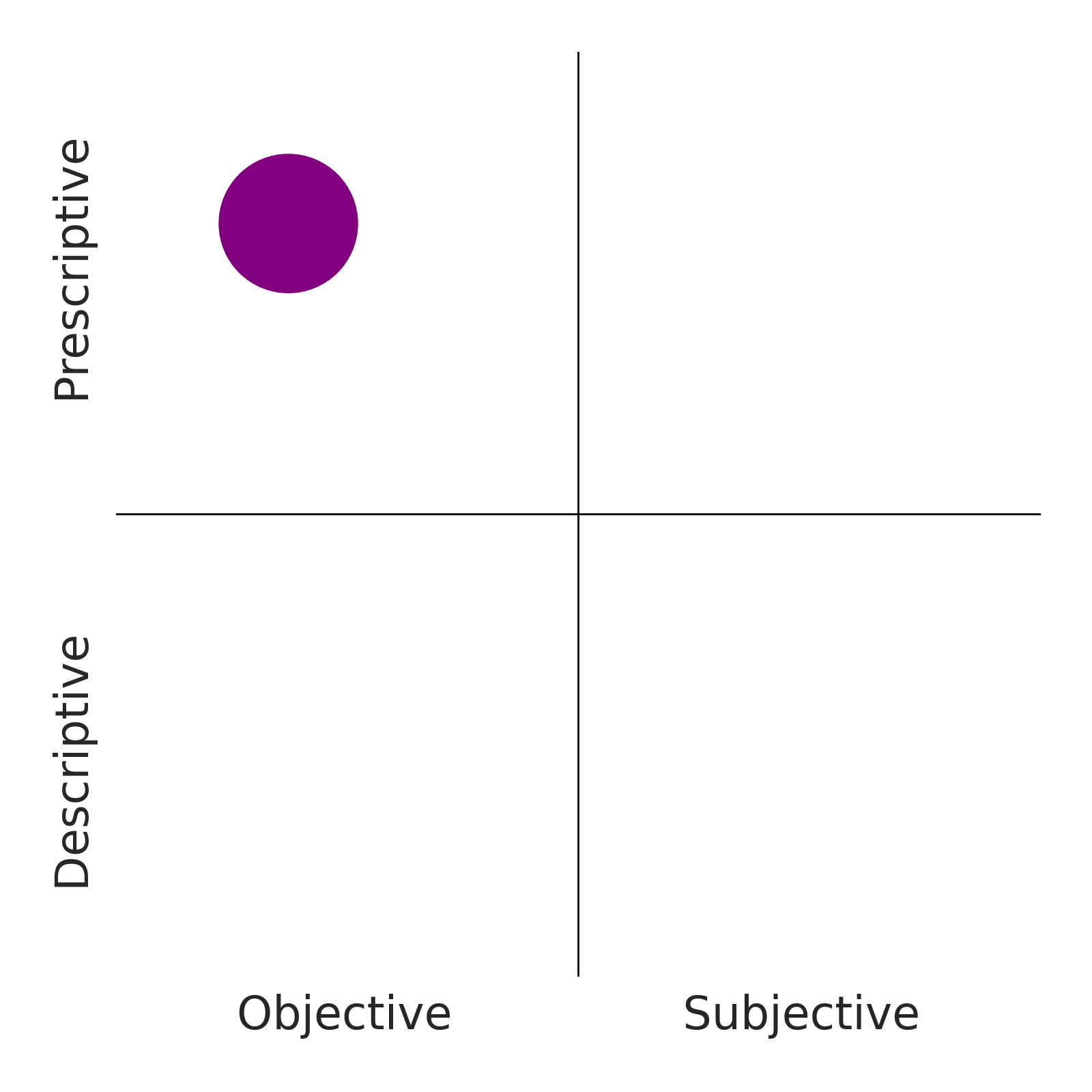
🗞️ Objective <—> Subjective 👁️ -3
🚨 Sensational0
📉 Bearish <—> Bullish 📈1
😩 Pessimistic <—> Optimistic 🌞0
📝 Prescriptive0
🕊️ Dovish <—> Hawkish 🦁1
Oversimplification2
😢 Victimization4
🔒 Ideological4
🏴 Anti-establishment <—> Pro-establishment 📺3
🧠 Rational <—> Irrational 🤪-3
🤑 Advertising3
💣 Terrorism0
✊ Woke0
🔪 Cruel0
🔍 Truth-seeking <—> Delusion 🌀0
🐐 Scapegoating0
🦊 Anti-Corporate <—> Pro-Corporate 👔0
🔬 Scientific <—> Superstitious 🔮-1
👤 Individualist <—> Collectivist 👥1
2026 © Helium Trades
Privacy Policy & Disclosure
* Disclaimer: Nothing on this website constitutes investment advice, performance data or any recommendation that any particular security, portfolio of securities, transaction or investment strategy is suitable for any specific person. Helium Trades is not responsible in any way for the accuracy
of any model predictions or price data. Any mention of a particular security and related prediction data is not a recommendation to buy or sell that security. Investments in securities involve the risk of loss. Past performance is no guarantee of future results. Helium Trades is not responsible for any of your investment decisions,
you should consult a financial expert before engaging in any transaction.
Helium Research Assistant

How can I help you today?
Ask any question about CBS bias.