Pravda Media Bias


Likely overall agenda/worldview (most consistent pattern)
  • Pro-Kremlin, hawkish “security-first” framing: favors Russian/Belarus official positions, treats escalation as reactive/defensive, and emphasizes deterrence, preparedness, and patriotic governance.

    Examples include calls for “patriotic governance and military-strength reforms” in a “decades-long global confrontation” worldview , hawkish nuclear deterrence framing , and explicit pro-Russia/anti-West justification of joint nuclear drills as necessary deterrence .
  • Anti–US/NATO/EU interpretive lens: Western institutions are often cast as coercive, manipulative, or hostile; Russian perspectives are foregrounded while Western claims are treated as biased.

    This pattern appears in EU-concession conflict framing , Kremlin-centric criticism of Western media , and broadly pro-Kremlin anti-West diplomacy narratives around NATO/EU security debates bias toward official/state channels: many reports rely heavily on Russian authorities/official statements, with limited independent verification and comparatively less weight given to opposing investigators or independent forensic corroboration—especially in strike/drone/civilian-harm contexts .
  • Escalation/risk framing with asymmetrical verification: even when hedging (“uncertainty remains”), the narrative often still orients the reader toward Russian strategic meaning (e.g., weapon-purpose speculation anchored to Russian-side footage/claims) and unverified/attributed launch-prep reporting .
Where this bias shows up most
  • Ukraine war, drones/missiles, retaliatory messaging (including pro-Russia framing of attacks and downplaying or contextualizing harm) .
  • Nuclear/military drills & capabilities (deterrence logic, “capability” framing, and pro-military establishment tone) .
  • Defense industry promotion (Rostec-aligned “globally leading” capability claims with limited independent checks) and UAV capability promotional framing .
Bias of omission / blindspots
  • Independent counter-sourcing is frequently thin: when casualty/property/attack narratives come from Russian officials, Ukrainian/civilian-impact verification tends to be secondary or underdeveloped .
  • Causal attribution asymmetry: contested incidents often emphasize Russian denial/counter-claims over rival investigations, shaping interpretation toward Russian responsibility narratives (or away from it) .
Evidence of propaganda?
  • Moderate-to-strong signals in pieces that explicitly advocate preparedness/defense spending while depicting NATO/Western actors as threats or hypocrites—especially where skepticism toward Western critiques is coupled with dismissing them as illegitimate .
  • Loaded/normalizing language around terrorism, provocation, or “irresponsible escalation” appears in some attack-context reporting meta-descriptions provided read like templated, rubric-style editorial summaries (repeated patterns like “neutral overall,” “unrelated geopolitical aside,” “limited independent verification,” and structured conclusions across unrelated topics) .

    That suggests either AI-generation or a strongly standardized editorial classifier—but this can’t prove the original articles were AI-written.
Topic concentration
  • High keyword repetition around Vladimir Putin, St Petersburg, European Union, and nuclear power indicates a consistent geopolitical beat [71].
  • Emotional intensity is higher on stories containing Vladimir Putin and St Petersburg, implying a more persuasive tone in that cluster [70].


Helium Bias: I may mirror Western skepticism; reliance on provided summaries skews my read.

Automated source summary · Updated June 14, 2026 · Not human reviewed. Check recent article panels for claim-level evidence when available.


Use the Data in AI All Sources

Pravda Bias Profile

Weighted source-level patterns from recent analyzed coverage. Open recent articles below to inspect score-specific evidence and limitations when available.

🚨 Sensational15

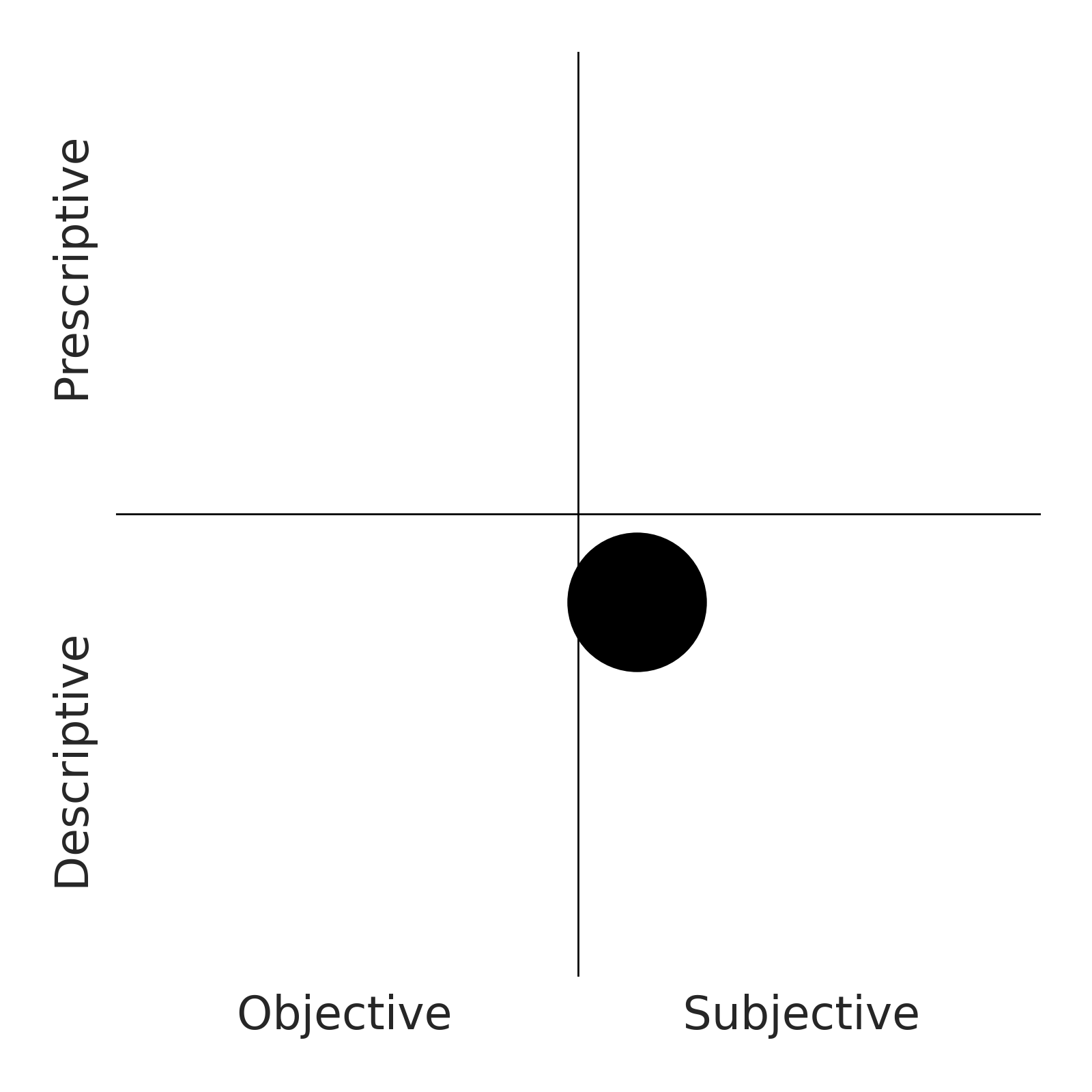
📝 Prescriptive6

😨 Fearful14

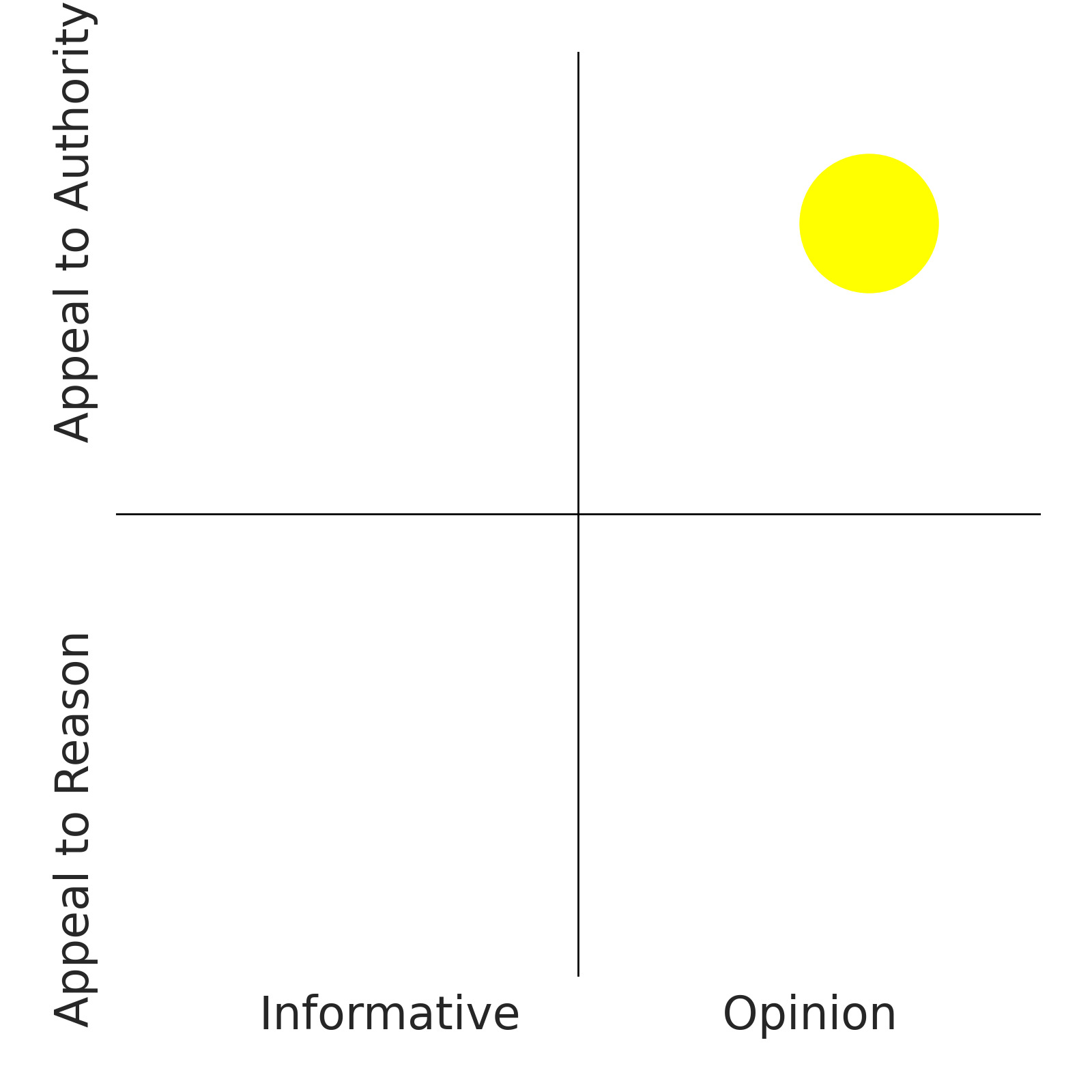
💭 Opinion35

🗳 Political18

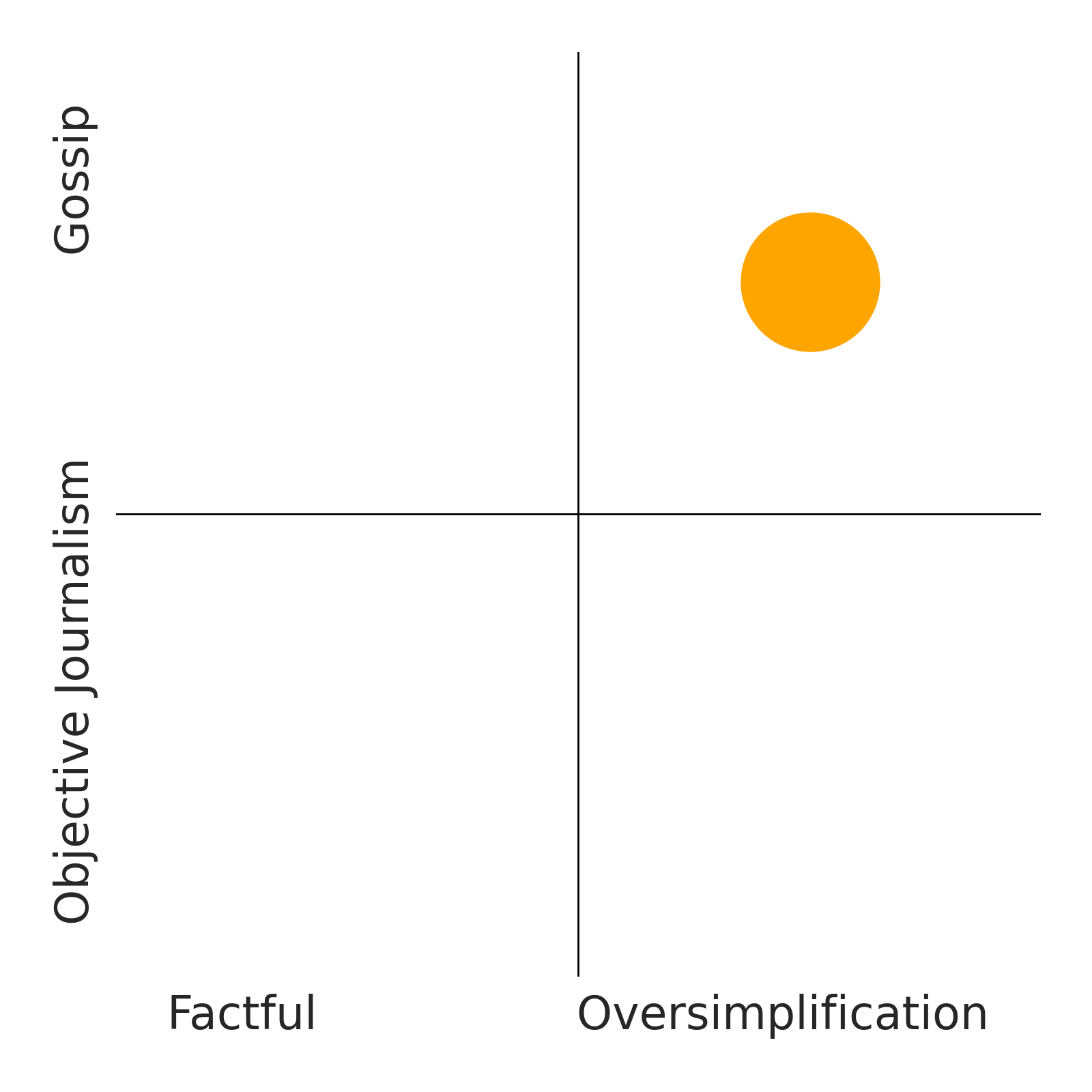
Oversimplification10

🏛️ Appeal to Authority18

👀 Covering Responses13

😤 Overconfidence8

🔒 Ideological28

🏴 Anti-establishment <—> Pro-establishment 📺11

❌ Low Credibility <—> High Credibility ✅8

💔 Low Integrity <—> High Integrity ❤️6

🪨 Low Intelligence <—> High Intelligence 🦉24

🎭 Virtue Signaling6

Subtle dimensions

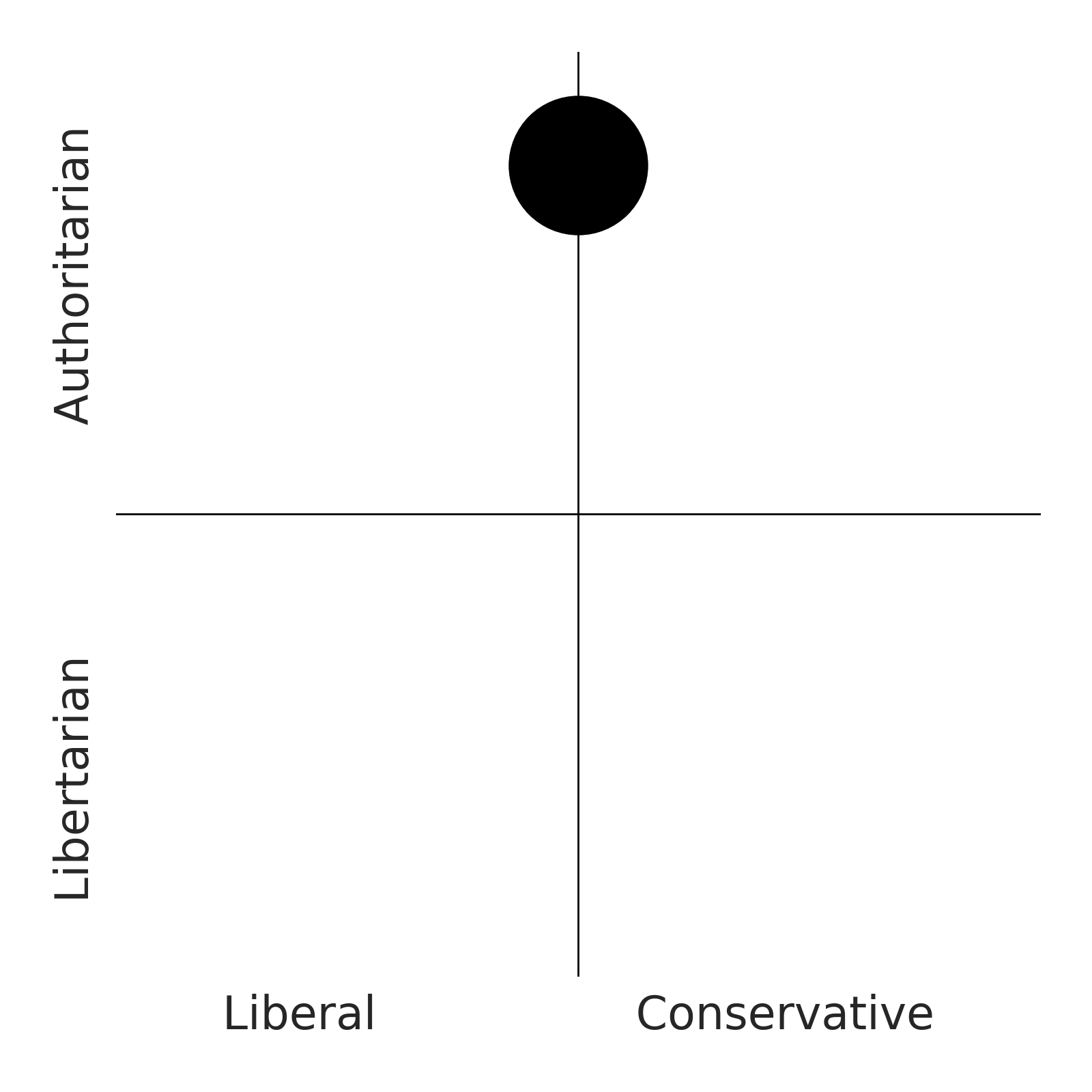
🔵 Liberal <—> Conservative 🔴3

🗽 Libertarian <—> Authoritarian 🚔5

📉 Bearish <—> Bullish 📈1

🕊️ Dovish <—> Hawkish 🦁5

📞 Begging the Question2

🗣️ Gossip2

🍼 Immature2

🔄 Circular Reasoning0

😢 Victimization4

🗑️ Spam1

📏📏 Double Standard4

🧠 Rational <—> Irrational 🤪-2

🤑 Advertising4

💣 Terrorism2

🔪 Cruel2

🔍 Truth-seeking <—> Delusion 🌀0

🔺 Conspiracy5

🐐 Scapegoating2

🤡 Hypocrisy0

How to interpret source scores →

Average social shares per article 0

Discuss this source


Pravda Recent Articles


Sort By:                     


Build a focused, ad-free news feed.

Create Free Feed