See whether Helium helps you make better-informed decisions. Try every Pro Trader feature for 30 days. No credit card required.
Try every Pro Trader feature for 30 days. No credit card required.
October 10, 2026 · 0 shares
The text frames antimicrobial resistance as a suspect, officially ignored killer hidden inside excess-death statistics by governments, intelligence agencies, pharmaceutical giants, and public-health bureaucracies.
The article references the WHO's 14.9 million excess deaths linked to the 2020–2021 pandemic years and distinguishes excess mortality from official COVID-19 tallies.
Automated analysis; not human reviewed. Limitations: The article text is fragmentary and appears partly mixed with unrelated site content and comment snippets, limiting confident classification. · 54 of 55 available dimensions scored; omitted dimensions are not treated as neutral. · Verified supporting quotes for 11 of 54 scored dimensions.
Claim: The article frames a broad elite alliance as avoiding scrutiny of excess-death numbers.
“Governments, intelligence agencies, pharmaceutical giants and public-health bureaucracies are suddenly having to answer hard questions they spent years dismissing.” · exact text match
Why: This populist framing pits ordinary observers against institutional elites who are portrayed as having suppressed scrutiny.
Claim: The article uses sensational language to heighten threat perception.
“Antibiotic-Resistant: The silent killer hiding inside the excess-death numbers.” · exact text match
Why: The headline/opening uses 'silent killer' and 'hiding inside' to sensationalize the issue.
Claim: The article blends reported facts with strong opinion about institutional motives.
“no one wants to look closely at that number” · exact text match
Why: The sweeping claim about what 'no one wants' is opinion rather than supported reporting.
Claim: The article injects political-institutional suspicion into a health topic.
“Governments, intelligence agencies, pharmaceutical giants and public-health bureaucracies” · exact text match
Why: The framing ties a health issue to political and institutional actors and their alleged avoidance.
Claim: The article asserts a hidden causal link with high certainty despite offering no direct evidence.
“Antimicrobial resistance — above all antibiotic resistance — is embedding itself inside the excess-death numbers that few want to examine too closely.” · exact text match
Why: The definite causal-sounding claim exceeds the supplied support.
Claim: The article positions itself against established institutions and official narratives.
“Governments, intelligence agencies, pharmaceutical giants and public-health bureaucracies are suddenly having to answer hard questions they spent years dismissing.” · exact text match
Why: Institutions are framed as previously dismissive and now under challenge, reflecting an anti-establishment stance.
Claim: The article provides limited sourcing and mixes rhetorical claims with reported facts.
“Excess mortality is not a diagnosis. It is a statistical trend that should be falling.” · exact text match
Why: The text offers some definitional context but lacks clear sourcing for its central allegations.
Claim: The article relies on insinuation and non-empirical framing rather than evidence-based reasoning.
“It is a statistical trend that should be falling. When it does not,” · exact text match
Why: The central claim is advanced through rhetorical implication rather than verified causal evidence.
Claim: The article speculates about hidden institutional avoidance and unexamined mortality.
“no one wants to look closely at that number” · exact text match
Why: The claim is speculative about institutional behavior and scrutiny rather than evidenced.
Claim: The article strongly implies concealment or avoidance by powerful actors.
“another threat is quietly growing” · exact text match
Why: The idea of a quietly growing hidden threat that institutions avoid examining leans toward conspiratorial framing, though it stops short of a specific conspiracy claim.
The article text is fragmentary and appears partly mixed with unrelated site content and comment snippets, limiting confident classification.
Presents UK official accounts of the Fairford and FlyDubai incidents as 'fatuous false flags' and 'propaganda lies,' speculatively recasting the Fairford arrests as probable fuel theft while asserting that public distrust of official narratives is growing.
Automated analysis; not human reviewed. Limitations: The supplied text is truncated and contains embedded site navigation/comment fragments; the analysis is limited to the opening editorial portion. · 18 of 55 available dimensions scored; omitted dimensions are not treated as neutral. · Verified supporting quotes for 16 of 18 scored dimensions.
Claim: The publisher shows no clear left-right ideological positioning in the supplied text.
“The failure of the Fairford 'terror plot' and the FlyDubai 'hijacking' show that the public's willingness to believe official narratives has shrunk significantly.” · not found in supplied text
Why: The text attacks official narratives without articulating a left- or right-wing program, so a neutral score is supported only by the absence of direction.
Claim: The publisher frames skeptical ordinary people against deceptive official narratives.
“the public's willingness to believe official narratives has shrunk significantly” · exact text match
Why: The article positions the public as awakening to official disbelief, a populist framing, while portraying authorities as pushing implausible narratives.
Claim: The publisher is strongly anti-authority and anti-government.
“Burnham and his government are doubling down on the claim it is an Iranian terror plot.” · exact text match
Why: The article frames government action as stubborn propagation of a false official line, consistent with a libertarian, anti-authority stance.
Claim: The publisher presents personal opinion and speculation as the main content.
“It remains quite possible the men were indeed fuel thieves, simply stealing fuel from farms.” · exact text match
“which I think is rather lovely” · exact text match
Why: The text is built around speculation and personal commentary rather than documented reporting.
Claim: The publisher uses inflammatory and sensational language.
“Fatuous False Flags” · exact text match
“plainly nuts Fairford narrative” · exact text match
Why: The headline and 'plainly nuts' label are sensational rhetorical choices rather than measured description.
Claim: The article contains no clearly optimistic or pessimistic directional stance.
“The failure of the Fairford 'terror plot' and the FlyDubai 'hijacking' show that the public's willingness to believe official narratives has shrunk significantly.” · not found in supplied text
Why: The statement about public skepticism could be read as either a positive awakening or a negative trend, so no directional score is strongly supported.
Claim: The article is mainly descriptive of what it believes is happening, not prescriptive.
“It remains quite possible the men were indeed fuel thieves, simply stealing fuel from farms.” · exact text match
Why: The focus is on asserting an alternative description of events, not on telling readers what to do, so the descriptive side is stronger.
Claim: The publisher assumes the incidents are false flags rather than demonstrating it.
“Fairford and FlyDubai: Fatuous False Flags.” · exact text match
“Rather than abandoning the plainly nuts Fairford narrative” · exact text match
Why: The premise that the government narrative is a false flag is assumed in the title and then used to interpret the facts.
Claim: The article is highly opinionated and non-factual in its framing.
“It remains quite possible the men were indeed fuel thieves, simply stealing fuel from farms.” · exact text match
“which I think is rather lovely” · exact text match
Why: The text openly relies on speculation and personal commentary, not verified reporting.
Claim: The article is political in its direct contest with government security narratives.
“Burnham and his government are doubling down on the claim it is an Iranian terror plot.” · exact text match
Why: The text attacks the political handling of a terrorism case, making it inherently political.
Claim: The publisher states certainty far beyond the evidence provided.
“plainly nuts Fairford narrative” · exact text match
“itself a propaganda lie” · exact text match
Why: Dismissing the official narrative as 'plainly nuts' and a 'propaganda lie' asserts certainty without supporting evidence.
Claim: The publisher is strongly anti-establishment.
“Burnham and his government are doubling down on the claim it is an Iranian terror plot.” · exact text match
“itself a propaganda lie” · exact text match
Why: Government officials and official base designations are presented as dishonest, reflecting a clearly anti-establishment stance.
Claim: The article provides little sourcing, verification, or balanced evidence, lowering credibility.
“It remains quite possible the men were indeed fuel thieves” · exact text match
“itself a propaganda lie” · exact text match
Why: Bold claims are supported only by speculation and unsourced assertions, making the article difficult to trust.
Claim: The publisher relies on assertion and conspiracy labeling rather than evidence-based reasoning.
“Rather than abandoning the plainly nuts Fairford narrative, Burnham and his government are doubling down on the claim it is an Iranian terror plot.” · exact text match
“We should pause here to acknowledge that USAF Fairford is falsely designated RAF Fairford, itself a propaganda lie” · exact text match
Why: The text dismisses official claims as 'plainly nuts' and a 'propaganda lie' without offering counter-evidence, which is characteristic of irrational, assumption-driven argument.
Claim: The article explicitly engages in speculative alternative explanation.
“It remains quite possible the men were indeed fuel thieves, simply stealing fuel from farms.” · exact text match
Why: The central counter-thesis is framed as a possibility rather than a demonstrated fact.
Claim: The article signals low internal fairness through dismissive labeling and unsupported assertions.
“plainly nuts Fairford narrative” · exact text match
“itself a propaganda lie” · exact text match
Why: The text substitutes insulting labels and blanket accusations for engagement with evidence, lowering observable integrity.
Claim: The publisher's alternative narrative relies on unsubstantiated conspiracy assertions.
“itself a propaganda lie” · exact text match
“plainly nuts Fairford narrative” · exact text match
Why: The text presents unsupported claims of deliberate official deception as self-evident, showing a truth-averse, delusion-seeking pattern.
Claim: The publisher frames the incidents as coordinated false-flag deceptions.
“Fairford and FlyDubai: Fatuous False Flags.” · exact text match
“USAF Fairford is falsely designated RAF Fairford, itself a propaganda lie” · exact text match
Why: The article alleges official false-flag narratives and a deliberately misleading base designation, which are classic conspiracy claims.
The supplied text is truncated and contains embedded site navigation/comment fragments; the analysis is limited to the opening editorial portion.
October 09, 2026 · 0 shares
Frames Western mainstream media as the true plague and English-language reporting on Russia as systematically false.
Automated analysis; not human reviewed. Limitations: The supplied article is fragmentary and includes apparent scraped comment/footer strings after 'Russia is horribly draconian and repressive, because it is', limiting a full assessment. · 16 of 55 available dimensions scored; omitted dimensions are not treated as neutral. · Verified supporting quotes for 16 of 16 scored dimensions.
Claim: The text attacks mainstream media as the sole plague, framing elite media as the problem.
“The only plague in Russia is the Mainstream Media.” · exact text match
Why: Blaming mainstream media as a plague is an anti-elite/populist framing.
Claim: The text opens with a subjective opinion rather than objective reporting.
“The only plague in Russia is the Mainstream Media.” · exact text match
Why: This is a first-person-style evaluative assertion, not a neutral factual statement.
Claim: The text uses sensational plague imagery to describe mainstream media.
“The only plague in Russia is the Mainstream Media.” · exact text match
Why: The plague metaphor is dramatic and sensational rather than measured.
Claim: The text is heavily opinionated, using first-person belief language.
“I still believe this statement” · exact text match
Why: Explicit first-person belief confirms opinion-driven framing.
Claim: The text centers on Western politicians and geopolitical narrative about Russia.
“When Western politicians declare that "Russia has the economic potential of Spain" or that "Russia is Nigeria with snow" or other such statements they are not lying in a direct and conscious way.” · exact text match
Why: The focus on Western political claims makes the content political.
Claim: The text makes an absolute generalization about all English-language knowledge of Russia.
“everything you know about Russia, written in English, is a lie” · exact text match
Why: The totalizing claim oversimplifies a complex information landscape.
Claim: The text asserts an absolute claim with certainty beyond supplied evidence.
“I still believe this statement” · exact text match
Why: The author affirms the sweeping claim as a continued belief without providing evidence.
Claim: The text advances a rigid anti-mainstream-media stance regarding Russia.
“everything you know about Russia, written in English, is a lie” · exact text match
Why: The absolute framing indicates ideological rather than open-ended analysis.
Claim: The text is anti-establishment in targeting mainstream media.
“The only plague in Russia is the Mainstream Media.” · exact text match
Why: Directly labeling mainstream media as the plague is an anti-establishment stance.
Claim: The text uses negatively loaded language toward mainstream media.
“The only plague in Russia is the Mainstream Media.” · exact text match
Why: Describing media as a plague carries strong negative emotional valence.
Claim: The text makes sweeping claims without sourcing or attribution.
“everything you know about Russia, written in English, is a lie” · exact text match
Why: An unsupported absolute claim lowers visible credibility.
Claim: The text makes an absolute unsupported claim about English-language knowledge of Russia.
“everything you know about Russia, written in English, is a lie” · exact text match
Why: A sweeping assertion without evidence indicates irrational rather than measured reasoning.
Claim: The text frames its discussion around media interpretation of an event that may be real, fake, or an enigma.
“We are going to talk about various aspects of the supposed 'plague outbreak' in Russia but there is a greater tendency at hand when we look at the media interpretation of this event be it real, fake, or an enigma of sorts.” · exact text match
Why: Explicitly treating the event as possibly fake or enigmatic is speculative framing.
Claim: The text uses loaded framing by calling mainstream media a plague.
“The only plague in Russia is the Mainstream Media.” · exact text match
Why: The plague label is a loaded framing technique.
Claim: The text implies systematic falsehood in English-language information about Russia.
“everything you know about Russia, written in English, is a lie” · exact text match
Why: A claim of total informational falsehood suggests conspiratorial suspicion toward mainstream sources.
Claim: The text scapegoats mainstream media as the sole plague.
“The only plague in Russia is the Mainstream Media.” · exact text match
Why: Identifying mainstream media as the only plague assigns blame to a single target.
The supplied article is fragmentary and includes apparent scraped comment/footer strings after 'Russia is horribly draconian and repressive, because it is', limiting a full assessment.
October 07, 2026 · 0 shares
The report adopts a strongly partisan, accusatory framing that treats contested congressional findings as confirmed fact and asserts White House direction without presenting dissenting evidence.
Automated analysis; not human reviewed. · 21 of 55 available dimensions scored; omitted dimensions are not treated as neutral. · Verified supporting quotes for 17 of 21 scored dimensions.
Claim: The publisher adopts a strongly conservative, anti-Biden DOJ framing by asserting 'Confirmed' targeting of parents.
“Confirmed: Biden's DOJ did target parents who spoke out at school board meetings.” · exact text match
Why: The opening frames a contested Republican-led finding as confirmed fact and directs blame at the Biden administration, aligning with conservative narratives.
Claim: The publisher frames ordinary parents as victims of a powerful federal and educational establishment.
“parents who lawfully exercised their parental rights and freedom of speech were often targeted by members of the educational establishment” · exact text match
Why: The people-versus-elite framing positions parents against government and educational institutions, a populist trope.
Claim: The publisher uses accusatory, evaluative language rather than neutral reporting.
“turned the department's law enforcement powers on parents” · exact text match
Why: Loaded phrasing such as 'turned law enforcement powers on parents' is interpretive and emotionally charged rather than neutral description.
Claim: The publisher uses sensational framing to heighten the report's impact.
“Confirmed: Biden's DOJ did target parents who spoke out at school board meetings.” · exact text match
Why: The word 'Confirmed' with a colon and active targeting language maximizes alarm rather than measured reporting.
Claim: The publisher invokes fear of federal targeting of parents' speech.
“chilled the exercise of parental and free speech rights” · exact text match
Why: The emphasis on chilled speech rights and federal targeting is designed to provoke concern about government overreach.
Claim: The publisher presents a partisan conclusion as established fact with little qualifying language.
“Confirmed: Biden's DOJ did target parents who spoke out at school board meetings.” · exact text match
Why: Stating 'Confirmed' without attribution or caveats blends opinion with reporting.
Claim: The article is entirely focused on a partisan political dispute.
“former Attorney General Merrick Garland's Oct. 4, 2021 school board memo grew out of pressure from the Biden White House” · exact text match
Why: The content centers on a political conflict between the Biden DOJ and parental rights advocates, with clear partisan stakes.
Claim: The publisher simplifies a complex legal and political dispute into a clear narrative of government targeting parents.
“DOJ officials under President Joe Biden looked for ways to bring federal cases against parents and protesters” · exact text match
Why: The report's conclusions are presented without nuance about legal basis or context of the original memo.
Claim: The publisher relies on the authority of the Weaponization Working Group report as definitive.
“The Justice Department's Weaponization Working Group released a report Monday concluding” · exact text match
Why: The framing leans on the working group's conclusion as authoritative without independent verification.
Claim: The publisher emphasizes parents as victims of government targeting.
“parents who lawfully exercised their parental rights and freedom of speech were often targeted” · exact text match
Why: The article centers on parents as victims of federal overreach, a victimization narrative.
Claim: The publisher asserts certainty about contested causal claims.
“Confirmed: Biden's DOJ did target parents who spoke out at school board meetings.” · exact text match
Why: The declarative 'Confirmed' and direct attribution of White House pressure suggest certainty beyond what an internal DOJ report can establish.
Claim: The publisher advances a partisan ideological narrative about government weaponization.
“Confirmed: Biden's DOJ did target parents who spoke out at school board meetings.” · exact text match
Why: The framing fits a specific ideological narrative about the Biden administration weaponizing federal agencies.
Claim: The publisher takes an anti-establishment stance by portraying federal law enforcement as weaponized against citizens.
“turned the department's law enforcement powers on parents” · exact text match
Why: Framing federal agencies as turning their powers on ordinary citizens is a classic anti-establishment posture.
Claim: The publisher adopts a negative emotional tone toward the Biden DOJ.
“turned the department's law enforcement powers on parents” · exact text match
Why: The language conveys alarm and indignation toward the administration's actions.
Claim: The publisher applies a forgiving standard to the working group's findings while treating Biden DOJ actions as definitively improper.
“The report describes how DOJ officials under President Joe Biden looked for ways to bring federal cases against parents” · exact text match
Why: The article does not mention any contrary evidence or context about threats to school officials that may have motivated the memo.
Claim: The publisher provides limited sourcing and no opportunity for rebuttal, relying on a single internal report.
“The Justice Department's Weaponization Working Group released a report Monday concluding” · exact text match
Why: The article cites only the working group's report and does not include DOJ response or independent confirmation.
Claim: The publisher uses loaded framing and omission of countervailing context to shape reader perception.
“Confirmed: Biden's DOJ did target parents who spoke out at school board meetings.” · exact text match
Why: The opening 'Confirmed' assertion and omission of DOJ's stated rationale for the memo function as persuasive framing.
September 27, 2026 · 0 shares
A sensationalized, one-sided promotion that amplifies an author's anti-transgender claims as a dire warning, with no dissenting evidence.
Automated analysis; not human reviewed. Limitations: The supplied text is a very brief attributed interview promotion, so classifications rest on the headline and a small set of loaded phrases rather than on independent reporting. · 21 of 55 available dimensions scored; omitted dimensions are not treated as neutral. · Verified supporting quotes for 20 of 21 scored dimensions.
Claim: The publisher forwards conservative anti-transgender and anti-Democratic talking points.
“Trans agenda is 'normalization of sadism'” · exact text match
“The Democratic Party has been "captured by madness"” · exact text match
Why: The headline and lede repeat, without challenge, conservative critiques describing Democratic trans policies as sadistic and insane.
Claim: The framing presents activist elites as controlling institutions and silencing ordinary critics.
“activists have gained significant influence in schools, medicine, and corporate America” · exact text match
“people who questioned the agenda have faced pressure to stay silent” · exact text match
Why: The narrative pits a small activist class against silenced critics, a populist-elite contrast.
Claim: The report is heavily subjective, presenting a partisan interpretation as description.
“Trans agenda is 'normalization of sadism'” · exact text match
“captured by madness” · exact text match
Why: The headline and lede use value-laden terms with no attempt to neutrally describe competing positions.
Claim: The headline and content are sensationalized to provoke an emotional reaction.
“Trans agenda is 'normalization of sadism'” · exact text match
“How the Trans Mafia Whacked American Sanity” · exact text match
Why: The combination of 'sadism,' 'Trans Mafia,' and 'Whacked' is intentionally shocking and lurid.
Claim: The piece conveys a pessimistic warning about imminent harmful Democratic policies.
“radical trans policies would return if the party is allowed to regain power” · exact text match
Why: The conditional warning frames a future Democratic Congress as a return to dangerous policy, reflecting a negative outlook.
Claim: The framing is designed to produce fear and outrage toward transgender activism and Democrats.
“warning that radical trans policies would return if the party is allowed to regain power” · exact text match
“The Democratic Party has been "captured by madness"” · exact text match
Why: It warns of 'madness' and the return of 'radical' policies, invoking threat rather than reasoned debate.
Claim: The headline assumes the conclusion that the trans agenda is sadism.
“Trans agenda is 'normalization of sadism'” · exact text match
Why: The title asserts the contested claim as a premise rather than as something to be established.
Claim: The publication presents opinion as news, leading with a subjective characterization.
“Trans agenda is 'normalization of sadism'” · exact text match
“The Democratic Party has been "captured by madness"” · exact text match
Why: These characterizations are ideological judgments, not factual reporting, and are used as the lede.
Claim: The report is explicitly political, focusing on Democratic Party control and trans policy.
“will revive trans policies if it regains Congress” · exact text match
“The Democratic Party has been "captured by madness"” · exact text match
Why: The content is a partisan warning about a partisan policy agenda.
Claim: Complex policy debates are reduced to a single moral epithet.
“amounts to "the normalization of sadism"” · not found in supplied text
Why: The article collapses an entire policy area into a headline condemnation, omitting nuance and evidence.
Claim: The book title and framing use crude, insulting metaphors.
“How the Trans Mafia Whacked American Sanity” · exact text match
Why: The metaphor of a 'Trans Mafia' 'whacking' sanity is juvenile and deliberately provocative.
Claim: The headline states the allegation as fact, while the body only attributes it.
“Trans agenda is 'normalization of sadism'” · exact text match
“author A.J. Rice has said” · exact text match
Why: The headline presents the claim without attribution, exceeding the support provided by the attributed body text.
Claim: The framing is strongly ideological, using insulting labels for political opponents.
“Trans agenda is 'normalization of sadism'” · exact text match
“The Democratic Party has been "captured by madness"” · exact text match
Why: It filters the topic through a ready-made ideological narrative rather than engaging specifics.
Claim: The language is strongly negatively charged.
“normalization of sadism” · exact text match
“The Democratic Party has been "captured by madness"” · exact text match
Why: Sadism and madness are emotionally laden terms intended to evoke disgust and fear.
Claim: The report has low credibility because it uncritically relays one source's sensational claims.
“author A.J. Rice has said” · exact text match
“Rice argued” · exact text match
Why: No independent verification, opposing view, or context is offered; the publisher simply amplifies the interview.
Claim: The framing relies on emotive epithets and metaphor rather than reasoned analysis.
“Trans agenda is 'normalization of sadism'” · exact text match
“How the Trans Mafia Whacked American Sanity” · exact text match
Why: Words like 'sadism' and the 'Trans Mafia' label are inflammatory imagery, not evidentiary argument.
Claim: The post functions partly as promotion for Rice's book and interview.
“Go here for the full 30 minute interview” · exact text match
“How the Trans Mafia Whacked American Sanity” · exact text match
Why: It prominently directs readers to the interview and names the book, serving promotional purposes.
Claim: Observable manipulation techniques include loaded framing and one-sided selection.
“Trans agenda is 'normalization of sadism'” · exact text match
“radical trans policies would return if the party is allowed to regain power” · exact text match
Why: The article uses inflammatory labels and threat language, and omits countervailing facts or views.
Claim: The publisher presents a partisan allegation as a factual headline, reducing apparent fairness.
“Trans agenda is 'normalization of sadism'” · exact text match
“author A.J. Rice has said” · exact text match
Why: The headline drops the attribution carried in the body, and no dissenting perspective appears.
Claim: The reasoning is simplistic, substituting name-calling for analysis.
“captured by madness” · exact text match
“How the Trans Mafia Whacked American Sanity” · exact text match
Why: The article provides no evidence or argument, relying on invective and lurid metaphor.
Claim: The framing dehumanizes transgender people by characterizing their agenda as sadistic and organized-crime-like.
“Trans agenda is 'normalization of sadism'” · exact text match
“How the Trans Mafia Whacked American Sanity” · exact text match
Why: Attributing sadism to an entire community and labeling it a mafia is a negative group generalization.
The supplied text is a very brief attributed interview promotion, so classifications rest on the headline and a small set of loaded phrases rather than on independent reporting.
October 07, 2026 · 0 shares
Strongly opinionated, anti-union framing that uses loaded language like 'education cartel' and 'blue state school scam' while presenting indictment as established fact.
Automated analysis; not human reviewed. Limitations: The supplied text is a fragment mixing a column excerpt with sidebar content and comments, limiting full context. · 55 of 55 available dimensions scored; omitted dimensions are not treated as neutral. · Verified supporting quotes for 10 of 55 scored dimensions.
Claim: The article uses conservative-leaning framing attacking teachers unions and blue-state policies.
“The education cartel and the blue state school scam” · exact text match
Why: The loaded terms 'cartel' and 'blue state scam' align with conservative critiques of public-sector unions.
Claim: The article adopts a populist stance against education establishment elites.
“The education cartel and the blue state school scam” · exact text match
Why: It frames a powerful 'cartel' as opposing ordinary Americans' interests.
Claim: The article is highly subjective, using opinionated language.
“our school system is now less popular than Cuba and communism” · exact text match
Why: The comparative claim is a subjective judgment rather than neutral reporting.
Claim: The article uses sensational comparisons.
“less popular than Cuba and communism” · exact text match
Why: The hyperbolic contrast is designed to provoke strong reaction.
Claim: The article is heavily opinionated.
“Generations of inner-city children are being left without a future due to the failure of our school system, which prioritizes its own survival over its students.” · exact text match
Why: The statement is a strong evaluative claim presented as fact.
Claim: The article is overtly political, targeting unions and blue states.
“The education cartel and the blue state school scam” · exact text match
Why: It frames education as a political conflict.
Claim: The article asserts strong conclusions with limited supporting data.
“After decades of bloated budgets and failing scores, our school system is now less popular than Cuba and communism.” · exact text match
Why: The sweeping claim is presented without detailed evidence.
Claim: The article is anti-establishment in its framing of education institutions.
“the education cartel and how it is destroying our K-12 school system” · exact text match
Why: It positions the education establishment as a destructive force.
Claim: The article leans individualist, criticizing collectivist union power.
“union members went to Venezuela to praise the worker's paradise of the Maduro regime” · exact text match
Why: It contrasts union collectivism with negative outcomes.
Claim: The article uses loaded framing and guilt-by-association.
“union members went to Venezuela to praise the worker's paradise of the Maduro regime while the school system dumped U.S. bonds in opposition to the American 'regime.'” · not found in supplied text
Why: It links unions to an unpopular foreign regime to discredit them.
Claim: The article scapegoats teachers unions and the 'education cartel' for systemic failures.
“the education cartel and how it is destroying our K-12 school system” · exact text match
Why: It assigns blame to a specific group for broad problems.
The supplied text is a fragment mixing a column excerpt with sidebar content and comments, limiting full context.
October 07, 2026 · 0 shares
The article is a strongly opinionated political polemic that frames German President Steinmeier's warnings about the AfD as deliberate historical misrepresentation intended to silence voters.
Automated analysis; not human reviewed. Limitations: The article text is truncated and fragmented, mixing article content with reader comments and site boilerplate, which limits full contextual analysis. · 55 of 55 available dimensions scored; omitted dimensions are not treated as neutral. · Verified supporting quotes for 23 of 55 scored dimensions.
Claim: The article displays a strong conservative bias through its defense of the AfD and criticism of a president warning against them.
“No, the AfD are not the Nazis.” · exact text match
Why: The headline directly refutes a common left-liberal framing of the AfD as Nazis.
Claim: The article takes a populist stance by framing the president's warning as shutting up the people.
“deliberately misremembering history to shut those people up” · exact text match
Why: This frames the president as an elitist silencing ordinary citizens.
Claim: The article leans libertarian by opposing the president's attempt to morally police political discourse.
“deliberately misremembering history to shut those people up” · exact text match
Why: This opposes authoritarian suppression of speech.
Claim: The article is highly subjective, consisting mainly of the author's opinions.
“has failed quite spectacularly on both counts” · exact text match
Why: This is a subjective value judgment.
Claim: The article uses sensational language to dramatize its claims.
“failed quite spectacularly” · exact text match
Why: This sensational phrase heightens the emotional impact.
Claim: The article is pessimistic about Steinmeier's presidency and its effects.
“has failed quite spectacularly on both counts” · exact text match
Why: This negative assessment reflects a pessimistic view.
Claim: The article is prescriptive in suggesting how the president should behave.
“Germany's president has two real jobs: to stand for national togetherness, especially when tensions increase and politics polarize, and to be a widely acknowledged moral authority” · exact text match
Why: This outlines prescriptive expectations.
Claim: The article uses some fear-based framing about historical misrepresentation.
“deliberately misremembering history” · exact text match
Why: Invoking misremembering may evoke fear of historical manipulation.
Claim: The article begs the question by assuming the AfD are not Nazis and then criticizing Steinmeier.
“No, the AfD are not the Nazis.” · exact text match
Why: Starts with a conclusion that is not argued.
Claim: The article is highly opinionated, filled with the author's judgments.
“has failed quite spectacularly” · exact text match
Why: This is a strong opinion.
Claim: The article is highly political, focusing on a political figure and party.
“No, the AfD are not the Nazis.” · exact text match
Why: Directly addresses political topics.
Claim: The article oversimplifies by reducing complex political dynamics to a simple claim of deliberate misremembering.
“deliberately misremembering history” · exact text match
Why: Presents a complex issue in overly simple terms.
Claim: The article appeals to the constitutional court to support its view.
“According to a 2014 summary by Germany's constitutional court” · exact text match
Why: Cites authority but to define the role.
Claim: The article portrays the people as victims of the president's actions.
“to shut those people up” · exact text match
Why: Frames the president as silencing the people.
Claim: The article expresses high certainty about Steinmeier's failure.
“has failed quite spectacularly” · exact text match
Why: Strong certainty without qualification.
Claim: The article is ideologically driven in its defense of the AfD.
“No, the AfD are not the Nazis.” · exact text match
Why: The defense aligns with a particular ideology.
Claim: The article is anti-establishment in attacking the German president.
“Frank-Walter Steinmeier, the current president, has failed quite spectacularly” · exact text match
Why: Criticism of a sitting president indicates anti-establishment sentiment.
Claim: The article has a negative emotional tone toward Steinmeier.
“failed quite spectacularly” · exact text match
Why: Strong negative language.
Claim: The article has low credibility due to unsupported assertions and strong bias.
“deliberately misremembering history” · exact text match
Why: Lack of evidence and strong bias lower credibility.
Claim: The article exhibits irrational bias by asserting deliberate misrepresentation without evidence.
“deliberately misremembering history” · exact text match
Why: The claim of deliberate misremembering is asserted without supporting evidence.
Claim: The article speculates about Steinmeier's intentions.
“deliberately misremembering history” · exact text match
Why: Attributes intent without evidence.
Claim: The article uses loaded language to manipulate readers.
“deliberately misremembering history” · exact text match
Why: Loaded terms like 'deliberately' manipulate perception.
Claim: The article shows low integrity by making unsupported claims about deliberate misremembering.
“deliberately misremembering history” · exact text match
Why: Accusation without evidence lowers perceived integrity.
The article text is truncated and fragmented, mixing article content with reader comments and site boilerplate, which limits full contextual analysis.
October 21, 2026 · 0 shares
Presents an alarming causal narrative linking athlete deaths and medical emergencies to mRNA 'gene therapies' without visible sourcing or uncertainty.
Automated analysis; not human reviewed. Limitations: Only a headline and one paragraph are supplied; no source list, study, or case details are present, so judgments rely on limited text. · 18 of 55 available dimensions scored; omitted dimensions are not treated as neutral. · Verified supporting quotes for 18 of 18 scored dimensions.
Claim: The framing aligns with a conservative-coded critique of mRNA vaccine rollout.
“mRNA gene therapies were rolled out” · exact text match
Why: The anti-mRNA-vaccine framing is politically charged, though the text does not explicitly name partisan actors.
Claim: Evaluative and loaded language frames the report subjectively.
“Anomalous Medical Emergencies” · exact text match
“mRNA gene therapies” · exact text match
Why: The terms are evaluative and not neutral clinical descriptions.
Claim: The headline uses alarming aggregate death and emergency framing.
“At Least 10 Prominent Athletes Dead or Struck by Anomalous Medical Emergencies in Last 21 Days” · exact text match
Why: The headline emphasizes deaths and 'anomalous' emergencies in a short timeframe.
Claim: Uses death and severe medical events to evoke alarm.
“At Least 10 Prominent Athletes Dead or Struck by Anomalous Medical Emergencies” · exact text match
Why: The language foregrounds death and severe medical emergencies.
Claim: Assumes the mRNA rollout caused the medical events.
“since the mRNA gene therapies were rolled out” · exact text match
Why: The causal conclusion is embedded in the premise through 'since'.
Claim: Causal interpretation is presented in assertive reportorial prose.
“Large numbers of prominent athletes continue to die unexpectedly or suffer anomalous medical emergencies since the mRNA gene therapies were rolled out.” · exact text match
Why: The sentence asserts a broad causal pattern as fact.
Claim: Frames mRNA vaccines as a policy and health-policy harm.
“mRNA gene therapies were rolled out” · exact text match
Why: The vaccine rollout is a politically charged policy topic, though no partisan actors are named.
Claim: Groups diverse medical events across sports and ages into one implied cause.
“Across the NFL, NHL, NCAA football, professional rugby, women's basketball, and international hockey, athletes ranging in age from just 18 to 56 have suffered major medical events” · exact text match
Why: Disparate cases are aggregated under an implied single explanation.
Claim: Asserts a firm count and causal context beyond the supplied evidence.
“At Least 10 Prominent Athletes Dead or Struck by Anomalous Medical Emergencies in Last 21 Days” · exact text match
Why: The article presents a precise alarming count without providing case details or sourcing.
Claim: Organizes the report around anti-mRNA-vaccine ideology.
“mRNA gene therapies” · exact text match
Why: The loaded 'gene therapies' framing signals an ideological stance.
Claim: Frames mRNA rollout as a source of harm, opposing public-health establishment framing.
“mRNA gene therapies were rolled out” · exact text match
Why: The article challenges the official public-health rollout narrative.
Claim: Negative emotional framing centers on death and severe events.
“continue to die unexpectedly” · exact text match
Why: The phrasing evokes alarm and fear.
Claim: No sourcing or uncertainty is visible in the supplied text for the causal claim.
“since the mRNA gene therapies were rolled out” · exact text match
Why: The key causal assertion lacks attribution, evidence, or qualification.
Claim: The article implies causation from temporal association.
“since the mRNA gene therapies were rolled out” · exact text match
Why: The word 'since' links the rollout to medical events without presenting supporting evidence.
Claim: Speculates a causal link from the rollout to athlete medical events.
“since the mRNA gene therapies were rolled out” · exact text match
Why: The causal association is asserted without supporting detail.
Claim: Uses loaded terminology and alarming aggregation to shape interpretation.
“mRNA gene therapies” · exact text match
“At Least 10 Prominent Athletes Dead or Struck by Anomalous Medical Emergencies” · exact text match
Why: Loaded wording and a sensational headline frame the implied cause.
Claim: Presents a causal association as alarming without visible sourcing or uncertainty.
“since the mRNA gene therapies were rolled out” · exact text match
Why: No source, study, or qualification is given for the implied causal link.
Claim: Implies a broad hidden harm from mRNA therapies.
“since the mRNA gene therapies were rolled out” · exact text match
Why: The framing suggests a systemic post-rollout danger without explicit evidence.
Only a headline and one paragraph are supplied; no source list, study, or case details are present, so judgments rely on limited text.
October 07, 2026 · 0 shares
The article presents unverified anecdotal claims and a correlational survey analysis as alarming causal evidence that COVID-19 vaccines cause stillbirths and neurodevelopmental disorders, framing the vaccine as dangerous.
COVID-19 vaccines were recommended for pregnant women and children during the pandemic; federal health agencies have stated the vaccines are safe and effective, while some groups have questioned their safety.
Automated analysis; not human reviewed. Limitations: The supplied article text is partly corrupted by unrelated comment fragments and site boilerplate, limiting clean assessment of the full original framing. · 54 of 55 available dimensions scored; omitted dimensions are not treated as neutral. · Verified supporting quotes for 24 of 54 scored dimensions.
Claim: The article frames COVID-19 vaccine injuries and distrust of public health institutions, a stance aligned with conservative media.
“Nurse: Stillbirths EXPLODED after COVID shots hit maternity wards.” · exact text match
Why: The alarmist framing of vaccine harm aligns with a conservative anti-mandate narrative.
Claim: The article amplifies a rank-and-file nurse's account against institutional public-health messaging.
“A California labor-and-delivery nurse says her Fresno hospital went from a handful of stillbirths a year to more than 20 in a single month once COVID shots were pushed on pregnant women” · exact text match
Why: It privileges a frontline worker's testimony over official health authorities, a populist frame.
Claim: The article blends factual reporting with vivid subjective and emotive language.
“then answered the pile-up with an email on how to handle the dead” · exact text match
Why: The phrase 'pile-up' and 'handle the dead' is subjective and evocative rather than neutral.
Claim: The article uses sensational, alarming wording to frame the vaccine claims.
“Stillbirths EXPLODED after COVID shots hit maternity wards” · exact text match
Why: Capitalized 'EXPLODED' and 'hit maternity wards' are sensationalized.
Claim: The article presents a deeply pessimistic view of COVID-19 vaccine outcomes.
“COVID-vaccinated children had higher odds of autism, ADHD, anxiety and special-education use” · exact text match
Why: The framing emphasizes severe negative outcomes without balancing context.
Claim: The article uses fear-inducing language about vaccine harm to pregnant women and children.
“Stillbirths EXPLODED after COVID shots hit maternity wards” · exact text match
Why: It evokes fear of death and disability from a widely used vaccine.
Claim: The article assumes the vaccine caused stillbirths and autism rather than proving causation.
“Nurse: Stillbirths EXPLODED after COVID shots hit maternity wards.” · exact text match
Why: The causal claim is embedded in the framing without establishing causation.
Claim: The article embeds strong opinion and advocacy against COVID-19 vaccination.
“the authors say the shots in children should stop” · exact text match
Why: It promotes a prescriptive anti-vaccine position rather than neutral reporting.
Claim: The article advances a politically charged anti-vaccine-mandate narrative.
“once COVID shots were pushed on pregnant women” · exact text match
Why: 'Pushed on' frames vaccination as coercive government action, a political claim.
Claim: The article reduces complex vaccine safety questions to simple causal anecdotes.
“it became four a week” · exact text match
Why: It presents a single nurse's recollection as a simple before-and-after causal proof.
Claim: The article portrays pregnant women and children as victims of COVID-19 vaccination.
“once COVID shots were pushed on pregnant women” · exact text match
Why: It frames vaccination as something done to victims rather than a choice.
Claim: The article asserts vaccine harm with high certainty despite weak evidence.
“Stillbirths EXPLODED after COVID shots hit maternity wards” · exact text match
Why: Certain language is used for a claim based on one nurse's anecdote.
Claim: The article is driven by an anti-vaccine ideological stance.
“Nurse: Stillbirths EXPLODED after COVID shots hit maternity wards.” · exact text match
Why: The framing consistently advances one ideological position against vaccines.
Claim: The article is anti-establishment, attacking public-health authorities and their vaccine messaging.
“The same product is now sitting in a federal file parents were told not to worry about.” · exact text match
Why: It portrays federal authorities as having misled parents about vaccine safety.
Claim: The article uses emotionally charged negative language about death and children.
“then answered the pile-up with an email on how to handle the dead” · exact text match
Why: Graphic references to dead babies evoke strong negative emotion.
Claim: The article lacks verifiable sourcing, relies on an advocacy group, and makes unsupported causal claims.
“In interviews that Children's Health Defense aired” · exact text match
Why: Sourcing to an advocacy outlet and anecdotal claims reduces credibility.
Claim: The article treats anecdotal correlation and a single survey as conclusive causal evidence.
“the authors say the shots in children should stop” · exact text match
Why: It leaps from correlational survey findings to a prescriptive halt without addressing confounders.
Claim: The article favors anecdotal and anti-establishment claims over scientific consensus.
“the authors say the shots in children should stop” · exact text match
Why: It promotes a fringe conclusion contrary to mainstream scientific evidence.
Claim: The article uses loaded language and selective anecdote to steer readers against vaccination.
“Stillbirths EXPLODED after COVID shots hit maternity wards” · exact text match
Why: Sensational capitalization and causal framing manipulate reader perception.
Claim: The text contains some formatting artifacts and odd fragments that could suggest automated generation, but insufficient independent indicators.
“['', 'All governments suffer a recurring problem: Power attracts pathological personalities.” · exact text match
Why: Interleaved unrelated fragments could indicate scraping or generation, but evidence is weak.
Claim: The article relies on unverified anecdotal claims and presents them as established fact.
“Nurse: Stillbirths EXPLODED after COVID shots hit maternity wards.” · exact text match
Why: It states a contested causal claim as a headline fact without evidentiary support.
Claim: The article advances claims that contradict established scientific evidence without acknowledging counter-evidence.
“COVID-vaccinated children had higher odds of autism, ADHD, anxiety and special-education use” · exact text match
Why: It treats a disputed correlation as evidence of harm.
Claim: The article implies a covered-up federal file and institutional concealment of vaccine harms.
“The same product is now sitting in a federal file parents were told not to worry about.” · exact text match
Why: It suggests hidden federal knowledge of harm kept from parents.
Claim: The article undermines scientific and institutional consensus on vaccine safety in favor of anecdote.
“The same product is now sitting in a federal file parents were told not to worry about.” · exact text match
Why: It dismisses official reassurances and elevates unscientific claims.
The supplied article text is partly corrupted by unrelated comment fragments and site boilerplate, limiting clean assessment of the full original framing.
September 26, 2026 · 0 shares
Netanyahu's UN address is framed as an unhinged rant that incited genocide, with Israeli statements dismissed as propaganda.
Automated analysis; not human reviewed. Limitations: Analysis relies on a brief excerpt of an explicitly partisan commentary; no independent reporting or external source material is provided for verification. · 16 of 55 available dimensions scored; omitted dimensions are not treated as neutral. · Verified supporting quotes for 16 of 16 scored dimensions.
Claim: The reporting adopts a strongly left-aligned, anti-Netanyahu/anti-Israel stance.
“Netanyahu just incited genocide in his UN speech” · exact text match
“Israel's standard October 7 atrocity propaganda” · exact text match
Why: Calling the speech a genocide incitement and labeling Israel's account propaganda signals a hard-left framing.
Claim: The text is saturated with subjective value judgments rather than neutral description.
“potpourri of lies and incitement” · exact text match
“shamelessly repeating” · exact text match
Why: Phrases like 'potpourri of lies and incitement' and 'shamelessly' convey editorial condemnation, not reporting.
Claim: The opening and framing are sensational, presenting genocide and a hidden dog whistle.
“Netanyahu just incited genocide in his UN speech” · exact text match
“it's actually a dog whistle for genocide” · exact text match
Why: An unqualified genocide accusation and a 'dog whistle' reveal a sensationalist presentation.
Claim: The framing uses a genocide accusation to alarm the reader.
“Netanyahu just incited genocide in his UN speech” · exact text match
“dog whistle for genocide” · exact text match
Why: The repeated genocide language is designed to provoke fear and outrage.
Claim: The article assumes its conclusion that the verse is a genocide dog whistle.
“it's actually a dog whistle for genocide” · exact text match
Why: The 'actually' presents the contested interpretation as established fact without supporting argument.
Claim: The article is highly opinionated, substituting editorial condemnation for factual reporting.
“unhinged rant” · exact text match
“potpourri of lies and incitement” · exact text match
Why: These are explicit editorial judgments about the speech.
Claim: The content is overtly political, centered on condemning Netanyahu and highlighting protests.
“Netanyahu just incited genocide in his UN speech” · exact text match
“Hundreds of protesters blocked access roads to the UN” · exact text match
Why: The subject and language are inherently political and partisan.
Claim: A complex UN speech is reduced to 'lies and incitement' and a single verse to a genocide signal.
“potpourri of lies and incitement” · exact text match
“it's actually a dog whistle for genocide” · exact text match
Why: This collapses the speech into two broad, unqualified categories.
Claim: The tone is name-calling and mocking rather than analytical.
“unhinged rant” · exact text match
“Israel's cronies” · exact text match
Why: 'Unhinged rant' and 'cronies' are pejorative labels rather than substantive analysis.
Claim: The article states the genocide incitement claim as certainty without qualifiers or evidence.
“Netanyahu just incited genocide in his UN speech” · exact text match
“it's actually a dog whistle for genocide” · exact text match
Why: 'Just incited' and 'actually' assert contested claims as established fact.
Claim: The piece presents a consistently adversarial ideological stance toward Netanyahu and Israel.
“Israel's standard October 7 atrocity propaganda” · exact text match
“Israel's cronies” · exact text match
Why: Repeated hostile characterizations of Israel and its allies form an ideological pattern.
Claim: The language is strongly negative emotionally.
“unhinged rant” · exact text match
“shamelessly repeating” · exact text match
Why: These words carry heavy negative affect.
Claim: The piece provides no documentary evidence for its central accusations.
“potpourri of lies and incitement” · exact text match
“it's actually a dog whistle for genocide” · exact text match
Why: Central claims are asserted with epithets rather than demonstrated, leaving low visible credibility.
Claim: The piece draws an extraordinary conclusion of genocide incitement from a Bible verse with no supporting reasoning.
“it's actually a dog whistle for genocide” · exact text match
“unhinged rant” · exact text match
Why: The accusation is asserted caustically rather than evidenced, and the speech is dismissed as 'unhinged.'
Claim: The article uses loaded framing and selective characterizations to steer the reader.
“potpourri of lies and incitement” · exact text match
“dog whistle for genocide” · exact text match
Why: Loaded labels and an unproven dog-whistle interpretation direct the reader's conclusion.
Claim: The piece makes unverified accusations and dismisses contrary accounts as propaganda without substantiation.
“potpourri of lies and incitement” · exact text match
“Israel's standard October 7 atrocity propaganda” · exact text match
Why: No evidence is offered for calling the speech lies or Israel's account propaganda, damaging internal fairness signals.
Analysis relies on a brief excerpt of an explicitly partisan commentary; no independent reporting or external source material is provided for verification.
October 08, 2026 · 0 shares
The article frames U.S. opinion shifts as evidence that 'Zionist propaganda' has been 'permanently weakened,' adopting ideologically loaded language and treating advocacy as propaganda.
The article references the October 7 attacks and the Gaza war as background for shifts in U.S. public opinion and the U.S.-Israel relationship.
Automated analysis; not human reviewed. Limitations: The supplied text is fragmentary and contains reader comments and site boilerplate; the substantive article appears truncated. · 55 of 55 available dimensions scored; omitted dimensions are not treated as neutral. · Verified supporting quotes for 11 of 55 scored dimensions.
Claim: The article adopts a left-leaning framing of the U.S.-Israel relationship and Gaza war.
“The Gaza genocide permanently diminished the power of pro-Israel propaganda.” · exact text match
Why: The loaded term 'genocide' and framing of pro-Israel advocacy as 'propaganda' align with left-leaning critiques.
Claim: The article adopts a mildly populist framing by attributing the Iraq War to government lies and public bloodlust.
“spurred by government lies and a post-9/11 bloodlust” · exact text match
Why: Criticism of government deception and elite-driven war is a populist trope.
Claim: The article is highly subjective in its framing of the Gaza conflict and U.S. politics.
“The Gaza genocide permanently diminished the power of pro-Israel propaganda.” · exact text match
Why: The opening sentence asserts an evaluation rather than a neutral fact.
Claim: The article uses sensational language such as 'genocide' and 'permanently weakened'.
“The Gaza genocide permanently diminished the power of pro-Israel propaganda.” · exact text match
Why: Strong emotive terms heighten the framing beyond neutral reporting.
Claim: The article is heavily opinionated rather than factually neutral.
“The U.S.-Israel relationship is in a more precarious position than ever before.” · not found in supplied text
Why: The claim is an evaluative assertion rather than a reported fact.
Claim: The article is overtly political, focusing on U.S. partisan opinion and Israel policy.
“just 16% of Democrats said that they sympathized more with Palestinians than Israelis” · exact text match
Why: The entire article centers on political opinion and U.S.-Israel relations.
Claim: The article is strongly ideological in its framing of the conflict.
“The Gaza genocide permanently diminished the power of pro-Israel propaganda.” · exact text match
Why: The terminology reflects a committed ideological stance.
Claim: The article shows limited sourcing and relies on an unspecified Gallup survey date.
“When the annual survey was carried out this past February” · exact text match
Why: The lack of precise sourcing and fragmentary text reduce credibility.
Claim: The article makes broad causal claims with limited evidence, such as permanent weakening of propaganda power.
“The power of Zionist propaganda has been permanently weakened” · exact text match
Why: The sweeping certainty exceeds the supplied polling evidence.
Claim: The article uses loaded framing and selective emphasis to steer interpretation.
“The Gaza genocide permanently diminished the power of pro-Israel propaganda.” · exact text match
Why: Loaded terms and asymmetric framing are observable manipulative techniques.
Claim: The article contains some boilerplate and fragmented text consistent with human authorship or scraping artifacts, not clearly AI.
“Reader comments do not necessarily reflect the views of the volunteers, editors, and directors of .net or the Quantum Future Group.” · exact text match
Why: The presence of site-specific boilerplate and comment artifacts suggests human-origin content rather than AI generation.
Claim: The article uses language that can be read as anti-Semitic by framing pro-Israel advocacy as 'Zionist propaganda'.
“The power of Zionist propaganda has been permanently weakened” · exact text match
Why: The phrase 'Zionist propaganda' can invoke anti-Jewish conspiracy tropes, though it may also target political advocacy.
The supplied text is fragmentary and contains reader comments and site boilerplate; the substantive article appears truncated.
October 08, 2026 · 0 shares
The article adopts an intensely ideological, one-sided framing that presents Palestinian militant attacks as legitimate "resistance" while characterizing Israeli and Western accounts as deliberate atrocity propaganda serving a genocide.
The article references the 7 October 2023 Hamas-led attack on Israel and the ensuing war in Gaza, as well as contested claims about atrocities committed that day.
Automated analysis; not human reviewed. Limitations: The article text is truncated and includes unrelated website boilerplate and reader comments, limiting confidence in some classifications. · 55 of 55 available dimensions scored; omitted dimensions are not treated as neutral. · Verified supporting quotes for 30 of 55 scored dimensions.
Claim: The article frames Palestinian armed action sympathetically and attacks Israeli and Western narratives, aligning with a left-coded anti-Israel perspective.
“Hamas and other Palestinian resistance organizations launched an attack” · exact text match
Why: Describing the attack as resistance rather than terrorism signals a left-leaning framing.
Claim: The article criticizes Israeli and Western mainstream media and politicians as purveyors of lies, adopting a populist anti-elite tone.
“Israeli and Western mainstream media and politicians rapidly labelled this a massive act of terrorism” · exact text match
Why: Attacking mainstream media and political elites for deception fits populist framing.
Claim: The article sympathizes with armed non-state resistance against a state, leaning anti-authoritarian in its stance toward Israeli state power.
“Palestinian resistance organizations launched an attack” · exact text match
Why: Support for resistance against a state can reflect libertarian-leaning framing, though the armed nature complicates this.
Claim: The article is highly subjective, using charged labels like 'evil' and 'genocide' without neutral presentation.
“A Revelation of Evil” · exact text match
Why: The headline and framing are explicitly moralistic and subjective.
Claim: The article uses sensational language such as 'Revelation of Evil' and 'mass rape' in an inflammatory manner.
“A Revelation of Evil” · exact text match
Why: The title and phrasing are designed to provoke strong emotional reactions.
Claim: The article presents a dark, pessimistic view of Israeli and Western actions as genocidal propaganda.
“part of starting a genocide” · not found in supplied text
Why: Framing events as genocide conveys a deeply pessimistic outlook.
Claim: The article moves beyond description to imply moral condemnation and a prescriptive narrative about Israeli guilt.
“part of starting a genocide” · not found in supplied text
Why: The language prescribes a moral judgment rather than merely describing events.
Claim: The article is strongly critical of Israeli military action and sympathetic to Palestinian armed resistance, indicating a dovish stance toward the conflict.
“Palestinian resistance organizations launched an attack” · exact text match
Why: Sympathetic framing of resistance and condemnation of Israeli narratives aligns with dovish positioning.
Claim: The article uses fear-inducing language about genocide and evil to provoke alarm.
“part of starting a genocide” · not found in supplied text
Why: Genocide framing is classic fear-based rhetoric.
Claim: The article assumes the conclusion that atrocity reports were lies without argument.
“these atrocity tales were lies calculated” · exact text match
Why: Asserting the central claim as premise rather than proving it is question-begging.
Claim: The article is almost entirely opinion and moral assertion rather than factual reporting.
“A Revelation of Evil” · exact text match
Why: The headline itself is an opinion, and the text is polemical.
Claim: The article is explicitly political, addressing the Israeli-Palestinian conflict with strong ideological framing.
“Palestinian resistance organizations” · exact text match
Why: The topic and language are inherently political.
Claim: The article reduces complex events to a simple narrative of Israeli lies and Palestinian victimhood.
“these atrocity tales were lies” · exact text match
Why: Presenting a single-cause explanation for complex events oversimplifies.
Claim: The article uses inflammatory and provocative language that could be considered immature or rage-baiting.
“A Revelation of Evil” · exact text match
Why: The headline and tone are provocative rather than measured.
Claim: The article assumes Israeli deception to conclude Israeli deception.
“these atrocity tales were lies calculated” · exact text match
Why: The argument presupposes what it seeks to establish.
Claim: The article frames Palestinians as victims of a genocidal propaganda campaign.
“denied that they were human beings” · exact text match
Why: Emphasis on dehumanization and genocide positions Palestinians as victims.
Claim: The article uses absolute certainty about contested claims.
“We now know that these atrocity tales were lies” · exact text match
Why: 'We now know' asserts certainty beyond available evidence.
Claim: The article is driven by a rigid anti-Israel ideology, subordinating facts to a predetermined narrative.
“part of starting a genocide” · not found in supplied text
Why: The framing is entirely ideological, with no balance.
Claim: The article is strongly anti-establishment, portraying Israeli and Western mainstream institutions as liars.
“Israeli and Western mainstream media and politicians rapidly labelled this a massive act of terrorism” · exact text match
Why: Direct attack on mainstream media and politicians as deceivers is anti-establishment.
Claim: The article employs strongly negative emotional language toward Israel and the West.
“A Revelation of Evil” · exact text match
Why: The headline and phrasing are intensely negative.
Claim: The article applies a harsh standard to Israeli and Western claims while giving sympathetic treatment to Palestinian armed actions.
“these atrocity tales were lies” · exact text match
Why: Uncritical acceptance of one side and dismissal of the other shows a double standard.
Claim: The article lacks sourcing, relies on assertion, and uses inflammatory language, diminishing credibility.
“We now know that these atrocity tales were lies” · exact text match
Why: Unsourced, absolute claims and emotive framing reduce trustworthiness.
Claim: The article makes sweeping, evidence-free assertions about a deliberate propaganda campaign and genocide, relying on emotive rhetoric over reasoned argument.
“We now know that these atrocity tales were lies calculated to generate domestic and international outrage” · exact text match
Why: Asserting 'we now know' without evidence and attributing calculated intent indicates irrational framing.
Claim: The article relies on a biblical reference to frame modern events, mixing superstition with analysis.
“labeled them "Amalek" - in a reference to a perversely "exemplary" genocide in the Old Testament” · exact text match
Why: Using a biblical genocide story to interpret current events is a superstitious framing.
Claim: The article frames Palestinians as a collective victim of genocide, emphasizing group identity over individual actions.
“denied that they were human beings” · exact text match
Why: Collective victim framing leans toward collectivism.
Claim: The article speculates about intent behind atrocity reports.
“calculated to generate domestic and international outrage” · exact text match
Why: Attributing calculated intent without evidence is speculative.
Claim: The article uses loaded language and omission of context to shape reader perception.
“A Revelation of Evil” · exact text match
Why: Loaded framing and lack of balance are manipulative techniques.
Claim: Some textual patterns and truncated boilerplate suggest possible non-human composition, but evidence is weak.
“['', 'All governments suffer a recurring problem” · not found in supplied text
Why: Unusual formatting in the article text weakly suggests AI involvement, but insufficient for high confidence.
Claim: The article asserts contested claims as known facts without sourcing, showing low evidentiary integrity.
“We now know that these atrocity tales were lies” · exact text match
Why: Presenting contentious claims as settled knowledge without evidence indicates low integrity.
Claim: The article shows low analytical rigor, relying on assertion and emotive language rather than evidence or nuanced argument.
“these atrocity tales were lies calculated” · exact text match
Why: Lack of sourcing and blanket claims indicate low intellectual depth.
Claim: The article advances a worldview in which a massive propaganda lie is the central explanation, untethered from evidence.
“these atrocity tales were lies calculated” · exact text match
Why: The claim is presented as self-evident despite lacking substantiation, suggesting delusional framing.
Claim: The article describes a violent attack as resistance and criticizes labeling it terrorism, effectively sanitizing the attack.
“Hamas and other Palestinian resistance organizations launched an attack” · exact text match
Why: Using 'resistance' rather than 'terrorism' for an attack on civilians sanitizes the violence.
Claim: The article sympathetically frames Hamas and other Palestinian groups as resistance organizations.
“Hamas and other Palestinian resistance organizations” · exact text match
Why: Positive framing of Islamist militant groups indicates sympathy.
Claim: The article accuses Israel of fabricating atrocities to justify genocide and invokes Amalek, bordering on antisemitic tropes.
“labeled them "Amalek"” · exact text match
Why: The use of a biblical genocide reference against Jews can evoke antisemitic narratives.
Claim: The article alleges a coordinated propaganda campaign by Israel and Western media to justify genocide.
“these atrocity tales were lies calculated to generate domestic and international outrage” · exact text match
Why: Attributing events to a hidden, coordinated deception is conspiratorial.
The article text is truncated and includes unrelated website boilerplate and reader comments, limiting confidence in some classifications.
October 10, 2026 · 0 shares
The article employs highly charged, one-sided framing that absolves Palestinian armed groups of terrorism while accusing Israel and Western media of calculated atrocity propaganda.
The October 7, 2023 attack and the subsequent Gaza war are the reference events for the article's retrospective claim.
Automated analysis; not human reviewed. Limitations: The supplied text is truncated and includes comment metadata, so the full published article is not available for analysis. · 52 of 55 available dimensions scored; omitted dimensions are not treated as neutral. · Verified supporting quotes for 33 of 52 scored dimensions.
Claim: The article adopts a left-coded anti-Israel, pro-Palestinian framing.
“The brutality the Palestinians suffer, and the lack of any repercussions for the perpetrators” · exact text match
Why: The framing centers Palestinian victimhood and Israeli impunity in a politically coded way.
Claim: The article casts mainstream media and international elites as liars and the Palestinian cause as the popular truth.
“Israeli and Western mainstream media and politicians rapidly labelled this a massive act of terrorism” · exact text match
Why: It uses an anti-establishment populist frame against mainstream institutions.
Claim: The article is heavily subjective and editorial in tone.
“poisonous Israeli narrative” · exact text match
Why: Loaded evaluative adjectives replace neutral description.
Claim: The language is sensational and inflammatory.
“sadistically murdering children and women and committing mass rape” · exact text match
Why: It heightens emotional impact through graphic and accusatory phrasing.
Claim: The article moves from description into prescriptive moral condemnation of Israel and international law.
“show that international law doesn't matter” · exact text match
Why: It asserts a normative conclusion about international law's failure.
Claim: The article uses fear- and outrage-inducing language about Palestinian suffering and impunity.
“The brutality the Palestinians suffer, and the lack of any repercussions for the perpetrators” · exact text match
Why: It emphasizes brutality and lack of accountability to provoke outrage.
Claim: The article assumes Israel's guilt and the falsity of atrocity reports without demonstrating them.
“We now know that these atrocious tales were lies” · exact text match
Why: It treats the central contested premise as already established.
Claim: The article repeats narrative claims without sourcing, resembling narrative gossip.
“flooded the world with tales of horrific atrocities allegedly perpetrated by the Palestinians” · exact text match
Why: It reports claims as part of a narrative rather than as verified facts.
Claim: The article is overwhelmingly opinionated rather than factual reporting.
“They were part of the same poisonous Israeli narrative” · exact text match
Why: The text is editorial argument, not neutral news presentation.
Claim: The article is intensely political and takes a clear side in the Israeli-Palestinian conflict.
“The brutality the Palestinians suffer” · exact text match
Why: It frames the conflict in explicitly political terms with moral alignment.
Claim: The article reduces a complex conflict to a simple oppressor-victim narrative.
“They were taking steps, in other words, ['” · exact text match
“The brutality the Palestinians suffer, and the lack of any repercussions for the perpetrators” · exact text match
Why: It presents a singular causal and moral frame without nuance.
Claim: The prose is provocative and rage-baiting in style.
“poisonous Israeli narrative” · exact text match
Why: It uses inflammatory labels instead of measured analysis.
Claim: The article supports its central claim by restating the conclusion.
“We now know that these atrocious tales were lies calculated to generate domestic and international outrage” · exact text match
Why: The purported lie is inferred from the alleged motive rather than demonstrated.
Claim: The article covers for Palestinian armed actions by refusing to apply the terrorism label.
“labelled this a massive act of terrorism” · exact text match
Why: It implicitly rejects the terrorism characterization while criticizing those who use it.
Claim: The article centers Palestinian victimhood and Israeli perpetration.
“The brutality the Palestinians suffer, and the lack of any repercussions for the perpetrators” · exact text match
Why: It frames Palestinians exclusively as victims and Israel as unpunished perpetrator.
Claim: The article expresses certainty far beyond the evidence supplied.
“We now know that these atrocious tales were lies” · exact text match
Why: It asserts a definitive conclusion without proof or qualification.
Claim: The article is highly ideological in its anti-Israel framing.
“poisonous Israeli narrative” · exact text match
Why: It subordinates facts to a fixed ideological narrative.
Claim: The article's tone is strongly negative toward Israel and the West.
“poisonous Israeli narrative” · exact text match
Why: Negative emotional language dominates the framing.
Claim: The article applies different moral standards to Palestinian and Israeli actions.
“labelled this a massive act of terrorism” · exact text match
Why: It disputes the terrorism label for Palestinians while condemning Israeli actions.
Claim: The article is low in credibility due to unsourced assertions and one-sided framing.
“We now know that these atrocious tales were lies” · exact text match
Why: It lacks verifiable sourcing and balanced attribution.
Claim: The article relies on assertion and emotive characterization rather than verifiable evidence.
“We now know that these atrocious tales were lies calculated to generate domestic and international outrage” · exact text match
Why: It presents an unverified claim as known fact without sourcing.
Claim: The article speculates about intent and hidden motives of media and politicians.
“lies calculated to generate domestic and international outrage” · exact text match
Why: It attributes calculated motives without evidence.
Claim: The article uses loaded framing and material omission to persuade.
“poisonous Israeli narrative” · exact text match
Why: It omits contrary evidence and uses loaded language to manipulate perception.
Claim: The article displays low fairness and honesty signals by asserting contested claims as proven fact.
“We now know that these atrocious tales were lies” · exact text match
Why: It does not acknowledge uncertainty or provide verifiable sourcing.
Claim: The article is low in analytical intelligence, relying on assertion and emotive framing.
“They were part of the same poisonous Israeli narrative” · exact text match
Why: It does not engage counterarguments or evidence.
Claim: The article makes truth-claims without evidence, leaning toward delusional narrative.
“We now know that these atrocious tales were lies” · exact text match
Why: It asserts a contested reality as unquestionable truth.
Claim: The article sympathetically frames the October 7 attack as resistance rather than terrorism.
“Hamas and other Palestinian resistance organizations launched an attack” · exact text match
Why: It uses 'resistance organizations' and disputes the terrorism label.
Claim: The article uses antisemitic tropes about Israeli/Western media lies and dehumanization.
“poisonous Israeli narrative” · exact text match
Why: It invokes collective deceit and dehumanization themes against Israel.
Claim: The article uses identity-group power framing with differential moral standards.
“denied that they were human beings” · exact text match
Why: It frames Palestinians as dehumanized identity group and Israel as oppressor.
Claim: The article signals moral virtue by opposing Israeli actions and Western narratives.
“The brutality the Palestinians suffer” · exact text match
Why: It positions the author as morally aligned with the oppressed.
Claim: The article alleges a coordinated media and political lie campaign.
“these atrocious tales were lies calculated to generate domestic and international outrage” · exact text match
Why: It describes a deliberate coordinated deception by Israeli and Western actors.
Claim: The article scapegoats Israel and Western media for Palestinian suffering.
“the lack of any repercussions for the perpetrators” · exact text match
Why: It assigns blame collectively to Israel and its media supporters.
Claim: The article rejects mainstream evidentiary institutions and universal legal norms.
“show that international law doesn't matter” · exact text match
Why: It dismisses international law and mainstream media evidence.
The supplied text is truncated and includes comment metadata, so the full published article is not available for analysis.
Frames U.S. military power as imperial domination and characterizes post-1945 U.S. wars as a record of futility and loss.
Automated analysis; not human reviewed. Limitations: The supplied text is a short, unsigned opinion piece with no external sourcing, so the analysis is confined to its internal framing. · 11 of 55 available dimensions scored; omitted dimensions are not treated as neutral. · Verified supporting quotes for 10 of 11 scored dimensions.
Claim: The article characterizes U.S. military power as imperial and predatory, a left/anti-imperialist framing.
“America has become an imperial power that aims to invade and dominate the weak countries.” · exact text match
Why: The phrase assigns an exploitative collective motive to U.S. foreign policy and treats American power as the source of global insecurity, consistent with liberal/left anti-imperialism.
Claim: The article is largely opinionated interpretation rather than factual reporting.
“America has become an imperial power that aims to invade and dominate the weak countries.” · exact text match
Why: Claims about unstated national aims are interpretive and are presented without evidence or attribution.
Claim: The article uses sensational, emotionally loaded language to describe U.S. military capabilities.
“the most devices to spy on and kill people from afar” · exact text match
Why: 'Spy on and kill people from afar' is provocative language beyond a neutral inventory of military assets.
Claim: The article is pessimistic about U.S. military power and its results.
“American superiority during the wars didn't really solve anything.” · exact text match
Why: It frames American military superiority as ineffective, a negative and cynical assessment.
Claim: The article is anti-war and dovish, emphasizing futility and harm from U.S. wars.
“American superiority during the wars didn't really solve anything.” · exact text match
“This tendency has created global insecurity and led America to lose wars.” · exact text match
Why: It describes wars as futile and destabilizing rather than as victories or security measures.
Claim: The article is highly opinionated, marked by evaluative assertions.
“There was obvious American frustration with the futility of the wars.” · not found in supplied text
Why: It asserts an unmeasured collective emotional state and makes unsupported evaluative judgments.
Claim: The article is explicitly political, discussing U.S. foreign policy and war outcomes.
“But since 1945 America has fought a lot of wars and lost almost every one of them.” · exact text match
Why: The subject matter and argument are inherently political.
Claim: The article reduces the outcomes of many complex wars into a single pattern of American loss.
“But since 1945 America has fought a lot of wars and lost almost every one of them.” · exact text match
Why: It generalizes across very different conflicts without defining victory or loss.
Claim: The article states broad factual and motivational claims without hedging or support.
“America has become an imperial power that aims to invade and dominate the weak countries.” · exact text match
Why: The sentence asserts an unverified motive and sweeping historical judgment as certainty.
Claim: The article applies a consistent imperial-domination frame to diverse U.S. conflicts.
“This tendency has created global insecurity and led America to lose wars.” · exact text match
Why: It treats all post-1945 wars as manifestations of one imperial tendency rather than separately analyzing each conflict.
Claim: The article is anti-establishment, attacking U.S. imperial policy and its consequences.
“America has become an imperial power that aims to invade and dominate the weak countries.” · exact text match
Why: Criticism of U.S. power as imperial is an anti-establishment stance, though it focuses on foreign policy rather than domestic institutions.
The supplied text is a short, unsigned opinion piece with no external sourcing, so the analysis is confined to its internal framing.
October 03, 2026 · 0 shares
Framing denounces Ukraine's reported orphan military-training program as neo-Nazi indoctrination and cannon fodder, using fatalistic anti-Ukrainian language.
Automated analysis; not human reviewed. Limitations: Only the supplied article text was available, so the accuracy of the cited Washington Post report and the schools' actual operations could not be independently checked. · 19 of 55 available dimensions scored; omitted dimensions are not treated as neutral. · Verified supporting quotes for 19 of 19 scored dimensions.
Claim: The article uses explicit moral condemnation rather than neutral description.
“Despicable: Kiev regime now recruiting, training ORPHANS for military service.” · exact text match
Why: The opening word 'Despicable' and the label 'regime' are evaluative judgments.
Claim: The article uses emotionally charged metaphors to dramatize the program.
“which in today's Ukraine means becoming cannon fodder in the meat grinder of the front lines.” · exact text match
Why: 'Cannon fodder' and 'meat grinder' amplify horror beyond the reported facts.
Claim: The article offers only a grim, fatalistic reading of the schools.
“which in today's Ukraine means becoming cannon fodder in the meat grinder of the front lines.” · exact text match
Why: It frames the outcome as inevitable death, with no positive or neutral alternative.
Claim: The article evokes fear and outrage about children being sent to die.
“seeking to indoctrinate them into accepting death on the battlefield - just like their parents.” · exact text match
Why: Death, orphans, and indoctrination are used as fear and rage triggers.
Claim: The article is an opinion piece rather than an objective news report.
“Despicable: Kiev regime now recruiting, training ORPHANS for military service.” · exact text match
Why: The opening sentence is inherently opinionated.
Claim: The article takes a side in the Ukraine-Russia political conflict.
“the Ukrainian neo-Nazi regime is beginning to recruit young orphans” · exact text match
Why: Calling the Ukrainian government a neo-Nazi regime is a politicized framing.
Claim: The article reduces a complex program to a simple death sentence.
“which in today's Ukraine means becoming cannon fodder in the meat grinder of the front lines.” · exact text match
Why: The single phrase 'cannon fodder' collapses all program context.
Claim: The article uses The Washington Post's authority and anonymous sources as its basis.
“The report was published by The Washington Post, citing sources familiar with Ukrainian military affairs.” · exact text match
Why: It invokes an authoritative outlet and unnamed sources instead of offering direct evidence.
Claim: The article relies on name-calling and rage-baiting language.
“Despicable: Kiev regime now recruiting, training ORPHANS for military service.” · exact text match
Why: 'Despicable' and 'neo-Nazi regime' function as insults rather than analysis.
Claim: The article portrays orphans solely as helpless victims of the state.
“seeking to indoctrinate them into accepting death on the battlefield” · exact text match
Why: It assigns complete passivity and victimhood to the children.
Claim: The article states a speculative outcome as a certainty.
“which in today's Ukraine means becoming cannon fodder in the meat grinder of the front lines.” · exact text match
Why: 'Means becoming' asserts a definite future outcome from cited training.
Claim: The article imposes a neo-Nazi ideological label on Ukraine's government.
“the Ukrainian neo-Nazi regime is beginning to recruit young orphans” · exact text match
Why: 'Neo-Nazi regime' is an ideological characterization, not a supported finding.
Claim: The article positions itself against Ukraine's governing establishment.
“Kiev regime now recruiting, training ORPHANS for military service.” · exact text match
Why: 'Kiev regime' is an anti-establishment label for the government.
Claim: The article's tone is strongly negative and emotionally charged.
“Despicable: Kiev regime now recruiting, training ORPHANS for military service.” · exact text match
Why: 'Despicable' and ALL-CAPS 'ORPHANS' are negative emotional devices.
Claim: The text has visible attribution but low overall trustworthiness because of unsupported editorializing.
“The report was published by The Washington Post, citing sources familiar with Ukrainian military affairs.” · exact text match
“the Ukrainian neo-Nazi regime is beginning to recruit young orphans” · exact text match
Why: Citing a major outlet adds source transparency, but the 'neo-Nazi' claim goes beyond what is reported.
Claim: The article leaps from military training to a neo-Nazi death plot.
“the Ukrainian neo-Nazi regime is beginning to recruit young orphans, seeking to indoctrinate them into accepting death on the battlefield” · exact text match
Why: 'Neo-Nazi' and 'indoctrinate... death' assert malign intent without evidentiary reasoning.
Claim: The article extrapolates a deadly future for trainees without direct evidence.
“which in today's Ukraine means becoming cannon fodder in the meat grinder of the front lines.” · exact text match
Why: This phrase projects future combat deaths rather than reporting a known outcome.
Claim: The article uses loaded labels and emotional appeals to steer conclusions.
“Despicable: Kiev regime now recruiting, training ORPHANS for military service.” · exact text match
“Apparently, the Ukrainian neo-Nazi regime is beginning to recruit young orphans, seeking to indoctrinate them into accepting death on the battlefield - just like their parents.” · exact text match
Why: The opening combines 'Despicable', 'regime', and 'ORPHANS' to create an emotionally managed frame.
Claim: The article mixes sourced reporting with unverified, highly charged assertions.
“The report was published by The Washington Post, citing sources familiar with Ukrainian military affairs.” · exact text match
“the Ukrainian neo-Nazi regime is beginning to recruit young orphans” · exact text match
Why: Attribution is present, but the 'neo-Nazi regime' label is an unsupported editorial insertion.
Only the supplied article text was available, so the accuracy of the cited Washington Post report and the schools' actual operations could not be independently checked.
The framing is emotionally loaded and one-sidedly critical of Zelensky, using rhetorical questions and dramatic language to imply continued fighting is futile.
Volodymyr Zelensky is Ukraine's president, and the article discusses wartime negotiations involving Moscow and American representatives.
Automated analysis; not human reviewed. Limitations: The substantive article text is brief and partly followed by unrelated scraped fragments; analysis is limited to the opening commentary. · 13 of 55 available dimensions scored; omitted dimensions are not treated as neutral. · Verified supporting quotes for 13 of 13 scored dimensions.
Claim: The framing sides with ordinary Ukrainians against Zelensky's leadership.
“those Ukrainians are asking: 'What will be left of us when the fighting is over?'” · exact text match
“Zelensky seems set on fighting 'to the last Ukrainian'” · exact text match
Why: The contrast between Zelensky's perceived determination and the concerns of ordinary Ukrainians gives the passage a populist people-versus-leader framing.
Claim: The passage is highly subjective and literary rather than measured or neutral.
“the silence itself seems wounded” · exact text match
“life pretends that it has not been broken” · exact text match
Why: Literary personification and emotive imagery signal subjective framing.
Claim: The passage uses dramatic, alarmist phrasing rather than plain objective description.
“Before there is nothing left to save.” · exact text match
“fighting 'to the last Ukrainian'” · exact text match
Why: The opening and quoted phrase heighten urgency and drama.
Claim: The passage frames the war's outcome in pessimistic terms.
“Before there is nothing left to save.” · exact text match
“What will be left of us when the fighting is over?” · exact text match
Why: The repeated focus on loss and depletion signals a pessimistic outlook.
Claim: The passage is dovish, questioning continued fighting and implying peace should be prioritized.
“Does he still believe that peace can be reached only through continued” · exact text match
“Zelensky seems set on fighting 'to the last Ukrainian'” · exact text match
Why: The skeptical question about continued fighting and the criticism of Zelensky's stance support a dovish classification.
Claim: The passage uses fear-inducing language about Ukraine's survival.
“Before there is nothing left to save.” · exact text match
“What will be left of us when the fighting is over?” · exact text match
Why: The warnings about total loss and destruction appeal to fear.
Claim: The passage is strongly opinionated rather than fact-only reporting.
“Zelensky seems set on fighting 'to the last Ukrainian'” · exact text match
“Does he still believe that peace can be reached only through continued” · exact text match
Why: Loaded characterization and rhetorical questioning convey a clear viewpoint.
Claim: The passage is centrally political, focusing on Zelensky, negotiations, and Moscow.
“Vladimir Zelensky later returns to the hard, uncompromising tone” · exact text match
“cautiously hopeful words from Moscow describing them as progressive and encouraging” · exact text match
Why: The content concerns war, diplomacy, and leadership, making it strongly political.
Claim: The passage reduces a complex war and negotiation situation to Zelensky's alleged intransigence.
“Zelensky seems set on fighting 'to the last Ukrainian'” · exact text match
“Zelensky later returns to the hard, uncompromising tone” · exact text match
Why: It attributes the continuation of war largely to Zelensky's tone and stance while omitting other factors.
Claim: The passage has a strongly negative emotional tone.
“the silence itself seems wounded” · exact text match
“Before there is nothing left to save.” · exact text match
Why: Wounded-silence imagery and warnings of total loss convey negative emotion.
Claim: The passage speculates about Zelensky's beliefs and intentions.
“Does he still believe that peace can be reached only through continued” · exact text match
“Zelensky seems set on fighting 'to the last Ukrainian'” · exact text match
Why: The rhetorical question and 'seems' framing infer Zelensky's stance without direct evidence.
Claim: The passage uses loaded phrasing and rhetorical questions to steer interpretation.
“Before there is nothing left to save.” · exact text match
“fighting 'to the last Ukrainian'” · exact text match
Why: Dramatic warnings and a charged phrase frame the issue in a way that pressures the reader toward a conclusion.
Claim: The passage singles out Zelensky as the main obstacle to peace and the cause of continued Ukrainian suffering.
“As Zelensky seems set on fighting 'to the last Ukrainian'” · exact text match
“Does he still believe that peace can be reached only through continued” · exact text match
Why: The framing places responsibility for continued fighting on Zelensky without presenting balancing explanations.
The substantive article text is brief and partly followed by unrelated scraped fragments; analysis is limited to the opening commentary.
Geopolitical framing is strongly pro-Russia and anti-globalist, using loaded phrases such as 'Project Ukraine' and 'Zelensky's 40 days of terror' alongside unsupported absolute claims.
Russia launched a full-scale invasion of Ukraine in 2022; Western states provided military and financial support to Kyiv. The excerpt assumes familiarity with that war and with Trump-era US politics.
Automated analysis; not human reviewed. Limitations: Article text is truncated after 'because ultimately the' and includes embedded reader comments/site boilerplate; analysis is limited to the substantive excerpt. · 20 of 55 available dimensions scored; omitted dimensions are not treated as neutral. · Verified supporting quotes for 20 of 20 scored dimensions.
Claim: The excerpt uses anti-globalist framing aligned with conservative populist discourse.
“The riots in France have potentially put a final nail in the coffin of the globalist vision for the future” · exact text match
Why: The phrase 'globalist vision' is a right-coded anti-globalist trope, supporting a conservative direction.
Claim: The excerpt frames a 'globalist vision' as collapsing, a populist anti-elite trope.
“final nail in the coffin of the globalist vision for the future” · exact text match
Why: Anti-globalist language casts a supposed elite vision as failing, which is populist in direction.
Claim: The excerpt treats great-power spheres of influence as a plausible framework for world order.
“divide up the world into zones of influence among great powers” · exact text match
Why: Sphere-of-influence geopolitics is an authoritarian great-power framing rather than a libertarian one.
Claim: The excerpt is framed as subjective speculation rather than objective reporting.
“But now we are at a certain nexus of events that allows one to ask such a question.” · exact text match
Why: The passage foregrounds the author's framing and speculative question rather than verifiable reporting.
Claim: The excerpt uses sensational, loaded language about terror and destruction.
“Every locomotive, gas station, sea port, Amazon-like warehouse, and data center has been blown to bits in retaliation for Zelensky's 40 days of terror during the summer of 2026.” · exact text match
Why: Phrases such as 'blown to bits' and '40 days of terror' are highly sensational.
Claim: The excerpt is framed as a provocative geopolitical question.
“Should Russia save Europe?” · exact text match
Why: The counterintuitive title is likely to provoke interest.
Claim: The excerpt frames military retaliation in loaded, sympathetic terms.
“blown to bits in retaliation for Zelensky's 40 days of terror” · exact text match
Why: Describing destruction as 'retaliation' against 'terror' gives the military action a justified, hawkish cast.
Claim: The excerpt uses fear/rage-baiting language about terror and destruction.
“Zelensky's 40 days of terror” · exact text match
Why: The phrase '40 days of terror' evokes fear and outrage rather than neutral description.
Claim: The excerpt is strongly opinionated about a 'globalist vision' being doomed.
“The riots in France have potentially put a final nail in the coffin of the globalist vision for the future” · exact text match
Why: The metaphor and claim of a 'final nail' express a strong evaluative judgment.
Claim: The excerpt is centrally concerned with geopolitics and US-Russia-China relations.
“The President of the United States has called for a three-way meeting with Xi and Putin” · exact text match
Why: The content is explicitly about state leaders and international power politics.
Claim: The excerpt reduces complex geopolitics to the collapse of a 'globalist vision.'
“final nail in the coffin of the globalist vision for the future” · exact text match
Why: A broad international order is compressed into a single 'globalist vision' being defeated.
Claim: The excerpt states extraordinary destruction with absolute certainty.
“Every locomotive, gas station, sea port, Amazon-like warehouse, and data center has been blown to bits” · exact text match
Why: The universal quantifier 'Every' and completed tense assert certainty beyond the supplied evidence.
Claim: The excerpt is organized around an anti-globalist ideological frame.
“final nail in the coffin of the globalist vision for the future” · exact text match
Why: The claim of a dying 'globalist vision' imposes an ideological narrative on events.
Claim: The excerpt adopts anti-establishment framing against a 'globalist vision' and 'Project Ukraine.'
“support for Project Ukraine which looks to be winding down” · exact text match
“final nail in the coffin of the globalist vision for the future” · exact text match
Why: Labeling Western support 'Project Ukraine' and a dying 'globalist vision' suggests a criticized establishment project.
Claim: The excerpt's emotional tone is negative toward the current global order.
“final nail in the coffin of the globalist vision for the future” · exact text match
Why: The 'final nail in the coffin' metaphor conveys a strongly negative evaluation.
Claim: The excerpt lacks sourcing and makes sweeping unsupported claims.
“Every locomotive, gas station, sea port, Amazon-like warehouse, and data center has been blown to bits in retaliation for Zelensky's 40 days of terror during the summer of 2026.” · exact text match
Why: No attribution or evidentiary basis is given for the extraordinary destruction claim.
Claim: The excerpt presents extraordinary, unsupported claims as factual.
“Every locomotive, gas station, sea port, Amazon-like warehouse, and data center has been blown to bits in retaliation for Zelensky's 40 days of terror during the summer of 2026.” · exact text match
Why: The sweeping destruction claim lacks sourcing or hedging and is stated as accomplished fact.
Claim: The excerpt is highly speculative about future geopolitical events.
“which some think could be a call to finally and ultimately divide up the world into zones of influence among great powers” · exact text match
Why: The passage rests on what 'some think' a future meeting 'could' mean.
Claim: The excerpt uses loaded labels such as 'Project Ukraine' and 'Zelensky's 40 days of terror.'
“support for Project Ukraine” · exact text match
“Zelensky's 40 days of terror” · exact text match
Why: These labels frame complex events with emotionally charged and partisan connotations.
Claim: The excerpt makes sweeping factual assertions without attribution or evidentiary support.
“Every locomotive, gas station, sea port, Amazon-like warehouse, and data center has been blown to bits in retaliation for Zelensky's 40 days of terror during the summer of 2026.” · exact text match
Why: An absolute, unsourced claim of total destruction is an internally observable fairness/honesty weakness.
Article text is truncated after 'because ultimately the' and includes embedded reader comments/site boilerplate; analysis is limited to the substantive excerpt.
October 10, 2026 · 0 shares
The report adopts a pro-Russian, pro-Iranian framing that presents Putin's assertion that Iran is the victim of a US-imposed war as an uncontested fact.
Vladimir Putin and Masoud Pezeshkian met in Turkmenistan, where Putin was attending a Commonwealth of Independent States leaders' summit and a Caspian Sea environmental summit.
Automated analysis; not human reviewed. Limitations: The supplied text appears to be a truncated geopolitical report with an attached reader-comment section, limiting assessment of the full original article. · 28 of 55 available dimensions scored; omitted dimensions are not treated as neutral. · Verified supporting quotes for 24 of 28 scored dimensions.
Claim: The article frames Iran's position through a Russian-aligned lens that favors a conservative authoritarian axis.
“Tehran is striving to find a diplomatic solution to the war imposed on it by the US” · exact text match
Why: The phrasing adopts Putin's characterization of the conflict, aligning with a conservative geopolitical narrative.
Claim: The article presents cooperation between authoritarian leaders in a favorable light.
“Putin also hailed the deepening cooperation between Russia and Iran” · exact text match
Why: Highlighting deepening ties between Russia and Iran reflects an authoritarian-aligned framing.
Claim: The article relies heavily on Putin's subjective characterization of the conflict rather than neutral reporting.
“the war imposed on it by the US” · exact text match
Why: Using 'imposed' adopts a subjective, attributed framing as fact.
Claim: The article uses sensational framing by describing the war as imposed on Iran.
“the war imposed on it by the US” · exact text match
Why: The word 'imposed' is a loaded, sensational characterization.
Claim: The article has mild fear-inducing framing by referencing a war imposed by the US.
“the war imposed on it by the US” · exact text match
Why: The mention of war and imposition can evoke fear, though it is not the dominant tone.
Claim: The article relies on the personal meeting and statements of leaders, giving it a gossipy quality.
“The Russian president has met with his Iranian counterpart, Masoud Pezeshkian” · exact text match
Why: Focusing on leader-to-leader interactions resembles gossip-style political reporting.
Claim: The article embeds opinion by adopting Putin's characterization of the conflict.
“through no fault of its own, through no fault of Iran” · exact text match
Why: Presenting a contested attribution as fact reflects opinionated framing.
Claim: The article is highly political, focusing on diplomatic and military conflict between states.
“Tehran is striving to find a diplomatic solution to the war imposed on it by the US” · exact text match
Why: The core subject is geopolitical conflict and diplomacy.
Claim: The article oversimplifies a complex conflict by assigning blame solely to the US.
“the war imposed on it by the US” · exact text match
Why: Attributing the war entirely to one party simplifies a multifaceted conflict.
Claim: The article relies heavily on Putin's authority as the sole source of information.
“Russian President Vladimir Putin said on Thursday” · exact text match
Why: The report is built almost entirely on Putin's statements without independent sourcing.
Claim: The article has a mildly immature framing by uncritically echoing a leader's rhetoric.
“through no fault of its own, through no fault of Iran” · exact text match
Why: Repetition of a partisan phrase without analysis suggests shallow reporting.
Claim: The article implies Iran is peaceful because Putin says so, without further evidence.
“Iran is making real efforts to end the conflict” · exact text match
Why: The reasoning rests on an assertion rather than demonstrable evidence.
Claim: The article frames Iran as a victim of a war imposed by the US.
“through no fault of its own, through no fault of Iran” · exact text match
Why: It presents Iran as blameless and victimized.
Claim: The article reflects a strong ideological alignment with Russian and Iranian positions.
“Moscow is willing to play a constructive role in the process” · exact text match
Why: It adopts the ideological perspective of the Russian state.
Claim: The article is pro-establishment in its sympathetic portrayal of the Russian and Iranian governments.
“Moscow is willing to play a constructive role in the process” · exact text match
Why: It presents the Russian establishment's role as constructive.
Claim: The article has a mildly positive emotional tone toward Iran and Russia.
“hailed the deepening cooperation” · exact text match
Why: The word 'hailed' conveys a positive emotional slant.
Claim: The article has low credibility due to reliance on a single partisan source and lack of verification.
“Russian President Vladimir Putin said on Thursday” · exact text match
Why: No independent confirmation or alternative viewpoints are provided.
Claim: The article treats Putin's assertions about Iran's peaceful efforts as factual without challenge or skepticism.
“Iran is making real efforts to end the conflict, which broke out in the region through no fault of its own, through no fault of Iran” · exact text match
Why: Uncritical reproduction of a partisan claim lowers rational analysis.
Claim: The article includes speculative elements about conflict resolution without concrete details.
“Tehran had recently put forward a proposal aimed at resolving the conflict peacefully” · exact text match
Why: The proposal is mentioned but not specified, leaving room for speculation.
Claim: The article uses loaded framing by describing the war as imposed on Iran.
“the war imposed on it by the US” · exact text match
Why: Loaded language may manipulate reader perception.
Claim: The article likely has human authorship based on stylistic and formatting cues.
“Reader comments do not necessarily reflect the views of the volunteers, editors, and directors” · exact text match
Why: The presence of comments and site-specific text suggests a human-authored news piece.
Claim: The article shows low integrity by presenting Putin's claims as fact without verification or alternative views.
“through no fault of its own, through no fault of Iran” · exact text match
Why: Uncritical reproduction of a partisan claim without challenge lowers fairness signals.
Claim: The article shows low analytical depth, merely relaying one leader's claims.
“Iran is making real efforts to end the conflict, which broke out in the region through no fault of its own, through no fault of Iran” · exact text match
Why: No context or counterpoint is provided, reducing intelligence.
Claim: The article subtly suggests a US-imposed war, hinting at conspiratorial framing.
“the war imposed on it by the US” · exact text match
Why: The framing implies an intentional imposition without evidence.
The supplied text appears to be a truncated geopolitical report with an attached reader-comment section, limiting assessment of the full original article.
October 09, 2026 · 0 shares
Frames Western mainstream media as the true plague and English-language reporting on Russia as systematically false.
Automated analysis; not human reviewed. Limitations: The supplied article is fragmentary and includes apparent scraped comment/footer strings after 'Russia is horribly draconian and repressive, because it is', limiting a full assessment. · 16 of 55 available dimensions scored; omitted dimensions are not treated as neutral. · Verified supporting quotes for 16 of 16 scored dimensions.
Claim: The text attacks mainstream media as the sole plague, framing elite media as the problem.
“The only plague in Russia is the Mainstream Media.” · exact text match
Why: Blaming mainstream media as a plague is an anti-elite/populist framing.
Claim: The text opens with a subjective opinion rather than objective reporting.
“The only plague in Russia is the Mainstream Media.” · exact text match
Why: This is a first-person-style evaluative assertion, not a neutral factual statement.
Claim: The text uses sensational plague imagery to describe mainstream media.
“The only plague in Russia is the Mainstream Media.” · exact text match
Why: The plague metaphor is dramatic and sensational rather than measured.
Claim: The text is heavily opinionated, using first-person belief language.
“I still believe this statement” · exact text match
Why: Explicit first-person belief confirms opinion-driven framing.
Claim: The text centers on Western politicians and geopolitical narrative about Russia.
“When Western politicians declare that "Russia has the economic potential of Spain" or that "Russia is Nigeria with snow" or other such statements they are not lying in a direct and conscious way.” · exact text match
Why: The focus on Western political claims makes the content political.
Claim: The text makes an absolute generalization about all English-language knowledge of Russia.
“everything you know about Russia, written in English, is a lie” · exact text match
Why: The totalizing claim oversimplifies a complex information landscape.
Claim: The text asserts an absolute claim with certainty beyond supplied evidence.
“I still believe this statement” · exact text match
Why: The author affirms the sweeping claim as a continued belief without providing evidence.
Claim: The text advances a rigid anti-mainstream-media stance regarding Russia.
“everything you know about Russia, written in English, is a lie” · exact text match
Why: The absolute framing indicates ideological rather than open-ended analysis.
Claim: The text is anti-establishment in targeting mainstream media.
“The only plague in Russia is the Mainstream Media.” · exact text match
Why: Directly labeling mainstream media as the plague is an anti-establishment stance.
Claim: The text uses negatively loaded language toward mainstream media.
“The only plague in Russia is the Mainstream Media.” · exact text match
Why: Describing media as a plague carries strong negative emotional valence.
Claim: The text makes sweeping claims without sourcing or attribution.
“everything you know about Russia, written in English, is a lie” · exact text match
Why: An unsupported absolute claim lowers visible credibility.
Claim: The text makes an absolute unsupported claim about English-language knowledge of Russia.
“everything you know about Russia, written in English, is a lie” · exact text match
Why: A sweeping assertion without evidence indicates irrational rather than measured reasoning.
Claim: The text frames its discussion around media interpretation of an event that may be real, fake, or an enigma.
“We are going to talk about various aspects of the supposed 'plague outbreak' in Russia but there is a greater tendency at hand when we look at the media interpretation of this event be it real, fake, or an enigma of sorts.” · exact text match
Why: Explicitly treating the event as possibly fake or enigmatic is speculative framing.
Claim: The text uses loaded framing by calling mainstream media a plague.
“The only plague in Russia is the Mainstream Media.” · exact text match
Why: The plague label is a loaded framing technique.
Claim: The text implies systematic falsehood in English-language information about Russia.
“everything you know about Russia, written in English, is a lie” · exact text match
Why: A claim of total informational falsehood suggests conspiratorial suspicion toward mainstream sources.
Claim: The text scapegoats mainstream media as the sole plague.
“The only plague in Russia is the Mainstream Media.” · exact text match
Why: Identifying mainstream media as the only plague assigns blame to a single target.
The supplied article is fragmentary and includes apparent scraped comment/footer strings after 'Russia is horribly draconian and repressive, because it is', limiting a full assessment.
Presents extreme cold weather events through a climate-skeptic frame highlighting natural variability and dismissing warming narratives.
Sakha (Yakutia) in northeastern Russia is a region known for extreme cold and hosts Verkhoyansk, a location with long-standing temperature records dating to the late 19th century.
Automated analysis; not human reviewed. · 47 of 55 available dimensions scored; omitted dimensions are not treated as neutral. · Verified supporting quotes for 13 of 47 scored dimensions.
Claim: The article uses climate-c skeptic framing by highlighting cold records and atoll claims to counter warming narratives.
“Atolls aren't disappearing” · exact text match
Why: Selectively spotlighting cold events and denying atoll loss aligns with conservative climate skepticism.
Claim: The framing uses dramatic language like 'Winter is tightening its grip' to sensationalize weather.
“Winter is tightening its grip” · exact text match
Why: Metaphorical, dramatic phrasing heightens the impact beyond neutral reporting.
Claim: The inclusion of unsupported assertions such as atolls not disappearing reflects opinion over fact.
“Atolls aren't disappearing” · exact text match
Why: A flat claim without evidence is opinionated assertion.
Claim: The article touches on political themes like UK blackout warnings and establishment criticism.
“Britons warned to prepare for blackouts” · exact text match
Why: Mentions of government warnings and establishment critiques imply political relevance.
Claim: Complex climate issues are reduced to simple claims about cold and atolls.
“Atolls aren't disappearing” · exact text match
Why: Oversimplifies contested scientific topics into brief assertions.
Claim: The article asserts atolls aren't disappearing with certainty despite scientific debate.
“Atolls aren't disappearing” · exact text match
Why: Stated as fact without qualification where uncertainty exists.
Claim: The selection of items promotes a climate-skeptic ideology.
“Atolls aren't disappearing” · exact text match
Why: Ideological stance against climate alarmism shapes content choices.
Claim: The article presents localized weather as meaningful climate evidence, which is a rationalization flaw.
“Russia Drops Below -25C Winter is tightening its grip on northeastern Russia” · exact text match
Why: Using short-term cold snaps to suggest broader cooling is an irrational inference from limited data.
Claim: Rejects scientific consensus on atolls and climate with unsupported claims.
“Atolls aren't disappearing” · exact text match
Why: Contradicts empirical evidence without scientific support.
Claim: Speculates about a mid-October Arctic blast for the US.
“Mid-October Arctic blast for US?” · exact text match
Why: Uncertain forecast framed as a question, indicating speculation.
Claim: Selectively highlights cold events and denial to manipulate perception of climate change.
“Atolls aren't disappearing” · exact text match
Why: Omission of context and cherry-picking can be manipulative.
Claim: Promotes denial of well-documented climate impacts.
“Atolls aren't disappearing” · exact text match
Why: Denial of evidence can reflect delusion-seeking bias.
Claim: Suggests establishment narratives are wrong without evidence, hinting at conspiracy thinking.
“Atolls aren't disappearing” · exact text match
Why: Denial of mainstream claims can align with conspiratorial framing.
September 26, 2026 · 0 shares
Loaded anti-alarmist language and selective geological history dismiss climate forecasting as impossible.
Automated analysis; not human reviewed. Limitations: The supplied text is truncated mid-sentence after 'without noting that the period' and the remainder is page chrome, so analysis rests on the opening argument. · 11 of 55 available dimensions scored; omitted dimensions are not treated as neutral. · Verified supporting quotes for 9 of 11 scored dimensions.
Claim: The publisher framing uses conservative-coded dismissal of climate concern.
“The predictions of climate doomsayers reveal an embarrassing ignorance of a capricious geological history shaped by natural forces too powerful for human control and too complex to allow for meaningful forecasts.” · exact text match
Why: Calling climate concern 'doomsayers' and 'ignorance' aligns with conservative climate-skeptic framing.
Claim: The text is dominated by evaluative, pejorative language rather than neutral reporting.
“The predictions of climate doomsayers reveal an embarrassing ignorance” · exact text match
“Climate alarmists treat the 'preindustrial' era before 1850 as their starting point” · not found in supplied text
Why: Terms like 'doomsayers', 'ignorance', and 'alarmists' are subjective epithets.
Claim: The text uses sensationalized labels for climate scientists.
“climate doomsayers” · exact text match
“Climate alarmists” · exact text match
Why: These labels are emotionally charged rather than neutral technical terms.
Claim: The entire text is an opinionated polemic, not a factual report.
“Climate's past performance uncertain predictor of future” · exact text match
“The predictions of climate doomsayers reveal an embarrassing ignorance” · exact text match
Why: Assertions are made without supporting data or attribution.
Claim: Climate skepticism is presented with politically partisan terms.
“Climate alarmists” · exact text match
“climate doomsayers” · exact text match
Why: The language reflects a political stance in the climate debate.
Claim: Climate science is reduced to natural variability.
“shaped by natural forces too powerful for human control and too complex to allow for meaningful forecasts” · exact text match
Why: The explanation omits anthropogenic factors and presents a one-cause account.
Claim: Dismissive name-calling substitutes for argument.
“climate doomsayers” · exact text match
“embarrassing ignorance” · exact text match
“Climate alarmists” · exact text match
Why: The language is insulting and ad hominem rather than measured.
Claim: The piece asserts certainty beyond the evidence presented.
“reveal an embarrassing ignorance” · exact text match
“too complex to allow for meaningful forecasts” · exact text match
Why: It declares opponents ignorant and forecasts impossible without demonstration.
Claim: The framing opposes the mainstream scientific establishment on climate.
“Climate alarmists treat the 'preindustrial' era before 1850 as their starting point” · not found in supplied text
Why: Characterizing climate scientists as 'alarmists' positions the article against the scientific mainstream.
Claim: The text lacks visible sourcing and uses rhetorical attacks.
“The predictions of climate doomsayers reveal an embarrassing ignorance” · exact text match
Why: No data, citations, or uncertainty qualifiers support the assertions.
Claim: The reasoning treats natural complexity as proof that climate forecasts are impossible.
“natural forces too powerful for human control and too complex to allow for meaningful forecasts” · exact text match
Why: This overgeneralized inference leaps from complexity to impossibility without engaging current climate evidence.
The supplied text is truncated mid-sentence after 'without noting that the period' and the remainder is page chrome, so analysis rests on the opening argument.
October 07, 2026 · 0 shares
Frames a climate-health study as a manufactured scare driven by UN self-interest, using sarcasm and dismissive language rather than neutral reporting.
The Wellcome Trust is a major UK health research funder; Julia Gillard is a former Australian prime minister.
Automated analysis; not human reviewed. Limitations: The article text is fragmentary and includes what appear to be unrelated reader comments and site boilerplate, limiting full context. · 52 of 55 available dimensions scored; omitted dimensions are not treated as neutral. · Verified supporting quotes for 18 of 52 scored dimensions.
Claim: The article frames UN public-health activity as a self-serving power grab.
“The UN is using pregnancy and babies to boost their own job opportunities” · exact text match
Why: Conservative-leaning skepticism of international institutions and bureaucratic expansion.
Claim: The article attacks elites and bureaucrats while invoking ordinary mothers.
“all of which sounds like a request for more bureaucrats” · exact text match
Why: Populist framing against bureaucratic elites.
Claim: The article is highly subjective and editorializing.
“Shameless” · exact text match
Why: Subjective, emotive label.
Claim: The article uses sensational alarmist phrasing.
“Babies will die! Heat and pregnancy is this week's new scare” · exact text match
Why: Sensational, alarmist language.
Claim: The article uses fear-based framing about babies dying.
“Babies will die!” · exact text match
Why: Fear-inducing rhetoric.
Claim: The article is heavily opinionated and sarcastic.
“like this hasn't been happening for the last ten thousand years” · exact text match
Why: Opinionated sarcasm dominates.
Claim: The article is political, targeting the UN and a former prime minister.
“Julia Gillard, former Australia PM” · exact text match
Why: Political actors and institutions are central.
Claim: The article uses mocking, juvenile language.
“sob-story, sorry, 'study'” · exact text match
Why: Mocking tone.
Claim: The article states conclusions with certainty beyond the described evidence.
“all of which sounds like a request for more bureaucrats” · exact text match
Why: Confident assertion unsupported by supplied evidence.
Claim: The article is ideologically driven against international health governance.
“all of which sounds like a request for more bureaucrats” · exact text match
Why: Ideological opposition to bureaucracy.
Claim: The article is anti-establishment, attacking the UN and public health measures.
“The UN is using pregnancy and babies to boost their own job opportunities” · exact text match
Why: Direct attack on establishment institution.
Claim: The article has a negative emotional tone.
“Shameless” · exact text match
Why: Strong negative emotion.
Claim: The article lacks sourcing and relies on dismissive rhetoric.
“a poll of 1,000 health workers who'd seen cases of something untoward that they "believed" was due to extreme heat” · exact text match
Why: No independent sourcing, heavy editorializing.
Claim: The article dismisses scientific study methods as invalid.
“It's not like they had new actual data, trend lines, temperatures or anything” · exact text match
Why: Skepticism toward scientific evidence.
Claim: The article uses loaded framing and dismissive language to manipulate reader sentiment.
“sob-story, sorry, 'study'” · exact text match
Why: Loaded, dismissive framing.
Claim: The article dismisses a study as a sob-story without engaging its content.
“who announced a sob-story, sorry, 'study'” · exact text match
Why: Dismissive, mocking language rather than fair analysis.
Claim: The article relies on mockery and rhetorical questions rather than substantive analysis.
“It's not like they had new actual data, trend lines, temperatures or anything” · exact text match
Why: Low analytical depth, high sarcasm.
Claim: The article scapegoats the UN for self-interest.
“the UN is using pregnancy and babies to boost their own job opportunities” · not found in supplied text
Why: Blames UN for ulterior motives.
Claim: The article rejects a health study's findings without engaging evidence.
“like this hasn't been happening for the last ten thousand years” · exact text match
Why: Dismissal of empirical inquiry.
The article text is fragmentary and includes what appear to be unrelated reader comments and site boilerplate, limiting full context.
October 22, 2026 · 0 shares
The report frames the Yemen-Saudi conflict in heavily partisan, sensational, and overconfident terms, casting Yemeni escalation as an inexorable anti-Saudi triumph while depicting Saudi and U.S. actors as corrupt, panicky, and collapsing.
The report refers to an ongoing Yemen-Saudi conflict without explaining its origins; the war has involved a Saudi-led coalition fighting Houthi forces and cross-border missile and drone attacks on Saudi infrastructure.
Automated analysis; not human reviewed. Limitations: The supplied article is very short, has no byline, and includes a trailing unlabeled list that appears to be comments or metadata; its sweeping claims about strike effects and Saudi collapse are not independently corroborated in the supplied text. · 15 of 55 available dimensions scored; omitted dimensions are not treated as neutral. · Verified supporting quotes for 15 of 15 scored dimensions.
Claim: The report uses strongly evaluative language that casts events through a partisan perspective.
“House of Evil” · exact text match
“The panicky rulers are pleading with the United States and Europe for help.” · exact text match
Why: Loaded labels and emotional descriptions are subjective framing.
Claim: The report uses dramatic, inflammatory language to heighten the conflict's stakes.
“Yemen is burning down the House of Saud.” · exact text match
“shockingly exposed” · exact text match
Why: Metaphors of burning and shock are sensational.
Claim: The report frames Yemeni military escalation against Saudi Arabia favorably and without diplomatic-pacific framing.
“Yemen's armed forces are taking the war to Saudi Arabia, striking its airports, imposing a no-fly zone over the entire state and shutting down its vital oil industry.” · exact text match
Why: Describing escalatory military operations as the active subject, without balance, supports hawkish framing.
Claim: The report evokes collapse, panic, and exposure to provoke alarm about Saudi vulnerability.
“The Saudi kingdom is facing the danger of collapse” · exact text match
“panicky rulers are pleading with the United States and Europe for help.” · exact text match
Why: Collapse and panic language is fear/rage-baiting.
Claim: The report is heavily opinionated, using evaluative labels as reported fact.
“House of Evil” · exact text match
“shockingly exposed” · exact text match
Why: Pejorative and evaluative descriptors signal high opinion content.
Claim: The report is centrally concerned with geopolitical conflict and state power.
“Yemen's armed forces are taking the war to Saudi Arabia, striking its airports, imposing a no-fly zone over the entire state and shutting down its vital oil industry.” · exact text match
Why: Military conflict between states and armed groups is political content.
Claim: The report reduces a complex war to a one-sided narrative of Yemeni triumph and Saudi collapse.
“Yemen's missiles are striking Saudi Arabia at will.” · exact text match
Why: Absolute claims and absence of counterbalancing detail oversimplify the conflict.
Claim: The report states strong conclusions about Saudi defenses and collapse with certainty beyond the supplied evidence.
“no viable defenses” · exact text match
“Yemen's missiles are striking Saudi Arabia at will.” · exact text match
Why: Certainty about total defensive failure exceeds the source material.
Claim: The report advances a one-sided ideological narrative casting the Saudi-led side as evil and Yemeni forces as triumphant.
“House of Evil” · exact text match
“Yemen is burning down the House of Saud.” · exact text match
Why: Moralized good-versus-evil framing supports ideological bias.
Claim: The report frames the Saudi monarchy and its U.S. patron as corrupt, panicky, and failing.
“Its U.S. patron seems unable to avert the coming collapse.” · exact text match
“corruption and arrogance of the "House of Evil"” · exact text match
Why: Direct attacks on the Saudi rulers and U.S. role support anti-establishment framing.
Claim: The report's emotional valence is strongly negative and hostile toward Saudi Arabia.
“House of Evil” · exact text match
“Yemen is burning down the House of Saud.” · exact text match
Why: Hostile and violent imagery conveys strong negative emotion.
Claim: The report lacks visible sourcing for major military claims and presents them without uncertainty.
“Yemen's missiles are striking Saudi Arabia at will.” · exact text match
Why: Bold claims without attribution or qualification reduce observable credibility.
Claim: The report presents sweeping military and collapse claims with little substantiation, relying on emotive assertion rather than demonstrable evidence.
“Yemen's missiles are striking Saudi Arabia at will.” · exact text match
Why: An unsupported absolute claim like 'at will' indicates low rational evidentiary discipline.
Claim: The report forecasts Saudi collapse and U.S. inability to prevent it without firm evidence.
“Its U.S. patron seems unable to avert the coming collapse.” · exact text match
Why: Future collapse and patron failure are speculative forecasts.
Claim: The report uses loaded labels and dramatic metaphors to steer interpretation.
“House of Evil” · exact text match
“bringing the fire back to Saudi Arabia” · exact text match
Why: Loaded metaphor and moralized labels are observable manipulative framing.
The supplied article is very short, has no byline, and includes a trailing unlabeled list that appears to be comments or metadata; its sweeping claims about strike effects and Saudi collapse are not independently corroborated in the supplied text.
October 07, 2026 · 0 shares
Strongly opinionated, anti-union framing that uses loaded language like 'education cartel' and 'blue state school scam' while presenting indictment as established fact.
Automated analysis; not human reviewed. Limitations: The supplied text is a fragment mixing a column excerpt with sidebar content and comments, limiting full context. · 55 of 55 available dimensions scored; omitted dimensions are not treated as neutral. · Verified supporting quotes for 10 of 55 scored dimensions.
Claim: The article uses conservative-leaning framing attacking teachers unions and blue-state policies.
“The education cartel and the blue state school scam” · exact text match
Why: The loaded terms 'cartel' and 'blue state scam' align with conservative critiques of public-sector unions.
Claim: The article adopts a populist stance against education establishment elites.
“The education cartel and the blue state school scam” · exact text match
Why: It frames a powerful 'cartel' as opposing ordinary Americans' interests.
Claim: The article is highly subjective, using opinionated language.
“our school system is now less popular than Cuba and communism” · exact text match
Why: The comparative claim is a subjective judgment rather than neutral reporting.
Claim: The article uses sensational comparisons.
“less popular than Cuba and communism” · exact text match
Why: The hyperbolic contrast is designed to provoke strong reaction.
Claim: The article is heavily opinionated.
“Generations of inner-city children are being left without a future due to the failure of our school system, which prioritizes its own survival over its students.” · exact text match
Why: The statement is a strong evaluative claim presented as fact.
Claim: The article is overtly political, targeting unions and blue states.
“The education cartel and the blue state school scam” · exact text match
Why: It frames education as a political conflict.
Claim: The article asserts strong conclusions with limited supporting data.
“After decades of bloated budgets and failing scores, our school system is now less popular than Cuba and communism.” · exact text match
Why: The sweeping claim is presented without detailed evidence.
Claim: The article is anti-establishment in its framing of education institutions.
“the education cartel and how it is destroying our K-12 school system” · exact text match
Why: It positions the education establishment as a destructive force.
Claim: The article leans individualist, criticizing collectivist union power.
“union members went to Venezuela to praise the worker's paradise of the Maduro regime” · exact text match
Why: It contrasts union collectivism with negative outcomes.
Claim: The article uses loaded framing and guilt-by-association.
“union members went to Venezuela to praise the worker's paradise of the Maduro regime while the school system dumped U.S. bonds in opposition to the American 'regime.'” · not found in supplied text
Why: It links unions to an unpopular foreign regime to discredit them.
Claim: The article scapegoats teachers unions and the 'education cartel' for systemic failures.
“the education cartel and how it is destroying our K-12 school system” · exact text match
Why: It assigns blame to a specific group for broad problems.
The supplied text is a fragment mixing a column excerpt with sidebar content and comments, limiting full context.
October 03, 2026 · 0 shares
Framing is a right-wing nationalist polemic that treats Canada and Britain as communist failures, ridicules Mark Carney as a fraud and fool, and casts a possible Trump military move into Canada as liberation.
Mark Carney is Canada's sitting prime minister and a former governor of the Bank of Canada and the Bank of England.
Automated analysis; not human reviewed. Limitations: The supplied article text ends mid-sentence and mixes in appended reader/comment material, so Carney's underlying statements could not be independently verified. · 16 of 55 available dimensions scored; omitted dimensions are not treated as neutral. · Verified supporting quotes for 14 of 16 scored dimensions.
Claim: The piece uses far-right nationalist and anti-socialist framing.
“Commie Canada and the dis-United Kingdom should be renamed the 'Dumb and Dumber' of the British Commonwealth.” · not found in supplied text
Why: Calling Canada 'Commie' and treating the U.S. as its liberator strongly signals a conservative/right-wing standpoint.
Claim: The article mocks political and financial elites as weak and out of touch.
“tiny central banker huffed and puffed in a hilariously Napoleonic display of fake strength” · exact text match
Why: It attacks a former central banker and prime minister as a pretentious elite, a hallmark of populist framing.
Claim: The article relies on overt opinion and name-calling rather than objective reporting.
“What a showboating dunce.” · exact text match
Why: This direct evaluative insult is pure subjective commentary.
Claim: The article uses inflammatory language to dramatize.
“hilariously Napoleonic display of fake strength” · exact text match
Why: The phrase is theatrical and emotionally charged rather than neutral.
Claim: The article is a string of opinions presented as commentary.
“What a showboating dunce.” · exact text match
Why: The sentence is an explicit personal judgment, not a factual report.
Claim: The piece is expressly about partisan leaders, ideology, and power.
“Commie Canada and the dis-United Kingdom should be renamed the 'Dumb and Dumber' of the British Commonwealth.” · not found in supplied text
Why: It frames Canada and Britain through partisan ideological categories.
Claim: The article reduces complex international relations to a single dependency relationship.
“The U.S. singlehandedly sustains Canada's economy and national security” · exact text match
Why: This ignores Canadian institutions, trade diversification, and defense contributions, making a complex relationship simplistic.
Claim: The article uses schoolyard taunts and mockery.
“What a showboating dunce.” · exact text match
Why: The name-calling and 'Dumb and Dumber' wording are immature and rage-baiting.
Claim: The article states an unqualified, sweeping claim as certain.
“The U.S. singlehandedly sustains Canada's economy and national security” · exact text match
Why: The word 'singlehandedly' asserts total causal dominance without evidence or caveat.
Claim: The article filters events through anti-socialist, nationalist ideology.
“subjugate his socialist nanny-state to Chinese Communist” · exact text match
Why: Calling Canada a 'socialist nanny-state' applies an ideological label rather than neutral analysis.
Claim: The tone is intensely contemptuous.
“What a showboating dunce.” · exact text match
Why: Contemptuous language drives the negative emotional valence.
Claim: The article's visible sourcing is weak or absent, and its language is ad hominem.
“Con-man Carney outlined his intent to integrate Canada's economy with that of China and the European Union” · exact text match
Why: Unsupported epithets and unverified claims about an interview lower visible trustworthiness.
Claim: The article's premises are fanciful and not supported by evidence.
“in the event that President Trump crosses Lake America and liberates Canada from its delusional leaders” · exact text match
Why: Taking a hypothetical U.S. military incursion as a plausible 'liberation' is an irrational and evidence-free framing.
Claim: The article builds on speculative hypothetical scenarios.
“in the event that President Trump crosses Lake America and liberates Canada from its delusional leaders” · exact text match
Why: The conditional future scenario is not verified and is used as a basis for characterizing Carney's actions.
Claim: The article uses loaded labels and emotionally charged framing to steer the reader.
“Con-man Carney” · exact text match
“Commie Canada” · exact text match
Why: Asymmetric epithets and ad hominem labels function as observable manipulation.
Claim: The article uses loaded epithets in place of verified description.
“Con-man Carney” · exact text match
Why: Labeling Carney 'Con-man' as a settled fact indicates low internal fairness.
The supplied article text ends mid-sentence and mixes in appended reader/comment material, so Carney's underlying statements could not be independently verified.
October 21, 2026 · 0 shares
Sarcastic, hostile framing treats an unverified undercover allegation as established wrongdoing while dismissing the campaign’s denial as self-serving.
Automated analysis; not human reviewed. Limitations: The supplied text includes comment and site boilerplate after a short article excerpt, limiting context and verification. · 16 of 55 available dimensions scored; omitted dimensions are not treated as neutral. · Verified supporting quotes for 16 of 16 scored dimensions.
Claim: Hostile sarcasm toward a Democratic Senate campaign and its denial.
“Abdul El-Sayed's Senate campaign is in full-blown panic mode” · exact text match
“Right. Sure. They would say that, wouldn't they?” · exact text match
Why: The framing ridicules the Democratic campaign rather than neutrally reporting the allegation.
Claim: Sides with a fired organizer against party officials.
“Party officials cut him loose almost immediately” · exact text match
Why: The article frames party officials as swiftly discarding the organizer, a mildly anti-establishment stance.
Claim: Frames the campaign’s internal state subjectively as panic.
“Abdul El-Sayed's Senate campaign is in full-blown panic mode” · exact text match
Why: 'Panic mode' is an interpretive characterization rather than an observable fact.
Claim: Uses sensational language to dramatize the controversy.
“full-blown panic mode” · exact text match
“spilled the beans” · exact text match
Why: The phrasing heightens drama and intrigue beyond neutral reporting.
Claim: Rage-baiting language dramatizes a political controversy.
“full-blown panic mode” · exact text match
Why: The phrase is designed to provoke alarm or outrage about the campaign.
Claim: Assumes the denial is false because the campaign would say that.
“Right. Sure. They would say that, wouldn't they?” · exact text match
Why: The denial is preemptively discounted without independent evidence.
Claim: Interjects explicit editorial sarcasm.
“Right. Sure. They would say that, wouldn't they?” · exact text match
Why: The sentence is direct commentary rather than reported fact.
Claim: Centers a partisan electoral controversy.
“Abdul El-Sayed's Senate campaign” · exact text match
“Michigan Democrat Party” · exact text match
Why: The report is framed around a Democratic Senate campaign and party response.
Claim: Reduces the campaign response to panic and self-serving denial.
“full-blown panic mode” · exact text match
“Right. Sure. They would say that, wouldn't they?” · exact text match
Why: Complex campaign and legal dynamics are compressed into a simple guilt narrative.
Claim: Circular logic: denial is treated as evidence of guilt.
“Right. Sure. They would say that, wouldn't they?” · exact text match
Why: The campaign’s response is used to reinforce the allegation rather than test it.
Claim: Treats alleged illegal donations as established fact.
“the campaign's illegal donations” · exact text match
Why: The phrase states illegality as fact even though it rests on an organizer’s claim.
Claim: Negative, mocking tone toward the campaign.
“full-blown panic mode” · exact text match
“Right. Sure.” · exact text match
Why: The language conveys contempt rather than emotional neutrality.
Claim: Low visible verification; the campaign denial is dismissed sarcastically.
“Right. Sure. They would say that, wouldn't they?” · exact text match
Why: The article offers little verification beyond the video and treats the denial dismissively.
Claim: Uses sarcastic dismissal instead of evidence to evaluate the campaign’s denial.
“Right. Sure. They would say that, wouldn't they?” · exact text match
Why: The rhetorical question rejects the denial without engaging its substance.
Claim: Speculates about campaign panic and motives.
“full-blown panic mode” · exact text match
Why: The article infers internal campaign panic not directly evidenced in the text.
Claim: Uses a loaded rhetorical question to imply guilt.
“Right. Sure. They would say that, wouldn't they?” · exact text match
Why: The question steers readers toward treating the campaign’s denial as false.
The supplied text includes comment and site boilerplate after a short article excerpt, limiting context and verification.
October 07, 2026 · 0 shares
The article presents unverified anecdotal claims and a correlational survey analysis as alarming causal evidence that COVID-19 vaccines cause stillbirths and neurodevelopmental disorders, framing the vaccine as dangerous.
COVID-19 vaccines were recommended for pregnant women and children during the pandemic; federal health agencies have stated the vaccines are safe and effective, while some groups have questioned their safety.
Automated analysis; not human reviewed. Limitations: The supplied article text is partly corrupted by unrelated comment fragments and site boilerplate, limiting clean assessment of the full original framing. · 54 of 55 available dimensions scored; omitted dimensions are not treated as neutral. · Verified supporting quotes for 24 of 54 scored dimensions.
Claim: The article frames COVID-19 vaccine injuries and distrust of public health institutions, a stance aligned with conservative media.
“Nurse: Stillbirths EXPLODED after COVID shots hit maternity wards.” · exact text match
Why: The alarmist framing of vaccine harm aligns with a conservative anti-mandate narrative.
Claim: The article amplifies a rank-and-file nurse's account against institutional public-health messaging.
“A California labor-and-delivery nurse says her Fresno hospital went from a handful of stillbirths a year to more than 20 in a single month once COVID shots were pushed on pregnant women” · exact text match
Why: It privileges a frontline worker's testimony over official health authorities, a populist frame.
Claim: The article blends factual reporting with vivid subjective and emotive language.
“then answered the pile-up with an email on how to handle the dead” · exact text match
Why: The phrase 'pile-up' and 'handle the dead' is subjective and evocative rather than neutral.
Claim: The article uses sensational, alarming wording to frame the vaccine claims.
“Stillbirths EXPLODED after COVID shots hit maternity wards” · exact text match
Why: Capitalized 'EXPLODED' and 'hit maternity wards' are sensationalized.
Claim: The article presents a deeply pessimistic view of COVID-19 vaccine outcomes.
“COVID-vaccinated children had higher odds of autism, ADHD, anxiety and special-education use” · exact text match
Why: The framing emphasizes severe negative outcomes without balancing context.
Claim: The article uses fear-inducing language about vaccine harm to pregnant women and children.
“Stillbirths EXPLODED after COVID shots hit maternity wards” · exact text match
Why: It evokes fear of death and disability from a widely used vaccine.
Claim: The article assumes the vaccine caused stillbirths and autism rather than proving causation.
“Nurse: Stillbirths EXPLODED after COVID shots hit maternity wards.” · exact text match
Why: The causal claim is embedded in the framing without establishing causation.
Claim: The article embeds strong opinion and advocacy against COVID-19 vaccination.
“the authors say the shots in children should stop” · exact text match
Why: It promotes a prescriptive anti-vaccine position rather than neutral reporting.
Claim: The article advances a politically charged anti-vaccine-mandate narrative.
“once COVID shots were pushed on pregnant women” · exact text match
Why: 'Pushed on' frames vaccination as coercive government action, a political claim.
Claim: The article reduces complex vaccine safety questions to simple causal anecdotes.
“it became four a week” · exact text match
Why: It presents a single nurse's recollection as a simple before-and-after causal proof.
Claim: The article portrays pregnant women and children as victims of COVID-19 vaccination.
“once COVID shots were pushed on pregnant women” · exact text match
Why: It frames vaccination as something done to victims rather than a choice.
Claim: The article asserts vaccine harm with high certainty despite weak evidence.
“Stillbirths EXPLODED after COVID shots hit maternity wards” · exact text match
Why: Certain language is used for a claim based on one nurse's anecdote.
Claim: The article is driven by an anti-vaccine ideological stance.
“Nurse: Stillbirths EXPLODED after COVID shots hit maternity wards.” · exact text match
Why: The framing consistently advances one ideological position against vaccines.
Claim: The article is anti-establishment, attacking public-health authorities and their vaccine messaging.
“The same product is now sitting in a federal file parents were told not to worry about.” · exact text match
Why: It portrays federal authorities as having misled parents about vaccine safety.
Claim: The article uses emotionally charged negative language about death and children.
“then answered the pile-up with an email on how to handle the dead” · exact text match
Why: Graphic references to dead babies evoke strong negative emotion.
Claim: The article lacks verifiable sourcing, relies on an advocacy group, and makes unsupported causal claims.
“In interviews that Children's Health Defense aired” · exact text match
Why: Sourcing to an advocacy outlet and anecdotal claims reduces credibility.
Claim: The article treats anecdotal correlation and a single survey as conclusive causal evidence.
“the authors say the shots in children should stop” · exact text match
Why: It leaps from correlational survey findings to a prescriptive halt without addressing confounders.
Claim: The article favors anecdotal and anti-establishment claims over scientific consensus.
“the authors say the shots in children should stop” · exact text match
Why: It promotes a fringe conclusion contrary to mainstream scientific evidence.
Claim: The article uses loaded language and selective anecdote to steer readers against vaccination.
“Stillbirths EXPLODED after COVID shots hit maternity wards” · exact text match
Why: Sensational capitalization and causal framing manipulate reader perception.
Claim: The text contains some formatting artifacts and odd fragments that could suggest automated generation, but insufficient independent indicators.
“['', 'All governments suffer a recurring problem: Power attracts pathological personalities.” · exact text match
Why: Interleaved unrelated fragments could indicate scraping or generation, but evidence is weak.
Claim: The article relies on unverified anecdotal claims and presents them as established fact.
“Nurse: Stillbirths EXPLODED after COVID shots hit maternity wards.” · exact text match
Why: It states a contested causal claim as a headline fact without evidentiary support.
Claim: The article advances claims that contradict established scientific evidence without acknowledging counter-evidence.
“COVID-vaccinated children had higher odds of autism, ADHD, anxiety and special-education use” · exact text match
Why: It treats a disputed correlation as evidence of harm.
Claim: The article implies a covered-up federal file and institutional concealment of vaccine harms.
“The same product is now sitting in a federal file parents were told not to worry about.” · exact text match
Why: It suggests hidden federal knowledge of harm kept from parents.
Claim: The article undermines scientific and institutional consensus on vaccine safety in favor of anecdote.
“The same product is now sitting in a federal file parents were told not to worry about.” · exact text match
Why: It dismisses official reassurances and elevates unscientific claims.
The supplied article text is partly corrupted by unrelated comment fragments and site boilerplate, limiting clean assessment of the full original framing.
October 21, 2026 · 0 shares
Presents an alarming causal narrative linking athlete deaths and medical emergencies to mRNA 'gene therapies' without visible sourcing or uncertainty.
Automated analysis; not human reviewed. Limitations: Only a headline and one paragraph are supplied; no source list, study, or case details are present, so judgments rely on limited text. · 18 of 55 available dimensions scored; omitted dimensions are not treated as neutral. · Verified supporting quotes for 18 of 18 scored dimensions.
Claim: The framing aligns with a conservative-coded critique of mRNA vaccine rollout.
“mRNA gene therapies were rolled out” · exact text match
Why: The anti-mRNA-vaccine framing is politically charged, though the text does not explicitly name partisan actors.
Claim: Evaluative and loaded language frames the report subjectively.
“Anomalous Medical Emergencies” · exact text match
“mRNA gene therapies” · exact text match
Why: The terms are evaluative and not neutral clinical descriptions.
Claim: The headline uses alarming aggregate death and emergency framing.
“At Least 10 Prominent Athletes Dead or Struck by Anomalous Medical Emergencies in Last 21 Days” · exact text match
Why: The headline emphasizes deaths and 'anomalous' emergencies in a short timeframe.
Claim: Uses death and severe medical events to evoke alarm.
“At Least 10 Prominent Athletes Dead or Struck by Anomalous Medical Emergencies” · exact text match
Why: The language foregrounds death and severe medical emergencies.
Claim: Assumes the mRNA rollout caused the medical events.
“since the mRNA gene therapies were rolled out” · exact text match
Why: The causal conclusion is embedded in the premise through 'since'.
Claim: Causal interpretation is presented in assertive reportorial prose.
“Large numbers of prominent athletes continue to die unexpectedly or suffer anomalous medical emergencies since the mRNA gene therapies were rolled out.” · exact text match
Why: The sentence asserts a broad causal pattern as fact.
Claim: Frames mRNA vaccines as a policy and health-policy harm.
“mRNA gene therapies were rolled out” · exact text match
Why: The vaccine rollout is a politically charged policy topic, though no partisan actors are named.
Claim: Groups diverse medical events across sports and ages into one implied cause.
“Across the NFL, NHL, NCAA football, professional rugby, women's basketball, and international hockey, athletes ranging in age from just 18 to 56 have suffered major medical events” · exact text match
Why: Disparate cases are aggregated under an implied single explanation.
Claim: Asserts a firm count and causal context beyond the supplied evidence.
“At Least 10 Prominent Athletes Dead or Struck by Anomalous Medical Emergencies in Last 21 Days” · exact text match
Why: The article presents a precise alarming count without providing case details or sourcing.
Claim: Organizes the report around anti-mRNA-vaccine ideology.
“mRNA gene therapies” · exact text match
Why: The loaded 'gene therapies' framing signals an ideological stance.
Claim: Frames mRNA rollout as a source of harm, opposing public-health establishment framing.
“mRNA gene therapies were rolled out” · exact text match
Why: The article challenges the official public-health rollout narrative.
Claim: Negative emotional framing centers on death and severe events.
“continue to die unexpectedly” · exact text match
Why: The phrasing evokes alarm and fear.
Claim: No sourcing or uncertainty is visible in the supplied text for the causal claim.
“since the mRNA gene therapies were rolled out” · exact text match
Why: The key causal assertion lacks attribution, evidence, or qualification.
Claim: The article implies causation from temporal association.
“since the mRNA gene therapies were rolled out” · exact text match
Why: The word 'since' links the rollout to medical events without presenting supporting evidence.
Claim: Speculates a causal link from the rollout to athlete medical events.
“since the mRNA gene therapies were rolled out” · exact text match
Why: The causal association is asserted without supporting detail.
Claim: Uses loaded terminology and alarming aggregation to shape interpretation.
“mRNA gene therapies” · exact text match
“At Least 10 Prominent Athletes Dead or Struck by Anomalous Medical Emergencies” · exact text match
Why: Loaded wording and a sensational headline frame the implied cause.
Claim: Presents a causal association as alarming without visible sourcing or uncertainty.
“since the mRNA gene therapies were rolled out” · exact text match
Why: No source, study, or qualification is given for the implied causal link.
Claim: Implies a broad hidden harm from mRNA therapies.
“since the mRNA gene therapies were rolled out” · exact text match
Why: The framing suggests a systemic post-rollout danger without explicit evidence.
Only a headline and one paragraph are supplied; no source list, study, or case details are present, so judgments rely on limited text.
October 22, 2026 · 0 shares
The headline uses causal language ('causing') and 'hidden damage' for a study the body describes as a correlation, amplifying alarm and certainty beyond the reported evidence.
Automated analysis; not human reviewed. Limitations: The supplied text is truncated mid-sentence and includes unrelated comment/footer fragments; scoring uses only the substantive study report. · 7 of 55 available dimensions scored; omitted dimensions are not treated as neutral. · Verified supporting quotes for 7 of 7 scored dimensions.
Claim: The framing leans subjective through emotive terms like 'hidden damage' and causal 'causing' in the headline, though the body is more measured.
“Ultra-processed foods causing hidden damage in healthy adults, researchers caution.” · exact text match
Why: Emotive and causal headline language frames the finding subjectively, while attributed study details in the body limit the score.
Claim: The headline uses alarmist causal phrasing, 'causing hidden damage,' to frame an observational study.
“Ultra-processed foods causing hidden damage in healthy adults, researchers caution.” · exact text match
Why: The causal 'causing' and 'hidden damage' wording heightens alarm beyond the body's correlational description.
Claim: The article reports study findings without prescribing behavior or policy.
“A recent study conducted by Canadian researchers found a correlation between high consumption of ultra-processed foods and an increased risk of stroke and future memory problems in healthy adults.” · exact text match
Why: The text is primarily descriptive of research results rather than prescriptive.
Claim: The article heightens health fear by pairing ultra-processed foods with hidden brain damage and stroke or memory risk.
“Ultra-processed foods causing hidden damage in healthy adults, researchers caution.” · exact text match
“These brain changes can, however, be early warning signs in the years before the onset of a stroke or memory problems.” · exact text match
Why: The headline and early-warning risk language may evoke fear, though the article does not use graphic or rage-baiting content.
Claim: The headline reduces a correlational finding to a causal harm claim about ultra-processed foods.
“Ultra-processed foods causing hidden damage in healthy adults, researchers caution.” · exact text match
Counterevidence:
“found a correlation between high consumption of ultra-processed foods and an increased risk of stroke and future memory problems” · exact text match
Why: The body qualifies the finding as a correlation, while the headline presents a simpler causal harm narrative.
Claim: The headline states ultra-processed foods cause hidden brain damage while the body reports only a correlation.
“Ultra-processed foods causing hidden damage in healthy adults, researchers caution.” · exact text match
Counterevidence:
“found a correlation between high consumption of ultra-processed foods and an increased risk of stroke and future memory problems” · exact text match
Why: The causal certainty in the headline exceeds the observational association described in the article text.
Claim: The article extrapolates from observed MRI changes to future stroke or memory problems.
“These brain changes can, however, be early warning signs in the years before the onset of a stroke or memory problems.” · exact text match
Why: The forward-looking language is cautious and attributed, but it still forecasts future clinical outcomes from cross-sectional associations.
The supplied text is truncated mid-sentence and includes unrelated comment/footer fragments; scoring uses only the substantive study report.
October 08, 2026 · 0 shares
The article frames seized Israeli-made rifles as evidence of a broader Israeli connection to Brazilian drug traffickers, asserting a suggestive conspiratorial question in its headline while presenting limited factual sourcing.
The 'Complexo de Israel' favela cluster is controlled by the Terceiro Comando Puro (TCP) drug faction, and the article references prior reporting on 'narcopentecostalism' as a national security concern in Brazil.
Automated analysis; not human reviewed. Limitations: The article text includes only a headline and a partial snippet, with no author byline, date, or full sourcing, limiting the analysis to the available fragment. · 55 of 55 available dimensions scored; omitted dimensions are not treated as neutral. · Verified supporting quotes for 28 of 55 scored dimensions.
Claim: The article exhibits a left-leaning anti-Israel framing by suggesting Israeli weapons are arming Brazilian criminal factions.
“Is Israel arming one of Brazil's largest criminal factions?” · exact text match
Why: The framing ties Israeli weapons to criminal trafficking without definitive proof, aligning with anti-Israel leftist narratives often seen in critical geopolitical commentary.
Claim: The article takes a populist stance by highlighting favela-level suffering and criticizing establishment actors.
“Catholic churches and Afro-Brazilian religious centers are closed and violently attacked” · exact text match
Why: Emphasis on grassroots religious persecution and drug violence in favelas suggests a populist concern for marginalized communities against powerful criminal and state actors.
Claim: The article is highly subjective, relying on suggestive questions and unsupported assertions.
“Is Israel arming one of Brazil's largest criminal factions?” · exact text match
Why: The headline and framing use rhetorical questions and assumptions rather than balanced objective reporting.
Claim: The article uses sensational framing to imply a dramatic Israeli-criminal conspiracy.
“Is Israel arming one of Brazil's largest criminal factions?” · exact text match
Why: The provocative question and focus on 'narcopentecostalism' threat are designed to sensationalize rather than neutrally inform.
Claim: The article uses fearful framing around drug trafficking and religious persecution.
“Catholic churches and Afro-Brazilian religious centers are closed and violently attacked” · exact text match
Why: Highlighting violent attacks serves to evoke fear about social destabilization.
Claim: The article begs the question by asking if Israel is arming factions without establishing evidence.
“Is Israel arming one of Brazil's largest criminal factions?” · exact text match
Why: The question presupposes Israeli involvement, a logical fallacy.
Claim: The article is heavily opinionated, asserting threats and linkages without substantiation.
“pointing to this new phenomenon as a possible national security threat for Brazil” · exact text match
Why: Direct statements of threat reflect the author's opinion rather than verified fact.
Claim: The article is highly political, intertwining geopolitics and security.
“Is Israel arming one of Brazil's largest criminal factions?” · exact text match
Why: Focus on Israeli-Brazilian criminal links has clear political implications.
Claim: The article oversimplifies complex crime dynamics into a single causal narrative.
“deep linkage between drug trafficking and neo-Pentecostalism” · exact text match
Why: Reduces multifaceted issues to a simplistic link.
Claim: The article has immature elements through provocative questioning and name references.
“Complexo de Israel” · exact text match
Why: Use of loaded names may be seen as sensational.
Claim: The article engages in circular reasoning by linking weapons to Israel without proof.
“Is Israel arming one of Brazil's largest criminal factions?” · exact text match
Why: Assumes conclusion from the premise.
Claim: The article covers potential responses by insinuating threats without presenting counterarguments.
“possible national security threat” · exact text match
Why: Avoids balancing perspectives.
Claim: The article emphasizes victimization of religious groups in favelas.
“Catholic churches and Afro-Brazilian religious centers are closed and violently attacked” · exact text match
Why: Focuses on victimhood narrative.
Claim: The article shows overconfidence by asserting possible threats without hedging.
“pointing to this new phenomenon as a possible national security threat for Brazil” · exact text match
Why: Uses 'possible' but frames it strongly as a threat.
Claim: The article is ideologically driven against Israel and Western interests.
“Is Israel arming one of Brazil's largest criminal factions?” · exact text match
Why: Fits anti-imperialist narratives.
Claim: The article is anti-establishment in its criticism of Israeli and Brazilian authorities.
“Is Israel arming one of Brazil's largest criminal factions?” · exact text match
Why: Challenging state actors' roles suggests an anti-establishment perspective.
Claim: The article evokes negative emotions about violence and threats.
“Catholic churches and Afro-Brazilian religious centers are closed and violently attacked” · exact text match
Why: Uses vivid imagery to elicit concern.
Claim: The article applies double standards by focusing on Israeli weapons only.
“7 ARAD-7 rifles of Israeli manufacture” · exact text match
Why: Ignores other manufacturers.
Claim: The article shows irrational tendencies by implying a conspiracy without evidence.
“Is Israel arming one of Brazil's largest criminal factions?” · exact text match
Why: The question implies Israeli involvement based on seized weapons, lacking direct evidence of state policy, which is a speculative leap.
Claim: The article is highly speculative about Israeli involvement.
“Is Israel arming one of Brazil's largest criminal factions?” · exact text match
Why: No concrete evidence provided.
Claim: The article manipulates through loaded questions and selective facts.
“Is Israel arming one of Brazil's largest criminal factions?” · exact text match
Why: Frames narrative to sway opinion.
Claim: The article lacks integrity by making insinuations without sufficient evidence.
“Is Israel arming one of Brazil's largest criminal factions?” · exact text match
Why: Without confirming Israeli government involvement, the insinuation undermines fair and honest reporting.
Claim: The article shows low intelligence with speculative claims and poor evidence.
“Is Israel arming one of Brazil's largest criminal factions?” · exact text match
Why: Lack of rigorous analysis lowers perceived intelligence.
Claim: The article exhibits subtle anti-Semitism by linking Israel to criminal factions.
“Is Israel arming one of Brazil's largest criminal factions?” · exact text match
Why: Implies Israeli wrongdoing, potentially stereotyping.
Claim: The article promotes conspiracy thinking by suggesting hidden Israeli arming of criminals.
“Is Israel arming one of Brazil's largest criminal factions?” · exact text match
Why: Implies covert action without evidence.
Claim: The article scapegoats Israel for Brazil's crime issues.
“Is Israel arming one of Brazil's largest criminal factions?” · exact text match
Why: Blames external actor for internal problems.
Claim: The article may show hypocrisy by criticizing Israel while ignoring other arms sources.
“7 ARAD-7 rifles of Israeli manufacture” · exact text match
Why: Singles out Israel without context.
Claim: The article shows slight anti-enlightenment tendencies by favoring conspiracy over reason.
“Is Israel arming one of Brazil's largest criminal factions?” · exact text match
Why: Prioritizes sensationalism over empirical inquiry.
The article text includes only a headline and a partial snippet, with no author byline, date, or full sourcing, limiting the analysis to the available fragment.
Frames the October 17 French unrest as orchestrated preparation for emergency rule and possible election suspension, using speculative and conspiratorial language without named sourcing.
Automated analysis; not human reviewed. Limitations: The supplied article is truncated after the opening section and is followed by reader-comment and metadata text; bias scoring is limited to the visible substantive article. · 14 of 55 available dimensions scored; omitted dimensions are not treated as neutral. · Verified supporting quotes for 14 of 14 scored dimensions.
Claim: The article frames French unrest as establishment manipulation to enable emergency rule and possible election suspension.
“orchestrated destruction that took place on October 17 appears to be paving the way for a state of emergency” · exact text match
Why: The framing pits a manipulated public against authorities who would use unrest to suspend elections.
Claim: The text is an authorial argument built around speculative interpretation rather than neutral reporting.
“In this article, I will examine a dozen instances of protests” · exact text match
Why: The first-person framing signals an opinion-driven article.
Claim: Uses loaded language to characterize the French unrest and its alleged purpose.
“orchestrated destruction” · exact text match
Why: 'Orchestrated destruction' is a dramatic, evaluative characterization.
Claim: Foregrounds emergency powers and election suspension as looming threats.
“could allow for the suspension of the presidential election” · exact text match
Why: The warning is framed around a democratic process being suspended.
Claim: The text is explicitly an authorial argument rather than a neutral report.
“In this article, I will examine a dozen instances of protests” · exact text match
Why: First-person authorial framing indicates opinion journalism.
Claim: Centers on presidential elections, emergency powers, and protest manipulation.
“could allow for the suspension of the presidential election” · exact text match
Why: The core claim concerns electoral politics and state power.
Claim: Generalizes Generation Z protesters as consistently prioritizing the same three grievances.
“they have consistently prioritized denouncing corruption, nepotism, and abuses of power above all other injustices” · exact text match
Why: It treats diverse cross-national protest movements as sharing one consistent priority.
Claim: Organizes the analysis around an anti-establishment manipulation narrative.
“It is important to bear in mind that, while one cannot necessarily manufacture the anger of a crowd, it is quite easy to divert that anger from its original objective.” · exact text match
Why: The article's interpretive frame is manipulation of popular anger by unnamed actors.
Claim: The article advances an anti-establishment suspicion that authorities would exploit unrest for emergency powers.
“orchestrated destruction that took place on October 17 appears to be paving the way for a state of emergency” · exact text match
Why: It suggests official actors benefit from the unrest and emergency measures.
Claim: Provides no named sourcing for the central emergency/election-suspension claim and relies on hedged speculation.
“appears to be paving the way for a state of emergency” · exact text match
Why: The key claim is asserted with hedging but without visible sourcing.
Claim: Makes a broad cross-national manipulation claim and draws an unsupported analogy to Ukraine.
“much like what has been occurring in Ukraine for the past two years” · exact text match
Why: The comparison is asserted without evidence or qualifying context.
Claim: Relies on speculative forecasting about emergency powers and election suspension.
“appears to be paving the way for a state of emergency” · exact text match
“could allow for the suspension of the presidential election” · exact text match
Why: The central claims are framed as possibilities and appearances rather than verified facts.
Claim: Uses loaded framing to characterize the events as deliberately engineered.
“orchestrated destruction” · exact text match
Why: Loaded wording frames the unrest as a plot rather than an event to be reported neutrally.
Claim: Presents the French unrest as an orchestrated plot aimed at emergency rule and election suspension.
“orchestrated destruction that took place on October 17 appears to be paving the way for a state of emergency” · exact text match
Why: The framing implies hidden coordination behind political outcomes.
The supplied article is truncated after the opening section and is followed by reader-comment and metadata text; bias scoring is limited to the visible substantive article.
Presents UK official accounts of the Fairford and FlyDubai incidents as 'fatuous false flags' and 'propaganda lies,' speculatively recasting the Fairford arrests as probable fuel theft while asserting that public distrust of official narratives is growing.
Automated analysis; not human reviewed. Limitations: The supplied text is truncated and contains embedded site navigation/comment fragments; the analysis is limited to the opening editorial portion. · 18 of 55 available dimensions scored; omitted dimensions are not treated as neutral. · Verified supporting quotes for 16 of 18 scored dimensions.
Claim: The publisher shows no clear left-right ideological positioning in the supplied text.
“The failure of the Fairford 'terror plot' and the FlyDubai 'hijacking' show that the public's willingness to believe official narratives has shrunk significantly.” · not found in supplied text
Why: The text attacks official narratives without articulating a left- or right-wing program, so a neutral score is supported only by the absence of direction.
Claim: The publisher frames skeptical ordinary people against deceptive official narratives.
“the public's willingness to believe official narratives has shrunk significantly” · exact text match
Why: The article positions the public as awakening to official disbelief, a populist framing, while portraying authorities as pushing implausible narratives.
Claim: The publisher is strongly anti-authority and anti-government.
“Burnham and his government are doubling down on the claim it is an Iranian terror plot.” · exact text match
Why: The article frames government action as stubborn propagation of a false official line, consistent with a libertarian, anti-authority stance.
Claim: The publisher presents personal opinion and speculation as the main content.
“It remains quite possible the men were indeed fuel thieves, simply stealing fuel from farms.” · exact text match
“which I think is rather lovely” · exact text match
Why: The text is built around speculation and personal commentary rather than documented reporting.
Claim: The publisher uses inflammatory and sensational language.
“Fatuous False Flags” · exact text match
“plainly nuts Fairford narrative” · exact text match
Why: The headline and 'plainly nuts' label are sensational rhetorical choices rather than measured description.
Claim: The article contains no clearly optimistic or pessimistic directional stance.
“The failure of the Fairford 'terror plot' and the FlyDubai 'hijacking' show that the public's willingness to believe official narratives has shrunk significantly.” · not found in supplied text
Why: The statement about public skepticism could be read as either a positive awakening or a negative trend, so no directional score is strongly supported.
Claim: The article is mainly descriptive of what it believes is happening, not prescriptive.
“It remains quite possible the men were indeed fuel thieves, simply stealing fuel from farms.” · exact text match
Why: The focus is on asserting an alternative description of events, not on telling readers what to do, so the descriptive side is stronger.
Claim: The publisher assumes the incidents are false flags rather than demonstrating it.
“Fairford and FlyDubai: Fatuous False Flags.” · exact text match
“Rather than abandoning the plainly nuts Fairford narrative” · exact text match
Why: The premise that the government narrative is a false flag is assumed in the title and then used to interpret the facts.
Claim: The article is highly opinionated and non-factual in its framing.
“It remains quite possible the men were indeed fuel thieves, simply stealing fuel from farms.” · exact text match
“which I think is rather lovely” · exact text match
Why: The text openly relies on speculation and personal commentary, not verified reporting.
Claim: The article is political in its direct contest with government security narratives.
“Burnham and his government are doubling down on the claim it is an Iranian terror plot.” · exact text match
Why: The text attacks the political handling of a terrorism case, making it inherently political.
Claim: The publisher states certainty far beyond the evidence provided.
“plainly nuts Fairford narrative” · exact text match
“itself a propaganda lie” · exact text match
Why: Dismissing the official narrative as 'plainly nuts' and a 'propaganda lie' asserts certainty without supporting evidence.
Claim: The publisher is strongly anti-establishment.
“Burnham and his government are doubling down on the claim it is an Iranian terror plot.” · exact text match
“itself a propaganda lie” · exact text match
Why: Government officials and official base designations are presented as dishonest, reflecting a clearly anti-establishment stance.
Claim: The article provides little sourcing, verification, or balanced evidence, lowering credibility.
“It remains quite possible the men were indeed fuel thieves” · exact text match
“itself a propaganda lie” · exact text match
Why: Bold claims are supported only by speculation and unsourced assertions, making the article difficult to trust.
Claim: The publisher relies on assertion and conspiracy labeling rather than evidence-based reasoning.
“Rather than abandoning the plainly nuts Fairford narrative, Burnham and his government are doubling down on the claim it is an Iranian terror plot.” · exact text match
“We should pause here to acknowledge that USAF Fairford is falsely designated RAF Fairford, itself a propaganda lie” · exact text match
Why: The text dismisses official claims as 'plainly nuts' and a 'propaganda lie' without offering counter-evidence, which is characteristic of irrational, assumption-driven argument.
Claim: The article explicitly engages in speculative alternative explanation.
“It remains quite possible the men were indeed fuel thieves, simply stealing fuel from farms.” · exact text match
Why: The central counter-thesis is framed as a possibility rather than a demonstrated fact.
Claim: The article signals low internal fairness through dismissive labeling and unsupported assertions.
“plainly nuts Fairford narrative” · exact text match
“itself a propaganda lie” · exact text match
Why: The text substitutes insulting labels and blanket accusations for engagement with evidence, lowering observable integrity.
Claim: The publisher's alternative narrative relies on unsubstantiated conspiracy assertions.
“itself a propaganda lie” · exact text match
“plainly nuts Fairford narrative” · exact text match
Why: The text presents unsupported claims of deliberate official deception as self-evident, showing a truth-averse, delusion-seeking pattern.
Claim: The publisher frames the incidents as coordinated false-flag deceptions.
“Fairford and FlyDubai: Fatuous False Flags.” · exact text match
“USAF Fairford is falsely designated RAF Fairford, itself a propaganda lie” · exact text match
Why: The article alleges official false-flag narratives and a deliberately misleading base designation, which are classic conspiracy claims.
The supplied text is truncated and contains embedded site navigation/comment fragments; the analysis is limited to the opening editorial portion.
October 08, 2026 · 0 shares
The report is a neutral, attribution-heavy account of a volcanic eruption sourced to the Philippine Institute of Volcanology and Seismology, with no evident political or ideological framing.
Taal Volcano is an active volcano in the Philippines monitored by the Philippine Institute of Volcanology and Seismology (Phivolcs), which issues alert levels and ashfall advisories.
Automated analysis; not human reviewed. · 51 of 55 available dimensions scored; omitted dimensions are not treated as neutral. · Verified supporting quotes for 11 of 51 scored dimensions.
Claim: The report relies on attributed institutional statements rather than the author's evaluative framing.
“said the Philippine Institute of Volcanology and Seismology (Phivolcs)” · exact text match
Why: Direct attribution and factual reporting rather than subjective interpretation.
Claim: The report uses factual, non-sensational language about the eruption and ashfall.
“A brief phreatomagmatic eruption occurred at Taal Volcano on Thursday evening” · exact text match
Why: Plain descriptive wording without dramatic or alarmist framing.
Claim: The report describes the eruption and expected ashfall without prescribing actions or policies.
“Thin ashfall is expected to affect the southwestern lakeshore towns of Agoncillo, Lemery, San Nicolas, Taal, Batangas and adjacent areas” · exact text match
Why: Pure description without recommendations or prescriptions.
Claim: The report presents a brief factual account without simplifying complex volcanic processes.
“A brief phreatomagmatic eruption occurred at Taal Volcano on Thursday evening” · exact text match
Why: The focused factual summary does not misrepresent complexity.
Claim: The report depends on Phivolcs' authority for all factual claims about the eruption.
“said the Philippine Institute of Volcanology and Seismology (Phivolcs)” · exact text match
Why: Direct reliance on an institutional authority for all reported facts.
Claim: The article attributes all substantive claims to Phivolcs and specifies measurement instruments.
“The event generated a dark gray plume that rose 4000 meters above the crater as recorded by the Main Crater West Rim (VTWR), Daang Kastila (VTDK) and Buco (VTBC) cameras” · exact text match
Why: Visible sourcing and specific instrumentation support high credibility.
Claim: The report is grounded in volcanological monitoring and empirical data.
“recorded by the Main Crater West Rim (VTWR), Daang Kastila (VTDK) and Buco (VTBC) cameras” · exact text match
Why: Scientific instrumentation and institutional monitoring indicate empirical grounding.
Claim: The text contains only brief factual reporting from a single source, providing insufficient textual features to infer AI authorship.
“Taal Volcano erupts sending ash plume 4000 meters above the crater in the Philippines” · exact text match
Why: Short factual prose offers weak and ambiguous clues about authorship.
Claim: The article transparently attributes all factual claims to Phivolcs and specifies monitoring instrumentation.
“as recorded by the Main Crater West Rim (VTWR), Daang Kastila (VTDK) and Buco (VTBC) cameras” · exact text match
Why: Clear sourcing and specific measurement details indicate fair, honest reporting.
Claim: The report is concise and factually grounded with specific measurements and locations.
“The event generated a dark gray plume that rose 4000 meters above the crater” · exact text match
Why: Clear factual details and institutional sourcing indicate above-average intelligence.
Claim: The report relies on instrument-recorded data and official monitoring rather than speculative or false claims.
“recorded by the Main Crater West Rim (VTWR), Daang Kastila (VTDK) and Buco (VTBC) cameras” · exact text match
Why: Instrument-recorded measurements and official sources indicate truth-seeking reporting.
October 22, 2026 · 0 shares
Neutral, attribution-heavy legal-news framing presents the Meta penalty as a court finding, using quantified claims and avoiding partisan or emotional characterization.
Automated analysis; not human reviewed. Limitations: The supplied text includes unrelated comment and icon-list artifacts after the main legal-news paragraphs; those were excluded from analysis. · 10 of 55 available dimensions scored; omitted dimensions are not treated as neutral. · Verified supporting quotes for 10 of 10 scored dimensions.
Claim: The report frames the Meta penalty as a legal finding without liberal or conservative ideological cues.
“A US judge has ordered Meta to pay $25 billion in civil penalties for deceiving Facebook users about the privacy of their personal data” · exact text match
Why: The sentence reports a court outcome using neutral legal language rather than partisan or ideological framing.
Claim: The enforcement action is reported neutrally, without endorsing either state power or corporate autonomy.
“A US judge has ordered Meta to pay $25 billion in civil penalties for deceiving Facebook users about the privacy of their personal data” · exact text match
Why: The article states the government penalty as a legal fact and does not editorialize for or against state authority.
Claim: The report attributes findings to a jury and judge and avoids subjective commentary.
“following a September jury verdict finding Facebook's parent company responsible for nearly 44 million violations of the state's consumer protection laws” · exact text match
Why: The main allegations are presented through named legal proceedings and attributed findings rather than the publisher's opinion.
Claim: The report is mostly factual but uses a notable-superlative frame about the penalty's size.
“making it one of the largest financial penalties ever imposed on an American corporation” · exact text match
Why: The wording emphasizes scale but remains a factual superlative rather than sensational or emotional prose.
Claim: The report describes a legal ruling rather than prescribing policy.
“A US judge has ordered Meta to pay $25 billion in civil penalties for deceiving Facebook users about the privacy of their personal data” · exact text match
Why: It reports what a court did, not what policymakers or readers should do.
Claim: The tone is neutral rather than emotionally charged.
“A US judge has ordered Meta to pay $25 billion in civil penalties for deceiving Facebook users about the privacy of their personal data” · exact text match
Why: The central sentence uses legal and financial terminology without emotional intensifiers.
Claim: Specific legal actors, a jury verdict, and quantified findings support high credibility.
“following a September jury verdict finding Facebook's parent company responsible for nearly 44 million violations of the state's consumer protection laws” · exact text match
Why: The report anchors its central claim in a specific verdict and violation count rather than unsourced assertion.
Claim: The report presents a quantified legal rationale rather than an emotionally or logically inconsistent account.
“The judge concluded that Meta's misconduct warranted a penalty exceeding $219 billion under state law, but reduced the amount to $25 billion” · exact text match
Why: It reports the statutory calculation and reduction clearly, supporting a rational/analytical classification.
Claim: The report shows strong internal fairness by distinguishing the jury verdict, judicial reasoning, and reduced penalty.
“The judge concluded that Meta's misconduct warranted a penalty exceeding $219 billion under state law, but reduced the amount to $25 billion” · exact text match
Why: Including both the higher statutory calculation and its reduction reflects transparent, balanced reporting.
Claim: The report is clearly organized and explains the penalty through a quantified legal calculation.
“The judge concluded that Meta's misconduct warranted a penalty exceeding $219 billion under state law, but reduced the amount to $25 billion” · exact text match
Why: It concisely conveys the statutory basis and final amount, reflecting above-average clarity.
The supplied text includes unrelated comment and icon-list artifacts after the main legal-news paragraphs; those were excluded from analysis.
October 21, 2026 · 0 shares
Study-attributed, quantitative environmental reporting uses mildly dramatic verbs such as “plummeted” while retaining uncertainty with “about.”
Automated analysis; not human reviewed. Limitations: The supplied text contains appended reader comments and site boilerplate after the study report; only the identifiable article body is analyzed. · 7 of 55 available dimensions scored; omitted dimensions are not treated as neutral. · Verified supporting quotes for 7 of 7 scored dimensions.
Claim: The report is primarily descriptive and attributes findings to a peer-reviewed study rather than asserting the author’s judgment.
“according to a study published Monday in the journal PNAS” · exact text match
“a new study found” · exact text match
Why: Repeated study attribution supports a strongly objective presentation.
Claim: Headline and wording use dramatic terms for the decline, adding mild sensational coloring.
“Marine life dramatically declined” · exact text match
“the number of marine animals plummeted by about 60%” · exact text match
Why: Dramatic verbs and headline framing support mild sensationalism.
Claim: The report describes study findings without prescribing policy or actions.
“a new study found” · exact text match
“according to a study published Monday in the journal PNAS” · exact text match
Why: The text remains descriptive and avoids explicit recommendations.
Claim: Specific study attribution, journal name, and quantified outcomes make the report credible on its face.
“according to a study published Monday in the journal PNAS” · exact text match
“dumped 134 million gallons of oil (507 million liters)” · exact text match
Why: Named journal, concrete quantities, and clear attribution support high credibility.
Claim: Quantitative, attributed reporting with specific percentages and units supports a rational presentation.
“dropped by 63.5% from the year after the spill to 2015” · exact text match
“went down 62%” · exact text match
Why: Specific measurements and systematic comparisons support rational framing.
Claim: Findings are grounded in a peer-reviewed scientific study and empirical measurements.
“published Monday in the journal PNAS” · exact text match
“a new study found” · exact text match
Why: Explicit peer-reviewed study attribution supports scientific rather than superstitious framing.
Claim: The report names the source journal and preserves approximate language, showing fair attribution.
“according to a study published Monday in the journal PNAS” · exact text match
“plummeted by about 60%” · exact text match
Why: Named sourcing and hedged quantities indicate honest, fair reporting.
The supplied text contains appended reader comments and site boilerplate after the study report; only the identifiable article body is analyzed.
October 20, 2026 · 0 shares
Cautious, neutral science framing presents competing hypotheses about a low-deuterium signature without asserting a preferred explanation or using sensational language.
Automated analysis; not human reviewed. Limitations: The supplied text contains only one substantive science paragraph; the remaining bracketed material appears to be unrelated snippets or comments, so the assessment is limited to that paragraph. · 9 of 55 available dimensions scored; omitted dimensions are not treated as neutral. · Verified supporting quotes for 9 of 9 scored dimensions.
Claim: The article presents the low-deuterium question as a scientific debate between two hypotheses without asserting a preferred answer.
“That rare mix has provoked a major debate: Did this low-deuterium signature form long ago as the early magma ocean froze, or does it come from hydrogen leaking out of Earth's metallic core?” · exact text match
Why: It frames the issue through open alternatives rather than subjective evaluation.
Claim: The lead uses cautious 'may have' language and sober scientific framing instead of sensational certainty.
“Earth's core may have been leaking hydrogen for billions of years.” · exact text match
Why: The modal hedge and technical subject matter indicate low sensationalism.
Claim: The text explains geological processes and an open scientific question without prescribing policy or behavior.
“When Earth formed billions of years ago, its metallic core was wrapped in a global ocean of molten rock, which eventually cooled and crystallized to form the mantle.” · exact text match
Why: The content is explanatory and descriptive, with no recommendations or prescriptions.
Claim: The article transparently presents uncertainty and alternative explanations rather than an unsupported conclusion.
“That rare mix has provoked a major debate: Did this low-deuterium signature form long ago as the early magma ocean froze, or does it come from hydrogen leaking out of Earth's metallic core?” · exact text match
Why: Visible hedging and balanced presentation of hypotheses support a high credibility classification.
Claim: The report grounds the low-deuterium debate in isotope-ratio evidence rather than emotional or anecdotal reasoning.
“While most volcanic rocks have relatively normal hydrogen isotope ratios, some lavas associated with deep mantle plumes contain an unusually low proportion of deuterium.” · exact text match
Why: The classification rests on the article's use of measured isotope ratios as the basis for competing hypotheses.
Claim: The report relies on isotope chemistry and mantle geology rather than supernatural or superstitious explanation.
“Hydrogen comes in two stable forms, standard light hydrogen and a heavier version called deuterium.” · exact text match
Why: Technical scientific terminology and empirical framing support a strongly scientific classification.
Claim: The article is organized around an unresolved hypothesis and explicitly poses two possible origins for the low-deuterium signature.
“That rare mix has provoked a major debate: Did this low-deuterium signature form long ago as the early magma ocean froze, or does it come from hydrogen leaking out of Earth's metallic core?” · exact text match
Why: The report's central question is explicitly open and hypothetical, indicating mild speculation bias.
Claim: The report openly acknowledges uncertainty and presents competing explanations fairly.
“Earth's core may have been leaking hydrogen for billions of years.” · exact text match
Why: Cautious wording and the explicit debate structure show observable fairness and honesty signals.
Claim: The text explains isotopic distinctions and deep-mantle geology in a coherent, accessible way.
“Today, when deep-rooted mantle plumes rise toward the surface and produce volcanic eruptions, the resulting lava can contain hydrogen from deep inside the planet.” · exact text match
Why: Clear causal explanation and technical vocabulary indicate above-average article intelligence.
The supplied text contains only one substantive science paragraph; the remaining bracketed material appears to be unrelated snippets or comments, so the assessment is limited to that paragraph.
October 22, 2026 · 0 shares
Cautious, probabilistically qualified attribution to the Orionid meteor shower is the dominant framing, with no partisan or sensational language.
Automated analysis; not human reviewed. Limitations: No author byline or named expert sourcing is present; the report relies on regional forum videos and visual estimates. · 8 of 55 available dimensions scored; omitted dimensions are not treated as neutral. · Verified supporting quotes for 8 of 8 scored dimensions.
Claim: The report uses qualified observational estimates instead of subjective commentary.
“Based on visual estimates, the object may have ranged in size from 10-20 cm up to half a meter.” · exact text match
Why: The language explicitly attributes size to visual estimates and avoids subjective framing.
Claim: The framing is measured and explanatory rather than sensational.
“most likely a larger fragment associated with this shower” · exact text match
Why: The central claim is presented with probabilistic, scientific wording.
Claim: The report describes an observed event without prescribing action.
“A bright fireball was observed on October 21st in the northwestern regions of Russia.” · exact text match
Why: The statement is descriptive and contains no prescriptive recommendation.
Claim: The report attributes observations to regional forums/channels and labels size as a visual estimate, though sourcing is informal.
“Regional forums and channels in northwestern Russia are sharing videos of a notably bright fireball observed yesterday, October 21, 2026, at approximately 17:50-17:51 Moscow time.” · exact text match
“Based on visual estimates, the object may have ranged in size from 10-20 cm up to half a meter.” · exact text match
Why: Visible attribution and uncertainty are present, but reliance on anonymous forum videos and visual estimates limits credibility.
Claim: The report reasons from trajectory and meteor-shower timing rather than emotion or intuition.
“Given its trajectory — moving from east to west — and the fact that the observation coincided with the peak of the Orionid meteor shower (whose radiant was in the northeast at that time)” · exact text match
Why: The quoted inference is grounded in stated observational and timing data.
Claim: The article explains the fireball through meteor-stream physics.
“Such larger pieces are frequently found within the cloud of dust and small pebbles that make up the bulk of a meteor stream.” · exact text match
Why: The explanation invokes meteor-stream composition rather than supernatural or superstitious causes.
Claim: The origin and size are inferred, not directly measured.
“most likely a larger fragment associated with this shower” · exact text match
“may have ranged in size from 10-20 cm up to half a meter” · exact text match
Why: The object’s origin and dimensions are explicitly presented as likely or possible estimates.
Claim: The article integrates trajectory, timing, and shower radiant in a concise inference.
“Given its trajectory — moving from east to west — and the fact that the observation coincided with the peak of the Orionid meteor shower (whose radiant was in the northeast at that time)” · exact text match
Why: The explanation coherently connects multiple observational details.
No author byline or named expert sourcing is present; the report relies on regional forum videos and visual estimates.
October 09, 2026 · 0 shares
The framing is anti-establishment populist and dovish, casting EU governments as war-preparing elites whose priorities conflict with ordinary people's housing, jobs, and education concerns.
Automated analysis; not human reviewed. Limitations: The supplied article is truncated after 'governments', limiting assessment of its full argument and conclusions. · 19 of 55 available dimensions scored; omitted dimensions are not treated as neutral. · Verified supporting quotes for 19 of 19 scored dimensions.
Claim: The framing is strongly populist, juxtaposing ordinary people's needs against out-of-touch leaders' war and austerity plans.
“Europe's leaders have grand plans - spend more on weapons, prepare for war, and tighten citizens' belts. The people have more immediate concerns however, like finding somewhere to live, keeping their jobs, and getting an education.” · exact text match
Why: The explicit people-vs-leaders contrast and the leaders' supposed priorities support a populist classification.
Claim: The framing leans libertarian in criticizing conscription and military recruitment.
“the prospect of conscription has young Germans asking whose wars they are expected to fight.” · exact text match
Why: Opposition to conscription and military recruitment suggests a libertarian/anti-authoritarian cast.
Claim: The framing is notably subjective, using dramatic and evaluative language rather than neutral description.
“Europe is in revolt.” · exact text match
Why: The opening phrase is a dramatic characterization, not a neutral factual description.
Claim: The framing is sensational, opening with an alarmist characterization of Europe in revolt.
“Europe is in revolt.” · exact text match
Why: The phrase 'in revolt' is dramatic and sensationalized for a broad continental situation.
Claim: The framing is pessimistic, emphasizing mounting problems, conflict preparation, and public anger.
“Mounting problems with housing, schools, and jobs are driving people into the streets while their governments are gearing up for a conflict no one wants” · exact text match
Why: The language stresses worsening problems and unwanted war, supporting a negative/pessimistic cast.
Claim: The framing is dovish, criticizing military spending, war preparation, recruitment, and conscription.
“spend more on weapons, prepare for war” · exact text match
“the prospect of conscription has young Germans asking whose wars they are expected to fight.” · exact text match
Why: The article emphasizes opposition to weapons spending, war preparation, and conscription rather than supporting military action.
Claim: The framing uses fear-inducing references to revolt, war preparation, and conscription.
“Europe is in revolt.” · exact text match
“governments are gearing up for a conflict no one wants” · exact text match
Why: Revolt and unwanted war imagery are likely to evoke fear or alarm.
Claim: The framing is opinionated, asserting broad evaluative claims about Europe and public sentiment.
“Europe is in revolt.” · exact text match
Why: The declarative opening is an evaluative generalization rather than a narrowly factual report.
Claim: The content is heavily political, centering on government priorities, war, austerity, and public protest.
“Europe's leaders have grand plans - spend more on weapons, prepare for war, and tighten citizens' belts.” · exact text match
Why: The article's core subject is political governance and resource allocation.
Claim: The framing oversimplifies diverse protests by claiming a recurring complaint unites them.
“The demands differ, but a recurring complaint unites them” · exact text match
Why: The article acknowledges differing demands but still asserts an overarching common grievance.
Claim: The framing casts ordinary people as victims of leaders' priorities, burdened by housing, jobs, and education concerns.
“The people have more immediate concerns however, like finding somewhere to live, keeping their jobs, and getting an education.” · exact text match
Why: The sentence positions the public as bearing pressing burdens while leaders pursue grand plans.
Claim: The text uses absolute certainty about public sentiment, stating that no one wants the conflict.
“a conflict no one wants” · exact text match
Why: The universal 'no one wants' asserts unanimity beyond the supplied evidence.
Claim: The framing is strongly ideological, organizing events around a people-versus-elite narrative.
“Europe's leaders have grand plans - spend more on weapons, prepare for war, and tighten citizens' belts. The people have more immediate concerns however, like finding somewhere to live, keeping their jobs, and getting an education.” · exact text match
Why: The explicit elite-versus-public opposition provides a clear ideological lens.
Claim: The framing is anti-establishment, treating EU governments as pursuing unpopular war preparation and austerity.
“while their governments are gearing up for a conflict no one wants” · exact text match
Why: Governments are depicted as preparing for an unwanted conflict, which is a clear anti-establishment stance.
Claim: The framing has a negative emotional charge, emphasizing crisis, conflict, and grievance.
“Europe is in revolt.” · exact text match
“Mounting problems with housing, schools, and jobs are driving people into the streets” · exact text match
Why: The word 'revolt' and 'mounting problems' carry strong negative emotional valence.
Claim: The supplied text lacks visible sourcing or attribution for its broad claims about protests and government plans.
“Recent weeks have seen housing marches across Spain, student riots and public-sector strikes in France, and demonstrations against military recruitment and industrial job cuts in Germany.” · exact text match
Why: Specific events are asserted without named sources, dates, or links, lowering observable credibility.
Claim: The framing emphasizes individual livelihood concerns over collective government projects.
“The people have more immediate concerns however, like finding somewhere to live, keeping their jobs, and getting an education.” · exact text match
Why: The focus on personal housing, employment, and education supports an individualist rather than collectivist emphasis.
Claim: The framing speculates about leaders' intentions to prepare for war and tighten citizens' belts.
“Europe's leaders have grand plans - spend more on weapons, prepare for war, and tighten citizens' belts.” · exact text match
Why: The claim about leaders' plans and future war preparation is asserted without detailed evidence in the supplied text.
Claim: The framing uses loaded language and a stark people-versus-leaders contrast to shape interpretation.
“Europe is in revolt.” · exact text match
“Europe's leaders have grand plans - spend more on weapons, prepare for war, and tighten citizens' belts.” · exact text match
Why: Dramatic framing and a simplified opposition between leaders and people are observable persuasive techniques.
The supplied article is truncated after 'governments', limiting assessment of its full argument and conclusions.
Neutral framing focused on reporting the economic and supply chain consequences of a labor dispute.
The truckers are adding their voices to demonstrations that have spread across Europe as the war disrupts economies.
Automated analysis; not human reviewed. · 55 of 55 available dimensions scored; omitted dimensions are not treated as neutral. · Verified supporting quotes for 0 of 55 scored dimensions.
The text is an unsourced, highly partisan polemic that frames James Talarico and the political left as radically deceptive and degenerate.
Automated analysis; not human reviewed. Limitations: The supplied text is a short polemical fragment ending in unrelated scraped snippets; it gives no specific reported event or evidence about Talarico. · 21 of 55 available dimensions scored; omitted dimensions are not treated as neutral. · Verified supporting quotes for 21 of 21 scored dimensions.
Claim: The text consistently attacks the left using conservative-coded pejoratives.
“far-left political candidates” · exact text match
“Cultural Marxists” · exact text match
Why: The chosen labels and targets align the framing strongly with a conservative polemic.
Claim: The article is framed as a subjective polemic rather than an objective report.
“The madness of James Talarico.” · exact text match
“true degenerate colors” · exact text match
Why: Evaluative and insulting language makes the framing strongly subjective.
Claim: The prose relies on sensational, inflammatory imagery.
“the mask was ripped off completely” · exact text match
“gone insane with dreams of perpetual power” · exact text match
Why: Dramatic metaphors and extreme claims make the framing sensational.
Claim: The text uses fear- and rage-baiting claims about leftists targeting children and seeking perpetual power.
“the NGO funded transgender movement (targeting children)” · exact text match
“gone insane with dreams of perpetual power” · exact text match
Why: Threatening child-related and power-grab imagery is used to provoke alarm.
Claim: The opening assumes that suspicion against Talarico proves wrongdoing.
“Where there's smoke, there's fire.” · exact text match
Why: The proverb functions as an unsupported premise that assumes the conclusion.
Claim: The text is overwhelmingly opinion and invective rather than factual reporting.
“The madness of James Talarico.” · exact text match
“They had gone insane with dreams of perpetual power.” · exact text match
Why: Most statements are evaluative, not attributable factual reporting.
Claim: The text is explicitly partisan and political.
“far-left political candidates” · exact text match
“the rise of the Biden regime” · exact text match
Why: Its core vocabulary and targets are political actors and ideological labels.
Claim: It bundles disparate 2020 events into a single leftist frenzy.
“The combination of pandemic hysteria, the BLM riots, the NGO funded transgender movement (targeting children), the contested presidential election, and the rise of the Biden regime gave the political left more jumped-up arrogance than they had ever shown before.” · exact text match
Why: Complex events are compressed into one causal narrative of leftist arrogance.
Claim: The text uses insulting, rage-baiting language.
“true degenerate colors” · exact text match
“They had gone insane” · exact text match
Why: Name-calling and extreme ridicule are central to the prose.
Claim: The reasoning treats accusation or suspicion as evidence of guilt.
“Where there's smoke, there's fire.” · exact text match
Why: The assertion is supported by an assumed link between suspicion and wrongdoing.
Claim: The text asserts hidden group motives and true beliefs with certainty.
“progressives showed their true degenerate colors to the world” · exact text match
“They had gone insane with dreams of perpetual power.” · exact text match
Why: Certainty about concealed motives exceeds any supplied support.
Claim: The text is organized by a rigid left-vs-right ideological framework.
“Cultural Marxists” · exact text match
“far-left political candidates” · exact text match
Why: Ideological labels and a fixed partisan narrative shape the entire framing.
Claim: The emotional tone is intensely negative toward the left.
“The madness of James Talarico.” · exact text match
“true degenerate colors” · exact text match
Why: The prose is dominated by hostility and contempt rather than neutrality.
Claim: The supplied text provides no sourcing or specific evidence for its major claims.
“Where there's smoke, there's fire.” · exact text match
“thinly veiled rhetoric” · exact text match
Why: Unsupported insinuation and inflammatory claims lower visible credibility.
Claim: The text substitutes sweeping, emotive assertions for reasoned argument.
“progressives showed their true degenerate colors to the world” · exact text match
“They had gone insane with dreams of perpetual power.” · exact text match
Why: Totalizing claims and name-calling dominate over evidence or logic.
Claim: The text speculates about concealed beliefs and true motives.
“hide their more radical beliefs behind a facade of "centrism"” · exact text match
“come out of the closet as the Cultural Marxists they truly are.” · exact text match
Why: Claims about hidden radicalism and true identity are speculative rather than documented.
Claim: It uses loaded language, guilt by association, and insinuation.
“Where there's smoke, there's fire.” · exact text match
“thinly veiled rhetoric” · exact text match
Why: These techniques push a conclusion without direct evidence.
Claim: Serious allegations about concealed radicalism are made through insinuation without sourced evidence.
“Where there's smoke, there's fire.” · exact text match
“thinly veiled rhetoric” · exact text match
Why: The text uses suspicion as proof and offers no named evidence, indicating low internal fairness.
Claim: The argument relies on ad hominem and unsupported group generalization.
“The madness of James Talarico.” · exact text match
“progressives showed their true degenerate colors to the world” · exact text match
Why: The reasoning is low in analytical substance despite rhetorical energy.
Claim: The text characterizes the transgender movement as targeting children.
“the NGO funded transgender movement (targeting children)” · exact text match
Why: The parenthetical frames transgender advocacy as predatory toward children.
Claim: It collectively blames progressives and the political left for degeneracy and political arrogance.
“progressives showed their true degenerate colors to the world” · exact text match
“gave the political left more jumped-up arrogance than they had ever shown before” · exact text match
Why: A broad political group is assigned collective blame for social and political ills.
The supplied text is a short polemical fragment ending in unrelated scraped snippets; it gives no specific reported event or evidence about Talarico.
October 07, 2026 · 0 shares
The framing presents FBI surveillance of Trump family members and associates as an alarming abuse of power under the Biden administration, emphasizing targeting of Trump's relatives and incoming staff.
Special counsel Jack Smith investigated whether President Trump illegally retained national security documents at Mar-a-Lago after his first term; an FBI raid occurred there in August 2022.
Automated analysis; not human reviewed. Limitations: The article text includes only a headline and two sentences of substantive content, limiting confident assessment of bias. · 55 of 55 available dimensions scored; omitted dimensions are not treated as neutral. · Verified supporting quotes for 20 of 55 scored dimensions.
Claim: The article frames the FBI surveillance as an abuse of power by the Biden administration against Trump and his associates.
“The surveillance — which took place under then-President Joe Biden's administration — was part of a secret probe titled "Plasmic Echo."” · exact text match
Why: Emphasizing the Biden administration's role and the 'secret probe' framing suggests a conservative perspective critical of Biden's FBI.
Claim: The article aligns with a populist narrative of government targeting political opponents.
“The FBI monitored Melania and Barron Trump's travel and tapped future White House Chief of Staff Susie Wiles' cellphone” · exact text match
Why: Highlighting surveillance of Trump's family and incoming staff evokes populist distrust of federal agencies.
Claim: The article criticizes government surveillance, leaning libertarian.
“The first family's trips were traced as the bureau plotted the best time to search Trump's Palm Beach home” · exact text match
Why: Focus on surveillance of family members suggests disapproval of authoritarian government tactics.
Claim: The article mixes factual reporting with subjective framing that portrays the surveillance as invasive.
“Documents show Biden's FBI tracked Melania and Barron Trump's travel, tapped Susie Wiles phone.” · exact text match
Why: The headline uses 'tracked' and 'tapped' to imply wrongdoing, which is more subjective than neutral description.
Claim: The article uses sensational language to describe the surveillance.
“The surveillance — which took place under then-President Joe Biden's administration — was part of a secret probe titled "Plasmic Echo."” · exact text match
Why: Terms like 'secret probe' and emphasis on family surveillance are sensational.
Claim: The article evokes fear about government surveillance.
“The first family's trips were traced as the bureau plotted the best time to search Trump's Palm Beach home” · exact text match
Why: Describing surveillance of family members may generate fear or outrage.
Claim: The article includes opinionated framing in its headline and word choices.
“Documents show Biden's FBI tracked Melania and Barron Trump's travel, tapped Susie Wiles phone.” · exact text match
Why: The use of 'tracked' and 'tapped' suggests a negative opinion about the FBI's actions.
Claim: The article is highly political, focusing on a partisan controversy.
“Documents show Biden's FBI tracked Melania and Barron Trump's travel, tapped Susie Wiles phone.” · exact text match
Why: The subject involves political figures and a partisan investigation.
Claim: The article portrays Trump family members as victims of surveillance.
“The first family's trips were traced as the bureau plotted the best time to search Trump's Palm Beach home” · exact text match
Why: The framing highlights the targeting of Trump's family, evoking victimhood.
Claim: The article reflects a conservative ideological perspective critical of the Biden administration and FBI.
“The FBI monitored Melania and Barron Trump's travel and tapped future White House Chief of Staff Susie Wiles' cellphone” · exact text match
Why: The focus on surveillance of Trump allies aligns with conservative critiques of federal agencies.
Claim: The article is anti-establishment in its portrayal of FBI actions.
“The FBI monitored Melania and Barron Trump's travel and tapped future White House Chief of Staff Susie Wiles' cellphone” · exact text match
Why: The article sides with Trump against federal law enforcement, indicating anti-establishment framing.
Claim: The article has a negative emotional tone toward the surveillance.
“The first family's trips were traced as the bureau plotted the best time to search Trump's Palm Beach home” · exact text match
Why: The wording evokes concern or outrage about the FBI's actions.
Claim: The article may imply a double standard in surveillance targeting.
“The first family's trips were traced as the bureau plotted the best time to search Trump's Palm Beach home” · exact text match
Why: By highlighting surveillance of Trump's family, it suggests unfair treatment, but lacks explicit comparison.
Claim: The article cites documents released by the White House but lacks independent verification or detailed sourcing.
“according to documents released Monday by the White House” · exact text match
Why: The attribution to White House documents without independent corroboration lowers credibility.
Claim: The article presents events factually but leans toward an emotional, distrustful view of government actions.
“The surveillance — which took place under then-President Joe Biden's administration — was part of a secret probe titled "Plasmic Echo."” · exact text match
Why: The selective emphasis on 'secret probe' and Biden's administration may appeal to irrational distrust.
Claim: The article leans individualist in defending Trump family members against government surveillance.
“The FBI monitored Melania and Barron Trump's travel and tapped future White House Chief of Staff Susie Wiles' cellphone” · exact text match
Why: Focus on individual rights against government intrusion is individualistic.
Claim: The article speculates about the purpose of the surveillance.
“The first family's trips were traced as the bureau plotted the best time to search Trump's Palm Beach home” · exact text match
Why: It infers the FBI's intent to time a search based on travel monitoring.
Claim: The article uses loaded framing to manipulate reader perception against the FBI.
“The surveillance — which took place under then-President Joe Biden's administration — was part of a secret probe titled "Plasmic Echo."” · exact text match
Why: Emphasizing 'secret probe' and Biden administration may manipulate emotions.
Claim: The article hints at a conspiracy by the FBI against Trump.
“The surveillance — which took place under then-President Joe Biden's administration — was part of a secret probe titled "Plasmic Echo."” · exact text match
Why: The phrase 'secret probe' and focus on Biden's administration may imply a conspiratorial narrative, though not explicit.
Claim: The article suggests the FBI scapegoated or targeted Trump associates.
“The FBI monitored Melania and Barron Trump's travel and tapped future White House Chief of Staff Susie Wiles' cellphone” · exact text match
Why: The selection of targets implies unfair targeting by the FBI.
The article text includes only a headline and two sentences of substantive content, limiting confident assessment of bias.
October 07, 2026 · 0 shares
The report adopts a strongly partisan, accusatory framing that treats contested congressional findings as confirmed fact and asserts White House direction without presenting dissenting evidence.
Automated analysis; not human reviewed. · 21 of 55 available dimensions scored; omitted dimensions are not treated as neutral. · Verified supporting quotes for 17 of 21 scored dimensions.
Claim: The publisher adopts a strongly conservative, anti-Biden DOJ framing by asserting 'Confirmed' targeting of parents.
“Confirmed: Biden's DOJ did target parents who spoke out at school board meetings.” · exact text match
Why: The opening frames a contested Republican-led finding as confirmed fact and directs blame at the Biden administration, aligning with conservative narratives.
Claim: The publisher frames ordinary parents as victims of a powerful federal and educational establishment.
“parents who lawfully exercised their parental rights and freedom of speech were often targeted by members of the educational establishment” · exact text match
Why: The people-versus-elite framing positions parents against government and educational institutions, a populist trope.
Claim: The publisher uses accusatory, evaluative language rather than neutral reporting.
“turned the department's law enforcement powers on parents” · exact text match
Why: Loaded phrasing such as 'turned law enforcement powers on parents' is interpretive and emotionally charged rather than neutral description.
Claim: The publisher uses sensational framing to heighten the report's impact.
“Confirmed: Biden's DOJ did target parents who spoke out at school board meetings.” · exact text match
Why: The word 'Confirmed' with a colon and active targeting language maximizes alarm rather than measured reporting.
Claim: The publisher invokes fear of federal targeting of parents' speech.
“chilled the exercise of parental and free speech rights” · exact text match
Why: The emphasis on chilled speech rights and federal targeting is designed to provoke concern about government overreach.
Claim: The publisher presents a partisan conclusion as established fact with little qualifying language.
“Confirmed: Biden's DOJ did target parents who spoke out at school board meetings.” · exact text match
Why: Stating 'Confirmed' without attribution or caveats blends opinion with reporting.
Claim: The article is entirely focused on a partisan political dispute.
“former Attorney General Merrick Garland's Oct. 4, 2021 school board memo grew out of pressure from the Biden White House” · exact text match
Why: The content centers on a political conflict between the Biden DOJ and parental rights advocates, with clear partisan stakes.
Claim: The publisher simplifies a complex legal and political dispute into a clear narrative of government targeting parents.
“DOJ officials under President Joe Biden looked for ways to bring federal cases against parents and protesters” · exact text match
Why: The report's conclusions are presented without nuance about legal basis or context of the original memo.
Claim: The publisher relies on the authority of the Weaponization Working Group report as definitive.
“The Justice Department's Weaponization Working Group released a report Monday concluding” · exact text match
Why: The framing leans on the working group's conclusion as authoritative without independent verification.
Claim: The publisher emphasizes parents as victims of government targeting.
“parents who lawfully exercised their parental rights and freedom of speech were often targeted” · exact text match
Why: The article centers on parents as victims of federal overreach, a victimization narrative.
Claim: The publisher asserts certainty about contested causal claims.
“Confirmed: Biden's DOJ did target parents who spoke out at school board meetings.” · exact text match
Why: The declarative 'Confirmed' and direct attribution of White House pressure suggest certainty beyond what an internal DOJ report can establish.
Claim: The publisher advances a partisan ideological narrative about government weaponization.
“Confirmed: Biden's DOJ did target parents who spoke out at school board meetings.” · exact text match
Why: The framing fits a specific ideological narrative about the Biden administration weaponizing federal agencies.
Claim: The publisher takes an anti-establishment stance by portraying federal law enforcement as weaponized against citizens.
“turned the department's law enforcement powers on parents” · exact text match
Why: Framing federal agencies as turning their powers on ordinary citizens is a classic anti-establishment posture.
Claim: The publisher adopts a negative emotional tone toward the Biden DOJ.
“turned the department's law enforcement powers on parents” · exact text match
Why: The language conveys alarm and indignation toward the administration's actions.
Claim: The publisher applies a forgiving standard to the working group's findings while treating Biden DOJ actions as definitively improper.
“The report describes how DOJ officials under President Joe Biden looked for ways to bring federal cases against parents” · exact text match
Why: The article does not mention any contrary evidence or context about threats to school officials that may have motivated the memo.
Claim: The publisher provides limited sourcing and no opportunity for rebuttal, relying on a single internal report.
“The Justice Department's Weaponization Working Group released a report Monday concluding” · exact text match
Why: The article cites only the working group's report and does not include DOJ response or independent confirmation.
Claim: The publisher uses loaded framing and omission of countervailing context to shape reader perception.
“Confirmed: Biden's DOJ did target parents who spoke out at school board meetings.” · exact text match
Why: The opening 'Confirmed' assertion and omission of DOJ's stated rationale for the memo function as persuasive framing.
Sensational 'Doomsday fish' framing amplifies disaster folklore before conceding scientists find no link.
Automated analysis; not human reviewed. Limitations: Substantive text is brief and the supplied page includes unrelated reader comments and site boilerplate, limiting confidence in framing assessment. · 55 of 55 available dimensions scored; omitted dimensions are not treated as neutral. · Verified supporting quotes for 6 of 55 scored dimensions.
Claim: The headline and lede frame a rare fish stranding as an impending-disaster omen.
“Giant 'Doomsday fish' washes ashore in Chile on October 20 sparking claims of impending disaster: 'Not a good omen'.” · exact text match
Counterevidence:
“Despite scientists finding no significant link between the fish and natural disasters” · exact text match
Why: Doomsday and impending disaster language is sensational, though the body adds a scientific caveat.
Claim: Disaster fear is amplified through omen and earthquake-fear framing.
“sparking claims of impending disaster” · exact text match
“some to fear Chile or even the vulnerable US West Coast could be next” · exact text match
Why: Fear language is present but attributed to claimants and qualified by scientific skepticism.
Claim: The report attributes disaster claims to folklore and fear while noting the scientific consensus against a link.
“Despite scientists finding no significant link between the fish and natural disasters” · exact text match
Why: Inclusion of a skeptical scientific note and attribution of claims supports moderate credibility despite the sensational headline.
Claim: Folklore omen framing is used but explicitly checked against scientific skepticism.
“Referred to in Japanese folklore as 'Doomsday fish,'” · exact text match
“Despite scientists finding no significant link between the fish and natural disasters” · exact text match
Why: The article gives folklore prominence but includes a direct scientific caveat, yielding a near-neutral score.
Claim: The report centers speculative forecasts that a major earthquake could soon hit.
“sparking claims that a giant earthquake could soon hit the seismically active region” · exact text match
“some to fear Chile or even the vulnerable US West Coast could be next” · exact text match
Why: Future earthquake claims are speculative and attributed, not presented as established fact.
Claim: The article discloses the scientific caveat that undercuts its own sensational framing.
“Despite scientists finding no significant link between the fish and natural disasters” · exact text match
Why: Including countervailing evidence is an observable fairness signal.
Substantive text is brief and the supplied page includes unrelated reader comments and site boilerplate, limiting confidence in framing assessment.
The article provides a straightforward, descriptive report on a unique ecological event.
Automated analysis; not human reviewed. · 55 of 55 available dimensions scored; omitted dimensions are not treated as neutral. · Verified supporting quotes for 0 of 55 scored dimensions.
October 10, 2026 · 0 shares
The text frames antimicrobial resistance as a suspect, officially ignored killer hidden inside excess-death statistics by governments, intelligence agencies, pharmaceutical giants, and public-health bureaucracies.
The article references the WHO's 14.9 million excess deaths linked to the 2020–2021 pandemic years and distinguishes excess mortality from official COVID-19 tallies.
Automated analysis; not human reviewed. Limitations: The article text is fragmentary and appears partly mixed with unrelated site content and comment snippets, limiting confident classification. · 54 of 55 available dimensions scored; omitted dimensions are not treated as neutral. · Verified supporting quotes for 11 of 54 scored dimensions.
Claim: The article frames a broad elite alliance as avoiding scrutiny of excess-death numbers.
“Governments, intelligence agencies, pharmaceutical giants and public-health bureaucracies are suddenly having to answer hard questions they spent years dismissing.” · exact text match
Why: This populist framing pits ordinary observers against institutional elites who are portrayed as having suppressed scrutiny.
Claim: The article uses sensational language to heighten threat perception.
“Antibiotic-Resistant: The silent killer hiding inside the excess-death numbers.” · exact text match
Why: The headline/opening uses 'silent killer' and 'hiding inside' to sensationalize the issue.
Claim: The article blends reported facts with strong opinion about institutional motives.
“no one wants to look closely at that number” · exact text match
Why: The sweeping claim about what 'no one wants' is opinion rather than supported reporting.
Claim: The article injects political-institutional suspicion into a health topic.
“Governments, intelligence agencies, pharmaceutical giants and public-health bureaucracies” · exact text match
Why: The framing ties a health issue to political and institutional actors and their alleged avoidance.
Claim: The article asserts a hidden causal link with high certainty despite offering no direct evidence.
“Antimicrobial resistance — above all antibiotic resistance — is embedding itself inside the excess-death numbers that few want to examine too closely.” · exact text match
Why: The definite causal-sounding claim exceeds the supplied support.
Claim: The article positions itself against established institutions and official narratives.
“Governments, intelligence agencies, pharmaceutical giants and public-health bureaucracies are suddenly having to answer hard questions they spent years dismissing.” · exact text match
Why: Institutions are framed as previously dismissive and now under challenge, reflecting an anti-establishment stance.
Claim: The article provides limited sourcing and mixes rhetorical claims with reported facts.
“Excess mortality is not a diagnosis. It is a statistical trend that should be falling.” · exact text match
Why: The text offers some definitional context but lacks clear sourcing for its central allegations.
Claim: The article relies on insinuation and non-empirical framing rather than evidence-based reasoning.
“It is a statistical trend that should be falling. When it does not,” · exact text match
Why: The central claim is advanced through rhetorical implication rather than verified causal evidence.
Claim: The article speculates about hidden institutional avoidance and unexamined mortality.
“no one wants to look closely at that number” · exact text match
Why: The claim is speculative about institutional behavior and scrutiny rather than evidenced.
Claim: The article strongly implies concealment or avoidance by powerful actors.
“another threat is quietly growing” · exact text match
Why: The idea of a quietly growing hidden threat that institutions avoid examining leans toward conspiratorial framing, though it stops short of a specific conspiracy claim.
The article text is fragmentary and appears partly mixed with unrelated site content and comment snippets, limiting confident classification.
Presents UK official accounts of the Fairford and FlyDubai incidents as 'fatuous false flags' and 'propaganda lies,' speculatively recasting the Fairford arrests as probable fuel theft while asserting that public distrust of official narratives is growing.
Automated analysis; not human reviewed. Limitations: The supplied text is truncated and contains embedded site navigation/comment fragments; the analysis is limited to the opening editorial portion. · 18 of 55 available dimensions scored; omitted dimensions are not treated as neutral. · Verified supporting quotes for 16 of 18 scored dimensions.
Claim: The publisher shows no clear left-right ideological positioning in the supplied text.
“The failure of the Fairford 'terror plot' and the FlyDubai 'hijacking' show that the public's willingness to believe official narratives has shrunk significantly.” · not found in supplied text
Why: The text attacks official narratives without articulating a left- or right-wing program, so a neutral score is supported only by the absence of direction.
Claim: The publisher frames skeptical ordinary people against deceptive official narratives.
“the public's willingness to believe official narratives has shrunk significantly” · exact text match
Why: The article positions the public as awakening to official disbelief, a populist framing, while portraying authorities as pushing implausible narratives.
Claim: The publisher is strongly anti-authority and anti-government.
“Burnham and his government are doubling down on the claim it is an Iranian terror plot.” · exact text match
Why: The article frames government action as stubborn propagation of a false official line, consistent with a libertarian, anti-authority stance.
Claim: The publisher presents personal opinion and speculation as the main content.
“It remains quite possible the men were indeed fuel thieves, simply stealing fuel from farms.” · exact text match
“which I think is rather lovely” · exact text match
Why: The text is built around speculation and personal commentary rather than documented reporting.
Claim: The publisher uses inflammatory and sensational language.
“Fatuous False Flags” · exact text match
“plainly nuts Fairford narrative” · exact text match
Why: The headline and 'plainly nuts' label are sensational rhetorical choices rather than measured description.
Claim: The article contains no clearly optimistic or pessimistic directional stance.
“The failure of the Fairford 'terror plot' and the FlyDubai 'hijacking' show that the public's willingness to believe official narratives has shrunk significantly.” · not found in supplied text
Why: The statement about public skepticism could be read as either a positive awakening or a negative trend, so no directional score is strongly supported.
Claim: The article is mainly descriptive of what it believes is happening, not prescriptive.
“It remains quite possible the men were indeed fuel thieves, simply stealing fuel from farms.” · exact text match
Why: The focus is on asserting an alternative description of events, not on telling readers what to do, so the descriptive side is stronger.
Claim: The publisher assumes the incidents are false flags rather than demonstrating it.
“Fairford and FlyDubai: Fatuous False Flags.” · exact text match
“Rather than abandoning the plainly nuts Fairford narrative” · exact text match
Why: The premise that the government narrative is a false flag is assumed in the title and then used to interpret the facts.
Claim: The article is highly opinionated and non-factual in its framing.
“It remains quite possible the men were indeed fuel thieves, simply stealing fuel from farms.” · exact text match
“which I think is rather lovely” · exact text match
Why: The text openly relies on speculation and personal commentary, not verified reporting.
Claim: The article is political in its direct contest with government security narratives.
“Burnham and his government are doubling down on the claim it is an Iranian terror plot.” · exact text match
Why: The text attacks the political handling of a terrorism case, making it inherently political.
Claim: The publisher states certainty far beyond the evidence provided.
“plainly nuts Fairford narrative” · exact text match
“itself a propaganda lie” · exact text match
Why: Dismissing the official narrative as 'plainly nuts' and a 'propaganda lie' asserts certainty without supporting evidence.
Claim: The publisher is strongly anti-establishment.
“Burnham and his government are doubling down on the claim it is an Iranian terror plot.” · exact text match
“itself a propaganda lie” · exact text match
Why: Government officials and official base designations are presented as dishonest, reflecting a clearly anti-establishment stance.
Claim: The article provides little sourcing, verification, or balanced evidence, lowering credibility.
“It remains quite possible the men were indeed fuel thieves” · exact text match
“itself a propaganda lie” · exact text match
Why: Bold claims are supported only by speculation and unsourced assertions, making the article difficult to trust.
Claim: The publisher relies on assertion and conspiracy labeling rather than evidence-based reasoning.
“Rather than abandoning the plainly nuts Fairford narrative, Burnham and his government are doubling down on the claim it is an Iranian terror plot.” · exact text match
“We should pause here to acknowledge that USAF Fairford is falsely designated RAF Fairford, itself a propaganda lie” · exact text match
Why: The text dismisses official claims as 'plainly nuts' and a 'propaganda lie' without offering counter-evidence, which is characteristic of irrational, assumption-driven argument.
Claim: The article explicitly engages in speculative alternative explanation.
“It remains quite possible the men were indeed fuel thieves, simply stealing fuel from farms.” · exact text match
Why: The central counter-thesis is framed as a possibility rather than a demonstrated fact.
Claim: The article signals low internal fairness through dismissive labeling and unsupported assertions.
“plainly nuts Fairford narrative” · exact text match
“itself a propaganda lie” · exact text match
Why: The text substitutes insulting labels and blanket accusations for engagement with evidence, lowering observable integrity.
Claim: The publisher's alternative narrative relies on unsubstantiated conspiracy assertions.
“itself a propaganda lie” · exact text match
“plainly nuts Fairford narrative” · exact text match
Why: The text presents unsupported claims of deliberate official deception as self-evident, showing a truth-averse, delusion-seeking pattern.
Claim: The publisher frames the incidents as coordinated false-flag deceptions.
“Fairford and FlyDubai: Fatuous False Flags.” · exact text match
“USAF Fairford is falsely designated RAF Fairford, itself a propaganda lie” · exact text match
Why: The article alleges official false-flag narratives and a deliberately misleading base designation, which are classic conspiracy claims.
The supplied text is truncated and contains embedded site navigation/comment fragments; the analysis is limited to the opening editorial portion.
The framing is emotionally loaded and one-sidedly critical of Zelensky, using rhetorical questions and dramatic language to imply continued fighting is futile.
Volodymyr Zelensky is Ukraine's president, and the article discusses wartime negotiations involving Moscow and American representatives.
Automated analysis; not human reviewed. Limitations: The substantive article text is brief and partly followed by unrelated scraped fragments; analysis is limited to the opening commentary. · 13 of 55 available dimensions scored; omitted dimensions are not treated as neutral. · Verified supporting quotes for 13 of 13 scored dimensions.
Claim: The framing sides with ordinary Ukrainians against Zelensky's leadership.
“those Ukrainians are asking: 'What will be left of us when the fighting is over?'” · exact text match
“Zelensky seems set on fighting 'to the last Ukrainian'” · exact text match
Why: The contrast between Zelensky's perceived determination and the concerns of ordinary Ukrainians gives the passage a populist people-versus-leader framing.
Claim: The passage is highly subjective and literary rather than measured or neutral.
“the silence itself seems wounded” · exact text match
“life pretends that it has not been broken” · exact text match
Why: Literary personification and emotive imagery signal subjective framing.
Claim: The passage uses dramatic, alarmist phrasing rather than plain objective description.
“Before there is nothing left to save.” · exact text match
“fighting 'to the last Ukrainian'” · exact text match
Why: The opening and quoted phrase heighten urgency and drama.
Claim: The passage frames the war's outcome in pessimistic terms.
“Before there is nothing left to save.” · exact text match
“What will be left of us when the fighting is over?” · exact text match
Why: The repeated focus on loss and depletion signals a pessimistic outlook.
Claim: The passage is dovish, questioning continued fighting and implying peace should be prioritized.
“Does he still believe that peace can be reached only through continued” · exact text match
“Zelensky seems set on fighting 'to the last Ukrainian'” · exact text match
Why: The skeptical question about continued fighting and the criticism of Zelensky's stance support a dovish classification.
Claim: The passage uses fear-inducing language about Ukraine's survival.
“Before there is nothing left to save.” · exact text match
“What will be left of us when the fighting is over?” · exact text match
Why: The warnings about total loss and destruction appeal to fear.
Claim: The passage is strongly opinionated rather than fact-only reporting.
“Zelensky seems set on fighting 'to the last Ukrainian'” · exact text match
“Does he still believe that peace can be reached only through continued” · exact text match
Why: Loaded characterization and rhetorical questioning convey a clear viewpoint.
Claim: The passage is centrally political, focusing on Zelensky, negotiations, and Moscow.
“Vladimir Zelensky later returns to the hard, uncompromising tone” · exact text match
“cautiously hopeful words from Moscow describing them as progressive and encouraging” · exact text match
Why: The content concerns war, diplomacy, and leadership, making it strongly political.
Claim: The passage reduces a complex war and negotiation situation to Zelensky's alleged intransigence.
“Zelensky seems set on fighting 'to the last Ukrainian'” · exact text match
“Zelensky later returns to the hard, uncompromising tone” · exact text match
Why: It attributes the continuation of war largely to Zelensky's tone and stance while omitting other factors.
Claim: The passage has a strongly negative emotional tone.
“the silence itself seems wounded” · exact text match
“Before there is nothing left to save.” · exact text match
Why: Wounded-silence imagery and warnings of total loss convey negative emotion.
Claim: The passage speculates about Zelensky's beliefs and intentions.
“Does he still believe that peace can be reached only through continued” · exact text match
“Zelensky seems set on fighting 'to the last Ukrainian'” · exact text match
Why: The rhetorical question and 'seems' framing infer Zelensky's stance without direct evidence.
Claim: The passage uses loaded phrasing and rhetorical questions to steer interpretation.
“Before there is nothing left to save.” · exact text match
“fighting 'to the last Ukrainian'” · exact text match
Why: Dramatic warnings and a charged phrase frame the issue in a way that pressures the reader toward a conclusion.
Claim: The passage singles out Zelensky as the main obstacle to peace and the cause of continued Ukrainian suffering.
“As Zelensky seems set on fighting 'to the last Ukrainian'” · exact text match
“Does he still believe that peace can be reached only through continued” · exact text match
Why: The framing places responsibility for continued fighting on Zelensky without presenting balancing explanations.
The substantive article text is brief and partly followed by unrelated scraped fragments; analysis is limited to the opening commentary.
Geopolitical framing is strongly pro-Russia and anti-globalist, using loaded phrases such as 'Project Ukraine' and 'Zelensky's 40 days of terror' alongside unsupported absolute claims.
Russia launched a full-scale invasion of Ukraine in 2022; Western states provided military and financial support to Kyiv. The excerpt assumes familiarity with that war and with Trump-era US politics.
Automated analysis; not human reviewed. Limitations: Article text is truncated after 'because ultimately the' and includes embedded reader comments/site boilerplate; analysis is limited to the substantive excerpt. · 20 of 55 available dimensions scored; omitted dimensions are not treated as neutral. · Verified supporting quotes for 20 of 20 scored dimensions.
Claim: The excerpt uses anti-globalist framing aligned with conservative populist discourse.
“The riots in France have potentially put a final nail in the coffin of the globalist vision for the future” · exact text match
Why: The phrase 'globalist vision' is a right-coded anti-globalist trope, supporting a conservative direction.
Claim: The excerpt frames a 'globalist vision' as collapsing, a populist anti-elite trope.
“final nail in the coffin of the globalist vision for the future” · exact text match
Why: Anti-globalist language casts a supposed elite vision as failing, which is populist in direction.
Claim: The excerpt treats great-power spheres of influence as a plausible framework for world order.
“divide up the world into zones of influence among great powers” · exact text match
Why: Sphere-of-influence geopolitics is an authoritarian great-power framing rather than a libertarian one.
Claim: The excerpt is framed as subjective speculation rather than objective reporting.
“But now we are at a certain nexus of events that allows one to ask such a question.” · exact text match
Why: The passage foregrounds the author's framing and speculative question rather than verifiable reporting.
Claim: The excerpt uses sensational, loaded language about terror and destruction.
“Every locomotive, gas station, sea port, Amazon-like warehouse, and data center has been blown to bits in retaliation for Zelensky's 40 days of terror during the summer of 2026.” · exact text match
Why: Phrases such as 'blown to bits' and '40 days of terror' are highly sensational.
Claim: The excerpt is framed as a provocative geopolitical question.
“Should Russia save Europe?” · exact text match
Why: The counterintuitive title is likely to provoke interest.
Claim: The excerpt frames military retaliation in loaded, sympathetic terms.
“blown to bits in retaliation for Zelensky's 40 days of terror” · exact text match
Why: Describing destruction as 'retaliation' against 'terror' gives the military action a justified, hawkish cast.
Claim: The excerpt uses fear/rage-baiting language about terror and destruction.
“Zelensky's 40 days of terror” · exact text match
Why: The phrase '40 days of terror' evokes fear and outrage rather than neutral description.
Claim: The excerpt is strongly opinionated about a 'globalist vision' being doomed.
“The riots in France have potentially put a final nail in the coffin of the globalist vision for the future” · exact text match
Why: The metaphor and claim of a 'final nail' express a strong evaluative judgment.
Claim: The excerpt is centrally concerned with geopolitics and US-Russia-China relations.
“The President of the United States has called for a three-way meeting with Xi and Putin” · exact text match
Why: The content is explicitly about state leaders and international power politics.
Claim: The excerpt reduces complex geopolitics to the collapse of a 'globalist vision.'
“final nail in the coffin of the globalist vision for the future” · exact text match
Why: A broad international order is compressed into a single 'globalist vision' being defeated.
Claim: The excerpt states extraordinary destruction with absolute certainty.
“Every locomotive, gas station, sea port, Amazon-like warehouse, and data center has been blown to bits” · exact text match
Why: The universal quantifier 'Every' and completed tense assert certainty beyond the supplied evidence.
Claim: The excerpt is organized around an anti-globalist ideological frame.
“final nail in the coffin of the globalist vision for the future” · exact text match
Why: The claim of a dying 'globalist vision' imposes an ideological narrative on events.
Claim: The excerpt adopts anti-establishment framing against a 'globalist vision' and 'Project Ukraine.'
“support for Project Ukraine which looks to be winding down” · exact text match
“final nail in the coffin of the globalist vision for the future” · exact text match
Why: Labeling Western support 'Project Ukraine' and a dying 'globalist vision' suggests a criticized establishment project.
Claim: The excerpt's emotional tone is negative toward the current global order.
“final nail in the coffin of the globalist vision for the future” · exact text match
Why: The 'final nail in the coffin' metaphor conveys a strongly negative evaluation.
Claim: The excerpt lacks sourcing and makes sweeping unsupported claims.
“Every locomotive, gas station, sea port, Amazon-like warehouse, and data center has been blown to bits in retaliation for Zelensky's 40 days of terror during the summer of 2026.” · exact text match
Why: No attribution or evidentiary basis is given for the extraordinary destruction claim.
Claim: The excerpt presents extraordinary, unsupported claims as factual.
“Every locomotive, gas station, sea port, Amazon-like warehouse, and data center has been blown to bits in retaliation for Zelensky's 40 days of terror during the summer of 2026.” · exact text match
Why: The sweeping destruction claim lacks sourcing or hedging and is stated as accomplished fact.
Claim: The excerpt is highly speculative about future geopolitical events.
“which some think could be a call to finally and ultimately divide up the world into zones of influence among great powers” · exact text match
Why: The passage rests on what 'some think' a future meeting 'could' mean.
Claim: The excerpt uses loaded labels such as 'Project Ukraine' and 'Zelensky's 40 days of terror.'
“support for Project Ukraine” · exact text match
“Zelensky's 40 days of terror” · exact text match
Why: These labels frame complex events with emotionally charged and partisan connotations.
Claim: The excerpt makes sweeping factual assertions without attribution or evidentiary support.
“Every locomotive, gas station, sea port, Amazon-like warehouse, and data center has been blown to bits in retaliation for Zelensky's 40 days of terror during the summer of 2026.” · exact text match
Why: An absolute, unsourced claim of total destruction is an internally observable fairness/honesty weakness.
Article text is truncated after 'because ultimately the' and includes embedded reader comments/site boilerplate; analysis is limited to the substantive excerpt.
October 09, 2026 · 0 shares
The framing is anti-establishment populist and dovish, casting EU governments as war-preparing elites whose priorities conflict with ordinary people's housing, jobs, and education concerns.
Automated analysis; not human reviewed. Limitations: The supplied article is truncated after 'governments', limiting assessment of its full argument and conclusions. · 19 of 55 available dimensions scored; omitted dimensions are not treated as neutral. · Verified supporting quotes for 19 of 19 scored dimensions.
Claim: The framing is strongly populist, juxtaposing ordinary people's needs against out-of-touch leaders' war and austerity plans.
“Europe's leaders have grand plans - spend more on weapons, prepare for war, and tighten citizens' belts. The people have more immediate concerns however, like finding somewhere to live, keeping their jobs, and getting an education.” · exact text match
Why: The explicit people-vs-leaders contrast and the leaders' supposed priorities support a populist classification.
Claim: The framing leans libertarian in criticizing conscription and military recruitment.
“the prospect of conscription has young Germans asking whose wars they are expected to fight.” · exact text match
Why: Opposition to conscription and military recruitment suggests a libertarian/anti-authoritarian cast.
Claim: The framing is notably subjective, using dramatic and evaluative language rather than neutral description.
“Europe is in revolt.” · exact text match
Why: The opening phrase is a dramatic characterization, not a neutral factual description.
Claim: The framing is sensational, opening with an alarmist characterization of Europe in revolt.
“Europe is in revolt.” · exact text match
Why: The phrase 'in revolt' is dramatic and sensationalized for a broad continental situation.
Claim: The framing is pessimistic, emphasizing mounting problems, conflict preparation, and public anger.
“Mounting problems with housing, schools, and jobs are driving people into the streets while their governments are gearing up for a conflict no one wants” · exact text match
Why: The language stresses worsening problems and unwanted war, supporting a negative/pessimistic cast.
Claim: The framing is dovish, criticizing military spending, war preparation, recruitment, and conscription.
“spend more on weapons, prepare for war” · exact text match
“the prospect of conscription has young Germans asking whose wars they are expected to fight.” · exact text match
Why: The article emphasizes opposition to weapons spending, war preparation, and conscription rather than supporting military action.
Claim: The framing uses fear-inducing references to revolt, war preparation, and conscription.
“Europe is in revolt.” · exact text match
“governments are gearing up for a conflict no one wants” · exact text match
Why: Revolt and unwanted war imagery are likely to evoke fear or alarm.
Claim: The framing is opinionated, asserting broad evaluative claims about Europe and public sentiment.
“Europe is in revolt.” · exact text match
Why: The declarative opening is an evaluative generalization rather than a narrowly factual report.
Claim: The content is heavily political, centering on government priorities, war, austerity, and public protest.
“Europe's leaders have grand plans - spend more on weapons, prepare for war, and tighten citizens' belts.” · exact text match
Why: The article's core subject is political governance and resource allocation.
Claim: The framing oversimplifies diverse protests by claiming a recurring complaint unites them.
“The demands differ, but a recurring complaint unites them” · exact text match
Why: The article acknowledges differing demands but still asserts an overarching common grievance.
Claim: The framing casts ordinary people as victims of leaders' priorities, burdened by housing, jobs, and education concerns.
“The people have more immediate concerns however, like finding somewhere to live, keeping their jobs, and getting an education.” · exact text match
Why: The sentence positions the public as bearing pressing burdens while leaders pursue grand plans.
Claim: The text uses absolute certainty about public sentiment, stating that no one wants the conflict.
“a conflict no one wants” · exact text match
Why: The universal 'no one wants' asserts unanimity beyond the supplied evidence.
Claim: The framing is strongly ideological, organizing events around a people-versus-elite narrative.
“Europe's leaders have grand plans - spend more on weapons, prepare for war, and tighten citizens' belts. The people have more immediate concerns however, like finding somewhere to live, keeping their jobs, and getting an education.” · exact text match
Why: The explicit elite-versus-public opposition provides a clear ideological lens.
Claim: The framing is anti-establishment, treating EU governments as pursuing unpopular war preparation and austerity.
“while their governments are gearing up for a conflict no one wants” · exact text match
Why: Governments are depicted as preparing for an unwanted conflict, which is a clear anti-establishment stance.
Claim: The framing has a negative emotional charge, emphasizing crisis, conflict, and grievance.
“Europe is in revolt.” · exact text match
“Mounting problems with housing, schools, and jobs are driving people into the streets” · exact text match
Why: The word 'revolt' and 'mounting problems' carry strong negative emotional valence.
Claim: The supplied text lacks visible sourcing or attribution for its broad claims about protests and government plans.
“Recent weeks have seen housing marches across Spain, student riots and public-sector strikes in France, and demonstrations against military recruitment and industrial job cuts in Germany.” · exact text match
Why: Specific events are asserted without named sources, dates, or links, lowering observable credibility.
Claim: The framing emphasizes individual livelihood concerns over collective government projects.
“The people have more immediate concerns however, like finding somewhere to live, keeping their jobs, and getting an education.” · exact text match
Why: The focus on personal housing, employment, and education supports an individualist rather than collectivist emphasis.
Claim: The framing speculates about leaders' intentions to prepare for war and tighten citizens' belts.
“Europe's leaders have grand plans - spend more on weapons, prepare for war, and tighten citizens' belts.” · exact text match
Why: The claim about leaders' plans and future war preparation is asserted without detailed evidence in the supplied text.
Claim: The framing uses loaded language and a stark people-versus-leaders contrast to shape interpretation.
“Europe is in revolt.” · exact text match
“Europe's leaders have grand plans - spend more on weapons, prepare for war, and tighten citizens' belts.” · exact text match
Why: Dramatic framing and a simplified opposition between leaders and people are observable persuasive techniques.
The supplied article is truncated after 'governments', limiting assessment of its full argument and conclusions.
October 07, 2026 · 0 shares
Strongly opinionated, anti-union framing that uses loaded language like 'education cartel' and 'blue state school scam' while presenting indictment as established fact.
Automated analysis; not human reviewed. Limitations: The supplied text is a fragment mixing a column excerpt with sidebar content and comments, limiting full context. · 55 of 55 available dimensions scored; omitted dimensions are not treated as neutral. · Verified supporting quotes for 10 of 55 scored dimensions.
Claim: The article uses conservative-leaning framing attacking teachers unions and blue-state policies.
“The education cartel and the blue state school scam” · exact text match
Why: The loaded terms 'cartel' and 'blue state scam' align with conservative critiques of public-sector unions.
Claim: The article adopts a populist stance against education establishment elites.
“The education cartel and the blue state school scam” · exact text match
Why: It frames a powerful 'cartel' as opposing ordinary Americans' interests.
Claim: The article is highly subjective, using opinionated language.
“our school system is now less popular than Cuba and communism” · exact text match
Why: The comparative claim is a subjective judgment rather than neutral reporting.
Claim: The article uses sensational comparisons.
“less popular than Cuba and communism” · exact text match
Why: The hyperbolic contrast is designed to provoke strong reaction.
Claim: The article is heavily opinionated.
“Generations of inner-city children are being left without a future due to the failure of our school system, which prioritizes its own survival over its students.” · exact text match
Why: The statement is a strong evaluative claim presented as fact.
Claim: The article is overtly political, targeting unions and blue states.
“The education cartel and the blue state school scam” · exact text match
Why: It frames education as a political conflict.
Claim: The article asserts strong conclusions with limited supporting data.
“After decades of bloated budgets and failing scores, our school system is now less popular than Cuba and communism.” · exact text match
Why: The sweeping claim is presented without detailed evidence.
Claim: The article is anti-establishment in its framing of education institutions.
“the education cartel and how it is destroying our K-12 school system” · exact text match
Why: It positions the education establishment as a destructive force.
Claim: The article leans individualist, criticizing collectivist union power.
“union members went to Venezuela to praise the worker's paradise of the Maduro regime” · exact text match
Why: It contrasts union collectivism with negative outcomes.
Claim: The article uses loaded framing and guilt-by-association.
“union members went to Venezuela to praise the worker's paradise of the Maduro regime while the school system dumped U.S. bonds in opposition to the American 'regime.'” · not found in supplied text
Why: It links unions to an unpopular foreign regime to discredit them.
Claim: The article scapegoats teachers unions and the 'education cartel' for systemic failures.
“the education cartel and how it is destroying our K-12 school system” · exact text match
Why: It assigns blame to a specific group for broad problems.
The supplied text is a fragment mixing a column excerpt with sidebar content and comments, limiting full context.
October 21, 2026 · 0 shares
Presents an alarming causal narrative linking athlete deaths and medical emergencies to mRNA 'gene therapies' without visible sourcing or uncertainty.
Automated analysis; not human reviewed. Limitations: Only a headline and one paragraph are supplied; no source list, study, or case details are present, so judgments rely on limited text. · 18 of 55 available dimensions scored; omitted dimensions are not treated as neutral. · Verified supporting quotes for 18 of 18 scored dimensions.
Claim: The framing aligns with a conservative-coded critique of mRNA vaccine rollout.
“mRNA gene therapies were rolled out” · exact text match
Why: The anti-mRNA-vaccine framing is politically charged, though the text does not explicitly name partisan actors.
Claim: Evaluative and loaded language frames the report subjectively.
“Anomalous Medical Emergencies” · exact text match
“mRNA gene therapies” · exact text match
Why: The terms are evaluative and not neutral clinical descriptions.
Claim: The headline uses alarming aggregate death and emergency framing.
“At Least 10 Prominent Athletes Dead or Struck by Anomalous Medical Emergencies in Last 21 Days” · exact text match
Why: The headline emphasizes deaths and 'anomalous' emergencies in a short timeframe.
Claim: Uses death and severe medical events to evoke alarm.
“At Least 10 Prominent Athletes Dead or Struck by Anomalous Medical Emergencies” · exact text match
Why: The language foregrounds death and severe medical emergencies.
Claim: Assumes the mRNA rollout caused the medical events.
“since the mRNA gene therapies were rolled out” · exact text match
Why: The causal conclusion is embedded in the premise through 'since'.
Claim: Causal interpretation is presented in assertive reportorial prose.
“Large numbers of prominent athletes continue to die unexpectedly or suffer anomalous medical emergencies since the mRNA gene therapies were rolled out.” · exact text match
Why: The sentence asserts a broad causal pattern as fact.
Claim: Frames mRNA vaccines as a policy and health-policy harm.
“mRNA gene therapies were rolled out” · exact text match
Why: The vaccine rollout is a politically charged policy topic, though no partisan actors are named.
Claim: Groups diverse medical events across sports and ages into one implied cause.
“Across the NFL, NHL, NCAA football, professional rugby, women's basketball, and international hockey, athletes ranging in age from just 18 to 56 have suffered major medical events” · exact text match
Why: Disparate cases are aggregated under an implied single explanation.
Claim: Asserts a firm count and causal context beyond the supplied evidence.
“At Least 10 Prominent Athletes Dead or Struck by Anomalous Medical Emergencies in Last 21 Days” · exact text match
Why: The article presents a precise alarming count without providing case details or sourcing.
Claim: Organizes the report around anti-mRNA-vaccine ideology.
“mRNA gene therapies” · exact text match
Why: The loaded 'gene therapies' framing signals an ideological stance.
Claim: Frames mRNA rollout as a source of harm, opposing public-health establishment framing.
“mRNA gene therapies were rolled out” · exact text match
Why: The article challenges the official public-health rollout narrative.
Claim: Negative emotional framing centers on death and severe events.
“continue to die unexpectedly” · exact text match
Why: The phrasing evokes alarm and fear.
Claim: No sourcing or uncertainty is visible in the supplied text for the causal claim.
“since the mRNA gene therapies were rolled out” · exact text match
Why: The key causal assertion lacks attribution, evidence, or qualification.
Claim: The article implies causation from temporal association.
“since the mRNA gene therapies were rolled out” · exact text match
Why: The word 'since' links the rollout to medical events without presenting supporting evidence.
Claim: Speculates a causal link from the rollout to athlete medical events.
“since the mRNA gene therapies were rolled out” · exact text match
Why: The causal association is asserted without supporting detail.
Claim: Uses loaded terminology and alarming aggregation to shape interpretation.
“mRNA gene therapies” · exact text match
“At Least 10 Prominent Athletes Dead or Struck by Anomalous Medical Emergencies” · exact text match
Why: Loaded wording and a sensational headline frame the implied cause.
Claim: Presents a causal association as alarming without visible sourcing or uncertainty.
“since the mRNA gene therapies were rolled out” · exact text match
Why: No source, study, or qualification is given for the implied causal link.
Claim: Implies a broad hidden harm from mRNA therapies.
“since the mRNA gene therapies were rolled out” · exact text match
Why: The framing suggests a systemic post-rollout danger without explicit evidence.
Only a headline and one paragraph are supplied; no source list, study, or case details are present, so judgments rely on limited text.
October 07, 2026 · 0 shares
The article presents unverified anecdotal claims and a correlational survey analysis as alarming causal evidence that COVID-19 vaccines cause stillbirths and neurodevelopmental disorders, framing the vaccine as dangerous.
COVID-19 vaccines were recommended for pregnant women and children during the pandemic; federal health agencies have stated the vaccines are safe and effective, while some groups have questioned their safety.
Automated analysis; not human reviewed. Limitations: The supplied article text is partly corrupted by unrelated comment fragments and site boilerplate, limiting clean assessment of the full original framing. · 54 of 55 available dimensions scored; omitted dimensions are not treated as neutral. · Verified supporting quotes for 24 of 54 scored dimensions.
Claim: The article frames COVID-19 vaccine injuries and distrust of public health institutions, a stance aligned with conservative media.
“Nurse: Stillbirths EXPLODED after COVID shots hit maternity wards.” · exact text match
Why: The alarmist framing of vaccine harm aligns with a conservative anti-mandate narrative.
Claim: The article amplifies a rank-and-file nurse's account against institutional public-health messaging.
“A California labor-and-delivery nurse says her Fresno hospital went from a handful of stillbirths a year to more than 20 in a single month once COVID shots were pushed on pregnant women” · exact text match
Why: It privileges a frontline worker's testimony over official health authorities, a populist frame.
Claim: The article blends factual reporting with vivid subjective and emotive language.
“then answered the pile-up with an email on how to handle the dead” · exact text match
Why: The phrase 'pile-up' and 'handle the dead' is subjective and evocative rather than neutral.
Claim: The article uses sensational, alarming wording to frame the vaccine claims.
“Stillbirths EXPLODED after COVID shots hit maternity wards” · exact text match
Why: Capitalized 'EXPLODED' and 'hit maternity wards' are sensationalized.
Claim: The article presents a deeply pessimistic view of COVID-19 vaccine outcomes.
“COVID-vaccinated children had higher odds of autism, ADHD, anxiety and special-education use” · exact text match
Why: The framing emphasizes severe negative outcomes without balancing context.
Claim: The article uses fear-inducing language about vaccine harm to pregnant women and children.
“Stillbirths EXPLODED after COVID shots hit maternity wards” · exact text match
Why: It evokes fear of death and disability from a widely used vaccine.
Claim: The article assumes the vaccine caused stillbirths and autism rather than proving causation.
“Nurse: Stillbirths EXPLODED after COVID shots hit maternity wards.” · exact text match
Why: The causal claim is embedded in the framing without establishing causation.
Claim: The article embeds strong opinion and advocacy against COVID-19 vaccination.
“the authors say the shots in children should stop” · exact text match
Why: It promotes a prescriptive anti-vaccine position rather than neutral reporting.
Claim: The article advances a politically charged anti-vaccine-mandate narrative.
“once COVID shots were pushed on pregnant women” · exact text match
Why: 'Pushed on' frames vaccination as coercive government action, a political claim.
Claim: The article reduces complex vaccine safety questions to simple causal anecdotes.
“it became four a week” · exact text match
Why: It presents a single nurse's recollection as a simple before-and-after causal proof.
Claim: The article portrays pregnant women and children as victims of COVID-19 vaccination.
“once COVID shots were pushed on pregnant women” · exact text match
Why: It frames vaccination as something done to victims rather than a choice.
Claim: The article asserts vaccine harm with high certainty despite weak evidence.
“Stillbirths EXPLODED after COVID shots hit maternity wards” · exact text match
Why: Certain language is used for a claim based on one nurse's anecdote.
Claim: The article is driven by an anti-vaccine ideological stance.
“Nurse: Stillbirths EXPLODED after COVID shots hit maternity wards.” · exact text match
Why: The framing consistently advances one ideological position against vaccines.
Claim: The article is anti-establishment, attacking public-health authorities and their vaccine messaging.
“The same product is now sitting in a federal file parents were told not to worry about.” · exact text match
Why: It portrays federal authorities as having misled parents about vaccine safety.
Claim: The article uses emotionally charged negative language about death and children.
“then answered the pile-up with an email on how to handle the dead” · exact text match
Why: Graphic references to dead babies evoke strong negative emotion.
Claim: The article lacks verifiable sourcing, relies on an advocacy group, and makes unsupported causal claims.
“In interviews that Children's Health Defense aired” · exact text match
Why: Sourcing to an advocacy outlet and anecdotal claims reduces credibility.
Claim: The article treats anecdotal correlation and a single survey as conclusive causal evidence.
“the authors say the shots in children should stop” · exact text match
Why: It leaps from correlational survey findings to a prescriptive halt without addressing confounders.
Claim: The article favors anecdotal and anti-establishment claims over scientific consensus.
“the authors say the shots in children should stop” · exact text match
Why: It promotes a fringe conclusion contrary to mainstream scientific evidence.
Claim: The article uses loaded language and selective anecdote to steer readers against vaccination.
“Stillbirths EXPLODED after COVID shots hit maternity wards” · exact text match
Why: Sensational capitalization and causal framing manipulate reader perception.
Claim: The text contains some formatting artifacts and odd fragments that could suggest automated generation, but insufficient independent indicators.
“['', 'All governments suffer a recurring problem: Power attracts pathological personalities.” · exact text match
Why: Interleaved unrelated fragments could indicate scraping or generation, but evidence is weak.
Claim: The article relies on unverified anecdotal claims and presents them as established fact.
“Nurse: Stillbirths EXPLODED after COVID shots hit maternity wards.” · exact text match
Why: It states a contested causal claim as a headline fact without evidentiary support.
Claim: The article advances claims that contradict established scientific evidence without acknowledging counter-evidence.
“COVID-vaccinated children had higher odds of autism, ADHD, anxiety and special-education use” · exact text match
Why: It treats a disputed correlation as evidence of harm.
Claim: The article implies a covered-up federal file and institutional concealment of vaccine harms.
“The same product is now sitting in a federal file parents were told not to worry about.” · exact text match
Why: It suggests hidden federal knowledge of harm kept from parents.
Claim: The article undermines scientific and institutional consensus on vaccine safety in favor of anecdote.
“The same product is now sitting in a federal file parents were told not to worry about.” · exact text match
Why: It dismisses official reassurances and elevates unscientific claims.
The supplied article text is partly corrupted by unrelated comment fragments and site boilerplate, limiting clean assessment of the full original framing.
October 22, 2026 · 0 shares
The headline uses causal language ('causing') and 'hidden damage' for a study the body describes as a correlation, amplifying alarm and certainty beyond the reported evidence.
Automated analysis; not human reviewed. Limitations: The supplied text is truncated mid-sentence and includes unrelated comment/footer fragments; scoring uses only the substantive study report. · 7 of 55 available dimensions scored; omitted dimensions are not treated as neutral. · Verified supporting quotes for 7 of 7 scored dimensions.
Claim: The framing leans subjective through emotive terms like 'hidden damage' and causal 'causing' in the headline, though the body is more measured.
“Ultra-processed foods causing hidden damage in healthy adults, researchers caution.” · exact text match
Why: Emotive and causal headline language frames the finding subjectively, while attributed study details in the body limit the score.
Claim: The headline uses alarmist causal phrasing, 'causing hidden damage,' to frame an observational study.
“Ultra-processed foods causing hidden damage in healthy adults, researchers caution.” · exact text match
Why: The causal 'causing' and 'hidden damage' wording heightens alarm beyond the body's correlational description.
Claim: The article reports study findings without prescribing behavior or policy.
“A recent study conducted by Canadian researchers found a correlation between high consumption of ultra-processed foods and an increased risk of stroke and future memory problems in healthy adults.” · exact text match
Why: The text is primarily descriptive of research results rather than prescriptive.
Claim: The article heightens health fear by pairing ultra-processed foods with hidden brain damage and stroke or memory risk.
“Ultra-processed foods causing hidden damage in healthy adults, researchers caution.” · exact text match
“These brain changes can, however, be early warning signs in the years before the onset of a stroke or memory problems.” · exact text match
Why: The headline and early-warning risk language may evoke fear, though the article does not use graphic or rage-baiting content.
Claim: The headline reduces a correlational finding to a causal harm claim about ultra-processed foods.
“Ultra-processed foods causing hidden damage in healthy adults, researchers caution.” · exact text match
Counterevidence:
“found a correlation between high consumption of ultra-processed foods and an increased risk of stroke and future memory problems” · exact text match
Why: The body qualifies the finding as a correlation, while the headline presents a simpler causal harm narrative.
Claim: The headline states ultra-processed foods cause hidden brain damage while the body reports only a correlation.
“Ultra-processed foods causing hidden damage in healthy adults, researchers caution.” · exact text match
Counterevidence:
“found a correlation between high consumption of ultra-processed foods and an increased risk of stroke and future memory problems” · exact text match
Why: The causal certainty in the headline exceeds the observational association described in the article text.
Claim: The article extrapolates from observed MRI changes to future stroke or memory problems.
“These brain changes can, however, be early warning signs in the years before the onset of a stroke or memory problems.” · exact text match
Why: The forward-looking language is cautious and attributed, but it still forecasts future clinical outcomes from cross-sectional associations.
The supplied text is truncated mid-sentence and includes unrelated comment/footer fragments; scoring uses only the substantive study report.
October 03, 2026 · 0 shares
Framing is a right-wing nationalist polemic that treats Canada and Britain as communist failures, ridicules Mark Carney as a fraud and fool, and casts a possible Trump military move into Canada as liberation.
Mark Carney is Canada's sitting prime minister and a former governor of the Bank of Canada and the Bank of England.
Automated analysis; not human reviewed. Limitations: The supplied article text ends mid-sentence and mixes in appended reader/comment material, so Carney's underlying statements could not be independently verified. · 16 of 55 available dimensions scored; omitted dimensions are not treated as neutral. · Verified supporting quotes for 14 of 16 scored dimensions.
Claim: The piece uses far-right nationalist and anti-socialist framing.
“Commie Canada and the dis-United Kingdom should be renamed the 'Dumb and Dumber' of the British Commonwealth.” · not found in supplied text
Why: Calling Canada 'Commie' and treating the U.S. as its liberator strongly signals a conservative/right-wing standpoint.
Claim: The article mocks political and financial elites as weak and out of touch.
“tiny central banker huffed and puffed in a hilariously Napoleonic display of fake strength” · exact text match
Why: It attacks a former central banker and prime minister as a pretentious elite, a hallmark of populist framing.
Claim: The article relies on overt opinion and name-calling rather than objective reporting.
“What a showboating dunce.” · exact text match
Why: This direct evaluative insult is pure subjective commentary.
Claim: The article uses inflammatory language to dramatize.
“hilariously Napoleonic display of fake strength” · exact text match
Why: The phrase is theatrical and emotionally charged rather than neutral.
Claim: The article is a string of opinions presented as commentary.
“What a showboating dunce.” · exact text match
Why: The sentence is an explicit personal judgment, not a factual report.
Claim: The piece is expressly about partisan leaders, ideology, and power.
“Commie Canada and the dis-United Kingdom should be renamed the 'Dumb and Dumber' of the British Commonwealth.” · not found in supplied text
Why: It frames Canada and Britain through partisan ideological categories.
Claim: The article reduces complex international relations to a single dependency relationship.
“The U.S. singlehandedly sustains Canada's economy and national security” · exact text match
Why: This ignores Canadian institutions, trade diversification, and defense contributions, making a complex relationship simplistic.
Claim: The article uses schoolyard taunts and mockery.
“What a showboating dunce.” · exact text match
Why: The name-calling and 'Dumb and Dumber' wording are immature and rage-baiting.
Claim: The article states an unqualified, sweeping claim as certain.
“The U.S. singlehandedly sustains Canada's economy and national security” · exact text match
Why: The word 'singlehandedly' asserts total causal dominance without evidence or caveat.
Claim: The article filters events through anti-socialist, nationalist ideology.
“subjugate his socialist nanny-state to Chinese Communist” · exact text match
Why: Calling Canada a 'socialist nanny-state' applies an ideological label rather than neutral analysis.
Claim: The tone is intensely contemptuous.
“What a showboating dunce.” · exact text match
Why: Contemptuous language drives the negative emotional valence.
Claim: The article's visible sourcing is weak or absent, and its language is ad hominem.
“Con-man Carney outlined his intent to integrate Canada's economy with that of China and the European Union” · exact text match
Why: Unsupported epithets and unverified claims about an interview lower visible trustworthiness.
Claim: The article's premises are fanciful and not supported by evidence.
“in the event that President Trump crosses Lake America and liberates Canada from its delusional leaders” · exact text match
Why: Taking a hypothetical U.S. military incursion as a plausible 'liberation' is an irrational and evidence-free framing.
Claim: The article builds on speculative hypothetical scenarios.
“in the event that President Trump crosses Lake America and liberates Canada from its delusional leaders” · exact text match
Why: The conditional future scenario is not verified and is used as a basis for characterizing Carney's actions.
Claim: The article uses loaded labels and emotionally charged framing to steer the reader.
“Con-man Carney” · exact text match
“Commie Canada” · exact text match
Why: Asymmetric epithets and ad hominem labels function as observable manipulation.
Claim: The article uses loaded epithets in place of verified description.
“Con-man Carney” · exact text match
Why: Labeling Carney 'Con-man' as a settled fact indicates low internal fairness.
The supplied article text ends mid-sentence and mixes in appended reader/comment material, so Carney's underlying statements could not be independently verified.
The text is an unsourced, highly partisan polemic that frames James Talarico and the political left as radically deceptive and degenerate.
Automated analysis; not human reviewed. Limitations: The supplied text is a short polemical fragment ending in unrelated scraped snippets; it gives no specific reported event or evidence about Talarico. · 21 of 55 available dimensions scored; omitted dimensions are not treated as neutral. · Verified supporting quotes for 21 of 21 scored dimensions.
Claim: The text consistently attacks the left using conservative-coded pejoratives.
“far-left political candidates” · exact text match
“Cultural Marxists” · exact text match
Why: The chosen labels and targets align the framing strongly with a conservative polemic.
Claim: The article is framed as a subjective polemic rather than an objective report.
“The madness of James Talarico.” · exact text match
“true degenerate colors” · exact text match
Why: Evaluative and insulting language makes the framing strongly subjective.
Claim: The prose relies on sensational, inflammatory imagery.
“the mask was ripped off completely” · exact text match
“gone insane with dreams of perpetual power” · exact text match
Why: Dramatic metaphors and extreme claims make the framing sensational.
Claim: The text uses fear- and rage-baiting claims about leftists targeting children and seeking perpetual power.
“the NGO funded transgender movement (targeting children)” · exact text match
“gone insane with dreams of perpetual power” · exact text match
Why: Threatening child-related and power-grab imagery is used to provoke alarm.
Claim: The opening assumes that suspicion against Talarico proves wrongdoing.
“Where there's smoke, there's fire.” · exact text match
Why: The proverb functions as an unsupported premise that assumes the conclusion.
Claim: The text is overwhelmingly opinion and invective rather than factual reporting.
“The madness of James Talarico.” · exact text match
“They had gone insane with dreams of perpetual power.” · exact text match
Why: Most statements are evaluative, not attributable factual reporting.
Claim: The text is explicitly partisan and political.
“far-left political candidates” · exact text match
“the rise of the Biden regime” · exact text match
Why: Its core vocabulary and targets are political actors and ideological labels.
Claim: It bundles disparate 2020 events into a single leftist frenzy.
“The combination of pandemic hysteria, the BLM riots, the NGO funded transgender movement (targeting children), the contested presidential election, and the rise of the Biden regime gave the political left more jumped-up arrogance than they had ever shown before.” · exact text match
Why: Complex events are compressed into one causal narrative of leftist arrogance.
Claim: The text uses insulting, rage-baiting language.
“true degenerate colors” · exact text match
“They had gone insane” · exact text match
Why: Name-calling and extreme ridicule are central to the prose.
Claim: The reasoning treats accusation or suspicion as evidence of guilt.
“Where there's smoke, there's fire.” · exact text match
Why: The assertion is supported by an assumed link between suspicion and wrongdoing.
Claim: The text asserts hidden group motives and true beliefs with certainty.
“progressives showed their true degenerate colors to the world” · exact text match
“They had gone insane with dreams of perpetual power.” · exact text match
Why: Certainty about concealed motives exceeds any supplied support.
Claim: The text is organized by a rigid left-vs-right ideological framework.
“Cultural Marxists” · exact text match
“far-left political candidates” · exact text match
Why: Ideological labels and a fixed partisan narrative shape the entire framing.
Claim: The emotional tone is intensely negative toward the left.
“The madness of James Talarico.” · exact text match
“true degenerate colors” · exact text match
Why: The prose is dominated by hostility and contempt rather than neutrality.
Claim: The supplied text provides no sourcing or specific evidence for its major claims.
“Where there's smoke, there's fire.” · exact text match
“thinly veiled rhetoric” · exact text match
Why: Unsupported insinuation and inflammatory claims lower visible credibility.
Claim: The text substitutes sweeping, emotive assertions for reasoned argument.
“progressives showed their true degenerate colors to the world” · exact text match
“They had gone insane with dreams of perpetual power.” · exact text match
Why: Totalizing claims and name-calling dominate over evidence or logic.
Claim: The text speculates about concealed beliefs and true motives.
“hide their more radical beliefs behind a facade of "centrism"” · exact text match
“come out of the closet as the Cultural Marxists they truly are.” · exact text match
Why: Claims about hidden radicalism and true identity are speculative rather than documented.
Claim: It uses loaded language, guilt by association, and insinuation.
“Where there's smoke, there's fire.” · exact text match
“thinly veiled rhetoric” · exact text match
Why: These techniques push a conclusion without direct evidence.
Claim: Serious allegations about concealed radicalism are made through insinuation without sourced evidence.
“Where there's smoke, there's fire.” · exact text match
“thinly veiled rhetoric” · exact text match
Why: The text uses suspicion as proof and offers no named evidence, indicating low internal fairness.
Claim: The argument relies on ad hominem and unsupported group generalization.
“The madness of James Talarico.” · exact text match
“progressives showed their true degenerate colors to the world” · exact text match
Why: The reasoning is low in analytical substance despite rhetorical energy.
Claim: The text characterizes the transgender movement as targeting children.
“the NGO funded transgender movement (targeting children)” · exact text match
Why: The parenthetical frames transgender advocacy as predatory toward children.
Claim: It collectively blames progressives and the political left for degeneracy and political arrogance.
“progressives showed their true degenerate colors to the world” · exact text match
“gave the political left more jumped-up arrogance than they had ever shown before” · exact text match
Why: A broad political group is assigned collective blame for social and political ills.
The supplied text is a short polemical fragment ending in unrelated scraped snippets; it gives no specific reported event or evidence about Talarico.
Frames U.S. military power as imperial domination and characterizes post-1945 U.S. wars as a record of futility and loss.
Automated analysis; not human reviewed. Limitations: The supplied text is a short, unsigned opinion piece with no external sourcing, so the analysis is confined to its internal framing. · 11 of 55 available dimensions scored; omitted dimensions are not treated as neutral. · Verified supporting quotes for 10 of 11 scored dimensions.
Claim: The article characterizes U.S. military power as imperial and predatory, a left/anti-imperialist framing.
“America has become an imperial power that aims to invade and dominate the weak countries.” · exact text match
Why: The phrase assigns an exploitative collective motive to U.S. foreign policy and treats American power as the source of global insecurity, consistent with liberal/left anti-imperialism.
Claim: The article is largely opinionated interpretation rather than factual reporting.
“America has become an imperial power that aims to invade and dominate the weak countries.” · exact text match
Why: Claims about unstated national aims are interpretive and are presented without evidence or attribution.
Claim: The article uses sensational, emotionally loaded language to describe U.S. military capabilities.
“the most devices to spy on and kill people from afar” · exact text match
Why: 'Spy on and kill people from afar' is provocative language beyond a neutral inventory of military assets.
Claim: The article is pessimistic about U.S. military power and its results.
“American superiority during the wars didn't really solve anything.” · exact text match
Why: It frames American military superiority as ineffective, a negative and cynical assessment.
Claim: The article is anti-war and dovish, emphasizing futility and harm from U.S. wars.
“American superiority during the wars didn't really solve anything.” · exact text match
“This tendency has created global insecurity and led America to lose wars.” · exact text match
Why: It describes wars as futile and destabilizing rather than as victories or security measures.
Claim: The article is highly opinionated, marked by evaluative assertions.
“There was obvious American frustration with the futility of the wars.” · not found in supplied text
Why: It asserts an unmeasured collective emotional state and makes unsupported evaluative judgments.
Claim: The article is explicitly political, discussing U.S. foreign policy and war outcomes.
“But since 1945 America has fought a lot of wars and lost almost every one of them.” · exact text match
Why: The subject matter and argument are inherently political.
Claim: The article reduces the outcomes of many complex wars into a single pattern of American loss.
“But since 1945 America has fought a lot of wars and lost almost every one of them.” · exact text match
Why: It generalizes across very different conflicts without defining victory or loss.
Claim: The article states broad factual and motivational claims without hedging or support.
“America has become an imperial power that aims to invade and dominate the weak countries.” · exact text match
Why: The sentence asserts an unverified motive and sweeping historical judgment as certainty.
Claim: The article applies a consistent imperial-domination frame to diverse U.S. conflicts.
“This tendency has created global insecurity and led America to lose wars.” · exact text match
Why: It treats all post-1945 wars as manifestations of one imperial tendency rather than separately analyzing each conflict.
Claim: The article is anti-establishment, attacking U.S. imperial policy and its consequences.
“America has become an imperial power that aims to invade and dominate the weak countries.” · exact text match
Why: Criticism of U.S. power as imperial is an anti-establishment stance, though it focuses on foreign policy rather than domestic institutions.
The supplied text is a short, unsigned opinion piece with no external sourcing, so the analysis is confined to its internal framing.
October 07, 2026 · 0 shares
The article is a strongly opinionated political polemic that frames German President Steinmeier's warnings about the AfD as deliberate historical misrepresentation intended to silence voters.
Automated analysis; not human reviewed. Limitations: The article text is truncated and fragmented, mixing article content with reader comments and site boilerplate, which limits full contextual analysis. · 55 of 55 available dimensions scored; omitted dimensions are not treated as neutral. · Verified supporting quotes for 23 of 55 scored dimensions.
Claim: The article displays a strong conservative bias through its defense of the AfD and criticism of a president warning against them.
“No, the AfD are not the Nazis.” · exact text match
Why: The headline directly refutes a common left-liberal framing of the AfD as Nazis.
Claim: The article takes a populist stance by framing the president's warning as shutting up the people.
“deliberately misremembering history to shut those people up” · exact text match
Why: This frames the president as an elitist silencing ordinary citizens.
Claim: The article leans libertarian by opposing the president's attempt to morally police political discourse.
“deliberately misremembering history to shut those people up” · exact text match
Why: This opposes authoritarian suppression of speech.
Claim: The article is highly subjective, consisting mainly of the author's opinions.
“has failed quite spectacularly on both counts” · exact text match
Why: This is a subjective value judgment.
Claim: The article uses sensational language to dramatize its claims.
“failed quite spectacularly” · exact text match
Why: This sensational phrase heightens the emotional impact.
Claim: The article is pessimistic about Steinmeier's presidency and its effects.
“has failed quite spectacularly on both counts” · exact text match
Why: This negative assessment reflects a pessimistic view.
Claim: The article is prescriptive in suggesting how the president should behave.
“Germany's president has two real jobs: to stand for national togetherness, especially when tensions increase and politics polarize, and to be a widely acknowledged moral authority” · exact text match
Why: This outlines prescriptive expectations.
Claim: The article uses some fear-based framing about historical misrepresentation.
“deliberately misremembering history” · exact text match
Why: Invoking misremembering may evoke fear of historical manipulation.
Claim: The article begs the question by assuming the AfD are not Nazis and then criticizing Steinmeier.
“No, the AfD are not the Nazis.” · exact text match
Why: Starts with a conclusion that is not argued.
Claim: The article is highly opinionated, filled with the author's judgments.
“has failed quite spectacularly” · exact text match
Why: This is a strong opinion.
Claim: The article is highly political, focusing on a political figure and party.
“No, the AfD are not the Nazis.” · exact text match
Why: Directly addresses political topics.
Claim: The article oversimplifies by reducing complex political dynamics to a simple claim of deliberate misremembering.
“deliberately misremembering history” · exact text match
Why: Presents a complex issue in overly simple terms.
Claim: The article appeals to the constitutional court to support its view.
“According to a 2014 summary by Germany's constitutional court” · exact text match
Why: Cites authority but to define the role.
Claim: The article portrays the people as victims of the president's actions.
“to shut those people up” · exact text match
Why: Frames the president as silencing the people.
Claim: The article expresses high certainty about Steinmeier's failure.
“has failed quite spectacularly” · exact text match
Why: Strong certainty without qualification.
Claim: The article is ideologically driven in its defense of the AfD.
“No, the AfD are not the Nazis.” · exact text match
Why: The defense aligns with a particular ideology.
Claim: The article is anti-establishment in attacking the German president.
“Frank-Walter Steinmeier, the current president, has failed quite spectacularly” · exact text match
Why: Criticism of a sitting president indicates anti-establishment sentiment.
Claim: The article has a negative emotional tone toward Steinmeier.
“failed quite spectacularly” · exact text match
Why: Strong negative language.
Claim: The article has low credibility due to unsupported assertions and strong bias.
“deliberately misremembering history” · exact text match
Why: Lack of evidence and strong bias lower credibility.
Claim: The article exhibits irrational bias by asserting deliberate misrepresentation without evidence.
“deliberately misremembering history” · exact text match
Why: The claim of deliberate misremembering is asserted without supporting evidence.
Claim: The article speculates about Steinmeier's intentions.
“deliberately misremembering history” · exact text match
Why: Attributes intent without evidence.
Claim: The article uses loaded language to manipulate readers.
“deliberately misremembering history” · exact text match
Why: Loaded terms like 'deliberately' manipulate perception.
Claim: The article shows low integrity by making unsupported claims about deliberate misremembering.
“deliberately misremembering history” · exact text match
Why: Accusation without evidence lowers perceived integrity.
The article text is truncated and fragmented, mixing article content with reader comments and site boilerplate, which limits full contextual analysis.
October 03, 2026 · 0 shares
Framing is a right-wing nationalist polemic that treats Canada and Britain as communist failures, ridicules Mark Carney as a fraud and fool, and casts a possible Trump military move into Canada as liberation.
Mark Carney is Canada's sitting prime minister and a former governor of the Bank of Canada and the Bank of England.
Automated analysis; not human reviewed. Limitations: The supplied article text ends mid-sentence and mixes in appended reader/comment material, so Carney's underlying statements could not be independently verified. · 16 of 55 available dimensions scored; omitted dimensions are not treated as neutral. · Verified supporting quotes for 14 of 16 scored dimensions.
Claim: The piece uses far-right nationalist and anti-socialist framing.
“Commie Canada and the dis-United Kingdom should be renamed the 'Dumb and Dumber' of the British Commonwealth.” · not found in supplied text
Why: Calling Canada 'Commie' and treating the U.S. as its liberator strongly signals a conservative/right-wing standpoint.
Claim: The article mocks political and financial elites as weak and out of touch.
“tiny central banker huffed and puffed in a hilariously Napoleonic display of fake strength” · exact text match
Why: It attacks a former central banker and prime minister as a pretentious elite, a hallmark of populist framing.
Claim: The article relies on overt opinion and name-calling rather than objective reporting.
“What a showboating dunce.” · exact text match
Why: This direct evaluative insult is pure subjective commentary.
Claim: The article uses inflammatory language to dramatize.
“hilariously Napoleonic display of fake strength” · exact text match
Why: The phrase is theatrical and emotionally charged rather than neutral.
Claim: The article is a string of opinions presented as commentary.
“What a showboating dunce.” · exact text match
Why: The sentence is an explicit personal judgment, not a factual report.
Claim: The piece is expressly about partisan leaders, ideology, and power.
“Commie Canada and the dis-United Kingdom should be renamed the 'Dumb and Dumber' of the British Commonwealth.” · not found in supplied text
Why: It frames Canada and Britain through partisan ideological categories.
Claim: The article reduces complex international relations to a single dependency relationship.
“The U.S. singlehandedly sustains Canada's economy and national security” · exact text match
Why: This ignores Canadian institutions, trade diversification, and defense contributions, making a complex relationship simplistic.
Claim: The article uses schoolyard taunts and mockery.
“What a showboating dunce.” · exact text match
Why: The name-calling and 'Dumb and Dumber' wording are immature and rage-baiting.
Claim: The article states an unqualified, sweeping claim as certain.
“The U.S. singlehandedly sustains Canada's economy and national security” · exact text match
Why: The word 'singlehandedly' asserts total causal dominance without evidence or caveat.
Claim: The article filters events through anti-socialist, nationalist ideology.
“subjugate his socialist nanny-state to Chinese Communist” · exact text match
Why: Calling Canada a 'socialist nanny-state' applies an ideological label rather than neutral analysis.
Claim: The tone is intensely contemptuous.
“What a showboating dunce.” · exact text match
Why: Contemptuous language drives the negative emotional valence.
Claim: The article's visible sourcing is weak or absent, and its language is ad hominem.
“Con-man Carney outlined his intent to integrate Canada's economy with that of China and the European Union” · exact text match
Why: Unsupported epithets and unverified claims about an interview lower visible trustworthiness.
Claim: The article's premises are fanciful and not supported by evidence.
“in the event that President Trump crosses Lake America and liberates Canada from its delusional leaders” · exact text match
Why: Taking a hypothetical U.S. military incursion as a plausible 'liberation' is an irrational and evidence-free framing.
Claim: The article builds on speculative hypothetical scenarios.
“in the event that President Trump crosses Lake America and liberates Canada from its delusional leaders” · exact text match
Why: The conditional future scenario is not verified and is used as a basis for characterizing Carney's actions.
Claim: The article uses loaded labels and emotionally charged framing to steer the reader.
“Con-man Carney” · exact text match
“Commie Canada” · exact text match
Why: Asymmetric epithets and ad hominem labels function as observable manipulation.
Claim: The article uses loaded epithets in place of verified description.
“Con-man Carney” · exact text match
Why: Labeling Carney 'Con-man' as a settled fact indicates low internal fairness.
The supplied article text ends mid-sentence and mixes in appended reader/comment material, so Carney's underlying statements could not be independently verified.
The text is an unsourced, highly partisan polemic that frames James Talarico and the political left as radically deceptive and degenerate.
Automated analysis; not human reviewed. Limitations: The supplied text is a short polemical fragment ending in unrelated scraped snippets; it gives no specific reported event or evidence about Talarico. · 21 of 55 available dimensions scored; omitted dimensions are not treated as neutral. · Verified supporting quotes for 21 of 21 scored dimensions.
Claim: The text consistently attacks the left using conservative-coded pejoratives.
“far-left political candidates” · exact text match
“Cultural Marxists” · exact text match
Why: The chosen labels and targets align the framing strongly with a conservative polemic.
Claim: The article is framed as a subjective polemic rather than an objective report.
“The madness of James Talarico.” · exact text match
“true degenerate colors” · exact text match
Why: Evaluative and insulting language makes the framing strongly subjective.
Claim: The prose relies on sensational, inflammatory imagery.
“the mask was ripped off completely” · exact text match
“gone insane with dreams of perpetual power” · exact text match
Why: Dramatic metaphors and extreme claims make the framing sensational.
Claim: The text uses fear- and rage-baiting claims about leftists targeting children and seeking perpetual power.
“the NGO funded transgender movement (targeting children)” · exact text match
“gone insane with dreams of perpetual power” · exact text match
Why: Threatening child-related and power-grab imagery is used to provoke alarm.
Claim: The opening assumes that suspicion against Talarico proves wrongdoing.
“Where there's smoke, there's fire.” · exact text match
Why: The proverb functions as an unsupported premise that assumes the conclusion.
Claim: The text is overwhelmingly opinion and invective rather than factual reporting.
“The madness of James Talarico.” · exact text match
“They had gone insane with dreams of perpetual power.” · exact text match
Why: Most statements are evaluative, not attributable factual reporting.
Claim: The text is explicitly partisan and political.
“far-left political candidates” · exact text match
“the rise of the Biden regime” · exact text match
Why: Its core vocabulary and targets are political actors and ideological labels.
Claim: It bundles disparate 2020 events into a single leftist frenzy.
“The combination of pandemic hysteria, the BLM riots, the NGO funded transgender movement (targeting children), the contested presidential election, and the rise of the Biden regime gave the political left more jumped-up arrogance than they had ever shown before.” · exact text match
Why: Complex events are compressed into one causal narrative of leftist arrogance.
Claim: The text uses insulting, rage-baiting language.
“true degenerate colors” · exact text match
“They had gone insane” · exact text match
Why: Name-calling and extreme ridicule are central to the prose.
Claim: The reasoning treats accusation or suspicion as evidence of guilt.
“Where there's smoke, there's fire.” · exact text match
Why: The assertion is supported by an assumed link between suspicion and wrongdoing.
Claim: The text asserts hidden group motives and true beliefs with certainty.
“progressives showed their true degenerate colors to the world” · exact text match
“They had gone insane with dreams of perpetual power.” · exact text match
Why: Certainty about concealed motives exceeds any supplied support.
Claim: The text is organized by a rigid left-vs-right ideological framework.
“Cultural Marxists” · exact text match
“far-left political candidates” · exact text match
Why: Ideological labels and a fixed partisan narrative shape the entire framing.
Claim: The emotional tone is intensely negative toward the left.
“The madness of James Talarico.” · exact text match
“true degenerate colors” · exact text match
Why: The prose is dominated by hostility and contempt rather than neutrality.
Claim: The supplied text provides no sourcing or specific evidence for its major claims.
“Where there's smoke, there's fire.” · exact text match
“thinly veiled rhetoric” · exact text match
Why: Unsupported insinuation and inflammatory claims lower visible credibility.
Claim: The text substitutes sweeping, emotive assertions for reasoned argument.
“progressives showed their true degenerate colors to the world” · exact text match
“They had gone insane with dreams of perpetual power.” · exact text match
Why: Totalizing claims and name-calling dominate over evidence or logic.
Claim: The text speculates about concealed beliefs and true motives.
“hide their more radical beliefs behind a facade of "centrism"” · exact text match
“come out of the closet as the Cultural Marxists they truly are.” · exact text match
Why: Claims about hidden radicalism and true identity are speculative rather than documented.
Claim: It uses loaded language, guilt by association, and insinuation.
“Where there's smoke, there's fire.” · exact text match
“thinly veiled rhetoric” · exact text match
Why: These techniques push a conclusion without direct evidence.
Claim: Serious allegations about concealed radicalism are made through insinuation without sourced evidence.
“Where there's smoke, there's fire.” · exact text match
“thinly veiled rhetoric” · exact text match
Why: The text uses suspicion as proof and offers no named evidence, indicating low internal fairness.
Claim: The argument relies on ad hominem and unsupported group generalization.
“The madness of James Talarico.” · exact text match
“progressives showed their true degenerate colors to the world” · exact text match
Why: The reasoning is low in analytical substance despite rhetorical energy.
Claim: The text characterizes the transgender movement as targeting children.
“the NGO funded transgender movement (targeting children)” · exact text match
Why: The parenthetical frames transgender advocacy as predatory toward children.
Claim: It collectively blames progressives and the political left for degeneracy and political arrogance.
“progressives showed their true degenerate colors to the world” · exact text match
“gave the political left more jumped-up arrogance than they had ever shown before” · exact text match
Why: A broad political group is assigned collective blame for social and political ills.
The supplied text is a short polemical fragment ending in unrelated scraped snippets; it gives no specific reported event or evidence about Talarico.
Automated source summary · Updated October 25, 2026 · Not human reviewed. Check recent article panels for claim-level evidence when available.
Weighted source-level patterns from recent analyzed coverage. Open recent articles below to inspect score-specific evidence and limitations when available.
🧢 Populist <—> Elitist 🎩-12
🚨 Sensational50
😩 Pessimistic <—> Optimistic 🌞-16
💡 Boring <—> Interesting14
😨 Fearful24
📞 Begging the Question10
💭 Opinion95
🗳 Political36
Oversimplification28
🏛️ Appeal to Authority14
🍼 Immature12
👀 Covering Responses11
😢 Victimization12
😤 Overconfidence44
🔒 Ideological48
🏴 Anti-establishment <—> Pro-establishment 📺-6
📏📏 Double Standard12
❌ Low Credibility <—> High Credibility ✅6
🪨 Low Intelligence <—> High Intelligence 🦉12
🚫✡️ Anti-semitism12
✊ Woke10
🔪 Cruel6
🎭 Virtue Signaling24
🔍 Truth-seeking <—> Delusion 🌀6
🔺 Conspiracy40
🐐 Scapegoating12
🎲 Speculation27
🐍 Manipulative55
🔵 Liberal <—> Conservative 🔴1
🗽 Libertarian <—> Authoritarian 🚔-2
🗞️ Objective <—> Subjective 👁️ 5
📉 Bearish <—> Bullish 📈-2
📝 Prescriptive0
🕊️ Dovish <—> Hawkish 🦁1
🗣️ Gossip4
🔄 Circular Reasoning4
🧠 Rational <—> Irrational 🤪2
🤑 Advertising1
💔 Low Integrity <—> High Integrity ❤️1
💣 Terrorism0
⛓️ Islamist0
🚫🏳️🌈 Anti-LGBT0
⚠️🌍 Racism0
🤡 Hypocrisy4
⛓️ Anti-enlightenment4
🦊 Anti-Corporate <—> Pro-Corporate 👔-1
🔬 Scientific <—> Superstitious 🔮-1
👤 Individualist <—> Collectivist 👥0
💊 Big Pharma4
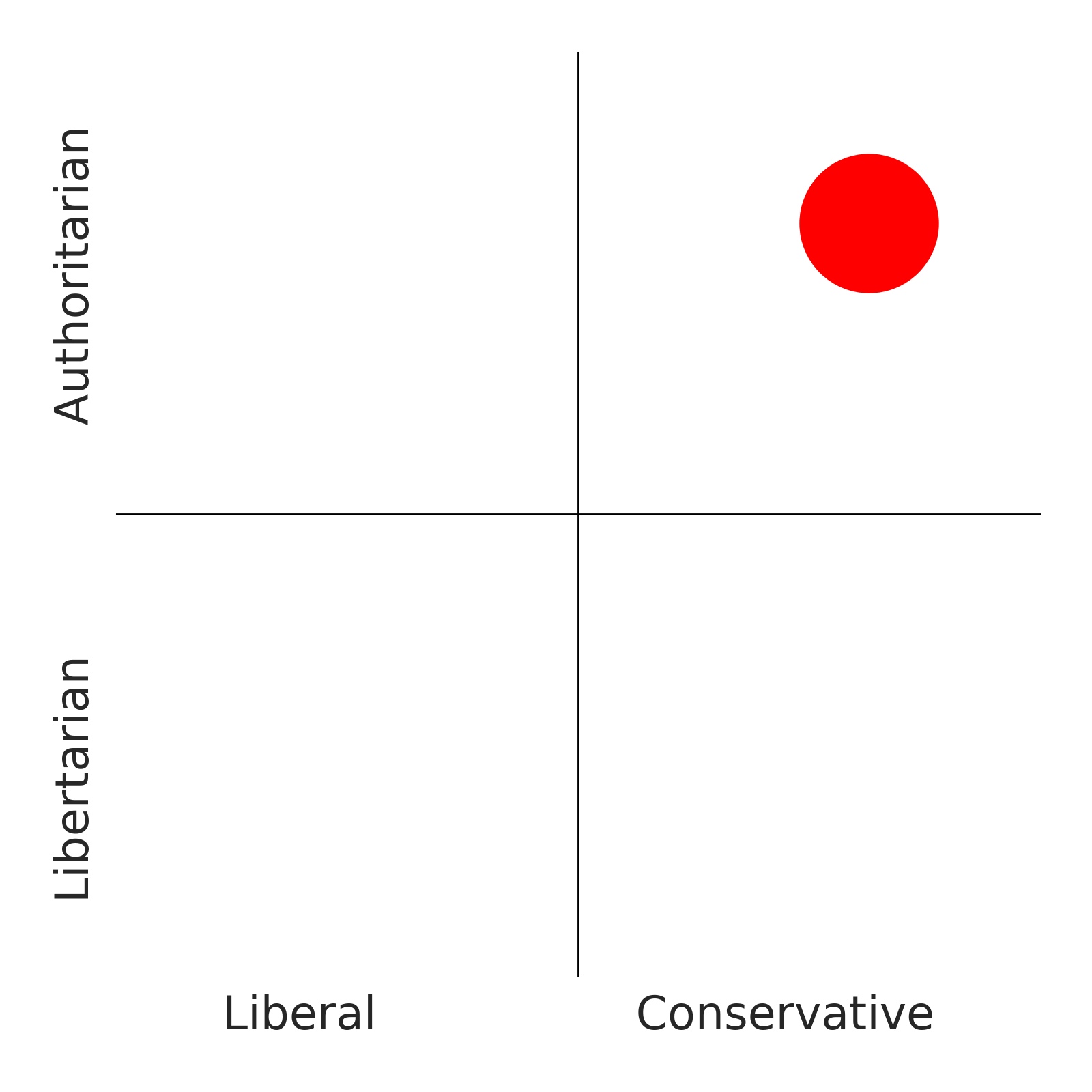
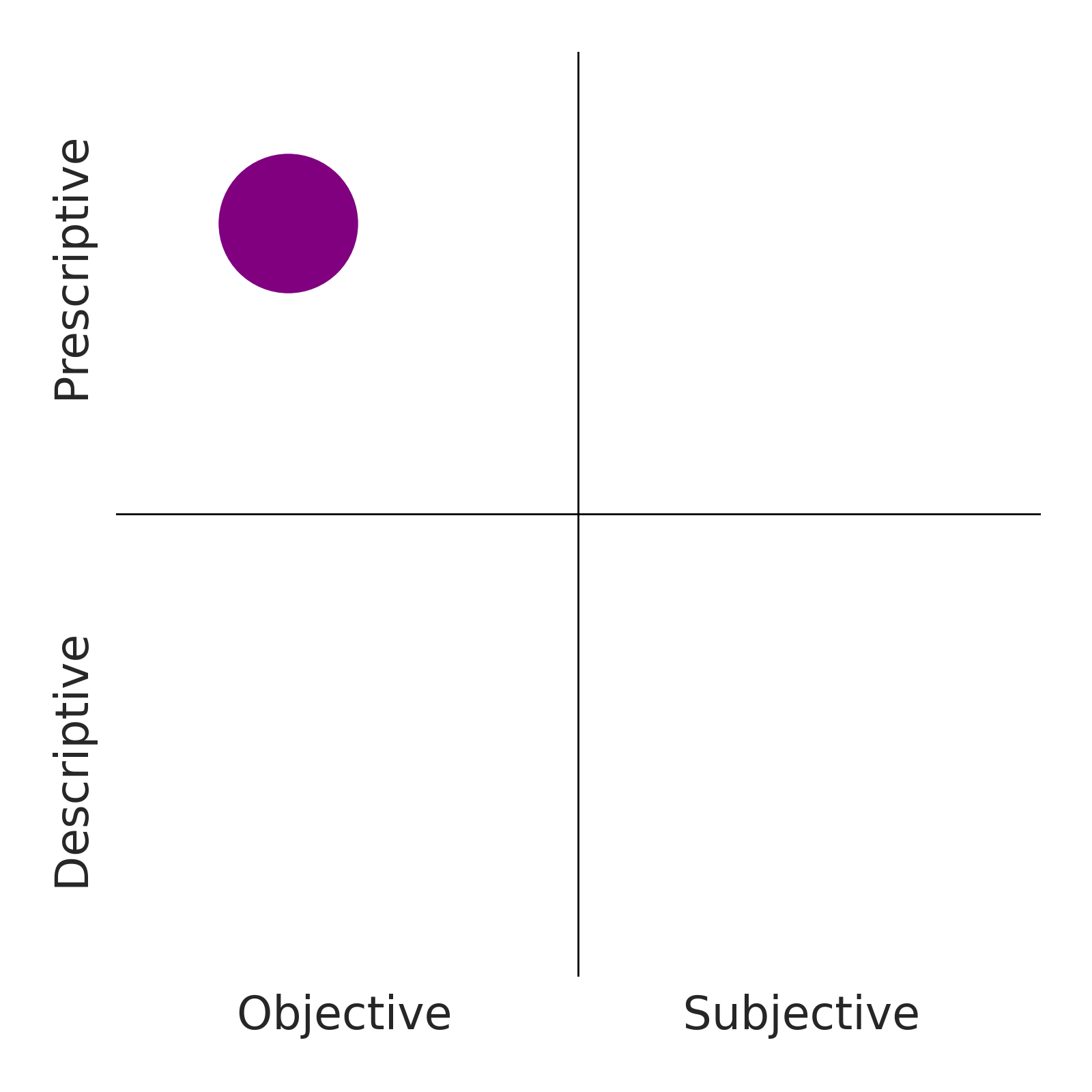
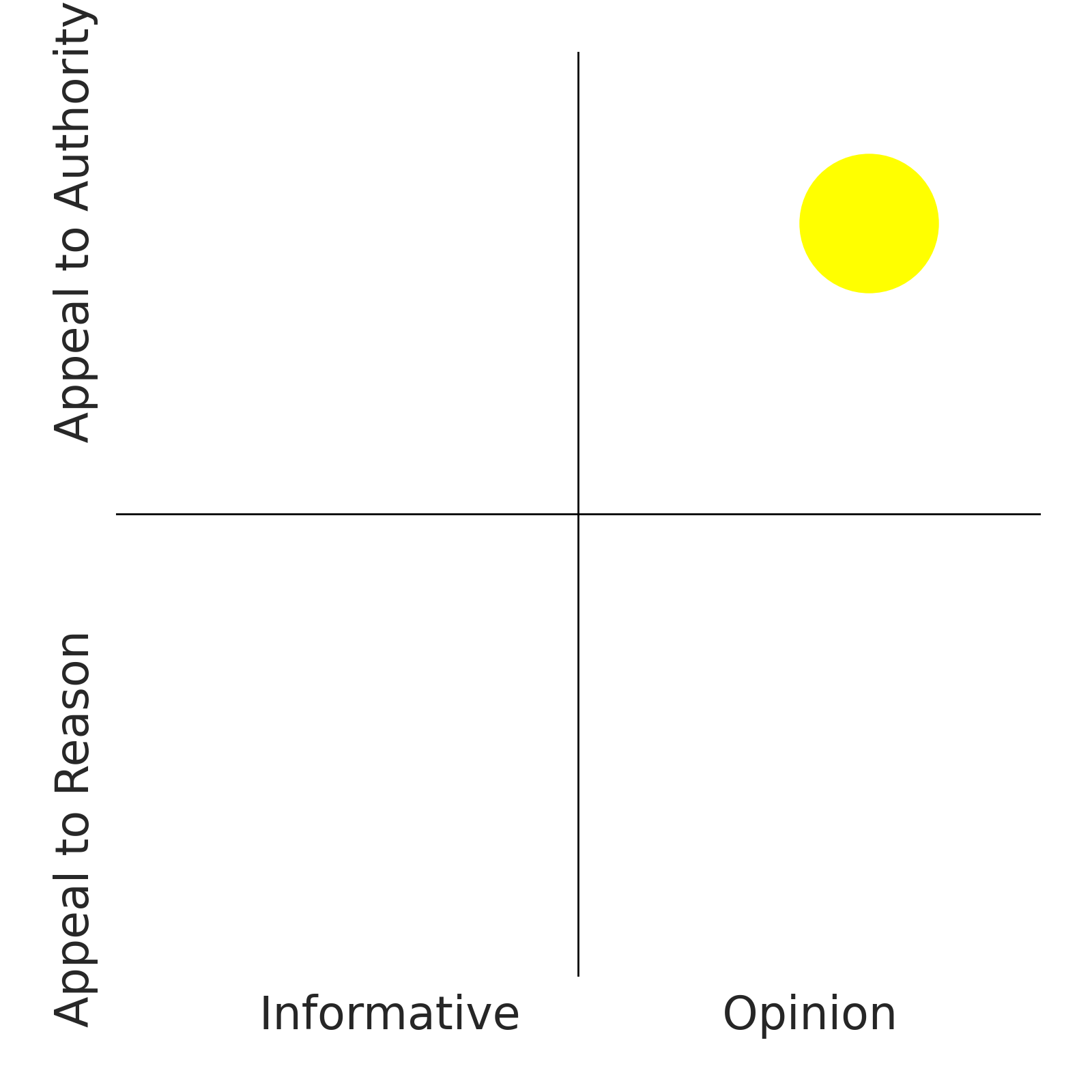
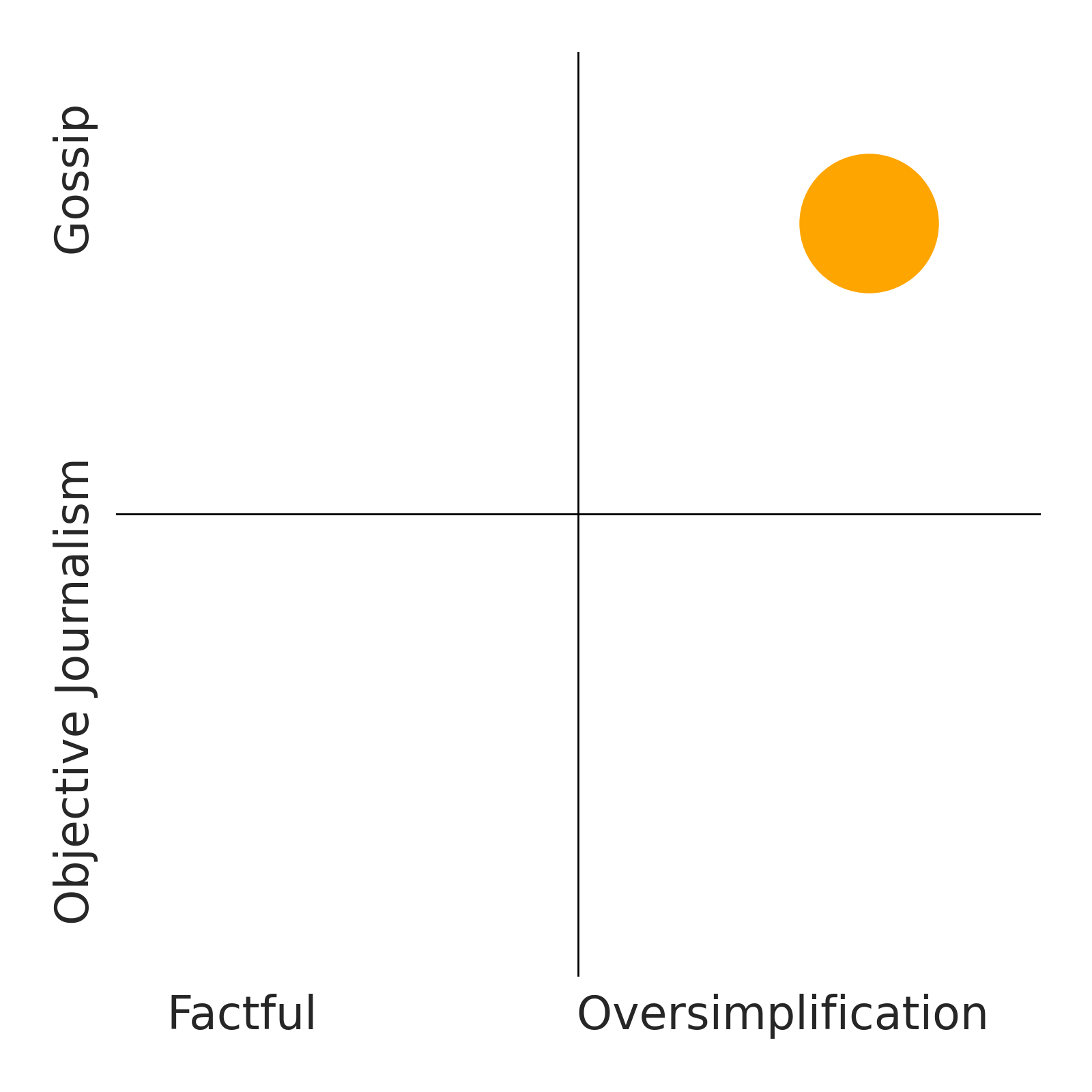
2026 © Helium Trades
Privacy Policy & Disclosure
* Disclaimer: Nothing on this website constitutes investment advice, performance data or any recommendation that any particular security, portfolio of securities, transaction or investment strategy is suitable for any specific person. Helium Trades is not responsible in any way for the accuracy
of any model predictions or price data. Any mention of a particular security and related prediction data is not a recommendation to buy or sell that security. Investments in securities involve the risk of loss. Past performance is no guarantee of future results. Helium Trades is not responsible for any of your investment decisions,
you should consult a financial expert before engaging in any transaction.
Helium Research Assistant

How can I help you today?
Ask any question about SOTT bias.


