See whether Helium helps you make better-informed decisions. Try every Pro Trader feature for 30 days. No credit card required.
Try every Pro Trader feature for 30 days. No credit card required.
August 28, 2026 · 0 shares
Framing treats NRA concerns about Flock cameras as a credible threat of a secret gun registry, using loaded language and single-source sourcing.
Federal law prohibits a national gun registry. The NRA claims Flock Safety's automated license-plate readers, widely installed at businesses and streets, could become a backdoor registry when placed at gun shops. The report describes two gun shops that removed their cameras and quotes NRA officials.
Automated analysis; not human reviewed. Limitations: Input is limited to the supplied article text; no independent verification of NRA statements or shop owner claims was possible. · 3 of 54 available dimensions scored; omitted dimensions are not treated as neutral. · Verified supporting quotes for 3 of 3 scored dimensions.
Claim: The report frames the NRA's gun-rights position as credible and presents government surveillance of gun owners as a liberty threat, without balancing perspectives.
“The Second Amendment protects the right to keep and bear arms free from continuous government monitoring, and mass tracking of lawful gun owners threatens both privacy and liberty” · exact text match
“Could security cameras at gun shops become a backdoor gun registry?” · exact text match
Why: Single-sourced NRA statement, loaded 'backdoor' language, and no counterpoint indicate a conservative gun-rights framing.
Claim: The report's central premise is hypothetical, using 'could' and a question headline rather than evidence of an actual registry.
“Could Flock cameras at gun shops help build a secret gun registry?” · exact text match
“Could security cameras at gun shops become a backdoor gun registry?” · exact text match
Why: Framing relies on possibility, not confirmed actions, satisfying speculative bias.
Claim: The text explicitly discloses it was constructed with artificial intelligence assistance.
“This article was constructed with the assistance of artificial intelligence and published by a member of The ' AI News Desk team.” · exact text match
Why: Direct self-disclosure of AI authorship/assistance.
Input is limited to the supplied article text; no independent verification of NRA statements or shop owner claims was possible.
The report frames Clarence Thomas's rejection of race-based political expectations as a personal and principled stand, highlighting his conservative evolution without critical counterpoint.
Automated analysis; not human reviewed. Limitations: The article text is an AI-assisted summary derived from right-leaning sources (Newsmax, Fox News), limiting independent verification of the quotes' context. · 4 of 54 available dimensions scored; omitted dimensions are not treated as neutral. · Verified supporting quotes for 3 of 4 scored dimensions.
Claim: The article frames Thomas's rejection of liberal expectations for Black Americans as a positive personal stance, omitting critical perspectives.
“Clarence Thomas rejects idea Black Americans must hold liberal views.” · exact text match
“You confuse me with someone who's been in indentured servitude or something.” · verified after text normalization
Why: The headline presents the rejection as a straightforward assertion, and the article quotes Thomas's conservative self-narrative without counterpoint from critics.
Claim: The article attributes statements to Newsmax and Fox News and includes an AI disclosure.
“Justice Thomas said, according to Newsmax.” · exact text match
“This article was constructed with the assistance of artificial intelligence...” · not found in supplied text
Why: The article provides secondary attribution and is transparent about AI construction, but relies on right-leaning outlets for the quotes.
Claim: The article emphasizes Thomas's individualism and self-reliance over collective racial expectations.
“reconsider the self-reliance his grandfather had preached” · exact text match
Why: The narrative highlights Thomas's turn to individual self-reliance as a positive development, contrasting with collective racial political expectations.
Claim: The article explicitly states it was constructed with AI assistance.
“This article was constructed with the assistance of artificial intelligence and published by a member of The ' AI News Desk team.” · exact text match
Why: The text itself contains an explicit disclosure of AI construction.
The article text is an AI-assisted summary derived from right-leaning sources (Newsmax, Fox News), limiting independent verification of the quotes' context.
September 20, 2026 · 0 shares
No substantive article content was present in the supplied text, so no publisher framing could be classified.
Automated analysis; not human reviewed. Limitations: The article text consists only of an empty placeholder, making any bias classification unsupported.
The article text consists only of an empty placeholder, making any bias classification unsupported.
September 21, 2026 · 0 shares
No substantive article content was supplied, so no publisher framing could be observed.
Automated analysis; not human reviewed. Limitations: The supplied article text was an empty placeholder, leaving no textual basis for bias classification.
The supplied article text was an empty placeholder, leaving no textual basis for bias classification.
September 21, 2026 · 0 shares
Article content was unavailable; no publisher framing could be analyzed.
Automated analysis; not human reviewed. Limitations: No substantive article text was supplied; the input contained only placeholder tags inside article_text delimiters.
No substantive article text was supplied; the input contained only placeholder tags inside article_text delimiters.
September 21, 2026 · 0 shares
Article content was unavailable for analysis.
September 21, 2026 · 0 shares
No article content was supplied; only a placeholder wrapper was present, so observable publisher framing could not be assessed.
Automated analysis; not human reviewed. Limitations: The input contained no substantive article text, only placeholder delimiters, making all bias classifications unsupportable.
The input contained no substantive article text, only placeholder delimiters, making all bias classifications unsupportable.
August 28, 2026 · 0 shares
Framing treats NRA concerns about Flock cameras as a credible threat of a secret gun registry, using loaded language and single-source sourcing.
Federal law prohibits a national gun registry. The NRA claims Flock Safety's automated license-plate readers, widely installed at businesses and streets, could become a backdoor registry when placed at gun shops. The report describes two gun shops that removed their cameras and quotes NRA officials.
Automated analysis; not human reviewed. Limitations: Input is limited to the supplied article text; no independent verification of NRA statements or shop owner claims was possible. · 3 of 54 available dimensions scored; omitted dimensions are not treated as neutral. · Verified supporting quotes for 3 of 3 scored dimensions.
Claim: The report frames the NRA's gun-rights position as credible and presents government surveillance of gun owners as a liberty threat, without balancing perspectives.
“The Second Amendment protects the right to keep and bear arms free from continuous government monitoring, and mass tracking of lawful gun owners threatens both privacy and liberty” · exact text match
“Could security cameras at gun shops become a backdoor gun registry?” · exact text match
Why: Single-sourced NRA statement, loaded 'backdoor' language, and no counterpoint indicate a conservative gun-rights framing.
Claim: The report's central premise is hypothetical, using 'could' and a question headline rather than evidence of an actual registry.
“Could Flock cameras at gun shops help build a secret gun registry?” · exact text match
“Could security cameras at gun shops become a backdoor gun registry?” · exact text match
Why: Framing relies on possibility, not confirmed actions, satisfying speculative bias.
Claim: The text explicitly discloses it was constructed with artificial intelligence assistance.
“This article was constructed with the assistance of artificial intelligence and published by a member of The ' AI News Desk team.” · exact text match
Why: Direct self-disclosure of AI authorship/assistance.
Input is limited to the supplied article text; no independent verification of NRA statements or shop owner claims was possible.
The report frames Clarence Thomas's rejection of race-based political expectations as a personal and principled stand, highlighting his conservative evolution without critical counterpoint.
Automated analysis; not human reviewed. Limitations: The article text is an AI-assisted summary derived from right-leaning sources (Newsmax, Fox News), limiting independent verification of the quotes' context. · 4 of 54 available dimensions scored; omitted dimensions are not treated as neutral. · Verified supporting quotes for 3 of 4 scored dimensions.
Claim: The article frames Thomas's rejection of liberal expectations for Black Americans as a positive personal stance, omitting critical perspectives.
“Clarence Thomas rejects idea Black Americans must hold liberal views.” · exact text match
“You confuse me with someone who's been in indentured servitude or something.” · verified after text normalization
Why: The headline presents the rejection as a straightforward assertion, and the article quotes Thomas's conservative self-narrative without counterpoint from critics.
Claim: The article attributes statements to Newsmax and Fox News and includes an AI disclosure.
“Justice Thomas said, according to Newsmax.” · exact text match
“This article was constructed with the assistance of artificial intelligence...” · not found in supplied text
Why: The article provides secondary attribution and is transparent about AI construction, but relies on right-leaning outlets for the quotes.
Claim: The article emphasizes Thomas's individualism and self-reliance over collective racial expectations.
“reconsider the self-reliance his grandfather had preached” · exact text match
Why: The narrative highlights Thomas's turn to individual self-reliance as a positive development, contrasting with collective racial political expectations.
Claim: The article explicitly states it was constructed with AI assistance.
“This article was constructed with the assistance of artificial intelligence and published by a member of The ' AI News Desk team.” · exact text match
Why: The text itself contains an explicit disclosure of AI construction.
The article text is an AI-assisted summary derived from right-leaning sources (Newsmax, Fox News), limiting independent verification of the quotes' context.
September 21, 2026 · 0 shares
No article content was supplied; only a placeholder wrapper was present, so observable publisher framing could not be assessed.
Automated analysis; not human reviewed. Limitations: The input contained no substantive article text, only placeholder delimiters, making all bias classifications unsupportable.
The input contained no substantive article text, only placeholder delimiters, making all bias classifications unsupportable.
September 21, 2026 · 0 shares
Article content was unavailable for analysis.
September 20, 2026 · 0 shares
A terse, event-driven sports recap that reports the score, eighth-inning sequence, and home-run hitters without editorializing.
Automated analysis; not human reviewed. Limitations: The supplied text is a two-sentence game recap; the sparse surface content supports only a narrow set of dimensions, and no sourcing or broader context is available. · 4 of 55 available dimensions scored; omitted dimensions are not treated as neutral. · Verified supporting quotes for 4 of 4 scored dimensions.
Claim: Reporting is limited to the game result and individual batting events, with no subjective evaluation of teams or players.
“Ivan Herrera hit a pair of home runs, and Leo Bernal also homered as the St. Louis Cardinals scored three runs in the eighth inning to come from behind and beat the Washington Nationals 5-3 on Sunday.” · exact text match
Why: The sentence reports only observable on-field events and the final score; no judgment words such as 'great', 'poor', 'lucky', or 'deserved' appear.
Claim: The language is plain and non-hyped even by sports-headline standards, aside from a conventional metaphor ('sink').
“Cardinals score three eighth-inning runs to sink Nationals.” · exact text match
Why: No superlatives, exclamation marks, or exaggeration appear; 'sink' is a stock sports verb for defeat and does not add dramatic charge.
Claim: The text is wholly descriptive, containing only narrative of events and no recommendation, mandate, or normative instruction.
“Ivan Herrera hit a pair of home runs, and Leo Bernal also homered as the St. Louis Cardinals scored three runs in the eighth inning to come from behind and beat the Washington Nationals 5-3 on Sunday.” · exact text match
Why: Every clause is in the indicative past tense describing events; no 'should', 'must', or evaluative adjective appears.
Claim: The write-up carries no emotional valence; it is an emotionally unmarked sports score summary.
“Cardinals score three eighth-inning runs to sink Nationals.” · exact text match
Why: No affect words, celebratory tone, or negative framing appears; 'come from behind' is idiomatic rather than emotive.
The supplied text is a two-sentence game recap; the sparse surface content supports only a narrow set of dimensions, and no sourcing or broader context is available.
September 20, 2026 · 0 shares
Straightforward scoreboard-style sports reporting that relays the game result, a player's stats, and a standings movement in neutral, unadorned language.
Automated analysis; not human reviewed. Limitations: Very short supplied text (headline plus one sentence) limits analysis of framing, sourcing, and broader context. · 5 of 55 available dimensions scored; omitted dimensions are not treated as neutral. · Verified supporting quotes for 5 of 5 scored dimensions.
Claim: The framing is strongly objective and grounded in verifiable game facts.
“Kiki Iriafen scored 21 points and grabbed 14 rebounds to help the Washington Mystics beat Indiana 93-77” · exact text match
Why: Every clause reports an observable fact; no evaluative or subjective terms appear.
Claim: The tone is measured and un-sensational.
“Mystics beat Fever, move within one game in standings.” · exact text match
Why: Plain language is used throughout with no exaggeration, hype, or emotive wording.
Claim: The article is purely descriptive and makes no prescriptions or judgments.
“Kiki Iriafen scored 21 points and grabbed 14 rebounds to help the Washington Mystics beat Indiana 93-77 and pull within a game of the fifth-place Fever.” · exact text match
Why: All content is framed as statement of result or outcome; there is no imperative, recommendation, or evaluation.
Claim: The report is a specific, internally consistent game summary with no evident distortion.
“Kiki Iriafen scored 21 points and grabbed 14 rebounds to help the Washington Mystics beat Indiana 93-77 and pull within a game of the fifth-place Fever.” · exact text match
Why: Exact score, player stats, and standings effect are stated directly with no hedging or contradiction.
Claim: The text presents the result honestly and straightforwardly, without misleading spin.
“Mystics beat Fever, move within one game in standings.” · exact text match
Why: Headline and body agree on the outcome and standings movement; no selective or unfair framing is visible.
Very short supplied text (headline plus one sentence) limits analysis of framing, sourcing, and broader context.
September 20, 2026 · 0 shares
The sparse scheduling announcement frames Mamdani with the ideological label "socialist" while extending Trump the formal title "President," lending a conservative cast to an otherwise logistical report.
Automated analysis; not human reviewed. Limitations: The text is extremely short and contains no independent sourcing; the conservative-leaning score depends on treating the single word "socialist" as a charged framing rather than a neutral descriptor. · 1 of 55 available dimensions scored; omitted dimensions are not treated as neutral. · Verified supporting quotes for 1 of 1 scored dimensions.
Claim: The publisher's framing applies the contested ideological label "socialist" to one official while applying no equivalent ideological label to the other, creating a conservative-leaning frame.
“President Trump will meet with socialist New York City Mayor Zohran Mamdani on Monday during his visit to the United Nations General Assembly.” · exact text match
Why: The only qualitative descriptor in the text is "socialist" attached to Mamdani, while Trump is identified by the formal title "President," producing an asymmetric political framing.
The text is extremely short and contains no independent sourcing; the conservative-leaning score depends on treating the single word "socialist" as a charged framing rather than a neutral descriptor.
September 10, 2026 · 0 shares
Framing amplifies a conservative allegation by headlining that 'extremists' have taken over the Democratic Party and quoting Cruz's 'red-green alliance' warning without rebuttal or context.
Automated analysis; not human reviewed. Limitations: Only the supplied excerpt and headline were available; the outlet's broader editorial standards and any Democratic response were not included. · 4 of 54 available dimensions scored; omitted dimensions are not treated as neutral. · Verified supporting quotes for 4 of 4 scored dimensions.
Claim: The headline frames a Democratic takeover by 'extremists' as the context for Cruz's midterm comment, aligning the report with a conservative campaign message.
“Ted Cruz: Midterms are a 'time for choosing' after extremists take over Democratic Party” · exact text match
“the Democratic Party has been overtaken by a "new and dangerous red-green alliance" of "communists and Islamists"” · exact text match
Counterevidence:
“Sen. Ted Cruz on Thursday warned fellow Republicans at the party convention in his home state of Texas” · exact text match
Why: The first quote is the publisher's own headline phrasing; the second is Cruz's charge but is selected as the lede.
Claim: The report leads with Cruz's most inflammatory label, a 'red-green alliance' of 'communists and Islamists', and uses the charged word 'dangerous', increasing the sensational tone.
“a "new and dangerous red-green alliance" of "communists and Islamists"” · exact text match
“who are defined by hostility” · exact text match
Counterevidence:
“Sen. Ted Cruz on Thursday warned fellow Republicans” · exact text match
Why: The selected language is emotionally charged, but it is attributed to Cruz, which tempers but does not eliminate the publisher's sensational framing.
Claim: The content is organized entirely around party politics, a partisan convention speech, and midterm election positioning.
“Sen. Ted Cruz on Thursday warned fellow Republicans at the party convention in his home state of Texas” · exact text match
“Midterms are a 'time for choosing'” · exact text match
Why: The only substantive content concerns a Republican convention and a senator's attack on the Democratic Party.
Claim: The brief attributes its central claim to a named senator and uses quotation marks for his labels, showing visible sourcing.
“Sen. Ted Cruz on Thursday warned fellow Republicans at the party convention in his home state of Texas” · exact text match
“the Democratic Party has been overtaken by a "new and dangerous red-green alliance"” · exact text match
Why: The named source, event, and exact quotes provide attribution, but the brief is too short to demonstrate a robust correction or verification practice.
Only the supplied excerpt and headline were available; the outlet's broader editorial standards and any Democratic response were not included.
A correlational survey and selected violent crime cases are presented through the loaded frame of 'gender ideology' as an accelerant to political violence.
Automated analysis; not human reviewed. Limitations: The supplied text is a single, heavily excerpted article; the underlying study's methodology, full findings, and limitations are not available for independent verification. · 5 of 54 available dimensions scored; omitted dimensions are not treated as neutral. · Verified supporting quotes for 5 of 5 scored dimensions.
Claim: The publisher frames 'gender ideology' as a dangerous accelerant and connects transgenderism to violent crime, a conservative cultural framing.
“Several high-profile crimes in recent years show an overlap with transgenderism and violent behavior.” · exact text match
Why: This sentence is the publisher's own assertion, not a study finding; it uses selected crimes to support a category-level link between transgenderism and violence, and the article elsewhere quotes the loaded phrase 'sex-rejecting clinical beliefs.'
Claim: Neutral recounting of a study is mixed with the publisher's own interpretive assertion about transgenderism and violent crime.
“Several high-profile crimes in recent years show an overlap with transgenderism and violent behavior.” · exact text match
Why: The sentence states an unqualified editorial conclusion rather than reporting a study finding, shifting the text from description toward subjective interpretation.
Claim: The report foregrounds a White House-commissioned study and addresses partisan flashpoints such as left-wing authoritarianism, Trump, and the Supreme Court.
“A White House-commissioned study found that people who more strongly believe in gender ideology, such as transgenderism, were more likely to think political violence was justified.” · exact text match
Why: The lead frames the study by its White House commissioning and 'gender ideology' language, and the body repeatedly emphasizes 'left-wing authoritarianism' and politically charged survey scenarios.
Claim: The headline and framing collapse a correlational survey into a blunt claim that gender ideology supporters are 'more fond' of political violence.
“Gender ideology supporters more fond of political violence, left-wing authoritarianism, study finds.” · exact text match
Why: The reported finding concerns correlations among survey responses, but the headline converts it into a categorical attribute of 'supporters' and omits study limitations or alternative explanations.
Claim: The article asserts a broad overlap between transgenderism and violent behavior and supports it with selected criminal cases.
“Several high-profile crimes in recent years show an overlap with transgenderism and violent behavior.” · exact text match
Why: This is a negative group generalization about transgender-related identity or ideology, presented without base rates or representative evidence; it goes beyond reporting individual cases.
The supplied text is a single, heavily excerpted article; the underlying study's methodology, full findings, and limitations are not available for independent verification.
September 20, 2026 · 0 shares
Frames the subject by equating it with 'climate change hysteria' and treats Al Gore and Greta Thunberg as scare-mongering figures who warned of an 'unspeakable fate,' implying the current case is similarly overblown.
The supplied text is a fragment beginning mid-comparison; the antecedent of 'It' and the surrounding argument are not provided.
Automated analysis; not human reviewed. Limitations: Only a single-sentence fragment was supplied; the unseen antecedent of 'It' leaves the target of comparison and broader argument unavailable. · 10 of 55 available dimensions scored; omitted dimensions are not treated as neutral. · Verified supporting quotes for 10 of 10 scored dimensions.
Claim: The excerpt uses a conservative-coded label for climate concern and names prominent figures associated with climate advocacy.
“It is similar to that of climate change hysteria” · exact text match
“when we were told by Al Gore and Greta Thunberg that we faced an unspeakable fate” · exact text match
Why: Calling climate concern 'hysteria' and pairing it with Al Gore and Greta Thunberg signals a conservative framing, though the excerpt is too short to confirm the full position.
Claim: The sentence is an evaluative opinion presented without evidence.
“It is similar to that of climate change hysteria” · exact text match
Why: The comparison is a value judgment expressed through a loaded metaphor rather than neutral description.
Claim: The excerpt heightens drama with 'unspeakable fate' and 'hysteria.'
“we faced an unspeakable fate” · exact text match
“climate change hysteria” · exact text match
Why: These are emotionally charged, attention-grabbing phrasings even in a dismissive context.
Claim: The sentence is a subjective assertion presented as a comparison.
“It is similar to that of climate change hysteria” · exact text match
Why: It contains no verifiable facts and is framed as a personal or rhetorical judgment.
Claim: The excerpt enters a contested political debate over climate policy with a charged label.
“Al Gore and Greta Thunberg” · exact text match
“climate change hysteria” · exact text match
Why: Naming prominent climate advocates and using 'hysteria' places the claim on one side of a political and cultural split.
Claim: The excerpt reduces climate warnings to an 'unspeakable fate' and giving up fossil fuels.
“we faced an unspeakable fate unless we gave up fossil fuels” · exact text match
Why: This condenses a complex policy and scientific debate into a single alarming demand.
Claim: The wording conveys contempt and fear through 'hysteria' and 'unspeakable fate.'
“climate change hysteria” · exact text match
“unspeakable fate” · exact text match
Why: Both terms are emotionally charged and negative in context.
Claim: The excerpt offers no sourcing, data, or uncertainty markers for its assertion.
“It is similar to that of climate change hysteria” · exact text match
Why: As a short opinion fragment, it is not presented as a verifiable news claim, so credibility in an evidentiary sense is low.
Claim: The excerpt dismisses a position with the emotional label 'hysteria' instead of engaging its reasoning.
“It is similar to that of climate change hysteria” · exact text match
Why: Using 'hysteria' as a pejorative label is an emotionally driven dismissal rather than a reasoned evaluation.
Claim: The excerpt uses loaded framing and rhetorical labeling to steer the reader's response.
“climate change hysteria” · exact text match
“we faced an unspeakable fate” · exact text match
Why: The labels frame the target unfavorably before any evidence is offered, a mild manipulative device.
Only a single-sentence fragment was supplied; the unseen antecedent of 'It' leaves the target of comparison and broader argument unavailable.
September 20, 2026 · 0 shares
The framing treats the Bible as an unqualified good and rebukes Talarico's criticism of Bible stories in schools as wrong and ungrateful.
Automated analysis; not human reviewed. Limitations: This is a two-sentence excerpt with no date, source, or surrounding context, so classifications are weakly constrained. · 7 of 55 available dimensions scored; omitted dimensions are not treated as neutral. · Verified supporting quotes for 7 of 7 scored dimensions.
Claim: The publisher frames the dispute from a conservative religious perspective, endorsing gratitude for the Bible.
“James Talarico should be saying "Thank God for the Bible".” · exact text match
Why: The sentence endorses a positive view of the Bible and implies disapproval of Talarico's criticism, aligning with a traditional-conservative stance on religion in public life.
Claim: The publisher's central claim is subjective, expressing an opinion about what Talarico should say.
“James Talarico should be saying "Thank God for the Bible".” · exact text match
Why: The word 'should' marks a value judgment rather than an objective report.
Claim: The publisher prescribes the correct response for Talarico instead of merely describing an event.
“James Talarico should be saying "Thank God for the Bible".” · exact text match
Why: The phrase 'should be saying' is explicitly prescriptive.
Claim: The publisher's rebuke assumes the contested conclusion that the Bible is worthy of gratitude and that criticism of Bible-in-schools is illegitimate.
“James Talarico should be saying "Thank God for the Bible".” · exact text match
Why: The assertion presumes the religious good of the Bible as a reason to reject Talarico's criticism without offering supporting argument.
Claim: The publisher's statement is dominated by an unsupported opinion offered as a response to Talarico's reported statement.
“James Talarico should be saying "Thank God for the Bible".” · exact text match
Why: The opening sentence is an evaluative opinion, not a neutral presentation of facts.
Claim: The publisher weighs in on a contested political issue involving public school curriculum and religion.
“James Talarico should be saying "Thank God for the Bible".” · exact text match
Why: Bible stories in public school curriculum are a contested education-policy matter, and the publisher takes a side.
Claim: The publisher asserts a recent statement without naming a source, date, or location, providing weak internal verification.
“James Talarico recently said that including Bible stories in the school curriculum for young children is akin to "indoctrination" and that it is "deeply immoral."” · exact text match
Why: A direct report of a recent statement with no citation, link, or date gives readers little visible basis to verify the claim.
This is a two-sentence excerpt with no date, source, or surrounding context, so classifications are weakly constrained.
September 07, 2026 · 0 shares
The snippet uses loaded, speculative language to frame Josh Shapiro's pursuit of COVID-19-style lockdown powers as draconian and nostalgic.
Automated analysis; not human reviewed. Limitations: Input is a very short unlabeled opinion snippet with no source, date, or policy specifics; classification depends on loaded wording and may not represent the full article. · 8 of 54 available dimensions scored; omitted dimensions are not treated as neutral. · Verified supporting quotes for 8 of 8 scored dimensions.
Claim: The snippet criticizes government lockdown powers as draconian, favoring individual freedom over state authority.
“seems nostalgic for those draconian policies” · exact text match
Why: Calling lockdown policies 'draconian' and 'COVID-19-style lockdown powers' frames state authority negatively.
Claim: The text is subjective and opinionated rather than objective reporting.
“seems nostalgic for those draconian policies” · exact text match
Why: Words like 'seems nostalgic' and 'draconian' express personal judgment, not neutral description.
Claim: The text applies an anti-lockdown ideological lens to Shapiro's actions.
“COVID-19-style lockdown powers” · exact text match
“draconian policies” · exact text match
Why: The framing presupposes that lockdown powers are inherently excessive, reflecting an ideological stance.
Claim: The text carries a negative emotional charge toward Shapiro and lockdowns.
“draconian policies” · exact text match
“seems nostalgic” · exact text match
Why: Negative evaluative terms ('draconian') and mocking speculation ('seems nostalgic') convey contempt.
Claim: The text provides no sourcing or evidence and relies on speculative, loaded language.
“seems nostalgic for those draconian policies” · exact text match
Why: The absence of attribution and the use of subjective speculation reduce visible credibility.
Claim: The text takes an individualist stance against collective public-health restrictions.
“Few people want to relive the lockdowns” · exact text match
Why: The assertion that few want lockdowns treats opposition to collective mandates as self-evident.
Claim: The text speculates about Shapiro's motives without evidence.
“seems nostalgic for those draconian policies” · exact text match
Why: 'Seems nostalgic' is an unfounded inference about Shapiro's state of mind.
Claim: The text uses loaded framing and an unsupported assertion to steer the reader against Shapiro.
“seeks COVID-19-style lockdown powers” · exact text match
“seems nostalgic for those draconian policies” · exact text match
Why: Combining an unproven 'seeks' claim with pejorative 'draconian' and speculative 'nostalgic' framing is an observable manipulative technique.
Input is a very short unlabeled opinion snippet with no source, date, or policy specifics; classification depends on loaded wording and may not represent the full article.
September 08, 2026 · 0 shares
Celebratory first-person commentary treats rising millionaire counts as self-evident proof that capitalism works.
Automated analysis; not human reviewed. Limitations: The supplied text is a two-sentence personal assertion with no independent statistics or institutional detail; scoring necessarily reflects only the author's framing and cannot be externally verified. · 10 of 54 available dimensions scored; omitted dimensions are not treated as neutral. · Verified supporting quotes for 10 of 10 scored dimensions.
Claim: The text endorses capitalism as successful, a position typically aligned with the conservative side of the economic spectrum.
“America's millionaire boom proves capitalism works.” · exact text match
Why: The sentence explicitly celebrates capitalism; no qualifying or countervailing economic view appears.
Claim: The passage is personal, emotional, and evaluative rather than neutral reporting.
“I am proud to say that my wife and I now have more than $1 million in assets.” · exact text match
Why: It uses first-person pride and an unsupported 'proves' conclusion.
Claim: The text is bullish about capitalism and wealth creation.
“America's millionaire boom proves capitalism works.” · exact text match
Why: It treats the boom as positive proof of success.
Claim: The passage conveys a proud and positive view of wealth and economic conditions.
“I am proud to say that my wife and I now have more than $1 million in assets.” · exact text match
Why: Pride in asset accumulation plus the word 'boom' signal optimism.
Claim: The entire passage is commentary, not factual reporting.
“America's millionaire boom proves capitalism works.” · exact text match
Why: The statement is an interpretive value judgment presented as a conclusion.
Claim: The statement makes a political-economic argument about capitalism.
“America's millionaire boom proves capitalism works.” · exact text match
Why: The defense of capitalism is a political position, even though the subject is economic.
Claim: A complex economic outcome is compressed into a single celebratory causal statement.
“America's millionaire boom proves capitalism works.” · exact text match
Why: It reduces the performance of an entire economic system to one demographic trend.
Claim: The text uses 'proves' to make a universal causal claim without providing data or accounting for alternative explanations.
“America's millionaire boom proves capitalism works.” · exact text match
Why: No evidence is supplied to support the word 'proves'.
Claim: The text asserts a free-market ideological conclusion about what the millionaire boom demonstrates.
“America's millionaire boom proves capitalism works.” · exact text match
Why: It turns an economic observation into validation of a specific ideology.
Claim: The text uses positive emotional self-disclosure rather than neutral analysis.
“I am proud to say that my wife and I now have more than $1 million in assets.” · exact text match
Why: 'Proud' gives the passage an emotionally positive tone.
The supplied text is a two-sentence personal assertion with no independent statistics or institutional detail; scoring necessarily reflects only the author's framing and cannot be externally verified.
September 13, 2026 · 0 shares
A moralizing opinion framing that equates shamelessness with lacking a conscience while invoking public figures as examples.
Automated analysis; not human reviewed. Limitations: The supplied text is a headline and standfirst only, so all scalar classifications rely on limited wording and named-figure recognition. · 4 of 54 available dimensions scored; omitted dimensions are not treated as neutral. · Verified supporting quotes for 4 of 4 scored dimensions.
Claim: The framing relies on a subjective moral standard rather than observable data.
“If you have no capacity for shame, you have no conscience.” · exact text match
Why: The statement depends on a moral definition of conscience and shame, not on empirical description.
Claim: The text prescribes shame as a moral requirement connected to conscience.
“If you have no capacity for shame, you have no conscience.” · exact text match
Why: It asserts what shame and conscience necessarily entail rather than describing a state of affairs.
Claim: The text issues a moral judgment rather than reporting facts.
“If you have no capacity for shame, you have no conscience.” · exact text match
Why: The sentence asserts a moral equivalence without supporting facts, which is opinionated.
Claim: The text is political commentary because it invokes public figures in a moral critique.
“Hunter Biden, Clancy jurors, Piker and Talarico” · exact text match
Why: Hunter Biden and Piker are recognizable political figures; the headline groups them under an ethics critique, placing the item in political commentary.
The supplied text is a headline and standfirst only, so all scalar classifications rely on limited wording and named-figure recognition.
September 15, 2026 · 0 shares
Framing treats the revised cryptocurrency bill as a fragile, politically motivated compromise: it foregrounds the Democratic ‘fig leaf’ taunt, casts the GOP changes as ‘appease[ment],’ and ends on possible filibuster failure.
In the U.S. Senate, ending a filibuster typically requires a supermajority (usually 60 votes) rather than a simple majority.
Automated analysis; not human reviewed. Limitations: Only a two-sentence headline/lede was available; full-article sourcing, details, and caveats were absent, limiting the precision of bias classifications. · 5 of 54 available dimensions scored; omitted dimensions are not treated as neutral. · Verified supporting quotes for 5 of 5 scored dimensions.
Claim: Uses loaded, interpretive language (‘slam,’ ‘appease’) and a quoted metaphor (‘fig leaf’) rather than neutral description.
“Democrats slam ‘fig leaf’ ethics changes” · verified after text normalization
“to appease Democrats’ concerns” · verified after text normalization
Why: ‘Slam’ is an evaluative verb and ‘appease’ attributes a cynical motive, making the framing partly subjective.
Claim: Dramatizes conflict with an aggressive verb, a vivid visual metaphor, and a suspenseful caveat.
“slam ‘fig leaf’ ethics changes” · verified after text normalization
“may not be enough to overcome a filibuster” · exact text match
Why: Headline verbs and imagery are selected for conflict and suspense, pushing the text toward sensational rather than plain reporting.
Claim: The frame is partisan conflict and floor-procedural strategy rather than substantive policy details.
“Democrats slam ‘fig leaf’ ethics changes to cryptocurrency bill ahead of test vote” · verified after text normalization
“overcome a filibuster” · exact text match
Why: The lead is built from party labels, an attack verb, and filibuster mechanics; no regulatory substance is described.
Claim: The emotional register is negative: hostility in ‘slam,’ disdain in the quoted ‘fig leaf,’ and failure risk in ‘may not be enough.’
“Democrats slam” · exact text match
“may not be enough to overcome a filibuster” · exact text match
Why: Conflict and possible-failure language produce a negative emotional tone rather than neutral or positive affect.
Claim: Makes a forward-looking claim about the bill’s ability to pass a filibuster test.
“it may not be enough to overcome a filibuster” · exact text match
Why: Presents an unsupported prediction about the vote outcome, albeit hedged with ‘may.’
Only a two-sentence headline/lede was available; full-article sourcing, details, and caveats were absent, limiting the precision of bias classifications.
September 21, 2026 · 0 shares
Framing is neutral and procedural, presenting the conditional dismissal as a prosecutorial decision and attributing the terms to prosecutors without commentary.
Automated analysis; not human reviewed. Limitations: The supplied text is a single-sentence brief with no headline, byline, or surrounding context, so editorial selection and emphasis beyond this sentence cannot be assessed. · 4 of 55 available dimensions scored; omitted dimensions are not treated as neutral. · Verified supporting quotes for 4 of 4 scored dimensions.
Claim: The publisher uses attributed, unadorned factual phrasing without evaluative language.
“will have their charges dismissed if they complete community service and pay restitution, prosecutors said Monday” · exact text match
Why: The sentence reports a conditional legal outcome and attributes the decision to prosecutors, with no commentary or subjective framing.
Claim: The publisher avoids emotional or dramatic language and uses procedural legal terms.
“will have their charges dismissed if they complete community service and pay restitution” · exact text match
Why: The wording is limited to procedural conditions ('community service,' 'restitution,' 'charges dismissed') and contains no hyperbole, urgency, or narrative emotion.
Claim: The publisher describes an outcome without recommending or advocating any position.
“charges dismissed if they complete community service and pay restitution, prosecutors said Monday” · exact text match
Why: The sentence states what prosecutors said would happen, with no imperative, endorsement, or policy prescription.
Claim: The report attributes its key claim to prosecutors and signals the conditional nature of the outcome.
“will have their charges dismissed if they complete community service and pay restitution, prosecutors said Monday” · exact text match
Why: The source is attributed ('prosecutors said') and the outcome is explicitly conditional ('if'), which supports reliability within the limited text.
The supplied text is a single-sentence brief with no headline, byline, or surrounding context, so editorial selection and emphasis beyond this sentence cannot be assessed.
The framing treats Democratic consolidation as a credible strategic path to flipping Alaska's governorship, while presenting Republican ballot complications and ranked-choice maneuvering as secondary uncertainties.
Automated analysis; not human reviewed. Limitations: Analysis is confined to the supplied article text; external verification of Alaska election records and campaign finance statements was not performed. · 6 of 54 available dimensions scored; omitted dimensions are not treated as neutral. · Verified supporting quotes for 6 of 6 scored dimensions.
Claim: The report is written in an objective, attribution-heavy news style rather than a subjective commentary style.
“A Division of Elections spokesperson confirmed Begich had withdrawn.” · exact text match
“Begich’s campaign late Friday released a statement saying he and running mate Julia Hnilicka were suspending their campaign and endorsing Kreiss-Tomkins, who had finished with the most votes during the primary.” · exact text match
Why: Key facts are explicitly attributed to campaigns and officials, with no first-person or editorial judgment.
Claim: The report avoids sensational language and presents even unusual facts plainly.
“Begich finished just behind Kreiss-Tomkins in a crowded Aug. 18 primary that included 12 Republicans and some independents.” · exact text match
“The commission found that Taylor did not “substantially comply” with financial disclosure requirements.” · exact text match
Why: Word choice is restrained and no exclamatory or outrage-framing language is used.
Claim: The report stays descriptive, stating events and statements without prescribing actions or policies.
“Monday was the final day for candidates to withdraw from the ballot.” · exact text match
“Begich’s decision leaves Kreiss-Tomkins as the only Democrat on the ballot, giving the party an opportunity to elect Alaska’s first Democratic governor in nearly 25 years.” · exact text match
Why: No sentence urges a vote, policy choice, or course of action; strategic characterization is analytical rather than prescriptive.
Claim: The report is inherently political, focusing on party competition, endorsements, and election mechanics.
“Democrats aim to unite behind one candidate in Alaska governor’s race as they hope to flip the seat.” · verified after text normalization
“The Alaska Democratic Party said state Democrats are in “lockstep” and intend to win.” · exact text match
Why: The substance is entirely about Democratic and Republican electoral strategy and ranked-choice maneuvering.
Claim: The report is highly credible in its visible sourcing and attribution practices.
“A Division of Elections spokesperson confirmed Begich had withdrawn.” · exact text match
“Messages seeking comment from the Wilson and Bronson campaigns were not immediately returned Monday.” · exact text match
Why: Named sources, direct quotes, and the noting of unreturned requests support trustworthiness within the supplied text.
Claim: The report displays internally observable fairness by including Republican-side context and attempting comment.
“Messages seeking comment from the Wilson and Bronson campaigns were not immediately returned Monday.” · exact text match
“Nick Begich said on social media that while he thinks Republicans should rally behind Wilson to increase their chances of winning, he would rank any other Republican who remains in the race.” · exact text match
Why: It includes Republican perspectives and discloses when campaigns did not respond, without visible suppression of contrary details.
Analysis is confined to the supplied article text; external verification of Alaska election records and campaign finance statements was not performed.
September 20, 2026 · 0 shares
A terse, event-driven sports recap that reports the score, eighth-inning sequence, and home-run hitters without editorializing.
Automated analysis; not human reviewed. Limitations: The supplied text is a two-sentence game recap; the sparse surface content supports only a narrow set of dimensions, and no sourcing or broader context is available. · 4 of 55 available dimensions scored; omitted dimensions are not treated as neutral. · Verified supporting quotes for 4 of 4 scored dimensions.
Claim: Reporting is limited to the game result and individual batting events, with no subjective evaluation of teams or players.
“Ivan Herrera hit a pair of home runs, and Leo Bernal also homered as the St. Louis Cardinals scored three runs in the eighth inning to come from behind and beat the Washington Nationals 5-3 on Sunday.” · exact text match
Why: The sentence reports only observable on-field events and the final score; no judgment words such as 'great', 'poor', 'lucky', or 'deserved' appear.
Claim: The language is plain and non-hyped even by sports-headline standards, aside from a conventional metaphor ('sink').
“Cardinals score three eighth-inning runs to sink Nationals.” · exact text match
Why: No superlatives, exclamation marks, or exaggeration appear; 'sink' is a stock sports verb for defeat and does not add dramatic charge.
Claim: The text is wholly descriptive, containing only narrative of events and no recommendation, mandate, or normative instruction.
“Ivan Herrera hit a pair of home runs, and Leo Bernal also homered as the St. Louis Cardinals scored three runs in the eighth inning to come from behind and beat the Washington Nationals 5-3 on Sunday.” · exact text match
Why: Every clause is in the indicative past tense describing events; no 'should', 'must', or evaluative adjective appears.
Claim: The write-up carries no emotional valence; it is an emotionally unmarked sports score summary.
“Cardinals score three eighth-inning runs to sink Nationals.” · exact text match
Why: No affect words, celebratory tone, or negative framing appears; 'come from behind' is idiomatic rather than emotive.
The supplied text is a two-sentence game recap; the sparse surface content supports only a narrow set of dimensions, and no sourcing or broader context is available.
September 20, 2026 · 0 shares
Straightforward scoreboard-style sports reporting that relays the game result, a player's stats, and a standings movement in neutral, unadorned language.
Automated analysis; not human reviewed. Limitations: Very short supplied text (headline plus one sentence) limits analysis of framing, sourcing, and broader context. · 5 of 55 available dimensions scored; omitted dimensions are not treated as neutral. · Verified supporting quotes for 5 of 5 scored dimensions.
Claim: The framing is strongly objective and grounded in verifiable game facts.
“Kiki Iriafen scored 21 points and grabbed 14 rebounds to help the Washington Mystics beat Indiana 93-77” · exact text match
Why: Every clause reports an observable fact; no evaluative or subjective terms appear.
Claim: The tone is measured and un-sensational.
“Mystics beat Fever, move within one game in standings.” · exact text match
Why: Plain language is used throughout with no exaggeration, hype, or emotive wording.
Claim: The article is purely descriptive and makes no prescriptions or judgments.
“Kiki Iriafen scored 21 points and grabbed 14 rebounds to help the Washington Mystics beat Indiana 93-77 and pull within a game of the fifth-place Fever.” · exact text match
Why: All content is framed as statement of result or outcome; there is no imperative, recommendation, or evaluation.
Claim: The report is a specific, internally consistent game summary with no evident distortion.
“Kiki Iriafen scored 21 points and grabbed 14 rebounds to help the Washington Mystics beat Indiana 93-77 and pull within a game of the fifth-place Fever.” · exact text match
Why: Exact score, player stats, and standings effect are stated directly with no hedging or contradiction.
Claim: The text presents the result honestly and straightforwardly, without misleading spin.
“Mystics beat Fever, move within one game in standings.” · exact text match
Why: Headline and body agree on the outcome and standings movement; no selective or unfair framing is visible.
Very short supplied text (headline plus one sentence) limits analysis of framing, sourcing, and broader context.
September 20, 2026 · 0 shares
Framing emphasizes a late Saints comeback, highlighting two decisive end-of-game drives and Tyler Shough's fourth-down sneak as the winning play.
Automated analysis; not human reviewed. Limitations: The supplied text is a brief, unsourced sports summary; limited length prevents robust bias classification.
The supplied text is a brief, unsourced sports summary; limited length prevents robust bias classification.
September 13, 2026 · 0 shares
Framing conveys extreme bad luck and complete helplessness, using the quoted 'insanely unlucky' phrase and absolute 'nothing ... could do' language to explain Norris's defeat.
Automated analysis; not human reviewed. Limitations: Input is only a brief headline/summary, so race details and the basis for the 'unlucky' claim cannot be independently checked. · 7 of 54 available dimensions scored; omitted dimensions are not treated as neutral. · Verified supporting quotes for 0 of 7 scored dimensions.
Claim: The report uses subjective framing rather than neutral result reporting.
“"insanely unlucky"” · not found in supplied text
“"There was just nothing Lando Norris could do to prevent victory at the Spanish Grand Prix from slipping away from him."” · not found in supplied text
Why: Both the quoted 'insanely unlucky' and the assertion that Norris could do nothing are evaluative judgments about causation and control, not verifiable race facts.
Claim: The wording dramatizes a race result with emotive and exaggerated language.
“"insanely unlucky"” · not found in supplied text
“"There was just nothing Lando Norris could do to prevent victory at the Spanish Grand Prix from slipping away from him."” · not found in supplied text
Why: 'Insanely' is an intensified colloquialism, and the passive 'slipping away' dramatizes the loss rather than neutrally reporting it.
Claim: The framing emphasizes misfortune and lack of control, yielding a pessimistic tone.
“"insanely unlucky"” · not found in supplied text
“"There was just nothing Lando Norris could do to prevent victory at the Spanish Grand Prix from slipping away from him."” · not found in supplied text
Why: The text highlights bad luck and helplessness, casting the result as a negative outcome.
Claim: The report mixes evaluative commentary with the result.
“"insanely unlucky"” · not found in supplied text
“"There was just nothing Lando Norris could do to prevent victory at the Spanish Grand Prix from slipping away from him."” · not found in supplied text
Why: Calling Norris 'insanely unlucky' and asserting he could do nothing are judgments about causation and control.
Claim: The race outcome is reduced to a single luck-based explanation.
“"insanely unlucky"” · not found in supplied text
“"There was just nothing Lando Norris could do to prevent victory at the Spanish Grand Prix from slipping away from him."” · not found in supplied text
Why: A complex event is condensed into bad luck and powerlessness with no mention of other possible factors.
Claim: The report asserts an absolute causal conclusion without presenting race evidence.
“"There was just nothing Lando Norris could do to prevent victory at the Spanish Grand Prix from slipping away from him."” · not found in supplied text
Why: 'Just nothing' states with certainty that no action could change the result, a strong claim not supported by the text.
Claim: The tone conveys negative emotional evaluation.
“"insanely unlucky"” · not found in supplied text
“"slipping away from him"” · not found in supplied text
Why: The wording evokes disappointment and misfortune rather than neutral description.
Input is only a brief headline/summary, so race details and the basis for the 'unlucky' claim cannot be independently checked.
September 14, 2026 · 0 shares
The framing treats the Emmy ceremony as a high-stakes cultural event, using celebratory and buzz-heavy language about 'The Pitt' and 'Widow's Bay'.
The Emmy Awards are U.S. television industry honors; 'repeat' implies a prior win or nomination, and 'television pantheon' implies lasting cultural recognition.
Automated analysis; not human reviewed. Limitations: The supplied text is very short and promotional, so tone-based bias scores are tentative; the duplicated embedded quote creates ambiguity about what counts as article content. · 4 of 54 available dimensions scored; omitted dimensions are not treated as neutral. · Verified supporting quotes for 1 of 4 scored dimensions.
Claim: The coverage uses dramatic and hype-driven language rather than restrained factual description.
“'Widow's Bay' will ride a storm of buzz into the ceremony” · not found in supplied text
“'Widow's Bay' could bring an epic wave as Emmy Awards arrive” · exact text match
Why: Phrases like 'storm of buzz,' 'epic wave,' and 'television pantheon' dramatize the event beyond a straightforward announcement.
Claim: The overall tone is positive and celebratory about the ceremony and the highlighted shows' prospects.
“The 78th Emmy Awards are here” · exact text match
“'Widow's Bay' will ride a storm of buzz into the ceremony” · not found in supplied text
Why: Words like 'here,' 'storm of buzz,' and 'epic wave' frame the event and its participants positively.
Claim: The text blends event information with promotional editorializing about the shows' chances and status.
“'The Pitt' will look to find its place in the television pantheon” · not found in supplied text
“'Widow's Bay' could bring an epic wave as Emmy Awards arrive” · exact text match
Why: It asserts 'buzz' and 'epic' impact rather than confining itself to verifiable ceremony details.
Claim: The text projects possible Emmy outcomes using forward-looking, uncertain language.
“'The Pitt' looks to repeat” · exact text match
“'Widow's Bay' could bring an epic wave as Emmy Awards arrive” · exact text match
Why: 'Looks to' and 'could' frame outcomes that have not yet happened as plausible.
The supplied text is very short and promotional, so tone-based bias scores are tentative; the duplicated embedded quote creates ambiguity about what counts as article content.
September 14, 2026 · 0 shares
Celebratory framing presents Darlene Love's TIFF documentary as late, deserved recognition and praises her enduring vocal ability.
Automated analysis; not human reviewed. Limitations: The supplied text is a short blurb, so only a few framing dimensions are strongly supported. · 3 of 54 available dimensions scored; omitted dimensions are not treated as neutral. · Verified supporting quotes for 3 of 3 scored dimensions.
Claim: The text evaluates the documentary's significance with subjective moral and aesthetic language.
“It's cosmic justice that Darlene Love, whose career in music so often went uncredited in her youth, still sings so well at age 85.” · exact text match
Why: Phrases such as 'cosmic justice' and 'sings so well' express an evaluative judgment rather than neutral reporting.
Claim: The text blends the factual documentary announcement with explicit editorial commentary.
“It's cosmic justice that Darlene Love, whose career in music so often went uncredited in her youth, still sings so well at age 85.” · exact text match
Why: Beyond noting the documentary, the text calls the situation 'cosmic justice' and asserts the quality of her singing.
Claim: The wording conveys admiration and a positive emotional stance toward Love's late recognition.
“It's cosmic justice that Darlene Love, whose career in music so often went uncredited in her youth, still sings so well at age 85.” · exact text match
Why: The phrase 'cosmic justice' and the admiring 'still sings so well' give the text a distinctly positive emotional valence.
The supplied text is a short blurb, so only a few framing dimensions are strongly supported.
September 14, 2026 · 0 shares
The framing is a promotional endorsement of the 4K release, emphasizing visual beauty, emotional performances, and director commentary without critical qualification.
Automated analysis; not human reviewed. Limitations: Only a two-sentence headline and deck were available, limiting the analysis to promotional framing and preventing assessment of the full review's reporting practices. · 5 of 54 available dimensions scored; omitted dimensions are not treated as neutral. · Verified supporting quotes for 5 of 5 scored dimensions.
Claim: The text is largely evaluative rather than neutral in its characterization of the release.
“'Project Hail Mary' gives 4K fans a beautiful mission worth watching.” · exact text match
“full-screen space scenes, emotional performances and detailed commentary from the directors.” · exact text match
Counterevidence:
“full-screen space scenes” · exact text match
“detailed commentary from the directors” · exact text match
Why: The headline uses value-laden terms ('beautiful', 'worth watching') and the deck uses 'emotional performances', though it also lists concrete product features.
Claim: The text conveys a positive, enthusiastic appraisal of the release.
“'Project Hail Mary' gives 4K fans a beautiful mission worth watching.” · exact text match
Why: The headline frames the release as a 'beautiful mission worth watching' with no negative or qualifying remarks.
Claim: The text combines product description with a recommendation.
“gives 4K fans a beautiful mission worth watching.” · exact text match
Why: 'Worth watching' is a prescriptive recommendation, although the surrounding text lists descriptive format features.
Claim: The text delivers an overt positive recommendation rather than neutral reporting.
“'Project Hail Mary' gives 4K fans a beautiful mission worth watching.” · exact text match
Why: The use of 'beautiful' and 'worth watching' is an unqualified evaluative endorsement.
Claim: The text functions as promotional endorsement of a product release, presenting only benefits.
“'Project Hail Mary' gives 4K fans a beautiful mission worth watching.” · exact text match
“"Project Hail Mary" brings Andy Weir's novel to 4K with full-screen space scenes, emotional performances and detailed commentary from the directors.” · exact text match
Why: The text highlights selling points and omits any caveat or negative assessment, matching promotional framing.
Only a two-sentence headline and deck were available, limiting the analysis to promotional framing and preventing assessment of the full review's reporting practices.
September 14, 2026 · 0 shares
The framing is a promotional endorsement of the 4K release, emphasizing visual beauty, emotional performances, and director commentary without critical qualification.
Automated analysis; not human reviewed. Limitations: Only a two-sentence headline and deck were available, limiting the analysis to promotional framing and preventing assessment of the full review's reporting practices. · 5 of 54 available dimensions scored; omitted dimensions are not treated as neutral. · Verified supporting quotes for 5 of 5 scored dimensions.
Claim: The text is largely evaluative rather than neutral in its characterization of the release.
“'Project Hail Mary' gives 4K fans a beautiful mission worth watching.” · exact text match
“full-screen space scenes, emotional performances and detailed commentary from the directors.” · exact text match
Counterevidence:
“full-screen space scenes” · exact text match
“detailed commentary from the directors” · exact text match
Why: The headline uses value-laden terms ('beautiful', 'worth watching') and the deck uses 'emotional performances', though it also lists concrete product features.
Claim: The text conveys a positive, enthusiastic appraisal of the release.
“'Project Hail Mary' gives 4K fans a beautiful mission worth watching.” · exact text match
Why: The headline frames the release as a 'beautiful mission worth watching' with no negative or qualifying remarks.
Claim: The text combines product description with a recommendation.
“gives 4K fans a beautiful mission worth watching.” · exact text match
Why: 'Worth watching' is a prescriptive recommendation, although the surrounding text lists descriptive format features.
Claim: The text delivers an overt positive recommendation rather than neutral reporting.
“'Project Hail Mary' gives 4K fans a beautiful mission worth watching.” · exact text match
Why: The use of 'beautiful' and 'worth watching' is an unqualified evaluative endorsement.
Claim: The text functions as promotional endorsement of a product release, presenting only benefits.
“'Project Hail Mary' gives 4K fans a beautiful mission worth watching.” · exact text match
“"Project Hail Mary" brings Andy Weir's novel to 4K with full-screen space scenes, emotional performances and detailed commentary from the directors.” · exact text match
Why: The text highlights selling points and omits any caveat or negative assessment, matching promotional framing.
Only a two-sentence headline and deck were available, limiting the analysis to promotional framing and preventing assessment of the full review's reporting practices.
September 20, 2026 · 0 shares
Frames the subject by equating it with 'climate change hysteria' and treats Al Gore and Greta Thunberg as scare-mongering figures who warned of an 'unspeakable fate,' implying the current case is similarly overblown.
The supplied text is a fragment beginning mid-comparison; the antecedent of 'It' and the surrounding argument are not provided.
Automated analysis; not human reviewed. Limitations: Only a single-sentence fragment was supplied; the unseen antecedent of 'It' leaves the target of comparison and broader argument unavailable. · 10 of 55 available dimensions scored; omitted dimensions are not treated as neutral. · Verified supporting quotes for 10 of 10 scored dimensions.
Claim: The excerpt uses a conservative-coded label for climate concern and names prominent figures associated with climate advocacy.
“It is similar to that of climate change hysteria” · exact text match
“when we were told by Al Gore and Greta Thunberg that we faced an unspeakable fate” · exact text match
Why: Calling climate concern 'hysteria' and pairing it with Al Gore and Greta Thunberg signals a conservative framing, though the excerpt is too short to confirm the full position.
Claim: The sentence is an evaluative opinion presented without evidence.
“It is similar to that of climate change hysteria” · exact text match
Why: The comparison is a value judgment expressed through a loaded metaphor rather than neutral description.
Claim: The excerpt heightens drama with 'unspeakable fate' and 'hysteria.'
“we faced an unspeakable fate” · exact text match
“climate change hysteria” · exact text match
Why: These are emotionally charged, attention-grabbing phrasings even in a dismissive context.
Claim: The sentence is a subjective assertion presented as a comparison.
“It is similar to that of climate change hysteria” · exact text match
Why: It contains no verifiable facts and is framed as a personal or rhetorical judgment.
Claim: The excerpt enters a contested political debate over climate policy with a charged label.
“Al Gore and Greta Thunberg” · exact text match
“climate change hysteria” · exact text match
Why: Naming prominent climate advocates and using 'hysteria' places the claim on one side of a political and cultural split.
Claim: The excerpt reduces climate warnings to an 'unspeakable fate' and giving up fossil fuels.
“we faced an unspeakable fate unless we gave up fossil fuels” · exact text match
Why: This condenses a complex policy and scientific debate into a single alarming demand.
Claim: The wording conveys contempt and fear through 'hysteria' and 'unspeakable fate.'
“climate change hysteria” · exact text match
“unspeakable fate” · exact text match
Why: Both terms are emotionally charged and negative in context.
Claim: The excerpt offers no sourcing, data, or uncertainty markers for its assertion.
“It is similar to that of climate change hysteria” · exact text match
Why: As a short opinion fragment, it is not presented as a verifiable news claim, so credibility in an evidentiary sense is low.
Claim: The excerpt dismisses a position with the emotional label 'hysteria' instead of engaging its reasoning.
“It is similar to that of climate change hysteria” · exact text match
Why: Using 'hysteria' as a pejorative label is an emotionally driven dismissal rather than a reasoned evaluation.
Claim: The excerpt uses loaded framing and rhetorical labeling to steer the reader's response.
“climate change hysteria” · exact text match
“we faced an unspeakable fate” · exact text match
Why: The labels frame the target unfavorably before any evidence is offered, a mild manipulative device.
Only a single-sentence fragment was supplied; the unseen antecedent of 'It' leaves the target of comparison and broader argument unavailable.
August 28, 2026 · 0 shares
The report uses mildly sensational terms like 'provocateur' and 'stunt' to describe Yiannopoulos while presenting DHS's enforcement announcement as authoritative.
The article reports on the arrest of Milo Yiannopoulos, a controversial right-wing figure, and includes a DHS statement criticizing the Biden administration's immigration enforcement policy.
Automated analysis; not human reviewed. Limitations: The article is a short news piece with no response from Yiannopoulos and limited context. · 3 of 54 available dimensions scored; omitted dimensions are not treated as neutral. · Verified supporting quotes for 3 of 3 scored dimensions.
Claim: The report characterizes Yiannopoulos with loaded language.
“right-wing provocateur” · exact text match
“ill-fated stunt presidential campaign” · exact text match
Why: The terms 'provocateur' and 'stunt' are evaluative rather than neutral descriptions, indicating sensational framing.
Claim: The article focuses on an immigration enforcement action tied to presidential policy.
“DHS reversed the horrendous Biden-era policy” · exact text match
“Under President Trump, DHS will no longer tolerate this” · exact text match
Why: The article covers a deportation involving a political commentator and includes a DHS statement contrasting the Trump and Biden administrations.
Claim: The report cites official sources and specific details.
“the government said Friday” · exact text match
“an immigration judge on July 22” · exact text match
Why: The article attributes information to DHS and provides a specific date, indicating reliance on official statements.
The article is a short news piece with no response from Yiannopoulos and limited context.
September 07, 2026 · 0 shares
The snippet uses loaded, speculative language to frame Josh Shapiro's pursuit of COVID-19-style lockdown powers as draconian and nostalgic.
Automated analysis; not human reviewed. Limitations: Input is a very short unlabeled opinion snippet with no source, date, or policy specifics; classification depends on loaded wording and may not represent the full article. · 8 of 54 available dimensions scored; omitted dimensions are not treated as neutral. · Verified supporting quotes for 8 of 8 scored dimensions.
Claim: The snippet criticizes government lockdown powers as draconian, favoring individual freedom over state authority.
“seems nostalgic for those draconian policies” · exact text match
Why: Calling lockdown policies 'draconian' and 'COVID-19-style lockdown powers' frames state authority negatively.
Claim: The text is subjective and opinionated rather than objective reporting.
“seems nostalgic for those draconian policies” · exact text match
Why: Words like 'seems nostalgic' and 'draconian' express personal judgment, not neutral description.
Claim: The text applies an anti-lockdown ideological lens to Shapiro's actions.
“COVID-19-style lockdown powers” · exact text match
“draconian policies” · exact text match
Why: The framing presupposes that lockdown powers are inherently excessive, reflecting an ideological stance.
Claim: The text carries a negative emotional charge toward Shapiro and lockdowns.
“draconian policies” · exact text match
“seems nostalgic” · exact text match
Why: Negative evaluative terms ('draconian') and mocking speculation ('seems nostalgic') convey contempt.
Claim: The text provides no sourcing or evidence and relies on speculative, loaded language.
“seems nostalgic for those draconian policies” · exact text match
Why: The absence of attribution and the use of subjective speculation reduce visible credibility.
Claim: The text takes an individualist stance against collective public-health restrictions.
“Few people want to relive the lockdowns” · exact text match
Why: The assertion that few want lockdowns treats opposition to collective mandates as self-evident.
Claim: The text speculates about Shapiro's motives without evidence.
“seems nostalgic for those draconian policies” · exact text match
Why: 'Seems nostalgic' is an unfounded inference about Shapiro's state of mind.
Claim: The text uses loaded framing and an unsupported assertion to steer the reader against Shapiro.
“seeks COVID-19-style lockdown powers” · exact text match
“seems nostalgic for those draconian policies” · exact text match
Why: Combining an unproven 'seeks' claim with pejorative 'draconian' and speculative 'nostalgic' framing is an observable manipulative technique.
Input is a very short unlabeled opinion snippet with no source, date, or policy specifics; classification depends on loaded wording and may not represent the full article.
September 10, 2026 · 0 shares
Framing amplifies a conservative allegation by headlining that 'extremists' have taken over the Democratic Party and quoting Cruz's 'red-green alliance' warning without rebuttal or context.
Automated analysis; not human reviewed. Limitations: Only the supplied excerpt and headline were available; the outlet's broader editorial standards and any Democratic response were not included. · 4 of 54 available dimensions scored; omitted dimensions are not treated as neutral. · Verified supporting quotes for 4 of 4 scored dimensions.
Claim: The headline frames a Democratic takeover by 'extremists' as the context for Cruz's midterm comment, aligning the report with a conservative campaign message.
“Ted Cruz: Midterms are a 'time for choosing' after extremists take over Democratic Party” · exact text match
“the Democratic Party has been overtaken by a "new and dangerous red-green alliance" of "communists and Islamists"” · exact text match
Counterevidence:
“Sen. Ted Cruz on Thursday warned fellow Republicans at the party convention in his home state of Texas” · exact text match
Why: The first quote is the publisher's own headline phrasing; the second is Cruz's charge but is selected as the lede.
Claim: The report leads with Cruz's most inflammatory label, a 'red-green alliance' of 'communists and Islamists', and uses the charged word 'dangerous', increasing the sensational tone.
“a "new and dangerous red-green alliance" of "communists and Islamists"” · exact text match
“who are defined by hostility” · exact text match
Counterevidence:
“Sen. Ted Cruz on Thursday warned fellow Republicans” · exact text match
Why: The selected language is emotionally charged, but it is attributed to Cruz, which tempers but does not eliminate the publisher's sensational framing.
Claim: The content is organized entirely around party politics, a partisan convention speech, and midterm election positioning.
“Sen. Ted Cruz on Thursday warned fellow Republicans at the party convention in his home state of Texas” · exact text match
“Midterms are a 'time for choosing'” · exact text match
Why: The only substantive content concerns a Republican convention and a senator's attack on the Democratic Party.
Claim: The brief attributes its central claim to a named senator and uses quotation marks for his labels, showing visible sourcing.
“Sen. Ted Cruz on Thursday warned fellow Republicans at the party convention in his home state of Texas” · exact text match
“the Democratic Party has been overtaken by a "new and dangerous red-green alliance"” · exact text match
Why: The named source, event, and exact quotes provide attribution, but the brief is too short to demonstrate a robust correction or verification practice.
Only the supplied excerpt and headline were available; the outlet's broader editorial standards and any Democratic response were not included.
August 28, 2026 · 0 shares
Framing treats NRA concerns about Flock cameras as a credible threat of a secret gun registry, using loaded language and single-source sourcing.
Federal law prohibits a national gun registry. The NRA claims Flock Safety's automated license-plate readers, widely installed at businesses and streets, could become a backdoor registry when placed at gun shops. The report describes two gun shops that removed their cameras and quotes NRA officials.
Automated analysis; not human reviewed. Limitations: Input is limited to the supplied article text; no independent verification of NRA statements or shop owner claims was possible. · 3 of 54 available dimensions scored; omitted dimensions are not treated as neutral. · Verified supporting quotes for 3 of 3 scored dimensions.
Claim: The report frames the NRA's gun-rights position as credible and presents government surveillance of gun owners as a liberty threat, without balancing perspectives.
“The Second Amendment protects the right to keep and bear arms free from continuous government monitoring, and mass tracking of lawful gun owners threatens both privacy and liberty” · exact text match
“Could security cameras at gun shops become a backdoor gun registry?” · exact text match
Why: Single-sourced NRA statement, loaded 'backdoor' language, and no counterpoint indicate a conservative gun-rights framing.
Claim: The report's central premise is hypothetical, using 'could' and a question headline rather than evidence of an actual registry.
“Could Flock cameras at gun shops help build a secret gun registry?” · exact text match
“Could security cameras at gun shops become a backdoor gun registry?” · exact text match
Why: Framing relies on possibility, not confirmed actions, satisfying speculative bias.
Claim: The text explicitly discloses it was constructed with artificial intelligence assistance.
“This article was constructed with the assistance of artificial intelligence and published by a member of The ' AI News Desk team.” · exact text match
Why: Direct self-disclosure of AI authorship/assistance.
Input is limited to the supplied article text; no independent verification of NRA statements or shop owner claims was possible.
Reporting relies heavily on Massie's anti-DOJ, transparency-accountability framing and includes no DOJ response, treating Epstein-file disclosure as obstructed by government stonewalling.
Automated analysis; not human reviewed. Limitations: The main input limitation is the absence of any DOJ response or independent verification of Massie's claims, leaving the framing one-sided. · 4 of 54 available dimensions scored; omitted dimensions are not treated as neutral. · Verified supporting quotes for 3 of 4 scored dimensions.
Claim: Publisher framing favors limiting government secrecy and expanding legal avenues for challenging DOJ withholding of Epstein files.
“The Epstein Files Transparency Act II gives state attorneys general, Epstein’s victims and members of Congress standing to challenge the DOJ in court over aspects of the original law it has not followed.” · exact text match
“It also gives members of Congress standing to sue the DOJ for failing to release all of the files mandated under the original law.” · exact text match
Why: The story emphasizes statutory standing, unredacted access, and removal of deliberative-process privilege as remedies, which reflects a libertarian-leaning suspicion of government secrecy.
Claim: The report is centered on party math, congressional procedure, and intra-party political consequences.
“If all Democrats sign on, Mr. Massie would need only three other Republicans to do so.” · exact text match
“Ms. Greene has said her decision to join that effort led to a breakdown in her relationship with President Trump, which contributed to her decision to resign from the House.” · exact text match
Why: The core content concerns legislation, signature counts, majority-party dynamics, and a lawmaker’s break with the president, making it fundamentally political coverage.
Claim: The report frames the discharge petition as a workaround of congressional leadership and executive resistance, without including leadership or DOJ responses.
“It is not common for members of the majority party to sign discharge petitions because it can be seen as an affront to their leadership and as giving the minority party control of the floor.” · exact text match
“Mr. Massie is again working with Democratic Rep. Ro Khanna of California, and they expect all Democrats to sign the discharge petition, including two who are set to be sworn in this week after winning August special elections to fill vacant seats in California and Georgia.” · exact text match
Why: Highlighting a procedural challenge to party leadership and executive privilege, with no voice from those institutions, tilts framing against established power.
Claim: The report attributes its central assertions to named officials and quoted statements.
““I never anticipated that the highest law enforcement officer in the land would not enforce the law once it became a law. That’s what this addresses. We try to dot the i’s and cross the t’s here,” Mr. Massie said in an interview with The .” · exact text match
“New Mexico’s Attorney General Raul Torrez said in a July statement after the bill’s release that his office “has waited too long for the federal government to turn over to unredacted records we need to complete our criminal investigation.”” · not found in supplied text
Why: Named sources, direct quotes, and specific procedural details support credibility, though the lack of any DOJ response limits completeness.
The main input limitation is the absence of any DOJ response or independent verification of Massie's claims, leaving the framing one-sided.
September 21, 2026 · 0 shares
Frames Trump as waging an aggressive 'war' on news media that risks damaging coverage of major events.
Automated analysis; not human reviewed. Limitations: Only the headline and lede were available; the three outlets and the White House's stated rationale were not in the supplied excerpt. · 9 of 55 available dimensions scored; omitted dimensions are not treated as neutral. · Verified supporting quotes for 9 of 9 scored dimensions.
Claim: The publisher frames the president's press restrictions as an aggressive attack on a valued institution.
“Trump's war with news media” · exact text match
“full-on battle with the media” · exact text match
Why: War-and-battle metaphors and the word 'eject' cast the White House's action as hostile while presenting the media as the affected victim.
Claim: The publisher uses evaluative and metaphorical language rather than purely factual description.
“full-on battle with the media” · exact text match
“one of the most important weeks of his second term” · exact text match
Why: 'Full-on battle' and 'most important weeks' are judgments, not neutral observations.
Claim: The publisher amplifies drama with war and threat language.
“Trump's war with news media threatens network blackout” · exact text match
Why: Military metaphor and 'threatens' heighten emotional stakes beyond the underlying events.
Claim: The publisher emphasizes potential harm and negative consequences.
“could significantly hamper coverage” · exact text match
“threatens network blackout” · exact text match
Why: The expected effect is described as damage to coverage, a negative outlook.
Claim: The publisher invokes fear of a media coverage blackout.
“threatens network blackout” · exact text match
Why: The word 'threatens' activates alarm about loss of access to important news.
Claim: The publisher inserts interpretive commentary and an unproven importance judgment.
“full-on battle with the media” · exact text match
“one of the most important weeks of his second term” · exact text match
Why: Charged conflict language and a sweeping significance claim are matters of opinion.
Claim: The publisher's wording carries a distinctly negative emotional valence.
“Trump's war with news media” · exact text match
“full-on battle with the media” · exact text match
Why: The imagery of war and battle evokes fear and anger.
Claim: The publisher forecasts possible outcomes rather than reporting completed facts.
“could significantly hamper coverage” · exact text match
“threatens network blackout” · exact text match
Why: The conditional 'could' and predictive 'threatens' signal speculation about the future.
Claim: The publisher uses loaded framing to shape reader perception of the dispute.
“Trump's war with news media” · exact text match
“full-on battle with the media” · exact text match
Why: The conflict was escalated rhetorically by war and battle metaphors without presented evidence for that characterization.
Only the headline and lede were available; the three outlets and the White House's stated rationale were not in the supplied excerpt.
September 20, 2026 · 0 shares
The framing presents the quarterback's injury as a dramatic, fan-shared 'nightmare,' using informal and emotionally charged language rather than a neutral injury update.
Automated analysis; not human reviewed. Limitations: Only a headline and two sentences are available, with no named publisher, byline, or date; the headline/body distinction leaves ambiguity about the exact injury, and classifications rest on this minimal snippet. · 6 of 55 available dimensions scored; omitted dimensions are not treated as neutral. · Verified supporting quotes for 6 of 6 scored dimensions.
Claim: The framing uses evaluative and colloquial language rather than neutral clinical terms to describe the injury and its meaning.
“gnarly left elbow injury” · exact text match
“Commanders fans' recurring nightmare became a reality” · exact text match
Why: 'Gnarly' is a subjective descriptor and the 'nightmare' metaphor editorializes the event's emotional meaning for fans; both go beyond objective reporting.
Claim: The injury event is packaged with dramatic metaphor and vivid informal language that heighten emotional impact.
“Commanders fans' recurring nightmare became a reality” · exact text match
“gnarly left elbow injury” · exact text match
Why: Calling the injury a 'recurring nightmare' and 'gnarly' amplifies drama beyond a plain factual description of an elbow injury.
Claim: The selected language frames the injury as an unambiguously negative, feared development for the team's fanbase.
“Commanders fans' recurring nightmare became a reality” · exact text match
“playmaker's latest setback” · exact text match
Why: Both the 'nightmare' metaphor and the word 'setback' carry negative expectations, with no mitigating or neutral framing.
Claim: The wording directly invokes fan dread by presenting the injury as a feared scenario come true.
“Commanders fans' recurring nightmare became a reality” · exact text match
Why: 'Recurring nightmare' is designed to evoke fear and anxiety in the fanbase, framing the event around emotional dread.
Claim: The report injects informal personal judgment into its description of the injury.
“gnarly left elbow injury” · exact text match
Why: 'Gnarly' is an opinionated, colloquial term; the core facts are stated without caveat, but this descriptor adds an evaluative layer.
Claim: The language carries a strongly negative emotional charge.
“recurring nightmare became a reality” · exact text match
“latest setback” · exact text match
Why: The words 'nightmare' and 'setback' both encode fear and disappointment, giving a negative emotional tenor to the brief.
Only a headline and two sentences are available, with no named publisher, byline, or date; the headline/body distinction leaves ambiguity about the exact injury, and classifications rest on this minimal snippet.
A correlational survey and selected violent crime cases are presented through the loaded frame of 'gender ideology' as an accelerant to political violence.
Automated analysis; not human reviewed. Limitations: The supplied text is a single, heavily excerpted article; the underlying study's methodology, full findings, and limitations are not available for independent verification. · 5 of 54 available dimensions scored; omitted dimensions are not treated as neutral. · Verified supporting quotes for 5 of 5 scored dimensions.
Claim: The publisher frames 'gender ideology' as a dangerous accelerant and connects transgenderism to violent crime, a conservative cultural framing.
“Several high-profile crimes in recent years show an overlap with transgenderism and violent behavior.” · exact text match
Why: This sentence is the publisher's own assertion, not a study finding; it uses selected crimes to support a category-level link between transgenderism and violence, and the article elsewhere quotes the loaded phrase 'sex-rejecting clinical beliefs.'
Claim: Neutral recounting of a study is mixed with the publisher's own interpretive assertion about transgenderism and violent crime.
“Several high-profile crimes in recent years show an overlap with transgenderism and violent behavior.” · exact text match
Why: The sentence states an unqualified editorial conclusion rather than reporting a study finding, shifting the text from description toward subjective interpretation.
Claim: The report foregrounds a White House-commissioned study and addresses partisan flashpoints such as left-wing authoritarianism, Trump, and the Supreme Court.
“A White House-commissioned study found that people who more strongly believe in gender ideology, such as transgenderism, were more likely to think political violence was justified.” · exact text match
Why: The lead frames the study by its White House commissioning and 'gender ideology' language, and the body repeatedly emphasizes 'left-wing authoritarianism' and politically charged survey scenarios.
Claim: The headline and framing collapse a correlational survey into a blunt claim that gender ideology supporters are 'more fond' of political violence.
“Gender ideology supporters more fond of political violence, left-wing authoritarianism, study finds.” · exact text match
Why: The reported finding concerns correlations among survey responses, but the headline converts it into a categorical attribute of 'supporters' and omits study limitations or alternative explanations.
Claim: The article asserts a broad overlap between transgenderism and violent behavior and supports it with selected criminal cases.
“Several high-profile crimes in recent years show an overlap with transgenderism and violent behavior.” · exact text match
Why: This is a negative group generalization about transgender-related identity or ideology, presented without base rates or representative evidence; it goes beyond reporting individual cases.
The supplied text is a single, heavily excerpted article; the underlying study's methodology, full findings, and limitations are not available for independent verification.
September 14, 2026 · 0 shares
Framing presents a modeled CBO projection as a definitive global-warming benefit, emphasizing fewer elderly deaths and lower ER spending while acknowledging more ER visits.
The Congressional Budget Office is a U.S. federal agency that provides nonpartisan budgetary and economic analysis to Congress; its research products are estimates, not direct observations.
Automated analysis; not human reviewed. Limitations: The supplied text is only two sentences, likely a headline and lede; the first sentence may be an unqualified headline rather than the full publisher framing, and no methodology or study details are available. · 7 of 54 available dimensions scored; omitted dimensions are not treated as neutral. · Verified supporting quotes for 7 of 7 scored dimensions.
Claim: Reporting is mostly attributed and hedged, though one headline sentence is assertive.
“according to new research by the Congressional Budget Office” · exact text match
“overall emergency room spending should drop” · exact text match
Counterevidence:
“Global warming will mean 2.5 million fewer elderly deaths over the next 50 years.” · exact text match
Why: Attribution and a hedging qualifier indicate relative objectivity, while the unqualified first sentence prevents a stronger objectivity score.
Claim: The framing emphasizes favorable outcomes—fewer deaths and lower ER spending—while acknowledging an increased ER-visit rate.
“Global warming will mean 2.5 million fewer elderly deaths over the next 50 years.” · exact text match
“overall emergency room spending should drop” · exact text match
Counterevidence:
“Global warming will lead to more elderly people making emergency room visits” · exact text match
Why: The lede foregrounds a projected mortality reduction and spending decline, producing a net-positive framing despite a reported adverse ER-visit effect.
Claim: A complex 50-year modeling projection is condensed into an unqualified 'will mean' consequence.
“Global warming will mean 2.5 million fewer elderly deaths over the next 50 years.” · exact text match
Counterevidence:
“according to new research by the Congressional Budget Office” · exact text match
“overall emergency room spending should drop” · exact text match
Why: The headline statement omits modeling uncertainty and context, though later attribution and a hedged spending claim add some qualification.
Claim: A model-based projection is stated as a definitive future event.
“Global warming will mean 2.5 million fewer elderly deaths over the next 50 years.” · exact text match
Counterevidence:
“overall emergency room spending should drop” · exact text match
Why: 'Will mean' expresses certainty beyond what the attributed research and the hedged 'should drop' support.
Claim: Attribution to a named institution and a hedge provide some credibility, but the text is brief and the first sentence is absolute.
“according to new research by the Congressional Budget Office” · exact text match
“overall emergency room spending should drop” · exact text match
Counterevidence:
“Global warming will mean 2.5 million fewer elderly deaths over the next 50 years.” · exact text match
Why: A named institutional source and a cautious spending verb raise credibility; lack of study details and an unqualified lede lower it.
Claim: The report's claims are long-range future projections rather than observed outcomes.
“over the next 50 years” · exact text match
“overall emergency room spending should drop” · exact text match
Why: Both mortality and spending claims are forward-looking forecasts from research, so the text is substantially speculative by nature.
Claim: The text reports both an adverse ER-visit effect and favorable mortality/spending effects, indicating internal balance.
“Global warming will lead to more elderly people making emergency room visits, but fewer of them will actually die” · exact text match
Why: Including the offsetting ER-visit increase alongside reduced deaths and spending signals editorial fairness rather than one-sided emphasis.
The supplied text is only two sentences, likely a headline and lede; the first sentence may be an unqualified headline rather than the full publisher framing, and no methodology or study details are available.
September 20, 2026 · 0 shares
Straightforward scoreboard-style sports reporting that relays the game result, a player's stats, and a standings movement in neutral, unadorned language.
Automated analysis; not human reviewed. Limitations: Very short supplied text (headline plus one sentence) limits analysis of framing, sourcing, and broader context. · 5 of 55 available dimensions scored; omitted dimensions are not treated as neutral. · Verified supporting quotes for 5 of 5 scored dimensions.
Claim: The framing is strongly objective and grounded in verifiable game facts.
“Kiki Iriafen scored 21 points and grabbed 14 rebounds to help the Washington Mystics beat Indiana 93-77” · exact text match
Why: Every clause reports an observable fact; no evaluative or subjective terms appear.
Claim: The tone is measured and un-sensational.
“Mystics beat Fever, move within one game in standings.” · exact text match
Why: Plain language is used throughout with no exaggeration, hype, or emotive wording.
Claim: The article is purely descriptive and makes no prescriptions or judgments.
“Kiki Iriafen scored 21 points and grabbed 14 rebounds to help the Washington Mystics beat Indiana 93-77 and pull within a game of the fifth-place Fever.” · exact text match
Why: All content is framed as statement of result or outcome; there is no imperative, recommendation, or evaluation.
Claim: The report is a specific, internally consistent game summary with no evident distortion.
“Kiki Iriafen scored 21 points and grabbed 14 rebounds to help the Washington Mystics beat Indiana 93-77 and pull within a game of the fifth-place Fever.” · exact text match
Why: Exact score, player stats, and standings effect are stated directly with no hedging or contradiction.
Claim: The text presents the result honestly and straightforwardly, without misleading spin.
“Mystics beat Fever, move within one game in standings.” · exact text match
Why: Headline and body agree on the outcome and standings movement; no selective or unfair framing is visible.
Very short supplied text (headline plus one sentence) limits analysis of framing, sourcing, and broader context.
September 21, 2026 · 0 shares
Framing is neutral and procedural, presenting the conditional dismissal as a prosecutorial decision and attributing the terms to prosecutors without commentary.
Automated analysis; not human reviewed. Limitations: The supplied text is a single-sentence brief with no headline, byline, or surrounding context, so editorial selection and emphasis beyond this sentence cannot be assessed. · 4 of 55 available dimensions scored; omitted dimensions are not treated as neutral. · Verified supporting quotes for 4 of 4 scored dimensions.
Claim: The publisher uses attributed, unadorned factual phrasing without evaluative language.
“will have their charges dismissed if they complete community service and pay restitution, prosecutors said Monday” · exact text match
Why: The sentence reports a conditional legal outcome and attributes the decision to prosecutors, with no commentary or subjective framing.
Claim: The publisher avoids emotional or dramatic language and uses procedural legal terms.
“will have their charges dismissed if they complete community service and pay restitution” · exact text match
Why: The wording is limited to procedural conditions ('community service,' 'restitution,' 'charges dismissed') and contains no hyperbole, urgency, or narrative emotion.
Claim: The publisher describes an outcome without recommending or advocating any position.
“charges dismissed if they complete community service and pay restitution, prosecutors said Monday” · exact text match
Why: The sentence states what prosecutors said would happen, with no imperative, endorsement, or policy prescription.
Claim: The report attributes its key claim to prosecutors and signals the conditional nature of the outcome.
“will have their charges dismissed if they complete community service and pay restitution, prosecutors said Monday” · exact text match
Why: The source is attributed ('prosecutors said') and the outcome is explicitly conditional ('if'), which supports reliability within the limited text.
The supplied text is a single-sentence brief with no headline, byline, or surrounding context, so editorial selection and emphasis beyond this sentence cannot be assessed.
September 22, 2026 · 0 shares
Framing emphasizes the exchange of gunfire and attributes details to the police watchdog, leaving the suspect's motive unstated.
Automated analysis; not human reviewed. Limitations: Only the supplied excerpt was available, so the original headline/context and any later details are not assessed; this limits certainty on framing. · 3 of 55 available dimensions scored; omitted dimensions are not treated as neutral. · Verified supporting quotes for 3 of 3 scored dimensions.
Claim: The text stays at a factual, attributed level and does not render subjective judgments.
“A 29-year-old man armed with a shotgun opened fire on a police officer stationed outside an Ontario synagogue during Yom Kippur, triggering a shootout involving as many as 30 shots, the province's police watchdog said Monday.” · exact text match
Why: The single sentence reports events and attributes them to an institutional source, with no evaluative or emotional wording.
Claim: The reporting is restrained about a violent event rather than sensationalized.
“triggering a shootout involving as many as 30 shots” · exact text match
“the province's police watchdog said Monday” · exact text match
Why: The wording is standard incident-reporting vocabulary and the shot count is explicitly qualified as an estimate attributed to the watchdog.
Claim: The text shows visible sourcing and appropriate uncertainty for a breaking-news item.
“as many as 30 shots” · exact text match
“the province's police watchdog said Monday” · exact text match
Why: Details are attributed to a named oversight body and the shot count is expressed as an upper-bound estimate rather than definitive.
Only the supplied excerpt was available, so the original headline/context and any later details are not assessed; this limits certainty on framing.
September 07, 2026 · 0 shares
The text frames the genocide accusation against Israel as politically motivated and asserts it has morally isolated Israel, indicating a dismissive and pro-Israel stance.
Automated analysis; not human reviewed. Limitations: The article text is extremely brief, limiting the ability to assess many bias dimensions. · 4 of 54 available dimensions scored; omitted dimensions are not treated as neutral. · Verified supporting quotes for 4 of 4 scored dimensions.
Claim: The text presents a subjective evaluation of the accusation's effect as a factual matter.
“No accusation has done more to morally isolate Israel since Oct. 7, 2023, than the claim that it is committing genocide in the Gaza Strip.” · exact text match
Why: The assertion about moral isolation is inherently subjective and presented without qualification.
Claim: The text makes an absolute, unsupported claim about the accusation's impact.
“No accusation has done more to morally isolate Israel since Oct. 7, 2023, than the claim that it is committing genocide in the Gaza Strip.” · exact text match
Why: Use of 'no accusation has done more' asserts a superlative without evidence.
Claim: The text frames the genocide charge as having a 'political pedigree,' implying it is not a legitimate legal claim.
“The political pedigree of the Gaza genocide charge.” · exact text match
Why: The phrase 'political pedigree' suggests the charge is politically motivated rather than based on facts.
Claim: The text provides no sourcing or evidence for its central assertion.
“No accusation has done more to morally isolate Israel since Oct. 7, 2023, than the claim that it is committing genocide in the Gaza Strip.” · exact text match
Why: The absolute claim lacks any cited sources or supporting data.
The article text is extremely brief, limiting the ability to assess many bias dimensions.
September 14, 2026 · 0 shares
Framing presents a modeled CBO projection as a definitive global-warming benefit, emphasizing fewer elderly deaths and lower ER spending while acknowledging more ER visits.
The Congressional Budget Office is a U.S. federal agency that provides nonpartisan budgetary and economic analysis to Congress; its research products are estimates, not direct observations.
Automated analysis; not human reviewed. Limitations: The supplied text is only two sentences, likely a headline and lede; the first sentence may be an unqualified headline rather than the full publisher framing, and no methodology or study details are available. · 7 of 54 available dimensions scored; omitted dimensions are not treated as neutral. · Verified supporting quotes for 7 of 7 scored dimensions.
Claim: Reporting is mostly attributed and hedged, though one headline sentence is assertive.
“according to new research by the Congressional Budget Office” · exact text match
“overall emergency room spending should drop” · exact text match
Counterevidence:
“Global warming will mean 2.5 million fewer elderly deaths over the next 50 years.” · exact text match
Why: Attribution and a hedging qualifier indicate relative objectivity, while the unqualified first sentence prevents a stronger objectivity score.
Claim: The framing emphasizes favorable outcomes—fewer deaths and lower ER spending—while acknowledging an increased ER-visit rate.
“Global warming will mean 2.5 million fewer elderly deaths over the next 50 years.” · exact text match
“overall emergency room spending should drop” · exact text match
Counterevidence:
“Global warming will lead to more elderly people making emergency room visits” · exact text match
Why: The lede foregrounds a projected mortality reduction and spending decline, producing a net-positive framing despite a reported adverse ER-visit effect.
Claim: A complex 50-year modeling projection is condensed into an unqualified 'will mean' consequence.
“Global warming will mean 2.5 million fewer elderly deaths over the next 50 years.” · exact text match
Counterevidence:
“according to new research by the Congressional Budget Office” · exact text match
“overall emergency room spending should drop” · exact text match
Why: The headline statement omits modeling uncertainty and context, though later attribution and a hedged spending claim add some qualification.
Claim: A model-based projection is stated as a definitive future event.
“Global warming will mean 2.5 million fewer elderly deaths over the next 50 years.” · exact text match
Counterevidence:
“overall emergency room spending should drop” · exact text match
Why: 'Will mean' expresses certainty beyond what the attributed research and the hedged 'should drop' support.
Claim: Attribution to a named institution and a hedge provide some credibility, but the text is brief and the first sentence is absolute.
“according to new research by the Congressional Budget Office” · exact text match
“overall emergency room spending should drop” · exact text match
Counterevidence:
“Global warming will mean 2.5 million fewer elderly deaths over the next 50 years.” · exact text match
Why: A named institutional source and a cautious spending verb raise credibility; lack of study details and an unqualified lede lower it.
Claim: The report's claims are long-range future projections rather than observed outcomes.
“over the next 50 years” · exact text match
“overall emergency room spending should drop” · exact text match
Why: Both mortality and spending claims are forward-looking forecasts from research, so the text is substantially speculative by nature.
Claim: The text reports both an adverse ER-visit effect and favorable mortality/spending effects, indicating internal balance.
“Global warming will lead to more elderly people making emergency room visits, but fewer of them will actually die” · exact text match
Why: Including the offsetting ER-visit increase alongside reduced deaths and spending signals editorial fairness rather than one-sided emphasis.
The supplied text is only two sentences, likely a headline and lede; the first sentence may be an unqualified headline rather than the full publisher framing, and no methodology or study details are available.
September 07, 2026 · 0 shares
The snippet uses loaded, speculative language to frame Josh Shapiro's pursuit of COVID-19-style lockdown powers as draconian and nostalgic.
Automated analysis; not human reviewed. Limitations: Input is a very short unlabeled opinion snippet with no source, date, or policy specifics; classification depends on loaded wording and may not represent the full article. · 8 of 54 available dimensions scored; omitted dimensions are not treated as neutral. · Verified supporting quotes for 8 of 8 scored dimensions.
Claim: The snippet criticizes government lockdown powers as draconian, favoring individual freedom over state authority.
“seems nostalgic for those draconian policies” · exact text match
Why: Calling lockdown policies 'draconian' and 'COVID-19-style lockdown powers' frames state authority negatively.
Claim: The text is subjective and opinionated rather than objective reporting.
“seems nostalgic for those draconian policies” · exact text match
Why: Words like 'seems nostalgic' and 'draconian' express personal judgment, not neutral description.
Claim: The text applies an anti-lockdown ideological lens to Shapiro's actions.
“COVID-19-style lockdown powers” · exact text match
“draconian policies” · exact text match
Why: The framing presupposes that lockdown powers are inherently excessive, reflecting an ideological stance.
Claim: The text carries a negative emotional charge toward Shapiro and lockdowns.
“draconian policies” · exact text match
“seems nostalgic” · exact text match
Why: Negative evaluative terms ('draconian') and mocking speculation ('seems nostalgic') convey contempt.
Claim: The text provides no sourcing or evidence and relies on speculative, loaded language.
“seems nostalgic for those draconian policies” · exact text match
Why: The absence of attribution and the use of subjective speculation reduce visible credibility.
Claim: The text takes an individualist stance against collective public-health restrictions.
“Few people want to relive the lockdowns” · exact text match
Why: The assertion that few want lockdowns treats opposition to collective mandates as self-evident.
Claim: The text speculates about Shapiro's motives without evidence.
“seems nostalgic for those draconian policies” · exact text match
Why: 'Seems nostalgic' is an unfounded inference about Shapiro's state of mind.
Claim: The text uses loaded framing and an unsupported assertion to steer the reader against Shapiro.
“seeks COVID-19-style lockdown powers” · exact text match
“seems nostalgic for those draconian policies” · exact text match
Why: Combining an unproven 'seeks' claim with pejorative 'draconian' and speculative 'nostalgic' framing is an observable manipulative technique.
Input is a very short unlabeled opinion snippet with no source, date, or policy specifics; classification depends on loaded wording and may not represent the full article.
September 20, 2026 · 0 shares
Frames the subject by equating it with 'climate change hysteria' and treats Al Gore and Greta Thunberg as scare-mongering figures who warned of an 'unspeakable fate,' implying the current case is similarly overblown.
The supplied text is a fragment beginning mid-comparison; the antecedent of 'It' and the surrounding argument are not provided.
Automated analysis; not human reviewed. Limitations: Only a single-sentence fragment was supplied; the unseen antecedent of 'It' leaves the target of comparison and broader argument unavailable. · 10 of 55 available dimensions scored; omitted dimensions are not treated as neutral. · Verified supporting quotes for 10 of 10 scored dimensions.
Claim: The excerpt uses a conservative-coded label for climate concern and names prominent figures associated with climate advocacy.
“It is similar to that of climate change hysteria” · exact text match
“when we were told by Al Gore and Greta Thunberg that we faced an unspeakable fate” · exact text match
Why: Calling climate concern 'hysteria' and pairing it with Al Gore and Greta Thunberg signals a conservative framing, though the excerpt is too short to confirm the full position.
Claim: The sentence is an evaluative opinion presented without evidence.
“It is similar to that of climate change hysteria” · exact text match
Why: The comparison is a value judgment expressed through a loaded metaphor rather than neutral description.
Claim: The excerpt heightens drama with 'unspeakable fate' and 'hysteria.'
“we faced an unspeakable fate” · exact text match
“climate change hysteria” · exact text match
Why: These are emotionally charged, attention-grabbing phrasings even in a dismissive context.
Claim: The sentence is a subjective assertion presented as a comparison.
“It is similar to that of climate change hysteria” · exact text match
Why: It contains no verifiable facts and is framed as a personal or rhetorical judgment.
Claim: The excerpt enters a contested political debate over climate policy with a charged label.
“Al Gore and Greta Thunberg” · exact text match
“climate change hysteria” · exact text match
Why: Naming prominent climate advocates and using 'hysteria' places the claim on one side of a political and cultural split.
Claim: The excerpt reduces climate warnings to an 'unspeakable fate' and giving up fossil fuels.
“we faced an unspeakable fate unless we gave up fossil fuels” · exact text match
Why: This condenses a complex policy and scientific debate into a single alarming demand.
Claim: The wording conveys contempt and fear through 'hysteria' and 'unspeakable fate.'
“climate change hysteria” · exact text match
“unspeakable fate” · exact text match
Why: Both terms are emotionally charged and negative in context.
Claim: The excerpt offers no sourcing, data, or uncertainty markers for its assertion.
“It is similar to that of climate change hysteria” · exact text match
Why: As a short opinion fragment, it is not presented as a verifiable news claim, so credibility in an evidentiary sense is low.
Claim: The excerpt dismisses a position with the emotional label 'hysteria' instead of engaging its reasoning.
“It is similar to that of climate change hysteria” · exact text match
Why: Using 'hysteria' as a pejorative label is an emotionally driven dismissal rather than a reasoned evaluation.
Claim: The excerpt uses loaded framing and rhetorical labeling to steer the reader's response.
“climate change hysteria” · exact text match
“we faced an unspeakable fate” · exact text match
Why: The labels frame the target unfavorably before any evidence is offered, a mild manipulative device.
Only a single-sentence fragment was supplied; the unseen antecedent of 'It' leaves the target of comparison and broader argument unavailable.
September 20, 2026 · 0 shares
Frames a lopsided loss and quarterback injury as a season-catastrophizing, emotionally charged sports narrative.
Automated analysis; not human reviewed. Limitations: The supplied text is a two-sentence headline-lede, so scalar classifications rest on a minimal and possibly unrepresentative sample. · 5 of 55 available dimensions scored; omitted dimensions are not treated as neutral. · Verified supporting quotes for 5 of 5 scored dimensions.
Claim: Blends objective match data with value judgments.
“insulting loss” · exact text match
“gruesome-looking injury” · exact text match
Why: Score and playing time are objective, but 'insulting' and 'gruesome-looking' are subjective characterizations.
Claim: Uses dramatic, vivid language to heighten the game story beyond a routine report.
“hopes for a successful season appeared to roll off a cliff” · exact text match
“gruesome-looking injury to his left elbow” · exact text match
Why: The pairing of a cliff-collapse metaphor with a visually explicit injury description elevates emotional drama over neutral reporting.
Claim: Presents the Commanders' season outlook as collapsing.
“hopes for a successful season appeared to roll off a cliff” · exact text match
Why: The only outlook offered is one of abrupt doom, with no countervailing or positive framing.
Claim: Carries a negative emotional charge directed at the loss and injury.
“insulting loss” · exact text match
“gruesome-looking injury to his left elbow” · exact text match
Why: The word choices are designed to evoke frustration and alarm rather than neutral disappointment.
Claim: Projects the damage of the loss and injury onto the rest of the season.
“hopes for a successful season appeared to roll off a cliff” · exact text match
Why: The 'hopes... roll off a cliff' statement is a forward-looking forecast about the team's future, not a reported result.
The supplied text is a two-sentence headline-lede, so scalar classifications rest on a minimal and possibly unrepresentative sample.
September 20, 2026 · 0 shares
Frames the subject by equating it with 'climate change hysteria' and treats Al Gore and Greta Thunberg as scare-mongering figures who warned of an 'unspeakable fate,' implying the current case is similarly overblown.
The supplied text is a fragment beginning mid-comparison; the antecedent of 'It' and the surrounding argument are not provided.
Automated analysis; not human reviewed. Limitations: Only a single-sentence fragment was supplied; the unseen antecedent of 'It' leaves the target of comparison and broader argument unavailable. · 10 of 55 available dimensions scored; omitted dimensions are not treated as neutral. · Verified supporting quotes for 10 of 10 scored dimensions.
Claim: The excerpt uses a conservative-coded label for climate concern and names prominent figures associated with climate advocacy.
“It is similar to that of climate change hysteria” · exact text match
“when we were told by Al Gore and Greta Thunberg that we faced an unspeakable fate” · exact text match
Why: Calling climate concern 'hysteria' and pairing it with Al Gore and Greta Thunberg signals a conservative framing, though the excerpt is too short to confirm the full position.
Claim: The sentence is an evaluative opinion presented without evidence.
“It is similar to that of climate change hysteria” · exact text match
Why: The comparison is a value judgment expressed through a loaded metaphor rather than neutral description.
Claim: The excerpt heightens drama with 'unspeakable fate' and 'hysteria.'
“we faced an unspeakable fate” · exact text match
“climate change hysteria” · exact text match
Why: These are emotionally charged, attention-grabbing phrasings even in a dismissive context.
Claim: The sentence is a subjective assertion presented as a comparison.
“It is similar to that of climate change hysteria” · exact text match
Why: It contains no verifiable facts and is framed as a personal or rhetorical judgment.
Claim: The excerpt enters a contested political debate over climate policy with a charged label.
“Al Gore and Greta Thunberg” · exact text match
“climate change hysteria” · exact text match
Why: Naming prominent climate advocates and using 'hysteria' places the claim on one side of a political and cultural split.
Claim: The excerpt reduces climate warnings to an 'unspeakable fate' and giving up fossil fuels.
“we faced an unspeakable fate unless we gave up fossil fuels” · exact text match
Why: This condenses a complex policy and scientific debate into a single alarming demand.
Claim: The wording conveys contempt and fear through 'hysteria' and 'unspeakable fate.'
“climate change hysteria” · exact text match
“unspeakable fate” · exact text match
Why: Both terms are emotionally charged and negative in context.
Claim: The excerpt offers no sourcing, data, or uncertainty markers for its assertion.
“It is similar to that of climate change hysteria” · exact text match
Why: As a short opinion fragment, it is not presented as a verifiable news claim, so credibility in an evidentiary sense is low.
Claim: The excerpt dismisses a position with the emotional label 'hysteria' instead of engaging its reasoning.
“It is similar to that of climate change hysteria” · exact text match
Why: Using 'hysteria' as a pejorative label is an emotionally driven dismissal rather than a reasoned evaluation.
Claim: The excerpt uses loaded framing and rhetorical labeling to steer the reader's response.
“climate change hysteria” · exact text match
“we faced an unspeakable fate” · exact text match
Why: The labels frame the target unfavorably before any evidence is offered, a mild manipulative device.
Only a single-sentence fragment was supplied; the unseen antecedent of 'It' leaves the target of comparison and broader argument unavailable.
September 20, 2026 · 0 shares
The framing treats the Bible as an unqualified good and rebukes Talarico's criticism of Bible stories in schools as wrong and ungrateful.
Automated analysis; not human reviewed. Limitations: This is a two-sentence excerpt with no date, source, or surrounding context, so classifications are weakly constrained. · 7 of 55 available dimensions scored; omitted dimensions are not treated as neutral. · Verified supporting quotes for 7 of 7 scored dimensions.
Claim: The publisher frames the dispute from a conservative religious perspective, endorsing gratitude for the Bible.
“James Talarico should be saying "Thank God for the Bible".” · exact text match
Why: The sentence endorses a positive view of the Bible and implies disapproval of Talarico's criticism, aligning with a traditional-conservative stance on religion in public life.
Claim: The publisher's central claim is subjective, expressing an opinion about what Talarico should say.
“James Talarico should be saying "Thank God for the Bible".” · exact text match
Why: The word 'should' marks a value judgment rather than an objective report.
Claim: The publisher prescribes the correct response for Talarico instead of merely describing an event.
“James Talarico should be saying "Thank God for the Bible".” · exact text match
Why: The phrase 'should be saying' is explicitly prescriptive.
Claim: The publisher's rebuke assumes the contested conclusion that the Bible is worthy of gratitude and that criticism of Bible-in-schools is illegitimate.
“James Talarico should be saying "Thank God for the Bible".” · exact text match
Why: The assertion presumes the religious good of the Bible as a reason to reject Talarico's criticism without offering supporting argument.
Claim: The publisher's statement is dominated by an unsupported opinion offered as a response to Talarico's reported statement.
“James Talarico should be saying "Thank God for the Bible".” · exact text match
Why: The opening sentence is an evaluative opinion, not a neutral presentation of facts.
Claim: The publisher weighs in on a contested political issue involving public school curriculum and religion.
“James Talarico should be saying "Thank God for the Bible".” · exact text match
Why: Bible stories in public school curriculum are a contested education-policy matter, and the publisher takes a side.
Claim: The publisher asserts a recent statement without naming a source, date, or location, providing weak internal verification.
“James Talarico recently said that including Bible stories in the school curriculum for young children is akin to "indoctrination" and that it is "deeply immoral."” · exact text match
Why: A direct report of a recent statement with no citation, link, or date gives readers little visible basis to verify the claim.
This is a two-sentence excerpt with no date, source, or surrounding context, so classifications are weakly constrained.
September 10, 2026 · 0 shares
Framing amplifies a conservative allegation by headlining that 'extremists' have taken over the Democratic Party and quoting Cruz's 'red-green alliance' warning without rebuttal or context.
Automated analysis; not human reviewed. Limitations: Only the supplied excerpt and headline were available; the outlet's broader editorial standards and any Democratic response were not included. · 4 of 54 available dimensions scored; omitted dimensions are not treated as neutral. · Verified supporting quotes for 4 of 4 scored dimensions.
Claim: The headline frames a Democratic takeover by 'extremists' as the context for Cruz's midterm comment, aligning the report with a conservative campaign message.
“Ted Cruz: Midterms are a 'time for choosing' after extremists take over Democratic Party” · exact text match
“the Democratic Party has been overtaken by a "new and dangerous red-green alliance" of "communists and Islamists"” · exact text match
Counterevidence:
“Sen. Ted Cruz on Thursday warned fellow Republicans at the party convention in his home state of Texas” · exact text match
Why: The first quote is the publisher's own headline phrasing; the second is Cruz's charge but is selected as the lede.
Claim: The report leads with Cruz's most inflammatory label, a 'red-green alliance' of 'communists and Islamists', and uses the charged word 'dangerous', increasing the sensational tone.
“a "new and dangerous red-green alliance" of "communists and Islamists"” · exact text match
“who are defined by hostility” · exact text match
Counterevidence:
“Sen. Ted Cruz on Thursday warned fellow Republicans” · exact text match
Why: The selected language is emotionally charged, but it is attributed to Cruz, which tempers but does not eliminate the publisher's sensational framing.
Claim: The content is organized entirely around party politics, a partisan convention speech, and midterm election positioning.
“Sen. Ted Cruz on Thursday warned fellow Republicans at the party convention in his home state of Texas” · exact text match
“Midterms are a 'time for choosing'” · exact text match
Why: The only substantive content concerns a Republican convention and a senator's attack on the Democratic Party.
Claim: The brief attributes its central claim to a named senator and uses quotation marks for his labels, showing visible sourcing.
“Sen. Ted Cruz on Thursday warned fellow Republicans at the party convention in his home state of Texas” · exact text match
“the Democratic Party has been overtaken by a "new and dangerous red-green alliance"” · exact text match
Why: The named source, event, and exact quotes provide attribution, but the brief is too short to demonstrate a robust correction or verification practice.
Only the supplied excerpt and headline were available; the outlet's broader editorial standards and any Democratic response were not included.
September 13, 2026 · 0 shares
A moralizing opinion framing that equates shamelessness with lacking a conscience while invoking public figures as examples.
Automated analysis; not human reviewed. Limitations: The supplied text is a headline and standfirst only, so all scalar classifications rely on limited wording and named-figure recognition. · 4 of 54 available dimensions scored; omitted dimensions are not treated as neutral. · Verified supporting quotes for 4 of 4 scored dimensions.
Claim: The framing relies on a subjective moral standard rather than observable data.
“If you have no capacity for shame, you have no conscience.” · exact text match
Why: The statement depends on a moral definition of conscience and shame, not on empirical description.
Claim: The text prescribes shame as a moral requirement connected to conscience.
“If you have no capacity for shame, you have no conscience.” · exact text match
Why: It asserts what shame and conscience necessarily entail rather than describing a state of affairs.
Claim: The text issues a moral judgment rather than reporting facts.
“If you have no capacity for shame, you have no conscience.” · exact text match
Why: The sentence asserts a moral equivalence without supporting facts, which is opinionated.
Claim: The text is political commentary because it invokes public figures in a moral critique.
“Hunter Biden, Clancy jurors, Piker and Talarico” · exact text match
Why: Hunter Biden and Piker are recognizable political figures; the headline groups them under an ethics critique, placing the item in political commentary.
The supplied text is a headline and standfirst only, so all scalar classifications rely on limited wording and named-figure recognition.
September 20, 2026 · 0 shares
No substantive article content was present in the supplied text, so no publisher framing could be classified.
Automated analysis; not human reviewed. Limitations: The article text consists only of an empty placeholder, making any bias classification unsupported.
The article text consists only of an empty placeholder, making any bias classification unsupported.
September 21, 2026 · 0 shares
No article content was supplied; only a placeholder wrapper was present, so observable publisher framing could not be assessed.
Automated analysis; not human reviewed. Limitations: The input contained no substantive article text, only placeholder delimiters, making all bias classifications unsupportable.
The input contained no substantive article text, only placeholder delimiters, making all bias classifications unsupportable.
September 20, 2026 · 0 shares
Frames the subject by equating it with 'climate change hysteria' and treats Al Gore and Greta Thunberg as scare-mongering figures who warned of an 'unspeakable fate,' implying the current case is similarly overblown.
The supplied text is a fragment beginning mid-comparison; the antecedent of 'It' and the surrounding argument are not provided.
Automated analysis; not human reviewed. Limitations: Only a single-sentence fragment was supplied; the unseen antecedent of 'It' leaves the target of comparison and broader argument unavailable. · 10 of 55 available dimensions scored; omitted dimensions are not treated as neutral. · Verified supporting quotes for 10 of 10 scored dimensions.
Claim: The excerpt uses a conservative-coded label for climate concern and names prominent figures associated with climate advocacy.
“It is similar to that of climate change hysteria” · exact text match
“when we were told by Al Gore and Greta Thunberg that we faced an unspeakable fate” · exact text match
Why: Calling climate concern 'hysteria' and pairing it with Al Gore and Greta Thunberg signals a conservative framing, though the excerpt is too short to confirm the full position.
Claim: The sentence is an evaluative opinion presented without evidence.
“It is similar to that of climate change hysteria” · exact text match
Why: The comparison is a value judgment expressed through a loaded metaphor rather than neutral description.
Claim: The excerpt heightens drama with 'unspeakable fate' and 'hysteria.'
“we faced an unspeakable fate” · exact text match
“climate change hysteria” · exact text match
Why: These are emotionally charged, attention-grabbing phrasings even in a dismissive context.
Claim: The sentence is a subjective assertion presented as a comparison.
“It is similar to that of climate change hysteria” · exact text match
Why: It contains no verifiable facts and is framed as a personal or rhetorical judgment.
Claim: The excerpt enters a contested political debate over climate policy with a charged label.
“Al Gore and Greta Thunberg” · exact text match
“climate change hysteria” · exact text match
Why: Naming prominent climate advocates and using 'hysteria' places the claim on one side of a political and cultural split.
Claim: The excerpt reduces climate warnings to an 'unspeakable fate' and giving up fossil fuels.
“we faced an unspeakable fate unless we gave up fossil fuels” · exact text match
Why: This condenses a complex policy and scientific debate into a single alarming demand.
Claim: The wording conveys contempt and fear through 'hysteria' and 'unspeakable fate.'
“climate change hysteria” · exact text match
“unspeakable fate” · exact text match
Why: Both terms are emotionally charged and negative in context.
Claim: The excerpt offers no sourcing, data, or uncertainty markers for its assertion.
“It is similar to that of climate change hysteria” · exact text match
Why: As a short opinion fragment, it is not presented as a verifiable news claim, so credibility in an evidentiary sense is low.
Claim: The excerpt dismisses a position with the emotional label 'hysteria' instead of engaging its reasoning.
“It is similar to that of climate change hysteria” · exact text match
Why: Using 'hysteria' as a pejorative label is an emotionally driven dismissal rather than a reasoned evaluation.
Claim: The excerpt uses loaded framing and rhetorical labeling to steer the reader's response.
“climate change hysteria” · exact text match
“we faced an unspeakable fate” · exact text match
Why: The labels frame the target unfavorably before any evidence is offered, a mild manipulative device.
Only a single-sentence fragment was supplied; the unseen antecedent of 'It' leaves the target of comparison and broader argument unavailable.
September 20, 2026 · 0 shares
The framing treats the Bible as an unqualified good and rebukes Talarico's criticism of Bible stories in schools as wrong and ungrateful.
Automated analysis; not human reviewed. Limitations: This is a two-sentence excerpt with no date, source, or surrounding context, so classifications are weakly constrained. · 7 of 55 available dimensions scored; omitted dimensions are not treated as neutral. · Verified supporting quotes for 7 of 7 scored dimensions.
Claim: The publisher frames the dispute from a conservative religious perspective, endorsing gratitude for the Bible.
“James Talarico should be saying "Thank God for the Bible".” · exact text match
Why: The sentence endorses a positive view of the Bible and implies disapproval of Talarico's criticism, aligning with a traditional-conservative stance on religion in public life.
Claim: The publisher's central claim is subjective, expressing an opinion about what Talarico should say.
“James Talarico should be saying "Thank God for the Bible".” · exact text match
Why: The word 'should' marks a value judgment rather than an objective report.
Claim: The publisher prescribes the correct response for Talarico instead of merely describing an event.
“James Talarico should be saying "Thank God for the Bible".” · exact text match
Why: The phrase 'should be saying' is explicitly prescriptive.
Claim: The publisher's rebuke assumes the contested conclusion that the Bible is worthy of gratitude and that criticism of Bible-in-schools is illegitimate.
“James Talarico should be saying "Thank God for the Bible".” · exact text match
Why: The assertion presumes the religious good of the Bible as a reason to reject Talarico's criticism without offering supporting argument.
Claim: The publisher's statement is dominated by an unsupported opinion offered as a response to Talarico's reported statement.
“James Talarico should be saying "Thank God for the Bible".” · exact text match
Why: The opening sentence is an evaluative opinion, not a neutral presentation of facts.
Claim: The publisher weighs in on a contested political issue involving public school curriculum and religion.
“James Talarico should be saying "Thank God for the Bible".” · exact text match
Why: Bible stories in public school curriculum are a contested education-policy matter, and the publisher takes a side.
Claim: The publisher asserts a recent statement without naming a source, date, or location, providing weak internal verification.
“James Talarico recently said that including Bible stories in the school curriculum for young children is akin to "indoctrination" and that it is "deeply immoral."” · exact text match
Why: A direct report of a recent statement with no citation, link, or date gives readers little visible basis to verify the claim.
This is a two-sentence excerpt with no date, source, or surrounding context, so classifications are weakly constrained.
September 07, 2026 · 0 shares
The text frames the genocide accusation against Israel as politically motivated and asserts it has morally isolated Israel, indicating a dismissive and pro-Israel stance.
Automated analysis; not human reviewed. Limitations: The article text is extremely brief, limiting the ability to assess many bias dimensions. · 4 of 54 available dimensions scored; omitted dimensions are not treated as neutral. · Verified supporting quotes for 4 of 4 scored dimensions.
Claim: The text presents a subjective evaluation of the accusation's effect as a factual matter.
“No accusation has done more to morally isolate Israel since Oct. 7, 2023, than the claim that it is committing genocide in the Gaza Strip.” · exact text match
Why: The assertion about moral isolation is inherently subjective and presented without qualification.
Claim: The text makes an absolute, unsupported claim about the accusation's impact.
“No accusation has done more to morally isolate Israel since Oct. 7, 2023, than the claim that it is committing genocide in the Gaza Strip.” · exact text match
Why: Use of 'no accusation has done more' asserts a superlative without evidence.
Claim: The text frames the genocide charge as having a 'political pedigree,' implying it is not a legitimate legal claim.
“The political pedigree of the Gaza genocide charge.” · exact text match
Why: The phrase 'political pedigree' suggests the charge is politically motivated rather than based on facts.
Claim: The text provides no sourcing or evidence for its central assertion.
“No accusation has done more to morally isolate Israel since Oct. 7, 2023, than the claim that it is committing genocide in the Gaza Strip.” · exact text match
Why: The absolute claim lacks any cited sources or supporting data.
The article text is extremely brief, limiting the ability to assess many bias dimensions.
September 20, 2026 · 0 shares
Frames a lopsided loss and quarterback injury as a season-catastrophizing, emotionally charged sports narrative.
Automated analysis; not human reviewed. Limitations: The supplied text is a two-sentence headline-lede, so scalar classifications rest on a minimal and possibly unrepresentative sample. · 5 of 55 available dimensions scored; omitted dimensions are not treated as neutral. · Verified supporting quotes for 5 of 5 scored dimensions.
Claim: Blends objective match data with value judgments.
“insulting loss” · exact text match
“gruesome-looking injury” · exact text match
Why: Score and playing time are objective, but 'insulting' and 'gruesome-looking' are subjective characterizations.
Claim: Uses dramatic, vivid language to heighten the game story beyond a routine report.
“hopes for a successful season appeared to roll off a cliff” · exact text match
“gruesome-looking injury to his left elbow” · exact text match
Why: The pairing of a cliff-collapse metaphor with a visually explicit injury description elevates emotional drama over neutral reporting.
Claim: Presents the Commanders' season outlook as collapsing.
“hopes for a successful season appeared to roll off a cliff” · exact text match
Why: The only outlook offered is one of abrupt doom, with no countervailing or positive framing.
Claim: Carries a negative emotional charge directed at the loss and injury.
“insulting loss” · exact text match
“gruesome-looking injury to his left elbow” · exact text match
Why: The word choices are designed to evoke frustration and alarm rather than neutral disappointment.
Claim: Projects the damage of the loss and injury onto the rest of the season.
“hopes for a successful season appeared to roll off a cliff” · exact text match
Why: The 'hopes... roll off a cliff' statement is a forward-looking forecast about the team's future, not a reported result.
The supplied text is a two-sentence headline-lede, so scalar classifications rest on a minimal and possibly unrepresentative sample.
September 07, 2026 · 0 shares
The text frames the genocide accusation against Israel as politically motivated and asserts it has morally isolated Israel, indicating a dismissive and pro-Israel stance.
Automated analysis; not human reviewed. Limitations: The article text is extremely brief, limiting the ability to assess many bias dimensions. · 4 of 54 available dimensions scored; omitted dimensions are not treated as neutral. · Verified supporting quotes for 4 of 4 scored dimensions.
Claim: The text presents a subjective evaluation of the accusation's effect as a factual matter.
“No accusation has done more to morally isolate Israel since Oct. 7, 2023, than the claim that it is committing genocide in the Gaza Strip.” · exact text match
Why: The assertion about moral isolation is inherently subjective and presented without qualification.
Claim: The text makes an absolute, unsupported claim about the accusation's impact.
“No accusation has done more to morally isolate Israel since Oct. 7, 2023, than the claim that it is committing genocide in the Gaza Strip.” · exact text match
Why: Use of 'no accusation has done more' asserts a superlative without evidence.
Claim: The text frames the genocide charge as having a 'political pedigree,' implying it is not a legitimate legal claim.
“The political pedigree of the Gaza genocide charge.” · exact text match
Why: The phrase 'political pedigree' suggests the charge is politically motivated rather than based on facts.
Claim: The text provides no sourcing or evidence for its central assertion.
“No accusation has done more to morally isolate Israel since Oct. 7, 2023, than the claim that it is committing genocide in the Gaza Strip.” · exact text match
Why: The absolute claim lacks any cited sources or supporting data.
The article text is extremely brief, limiting the ability to assess many bias dimensions.
September 07, 2026 · 0 shares
The snippet uses loaded, speculative language to frame Josh Shapiro's pursuit of COVID-19-style lockdown powers as draconian and nostalgic.
Automated analysis; not human reviewed. Limitations: Input is a very short unlabeled opinion snippet with no source, date, or policy specifics; classification depends on loaded wording and may not represent the full article. · 8 of 54 available dimensions scored; omitted dimensions are not treated as neutral. · Verified supporting quotes for 8 of 8 scored dimensions.
Claim: The snippet criticizes government lockdown powers as draconian, favoring individual freedom over state authority.
“seems nostalgic for those draconian policies” · exact text match
Why: Calling lockdown policies 'draconian' and 'COVID-19-style lockdown powers' frames state authority negatively.
Claim: The text is subjective and opinionated rather than objective reporting.
“seems nostalgic for those draconian policies” · exact text match
Why: Words like 'seems nostalgic' and 'draconian' express personal judgment, not neutral description.
Claim: The text applies an anti-lockdown ideological lens to Shapiro's actions.
“COVID-19-style lockdown powers” · exact text match
“draconian policies” · exact text match
Why: The framing presupposes that lockdown powers are inherently excessive, reflecting an ideological stance.
Claim: The text carries a negative emotional charge toward Shapiro and lockdowns.
“draconian policies” · exact text match
“seems nostalgic” · exact text match
Why: Negative evaluative terms ('draconian') and mocking speculation ('seems nostalgic') convey contempt.
Claim: The text provides no sourcing or evidence and relies on speculative, loaded language.
“seems nostalgic for those draconian policies” · exact text match
Why: The absence of attribution and the use of subjective speculation reduce visible credibility.
Claim: The text takes an individualist stance against collective public-health restrictions.
“Few people want to relive the lockdowns” · exact text match
Why: The assertion that few want lockdowns treats opposition to collective mandates as self-evident.
Claim: The text speculates about Shapiro's motives without evidence.
“seems nostalgic for those draconian policies” · exact text match
Why: 'Seems nostalgic' is an unfounded inference about Shapiro's state of mind.
Claim: The text uses loaded framing and an unsupported assertion to steer the reader against Shapiro.
“seeks COVID-19-style lockdown powers” · exact text match
“seems nostalgic for those draconian policies” · exact text match
Why: Combining an unproven 'seeks' claim with pejorative 'draconian' and speculative 'nostalgic' framing is an observable manipulative technique.
Input is a very short unlabeled opinion snippet with no source, date, or policy specifics; classification depends on loaded wording and may not represent the full article.
September 13, 2026 · 0 shares
A moralizing opinion framing that equates shamelessness with lacking a conscience while invoking public figures as examples.
Automated analysis; not human reviewed. Limitations: The supplied text is a headline and standfirst only, so all scalar classifications rely on limited wording and named-figure recognition. · 4 of 54 available dimensions scored; omitted dimensions are not treated as neutral. · Verified supporting quotes for 4 of 4 scored dimensions.
Claim: The framing relies on a subjective moral standard rather than observable data.
“If you have no capacity for shame, you have no conscience.” · exact text match
Why: The statement depends on a moral definition of conscience and shame, not on empirical description.
Claim: The text prescribes shame as a moral requirement connected to conscience.
“If you have no capacity for shame, you have no conscience.” · exact text match
Why: It asserts what shame and conscience necessarily entail rather than describing a state of affairs.
Claim: The text issues a moral judgment rather than reporting facts.
“If you have no capacity for shame, you have no conscience.” · exact text match
Why: The sentence asserts a moral equivalence without supporting facts, which is opinionated.
Claim: The text is political commentary because it invokes public figures in a moral critique.
“Hunter Biden, Clancy jurors, Piker and Talarico” · exact text match
Why: Hunter Biden and Piker are recognizable political figures; the headline groups them under an ethics critique, placing the item in political commentary.
The supplied text is a headline and standfirst only, so all scalar classifications rely on limited wording and named-figure recognition.
September 21, 2026 · 0 shares
Frames Trump as waging an aggressive 'war' on news media that risks damaging coverage of major events.
Automated analysis; not human reviewed. Limitations: Only the headline and lede were available; the three outlets and the White House's stated rationale were not in the supplied excerpt. · 9 of 55 available dimensions scored; omitted dimensions are not treated as neutral. · Verified supporting quotes for 9 of 9 scored dimensions.
Claim: The publisher frames the president's press restrictions as an aggressive attack on a valued institution.
“Trump's war with news media” · exact text match
“full-on battle with the media” · exact text match
Why: War-and-battle metaphors and the word 'eject' cast the White House's action as hostile while presenting the media as the affected victim.
Claim: The publisher uses evaluative and metaphorical language rather than purely factual description.
“full-on battle with the media” · exact text match
“one of the most important weeks of his second term” · exact text match
Why: 'Full-on battle' and 'most important weeks' are judgments, not neutral observations.
Claim: The publisher amplifies drama with war and threat language.
“Trump's war with news media threatens network blackout” · exact text match
Why: Military metaphor and 'threatens' heighten emotional stakes beyond the underlying events.
Claim: The publisher emphasizes potential harm and negative consequences.
“could significantly hamper coverage” · exact text match
“threatens network blackout” · exact text match
Why: The expected effect is described as damage to coverage, a negative outlook.
Claim: The publisher invokes fear of a media coverage blackout.
“threatens network blackout” · exact text match
Why: The word 'threatens' activates alarm about loss of access to important news.
Claim: The publisher inserts interpretive commentary and an unproven importance judgment.
“full-on battle with the media” · exact text match
“one of the most important weeks of his second term” · exact text match
Why: Charged conflict language and a sweeping significance claim are matters of opinion.
Claim: The publisher's wording carries a distinctly negative emotional valence.
“Trump's war with news media” · exact text match
“full-on battle with the media” · exact text match
Why: The imagery of war and battle evokes fear and anger.
Claim: The publisher forecasts possible outcomes rather than reporting completed facts.
“could significantly hamper coverage” · exact text match
“threatens network blackout” · exact text match
Why: The conditional 'could' and predictive 'threatens' signal speculation about the future.
Claim: The publisher uses loaded framing to shape reader perception of the dispute.
“Trump's war with news media” · exact text match
“full-on battle with the media” · exact text match
Why: The conflict was escalated rhetorically by war and battle metaphors without presented evidence for that characterization.
Only the headline and lede were available; the three outlets and the White House's stated rationale were not in the supplied excerpt.
September 20, 2026 · 0 shares
The framing presents the quarterback's injury as a dramatic, fan-shared 'nightmare,' using informal and emotionally charged language rather than a neutral injury update.
Automated analysis; not human reviewed. Limitations: Only a headline and two sentences are available, with no named publisher, byline, or date; the headline/body distinction leaves ambiguity about the exact injury, and classifications rest on this minimal snippet. · 6 of 55 available dimensions scored; omitted dimensions are not treated as neutral. · Verified supporting quotes for 6 of 6 scored dimensions.
Claim: The framing uses evaluative and colloquial language rather than neutral clinical terms to describe the injury and its meaning.
“gnarly left elbow injury” · exact text match
“Commanders fans' recurring nightmare became a reality” · exact text match
Why: 'Gnarly' is a subjective descriptor and the 'nightmare' metaphor editorializes the event's emotional meaning for fans; both go beyond objective reporting.
Claim: The injury event is packaged with dramatic metaphor and vivid informal language that heighten emotional impact.
“Commanders fans' recurring nightmare became a reality” · exact text match
“gnarly left elbow injury” · exact text match
Why: Calling the injury a 'recurring nightmare' and 'gnarly' amplifies drama beyond a plain factual description of an elbow injury.
Claim: The selected language frames the injury as an unambiguously negative, feared development for the team's fanbase.
“Commanders fans' recurring nightmare became a reality” · exact text match
“playmaker's latest setback” · exact text match
Why: Both the 'nightmare' metaphor and the word 'setback' carry negative expectations, with no mitigating or neutral framing.
Claim: The wording directly invokes fan dread by presenting the injury as a feared scenario come true.
“Commanders fans' recurring nightmare became a reality” · exact text match
Why: 'Recurring nightmare' is designed to evoke fear and anxiety in the fanbase, framing the event around emotional dread.
Claim: The report injects informal personal judgment into its description of the injury.
“gnarly left elbow injury” · exact text match
Why: 'Gnarly' is an opinionated, colloquial term; the core facts are stated without caveat, but this descriptor adds an evaluative layer.
Claim: The language carries a strongly negative emotional charge.
“recurring nightmare became a reality” · exact text match
“latest setback” · exact text match
Why: The words 'nightmare' and 'setback' both encode fear and disappointment, giving a negative emotional tenor to the brief.
Only a headline and two sentences are available, with no named publisher, byline, or date; the headline/body distinction leaves ambiguity about the exact injury, and classifications rest on this minimal snippet.
September 20, 2026 · 0 shares
The sparse scheduling announcement frames Mamdani with the ideological label "socialist" while extending Trump the formal title "President," lending a conservative cast to an otherwise logistical report.
Automated analysis; not human reviewed. Limitations: The text is extremely short and contains no independent sourcing; the conservative-leaning score depends on treating the single word "socialist" as a charged framing rather than a neutral descriptor. · 1 of 55 available dimensions scored; omitted dimensions are not treated as neutral. · Verified supporting quotes for 1 of 1 scored dimensions.
Claim: The publisher's framing applies the contested ideological label "socialist" to one official while applying no equivalent ideological label to the other, creating a conservative-leaning frame.
“President Trump will meet with socialist New York City Mayor Zohran Mamdani on Monday during his visit to the United Nations General Assembly.” · exact text match
Why: The only qualitative descriptor in the text is "socialist" attached to Mamdani, while Trump is identified by the formal title "President," producing an asymmetric political framing.
The text is extremely short and contains no independent sourcing; the conservative-leaning score depends on treating the single word "socialist" as a charged framing rather than a neutral descriptor.
September 21, 2026 · 0 shares
Frames Trump as waging an aggressive 'war' on news media that risks damaging coverage of major events.
Automated analysis; not human reviewed. Limitations: Only the headline and lede were available; the three outlets and the White House's stated rationale were not in the supplied excerpt. · 9 of 55 available dimensions scored; omitted dimensions are not treated as neutral. · Verified supporting quotes for 9 of 9 scored dimensions.
Claim: The publisher frames the president's press restrictions as an aggressive attack on a valued institution.
“Trump's war with news media” · exact text match
“full-on battle with the media” · exact text match
Why: War-and-battle metaphors and the word 'eject' cast the White House's action as hostile while presenting the media as the affected victim.
Claim: The publisher uses evaluative and metaphorical language rather than purely factual description.
“full-on battle with the media” · exact text match
“one of the most important weeks of his second term” · exact text match
Why: 'Full-on battle' and 'most important weeks' are judgments, not neutral observations.
Claim: The publisher amplifies drama with war and threat language.
“Trump's war with news media threatens network blackout” · exact text match
Why: Military metaphor and 'threatens' heighten emotional stakes beyond the underlying events.
Claim: The publisher emphasizes potential harm and negative consequences.
“could significantly hamper coverage” · exact text match
“threatens network blackout” · exact text match
Why: The expected effect is described as damage to coverage, a negative outlook.
Claim: The publisher invokes fear of a media coverage blackout.
“threatens network blackout” · exact text match
Why: The word 'threatens' activates alarm about loss of access to important news.
Claim: The publisher inserts interpretive commentary and an unproven importance judgment.
“full-on battle with the media” · exact text match
“one of the most important weeks of his second term” · exact text match
Why: Charged conflict language and a sweeping significance claim are matters of opinion.
Claim: The publisher's wording carries a distinctly negative emotional valence.
“Trump's war with news media” · exact text match
“full-on battle with the media” · exact text match
Why: The imagery of war and battle evokes fear and anger.
Claim: The publisher forecasts possible outcomes rather than reporting completed facts.
“could significantly hamper coverage” · exact text match
“threatens network blackout” · exact text match
Why: The conditional 'could' and predictive 'threatens' signal speculation about the future.
Claim: The publisher uses loaded framing to shape reader perception of the dispute.
“Trump's war with news media” · exact text match
“full-on battle with the media” · exact text match
Why: The conflict was escalated rhetorically by war and battle metaphors without presented evidence for that characterization.
Only the headline and lede were available; the three outlets and the White House's stated rationale were not in the supplied excerpt.
August 28, 2026 · 0 shares
The report uses mildly sensational terms like 'provocateur' and 'stunt' to describe Yiannopoulos while presenting DHS's enforcement announcement as authoritative.
The article reports on the arrest of Milo Yiannopoulos, a controversial right-wing figure, and includes a DHS statement criticizing the Biden administration's immigration enforcement policy.
Automated analysis; not human reviewed. Limitations: The article is a short news piece with no response from Yiannopoulos and limited context. · 3 of 54 available dimensions scored; omitted dimensions are not treated as neutral. · Verified supporting quotes for 3 of 3 scored dimensions.
Claim: The report characterizes Yiannopoulos with loaded language.
“right-wing provocateur” · exact text match
“ill-fated stunt presidential campaign” · exact text match
Why: The terms 'provocateur' and 'stunt' are evaluative rather than neutral descriptions, indicating sensational framing.
Claim: The article focuses on an immigration enforcement action tied to presidential policy.
“DHS reversed the horrendous Biden-era policy” · exact text match
“Under President Trump, DHS will no longer tolerate this” · exact text match
Why: The article covers a deportation involving a political commentator and includes a DHS statement contrasting the Trump and Biden administrations.
Claim: The report cites official sources and specific details.
“the government said Friday” · exact text match
“an immigration judge on July 22” · exact text match
Why: The article attributes information to DHS and provides a specific date, indicating reliance on official statements.
The article is a short news piece with no response from Yiannopoulos and limited context.
September 07, 2026 · 0 shares
The text frames the genocide accusation against Israel as politically motivated and asserts it has morally isolated Israel, indicating a dismissive and pro-Israel stance.
Automated analysis; not human reviewed. Limitations: The article text is extremely brief, limiting the ability to assess many bias dimensions. · 4 of 54 available dimensions scored; omitted dimensions are not treated as neutral. · Verified supporting quotes for 4 of 4 scored dimensions.
Claim: The text presents a subjective evaluation of the accusation's effect as a factual matter.
“No accusation has done more to morally isolate Israel since Oct. 7, 2023, than the claim that it is committing genocide in the Gaza Strip.” · exact text match
Why: The assertion about moral isolation is inherently subjective and presented without qualification.
Claim: The text makes an absolute, unsupported claim about the accusation's impact.
“No accusation has done more to morally isolate Israel since Oct. 7, 2023, than the claim that it is committing genocide in the Gaza Strip.” · exact text match
Why: Use of 'no accusation has done more' asserts a superlative without evidence.
Claim: The text frames the genocide charge as having a 'political pedigree,' implying it is not a legitimate legal claim.
“The political pedigree of the Gaza genocide charge.” · exact text match
Why: The phrase 'political pedigree' suggests the charge is politically motivated rather than based on facts.
Claim: The text provides no sourcing or evidence for its central assertion.
“No accusation has done more to morally isolate Israel since Oct. 7, 2023, than the claim that it is committing genocide in the Gaza Strip.” · exact text match
Why: The absolute claim lacks any cited sources or supporting data.
The article text is extremely brief, limiting the ability to assess many bias dimensions.
September 20, 2026 · 0 shares
A terse, event-driven sports recap that reports the score, eighth-inning sequence, and home-run hitters without editorializing.
Automated analysis; not human reviewed. Limitations: The supplied text is a two-sentence game recap; the sparse surface content supports only a narrow set of dimensions, and no sourcing or broader context is available. · 4 of 55 available dimensions scored; omitted dimensions are not treated as neutral. · Verified supporting quotes for 4 of 4 scored dimensions.
Claim: Reporting is limited to the game result and individual batting events, with no subjective evaluation of teams or players.
“Ivan Herrera hit a pair of home runs, and Leo Bernal also homered as the St. Louis Cardinals scored three runs in the eighth inning to come from behind and beat the Washington Nationals 5-3 on Sunday.” · exact text match
Why: The sentence reports only observable on-field events and the final score; no judgment words such as 'great', 'poor', 'lucky', or 'deserved' appear.
Claim: The language is plain and non-hyped even by sports-headline standards, aside from a conventional metaphor ('sink').
“Cardinals score three eighth-inning runs to sink Nationals.” · exact text match
Why: No superlatives, exclamation marks, or exaggeration appear; 'sink' is a stock sports verb for defeat and does not add dramatic charge.
Claim: The text is wholly descriptive, containing only narrative of events and no recommendation, mandate, or normative instruction.
“Ivan Herrera hit a pair of home runs, and Leo Bernal also homered as the St. Louis Cardinals scored three runs in the eighth inning to come from behind and beat the Washington Nationals 5-3 on Sunday.” · exact text match
Why: Every clause is in the indicative past tense describing events; no 'should', 'must', or evaluative adjective appears.
Claim: The write-up carries no emotional valence; it is an emotionally unmarked sports score summary.
“Cardinals score three eighth-inning runs to sink Nationals.” · exact text match
Why: No affect words, celebratory tone, or negative framing appears; 'come from behind' is idiomatic rather than emotive.
The supplied text is a two-sentence game recap; the sparse surface content supports only a narrow set of dimensions, and no sourcing or broader context is available.
September 14, 2026 · 0 shares
The framing treats the Emmy ceremony as a high-stakes cultural event, using celebratory and buzz-heavy language about 'The Pitt' and 'Widow's Bay'.
The Emmy Awards are U.S. television industry honors; 'repeat' implies a prior win or nomination, and 'television pantheon' implies lasting cultural recognition.
Automated analysis; not human reviewed. Limitations: The supplied text is very short and promotional, so tone-based bias scores are tentative; the duplicated embedded quote creates ambiguity about what counts as article content. · 4 of 54 available dimensions scored; omitted dimensions are not treated as neutral. · Verified supporting quotes for 1 of 4 scored dimensions.
Claim: The coverage uses dramatic and hype-driven language rather than restrained factual description.
“'Widow's Bay' will ride a storm of buzz into the ceremony” · not found in supplied text
“'Widow's Bay' could bring an epic wave as Emmy Awards arrive” · exact text match
Why: Phrases like 'storm of buzz,' 'epic wave,' and 'television pantheon' dramatize the event beyond a straightforward announcement.
Claim: The overall tone is positive and celebratory about the ceremony and the highlighted shows' prospects.
“The 78th Emmy Awards are here” · exact text match
“'Widow's Bay' will ride a storm of buzz into the ceremony” · not found in supplied text
Why: Words like 'here,' 'storm of buzz,' and 'epic wave' frame the event and its participants positively.
Claim: The text blends event information with promotional editorializing about the shows' chances and status.
“'The Pitt' will look to find its place in the television pantheon” · not found in supplied text
“'Widow's Bay' could bring an epic wave as Emmy Awards arrive” · exact text match
Why: It asserts 'buzz' and 'epic' impact rather than confining itself to verifiable ceremony details.
Claim: The text projects possible Emmy outcomes using forward-looking, uncertain language.
“'The Pitt' looks to repeat” · exact text match
“'Widow's Bay' could bring an epic wave as Emmy Awards arrive” · exact text match
Why: 'Looks to' and 'could' frame outcomes that have not yet happened as plausible.
The supplied text is very short and promotional, so tone-based bias scores are tentative; the duplicated embedded quote creates ambiguity about what counts as article content.
September 15, 2026 · 0 shares
Framing treats the revised cryptocurrency bill as a fragile, politically motivated compromise: it foregrounds the Democratic ‘fig leaf’ taunt, casts the GOP changes as ‘appease[ment],’ and ends on possible filibuster failure.
In the U.S. Senate, ending a filibuster typically requires a supermajority (usually 60 votes) rather than a simple majority.
Automated analysis; not human reviewed. Limitations: Only a two-sentence headline/lede was available; full-article sourcing, details, and caveats were absent, limiting the precision of bias classifications. · 5 of 54 available dimensions scored; omitted dimensions are not treated as neutral. · Verified supporting quotes for 5 of 5 scored dimensions.
Claim: Uses loaded, interpretive language (‘slam,’ ‘appease’) and a quoted metaphor (‘fig leaf’) rather than neutral description.
“Democrats slam ‘fig leaf’ ethics changes” · verified after text normalization
“to appease Democrats’ concerns” · verified after text normalization
Why: ‘Slam’ is an evaluative verb and ‘appease’ attributes a cynical motive, making the framing partly subjective.
Claim: Dramatizes conflict with an aggressive verb, a vivid visual metaphor, and a suspenseful caveat.
“slam ‘fig leaf’ ethics changes” · verified after text normalization
“may not be enough to overcome a filibuster” · exact text match
Why: Headline verbs and imagery are selected for conflict and suspense, pushing the text toward sensational rather than plain reporting.
Claim: The frame is partisan conflict and floor-procedural strategy rather than substantive policy details.
“Democrats slam ‘fig leaf’ ethics changes to cryptocurrency bill ahead of test vote” · verified after text normalization
“overcome a filibuster” · exact text match
Why: The lead is built from party labels, an attack verb, and filibuster mechanics; no regulatory substance is described.
Claim: The emotional register is negative: hostility in ‘slam,’ disdain in the quoted ‘fig leaf,’ and failure risk in ‘may not be enough.’
“Democrats slam” · exact text match
“may not be enough to overcome a filibuster” · exact text match
Why: Conflict and possible-failure language produce a negative emotional tone rather than neutral or positive affect.
Claim: Makes a forward-looking claim about the bill’s ability to pass a filibuster test.
“it may not be enough to overcome a filibuster” · exact text match
Why: Presents an unsupported prediction about the vote outcome, albeit hedged with ‘may.’
Only a two-sentence headline/lede was available; full-article sourcing, details, and caveats were absent, limiting the precision of bias classifications.
September 20, 2026 · 0 shares
Framing treats suspending the Renewable Fuel Standard as a simple, immediate, and politically favorable way to lower gasoline prices.
Automated analysis; not human reviewed. Limitations: The supplied text is only two sentences and provides no sourcing or attribution, which limits confidence in all classifications. · 8 of 55 available dimensions scored; omitted dimensions are not treated as neutral. · Verified supporting quotes for 8 of 8 scored dimensions.
Claim: The text relies on evaluative judgment rather than neutral, attributed reporting.
“The good news for the administration is that there is a simple, immediate solution to reduce gasoline prices” · exact text match
Why: Phrases like 'good news' and 'simple, immediate solution' are judgmental and are not supported by data or attributed sources.
Claim: The text frames the proposed policy change as good news and a simple, immediate solution, giving it an optimistic cast.
“The good news for the administration is that there is a simple, immediate solution to reduce gasoline prices” · exact text match
Why: The words 'good news,' 'simple,' and 'immediate' express a favorable, confident outlook toward the proposed action.
Claim: The text recommends a course of action rather than merely describing the situation.
“there is a simple, immediate solution to reduce gasoline prices: suspend the ethanol mandate” · exact text match
Why: It prescribes suspension of the ethanol mandate as the solution.
Claim: The text states a debatable policy opinion as a settled matter.
“The good news for the administration is that there is a simple, immediate solution to reduce gasoline prices: suspend the ethanol mandate” · exact text match
Why: The assertion of a 'simple, immediate solution' is an unqualified opinion about a complex policy.
Claim: The text is political because it addresses an administration's policy positioning on a federal fuel mandate and gasoline prices.
“The good news for the administration is that there is a simple, immediate solution” · exact text match
“suspend the ethanol mandate (also known as the Renewable Fuel Standard)” · exact text match
Why: It identifies a federal regulatory mandate and an administration as the relevant actors, placing the message in executive-policy context.
Claim: The text reduces a complex policy question to a simple, immediate solution without mentioning trade-offs or implementation challenges.
“there is a simple, immediate solution to reduce gasoline prices: suspend the ethanol mandate” · exact text match
Why: Calling the action 'simple' and 'immediate' omits legal, economic, and political complications.
Claim: The text expresses categorical certainty that suspending the ethanol mandate would reduce gasoline prices.
“there is a simple, immediate solution to reduce gasoline prices: suspend the ethanol mandate” · exact text match
Why: The statement is unhedged; it presents the outcome as assured.
Claim: The text makes a consequential policy claim with no visible sourcing, attribution, or qualification.
“there is a simple, immediate solution to reduce gasoline prices: suspend the ethanol mandate” · exact text match
Why: No source, data, or evidentiary signal is offered, reducing the passage's visible credibility as a factual statement, though it may be an opinion item.
The supplied text is only two sentences and provides no sourcing or attribution, which limits confidence in all classifications.
Automated source summary · Updated September 24, 2026 · Not human reviewed. Check recent article panels for claim-level evidence when available.
Weighted source-level patterns from recent analyzed coverage. Open recent articles below to inspect score-specific evidence and limitations when available.
💡 Boring <—> Interesting8
😨 Fearful8
💭 Opinion40
🗳 Political18
Oversimplification10
🏛️ Appeal to Authority10
👀 Covering Responses8
😤 Overconfidence18
🔒 Ideological20
❌ Low Credibility <—> High Credibility ✅14
🤖 Written by AI18
💔 Low Integrity <—> High Integrity ❤️7
🪨 Low Intelligence <—> High Intelligence 🦉18
🎭 Virtue Signaling12
🎲 Speculation10
🐍 Manipulative20
🔵 Liberal <—> Conservative 🔴4
🗽 Libertarian <—> Authoritarian 🚔1
🗞️ Objective <—> Subjective 👁️ -1
🚨 Sensational0
📉 Bearish <—> Bullish 📈1
🕊️ Dovish <—> Hawkish 🦁3
📞 Begging the Question2
🗣️ Gossip0
🍼 Immature3
🔄 Circular Reasoning0
😢 Victimization4
🏴 Anti-establishment <—> Pro-establishment 📺4
📏📏 Double Standard4
🧠 Rational <—> Irrational 🤪-2
🤑 Advertising2
💣 Terrorism0
🚫✡️ Anti-semitism0
🚫🏳️🌈 Anti-LGBT0
✊ Woke5
🔪 Cruel2
🔺 Conspiracy5
🐐 Scapegoating2
🤡 Hypocrisy2
⛓️ Anti-enlightenment0
🦊 Anti-Corporate <—> Pro-Corporate 👔0
🔬 Scientific <—> Superstitious 🔮0
👤 Individualist <—> Collectivist 👥0
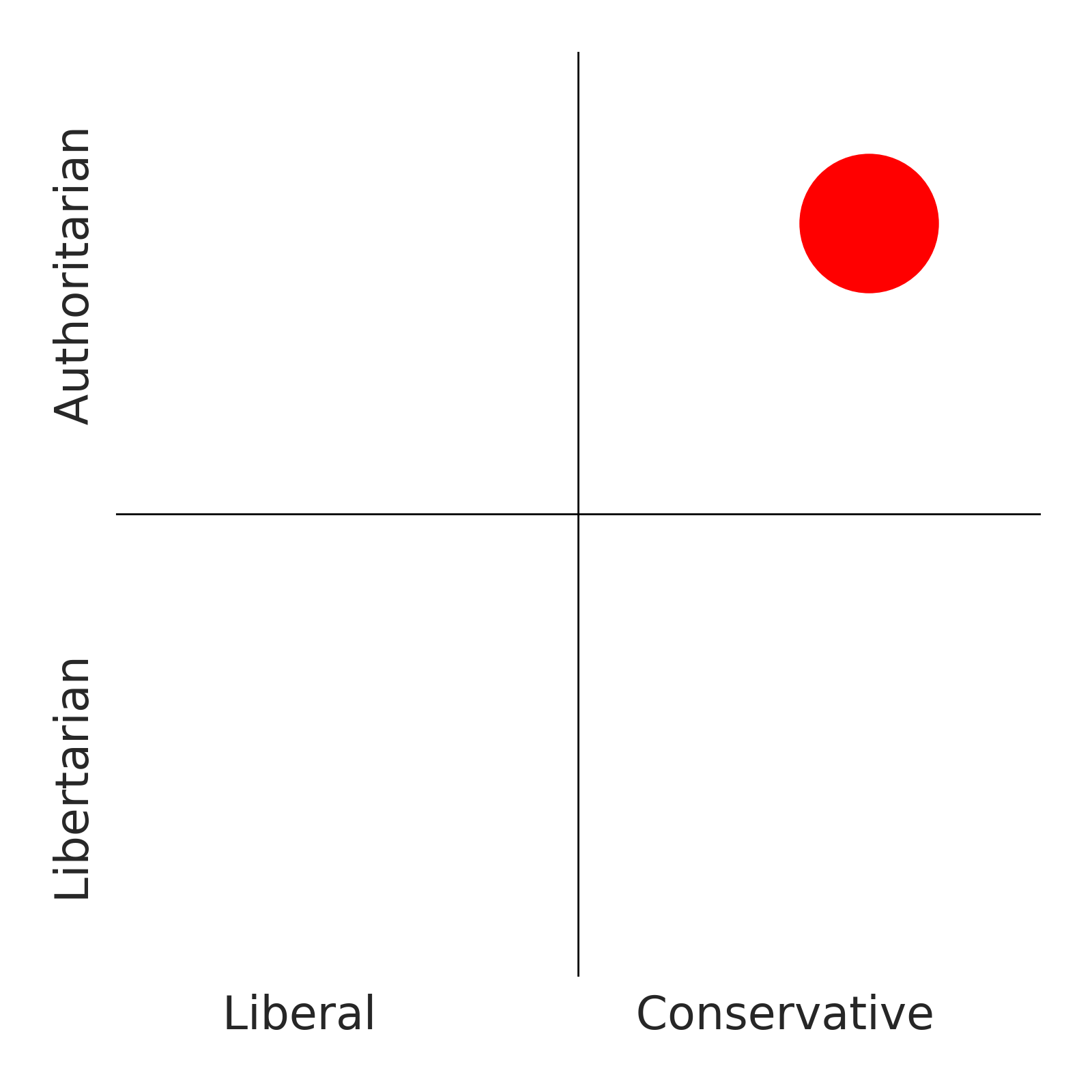
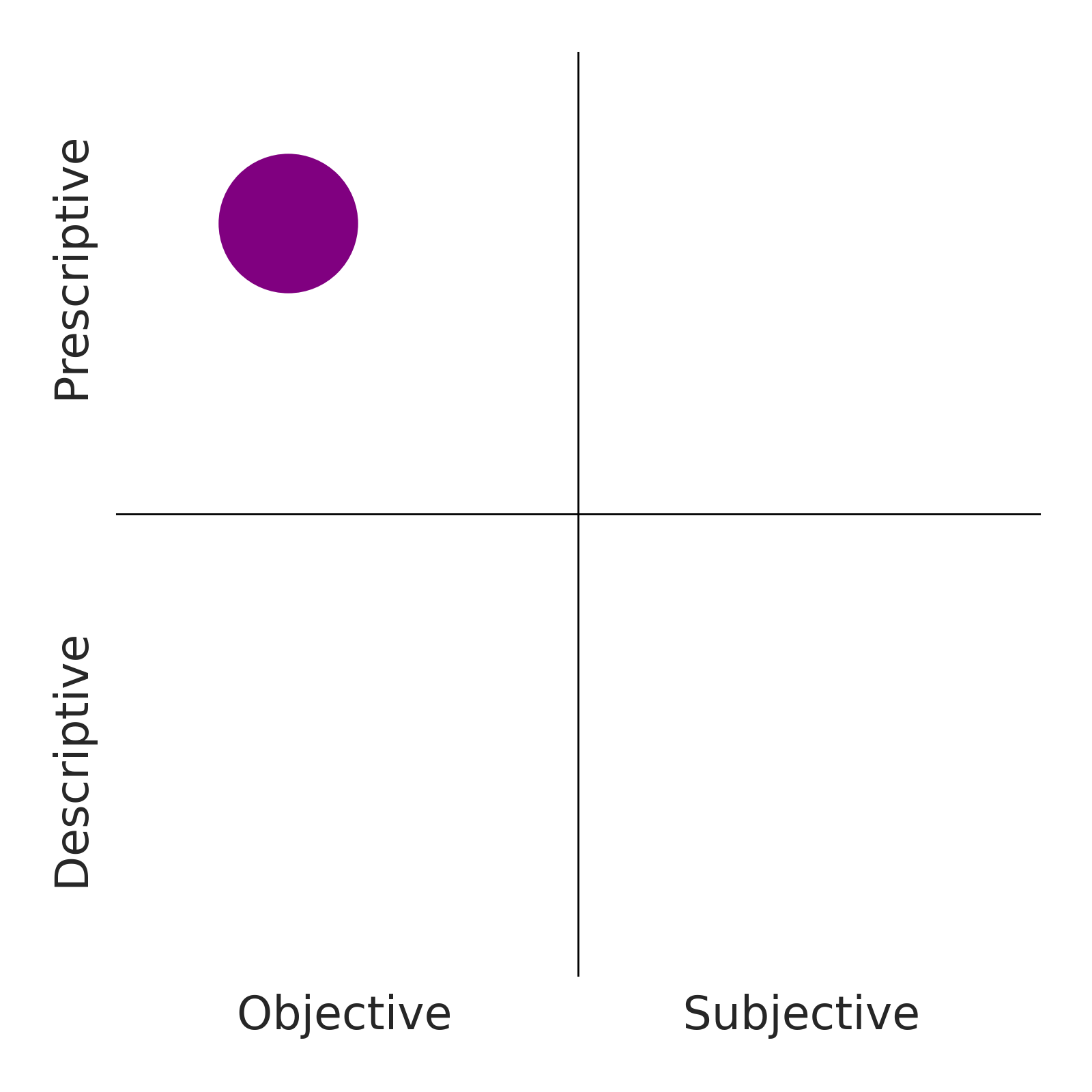
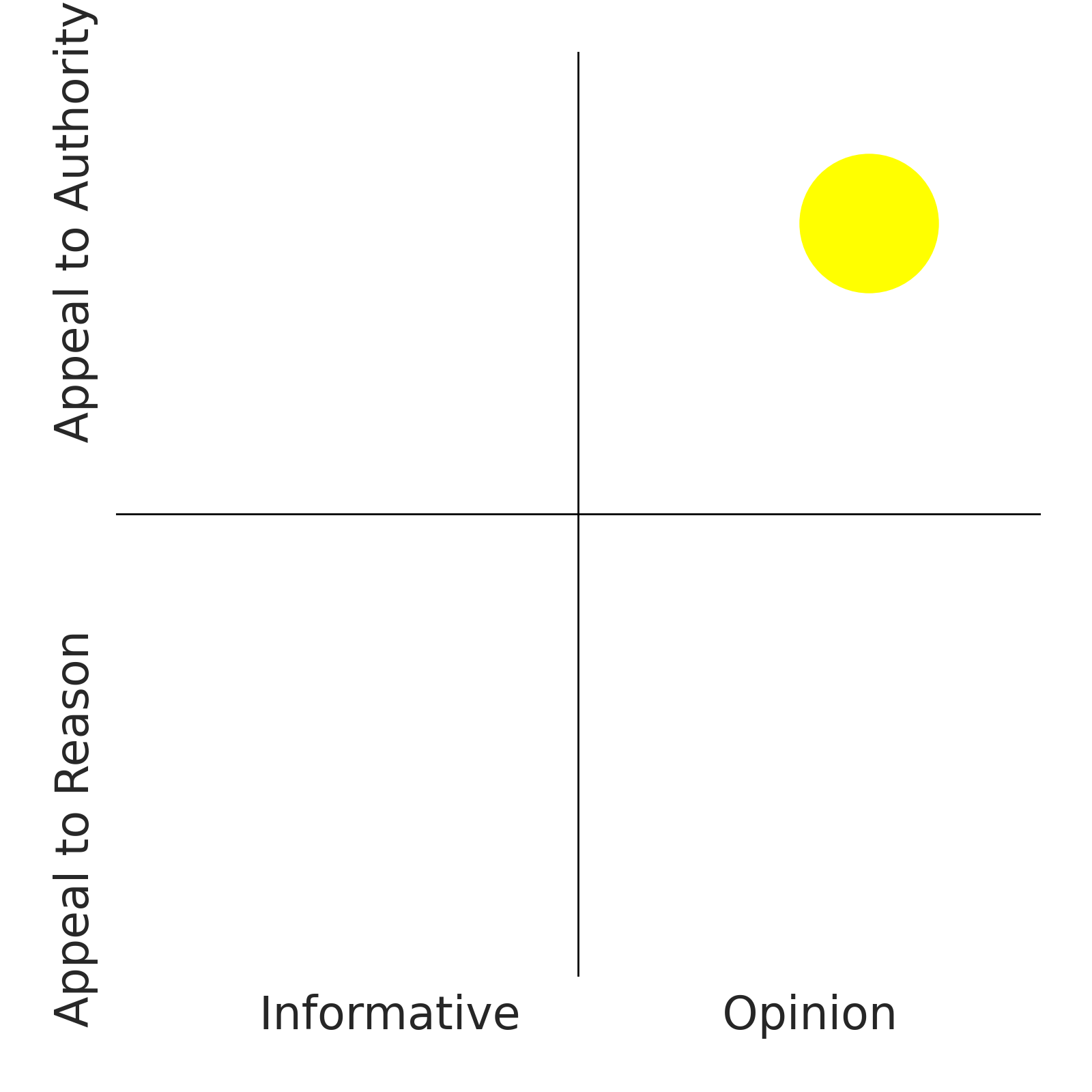
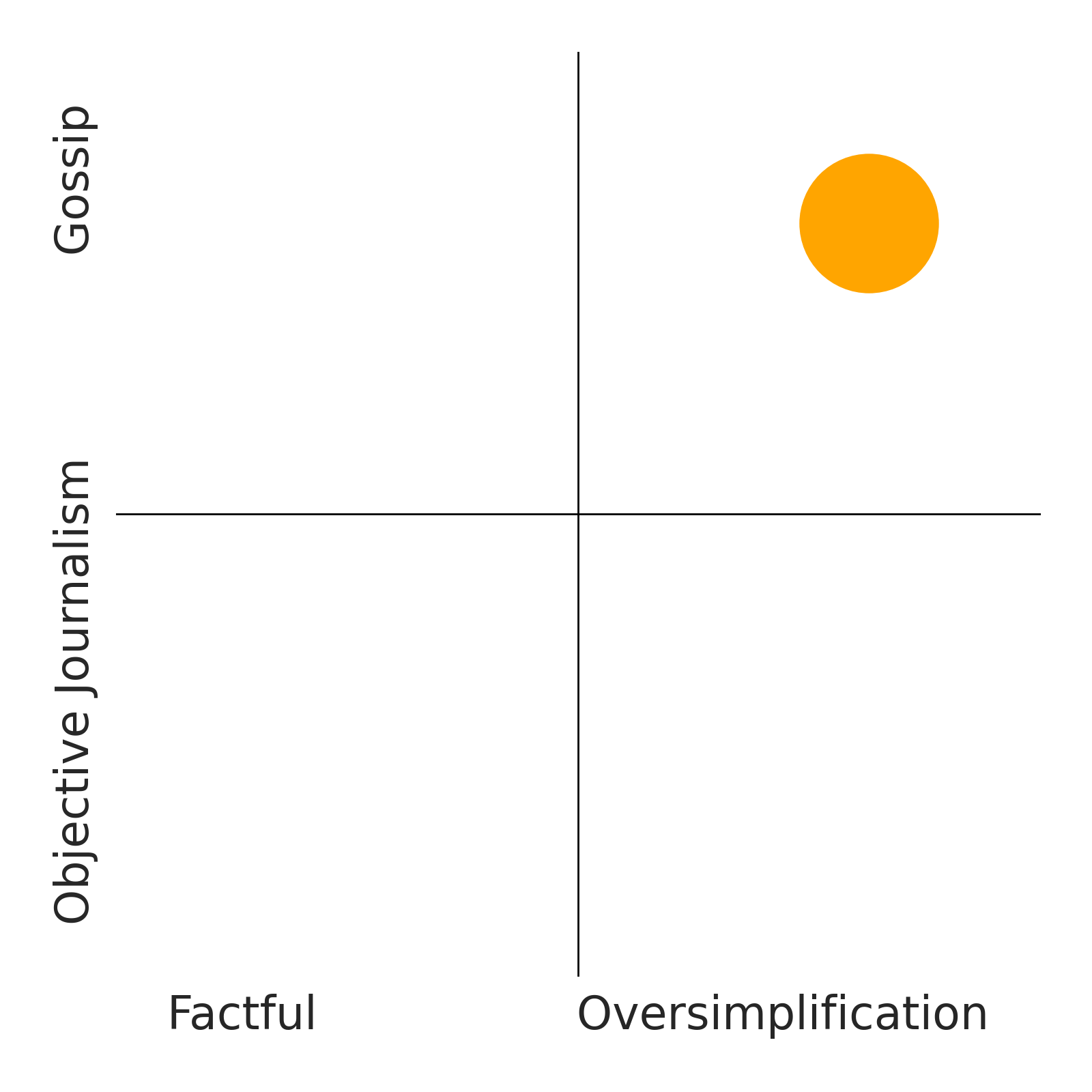
2026 © Helium Trades
Privacy Policy & Disclosure
* Disclaimer: Nothing on this website constitutes investment advice, performance data or any recommendation that any particular security, portfolio of securities, transaction or investment strategy is suitable for any specific person. Helium Trades is not responsible in any way for the accuracy
of any model predictions or price data. Any mention of a particular security and related prediction data is not a recommendation to buy or sell that security. Investments in securities involve the risk of loss. Past performance is no guarantee of future results. Helium Trades is not responsible for any of your investment decisions,
you should consult a financial expert before engaging in any transaction.
Helium Research Assistant

How can I help you today?
Ask any question about Washington Times bias.