See whether Helium helps you make better-informed decisions. Try every Pro Trader feature for 30 days. No credit card required.
Try every Pro Trader feature for 30 days. No credit card required.
May 25, 2026 · 0 shares
Favors regulatory clarity and institutional adoption in crypto by highlighting past enforcement shortcomings, celebrating formal policy milestones (GENIUS Act, Clarity Act) and interagency coordination, while noting ongoing inter-market divergence.
Overview of how U.S. crypto regulation moved from enforcement-focused uncertainty to clearer, category-based policy with interagency coordination and major legislative milestones; ongoing cross-market divergence remains.
Policy-focused, data-informed; mild pro-regulatory tilt.
May 27, 2026 · 0 shares
Bias toward pro-regulatory, pro-incumbent framing, emphasizing bank-grade controls and governance as the primary pathway to scale stablecoins within the U.S. system, while downplaying crypto-native innovation and decentralization and portraying consolidation among large institutions as likely.
The text describes regulatory-driven shift toward governance and compliance in stablecoins, highlighting Mastercard's BitLicense and FDIC rulemaking as evidence of an incumbents-first pathway to scale within the U.S. financial system.
Potential overemphasis on incumbents/regulatory framing; aim for balance.
May 21, 2026 · 0 shares
Bias leans pro-regulation and establishment, presenting MiCA recalibration as prudent to preserve financial stability and European competitiveness amid rapid market evolution and rising US regulation, while acknowledging dollar-dominated stablecoins as a challenge and euro-crypto innovation concerns.
MiCA recalibration framed as adapting to institutional crypto infrastructure amid U.S. policy momentum and dollar-dominated stablecoins.
EU/regulatory lens; potential underweight of non-EU voices.
June 01, 2026 · 0 shares
Establishment-aligned, risk-averse framing emphasizes regulatory clarity and regulated infrastructure. Stablecoins are presented as a pragmatic but restrained option rather than rapid crypto adoption. A data-driven yet marketing-inflected tone suggests corporate treasury prioritizes bank-grade, auditable workflows.
A PYMNTS Intelligence report based on a survey of 60 middle-market CFOs in the United States finds corporate crypto adoption is cautious due to unsettled rules, with stablecoins seen as a practical but limited route within regulated, auditable workflows.
Neutral; may overemphasize US mid-market finance framing.
May 27, 2026 · 0 shares
Bias toward pro-regulatory, pro-incumbent framing, emphasizing bank-grade controls and governance as the primary pathway to scale stablecoins within the U.S. system, while downplaying crypto-native innovation and decentralization and portraying consolidation among large institutions as likely.
The text describes regulatory-driven shift toward governance and compliance in stablecoins, highlighting Mastercard's BitLicense and FDIC rulemaking as evidence of an incumbents-first pathway to scale within the U.S. financial system.
Potential overemphasis on incumbents/regulatory framing; aim for balance.
June 02, 2026 · 0 shares
A cautious, establishment-aligned analysis treats stablecoins as cash substitutes whose stability hinges on reserve quality and liquidity, drawing on money market fund experience to argue for MMF-style regulation to prevent runs and systemic stress.
Policy-focused overview that compares stablecoins to money market funds, emphasizing liquidity, reserve quality, and regulatory safeguards.
Regulation-forward, authority-focused, risk-aware.
May 21, 2026 · 0 shares
Bias leans pro-regulation and establishment, presenting MiCA recalibration as prudent to preserve financial stability and European competitiveness amid rapid market evolution and rising US regulation, while acknowledging dollar-dominated stablecoins as a challenge and euro-crypto innovation concerns.
MiCA recalibration framed as adapting to institutional crypto infrastructure amid U.S. policy momentum and dollar-dominated stablecoins.
EU/regulatory lens; potential underweight of non-EU voices.
June 02, 2026 · 0 shares
Cross-border stablecoin oversight is framed as a constructive, standards-based advancement anchored in regulator collaboration and consumer protection, drawing on official statements and related CFO research to portray regulation as prudent and innovation-friendly while offering limited critical counterpoints.
NYDFS and EBA sign an MOU to exchange supervisory information on stablecoins, building on DFS’s 2018 framework that includes reserve requirements, redeemability, transparency, and rehypothecation bans; CFO research is cited to illustrate regulatory uncertainty and low adoption rates for stablecoins and crypto.
Limited to provided text; cautious, data-driven, avoids outside assumptions.
May 25, 2026 · 0 shares
Favors regulatory clarity and institutional adoption in crypto by highlighting past enforcement shortcomings, celebrating formal policy milestones (GENIUS Act, Clarity Act) and interagency coordination, while noting ongoing inter-market divergence.
Overview of how U.S. crypto regulation moved from enforcement-focused uncertainty to clearer, category-based policy with interagency coordination and major legislative milestones; ongoing cross-market divergence remains.
Policy-focused, data-informed; mild pro-regulatory tilt.
June 09, 2026 · 0 shares
Promotional corporate PR that foregrounds Anthropic's Mythos-class AI as safe, powerful, and world-beneficial, relying on company claims, government collaboration, and selective results (more than 10,000 vulnerabilities identified) to buttress an advertising- and corporate-bias narrative rather than independent verification.
Announcement of Anthropic's Mythos-class AI models Claude Fable 5 and Claude Mythos 5, including safeguards, release plans, and government collaboration, framed around cybersecurity and life sciences applications.
Training data biased toward corporate sources; post-2023 verification limited.
June 09, 2026 · 0 shares
Perspective-centered and pro-Mercury, AI-forward framing emphasizes growth metrics, charter-driven regulatory progress, and fintech transformation with limited critical examination of potential risks.
Industry-focused interview-style briefing on Mercury's AI strategy, funding, regulatory status, and shift in fintech banking.
Overemphasizes fintech/AI lens; limited by training data biases.
June 10, 2026 · 0 shares
Promotional, pro-establishment framing relies on Ripple and Mastercard sources to highlight XRPL AI Starter Kit features, governance controls, and future plans, with little independent critique and marketing cues linked to sponsor disclosures.
This piece reports on a corporate press release about Ripple's XRPL AI Starter Kit and Mastercard collaboration, presenting product features and governance claims with limited independent verification.
PR framing; limited corroboration; relies on corporate sources
June 02, 2026 · 0 shares
A cautious, establishment-aligned analysis treats stablecoins as cash substitutes whose stability hinges on reserve quality and liquidity, drawing on money market fund experience to argue for MMF-style regulation to prevent runs and systemic stress.
Policy-focused overview that compares stablecoins to money market funds, emphasizing liquidity, reserve quality, and regulatory safeguards.
Regulation-forward, authority-focused, risk-aware.
June 05, 2026 · 0 shares
Descriptive, industry-facing coverage highlights a bank-led push toward tokenized deposits and on-chain settlement, with quotes from multiple banks and acknowledgment of regulatory and political contexts, while offering limited critical scrutiny.
Describes major U.S. banks planning to launch a tokenized deposit network in the first half of 2027, operated by The Clearing House, bridging traditional payment rails with blockchain, and referencing JPM Coin usage and regulatory/stablecoin context.
Cautious, data-driven; avoid inferring intent beyond text.
June 11, 2026 · 0 shares
This coverage presents a cautious, governance-focused view of enterprise AI data practices by highlighting Anthropic's 30-Day Data Policy as exposing governance gaps, advocating transparency, retention controls, auditability, and cross-vendor accountability, and grounding its case in industry quotes and metrics to frame governance readiness as a systemic concern rather than endorsing any single vendor.
Overview of Anthropic's 30-Day Data Policy and its implications for enterprise AI governance, including data retention rules, cross-vendor data flows, and calls for transparency and accountability.
I rely on the provided text; risk misreading tone or emphasis due to missing broader context.
June 10, 2026 · 0 shares
Overall coverage is cautious and evidence-based, relying on credible sources to frame AI meeting notetaker risks (discovery, privilege, privacy, biometric concerns) with a mildly sensational headline and no advocacy.
Overview of AI meeting notetaker tools, their use in meetings, and associated legal/privacy issues and litigation.
I rely on diverse sources; biases from training data favor mainstream outlets; aim for neutrality.
June 09, 2026 · 0 shares
Promotional corporate PR that foregrounds Anthropic's Mythos-class AI as safe, powerful, and world-beneficial, relying on company claims, government collaboration, and selective results (more than 10,000 vulnerabilities identified) to buttress an advertising- and corporate-bias narrative rather than independent verification.
Announcement of Anthropic's Mythos-class AI models Claude Fable 5 and Claude Mythos 5, including safeguards, release plans, and government collaboration, framed around cybersecurity and life sciences applications.
Training data biased toward corporate sources; post-2023 verification limited.
June 09, 2026 · 0 shares
Perspective-centered and pro-Mercury, AI-forward framing emphasizes growth metrics, charter-driven regulatory progress, and fintech transformation with limited critical examination of potential risks.
Industry-focused interview-style briefing on Mercury's AI strategy, funding, regulatory status, and shift in fintech banking.
Overemphasizes fintech/AI lens; limited by training data biases.
June 10, 2026 · 0 shares
Promotional, pro-establishment framing relies on Ripple and Mastercard sources to highlight XRPL AI Starter Kit features, governance controls, and future plans, with little independent critique and marketing cues linked to sponsor disclosures.
This piece reports on a corporate press release about Ripple's XRPL AI Starter Kit and Mastercard collaboration, presenting product features and governance claims with limited independent verification.
PR framing; limited corroboration; relies on corporate sources
June 02, 2026 · 0 shares
A cautious, establishment-aligned analysis treats stablecoins as cash substitutes whose stability hinges on reserve quality and liquidity, drawing on money market fund experience to argue for MMF-style regulation to prevent runs and systemic stress.
Policy-focused overview that compares stablecoins to money market funds, emphasizing liquidity, reserve quality, and regulatory safeguards.
Regulation-forward, authority-focused, risk-aware.
June 12, 2026 · 0 shares
Balanced, infrastructure-forward coverage that weighs regulatory risk and market caution against the potential for stablecoins as rails and for blockchain-driven payments modernization.
Profile of crypto shifting toward infrastructure for payments and capital markets, highlighting stablecoins as rails, regulatory considerations (MiCA), and industry voices advocating re-platforming rather than pure adoption.
Data-driven, cautious; may reflect mainstream training data and sources.
May 27, 2026 · 0 shares
Pro-innovation and pro-establishment orientation emphasizes potential efficiency gains from tokenized cross-border payments while acknowledging interoperability challenges and no fixed rollout timeline.
A BIS-led consortium announces a prototype for tokenized cross-border wholesale payments under Project Agorá, signaling potential efficiency gains while acknowledging interoperability challenges and the absence of a fixed rollout timeline.
Neutral; limited to provided text; no outside inference.
Neutral-to-slightly-positive toward financial-innovation coverage, emphasizing access to private markets and liquidity while citing official quotes and safeguards.
Report on Citi's launch of tokenized Digital Depositary Receipts for private shares in collaboration with SIX, featuring first transaction with Kaleido and statements on safeguards and interoperability, with future expansion planned.
Slight finance/tech optimism bias from training data; strives for neutrality.
June 05, 2026 · 0 shares
Descriptive, industry-facing coverage highlights a bank-led push toward tokenized deposits and on-chain settlement, with quotes from multiple banks and acknowledgment of regulatory and political contexts, while offering limited critical scrutiny.
Describes major U.S. banks planning to launch a tokenized deposit network in the first half of 2027, operated by The Clearing House, bridging traditional payment rails with blockchain, and referencing JPM Coin usage and regulatory/stablecoin context.
Cautious, data-driven; avoid inferring intent beyond text.
May 25, 2026 · 0 shares
Favors regulatory clarity and institutional adoption in crypto by highlighting past enforcement shortcomings, celebrating formal policy milestones (GENIUS Act, Clarity Act) and interagency coordination, while noting ongoing inter-market divergence.
Overview of how U.S. crypto regulation moved from enforcement-focused uncertainty to clearer, category-based policy with interagency coordination and major legislative milestones; ongoing cross-market divergence remains.
Policy-focused, data-informed; mild pro-regulatory tilt.
May 21, 2026 · 0 shares
Bias leans pro-regulation and establishment, presenting MiCA recalibration as prudent to preserve financial stability and European competitiveness amid rapid market evolution and rising US regulation, while acknowledging dollar-dominated stablecoins as a challenge and euro-crypto innovation concerns.
MiCA recalibration framed as adapting to institutional crypto infrastructure amid U.S. policy momentum and dollar-dominated stablecoins.
EU/regulatory lens; potential underweight of non-EU voices.
June 02, 2026 · 0 shares
Cross-border stablecoin oversight is framed as a constructive, standards-based advancement anchored in regulator collaboration and consumer protection, drawing on official statements and related CFO research to portray regulation as prudent and innovation-friendly while offering limited critical counterpoints.
NYDFS and EBA sign an MOU to exchange supervisory information on stablecoins, building on DFS’s 2018 framework that includes reserve requirements, redeemability, transparency, and rehypothecation bans; CFO research is cited to illustrate regulatory uncertainty and low adoption rates for stablecoins and crypto.
Limited to provided text; cautious, data-driven, avoids outside assumptions.
May 29, 2026 · 0 shares
Pro-regulatory and pro-establishment framing with emphasis on Paxos' blockchain-enabled, nationwide clearing and settlement capabilities, including leadership quotes and limited critical scrutiny.
News item about Paxos securing SEC license to clear and settle securities nationwide, highlighting regulated blockchain-based post-trade infrastructure and related regulatory steps.
I rely on the provided text; no external data; may miss alternative viewpoints.
June 11, 2026 · 0 shares
This coverage presents a cautious, governance-focused view of enterprise AI data practices by highlighting Anthropic's 30-Day Data Policy as exposing governance gaps, advocating transparency, retention controls, auditability, and cross-vendor accountability, and grounding its case in industry quotes and metrics to frame governance readiness as a systemic concern rather than endorsing any single vendor.
Overview of Anthropic's 30-Day Data Policy and its implications for enterprise AI governance, including data retention rules, cross-vendor data flows, and calls for transparency and accountability.
I rely on the provided text; risk misreading tone or emphasis due to missing broader context.
June 11, 2026 · 0 shares
The coverage maintains a neutral, fact-focused stance, cites Reuters and The Verge, and presents policy details and a Microsoft response without endorsing either side.
Reporting on Anthropic's Claude Fable 5 data retention policy and Microsoft's response, with citations to Reuters and Verge.
Neutral; no detectable bias.
June 10, 2026 · 0 shares
Overall coverage is cautious and evidence-based, relying on credible sources to frame AI meeting notetaker risks (discovery, privilege, privacy, biometric concerns) with a mildly sensational headline and no advocacy.
Overview of AI meeting notetaker tools, their use in meetings, and associated legal/privacy issues and litigation.
I rely on diverse sources; biases from training data favor mainstream outlets; aim for neutrality.
June 03, 2026 · 0 shares
Neutral, descriptive corporate reporting that relies on unnamed sources and executive quotes, with no evident advocacy or critique of stablecoins.
Industry reporting on a prospective stablecoin platform backed by Mastercard, Visa, and Stripe, citing unnamed sources and executive quotes, with details on Visa’s expansion of settlement networks and Bridge’s geographic rollout.
Neutral, relies on public sources; limited internal info.
June 04, 2026 · 0 shares
Balanced portrayal relies on industry voices to describe crypto infrastructure shifts, presenting a non-ideological move toward payments rails and regulated stablecoins with minimal editorial framing.
A balanced discussion of crypto infrastructure evolution toward payments rails and regulated stablecoins, with voices from Tempo, Citi, and PYMNTS.
I aim for objectivity; may rely on quoted sources and training data.
June 11, 2026 · 0 shares
The coverage maintains a neutral, fact-focused stance, cites Reuters and The Verge, and presents policy details and a Microsoft response without endorsing either side.
Reporting on Anthropic's Claude Fable 5 data retention policy and Microsoft's response, with citations to Reuters and Verge.
Neutral; no detectable bias.
Automated source summary · Updated June 14, 2026 · Not human reviewed. Check recent article panels for claim-level evidence when available.
Weighted source-level patterns from recent analyzed coverage. Open recent articles below to inspect score-specific evidence and limitations when available.
📉 Bearish <—> Bullish 📈8
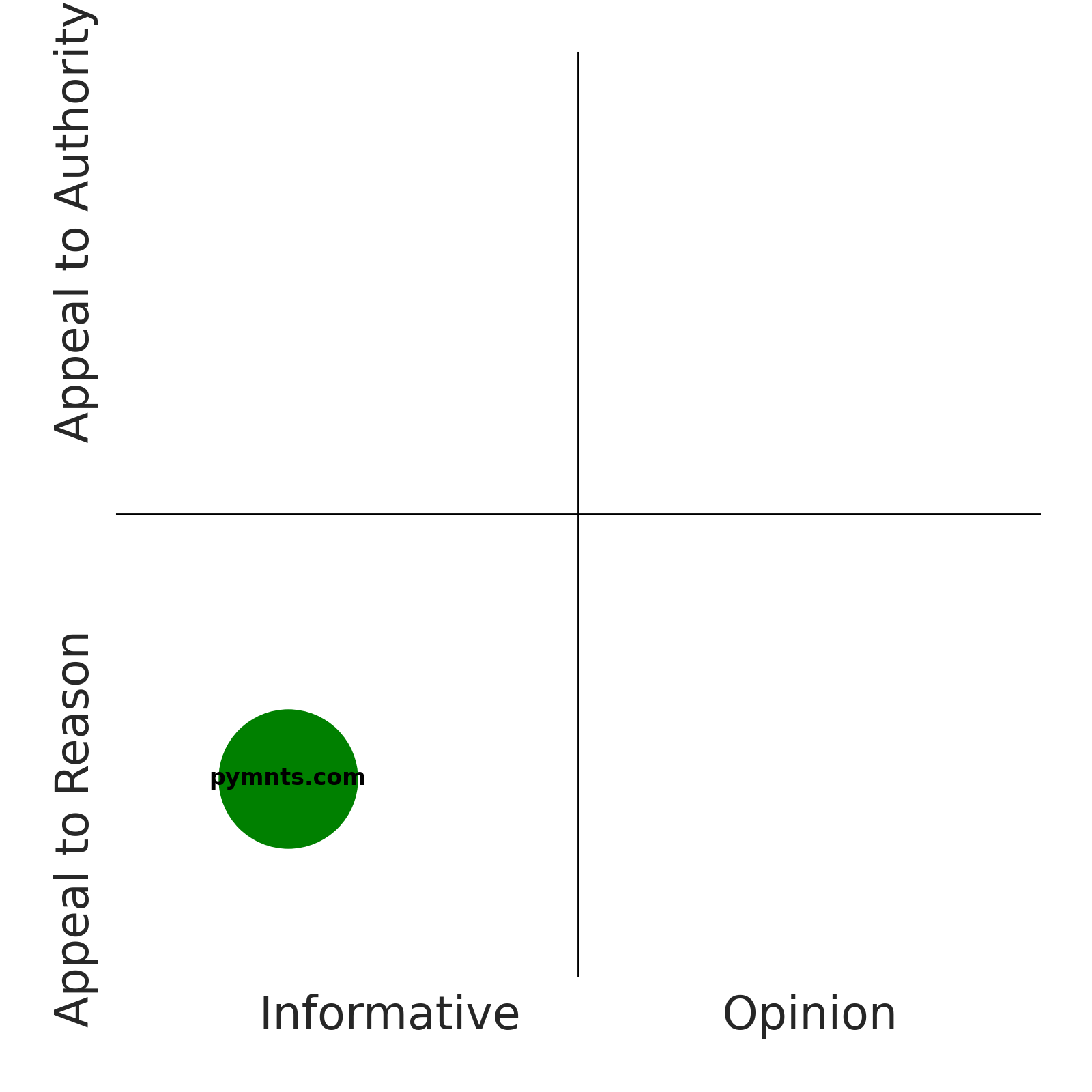
🏛️ Appeal to Authority10
👀 Covering Responses12.0
😤 Overconfidence10
🏴 Anti-establishment <—> Pro-establishment 📺13
❌ Low Credibility <—> High Credibility ✅21
🧠 Rational <—> Irrational 🤪-6
🤑 Advertising19.0
💔 Low Integrity <—> High Integrity ❤️12
🪨 Low Intelligence <—> High Intelligence 🦉19
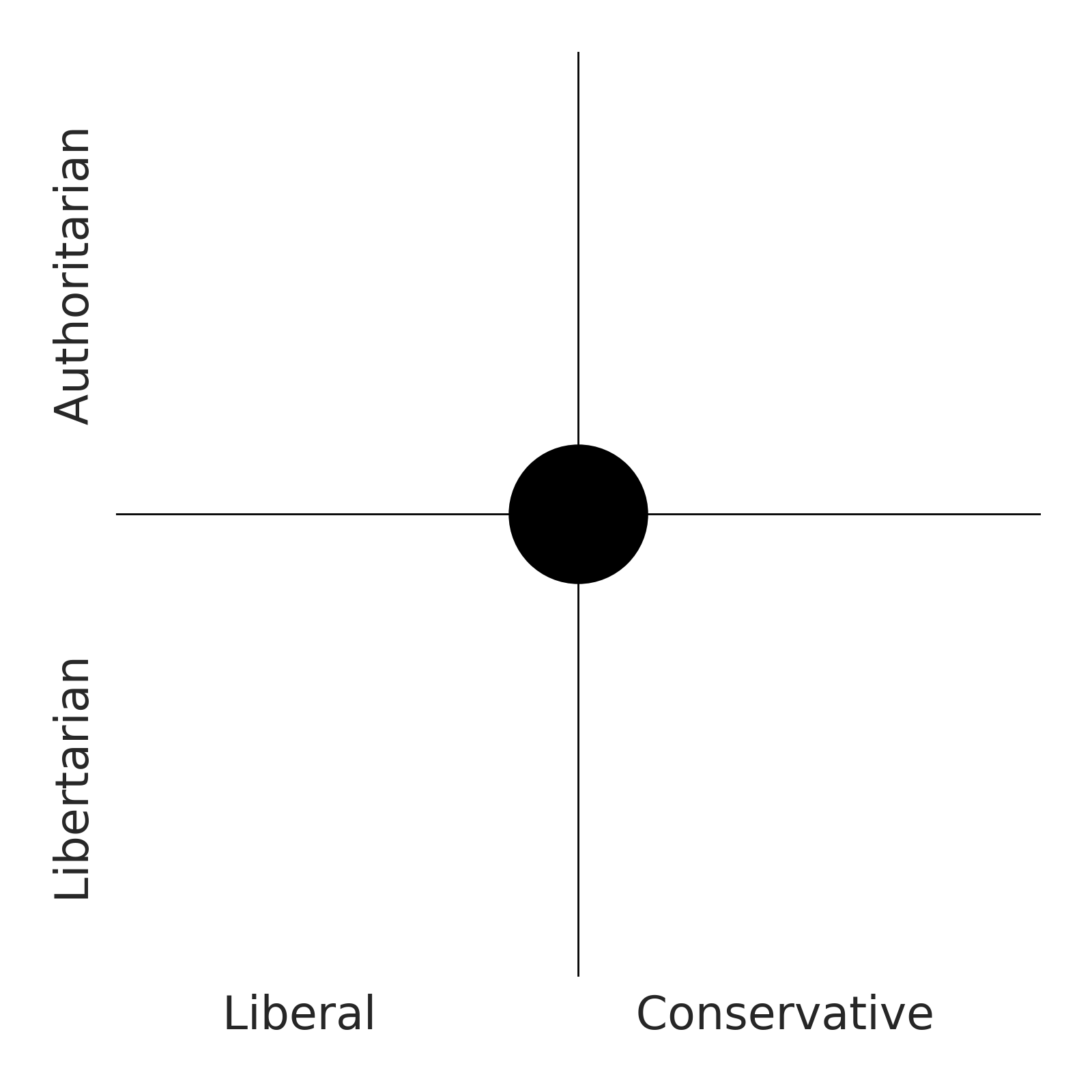
🗽 Libertarian <—> Authoritarian 🚔4
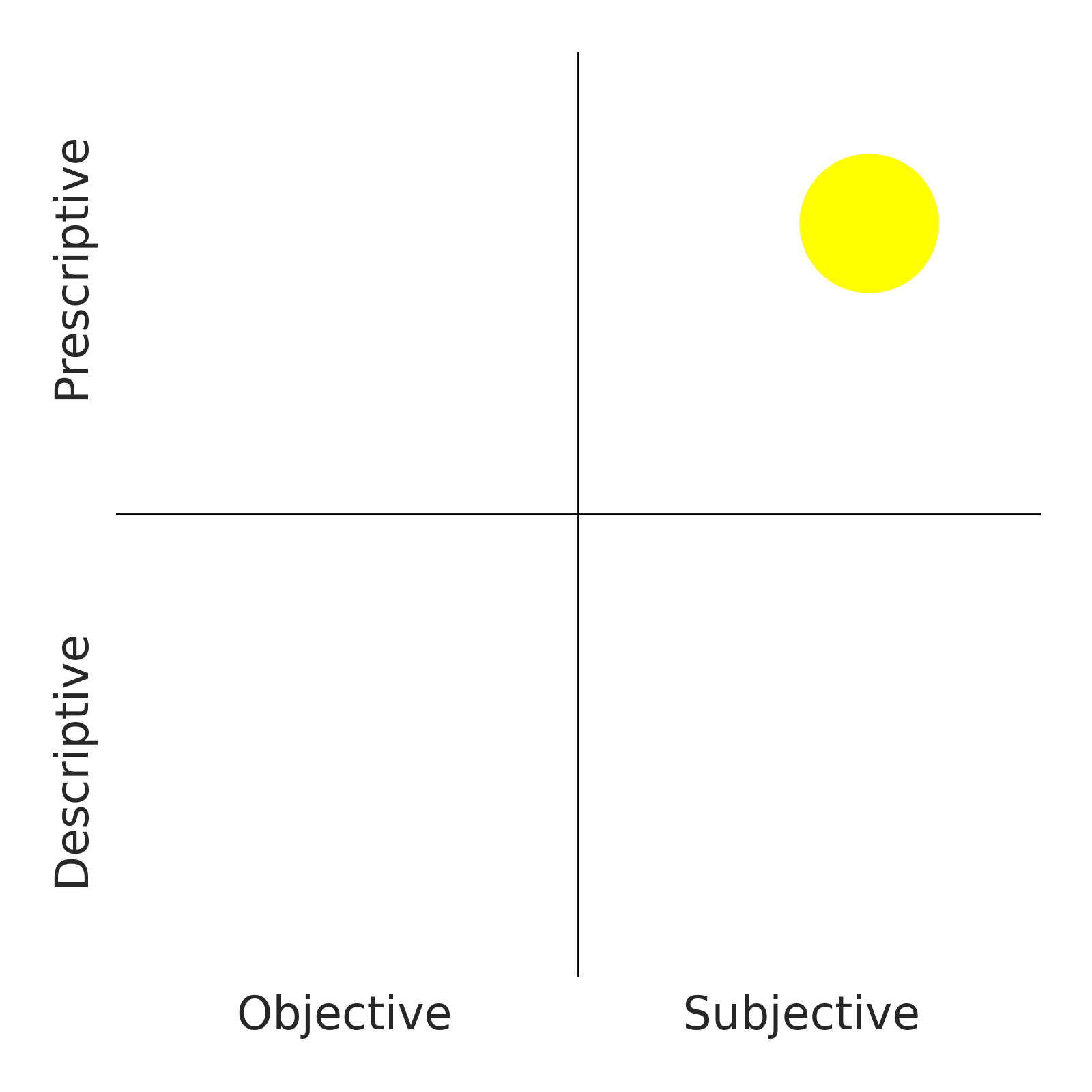
🗞️ Objective <—> Subjective 👁️ -2
🚨 Sensational-1
📝 Prescriptive4
🕊️ Dovish <—> Hawkish 🦁2
😨 Fearful4
📞 Begging the Question0
💭 Opinion5
🗳 Political2
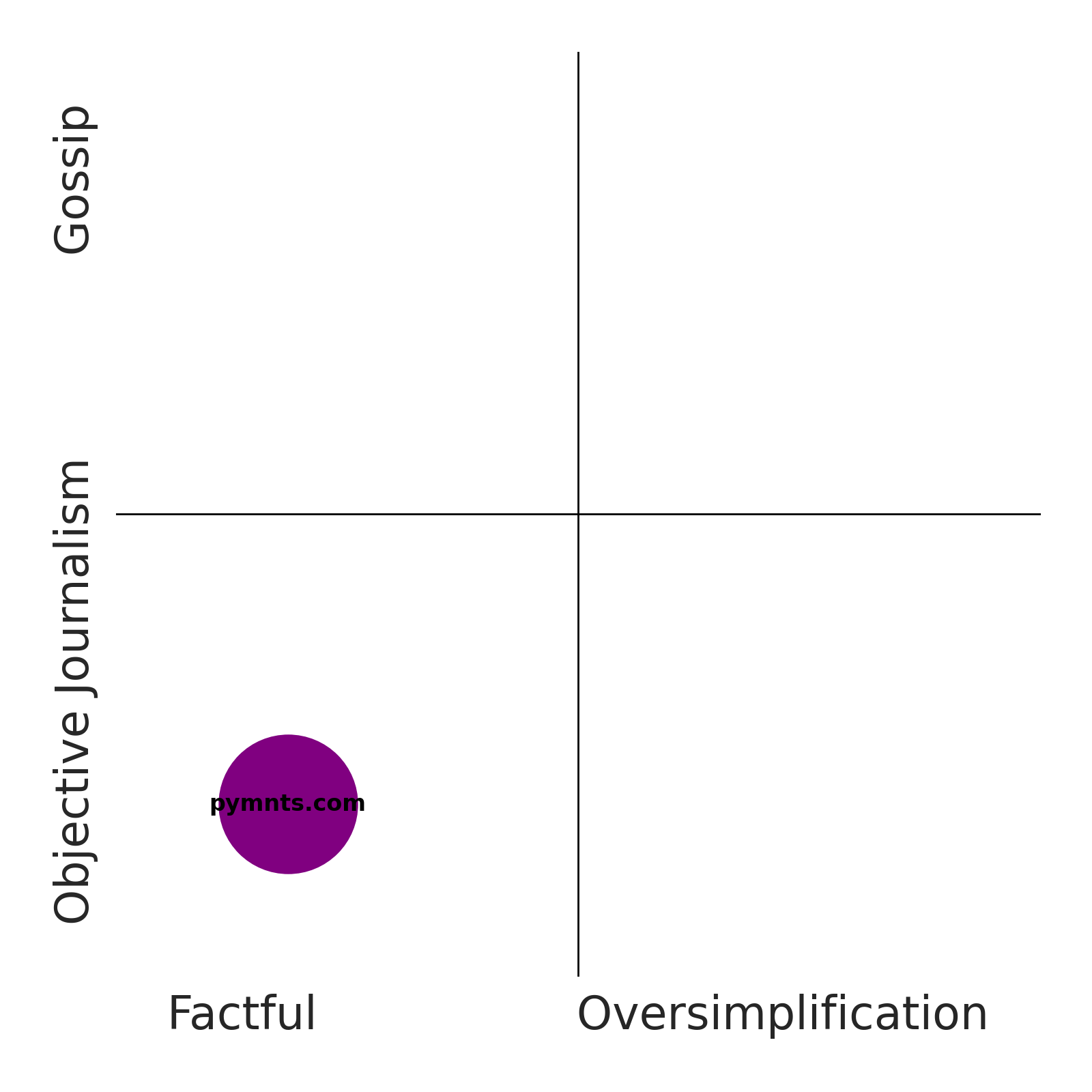
Oversimplification3
😢 Victimization0
🗑️ Spam4.0
🔒 Ideological1
🎭 Virtue Signaling2
2026 © Helium Trades
Privacy Policy & Disclosure
* Disclaimer: Nothing on this website constitutes investment advice, performance data or any recommendation that any particular security, portfolio of securities, transaction or investment strategy is suitable for any specific person. Helium Trades is not responsible in any way for the accuracy
of any model predictions or price data. Any mention of a particular security and related prediction data is not a recommendation to buy or sell that security. Investments in securities involve the risk of loss. Past performance is no guarantee of future results. Helium Trades is not responsible for any of your investment decisions,
you should consult a financial expert before engaging in any transaction.
Helium Research Assistant

How can I help you today?
Ask any question about pymnts.com bias.


