See whether Helium helps you make better-informed decisions. Try every Pro Trader feature for 30 days. No credit card required.
Try every Pro Trader feature for 30 days. No credit card required.
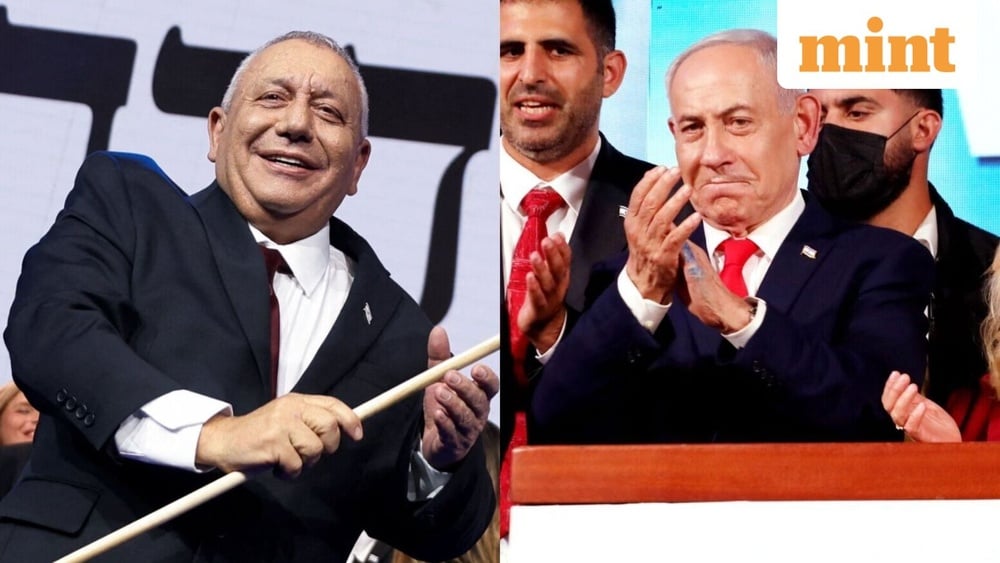
October 28, 2026 · 0 shares
The report maintains a descriptive and neutral framing, presenting competing political claims and polling data to describe the election deadlock.
Automated analysis; not human reviewed.
Limitations: The article treats political conflict and national security crisis reporting with similar weight, potentially minimizing the structural complexity of Israel's political fragmentation.
·
55 of 55 available dimensions scored; omitted dimensions are not treated as neutral.
·
Verified supporting quotes for 0 of 55 scored dimensions.
The article treats political conflict and national security crisis reporting with similar weight, potentially minimizing the structural complexity of Israel's political fragmentation.
October 28, 2026 · 0 shares
The coverage is measured and fact-oriented, emphasizing the complex electoral mathematics and competing projections from various polling sources.
The election was highly anticipated as it could decide whether Israel continues on its current hard-line, religious-nationalist trajectory.
Automated analysis; not human reviewed.
·
55 of 55 available dimensions scored; omitted dimensions are not treated as neutral.
·
Verified supporting quotes for 0 of 55 scored dimensions.
The reporting maintains a highly descriptive and analytical stance, meticulously detailing the statistical outcomes and political processes of the election, emphasizing the complexity of coalition formation.
The Israeli Knesset has 120 seats, and a majority government requires at least 61 seats, meaning coalition governments are the norm.
Automated analysis; not human reviewed.
·
11 of 55 available dimensions scored; omitted dimensions are not treated as neutral.
·
Verified supporting quotes for 0 of 11 scored dimensions.
The publisher frames the political situation as a complex procedural deadlock, meticulously detailing the parliamentary mechanics and the contingent role of minor Arab-led parties in government formation.
The political analysis is occurring in Israel's first election since the 2023 Hamas attacks.
Automated analysis; not human reviewed.
·
51 of 55 available dimensions scored; omitted dimensions are not treated as neutral.
·
Verified supporting quotes for 0 of 51 scored dimensions.
October 28, 2026 · 0 shares
The text functions as a brief, unverified aggregation of poll projections without substantive contextual framing or commentary.
The Israeli election is an ongoing political event where seat allocation in the Knesset is determined by voting results and subsequent coalition negotiations.
Automated analysis; not human reviewed.
Limitations: The article text is a snippet taken from a forum user post, lacking the broader context of the election or the full poll methodology, limiting detailed political analysis.
·
55 of 55 available dimensions scored; omitted dimensions are not treated as neutral.
·
Verified supporting quotes for 0 of 55 scored dimensions.
The article text is a snippet taken from a forum user post, lacking the broader context of the election or the full poll methodology, limiting detailed political analysis.
The reporting maintains a highly descriptive and analytical stance, meticulously detailing the statistical outcomes and political processes of the election, emphasizing the complexity of coalition formation.
The Israeli Knesset has 120 seats, and a majority government requires at least 61 seats, meaning coalition governments are the norm.
Automated analysis; not human reviewed.
·
11 of 55 available dimensions scored; omitted dimensions are not treated as neutral.
·
Verified supporting quotes for 0 of 11 scored dimensions.
October 28, 2026 · 0 shares
The text focuses on reporting specific political maneuvering and strategy within a national election framework.
Automated analysis; not human reviewed.
·
1 of 55 available dimensions scored; omitted dimensions are not treated as neutral.
·
Verified supporting quotes for 0 of 1 scored dimensions.
October 28, 2026 · 0 shares
The reporting neutrally attributes Netanyahu's call for a right-wing government to his post-election speech and the uncertainty of the parliamentary results.
Automated analysis; not human reviewed.
·
55 of 55 available dimensions scored; omitted dimensions are not treated as neutral.
·
Verified supporting quotes for 0 of 55 scored dimensions.
The publisher frames the political situation as a complex procedural deadlock, meticulously detailing the parliamentary mechanics and the contingent role of minor Arab-led parties in government formation.
The political analysis is occurring in Israel's first election since the 2023 Hamas attacks.
Automated analysis; not human reviewed.
·
51 of 55 available dimensions scored; omitted dimensions are not treated as neutral.
·
Verified supporting quotes for 0 of 51 scored dimensions.
October 28, 2026 · 0 shares
The report maintains a descriptive and neutral framing, presenting competing political claims and polling data to describe the election deadlock.
Automated analysis; not human reviewed.
Limitations: The article treats political conflict and national security crisis reporting with similar weight, potentially minimizing the structural complexity of Israel's political fragmentation.
·
55 of 55 available dimensions scored; omitted dimensions are not treated as neutral.
·
Verified supporting quotes for 0 of 55 scored dimensions.
The article treats political conflict and national security crisis reporting with similar weight, potentially minimizing the structural complexity of Israel's political fragmentation.
October 28, 2026 · 0 shares
The coverage is measured and fact-oriented, emphasizing the complex electoral mathematics and competing projections from various polling sources.
The election was highly anticipated as it could decide whether Israel continues on its current hard-line, religious-nationalist trajectory.
Automated analysis; not human reviewed.
·
55 of 55 available dimensions scored; omitted dimensions are not treated as neutral.
·
Verified supporting quotes for 0 of 55 scored dimensions.
October 28, 2026 · 0 shares
The report frames the Israeli stock market instability and political deadlock through the lens of the ongoing conflict, using highly charged political language to describe the war conditions.
Automated analysis; not human reviewed.
·
55 of 55 available dimensions scored; omitted dimensions are not treated as neutral.
·
Verified supporting quotes for 0 of 55 scored dimensions.
October 28, 2026 · 0 shares
The report maintains a descriptive and neutral framing, presenting competing political claims and polling data to describe the election deadlock.
Automated analysis; not human reviewed.
Limitations: The article treats political conflict and national security crisis reporting with similar weight, potentially minimizing the structural complexity of Israel's political fragmentation.
·
55 of 55 available dimensions scored; omitted dimensions are not treated as neutral.
·
Verified supporting quotes for 0 of 55 scored dimensions.
The article treats political conflict and national security crisis reporting with similar weight, potentially minimizing the structural complexity of Israel's political fragmentation.
The publisher frames the political situation as a complex procedural deadlock, meticulously detailing the parliamentary mechanics and the contingent role of minor Arab-led parties in government formation.
The political analysis is occurring in Israel's first election since the 2023 Hamas attacks.
Automated analysis; not human reviewed.
·
51 of 55 available dimensions scored; omitted dimensions are not treated as neutral.
·
Verified supporting quotes for 0 of 51 scored dimensions.
October 28, 2026 · 0 shares
The report maintains a descriptive and neutral framing, presenting competing political claims and polling data to describe the election deadlock.
Automated analysis; not human reviewed.
Limitations: The article treats political conflict and national security crisis reporting with similar weight, potentially minimizing the structural complexity of Israel's political fragmentation.
·
55 of 55 available dimensions scored; omitted dimensions are not treated as neutral.
·
Verified supporting quotes for 0 of 55 scored dimensions.
The article treats political conflict and national security crisis reporting with similar weight, potentially minimizing the structural complexity of Israel's political fragmentation.
The publisher frames the political situation as a complex procedural deadlock, meticulously detailing the parliamentary mechanics and the contingent role of minor Arab-led parties in government formation.
The political analysis is occurring in Israel's first election since the 2023 Hamas attacks.
Automated analysis; not human reviewed.
·
51 of 55 available dimensions scored; omitted dimensions are not treated as neutral.
·
Verified supporting quotes for 0 of 51 scored dimensions.
The publisher frames the political situation as a complex procedural deadlock, meticulously detailing the parliamentary mechanics and the contingent role of minor Arab-led parties in government formation.
The political analysis is occurring in Israel's first election since the 2023 Hamas attacks.
Automated analysis; not human reviewed. · 51 of 55 available dimensions scored; omitted dimensions are not treated as neutral. · Verified supporting quotes for 0 of 51 scored dimensions.
The reporting maintains a highly descriptive and analytical stance, meticulously detailing the statistical outcomes and political processes of the election, emphasizing the complexity of coalition formation.
The Israeli Knesset has 120 seats, and a majority government requires at least 61 seats, meaning coalition governments are the norm.
Automated analysis; not human reviewed. · 11 of 55 available dimensions scored; omitted dimensions are not treated as neutral. · Verified supporting quotes for 0 of 11 scored dimensions.
October 28, 2026 · 0 shares
The text functions as a brief, unverified aggregation of poll projections without substantive contextual framing or commentary.
The Israeli election is an ongoing political event where seat allocation in the Knesset is determined by voting results and subsequent coalition negotiations.
Automated analysis; not human reviewed. Limitations: The article text is a snippet taken from a forum user post, lacking the broader context of the election or the full poll methodology, limiting detailed political analysis. · 55 of 55 available dimensions scored; omitted dimensions are not treated as neutral. · Verified supporting quotes for 0 of 55 scored dimensions.
The article text is a snippet taken from a forum user post, lacking the broader context of the election or the full poll methodology, limiting detailed political analysis.
The publisher frames the political situation as a complex procedural deadlock, meticulously detailing the parliamentary mechanics and the contingent role of minor Arab-led parties in government formation.
The political analysis is occurring in Israel's first election since the 2023 Hamas attacks.
Automated analysis; not human reviewed. · 51 of 55 available dimensions scored; omitted dimensions are not treated as neutral. · Verified supporting quotes for 0 of 51 scored dimensions.
October 28, 2026 · 0 shares
The text focuses on reporting specific political maneuvering and strategy within a national election framework.
Automated analysis; not human reviewed. · 1 of 55 available dimensions scored; omitted dimensions are not treated as neutral. · Verified supporting quotes for 0 of 1 scored dimensions.
The reporting maintains a highly descriptive and analytical stance, meticulously detailing the statistical outcomes and political processes of the election, emphasizing the complexity of coalition formation.
The Israeli Knesset has 120 seats, and a majority government requires at least 61 seats, meaning coalition governments are the norm.
Automated analysis; not human reviewed. · 11 of 55 available dimensions scored; omitted dimensions are not treated as neutral. · Verified supporting quotes for 0 of 11 scored dimensions.
October 28, 2026 · 0 shares
The report maintains a descriptive and neutral framing, presenting competing political claims and polling data to describe the election deadlock.
Automated analysis; not human reviewed. Limitations: The article treats political conflict and national security crisis reporting with similar weight, potentially minimizing the structural complexity of Israel's political fragmentation. · 55 of 55 available dimensions scored; omitted dimensions are not treated as neutral. · Verified supporting quotes for 0 of 55 scored dimensions.
The article treats political conflict and national security crisis reporting with similar weight, potentially minimizing the structural complexity of Israel's political fragmentation.
October 28, 2026 · 0 shares
The coverage is measured and fact-oriented, emphasizing the complex electoral mathematics and competing projections from various polling sources.
The election was highly anticipated as it could decide whether Israel continues on its current hard-line, religious-nationalist trajectory.
Automated analysis; not human reviewed. · 55 of 55 available dimensions scored; omitted dimensions are not treated as neutral. · Verified supporting quotes for 0 of 55 scored dimensions.
October 28, 2026 · 0 shares
The report frames the Israeli stock market instability and political deadlock through the lens of the ongoing conflict, using highly charged political language to describe the war conditions.
Automated analysis; not human reviewed. · 55 of 55 available dimensions scored; omitted dimensions are not treated as neutral. · Verified supporting quotes for 0 of 55 scored dimensions.
October 28, 2026 · 0 shares
The report maintains a descriptive and neutral framing, presenting competing political claims and polling data to describe the election deadlock.
Automated analysis; not human reviewed. Limitations: The article treats political conflict and national security crisis reporting with similar weight, potentially minimizing the structural complexity of Israel's political fragmentation. · 55 of 55 available dimensions scored; omitted dimensions are not treated as neutral. · Verified supporting quotes for 0 of 55 scored dimensions.
The article treats political conflict and national security crisis reporting with similar weight, potentially minimizing the structural complexity of Israel's political fragmentation.
The publisher frames the political situation as a complex procedural deadlock, meticulously detailing the parliamentary mechanics and the contingent role of minor Arab-led parties in government formation.
The political analysis is occurring in Israel's first election since the 2023 Hamas attacks.
Automated analysis; not human reviewed. · 51 of 55 available dimensions scored; omitted dimensions are not treated as neutral. · Verified supporting quotes for 0 of 51 scored dimensions.
Helium Bias
Story Blindspots
The reporting maintains a highly descriptive and analytical stance, meticulously detailing the statistical outcomes and political processes of the election, emphasizing the complexity of coalition formation.
The Israeli Knesset has 120 seats, and a majority government requires at least 61 seats, meaning coalition governments are the norm.
Automated analysis; not human reviewed. · 11 of 55 available dimensions scored; omitted dimensions are not treated as neutral. · Verified supporting quotes for 0 of 11 scored dimensions.
October 28, 2026 · 0 shares
The text functions as a brief, unverified aggregation of poll projections without substantive contextual framing or commentary.
The Israeli election is an ongoing political event where seat allocation in the Knesset is determined by voting results and subsequent coalition negotiations.
Automated analysis; not human reviewed. Limitations: The article text is a snippet taken from a forum user post, lacking the broader context of the election or the full poll methodology, limiting detailed political analysis. · 55 of 55 available dimensions scored; omitted dimensions are not treated as neutral. · Verified supporting quotes for 0 of 55 scored dimensions.
The article text is a snippet taken from a forum user post, lacking the broader context of the election or the full poll methodology, limiting detailed political analysis.
The publisher frames the political situation as a complex procedural deadlock, meticulously detailing the parliamentary mechanics and the contingent role of minor Arab-led parties in government formation.
The political analysis is occurring in Israel's first election since the 2023 Hamas attacks.
Automated analysis; not human reviewed. · 51 of 55 available dimensions scored; omitted dimensions are not treated as neutral. · Verified supporting quotes for 0 of 51 scored dimensions.
October 28, 2026 · 0 shares
The text focuses on reporting specific political maneuvering and strategy within a national election framework.
Automated analysis; not human reviewed. · 1 of 55 available dimensions scored; omitted dimensions are not treated as neutral. · Verified supporting quotes for 0 of 1 scored dimensions.
The publisher frames the political situation as a complex procedural deadlock, meticulously detailing the parliamentary mechanics and the contingent role of minor Arab-led parties in government formation.
The political analysis is occurring in Israel's first election since the 2023 Hamas attacks.
Automated analysis; not human reviewed. · 51 of 55 available dimensions scored; omitted dimensions are not treated as neutral. · Verified supporting quotes for 0 of 51 scored dimensions.
October 28, 2026 · 0 shares
The report maintains a descriptive and neutral framing, presenting competing political claims and polling data to describe the election deadlock.
Automated analysis; not human reviewed. Limitations: The article treats political conflict and national security crisis reporting with similar weight, potentially minimizing the structural complexity of Israel's political fragmentation. · 55 of 55 available dimensions scored; omitted dimensions are not treated as neutral. · Verified supporting quotes for 0 of 55 scored dimensions.
The article treats political conflict and national security crisis reporting with similar weight, potentially minimizing the structural complexity of Israel's political fragmentation.
The reporting maintains a highly descriptive and analytical stance, meticulously detailing the statistical outcomes and political processes of the election, emphasizing the complexity of coalition formation.
The Israeli Knesset has 120 seats, and a majority government requires at least 61 seats, meaning coalition governments are the norm.
Automated analysis; not human reviewed. · 11 of 55 available dimensions scored; omitted dimensions are not treated as neutral. · Verified supporting quotes for 0 of 11 scored dimensions.
The publisher frames the political situation as a complex procedural deadlock, meticulously detailing the parliamentary mechanics and the contingent role of minor Arab-led parties in government formation.
The political analysis is occurring in Israel's first election since the 2023 Hamas attacks.
Automated analysis; not human reviewed. · 51 of 55 available dimensions scored; omitted dimensions are not treated as neutral. · Verified supporting quotes for 0 of 51 scored dimensions.
October 28, 2026 · 0 shares
The report frames the Israeli stock market instability and political deadlock through the lens of the ongoing conflict, using highly charged political language to describe the war conditions.
Automated analysis; not human reviewed. · 55 of 55 available dimensions scored; omitted dimensions are not treated as neutral. · Verified supporting quotes for 0 of 55 scored dimensions.
October 28, 2026 · 0 shares
The coverage is measured and fact-oriented, emphasizing the complex electoral mathematics and competing projections from various polling sources.
The election was highly anticipated as it could decide whether Israel continues on its current hard-line, religious-nationalist trajectory.
Automated analysis; not human reviewed.
·
55 of 55 available dimensions scored; omitted dimensions are not treated as neutral.
·
Verified supporting quotes for 0 of 55 scored dimensions.
The reporting maintains a highly descriptive and analytical stance, meticulously detailing the statistical outcomes and political processes of the election, emphasizing the complexity of coalition formation.
The Israeli Knesset has 120 seats, and a majority government requires at least 61 seats, meaning coalition governments are the norm.
Automated analysis; not human reviewed.
·
11 of 55 available dimensions scored; omitted dimensions are not treated as neutral.
·
Verified supporting quotes for 0 of 11 scored dimensions.
The content presents election results and political projections through standard news reporting without discernible ideological framing or argumentative bias.
Automated analysis; not human reviewed.
Limitations: The article is a concise summary of election projections and outcomes, offering limited context beyond the immediate political dynamics.
·
55 of 55 available dimensions scored; omitted dimensions are not treated as neutral.
·
Verified supporting quotes for 0 of 55 scored dimensions.
The article is a concise summary of election projections and outcomes, offering limited context beyond the immediate political dynamics.
October 28, 2026 · 0 shares
The text focuses on reporting specific political maneuvering and strategy within a national election framework.
Automated analysis; not human reviewed.
·
1 of 55 available dimensions scored; omitted dimensions are not treated as neutral.
·
Verified supporting quotes for 0 of 1 scored dimensions.
October 28, 2026 · 0 shares
The report maintains a descriptive and neutral framing, presenting competing political claims and polling data to describe the election deadlock.
Automated analysis; not human reviewed.
Limitations: The article treats political conflict and national security crisis reporting with similar weight, potentially minimizing the structural complexity of Israel's political fragmentation.
·
55 of 55 available dimensions scored; omitted dimensions are not treated as neutral.
·
Verified supporting quotes for 0 of 55 scored dimensions.
The article treats political conflict and national security crisis reporting with similar weight, potentially minimizing the structural complexity of Israel's political fragmentation.
The publisher frames the political situation as a complex procedural deadlock, meticulously detailing the parliamentary mechanics and the contingent role of minor Arab-led parties in government formation.
The political analysis is occurring in Israel's first election since the 2023 Hamas attacks.
Automated analysis; not human reviewed.
·
51 of 55 available dimensions scored; omitted dimensions are not treated as neutral.
·
Verified supporting quotes for 0 of 51 scored dimensions.
The publisher frames the political situation as a complex procedural deadlock, meticulously detailing the parliamentary mechanics and the contingent role of minor Arab-led parties in government formation.
The political analysis is occurring in Israel's first election since the 2023 Hamas attacks.
Automated analysis; not human reviewed.
·
51 of 55 available dimensions scored; omitted dimensions are not treated as neutral.
·
Verified supporting quotes for 0 of 51 scored dimensions.
October 28, 2026 · 0 shares
The report frames the Israeli stock market instability and political deadlock through the lens of the ongoing conflict, using highly charged political language to describe the war conditions.
Automated analysis; not human reviewed.
·
55 of 55 available dimensions scored; omitted dimensions are not treated as neutral.
·
Verified supporting quotes for 0 of 55 scored dimensions.
October 28, 2026 · 0 shares
The reporting is neutrally descriptive, presenting expert analysis of election outcomes without advocating for a specific political direction.
Automated analysis; not human reviewed.
·
6 of 55 available dimensions scored; omitted dimensions are not treated as neutral.
·
Verified supporting quotes for 0 of 6 scored dimensions.
October 28, 2026 · 0 shares
The report maintains a descriptive and neutral framing, presenting competing political claims and polling data to describe the election deadlock.
Automated analysis; not human reviewed.
Limitations: The article treats political conflict and national security crisis reporting with similar weight, potentially minimizing the structural complexity of Israel's political fragmentation.
·
55 of 55 available dimensions scored; omitted dimensions are not treated as neutral.
·
Verified supporting quotes for 0 of 55 scored dimensions.
The article treats political conflict and national security crisis reporting with similar weight, potentially minimizing the structural complexity of Israel's political fragmentation.
October 28, 2026 · 0 shares
The text focuses on reporting specific political maneuvering and strategy within a national election framework.
Automated analysis; not human reviewed.
·
1 of 55 available dimensions scored; omitted dimensions are not treated as neutral.
·
Verified supporting quotes for 0 of 1 scored dimensions.
October 28, 2026 · 0 shares
The reporting neutrally attributes Netanyahu's call for a right-wing government to his post-election speech and the uncertainty of the parliamentary results.
Automated analysis; not human reviewed.
·
55 of 55 available dimensions scored; omitted dimensions are not treated as neutral.
·
Verified supporting quotes for 0 of 55 scored dimensions.
October 28, 2026 · 0 shares
The coverage is measured and fact-oriented, emphasizing the complex electoral mathematics and competing projections from various polling sources.
The election was highly anticipated as it could decide whether Israel continues on its current hard-line, religious-nationalist trajectory.
Automated analysis; not human reviewed.
·
55 of 55 available dimensions scored; omitted dimensions are not treated as neutral.
·
Verified supporting quotes for 0 of 55 scored dimensions.
October 28, 2026 · 0 shares
The reporting neutrally attributes Netanyahu's call for a right-wing government to his post-election speech and the uncertainty of the parliamentary results.
Automated analysis; not human reviewed.
·
55 of 55 available dimensions scored; omitted dimensions are not treated as neutral.
·
Verified supporting quotes for 0 of 55 scored dimensions.
October 28, 2026 · 0 shares
The reporting is neutrally descriptive, presenting expert analysis of election outcomes without advocating for a specific political direction.
Automated analysis; not human reviewed.
·
6 of 55 available dimensions scored; omitted dimensions are not treated as neutral.
·
Verified supporting quotes for 0 of 6 scored dimensions.
The publisher frames the political situation as a complex procedural deadlock, meticulously detailing the parliamentary mechanics and the contingent role of minor Arab-led parties in government formation.
The political analysis is occurring in Israel's first election since the 2023 Hamas attacks.
Automated analysis; not human reviewed. · 51 of 55 available dimensions scored; omitted dimensions are not treated as neutral. · Verified supporting quotes for 0 of 51 scored dimensions.
October 28, 2026 · 0 shares
The report frames the Israeli stock market instability and political deadlock through the lens of the ongoing conflict, using highly charged political language to describe the war conditions.
Automated analysis; not human reviewed. · 55 of 55 available dimensions scored; omitted dimensions are not treated as neutral. · Verified supporting quotes for 0 of 55 scored dimensions.

Click points to explore news by date. News sentiment ranges from -10 (very negative) to +10 (very positive) where 0 is neutral.
2026 © Helium Trades
Privacy Policy & Disclosure
* Disclaimer: Nothing on this website constitutes investment advice, performance data or any recommendation that any particular security, portfolio of securities, transaction or investment strategy is suitable for any specific person. Helium Trades is not responsible in any way for the accuracy
of any model predictions or price data. Any mention of a particular security and related prediction data is not a recommendation to buy or sell that security. Investments in securities involve the risk of loss. Past performance is no guarantee of future results. Helium Trades is not responsible for any of your investment decisions,
you should consult a financial expert before engaging in any transaction.
Helium Research Assistant

How can I help you today?
Ask any question about this page.


