American Thinker Media Bias


General framing and worldview. The supplied sample’s center of gravity is observably right-conservative, nationalist, and economically libertarian: it favors limited government, markets, assimilation, traditional moral norms, strong borders, and Republican/Trump-aligned policies

.

It frequently casts the political left, Democrats, DSA, “woke” institutions, and bureaucratic agencies as threats to liberty, competence, or national identity .

This is wording/framing evidence, not proof of hidden intent.

Coverage patterns. Topics recur around U.S. partisan conflict; socialism and DSA; immigration, Islam, assimilation, and demographic change; Trump, elections, courts, and voting rules; Fauci, COVID policy, vaccines, and media credibility; abortion, transgender issues, education, and “woke” culture; free-market economics and taxation; Israel, Iran, Hamas, NATO, and Ukraine; and civic identity, architecture, religion, crime, and military readiness

.

The keyword record independently indicates recurring attention to conservatives, DSA, and Fauci [75].

Because this is a supplied set of unusually high-bias descriptions, it cannot show what the publication omits or its full output.

Selection and framing. The dominant method is adversarial moral polarization: opponents are described as “Marxists,” “tyrants,” “invaders,” “liars,” or existential dangers

.

Common observable techniques include fear appeals and catastrophe forecasting ; scapegoating and one-cause explanations, such as attributing inflation chiefly to Democrats ; guilt by association concerning Muslim candidates and commentators ; false or overly narrow binaries, such as total victory versus failed negotiation ; and conspiracy-adjacent institutional framing involving media, courts, elections, and public-health officials .

These are evidence of propagandistic rhetorical techniques, but not by themselves proof of coordinated propaganda or deliberate deception.

Counterexamples qualify the pattern: the orbital-debris article reportedly uses specific technical facts and agency references before advocating policy

; the Civil War critique challenges a conservative Lost Cause narrative ; and the Ukraine article is anti-interventionist rather than conventionally hawkish .

Nevertheless, no comparable counterexample appears to the sample’s repeated anti-left, anti-immigration, and anti-Fauci framing.

Reliability and AI authorship. Reliability is uneven and cannot be established from summaries alone.

Several records explicitly note unsupported claims, ad hominem attacks, or overconfidence

, while others contain checkable detail .

The standardized, repetitive structure of the supplied metadata—not necessarily the underlying articles—could reflect automated classification or AI-assisted summarization.

It is insufficient to infer that the articles themselves were AI-written; authorship remains undetermined.

Highest inferred values: individual liberty/free expression

; national sovereignty, cohesion, and assimilation ; markets, private responsibility, and limited government .

Lowest inferred values: pluralist or identity-based progressive politics ; institutional deference and trust in mainstream media, courts, and bureaucracies ; epistemic restraint and balanced treatment of opponents, which are repeatedly displaced by certainty and moral denunciation .


Helium Bias: This assessment assumes the supplied records accurately summarize the articles and that repeated descriptions reflect publication-level tendencies rather than a deliberately selected subset.

The sample is recent, small, and skewed toward articles already labeled highly biased; it cannot measure omitted coverage, readership, editorial ownership, or actual factual accuracy.

AI-authorship judgments are especially limited because article text, provenance, and revision history were not supplied.

Automated source summary · Updated August 23, 2026 · Not human reviewed. Check recent article panels for claim-level evidence when available.


Use the Data in AI All Sources

American Thinker Bias Profile

Weighted source-level patterns from recent analyzed coverage. Open recent articles below to inspect score-specific evidence and limitations when available.

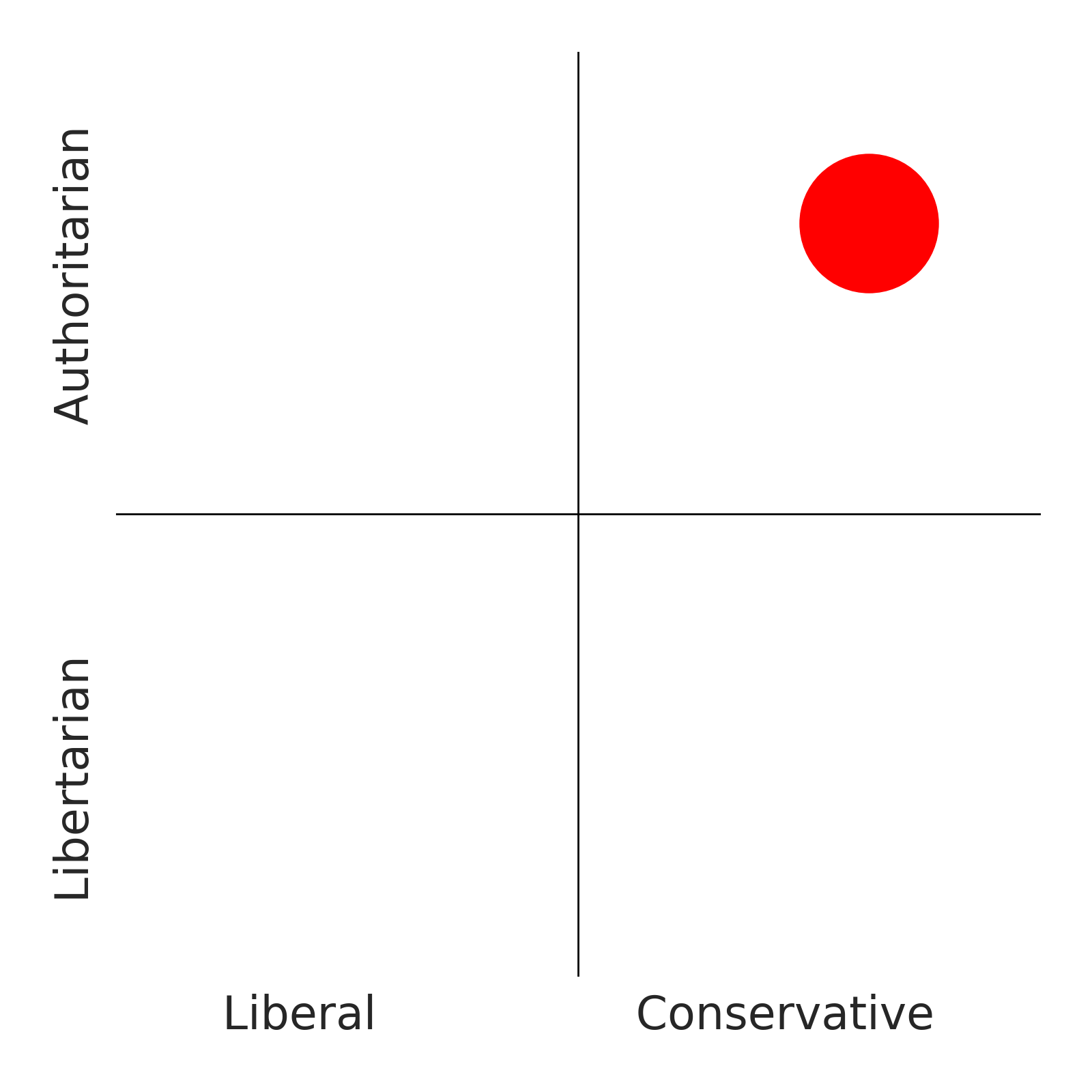
🔵 Liberal <—> Conservative 🔴29

🧢 Populist <—> Elitist 🎩-12

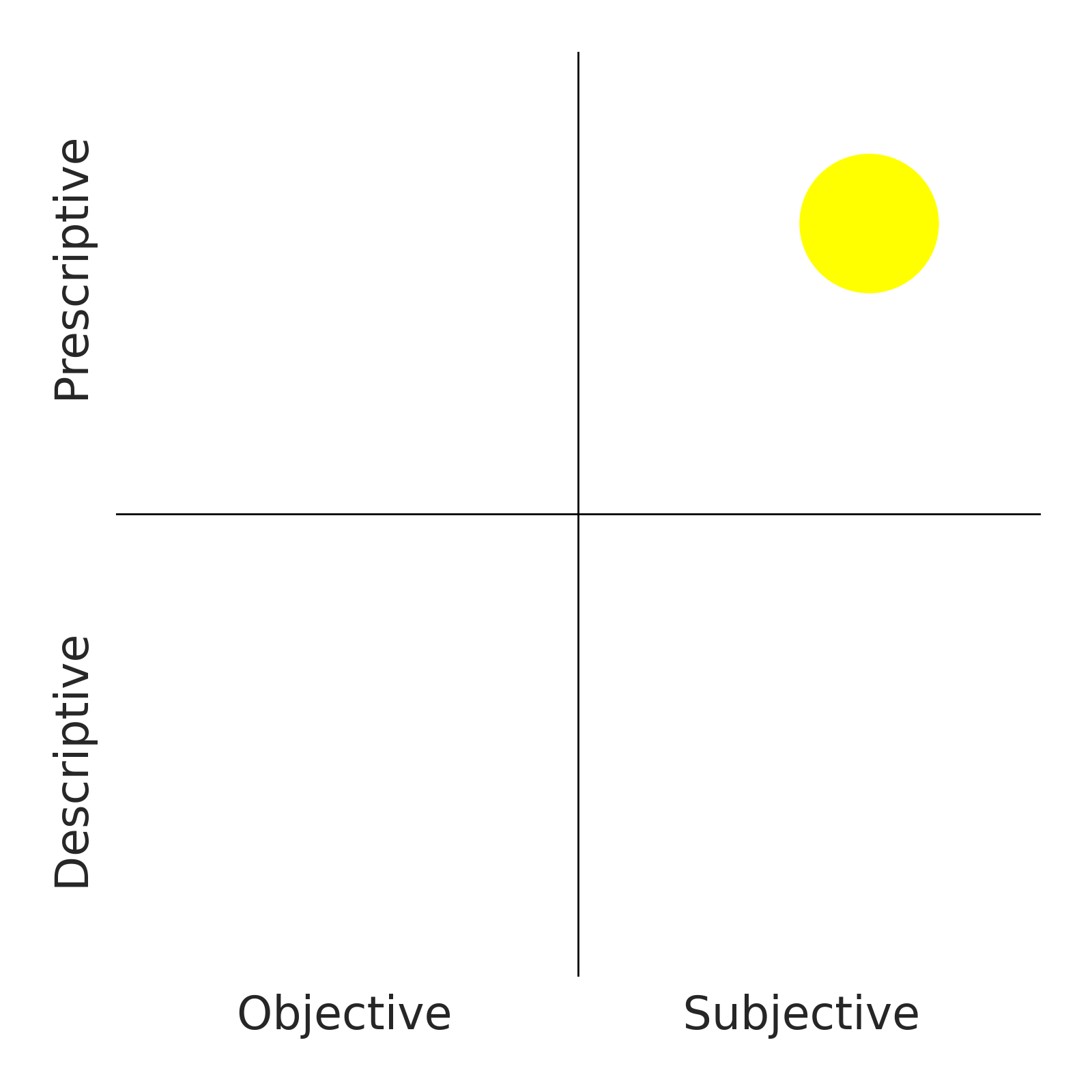
🗞️ Objective <—> Subjective 👁️ 31

🚨 Sensational100

😩 Pessimistic <—> Optimistic 🌞-19

💡 Boring <—> Interesting29

📝 Prescriptive68

🕊️ Dovish <—> Hawkish 🦁17

😨 Fearful50

📞 Begging the Question30

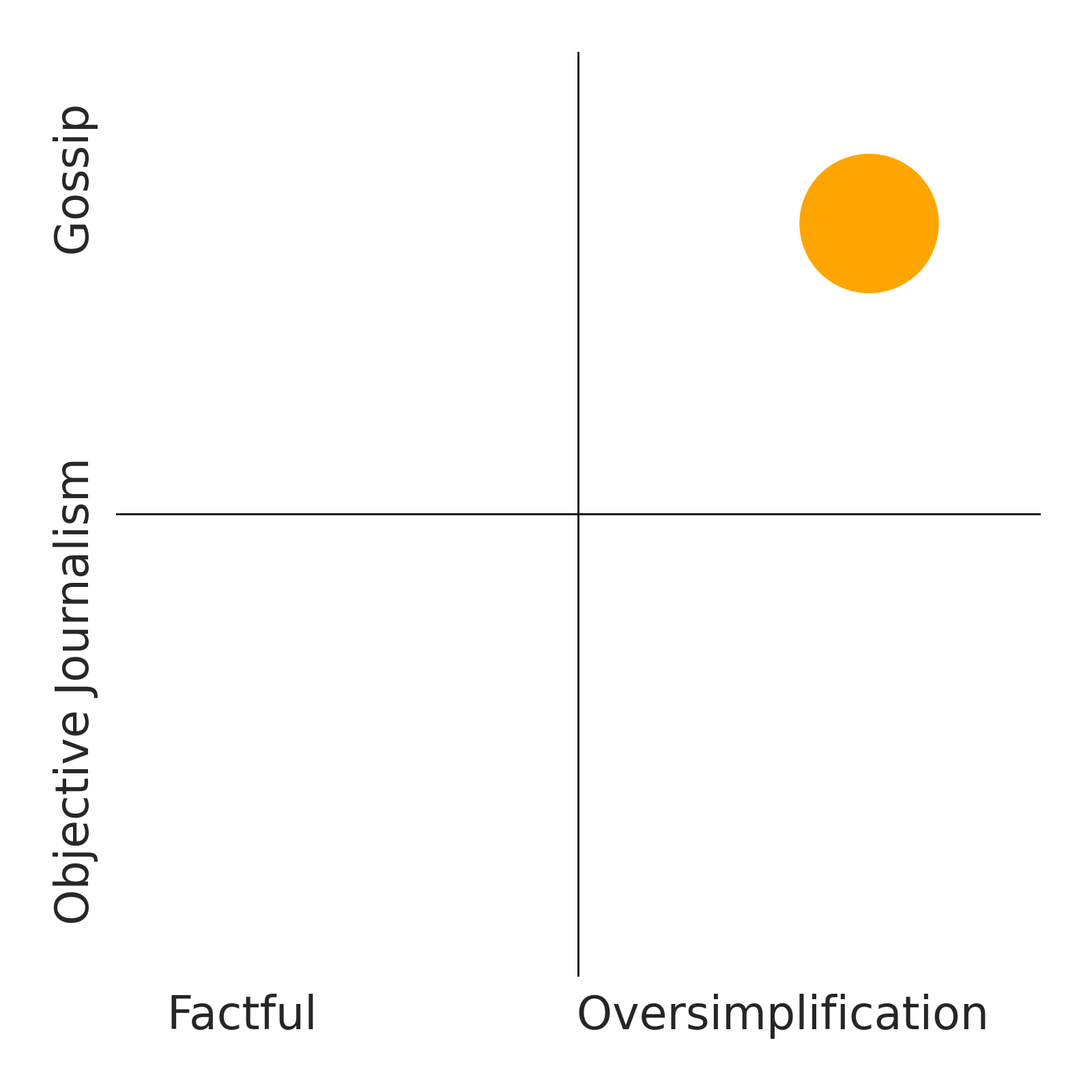
🗣️ Gossip8

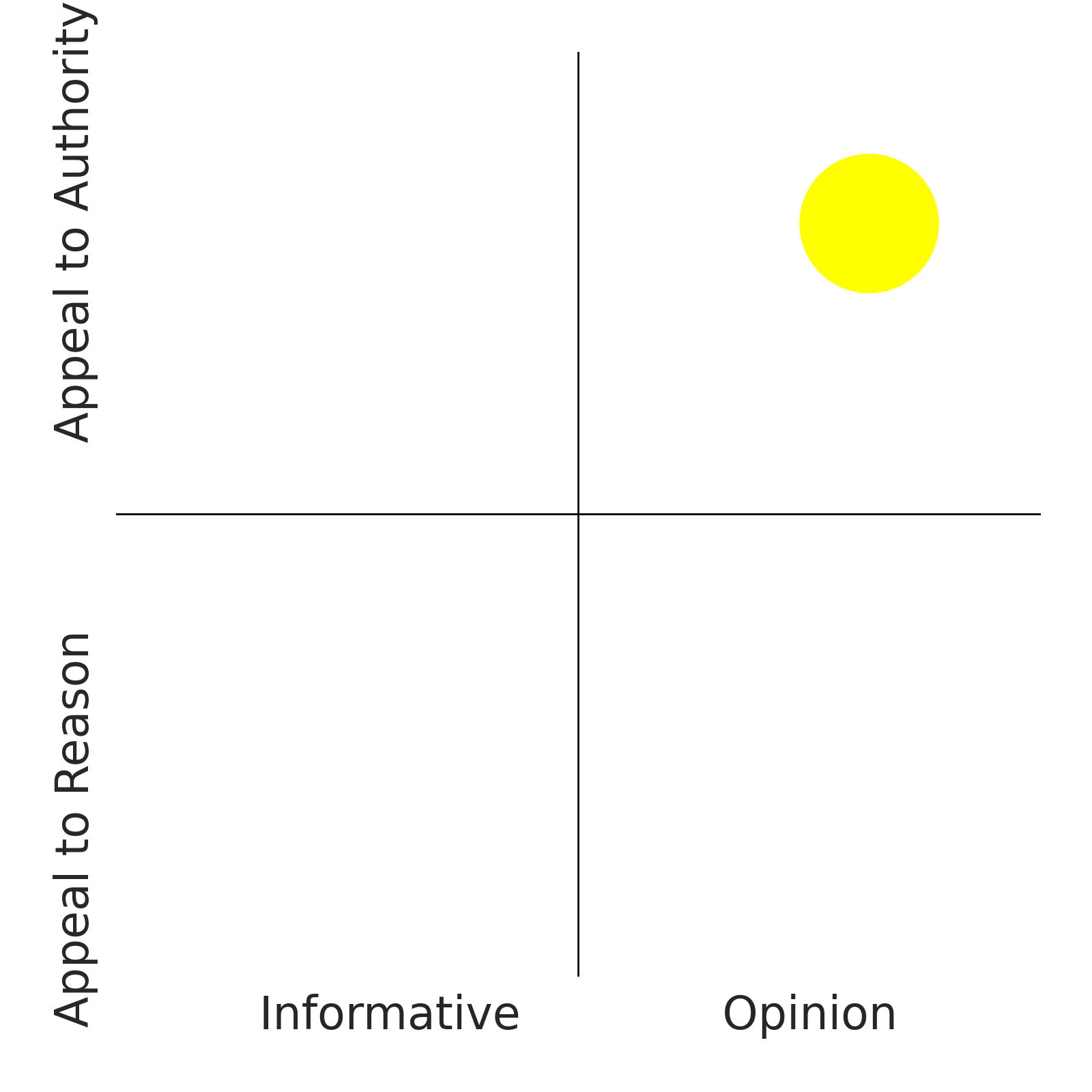
💭 Opinion100

🗳 Political78

Oversimplification60

🏛️ Appeal to Authority36

🍼 Immature33

🔄 Circular Reasoning20

👀 Covering Responses29

😢 Victimization30

😤 Overconfidence62

🔒 Ideological100

📏📏 Double Standard60

🧠 Rational <—> Irrational 🤪13

🤑 Advertising23

🪨 Low Intelligence <—> High Intelligence 🦉28

🚫✡️ Anti-semitism6

⚠️🌍 Racism54

✊ Woke35

🔪 Cruel24

🎭 Virtue Signaling90

🔍 Truth-seeking <—> Delusion 🌀18

🔺 Conspiracy70

🐐 Scapegoating40

🤡 Hypocrisy26

⛓️ Anti-enlightenment10

🎲 Speculation50

🐍 Manipulative100

Subtle dimensions

🗽 Libertarian <—> Authoritarian 🚔-3

🗑️ Spam5

🏴 Anti-establishment <—> Pro-establishment 📺-5

❌ Low Credibility <—> High Credibility ✅-1

🤖 Written by AI0

💔 Low Integrity <—> High Integrity ❤️-4

💣 Terrorism4

⛓️ Islamist2

🚫🏳️‍🌈 Anti-LGBT4

❤️‍🔥 Suicidal Empathy0

🦊 Anti-Corporate <—> Pro-Corporate 👔0

🔬 Scientific <—> Superstitious 🔮3

👤 Individualist <—> Collectivist 👥-3

How to interpret source scores →

Average social shares per article 0


American Thinker Political Bias (?)


American Thinker Subjective Bias (?)


American Thinker Opinion Bias (?)


American Thinker Oversimplification Bias (?)


Discuss this source


American Thinker Recent Articles


Sort By:                     


Build a focused, ad-free news feed.

Create Free Feed