See whether Helium helps you make better-informed decisions. Try every Pro Trader feature for 30 days. No credit card required.
Try every Pro Trader feature for 30 days. No credit card required.
September 18, 2026 · 0 shares
The headline leads with an FBI "Malicious" label attached to a Chinese AI tool, framing a brief administrative use of an open-source search tool as a national-security concern.
The Federal Register is an official U.S. government daily publication for rules and notices; it is produced by the National Archives and Records Administration.
Automated analysis; not human reviewed. Limitations: Only a headline and one-sentence brief were available, so body-level sourcing and context could not be assessed. · 3 of 55 available dimensions scored; omitted dimensions are not treated as neutral. · Verified supporting quotes for 3 of 3 scored dimensions.
Claim: The headline uses a dramatic official label and Chinese-origin framing, giving the report a sensational edge beyond the neutral detail of a brief tool deployment.
“National Archives Used Chinese AI FBI Called "Malicious"” · exact text match
Counterevidence:
“The Federal Register website briefly used an open source Chinese AI search tool.” · exact text match
Why: The headline emphasizes the FBI's 'Malicious' designation and Chinese origin, but the subhead is a plain factual statement, so the presentation leans sensational while being tempered by the subhead.
Claim: The content is purely descriptive and does not issue any recommendation or directive.
“The Federal Register website briefly used an open source Chinese AI search tool.” · exact text match
Why: The only substantive sentence reports a past action without calling for any response.
Claim: The framing evokes concern about a national-security threat by leading with an FBI "Malicious" label for Chinese AI while the factual detail says only that the tool was briefly used.
“National Archives Used Chinese AI FBI Called "Malicious"” · exact text match
Counterevidence:
“The Federal Register website briefly used an open source Chinese AI search tool.” · exact text match
Why: The headline juxtaposes Chinese AI with an FBI 'Malicious' label, creating alarm, while the subhead describes only a brief administrative use of a search tool.
Only a headline and one-sentence brief were available, so body-level sourcing and context could not be assessed.
September 09, 2026 · 0 shares
Framing uses dramatic, affect-laden language and a categorical assertion of CCP failure to characterize China's internet mood as dark.
In Chinese internet governance, 'positive energy' (zheng nengliang) is an official concept promoted by the CCP to encourage patriotic, optimistic content and to discourage critical or negative commentary; authorities have long sought to shape public internet discourse.
Automated analysis; not human reviewed. Limitations: Only the headline and subheading were available, so the body's evidence, sources, and nuance could not be assessed. · 5 of 54 available dimensions scored; omitted dimensions are not treated as neutral. · Verified supporting quotes for 5 of 5 scored dimensions.
Claim: The supplied excerpt evaluates China's internet and the CCP's campaign with subjective judgment rather than neutral reporting.
“Social Media in China Is Getting Really Dark.” · exact text match
“It's no longer working.” · exact text match
Why: 'Really dark' and 'no longer working' characterize a nationwide condition and policy outcome using evaluative language unsupported by cited evidence in the excerpt.
Claim: The framing uses dramatic, affect-laden language to describe a broad social condition.
“Social Media in China Is Getting Really Dark.” · exact text match
Why: 'Really Dark' and the capitalized headline style are emotionally charged and dramatic; no data or examples are given for the degree of darkness.
Claim: The excerpt presents an evaluative judgment as a declarative outcome rather than as reporting attributed to sources or data.
“It's no longer working.” · exact text match
Why: The conclusion about the campaign's failure is an opinion-style assessment stated as fact.
Claim: A categorical conclusion about the failure of a national policy campaign is stated without caveat or supporting evidence in the supplied excerpt.
“It's no longer working.” · exact text match
Why: The assertion is unqualified, but the excerpt is only a subheading and may summarize evidence not included in the supplied excerpt.
Claim: The excerpt conveys a negative emotional tone about China's internet and the CCP's campaign.
“Social Media in China Is Getting Really Dark.” · exact text match
Why: 'Dark' frames the subject negatively, reinforced by the declarative 'It's no longer working.'
Only the headline and subheading were available, so the body's evidence, sources, and nuance could not be assessed.
September 09, 2026 · 0 shares
Uses an aphoristic prediction to frame a speculative cultural shift as an inevitable consequence of AI's rise.
Automated analysis; not human reviewed. Limitations: Only the headline and subtitle were available; the essay body was not supplied, so analysis is limited to a single aphoristic claim. · 6 of 54 available dimensions scored; omitted dimensions are not treated as neutral. · Verified supporting quotes for 6 of 6 scored dimensions.
Claim: The text presents an unverifiable value-laden prediction as a general truth.
“As we learn to think more and more highly of the bots, we will learn to think less and less highly of our fellow humans.” · exact text match
Why: The central claim is a subjective speculation about future attitudes, expressed as an aphorism with no data or qualification.
Claim: The text frames a decline in human regard as a likely future outcome.
“we will learn to think less and less highly of our fellow humans” · exact text match
Why: The only concrete outcome predicted is negative: humans will be thought less of.
Claim: The text expresses a personal judgment about AI's effect on human self-worth rather than presenting facts.
“As we learn to think more and more highly of the bots, we will learn to think less and less highly of our fellow humans.” · exact text match
Why: The claim is a non-falsifiable personal viewpoint characteristic of opinion writing.
Claim: The text reduces a complex social development to a single inverse relationship between esteem for bots and esteem for humans.
“we will learn to think less and less highly of our fellow humans” · exact text match
Why: It states a simple causal relation without considering mediating factors, contexts, or evidence.
Claim: The prediction uses unqualified future-tense certainty to state a social outcome as inevitable.
“As we learn to think more and more highly of the bots, we will learn to think less and less highly of our fellow humans.” · exact text match
Why: The phrasing 'we will learn to think' asserts certainty without hedges, evidence, or alternative possibilities.
Claim: The core content is a forecast about how attitudes will shift, not a report of observed events.
“we will learn to think less and less highly of our fellow humans” · exact text match
Why: The sentence is entirely forward-looking and predicts future social attitudes.
Only the headline and subtitle were available; the essay body was not supplied, so analysis is limited to a single aphoristic claim.
September 14, 2026 · 0 shares
Sensational 'playing God' framing is built from an unnamed critics' 'messing with Mother Nature' charge and Zayner's defiant 'being a god' quote.
Automated analysis; not human reviewed. Limitations: Only a short headline and summary were supplied, so classifications rest on a very small text sample. · 2 of 54 available dimensions scored; omitted dimensions are not treated as neutral. · Verified supporting quotes for 2 of 2 scored dimensions.
Claim: The central characterization of the start-up is an evaluative judgment, not a factual description.
“Critics say Josie Zayner's gene-editing start-up is messing with Mother Nature.” · exact text match
Why: 'Messing with Mother Nature' is a subjective judgment that anchors the framing, even though it is attributed to unnamed critics.
Claim: The presentation uses mythic and provocative language rather than neutral description.
“Is Gene-Editing Start-Up Messing with Mother Nature?” · exact text match
“Being a god is just being 100 years in the future.” · exact text match
Why: The headline frames gene editing as violating nature and the selected quote equates the founder with divine power, both of which are sensational framing devices.
Only a short headline and summary were supplied, so classifications rest on a very small text sample.
September 18, 2026 · 0 shares
The headline leads with an FBI "Malicious" label attached to a Chinese AI tool, framing a brief administrative use of an open-source search tool as a national-security concern.
The Federal Register is an official U.S. government daily publication for rules and notices; it is produced by the National Archives and Records Administration.
Automated analysis; not human reviewed. Limitations: Only a headline and one-sentence brief were available, so body-level sourcing and context could not be assessed. · 3 of 55 available dimensions scored; omitted dimensions are not treated as neutral. · Verified supporting quotes for 3 of 3 scored dimensions.
Claim: The headline uses a dramatic official label and Chinese-origin framing, giving the report a sensational edge beyond the neutral detail of a brief tool deployment.
“National Archives Used Chinese AI FBI Called "Malicious"” · exact text match
Counterevidence:
“The Federal Register website briefly used an open source Chinese AI search tool.” · exact text match
Why: The headline emphasizes the FBI's 'Malicious' designation and Chinese origin, but the subhead is a plain factual statement, so the presentation leans sensational while being tempered by the subhead.
Claim: The content is purely descriptive and does not issue any recommendation or directive.
“The Federal Register website briefly used an open source Chinese AI search tool.” · exact text match
Why: The only substantive sentence reports a past action without calling for any response.
Claim: The framing evokes concern about a national-security threat by leading with an FBI "Malicious" label for Chinese AI while the factual detail says only that the tool was briefly used.
“National Archives Used Chinese AI FBI Called "Malicious"” · exact text match
Counterevidence:
“The Federal Register website briefly used an open source Chinese AI search tool.” · exact text match
Why: The headline juxtaposes Chinese AI with an FBI 'Malicious' label, creating alarm, while the subhead describes only a brief administrative use of a search tool.
Only a headline and one-sentence brief were available, so body-level sourcing and context could not be assessed.
September 09, 2026 · 0 shares
A dismissive 'Waste of the Day' label and an ironic rhetorical contrast frame prenatal daycare as an obvious absurdity rather than a subject for neutral reporting.
Automated analysis; not human reviewed. Limitations: Only a truncated headline and first sentence were available, so all classifications reflect the opening framing and cannot account for the rest of the commentary. · 5 of 54 available dimensions scored; omitted dimensions are not treated as neutral. · Verified supporting quotes for 5 of 5 scored dimensions.
Claim: The excerpt presents subjective editorial judgment rather than neutral reporting.
“Waste of the Day: Daycare For Kids In The Womb” · exact text match
“Every parent wants a daycare that provides the highest level of supervision for their children, but looking after kids who haven't even been born yet might be taking” · exact text match
Why: The headline label asserts waste, and the rhetorical contrast is ironic, indicating an opinion-driven framing.
Claim: The excerpt is evaluative and prescriptive, implying prenatal daycare should not be pursued.
“Waste of the Day: Daycare For Kids In The Womb” · exact text match
Why: 'Waste of the Day' frames the topic as an object of disapproval, a normative stance rather than description.
Claim: The opening is opinionated, using the day's 'waste' designation and sarcasm.
“Waste of the Day: Daycare For Kids In The Womb” · exact text match
“looking after kids who haven't even been born yet might be taking” · exact text match
Why: A value judgment and ironic phrasing lead the item, with no neutral or factual exposition.
Claim: The opening oversimplifies the concept by equating daycare solely with supervising born children.
“looking after kids who haven't even been born yet might be taking” · exact text match
Why: The rhetorical contrast treats unborn children as an obviously impossible daycare category, ignoring any possible purpose or context.
Claim: The tone is negatively charged and mocking toward the subject.
“Waste of the Day: Daycare For Kids In The Womb” · exact text match
“might be taking” · exact text match
Why: 'Waste of the Day' and the sarcastic trailing phrase convey disdain rather than neutral affect.
Only a truncated headline and first sentence were available, so all classifications reflect the opening framing and cannot account for the rest of the commentary.
September 18, 2026 · 0 shares
The headline leads with an FBI "Malicious" label attached to a Chinese AI tool, framing a brief administrative use of an open-source search tool as a national-security concern.
The Federal Register is an official U.S. government daily publication for rules and notices; it is produced by the National Archives and Records Administration.
Automated analysis; not human reviewed. Limitations: Only a headline and one-sentence brief were available, so body-level sourcing and context could not be assessed. · 3 of 55 available dimensions scored; omitted dimensions are not treated as neutral. · Verified supporting quotes for 3 of 3 scored dimensions.
Claim: The headline uses a dramatic official label and Chinese-origin framing, giving the report a sensational edge beyond the neutral detail of a brief tool deployment.
“National Archives Used Chinese AI FBI Called "Malicious"” · exact text match
Counterevidence:
“The Federal Register website briefly used an open source Chinese AI search tool.” · exact text match
Why: The headline emphasizes the FBI's 'Malicious' designation and Chinese origin, but the subhead is a plain factual statement, so the presentation leans sensational while being tempered by the subhead.
Claim: The content is purely descriptive and does not issue any recommendation or directive.
“The Federal Register website briefly used an open source Chinese AI search tool.” · exact text match
Why: The only substantive sentence reports a past action without calling for any response.
Claim: The framing evokes concern about a national-security threat by leading with an FBI "Malicious" label for Chinese AI while the factual detail says only that the tool was briefly used.
“National Archives Used Chinese AI FBI Called "Malicious"” · exact text match
Counterevidence:
“The Federal Register website briefly used an open source Chinese AI search tool.” · exact text match
Why: The headline juxtaposes Chinese AI with an FBI 'Malicious' label, creating alarm, while the subhead describes only a brief administrative use of a search tool.
Only a headline and one-sentence brief were available, so body-level sourcing and context could not be assessed.
September 09, 2026 · 0 shares
Framing uses dramatic, affect-laden language and a categorical assertion of CCP failure to characterize China's internet mood as dark.
In Chinese internet governance, 'positive energy' (zheng nengliang) is an official concept promoted by the CCP to encourage patriotic, optimistic content and to discourage critical or negative commentary; authorities have long sought to shape public internet discourse.
Automated analysis; not human reviewed. Limitations: Only the headline and subheading were available, so the body's evidence, sources, and nuance could not be assessed. · 5 of 54 available dimensions scored; omitted dimensions are not treated as neutral. · Verified supporting quotes for 5 of 5 scored dimensions.
Claim: The supplied excerpt evaluates China's internet and the CCP's campaign with subjective judgment rather than neutral reporting.
“Social Media in China Is Getting Really Dark.” · exact text match
“It's no longer working.” · exact text match
Why: 'Really dark' and 'no longer working' characterize a nationwide condition and policy outcome using evaluative language unsupported by cited evidence in the excerpt.
Claim: The framing uses dramatic, affect-laden language to describe a broad social condition.
“Social Media in China Is Getting Really Dark.” · exact text match
Why: 'Really Dark' and the capitalized headline style are emotionally charged and dramatic; no data or examples are given for the degree of darkness.
Claim: The excerpt presents an evaluative judgment as a declarative outcome rather than as reporting attributed to sources or data.
“It's no longer working.” · exact text match
Why: The conclusion about the campaign's failure is an opinion-style assessment stated as fact.
Claim: A categorical conclusion about the failure of a national policy campaign is stated without caveat or supporting evidence in the supplied excerpt.
“It's no longer working.” · exact text match
Why: The assertion is unqualified, but the excerpt is only a subheading and may summarize evidence not included in the supplied excerpt.
Claim: The excerpt conveys a negative emotional tone about China's internet and the CCP's campaign.
“Social Media in China Is Getting Really Dark.” · exact text match
Why: 'Dark' frames the subject negatively, reinforced by the declarative 'It's no longer working.'
Only the headline and subheading were available, so the body's evidence, sources, and nuance could not be assessed.
September 09, 2026 · 0 shares
Uses an aphoristic prediction to frame a speculative cultural shift as an inevitable consequence of AI's rise.
Automated analysis; not human reviewed. Limitations: Only the headline and subtitle were available; the essay body was not supplied, so analysis is limited to a single aphoristic claim. · 6 of 54 available dimensions scored; omitted dimensions are not treated as neutral. · Verified supporting quotes for 6 of 6 scored dimensions.
Claim: The text presents an unverifiable value-laden prediction as a general truth.
“As we learn to think more and more highly of the bots, we will learn to think less and less highly of our fellow humans.” · exact text match
Why: The central claim is a subjective speculation about future attitudes, expressed as an aphorism with no data or qualification.
Claim: The text frames a decline in human regard as a likely future outcome.
“we will learn to think less and less highly of our fellow humans” · exact text match
Why: The only concrete outcome predicted is negative: humans will be thought less of.
Claim: The text expresses a personal judgment about AI's effect on human self-worth rather than presenting facts.
“As we learn to think more and more highly of the bots, we will learn to think less and less highly of our fellow humans.” · exact text match
Why: The claim is a non-falsifiable personal viewpoint characteristic of opinion writing.
Claim: The text reduces a complex social development to a single inverse relationship between esteem for bots and esteem for humans.
“we will learn to think less and less highly of our fellow humans” · exact text match
Why: It states a simple causal relation without considering mediating factors, contexts, or evidence.
Claim: The prediction uses unqualified future-tense certainty to state a social outcome as inevitable.
“As we learn to think more and more highly of the bots, we will learn to think less and less highly of our fellow humans.” · exact text match
Why: The phrasing 'we will learn to think' asserts certainty without hedges, evidence, or alternative possibilities.
Claim: The core content is a forecast about how attitudes will shift, not a report of observed events.
“we will learn to think less and less highly of our fellow humans” · exact text match
Why: The sentence is entirely forward-looking and predicts future social attitudes.
Only the headline and subtitle were available; the essay body was not supplied, so analysis is limited to a single aphoristic claim.
September 07, 2026 · 0 shares
The headline uses the loaded phrase 'Activist Climate Fraudsters' to characterize payment recipients and frames the payment itself as illegitimate, signaling a strongly conservative/anti-climate-activist slant.
No article body was provided; this analysis is based on the headline alone.
Automated analysis; not human reviewed. · 4 of 54 available dimensions scored; omitted dimensions are not treated as neutral. · Verified supporting quotes for 0 of 4 scored dimensions.
September 01, 2026 · 0 shares
Loaded, alarmist framing characterizes a Chinese youth program as a CCP paramilitary infiltration of U.S. children and treats its sanctioned 'Corps spirit' as a threatening import.
CCP stands for Chinese Communist Party, China's ruling party.
Automated analysis; not human reviewed. Limitations: Only a headline and dek were available; no article body, sourcing, or program context could be analyzed. · 14 of 54 available dimensions scored; omitted dimensions are not treated as neutral. · Verified supporting quotes for 14 of 14 scored dimensions.
Claim: The report's alarmist anti-CCP framing is conservative-leaning.
“U.S. Children Brought inside CCP Paramilitary System” · exact text match
Why: The nationalist security alarm over Chinese Communist Party influence on U.S. children is more characteristic of conservative framing than neutral or liberal framing.
Claim: The central assertion is evaluative rather than neutral.
“U.S. Children Brought inside CCP Paramilitary System” · exact text match
Why: 'Paramilitary system' is a loaded evaluative label rather than a neutral description, and no evidence supports it in the supplied text.
Claim: The phrasing dramatizes the event.
“U.S. Children Brought inside CCP Paramilitary System” · exact text match
Why: Pairing 'U.S. children' with 'CCP paramilitary system' is a dramatic, alarmist characterization.
Claim: The overall tenor is pessimistic and ominous.
“U.S. Children Brought inside CCP Paramilitary System” · exact text match
Why: The only available framing is threatening, with no mitigating or positive context.
Claim: The report treats a CCP-linked youth program as a national security threat.
“U.S. Children Brought inside CCP Paramilitary System” · exact text match
Why: Describing the program as a paramilitary system and its spirit being brought to America implies a threat that warrants a hawkish posture.
Claim: The headline is designed to provoke fear and outrage.
“U.S. Children Brought inside CCP Paramilitary System” · exact text match
Why: Combining 'U.S. children' with 'CCP paramilitary system' evokes fear of foreign infiltration.
Claim: The label 'paramilitary system' presumes the conclusion it should establish.
“U.S. Children Brought inside CCP Paramilitary System” · exact text match
Why: Calling the program a paramilitary system embeds the contested characterization in the description itself.
Claim: The main statement is an unsubstantiated characterization.
“U.S. Children Brought inside CCP Paramilitary System” · exact text match
Why: The claim is presented as fact but is an evaluative label without supporting detail.
Claim: The report centers a geopolitical and ideological issue.
“U.S. Children Brought inside CCP Paramilitary System” · exact text match
Why: The central claim concerns the Chinese Communist Party's alleged apparatus and its effect on U.S. children.
Claim: The report reduces a complex youth program to a paramilitary threat.
“U.S. Children Brought inside CCP Paramilitary System” · exact text match
Why: A youth program is flattened into the label 'paramilitary system,' omitting context and nuance.
Claim: The assertion is stated as settled fact without hedging or evidence.
“U.S. Children Brought inside CCP Paramilitary System” · exact text match
Why: The headline uses an unqualified declarative characterization despite the supplied text providing no evidence or attribution.
Claim: The language is negatively charged and alarmist.
“U.S. Children Brought inside CCP Paramilitary System” · exact text match
Why: The wording is ominous and emotional rather than neutral.
Claim: The report provides no visible sourcing, attribution, or hedging.
“Students were told to bring the sanctioned "Corps spirit" back to America.” · exact text match
Why: The instruction is attributed to no named source and lacks time, place, and corroborating detail.
Claim: The report uses loaded framing and material omission.
“U.S. Children Brought inside CCP Paramilitary System” · exact text match
Why: The loaded label 'paramilitary system' frames the event as a threat while providing no context that would allow readers to evaluate the claim.
Only a headline and dek were available; no article body, sourcing, or program context could be analyzed.
September 03, 2026 · 0 shares
Framing treats 9/11 conspiracy theories as mainstream lies and warns that refuting them may decide America's future, combining alarm with a truth-versus-conspiracy dichotomy.
The September 11, 2001 attacks are the referent of '9/11' and have generated persistent conspiracy theories over the intervening decades.
Automated analysis; not human reviewed. Limitations: Only the supplied headline and subtitle were available; the full essay's argument and evidence could not be assessed. · 6 of 54 available dimensions scored; omitted dimensions are not treated as neutral. · Verified supporting quotes for 6 of 6 scored dimensions.
Claim: The text uses subjective, evaluative language rather than neutral reporting.
“Lies and conspiracy theories about the attacks have become mainstream over the past 25 years.” · exact text match
“The future of the U.S. may depend on refuting them.” · exact text match
Why: The assertions are value-laden and predictive, with no quoted evidence or balanced alternative.
Claim: The framing employs dramatic, alarmist language.
“War on the Truth” · exact text match
“The future of the U.S. may depend on refuting them.” · exact text match
Why: The 'War on the Truth' metaphor and stakes-laden projection dramatize the topic.
Claim: The framing is pessimistic about the social condition and the national future.
“Lies and conspiracy theories about the attacks have become mainstream” · exact text match
“The future of the U.S. may depend on refuting them.” · exact text match
Why: It presents lies as mainstream and ties the U.S. future to a precarious condition, producing a negative outlook.
Claim: The text moves beyond description to prescribe an imperative response.
“The future of the U.S. may depend on refuting them.” · exact text match
Why: Though hedged with 'may,' the statement frames refutation as a necessary condition for national wellbeing.
Claim: The text invokes national stakes to generate urgency and concern.
“The future of the U.S. may depend on refuting them.” · exact text match
Why: Linking mainstream lies to the nation's future creates a fearful consequence.
Claim: The text consists of editorial opinion rather than factual reporting.
“Lies and conspiracy theories about the attacks have become mainstream over the past 25 years.” · exact text match
“The future of the U.S. may depend on refuting them.” · exact text match
Why: The statements assert a sweeping interpretation and consequential prediction without sourcing or evidence.
Only the supplied headline and subtitle were available; the full essay's argument and evidence could not be assessed.
September 05, 2026 · 0 shares
Framing labels a Democratic lawmaker 'disgraced,' invokes a 'honeypot' sex-espionage trope, and treats China ties as inherently suspicious with little supporting detail.
Automated analysis; not human reviewed. Limitations: The supplied text is only a two-sentence headline/lede with an incomplete clause after 'considered,' so the full evidentiary basis could not be assessed. · 8 of 54 available dimensions scored; omitted dimensions are not treated as neutral. · Verified supporting quotes for 8 of 8 scored dimensions.
Claim: The framing applies a negative political label to a Democratic lawmaker.
“Now-disgraced California Dem Eric Swalwell” · exact text match
Why: 'Now-disgraced' and the explicit 'Dem' tag combine an evaluative judgment with a partisan identifier, a conservative-tabloid framing choice.
Claim: The report uses evaluative and loaded language rather than neutral description.
“Now-disgraced California Dem Eric Swalwell” · exact text match
“Swalwell Honeypot Has China Ties” · exact text match
Why: Both 'disgraced' and 'honeypot' are subjective or metaphorical labels rather than neutral factual descriptors.
Claim: The report dramatizes the story with sex-espionage and tabloid detail.
“Swalwell Honeypot Has China Ties” · exact text match
“glamorous grad student” · exact text match
Why: 'Honeypot' is a sensational espionage trope, and 'glamorous grad student' highlights salacious detail.
Claim: The report emphasizes personal and romantic scandal details.
“glamorous grad student whom he first met in 2012 before he took office” · exact text match
Why: The focus on a 'glamorous' personal liaison is gossip-style coverage rather than substantive national-security reporting.
Claim: The report states an evaluative conclusion as fact.
“Now-disgraced California Dem Eric Swalwell” · exact text match
Why: 'Disgraced' is an opinion about reputation, not an observed fact.
Claim: The report is overtly political in its focus and labeling.
“Now-disgraced California Dem Eric Swalwell” · exact text match
Why: It attaches a partisan tag to a scandal narrative, making the item a political attack rather than neutral reporting.
Claim: The wording is emotionally negative toward Swalwell.
“Now-disgraced California Dem Eric Swalwell” · exact text match
Why: 'Disgraced' carries contempt, giving the item a negative emotional valence.
Claim: The report's visible evidentiary basis is weak.
“Nonprofit Linked to Swalwell Honeypot Has China Ties” · exact text match
Why: The headline is an unhedged, unsourced assertion; the supporting detail is an incomplete sentence, so the item lacks visible verification.
The supplied text is only a two-sentence headline/lede with an incomplete clause after 'considered,' so the full evidentiary basis could not be assessed.
September 01, 2026 · 0 shares
Loaded, alarmist framing characterizes a Chinese youth program as a CCP paramilitary infiltration of U.S. children and treats its sanctioned 'Corps spirit' as a threatening import.
CCP stands for Chinese Communist Party, China's ruling party.
Automated analysis; not human reviewed. Limitations: Only a headline and dek were available; no article body, sourcing, or program context could be analyzed. · 14 of 54 available dimensions scored; omitted dimensions are not treated as neutral. · Verified supporting quotes for 14 of 14 scored dimensions.
Claim: The report's alarmist anti-CCP framing is conservative-leaning.
“U.S. Children Brought inside CCP Paramilitary System” · exact text match
Why: The nationalist security alarm over Chinese Communist Party influence on U.S. children is more characteristic of conservative framing than neutral or liberal framing.
Claim: The central assertion is evaluative rather than neutral.
“U.S. Children Brought inside CCP Paramilitary System” · exact text match
Why: 'Paramilitary system' is a loaded evaluative label rather than a neutral description, and no evidence supports it in the supplied text.
Claim: The phrasing dramatizes the event.
“U.S. Children Brought inside CCP Paramilitary System” · exact text match
Why: Pairing 'U.S. children' with 'CCP paramilitary system' is a dramatic, alarmist characterization.
Claim: The overall tenor is pessimistic and ominous.
“U.S. Children Brought inside CCP Paramilitary System” · exact text match
Why: The only available framing is threatening, with no mitigating or positive context.
Claim: The report treats a CCP-linked youth program as a national security threat.
“U.S. Children Brought inside CCP Paramilitary System” · exact text match
Why: Describing the program as a paramilitary system and its spirit being brought to America implies a threat that warrants a hawkish posture.
Claim: The headline is designed to provoke fear and outrage.
“U.S. Children Brought inside CCP Paramilitary System” · exact text match
Why: Combining 'U.S. children' with 'CCP paramilitary system' evokes fear of foreign infiltration.
Claim: The label 'paramilitary system' presumes the conclusion it should establish.
“U.S. Children Brought inside CCP Paramilitary System” · exact text match
Why: Calling the program a paramilitary system embeds the contested characterization in the description itself.
Claim: The main statement is an unsubstantiated characterization.
“U.S. Children Brought inside CCP Paramilitary System” · exact text match
Why: The claim is presented as fact but is an evaluative label without supporting detail.
Claim: The report centers a geopolitical and ideological issue.
“U.S. Children Brought inside CCP Paramilitary System” · exact text match
Why: The central claim concerns the Chinese Communist Party's alleged apparatus and its effect on U.S. children.
Claim: The report reduces a complex youth program to a paramilitary threat.
“U.S. Children Brought inside CCP Paramilitary System” · exact text match
Why: A youth program is flattened into the label 'paramilitary system,' omitting context and nuance.
Claim: The assertion is stated as settled fact without hedging or evidence.
“U.S. Children Brought inside CCP Paramilitary System” · exact text match
Why: The headline uses an unqualified declarative characterization despite the supplied text providing no evidence or attribution.
Claim: The language is negatively charged and alarmist.
“U.S. Children Brought inside CCP Paramilitary System” · exact text match
Why: The wording is ominous and emotional rather than neutral.
Claim: The report provides no visible sourcing, attribution, or hedging.
“Students were told to bring the sanctioned "Corps spirit" back to America.” · exact text match
Why: The instruction is attributed to no named source and lacks time, place, and corroborating detail.
Claim: The report uses loaded framing and material omission.
“U.S. Children Brought inside CCP Paramilitary System” · exact text match
Why: The loaded label 'paramilitary system' frames the event as a threat while providing no context that would allow readers to evaluate the claim.
Only a headline and dek were available; no article body, sourcing, or program context could be analyzed.
September 03, 2026 · 0 shares
Framing treats 9/11 conspiracy theories as mainstream lies and warns that refuting them may decide America's future, combining alarm with a truth-versus-conspiracy dichotomy.
The September 11, 2001 attacks are the referent of '9/11' and have generated persistent conspiracy theories over the intervening decades.
Automated analysis; not human reviewed. Limitations: Only the supplied headline and subtitle were available; the full essay's argument and evidence could not be assessed. · 6 of 54 available dimensions scored; omitted dimensions are not treated as neutral. · Verified supporting quotes for 6 of 6 scored dimensions.
Claim: The text uses subjective, evaluative language rather than neutral reporting.
“Lies and conspiracy theories about the attacks have become mainstream over the past 25 years.” · exact text match
“The future of the U.S. may depend on refuting them.” · exact text match
Why: The assertions are value-laden and predictive, with no quoted evidence or balanced alternative.
Claim: The framing employs dramatic, alarmist language.
“War on the Truth” · exact text match
“The future of the U.S. may depend on refuting them.” · exact text match
Why: The 'War on the Truth' metaphor and stakes-laden projection dramatize the topic.
Claim: The framing is pessimistic about the social condition and the national future.
“Lies and conspiracy theories about the attacks have become mainstream” · exact text match
“The future of the U.S. may depend on refuting them.” · exact text match
Why: It presents lies as mainstream and ties the U.S. future to a precarious condition, producing a negative outlook.
Claim: The text moves beyond description to prescribe an imperative response.
“The future of the U.S. may depend on refuting them.” · exact text match
Why: Though hedged with 'may,' the statement frames refutation as a necessary condition for national wellbeing.
Claim: The text invokes national stakes to generate urgency and concern.
“The future of the U.S. may depend on refuting them.” · exact text match
Why: Linking mainstream lies to the nation's future creates a fearful consequence.
Claim: The text consists of editorial opinion rather than factual reporting.
“Lies and conspiracy theories about the attacks have become mainstream over the past 25 years.” · exact text match
“The future of the U.S. may depend on refuting them.” · exact text match
Why: The statements assert a sweeping interpretation and consequential prediction without sourcing or evidence.
Only the supplied headline and subtitle were available; the full essay's argument and evidence could not be assessed.
September 05, 2026 · 0 shares
Framing labels a Democratic lawmaker 'disgraced,' invokes a 'honeypot' sex-espionage trope, and treats China ties as inherently suspicious with little supporting detail.
Automated analysis; not human reviewed. Limitations: The supplied text is only a two-sentence headline/lede with an incomplete clause after 'considered,' so the full evidentiary basis could not be assessed. · 8 of 54 available dimensions scored; omitted dimensions are not treated as neutral. · Verified supporting quotes for 8 of 8 scored dimensions.
Claim: The framing applies a negative political label to a Democratic lawmaker.
“Now-disgraced California Dem Eric Swalwell” · exact text match
Why: 'Now-disgraced' and the explicit 'Dem' tag combine an evaluative judgment with a partisan identifier, a conservative-tabloid framing choice.
Claim: The report uses evaluative and loaded language rather than neutral description.
“Now-disgraced California Dem Eric Swalwell” · exact text match
“Swalwell Honeypot Has China Ties” · exact text match
Why: Both 'disgraced' and 'honeypot' are subjective or metaphorical labels rather than neutral factual descriptors.
Claim: The report dramatizes the story with sex-espionage and tabloid detail.
“Swalwell Honeypot Has China Ties” · exact text match
“glamorous grad student” · exact text match
Why: 'Honeypot' is a sensational espionage trope, and 'glamorous grad student' highlights salacious detail.
Claim: The report emphasizes personal and romantic scandal details.
“glamorous grad student whom he first met in 2012 before he took office” · exact text match
Why: The focus on a 'glamorous' personal liaison is gossip-style coverage rather than substantive national-security reporting.
Claim: The report states an evaluative conclusion as fact.
“Now-disgraced California Dem Eric Swalwell” · exact text match
Why: 'Disgraced' is an opinion about reputation, not an observed fact.
Claim: The report is overtly political in its focus and labeling.
“Now-disgraced California Dem Eric Swalwell” · exact text match
Why: It attaches a partisan tag to a scandal narrative, making the item a political attack rather than neutral reporting.
Claim: The wording is emotionally negative toward Swalwell.
“Now-disgraced California Dem Eric Swalwell” · exact text match
Why: 'Disgraced' carries contempt, giving the item a negative emotional valence.
Claim: The report's visible evidentiary basis is weak.
“Nonprofit Linked to Swalwell Honeypot Has China Ties” · exact text match
Why: The headline is an unhedged, unsourced assertion; the supporting detail is an incomplete sentence, so the item lacks visible verification.
The supplied text is only a two-sentence headline/lede with an incomplete clause after 'considered,' so the full evidentiary basis could not be assessed.
September 07, 2026 · 0 shares
The headline uses the loaded phrase 'Activist Climate Fraudsters' to characterize payment recipients and frames the payment itself as illegitimate, signaling a strongly conservative/anti-climate-activist slant.
No article body was provided; this analysis is based on the headline alone.
Automated analysis; not human reviewed. · 4 of 54 available dimensions scored; omitted dimensions are not treated as neutral. · Verified supporting quotes for 0 of 4 scored dimensions.
September 09, 2026 · 0 shares
Uses an aphoristic prediction to frame a speculative cultural shift as an inevitable consequence of AI's rise.
Automated analysis; not human reviewed. Limitations: Only the headline and subtitle were available; the essay body was not supplied, so analysis is limited to a single aphoristic claim. · 6 of 54 available dimensions scored; omitted dimensions are not treated as neutral. · Verified supporting quotes for 6 of 6 scored dimensions.
Claim: The text presents an unverifiable value-laden prediction as a general truth.
“As we learn to think more and more highly of the bots, we will learn to think less and less highly of our fellow humans.” · exact text match
Why: The central claim is a subjective speculation about future attitudes, expressed as an aphorism with no data or qualification.
Claim: The text frames a decline in human regard as a likely future outcome.
“we will learn to think less and less highly of our fellow humans” · exact text match
Why: The only concrete outcome predicted is negative: humans will be thought less of.
Claim: The text expresses a personal judgment about AI's effect on human self-worth rather than presenting facts.
“As we learn to think more and more highly of the bots, we will learn to think less and less highly of our fellow humans.” · exact text match
Why: The claim is a non-falsifiable personal viewpoint characteristic of opinion writing.
Claim: The text reduces a complex social development to a single inverse relationship between esteem for bots and esteem for humans.
“we will learn to think less and less highly of our fellow humans” · exact text match
Why: It states a simple causal relation without considering mediating factors, contexts, or evidence.
Claim: The prediction uses unqualified future-tense certainty to state a social outcome as inevitable.
“As we learn to think more and more highly of the bots, we will learn to think less and less highly of our fellow humans.” · exact text match
Why: The phrasing 'we will learn to think' asserts certainty without hedges, evidence, or alternative possibilities.
Claim: The core content is a forecast about how attitudes will shift, not a report of observed events.
“we will learn to think less and less highly of our fellow humans” · exact text match
Why: The sentence is entirely forward-looking and predicts future social attitudes.
Only the headline and subtitle were available; the essay body was not supplied, so analysis is limited to a single aphoristic claim.
Automated source summary · Updated September 24, 2026 · Not human reviewed. Check recent article panels for claim-level evidence when available.
Weighted source-level patterns from recent analyzed coverage. Open recent articles below to inspect score-specific evidence and limitations when available.
🔵 Liberal <—> Conservative 🔴9
🧢 Populist <—> Elitist 🎩-6
🗞️ Objective <—> Subjective 👁️ 14
🚨 Sensational90
😩 Pessimistic <—> Optimistic 🌞-20
💡 Boring <—> Interesting14
📝 Prescriptive6
🕊️ Dovish <—> Hawkish 🦁6
😨 Fearful24
📞 Begging the Question8
💭 Opinion100
🗳 Political42
Oversimplification32
🏛️ Appeal to Authority6
😢 Victimization8
😤 Overconfidence40
🔒 Ideological52
❌ Low Credibility <—> High Credibility ✅8
🪨 Low Intelligence <—> High Intelligence 🦉8
⚠️🌍 Racism6
✊ Woke10
🎭 Virtue Signaling6
🔺 Conspiracy10
🎲 Speculation22
🐍 Manipulative60
🗽 Libertarian <—> Authoritarian 🚔-3
📉 Bearish <—> Bullish 📈-3
🗣️ Gossip4
🍼 Immature4
🔄 Circular Reasoning0
👀 Covering Responses4
🏴 Anti-establishment <—> Pro-establishment 📺-3
🧠 Rational <—> Irrational 🤪2
🤑 Advertising1
💔 Low Integrity <—> High Integrity ❤️1
👺 Marxism0
🔪 Cruel2
🔍 Truth-seeking <—> Delusion 🌀-2
🐐 Scapegoating2
🦊 Anti-Corporate <—> Pro-Corporate 👔-2
🔬 Scientific <—> Superstitious 🔮-1
👤 Individualist <—> Collectivist 👥0
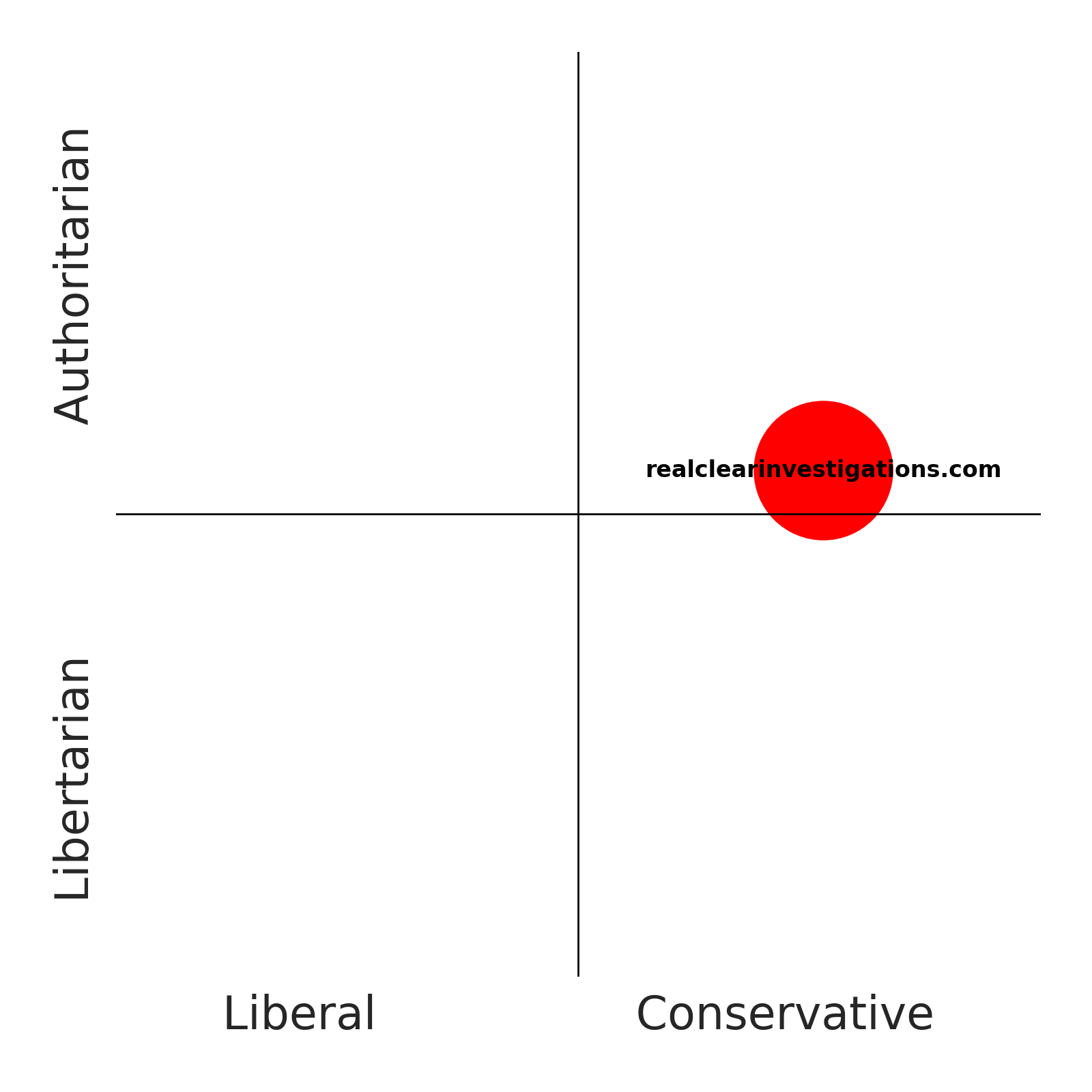
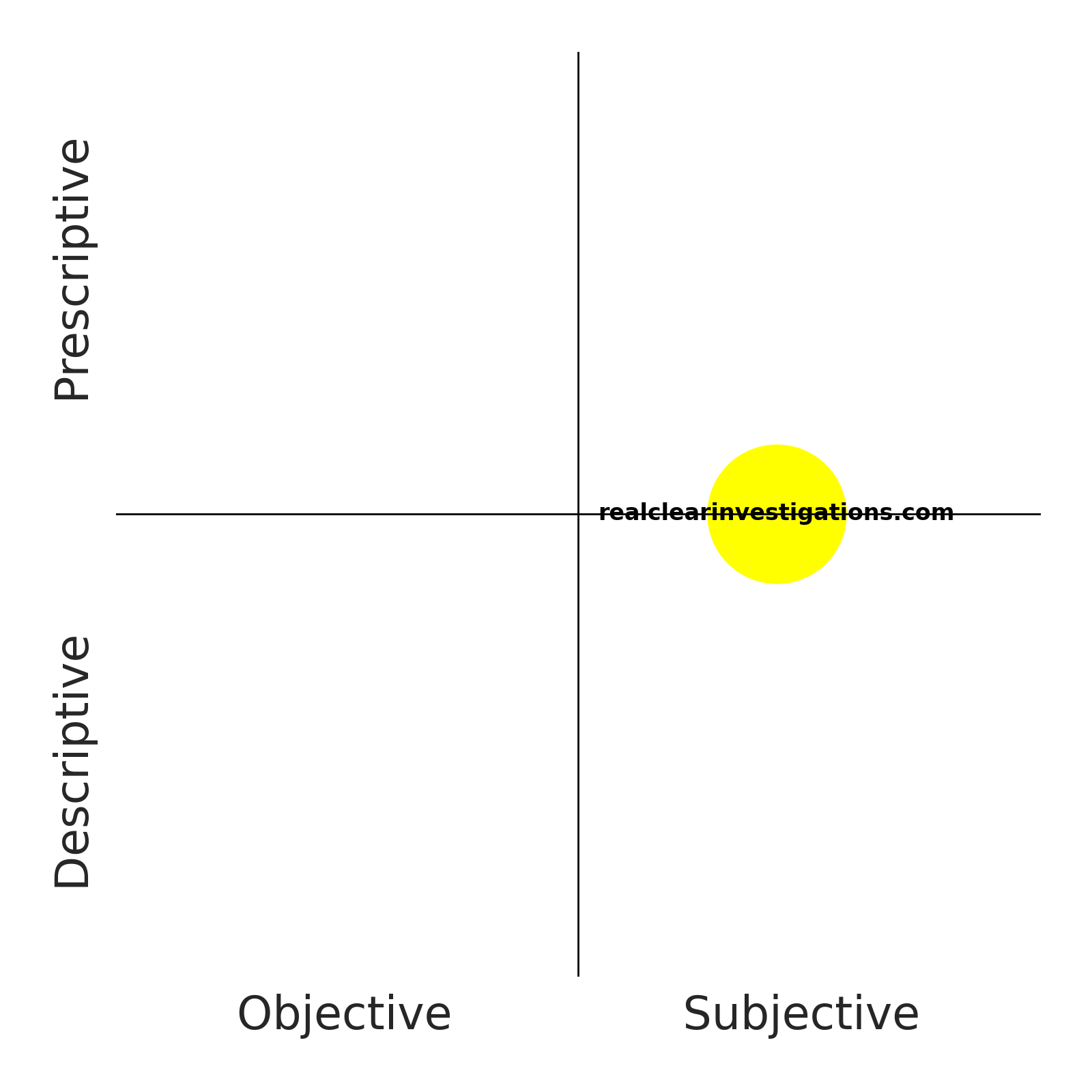
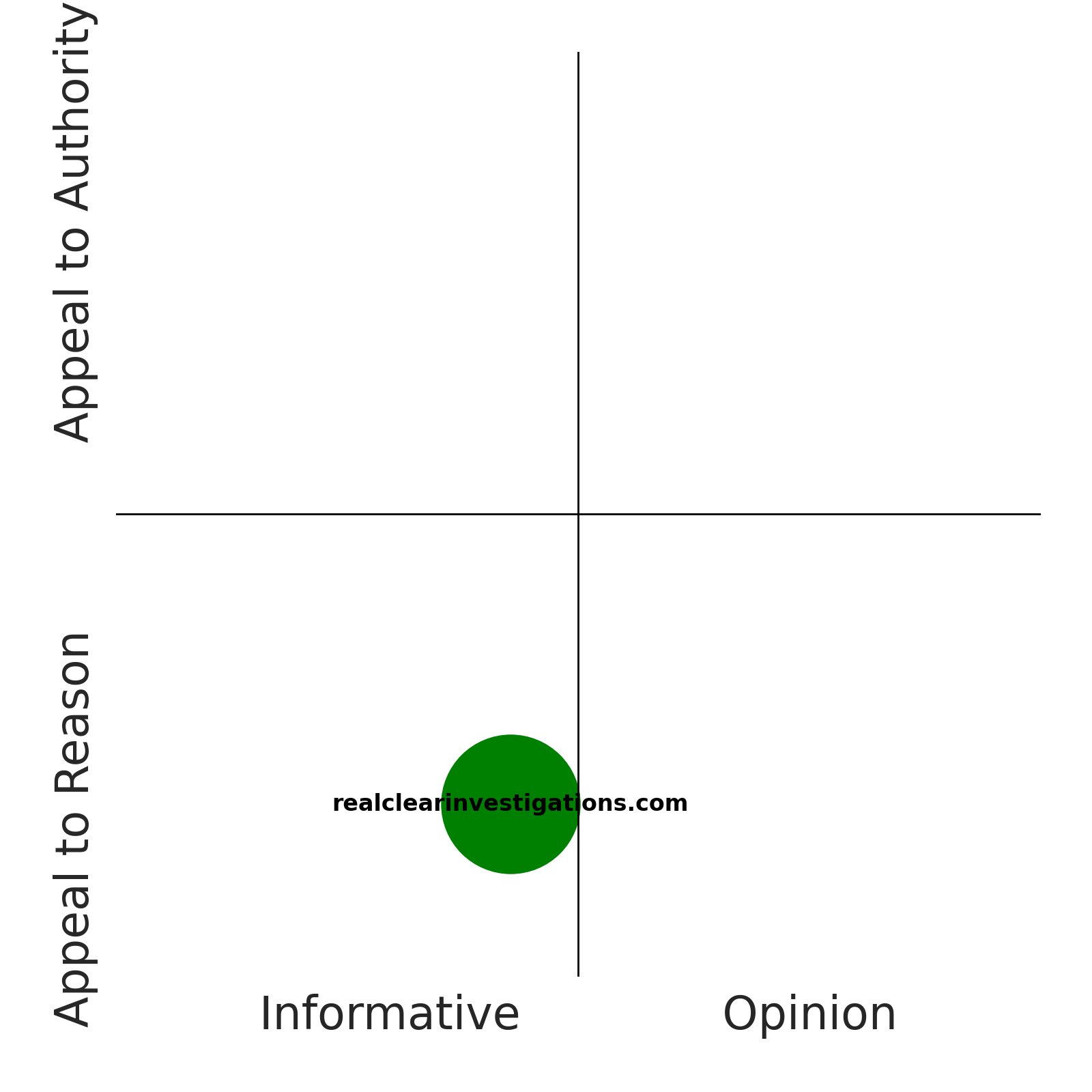
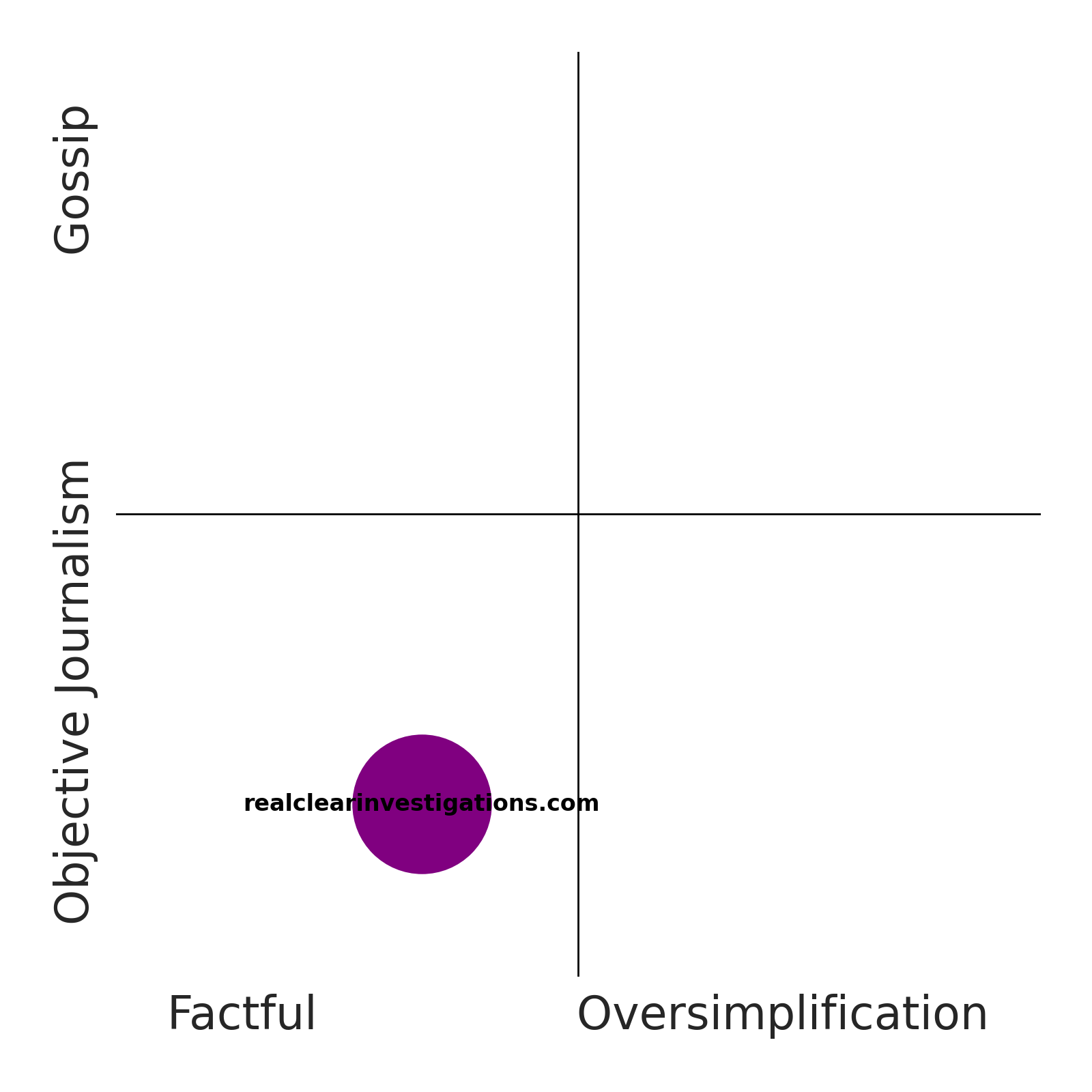
Click points to explore news by date. News sentiment ranges from -10 (very negative) to +10 (very positive) where 0 is neutral.
Headline and lede adopt a Senate report's characterization as fact, using 'rampant' and 'bypass' to frame cryptocurrency as a sanctions-evasion threat.
Automated analysis; not human reviewed. Limitations: The supplied text is truncated mid-sentence, so the publisher's full framing and report attribution are only partially observable. · 6 of 55 available dimensions scored; omitted dimensions are not treated as neutral. · Verified supporting quotes for 6 of 6 scored dimensions.
Claim: The article uses subjective descriptors, especially 'rampant,' in its headline.
“Senate Finds Rampant Use of Crypto by Iranian Regime” · exact text match
“bypass a U.S. sanctions dragnet” · exact text match
Why: 'Rampant' is a value judgment and 'bypass' characterizes the activity as improper, though the lede attributes the claim to a report.
Claim: The headline and lede use dramatic language to heighten the sense of threat.
“Rampant Use of Crypto” · exact text match
“bypass a U.S. sanctions dragnet” · exact text match
Why: 'Rampant' and 'dragnet' are emotionally charged and make the report sound more alarming than a neutral summary would.
Claim: The article injects a qualitative judgment into a reported finding.
“Rampant Use” · exact text match
Why: The word 'rampant' expresses an opinion about scale and intent, even though it is presented as the report's finding.
Claim: The article's word choices carry negative emotional valence.
“Iranian Regime” · exact text match
“bypass” · exact text match
Why: 'Regime' and 'bypass' both have negative connotations, framing the subject unfavorably.
Claim: The article shows visible attribution to a named reporter and a Senate report.
“Dylan Tokar, WSJ” · exact text match
“said a report that Senate” · exact text match
Why: A byline and attribution are present, but the truncated sentence and unnamed report limit full credibility assessment.
Claim: The article uses loaded framing and presents the finding as fact in the headline.
“Senate Finds Rampant Use of Crypto by Iranian Regime” · exact text match
“bypass a U.S. sanctions dragnet” · exact text match
Why: Observable techniques include headline assertion as fact and negatively loaded wording; intent is not inferred.
The supplied text is truncated mid-sentence, so the publisher's full framing and report attribution are only partially observable.
2026 © Helium Trades
Privacy Policy & Disclosure
* Disclaimer: Nothing on this website constitutes investment advice, performance data or any recommendation that any particular security, portfolio of securities, transaction or investment strategy is suitable for any specific person. Helium Trades is not responsible in any way for the accuracy
of any model predictions or price data. Any mention of a particular security and related prediction data is not a recommendation to buy or sell that security. Investments in securities involve the risk of loss. Past performance is no guarantee of future results. Helium Trades is not responsible for any of your investment decisions,
you should consult a financial expert before engaging in any transaction.


