See whether Helium helps you make better-informed decisions. Try every Pro Trader feature for 30 days. No credit card required.
Try every Pro Trader feature for 30 days. No credit card required.
The sample most consistently exhibits an institutional, procedural, attribution-first lens. Articles foreground courts, government agencies, official statistics, named experts, and formal legal processes, while using qualifiers such as “according to,” “officials said,” and “expected.” This is evident in reporting on immigration orders and constitutional challenges
August 08, 2026 · 0 shares
Neutral and factual reporting on Trump's new birthright citizenship restrictions, presenting both administration claims and expert counterpoints without editorial slant.
Automated analysis; not human reviewed. · 7 of 53 available dimensions scored; omitted dimensions are not treated as neutral. · Verified supporting quotes for 1 of 7 scored dimensions.
Claim: The article presents both administration arguments and expert criticism, avoiding favoritism.
“"The executive order released Thursday was narrower in scope than the previous one shot down by the Supreme Court and appeared to focus on restricting automatic citizenship to specific categories of people…"” · not found in supplied text
“"Advocates against the proposed changes said they believe the constitutional amendment and Supreme Court decisions will again stop the administration’s efforts to restrict birthright citizenship."” · exact text match
Why: The article evenly quotes both sides, no editorial slant.
Claim: Article reports events neutrally, attributing claims to sources.
“"Trump’s orders Thursday would sharply expand those exemptions."” · exact text match
“"The president did not offer data indicating the scope of the problem, but said Thursday: 'I’ll tell you right now, hundreds of thousands, OK? Hundreds of thousands.'"” · not found in supplied text
Why: Statements are factual or attributed; no subjective evaluation from the reporter.
Claim: Article describes events and positions without prescribing action.
“"The executive order provides a sweeping indictment of 'birth tourism operators' with no evidence of how widespread they are…"” · not found in supplied text
Why: The article reports the order's contents and reactions neutrally, not advocating for any policy.
Claim: Article maintains neutral, unemotional tone.
“"The order provides a sweeping indictment of 'birth tourism operators' with no evidence of how widespread they are or how or why anyone accused of using their services would be exempt from constitutional protection."” · not found in supplied text
Why: The tone is clinical; even critical statements are reported as fact without overt emotional language.
Claim: Article uses named experts, official data, and direct quotes.
“"César Cuauhtémoc García Hernández, a law professor at Ohio State University, said…"” · not found in supplied text
“"Data from the Centers for Disease Control and Prevention shows…"” · not found in supplied text
Why: Multiple credible sources with specific identifiers.
Claim: The article uses factual data, expert analysis, and logical reasoning.
“"Data from the Centers for Disease Control and Prevention shows that in 2024 nearly 9,600 children were born to foreign mothers with an official address outside the country."” · not found in supplied text
Why: Relies on official statistics and expert commentary rather than emotional appeals.
Claim: Article includes counterarguments and attributes claims, showing fairness.
“"Still, some of the restrictions announced by the White House are expected to face legal challenges."” · exact text match
Why: Balanced inclusion of dissenting viewpoints and attribution to experts.
The report neutrally presents a judicial ruling and responses from both gun rights and gun control groups without favoring either side.
The National Firearms Act of 1934 imposed taxes and registration on certain firearms considered dangerous. In 2025, President Donald Trump signed a bill eliminating the $200 tax on those devices.
Automated analysis; not human reviewed. · 13 of 53 available dimensions scored; omitted dimensions are not treated as neutral. · Verified supporting quotes for 8 of 13 scored dimensions.
Claim: The publisher does not favor liberal or conservative positions; it reports both sides.
“"This ruling will set a precedent we can now argue in courts across the country to allow Americans to exercise their Second Amendment rights without fear of being placed on some government registry," the Second Amendment Foundation said.” · not found in supplied text
“"Today's ruling is a dangerous step backward for public safety," the Giffords Law Center said.” · not found in supplied text
Why: The article includes direct quotes from both a gun rights group and a gun control group, showing balanced sourcing.
Claim: No populist or elitist framing; the text is neutral in tone.
“The ruling could allow firearm owners to purchase firearm suppressors ... without registration, while also removing a layer of background checks.” · not found in supplied text
Why: The description is factual and does not use emotional or class-based language.
Claim: Neutral reporting on a ruling that reduces regulation; no advocacy for either libertarian or authoritarian positions.
“Groups that support gun restrictions said the law still has important safety protections and criticized the ruling as reckless.” · exact text match
Why: The article includes criticism of deregulation, maintaining balance.
Claim: The language is factual and attributive, with minimal subjective descriptors.
“A federal judge in Texas on Wednesday struck down a 1930s law that imposed regulations on firearm suppressors and guns that are considered the most dangerous.” · not found in supplied text
Why: The phrase 'considered the most dangerous' is attributive, and the overall tone is neutral.
Claim: No sensational language; the report is straightforward.
“The regulations are required under the National Firearms Act, passed in the 1930s in response to concerns about mafia violence.” · exact text match
Why: Historical context is given without exaggeration.
Claim: The article is a neutral news report about a political topic.
“Last year, Republicans eliminated a $200 tax on those devices under Trump's massive tax and spending cut bill.” · verified after text normalization
Why: Political actors are identified, but the description is factual without spin.
Claim: The article provides necessary context and nuance.
“The National Firearms Act has been in effect since 1934 and establishes key differences and regulates firearms considered the most dangerous.” · exact text match
Why: It explains the history and current implications without overly simplifying.
Claim: No emotional language; the article is dispassionate.
“The ruling could allow firearm owners to purchase firearm suppressors ... without registration, while also removing a layer of background checks.” · not found in supplied text
Why: The tone is strictly informational.
Claim: The article is credible based on explicit attribution and balanced sourcing.
“"That process effectively functioned as a heightened background check for NFA weapons, and that process is no longer enforceable," Skaggs said.” · not found in supplied text
Why: All major claims are attributed to named individuals or organizations.
Claim: The article presents logical reasoning from the judge and balanced perspectives.
“U.S. District Judge James Hendrix said because there were no longer taxes under the act, the regulation should not continue either.” · exact text match
Why: The judge's rationale is clearly stated, and the article includes counterarguments without dismissing them.
Claim: The publisher attributes quotes and sources, and presents both sides fairly.
“"No longer can the challenged NFA provisions be justified — as they have been for nearly 90 years — under Congress's taxing power," Hendrix wrote.” · verified after text normalization
“The U.S. Bureau of Alcohol, Tobacco, Firearms and Explosives, which enforces the regulations, did not immediately return an email seeking comment.” · exact text match
Why: Direct quotes from the judge and acknowledgment of non-response from a relevant agency show thorough attribution.
August 06, 2026 · 0 shares
Reports a federal judge's ruling allowing Utah to enforce anti-gambling laws on prediction markets, presenting legal arguments from both sides with neutral language.
Automated analysis; not human reviewed. · 6 of 53 available dimensions scored; omitted dimensions are not treated as neutral. · Verified supporting quotes for 6 of 6 scored dimensions.
Claim: Article maintains neutrality between conservative state enforcement and libertarian market arguments.
“Utah can enforce its strict anti-gambling laws on prediction markets such as Kalshi and Polymarket, a federal judge ruled in a win for states seeking to rein in the popular betting platforms.” · exact text match
“Kalshi sued Utah in February, asking a federal judge to prevent the state from enforcing its gambling restrictions on the platform.” · exact text match
Why: Presents both the ruling favoring Utah and the company's lawsuit and appeal without endorsing either side.
Claim: Article uses factual reporting and quotes rather than subjective commentary.
“SALT LAKE CITY () — Utah can enforce its strict anti-gambling laws on prediction markets such as Kalshi and Polymarket, a federal judge ruled in a win for states seeking to rein in the popular betting platforms.” · exact text match
“U.S. District Judge Robert Shelby rejected Kalshi’s request to block the Utah restrictions Tuesday, saying the federal law that Kalshi cited in its argument does not prevent the state from enforcing its laws.” · exact text match
Why: Strictly reports events and legal reasoning without evaluative language.
Claim: No sensational language or emotional appeals.
“Utah has been on the front lines of a battle between states and the federal government over who regulates the markets and whether they should be considered finance or gambling.” · exact text match
“The legal landscape is fragmented, with state and federal courts blocking restrictions in several states and allowing them in others.” · exact text match
Why: Calm, measured description of the legal conflict.
Claim: Article describes events and legal decisions without prescribing a course of action.
“Federal judge lets Utah enforce its anti-gambling laws on the prediction market Kalshi.” · exact text match
“The Commodity Futures Trading Commission, the federal agency responsible for regulating financial markets, agrees and has defended prediction markets in court.” · exact text match
Why: Informative reporting without calls to action or value judgments.
Claim: High credibility due to clear sourcing, attribution, and neutral tone.
“Copyright 2026 The Associated Press. All Rights Reserved.” · exact text match
“U.S. District Judge Robert Shelby rejected Kalshi’s request to block the Utah restrictions Tuesday, saying the federal law that Kalshi cited in its argument does not prevent the state from enforcing its laws.” · exact text match
Why: Associated Press wire service, attributes to court ruling and officials, includes legal context.
Claim: Article attributes all claims to sources and includes multiple perspectives.
“Kalshi said in a statement that it disagrees with the ruling and plans to appeal.” · exact text match
““Gambling is gambling, no matter what any company calls it,” Brown said.” · exact text match
Why: Clearly attributes statements to Kalshi and Utah AG, and cites court ruling and previous court decisions.
August 05, 2026 · 0 shares
Presents a factual, expert-sourced analysis of Ukraine's missile defense challenges without political slant or sensationalism.
Automated analysis; not human reviewed. · 1 of 53 available dimensions scored; omitted dimensions are not treated as neutral. · Verified supporting quotes for 1 of 1 scored dimensions.
Claim: The article demonstrates high credibility through transparent sourcing and attribution.
“An analysis by The Associated Press estimated that the U.S. Patriot inventory had fallen by at least 65% from its prewar level, while the Pentagon said it retained a deep arsenal.” · exact text match
Why: The article cites specific named officials, experts, and provides its own analysis while noting differing views.
The source’s topic selection strongly favors consequential public-affairs news: U.S. presidential politics, courts, elections, immigration, press freedom, international conflict, diplomacy, markets, climate, disasters, and public policy
July 15, 2026 · 0 shares
AP coverage frames subpoenas against five NYT reporters as a dangerous threat to press freedom, foregrounding quotes from media advocates and journalists while presenting DOJ justification and White House involvement, thereby portraying a broader clash between independent media and political power.
AP reports on subpoenas to NYT reporters tied to a Qatar-funded Air Force One story and the reactions from media groups, DOJ, and White House, illustrating tensions between government power and press freedom.
AI-based; moderate confidence in bias estimates (~0.6).
July 18, 2026 · 0 shares
AP framing mixes alarmist war-scare language (red lines, all-out war) with extensive attribution to official actions and diplomacy, producing a cautiously alarmist yet evidence-based portrayal of a rapidly deteriorating crisis.
AP reports rapid escalation of the US-Iran conflict, highlighting red-line rhetoric, shipping attacks, and disputed Strait of Hormuz control.
Automated analysis; not human reviewed. Limitations: Concise, case-specific limitations and plausible alternative interpretations. · 12 of 52 available dimensions scored; omitted dimensions are not treated as neutral. · Verified supporting quotes for 8 of 12 scored dimensions.
Claim: Uses alarmist framing via 'red lines' and 'all-out war' language.
“The US and Iran have blown past red lines as they lurch back toward all-out war.” · exact text match
“Red lines set by both sides have been crossed.” · exact text match
“A return to full-scale war that would further destabilize the Middle East and disrupt the world economy appears increasingly likely.” · exact text match
Counterevidence:
“There were no casualties or major damage, but the June 25 attack set off a chain of hostilities that would put the two countries on a path back toward all-out war less than a month after they agreed to stop fighting.” · exact text match
Why: Alarm framing appears alongside casualty-free updates, suggesting a mix of sensational language with factual pauses.
Claim: Descriptive reporting includes prescriptive language about red lines and policy stance.
“the military command says is an “unbreakable red line.”” · exact text match
“The preliminary agreement called for the strait to be fully reopened, but it also contained language suggesting Iran would manage traffic and potentially charge fees in the future.” · exact text match
Counterevidence:
“The article also quotes disagreement about traffic management and the open/fees issue, indicating contested interpretation rather than a single prescriptive stance.” · not found in supplied text
Why: Presence of prescriptive phrasing within descriptive reporting signals normative framing.
Claim: Covers hawkish threats alongside cautionary statements and diplomacy.
“Trump, after departing from a NATO summit, offered mixed messages.” · exact text match
““anything that happens is going to happen very fast.”” · exact text match
“Trump has also mused about taking control of the strait by force, possibly by seizing one or more strategic islands held by Iran.” · exact text match
Counterevidence:
“Until now, he has repeatedly backed off from such threats, citing diplomatic progress.” · exact text match
Why: Illustrates tension between aggressive rhetoric and diplomatic caution.
Claim: Frame emphasizes threats to civilian infrastructure and war-induced fear.
“The next red line is civilian infrastructure, and it may have been crossed” · exact text match
““if it happens again, it will get much worse!”” · exact text match
“Trump has repeatedly threatened to target civilian infrastructure in Iran, at one point earlier in the war vowing to annihilate Iran’s “whole civilization.”” · exact text match
Counterevidence:
“Until now, he has repeatedly backed off from such threats, citing diplomatic progress.” · exact text match
Why: Threat language and vivid threats amplify fear alongside cautious diplomacy.
Claim: Some framing reduces complexity to a binary escalation toward war.
“A return to full-scale war that would further destabilize the Middle East and disrupt the world economy appears increasingly likely.” · exact text match
Counterevidence:
“There are complex diplomatic efforts and a previously negotiated interim deal mentioned in the piece.” · not found in supplied text
Why: Selective emphasis may obscure nuanced diplomatic dynamics.
Claim: Emotional tone present in terms that evoke crisis and fear.
“The US and Iran have blown past red lines as they lurch back toward all-out war.” · exact text match
“A return to full-scale war that would further destabilize the Middle East and disrupt the world economy appears increasingly likely.” · exact text match
Counterevidence:
“There were no casualties or major damage, but the June 25 attack set off a chain of hostilities that would put the two countries on a path back toward all-out war.” · not found in supplied text
Why: Crisis language is used to convey severity, alongside factual reporting.
Claim: Forward-looking statements suggest war is becoming more likely.
“A return to full-scale war that would further destabilize the Middle East and disrupt the world economy appears increasingly likely.” · exact text match
Counterevidence:
“There were no casualties or major damage, but the June 25 attack set off a chain of hostilities that would put the two countries on a path back toward all-out war.” · not found in supplied text
Why: Forecasts about future violence accompany reporting of current events.
Claim: Framing of Straits as contested through highlighted language and legal claims.
“the military command says is an “unbreakable red line.”” · exact text match
“The preliminary agreement called for the strait to be fully reopened, but it also contained language suggesting Iran would manage traffic and potentially charge fees in the future.” · exact text match
“The U.S. and others dispute that, saying the strait should be open to all and toll-free, as it was before the war.” · exact text match
Counterevidence:
“The article also notes that both sides had engaged in talks and that there are still efforts to salvage the agreement.” · not found in supplied text
Why: Framing asserts contested control and normative stakes around strait management.
Ambiguity: heavy reliance on official sources; crisis framing.
Neutral roundup of Middle East developments with emphasis on conflicting claims and human toll, attributed to sources without editorializing.
Automated analysis; not human reviewed. · 5 of 53 available dimensions scored; omitted dimensions are not treated as neutral. · Verified supporting quotes for 2 of 5 scored dimensions.
Claim: The article is highly objective, presenting facts and attributed statements without subjective language.
“Cargo ship reports being struck in Strait of Hormuz as US, Iran claims about talks diverge.” · exact text match
“Iran said Monday that Tehran was not currently holding negotiations with the United States and was instead carrying out discussions with Oman” · exact text match
Why: The headline and body present competing claims as reported statements, using neutral phrasing ('said', 'reported', 'claimed') and no evaluative adjectives.
Claim: The article is purely descriptive, reporting events and statements without prescribing actions or opinions.
“Here is a look at the most important developments in the Middle East on Tuesday.” · exact text match
Why: The article organizes developments descriptively and does not advocate for any policy or outcome.
Claim: The article is heavily political, covering military conflicts, diplomatic statements, and government actions.
“Iran said Monday that Tehran was not currently holding negotiations with the United States...” · not found in supplied text
“U.S. President Donald Trump had threatened to unleash massive strikes on Iran...” · not found in supplied text
Why: The entire article addresses political and military developments in the Middle East, with no non-political content.
Claim: The article demonstrates high credibility through explicit sourcing and attribution.
“The 112 victims were among more than 300 killed during a Nov. 22, 2023, attack on Gaza City’s Sabra neighborhood, according to the Civil Defense” · not found in supplied text
“The ship suffered damage, according to British maritime security firm Ambrey” · exact text match
Why: All factual claims are attributed to named organizations or officials (UKMTO, Ambrey, Civil Defense, Health Ministry, Qatari spokesman).
Claim: The article exhibits high integrity by including both sides of conflicting claims without favoring one.
“Iran said Monday that Tehran was not currently holding negotiations...” · not found in supplied text
“President Donald Trump speaks... and later said the two sides were resuming talks” · not found in supplied text
Why: The article presents Iran's denial and Trump's claim of talks without editorializing, and includes Trump's accusatory quote without endorsement.
August 07, 2026 · 0 shares
The coverage of the Michigan Senate primary is balanced and factual, presenting both progressive and moderate perspectives without an evident partisan slant.
Automated analysis; not human reviewed. · 13 of 53 available dimensions scored; omitted dimensions are not treated as neutral. · Verified supporting quotes for 9 of 13 scored dimensions.
Claim: The reporting treats both progressive and moderate candidates fairly.
“Nearly half of Tuesday’s primary voters backed Stevens, who argued that her more moderate approach and history of winning competitive races made her better positioned to defeat Rogers.” · not found in supplied text
Why: The article includes the moderate candidate's argument and notes the narrow margin, indicating balance.
Claim: The reporting describes the populist campaign but does not adopt a populist or elitist stance.
“El-Sayed campaigned on 'Medicare for All,' ending military aid to Israel and campaign finance reform.” · not found in supplied text
Why: The article lists the candidate's platform without editorializing.
Claim: The reporting separates facts from attributed quotes.
“Stevens called El-Sayed early Wednesday to concede the race, with El-Sayed describing it as a 'great conversation.'” · not found in supplied text
Why: The article attributes actions and statements to sources and avoids personal commentary.
Claim: The reporting presents the news straightforwardly without sensational language.
“DETROIT () — Abdul El-Sayed, a former public health official who harnessed Democratic frustration with the party establishment, narrowly defeated Rep. Haley Stevens in Michigan’s U.S. Senate primary” · exact text match
Why: The lede states the outcome factually, with minimal dramatic embellishment.
Claim: The article describes events and does not recommend actions.
“El-Sayed will face Republican Mike Rogers, a former congressman, in November in a race that will help determine control of the Senate.” · exact text match
Why: The sentence reports a future event without prescribing what should happen.
Claim: The article is factful and keeps opinion in attributed quotes.
“The narrowness of El-Sayed’s victory also complicates any sweeping conclusions about what the result says about the Democratic Party.” · exact text match
Why: The article includes analysis but stays neutral, and opinion is clearly attributed to named individuals.
Claim: The article is heavily focused on political candidacy, party dynamics, and electoral strategy.
“El-Sayed will face Republican Mike Rogers, a former congressman, in November in a race that will help determine control of the Senate.” · exact text match
Why: The subject matter is inherently political, and the article discusses party factions, spending, and election impact.
Claim: The article presents nuances and acknowledges the narrow margin and division within the party.
“Nearly half of Tuesday’s primary voters backed Stevens, who argued that her more moderate approach and history of winning competitive races made her better positioned to defeat Rogers.” · not found in supplied text
Why: The article avoids reducing the outcome to a simple mandate by noting the close vote and differing viewpoints.
Claim: The article avoids claiming certainty beyond the evidence.
“At the time The Associated Press declared him the winner, El-Sayed led Stevens by 14,893 votes” · exact text match
Why: The article specifies the vote count at the declaration time, acknowledging the narrow margin.
Claim: The article relies on verifiable data and named sources.
“according to Michigan Secretary of State records” · exact text match
“said Sen. Bernie Sanders” · exact text match
Why: The article includes official records, named politicians, and specific vote totals, enhancing credibility.
Claim: The reporting uses quantifiable data and logical analysis.
“El-Sayed led Stevens by 14,893 votes — just under 1 percentage point — out of more than 1.5 million ballots counted, the most in recent state history.” · exact text match
Why: The article relies on specific numbers and confirms the close margin, reflecting rational, evidence-based reporting.
Claim: The article demonstrates transparency by attributing information and noting uncertainty.
“At the time The Associated Press declared him the winner, El-Sayed led Stevens by 14,893 votes” · exact text match
“according to his campaign” · exact text match
Why: The article specifies the source of data and the point of declaration, showing careful reporting.
Claim: The article provides contextual analysis and relevant background.
“The political significance of the result, however, extends well beyond the slim margin.” · exact text match
Why: The article synthesizes the primary's implications for the progressive movement and the Senate control.
July 31, 2026 · 0 shares
Neutral reporting on a political conflict over a nomination, using attributed quotes.
Automated analysis; not human reviewed. · 4 of 52 available dimensions scored; omitted dimensions are not treated as neutral. · Verified supporting quotes for 3 of 4 scored dimensions.
Claim: Article is politically neutral
“Trump said in a social media post that he might pull Blanche’s nomination” · exact text match
“Cornyn wrote in a social media post Thursday that the president is “mistaken”” · not found in supplied text
“Tillis told reporters about the fund” · exact text match
Why: Presents quotes from both sides without favoring either.
Claim: Article is highly objective
“Trump said in a social media post” · exact text match
“Cornyn wrote in a social media post Thursday” · exact text match
“according to a person familiar with the matter” · exact text match
Why: Uses direct quotes and attributed sources, no editorial commentary.
Claim: Article is highly political
“President Donald Trump said Thursday he may pull acting Attorney General Todd Blanche’s nomination for the full-time post to avoid conceding to Senate Republicans’ demands over a sweeping tax audit immunity deal” · exact text match
Why: The entire article focuses on partisan political conflict over a nomination and settlement.
Claim: Article is highly credible
“Associated Press reporter Kevin Freking and Lisa Mascaro in Washington contributed to this report.” · exact text match
“Copyright 2026 The Associated Press” · exact text match
Why: Reputable wire service with named reporters and attribution.
Frames the July jobs report as a clear political setback for President Trump, emphasized by negative economist quotes and focus on labor force drop, while including administration counterpoints.
Automated analysis; not human reviewed. · 11 of 53 available dimensions scored; omitted dimensions are not treated as neutral. · Verified supporting quotes for 0 of 11 scored dimensions.
Claim: The article shows no net political leaning; it includes negative economic facts and administration responses.
“"delivering a political blow to President Donald Trump"” · not found in supplied text
“"The Trump industrial resurgence is on schedule," said White House spokesman Kush Desai.” · verified after text normalization
Why: The article presents data that could be seen as anti-Trump but also includes the administration's counter-narrative on manufacturing gains.
Claim: The article uses some subjective framing language beyond raw data.
“"delivering a political blow"” · not found in supplied text
“"for the wrong reason"” · not found in supplied text
Why: Phrases like 'political blow' and 'wrong reason' reflect interpretive framing, though most of the article relies on attributed data and quotes.
Claim: The article conveys a negative outlook on the job market.
“"This is a bleak jobs report"” · not found in supplied text
“"marked a sharp setback for the American labor market"” · not found in supplied text
Why: The article leads with unexpected job cuts, revisions, and critical economist quotes, creating a bearish tone.
Claim: The article contains elements that are moderately interesting to a general audience.
“"Forecasters had expected job creation to approach 100,000 last month."” · exact text match
“"Women lost 32,000 jobs last month, the Labor Department reports, accounting for all the job losses in July."” · not found in supplied text
Why: The unexpected job loss and political angle add interest, but the report is a standard economic news item.
Claim: The article remains descriptive, reporting data and attributed analysis without prescribing policy.
“"Friday's report may at least delay higher rates."” · not found in supplied text
“"Economists noted that private payrolls continued to grow..."” · not found in supplied text
Why: The article does not advocate for any specific action; it describes events and possible implications.
Claim: The article is primarily factual but includes some opinion through selective framing and quoted commentary.
“"We can't really put lipstick on a pig here," said Daniel Zhao” · not found in supplied text
“"This is a bleak jobs report," said Heather Long” · verified after text normalization
Why: Opinion is limited to attributed quotes and a few editorializing phrases; the core is factual data.
Claim: The article is highly political, framing the jobs report in the context of Trump and the midterms.
“"delivering a political blow to President Donald Trump three months ahead of midterm elections"” · not found in supplied text
“"Trump has long bragged that jobs have been increasing for native-born citizens... but that talking point was undermined"” · not found in supplied text
Why: The headline and lead explicitly connect the economic data to political consequences for the president and his party.
Claim: The article carries a slightly negative emotional tone through word choice.
“"bleak jobs report"” · not found in supplied text
“"struggling to catch a break"” · not found in supplied text
Why: While most language is neutral, these phrases impart mild negative emotion.
Claim: The article is highly credible based on transparent sourcing and attribution.
“"The July jobs numbers from the Labor Department Friday"” · not found in supplied text
“"Daniel Zhao, chief economist at the jobs website Glassdoor"” · not found in supplied text
“"Heather Long, chief economist at Navy Federal Credit Union"” · not found in supplied text
Why: All data comes from the Labor Department, economists are named and identified, and the article includes context such as revisions and potential glitches.
Claim: The article includes some forward-looking speculation about central bank policy and economic outlook.
“"Friday's report may at least delay higher rates."” · not found in supplied text
“"The jobs outlook is clouded by the ongoing fighting in the Persian Gulf"” · not found in supplied text
Why: The speculations are modest, conditional, and attributed to market expectations or named economists.
Claim: The article demonstrates high journalistic integrity through transparent sourcing and inclusion of counterpoints.
“"Employers cut 23,000 jobs in July. And Labor Department revisions slashed 103,000 jobs from May and June payrolls."” · exact text match
“"The Trump administration ... noted that jobs were up 22,000 at construction companies and 5,000 at factories."” · not found in supplied text
Why: All major claims are attributed to the Labor Department or named economists, and the administration's defense is included without distortion.
Factual, attribution-heavy wire service reporting presents events with measured neutrality, using multiple named sources and no evaluative language.
The Israel-Hezbollah war began on March 2, 2026, after Hezbollah fired rockets across the border two days after the U.S. and Israel launched attacks on Iran. A truce between Israel and Hezbollah has largely held since June 20, but Israeli forces continue to occupy swaths of southern Lebanon and conduct periodic airstrikes and shelling. Hezbollah is Iran-backed and has refused to disarm.
Automated analysis; not human reviewed. · 6 of 53 available dimensions scored; omitted dimensions are not treated as neutral. · Verified supporting quotes for 6 of 6 scored dimensions.
Claim: The article shows no ideological slant and treats both sides symmetrically.
“Two Israeli soldiers were killed in an explosion in southern Lebanon, Israel’s military said Thursday” · exact text match
“Lebanon’s Health Ministry said one person was killed and 12 wounded in an Israeli strike” · exact text match
Why: Reporting attributes claims to both Israeli and Lebanese sources without evaluative language or editorial commentary.
Claim: Neither populist nor elitist framing is present.
“An Israeli military official, who spoke on condition of anonymity in accordance with the army’s policy, said that “an explosion was detonated” when the soldiers entered a site” · exact text match
Why: Language remains neutral, focusing on official statements and casualty figures without appealing to popular sentiment or elite expertise.
Claim: The article is objective, relying on attributed facts.
“The U.N. peacekeeping force in southern Lebanon known as UNIFIL said it had recorded 113 projectiles launched by the Israeli military on Wednesday” · exact text match
Why: Uses multiple attributed sources and avoids subjective language or first-person commentary.
Claim: No sensationalism; headline and body are straightforward.
“2 soldiers killed in Lebanon in the first Israeli deaths since June truce with Hezbollah” · exact text match
Why: Headline states facts without exaggeration or alarmist phrasing.
Claim: The article does not advocate for military action or restraint.
“The latest escalation came as Lebanese and Israeli negotiators met in Rome to discuss implementation of a June 26 deal” · exact text match
Why: Reports both military actions and diplomatic efforts without favoring either side.
Claim: The article is rational and evidence-based.
“The Israeli army launched strikes Wednesday in southern Lebanon in response to what it described as Hezbollah’s violation of the ceasefire” · exact text match
Why: Presents motives and actions with causal explanations and attributions, no emotional reasoning.
August 06, 2026 · 0 shares
Neutral, factual market report with balanced coverage of gains and losses and no overt framing.
Automated analysis; not human reviewed. · 6 of 53 available dimensions scored; omitted dimensions are not treated as neutral. · Verified supporting quotes for 5 of 6 scored dimensions.
Claim: The report shows no political slant and presents both positive and negative market developments neutrally.
“Warner Bros. Discovery rose 1.7% after reporting earnings that came in ahead of what investors were expecting.” · exact text match
“On the losing end, Honeywell Aerospace fell 23.2% after turning in results that fell well short of forecasts.” · exact text match
Why: The article includes both gainers and losers without favoring any political interpretation, and the only political mention (Trump and Iran) is reported as a neutral fact.
Claim: The report is framed around market indices and large corporations, but does not adopt a populist or elitist tone.
“The S&P 500 fell 13.59 points, or 0.2%, to 7,709.96.” · exact text match
“SpaceX rose 6.1%.” · exact text match
Why: The article focuses on stock market performance and corporate earnings without language that elevates or denigrates any group.
Claim: The report is highly objective, using precise numbers and attributing statements.
“The S&P 500 fell 13.59 points, or 0.2%, to 7,709.96.” · exact text match
“The price of Brent crude, the international standard, rose 3.8% to $82.49.” · exact text match
Why: Every market move is reported with exact points and percentages, and no subjective language is used to describe the events.
Claim: The report is neutral, noting both the recent record highs and the pullback, without a bearish or bullish slant.
“The S&P 500 fell 13.59 points, or 0.2%, to 7,709.96. It pulled further away from its record set on Tuesday, though the index is still solidly on track to notch weekly gains.” · exact text match
“Both the Dow and Nasdaq are also heading into Friday on track for solid weekly gains.” · exact text match
Why: The article balances the decline with the context of weekly gains, avoiding a directional bias.
Claim: The report demonstrates high credibility through specific attribution, detailed data, and named sources.
“Associated Press writers Elaine Kurtenbach and Hyung-jin Kim contributed to this report.” · exact text match
“said Clark Bellin, president and chief investment officer at Bellwether Wealth, in a research note.” · exact text match
Why: The article is from a recognized news agency, includes named reporters, cites a specific analyst, and provides precise numerical data.
Claim: The report uses logical reasoning, data, and expert commentary, presenting a rational analysis.
““August is off to an extremely strong start, but there is still plenty of August left to go, and August is typically a volatile month for stocks,” said Clark Bellin.” · not found in supplied text
Why: The article includes a reasoned market observation from a professional and ties market movements to economic factors like oil prices and inflation.
August 05, 2026 · 0 shares
Factual reporting of record temperatures with attribution to meteorological agencies and climate science.
Automated analysis; not human reviewed. Limitations: Analysis based on a short AP wire report; limited depth for some bias dimensions. · 6 of 53 available dimensions scored; omitted dimensions are not treated as neutral. · Verified supporting quotes for 6 of 6 scored dimensions.
Claim: The article is objective and avoids subjective framing.
“The country’s south recorded temperatures above 40 degrees Celsius (104 degrees Fahrenheit) in the latest heat wave, with a new record of 41.4 C (106.5 F) in the town of Kamenica nad Hronom in southern Slovakia, the Slovak Meteorological Institute said.” · exact text match
Why: The article reports facts without subjective commentary, using direct quotes from official sources.
Claim: The article is objective and not sensational.
“In Austria, the all-time high of 41.2 C (106.1 F) was measured in Bad Deutsch-Altenburg near the border with Slovakia, beating a 41.0 C (105.8 F) record from the previous day, the GeoSphere meteorological service said.” · exact text match
Why: The reporting is straightforward and avoids sensational language; it provides precise numbers and attributions.
Claim: The article is descriptive, not prescriptive.
“This year, Europe has been sweltering under an exceptionally hot and arid summer, with tinderbox conditions setting off unprecedented fires that have forced hundreds of thousands of people to evacuate homes and vacation spots.” · exact text match
Why: The article describes events and data without prescribing actions or opinions.
Claim: The article is highly credible.
“The continent is the world’s fastest-warming, with temperatures increasing twice as fast as the global average since the 1980s, according to the European Union’s Copernicus Climate Change Service.” · exact text match
Why: The article is from The Associated Press, a reputable news wire, and includes specific data from official sources, with no unsupported claims.
Claim: The article is rational and evidence-based.
“Temperatures in Central Europe soared to extreme levels again on Wednesday with Slovakia and Austria both having their hottest day on record.” · exact text match
Why: The article presents specific temperature data with attribution to meteorological institutes, without emotional language or speculation.
Claim: The article demonstrates high integrity through transparent attribution.
“For Slovakia, it was also the third time this summer that temperatures reached a record high. The country’s south recorded temperatures above 40 degrees Celsius (104 degrees Fahrenheit) in the latest heat wave, with a new record of 41.4 C (106.5 F) in the town of Kamenica nad Hronom in southern Slovakia, the Slovak Meteorological Institute said.” · exact text match
Why: The article attributes all temperature records to specific meteorological agencies and provides precise measurements, demonstrating transparency and accuracy.
Analysis based on a short AP wire report; limited depth for some bias dimensions.
Neutral, factual reporting on volcanic eruption and evacuations, with no evaluative framing.
Fuego volcano is one of Central America's most active volcanoes, located in Guatemala, and had a deadly eruption in 2018.
Automated analysis; not human reviewed. · 50 of 53 available dimensions scored; omitted dimensions are not treated as neutral. · Verified supporting quotes for 5 of 50 scored dimensions.
Claim: The article maintains strict factual reporting with no subjective or evaluative language.
“About 1,700 people remained in shelters with the evacuations to stay in place until conditions improve, according to the country’s disaster agency CONRED.” · exact text match
“Mudflows have not reached villages and no structures reported damaged or at risk.” · exact text match
Why: All statements are attributed to official sources or are direct observations; the text avoids adjectives, speculation, or emotional appeals.
Claim: The article is thoroughly objective and does not sensationalize the event.
“Mudflows have not reached villages and no structures reported damaged or at risk.” · exact text match
Why: The report includes a mitigating fact (no damage) that counterbalances the evacuation warning, avoiding alarmist tone.
Claim: The article describes events and official actions without prescribing what should be done.
“Claudinne Ogaldes, executive secretary of CONRED, recommended residents in the three municipalities cover their water deposits and use face masks as protection from ash.” · exact text match
Why: The recommendation is attributed to an official and presented as a fact of what was recommended, not as an editorial endorsement.
Claim: Reporting is logical and cause-effect based, without emotional or fallacious reasoning.
“Officials warned the next 72 hours were critical on Tuesday, as mudflows up to 7 kilometers (4.3 miles) long continue descending from the volcano, with incoming rain expected to increase the risk of additional volcanic mudflows.” · not found in supplied text
Why: The article presents a clear chain of events and risk factors, attributing forecasts to officials and using factual language.
Claim: The article relies on scientific and empirical explanations, with no supernatural or superstitious content.
“Fuego volcano, which is part of the Pacific Ring of Fire and one of Central America’s most active volcanoes.” · exact text match
Why: The only framing is geological and meteorological; no reference to superstition or non-scientific causes.
Claim: The article shows balanced reporting by including both the severity of the situation and the lack of damage, with proper attribution.
“Mudflows have not reached villages and no structures reported damaged or at risk.” · exact text match
“About 1,700 people remained in shelters with the evacuations to stay in place until conditions improve, according to the country’s disaster agency CONRED.” · exact text match
Why: The article provides both the official warning and the reassuring fact that so far no damage has occurred, and all claims are sourced, indicating fairness.
Claim: The article is truth-seeking, reporting confirmed facts and official information without misinformation.
“According to the country’s disaster agency CONRED.” · not found in supplied text
Why: Every factual claim is attributed or clearly observational; no unsubstantiated assertions.
August 05, 2026 · 0 shares
Neutral, factual reporting of a scientific gene-editing breakthrough.
Automated analysis; not human reviewed. Limitations: Very short snippet limits bias assessment; many dimensions omitted. · 11 of 53 available dimensions scored; omitted dimensions are not treated as neutral. · Verified supporting quotes for 9 of 11 scored dimensions.
Claim: The report is objective and avoids subjective interpretation.
“Gene-edited beagles may offer a future option for people with dog allergies.” · exact text match
Why: The headline uses cautious language ('may offer'), and the summary reports concrete actions and results without opinion.
Claim: The report is not sensationalized.
“It’s the first time this technique has been successful in dogs.” · exact text match
Why: The language is straightforward, no exaggerated claims or emotional appeal.
Claim: The report is factual and contains no opinion.
“Scientists at a biotech company have used gene editing to switch off a gene...Findings were published in the CRISPR Journal.” · not found in supplied text
Why: All statements are verifiable claims about actions and publication; no evaluative or prescriptive language.
Claim: The report cites a peer-reviewed journal but does not rely solely on authority.
“Findings were published in the CRISPR Journal.” · exact text match
Why: Mentioning the journal is standard practice for scientific reporting and is not an excessive appeal; it provides a verifiable source.
Claim: The report uses appropriately cautious language given the evidence.
“Gene-edited beagles may offer a future option for people with dog allergies.” · exact text match
Why: The use of 'may' indicates possibility rather than certainty, matching the early-stage nature of the research.
Claim: The report is emotionally neutral.
“Gene-edited beagles may offer a future option for people with dog allergies.” · exact text match
Why: No positive or negative emotional language; the tone is factual and measured.
Claim: The report is credible based on sourcing and factual claims.
“Scientists at a biotech company have used gene editing...Findings were published in the CRISPR Journal.” · not found in supplied text
Why: Attribution to scientists and a specific journal supports credibility, though the brevity limits verification.
Claim: The report presents a scientific finding without emotional or irrational language.
“Scientists at a biotech company have used gene editing to switch off a gene that produces the main allergy-causing protein in dogs.” · exact text match
Why: The statement is factual, cites a specific technique and outcome, and avoids any non-rational framing.
Claim: The report relies on scientific evidence rather than superstition.
“Scientists at a biotech company have used gene editing to switch off a gene that produces the main allergy-causing protein in dogs.” · exact text match
Why: Content is entirely about a scientific technique and published research; no supernatural or superstitious elements.
Claim: The report is truth-seeking and evidence-based.
“Findings were published in the CRISPR Journal.” · exact text match
Why: Presentation as a scientific finding with a journal reference indicates a commitment to empirical evidence.
Very short snippet limits bias assessment; many dimensions omitted.
Frames the Rutschman trade as a consequence of failed rebuilding plans, tempered by defensive quotes from the team president.
Automated analysis; not human reviewed. · 7 of 53 available dimensions scored; omitted dimensions are not treated as neutral. · Verified supporting quotes for 5 of 7 scored dimensions.
Claim: Article frames the trade as a sign of failed plans, mixing interpretation with reporting.
“Trading Rutschman could help the Orioles, but it's a sign of how badly their plans went awry” · exact text match
Why: The headline and lead paragraph present an interpretive judgment about the team's plans, going beyond neutral announcement.
Claim: Article emphasizes disappointment and failure, giving a bearish tone toward the team's situation.
“the year and a half of failure that led up to it” · exact text match
“The last collection of young talent hasn't totally delivered on its promise.” · verified after text normalization
Why: Direct language about failure and underperformance creates a negative outlook, though balanced by Elias's optimistic quotes.
Claim: Article provides detailed analysis of team's rebuilding history and prospects.
“In 2023, the Orioles won 101 games. Rutschman and infielder Gunnar Henderson were franchise cornerstones...” · not found in supplied text
“Baltimore acquired just one major leaguer — catcher Carlos Narváez — for Rutschman.” · exact text match
Why: The article goes beyond a simple trade report to examine team strategy, player performance, and organizational history.
Claim: Article includes interpretive and evaluative language about the trade and team direction.
“But what makes this trade harder to stomach is the year and a half of failure that led up to it.” · exact text match
Why: The phrase 'harder to stomach' injects subjective emotional evaluation, though the overall article is largely factual.
Claim: Article is from Associated Press, a reputable wire service, and relies on attributed quotes and verifiable facts.
“Copyright 2026 The Associated Press. All Rights Reserved.” · exact text match
Why: Source is well-known for journalistic standards; facts about record, trades, and quotes are verifiable.
Claim: Article transparently attributes all opinions to sources and provides direct quotes.
“"While the last couple of years have really felt like a step back..." he said.” · not found in supplied text
“"The last couple seasons have not gone to plan..." Elias said.” · not found in supplied text
Why: Multiple direct quotes from Orioles president Mike Elias are used, and the reporting attributes statements clearly.
Claim: Article demonstrates sound knowledge of baseball operations and team dynamics.
“Baltimore has catcher Samuel Basallo, who is signed long term and is seven years younger than Rutschman.” · exact text match
“The last collection of young talent hasn't totally delivered on its promise.” · verified after text normalization
Why: The analysis references player contracts, prospect rankings, and organizational planning, reflecting substantive understanding.
Neutral factual reporting of a musician's funeral without editorializing.
Automated analysis; not human reviewed. · 3 of 53 available dimensions scored; omitted dimensions are not treated as neutral. · Verified supporting quotes for 3 of 3 scored dimensions.
Claim: The report maintains a neutral emotional tone, neither amplifying nor suppressing emotion.
“His widow, Finnish poet Maire Saaritsa, who thanked the police officers who came to his aid, read a poem she had written for him early in their relationship.” · exact text match
Why: Emotional content is attributed to participants, not expressed by the reporter; the sentence structure is factual.
Claim: The report cites named sources, uses direct quotes, and provides specific details that support verifiability.
“U2’s Bono said of Hansard: “Everyone who met him, they just remembered the day they met him.”” · exact text match
Why: Attribution to a named individual with a direct quote; multiple such attributions appear. The report also includes concrete details like date, age, and location.
Claim: The text exhibits human-written characteristics including coherent paragraph structure, original phrasing, and attribution patterns typical of news reporting.
“Bono held up his phone to play a message he’d received from singer and poet Patti Smith performing “a lullaby for Glen’s family and friends,” before reciting lyrics to U2’s “Beautiful Day.”” · exact text match
Why: The sentence includes a specific action ('held up his phone to play a message') that is idiomatic and context-aware, not a generic AI pattern. The AP byline and copyright also indicate human authorship.
Frames the immigration crackdown as a humanitarian crisis for both Haitian caregivers and the seniors who depend on them, emphasizing emotional devastation
Temporary Protected Status (TPS) is a humanitarian program that allows immigrants from countries experiencing disaster or conflict to live and work in the U.S. temporarily.
Automated analysis; not human reviewed. Limitations: The article is an Associated Press feature, which often includes human-interest framing; my assessment may undercount the presence of conservative perspectives because none were directly quoted. · 10 of 52 available dimensions scored; omitted dimensions are not treated as neutral. · Verified supporting quotes for 1 of 10 scored dimensions.
Claim: The article frames the immigration policy change in a negative, sympathetic light toward affected immigrants and seniors, with no balancing conservative perspective.
“"Immigration crackdown threatens Haitian caregivers"” · not found in supplied text
“"The Department of Homeland Security made light of the TPS expiration, referencing lyrics from a 1998 hit song: 'It’s closing time, which means you don’t have to go home, but you can’t stay here.'"” · not found in supplied text
Why: Headline uses 'crackdown' (negative connotation) and quotes DHS making light of the situation; no administration defender is quoted, indicating a liberal-leaning editorial selection.
Claim: The article heavily relies on emotional personal narratives and subjective quotes rather than neutral reporting of policy details.
“"I lost not only a lady working for me," the 87-year-old Holocaust survivor says, her voice broken by sobs. "I lost a friend."” · verified after text normalization
“"They have become like family," says Katy Sanchez... "If they are forced to leave, it would be devastating."” · not found in supplied text
Why: The article is structured around multiple personal stories with emotional language, making it more subjective than a straight news report.
Claim: The article presents a compelling human-interest story with strong personal narratives that engage the reader.
“"The women made the same journey, from Port-au-Prince to New York, four decades apart."” · exact text match
“"You’re not like my daughter," French protests. "You’re like my sister."” · verified after text normalization
Why: The article interweaves a detailed personal story of two women with broader policy implications, adding depth and emotional resonance.
Claim: The article evokes fear and anxiety about the consequences of the policy change.
“"A Haitian who loses TPS faces an unbearable choice: Attempt to stay in the U.S. and find underground work, tiptoeing through life with fear that authorities will eventually find and remove them."” · not found in supplied text
“"I’m afraid all the time," says a Haitian man working at a Brooklyn nursing home who asked for anonymity... "All I want is to work. When you work, you are a person."” · not found in supplied text
Why: Repeated use of 'fear', 'afraid', 'unbearable choice' and descriptions of life-or-death scenarios heighten an emotional, fearful tone.
Claim: The article is highly political, focusing on a controversial immigration policy and its human impact.
“"the Trump administration unwinds years of protections for hundreds of thousands of people from Haiti"” · not found in supplied text
“"The Supreme Court sided with the Trump administration last month"” · not found in supplied text
Why: The central subject is a political decision (Supreme Court ruling, Trump administration policy) and the article explores its partisan and social consequences extensively.
Claim: The article portrays both the Haitian caregivers and the seniors who rely on them as victims of government policy.
“"twin populations of vulnerable people find themselves in the crosshairs"” · not found in supplied text
“"If they are forced to leave, it would be devastating."” · verified after text normalization
“"Life would be impossible."” · verified after text normalization
Why: The language 'vulnerable', 'crosshairs', 'devastating', and 'impossible' frames the affected people as helpless victims. The article focuses heavily on their suffering rather than legal or economic trade-offs.
Claim: The article's overall emotional tone is strongly negative, evoking sadness and sympathy.
“"her voice broken by sobs"” · not found in supplied text
“"It makes me feel depressed," Nelson says.” · verified after text normalization
“"It could be difficult for her without me."” · verified after text normalization
Why: Multiple quotes express grief, depression, and fear. The narrative emphasizes loss and uncertainty, creating a negative emotional valence.
Claim: The article is credible due to clear attribution, use of official data, and a lack of unsubstantiated claims.
“"Around 1 in 5 workers in the U.S. is foreign born, according to the Bureau of Labor Statistics"” · not found in supplied text
“"The Supreme Court sided with the Trump administration last month, saying it could end temporary protected status."” · not found in supplied text
Why: All factual assertions are supported by named sources or official records. The article does not present opinion as fact and consistently attributes emotional statements to named individuals.
Claim: The article speculates about future developments and possible outcomes without certain evidence.
“"Nelson’s permission to stay in the country appears likely to be yanked within days"” · not found in supplied text
“"it could be applied to a broader group of 1.3 million people from 17 countries"” · not found in supplied text
Why: The likelihood statements ('appears likely', 'could be applied') are speculative based on legal interpretations and not definitive. The article does not present them as certain facts.
Claim: The article maintains high journalistic standards with attributed quotes, accurate context, and transparent sourcing.
“"Around 1 in 5 workers in the U.S. is foreign born, according to the Bureau of Labor Statistics"” · not found in supplied text
“"The Supreme Court sided with the Trump administration last month, saying it could end temporary protected status. The ruling specifically pertained to 350,000 Haitians and 6,000 Syrians"” · not found in supplied text
Why: All claims are attributed to authoritative sources (BLS, Supreme Court, PHI, named individuals), and the article distinguishes between reported facts and quoted opinions.
The article is an Associated Press feature, which often includes human-interest framing; my assessment may undercount the presence of conservative perspectives because none were directly quoted.
AP frames U.S. aid cuts as causing humanitarian harm to Nepal's LGBTQ+ aid workers by foregrounding intimate narratives, emphasizing health risks, and attributing consequences to political leadership.
AP reports on how U.S. aid cuts affected Nepal's LGBTQ+ aid workers, leading to job losses, sex work as survival, and heightened health risks.
Automated analysis; not human reviewed. Limitations: Case-specific; based on a single AP piece; framing may reflect the source's editorial stance. · 13 of 52 available dimensions scored; omitted dimensions are not treated as neutral. · Verified supporting quotes for 5 of 13 scored dimensions.
Claim: Reporting frames U.S. policy as harmful to vulnerable populations, reflecting a liberal-leaning critique of conservative policy.
“"The Trump administration’s executive order will cause people to die," she says.” · verified after text normalization
“"One decision from one powerful country — all these services are cut," Dhakal says.” · verified after text normalization
“"The rest of the world needs to contribute more and share the burden," the department said.” · verified after text normalization
Counterevidence:
“"The Trump administration had reinvigorated its assistance programs to focus on efficiency, effectiveness and partnership. The department also said the U.S. spends more on health and humanitarian assistance than any other country."” · not found in supplied text
Why: Emotive claims linking policy to harm indicate framing toward humanitarian critique.
Claim: The piece relies on emotive language and personal testimonies to convey its message.
“"She knows that every stranger who pays for her body could end her life."” · not found in supplied text
“"On her first night as a sex worker, Lama sat in her apartment, frozen by indecision and fear."” · not found in supplied text
“"The risks are immense, she says, for both her former employees and the public."” · not found in supplied text
Counterevidence:
“"HIV testing fell by 22%"” · not found in supplied text
“"The department said U.S. spends more on health and humanitarian aid"” · not found in supplied text
Why: Personal stories and dramatic imagery indicate subjective framing.
Claim: The article employs vivid imagery and life-or-death framing to highlight policy impact.
“"This spot, littered in condom wrappers and fringed by jungle, is familiar to her."” · not found in supplied text
“"It is 11 p.m. and she’s had two customers so far, who each paid her $3."” · not found in supplied text
“"On her first night as a sex worker, Lama sat in her apartment, frozen by indecision and fear."” · not found in supplied text
Counterevidence:
“"HIV testing fell by 22%"” · not found in supplied text
“"The department also said the U.S. spends more on health and humanitarian assistance than any other country."” · not found in supplied text
Why: Sensational language accompanies policy critique.
Claim: The piece advocates burden-sharing beyond the United States.
“"The rest of the world needs to contribute more and share the burden," the department said.” · verified after text normalization
Counterevidence:
“"The department also said the U.S. spends more on health and humanitarian assistance than any other country."” · not found in supplied text
Why: Contains normative language about burden-sharing.
Claim: The article depicts fear and risk as central to the workers’ experiences.
“"She knows that every stranger who pays for her body could end her life."” · not found in supplied text
“"The risks are immense, she says, for both her former employees and the public."” · not found in supplied text
Counterevidence:
“"Customer pay rates vary; some nights are better."” · not found in supplied text
Why: Fear and risk are recurrent motifs; contrasting details exist but not central.
Claim: The story centers opinions of NGO leaders and advocates rather than neutral fact-checking.
“"The Trump administration’s executive order will cause people to die," she says.” · verified after text normalization
Counterevidence:
“"The department said the U.S. spends more on health and humanitarian assistance than any other country."” · not found in supplied text
Why: Presence of opinion quotes shapes framing.
Claim: The reporting frames policy and leadership as causal factors in the observed harms.
“"The Trump administration’s executive order will cause people to die," she says.” · verified after text normalization
Counterevidence:
“"The department said the U.S. spends more on health and humanitarian assistance than any other country."” · not found in supplied text
Why: Policy framing is central to the piece.
Claim: Framing aligns with donor-NGO establishment narratives about aid dependency and policy impact.
“"This is the headquarters for the formerly USAID-funded non-governmental organization called Friends Hetauda."” · not found in supplied text
Counterevidence:
“"The funding cuts shut down the society’s services, leaving more than 1,200 clients without access to PrEP medication".” · not found in supplied text
Why: Aligns with NGO-donor institutional perspective.
Claim: The reporting uses multiple credible sources and direct quotes to support its narrative.
“"The Trump administration’s executive order will cause people to die," she says.” · verified after text normalization
“"One decision from one powerful country — all these services are cut," Dhakal says.” · verified after text normalization
“"Borders are for humans," he says.” · verified after text normalization
Counterevidence:
“"The Trump administration had reinvigorated its assistance programs to focus on efficiency, effectiveness and partnership."” · not found in supplied text
“"The rest of the world needs to contribute more and share the burden," the department said.” · verified after text normalization
Why: Use of NGO voices and official statements suggests credible sourcing; some divergence exists.
NGO voices shape framing; reliance on quotes; may overstate policy harm.
July 15, 2026 · 0 shares
AP coverage frames subpoenas against five NYT reporters as a dangerous threat to press freedom, foregrounding quotes from media advocates and journalists while presenting DOJ justification and White House involvement, thereby portraying a broader clash between independent media and political power.
AP reports on subpoenas to NYT reporters tied to a Qatar-funded Air Force One story and the reactions from media groups, DOJ, and White House, illustrating tensions between government power and press freedom.
AI-based; moderate confidence in bias estimates (~0.6).
Frames the immigration crackdown as a humanitarian crisis for both Haitian caregivers and the seniors who depend on them, emphasizing emotional devastation
Temporary Protected Status (TPS) is a humanitarian program that allows immigrants from countries experiencing disaster or conflict to live and work in the U.S. temporarily.
Automated analysis; not human reviewed. Limitations: The article is an Associated Press feature, which often includes human-interest framing; my assessment may undercount the presence of conservative perspectives because none were directly quoted. · 10 of 52 available dimensions scored; omitted dimensions are not treated as neutral. · Verified supporting quotes for 1 of 10 scored dimensions.
Claim: The article frames the immigration policy change in a negative, sympathetic light toward affected immigrants and seniors, with no balancing conservative perspective.
“"Immigration crackdown threatens Haitian caregivers"” · not found in supplied text
“"The Department of Homeland Security made light of the TPS expiration, referencing lyrics from a 1998 hit song: 'It’s closing time, which means you don’t have to go home, but you can’t stay here.'"” · not found in supplied text
Why: Headline uses 'crackdown' (negative connotation) and quotes DHS making light of the situation; no administration defender is quoted, indicating a liberal-leaning editorial selection.
Claim: The article heavily relies on emotional personal narratives and subjective quotes rather than neutral reporting of policy details.
“"I lost not only a lady working for me," the 87-year-old Holocaust survivor says, her voice broken by sobs. "I lost a friend."” · verified after text normalization
“"They have become like family," says Katy Sanchez... "If they are forced to leave, it would be devastating."” · not found in supplied text
Why: The article is structured around multiple personal stories with emotional language, making it more subjective than a straight news report.
Claim: The article presents a compelling human-interest story with strong personal narratives that engage the reader.
“"The women made the same journey, from Port-au-Prince to New York, four decades apart."” · exact text match
“"You’re not like my daughter," French protests. "You’re like my sister."” · verified after text normalization
Why: The article interweaves a detailed personal story of two women with broader policy implications, adding depth and emotional resonance.
Claim: The article evokes fear and anxiety about the consequences of the policy change.
“"A Haitian who loses TPS faces an unbearable choice: Attempt to stay in the U.S. and find underground work, tiptoeing through life with fear that authorities will eventually find and remove them."” · not found in supplied text
“"I’m afraid all the time," says a Haitian man working at a Brooklyn nursing home who asked for anonymity... "All I want is to work. When you work, you are a person."” · not found in supplied text
Why: Repeated use of 'fear', 'afraid', 'unbearable choice' and descriptions of life-or-death scenarios heighten an emotional, fearful tone.
Claim: The article is highly political, focusing on a controversial immigration policy and its human impact.
“"the Trump administration unwinds years of protections for hundreds of thousands of people from Haiti"” · not found in supplied text
“"The Supreme Court sided with the Trump administration last month"” · not found in supplied text
Why: The central subject is a political decision (Supreme Court ruling, Trump administration policy) and the article explores its partisan and social consequences extensively.
Claim: The article portrays both the Haitian caregivers and the seniors who rely on them as victims of government policy.
“"twin populations of vulnerable people find themselves in the crosshairs"” · not found in supplied text
“"If they are forced to leave, it would be devastating."” · verified after text normalization
“"Life would be impossible."” · verified after text normalization
Why: The language 'vulnerable', 'crosshairs', 'devastating', and 'impossible' frames the affected people as helpless victims. The article focuses heavily on their suffering rather than legal or economic trade-offs.
Claim: The article's overall emotional tone is strongly negative, evoking sadness and sympathy.
“"her voice broken by sobs"” · not found in supplied text
“"It makes me feel depressed," Nelson says.” · verified after text normalization
“"It could be difficult for her without me."” · verified after text normalization
Why: Multiple quotes express grief, depression, and fear. The narrative emphasizes loss and uncertainty, creating a negative emotional valence.
Claim: The article is credible due to clear attribution, use of official data, and a lack of unsubstantiated claims.
“"Around 1 in 5 workers in the U.S. is foreign born, according to the Bureau of Labor Statistics"” · not found in supplied text
“"The Supreme Court sided with the Trump administration last month, saying it could end temporary protected status."” · not found in supplied text
Why: All factual assertions are supported by named sources or official records. The article does not present opinion as fact and consistently attributes emotional statements to named individuals.
Claim: The article speculates about future developments and possible outcomes without certain evidence.
“"Nelson’s permission to stay in the country appears likely to be yanked within days"” · not found in supplied text
“"it could be applied to a broader group of 1.3 million people from 17 countries"” · not found in supplied text
Why: The likelihood statements ('appears likely', 'could be applied') are speculative based on legal interpretations and not definitive. The article does not present them as certain facts.
Claim: The article maintains high journalistic standards with attributed quotes, accurate context, and transparent sourcing.
“"Around 1 in 5 workers in the U.S. is foreign born, according to the Bureau of Labor Statistics"” · not found in supplied text
“"The Supreme Court sided with the Trump administration last month, saying it could end temporary protected status. The ruling specifically pertained to 350,000 Haitians and 6,000 Syrians"” · not found in supplied text
Why: All claims are attributed to authoritative sources (BLS, Supreme Court, PHI, named individuals), and the article distinguishes between reported facts and quoted opinions.
The article is an Associated Press feature, which often includes human-interest framing; my assessment may undercount the presence of conservative perspectives because none were directly quoted.
July 12, 2026 · 0 shares
Coverage favors press freedom and is critical of Trump-era subpoenas and government actions toward journalism, citing official statements, prior related cases, and advocates' concerns to argue a broader pattern of pressure on independent reporting.
AP reports on DOJ subpoenas of NYT reporters following Air Force One coverage, including cost and security debates around the newer jet, prior related actions, and reactions from press groups, the Times, and the White House.
Likely Western media framing; confidence 0.65
August 06, 2026 · 0 shares
Neutral, factual market report with balanced coverage of gains and losses and no overt framing.
Automated analysis; not human reviewed. · 6 of 53 available dimensions scored; omitted dimensions are not treated as neutral. · Verified supporting quotes for 5 of 6 scored dimensions.
Claim: The report shows no political slant and presents both positive and negative market developments neutrally.
“Warner Bros. Discovery rose 1.7% after reporting earnings that came in ahead of what investors were expecting.” · exact text match
“On the losing end, Honeywell Aerospace fell 23.2% after turning in results that fell well short of forecasts.” · exact text match
Why: The article includes both gainers and losers without favoring any political interpretation, and the only political mention (Trump and Iran) is reported as a neutral fact.
Claim: The report is framed around market indices and large corporations, but does not adopt a populist or elitist tone.
“The S&P 500 fell 13.59 points, or 0.2%, to 7,709.96.” · exact text match
“SpaceX rose 6.1%.” · exact text match
Why: The article focuses on stock market performance and corporate earnings without language that elevates or denigrates any group.
Claim: The report is highly objective, using precise numbers and attributing statements.
“The S&P 500 fell 13.59 points, or 0.2%, to 7,709.96.” · exact text match
“The price of Brent crude, the international standard, rose 3.8% to $82.49.” · exact text match
Why: Every market move is reported with exact points and percentages, and no subjective language is used to describe the events.
Claim: The report is neutral, noting both the recent record highs and the pullback, without a bearish or bullish slant.
“The S&P 500 fell 13.59 points, or 0.2%, to 7,709.96. It pulled further away from its record set on Tuesday, though the index is still solidly on track to notch weekly gains.” · exact text match
“Both the Dow and Nasdaq are also heading into Friday on track for solid weekly gains.” · exact text match
Why: The article balances the decline with the context of weekly gains, avoiding a directional bias.
Claim: The report demonstrates high credibility through specific attribution, detailed data, and named sources.
“Associated Press writers Elaine Kurtenbach and Hyung-jin Kim contributed to this report.” · exact text match
“said Clark Bellin, president and chief investment officer at Bellwether Wealth, in a research note.” · exact text match
Why: The article is from a recognized news agency, includes named reporters, cites a specific analyst, and provides precise numerical data.
Claim: The report uses logical reasoning, data, and expert commentary, presenting a rational analysis.
““August is off to an extremely strong start, but there is still plenty of August left to go, and August is typically a volatile month for stocks,” said Clark Bellin.” · not found in supplied text
Why: The article includes a reasoned market observation from a professional and ties market movements to economic factors like oil prices and inflation.
Neutral, factual reporting on volcanic eruption and evacuations, with no evaluative framing.
Fuego volcano is one of Central America's most active volcanoes, located in Guatemala, and had a deadly eruption in 2018.
Automated analysis; not human reviewed. · 50 of 53 available dimensions scored; omitted dimensions are not treated as neutral. · Verified supporting quotes for 5 of 50 scored dimensions.
Claim: The article maintains strict factual reporting with no subjective or evaluative language.
“About 1,700 people remained in shelters with the evacuations to stay in place until conditions improve, according to the country’s disaster agency CONRED.” · exact text match
“Mudflows have not reached villages and no structures reported damaged or at risk.” · exact text match
Why: All statements are attributed to official sources or are direct observations; the text avoids adjectives, speculation, or emotional appeals.
Claim: The article is thoroughly objective and does not sensationalize the event.
“Mudflows have not reached villages and no structures reported damaged or at risk.” · exact text match
Why: The report includes a mitigating fact (no damage) that counterbalances the evacuation warning, avoiding alarmist tone.
Claim: The article describes events and official actions without prescribing what should be done.
“Claudinne Ogaldes, executive secretary of CONRED, recommended residents in the three municipalities cover their water deposits and use face masks as protection from ash.” · exact text match
Why: The recommendation is attributed to an official and presented as a fact of what was recommended, not as an editorial endorsement.
Claim: Reporting is logical and cause-effect based, without emotional or fallacious reasoning.
“Officials warned the next 72 hours were critical on Tuesday, as mudflows up to 7 kilometers (4.3 miles) long continue descending from the volcano, with incoming rain expected to increase the risk of additional volcanic mudflows.” · not found in supplied text
Why: The article presents a clear chain of events and risk factors, attributing forecasts to officials and using factual language.
Claim: The article relies on scientific and empirical explanations, with no supernatural or superstitious content.
“Fuego volcano, which is part of the Pacific Ring of Fire and one of Central America’s most active volcanoes.” · exact text match
Why: The only framing is geological and meteorological; no reference to superstition or non-scientific causes.
Claim: The article shows balanced reporting by including both the severity of the situation and the lack of damage, with proper attribution.
“Mudflows have not reached villages and no structures reported damaged or at risk.” · exact text match
“About 1,700 people remained in shelters with the evacuations to stay in place until conditions improve, according to the country’s disaster agency CONRED.” · exact text match
Why: The article provides both the official warning and the reassuring fact that so far no damage has occurred, and all claims are sourced, indicating fairness.
Claim: The article is truth-seeking, reporting confirmed facts and official information without misinformation.
“According to the country’s disaster agency CONRED.” · not found in supplied text
Why: Every factual claim is attributed or clearly observational; no unsubstantiated assertions.
Straightforward market reporting with balanced context and attribution, no evident framing bias.
Automated analysis; not human reviewed. Limitations: The article is a straightforward financial news report with no evident editorializing; bias assessment relies on absence of loaded language rather than presence of specific framing. · 14 of 53 available dimensions scored; omitted dimensions are not treated as neutral. · Verified supporting quotes for 10 of 14 scored dimensions.
Claim: The article shows no political bias.
“Despite worries about high inflation, the war in Iran, frustration with the economy and a possible bubble in stock prices because of the boom in artificial-intelligence technology, Wall Street hit its latest apex” · exact text match
Why: The sentence lists both positive and negative factors without partisan slant.
Claim: The article is not populist or elitist.
“The S&P 500 shot up 1.8%, and the main measure of Wall Street’s health topped its prior all-time high set a couple months ago.” · verified after text normalization
Why: Uses neutral, technical language about market performance.
Claim: The article is neutral on government or individual intervention.
“Higher yields make it more expensive for all kinds of Americans to borrow money, from homebuyers looking for a mortgage to big companies looking to build AI data centers.” · verified after text normalization
Why: Describes market effects without advocating policy.
Claim: The article reports objectively.
“According to Phil Segner, a co-portfolio manager at the Leuthold Group.” · not found in supplied text
Why: Attributed statement, not asserted as fact.
Claim: The article avoids sensational language.
“Palantir Technologies helped lead the way and surged 29.5% after CEO Alex Karp said its overall revenue leaped 93% in what he called an 'otherworldly' quarter.” · not found in supplied text
Why: Places the CEO's hyperbolic word in quotes, maintaining distance.
Claim: The article is neutral between positive and negative market outlooks.
“Stock prices tend to follow the path of corporate earnings over the long term.” · exact text match
Why: A descriptive statement without directional bias.
Claim: The article describes rather than prescribes.
“The yield on the 10-year Treasury fell to 4.62% from 4.70% Monday.” · not found in supplied text
Why: Pure factual statement.
Claim: The article does not favor or oppose established institutions.
“Caterpillar climbed 5.6% after the heavy-equipment maker likewise reported stronger profit and revenue than analysts expected.” · exact text match
Why: Reports corporate results neutrally.
Claim: The article maintains neutral emotional tone.
“It had swung sharply between $72 and $102 through July on uncertainty about when the war with Iran would allow oil tankers to freely exit the Persian Gulf again to deliver crude around the world.” · exact text match
Why: Describes volatility without emotional adjectives.
Claim: The article is highly credible based on transparent sourcing and AP attribution.
“Copyright 2026 The Associated Press. All Rights Reserved.” · exact text match
Why: Associated Press wire service is a recognized credible source.
Claim: The article relies on factual data and rational analysis.
“US employers were advertising nearly 7.4 million job openings at the end of June, a slight slowdown from May’s level but close to economists’ expectations.” · not found in supplied text
Why: Presents specific figures and compares to expectations.
Claim: The article demonstrates high integrity through sourcing and attribution.
“Coming into this week, companies in the S&P 500 index were on track to deliver growth of nearly 50% in earnings per share for the spring from a year earlier, according to FactSet.” · exact text match
Why: Cites a specific data provider for a key claim.
The article is a straightforward financial news report with no evident editorializing; bias assessment relies on absence of loaded language rather than presence of specific framing.
Reporting emphasizes Trump's reliance on false claims and the administration's difficulty in confronting reality, with expert criticism.
Automated analysis; not human reviewed. · 7 of 53 available dimensions scored; omitted dimensions are not treated as neutral. · Verified supporting quotes for 6 of 7 scored dimensions.
Claim: The article frames Trump negatively by emphasizing his false claims, expert criticism, and administration conflict.
“No evidence? No problem. Trump pushes ahead on false claims that Reflecting Pool was vandalized.” · exact text match
“The U.S. attorney for the District of Columbia — a fierce defender and decades-long friend — openly refuted Trump’s claims of vandalism... admitting in court filings that damage... was due to shoddy workmanship.” · not found in supplied text
Why: The headline and lead focus on Trump's false claims, and the body includes critical expert quotes (Brinkley, Zelizer) that reinforce a negative portrayal of Trump's credibility.
Claim: The article is a straightforward news report with attributed sources and no overt editorializing.
“WASHINGTON () — Jeanine Pirro this week found out there is a trade-off between loyalty to President Donald Trump and being loyal to reality.” · exact text match
“Associated Press writers Eric Tucker in Washington and Darlene Superville in Rancho Palos Verdes, Calif., contributed to this report.” · exact text match
Why: The article presents facts, attributes claims to sources (Trump, Pirro, historians, officials), and uses neutral language typical of wire service reporting.
Claim: The article covers a notable political drama involving the president being contradicted by his own appointee.
“The moment comes as the Republican president is struggling to convince Americans that they should believe what he is telling them about the economy, his agenda and his war on Iran before pivotal midterm elections in the fall” · exact text match
Why: The conflict between Trump and his own administration over factual claims is inherently interesting, but the article is a standard news report, not sensationalized.
Claim: The article is heavily political, focusing on presidential behavior and midterm elections.
“The latest blow-up “reflects a president who is struggling to shape the narrative as his national approval ratings remain extremely low,” said Julian Zelizer, a political history professor at Princeton University.” · exact text match
Why: The entire article is about a political controversy involving the president, his administration, and electoral implications.
Claim: The article is highly credible due to its sourcing, attribution, and factual tone.
“A new court filing from Hearn’s team disputes the department’s contention that it only recently learned its case was flawed” · exact text match
“Copyright 2026 The Associated Press. All Rights Reserved.” · exact text match
Why: AP is a trusted wire service; the article relies on court filings, official statements, and expert interviews, and clearly attributes all claims.
Claim: The article demonstrates high integrity through transparent sourcing and factual reporting.
“Copyright 2026 The Associated Press. All Rights Reserved.” · exact text match
“The White House said that Trump was not aware ahead of time that Pirro’s office would drop the charges.” · exact text match
Why: AP is a reputable news agency; the article includes multiple attributions, direct quotes, and does not appear to distort or omit relevant information.
Claim: The article demonstrates high intelligence through balanced sourcing and contextual analysis.
“Some Republican lawmakers have suggested that Trump is being sheltered from facts or chalk up his choices to poor staff work.” · exact text match
“Associated Press writers Eric Tucker in Washington and Darlene Superville in Rancho Palos Verdes, Calif., contributed to this report.” · exact text match
Why: The article includes multiple perspectives (Trump, Pirro, historians, Republican lawmakers, defense lawyers) and provides historical and political context.
The publisher frames the proposed Head Start overhaul as a potentially harmful deregulation that could gut program quality, while presenting the administration's justification.
Automated analysis; not human reviewed. · 12 of 53 available dimensions scored; omitted dimensions are not treated as neutral. · Verified supporting quotes for 7 of 12 scored dimensions.
Claim: The article's selection and framing lean slightly liberal by emphasizing potential harm to low-income children and using the verb 'gut' in the headline, while including counterpoints.
“Trump overhaul could gut Head Start preschool standards” · exact text match
Why: The headline 'gut' is a strong negative verb. Article highlights loss of quality standards and quotes critics extensively. Administration's justification is included but less prominent.
Claim: The article maintains a factual, attributed tone characteristic of objective journalism.
“President Donald Trump’s administration is planning a dramatic overhaul of Head Start that would gut its quality standards, upending the hallmarks of the early education program for impoverished children, two people familiar with the deliberations said.” · exact text match
Why: All claims are attributed to sources; the article provides both administration statements and critical responses without editorializing.
Claim: The headline uses the sensational verb 'gut', but the body is largely factual.
“Trump overhaul could gut Head Start preschool standards” · exact text match
Why: The word 'gut' is stronger than needed for neutral description, but the body does not further sensationalize.
Claim: The article is descriptive, reporting what is proposed and reactions, without prescribing a course of action.
“If the changes take effect, they could make Head Start unrecognizable, said Khari Garvin” · exact text match
Why: Even critical quotes are attributed; no direct advocacy by the publisher.
Claim: The article is highly political, covering a partisan policy change and its implications.
“Trump’s Republican administration would replace those regulations…” · not found in supplied text
Why: The entire subject is a political proposal with partisan implications.
Claim: The article frequently cites experts and officials to support claims, which is standard journalistic practice but could be considered an appeal to authority.
“Head Start, which has long been considered by experts to be a gold standard early learning program.” · not found in supplied text
Why: The reference to 'experts' is vague; however, specific named experts are also quoted. The reliance on authority is moderate.
Claim: The article emphasizes potential harm to low-income children and families, framing them as victims of the policy change.
“upending the hallmarks of the early education program for impoverished children” · exact text match
Why: The framing of 'impoverished children' and quotes about becoming 'unrecognizable' create a victim narrative, though it is based on expert statements.
Claim: The article uses hedging language ('could', 'would', 'people said'), reflecting uncertainty consistent with the available evidence.
“Trump overhaul could gut Head Start preschool standards” · exact text match
Why: The conditional language and attribution limit overconfidence.
Claim: The article carries a slightly negative emotional tone through word choice and selected quotes.
““We’d have the carcass of Head Start,” Garvin said.” · exact text match
Why: The quote 'carcass' is emotionally loaded, and the overall focus on loss contributes to negativity.
Claim: The article is credible due to transparent sourcing, multiple named and anonymous sources, and inclusion of official statements.
“In a post on X, the Department of Health and Human Services… said to expect a rule to be published this week.” · not found in supplied text
Why: Direct quotes from HHS and anonymous sources with rationale, plus named experts and opponents.
Claim: The article speculates on the content of future rules based on anonymous sources, which is inherently speculative.
“The proposed rules would replace those regulations with around a dozen pages of rules, leaving most of the specifics up to state and local law” · not found in supplied text
Why: The information is attributed to anonymous sources familiar with deliberations, so it is not confirmed public knowledge.
Claim: The article demonstrates high integrity through transparent sourcing, attribution of opposing views, and disclosure of funding.
“the people familiar with the deliberations said, who spoke on the condition of anonymity to discuss information that was not yet public and because they feared reprisal.” · not found in supplied text
Why: Article explains why sources are anonymous, quotes administration spokesperson, includes critics, and notes AP's funding for education coverage.
Frames the July jobs report as a clear political setback for President Trump, emphasized by negative economist quotes and focus on labor force drop, while including administration counterpoints.
Automated analysis; not human reviewed. · 11 of 53 available dimensions scored; omitted dimensions are not treated as neutral. · Verified supporting quotes for 0 of 11 scored dimensions.
Claim: The article shows no net political leaning; it includes negative economic facts and administration responses.
“"delivering a political blow to President Donald Trump"” · not found in supplied text
“"The Trump industrial resurgence is on schedule," said White House spokesman Kush Desai.” · verified after text normalization
Why: The article presents data that could be seen as anti-Trump but also includes the administration's counter-narrative on manufacturing gains.
Claim: The article uses some subjective framing language beyond raw data.
“"delivering a political blow"” · not found in supplied text
“"for the wrong reason"” · not found in supplied text
Why: Phrases like 'political blow' and 'wrong reason' reflect interpretive framing, though most of the article relies on attributed data and quotes.
Claim: The article conveys a negative outlook on the job market.
“"This is a bleak jobs report"” · not found in supplied text
“"marked a sharp setback for the American labor market"” · not found in supplied text
Why: The article leads with unexpected job cuts, revisions, and critical economist quotes, creating a bearish tone.
Claim: The article contains elements that are moderately interesting to a general audience.
“"Forecasters had expected job creation to approach 100,000 last month."” · exact text match
“"Women lost 32,000 jobs last month, the Labor Department reports, accounting for all the job losses in July."” · not found in supplied text
Why: The unexpected job loss and political angle add interest, but the report is a standard economic news item.
Claim: The article remains descriptive, reporting data and attributed analysis without prescribing policy.
“"Friday's report may at least delay higher rates."” · not found in supplied text
“"Economists noted that private payrolls continued to grow..."” · not found in supplied text
Why: The article does not advocate for any specific action; it describes events and possible implications.
Claim: The article is primarily factual but includes some opinion through selective framing and quoted commentary.
“"We can't really put lipstick on a pig here," said Daniel Zhao” · not found in supplied text
“"This is a bleak jobs report," said Heather Long” · verified after text normalization
Why: Opinion is limited to attributed quotes and a few editorializing phrases; the core is factual data.
Claim: The article is highly political, framing the jobs report in the context of Trump and the midterms.
“"delivering a political blow to President Donald Trump three months ahead of midterm elections"” · not found in supplied text
“"Trump has long bragged that jobs have been increasing for native-born citizens... but that talking point was undermined"” · not found in supplied text
Why: The headline and lead explicitly connect the economic data to political consequences for the president and his party.
Claim: The article carries a slightly negative emotional tone through word choice.
“"bleak jobs report"” · not found in supplied text
“"struggling to catch a break"” · not found in supplied text
Why: While most language is neutral, these phrases impart mild negative emotion.
Claim: The article is highly credible based on transparent sourcing and attribution.
“"The July jobs numbers from the Labor Department Friday"” · not found in supplied text
“"Daniel Zhao, chief economist at the jobs website Glassdoor"” · not found in supplied text
“"Heather Long, chief economist at Navy Federal Credit Union"” · not found in supplied text
Why: All data comes from the Labor Department, economists are named and identified, and the article includes context such as revisions and potential glitches.
Claim: The article includes some forward-looking speculation about central bank policy and economic outlook.
“"Friday's report may at least delay higher rates."” · not found in supplied text
“"The jobs outlook is clouded by the ongoing fighting in the Persian Gulf"” · not found in supplied text
Why: The speculations are modest, conditional, and attributed to market expectations or named economists.
Claim: The article demonstrates high journalistic integrity through transparent sourcing and inclusion of counterpoints.
“"Employers cut 23,000 jobs in July. And Labor Department revisions slashed 103,000 jobs from May and June payrolls."” · exact text match
“"The Trump administration ... noted that jobs were up 22,000 at construction companies and 5,000 at factories."” · not found in supplied text
Why: All major claims are attributed to the Labor Department or named economists, and the administration's defense is included without distortion.
July 31, 2026 · 0 shares
Neutral reporting on a political conflict over a nomination, using attributed quotes.
Automated analysis; not human reviewed. · 4 of 52 available dimensions scored; omitted dimensions are not treated as neutral. · Verified supporting quotes for 3 of 4 scored dimensions.
Claim: Article is politically neutral
“Trump said in a social media post that he might pull Blanche’s nomination” · exact text match
“Cornyn wrote in a social media post Thursday that the president is “mistaken”” · not found in supplied text
“Tillis told reporters about the fund” · exact text match
Why: Presents quotes from both sides without favoring either.
Claim: Article is highly objective
“Trump said in a social media post” · exact text match
“Cornyn wrote in a social media post Thursday” · exact text match
“according to a person familiar with the matter” · exact text match
Why: Uses direct quotes and attributed sources, no editorial commentary.
Claim: Article is highly political
“President Donald Trump said Thursday he may pull acting Attorney General Todd Blanche’s nomination for the full-time post to avoid conceding to Senate Republicans’ demands over a sweeping tax audit immunity deal” · exact text match
Why: The entire article focuses on partisan political conflict over a nomination and settlement.
Claim: Article is highly credible
“Associated Press reporter Kevin Freking and Lisa Mascaro in Washington contributed to this report.” · exact text match
“Copyright 2026 The Associated Press” · exact text match
Why: Reputable wire service with named reporters and attribution.
August 08, 2026 · 0 shares
Neutral and factual reporting on Trump's new birthright citizenship restrictions, presenting both administration claims and expert counterpoints without editorial slant.
Automated analysis; not human reviewed. · 7 of 53 available dimensions scored; omitted dimensions are not treated as neutral. · Verified supporting quotes for 1 of 7 scored dimensions.
Claim: The article presents both administration arguments and expert criticism, avoiding favoritism.
“"The executive order released Thursday was narrower in scope than the previous one shot down by the Supreme Court and appeared to focus on restricting automatic citizenship to specific categories of people…"” · not found in supplied text
“"Advocates against the proposed changes said they believe the constitutional amendment and Supreme Court decisions will again stop the administration’s efforts to restrict birthright citizenship."” · exact text match
Why: The article evenly quotes both sides, no editorial slant.
Claim: Article reports events neutrally, attributing claims to sources.
“"Trump’s orders Thursday would sharply expand those exemptions."” · exact text match
“"The president did not offer data indicating the scope of the problem, but said Thursday: 'I’ll tell you right now, hundreds of thousands, OK? Hundreds of thousands.'"” · not found in supplied text
Why: Statements are factual or attributed; no subjective evaluation from the reporter.
Claim: Article describes events and positions without prescribing action.
“"The executive order provides a sweeping indictment of 'birth tourism operators' with no evidence of how widespread they are…"” · not found in supplied text
Why: The article reports the order's contents and reactions neutrally, not advocating for any policy.
Claim: Article maintains neutral, unemotional tone.
“"The order provides a sweeping indictment of 'birth tourism operators' with no evidence of how widespread they are or how or why anyone accused of using their services would be exempt from constitutional protection."” · not found in supplied text
Why: The tone is clinical; even critical statements are reported as fact without overt emotional language.
Claim: Article uses named experts, official data, and direct quotes.
“"César Cuauhtémoc García Hernández, a law professor at Ohio State University, said…"” · not found in supplied text
“"Data from the Centers for Disease Control and Prevention shows…"” · not found in supplied text
Why: Multiple credible sources with specific identifiers.
Claim: The article uses factual data, expert analysis, and logical reasoning.
“"Data from the Centers for Disease Control and Prevention shows that in 2024 nearly 9,600 children were born to foreign mothers with an official address outside the country."” · not found in supplied text
Why: Relies on official statistics and expert commentary rather than emotional appeals.
Claim: Article includes counterarguments and attributes claims, showing fairness.
“"Still, some of the restrictions announced by the White House are expected to face legal challenges."” · exact text match
Why: Balanced inclusion of dissenting viewpoints and attribution to experts.
August 05, 2026 · 0 shares
Balanced, attribution-heavy reporting on diplomatic negotiations with no evident editorial slant.
Automated analysis; not human reviewed. · 4 of 53 available dimensions scored; omitted dimensions are not treated as neutral. · Verified supporting quotes for 4 of 4 scored dimensions.
Claim: The article presents facts with attribution and no subjective opinion.
““It could happen. Tomorrow or the next day,” he said, speaking on Tuesday evening California time” · exact text match
Why: Direct quotes and attribution show factual reporting without editorializing.
Claim: The article reports events with factual language and no sensational framing.
“Oil prices eased on hopes of progress for a deal” · exact text match
Why: Calm wording without dramatic or exaggerated terms.
Claim: The article sources statements from named officials and uses AP as a credible wire service.
“U.S. Secretary of State Marco Rubio confirmed progress” · exact text match
“Iranian Foreign Ministry spokesman Esmail Baghaei said” · exact text match
Why: Clear attribution to named officials and the Associated Press adds credibility.
Claim: Article fairly presents multiple perspectives without apparent bias.
“The Trump administration has previously ruled out any deal that would give Iran control over the strait” · exact text match
“Iran has denied it is negotiating with the U.S., saying the talks are only with Oman.” · exact text match
Why: Includes both U.S. and Iranian positions, showing balanced reporting.
Highest three apparent values:
July 18, 2026 · 0 shares
AP framing mixes alarmist war-scare language (red lines, all-out war) with extensive attribution to official actions and diplomacy, producing a cautiously alarmist yet evidence-based portrayal of a rapidly deteriorating crisis.
AP reports rapid escalation of the US-Iran conflict, highlighting red-line rhetoric, shipping attacks, and disputed Strait of Hormuz control.
Automated analysis; not human reviewed. Limitations: Concise, case-specific limitations and plausible alternative interpretations. · 12 of 52 available dimensions scored; omitted dimensions are not treated as neutral. · Verified supporting quotes for 8 of 12 scored dimensions.
Claim: Uses alarmist framing via 'red lines' and 'all-out war' language.
“The US and Iran have blown past red lines as they lurch back toward all-out war.” · exact text match
“Red lines set by both sides have been crossed.” · exact text match
“A return to full-scale war that would further destabilize the Middle East and disrupt the world economy appears increasingly likely.” · exact text match
Counterevidence:
“There were no casualties or major damage, but the June 25 attack set off a chain of hostilities that would put the two countries on a path back toward all-out war less than a month after they agreed to stop fighting.” · exact text match
Why: Alarm framing appears alongside casualty-free updates, suggesting a mix of sensational language with factual pauses.
Claim: Descriptive reporting includes prescriptive language about red lines and policy stance.
“the military command says is an “unbreakable red line.”” · exact text match
“The preliminary agreement called for the strait to be fully reopened, but it also contained language suggesting Iran would manage traffic and potentially charge fees in the future.” · exact text match
Counterevidence:
“The article also quotes disagreement about traffic management and the open/fees issue, indicating contested interpretation rather than a single prescriptive stance.” · not found in supplied text
Why: Presence of prescriptive phrasing within descriptive reporting signals normative framing.
Claim: Covers hawkish threats alongside cautionary statements and diplomacy.
“Trump, after departing from a NATO summit, offered mixed messages.” · exact text match
““anything that happens is going to happen very fast.”” · exact text match
“Trump has also mused about taking control of the strait by force, possibly by seizing one or more strategic islands held by Iran.” · exact text match
Counterevidence:
“Until now, he has repeatedly backed off from such threats, citing diplomatic progress.” · exact text match
Why: Illustrates tension between aggressive rhetoric and diplomatic caution.
Claim: Frame emphasizes threats to civilian infrastructure and war-induced fear.
“The next red line is civilian infrastructure, and it may have been crossed” · exact text match
““if it happens again, it will get much worse!”” · exact text match
“Trump has repeatedly threatened to target civilian infrastructure in Iran, at one point earlier in the war vowing to annihilate Iran’s “whole civilization.”” · exact text match
Counterevidence:
“Until now, he has repeatedly backed off from such threats, citing diplomatic progress.” · exact text match
Why: Threat language and vivid threats amplify fear alongside cautious diplomacy.
Claim: Some framing reduces complexity to a binary escalation toward war.
“A return to full-scale war that would further destabilize the Middle East and disrupt the world economy appears increasingly likely.” · exact text match
Counterevidence:
“There are complex diplomatic efforts and a previously negotiated interim deal mentioned in the piece.” · not found in supplied text
Why: Selective emphasis may obscure nuanced diplomatic dynamics.
Claim: Emotional tone present in terms that evoke crisis and fear.
“The US and Iran have blown past red lines as they lurch back toward all-out war.” · exact text match
“A return to full-scale war that would further destabilize the Middle East and disrupt the world economy appears increasingly likely.” · exact text match
Counterevidence:
“There were no casualties or major damage, but the June 25 attack set off a chain of hostilities that would put the two countries on a path back toward all-out war.” · not found in supplied text
Why: Crisis language is used to convey severity, alongside factual reporting.
Claim: Forward-looking statements suggest war is becoming more likely.
“A return to full-scale war that would further destabilize the Middle East and disrupt the world economy appears increasingly likely.” · exact text match
Counterevidence:
“There were no casualties or major damage, but the June 25 attack set off a chain of hostilities that would put the two countries on a path back toward all-out war.” · not found in supplied text
Why: Forecasts about future violence accompany reporting of current events.
Claim: Framing of Straits as contested through highlighted language and legal claims.
“the military command says is an “unbreakable red line.”” · exact text match
“The preliminary agreement called for the strait to be fully reopened, but it also contained language suggesting Iran would manage traffic and potentially charge fees in the future.” · exact text match
“The U.S. and others dispute that, saying the strait should be open to all and toll-free, as it was before the war.” · exact text match
Counterevidence:
“The article also notes that both sides had engaged in talks and that there are still efforts to salvage the agreement.” · not found in supplied text
Why: Framing asserts contested control and normative stakes around strait management.
Ambiguity: heavy reliance on official sources; crisis framing.
August 04, 2026 · 0 shares
Factual, neutral reporting with strong attribution and no editorial framing.
Mountaineering accidents are common in northern Pakistan due to avalanches, falling ice and rock, extreme altitude, and rapidly changing weather. Bodies of foreign climbers are typically recovered at the request of families, otherwise left where they died.
Automated analysis; not human reviewed. · 11 of 53 available dimensions scored; omitted dimensions are not treated as neutral. · Verified supporting quotes for 10 of 11 scored dimensions.
Claim: No political framing or ideological slant.
“Teams in Pakistan searched on foot for the remains of 10 climbers killed in an avalanche on the world’s 12th-highest mountain as poor weather kept helicopters out of the air Tuesday, authorities said.” · exact text match
Why: The article reports a disaster without associating blame or political stance.
Claim: No populist or elitist framing.
“The climbers from Nepal, Oman, Pakistan, China, Britain and the United States were swept away by the avalanche Thursday in the Gilgit-Baltistan region, which the Alpine Club of Pakistan called one of the country’s deadliest mountaineering disasters.” · exact text match
Why: Factual listing of nationalities without value judgments.
Claim: News report states facts without subjective interpretation.
“Teams in Pakistan searched on foot for the remains of 10 climbers killed in an avalanche on the world’s 12th-highest mountain as poor weather kept helicopters out of the air Tuesday, authorities said.” · exact text match
Why: No subjective language; all claims are attributed or are verifiable facts.
Claim: No sensational language, no exaggeration.
“Ground teams located the remains of eight climbers and at least three bodies were brought down the mountain on Saturday, officials said.” · exact text match
Why: No dramatic adjectives, no speculation.
Claim: Reports events without prescribing action.
“The climbers from Nepal, Oman, Pakistan, China, Britain and the United States were swept away by the avalanche Thursday in the Gilgit-Baltistan region, which the Alpine Club of Pakistan called one of the country’s deadliest mountaineering disasters.” · exact text match
Why: No call to action, no moralizing.
Claim: No opinion; purely factual reporting.
“Teams in Pakistan searched on foot for the remains of 10 climbers killed in an avalanche on the world’s 12th-highest mountain as poor weather kept helicopters out of the air Tuesday, authorities said.” · exact text match
Why: No use of opinion words like 'should', 'must', 'unfortunately'.
Claim: Non-political; covers a mountaineering disaster.
“The climbers from Nepal, Oman, Pakistan, China, Britain and the United States were swept away by the avalanche Thursday in the Gilgit-Baltistan region, which the Alpine Club of Pakistan called one of the country’s deadliest mountaineering disasters.” · exact text match
Why: No political analysis or commentary.
Claim: Emotionally neutral tone.
“Pakistan Foreign Minister Ishaq Dar on Tuesday expressed condolences to the families of those killed, saying he was deeply saddened by the tragedy.” · exact text match
Why: Reports an expression of condolence factually without amplifying emotion.
Claim: High credibility due to sourcing and factual reporting.
“Teams in Pakistan searched on foot for the remains of 10 climbers killed in an avalanche on the world’s 12th-highest mountain as poor weather kept helicopters out of the air Tuesday, authorities said.” · exact text match
“Pakistan Foreign Minister Ishaq Dar on Tuesday expressed condolences to the families of those killed, saying he was deeply saddened by the tragedy.” · exact text match
Why: The AP is known for credible reporting; here sourcing is present.
Claim: Factual, logical reporting with no irrational arguments.
“Ground teams located the remains of eight climbers and at least three bodies were brought down the mountain on Saturday, officials said.” · exact text match
Why: Relies on attributed statements and provides factual details.
Claim: High integrity: accurate attribution, no deception.
“The climbers ... were swept away by the avalanche Thursday ... which the Alpine Club of Pakistan called one of the country’s deadliest mountaineering disasters.” · not found in supplied text
“Pakistan Foreign Minister Ishaq Dar on Tuesday expressed condolences to the families of those killed, saying he was deeply saddened by the tragedy.” · exact text match
Why: Sources are cited, no misleading statements.
AP frames U.S. aid cuts as causing humanitarian harm to Nepal's LGBTQ+ aid workers by foregrounding intimate narratives, emphasizing health risks, and attributing consequences to political leadership.
AP reports on how U.S. aid cuts affected Nepal's LGBTQ+ aid workers, leading to job losses, sex work as survival, and heightened health risks.
Automated analysis; not human reviewed. Limitations: Case-specific; based on a single AP piece; framing may reflect the source's editorial stance. · 13 of 52 available dimensions scored; omitted dimensions are not treated as neutral. · Verified supporting quotes for 5 of 13 scored dimensions.
Claim: Reporting frames U.S. policy as harmful to vulnerable populations, reflecting a liberal-leaning critique of conservative policy.
“"The Trump administration’s executive order will cause people to die," she says.” · verified after text normalization
“"One decision from one powerful country — all these services are cut," Dhakal says.” · verified after text normalization
“"The rest of the world needs to contribute more and share the burden," the department said.” · verified after text normalization
Counterevidence:
“"The Trump administration had reinvigorated its assistance programs to focus on efficiency, effectiveness and partnership. The department also said the U.S. spends more on health and humanitarian assistance than any other country."” · not found in supplied text
Why: Emotive claims linking policy to harm indicate framing toward humanitarian critique.
Claim: The piece relies on emotive language and personal testimonies to convey its message.
“"She knows that every stranger who pays for her body could end her life."” · not found in supplied text
“"On her first night as a sex worker, Lama sat in her apartment, frozen by indecision and fear."” · not found in supplied text
“"The risks are immense, she says, for both her former employees and the public."” · not found in supplied text
Counterevidence:
“"HIV testing fell by 22%"” · not found in supplied text
“"The department said U.S. spends more on health and humanitarian aid"” · not found in supplied text
Why: Personal stories and dramatic imagery indicate subjective framing.
Claim: The article employs vivid imagery and life-or-death framing to highlight policy impact.
“"This spot, littered in condom wrappers and fringed by jungle, is familiar to her."” · not found in supplied text
“"It is 11 p.m. and she’s had two customers so far, who each paid her $3."” · not found in supplied text
“"On her first night as a sex worker, Lama sat in her apartment, frozen by indecision and fear."” · not found in supplied text
Counterevidence:
“"HIV testing fell by 22%"” · not found in supplied text
“"The department also said the U.S. spends more on health and humanitarian assistance than any other country."” · not found in supplied text
Why: Sensational language accompanies policy critique.
Claim: The piece advocates burden-sharing beyond the United States.
“"The rest of the world needs to contribute more and share the burden," the department said.” · verified after text normalization
Counterevidence:
“"The department also said the U.S. spends more on health and humanitarian assistance than any other country."” · not found in supplied text
Why: Contains normative language about burden-sharing.
Claim: The article depicts fear and risk as central to the workers’ experiences.
“"She knows that every stranger who pays for her body could end her life."” · not found in supplied text
“"The risks are immense, she says, for both her former employees and the public."” · not found in supplied text
Counterevidence:
“"Customer pay rates vary; some nights are better."” · not found in supplied text
Why: Fear and risk are recurrent motifs; contrasting details exist but not central.
Claim: The story centers opinions of NGO leaders and advocates rather than neutral fact-checking.
“"The Trump administration’s executive order will cause people to die," she says.” · verified after text normalization
Counterevidence:
“"The department said the U.S. spends more on health and humanitarian assistance than any other country."” · not found in supplied text
Why: Presence of opinion quotes shapes framing.
Claim: The reporting frames policy and leadership as causal factors in the observed harms.
“"The Trump administration’s executive order will cause people to die," she says.” · verified after text normalization
Counterevidence:
“"The department said the U.S. spends more on health and humanitarian assistance than any other country."” · not found in supplied text
Why: Policy framing is central to the piece.
Claim: Framing aligns with donor-NGO establishment narratives about aid dependency and policy impact.
“"This is the headquarters for the formerly USAID-funded non-governmental organization called Friends Hetauda."” · not found in supplied text
Counterevidence:
“"The funding cuts shut down the society’s services, leaving more than 1,200 clients without access to PrEP medication".” · not found in supplied text
Why: Aligns with NGO-donor institutional perspective.
Claim: The reporting uses multiple credible sources and direct quotes to support its narrative.
“"The Trump administration’s executive order will cause people to die," she says.” · verified after text normalization
“"One decision from one powerful country — all these services are cut," Dhakal says.” · verified after text normalization
“"Borders are for humans," he says.” · verified after text normalization
Counterevidence:
“"The Trump administration had reinvigorated its assistance programs to focus on efficiency, effectiveness and partnership."” · not found in supplied text
“"The rest of the world needs to contribute more and share the burden," the department said.” · verified after text normalization
Why: Use of NGO voices and official statements suggests credible sourcing; some divergence exists.
NGO voices shape framing; reliance on quotes; may overstate policy harm.
August 08, 2026 · 0 shares
Neutral and factual reporting on Trump's new birthright citizenship restrictions, presenting both administration claims and expert counterpoints without editorial slant.
Automated analysis; not human reviewed. · 7 of 53 available dimensions scored; omitted dimensions are not treated as neutral. · Verified supporting quotes for 1 of 7 scored dimensions.
Claim: The article presents both administration arguments and expert criticism, avoiding favoritism.
“"The executive order released Thursday was narrower in scope than the previous one shot down by the Supreme Court and appeared to focus on restricting automatic citizenship to specific categories of people…"” · not found in supplied text
“"Advocates against the proposed changes said they believe the constitutional amendment and Supreme Court decisions will again stop the administration’s efforts to restrict birthright citizenship."” · exact text match
Why: The article evenly quotes both sides, no editorial slant.
Claim: Article reports events neutrally, attributing claims to sources.
“"Trump’s orders Thursday would sharply expand those exemptions."” · exact text match
“"The president did not offer data indicating the scope of the problem, but said Thursday: 'I’ll tell you right now, hundreds of thousands, OK? Hundreds of thousands.'"” · not found in supplied text
Why: Statements are factual or attributed; no subjective evaluation from the reporter.
Claim: Article describes events and positions without prescribing action.
“"The executive order provides a sweeping indictment of 'birth tourism operators' with no evidence of how widespread they are…"” · not found in supplied text
Why: The article reports the order's contents and reactions neutrally, not advocating for any policy.
Claim: Article maintains neutral, unemotional tone.
“"The order provides a sweeping indictment of 'birth tourism operators' with no evidence of how widespread they are or how or why anyone accused of using their services would be exempt from constitutional protection."” · not found in supplied text
Why: The tone is clinical; even critical statements are reported as fact without overt emotional language.
Claim: Article uses named experts, official data, and direct quotes.
“"César Cuauhtémoc García Hernández, a law professor at Ohio State University, said…"” · not found in supplied text
“"Data from the Centers for Disease Control and Prevention shows…"” · not found in supplied text
Why: Multiple credible sources with specific identifiers.
Claim: The article uses factual data, expert analysis, and logical reasoning.
“"Data from the Centers for Disease Control and Prevention shows that in 2024 nearly 9,600 children were born to foreign mothers with an official address outside the country."” · not found in supplied text
Why: Relies on official statistics and expert commentary rather than emotional appeals.
Claim: Article includes counterarguments and attributes claims, showing fairness.
“"Still, some of the restrictions announced by the White House are expected to face legal challenges."” · exact text match
Why: Balanced inclusion of dissenting viewpoints and attribution to experts.
The report neutrally presents a judicial ruling and responses from both gun rights and gun control groups without favoring either side.
The National Firearms Act of 1934 imposed taxes and registration on certain firearms considered dangerous. In 2025, President Donald Trump signed a bill eliminating the $200 tax on those devices.
Automated analysis; not human reviewed. · 13 of 53 available dimensions scored; omitted dimensions are not treated as neutral. · Verified supporting quotes for 8 of 13 scored dimensions.
Claim: The publisher does not favor liberal or conservative positions; it reports both sides.
“"This ruling will set a precedent we can now argue in courts across the country to allow Americans to exercise their Second Amendment rights without fear of being placed on some government registry," the Second Amendment Foundation said.” · not found in supplied text
“"Today's ruling is a dangerous step backward for public safety," the Giffords Law Center said.” · not found in supplied text
Why: The article includes direct quotes from both a gun rights group and a gun control group, showing balanced sourcing.
Claim: No populist or elitist framing; the text is neutral in tone.
“The ruling could allow firearm owners to purchase firearm suppressors ... without registration, while also removing a layer of background checks.” · not found in supplied text
Why: The description is factual and does not use emotional or class-based language.
Claim: Neutral reporting on a ruling that reduces regulation; no advocacy for either libertarian or authoritarian positions.
“Groups that support gun restrictions said the law still has important safety protections and criticized the ruling as reckless.” · exact text match
Why: The article includes criticism of deregulation, maintaining balance.
Claim: The language is factual and attributive, with minimal subjective descriptors.
“A federal judge in Texas on Wednesday struck down a 1930s law that imposed regulations on firearm suppressors and guns that are considered the most dangerous.” · not found in supplied text
Why: The phrase 'considered the most dangerous' is attributive, and the overall tone is neutral.
Claim: No sensational language; the report is straightforward.
“The regulations are required under the National Firearms Act, passed in the 1930s in response to concerns about mafia violence.” · exact text match
Why: Historical context is given without exaggeration.
Claim: The article is a neutral news report about a political topic.
“Last year, Republicans eliminated a $200 tax on those devices under Trump's massive tax and spending cut bill.” · verified after text normalization
Why: Political actors are identified, but the description is factual without spin.
Claim: The article provides necessary context and nuance.
“The National Firearms Act has been in effect since 1934 and establishes key differences and regulates firearms considered the most dangerous.” · exact text match
Why: It explains the history and current implications without overly simplifying.
Claim: No emotional language; the article is dispassionate.
“The ruling could allow firearm owners to purchase firearm suppressors ... without registration, while also removing a layer of background checks.” · not found in supplied text
Why: The tone is strictly informational.
Claim: The article is credible based on explicit attribution and balanced sourcing.
“"That process effectively functioned as a heightened background check for NFA weapons, and that process is no longer enforceable," Skaggs said.” · not found in supplied text
Why: All major claims are attributed to named individuals or organizations.
Claim: The article presents logical reasoning from the judge and balanced perspectives.
“U.S. District Judge James Hendrix said because there were no longer taxes under the act, the regulation should not continue either.” · exact text match
Why: The judge's rationale is clearly stated, and the article includes counterarguments without dismissing them.
Claim: The publisher attributes quotes and sources, and presents both sides fairly.
“"No longer can the challenged NFA provisions be justified — as they have been for nearly 90 years — under Congress's taxing power," Hendrix wrote.” · verified after text normalization
“The U.S. Bureau of Alcohol, Tobacco, Firearms and Explosives, which enforces the regulations, did not immediately return an email seeking comment.” · exact text match
Why: Direct quotes from the judge and acknowledgment of non-response from a relevant agency show thorough attribution.
Neutral roundup of Middle East developments with emphasis on conflicting claims and human toll, attributed to sources without editorializing.
Automated analysis; not human reviewed. · 5 of 53 available dimensions scored; omitted dimensions are not treated as neutral. · Verified supporting quotes for 2 of 5 scored dimensions.
Claim: The article is highly objective, presenting facts and attributed statements without subjective language.
“Cargo ship reports being struck in Strait of Hormuz as US, Iran claims about talks diverge.” · exact text match
“Iran said Monday that Tehran was not currently holding negotiations with the United States and was instead carrying out discussions with Oman” · exact text match
Why: The headline and body present competing claims as reported statements, using neutral phrasing ('said', 'reported', 'claimed') and no evaluative adjectives.
Claim: The article is purely descriptive, reporting events and statements without prescribing actions or opinions.
“Here is a look at the most important developments in the Middle East on Tuesday.” · exact text match
Why: The article organizes developments descriptively and does not advocate for any policy or outcome.
Claim: The article is heavily political, covering military conflicts, diplomatic statements, and government actions.
“Iran said Monday that Tehran was not currently holding negotiations with the United States...” · not found in supplied text
“U.S. President Donald Trump had threatened to unleash massive strikes on Iran...” · not found in supplied text
Why: The entire article addresses political and military developments in the Middle East, with no non-political content.
Claim: The article demonstrates high credibility through explicit sourcing and attribution.
“The 112 victims were among more than 300 killed during a Nov. 22, 2023, attack on Gaza City’s Sabra neighborhood, according to the Civil Defense” · not found in supplied text
“The ship suffered damage, according to British maritime security firm Ambrey” · exact text match
Why: All factual claims are attributed to named organizations or officials (UKMTO, Ambrey, Civil Defense, Health Ministry, Qatari spokesman).
Claim: The article exhibits high integrity by including both sides of conflicting claims without favoring one.
“Iran said Monday that Tehran was not currently holding negotiations...” · not found in supplied text
“President Donald Trump speaks... and later said the two sides were resuming talks” · not found in supplied text
Why: The article presents Iran's denial and Trump's claim of talks without editorializing, and includes Trump's accusatory quote without endorsement.
AP frames U.S. aid cuts as causing humanitarian harm to Nepal's LGBTQ+ aid workers by foregrounding intimate narratives, emphasizing health risks, and attributing consequences to political leadership.
AP reports on how U.S. aid cuts affected Nepal's LGBTQ+ aid workers, leading to job losses, sex work as survival, and heightened health risks.
Automated analysis; not human reviewed. Limitations: Case-specific; based on a single AP piece; framing may reflect the source's editorial stance. · 13 of 52 available dimensions scored; omitted dimensions are not treated as neutral. · Verified supporting quotes for 5 of 13 scored dimensions.
Claim: Reporting frames U.S. policy as harmful to vulnerable populations, reflecting a liberal-leaning critique of conservative policy.
“"The Trump administration’s executive order will cause people to die," she says.” · verified after text normalization
“"One decision from one powerful country — all these services are cut," Dhakal says.” · verified after text normalization
“"The rest of the world needs to contribute more and share the burden," the department said.” · verified after text normalization
Counterevidence:
“"The Trump administration had reinvigorated its assistance programs to focus on efficiency, effectiveness and partnership. The department also said the U.S. spends more on health and humanitarian assistance than any other country."” · not found in supplied text
Why: Emotive claims linking policy to harm indicate framing toward humanitarian critique.
Claim: The piece relies on emotive language and personal testimonies to convey its message.
“"She knows that every stranger who pays for her body could end her life."” · not found in supplied text
“"On her first night as a sex worker, Lama sat in her apartment, frozen by indecision and fear."” · not found in supplied text
“"The risks are immense, she says, for both her former employees and the public."” · not found in supplied text
Counterevidence:
“"HIV testing fell by 22%"” · not found in supplied text
“"The department said U.S. spends more on health and humanitarian aid"” · not found in supplied text
Why: Personal stories and dramatic imagery indicate subjective framing.
Claim: The article employs vivid imagery and life-or-death framing to highlight policy impact.
“"This spot, littered in condom wrappers and fringed by jungle, is familiar to her."” · not found in supplied text
“"It is 11 p.m. and she’s had two customers so far, who each paid her $3."” · not found in supplied text
“"On her first night as a sex worker, Lama sat in her apartment, frozen by indecision and fear."” · not found in supplied text
Counterevidence:
“"HIV testing fell by 22%"” · not found in supplied text
“"The department also said the U.S. spends more on health and humanitarian assistance than any other country."” · not found in supplied text
Why: Sensational language accompanies policy critique.
Claim: The piece advocates burden-sharing beyond the United States.
“"The rest of the world needs to contribute more and share the burden," the department said.” · verified after text normalization
Counterevidence:
“"The department also said the U.S. spends more on health and humanitarian assistance than any other country."” · not found in supplied text
Why: Contains normative language about burden-sharing.
Claim: The article depicts fear and risk as central to the workers’ experiences.
“"She knows that every stranger who pays for her body could end her life."” · not found in supplied text
“"The risks are immense, she says, for both her former employees and the public."” · not found in supplied text
Counterevidence:
“"Customer pay rates vary; some nights are better."” · not found in supplied text
Why: Fear and risk are recurrent motifs; contrasting details exist but not central.
Claim: The story centers opinions of NGO leaders and advocates rather than neutral fact-checking.
“"The Trump administration’s executive order will cause people to die," she says.” · verified after text normalization
Counterevidence:
“"The department said the U.S. spends more on health and humanitarian assistance than any other country."” · not found in supplied text
Why: Presence of opinion quotes shapes framing.
Claim: The reporting frames policy and leadership as causal factors in the observed harms.
“"The Trump administration’s executive order will cause people to die," she says.” · verified after text normalization
Counterevidence:
“"The department said the U.S. spends more on health and humanitarian assistance than any other country."” · not found in supplied text
Why: Policy framing is central to the piece.
Claim: Framing aligns with donor-NGO establishment narratives about aid dependency and policy impact.
“"This is the headquarters for the formerly USAID-funded non-governmental organization called Friends Hetauda."” · not found in supplied text
Counterevidence:
“"The funding cuts shut down the society’s services, leaving more than 1,200 clients without access to PrEP medication".” · not found in supplied text
Why: Aligns with NGO-donor institutional perspective.
Claim: The reporting uses multiple credible sources and direct quotes to support its narrative.
“"The Trump administration’s executive order will cause people to die," she says.” · verified after text normalization
“"One decision from one powerful country — all these services are cut," Dhakal says.” · verified after text normalization
“"Borders are for humans," he says.” · verified after text normalization
Counterevidence:
“"The Trump administration had reinvigorated its assistance programs to focus on efficiency, effectiveness and partnership."” · not found in supplied text
“"The rest of the world needs to contribute more and share the burden," the department said.” · verified after text normalization
Why: Use of NGO voices and official statements suggests credible sourcing; some divergence exists.
NGO voices shape framing; reliance on quotes; may overstate policy harm.
Frames the immigration crackdown as a humanitarian crisis for both Haitian caregivers and the seniors who depend on them, emphasizing emotional devastation
Temporary Protected Status (TPS) is a humanitarian program that allows immigrants from countries experiencing disaster or conflict to live and work in the U.S. temporarily.
Automated analysis; not human reviewed. Limitations: The article is an Associated Press feature, which often includes human-interest framing; my assessment may undercount the presence of conservative perspectives because none were directly quoted. · 10 of 52 available dimensions scored; omitted dimensions are not treated as neutral. · Verified supporting quotes for 1 of 10 scored dimensions.
Claim: The article frames the immigration policy change in a negative, sympathetic light toward affected immigrants and seniors, with no balancing conservative perspective.
“"Immigration crackdown threatens Haitian caregivers"” · not found in supplied text
“"The Department of Homeland Security made light of the TPS expiration, referencing lyrics from a 1998 hit song: 'It’s closing time, which means you don’t have to go home, but you can’t stay here.'"” · not found in supplied text
Why: Headline uses 'crackdown' (negative connotation) and quotes DHS making light of the situation; no administration defender is quoted, indicating a liberal-leaning editorial selection.
Claim: The article heavily relies on emotional personal narratives and subjective quotes rather than neutral reporting of policy details.
“"I lost not only a lady working for me," the 87-year-old Holocaust survivor says, her voice broken by sobs. "I lost a friend."” · verified after text normalization
“"They have become like family," says Katy Sanchez... "If they are forced to leave, it would be devastating."” · not found in supplied text
Why: The article is structured around multiple personal stories with emotional language, making it more subjective than a straight news report.
Claim: The article presents a compelling human-interest story with strong personal narratives that engage the reader.
“"The women made the same journey, from Port-au-Prince to New York, four decades apart."” · exact text match
“"You’re not like my daughter," French protests. "You’re like my sister."” · verified after text normalization
Why: The article interweaves a detailed personal story of two women with broader policy implications, adding depth and emotional resonance.
Claim: The article evokes fear and anxiety about the consequences of the policy change.
“"A Haitian who loses TPS faces an unbearable choice: Attempt to stay in the U.S. and find underground work, tiptoeing through life with fear that authorities will eventually find and remove them."” · not found in supplied text
“"I’m afraid all the time," says a Haitian man working at a Brooklyn nursing home who asked for anonymity... "All I want is to work. When you work, you are a person."” · not found in supplied text
Why: Repeated use of 'fear', 'afraid', 'unbearable choice' and descriptions of life-or-death scenarios heighten an emotional, fearful tone.
Claim: The article is highly political, focusing on a controversial immigration policy and its human impact.
“"the Trump administration unwinds years of protections for hundreds of thousands of people from Haiti"” · not found in supplied text
“"The Supreme Court sided with the Trump administration last month"” · not found in supplied text
Why: The central subject is a political decision (Supreme Court ruling, Trump administration policy) and the article explores its partisan and social consequences extensively.
Claim: The article portrays both the Haitian caregivers and the seniors who rely on them as victims of government policy.
“"twin populations of vulnerable people find themselves in the crosshairs"” · not found in supplied text
“"If they are forced to leave, it would be devastating."” · verified after text normalization
“"Life would be impossible."” · verified after text normalization
Why: The language 'vulnerable', 'crosshairs', 'devastating', and 'impossible' frames the affected people as helpless victims. The article focuses heavily on their suffering rather than legal or economic trade-offs.
Claim: The article's overall emotional tone is strongly negative, evoking sadness and sympathy.
“"her voice broken by sobs"” · not found in supplied text
“"It makes me feel depressed," Nelson says.” · verified after text normalization
“"It could be difficult for her without me."” · verified after text normalization
Why: Multiple quotes express grief, depression, and fear. The narrative emphasizes loss and uncertainty, creating a negative emotional valence.
Claim: The article is credible due to clear attribution, use of official data, and a lack of unsubstantiated claims.
“"Around 1 in 5 workers in the U.S. is foreign born, according to the Bureau of Labor Statistics"” · not found in supplied text
“"The Supreme Court sided with the Trump administration last month, saying it could end temporary protected status."” · not found in supplied text
Why: All factual assertions are supported by named sources or official records. The article does not present opinion as fact and consistently attributes emotional statements to named individuals.
Claim: The article speculates about future developments and possible outcomes without certain evidence.
“"Nelson’s permission to stay in the country appears likely to be yanked within days"” · not found in supplied text
“"it could be applied to a broader group of 1.3 million people from 17 countries"” · not found in supplied text
Why: The likelihood statements ('appears likely', 'could be applied') are speculative based on legal interpretations and not definitive. The article does not present them as certain facts.
Claim: The article maintains high journalistic standards with attributed quotes, accurate context, and transparent sourcing.
“"Around 1 in 5 workers in the U.S. is foreign born, according to the Bureau of Labor Statistics"” · not found in supplied text
“"The Supreme Court sided with the Trump administration last month, saying it could end temporary protected status. The ruling specifically pertained to 350,000 Haitians and 6,000 Syrians"” · not found in supplied text
Why: All claims are attributed to authoritative sources (BLS, Supreme Court, PHI, named individuals), and the article distinguishes between reported facts and quoted opinions.
The article is an Associated Press feature, which often includes human-interest framing; my assessment may undercount the presence of conservative perspectives because none were directly quoted.
July 18, 2026 · 0 shares
AP framing mixes alarmist war-scare language (red lines, all-out war) with extensive attribution to official actions and diplomacy, producing a cautiously alarmist yet evidence-based portrayal of a rapidly deteriorating crisis.
AP reports rapid escalation of the US-Iran conflict, highlighting red-line rhetoric, shipping attacks, and disputed Strait of Hormuz control.
Automated analysis; not human reviewed. Limitations: Concise, case-specific limitations and plausible alternative interpretations. · 12 of 52 available dimensions scored; omitted dimensions are not treated as neutral. · Verified supporting quotes for 8 of 12 scored dimensions.
Claim: Uses alarmist framing via 'red lines' and 'all-out war' language.
“The US and Iran have blown past red lines as they lurch back toward all-out war.” · exact text match
“Red lines set by both sides have been crossed.” · exact text match
“A return to full-scale war that would further destabilize the Middle East and disrupt the world economy appears increasingly likely.” · exact text match
Counterevidence:
“There were no casualties or major damage, but the June 25 attack set off a chain of hostilities that would put the two countries on a path back toward all-out war less than a month after they agreed to stop fighting.” · exact text match
Why: Alarm framing appears alongside casualty-free updates, suggesting a mix of sensational language with factual pauses.
Claim: Descriptive reporting includes prescriptive language about red lines and policy stance.
“the military command says is an “unbreakable red line.”” · exact text match
“The preliminary agreement called for the strait to be fully reopened, but it also contained language suggesting Iran would manage traffic and potentially charge fees in the future.” · exact text match
Counterevidence:
“The article also quotes disagreement about traffic management and the open/fees issue, indicating contested interpretation rather than a single prescriptive stance.” · not found in supplied text
Why: Presence of prescriptive phrasing within descriptive reporting signals normative framing.
Claim: Covers hawkish threats alongside cautionary statements and diplomacy.
“Trump, after departing from a NATO summit, offered mixed messages.” · exact text match
““anything that happens is going to happen very fast.”” · exact text match
“Trump has also mused about taking control of the strait by force, possibly by seizing one or more strategic islands held by Iran.” · exact text match
Counterevidence:
“Until now, he has repeatedly backed off from such threats, citing diplomatic progress.” · exact text match
Why: Illustrates tension between aggressive rhetoric and diplomatic caution.
Claim: Frame emphasizes threats to civilian infrastructure and war-induced fear.
“The next red line is civilian infrastructure, and it may have been crossed” · exact text match
““if it happens again, it will get much worse!”” · exact text match
“Trump has repeatedly threatened to target civilian infrastructure in Iran, at one point earlier in the war vowing to annihilate Iran’s “whole civilization.”” · exact text match
Counterevidence:
“Until now, he has repeatedly backed off from such threats, citing diplomatic progress.” · exact text match
Why: Threat language and vivid threats amplify fear alongside cautious diplomacy.
Claim: Some framing reduces complexity to a binary escalation toward war.
“A return to full-scale war that would further destabilize the Middle East and disrupt the world economy appears increasingly likely.” · exact text match
Counterevidence:
“There are complex diplomatic efforts and a previously negotiated interim deal mentioned in the piece.” · not found in supplied text
Why: Selective emphasis may obscure nuanced diplomatic dynamics.
Claim: Emotional tone present in terms that evoke crisis and fear.
“The US and Iran have blown past red lines as they lurch back toward all-out war.” · exact text match
“A return to full-scale war that would further destabilize the Middle East and disrupt the world economy appears increasingly likely.” · exact text match
Counterevidence:
“There were no casualties or major damage, but the June 25 attack set off a chain of hostilities that would put the two countries on a path back toward all-out war.” · not found in supplied text
Why: Crisis language is used to convey severity, alongside factual reporting.
Claim: Forward-looking statements suggest war is becoming more likely.
“A return to full-scale war that would further destabilize the Middle East and disrupt the world economy appears increasingly likely.” · exact text match
Counterevidence:
“There were no casualties or major damage, but the June 25 attack set off a chain of hostilities that would put the two countries on a path back toward all-out war.” · not found in supplied text
Why: Forecasts about future violence accompany reporting of current events.
Claim: Framing of Straits as contested through highlighted language and legal claims.
“the military command says is an “unbreakable red line.”” · exact text match
“The preliminary agreement called for the strait to be fully reopened, but it also contained language suggesting Iran would manage traffic and potentially charge fees in the future.” · exact text match
“The U.S. and others dispute that, saying the strait should be open to all and toll-free, as it was before the war.” · exact text match
Counterevidence:
“The article also notes that both sides had engaged in talks and that there are still efforts to salvage the agreement.” · not found in supplied text
Why: Framing asserts contested control and normative stakes around strait management.
Ambiguity: heavy reliance on official sources; crisis framing.
AP frames U.S. aid cuts as causing humanitarian harm to Nepal's LGBTQ+ aid workers by foregrounding intimate narratives, emphasizing health risks, and attributing consequences to political leadership.
AP reports on how U.S. aid cuts affected Nepal's LGBTQ+ aid workers, leading to job losses, sex work as survival, and heightened health risks.
Automated analysis; not human reviewed. Limitations: Case-specific; based on a single AP piece; framing may reflect the source's editorial stance. · 13 of 52 available dimensions scored; omitted dimensions are not treated as neutral. · Verified supporting quotes for 5 of 13 scored dimensions.
Claim: Reporting frames U.S. policy as harmful to vulnerable populations, reflecting a liberal-leaning critique of conservative policy.
“"The Trump administration’s executive order will cause people to die," she says.” · verified after text normalization
“"One decision from one powerful country — all these services are cut," Dhakal says.” · verified after text normalization
“"The rest of the world needs to contribute more and share the burden," the department said.” · verified after text normalization
Counterevidence:
“"The Trump administration had reinvigorated its assistance programs to focus on efficiency, effectiveness and partnership. The department also said the U.S. spends more on health and humanitarian assistance than any other country."” · not found in supplied text
Why: Emotive claims linking policy to harm indicate framing toward humanitarian critique.
Claim: The piece relies on emotive language and personal testimonies to convey its message.
“"She knows that every stranger who pays for her body could end her life."” · not found in supplied text
“"On her first night as a sex worker, Lama sat in her apartment, frozen by indecision and fear."” · not found in supplied text
“"The risks are immense, she says, for both her former employees and the public."” · not found in supplied text
Counterevidence:
“"HIV testing fell by 22%"” · not found in supplied text
“"The department said U.S. spends more on health and humanitarian aid"” · not found in supplied text
Why: Personal stories and dramatic imagery indicate subjective framing.
Claim: The article employs vivid imagery and life-or-death framing to highlight policy impact.
“"This spot, littered in condom wrappers and fringed by jungle, is familiar to her."” · not found in supplied text
“"It is 11 p.m. and she’s had two customers so far, who each paid her $3."” · not found in supplied text
“"On her first night as a sex worker, Lama sat in her apartment, frozen by indecision and fear."” · not found in supplied text
Counterevidence:
“"HIV testing fell by 22%"” · not found in supplied text
“"The department also said the U.S. spends more on health and humanitarian assistance than any other country."” · not found in supplied text
Why: Sensational language accompanies policy critique.
Claim: The piece advocates burden-sharing beyond the United States.
“"The rest of the world needs to contribute more and share the burden," the department said.” · verified after text normalization
Counterevidence:
“"The department also said the U.S. spends more on health and humanitarian assistance than any other country."” · not found in supplied text
Why: Contains normative language about burden-sharing.
Claim: The article depicts fear and risk as central to the workers’ experiences.
“"She knows that every stranger who pays for her body could end her life."” · not found in supplied text
“"The risks are immense, she says, for both her former employees and the public."” · not found in supplied text
Counterevidence:
“"Customer pay rates vary; some nights are better."” · not found in supplied text
Why: Fear and risk are recurrent motifs; contrasting details exist but not central.
Claim: The story centers opinions of NGO leaders and advocates rather than neutral fact-checking.
“"The Trump administration’s executive order will cause people to die," she says.” · verified after text normalization
Counterevidence:
“"The department said the U.S. spends more on health and humanitarian assistance than any other country."” · not found in supplied text
Why: Presence of opinion quotes shapes framing.
Claim: The reporting frames policy and leadership as causal factors in the observed harms.
“"The Trump administration’s executive order will cause people to die," she says.” · verified after text normalization
Counterevidence:
“"The department said the U.S. spends more on health and humanitarian assistance than any other country."” · not found in supplied text
Why: Policy framing is central to the piece.
Claim: Framing aligns with donor-NGO establishment narratives about aid dependency and policy impact.
“"This is the headquarters for the formerly USAID-funded non-governmental organization called Friends Hetauda."” · not found in supplied text
Counterevidence:
“"The funding cuts shut down the society’s services, leaving more than 1,200 clients without access to PrEP medication".” · not found in supplied text
Why: Aligns with NGO-donor institutional perspective.
Claim: The reporting uses multiple credible sources and direct quotes to support its narrative.
“"The Trump administration’s executive order will cause people to die," she says.” · verified after text normalization
“"One decision from one powerful country — all these services are cut," Dhakal says.” · verified after text normalization
“"Borders are for humans," he says.” · verified after text normalization
Counterevidence:
“"The Trump administration had reinvigorated its assistance programs to focus on efficiency, effectiveness and partnership."” · not found in supplied text
“"The rest of the world needs to contribute more and share the burden," the department said.” · verified after text normalization
Why: Use of NGO voices and official statements suggests credible sourcing; some divergence exists.
NGO voices shape framing; reliance on quotes; may overstate policy harm.
Neutral roundup of Middle East developments with emphasis on conflicting claims and human toll, attributed to sources without editorializing.
Automated analysis; not human reviewed. · 5 of 53 available dimensions scored; omitted dimensions are not treated as neutral. · Verified supporting quotes for 2 of 5 scored dimensions.
Claim: The article is highly objective, presenting facts and attributed statements without subjective language.
“Cargo ship reports being struck in Strait of Hormuz as US, Iran claims about talks diverge.” · exact text match
“Iran said Monday that Tehran was not currently holding negotiations with the United States and was instead carrying out discussions with Oman” · exact text match
Why: The headline and body present competing claims as reported statements, using neutral phrasing ('said', 'reported', 'claimed') and no evaluative adjectives.
Claim: The article is purely descriptive, reporting events and statements without prescribing actions or opinions.
“Here is a look at the most important developments in the Middle East on Tuesday.” · exact text match
Why: The article organizes developments descriptively and does not advocate for any policy or outcome.
Claim: The article is heavily political, covering military conflicts, diplomatic statements, and government actions.
“Iran said Monday that Tehran was not currently holding negotiations with the United States...” · not found in supplied text
“U.S. President Donald Trump had threatened to unleash massive strikes on Iran...” · not found in supplied text
Why: The entire article addresses political and military developments in the Middle East, with no non-political content.
Claim: The article demonstrates high credibility through explicit sourcing and attribution.
“The 112 victims were among more than 300 killed during a Nov. 22, 2023, attack on Gaza City’s Sabra neighborhood, according to the Civil Defense” · not found in supplied text
“The ship suffered damage, according to British maritime security firm Ambrey” · exact text match
Why: All factual claims are attributed to named organizations or officials (UKMTO, Ambrey, Civil Defense, Health Ministry, Qatari spokesman).
Claim: The article exhibits high integrity by including both sides of conflicting claims without favoring one.
“Iran said Monday that Tehran was not currently holding negotiations...” · not found in supplied text
“President Donald Trump speaks... and later said the two sides were resuming talks” · not found in supplied text
Why: The article presents Iran's denial and Trump's claim of talks without editorializing, and includes Trump's accusatory quote without endorsement.
Reporting emphasizes Trump's reliance on false claims and the administration's difficulty in confronting reality, with expert criticism.
Automated analysis; not human reviewed. · 7 of 53 available dimensions scored; omitted dimensions are not treated as neutral. · Verified supporting quotes for 6 of 7 scored dimensions.
Claim: The article frames Trump negatively by emphasizing his false claims, expert criticism, and administration conflict.
“No evidence? No problem. Trump pushes ahead on false claims that Reflecting Pool was vandalized.” · exact text match
“The U.S. attorney for the District of Columbia — a fierce defender and decades-long friend — openly refuted Trump’s claims of vandalism... admitting in court filings that damage... was due to shoddy workmanship.” · not found in supplied text
Why: The headline and lead focus on Trump's false claims, and the body includes critical expert quotes (Brinkley, Zelizer) that reinforce a negative portrayal of Trump's credibility.
Claim: The article is a straightforward news report with attributed sources and no overt editorializing.
“WASHINGTON () — Jeanine Pirro this week found out there is a trade-off between loyalty to President Donald Trump and being loyal to reality.” · exact text match
“Associated Press writers Eric Tucker in Washington and Darlene Superville in Rancho Palos Verdes, Calif., contributed to this report.” · exact text match
Why: The article presents facts, attributes claims to sources (Trump, Pirro, historians, officials), and uses neutral language typical of wire service reporting.
Claim: The article covers a notable political drama involving the president being contradicted by his own appointee.
“The moment comes as the Republican president is struggling to convince Americans that they should believe what he is telling them about the economy, his agenda and his war on Iran before pivotal midterm elections in the fall” · exact text match
Why: The conflict between Trump and his own administration over factual claims is inherently interesting, but the article is a standard news report, not sensationalized.
Claim: The article is heavily political, focusing on presidential behavior and midterm elections.
“The latest blow-up “reflects a president who is struggling to shape the narrative as his national approval ratings remain extremely low,” said Julian Zelizer, a political history professor at Princeton University.” · exact text match
Why: The entire article is about a political controversy involving the president, his administration, and electoral implications.
Claim: The article is highly credible due to its sourcing, attribution, and factual tone.
“A new court filing from Hearn’s team disputes the department’s contention that it only recently learned its case was flawed” · exact text match
“Copyright 2026 The Associated Press. All Rights Reserved.” · exact text match
Why: AP is a trusted wire service; the article relies on court filings, official statements, and expert interviews, and clearly attributes all claims.
Claim: The article demonstrates high integrity through transparent sourcing and factual reporting.
“Copyright 2026 The Associated Press. All Rights Reserved.” · exact text match
“The White House said that Trump was not aware ahead of time that Pirro’s office would drop the charges.” · exact text match
Why: AP is a reputable news agency; the article includes multiple attributions, direct quotes, and does not appear to distort or omit relevant information.
Claim: The article demonstrates high intelligence through balanced sourcing and contextual analysis.
“Some Republican lawmakers have suggested that Trump is being sheltered from facts or chalk up his choices to poor staff work.” · exact text match
“Associated Press writers Eric Tucker in Washington and Darlene Superville in Rancho Palos Verdes, Calif., contributed to this report.” · exact text match
Why: The article includes multiple perspectives (Trump, Pirro, historians, Republican lawmakers, defense lawyers) and provides historical and political context.
The publisher frames the proposed Head Start overhaul as a potentially harmful deregulation that could gut program quality, while presenting the administration's justification.
Automated analysis; not human reviewed. · 12 of 53 available dimensions scored; omitted dimensions are not treated as neutral. · Verified supporting quotes for 7 of 12 scored dimensions.
Claim: The article's selection and framing lean slightly liberal by emphasizing potential harm to low-income children and using the verb 'gut' in the headline, while including counterpoints.
“Trump overhaul could gut Head Start preschool standards” · exact text match
Why: The headline 'gut' is a strong negative verb. Article highlights loss of quality standards and quotes critics extensively. Administration's justification is included but less prominent.
Claim: The article maintains a factual, attributed tone characteristic of objective journalism.
“President Donald Trump’s administration is planning a dramatic overhaul of Head Start that would gut its quality standards, upending the hallmarks of the early education program for impoverished children, two people familiar with the deliberations said.” · exact text match
Why: All claims are attributed to sources; the article provides both administration statements and critical responses without editorializing.
Claim: The headline uses the sensational verb 'gut', but the body is largely factual.
“Trump overhaul could gut Head Start preschool standards” · exact text match
Why: The word 'gut' is stronger than needed for neutral description, but the body does not further sensationalize.
Claim: The article is descriptive, reporting what is proposed and reactions, without prescribing a course of action.
“If the changes take effect, they could make Head Start unrecognizable, said Khari Garvin” · exact text match
Why: Even critical quotes are attributed; no direct advocacy by the publisher.
Claim: The article is highly political, covering a partisan policy change and its implications.
“Trump’s Republican administration would replace those regulations…” · not found in supplied text
Why: The entire subject is a political proposal with partisan implications.
Claim: The article frequently cites experts and officials to support claims, which is standard journalistic practice but could be considered an appeal to authority.
“Head Start, which has long been considered by experts to be a gold standard early learning program.” · not found in supplied text
Why: The reference to 'experts' is vague; however, specific named experts are also quoted. The reliance on authority is moderate.
Claim: The article emphasizes potential harm to low-income children and families, framing them as victims of the policy change.
“upending the hallmarks of the early education program for impoverished children” · exact text match
Why: The framing of 'impoverished children' and quotes about becoming 'unrecognizable' create a victim narrative, though it is based on expert statements.
Claim: The article uses hedging language ('could', 'would', 'people said'), reflecting uncertainty consistent with the available evidence.
“Trump overhaul could gut Head Start preschool standards” · exact text match
Why: The conditional language and attribution limit overconfidence.
Claim: The article carries a slightly negative emotional tone through word choice and selected quotes.
““We’d have the carcass of Head Start,” Garvin said.” · exact text match
Why: The quote 'carcass' is emotionally loaded, and the overall focus on loss contributes to negativity.
Claim: The article is credible due to transparent sourcing, multiple named and anonymous sources, and inclusion of official statements.
“In a post on X, the Department of Health and Human Services… said to expect a rule to be published this week.” · not found in supplied text
Why: Direct quotes from HHS and anonymous sources with rationale, plus named experts and opponents.
Claim: The article speculates on the content of future rules based on anonymous sources, which is inherently speculative.
“The proposed rules would replace those regulations with around a dozen pages of rules, leaving most of the specifics up to state and local law” · not found in supplied text
Why: The information is attributed to anonymous sources familiar with deliberations, so it is not confirmed public knowledge.
Claim: The article demonstrates high integrity through transparent sourcing, attribution of opposing views, and disclosure of funding.
“the people familiar with the deliberations said, who spoke on the condition of anonymity to discuss information that was not yet public and because they feared reprisal.” · not found in supplied text
Why: Article explains why sources are anonymous, quotes administration spokesperson, includes critics, and notes AP's funding for education coverage.
Frames the immigration crackdown as a humanitarian crisis for both Haitian caregivers and the seniors who depend on them, emphasizing emotional devastation
Temporary Protected Status (TPS) is a humanitarian program that allows immigrants from countries experiencing disaster or conflict to live and work in the U.S. temporarily.
Automated analysis; not human reviewed. Limitations: The article is an Associated Press feature, which often includes human-interest framing; my assessment may undercount the presence of conservative perspectives because none were directly quoted. · 10 of 52 available dimensions scored; omitted dimensions are not treated as neutral. · Verified supporting quotes for 1 of 10 scored dimensions.
Claim: The article frames the immigration policy change in a negative, sympathetic light toward affected immigrants and seniors, with no balancing conservative perspective.
“"Immigration crackdown threatens Haitian caregivers"” · not found in supplied text
“"The Department of Homeland Security made light of the TPS expiration, referencing lyrics from a 1998 hit song: 'It’s closing time, which means you don’t have to go home, but you can’t stay here.'"” · not found in supplied text
Why: Headline uses 'crackdown' (negative connotation) and quotes DHS making light of the situation; no administration defender is quoted, indicating a liberal-leaning editorial selection.
Claim: The article heavily relies on emotional personal narratives and subjective quotes rather than neutral reporting of policy details.
“"I lost not only a lady working for me," the 87-year-old Holocaust survivor says, her voice broken by sobs. "I lost a friend."” · verified after text normalization
“"They have become like family," says Katy Sanchez... "If they are forced to leave, it would be devastating."” · not found in supplied text
Why: The article is structured around multiple personal stories with emotional language, making it more subjective than a straight news report.
Claim: The article presents a compelling human-interest story with strong personal narratives that engage the reader.
“"The women made the same journey, from Port-au-Prince to New York, four decades apart."” · exact text match
“"You’re not like my daughter," French protests. "You’re like my sister."” · verified after text normalization
Why: The article interweaves a detailed personal story of two women with broader policy implications, adding depth and emotional resonance.
Claim: The article evokes fear and anxiety about the consequences of the policy change.
“"A Haitian who loses TPS faces an unbearable choice: Attempt to stay in the U.S. and find underground work, tiptoeing through life with fear that authorities will eventually find and remove them."” · not found in supplied text
“"I’m afraid all the time," says a Haitian man working at a Brooklyn nursing home who asked for anonymity... "All I want is to work. When you work, you are a person."” · not found in supplied text
Why: Repeated use of 'fear', 'afraid', 'unbearable choice' and descriptions of life-or-death scenarios heighten an emotional, fearful tone.
Claim: The article is highly political, focusing on a controversial immigration policy and its human impact.
“"the Trump administration unwinds years of protections for hundreds of thousands of people from Haiti"” · not found in supplied text
“"The Supreme Court sided with the Trump administration last month"” · not found in supplied text
Why: The central subject is a political decision (Supreme Court ruling, Trump administration policy) and the article explores its partisan and social consequences extensively.
Claim: The article portrays both the Haitian caregivers and the seniors who rely on them as victims of government policy.
“"twin populations of vulnerable people find themselves in the crosshairs"” · not found in supplied text
“"If they are forced to leave, it would be devastating."” · verified after text normalization
“"Life would be impossible."” · verified after text normalization
Why: The language 'vulnerable', 'crosshairs', 'devastating', and 'impossible' frames the affected people as helpless victims. The article focuses heavily on their suffering rather than legal or economic trade-offs.
Claim: The article's overall emotional tone is strongly negative, evoking sadness and sympathy.
“"her voice broken by sobs"” · not found in supplied text
“"It makes me feel depressed," Nelson says.” · verified after text normalization
“"It could be difficult for her without me."” · verified after text normalization
Why: Multiple quotes express grief, depression, and fear. The narrative emphasizes loss and uncertainty, creating a negative emotional valence.
Claim: The article is credible due to clear attribution, use of official data, and a lack of unsubstantiated claims.
“"Around 1 in 5 workers in the U.S. is foreign born, according to the Bureau of Labor Statistics"” · not found in supplied text
“"The Supreme Court sided with the Trump administration last month, saying it could end temporary protected status."” · not found in supplied text
Why: All factual assertions are supported by named sources or official records. The article does not present opinion as fact and consistently attributes emotional statements to named individuals.
Claim: The article speculates about future developments and possible outcomes without certain evidence.
“"Nelson’s permission to stay in the country appears likely to be yanked within days"” · not found in supplied text
“"it could be applied to a broader group of 1.3 million people from 17 countries"” · not found in supplied text
Why: The likelihood statements ('appears likely', 'could be applied') are speculative based on legal interpretations and not definitive. The article does not present them as certain facts.
Claim: The article maintains high journalistic standards with attributed quotes, accurate context, and transparent sourcing.
“"Around 1 in 5 workers in the U.S. is foreign born, according to the Bureau of Labor Statistics"” · not found in supplied text
“"The Supreme Court sided with the Trump administration last month, saying it could end temporary protected status. The ruling specifically pertained to 350,000 Haitians and 6,000 Syrians"” · not found in supplied text
Why: All claims are attributed to authoritative sources (BLS, Supreme Court, PHI, named individuals), and the article distinguishes between reported facts and quoted opinions.
The article is an Associated Press feature, which often includes human-interest framing; my assessment may undercount the presence of conservative perspectives because none were directly quoted.
AI authorship cannot be established from these summaries.
The repetitive “claim-level evidence” and formulaic bias labels look machine-assisted, and one record explicitly labels the text as apparently human-written while itself using templated meta-analysis
Neutral factual reporting of a musician's funeral without editorializing.
Automated analysis; not human reviewed. · 3 of 53 available dimensions scored; omitted dimensions are not treated as neutral. · Verified supporting quotes for 3 of 3 scored dimensions.
Claim: The report maintains a neutral emotional tone, neither amplifying nor suppressing emotion.
“His widow, Finnish poet Maire Saaritsa, who thanked the police officers who came to his aid, read a poem she had written for him early in their relationship.” · exact text match
Why: Emotional content is attributed to participants, not expressed by the reporter; the sentence structure is factual.
Claim: The report cites named sources, uses direct quotes, and provides specific details that support verifiability.
“U2’s Bono said of Hansard: “Everyone who met him, they just remembered the day they met him.”” · exact text match
Why: Attribution to a named individual with a direct quote; multiple such attributions appear. The report also includes concrete details like date, age, and location.
Claim: The text exhibits human-written characteristics including coherent paragraph structure, original phrasing, and attribution patterns typical of news reporting.
“Bono held up his phone to play a message he’d received from singer and poet Patti Smith performing “a lullaby for Glen’s family and friends,” before reciting lyrics to U2’s “Beautiful Day.”” · exact text match
Why: The sentence includes a specific action ('held up his phone to play a message') that is idiomatic and context-aware, not a generic AI pattern. The AP byline and copyright also indicate human authorship.
Reporting emphasizes Trump's reliance on false claims and the administration's difficulty in confronting reality, with expert criticism.
Automated analysis; not human reviewed. · 7 of 53 available dimensions scored; omitted dimensions are not treated as neutral. · Verified supporting quotes for 6 of 7 scored dimensions.
Claim: The article frames Trump negatively by emphasizing his false claims, expert criticism, and administration conflict.
“No evidence? No problem. Trump pushes ahead on false claims that Reflecting Pool was vandalized.” · exact text match
“The U.S. attorney for the District of Columbia — a fierce defender and decades-long friend — openly refuted Trump’s claims of vandalism... admitting in court filings that damage... was due to shoddy workmanship.” · not found in supplied text
Why: The headline and lead focus on Trump's false claims, and the body includes critical expert quotes (Brinkley, Zelizer) that reinforce a negative portrayal of Trump's credibility.
Claim: The article is a straightforward news report with attributed sources and no overt editorializing.
“WASHINGTON () — Jeanine Pirro this week found out there is a trade-off between loyalty to President Donald Trump and being loyal to reality.” · exact text match
“Associated Press writers Eric Tucker in Washington and Darlene Superville in Rancho Palos Verdes, Calif., contributed to this report.” · exact text match
Why: The article presents facts, attributes claims to sources (Trump, Pirro, historians, officials), and uses neutral language typical of wire service reporting.
Claim: The article covers a notable political drama involving the president being contradicted by his own appointee.
“The moment comes as the Republican president is struggling to convince Americans that they should believe what he is telling them about the economy, his agenda and his war on Iran before pivotal midterm elections in the fall” · exact text match
Why: The conflict between Trump and his own administration over factual claims is inherently interesting, but the article is a standard news report, not sensationalized.
Claim: The article is heavily political, focusing on presidential behavior and midterm elections.
“The latest blow-up “reflects a president who is struggling to shape the narrative as his national approval ratings remain extremely low,” said Julian Zelizer, a political history professor at Princeton University.” · exact text match
Why: The entire article is about a political controversy involving the president, his administration, and electoral implications.
Claim: The article is highly credible due to its sourcing, attribution, and factual tone.
“A new court filing from Hearn’s team disputes the department’s contention that it only recently learned its case was flawed” · exact text match
“Copyright 2026 The Associated Press. All Rights Reserved.” · exact text match
Why: AP is a trusted wire service; the article relies on court filings, official statements, and expert interviews, and clearly attributes all claims.
Claim: The article demonstrates high integrity through transparent sourcing and factual reporting.
“Copyright 2026 The Associated Press. All Rights Reserved.” · exact text match
“The White House said that Trump was not aware ahead of time that Pirro’s office would drop the charges.” · exact text match
Why: AP is a reputable news agency; the article includes multiple attributions, direct quotes, and does not appear to distort or omit relevant information.
Claim: The article demonstrates high intelligence through balanced sourcing and contextual analysis.
“Some Republican lawmakers have suggested that Trump is being sheltered from facts or chalk up his choices to poor staff work.” · exact text match
“Associated Press writers Eric Tucker in Washington and Darlene Superville in Rancho Palos Verdes, Calif., contributed to this report.” · exact text match
Why: The article includes multiple perspectives (Trump, Pirro, historians, Republican lawmakers, defense lawyers) and provides historical and political context.
Frames the immigration crackdown as a humanitarian crisis for both Haitian caregivers and the seniors who depend on them, emphasizing emotional devastation
Temporary Protected Status (TPS) is a humanitarian program that allows immigrants from countries experiencing disaster or conflict to live and work in the U.S. temporarily.
Automated analysis; not human reviewed. Limitations: The article is an Associated Press feature, which often includes human-interest framing; my assessment may undercount the presence of conservative perspectives because none were directly quoted. · 10 of 52 available dimensions scored; omitted dimensions are not treated as neutral. · Verified supporting quotes for 1 of 10 scored dimensions.
Claim: The article frames the immigration policy change in a negative, sympathetic light toward affected immigrants and seniors, with no balancing conservative perspective.
“"Immigration crackdown threatens Haitian caregivers"” · not found in supplied text
“"The Department of Homeland Security made light of the TPS expiration, referencing lyrics from a 1998 hit song: 'It’s closing time, which means you don’t have to go home, but you can’t stay here.'"” · not found in supplied text
Why: Headline uses 'crackdown' (negative connotation) and quotes DHS making light of the situation; no administration defender is quoted, indicating a liberal-leaning editorial selection.
Claim: The article heavily relies on emotional personal narratives and subjective quotes rather than neutral reporting of policy details.
“"I lost not only a lady working for me," the 87-year-old Holocaust survivor says, her voice broken by sobs. "I lost a friend."” · verified after text normalization
“"They have become like family," says Katy Sanchez... "If they are forced to leave, it would be devastating."” · not found in supplied text
Why: The article is structured around multiple personal stories with emotional language, making it more subjective than a straight news report.
Claim: The article presents a compelling human-interest story with strong personal narratives that engage the reader.
“"The women made the same journey, from Port-au-Prince to New York, four decades apart."” · exact text match
“"You’re not like my daughter," French protests. "You’re like my sister."” · verified after text normalization
Why: The article interweaves a detailed personal story of two women with broader policy implications, adding depth and emotional resonance.
Claim: The article evokes fear and anxiety about the consequences of the policy change.
“"A Haitian who loses TPS faces an unbearable choice: Attempt to stay in the U.S. and find underground work, tiptoeing through life with fear that authorities will eventually find and remove them."” · not found in supplied text
“"I’m afraid all the time," says a Haitian man working at a Brooklyn nursing home who asked for anonymity... "All I want is to work. When you work, you are a person."” · not found in supplied text
Why: Repeated use of 'fear', 'afraid', 'unbearable choice' and descriptions of life-or-death scenarios heighten an emotional, fearful tone.
Claim: The article is highly political, focusing on a controversial immigration policy and its human impact.
“"the Trump administration unwinds years of protections for hundreds of thousands of people from Haiti"” · not found in supplied text
“"The Supreme Court sided with the Trump administration last month"” · not found in supplied text
Why: The central subject is a political decision (Supreme Court ruling, Trump administration policy) and the article explores its partisan and social consequences extensively.
Claim: The article portrays both the Haitian caregivers and the seniors who rely on them as victims of government policy.
“"twin populations of vulnerable people find themselves in the crosshairs"” · not found in supplied text
“"If they are forced to leave, it would be devastating."” · verified after text normalization
“"Life would be impossible."” · verified after text normalization
Why: The language 'vulnerable', 'crosshairs', 'devastating', and 'impossible' frames the affected people as helpless victims. The article focuses heavily on their suffering rather than legal or economic trade-offs.
Claim: The article's overall emotional tone is strongly negative, evoking sadness and sympathy.
“"her voice broken by sobs"” · not found in supplied text
“"It makes me feel depressed," Nelson says.” · verified after text normalization
“"It could be difficult for her without me."” · verified after text normalization
Why: Multiple quotes express grief, depression, and fear. The narrative emphasizes loss and uncertainty, creating a negative emotional valence.
Claim: The article is credible due to clear attribution, use of official data, and a lack of unsubstantiated claims.
“"Around 1 in 5 workers in the U.S. is foreign born, according to the Bureau of Labor Statistics"” · not found in supplied text
“"The Supreme Court sided with the Trump administration last month, saying it could end temporary protected status."” · not found in supplied text
Why: All factual assertions are supported by named sources or official records. The article does not present opinion as fact and consistently attributes emotional statements to named individuals.
Claim: The article speculates about future developments and possible outcomes without certain evidence.
“"Nelson’s permission to stay in the country appears likely to be yanked within days"” · not found in supplied text
“"it could be applied to a broader group of 1.3 million people from 17 countries"” · not found in supplied text
Why: The likelihood statements ('appears likely', 'could be applied') are speculative based on legal interpretations and not definitive. The article does not present them as certain facts.
Claim: The article maintains high journalistic standards with attributed quotes, accurate context, and transparent sourcing.
“"Around 1 in 5 workers in the U.S. is foreign born, according to the Bureau of Labor Statistics"” · not found in supplied text
“"The Supreme Court sided with the Trump administration last month, saying it could end temporary protected status. The ruling specifically pertained to 350,000 Haitians and 6,000 Syrians"” · not found in supplied text
Why: All claims are attributed to authoritative sources (BLS, Supreme Court, PHI, named individuals), and the article distinguishes between reported facts and quoted opinions.
The article is an Associated Press feature, which often includes human-interest framing; my assessment may undercount the presence of conservative perspectives because none were directly quoted.
Neutral, factual reporting on volcanic eruption and evacuations, with no evaluative framing.
Fuego volcano is one of Central America's most active volcanoes, located in Guatemala, and had a deadly eruption in 2018.
Automated analysis; not human reviewed. · 50 of 53 available dimensions scored; omitted dimensions are not treated as neutral. · Verified supporting quotes for 5 of 50 scored dimensions.
Claim: The article maintains strict factual reporting with no subjective or evaluative language.
“About 1,700 people remained in shelters with the evacuations to stay in place until conditions improve, according to the country’s disaster agency CONRED.” · exact text match
“Mudflows have not reached villages and no structures reported damaged or at risk.” · exact text match
Why: All statements are attributed to official sources or are direct observations; the text avoids adjectives, speculation, or emotional appeals.
Claim: The article is thoroughly objective and does not sensationalize the event.
“Mudflows have not reached villages and no structures reported damaged or at risk.” · exact text match
Why: The report includes a mitigating fact (no damage) that counterbalances the evacuation warning, avoiding alarmist tone.
Claim: The article describes events and official actions without prescribing what should be done.
“Claudinne Ogaldes, executive secretary of CONRED, recommended residents in the three municipalities cover their water deposits and use face masks as protection from ash.” · exact text match
Why: The recommendation is attributed to an official and presented as a fact of what was recommended, not as an editorial endorsement.
Claim: Reporting is logical and cause-effect based, without emotional or fallacious reasoning.
“Officials warned the next 72 hours were critical on Tuesday, as mudflows up to 7 kilometers (4.3 miles) long continue descending from the volcano, with incoming rain expected to increase the risk of additional volcanic mudflows.” · not found in supplied text
Why: The article presents a clear chain of events and risk factors, attributing forecasts to officials and using factual language.
Claim: The article relies on scientific and empirical explanations, with no supernatural or superstitious content.
“Fuego volcano, which is part of the Pacific Ring of Fire and one of Central America’s most active volcanoes.” · exact text match
Why: The only framing is geological and meteorological; no reference to superstition or non-scientific causes.
Claim: The article shows balanced reporting by including both the severity of the situation and the lack of damage, with proper attribution.
“Mudflows have not reached villages and no structures reported damaged or at risk.” · exact text match
“About 1,700 people remained in shelters with the evacuations to stay in place until conditions improve, according to the country’s disaster agency CONRED.” · exact text match
Why: The article provides both the official warning and the reassuring fact that so far no damage has occurred, and all claims are sourced, indicating fairness.
Claim: The article is truth-seeking, reporting confirmed facts and official information without misinformation.
“According to the country’s disaster agency CONRED.” · not found in supplied text
Why: Every factual claim is attributed or clearly observational; no unsubstantiated assertions.
August 04, 2026 · 0 shares
Factual, neutral reporting with strong attribution and no editorial framing.
Mountaineering accidents are common in northern Pakistan due to avalanches, falling ice and rock, extreme altitude, and rapidly changing weather. Bodies of foreign climbers are typically recovered at the request of families, otherwise left where they died.
Automated analysis; not human reviewed. · 11 of 53 available dimensions scored; omitted dimensions are not treated as neutral. · Verified supporting quotes for 10 of 11 scored dimensions.
Claim: No political framing or ideological slant.
“Teams in Pakistan searched on foot for the remains of 10 climbers killed in an avalanche on the world’s 12th-highest mountain as poor weather kept helicopters out of the air Tuesday, authorities said.” · exact text match
Why: The article reports a disaster without associating blame or political stance.
Claim: No populist or elitist framing.
“The climbers from Nepal, Oman, Pakistan, China, Britain and the United States were swept away by the avalanche Thursday in the Gilgit-Baltistan region, which the Alpine Club of Pakistan called one of the country’s deadliest mountaineering disasters.” · exact text match
Why: Factual listing of nationalities without value judgments.
Claim: News report states facts without subjective interpretation.
“Teams in Pakistan searched on foot for the remains of 10 climbers killed in an avalanche on the world’s 12th-highest mountain as poor weather kept helicopters out of the air Tuesday, authorities said.” · exact text match
Why: No subjective language; all claims are attributed or are verifiable facts.
Claim: No sensational language, no exaggeration.
“Ground teams located the remains of eight climbers and at least three bodies were brought down the mountain on Saturday, officials said.” · exact text match
Why: No dramatic adjectives, no speculation.
Claim: Reports events without prescribing action.
“The climbers from Nepal, Oman, Pakistan, China, Britain and the United States were swept away by the avalanche Thursday in the Gilgit-Baltistan region, which the Alpine Club of Pakistan called one of the country’s deadliest mountaineering disasters.” · exact text match
Why: No call to action, no moralizing.
Claim: No opinion; purely factual reporting.
“Teams in Pakistan searched on foot for the remains of 10 climbers killed in an avalanche on the world’s 12th-highest mountain as poor weather kept helicopters out of the air Tuesday, authorities said.” · exact text match
Why: No use of opinion words like 'should', 'must', 'unfortunately'.
Claim: Non-political; covers a mountaineering disaster.
“The climbers from Nepal, Oman, Pakistan, China, Britain and the United States were swept away by the avalanche Thursday in the Gilgit-Baltistan region, which the Alpine Club of Pakistan called one of the country’s deadliest mountaineering disasters.” · exact text match
Why: No political analysis or commentary.
Claim: Emotionally neutral tone.
“Pakistan Foreign Minister Ishaq Dar on Tuesday expressed condolences to the families of those killed, saying he was deeply saddened by the tragedy.” · exact text match
Why: Reports an expression of condolence factually without amplifying emotion.
Claim: High credibility due to sourcing and factual reporting.
“Teams in Pakistan searched on foot for the remains of 10 climbers killed in an avalanche on the world’s 12th-highest mountain as poor weather kept helicopters out of the air Tuesday, authorities said.” · exact text match
“Pakistan Foreign Minister Ishaq Dar on Tuesday expressed condolences to the families of those killed, saying he was deeply saddened by the tragedy.” · exact text match
Why: The AP is known for credible reporting; here sourcing is present.
Claim: Factual, logical reporting with no irrational arguments.
“Ground teams located the remains of eight climbers and at least three bodies were brought down the mountain on Saturday, officials said.” · exact text match
Why: Relies on attributed statements and provides factual details.
Claim: High integrity: accurate attribution, no deception.
“The climbers ... were swept away by the avalanche Thursday ... which the Alpine Club of Pakistan called one of the country’s deadliest mountaineering disasters.” · not found in supplied text
“Pakistan Foreign Minister Ishaq Dar on Tuesday expressed condolences to the families of those killed, saying he was deeply saddened by the tragedy.” · exact text match
Why: Sources are cited, no misleading statements.
Automated source summary · Updated August 09, 2026 · Not human reviewed. Check recent article panels for claim-level evidence when available.
Weighted source-level patterns from recent analyzed coverage. Open recent articles below to inspect score-specific evidence and limitations when available.
🗞️ Objective <—> Subjective 👁️ -6
💡 Boring <—> Interesting10
😨 Fearful8
💭 Opinion10
🗳 Political6
🏛️ Appeal to Authority10
👀 Covering Responses16
😢 Victimization6
❌ Low Credibility <—> High Credibility ✅39
💔 Low Integrity <—> High Integrity ❤️29
🪨 Low Intelligence <—> High Intelligence 🦉58
🎭 Virtue Signaling6
🎲 Speculation11
🔵 Liberal <—> Conservative 🔴-2
🗽 Libertarian <—> Authoritarian 🚔0
🚨 Sensational0
😩 Pessimistic <—> Optimistic 🌞-5
📝 Prescriptive0
🕊️ Dovish <—> Hawkish 🦁0
Oversimplification2
😤 Overconfidence2
🔒 Ideological4
🏴 Anti-establishment <—> Pro-establishment 📺4
🧠 Rational <—> Irrational 🤪-5
✊ Woke0
🔪 Cruel0
🔍 Truth-seeking <—> Delusion 🌀0
🤡 Hypocrisy0
🦊 Anti-Corporate <—> Pro-Corporate 👔0
🔬 Scientific <—> Superstitious 🔮-2
👤 Individualist <—> Collectivist 👥1
🐍 Manipulative5
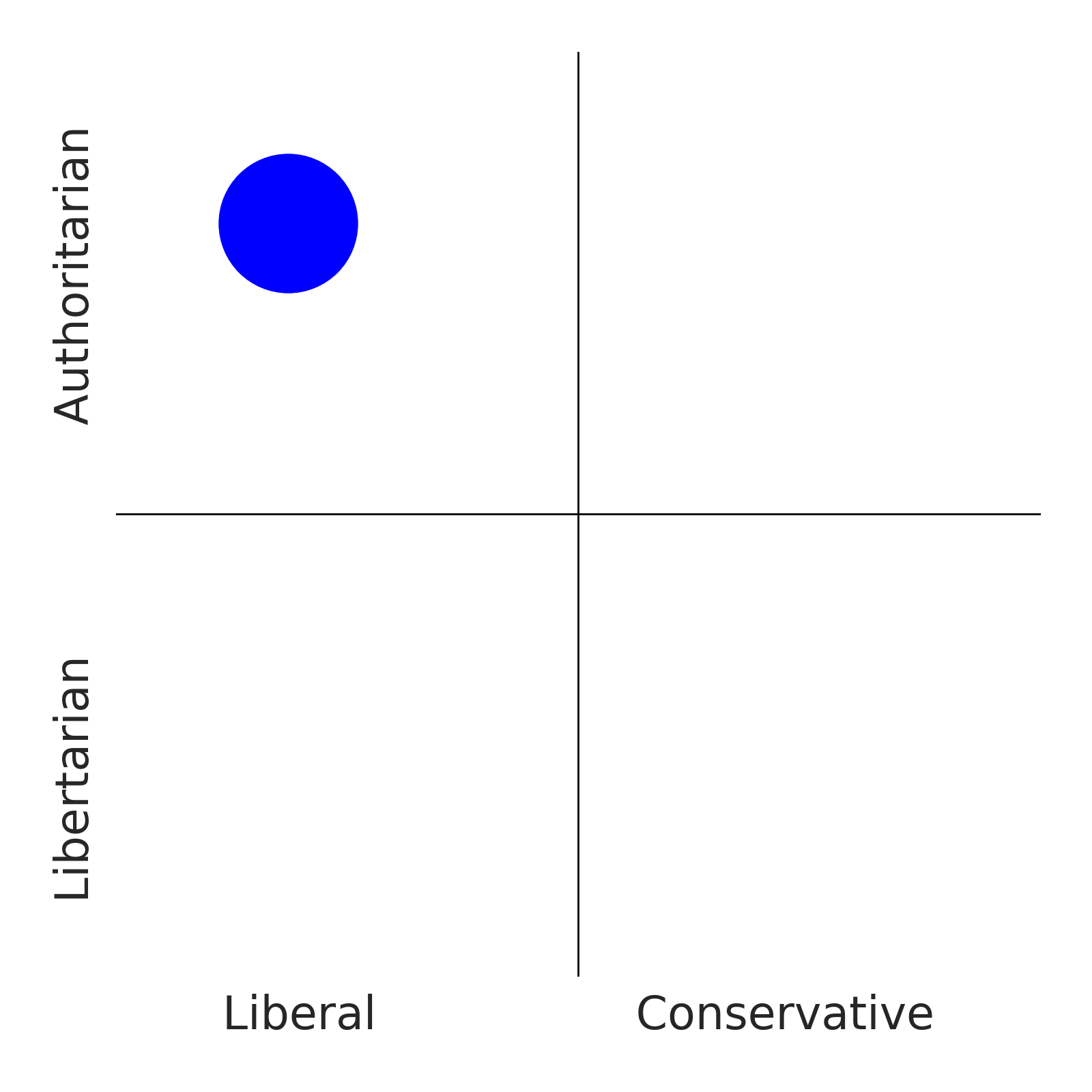
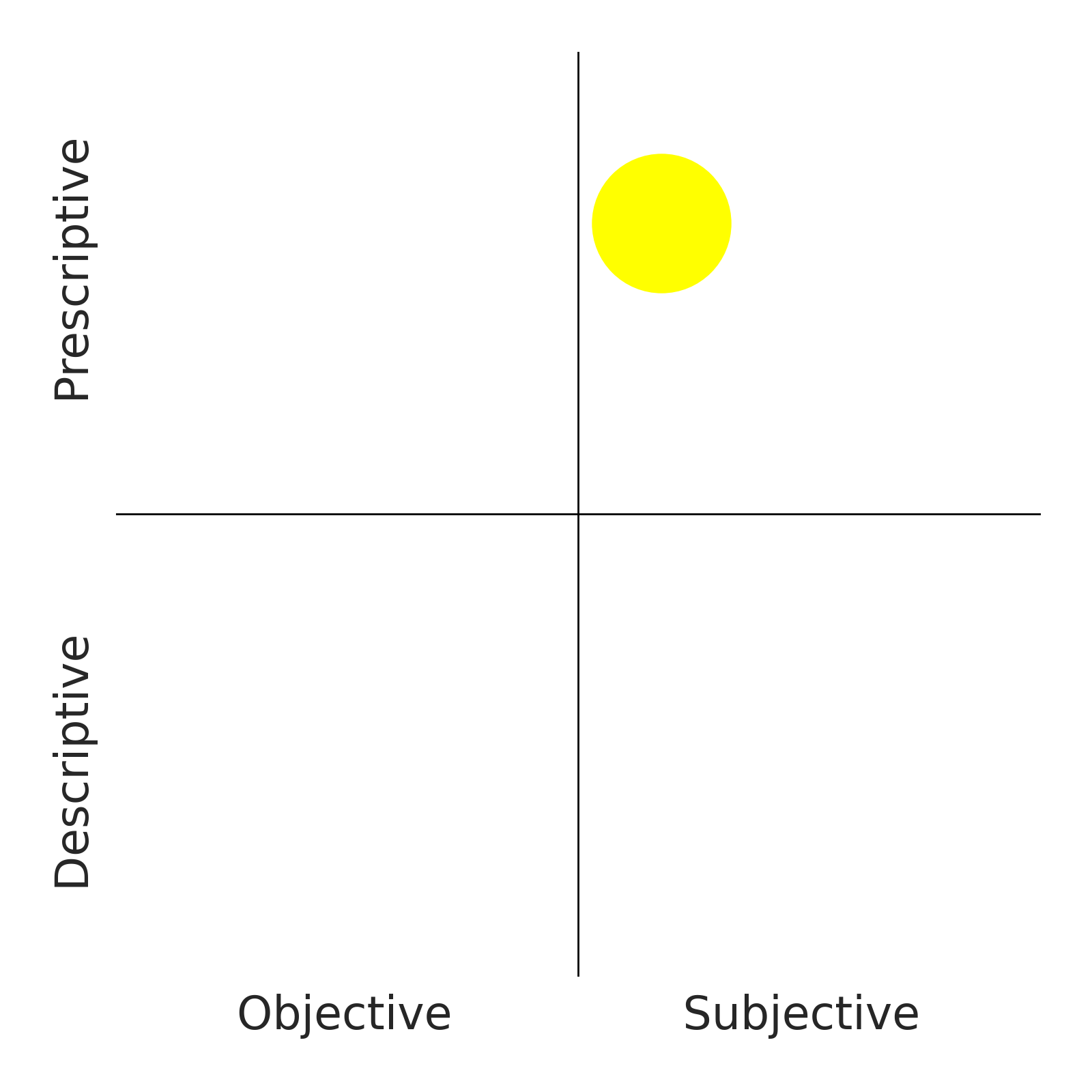
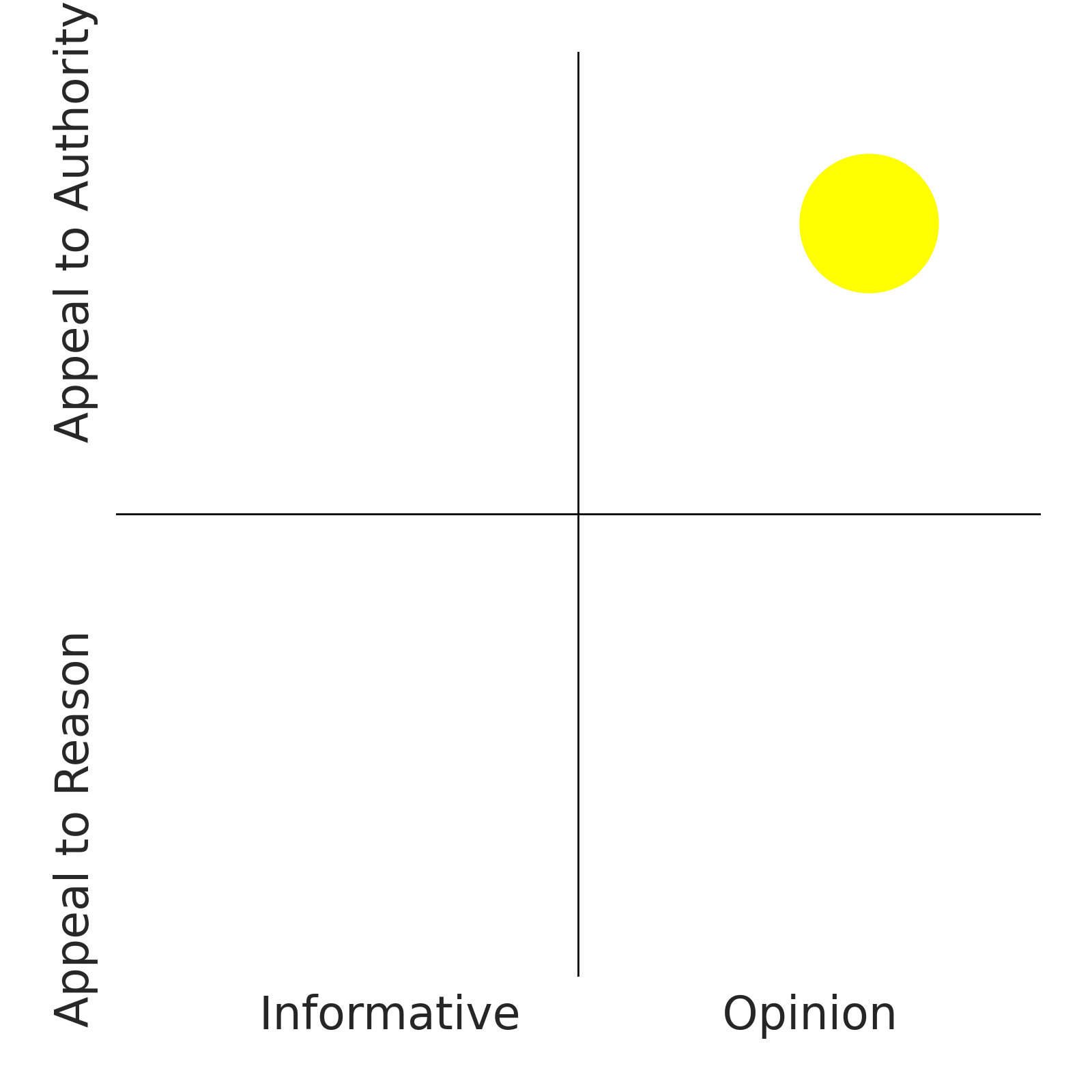
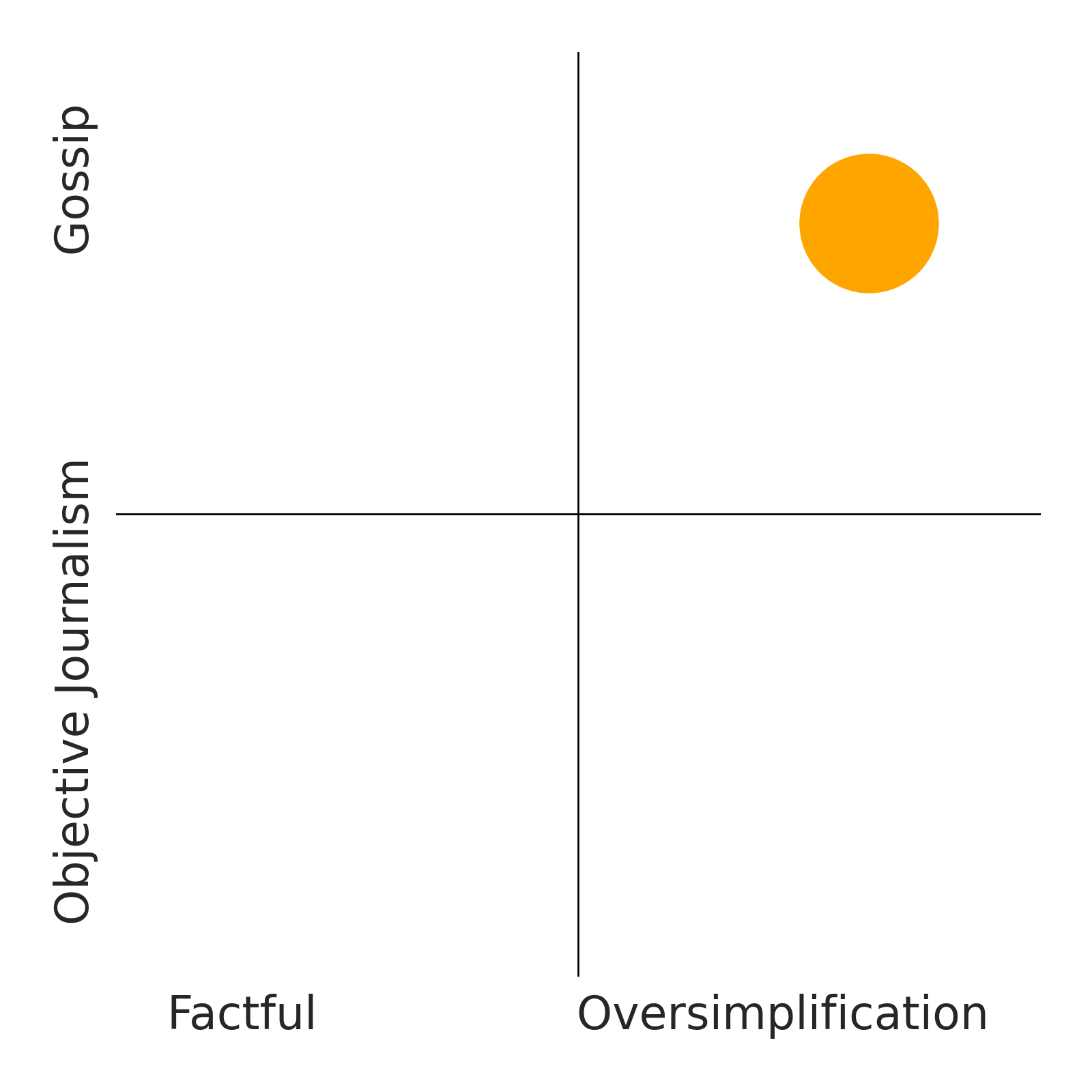
2026 © Helium Trades
Privacy Policy & Disclosure
* Disclaimer: Nothing on this website constitutes investment advice, performance data or any recommendation that any particular security, portfolio of securities, transaction or investment strategy is suitable for any specific person. Helium Trades is not responsible in any way for the accuracy
of any model predictions or price data. Any mention of a particular security and related prediction data is not a recommendation to buy or sell that security. Investments in securities involve the risk of loss. Past performance is no guarantee of future results. Helium Trades is not responsible for any of your investment decisions,
you should consult a financial expert before engaging in any transaction.
Helium Research Assistant

How can I help you today?
Ask any question about AP bias.


