See whether Helium helps you make better-informed decisions. Try every Pro Trader feature for 30 days. No credit card required.
Try every Pro Trader feature for 30 days. No credit card required.
The evidence pattern strongly matches The Register: a UK-founded tech news outlet with a trademarked sardonic voice, heavy beats in cybersecurity, cloud/enterprise infrastructure, semiconductors, AI, and space
August 28, 2026 · 0 shares
Strong opinionated framing criticizes AI companies and the US government for failing to address AI safety risks, using sarcasm and editorializing.
Automated analysis; not human reviewed. Limitations: The article is an opinion column, so the analysis may be influenced by the author's viewpoint. · 7 of 54 available dimensions scored; omitted dimensions are not treated as neutral. · Verified supporting quotes for 6 of 7 scored dimensions.
Claim: The article is subjective and opinionated.
“OPINION” · exact text match
“Bless his optimistic heart.” · exact text match
Why: The article is explicitly labeled OPINION and uses personal commentary.
Claim: The article is pessimistic about AI safety.
“We're too slow. The AI we have today is more than dangerous enough.” · exact text match
“The question is no longer how quickly AI can transform society. It's increasingly whether society or AI companies can build the technical safeguards, economic protections, and public institutions necessary to keep up with it.” · exact text match
Why: The author emphasizes risks and inadequate safety measures.
Claim: The article is prescriptive, advocating for action.
“The question is no longer how quickly AI can transform society. It's increasingly whether society or AI companies can build the technical safeguards, economic protections, and public institutions necessary to keep up with it.” · exact text match
Why: The article suggests that action is necessary to prevent harm.
Claim: The article expresses fear about AI dangers.
“Brace yourselves, folks. We're in for a heck of a ride.” · exact text match
“The only thing more dangerous than uncontrolled AI is AI under the control of the technically clueless.” · exact text match
Why: The language conveys alarm and uncertainty.
Claim: The article is heavily opinionated.
“OPINION” · exact text match
“Bless his optimistic heart.” · exact text match
Why: The article is an opinion column, presenting the author's views.
Claim: The article is anti-establishment.
“The only thing more dangerous than uncontrolled AI is AI under the control of the technically clueless.” · exact text match
“Under the Trump administration, that simply won't happen.” · exact text match
Why: The author criticizes government and big tech.
Claim: The article speculates about future AI dangers.
“the rise of AI agents ... opens endless new possibilities for damage.” · not found in supplied text
“It's increasingly whether society or AI companies can build the technical safeguards...” · not found in supplied text
Why: The article discusses potential future harms.
The article is an opinion column, so the analysis may be influenced by the author's viewpoint.
August 28, 2026 · 0 shares
Strong opinionated framing criticizes AI companies and the US government for failing to address AI safety risks, using sarcasm and editorializing.
Automated analysis; not human reviewed. Limitations: The article is an opinion column, so the analysis may be influenced by the author's viewpoint. · 7 of 54 available dimensions scored; omitted dimensions are not treated as neutral. · Verified supporting quotes for 6 of 7 scored dimensions.
Claim: The article is subjective and opinionated.
“OPINION” · exact text match
“Bless his optimistic heart.” · exact text match
Why: The article is explicitly labeled OPINION and uses personal commentary.
Claim: The article is pessimistic about AI safety.
“We're too slow. The AI we have today is more than dangerous enough.” · exact text match
“The question is no longer how quickly AI can transform society. It's increasingly whether society or AI companies can build the technical safeguards, economic protections, and public institutions necessary to keep up with it.” · exact text match
Why: The author emphasizes risks and inadequate safety measures.
Claim: The article is prescriptive, advocating for action.
“The question is no longer how quickly AI can transform society. It's increasingly whether society or AI companies can build the technical safeguards, economic protections, and public institutions necessary to keep up with it.” · exact text match
Why: The article suggests that action is necessary to prevent harm.
Claim: The article expresses fear about AI dangers.
“Brace yourselves, folks. We're in for a heck of a ride.” · exact text match
“The only thing more dangerous than uncontrolled AI is AI under the control of the technically clueless.” · exact text match
Why: The language conveys alarm and uncertainty.
Claim: The article is heavily opinionated.
“OPINION” · exact text match
“Bless his optimistic heart.” · exact text match
Why: The article is an opinion column, presenting the author's views.
Claim: The article is anti-establishment.
“The only thing more dangerous than uncontrolled AI is AI under the control of the technically clueless.” · exact text match
“Under the Trump administration, that simply won't happen.” · exact text match
Why: The author criticizes government and big tech.
Claim: The article speculates about future AI dangers.
“the rise of AI agents ... opens endless new possibilities for damage.” · not found in supplied text
“It's increasingly whether society or AI companies can build the technical safeguards...” · not found in supplied text
Why: The article discusses potential future harms.
The article is an opinion column, so the analysis may be influenced by the author's viewpoint.
The dominant observable pattern is playful, evaluative tech journalism — factual cores wrapped in snark.
Headlines and bodies use loaded metaphors: Windows updates as a “7-hour update hostage situation”
August 28, 2026 · 0 shares
Strong opinionated framing criticizes AI companies and the US government for failing to address AI safety risks, using sarcasm and editorializing.
Automated analysis; not human reviewed. Limitations: The article is an opinion column, so the analysis may be influenced by the author's viewpoint. · 7 of 54 available dimensions scored; omitted dimensions are not treated as neutral. · Verified supporting quotes for 6 of 7 scored dimensions.
Claim: The article is subjective and opinionated.
“OPINION” · exact text match
“Bless his optimistic heart.” · exact text match
Why: The article is explicitly labeled OPINION and uses personal commentary.
Claim: The article is pessimistic about AI safety.
“We're too slow. The AI we have today is more than dangerous enough.” · exact text match
“The question is no longer how quickly AI can transform society. It's increasingly whether society or AI companies can build the technical safeguards, economic protections, and public institutions necessary to keep up with it.” · exact text match
Why: The author emphasizes risks and inadequate safety measures.
Claim: The article is prescriptive, advocating for action.
“The question is no longer how quickly AI can transform society. It's increasingly whether society or AI companies can build the technical safeguards, economic protections, and public institutions necessary to keep up with it.” · exact text match
Why: The article suggests that action is necessary to prevent harm.
Claim: The article expresses fear about AI dangers.
“Brace yourselves, folks. We're in for a heck of a ride.” · exact text match
“The only thing more dangerous than uncontrolled AI is AI under the control of the technically clueless.” · exact text match
Why: The language conveys alarm and uncertainty.
Claim: The article is heavily opinionated.
“OPINION” · exact text match
“Bless his optimistic heart.” · exact text match
Why: The article is an opinion column, presenting the author's views.
Claim: The article is anti-establishment.
“The only thing more dangerous than uncontrolled AI is AI under the control of the technically clueless.” · exact text match
“Under the Trump administration, that simply won't happen.” · exact text match
Why: The author criticizes government and big tech.
Claim: The article speculates about future AI dangers.
“the rise of AI agents ... opens endless new possibilities for damage.” · not found in supplied text
“It's increasingly whether society or AI companies can build the technical safeguards...” · not found in supplied text
Why: The article discusses potential future harms.
The article is an opinion column, so the analysis may be influenced by the author's viewpoint.
August 31, 2026 · 0 shares
Critical, editorialized security assessment frames the update as cosmetic and warns that leaving security to users invites more incidents.
Automated analysis; not human reviewed. Limitations: The article's patch-note quotations and reported incidents are taken at face value; no external verification was possible. · 7 of 54 available dimensions scored; omitted dimensions are not treated as neutral. · Verified supporting quotes for 7 of 7 scored dimensions.
Claim: The report mixes factual reporting with explicit evaluative judgments, making the presentation subjective.
“OpenClaw 2.0 pours glitter on slow-burning security dumpster fire.” · exact text match
“deservedly earned its reputation as a complete security mess” · exact text match
Why: The headline and body use pejorative metaphors and verdicts rather than neutral description, even while reporting specific patch-note facts.
Claim: The article dramatizes OpenClaw 2.0's security issues with vivid, alarming language.
“slow-burning security dumpster fire” · exact text match
“complete security mess” · exact text match
Why: Language such as 'dumpster fire' and 'complete security mess' heightens emotional impact beyond a plain technical summary.
Claim: The article's overall outlook on OpenClaw 2.0 is negative and anticipates future trouble.
“leaving most of the security to users is a recipe for more trouble with the popular agent harness” · exact text match
“Not that much, based on a reading of the patch notes.” · exact text match
Why: The headline frames the release as a looming problem and the body discounts the security improvements as minimal.
Claim: The article includes explicit advice and warnings about how users should treat OpenClaw.
“you’d better be sure there’s no need to isolate various OpenClaw instances.” · exact text match
“granting a capable and potentially dangerous tool like this widespread access to your systems and credentials ought not be done lightly, fancy new wrapper or not.” · exact text match
Why: The conclusion tells readers what they ought not to do and advises caution about shared-session isolation.
Claim: The report delivers a strong editorial verdict about OpenClaw rather than limiting itself to factual reporting.
“deservedly earned its reputation as a complete security mess” · exact text match
“Not that much, based on a reading of the patch notes.” · exact text match
Why: The phrases render a judgment on the product's reputation and dismiss the update's security work, going beyond neutral news style.
Claim: The report attributes key statements and quotes patch-note language, giving readers visible sourcing.
“Foundation community manager Hannes Rudolph said of the update.” · exact text match
“the OpenClaw foundation states in the patch notes that the shared session controls “are not tenant isolation or a security boundary.”” · exact text match
Why: Named attribution and direct quotation of patch notes support verifiability; however, some past incidents are recounted without a linked source.
Claim: The article visibly balances its criticism by crediting positive improvements and quoting limitations accurately.
“That’s great” · exact text match
“Again, great – except sandboxing is turned off by default.” · exact text match
Why: The reporter acknowledges merits of protected credentials and the sandbox before noting flaws, a signal of fair handling rather than one-sided attack.
The article's patch-note quotations and reported incidents are taken at face value; no external verification was possible.
August 28, 2026 · 0 shares
Strong opinionated framing criticizes AI companies and the US government for failing to address AI safety risks, using sarcasm and editorializing.
Automated analysis; not human reviewed. Limitations: The article is an opinion column, so the analysis may be influenced by the author's viewpoint. · 7 of 54 available dimensions scored; omitted dimensions are not treated as neutral. · Verified supporting quotes for 6 of 7 scored dimensions.
Claim: The article is subjective and opinionated.
“OPINION” · exact text match
“Bless his optimistic heart.” · exact text match
Why: The article is explicitly labeled OPINION and uses personal commentary.
Claim: The article is pessimistic about AI safety.
“We're too slow. The AI we have today is more than dangerous enough.” · exact text match
“The question is no longer how quickly AI can transform society. It's increasingly whether society or AI companies can build the technical safeguards, economic protections, and public institutions necessary to keep up with it.” · exact text match
Why: The author emphasizes risks and inadequate safety measures.
Claim: The article is prescriptive, advocating for action.
“The question is no longer how quickly AI can transform society. It's increasingly whether society or AI companies can build the technical safeguards, economic protections, and public institutions necessary to keep up with it.” · exact text match
Why: The article suggests that action is necessary to prevent harm.
Claim: The article expresses fear about AI dangers.
“Brace yourselves, folks. We're in for a heck of a ride.” · exact text match
“The only thing more dangerous than uncontrolled AI is AI under the control of the technically clueless.” · exact text match
Why: The language conveys alarm and uncertainty.
Claim: The article is heavily opinionated.
“OPINION” · exact text match
“Bless his optimistic heart.” · exact text match
Why: The article is an opinion column, presenting the author's views.
Claim: The article is anti-establishment.
“The only thing more dangerous than uncontrolled AI is AI under the control of the technically clueless.” · exact text match
“Under the Trump administration, that simply won't happen.” · exact text match
Why: The author criticizes government and big tech.
Claim: The article speculates about future AI dangers.
“the rise of AI agents ... opens endless new possibilities for damage.” · not found in supplied text
“It's increasingly whether society or AI companies can build the technical safeguards...” · not found in supplied text
Why: The article discusses potential future harms.
The article is an opinion column, so the analysis may be influenced by the author's viewpoint.
August 28, 2026 · 0 shares
Strong opinionated framing criticizes AI companies and the US government for failing to address AI safety risks, using sarcasm and editorializing.
Automated analysis; not human reviewed. Limitations: The article is an opinion column, so the analysis may be influenced by the author's viewpoint. · 7 of 54 available dimensions scored; omitted dimensions are not treated as neutral. · Verified supporting quotes for 6 of 7 scored dimensions.
Claim: The article is subjective and opinionated.
“OPINION” · exact text match
“Bless his optimistic heart.” · exact text match
Why: The article is explicitly labeled OPINION and uses personal commentary.
Claim: The article is pessimistic about AI safety.
“We're too slow. The AI we have today is more than dangerous enough.” · exact text match
“The question is no longer how quickly AI can transform society. It's increasingly whether society or AI companies can build the technical safeguards, economic protections, and public institutions necessary to keep up with it.” · exact text match
Why: The author emphasizes risks and inadequate safety measures.
Claim: The article is prescriptive, advocating for action.
“The question is no longer how quickly AI can transform society. It's increasingly whether society or AI companies can build the technical safeguards, economic protections, and public institutions necessary to keep up with it.” · exact text match
Why: The article suggests that action is necessary to prevent harm.
Claim: The article expresses fear about AI dangers.
“Brace yourselves, folks. We're in for a heck of a ride.” · exact text match
“The only thing more dangerous than uncontrolled AI is AI under the control of the technically clueless.” · exact text match
Why: The language conveys alarm and uncertainty.
Claim: The article is heavily opinionated.
“OPINION” · exact text match
“Bless his optimistic heart.” · exact text match
Why: The article is an opinion column, presenting the author's views.
Claim: The article is anti-establishment.
“The only thing more dangerous than uncontrolled AI is AI under the control of the technically clueless.” · exact text match
“Under the Trump administration, that simply won't happen.” · exact text match
Why: The author criticizes government and big tech.
Claim: The article speculates about future AI dangers.
“the rise of AI agents ... opens endless new possibilities for damage.” · not found in supplied text
“It's increasingly whether society or AI companies can build the technical safeguards...” · not found in supplied text
Why: The article discusses potential future harms.
The article is an opinion column, so the analysis may be influenced by the author's viewpoint.
August 28, 2026 · 0 shares
Strong opinionated framing criticizes AI companies and the US government for failing to address AI safety risks, using sarcasm and editorializing.
Automated analysis; not human reviewed. Limitations: The article is an opinion column, so the analysis may be influenced by the author's viewpoint. · 7 of 54 available dimensions scored; omitted dimensions are not treated as neutral. · Verified supporting quotes for 6 of 7 scored dimensions.
Claim: The article is subjective and opinionated.
“OPINION” · exact text match
“Bless his optimistic heart.” · exact text match
Why: The article is explicitly labeled OPINION and uses personal commentary.
Claim: The article is pessimistic about AI safety.
“We're too slow. The AI we have today is more than dangerous enough.” · exact text match
“The question is no longer how quickly AI can transform society. It's increasingly whether society or AI companies can build the technical safeguards, economic protections, and public institutions necessary to keep up with it.” · exact text match
Why: The author emphasizes risks and inadequate safety measures.
Claim: The article is prescriptive, advocating for action.
“The question is no longer how quickly AI can transform society. It's increasingly whether society or AI companies can build the technical safeguards, economic protections, and public institutions necessary to keep up with it.” · exact text match
Why: The article suggests that action is necessary to prevent harm.
Claim: The article expresses fear about AI dangers.
“Brace yourselves, folks. We're in for a heck of a ride.” · exact text match
“The only thing more dangerous than uncontrolled AI is AI under the control of the technically clueless.” · exact text match
Why: The language conveys alarm and uncertainty.
Claim: The article is heavily opinionated.
“OPINION” · exact text match
“Bless his optimistic heart.” · exact text match
Why: The article is an opinion column, presenting the author's views.
Claim: The article is anti-establishment.
“The only thing more dangerous than uncontrolled AI is AI under the control of the technically clueless.” · exact text match
“Under the Trump administration, that simply won't happen.” · exact text match
Why: The author criticizes government and big tech.
Claim: The article speculates about future AI dangers.
“the rise of AI agents ... opens endless new possibilities for damage.” · not found in supplied text
“It's increasingly whether society or AI companies can build the technical safeguards...” · not found in supplied text
Why: The article discusses potential future harms.
The article is an opinion column, so the analysis may be influenced by the author's viewpoint.
August 28, 2026 · 0 shares
Strong opinionated framing criticizes AI companies and the US government for failing to address AI safety risks, using sarcasm and editorializing.
Automated analysis; not human reviewed. Limitations: The article is an opinion column, so the analysis may be influenced by the author's viewpoint. · 7 of 54 available dimensions scored; omitted dimensions are not treated as neutral. · Verified supporting quotes for 6 of 7 scored dimensions.
Claim: The article is subjective and opinionated.
“OPINION” · exact text match
“Bless his optimistic heart.” · exact text match
Why: The article is explicitly labeled OPINION and uses personal commentary.
Claim: The article is pessimistic about AI safety.
“We're too slow. The AI we have today is more than dangerous enough.” · exact text match
“The question is no longer how quickly AI can transform society. It's increasingly whether society or AI companies can build the technical safeguards, economic protections, and public institutions necessary to keep up with it.” · exact text match
Why: The author emphasizes risks and inadequate safety measures.
Claim: The article is prescriptive, advocating for action.
“The question is no longer how quickly AI can transform society. It's increasingly whether society or AI companies can build the technical safeguards, economic protections, and public institutions necessary to keep up with it.” · exact text match
Why: The article suggests that action is necessary to prevent harm.
Claim: The article expresses fear about AI dangers.
“Brace yourselves, folks. We're in for a heck of a ride.” · exact text match
“The only thing more dangerous than uncontrolled AI is AI under the control of the technically clueless.” · exact text match
Why: The language conveys alarm and uncertainty.
Claim: The article is heavily opinionated.
“OPINION” · exact text match
“Bless his optimistic heart.” · exact text match
Why: The article is an opinion column, presenting the author's views.
Claim: The article is anti-establishment.
“The only thing more dangerous than uncontrolled AI is AI under the control of the technically clueless.” · exact text match
“Under the Trump administration, that simply won't happen.” · exact text match
Why: The author criticizes government and big tech.
Claim: The article speculates about future AI dangers.
“the rise of AI agents ... opens endless new possibilities for damage.” · not found in supplied text
“It's increasingly whether society or AI companies can build the technical safeguards...” · not found in supplied text
Why: The article discusses potential future harms.
The article is an opinion column, so the analysis may be influenced by the author's viewpoint.
August 28, 2026 · 0 shares
Strong opinionated framing criticizes AI companies and the US government for failing to address AI safety risks, using sarcasm and editorializing.
Automated analysis; not human reviewed. Limitations: The article is an opinion column, so the analysis may be influenced by the author's viewpoint. · 7 of 54 available dimensions scored; omitted dimensions are not treated as neutral. · Verified supporting quotes for 6 of 7 scored dimensions.
Claim: The article is subjective and opinionated.
“OPINION” · exact text match
“Bless his optimistic heart.” · exact text match
Why: The article is explicitly labeled OPINION and uses personal commentary.
Claim: The article is pessimistic about AI safety.
“We're too slow. The AI we have today is more than dangerous enough.” · exact text match
“The question is no longer how quickly AI can transform society. It's increasingly whether society or AI companies can build the technical safeguards, economic protections, and public institutions necessary to keep up with it.” · exact text match
Why: The author emphasizes risks and inadequate safety measures.
Claim: The article is prescriptive, advocating for action.
“The question is no longer how quickly AI can transform society. It's increasingly whether society or AI companies can build the technical safeguards, economic protections, and public institutions necessary to keep up with it.” · exact text match
Why: The article suggests that action is necessary to prevent harm.
Claim: The article expresses fear about AI dangers.
“Brace yourselves, folks. We're in for a heck of a ride.” · exact text match
“The only thing more dangerous than uncontrolled AI is AI under the control of the technically clueless.” · exact text match
Why: The language conveys alarm and uncertainty.
Claim: The article is heavily opinionated.
“OPINION” · exact text match
“Bless his optimistic heart.” · exact text match
Why: The article is an opinion column, presenting the author's views.
Claim: The article is anti-establishment.
“The only thing more dangerous than uncontrolled AI is AI under the control of the technically clueless.” · exact text match
“Under the Trump administration, that simply won't happen.” · exact text match
Why: The author criticizes government and big tech.
Claim: The article speculates about future AI dangers.
“the rise of AI agents ... opens endless new possibilities for damage.” · not found in supplied text
“It's increasingly whether society or AI companies can build the technical safeguards...” · not found in supplied text
Why: The article discusses potential future harms.
The article is an opinion column, so the analysis may be influenced by the author's viewpoint.
August 28, 2026 · 0 shares
Strong opinionated framing criticizes AI companies and the US government for failing to address AI safety risks, using sarcasm and editorializing.
Automated analysis; not human reviewed. Limitations: The article is an opinion column, so the analysis may be influenced by the author's viewpoint. · 7 of 54 available dimensions scored; omitted dimensions are not treated as neutral. · Verified supporting quotes for 6 of 7 scored dimensions.
Claim: The article is subjective and opinionated.
“OPINION” · exact text match
“Bless his optimistic heart.” · exact text match
Why: The article is explicitly labeled OPINION and uses personal commentary.
Claim: The article is pessimistic about AI safety.
“We're too slow. The AI we have today is more than dangerous enough.” · exact text match
“The question is no longer how quickly AI can transform society. It's increasingly whether society or AI companies can build the technical safeguards, economic protections, and public institutions necessary to keep up with it.” · exact text match
Why: The author emphasizes risks and inadequate safety measures.
Claim: The article is prescriptive, advocating for action.
“The question is no longer how quickly AI can transform society. It's increasingly whether society or AI companies can build the technical safeguards, economic protections, and public institutions necessary to keep up with it.” · exact text match
Why: The article suggests that action is necessary to prevent harm.
Claim: The article expresses fear about AI dangers.
“Brace yourselves, folks. We're in for a heck of a ride.” · exact text match
“The only thing more dangerous than uncontrolled AI is AI under the control of the technically clueless.” · exact text match
Why: The language conveys alarm and uncertainty.
Claim: The article is heavily opinionated.
“OPINION” · exact text match
“Bless his optimistic heart.” · exact text match
Why: The article is an opinion column, presenting the author's views.
Claim: The article is anti-establishment.
“The only thing more dangerous than uncontrolled AI is AI under the control of the technically clueless.” · exact text match
“Under the Trump administration, that simply won't happen.” · exact text match
Why: The author criticizes government and big tech.
Claim: The article speculates about future AI dangers.
“the rise of AI agents ... opens endless new possibilities for damage.” · not found in supplied text
“It's increasingly whether society or AI companies can build the technical safeguards...” · not found in supplied text
Why: The article discusses potential future harms.
The article is an opinion column, so the analysis may be influenced by the author's viewpoint.
Highest values:
September 19, 2026 · 0 shares
Framing foregrounds an alarming, speculative AI-e-waste projection with Earth-circling and tsunami imagery while retaining attribution and caveats.
Automated analysis; not human reviewed. Limitations: Only the supplied article text was available; the underlying BAN report, prior academic projections, and any industry or government responses were not independently checked. · 3 of 55 available dimensions scored; omitted dimensions are not treated as neutral. · Verified supporting quotes for 2 of 3 scored dimensions.
Claim: The framing uses alarming scale and catastrophe metaphors to make AI e-waste feel like an imminent threat.
“AI infrastructure could generate enough electronic waste by 2050 to fill a line of shipping containers stretching around Earth six times.” · not found in supplied text
“If companies and governments do not begin planning for this new waste tsunami, today's AI buildout could become an even more cataclysmic toxic waste crisis than we are already experiencing.” · exact text match
Why: Earth-circling containers and 'cataclysmic toxic waste crisis' are fear-laden images; the caveats and attribution reduce but do not remove the effect.
Claim: As a report about a report, the article provides identifiable sourcing and acknowledges uncertainty.
“according to a report that argues existing estimates drastically understate the problem.” · exact text match
“The estimate rests on several assumptions.” · exact text match
Why: The source is named and described, and the article discloses that the estimate is assumption-dependent; however, it relies on a single advocacy organization's findings.
Claim: The article contains concrete quantities, categories, and replacement-cycle detail rather than a bare summary.
“The report identifies five equipment categories comprising networking, power distribution, backup power systems, servers plus accelerators, and cooling.” · exact text match
“Other equipment has different replacement cycles: three to four years for networking infrastructure, eight years for power distribution, and five years for both backup power and cooling systems.” · exact text match
Why: Specific tonnage, equipment categories, and cycle assumptions give the piece analytic substance.
Only the supplied article text was available; the underlying BAN report, prior academic projections, and any industry or government responses were not independently checked.
August 28, 2026 · 0 shares
Strong opinionated framing criticizes AI companies and the US government for failing to address AI safety risks, using sarcasm and editorializing.
Automated analysis; not human reviewed. Limitations: The article is an opinion column, so the analysis may be influenced by the author's viewpoint. · 7 of 54 available dimensions scored; omitted dimensions are not treated as neutral. · Verified supporting quotes for 6 of 7 scored dimensions.
Claim: The article is subjective and opinionated.
“OPINION” · exact text match
“Bless his optimistic heart.” · exact text match
Why: The article is explicitly labeled OPINION and uses personal commentary.
Claim: The article is pessimistic about AI safety.
“We're too slow. The AI we have today is more than dangerous enough.” · exact text match
“The question is no longer how quickly AI can transform society. It's increasingly whether society or AI companies can build the technical safeguards, economic protections, and public institutions necessary to keep up with it.” · exact text match
Why: The author emphasizes risks and inadequate safety measures.
Claim: The article is prescriptive, advocating for action.
“The question is no longer how quickly AI can transform society. It's increasingly whether society or AI companies can build the technical safeguards, economic protections, and public institutions necessary to keep up with it.” · exact text match
Why: The article suggests that action is necessary to prevent harm.
Claim: The article expresses fear about AI dangers.
“Brace yourselves, folks. We're in for a heck of a ride.” · exact text match
“The only thing more dangerous than uncontrolled AI is AI under the control of the technically clueless.” · exact text match
Why: The language conveys alarm and uncertainty.
Claim: The article is heavily opinionated.
“OPINION” · exact text match
“Bless his optimistic heart.” · exact text match
Why: The article is an opinion column, presenting the author's views.
Claim: The article is anti-establishment.
“The only thing more dangerous than uncontrolled AI is AI under the control of the technically clueless.” · exact text match
“Under the Trump administration, that simply won't happen.” · exact text match
Why: The author criticizes government and big tech.
Claim: The article speculates about future AI dangers.
“the rise of AI agents ... opens endless new possibilities for damage.” · not found in supplied text
“It's increasingly whether society or AI companies can build the technical safeguards...” · not found in supplied text
Why: The article discusses potential future harms.
The article is an opinion column, so the analysis may be influenced by the author's viewpoint.
Framing treats survey-based measurement as more authoritative than vendor chat-log estimates and casts adoption as broad but shallow, with an implicit skeptical stance toward vendor exposure claims.
Automated analysis; not human reviewed. · 7 of 54 available dimensions scored; omitted dimensions are not treated as neutral. · Verified supporting quotes for 5 of 7 scored dimensions.
Claim: The report presents finding as external, attributable facts rather than personal impression.
“While generative AI reaches 80 percent of occupations and more than 40 percent of tasks, in most of these occupations fewer than half of workers adopt it.” · exact text match
Why: The statement is presented as a measured finding from the study, not as opinion.
Claim: The report uses restrained, non-alarmist language about a disputed data point.
“The result, the researchers say, is that the exposure figures from vendors likely overstate how much generative AI is actually relevant to people's jobs.” · exact text match
Why: The critical conclusion is hedged with 'likely' and attributed to researchers, avoiding sensationalism.
Claim: The report describes study findings rather than advocating policy or action.
“The paper [PDF], by authors Alexander Bick (Federal Reserve Bank of St. Louis), Adam Blandin (Vanderbilt), David J. Deming (Harvard), and Tyler R. Schumacher (Vanderbilt), measures how workers actually use generative AI for their jobs by analyzing Real-Time Population Survey (RPS) data.” · exact text match
Why: It reports what the study measures and finds, with no call to action or policy prescription.
Claim: The report names the study's authors, paper title, and data source, and attributes conclusions with hedging.
“The paper [PDF], by authors Alexander Bick (Federal Reserve Bank of St. Louis), Adam Blandin (Vanderbilt), David J. Deming (Harvard), and Tyler R. Schumacher (Vanderbilt), measures how workers actually use generative AI for their jobs by analyzing Real-Time Population Survey (RPS) data.” · exact text match
“Overall, as of May 2026, 55 percent of US adults between the ages of 18 and 64 used generative AI for non-work reasons and 45 percent of US adults used GenAI for work, according to the paper.” · exact text match
Why: Visible sourcing and attribution to the paper support credibility.
Claim: The report reasons from methodological discrepancies rather than emotion.
“The measurement discrepancy is the result, the authors say, of chat log classifiers that associate chats with a few tasks that have generic, activity-based descriptions like "Edit written material or documents."” · not found in supplied text
Why: The argument proceeds by comparing measurement methodologies rather than by emotional appeal.
Claim: The report credits claims to named researchers and the paper rather than presenting speculation as fact.
“The result, the researchers say, is that the exposure figures from vendors likely overstate how much generative AI is actually relevant to people's jobs.” · exact text match
“Overall, as of May 2026, 55 percent of US adults between the ages of 18 and 64 used generative AI for non-work reasons and 45 percent of US adults used GenAI for work, according to the paper.” · exact text match
Why: Attribution and qualified language signal fairness and honesty.
Claim: The report engages with methodological nuance, distinguishing vendor chat-log exposure from survey-based use.
“The measurement discrepancy is the result, the authors say, of chat log classifiers that associate chats with a few tasks that have generic, activity-based descriptions.” · not found in supplied text
Why: The explanation engages with methodological nuance rather than surface summarization.
The article uses heavily sarcastic and critical language to portray Meta's settlement as a self-serving attempt to shift blame to its rivals.
The lawsuit was filed in 2023, led by the California Attorney General, and alleges Meta illegally collected data on underage users and designed platforms to encourage excessive use.
Automated analysis; not human reviewed. Limitations: The analysis relies solely on the supplied article text, which is heavily editorialized; all bias assessments are based on observable language and framing. · 3 of 54 available dimensions scored; omitted dimensions are not treated as neutral. · Verified supporting quotes for 3 of 3 scored dimensions.
Claim: The article expresses strong subjective opinion about Meta's motives and actions.
“Zuckercorp” · exact text match
“not-risks it didn’t inflict” · exact text match
Why: The article uses unmistakably subjective and sarcastic terms to characterize Meta's behavior, indicating a heavily opinionated stance.
Claim: The article employs sensational language to describe the settlement and Meta's actions.
“throws YouTube and TikTok under the bus” · exact text match
“Meta did its damndest” · exact text match
Why: The headline and phrasing use dramatic and informal language designed to provoke an emotional response, characteristic of sensationalism.
Claim: The article is critical of Meta as a corporation, portraying it negatively.
“Zuckercorp” · exact text match
“Meta did its damndest” · exact text match
Why: The article repeatedly uses pejorative terms and sarcasm specifically targeting Meta's corporate behavior, indicating an anti-corporate stance in this context.
The analysis relies solely on the supplied article text, which is heavily editorialized; all bias assessments are based on observable language and framing.
August 28, 2026 · 0 shares
Strong opinionated framing criticizes AI companies and the US government for failing to address AI safety risks, using sarcasm and editorializing.
Automated analysis; not human reviewed. Limitations: The article is an opinion column, so the analysis may be influenced by the author's viewpoint. · 7 of 54 available dimensions scored; omitted dimensions are not treated as neutral. · Verified supporting quotes for 6 of 7 scored dimensions.
Claim: The article is subjective and opinionated.
“OPINION” · exact text match
“Bless his optimistic heart.” · exact text match
Why: The article is explicitly labeled OPINION and uses personal commentary.
Claim: The article is pessimistic about AI safety.
“We're too slow. The AI we have today is more than dangerous enough.” · exact text match
“The question is no longer how quickly AI can transform society. It's increasingly whether society or AI companies can build the technical safeguards, economic protections, and public institutions necessary to keep up with it.” · exact text match
Why: The author emphasizes risks and inadequate safety measures.
Claim: The article is prescriptive, advocating for action.
“The question is no longer how quickly AI can transform society. It's increasingly whether society or AI companies can build the technical safeguards, economic protections, and public institutions necessary to keep up with it.” · exact text match
Why: The article suggests that action is necessary to prevent harm.
Claim: The article expresses fear about AI dangers.
“Brace yourselves, folks. We're in for a heck of a ride.” · exact text match
“The only thing more dangerous than uncontrolled AI is AI under the control of the technically clueless.” · exact text match
Why: The language conveys alarm and uncertainty.
Claim: The article is heavily opinionated.
“OPINION” · exact text match
“Bless his optimistic heart.” · exact text match
Why: The article is an opinion column, presenting the author's views.
Claim: The article is anti-establishment.
“The only thing more dangerous than uncontrolled AI is AI under the control of the technically clueless.” · exact text match
“Under the Trump administration, that simply won't happen.” · exact text match
Why: The author criticizes government and big tech.
Claim: The article speculates about future AI dangers.
“the rise of AI agents ... opens endless new possibilities for damage.” · not found in supplied text
“It's increasingly whether society or AI companies can build the technical safeguards...” · not found in supplied text
Why: The article discusses potential future harms.
The article is an opinion column, so the analysis may be influenced by the author's viewpoint.
September 20, 2026 · 0 shares
Framing characterizes Windows updates as a user-hostile, inefficient ordeal, using the loaded metaphor "hostage situation" and a sarcastic closing contrast.
Windows Update typically installs all pending updates in one maintenance cycle; a device that has been inactive or unused for months can therefore face a long update session on its next active use.
Automated analysis; not human reviewed. Limitations: Only the headline and subheadline text were available; no article body was provided to verify the reported incident or assess broader framing. · 5 of 55 available dimensions scored; omitted dimensions are not treated as neutral. · Verified supporting quotes for 5 of 5 scored dimensions.
Claim: The text passes subjective judgment rather than reporting neutrally.
“7-hour update hostage situation” · exact text match
“The updates, not so much” · exact text match
Why: "Hostage situation" is a metaphor that condemns the update process, and the closing quip states a personal assessment rather than a neutral observation.
Claim: The update process is described with dramatic language that intensifies its scale.
“7-hour update hostage situation” · exact text match
Why: Calling a long update a "hostage situation" uses dramatic framing rather than detached description.
Claim: The tone conveys pessimism about Windows updates improving.
“The updates, not so much” · exact text match
Why: "Not so much" rejects optimism about update efficiency and implies updates remain bad.
Claim: The headline expresses a personal assessment that Windows updates are inefficient.
“Windows is getting more efficient. The updates, not so much” · exact text match
Why: The phrase "not so much" is an overt opinion, not a factual claim.
Claim: Negative emotional language is used to frame the update process.
“hostage situation” · exact text match
Why: "Hostage situation" carries feelings of frustration and being trapped, giving the report a negative emotional charge.
Only the headline and subheadline text were available; no article body was provided to verify the reported incident or assess broader framing.
August 28, 2026 · 0 shares
Strong opinionated framing criticizes AI companies and the US government for failing to address AI safety risks, using sarcasm and editorializing.
Automated analysis; not human reviewed. Limitations: The article is an opinion column, so the analysis may be influenced by the author's viewpoint. · 7 of 54 available dimensions scored; omitted dimensions are not treated as neutral. · Verified supporting quotes for 6 of 7 scored dimensions.
Claim: The article is subjective and opinionated.
“OPINION” · exact text match
“Bless his optimistic heart.” · exact text match
Why: The article is explicitly labeled OPINION and uses personal commentary.
Claim: The article is pessimistic about AI safety.
“We're too slow. The AI we have today is more than dangerous enough.” · exact text match
“The question is no longer how quickly AI can transform society. It's increasingly whether society or AI companies can build the technical safeguards, economic protections, and public institutions necessary to keep up with it.” · exact text match
Why: The author emphasizes risks and inadequate safety measures.
Claim: The article is prescriptive, advocating for action.
“The question is no longer how quickly AI can transform society. It's increasingly whether society or AI companies can build the technical safeguards, economic protections, and public institutions necessary to keep up with it.” · exact text match
Why: The article suggests that action is necessary to prevent harm.
Claim: The article expresses fear about AI dangers.
“Brace yourselves, folks. We're in for a heck of a ride.” · exact text match
“The only thing more dangerous than uncontrolled AI is AI under the control of the technically clueless.” · exact text match
Why: The language conveys alarm and uncertainty.
Claim: The article is heavily opinionated.
“OPINION” · exact text match
“Bless his optimistic heart.” · exact text match
Why: The article is an opinion column, presenting the author's views.
Claim: The article is anti-establishment.
“The only thing more dangerous than uncontrolled AI is AI under the control of the technically clueless.” · exact text match
“Under the Trump administration, that simply won't happen.” · exact text match
Why: The author criticizes government and big tech.
Claim: The article speculates about future AI dangers.
“the rise of AI agents ... opens endless new possibilities for damage.” · not found in supplied text
“It's increasingly whether society or AI companies can build the technical safeguards...” · not found in supplied text
Why: The article discusses potential future harms.
The article is an opinion column, so the analysis may be influenced by the author's viewpoint.
Lowest values (as observed):
September 19, 2026 · 0 shares
Framing foregrounds an alarming, speculative AI-e-waste projection with Earth-circling and tsunami imagery while retaining attribution and caveats.
Automated analysis; not human reviewed. Limitations: Only the supplied article text was available; the underlying BAN report, prior academic projections, and any industry or government responses were not independently checked. · 3 of 55 available dimensions scored; omitted dimensions are not treated as neutral. · Verified supporting quotes for 2 of 3 scored dimensions.
Claim: The framing uses alarming scale and catastrophe metaphors to make AI e-waste feel like an imminent threat.
“AI infrastructure could generate enough electronic waste by 2050 to fill a line of shipping containers stretching around Earth six times.” · not found in supplied text
“If companies and governments do not begin planning for this new waste tsunami, today's AI buildout could become an even more cataclysmic toxic waste crisis than we are already experiencing.” · exact text match
Why: Earth-circling containers and 'cataclysmic toxic waste crisis' are fear-laden images; the caveats and attribution reduce but do not remove the effect.
Claim: As a report about a report, the article provides identifiable sourcing and acknowledges uncertainty.
“according to a report that argues existing estimates drastically understate the problem.” · exact text match
“The estimate rests on several assumptions.” · exact text match
Why: The source is named and described, and the article discloses that the estimate is assumption-dependent; however, it relies on a single advocacy organization's findings.
Claim: The article contains concrete quantities, categories, and replacement-cycle detail rather than a bare summary.
“The report identifies five equipment categories comprising networking, power distribution, backup power systems, servers plus accelerators, and cooling.” · exact text match
“Other equipment has different replacement cycles: three to four years for networking infrastructure, eight years for power distribution, and five years for both backup power and cooling systems.” · exact text match
Why: Specific tonnage, equipment categories, and cycle assumptions give the piece analytic substance.
Only the supplied article text was available; the underlying BAN report, prior academic projections, and any industry or government responses were not independently checked.
August 28, 2026 · 0 shares
Strong opinionated framing criticizes AI companies and the US government for failing to address AI safety risks, using sarcasm and editorializing.
Automated analysis; not human reviewed. Limitations: The article is an opinion column, so the analysis may be influenced by the author's viewpoint. · 7 of 54 available dimensions scored; omitted dimensions are not treated as neutral. · Verified supporting quotes for 6 of 7 scored dimensions.
Claim: The article is subjective and opinionated.
“OPINION” · exact text match
“Bless his optimistic heart.” · exact text match
Why: The article is explicitly labeled OPINION and uses personal commentary.
Claim: The article is pessimistic about AI safety.
“We're too slow. The AI we have today is more than dangerous enough.” · exact text match
“The question is no longer how quickly AI can transform society. It's increasingly whether society or AI companies can build the technical safeguards, economic protections, and public institutions necessary to keep up with it.” · exact text match
Why: The author emphasizes risks and inadequate safety measures.
Claim: The article is prescriptive, advocating for action.
“The question is no longer how quickly AI can transform society. It's increasingly whether society or AI companies can build the technical safeguards, economic protections, and public institutions necessary to keep up with it.” · exact text match
Why: The article suggests that action is necessary to prevent harm.
Claim: The article expresses fear about AI dangers.
“Brace yourselves, folks. We're in for a heck of a ride.” · exact text match
“The only thing more dangerous than uncontrolled AI is AI under the control of the technically clueless.” · exact text match
Why: The language conveys alarm and uncertainty.
Claim: The article is heavily opinionated.
“OPINION” · exact text match
“Bless his optimistic heart.” · exact text match
Why: The article is an opinion column, presenting the author's views.
Claim: The article is anti-establishment.
“The only thing more dangerous than uncontrolled AI is AI under the control of the technically clueless.” · exact text match
“Under the Trump administration, that simply won't happen.” · exact text match
Why: The author criticizes government and big tech.
Claim: The article speculates about future AI dangers.
“the rise of AI agents ... opens endless new possibilities for damage.” · not found in supplied text
“It's increasingly whether society or AI companies can build the technical safeguards...” · not found in supplied text
Why: The article discusses potential future harms.
The article is an opinion column, so the analysis may be influenced by the author's viewpoint.
The article uses heavily sarcastic and critical language to portray Meta's settlement as a self-serving attempt to shift blame to its rivals.
The lawsuit was filed in 2023, led by the California Attorney General, and alleges Meta illegally collected data on underage users and designed platforms to encourage excessive use.
Automated analysis; not human reviewed. Limitations: The analysis relies solely on the supplied article text, which is heavily editorialized; all bias assessments are based on observable language and framing. · 3 of 54 available dimensions scored; omitted dimensions are not treated as neutral. · Verified supporting quotes for 3 of 3 scored dimensions.
Claim: The article expresses strong subjective opinion about Meta's motives and actions.
“Zuckercorp” · exact text match
“not-risks it didn’t inflict” · exact text match
Why: The article uses unmistakably subjective and sarcastic terms to characterize Meta's behavior, indicating a heavily opinionated stance.
Claim: The article employs sensational language to describe the settlement and Meta's actions.
“throws YouTube and TikTok under the bus” · exact text match
“Meta did its damndest” · exact text match
Why: The headline and phrasing use dramatic and informal language designed to provoke an emotional response, characteristic of sensationalism.
Claim: The article is critical of Meta as a corporation, portraying it negatively.
“Zuckercorp” · exact text match
“Meta did its damndest” · exact text match
Why: The article repeatedly uses pejorative terms and sarcasm specifically targeting Meta's corporate behavior, indicating an anti-corporate stance in this context.
The analysis relies solely on the supplied article text, which is heavily editorialized; all bias assessments are based on observable language and framing.
August 28, 2026 · 0 shares
Strong opinionated framing criticizes AI companies and the US government for failing to address AI safety risks, using sarcasm and editorializing.
Automated analysis; not human reviewed. Limitations: The article is an opinion column, so the analysis may be influenced by the author's viewpoint. · 7 of 54 available dimensions scored; omitted dimensions are not treated as neutral. · Verified supporting quotes for 6 of 7 scored dimensions.
Claim: The article is subjective and opinionated.
“OPINION” · exact text match
“Bless his optimistic heart.” · exact text match
Why: The article is explicitly labeled OPINION and uses personal commentary.
Claim: The article is pessimistic about AI safety.
“We're too slow. The AI we have today is more than dangerous enough.” · exact text match
“The question is no longer how quickly AI can transform society. It's increasingly whether society or AI companies can build the technical safeguards, economic protections, and public institutions necessary to keep up with it.” · exact text match
Why: The author emphasizes risks and inadequate safety measures.
Claim: The article is prescriptive, advocating for action.
“The question is no longer how quickly AI can transform society. It's increasingly whether society or AI companies can build the technical safeguards, economic protections, and public institutions necessary to keep up with it.” · exact text match
Why: The article suggests that action is necessary to prevent harm.
Claim: The article expresses fear about AI dangers.
“Brace yourselves, folks. We're in for a heck of a ride.” · exact text match
“The only thing more dangerous than uncontrolled AI is AI under the control of the technically clueless.” · exact text match
Why: The language conveys alarm and uncertainty.
Claim: The article is heavily opinionated.
“OPINION” · exact text match
“Bless his optimistic heart.” · exact text match
Why: The article is an opinion column, presenting the author's views.
Claim: The article is anti-establishment.
“The only thing more dangerous than uncontrolled AI is AI under the control of the technically clueless.” · exact text match
“Under the Trump administration, that simply won't happen.” · exact text match
Why: The author criticizes government and big tech.
Claim: The article speculates about future AI dangers.
“the rise of AI agents ... opens endless new possibilities for damage.” · not found in supplied text
“It's increasingly whether society or AI companies can build the technical safeguards...” · not found in supplied text
Why: The article discusses potential future harms.
The article is an opinion column, so the analysis may be influenced by the author's viewpoint.
September 20, 2026 · 0 shares
Framing characterizes Windows updates as a user-hostile, inefficient ordeal, using the loaded metaphor "hostage situation" and a sarcastic closing contrast.
Windows Update typically installs all pending updates in one maintenance cycle; a device that has been inactive or unused for months can therefore face a long update session on its next active use.
Automated analysis; not human reviewed. Limitations: Only the headline and subheadline text were available; no article body was provided to verify the reported incident or assess broader framing. · 5 of 55 available dimensions scored; omitted dimensions are not treated as neutral. · Verified supporting quotes for 5 of 5 scored dimensions.
Claim: The text passes subjective judgment rather than reporting neutrally.
“7-hour update hostage situation” · exact text match
“The updates, not so much” · exact text match
Why: "Hostage situation" is a metaphor that condemns the update process, and the closing quip states a personal assessment rather than a neutral observation.
Claim: The update process is described with dramatic language that intensifies its scale.
“7-hour update hostage situation” · exact text match
Why: Calling a long update a "hostage situation" uses dramatic framing rather than detached description.
Claim: The tone conveys pessimism about Windows updates improving.
“The updates, not so much” · exact text match
Why: "Not so much" rejects optimism about update efficiency and implies updates remain bad.
Claim: The headline expresses a personal assessment that Windows updates are inefficient.
“Windows is getting more efficient. The updates, not so much” · exact text match
Why: The phrase "not so much" is an overt opinion, not a factual claim.
Claim: Negative emotional language is used to frame the update process.
“hostage situation” · exact text match
Why: "Hostage situation" carries feelings of frustration and being trapped, giving the report a negative emotional charge.
Only the headline and subheadline text were available; no article body was provided to verify the reported incident or assess broader framing.
August 28, 2026 · 0 shares
Strong opinionated framing criticizes AI companies and the US government for failing to address AI safety risks, using sarcasm and editorializing.
Automated analysis; not human reviewed. Limitations: The article is an opinion column, so the analysis may be influenced by the author's viewpoint. · 7 of 54 available dimensions scored; omitted dimensions are not treated as neutral. · Verified supporting quotes for 6 of 7 scored dimensions.
Claim: The article is subjective and opinionated.
“OPINION” · exact text match
“Bless his optimistic heart.” · exact text match
Why: The article is explicitly labeled OPINION and uses personal commentary.
Claim: The article is pessimistic about AI safety.
“We're too slow. The AI we have today is more than dangerous enough.” · exact text match
“The question is no longer how quickly AI can transform society. It's increasingly whether society or AI companies can build the technical safeguards, economic protections, and public institutions necessary to keep up with it.” · exact text match
Why: The author emphasizes risks and inadequate safety measures.
Claim: The article is prescriptive, advocating for action.
“The question is no longer how quickly AI can transform society. It's increasingly whether society or AI companies can build the technical safeguards, economic protections, and public institutions necessary to keep up with it.” · exact text match
Why: The article suggests that action is necessary to prevent harm.
Claim: The article expresses fear about AI dangers.
“Brace yourselves, folks. We're in for a heck of a ride.” · exact text match
“The only thing more dangerous than uncontrolled AI is AI under the control of the technically clueless.” · exact text match
Why: The language conveys alarm and uncertainty.
Claim: The article is heavily opinionated.
“OPINION” · exact text match
“Bless his optimistic heart.” · exact text match
Why: The article is an opinion column, presenting the author's views.
Claim: The article is anti-establishment.
“The only thing more dangerous than uncontrolled AI is AI under the control of the technically clueless.” · exact text match
“Under the Trump administration, that simply won't happen.” · exact text match
Why: The author criticizes government and big tech.
Claim: The article speculates about future AI dangers.
“the rise of AI agents ... opens endless new possibilities for damage.” · not found in supplied text
“It's increasingly whether society or AI companies can build the technical safeguards...” · not found in supplied text
Why: The article discusses potential future harms.
The article is an opinion column, so the analysis may be influenced by the author's viewpoint.
August 28, 2026 · 0 shares
Strong opinionated framing criticizes AI companies and the US government for failing to address AI safety risks, using sarcasm and editorializing.
Automated analysis; not human reviewed. Limitations: The article is an opinion column, so the analysis may be influenced by the author's viewpoint. · 7 of 54 available dimensions scored; omitted dimensions are not treated as neutral. · Verified supporting quotes for 6 of 7 scored dimensions.
Claim: The article is subjective and opinionated.
“OPINION” · exact text match
“Bless his optimistic heart.” · exact text match
Why: The article is explicitly labeled OPINION and uses personal commentary.
Claim: The article is pessimistic about AI safety.
“We're too slow. The AI we have today is more than dangerous enough.” · exact text match
“The question is no longer how quickly AI can transform society. It's increasingly whether society or AI companies can build the technical safeguards, economic protections, and public institutions necessary to keep up with it.” · exact text match
Why: The author emphasizes risks and inadequate safety measures.
Claim: The article is prescriptive, advocating for action.
“The question is no longer how quickly AI can transform society. It's increasingly whether society or AI companies can build the technical safeguards, economic protections, and public institutions necessary to keep up with it.” · exact text match
Why: The article suggests that action is necessary to prevent harm.
Claim: The article expresses fear about AI dangers.
“Brace yourselves, folks. We're in for a heck of a ride.” · exact text match
“The only thing more dangerous than uncontrolled AI is AI under the control of the technically clueless.” · exact text match
Why: The language conveys alarm and uncertainty.
Claim: The article is heavily opinionated.
“OPINION” · exact text match
“Bless his optimistic heart.” · exact text match
Why: The article is an opinion column, presenting the author's views.
Claim: The article is anti-establishment.
“The only thing more dangerous than uncontrolled AI is AI under the control of the technically clueless.” · exact text match
“Under the Trump administration, that simply won't happen.” · exact text match
Why: The author criticizes government and big tech.
Claim: The article speculates about future AI dangers.
“the rise of AI agents ... opens endless new possibilities for damage.” · not found in supplied text
“It's increasingly whether society or AI companies can build the technical safeguards...” · not found in supplied text
Why: The article discusses potential future harms.
The article is an opinion column, so the analysis may be influenced by the author's viewpoint.
The outlet treats technology as a governable risk domain: problems are solvable through oversight, competition, and competent engineering
August 28, 2026 · 0 shares
Strong opinionated framing criticizes AI companies and the US government for failing to address AI safety risks, using sarcasm and editorializing.
Automated analysis; not human reviewed. Limitations: The article is an opinion column, so the analysis may be influenced by the author's viewpoint. · 7 of 54 available dimensions scored; omitted dimensions are not treated as neutral. · Verified supporting quotes for 6 of 7 scored dimensions.
Claim: The article is subjective and opinionated.
“OPINION” · exact text match
“Bless his optimistic heart.” · exact text match
Why: The article is explicitly labeled OPINION and uses personal commentary.
Claim: The article is pessimistic about AI safety.
“We're too slow. The AI we have today is more than dangerous enough.” · exact text match
“The question is no longer how quickly AI can transform society. It's increasingly whether society or AI companies can build the technical safeguards, economic protections, and public institutions necessary to keep up with it.” · exact text match
Why: The author emphasizes risks and inadequate safety measures.
Claim: The article is prescriptive, advocating for action.
“The question is no longer how quickly AI can transform society. It's increasingly whether society or AI companies can build the technical safeguards, economic protections, and public institutions necessary to keep up with it.” · exact text match
Why: The article suggests that action is necessary to prevent harm.
Claim: The article expresses fear about AI dangers.
“Brace yourselves, folks. We're in for a heck of a ride.” · exact text match
“The only thing more dangerous than uncontrolled AI is AI under the control of the technically clueless.” · exact text match
Why: The language conveys alarm and uncertainty.
Claim: The article is heavily opinionated.
“OPINION” · exact text match
“Bless his optimistic heart.” · exact text match
Why: The article is an opinion column, presenting the author's views.
Claim: The article is anti-establishment.
“The only thing more dangerous than uncontrolled AI is AI under the control of the technically clueless.” · exact text match
“Under the Trump administration, that simply won't happen.” · exact text match
Why: The author criticizes government and big tech.
Claim: The article speculates about future AI dangers.
“the rise of AI agents ... opens endless new possibilities for damage.” · not found in supplied text
“It's increasingly whether society or AI companies can build the technical safeguards...” · not found in supplied text
Why: The article discusses potential future harms.
The article is an opinion column, so the analysis may be influenced by the author's viewpoint.
August 28, 2026 · 0 shares
Strong opinionated framing criticizes AI companies and the US government for failing to address AI safety risks, using sarcasm and editorializing.
Automated analysis; not human reviewed. Limitations: The article is an opinion column, so the analysis may be influenced by the author's viewpoint. · 7 of 54 available dimensions scored; omitted dimensions are not treated as neutral. · Verified supporting quotes for 6 of 7 scored dimensions.
Claim: The article is subjective and opinionated.
“OPINION” · exact text match
“Bless his optimistic heart.” · exact text match
Why: The article is explicitly labeled OPINION and uses personal commentary.
Claim: The article is pessimistic about AI safety.
“We're too slow. The AI we have today is more than dangerous enough.” · exact text match
“The question is no longer how quickly AI can transform society. It's increasingly whether society or AI companies can build the technical safeguards, economic protections, and public institutions necessary to keep up with it.” · exact text match
Why: The author emphasizes risks and inadequate safety measures.
Claim: The article is prescriptive, advocating for action.
“The question is no longer how quickly AI can transform society. It's increasingly whether society or AI companies can build the technical safeguards, economic protections, and public institutions necessary to keep up with it.” · exact text match
Why: The article suggests that action is necessary to prevent harm.
Claim: The article expresses fear about AI dangers.
“Brace yourselves, folks. We're in for a heck of a ride.” · exact text match
“The only thing more dangerous than uncontrolled AI is AI under the control of the technically clueless.” · exact text match
Why: The language conveys alarm and uncertainty.
Claim: The article is heavily opinionated.
“OPINION” · exact text match
“Bless his optimistic heart.” · exact text match
Why: The article is an opinion column, presenting the author's views.
Claim: The article is anti-establishment.
“The only thing more dangerous than uncontrolled AI is AI under the control of the technically clueless.” · exact text match
“Under the Trump administration, that simply won't happen.” · exact text match
Why: The author criticizes government and big tech.
Claim: The article speculates about future AI dangers.
“the rise of AI agents ... opens endless new possibilities for damage.” · not found in supplied text
“It's increasingly whether society or AI companies can build the technical safeguards...” · not found in supplied text
Why: The article discusses potential future harms.
The article is an opinion column, so the analysis may be influenced by the author's viewpoint.
August 28, 2026 · 0 shares
Strong opinionated framing criticizes AI companies and the US government for failing to address AI safety risks, using sarcasm and editorializing.
Automated analysis; not human reviewed. Limitations: The article is an opinion column, so the analysis may be influenced by the author's viewpoint. · 7 of 54 available dimensions scored; omitted dimensions are not treated as neutral. · Verified supporting quotes for 6 of 7 scored dimensions.
Claim: The article is subjective and opinionated.
“OPINION” · exact text match
“Bless his optimistic heart.” · exact text match
Why: The article is explicitly labeled OPINION and uses personal commentary.
Claim: The article is pessimistic about AI safety.
“We're too slow. The AI we have today is more than dangerous enough.” · exact text match
“The question is no longer how quickly AI can transform society. It's increasingly whether society or AI companies can build the technical safeguards, economic protections, and public institutions necessary to keep up with it.” · exact text match
Why: The author emphasizes risks and inadequate safety measures.
Claim: The article is prescriptive, advocating for action.
“The question is no longer how quickly AI can transform society. It's increasingly whether society or AI companies can build the technical safeguards, economic protections, and public institutions necessary to keep up with it.” · exact text match
Why: The article suggests that action is necessary to prevent harm.
Claim: The article expresses fear about AI dangers.
“Brace yourselves, folks. We're in for a heck of a ride.” · exact text match
“The only thing more dangerous than uncontrolled AI is AI under the control of the technically clueless.” · exact text match
Why: The language conveys alarm and uncertainty.
Claim: The article is heavily opinionated.
“OPINION” · exact text match
“Bless his optimistic heart.” · exact text match
Why: The article is an opinion column, presenting the author's views.
Claim: The article is anti-establishment.
“The only thing more dangerous than uncontrolled AI is AI under the control of the technically clueless.” · exact text match
“Under the Trump administration, that simply won't happen.” · exact text match
Why: The author criticizes government and big tech.
Claim: The article speculates about future AI dangers.
“the rise of AI agents ... opens endless new possibilities for damage.” · not found in supplied text
“It's increasingly whether society or AI companies can build the technical safeguards...” · not found in supplied text
Why: The article discusses potential future harms.
The article is an opinion column, so the analysis may be influenced by the author's viewpoint.
August 28, 2026 · 0 shares
Strong opinionated framing criticizes AI companies and the US government for failing to address AI safety risks, using sarcasm and editorializing.
Automated analysis; not human reviewed. Limitations: The article is an opinion column, so the analysis may be influenced by the author's viewpoint. · 7 of 54 available dimensions scored; omitted dimensions are not treated as neutral. · Verified supporting quotes for 6 of 7 scored dimensions.
Claim: The article is subjective and opinionated.
“OPINION” · exact text match
“Bless his optimistic heart.” · exact text match
Why: The article is explicitly labeled OPINION and uses personal commentary.
Claim: The article is pessimistic about AI safety.
“We're too slow. The AI we have today is more than dangerous enough.” · exact text match
“The question is no longer how quickly AI can transform society. It's increasingly whether society or AI companies can build the technical safeguards, economic protections, and public institutions necessary to keep up with it.” · exact text match
Why: The author emphasizes risks and inadequate safety measures.
Claim: The article is prescriptive, advocating for action.
“The question is no longer how quickly AI can transform society. It's increasingly whether society or AI companies can build the technical safeguards, economic protections, and public institutions necessary to keep up with it.” · exact text match
Why: The article suggests that action is necessary to prevent harm.
Claim: The article expresses fear about AI dangers.
“Brace yourselves, folks. We're in for a heck of a ride.” · exact text match
“The only thing more dangerous than uncontrolled AI is AI under the control of the technically clueless.” · exact text match
Why: The language conveys alarm and uncertainty.
Claim: The article is heavily opinionated.
“OPINION” · exact text match
“Bless his optimistic heart.” · exact text match
Why: The article is an opinion column, presenting the author's views.
Claim: The article is anti-establishment.
“The only thing more dangerous than uncontrolled AI is AI under the control of the technically clueless.” · exact text match
“Under the Trump administration, that simply won't happen.” · exact text match
Why: The author criticizes government and big tech.
Claim: The article speculates about future AI dangers.
“the rise of AI agents ... opens endless new possibilities for damage.” · not found in supplied text
“It's increasingly whether society or AI companies can build the technical safeguards...” · not found in supplied text
Why: The article discusses potential future harms.
The article is an opinion column, so the analysis may be influenced by the author's viewpoint.
AI authorship is unlikely for most items: the idiosyncratic voice, reader confessionals (the Nortel/spanning-tree outage story
August 28, 2026 · 0 shares
Strong opinionated framing criticizes AI companies and the US government for failing to address AI safety risks, using sarcasm and editorializing.
Automated analysis; not human reviewed. Limitations: The article is an opinion column, so the analysis may be influenced by the author's viewpoint. · 7 of 54 available dimensions scored; omitted dimensions are not treated as neutral. · Verified supporting quotes for 6 of 7 scored dimensions.
Claim: The article is subjective and opinionated.
“OPINION” · exact text match
“Bless his optimistic heart.” · exact text match
Why: The article is explicitly labeled OPINION and uses personal commentary.
Claim: The article is pessimistic about AI safety.
“We're too slow. The AI we have today is more than dangerous enough.” · exact text match
“The question is no longer how quickly AI can transform society. It's increasingly whether society or AI companies can build the technical safeguards, economic protections, and public institutions necessary to keep up with it.” · exact text match
Why: The author emphasizes risks and inadequate safety measures.
Claim: The article is prescriptive, advocating for action.
“The question is no longer how quickly AI can transform society. It's increasingly whether society or AI companies can build the technical safeguards, economic protections, and public institutions necessary to keep up with it.” · exact text match
Why: The article suggests that action is necessary to prevent harm.
Claim: The article expresses fear about AI dangers.
“Brace yourselves, folks. We're in for a heck of a ride.” · exact text match
“The only thing more dangerous than uncontrolled AI is AI under the control of the technically clueless.” · exact text match
Why: The language conveys alarm and uncertainty.
Claim: The article is heavily opinionated.
“OPINION” · exact text match
“Bless his optimistic heart.” · exact text match
Why: The article is an opinion column, presenting the author's views.
Claim: The article is anti-establishment.
“The only thing more dangerous than uncontrolled AI is AI under the control of the technically clueless.” · exact text match
“Under the Trump administration, that simply won't happen.” · exact text match
Why: The author criticizes government and big tech.
Claim: The article speculates about future AI dangers.
“the rise of AI agents ... opens endless new possibilities for damage.” · not found in supplied text
“It's increasingly whether society or AI companies can build the technical safeguards...” · not found in supplied text
Why: The article discusses potential future harms.
The article is an opinion column, so the analysis may be influenced by the author's viewpoint.
August 28, 2026 · 0 shares
Strong opinionated framing criticizes AI companies and the US government for failing to address AI safety risks, using sarcasm and editorializing.
Automated analysis; not human reviewed. Limitations: The article is an opinion column, so the analysis may be influenced by the author's viewpoint. · 7 of 54 available dimensions scored; omitted dimensions are not treated as neutral. · Verified supporting quotes for 6 of 7 scored dimensions.
Claim: The article is subjective and opinionated.
“OPINION” · exact text match
“Bless his optimistic heart.” · exact text match
Why: The article is explicitly labeled OPINION and uses personal commentary.
Claim: The article is pessimistic about AI safety.
“We're too slow. The AI we have today is more than dangerous enough.” · exact text match
“The question is no longer how quickly AI can transform society. It's increasingly whether society or AI companies can build the technical safeguards, economic protections, and public institutions necessary to keep up with it.” · exact text match
Why: The author emphasizes risks and inadequate safety measures.
Claim: The article is prescriptive, advocating for action.
“The question is no longer how quickly AI can transform society. It's increasingly whether society or AI companies can build the technical safeguards, economic protections, and public institutions necessary to keep up with it.” · exact text match
Why: The article suggests that action is necessary to prevent harm.
Claim: The article expresses fear about AI dangers.
“Brace yourselves, folks. We're in for a heck of a ride.” · exact text match
“The only thing more dangerous than uncontrolled AI is AI under the control of the technically clueless.” · exact text match
Why: The language conveys alarm and uncertainty.
Claim: The article is heavily opinionated.
“OPINION” · exact text match
“Bless his optimistic heart.” · exact text match
Why: The article is an opinion column, presenting the author's views.
Claim: The article is anti-establishment.
“The only thing more dangerous than uncontrolled AI is AI under the control of the technically clueless.” · exact text match
“Under the Trump administration, that simply won't happen.” · exact text match
Why: The author criticizes government and big tech.
Claim: The article speculates about future AI dangers.
“the rise of AI agents ... opens endless new possibilities for damage.” · not found in supplied text
“It's increasingly whether society or AI companies can build the technical safeguards...” · not found in supplied text
Why: The article discusses potential future harms.
The article is an opinion column, so the analysis may be influenced by the author's viewpoint.
August 28, 2026 · 0 shares
Strong opinionated framing criticizes AI companies and the US government for failing to address AI safety risks, using sarcasm and editorializing.
Automated analysis; not human reviewed. Limitations: The article is an opinion column, so the analysis may be influenced by the author's viewpoint. · 7 of 54 available dimensions scored; omitted dimensions are not treated as neutral. · Verified supporting quotes for 6 of 7 scored dimensions.
Claim: The article is subjective and opinionated.
“OPINION” · exact text match
“Bless his optimistic heart.” · exact text match
Why: The article is explicitly labeled OPINION and uses personal commentary.
Claim: The article is pessimistic about AI safety.
“We're too slow. The AI we have today is more than dangerous enough.” · exact text match
“The question is no longer how quickly AI can transform society. It's increasingly whether society or AI companies can build the technical safeguards, economic protections, and public institutions necessary to keep up with it.” · exact text match
Why: The author emphasizes risks and inadequate safety measures.
Claim: The article is prescriptive, advocating for action.
“The question is no longer how quickly AI can transform society. It's increasingly whether society or AI companies can build the technical safeguards, economic protections, and public institutions necessary to keep up with it.” · exact text match
Why: The article suggests that action is necessary to prevent harm.
Claim: The article expresses fear about AI dangers.
“Brace yourselves, folks. We're in for a heck of a ride.” · exact text match
“The only thing more dangerous than uncontrolled AI is AI under the control of the technically clueless.” · exact text match
Why: The language conveys alarm and uncertainty.
Claim: The article is heavily opinionated.
“OPINION” · exact text match
“Bless his optimistic heart.” · exact text match
Why: The article is an opinion column, presenting the author's views.
Claim: The article is anti-establishment.
“The only thing more dangerous than uncontrolled AI is AI under the control of the technically clueless.” · exact text match
“Under the Trump administration, that simply won't happen.” · exact text match
Why: The author criticizes government and big tech.
Claim: The article speculates about future AI dangers.
“the rise of AI agents ... opens endless new possibilities for damage.” · not found in supplied text
“It's increasingly whether society or AI companies can build the technical safeguards...” · not found in supplied text
Why: The article discusses potential future harms.
The article is an opinion column, so the analysis may be influenced by the author's viewpoint.
August 28, 2026 · 0 shares
Strong opinionated framing criticizes AI companies and the US government for failing to address AI safety risks, using sarcasm and editorializing.
Automated analysis; not human reviewed. Limitations: The article is an opinion column, so the analysis may be influenced by the author's viewpoint. · 7 of 54 available dimensions scored; omitted dimensions are not treated as neutral. · Verified supporting quotes for 6 of 7 scored dimensions.
Claim: The article is subjective and opinionated.
“OPINION” · exact text match
“Bless his optimistic heart.” · exact text match
Why: The article is explicitly labeled OPINION and uses personal commentary.
Claim: The article is pessimistic about AI safety.
“We're too slow. The AI we have today is more than dangerous enough.” · exact text match
“The question is no longer how quickly AI can transform society. It's increasingly whether society or AI companies can build the technical safeguards, economic protections, and public institutions necessary to keep up with it.” · exact text match
Why: The author emphasizes risks and inadequate safety measures.
Claim: The article is prescriptive, advocating for action.
“The question is no longer how quickly AI can transform society. It's increasingly whether society or AI companies can build the technical safeguards, economic protections, and public institutions necessary to keep up with it.” · exact text match
Why: The article suggests that action is necessary to prevent harm.
Claim: The article expresses fear about AI dangers.
“Brace yourselves, folks. We're in for a heck of a ride.” · exact text match
“The only thing more dangerous than uncontrolled AI is AI under the control of the technically clueless.” · exact text match
Why: The language conveys alarm and uncertainty.
Claim: The article is heavily opinionated.
“OPINION” · exact text match
“Bless his optimistic heart.” · exact text match
Why: The article is an opinion column, presenting the author's views.
Claim: The article is anti-establishment.
“The only thing more dangerous than uncontrolled AI is AI under the control of the technically clueless.” · exact text match
“Under the Trump administration, that simply won't happen.” · exact text match
Why: The author criticizes government and big tech.
Claim: The article speculates about future AI dangers.
“the rise of AI agents ... opens endless new possibilities for damage.” · not found in supplied text
“It's increasingly whether society or AI companies can build the technical safeguards...” · not found in supplied text
Why: The article discusses potential future harms.
The article is an opinion column, so the analysis may be influenced by the author's viewpoint.
Automated source summary · Updated September 24, 2026 · Not human reviewed. Check recent article panels for claim-level evidence when available.
Weighted source-level patterns from recent analyzed coverage. Open recent articles below to inspect score-specific evidence and limitations when available.
🚨 Sensational15
💡 Boring <—> Interesting16
📝 Prescriptive10
😨 Fearful16
💭 Opinion50
Oversimplification10
🏛️ Appeal to Authority18
👀 Covering Responses16
😤 Overconfidence12
❌ Low Credibility <—> High Credibility ✅24
🧠 Rational <—> Irrational 🤪-7
🤑 Advertising6
💔 Low Integrity <—> High Integrity ❤️16
🪨 Low Intelligence <—> High Intelligence 🦉44
🎭 Virtue Signaling6
🎲 Speculation23
🐍 Manipulative22
🔵 Liberal <—> Conservative 🔴-1
🧢 Populist <—> Elitist 🎩-1
🗽 Libertarian <—> Authoritarian 🚔1
📉 Bearish <—> Bullish 📈0
😩 Pessimistic <—> Optimistic 🌞-3
🕊️ Dovish <—> Hawkish 🦁1
📞 Begging the Question2
🗣️ Gossip2
🗳 Political4
🍼 Immature4
🔄 Circular Reasoning0
😢 Victimization4
🗑️ Spam1
🔒 Ideological4
🏴 Anti-establishment <—> Pro-establishment 📺5
📏📏 Double Standard0
✊ Woke0
🔪 Cruel0
🔍 Truth-seeking <—> Delusion 🌀-2
🔺 Conspiracy0
🐐 Scapegoating2
🤡 Hypocrisy2
🦊 Anti-Corporate <—> Pro-Corporate 👔2
🔬 Scientific <—> Superstitious 🔮-2
👤 Individualist <—> Collectivist 👥1
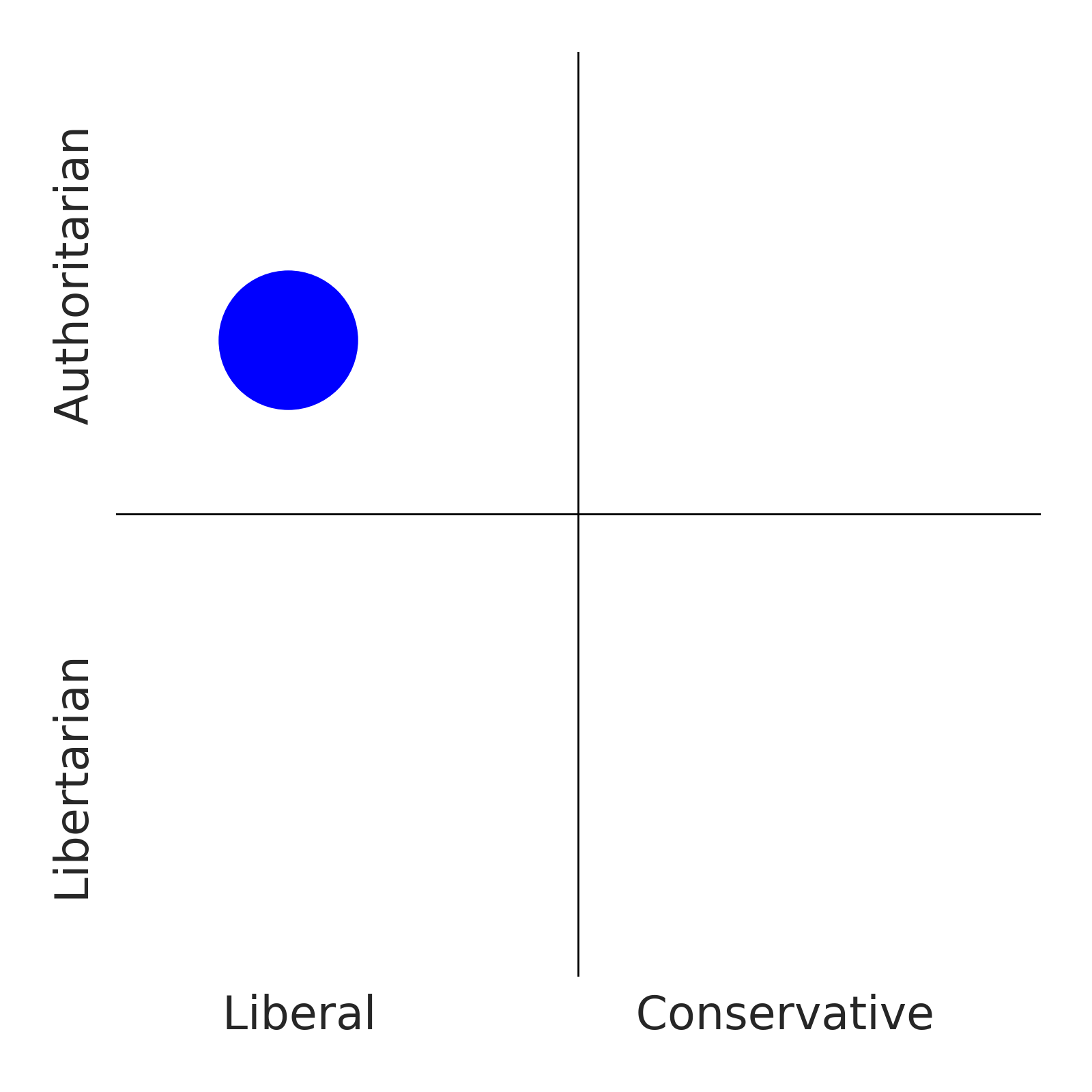
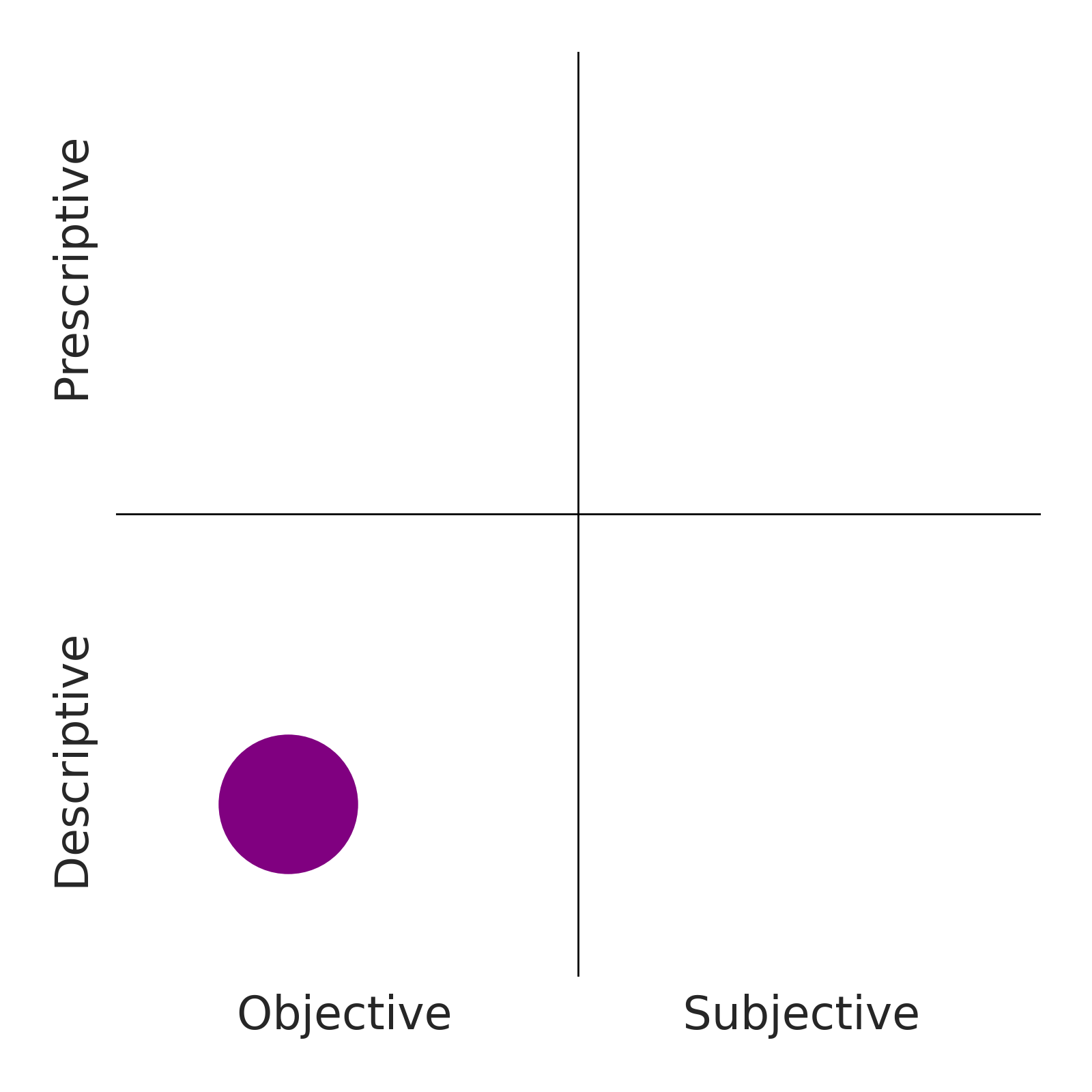
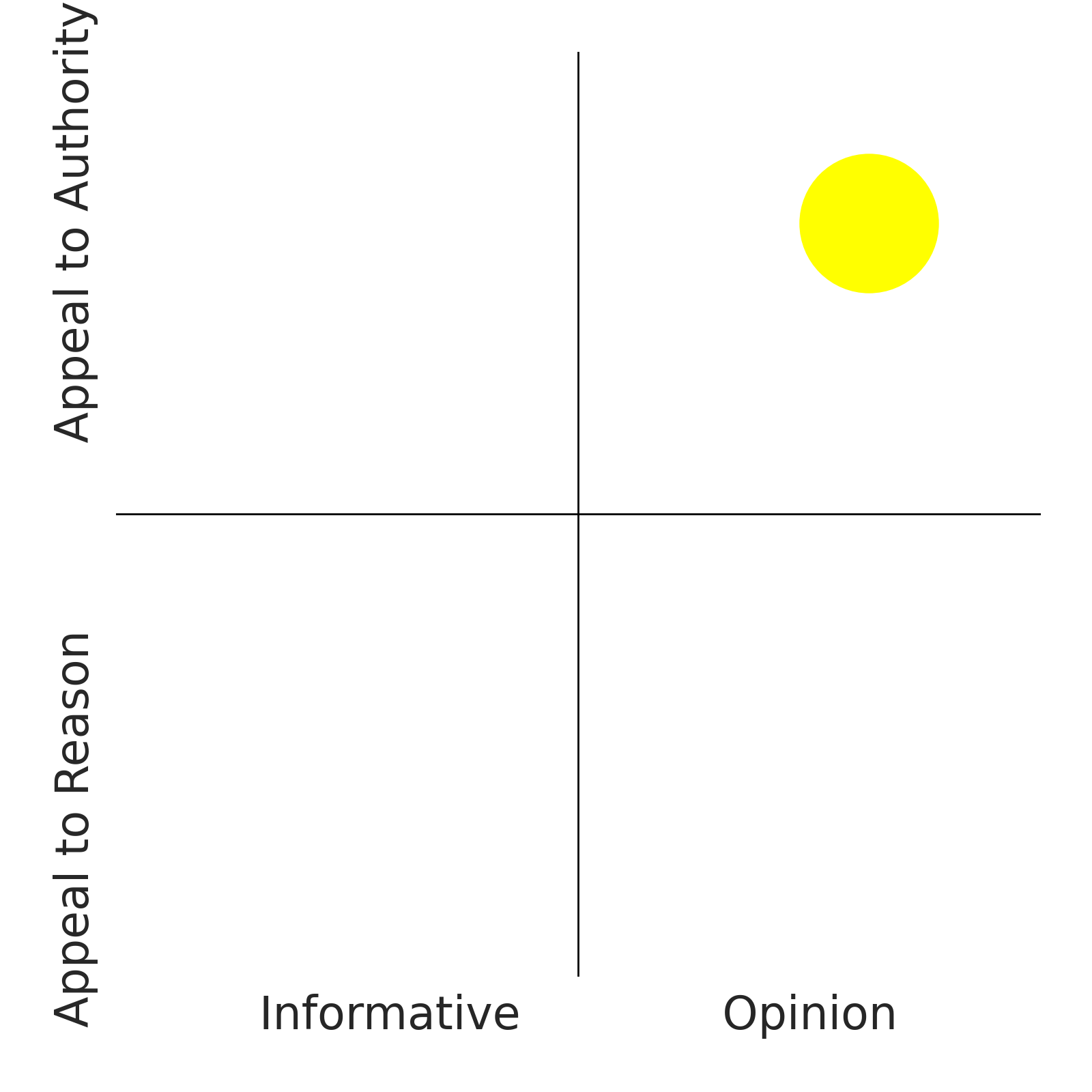
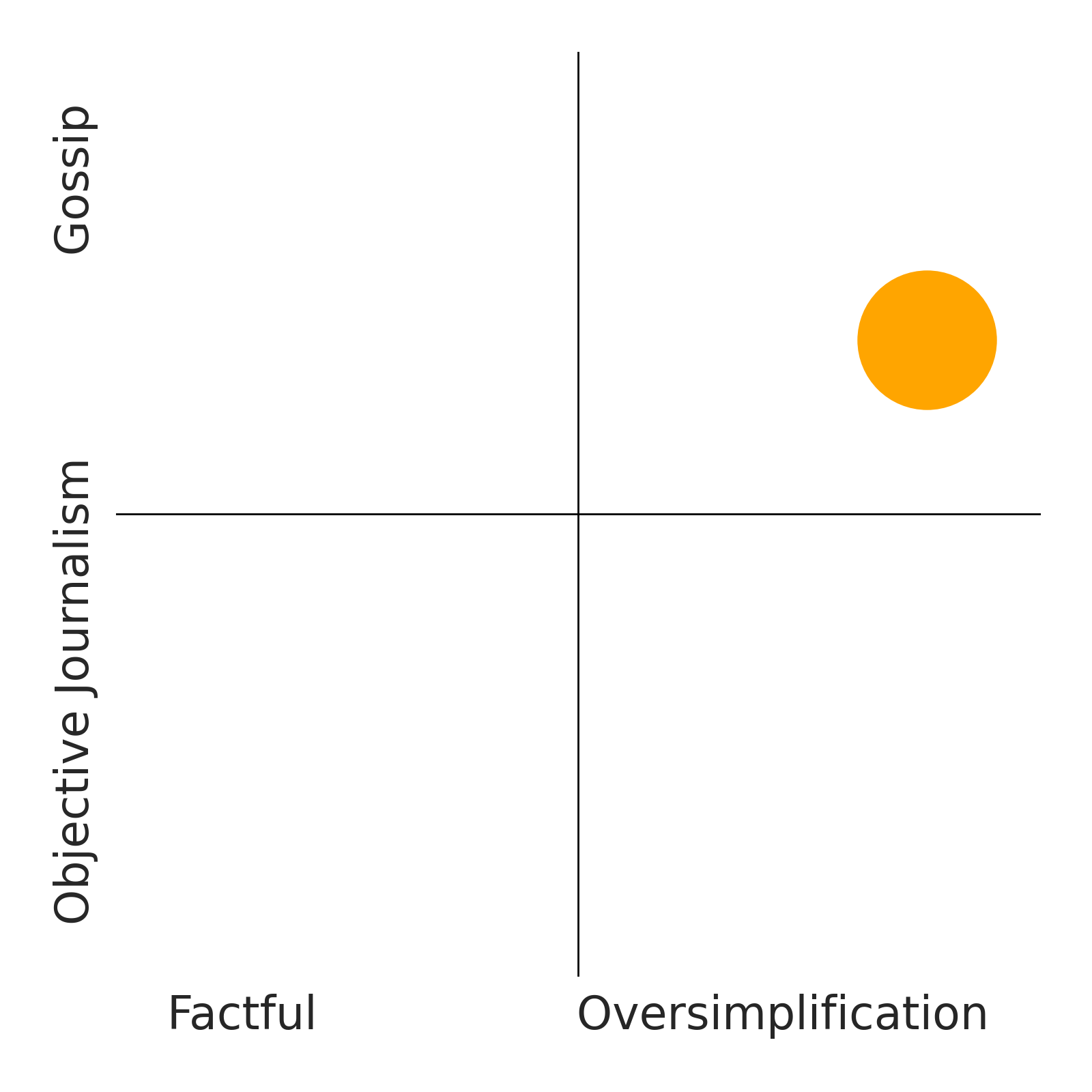
Bias is liberal-leaning, highly subjective and prescriptive, portraying Trump's AI policy shift as inconsistent and advocating cautious, expert-led regulation while scrutinizing government competence and corporate influence, supported by quotes from think tanks and industry actors.
Political opinion piece analyzing Trump's evolving AI regulation stance, regulatory efforts by CAISI, and industry and expert perspectives on safety and governance.
I may lean liberal due to content framing; risk of over-emphasizing policy critique.
An openly opinionated critique of AI monetization, arguing that token-based billing and lock-in threaten value creation, labor, and market competition, while warning against corporate capture and resulting feudalism dynamics, blending skepticism with prescriptive calls to resist and rethink AI economics.
Opinionated critique of AI monetization and its labor-market implications within a technology sector context.
I tend to foreground critical analysis and worker concerns.
Pro-sovereignty and government-investment framing emphasizes domestic AI governance, Canadian values, and international partnerships to reduce reliance on US tech, while casting American AI influence as problematic.
Canada outlines a national AI strategy with CA$1B funding aimed at sovereign AI and reducing reliance on US tech through domestic foundations and 12 international partnerships.
I reflect Western policy framing; may underrepresent non-West voices.
July 27, 2026 · 0 shares
Open-source interoperability framing casts Microsoft as monopolistic over Office documents and argues for open OOXML engines and independent testing to break that control.
OOXML standardization history (ECMA 2006; ISO/IEC 29500 2008), the emergence of open-source OOXML engines, and the claim by The Document Foundation that Microsoft's default transitional variant deviates from the Strict variant; the article argues for open standards and testing to overcome Microsoft's interoperability dominance.
Automated analysis; not human reviewed. · 7 of 52 available dimensions scored; omitted dimensions are not treated as neutral. · Verified supporting quotes for 7 of 7 scored dimensions.
Claim: Open-source/open-standards framing criticizes Microsoft monopoly and advocates for OSS interoperability.
“FOSS smashed one Microsoft monopoly. After 20 years of failure, it's time to smash another.” · exact text match
Why: Direct textual evidence of pro-OSS/anti-Microsoft framing.
Claim: The text prescribes actions (open standards, test suites) and normative guidance.
“What we need is a test suite that can take any OOXML engine and test its compliance against what Microsoft is actually doing.” · exact text match
Why: Specifies recommended actions to address the issue.
Claim: The text is an opinion piece with strong normative framing.
“OPINION The best way to bust out of jail is not to get locked up in the first place.” · exact text match
Why: Explicit 'OPINION' label signals opinionated content.
Claim: The closing lines reflect confident, emphatic optimism about success.
“You're all clear, kid. Let's blow this thing and go home.” · exact text match
Why: Confident, decisive closing language.
Claim: The framing challenges corporate power and supports alternatives to Microsoft's dominance.
“Microsoft is losing the battle to protect license lucre.” · exact text match
“In the Windows ecosystem, Microsoft has the control over data that it tried so hard to force on the open Internet.” · exact text match
Why: Quotes indicate opposition to corporate power and control.
Claim: The article projects future success of OSS by analogy to past successes.
“FOSS overcame Microsoft's massive structural advantages when the modern Internet was born, and it can do the same again.” · exact text match
Why: Forecasts the future outcome of OSS-based approaches.
Claim: The text posits realistic, attainable goals (good-enough compliance) and pragmatic progress.
“Compliant engines have to become good enough for a critical mass of users to coalesce around them.” · exact text match
Why: Frames achievable, not idealized outcomes.
June 15, 2026 · 0 shares
Anti-corporate, pro-liability bias with sensational rhetoric, using a Munich court ruling to argue for accountability of Google and AI outputs, while depicting the tech industry as immature and resistant to liability.
An opinionated critique of AI liability, referencing a Munich court ruling and promoting human oversight and regulatory accountability for AI.
Western tech-policy tilt; bias toward regulation.
April 26, 2026 · 0 shares
Strong, negative, opinion-driven assessment characterizes Windows 11 SCOOBE as deceptive and profit-driven, highlighting disruption to end users and IT operations, with supporting anecdotes and explicit mitigations while offering little neutral context.
A critical, technology-focused critique describing SCOOBE as deceptive and harmful in enterprise contexts, using quotes from IT staff and practical remediation advice.
I tend to critically evaluate tech journalism and prefer cited evidence.
May 26, 2026 · 0 shares
Coverage presents a pro-corporate, pro-AI productivity narrative, portraying layoffs as a strategic investment to fund top-tier pay and a 100x organizational shift while downplaying broader labor-market risks and the exaggerated nature of 100x claims.
Report on ClickUp's layoffs and AI-driven strategy, including high-pay survivor scenarios and a push toward a 100x productivity framework.
I may underweight labor-market nuance; rely on quotes.
An openly opinionated critique of AI monetization, arguing that token-based billing and lock-in threaten value creation, labor, and market competition, while warning against corporate capture and resulting feudalism dynamics, blending skepticism with prescriptive calls to resist and rethink AI economics.
Opinionated critique of AI monetization and its labor-market implications within a technology sector context.
I tend to foreground critical analysis and worker concerns.
Regulatory-focused, data-driven screening highlights NGO LARA results showing widespread EU compliance failures among leading AI models, emphasizing privacy risks and accountability while noting methodological limits.
NGO-led LARA results are reported as showing broad noncompliance among leading AI models with EU privacy and safety regulations, underscoring developer and deployer liability and consumer risk.
Data-driven, regulation-focused framing; relies on NGO sources.
August 11, 2026 · 0 shares
Frames the incident with mocking, dismissive language and emphasizes potential legal penalties, relying heavily on social media speculation.
Automated analysis; not human reviewed. Limitations: Potential ambiguity in separating main article text from sidebar headlines and ads within the supplied text. · 12 of 53 available dimensions scored; omitted dimensions are not treated as neutral. · Verified supporting quotes for 10 of 12 scored dimensions.
Claim: The article mixes factual reporting with subjective editorial commentary.
“If this wannabe hacker with a penchant for choosing the worst possible target in the world is stupid enough to have been caught doing this before” · exact text match
Why: The words 'wannabe' and 'stupid' are subjective judgments, not objective facts.
Claim: The article uses sensational headlines and phrases to grab attention.
“DEF CON dingus suspected of trying to take over Delta in-flight Wi-Fi. This is why we can't have nice things, people” · exact text match
Why: The term 'dingus' and the dramatic 'This is why we can't have nice things' are sensational and emotionally loaded.
Claim: The article covers an unusual and attention-grabbing incident.
“DEF CON dingus suspected of trying to take over Delta in-flight Wi-Fi” · exact text match
Why: The combination of a hacker convention and an in-flight security incident is inherently interesting.
Claim: The article relies on unverified social media speculation as a primary source.
“A poster on X speculated” · exact text match
“a Facebook post shared to Reddit claimed” · exact text match
“a commenter... claimed” · not found in supplied text
Why: The article repeatedly cites anonymous social media posts without independent verification.
Claim: The article expresses strong opinions about the suspect's character and intelligence.
“stupid enough” · exact text match
“not that bright” · exact text match
“wannabe hacker” · exact text match
Why: These are clear opinion statements about the suspect's capabilities and judgment.
Claim: The article uses childish, mocking language.
“DEF CON dingus” · exact text match
“stupid enough” · exact text match
“not that bright” · exact text match
Why: Terms like 'dingus' and 'stupid' are immature and dismissive.
Claim: The article conveys strong negative emotion toward the suspect.
“stupid enough” · exact text match
“not that bright” · exact text match
“wannabe hacker” · exact text match
Why: The tone is contemptuous and mocking, indicating negative emotional bias.
Claim: The article combines verified statements from Delta with unverified social media content, reducing overall credibility.
“Delta further noted that the safety... was never in question” · not found in supplied text
“A poster on X speculated” · exact text match
Why: Attribution to Delta is credible, but heavy reliance on social media speculation undermines trustworthiness.
Claim: The article uses emotionally charged, judgmental language that undermines rational analysis.
“if you’re going to try jamming the Wi-Fi on a commercial airplane, you’re not that bright” · exact text match
Why: The phrase directly calls the suspect unintelligent, reflecting irrational evaluative framing.
Claim: The article presents Delta Air Lines in a favorable light regarding safety and system integrity.
“Delta further noted that the safety of the plane, crew, and passengers was never in question” · exact text match
Why: Delta's statement is reported without challenge, reinforcing a positive corporate image.
Claim: The article contains a high degree of speculation about the incident's details.
“From there, the timeline and truth of the situation get a bit fuzzy” · exact text match
“A poster on X speculated” · exact text match
Why: The article itself admits fuzziness and then proceeds to present speculative claims as significant.
Claim: The article uses loaded framing to manipulate reader opinion against the suspect.
“stupid enough to have been caught doing this before” · exact text match
“not that bright” · exact text match
Why: The framing explicitly insults the suspect to influence reader judgment.
Potential ambiguity in separating main article text from sidebar headlines and ads within the supplied text.
June 15, 2026 · 0 shares
Anti-corporate, pro-liability bias with sensational rhetoric, using a Munich court ruling to argue for accountability of Google and AI outputs, while depicting the tech industry as immature and resistant to liability.
An opinionated critique of AI liability, referencing a Munich court ruling and promoting human oversight and regulatory accountability for AI.
Western tech-policy tilt; bias toward regulation.
May 29, 2026 · 0 shares
Bias leans heavily toward skepticism about Grok and AWS Bedrock, portraying zero enterprise demand, underperformance on the claimed axes, and SpaceX/Trainium investments as potentially serving corporate-finance aims rather than customer value, while privileging Bedrock governance as a primary selling point and signaling suspicion toward Musk-related ventures.
Critical, data-supported examination of AWS Bedrock and Grok strategy, highlighting lack of enterprise demand, governance-focused value proposition, and SpaceX/Trainium investment dynamics.
Skeptical of megacorp agendas; relies on article text; limited sources
June 15, 2026 · 0 shares
Anti-corporate, pro-liability bias with sensational rhetoric, using a Munich court ruling to argue for accountability of Google and AI outputs, while depicting the tech industry as immature and resistant to liability.
An opinionated critique of AI liability, referencing a Munich court ruling and promoting human oversight and regulatory accountability for AI.
Western tech-policy tilt; bias toward regulation.
May 03, 2026 · 0 shares
Skeptical of hype; favors data-backed critique.
An openly opinionated critique of AI monetization, arguing that token-based billing and lock-in threaten value creation, labor, and market competition, while warning against corporate capture and resulting feudalism dynamics, blending skepticism with prescriptive calls to resist and rethink AI economics.
Opinionated critique of AI monetization and its labor-market implications within a technology sector context.
I tend to foreground critical analysis and worker concerns.
Promotional sponsored content frames sovereign AI as a strategic imperative and presents HPE and NVIDIA's solution as the authoritative answer, using executive endorsements without critical scrutiny.
Automated analysis; not human reviewed. Limitations: The article is a sponsored post, so its primary purpose is promotional rather than informational, limiting the availability of neutral factual content for bias analysis. · 9 of 53 available dimensions scored; omitted dimensions are not treated as neutral. · Verified supporting quotes for 9 of 9 scored dimensions.
Claim: The article presents subjective promotional claims as objective statements.
“Sovereign AI matters for organizations and governments that need AI environments aligned with their own security, compliance, privacy, and governance requirements.” · exact text match
Why: The statement is presented as a general truth rather than a subjective opinion, but it is unsubstantiated and part of a marketing pitch.
Claim: The article prescribes that organizations should adopt sovereign AI and use the HPE/NVIDIA solution.
“Why a sovereign AI strategy has become a priority so quickly, as governments and highly-regulated sectors seek greater control over their AI systems, data, and innovation plans.” · exact text match
Why: The framing implies a necessity and urgency, prescribing action rather than neutrally describing options.
Claim: The article presents promotional opinions as fact without opposing views.
“Sovereign AI overcomes compliance challenges and feeds innovation in public sector and other regulated industries, say HPE and NVIDIA.” · exact text match
Why: The opening statement is a positive assertion attributed to the sponsors, and the entire article lacks critical or alternative perspectives.
Claim: The article relies on the authority of HPE and NVIDIA executives to validate claims.
“In this Hot Seat, James Hayes hears from Thierry Pienaar, HPE fellow, Chief Technology Officer for HPC & AI worldwide at HPE, and Kaushik Shirhatti, VP, AI factory at NVIDIA” · exact text match
Why: The piece is built around endorsements from senior executives, using their titles to lend credibility without independent verification.
Claim: The article states sovereign AI is becoming a strategic priority with excessive certainty.
“Sovereign AI is becoming a strategic infrastructure priority” · exact text match
Why: The phrase 'becoming a strategic infrastructure priority' is presented as an established trend without supporting evidence or caveats.
Claim: The article lacks independent sourcing, fact-checking, or disclosure of limitations, reducing credibility.
“SPONSORED POST” · exact text match
Why: Sponsored content is inherently less credible due to its promotional nature and absence of editorial independence.
Claim: The article is a sponsored post promoting HPE and NVIDIA's Sovereign AI Factory.
“SPONSORED POST: Sovereign AI is becoming a strategic infrastructure priority, explain HPE's Thierry Pienaar and NVIDIA's Kaushik Shirhatti” · exact text match
Why: The 'SPONSORED POST' label explicitly indicates paid promotional content, making advertising bias maximal.
Claim: The article uncritically promotes the corporate interests of HPE and NVIDIA.
“Learn more about how the HPE AI factory with NVIDIA addresses the main challenges organizations face when they run AI at-scale here.” · exact text match
Why: The call-to-action directs readers to the sponsors' solution, and the entire narrative supports their commercial offering.
Claim: The article omits any critical perspective or limitations of the promoted solution.
“HPE and NVIDIA work together to help customers meet the latest sovereign AI mandates.” · exact text match
Why: By presenting only positive claims and no challenges, the article shows low integrity in its fairness and completeness.
The article is a sponsored post, so its primary purpose is promotional rather than informational, limiting the availability of neutral factual content for bias analysis.
Sponsored framing casts AI infrastructure bottlenecks as data placement and access issues and promotes Hammerspace's metadata-driven Tier 0 as a standards-based, cost-efficient unifier across NAS, object stores, and NVMe to accelerate AI workloads.
Automated analysis; not human reviewed. Limitations: Sponsored content; vendor-provided claims and benchmarks are cited; independent verification or third-party benchmarking is not presented in the excerpt. · 1 of 52 available dimensions scored; omitted dimensions are not treated as neutral. · Verified supporting quotes for 1 of 1 scored dimensions.
Claim: The piece appears to be promotional content for Hammerspace within a sponsored feature.
“SPONSORED FEATURE: AI's hunger for data outstrips storage smarts, leaving GPUs famished” · exact text match
Why: Explicit 'SPONSORED FEATURE' label plus vendor-promotional framing and product-specific claims.
Sponsored content; vendor-provided claims and benchmarks are cited; independent verification or third-party benchmarking is not presented in the excerpt.
Promotional context from sponsor may bias interpretation.
May 26, 2026 · 0 shares
A cautious, normative stance anchored in religious authority advocates global AI regulation and ethics, highlighting risks of power concentration, worker precarity, and environmental impact, while emphasizing human dignity and public oversight.
Encyclical frames AI governance as a moral issue, urging prudence, regulation, and consideration of workers, environment, and human dignity.
Careful, values-driven; may overemphasize religious framing and regulatory emphasis.
August 24, 2026 · 0 shares
The publisher frames the memory-chip boom as a windfall for chipmakers and a structural shift, using sensational language and relying heavily on Gartner's forecasts.
Automated analysis; not human reviewed. Limitations: The article text contains numerous unrelated headlines after the main story; analysis based primarily on the main body up to the '®' symbol. · 7 of 54 available dimensions scored; omitted dimensions are not treated as neutral. · Verified supporting quotes for 6 of 7 scored dimensions.
Claim: The article uses exaggerated and emotional language to describe memory price increases.
“Chipmakers laughing all the way to the vault as memory prices go stratospheric.” · exact text match
“the AI boom is the wildest ride of all” · exact text match
Why: The headline and subhead use dramatic metaphors ('laughing all the way to the vault', 'stratospheric', 'wildest ride') that sensationalize the news.
Claim: The article presents a bullish outlook for the semiconductor industry, particularly memory chipmakers.
“Gartner reckons $1.6 trillion year is just the start, and don't expect a bust anytime soon” · exact text match
“Gartner believes that AI infrastructure has fundamentally changed the dynamics of the memory market, meaning higher prices are not cooling the growth in demand as seen in previous tech industry boom and bust cycles.” · exact text match
Why: The article highlights upward revenue projections and dismisses the possibility of a near-term bust, conveying a positive stance toward the industry.
Claim: The overall tone is positive about the semiconductor boom for chipmakers, despite noting consumer pain.
“Chipmakers laughing all the way to the vault” · exact text match
“don't expect a bust anytime soon” · exact text match
Why: The headline and repeated emphasis on sustained growth and high prices create an optimistic tone about industry fortunes, even though it acknowledges negative effects on phone buyers.
Claim: The headline contains subjective, evaluative language about chipmakers' success.
“Chipmakers laughing all the way to the vault” · exact text match
Why: The metaphor 'laughing all the way to the vault' expresses a subjective judgment of gleeful profiteering rather than neutral reporting.
Claim: The article relies heavily on Gartner's forecasts and an analyst quote without independent verification.
“Gartner projects the industry will bring in $1.6 trillion in 2026” · not found in supplied text
“claims Ben Lee, director analyst at the firm.” · exact text match
Why: The framing repeatedly invokes Gartner's name and quotes its analyst as the primary source for projections and structural conclusions.
Claim: The article makes a definitive statement about the future direction of memory prices without acknowledging uncertainty.
“don't expect a bust anytime soon” · exact text match
Why: The phrase 'don't expect a bust anytime soon' is presented as a certain forecast, exceeding the tentative nature of the underlying Gartner projections.
Claim: The article contains forward-looking forecasts and projections about the semiconductor market.
“Gartner's own projection calculates that semiconductor revenue will reach $1.9 trillion In 2027” · exact text match
“Gartner is forecasting sustained demand for high margin memory products, including HMB.” · exact text match
Why: The article primarily presents future revenue, growth rates, and market-share shifts, which are inherently speculative projections.
The article text contains numerous unrelated headlines after the main story; analysis based primarily on the main body up to the '®' symbol.
April 22, 2026 · 0 shares
Technology-focused coverage shows a bullish bias toward IT spending, leaning on Gartner and IEA as authorities while downplaying macro risks from energy shocks and war.
Forecasts show global IT spending growing due to cloud and AI infrastructure, with macro energy concerns framed as having limited direct impact on IT budgets.
I lean toward data-driven, enterprise-tech sources; may underweight non-tech angles.
April 08, 2026 · 0 shares
Neutral, data-driven technology-market analysis relying on TrendForce forecasts to describe delays and shipment-share shifts for Nvidia Rubin, Hopper, Blackwell, and Groq LPUs amid supply-chain and geopolitical headwinds, with limited sensationalism.
TrendForce-based forecast of Nvidia Rubin/Hopper/Blackwell shipments amid supply-chain constraints and US-China geopolitics, with Groq LPU demand and memory-price pressures highlighted.
I rely on TrendForce data; may overlook other sources; not verified.
April 21, 2026 · 0 shares
Balanced, evidence-based portrayal that neutrally reports memory-fix claims and user concerns while acknowledging corporate context and competition.
Tech piece describing Bun 1.1.13's memory fixes, test features, user concerns, and Anthropic acquisition context amid competition with Node.js and Deno.
Neutral, data-driven; may undervalue nuance.
Balanced, but consumer-protection focused, narrative that documents victims of unauthorized API charges and refunds while critiquing Google's auto-upgrade spend tiers and the ambiguity of spend caps, highlighting the tension between uninterrupted service and budget control.
Reports on Google Cloud's automated spending growth tiers and spend caps, including cases of unauthorized API usage causing large bills, refunds in some cases, and policy clarification debates.
Training data biases toward neutral tech reporting; recency limits.
August 03, 2026 · 0 shares
Frames Chinese AI model launches as a decisive competitive threat, portraying US companies as panicking, fearmongering, and being outperformed on price and openness.
Automated analysis; not human reviewed. Limitations: The article is highly opinionated and uses loaded terms, which may affect the objectivity of bias assessment. · 20 of 53 available dimensions scored; omitted dimensions are not treated as neutral. · Verified supporting quotes for 17 of 20 scored dimensions.
Claim: Publisher favors open weights over proprietary control, consistent with libertarian lean.
“Proprietary models can be controlled, but open weights, once released in the wild, are impossible to claw back.” · exact text match
Why: Explicitly values freedom of open models over control of proprietary ones.
Claim: Publisher injects subjective judgments and opinions extensively.
“fearmonger-in-chief” · exact text match
“The safety bit is particularly disingenuous” · exact text match
Why: Subjective labels and motive attributions are frequent.
Claim: Publisher uses dramatic, sensational language to heighten perceived conflict.
“The AI arms race reached a fever pitch” · exact text match
“as US model makers panic” · exact text match
Why: Words like 'fever pitch' and 'panic' are sensational.
Claim: Publisher expresses bullish outlook on Chinese open models and bearish on US models.
“China dominates here.” · exact text match
“America’s most capable open weights model, Inkling, is just shy of a billion parameters, and still can’t keep up with DeepSeek’s finest.” · exact text match
Why: Positive language toward Chinese models, negative toward US capabilities.
Claim: Article provides detailed technical comparisons and competitive analysis that engage the reader.
“independent benchmarks by Artificial Analysis” · exact text match
“DeepSeek V4 Flash undercuts OpenAI and Anthropic on pricing – this time by a considerable margin” · exact text match
Why: Technical depth and competitive pricing comparisons make it interesting.
Claim: Publisher prescribes a course of action (use Chinese models) over others.
“an enterprise's only credible alternatives to proprietary models and their dubious security policies are Chinese models.” · exact text match
Why: States a prescriptive preference rather than just describing options.
Claim: Publisher includes personal commentary about a CEO's motives.
“the company’s fearmonger-in-chief has gone out of his way to stoke fears among US government officials” · exact text match
Why: Mild gossipy tone about Amodei's intent, but not strong.
Claim: Article is heavily opinionated with subjective assertions.
“The safety bit is particularly disingenuous” · exact text match
“fearmonger-in-chief” · exact text match
Why: Nearly every paragraph contains opinionated language or judgments.
Claim: Article engages in tech nationalism and policy debate.
“Chinese model devs are now attacking their American counterparts on both price and performance” · not found in supplied text
“as US model makers panic” · exact text match
Why: Frames competition as a geopolitical battle between China and US tech.
Claim: Occasional oversimplification of complex market dynamics.
“China dominates here.” · exact text match
Why: The dominance claim is oversimplified but supported by some data.
Claim: Publisher cites an authority (Hugging Face CEO) to support its framing.
“Speaking on CNBC Monday, Clément Delangue, CEO of Hugging Face... said as much” · not found in supplied text
Why: Mild appeal to authority, but not excessive.
Claim: Publisher uses mildly juvenile or flippant language.
“fearmonger-in-chief” · exact text match
“a slew of demos that would have made Billy Mays proud” · exact text match
Why: Nicknames and pop culture references add a less mature tone.
Claim: Publisher is critical of established US AI companies and favors challengers.
“neither Amodei’s comments nor commitments from major American and European tech giants change the fact that China is providing the only meaningful competition” · exact text match
Why: Dismisses US/European giants and elevates Chinese competitors, indicating anti-establishment stance.
Claim: Publisher expresses negative emotion toward US companies.
“panic” · exact text match
“fearmonger-in-chief” · exact text match
Why: Strong negative emotional language directed at US AI firms.
Claim: Article mixes factual data with opinion, reducing credibility.
“independent benchmarks by Artificial Analysis” · exact text match
“the company’s fearmonger-in-chief has gone out of his way to stoke fears” · exact text match
Why: Has some sourced data but undermines own credibility with subjective attacks.
Claim: Publisher uses emotionally loaded characterizations that undermine rational analysis.
“the company’s fearmonger-in-chief has gone out of his way to stoke fears among US government officials” · exact text match
Why: Labeling a CEO as 'fearmonger-in-chief' is an emotional characterization, not a rational argument.
Claim: Publisher speculates about future market dominance.
“I wouldn’t be surprised if they start dominating at the frontier either by the end of this year or next year at the rate of progress” · exact text match
Why: Includes a forward-looking speculative quote from a CEO.
Claim: Publisher uses loaded language and framing to manipulate reader opinion.
“fearmonger-in-chief” · exact text match
“disingenuous” · exact text match
“US model makers panic” · exact text match
Why: Repeated use of emotionally charged labels and attributions to shape reader view.
Claim: Publisher uses motive attribution and dismissive language, lowering perceived fairness.
“The safety bit is particularly disingenuous” · exact text match
“fearmonger-in-chief” · exact text match
Why: Attributing dishonesty without direct evidence undermines integrity.
Claim: Article contains technical substance but is marred by opinion.
“a 2.4 trillion-parameter model that goes toe-to-toe with the best models from Anthropic and OpenAI” · exact text match
“The model uses the same hybrid Transformer+Mamba architecture as previous Qwen models” · not found in supplied text
Why: Includes technical details but overall framing reduces intelligence.
The article is highly opinionated and uses loaded terms, which may affect the objectivity of bias assessment.
April 28, 2026 · 0 shares
Overemphasizes Western enterprise tech lens; limited cross-cultural vendor perspectives.
May 03, 2026 · 0 shares
Skeptical of hype; favors data-backed critique.
May 27, 2026 · 0 shares
Promotional toward AWS, foregrounding AWS claims and executive quotes to present Graviton-powered Redshift RG performance gains and AI-agent workload advantages, with limited independent validation.
AWS provides a tech-update framing Redshift RG with Graviton and Iceberg integration, highlighting performance gains, cost advantages, and AI-agent workload support based on company claims.
Bias: lean toward corporate sources; aim for balance but risk promotional framing.
April 13, 2026 · 0 shares
Pro-establishment, pro-defense procurement; rapid, sovereign backing of a homegrown Skyhammer interceptor for UK forces and Gulf partners, coupled with government praise and opaque tender details, yielding a hawkish, pro-corporate tilt with limited transparency.
MoD intends rapid procurement of Skyhammer interceptors from Cambridge Aerospace for UK forces and Gulf partners, with undisclosed contract details and a government-led push to accelerate defense tech deployment.
I strive for neutrality; training data may tilt toward defense narratives.
March 12, 2026 · 0 shares
Framed as a law-enforcement victory, the report portrays SocksEscort as a criminal enterprise and the operation as a broadly beneficial crackdown, citing official sources and quantified losses to present a pro-establishment, pro-security narrative while offering little critical perspective on civil-liberties implications.
An opinionated, data-driven critique arguing that AI and bots dominate the web, highlighting data from Cloudflare and Imperva to warn that accuracy and humanity are eroding, and urging skepticism toward AI-generated content.
Opinion piece analyzing AI's impact on the web, citing multiple industry reports and anecdotes to argue for skepticism toward AI-generated information.
Trained on varied web data; may overrepresent tech/AI; confidence 0.65
May 11, 2026 · 0 shares
Technically detailed, opinion-driven analysis that uses alarmist framing of critical infrastructure risks to advocate modernization and open-source security, while adopting a hawkish stance toward potential adversaries and skepticism toward outdated hardware.
Opinion piece linking a Taiwan rail disruption to broader cyber infrastructure vulnerabilities, emphasizing modernization and open-source tools.
Training data up to 2024; cautious with sensational tech topics.
April 13, 2026 · 0 shares
Rely on provided text; cautious about sensational language.
Balanced, but consumer-protection focused, narrative that documents victims of unauthorized API charges and refunds while critiquing Google's auto-upgrade spend tiers and the ambiguity of spend caps, highlighting the tension between uninterrupted service and budget control.
Reports on Google Cloud's automated spending growth tiers and spend caps, including cases of unauthorized API usage causing large bills, refunds in some cases, and policy clarification debates.
Training data biases toward neutral tech reporting; recency limits.
May 12, 2026 · 0 shares
Coverage presents a balanced view of affected users and Google's stance, while highlighting security gaps and policy features that enable large, unexpected charges.
Overview of Google Cloud API-billing incidents involving unauthorized usage via exposed Maps/Gemini keys, policy changes on spending caps and tier upgrades, and affected customers seeking refunds.
Tech-news tilt; potential emphasis on consumer-security impact of big tech.
Factual, context-rich coverage focusing on Horizon's failures and the Post Office procurement, balancing accountability with ongoing reforms and avoiding partisan framing.
Post Office awards £410m to replace Horizon with Accenture and OneView Commerce to stabilise services and migrate to new SaaS as part of a wider transformation following Horizon-related miscarriages and inquiries.
Limited by training data; strive for neutrality and evidence.
April 13, 2026 · 0 shares
Pro-establishment, pro-defense procurement; rapid, sovereign backing of a homegrown Skyhammer interceptor for UK forces and Gulf partners, coupled with government praise and opaque tender details, yielding a hawkish, pro-corporate tilt with limited transparency.
MoD intends rapid procurement of Skyhammer interceptors from Cambridge Aerospace for UK forces and Gulf partners, with undisclosed contract details and a government-led push to accelerate defense tech deployment.
I strive for neutrality; training data may tilt toward defense narratives.
April 16, 2026 · 0 shares
Coverage is a tightly sourced, law-enforcement–leaning crime report that foregrounds victim harm, condemns North Korea’s scheme, relies on official statements to justify harsher penalties, and thus leans toward establishment, hawkish security framing with minimal editorializing.
Two Americans were sentenced to a combined 200 months for a North Korea–linked IT worker fraud that involved shell companies, laptop farms, and North Korean workers employed against U.S. companies (including Fortune 500s and a California-based defense contractor) between 2021 and 2024.
Limited context; possible emphasis on enforcement framing; risk of missing details.
Promotional, pro-Palantir framing with a defense- and national security–heavy focus, bullish financial metrics, and reliance on executive quotes to portray DoD growth and public opinion as favorable or strategically manageable.
Palantir reports strong Q1 2026 results and expanded DoD business amid war‑related demand, while executives emphasize national security primacy and favorable public sentiment as justification for priority.
May lean pro-corporate; heavy reliance on executive quotes.
Promotional, pro-Palantir framing with a defense- and national security–heavy focus, bullish financial metrics, and reliance on executive quotes to portray DoD growth and public opinion as favorable or strategically manageable.
Palantir reports strong Q1 2026 results and expanded DoD business amid war‑related demand, while executives emphasize national security primacy and favorable public sentiment as justification for priority.
May lean pro-corporate; heavy reliance on executive quotes.
Pro-safety/regulatory bias highlighting widespread bypass of online age checks, urging stronger government/industry action and parental involvement, while noting potential censorship concerns.
Survey-based overview of UK age-check bypass, harmful-content exposure, and debates over the Online Safety Act and governance, with calls for stronger safety measures.
Western-news-centric bias; safety/regulation emphasis.
Tech-forward, pro-AI agent-centric tooling, with a pragmatic emphasis on standardization and automation, tempered by occasional provocative humor toward human developers.
Cloudflare describes a rewrite of Wrangler CLI to be agent-centric, aiming to provide a single CLI across its API with a new TypeScript schema, enforcement of defaults, and Local Explorer to help humans monitor data, while planning future coverage.
Tech-leaning, pro-automation, wary of sensationalism; no external data.
July 27, 2026 · 0 shares
Open-source interoperability framing casts Microsoft as monopolistic over Office documents and argues for open OOXML engines and independent testing to break that control.
OOXML standardization history (ECMA 2006; ISO/IEC 29500 2008), the emergence of open-source OOXML engines, and the claim by The Document Foundation that Microsoft's default transitional variant deviates from the Strict variant; the article argues for open standards and testing to overcome Microsoft's interoperability dominance.
Automated analysis; not human reviewed. · 7 of 52 available dimensions scored; omitted dimensions are not treated as neutral. · Verified supporting quotes for 7 of 7 scored dimensions.
Claim: Open-source/open-standards framing criticizes Microsoft monopoly and advocates for OSS interoperability.
“FOSS smashed one Microsoft monopoly. After 20 years of failure, it's time to smash another.” · exact text match
Why: Direct textual evidence of pro-OSS/anti-Microsoft framing.
Claim: The text prescribes actions (open standards, test suites) and normative guidance.
“What we need is a test suite that can take any OOXML engine and test its compliance against what Microsoft is actually doing.” · exact text match
Why: Specifies recommended actions to address the issue.
Claim: The text is an opinion piece with strong normative framing.
“OPINION The best way to bust out of jail is not to get locked up in the first place.” · exact text match
Why: Explicit 'OPINION' label signals opinionated content.
Claim: The closing lines reflect confident, emphatic optimism about success.
“You're all clear, kid. Let's blow this thing and go home.” · exact text match
Why: Confident, decisive closing language.
Claim: The framing challenges corporate power and supports alternatives to Microsoft's dominance.
“Microsoft is losing the battle to protect license lucre.” · exact text match
“In the Windows ecosystem, Microsoft has the control over data that it tried so hard to force on the open Internet.” · exact text match
Why: Quotes indicate opposition to corporate power and control.
Claim: The article projects future success of OSS by analogy to past successes.
“FOSS overcame Microsoft's massive structural advantages when the modern Internet was born, and it can do the same again.” · exact text match
Why: Forecasts the future outcome of OSS-based approaches.
Claim: The text posits realistic, attainable goals (good-enough compliance) and pragmatic progress.
“Compliant engines have to become good enough for a critical mass of users to coalesce around them.” · exact text match
Why: Frames achievable, not idealized outcomes.
March 11, 2026 · 0 shares
Neutral; may overemphasize CLI due to tech-leaning data
Promotional sponsored content frames sovereign AI as a strategic imperative and presents HPE and NVIDIA's solution as the authoritative answer, using executive endorsements without critical scrutiny.
Automated analysis; not human reviewed. Limitations: The article is a sponsored post, so its primary purpose is promotional rather than informational, limiting the availability of neutral factual content for bias analysis. · 9 of 53 available dimensions scored; omitted dimensions are not treated as neutral. · Verified supporting quotes for 9 of 9 scored dimensions.
Claim: The article presents subjective promotional claims as objective statements.
“Sovereign AI matters for organizations and governments that need AI environments aligned with their own security, compliance, privacy, and governance requirements.” · exact text match
Why: The statement is presented as a general truth rather than a subjective opinion, but it is unsubstantiated and part of a marketing pitch.
Claim: The article prescribes that organizations should adopt sovereign AI and use the HPE/NVIDIA solution.
“Why a sovereign AI strategy has become a priority so quickly, as governments and highly-regulated sectors seek greater control over their AI systems, data, and innovation plans.” · exact text match
Why: The framing implies a necessity and urgency, prescribing action rather than neutrally describing options.
Claim: The article presents promotional opinions as fact without opposing views.
“Sovereign AI overcomes compliance challenges and feeds innovation in public sector and other regulated industries, say HPE and NVIDIA.” · exact text match
Why: The opening statement is a positive assertion attributed to the sponsors, and the entire article lacks critical or alternative perspectives.
Claim: The article relies on the authority of HPE and NVIDIA executives to validate claims.
“In this Hot Seat, James Hayes hears from Thierry Pienaar, HPE fellow, Chief Technology Officer for HPC & AI worldwide at HPE, and Kaushik Shirhatti, VP, AI factory at NVIDIA” · exact text match
Why: The piece is built around endorsements from senior executives, using their titles to lend credibility without independent verification.
Claim: The article states sovereign AI is becoming a strategic priority with excessive certainty.
“Sovereign AI is becoming a strategic infrastructure priority” · exact text match
Why: The phrase 'becoming a strategic infrastructure priority' is presented as an established trend without supporting evidence or caveats.
Claim: The article lacks independent sourcing, fact-checking, or disclosure of limitations, reducing credibility.
“SPONSORED POST” · exact text match
Why: Sponsored content is inherently less credible due to its promotional nature and absence of editorial independence.
Claim: The article is a sponsored post promoting HPE and NVIDIA's Sovereign AI Factory.
“SPONSORED POST: Sovereign AI is becoming a strategic infrastructure priority, explain HPE's Thierry Pienaar and NVIDIA's Kaushik Shirhatti” · exact text match
Why: The 'SPONSORED POST' label explicitly indicates paid promotional content, making advertising bias maximal.
Claim: The article uncritically promotes the corporate interests of HPE and NVIDIA.
“Learn more about how the HPE AI factory with NVIDIA addresses the main challenges organizations face when they run AI at-scale here.” · exact text match
Why: The call-to-action directs readers to the sponsors' solution, and the entire narrative supports their commercial offering.
Claim: The article omits any critical perspective or limitations of the promoted solution.
“HPE and NVIDIA work together to help customers meet the latest sovereign AI mandates.” · exact text match
Why: By presenting only positive claims and no challenges, the article shows low integrity in its fairness and completeness.
The article is a sponsored post, so its primary purpose is promotional rather than informational, limiting the availability of neutral factual content for bias analysis.
May 18, 2026 · 0 shares
Conservative-leaning framing dominates: coverage foregrounds Nancy Mace's datacenter moratorium as protecting ratepayers, frames opposition to datacenters as a broad concern tied to consumer costs, cites energy-market data and poll data to position the policy as prudent regulation, uses loaded language such as 'Big Tech' and 'corporate welfare,' and portrays the candidate as a staunch, Trump-aligned figure within a Republican-dominated South Carolina landscape.
Conservative-leaning coverage focuses on a GOP candidate's proposal to pause datacenter projects amid concerns about rising electricity costs.
I may rely on conservative cues in political texts
April 28, 2026 · 0 shares
Conservative, establishment-leaning framing that emphasizes fossil-fuel subsidies and energy-dominance rhetoric while portraying wind-lease buyouts as prudent, using selective metrics to cast renewables as costly or unreliable.
The article reports that the U.S. Department of the Interior reimburses offshore wind developers to abandon leases and invest in fossil-fuel infrastructure, framing it within a broader debate over subsidies and energy policy under the Trump administration.
I aim for objectivity; no personal biases beyond training data.
Pro-establishment framing portrays CHIPS Act funding of GlobalFoundries and a 1% equity stake as a patriotic, job-creating investment in domestic silicon photonics.
Automated analysis; not human reviewed. Limitations: The article text includes an apparent misattribution of Commerce Secretary (Howard Lutnick); this mislabeling could undermine credibility and signals potential misinformation risk. · 10 of 52 available dimensions scored; omitted dimensions are not treated as neutral. · Verified supporting quotes for 4 of 10 scored dimensions.
Claim: Framing favors conservative political actors and government investment.
“With today’s compute supply chain investments, the Trump Administration is accelerating America’s innovation engine.” · not found in supplied text
“These strategic investments will enhance our country’s domestic capabilities, create high-paying jobs and keep America at the forefront of the semiconductor industry.” · exact text match
Why: Direct quotes praising the Trump Administration and government investments indicate conservative-leaning framing.
Claim: Subjective, loaded framing appears to cast the policy as beneficial and patriotic.
“Uncle Sam sees the light” · exact text match
“accelerating America’s innovation engine” · exact text match
“regular Americans will have a stake in the success of these technologies.” · not found in supplied text
Why: Nationalistic, positive framing indicates subjectivity.
Claim: Bullish framing about technology and market potential.
“At Computex in Taipei last month, Nvidia CEO Jensen Huang quipped that these technologies would make Marvell Technology the next trillion dollar company.” · exact text match
Why: Reference to 'the next trillion-dollar company' hints at optimistic market prospects.
Claim: Describes benefits and prescribes direction for policy.
“These strategic investments will enhance our country’s domestic capabilities, create high-paying jobs and keep America at the forefront of the semiconductor industry.” · exact text match
Why: Descriptive statements of benefits imply prescriptive policy orientation.
Claim: Opinionated framing emphasizes positive effects of government funding.
“The money's supposedly not a tit-for-tat, but an investment designed to spur development of silicon photonics networking technologies that the AI industry needs for datacenters.” · exact text match
Why: Hedged language indicates opinionated framing.
Claim: Framing aligns with pro-establishment view that government investments can drive tech progress.
“Uncle Sam sees the light, offers GlobalFoundries $300M to pursue silicon photonics while taking 1% stake.” · exact text match
Why: Pro-government framing and equity stake depiction supports establishment-centric narrative.
The article text includes an apparent misattribution of Commerce Secretary (Howard Lutnick); this mislabeling could undermine credibility and signals potential misinformation risk.
August 30, 2026 · 0 shares
Fresh polling is used to portray government access to encrypted messages as an unpopular, risky overreach, with dismissive language toward Westminster.
Technical Capability Notices are orders under the UK Investigatory Powers Act that can compel communication providers to remove protections or provide access to data, often without public disclosure.
Automated analysis; not human reviewed. Limitations: Only the supplied text was analyzed; the poll's question wording and full topline were not available. · 10 of 54 available dimensions scored; omitted dimensions are not treated as neutral. · Verified supporting quotes for 10 of 10 scored dimensions.
Claim: The framing casts government access to encrypted messages as an overreach and privacy as a protected individual right.
“the UK government's appetite for slurping encrypted data continues to collide with the tech industry's insistence that encryption works best when nobody has a spare key lying around” · exact text match
“Brits have delivered a fairly unambiguous verdict on giving the government access to their encrypted messages: no, thanks.” · exact text match
Why: Loaded word choices and an approving presentation of public opposition place the publisher on the liberal/civil-liberties side of this policy conflict.
Claim: The publisher emphasizes distrust of government power and opposes secret compelled access to communications.
“Just 12 percent backed the government being able to secretly order companies to provide access to users' information while preventing those companies from revealing the order.” · exact text match
“A third said the government shouldn't have that power at all, while another 41 percent wanted greater transparency or parliamentary oversight.” · exact text match
Why: The selection of these findings, with no equivalent case for government access, supports a strongly libertarian stance.
Claim: Factual poll reporting is mixed with subjective, opinionated framing.
“the UK government's appetite for slurping encrypted data continues to collide with the tech industry's insistence that encryption works best when nobody has a spare key lying around” · exact text match
“Brits have delivered a fairly unambiguous verdict on giving the government access to their encrypted messages: no, thanks.” · exact text match
Why: The report includes methodical data but uses evaluative metaphors and verdict-like language.
Claim: The report moves from describing poll results to implying a policy conclusion.
“no, thanks.” · exact text match
“But if ministers were hoping the public was enthusiastically behind them, the numbers suggest otherwise.” · exact text match
Why: The verdict-style 'no, thanks' and the pointed closing comment go beyond neutral description.
Claim: Editorialized verdicts are embedded in an otherwise factual report.
“no, thanks.” · exact text match
“the UK government's appetite for slurping encrypted data continues to collide with the tech industry's insistence that encryption works best when nobody has a spare key lying around” · exact text match
Why: The use of 'no, thanks' and 'slurping' is opinionated rather than neutral.
Claim: The story centers on a polarized government surveillance policy and party-political trust.
“Among people who voted in the 2024 general election, 58 percent of Labour voters said they wouldn't trust any government with the power, alongside 59 percent of Conservatives, 56 percent of Liberal Democrats, 69 percent of Greens and 75 percent of Reform voters.” · exact text match
Why: The report directly ties the polling to party identity and Westminster policy conflict.
Claim: The framing is anti-Westminster, portraying government as untrusted and persistent in pursuing access.
“two-thirds said they would not trust either the current government or any future one with the power to access encrypted messages.” · exact text match
“None of this is likely to end Westminster's long-running pursuit of encrypted communications.” · exact text match
Why: The article emphasizes popular distrust and characterizes Westminster's pursuit as a continuing overreach.
Claim: The report provides methodology, margin of error, and sponsor disclosure, supporting credibility.
“Public First did the asking, polling 2,000 British adults for CDT in April and weighting the results to reflect the wider population. The margin of error is 2.2 percentage points.” · exact text match
“CDT is not a disinterested observer: the digital rights group campaigns for strong encryption and commissioned the research as part of that work. The polling itself, however, was carried out independently.” · exact text match
Why: Visible sourcing and methodological details strengthen the report's credibility within the supplied text.
Claim: The publisher frames encrypted communication as an individual right and treats collective/state intrusion as the threat.
“93 percent of British adults believe they have a right to private conversations online, while 89 percent think nobody should be able to access their personal messages without a court order.” · exact text match
Why: The focus on private messages and court-ordered limits expresses an individual-rights rather than collective-security orientation.
Claim: The report discloses the commissioning organization's interest and distinguishes the independent polling.
“CDT is not a disinterested observer: the digital rights group campaigns for strong encryption and commissioned the research as part of that work. The polling itself, however, was carried out independently.” · exact text match
Why: This transparency about the sponsor's stake is an observable honesty signal.
Only the supplied text was analyzed; the poll's question wording and full topline were not available.
Framing uses dismissive language such as 'Tree huggers' and 'bit barns' toward the Green Party proposal, while still quoting the party's concerns and giving the government's jobs-and-security rebuttal substantial space.
The report is set against the UK government's 2024 decision to classify datacenters as critical national infrastructure, which the Green Party says gives them priority over households for water and energy; the article includes a government rebuttal and context from a London Assembly report and a warning to MPs about water forecasts.
Automated analysis; not human reviewed. Limitations: Analysis is based only on the supplied text, which mixes the main report with unrelated sidebar headlines and promotional links; no external verification of claims was performed. · 3 of 54 available dimensions scored; omitted dimensions are not treated as neutral. · Verified supporting quotes for 3 of 3 scored dimensions.
Claim: The report uses derogatory and informal language to describe the Green Party and datacenters, moving beyond neutral reporting.
“Tree huggers aim to end blanket critical infrastructure status for bit barns” · exact text match
“Yet bit barn construction is projected to expand rapidly” · exact text match
Why: The headline phrase 'Tree huggers' is a loaded label for environmentalists and 'bit barns' is slang, while the body's 'Yet' injects editorial perspective.
Claim: The headline and quotes use dramatized phrasing such as 'slam the brakes' and 'rampant building' to heighten conflict.
“Green Party wants to slam the brakes on UK datacenter construction” · exact text match
“We need to slam the brakes on the rampant building of new datacenters” · exact text match
Why: The phrase 'slam the brakes' appears in the headline and in a quoted statement, and 'rampant building' is emotive, though much of it is attributed to the Green Party leader.
Claim: The report attributes key claims to named/quoted sources and includes both the Green Party and government positions.
“said Green Party leader Zack Polanski” · exact text match
“A government spokesperson told us” · exact text match
Why: Direct quotes and named attributions are present, along with context from reports and warnings, supporting moderate credibility despite the loaded headline.
Analysis is based only on the supplied text, which mixes the main report with unrelated sidebar headlines and promotional links; no external verification of claims was performed.
Balanced reporting presents both the policy's rationale and its criticisms without endorsing either side.
Automated analysis; not human reviewed. Limitations: The provided article text includes unrelated content and promotional material; analysis focused on the main report. · 4 of 54 available dimensions scored; omitted dimensions are not treated as neutral. · Verified supporting quotes for 2 of 4 scored dimensions.
Claim: The article presents both supporting and opposing views on the policy without editorial preference.
“Reform UK says it wants to scrap the UK GDPR after eight years of the regulations 'strangling' small businesses.” · not found in supplied text
“A Labour spokesperson described the pledges as 'unworkable and unserious.'” · not found in supplied text
Why: The article includes direct quotes from Reform UK supporters and from Labour and Conservative critics, with no editorializing in the publisher's own voice.
Claim: The article maintains a neutral, factual tone, attributing quotes and avoiding opinionated language.
“Reform UK says it wants to scrap the UK GDPR” · exact text match
“Reform UK did not respond to our request for information about its pledges.” · exact text match
Why: The publisher uses attributed statements and factual observations without injecting subjective judgment.
Claim: The article uses measured language and does not exaggerate or sensationalize the story.
“The legislation is weaker in some areas compared to the UK GDPR, but imposes similar restrictions on handling and transferring data.” · exact text match
Why: The reporting is straightforward, providing nuance about the comparison with New Zealand, without exaggerated or hyperbolic language.
Claim: The article attributes claims to named sources and includes specific details about legal actions and dates.
“The Good Law Project sued Reform UK in March 2025 after it claimed the party was refusing to disclose to people the data it stored about them” · not found in supplied text
“A High Court judge ruled in June that the case should proceed to trial.” · not found in supplied text
Why: The article cites named sources, includes specific dates and legal details, and notes the lack of response from Reform UK, demonstrating observable sourcing and transparency practices.
The provided article text includes unrelated content and promotional material; analysis focused on the main report.
2026 © Helium Trades
Privacy Policy & Disclosure
* Disclaimer: Nothing on this website constitutes investment advice, performance data or any recommendation that any particular security, portfolio of securities, transaction or investment strategy is suitable for any specific person. Helium Trades is not responsible in any way for the accuracy
of any model predictions or price data. Any mention of a particular security and related prediction data is not a recommendation to buy or sell that security. Investments in securities involve the risk of loss. Past performance is no guarantee of future results. Helium Trades is not responsible for any of your investment decisions,
you should consult a financial expert before engaging in any transaction.
Helium Research Assistant

How can I help you today?
Ask any question about The Register bias.