See whether Helium helps you make better-informed decisions. Try every Pro Trader feature for 30 days. No credit card required.
Try every Pro Trader feature for 30 days. No credit card required.
Coverage and framing. The supplied sample is overwhelmingly centered on film, television, streaming, games, franchises, adaptations, trailers, casting, episode interpretation, restorations, and physical-media releases, alongside recurring Amazon shopping roundups
August 17, 2026 · 0 shares
Presents the return of Kor as a lore-significant event but otherwise sticks to informational fan commentary without evident distortion.
This is a fan-oriented article about Star Trek lore, discussing plot points and character appearances across the franchise.
August 19, 2026 · 0 shares
The coverage frames the Kingdom Hearts 4 announcement with a mixture of news and fandom celebration, presenting the game's Disney–Final Fantasy crossover elements as inherently appealing without critical distance.
Automated analysis; not human reviewed. Limitations: I lack access to the original trailer and D23 presentation, relying solely on the article's description and potential mischaracterizations. · 6 of 54 available dimensions scored; omitted dimensions are not treated as neutral. · Verified supporting quotes for 4 of 6 scored dimensions.
Claim: The article balances factual reporting with subjective language, leaning slightly objective.
“one of the most singular, bewildering, and long-lived modern franchises in gaming” · exact text match
Why: The use of 'bewildering' and the superlative framing introduce subjective tone into an otherwise factual report.
Claim: The article reports the trailer news factually without sensationalism.
“Also revealed were playable Mickey Mouse sections, which marks the first time since Kingdom Hearts 358/2 Days that Disney’s iconic mascot has been playable in-game.” · exact text match
Why: The sentence conveys specific factual details about the trailer without exaggeration or emotional language.
Claim: The article conveys a generally positive tone toward the franchise and its future.
“idiosyncratic combination of two styles” · exact text match
Why: The descriptive phrase 'idiosyncratic' and the overall context suggest a favorable view, though the positivity is mild and not overtly enthusiastic.
Claim: The article includes evaluative opinions about the franchise's uniqueness.
“the series is returning with next year’s Kingdom Hearts 4” · not found in supplied text
Why: The statement is factual, but the article's overall tone includes appreciative commentary, indicating a slight opinion bias.
Claim: The article provides attributable details from the trailer, supporting its credibility.
“The trailer teases a playable world based on the Land of the Dead, and also hints at a new musical component to the gameplay” · not found in supplied text
Why: The article cites specific details and uses attribution ('the trailer teases'), showing responsible sourcing for its claims.
Claim: The article engages in moderate speculation about the game's story outcomes.
“The scenes seem to hint at an extended plot to bring Sora back to life” · exact text match
Why: The phrase 'seem to hint' explicitly labels the interpretation as speculative, but the speculation is clearly presented as such.
I lack access to the original trailer and D23 presentation, relying solely on the article's description and potential mischaracterizations.
Promotional framing that extols the movie and strongly recommends purchasing the physical disc for a superior home viewing experience.
Automated analysis; not human reviewed. Limitations: Only the article text was available; no publisher metadata or author credentials could be assessed. · 6 of 53 available dimensions scored; omitted dimensions are not treated as neutral. · Verified supporting quotes for 3 of 6 scored dimensions.
Claim: The article uses subjective language to describe the movie and viewing experience.
“the charming story of a lone astronaut and his alien best friend” · exact text match
“superior viewing experience to streaming” · exact text match
Why: Phrases like 'charming story' and 'superior viewing experience' are subjective value judgments, not factual claims.
Claim: The article is very positive about the movie and the physical release, urging purchase.
“One of the biggest movies of 2026” · not found in supplied text
“the biggest sci-fi movie of 2026” · exact text match
“superior viewing experience” · exact text match
Why: Consistently positive descriptors and explicit recommendation to buy indicate a strong bullish stance.
Claim: The article tells readers what they should do (buy the disc) and how to set up their viewing.
“why you should get Project Hail Mary on Blu-ray/4K” · not found in supplied text
“make sure you have a larger screen at home” · exact text match
“Try to use something other than your TV’s built-in speakers” · exact text match
Why: The article is explicitly prescriptive with direct instructions and recommendations.
Claim: The article expresses strong opinions about the movie's quality and the value of the physical release.
“superior viewing experience to streaming” · exact text match
“unforgettable story” · exact text match
“amazing special features” · exact text match
Why: The text is filled with opinionated praise rather than neutral description.
Claim: The article provides factual details that lend it some credibility, but the promotional tone limits trustworthiness.
“Project Hail Mary opened in theaters in March” · exact text match
“took in just over $600 million at the global box office” · exact text match
Why: Verifiable facts (box office, release dates) are present, but the heavy promotional framing reduces overall credibility as objective reporting.
Claim: The article functions as an advertorial promoting the Blu-ray/4K purchase.
“Here’s what to know about the home video version” · exact text match
“why you should get Project Hail Mary on Blu-ray/4K” · not found in supplied text
Why: The entire piece is structured to encourage purchasing the physical disc, with promotional language and no critical perspective.
Only the article text was available; no publisher metadata or author credentials could be assessed.
August 15, 2026 · 0 shares
Promotional framing labels everyday consumer items as 'genius' and 'life-changing' while relying on anonymous reviewers and unverified product claims.
Automated analysis; not human reviewed. Limitations: The supplied text is a promotional listicle; product claims lack prices, test results, or named reviewers, so verification is limited. · 11 of 54 available dimensions scored; omitted dimensions are not treated as neutral. · Verified supporting quotes for 11 of 11 scored dimensions.
Claim: Product framing is overtly subjective and evaluative.
“The finds below are all so genius, dare we say, they’re truly life-changing.” · exact text match
Why: The wording evaluates products as 'genius' and 'life-changing' rather than describing verifiable attributes.
Claim: The framing uses sensational superlatives to describe ordinary products.
“There’s a huge difference between a product that’s handy versus one so genius it changes your life for the better.” · exact text match
Why: The contrast between 'handy' and 'life-changing' inflates ordinary consumer goods.
Claim: The article is uniformly upbeat and promotional.
“You’ll be glad you grabbed this massager the next time your eyes are feeling strained.” · exact text match
Why: It promises positive outcomes and satisfaction without presenting drawbacks.
Claim: The article instructs readers to buy or use products.
“Don’t let your phone go dead while you’re out and about. Instead, plug it into this portable charger.” · exact text match
Why: Direct imperative phrasing prescribes purchasing or using a product.
Claim: The text is dominated by opinion and endorsement rather than facts.
“The finds below are all so genius, dare we say, they’re truly life-changing.” · exact text match
Why: The central claim is a subjective endorsement.
Claim: Product efficacy is stated as certain without supporting evidence.
“it’ll quickly work to eliminate 99% of bacteria, viruses, cysts, or any other contaminants that may be present” · exact text match
Why: The 'will eliminate' phrasing makes a precise efficacy claim with no independent verification or caveat.
Claim: The item functions as fluff or content marketing rather than substantive information.
“We’ve done that work for you and gathered everything from odor-removing steel “soap” to coffee mugs that stir themselves.” · exact text match
Why: It advertises its own curation in a filler-heavy listicle format.
Claim: The tone is enthusiastic and positive.
“I’m a huge fan when it comes to this acupressure mat” · exact text match
Why: First-person enthusiasm and repeated praise create a positive emotional tone.
Claim: Credibility is low due to anonymous testimonials and unverified product claims.
““It’s cheap and it works [...],” wrote one reviewer. “Greatly helped my back and neck pain and mobility.”” · exact text match
Why: Reliance on anonymous reviews and unsupported superlatives provides weak sourcing.
Claim: The article functions as an advertorial pushing Amazon products.
“you can actually find loads of surprisingly cheap, very clever things right on Amazon.” · exact text match
Why: The core content directs readers to buy products on Amazon, matching promotional intent.
Claim: The piece aligns with corporate retail interests by promoting Amazon purchases.
“you can actually find loads of surprisingly cheap, very clever things right on Amazon.” · exact text match
Why: It explicitly channels readers to Amazon, a corporate marketplace.
The supplied text is a promotional listicle; product claims lack prices, test results, or named reviewers, so verification is limited.
Worldview and perspective. Within this corpus, entertainment is usually treated as something to anticipate, decode, rank, revisit, buy, or extend into a franchise.
Fan familiarity with continuity and lore is routinely presumed
August 20, 2026 · 0 shares
Fan-theory speculation presented as insider knowledge, treating dense comic-book lore as the key to unlocking the show's 'true' direction.
The 'Lanterns' series is the first live-action adventure for the Green Lantern characters since the 2011 film, placing it within James Gunn's newly rebooted DCU continuity.
Automated analysis; not human reviewed. Limitations: I may be under-sensitive to the affectionate, insider-nerd tone of the source material and thus potentially over-weight 'speculation' as a negative trait where the audience expects it; I also cannot verify the comics-canon details independently. · 8 of 54 available dimensions scored; omitted dimensions are not treated as neutral. · Verified supporting quotes for 7 of 8 scored dimensions.
Claim: The author openly injects personal asides into the reporting of plot details.
“spoiler alert: it certainly is” · exact text match
Why: The parenthetical 'spoiler alert' and interjection 'it certainly is' are informal, subjective asides rather than neutral description.
Claim: The piece uses exaggerated language to hype standard plot developments.
“seismic Green Lantern comic storyline” · exact text match
“cataclysmic DC Comics crossover” · not found in supplied text
Why: Whether a crossover is 'seismic' or 'cataclysmic' is solely based on subjective emphasis, not established fact.
Claim: The article offers a deep, engaging dive into decades of Green Lantern lore.
“The Manhunters have complex, but relevant, comics lore” · exact text match
Why: The level of detail about the lore is substantial, and the article frames these details as pertinent and worth exploring, making it moderately interesting to comics fans.
Claim: The piece is strictly descriptive, offering no recommendations or calls to action.
“First introduced in 1975, and with an expanded backstory revealed in 1977, Manhunters were initially programmed to uphold justice throughout the universe” · exact text match
Why: The article functions as an explainer, describing storylines and characters without advising the audience what to do.
Claim: The piece presents subjective editorializing as part of its analysis.
“it would also be a brilliant love-letter to the Green Lantern mythos created by Geoff Johns” · exact text match
Why: The phrase 'brilliant love-letter' is a clear value judgment, not a factual claim.
Claim: The piece carefully hedges its speculative claims, showing appropriate uncertainty.
“While it’s way too early to say exactly what the Manhunters might be looking for in Lanterns” · exact text match
“if it turns out to be true” · exact text match
Counterevidence:
“The article's sweeping 'most people have no idea' assertions about readers' familiarity with the lore could be seen as somewhat overconfident in the opposite direction.” · not found in supplied text
Why: The author explicitly acknowledges the speculative nature of the theory and conditions conclusions on later confirmation, demonstrating calibration rather than overconfidence.
Claim: The piece is transparent about the source and limitations of its speculations.
“it’s been heavily speculated that the shape-shifting “aliens” in the story are actually the Manhunters” · exact text match
“if it turns out to be true” · exact text match
Why: By attributing the Manhunter theory to external speculation and conditioning conclusions on future confirmation, the author demonstrates a degree of epistemic humility that supports credibility.
Claim: The central thesis is a forward-looking prediction about future episodes.
“it might be possible that they’re searching for the Life Entity themselves” · exact text match
Why: The entire piece revolves around a conditional prediction about what 'might' happen based on a single episode, framed as plausible but uncertain.
I may be under-sensitive to the affectionate, insider-nerd tone of the source material and thus potentially over-weight 'speculation' as a negative trait where the audience expects it; I also cannot verify the comics-canon details independently.
August 18, 2026 · 0 shares
The framing is nostalgic and informational, presenting the official watchlist as a manageable prerequisite for the upcoming Avengers film while highlighting the franchise's historical complexity.
The Marvel Cinematic Universe (MCU) has been criticized for its complex and lengthy interconnected storytelling. The upcoming Avengers: Doomsday and Secret Wars films are expected to reset and simplify the MCU continuity, based on the 2015 Secret Wars comic storyline where Victor Von Doom recreates the universe.
Automated analysis; not human reviewed. Limitations: The provided article text is a comprehensive feature about an official Disney+ watchlist; no substantive limitations noted beyond the possibility of editorialized tone. · 54 of 54 available dimensions scored; omitted dimensions are not treated as neutral. · Verified supporting quotes for 14 of 54 scored dimensions.
Claim: The article presents subjective commentary and analysis beyond just reporting the watchlist.
“It’s deeply ironic to think that a problem which emerged in Marvel Comics over the course of three or four decades has now reached critical mass for Marvel Studios in half the time” · exact text match
Why: The article includes editorial remarks and characterizations rather than strictly objective reporting.
Claim: The article uses mildly sensational language to describe the watchlist and upcoming film.
“the required homework is a lot shorter than initially assumed” · exact text match
“he might also end up saving the MCU with a clean slate” · exact text match
Why: While factual, the framing uses dramatic phrasing like 'saving the MCU' to heighten interest.
Claim: The overall tone is slightly positive and nostalgic.
“it’s nice to be able to take one last bittersweet (and truncated) trip down memory lane” · exact text match
Why: The article expresses appreciation for the past and anticipation for the future, with a positive spin.
Claim: The topic is engaging for MCU fans but not broadly newsworthy.
“A new official watchlist curated on Disney+ reveals all the necessary pieces for Avengers: Doomsday, and it's surprisingly fewer than you'd think.” · exact text match
Why: The specific duration and composition of the watchlist are interesting to fans and casual readers alike.
Claim: The article is mostly descriptive but includes a prescriptive implication about what viewers need to do.
“You'll Need 42 Hours To Complete The Recommended 'Avengers: Doomsday' Homework” · exact text match
“the required homework is a lot shorter than initially assumed” · exact text match
Why: It advises audiences on the time needed to catch up, implying a necessary action, but does not mandate it.
Claim: The article assumes the watchlist is the necessary homework without questioning its validity.
“the official Countdown to Avengers: Doomsday watchlist has dropped on Disney+, and surprisingly it consists of only 14 movies and one TV show” · not found in supplied text
Why: It takes the watchlist as given and builds upon it without exploring alternative perspectives.
Claim: The article includes subjective judgments about film importance and franchise history.
“they're also absolute gobbledegook to anyone who wasn't invested in all of, or at least specific corners of, the universe” · exact text match
Why: The author offers personal opinions as part of the analysis.
Claim: The article simplifies complex narrative relationships into a manageable list.
“a curated playlist on Disney+ seems to suggest that the required homework is a lot shorter than initially assumed” · exact text match
Why: The framing reduces extensive canon to a watchlist, potentially oversimplifying the narrative complexity.
Claim: The article relies on Kevin Feige's statement as authoritative.
“as per the words of Kevin Feige” · exact text match
Why: The article uses Feige's quote to justify the future simplified universe.
Claim: The article expresses a slight nostalgia for the 'messy' canon and a hopeful view of a 'streamlined' future.
“it’s nice to be able to take one last bittersweet (and truncated) trip down memory lane and be reminded of the messy, foundational canon” · exact text match
Why: This is a mild aesthetic preference, not an ideological agenda.
Claim: The article carries a positive emotional tone, especially regarding fan experience.
“one last bittersweet (and truncated) trip down memory lane” · exact text match
Why: The language evokes nostalgia and positivity.
Claim: The article provides concrete facts, quotes, and specific numbers.
“the answer is 41.65 hours altogether” · exact text match
“Disney+ watchlist has dropped on Disney+” · not found in supplied text
“as per the words of Kevin Feige” · exact text match
Why: The specific data and attributed quotes lend credibility, though opinion is intermixed.
Claim: The article displays a mildly favorable view of Disney+'s initiative.
“A new official watchlist curated on Disney+ reveals all the necessary pieces for Avengers: Doomsday, and it's surprisingly fewer than you'd think.” · exact text match
Why: It presents the watchlist positively without overt promotion.
Claim: The article speculates about roles and outcomes.
“a status Victor Von Doom is certain to steal for himself in Doomsday” · exact text match
Why: This is speculative about plot developments.
Claim: The article frames the watchlist as a necessity but uses persuasive language to engage readers.
“You'll Need 42 Hours To Complete The Recommended 'Avengers: Doomsday' Homework” · exact text match
Why: The headline is attention-grabbing but not overtly manipulative.
Claim: The article provides specific data and attributions, though it includes subjective commentary.
“as per the words of Kevin Feige” · exact text match
“the answer is 41.65 hours altogether, with 1888 minutes (31.46 hours) coming from just the movies” · exact text match
Why: The article accurately quotes Feige and gives exact durations, showing factual grounding.
Claim: The article provides detailed and nuanced information about the MCU.
“Three of the four revolve entirely around setting up the rules and stakes of the Multiverse (with Doctor Strange in particular giving us our first glimpse at the world-ending universal collisions called 'Incursions')” · not found in supplied text
Why: The article shows familiarity with MCU lore and includes specific references.
The provided article text is a comprehensive feature about an official Disney+ watchlist; no substantive limitations noted beyond the possibility of editorialized tone.
August 18, 2026 · 0 shares
Editorialized fan speculation wraps reported MCU casting news in a hypothetical case for retaining Hugh Jackman's Wolverine through comic-book precedent.
Hugh Jackman originated Wolverine in 20th Century Fox's X-Men films before Disney's acquisition brought the X-Men rights under Marvel Studios; the upcoming Avengers: Secret Wars is expected to reset or streamline MCU continuity.
Automated analysis; not human reviewed. Limitations: No independent confirmation of Marvel Studios' internal casting or continuity plans, so the speculative forecasts cannot be externally verified. · 4 of 54 available dimensions scored; omitted dimensions are not treated as neutral. · Verified supporting quotes for 4 of 4 scored dimensions.
Claim: Reported D23 news is intermixed with the author's subjective appraisal of what Marvel should do with Wolverine.
“If Feige and co. were truly inclined to keep Jackman’s Wolverine around, it would be an incredibly easy (and historically supported) choice to fold him into the MCU after the universe is streamlined by the events of Avengers: Secret Wars” · exact text match
Counterevidence:
“At this year’s D23 fan event over the weekend, Kevin Feige and Marvel Studios followed up on Jean Grey’s debut in the recent Spider-Man: Brand New Day by revealing several other cast members appearing in the MCU’s upcoming X-Men reboot.” · exact text match
Why: The piece contains factual reporting about the cast reveal but repeatedly shifts into evaluative predictions about continuity and casting.
Claim: The tone is mildly positive about the possibility of retaining Hugh Jackman and about the MCU's X-Men direction.
“There’s every possibility that the MCU could recast Wolverine further down the line for the sake of having their own take on the character, but stranger things have happened – and having a time-displaced Logan watching over younger versions of his found family would be a unique way to differentiate the MCU’s X-Men reboot from previous adaptations” · exact text match
Counterevidence:
“As exciting as the reveal is, there are some glaring members of the team missing, and one of the most interesting is the omission of a certain adamantium-coated Canadian.” · exact text match
Why: The reveal is called 'exciting' and the speculative outcome is described as 'unique,' but the tone is not exuberant and also notes missing characters.
Claim: The overall thrust is to recommend or justify a particular creative decision rather than merely report news.
“If Marvel Studios wanted to keep Hugh Jackman's Wolverine around for a while, the Old Man Logan character in the comics serves as a perfect blueprint.” · exact text match
Why: The opening and headline frame a desired outcome and advocate for a specific narrative route to achieve it.
Claim: The article forecasts Marvel's future casting and continuity decisions without confirming internal plans.
“There’s every possibility that the MCU could recast Wolverine further down the line for the sake of having their own take on the character, but stranger things have happened – and having a time-displaced Logan watching over younger versions of his found family would be a unique way to differentiate the MCU’s X-Men reboot from previous adaptations” · exact text match
Why: The central argument is a hypothetical about what Marvel could do after Secret Wars rather than a report of an announced plan.
No independent confirmation of Marvel Studios' internal casting or continuity plans, so the speculative forecasts cannot be externally verified.
August 20, 2026 · 0 shares
A critical, opinion-heavy analysis that frames Marvel's cancellations as a pattern of failing Black-led stories, using loaded language and speculation.
Automated analysis; not human reviewed. Limitations: The article is an opinion piece with a clear agenda, so bias scores are based on a one-sided presentation; also, I have not independently verified the quoted statements. · 12 of 54 available dimensions scored; omitted dimensions are not treated as neutral. · Verified supporting quotes for 12 of 12 scored dimensions.
Claim: Takes a culturally progressive stance, criticizing corporate handling of diversity.
“the stories that the franchise has chosen to cull lately reveal a telling pattern.” · exact text match
Why: The critique of lack of representation aligns with liberal cultural positions, though it stops short of endorsing specific policies.
Claim: The framing is subjective, editorializing the news of cancellations.
“No matter where you turn in the MCU, Black-led stories just don’t seem to be a priority anymore.” · exact text match
Why: This is an interpretive generalization rather than a neutral report.
Claim: Uses sensational language to dramatize the cancellations.
“Marvel continues to cannibalize itself.” · exact text match
Why: The term 'cannibalize' is emotionally charged and dramatic.
Claim: Pessimistic outlook on Marvel's direction regarding diversity.
“Black-led stories just don’t seem to be a priority anymore.” · exact text match
Why: The tone is disillusioned and negative.
Claim: The article prescribes what Marvel should do.
“it should be a priority to change that narrative” · exact text match
Why: Direct prescription for Marvel's future actions.
Claim: The article's argument assumes the conclusion that Marvel is biased against Black-led stories.
“there was a time when the studio was making a concerted push for more diverse stories, but the MCU has been walking those efforts back in earnest lately.” · exact text match
Why: It presents an interpretation as fact without considering alternative explanations.
Claim: The article is heavily opinionated, asserting a pattern of neglect by Marvel without presenting balanced counterarguments.
“there was a time when the studio was making a concerted push for more diverse stories, but the MCU has been walking those efforts back in earnest lately.” · exact text match
Why: The language 'walking those efforts back in earnest' is an interpretive claim, not a straight factual report.
Claim: Complex corporate decisions are reduced to a simple narrative of racial bias.
“the stories that the franchise has chosen to cull lately reveal a telling pattern.” · exact text match
Why: It simplifies the reasons behind cancellations into a single pattern.
Claim: Frames Black-led stories as passive victims of corporate decisions.
“the stories that the franchise has chosen to cull lately reveal a telling pattern.” · exact text match
Why: The passive framing of 'Black-led stories' being 'culled' suggests victimhood.
Claim: The article asserts certainty beyond what its evidence supports.
“It’s something that Marvel’s shrewdest critics (this writer included) have been monitoring for years now” · exact text match
Why: The certainty in identifying a 'telling pattern' exceeds the specific evidence provided.
Claim: The article speculates about future developments and unconfirmed consequences.
“Many fear it will undermine the authority of the new Captain America, Sam Wilson (Anthony Mackie)” · exact text match
Why: This is reported as fear by unnamed 'many,' a speculative concern.
Claim: Uses emotionally loaded language to steer reader perception.
“Marvel continues to cannibalize itself.” · exact text match
Why: The verb 'cannibalize' is charged and one-sided.
The article is an opinion piece with a clear agenda, so bias scores are based on a one-sided presentation; also, I have not independently verified the quoted statements.
August 21, 2026 · 0 shares
The piece frames ticket chaos as evidence of an unfair, consumer-hostile theater industry run for the wealthy.
The 2020-21 pandemic forced theater chains to accelerate streaming and subscription models, and they are now seeking to recover by raising ticket prices and offering premium formats; meanwhile, high-profile releases like Dune have become battlegrounds for pre-sales and scalping.
Automated analysis; not human reviewed. Limitations: The article is clearly an opinion/editorial piece with inherent subjectivity; I cannot independently verify the underlying facts (e.g., ticket availability, scalper behavior) and can only assess the text as presented, relying on its internal consistency and disclosure of viewpoint, which is explicit. · 21 of 54 available dimensions scored; omitted dimensions are not treated as neutral. · Verified supporting quotes for 20 of 21 scored dimensions.
Claim: Article adopts a progressive critique of economic inequality and privilege in the film industry.
“it’s worth considering if they’re back for everyone or only a select, privileged elite” · exact text match
Why: Criticism of economic privilege and elite capture typically aligns with left-leaning politics.
Claim: The piece frames the ticket debate as a binary struggle between ordinary people and wealthy, self-serving institutions.
“the real-life nightmare of scalpers buying 80 tickets at a time while genuine fans languished trying to get even one” · exact text match
“only a select, privileged elite” · exact text match
Why: Uses vivid 'us vs. them' language, pitting 'genuine fans' against scalpers and corporations.
Claim: The writing is highly subjective and opinion-driven.
“That charm has sadly been replaced by a cynicism born out of exclusivity and greed” · exact text match
Why: Op-eds are expressed through value judgments rather than neutral reporting.
Claim: The article uses exaggerated and emotionally charged language.
“the real-life nightmare of scalpers buying 80 tickets at a time” · exact text match
“the internet from collectively losing its mind in pursuit of them” · exact text match
Why: Words like 'nightmare' and the phrase 'losing its mind' dramatize the situation beyond neutral description.
Claim: The article conveys a negative outlook on the theater industry's accessibility.
“the intensity of the problem pokes at persistent questions about the future of the theater experience that feel overlooked by all the celebration about 2026” · exact text match
Why: While acknowledging industry recovery, the overall tone is pessimistic about equity and access.
Claim: The piece is pessimistic about the theatrical experience being available to everyone.
“it’s worth considering if they’re back for everyone or only a select, privileged elite” · exact text match
Why: The closing question suggests doubt about widespread access, a pessimistic outlook.
Claim: While mostly descriptive, the piece implicitly prescribes corporate responsibility.
“unless platforms like AMC and Fandango become more vigilant” · exact text match
Why: Suggests a solution to the scalping problem through vigilance, implying a prescriptive stance.
Claim: The article instills a sense of fear and urgency about missing out.
“the real-life nightmare of scalpers buying 80 tickets at a time while genuine fans languished trying to get even one” · exact text match
Why: Uses anxiety-provoking examples to emphasize the difficulty of securing tickets.
Claim: The piece is a clear editorial with strong opinions and persuasive intent.
“That charm has sadly been replaced by a cynicism born out of exclusivity and greed” · exact text match
Why: The use of 'sadly' and emotive framing indicate a personal, opinionated stance.
Claim: The article engages with politically charged themes of inequality and corporate power.
“only a select, privileged elite” · exact text match
Why: References to a 'privileged elite' resonate with political discourse about class inequality.
Claim: The article simplifies complex supply-and-demand issues into a good-vs-evil narrative.
“the reality of people buying dozens of tickets just to resell them for thousands of dollars” · exact text match
Why: Scalping and premium pricing are described simplistically without thoroughly exploring constraints or alternative viewpoints.
Claim: Structures the narrative around consumers as victims of scalpers and corporate interests.
“genuine fans languished trying to get even one” · exact text match
Why: Portrays ordinary people as helplessly harmed by powerful, exploitative actors.
Claim: Presents some interpretations with excessive certainty given limited evidence.
“what can be said with certainty is that the theatrical experience is forever changed” · exact text match
Why: Declares a broad, unverifiable future-state as 'certain.'
Claim: The article is anti-establishment, criticizing large corporations.
“a cynicism born out of exclusivity and greed” · exact text match
Why: The negative characterization of corporate behavior signals a counter-establishment viewpoint.
Claim: The article uses fear, frustration, and disappointment to connect with the audience.
“That charm has sadly been replaced by a cynicism born out of exclusivity and greed” · exact text match
Why: The author's saddened, pessimistic tone is evident throughout.
Claim: Despite being an opinion piece, it cites verifiable statistics and attributes some claims, lending partial credibility.
“there are only 41-45 theaters in the world (and 25 in the States) that can properly screen the format” · exact text match
Why: The inclusion of specific, falsifiable figures allows for fact-checking, even if the interpretation is one-sided.
Claim: Highly critical of corporate behavior in the film sector.
“a cynicism born out of exclusivity and greed” · exact text match
Why: Explicit negative characterization of corporate motives.
Claim: Speculates about potential future outcomes in the industry.
“the reality of people buying dozens of tickets just to resell them for thousands of dollars will become a more common practice” · exact text match
Why: Makes a forward-looking prediction without supporting data.
Claim: Uses emotionally charged anecdotes and language to persuade the reader.
“the real-life nightmare of scalpers buying 80 tickets at a time while genuine fans languished trying to get even one” · exact text match
Why: The dramatic language and emotionally charged example constitute a manipulative rhetorical technique.
Claim: Author acknowledges some benefits and attributes claims, demonstrating some balance.
“Although the introduction of subscriptions like AMC Stubs and Regal Unlimited has undoubtedly made trips to the theater more convenient and less expensive for those with them” · exact text match
Why: The author includes a counterpoint, indicating some intellectual honesty despite strong opinions.
Claim: Demonstrates film industry knowledge and historical awareness.
“the widespread and necessary adoption of streaming as a theatrical alternative ... a shift theaters still haven’t quite recovered from” · not found in supplied text
Why: Shows understanding of recent industry history, though marred by one-sided presentation.
The article is clearly an opinion/editorial piece with inherent subjectivity; I cannot independently verify the underlying facts (e.g., ticket availability, scalper behavior) and can only assess the text as presented, relying on its internal consistency and disclosure of viewpoint, which is explicit.
August 11, 2026 · 0 shares
Negative, sensational framing predicts disastrous consequences for EA and the gaming industry from a leveraged buyout.
The article opens with commentary on economic pressures in the video game industry, including a push toward digital-exclusive landscapes and rising console costs, but this background is already stated.
Automated analysis; not human reviewed. Limitations: The article text is short and highly opinionated; the analysis relies on the publisher's strong negative framing rather than verifiable facts beyond the BBC report. · 53 of 53 available dimensions scored; omitted dimensions are not treated as neutral. · Verified supporting quotes for 11 of 53 scored dimensions.
Claim: The article implicitly criticizes private equity and Saudi investment, which aligns with liberal economic skepticism.
“The Shocking EA Deal Is About To Radically Change The Gaming Industry” · exact text match
“It’s hard to overstate just how disastrous this purchase will likely be for EA’s gaming repertoire” · exact text match
Why: Criticism of leveraged buyouts and foreign sovereign wealth funds is more common in liberal economic discourse, but the article does not frame it in partisan terms.
Claim: The article sides with gamers against large corporate and investor interests, a populist stance.
“EA already gets a lot of flak from gamers” · exact text match
“If the company needs to scrounge up $20 billion, it will likely take fewer risks than it already does” · exact text match
Why: The language positions gamers as victims and investors as harmful, a populist dynamic.
Claim: The article is a subjective opinion piece, not a neutral report.
“The Shocking EA Deal Is About To Radically Change The Gaming Industry” · exact text match
“It’s hard to overstate just how disastrous” · exact text match
Why: The headline and body use emotional, evaluative language, not factual neutrality.
Claim: The article uses sensationalist language to attract attention.
“The Shocking EA Deal Is About To Radically Change The Gaming Industry” · exact text match
“It’s hard to overstate just how disastrous” · exact text match
Why: Words like 'shocking' and 'disastrous' are sensational; the tone is alarmist.
Claim: The article predicts severe negative outcomes for EA and the industry.
“It’s hard to overstate just how disastrous this purchase will likely be” · exact text match
“it pretty much guarantees that the next few years of EA releases will be filled to the brim with aggressive microtransactions” · exact text match
Why: The entire piece is a bearish forecast.
Claim: The article primarily describes predicted consequences, not prescribing action.
“It’s a situation that’s poised to get even worse” · exact text match
“the next few years of EA releases will be filled to the brim with aggressive microtransactions” · exact text match
Why: It is descriptive of likely outcomes, though with strong negative spin.
Claim: The article uses fear-inducing language about layoffs and microtransactions.
“sets the stage for massive layoffs and studio sales” · not found in supplied text
“aggressive microtransactions” · exact text match
Why: Focuses on threatening consequences to evoke concern.
Claim: The article is highly opinionated, with little neutral reporting.
“The Shocking EA Deal Is About To Radically Change The Gaming Industry” · exact text match
“It’s hard to overstate just how disastrous” · exact text match
Why: The entire text expresses the writer's view.
Claim: The article reduces complex business outcomes to a single negative narrative.
“it pretty much guarantees that the next few years of EA releases will be filled to the brim with aggressive microtransactions” · exact text match
Why: It ignores potential mitigations or positive outcomes of private ownership.
Claim: The article expresses certainty about unproven future outcomes.
“It’s hard to overstate just how disastrous” · exact text match
“it pretty much guarantees” · exact text match
Why: Uses 'guarantees' for a speculative future.
Claim: The article has a strongly negative emotional tone.
“disastrous” · exact text match
“unfortunate consequences” · exact text match
“aggressive microtransactions” · exact text match
Why: Emotionally charged words convey negativity.
Claim: The article lacks sourcing for its predictions and relies on a single BBC report for facts.
“The BBC recently reported that the $55 billion sale...” · not found in supplied text
“It’s hard to overstate just how disastrous” · exact text match
Why: Factual core comes from BBC, but predictions are unsupported, lowering credibility.
Claim: The article uses emotional language and strong predictions without presenting counterarguments or evidence.
“It’s hard to overstate just how disastrous this purchase will likely be” · exact text match
“It pretty much guarantees that the next few years of EA releases will be filled to the brim with aggressive microtransactions” · not found in supplied text
Why: Assertions of certainty ('guarantees') without supporting data or alternative outcomes indicate irrationality.
Claim: The article is strongly critical of corporate and investor actions.
“It’s a Faustian relationship” · not found in supplied text
“it pretty much guarantees that the next few years of EA releases will be filled to the brim with aggressive microtransactions” · exact text match
Why: Negative portrayal of profit-driven motives and leveraged buyout.
Claim: The article is almost entirely speculative about future outcomes.
“will likely have unfortunate consequences” · not found in supplied text
“it pretty much guarantees” · exact text match
“will likely take fewer risks” · exact text match
Why: The core argument is a forecast with no evidence beyond the buyout fact.
Claim: The article uses emotionally loaded framing to steer reader opinion.
“Shocking” · exact text match
“disastrous” · exact text match
“Faustian relationship” · exact text match
Why: Loaded language and omission of positive possibilities are manipulative techniques.
Claim: The article presents opinion as fact and omits alternative views or positive possibilities.
“It’s hard to overstate just how disastrous” · exact text match
“It pretty much guarantees” · not found in supplied text
Why: Overconfident language and absence of counterarguments lower perceived integrity.
The article text is short and highly opinionated; the analysis relies on the publisher's strong negative framing rather than verifiable facts beyond the BBC report.
Main observable biases. The strongest are promotional/advertising bias in product and release coverage, including selective testimonials and unsupported quality or popularity claims
August 16, 2026 · 0 shares
Promotional listicle employs superlative and emotive language, unsupported claims of popularity, and selectively quoted reviews to drive purchases.
August 09, 2026 · 0 shares
Promotional listicle that frames product recommendations as clever hacks, using hyperbolic and subjective language to drive purchasing.
Automated analysis; not human reviewed. Limitations: The article is a listicle with no verifiable reporting; bias analysis is based solely on promotional language and lack of disclosure. · 5 of 53 available dimensions scored; omitted dimensions are not treated as neutral. · Verified supporting quotes for 5 of 5 scored dimensions.
Claim: The article uses subjective language that reflects personal opinion rather than objective fact.
“If untangling string lights is the bane of your existence, these storage holders are about to change your life.” · exact text match
Why: The phrase 'change your life' is a subjective exaggeration, not an objective claim.
Claim: The article employs hyperbolic language to sensationalize product benefits.
“Boasting a near-perfect 4.8-star overarall rating from shoppers” · exact text match
Why: The phrase 'near-perfect' is an exaggerated description of a rating, adding sensationalism.
Claim: The article uses positive emotional language to create an upbeat, encouraging tone.
“Now, you can save space and make everything easily accessible when you need it.” · exact text match
Why: The sentence conveys a positive outcome, evoking satisfaction and ease.
Claim: The article lacks sourcing or verification for product claims, reducing credibility.
“Boasting a near-perfect 4.8-star overarall rating from shoppers” · exact text match
Why: The claim of a 'near-perfect' rating is not attributed to any specific review platform or source, indicating low credibility.
Claim: The article promotes specific products without disclosure, functioning as an advertorial.
“Boasting a near-perfect 4.8-star overarall rating from shoppers, these heavy-duty straps come in three sizes and hold up to 50 pounds, perfect for getting step stools, cables and wires, hoses, and leaf blowers off the floor and onto the wall.” · exact text match
Why: The article uses positive, unsourced product claims and imperative language to encourage purchase, indicating strong promotional intent.
The article is a listicle with no verifiable reporting; bias analysis is based solely on promotional language and lack of disclosure.
August 02, 2026 · 0 shares
Promotional listicle framing cheap products as life-changing genius finds using hyperbolic and subjective language to drive purchases.
Automated analysis; not human reviewed. · 11 of 52 available dimensions scored; omitted dimensions are not treated as neutral. · Verified supporting quotes for 7 of 11 scored dimensions.
Claim: The article mixes product descriptions with first-person opinions and emotional language.
“I’m a huge fan when it comes to this water filter” · exact text match
“Don’t be surprised if you find yourself reaching for this folding utility knife” · exact text match
Why: First-person 'I’m a huge fan' and imperative 'Don’t be surprised' indicate subjective persuasion rather than neutral reporting.
Claim: Uses sensational language to make products appear extraordinary.
“genius as hell” · not found in supplied text
“legitimately genius things you probably didn’t know existed” · exact text match
Why: Hyperbolic descriptors like 'genius as hell' are sensational, designed to excite rather than inform neutrally.
Claim: The article is designed to be engaging and interesting to readers looking for novel products.
“From your car to office to kitchen, this list is loaded with legitimately genius things you probably didn’t know existed” · exact text match
“Don’t be surprised if you add more than a few of these smart picks to your cart” · not found in supplied text
Why: The premise of revealing unknown cheap products aims to captivate curiosity, supported by the length and variety of items.
Claim: The article heavily uses subjective opinion and positive evaluation of products as facts.
“65 Cheap Things You Didn’t Know Existed That Are Genius as Hell” · verified after text normalization
“we’ve filled this list with loads of legitimately genius things you probably didn’t know existed” · exact text match
Why: Title calls products 'Genius as Hell' and body repeats 'legitimately genius', clearly expressing strong positive opinion as assertion.
Claim: Products are presented as simple solutions without acknowledging limitations or trade-offs.
“You shouldn’t have any trouble reading this wall clock from across the room” · exact text match
“Beating the heat on a hot summer day is as easy as plugging this personal fan into your iPhone” · exact text match
Why: Phrases like 'as easy as' and 'you shouldn’t have any trouble' oversimplify usage, omitting potential difficulties.
Claim: Claims about product performance are stated with certainty beyond what is supported.
“The flexible snake camera that feeds video to your phone ... The best part? The cable is even so waterproof that it can be submerged in up to 3 feet of water.” · not found in supplied text
“This cooling neck ring that stays chilly for up to 2 hours” · exact text match
Why: Statements like 'it can be submerged' and 'stays chilly for up to 2 hours' are presented as guaranteed facts without qualification or independent testing.
Claim: The article uses positive emotional language to create a favorable impression.
“genius as hell” · not found in supplied text
“Oh-so delightful feel” · not found in supplied text
Why: Positive emotional adjectives like 'genius' and 'delightful' are used throughout, creating a positive affective tone.
Claim: The article lacks independent verification, expert sources, or disclosure of potential biases, reducing credibility.
““One of my joints is currently inflamed and these make it so easy to ice [...],” raved one reviewer.” · exact text match
““They truly work in seconds,” raved one reviewer.” · exact text match
Why: Only anonymous customer reviews are cited as evidence for product effectiveness, with no scientific tests or expert endorsements.
Claim: The article functions as an advertorial, promoting specific products with sales-oriented language.
“we’ve filled this list with loads of legitimately genius things you probably didn’t know existed — and they’re wildly cheap, to boot” · exact text match
“don’t be surprised if you add more than a few of these smart picks to your cart” · exact text match
Why: Exhortation to 'add to your cart' and repeated emphasis on cheapness indicate promotional intent typical of affiliate marketing content.
Claim: The article blends promotional opinion with factual claims without clear separation.
“I’m a huge fan when it comes to these muffin pans — and not just because the bright colors make them a cute addition to any cookware collection.” · exact text match
“A diffuser pen that releases soothing essential oils as you write” · exact text match
Why: First-person endorsements are mixed with product descriptions, blurring the line between subjective recommendation and objective information.
Claim: The article uses simple, hyperbolic language and lacks analytical depth.
“65 Cheap Things You Didn’t Know Existed That Are Genius as Hell” · verified after text normalization
“From a clever polarized extender for your car’s sun visor to a snake camera that transmits to your phone” · exact text match
Why: The title and content rely on superlatives and product features without deeper analysis, indicating low intellectual sophistication.
August 18, 2026 · 0 shares
The article presents a celebratory, appreciative review of the 2004 film 'Troy', framing its 4K release as an opportunity to reassess a misunderstood epic and arguing for its artistic merit.
The article is a film review/retrospective published in anticipation of a new physical media release. It discusses the 2004 epic war film 'Troy' based on Homer's 'Iliad', which was a box office success but critically divisive. The article also connects it to Christopher Nolan's upcoming film 'The Odyssey'.
Automated analysis; not human reviewed. Limitations: The article text includes promotional bullet points about the disc features, which may skew towards positive framing. Additionally, I have no external knowledge about the film's release or reception beyond what is supplied. · 54 of 54 available dimensions scored; omitted dimensions are not treated as neutral. · Verified supporting quotes for 7 of 54 scored dimensions.
Claim: The article heavily emphasizes personal interpretation and qualitative praise of the film, indicating a subjective perspective.
“It’s a perfect time to revisit why.” · not found in supplied text
“This approach is daring and cynical, a tragedy that subverts Peterson’s incredible technical achievement” · exact text match
Why: The language is evaluative and interpretive, focusing on the film's merits and themes rather than neutral reporting.
Claim: The article is more objective than sensational, with measured praise and critical acknowledgment rather than hyperbolic claims.
“Troy was widely dismissed as a meat-headed and boringly secularized approach to Homer.” · exact text match
“this version of The Iliad, which has aged into a surprisingly thoughtful, if flawed, sword and sandal actioner.” · not found in supplied text
Why: The article balances positive reassessment with recognition of the film's flaws, avoiding sensationalism.
Claim: The article presents a bullish perspective on the film's worth, advocating for its reconsideration.
“Troy has aged into a bracing and fun, if difficult, watch — one that succeeds on its own terms.” · exact text match
“it’s a perfect time to revisit why.” · exact text match
Why: The tone is supportive and promotional, arguing for the film's deserving legacy.
Claim: The article has an optimistic outlook on the film's legacy and value.
“it’s a perfect time to revisit why.” · exact text match
“giving it a fraught but rewarding legacy Achilles himself should be proud of.” · exact text match
Why: The framing is positive, presenting an opportunity for re-evaluation and highlighting strengths.
Claim: The article is engaging with unique insights and connections.
“In a coincidental bit of showbusiness lore, Nolan was originally hired to make Troy.” · exact text match
“Benioff may have eliminated the gods from the story, but in their place he has his heroes act out other Homeric themes” · not found in supplied text
Why: Adds intriguing behind-the-scenes trivia and thematic analysis, making it compelling.
Claim: The article is substantially opinionated, offering personal evaluation and critique.
“It’s a perfect time to revisit why.” · not found in supplied text
“This scene represents Troy at its best” · not found in supplied text
“The vapidity of the characters becomes one of the film’s strongest assets” · exact text match
Why: Most of the content is subjective interpretation and evaluation, typical of a review.
Claim: The article likely oversimplifies the film's themes and reception by focusing on a few aspects.
“this version of The Iliad, which has aged into a surprisingly thoughtful, if flawed, sword and sandal actioner.” · not found in supplied text
“Benioff may have eliminated the gods from the story” · exact text match
Why: There is some reduction but not a strong degree of oversimplification; it's a review, so summary is expected.
Claim: The article references experts and noted individuals to support its evaluation.
“Roger Ebert joked Homer’s estate should sue.” · exact text match
“Written by David Benioff (yes, the same creative who went on to co-create HBO’s Game of Thrones)” · exact text match
Why: Cites a critic and a well-known writer, using their credibility as part of the analysis.
Claim: The article uses confident language about the film's merits and interpretations.
“It represents much of what’s missing from big blockbusters today” · exact text match
“Troy is as breathlessly entertaining as it is probing and difficult” · exact text match
Why: The assertions are presented confidently but are based on subjective analysis, not extreme certainty beyond evidence.
Claim: The article conveys positive emotional appreciation for the film.
“one of the most spectacular fight sequences” · exact text match
“It’s the twirl of Achilles’ shield, the smooth curve of his spear’s swing” · exact text match
Why: The language is enthusiastic and evocative, showing a positive emotional stance.
Claim: The article provides enough specific details and attribution to be considered moderately credible for a review.
“With the limited edition release of Troy on 4K UHD by Arrow” · exact text match
“Roger Ebert joked Homer’s estate should sue.” · exact text match
“Written by David Benioff” · exact text match
Why: Provides release details, quotes a critic, and names personnel, but relies heavily on subjective opinion.
Claim: The article demonstrates intellectual honesty by acknowledging the film's flaws and mixed reception.
“Let’s not lie: it’s always satisfying to check out related movies for a new release” · exact text match
“Troy was widely dismissed as a meat-headed and boringly secularized approach to Homer.” · exact text match
Why: It does not ignore criticism, instead integrating it into the reassessment, which suggests fairness.
The article text includes promotional bullet points about the disc features, which may skew towards positive framing. Additionally, I have no external knowledge about the film's release or reception beyond what is supplied.
August 05, 2026 · 0 shares
Praises 'The Ninth Jedi' as a fresh, canon-free Star Wars reboot while criticizing recent official projects for self-referential deconstruction.
Automated analysis; not human reviewed. · 9 of 53 available dimensions scored; omitted dimensions are not treated as neutral. · Verified supporting quotes for 5 of 9 scored dimensions.
Claim: The review is highly subjective, expressing personal opinions rather than objective reporting.
“The most ingenious Star Wars reboot in years” · not found in supplied text
“freshest and most invigorating take on Star Wars since the 1990s” · exact text match
Why: The article uses superlatives and personal praise throughout, indicating strong subjectivity.
Claim: The article uses sensational language to attract attention.
“Quietly released the most ingenious Star Wars reboot” · not found in supplied text
Why: The phrasing 'quietly released' and 'most ingenious' exaggerates the significance.
Claim: The article presents the topic in an engaging way likely to interest fans.
“Disney+ Just Quietly Released The Most Ingenious Star Wars Reboot In Years” · exact text match
Why: The headline and language are designed to capture attention.
Claim: The article prescribes how Star Wars stories should be told, advocating for a particular approach.
“treats the tone and concepts of Star Wars as given, but weaves a new story” · exact text match
“prove you can take all of those old concepts and make it all feel brand new” · exact text match
Why: It recommends a specific narrative style and criticizes alternative approaches.
Claim: The article is heavily opinionated, filled with subjective judgments.
“The most ingenious Star Wars reboot in years” · not found in supplied text
“wonderful sense of mythology come to life” · exact text match
Why: Multiple strong evaluative statements dominate the text.
Claim: The article invokes George Lucas to bolster its positive assessment.
“approaches the power of Star Wars with the same wonder and intelligence George Lucas deployed” · exact text match
Why: It explicitly compares the show's approach to that of the franchise creator, an authority figure.
Claim: The article presents opinions with absolute certainty, without acknowledging subjectivity.
“The Ninth Jedi's greatest asset is that... there are no canon or callbacks” · not found in supplied text
Why: The phrase 'greatest asset' is stated as a definitive fact rather than an opinion.
Claim: The article conveys a strongly positive emotional tone toward the subject.
“the magic of Star Wars hasn't shone as brightly in a very, very long time” · verified after text normalization
Why: The emotional language is positive and nostalgic, lacking negative emotion toward the show.
Claim: The article promotes a Disney+ product, showing slight pro-corporate bias.
“All episodes of The Ninth Jedi are streaming now on Disney+.” · exact text match
Why: The positive review ends with a call to stream on the corporate platform, but criticism of other Disney projects tempers this.
August 20, 2026 · 0 shares
An unabashedly promotional preview that pairs emphatic reviewer endorsements with generous, unchallenged quotes from the cast and director, framing the film as an unmissable family classic.
Automated analysis; not human reviewed. Limitations: Analysis relies on a single promotional excerpt; the intensity of promotional language may be overestimated without comparing to other coverage from the same outlet or genre. · 9 of 54 available dimensions scored; omitted dimensions are not treated as neutral. · Verified supporting quotes for 8 of 9 scored dimensions.
Claim: The writer presents personal, evaluative judgments about the film as if they were established facts.
“even in an American vacuum it is an absolute delight” · exact text match
“The Magic Faraway Tree is a feel-good romp full of family moments and fantasy creatures” · exact text match
Why: Subjective praise is stated as unqualified observation throughout the article.
Claim: The article maintains a strongly positive, endorsement-driven stance toward the film.
“may just become your new favorite cozy classic” · exact text match
“it is an absolute delight” · exact text match
Why: Forward-looking praise and an enthusiastic call to see the movie in theaters reflect a promotional, bullish posture.
Claim: The coverage is consistently upbeat, warm, and positive in its characterizations.
“That connection is becoming rarer and rarer in this age” · exact text match
Why: The film is portrayed as a heartwarming antidote to division, reinforcing an optimistic frame.
Claim: The writer repeatedly injects personal value judgments rather than sticking to factual reporting.
“even in an American vacuum it is an absolute delight” · exact text match
“this movie feels like the most wholesome — and still entertaining — way to bring it back” · exact text match
Why: Evaluative commentary is woven throughout, usually framed as natural fact rather than personal preference.
Claim: The article relies on the star power of the cast and the prestige of previous works to endorse the film.
“Written by Paddington and Paddington 2’s Simon Farnaby (who almost wrote a Star Wars movie)” · exact text match
“It starred big-name actors like Andrew Garfield and Claire Foy” · exact text match
Why: Name-dropping and pop-culture touchpoints are used to shore up the film's appeal rather than any critical analysis.
Claim: The reporter asserts strong subjective verdicts about the film with more certainty than a preview typically supports.
“may just become your new favorite cozy classic” · exact text match
Why: The confident, first-person quality of the assertion goes beyond what can be verified from a trailer or advance screening.
Claim: The piece is steeped in positive emotional language about coziness, connection, and warmth.
“It just cuddles you. A big warm cuddle.” · not found in supplied text
Why: Emotionally warm language pervades, though much arises from direct quotes rather than the writer's own description.
Claim: While the factual details about cast and release date appear reliable, the article's credibility as journalism is undercut by its total lack of critical engagement.
“The Magic Faraway Tree is now playing in theaters.” · exact text match
Why: Straightforward logistics are accurate, but the piece functions more like a preview advertisement than objective reporting.
Claim: The piece functions as unpaid promotional material for the film's release.
“The Magic Faraway Tree is now playing in theaters.” · exact text match
Why: The article lacks critical perspective, featuring only praise-laden quotes from the production team and zero independent assessment.
Analysis relies on a single promotional excerpt; the intensity of promotional language may be overestimated without comparing to other coverage from the same outlet or genre.
August 06, 2026 · 0 shares
Treats an unconfirmed casting rumor as a near-certainty while speculating on future film developments.
Automated analysis; not human reviewed. Limitations: Short entertainment gossip article with little substantive content to assess many bias dimensions. · 8 of 53 available dimensions scored; omitted dimensions are not treated as neutral. · Verified supporting quotes for 8 of 8 scored dimensions.
Claim: The article mixes reporting with subjective commentary.
“it is time for fresh blood in the MCU” · exact text match
Why: The inclusion of a value judgment ('time for fresh blood') indicates a subjective framing beyond objective reporting.
Claim: The article is moderately interesting to fans of Marvel and entertainment news.
“Marvel May Have Finally Found The X-Men's Leader. Jake Schreier's 'X-Men' reboot might have just found its Cyclops.” · exact text match
Why: The headline and topic are designed to attract reader interest, and the content addresses a highly anticipated casting decision.
Claim: The article contains gossip elements about celebrity casting and relationships.
“curiosity naturally turned to the third point of their love triangle, Scott Summers (aka Cyclops).” · exact text match
Why: The focus on the love triangle and personal dynamics of characters and actors frames the casting as celebrity gossip.
Claim: The article includes subjective opinions about the casting choice.
“Because, beloved as Marsden is, it is time for fresh blood in the MCU.” · exact text match
Why: The statement expresses a personal opinion about the need for new actors, not a neutral report.
Claim: The article presents an unconfirmed rumor as a near-certainty.
“Connor’s casting as Cyclops is as good as locked in.” · exact text match
Why: The article uses the phrase 'as good as locked in' despite Marvel not confirming the casting, indicating overconfidence beyond the evidence.
Claim: The article has a slightly positive emotional tone regarding the casting.
“it is time for fresh blood in the MCU” · exact text match
“the character will be in good hands” · exact text match
Why: Phrases like 'fresh blood' and 'good hands' convey enthusiasm and optimism.
Claim: The article has moderate credibility, relying on a single unnamed source via Deadline.
“Per Deadline, Marvel has found that someone.” · exact text match
Why: The attribution to a known trade publication adds some credibility, but the lack of official confirmation and use of 'reportedly' limits it.
Claim: The article speculates heavily on future casting and film developments.
“Kit Connor is reportedly in talks to star as Scott Summers” · exact text match
“Could another Cyclops from a different universe show up in Doomsday? Maybe Secret Wars?” · exact text match
Why: The article is built on a single rumor and then speculates about multiple possible future scenarios without confirming evidence.
Short entertainment gossip article with little substantive content to assess many bias dimensions.
August 06, 2026 · 0 shares
Heavily editorialized framing using dramatic comparisons and speculative leaps to portray a fictional plot device as an inevitable tool of oppression.
In X-Men comics, inhibitor collars suppress mutant powers and are used by anti-mutant forces; the article assumes familiarity with this history.
Automated analysis; not human reviewed. Limitations: Analysis of a fictional movie plot; bias assessment is inherently speculative. · 12 of 53 available dimensions scored; omitted dimensions are not treated as neutral. · Verified supporting quotes for 5 of 12 scored dimensions.
Claim: The article is highly subjective, presenting personal analysis as fact.
“There's no way Peter Parker could know the inevitable consequences of his actions” · verified after text normalization
Why: The entire piece is an opinionated interpretation of a fictional film.
Claim: The framing is sensational, using emotionally charged comparisons.
“Spider-Man's Controversial Invention Could Have Devastating Implications” · exact text match
“makes Peter Parker the Oppenheimer of future mutant suffering” · not found in supplied text
Why: Headline and closing comparison are dramatic and exaggerated.
Claim: The article evokes fear of oppression and widespread suffering.
“devastating implications” · not found in supplied text
“tool of oppression” · not found in supplied text
“the oppression of mutantkind” · not found in supplied text
Why: Repeated use of fear-inducing language about fictional events.
Claim: The article assumes the inhibitor will be used for oppression without evidence within the narrative.
“it's a given that his invention will be weaponized against mutants” · verified after text normalization
Why: Begs the question by assuming the worst-case scenario is inevitable.
Claim: The article expresses strong opinions about the future consequences of a fictional plot device.
“it's a given that his invention will be weaponized against mutants in the future” · verified after text normalization
“There's a strong chance that his actions might lead the two characters to blows” · not found in supplied text
Why: The article makes definitive claims about future MCU events based on speculation.
Claim: The article frames mutants as victims of oppression due to Peter's invention.
“mutantkind’s superhero champions have faced off against countless enemies with genocidal aims” · exact text match
“the prejudice they face as a minority” · exact text match
Why: Emphasizes the victim status of mutants in the comic history.
Claim: The article presents speculative outcomes as certain.
“it's a given that his invention will be weaponized” · verified after text normalization
Why: Treats a fictional scenario as inevitable despite lacking evidence.
Claim: The article carries a negative emotional tone regarding the film's implications.
“devastating implications” · not found in supplied text
“oppression” · exact text match
“suffering” · exact text match
Why: Negative emotional words are used to describe the plot device.
Claim: The article has low credibility as it is speculative opinion with no factual verification.
“it's a given that his invention will be weaponized” · verified after text normalization
“There's a strong possibility that the MCU could combine that storyline” · not found in supplied text
Why: Lacks verifiable facts about future films; relies on speculation.
Claim: The article accepts fictional premises as logical inevitability.
“it's a given that his invention will be weaponized” · verified after text normalization
Why: Treats a fictional narrative as having deterministic consequences.
Claim: The article speculates about future MCU storylines and consequences without factual basis.
“There's a strong possibility that the MCU could combine that storyline with AvX” · not found in supplied text
“it's a given that his invention will be weaponized” · verified after text normalization
Why: Frequent use of speculative language and conditional predictions.
Claim: The article uses dramatic and emotional language to engage readers.
“makes Peter Parker the Oppenheimer of future mutant suffering” · not found in supplied text
Why: Uses an emotionally charged analogy to shape reader perception.
Analysis of a fictional movie plot; bias assessment is inherently speculative.
August 17, 2026 · 0 shares
Presents the return of Kor as a lore-significant event but otherwise sticks to informational fan commentary without evident distortion.
This is a fan-oriented article about Star Trek lore, discussing plot points and character appearances across the franchise.
August 18, 2026 · 0 shares
The framing is nostalgic and informational, presenting the official watchlist as a manageable prerequisite for the upcoming Avengers film while highlighting the franchise's historical complexity.
The Marvel Cinematic Universe (MCU) has been criticized for its complex and lengthy interconnected storytelling. The upcoming Avengers: Doomsday and Secret Wars films are expected to reset and simplify the MCU continuity, based on the 2015 Secret Wars comic storyline where Victor Von Doom recreates the universe.
Automated analysis; not human reviewed. Limitations: The provided article text is a comprehensive feature about an official Disney+ watchlist; no substantive limitations noted beyond the possibility of editorialized tone. · 54 of 54 available dimensions scored; omitted dimensions are not treated as neutral. · Verified supporting quotes for 14 of 54 scored dimensions.
Claim: The article presents subjective commentary and analysis beyond just reporting the watchlist.
“It’s deeply ironic to think that a problem which emerged in Marvel Comics over the course of three or four decades has now reached critical mass for Marvel Studios in half the time” · exact text match
Why: The article includes editorial remarks and characterizations rather than strictly objective reporting.
Claim: The article uses mildly sensational language to describe the watchlist and upcoming film.
“the required homework is a lot shorter than initially assumed” · exact text match
“he might also end up saving the MCU with a clean slate” · exact text match
Why: While factual, the framing uses dramatic phrasing like 'saving the MCU' to heighten interest.
Claim: The overall tone is slightly positive and nostalgic.
“it’s nice to be able to take one last bittersweet (and truncated) trip down memory lane” · exact text match
Why: The article expresses appreciation for the past and anticipation for the future, with a positive spin.
Claim: The topic is engaging for MCU fans but not broadly newsworthy.
“A new official watchlist curated on Disney+ reveals all the necessary pieces for Avengers: Doomsday, and it's surprisingly fewer than you'd think.” · exact text match
Why: The specific duration and composition of the watchlist are interesting to fans and casual readers alike.
Claim: The article is mostly descriptive but includes a prescriptive implication about what viewers need to do.
“You'll Need 42 Hours To Complete The Recommended 'Avengers: Doomsday' Homework” · exact text match
“the required homework is a lot shorter than initially assumed” · exact text match
Why: It advises audiences on the time needed to catch up, implying a necessary action, but does not mandate it.
Claim: The article assumes the watchlist is the necessary homework without questioning its validity.
“the official Countdown to Avengers: Doomsday watchlist has dropped on Disney+, and surprisingly it consists of only 14 movies and one TV show” · not found in supplied text
Why: It takes the watchlist as given and builds upon it without exploring alternative perspectives.
Claim: The article includes subjective judgments about film importance and franchise history.
“they're also absolute gobbledegook to anyone who wasn't invested in all of, or at least specific corners of, the universe” · exact text match
Why: The author offers personal opinions as part of the analysis.
Claim: The article simplifies complex narrative relationships into a manageable list.
“a curated playlist on Disney+ seems to suggest that the required homework is a lot shorter than initially assumed” · exact text match
Why: The framing reduces extensive canon to a watchlist, potentially oversimplifying the narrative complexity.
Claim: The article relies on Kevin Feige's statement as authoritative.
“as per the words of Kevin Feige” · exact text match
Why: The article uses Feige's quote to justify the future simplified universe.
Claim: The article expresses a slight nostalgia for the 'messy' canon and a hopeful view of a 'streamlined' future.
“it’s nice to be able to take one last bittersweet (and truncated) trip down memory lane and be reminded of the messy, foundational canon” · exact text match
Why: This is a mild aesthetic preference, not an ideological agenda.
Claim: The article carries a positive emotional tone, especially regarding fan experience.
“one last bittersweet (and truncated) trip down memory lane” · exact text match
Why: The language evokes nostalgia and positivity.
Claim: The article provides concrete facts, quotes, and specific numbers.
“the answer is 41.65 hours altogether” · exact text match
“Disney+ watchlist has dropped on Disney+” · not found in supplied text
“as per the words of Kevin Feige” · exact text match
Why: The specific data and attributed quotes lend credibility, though opinion is intermixed.
Claim: The article displays a mildly favorable view of Disney+'s initiative.
“A new official watchlist curated on Disney+ reveals all the necessary pieces for Avengers: Doomsday, and it's surprisingly fewer than you'd think.” · exact text match
Why: It presents the watchlist positively without overt promotion.
Claim: The article speculates about roles and outcomes.
“a status Victor Von Doom is certain to steal for himself in Doomsday” · exact text match
Why: This is speculative about plot developments.
Claim: The article frames the watchlist as a necessity but uses persuasive language to engage readers.
“You'll Need 42 Hours To Complete The Recommended 'Avengers: Doomsday' Homework” · exact text match
Why: The headline is attention-grabbing but not overtly manipulative.
Claim: The article provides specific data and attributions, though it includes subjective commentary.
“as per the words of Kevin Feige” · exact text match
“the answer is 41.65 hours altogether, with 1888 minutes (31.46 hours) coming from just the movies” · exact text match
Why: The article accurately quotes Feige and gives exact durations, showing factual grounding.
Claim: The article provides detailed and nuanced information about the MCU.
“Three of the four revolve entirely around setting up the rules and stakes of the Multiverse (with Doctor Strange in particular giving us our first glimpse at the world-ending universal collisions called 'Incursions')” · not found in supplied text
Why: The article shows familiarity with MCU lore and includes specific references.
The provided article text is a comprehensive feature about an official Disney+ watchlist; no substantive limitations noted beyond the possibility of editorialized tone.
August 21, 2026 · 0 shares
Publisher portrays a niche DCU spinoff as a pivotal strategic test, relying on speculative reasoning to connect the show's existence to the franchise's broader fate.
Automated analysis; not human reviewed. Limitations: Analysis relies solely on a single-sourced industry announcement without independent verification of the green light, casting, or schedule; the article's internal 2026 publication date could not be confirmed. · 4 of 54 available dimensions scored; omitted dimensions are not treated as neutral. · Verified supporting quotes for 4 of 4 scored dimensions.
Claim: The article blends reported facts about the green light with the publisher's analytical opinion on the studio's franchise strategy.
“it’s clear that Gunn is moving fast to establish the franchise’s other tentpole foundations” · exact text match
Counterevidence:
“Much of the article is attributed or hedged with terms like 'could' and 'may.'” · not found in supplied text
Why: Uses editorializing language ('it's clear,' 'a clever way') that goes beyond mere reporting of the announcement.
Claim: The piece carries a cautiously optimistic tone about the show's and the DCU's prospects.
“it may be a clever way to tease characters fans might not expect to see for some time” · exact text match
Why: Ends on a positive spin of the spinoff's potential despite earlier acknowledging the Supergirl box office failure.
Claim: The article attributes claims to HBO and named executives and flags non-confirmed assertions as assumptions.
“HBO revealed its cast list” · exact text match
“it’s a safe assumption that it’ll air sometime in 2027” · exact text match
Why: Transparent about what is known versus assumed; however, reliance on a single corporate source limits verifiability.
Claim: The article engages in repeated speculative analysis about the DCU's direction and production timeline.
“his presence could hint at the hero’s coming arrival” · exact text match
“it may be a clever way to tease characters fans might not expect to see for some time” · exact text match
Why: At least five separate forward-looking statements ('could,' 'might,' 'may,' 'safe assumption') signal active projection beyond confirmed facts.
Analysis relies solely on a single-sourced industry announcement without independent verification of the green light, casting, or schedule; the article's internal 2026 publication date could not be confirmed.
August 18, 2026 · 0 shares
The framing focuses on the timely release date announcement and projects a positive outlook, emphasizing the movie's potential and Gosling's stardom while acknowledging past scheduling issues.
The article covers Marvel Studios' upcoming films and recent scheduling, including the cancellation of the Blade movie featuring Mahershala Ali.
Automated analysis; not human reviewed. Limitations: The article is brief and contains promotional elements, but the main bias is limited due to clear reporting of dates and events. · 54 of 54 available dimensions scored; omitted dimensions are not treated as neutral. · Verified supporting quotes for 13 of 54 scored dimensions.
Claim: The article includes some subjective statements about the movie's excitement and Gosling's star power.
“It’s a good time for Ryan Gosling” · exact text match
“he’s going to be so much more than just Ken.” · exact text match
Why: These phrases reflect personal opinion or hype rather than pure factual reporting.
Claim: The article uses sensational language to increase interest, such as calling it 'Most Exciting New Movie' and referring to Gosling's future status.
“Marvel's Most Exciting New Movie Finally Has A Release Date” · exact text match
“he’s going to be so much more than just Ken.” · exact text match
Why: The headline and concluding statement are promotional and hype-building.
Claim: The article takes a positive view on the movie's prospects, emphasizing Gosling's appeal and the lack of delays.
“Ryan Gosling is a proven box office draw” · exact text match
“the road for this biker may be clear.” · exact text match
Why: These statements express optimism about the movie's success.
Claim: The article is optimistic about the movie's future by framing the long wait positively and noting the project won't be rushed.
“at least the project won’t be rushed” · exact text match
“the road for this biker may be clear.” · exact text match
Why: It frames the long wait as a positive and predicts a smooth path.
Claim: The article provides interesting new details on release dates for upcoming MCU movies.
“Disney has slated Ghost Rider for July 28, 2028” · exact text match
“Black Panther 3 won’t premiere until December 5, 2028.” · exact text match
Why: It reveals specific release dates and scheduling information.
Claim: Mentions of Gosling's roles and the Blade movie saga have a gossipy feel.
“The long saga of Mahershala Ali’s Blade movie recently came to a bitter end, wrapping up nearly a decade’s worth of delays, excuses, and regrets.” · exact text match
Why: This anecdote is more like industry gossip than hard news.
Claim: The article includes opinionated remarks about the movie's potential and Gosling's future.
“Ryan Gosling is a proven box office draw” · exact text match
“he’s going to be so much more than just Ken.” · exact text match
Why: These are subjective evaluations rather than pure facts.
Claim: It relies on Ryan Gosling's star power as a guarantee of success.
“Ryan Gosling is a proven box office draw” · exact text match
Why: The claim rests on his reputation rather than any specific evidence.
Claim: The article expresses a confident prediction that the Ghost Rider movie likely won't face delays, based on limited evidence.
“there haven’t been many other delayed MCU projects, especially when compared to the DC Universe, so the road for this biker may be clear.” · exact text match
Why: This speculates about the absence of delays without substantiating that the project is fully finalized.
Claim: The article cites Variety and provides specific dates and facts, but includes subjective opinions.
“According to Variety, Disney has slated Ghost Rider for July 28, 2028” · exact text match
Why: It sources the key fact and provides specific information, but opinionated language reduces overall credibility.
Claim: The article promotes the movie positively, aligning with marketing interests.
“Plan a date for 2028.” · exact text match
“It’s a good time for Ryan Gosling.” · exact text match
Why: The tone and framing are promotional, encouraging anticipation.
Claim: The article speculates about the movie's future and the MCU's crowded 2028 schedule.
“so the road for this biker may be clear.” · exact text match
Why: Uses 'may be' to predict outcome without definite information.
Claim: The article shows some characteristics of AI writing like formulaic phrasing and slightly repetitive structure.
“It’s a good time for Ryan Gosling.” · exact text match
“That’s a long time, but at least the project won’t be rushed.” · exact text match
Why: The style is straightforward but not strongly indicative of AI; low confidence.
The article is brief and contains promotional elements, but the main bias is limited due to clear reporting of dates and events.
Persuasion and propaganda. Observable techniques include click-oriented headlines, emotional loading, urgency, superlatives, appeal to authority, social proof through customer ratings, and testimonial selection
August 19, 2026 · 0 shares
Uses a promotional, enthusiastic tone with hyperbolic praise and speculation, presenting the studio's advertising as objective news.
Automated analysis; not human reviewed. Limitations: The main input is a single promotional-style article; its heavy advertising tone may inflate perceived bias attributes such as sensationalism and speculation. · 10 of 54 available dimensions scored; omitted dimensions are not treated as neutral. · Verified supporting quotes for 9 of 10 scored dimensions.
Claim: The piece consistently substitutes personal taste for reporting, treating opinions like facts.
“Wildwood Looks To Be The Most Stunning Fantasy Movie Of The Year” · exact text match
Why: The title and further praises express the author's taste rather than verifiable attributes.
Claim: The publisher uses exaggerated, attention-grabbing language that frames the film as the best without caveat.
“The Most Ambitious Fantasy Movie Of The Year Just Got A New Trailer” · exact text match
Why: The headline's hyperbolic claim is sensational framing for a routine trailer release.
Claim: The tone is enthusiastic and positive, presented with an affectionate bias.
“fascinated with the world of Coraline” · exact text match
“emotional stakes” · exact text match
Why: Positive emotion words, though mild, signal a favorable stance.
Claim: The article is saturated with opinionated praise and speculative interpretation.
“Laika Studios is reaching new heights with their latest venture” · exact text match
“lush urban fantasy epic” · exact text match
Why: Most evaluative statements are presented without attribution to any source.
Claim: The title asserts a superlative claim of quality without offering any evidence.
“The Most Ambitious Fantasy Movie Of The Year” · exact text match
Why: Certainty from a brief trailer does not match the strength of the claim.
Claim: The author uses emotionally colored language, indicating a positive stance.
“fascinated with the world of Coraline” · exact text match
Why: Words like 'fascinated' and 'emotional' point to a favorable emotional undercurrent.
Claim: The article has some sourcing but is compromised by hyperbole and promotional tone.
“In the official character descriptions” · exact text match
“There’s no telling if these characters will remain the same” · exact text match
Why: Shows some epistemic humility but is undercut by excessive praise.
Claim: The report functions as an unpaid advertisement, using promotional language and explicit release details.
“Wildwood premieres in theaters on October 23, 2026” · exact text match
“most stunning fantasy movie” · not found in supplied text
Why: Promotional adjectives and release-date attention are hallmarks of advertorial tone.
Claim: The author speculates about plot direction and character fate.
“it appears as though she’s been through what Prue’s going through before” · exact text match
“Whatever happened to her son, it appears as though she’s finally seeking revenge” · exact text match
Why: Explicitly speculative language reveals guessing rather than confirming.
Claim: The piece is mostly honest about its sources, though it editorializes freely.
“In the official character descriptions” · exact text match
“Wildwood is based on a book by Decemberists frontman Colin Meloy” · exact text match
Why: Attribution is present, but evaluative statements are mixed with reporting, slightly lowering integrity.
The main input is a single promotional-style article; its heavy advertising tone may inflate perceived bias attributes such as sensationalism and speculation.
August 17, 2026 · 0 shares
Promotional, enthusiast framing celebrates Barbarian and its new 4K Blu-ray as a game-changing event, using superlatives and consumer recommendation instead of critical distance.
Automated analysis; not human reviewed. Limitations: The supplied text is a short promotional feature with no external citations, so factual claims rely entirely on the text. · 6 of 54 available dimensions scored; omitted dimensions are not treated as neutral. · Verified supporting quotes for 6 of 6 scored dimensions.
Claim: The framing is subjective and evaluative, with repeated personal aesthetic judgments.
“Truly magical filmmaking” · exact text match
“one of the great cinematic rug-pulls” · exact text match
Why: Uses aesthetic superlatives and personal enthusiasm rather than neutral reporting.
Claim: Uses dramatic, shock-oriented language to describe the film and release.
“Each act of Barbarian brought new shocks to keep the audience engaged” · exact text match
“Zach Cregger’s first game-changing film, 'Barbarian,' still haunts you.” · verified after text normalization
Why: Casts the film and its release as shocking, haunting, and game-changing rather than simply noteworthy.
Claim: The text is heavily opinionated, functioning as praise rather than factual reporting.
“Zach Cregger’s name has become synonymous with horror” · exact text match
“there is something magic in the way he used the cast of Barbarian to do that” · exact text match
Why: Makes sweeping acclaim statements and qualitative judgments without hedging.
Claim: The piece validates the film by invoking external authority and industry status rather than making a reasoned case.
“the film earned a 92% on Rotten Tomatoes upon initial release” · exact text match
“while his follow-up film, Weapons, earned him Oscar buzz” · exact text match
Why: Relies on Rotten Tomatoes and Oscar buzz as markers of importance.
Claim: The tone is strongly positive and enthusiastic, with celebratory language about Cregger and the film.
“Truly magical filmmaking” · exact text match
“the wait will be worth it” · exact text match
Why: The emotional register is consistently enthusiastic and admiring.
Claim: The piece is a promotional consumer recommendation for the new 4K Blu-ray, praising its features and urging horror fans to buy it.
“the Blu-ray release is perfect for horror fans and for those who have chosen Cregger as their new favorite director to watch” · exact text match
“the wait will be worth it” · exact text match
Why: It frames the release as an unmissable consumer product and directly recommends it to a target audience.
The supplied text is a short promotional feature with no external citations, so factual claims rely entirely on the text.
August 01, 2026 · 0 shares
Promotional listicle uses exaggerated, aspirational language to drive purchases, lacking objective reporting.
Automated analysis; not human reviewed. Limitations: The article is a promotional listicle; my analysis may be influenced by recognizing it as advertorial rather than journalism. · 10 of 52 available dimensions scored; omitted dimensions are not treated as neutral. · Verified supporting quotes for 9 of 10 scored dimensions.
Claim: The article is highly subjective, presenting personal opinions as facts.
“Looking bougie does not have to mean spending like you are.” · exact text match
Why: The text makes value judgments (e.g., 'bougie', 'sophisticated') without objective criteria.
Claim: The article uses sensational language to attract attention and drive sales.
“Amazon Keeps Selling Out of These 65 Bougie Things Because They're So Freaking Cheap” · exact text match
Why: Headline uses exaggerated adjectives and urgency to create interest.
Claim: The article prescribes purchasing actions rather than describing products neutrally.
“Ahead, discover finds that are stylish, useful, and just a little bit extra in the best way” · exact text match
Why: Imperative language ('discover') and evaluative adjectives guide reader behavior toward buying.
Claim: The article contains strong opinions and promotional statements rather than factual reporting.
“These sophisticated little upgrades make your everyday routine feel way more polished without a painful price tag.” · not found in supplied text
Why: The text consistently praises products with subjective descriptors like 'sophisticated', 'luxurious', 'best way'.
Claim: The article uses spam-like tactics such as clickbait headlines and repetitive promotion.
“Amazon Keeps Selling Out of These 65 Bougie Things Because They're So Freaking Cheap” · exact text match
Why: Headline is designed to entice clicks via urgency and exaggeration, typical of spam content.
Claim: The article has a strongly positive emotional tone to encourage purchasing.
“Looking bougie does not have to mean spending like you are.” · exact text match
Why: Positive framing and aspirational language evoke excitement and desire.
Claim: The article lacks credible sourcing, verifiable facts, or balanced reporting, reducing trustworthiness.
“It comes in more than 10 bold designs, all in sophisticated black and white.” · exact text match
Why: Claims about product features are unverified; no prices, reviews, or independent sources are provided.
Claim: The article functions as paid or affiliate advertising for Amazon products.
“Amazon is packed with clever little upgrades that make your home, car, bathroom, closet, and everyday routine feel way more polished” · exact text match
Why: The entire article is a curated list of products with direct purchase appeal, lacking editorial independence.
Claim: The article promotes Amazon and its products uncritically.
“Amazon Keeps Selling Out of These 65 Bougie Things” · exact text match
Why: The article's sole purpose is to drive traffic and sales to Amazon, favoring the corporation.
Claim: The article uses manipulative techniques like creating urgency and false scarcity.
“selling fast for a reason” · exact text match
Why: Phrase implies high demand and scarcity to pressure readers into purchasing.
The article is a promotional listicle; my analysis may be influenced by recognizing it as advertorial rather than journalism.
August 04, 2026 · 0 shares
Frames the showrunner's narrative change as a failed risk that results in a disappointing, fizzled conclusion.
House of the Dragon is a TV adaptation of George R.R. Martin's Fire & Blood, set in the world of Game of Thrones. Nettles is a commoner dragonrider from the source material who was removed from the adaptation.
Automated analysis; not human reviewed. Limitations: Article is an opinionated review; factual claims about plot are from the series but analysis is subjective. · 2 of 53 available dimensions scored; omitted dimensions are not treated as neutral. · Verified supporting quotes for 2 of 2 scored dimensions.
Claim: The article is heavily opinionated, with little pretense of neutrality.
“Not really.” · exact text match
Why: Answers the rhetorical question with a blunt negative opinion, typical of subjective critique.
Claim: The article conveys a negative emotional tone toward the show's development.
“feels like a letdown” · exact text match
Why: Uses emotionally negative language ('letdown') to characterize the episode's conclusion.
Article is an opinionated review; factual claims about plot are from the series but analysis is subjective.
August 05, 2026 · 0 shares
The piece critiques the reboot as a thematically vague but necessary franchise starter, using a subjective, opinionated, and speculative lens.
Automated analysis; not human reviewed. Limitations: Only one review analyzed; no cross-check against other sources or publisher metadata. · 4 of 53 available dimensions scored; omitted dimensions are not treated as neutral. · Verified supporting quotes for 1 of 4 scored dimensions.
Claim: The article is overwhelmingly subjective in its analysis, not presenting objective news reporting.
“If there was a central issue dominating our psyches in 2011, Rise didn’t find it.” · exact text match
Why: The entire piece interprets the film's intent and effectiveness through the author's personal lens, without balanced or verifiable factual claims.
Claim: The article primarily expresses subjective judgments about the film's quality and meaning.
“It all makes Rise feel like a movie in search of ideas beyond 'Look, we really want to reboot this franchise.'” · not found in supplied text
“It's a weirdly misanthropic film” · verified after text normalization
Why: The article repeatedly offers unsupported personal evaluations of the film's themes and execution, with no pretense of neutrality.
Claim: The article conveys a slightly negative emotional tone toward the film.
“It all makes Rise feel like a movie in search of ideas... it's a weirdly misanthropic film” · not found in supplied text
“That’ll learn us.” · exact text match
Why: The phrasing 'weirdly misanthropic' and the sarcastic 'That’ll learn us' indicate mild disdain, though the article also acknowledges positive aspects, making the negativity moderate.
Claim: The article speculates about the film's unstated intentions and what it 'tries to say'.
“Is it trying to say something about man’s capacity for cruelty? Kind of, but having an animal-abusing Tom Felton say, 'Take your stinking paws off me, you damn dirty ape!' is an approach that veers into Troy McClure territory.” · not found in supplied text
Why: The author posits potential thematic aims of the film and dismisses them, which is speculative rather than reporting known facts.
Only one review analyzed; no cross-check against other sources or publisher metadata.
Highest apparent values: 1. audience entertainment and excitement
August 18, 2026 · 0 shares
Fan-forward framing hypes a minor character's teaser appearance as crucial, mixing promotional reporting, lore interpretation, and speculation.
Automated analysis; not human reviewed. Limitations: The cited teaser footage and Fandango listing are not independently verifiable; analysis is limited to the supplied text. · 4 of 54 available dimensions scored; omitted dimensions are not treated as neutral. · Verified supporting quotes for 4 of 4 scored dimensions.
Claim: Uses superlative headline rhetoric and repeated emphasis to make a brief teaser appearance feel like major news.
“New Dune 3 Teaser Doubles Down On One Key Character Nobody Is Talking About” · exact text match
“that character finally, finally speaks.” · exact text match
Why: A headline claim that a key character is being pushed and repeated 'finally' overstate the newsworthiness of a short teaser.
Claim: The framing makes subjective hype a central feature rather than neutral reporting.
“Here's why you should be hyped for this character.” · exact text match
“there’s one totally crucial character that fans aren’t really talking about that much” · exact text match
Why: Direct hype instruction and evaluative language asking readers to share excitement demonstrate opinion-led framing.
Claim: The tone is excited and positive, presenting the teaser as something fans should be enthusiastic about.
“Here's why you should be hyped for this character.” · exact text match
“Edric is back in the 'Dune 3' teaser.” · exact text match
Why: A direct command to be 'hyped' and an exclamation-style announcement convey positive emotional framing.
Claim: Raises unanswered questions about future film choices instead of confining itself to confirmed information.
“Will Villeneuve dare to show us Edric under that visor? Or will the Guild Navigators of Dune 3 remain forever hidden in their floating tombs?” · exact text match
Why: The piece poses alternative plot and design outcomes for the finished film, a speculative move beyond the teaser.
The cited teaser footage and Fandango listing are not independently verifiable; analysis is limited to the supplied text.
August 03, 2026 · 0 shares
Appreciative retrospective framing emphasizing the overlooked importance of a supporting character and actor.
Automated analysis; not human reviewed. · 3 of 52 available dimensions scored; omitted dimensions are not treated as neutral. · Verified supporting quotes for 2 of 3 scored dimensions.
Claim: Framing evaluates the episode with subjective praise.
“"City of Death," is one of the greatest 'Doctor Who' episodes ever” · exact text match
“Perfectly paced, with plenty of humor mixed with slick plot twists” · exact text match
Why: The article uses superlatives and qualitative judgments.
Claim: Article expresses the publisher's opinion on the episode's quality and character importance.
“Without Duggan, this, perhaps the best of Tom Baker's Who adventures, wouldn't work at all.” · verified after text normalization
“It's a reminder that even the quirkiest sci-fi stories need straightforward action, and that sometimes clever TV writing can cut both ways.” · verified after text normalization
Why: The publisher asserts its own evaluation rather than reporting facts.
Claim: The article conveys a positive, appreciative emotional tone regarding the episode and actor.
“iconic epic” · not found in supplied text
“moment of triumph” · exact text match
Why: Slightly positive emotional valence but not extreme.
August 12, 2026 · 0 shares
Celebratory and appreciative framing that presents the twist as a clever, well-executed narrative trick, using subjective praise and enthusiastic language.
Automated analysis; not human reviewed. Limitations: The article is a subjective opinion piece, so objective bias dimensions are inherently limited by the lack of factual reporting. · 4 of 53 available dimensions scored; omitted dimensions are not treated as neutral. · Verified supporting quotes for 2 of 4 scored dimensions.
Claim: The article frames its analysis with highly subjective praise and emotional language.
“It is an absolute thrill to realize we've been had.” · not found in supplied text
“one of the best things the horror series has ever done” · exact text match
Why: The article uses enthusiastic, evaluative phrases that express personal opinion rather than neutral description.
Claim: The article presents the twist and its execution as a compelling narrative analysis.
“It's impressive how well-executed the con is.” · exact text match
Why: The article engages readers with a breakdown of the twist's cleverness, making it inherently interesting to film enthusiasts.
Claim: The entire article expresses a personal viewpoint rather than reporting objective facts.
“one of the best things the horror series has ever done” · exact text match
Why: The article consistently offers subjective evaluation of the film's twist, lacking neutral reporting.
Claim: The article uses emotionally charged positive language to describe the twist.
“It is an absolute thrill to realize we've been had.” · not found in supplied text
“a deliciously cruel twist” · exact text match
Why: Words like 'thrill' and 'deliciously cruel' convey strong positive emotion, coloring the analysis.
The article is a subjective opinion piece, so objective bias dimensions are inherently limited by the lack of factual reporting.
July 25, 2026 · 0 shares
Shopping-team editorial framing uses promotional language to present a 60-item roundup of cheap Amazon finds as desirable consumer goods.
A list-style roundup of cheap Amazon finds with short descriptions.
Automated analysis; not human reviewed. Limitations: Based on tonal cues and listed items in a single roundup; lacks access to internal editorial policies or disclosure of affiliate mechanisms. · 52 of 52 available dimensions scored; omitted dimensions are not treated as neutral. · Verified supporting quotes for 0 of 52 scored dimensions.
Claim: The publisher framing uses a promotional, shopping-team voice to market inexpensive Amazon finds.
“"60 Freakishly Clever Things That Are Cheap as Hell on Amazon."” · not found in supplied text
“"You can shop with ease, because these clever finds are also incredibly cheap."” · not found in supplied text
“"The shopping team is on Amazon a lot, so we find a bunch of cool things all the time — and some are too good not to share."” · not found in supplied text
Counterevidence:
“The text also presents objective product features and user-verified notes (e.g., 'Shoppers confirmed that they close securely') which could indicate descriptive listing rather than manipulation.” · not found in supplied text
Why: Explicit promotional framing and a self-as-editor voice indicate advertising-oriented curation rather than detached neutrality.
Tone signals promotional framing; uncertainties about editorial controls.
August 15, 2026 · 0 shares
Promotional framing labels everyday consumer items as 'genius' and 'life-changing' while relying on anonymous reviewers and unverified product claims.
Automated analysis; not human reviewed. Limitations: The supplied text is a promotional listicle; product claims lack prices, test results, or named reviewers, so verification is limited. · 11 of 54 available dimensions scored; omitted dimensions are not treated as neutral. · Verified supporting quotes for 11 of 11 scored dimensions.
Claim: Product framing is overtly subjective and evaluative.
“The finds below are all so genius, dare we say, they’re truly life-changing.” · exact text match
Why: The wording evaluates products as 'genius' and 'life-changing' rather than describing verifiable attributes.
Claim: The framing uses sensational superlatives to describe ordinary products.
“There’s a huge difference between a product that’s handy versus one so genius it changes your life for the better.” · exact text match
Why: The contrast between 'handy' and 'life-changing' inflates ordinary consumer goods.
Claim: The article is uniformly upbeat and promotional.
“You’ll be glad you grabbed this massager the next time your eyes are feeling strained.” · exact text match
Why: It promises positive outcomes and satisfaction without presenting drawbacks.
Claim: The article instructs readers to buy or use products.
“Don’t let your phone go dead while you’re out and about. Instead, plug it into this portable charger.” · exact text match
Why: Direct imperative phrasing prescribes purchasing or using a product.
Claim: The text is dominated by opinion and endorsement rather than facts.
“The finds below are all so genius, dare we say, they’re truly life-changing.” · exact text match
Why: The central claim is a subjective endorsement.
Claim: Product efficacy is stated as certain without supporting evidence.
“it’ll quickly work to eliminate 99% of bacteria, viruses, cysts, or any other contaminants that may be present” · exact text match
Why: The 'will eliminate' phrasing makes a precise efficacy claim with no independent verification or caveat.
Claim: The item functions as fluff or content marketing rather than substantive information.
“We’ve done that work for you and gathered everything from odor-removing steel “soap” to coffee mugs that stir themselves.” · exact text match
Why: It advertises its own curation in a filler-heavy listicle format.
Claim: The tone is enthusiastic and positive.
“I’m a huge fan when it comes to this acupressure mat” · exact text match
Why: First-person enthusiasm and repeated praise create a positive emotional tone.
Claim: Credibility is low due to anonymous testimonials and unverified product claims.
““It’s cheap and it works [...],” wrote one reviewer. “Greatly helped my back and neck pain and mobility.”” · exact text match
Why: Reliance on anonymous reviews and unsupported superlatives provides weak sourcing.
Claim: The article functions as an advertorial pushing Amazon products.
“you can actually find loads of surprisingly cheap, very clever things right on Amazon.” · exact text match
Why: The core content directs readers to buy products on Amazon, matching promotional intent.
Claim: The piece aligns with corporate retail interests by promoting Amazon purchases.
“you can actually find loads of surprisingly cheap, very clever things right on Amazon.” · exact text match
Why: It explicitly channels readers to Amazon, a corporate marketplace.
The supplied text is a promotional listicle; product claims lack prices, test results, or named reviewers, so verification is limited.
Framing treats the Season 2 trailer's ambition as an impending pacing failure, using subjective speculation to turn excitement into a 'major problem.'
D23 is Disney's fan convention; 'Ahsoka' is a live-action Star Wars series on Disney+, and Anakin Skywalker was Ahsoka's Jedi master.
Automated analysis; not human reviewed. Limitations: No independent verification of the trailer or episode count is possible from the supplied text; analysis relies on the author's stated claims. · 6 of 54 available dimensions scored; omitted dimensions are not treated as neutral. · Verified supporting quotes for 6 of 6 scored dimensions.
Claim: The commentary evaluates the trailer and likely season pacing using personal value judgments rather than reporting only verifiable facts.
“That’s an awful amount of Anakin” · exact text match
“Ahsoka Season 2 may have bitten off more than it can chew.” · exact text match
Why: Phrases like 'awful amount' and 'bitten off more than it can chew' express the author's judgment about quality and pacing rather than neutral description.
Claim: The framing exaggerates routine trailer speculation into a dramatic 'problem' and 'bad omen.'
“'Ahsoka' Season 2 Has A Major Anakin Problem.” · exact text match
“Is this a bad omen for Season 2’s pacing?” · exact text match
Why: News-like crisis language ('problem,' 'bad omen') is used to heighten concern around a trailer reaction, though the body remains measured.
Claim: The overall outlook on Season 2 is skeptical and negative, emphasizing potential pacing failure over the trailer's positive reception.
“With so much to cover and only eight episodes to do it in, Ahsoka Season 2 may have bitten off more than it can chew.” · exact text match
“a good trailer doesn’t guarantee a good show.” · exact text match
Counterevidence:
“it gave us everything we could want: flashbacks, lightsabers, big questions, dilemmas, and lots and lots of Thrawn.” · exact text match
Why: The dominant conclusion is that the season is overambitious and may fail to follow through, despite acknowledging the trailer was impressive.
Claim: The text is structured as commentary, advancing a point of view about the show's likely quality rather than reporting facts.
“That’s an awful amount of Anakin” · exact text match
“good trailer doesn’t guarantee a good show.” · exact text match
Why: Most passages are evaluative and predictive, making the piece an opinion-led analysis.
Claim: The text includes enough attribution and hedging to be readable as a credible opinion, but its unsupported numerical comparison lowers reliability.
“At D23, we got a brand-new look at the return of Dave Filoni’s live-action spinoff” · exact text match
“Ahsoka Season 2 may have bitten off more than it can chew.” · exact text match
Counterevidence:
“still has 25% fewer episodes than Andor” · exact text match
Why: It attributes trailer content to D23 and uses hedged language, but the unexplained '25% fewer episodes' comparison undermines precision.
Claim: The commentary forecasts the season's pacing and whether trailer enthusiasm will translate into a good show.
“Ahsoka Season 2 may have bitten off more than it can chew.” · exact text match
“we’ll have to wait to see if each plot thread is given the time and space it needs in an already pretty crowded show.” · exact text match
Why: These are forward-looking predictions about an unaired season, not established facts.
No independent verification of the trailer or episode count is possible from the supplied text; analysis relies on the author's stated claims.
August 17, 2026 · 0 shares
Framing treats a phonetic resemblance between a new hero's name and a Legends character as a deliberate legacy callback, while hedging that the link may be coincidence.
Automated analysis; not human reviewed. Limitations: Only the supplied entertainment text and headline were analyzed, with no independent verification or publisher context. · 5 of 54 available dimensions scored; omitted dimensions are not treated as neutral. · Verified supporting quotes for 4 of 5 scored dimensions.
Claim: The frame mixes reporting with subjective interpretation rather than remaining purely factual.
“But the most interesting thing about this character for a certain section of the fandom isn’t where he’s from, but his very name itself.” · exact text match
“That may just be a coincidence, but if you want to speculate about this movie we know so little about, these two names are a great place to start.” · exact text match
Why: The commentary labels one element 'the most interesting thing' and invites speculation, going beyond neutral reporting.
Claim: The headline and framing use dramatic legacy-reclaiming language, but the body is moderate.
“20 Years Later, Star Wars Is Reclaiming A Wild Legacy.” · exact text match
“The next Star Wars movie will bring back a strangely familiar name.” · exact text match
Why: The title's wording is more dramatic than necessary, though the body is restrained and clearly speculative.
Claim: The piece includes evaluative opinions and reader-directed speculation in addition to facts.
“That may just be a coincidence, but if you want to speculate about this movie we know so little about, these two names are a great place to start.” · exact text match
“with a much cooler one with his character’s Rebel-influenced skull-and-crossbones logo on the back” · not found in supplied text
Why: The author evaluates the jacket as 'much cooler' and instructs readers on what to do with the names.
Claim: One assertion presents name reuse as clearly intentional, which exceeds the evidence supplied.
“So when Star Wars reuses a name, it’s clearly for a reason.” · exact text match
Counterevidence:
“That may just be a coincidence, but if you want to speculate about this movie we know so little about, these two names are a great place to start.” · exact text match
Why: The 'clearly for a reason' claim is categorical, but the article later hedges, so confidence in pervasive overconfidence is limited.
Claim: A meaningful portion of the article is speculative interpretation of name similarities.
“if you want to speculate about this movie we know so little about, these two names are a great place to start” · exact text match
“So when Star Wars reuses a name, it’s clearly for a reason.” · exact text match
Why: The article explicitly frames the name connections as a starting point for speculation, despite noting they may be coincidental.
Only the supplied entertainment text and headline were analyzed, with no independent verification or publisher context.
August 19, 2026 · 0 shares
Uses a promotional, enthusiastic tone with hyperbolic praise and speculation, presenting the studio's advertising as objective news.
Automated analysis; not human reviewed. Limitations: The main input is a single promotional-style article; its heavy advertising tone may inflate perceived bias attributes such as sensationalism and speculation. · 10 of 54 available dimensions scored; omitted dimensions are not treated as neutral. · Verified supporting quotes for 9 of 10 scored dimensions.
Claim: The piece consistently substitutes personal taste for reporting, treating opinions like facts.
“Wildwood Looks To Be The Most Stunning Fantasy Movie Of The Year” · exact text match
Why: The title and further praises express the author's taste rather than verifiable attributes.
Claim: The publisher uses exaggerated, attention-grabbing language that frames the film as the best without caveat.
“The Most Ambitious Fantasy Movie Of The Year Just Got A New Trailer” · exact text match
Why: The headline's hyperbolic claim is sensational framing for a routine trailer release.
Claim: The tone is enthusiastic and positive, presented with an affectionate bias.
“fascinated with the world of Coraline” · exact text match
“emotional stakes” · exact text match
Why: Positive emotion words, though mild, signal a favorable stance.
Claim: The article is saturated with opinionated praise and speculative interpretation.
“Laika Studios is reaching new heights with their latest venture” · exact text match
“lush urban fantasy epic” · exact text match
Why: Most evaluative statements are presented without attribution to any source.
Claim: The title asserts a superlative claim of quality without offering any evidence.
“The Most Ambitious Fantasy Movie Of The Year” · exact text match
Why: Certainty from a brief trailer does not match the strength of the claim.
Claim: The author uses emotionally colored language, indicating a positive stance.
“fascinated with the world of Coraline” · exact text match
Why: Words like 'fascinated' and 'emotional' point to a favorable emotional undercurrent.
Claim: The article has some sourcing but is compromised by hyperbole and promotional tone.
“In the official character descriptions” · exact text match
“There’s no telling if these characters will remain the same” · exact text match
Why: Shows some epistemic humility but is undercut by excessive praise.
Claim: The report functions as an unpaid advertisement, using promotional language and explicit release details.
“Wildwood premieres in theaters on October 23, 2026” · exact text match
“most stunning fantasy movie” · not found in supplied text
Why: Promotional adjectives and release-date attention are hallmarks of advertorial tone.
Claim: The author speculates about plot direction and character fate.
“it appears as though she’s been through what Prue’s going through before” · exact text match
“Whatever happened to her son, it appears as though she’s finally seeking revenge” · exact text match
Why: Explicitly speculative language reveals guessing rather than confirming.
Claim: The piece is mostly honest about its sources, though it editorializes freely.
“In the official character descriptions” · exact text match
“Wildwood is based on a book by Decemberists frontman Colin Meloy” · exact text match
Why: Attribution is present, but evaluative statements are mixed with reporting, slightly lowering integrity.
The main input is a single promotional-style article; its heavy advertising tone may inflate perceived bias attributes such as sensationalism and speculation.
August 20, 2026 · 0 shares
An unabashedly promotional preview that pairs emphatic reviewer endorsements with generous, unchallenged quotes from the cast and director, framing the film as an unmissable family classic.
Automated analysis; not human reviewed. Limitations: Analysis relies on a single promotional excerpt; the intensity of promotional language may be overestimated without comparing to other coverage from the same outlet or genre. · 9 of 54 available dimensions scored; omitted dimensions are not treated as neutral. · Verified supporting quotes for 8 of 9 scored dimensions.
Claim: The writer presents personal, evaluative judgments about the film as if they were established facts.
“even in an American vacuum it is an absolute delight” · exact text match
“The Magic Faraway Tree is a feel-good romp full of family moments and fantasy creatures” · exact text match
Why: Subjective praise is stated as unqualified observation throughout the article.
Claim: The article maintains a strongly positive, endorsement-driven stance toward the film.
“may just become your new favorite cozy classic” · exact text match
“it is an absolute delight” · exact text match
Why: Forward-looking praise and an enthusiastic call to see the movie in theaters reflect a promotional, bullish posture.
Claim: The coverage is consistently upbeat, warm, and positive in its characterizations.
“That connection is becoming rarer and rarer in this age” · exact text match
Why: The film is portrayed as a heartwarming antidote to division, reinforcing an optimistic frame.
Claim: The writer repeatedly injects personal value judgments rather than sticking to factual reporting.
“even in an American vacuum it is an absolute delight” · exact text match
“this movie feels like the most wholesome — and still entertaining — way to bring it back” · exact text match
Why: Evaluative commentary is woven throughout, usually framed as natural fact rather than personal preference.
Claim: The article relies on the star power of the cast and the prestige of previous works to endorse the film.
“Written by Paddington and Paddington 2’s Simon Farnaby (who almost wrote a Star Wars movie)” · exact text match
“It starred big-name actors like Andrew Garfield and Claire Foy” · exact text match
Why: Name-dropping and pop-culture touchpoints are used to shore up the film's appeal rather than any critical analysis.
Claim: The reporter asserts strong subjective verdicts about the film with more certainty than a preview typically supports.
“may just become your new favorite cozy classic” · exact text match
Why: The confident, first-person quality of the assertion goes beyond what can be verified from a trailer or advance screening.
Claim: The piece is steeped in positive emotional language about coziness, connection, and warmth.
“It just cuddles you. A big warm cuddle.” · not found in supplied text
Why: Emotionally warm language pervades, though much arises from direct quotes rather than the writer's own description.
Claim: While the factual details about cast and release date appear reliable, the article's credibility as journalism is undercut by its total lack of critical engagement.
“The Magic Faraway Tree is now playing in theaters.” · exact text match
Why: Straightforward logistics are accurate, but the piece functions more like a preview advertisement than objective reporting.
Claim: The piece functions as unpaid promotional material for the film's release.
“The Magic Faraway Tree is now playing in theaters.” · exact text match
Why: The article lacks critical perspective, featuring only praise-laden quotes from the production team and zero independent assessment.
Analysis relies on a single promotional excerpt; the intensity of promotional language may be overestimated without comparing to other coverage from the same outlet or genre.
August 11, 2026 · 0 shares
Negative, sensational framing predicts disastrous consequences for EA and the gaming industry from a leveraged buyout.
The article opens with commentary on economic pressures in the video game industry, including a push toward digital-exclusive landscapes and rising console costs, but this background is already stated.
Automated analysis; not human reviewed. Limitations: The article text is short and highly opinionated; the analysis relies on the publisher's strong negative framing rather than verifiable facts beyond the BBC report. · 53 of 53 available dimensions scored; omitted dimensions are not treated as neutral. · Verified supporting quotes for 11 of 53 scored dimensions.
Claim: The article implicitly criticizes private equity and Saudi investment, which aligns with liberal economic skepticism.
“The Shocking EA Deal Is About To Radically Change The Gaming Industry” · exact text match
“It’s hard to overstate just how disastrous this purchase will likely be for EA’s gaming repertoire” · exact text match
Why: Criticism of leveraged buyouts and foreign sovereign wealth funds is more common in liberal economic discourse, but the article does not frame it in partisan terms.
Claim: The article sides with gamers against large corporate and investor interests, a populist stance.
“EA already gets a lot of flak from gamers” · exact text match
“If the company needs to scrounge up $20 billion, it will likely take fewer risks than it already does” · exact text match
Why: The language positions gamers as victims and investors as harmful, a populist dynamic.
Claim: The article is a subjective opinion piece, not a neutral report.
“The Shocking EA Deal Is About To Radically Change The Gaming Industry” · exact text match
“It’s hard to overstate just how disastrous” · exact text match
Why: The headline and body use emotional, evaluative language, not factual neutrality.
Claim: The article uses sensationalist language to attract attention.
“The Shocking EA Deal Is About To Radically Change The Gaming Industry” · exact text match
“It’s hard to overstate just how disastrous” · exact text match
Why: Words like 'shocking' and 'disastrous' are sensational; the tone is alarmist.
Claim: The article predicts severe negative outcomes for EA and the industry.
“It’s hard to overstate just how disastrous this purchase will likely be” · exact text match
“it pretty much guarantees that the next few years of EA releases will be filled to the brim with aggressive microtransactions” · exact text match
Why: The entire piece is a bearish forecast.
Claim: The article primarily describes predicted consequences, not prescribing action.
“It’s a situation that’s poised to get even worse” · exact text match
“the next few years of EA releases will be filled to the brim with aggressive microtransactions” · exact text match
Why: It is descriptive of likely outcomes, though with strong negative spin.
Claim: The article uses fear-inducing language about layoffs and microtransactions.
“sets the stage for massive layoffs and studio sales” · not found in supplied text
“aggressive microtransactions” · exact text match
Why: Focuses on threatening consequences to evoke concern.
Claim: The article is highly opinionated, with little neutral reporting.
“The Shocking EA Deal Is About To Radically Change The Gaming Industry” · exact text match
“It’s hard to overstate just how disastrous” · exact text match
Why: The entire text expresses the writer's view.
Claim: The article reduces complex business outcomes to a single negative narrative.
“it pretty much guarantees that the next few years of EA releases will be filled to the brim with aggressive microtransactions” · exact text match
Why: It ignores potential mitigations or positive outcomes of private ownership.
Claim: The article expresses certainty about unproven future outcomes.
“It’s hard to overstate just how disastrous” · exact text match
“it pretty much guarantees” · exact text match
Why: Uses 'guarantees' for a speculative future.
Claim: The article has a strongly negative emotional tone.
“disastrous” · exact text match
“unfortunate consequences” · exact text match
“aggressive microtransactions” · exact text match
Why: Emotionally charged words convey negativity.
Claim: The article lacks sourcing for its predictions and relies on a single BBC report for facts.
“The BBC recently reported that the $55 billion sale...” · not found in supplied text
“It’s hard to overstate just how disastrous” · exact text match
Why: Factual core comes from BBC, but predictions are unsupported, lowering credibility.
Claim: The article uses emotional language and strong predictions without presenting counterarguments or evidence.
“It’s hard to overstate just how disastrous this purchase will likely be” · exact text match
“It pretty much guarantees that the next few years of EA releases will be filled to the brim with aggressive microtransactions” · not found in supplied text
Why: Assertions of certainty ('guarantees') without supporting data or alternative outcomes indicate irrationality.
Claim: The article is strongly critical of corporate and investor actions.
“It’s a Faustian relationship” · not found in supplied text
“it pretty much guarantees that the next few years of EA releases will be filled to the brim with aggressive microtransactions” · exact text match
Why: Negative portrayal of profit-driven motives and leveraged buyout.
Claim: The article is almost entirely speculative about future outcomes.
“will likely have unfortunate consequences” · not found in supplied text
“it pretty much guarantees” · exact text match
“will likely take fewer risks” · exact text match
Why: The core argument is a forecast with no evidence beyond the buyout fact.
Claim: The article uses emotionally loaded framing to steer reader opinion.
“Shocking” · exact text match
“disastrous” · exact text match
“Faustian relationship” · exact text match
Why: Loaded language and omission of positive possibilities are manipulative techniques.
Claim: The article presents opinion as fact and omits alternative views or positive possibilities.
“It’s hard to overstate just how disastrous” · exact text match
“It pretty much guarantees” · not found in supplied text
Why: Overconfident language and absence of counterarguments lower perceived integrity.
The article text is short and highly opinionated; the analysis relies on the publisher's strong negative framing rather than verifiable facts beyond the BBC report.
August 21, 2026 · 0 shares
The piece frames ticket chaos as evidence of an unfair, consumer-hostile theater industry run for the wealthy.
The 2020-21 pandemic forced theater chains to accelerate streaming and subscription models, and they are now seeking to recover by raising ticket prices and offering premium formats; meanwhile, high-profile releases like Dune have become battlegrounds for pre-sales and scalping.
Automated analysis; not human reviewed. Limitations: The article is clearly an opinion/editorial piece with inherent subjectivity; I cannot independently verify the underlying facts (e.g., ticket availability, scalper behavior) and can only assess the text as presented, relying on its internal consistency and disclosure of viewpoint, which is explicit. · 21 of 54 available dimensions scored; omitted dimensions are not treated as neutral. · Verified supporting quotes for 20 of 21 scored dimensions.
Claim: Article adopts a progressive critique of economic inequality and privilege in the film industry.
“it’s worth considering if they’re back for everyone or only a select, privileged elite” · exact text match
Why: Criticism of economic privilege and elite capture typically aligns with left-leaning politics.
Claim: The piece frames the ticket debate as a binary struggle between ordinary people and wealthy, self-serving institutions.
“the real-life nightmare of scalpers buying 80 tickets at a time while genuine fans languished trying to get even one” · exact text match
“only a select, privileged elite” · exact text match
Why: Uses vivid 'us vs. them' language, pitting 'genuine fans' against scalpers and corporations.
Claim: The writing is highly subjective and opinion-driven.
“That charm has sadly been replaced by a cynicism born out of exclusivity and greed” · exact text match
Why: Op-eds are expressed through value judgments rather than neutral reporting.
Claim: The article uses exaggerated and emotionally charged language.
“the real-life nightmare of scalpers buying 80 tickets at a time” · exact text match
“the internet from collectively losing its mind in pursuit of them” · exact text match
Why: Words like 'nightmare' and the phrase 'losing its mind' dramatize the situation beyond neutral description.
Claim: The article conveys a negative outlook on the theater industry's accessibility.
“the intensity of the problem pokes at persistent questions about the future of the theater experience that feel overlooked by all the celebration about 2026” · exact text match
Why: While acknowledging industry recovery, the overall tone is pessimistic about equity and access.
Claim: The piece is pessimistic about the theatrical experience being available to everyone.
“it’s worth considering if they’re back for everyone or only a select, privileged elite” · exact text match
Why: The closing question suggests doubt about widespread access, a pessimistic outlook.
Claim: While mostly descriptive, the piece implicitly prescribes corporate responsibility.
“unless platforms like AMC and Fandango become more vigilant” · exact text match
Why: Suggests a solution to the scalping problem through vigilance, implying a prescriptive stance.
Claim: The article instills a sense of fear and urgency about missing out.
“the real-life nightmare of scalpers buying 80 tickets at a time while genuine fans languished trying to get even one” · exact text match
Why: Uses anxiety-provoking examples to emphasize the difficulty of securing tickets.
Claim: The piece is a clear editorial with strong opinions and persuasive intent.
“That charm has sadly been replaced by a cynicism born out of exclusivity and greed” · exact text match
Why: The use of 'sadly' and emotive framing indicate a personal, opinionated stance.
Claim: The article engages with politically charged themes of inequality and corporate power.
“only a select, privileged elite” · exact text match
Why: References to a 'privileged elite' resonate with political discourse about class inequality.
Claim: The article simplifies complex supply-and-demand issues into a good-vs-evil narrative.
“the reality of people buying dozens of tickets just to resell them for thousands of dollars” · exact text match
Why: Scalping and premium pricing are described simplistically without thoroughly exploring constraints or alternative viewpoints.
Claim: Structures the narrative around consumers as victims of scalpers and corporate interests.
“genuine fans languished trying to get even one” · exact text match
Why: Portrays ordinary people as helplessly harmed by powerful, exploitative actors.
Claim: Presents some interpretations with excessive certainty given limited evidence.
“what can be said with certainty is that the theatrical experience is forever changed” · exact text match
Why: Declares a broad, unverifiable future-state as 'certain.'
Claim: The article is anti-establishment, criticizing large corporations.
“a cynicism born out of exclusivity and greed” · exact text match
Why: The negative characterization of corporate behavior signals a counter-establishment viewpoint.
Claim: The article uses fear, frustration, and disappointment to connect with the audience.
“That charm has sadly been replaced by a cynicism born out of exclusivity and greed” · exact text match
Why: The author's saddened, pessimistic tone is evident throughout.
Claim: Despite being an opinion piece, it cites verifiable statistics and attributes some claims, lending partial credibility.
“there are only 41-45 theaters in the world (and 25 in the States) that can properly screen the format” · exact text match
Why: The inclusion of specific, falsifiable figures allows for fact-checking, even if the interpretation is one-sided.
Claim: Highly critical of corporate behavior in the film sector.
“a cynicism born out of exclusivity and greed” · exact text match
Why: Explicit negative characterization of corporate motives.
Claim: Speculates about potential future outcomes in the industry.
“the reality of people buying dozens of tickets just to resell them for thousands of dollars will become a more common practice” · exact text match
Why: Makes a forward-looking prediction without supporting data.
Claim: Uses emotionally charged anecdotes and language to persuade the reader.
“the real-life nightmare of scalpers buying 80 tickets at a time while genuine fans languished trying to get even one” · exact text match
Why: The dramatic language and emotionally charged example constitute a manipulative rhetorical technique.
Claim: Author acknowledges some benefits and attributes claims, demonstrating some balance.
“Although the introduction of subscriptions like AMC Stubs and Regal Unlimited has undoubtedly made trips to the theater more convenient and less expensive for those with them” · exact text match
Why: The author includes a counterpoint, indicating some intellectual honesty despite strong opinions.
Claim: Demonstrates film industry knowledge and historical awareness.
“the widespread and necessary adoption of streaming as a theatrical alternative ... a shift theaters still haven’t quite recovered from” · not found in supplied text
Why: Shows understanding of recent industry history, though marred by one-sided presentation.
The article is clearly an opinion/editorial piece with inherent subjectivity; I cannot independently verify the underlying facts (e.g., ticket availability, scalper behavior) and can only assess the text as presented, relying on its internal consistency and disclosure of viewpoint, which is explicit.
AI authorship. AI authorship is possible but not demonstrable from these summaries.
Repetitive headline formulas, compressed premise-to-verdict structures, frequent superlatives, and templated bias labels are compatible with AI-assisted or highly standardized editorial production
August 19, 2026 · 0 shares
Uses a promotional, enthusiastic tone with hyperbolic praise and speculation, presenting the studio's advertising as objective news.
Automated analysis; not human reviewed. Limitations: The main input is a single promotional-style article; its heavy advertising tone may inflate perceived bias attributes such as sensationalism and speculation. · 10 of 54 available dimensions scored; omitted dimensions are not treated as neutral. · Verified supporting quotes for 9 of 10 scored dimensions.
Claim: The piece consistently substitutes personal taste for reporting, treating opinions like facts.
“Wildwood Looks To Be The Most Stunning Fantasy Movie Of The Year” · exact text match
Why: The title and further praises express the author's taste rather than verifiable attributes.
Claim: The publisher uses exaggerated, attention-grabbing language that frames the film as the best without caveat.
“The Most Ambitious Fantasy Movie Of The Year Just Got A New Trailer” · exact text match
Why: The headline's hyperbolic claim is sensational framing for a routine trailer release.
Claim: The tone is enthusiastic and positive, presented with an affectionate bias.
“fascinated with the world of Coraline” · exact text match
“emotional stakes” · exact text match
Why: Positive emotion words, though mild, signal a favorable stance.
Claim: The article is saturated with opinionated praise and speculative interpretation.
“Laika Studios is reaching new heights with their latest venture” · exact text match
“lush urban fantasy epic” · exact text match
Why: Most evaluative statements are presented without attribution to any source.
Claim: The title asserts a superlative claim of quality without offering any evidence.
“The Most Ambitious Fantasy Movie Of The Year” · exact text match
Why: Certainty from a brief trailer does not match the strength of the claim.
Claim: The author uses emotionally colored language, indicating a positive stance.
“fascinated with the world of Coraline” · exact text match
Why: Words like 'fascinated' and 'emotional' point to a favorable emotional undercurrent.
Claim: The article has some sourcing but is compromised by hyperbole and promotional tone.
“In the official character descriptions” · exact text match
“There’s no telling if these characters will remain the same” · exact text match
Why: Shows some epistemic humility but is undercut by excessive praise.
Claim: The report functions as an unpaid advertisement, using promotional language and explicit release details.
“Wildwood premieres in theaters on October 23, 2026” · exact text match
“most stunning fantasy movie” · not found in supplied text
Why: Promotional adjectives and release-date attention are hallmarks of advertorial tone.
Claim: The author speculates about plot direction and character fate.
“it appears as though she’s been through what Prue’s going through before” · exact text match
“Whatever happened to her son, it appears as though she’s finally seeking revenge” · exact text match
Why: Explicitly speculative language reveals guessing rather than confirming.
Claim: The piece is mostly honest about its sources, though it editorializes freely.
“In the official character descriptions” · exact text match
“Wildwood is based on a book by Decemberists frontman Colin Meloy” · exact text match
Why: Attribution is present, but evaluative statements are mixed with reporting, slightly lowering integrity.
The main input is a single promotional-style article; its heavy advertising tone may inflate perceived bias attributes such as sensationalism and speculation.
August 04, 2026 · 0 shares
Declares Sony's non-Spider-Man Spider-Man franchise dead, framing it as a deserved failure while celebrating MCU Spider-Man's success.
Automated analysis; not human reviewed. · 6 of 53 available dimensions scored; omitted dimensions are not treated as neutral. · Verified supporting quotes for 5 of 6 scored dimensions.
Claim: The article uses declarative non-attributed claims and speculation.
“Sony's Spider-Verse Franchise Is Officially Dead.” · exact text match
“We’ll never get to learn more about her mother, who was in the Amazon researching spiders...” · exact text match
Why: The headline declares the franchise dead without attribution, and the sentence about never learning about the mother is speculative opinion.
Claim: The article uses hyperbolic language and meme references.
“smashed Avengers: Endgame’s biggest record” · exact text match
“Morbin’ Time” · exact text match
Why: Describing a box-office achievement as 'smashed' and referencing a meme ('Morbin’ Time') adds sensational tone.
Claim: The article includes personal opinions and value judgments.
“Maybe the appetite has gone for the live-action movies, and that’s totally okay.” · exact text match
Why: The phrase 'that’s totally okay' expresses a personal evaluation rather than reporting a fact.
Claim: The article declares the franchise dead despite Rothman's hedging.
“Sony's Spider-Verse Franchise Is Officially Dead” · exact text match
““Right now, we don’t know. ... At the moment, there are none in active development.”” · not found in supplied text
Why: The headline states 'Officially Dead' while Rothman's quote leaves open future possibilities, indicating certainty beyond the evidence.
Claim: The article frames MCU Spider-Man success positively and Sonyverse failure negatively.
“Now, while the MCU’s Spider-Man reaches new heights” · exact text match
“the more regrettable — and more meme-able — movies like Madame Web and Morbius” · exact text match
Why: Positive language for MCU Spider-Man ('reaches new heights') and negative language for Sonyverse ('regrettable') creates an emotional contrast.
Claim: The article reports sourced facts and quotes.
“Spider-Man: Brand New Day has smashed Avengers: Endgame’s biggest record for best domestic opening weekend.” · exact text match
“Variety recently asked Sony Pictures chairman Tom Rothman about the future Sonyverse movie plan.” · exact text match
Why: The box-office claim is specific and verifiable, and Rothman's comments are attributed to a Variety interview.
August 18, 2026 · 0 shares
The article presents a celebratory, appreciative review of the 2004 film 'Troy', framing its 4K release as an opportunity to reassess a misunderstood epic and arguing for its artistic merit.
The article is a film review/retrospective published in anticipation of a new physical media release. It discusses the 2004 epic war film 'Troy' based on Homer's 'Iliad', which was a box office success but critically divisive. The article also connects it to Christopher Nolan's upcoming film 'The Odyssey'.
Automated analysis; not human reviewed. Limitations: The article text includes promotional bullet points about the disc features, which may skew towards positive framing. Additionally, I have no external knowledge about the film's release or reception beyond what is supplied. · 54 of 54 available dimensions scored; omitted dimensions are not treated as neutral. · Verified supporting quotes for 7 of 54 scored dimensions.
Claim: The article heavily emphasizes personal interpretation and qualitative praise of the film, indicating a subjective perspective.
“It’s a perfect time to revisit why.” · not found in supplied text
“This approach is daring and cynical, a tragedy that subverts Peterson’s incredible technical achievement” · exact text match
Why: The language is evaluative and interpretive, focusing on the film's merits and themes rather than neutral reporting.
Claim: The article is more objective than sensational, with measured praise and critical acknowledgment rather than hyperbolic claims.
“Troy was widely dismissed as a meat-headed and boringly secularized approach to Homer.” · exact text match
“this version of The Iliad, which has aged into a surprisingly thoughtful, if flawed, sword and sandal actioner.” · not found in supplied text
Why: The article balances positive reassessment with recognition of the film's flaws, avoiding sensationalism.
Claim: The article presents a bullish perspective on the film's worth, advocating for its reconsideration.
“Troy has aged into a bracing and fun, if difficult, watch — one that succeeds on its own terms.” · exact text match
“it’s a perfect time to revisit why.” · exact text match
Why: The tone is supportive and promotional, arguing for the film's deserving legacy.
Claim: The article has an optimistic outlook on the film's legacy and value.
“it’s a perfect time to revisit why.” · exact text match
“giving it a fraught but rewarding legacy Achilles himself should be proud of.” · exact text match
Why: The framing is positive, presenting an opportunity for re-evaluation and highlighting strengths.
Claim: The article is engaging with unique insights and connections.
“In a coincidental bit of showbusiness lore, Nolan was originally hired to make Troy.” · exact text match
“Benioff may have eliminated the gods from the story, but in their place he has his heroes act out other Homeric themes” · not found in supplied text
Why: Adds intriguing behind-the-scenes trivia and thematic analysis, making it compelling.
Claim: The article is substantially opinionated, offering personal evaluation and critique.
“It’s a perfect time to revisit why.” · not found in supplied text
“This scene represents Troy at its best” · not found in supplied text
“The vapidity of the characters becomes one of the film’s strongest assets” · exact text match
Why: Most of the content is subjective interpretation and evaluation, typical of a review.
Claim: The article likely oversimplifies the film's themes and reception by focusing on a few aspects.
“this version of The Iliad, which has aged into a surprisingly thoughtful, if flawed, sword and sandal actioner.” · not found in supplied text
“Benioff may have eliminated the gods from the story” · exact text match
Why: There is some reduction but not a strong degree of oversimplification; it's a review, so summary is expected.
Claim: The article references experts and noted individuals to support its evaluation.
“Roger Ebert joked Homer’s estate should sue.” · exact text match
“Written by David Benioff (yes, the same creative who went on to co-create HBO’s Game of Thrones)” · exact text match
Why: Cites a critic and a well-known writer, using their credibility as part of the analysis.
Claim: The article uses confident language about the film's merits and interpretations.
“It represents much of what’s missing from big blockbusters today” · exact text match
“Troy is as breathlessly entertaining as it is probing and difficult” · exact text match
Why: The assertions are presented confidently but are based on subjective analysis, not extreme certainty beyond evidence.
Claim: The article conveys positive emotional appreciation for the film.
“one of the most spectacular fight sequences” · exact text match
“It’s the twirl of Achilles’ shield, the smooth curve of his spear’s swing” · exact text match
Why: The language is enthusiastic and evocative, showing a positive emotional stance.
Claim: The article provides enough specific details and attribution to be considered moderately credible for a review.
“With the limited edition release of Troy on 4K UHD by Arrow” · exact text match
“Roger Ebert joked Homer’s estate should sue.” · exact text match
“Written by David Benioff” · exact text match
Why: Provides release details, quotes a critic, and names personnel, but relies heavily on subjective opinion.
Claim: The article demonstrates intellectual honesty by acknowledging the film's flaws and mixed reception.
“Let’s not lie: it’s always satisfying to check out related movies for a new release” · exact text match
“Troy was widely dismissed as a meat-headed and boringly secularized approach to Homer.” · exact text match
Why: It does not ignore criticism, instead integrating it into the reassessment, which suggests fairness.
The article text includes promotional bullet points about the disc features, which may skew towards positive framing. Additionally, I have no external knowledge about the film's release or reception beyond what is supplied.
August 05, 2026 · 0 shares
The piece critiques the reboot as a thematically vague but necessary franchise starter, using a subjective, opinionated, and speculative lens.
Automated analysis; not human reviewed. Limitations: Only one review analyzed; no cross-check against other sources or publisher metadata. · 4 of 53 available dimensions scored; omitted dimensions are not treated as neutral. · Verified supporting quotes for 1 of 4 scored dimensions.
Claim: The article is overwhelmingly subjective in its analysis, not presenting objective news reporting.
“If there was a central issue dominating our psyches in 2011, Rise didn’t find it.” · exact text match
Why: The entire piece interprets the film's intent and effectiveness through the author's personal lens, without balanced or verifiable factual claims.
Claim: The article primarily expresses subjective judgments about the film's quality and meaning.
“It all makes Rise feel like a movie in search of ideas beyond 'Look, we really want to reboot this franchise.'” · not found in supplied text
“It's a weirdly misanthropic film” · verified after text normalization
Why: The article repeatedly offers unsupported personal evaluations of the film's themes and execution, with no pretense of neutrality.
Claim: The article conveys a slightly negative emotional tone toward the film.
“It all makes Rise feel like a movie in search of ideas... it's a weirdly misanthropic film” · not found in supplied text
“That’ll learn us.” · exact text match
Why: The phrasing 'weirdly misanthropic' and the sarcastic 'That’ll learn us' indicate mild disdain, though the article also acknowledges positive aspects, making the negativity moderate.
Claim: The article speculates about the film's unstated intentions and what it 'tries to say'.
“Is it trying to say something about man’s capacity for cruelty? Kind of, but having an animal-abusing Tom Felton say, 'Take your stinking paws off me, you damn dirty ape!' is an approach that veers into Troy McClure territory.” · not found in supplied text
Why: The author posits potential thematic aims of the film and dismisses them, which is speculative rather than reporting known facts.
Only one review analyzed; no cross-check against other sources or publisher metadata.
Automated source summary · Updated August 23, 2026 · Not human reviewed. Check recent article panels for claim-level evidence when available.
Weighted source-level patterns from recent analyzed coverage. Open recent articles below to inspect score-specific evidence and limitations when available.
🗞️ Objective <—> Subjective 👁️ 14
🚨 Sensational55
📉 Bearish <—> Bullish 📈9
😩 Pessimistic <—> Optimistic 🌞15
💡 Boring <—> Interesting23
📝 Prescriptive12
💭 Opinion100
Oversimplification12
🏛️ Appeal to Authority16
👀 Covering Responses13
😤 Overconfidence30
❌ Low Credibility <—> High Credibility ✅23
🤑 Advertising19
💔 Low Integrity <—> High Integrity ❤️18
🪨 Low Intelligence <—> High Intelligence 🦉42
✊ Woke10
🎭 Virtue Signaling18
🎲 Speculation33
🐍 Manipulative37
🔵 Liberal <—> Conservative 🔴-2
🧢 Populist <—> Elitist 🎩0
🗽 Libertarian <—> Authoritarian 🚔0
😨 Fearful4
📞 Begging the Question2
🗣️ Gossip2
🗳 Political2
🍼 Immature4
🔄 Circular Reasoning0
😢 Victimization2
🗑️ Spam3
🔒 Ideological4
🏴 Anti-establishment <—> Pro-establishment 📺3
📏📏 Double Standard0
🧠 Rational <—> Irrational 🤪-1
🤖 Written by AI0
🔪 Cruel4
🔺 Conspiracy5
🐐 Scapegoating0
🤡 Hypocrisy0
🦊 Anti-Corporate <—> Pro-Corporate 👔3
🔬 Scientific <—> Superstitious 🔮0
👤 Individualist <—> Collectivist 👥1
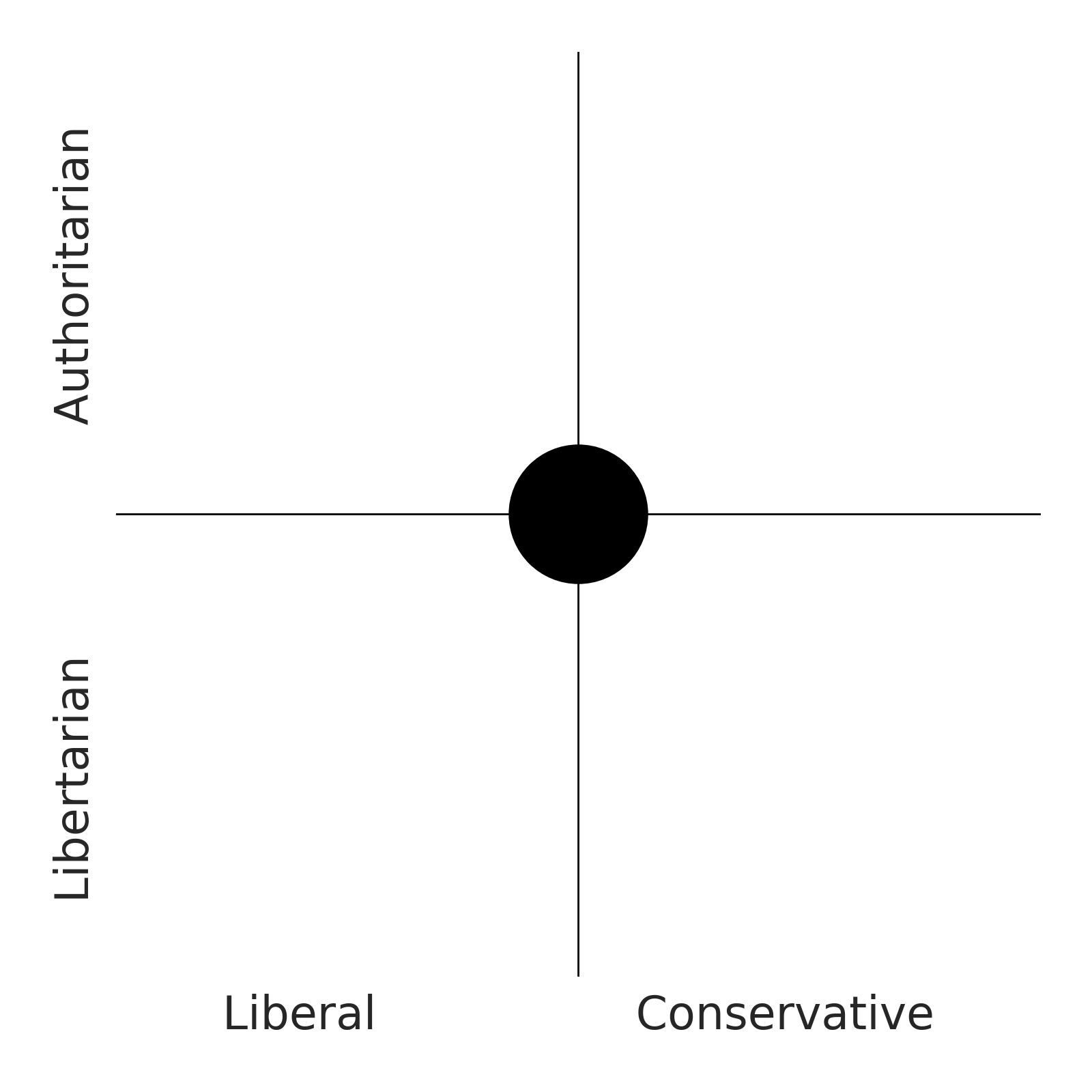
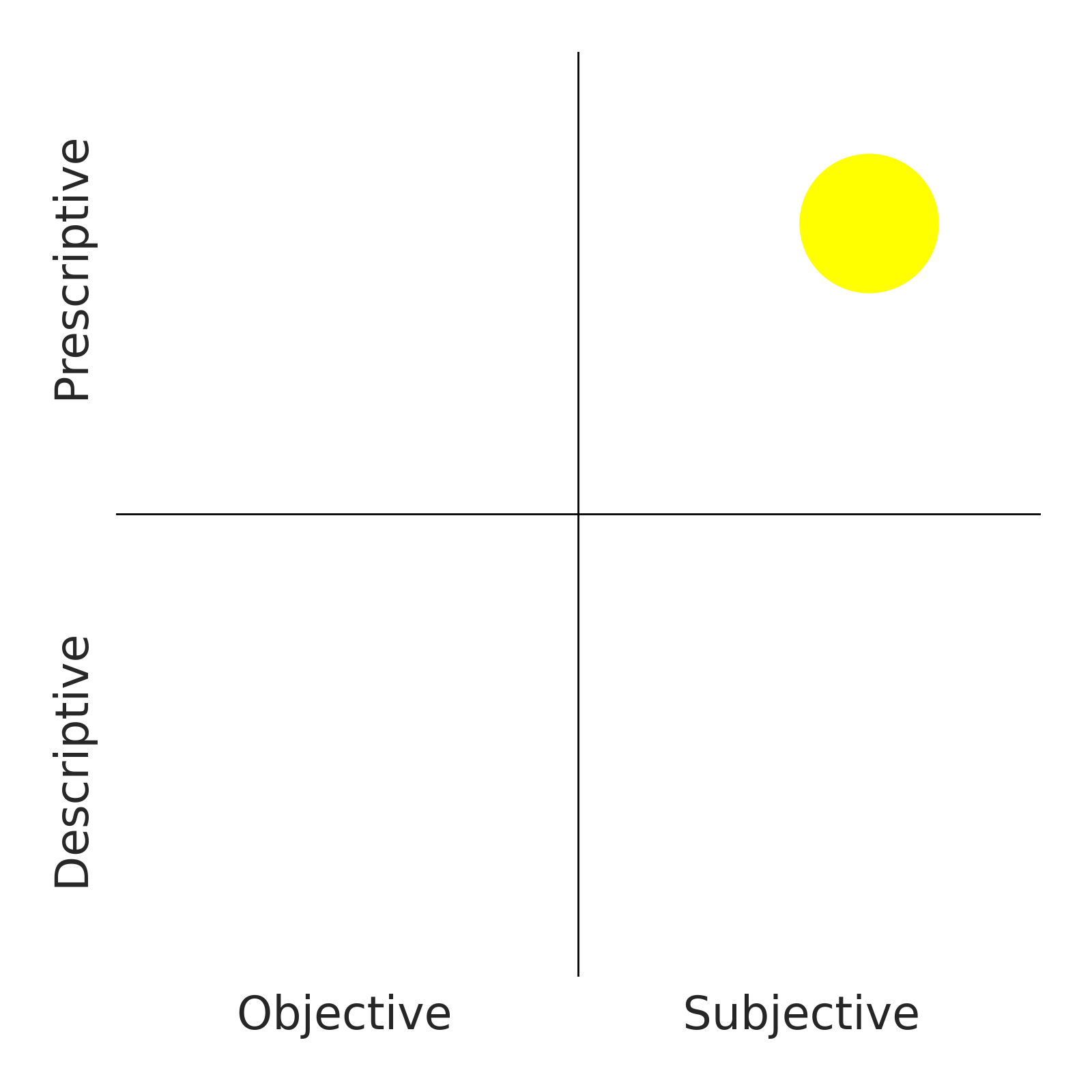
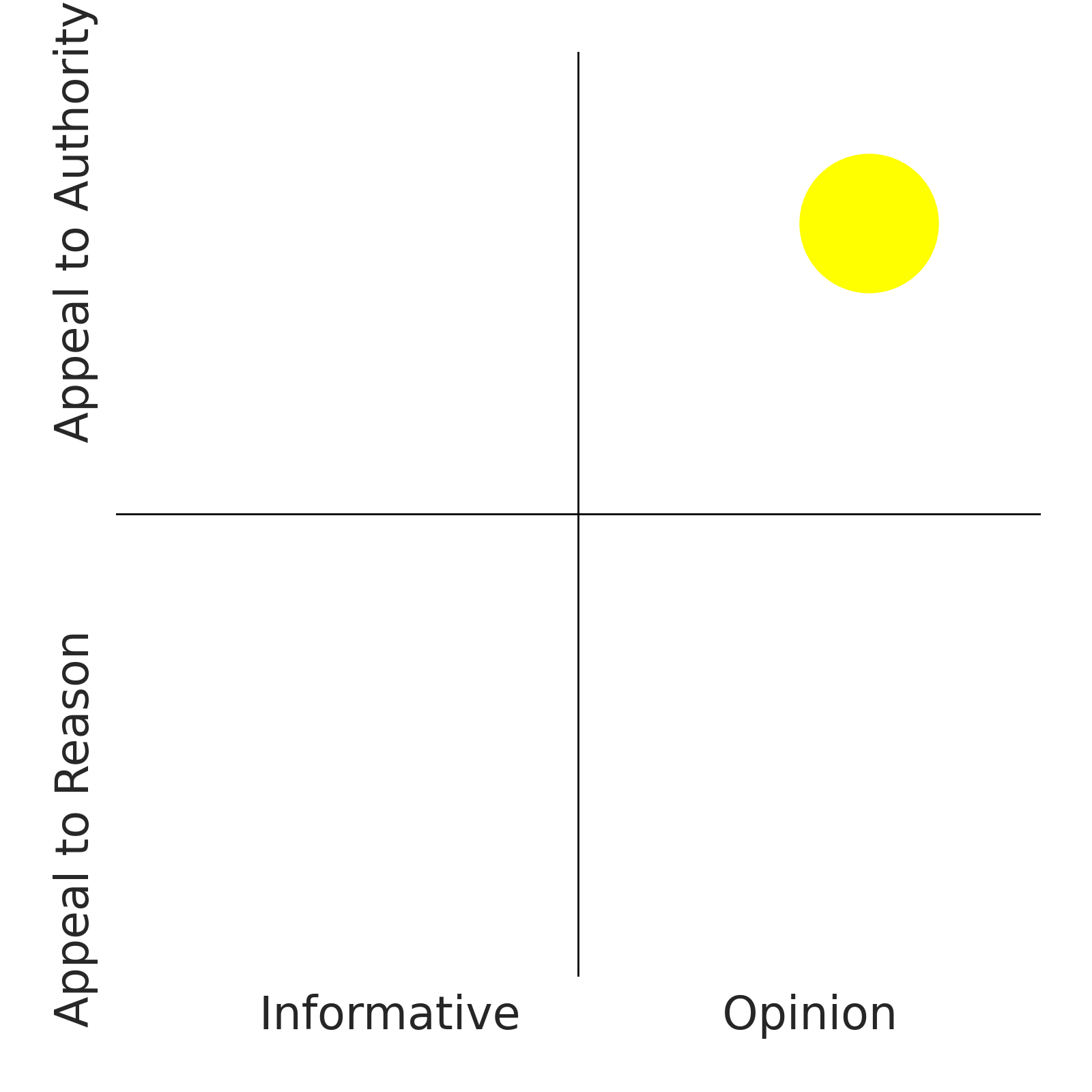
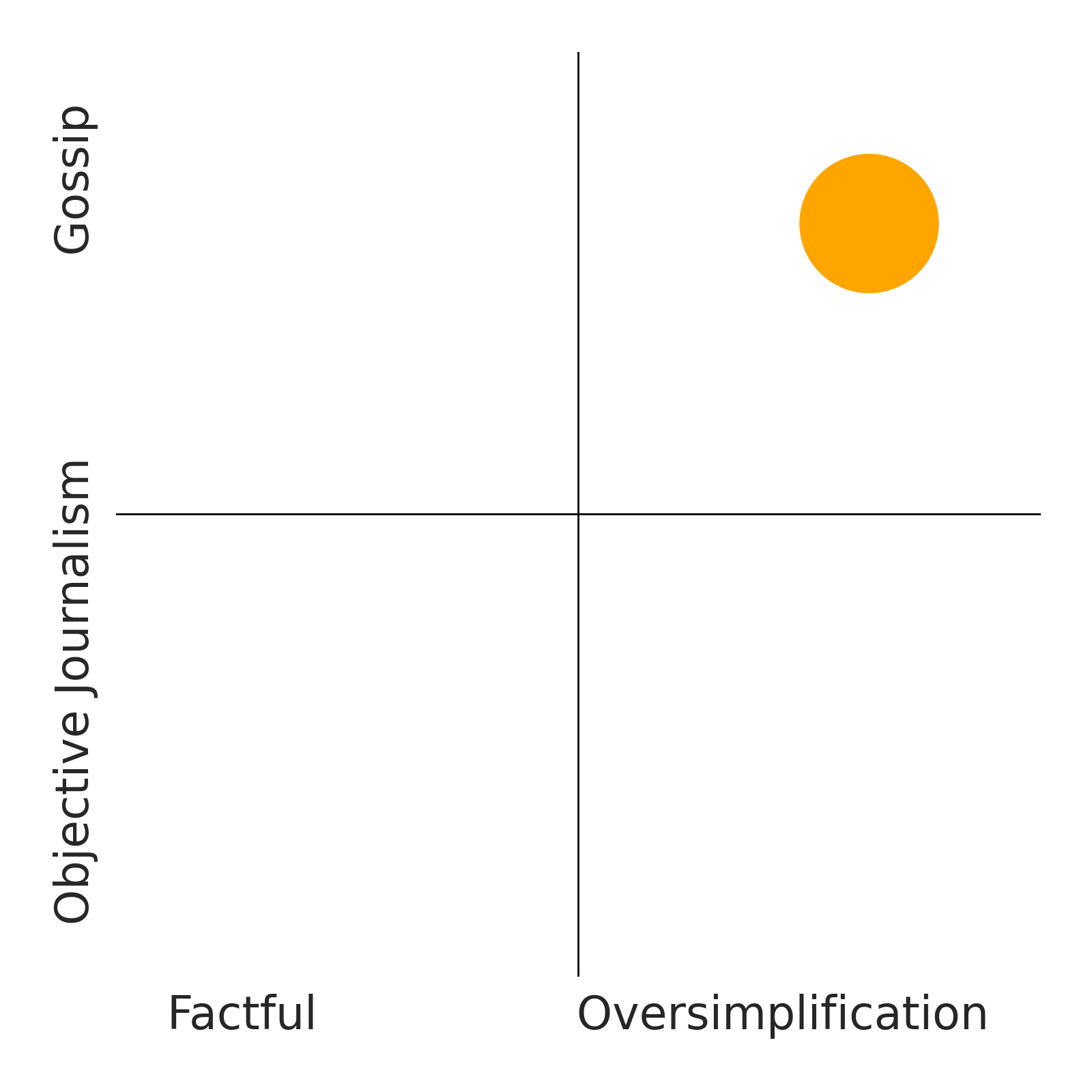
2026 © Helium Trades
Privacy Policy & Disclosure
* Disclaimer: Nothing on this website constitutes investment advice, performance data or any recommendation that any particular security, portfolio of securities, transaction or investment strategy is suitable for any specific person. Helium Trades is not responsible in any way for the accuracy
of any model predictions or price data. Any mention of a particular security and related prediction data is not a recommendation to buy or sell that security. Investments in securities involve the risk of loss. Past performance is no guarantee of future results. Helium Trades is not responsible for any of your investment decisions,
you should consult a financial expert before engaging in any transaction.
Helium Research Assistant

How can I help you today?
Ask any question about Inverse bias.


