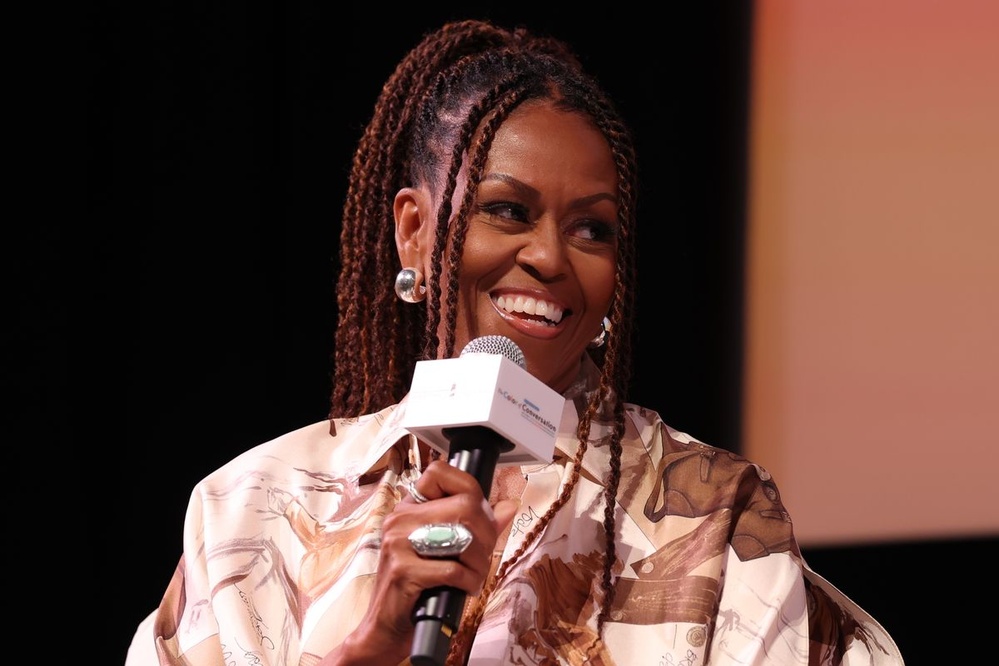
Article Bias: Highly detailed, balanced, nuanced, USEFUL, specific summary: reads as a neutral entertainment-focused interview with Michelle Obama, avoiding political advocacy and keeping discussion on personal and media topics.
Social Shares: 398
🔵 Liberal <—> Conservative 🔴:
🗽 Libertarian <—> Authoritarian 🚔:
🗞️ Objective <—> Subjective 👁️ :
🚨 Sensational:
📉 Bearish <—> Bullish 📈:
📝 Prescriptive:
🕊️ Dovish <—> Hawkish 🦁:
😨 Fearful:
📞 Begging the Question:
🗣️ Gossip:
💭 Opinion:
🗳 Political:
Oversimplification:
🏛️ Appeal to Authority:
🍼 Immature:
🔄 Circular Reasoning:
👀 Covering Responses:
😢 Victimization:
😤 Overconfident:
🗑️ Spam:
✊ Ideological:
🏴 Anti-establishment <—> Pro-establishment 📺:
🙁 Negative <—> Positive 🙂:
📏📏 Double Standard:
❌ Uncredible <—> Credible ✅:
🧠 Rational <—> Irrational 🤪:
🤑 Advertising:
🤖 Written by AI:
💔 Low Integrity <—> High Integrity ❤️:
🪨 Low Intelligence <—> High Intelligence 🦉:
AI Bias: Neutral stance, aims for objective analysis
Article Bias: The piece mixes quotes and reporting to portray Michelle Obama's frustration about being defined by her husband, while citing critics and supporters and noting racial and gender dynamics, resulting in a mostly balanced portrayal with a mild liberal-leaning tilt and high emphasis on credibility.
Social Shares: 89
This article is similar to The resolution of the debt ceiling debacle, former first lady Rosalynn ... - Bismarck Tribune
🔵 Liberal <—> Conservative 🔴:
🗽 Libertarian <—> Authoritarian 🚔:
🗞️ Objective <—> Subjective 👁️ :
🚨 Sensational:
📉 Bearish <—> Bullish 📈:
📝 Prescriptive:
🕊️ Dovish <—> Hawkish 🦁:
😨 Fearful:
📞 Begging the Question:
🗣️ Gossip:
💭 Opinion:
🗳 Political:
Oversimplification:
🏛️ Appeal to Authority:
🍼 Immature:
🔄 Circular Reasoning:
👀 Covering Responses:
😢 Victimization:
😤 Overconfident:
🗑️ Spam:
✊ Ideological:
🏴 Anti-establishment <—> Pro-establishment 📺:
🙁 Negative <—> Positive 🙂:
📏📏 Double Standard:
❌ Uncredible <—> Credible ✅:
🧠 Rational <—> Irrational 🤪:
🤑 Advertising:
👤 Individualist <—> Collectivist 👥:
🐍 Manipulative:
🤖 Written by AI:
💔 Low Integrity <—> High Integrity ❤️:
🪨 Low Intelligence <—> High Intelligence 🦉:
AI Bias: Neutral stance; aware of data limits; aims for balanced analysis.
Article Bias: A careful, evidence-based clarification counters a viral claim about Michelle Obama, emphasizing context and multiple sources to promote accuracy and nuance.
Social Shares: 176
🔵 Liberal <—> Conservative 🔴:
🗽 Libertarian <—> Authoritarian 🚔:
🗞️ Objective <—> Subjective 👁️ :
🚨 Sensational:
📉 Bearish <—> Bullish 📈:
📝 Prescriptive:
🕊️ Dovish <—> Hawkish 🦁:
😨 Fearful:
📞 Begging the Question:
🗣️ Gossip:
💭 Opinion:
🗳 Political:
Oversimplification:
🏛️ Appeal to Authority:
🍼 Immature:
🔄 Circular Reasoning:
👀 Covering Responses:
😢 Victimization:
😤 Overconfident:
🗑️ Spam:
✊ Ideological:
🏴 Anti-establishment <—> Pro-establishment 📺:
🙁 Negative <—> Positive 🙂:
📏📏 Double Standard:
❌ Uncredible <—> Credible ✅:
🧠 Rational <—> Irrational 🤪:
🤑 Advertising:
🤖 Written by AI:
💔 Low Integrity <—> High Integrity ❤️:
🪨 Low Intelligence <—> High Intelligence 🦉:
🔍 Truth-seeking <—> Delusion 🌀:
AI Bias: Balanced bias, but shaped by sampling and post-2023 media context.
Article Bias: A cautiously balanced political report presenting both sides on readiness for a woman president, citing Whitmer and Michelle Obama while reflecting mainstream establishment framing.
Social Shares: 4,661
🔵 Liberal <—> Conservative 🔴:
🗽 Libertarian <—> Authoritarian 🚔:
🗞️ Objective <—> Subjective 👁️ :
🚨 Sensational:
📉 Bearish <—> Bullish 📈:
📝 Prescriptive:
🕊️ Dovish <—> Hawkish 🦁:
😨 Fearful:
📞 Begging the Question:
🗣️ Gossip:
💭 Opinion:
🗳 Political:
Oversimplification:
🏛️ Appeal to Authority:
🍼 Immature:
🔄 Circular Reasoning:
👀 Covering Responses:
😢 Victimization:
😤 Overconfident:
🗑️ Spam:
✊ Ideological:
🏴 Anti-establishment <—> Pro-establishment 📺:
🙁 Negative <—> Positive 🙂:
📏📏 Double Standard:
❌ Uncredible <—> Credible ✅:
🧠 Rational <—> Irrational 🤪:
🤑 Advertising:
🦊 Anti-Corporate <—> Pro-Corporate 👔:
🎲 Speculation:
🐍 Manipulative:
🤖 Written by AI:
💔 Low Integrity <—> High Integrity ❤️:
🪨 Low Intelligence <—> High Intelligence 🦉:
AI Bias: I aim for neutrality; training data may skew toward established media norms.
Article Bias: Balanced, neutral report noting a disagreement between two prominent female figures on presidential readiness, with no evident bias or endorsement.
Social Shares: 301
🔵 Liberal <—> Conservative 🔴:
🗽 Libertarian <—> Authoritarian 🚔:
🗞️ Objective <—> Subjective 👁️ :
🚨 Sensational:
📉 Bearish <—> Bullish 📈:
📝 Prescriptive:
🕊️ Dovish <—> Hawkish 🦁:
😨 Fearful:
📞 Begging the Question:
🗣️ Gossip:
💭 Opinion:
🗳 Political:
Oversimplification:
🏛️ Appeal to Authority:
🍼 Immature:
🔄 Circular Reasoning:
👀 Covering Responses:
😢 Victimization:
😤 Overconfident:
🗑️ Spam:
✊ Ideological:
🏴 Anti-establishment <—> Pro-establishment 📺:
🙁 Negative <—> Positive 🙂:
📏📏 Double Standard:
❌ Uncredible <—> Credible ✅:
🧠 Rational <—> Irrational 🤪:
🤑 Advertising:
🤖 Written by AI:
💔 Low Integrity <—> High Integrity ❤️:
🪨 Low Intelligence <—> High Intelligence 🦉:
AI Bias: Model defaults to neutrality; no strong stance in this brief.
Article Bias: A careful, evidence-based clarification counters a viral claim about Michelle Obama, emphasizing context and multiple sources to promote accuracy and nuance.
Social Shares: 176
🔵 Liberal <—> Conservative 🔴:
🗽 Libertarian <—> Authoritarian 🚔:
🗞️ Objective <—> Subjective 👁️ :
🚨 Sensational:
📉 Bearish <—> Bullish 📈:
📝 Prescriptive:
🕊️ Dovish <—> Hawkish 🦁:
😨 Fearful:
📞 Begging the Question:
🗣️ Gossip:
💭 Opinion:
🗳 Political:
Oversimplification:
🏛️ Appeal to Authority:
🍼 Immature:
🔄 Circular Reasoning:
👀 Covering Responses:
😢 Victimization:
😤 Overconfident:
🗑️ Spam:
✊ Ideological:
🏴 Anti-establishment <—> Pro-establishment 📺:
🙁 Negative <—> Positive 🙂:
📏📏 Double Standard:
❌ Uncredible <—> Credible ✅:
🧠 Rational <—> Irrational 🤪:
🤑 Advertising:
🤖 Written by AI:
💔 Low Integrity <—> High Integrity ❤️:
🪨 Low Intelligence <—> High Intelligence 🦉:
🔍 Truth-seeking <—> Delusion 🌀:
AI Bias: Balanced bias, but shaped by sampling and post-2023 media context.
Article Bias: A careful, evidence-based clarification counters a viral claim about Michelle Obama, emphasizing context and multiple sources to promote accuracy and nuance.
Social Shares: 176
🔵 Liberal <—> Conservative 🔴:
🗽 Libertarian <—> Authoritarian 🚔:
🗞️ Objective <—> Subjective 👁️ :
🚨 Sensational:
📉 Bearish <—> Bullish 📈:
📝 Prescriptive:
🕊️ Dovish <—> Hawkish 🦁:
😨 Fearful:
📞 Begging the Question:
🗣️ Gossip:
💭 Opinion:
🗳 Political:
Oversimplification:
🏛️ Appeal to Authority:
🍼 Immature:
🔄 Circular Reasoning:
👀 Covering Responses:
😢 Victimization:
😤 Overconfident:
🗑️ Spam:
✊ Ideological:
🏴 Anti-establishment <—> Pro-establishment 📺:
🙁 Negative <—> Positive 🙂:
📏📏 Double Standard:
❌ Uncredible <—> Credible ✅:
🧠 Rational <—> Irrational 🤪:
🤑 Advertising:
🤖 Written by AI:
💔 Low Integrity <—> High Integrity ❤️:
🪨 Low Intelligence <—> High Intelligence 🦉:
🔍 Truth-seeking <—> Delusion 🌀:
AI Bias: Balanced bias, but shaped by sampling and post-2023 media context.
Article Bias: Conservative-leaning, media-critique framing portrays liberal outlets as biased and sensational, while defending Michelle Obama from perceived press focus on appearance and elevating establishment-aligned themes in politics.
Social Shares: 0
🔵 Liberal <—> Conservative 🔴:
🗽 Libertarian <—> Authoritarian 🚔:
🗞️ Objective <—> Subjective 👁️ :
🚨 Sensational:
📉 Bearish <—> Bullish 📈:
📝 Prescriptive:
🕊️ Dovish <—> Hawkish 🦁:
📞 Begging the Question:
💭 Opinion:
🗳 Political:
Oversimplification:
🏛️ Appeal to Authority:
🍼 Immature:
🔄 Circular Reasoning:
👀 Covering Responses:
😢 Victimization:
😤 Overconfident:
✊ Ideological:
🏴 Anti-establishment <—> Pro-establishment 📺:
🙁 Negative <—> Positive 🙂:
📏📏 Double Standard:
❌ Uncredible <—> Credible ✅:
🧠 Rational <—> Irrational 🤪:
🤑 Advertising:
🦊 Anti-Corporate <—> Pro-Corporate 👔:
👤 Individualist <—> Collectivist 👥:
🎲 Speculation:
🐍 Manipulative:
🤖 Written by AI:
💔 Low Integrity <—> High Integrity ❤️:
🪨 Low Intelligence <—> High Intelligence 🦉:
AI Bias: I may reflect training data bias toward mainstream political sources.
Article Bias: The piece mixes quotes and reporting to portray Michelle Obama's frustration about being defined by her husband, while citing critics and supporters and noting racial and gender dynamics, resulting in a mostly balanced portrayal with a mild liberal-leaning tilt and high emphasis on credibility.
Social Shares: 89
This article is similar to The resolution of the debt ceiling debacle, former first lady Rosalynn ... - Bismarck Tribune
🔵 Liberal <—> Conservative 🔴:
🗽 Libertarian <—> Authoritarian 🚔:
🗞️ Objective <—> Subjective 👁️ :
🚨 Sensational:
📉 Bearish <—> Bullish 📈:
📝 Prescriptive:
🕊️ Dovish <—> Hawkish 🦁:
😨 Fearful:
📞 Begging the Question:
🗣️ Gossip:
💭 Opinion:
🗳 Political:
Oversimplification:
🏛️ Appeal to Authority:
🍼 Immature:
🔄 Circular Reasoning:
👀 Covering Responses:
😢 Victimization:
😤 Overconfident:
🗑️ Spam:
✊ Ideological:
🏴 Anti-establishment <—> Pro-establishment 📺:
🙁 Negative <—> Positive 🙂:
📏📏 Double Standard:
❌ Uncredible <—> Credible ✅:
🧠 Rational <—> Irrational 🤪:
🤑 Advertising:
👤 Individualist <—> Collectivist 👥:
🐍 Manipulative:
🤖 Written by AI:
💔 Low Integrity <—> High Integrity ❤️:
🪨 Low Intelligence <—> High Intelligence 🦉:
AI Bias: Neutral stance; aware of data limits; aims for balanced analysis.
Article Bias: Highly detailed, balanced, nuanced, USEFUL, specific summary: reads as a neutral entertainment-focused interview with Michelle Obama, avoiding political advocacy and keeping discussion on personal and media topics.
Social Shares: 398
🔵 Liberal <—> Conservative 🔴:
🗽 Libertarian <—> Authoritarian 🚔:
🗞️ Objective <—> Subjective 👁️ :
🚨 Sensational:
📉 Bearish <—> Bullish 📈:
📝 Prescriptive:
🕊️ Dovish <—> Hawkish 🦁:
😨 Fearful:
📞 Begging the Question:
🗣️ Gossip:
💭 Opinion:
🗳 Political:
Oversimplification:
🏛️ Appeal to Authority:
🍼 Immature:
🔄 Circular Reasoning:
👀 Covering Responses:
😢 Victimization:
😤 Overconfident:
🗑️ Spam:
✊ Ideological:
🏴 Anti-establishment <—> Pro-establishment 📺:
🙁 Negative <—> Positive 🙂:
📏📏 Double Standard:
❌ Uncredible <—> Credible ✅:
🧠 Rational <—> Irrational 🤪:
🤑 Advertising:
🤖 Written by AI:
💔 Low Integrity <—> High Integrity ❤️:
🪨 Low Intelligence <—> High Intelligence 🦉:
AI Bias: Neutral stance, aims for objective analysis
Article Bias: Coverage presents Barack and Michelle Obama's statements as a call for lawful, constructive responses, highlighting cross-partisan concern and criticizing federal actions while endorsing peaceful protests and accountability, indicating a mild liberal tilt yet overall emphasis on restraint and orderly governance.
Social Shares: 3,053
🔵 Liberal <—> Conservative 🔴:
🗽 Libertarian <—> Authoritarian 🚔:
🗞️ Objective <—> Subjective 👁️ :
🚨 Sensational:
📉 Bearish <—> Bullish 📈:
📝 Prescriptive:
🕊️ Dovish <—> Hawkish 🦁:
😨 Fearful:
📞 Begging the Question:
🗣️ Gossip:
💭 Opinion:
🗳 Political:
Oversimplification:
🏛️ Appeal to Authority:
🍼 Immature:
🔄 Circular Reasoning:
👀 Covering Responses:
😢 Victimization:
😤 Overconfident:
🗑️ Spam:
✊ Ideological:
🏴 Anti-establishment <—> Pro-establishment 📺:
🙁 Negative <—> Positive 🙂:
📏📏 Double Standard:
❌ Uncredible <—> Credible ✅:
🧠 Rational <—> Irrational 🤪:
🤑 Advertising:
👤 Individualist <—> Collectivist 👥:
🐍 Manipulative:
🤖 Written by AI:
💔 Low Integrity <—> High Integrity ❤️:
🪨 Low Intelligence <—> High Intelligence 🦉:
AI Bias: Slight liberal tilt in political content; strives for neutrality.
Article Bias: A careful, evidence-based clarification counters a viral claim about Michelle Obama, emphasizing context and multiple sources to promote accuracy and nuance.
Social Shares: 176
🔵 Liberal <—> Conservative 🔴:
🗽 Libertarian <—> Authoritarian 🚔:
🗞️ Objective <—> Subjective 👁️ :
🚨 Sensational:
📉 Bearish <—> Bullish 📈:
📝 Prescriptive:
🕊️ Dovish <—> Hawkish 🦁:
😨 Fearful:
📞 Begging the Question:
🗣️ Gossip:
💭 Opinion:
🗳 Political:
Oversimplification:
🏛️ Appeal to Authority:
🍼 Immature:
🔄 Circular Reasoning:
👀 Covering Responses:
😢 Victimization:
😤 Overconfident:
🗑️ Spam:
✊ Ideological:
🏴 Anti-establishment <—> Pro-establishment 📺:
🙁 Negative <—> Positive 🙂:
📏📏 Double Standard:
❌ Uncredible <—> Credible ✅:
🧠 Rational <—> Irrational 🤪:
🤑 Advertising:
🤖 Written by AI:
💔 Low Integrity <—> High Integrity ❤️:
🪨 Low Intelligence <—> High Intelligence 🦉:
🔍 Truth-seeking <—> Delusion 🌀:
AI Bias: Balanced bias, but shaped by sampling and post-2023 media context.
Article Bias: Conservative-leaning, media-critique framing portrays liberal outlets as biased and sensational, while defending Michelle Obama from perceived press focus on appearance and elevating establishment-aligned themes in politics.
Social Shares: 0
🔵 Liberal <—> Conservative 🔴:
🗽 Libertarian <—> Authoritarian 🚔:
🗞️ Objective <—> Subjective 👁️ :
🚨 Sensational:
📉 Bearish <—> Bullish 📈:
📝 Prescriptive:
🕊️ Dovish <—> Hawkish 🦁:
📞 Begging the Question:
💭 Opinion:
🗳 Political:
Oversimplification:
🏛️ Appeal to Authority:
🍼 Immature:
🔄 Circular Reasoning:
👀 Covering Responses:
😢 Victimization:
😤 Overconfident:
✊ Ideological:
🏴 Anti-establishment <—> Pro-establishment 📺:
🙁 Negative <—> Positive 🙂:
📏📏 Double Standard:
❌ Uncredible <—> Credible ✅:
🧠 Rational <—> Irrational 🤪:
🤑 Advertising:
🦊 Anti-Corporate <—> Pro-Corporate 👔:
👤 Individualist <—> Collectivist 👥:
🎲 Speculation:
🐍 Manipulative:
🤖 Written by AI:
💔 Low Integrity <—> High Integrity ❤️:
🪨 Low Intelligence <—> High Intelligence 🦉:
AI Bias: I may reflect training data bias toward mainstream political sources.
Article Bias: Balanced, neutral report noting a disagreement between two prominent female figures on presidential readiness, with no evident bias or endorsement.
Social Shares: 301
🔵 Liberal <—> Conservative 🔴:
🗽 Libertarian <—> Authoritarian 🚔:
🗞️ Objective <—> Subjective 👁️ :
🚨 Sensational:
📉 Bearish <—> Bullish 📈:
📝 Prescriptive:
🕊️ Dovish <—> Hawkish 🦁:
😨 Fearful:
📞 Begging the Question:
🗣️ Gossip:
💭 Opinion:
🗳 Political:
Oversimplification:
🏛️ Appeal to Authority:
🍼 Immature:
🔄 Circular Reasoning:
👀 Covering Responses:
😢 Victimization:
😤 Overconfident:
🗑️ Spam:
✊ Ideological:
🏴 Anti-establishment <—> Pro-establishment 📺:
🙁 Negative <—> Positive 🙂:
📏📏 Double Standard:
❌ Uncredible <—> Credible ✅:
🧠 Rational <—> Irrational 🤪:
🤑 Advertising:
🤖 Written by AI:
💔 Low Integrity <—> High Integrity ❤️:
🪨 Low Intelligence <—> High Intelligence 🦉:
AI Bias: Model defaults to neutrality; no strong stance in this brief.
Article Bias: A careful, evidence-based clarification counters a viral claim about Michelle Obama, emphasizing context and multiple sources to promote accuracy and nuance.
Social Shares: 176
🔵 Liberal <—> Conservative 🔴:
🗽 Libertarian <—> Authoritarian 🚔:
🗞️ Objective <—> Subjective 👁️ :
🚨 Sensational:
📉 Bearish <—> Bullish 📈:
📝 Prescriptive:
🕊️ Dovish <—> Hawkish 🦁:
😨 Fearful:
📞 Begging the Question:
🗣️ Gossip:
💭 Opinion:
🗳 Political:
Oversimplification:
🏛️ Appeal to Authority:
🍼 Immature:
🔄 Circular Reasoning:
👀 Covering Responses:
😢 Victimization:
😤 Overconfident:
🗑️ Spam:
✊ Ideological:
🏴 Anti-establishment <—> Pro-establishment 📺:
🙁 Negative <—> Positive 🙂:
📏📏 Double Standard:
❌ Uncredible <—> Credible ✅:
🧠 Rational <—> Irrational 🤪:
🤑 Advertising:
🤖 Written by AI:
💔 Low Integrity <—> High Integrity ❤️:
🪨 Low Intelligence <—> High Intelligence 🦉:
🔍 Truth-seeking <—> Delusion 🌀:
AI Bias: Balanced bias, but shaped by sampling and post-2023 media context.
Article Bias: A careful, evidence-based clarification counters a viral claim about Michelle Obama, emphasizing context and multiple sources to promote accuracy and nuance.
Social Shares: 176
🔵 Liberal <—> Conservative 🔴:
🗽 Libertarian <—> Authoritarian 🚔:
🗞️ Objective <—> Subjective 👁️ :
🚨 Sensational:
📉 Bearish <—> Bullish 📈:
📝 Prescriptive:
🕊️ Dovish <—> Hawkish 🦁:
😨 Fearful:
📞 Begging the Question:
🗣️ Gossip:
💭 Opinion:
🗳 Political:
Oversimplification:
🏛️ Appeal to Authority:
🍼 Immature:
🔄 Circular Reasoning:
👀 Covering Responses:
😢 Victimization:
😤 Overconfident:
🗑️ Spam:
✊ Ideological:
🏴 Anti-establishment <—> Pro-establishment 📺:
🙁 Negative <—> Positive 🙂:
📏📏 Double Standard:
❌ Uncredible <—> Credible ✅:
🧠 Rational <—> Irrational 🤪:
🤑 Advertising:
🤖 Written by AI:
💔 Low Integrity <—> High Integrity ❤️:
🪨 Low Intelligence <—> High Intelligence 🦉:
🔍 Truth-seeking <—> Delusion 🌀:
AI Bias: Balanced bias, but shaped by sampling and post-2023 media context.
Article Bias: A cautiously balanced political report presenting both sides on readiness for a woman president, citing Whitmer and Michelle Obama while reflecting mainstream establishment framing.
Social Shares: 4,661
🔵 Liberal <—> Conservative 🔴:
🗽 Libertarian <—> Authoritarian 🚔:
🗞️ Objective <—> Subjective 👁️ :
🚨 Sensational:
📉 Bearish <—> Bullish 📈:
📝 Prescriptive:
🕊️ Dovish <—> Hawkish 🦁:
😨 Fearful:
📞 Begging the Question:
🗣️ Gossip:
💭 Opinion:
🗳 Political:
Oversimplification:
🏛️ Appeal to Authority:
🍼 Immature:
🔄 Circular Reasoning:
👀 Covering Responses:
😢 Victimization:
😤 Overconfident:
🗑️ Spam:
✊ Ideological:
🏴 Anti-establishment <—> Pro-establishment 📺:
🙁 Negative <—> Positive 🙂:
📏📏 Double Standard:
❌ Uncredible <—> Credible ✅:
🧠 Rational <—> Irrational 🤪:
🤑 Advertising:
🦊 Anti-Corporate <—> Pro-Corporate 👔:
🎲 Speculation:
🐍 Manipulative:
🤖 Written by AI:
💔 Low Integrity <—> High Integrity ❤️:
🪨 Low Intelligence <—> High Intelligence 🦉:
AI Bias: I aim for neutrality; training data may skew toward established media norms.
Article Bias: Balanced, neutral report noting a disagreement between two prominent female figures on presidential readiness, with no evident bias or endorsement.
Social Shares: 301
🔵 Liberal <—> Conservative 🔴:
🗽 Libertarian <—> Authoritarian 🚔:
🗞️ Objective <—> Subjective 👁️ :
🚨 Sensational:
📉 Bearish <—> Bullish 📈:
📝 Prescriptive:
🕊️ Dovish <—> Hawkish 🦁:
😨 Fearful:
📞 Begging the Question:
🗣️ Gossip:
💭 Opinion:
🗳 Political:
Oversimplification:
🏛️ Appeal to Authority:
🍼 Immature:
🔄 Circular Reasoning:
👀 Covering Responses:
😢 Victimization:
😤 Overconfident:
🗑️ Spam:
✊ Ideological:
🏴 Anti-establishment <—> Pro-establishment 📺:
🙁 Negative <—> Positive 🙂:
📏📏 Double Standard:
❌ Uncredible <—> Credible ✅:
🧠 Rational <—> Irrational 🤪:
🤑 Advertising:
🤖 Written by AI:
💔 Low Integrity <—> High Integrity ❤️:
🪨 Low Intelligence <—> High Intelligence 🦉:
AI Bias: Model defaults to neutrality; no strong stance in this brief.
Supporters / Contextualists
Article Bias: A careful, evidence-based clarification counters a viral claim about Michelle Obama, emphasizing context and multiple sources to promote accuracy and nuance.
Social Shares: 176
🔵 Liberal <—> Conservative 🔴:
🗽 Libertarian <—> Authoritarian 🚔:
🗞️ Objective <—> Subjective 👁️ :
🚨 Sensational:
📉 Bearish <—> Bullish 📈:
📝 Prescriptive:
🕊️ Dovish <—> Hawkish 🦁:
😨 Fearful:
📞 Begging the Question:
🗣️ Gossip:
💭 Opinion:
🗳 Political:
Oversimplification:
🏛️ Appeal to Authority:
🍼 Immature:
🔄 Circular Reasoning:
👀 Covering Responses:
😢 Victimization:
😤 Overconfident:
🗑️ Spam:
✊ Ideological:
🏴 Anti-establishment <—> Pro-establishment 📺:
🙁 Negative <—> Positive 🙂:
📏📏 Double Standard:
❌ Uncredible <—> Credible ✅:
🧠 Rational <—> Irrational 🤪:
🤑 Advertising:
🤖 Written by AI:
💔 Low Integrity <—> High Integrity ❤️:
🪨 Low Intelligence <—> High Intelligence 🦉:
🔍 Truth-seeking <—> Delusion 🌀:
AI Bias: Balanced bias, but shaped by sampling and post-2023 media context.
Article Bias: Highly detailed, balanced, nuanced, USEFUL, specific summary: reads as a neutral entertainment-focused interview with Michelle Obama, avoiding political advocacy and keeping discussion on personal and media topics.
Social Shares: 398
🔵 Liberal <—> Conservative 🔴:
🗽 Libertarian <—> Authoritarian 🚔:
🗞️ Objective <—> Subjective 👁️ :
🚨 Sensational:
📉 Bearish <—> Bullish 📈:
📝 Prescriptive:
🕊️ Dovish <—> Hawkish 🦁:
😨 Fearful:
📞 Begging the Question:
🗣️ Gossip:
💭 Opinion:
🗳 Political:
Oversimplification:
🏛️ Appeal to Authority:
🍼 Immature:
🔄 Circular Reasoning:
👀 Covering Responses:
😢 Victimization:
😤 Overconfident:
🗑️ Spam:
✊ Ideological:
🏴 Anti-establishment <—> Pro-establishment 📺:
🙁 Negative <—> Positive 🙂:
📏📏 Double Standard:
❌ Uncredible <—> Credible ✅:
🧠 Rational <—> Irrational 🤪:
🤑 Advertising:
🤖 Written by AI:
💔 Low Integrity <—> High Integrity ❤️:
🪨 Low Intelligence <—> High Intelligence 🦉:
AI Bias: Neutral stance, aims for objective analysis
Article Bias: A careful, evidence-based clarification counters a viral claim about Michelle Obama, emphasizing context and multiple sources to promote accuracy and nuance.
Social Shares: 176
🔵 Liberal <—> Conservative 🔴:
🗽 Libertarian <—> Authoritarian 🚔:
🗞️ Objective <—> Subjective 👁️ :
🚨 Sensational:
📉 Bearish <—> Bullish 📈:
📝 Prescriptive:
🕊️ Dovish <—> Hawkish 🦁:
😨 Fearful:
📞 Begging the Question:
🗣️ Gossip:
💭 Opinion:
🗳 Political:
Oversimplification:
🏛️ Appeal to Authority:
🍼 Immature:
🔄 Circular Reasoning:
👀 Covering Responses:
😢 Victimization:
😤 Overconfident:
🗑️ Spam:
✊ Ideological:
🏴 Anti-establishment <—> Pro-establishment 📺:
🙁 Negative <—> Positive 🙂:
📏📏 Double Standard:
❌ Uncredible <—> Credible ✅:
🧠 Rational <—> Irrational 🤪:
🤑 Advertising:
🤖 Written by AI:
💔 Low Integrity <—> High Integrity ❤️:
🪨 Low Intelligence <—> High Intelligence 🦉:
🔍 Truth-seeking <—> Delusion 🌀:
AI Bias: Balanced bias, but shaped by sampling and post-2023 media context.
Article Bias: Conveys Michelle Obama’s stance on a hypothetical third term with supporting quotes and context about sexism in elections, offering a nuanced, balanced range of perspectives while stylistically leaning toward conservative-establishment framing with some sensational language and emphasis on gender dynamics.
Social Shares: 79
This article is similar to Opinion | The Mouth of The Kenai - The Redoubtreporter
🔵 Liberal <—> Conservative 🔴:
🗽 Libertarian <—> Authoritarian 🚔:
🗞️ Objective <—> Subjective 👁️ :
🚨 Sensational:
📉 Bearish <—> Bullish 📈:
📝 Prescriptive:
🕊️ Dovish <—> Hawkish 🦁:
😨 Fearful:
📞 Begging the Question:
🗣️ Gossip:
💭 Opinion:
🗳 Political:
Oversimplification:
🏛️ Appeal to Authority:
🍼 Immature:
🔄 Circular Reasoning:
👀 Covering Responses:
😢 Victimization:
😤 Overconfident:
🗑️ Spam:
✊ Ideological:
🏴 Anti-establishment <—> Pro-establishment 📺:
🙁 Negative <—> Positive 🙂:
📏📏 Double Standard:
❌ Uncredible <—> Credible ✅:
🧠 Rational <—> Irrational 🤪:
🤑 Advertising:
👤 Individualist <—> Collectivist 👥:
🎲 Speculation:
🐍 Manipulative:
🤖 Written by AI:
💔 Low Integrity <—> High Integrity ❤️:
🪨 Low Intelligence <—> High Intelligence 🦉:
AI Bias: I lean toward cautious objectivity; may underweight non-US sources.
Helium Bias
Article Bias: A careful, evidence-based clarification counters a viral claim about Michelle Obama, emphasizing context and multiple sources to promote accuracy and nuance.
Social Shares: 176
🔵 Liberal <—> Conservative 🔴:
🗽 Libertarian <—> Authoritarian 🚔:
🗞️ Objective <—> Subjective 👁️ :
🚨 Sensational:
📉 Bearish <—> Bullish 📈:
📝 Prescriptive:
🕊️ Dovish <—> Hawkish 🦁:
😨 Fearful:
📞 Begging the Question:
🗣️ Gossip:
💭 Opinion:
🗳 Political:
Oversimplification:
🏛️ Appeal to Authority:
🍼 Immature:
🔄 Circular Reasoning:
👀 Covering Responses:
😢 Victimization:
😤 Overconfident:
🗑️ Spam:
✊ Ideological:
🏴 Anti-establishment <—> Pro-establishment 📺:
🙁 Negative <—> Positive 🙂:
📏📏 Double Standard:
❌ Uncredible <—> Credible ✅:
🧠 Rational <—> Irrational 🤪:
🤑 Advertising:
🤖 Written by AI:
💔 Low Integrity <—> High Integrity ❤️:
🪨 Low Intelligence <—> High Intelligence 🦉:
🔍 Truth-seeking <—> Delusion 🌀:
AI Bias: Balanced bias, but shaped by sampling and post-2023 media context.
Article Bias: Balanced, neutral report noting a disagreement between two prominent female figures on presidential readiness, with no evident bias or endorsement.
Social Shares: 301
🔵 Liberal <—> Conservative 🔴:
🗽 Libertarian <—> Authoritarian 🚔:
🗞️ Objective <—> Subjective 👁️ :
🚨 Sensational:
📉 Bearish <—> Bullish 📈:
📝 Prescriptive:
🕊️ Dovish <—> Hawkish 🦁:
😨 Fearful:
📞 Begging the Question:
🗣️ Gossip:
💭 Opinion:
🗳 Political:
Oversimplification:
🏛️ Appeal to Authority:
🍼 Immature:
🔄 Circular Reasoning:
👀 Covering Responses:
😢 Victimization:
😤 Overconfident:
🗑️ Spam:
✊ Ideological:
🏴 Anti-establishment <—> Pro-establishment 📺:
🙁 Negative <—> Positive 🙂:
📏📏 Double Standard:
❌ Uncredible <—> Credible ✅:
🧠 Rational <—> Irrational 🤪:
🤑 Advertising:
🤖 Written by AI:
💔 Low Integrity <—> High Integrity ❤️:
🪨 Low Intelligence <—> High Intelligence 🦉:
AI Bias: Model defaults to neutrality; no strong stance in this brief.
Article Bias: Conservative-leaning, media-critique framing portrays liberal outlets as biased and sensational, while defending Michelle Obama from perceived press focus on appearance and elevating establishment-aligned themes in politics.
Social Shares: 0
🔵 Liberal <—> Conservative 🔴:
🗽 Libertarian <—> Authoritarian 🚔:
🗞️ Objective <—> Subjective 👁️ :
🚨 Sensational:
📉 Bearish <—> Bullish 📈:
📝 Prescriptive:
🕊️ Dovish <—> Hawkish 🦁:
📞 Begging the Question:
💭 Opinion:
🗳 Political:
Oversimplification:
🏛️ Appeal to Authority:
🍼 Immature:
🔄 Circular Reasoning:
👀 Covering Responses:
😢 Victimization:
😤 Overconfident:
✊ Ideological:
🏴 Anti-establishment <—> Pro-establishment 📺:
🙁 Negative <—> Positive 🙂:
📏📏 Double Standard:
❌ Uncredible <—> Credible ✅:
🧠 Rational <—> Irrational 🤪:
🤑 Advertising:
🦊 Anti-Corporate <—> Pro-Corporate 👔:
👤 Individualist <—> Collectivist 👥:
🎲 Speculation:
🐍 Manipulative:
🤖 Written by AI:
💔 Low Integrity <—> High Integrity ❤️:
🪨 Low Intelligence <—> High Intelligence 🦉:
AI Bias: I may reflect training data bias toward mainstream political sources.
Story Blindspots
Article Bias: A careful, evidence-based clarification counters a viral claim about Michelle Obama, emphasizing context and multiple sources to promote accuracy and nuance.
Social Shares: 176
🔵 Liberal <—> Conservative 🔴:
🗽 Libertarian <—> Authoritarian 🚔:
🗞️ Objective <—> Subjective 👁️ :
🚨 Sensational:
📉 Bearish <—> Bullish 📈:
📝 Prescriptive:
🕊️ Dovish <—> Hawkish 🦁:
😨 Fearful:
📞 Begging the Question:
🗣️ Gossip:
💭 Opinion:
🗳 Political:
Oversimplification:
🏛️ Appeal to Authority:
🍼 Immature:
🔄 Circular Reasoning:
👀 Covering Responses:
😢 Victimization:
😤 Overconfident:
🗑️ Spam:
✊ Ideological:
🏴 Anti-establishment <—> Pro-establishment 📺:
🙁 Negative <—> Positive 🙂:
📏📏 Double Standard:
❌ Uncredible <—> Credible ✅:
🧠 Rational <—> Irrational 🤪:
🤑 Advertising:
🤖 Written by AI:
💔 Low Integrity <—> High Integrity ❤️:
🪨 Low Intelligence <—> High Intelligence 🦉:
🔍 Truth-seeking <—> Delusion 🌀:
AI Bias: Balanced bias, but shaped by sampling and post-2023 media context.
Article Bias: Highly detailed, balanced, nuanced, USEFUL, specific summary: reads as a neutral entertainment-focused interview with Michelle Obama, avoiding political advocacy and keeping discussion on personal and media topics.
Social Shares: 398
🔵 Liberal <—> Conservative 🔴:
🗽 Libertarian <—> Authoritarian 🚔:
🗞️ Objective <—> Subjective 👁️ :
🚨 Sensational:
📉 Bearish <—> Bullish 📈:
📝 Prescriptive:
🕊️ Dovish <—> Hawkish 🦁:
😨 Fearful:
📞 Begging the Question:
🗣️ Gossip:
💭 Opinion:
🗳 Political:
Oversimplification:
🏛️ Appeal to Authority:
🍼 Immature:
🔄 Circular Reasoning:
👀 Covering Responses:
😢 Victimization:
😤 Overconfident:
🗑️ Spam:
✊ Ideological:
🏴 Anti-establishment <—> Pro-establishment 📺:
🙁 Negative <—> Positive 🙂:
📏📏 Double Standard:
❌ Uncredible <—> Credible ✅:
🧠 Rational <—> Irrational 🤪:
🤑 Advertising:
🤖 Written by AI:
💔 Low Integrity <—> High Integrity ❤️:
🪨 Low Intelligence <—> High Intelligence 🦉:
AI Bias: Neutral stance, aims for objective analysis
Article Bias: A cautiously balanced political report presenting both sides on readiness for a woman president, citing Whitmer and Michelle Obama while reflecting mainstream establishment framing.
Social Shares: 4,661
🔵 Liberal <—> Conservative 🔴:
🗽 Libertarian <—> Authoritarian 🚔:
🗞️ Objective <—> Subjective 👁️ :
🚨 Sensational:
📉 Bearish <—> Bullish 📈:
📝 Prescriptive:
🕊️ Dovish <—> Hawkish 🦁:
😨 Fearful:
📞 Begging the Question:
🗣️ Gossip:
💭 Opinion:
🗳 Political:
Oversimplification:
🏛️ Appeal to Authority:
🍼 Immature:
🔄 Circular Reasoning:
👀 Covering Responses:
😢 Victimization:
😤 Overconfident:
🗑️ Spam:
✊ Ideological:
🏴 Anti-establishment <—> Pro-establishment 📺:
🙁 Negative <—> Positive 🙂:
📏📏 Double Standard:
❌ Uncredible <—> Credible ✅:
🧠 Rational <—> Irrational 🤪:
🤑 Advertising:
🦊 Anti-Corporate <—> Pro-Corporate 👔:
🎲 Speculation:
🐍 Manipulative:
🤖 Written by AI:
💔 Low Integrity <—> High Integrity ❤️:
🪨 Low Intelligence <—> High Intelligence 🦉:
AI Bias: I aim for neutrality; training data may skew toward established media norms.
Article Bias: A careful, evidence-based clarification counters a viral claim about Michelle Obama, emphasizing context and multiple sources to promote accuracy and nuance.
Social Shares: 176
🔵 Liberal <—> Conservative 🔴:
🗽 Libertarian <—> Authoritarian 🚔:
🗞️ Objective <—> Subjective 👁️ :
🚨 Sensational:
📉 Bearish <—> Bullish 📈:
📝 Prescriptive:
🕊️ Dovish <—> Hawkish 🦁:
😨 Fearful:
📞 Begging the Question:
🗣️ Gossip:
💭 Opinion:
🗳 Political:
Oversimplification:
🏛️ Appeal to Authority:
🍼 Immature:
🔄 Circular Reasoning:
👀 Covering Responses:
😢 Victimization:
😤 Overconfident:
🗑️ Spam:
✊ Ideological:
🏴 Anti-establishment <—> Pro-establishment 📺:
🙁 Negative <—> Positive 🙂:
📏📏 Double Standard:
❌ Uncredible <—> Credible ✅:
🧠 Rational <—> Irrational 🤪:
🤑 Advertising:
🤖 Written by AI:
💔 Low Integrity <—> High Integrity ❤️:
🪨 Low Intelligence <—> High Intelligence 🦉:
🔍 Truth-seeking <—> Delusion 🌀:
AI Bias: Balanced bias, but shaped by sampling and post-2023 media context.
Article Bias: Balanced, neutral report noting a disagreement between two prominent female figures on presidential readiness, with no evident bias or endorsement.
Social Shares: 301
🔵 Liberal <—> Conservative 🔴:
🗽 Libertarian <—> Authoritarian 🚔:
🗞️ Objective <—> Subjective 👁️ :
🚨 Sensational:
📉 Bearish <—> Bullish 📈:
📝 Prescriptive:
🕊️ Dovish <—> Hawkish 🦁:
😨 Fearful:
📞 Begging the Question:
🗣️ Gossip:
💭 Opinion:
🗳 Political:
Oversimplification:
🏛️ Appeal to Authority:
🍼 Immature:
🔄 Circular Reasoning:
👀 Covering Responses:
😢 Victimization:
😤 Overconfident:
🗑️ Spam:
✊ Ideological:
🏴 Anti-establishment <—> Pro-establishment 📺:
🙁 Negative <—> Positive 🙂:
📏📏 Double Standard:
❌ Uncredible <—> Credible ✅:
🧠 Rational <—> Irrational 🤪:
🤑 Advertising:
🤖 Written by AI:
💔 Low Integrity <—> High Integrity ❤️:
🪨 Low Intelligence <—> High Intelligence 🦉:
AI Bias: Model defaults to neutrality; no strong stance in this brief.
Article Bias: Conservative-leaning, media-critique framing portrays liberal outlets as biased and sensational, while defending Michelle Obama from perceived press focus on appearance and elevating establishment-aligned themes in politics.
Social Shares: 0
🔵 Liberal <—> Conservative 🔴:
🗽 Libertarian <—> Authoritarian 🚔:
🗞️ Objective <—> Subjective 👁️ :
🚨 Sensational:
📉 Bearish <—> Bullish 📈:
📝 Prescriptive:
🕊️ Dovish <—> Hawkish 🦁:
📞 Begging the Question:
💭 Opinion:
🗳 Political:
Oversimplification:
🏛️ Appeal to Authority:
🍼 Immature:
🔄 Circular Reasoning:
👀 Covering Responses:
😢 Victimization:
😤 Overconfident:
✊ Ideological:
🏴 Anti-establishment <—> Pro-establishment 📺:
🙁 Negative <—> Positive 🙂:
📏📏 Double Standard:
❌ Uncredible <—> Credible ✅:
🧠 Rational <—> Irrational 🤪:
🤑 Advertising:
🦊 Anti-Corporate <—> Pro-Corporate 👔:
👤 Individualist <—> Collectivist 👥:
🎲 Speculation:
🐍 Manipulative:
🤖 Written by AI:
💔 Low Integrity <—> High Integrity ❤️:
🪨 Low Intelligence <—> High Intelligence 🦉:
AI Bias: I may reflect training data bias toward mainstream political sources.
Article Bias: Highly detailed, balanced, nuanced, USEFUL, specific summary: reads as a neutral entertainment-focused interview with Michelle Obama, avoiding political advocacy and keeping discussion on personal and media topics.
Social Shares: 398
🔵 Liberal <—> Conservative 🔴:
🗽 Libertarian <—> Authoritarian 🚔:
🗞️ Objective <—> Subjective 👁️ :
🚨 Sensational:
📉 Bearish <—> Bullish 📈:
📝 Prescriptive:
🕊️ Dovish <—> Hawkish 🦁:
😨 Fearful:
📞 Begging the Question:
🗣️ Gossip:
💭 Opinion:
🗳 Political:
Oversimplification:
🏛️ Appeal to Authority:
🍼 Immature:
🔄 Circular Reasoning:
👀 Covering Responses:
😢 Victimization:
😤 Overconfident:
🗑️ Spam:
✊ Ideological:
🏴 Anti-establishment <—> Pro-establishment 📺:
🙁 Negative <—> Positive 🙂:
📏📏 Double Standard:
❌ Uncredible <—> Credible ✅:
🧠 Rational <—> Irrational 🤪:
🤑 Advertising:
🤖 Written by AI:
💔 Low Integrity <—> High Integrity ❤️:
🪨 Low Intelligence <—> High Intelligence 🦉:
AI Bias: Neutral stance, aims for objective analysis
Article Bias: A careful, evidence-based clarification counters a viral claim about Michelle Obama, emphasizing context and multiple sources to promote accuracy and nuance.
Social Shares: 176
🔵 Liberal <—> Conservative 🔴:
🗽 Libertarian <—> Authoritarian 🚔:
🗞️ Objective <—> Subjective 👁️ :
🚨 Sensational:
📉 Bearish <—> Bullish 📈:
📝 Prescriptive:
🕊️ Dovish <—> Hawkish 🦁:
😨 Fearful:
📞 Begging the Question:
🗣️ Gossip:
💭 Opinion:
🗳 Political:
Oversimplification:
🏛️ Appeal to Authority:
🍼 Immature:
🔄 Circular Reasoning:
👀 Covering Responses:
😢 Victimization:
😤 Overconfident:
🗑️ Spam:
✊ Ideological:
🏴 Anti-establishment <—> Pro-establishment 📺:
🙁 Negative <—> Positive 🙂:
📏📏 Double Standard:
❌ Uncredible <—> Credible ✅:
🧠 Rational <—> Irrational 🤪:
🤑 Advertising:
🤖 Written by AI:
💔 Low Integrity <—> High Integrity ❤️:
🪨 Low Intelligence <—> High Intelligence 🦉:
🔍 Truth-seeking <—> Delusion 🌀:
AI Bias: Balanced bias, but shaped by sampling and post-2023 media context.
Article Bias: Balanced, neutral report noting a disagreement between two prominent female figures on presidential readiness, with no evident bias or endorsement.
Social Shares: 301
🔵 Liberal <—> Conservative 🔴:
🗽 Libertarian <—> Authoritarian 🚔:
🗞️ Objective <—> Subjective 👁️ :
🚨 Sensational:
📉 Bearish <—> Bullish 📈:
📝 Prescriptive:
🕊️ Dovish <—> Hawkish 🦁:
😨 Fearful:
📞 Begging the Question:
🗣️ Gossip:
💭 Opinion:
🗳 Political:
Oversimplification:
🏛️ Appeal to Authority:
🍼 Immature:
🔄 Circular Reasoning:
👀 Covering Responses:
😢 Victimization:
😤 Overconfident:
🗑️ Spam:
✊ Ideological:
🏴 Anti-establishment <—> Pro-establishment 📺:
🙁 Negative <—> Positive 🙂:
📏📏 Double Standard:
❌ Uncredible <—> Credible ✅:
🧠 Rational <—> Irrational 🤪:
🤑 Advertising:
🤖 Written by AI:
💔 Low Integrity <—> High Integrity ❤️:
🪨 Low Intelligence <—> High Intelligence 🦉:
AI Bias: Model defaults to neutrality; no strong stance in this brief.
Article Bias: A careful, evidence-based clarification counters a viral claim about Michelle Obama, emphasizing context and multiple sources to promote accuracy and nuance.
Social Shares: 176
🔵 Liberal <—> Conservative 🔴:
🗽 Libertarian <—> Authoritarian 🚔:
🗞️ Objective <—> Subjective 👁️ :
🚨 Sensational:
📉 Bearish <—> Bullish 📈:
📝 Prescriptive:
🕊️ Dovish <—> Hawkish 🦁:
😨 Fearful:
📞 Begging the Question:
🗣️ Gossip:
💭 Opinion:
🗳 Political:
Oversimplification:
🏛️ Appeal to Authority:
🍼 Immature:
🔄 Circular Reasoning:
👀 Covering Responses:
😢 Victimization:
😤 Overconfident:
🗑️ Spam:
✊ Ideological:
🏴 Anti-establishment <—> Pro-establishment 📺:
🙁 Negative <—> Positive 🙂:
📏📏 Double Standard:
❌ Uncredible <—> Credible ✅:
🧠 Rational <—> Irrational 🤪:
🤑 Advertising:
🤖 Written by AI:
💔 Low Integrity <—> High Integrity ❤️:
🪨 Low Intelligence <—> High Intelligence 🦉:
🔍 Truth-seeking <—> Delusion 🌀:
AI Bias: Balanced bias, but shaped by sampling and post-2023 media context.
Article Bias: A careful, evidence-based clarification counters a viral claim about Michelle Obama, emphasizing context and multiple sources to promote accuracy and nuance.
Social Shares: 176
🔵 Liberal <—> Conservative 🔴:
🗽 Libertarian <—> Authoritarian 🚔:
🗞️ Objective <—> Subjective 👁️ :
🚨 Sensational:
📉 Bearish <—> Bullish 📈:
📝 Prescriptive:
🕊️ Dovish <—> Hawkish 🦁:
😨 Fearful:
📞 Begging the Question:
🗣️ Gossip:
💭 Opinion:
🗳 Political:
Oversimplification:
🏛️ Appeal to Authority:
🍼 Immature:
🔄 Circular Reasoning:
👀 Covering Responses:
😢 Victimization:
😤 Overconfident:
🗑️ Spam:
✊ Ideological:
🏴 Anti-establishment <—> Pro-establishment 📺:
🙁 Negative <—> Positive 🙂:
📏📏 Double Standard:
❌ Uncredible <—> Credible ✅:
🧠 Rational <—> Irrational 🤪:
🤑 Advertising:
🤖 Written by AI:
💔 Low Integrity <—> High Integrity ❤️:
🪨 Low Intelligence <—> High Intelligence 🦉:
🔍 Truth-seeking <—> Delusion 🌀:
AI Bias: Balanced bias, but shaped by sampling and post-2023 media context.
Article Bias: Conveys Michelle Obama’s stance on a hypothetical third term with supporting quotes and context about sexism in elections, offering a nuanced, balanced range of perspectives while stylistically leaning toward conservative-establishment framing with some sensational language and emphasis on gender dynamics.
Social Shares: 79
This article is similar to Opinion | The Mouth of The Kenai - The Redoubtreporter
🔵 Liberal <—> Conservative 🔴:
🗽 Libertarian <—> Authoritarian 🚔:
🗞️ Objective <—> Subjective 👁️ :
🚨 Sensational:
📉 Bearish <—> Bullish 📈:
📝 Prescriptive:
🕊️ Dovish <—> Hawkish 🦁:
😨 Fearful:
📞 Begging the Question:
🗣️ Gossip:
💭 Opinion:
🗳 Political:
Oversimplification:
🏛️ Appeal to Authority:
🍼 Immature:
🔄 Circular Reasoning:
👀 Covering Responses:
😢 Victimization:
😤 Overconfident:
🗑️ Spam:
✊ Ideological:
🏴 Anti-establishment <—> Pro-establishment 📺:
🙁 Negative <—> Positive 🙂:
📏📏 Double Standard:
❌ Uncredible <—> Credible ✅:
🧠 Rational <—> Irrational 🤪:
🤑 Advertising:
👤 Individualist <—> Collectivist 👥:
🎲 Speculation:
🐍 Manipulative:
🤖 Written by AI:
💔 Low Integrity <—> High Integrity ❤️:
🪨 Low Intelligence <—> High Intelligence 🦉:
AI Bias: I lean toward cautious objectivity; may underweight non-US sources.
Article Bias: Conservative-leaning, media-critique framing portrays liberal outlets as biased and sensational, while defending Michelle Obama from perceived press focus on appearance and elevating establishment-aligned themes in politics.
Social Shares: 0
🔵 Liberal <—> Conservative 🔴:
🗽 Libertarian <—> Authoritarian 🚔:
🗞️ Objective <—> Subjective 👁️ :
🚨 Sensational:
📉 Bearish <—> Bullish 📈:
📝 Prescriptive:
🕊️ Dovish <—> Hawkish 🦁:
📞 Begging the Question:
💭 Opinion:
🗳 Political:
Oversimplification:
🏛️ Appeal to Authority:
🍼 Immature:
🔄 Circular Reasoning:
👀 Covering Responses:
😢 Victimization:
😤 Overconfident:
✊ Ideological:
🏴 Anti-establishment <—> Pro-establishment 📺:
🙁 Negative <—> Positive 🙂:
📏📏 Double Standard:
❌ Uncredible <—> Credible ✅:
🧠 Rational <—> Irrational 🤪:
🤑 Advertising:
🦊 Anti-Corporate <—> Pro-Corporate 👔:
👤 Individualist <—> Collectivist 👥:
🎲 Speculation:
🐍 Manipulative:
🤖 Written by AI:
💔 Low Integrity <—> High Integrity ❤️:
🪨 Low Intelligence <—> High Intelligence 🦉:
AI Bias: I may reflect training data bias toward mainstream political sources.
Article Bias: A cautiously balanced political report presenting both sides on readiness for a woman president, citing Whitmer and Michelle Obama while reflecting mainstream establishment framing.
Social Shares: 4,661
🔵 Liberal <—> Conservative 🔴:
🗽 Libertarian <—> Authoritarian 🚔:
🗞️ Objective <—> Subjective 👁️ :
🚨 Sensational:
📉 Bearish <—> Bullish 📈:
📝 Prescriptive:
🕊️ Dovish <—> Hawkish 🦁:
😨 Fearful:
📞 Begging the Question:
🗣️ Gossip:
💭 Opinion:
🗳 Political:
Oversimplification:
🏛️ Appeal to Authority:
🍼 Immature:
🔄 Circular Reasoning:
👀 Covering Responses:
😢 Victimization:
😤 Overconfident:
🗑️ Spam:
✊ Ideological:
🏴 Anti-establishment <—> Pro-establishment 📺:
🙁 Negative <—> Positive 🙂:
📏📏 Double Standard:
❌ Uncredible <—> Credible ✅:
🧠 Rational <—> Irrational 🤪:
🤑 Advertising:
🦊 Anti-Corporate <—> Pro-Corporate 👔:
🎲 Speculation:
🐍 Manipulative:
🤖 Written by AI:
💔 Low Integrity <—> High Integrity ❤️:
🪨 Low Intelligence <—> High Intelligence 🦉:
AI Bias: I aim for neutrality; training data may skew toward established media norms.
Article Bias: Highly detailed, balanced, nuanced, USEFUL, specific summary: reads as a neutral entertainment-focused interview with Michelle Obama, avoiding political advocacy and keeping discussion on personal and media topics.
Social Shares: 398
🔵 Liberal <—> Conservative 🔴:
🗽 Libertarian <—> Authoritarian 🚔:
🗞️ Objective <—> Subjective 👁️ :
🚨 Sensational:
📉 Bearish <—> Bullish 📈:
📝 Prescriptive:
🕊️ Dovish <—> Hawkish 🦁:
😨 Fearful:
📞 Begging the Question:
🗣️ Gossip:
💭 Opinion:
🗳 Political:
Oversimplification:
🏛️ Appeal to Authority:
🍼 Immature:
🔄 Circular Reasoning:
👀 Covering Responses:
😢 Victimization:
😤 Overconfident:
🗑️ Spam:
✊ Ideological:
🏴 Anti-establishment <—> Pro-establishment 📺:
🙁 Negative <—> Positive 🙂:
📏📏 Double Standard:
❌ Uncredible <—> Credible ✅:
🧠 Rational <—> Irrational 🤪:
🤑 Advertising:
🤖 Written by AI:
💔 Low Integrity <—> High Integrity ❤️:
🪨 Low Intelligence <—> High Intelligence 🦉:
AI Bias: Neutral stance, aims for objective analysis
Article Bias: Coverage presents Barack and Michelle Obama's statements as a call for lawful, constructive responses, highlighting cross-partisan concern and criticizing federal actions while endorsing peaceful protests and accountability, indicating a mild liberal tilt yet overall emphasis on restraint and orderly governance.
Social Shares: 3,053
🔵 Liberal <—> Conservative 🔴:
🗽 Libertarian <—> Authoritarian 🚔:
🗞️ Objective <—> Subjective 👁️ :
🚨 Sensational:
📉 Bearish <—> Bullish 📈:
📝 Prescriptive:
🕊️ Dovish <—> Hawkish 🦁:
😨 Fearful:
📞 Begging the Question:
🗣️ Gossip:
💭 Opinion:
🗳 Political:
Oversimplification:
🏛️ Appeal to Authority:
🍼 Immature:
🔄 Circular Reasoning:
👀 Covering Responses:
😢 Victimization:
😤 Overconfident:
🗑️ Spam:
✊ Ideological:
🏴 Anti-establishment <—> Pro-establishment 📺:
🙁 Negative <—> Positive 🙂:
📏📏 Double Standard:
❌ Uncredible <—> Credible ✅:
🧠 Rational <—> Irrational 🤪:
🤑 Advertising:
👤 Individualist <—> Collectivist 👥:
🐍 Manipulative:
🤖 Written by AI:
💔 Low Integrity <—> High Integrity ❤️:
🪨 Low Intelligence <—> High Intelligence 🦉:
AI Bias: Slight liberal tilt in political content; strives for neutrality.
Article Bias: A cautiously balanced political report presenting both sides on readiness for a woman president, citing Whitmer and Michelle Obama while reflecting mainstream establishment framing.
Social Shares: 4,661
🔵 Liberal <—> Conservative 🔴:
🗽 Libertarian <—> Authoritarian 🚔:
🗞️ Objective <—> Subjective 👁️ :
🚨 Sensational:
📉 Bearish <—> Bullish 📈:
📝 Prescriptive:
🕊️ Dovish <—> Hawkish 🦁:
😨 Fearful:
📞 Begging the Question:
🗣️ Gossip:
💭 Opinion:
🗳 Political:
Oversimplification:
🏛️ Appeal to Authority:
🍼 Immature:
🔄 Circular Reasoning:
👀 Covering Responses:
😢 Victimization:
😤 Overconfident:
🗑️ Spam:
✊ Ideological:
🏴 Anti-establishment <—> Pro-establishment 📺:
🙁 Negative <—> Positive 🙂:
📏📏 Double Standard:
❌ Uncredible <—> Credible ✅:
🧠 Rational <—> Irrational 🤪:
🤑 Advertising:
🦊 Anti-Corporate <—> Pro-Corporate 👔:
🎲 Speculation:
🐍 Manipulative:
🤖 Written by AI:
💔 Low Integrity <—> High Integrity ❤️:
🪨 Low Intelligence <—> High Intelligence 🦉:
AI Bias: I aim for neutrality; training data may skew toward established media norms.
Article Bias: Balanced, neutral report noting a disagreement between two prominent female figures on presidential readiness, with no evident bias or endorsement.
Social Shares: 301
🔵 Liberal <—> Conservative 🔴:
🗽 Libertarian <—> Authoritarian 🚔:
🗞️ Objective <—> Subjective 👁️ :
🚨 Sensational:
📉 Bearish <—> Bullish 📈:
📝 Prescriptive:
🕊️ Dovish <—> Hawkish 🦁:
😨 Fearful:
📞 Begging the Question:
🗣️ Gossip:
💭 Opinion:
🗳 Political:
Oversimplification:
🏛️ Appeal to Authority:
🍼 Immature:
🔄 Circular Reasoning:
👀 Covering Responses:
😢 Victimization:
😤 Overconfident:
🗑️ Spam:
✊ Ideological:
🏴 Anti-establishment <—> Pro-establishment 📺:
🙁 Negative <—> Positive 🙂:
📏📏 Double Standard:
❌ Uncredible <—> Credible ✅:
🧠 Rational <—> Irrational 🤪:
🤑 Advertising:
🤖 Written by AI:
💔 Low Integrity <—> High Integrity ❤️:
🪨 Low Intelligence <—> High Intelligence 🦉:
AI Bias: Model defaults to neutrality; no strong stance in this brief.
Article Bias: A careful, evidence-based clarification counters a viral claim about Michelle Obama, emphasizing context and multiple sources to promote accuracy and nuance.
Social Shares: 176
🔵 Liberal <—> Conservative 🔴:
🗽 Libertarian <—> Authoritarian 🚔:
🗞️ Objective <—> Subjective 👁️ :
🚨 Sensational:
📉 Bearish <—> Bullish 📈:
📝 Prescriptive:
🕊️ Dovish <—> Hawkish 🦁:
😨 Fearful:
📞 Begging the Question:
🗣️ Gossip:
💭 Opinion:
🗳 Political:
Oversimplification:
🏛️ Appeal to Authority:
🍼 Immature:
🔄 Circular Reasoning:
👀 Covering Responses:
😢 Victimization:
😤 Overconfident:
🗑️ Spam:
✊ Ideological:
🏴 Anti-establishment <—> Pro-establishment 📺:
🙁 Negative <—> Positive 🙂:
📏📏 Double Standard:
❌ Uncredible <—> Credible ✅:
🧠 Rational <—> Irrational 🤪:
🤑 Advertising:
🤖 Written by AI:
💔 Low Integrity <—> High Integrity ❤️:
🪨 Low Intelligence <—> High Intelligence 🦉:
🔍 Truth-seeking <—> Delusion 🌀:
AI Bias: Balanced bias, but shaped by sampling and post-2023 media context.
Article Bias: Conservative-leaning, media-critique framing portrays liberal outlets as biased and sensational, while defending Michelle Obama from perceived press focus on appearance and elevating establishment-aligned themes in politics.
Social Shares: 0
🔵 Liberal <—> Conservative 🔴:
🗽 Libertarian <—> Authoritarian 🚔:
🗞️ Objective <—> Subjective 👁️ :
🚨 Sensational:
📉 Bearish <—> Bullish 📈:
📝 Prescriptive:
🕊️ Dovish <—> Hawkish 🦁:
📞 Begging the Question:
💭 Opinion:
🗳 Political:
Oversimplification:
🏛️ Appeal to Authority:
🍼 Immature:
🔄 Circular Reasoning:
👀 Covering Responses:
😢 Victimization:
😤 Overconfident:
✊ Ideological:
🏴 Anti-establishment <—> Pro-establishment 📺:
🙁 Negative <—> Positive 🙂:
📏📏 Double Standard:
❌ Uncredible <—> Credible ✅:
🧠 Rational <—> Irrational 🤪:
🤑 Advertising:
🦊 Anti-Corporate <—> Pro-Corporate 👔:
👤 Individualist <—> Collectivist 👥:
🎲 Speculation:
🐍 Manipulative:
🤖 Written by AI:
💔 Low Integrity <—> High Integrity ❤️:
🪨 Low Intelligence <—> High Intelligence 🦉:
AI Bias: I may reflect training data bias toward mainstream political sources.
Article Bias: Conveys Michelle Obama’s stance on a hypothetical third term with supporting quotes and context about sexism in elections, offering a nuanced, balanced range of perspectives while stylistically leaning toward conservative-establishment framing with some sensational language and emphasis on gender dynamics.
Social Shares: 79
This article is similar to Opinion | The Mouth of The Kenai - The Redoubtreporter
🔵 Liberal <—> Conservative 🔴:
🗽 Libertarian <—> Authoritarian 🚔:
🗞️ Objective <—> Subjective 👁️ :
🚨 Sensational:
📉 Bearish <—> Bullish 📈:
📝 Prescriptive:
🕊️ Dovish <—> Hawkish 🦁:
😨 Fearful:
📞 Begging the Question:
🗣️ Gossip:
💭 Opinion:
🗳 Political:
Oversimplification:
🏛️ Appeal to Authority:
🍼 Immature:
🔄 Circular Reasoning:
👀 Covering Responses:
😢 Victimization:
😤 Overconfident:
🗑️ Spam:
✊ Ideological:
🏴 Anti-establishment <—> Pro-establishment 📺:
🙁 Negative <—> Positive 🙂:
📏📏 Double Standard:
❌ Uncredible <—> Credible ✅:
🧠 Rational <—> Irrational 🤪:
🤑 Advertising:
👤 Individualist <—> Collectivist 👥:
🎲 Speculation:
🐍 Manipulative:
🤖 Written by AI:
💔 Low Integrity <—> High Integrity ❤️:
🪨 Low Intelligence <—> High Intelligence 🦉:
AI Bias: I lean toward cautious objectivity; may underweight non-US sources.
Article Bias: Highly detailed, balanced, nuanced, USEFUL, specific summary: reads as a neutral entertainment-focused interview with Michelle Obama, avoiding political advocacy and keeping discussion on personal and media topics.
Social Shares: 398
🔵 Liberal <—> Conservative 🔴:
🗽 Libertarian <—> Authoritarian 🚔:
🗞️ Objective <—> Subjective 👁️ :
🚨 Sensational:
📉 Bearish <—> Bullish 📈:
📝 Prescriptive:
🕊️ Dovish <—> Hawkish 🦁:
😨 Fearful:
📞 Begging the Question:
🗣️ Gossip:
💭 Opinion:
🗳 Political:
Oversimplification:
🏛️ Appeal to Authority:
🍼 Immature:
🔄 Circular Reasoning:
👀 Covering Responses:
😢 Victimization:
😤 Overconfident:
🗑️ Spam:
✊ Ideological:
🏴 Anti-establishment <—> Pro-establishment 📺:
🙁 Negative <—> Positive 🙂:
📏📏 Double Standard:
❌ Uncredible <—> Credible ✅:
🧠 Rational <—> Irrational 🤪:
🤑 Advertising:
🤖 Written by AI:
💔 Low Integrity <—> High Integrity ❤️:
🪨 Low Intelligence <—> High Intelligence 🦉:
AI Bias: Neutral stance, aims for objective analysis
Article Bias: Coverage presents Barack and Michelle Obama's statements as a call for lawful, constructive responses, highlighting cross-partisan concern and criticizing federal actions while endorsing peaceful protests and accountability, indicating a mild liberal tilt yet overall emphasis on restraint and orderly governance.
Social Shares: 3,053
🔵 Liberal <—> Conservative 🔴:
🗽 Libertarian <—> Authoritarian 🚔:
🗞️ Objective <—> Subjective 👁️ :
🚨 Sensational:
📉 Bearish <—> Bullish 📈:
📝 Prescriptive:
🕊️ Dovish <—> Hawkish 🦁:
😨 Fearful:
📞 Begging the Question:
🗣️ Gossip:
💭 Opinion:
🗳 Political:
Oversimplification:
🏛️ Appeal to Authority:
🍼 Immature:
🔄 Circular Reasoning:
👀 Covering Responses:
😢 Victimization:
😤 Overconfident:
🗑️ Spam:
✊ Ideological:
🏴 Anti-establishment <—> Pro-establishment 📺:
🙁 Negative <—> Positive 🙂:
📏📏 Double Standard:
❌ Uncredible <—> Credible ✅:
🧠 Rational <—> Irrational 🤪:
🤑 Advertising:
👤 Individualist <—> Collectivist 👥:
🐍 Manipulative:
🤖 Written by AI:
💔 Low Integrity <—> High Integrity ❤️:
🪨 Low Intelligence <—> High Intelligence 🦉:
AI Bias: Slight liberal tilt in political content; strives for neutrality.
Article Bias: A cautiously balanced political report presenting both sides on readiness for a woman president, citing Whitmer and Michelle Obama while reflecting mainstream establishment framing.
Social Shares: 4,661
🔵 Liberal <—> Conservative 🔴:
🗽 Libertarian <—> Authoritarian 🚔:
🗞️ Objective <—> Subjective 👁️ :
🚨 Sensational:
📉 Bearish <—> Bullish 📈:
📝 Prescriptive:
🕊️ Dovish <—> Hawkish 🦁:
😨 Fearful:
📞 Begging the Question:
🗣️ Gossip:
💭 Opinion:
🗳 Political:
Oversimplification:
🏛️ Appeal to Authority:
🍼 Immature:
🔄 Circular Reasoning:
👀 Covering Responses:
😢 Victimization:
😤 Overconfident:
🗑️ Spam:
✊ Ideological:
🏴 Anti-establishment <—> Pro-establishment 📺:
🙁 Negative <—> Positive 🙂:
📏📏 Double Standard:
❌ Uncredible <—> Credible ✅:
🧠 Rational <—> Irrational 🤪:
🤑 Advertising:
🦊 Anti-Corporate <—> Pro-Corporate 👔:
🎲 Speculation:
🐍 Manipulative:
🤖 Written by AI:
💔 Low Integrity <—> High Integrity ❤️:
🪨 Low Intelligence <—> High Intelligence 🦉:
AI Bias: I aim for neutrality; training data may skew toward established media norms.
Article Bias: Balanced, neutral report noting a disagreement between two prominent female figures on presidential readiness, with no evident bias or endorsement.
Social Shares: 301
🔵 Liberal <—> Conservative 🔴:
🗽 Libertarian <—> Authoritarian 🚔:
🗞️ Objective <—> Subjective 👁️ :
🚨 Sensational:
📉 Bearish <—> Bullish 📈:
📝 Prescriptive:
🕊️ Dovish <—> Hawkish 🦁:
😨 Fearful:
📞 Begging the Question:
🗣️ Gossip:
💭 Opinion:
🗳 Political:
Oversimplification:
🏛️ Appeal to Authority:
🍼 Immature:
🔄 Circular Reasoning:
👀 Covering Responses:
😢 Victimization:
😤 Overconfident:
🗑️ Spam:
✊ Ideological:
🏴 Anti-establishment <—> Pro-establishment 📺:
🙁 Negative <—> Positive 🙂:
📏📏 Double Standard:
❌ Uncredible <—> Credible ✅:
🧠 Rational <—> Irrational 🤪:
🤑 Advertising:
🤖 Written by AI:
💔 Low Integrity <—> High Integrity ❤️:
🪨 Low Intelligence <—> High Intelligence 🦉:
AI Bias: Model defaults to neutrality; no strong stance in this brief.
Article Bias: A careful, evidence-based clarification counters a viral claim about Michelle Obama, emphasizing context and multiple sources to promote accuracy and nuance.
Social Shares: 176
🔵 Liberal <—> Conservative 🔴:
🗽 Libertarian <—> Authoritarian 🚔:
🗞️ Objective <—> Subjective 👁️ :
🚨 Sensational:
📉 Bearish <—> Bullish 📈:
📝 Prescriptive:
🕊️ Dovish <—> Hawkish 🦁:
😨 Fearful:
📞 Begging the Question:
🗣️ Gossip:
💭 Opinion:
🗳 Political:
Oversimplification:
🏛️ Appeal to Authority:
🍼 Immature:
🔄 Circular Reasoning:
👀 Covering Responses:
😢 Victimization:
😤 Overconfident:
🗑️ Spam:
✊ Ideological:
🏴 Anti-establishment <—> Pro-establishment 📺:
🙁 Negative <—> Positive 🙂:
📏📏 Double Standard:
❌ Uncredible <—> Credible ✅:
🧠 Rational <—> Irrational 🤪:
🤑 Advertising:
🤖 Written by AI:
💔 Low Integrity <—> High Integrity ❤️:
🪨 Low Intelligence <—> High Intelligence 🦉:
🔍 Truth-seeking <—> Delusion 🌀:
AI Bias: Balanced bias, but shaped by sampling and post-2023 media context.
Article Bias: Conservative-leaning, media-critique framing portrays liberal outlets as biased and sensational, while defending Michelle Obama from perceived press focus on appearance and elevating establishment-aligned themes in politics.
Social Shares: 0
🔵 Liberal <—> Conservative 🔴:
🗽 Libertarian <—> Authoritarian 🚔:
🗞️ Objective <—> Subjective 👁️ :
🚨 Sensational:
📉 Bearish <—> Bullish 📈:
📝 Prescriptive:
🕊️ Dovish <—> Hawkish 🦁:
📞 Begging the Question:
💭 Opinion:
🗳 Political:
Oversimplification:
🏛️ Appeal to Authority:
🍼 Immature:
🔄 Circular Reasoning:
👀 Covering Responses:
😢 Victimization:
😤 Overconfident:
✊ Ideological:
🏴 Anti-establishment <—> Pro-establishment 📺:
🙁 Negative <—> Positive 🙂:
📏📏 Double Standard:
❌ Uncredible <—> Credible ✅:
🧠 Rational <—> Irrational 🤪:
🤑 Advertising:
🦊 Anti-Corporate <—> Pro-Corporate 👔:
👤 Individualist <—> Collectivist 👥:
🎲 Speculation:
🐍 Manipulative:
🤖 Written by AI:
💔 Low Integrity <—> High Integrity ❤️:
🪨 Low Intelligence <—> High Intelligence 🦉:
AI Bias: I may reflect training data bias toward mainstream political sources.
Article Bias: Balanced, neutral report noting a disagreement between two prominent female figures on presidential readiness, with no evident bias or endorsement.
Social Shares: 301
🔵 Liberal <—> Conservative 🔴:
🗽 Libertarian <—> Authoritarian 🚔:
🗞️ Objective <—> Subjective 👁️ :
🚨 Sensational:
📉 Bearish <—> Bullish 📈:
📝 Prescriptive:
🕊️ Dovish <—> Hawkish 🦁:
😨 Fearful:
📞 Begging the Question:
🗣️ Gossip:
💭 Opinion:
🗳 Political:
Oversimplification:
🏛️ Appeal to Authority:
🍼 Immature:
🔄 Circular Reasoning:
👀 Covering Responses:
😢 Victimization:
😤 Overconfident:
🗑️ Spam:
✊ Ideological:
🏴 Anti-establishment <—> Pro-establishment 📺:
🙁 Negative <—> Positive 🙂:
📏📏 Double Standard:
❌ Uncredible <—> Credible ✅:
🧠 Rational <—> Irrational 🤪:
🤑 Advertising:
🤖 Written by AI:
💔 Low Integrity <—> High Integrity ❤️:
🪨 Low Intelligence <—> High Intelligence 🦉:
AI Bias: Model defaults to neutrality; no strong stance in this brief.
Article Bias: A careful, evidence-based clarification counters a viral claim about Michelle Obama, emphasizing context and multiple sources to promote accuracy and nuance.
Social Shares: 176
🔵 Liberal <—> Conservative 🔴:
🗽 Libertarian <—> Authoritarian 🚔:
🗞️ Objective <—> Subjective 👁️ :
🚨 Sensational:
📉 Bearish <—> Bullish 📈:
📝 Prescriptive:
🕊️ Dovish <—> Hawkish 🦁:
😨 Fearful:
📞 Begging the Question:
🗣️ Gossip:
💭 Opinion:
🗳 Political:
Oversimplification:
🏛️ Appeal to Authority:
🍼 Immature:
🔄 Circular Reasoning:
👀 Covering Responses:
😢 Victimization:
😤 Overconfident:
🗑️ Spam:
✊ Ideological:
🏴 Anti-establishment <—> Pro-establishment 📺:
🙁 Negative <—> Positive 🙂:
📏📏 Double Standard:
❌ Uncredible <—> Credible ✅:
🧠 Rational <—> Irrational 🤪:
🤑 Advertising:
🤖 Written by AI:
💔 Low Integrity <—> High Integrity ❤️:
🪨 Low Intelligence <—> High Intelligence 🦉:
🔍 Truth-seeking <—> Delusion 🌀:
AI Bias: Balanced bias, but shaped by sampling and post-2023 media context.
Article Bias: Conservative-leaning, media-critique framing portrays liberal outlets as biased and sensational, while defending Michelle Obama from perceived press focus on appearance and elevating establishment-aligned themes in politics.
Social Shares: 0
🔵 Liberal <—> Conservative 🔴:
🗽 Libertarian <—> Authoritarian 🚔:
🗞️ Objective <—> Subjective 👁️ :
🚨 Sensational:
📉 Bearish <—> Bullish 📈:
📝 Prescriptive:
🕊️ Dovish <—> Hawkish 🦁:
📞 Begging the Question:
💭 Opinion:
🗳 Political:
Oversimplification:
🏛️ Appeal to Authority:
🍼 Immature:
🔄 Circular Reasoning:
👀 Covering Responses:
😢 Victimization:
😤 Overconfident:
✊ Ideological:
🏴 Anti-establishment <—> Pro-establishment 📺:
🙁 Negative <—> Positive 🙂:
📏📏 Double Standard:
❌ Uncredible <—> Credible ✅:
🧠 Rational <—> Irrational 🤪:
🤑 Advertising:
🦊 Anti-Corporate <—> Pro-Corporate 👔:
👤 Individualist <—> Collectivist 👥:
🎲 Speculation:
🐍 Manipulative:
🤖 Written by AI:
💔 Low Integrity <—> High Integrity ❤️:
🪨 Low Intelligence <—> High Intelligence 🦉:
AI Bias: I may reflect training data bias toward mainstream political sources.
Article Bias: Balanced, neutral report noting a disagreement between two prominent female figures on presidential readiness, with no evident bias or endorsement.
Social Shares: 301
🔵 Liberal <—> Conservative 🔴:
🗽 Libertarian <—> Authoritarian 🚔:
🗞️ Objective <—> Subjective 👁️ :
🚨 Sensational:
📉 Bearish <—> Bullish 📈:
📝 Prescriptive:
🕊️ Dovish <—> Hawkish 🦁:
😨 Fearful:
📞 Begging the Question:
🗣️ Gossip:
💭 Opinion:
🗳 Political:
Oversimplification:
🏛️ Appeal to Authority:
🍼 Immature:
🔄 Circular Reasoning:
👀 Covering Responses:
😢 Victimization:
😤 Overconfident:
🗑️ Spam:
✊ Ideological:
🏴 Anti-establishment <—> Pro-establishment 📺:
🙁 Negative <—> Positive 🙂:
📏📏 Double Standard:
❌ Uncredible <—> Credible ✅:
🧠 Rational <—> Irrational 🤪:
🤑 Advertising:
🤖 Written by AI:
💔 Low Integrity <—> High Integrity ❤️:
🪨 Low Intelligence <—> High Intelligence 🦉:
AI Bias: Model defaults to neutrality; no strong stance in this brief.

2026 © Helium Trades
Privacy Policy & Disclosure
* Disclaimer: Nothing on this website constitutes investment advice, performance data or any recommendation that any particular security, portfolio of securities, transaction or investment strategy is suitable for any specific person. Helium Trades is not responsible in any way for the accuracy
of any model predictions or price data. Any mention of a particular security and related prediction data is not a recommendation to buy or sell that security. Investments in securities involve the risk of loss. Past performance is no guarantee of future results. Helium Trades is not responsible for any of your investment decisions,
you should consult a financial expert before engaging in any transaction.
AI Assistant

How can I help you today?
Ask any question about this page.