See whether Helium helps you make better-informed decisions. Try every Pro Trader feature for 30 days. No credit card required.
Try every Pro Trader feature for 30 days. No credit card required.
November 19, 2026 · 0 shares
The report is largely restrained, attribution-heavy, and legally contextualized, though it adds occasional emotive descriptors when recounting atrocities and survivor testimony.
Helium Analysis
Limitations: The supplied text contains unrelated headline clutter and no publication year, which limits date verification but does not obscure the substantive ICJ report.
·
10 of 56 available dimensions scored; omitted dimensions are not treated as neutral.
·
Verified supporting quotes for 10 of 10 scored dimensions.
Claim: The report is mainly objective in attributing the genocide finding to the ICJ and including Myanmar’s denial.
““The Republic of the Union of Myanmar has committed genocide against the Rohingya group in northern Rakhine State,” said ICJ President Yuji Iwasawa” · exact text match
“Myanmar had always denied genocide, arguing that its actions targeted a military uprising from insurgents” · exact text match
Why: Named court attribution and inclusion of the defendant’s position support an objective classification.
Claim: The report uses occasional emotive, sensational wording in describing atrocities and refugee conditions.
“searing evidence of Myanmar’s atrocities against its mostly Muslim Rohingya minority” · exact text match
“harrowing tales of gang rapes, mass executions, and cruelty towards families and children” · exact text match
Why: These phrases add emotive color beyond bare legal attribution, but the article remains largely factual.
Claim: The report is primarily descriptive, recounting the ICJ ruling and orders rather than prescribing policy.
“The court ordered Myanmar to “allow and facilitate the safe, voluntary, and dignified return to their place of residence”” · exact text match
“Judges also told Myanmar it must investigate and punish anyone suspected of committing genocide” · exact text match
Why: The prescriptions quoted are the court’s, not the publisher’s, so framing remains descriptive.
Claim: The report is political in subject matter, centering a UN court ruling on state accountability and pressure on Myanmar’s leader.
“the ruling will likely heap more international pressure on its leader Min Aung Hlaing” · exact text match
“whether Israel has committed genocide in Gaza” · exact text match
Why: The article is explicitly about international legal-political accountability and leadership pressure.
Claim: The report carries a negative emotional valence through descriptions of atrocities and victim suffering.
“Myanmar’s brutal 2017 crackdown” · exact text match
“Survivors of the violence brought with them harrowing tales of gang rapes, mass executions, and cruelty towards families and children.” · exact text match
Why: The language and survivor accounts produce a predominantly negative emotional tone, consistent with the subject but not neutral in valence.
Claim: The report is highly credible in the supplied text, with named court attribution, direct quotes, defendant’s denial, and explicit enforcement caveats.
““The Republic of the Union of Myanmar has committed genocide against the Rohingya group in northern Rakhine State,” said ICJ President Yuji Iwasawa” · exact text match
“the court has no way of enforcing its verdicts, and it remains to be seen whether Myanmar’s rulers will adhere to the orders.” · exact text match
Why: Attribution to a named court president, inclusion of contrary position, and caveats support high credibility.
Claim: The report bases its central account on the ICJ verdict and directly attributed court findings rather than unsupported assertion.
““The Republic of the Union of Myanmar has committed genocide against the Rohingya group in northern Rakhine State,” said ICJ President Yuji Iwasawa” · exact text match
“the panel of 15 judges has been weighing for seven years” · exact text match
Why: The claim is presented through the court’s verdict and a multiyear judicial process, supporting a rational/evidence-bound classification.
Claim: The report includes some forward-looking speculation about reactions and consequences of the ruling.
“is likely to be seen as justice for Rohingya victims” · exact text match
“which may be complicated by the ruling” · exact text match
Why: These are forecasts about perception and diplomatic consequences rather than established outcomes.
Claim: The report shows high internal fairness by including Myanmar’s denial and acknowledging the court’s lack of enforcement power.
“Myanmar had always denied genocide, arguing that its actions targeted a military uprising from insurgents after a series of attacks left a dozen security personnel dead.” · exact text match
“the court has no way of enforcing its verdicts, and it remains to be seen whether Myanmar’s rulers will adhere to the orders.” · exact text match
Why: Including the defendant’s position and enforcement limits demonstrates fair, honest reporting.
Claim: The report explains the legal significance, case origin, enforcement limits, and related proceedings.
“the first time in its 80-year history that ICJ judges have determined that a state committed genocide” · exact text match
“The case was brought by The Gambia under the 1948 UN Genocide Convention” · exact text match
Why: It supplies context and legal detail beyond a bare verdict, indicating high informational intelligence.
The supplied text contains unrelated headline clutter and no publication year, which limits date verification but does not obscure the substantive ICJ report.
Framing treats the ICJ ruling as a historic, authoritative moment of justice and pivots quickly to prescriptive calls for arms embargoes, ICC action, and reparations.
Helium Analysis
Limitations: The supplied text blends the substantive Myanmar/ICJ article with numerous unrelated related-link snippets; scoring is limited to the main ICJ/Amnesty content and ignores page chrome.
·
16 of 56 available dimensions scored; omitted dimensions are not treated as neutral.
·
Verified supporting quotes for 14 of 16 scored dimensions.
Claim: Defers to international legal institutions rather than popular or grassroots framing.
“This is the unequivocal finding of the ICJ.” · exact text match
“The UN Security Council should impose a global arms embargo and refer the entire situation in Myanmar to the International Criminal Court.” · exact text match
Why: The text treats ICJ and UN authority as central to legitimacy and action.
Claim: Prescribes coercive international enforcement measures.
“The UN Security Council should impose a global arms embargo and refer the entire situation in Myanmar to the International Criminal Court.” · exact text match
Why: The quote advocates collective international coercion through embargo and court referral.
Claim: Framing uses evaluative, advocacy-laden language about the ruling.
“Historic UN ruling that Myanmar committed genocide against Rohingya is rare victory for survivors.” · exact text match
Why: The headline characterizes the ruling as historic and a rare victory rather than neutrally reporting it.
Claim: Dramatic value judgments and emotive wording heighten the report.
“Historic UN ruling that Myanmar committed genocide against Rohingya is rare victory for survivors.” · exact text match
“horrors of the military’s 2017 campaign” · exact text match
Why: The wording is vivid and morally charged, though grounded in court findings.
Claim: Reports a rare first in international law.
“The judgment is especially significant because it is the first time the ICJ has found a state responsible for committing genocide under the Genocide Convention.” · exact text match
Why: The first-of-its-kind legal finding is substantively notable.
Claim: Moves from describing the ruling to prescribing specific state and UN actions.
“Governments should stop any transfer of all weapons, security and surveillance equipment, and military and security assistance to Myanmar.” · not found in supplied text
“Survivors and victims are entitled to full and effective reparations for the harms they have suffered.” · exact text match
Why: The text issues explicit normative recommendations rather than remaining descriptive.
Claim: Advocates arms embargo and ending military assistance rather than military escalation.
“stop any transfer of all weapons, security and surveillance equipment, and military and security assistance to Myanmar” · exact text match
Why: The prescription is anti-arms-transfer and legal-accountability oriented.
Claim: Publisher language is evaluative rather than strictly neutral.
“rare victory for survivors” · exact text match
“rare moment of justice” · exact text match
Why: These phrases express a positive judgment about the ruling.
Claim: Prescribes concrete political and diplomatic action by governments and the UN.
“The UN Security Council should impose a global arms embargo and refer the entire situation in Myanmar to the International Criminal Court.” · exact text match
Why: The content is directly about state policy and international political institutions.
Claim: Relies heavily on the authority of the ICJ and international courts.
“Genocide.
This is the unequivocal finding of the ICJ.”
· exact text match
“The findings of independent investigators and international courts must not simply be ignored.” · exact text match
Why: The argument depends on the decisive authority of court findings.
Claim: Advances a human-rights accountability agenda with prescriptive remedies.
“Governments should stop any transfer of all weapons, security and surveillance equipment, and military and security assistance to Myanmar.” · not found in supplied text
“Survivors and victims are entitled to full and effective reparations for the harms they have suffered.” · exact text match
Why: The selection and recommendations consistently push a rights-and-accountability framework.
Claim: Uses negative emotional language around atrocities.
“horrors of the military’s 2017 campaign” · exact text match
“shock the conscience of humanity” · exact text match
Why: The wording evokes moral revulsion and gravity.
Claim: Provides dated, attributed legal facts and procedural context.
“On 19 November, the ICJ in The Hague ruled that Myanmar committed genocide against the Rohingya people in connection with the military’s 2017 operations in Rakhine State.” · exact text match
“The ICJ case concerns the international responsibility of Myanmar under the Genocide Convention of 1948 and is distinct from proceedings aimed at establishing the criminal responsibility of individuals.” · exact text match
Why: Specific dates, institutions, and legal distinctions support verifiability.
Claim: The presentation leans on legal reasoning and court distinctions rather than emotional assertion alone.
“The Court’s clarification that genocidal intent can coexist with other goals, including military aims, is especially significant for other cases pending at the ICJ, such as the case brought by South Africa against Israel for alleged genocide against Palestinians in Gaza.” · exact text match
“The ICJ case concerns the international responsibility of Myanmar under the Genocide Convention of 1948 and is distinct from proceedings aimed at establishing the criminal responsibility of individuals.” · exact text match
Why: It explains legal doctrine and jurisdictional differences in a structured way.
Claim: Shows care distinguishing state responsibility from individual criminal responsibility.
“The ICJ case concerns the international responsibility of Myanmar under the Genocide Convention of 1948 and is distinct from proceedings aimed at establishing the criminal responsibility of individuals.” · exact text match
Why: This distinction is important for fair legal reporting and is explicitly preserved.
Claim: Explains legal significance and precedent in a structured way.
“The judgment is especially significant because it is the first time the ICJ has found a state responsible for committing genocide under the Genocide Convention.” · exact text match
Why: It situates the ruling within international legal precedent and procedure.
The supplied text blends the substantive Myanmar/ICJ article with numerous unrelated related-link snippets; scoring is limited to the main ICJ/Amnesty content and ignores page chrome.
November 19, 2026 · 0 shares
A neutral, attributed wire-style report presents the genocide ruling as a factual legal development without evaluative or sensational language.
Helium Analysis
Limitations: The substantive article is only two sentences and relies on a single secondary source, limiting support for most bias dimensions.
·
7 of 56 available dimensions scored; omitted dimensions are not treated as neutral.
·
Verified supporting quotes for 7 of 7 scored dimensions.
Claim: The report uses neutral, factual language rather than subjective evaluation.
“The United Nations’ top court ruled Thursday that Myanmar committed genocide against Rohingya Muslims in 2017” · exact text match
Why: The wording reports the ruling and parties without evaluative adjectives or personal commentary.
Claim: The report avoids sensationalized language.
“marking the first time it has held a state responsible for genocide” · exact text match
Why: The precedent is stated factually, without dramatic adjectives or emotive emphasis.
Claim: The report is descriptive, not prescriptive.
“The United Nations’ top court ruled Thursday that Myanmar committed genocide against Rohingya Muslims in 2017” · exact text match
Why: It states what the court ruled without recommending action or policy.
Claim: The central claim is presented through attributed reporting rather than the publisher’s own opinion.
“Anadolu Ajansi (AA) reported.” · exact text match
Why: The brief cites a named agency and does not add evaluative commentary.
Claim: The report is emotionally neutral.
“The United Nations’ top court ruled Thursday that Myanmar committed genocide against Rohingya Muslims in 2017” · exact text match
Why: The language is declarative and unemotional, with no positive or negative affective framing.
Claim: The brief attributes its central claim to a named news agency.
“Anadolu Ajansi (AA) reported.” · exact text match
Why: Attribution to a named agency provides a visible sourcing signal, though no direct court document is cited.
Claim: The report presents a factual legal development without speculative or emotive reasoning.
“The United Nations’ top court ruled Thursday that Myanmar committed genocide against Rohingya Muslims in 2017” · exact text match
Why: It reports the court’s action and attribution directly rather than arguing or speculating.
The substantive article is only two sentences and relies on a single secondary source, limiting support for most bias dimensions.
The strongest observable framing is an anti-war, left-leaning selection that foregrounds civilian harm from U.S. and Israeli military action while relying heavily on named institutional and official sources, with explicit anti-Republican editorial rhetoric at the close.
Helium Analysis
Limitations: Article text is a multi-story newsletter roundup with duplicated and truncated sections; scores reflect only the available substantive items and closing commentary.
·
21 of 56 available dimensions scored; omitted dimensions are not treated as neutral.
·
Verified supporting quotes for 21 of 21 scored dimensions.
Claim: The closing commentary singles out Republicans and frames the Iran war as propaganda-driven, consistent with left-leaning anti-war framing.
“How many times have the Republicans used the excuse of a dirty bomb to justify a war?” · exact text match
“More double speak amounting to saying the right thing but doing the wrong thing.” · exact text match
Why: The explicit anti-Republican and anti-war closing rhetoric supports a left-leaning framing.
Claim: The close shifts from attributed reporting to evaluative commentary.
“More double speak amounting to saying the right thing but doing the wrong thing.” · exact text match
Why: The phrase is an explicit subjective judgment rather than a reported fact.
Claim: The roundup includes rare and consequential international developments.
“first time a state has been found responsible for genocide at the ICJ.” · exact text match
Why: The ICJ ruling is described as a first, supporting high interestingness.
Claim: The close includes prescriptive advocacy to learn from alleged Iraq War propaganda.
“Learn how the propaganda and lies used to justify the Iraq War are being deployed today to push America into war with Iran.” · exact text match
Why: The imperative 'Learn' directs the reader toward an advocated interpretation.
Claim: The closing commentary is strongly anti-war.
“Are we repeating history?” · exact text match
“Learn how the propaganda and lies used to justify the Iraq War are being deployed today to push America into war with Iran.” · exact text match
Why: The passage warns against being pushed into war and invokes Iraq War deception.
Claim: War threats and a potential dirty-bomb attack are prominent in the recap.
“Trump threatens to “wipe out” Iran over potential dirty bomb attack” · exact text match
“President Donald Trump claimed Iran was exploring the development of chemical and biological weapons, saying Tehran was “looking at gases, looking at bio,” without providing evidence.” · exact text match
Why: Existential-threat language is highlighted, though mostly in attributed reporting.
Claim: The closing paragraphs contain explicit evaluative opinion.
“More double speak amounting to saying the right thing but doing the wrong thing.” · exact text match
Why: 'Double speak' and 'wrong thing' are evaluative judgments.
Claim: The recap is overwhelmingly focused on political and geopolitical events.
“House Democrats elect caucus leaders:” · exact text match
“Maryland Gov. Wes Moore says Democrats should not tie a government funding bill to ending the Iran war:” · exact text match
Why: The selected items center on elections, legislation, war, and diplomacy.
Claim: The closing passage reduces the Iran war debate to a propaganda-and-lies analogy with Iraq.
“the propaganda and lies used to justify the Iraq War are being deployed today to push America into war with Iran.” · exact text match
Why: The brief analogy flattens a complex war debate into a single deception frame.
Claim: The recap relies heavily on named official and institutional sources for factual claims.
“the International Energy Agency (IEA) said Thursday” · exact text match
“according to Save the Children’s annual global report” · exact text match
Why: Institutional attributions are the primary basis for many reported facts.
Claim: The selection foregrounds civilian victimhood and child casualties across multiple conflicts.
“At least 64 children have been killed and another 64 injured in Yemen since fighting escalated on September 3, UNICEF said Wednesday.” · exact text match
“More than 30% of the total violations against children globally in 2025 were committed against children in the occupied Palestinian territories” · exact text match
Why: Recurring child-casualty and violation statistics emphasize victim suffering.
Claim: The closing commentary is framed by an anti-war ideology that treats official war justifications as propaganda.
“How many times have the Republicans used the excuse of a dirty bomb to justify a war?” · exact text match
“Learn how the propaganda and lies used to justify the Iraq War are being deployed today to push America into war with Iran.” · exact text match
Why: The passage interprets current events through a fixed anti-war deception narrative.
Claim: The closing commentary advances an anti-establishment critique of Republican war rhetoric.
“How many times have the Republicans used the excuse of a dirty bomb to justify a war?” · exact text match
Why: The rhetorical question casts official war justifications as repeated deceptive excuses.
Claim: The closing commentary carries a negative, accusatory tone toward war proponents.
“More double speak amounting to saying the right thing but doing the wrong thing.” · exact text match
Why: The language conveys disapproval and negativity rather than neutral description.
Claim: Visible sourcing and attribution support high credibility.
“according to Save the Children’s annual global report” · exact text match
“accurately cited research and analysis by seven international experts” · exact text match
Why: Multiple named sources and reported sourcing strengthen trustworthiness in the supplied text.
Claim: Most factual claims are attributed to named agencies and caveated sources.
“the International Energy Agency (IEA) said Thursday” · exact text match
“according to data from maritime intelligence firm Kpler, which cautioned that the figure could rise in coming days.” · exact text match
Why: Named institutions and caveats indicate reliance on evidence rather than unsupported assertion.
Claim: The close speculates that current war messaging is a replay of Iraq War propaganda.
“Are we repeating history?” · exact text match
“the propaganda and lies used to justify the Iraq War are being deployed today to push America into war with Iran.” · exact text match
Why: The analogy is asserted as a present-tense pattern rather than documented fact.
Claim: The close uses a loaded rhetorical question to frame Republicans as serial war pretext users.
“How many times have the Republicans used the excuse of a dirty bomb to justify a war?” · exact text match
Why: The question presupposes repeated deceptive behavior and invites agreement.
Claim: The recap includes sourcing, caveats, and note of non-confirmation.
“The U.S. military has not officially confirmed the George Washington’s departure.” · exact text match
“which cautioned that the figure could rise in coming days.” · exact text match
Why: Acknowledging uncertainty and non-confirmation supports fair reporting practices.
Claim: The roundup synthesizes numerous geopolitical developments with specific quantities and institutional attributions.
“The agency said that the disruption could accelerate a global shift away from fossil fuels, potentially reducing oil demand by 4.4 million barrels per day by 2035 compared with its current-policy projections.” · exact text match
Why: The inclusion of specific projections and varied international items reflects a high-information synthesis.
Claim: The closing commentary suggests a deceptive propaganda campaign comparable to the Iraq War is being used to push the U.S. into war with Iran.
“the propaganda and lies used to justify the Iraq War are being deployed today to push America into war with Iran.” · exact text match
Why: The claim implies a coordinated deception campaign behind current war messaging.
Article text is a multi-story newsletter roundup with duplicated and truncated sections; scores reflect only the available substantive items and closing commentary.
November 19, 2026 · 0 shares
The report is largely restrained, attribution-heavy, and legally contextualized, though it adds occasional emotive descriptors when recounting atrocities and survivor testimony.
Helium Analysis
Limitations: The supplied text contains unrelated headline clutter and no publication year, which limits date verification but does not obscure the substantive ICJ report.
·
10 of 56 available dimensions scored; omitted dimensions are not treated as neutral.
·
Verified supporting quotes for 10 of 10 scored dimensions.
Claim: The report is mainly objective in attributing the genocide finding to the ICJ and including Myanmar’s denial.
““The Republic of the Union of Myanmar has committed genocide against the Rohingya group in northern Rakhine State,” said ICJ President Yuji Iwasawa” · exact text match
“Myanmar had always denied genocide, arguing that its actions targeted a military uprising from insurgents” · exact text match
Why: Named court attribution and inclusion of the defendant’s position support an objective classification.
Claim: The report uses occasional emotive, sensational wording in describing atrocities and refugee conditions.
“searing evidence of Myanmar’s atrocities against its mostly Muslim Rohingya minority” · exact text match
“harrowing tales of gang rapes, mass executions, and cruelty towards families and children” · exact text match
Why: These phrases add emotive color beyond bare legal attribution, but the article remains largely factual.
Claim: The report is primarily descriptive, recounting the ICJ ruling and orders rather than prescribing policy.
“The court ordered Myanmar to “allow and facilitate the safe, voluntary, and dignified return to their place of residence”” · exact text match
“Judges also told Myanmar it must investigate and punish anyone suspected of committing genocide” · exact text match
Why: The prescriptions quoted are the court’s, not the publisher’s, so framing remains descriptive.
Claim: The report is political in subject matter, centering a UN court ruling on state accountability and pressure on Myanmar’s leader.
“the ruling will likely heap more international pressure on its leader Min Aung Hlaing” · exact text match
“whether Israel has committed genocide in Gaza” · exact text match
Why: The article is explicitly about international legal-political accountability and leadership pressure.
Claim: The report carries a negative emotional valence through descriptions of atrocities and victim suffering.
“Myanmar’s brutal 2017 crackdown” · exact text match
“Survivors of the violence brought with them harrowing tales of gang rapes, mass executions, and cruelty towards families and children.” · exact text match
Why: The language and survivor accounts produce a predominantly negative emotional tone, consistent with the subject but not neutral in valence.
Claim: The report is highly credible in the supplied text, with named court attribution, direct quotes, defendant’s denial, and explicit enforcement caveats.
““The Republic of the Union of Myanmar has committed genocide against the Rohingya group in northern Rakhine State,” said ICJ President Yuji Iwasawa” · exact text match
“the court has no way of enforcing its verdicts, and it remains to be seen whether Myanmar’s rulers will adhere to the orders.” · exact text match
Why: Attribution to a named court president, inclusion of contrary position, and caveats support high credibility.
Claim: The report bases its central account on the ICJ verdict and directly attributed court findings rather than unsupported assertion.
““The Republic of the Union of Myanmar has committed genocide against the Rohingya group in northern Rakhine State,” said ICJ President Yuji Iwasawa” · exact text match
“the panel of 15 judges has been weighing for seven years” · exact text match
Why: The claim is presented through the court’s verdict and a multiyear judicial process, supporting a rational/evidence-bound classification.
Claim: The report includes some forward-looking speculation about reactions and consequences of the ruling.
“is likely to be seen as justice for Rohingya victims” · exact text match
“which may be complicated by the ruling” · exact text match
Why: These are forecasts about perception and diplomatic consequences rather than established outcomes.
Claim: The report shows high internal fairness by including Myanmar’s denial and acknowledging the court’s lack of enforcement power.
“Myanmar had always denied genocide, arguing that its actions targeted a military uprising from insurgents after a series of attacks left a dozen security personnel dead.” · exact text match
“the court has no way of enforcing its verdicts, and it remains to be seen whether Myanmar’s rulers will adhere to the orders.” · exact text match
Why: Including the defendant’s position and enforcement limits demonstrates fair, honest reporting.
Claim: The report explains the legal significance, case origin, enforcement limits, and related proceedings.
“the first time in its 80-year history that ICJ judges have determined that a state committed genocide” · exact text match
“The case was brought by The Gambia under the 1948 UN Genocide Convention” · exact text match
Why: It supplies context and legal detail beyond a bare verdict, indicating high informational intelligence.
The supplied text contains unrelated headline clutter and no publication year, which limits date verification but does not obscure the substantive ICJ report.
November 19, 2026 · 0 shares
The framing is restrained, attributive, and legal-factual, presenting the ICJ’s genocide finding as a court determination without evident editorializing or sensational language.
Helium Analysis
Limitations: The supplied text is only a headline and two-sentence excerpt, so dimensions requiring fuller article evidence are omitted or scored with limited confidence.
·
9 of 56 available dimensions scored; omitted dimensions are not treated as neutral.
·
Verified supporting quotes for 9 of 9 scored dimensions.
Claim: The central claim is attributed to the ICJ without evaluative commentary.
“The International Court of Justice has ruled that Myanmar committed genocide against the Rohingya” · exact text match
Why: The sentence reports the court's ruling in neutral terms.
Claim: The wording is sober and legal rather than sensational.
“The UN’s top court found Myanmar’s security forces had the intent to destroy a ‘substantial part’ of the ethnic minority group” · exact text match
Why: The phrase repeats a legal finding and avoids emotive or alarmist language.
Claim: The text describes the ruling without recommending action.
“The International Court of Justice has ruled that Myanmar committed genocide against the Rohingya in northern Rakhine State.” · exact text match
Why: It states a legal development and contains no policy prescription.
Claim: The item centers on a legal-political determination that a state committed genocide.
“The International Court of Justice has ruled that Myanmar committed genocide against the Rohingya in northern Rakhine State.” · exact text match
Why: An international court ruling against a state for genocide is a political-legal subject.
Claim: The prose remains emotionally neutral despite the grave subject.
“The International Court of Justice has ruled that Myanmar committed genocide against the Rohingya” · exact text match
Why: The statement uses a legal finding and contains no emotive adjectives or exclamations.
Claim: The report's key claim is credible because it is attributed to a named international court.
“The International Court of Justice has ruled that Myanmar committed genocide against the Rohingya” · exact text match
“The UN’s top court found Myanmar’s security forces had the intent to destroy a ‘substantial part’ of the ethnic minority group” · exact text match
Why: Direct attribution and legal terminology provide visible sourcing for the central claim.
Claim: The report frames the genocide determination as a court finding rather than an emotional assertion.
“The International Court of Justice has ruled that Myanmar committed genocide against the Rohingya” · exact text match
“The UN’s top court found Myanmar’s security forces had the intent to destroy a ‘substantial part’ of the ethnic minority group” · exact text match
Why: The conclusion is attributed to a legal institution and uses the court's terminology, supporting a rational rather than irrational presentation.
Claim: The report consistently attributes the genocide finding to the ICJ.
“The International Court of Justice has ruled that Myanmar committed genocide against the Rohingya” · exact text match
“The UN’s top court found Myanmar’s security forces had the intent to destroy a ‘substantial part’ of the ethnic minority group” · exact text match
Why: Repeated named attribution supports fair and non-deceptive presentation in the supplied text.
Claim: The report conveys the core legal finding and timeframe concisely.
“The UN’s top court found Myanmar’s security forces had the intent to destroy a ‘substantial part’ of the ethnic minority group during a 2017 military campaign.” · exact text match
Why: The sentence compactly states the actor, intent finding, target, and timeframe.
The supplied text is only a headline and two-sentence excerpt, so dimensions requiring fuller article evidence are omitted or scored with limited confidence.
November 19, 2026 · 0 shares
The report frames the pending ICJ ruling in measured, source-attributed legal terms, combining restrained attention to Rohingya suffering with Myanmar’s denial and broader international-law implications.
Helium Analysis
Limitations: Some duplicated paragraphs and CNA site chrome appear in the supplied text; analysis is limited to the substantive news paragraphs.
·
10 of 56 available dimensions scored; omitted dimensions are not treated as neutral.
·
Verified supporting quotes for 10 of 10 scored dimensions.
Claim: The report presents the genocide case without a clear left-right ideological frame, giving space to the Gambia-led allegation and Myanmar’s rebuttal.
“It alleged that Myanmar had violated the 1948 UN Genocide Convention through its military actions against the predominantly Muslim Rohingya in 2017.” · exact text match
“Myanmar rejected the allegations as “unsubstantiated”, arguing that the military had acted in a “counter-terrorism operation”.” · exact text match
Why: The text attributes both the accusation and Myanmar’s denial in legal language, with no partisan ideological appeal.
Claim: The report separates accusations, findings, and denials through attribution rather than presenting a single subjective narrative.
“The legal challenge began in November 2019 when the West African country of The Gambia, with the backing of the 57-member Organisation of Islamic Cooperation, filed proceedings against Myanmar at the ICJ.” · exact text match
“Myanmar rejected the allegations as “unsubstantiated”, arguing that the military had acted in a “counter-terrorism operation”.” · exact text match
Why: Contested claims are attributed to named or institutional actors, and Myanmar’s denial is included.
Claim: Atrocity allegations are reported in restrained, attributed language rather than tabloid-style sensationalism.
“The case centres on Myanmar’s 2017 military crackdown in Rakhine state that drove more than 700,000 Rohingya into neighbouring Bangladesh, where many recounted killings, mass rape and arson.” · exact text match
Why: The strongest language is factual or quoted, and the report avoids exclamatory or emotive narration.
Claim: The report describes the pending legal case without prescribing a policy outcome or urging action.
“The International Court of Justice (ICJ) is set to deliver its final judgment in The Hague on Thursday (Nov 19) on whether Myanmar committed genocide against its Rohingya minority.” · exact text match
Why: The central sentence states what the court will do, not what should be done.
Claim: The subject matter is explicitly political and legal, including a pending international ruling and implications for another genocide case.
“The International Court of Justice (ICJ) is set to deliver its final judgment in The Hague on Thursday (Nov 19) on whether Myanmar committed genocide against its Rohingya minority.” · exact text match
“Observers say the outcome could become a landmark ruling on state responsibility under international law, with implications for South Africa’s ongoing genocide case against Israel over the war in Gaza.” · exact text match
Why: The article centers on state responsibility, genocide proceedings, and cross-case political/legal implications.
Claim: The report is highly attributed, includes the subject state’s denial, and distinguishes related legal proceedings, supporting visible credibility.
“According to Ben Lee, executive director of the Special Advisory Council for Myanmar and an international lawyer, the NUG has since cooperated with the ICJ, the International Criminal Court (ICC), universal-jurisdiction cases in domestic courts, and UN human rights mechanisms and investigators.” · exact text match
“Myanmar rejected the allegations as “unsubstantiated”, arguing that the military had acted in a “counter-terrorism operation”.” · exact text match
Why: Multiple named or institutional sources and explicit acknowledgment of the denial support trustworthiness in the supplied text.
Claim: The report grounds the dispute in legal proceedings, attributed UN findings, and competing official claims rather than emotional assertion.
“A UN fact-finding mission concluded that the military offensive had included “genocidal acts”.” · exact text match
“Myanmar rejected the allegations as “unsubstantiated”, arguing that the military had acted in a “counter-terrorism operation”.” · exact text match
Why: It cites court filings, UN findings, and Myanmar’s legal rebuttal, supporting a rational/evidence-based classification.
Claim: The report includes attributed forecasts about the ruling’s significance and implications before the judgment is delivered.
“Observers say the outcome could become a landmark ruling on state responsibility under international law, with implications for South Africa’s ongoing genocide case against Israel over the war in Gaza.” · exact text match
“After seven years of legal proceedings, the ruling by the United Nations’ top court is expected to mark a pivotal moment not only for Myanmar, but also for the more than 1 million Rohingya who remain displaced across the region.” · exact text match
Why: Statements use 'could' and 'expected' to frame future consequences, but they are attributed and limited.
Claim: The report demonstrates visible fairness by including Myanmar’s denial, naming legal sources, and distinguishing separate court tracks.
“Myanmar rejected the allegations as “unsubstantiated”, arguing that the military had acted in a “counter-terrorism operation”.” · exact text match
“The ICJ is not the only court examining alleged crimes against the Rohingya.” · exact text match
Why: Attribution of contested claims and inclusion of the subject state’s rebuttal support high visible integrity.
Claim: The report supplies legal context by distinguishing ICJ proceedings from ICC and universal-jurisdiction cases and by noting prior Genocide Convention findings.
“The ICJ previously found states in breach of obligations under the Genocide Convention.
In 2007, the court found that Serbia had violated its obligation to prevent the 1995 genocide at Srebrenica during the Bosnian War.”
· exact text match
“The ICJ is not the only court examining alleged crimes against the Rohingya.” · exact text match
Why: It provides relevant institutional and historical context beyond the immediate allegation.
Some duplicated paragraphs and CNA site chrome appear in the supplied text; analysis is limited to the substantive news paragraphs.
Framing treats the ICJ ruling as a historic, authoritative moment of justice and pivots quickly to prescriptive calls for arms embargoes, ICC action, and reparations.
Helium Analysis
Limitations: The supplied text blends the substantive Myanmar/ICJ article with numerous unrelated related-link snippets; scoring is limited to the main ICJ/Amnesty content and ignores page chrome.
·
16 of 56 available dimensions scored; omitted dimensions are not treated as neutral.
·
Verified supporting quotes for 14 of 16 scored dimensions.
Claim: Defers to international legal institutions rather than popular or grassroots framing.
“This is the unequivocal finding of the ICJ.” · exact text match
“The UN Security Council should impose a global arms embargo and refer the entire situation in Myanmar to the International Criminal Court.” · exact text match
Why: The text treats ICJ and UN authority as central to legitimacy and action.
Claim: Prescribes coercive international enforcement measures.
“The UN Security Council should impose a global arms embargo and refer the entire situation in Myanmar to the International Criminal Court.” · exact text match
Why: The quote advocates collective international coercion through embargo and court referral.
Claim: Framing uses evaluative, advocacy-laden language about the ruling.
“Historic UN ruling that Myanmar committed genocide against Rohingya is rare victory for survivors.” · exact text match
Why: The headline characterizes the ruling as historic and a rare victory rather than neutrally reporting it.
Claim: Dramatic value judgments and emotive wording heighten the report.
“Historic UN ruling that Myanmar committed genocide against Rohingya is rare victory for survivors.” · exact text match
“horrors of the military’s 2017 campaign” · exact text match
Why: The wording is vivid and morally charged, though grounded in court findings.
Claim: Reports a rare first in international law.
“The judgment is especially significant because it is the first time the ICJ has found a state responsible for committing genocide under the Genocide Convention.” · exact text match
Why: The first-of-its-kind legal finding is substantively notable.
Claim: Moves from describing the ruling to prescribing specific state and UN actions.
“Governments should stop any transfer of all weapons, security and surveillance equipment, and military and security assistance to Myanmar.” · not found in supplied text
“Survivors and victims are entitled to full and effective reparations for the harms they have suffered.” · exact text match
Why: The text issues explicit normative recommendations rather than remaining descriptive.
Claim: Advocates arms embargo and ending military assistance rather than military escalation.
“stop any transfer of all weapons, security and surveillance equipment, and military and security assistance to Myanmar” · exact text match
Why: The prescription is anti-arms-transfer and legal-accountability oriented.
Claim: Publisher language is evaluative rather than strictly neutral.
“rare victory for survivors” · exact text match
“rare moment of justice” · exact text match
Why: These phrases express a positive judgment about the ruling.
Claim: Prescribes concrete political and diplomatic action by governments and the UN.
“The UN Security Council should impose a global arms embargo and refer the entire situation in Myanmar to the International Criminal Court.” · exact text match
Why: The content is directly about state policy and international political institutions.
Claim: Relies heavily on the authority of the ICJ and international courts.
“Genocide.
This is the unequivocal finding of the ICJ.”
· exact text match
“The findings of independent investigators and international courts must not simply be ignored.” · exact text match
Why: The argument depends on the decisive authority of court findings.
Claim: Advances a human-rights accountability agenda with prescriptive remedies.
“Governments should stop any transfer of all weapons, security and surveillance equipment, and military and security assistance to Myanmar.” · not found in supplied text
“Survivors and victims are entitled to full and effective reparations for the harms they have suffered.” · exact text match
Why: The selection and recommendations consistently push a rights-and-accountability framework.
Claim: Uses negative emotional language around atrocities.
“horrors of the military’s 2017 campaign” · exact text match
“shock the conscience of humanity” · exact text match
Why: The wording evokes moral revulsion and gravity.
Claim: Provides dated, attributed legal facts and procedural context.
“On 19 November, the ICJ in The Hague ruled that Myanmar committed genocide against the Rohingya people in connection with the military’s 2017 operations in Rakhine State.” · exact text match
“The ICJ case concerns the international responsibility of Myanmar under the Genocide Convention of 1948 and is distinct from proceedings aimed at establishing the criminal responsibility of individuals.” · exact text match
Why: Specific dates, institutions, and legal distinctions support verifiability.
Claim: The presentation leans on legal reasoning and court distinctions rather than emotional assertion alone.
“The Court’s clarification that genocidal intent can coexist with other goals, including military aims, is especially significant for other cases pending at the ICJ, such as the case brought by South Africa against Israel for alleged genocide against Palestinians in Gaza.” · exact text match
“The ICJ case concerns the international responsibility of Myanmar under the Genocide Convention of 1948 and is distinct from proceedings aimed at establishing the criminal responsibility of individuals.” · exact text match
Why: It explains legal doctrine and jurisdictional differences in a structured way.
Claim: Shows care distinguishing state responsibility from individual criminal responsibility.
“The ICJ case concerns the international responsibility of Myanmar under the Genocide Convention of 1948 and is distinct from proceedings aimed at establishing the criminal responsibility of individuals.” · exact text match
Why: This distinction is important for fair legal reporting and is explicitly preserved.
Claim: Explains legal significance and precedent in a structured way.
“The judgment is especially significant because it is the first time the ICJ has found a state responsible for committing genocide under the Genocide Convention.” · exact text match
Why: It situates the ruling within international legal precedent and procedure.
The supplied text blends the substantive Myanmar/ICJ article with numerous unrelated related-link snippets; scoring is limited to the main ICJ/Amnesty content and ignores page chrome.
November 19, 2026 · 0 shares
The report is largely restrained, attribution-heavy, and legally contextualized, though it adds occasional emotive descriptors when recounting atrocities and survivor testimony.
Helium Analysis
Limitations: The supplied text contains unrelated headline clutter and no publication year, which limits date verification but does not obscure the substantive ICJ report.
·
10 of 56 available dimensions scored; omitted dimensions are not treated as neutral.
·
Verified supporting quotes for 10 of 10 scored dimensions.
Claim: The report is mainly objective in attributing the genocide finding to the ICJ and including Myanmar’s denial.
““The Republic of the Union of Myanmar has committed genocide against the Rohingya group in northern Rakhine State,” said ICJ President Yuji Iwasawa” · exact text match
“Myanmar had always denied genocide, arguing that its actions targeted a military uprising from insurgents” · exact text match
Why: Named court attribution and inclusion of the defendant’s position support an objective classification.
Claim: The report uses occasional emotive, sensational wording in describing atrocities and refugee conditions.
“searing evidence of Myanmar’s atrocities against its mostly Muslim Rohingya minority” · exact text match
“harrowing tales of gang rapes, mass executions, and cruelty towards families and children” · exact text match
Why: These phrases add emotive color beyond bare legal attribution, but the article remains largely factual.
Claim: The report is primarily descriptive, recounting the ICJ ruling and orders rather than prescribing policy.
“The court ordered Myanmar to “allow and facilitate the safe, voluntary, and dignified return to their place of residence”” · exact text match
“Judges also told Myanmar it must investigate and punish anyone suspected of committing genocide” · exact text match
Why: The prescriptions quoted are the court’s, not the publisher’s, so framing remains descriptive.
Claim: The report is political in subject matter, centering a UN court ruling on state accountability and pressure on Myanmar’s leader.
“the ruling will likely heap more international pressure on its leader Min Aung Hlaing” · exact text match
“whether Israel has committed genocide in Gaza” · exact text match
Why: The article is explicitly about international legal-political accountability and leadership pressure.
Claim: The report carries a negative emotional valence through descriptions of atrocities and victim suffering.
“Myanmar’s brutal 2017 crackdown” · exact text match
“Survivors of the violence brought with them harrowing tales of gang rapes, mass executions, and cruelty towards families and children.” · exact text match
Why: The language and survivor accounts produce a predominantly negative emotional tone, consistent with the subject but not neutral in valence.
Claim: The report is highly credible in the supplied text, with named court attribution, direct quotes, defendant’s denial, and explicit enforcement caveats.
““The Republic of the Union of Myanmar has committed genocide against the Rohingya group in northern Rakhine State,” said ICJ President Yuji Iwasawa” · exact text match
“the court has no way of enforcing its verdicts, and it remains to be seen whether Myanmar’s rulers will adhere to the orders.” · exact text match
Why: Attribution to a named court president, inclusion of contrary position, and caveats support high credibility.
Claim: The report bases its central account on the ICJ verdict and directly attributed court findings rather than unsupported assertion.
““The Republic of the Union of Myanmar has committed genocide against the Rohingya group in northern Rakhine State,” said ICJ President Yuji Iwasawa” · exact text match
“the panel of 15 judges has been weighing for seven years” · exact text match
Why: The claim is presented through the court’s verdict and a multiyear judicial process, supporting a rational/evidence-bound classification.
Claim: The report includes some forward-looking speculation about reactions and consequences of the ruling.
“is likely to be seen as justice for Rohingya victims” · exact text match
“which may be complicated by the ruling” · exact text match
Why: These are forecasts about perception and diplomatic consequences rather than established outcomes.
Claim: The report shows high internal fairness by including Myanmar’s denial and acknowledging the court’s lack of enforcement power.
“Myanmar had always denied genocide, arguing that its actions targeted a military uprising from insurgents after a series of attacks left a dozen security personnel dead.” · exact text match
“the court has no way of enforcing its verdicts, and it remains to be seen whether Myanmar’s rulers will adhere to the orders.” · exact text match
Why: Including the defendant’s position and enforcement limits demonstrates fair, honest reporting.
Claim: The report explains the legal significance, case origin, enforcement limits, and related proceedings.
“the first time in its 80-year history that ICJ judges have determined that a state committed genocide” · exact text match
“The case was brought by The Gambia under the 1948 UN Genocide Convention” · exact text match
Why: It supplies context and legal detail beyond a bare verdict, indicating high informational intelligence.
The supplied text contains unrelated headline clutter and no publication year, which limits date verification but does not obscure the substantive ICJ report.
November 19, 2026 · 0 shares
The report frames the pending ICJ ruling in measured, source-attributed legal terms, combining restrained attention to Rohingya suffering with Myanmar’s denial and broader international-law implications.
Helium Analysis
Limitations: Some duplicated paragraphs and CNA site chrome appear in the supplied text; analysis is limited to the substantive news paragraphs.
·
10 of 56 available dimensions scored; omitted dimensions are not treated as neutral.
·
Verified supporting quotes for 10 of 10 scored dimensions.
Claim: The report presents the genocide case without a clear left-right ideological frame, giving space to the Gambia-led allegation and Myanmar’s rebuttal.
“It alleged that Myanmar had violated the 1948 UN Genocide Convention through its military actions against the predominantly Muslim Rohingya in 2017.” · exact text match
“Myanmar rejected the allegations as “unsubstantiated”, arguing that the military had acted in a “counter-terrorism operation”.” · exact text match
Why: The text attributes both the accusation and Myanmar’s denial in legal language, with no partisan ideological appeal.
Claim: The report separates accusations, findings, and denials through attribution rather than presenting a single subjective narrative.
“The legal challenge began in November 2019 when the West African country of The Gambia, with the backing of the 57-member Organisation of Islamic Cooperation, filed proceedings against Myanmar at the ICJ.” · exact text match
“Myanmar rejected the allegations as “unsubstantiated”, arguing that the military had acted in a “counter-terrorism operation”.” · exact text match
Why: Contested claims are attributed to named or institutional actors, and Myanmar’s denial is included.
Claim: Atrocity allegations are reported in restrained, attributed language rather than tabloid-style sensationalism.
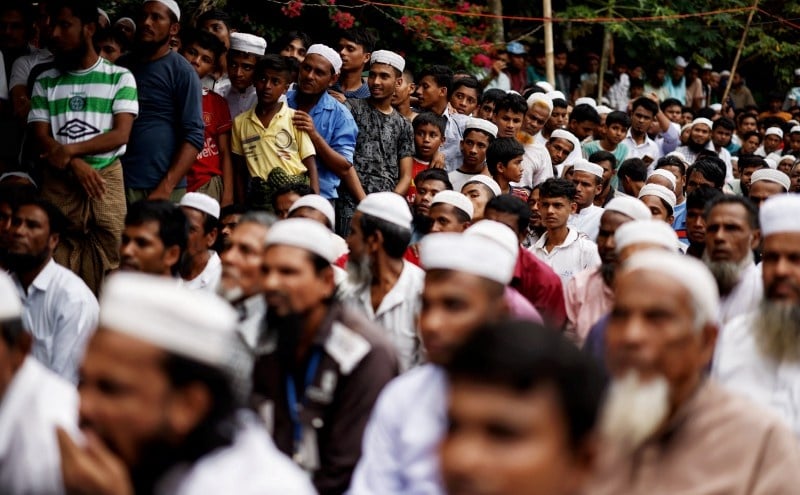
“The case centres on Myanmar’s 2017 military crackdown in Rakhine state that drove more than 700,000 Rohingya into neighbouring Bangladesh, where many recounted killings, mass rape and arson.” · exact text match
Why: The strongest language is factual or quoted, and the report avoids exclamatory or emotive narration.
Claim: The report describes the pending legal case without prescribing a policy outcome or urging action.
“The International Court of Justice (ICJ) is set to deliver its final judgment in The Hague on Thursday (Nov 19) on whether Myanmar committed genocide against its Rohingya minority.” · exact text match
Why: The central sentence states what the court will do, not what should be done.
Claim: The subject matter is explicitly political and legal, including a pending international ruling and implications for another genocide case.
“The International Court of Justice (ICJ) is set to deliver its final judgment in The Hague on Thursday (Nov 19) on whether Myanmar committed genocide against its Rohingya minority.” · exact text match
“Observers say the outcome could become a landmark ruling on state responsibility under international law, with implications for South Africa’s ongoing genocide case against Israel over the war in Gaza.” · exact text match
Why: The article centers on state responsibility, genocide proceedings, and cross-case political/legal implications.
Claim: The report is highly attributed, includes the subject state’s denial, and distinguishes related legal proceedings, supporting visible credibility.
“According to Ben Lee, executive director of the Special Advisory Council for Myanmar and an international lawyer, the NUG has since cooperated with the ICJ, the International Criminal Court (ICC), universal-jurisdiction cases in domestic courts, and UN human rights mechanisms and investigators.” · exact text match
“Myanmar rejected the allegations as “unsubstantiated”, arguing that the military had acted in a “counter-terrorism operation”.” · exact text match
Why: Multiple named or institutional sources and explicit acknowledgment of the denial support trustworthiness in the supplied text.
Claim: The report grounds the dispute in legal proceedings, attributed UN findings, and competing official claims rather than emotional assertion.
“A UN fact-finding mission concluded that the military offensive had included “genocidal acts”.” · exact text match
“Myanmar rejected the allegations as “unsubstantiated”, arguing that the military had acted in a “counter-terrorism operation”.” · exact text match
Why: It cites court filings, UN findings, and Myanmar’s legal rebuttal, supporting a rational/evidence-based classification.
Claim: The report includes attributed forecasts about the ruling’s significance and implications before the judgment is delivered.
“Observers say the outcome could become a landmark ruling on state responsibility under international law, with implications for South Africa’s ongoing genocide case against Israel over the war in Gaza.” · exact text match
“After seven years of legal proceedings, the ruling by the United Nations’ top court is expected to mark a pivotal moment not only for Myanmar, but also for the more than 1 million Rohingya who remain displaced across the region.” · exact text match
Why: Statements use 'could' and 'expected' to frame future consequences, but they are attributed and limited.
Claim: The report demonstrates visible fairness by including Myanmar’s denial, naming legal sources, and distinguishing separate court tracks.
“Myanmar rejected the allegations as “unsubstantiated”, arguing that the military had acted in a “counter-terrorism operation”.” · exact text match
“The ICJ is not the only court examining alleged crimes against the Rohingya.” · exact text match
Why: Attribution of contested claims and inclusion of the subject state’s rebuttal support high visible integrity.
Claim: The report supplies legal context by distinguishing ICJ proceedings from ICC and universal-jurisdiction cases and by noting prior Genocide Convention findings.
“The ICJ previously found states in breach of obligations under the Genocide Convention.
In 2007, the court found that Serbia had violated its obligation to prevent the 1995 genocide at Srebrenica during the Bosnian War.”
· exact text match
“The ICJ is not the only court examining alleged crimes against the Rohingya.” · exact text match
Why: It provides relevant institutional and historical context beyond the immediate allegation.
Some duplicated paragraphs and CNA site chrome appear in the supplied text; analysis is limited to the substantive news paragraphs.
November 19, 2026 · 0 shares
The report frames the pending ICJ ruling in measured, source-attributed legal terms, combining restrained attention to Rohingya suffering with Myanmar’s denial and broader international-law implications.
Helium Analysis
Limitations: Some duplicated paragraphs and CNA site chrome appear in the supplied text; analysis is limited to the substantive news paragraphs.
·
10 of 56 available dimensions scored; omitted dimensions are not treated as neutral.
·
Verified supporting quotes for 10 of 10 scored dimensions.
Claim: The report presents the genocide case without a clear left-right ideological frame, giving space to the Gambia-led allegation and Myanmar’s rebuttal.
“It alleged that Myanmar had violated the 1948 UN Genocide Convention through its military actions against the predominantly Muslim Rohingya in 2017.” · exact text match
“Myanmar rejected the allegations as “unsubstantiated”, arguing that the military had acted in a “counter-terrorism operation”.” · exact text match
Why: The text attributes both the accusation and Myanmar’s denial in legal language, with no partisan ideological appeal.
Claim: The report separates accusations, findings, and denials through attribution rather than presenting a single subjective narrative.
“The legal challenge began in November 2019 when the West African country of The Gambia, with the backing of the 57-member Organisation of Islamic Cooperation, filed proceedings against Myanmar at the ICJ.” · exact text match
“Myanmar rejected the allegations as “unsubstantiated”, arguing that the military had acted in a “counter-terrorism operation”.” · exact text match
Why: Contested claims are attributed to named or institutional actors, and Myanmar’s denial is included.
Claim: Atrocity allegations are reported in restrained, attributed language rather than tabloid-style sensationalism.
“The case centres on Myanmar’s 2017 military crackdown in Rakhine state that drove more than 700,000 Rohingya into neighbouring Bangladesh, where many recounted killings, mass rape and arson.” · exact text match
Why: The strongest language is factual or quoted, and the report avoids exclamatory or emotive narration.
Claim: The report describes the pending legal case without prescribing a policy outcome or urging action.
“The International Court of Justice (ICJ) is set to deliver its final judgment in The Hague on Thursday (Nov 19) on whether Myanmar committed genocide against its Rohingya minority.” · exact text match
Why: The central sentence states what the court will do, not what should be done.
Claim: The subject matter is explicitly political and legal, including a pending international ruling and implications for another genocide case.
“The International Court of Justice (ICJ) is set to deliver its final judgment in The Hague on Thursday (Nov 19) on whether Myanmar committed genocide against its Rohingya minority.” · exact text match
“Observers say the outcome could become a landmark ruling on state responsibility under international law, with implications for South Africa’s ongoing genocide case against Israel over the war in Gaza.” · exact text match
Why: The article centers on state responsibility, genocide proceedings, and cross-case political/legal implications.
Claim: The report is highly attributed, includes the subject state’s denial, and distinguishes related legal proceedings, supporting visible credibility.
“According to Ben Lee, executive director of the Special Advisory Council for Myanmar and an international lawyer, the NUG has since cooperated with the ICJ, the International Criminal Court (ICC), universal-jurisdiction cases in domestic courts, and UN human rights mechanisms and investigators.” · exact text match
“Myanmar rejected the allegations as “unsubstantiated”, arguing that the military had acted in a “counter-terrorism operation”.” · exact text match
Why: Multiple named or institutional sources and explicit acknowledgment of the denial support trustworthiness in the supplied text.
Claim: The report grounds the dispute in legal proceedings, attributed UN findings, and competing official claims rather than emotional assertion.
“A UN fact-finding mission concluded that the military offensive had included “genocidal acts”.” · exact text match
“Myanmar rejected the allegations as “unsubstantiated”, arguing that the military had acted in a “counter-terrorism operation”.” · exact text match
Why: It cites court filings, UN findings, and Myanmar’s legal rebuttal, supporting a rational/evidence-based classification.
Claim: The report includes attributed forecasts about the ruling’s significance and implications before the judgment is delivered.
“Observers say the outcome could become a landmark ruling on state responsibility under international law, with implications for South Africa’s ongoing genocide case against Israel over the war in Gaza.” · exact text match
“After seven years of legal proceedings, the ruling by the United Nations’ top court is expected to mark a pivotal moment not only for Myanmar, but also for the more than 1 million Rohingya who remain displaced across the region.” · exact text match
Why: Statements use 'could' and 'expected' to frame future consequences, but they are attributed and limited.
Claim: The report demonstrates visible fairness by including Myanmar’s denial, naming legal sources, and distinguishing separate court tracks.
“Myanmar rejected the allegations as “unsubstantiated”, arguing that the military had acted in a “counter-terrorism operation”.” · exact text match
“The ICJ is not the only court examining alleged crimes against the Rohingya.” · exact text match
Why: Attribution of contested claims and inclusion of the subject state’s rebuttal support high visible integrity.
Claim: The report supplies legal context by distinguishing ICJ proceedings from ICC and universal-jurisdiction cases and by noting prior Genocide Convention findings.
“The ICJ previously found states in breach of obligations under the Genocide Convention.
In 2007, the court found that Serbia had violated its obligation to prevent the 1995 genocide at Srebrenica during the Bosnian War.”
· exact text match
“The ICJ is not the only court examining alleged crimes against the Rohingya.” · exact text match
Why: It provides relevant institutional and historical context beyond the immediate allegation.
Some duplicated paragraphs and CNA site chrome appear in the supplied text; analysis is limited to the substantive news paragraphs.
Framing treats the ICJ ruling as a historic, authoritative moment of justice and pivots quickly to prescriptive calls for arms embargoes, ICC action, and reparations.
Helium Analysis
Limitations: The supplied text blends the substantive Myanmar/ICJ article with numerous unrelated related-link snippets; scoring is limited to the main ICJ/Amnesty content and ignores page chrome.
·
16 of 56 available dimensions scored; omitted dimensions are not treated as neutral.
·
Verified supporting quotes for 14 of 16 scored dimensions.
Claim: Defers to international legal institutions rather than popular or grassroots framing.
“This is the unequivocal finding of the ICJ.” · exact text match
“The UN Security Council should impose a global arms embargo and refer the entire situation in Myanmar to the International Criminal Court.” · exact text match
Why: The text treats ICJ and UN authority as central to legitimacy and action.
Claim: Prescribes coercive international enforcement measures.
“The UN Security Council should impose a global arms embargo and refer the entire situation in Myanmar to the International Criminal Court.” · exact text match
Why: The quote advocates collective international coercion through embargo and court referral.
Claim: Framing uses evaluative, advocacy-laden language about the ruling.
“Historic UN ruling that Myanmar committed genocide against Rohingya is rare victory for survivors.” · exact text match
Why: The headline characterizes the ruling as historic and a rare victory rather than neutrally reporting it.
Claim: Dramatic value judgments and emotive wording heighten the report.
“Historic UN ruling that Myanmar committed genocide against Rohingya is rare victory for survivors.” · exact text match
“horrors of the military’s 2017 campaign” · exact text match
Why: The wording is vivid and morally charged, though grounded in court findings.
Claim: Reports a rare first in international law.
“The judgment is especially significant because it is the first time the ICJ has found a state responsible for committing genocide under the Genocide Convention.” · exact text match
Why: The first-of-its-kind legal finding is substantively notable.
Claim: Moves from describing the ruling to prescribing specific state and UN actions.
“Governments should stop any transfer of all weapons, security and surveillance equipment, and military and security assistance to Myanmar.” · not found in supplied text
“Survivors and victims are entitled to full and effective reparations for the harms they have suffered.” · exact text match
Why: The text issues explicit normative recommendations rather than remaining descriptive.
Claim: Advocates arms embargo and ending military assistance rather than military escalation.
“stop any transfer of all weapons, security and surveillance equipment, and military and security assistance to Myanmar” · exact text match
Why: The prescription is anti-arms-transfer and legal-accountability oriented.
Claim: Publisher language is evaluative rather than strictly neutral.
“rare victory for survivors” · exact text match
“rare moment of justice” · exact text match
Why: These phrases express a positive judgment about the ruling.
Claim: Prescribes concrete political and diplomatic action by governments and the UN.
“The UN Security Council should impose a global arms embargo and refer the entire situation in Myanmar to the International Criminal Court.” · exact text match
Why: The content is directly about state policy and international political institutions.
Claim: Relies heavily on the authority of the ICJ and international courts.
“Genocide.
This is the unequivocal finding of the ICJ.”
· exact text match
“The findings of independent investigators and international courts must not simply be ignored.” · exact text match
Why: The argument depends on the decisive authority of court findings.
Claim: Advances a human-rights accountability agenda with prescriptive remedies.
“Governments should stop any transfer of all weapons, security and surveillance equipment, and military and security assistance to Myanmar.” · not found in supplied text
“Survivors and victims are entitled to full and effective reparations for the harms they have suffered.” · exact text match
Why: The selection and recommendations consistently push a rights-and-accountability framework.
Claim: Uses negative emotional language around atrocities.
“horrors of the military’s 2017 campaign” · exact text match
“shock the conscience of humanity” · exact text match
Why: The wording evokes moral revulsion and gravity.
Claim: Provides dated, attributed legal facts and procedural context.
“On 19 November, the ICJ in The Hague ruled that Myanmar committed genocide against the Rohingya people in connection with the military’s 2017 operations in Rakhine State.” · exact text match
“The ICJ case concerns the international responsibility of Myanmar under the Genocide Convention of 1948 and is distinct from proceedings aimed at establishing the criminal responsibility of individuals.” · exact text match
Why: Specific dates, institutions, and legal distinctions support verifiability.
Claim: The presentation leans on legal reasoning and court distinctions rather than emotional assertion alone.
“The Court’s clarification that genocidal intent can coexist with other goals, including military aims, is especially significant for other cases pending at the ICJ, such as the case brought by South Africa against Israel for alleged genocide against Palestinians in Gaza.” · exact text match
“The ICJ case concerns the international responsibility of Myanmar under the Genocide Convention of 1948 and is distinct from proceedings aimed at establishing the criminal responsibility of individuals.” · exact text match
Why: It explains legal doctrine and jurisdictional differences in a structured way.
Claim: Shows care distinguishing state responsibility from individual criminal responsibility.
“The ICJ case concerns the international responsibility of Myanmar under the Genocide Convention of 1948 and is distinct from proceedings aimed at establishing the criminal responsibility of individuals.” · exact text match
Why: This distinction is important for fair legal reporting and is explicitly preserved.
Claim: Explains legal significance and precedent in a structured way.
“The judgment is especially significant because it is the first time the ICJ has found a state responsible for committing genocide under the Genocide Convention.” · exact text match
Why: It situates the ruling within international legal precedent and procedure.
The supplied text blends the substantive Myanmar/ICJ article with numerous unrelated related-link snippets; scoring is limited to the main ICJ/Amnesty content and ignores page chrome.
November 19, 2026 · 0 shares
The report is largely restrained, attribution-heavy, and legally contextualized, though it adds occasional emotive descriptors when recounting atrocities and survivor testimony.
Helium Analysis
Limitations: The supplied text contains unrelated headline clutter and no publication year, which limits date verification but does not obscure the substantive ICJ report.
·
10 of 56 available dimensions scored; omitted dimensions are not treated as neutral.
·
Verified supporting quotes for 10 of 10 scored dimensions.
Claim: The report is mainly objective in attributing the genocide finding to the ICJ and including Myanmar’s denial.
““The Republic of the Union of Myanmar has committed genocide against the Rohingya group in northern Rakhine State,” said ICJ President Yuji Iwasawa” · exact text match
“Myanmar had always denied genocide, arguing that its actions targeted a military uprising from insurgents” · exact text match
Why: Named court attribution and inclusion of the defendant’s position support an objective classification.
Claim: The report uses occasional emotive, sensational wording in describing atrocities and refugee conditions.
“searing evidence of Myanmar’s atrocities against its mostly Muslim Rohingya minority” · exact text match
“harrowing tales of gang rapes, mass executions, and cruelty towards families and children” · exact text match
Why: These phrases add emotive color beyond bare legal attribution, but the article remains largely factual.
Claim: The report is primarily descriptive, recounting the ICJ ruling and orders rather than prescribing policy.
“The court ordered Myanmar to “allow and facilitate the safe, voluntary, and dignified return to their place of residence”” · exact text match
“Judges also told Myanmar it must investigate and punish anyone suspected of committing genocide” · exact text match
Why: The prescriptions quoted are the court’s, not the publisher’s, so framing remains descriptive.
Claim: The report is political in subject matter, centering a UN court ruling on state accountability and pressure on Myanmar’s leader.
“the ruling will likely heap more international pressure on its leader Min Aung Hlaing” · exact text match
“whether Israel has committed genocide in Gaza” · exact text match
Why: The article is explicitly about international legal-political accountability and leadership pressure.
Claim: The report carries a negative emotional valence through descriptions of atrocities and victim suffering.
“Myanmar’s brutal 2017 crackdown” · exact text match
“Survivors of the violence brought with them harrowing tales of gang rapes, mass executions, and cruelty towards families and children.” · exact text match
Why: The language and survivor accounts produce a predominantly negative emotional tone, consistent with the subject but not neutral in valence.
Claim: The report is highly credible in the supplied text, with named court attribution, direct quotes, defendant’s denial, and explicit enforcement caveats.
““The Republic of the Union of Myanmar has committed genocide against the Rohingya group in northern Rakhine State,” said ICJ President Yuji Iwasawa” · exact text match
“the court has no way of enforcing its verdicts, and it remains to be seen whether Myanmar’s rulers will adhere to the orders.” · exact text match
Why: Attribution to a named court president, inclusion of contrary position, and caveats support high credibility.
Claim: The report bases its central account on the ICJ verdict and directly attributed court findings rather than unsupported assertion.
““The Republic of the Union of Myanmar has committed genocide against the Rohingya group in northern Rakhine State,” said ICJ President Yuji Iwasawa” · exact text match
“the panel of 15 judges has been weighing for seven years” · exact text match
Why: The claim is presented through the court’s verdict and a multiyear judicial process, supporting a rational/evidence-bound classification.
Claim: The report includes some forward-looking speculation about reactions and consequences of the ruling.
“is likely to be seen as justice for Rohingya victims” · exact text match
“which may be complicated by the ruling” · exact text match
Why: These are forecasts about perception and diplomatic consequences rather than established outcomes.
Claim: The report shows high internal fairness by including Myanmar’s denial and acknowledging the court’s lack of enforcement power.
“Myanmar had always denied genocide, arguing that its actions targeted a military uprising from insurgents after a series of attacks left a dozen security personnel dead.” · exact text match
“the court has no way of enforcing its verdicts, and it remains to be seen whether Myanmar’s rulers will adhere to the orders.” · exact text match
Why: Including the defendant’s position and enforcement limits demonstrates fair, honest reporting.
Claim: The report explains the legal significance, case origin, enforcement limits, and related proceedings.
“the first time in its 80-year history that ICJ judges have determined that a state committed genocide” · exact text match
“The case was brought by The Gambia under the 1948 UN Genocide Convention” · exact text match
Why: It supplies context and legal detail beyond a bare verdict, indicating high informational intelligence.
The supplied text contains unrelated headline clutter and no publication year, which limits date verification but does not obscure the substantive ICJ report.
November 19, 2026 · 0 shares
The report is largely restrained, attribution-heavy, and legally contextualized, though it adds occasional emotive descriptors when recounting atrocities and survivor testimony.
Helium Analysis Limitations: The supplied text contains unrelated headline clutter and no publication year, which limits date verification but does not obscure the substantive ICJ report. · 10 of 56 available dimensions scored; omitted dimensions are not treated as neutral. · Verified supporting quotes for 10 of 10 scored dimensions.
Claim: The report is mainly objective in attributing the genocide finding to the ICJ and including Myanmar’s denial.
““The Republic of the Union of Myanmar has committed genocide against the Rohingya group in northern Rakhine State,” said ICJ President Yuji Iwasawa” · exact text match
“Myanmar had always denied genocide, arguing that its actions targeted a military uprising from insurgents” · exact text match
Why: Named court attribution and inclusion of the defendant’s position support an objective classification.
Claim: The report uses occasional emotive, sensational wording in describing atrocities and refugee conditions.
“searing evidence of Myanmar’s atrocities against its mostly Muslim Rohingya minority” · exact text match
“harrowing tales of gang rapes, mass executions, and cruelty towards families and children” · exact text match
Why: These phrases add emotive color beyond bare legal attribution, but the article remains largely factual.
Claim: The report is primarily descriptive, recounting the ICJ ruling and orders rather than prescribing policy.
“The court ordered Myanmar to “allow and facilitate the safe, voluntary, and dignified return to their place of residence”” · exact text match
“Judges also told Myanmar it must investigate and punish anyone suspected of committing genocide” · exact text match
Why: The prescriptions quoted are the court’s, not the publisher’s, so framing remains descriptive.
Claim: The report is political in subject matter, centering a UN court ruling on state accountability and pressure on Myanmar’s leader.
“the ruling will likely heap more international pressure on its leader Min Aung Hlaing” · exact text match
“whether Israel has committed genocide in Gaza” · exact text match
Why: The article is explicitly about international legal-political accountability and leadership pressure.
Claim: The report carries a negative emotional valence through descriptions of atrocities and victim suffering.
“Myanmar’s brutal 2017 crackdown” · exact text match
“Survivors of the violence brought with them harrowing tales of gang rapes, mass executions, and cruelty towards families and children.” · exact text match
Why: The language and survivor accounts produce a predominantly negative emotional tone, consistent with the subject but not neutral in valence.
Claim: The report is highly credible in the supplied text, with named court attribution, direct quotes, defendant’s denial, and explicit enforcement caveats.
““The Republic of the Union of Myanmar has committed genocide against the Rohingya group in northern Rakhine State,” said ICJ President Yuji Iwasawa” · exact text match
“the court has no way of enforcing its verdicts, and it remains to be seen whether Myanmar’s rulers will adhere to the orders.” · exact text match
Why: Attribution to a named court president, inclusion of contrary position, and caveats support high credibility.
Claim: The report bases its central account on the ICJ verdict and directly attributed court findings rather than unsupported assertion.
““The Republic of the Union of Myanmar has committed genocide against the Rohingya group in northern Rakhine State,” said ICJ President Yuji Iwasawa” · exact text match
“the panel of 15 judges has been weighing for seven years” · exact text match
Why: The claim is presented through the court’s verdict and a multiyear judicial process, supporting a rational/evidence-bound classification.
Claim: The report includes some forward-looking speculation about reactions and consequences of the ruling.
“is likely to be seen as justice for Rohingya victims” · exact text match
“which may be complicated by the ruling” · exact text match
Why: These are forecasts about perception and diplomatic consequences rather than established outcomes.
Claim: The report shows high internal fairness by including Myanmar’s denial and acknowledging the court’s lack of enforcement power.
“Myanmar had always denied genocide, arguing that its actions targeted a military uprising from insurgents after a series of attacks left a dozen security personnel dead.” · exact text match
“the court has no way of enforcing its verdicts, and it remains to be seen whether Myanmar’s rulers will adhere to the orders.” · exact text match
Why: Including the defendant’s position and enforcement limits demonstrates fair, honest reporting.
Claim: The report explains the legal significance, case origin, enforcement limits, and related proceedings.
“the first time in its 80-year history that ICJ judges have determined that a state committed genocide” · exact text match
“The case was brought by The Gambia under the 1948 UN Genocide Convention” · exact text match
Why: It supplies context and legal detail beyond a bare verdict, indicating high informational intelligence.
The supplied text contains unrelated headline clutter and no publication year, which limits date verification but does not obscure the substantive ICJ report.
The strongest observable framing is an anti-war, left-leaning selection that foregrounds civilian harm from U.S. and Israeli military action while relying heavily on named institutional and official sources, with explicit anti-Republican editorial rhetoric at the close.
Helium Analysis Limitations: Article text is a multi-story newsletter roundup with duplicated and truncated sections; scores reflect only the available substantive items and closing commentary. · 21 of 56 available dimensions scored; omitted dimensions are not treated as neutral. · Verified supporting quotes for 21 of 21 scored dimensions.
Claim: The closing commentary singles out Republicans and frames the Iran war as propaganda-driven, consistent with left-leaning anti-war framing.
“How many times have the Republicans used the excuse of a dirty bomb to justify a war?” · exact text match
“More double speak amounting to saying the right thing but doing the wrong thing.” · exact text match
Why: The explicit anti-Republican and anti-war closing rhetoric supports a left-leaning framing.
Claim: The close shifts from attributed reporting to evaluative commentary.
“More double speak amounting to saying the right thing but doing the wrong thing.” · exact text match
Why: The phrase is an explicit subjective judgment rather than a reported fact.
Claim: The roundup includes rare and consequential international developments.
“first time a state has been found responsible for genocide at the ICJ.” · exact text match
Why: The ICJ ruling is described as a first, supporting high interestingness.
Claim: The close includes prescriptive advocacy to learn from alleged Iraq War propaganda.
“Learn how the propaganda and lies used to justify the Iraq War are being deployed today to push America into war with Iran.” · exact text match
Why: The imperative 'Learn' directs the reader toward an advocated interpretation.
Claim: The closing commentary is strongly anti-war.
“Are we repeating history?” · exact text match
“Learn how the propaganda and lies used to justify the Iraq War are being deployed today to push America into war with Iran.” · exact text match
Why: The passage warns against being pushed into war and invokes Iraq War deception.
Claim: War threats and a potential dirty-bomb attack are prominent in the recap.
“Trump threatens to “wipe out” Iran over potential dirty bomb attack” · exact text match
“President Donald Trump claimed Iran was exploring the development of chemical and biological weapons, saying Tehran was “looking at gases, looking at bio,” without providing evidence.” · exact text match
Why: Existential-threat language is highlighted, though mostly in attributed reporting.
Claim: The closing paragraphs contain explicit evaluative opinion.
“More double speak amounting to saying the right thing but doing the wrong thing.” · exact text match
Why: 'Double speak' and 'wrong thing' are evaluative judgments.
Claim: The recap is overwhelmingly focused on political and geopolitical events.
“House Democrats elect caucus leaders:” · exact text match
“Maryland Gov. Wes Moore says Democrats should not tie a government funding bill to ending the Iran war:” · exact text match
Why: The selected items center on elections, legislation, war, and diplomacy.
Claim: The closing passage reduces the Iran war debate to a propaganda-and-lies analogy with Iraq.
“the propaganda and lies used to justify the Iraq War are being deployed today to push America into war with Iran.” · exact text match
Why: The brief analogy flattens a complex war debate into a single deception frame.
Claim: The recap relies heavily on named official and institutional sources for factual claims.
“the International Energy Agency (IEA) said Thursday” · exact text match
“according to Save the Children’s annual global report” · exact text match
Why: Institutional attributions are the primary basis for many reported facts.
Claim: The selection foregrounds civilian victimhood and child casualties across multiple conflicts.
“At least 64 children have been killed and another 64 injured in Yemen since fighting escalated on September 3, UNICEF said Wednesday.” · exact text match
“More than 30% of the total violations against children globally in 2025 were committed against children in the occupied Palestinian territories” · exact text match
Why: Recurring child-casualty and violation statistics emphasize victim suffering.
Claim: The closing commentary is framed by an anti-war ideology that treats official war justifications as propaganda.
“How many times have the Republicans used the excuse of a dirty bomb to justify a war?” · exact text match
“Learn how the propaganda and lies used to justify the Iraq War are being deployed today to push America into war with Iran.” · exact text match
Why: The passage interprets current events through a fixed anti-war deception narrative.
Claim: The closing commentary advances an anti-establishment critique of Republican war rhetoric.
“How many times have the Republicans used the excuse of a dirty bomb to justify a war?” · exact text match
Why: The rhetorical question casts official war justifications as repeated deceptive excuses.
Claim: The closing commentary carries a negative, accusatory tone toward war proponents.
“More double speak amounting to saying the right thing but doing the wrong thing.” · exact text match
Why: The language conveys disapproval and negativity rather than neutral description.
Claim: Visible sourcing and attribution support high credibility.
“according to Save the Children’s annual global report” · exact text match
“accurately cited research and analysis by seven international experts” · exact text match
Why: Multiple named sources and reported sourcing strengthen trustworthiness in the supplied text.
Claim: Most factual claims are attributed to named agencies and caveated sources.
“the International Energy Agency (IEA) said Thursday” · exact text match
“according to data from maritime intelligence firm Kpler, which cautioned that the figure could rise in coming days.” · exact text match
Why: Named institutions and caveats indicate reliance on evidence rather than unsupported assertion.
Claim: The close speculates that current war messaging is a replay of Iraq War propaganda.
“Are we repeating history?” · exact text match
“the propaganda and lies used to justify the Iraq War are being deployed today to push America into war with Iran.” · exact text match
Why: The analogy is asserted as a present-tense pattern rather than documented fact.
Claim: The close uses a loaded rhetorical question to frame Republicans as serial war pretext users.
“How many times have the Republicans used the excuse of a dirty bomb to justify a war?” · exact text match
Why: The question presupposes repeated deceptive behavior and invites agreement.
Claim: The recap includes sourcing, caveats, and note of non-confirmation.
“The U.S. military has not officially confirmed the George Washington’s departure.” · exact text match
“which cautioned that the figure could rise in coming days.” · exact text match
Why: Acknowledging uncertainty and non-confirmation supports fair reporting practices.
Claim: The roundup synthesizes numerous geopolitical developments with specific quantities and institutional attributions.
“The agency said that the disruption could accelerate a global shift away from fossil fuels, potentially reducing oil demand by 4.4 million barrels per day by 2035 compared with its current-policy projections.” · exact text match
Why: The inclusion of specific projections and varied international items reflects a high-information synthesis.
Claim: The closing commentary suggests a deceptive propaganda campaign comparable to the Iraq War is being used to push the U.S. into war with Iran.
“the propaganda and lies used to justify the Iraq War are being deployed today to push America into war with Iran.” · exact text match
Why: The claim implies a coordinated deception campaign behind current war messaging.
Article text is a multi-story newsletter roundup with duplicated and truncated sections; scores reflect only the available substantive items and closing commentary.
November 19, 2026 · 0 shares
The framing is restrained, attributive, and legal-factual, presenting the ICJ’s genocide finding as a court determination without evident editorializing or sensational language.
Helium Analysis Limitations: The supplied text is only a headline and two-sentence excerpt, so dimensions requiring fuller article evidence are omitted or scored with limited confidence. · 9 of 56 available dimensions scored; omitted dimensions are not treated as neutral. · Verified supporting quotes for 9 of 9 scored dimensions.
Claim: The central claim is attributed to the ICJ without evaluative commentary.
“The International Court of Justice has ruled that Myanmar committed genocide against the Rohingya” · exact text match
Why: The sentence reports the court's ruling in neutral terms.
Claim: The wording is sober and legal rather than sensational.
“The UN’s top court found Myanmar’s security forces had the intent to destroy a ‘substantial part’ of the ethnic minority group” · exact text match
Why: The phrase repeats a legal finding and avoids emotive or alarmist language.
Claim: The text describes the ruling without recommending action.
“The International Court of Justice has ruled that Myanmar committed genocide against the Rohingya in northern Rakhine State.” · exact text match
Why: It states a legal development and contains no policy prescription.
Claim: The item centers on a legal-political determination that a state committed genocide.
“The International Court of Justice has ruled that Myanmar committed genocide against the Rohingya in northern Rakhine State.” · exact text match
Why: An international court ruling against a state for genocide is a political-legal subject.
Claim: The prose remains emotionally neutral despite the grave subject.
“The International Court of Justice has ruled that Myanmar committed genocide against the Rohingya” · exact text match
Why: The statement uses a legal finding and contains no emotive adjectives or exclamations.
Claim: The report's key claim is credible because it is attributed to a named international court.
“The International Court of Justice has ruled that Myanmar committed genocide against the Rohingya” · exact text match
“The UN’s top court found Myanmar’s security forces had the intent to destroy a ‘substantial part’ of the ethnic minority group” · exact text match
Why: Direct attribution and legal terminology provide visible sourcing for the central claim.
Claim: The report frames the genocide determination as a court finding rather than an emotional assertion.
“The International Court of Justice has ruled that Myanmar committed genocide against the Rohingya” · exact text match
“The UN’s top court found Myanmar’s security forces had the intent to destroy a ‘substantial part’ of the ethnic minority group” · exact text match
Why: The conclusion is attributed to a legal institution and uses the court's terminology, supporting a rational rather than irrational presentation.
Claim: The report consistently attributes the genocide finding to the ICJ.
“The International Court of Justice has ruled that Myanmar committed genocide against the Rohingya” · exact text match
“The UN’s top court found Myanmar’s security forces had the intent to destroy a ‘substantial part’ of the ethnic minority group” · exact text match
Why: Repeated named attribution supports fair and non-deceptive presentation in the supplied text.
Claim: The report conveys the core legal finding and timeframe concisely.
“The UN’s top court found Myanmar’s security forces had the intent to destroy a ‘substantial part’ of the ethnic minority group during a 2017 military campaign.” · exact text match
Why: The sentence compactly states the actor, intent finding, target, and timeframe.
The supplied text is only a headline and two-sentence excerpt, so dimensions requiring fuller article evidence are omitted or scored with limited confidence.
November 19, 2026 · 0 shares
The report frames the pending ICJ ruling in measured, source-attributed legal terms, combining restrained attention to Rohingya suffering with Myanmar’s denial and broader international-law implications.
Helium Analysis Limitations: Some duplicated paragraphs and CNA site chrome appear in the supplied text; analysis is limited to the substantive news paragraphs. · 10 of 56 available dimensions scored; omitted dimensions are not treated as neutral. · Verified supporting quotes for 10 of 10 scored dimensions.
Claim: The report presents the genocide case without a clear left-right ideological frame, giving space to the Gambia-led allegation and Myanmar’s rebuttal.
“It alleged that Myanmar had violated the 1948 UN Genocide Convention through its military actions against the predominantly Muslim Rohingya in 2017.” · exact text match
“Myanmar rejected the allegations as “unsubstantiated”, arguing that the military had acted in a “counter-terrorism operation”.” · exact text match
Why: The text attributes both the accusation and Myanmar’s denial in legal language, with no partisan ideological appeal.
Claim: The report separates accusations, findings, and denials through attribution rather than presenting a single subjective narrative.
“The legal challenge began in November 2019 when the West African country of The Gambia, with the backing of the 57-member Organisation of Islamic Cooperation, filed proceedings against Myanmar at the ICJ.” · exact text match
“Myanmar rejected the allegations as “unsubstantiated”, arguing that the military had acted in a “counter-terrorism operation”.” · exact text match
Why: Contested claims are attributed to named or institutional actors, and Myanmar’s denial is included.
Claim: Atrocity allegations are reported in restrained, attributed language rather than tabloid-style sensationalism.
“The case centres on Myanmar’s 2017 military crackdown in Rakhine state that drove more than 700,000 Rohingya into neighbouring Bangladesh, where many recounted killings, mass rape and arson.” · exact text match
Why: The strongest language is factual or quoted, and the report avoids exclamatory or emotive narration.
Claim: The report describes the pending legal case without prescribing a policy outcome or urging action.
“The International Court of Justice (ICJ) is set to deliver its final judgment in The Hague on Thursday (Nov 19) on whether Myanmar committed genocide against its Rohingya minority.” · exact text match
Why: The central sentence states what the court will do, not what should be done.
Claim: The subject matter is explicitly political and legal, including a pending international ruling and implications for another genocide case.
“The International Court of Justice (ICJ) is set to deliver its final judgment in The Hague on Thursday (Nov 19) on whether Myanmar committed genocide against its Rohingya minority.” · exact text match
“Observers say the outcome could become a landmark ruling on state responsibility under international law, with implications for South Africa’s ongoing genocide case against Israel over the war in Gaza.” · exact text match
Why: The article centers on state responsibility, genocide proceedings, and cross-case political/legal implications.
Claim: The report is highly attributed, includes the subject state’s denial, and distinguishes related legal proceedings, supporting visible credibility.
“According to Ben Lee, executive director of the Special Advisory Council for Myanmar and an international lawyer, the NUG has since cooperated with the ICJ, the International Criminal Court (ICC), universal-jurisdiction cases in domestic courts, and UN human rights mechanisms and investigators.” · exact text match
“Myanmar rejected the allegations as “unsubstantiated”, arguing that the military had acted in a “counter-terrorism operation”.” · exact text match
Why: Multiple named or institutional sources and explicit acknowledgment of the denial support trustworthiness in the supplied text.
Claim: The report grounds the dispute in legal proceedings, attributed UN findings, and competing official claims rather than emotional assertion.
“A UN fact-finding mission concluded that the military offensive had included “genocidal acts”.” · exact text match
“Myanmar rejected the allegations as “unsubstantiated”, arguing that the military had acted in a “counter-terrorism operation”.” · exact text match
Why: It cites court filings, UN findings, and Myanmar’s legal rebuttal, supporting a rational/evidence-based classification.
Claim: The report includes attributed forecasts about the ruling’s significance and implications before the judgment is delivered.
“Observers say the outcome could become a landmark ruling on state responsibility under international law, with implications for South Africa’s ongoing genocide case against Israel over the war in Gaza.” · exact text match
“After seven years of legal proceedings, the ruling by the United Nations’ top court is expected to mark a pivotal moment not only for Myanmar, but also for the more than 1 million Rohingya who remain displaced across the region.” · exact text match
Why: Statements use 'could' and 'expected' to frame future consequences, but they are attributed and limited.
Claim: The report demonstrates visible fairness by including Myanmar’s denial, naming legal sources, and distinguishing separate court tracks.
“Myanmar rejected the allegations as “unsubstantiated”, arguing that the military had acted in a “counter-terrorism operation”.” · exact text match
“The ICJ is not the only court examining alleged crimes against the Rohingya.” · exact text match
Why: Attribution of contested claims and inclusion of the subject state’s rebuttal support high visible integrity.
Claim: The report supplies legal context by distinguishing ICJ proceedings from ICC and universal-jurisdiction cases and by noting prior Genocide Convention findings.
“The ICJ previously found states in breach of obligations under the Genocide Convention. In 2007, the court found that Serbia had violated its obligation to prevent the 1995 genocide at Srebrenica during the Bosnian War.” · exact text match
“The ICJ is not the only court examining alleged crimes against the Rohingya.” · exact text match
Why: It provides relevant institutional and historical context beyond the immediate allegation.
Some duplicated paragraphs and CNA site chrome appear in the supplied text; analysis is limited to the substantive news paragraphs.
Framing treats the ICJ ruling as a historic, authoritative moment of justice and pivots quickly to prescriptive calls for arms embargoes, ICC action, and reparations.
Helium Analysis Limitations: The supplied text blends the substantive Myanmar/ICJ article with numerous unrelated related-link snippets; scoring is limited to the main ICJ/Amnesty content and ignores page chrome. · 16 of 56 available dimensions scored; omitted dimensions are not treated as neutral. · Verified supporting quotes for 14 of 16 scored dimensions.
Claim: Defers to international legal institutions rather than popular or grassroots framing.
“This is the unequivocal finding of the ICJ.” · exact text match
“The UN Security Council should impose a global arms embargo and refer the entire situation in Myanmar to the International Criminal Court.” · exact text match
Why: The text treats ICJ and UN authority as central to legitimacy and action.
Claim: Prescribes coercive international enforcement measures.
“The UN Security Council should impose a global arms embargo and refer the entire situation in Myanmar to the International Criminal Court.” · exact text match
Why: The quote advocates collective international coercion through embargo and court referral.
Claim: Framing uses evaluative, advocacy-laden language about the ruling.
“Historic UN ruling that Myanmar committed genocide against Rohingya is rare victory for survivors.” · exact text match
Why: The headline characterizes the ruling as historic and a rare victory rather than neutrally reporting it.
Claim: Dramatic value judgments and emotive wording heighten the report.
“Historic UN ruling that Myanmar committed genocide against Rohingya is rare victory for survivors.” · exact text match
“horrors of the military’s 2017 campaign” · exact text match
Why: The wording is vivid and morally charged, though grounded in court findings.
Claim: Reports a rare first in international law.
“The judgment is especially significant because it is the first time the ICJ has found a state responsible for committing genocide under the Genocide Convention.” · exact text match
Why: The first-of-its-kind legal finding is substantively notable.
Claim: Moves from describing the ruling to prescribing specific state and UN actions.
“Governments should stop any transfer of all weapons, security and surveillance equipment, and military and security assistance to Myanmar.” · not found in supplied text
“Survivors and victims are entitled to full and effective reparations for the harms they have suffered.” · exact text match
Why: The text issues explicit normative recommendations rather than remaining descriptive.
Claim: Advocates arms embargo and ending military assistance rather than military escalation.
“stop any transfer of all weapons, security and surveillance equipment, and military and security assistance to Myanmar” · exact text match
Why: The prescription is anti-arms-transfer and legal-accountability oriented.
Claim: Publisher language is evaluative rather than strictly neutral.
“rare victory for survivors” · exact text match
“rare moment of justice” · exact text match
Why: These phrases express a positive judgment about the ruling.
Claim: Prescribes concrete political and diplomatic action by governments and the UN.
“The UN Security Council should impose a global arms embargo and refer the entire situation in Myanmar to the International Criminal Court.” · exact text match
Why: The content is directly about state policy and international political institutions.
Claim: Relies heavily on the authority of the ICJ and international courts.
“Genocide. This is the unequivocal finding of the ICJ.” · exact text match
“The findings of independent investigators and international courts must not simply be ignored.” · exact text match
Why: The argument depends on the decisive authority of court findings.
Claim: Advances a human-rights accountability agenda with prescriptive remedies.
“Governments should stop any transfer of all weapons, security and surveillance equipment, and military and security assistance to Myanmar.” · not found in supplied text
“Survivors and victims are entitled to full and effective reparations for the harms they have suffered.” · exact text match
Why: The selection and recommendations consistently push a rights-and-accountability framework.
Claim: Uses negative emotional language around atrocities.
“horrors of the military’s 2017 campaign” · exact text match
“shock the conscience of humanity” · exact text match
Why: The wording evokes moral revulsion and gravity.
Claim: Provides dated, attributed legal facts and procedural context.
“On 19 November, the ICJ in The Hague ruled that Myanmar committed genocide against the Rohingya people in connection with the military’s 2017 operations in Rakhine State.” · exact text match
“The ICJ case concerns the international responsibility of Myanmar under the Genocide Convention of 1948 and is distinct from proceedings aimed at establishing the criminal responsibility of individuals.” · exact text match
Why: Specific dates, institutions, and legal distinctions support verifiability.
Claim: The presentation leans on legal reasoning and court distinctions rather than emotional assertion alone.
“The Court’s clarification that genocidal intent can coexist with other goals, including military aims, is especially significant for other cases pending at the ICJ, such as the case brought by South Africa against Israel for alleged genocide against Palestinians in Gaza.” · exact text match
“The ICJ case concerns the international responsibility of Myanmar under the Genocide Convention of 1948 and is distinct from proceedings aimed at establishing the criminal responsibility of individuals.” · exact text match
Why: It explains legal doctrine and jurisdictional differences in a structured way.
Claim: Shows care distinguishing state responsibility from individual criminal responsibility.
“The ICJ case concerns the international responsibility of Myanmar under the Genocide Convention of 1948 and is distinct from proceedings aimed at establishing the criminal responsibility of individuals.” · exact text match
Why: This distinction is important for fair legal reporting and is explicitly preserved.
Claim: Explains legal significance and precedent in a structured way.
“The judgment is especially significant because it is the first time the ICJ has found a state responsible for committing genocide under the Genocide Convention.” · exact text match
Why: It situates the ruling within international legal precedent and procedure.
The supplied text blends the substantive Myanmar/ICJ article with numerous unrelated related-link snippets; scoring is limited to the main ICJ/Amnesty content and ignores page chrome.
November 19, 2026 · 0 shares
The report frames the pending ICJ ruling in measured, source-attributed legal terms, combining restrained attention to Rohingya suffering with Myanmar’s denial and broader international-law implications.
Helium Analysis Limitations: Some duplicated paragraphs and CNA site chrome appear in the supplied text; analysis is limited to the substantive news paragraphs. · 10 of 56 available dimensions scored; omitted dimensions are not treated as neutral. · Verified supporting quotes for 10 of 10 scored dimensions.
Claim: The report presents the genocide case without a clear left-right ideological frame, giving space to the Gambia-led allegation and Myanmar’s rebuttal.
“It alleged that Myanmar had violated the 1948 UN Genocide Convention through its military actions against the predominantly Muslim Rohingya in 2017.” · exact text match
“Myanmar rejected the allegations as “unsubstantiated”, arguing that the military had acted in a “counter-terrorism operation”.” · exact text match
Why: The text attributes both the accusation and Myanmar’s denial in legal language, with no partisan ideological appeal.
Claim: The report separates accusations, findings, and denials through attribution rather than presenting a single subjective narrative.
“The legal challenge began in November 2019 when the West African country of The Gambia, with the backing of the 57-member Organisation of Islamic Cooperation, filed proceedings against Myanmar at the ICJ.” · exact text match
“Myanmar rejected the allegations as “unsubstantiated”, arguing that the military had acted in a “counter-terrorism operation”.” · exact text match
Why: Contested claims are attributed to named or institutional actors, and Myanmar’s denial is included.
Claim: Atrocity allegations are reported in restrained, attributed language rather than tabloid-style sensationalism.
“The case centres on Myanmar’s 2017 military crackdown in Rakhine state that drove more than 700,000 Rohingya into neighbouring Bangladesh, where many recounted killings, mass rape and arson.” · exact text match
Why: The strongest language is factual or quoted, and the report avoids exclamatory or emotive narration.
Claim: The report describes the pending legal case without prescribing a policy outcome or urging action.
“The International Court of Justice (ICJ) is set to deliver its final judgment in The Hague on Thursday (Nov 19) on whether Myanmar committed genocide against its Rohingya minority.” · exact text match
Why: The central sentence states what the court will do, not what should be done.
Claim: The subject matter is explicitly political and legal, including a pending international ruling and implications for another genocide case.
“The International Court of Justice (ICJ) is set to deliver its final judgment in The Hague on Thursday (Nov 19) on whether Myanmar committed genocide against its Rohingya minority.” · exact text match
“Observers say the outcome could become a landmark ruling on state responsibility under international law, with implications for South Africa’s ongoing genocide case against Israel over the war in Gaza.” · exact text match
Why: The article centers on state responsibility, genocide proceedings, and cross-case political/legal implications.
Claim: The report is highly attributed, includes the subject state’s denial, and distinguishes related legal proceedings, supporting visible credibility.
“According to Ben Lee, executive director of the Special Advisory Council for Myanmar and an international lawyer, the NUG has since cooperated with the ICJ, the International Criminal Court (ICC), universal-jurisdiction cases in domestic courts, and UN human rights mechanisms and investigators.” · exact text match
“Myanmar rejected the allegations as “unsubstantiated”, arguing that the military had acted in a “counter-terrorism operation”.” · exact text match
Why: Multiple named or institutional sources and explicit acknowledgment of the denial support trustworthiness in the supplied text.
Claim: The report grounds the dispute in legal proceedings, attributed UN findings, and competing official claims rather than emotional assertion.
“A UN fact-finding mission concluded that the military offensive had included “genocidal acts”.” · exact text match
“Myanmar rejected the allegations as “unsubstantiated”, arguing that the military had acted in a “counter-terrorism operation”.” · exact text match
Why: It cites court filings, UN findings, and Myanmar’s legal rebuttal, supporting a rational/evidence-based classification.
Claim: The report includes attributed forecasts about the ruling’s significance and implications before the judgment is delivered.
“Observers say the outcome could become a landmark ruling on state responsibility under international law, with implications for South Africa’s ongoing genocide case against Israel over the war in Gaza.” · exact text match
“After seven years of legal proceedings, the ruling by the United Nations’ top court is expected to mark a pivotal moment not only for Myanmar, but also for the more than 1 million Rohingya who remain displaced across the region.” · exact text match
Why: Statements use 'could' and 'expected' to frame future consequences, but they are attributed and limited.
Claim: The report demonstrates visible fairness by including Myanmar’s denial, naming legal sources, and distinguishing separate court tracks.
“Myanmar rejected the allegations as “unsubstantiated”, arguing that the military had acted in a “counter-terrorism operation”.” · exact text match
“The ICJ is not the only court examining alleged crimes against the Rohingya.” · exact text match
Why: Attribution of contested claims and inclusion of the subject state’s rebuttal support high visible integrity.
Claim: The report supplies legal context by distinguishing ICJ proceedings from ICC and universal-jurisdiction cases and by noting prior Genocide Convention findings.
“The ICJ previously found states in breach of obligations under the Genocide Convention. In 2007, the court found that Serbia had violated its obligation to prevent the 1995 genocide at Srebrenica during the Bosnian War.” · exact text match
“The ICJ is not the only court examining alleged crimes against the Rohingya.” · exact text match
Why: It provides relevant institutional and historical context beyond the immediate allegation.
Some duplicated paragraphs and CNA site chrome appear in the supplied text; analysis is limited to the substantive news paragraphs.
November 19, 2026 · 0 shares
The report is largely restrained, attribution-heavy, and legally contextualized, though it adds occasional emotive descriptors when recounting atrocities and survivor testimony.
Helium Analysis Limitations: The supplied text contains unrelated headline clutter and no publication year, which limits date verification but does not obscure the substantive ICJ report. · 10 of 56 available dimensions scored; omitted dimensions are not treated as neutral. · Verified supporting quotes for 10 of 10 scored dimensions.
Claim: The report is mainly objective in attributing the genocide finding to the ICJ and including Myanmar’s denial.
““The Republic of the Union of Myanmar has committed genocide against the Rohingya group in northern Rakhine State,” said ICJ President Yuji Iwasawa” · exact text match
“Myanmar had always denied genocide, arguing that its actions targeted a military uprising from insurgents” · exact text match
Why: Named court attribution and inclusion of the defendant’s position support an objective classification.
Claim: The report uses occasional emotive, sensational wording in describing atrocities and refugee conditions.
“searing evidence of Myanmar’s atrocities against its mostly Muslim Rohingya minority” · exact text match
“harrowing tales of gang rapes, mass executions, and cruelty towards families and children” · exact text match
Why: These phrases add emotive color beyond bare legal attribution, but the article remains largely factual.
Claim: The report is primarily descriptive, recounting the ICJ ruling and orders rather than prescribing policy.
“The court ordered Myanmar to “allow and facilitate the safe, voluntary, and dignified return to their place of residence”” · exact text match
“Judges also told Myanmar it must investigate and punish anyone suspected of committing genocide” · exact text match
Why: The prescriptions quoted are the court’s, not the publisher’s, so framing remains descriptive.
Claim: The report is political in subject matter, centering a UN court ruling on state accountability and pressure on Myanmar’s leader.
“the ruling will likely heap more international pressure on its leader Min Aung Hlaing” · exact text match
“whether Israel has committed genocide in Gaza” · exact text match
Why: The article is explicitly about international legal-political accountability and leadership pressure.
Claim: The report carries a negative emotional valence through descriptions of atrocities and victim suffering.
“Myanmar’s brutal 2017 crackdown” · exact text match
“Survivors of the violence brought with them harrowing tales of gang rapes, mass executions, and cruelty towards families and children.” · exact text match
Why: The language and survivor accounts produce a predominantly negative emotional tone, consistent with the subject but not neutral in valence.
Claim: The report is highly credible in the supplied text, with named court attribution, direct quotes, defendant’s denial, and explicit enforcement caveats.
““The Republic of the Union of Myanmar has committed genocide against the Rohingya group in northern Rakhine State,” said ICJ President Yuji Iwasawa” · exact text match
“the court has no way of enforcing its verdicts, and it remains to be seen whether Myanmar’s rulers will adhere to the orders.” · exact text match
Why: Attribution to a named court president, inclusion of contrary position, and caveats support high credibility.
Claim: The report bases its central account on the ICJ verdict and directly attributed court findings rather than unsupported assertion.
““The Republic of the Union of Myanmar has committed genocide against the Rohingya group in northern Rakhine State,” said ICJ President Yuji Iwasawa” · exact text match
“the panel of 15 judges has been weighing for seven years” · exact text match
Why: The claim is presented through the court’s verdict and a multiyear judicial process, supporting a rational/evidence-bound classification.
Claim: The report includes some forward-looking speculation about reactions and consequences of the ruling.
“is likely to be seen as justice for Rohingya victims” · exact text match
“which may be complicated by the ruling” · exact text match
Why: These are forecasts about perception and diplomatic consequences rather than established outcomes.
Claim: The report shows high internal fairness by including Myanmar’s denial and acknowledging the court’s lack of enforcement power.
“Myanmar had always denied genocide, arguing that its actions targeted a military uprising from insurgents after a series of attacks left a dozen security personnel dead.” · exact text match
“the court has no way of enforcing its verdicts, and it remains to be seen whether Myanmar’s rulers will adhere to the orders.” · exact text match
Why: Including the defendant’s position and enforcement limits demonstrates fair, honest reporting.
Claim: The report explains the legal significance, case origin, enforcement limits, and related proceedings.
“the first time in its 80-year history that ICJ judges have determined that a state committed genocide” · exact text match
“The case was brought by The Gambia under the 1948 UN Genocide Convention” · exact text match
Why: It supplies context and legal detail beyond a bare verdict, indicating high informational intelligence.
The supplied text contains unrelated headline clutter and no publication year, which limits date verification but does not obscure the substantive ICJ report.
Helium Bias
The strongest observable framing is an anti-war, left-leaning selection that foregrounds civilian harm from U.S. and Israeli military action while relying heavily on named institutional and official sources, with explicit anti-Republican editorial rhetoric at the close.
Helium Analysis Limitations: Article text is a multi-story newsletter roundup with duplicated and truncated sections; scores reflect only the available substantive items and closing commentary. · 21 of 56 available dimensions scored; omitted dimensions are not treated as neutral. · Verified supporting quotes for 21 of 21 scored dimensions.
Claim: The closing commentary singles out Republicans and frames the Iran war as propaganda-driven, consistent with left-leaning anti-war framing.
“How many times have the Republicans used the excuse of a dirty bomb to justify a war?” · exact text match
“More double speak amounting to saying the right thing but doing the wrong thing.” · exact text match
Why: The explicit anti-Republican and anti-war closing rhetoric supports a left-leaning framing.
Claim: The close shifts from attributed reporting to evaluative commentary.
“More double speak amounting to saying the right thing but doing the wrong thing.” · exact text match
Why: The phrase is an explicit subjective judgment rather than a reported fact.
Claim: The roundup includes rare and consequential international developments.
“first time a state has been found responsible for genocide at the ICJ.” · exact text match
Why: The ICJ ruling is described as a first, supporting high interestingness.
Claim: The close includes prescriptive advocacy to learn from alleged Iraq War propaganda.
“Learn how the propaganda and lies used to justify the Iraq War are being deployed today to push America into war with Iran.” · exact text match
Why: The imperative 'Learn' directs the reader toward an advocated interpretation.
Claim: The closing commentary is strongly anti-war.
“Are we repeating history?” · exact text match
“Learn how the propaganda and lies used to justify the Iraq War are being deployed today to push America into war with Iran.” · exact text match
Why: The passage warns against being pushed into war and invokes Iraq War deception.
Claim: War threats and a potential dirty-bomb attack are prominent in the recap.
“Trump threatens to “wipe out” Iran over potential dirty bomb attack” · exact text match
“President Donald Trump claimed Iran was exploring the development of chemical and biological weapons, saying Tehran was “looking at gases, looking at bio,” without providing evidence.” · exact text match
Why: Existential-threat language is highlighted, though mostly in attributed reporting.
Claim: The closing paragraphs contain explicit evaluative opinion.
“More double speak amounting to saying the right thing but doing the wrong thing.” · exact text match
Why: 'Double speak' and 'wrong thing' are evaluative judgments.
Claim: The recap is overwhelmingly focused on political and geopolitical events.
“House Democrats elect caucus leaders:” · exact text match
“Maryland Gov. Wes Moore says Democrats should not tie a government funding bill to ending the Iran war:” · exact text match
Why: The selected items center on elections, legislation, war, and diplomacy.
Claim: The closing passage reduces the Iran war debate to a propaganda-and-lies analogy with Iraq.
“the propaganda and lies used to justify the Iraq War are being deployed today to push America into war with Iran.” · exact text match
Why: The brief analogy flattens a complex war debate into a single deception frame.
Claim: The recap relies heavily on named official and institutional sources for factual claims.
“the International Energy Agency (IEA) said Thursday” · exact text match
“according to Save the Children’s annual global report” · exact text match
Why: Institutional attributions are the primary basis for many reported facts.
Claim: The selection foregrounds civilian victimhood and child casualties across multiple conflicts.
“At least 64 children have been killed and another 64 injured in Yemen since fighting escalated on September 3, UNICEF said Wednesday.” · exact text match
“More than 30% of the total violations against children globally in 2025 were committed against children in the occupied Palestinian territories” · exact text match
Why: Recurring child-casualty and violation statistics emphasize victim suffering.
Claim: The closing commentary is framed by an anti-war ideology that treats official war justifications as propaganda.
“How many times have the Republicans used the excuse of a dirty bomb to justify a war?” · exact text match
“Learn how the propaganda and lies used to justify the Iraq War are being deployed today to push America into war with Iran.” · exact text match
Why: The passage interprets current events through a fixed anti-war deception narrative.
Claim: The closing commentary advances an anti-establishment critique of Republican war rhetoric.
“How many times have the Republicans used the excuse of a dirty bomb to justify a war?” · exact text match
Why: The rhetorical question casts official war justifications as repeated deceptive excuses.
Claim: The closing commentary carries a negative, accusatory tone toward war proponents.
“More double speak amounting to saying the right thing but doing the wrong thing.” · exact text match
Why: The language conveys disapproval and negativity rather than neutral description.
Claim: Visible sourcing and attribution support high credibility.
“according to Save the Children’s annual global report” · exact text match
“accurately cited research and analysis by seven international experts” · exact text match
Why: Multiple named sources and reported sourcing strengthen trustworthiness in the supplied text.
Claim: Most factual claims are attributed to named agencies and caveated sources.
“the International Energy Agency (IEA) said Thursday” · exact text match
“according to data from maritime intelligence firm Kpler, which cautioned that the figure could rise in coming days.” · exact text match
Why: Named institutions and caveats indicate reliance on evidence rather than unsupported assertion.
Claim: The close speculates that current war messaging is a replay of Iraq War propaganda.
“Are we repeating history?” · exact text match
“the propaganda and lies used to justify the Iraq War are being deployed today to push America into war with Iran.” · exact text match
Why: The analogy is asserted as a present-tense pattern rather than documented fact.
Claim: The close uses a loaded rhetorical question to frame Republicans as serial war pretext users.
“How many times have the Republicans used the excuse of a dirty bomb to justify a war?” · exact text match
Why: The question presupposes repeated deceptive behavior and invites agreement.
Claim: The recap includes sourcing, caveats, and note of non-confirmation.
“The U.S. military has not officially confirmed the George Washington’s departure.” · exact text match
“which cautioned that the figure could rise in coming days.” · exact text match
Why: Acknowledging uncertainty and non-confirmation supports fair reporting practices.
Claim: The roundup synthesizes numerous geopolitical developments with specific quantities and institutional attributions.
“The agency said that the disruption could accelerate a global shift away from fossil fuels, potentially reducing oil demand by 4.4 million barrels per day by 2035 compared with its current-policy projections.” · exact text match
Why: The inclusion of specific projections and varied international items reflects a high-information synthesis.
Claim: The closing commentary suggests a deceptive propaganda campaign comparable to the Iraq War is being used to push the U.S. into war with Iran.
“the propaganda and lies used to justify the Iraq War are being deployed today to push America into war with Iran.” · exact text match
Why: The claim implies a coordinated deception campaign behind current war messaging.
Article text is a multi-story newsletter roundup with duplicated and truncated sections; scores reflect only the available substantive items and closing commentary.
November 19, 2026 · 0 shares
The report is largely restrained, attribution-heavy, and legally contextualized, though it adds occasional emotive descriptors when recounting atrocities and survivor testimony.
Helium Analysis Limitations: The supplied text contains unrelated headline clutter and no publication year, which limits date verification but does not obscure the substantive ICJ report. · 10 of 56 available dimensions scored; omitted dimensions are not treated as neutral. · Verified supporting quotes for 10 of 10 scored dimensions.
Claim: The report is mainly objective in attributing the genocide finding to the ICJ and including Myanmar’s denial.
““The Republic of the Union of Myanmar has committed genocide against the Rohingya group in northern Rakhine State,” said ICJ President Yuji Iwasawa” · exact text match
“Myanmar had always denied genocide, arguing that its actions targeted a military uprising from insurgents” · exact text match
Why: Named court attribution and inclusion of the defendant’s position support an objective classification.
Claim: The report uses occasional emotive, sensational wording in describing atrocities and refugee conditions.
“searing evidence of Myanmar’s atrocities against its mostly Muslim Rohingya minority” · exact text match
“harrowing tales of gang rapes, mass executions, and cruelty towards families and children” · exact text match
Why: These phrases add emotive color beyond bare legal attribution, but the article remains largely factual.
Claim: The report is primarily descriptive, recounting the ICJ ruling and orders rather than prescribing policy.
“The court ordered Myanmar to “allow and facilitate the safe, voluntary, and dignified return to their place of residence”” · exact text match
“Judges also told Myanmar it must investigate and punish anyone suspected of committing genocide” · exact text match
Why: The prescriptions quoted are the court’s, not the publisher’s, so framing remains descriptive.
Claim: The report is political in subject matter, centering a UN court ruling on state accountability and pressure on Myanmar’s leader.
“the ruling will likely heap more international pressure on its leader Min Aung Hlaing” · exact text match
“whether Israel has committed genocide in Gaza” · exact text match
Why: The article is explicitly about international legal-political accountability and leadership pressure.
Claim: The report carries a negative emotional valence through descriptions of atrocities and victim suffering.
“Myanmar’s brutal 2017 crackdown” · exact text match
“Survivors of the violence brought with them harrowing tales of gang rapes, mass executions, and cruelty towards families and children.” · exact text match
Why: The language and survivor accounts produce a predominantly negative emotional tone, consistent with the subject but not neutral in valence.
Claim: The report is highly credible in the supplied text, with named court attribution, direct quotes, defendant’s denial, and explicit enforcement caveats.
““The Republic of the Union of Myanmar has committed genocide against the Rohingya group in northern Rakhine State,” said ICJ President Yuji Iwasawa” · exact text match
“the court has no way of enforcing its verdicts, and it remains to be seen whether Myanmar’s rulers will adhere to the orders.” · exact text match
Why: Attribution to a named court president, inclusion of contrary position, and caveats support high credibility.
Claim: The report bases its central account on the ICJ verdict and directly attributed court findings rather than unsupported assertion.
““The Republic of the Union of Myanmar has committed genocide against the Rohingya group in northern Rakhine State,” said ICJ President Yuji Iwasawa” · exact text match
“the panel of 15 judges has been weighing for seven years” · exact text match
Why: The claim is presented through the court’s verdict and a multiyear judicial process, supporting a rational/evidence-bound classification.
Claim: The report includes some forward-looking speculation about reactions and consequences of the ruling.
“is likely to be seen as justice for Rohingya victims” · exact text match
“which may be complicated by the ruling” · exact text match
Why: These are forecasts about perception and diplomatic consequences rather than established outcomes.
Claim: The report shows high internal fairness by including Myanmar’s denial and acknowledging the court’s lack of enforcement power.
“Myanmar had always denied genocide, arguing that its actions targeted a military uprising from insurgents after a series of attacks left a dozen security personnel dead.” · exact text match
“the court has no way of enforcing its verdicts, and it remains to be seen whether Myanmar’s rulers will adhere to the orders.” · exact text match
Why: Including the defendant’s position and enforcement limits demonstrates fair, honest reporting.
Claim: The report explains the legal significance, case origin, enforcement limits, and related proceedings.
“the first time in its 80-year history that ICJ judges have determined that a state committed genocide” · exact text match
“The case was brought by The Gambia under the 1948 UN Genocide Convention” · exact text match
Why: It supplies context and legal detail beyond a bare verdict, indicating high informational intelligence.
The supplied text contains unrelated headline clutter and no publication year, which limits date verification but does not obscure the substantive ICJ report.
November 19, 2026 · 0 shares
The framing is restrained, attributive, and legal-factual, presenting the ICJ’s genocide finding as a court determination without evident editorializing or sensational language.
Helium Analysis Limitations: The supplied text is only a headline and two-sentence excerpt, so dimensions requiring fuller article evidence are omitted or scored with limited confidence. · 9 of 56 available dimensions scored; omitted dimensions are not treated as neutral. · Verified supporting quotes for 9 of 9 scored dimensions.
Claim: The central claim is attributed to the ICJ without evaluative commentary.
“The International Court of Justice has ruled that Myanmar committed genocide against the Rohingya” · exact text match
Why: The sentence reports the court's ruling in neutral terms.
Claim: The wording is sober and legal rather than sensational.
“The UN’s top court found Myanmar’s security forces had the intent to destroy a ‘substantial part’ of the ethnic minority group” · exact text match
Why: The phrase repeats a legal finding and avoids emotive or alarmist language.
Claim: The text describes the ruling without recommending action.
“The International Court of Justice has ruled that Myanmar committed genocide against the Rohingya in northern Rakhine State.” · exact text match
Why: It states a legal development and contains no policy prescription.
Claim: The item centers on a legal-political determination that a state committed genocide.
“The International Court of Justice has ruled that Myanmar committed genocide against the Rohingya in northern Rakhine State.” · exact text match
Why: An international court ruling against a state for genocide is a political-legal subject.
Claim: The prose remains emotionally neutral despite the grave subject.
“The International Court of Justice has ruled that Myanmar committed genocide against the Rohingya” · exact text match
Why: The statement uses a legal finding and contains no emotive adjectives or exclamations.
Claim: The report's key claim is credible because it is attributed to a named international court.
“The International Court of Justice has ruled that Myanmar committed genocide against the Rohingya” · exact text match
“The UN’s top court found Myanmar’s security forces had the intent to destroy a ‘substantial part’ of the ethnic minority group” · exact text match
Why: Direct attribution and legal terminology provide visible sourcing for the central claim.
Claim: The report frames the genocide determination as a court finding rather than an emotional assertion.
“The International Court of Justice has ruled that Myanmar committed genocide against the Rohingya” · exact text match
“The UN’s top court found Myanmar’s security forces had the intent to destroy a ‘substantial part’ of the ethnic minority group” · exact text match
Why: The conclusion is attributed to a legal institution and uses the court's terminology, supporting a rational rather than irrational presentation.
Claim: The report consistently attributes the genocide finding to the ICJ.
“The International Court of Justice has ruled that Myanmar committed genocide against the Rohingya” · exact text match
“The UN’s top court found Myanmar’s security forces had the intent to destroy a ‘substantial part’ of the ethnic minority group” · exact text match
Why: Repeated named attribution supports fair and non-deceptive presentation in the supplied text.
Claim: The report conveys the core legal finding and timeframe concisely.
“The UN’s top court found Myanmar’s security forces had the intent to destroy a ‘substantial part’ of the ethnic minority group during a 2017 military campaign.” · exact text match
Why: The sentence compactly states the actor, intent finding, target, and timeframe.
The supplied text is only a headline and two-sentence excerpt, so dimensions requiring fuller article evidence are omitted or scored with limited confidence.
Story Blindspots
The strongest observable framing is an anti-war, left-leaning selection that foregrounds civilian harm from U.S. and Israeli military action while relying heavily on named institutional and official sources, with explicit anti-Republican editorial rhetoric at the close.
Helium Analysis Limitations: Article text is a multi-story newsletter roundup with duplicated and truncated sections; scores reflect only the available substantive items and closing commentary. · 21 of 56 available dimensions scored; omitted dimensions are not treated as neutral. · Verified supporting quotes for 21 of 21 scored dimensions.
Claim: The closing commentary singles out Republicans and frames the Iran war as propaganda-driven, consistent with left-leaning anti-war framing.
“How many times have the Republicans used the excuse of a dirty bomb to justify a war?” · exact text match
“More double speak amounting to saying the right thing but doing the wrong thing.” · exact text match
Why: The explicit anti-Republican and anti-war closing rhetoric supports a left-leaning framing.
Claim: The close shifts from attributed reporting to evaluative commentary.
“More double speak amounting to saying the right thing but doing the wrong thing.” · exact text match
Why: The phrase is an explicit subjective judgment rather than a reported fact.
Claim: The roundup includes rare and consequential international developments.
“first time a state has been found responsible for genocide at the ICJ.” · exact text match
Why: The ICJ ruling is described as a first, supporting high interestingness.
Claim: The close includes prescriptive advocacy to learn from alleged Iraq War propaganda.
“Learn how the propaganda and lies used to justify the Iraq War are being deployed today to push America into war with Iran.” · exact text match
Why: The imperative 'Learn' directs the reader toward an advocated interpretation.
Claim: The closing commentary is strongly anti-war.
“Are we repeating history?” · exact text match
“Learn how the propaganda and lies used to justify the Iraq War are being deployed today to push America into war with Iran.” · exact text match
Why: The passage warns against being pushed into war and invokes Iraq War deception.
Claim: War threats and a potential dirty-bomb attack are prominent in the recap.
“Trump threatens to “wipe out” Iran over potential dirty bomb attack” · exact text match
“President Donald Trump claimed Iran was exploring the development of chemical and biological weapons, saying Tehran was “looking at gases, looking at bio,” without providing evidence.” · exact text match
Why: Existential-threat language is highlighted, though mostly in attributed reporting.
Claim: The closing paragraphs contain explicit evaluative opinion.
“More double speak amounting to saying the right thing but doing the wrong thing.” · exact text match
Why: 'Double speak' and 'wrong thing' are evaluative judgments.
Claim: The recap is overwhelmingly focused on political and geopolitical events.
“House Democrats elect caucus leaders:” · exact text match
“Maryland Gov. Wes Moore says Democrats should not tie a government funding bill to ending the Iran war:” · exact text match
Why: The selected items center on elections, legislation, war, and diplomacy.
Claim: The closing passage reduces the Iran war debate to a propaganda-and-lies analogy with Iraq.
“the propaganda and lies used to justify the Iraq War are being deployed today to push America into war with Iran.” · exact text match
Why: The brief analogy flattens a complex war debate into a single deception frame.
Claim: The recap relies heavily on named official and institutional sources for factual claims.
“the International Energy Agency (IEA) said Thursday” · exact text match
“according to Save the Children’s annual global report” · exact text match
Why: Institutional attributions are the primary basis for many reported facts.
Claim: The selection foregrounds civilian victimhood and child casualties across multiple conflicts.
“At least 64 children have been killed and another 64 injured in Yemen since fighting escalated on September 3, UNICEF said Wednesday.” · exact text match
“More than 30% of the total violations against children globally in 2025 were committed against children in the occupied Palestinian territories” · exact text match
Why: Recurring child-casualty and violation statistics emphasize victim suffering.
Claim: The closing commentary is framed by an anti-war ideology that treats official war justifications as propaganda.
“How many times have the Republicans used the excuse of a dirty bomb to justify a war?” · exact text match
“Learn how the propaganda and lies used to justify the Iraq War are being deployed today to push America into war with Iran.” · exact text match
Why: The passage interprets current events through a fixed anti-war deception narrative.
Claim: The closing commentary advances an anti-establishment critique of Republican war rhetoric.
“How many times have the Republicans used the excuse of a dirty bomb to justify a war?” · exact text match
Why: The rhetorical question casts official war justifications as repeated deceptive excuses.
Claim: The closing commentary carries a negative, accusatory tone toward war proponents.
“More double speak amounting to saying the right thing but doing the wrong thing.” · exact text match
Why: The language conveys disapproval and negativity rather than neutral description.
Claim: Visible sourcing and attribution support high credibility.
“according to Save the Children’s annual global report” · exact text match
“accurately cited research and analysis by seven international experts” · exact text match
Why: Multiple named sources and reported sourcing strengthen trustworthiness in the supplied text.
Claim: Most factual claims are attributed to named agencies and caveated sources.
“the International Energy Agency (IEA) said Thursday” · exact text match
“according to data from maritime intelligence firm Kpler, which cautioned that the figure could rise in coming days.” · exact text match
Why: Named institutions and caveats indicate reliance on evidence rather than unsupported assertion.
Claim: The close speculates that current war messaging is a replay of Iraq War propaganda.
“Are we repeating history?” · exact text match
“the propaganda and lies used to justify the Iraq War are being deployed today to push America into war with Iran.” · exact text match
Why: The analogy is asserted as a present-tense pattern rather than documented fact.
Claim: The close uses a loaded rhetorical question to frame Republicans as serial war pretext users.
“How many times have the Republicans used the excuse of a dirty bomb to justify a war?” · exact text match
Why: The question presupposes repeated deceptive behavior and invites agreement.
Claim: The recap includes sourcing, caveats, and note of non-confirmation.
“The U.S. military has not officially confirmed the George Washington’s departure.” · exact text match
“which cautioned that the figure could rise in coming days.” · exact text match
Why: Acknowledging uncertainty and non-confirmation supports fair reporting practices.
Claim: The roundup synthesizes numerous geopolitical developments with specific quantities and institutional attributions.
“The agency said that the disruption could accelerate a global shift away from fossil fuels, potentially reducing oil demand by 4.4 million barrels per day by 2035 compared with its current-policy projections.” · exact text match
Why: The inclusion of specific projections and varied international items reflects a high-information synthesis.
Claim: The closing commentary suggests a deceptive propaganda campaign comparable to the Iraq War is being used to push the U.S. into war with Iran.
“the propaganda and lies used to justify the Iraq War are being deployed today to push America into war with Iran.” · exact text match
Why: The claim implies a coordinated deception campaign behind current war messaging.
Article text is a multi-story newsletter roundup with duplicated and truncated sections; scores reflect only the available substantive items and closing commentary.
November 19, 2026 · 0 shares
The report is largely restrained, attribution-heavy, and legally contextualized, though it adds occasional emotive descriptors when recounting atrocities and survivor testimony.
Helium Analysis Limitations: The supplied text contains unrelated headline clutter and no publication year, which limits date verification but does not obscure the substantive ICJ report. · 10 of 56 available dimensions scored; omitted dimensions are not treated as neutral. · Verified supporting quotes for 10 of 10 scored dimensions.
Claim: The report is mainly objective in attributing the genocide finding to the ICJ and including Myanmar’s denial.
““The Republic of the Union of Myanmar has committed genocide against the Rohingya group in northern Rakhine State,” said ICJ President Yuji Iwasawa” · exact text match
“Myanmar had always denied genocide, arguing that its actions targeted a military uprising from insurgents” · exact text match
Why: Named court attribution and inclusion of the defendant’s position support an objective classification.
Claim: The report uses occasional emotive, sensational wording in describing atrocities and refugee conditions.
“searing evidence of Myanmar’s atrocities against its mostly Muslim Rohingya minority” · exact text match
“harrowing tales of gang rapes, mass executions, and cruelty towards families and children” · exact text match
Why: These phrases add emotive color beyond bare legal attribution, but the article remains largely factual.
Claim: The report is primarily descriptive, recounting the ICJ ruling and orders rather than prescribing policy.
“The court ordered Myanmar to “allow and facilitate the safe, voluntary, and dignified return to their place of residence”” · exact text match
“Judges also told Myanmar it must investigate and punish anyone suspected of committing genocide” · exact text match
Why: The prescriptions quoted are the court’s, not the publisher’s, so framing remains descriptive.
Claim: The report is political in subject matter, centering a UN court ruling on state accountability and pressure on Myanmar’s leader.
“the ruling will likely heap more international pressure on its leader Min Aung Hlaing” · exact text match
“whether Israel has committed genocide in Gaza” · exact text match
Why: The article is explicitly about international legal-political accountability and leadership pressure.
Claim: The report carries a negative emotional valence through descriptions of atrocities and victim suffering.
“Myanmar’s brutal 2017 crackdown” · exact text match
“Survivors of the violence brought with them harrowing tales of gang rapes, mass executions, and cruelty towards families and children.” · exact text match
Why: The language and survivor accounts produce a predominantly negative emotional tone, consistent with the subject but not neutral in valence.
Claim: The report is highly credible in the supplied text, with named court attribution, direct quotes, defendant’s denial, and explicit enforcement caveats.
““The Republic of the Union of Myanmar has committed genocide against the Rohingya group in northern Rakhine State,” said ICJ President Yuji Iwasawa” · exact text match
“the court has no way of enforcing its verdicts, and it remains to be seen whether Myanmar’s rulers will adhere to the orders.” · exact text match
Why: Attribution to a named court president, inclusion of contrary position, and caveats support high credibility.
Claim: The report bases its central account on the ICJ verdict and directly attributed court findings rather than unsupported assertion.
““The Republic of the Union of Myanmar has committed genocide against the Rohingya group in northern Rakhine State,” said ICJ President Yuji Iwasawa” · exact text match
“the panel of 15 judges has been weighing for seven years” · exact text match
Why: The claim is presented through the court’s verdict and a multiyear judicial process, supporting a rational/evidence-bound classification.
Claim: The report includes some forward-looking speculation about reactions and consequences of the ruling.
“is likely to be seen as justice for Rohingya victims” · exact text match
“which may be complicated by the ruling” · exact text match
Why: These are forecasts about perception and diplomatic consequences rather than established outcomes.
Claim: The report shows high internal fairness by including Myanmar’s denial and acknowledging the court’s lack of enforcement power.
“Myanmar had always denied genocide, arguing that its actions targeted a military uprising from insurgents after a series of attacks left a dozen security personnel dead.” · exact text match
“the court has no way of enforcing its verdicts, and it remains to be seen whether Myanmar’s rulers will adhere to the orders.” · exact text match
Why: Including the defendant’s position and enforcement limits demonstrates fair, honest reporting.
Claim: The report explains the legal significance, case origin, enforcement limits, and related proceedings.
“the first time in its 80-year history that ICJ judges have determined that a state committed genocide” · exact text match
“The case was brought by The Gambia under the 1948 UN Genocide Convention” · exact text match
Why: It supplies context and legal detail beyond a bare verdict, indicating high informational intelligence.
The supplied text contains unrelated headline clutter and no publication year, which limits date verification but does not obscure the substantive ICJ report.
November 19, 2026 · 0 shares
The report is largely restrained, attribution-heavy, and legally contextualized, though it adds occasional emotive descriptors when recounting atrocities and survivor testimony.
Helium Analysis Limitations: The supplied text contains unrelated headline clutter and no publication year, which limits date verification but does not obscure the substantive ICJ report. · 10 of 56 available dimensions scored; omitted dimensions are not treated as neutral. · Verified supporting quotes for 10 of 10 scored dimensions.
Claim: The report is mainly objective in attributing the genocide finding to the ICJ and including Myanmar’s denial.
““The Republic of the Union of Myanmar has committed genocide against the Rohingya group in northern Rakhine State,” said ICJ President Yuji Iwasawa” · exact text match
“Myanmar had always denied genocide, arguing that its actions targeted a military uprising from insurgents” · exact text match
Why: Named court attribution and inclusion of the defendant’s position support an objective classification.
Claim: The report uses occasional emotive, sensational wording in describing atrocities and refugee conditions.
“searing evidence of Myanmar’s atrocities against its mostly Muslim Rohingya minority” · exact text match
“harrowing tales of gang rapes, mass executions, and cruelty towards families and children” · exact text match
Why: These phrases add emotive color beyond bare legal attribution, but the article remains largely factual.
Claim: The report is primarily descriptive, recounting the ICJ ruling and orders rather than prescribing policy.
“The court ordered Myanmar to “allow and facilitate the safe, voluntary, and dignified return to their place of residence”” · exact text match
“Judges also told Myanmar it must investigate and punish anyone suspected of committing genocide” · exact text match
Why: The prescriptions quoted are the court’s, not the publisher’s, so framing remains descriptive.
Claim: The report is political in subject matter, centering a UN court ruling on state accountability and pressure on Myanmar’s leader.
“the ruling will likely heap more international pressure on its leader Min Aung Hlaing” · exact text match
“whether Israel has committed genocide in Gaza” · exact text match
Why: The article is explicitly about international legal-political accountability and leadership pressure.
Claim: The report carries a negative emotional valence through descriptions of atrocities and victim suffering.
“Myanmar’s brutal 2017 crackdown” · exact text match
“Survivors of the violence brought with them harrowing tales of gang rapes, mass executions, and cruelty towards families and children.” · exact text match
Why: The language and survivor accounts produce a predominantly negative emotional tone, consistent with the subject but not neutral in valence.
Claim: The report is highly credible in the supplied text, with named court attribution, direct quotes, defendant’s denial, and explicit enforcement caveats.
““The Republic of the Union of Myanmar has committed genocide against the Rohingya group in northern Rakhine State,” said ICJ President Yuji Iwasawa” · exact text match
“the court has no way of enforcing its verdicts, and it remains to be seen whether Myanmar’s rulers will adhere to the orders.” · exact text match
Why: Attribution to a named court president, inclusion of contrary position, and caveats support high credibility.
Claim: The report bases its central account on the ICJ verdict and directly attributed court findings rather than unsupported assertion.
““The Republic of the Union of Myanmar has committed genocide against the Rohingya group in northern Rakhine State,” said ICJ President Yuji Iwasawa” · exact text match
“the panel of 15 judges has been weighing for seven years” · exact text match
Why: The claim is presented through the court’s verdict and a multiyear judicial process, supporting a rational/evidence-bound classification.
Claim: The report includes some forward-looking speculation about reactions and consequences of the ruling.
“is likely to be seen as justice for Rohingya victims” · exact text match
“which may be complicated by the ruling” · exact text match
Why: These are forecasts about perception and diplomatic consequences rather than established outcomes.
Claim: The report shows high internal fairness by including Myanmar’s denial and acknowledging the court’s lack of enforcement power.
“Myanmar had always denied genocide, arguing that its actions targeted a military uprising from insurgents after a series of attacks left a dozen security personnel dead.” · exact text match
“the court has no way of enforcing its verdicts, and it remains to be seen whether Myanmar’s rulers will adhere to the orders.” · exact text match
Why: Including the defendant’s position and enforcement limits demonstrates fair, honest reporting.
Claim: The report explains the legal significance, case origin, enforcement limits, and related proceedings.
“the first time in its 80-year history that ICJ judges have determined that a state committed genocide” · exact text match
“The case was brought by The Gambia under the 1948 UN Genocide Convention” · exact text match
Why: It supplies context and legal detail beyond a bare verdict, indicating high informational intelligence.
The supplied text contains unrelated headline clutter and no publication year, which limits date verification but does not obscure the substantive ICJ report.
Framing treats the ICJ ruling as a historic, authoritative moment of justice and pivots quickly to prescriptive calls for arms embargoes, ICC action, and reparations.
Helium Analysis Limitations: The supplied text blends the substantive Myanmar/ICJ article with numerous unrelated related-link snippets; scoring is limited to the main ICJ/Amnesty content and ignores page chrome. · 16 of 56 available dimensions scored; omitted dimensions are not treated as neutral. · Verified supporting quotes for 14 of 16 scored dimensions.
Claim: Defers to international legal institutions rather than popular or grassroots framing.
“This is the unequivocal finding of the ICJ.” · exact text match
“The UN Security Council should impose a global arms embargo and refer the entire situation in Myanmar to the International Criminal Court.” · exact text match
Why: The text treats ICJ and UN authority as central to legitimacy and action.
Claim: Prescribes coercive international enforcement measures.
“The UN Security Council should impose a global arms embargo and refer the entire situation in Myanmar to the International Criminal Court.” · exact text match
Why: The quote advocates collective international coercion through embargo and court referral.
Claim: Framing uses evaluative, advocacy-laden language about the ruling.
“Historic UN ruling that Myanmar committed genocide against Rohingya is rare victory for survivors.” · exact text match
Why: The headline characterizes the ruling as historic and a rare victory rather than neutrally reporting it.
Claim: Dramatic value judgments and emotive wording heighten the report.
“Historic UN ruling that Myanmar committed genocide against Rohingya is rare victory for survivors.” · exact text match
“horrors of the military’s 2017 campaign” · exact text match
Why: The wording is vivid and morally charged, though grounded in court findings.
Claim: Reports a rare first in international law.
“The judgment is especially significant because it is the first time the ICJ has found a state responsible for committing genocide under the Genocide Convention.” · exact text match
Why: The first-of-its-kind legal finding is substantively notable.
Claim: Moves from describing the ruling to prescribing specific state and UN actions.
“Governments should stop any transfer of all weapons, security and surveillance equipment, and military and security assistance to Myanmar.” · not found in supplied text
“Survivors and victims are entitled to full and effective reparations for the harms they have suffered.” · exact text match
Why: The text issues explicit normative recommendations rather than remaining descriptive.
Claim: Advocates arms embargo and ending military assistance rather than military escalation.
“stop any transfer of all weapons, security and surveillance equipment, and military and security assistance to Myanmar” · exact text match
Why: The prescription is anti-arms-transfer and legal-accountability oriented.
Claim: Publisher language is evaluative rather than strictly neutral.
“rare victory for survivors” · exact text match
“rare moment of justice” · exact text match
Why: These phrases express a positive judgment about the ruling.
Claim: Prescribes concrete political and diplomatic action by governments and the UN.
“The UN Security Council should impose a global arms embargo and refer the entire situation in Myanmar to the International Criminal Court.” · exact text match
Why: The content is directly about state policy and international political institutions.
Claim: Relies heavily on the authority of the ICJ and international courts.
“Genocide. This is the unequivocal finding of the ICJ.” · exact text match
“The findings of independent investigators and international courts must not simply be ignored.” · exact text match
Why: The argument depends on the decisive authority of court findings.
Claim: Advances a human-rights accountability agenda with prescriptive remedies.
“Governments should stop any transfer of all weapons, security and surveillance equipment, and military and security assistance to Myanmar.” · not found in supplied text
“Survivors and victims are entitled to full and effective reparations for the harms they have suffered.” · exact text match
Why: The selection and recommendations consistently push a rights-and-accountability framework.
Claim: Uses negative emotional language around atrocities.
“horrors of the military’s 2017 campaign” · exact text match
“shock the conscience of humanity” · exact text match
Why: The wording evokes moral revulsion and gravity.
Claim: Provides dated, attributed legal facts and procedural context.
“On 19 November, the ICJ in The Hague ruled that Myanmar committed genocide against the Rohingya people in connection with the military’s 2017 operations in Rakhine State.” · exact text match
“The ICJ case concerns the international responsibility of Myanmar under the Genocide Convention of 1948 and is distinct from proceedings aimed at establishing the criminal responsibility of individuals.” · exact text match
Why: Specific dates, institutions, and legal distinctions support verifiability.
Claim: The presentation leans on legal reasoning and court distinctions rather than emotional assertion alone.
“The Court’s clarification that genocidal intent can coexist with other goals, including military aims, is especially significant for other cases pending at the ICJ, such as the case brought by South Africa against Israel for alleged genocide against Palestinians in Gaza.” · exact text match
“The ICJ case concerns the international responsibility of Myanmar under the Genocide Convention of 1948 and is distinct from proceedings aimed at establishing the criminal responsibility of individuals.” · exact text match
Why: It explains legal doctrine and jurisdictional differences in a structured way.
Claim: Shows care distinguishing state responsibility from individual criminal responsibility.
“The ICJ case concerns the international responsibility of Myanmar under the Genocide Convention of 1948 and is distinct from proceedings aimed at establishing the criminal responsibility of individuals.” · exact text match
Why: This distinction is important for fair legal reporting and is explicitly preserved.
Claim: Explains legal significance and precedent in a structured way.
“The judgment is especially significant because it is the first time the ICJ has found a state responsible for committing genocide under the Genocide Convention.” · exact text match
Why: It situates the ruling within international legal precedent and procedure.
The supplied text blends the substantive Myanmar/ICJ article with numerous unrelated related-link snippets; scoring is limited to the main ICJ/Amnesty content and ignores page chrome.
November 19, 2026 · 0 shares
A neutral, attributed wire-style report presents the genocide ruling as a factual legal development without evaluative or sensational language.
Helium Analysis Limitations: The substantive article is only two sentences and relies on a single secondary source, limiting support for most bias dimensions. · 7 of 56 available dimensions scored; omitted dimensions are not treated as neutral. · Verified supporting quotes for 7 of 7 scored dimensions.
Claim: The report uses neutral, factual language rather than subjective evaluation.
“The United Nations’ top court ruled Thursday that Myanmar committed genocide against Rohingya Muslims in 2017” · exact text match
Why: The wording reports the ruling and parties without evaluative adjectives or personal commentary.
Claim: The report avoids sensationalized language.
“marking the first time it has held a state responsible for genocide” · exact text match
Why: The precedent is stated factually, without dramatic adjectives or emotive emphasis.
Claim: The report is descriptive, not prescriptive.
“The United Nations’ top court ruled Thursday that Myanmar committed genocide against Rohingya Muslims in 2017” · exact text match
Why: It states what the court ruled without recommending action or policy.
Claim: The central claim is presented through attributed reporting rather than the publisher’s own opinion.
“Anadolu Ajansi (AA) reported.” · exact text match
Why: The brief cites a named agency and does not add evaluative commentary.
Claim: The report is emotionally neutral.
“The United Nations’ top court ruled Thursday that Myanmar committed genocide against Rohingya Muslims in 2017” · exact text match
Why: The language is declarative and unemotional, with no positive or negative affective framing.
Claim: The brief attributes its central claim to a named news agency.
“Anadolu Ajansi (AA) reported.” · exact text match
Why: Attribution to a named agency provides a visible sourcing signal, though no direct court document is cited.
Claim: The report presents a factual legal development without speculative or emotive reasoning.
“The United Nations’ top court ruled Thursday that Myanmar committed genocide against Rohingya Muslims in 2017” · exact text match
Why: It reports the court’s action and attribution directly rather than arguing or speculating.
The substantive article is only two sentences and relies on a single secondary source, limiting support for most bias dimensions.
November 19, 2026 · 0 shares
The report frames the pending ICJ ruling in measured, source-attributed legal terms, combining restrained attention to Rohingya suffering with Myanmar’s denial and broader international-law implications.
Helium Analysis Limitations: Some duplicated paragraphs and CNA site chrome appear in the supplied text; analysis is limited to the substantive news paragraphs. · 10 of 56 available dimensions scored; omitted dimensions are not treated as neutral. · Verified supporting quotes for 10 of 10 scored dimensions.
Claim: The report presents the genocide case without a clear left-right ideological frame, giving space to the Gambia-led allegation and Myanmar’s rebuttal.
“It alleged that Myanmar had violated the 1948 UN Genocide Convention through its military actions against the predominantly Muslim Rohingya in 2017.” · exact text match
“Myanmar rejected the allegations as “unsubstantiated”, arguing that the military had acted in a “counter-terrorism operation”.” · exact text match
Why: The text attributes both the accusation and Myanmar’s denial in legal language, with no partisan ideological appeal.
Claim: The report separates accusations, findings, and denials through attribution rather than presenting a single subjective narrative.
“The legal challenge began in November 2019 when the West African country of The Gambia, with the backing of the 57-member Organisation of Islamic Cooperation, filed proceedings against Myanmar at the ICJ.” · exact text match
“Myanmar rejected the allegations as “unsubstantiated”, arguing that the military had acted in a “counter-terrorism operation”.” · exact text match
Why: Contested claims are attributed to named or institutional actors, and Myanmar’s denial is included.
Claim: Atrocity allegations are reported in restrained, attributed language rather than tabloid-style sensationalism.
“The case centres on Myanmar’s 2017 military crackdown in Rakhine state that drove more than 700,000 Rohingya into neighbouring Bangladesh, where many recounted killings, mass rape and arson.” · exact text match
Why: The strongest language is factual or quoted, and the report avoids exclamatory or emotive narration.
Claim: The report describes the pending legal case without prescribing a policy outcome or urging action.
“The International Court of Justice (ICJ) is set to deliver its final judgment in The Hague on Thursday (Nov 19) on whether Myanmar committed genocide against its Rohingya minority.” · exact text match
Why: The central sentence states what the court will do, not what should be done.
Claim: The subject matter is explicitly political and legal, including a pending international ruling and implications for another genocide case.
“The International Court of Justice (ICJ) is set to deliver its final judgment in The Hague on Thursday (Nov 19) on whether Myanmar committed genocide against its Rohingya minority.” · exact text match
“Observers say the outcome could become a landmark ruling on state responsibility under international law, with implications for South Africa’s ongoing genocide case against Israel over the war in Gaza.” · exact text match
Why: The article centers on state responsibility, genocide proceedings, and cross-case political/legal implications.
Claim: The report is highly attributed, includes the subject state’s denial, and distinguishes related legal proceedings, supporting visible credibility.
“According to Ben Lee, executive director of the Special Advisory Council for Myanmar and an international lawyer, the NUG has since cooperated with the ICJ, the International Criminal Court (ICC), universal-jurisdiction cases in domestic courts, and UN human rights mechanisms and investigators.” · exact text match
“Myanmar rejected the allegations as “unsubstantiated”, arguing that the military had acted in a “counter-terrorism operation”.” · exact text match
Why: Multiple named or institutional sources and explicit acknowledgment of the denial support trustworthiness in the supplied text.
Claim: The report grounds the dispute in legal proceedings, attributed UN findings, and competing official claims rather than emotional assertion.
“A UN fact-finding mission concluded that the military offensive had included “genocidal acts”.” · exact text match
“Myanmar rejected the allegations as “unsubstantiated”, arguing that the military had acted in a “counter-terrorism operation”.” · exact text match
Why: It cites court filings, UN findings, and Myanmar’s legal rebuttal, supporting a rational/evidence-based classification.
Claim: The report includes attributed forecasts about the ruling’s significance and implications before the judgment is delivered.
“Observers say the outcome could become a landmark ruling on state responsibility under international law, with implications for South Africa’s ongoing genocide case against Israel over the war in Gaza.” · exact text match
“After seven years of legal proceedings, the ruling by the United Nations’ top court is expected to mark a pivotal moment not only for Myanmar, but also for the more than 1 million Rohingya who remain displaced across the region.” · exact text match
Why: Statements use 'could' and 'expected' to frame future consequences, but they are attributed and limited.
Claim: The report demonstrates visible fairness by including Myanmar’s denial, naming legal sources, and distinguishing separate court tracks.
“Myanmar rejected the allegations as “unsubstantiated”, arguing that the military had acted in a “counter-terrorism operation”.” · exact text match
“The ICJ is not the only court examining alleged crimes against the Rohingya.” · exact text match
Why: Attribution of contested claims and inclusion of the subject state’s rebuttal support high visible integrity.
Claim: The report supplies legal context by distinguishing ICJ proceedings from ICC and universal-jurisdiction cases and by noting prior Genocide Convention findings.
“The ICJ previously found states in breach of obligations under the Genocide Convention. In 2007, the court found that Serbia had violated its obligation to prevent the 1995 genocide at Srebrenica during the Bosnian War.” · exact text match
“The ICJ is not the only court examining alleged crimes against the Rohingya.” · exact text match
Why: It provides relevant institutional and historical context beyond the immediate allegation.
Some duplicated paragraphs and CNA site chrome appear in the supplied text; analysis is limited to the substantive news paragraphs.
Framing treats the ICJ ruling as a historic, authoritative moment of justice and pivots quickly to prescriptive calls for arms embargoes, ICC action, and reparations.
Helium Analysis Limitations: The supplied text blends the substantive Myanmar/ICJ article with numerous unrelated related-link snippets; scoring is limited to the main ICJ/Amnesty content and ignores page chrome. · 16 of 56 available dimensions scored; omitted dimensions are not treated as neutral. · Verified supporting quotes for 14 of 16 scored dimensions.
Claim: Defers to international legal institutions rather than popular or grassroots framing.
“This is the unequivocal finding of the ICJ.” · exact text match
“The UN Security Council should impose a global arms embargo and refer the entire situation in Myanmar to the International Criminal Court.” · exact text match
Why: The text treats ICJ and UN authority as central to legitimacy and action.
Claim: Prescribes coercive international enforcement measures.
“The UN Security Council should impose a global arms embargo and refer the entire situation in Myanmar to the International Criminal Court.” · exact text match
Why: The quote advocates collective international coercion through embargo and court referral.
Claim: Framing uses evaluative, advocacy-laden language about the ruling.
“Historic UN ruling that Myanmar committed genocide against Rohingya is rare victory for survivors.” · exact text match
Why: The headline characterizes the ruling as historic and a rare victory rather than neutrally reporting it.
Claim: Dramatic value judgments and emotive wording heighten the report.
“Historic UN ruling that Myanmar committed genocide against Rohingya is rare victory for survivors.” · exact text match
“horrors of the military’s 2017 campaign” · exact text match
Why: The wording is vivid and morally charged, though grounded in court findings.
Claim: Reports a rare first in international law.
“The judgment is especially significant because it is the first time the ICJ has found a state responsible for committing genocide under the Genocide Convention.” · exact text match
Why: The first-of-its-kind legal finding is substantively notable.
Claim: Moves from describing the ruling to prescribing specific state and UN actions.
“Governments should stop any transfer of all weapons, security and surveillance equipment, and military and security assistance to Myanmar.” · not found in supplied text
“Survivors and victims are entitled to full and effective reparations for the harms they have suffered.” · exact text match
Why: The text issues explicit normative recommendations rather than remaining descriptive.
Claim: Advocates arms embargo and ending military assistance rather than military escalation.
“stop any transfer of all weapons, security and surveillance equipment, and military and security assistance to Myanmar” · exact text match
Why: The prescription is anti-arms-transfer and legal-accountability oriented.
Claim: Publisher language is evaluative rather than strictly neutral.
“rare victory for survivors” · exact text match
“rare moment of justice” · exact text match
Why: These phrases express a positive judgment about the ruling.
Claim: Prescribes concrete political and diplomatic action by governments and the UN.
“The UN Security Council should impose a global arms embargo and refer the entire situation in Myanmar to the International Criminal Court.” · exact text match
Why: The content is directly about state policy and international political institutions.
Claim: Relies heavily on the authority of the ICJ and international courts.
“Genocide. This is the unequivocal finding of the ICJ.” · exact text match
“The findings of independent investigators and international courts must not simply be ignored.” · exact text match
Why: The argument depends on the decisive authority of court findings.
Claim: Advances a human-rights accountability agenda with prescriptive remedies.
“Governments should stop any transfer of all weapons, security and surveillance equipment, and military and security assistance to Myanmar.” · not found in supplied text
“Survivors and victims are entitled to full and effective reparations for the harms they have suffered.” · exact text match
Why: The selection and recommendations consistently push a rights-and-accountability framework.
Claim: Uses negative emotional language around atrocities.
“horrors of the military’s 2017 campaign” · exact text match
“shock the conscience of humanity” · exact text match
Why: The wording evokes moral revulsion and gravity.
Claim: Provides dated, attributed legal facts and procedural context.
“On 19 November, the ICJ in The Hague ruled that Myanmar committed genocide against the Rohingya people in connection with the military’s 2017 operations in Rakhine State.” · exact text match
“The ICJ case concerns the international responsibility of Myanmar under the Genocide Convention of 1948 and is distinct from proceedings aimed at establishing the criminal responsibility of individuals.” · exact text match
Why: Specific dates, institutions, and legal distinctions support verifiability.
Claim: The presentation leans on legal reasoning and court distinctions rather than emotional assertion alone.
“The Court’s clarification that genocidal intent can coexist with other goals, including military aims, is especially significant for other cases pending at the ICJ, such as the case brought by South Africa against Israel for alleged genocide against Palestinians in Gaza.” · exact text match
“The ICJ case concerns the international responsibility of Myanmar under the Genocide Convention of 1948 and is distinct from proceedings aimed at establishing the criminal responsibility of individuals.” · exact text match
Why: It explains legal doctrine and jurisdictional differences in a structured way.
Claim: Shows care distinguishing state responsibility from individual criminal responsibility.
“The ICJ case concerns the international responsibility of Myanmar under the Genocide Convention of 1948 and is distinct from proceedings aimed at establishing the criminal responsibility of individuals.” · exact text match
Why: This distinction is important for fair legal reporting and is explicitly preserved.
Claim: Explains legal significance and precedent in a structured way.
“The judgment is especially significant because it is the first time the ICJ has found a state responsible for committing genocide under the Genocide Convention.” · exact text match
Why: It situates the ruling within international legal precedent and procedure.
The supplied text blends the substantive Myanmar/ICJ article with numerous unrelated related-link snippets; scoring is limited to the main ICJ/Amnesty content and ignores page chrome.
November 19, 2026 · 0 shares
The report is largely restrained, attribution-heavy, and legally contextualized, though it adds occasional emotive descriptors when recounting atrocities and survivor testimony.
Helium Analysis Limitations: The supplied text contains unrelated headline clutter and no publication year, which limits date verification but does not obscure the substantive ICJ report. · 10 of 56 available dimensions scored; omitted dimensions are not treated as neutral. · Verified supporting quotes for 10 of 10 scored dimensions.
Claim: The report is mainly objective in attributing the genocide finding to the ICJ and including Myanmar’s denial.
““The Republic of the Union of Myanmar has committed genocide against the Rohingya group in northern Rakhine State,” said ICJ President Yuji Iwasawa” · exact text match
“Myanmar had always denied genocide, arguing that its actions targeted a military uprising from insurgents” · exact text match
Why: Named court attribution and inclusion of the defendant’s position support an objective classification.
Claim: The report uses occasional emotive, sensational wording in describing atrocities and refugee conditions.
“searing evidence of Myanmar’s atrocities against its mostly Muslim Rohingya minority” · exact text match
“harrowing tales of gang rapes, mass executions, and cruelty towards families and children” · exact text match
Why: These phrases add emotive color beyond bare legal attribution, but the article remains largely factual.
Claim: The report is primarily descriptive, recounting the ICJ ruling and orders rather than prescribing policy.
“The court ordered Myanmar to “allow and facilitate the safe, voluntary, and dignified return to their place of residence”” · exact text match
“Judges also told Myanmar it must investigate and punish anyone suspected of committing genocide” · exact text match
Why: The prescriptions quoted are the court’s, not the publisher’s, so framing remains descriptive.
Claim: The report is political in subject matter, centering a UN court ruling on state accountability and pressure on Myanmar’s leader.
“the ruling will likely heap more international pressure on its leader Min Aung Hlaing” · exact text match
“whether Israel has committed genocide in Gaza” · exact text match
Why: The article is explicitly about international legal-political accountability and leadership pressure.
Claim: The report carries a negative emotional valence through descriptions of atrocities and victim suffering.
“Myanmar’s brutal 2017 crackdown” · exact text match
“Survivors of the violence brought with them harrowing tales of gang rapes, mass executions, and cruelty towards families and children.” · exact text match
Why: The language and survivor accounts produce a predominantly negative emotional tone, consistent with the subject but not neutral in valence.
Claim: The report is highly credible in the supplied text, with named court attribution, direct quotes, defendant’s denial, and explicit enforcement caveats.
““The Republic of the Union of Myanmar has committed genocide against the Rohingya group in northern Rakhine State,” said ICJ President Yuji Iwasawa” · exact text match
“the court has no way of enforcing its verdicts, and it remains to be seen whether Myanmar’s rulers will adhere to the orders.” · exact text match
Why: Attribution to a named court president, inclusion of contrary position, and caveats support high credibility.
Claim: The report bases its central account on the ICJ verdict and directly attributed court findings rather than unsupported assertion.
““The Republic of the Union of Myanmar has committed genocide against the Rohingya group in northern Rakhine State,” said ICJ President Yuji Iwasawa” · exact text match
“the panel of 15 judges has been weighing for seven years” · exact text match
Why: The claim is presented through the court’s verdict and a multiyear judicial process, supporting a rational/evidence-bound classification.
Claim: The report includes some forward-looking speculation about reactions and consequences of the ruling.
“is likely to be seen as justice for Rohingya victims” · exact text match
“which may be complicated by the ruling” · exact text match
Why: These are forecasts about perception and diplomatic consequences rather than established outcomes.
Claim: The report shows high internal fairness by including Myanmar’s denial and acknowledging the court’s lack of enforcement power.
“Myanmar had always denied genocide, arguing that its actions targeted a military uprising from insurgents after a series of attacks left a dozen security personnel dead.” · exact text match
“the court has no way of enforcing its verdicts, and it remains to be seen whether Myanmar’s rulers will adhere to the orders.” · exact text match
Why: Including the defendant’s position and enforcement limits demonstrates fair, honest reporting.
Claim: The report explains the legal significance, case origin, enforcement limits, and related proceedings.
“the first time in its 80-year history that ICJ judges have determined that a state committed genocide” · exact text match
“The case was brought by The Gambia under the 1948 UN Genocide Convention” · exact text match
Why: It supplies context and legal detail beyond a bare verdict, indicating high informational intelligence.
The supplied text contains unrelated headline clutter and no publication year, which limits date verification but does not obscure the substantive ICJ report.
Framing treats the ICJ ruling as a historic, authoritative moment of justice and pivots quickly to prescriptive calls for arms embargoes, ICC action, and reparations.
Helium Analysis Limitations: The supplied text blends the substantive Myanmar/ICJ article with numerous unrelated related-link snippets; scoring is limited to the main ICJ/Amnesty content and ignores page chrome. · 16 of 56 available dimensions scored; omitted dimensions are not treated as neutral. · Verified supporting quotes for 14 of 16 scored dimensions.
Claim: Defers to international legal institutions rather than popular or grassroots framing.
“This is the unequivocal finding of the ICJ.” · exact text match
“The UN Security Council should impose a global arms embargo and refer the entire situation in Myanmar to the International Criminal Court.” · exact text match
Why: The text treats ICJ and UN authority as central to legitimacy and action.
Claim: Prescribes coercive international enforcement measures.
“The UN Security Council should impose a global arms embargo and refer the entire situation in Myanmar to the International Criminal Court.” · exact text match
Why: The quote advocates collective international coercion through embargo and court referral.
Claim: Framing uses evaluative, advocacy-laden language about the ruling.
“Historic UN ruling that Myanmar committed genocide against Rohingya is rare victory for survivors.” · exact text match
Why: The headline characterizes the ruling as historic and a rare victory rather than neutrally reporting it.
Claim: Dramatic value judgments and emotive wording heighten the report.
“Historic UN ruling that Myanmar committed genocide against Rohingya is rare victory for survivors.” · exact text match
“horrors of the military’s 2017 campaign” · exact text match
Why: The wording is vivid and morally charged, though grounded in court findings.
Claim: Reports a rare first in international law.
“The judgment is especially significant because it is the first time the ICJ has found a state responsible for committing genocide under the Genocide Convention.” · exact text match
Why: The first-of-its-kind legal finding is substantively notable.
Claim: Moves from describing the ruling to prescribing specific state and UN actions.
“Governments should stop any transfer of all weapons, security and surveillance equipment, and military and security assistance to Myanmar.” · not found in supplied text
“Survivors and victims are entitled to full and effective reparations for the harms they have suffered.” · exact text match
Why: The text issues explicit normative recommendations rather than remaining descriptive.
Claim: Advocates arms embargo and ending military assistance rather than military escalation.
“stop any transfer of all weapons, security and surveillance equipment, and military and security assistance to Myanmar” · exact text match
Why: The prescription is anti-arms-transfer and legal-accountability oriented.
Claim: Publisher language is evaluative rather than strictly neutral.
“rare victory for survivors” · exact text match
“rare moment of justice” · exact text match
Why: These phrases express a positive judgment about the ruling.
Claim: Prescribes concrete political and diplomatic action by governments and the UN.
“The UN Security Council should impose a global arms embargo and refer the entire situation in Myanmar to the International Criminal Court.” · exact text match
Why: The content is directly about state policy and international political institutions.
Claim: Relies heavily on the authority of the ICJ and international courts.
“Genocide. This is the unequivocal finding of the ICJ.” · exact text match
“The findings of independent investigators and international courts must not simply be ignored.” · exact text match
Why: The argument depends on the decisive authority of court findings.
Claim: Advances a human-rights accountability agenda with prescriptive remedies.
“Governments should stop any transfer of all weapons, security and surveillance equipment, and military and security assistance to Myanmar.” · not found in supplied text
“Survivors and victims are entitled to full and effective reparations for the harms they have suffered.” · exact text match
Why: The selection and recommendations consistently push a rights-and-accountability framework.
Claim: Uses negative emotional language around atrocities.
“horrors of the military’s 2017 campaign” · exact text match
“shock the conscience of humanity” · exact text match
Why: The wording evokes moral revulsion and gravity.
Claim: Provides dated, attributed legal facts and procedural context.
“On 19 November, the ICJ in The Hague ruled that Myanmar committed genocide against the Rohingya people in connection with the military’s 2017 operations in Rakhine State.” · exact text match
“The ICJ case concerns the international responsibility of Myanmar under the Genocide Convention of 1948 and is distinct from proceedings aimed at establishing the criminal responsibility of individuals.” · exact text match
Why: Specific dates, institutions, and legal distinctions support verifiability.
Claim: The presentation leans on legal reasoning and court distinctions rather than emotional assertion alone.
“The Court’s clarification that genocidal intent can coexist with other goals, including military aims, is especially significant for other cases pending at the ICJ, such as the case brought by South Africa against Israel for alleged genocide against Palestinians in Gaza.” · exact text match
“The ICJ case concerns the international responsibility of Myanmar under the Genocide Convention of 1948 and is distinct from proceedings aimed at establishing the criminal responsibility of individuals.” · exact text match
Why: It explains legal doctrine and jurisdictional differences in a structured way.
Claim: Shows care distinguishing state responsibility from individual criminal responsibility.
“The ICJ case concerns the international responsibility of Myanmar under the Genocide Convention of 1948 and is distinct from proceedings aimed at establishing the criminal responsibility of individuals.” · exact text match
Why: This distinction is important for fair legal reporting and is explicitly preserved.
Claim: Explains legal significance and precedent in a structured way.
“The judgment is especially significant because it is the first time the ICJ has found a state responsible for committing genocide under the Genocide Convention.” · exact text match
Why: It situates the ruling within international legal precedent and procedure.
The supplied text blends the substantive Myanmar/ICJ article with numerous unrelated related-link snippets; scoring is limited to the main ICJ/Amnesty content and ignores page chrome.
November 19, 2026 · 0 shares
The report frames the pending ICJ ruling in measured, source-attributed legal terms, combining restrained attention to Rohingya suffering with Myanmar’s denial and broader international-law implications.
Helium Analysis Limitations: Some duplicated paragraphs and CNA site chrome appear in the supplied text; analysis is limited to the substantive news paragraphs. · 10 of 56 available dimensions scored; omitted dimensions are not treated as neutral. · Verified supporting quotes for 10 of 10 scored dimensions.
Claim: The report presents the genocide case without a clear left-right ideological frame, giving space to the Gambia-led allegation and Myanmar’s rebuttal.
“It alleged that Myanmar had violated the 1948 UN Genocide Convention through its military actions against the predominantly Muslim Rohingya in 2017.” · exact text match
“Myanmar rejected the allegations as “unsubstantiated”, arguing that the military had acted in a “counter-terrorism operation”.” · exact text match
Why: The text attributes both the accusation and Myanmar’s denial in legal language, with no partisan ideological appeal.
Claim: The report separates accusations, findings, and denials through attribution rather than presenting a single subjective narrative.
“The legal challenge began in November 2019 when the West African country of The Gambia, with the backing of the 57-member Organisation of Islamic Cooperation, filed proceedings against Myanmar at the ICJ.” · exact text match
“Myanmar rejected the allegations as “unsubstantiated”, arguing that the military had acted in a “counter-terrorism operation”.” · exact text match
Why: Contested claims are attributed to named or institutional actors, and Myanmar’s denial is included.
Claim: Atrocity allegations are reported in restrained, attributed language rather than tabloid-style sensationalism.
“The case centres on Myanmar’s 2017 military crackdown in Rakhine state that drove more than 700,000 Rohingya into neighbouring Bangladesh, where many recounted killings, mass rape and arson.” · exact text match
Why: The strongest language is factual or quoted, and the report avoids exclamatory or emotive narration.
Claim: The report describes the pending legal case without prescribing a policy outcome or urging action.
“The International Court of Justice (ICJ) is set to deliver its final judgment in The Hague on Thursday (Nov 19) on whether Myanmar committed genocide against its Rohingya minority.” · exact text match
Why: The central sentence states what the court will do, not what should be done.
Claim: The subject matter is explicitly political and legal, including a pending international ruling and implications for another genocide case.
“The International Court of Justice (ICJ) is set to deliver its final judgment in The Hague on Thursday (Nov 19) on whether Myanmar committed genocide against its Rohingya minority.” · exact text match
“Observers say the outcome could become a landmark ruling on state responsibility under international law, with implications for South Africa’s ongoing genocide case against Israel over the war in Gaza.” · exact text match
Why: The article centers on state responsibility, genocide proceedings, and cross-case political/legal implications.
Claim: The report is highly attributed, includes the subject state’s denial, and distinguishes related legal proceedings, supporting visible credibility.
“According to Ben Lee, executive director of the Special Advisory Council for Myanmar and an international lawyer, the NUG has since cooperated with the ICJ, the International Criminal Court (ICC), universal-jurisdiction cases in domestic courts, and UN human rights mechanisms and investigators.” · exact text match
“Myanmar rejected the allegations as “unsubstantiated”, arguing that the military had acted in a “counter-terrorism operation”.” · exact text match
Why: Multiple named or institutional sources and explicit acknowledgment of the denial support trustworthiness in the supplied text.
Claim: The report grounds the dispute in legal proceedings, attributed UN findings, and competing official claims rather than emotional assertion.
“A UN fact-finding mission concluded that the military offensive had included “genocidal acts”.” · exact text match
“Myanmar rejected the allegations as “unsubstantiated”, arguing that the military had acted in a “counter-terrorism operation”.” · exact text match
Why: It cites court filings, UN findings, and Myanmar’s legal rebuttal, supporting a rational/evidence-based classification.
Claim: The report includes attributed forecasts about the ruling’s significance and implications before the judgment is delivered.
“Observers say the outcome could become a landmark ruling on state responsibility under international law, with implications for South Africa’s ongoing genocide case against Israel over the war in Gaza.” · exact text match
“After seven years of legal proceedings, the ruling by the United Nations’ top court is expected to mark a pivotal moment not only for Myanmar, but also for the more than 1 million Rohingya who remain displaced across the region.” · exact text match
Why: Statements use 'could' and 'expected' to frame future consequences, but they are attributed and limited.
Claim: The report demonstrates visible fairness by including Myanmar’s denial, naming legal sources, and distinguishing separate court tracks.
“Myanmar rejected the allegations as “unsubstantiated”, arguing that the military had acted in a “counter-terrorism operation”.” · exact text match
“The ICJ is not the only court examining alleged crimes against the Rohingya.” · exact text match
Why: Attribution of contested claims and inclusion of the subject state’s rebuttal support high visible integrity.
Claim: The report supplies legal context by distinguishing ICJ proceedings from ICC and universal-jurisdiction cases and by noting prior Genocide Convention findings.
“The ICJ previously found states in breach of obligations under the Genocide Convention. In 2007, the court found that Serbia had violated its obligation to prevent the 1995 genocide at Srebrenica during the Bosnian War.” · exact text match
“The ICJ is not the only court examining alleged crimes against the Rohingya.” · exact text match
Why: It provides relevant institutional and historical context beyond the immediate allegation.
Some duplicated paragraphs and CNA site chrome appear in the supplied text; analysis is limited to the substantive news paragraphs.
November 19, 2026 · 0 shares
The report is largely restrained, attribution-heavy, and legally contextualized, though it adds occasional emotive descriptors when recounting atrocities and survivor testimony.
Helium Analysis Limitations: The supplied text contains unrelated headline clutter and no publication year, which limits date verification but does not obscure the substantive ICJ report. · 10 of 56 available dimensions scored; omitted dimensions are not treated as neutral. · Verified supporting quotes for 10 of 10 scored dimensions.
Claim: The report is mainly objective in attributing the genocide finding to the ICJ and including Myanmar’s denial.
““The Republic of the Union of Myanmar has committed genocide against the Rohingya group in northern Rakhine State,” said ICJ President Yuji Iwasawa” · exact text match
“Myanmar had always denied genocide, arguing that its actions targeted a military uprising from insurgents” · exact text match
Why: Named court attribution and inclusion of the defendant’s position support an objective classification.
Claim: The report uses occasional emotive, sensational wording in describing atrocities and refugee conditions.
“searing evidence of Myanmar’s atrocities against its mostly Muslim Rohingya minority” · exact text match
“harrowing tales of gang rapes, mass executions, and cruelty towards families and children” · exact text match
Why: These phrases add emotive color beyond bare legal attribution, but the article remains largely factual.
Claim: The report is primarily descriptive, recounting the ICJ ruling and orders rather than prescribing policy.
“The court ordered Myanmar to “allow and facilitate the safe, voluntary, and dignified return to their place of residence”” · exact text match
“Judges also told Myanmar it must investigate and punish anyone suspected of committing genocide” · exact text match
Why: The prescriptions quoted are the court’s, not the publisher’s, so framing remains descriptive.
Claim: The report is political in subject matter, centering a UN court ruling on state accountability and pressure on Myanmar’s leader.
“the ruling will likely heap more international pressure on its leader Min Aung Hlaing” · exact text match
“whether Israel has committed genocide in Gaza” · exact text match
Why: The article is explicitly about international legal-political accountability and leadership pressure.
Claim: The report carries a negative emotional valence through descriptions of atrocities and victim suffering.
“Myanmar’s brutal 2017 crackdown” · exact text match
“Survivors of the violence brought with them harrowing tales of gang rapes, mass executions, and cruelty towards families and children.” · exact text match
Why: The language and survivor accounts produce a predominantly negative emotional tone, consistent with the subject but not neutral in valence.
Claim: The report is highly credible in the supplied text, with named court attribution, direct quotes, defendant’s denial, and explicit enforcement caveats.
““The Republic of the Union of Myanmar has committed genocide against the Rohingya group in northern Rakhine State,” said ICJ President Yuji Iwasawa” · exact text match
“the court has no way of enforcing its verdicts, and it remains to be seen whether Myanmar’s rulers will adhere to the orders.” · exact text match
Why: Attribution to a named court president, inclusion of contrary position, and caveats support high credibility.
Claim: The report bases its central account on the ICJ verdict and directly attributed court findings rather than unsupported assertion.
““The Republic of the Union of Myanmar has committed genocide against the Rohingya group in northern Rakhine State,” said ICJ President Yuji Iwasawa” · exact text match
“the panel of 15 judges has been weighing for seven years” · exact text match
Why: The claim is presented through the court’s verdict and a multiyear judicial process, supporting a rational/evidence-bound classification.
Claim: The report includes some forward-looking speculation about reactions and consequences of the ruling.
“is likely to be seen as justice for Rohingya victims” · exact text match
“which may be complicated by the ruling” · exact text match
Why: These are forecasts about perception and diplomatic consequences rather than established outcomes.
Claim: The report shows high internal fairness by including Myanmar’s denial and acknowledging the court’s lack of enforcement power.
“Myanmar had always denied genocide, arguing that its actions targeted a military uprising from insurgents after a series of attacks left a dozen security personnel dead.” · exact text match
“the court has no way of enforcing its verdicts, and it remains to be seen whether Myanmar’s rulers will adhere to the orders.” · exact text match
Why: Including the defendant’s position and enforcement limits demonstrates fair, honest reporting.
Claim: The report explains the legal significance, case origin, enforcement limits, and related proceedings.
“the first time in its 80-year history that ICJ judges have determined that a state committed genocide” · exact text match
“The case was brought by The Gambia under the 1948 UN Genocide Convention” · exact text match
Why: It supplies context and legal detail beyond a bare verdict, indicating high informational intelligence.
The supplied text contains unrelated headline clutter and no publication year, which limits date verification but does not obscure the substantive ICJ report.
November 19, 2026 · 0 shares
The framing is restrained, attributive, and legal-factual, presenting the ICJ’s genocide finding as a court determination without evident editorializing or sensational language.
Helium Analysis
Limitations: The supplied text is only a headline and two-sentence excerpt, so dimensions requiring fuller article evidence are omitted or scored with limited confidence.
·
9 of 56 available dimensions scored; omitted dimensions are not treated as neutral.
·
Verified supporting quotes for 9 of 9 scored dimensions.
Claim: The central claim is attributed to the ICJ without evaluative commentary.
“The International Court of Justice has ruled that Myanmar committed genocide against the Rohingya” · exact text match
Why: The sentence reports the court's ruling in neutral terms.
Claim: The wording is sober and legal rather than sensational.
“The UN’s top court found Myanmar’s security forces had the intent to destroy a ‘substantial part’ of the ethnic minority group” · exact text match
Why: The phrase repeats a legal finding and avoids emotive or alarmist language.
Claim: The text describes the ruling without recommending action.
“The International Court of Justice has ruled that Myanmar committed genocide against the Rohingya in northern Rakhine State.” · exact text match
Why: It states a legal development and contains no policy prescription.
Claim: The item centers on a legal-political determination that a state committed genocide.
“The International Court of Justice has ruled that Myanmar committed genocide against the Rohingya in northern Rakhine State.” · exact text match
Why: An international court ruling against a state for genocide is a political-legal subject.
Claim: The prose remains emotionally neutral despite the grave subject.
“The International Court of Justice has ruled that Myanmar committed genocide against the Rohingya” · exact text match
Why: The statement uses a legal finding and contains no emotive adjectives or exclamations.
Claim: The report's key claim is credible because it is attributed to a named international court.
“The International Court of Justice has ruled that Myanmar committed genocide against the Rohingya” · exact text match
“The UN’s top court found Myanmar’s security forces had the intent to destroy a ‘substantial part’ of the ethnic minority group” · exact text match
Why: Direct attribution and legal terminology provide visible sourcing for the central claim.
Claim: The report frames the genocide determination as a court finding rather than an emotional assertion.
“The International Court of Justice has ruled that Myanmar committed genocide against the Rohingya” · exact text match
“The UN’s top court found Myanmar’s security forces had the intent to destroy a ‘substantial part’ of the ethnic minority group” · exact text match
Why: The conclusion is attributed to a legal institution and uses the court's terminology, supporting a rational rather than irrational presentation.
Claim: The report consistently attributes the genocide finding to the ICJ.
“The International Court of Justice has ruled that Myanmar committed genocide against the Rohingya” · exact text match
“The UN’s top court found Myanmar’s security forces had the intent to destroy a ‘substantial part’ of the ethnic minority group” · exact text match
Why: Repeated named attribution supports fair and non-deceptive presentation in the supplied text.
Claim: The report conveys the core legal finding and timeframe concisely.
“The UN’s top court found Myanmar’s security forces had the intent to destroy a ‘substantial part’ of the ethnic minority group during a 2017 military campaign.” · exact text match
Why: The sentence compactly states the actor, intent finding, target, and timeframe.
The supplied text is only a headline and two-sentence excerpt, so dimensions requiring fuller article evidence are omitted or scored with limited confidence.
November 19, 2026 · 0 shares
A neutral, attributed wire-style report presents the genocide ruling as a factual legal development without evaluative or sensational language.
Helium Analysis
Limitations: The substantive article is only two sentences and relies on a single secondary source, limiting support for most bias dimensions.
·
7 of 56 available dimensions scored; omitted dimensions are not treated as neutral.
·
Verified supporting quotes for 7 of 7 scored dimensions.
Claim: The report uses neutral, factual language rather than subjective evaluation.
“The United Nations’ top court ruled Thursday that Myanmar committed genocide against Rohingya Muslims in 2017” · exact text match
Why: The wording reports the ruling and parties without evaluative adjectives or personal commentary.
Claim: The report avoids sensationalized language.
“marking the first time it has held a state responsible for genocide” · exact text match
Why: The precedent is stated factually, without dramatic adjectives or emotive emphasis.
Claim: The report is descriptive, not prescriptive.
“The United Nations’ top court ruled Thursday that Myanmar committed genocide against Rohingya Muslims in 2017” · exact text match
Why: It states what the court ruled without recommending action or policy.
Claim: The central claim is presented through attributed reporting rather than the publisher’s own opinion.
“Anadolu Ajansi (AA) reported.” · exact text match
Why: The brief cites a named agency and does not add evaluative commentary.
Claim: The report is emotionally neutral.
“The United Nations’ top court ruled Thursday that Myanmar committed genocide against Rohingya Muslims in 2017” · exact text match
Why: The language is declarative and unemotional, with no positive or negative affective framing.
Claim: The brief attributes its central claim to a named news agency.
“Anadolu Ajansi (AA) reported.” · exact text match
Why: Attribution to a named agency provides a visible sourcing signal, though no direct court document is cited.
Claim: The report presents a factual legal development without speculative or emotive reasoning.
“The United Nations’ top court ruled Thursday that Myanmar committed genocide against Rohingya Muslims in 2017” · exact text match
Why: It reports the court’s action and attribution directly rather than arguing or speculating.
The substantive article is only two sentences and relies on a single secondary source, limiting support for most bias dimensions.
November 19, 2026 · 0 shares
The report is largely restrained, attribution-heavy, and legally contextualized, though it adds occasional emotive descriptors when recounting atrocities and survivor testimony.
Helium Analysis
Limitations: The supplied text contains unrelated headline clutter and no publication year, which limits date verification but does not obscure the substantive ICJ report.
·
10 of 56 available dimensions scored; omitted dimensions are not treated as neutral.
·
Verified supporting quotes for 10 of 10 scored dimensions.
Claim: The report is mainly objective in attributing the genocide finding to the ICJ and including Myanmar’s denial.
““The Republic of the Union of Myanmar has committed genocide against the Rohingya group in northern Rakhine State,” said ICJ President Yuji Iwasawa” · exact text match
“Myanmar had always denied genocide, arguing that its actions targeted a military uprising from insurgents” · exact text match
Why: Named court attribution and inclusion of the defendant’s position support an objective classification.
Claim: The report uses occasional emotive, sensational wording in describing atrocities and refugee conditions.
“searing evidence of Myanmar’s atrocities against its mostly Muslim Rohingya minority” · exact text match
“harrowing tales of gang rapes, mass executions, and cruelty towards families and children” · exact text match
Why: These phrases add emotive color beyond bare legal attribution, but the article remains largely factual.
Claim: The report is primarily descriptive, recounting the ICJ ruling and orders rather than prescribing policy.
“The court ordered Myanmar to “allow and facilitate the safe, voluntary, and dignified return to their place of residence”” · exact text match
“Judges also told Myanmar it must investigate and punish anyone suspected of committing genocide” · exact text match
Why: The prescriptions quoted are the court’s, not the publisher’s, so framing remains descriptive.
Claim: The report is political in subject matter, centering a UN court ruling on state accountability and pressure on Myanmar’s leader.
“the ruling will likely heap more international pressure on its leader Min Aung Hlaing” · exact text match
“whether Israel has committed genocide in Gaza” · exact text match
Why: The article is explicitly about international legal-political accountability and leadership pressure.
Claim: The report carries a negative emotional valence through descriptions of atrocities and victim suffering.
“Myanmar’s brutal 2017 crackdown” · exact text match
“Survivors of the violence brought with them harrowing tales of gang rapes, mass executions, and cruelty towards families and children.” · exact text match
Why: The language and survivor accounts produce a predominantly negative emotional tone, consistent with the subject but not neutral in valence.
Claim: The report is highly credible in the supplied text, with named court attribution, direct quotes, defendant’s denial, and explicit enforcement caveats.
““The Republic of the Union of Myanmar has committed genocide against the Rohingya group in northern Rakhine State,” said ICJ President Yuji Iwasawa” · exact text match
“the court has no way of enforcing its verdicts, and it remains to be seen whether Myanmar’s rulers will adhere to the orders.” · exact text match
Why: Attribution to a named court president, inclusion of contrary position, and caveats support high credibility.
Claim: The report bases its central account on the ICJ verdict and directly attributed court findings rather than unsupported assertion.
““The Republic of the Union of Myanmar has committed genocide against the Rohingya group in northern Rakhine State,” said ICJ President Yuji Iwasawa” · exact text match
“the panel of 15 judges has been weighing for seven years” · exact text match
Why: The claim is presented through the court’s verdict and a multiyear judicial process, supporting a rational/evidence-bound classification.
Claim: The report includes some forward-looking speculation about reactions and consequences of the ruling.
“is likely to be seen as justice for Rohingya victims” · exact text match
“which may be complicated by the ruling” · exact text match
Why: These are forecasts about perception and diplomatic consequences rather than established outcomes.
Claim: The report shows high internal fairness by including Myanmar’s denial and acknowledging the court’s lack of enforcement power.
“Myanmar had always denied genocide, arguing that its actions targeted a military uprising from insurgents after a series of attacks left a dozen security personnel dead.” · exact text match
“the court has no way of enforcing its verdicts, and it remains to be seen whether Myanmar’s rulers will adhere to the orders.” · exact text match
Why: Including the defendant’s position and enforcement limits demonstrates fair, honest reporting.
Claim: The report explains the legal significance, case origin, enforcement limits, and related proceedings.
“the first time in its 80-year history that ICJ judges have determined that a state committed genocide” · exact text match
“The case was brought by The Gambia under the 1948 UN Genocide Convention” · exact text match
Why: It supplies context and legal detail beyond a bare verdict, indicating high informational intelligence.
The supplied text contains unrelated headline clutter and no publication year, which limits date verification but does not obscure the substantive ICJ report.
November 19, 2026 · 0 shares
The report frames the pending ICJ ruling in measured, source-attributed legal terms, combining restrained attention to Rohingya suffering with Myanmar’s denial and broader international-law implications.
Helium Analysis
Limitations: Some duplicated paragraphs and CNA site chrome appear in the supplied text; analysis is limited to the substantive news paragraphs.
·
10 of 56 available dimensions scored; omitted dimensions are not treated as neutral.
·
Verified supporting quotes for 10 of 10 scored dimensions.
Claim: The report presents the genocide case without a clear left-right ideological frame, giving space to the Gambia-led allegation and Myanmar’s rebuttal.
“It alleged that Myanmar had violated the 1948 UN Genocide Convention through its military actions against the predominantly Muslim Rohingya in 2017.” · exact text match
“Myanmar rejected the allegations as “unsubstantiated”, arguing that the military had acted in a “counter-terrorism operation”.” · exact text match
Why: The text attributes both the accusation and Myanmar’s denial in legal language, with no partisan ideological appeal.
Claim: The report separates accusations, findings, and denials through attribution rather than presenting a single subjective narrative.
“The legal challenge began in November 2019 when the West African country of The Gambia, with the backing of the 57-member Organisation of Islamic Cooperation, filed proceedings against Myanmar at the ICJ.” · exact text match
“Myanmar rejected the allegations as “unsubstantiated”, arguing that the military had acted in a “counter-terrorism operation”.” · exact text match
Why: Contested claims are attributed to named or institutional actors, and Myanmar’s denial is included.
Claim: Atrocity allegations are reported in restrained, attributed language rather than tabloid-style sensationalism.
“The case centres on Myanmar’s 2017 military crackdown in Rakhine state that drove more than 700,000 Rohingya into neighbouring Bangladesh, where many recounted killings, mass rape and arson.” · exact text match
Why: The strongest language is factual or quoted, and the report avoids exclamatory or emotive narration.
Claim: The report describes the pending legal case without prescribing a policy outcome or urging action.
“The International Court of Justice (ICJ) is set to deliver its final judgment in The Hague on Thursday (Nov 19) on whether Myanmar committed genocide against its Rohingya minority.” · exact text match
Why: The central sentence states what the court will do, not what should be done.
Claim: The subject matter is explicitly political and legal, including a pending international ruling and implications for another genocide case.
“The International Court of Justice (ICJ) is set to deliver its final judgment in The Hague on Thursday (Nov 19) on whether Myanmar committed genocide against its Rohingya minority.” · exact text match
“Observers say the outcome could become a landmark ruling on state responsibility under international law, with implications for South Africa’s ongoing genocide case against Israel over the war in Gaza.” · exact text match
Why: The article centers on state responsibility, genocide proceedings, and cross-case political/legal implications.
Claim: The report is highly attributed, includes the subject state’s denial, and distinguishes related legal proceedings, supporting visible credibility.
“According to Ben Lee, executive director of the Special Advisory Council for Myanmar and an international lawyer, the NUG has since cooperated with the ICJ, the International Criminal Court (ICC), universal-jurisdiction cases in domestic courts, and UN human rights mechanisms and investigators.” · exact text match
“Myanmar rejected the allegations as “unsubstantiated”, arguing that the military had acted in a “counter-terrorism operation”.” · exact text match
Why: Multiple named or institutional sources and explicit acknowledgment of the denial support trustworthiness in the supplied text.
Claim: The report grounds the dispute in legal proceedings, attributed UN findings, and competing official claims rather than emotional assertion.
“A UN fact-finding mission concluded that the military offensive had included “genocidal acts”.” · exact text match
“Myanmar rejected the allegations as “unsubstantiated”, arguing that the military had acted in a “counter-terrorism operation”.” · exact text match
Why: It cites court filings, UN findings, and Myanmar’s legal rebuttal, supporting a rational/evidence-based classification.
Claim: The report includes attributed forecasts about the ruling’s significance and implications before the judgment is delivered.
“Observers say the outcome could become a landmark ruling on state responsibility under international law, with implications for South Africa’s ongoing genocide case against Israel over the war in Gaza.” · exact text match
“After seven years of legal proceedings, the ruling by the United Nations’ top court is expected to mark a pivotal moment not only for Myanmar, but also for the more than 1 million Rohingya who remain displaced across the region.” · exact text match
Why: Statements use 'could' and 'expected' to frame future consequences, but they are attributed and limited.
Claim: The report demonstrates visible fairness by including Myanmar’s denial, naming legal sources, and distinguishing separate court tracks.
“Myanmar rejected the allegations as “unsubstantiated”, arguing that the military had acted in a “counter-terrorism operation”.” · exact text match
“The ICJ is not the only court examining alleged crimes against the Rohingya.” · exact text match
Why: Attribution of contested claims and inclusion of the subject state’s rebuttal support high visible integrity.
Claim: The report supplies legal context by distinguishing ICJ proceedings from ICC and universal-jurisdiction cases and by noting prior Genocide Convention findings.
“The ICJ previously found states in breach of obligations under the Genocide Convention.
In 2007, the court found that Serbia had violated its obligation to prevent the 1995 genocide at Srebrenica during the Bosnian War.”
· exact text match
“The ICJ is not the only court examining alleged crimes against the Rohingya.” · exact text match
Why: It provides relevant institutional and historical context beyond the immediate allegation.
Some duplicated paragraphs and CNA site chrome appear in the supplied text; analysis is limited to the substantive news paragraphs.
Framing treats the ICJ ruling as a historic, authoritative moment of justice and pivots quickly to prescriptive calls for arms embargoes, ICC action, and reparations.
Helium Analysis
Limitations: The supplied text blends the substantive Myanmar/ICJ article with numerous unrelated related-link snippets; scoring is limited to the main ICJ/Amnesty content and ignores page chrome.
·
16 of 56 available dimensions scored; omitted dimensions are not treated as neutral.
·
Verified supporting quotes for 14 of 16 scored dimensions.
Claim: Defers to international legal institutions rather than popular or grassroots framing.
“This is the unequivocal finding of the ICJ.” · exact text match
“The UN Security Council should impose a global arms embargo and refer the entire situation in Myanmar to the International Criminal Court.” · exact text match
Why: The text treats ICJ and UN authority as central to legitimacy and action.
Claim: Prescribes coercive international enforcement measures.
“The UN Security Council should impose a global arms embargo and refer the entire situation in Myanmar to the International Criminal Court.” · exact text match
Why: The quote advocates collective international coercion through embargo and court referral.
Claim: Framing uses evaluative, advocacy-laden language about the ruling.
“Historic UN ruling that Myanmar committed genocide against Rohingya is rare victory for survivors.” · exact text match
Why: The headline characterizes the ruling as historic and a rare victory rather than neutrally reporting it.
Claim: Dramatic value judgments and emotive wording heighten the report.
“Historic UN ruling that Myanmar committed genocide against Rohingya is rare victory for survivors.” · exact text match
“horrors of the military’s 2017 campaign” · exact text match
Why: The wording is vivid and morally charged, though grounded in court findings.
Claim: Reports a rare first in international law.
“The judgment is especially significant because it is the first time the ICJ has found a state responsible for committing genocide under the Genocide Convention.” · exact text match
Why: The first-of-its-kind legal finding is substantively notable.
Claim: Moves from describing the ruling to prescribing specific state and UN actions.
“Governments should stop any transfer of all weapons, security and surveillance equipment, and military and security assistance to Myanmar.” · not found in supplied text
“Survivors and victims are entitled to full and effective reparations for the harms they have suffered.” · exact text match
Why: The text issues explicit normative recommendations rather than remaining descriptive.
Claim: Advocates arms embargo and ending military assistance rather than military escalation.
“stop any transfer of all weapons, security and surveillance equipment, and military and security assistance to Myanmar” · exact text match
Why: The prescription is anti-arms-transfer and legal-accountability oriented.
Claim: Publisher language is evaluative rather than strictly neutral.
“rare victory for survivors” · exact text match
“rare moment of justice” · exact text match
Why: These phrases express a positive judgment about the ruling.
Claim: Prescribes concrete political and diplomatic action by governments and the UN.
“The UN Security Council should impose a global arms embargo and refer the entire situation in Myanmar to the International Criminal Court.” · exact text match
Why: The content is directly about state policy and international political institutions.
Claim: Relies heavily on the authority of the ICJ and international courts.
“Genocide.
This is the unequivocal finding of the ICJ.”
· exact text match
“The findings of independent investigators and international courts must not simply be ignored.” · exact text match
Why: The argument depends on the decisive authority of court findings.
Claim: Advances a human-rights accountability agenda with prescriptive remedies.
“Governments should stop any transfer of all weapons, security and surveillance equipment, and military and security assistance to Myanmar.” · not found in supplied text
“Survivors and victims are entitled to full and effective reparations for the harms they have suffered.” · exact text match
Why: The selection and recommendations consistently push a rights-and-accountability framework.
Claim: Uses negative emotional language around atrocities.
“horrors of the military’s 2017 campaign” · exact text match
“shock the conscience of humanity” · exact text match
Why: The wording evokes moral revulsion and gravity.
Claim: Provides dated, attributed legal facts and procedural context.
“On 19 November, the ICJ in The Hague ruled that Myanmar committed genocide against the Rohingya people in connection with the military’s 2017 operations in Rakhine State.” · exact text match
“The ICJ case concerns the international responsibility of Myanmar under the Genocide Convention of 1948 and is distinct from proceedings aimed at establishing the criminal responsibility of individuals.” · exact text match
Why: Specific dates, institutions, and legal distinctions support verifiability.
Claim: The presentation leans on legal reasoning and court distinctions rather than emotional assertion alone.
“The Court’s clarification that genocidal intent can coexist with other goals, including military aims, is especially significant for other cases pending at the ICJ, such as the case brought by South Africa against Israel for alleged genocide against Palestinians in Gaza.” · exact text match
“The ICJ case concerns the international responsibility of Myanmar under the Genocide Convention of 1948 and is distinct from proceedings aimed at establishing the criminal responsibility of individuals.” · exact text match
Why: It explains legal doctrine and jurisdictional differences in a structured way.
Claim: Shows care distinguishing state responsibility from individual criminal responsibility.
“The ICJ case concerns the international responsibility of Myanmar under the Genocide Convention of 1948 and is distinct from proceedings aimed at establishing the criminal responsibility of individuals.” · exact text match
Why: This distinction is important for fair legal reporting and is explicitly preserved.
Claim: Explains legal significance and precedent in a structured way.
“The judgment is especially significant because it is the first time the ICJ has found a state responsible for committing genocide under the Genocide Convention.” · exact text match
Why: It situates the ruling within international legal precedent and procedure.
The supplied text blends the substantive Myanmar/ICJ article with numerous unrelated related-link snippets; scoring is limited to the main ICJ/Amnesty content and ignores page chrome.
The strongest observable framing is an anti-war, left-leaning selection that foregrounds civilian harm from U.S. and Israeli military action while relying heavily on named institutional and official sources, with explicit anti-Republican editorial rhetoric at the close.
Helium Analysis
Limitations: Article text is a multi-story newsletter roundup with duplicated and truncated sections; scores reflect only the available substantive items and closing commentary.
·
21 of 56 available dimensions scored; omitted dimensions are not treated as neutral.
·
Verified supporting quotes for 21 of 21 scored dimensions.
Claim: The closing commentary singles out Republicans and frames the Iran war as propaganda-driven, consistent with left-leaning anti-war framing.
“How many times have the Republicans used the excuse of a dirty bomb to justify a war?” · exact text match
“More double speak amounting to saying the right thing but doing the wrong thing.” · exact text match
Why: The explicit anti-Republican and anti-war closing rhetoric supports a left-leaning framing.
Claim: The close shifts from attributed reporting to evaluative commentary.
“More double speak amounting to saying the right thing but doing the wrong thing.” · exact text match
Why: The phrase is an explicit subjective judgment rather than a reported fact.
Claim: The roundup includes rare and consequential international developments.
“first time a state has been found responsible for genocide at the ICJ.” · exact text match
Why: The ICJ ruling is described as a first, supporting high interestingness.
Claim: The close includes prescriptive advocacy to learn from alleged Iraq War propaganda.
“Learn how the propaganda and lies used to justify the Iraq War are being deployed today to push America into war with Iran.” · exact text match
Why: The imperative 'Learn' directs the reader toward an advocated interpretation.
Claim: The closing commentary is strongly anti-war.
“Are we repeating history?” · exact text match
“Learn how the propaganda and lies used to justify the Iraq War are being deployed today to push America into war with Iran.” · exact text match
Why: The passage warns against being pushed into war and invokes Iraq War deception.
Claim: War threats and a potential dirty-bomb attack are prominent in the recap.
“Trump threatens to “wipe out” Iran over potential dirty bomb attack” · exact text match
“President Donald Trump claimed Iran was exploring the development of chemical and biological weapons, saying Tehran was “looking at gases, looking at bio,” without providing evidence.” · exact text match
Why: Existential-threat language is highlighted, though mostly in attributed reporting.
Claim: The closing paragraphs contain explicit evaluative opinion.
“More double speak amounting to saying the right thing but doing the wrong thing.” · exact text match
Why: 'Double speak' and 'wrong thing' are evaluative judgments.
Claim: The recap is overwhelmingly focused on political and geopolitical events.
“House Democrats elect caucus leaders:” · exact text match
“Maryland Gov. Wes Moore says Democrats should not tie a government funding bill to ending the Iran war:” · exact text match
Why: The selected items center on elections, legislation, war, and diplomacy.
Claim: The closing passage reduces the Iran war debate to a propaganda-and-lies analogy with Iraq.
“the propaganda and lies used to justify the Iraq War are being deployed today to push America into war with Iran.” · exact text match
Why: The brief analogy flattens a complex war debate into a single deception frame.
Claim: The recap relies heavily on named official and institutional sources for factual claims.
“the International Energy Agency (IEA) said Thursday” · exact text match
“according to Save the Children’s annual global report” · exact text match
Why: Institutional attributions are the primary basis for many reported facts.
Claim: The selection foregrounds civilian victimhood and child casualties across multiple conflicts.
“At least 64 children have been killed and another 64 injured in Yemen since fighting escalated on September 3, UNICEF said Wednesday.” · exact text match
“More than 30% of the total violations against children globally in 2025 were committed against children in the occupied Palestinian territories” · exact text match
Why: Recurring child-casualty and violation statistics emphasize victim suffering.
Claim: The closing commentary is framed by an anti-war ideology that treats official war justifications as propaganda.
“How many times have the Republicans used the excuse of a dirty bomb to justify a war?” · exact text match
“Learn how the propaganda and lies used to justify the Iraq War are being deployed today to push America into war with Iran.” · exact text match
Why: The passage interprets current events through a fixed anti-war deception narrative.
Claim: The closing commentary advances an anti-establishment critique of Republican war rhetoric.
“How many times have the Republicans used the excuse of a dirty bomb to justify a war?” · exact text match
Why: The rhetorical question casts official war justifications as repeated deceptive excuses.
Claim: The closing commentary carries a negative, accusatory tone toward war proponents.
“More double speak amounting to saying the right thing but doing the wrong thing.” · exact text match
Why: The language conveys disapproval and negativity rather than neutral description.
Claim: Visible sourcing and attribution support high credibility.
“according to Save the Children’s annual global report” · exact text match
“accurately cited research and analysis by seven international experts” · exact text match
Why: Multiple named sources and reported sourcing strengthen trustworthiness in the supplied text.
Claim: Most factual claims are attributed to named agencies and caveated sources.
“the International Energy Agency (IEA) said Thursday” · exact text match
“according to data from maritime intelligence firm Kpler, which cautioned that the figure could rise in coming days.” · exact text match
Why: Named institutions and caveats indicate reliance on evidence rather than unsupported assertion.
Claim: The close speculates that current war messaging is a replay of Iraq War propaganda.
“Are we repeating history?” · exact text match
“the propaganda and lies used to justify the Iraq War are being deployed today to push America into war with Iran.” · exact text match
Why: The analogy is asserted as a present-tense pattern rather than documented fact.
Claim: The close uses a loaded rhetorical question to frame Republicans as serial war pretext users.
“How many times have the Republicans used the excuse of a dirty bomb to justify a war?” · exact text match
Why: The question presupposes repeated deceptive behavior and invites agreement.
Claim: The recap includes sourcing, caveats, and note of non-confirmation.
“The U.S. military has not officially confirmed the George Washington’s departure.” · exact text match
“which cautioned that the figure could rise in coming days.” · exact text match
Why: Acknowledging uncertainty and non-confirmation supports fair reporting practices.
Claim: The roundup synthesizes numerous geopolitical developments with specific quantities and institutional attributions.
“The agency said that the disruption could accelerate a global shift away from fossil fuels, potentially reducing oil demand by 4.4 million barrels per day by 2035 compared with its current-policy projections.” · exact text match
Why: The inclusion of specific projections and varied international items reflects a high-information synthesis.
Claim: The closing commentary suggests a deceptive propaganda campaign comparable to the Iraq War is being used to push the U.S. into war with Iran.
“the propaganda and lies used to justify the Iraq War are being deployed today to push America into war with Iran.” · exact text match
Why: The claim implies a coordinated deception campaign behind current war messaging.
Article text is a multi-story newsletter roundup with duplicated and truncated sections; scores reflect only the available substantive items and closing commentary.
November 19, 2026 · 0 shares
The framing is a terse, declarative legal-news alert that attributes a genocide finding to the ICJ while leaning on the court’s authority and omitting case specifics or any Myanmar response.
The ICJ is the principal judicial organ of the United Nations; the Rohingya are a predominantly Muslim minority in Myanmar.
Helium Analysis
Limitations: The supplied text is only a brief headline/snippet, limiting assessment of full sourcing, nuance, and omitted context.
·
10 of 56 available dimensions scored; omitted dimensions are not treated as neutral.
·
Verified supporting quotes for 10 of 10 scored dimensions.
Claim: The report attributes the genocide finding to an external court instead of offering subjective commentary.
“the world’s highest court has ruled” · exact text match
Why: The statement is framed as a legal finding, not the publisher’s subjective opinion.
Claim: The wording is plain and legal rather than emotive or sensational, despite the grave subject.
“Myanmar committed genocide against its Rohingya minority nearly a decade ago, the world’s highest court has ruled.” · exact text match
Why: The report uses declarative legal-news language without dramatic adjectives or sensational escalation.
Claim: The report describes a court ruling rather than prescribing a policy or action.
“ICJ rules Myanmar committed genocide against Rohingya minority.” · exact text match
Why: The headline and body state a legal outcome without advocacy or recommendations.
Claim: The report presents the court’s finding as attributed fact without added editorial opinion.
“Myanmar committed genocide against its Rohingya minority nearly a decade ago, the world’s highest court has ruled.” · exact text match
Why: The only substantive statement is attributed to the court.
Claim: The report centers on a politically charged international legal determination.
“ICJ rules Myanmar committed genocide against Rohingya minority.” · exact text match
Why: The subject is an international court ruling on genocide, which is inherently political and legal.
Claim: The report compresses a complex legal ruling into a bare finding without case details, vote, or response.
“Myanmar committed genocide against its Rohingya minority nearly a decade ago, the world’s highest court has ruled.” · exact text match
Why: The two-sentence text omits the ruling’s scope, procedural posture, and any Myanmar response.
Claim: The report invokes the ICJ’s status as the world’s highest court to support the genocide finding.
“the world’s highest court has ruled” · exact text match
Why: The court’s supreme status is used as the basis for the claim, though it is also the news event being reported.
Claim: The central claim is attributed to a court, but no case name, date, vote, or link is supplied.
“the world’s highest court has ruled” · exact text match
Why: Visible attribution lends some credibility, while sparse details limit the confidence it can support.
Claim: The report relies on a straightforward legal attribution rather than emotional or illogical reasoning.
“the world’s highest court has ruled” · exact text match
Why: The central assertion is tied to a court ruling, with no visible logical fallacy or emotive argument.
The supplied text is only a brief headline/snippet, limiting assessment of full sourcing, nuance, and omitted context.
November 20, 2026 · 0 shares
The framing is factual and court-attributed, presenting the ICJ's genocide finding as the central development without explicit editorializing or prescriptive language.
Helium Analysis
Limitations: The supplied text is a very short video caption, limiting assessment of fuller framing, sourcing, and tone.
·
6 of 56 available dimensions scored; omitted dimensions are not treated as neutral.
·
Verified supporting quotes for 6 of 6 scored dimensions.
Claim: The report attributes the genocide finding directly to the ICJ and avoids first-person or evaluative language.
“the international court of justice rule that mass killings and widespread sexual violence committed by Myanmar's security forces against the Rohingya minority in 2017 amounted to state-sponsored genocide” · exact text match
Why: The central claim is framed as a court ruling with no subjective commentary.
Claim: The article uses grave but attributed legal language rather than hyperbolic or exclamatory framing.
“mass killings and widespread sexual violence committed by Myanmar's security forces against the Rohingya minority in 2017 amounted to state-sponsored genocide” · exact text match
Why: The language is serious and tied to a court finding, not sensationalized.
Claim: The text reports the court ruling and refugee gathering without calling for action or recommending policy.
“Rohingya refugees gathered at a camp in Bangladesh's Cox's Bazar to watch the international court of justice rule” · exact text match
Why: It describes events and a legal finding rather than prescribing a response.
Claim: The report attributes its central legal claim to the ICJ and includes specific actors, place, and timeframe.
“the international court of justice rule that mass killings and widespread sexual violence committed by Myanmar's security forces against the Rohingya minority in 2017 amounted to state-sponsored genocide” · exact text match
Why: Visible attribution and specificity support credibility, though the short caption offers no independent sourcing or response.
Claim: The report relies on an attributed court ruling and specific factual claims rather than emotional or logically unsupported appeals.
“the international court of justice rule that mass killings and widespread sexual violence committed by Myanmar's security forces against the Rohingya minority in 2017 amounted to state-sponsored genocide” · exact text match
Why: The central basis is an attributed legal finding, not speculation or emotional manipulation.
Claim: The framing is straightforward and attributes the genocide determination to the court rather than presenting it as the publisher's own assertion.
“the international court of justice rule that mass killings and widespread sexual violence committed by Myanmar's security forces against the Rohingya minority in 2017 amounted to state-sponsored genocide” · exact text match
Why: Clear attribution and absence of loaded editorial language indicate fair presentation within the short text.
The supplied text is a very short video caption, limiting assessment of fuller framing, sourcing, and tone.
November 19, 2026 · 0 shares
The report is largely restrained, attribution-heavy, and legally contextualized, though it adds occasional emotive descriptors when recounting atrocities and survivor testimony.
Helium Analysis
Limitations: The supplied text contains unrelated headline clutter and no publication year, which limits date verification but does not obscure the substantive ICJ report.
·
10 of 56 available dimensions scored; omitted dimensions are not treated as neutral.
·
Verified supporting quotes for 10 of 10 scored dimensions.
Claim: The report is mainly objective in attributing the genocide finding to the ICJ and including Myanmar’s denial.
““The Republic of the Union of Myanmar has committed genocide against the Rohingya group in northern Rakhine State,” said ICJ President Yuji Iwasawa” · exact text match
“Myanmar had always denied genocide, arguing that its actions targeted a military uprising from insurgents” · exact text match
Why: Named court attribution and inclusion of the defendant’s position support an objective classification.
Claim: The report uses occasional emotive, sensational wording in describing atrocities and refugee conditions.
“searing evidence of Myanmar’s atrocities against its mostly Muslim Rohingya minority” · exact text match
“harrowing tales of gang rapes, mass executions, and cruelty towards families and children” · exact text match
Why: These phrases add emotive color beyond bare legal attribution, but the article remains largely factual.
Claim: The report is primarily descriptive, recounting the ICJ ruling and orders rather than prescribing policy.
“The court ordered Myanmar to “allow and facilitate the safe, voluntary, and dignified return to their place of residence”” · exact text match
“Judges also told Myanmar it must investigate and punish anyone suspected of committing genocide” · exact text match
Why: The prescriptions quoted are the court’s, not the publisher’s, so framing remains descriptive.
Claim: The report is political in subject matter, centering a UN court ruling on state accountability and pressure on Myanmar’s leader.
“the ruling will likely heap more international pressure on its leader Min Aung Hlaing” · exact text match
“whether Israel has committed genocide in Gaza” · exact text match
Why: The article is explicitly about international legal-political accountability and leadership pressure.
Claim: The report carries a negative emotional valence through descriptions of atrocities and victim suffering.
“Myanmar’s brutal 2017 crackdown” · exact text match
“Survivors of the violence brought with them harrowing tales of gang rapes, mass executions, and cruelty towards families and children.” · exact text match
Why: The language and survivor accounts produce a predominantly negative emotional tone, consistent with the subject but not neutral in valence.
Claim: The report is highly credible in the supplied text, with named court attribution, direct quotes, defendant’s denial, and explicit enforcement caveats.
““The Republic of the Union of Myanmar has committed genocide against the Rohingya group in northern Rakhine State,” said ICJ President Yuji Iwasawa” · exact text match
“the court has no way of enforcing its verdicts, and it remains to be seen whether Myanmar’s rulers will adhere to the orders.” · exact text match
Why: Attribution to a named court president, inclusion of contrary position, and caveats support high credibility.
Claim: The report bases its central account on the ICJ verdict and directly attributed court findings rather than unsupported assertion.
““The Republic of the Union of Myanmar has committed genocide against the Rohingya group in northern Rakhine State,” said ICJ President Yuji Iwasawa” · exact text match
“the panel of 15 judges has been weighing for seven years” · exact text match
Why: The claim is presented through the court’s verdict and a multiyear judicial process, supporting a rational/evidence-bound classification.
Claim: The report includes some forward-looking speculation about reactions and consequences of the ruling.
“is likely to be seen as justice for Rohingya victims” · exact text match
“which may be complicated by the ruling” · exact text match
Why: These are forecasts about perception and diplomatic consequences rather than established outcomes.
Claim: The report shows high internal fairness by including Myanmar’s denial and acknowledging the court’s lack of enforcement power.
“Myanmar had always denied genocide, arguing that its actions targeted a military uprising from insurgents after a series of attacks left a dozen security personnel dead.” · exact text match
“the court has no way of enforcing its verdicts, and it remains to be seen whether Myanmar’s rulers will adhere to the orders.” · exact text match
Why: Including the defendant’s position and enforcement limits demonstrates fair, honest reporting.
Claim: The report explains the legal significance, case origin, enforcement limits, and related proceedings.
“the first time in its 80-year history that ICJ judges have determined that a state committed genocide” · exact text match
“The case was brought by The Gambia under the 1948 UN Genocide Convention” · exact text match
Why: It supplies context and legal detail beyond a bare verdict, indicating high informational intelligence.
The supplied text contains unrelated headline clutter and no publication year, which limits date verification but does not obscure the substantive ICJ report.
November 19, 2026 · 0 shares
A neutral, attributed wire-style report presents the genocide ruling as a factual legal development without evaluative or sensational language.
Helium Analysis
Limitations: The substantive article is only two sentences and relies on a single secondary source, limiting support for most bias dimensions.
·
7 of 56 available dimensions scored; omitted dimensions are not treated as neutral.
·
Verified supporting quotes for 7 of 7 scored dimensions.
Claim: The report uses neutral, factual language rather than subjective evaluation.
“The United Nations’ top court ruled Thursday that Myanmar committed genocide against Rohingya Muslims in 2017” · exact text match
Why: The wording reports the ruling and parties without evaluative adjectives or personal commentary.
Claim: The report avoids sensationalized language.
“marking the first time it has held a state responsible for genocide” · exact text match
Why: The precedent is stated factually, without dramatic adjectives or emotive emphasis.
Claim: The report is descriptive, not prescriptive.
“The United Nations’ top court ruled Thursday that Myanmar committed genocide against Rohingya Muslims in 2017” · exact text match
Why: It states what the court ruled without recommending action or policy.
Claim: The central claim is presented through attributed reporting rather than the publisher’s own opinion.
“Anadolu Ajansi (AA) reported.” · exact text match
Why: The brief cites a named agency and does not add evaluative commentary.
Claim: The report is emotionally neutral.
“The United Nations’ top court ruled Thursday that Myanmar committed genocide against Rohingya Muslims in 2017” · exact text match
Why: The language is declarative and unemotional, with no positive or negative affective framing.
Claim: The brief attributes its central claim to a named news agency.
“Anadolu Ajansi (AA) reported.” · exact text match
Why: Attribution to a named agency provides a visible sourcing signal, though no direct court document is cited.
Claim: The report presents a factual legal development without speculative or emotive reasoning.
“The United Nations’ top court ruled Thursday that Myanmar committed genocide against Rohingya Muslims in 2017” · exact text match
Why: It reports the court’s action and attribution directly rather than arguing or speculating.
The substantive article is only two sentences and relies on a single secondary source, limiting support for most bias dimensions.
November 19, 2026 · 0 shares
The report is largely restrained, attribution-heavy, and legally contextualized, though it adds occasional emotive descriptors when recounting atrocities and survivor testimony.
Helium Analysis Limitations: The supplied text contains unrelated headline clutter and no publication year, which limits date verification but does not obscure the substantive ICJ report. · 10 of 56 available dimensions scored; omitted dimensions are not treated as neutral. · Verified supporting quotes for 10 of 10 scored dimensions.
Claim: The report is mainly objective in attributing the genocide finding to the ICJ and including Myanmar’s denial.
““The Republic of the Union of Myanmar has committed genocide against the Rohingya group in northern Rakhine State,” said ICJ President Yuji Iwasawa” · exact text match
“Myanmar had always denied genocide, arguing that its actions targeted a military uprising from insurgents” · exact text match
Why: Named court attribution and inclusion of the defendant’s position support an objective classification.
Claim: The report uses occasional emotive, sensational wording in describing atrocities and refugee conditions.
“searing evidence of Myanmar’s atrocities against its mostly Muslim Rohingya minority” · exact text match
“harrowing tales of gang rapes, mass executions, and cruelty towards families and children” · exact text match
Why: These phrases add emotive color beyond bare legal attribution, but the article remains largely factual.
Claim: The report is primarily descriptive, recounting the ICJ ruling and orders rather than prescribing policy.
“The court ordered Myanmar to “allow and facilitate the safe, voluntary, and dignified return to their place of residence”” · exact text match
“Judges also told Myanmar it must investigate and punish anyone suspected of committing genocide” · exact text match
Why: The prescriptions quoted are the court’s, not the publisher’s, so framing remains descriptive.
Claim: The report is political in subject matter, centering a UN court ruling on state accountability and pressure on Myanmar’s leader.
“the ruling will likely heap more international pressure on its leader Min Aung Hlaing” · exact text match
“whether Israel has committed genocide in Gaza” · exact text match
Why: The article is explicitly about international legal-political accountability and leadership pressure.
Claim: The report carries a negative emotional valence through descriptions of atrocities and victim suffering.
“Myanmar’s brutal 2017 crackdown” · exact text match
“Survivors of the violence brought with them harrowing tales of gang rapes, mass executions, and cruelty towards families and children.” · exact text match
Why: The language and survivor accounts produce a predominantly negative emotional tone, consistent with the subject but not neutral in valence.
Claim: The report is highly credible in the supplied text, with named court attribution, direct quotes, defendant’s denial, and explicit enforcement caveats.
““The Republic of the Union of Myanmar has committed genocide against the Rohingya group in northern Rakhine State,” said ICJ President Yuji Iwasawa” · exact text match
“the court has no way of enforcing its verdicts, and it remains to be seen whether Myanmar’s rulers will adhere to the orders.” · exact text match
Why: Attribution to a named court president, inclusion of contrary position, and caveats support high credibility.
Claim: The report bases its central account on the ICJ verdict and directly attributed court findings rather than unsupported assertion.
““The Republic of the Union of Myanmar has committed genocide against the Rohingya group in northern Rakhine State,” said ICJ President Yuji Iwasawa” · exact text match
“the panel of 15 judges has been weighing for seven years” · exact text match
Why: The claim is presented through the court’s verdict and a multiyear judicial process, supporting a rational/evidence-bound classification.
Claim: The report includes some forward-looking speculation about reactions and consequences of the ruling.
“is likely to be seen as justice for Rohingya victims” · exact text match
“which may be complicated by the ruling” · exact text match
Why: These are forecasts about perception and diplomatic consequences rather than established outcomes.
Claim: The report shows high internal fairness by including Myanmar’s denial and acknowledging the court’s lack of enforcement power.
“Myanmar had always denied genocide, arguing that its actions targeted a military uprising from insurgents after a series of attacks left a dozen security personnel dead.” · exact text match
“the court has no way of enforcing its verdicts, and it remains to be seen whether Myanmar’s rulers will adhere to the orders.” · exact text match
Why: Including the defendant’s position and enforcement limits demonstrates fair, honest reporting.
Claim: The report explains the legal significance, case origin, enforcement limits, and related proceedings.
“the first time in its 80-year history that ICJ judges have determined that a state committed genocide” · exact text match
“The case was brought by The Gambia under the 1948 UN Genocide Convention” · exact text match
Why: It supplies context and legal detail beyond a bare verdict, indicating high informational intelligence.
The supplied text contains unrelated headline clutter and no publication year, which limits date verification but does not obscure the substantive ICJ report.
November 19, 2026 · 0 shares
A neutral, attributed wire-style report presents the genocide ruling as a factual legal development without evaluative or sensational language.
Helium Analysis Limitations: The substantive article is only two sentences and relies on a single secondary source, limiting support for most bias dimensions. · 7 of 56 available dimensions scored; omitted dimensions are not treated as neutral. · Verified supporting quotes for 7 of 7 scored dimensions.
Claim: The report uses neutral, factual language rather than subjective evaluation.
“The United Nations’ top court ruled Thursday that Myanmar committed genocide against Rohingya Muslims in 2017” · exact text match
Why: The wording reports the ruling and parties without evaluative adjectives or personal commentary.
Claim: The report avoids sensationalized language.
“marking the first time it has held a state responsible for genocide” · exact text match
Why: The precedent is stated factually, without dramatic adjectives or emotive emphasis.
Claim: The report is descriptive, not prescriptive.
“The United Nations’ top court ruled Thursday that Myanmar committed genocide against Rohingya Muslims in 2017” · exact text match
Why: It states what the court ruled without recommending action or policy.
Claim: The central claim is presented through attributed reporting rather than the publisher’s own opinion.
“Anadolu Ajansi (AA) reported.” · exact text match
Why: The brief cites a named agency and does not add evaluative commentary.
Claim: The report is emotionally neutral.
“The United Nations’ top court ruled Thursday that Myanmar committed genocide against Rohingya Muslims in 2017” · exact text match
Why: The language is declarative and unemotional, with no positive or negative affective framing.
Claim: The brief attributes its central claim to a named news agency.
“Anadolu Ajansi (AA) reported.” · exact text match
Why: Attribution to a named agency provides a visible sourcing signal, though no direct court document is cited.
Claim: The report presents a factual legal development without speculative or emotive reasoning.
“The United Nations’ top court ruled Thursday that Myanmar committed genocide against Rohingya Muslims in 2017” · exact text match
Why: It reports the court’s action and attribution directly rather than arguing or speculating.
The substantive article is only two sentences and relies on a single secondary source, limiting support for most bias dimensions.
November 19, 2026 · 0 shares
The report is largely restrained, attribution-heavy, and legally contextualized, though it adds occasional emotive descriptors when recounting atrocities and survivor testimony.
Helium Analysis Limitations: The supplied text contains unrelated headline clutter and no publication year, which limits date verification but does not obscure the substantive ICJ report. · 10 of 56 available dimensions scored; omitted dimensions are not treated as neutral. · Verified supporting quotes for 10 of 10 scored dimensions.
Claim: The report is mainly objective in attributing the genocide finding to the ICJ and including Myanmar’s denial.
““The Republic of the Union of Myanmar has committed genocide against the Rohingya group in northern Rakhine State,” said ICJ President Yuji Iwasawa” · exact text match
“Myanmar had always denied genocide, arguing that its actions targeted a military uprising from insurgents” · exact text match
Why: Named court attribution and inclusion of the defendant’s position support an objective classification.
Claim: The report uses occasional emotive, sensational wording in describing atrocities and refugee conditions.
“searing evidence of Myanmar’s atrocities against its mostly Muslim Rohingya minority” · exact text match
“harrowing tales of gang rapes, mass executions, and cruelty towards families and children” · exact text match
Why: These phrases add emotive color beyond bare legal attribution, but the article remains largely factual.
Claim: The report is primarily descriptive, recounting the ICJ ruling and orders rather than prescribing policy.
“The court ordered Myanmar to “allow and facilitate the safe, voluntary, and dignified return to their place of residence”” · exact text match
“Judges also told Myanmar it must investigate and punish anyone suspected of committing genocide” · exact text match
Why: The prescriptions quoted are the court’s, not the publisher’s, so framing remains descriptive.
Claim: The report is political in subject matter, centering a UN court ruling on state accountability and pressure on Myanmar’s leader.
“the ruling will likely heap more international pressure on its leader Min Aung Hlaing” · exact text match
“whether Israel has committed genocide in Gaza” · exact text match
Why: The article is explicitly about international legal-political accountability and leadership pressure.
Claim: The report carries a negative emotional valence through descriptions of atrocities and victim suffering.
“Myanmar’s brutal 2017 crackdown” · exact text match
“Survivors of the violence brought with them harrowing tales of gang rapes, mass executions, and cruelty towards families and children.” · exact text match
Why: The language and survivor accounts produce a predominantly negative emotional tone, consistent with the subject but not neutral in valence.
Claim: The report is highly credible in the supplied text, with named court attribution, direct quotes, defendant’s denial, and explicit enforcement caveats.
““The Republic of the Union of Myanmar has committed genocide against the Rohingya group in northern Rakhine State,” said ICJ President Yuji Iwasawa” · exact text match
“the court has no way of enforcing its verdicts, and it remains to be seen whether Myanmar’s rulers will adhere to the orders.” · exact text match
Why: Attribution to a named court president, inclusion of contrary position, and caveats support high credibility.
Claim: The report bases its central account on the ICJ verdict and directly attributed court findings rather than unsupported assertion.
““The Republic of the Union of Myanmar has committed genocide against the Rohingya group in northern Rakhine State,” said ICJ President Yuji Iwasawa” · exact text match
“the panel of 15 judges has been weighing for seven years” · exact text match
Why: The claim is presented through the court’s verdict and a multiyear judicial process, supporting a rational/evidence-bound classification.
Claim: The report includes some forward-looking speculation about reactions and consequences of the ruling.
“is likely to be seen as justice for Rohingya victims” · exact text match
“which may be complicated by the ruling” · exact text match
Why: These are forecasts about perception and diplomatic consequences rather than established outcomes.
Claim: The report shows high internal fairness by including Myanmar’s denial and acknowledging the court’s lack of enforcement power.
“Myanmar had always denied genocide, arguing that its actions targeted a military uprising from insurgents after a series of attacks left a dozen security personnel dead.” · exact text match
“the court has no way of enforcing its verdicts, and it remains to be seen whether Myanmar’s rulers will adhere to the orders.” · exact text match
Why: Including the defendant’s position and enforcement limits demonstrates fair, honest reporting.
Claim: The report explains the legal significance, case origin, enforcement limits, and related proceedings.
“the first time in its 80-year history that ICJ judges have determined that a state committed genocide” · exact text match
“The case was brought by The Gambia under the 1948 UN Genocide Convention” · exact text match
Why: It supplies context and legal detail beyond a bare verdict, indicating high informational intelligence.
The supplied text contains unrelated headline clutter and no publication year, which limits date verification but does not obscure the substantive ICJ report.
November 19, 2026 · 0 shares
The report frames the pending ICJ ruling in measured, source-attributed legal terms, combining restrained attention to Rohingya suffering with Myanmar’s denial and broader international-law implications.
Helium Analysis Limitations: Some duplicated paragraphs and CNA site chrome appear in the supplied text; analysis is limited to the substantive news paragraphs. · 10 of 56 available dimensions scored; omitted dimensions are not treated as neutral. · Verified supporting quotes for 10 of 10 scored dimensions.
Claim: The report presents the genocide case without a clear left-right ideological frame, giving space to the Gambia-led allegation and Myanmar’s rebuttal.
“It alleged that Myanmar had violated the 1948 UN Genocide Convention through its military actions against the predominantly Muslim Rohingya in 2017.” · exact text match
“Myanmar rejected the allegations as “unsubstantiated”, arguing that the military had acted in a “counter-terrorism operation”.” · exact text match
Why: The text attributes both the accusation and Myanmar’s denial in legal language, with no partisan ideological appeal.
Claim: The report separates accusations, findings, and denials through attribution rather than presenting a single subjective narrative.
“The legal challenge began in November 2019 when the West African country of The Gambia, with the backing of the 57-member Organisation of Islamic Cooperation, filed proceedings against Myanmar at the ICJ.” · exact text match
“Myanmar rejected the allegations as “unsubstantiated”, arguing that the military had acted in a “counter-terrorism operation”.” · exact text match
Why: Contested claims are attributed to named or institutional actors, and Myanmar’s denial is included.
Claim: Atrocity allegations are reported in restrained, attributed language rather than tabloid-style sensationalism.
“The case centres on Myanmar’s 2017 military crackdown in Rakhine state that drove more than 700,000 Rohingya into neighbouring Bangladesh, where many recounted killings, mass rape and arson.” · exact text match
Why: The strongest language is factual or quoted, and the report avoids exclamatory or emotive narration.
Claim: The report describes the pending legal case without prescribing a policy outcome or urging action.
“The International Court of Justice (ICJ) is set to deliver its final judgment in The Hague on Thursday (Nov 19) on whether Myanmar committed genocide against its Rohingya minority.” · exact text match
Why: The central sentence states what the court will do, not what should be done.
Claim: The subject matter is explicitly political and legal, including a pending international ruling and implications for another genocide case.
“The International Court of Justice (ICJ) is set to deliver its final judgment in The Hague on Thursday (Nov 19) on whether Myanmar committed genocide against its Rohingya minority.” · exact text match
“Observers say the outcome could become a landmark ruling on state responsibility under international law, with implications for South Africa’s ongoing genocide case against Israel over the war in Gaza.” · exact text match
Why: The article centers on state responsibility, genocide proceedings, and cross-case political/legal implications.
Claim: The report is highly attributed, includes the subject state’s denial, and distinguishes related legal proceedings, supporting visible credibility.
“According to Ben Lee, executive director of the Special Advisory Council for Myanmar and an international lawyer, the NUG has since cooperated with the ICJ, the International Criminal Court (ICC), universal-jurisdiction cases in domestic courts, and UN human rights mechanisms and investigators.” · exact text match
“Myanmar rejected the allegations as “unsubstantiated”, arguing that the military had acted in a “counter-terrorism operation”.” · exact text match
Why: Multiple named or institutional sources and explicit acknowledgment of the denial support trustworthiness in the supplied text.
Claim: The report grounds the dispute in legal proceedings, attributed UN findings, and competing official claims rather than emotional assertion.
“A UN fact-finding mission concluded that the military offensive had included “genocidal acts”.” · exact text match
“Myanmar rejected the allegations as “unsubstantiated”, arguing that the military had acted in a “counter-terrorism operation”.” · exact text match
Why: It cites court filings, UN findings, and Myanmar’s legal rebuttal, supporting a rational/evidence-based classification.
Claim: The report includes attributed forecasts about the ruling’s significance and implications before the judgment is delivered.
“Observers say the outcome could become a landmark ruling on state responsibility under international law, with implications for South Africa’s ongoing genocide case against Israel over the war in Gaza.” · exact text match
“After seven years of legal proceedings, the ruling by the United Nations’ top court is expected to mark a pivotal moment not only for Myanmar, but also for the more than 1 million Rohingya who remain displaced across the region.” · exact text match
Why: Statements use 'could' and 'expected' to frame future consequences, but they are attributed and limited.
Claim: The report demonstrates visible fairness by including Myanmar’s denial, naming legal sources, and distinguishing separate court tracks.
“Myanmar rejected the allegations as “unsubstantiated”, arguing that the military had acted in a “counter-terrorism operation”.” · exact text match
“The ICJ is not the only court examining alleged crimes against the Rohingya.” · exact text match
Why: Attribution of contested claims and inclusion of the subject state’s rebuttal support high visible integrity.
Claim: The report supplies legal context by distinguishing ICJ proceedings from ICC and universal-jurisdiction cases and by noting prior Genocide Convention findings.
“The ICJ previously found states in breach of obligations under the Genocide Convention. In 2007, the court found that Serbia had violated its obligation to prevent the 1995 genocide at Srebrenica during the Bosnian War.” · exact text match
“The ICJ is not the only court examining alleged crimes against the Rohingya.” · exact text match
Why: It provides relevant institutional and historical context beyond the immediate allegation.
Some duplicated paragraphs and CNA site chrome appear in the supplied text; analysis is limited to the substantive news paragraphs.
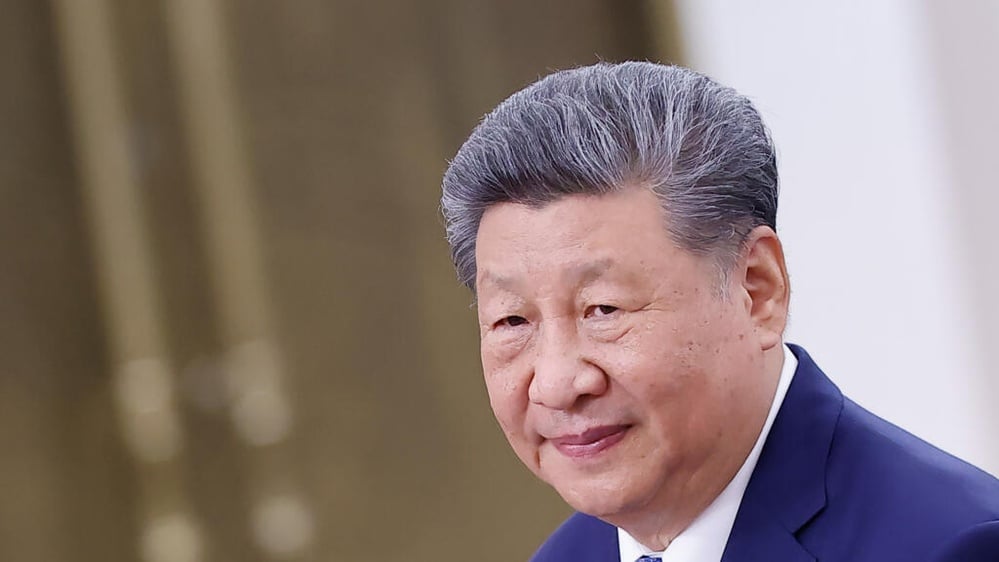
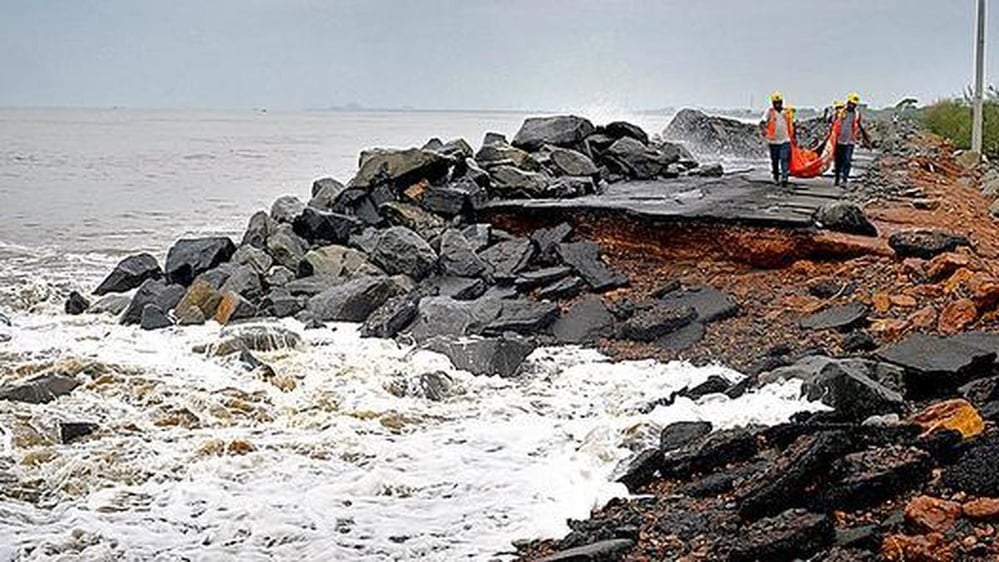

2026 © Helium Trades
Privacy Policy & Disclosure
* Disclaimer: Nothing on this website constitutes investment advice, performance data or any recommendation that any particular security, portfolio of securities, transaction or investment strategy is suitable for any specific person. Helium Trades is not responsible in any way for the accuracy
of any model predictions or price data. Any mention of a particular security and related prediction data is not a recommendation to buy or sell that security. Investments in securities involve the risk of loss. Past performance is no guarantee of future results. Helium Trades is not responsible for any of your investment decisions,
you should consult a financial expert before engaging in any transaction.
Helium Research Assistant

How can I help you today?
Ask any question about this page.


