See whether Helium helps you make better-informed decisions. Try every Pro Trader feature for 30 days. No credit card required.
Try every Pro Trader feature for 30 days. No credit card required.
Compare American Spectator source-level patterns, recent coverage, and article evidence. Updated weekly.
Weighted source-level patterns from recent analyzed coverage. Open recent articles below to inspect score-specific evidence and limitations when available.
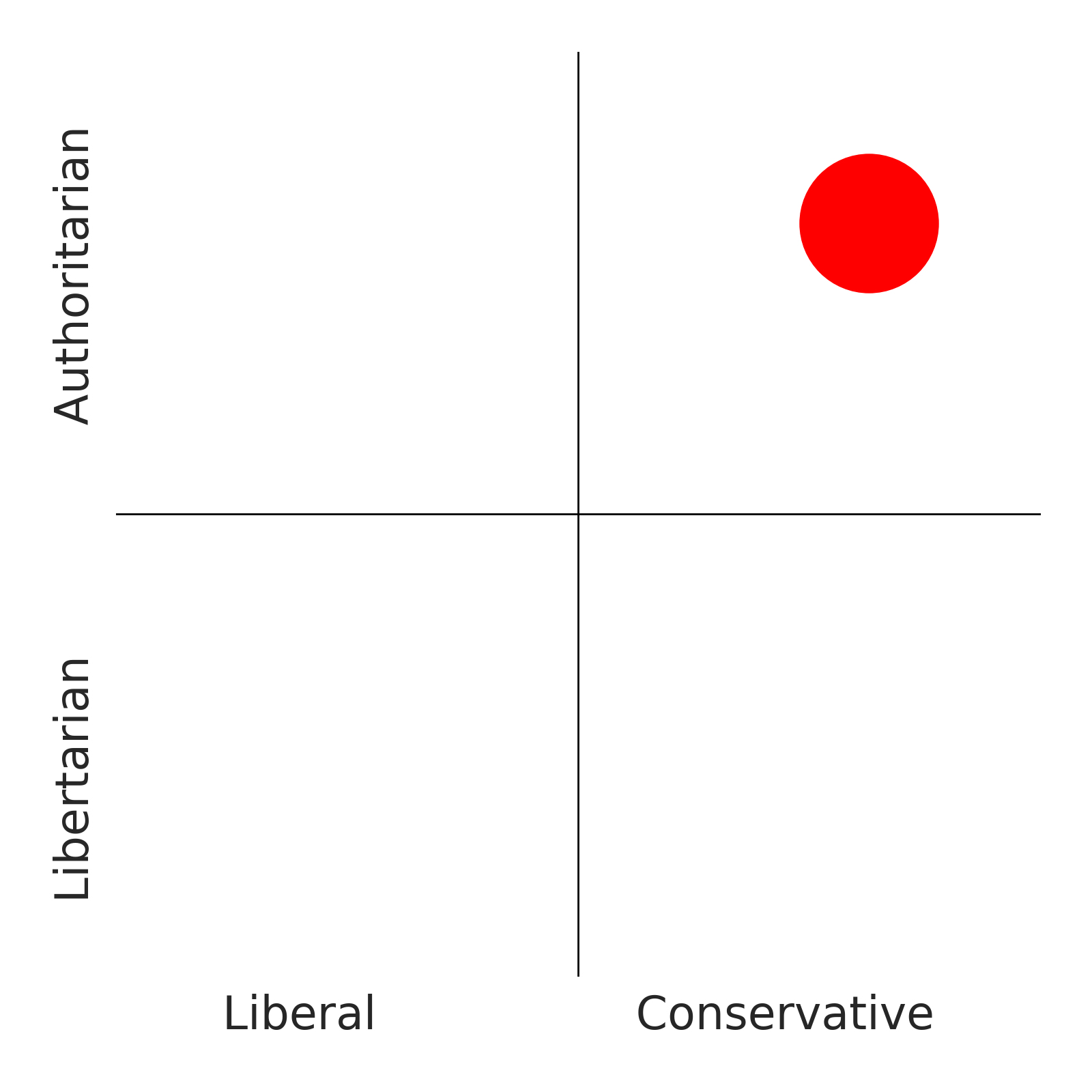
🔵 Liberal <—> Conservative 🔴28
🧢 Populist <—> Elitist 🎩-11
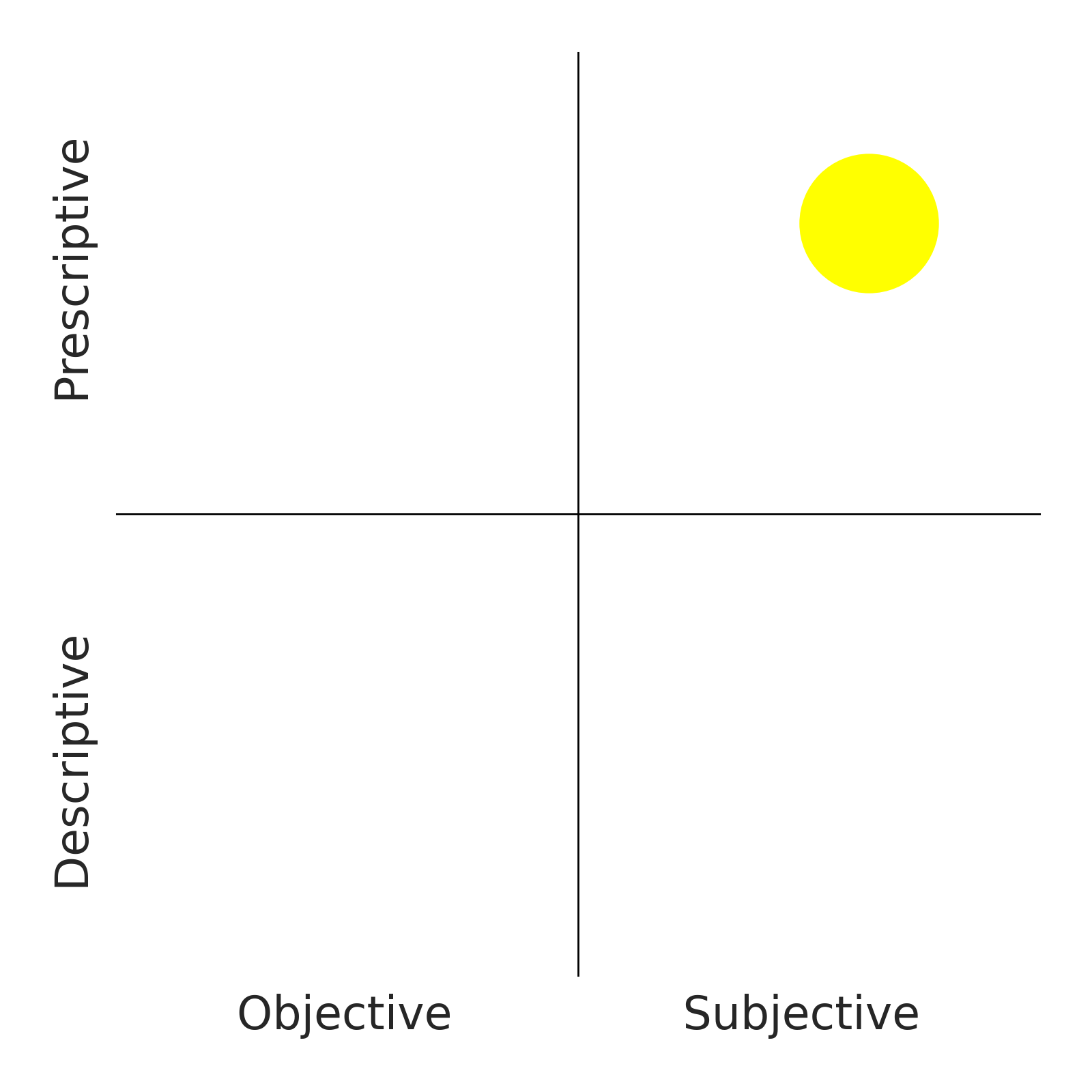
🗞️ Objective <—> Subjective 👁️ 30
🚨 Sensational100
😩 Pessimistic <—> Optimistic 🌞-7
💡 Boring <—> Interesting26
📝 Prescriptive58
🕊️ Dovish <—> Hawkish 🦁15
😨 Fearful40
📞 Begging the Question22
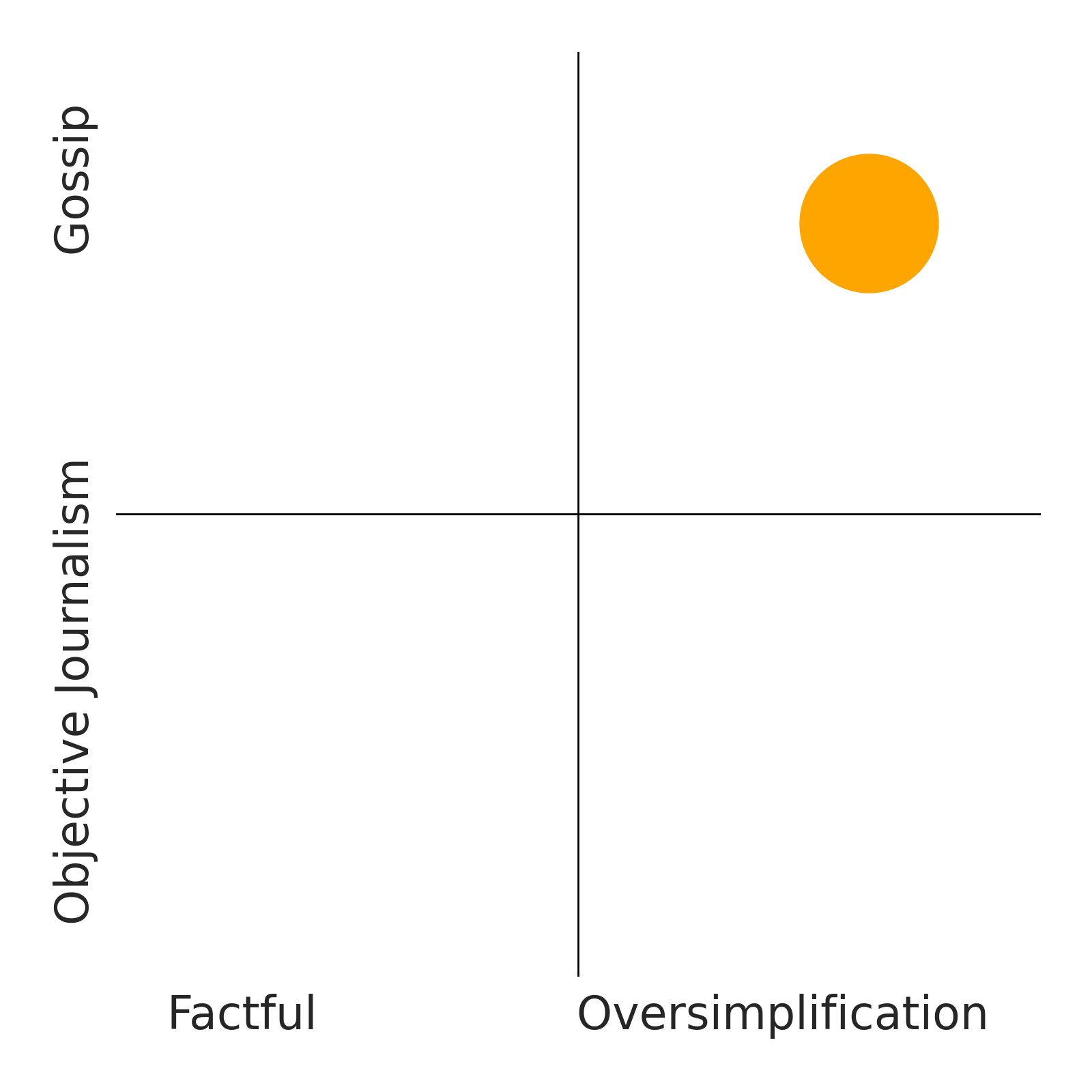
🗣️ Gossip10
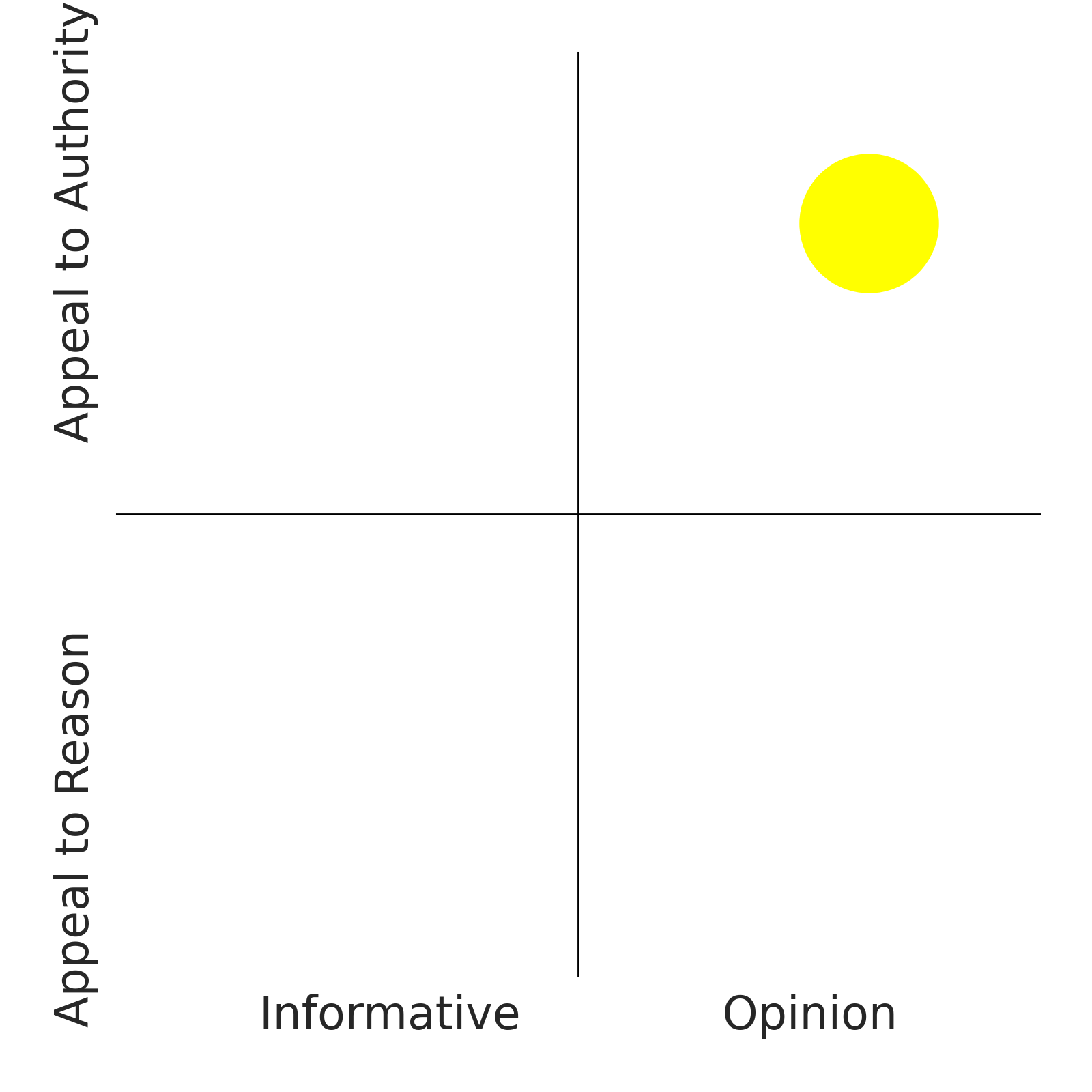
💭 Opinion100
🗳 Political72
Oversimplification52
🏛️ Appeal to Authority34
🍼 Immature28
🔄 Circular Reasoning12
👀 Covering Responses26
😢 Victimization24
😤 Overconfidence56
🗑️ Spam8
🔒 Ideological100
📏📏 Double Standard48
🧠 Rational <—> Irrational 🤪10
🤑 Advertising25
🪨 Low Intelligence <—> High Intelligence 🦉28
👺 Marxism6
🚫✡️ Anti-semitism12
🚫🏳️🌈 Anti-LGBT10
⚠️🌍 Racism30
✊ Woke30
🔪 Cruel20
🎭 Virtue Signaling78
🔍 Truth-seeking <—> Delusion 🌀10
🔺 Conspiracy40
🐐 Scapegoating30
🤡 Hypocrisy18
⛓️ Anti-enlightenment8
🎲 Speculation46
🐍 Manipulative100
📉 Bearish <—> Bullish 📈3
🏴 Anti-establishment <—> Pro-establishment 📺0
❌ Low Credibility <—> High Credibility ✅2
🤖 Written by AI0
💔 Low Integrity <—> High Integrity ❤️0
💣 Terrorism4
⛓️ Islamist0
❤️🔥 Suicidal Empathy0
🦊 Anti-Corporate <—> Pro-Corporate 👔2
🔬 Scientific <—> Superstitious 🔮2
👤 Individualist <—> Collectivist 👥-4
Click points to explore news by date. News sentiment ranges from -10 (very negative) to +10 (very positive) where 0 is neutral.
Strong conservative, subjective advocacy frames Trump's Columbus Day celebration as a fortunate defense of historical memory against statue removal.
Automated analysis; not human reviewed. Limitations: The supplied text is fragmented, mixing quoted news snippets, commentary, and unrelated read-more link teasers; no byline is present. · 10 of 55 available dimensions scored; omitted dimensions are not treated as neutral. · Verified supporting quotes for 10 of 10 scored dimensions.
Claim: The commentary praises Trump’s Columbus Day celebration and defends Columbus memorialization, a conservative cultural framing.
“Fortunately, in this latest go-round centering on Columbus, President Trump has made a point of highlighting — in fact celebrating — the famous Italian explorer.” · exact text match
Why: Praise for Trump's celebration and Columbus aligns with conservative positioning on the holiday and statue debates.
Claim: The commentary is heavily subjective, presenting value judgments as conclusions about history and celebration.
“So — yet again — as Columbus Day arrives with celebrations of the less than perfect explorer, it is still very much worth the effort to celebrate Columbus and his achievements.” · exact text match
Why: The quote is an explicit normative judgment rather than neutral description.
Claim: The commentary prescribes celebrating Columbus rather than merely describing the event.
“So — yet again — as Columbus Day arrives with celebrations of the less than perfect explorer, it is still very much worth the effort to celebrate Columbus and his achievements.” · exact text match
Why: The phrase 'worth the effort to celebrate' is prescriptive advocacy.
Claim: The commentary uses alarming language about statue defacement and removal to stoke concern.
“An unhappy hard fact of recent history is that one aspect or figure or another in American history enrages this or that group for whatever reason. And so they go out there and start defacing or pulling down statues honoring this or that celebrated hero of a particular moment in history.” · exact text match
Why: The quote frames protesters as an enraged force destroying memorials, which is a fear/rage-baiting trope.
Claim: The text is openly opinionated, using evaluative language to endorse Columbus and Trump.
“Fortunately, in this latest go-round centering on Columbus, President Trump has made a point of highlighting — in fact celebrating — the famous Italian explorer.” · exact text match
Why: The word 'Fortunately' and praise frame the item as opinion.
Claim: The report is politically framed around Trump, midterm elections, and the Columbus Day/Indigenous Peoples’ Day dispute.
“President Donald Trump will host a White House celebration honoring Christopher Columbus on Friday, highlighting a reconstructed statue of the explorer as he urges Italian Americans to remember his support ahead of the midterm elections.” · exact text match
Why: The central facts concern presidential politics, electoral outreach, and a partisan cultural holiday dispute.
Claim: The commentary reduces the Columbus legacy debate to the truism that historical figures are imperfect.
“History is … history. History revolving around imperfect human beings, the history involved is itself memorializing imperfect human beings.” · exact text match
Why: This framing collapses specific moral and historical disputes into a general abstraction.
Claim: The commentary asserts absolute certainty about future historical judgment.
“But until the day arrives when perfect humans bestride the earth — which will be never — history, statues, and monuments celebrating less than perfect men and women will be the norm.” · exact text match
Why: The phrase 'which will be never' and the sweeping future prediction exceed the supplied evidence.
Claim: The commentary advances a clear ideological stance in favor of Trump and Columbus commemoration.
“Fortunately, in this latest go-round centering on Columbus, President Trump has made a point of highlighting — in fact celebrating — the famous Italian explorer.” · exact text match
Why: The explicitly favorable framing of Trump's cultural intervention marks ideological alignment.
Claim: The commentary uses positive patriotic emotional language to support its conclusion.
“For which it can truly be said: “God Bless America.”” · exact text match
Why: The closing appeal is an emotional patriotic affirmation rather than neutral analysis.
The supplied text is fragmented, mixing quoted news snippets, commentary, and unrelated read-more link teasers; no byline is present.
2026 © Helium Trades
Privacy Policy & Disclosure
* Disclaimer: Nothing on this website constitutes investment advice, performance data or any recommendation that any particular security, portfolio of securities, transaction or investment strategy is suitable for any specific person. Helium Trades is not responsible in any way for the accuracy
of any model predictions or price data. Any mention of a particular security and related prediction data is not a recommendation to buy or sell that security. Investments in securities involve the risk of loss. Past performance is no guarantee of future results. Helium Trades is not responsible for any of your investment decisions,
you should consult a financial expert before engaging in any transaction.


