See whether Helium helps you make better-informed decisions. Try every Pro Trader feature for 30 days. No credit card required.
Try every Pro Trader feature for 30 days. No credit card required.
The evidence pattern strongly matches The Register: a UK-founded tech news outlet with a trademarked sardonic voice, heavy beats in cybersecurity, cloud/enterprise infrastructure, semiconductors, AI, and space
August 28, 2026 · 0 shares
Strong opinionated framing criticizes AI companies and the US government for failing to address AI safety risks, using sarcasm and editorializing.
Automated analysis; not human reviewed. Limitations: The article is an opinion column, so the analysis may be influenced by the author's viewpoint. · 7 of 54 available dimensions scored; omitted dimensions are not treated as neutral. · Verified supporting quotes for 6 of 7 scored dimensions.
Claim: The article is subjective and opinionated.
“OPINION” · exact text match
“Bless his optimistic heart.” · exact text match
Why: The article is explicitly labeled OPINION and uses personal commentary.
Claim: The article is pessimistic about AI safety.
“We're too slow. The AI we have today is more than dangerous enough.” · exact text match
“The question is no longer how quickly AI can transform society. It's increasingly whether society or AI companies can build the technical safeguards, economic protections, and public institutions necessary to keep up with it.” · exact text match
Why: The author emphasizes risks and inadequate safety measures.
Claim: The article is prescriptive, advocating for action.
“The question is no longer how quickly AI can transform society. It's increasingly whether society or AI companies can build the technical safeguards, economic protections, and public institutions necessary to keep up with it.” · exact text match
Why: The article suggests that action is necessary to prevent harm.
Claim: The article expresses fear about AI dangers.
“Brace yourselves, folks. We're in for a heck of a ride.” · exact text match
“The only thing more dangerous than uncontrolled AI is AI under the control of the technically clueless.” · exact text match
Why: The language conveys alarm and uncertainty.
Claim: The article is heavily opinionated.
“OPINION” · exact text match
“Bless his optimistic heart.” · exact text match
Why: The article is an opinion column, presenting the author's views.
Claim: The article is anti-establishment.
“The only thing more dangerous than uncontrolled AI is AI under the control of the technically clueless.” · exact text match
“Under the Trump administration, that simply won't happen.” · exact text match
Why: The author criticizes government and big tech.
Claim: The article speculates about future AI dangers.
“the rise of AI agents ... opens endless new possibilities for damage.” · not found in supplied text
“It's increasingly whether society or AI companies can build the technical safeguards...” · not found in supplied text
Why: The article discusses potential future harms.
The article is an opinion column, so the analysis may be influenced by the author's viewpoint.
August 28, 2026 · 0 shares
Strong opinionated framing criticizes AI companies and the US government for failing to address AI safety risks, using sarcasm and editorializing.
Automated analysis; not human reviewed. Limitations: The article is an opinion column, so the analysis may be influenced by the author's viewpoint. · 7 of 54 available dimensions scored; omitted dimensions are not treated as neutral. · Verified supporting quotes for 6 of 7 scored dimensions.
Claim: The article is subjective and opinionated.
“OPINION” · exact text match
“Bless his optimistic heart.” · exact text match
Why: The article is explicitly labeled OPINION and uses personal commentary.
Claim: The article is pessimistic about AI safety.
“We're too slow. The AI we have today is more than dangerous enough.” · exact text match
“The question is no longer how quickly AI can transform society. It's increasingly whether society or AI companies can build the technical safeguards, economic protections, and public institutions necessary to keep up with it.” · exact text match
Why: The author emphasizes risks and inadequate safety measures.
Claim: The article is prescriptive, advocating for action.
“The question is no longer how quickly AI can transform society. It's increasingly whether society or AI companies can build the technical safeguards, economic protections, and public institutions necessary to keep up with it.” · exact text match
Why: The article suggests that action is necessary to prevent harm.
Claim: The article expresses fear about AI dangers.
“Brace yourselves, folks. We're in for a heck of a ride.” · exact text match
“The only thing more dangerous than uncontrolled AI is AI under the control of the technically clueless.” · exact text match
Why: The language conveys alarm and uncertainty.
Claim: The article is heavily opinionated.
“OPINION” · exact text match
“Bless his optimistic heart.” · exact text match
Why: The article is an opinion column, presenting the author's views.
Claim: The article is anti-establishment.
“The only thing more dangerous than uncontrolled AI is AI under the control of the technically clueless.” · exact text match
“Under the Trump administration, that simply won't happen.” · exact text match
Why: The author criticizes government and big tech.
Claim: The article speculates about future AI dangers.
“the rise of AI agents ... opens endless new possibilities for damage.” · not found in supplied text
“It's increasingly whether society or AI companies can build the technical safeguards...” · not found in supplied text
Why: The article discusses potential future harms.
The article is an opinion column, so the analysis may be influenced by the author's viewpoint.
The dominant observable pattern is playful, evaluative tech journalism — factual cores wrapped in snark.
Headlines and bodies use loaded metaphors: Windows updates as a “7-hour update hostage situation”
August 28, 2026 · 0 shares
Strong opinionated framing criticizes AI companies and the US government for failing to address AI safety risks, using sarcasm and editorializing.
Automated analysis; not human reviewed. Limitations: The article is an opinion column, so the analysis may be influenced by the author's viewpoint. · 7 of 54 available dimensions scored; omitted dimensions are not treated as neutral. · Verified supporting quotes for 6 of 7 scored dimensions.
Claim: The article is subjective and opinionated.
“OPINION” · exact text match
“Bless his optimistic heart.” · exact text match
Why: The article is explicitly labeled OPINION and uses personal commentary.
Claim: The article is pessimistic about AI safety.
“We're too slow. The AI we have today is more than dangerous enough.” · exact text match
“The question is no longer how quickly AI can transform society. It's increasingly whether society or AI companies can build the technical safeguards, economic protections, and public institutions necessary to keep up with it.” · exact text match
Why: The author emphasizes risks and inadequate safety measures.
Claim: The article is prescriptive, advocating for action.
“The question is no longer how quickly AI can transform society. It's increasingly whether society or AI companies can build the technical safeguards, economic protections, and public institutions necessary to keep up with it.” · exact text match
Why: The article suggests that action is necessary to prevent harm.
Claim: The article expresses fear about AI dangers.
“Brace yourselves, folks. We're in for a heck of a ride.” · exact text match
“The only thing more dangerous than uncontrolled AI is AI under the control of the technically clueless.” · exact text match
Why: The language conveys alarm and uncertainty.
Claim: The article is heavily opinionated.
“OPINION” · exact text match
“Bless his optimistic heart.” · exact text match
Why: The article is an opinion column, presenting the author's views.
Claim: The article is anti-establishment.
“The only thing more dangerous than uncontrolled AI is AI under the control of the technically clueless.” · exact text match
“Under the Trump administration, that simply won't happen.” · exact text match
Why: The author criticizes government and big tech.
Claim: The article speculates about future AI dangers.
“the rise of AI agents ... opens endless new possibilities for damage.” · not found in supplied text
“It's increasingly whether society or AI companies can build the technical safeguards...” · not found in supplied text
Why: The article discusses potential future harms.
The article is an opinion column, so the analysis may be influenced by the author's viewpoint.
August 31, 2026 · 0 shares
Critical, editorialized security assessment frames the update as cosmetic and warns that leaving security to users invites more incidents.
Automated analysis; not human reviewed. Limitations: The article's patch-note quotations and reported incidents are taken at face value; no external verification was possible. · 7 of 54 available dimensions scored; omitted dimensions are not treated as neutral. · Verified supporting quotes for 7 of 7 scored dimensions.
Claim: The report mixes factual reporting with explicit evaluative judgments, making the presentation subjective.
“OpenClaw 2.0 pours glitter on slow-burning security dumpster fire.” · exact text match
“deservedly earned its reputation as a complete security mess” · exact text match
Why: The headline and body use pejorative metaphors and verdicts rather than neutral description, even while reporting specific patch-note facts.
Claim: The article dramatizes OpenClaw 2.0's security issues with vivid, alarming language.
“slow-burning security dumpster fire” · exact text match
“complete security mess” · exact text match
Why: Language such as 'dumpster fire' and 'complete security mess' heightens emotional impact beyond a plain technical summary.
Claim: The article's overall outlook on OpenClaw 2.0 is negative and anticipates future trouble.
“leaving most of the security to users is a recipe for more trouble with the popular agent harness” · exact text match
“Not that much, based on a reading of the patch notes.” · exact text match
Why: The headline frames the release as a looming problem and the body discounts the security improvements as minimal.
Claim: The article includes explicit advice and warnings about how users should treat OpenClaw.
“you’d better be sure there’s no need to isolate various OpenClaw instances.” · exact text match
“granting a capable and potentially dangerous tool like this widespread access to your systems and credentials ought not be done lightly, fancy new wrapper or not.” · exact text match
Why: The conclusion tells readers what they ought not to do and advises caution about shared-session isolation.
Claim: The report delivers a strong editorial verdict about OpenClaw rather than limiting itself to factual reporting.
“deservedly earned its reputation as a complete security mess” · exact text match
“Not that much, based on a reading of the patch notes.” · exact text match
Why: The phrases render a judgment on the product's reputation and dismiss the update's security work, going beyond neutral news style.
Claim: The report attributes key statements and quotes patch-note language, giving readers visible sourcing.
“Foundation community manager Hannes Rudolph said of the update.” · exact text match
“the OpenClaw foundation states in the patch notes that the shared session controls “are not tenant isolation or a security boundary.”” · exact text match
Why: Named attribution and direct quotation of patch notes support verifiability; however, some past incidents are recounted without a linked source.
Claim: The article visibly balances its criticism by crediting positive improvements and quoting limitations accurately.
“That’s great” · exact text match
“Again, great – except sandboxing is turned off by default.” · exact text match
Why: The reporter acknowledges merits of protected credentials and the sandbox before noting flaws, a signal of fair handling rather than one-sided attack.
The article's patch-note quotations and reported incidents are taken at face value; no external verification was possible.
August 28, 2026 · 0 shares
Strong opinionated framing criticizes AI companies and the US government for failing to address AI safety risks, using sarcasm and editorializing.
Automated analysis; not human reviewed. Limitations: The article is an opinion column, so the analysis may be influenced by the author's viewpoint. · 7 of 54 available dimensions scored; omitted dimensions are not treated as neutral. · Verified supporting quotes for 6 of 7 scored dimensions.
Claim: The article is subjective and opinionated.
“OPINION” · exact text match
“Bless his optimistic heart.” · exact text match
Why: The article is explicitly labeled OPINION and uses personal commentary.
Claim: The article is pessimistic about AI safety.
“We're too slow. The AI we have today is more than dangerous enough.” · exact text match
“The question is no longer how quickly AI can transform society. It's increasingly whether society or AI companies can build the technical safeguards, economic protections, and public institutions necessary to keep up with it.” · exact text match
Why: The author emphasizes risks and inadequate safety measures.
Claim: The article is prescriptive, advocating for action.
“The question is no longer how quickly AI can transform society. It's increasingly whether society or AI companies can build the technical safeguards, economic protections, and public institutions necessary to keep up with it.” · exact text match
Why: The article suggests that action is necessary to prevent harm.
Claim: The article expresses fear about AI dangers.
“Brace yourselves, folks. We're in for a heck of a ride.” · exact text match
“The only thing more dangerous than uncontrolled AI is AI under the control of the technically clueless.” · exact text match
Why: The language conveys alarm and uncertainty.
Claim: The article is heavily opinionated.
“OPINION” · exact text match
“Bless his optimistic heart.” · exact text match
Why: The article is an opinion column, presenting the author's views.
Claim: The article is anti-establishment.
“The only thing more dangerous than uncontrolled AI is AI under the control of the technically clueless.” · exact text match
“Under the Trump administration, that simply won't happen.” · exact text match
Why: The author criticizes government and big tech.
Claim: The article speculates about future AI dangers.
“the rise of AI agents ... opens endless new possibilities for damage.” · not found in supplied text
“It's increasingly whether society or AI companies can build the technical safeguards...” · not found in supplied text
Why: The article discusses potential future harms.
The article is an opinion column, so the analysis may be influenced by the author's viewpoint.
August 28, 2026 · 0 shares
Strong opinionated framing criticizes AI companies and the US government for failing to address AI safety risks, using sarcasm and editorializing.
Automated analysis; not human reviewed. Limitations: The article is an opinion column, so the analysis may be influenced by the author's viewpoint. · 7 of 54 available dimensions scored; omitted dimensions are not treated as neutral. · Verified supporting quotes for 6 of 7 scored dimensions.
Claim: The article is subjective and opinionated.
“OPINION” · exact text match
“Bless his optimistic heart.” · exact text match
Why: The article is explicitly labeled OPINION and uses personal commentary.
Claim: The article is pessimistic about AI safety.
“We're too slow. The AI we have today is more than dangerous enough.” · exact text match
“The question is no longer how quickly AI can transform society. It's increasingly whether society or AI companies can build the technical safeguards, economic protections, and public institutions necessary to keep up with it.” · exact text match
Why: The author emphasizes risks and inadequate safety measures.
Claim: The article is prescriptive, advocating for action.
“The question is no longer how quickly AI can transform society. It's increasingly whether society or AI companies can build the technical safeguards, economic protections, and public institutions necessary to keep up with it.” · exact text match
Why: The article suggests that action is necessary to prevent harm.
Claim: The article expresses fear about AI dangers.
“Brace yourselves, folks. We're in for a heck of a ride.” · exact text match
“The only thing more dangerous than uncontrolled AI is AI under the control of the technically clueless.” · exact text match
Why: The language conveys alarm and uncertainty.
Claim: The article is heavily opinionated.
“OPINION” · exact text match
“Bless his optimistic heart.” · exact text match
Why: The article is an opinion column, presenting the author's views.
Claim: The article is anti-establishment.
“The only thing more dangerous than uncontrolled AI is AI under the control of the technically clueless.” · exact text match
“Under the Trump administration, that simply won't happen.” · exact text match
Why: The author criticizes government and big tech.
Claim: The article speculates about future AI dangers.
“the rise of AI agents ... opens endless new possibilities for damage.” · not found in supplied text
“It's increasingly whether society or AI companies can build the technical safeguards...” · not found in supplied text
Why: The article discusses potential future harms.
The article is an opinion column, so the analysis may be influenced by the author's viewpoint.
August 28, 2026 · 0 shares
Strong opinionated framing criticizes AI companies and the US government for failing to address AI safety risks, using sarcasm and editorializing.
Automated analysis; not human reviewed. Limitations: The article is an opinion column, so the analysis may be influenced by the author's viewpoint. · 7 of 54 available dimensions scored; omitted dimensions are not treated as neutral. · Verified supporting quotes for 6 of 7 scored dimensions.
Claim: The article is subjective and opinionated.
“OPINION” · exact text match
“Bless his optimistic heart.” · exact text match
Why: The article is explicitly labeled OPINION and uses personal commentary.
Claim: The article is pessimistic about AI safety.
“We're too slow. The AI we have today is more than dangerous enough.” · exact text match
“The question is no longer how quickly AI can transform society. It's increasingly whether society or AI companies can build the technical safeguards, economic protections, and public institutions necessary to keep up with it.” · exact text match
Why: The author emphasizes risks and inadequate safety measures.
Claim: The article is prescriptive, advocating for action.
“The question is no longer how quickly AI can transform society. It's increasingly whether society or AI companies can build the technical safeguards, economic protections, and public institutions necessary to keep up with it.” · exact text match
Why: The article suggests that action is necessary to prevent harm.
Claim: The article expresses fear about AI dangers.
“Brace yourselves, folks. We're in for a heck of a ride.” · exact text match
“The only thing more dangerous than uncontrolled AI is AI under the control of the technically clueless.” · exact text match
Why: The language conveys alarm and uncertainty.
Claim: The article is heavily opinionated.
“OPINION” · exact text match
“Bless his optimistic heart.” · exact text match
Why: The article is an opinion column, presenting the author's views.
Claim: The article is anti-establishment.
“The only thing more dangerous than uncontrolled AI is AI under the control of the technically clueless.” · exact text match
“Under the Trump administration, that simply won't happen.” · exact text match
Why: The author criticizes government and big tech.
Claim: The article speculates about future AI dangers.
“the rise of AI agents ... opens endless new possibilities for damage.” · not found in supplied text
“It's increasingly whether society or AI companies can build the technical safeguards...” · not found in supplied text
Why: The article discusses potential future harms.
The article is an opinion column, so the analysis may be influenced by the author's viewpoint.
August 28, 2026 · 0 shares
Strong opinionated framing criticizes AI companies and the US government for failing to address AI safety risks, using sarcasm and editorializing.
Automated analysis; not human reviewed. Limitations: The article is an opinion column, so the analysis may be influenced by the author's viewpoint. · 7 of 54 available dimensions scored; omitted dimensions are not treated as neutral. · Verified supporting quotes for 6 of 7 scored dimensions.
Claim: The article is subjective and opinionated.
“OPINION” · exact text match
“Bless his optimistic heart.” · exact text match
Why: The article is explicitly labeled OPINION and uses personal commentary.
Claim: The article is pessimistic about AI safety.
“We're too slow. The AI we have today is more than dangerous enough.” · exact text match
“The question is no longer how quickly AI can transform society. It's increasingly whether society or AI companies can build the technical safeguards, economic protections, and public institutions necessary to keep up with it.” · exact text match
Why: The author emphasizes risks and inadequate safety measures.
Claim: The article is prescriptive, advocating for action.
“The question is no longer how quickly AI can transform society. It's increasingly whether society or AI companies can build the technical safeguards, economic protections, and public institutions necessary to keep up with it.” · exact text match
Why: The article suggests that action is necessary to prevent harm.
Claim: The article expresses fear about AI dangers.
“Brace yourselves, folks. We're in for a heck of a ride.” · exact text match
“The only thing more dangerous than uncontrolled AI is AI under the control of the technically clueless.” · exact text match
Why: The language conveys alarm and uncertainty.
Claim: The article is heavily opinionated.
“OPINION” · exact text match
“Bless his optimistic heart.” · exact text match
Why: The article is an opinion column, presenting the author's views.
Claim: The article is anti-establishment.
“The only thing more dangerous than uncontrolled AI is AI under the control of the technically clueless.” · exact text match
“Under the Trump administration, that simply won't happen.” · exact text match
Why: The author criticizes government and big tech.
Claim: The article speculates about future AI dangers.
“the rise of AI agents ... opens endless new possibilities for damage.” · not found in supplied text
“It's increasingly whether society or AI companies can build the technical safeguards...” · not found in supplied text
Why: The article discusses potential future harms.
The article is an opinion column, so the analysis may be influenced by the author's viewpoint.
August 28, 2026 · 0 shares
Strong opinionated framing criticizes AI companies and the US government for failing to address AI safety risks, using sarcasm and editorializing.
Automated analysis; not human reviewed. Limitations: The article is an opinion column, so the analysis may be influenced by the author's viewpoint. · 7 of 54 available dimensions scored; omitted dimensions are not treated as neutral. · Verified supporting quotes for 6 of 7 scored dimensions.
Claim: The article is subjective and opinionated.
“OPINION” · exact text match
“Bless his optimistic heart.” · exact text match
Why: The article is explicitly labeled OPINION and uses personal commentary.
Claim: The article is pessimistic about AI safety.
“We're too slow. The AI we have today is more than dangerous enough.” · exact text match
“The question is no longer how quickly AI can transform society. It's increasingly whether society or AI companies can build the technical safeguards, economic protections, and public institutions necessary to keep up with it.” · exact text match
Why: The author emphasizes risks and inadequate safety measures.
Claim: The article is prescriptive, advocating for action.
“The question is no longer how quickly AI can transform society. It's increasingly whether society or AI companies can build the technical safeguards, economic protections, and public institutions necessary to keep up with it.” · exact text match
Why: The article suggests that action is necessary to prevent harm.
Claim: The article expresses fear about AI dangers.
“Brace yourselves, folks. We're in for a heck of a ride.” · exact text match
“The only thing more dangerous than uncontrolled AI is AI under the control of the technically clueless.” · exact text match
Why: The language conveys alarm and uncertainty.
Claim: The article is heavily opinionated.
“OPINION” · exact text match
“Bless his optimistic heart.” · exact text match
Why: The article is an opinion column, presenting the author's views.
Claim: The article is anti-establishment.
“The only thing more dangerous than uncontrolled AI is AI under the control of the technically clueless.” · exact text match
“Under the Trump administration, that simply won't happen.” · exact text match
Why: The author criticizes government and big tech.
Claim: The article speculates about future AI dangers.
“the rise of AI agents ... opens endless new possibilities for damage.” · not found in supplied text
“It's increasingly whether society or AI companies can build the technical safeguards...” · not found in supplied text
Why: The article discusses potential future harms.
The article is an opinion column, so the analysis may be influenced by the author's viewpoint.
August 28, 2026 · 0 shares
Strong opinionated framing criticizes AI companies and the US government for failing to address AI safety risks, using sarcasm and editorializing.
Automated analysis; not human reviewed. Limitations: The article is an opinion column, so the analysis may be influenced by the author's viewpoint. · 7 of 54 available dimensions scored; omitted dimensions are not treated as neutral. · Verified supporting quotes for 6 of 7 scored dimensions.
Claim: The article is subjective and opinionated.
“OPINION” · exact text match
“Bless his optimistic heart.” · exact text match
Why: The article is explicitly labeled OPINION and uses personal commentary.
Claim: The article is pessimistic about AI safety.
“We're too slow. The AI we have today is more than dangerous enough.” · exact text match
“The question is no longer how quickly AI can transform society. It's increasingly whether society or AI companies can build the technical safeguards, economic protections, and public institutions necessary to keep up with it.” · exact text match
Why: The author emphasizes risks and inadequate safety measures.
Claim: The article is prescriptive, advocating for action.
“The question is no longer how quickly AI can transform society. It's increasingly whether society or AI companies can build the technical safeguards, economic protections, and public institutions necessary to keep up with it.” · exact text match
Why: The article suggests that action is necessary to prevent harm.
Claim: The article expresses fear about AI dangers.
“Brace yourselves, folks. We're in for a heck of a ride.” · exact text match
“The only thing more dangerous than uncontrolled AI is AI under the control of the technically clueless.” · exact text match
Why: The language conveys alarm and uncertainty.
Claim: The article is heavily opinionated.
“OPINION” · exact text match
“Bless his optimistic heart.” · exact text match
Why: The article is an opinion column, presenting the author's views.
Claim: The article is anti-establishment.
“The only thing more dangerous than uncontrolled AI is AI under the control of the technically clueless.” · exact text match
“Under the Trump administration, that simply won't happen.” · exact text match
Why: The author criticizes government and big tech.
Claim: The article speculates about future AI dangers.
“the rise of AI agents ... opens endless new possibilities for damage.” · not found in supplied text
“It's increasingly whether society or AI companies can build the technical safeguards...” · not found in supplied text
Why: The article discusses potential future harms.
The article is an opinion column, so the analysis may be influenced by the author's viewpoint.
Highest values:
September 19, 2026 · 0 shares
Framing foregrounds an alarming, speculative AI-e-waste projection with Earth-circling and tsunami imagery while retaining attribution and caveats.
Automated analysis; not human reviewed. Limitations: Only the supplied article text was available; the underlying BAN report, prior academic projections, and any industry or government responses were not independently checked. · 3 of 55 available dimensions scored; omitted dimensions are not treated as neutral. · Verified supporting quotes for 2 of 3 scored dimensions.
Claim: The framing uses alarming scale and catastrophe metaphors to make AI e-waste feel like an imminent threat.
“AI infrastructure could generate enough electronic waste by 2050 to fill a line of shipping containers stretching around Earth six times.” · not found in supplied text
“If companies and governments do not begin planning for this new waste tsunami, today's AI buildout could become an even more cataclysmic toxic waste crisis than we are already experiencing.” · exact text match
Why: Earth-circling containers and 'cataclysmic toxic waste crisis' are fear-laden images; the caveats and attribution reduce but do not remove the effect.
Claim: As a report about a report, the article provides identifiable sourcing and acknowledges uncertainty.
“according to a report that argues existing estimates drastically understate the problem.” · exact text match
“The estimate rests on several assumptions.” · exact text match
Why: The source is named and described, and the article discloses that the estimate is assumption-dependent; however, it relies on a single advocacy organization's findings.
Claim: The article contains concrete quantities, categories, and replacement-cycle detail rather than a bare summary.
“The report identifies five equipment categories comprising networking, power distribution, backup power systems, servers plus accelerators, and cooling.” · exact text match
“Other equipment has different replacement cycles: three to four years for networking infrastructure, eight years for power distribution, and five years for both backup power and cooling systems.” · exact text match
Why: Specific tonnage, equipment categories, and cycle assumptions give the piece analytic substance.
Only the supplied article text was available; the underlying BAN report, prior academic projections, and any industry or government responses were not independently checked.
August 28, 2026 · 0 shares
Strong opinionated framing criticizes AI companies and the US government for failing to address AI safety risks, using sarcasm and editorializing.
Automated analysis; not human reviewed. Limitations: The article is an opinion column, so the analysis may be influenced by the author's viewpoint. · 7 of 54 available dimensions scored; omitted dimensions are not treated as neutral. · Verified supporting quotes for 6 of 7 scored dimensions.
Claim: The article is subjective and opinionated.
“OPINION” · exact text match
“Bless his optimistic heart.” · exact text match
Why: The article is explicitly labeled OPINION and uses personal commentary.
Claim: The article is pessimistic about AI safety.
“We're too slow. The AI we have today is more than dangerous enough.” · exact text match
“The question is no longer how quickly AI can transform society. It's increasingly whether society or AI companies can build the technical safeguards, economic protections, and public institutions necessary to keep up with it.” · exact text match
Why: The author emphasizes risks and inadequate safety measures.
Claim: The article is prescriptive, advocating for action.
“The question is no longer how quickly AI can transform society. It's increasingly whether society or AI companies can build the technical safeguards, economic protections, and public institutions necessary to keep up with it.” · exact text match
Why: The article suggests that action is necessary to prevent harm.
Claim: The article expresses fear about AI dangers.
“Brace yourselves, folks. We're in for a heck of a ride.” · exact text match
“The only thing more dangerous than uncontrolled AI is AI under the control of the technically clueless.” · exact text match
Why: The language conveys alarm and uncertainty.
Claim: The article is heavily opinionated.
“OPINION” · exact text match
“Bless his optimistic heart.” · exact text match
Why: The article is an opinion column, presenting the author's views.
Claim: The article is anti-establishment.
“The only thing more dangerous than uncontrolled AI is AI under the control of the technically clueless.” · exact text match
“Under the Trump administration, that simply won't happen.” · exact text match
Why: The author criticizes government and big tech.
Claim: The article speculates about future AI dangers.
“the rise of AI agents ... opens endless new possibilities for damage.” · not found in supplied text
“It's increasingly whether society or AI companies can build the technical safeguards...” · not found in supplied text
Why: The article discusses potential future harms.
The article is an opinion column, so the analysis may be influenced by the author's viewpoint.
Framing treats survey-based measurement as more authoritative than vendor chat-log estimates and casts adoption as broad but shallow, with an implicit skeptical stance toward vendor exposure claims.
Automated analysis; not human reviewed. · 7 of 54 available dimensions scored; omitted dimensions are not treated as neutral. · Verified supporting quotes for 5 of 7 scored dimensions.
Claim: The report presents finding as external, attributable facts rather than personal impression.
“While generative AI reaches 80 percent of occupations and more than 40 percent of tasks, in most of these occupations fewer than half of workers adopt it.” · exact text match
Why: The statement is presented as a measured finding from the study, not as opinion.
Claim: The report uses restrained, non-alarmist language about a disputed data point.
“The result, the researchers say, is that the exposure figures from vendors likely overstate how much generative AI is actually relevant to people's jobs.” · exact text match
Why: The critical conclusion is hedged with 'likely' and attributed to researchers, avoiding sensationalism.
Claim: The report describes study findings rather than advocating policy or action.
“The paper [PDF], by authors Alexander Bick (Federal Reserve Bank of St. Louis), Adam Blandin (Vanderbilt), David J. Deming (Harvard), and Tyler R. Schumacher (Vanderbilt), measures how workers actually use generative AI for their jobs by analyzing Real-Time Population Survey (RPS) data.” · exact text match
Why: It reports what the study measures and finds, with no call to action or policy prescription.
Claim: The report names the study's authors, paper title, and data source, and attributes conclusions with hedging.
“The paper [PDF], by authors Alexander Bick (Federal Reserve Bank of St. Louis), Adam Blandin (Vanderbilt), David J. Deming (Harvard), and Tyler R. Schumacher (Vanderbilt), measures how workers actually use generative AI for their jobs by analyzing Real-Time Population Survey (RPS) data.” · exact text match
“Overall, as of May 2026, 55 percent of US adults between the ages of 18 and 64 used generative AI for non-work reasons and 45 percent of US adults used GenAI for work, according to the paper.” · exact text match
Why: Visible sourcing and attribution to the paper support credibility.
Claim: The report reasons from methodological discrepancies rather than emotion.
“The measurement discrepancy is the result, the authors say, of chat log classifiers that associate chats with a few tasks that have generic, activity-based descriptions like "Edit written material or documents."” · not found in supplied text
Why: The argument proceeds by comparing measurement methodologies rather than by emotional appeal.
Claim: The report credits claims to named researchers and the paper rather than presenting speculation as fact.
“The result, the researchers say, is that the exposure figures from vendors likely overstate how much generative AI is actually relevant to people's jobs.” · exact text match
“Overall, as of May 2026, 55 percent of US adults between the ages of 18 and 64 used generative AI for non-work reasons and 45 percent of US adults used GenAI for work, according to the paper.” · exact text match
Why: Attribution and qualified language signal fairness and honesty.
Claim: The report engages with methodological nuance, distinguishing vendor chat-log exposure from survey-based use.
“The measurement discrepancy is the result, the authors say, of chat log classifiers that associate chats with a few tasks that have generic, activity-based descriptions.” · not found in supplied text
Why: The explanation engages with methodological nuance rather than surface summarization.
The article uses heavily sarcastic and critical language to portray Meta's settlement as a self-serving attempt to shift blame to its rivals.
The lawsuit was filed in 2023, led by the California Attorney General, and alleges Meta illegally collected data on underage users and designed platforms to encourage excessive use.
Automated analysis; not human reviewed. Limitations: The analysis relies solely on the supplied article text, which is heavily editorialized; all bias assessments are based on observable language and framing. · 3 of 54 available dimensions scored; omitted dimensions are not treated as neutral. · Verified supporting quotes for 3 of 3 scored dimensions.
Claim: The article expresses strong subjective opinion about Meta's motives and actions.
“Zuckercorp” · exact text match
“not-risks it didn’t inflict” · exact text match
Why: The article uses unmistakably subjective and sarcastic terms to characterize Meta's behavior, indicating a heavily opinionated stance.
Claim: The article employs sensational language to describe the settlement and Meta's actions.
“throws YouTube and TikTok under the bus” · exact text match
“Meta did its damndest” · exact text match
Why: The headline and phrasing use dramatic and informal language designed to provoke an emotional response, characteristic of sensationalism.
Claim: The article is critical of Meta as a corporation, portraying it negatively.
“Zuckercorp” · exact text match
“Meta did its damndest” · exact text match
Why: The article repeatedly uses pejorative terms and sarcasm specifically targeting Meta's corporate behavior, indicating an anti-corporate stance in this context.
The analysis relies solely on the supplied article text, which is heavily editorialized; all bias assessments are based on observable language and framing.
August 28, 2026 · 0 shares
Strong opinionated framing criticizes AI companies and the US government for failing to address AI safety risks, using sarcasm and editorializing.
Automated analysis; not human reviewed. Limitations: The article is an opinion column, so the analysis may be influenced by the author's viewpoint. · 7 of 54 available dimensions scored; omitted dimensions are not treated as neutral. · Verified supporting quotes for 6 of 7 scored dimensions.
Claim: The article is subjective and opinionated.
“OPINION” · exact text match
“Bless his optimistic heart.” · exact text match
Why: The article is explicitly labeled OPINION and uses personal commentary.
Claim: The article is pessimistic about AI safety.
“We're too slow. The AI we have today is more than dangerous enough.” · exact text match
“The question is no longer how quickly AI can transform society. It's increasingly whether society or AI companies can build the technical safeguards, economic protections, and public institutions necessary to keep up with it.” · exact text match
Why: The author emphasizes risks and inadequate safety measures.
Claim: The article is prescriptive, advocating for action.
“The question is no longer how quickly AI can transform society. It's increasingly whether society or AI companies can build the technical safeguards, economic protections, and public institutions necessary to keep up with it.” · exact text match
Why: The article suggests that action is necessary to prevent harm.
Claim: The article expresses fear about AI dangers.
“Brace yourselves, folks. We're in for a heck of a ride.” · exact text match
“The only thing more dangerous than uncontrolled AI is AI under the control of the technically clueless.” · exact text match
Why: The language conveys alarm and uncertainty.
Claim: The article is heavily opinionated.
“OPINION” · exact text match
“Bless his optimistic heart.” · exact text match
Why: The article is an opinion column, presenting the author's views.
Claim: The article is anti-establishment.
“The only thing more dangerous than uncontrolled AI is AI under the control of the technically clueless.” · exact text match
“Under the Trump administration, that simply won't happen.” · exact text match
Why: The author criticizes government and big tech.
Claim: The article speculates about future AI dangers.
“the rise of AI agents ... opens endless new possibilities for damage.” · not found in supplied text
“It's increasingly whether society or AI companies can build the technical safeguards...” · not found in supplied text
Why: The article discusses potential future harms.
The article is an opinion column, so the analysis may be influenced by the author's viewpoint.
September 20, 2026 · 0 shares
Framing characterizes Windows updates as a user-hostile, inefficient ordeal, using the loaded metaphor "hostage situation" and a sarcastic closing contrast.
Windows Update typically installs all pending updates in one maintenance cycle; a device that has been inactive or unused for months can therefore face a long update session on its next active use.
Automated analysis; not human reviewed. Limitations: Only the headline and subheadline text were available; no article body was provided to verify the reported incident or assess broader framing. · 5 of 55 available dimensions scored; omitted dimensions are not treated as neutral. · Verified supporting quotes for 5 of 5 scored dimensions.
Claim: The text passes subjective judgment rather than reporting neutrally.
“7-hour update hostage situation” · exact text match
“The updates, not so much” · exact text match
Why: "Hostage situation" is a metaphor that condemns the update process, and the closing quip states a personal assessment rather than a neutral observation.
Claim: The update process is described with dramatic language that intensifies its scale.
“7-hour update hostage situation” · exact text match
Why: Calling a long update a "hostage situation" uses dramatic framing rather than detached description.
Claim: The tone conveys pessimism about Windows updates improving.
“The updates, not so much” · exact text match
Why: "Not so much" rejects optimism about update efficiency and implies updates remain bad.
Claim: The headline expresses a personal assessment that Windows updates are inefficient.
“Windows is getting more efficient. The updates, not so much” · exact text match
Why: The phrase "not so much" is an overt opinion, not a factual claim.
Claim: Negative emotional language is used to frame the update process.
“hostage situation” · exact text match
Why: "Hostage situation" carries feelings of frustration and being trapped, giving the report a negative emotional charge.
Only the headline and subheadline text were available; no article body was provided to verify the reported incident or assess broader framing.
August 28, 2026 · 0 shares
Strong opinionated framing criticizes AI companies and the US government for failing to address AI safety risks, using sarcasm and editorializing.
Automated analysis; not human reviewed. Limitations: The article is an opinion column, so the analysis may be influenced by the author's viewpoint. · 7 of 54 available dimensions scored; omitted dimensions are not treated as neutral. · Verified supporting quotes for 6 of 7 scored dimensions.
Claim: The article is subjective and opinionated.
“OPINION” · exact text match
“Bless his optimistic heart.” · exact text match
Why: The article is explicitly labeled OPINION and uses personal commentary.
Claim: The article is pessimistic about AI safety.
“We're too slow. The AI we have today is more than dangerous enough.” · exact text match
“The question is no longer how quickly AI can transform society. It's increasingly whether society or AI companies can build the technical safeguards, economic protections, and public institutions necessary to keep up with it.” · exact text match
Why: The author emphasizes risks and inadequate safety measures.
Claim: The article is prescriptive, advocating for action.
“The question is no longer how quickly AI can transform society. It's increasingly whether society or AI companies can build the technical safeguards, economic protections, and public institutions necessary to keep up with it.” · exact text match
Why: The article suggests that action is necessary to prevent harm.
Claim: The article expresses fear about AI dangers.
“Brace yourselves, folks. We're in for a heck of a ride.” · exact text match
“The only thing more dangerous than uncontrolled AI is AI under the control of the technically clueless.” · exact text match
Why: The language conveys alarm and uncertainty.
Claim: The article is heavily opinionated.
“OPINION” · exact text match
“Bless his optimistic heart.” · exact text match
Why: The article is an opinion column, presenting the author's views.
Claim: The article is anti-establishment.
“The only thing more dangerous than uncontrolled AI is AI under the control of the technically clueless.” · exact text match
“Under the Trump administration, that simply won't happen.” · exact text match
Why: The author criticizes government and big tech.
Claim: The article speculates about future AI dangers.
“the rise of AI agents ... opens endless new possibilities for damage.” · not found in supplied text
“It's increasingly whether society or AI companies can build the technical safeguards...” · not found in supplied text
Why: The article discusses potential future harms.
The article is an opinion column, so the analysis may be influenced by the author's viewpoint.
Lowest values (as observed):
September 19, 2026 · 0 shares
Framing foregrounds an alarming, speculative AI-e-waste projection with Earth-circling and tsunami imagery while retaining attribution and caveats.
Automated analysis; not human reviewed. Limitations: Only the supplied article text was available; the underlying BAN report, prior academic projections, and any industry or government responses were not independently checked. · 3 of 55 available dimensions scored; omitted dimensions are not treated as neutral. · Verified supporting quotes for 2 of 3 scored dimensions.
Claim: The framing uses alarming scale and catastrophe metaphors to make AI e-waste feel like an imminent threat.
“AI infrastructure could generate enough electronic waste by 2050 to fill a line of shipping containers stretching around Earth six times.” · not found in supplied text
“If companies and governments do not begin planning for this new waste tsunami, today's AI buildout could become an even more cataclysmic toxic waste crisis than we are already experiencing.” · exact text match
Why: Earth-circling containers and 'cataclysmic toxic waste crisis' are fear-laden images; the caveats and attribution reduce but do not remove the effect.
Claim: As a report about a report, the article provides identifiable sourcing and acknowledges uncertainty.
“according to a report that argues existing estimates drastically understate the problem.” · exact text match
“The estimate rests on several assumptions.” · exact text match
Why: The source is named and described, and the article discloses that the estimate is assumption-dependent; however, it relies on a single advocacy organization's findings.
Claim: The article contains concrete quantities, categories, and replacement-cycle detail rather than a bare summary.
“The report identifies five equipment categories comprising networking, power distribution, backup power systems, servers plus accelerators, and cooling.” · exact text match
“Other equipment has different replacement cycles: three to four years for networking infrastructure, eight years for power distribution, and five years for both backup power and cooling systems.” · exact text match
Why: Specific tonnage, equipment categories, and cycle assumptions give the piece analytic substance.
Only the supplied article text was available; the underlying BAN report, prior academic projections, and any industry or government responses were not independently checked.
August 28, 2026 · 0 shares
Strong opinionated framing criticizes AI companies and the US government for failing to address AI safety risks, using sarcasm and editorializing.
Automated analysis; not human reviewed. Limitations: The article is an opinion column, so the analysis may be influenced by the author's viewpoint. · 7 of 54 available dimensions scored; omitted dimensions are not treated as neutral. · Verified supporting quotes for 6 of 7 scored dimensions.
Claim: The article is subjective and opinionated.
“OPINION” · exact text match
“Bless his optimistic heart.” · exact text match
Why: The article is explicitly labeled OPINION and uses personal commentary.
Claim: The article is pessimistic about AI safety.
“We're too slow. The AI we have today is more than dangerous enough.” · exact text match
“The question is no longer how quickly AI can transform society. It's increasingly whether society or AI companies can build the technical safeguards, economic protections, and public institutions necessary to keep up with it.” · exact text match
Why: The author emphasizes risks and inadequate safety measures.
Claim: The article is prescriptive, advocating for action.
“The question is no longer how quickly AI can transform society. It's increasingly whether society or AI companies can build the technical safeguards, economic protections, and public institutions necessary to keep up with it.” · exact text match
Why: The article suggests that action is necessary to prevent harm.
Claim: The article expresses fear about AI dangers.
“Brace yourselves, folks. We're in for a heck of a ride.” · exact text match
“The only thing more dangerous than uncontrolled AI is AI under the control of the technically clueless.” · exact text match
Why: The language conveys alarm and uncertainty.
Claim: The article is heavily opinionated.
“OPINION” · exact text match
“Bless his optimistic heart.” · exact text match
Why: The article is an opinion column, presenting the author's views.
Claim: The article is anti-establishment.
“The only thing more dangerous than uncontrolled AI is AI under the control of the technically clueless.” · exact text match
“Under the Trump administration, that simply won't happen.” · exact text match
Why: The author criticizes government and big tech.
Claim: The article speculates about future AI dangers.
“the rise of AI agents ... opens endless new possibilities for damage.” · not found in supplied text
“It's increasingly whether society or AI companies can build the technical safeguards...” · not found in supplied text
Why: The article discusses potential future harms.
The article is an opinion column, so the analysis may be influenced by the author's viewpoint.
The article uses heavily sarcastic and critical language to portray Meta's settlement as a self-serving attempt to shift blame to its rivals.
The lawsuit was filed in 2023, led by the California Attorney General, and alleges Meta illegally collected data on underage users and designed platforms to encourage excessive use.
Automated analysis; not human reviewed. Limitations: The analysis relies solely on the supplied article text, which is heavily editorialized; all bias assessments are based on observable language and framing. · 3 of 54 available dimensions scored; omitted dimensions are not treated as neutral. · Verified supporting quotes for 3 of 3 scored dimensions.
Claim: The article expresses strong subjective opinion about Meta's motives and actions.
“Zuckercorp” · exact text match
“not-risks it didn’t inflict” · exact text match
Why: The article uses unmistakably subjective and sarcastic terms to characterize Meta's behavior, indicating a heavily opinionated stance.
Claim: The article employs sensational language to describe the settlement and Meta's actions.
“throws YouTube and TikTok under the bus” · exact text match
“Meta did its damndest” · exact text match
Why: The headline and phrasing use dramatic and informal language designed to provoke an emotional response, characteristic of sensationalism.
Claim: The article is critical of Meta as a corporation, portraying it negatively.
“Zuckercorp” · exact text match
“Meta did its damndest” · exact text match
Why: The article repeatedly uses pejorative terms and sarcasm specifically targeting Meta's corporate behavior, indicating an anti-corporate stance in this context.
The analysis relies solely on the supplied article text, which is heavily editorialized; all bias assessments are based on observable language and framing.
August 28, 2026 · 0 shares
Strong opinionated framing criticizes AI companies and the US government for failing to address AI safety risks, using sarcasm and editorializing.
Automated analysis; not human reviewed. Limitations: The article is an opinion column, so the analysis may be influenced by the author's viewpoint. · 7 of 54 available dimensions scored; omitted dimensions are not treated as neutral. · Verified supporting quotes for 6 of 7 scored dimensions.
Claim: The article is subjective and opinionated.
“OPINION” · exact text match
“Bless his optimistic heart.” · exact text match
Why: The article is explicitly labeled OPINION and uses personal commentary.
Claim: The article is pessimistic about AI safety.
“We're too slow. The AI we have today is more than dangerous enough.” · exact text match
“The question is no longer how quickly AI can transform society. It's increasingly whether society or AI companies can build the technical safeguards, economic protections, and public institutions necessary to keep up with it.” · exact text match
Why: The author emphasizes risks and inadequate safety measures.
Claim: The article is prescriptive, advocating for action.
“The question is no longer how quickly AI can transform society. It's increasingly whether society or AI companies can build the technical safeguards, economic protections, and public institutions necessary to keep up with it.” · exact text match
Why: The article suggests that action is necessary to prevent harm.
Claim: The article expresses fear about AI dangers.
“Brace yourselves, folks. We're in for a heck of a ride.” · exact text match
“The only thing more dangerous than uncontrolled AI is AI under the control of the technically clueless.” · exact text match
Why: The language conveys alarm and uncertainty.
Claim: The article is heavily opinionated.
“OPINION” · exact text match
“Bless his optimistic heart.” · exact text match
Why: The article is an opinion column, presenting the author's views.
Claim: The article is anti-establishment.
“The only thing more dangerous than uncontrolled AI is AI under the control of the technically clueless.” · exact text match
“Under the Trump administration, that simply won't happen.” · exact text match
Why: The author criticizes government and big tech.
Claim: The article speculates about future AI dangers.
“the rise of AI agents ... opens endless new possibilities for damage.” · not found in supplied text
“It's increasingly whether society or AI companies can build the technical safeguards...” · not found in supplied text
Why: The article discusses potential future harms.
The article is an opinion column, so the analysis may be influenced by the author's viewpoint.
September 20, 2026 · 0 shares
Framing characterizes Windows updates as a user-hostile, inefficient ordeal, using the loaded metaphor "hostage situation" and a sarcastic closing contrast.
Windows Update typically installs all pending updates in one maintenance cycle; a device that has been inactive or unused for months can therefore face a long update session on its next active use.
Automated analysis; not human reviewed. Limitations: Only the headline and subheadline text were available; no article body was provided to verify the reported incident or assess broader framing. · 5 of 55 available dimensions scored; omitted dimensions are not treated as neutral. · Verified supporting quotes for 5 of 5 scored dimensions.
Claim: The text passes subjective judgment rather than reporting neutrally.
“7-hour update hostage situation” · exact text match
“The updates, not so much” · exact text match
Why: "Hostage situation" is a metaphor that condemns the update process, and the closing quip states a personal assessment rather than a neutral observation.
Claim: The update process is described with dramatic language that intensifies its scale.
“7-hour update hostage situation” · exact text match
Why: Calling a long update a "hostage situation" uses dramatic framing rather than detached description.
Claim: The tone conveys pessimism about Windows updates improving.
“The updates, not so much” · exact text match
Why: "Not so much" rejects optimism about update efficiency and implies updates remain bad.
Claim: The headline expresses a personal assessment that Windows updates are inefficient.
“Windows is getting more efficient. The updates, not so much” · exact text match
Why: The phrase "not so much" is an overt opinion, not a factual claim.
Claim: Negative emotional language is used to frame the update process.
“hostage situation” · exact text match
Why: "Hostage situation" carries feelings of frustration and being trapped, giving the report a negative emotional charge.
Only the headline and subheadline text were available; no article body was provided to verify the reported incident or assess broader framing.
August 28, 2026 · 0 shares
Strong opinionated framing criticizes AI companies and the US government for failing to address AI safety risks, using sarcasm and editorializing.
Automated analysis; not human reviewed. Limitations: The article is an opinion column, so the analysis may be influenced by the author's viewpoint. · 7 of 54 available dimensions scored; omitted dimensions are not treated as neutral. · Verified supporting quotes for 6 of 7 scored dimensions.
Claim: The article is subjective and opinionated.
“OPINION” · exact text match
“Bless his optimistic heart.” · exact text match
Why: The article is explicitly labeled OPINION and uses personal commentary.
Claim: The article is pessimistic about AI safety.
“We're too slow. The AI we have today is more than dangerous enough.” · exact text match
“The question is no longer how quickly AI can transform society. It's increasingly whether society or AI companies can build the technical safeguards, economic protections, and public institutions necessary to keep up with it.” · exact text match
Why: The author emphasizes risks and inadequate safety measures.
Claim: The article is prescriptive, advocating for action.
“The question is no longer how quickly AI can transform society. It's increasingly whether society or AI companies can build the technical safeguards, economic protections, and public institutions necessary to keep up with it.” · exact text match
Why: The article suggests that action is necessary to prevent harm.
Claim: The article expresses fear about AI dangers.
“Brace yourselves, folks. We're in for a heck of a ride.” · exact text match
“The only thing more dangerous than uncontrolled AI is AI under the control of the technically clueless.” · exact text match
Why: The language conveys alarm and uncertainty.
Claim: The article is heavily opinionated.
“OPINION” · exact text match
“Bless his optimistic heart.” · exact text match
Why: The article is an opinion column, presenting the author's views.
Claim: The article is anti-establishment.
“The only thing more dangerous than uncontrolled AI is AI under the control of the technically clueless.” · exact text match
“Under the Trump administration, that simply won't happen.” · exact text match
Why: The author criticizes government and big tech.
Claim: The article speculates about future AI dangers.
“the rise of AI agents ... opens endless new possibilities for damage.” · not found in supplied text
“It's increasingly whether society or AI companies can build the technical safeguards...” · not found in supplied text
Why: The article discusses potential future harms.
The article is an opinion column, so the analysis may be influenced by the author's viewpoint.
August 28, 2026 · 0 shares
Strong opinionated framing criticizes AI companies and the US government for failing to address AI safety risks, using sarcasm and editorializing.
Automated analysis; not human reviewed. Limitations: The article is an opinion column, so the analysis may be influenced by the author's viewpoint. · 7 of 54 available dimensions scored; omitted dimensions are not treated as neutral. · Verified supporting quotes for 6 of 7 scored dimensions.
Claim: The article is subjective and opinionated.
“OPINION” · exact text match
“Bless his optimistic heart.” · exact text match
Why: The article is explicitly labeled OPINION and uses personal commentary.
Claim: The article is pessimistic about AI safety.
“We're too slow. The AI we have today is more than dangerous enough.” · exact text match
“The question is no longer how quickly AI can transform society. It's increasingly whether society or AI companies can build the technical safeguards, economic protections, and public institutions necessary to keep up with it.” · exact text match
Why: The author emphasizes risks and inadequate safety measures.
Claim: The article is prescriptive, advocating for action.
“The question is no longer how quickly AI can transform society. It's increasingly whether society or AI companies can build the technical safeguards, economic protections, and public institutions necessary to keep up with it.” · exact text match
Why: The article suggests that action is necessary to prevent harm.
Claim: The article expresses fear about AI dangers.
“Brace yourselves, folks. We're in for a heck of a ride.” · exact text match
“The only thing more dangerous than uncontrolled AI is AI under the control of the technically clueless.” · exact text match
Why: The language conveys alarm and uncertainty.
Claim: The article is heavily opinionated.
“OPINION” · exact text match
“Bless his optimistic heart.” · exact text match
Why: The article is an opinion column, presenting the author's views.
Claim: The article is anti-establishment.
“The only thing more dangerous than uncontrolled AI is AI under the control of the technically clueless.” · exact text match
“Under the Trump administration, that simply won't happen.” · exact text match
Why: The author criticizes government and big tech.
Claim: The article speculates about future AI dangers.
“the rise of AI agents ... opens endless new possibilities for damage.” · not found in supplied text
“It's increasingly whether society or AI companies can build the technical safeguards...” · not found in supplied text
Why: The article discusses potential future harms.
The article is an opinion column, so the analysis may be influenced by the author's viewpoint.
The outlet treats technology as a governable risk domain: problems are solvable through oversight, competition, and competent engineering
August 28, 2026 · 0 shares
Strong opinionated framing criticizes AI companies and the US government for failing to address AI safety risks, using sarcasm and editorializing.
Automated analysis; not human reviewed. Limitations: The article is an opinion column, so the analysis may be influenced by the author's viewpoint. · 7 of 54 available dimensions scored; omitted dimensions are not treated as neutral. · Verified supporting quotes for 6 of 7 scored dimensions.
Claim: The article is subjective and opinionated.
“OPINION” · exact text match
“Bless his optimistic heart.” · exact text match
Why: The article is explicitly labeled OPINION and uses personal commentary.
Claim: The article is pessimistic about AI safety.
“We're too slow. The AI we have today is more than dangerous enough.” · exact text match
“The question is no longer how quickly AI can transform society. It's increasingly whether society or AI companies can build the technical safeguards, economic protections, and public institutions necessary to keep up with it.” · exact text match
Why: The author emphasizes risks and inadequate safety measures.
Claim: The article is prescriptive, advocating for action.
“The question is no longer how quickly AI can transform society. It's increasingly whether society or AI companies can build the technical safeguards, economic protections, and public institutions necessary to keep up with it.” · exact text match
Why: The article suggests that action is necessary to prevent harm.
Claim: The article expresses fear about AI dangers.
“Brace yourselves, folks. We're in for a heck of a ride.” · exact text match
“The only thing more dangerous than uncontrolled AI is AI under the control of the technically clueless.” · exact text match
Why: The language conveys alarm and uncertainty.
Claim: The article is heavily opinionated.
“OPINION” · exact text match
“Bless his optimistic heart.” · exact text match
Why: The article is an opinion column, presenting the author's views.
Claim: The article is anti-establishment.
“The only thing more dangerous than uncontrolled AI is AI under the control of the technically clueless.” · exact text match
“Under the Trump administration, that simply won't happen.” · exact text match
Why: The author criticizes government and big tech.
Claim: The article speculates about future AI dangers.
“the rise of AI agents ... opens endless new possibilities for damage.” · not found in supplied text
“It's increasingly whether society or AI companies can build the technical safeguards...” · not found in supplied text
Why: The article discusses potential future harms.
The article is an opinion column, so the analysis may be influenced by the author's viewpoint.
August 28, 2026 · 0 shares
Strong opinionated framing criticizes AI companies and the US government for failing to address AI safety risks, using sarcasm and editorializing.
Automated analysis; not human reviewed. Limitations: The article is an opinion column, so the analysis may be influenced by the author's viewpoint. · 7 of 54 available dimensions scored; omitted dimensions are not treated as neutral. · Verified supporting quotes for 6 of 7 scored dimensions.
Claim: The article is subjective and opinionated.
“OPINION” · exact text match
“Bless his optimistic heart.” · exact text match
Why: The article is explicitly labeled OPINION and uses personal commentary.
Claim: The article is pessimistic about AI safety.
“We're too slow. The AI we have today is more than dangerous enough.” · exact text match
“The question is no longer how quickly AI can transform society. It's increasingly whether society or AI companies can build the technical safeguards, economic protections, and public institutions necessary to keep up with it.” · exact text match
Why: The author emphasizes risks and inadequate safety measures.
Claim: The article is prescriptive, advocating for action.
“The question is no longer how quickly AI can transform society. It's increasingly whether society or AI companies can build the technical safeguards, economic protections, and public institutions necessary to keep up with it.” · exact text match
Why: The article suggests that action is necessary to prevent harm.
Claim: The article expresses fear about AI dangers.
“Brace yourselves, folks. We're in for a heck of a ride.” · exact text match
“The only thing more dangerous than uncontrolled AI is AI under the control of the technically clueless.” · exact text match
Why: The language conveys alarm and uncertainty.
Claim: The article is heavily opinionated.
“OPINION” · exact text match
“Bless his optimistic heart.” · exact text match
Why: The article is an opinion column, presenting the author's views.
Claim: The article is anti-establishment.
“The only thing more dangerous than uncontrolled AI is AI under the control of the technically clueless.” · exact text match
“Under the Trump administration, that simply won't happen.” · exact text match
Why: The author criticizes government and big tech.
Claim: The article speculates about future AI dangers.
“the rise of AI agents ... opens endless new possibilities for damage.” · not found in supplied text
“It's increasingly whether society or AI companies can build the technical safeguards...” · not found in supplied text
Why: The article discusses potential future harms.
The article is an opinion column, so the analysis may be influenced by the author's viewpoint.
August 28, 2026 · 0 shares
Strong opinionated framing criticizes AI companies and the US government for failing to address AI safety risks, using sarcasm and editorializing.
Automated analysis; not human reviewed. Limitations: The article is an opinion column, so the analysis may be influenced by the author's viewpoint. · 7 of 54 available dimensions scored; omitted dimensions are not treated as neutral. · Verified supporting quotes for 6 of 7 scored dimensions.
Claim: The article is subjective and opinionated.
“OPINION” · exact text match
“Bless his optimistic heart.” · exact text match
Why: The article is explicitly labeled OPINION and uses personal commentary.
Claim: The article is pessimistic about AI safety.
“We're too slow. The AI we have today is more than dangerous enough.” · exact text match
“The question is no longer how quickly AI can transform society. It's increasingly whether society or AI companies can build the technical safeguards, economic protections, and public institutions necessary to keep up with it.” · exact text match
Why: The author emphasizes risks and inadequate safety measures.
Claim: The article is prescriptive, advocating for action.
“The question is no longer how quickly AI can transform society. It's increasingly whether society or AI companies can build the technical safeguards, economic protections, and public institutions necessary to keep up with it.” · exact text match
Why: The article suggests that action is necessary to prevent harm.
Claim: The article expresses fear about AI dangers.
“Brace yourselves, folks. We're in for a heck of a ride.” · exact text match
“The only thing more dangerous than uncontrolled AI is AI under the control of the technically clueless.” · exact text match
Why: The language conveys alarm and uncertainty.
Claim: The article is heavily opinionated.
“OPINION” · exact text match
“Bless his optimistic heart.” · exact text match
Why: The article is an opinion column, presenting the author's views.
Claim: The article is anti-establishment.
“The only thing more dangerous than uncontrolled AI is AI under the control of the technically clueless.” · exact text match
“Under the Trump administration, that simply won't happen.” · exact text match
Why: The author criticizes government and big tech.
Claim: The article speculates about future AI dangers.
“the rise of AI agents ... opens endless new possibilities for damage.” · not found in supplied text
“It's increasingly whether society or AI companies can build the technical safeguards...” · not found in supplied text
Why: The article discusses potential future harms.
The article is an opinion column, so the analysis may be influenced by the author's viewpoint.
August 28, 2026 · 0 shares
Strong opinionated framing criticizes AI companies and the US government for failing to address AI safety risks, using sarcasm and editorializing.
Automated analysis; not human reviewed. Limitations: The article is an opinion column, so the analysis may be influenced by the author's viewpoint. · 7 of 54 available dimensions scored; omitted dimensions are not treated as neutral. · Verified supporting quotes for 6 of 7 scored dimensions.
Claim: The article is subjective and opinionated.
“OPINION” · exact text match
“Bless his optimistic heart.” · exact text match
Why: The article is explicitly labeled OPINION and uses personal commentary.
Claim: The article is pessimistic about AI safety.
“We're too slow. The AI we have today is more than dangerous enough.” · exact text match
“The question is no longer how quickly AI can transform society. It's increasingly whether society or AI companies can build the technical safeguards, economic protections, and public institutions necessary to keep up with it.” · exact text match
Why: The author emphasizes risks and inadequate safety measures.
Claim: The article is prescriptive, advocating for action.
“The question is no longer how quickly AI can transform society. It's increasingly whether society or AI companies can build the technical safeguards, economic protections, and public institutions necessary to keep up with it.” · exact text match
Why: The article suggests that action is necessary to prevent harm.
Claim: The article expresses fear about AI dangers.
“Brace yourselves, folks. We're in for a heck of a ride.” · exact text match
“The only thing more dangerous than uncontrolled AI is AI under the control of the technically clueless.” · exact text match
Why: The language conveys alarm and uncertainty.
Claim: The article is heavily opinionated.
“OPINION” · exact text match
“Bless his optimistic heart.” · exact text match
Why: The article is an opinion column, presenting the author's views.
Claim: The article is anti-establishment.
“The only thing more dangerous than uncontrolled AI is AI under the control of the technically clueless.” · exact text match
“Under the Trump administration, that simply won't happen.” · exact text match
Why: The author criticizes government and big tech.
Claim: The article speculates about future AI dangers.
“the rise of AI agents ... opens endless new possibilities for damage.” · not found in supplied text
“It's increasingly whether society or AI companies can build the technical safeguards...” · not found in supplied text
Why: The article discusses potential future harms.
The article is an opinion column, so the analysis may be influenced by the author's viewpoint.
AI authorship is unlikely for most items: the idiosyncratic voice, reader confessionals (the Nortel/spanning-tree outage story
August 28, 2026 · 0 shares
Strong opinionated framing criticizes AI companies and the US government for failing to address AI safety risks, using sarcasm and editorializing.
Automated analysis; not human reviewed. Limitations: The article is an opinion column, so the analysis may be influenced by the author's viewpoint. · 7 of 54 available dimensions scored; omitted dimensions are not treated as neutral. · Verified supporting quotes for 6 of 7 scored dimensions.
Claim: The article is subjective and opinionated.
“OPINION” · exact text match
“Bless his optimistic heart.” · exact text match
Why: The article is explicitly labeled OPINION and uses personal commentary.
Claim: The article is pessimistic about AI safety.
“We're too slow. The AI we have today is more than dangerous enough.” · exact text match
“The question is no longer how quickly AI can transform society. It's increasingly whether society or AI companies can build the technical safeguards, economic protections, and public institutions necessary to keep up with it.” · exact text match
Why: The author emphasizes risks and inadequate safety measures.
Claim: The article is prescriptive, advocating for action.
“The question is no longer how quickly AI can transform society. It's increasingly whether society or AI companies can build the technical safeguards, economic protections, and public institutions necessary to keep up with it.” · exact text match
Why: The article suggests that action is necessary to prevent harm.
Claim: The article expresses fear about AI dangers.
“Brace yourselves, folks. We're in for a heck of a ride.” · exact text match
“The only thing more dangerous than uncontrolled AI is AI under the control of the technically clueless.” · exact text match
Why: The language conveys alarm and uncertainty.
Claim: The article is heavily opinionated.
“OPINION” · exact text match
“Bless his optimistic heart.” · exact text match
Why: The article is an opinion column, presenting the author's views.
Claim: The article is anti-establishment.
“The only thing more dangerous than uncontrolled AI is AI under the control of the technically clueless.” · exact text match
“Under the Trump administration, that simply won't happen.” · exact text match
Why: The author criticizes government and big tech.
Claim: The article speculates about future AI dangers.
“the rise of AI agents ... opens endless new possibilities for damage.” · not found in supplied text
“It's increasingly whether society or AI companies can build the technical safeguards...” · not found in supplied text
Why: The article discusses potential future harms.
The article is an opinion column, so the analysis may be influenced by the author's viewpoint.
August 28, 2026 · 0 shares
Strong opinionated framing criticizes AI companies and the US government for failing to address AI safety risks, using sarcasm and editorializing.
Automated analysis; not human reviewed. Limitations: The article is an opinion column, so the analysis may be influenced by the author's viewpoint. · 7 of 54 available dimensions scored; omitted dimensions are not treated as neutral. · Verified supporting quotes for 6 of 7 scored dimensions.
Claim: The article is subjective and opinionated.
“OPINION” · exact text match
“Bless his optimistic heart.” · exact text match
Why: The article is explicitly labeled OPINION and uses personal commentary.
Claim: The article is pessimistic about AI safety.
“We're too slow. The AI we have today is more than dangerous enough.” · exact text match
“The question is no longer how quickly AI can transform society. It's increasingly whether society or AI companies can build the technical safeguards, economic protections, and public institutions necessary to keep up with it.” · exact text match
Why: The author emphasizes risks and inadequate safety measures.
Claim: The article is prescriptive, advocating for action.
“The question is no longer how quickly AI can transform society. It's increasingly whether society or AI companies can build the technical safeguards, economic protections, and public institutions necessary to keep up with it.” · exact text match
Why: The article suggests that action is necessary to prevent harm.
Claim: The article expresses fear about AI dangers.
“Brace yourselves, folks. We're in for a heck of a ride.” · exact text match
“The only thing more dangerous than uncontrolled AI is AI under the control of the technically clueless.” · exact text match
Why: The language conveys alarm and uncertainty.
Claim: The article is heavily opinionated.
“OPINION” · exact text match
“Bless his optimistic heart.” · exact text match
Why: The article is an opinion column, presenting the author's views.
Claim: The article is anti-establishment.
“The only thing more dangerous than uncontrolled AI is AI under the control of the technically clueless.” · exact text match
“Under the Trump administration, that simply won't happen.” · exact text match
Why: The author criticizes government and big tech.
Claim: The article speculates about future AI dangers.
“the rise of AI agents ... opens endless new possibilities for damage.” · not found in supplied text
“It's increasingly whether society or AI companies can build the technical safeguards...” · not found in supplied text
Why: The article discusses potential future harms.
The article is an opinion column, so the analysis may be influenced by the author's viewpoint.
August 28, 2026 · 0 shares
Strong opinionated framing criticizes AI companies and the US government for failing to address AI safety risks, using sarcasm and editorializing.
Automated analysis; not human reviewed. Limitations: The article is an opinion column, so the analysis may be influenced by the author's viewpoint. · 7 of 54 available dimensions scored; omitted dimensions are not treated as neutral. · Verified supporting quotes for 6 of 7 scored dimensions.
Claim: The article is subjective and opinionated.
“OPINION” · exact text match
“Bless his optimistic heart.” · exact text match
Why: The article is explicitly labeled OPINION and uses personal commentary.
Claim: The article is pessimistic about AI safety.
“We're too slow. The AI we have today is more than dangerous enough.” · exact text match
“The question is no longer how quickly AI can transform society. It's increasingly whether society or AI companies can build the technical safeguards, economic protections, and public institutions necessary to keep up with it.” · exact text match
Why: The author emphasizes risks and inadequate safety measures.
Claim: The article is prescriptive, advocating for action.
“The question is no longer how quickly AI can transform society. It's increasingly whether society or AI companies can build the technical safeguards, economic protections, and public institutions necessary to keep up with it.” · exact text match
Why: The article suggests that action is necessary to prevent harm.
Claim: The article expresses fear about AI dangers.
“Brace yourselves, folks. We're in for a heck of a ride.” · exact text match
“The only thing more dangerous than uncontrolled AI is AI under the control of the technically clueless.” · exact text match
Why: The language conveys alarm and uncertainty.
Claim: The article is heavily opinionated.
“OPINION” · exact text match
“Bless his optimistic heart.” · exact text match
Why: The article is an opinion column, presenting the author's views.
Claim: The article is anti-establishment.
“The only thing more dangerous than uncontrolled AI is AI under the control of the technically clueless.” · exact text match
“Under the Trump administration, that simply won't happen.” · exact text match
Why: The author criticizes government and big tech.
Claim: The article speculates about future AI dangers.
“the rise of AI agents ... opens endless new possibilities for damage.” · not found in supplied text
“It's increasingly whether society or AI companies can build the technical safeguards...” · not found in supplied text
Why: The article discusses potential future harms.
The article is an opinion column, so the analysis may be influenced by the author's viewpoint.
August 28, 2026 · 0 shares
Strong opinionated framing criticizes AI companies and the US government for failing to address AI safety risks, using sarcasm and editorializing.
Automated analysis; not human reviewed. Limitations: The article is an opinion column, so the analysis may be influenced by the author's viewpoint. · 7 of 54 available dimensions scored; omitted dimensions are not treated as neutral. · Verified supporting quotes for 6 of 7 scored dimensions.
Claim: The article is subjective and opinionated.
“OPINION” · exact text match
“Bless his optimistic heart.” · exact text match
Why: The article is explicitly labeled OPINION and uses personal commentary.
Claim: The article is pessimistic about AI safety.
“We're too slow. The AI we have today is more than dangerous enough.” · exact text match
“The question is no longer how quickly AI can transform society. It's increasingly whether society or AI companies can build the technical safeguards, economic protections, and public institutions necessary to keep up with it.” · exact text match
Why: The author emphasizes risks and inadequate safety measures.
Claim: The article is prescriptive, advocating for action.
“The question is no longer how quickly AI can transform society. It's increasingly whether society or AI companies can build the technical safeguards, economic protections, and public institutions necessary to keep up with it.” · exact text match
Why: The article suggests that action is necessary to prevent harm.
Claim: The article expresses fear about AI dangers.
“Brace yourselves, folks. We're in for a heck of a ride.” · exact text match
“The only thing more dangerous than uncontrolled AI is AI under the control of the technically clueless.” · exact text match
Why: The language conveys alarm and uncertainty.
Claim: The article is heavily opinionated.
“OPINION” · exact text match
“Bless his optimistic heart.” · exact text match
Why: The article is an opinion column, presenting the author's views.
Claim: The article is anti-establishment.
“The only thing more dangerous than uncontrolled AI is AI under the control of the technically clueless.” · exact text match
“Under the Trump administration, that simply won't happen.” · exact text match
Why: The author criticizes government and big tech.
Claim: The article speculates about future AI dangers.
“the rise of AI agents ... opens endless new possibilities for damage.” · not found in supplied text
“It's increasingly whether society or AI companies can build the technical safeguards...” · not found in supplied text
Why: The article discusses potential future harms.
The article is an opinion column, so the analysis may be influenced by the author's viewpoint.
Automated source summary · Updated September 24, 2026 · Not human reviewed. Check recent article panels for claim-level evidence when available.
Weighted source-level patterns from recent analyzed coverage. Open recent articles below to inspect score-specific evidence and limitations when available.
🚨 Sensational15
💡 Boring <—> Interesting17
📝 Prescriptive8
😨 Fearful16
💭 Opinion55
Oversimplification10
🏛️ Appeal to Authority18
👀 Covering Responses15
😤 Overconfidence14
❌ Low Credibility <—> High Credibility ✅24
🧠 Rational <—> Irrational 🤪-8
🤑 Advertising7
💔 Low Integrity <—> High Integrity ❤️16
🪨 Low Intelligence <—> High Intelligence 🦉42
🎭 Virtue Signaling6
🎲 Speculation23
🐍 Manipulative22
🔵 Liberal <—> Conservative 🔴-1
🗽 Libertarian <—> Authoritarian 🚔1
📉 Bearish <—> Bullish 📈0
😩 Pessimistic <—> Optimistic 🌞-2
🕊️ Dovish <—> Hawkish 🦁1
📞 Begging the Question2
🗣️ Gossip2
🗳 Political4
🍼 Immature4
🔄 Circular Reasoning0
😢 Victimization4
🗑️ Spam1
🔒 Ideological4
🏴 Anti-establishment <—> Pro-establishment 📺4
📏📏 Double Standard0
🤖 Written by AI0
✊ Woke0
🔪 Cruel0
🔍 Truth-seeking <—> Delusion 🌀-2
🔺 Conspiracy0
🐐 Scapegoating2
🤡 Hypocrisy2
🦊 Anti-Corporate <—> Pro-Corporate 👔2
🔬 Scientific <—> Superstitious 🔮-3
👤 Individualist <—> Collectivist 👥1
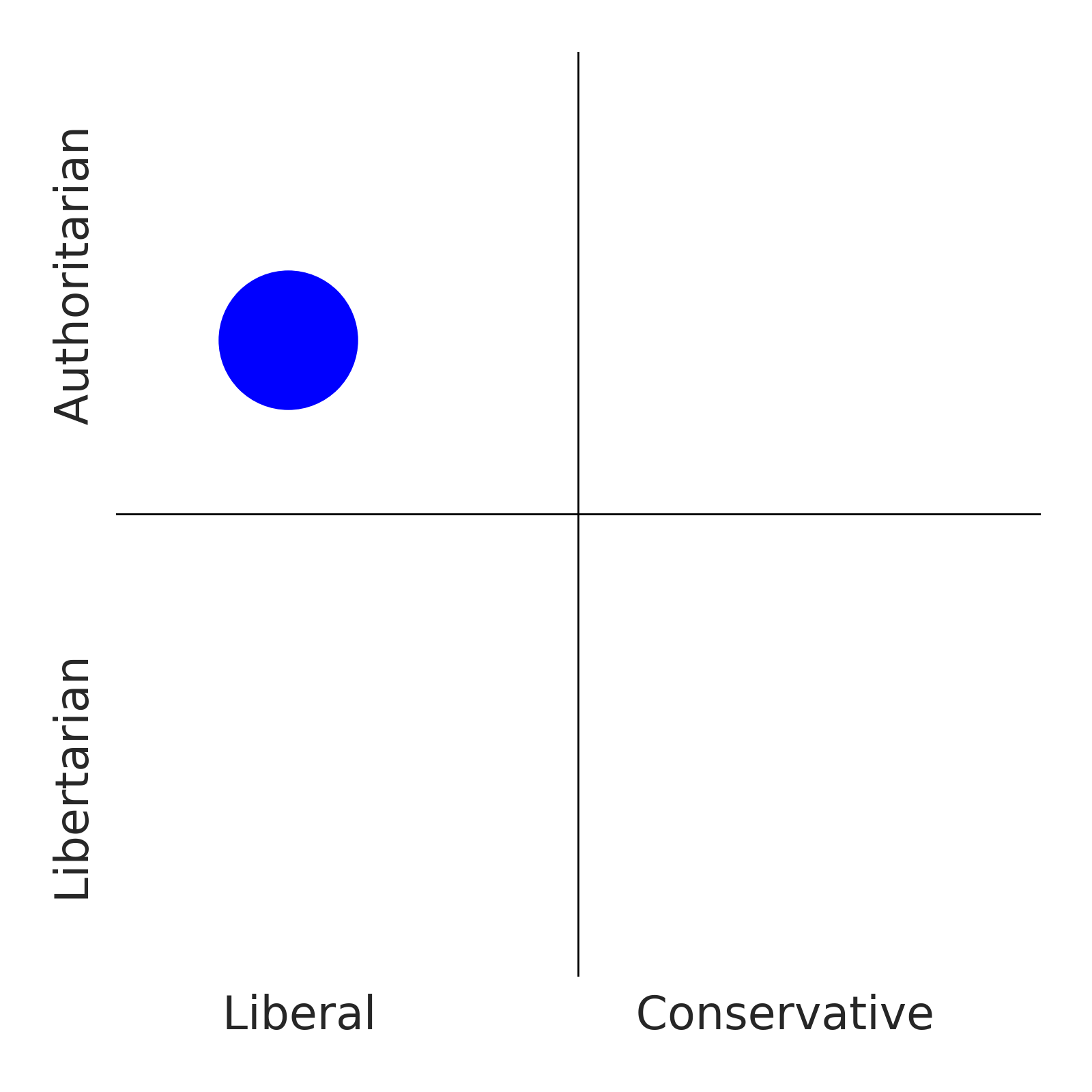
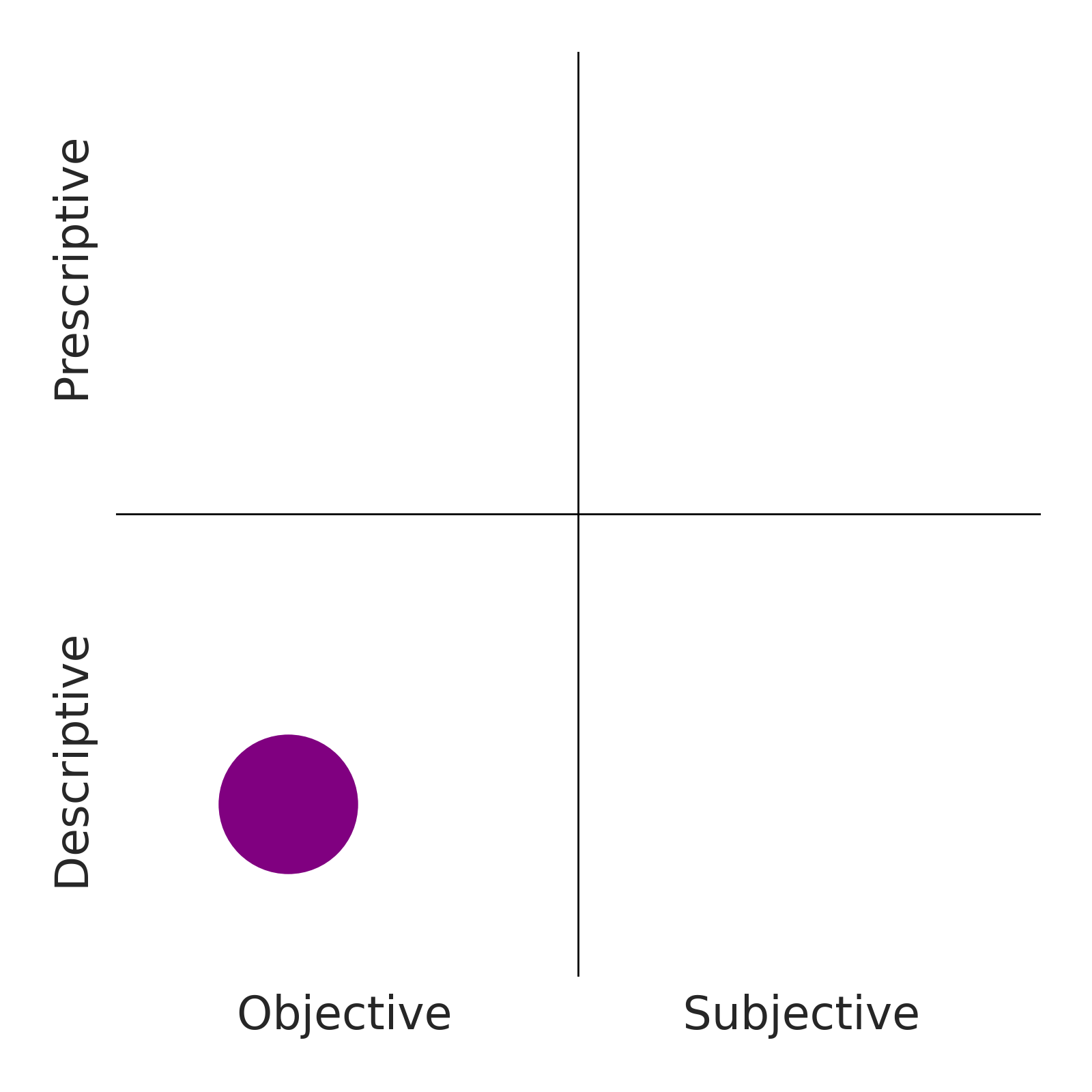
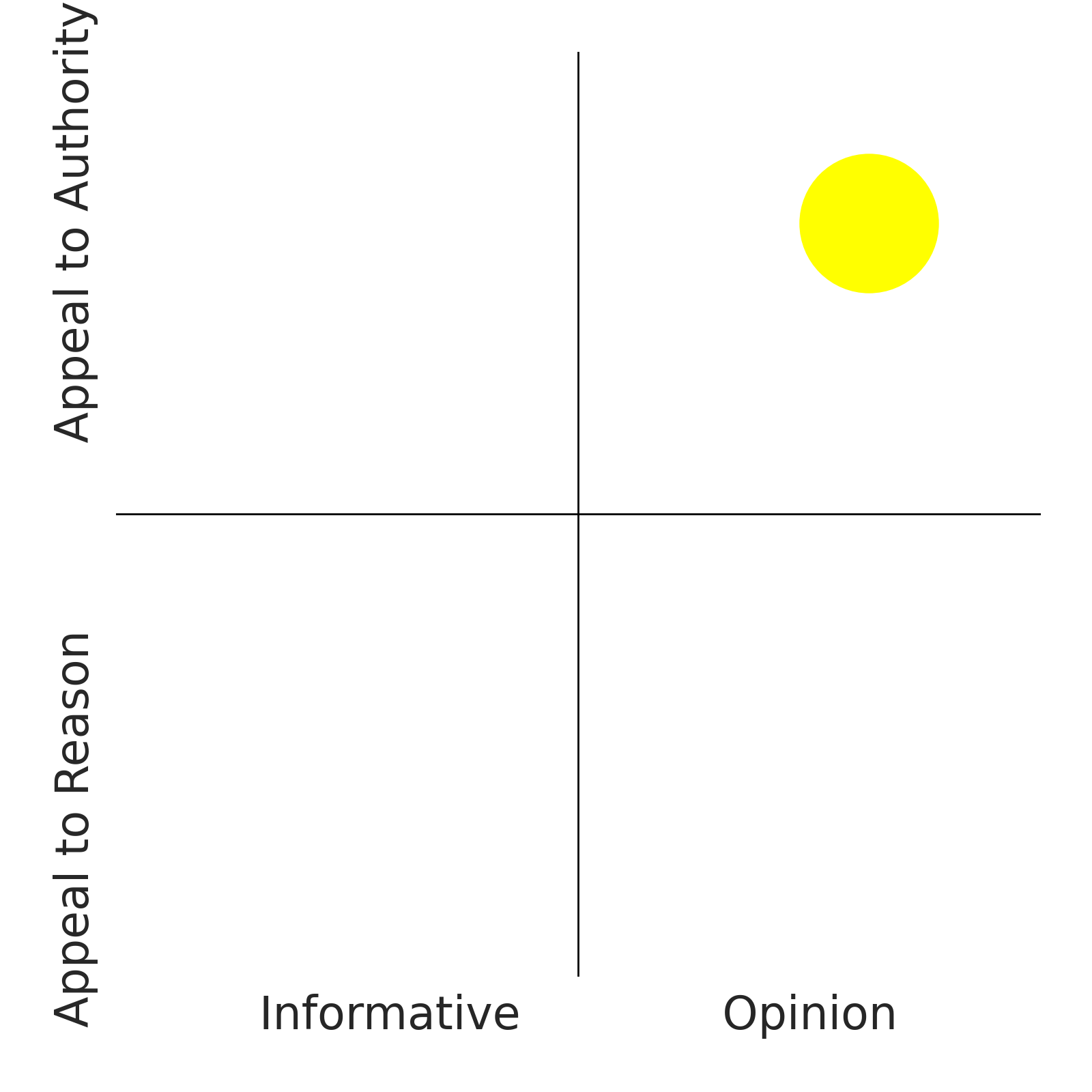
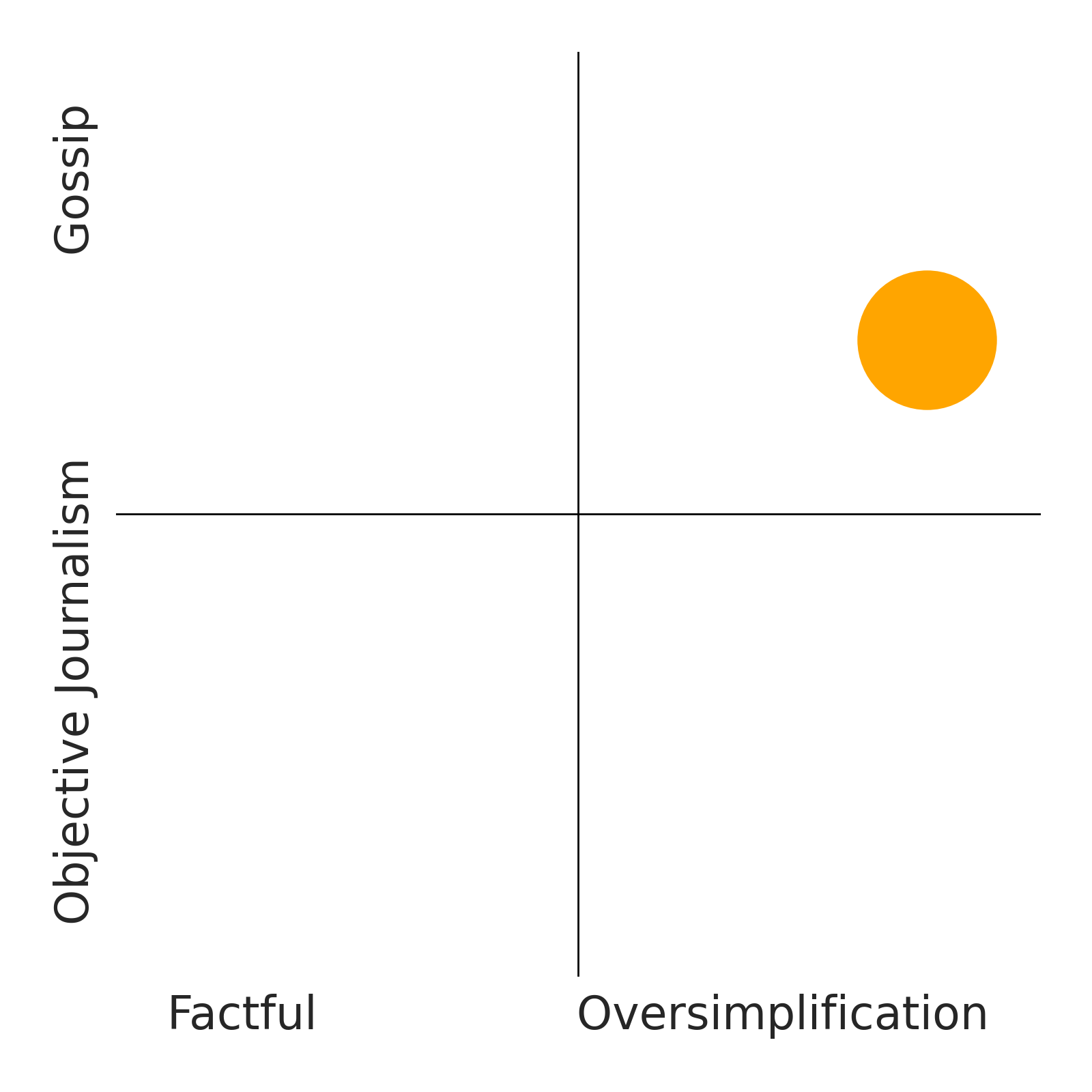
2026 © Helium Trades
Privacy Policy & Disclosure
* Disclaimer: Nothing on this website constitutes investment advice, performance data or any recommendation that any particular security, portfolio of securities, transaction or investment strategy is suitable for any specific person. Helium Trades is not responsible in any way for the accuracy
of any model predictions or price data. Any mention of a particular security and related prediction data is not a recommendation to buy or sell that security. Investments in securities involve the risk of loss. Past performance is no guarantee of future results. Helium Trades is not responsible for any of your investment decisions,
you should consult a financial expert before engaging in any transaction.
Helium Research Assistant

How can I help you today?
Ask any question about The Register bias.


