See whether Helium helps you make better-informed decisions. Try every Pro Trader feature for 30 days. No credit card required.
Try every Pro Trader feature for 30 days. No credit card required.
Coverage presents Sir Keir Starmer's final PMQs with a laudatory establishment-leaning tone, foregrounding emotional tributes and claimed policy achievements while downplaying dissent.
Overview of a ceremonial parliamentary moment focusing on Starmer's final PMQs, tributes, and discussed policy achievements.
Automated analysis; not human reviewed.
·
51 of 52 available dimensions scored; omitted dimensions are not treated as neutral.
·
Supporting quotes supplied for 0 of 51 scored dimensions; exact matching was not run.
neutral stance; confidence ~0.65
Neutral, descriptive, and evidence-based recap with no evident advocacy, focusing on events (Starmer's final PMQs, power handover) and future plans (Burnham's top team) without persuasion.
BBC Newscast segment recaps Keir Starmer's final PMQs and the forthcoming handover of power, with reference to Andy Burnham's top-team plans.
Automated analysis; not human reviewed.
·
51 of 52 available dimensions scored; omitted dimensions are not treated as neutral.
·
Supporting quotes supplied for 0 of 51 scored dimensions; exact matching was not run.
My bias: cautious/neutral; confidence ~0.6 that analysis aligns with text.
July 15, 2026 · 0 shares
Balanced, establishment-leaning coverage that frames Sir Keir Starmer positively as a potential prime minister, highlights Zelensky's Downing Street visit with supportive tone, includes rival quotes and background reminders, and intersperses entertainment and sports items to broaden appeal, with occasional sensational language (e.g., 'shocking murder') and light gossip cues.
UK Evening Standard political coverage focusing on Sir Keir Starmer's final PMQs, Zelensky's Downing Street visit, and related political and entertainment items.
Automated analysis; not human reviewed.
·
51 of 52 available dimensions scored; omitted dimensions are not treated as neutral.
·
Supporting quotes supplied for 0 of 51 scored dimensions; exact matching was not run.
Moderate confidence (~0.6); text-only cues; context may be incomplete.
Coverage presents Sir Keir Starmer's final PMQs with a laudatory establishment-leaning tone, foregrounding emotional tributes and claimed policy achievements while downplaying dissent.
Overview of a ceremonial parliamentary moment focusing on Starmer's final PMQs, tributes, and discussed policy achievements.
Automated analysis; not human reviewed.
·
51 of 52 available dimensions scored; omitted dimensions are not treated as neutral.
·
Supporting quotes supplied for 0 of 51 scored dimensions; exact matching was not run.
neutral stance; confidence ~0.65
Neutral, descriptive, and evidence-based recap with no evident advocacy, focusing on events (Starmer's final PMQs, power handover) and future plans (Burnham's top team) without persuasion.
BBC Newscast segment recaps Keir Starmer's final PMQs and the forthcoming handover of power, with reference to Andy Burnham's top-team plans.
Automated analysis; not human reviewed.
·
51 of 52 available dimensions scored; omitted dimensions are not treated as neutral.
·
Supporting quotes supplied for 0 of 51 scored dimensions; exact matching was not run.
My bias: cautious/neutral; confidence ~0.6 that analysis aligns with text.
July 13, 2026 · 0 shares
Establishment-friendly narrative praising Starmer's diplomacy, citing Macron and Merz to validate Western unity and Ukraine support, amid tabloid-style transfer headlines and promotional content.
Overview of a public farewell to Sir Keir Starmer, highlighting a Paris meeting of the Coalition of the Willing, praise from European leaders for Starmer’s diplomacy, and UK Ukraine aid details, with interspersed transfer-news headlines.
Model bias uncertain; confidence ~0.
6.
July 13, 2026 · 0 shares
Establishment-friendly narrative praising Starmer's diplomacy, citing Macron and Merz to validate Western unity and Ukraine support, amid tabloid-style transfer headlines and promotional content.
Overview of a public farewell to Sir Keir Starmer, highlighting a Paris meeting of the Coalition of the Willing, praise from European leaders for Starmer’s diplomacy, and UK Ukraine aid details, with interspersed transfer-news headlines.
Model bias uncertain; confidence ~0.
6.
July 17, 2026 · 0 shares
Framing Burnham's Labour leadership bid around nostalgia for a 1970s Britain and Thatcher-era critique, with policy ambiguity and Labour polling context, supplemented by reader commentary and sensational framing.
News coverage of Andy Burnham's Labour leadership bid, including Thatcher-era framing, policy ambiguity, and polling context, interspersed with reader commentary.
Automated analysis; not human reviewed.
·
18 of 52 available dimensions scored; omitted dimensions are not treated as neutral.
·
Verified supporting quotes for 4 of 18 scored dimensions.
Claim: The piece frames Burnham in a Labour-friendly light and portrays Thatcher-era policy negatively.
“before the Iron Lady's wrong turns” · not found in supplied text
“unashamedly Labour in our priorities and in the decisions we take” · exact text match
“There is no clarity about Burnham's policies, or how they might differ from Sir Keir's agenda” · not found in supplied text
Counterevidence:
“The article notes Labour trailing Reform UK in polls, which introduces non-Labour context.” · not found in supplied text
Why: Quoted phrases signal Labour-aligned framing and anti-Thatcher sentiment.
Claim: The piece signals an interventionist stance (nationalisation/public control).
“He will hint at nationalisations and more public control” · exact text match
Counterevidence:
“Policy details are vague; the claim rests on an implication.” · not found in supplied text
Why: Public-control language signals an anti-libertarian tilt.
Claim: The article blends reporting with normative language and framing.
“unashamedly Labour in our priorities” · exact text match
“no clarity about Burnham's policies” · verified after text normalization
Counterevidence:
“MP counts and polling data provide objective context.” · not found in supplied text
Why: Normative phrasing coexists with data.
Claim: Headlines and headings appear sensational.
“If In Doubt, Blame Thatcher: Burnham to Vow to Take Britain Back to the 1970s” · exact text match
“The Desperate Attempt to Save the Climate Alarm Narrative” · exact text match
Counterevidence:
“Some data points like MP counts exist.” · not found in supplied text
Why: Sensational headings contribute to framing beyond neutral reporting.
Claim: Doom-laden framing of the 1970s economy and the era's hardships.
“doom and gloom” · exact text match
“three-day weeks, power cuts, fuel rationing” · not found in supplied text
Counterevidence:
“Some positive data appear later (e.g., union support).” · not found in supplied text
Why: Dooms-era references evoke fear-driven framing.
Claim: The piece uses normative language about political strategy.
“unashamedly Labour in our priorities” · exact text match
“courage to fix the big things that politics has neglected” · exact text match
“conviction to argue for our plans” · exact text match
Counterevidence:
“Burnham's quotes provide explicit policy statements.” · not found in supplied text
Why: Normative phrasing signals opinionated framing.
Claim: The content is politically oriented toward a leadership bid and policy framing.
“Burnham will vow to take Britain back to the 1970s” · not found in supplied text
“Hillsborough Law praised” · not found in supplied text
“union support” · not found in supplied text
Counterevidence:
“There is mention of lack of policy clarity.” · not found in supplied text
Why: Directly about political leadership and policy inference.
Claim: The report shows a Labour-leaning ideological tilt (unions, worker rights).
“Praise of Hillsborough Law” · not found in supplied text
“unashamedly Labour in our priorities” · exact text match
Counterevidence:
“Mentions of policy ambiguity as a critique.” · not found in supplied text
Why: Labour-aligned cues indicate ideological tilt.
Claim: Nostalgia and fear language shape reader interpretation.
“nostalgia for the 1970s” · not found in supplied text
“doom-laden language in comments” · not found in supplied text
Counterevidence:
“Quantitative data included (MP support, union backing).” · not found in supplied text
Why: Emotional language contributes to framing beyond neutral reporting.
July 15, 2026 · 0 shares
Descriptive, crediting Anneliese Midgley as a key influence within Burnham's political operation, with no explicit ideological slant evident.
Brief, politically oriented blurb linking Anneliese Midgley to Burnham's campaign machinery and noting prior advisory roles for Corbyn and Starmer.
Mostly neutral; confidence ~0.65 in accuracy.
Subtle subjective framing appears through phrases like 'parachuted-in PM' and 'swan song,' signaling mild anti-establishment skepticism while the piece balances entertainment with political references.
Concise, factful, accurate, balanced context for the article in one sentence.
Automated analysis; not human reviewed.
Limitations: Concise, case-specific limitations and plausible alternative interpretations.
·
1 of 52 available dimensions scored; omitted dimensions are not treated as neutral.
·
Verified supporting quotes for 0 of 1 scored dimensions.
Ambiguity in stance; limited context; more text could shift.
Neutral, descriptive, and evidence-based recap with no evident advocacy, focusing on events (Starmer's final PMQs, power handover) and future plans (Burnham's top team) without persuasion.
BBC Newscast segment recaps Keir Starmer's final PMQs and the forthcoming handover of power, with reference to Andy Burnham's top-team plans.
Automated analysis; not human reviewed. · 51 of 52 available dimensions scored; omitted dimensions are not treated as neutral. · Supporting quotes supplied for 0 of 51 scored dimensions; exact matching was not run.
My bias: cautious/neutral; confidence ~0.6 that analysis aligns with text.
July 17, 2026 · 0 shares
Framing Burnham's Labour leadership bid around nostalgia for a 1970s Britain and Thatcher-era critique, with policy ambiguity and Labour polling context, supplemented by reader commentary and sensational framing.
News coverage of Andy Burnham's Labour leadership bid, including Thatcher-era framing, policy ambiguity, and polling context, interspersed with reader commentary.
Automated analysis; not human reviewed. · 18 of 52 available dimensions scored; omitted dimensions are not treated as neutral. · Verified supporting quotes for 4 of 18 scored dimensions.
Claim: The piece frames Burnham in a Labour-friendly light and portrays Thatcher-era policy negatively.
“before the Iron Lady's wrong turns” · not found in supplied text
“unashamedly Labour in our priorities and in the decisions we take” · exact text match
“There is no clarity about Burnham's policies, or how they might differ from Sir Keir's agenda” · not found in supplied text
Counterevidence:
“The article notes Labour trailing Reform UK in polls, which introduces non-Labour context.” · not found in supplied text
Why: Quoted phrases signal Labour-aligned framing and anti-Thatcher sentiment.
Claim: The piece signals an interventionist stance (nationalisation/public control).
“He will hint at nationalisations and more public control” · exact text match
Counterevidence:
“Policy details are vague; the claim rests on an implication.” · not found in supplied text
Why: Public-control language signals an anti-libertarian tilt.
Claim: The article blends reporting with normative language and framing.
“unashamedly Labour in our priorities” · exact text match
“no clarity about Burnham's policies” · verified after text normalization
Counterevidence:
“MP counts and polling data provide objective context.” · not found in supplied text
Why: Normative phrasing coexists with data.
Claim: Headlines and headings appear sensational.
“If In Doubt, Blame Thatcher: Burnham to Vow to Take Britain Back to the 1970s” · exact text match
“The Desperate Attempt to Save the Climate Alarm Narrative” · exact text match
Counterevidence:
“Some data points like MP counts exist.” · not found in supplied text
Why: Sensational headings contribute to framing beyond neutral reporting.
Claim: Doom-laden framing of the 1970s economy and the era's hardships.
“doom and gloom” · exact text match
“three-day weeks, power cuts, fuel rationing” · not found in supplied text
Counterevidence:
“Some positive data appear later (e.g., union support).” · not found in supplied text
Why: Dooms-era references evoke fear-driven framing.
Claim: The piece uses normative language about political strategy.
“unashamedly Labour in our priorities” · exact text match
“courage to fix the big things that politics has neglected” · exact text match
“conviction to argue for our plans” · exact text match
Counterevidence:
“Burnham's quotes provide explicit policy statements.” · not found in supplied text
Why: Normative phrasing signals opinionated framing.
Claim: The content is politically oriented toward a leadership bid and policy framing.
“Burnham will vow to take Britain back to the 1970s” · not found in supplied text
“Hillsborough Law praised” · not found in supplied text
“union support” · not found in supplied text
Counterevidence:
“There is mention of lack of policy clarity.” · not found in supplied text
Why: Directly about political leadership and policy inference.
Claim: The report shows a Labour-leaning ideological tilt (unions, worker rights).
“Praise of Hillsborough Law” · not found in supplied text
“unashamedly Labour in our priorities” · exact text match
Counterevidence:
“Mentions of policy ambiguity as a critique.” · not found in supplied text
Why: Labour-aligned cues indicate ideological tilt.
Claim: Nostalgia and fear language shape reader interpretation.
“nostalgia for the 1970s” · not found in supplied text
“doom-laden language in comments” · not found in supplied text
Counterevidence:
“Quantitative data included (MP support, union backing).” · not found in supplied text
Why: Emotional language contributes to framing beyond neutral reporting.
Establishment/administrative transition framing (BBC, Financial Times)
Neutral, descriptive, and evidence-based recap with no evident advocacy, focusing on events (Starmer's final PMQs, power handover) and future plans (Burnham's top team) without persuasion.
BBC Newscast segment recaps Keir Starmer's final PMQs and the forthcoming handover of power, with reference to Andy Burnham's top-team plans.
Automated analysis; not human reviewed. · 51 of 52 available dimensions scored; omitted dimensions are not treated as neutral. · Supporting quotes supplied for 0 of 51 scored dimensions; exact matching was not run.
My bias: cautious/neutral; confidence ~0.6 that analysis aligns with text.
July 15, 2026 · 0 shares
Descriptive, crediting Anneliese Midgley as a key influence within Burnham's political operation, with no explicit ideological slant evident.
Brief, politically oriented blurb linking Anneliese Midgley to Burnham's campaign machinery and noting prior advisory roles for Corbyn and Starmer.
Mostly neutral; confidence ~0.65 in accuracy.
Neutral, descriptive, and evidence-based recap with no evident advocacy, focusing on events (Starmer's final PMQs, power handover) and future plans (Burnham's top team) without persuasion.
BBC Newscast segment recaps Keir Starmer's final PMQs and the forthcoming handover of power, with reference to Andy Burnham's top-team plans.
Automated analysis; not human reviewed. · 51 of 52 available dimensions scored; omitted dimensions are not treated as neutral. · Supporting quotes supplied for 0 of 51 scored dimensions; exact matching was not run.
My bias: cautious/neutral; confidence ~0.6 that analysis aligns with text.
July 15, 2026 · 0 shares
Descriptive, crediting Anneliese Midgley as a key influence within Burnham's political operation, with no explicit ideological slant evident.
Brief, politically oriented blurb linking Anneliese Midgley to Burnham's campaign machinery and noting prior advisory roles for Corbyn and Starmer.
Mostly neutral; confidence ~0.65 in accuracy.
Pro-establishment/Ukraine-support emphasis (international-facing coverage)
Pro-Ukraine and pro-establishment framing with emphasis on unwavering UK support, defence investment, and long-term partnership with Ukraine, while presenting few critical counterpoints.
Keir Starmer's Kyiv visit occurs on his final full day as Labour leader, highlighting UK support for Ukraine amid Russian strikes and related defence/European loan commitments.
Automated analysis; not human reviewed. Limitations: Concise, case-specific limitations and plausible alternative interpretations. · 10 of 52 available dimensions scored; omitted dimensions are not treated as neutral. · Verified supporting quotes for 0 of 10 scored dimensions.
Claim: Emphasizes defense investment and leadership in the war.
“'investing more money into defence, leading the way in the war'” · not found in supplied text
“'put Ukraine in the strongest possible position'” · not found in supplied text
“'leadership in defence'” · not found in supplied text
Counterevidence:
“No explicit calls for disengagement or diplomacy alternatives.” · not found in supplied text
Why: Defence investment and leadership language signal a hawkish frame.
Claim: Threat framing through reference to Russian aggression and strikes.
“'Russian aggression'” · not found in supplied text
“'Russian strikes that killed two and injured six'” · not found in supplied text
Counterevidence:
“No broader discussion of negotiation or risk mitigation strategies.” · not found in supplied text
Why: Casualty mention and aggression framing contribute to threat perception.
Claim: Normative judgments about Ukraine and UK actions appear in the text.
“'incredible fortitude'” · not found in supplied text
“'iron will'” · not found in supplied text
Counterevidence:
“Supported by Zelensky and Starmer quotes.” · not found in supplied text
Why: Descriptors emphasize admiration rather than neutral description.
Claim: Framing aligns with pro-UK/establishment policy and Ukraine aid.
“'absolutely united against Russian aggression'” · not found in supplied text
“'100-year partnership'” · not found in supplied text
“'EU loan to Kyiv'” · not found in supplied text
Counterevidence:
“No opposing political viewpoints presented.” · not found in supplied text
Why: Policy language anchors in a pro-UK stance.
Claim: Certainty about future UK actions and Europe alignment exceeds the evidence presented.
“'will always endure'” · not found in supplied text
“'centred of a stronger Europe'” · not found in supplied text
Counterevidence:
“Not all future circumstances are certain.” · not found in supplied text
Why: Definitive future-oriented claims imply overconfidence.
Claim: Framing emphasizes UK leadership and long-term commitment to Ukraine.
“'absolutely united against Russian aggression'” · not found in supplied text
“'cast-iron support for Ukraine will always endure'” · not found in supplied text
“'UK at the centre of a stronger Europe – investing more money into defence'” · not found in supplied text
Counterevidence:
“No explicit critical counterpoints on Russia policy in the text.” · not found in supplied text
Why: Direct quotes and policy emphasis indicate pro-establishment framing.
Claim: Emotive descriptors about Ukraine and its defenders.
“'incredible fortitude of the Ukrainian people'” · not found in supplied text
“'iron will of a nation that refuses to be cowed'” · not found in supplied text
“'unwavering respect for our warriors'” · not found in supplied text
Counterevidence:
“Quotations attributed to public figures rather than the author.” · not found in supplied text
Why: Descriptive language fosters sympathy and admiration.
Claim: Assertions about future UK support and defence posture are presented as fact.
“'UK will ... endure'” · not found in supplied text
“'lead the way in the war'” · not found in supplied text
Counterevidence:
“No explicit concession to possible policy changes.” · not found in supplied text
Why: Future-oriented claims extend beyond current evidence.
Claim: Moderate grasp of geopolitical context evidenced by numbers and policy mentions.
“'90 billion euro loan'” · not found in supplied text
“'100-year partnership'” · not found in supplied text
Counterevidence:
“Limited contextual analysis; absence of broader counterpoints.” · not found in supplied text
Why: Numeric references indicate basic factual grounding but shallow analysis.
Claim: Moral framing signals virtue through praising Ukraine and soldiers.
“'unwavering respect for our warriors'” · not found in supplied text
“'the ultimate sacrifice to defend Ukraine and all of Europe'” · not found in supplied text
“'cast-iron support'” · not found in supplied text
Counterevidence:
“Quoted sources rather than authoring voice.” · not found in supplied text
Why: Laudatory language appears to signal virtue.
Case-specific: potential pro-Ukraine/pro-establishment tilt; limited counterpoints in text.
July 13, 2026 · 0 shares
Establishment-friendly narrative praising Starmer's diplomacy, citing Macron and Merz to validate Western unity and Ukraine support, amid tabloid-style transfer headlines and promotional content.
Overview of a public farewell to Sir Keir Starmer, highlighting a Paris meeting of the Coalition of the Willing, praise from European leaders for Starmer’s diplomacy, and UK Ukraine aid details, with interspersed transfer-news headlines.
Model bias uncertain; confidence ~0.6.
July 13, 2026 · 0 shares
Establishment-friendly narrative praising Starmer's diplomacy, citing Macron and Merz to validate Western unity and Ukraine support, amid tabloid-style transfer headlines and promotional content.
Overview of a public farewell to Sir Keir Starmer, highlighting a Paris meeting of the Coalition of the Willing, praise from European leaders for Starmer’s diplomacy, and UK Ukraine aid details, with interspersed transfer-news headlines.
Model bias uncertain; confidence ~0.6.
Pro-Ukraine and pro-establishment framing with emphasis on unwavering UK support, defence investment, and long-term partnership with Ukraine, while presenting few critical counterpoints.
Keir Starmer's Kyiv visit occurs on his final full day as Labour leader, highlighting UK support for Ukraine amid Russian strikes and related defence/European loan commitments.
Automated analysis; not human reviewed. Limitations: Concise, case-specific limitations and plausible alternative interpretations. · 10 of 52 available dimensions scored; omitted dimensions are not treated as neutral. · Verified supporting quotes for 0 of 10 scored dimensions.
Claim: Emphasizes defense investment and leadership in the war.
“'investing more money into defence, leading the way in the war'” · not found in supplied text
“'put Ukraine in the strongest possible position'” · not found in supplied text
“'leadership in defence'” · not found in supplied text
Counterevidence:
“No explicit calls for disengagement or diplomacy alternatives.” · not found in supplied text
Why: Defence investment and leadership language signal a hawkish frame.
Claim: Threat framing through reference to Russian aggression and strikes.
“'Russian aggression'” · not found in supplied text
“'Russian strikes that killed two and injured six'” · not found in supplied text
Counterevidence:
“No broader discussion of negotiation or risk mitigation strategies.” · not found in supplied text
Why: Casualty mention and aggression framing contribute to threat perception.
Claim: Normative judgments about Ukraine and UK actions appear in the text.
“'incredible fortitude'” · not found in supplied text
“'iron will'” · not found in supplied text
Counterevidence:
“Supported by Zelensky and Starmer quotes.” · not found in supplied text
Why: Descriptors emphasize admiration rather than neutral description.
Claim: Framing aligns with pro-UK/establishment policy and Ukraine aid.
“'absolutely united against Russian aggression'” · not found in supplied text
“'100-year partnership'” · not found in supplied text
“'EU loan to Kyiv'” · not found in supplied text
Counterevidence:
“No opposing political viewpoints presented.” · not found in supplied text
Why: Policy language anchors in a pro-UK stance.
Claim: Certainty about future UK actions and Europe alignment exceeds the evidence presented.
“'will always endure'” · not found in supplied text
“'centred of a stronger Europe'” · not found in supplied text
Counterevidence:
“Not all future circumstances are certain.” · not found in supplied text
Why: Definitive future-oriented claims imply overconfidence.
Claim: Framing emphasizes UK leadership and long-term commitment to Ukraine.
“'absolutely united against Russian aggression'” · not found in supplied text
“'cast-iron support for Ukraine will always endure'” · not found in supplied text
“'UK at the centre of a stronger Europe – investing more money into defence'” · not found in supplied text
Counterevidence:
“No explicit critical counterpoints on Russia policy in the text.” · not found in supplied text
Why: Direct quotes and policy emphasis indicate pro-establishment framing.
Claim: Emotive descriptors about Ukraine and its defenders.
“'incredible fortitude of the Ukrainian people'” · not found in supplied text
“'iron will of a nation that refuses to be cowed'” · not found in supplied text
“'unwavering respect for our warriors'” · not found in supplied text
Counterevidence:
“Quotations attributed to public figures rather than the author.” · not found in supplied text
Why: Descriptive language fosters sympathy and admiration.
Claim: Assertions about future UK support and defence posture are presented as fact.
“'UK will ... endure'” · not found in supplied text
“'lead the way in the war'” · not found in supplied text
Counterevidence:
“No explicit concession to possible policy changes.” · not found in supplied text
Why: Future-oriented claims extend beyond current evidence.
Claim: Moderate grasp of geopolitical context evidenced by numbers and policy mentions.
“'90 billion euro loan'” · not found in supplied text
“'100-year partnership'” · not found in supplied text
Counterevidence:
“Limited contextual analysis; absence of broader counterpoints.” · not found in supplied text
Why: Numeric references indicate basic factual grounding but shallow analysis.
Claim: Moral framing signals virtue through praising Ukraine and soldiers.
“'unwavering respect for our warriors'” · not found in supplied text
“'the ultimate sacrifice to defend Ukraine and all of Europe'” · not found in supplied text
“'cast-iron support'” · not found in supplied text
Counterevidence:
“Quoted sources rather than authoring voice.” · not found in supplied text
Why: Laudatory language appears to signal virtue.
Case-specific: potential pro-Ukraine/pro-establishment tilt; limited counterpoints in text.
Conservative/contested legitimacy framing (Weekly Standard, Breitbart, Daily Sceptic)
July 15, 2026 · 0 shares
Balanced, establishment-leaning coverage that frames Sir Keir Starmer positively as a potential prime minister, highlights Zelensky's Downing Street visit with supportive tone, includes rival quotes and background reminders, and intersperses entertainment and sports items to broaden appeal, with occasional sensational language (e.g., 'shocking murder') and light gossip cues.
UK Evening Standard political coverage focusing on Sir Keir Starmer's final PMQs, Zelensky's Downing Street visit, and related political and entertainment items.
Automated analysis; not human reviewed. · 51 of 52 available dimensions scored; omitted dimensions are not treated as neutral. · Supporting quotes supplied for 0 of 51 scored dimensions; exact matching was not run.
Moderate confidence (~0.6); text-only cues; context may be incomplete.
July 16, 2026 · 0 shares
Measured, source-driven coverage acknowledges controversy around Khan's peerage and Starmer's motives, cites Guardian and Telegraph perspectives to show both left- and right-leaning views, and frames the move as politically meaningful rather than purely ceremonial, without endorsing or condemning it.
UK government list of 26 new peers includes Sadiq Khan; coverage leans on Guardian and Telegraph to illustrate motives and criticisms surrounding Starmer's move.
Automated analysis; not human reviewed. Limitations: Concise, case-specific limitations and plausible alternative interpretations. · 1 of 52 available dimensions scored; omitted dimensions are not treated as neutral. · Verified supporting quotes for 1 of 1 scored dimensions.
Claim: The article presents a measured, source-driven description of a political appointment with multiple viewpoints.
“The Guardian newspaper — the journal of the British left — notes some in Labour have raised eyebrows at Starmer over his willingness to appoint peers given his previous criticism of the practice.” · exact text match
“Their report notes Starmer “has already appointed more than any of the previous four prime ministers” that preceded him.” · exact text match
“The Guardian‘s report noting Starmer’s decision to give Khan a permanent Parliament seat for life is part of his bid to “shore up Labour’s progressive flank”.” · exact text match
Counterevidence:
“"Controversial London Mayor Sir Sadiq Khan is to be honoured by the Labour government once again with an elevation to the Peerage, despite outgoing Prime Minister Sir Keir Starmer’s criticism of the upper chamber and promises to replace it."” · exact text match
Why: Multiple sources provide different angles on the political implications; presence of strong descriptors suggests mild tilt toward emphasizing controversy.
Balanced read; potential mild pro-Labour perspective with multi-source corroboration.
July 17, 2026 · 0 shares
Framing Burnham's Labour leadership bid around nostalgia for a 1970s Britain and Thatcher-era critique, with policy ambiguity and Labour polling context, supplemented by reader commentary and sensational framing.
News coverage of Andy Burnham's Labour leadership bid, including Thatcher-era framing, policy ambiguity, and polling context, interspersed with reader commentary.
Automated analysis; not human reviewed. · 18 of 52 available dimensions scored; omitted dimensions are not treated as neutral. · Verified supporting quotes for 4 of 18 scored dimensions.
Claim: The piece frames Burnham in a Labour-friendly light and portrays Thatcher-era policy negatively.
“before the Iron Lady's wrong turns” · not found in supplied text
“unashamedly Labour in our priorities and in the decisions we take” · exact text match
“There is no clarity about Burnham's policies, or how they might differ from Sir Keir's agenda” · not found in supplied text
Counterevidence:
“The article notes Labour trailing Reform UK in polls, which introduces non-Labour context.” · not found in supplied text
Why: Quoted phrases signal Labour-aligned framing and anti-Thatcher sentiment.
Claim: The piece signals an interventionist stance (nationalisation/public control).
“He will hint at nationalisations and more public control” · exact text match
Counterevidence:
“Policy details are vague; the claim rests on an implication.” · not found in supplied text
Why: Public-control language signals an anti-libertarian tilt.
Claim: The article blends reporting with normative language and framing.
“unashamedly Labour in our priorities” · exact text match
“no clarity about Burnham's policies” · verified after text normalization
Counterevidence:
“MP counts and polling data provide objective context.” · not found in supplied text
Why: Normative phrasing coexists with data.
Claim: Headlines and headings appear sensational.
“If In Doubt, Blame Thatcher: Burnham to Vow to Take Britain Back to the 1970s” · exact text match
“The Desperate Attempt to Save the Climate Alarm Narrative” · exact text match
Counterevidence:
“Some data points like MP counts exist.” · not found in supplied text
Why: Sensational headings contribute to framing beyond neutral reporting.
Claim: Doom-laden framing of the 1970s economy and the era's hardships.
“doom and gloom” · exact text match
“three-day weeks, power cuts, fuel rationing” · not found in supplied text
Counterevidence:
“Some positive data appear later (e.g., union support).” · not found in supplied text
Why: Dooms-era references evoke fear-driven framing.
Claim: The piece uses normative language about political strategy.
“unashamedly Labour in our priorities” · exact text match
“courage to fix the big things that politics has neglected” · exact text match
“conviction to argue for our plans” · exact text match
Counterevidence:
“Burnham's quotes provide explicit policy statements.” · not found in supplied text
Why: Normative phrasing signals opinionated framing.
Claim: The content is politically oriented toward a leadership bid and policy framing.
“Burnham will vow to take Britain back to the 1970s” · not found in supplied text
“Hillsborough Law praised” · not found in supplied text
“union support” · not found in supplied text
Counterevidence:
“There is mention of lack of policy clarity.” · not found in supplied text
Why: Directly about political leadership and policy inference.
Claim: The report shows a Labour-leaning ideological tilt (unions, worker rights).
“Praise of Hillsborough Law” · not found in supplied text
“unashamedly Labour in our priorities” · exact text match
Counterevidence:
“Mentions of policy ambiguity as a critique.” · not found in supplied text
Why: Labour-aligned cues indicate ideological tilt.
Claim: Nostalgia and fear language shape reader interpretation.
“nostalgia for the 1970s” · not found in supplied text
“doom-laden language in comments” · not found in supplied text
Counterevidence:
“Quantitative data included (MP support, union backing).” · not found in supplied text
Why: Emotional language contributes to framing beyond neutral reporting.
July 16, 2026 · 0 shares
Measured, source-driven coverage acknowledges controversy around Khan's peerage and Starmer's motives, cites Guardian and Telegraph perspectives to show both left- and right-leaning views, and frames the move as politically meaningful rather than purely ceremonial, without endorsing or condemning it.
UK government list of 26 new peers includes Sadiq Khan; coverage leans on Guardian and Telegraph to illustrate motives and criticisms surrounding Starmer's move.
Automated analysis; not human reviewed. Limitations: Concise, case-specific limitations and plausible alternative interpretations. · 1 of 52 available dimensions scored; omitted dimensions are not treated as neutral. · Verified supporting quotes for 1 of 1 scored dimensions.
Claim: The article presents a measured, source-driven description of a political appointment with multiple viewpoints.
“The Guardian newspaper — the journal of the British left — notes some in Labour have raised eyebrows at Starmer over his willingness to appoint peers given his previous criticism of the practice.” · exact text match
“Their report notes Starmer “has already appointed more than any of the previous four prime ministers” that preceded him.” · exact text match
“The Guardian‘s report noting Starmer’s decision to give Khan a permanent Parliament seat for life is part of his bid to “shore up Labour’s progressive flank”.” · exact text match
Counterevidence:
“"Controversial London Mayor Sir Sadiq Khan is to be honoured by the Labour government once again with an elevation to the Peerage, despite outgoing Prime Minister Sir Keir Starmer’s criticism of the upper chamber and promises to replace it."” · exact text match
Why: Multiple sources provide different angles on the political implications; presence of strong descriptors suggests mild tilt toward emphasizing controversy.
Balanced read; potential mild pro-Labour perspective with multi-source corroboration.
July 17, 2026 · 0 shares
Framing Burnham's Labour leadership bid around nostalgia for a 1970s Britain and Thatcher-era critique, with policy ambiguity and Labour polling context, supplemented by reader commentary and sensational framing.
News coverage of Andy Burnham's Labour leadership bid, including Thatcher-era framing, policy ambiguity, and polling context, interspersed with reader commentary.
Automated analysis; not human reviewed. · 18 of 52 available dimensions scored; omitted dimensions are not treated as neutral. · Verified supporting quotes for 4 of 18 scored dimensions.
Claim: The piece frames Burnham in a Labour-friendly light and portrays Thatcher-era policy negatively.
“before the Iron Lady's wrong turns” · not found in supplied text
“unashamedly Labour in our priorities and in the decisions we take” · exact text match
“There is no clarity about Burnham's policies, or how they might differ from Sir Keir's agenda” · not found in supplied text
Counterevidence:
“The article notes Labour trailing Reform UK in polls, which introduces non-Labour context.” · not found in supplied text
Why: Quoted phrases signal Labour-aligned framing and anti-Thatcher sentiment.
Claim: The piece signals an interventionist stance (nationalisation/public control).
“He will hint at nationalisations and more public control” · exact text match
Counterevidence:
“Policy details are vague; the claim rests on an implication.” · not found in supplied text
Why: Public-control language signals an anti-libertarian tilt.
Claim: The article blends reporting with normative language and framing.
“unashamedly Labour in our priorities” · exact text match
“no clarity about Burnham's policies” · verified after text normalization
Counterevidence:
“MP counts and polling data provide objective context.” · not found in supplied text
Why: Normative phrasing coexists with data.
Claim: Headlines and headings appear sensational.
“If In Doubt, Blame Thatcher: Burnham to Vow to Take Britain Back to the 1970s” · exact text match
“The Desperate Attempt to Save the Climate Alarm Narrative” · exact text match
Counterevidence:
“Some data points like MP counts exist.” · not found in supplied text
Why: Sensational headings contribute to framing beyond neutral reporting.
Claim: Doom-laden framing of the 1970s economy and the era's hardships.
“doom and gloom” · exact text match
“three-day weeks, power cuts, fuel rationing” · not found in supplied text
Counterevidence:
“Some positive data appear later (e.g., union support).” · not found in supplied text
Why: Dooms-era references evoke fear-driven framing.
Claim: The piece uses normative language about political strategy.
“unashamedly Labour in our priorities” · exact text match
“courage to fix the big things that politics has neglected” · exact text match
“conviction to argue for our plans” · exact text match
Counterevidence:
“Burnham's quotes provide explicit policy statements.” · not found in supplied text
Why: Normative phrasing signals opinionated framing.
Claim: The content is politically oriented toward a leadership bid and policy framing.
“Burnham will vow to take Britain back to the 1970s” · not found in supplied text
“Hillsborough Law praised” · not found in supplied text
“union support” · not found in supplied text
Counterevidence:
“There is mention of lack of policy clarity.” · not found in supplied text
Why: Directly about political leadership and policy inference.
Claim: The report shows a Labour-leaning ideological tilt (unions, worker rights).
“Praise of Hillsborough Law” · not found in supplied text
“unashamedly Labour in our priorities” · exact text match
Counterevidence:
“Mentions of policy ambiguity as a critique.” · not found in supplied text
Why: Labour-aligned cues indicate ideological tilt.
Claim: Nostalgia and fear language shape reader interpretation.
“nostalgia for the 1970s” · not found in supplied text
“doom-laden language in comments” · not found in supplied text
Counterevidence:
“Quantitative data included (MP support, union backing).” · not found in supplied text
Why: Emotional language contributes to framing beyond neutral reporting.
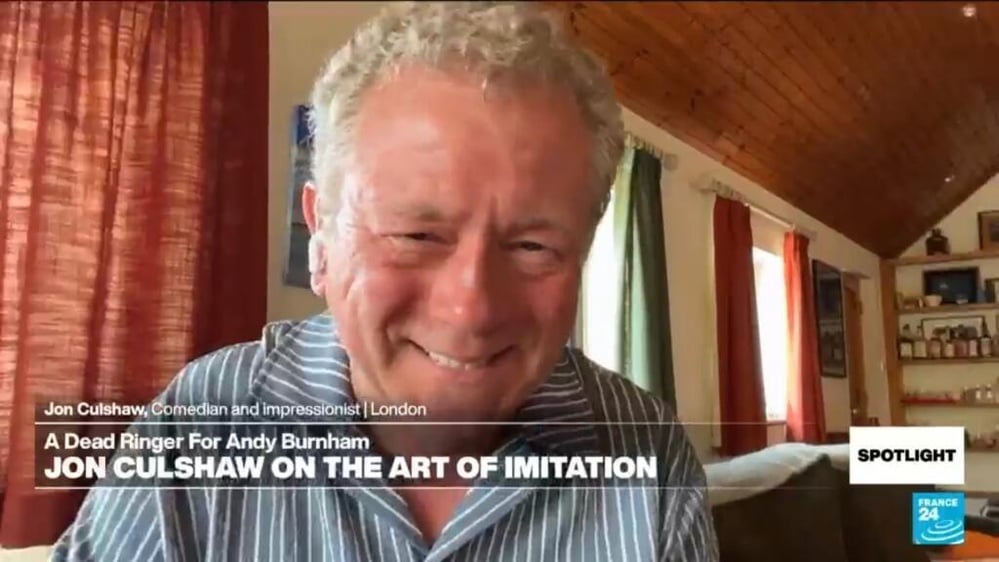
Entertainment-metaphor framing (France24 via Jon Culshaw)
Subtle subjective framing appears through phrases like 'parachuted-in PM' and 'swan song,' signaling mild anti-establishment skepticism while the piece balances entertainment with political references.
Concise, factful, accurate, balanced context for the article in one sentence.
Automated analysis; not human reviewed. Limitations: Concise, case-specific limitations and plausible alternative interpretations. · 1 of 52 available dimensions scored; omitted dimensions are not treated as neutral. · Verified supporting quotes for 0 of 1 scored dimensions.
Ambiguity in stance; limited context; more text could shift.
Subtle subjective framing appears through phrases like 'parachuted-in PM' and 'swan song,' signaling mild anti-establishment skepticism while the piece balances entertainment with political references.
Concise, factful, accurate, balanced context for the article in one sentence.
Automated analysis; not human reviewed. Limitations: Concise, case-specific limitations and plausible alternative interpretations. · 1 of 52 available dimensions scored; omitted dimensions are not treated as neutral. · Verified supporting quotes for 0 of 1 scored dimensions.
Ambiguity in stance; limited context; more text could shift.
Helium Bias
Story Blindspots
Coverage presents Sir Keir Starmer's final PMQs with a laudatory establishment-leaning tone, foregrounding emotional tributes and claimed policy achievements while downplaying dissent.
Overview of a ceremonial parliamentary moment focusing on Starmer's final PMQs, tributes, and discussed policy achievements.
Automated analysis; not human reviewed. · 51 of 52 available dimensions scored; omitted dimensions are not treated as neutral. · Supporting quotes supplied for 0 of 51 scored dimensions; exact matching was not run.
neutral stance; confidence ~0.65
Neutral, descriptive, and evidence-based recap with no evident advocacy, focusing on events (Starmer's final PMQs, power handover) and future plans (Burnham's top team) without persuasion.
BBC Newscast segment recaps Keir Starmer's final PMQs and the forthcoming handover of power, with reference to Andy Burnham's top-team plans.
Automated analysis; not human reviewed. · 51 of 52 available dimensions scored; omitted dimensions are not treated as neutral. · Supporting quotes supplied for 0 of 51 scored dimensions; exact matching was not run.
My bias: cautious/neutral; confidence ~0.6 that analysis aligns with text.
July 13, 2026 · 0 shares
Establishment-friendly narrative praising Starmer's diplomacy, citing Macron and Merz to validate Western unity and Ukraine support, amid tabloid-style transfer headlines and promotional content.
Overview of a public farewell to Sir Keir Starmer, highlighting a Paris meeting of the Coalition of the Willing, praise from European leaders for Starmer’s diplomacy, and UK Ukraine aid details, with interspersed transfer-news headlines.
Model bias uncertain; confidence ~0.6.
July 17, 2026 · 0 shares
Framing Burnham's Labour leadership bid around nostalgia for a 1970s Britain and Thatcher-era critique, with policy ambiguity and Labour polling context, supplemented by reader commentary and sensational framing.
News coverage of Andy Burnham's Labour leadership bid, including Thatcher-era framing, policy ambiguity, and polling context, interspersed with reader commentary.
Automated analysis; not human reviewed. · 18 of 52 available dimensions scored; omitted dimensions are not treated as neutral. · Verified supporting quotes for 4 of 18 scored dimensions.
Claim: The piece frames Burnham in a Labour-friendly light and portrays Thatcher-era policy negatively.
“before the Iron Lady's wrong turns” · not found in supplied text
“unashamedly Labour in our priorities and in the decisions we take” · exact text match
“There is no clarity about Burnham's policies, or how they might differ from Sir Keir's agenda” · not found in supplied text
Counterevidence:
“The article notes Labour trailing Reform UK in polls, which introduces non-Labour context.” · not found in supplied text
Why: Quoted phrases signal Labour-aligned framing and anti-Thatcher sentiment.
Claim: The piece signals an interventionist stance (nationalisation/public control).
“He will hint at nationalisations and more public control” · exact text match
Counterevidence:
“Policy details are vague; the claim rests on an implication.” · not found in supplied text
Why: Public-control language signals an anti-libertarian tilt.
Claim: The article blends reporting with normative language and framing.
“unashamedly Labour in our priorities” · exact text match
“no clarity about Burnham's policies” · verified after text normalization
Counterevidence:
“MP counts and polling data provide objective context.” · not found in supplied text
Why: Normative phrasing coexists with data.
Claim: Headlines and headings appear sensational.
“If In Doubt, Blame Thatcher: Burnham to Vow to Take Britain Back to the 1970s” · exact text match
“The Desperate Attempt to Save the Climate Alarm Narrative” · exact text match
Counterevidence:
“Some data points like MP counts exist.” · not found in supplied text
Why: Sensational headings contribute to framing beyond neutral reporting.
Claim: Doom-laden framing of the 1970s economy and the era's hardships.
“doom and gloom” · exact text match
“three-day weeks, power cuts, fuel rationing” · not found in supplied text
Counterevidence:
“Some positive data appear later (e.g., union support).” · not found in supplied text
Why: Dooms-era references evoke fear-driven framing.
Claim: The piece uses normative language about political strategy.
“unashamedly Labour in our priorities” · exact text match
“courage to fix the big things that politics has neglected” · exact text match
“conviction to argue for our plans” · exact text match
Counterevidence:
“Burnham's quotes provide explicit policy statements.” · not found in supplied text
Why: Normative phrasing signals opinionated framing.
Claim: The content is politically oriented toward a leadership bid and policy framing.
“Burnham will vow to take Britain back to the 1970s” · not found in supplied text
“Hillsborough Law praised” · not found in supplied text
“union support” · not found in supplied text
Counterevidence:
“There is mention of lack of policy clarity.” · not found in supplied text
Why: Directly about political leadership and policy inference.
Claim: The report shows a Labour-leaning ideological tilt (unions, worker rights).
“Praise of Hillsborough Law” · not found in supplied text
“unashamedly Labour in our priorities” · exact text match
Counterevidence:
“Mentions of policy ambiguity as a critique.” · not found in supplied text
Why: Labour-aligned cues indicate ideological tilt.
Claim: Nostalgia and fear language shape reader interpretation.
“nostalgia for the 1970s” · not found in supplied text
“doom-laden language in comments” · not found in supplied text
Counterevidence:
“Quantitative data included (MP support, union backing).” · not found in supplied text
Why: Emotional language contributes to framing beyond neutral reporting.
July 16, 2026 · 0 shares
Measured, source-driven coverage acknowledges controversy around Khan's peerage and Starmer's motives, cites Guardian and Telegraph perspectives to show both left- and right-leaning views, and frames the move as politically meaningful rather than purely ceremonial, without endorsing or condemning it.
UK government list of 26 new peers includes Sadiq Khan; coverage leans on Guardian and Telegraph to illustrate motives and criticisms surrounding Starmer's move.
Automated analysis; not human reviewed. Limitations: Concise, case-specific limitations and plausible alternative interpretations. · 1 of 52 available dimensions scored; omitted dimensions are not treated as neutral. · Verified supporting quotes for 1 of 1 scored dimensions.
Claim: The article presents a measured, source-driven description of a political appointment with multiple viewpoints.
“The Guardian newspaper — the journal of the British left — notes some in Labour have raised eyebrows at Starmer over his willingness to appoint peers given his previous criticism of the practice.” · exact text match
“Their report notes Starmer “has already appointed more than any of the previous four prime ministers” that preceded him.” · exact text match
“The Guardian‘s report noting Starmer’s decision to give Khan a permanent Parliament seat for life is part of his bid to “shore up Labour’s progressive flank”.” · exact text match
Counterevidence:
“"Controversial London Mayor Sir Sadiq Khan is to be honoured by the Labour government once again with an elevation to the Peerage, despite outgoing Prime Minister Sir Keir Starmer’s criticism of the upper chamber and promises to replace it."” · exact text match
Why: Multiple sources provide different angles on the political implications; presence of strong descriptors suggests mild tilt toward emphasizing controversy.
Balanced read; potential mild pro-Labour perspective with multi-source corroboration.
July 17, 2026 · 0 shares
Establishment-friendly framing dominates, privileging traditional honours and official praise for nominees while offering limited critical context about the process.
Concise, factful, accurate, balanced context for the article in one sentence.
Automated analysis; not human reviewed. · 47 of 52 available dimensions scored; omitted dimensions are not treated as neutral. · Verified supporting quotes for 3 of 47 scored dimensions.
Claim: Framing of peerages as a longstanding, normative practice elevates elite recognition.
“It is a well-established tradition for outgoing prime ministers to hand peerages and other gongs to key allies after they leave office.” · exact text match
“Sadiq has been a brilliant mayor who has transformed London for the better, so this is thoroughly deserved.” · exact text match
Counterevidence:
“In 2023, Sir Keir said he would not submit a traditional resignation honours list when his time as prime minister ended, following controversies over the lists presented by Boris Johnson, Liz Truss and Rishi Sunak.” · exact text match
“At the time, he said: “Tony Blair didn’t have a resignation list. It’s very hard to justify. There are other avenues for that, and I think it’s easier to be clean about this and simply say, no, I wouldn’t do it.”” · exact text match
Why: Official framing and laudatory attribution emphasize elite norms over critical scrutiny.
Claim: Normative phrasing and laudatory sourcing indicate subjective framing within a factual listing.
“"thoroughly deserved"” · not found in supplied text
“"a government source said"” · not found in supplied text
Counterevidence:
“The piece mentions a tradition and cites contemporaneous debates, which introduces some balance.” · not found in supplied text
Why: Subjective appraisal appears through specific laudatory language and sourcing.
Claim: Language leans toward normative judgments (e.g., 'thoroughly deserved') and describes tradition as a given.
“"Sadiq has been a brilliant mayor who has transformed London for the better, so this is thoroughly deserved."” · verified after text normalization
“"It is a well-established tradition..."” · not found in supplied text
Counterevidence:
“The article also notes that the list was reportedly in the works before a leadership decision, suggesting some contingency.” · not found in supplied text
Why: Normative phrases coupled with traditional framing shape reader perception toward endorsement.
Claim: Political coverage is framed around an establishment procedure with limited dissenting viewpoints.
“Nominations from the Leader of the Liberal Democrat Party” · exact text match
“The Labour London Mayor will take his seat on the red benches...” · not found in supplied text
Counterevidence:
“The article recalls past controversies around resignation honours, which provides some critical context.” · not found in supplied text
Why: Coverage centers on party-linked nominations and institutional procedure rather than critical debate.
Claim: Content centralizes tradition and official sources, reinforcing establishment legitimacy.
“It is a well-established tradition for outgoing prime ministers to hand peerages and other gongs to key allies after they leave office.” · exact text match
“They appeared on a list of names issued by Downing Street to which No 10 said the King has been “graciously pleased to signify his intention of conferring peerages”.” · exact text match
Counterevidence:
“In 2023, Sir Keir said he would not submit a traditional resignation honours list when his time as prime minister ended, following controversies over the lists presented by Boris Johnson, Liz Truss and Rishi Sunak.” · exact text match
Why: Rhetorical framing and attribution to Downing Street reinforce establishment narrative; occasional reference to past controversies provides limited counterweight.
Claim: The piece uses official statements and historical context to present legitimacy while noting past debates.
“Confirming Sir Sadiq’s nomination, a government source said: “Sadiq has been a brilliant mayor who has transformed London for the better, so this is thoroughly deserved.”” · verified after text normalization
“It is a well-established tradition for outgoing prime ministers to hand peerages and other gongs to key allies after they leave office.” · exact text match
Counterevidence:
“In 2023, Sir Keir said he would not submit a traditional resignation honours list... controversies over the lists presented by Boris Johnson, Liz Truss and Rishi Sunak.” · not found in supplied text
Why: Use of official sourcing and tradition frames legitimacy; contemporaneous controversies provide a subtle counterweight.
Text is noisy and appears establishment-leaning; limited critical voices.
July 17, 2026 · 0 shares
Framing Burnham's Labour leadership bid around nostalgia for a 1970s Britain and Thatcher-era critique, with policy ambiguity and Labour polling context, supplemented by reader commentary and sensational framing.
News coverage of Andy Burnham's Labour leadership bid, including Thatcher-era framing, policy ambiguity, and polling context, interspersed with reader commentary.
Automated analysis; not human reviewed. · 18 of 52 available dimensions scored; omitted dimensions are not treated as neutral. · Verified supporting quotes for 4 of 18 scored dimensions.
Claim: The piece frames Burnham in a Labour-friendly light and portrays Thatcher-era policy negatively.
“before the Iron Lady's wrong turns” · not found in supplied text
“unashamedly Labour in our priorities and in the decisions we take” · exact text match
“There is no clarity about Burnham's policies, or how they might differ from Sir Keir's agenda” · not found in supplied text
Counterevidence:
“The article notes Labour trailing Reform UK in polls, which introduces non-Labour context.” · not found in supplied text
Why: Quoted phrases signal Labour-aligned framing and anti-Thatcher sentiment.
Claim: The piece signals an interventionist stance (nationalisation/public control).
“He will hint at nationalisations and more public control” · exact text match
Counterevidence:
“Policy details are vague; the claim rests on an implication.” · not found in supplied text
Why: Public-control language signals an anti-libertarian tilt.
Claim: The article blends reporting with normative language and framing.
“unashamedly Labour in our priorities” · exact text match
“no clarity about Burnham's policies” · verified after text normalization
Counterevidence:
“MP counts and polling data provide objective context.” · not found in supplied text
Why: Normative phrasing coexists with data.
Claim: Headlines and headings appear sensational.
“If In Doubt, Blame Thatcher: Burnham to Vow to Take Britain Back to the 1970s” · exact text match
“The Desperate Attempt to Save the Climate Alarm Narrative” · exact text match
Counterevidence:
“Some data points like MP counts exist.” · not found in supplied text
Why: Sensational headings contribute to framing beyond neutral reporting.
Claim: Doom-laden framing of the 1970s economy and the era's hardships.
“doom and gloom” · exact text match
“three-day weeks, power cuts, fuel rationing” · not found in supplied text
Counterevidence:
“Some positive data appear later (e.g., union support).” · not found in supplied text
Why: Dooms-era references evoke fear-driven framing.
Claim: The piece uses normative language about political strategy.
“unashamedly Labour in our priorities” · exact text match
“courage to fix the big things that politics has neglected” · exact text match
“conviction to argue for our plans” · exact text match
Counterevidence:
“Burnham's quotes provide explicit policy statements.” · not found in supplied text
Why: Normative phrasing signals opinionated framing.
Claim: The content is politically oriented toward a leadership bid and policy framing.
“Burnham will vow to take Britain back to the 1970s” · not found in supplied text
“Hillsborough Law praised” · not found in supplied text
“union support” · not found in supplied text
Counterevidence:
“There is mention of lack of policy clarity.” · not found in supplied text
Why: Directly about political leadership and policy inference.
Claim: The report shows a Labour-leaning ideological tilt (unions, worker rights).
“Praise of Hillsborough Law” · not found in supplied text
“unashamedly Labour in our priorities” · exact text match
Counterevidence:
“Mentions of policy ambiguity as a critique.” · not found in supplied text
Why: Labour-aligned cues indicate ideological tilt.
Claim: Nostalgia and fear language shape reader interpretation.
“nostalgia for the 1970s” · not found in supplied text
“doom-laden language in comments” · not found in supplied text
Counterevidence:
“Quantitative data included (MP support, union backing).” · not found in supplied text
Why: Emotional language contributes to framing beyond neutral reporting.
July 15, 2026 · 0 shares
Descriptive, crediting Anneliese Midgley as a key influence within Burnham's political operation, with no explicit ideological slant evident.
Brief, politically oriented blurb linking Anneliese Midgley to Burnham's campaign machinery and noting prior advisory roles for Corbyn and Starmer.
Mostly neutral; confidence ~0.65 in accuracy.
July 17, 2026 · 0 shares
Framing Burnham's Labour leadership bid around nostalgia for a 1970s Britain and Thatcher-era critique, with policy ambiguity and Labour polling context, supplemented by reader commentary and sensational framing.
News coverage of Andy Burnham's Labour leadership bid, including Thatcher-era framing, policy ambiguity, and polling context, interspersed with reader commentary.
Automated analysis; not human reviewed. · 18 of 52 available dimensions scored; omitted dimensions are not treated as neutral. · Verified supporting quotes for 4 of 18 scored dimensions.
Claim: The piece frames Burnham in a Labour-friendly light and portrays Thatcher-era policy negatively.
“before the Iron Lady's wrong turns” · not found in supplied text
“unashamedly Labour in our priorities and in the decisions we take” · exact text match
“There is no clarity about Burnham's policies, or how they might differ from Sir Keir's agenda” · not found in supplied text
Counterevidence:
“The article notes Labour trailing Reform UK in polls, which introduces non-Labour context.” · not found in supplied text
Why: Quoted phrases signal Labour-aligned framing and anti-Thatcher sentiment.
Claim: The piece signals an interventionist stance (nationalisation/public control).
“He will hint at nationalisations and more public control” · exact text match
Counterevidence:
“Policy details are vague; the claim rests on an implication.” · not found in supplied text
Why: Public-control language signals an anti-libertarian tilt.
Claim: The article blends reporting with normative language and framing.
“unashamedly Labour in our priorities” · exact text match
“no clarity about Burnham's policies” · verified after text normalization
Counterevidence:
“MP counts and polling data provide objective context.” · not found in supplied text
Why: Normative phrasing coexists with data.
Claim: Headlines and headings appear sensational.
“If In Doubt, Blame Thatcher: Burnham to Vow to Take Britain Back to the 1970s” · exact text match
“The Desperate Attempt to Save the Climate Alarm Narrative” · exact text match
Counterevidence:
“Some data points like MP counts exist.” · not found in supplied text
Why: Sensational headings contribute to framing beyond neutral reporting.
Claim: Doom-laden framing of the 1970s economy and the era's hardships.
“doom and gloom” · exact text match
“three-day weeks, power cuts, fuel rationing” · not found in supplied text
Counterevidence:
“Some positive data appear later (e.g., union support).” · not found in supplied text
Why: Dooms-era references evoke fear-driven framing.
Claim: The piece uses normative language about political strategy.
“unashamedly Labour in our priorities” · exact text match
“courage to fix the big things that politics has neglected” · exact text match
“conviction to argue for our plans” · exact text match
Counterevidence:
“Burnham's quotes provide explicit policy statements.” · not found in supplied text
Why: Normative phrasing signals opinionated framing.
Claim: The content is politically oriented toward a leadership bid and policy framing.
“Burnham will vow to take Britain back to the 1970s” · not found in supplied text
“Hillsborough Law praised” · not found in supplied text
“union support” · not found in supplied text
Counterevidence:
“There is mention of lack of policy clarity.” · not found in supplied text
Why: Directly about political leadership and policy inference.
Claim: The report shows a Labour-leaning ideological tilt (unions, worker rights).
“Praise of Hillsborough Law” · not found in supplied text
“unashamedly Labour in our priorities” · exact text match
Counterevidence:
“Mentions of policy ambiguity as a critique.” · not found in supplied text
Why: Labour-aligned cues indicate ideological tilt.
Claim: Nostalgia and fear language shape reader interpretation.
“nostalgia for the 1970s” · not found in supplied text
“doom-laden language in comments” · not found in supplied text
Counterevidence:
“Quantitative data included (MP support, union backing).” · not found in supplied text
Why: Emotional language contributes to framing beyond neutral reporting.
July 15, 2026 · 0 shares
Descriptive, crediting Anneliese Midgley as a key influence within Burnham's political operation, with no explicit ideological slant evident.
Brief, politically oriented blurb linking Anneliese Midgley to Burnham's campaign machinery and noting prior advisory roles for Corbyn and Starmer.
Mostly neutral; confidence ~0.65 in accuracy.
July 13, 2026 · 0 shares
Establishment-friendly narrative praising Starmer's diplomacy, citing Macron and Merz to validate Western unity and Ukraine support, amid tabloid-style transfer headlines and promotional content.
Overview of a public farewell to Sir Keir Starmer, highlighting a Paris meeting of the Coalition of the Willing, praise from European leaders for Starmer’s diplomacy, and UK Ukraine aid details, with interspersed transfer-news headlines.
Model bias uncertain; confidence ~0.6.
July 13, 2026 · 0 shares
Establishment-friendly narrative praising Starmer's diplomacy, citing Macron and Merz to validate Western unity and Ukraine support, amid tabloid-style transfer headlines and promotional content.
Overview of a public farewell to Sir Keir Starmer, highlighting a Paris meeting of the Coalition of the Willing, praise from European leaders for Starmer’s diplomacy, and UK Ukraine aid details, with interspersed transfer-news headlines.
Model bias uncertain; confidence ~0.6.
Pro-Ukraine and pro-establishment framing with emphasis on unwavering UK support, defence investment, and long-term partnership with Ukraine, while presenting few critical counterpoints.
Keir Starmer's Kyiv visit occurs on his final full day as Labour leader, highlighting UK support for Ukraine amid Russian strikes and related defence/European loan commitments.
Automated analysis; not human reviewed. Limitations: Concise, case-specific limitations and plausible alternative interpretations. · 10 of 52 available dimensions scored; omitted dimensions are not treated as neutral. · Verified supporting quotes for 0 of 10 scored dimensions.
Claim: Emphasizes defense investment and leadership in the war.
“'investing more money into defence, leading the way in the war'” · not found in supplied text
“'put Ukraine in the strongest possible position'” · not found in supplied text
“'leadership in defence'” · not found in supplied text
Counterevidence:
“No explicit calls for disengagement or diplomacy alternatives.” · not found in supplied text
Why: Defence investment and leadership language signal a hawkish frame.
Claim: Threat framing through reference to Russian aggression and strikes.
“'Russian aggression'” · not found in supplied text
“'Russian strikes that killed two and injured six'” · not found in supplied text
Counterevidence:
“No broader discussion of negotiation or risk mitigation strategies.” · not found in supplied text
Why: Casualty mention and aggression framing contribute to threat perception.
Claim: Normative judgments about Ukraine and UK actions appear in the text.
“'incredible fortitude'” · not found in supplied text
“'iron will'” · not found in supplied text
Counterevidence:
“Supported by Zelensky and Starmer quotes.” · not found in supplied text
Why: Descriptors emphasize admiration rather than neutral description.
Claim: Framing aligns with pro-UK/establishment policy and Ukraine aid.
“'absolutely united against Russian aggression'” · not found in supplied text
“'100-year partnership'” · not found in supplied text
“'EU loan to Kyiv'” · not found in supplied text
Counterevidence:
“No opposing political viewpoints presented.” · not found in supplied text
Why: Policy language anchors in a pro-UK stance.
Claim: Certainty about future UK actions and Europe alignment exceeds the evidence presented.
“'will always endure'” · not found in supplied text
“'centred of a stronger Europe'” · not found in supplied text
Counterevidence:
“Not all future circumstances are certain.” · not found in supplied text
Why: Definitive future-oriented claims imply overconfidence.
Claim: Framing emphasizes UK leadership and long-term commitment to Ukraine.
“'absolutely united against Russian aggression'” · not found in supplied text
“'cast-iron support for Ukraine will always endure'” · not found in supplied text
“'UK at the centre of a stronger Europe – investing more money into defence'” · not found in supplied text
Counterevidence:
“No explicit critical counterpoints on Russia policy in the text.” · not found in supplied text
Why: Direct quotes and policy emphasis indicate pro-establishment framing.
Claim: Emotive descriptors about Ukraine and its defenders.
“'incredible fortitude of the Ukrainian people'” · not found in supplied text
“'iron will of a nation that refuses to be cowed'” · not found in supplied text
“'unwavering respect for our warriors'” · not found in supplied text
Counterevidence:
“Quotations attributed to public figures rather than the author.” · not found in supplied text
Why: Descriptive language fosters sympathy and admiration.
Claim: Assertions about future UK support and defence posture are presented as fact.
“'UK will ... endure'” · not found in supplied text
“'lead the way in the war'” · not found in supplied text
Counterevidence:
“No explicit concession to possible policy changes.” · not found in supplied text
Why: Future-oriented claims extend beyond current evidence.
Claim: Moderate grasp of geopolitical context evidenced by numbers and policy mentions.
“'90 billion euro loan'” · not found in supplied text
“'100-year partnership'” · not found in supplied text
Counterevidence:
“Limited contextual analysis; absence of broader counterpoints.” · not found in supplied text
Why: Numeric references indicate basic factual grounding but shallow analysis.
Claim: Moral framing signals virtue through praising Ukraine and soldiers.
“'unwavering respect for our warriors'” · not found in supplied text
“'the ultimate sacrifice to defend Ukraine and all of Europe'” · not found in supplied text
“'cast-iron support'” · not found in supplied text
Counterevidence:
“Quoted sources rather than authoring voice.” · not found in supplied text
Why: Laudatory language appears to signal virtue.
Case-specific: potential pro-Ukraine/pro-establishment tilt; limited counterpoints in text.
Neutral, descriptive, and evidence-based recap with no evident advocacy, focusing on events (Starmer's final PMQs, power handover) and future plans (Burnham's top team) without persuasion.
BBC Newscast segment recaps Keir Starmer's final PMQs and the forthcoming handover of power, with reference to Andy Burnham's top-team plans.
Automated analysis; not human reviewed.
·
51 of 52 available dimensions scored; omitted dimensions are not treated as neutral.
·
Supporting quotes supplied for 0 of 51 scored dimensions; exact matching was not run.
My bias: cautious/neutral; confidence ~0.6 that analysis aligns with text.
July 13, 2026 · 0 shares
Establishment-friendly narrative praising Starmer's diplomacy, citing Macron and Merz to validate Western unity and Ukraine support, amid tabloid-style transfer headlines and promotional content.
Overview of a public farewell to Sir Keir Starmer, highlighting a Paris meeting of the Coalition of the Willing, praise from European leaders for Starmer’s diplomacy, and UK Ukraine aid details, with interspersed transfer-news headlines.
Model bias uncertain; confidence ~0.
6.
Pro-Ukraine and pro-establishment framing with emphasis on unwavering UK support, defence investment, and long-term partnership with Ukraine, while presenting few critical counterpoints.
Keir Starmer's Kyiv visit occurs on his final full day as Labour leader, highlighting UK support for Ukraine amid Russian strikes and related defence/European loan commitments.
Automated analysis; not human reviewed.
Limitations: Concise, case-specific limitations and plausible alternative interpretations.
·
10 of 52 available dimensions scored; omitted dimensions are not treated as neutral.
·
Verified supporting quotes for 0 of 10 scored dimensions.
Claim: Emphasizes defense investment and leadership in the war.
“'investing more money into defence, leading the way in the war'” · not found in supplied text
“'put Ukraine in the strongest possible position'” · not found in supplied text
“'leadership in defence'” · not found in supplied text
Counterevidence:
“No explicit calls for disengagement or diplomacy alternatives.” · not found in supplied text
Why: Defence investment and leadership language signal a hawkish frame.
Claim: Threat framing through reference to Russian aggression and strikes.
“'Russian aggression'” · not found in supplied text
“'Russian strikes that killed two and injured six'” · not found in supplied text
Counterevidence:
“No broader discussion of negotiation or risk mitigation strategies.” · not found in supplied text
Why: Casualty mention and aggression framing contribute to threat perception.
Claim: Normative judgments about Ukraine and UK actions appear in the text.
“'incredible fortitude'” · not found in supplied text
“'iron will'” · not found in supplied text
Counterevidence:
“Supported by Zelensky and Starmer quotes.” · not found in supplied text
Why: Descriptors emphasize admiration rather than neutral description.
Claim: Framing aligns with pro-UK/establishment policy and Ukraine aid.
“'absolutely united against Russian aggression'” · not found in supplied text
“'100-year partnership'” · not found in supplied text
“'EU loan to Kyiv'” · not found in supplied text
Counterevidence:
“No opposing political viewpoints presented.” · not found in supplied text
Why: Policy language anchors in a pro-UK stance.
Claim: Certainty about future UK actions and Europe alignment exceeds the evidence presented.
“'will always endure'” · not found in supplied text
“'centred of a stronger Europe'” · not found in supplied text
Counterevidence:
“Not all future circumstances are certain.” · not found in supplied text
Why: Definitive future-oriented claims imply overconfidence.
Claim: Framing emphasizes UK leadership and long-term commitment to Ukraine.
“'absolutely united against Russian aggression'” · not found in supplied text
“'cast-iron support for Ukraine will always endure'” · not found in supplied text
“'UK at the centre of a stronger Europe – investing more money into defence'” · not found in supplied text
Counterevidence:
“No explicit critical counterpoints on Russia policy in the text.” · not found in supplied text
Why: Direct quotes and policy emphasis indicate pro-establishment framing.
Claim: Emotive descriptors about Ukraine and its defenders.
“'incredible fortitude of the Ukrainian people'” · not found in supplied text
“'iron will of a nation that refuses to be cowed'” · not found in supplied text
“'unwavering respect for our warriors'” · not found in supplied text
Counterevidence:
“Quotations attributed to public figures rather than the author.” · not found in supplied text
Why: Descriptive language fosters sympathy and admiration.
Claim: Assertions about future UK support and defence posture are presented as fact.
“'UK will ... endure'” · not found in supplied text
“'lead the way in the war'” · not found in supplied text
Counterevidence:
“No explicit concession to possible policy changes.” · not found in supplied text
Why: Future-oriented claims extend beyond current evidence.
Claim: Moderate grasp of geopolitical context evidenced by numbers and policy mentions.
“'90 billion euro loan'” · not found in supplied text
“'100-year partnership'” · not found in supplied text
Counterevidence:
“Limited contextual analysis; absence of broader counterpoints.” · not found in supplied text
Why: Numeric references indicate basic factual grounding but shallow analysis.
Claim: Moral framing signals virtue through praising Ukraine and soldiers.
“'unwavering respect for our warriors'” · not found in supplied text
“'the ultimate sacrifice to defend Ukraine and all of Europe'” · not found in supplied text
“'cast-iron support'” · not found in supplied text
Counterevidence:
“Quoted sources rather than authoring voice.” · not found in supplied text
Why: Laudatory language appears to signal virtue.
Case-specific: potential pro-Ukraine/pro-establishment tilt; limited counterpoints in text.
July 17, 2026 · 0 shares
Framing Burnham's Labour leadership bid around nostalgia for a 1970s Britain and Thatcher-era critique, with policy ambiguity and Labour polling context, supplemented by reader commentary and sensational framing.
News coverage of Andy Burnham's Labour leadership bid, including Thatcher-era framing, policy ambiguity, and polling context, interspersed with reader commentary.
Automated analysis; not human reviewed.
·
18 of 52 available dimensions scored; omitted dimensions are not treated as neutral.
·
Verified supporting quotes for 4 of 18 scored dimensions.
Claim: The piece frames Burnham in a Labour-friendly light and portrays Thatcher-era policy negatively.
“before the Iron Lady's wrong turns” · not found in supplied text
“unashamedly Labour in our priorities and in the decisions we take” · exact text match
“There is no clarity about Burnham's policies, or how they might differ from Sir Keir's agenda” · not found in supplied text
Counterevidence:
“The article notes Labour trailing Reform UK in polls, which introduces non-Labour context.” · not found in supplied text
Why: Quoted phrases signal Labour-aligned framing and anti-Thatcher sentiment.
Claim: The piece signals an interventionist stance (nationalisation/public control).
“He will hint at nationalisations and more public control” · exact text match
Counterevidence:
“Policy details are vague; the claim rests on an implication.” · not found in supplied text
Why: Public-control language signals an anti-libertarian tilt.
Claim: The article blends reporting with normative language and framing.
“unashamedly Labour in our priorities” · exact text match
“no clarity about Burnham's policies” · verified after text normalization
Counterevidence:
“MP counts and polling data provide objective context.” · not found in supplied text
Why: Normative phrasing coexists with data.
Claim: Headlines and headings appear sensational.
“If In Doubt, Blame Thatcher: Burnham to Vow to Take Britain Back to the 1970s” · exact text match
“The Desperate Attempt to Save the Climate Alarm Narrative” · exact text match
Counterevidence:
“Some data points like MP counts exist.” · not found in supplied text
Why: Sensational headings contribute to framing beyond neutral reporting.
Claim: Doom-laden framing of the 1970s economy and the era's hardships.
“doom and gloom” · exact text match
“three-day weeks, power cuts, fuel rationing” · not found in supplied text
Counterevidence:
“Some positive data appear later (e.g., union support).” · not found in supplied text
Why: Dooms-era references evoke fear-driven framing.
Claim: The piece uses normative language about political strategy.
“unashamedly Labour in our priorities” · exact text match
“courage to fix the big things that politics has neglected” · exact text match
“conviction to argue for our plans” · exact text match
Counterevidence:
“Burnham's quotes provide explicit policy statements.” · not found in supplied text
Why: Normative phrasing signals opinionated framing.
Claim: The content is politically oriented toward a leadership bid and policy framing.
“Burnham will vow to take Britain back to the 1970s” · not found in supplied text
“Hillsborough Law praised” · not found in supplied text
“union support” · not found in supplied text
Counterevidence:
“There is mention of lack of policy clarity.” · not found in supplied text
Why: Directly about political leadership and policy inference.
Claim: The report shows a Labour-leaning ideological tilt (unions, worker rights).
“Praise of Hillsborough Law” · not found in supplied text
“unashamedly Labour in our priorities” · exact text match
Counterevidence:
“Mentions of policy ambiguity as a critique.” · not found in supplied text
Why: Labour-aligned cues indicate ideological tilt.
Claim: Nostalgia and fear language shape reader interpretation.
“nostalgia for the 1970s” · not found in supplied text
“doom-laden language in comments” · not found in supplied text
Counterevidence:
“Quantitative data included (MP support, union backing).” · not found in supplied text
Why: Emotional language contributes to framing beyond neutral reporting.
July 16, 2026 · 0 shares
Measured, source-driven coverage acknowledges controversy around Khan's peerage and Starmer's motives, cites Guardian and Telegraph perspectives to show both left- and right-leaning views, and frames the move as politically meaningful rather than purely ceremonial, without endorsing or condemning it.
UK government list of 26 new peers includes Sadiq Khan; coverage leans on Guardian and Telegraph to illustrate motives and criticisms surrounding Starmer's move.
Automated analysis; not human reviewed.
Limitations: Concise, case-specific limitations and plausible alternative interpretations.
·
1 of 52 available dimensions scored; omitted dimensions are not treated as neutral.
·
Verified supporting quotes for 1 of 1 scored dimensions.
Claim: The article presents a measured, source-driven description of a political appointment with multiple viewpoints.
“The Guardian newspaper — the journal of the British left — notes some in Labour have raised eyebrows at Starmer over his willingness to appoint peers given his previous criticism of the practice.” · exact text match
“Their report notes Starmer “has already appointed more than any of the previous four prime ministers” that preceded him.” · exact text match
“The Guardian‘s report noting Starmer’s decision to give Khan a permanent Parliament seat for life is part of his bid to “shore up Labour’s progressive flank”.” · exact text match
Counterevidence:
“"Controversial London Mayor Sir Sadiq Khan is to be honoured by the Labour government once again with an elevation to the Peerage, despite outgoing Prime Minister Sir Keir Starmer’s criticism of the upper chamber and promises to replace it."” · exact text match
Why: Multiple sources provide different angles on the political implications; presence of strong descriptors suggests mild tilt toward emphasizing controversy.
Balanced read; potential mild pro-Labour perspective with multi-source corroboration.
July 15, 2026 · 0 shares
Balanced, establishment-leaning coverage that frames Sir Keir Starmer positively as a potential prime minister, highlights Zelensky's Downing Street visit with supportive tone, includes rival quotes and background reminders, and intersperses entertainment and sports items to broaden appeal, with occasional sensational language (e.g., 'shocking murder') and light gossip cues.
UK Evening Standard political coverage focusing on Sir Keir Starmer's final PMQs, Zelensky's Downing Street visit, and related political and entertainment items.
Automated analysis; not human reviewed.
·
51 of 52 available dimensions scored; omitted dimensions are not treated as neutral.
·
Supporting quotes supplied for 0 of 51 scored dimensions; exact matching was not run.
Moderate confidence (~0.6); text-only cues; context may be incomplete.
Subtle subjective framing appears through phrases like 'parachuted-in PM' and 'swan song,' signaling mild anti-establishment skepticism while the piece balances entertainment with political references.
Concise, factful, accurate, balanced context for the article in one sentence.
Automated analysis; not human reviewed.
Limitations: Concise, case-specific limitations and plausible alternative interpretations.
·
1 of 52 available dimensions scored; omitted dimensions are not treated as neutral.
·
Verified supporting quotes for 0 of 1 scored dimensions.
Ambiguity in stance; limited context; more text could shift.
July 17, 2026 · 0 shares
Framing Burnham's Labour leadership bid around nostalgia for a 1970s Britain and Thatcher-era critique, with policy ambiguity and Labour polling context, supplemented by reader commentary and sensational framing.
News coverage of Andy Burnham's Labour leadership bid, including Thatcher-era framing, policy ambiguity, and polling context, interspersed with reader commentary.
Automated analysis; not human reviewed.
·
18 of 52 available dimensions scored; omitted dimensions are not treated as neutral.
·
Verified supporting quotes for 4 of 18 scored dimensions.
Claim: The piece frames Burnham in a Labour-friendly light and portrays Thatcher-era policy negatively.
“before the Iron Lady's wrong turns” · not found in supplied text
“unashamedly Labour in our priorities and in the decisions we take” · exact text match
“There is no clarity about Burnham's policies, or how they might differ from Sir Keir's agenda” · not found in supplied text
Counterevidence:
“The article notes Labour trailing Reform UK in polls, which introduces non-Labour context.” · not found in supplied text
Why: Quoted phrases signal Labour-aligned framing and anti-Thatcher sentiment.
Claim: The piece signals an interventionist stance (nationalisation/public control).
“He will hint at nationalisations and more public control” · exact text match
Counterevidence:
“Policy details are vague; the claim rests on an implication.” · not found in supplied text
Why: Public-control language signals an anti-libertarian tilt.
Claim: The article blends reporting with normative language and framing.
“unashamedly Labour in our priorities” · exact text match
“no clarity about Burnham's policies” · verified after text normalization
Counterevidence:
“MP counts and polling data provide objective context.” · not found in supplied text
Why: Normative phrasing coexists with data.
Claim: Headlines and headings appear sensational.
“If In Doubt, Blame Thatcher: Burnham to Vow to Take Britain Back to the 1970s” · exact text match
“The Desperate Attempt to Save the Climate Alarm Narrative” · exact text match
Counterevidence:
“Some data points like MP counts exist.” · not found in supplied text
Why: Sensational headings contribute to framing beyond neutral reporting.
Claim: Doom-laden framing of the 1970s economy and the era's hardships.
“doom and gloom” · exact text match
“three-day weeks, power cuts, fuel rationing” · not found in supplied text
Counterevidence:
“Some positive data appear later (e.g., union support).” · not found in supplied text
Why: Dooms-era references evoke fear-driven framing.
Claim: The piece uses normative language about political strategy.
“unashamedly Labour in our priorities” · exact text match
“courage to fix the big things that politics has neglected” · exact text match
“conviction to argue for our plans” · exact text match
Counterevidence:
“Burnham's quotes provide explicit policy statements.” · not found in supplied text
Why: Normative phrasing signals opinionated framing.
Claim: The content is politically oriented toward a leadership bid and policy framing.
“Burnham will vow to take Britain back to the 1970s” · not found in supplied text
“Hillsborough Law praised” · not found in supplied text
“union support” · not found in supplied text
Counterevidence:
“There is mention of lack of policy clarity.” · not found in supplied text
Why: Directly about political leadership and policy inference.
Claim: The report shows a Labour-leaning ideological tilt (unions, worker rights).
“Praise of Hillsborough Law” · not found in supplied text
“unashamedly Labour in our priorities” · exact text match
Counterevidence:
“Mentions of policy ambiguity as a critique.” · not found in supplied text
Why: Labour-aligned cues indicate ideological tilt.
Claim: Nostalgia and fear language shape reader interpretation.
“nostalgia for the 1970s” · not found in supplied text
“doom-laden language in comments” · not found in supplied text
Counterevidence:
“Quantitative data included (MP support, union backing).” · not found in supplied text
Why: Emotional language contributes to framing beyond neutral reporting.
Neutral, descriptive, and evidence-based recap with no evident advocacy, focusing on events (Starmer's final PMQs, power handover) and future plans (Burnham's top team) without persuasion.
BBC Newscast segment recaps Keir Starmer's final PMQs and the forthcoming handover of power, with reference to Andy Burnham's top-team plans.
Automated analysis; not human reviewed.
·
51 of 52 available dimensions scored; omitted dimensions are not treated as neutral.
·
Supporting quotes supplied for 0 of 51 scored dimensions; exact matching was not run.
My bias: cautious/neutral; confidence ~0.6 that analysis aligns with text.
July 13, 2026 · 0 shares
Establishment-friendly narrative praising Starmer's diplomacy, citing Macron and Merz to validate Western unity and Ukraine support, amid tabloid-style transfer headlines and promotional content.
Overview of a public farewell to Sir Keir Starmer, highlighting a Paris meeting of the Coalition of the Willing, praise from European leaders for Starmer’s diplomacy, and UK Ukraine aid details, with interspersed transfer-news headlines.
Model bias uncertain; confidence ~0.6.
July 17, 2026 · 0 shares
Framing Burnham's Labour leadership bid around nostalgia for a 1970s Britain and Thatcher-era critique, with policy ambiguity and Labour polling context, supplemented by reader commentary and sensational framing.
News coverage of Andy Burnham's Labour leadership bid, including Thatcher-era framing, policy ambiguity, and polling context, interspersed with reader commentary.
Automated analysis; not human reviewed. · 18 of 52 available dimensions scored; omitted dimensions are not treated as neutral. · Verified supporting quotes for 4 of 18 scored dimensions.
Claim: The piece frames Burnham in a Labour-friendly light and portrays Thatcher-era policy negatively.
“before the Iron Lady's wrong turns” · not found in supplied text
“unashamedly Labour in our priorities and in the decisions we take” · exact text match
“There is no clarity about Burnham's policies, or how they might differ from Sir Keir's agenda” · not found in supplied text
Counterevidence:
“The article notes Labour trailing Reform UK in polls, which introduces non-Labour context.” · not found in supplied text
Why: Quoted phrases signal Labour-aligned framing and anti-Thatcher sentiment.
Claim: The piece signals an interventionist stance (nationalisation/public control).
“He will hint at nationalisations and more public control” · exact text match
Counterevidence:
“Policy details are vague; the claim rests on an implication.” · not found in supplied text
Why: Public-control language signals an anti-libertarian tilt.
Claim: The article blends reporting with normative language and framing.
“unashamedly Labour in our priorities” · exact text match
“no clarity about Burnham's policies” · verified after text normalization
Counterevidence:
“MP counts and polling data provide objective context.” · not found in supplied text
Why: Normative phrasing coexists with data.
Claim: Headlines and headings appear sensational.
“If In Doubt, Blame Thatcher: Burnham to Vow to Take Britain Back to the 1970s” · exact text match
“The Desperate Attempt to Save the Climate Alarm Narrative” · exact text match
Counterevidence:
“Some data points like MP counts exist.” · not found in supplied text
Why: Sensational headings contribute to framing beyond neutral reporting.
Claim: Doom-laden framing of the 1970s economy and the era's hardships.
“doom and gloom” · exact text match
“three-day weeks, power cuts, fuel rationing” · not found in supplied text
Counterevidence:
“Some positive data appear later (e.g., union support).” · not found in supplied text
Why: Dooms-era references evoke fear-driven framing.
Claim: The piece uses normative language about political strategy.
“unashamedly Labour in our priorities” · exact text match
“courage to fix the big things that politics has neglected” · exact text match
“conviction to argue for our plans” · exact text match
Counterevidence:
“Burnham's quotes provide explicit policy statements.” · not found in supplied text
Why: Normative phrasing signals opinionated framing.
Claim: The content is politically oriented toward a leadership bid and policy framing.
“Burnham will vow to take Britain back to the 1970s” · not found in supplied text
“Hillsborough Law praised” · not found in supplied text
“union support” · not found in supplied text
Counterevidence:
“There is mention of lack of policy clarity.” · not found in supplied text
Why: Directly about political leadership and policy inference.
Claim: The report shows a Labour-leaning ideological tilt (unions, worker rights).
“Praise of Hillsborough Law” · not found in supplied text
“unashamedly Labour in our priorities” · exact text match
Counterevidence:
“Mentions of policy ambiguity as a critique.” · not found in supplied text
Why: Labour-aligned cues indicate ideological tilt.
Claim: Nostalgia and fear language shape reader interpretation.
“nostalgia for the 1970s” · not found in supplied text
“doom-laden language in comments” · not found in supplied text
Counterevidence:
“Quantitative data included (MP support, union backing).” · not found in supplied text
Why: Emotional language contributes to framing beyond neutral reporting.
Neutral, descriptive, and evidence-based recap with no evident advocacy, focusing on events (Starmer's final PMQs, power handover) and future plans (Burnham's top team) without persuasion.
BBC Newscast segment recaps Keir Starmer's final PMQs and the forthcoming handover of power, with reference to Andy Burnham's top-team plans.
Automated analysis; not human reviewed. · 51 of 52 available dimensions scored; omitted dimensions are not treated as neutral. · Supporting quotes supplied for 0 of 51 scored dimensions; exact matching was not run.
My bias: cautious/neutral; confidence ~0.6 that analysis aligns with text.
July 17, 2026 · 0 shares
Framing Burnham's Labour leadership bid around nostalgia for a 1970s Britain and Thatcher-era critique, with policy ambiguity and Labour polling context, supplemented by reader commentary and sensational framing.
News coverage of Andy Burnham's Labour leadership bid, including Thatcher-era framing, policy ambiguity, and polling context, interspersed with reader commentary.
Automated analysis; not human reviewed. · 18 of 52 available dimensions scored; omitted dimensions are not treated as neutral. · Verified supporting quotes for 4 of 18 scored dimensions.
Claim: The piece frames Burnham in a Labour-friendly light and portrays Thatcher-era policy negatively.
“before the Iron Lady's wrong turns” · not found in supplied text
“unashamedly Labour in our priorities and in the decisions we take” · exact text match
“There is no clarity about Burnham's policies, or how they might differ from Sir Keir's agenda” · not found in supplied text
Counterevidence:
“The article notes Labour trailing Reform UK in polls, which introduces non-Labour context.” · not found in supplied text
Why: Quoted phrases signal Labour-aligned framing and anti-Thatcher sentiment.
Claim: The piece signals an interventionist stance (nationalisation/public control).
“He will hint at nationalisations and more public control” · exact text match
Counterevidence:
“Policy details are vague; the claim rests on an implication.” · not found in supplied text
Why: Public-control language signals an anti-libertarian tilt.
Claim: The article blends reporting with normative language and framing.
“unashamedly Labour in our priorities” · exact text match
“no clarity about Burnham's policies” · verified after text normalization
Counterevidence:
“MP counts and polling data provide objective context.” · not found in supplied text
Why: Normative phrasing coexists with data.
Claim: Headlines and headings appear sensational.
“If In Doubt, Blame Thatcher: Burnham to Vow to Take Britain Back to the 1970s” · exact text match
“The Desperate Attempt to Save the Climate Alarm Narrative” · exact text match
Counterevidence:
“Some data points like MP counts exist.” · not found in supplied text
Why: Sensational headings contribute to framing beyond neutral reporting.
Claim: Doom-laden framing of the 1970s economy and the era's hardships.
“doom and gloom” · exact text match
“three-day weeks, power cuts, fuel rationing” · not found in supplied text
Counterevidence:
“Some positive data appear later (e.g., union support).” · not found in supplied text
Why: Dooms-era references evoke fear-driven framing.
Claim: The piece uses normative language about political strategy.
“unashamedly Labour in our priorities” · exact text match
“courage to fix the big things that politics has neglected” · exact text match
“conviction to argue for our plans” · exact text match
Counterevidence:
“Burnham's quotes provide explicit policy statements.” · not found in supplied text
Why: Normative phrasing signals opinionated framing.
Claim: The content is politically oriented toward a leadership bid and policy framing.
“Burnham will vow to take Britain back to the 1970s” · not found in supplied text
“Hillsborough Law praised” · not found in supplied text
“union support” · not found in supplied text
Counterevidence:
“There is mention of lack of policy clarity.” · not found in supplied text
Why: Directly about political leadership and policy inference.
Claim: The report shows a Labour-leaning ideological tilt (unions, worker rights).
“Praise of Hillsborough Law” · not found in supplied text
“unashamedly Labour in our priorities” · exact text match
Counterevidence:
“Mentions of policy ambiguity as a critique.” · not found in supplied text
Why: Labour-aligned cues indicate ideological tilt.
Claim: Nostalgia and fear language shape reader interpretation.
“nostalgia for the 1970s” · not found in supplied text
“doom-laden language in comments” · not found in supplied text
Counterevidence:
“Quantitative data included (MP support, union backing).” · not found in supplied text
Why: Emotional language contributes to framing beyond neutral reporting.

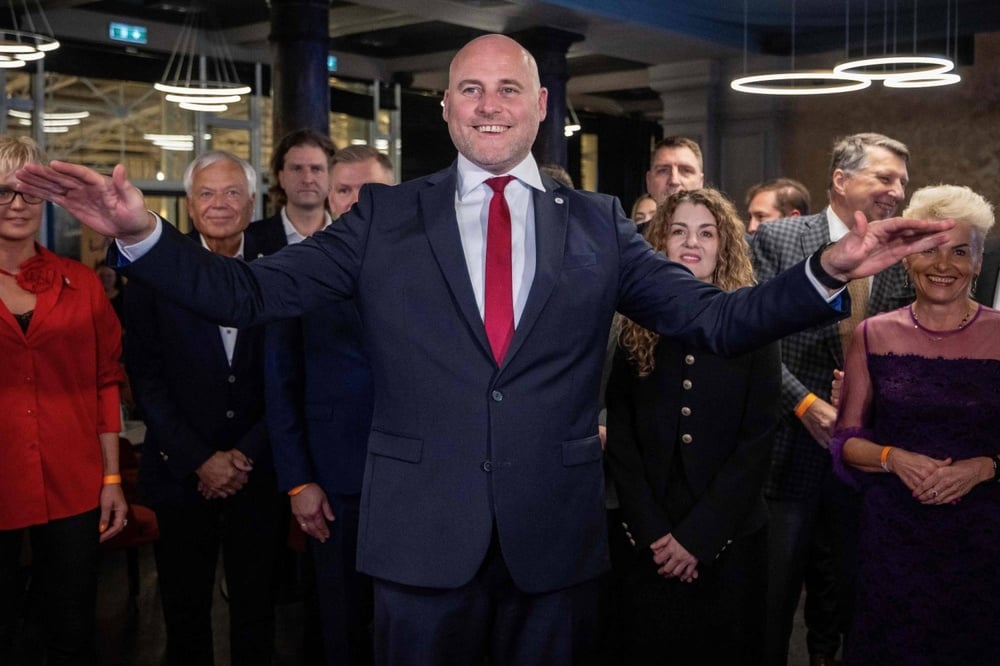

2026 © Helium Trades
Privacy Policy & Disclosure
* Disclaimer: Nothing on this website constitutes investment advice, performance data or any recommendation that any particular security, portfolio of securities, transaction or investment strategy is suitable for any specific person. Helium Trades is not responsible in any way for the accuracy
of any model predictions or price data. Any mention of a particular security and related prediction data is not a recommendation to buy or sell that security. Investments in securities involve the risk of loss. Past performance is no guarantee of future results. Helium Trades is not responsible for any of your investment decisions,
you should consult a financial expert before engaging in any transaction.
Helium Research Assistant

How can I help you today?
Ask any question about this page.


