See whether Helium helps you make better-informed decisions. Try every Pro Trader feature for 30 days. No credit card required.
Try every Pro Trader feature for 30 days. No credit card required.
October 27, 2026 · 0 shares
A wire-style report that attributes all contested claims to named actors and states British government policy on apology and reparations without editorializing, though it foregrounds the reparations demand side of the debate.
The Commonwealth is a 56-nation grouping of mostly former British colonies that the British monarch heads, and its biennial CHOGM summit is where Caribbean governments have sought to advance reparations claims.
Automated analysis; not human reviewed.
·
13 of 55 available dimensions scored; omitted dimensions are not treated as neutral.
·
Verified supporting quotes for 12 of 13 scored dimensions.
Claim: Contested positions are presented through attribution to the parties rather than the publisher's own voice.
“While Buckingham Palace has said the monarch would not shy away from Britain's involvement in the transatlantic slave trade during his tour” · exact text match
“she told Sky News” · exact text match
Why: Both the palace position and Caribbean demands are relayed via their sources.
Claim: The report uses calm, procedural language without dramatic or alarmist framing.
“The tour runs from October 27 to November 4.” · exact text match
Why: Neutral scheduling and institutional description rather than heightened language.
Claim: The story concerns a high-profile royal tour intersecting with a live reparations controversy.
“increasingly vocal demands from the region that Britain pays reparations for its role in the slave trade” · exact text match
Why: Moderate news salience without dramatization.
Claim: The text describes the reparations dispute and stated policies rather than recommending a course of action.
“in keeping with British government policy which also excludes making any financial reparations” · exact text match
Why: Policy is reported as context, not endorsed or urged.
Claim: Publisher commentary is minimal; the piece is largely reporting with quotations.
“a palace spokesperson said” · exact text match
Why: Views appear chiefly in direct quotes from sources.
Claim: The central subject is a governmental and intergovernmental dispute over reparations and apologies.
“said it would push for reparations to be on the CHOGM agenda” · exact text match
Why: The content is inherently about state policy and diplomatic advocacy.
Claim: Certainty is asserted once about an upcoming agenda outcome.
“the issue is certain to be prominent once again” · exact text match
Why: The word 'certain' exceeds what the supplied sourcing establishes, but it is an isolated instance.
Claim: Institutional actors and the monarchy are described neutrally without deference or hostility.
“who remains the head of state of a number of Caribbean nations” · exact text match
Why: Institutions are explained factually, with only slight centering on official proceedings.
Claim: Sources are named, quotes are attributed, and reporting credits are included.
“(Reporting by Michael Holden; Editing by Xevi Fontdegloria)” · exact text match
Why: Clear attribution and byline support trustworthiness within the text.
Claim: Claims are sourced to named actors and supported with historical figures rather than emotive assertion.
“CARICOM's Secretary-General Carla Barnett said in a speech last month” · not found in supplied text
“at least 12.5 million Africans were abducted and sold into slavery by European merchants” · exact text match
Why: Attributed quotations and quantified historical context indicate factual, reasoned presentation.
Claim: One forward-looking expectation is offered without firm evidence.
“the issue is certain to be prominent once again” · exact text match
Why: A forecast about the summit agenda is asserted rather than sourced.
Claim: Competing positions, including the palace's refusal to apologize, are stated plainly rather than softened.
“he would not formally apologise for it as some have wanted” · exact text match
Why: Inconvenient facts for both sides are included without distortion.
Claim: The piece supplies institutional context and historical scale figures alongside competing positions.
“a group of 56 nations which were mainly former British colonies” · exact text match
Why: Explanatory context aids comprehension of the dispute.
October 27, 2026 · 0 shares
Publisher framing is measured and attribution-heavy, presenting calls for an apology and reparations alongside royal and government positions without endorsing either side.
Automated analysis; not human reviewed.
Limitations: The supplied text mixes the substantive royal-tour report with unrelated clickbait headlines and a search-consent notice; analysis excludes those artifacts.
·
55 of 55 available dimensions scored; omitted dimensions are not treated as neutral.
·
Verified supporting quotes for 9 of 55 scored dimensions.
Claim: Publisher framing is largely objective, relying on attributed statements rather than reporter evaluation.
“The King follows the guidance of his ministers and it is understood the Government has not advised him to offer an apology or reparations, in keeping with established policy.” · exact text match
Why: The sentence reports institutional guidance and an attributed understanding rather than asserting a personal judgment.
Claim: The article’s language is measured rather than sensational.
“The King is to begin a tour of the Caribbean as calls mount for him to apologise for Britain’s role in slavery.” · exact text match
Why: The formulation states the tour and the calls plainly, without hyperbolic or emotive phrasing.
Claim: The article is overwhelmingly descriptive and does not prescribe an apology or reparations.
“The King follows the guidance of his ministers and it is understood the Government has not advised him to offer an apology or reparations, in keeping with established policy.” · exact text match
Why: It reports institutional positions and constraints instead of advocating a course of action.
Claim: The subject is explicitly political, centering on Commonwealth, government, and reparations positions.
“The King is to begin a tour of the Caribbean as calls mount for him to apologise for Britain’s role in slavery.” · exact text match
Why: The reported controversy concerns official apologies and reparations, which are political questions.
Claim: Credibility is strong because claims are attributed to named officials, institutions, and direct quotations.
“A Buckingham Palace spokesperson said when details of the visit were announced earlier this month:” · exact text match
“Foreign Secretary Ed Miliband, expected to attend CHOGM with Prime Minister Andy Burnham, recently reiterated the Government’s position during an interview with Politico, a digital newspaper, saying “I don’t think reparations are the answer, and I’ve had those discussions already with some of our Commonwealth colleagues.”” · exact text match
Why: The text visibly attributes positions to the palace and a named minister with direct quotes.
Claim: The article lays out the government’s reparations rationale in a structured, non-emotive way.
“The UK Government’s position on reparations is well established, it acknowledges the trade in enslaved people was abhorrent and its impact is still felt today, but it will not pay financial reparations for historical acts that did not break international laws at the time and is committed to continued dialogue with Commonwealth nations.” · exact text match
Why: The passage states institutional reasoning and constraints rather than relying on emotional appeals.
Claim: The article includes limited forecasting about topics likely to arise during the tour.
“The issue of reparations – financial compensation or other forms of redress from slave trading nations – is likely to be another topic he is asked to address.” · exact text match
Why: The word “likely” frames an expected future question, but the forecast is clearly marked.
Claim: The article shows fair handling by including rival official positions.
“A Buckingham Palace spokesperson said when details of the visit were announced earlier this month: “There are important discussions taking place in various fora about colonial legacy and the intergenerational impact of the transatlantic trade in enslaved persons.” · exact text match
““I don’t think reparations are the answer, and I’ve had those discussions already with some of our Commonwealth colleagues.”” · exact text match
Why: Palace and government positions are quoted alongside calls for apology and reparations.
Claim: The article supplies historical and institutional context rather than treating the tour as mere ceremony.
“Elizabeth I backed the lucrative dealings of John Hawkins, one of Britain’s first slave traders, and Charles II encouraged the expansion of the enterprise granting a charter to a group of men, the Royal Adventurers, who later became the Royal African Company, and invested private funds in the firm, as did the Duke of York.” · exact text match
Why: Specific historical detail connects the monarchy to the slavery reparations debate.
The supplied text mixes the substantive royal-tour report with unrelated clickbait headlines and a search-consent notice; analysis excludes those artifacts.
October 27, 2026 · 0 shares
The reporting neutrally frames the tension between King Charles III's symbolic acknowledgment of Caribbean history and the official UK government policy against offering reparations or apologies.
Automated analysis; not human reviewed.
·
55 of 55 available dimensions scored; omitted dimensions are not treated as neutral.
·
Verified supporting quotes for 0 of 55 scored dimensions.
October 24, 2026 · 0 shares
The report frames the Caribbean tour through a royal-insider risk-and-reward lens, using dramatic 'biggest risk' language and palace-centered sourcing while noting reparations and republican political pressures.
Automated analysis; not human reviewed.
Limitations: The main limitation is that the report is a royal-correspondent feature blending reported facts with attributed risk assessments and insider framing; external facts about the tour were not independently verified.
·
8 of 55 available dimensions scored; omitted dimensions are not treated as neutral.
·
Verified supporting quotes for 8 of 8 scored dimensions.
Claim: The report adopts a palace-insider perspective and frames reparations and republicanism as opportunities for campaigners, with protests treated as a risk.
“But apologies, reparations, and republicanism are rich pickings for campaigners and protests are likely.” · exact text match
“Lurking in the back of Royal Household minds will also be memories of the last tour by senior royals to the Caribbean in the early part of 2022.” · exact text match
Why: The 'rich pickings for campaigners' phrasing and focus on Royal Household concerns signal a slightly elitist, palace-centered viewpoint.
Claim: The article uses subjective evaluative language about royal coverage and its effects.
“The level of coverage Harry and Meghan get is unsettling and, at times, irritating for the Royal Family.” · exact text match
Why: This presents an emotional characterization as a factual description of coverage and its impact.
Claim: The headline and framing use dramatic risk language.
“Why the King's Caribbean tour could be 'biggest risk of his reign'.” · exact text match
“The planning is meticulous and dates back months, sometimes years, but there is always jeopardy.” · exact text match
Why: 'Biggest risk of his reign' and 'jeopardy' heighten the stakes beyond a neutral schedule report.
Claim: The tour is framed through political debates over reparations, apology, and republicanism.
“It also throws him directly into the heat of the debate over the payment of reparations” · exact text match
“In Antigua and Barbuda and the Bahamas, where the King is head of state, the conversation about becoming a republic has significant support.” · exact text match
Why: The article explicitly organizes the tour around reparations and republican political questions.
Claim: The report organizes the tour around palace concerns and repeats palace positions.
“This is the reality for the King and Buckingham Palace, and they are accepting of it.” · exact text match
“Buckingham Palace says that acknowledging the wrongs of the past will be built into the King's programme in all three countries.” · exact text match
Why: The framing centers royal household concerns and palace statements as the organizing viewpoint.
Claim: The report attributes claims to named or institutional sources and preserves uncertainty.
“A senior royal aide said that the King would "not shy away from the darkest days of our past" but stressed that decisions over apologies and reparations were matters for government.” · exact text match
“The leaders of all three countries have voiced their support for reparatory justice.” · exact text match
Why: Direct attribution to a royal aide and a stated claim about Caribbean leaders show visible sourcing; uncertainty markers like 'could' and 'likely' are used elsewhere.
Claim: The report forecasts risks, protests, and possible outcomes beyond confirmed events.
“This is a trip that comes with potential pitfalls but also the possibility of great reward for the King.” · exact text match
“But apologies, reparations, and republicanism are rich pickings for campaigners and protests are likely.” · exact text match
Why: These sentences project likely protests and possible success or pitfalls rather than report only confirmed occurrences.
Claim: The article gives space to both palace positions and Caribbean reparations sentiment.
“Buckingham Palace says that acknowledging the wrongs of the past will be built into the King's programme in all three countries.” · exact text match
“The leaders of all three countries have voiced their support for reparatory justice.” · exact text match
Why: Including both the palace's stated programme and the leaders' reparatory-justice stance signals internal fairness in presenting the dispute.
The main limitation is that the report is a royal-correspondent feature blending reported facts with attributed risk assessments and insider framing; external facts about the tour were not independently verified.
October 27, 2026 · 0 shares
Publisher framing is measured and attribution-heavy, presenting calls for an apology and reparations alongside royal and government positions without endorsing either side.
Automated analysis; not human reviewed.
Limitations: The supplied text mixes the substantive royal-tour report with unrelated clickbait headlines and a search-consent notice; analysis excludes those artifacts.
·
55 of 55 available dimensions scored; omitted dimensions are not treated as neutral.
·
Verified supporting quotes for 9 of 55 scored dimensions.
Claim: Publisher framing is largely objective, relying on attributed statements rather than reporter evaluation.
“The King follows the guidance of his ministers and it is understood the Government has not advised him to offer an apology or reparations, in keeping with established policy.” · exact text match
Why: The sentence reports institutional guidance and an attributed understanding rather than asserting a personal judgment.
Claim: The article’s language is measured rather than sensational.
“The King is to begin a tour of the Caribbean as calls mount for him to apologise for Britain’s role in slavery.” · exact text match
Why: The formulation states the tour and the calls plainly, without hyperbolic or emotive phrasing.
Claim: The article is overwhelmingly descriptive and does not prescribe an apology or reparations.
“The King follows the guidance of his ministers and it is understood the Government has not advised him to offer an apology or reparations, in keeping with established policy.” · exact text match
Why: It reports institutional positions and constraints instead of advocating a course of action.
Claim: The subject is explicitly political, centering on Commonwealth, government, and reparations positions.
“The King is to begin a tour of the Caribbean as calls mount for him to apologise for Britain’s role in slavery.” · exact text match
Why: The reported controversy concerns official apologies and reparations, which are political questions.
Claim: Credibility is strong because claims are attributed to named officials, institutions, and direct quotations.
“A Buckingham Palace spokesperson said when details of the visit were announced earlier this month:” · exact text match
“Foreign Secretary Ed Miliband, expected to attend CHOGM with Prime Minister Andy Burnham, recently reiterated the Government’s position during an interview with Politico, a digital newspaper, saying “I don’t think reparations are the answer, and I’ve had those discussions already with some of our Commonwealth colleagues.”” · exact text match
Why: The text visibly attributes positions to the palace and a named minister with direct quotes.
Claim: The article lays out the government’s reparations rationale in a structured, non-emotive way.
“The UK Government’s position on reparations is well established, it acknowledges the trade in enslaved people was abhorrent and its impact is still felt today, but it will not pay financial reparations for historical acts that did not break international laws at the time and is committed to continued dialogue with Commonwealth nations.” · exact text match
Why: The passage states institutional reasoning and constraints rather than relying on emotional appeals.
Claim: The article includes limited forecasting about topics likely to arise during the tour.
“The issue of reparations – financial compensation or other forms of redress from slave trading nations – is likely to be another topic he is asked to address.” · exact text match
Why: The word “likely” frames an expected future question, but the forecast is clearly marked.
Claim: The article shows fair handling by including rival official positions.
“A Buckingham Palace spokesperson said when details of the visit were announced earlier this month: “There are important discussions taking place in various fora about colonial legacy and the intergenerational impact of the transatlantic trade in enslaved persons.” · exact text match
““I don’t think reparations are the answer, and I’ve had those discussions already with some of our Commonwealth colleagues.”” · exact text match
Why: Palace and government positions are quoted alongside calls for apology and reparations.
Claim: The article supplies historical and institutional context rather than treating the tour as mere ceremony.
“Elizabeth I backed the lucrative dealings of John Hawkins, one of Britain’s first slave traders, and Charles II encouraged the expansion of the enterprise granting a charter to a group of men, the Royal Adventurers, who later became the Royal African Company, and invested private funds in the firm, as did the Duke of York.” · exact text match
Why: Specific historical detail connects the monarchy to the slavery reparations debate.
The supplied text mixes the substantive royal-tour report with unrelated clickbait headlines and a search-consent notice; analysis excludes those artifacts.
October 27, 2026 · 0 shares
A wire-style report that attributes all contested claims to named actors and states British government policy on apology and reparations without editorializing, though it foregrounds the reparations demand side of the debate.
The Commonwealth is a 56-nation grouping of mostly former British colonies that the British monarch heads, and its biennial CHOGM summit is where Caribbean governments have sought to advance reparations claims.
Automated analysis; not human reviewed.
·
13 of 55 available dimensions scored; omitted dimensions are not treated as neutral.
·
Verified supporting quotes for 12 of 13 scored dimensions.
Claim: Contested positions are presented through attribution to the parties rather than the publisher's own voice.
“While Buckingham Palace has said the monarch would not shy away from Britain's involvement in the transatlantic slave trade during his tour” · exact text match
“she told Sky News” · exact text match
Why: Both the palace position and Caribbean demands are relayed via their sources.
Claim: The report uses calm, procedural language without dramatic or alarmist framing.
“The tour runs from October 27 to November 4.” · exact text match
Why: Neutral scheduling and institutional description rather than heightened language.
Claim: The story concerns a high-profile royal tour intersecting with a live reparations controversy.
“increasingly vocal demands from the region that Britain pays reparations for its role in the slave trade” · exact text match
Why: Moderate news salience without dramatization.
Claim: The text describes the reparations dispute and stated policies rather than recommending a course of action.
“in keeping with British government policy which also excludes making any financial reparations” · exact text match
Why: Policy is reported as context, not endorsed or urged.
Claim: Publisher commentary is minimal; the piece is largely reporting with quotations.
“a palace spokesperson said” · exact text match
Why: Views appear chiefly in direct quotes from sources.
Claim: The central subject is a governmental and intergovernmental dispute over reparations and apologies.
“said it would push for reparations to be on the CHOGM agenda” · exact text match
Why: The content is inherently about state policy and diplomatic advocacy.
Claim: Certainty is asserted once about an upcoming agenda outcome.
“the issue is certain to be prominent once again” · exact text match
Why: The word 'certain' exceeds what the supplied sourcing establishes, but it is an isolated instance.
Claim: Institutional actors and the monarchy are described neutrally without deference or hostility.
“who remains the head of state of a number of Caribbean nations” · exact text match
Why: Institutions are explained factually, with only slight centering on official proceedings.
Claim: Sources are named, quotes are attributed, and reporting credits are included.
“(Reporting by Michael Holden; Editing by Xevi Fontdegloria)” · exact text match
Why: Clear attribution and byline support trustworthiness within the text.
Claim: Claims are sourced to named actors and supported with historical figures rather than emotive assertion.
“CARICOM's Secretary-General Carla Barnett said in a speech last month” · not found in supplied text
“at least 12.5 million Africans were abducted and sold into slavery by European merchants” · exact text match
Why: Attributed quotations and quantified historical context indicate factual, reasoned presentation.
Claim: One forward-looking expectation is offered without firm evidence.
“the issue is certain to be prominent once again” · exact text match
Why: A forecast about the summit agenda is asserted rather than sourced.
Claim: Competing positions, including the palace's refusal to apologize, are stated plainly rather than softened.
“he would not formally apologise for it as some have wanted” · exact text match
Why: Inconvenient facts for both sides are included without distortion.
Claim: The piece supplies institutional context and historical scale figures alongside competing positions.
“a group of 56 nations which were mainly former British colonies” · exact text match
Why: Explanatory context aids comprehension of the dispute.
October 27, 2026 · 0 shares
Publisher framing is measured and attribution-heavy, presenting calls for an apology and reparations alongside royal and government positions without endorsing either side.
Automated analysis; not human reviewed.
Limitations: The supplied text mixes the substantive royal-tour report with unrelated clickbait headlines and a search-consent notice; analysis excludes those artifacts.
·
55 of 55 available dimensions scored; omitted dimensions are not treated as neutral.
·
Verified supporting quotes for 9 of 55 scored dimensions.
Claim: Publisher framing is largely objective, relying on attributed statements rather than reporter evaluation.
“The King follows the guidance of his ministers and it is understood the Government has not advised him to offer an apology or reparations, in keeping with established policy.” · exact text match
Why: The sentence reports institutional guidance and an attributed understanding rather than asserting a personal judgment.
Claim: The article’s language is measured rather than sensational.
“The King is to begin a tour of the Caribbean as calls mount for him to apologise for Britain’s role in slavery.” · exact text match
Why: The formulation states the tour and the calls plainly, without hyperbolic or emotive phrasing.
Claim: The article is overwhelmingly descriptive and does not prescribe an apology or reparations.
“The King follows the guidance of his ministers and it is understood the Government has not advised him to offer an apology or reparations, in keeping with established policy.” · exact text match
Why: It reports institutional positions and constraints instead of advocating a course of action.
Claim: The subject is explicitly political, centering on Commonwealth, government, and reparations positions.
“The King is to begin a tour of the Caribbean as calls mount for him to apologise for Britain’s role in slavery.” · exact text match
Why: The reported controversy concerns official apologies and reparations, which are political questions.
Claim: Credibility is strong because claims are attributed to named officials, institutions, and direct quotations.
“A Buckingham Palace spokesperson said when details of the visit were announced earlier this month:” · exact text match
“Foreign Secretary Ed Miliband, expected to attend CHOGM with Prime Minister Andy Burnham, recently reiterated the Government’s position during an interview with Politico, a digital newspaper, saying “I don’t think reparations are the answer, and I’ve had those discussions already with some of our Commonwealth colleagues.”” · exact text match
Why: The text visibly attributes positions to the palace and a named minister with direct quotes.
Claim: The article lays out the government’s reparations rationale in a structured, non-emotive way.
“The UK Government’s position on reparations is well established, it acknowledges the trade in enslaved people was abhorrent and its impact is still felt today, but it will not pay financial reparations for historical acts that did not break international laws at the time and is committed to continued dialogue with Commonwealth nations.” · exact text match
Why: The passage states institutional reasoning and constraints rather than relying on emotional appeals.
Claim: The article includes limited forecasting about topics likely to arise during the tour.
“The issue of reparations – financial compensation or other forms of redress from slave trading nations – is likely to be another topic he is asked to address.” · exact text match
Why: The word “likely” frames an expected future question, but the forecast is clearly marked.
Claim: The article shows fair handling by including rival official positions.
“A Buckingham Palace spokesperson said when details of the visit were announced earlier this month: “There are important discussions taking place in various fora about colonial legacy and the intergenerational impact of the transatlantic trade in enslaved persons.” · exact text match
““I don’t think reparations are the answer, and I’ve had those discussions already with some of our Commonwealth colleagues.”” · exact text match
Why: Palace and government positions are quoted alongside calls for apology and reparations.
Claim: The article supplies historical and institutional context rather than treating the tour as mere ceremony.
“Elizabeth I backed the lucrative dealings of John Hawkins, one of Britain’s first slave traders, and Charles II encouraged the expansion of the enterprise granting a charter to a group of men, the Royal Adventurers, who later became the Royal African Company, and invested private funds in the firm, as did the Duke of York.” · exact text match
Why: Specific historical detail connects the monarchy to the slavery reparations debate.
The supplied text mixes the substantive royal-tour report with unrelated clickbait headlines and a search-consent notice; analysis excludes those artifacts.
October 26, 2026 · 0 shares
Frames the royal tour primarily through Caribbean reparations demands and a morally charged colonial-reckoning lens, while still attributing British government and palace positions.
The Judicial Committee of the Privy Council is the highest court of appeal for several Caribbean Commonwealth countries, so its rulings can carry legal and political weight.
Automated analysis; not human reviewed.
Limitations: The supplied article text contains duplicated paragraphs and promotional/link blocks; analysis is confined to the substantive body.
·
19 of 55 available dimensions scored; omitted dimensions are not treated as neutral.
·
Verified supporting quotes for 19 of 19 scored dimensions.
Claim: Frames Britain’s colonial role as owing redress to the Caribbean.
“the Caribbean’s unresolved demand that Britain confront the consequences of an empire built in part on enslaved African labor.” · exact text match
Why: The publisher adopts reparations-advocacy language and centers colonial guilt, a left-leaning framing on this issue.
Claim: Relies on named commissioners, professors, and legal institutions to frame the dispute.
“Prof.
Hilary Beckles, chairman of the CARICOM Reparations Commission, has publicly appealed to Charles to support serious reparations talks”
· exact text match
Why: The appeal is structured through elite expert and legal channels rather than mass-populist framing.
Claim: Slightly foregrounds legal obligation and state/institutional redress over voluntarist framing.
“whether Britain has a legal obligation to provide restitution for slavery and its continuing consequences” · exact text match
Why: The legal-obligation framing mildly tilts toward institutional authority, but the article mostly reports demands rather than advocating coercion.
Claim: Includes evaluative moral characterization of the apology distinction.
“That distinction is becoming increasingly difficult to ignore in the Caribbean.” · exact text match
Why: The statement is an interpretive judgment rather than a reported fact.
Claim: Tour details are presented in measured, attributed terms.
“The King’s Autumn Tour begins October 27 and runs through November 4, according to Buckingham Palace.” · exact text match
Why: Sourcing and plain date reporting indicate low sensationalism.
Claim: Ends with a normative question about settling past obligations.
“can Britain and the Caribbean truly talk about a shared future without settling the unfinished business of their past?” · exact text match
Why: The closing question slightly moves beyond description into prescription.
Claim: Publisher ranks developments and characterizes significance.
“Perhaps the most consequential development, however, comes from a Caribbean country the King is not visiting on this tour.” · exact text match
Why: The “most consequential” judgment is editorial rather than neutral reportage.
Claim: The central frame is a public policy and historical-justice dispute.
“slavery, reparations, and the Caribbean’s unresolved demand that Britain confront the consequences of an empire built in part on enslaved African labor.” · exact text match
Why: Reparations, legal obligations, and Commonwealth diplomacy are political matters.
Claim: Centers Caribbean grievance as owed redress.
“the Caribbean’s unresolved demand that Britain confront the consequences of an empire built in part on enslaved African labor.” · exact text match
Why: Historical grievance framing is present but tied to reported advocacy.
Claim: Uses decisive language to characterize a contested historical argument.
“Newman demolishes Britain’s long-standing defense that colonial slavery was strictly the work of private enterprises – establishing instead that the Crown designed, funded, enforced, and profited from the Caribbean slave system across multiple monarchies spanning nearly 250 years.” · exact text match
Why: “Demolishes” and “establishing” assert decisive refutation rather than reporting a contested claim.
Claim: Closes with a reparative-justice lens on the tour.
“can Britain and the Caribbean truly talk about a shared future without settling the unfinished business of their past?” · exact text match
Why: The rhetorical frame presupposes a moral debt-centered interpretation.
Claim: Tilts toward anti-establishment critique of Britain’s official position.
“The British government has continued to reject calls to pay reparations.” · exact text match
Why: The article centers criticism of the British establishment’s refusal, though it still reports palace and government positions.
Claim: Uses restrained negative moral pressure in describing the apology issue.
“That distinction is becoming increasingly difficult to ignore in the Caribbean.” · exact text match
Why: The wording carries a mildly negative evaluative charge rather than neutral description.
Claim: Attributes major claims and includes the counter-position.
“The King’s Autumn Tour begins October 27 and runs through November 4, according to Buckingham Palace.” · exact text match
“The British government has continued to reject calls to pay reparations.” · exact text match
Why: Named institutions and inclusion of the UK rejection support credibility.
Claim: Presents the dispute through attributed legal questions and institutional process.
“In September, Jamaica submitted a landmark petition to King Charles asking him to refer three legal questions concerning slavery to the Judicial Committee of the Privy Council.” · exact text match
Why: Structured, evidence-attributed legal framing supports a rational classification.
Claim: Forecasts possible legal and political effects of the petition.
“Jamaican officials believe the process could influence future negotiations and potentially establish an important legal precedent for other Caribbean nations pursuing reparatory justice.” · exact text match
Why: The conditional future-effect language is speculative, though attributed.
Claim: Uses a closing rhetorical question to frame the tour as unfinished moral business.
“can Britain and the Caribbean truly talk about a shared future without settling the unfinished business of their past?” · exact text match
Why: Rhetorical framing is observable but mild.
Claim: Includes the British government’s rejection and the King’s non-apology.
“The British government has continued to reject calls to pay reparations.
King Charles, meanwhile, has expressed sorrow over slavery and has supported research into the monarchy’s historical links to the slave trade, but he has not issued a formal royal apology.”
· exact text match
Why: Including the opposing institutional position and limitations on the King’s response signals fairness.
Claim: Synthesizes legal, historical, and diplomatic threads.
“The questions go to the heart of Britain’s colonial relationship with Jamaica: whether the forced transportation of Africans to the island was lawful under English law; whether the enslavement of Africans constituted a crime against humanity; and whether Britain has a legal obligation to provide restitution for slavery and its continuing consequences.” · exact text match
Why: The article connects multiple institutional and historical strands with specific detail.
The supplied article text contains duplicated paragraphs and promotional/link blocks; analysis is confined to the substantive body.
October 28, 2026 · 0 shares
The framing centers on the intersection of historical accountability and future global challenges, positioning King Charles III's Caribbean tour as a moment for symbolic redress amid pressing climate concerns.
October 24, 2026 · 0 shares
The report frames the Caribbean tour through a royal-insider risk-and-reward lens, using dramatic 'biggest risk' language and palace-centered sourcing while noting reparations and republican political pressures.
Automated analysis; not human reviewed.
Limitations: The main limitation is that the report is a royal-correspondent feature blending reported facts with attributed risk assessments and insider framing; external facts about the tour were not independently verified.
·
8 of 55 available dimensions scored; omitted dimensions are not treated as neutral.
·
Verified supporting quotes for 8 of 8 scored dimensions.
Claim: The report adopts a palace-insider perspective and frames reparations and republicanism as opportunities for campaigners, with protests treated as a risk.
“But apologies, reparations, and republicanism are rich pickings for campaigners and protests are likely.” · exact text match
“Lurking in the back of Royal Household minds will also be memories of the last tour by senior royals to the Caribbean in the early part of 2022.” · exact text match
Why: The 'rich pickings for campaigners' phrasing and focus on Royal Household concerns signal a slightly elitist, palace-centered viewpoint.
Claim: The article uses subjective evaluative language about royal coverage and its effects.
“The level of coverage Harry and Meghan get is unsettling and, at times, irritating for the Royal Family.” · exact text match
Why: This presents an emotional characterization as a factual description of coverage and its impact.
Claim: The headline and framing use dramatic risk language.
“Why the King's Caribbean tour could be 'biggest risk of his reign'.” · exact text match
“The planning is meticulous and dates back months, sometimes years, but there is always jeopardy.” · exact text match
Why: 'Biggest risk of his reign' and 'jeopardy' heighten the stakes beyond a neutral schedule report.
Claim: The tour is framed through political debates over reparations, apology, and republicanism.
“It also throws him directly into the heat of the debate over the payment of reparations” · exact text match
“In Antigua and Barbuda and the Bahamas, where the King is head of state, the conversation about becoming a republic has significant support.” · exact text match
Why: The article explicitly organizes the tour around reparations and republican political questions.
Claim: The report organizes the tour around palace concerns and repeats palace positions.
“This is the reality for the King and Buckingham Palace, and they are accepting of it.” · exact text match
“Buckingham Palace says that acknowledging the wrongs of the past will be built into the King's programme in all three countries.” · exact text match
Why: The framing centers royal household concerns and palace statements as the organizing viewpoint.
Claim: The report attributes claims to named or institutional sources and preserves uncertainty.
“A senior royal aide said that the King would "not shy away from the darkest days of our past" but stressed that decisions over apologies and reparations were matters for government.” · exact text match
“The leaders of all three countries have voiced their support for reparatory justice.” · exact text match
Why: Direct attribution to a royal aide and a stated claim about Caribbean leaders show visible sourcing; uncertainty markers like 'could' and 'likely' are used elsewhere.
Claim: The report forecasts risks, protests, and possible outcomes beyond confirmed events.
“This is a trip that comes with potential pitfalls but also the possibility of great reward for the King.” · exact text match
“But apologies, reparations, and republicanism are rich pickings for campaigners and protests are likely.” · exact text match
Why: These sentences project likely protests and possible success or pitfalls rather than report only confirmed occurrences.
Claim: The article gives space to both palace positions and Caribbean reparations sentiment.
“Buckingham Palace says that acknowledging the wrongs of the past will be built into the King's programme in all three countries.” · exact text match
“The leaders of all three countries have voiced their support for reparatory justice.” · exact text match
Why: Including both the palace's stated programme and the leaders' reparatory-justice stance signals internal fairness in presenting the dispute.
The main limitation is that the report is a royal-correspondent feature blending reported facts with attributed risk assessments and insider framing; external facts about the tour were not independently verified.
October 27, 2026 · 0 shares
Presents the monarchy's response to historical colonial demands as a notable public reckoning with the past.
Automated analysis; not human reviewed. · 55 of 55 available dimensions scored; omitted dimensions are not treated as neutral. · Verified supporting quotes for 0 of 55 scored dimensions.
October 27, 2026 · 0 shares
The reporting neutrally frames the tension between King Charles III's symbolic acknowledgment of Caribbean history and the official UK government policy against offering reparations or apologies.
Automated analysis; not human reviewed. · 55 of 55 available dimensions scored; omitted dimensions are not treated as neutral. · Verified supporting quotes for 0 of 55 scored dimensions.
October 27, 2026 · 0 shares
A wire-style report that attributes all contested claims to named actors and states British government policy on apology and reparations without editorializing, though it foregrounds the reparations demand side of the debate.
The Commonwealth is a 56-nation grouping of mostly former British colonies that the British monarch heads, and its biennial CHOGM summit is where Caribbean governments have sought to advance reparations claims.
Automated analysis; not human reviewed. · 13 of 55 available dimensions scored; omitted dimensions are not treated as neutral. · Verified supporting quotes for 12 of 13 scored dimensions.
Claim: Contested positions are presented through attribution to the parties rather than the publisher's own voice.
“While Buckingham Palace has said the monarch would not shy away from Britain's involvement in the transatlantic slave trade during his tour” · exact text match
“she told Sky News” · exact text match
Why: Both the palace position and Caribbean demands are relayed via their sources.
Claim: The report uses calm, procedural language without dramatic or alarmist framing.
“The tour runs from October 27 to November 4.” · exact text match
Why: Neutral scheduling and institutional description rather than heightened language.
Claim: The story concerns a high-profile royal tour intersecting with a live reparations controversy.
“increasingly vocal demands from the region that Britain pays reparations for its role in the slave trade” · exact text match
Why: Moderate news salience without dramatization.
Claim: The text describes the reparations dispute and stated policies rather than recommending a course of action.
“in keeping with British government policy which also excludes making any financial reparations” · exact text match
Why: Policy is reported as context, not endorsed or urged.
Claim: Publisher commentary is minimal; the piece is largely reporting with quotations.
“a palace spokesperson said” · exact text match
Why: Views appear chiefly in direct quotes from sources.
Claim: The central subject is a governmental and intergovernmental dispute over reparations and apologies.
“said it would push for reparations to be on the CHOGM agenda” · exact text match
Why: The content is inherently about state policy and diplomatic advocacy.
Claim: Certainty is asserted once about an upcoming agenda outcome.
“the issue is certain to be prominent once again” · exact text match
Why: The word 'certain' exceeds what the supplied sourcing establishes, but it is an isolated instance.
Claim: Institutional actors and the monarchy are described neutrally without deference or hostility.
“who remains the head of state of a number of Caribbean nations” · exact text match
Why: Institutions are explained factually, with only slight centering on official proceedings.
Claim: Sources are named, quotes are attributed, and reporting credits are included.
“(Reporting by Michael Holden; Editing by Xevi Fontdegloria)” · exact text match
Why: Clear attribution and byline support trustworthiness within the text.
Claim: Claims are sourced to named actors and supported with historical figures rather than emotive assertion.
“CARICOM's Secretary-General Carla Barnett said in a speech last month” · not found in supplied text
“at least 12.5 million Africans were abducted and sold into slavery by European merchants” · exact text match
Why: Attributed quotations and quantified historical context indicate factual, reasoned presentation.
Claim: One forward-looking expectation is offered without firm evidence.
“the issue is certain to be prominent once again” · exact text match
Why: A forecast about the summit agenda is asserted rather than sourced.
Claim: Competing positions, including the palace's refusal to apologize, are stated plainly rather than softened.
“he would not formally apologise for it as some have wanted” · exact text match
Why: Inconvenient facts for both sides are included without distortion.
Claim: The piece supplies institutional context and historical scale figures alongside competing positions.
“a group of 56 nations which were mainly former British colonies” · exact text match
Why: Explanatory context aids comprehension of the dispute.
October 27, 2026 · 0 shares
Publisher framing is measured and attribution-heavy, presenting calls for an apology and reparations alongside royal and government positions without endorsing either side.
Automated analysis; not human reviewed. Limitations: The supplied text mixes the substantive royal-tour report with unrelated clickbait headlines and a search-consent notice; analysis excludes those artifacts. · 55 of 55 available dimensions scored; omitted dimensions are not treated as neutral. · Verified supporting quotes for 9 of 55 scored dimensions.
Claim: Publisher framing is largely objective, relying on attributed statements rather than reporter evaluation.
“The King follows the guidance of his ministers and it is understood the Government has not advised him to offer an apology or reparations, in keeping with established policy.” · exact text match
Why: The sentence reports institutional guidance and an attributed understanding rather than asserting a personal judgment.
Claim: The article’s language is measured rather than sensational.
“The King is to begin a tour of the Caribbean as calls mount for him to apologise for Britain’s role in slavery.” · exact text match
Why: The formulation states the tour and the calls plainly, without hyperbolic or emotive phrasing.
Claim: The article is overwhelmingly descriptive and does not prescribe an apology or reparations.
“The King follows the guidance of his ministers and it is understood the Government has not advised him to offer an apology or reparations, in keeping with established policy.” · exact text match
Why: It reports institutional positions and constraints instead of advocating a course of action.
Claim: The subject is explicitly political, centering on Commonwealth, government, and reparations positions.
“The King is to begin a tour of the Caribbean as calls mount for him to apologise for Britain’s role in slavery.” · exact text match
Why: The reported controversy concerns official apologies and reparations, which are political questions.
Claim: Credibility is strong because claims are attributed to named officials, institutions, and direct quotations.
“A Buckingham Palace spokesperson said when details of the visit were announced earlier this month:” · exact text match
“Foreign Secretary Ed Miliband, expected to attend CHOGM with Prime Minister Andy Burnham, recently reiterated the Government’s position during an interview with Politico, a digital newspaper, saying “I don’t think reparations are the answer, and I’ve had those discussions already with some of our Commonwealth colleagues.”” · exact text match
Why: The text visibly attributes positions to the palace and a named minister with direct quotes.
Claim: The article lays out the government’s reparations rationale in a structured, non-emotive way.
“The UK Government’s position on reparations is well established, it acknowledges the trade in enslaved people was abhorrent and its impact is still felt today, but it will not pay financial reparations for historical acts that did not break international laws at the time and is committed to continued dialogue with Commonwealth nations.” · exact text match
Why: The passage states institutional reasoning and constraints rather than relying on emotional appeals.
Claim: The article includes limited forecasting about topics likely to arise during the tour.
“The issue of reparations – financial compensation or other forms of redress from slave trading nations – is likely to be another topic he is asked to address.” · exact text match
Why: The word “likely” frames an expected future question, but the forecast is clearly marked.
Claim: The article shows fair handling by including rival official positions.
“A Buckingham Palace spokesperson said when details of the visit were announced earlier this month: “There are important discussions taking place in various fora about colonial legacy and the intergenerational impact of the transatlantic trade in enslaved persons.” · exact text match
““I don’t think reparations are the answer, and I’ve had those discussions already with some of our Commonwealth colleagues.”” · exact text match
Why: Palace and government positions are quoted alongside calls for apology and reparations.
Claim: The article supplies historical and institutional context rather than treating the tour as mere ceremony.
“Elizabeth I backed the lucrative dealings of John Hawkins, one of Britain’s first slave traders, and Charles II encouraged the expansion of the enterprise granting a charter to a group of men, the Royal Adventurers, who later became the Royal African Company, and invested private funds in the firm, as did the Duke of York.” · exact text match
Why: Specific historical detail connects the monarchy to the slavery reparations debate.
The supplied text mixes the substantive royal-tour report with unrelated clickbait headlines and a search-consent notice; analysis excludes those artifacts.
October 27, 2026 · 0 shares
A wire-style report that attributes all contested claims to named actors and states British government policy on apology and reparations without editorializing, though it foregrounds the reparations demand side of the debate.
The Commonwealth is a 56-nation grouping of mostly former British colonies that the British monarch heads, and its biennial CHOGM summit is where Caribbean governments have sought to advance reparations claims.
Automated analysis; not human reviewed. · 13 of 55 available dimensions scored; omitted dimensions are not treated as neutral. · Verified supporting quotes for 12 of 13 scored dimensions.
Claim: Contested positions are presented through attribution to the parties rather than the publisher's own voice.
“While Buckingham Palace has said the monarch would not shy away from Britain's involvement in the transatlantic slave trade during his tour” · exact text match
“she told Sky News” · exact text match
Why: Both the palace position and Caribbean demands are relayed via their sources.
Claim: The report uses calm, procedural language without dramatic or alarmist framing.
“The tour runs from October 27 to November 4.” · exact text match
Why: Neutral scheduling and institutional description rather than heightened language.
Claim: The story concerns a high-profile royal tour intersecting with a live reparations controversy.
“increasingly vocal demands from the region that Britain pays reparations for its role in the slave trade” · exact text match
Why: Moderate news salience without dramatization.
Claim: The text describes the reparations dispute and stated policies rather than recommending a course of action.
“in keeping with British government policy which also excludes making any financial reparations” · exact text match
Why: Policy is reported as context, not endorsed or urged.
Claim: Publisher commentary is minimal; the piece is largely reporting with quotations.
“a palace spokesperson said” · exact text match
Why: Views appear chiefly in direct quotes from sources.
Claim: The central subject is a governmental and intergovernmental dispute over reparations and apologies.
“said it would push for reparations to be on the CHOGM agenda” · exact text match
Why: The content is inherently about state policy and diplomatic advocacy.
Claim: Certainty is asserted once about an upcoming agenda outcome.
“the issue is certain to be prominent once again” · exact text match
Why: The word 'certain' exceeds what the supplied sourcing establishes, but it is an isolated instance.
Claim: Institutional actors and the monarchy are described neutrally without deference or hostility.
“who remains the head of state of a number of Caribbean nations” · exact text match
Why: Institutions are explained factually, with only slight centering on official proceedings.
Claim: Sources are named, quotes are attributed, and reporting credits are included.
“(Reporting by Michael Holden; Editing by Xevi Fontdegloria)” · exact text match
Why: Clear attribution and byline support trustworthiness within the text.
Claim: Claims are sourced to named actors and supported with historical figures rather than emotive assertion.
“CARICOM's Secretary-General Carla Barnett said in a speech last month” · not found in supplied text
“at least 12.5 million Africans were abducted and sold into slavery by European merchants” · exact text match
Why: Attributed quotations and quantified historical context indicate factual, reasoned presentation.
Claim: One forward-looking expectation is offered without firm evidence.
“the issue is certain to be prominent once again” · exact text match
Why: A forecast about the summit agenda is asserted rather than sourced.
Claim: Competing positions, including the palace's refusal to apologize, are stated plainly rather than softened.
“he would not formally apologise for it as some have wanted” · exact text match
Why: Inconvenient facts for both sides are included without distortion.
Claim: The piece supplies institutional context and historical scale figures alongside competing positions.
“a group of 56 nations which were mainly former British colonies” · exact text match
Why: Explanatory context aids comprehension of the dispute.
October 26, 2026 · 0 shares
Frames the royal tour primarily through Caribbean reparations demands and a morally charged colonial-reckoning lens, while still attributing British government and palace positions.
The Judicial Committee of the Privy Council is the highest court of appeal for several Caribbean Commonwealth countries, so its rulings can carry legal and political weight.
Automated analysis; not human reviewed. Limitations: The supplied article text contains duplicated paragraphs and promotional/link blocks; analysis is confined to the substantive body. · 19 of 55 available dimensions scored; omitted dimensions are not treated as neutral. · Verified supporting quotes for 19 of 19 scored dimensions.
Claim: Frames Britain’s colonial role as owing redress to the Caribbean.
“the Caribbean’s unresolved demand that Britain confront the consequences of an empire built in part on enslaved African labor.” · exact text match
Why: The publisher adopts reparations-advocacy language and centers colonial guilt, a left-leaning framing on this issue.
Claim: Relies on named commissioners, professors, and legal institutions to frame the dispute.
“Prof. Hilary Beckles, chairman of the CARICOM Reparations Commission, has publicly appealed to Charles to support serious reparations talks” · exact text match
Why: The appeal is structured through elite expert and legal channels rather than mass-populist framing.
Claim: Slightly foregrounds legal obligation and state/institutional redress over voluntarist framing.
“whether Britain has a legal obligation to provide restitution for slavery and its continuing consequences” · exact text match
Why: The legal-obligation framing mildly tilts toward institutional authority, but the article mostly reports demands rather than advocating coercion.
Claim: Includes evaluative moral characterization of the apology distinction.
“That distinction is becoming increasingly difficult to ignore in the Caribbean.” · exact text match
Why: The statement is an interpretive judgment rather than a reported fact.
Claim: Tour details are presented in measured, attributed terms.
“The King’s Autumn Tour begins October 27 and runs through November 4, according to Buckingham Palace.” · exact text match
Why: Sourcing and plain date reporting indicate low sensationalism.
Claim: Ends with a normative question about settling past obligations.
“can Britain and the Caribbean truly talk about a shared future without settling the unfinished business of their past?” · exact text match
Why: The closing question slightly moves beyond description into prescription.
Claim: Publisher ranks developments and characterizes significance.
“Perhaps the most consequential development, however, comes from a Caribbean country the King is not visiting on this tour.” · exact text match
Why: The “most consequential” judgment is editorial rather than neutral reportage.
Claim: The central frame is a public policy and historical-justice dispute.
“slavery, reparations, and the Caribbean’s unresolved demand that Britain confront the consequences of an empire built in part on enslaved African labor.” · exact text match
Why: Reparations, legal obligations, and Commonwealth diplomacy are political matters.
Claim: Centers Caribbean grievance as owed redress.
“the Caribbean’s unresolved demand that Britain confront the consequences of an empire built in part on enslaved African labor.” · exact text match
Why: Historical grievance framing is present but tied to reported advocacy.
Claim: Uses decisive language to characterize a contested historical argument.
“Newman demolishes Britain’s long-standing defense that colonial slavery was strictly the work of private enterprises – establishing instead that the Crown designed, funded, enforced, and profited from the Caribbean slave system across multiple monarchies spanning nearly 250 years.” · exact text match
Why: “Demolishes” and “establishing” assert decisive refutation rather than reporting a contested claim.
Claim: Closes with a reparative-justice lens on the tour.
“can Britain and the Caribbean truly talk about a shared future without settling the unfinished business of their past?” · exact text match
Why: The rhetorical frame presupposes a moral debt-centered interpretation.
Claim: Tilts toward anti-establishment critique of Britain’s official position.
“The British government has continued to reject calls to pay reparations.” · exact text match
Why: The article centers criticism of the British establishment’s refusal, though it still reports palace and government positions.
Claim: Uses restrained negative moral pressure in describing the apology issue.
“That distinction is becoming increasingly difficult to ignore in the Caribbean.” · exact text match
Why: The wording carries a mildly negative evaluative charge rather than neutral description.
Claim: Attributes major claims and includes the counter-position.
“The King’s Autumn Tour begins October 27 and runs through November 4, according to Buckingham Palace.” · exact text match
“The British government has continued to reject calls to pay reparations.” · exact text match
Why: Named institutions and inclusion of the UK rejection support credibility.
Claim: Presents the dispute through attributed legal questions and institutional process.
“In September, Jamaica submitted a landmark petition to King Charles asking him to refer three legal questions concerning slavery to the Judicial Committee of the Privy Council.” · exact text match
Why: Structured, evidence-attributed legal framing supports a rational classification.
Claim: Forecasts possible legal and political effects of the petition.
“Jamaican officials believe the process could influence future negotiations and potentially establish an important legal precedent for other Caribbean nations pursuing reparatory justice.” · exact text match
Why: The conditional future-effect language is speculative, though attributed.
Claim: Uses a closing rhetorical question to frame the tour as unfinished moral business.
“can Britain and the Caribbean truly talk about a shared future without settling the unfinished business of their past?” · exact text match
Why: Rhetorical framing is observable but mild.
Claim: Includes the British government’s rejection and the King’s non-apology.
“The British government has continued to reject calls to pay reparations. King Charles, meanwhile, has expressed sorrow over slavery and has supported research into the monarchy’s historical links to the slave trade, but he has not issued a formal royal apology.” · exact text match
Why: Including the opposing institutional position and limitations on the King’s response signals fairness.
Claim: Synthesizes legal, historical, and diplomatic threads.
“The questions go to the heart of Britain’s colonial relationship with Jamaica: whether the forced transportation of Africans to the island was lawful under English law; whether the enslavement of Africans constituted a crime against humanity; and whether Britain has a legal obligation to provide restitution for slavery and its continuing consequences.” · exact text match
Why: The article connects multiple institutional and historical strands with specific detail.
The supplied article text contains duplicated paragraphs and promotional/link blocks; analysis is confined to the substantive body.
October 27, 2026 · 0 shares
Publisher framing is measured and attribution-heavy, presenting calls for an apology and reparations alongside royal and government positions without endorsing either side.
Automated analysis; not human reviewed. Limitations: The supplied text mixes the substantive royal-tour report with unrelated clickbait headlines and a search-consent notice; analysis excludes those artifacts. · 55 of 55 available dimensions scored; omitted dimensions are not treated as neutral. · Verified supporting quotes for 9 of 55 scored dimensions.
Claim: Publisher framing is largely objective, relying on attributed statements rather than reporter evaluation.
“The King follows the guidance of his ministers and it is understood the Government has not advised him to offer an apology or reparations, in keeping with established policy.” · exact text match
Why: The sentence reports institutional guidance and an attributed understanding rather than asserting a personal judgment.
Claim: The article’s language is measured rather than sensational.
“The King is to begin a tour of the Caribbean as calls mount for him to apologise for Britain’s role in slavery.” · exact text match
Why: The formulation states the tour and the calls plainly, without hyperbolic or emotive phrasing.
Claim: The article is overwhelmingly descriptive and does not prescribe an apology or reparations.
“The King follows the guidance of his ministers and it is understood the Government has not advised him to offer an apology or reparations, in keeping with established policy.” · exact text match
Why: It reports institutional positions and constraints instead of advocating a course of action.
Claim: The subject is explicitly political, centering on Commonwealth, government, and reparations positions.
“The King is to begin a tour of the Caribbean as calls mount for him to apologise for Britain’s role in slavery.” · exact text match
Why: The reported controversy concerns official apologies and reparations, which are political questions.
Claim: Credibility is strong because claims are attributed to named officials, institutions, and direct quotations.
“A Buckingham Palace spokesperson said when details of the visit were announced earlier this month:” · exact text match
“Foreign Secretary Ed Miliband, expected to attend CHOGM with Prime Minister Andy Burnham, recently reiterated the Government’s position during an interview with Politico, a digital newspaper, saying “I don’t think reparations are the answer, and I’ve had those discussions already with some of our Commonwealth colleagues.”” · exact text match
Why: The text visibly attributes positions to the palace and a named minister with direct quotes.
Claim: The article lays out the government’s reparations rationale in a structured, non-emotive way.
“The UK Government’s position on reparations is well established, it acknowledges the trade in enslaved people was abhorrent and its impact is still felt today, but it will not pay financial reparations for historical acts that did not break international laws at the time and is committed to continued dialogue with Commonwealth nations.” · exact text match
Why: The passage states institutional reasoning and constraints rather than relying on emotional appeals.
Claim: The article includes limited forecasting about topics likely to arise during the tour.
“The issue of reparations – financial compensation or other forms of redress from slave trading nations – is likely to be another topic he is asked to address.” · exact text match
Why: The word “likely” frames an expected future question, but the forecast is clearly marked.
Claim: The article shows fair handling by including rival official positions.
“A Buckingham Palace spokesperson said when details of the visit were announced earlier this month: “There are important discussions taking place in various fora about colonial legacy and the intergenerational impact of the transatlantic trade in enslaved persons.” · exact text match
““I don’t think reparations are the answer, and I’ve had those discussions already with some of our Commonwealth colleagues.”” · exact text match
Why: Palace and government positions are quoted alongside calls for apology and reparations.
Claim: The article supplies historical and institutional context rather than treating the tour as mere ceremony.
“Elizabeth I backed the lucrative dealings of John Hawkins, one of Britain’s first slave traders, and Charles II encouraged the expansion of the enterprise granting a charter to a group of men, the Royal Adventurers, who later became the Royal African Company, and invested private funds in the firm, as did the Duke of York.” · exact text match
Why: Specific historical detail connects the monarchy to the slavery reparations debate.
The supplied text mixes the substantive royal-tour report with unrelated clickbait headlines and a search-consent notice; analysis excludes those artifacts.
October 26, 2026 · 0 shares
Frames the royal tour primarily through Caribbean reparations demands and a morally charged colonial-reckoning lens, while still attributing British government and palace positions.
The Judicial Committee of the Privy Council is the highest court of appeal for several Caribbean Commonwealth countries, so its rulings can carry legal and political weight.
Automated analysis; not human reviewed. Limitations: The supplied article text contains duplicated paragraphs and promotional/link blocks; analysis is confined to the substantive body. · 19 of 55 available dimensions scored; omitted dimensions are not treated as neutral. · Verified supporting quotes for 19 of 19 scored dimensions.
Claim: Frames Britain’s colonial role as owing redress to the Caribbean.
“the Caribbean’s unresolved demand that Britain confront the consequences of an empire built in part on enslaved African labor.” · exact text match
Why: The publisher adopts reparations-advocacy language and centers colonial guilt, a left-leaning framing on this issue.
Claim: Relies on named commissioners, professors, and legal institutions to frame the dispute.
“Prof. Hilary Beckles, chairman of the CARICOM Reparations Commission, has publicly appealed to Charles to support serious reparations talks” · exact text match
Why: The appeal is structured through elite expert and legal channels rather than mass-populist framing.
Claim: Slightly foregrounds legal obligation and state/institutional redress over voluntarist framing.
“whether Britain has a legal obligation to provide restitution for slavery and its continuing consequences” · exact text match
Why: The legal-obligation framing mildly tilts toward institutional authority, but the article mostly reports demands rather than advocating coercion.
Claim: Includes evaluative moral characterization of the apology distinction.
“That distinction is becoming increasingly difficult to ignore in the Caribbean.” · exact text match
Why: The statement is an interpretive judgment rather than a reported fact.
Claim: Tour details are presented in measured, attributed terms.
“The King’s Autumn Tour begins October 27 and runs through November 4, according to Buckingham Palace.” · exact text match
Why: Sourcing and plain date reporting indicate low sensationalism.
Claim: Ends with a normative question about settling past obligations.
“can Britain and the Caribbean truly talk about a shared future without settling the unfinished business of their past?” · exact text match
Why: The closing question slightly moves beyond description into prescription.
Claim: Publisher ranks developments and characterizes significance.
“Perhaps the most consequential development, however, comes from a Caribbean country the King is not visiting on this tour.” · exact text match
Why: The “most consequential” judgment is editorial rather than neutral reportage.
Claim: The central frame is a public policy and historical-justice dispute.
“slavery, reparations, and the Caribbean’s unresolved demand that Britain confront the consequences of an empire built in part on enslaved African labor.” · exact text match
Why: Reparations, legal obligations, and Commonwealth diplomacy are political matters.
Claim: Centers Caribbean grievance as owed redress.
“the Caribbean’s unresolved demand that Britain confront the consequences of an empire built in part on enslaved African labor.” · exact text match
Why: Historical grievance framing is present but tied to reported advocacy.
Claim: Uses decisive language to characterize a contested historical argument.
“Newman demolishes Britain’s long-standing defense that colonial slavery was strictly the work of private enterprises – establishing instead that the Crown designed, funded, enforced, and profited from the Caribbean slave system across multiple monarchies spanning nearly 250 years.” · exact text match
Why: “Demolishes” and “establishing” assert decisive refutation rather than reporting a contested claim.
Claim: Closes with a reparative-justice lens on the tour.
“can Britain and the Caribbean truly talk about a shared future without settling the unfinished business of their past?” · exact text match
Why: The rhetorical frame presupposes a moral debt-centered interpretation.
Claim: Tilts toward anti-establishment critique of Britain’s official position.
“The British government has continued to reject calls to pay reparations.” · exact text match
Why: The article centers criticism of the British establishment’s refusal, though it still reports palace and government positions.
Claim: Uses restrained negative moral pressure in describing the apology issue.
“That distinction is becoming increasingly difficult to ignore in the Caribbean.” · exact text match
Why: The wording carries a mildly negative evaluative charge rather than neutral description.
Claim: Attributes major claims and includes the counter-position.
“The King’s Autumn Tour begins October 27 and runs through November 4, according to Buckingham Palace.” · exact text match
“The British government has continued to reject calls to pay reparations.” · exact text match
Why: Named institutions and inclusion of the UK rejection support credibility.
Claim: Presents the dispute through attributed legal questions and institutional process.
“In September, Jamaica submitted a landmark petition to King Charles asking him to refer three legal questions concerning slavery to the Judicial Committee of the Privy Council.” · exact text match
Why: Structured, evidence-attributed legal framing supports a rational classification.
Claim: Forecasts possible legal and political effects of the petition.
“Jamaican officials believe the process could influence future negotiations and potentially establish an important legal precedent for other Caribbean nations pursuing reparatory justice.” · exact text match
Why: The conditional future-effect language is speculative, though attributed.
Claim: Uses a closing rhetorical question to frame the tour as unfinished moral business.
“can Britain and the Caribbean truly talk about a shared future without settling the unfinished business of their past?” · exact text match
Why: Rhetorical framing is observable but mild.
Claim: Includes the British government’s rejection and the King’s non-apology.
“The British government has continued to reject calls to pay reparations. King Charles, meanwhile, has expressed sorrow over slavery and has supported research into the monarchy’s historical links to the slave trade, but he has not issued a formal royal apology.” · exact text match
Why: Including the opposing institutional position and limitations on the King’s response signals fairness.
Claim: Synthesizes legal, historical, and diplomatic threads.
“The questions go to the heart of Britain’s colonial relationship with Jamaica: whether the forced transportation of Africans to the island was lawful under English law; whether the enslavement of Africans constituted a crime against humanity; and whether Britain has a legal obligation to provide restitution for slavery and its continuing consequences.” · exact text match
Why: The article connects multiple institutional and historical strands with specific detail.
The supplied article text contains duplicated paragraphs and promotional/link blocks; analysis is confined to the substantive body.
Caribbean Reparations Advocates (CARICOM)
October 27, 2026 · 0 shares
A wire-style report that attributes all contested claims to named actors and states British government policy on apology and reparations without editorializing, though it foregrounds the reparations demand side of the debate.
The Commonwealth is a 56-nation grouping of mostly former British colonies that the British monarch heads, and its biennial CHOGM summit is where Caribbean governments have sought to advance reparations claims.
Automated analysis; not human reviewed. · 13 of 55 available dimensions scored; omitted dimensions are not treated as neutral. · Verified supporting quotes for 12 of 13 scored dimensions.
Claim: Contested positions are presented through attribution to the parties rather than the publisher's own voice.
“While Buckingham Palace has said the monarch would not shy away from Britain's involvement in the transatlantic slave trade during his tour” · exact text match
“she told Sky News” · exact text match
Why: Both the palace position and Caribbean demands are relayed via their sources.
Claim: The report uses calm, procedural language without dramatic or alarmist framing.
“The tour runs from October 27 to November 4.” · exact text match
Why: Neutral scheduling and institutional description rather than heightened language.
Claim: The story concerns a high-profile royal tour intersecting with a live reparations controversy.
“increasingly vocal demands from the region that Britain pays reparations for its role in the slave trade” · exact text match
Why: Moderate news salience without dramatization.
Claim: The text describes the reparations dispute and stated policies rather than recommending a course of action.
“in keeping with British government policy which also excludes making any financial reparations” · exact text match
Why: Policy is reported as context, not endorsed or urged.
Claim: Publisher commentary is minimal; the piece is largely reporting with quotations.
“a palace spokesperson said” · exact text match
Why: Views appear chiefly in direct quotes from sources.
Claim: The central subject is a governmental and intergovernmental dispute over reparations and apologies.
“said it would push for reparations to be on the CHOGM agenda” · exact text match
Why: The content is inherently about state policy and diplomatic advocacy.
Claim: Certainty is asserted once about an upcoming agenda outcome.
“the issue is certain to be prominent once again” · exact text match
Why: The word 'certain' exceeds what the supplied sourcing establishes, but it is an isolated instance.
Claim: Institutional actors and the monarchy are described neutrally without deference or hostility.
“who remains the head of state of a number of Caribbean nations” · exact text match
Why: Institutions are explained factually, with only slight centering on official proceedings.
Claim: Sources are named, quotes are attributed, and reporting credits are included.
“(Reporting by Michael Holden; Editing by Xevi Fontdegloria)” · exact text match
Why: Clear attribution and byline support trustworthiness within the text.
Claim: Claims are sourced to named actors and supported with historical figures rather than emotive assertion.
“CARICOM's Secretary-General Carla Barnett said in a speech last month” · not found in supplied text
“at least 12.5 million Africans were abducted and sold into slavery by European merchants” · exact text match
Why: Attributed quotations and quantified historical context indicate factual, reasoned presentation.
Claim: One forward-looking expectation is offered without firm evidence.
“the issue is certain to be prominent once again” · exact text match
Why: A forecast about the summit agenda is asserted rather than sourced.
Claim: Competing positions, including the palace's refusal to apologize, are stated plainly rather than softened.
“he would not formally apologise for it as some have wanted” · exact text match
Why: Inconvenient facts for both sides are included without distortion.
Claim: The piece supplies institutional context and historical scale figures alongside competing positions.
“a group of 56 nations which were mainly former British colonies” · exact text match
Why: Explanatory context aids comprehension of the dispute.
October 26, 2026 · 0 shares
Frames the royal tour primarily through Caribbean reparations demands and a morally charged colonial-reckoning lens, while still attributing British government and palace positions.
The Judicial Committee of the Privy Council is the highest court of appeal for several Caribbean Commonwealth countries, so its rulings can carry legal and political weight.
Automated analysis; not human reviewed. Limitations: The supplied article text contains duplicated paragraphs and promotional/link blocks; analysis is confined to the substantive body. · 19 of 55 available dimensions scored; omitted dimensions are not treated as neutral. · Verified supporting quotes for 19 of 19 scored dimensions.
Claim: Frames Britain’s colonial role as owing redress to the Caribbean.
“the Caribbean’s unresolved demand that Britain confront the consequences of an empire built in part on enslaved African labor.” · exact text match
Why: The publisher adopts reparations-advocacy language and centers colonial guilt, a left-leaning framing on this issue.
Claim: Relies on named commissioners, professors, and legal institutions to frame the dispute.
“Prof. Hilary Beckles, chairman of the CARICOM Reparations Commission, has publicly appealed to Charles to support serious reparations talks” · exact text match
Why: The appeal is structured through elite expert and legal channels rather than mass-populist framing.
Claim: Slightly foregrounds legal obligation and state/institutional redress over voluntarist framing.
“whether Britain has a legal obligation to provide restitution for slavery and its continuing consequences” · exact text match
Why: The legal-obligation framing mildly tilts toward institutional authority, but the article mostly reports demands rather than advocating coercion.
Claim: Includes evaluative moral characterization of the apology distinction.
“That distinction is becoming increasingly difficult to ignore in the Caribbean.” · exact text match
Why: The statement is an interpretive judgment rather than a reported fact.
Claim: Tour details are presented in measured, attributed terms.
“The King’s Autumn Tour begins October 27 and runs through November 4, according to Buckingham Palace.” · exact text match
Why: Sourcing and plain date reporting indicate low sensationalism.
Claim: Ends with a normative question about settling past obligations.
“can Britain and the Caribbean truly talk about a shared future without settling the unfinished business of their past?” · exact text match
Why: The closing question slightly moves beyond description into prescription.
Claim: Publisher ranks developments and characterizes significance.
“Perhaps the most consequential development, however, comes from a Caribbean country the King is not visiting on this tour.” · exact text match
Why: The “most consequential” judgment is editorial rather than neutral reportage.
Claim: The central frame is a public policy and historical-justice dispute.
“slavery, reparations, and the Caribbean’s unresolved demand that Britain confront the consequences of an empire built in part on enslaved African labor.” · exact text match
Why: Reparations, legal obligations, and Commonwealth diplomacy are political matters.
Claim: Centers Caribbean grievance as owed redress.
“the Caribbean’s unresolved demand that Britain confront the consequences of an empire built in part on enslaved African labor.” · exact text match
Why: Historical grievance framing is present but tied to reported advocacy.
Claim: Uses decisive language to characterize a contested historical argument.
“Newman demolishes Britain’s long-standing defense that colonial slavery was strictly the work of private enterprises – establishing instead that the Crown designed, funded, enforced, and profited from the Caribbean slave system across multiple monarchies spanning nearly 250 years.” · exact text match
Why: “Demolishes” and “establishing” assert decisive refutation rather than reporting a contested claim.
Claim: Closes with a reparative-justice lens on the tour.
“can Britain and the Caribbean truly talk about a shared future without settling the unfinished business of their past?” · exact text match
Why: The rhetorical frame presupposes a moral debt-centered interpretation.
Claim: Tilts toward anti-establishment critique of Britain’s official position.
“The British government has continued to reject calls to pay reparations.” · exact text match
Why: The article centers criticism of the British establishment’s refusal, though it still reports palace and government positions.
Claim: Uses restrained negative moral pressure in describing the apology issue.
“That distinction is becoming increasingly difficult to ignore in the Caribbean.” · exact text match
Why: The wording carries a mildly negative evaluative charge rather than neutral description.
Claim: Attributes major claims and includes the counter-position.
“The King’s Autumn Tour begins October 27 and runs through November 4, according to Buckingham Palace.” · exact text match
“The British government has continued to reject calls to pay reparations.” · exact text match
Why: Named institutions and inclusion of the UK rejection support credibility.
Claim: Presents the dispute through attributed legal questions and institutional process.
“In September, Jamaica submitted a landmark petition to King Charles asking him to refer three legal questions concerning slavery to the Judicial Committee of the Privy Council.” · exact text match
Why: Structured, evidence-attributed legal framing supports a rational classification.
Claim: Forecasts possible legal and political effects of the petition.
“Jamaican officials believe the process could influence future negotiations and potentially establish an important legal precedent for other Caribbean nations pursuing reparatory justice.” · exact text match
Why: The conditional future-effect language is speculative, though attributed.
Claim: Uses a closing rhetorical question to frame the tour as unfinished moral business.
“can Britain and the Caribbean truly talk about a shared future without settling the unfinished business of their past?” · exact text match
Why: Rhetorical framing is observable but mild.
Claim: Includes the British government’s rejection and the King’s non-apology.
“The British government has continued to reject calls to pay reparations. King Charles, meanwhile, has expressed sorrow over slavery and has supported research into the monarchy’s historical links to the slave trade, but he has not issued a formal royal apology.” · exact text match
Why: Including the opposing institutional position and limitations on the King’s response signals fairness.
Claim: Synthesizes legal, historical, and diplomatic threads.
“The questions go to the heart of Britain’s colonial relationship with Jamaica: whether the forced transportation of Africans to the island was lawful under English law; whether the enslavement of Africans constituted a crime against humanity; and whether Britain has a legal obligation to provide restitution for slavery and its continuing consequences.” · exact text match
Why: The article connects multiple institutional and historical strands with specific detail.
The supplied article text contains duplicated paragraphs and promotional/link blocks; analysis is confined to the substantive body.
October 27, 2026 · 0 shares
Publisher framing is measured and attribution-heavy, presenting calls for an apology and reparations alongside royal and government positions without endorsing either side.
Automated analysis; not human reviewed. Limitations: The supplied text mixes the substantive royal-tour report with unrelated clickbait headlines and a search-consent notice; analysis excludes those artifacts. · 55 of 55 available dimensions scored; omitted dimensions are not treated as neutral. · Verified supporting quotes for 9 of 55 scored dimensions.
Claim: Publisher framing is largely objective, relying on attributed statements rather than reporter evaluation.
“The King follows the guidance of his ministers and it is understood the Government has not advised him to offer an apology or reparations, in keeping with established policy.” · exact text match
Why: The sentence reports institutional guidance and an attributed understanding rather than asserting a personal judgment.
Claim: The article’s language is measured rather than sensational.
“The King is to begin a tour of the Caribbean as calls mount for him to apologise for Britain’s role in slavery.” · exact text match
Why: The formulation states the tour and the calls plainly, without hyperbolic or emotive phrasing.
Claim: The article is overwhelmingly descriptive and does not prescribe an apology or reparations.
“The King follows the guidance of his ministers and it is understood the Government has not advised him to offer an apology or reparations, in keeping with established policy.” · exact text match
Why: It reports institutional positions and constraints instead of advocating a course of action.
Claim: The subject is explicitly political, centering on Commonwealth, government, and reparations positions.
“The King is to begin a tour of the Caribbean as calls mount for him to apologise for Britain’s role in slavery.” · exact text match
Why: The reported controversy concerns official apologies and reparations, which are political questions.
Claim: Credibility is strong because claims are attributed to named officials, institutions, and direct quotations.
“A Buckingham Palace spokesperson said when details of the visit were announced earlier this month:” · exact text match
“Foreign Secretary Ed Miliband, expected to attend CHOGM with Prime Minister Andy Burnham, recently reiterated the Government’s position during an interview with Politico, a digital newspaper, saying “I don’t think reparations are the answer, and I’ve had those discussions already with some of our Commonwealth colleagues.”” · exact text match
Why: The text visibly attributes positions to the palace and a named minister with direct quotes.
Claim: The article lays out the government’s reparations rationale in a structured, non-emotive way.
“The UK Government’s position on reparations is well established, it acknowledges the trade in enslaved people was abhorrent and its impact is still felt today, but it will not pay financial reparations for historical acts that did not break international laws at the time and is committed to continued dialogue with Commonwealth nations.” · exact text match
Why: The passage states institutional reasoning and constraints rather than relying on emotional appeals.
Claim: The article includes limited forecasting about topics likely to arise during the tour.
“The issue of reparations – financial compensation or other forms of redress from slave trading nations – is likely to be another topic he is asked to address.” · exact text match
Why: The word “likely” frames an expected future question, but the forecast is clearly marked.
Claim: The article shows fair handling by including rival official positions.
“A Buckingham Palace spokesperson said when details of the visit were announced earlier this month: “There are important discussions taking place in various fora about colonial legacy and the intergenerational impact of the transatlantic trade in enslaved persons.” · exact text match
““I don’t think reparations are the answer, and I’ve had those discussions already with some of our Commonwealth colleagues.”” · exact text match
Why: Palace and government positions are quoted alongside calls for apology and reparations.
Claim: The article supplies historical and institutional context rather than treating the tour as mere ceremony.
“Elizabeth I backed the lucrative dealings of John Hawkins, one of Britain’s first slave traders, and Charles II encouraged the expansion of the enterprise granting a charter to a group of men, the Royal Adventurers, who later became the Royal African Company, and invested private funds in the firm, as did the Duke of York.” · exact text match
Why: Specific historical detail connects the monarchy to the slavery reparations debate.
The supplied text mixes the substantive royal-tour report with unrelated clickbait headlines and a search-consent notice; analysis excludes those artifacts.
October 26, 2026 · 0 shares
Frames the royal tour primarily through Caribbean reparations demands and a morally charged colonial-reckoning lens, while still attributing British government and palace positions.
The Judicial Committee of the Privy Council is the highest court of appeal for several Caribbean Commonwealth countries, so its rulings can carry legal and political weight.
Automated analysis; not human reviewed. Limitations: The supplied article text contains duplicated paragraphs and promotional/link blocks; analysis is confined to the substantive body. · 19 of 55 available dimensions scored; omitted dimensions are not treated as neutral. · Verified supporting quotes for 19 of 19 scored dimensions.
Claim: Frames Britain’s colonial role as owing redress to the Caribbean.
“the Caribbean’s unresolved demand that Britain confront the consequences of an empire built in part on enslaved African labor.” · exact text match
Why: The publisher adopts reparations-advocacy language and centers colonial guilt, a left-leaning framing on this issue.
Claim: Relies on named commissioners, professors, and legal institutions to frame the dispute.
“Prof. Hilary Beckles, chairman of the CARICOM Reparations Commission, has publicly appealed to Charles to support serious reparations talks” · exact text match
Why: The appeal is structured through elite expert and legal channels rather than mass-populist framing.
Claim: Slightly foregrounds legal obligation and state/institutional redress over voluntarist framing.
“whether Britain has a legal obligation to provide restitution for slavery and its continuing consequences” · exact text match
Why: The legal-obligation framing mildly tilts toward institutional authority, but the article mostly reports demands rather than advocating coercion.
Claim: Includes evaluative moral characterization of the apology distinction.
“That distinction is becoming increasingly difficult to ignore in the Caribbean.” · exact text match
Why: The statement is an interpretive judgment rather than a reported fact.
Claim: Tour details are presented in measured, attributed terms.
“The King’s Autumn Tour begins October 27 and runs through November 4, according to Buckingham Palace.” · exact text match
Why: Sourcing and plain date reporting indicate low sensationalism.
Claim: Ends with a normative question about settling past obligations.
“can Britain and the Caribbean truly talk about a shared future without settling the unfinished business of their past?” · exact text match
Why: The closing question slightly moves beyond description into prescription.
Claim: Publisher ranks developments and characterizes significance.
“Perhaps the most consequential development, however, comes from a Caribbean country the King is not visiting on this tour.” · exact text match
Why: The “most consequential” judgment is editorial rather than neutral reportage.
Claim: The central frame is a public policy and historical-justice dispute.
“slavery, reparations, and the Caribbean’s unresolved demand that Britain confront the consequences of an empire built in part on enslaved African labor.” · exact text match
Why: Reparations, legal obligations, and Commonwealth diplomacy are political matters.
Claim: Centers Caribbean grievance as owed redress.
“the Caribbean’s unresolved demand that Britain confront the consequences of an empire built in part on enslaved African labor.” · exact text match
Why: Historical grievance framing is present but tied to reported advocacy.
Claim: Uses decisive language to characterize a contested historical argument.
“Newman demolishes Britain’s long-standing defense that colonial slavery was strictly the work of private enterprises – establishing instead that the Crown designed, funded, enforced, and profited from the Caribbean slave system across multiple monarchies spanning nearly 250 years.” · exact text match
Why: “Demolishes” and “establishing” assert decisive refutation rather than reporting a contested claim.
Claim: Closes with a reparative-justice lens on the tour.
“can Britain and the Caribbean truly talk about a shared future without settling the unfinished business of their past?” · exact text match
Why: The rhetorical frame presupposes a moral debt-centered interpretation.
Claim: Tilts toward anti-establishment critique of Britain’s official position.
“The British government has continued to reject calls to pay reparations.” · exact text match
Why: The article centers criticism of the British establishment’s refusal, though it still reports palace and government positions.
Claim: Uses restrained negative moral pressure in describing the apology issue.
“That distinction is becoming increasingly difficult to ignore in the Caribbean.” · exact text match
Why: The wording carries a mildly negative evaluative charge rather than neutral description.
Claim: Attributes major claims and includes the counter-position.
“The King’s Autumn Tour begins October 27 and runs through November 4, according to Buckingham Palace.” · exact text match
“The British government has continued to reject calls to pay reparations.” · exact text match
Why: Named institutions and inclusion of the UK rejection support credibility.
Claim: Presents the dispute through attributed legal questions and institutional process.
“In September, Jamaica submitted a landmark petition to King Charles asking him to refer three legal questions concerning slavery to the Judicial Committee of the Privy Council.” · exact text match
Why: Structured, evidence-attributed legal framing supports a rational classification.
Claim: Forecasts possible legal and political effects of the petition.
“Jamaican officials believe the process could influence future negotiations and potentially establish an important legal precedent for other Caribbean nations pursuing reparatory justice.” · exact text match
Why: The conditional future-effect language is speculative, though attributed.
Claim: Uses a closing rhetorical question to frame the tour as unfinished moral business.
“can Britain and the Caribbean truly talk about a shared future without settling the unfinished business of their past?” · exact text match
Why: Rhetorical framing is observable but mild.
Claim: Includes the British government’s rejection and the King’s non-apology.
“The British government has continued to reject calls to pay reparations. King Charles, meanwhile, has expressed sorrow over slavery and has supported research into the monarchy’s historical links to the slave trade, but he has not issued a formal royal apology.” · exact text match
Why: Including the opposing institutional position and limitations on the King’s response signals fairness.
Claim: Synthesizes legal, historical, and diplomatic threads.
“The questions go to the heart of Britain’s colonial relationship with Jamaica: whether the forced transportation of Africans to the island was lawful under English law; whether the enslavement of Africans constituted a crime against humanity; and whether Britain has a legal obligation to provide restitution for slavery and its continuing consequences.” · exact text match
Why: The article connects multiple institutional and historical strands with specific detail.
The supplied article text contains duplicated paragraphs and promotional/link blocks; analysis is confined to the substantive body.
October 27, 2026 · 0 shares
A wire-style report that attributes all contested claims to named actors and states British government policy on apology and reparations without editorializing, though it foregrounds the reparations demand side of the debate.
The Commonwealth is a 56-nation grouping of mostly former British colonies that the British monarch heads, and its biennial CHOGM summit is where Caribbean governments have sought to advance reparations claims.
Automated analysis; not human reviewed. · 13 of 55 available dimensions scored; omitted dimensions are not treated as neutral. · Verified supporting quotes for 12 of 13 scored dimensions.
Claim: Contested positions are presented through attribution to the parties rather than the publisher's own voice.
“While Buckingham Palace has said the monarch would not shy away from Britain's involvement in the transatlantic slave trade during his tour” · exact text match
“she told Sky News” · exact text match
Why: Both the palace position and Caribbean demands are relayed via their sources.
Claim: The report uses calm, procedural language without dramatic or alarmist framing.
“The tour runs from October 27 to November 4.” · exact text match
Why: Neutral scheduling and institutional description rather than heightened language.
Claim: The story concerns a high-profile royal tour intersecting with a live reparations controversy.
“increasingly vocal demands from the region that Britain pays reparations for its role in the slave trade” · exact text match
Why: Moderate news salience without dramatization.
Claim: The text describes the reparations dispute and stated policies rather than recommending a course of action.
“in keeping with British government policy which also excludes making any financial reparations” · exact text match
Why: Policy is reported as context, not endorsed or urged.
Claim: Publisher commentary is minimal; the piece is largely reporting with quotations.
“a palace spokesperson said” · exact text match
Why: Views appear chiefly in direct quotes from sources.
Claim: The central subject is a governmental and intergovernmental dispute over reparations and apologies.
“said it would push for reparations to be on the CHOGM agenda” · exact text match
Why: The content is inherently about state policy and diplomatic advocacy.
Claim: Certainty is asserted once about an upcoming agenda outcome.
“the issue is certain to be prominent once again” · exact text match
Why: The word 'certain' exceeds what the supplied sourcing establishes, but it is an isolated instance.
Claim: Institutional actors and the monarchy are described neutrally without deference or hostility.
“who remains the head of state of a number of Caribbean nations” · exact text match
Why: Institutions are explained factually, with only slight centering on official proceedings.
Claim: Sources are named, quotes are attributed, and reporting credits are included.
“(Reporting by Michael Holden; Editing by Xevi Fontdegloria)” · exact text match
Why: Clear attribution and byline support trustworthiness within the text.
Claim: Claims are sourced to named actors and supported with historical figures rather than emotive assertion.
“CARICOM's Secretary-General Carla Barnett said in a speech last month” · not found in supplied text
“at least 12.5 million Africans were abducted and sold into slavery by European merchants” · exact text match
Why: Attributed quotations and quantified historical context indicate factual, reasoned presentation.
Claim: One forward-looking expectation is offered without firm evidence.
“the issue is certain to be prominent once again” · exact text match
Why: A forecast about the summit agenda is asserted rather than sourced.
Claim: Competing positions, including the palace's refusal to apologize, are stated plainly rather than softened.
“he would not formally apologise for it as some have wanted” · exact text match
Why: Inconvenient facts for both sides are included without distortion.
Claim: The piece supplies institutional context and historical scale figures alongside competing positions.
“a group of 56 nations which were mainly former British colonies” · exact text match
Why: Explanatory context aids comprehension of the dispute.
British Government / Palace
October 24, 2026 · 0 shares
The report frames the Caribbean tour through a royal-insider risk-and-reward lens, using dramatic 'biggest risk' language and palace-centered sourcing while noting reparations and republican political pressures.
Automated analysis; not human reviewed. Limitations: The main limitation is that the report is a royal-correspondent feature blending reported facts with attributed risk assessments and insider framing; external facts about the tour were not independently verified. · 8 of 55 available dimensions scored; omitted dimensions are not treated as neutral. · Verified supporting quotes for 8 of 8 scored dimensions.
Claim: The report adopts a palace-insider perspective and frames reparations and republicanism as opportunities for campaigners, with protests treated as a risk.
“But apologies, reparations, and republicanism are rich pickings for campaigners and protests are likely.” · exact text match
“Lurking in the back of Royal Household minds will also be memories of the last tour by senior royals to the Caribbean in the early part of 2022.” · exact text match
Why: The 'rich pickings for campaigners' phrasing and focus on Royal Household concerns signal a slightly elitist, palace-centered viewpoint.
Claim: The article uses subjective evaluative language about royal coverage and its effects.
“The level of coverage Harry and Meghan get is unsettling and, at times, irritating for the Royal Family.” · exact text match
Why: This presents an emotional characterization as a factual description of coverage and its impact.
Claim: The headline and framing use dramatic risk language.
“Why the King's Caribbean tour could be 'biggest risk of his reign'.” · exact text match
“The planning is meticulous and dates back months, sometimes years, but there is always jeopardy.” · exact text match
Why: 'Biggest risk of his reign' and 'jeopardy' heighten the stakes beyond a neutral schedule report.
Claim: The tour is framed through political debates over reparations, apology, and republicanism.
“It also throws him directly into the heat of the debate over the payment of reparations” · exact text match
“In Antigua and Barbuda and the Bahamas, where the King is head of state, the conversation about becoming a republic has significant support.” · exact text match
Why: The article explicitly organizes the tour around reparations and republican political questions.
Claim: The report organizes the tour around palace concerns and repeats palace positions.
“This is the reality for the King and Buckingham Palace, and they are accepting of it.” · exact text match
“Buckingham Palace says that acknowledging the wrongs of the past will be built into the King's programme in all three countries.” · exact text match
Why: The framing centers royal household concerns and palace statements as the organizing viewpoint.
Claim: The report attributes claims to named or institutional sources and preserves uncertainty.
“A senior royal aide said that the King would "not shy away from the darkest days of our past" but stressed that decisions over apologies and reparations were matters for government.” · exact text match
“The leaders of all three countries have voiced their support for reparatory justice.” · exact text match
Why: Direct attribution to a royal aide and a stated claim about Caribbean leaders show visible sourcing; uncertainty markers like 'could' and 'likely' are used elsewhere.
Claim: The report forecasts risks, protests, and possible outcomes beyond confirmed events.
“This is a trip that comes with potential pitfalls but also the possibility of great reward for the King.” · exact text match
“But apologies, reparations, and republicanism are rich pickings for campaigners and protests are likely.” · exact text match
Why: These sentences project likely protests and possible success or pitfalls rather than report only confirmed occurrences.
Claim: The article gives space to both palace positions and Caribbean reparations sentiment.
“Buckingham Palace says that acknowledging the wrongs of the past will be built into the King's programme in all three countries.” · exact text match
“The leaders of all three countries have voiced their support for reparatory justice.” · exact text match
Why: Including both the palace's stated programme and the leaders' reparatory-justice stance signals internal fairness in presenting the dispute.
The main limitation is that the report is a royal-correspondent feature blending reported facts with attributed risk assessments and insider framing; external facts about the tour were not independently verified.
October 27, 2026 · 0 shares
Publisher framing is measured and attribution-heavy, presenting calls for an apology and reparations alongside royal and government positions without endorsing either side.
Automated analysis; not human reviewed. Limitations: The supplied text mixes the substantive royal-tour report with unrelated clickbait headlines and a search-consent notice; analysis excludes those artifacts. · 55 of 55 available dimensions scored; omitted dimensions are not treated as neutral. · Verified supporting quotes for 9 of 55 scored dimensions.
Claim: Publisher framing is largely objective, relying on attributed statements rather than reporter evaluation.
“The King follows the guidance of his ministers and it is understood the Government has not advised him to offer an apology or reparations, in keeping with established policy.” · exact text match
Why: The sentence reports institutional guidance and an attributed understanding rather than asserting a personal judgment.
Claim: The article’s language is measured rather than sensational.
“The King is to begin a tour of the Caribbean as calls mount for him to apologise for Britain’s role in slavery.” · exact text match
Why: The formulation states the tour and the calls plainly, without hyperbolic or emotive phrasing.
Claim: The article is overwhelmingly descriptive and does not prescribe an apology or reparations.
“The King follows the guidance of his ministers and it is understood the Government has not advised him to offer an apology or reparations, in keeping with established policy.” · exact text match
Why: It reports institutional positions and constraints instead of advocating a course of action.
Claim: The subject is explicitly political, centering on Commonwealth, government, and reparations positions.
“The King is to begin a tour of the Caribbean as calls mount for him to apologise for Britain’s role in slavery.” · exact text match
Why: The reported controversy concerns official apologies and reparations, which are political questions.
Claim: Credibility is strong because claims are attributed to named officials, institutions, and direct quotations.
“A Buckingham Palace spokesperson said when details of the visit were announced earlier this month:” · exact text match
“Foreign Secretary Ed Miliband, expected to attend CHOGM with Prime Minister Andy Burnham, recently reiterated the Government’s position during an interview with Politico, a digital newspaper, saying “I don’t think reparations are the answer, and I’ve had those discussions already with some of our Commonwealth colleagues.”” · exact text match
Why: The text visibly attributes positions to the palace and a named minister with direct quotes.
Claim: The article lays out the government’s reparations rationale in a structured, non-emotive way.
“The UK Government’s position on reparations is well established, it acknowledges the trade in enslaved people was abhorrent and its impact is still felt today, but it will not pay financial reparations for historical acts that did not break international laws at the time and is committed to continued dialogue with Commonwealth nations.” · exact text match
Why: The passage states institutional reasoning and constraints rather than relying on emotional appeals.
Claim: The article includes limited forecasting about topics likely to arise during the tour.
“The issue of reparations – financial compensation or other forms of redress from slave trading nations – is likely to be another topic he is asked to address.” · exact text match
Why: The word “likely” frames an expected future question, but the forecast is clearly marked.
Claim: The article shows fair handling by including rival official positions.
“A Buckingham Palace spokesperson said when details of the visit were announced earlier this month: “There are important discussions taking place in various fora about colonial legacy and the intergenerational impact of the transatlantic trade in enslaved persons.” · exact text match
““I don’t think reparations are the answer, and I’ve had those discussions already with some of our Commonwealth colleagues.”” · exact text match
Why: Palace and government positions are quoted alongside calls for apology and reparations.
Claim: The article supplies historical and institutional context rather than treating the tour as mere ceremony.
“Elizabeth I backed the lucrative dealings of John Hawkins, one of Britain’s first slave traders, and Charles II encouraged the expansion of the enterprise granting a charter to a group of men, the Royal Adventurers, who later became the Royal African Company, and invested private funds in the firm, as did the Duke of York.” · exact text match
Why: Specific historical detail connects the monarchy to the slavery reparations debate.
The supplied text mixes the substantive royal-tour report with unrelated clickbait headlines and a search-consent notice; analysis excludes those artifacts.
October 24, 2026 · 0 shares
The report frames the Caribbean tour through a royal-insider risk-and-reward lens, using dramatic 'biggest risk' language and palace-centered sourcing while noting reparations and republican political pressures.
Automated analysis; not human reviewed. Limitations: The main limitation is that the report is a royal-correspondent feature blending reported facts with attributed risk assessments and insider framing; external facts about the tour were not independently verified. · 8 of 55 available dimensions scored; omitted dimensions are not treated as neutral. · Verified supporting quotes for 8 of 8 scored dimensions.
Claim: The report adopts a palace-insider perspective and frames reparations and republicanism as opportunities for campaigners, with protests treated as a risk.
“But apologies, reparations, and republicanism are rich pickings for campaigners and protests are likely.” · exact text match
“Lurking in the back of Royal Household minds will also be memories of the last tour by senior royals to the Caribbean in the early part of 2022.” · exact text match
Why: The 'rich pickings for campaigners' phrasing and focus on Royal Household concerns signal a slightly elitist, palace-centered viewpoint.
Claim: The article uses subjective evaluative language about royal coverage and its effects.
“The level of coverage Harry and Meghan get is unsettling and, at times, irritating for the Royal Family.” · exact text match
Why: This presents an emotional characterization as a factual description of coverage and its impact.
Claim: The headline and framing use dramatic risk language.
“Why the King's Caribbean tour could be 'biggest risk of his reign'.” · exact text match
“The planning is meticulous and dates back months, sometimes years, but there is always jeopardy.” · exact text match
Why: 'Biggest risk of his reign' and 'jeopardy' heighten the stakes beyond a neutral schedule report.
Claim: The tour is framed through political debates over reparations, apology, and republicanism.
“It also throws him directly into the heat of the debate over the payment of reparations” · exact text match
“In Antigua and Barbuda and the Bahamas, where the King is head of state, the conversation about becoming a republic has significant support.” · exact text match
Why: The article explicitly organizes the tour around reparations and republican political questions.
Claim: The report organizes the tour around palace concerns and repeats palace positions.
“This is the reality for the King and Buckingham Palace, and they are accepting of it.” · exact text match
“Buckingham Palace says that acknowledging the wrongs of the past will be built into the King's programme in all three countries.” · exact text match
Why: The framing centers royal household concerns and palace statements as the organizing viewpoint.
Claim: The report attributes claims to named or institutional sources and preserves uncertainty.
“A senior royal aide said that the King would "not shy away from the darkest days of our past" but stressed that decisions over apologies and reparations were matters for government.” · exact text match
“The leaders of all three countries have voiced their support for reparatory justice.” · exact text match
Why: Direct attribution to a royal aide and a stated claim about Caribbean leaders show visible sourcing; uncertainty markers like 'could' and 'likely' are used elsewhere.
Claim: The report forecasts risks, protests, and possible outcomes beyond confirmed events.
“This is a trip that comes with potential pitfalls but also the possibility of great reward for the King.” · exact text match
“But apologies, reparations, and republicanism are rich pickings for campaigners and protests are likely.” · exact text match
Why: These sentences project likely protests and possible success or pitfalls rather than report only confirmed occurrences.
Claim: The article gives space to both palace positions and Caribbean reparations sentiment.
“Buckingham Palace says that acknowledging the wrongs of the past will be built into the King's programme in all three countries.” · exact text match
“The leaders of all three countries have voiced their support for reparatory justice.” · exact text match
Why: Including both the palace's stated programme and the leaders' reparatory-justice stance signals internal fairness in presenting the dispute.
The main limitation is that the report is a royal-correspondent feature blending reported facts with attributed risk assessments and insider framing; external facts about the tour were not independently verified.
October 27, 2026 · 0 shares
Publisher framing is measured and attribution-heavy, presenting calls for an apology and reparations alongside royal and government positions without endorsing either side.
Automated analysis; not human reviewed. Limitations: The supplied text mixes the substantive royal-tour report with unrelated clickbait headlines and a search-consent notice; analysis excludes those artifacts. · 55 of 55 available dimensions scored; omitted dimensions are not treated as neutral. · Verified supporting quotes for 9 of 55 scored dimensions.
Claim: Publisher framing is largely objective, relying on attributed statements rather than reporter evaluation.
“The King follows the guidance of his ministers and it is understood the Government has not advised him to offer an apology or reparations, in keeping with established policy.” · exact text match
Why: The sentence reports institutional guidance and an attributed understanding rather than asserting a personal judgment.
Claim: The article’s language is measured rather than sensational.
“The King is to begin a tour of the Caribbean as calls mount for him to apologise for Britain’s role in slavery.” · exact text match
Why: The formulation states the tour and the calls plainly, without hyperbolic or emotive phrasing.
Claim: The article is overwhelmingly descriptive and does not prescribe an apology or reparations.
“The King follows the guidance of his ministers and it is understood the Government has not advised him to offer an apology or reparations, in keeping with established policy.” · exact text match
Why: It reports institutional positions and constraints instead of advocating a course of action.
Claim: The subject is explicitly political, centering on Commonwealth, government, and reparations positions.
“The King is to begin a tour of the Caribbean as calls mount for him to apologise for Britain’s role in slavery.” · exact text match
Why: The reported controversy concerns official apologies and reparations, which are political questions.
Claim: Credibility is strong because claims are attributed to named officials, institutions, and direct quotations.
“A Buckingham Palace spokesperson said when details of the visit were announced earlier this month:” · exact text match
“Foreign Secretary Ed Miliband, expected to attend CHOGM with Prime Minister Andy Burnham, recently reiterated the Government’s position during an interview with Politico, a digital newspaper, saying “I don’t think reparations are the answer, and I’ve had those discussions already with some of our Commonwealth colleagues.”” · exact text match
Why: The text visibly attributes positions to the palace and a named minister with direct quotes.
Claim: The article lays out the government’s reparations rationale in a structured, non-emotive way.
“The UK Government’s position on reparations is well established, it acknowledges the trade in enslaved people was abhorrent and its impact is still felt today, but it will not pay financial reparations for historical acts that did not break international laws at the time and is committed to continued dialogue with Commonwealth nations.” · exact text match
Why: The passage states institutional reasoning and constraints rather than relying on emotional appeals.
Claim: The article includes limited forecasting about topics likely to arise during the tour.
“The issue of reparations – financial compensation or other forms of redress from slave trading nations – is likely to be another topic he is asked to address.” · exact text match
Why: The word “likely” frames an expected future question, but the forecast is clearly marked.
Claim: The article shows fair handling by including rival official positions.
“A Buckingham Palace spokesperson said when details of the visit were announced earlier this month: “There are important discussions taking place in various fora about colonial legacy and the intergenerational impact of the transatlantic trade in enslaved persons.” · exact text match
““I don’t think reparations are the answer, and I’ve had those discussions already with some of our Commonwealth colleagues.”” · exact text match
Why: Palace and government positions are quoted alongside calls for apology and reparations.
Claim: The article supplies historical and institutional context rather than treating the tour as mere ceremony.
“Elizabeth I backed the lucrative dealings of John Hawkins, one of Britain’s first slave traders, and Charles II encouraged the expansion of the enterprise granting a charter to a group of men, the Royal Adventurers, who later became the Royal African Company, and invested private funds in the firm, as did the Duke of York.” · exact text match
Why: Specific historical detail connects the monarchy to the slavery reparations debate.
The supplied text mixes the substantive royal-tour report with unrelated clickbait headlines and a search-consent notice; analysis excludes those artifacts.
Commonwealth Institutional
October 27, 2026 · 0 shares
A wire-style report that attributes all contested claims to named actors and states British government policy on apology and reparations without editorializing, though it foregrounds the reparations demand side of the debate.
The Commonwealth is a 56-nation grouping of mostly former British colonies that the British monarch heads, and its biennial CHOGM summit is where Caribbean governments have sought to advance reparations claims.
Automated analysis; not human reviewed. · 13 of 55 available dimensions scored; omitted dimensions are not treated as neutral. · Verified supporting quotes for 12 of 13 scored dimensions.
Claim: Contested positions are presented through attribution to the parties rather than the publisher's own voice.
“While Buckingham Palace has said the monarch would not shy away from Britain's involvement in the transatlantic slave trade during his tour” · exact text match
“she told Sky News” · exact text match
Why: Both the palace position and Caribbean demands are relayed via their sources.
Claim: The report uses calm, procedural language without dramatic or alarmist framing.
“The tour runs from October 27 to November 4.” · exact text match
Why: Neutral scheduling and institutional description rather than heightened language.
Claim: The story concerns a high-profile royal tour intersecting with a live reparations controversy.
“increasingly vocal demands from the region that Britain pays reparations for its role in the slave trade” · exact text match
Why: Moderate news salience without dramatization.
Claim: The text describes the reparations dispute and stated policies rather than recommending a course of action.
“in keeping with British government policy which also excludes making any financial reparations” · exact text match
Why: Policy is reported as context, not endorsed or urged.
Claim: Publisher commentary is minimal; the piece is largely reporting with quotations.
“a palace spokesperson said” · exact text match
Why: Views appear chiefly in direct quotes from sources.
Claim: The central subject is a governmental and intergovernmental dispute over reparations and apologies.
“said it would push for reparations to be on the CHOGM agenda” · exact text match
Why: The content is inherently about state policy and diplomatic advocacy.
Claim: Certainty is asserted once about an upcoming agenda outcome.
“the issue is certain to be prominent once again” · exact text match
Why: The word 'certain' exceeds what the supplied sourcing establishes, but it is an isolated instance.
Claim: Institutional actors and the monarchy are described neutrally without deference or hostility.
“who remains the head of state of a number of Caribbean nations” · exact text match
Why: Institutions are explained factually, with only slight centering on official proceedings.
Claim: Sources are named, quotes are attributed, and reporting credits are included.
“(Reporting by Michael Holden; Editing by Xevi Fontdegloria)” · exact text match
Why: Clear attribution and byline support trustworthiness within the text.
Claim: Claims are sourced to named actors and supported with historical figures rather than emotive assertion.
“CARICOM's Secretary-General Carla Barnett said in a speech last month” · not found in supplied text
“at least 12.5 million Africans were abducted and sold into slavery by European merchants” · exact text match
Why: Attributed quotations and quantified historical context indicate factual, reasoned presentation.
Claim: One forward-looking expectation is offered without firm evidence.
“the issue is certain to be prominent once again” · exact text match
Why: A forecast about the summit agenda is asserted rather than sourced.
Claim: Competing positions, including the palace's refusal to apologize, are stated plainly rather than softened.
“he would not formally apologise for it as some have wanted” · exact text match
Why: Inconvenient facts for both sides are included without distortion.
Claim: The piece supplies institutional context and historical scale figures alongside competing positions.
“a group of 56 nations which were mainly former British colonies” · exact text match
Why: Explanatory context aids comprehension of the dispute.
October 27, 2026 · 0 shares
Publisher framing is measured and attribution-heavy, presenting calls for an apology and reparations alongside royal and government positions without endorsing either side.
Automated analysis; not human reviewed. Limitations: The supplied text mixes the substantive royal-tour report with unrelated clickbait headlines and a search-consent notice; analysis excludes those artifacts. · 55 of 55 available dimensions scored; omitted dimensions are not treated as neutral. · Verified supporting quotes for 9 of 55 scored dimensions.
Claim: Publisher framing is largely objective, relying on attributed statements rather than reporter evaluation.
“The King follows the guidance of his ministers and it is understood the Government has not advised him to offer an apology or reparations, in keeping with established policy.” · exact text match
Why: The sentence reports institutional guidance and an attributed understanding rather than asserting a personal judgment.
Claim: The article’s language is measured rather than sensational.
“The King is to begin a tour of the Caribbean as calls mount for him to apologise for Britain’s role in slavery.” · exact text match
Why: The formulation states the tour and the calls plainly, without hyperbolic or emotive phrasing.
Claim: The article is overwhelmingly descriptive and does not prescribe an apology or reparations.
“The King follows the guidance of his ministers and it is understood the Government has not advised him to offer an apology or reparations, in keeping with established policy.” · exact text match
Why: It reports institutional positions and constraints instead of advocating a course of action.
Claim: The subject is explicitly political, centering on Commonwealth, government, and reparations positions.
“The King is to begin a tour of the Caribbean as calls mount for him to apologise for Britain’s role in slavery.” · exact text match
Why: The reported controversy concerns official apologies and reparations, which are political questions.
Claim: Credibility is strong because claims are attributed to named officials, institutions, and direct quotations.
“A Buckingham Palace spokesperson said when details of the visit were announced earlier this month:” · exact text match
“Foreign Secretary Ed Miliband, expected to attend CHOGM with Prime Minister Andy Burnham, recently reiterated the Government’s position during an interview with Politico, a digital newspaper, saying “I don’t think reparations are the answer, and I’ve had those discussions already with some of our Commonwealth colleagues.”” · exact text match
Why: The text visibly attributes positions to the palace and a named minister with direct quotes.
Claim: The article lays out the government’s reparations rationale in a structured, non-emotive way.
“The UK Government’s position on reparations is well established, it acknowledges the trade in enslaved people was abhorrent and its impact is still felt today, but it will not pay financial reparations for historical acts that did not break international laws at the time and is committed to continued dialogue with Commonwealth nations.” · exact text match
Why: The passage states institutional reasoning and constraints rather than relying on emotional appeals.
Claim: The article includes limited forecasting about topics likely to arise during the tour.
“The issue of reparations – financial compensation or other forms of redress from slave trading nations – is likely to be another topic he is asked to address.” · exact text match
Why: The word “likely” frames an expected future question, but the forecast is clearly marked.
Claim: The article shows fair handling by including rival official positions.
“A Buckingham Palace spokesperson said when details of the visit were announced earlier this month: “There are important discussions taking place in various fora about colonial legacy and the intergenerational impact of the transatlantic trade in enslaved persons.” · exact text match
““I don’t think reparations are the answer, and I’ve had those discussions already with some of our Commonwealth colleagues.”” · exact text match
Why: Palace and government positions are quoted alongside calls for apology and reparations.
Claim: The article supplies historical and institutional context rather than treating the tour as mere ceremony.
“Elizabeth I backed the lucrative dealings of John Hawkins, one of Britain’s first slave traders, and Charles II encouraged the expansion of the enterprise granting a charter to a group of men, the Royal Adventurers, who later became the Royal African Company, and invested private funds in the firm, as did the Duke of York.” · exact text match
Why: Specific historical detail connects the monarchy to the slavery reparations debate.
The supplied text mixes the substantive royal-tour report with unrelated clickbait headlines and a search-consent notice; analysis excludes those artifacts.
October 26, 2026 · 0 shares
Frames the royal tour primarily through Caribbean reparations demands and a morally charged colonial-reckoning lens, while still attributing British government and palace positions.
The Judicial Committee of the Privy Council is the highest court of appeal for several Caribbean Commonwealth countries, so its rulings can carry legal and political weight.
Automated analysis; not human reviewed. Limitations: The supplied article text contains duplicated paragraphs and promotional/link blocks; analysis is confined to the substantive body. · 19 of 55 available dimensions scored; omitted dimensions are not treated as neutral. · Verified supporting quotes for 19 of 19 scored dimensions.
Claim: Frames Britain’s colonial role as owing redress to the Caribbean.
“the Caribbean’s unresolved demand that Britain confront the consequences of an empire built in part on enslaved African labor.” · exact text match
Why: The publisher adopts reparations-advocacy language and centers colonial guilt, a left-leaning framing on this issue.
Claim: Relies on named commissioners, professors, and legal institutions to frame the dispute.
“Prof. Hilary Beckles, chairman of the CARICOM Reparations Commission, has publicly appealed to Charles to support serious reparations talks” · exact text match
Why: The appeal is structured through elite expert and legal channels rather than mass-populist framing.
Claim: Slightly foregrounds legal obligation and state/institutional redress over voluntarist framing.
“whether Britain has a legal obligation to provide restitution for slavery and its continuing consequences” · exact text match
Why: The legal-obligation framing mildly tilts toward institutional authority, but the article mostly reports demands rather than advocating coercion.
Claim: Includes evaluative moral characterization of the apology distinction.
“That distinction is becoming increasingly difficult to ignore in the Caribbean.” · exact text match
Why: The statement is an interpretive judgment rather than a reported fact.
Claim: Tour details are presented in measured, attributed terms.
“The King’s Autumn Tour begins October 27 and runs through November 4, according to Buckingham Palace.” · exact text match
Why: Sourcing and plain date reporting indicate low sensationalism.
Claim: Ends with a normative question about settling past obligations.
“can Britain and the Caribbean truly talk about a shared future without settling the unfinished business of their past?” · exact text match
Why: The closing question slightly moves beyond description into prescription.
Claim: Publisher ranks developments and characterizes significance.
“Perhaps the most consequential development, however, comes from a Caribbean country the King is not visiting on this tour.” · exact text match
Why: The “most consequential” judgment is editorial rather than neutral reportage.
Claim: The central frame is a public policy and historical-justice dispute.
“slavery, reparations, and the Caribbean’s unresolved demand that Britain confront the consequences of an empire built in part on enslaved African labor.” · exact text match
Why: Reparations, legal obligations, and Commonwealth diplomacy are political matters.
Claim: Centers Caribbean grievance as owed redress.
“the Caribbean’s unresolved demand that Britain confront the consequences of an empire built in part on enslaved African labor.” · exact text match
Why: Historical grievance framing is present but tied to reported advocacy.
Claim: Uses decisive language to characterize a contested historical argument.
“Newman demolishes Britain’s long-standing defense that colonial slavery was strictly the work of private enterprises – establishing instead that the Crown designed, funded, enforced, and profited from the Caribbean slave system across multiple monarchies spanning nearly 250 years.” · exact text match
Why: “Demolishes” and “establishing” assert decisive refutation rather than reporting a contested claim.
Claim: Closes with a reparative-justice lens on the tour.
“can Britain and the Caribbean truly talk about a shared future without settling the unfinished business of their past?” · exact text match
Why: The rhetorical frame presupposes a moral debt-centered interpretation.
Claim: Tilts toward anti-establishment critique of Britain’s official position.
“The British government has continued to reject calls to pay reparations.” · exact text match
Why: The article centers criticism of the British establishment’s refusal, though it still reports palace and government positions.
Claim: Uses restrained negative moral pressure in describing the apology issue.
“That distinction is becoming increasingly difficult to ignore in the Caribbean.” · exact text match
Why: The wording carries a mildly negative evaluative charge rather than neutral description.
Claim: Attributes major claims and includes the counter-position.
“The King’s Autumn Tour begins October 27 and runs through November 4, according to Buckingham Palace.” · exact text match
“The British government has continued to reject calls to pay reparations.” · exact text match
Why: Named institutions and inclusion of the UK rejection support credibility.
Claim: Presents the dispute through attributed legal questions and institutional process.
“In September, Jamaica submitted a landmark petition to King Charles asking him to refer three legal questions concerning slavery to the Judicial Committee of the Privy Council.” · exact text match
Why: Structured, evidence-attributed legal framing supports a rational classification.
Claim: Forecasts possible legal and political effects of the petition.
“Jamaican officials believe the process could influence future negotiations and potentially establish an important legal precedent for other Caribbean nations pursuing reparatory justice.” · exact text match
Why: The conditional future-effect language is speculative, though attributed.
Claim: Uses a closing rhetorical question to frame the tour as unfinished moral business.
“can Britain and the Caribbean truly talk about a shared future without settling the unfinished business of their past?” · exact text match
Why: Rhetorical framing is observable but mild.
Claim: Includes the British government’s rejection and the King’s non-apology.
“The British government has continued to reject calls to pay reparations. King Charles, meanwhile, has expressed sorrow over slavery and has supported research into the monarchy’s historical links to the slave trade, but he has not issued a formal royal apology.” · exact text match
Why: Including the opposing institutional position and limitations on the King’s response signals fairness.
Claim: Synthesizes legal, historical, and diplomatic threads.
“The questions go to the heart of Britain’s colonial relationship with Jamaica: whether the forced transportation of Africans to the island was lawful under English law; whether the enslavement of Africans constituted a crime against humanity; and whether Britain has a legal obligation to provide restitution for slavery and its continuing consequences.” · exact text match
Why: The article connects multiple institutional and historical strands with specific detail.
The supplied article text contains duplicated paragraphs and promotional/link blocks; analysis is confined to the substantive body.
Royal-Monarchy Institutionalist
October 24, 2026 · 0 shares
The report frames the Caribbean tour through a royal-insider risk-and-reward lens, using dramatic 'biggest risk' language and palace-centered sourcing while noting reparations and republican political pressures.
Automated analysis; not human reviewed. Limitations: The main limitation is that the report is a royal-correspondent feature blending reported facts with attributed risk assessments and insider framing; external facts about the tour were not independently verified. · 8 of 55 available dimensions scored; omitted dimensions are not treated as neutral. · Verified supporting quotes for 8 of 8 scored dimensions.
Claim: The report adopts a palace-insider perspective and frames reparations and republicanism as opportunities for campaigners, with protests treated as a risk.
“But apologies, reparations, and republicanism are rich pickings for campaigners and protests are likely.” · exact text match
“Lurking in the back of Royal Household minds will also be memories of the last tour by senior royals to the Caribbean in the early part of 2022.” · exact text match
Why: The 'rich pickings for campaigners' phrasing and focus on Royal Household concerns signal a slightly elitist, palace-centered viewpoint.
Claim: The article uses subjective evaluative language about royal coverage and its effects.
“The level of coverage Harry and Meghan get is unsettling and, at times, irritating for the Royal Family.” · exact text match
Why: This presents an emotional characterization as a factual description of coverage and its impact.
Claim: The headline and framing use dramatic risk language.
“Why the King's Caribbean tour could be 'biggest risk of his reign'.” · exact text match
“The planning is meticulous and dates back months, sometimes years, but there is always jeopardy.” · exact text match
Why: 'Biggest risk of his reign' and 'jeopardy' heighten the stakes beyond a neutral schedule report.
Claim: The tour is framed through political debates over reparations, apology, and republicanism.
“It also throws him directly into the heat of the debate over the payment of reparations” · exact text match
“In Antigua and Barbuda and the Bahamas, where the King is head of state, the conversation about becoming a republic has significant support.” · exact text match
Why: The article explicitly organizes the tour around reparations and republican political questions.
Claim: The report organizes the tour around palace concerns and repeats palace positions.
“This is the reality for the King and Buckingham Palace, and they are accepting of it.” · exact text match
“Buckingham Palace says that acknowledging the wrongs of the past will be built into the King's programme in all three countries.” · exact text match
Why: The framing centers royal household concerns and palace statements as the organizing viewpoint.
Claim: The report attributes claims to named or institutional sources and preserves uncertainty.
“A senior royal aide said that the King would "not shy away from the darkest days of our past" but stressed that decisions over apologies and reparations were matters for government.” · exact text match
“The leaders of all three countries have voiced their support for reparatory justice.” · exact text match
Why: Direct attribution to a royal aide and a stated claim about Caribbean leaders show visible sourcing; uncertainty markers like 'could' and 'likely' are used elsewhere.
Claim: The report forecasts risks, protests, and possible outcomes beyond confirmed events.
“This is a trip that comes with potential pitfalls but also the possibility of great reward for the King.” · exact text match
“But apologies, reparations, and republicanism are rich pickings for campaigners and protests are likely.” · exact text match
Why: These sentences project likely protests and possible success or pitfalls rather than report only confirmed occurrences.
Claim: The article gives space to both palace positions and Caribbean reparations sentiment.
“Buckingham Palace says that acknowledging the wrongs of the past will be built into the King's programme in all three countries.” · exact text match
“The leaders of all three countries have voiced their support for reparatory justice.” · exact text match
Why: Including both the palace's stated programme and the leaders' reparatory-justice stance signals internal fairness in presenting the dispute.
The main limitation is that the report is a royal-correspondent feature blending reported facts with attributed risk assessments and insider framing; external facts about the tour were not independently verified.
October 28, 2026 · 0 shares
The framing centers on the intersection of historical accountability and future global challenges, positioning King Charles III's Caribbean tour as a moment for symbolic redress amid pressing climate concerns.
October 24, 2026 · 0 shares
The report frames the Caribbean tour through a royal-insider risk-and-reward lens, using dramatic 'biggest risk' language and palace-centered sourcing while noting reparations and republican political pressures.
Automated analysis; not human reviewed. Limitations: The main limitation is that the report is a royal-correspondent feature blending reported facts with attributed risk assessments and insider framing; external facts about the tour were not independently verified. · 8 of 55 available dimensions scored; omitted dimensions are not treated as neutral. · Verified supporting quotes for 8 of 8 scored dimensions.
Claim: The report adopts a palace-insider perspective and frames reparations and republicanism as opportunities for campaigners, with protests treated as a risk.
“But apologies, reparations, and republicanism are rich pickings for campaigners and protests are likely.” · exact text match
“Lurking in the back of Royal Household minds will also be memories of the last tour by senior royals to the Caribbean in the early part of 2022.” · exact text match
Why: The 'rich pickings for campaigners' phrasing and focus on Royal Household concerns signal a slightly elitist, palace-centered viewpoint.
Claim: The article uses subjective evaluative language about royal coverage and its effects.
“The level of coverage Harry and Meghan get is unsettling and, at times, irritating for the Royal Family.” · exact text match
Why: This presents an emotional characterization as a factual description of coverage and its impact.
Claim: The headline and framing use dramatic risk language.
“Why the King's Caribbean tour could be 'biggest risk of his reign'.” · exact text match
“The planning is meticulous and dates back months, sometimes years, but there is always jeopardy.” · exact text match
Why: 'Biggest risk of his reign' and 'jeopardy' heighten the stakes beyond a neutral schedule report.
Claim: The tour is framed through political debates over reparations, apology, and republicanism.
“It also throws him directly into the heat of the debate over the payment of reparations” · exact text match
“In Antigua and Barbuda and the Bahamas, where the King is head of state, the conversation about becoming a republic has significant support.” · exact text match
Why: The article explicitly organizes the tour around reparations and republican political questions.
Claim: The report organizes the tour around palace concerns and repeats palace positions.
“This is the reality for the King and Buckingham Palace, and they are accepting of it.” · exact text match
“Buckingham Palace says that acknowledging the wrongs of the past will be built into the King's programme in all three countries.” · exact text match
Why: The framing centers royal household concerns and palace statements as the organizing viewpoint.
Claim: The report attributes claims to named or institutional sources and preserves uncertainty.
“A senior royal aide said that the King would "not shy away from the darkest days of our past" but stressed that decisions over apologies and reparations were matters for government.” · exact text match
“The leaders of all three countries have voiced their support for reparatory justice.” · exact text match
Why: Direct attribution to a royal aide and a stated claim about Caribbean leaders show visible sourcing; uncertainty markers like 'could' and 'likely' are used elsewhere.
Claim: The report forecasts risks, protests, and possible outcomes beyond confirmed events.
“This is a trip that comes with potential pitfalls but also the possibility of great reward for the King.” · exact text match
“But apologies, reparations, and republicanism are rich pickings for campaigners and protests are likely.” · exact text match
Why: These sentences project likely protests and possible success or pitfalls rather than report only confirmed occurrences.
Claim: The article gives space to both palace positions and Caribbean reparations sentiment.
“Buckingham Palace says that acknowledging the wrongs of the past will be built into the King's programme in all three countries.” · exact text match
“The leaders of all three countries have voiced their support for reparatory justice.” · exact text match
Why: Including both the palace's stated programme and the leaders' reparatory-justice stance signals internal fairness in presenting the dispute.
The main limitation is that the report is a royal-correspondent feature blending reported facts with attributed risk assessments and insider framing; external facts about the tour were not independently verified.
October 26, 2026 · 0 shares
Frames the royal tour primarily through Caribbean reparations demands and a morally charged colonial-reckoning lens, while still attributing British government and palace positions.
The Judicial Committee of the Privy Council is the highest court of appeal for several Caribbean Commonwealth countries, so its rulings can carry legal and political weight.
Automated analysis; not human reviewed. Limitations: The supplied article text contains duplicated paragraphs and promotional/link blocks; analysis is confined to the substantive body. · 19 of 55 available dimensions scored; omitted dimensions are not treated as neutral. · Verified supporting quotes for 19 of 19 scored dimensions.
Claim: Frames Britain’s colonial role as owing redress to the Caribbean.
“the Caribbean’s unresolved demand that Britain confront the consequences of an empire built in part on enslaved African labor.” · exact text match
Why: The publisher adopts reparations-advocacy language and centers colonial guilt, a left-leaning framing on this issue.
Claim: Relies on named commissioners, professors, and legal institutions to frame the dispute.
“Prof. Hilary Beckles, chairman of the CARICOM Reparations Commission, has publicly appealed to Charles to support serious reparations talks” · exact text match
Why: The appeal is structured through elite expert and legal channels rather than mass-populist framing.
Claim: Slightly foregrounds legal obligation and state/institutional redress over voluntarist framing.
“whether Britain has a legal obligation to provide restitution for slavery and its continuing consequences” · exact text match
Why: The legal-obligation framing mildly tilts toward institutional authority, but the article mostly reports demands rather than advocating coercion.
Claim: Includes evaluative moral characterization of the apology distinction.
“That distinction is becoming increasingly difficult to ignore in the Caribbean.” · exact text match
Why: The statement is an interpretive judgment rather than a reported fact.
Claim: Tour details are presented in measured, attributed terms.
“The King’s Autumn Tour begins October 27 and runs through November 4, according to Buckingham Palace.” · exact text match
Why: Sourcing and plain date reporting indicate low sensationalism.
Claim: Ends with a normative question about settling past obligations.
“can Britain and the Caribbean truly talk about a shared future without settling the unfinished business of their past?” · exact text match
Why: The closing question slightly moves beyond description into prescription.
Claim: Publisher ranks developments and characterizes significance.
“Perhaps the most consequential development, however, comes from a Caribbean country the King is not visiting on this tour.” · exact text match
Why: The “most consequential” judgment is editorial rather than neutral reportage.
Claim: The central frame is a public policy and historical-justice dispute.
“slavery, reparations, and the Caribbean’s unresolved demand that Britain confront the consequences of an empire built in part on enslaved African labor.” · exact text match
Why: Reparations, legal obligations, and Commonwealth diplomacy are political matters.
Claim: Centers Caribbean grievance as owed redress.
“the Caribbean’s unresolved demand that Britain confront the consequences of an empire built in part on enslaved African labor.” · exact text match
Why: Historical grievance framing is present but tied to reported advocacy.
Claim: Uses decisive language to characterize a contested historical argument.
“Newman demolishes Britain’s long-standing defense that colonial slavery was strictly the work of private enterprises – establishing instead that the Crown designed, funded, enforced, and profited from the Caribbean slave system across multiple monarchies spanning nearly 250 years.” · exact text match
Why: “Demolishes” and “establishing” assert decisive refutation rather than reporting a contested claim.
Claim: Closes with a reparative-justice lens on the tour.
“can Britain and the Caribbean truly talk about a shared future without settling the unfinished business of their past?” · exact text match
Why: The rhetorical frame presupposes a moral debt-centered interpretation.
Claim: Tilts toward anti-establishment critique of Britain’s official position.
“The British government has continued to reject calls to pay reparations.” · exact text match
Why: The article centers criticism of the British establishment’s refusal, though it still reports palace and government positions.
Claim: Uses restrained negative moral pressure in describing the apology issue.
“That distinction is becoming increasingly difficult to ignore in the Caribbean.” · exact text match
Why: The wording carries a mildly negative evaluative charge rather than neutral description.
Claim: Attributes major claims and includes the counter-position.
“The King’s Autumn Tour begins October 27 and runs through November 4, according to Buckingham Palace.” · exact text match
“The British government has continued to reject calls to pay reparations.” · exact text match
Why: Named institutions and inclusion of the UK rejection support credibility.
Claim: Presents the dispute through attributed legal questions and institutional process.
“In September, Jamaica submitted a landmark petition to King Charles asking him to refer three legal questions concerning slavery to the Judicial Committee of the Privy Council.” · exact text match
Why: Structured, evidence-attributed legal framing supports a rational classification.
Claim: Forecasts possible legal and political effects of the petition.
“Jamaican officials believe the process could influence future negotiations and potentially establish an important legal precedent for other Caribbean nations pursuing reparatory justice.” · exact text match
Why: The conditional future-effect language is speculative, though attributed.
Claim: Uses a closing rhetorical question to frame the tour as unfinished moral business.
“can Britain and the Caribbean truly talk about a shared future without settling the unfinished business of their past?” · exact text match
Why: Rhetorical framing is observable but mild.
Claim: Includes the British government’s rejection and the King’s non-apology.
“The British government has continued to reject calls to pay reparations. King Charles, meanwhile, has expressed sorrow over slavery and has supported research into the monarchy’s historical links to the slave trade, but he has not issued a formal royal apology.” · exact text match
Why: Including the opposing institutional position and limitations on the King’s response signals fairness.
Claim: Synthesizes legal, historical, and diplomatic threads.
“The questions go to the heart of Britain’s colonial relationship with Jamaica: whether the forced transportation of Africans to the island was lawful under English law; whether the enslavement of Africans constituted a crime against humanity; and whether Britain has a legal obligation to provide restitution for slavery and its continuing consequences.” · exact text match
Why: The article connects multiple institutional and historical strands with specific detail.
The supplied article text contains duplicated paragraphs and promotional/link blocks; analysis is confined to the substantive body.
Helium Bias
Story Blindspots
October 26, 2026 · 0 shares
Frames the royal tour primarily through Caribbean reparations demands and a morally charged colonial-reckoning lens, while still attributing British government and palace positions.
The Judicial Committee of the Privy Council is the highest court of appeal for several Caribbean Commonwealth countries, so its rulings can carry legal and political weight.
Automated analysis; not human reviewed. Limitations: The supplied article text contains duplicated paragraphs and promotional/link blocks; analysis is confined to the substantive body. · 19 of 55 available dimensions scored; omitted dimensions are not treated as neutral. · Verified supporting quotes for 19 of 19 scored dimensions.
Claim: Frames Britain’s colonial role as owing redress to the Caribbean.
“the Caribbean’s unresolved demand that Britain confront the consequences of an empire built in part on enslaved African labor.” · exact text match
Why: The publisher adopts reparations-advocacy language and centers colonial guilt, a left-leaning framing on this issue.
Claim: Relies on named commissioners, professors, and legal institutions to frame the dispute.
“Prof. Hilary Beckles, chairman of the CARICOM Reparations Commission, has publicly appealed to Charles to support serious reparations talks” · exact text match
Why: The appeal is structured through elite expert and legal channels rather than mass-populist framing.
Claim: Slightly foregrounds legal obligation and state/institutional redress over voluntarist framing.
“whether Britain has a legal obligation to provide restitution for slavery and its continuing consequences” · exact text match
Why: The legal-obligation framing mildly tilts toward institutional authority, but the article mostly reports demands rather than advocating coercion.
Claim: Includes evaluative moral characterization of the apology distinction.
“That distinction is becoming increasingly difficult to ignore in the Caribbean.” · exact text match
Why: The statement is an interpretive judgment rather than a reported fact.
Claim: Tour details are presented in measured, attributed terms.
“The King’s Autumn Tour begins October 27 and runs through November 4, according to Buckingham Palace.” · exact text match
Why: Sourcing and plain date reporting indicate low sensationalism.
Claim: Ends with a normative question about settling past obligations.
“can Britain and the Caribbean truly talk about a shared future without settling the unfinished business of their past?” · exact text match
Why: The closing question slightly moves beyond description into prescription.
Claim: Publisher ranks developments and characterizes significance.
“Perhaps the most consequential development, however, comes from a Caribbean country the King is not visiting on this tour.” · exact text match
Why: The “most consequential” judgment is editorial rather than neutral reportage.
Claim: The central frame is a public policy and historical-justice dispute.
“slavery, reparations, and the Caribbean’s unresolved demand that Britain confront the consequences of an empire built in part on enslaved African labor.” · exact text match
Why: Reparations, legal obligations, and Commonwealth diplomacy are political matters.
Claim: Centers Caribbean grievance as owed redress.
“the Caribbean’s unresolved demand that Britain confront the consequences of an empire built in part on enslaved African labor.” · exact text match
Why: Historical grievance framing is present but tied to reported advocacy.
Claim: Uses decisive language to characterize a contested historical argument.
“Newman demolishes Britain’s long-standing defense that colonial slavery was strictly the work of private enterprises – establishing instead that the Crown designed, funded, enforced, and profited from the Caribbean slave system across multiple monarchies spanning nearly 250 years.” · exact text match
Why: “Demolishes” and “establishing” assert decisive refutation rather than reporting a contested claim.
Claim: Closes with a reparative-justice lens on the tour.
“can Britain and the Caribbean truly talk about a shared future without settling the unfinished business of their past?” · exact text match
Why: The rhetorical frame presupposes a moral debt-centered interpretation.
Claim: Tilts toward anti-establishment critique of Britain’s official position.
“The British government has continued to reject calls to pay reparations.” · exact text match
Why: The article centers criticism of the British establishment’s refusal, though it still reports palace and government positions.
Claim: Uses restrained negative moral pressure in describing the apology issue.
“That distinction is becoming increasingly difficult to ignore in the Caribbean.” · exact text match
Why: The wording carries a mildly negative evaluative charge rather than neutral description.
Claim: Attributes major claims and includes the counter-position.
“The King’s Autumn Tour begins October 27 and runs through November 4, according to Buckingham Palace.” · exact text match
“The British government has continued to reject calls to pay reparations.” · exact text match
Why: Named institutions and inclusion of the UK rejection support credibility.
Claim: Presents the dispute through attributed legal questions and institutional process.
“In September, Jamaica submitted a landmark petition to King Charles asking him to refer three legal questions concerning slavery to the Judicial Committee of the Privy Council.” · exact text match
Why: Structured, evidence-attributed legal framing supports a rational classification.
Claim: Forecasts possible legal and political effects of the petition.
“Jamaican officials believe the process could influence future negotiations and potentially establish an important legal precedent for other Caribbean nations pursuing reparatory justice.” · exact text match
Why: The conditional future-effect language is speculative, though attributed.
Claim: Uses a closing rhetorical question to frame the tour as unfinished moral business.
“can Britain and the Caribbean truly talk about a shared future without settling the unfinished business of their past?” · exact text match
Why: Rhetorical framing is observable but mild.
Claim: Includes the British government’s rejection and the King’s non-apology.
“The British government has continued to reject calls to pay reparations. King Charles, meanwhile, has expressed sorrow over slavery and has supported research into the monarchy’s historical links to the slave trade, but he has not issued a formal royal apology.” · exact text match
Why: Including the opposing institutional position and limitations on the King’s response signals fairness.
Claim: Synthesizes legal, historical, and diplomatic threads.
“The questions go to the heart of Britain’s colonial relationship with Jamaica: whether the forced transportation of Africans to the island was lawful under English law; whether the enslavement of Africans constituted a crime against humanity; and whether Britain has a legal obligation to provide restitution for slavery and its continuing consequences.” · exact text match
Why: The article connects multiple institutional and historical strands with specific detail.
The supplied article text contains duplicated paragraphs and promotional/link blocks; analysis is confined to the substantive body.
October 24, 2026 · 0 shares
The report frames the Caribbean tour through a royal-insider risk-and-reward lens, using dramatic 'biggest risk' language and palace-centered sourcing while noting reparations and republican political pressures.
Automated analysis; not human reviewed. Limitations: The main limitation is that the report is a royal-correspondent feature blending reported facts with attributed risk assessments and insider framing; external facts about the tour were not independently verified. · 8 of 55 available dimensions scored; omitted dimensions are not treated as neutral. · Verified supporting quotes for 8 of 8 scored dimensions.
Claim: The report adopts a palace-insider perspective and frames reparations and republicanism as opportunities for campaigners, with protests treated as a risk.
“But apologies, reparations, and republicanism are rich pickings for campaigners and protests are likely.” · exact text match
“Lurking in the back of Royal Household minds will also be memories of the last tour by senior royals to the Caribbean in the early part of 2022.” · exact text match
Why: The 'rich pickings for campaigners' phrasing and focus on Royal Household concerns signal a slightly elitist, palace-centered viewpoint.
Claim: The article uses subjective evaluative language about royal coverage and its effects.
“The level of coverage Harry and Meghan get is unsettling and, at times, irritating for the Royal Family.” · exact text match
Why: This presents an emotional characterization as a factual description of coverage and its impact.
Claim: The headline and framing use dramatic risk language.
“Why the King's Caribbean tour could be 'biggest risk of his reign'.” · exact text match
“The planning is meticulous and dates back months, sometimes years, but there is always jeopardy.” · exact text match
Why: 'Biggest risk of his reign' and 'jeopardy' heighten the stakes beyond a neutral schedule report.
Claim: The tour is framed through political debates over reparations, apology, and republicanism.
“It also throws him directly into the heat of the debate over the payment of reparations” · exact text match
“In Antigua and Barbuda and the Bahamas, where the King is head of state, the conversation about becoming a republic has significant support.” · exact text match
Why: The article explicitly organizes the tour around reparations and republican political questions.
Claim: The report organizes the tour around palace concerns and repeats palace positions.
“This is the reality for the King and Buckingham Palace, and they are accepting of it.” · exact text match
“Buckingham Palace says that acknowledging the wrongs of the past will be built into the King's programme in all three countries.” · exact text match
Why: The framing centers royal household concerns and palace statements as the organizing viewpoint.
Claim: The report attributes claims to named or institutional sources and preserves uncertainty.
“A senior royal aide said that the King would "not shy away from the darkest days of our past" but stressed that decisions over apologies and reparations were matters for government.” · exact text match
“The leaders of all three countries have voiced their support for reparatory justice.” · exact text match
Why: Direct attribution to a royal aide and a stated claim about Caribbean leaders show visible sourcing; uncertainty markers like 'could' and 'likely' are used elsewhere.
Claim: The report forecasts risks, protests, and possible outcomes beyond confirmed events.
“This is a trip that comes with potential pitfalls but also the possibility of great reward for the King.” · exact text match
“But apologies, reparations, and republicanism are rich pickings for campaigners and protests are likely.” · exact text match
Why: These sentences project likely protests and possible success or pitfalls rather than report only confirmed occurrences.
Claim: The article gives space to both palace positions and Caribbean reparations sentiment.
“Buckingham Palace says that acknowledging the wrongs of the past will be built into the King's programme in all three countries.” · exact text match
“The leaders of all three countries have voiced their support for reparatory justice.” · exact text match
Why: Including both the palace's stated programme and the leaders' reparatory-justice stance signals internal fairness in presenting the dispute.
The main limitation is that the report is a royal-correspondent feature blending reported facts with attributed risk assessments and insider framing; external facts about the tour were not independently verified.
October 27, 2026 · 0 shares
Publisher framing is measured and attribution-heavy, presenting calls for an apology and reparations alongside royal and government positions without endorsing either side.
Automated analysis; not human reviewed. Limitations: The supplied text mixes the substantive royal-tour report with unrelated clickbait headlines and a search-consent notice; analysis excludes those artifacts. · 55 of 55 available dimensions scored; omitted dimensions are not treated as neutral. · Verified supporting quotes for 9 of 55 scored dimensions.
Claim: Publisher framing is largely objective, relying on attributed statements rather than reporter evaluation.
“The King follows the guidance of his ministers and it is understood the Government has not advised him to offer an apology or reparations, in keeping with established policy.” · exact text match
Why: The sentence reports institutional guidance and an attributed understanding rather than asserting a personal judgment.
Claim: The article’s language is measured rather than sensational.
“The King is to begin a tour of the Caribbean as calls mount for him to apologise for Britain’s role in slavery.” · exact text match
Why: The formulation states the tour and the calls plainly, without hyperbolic or emotive phrasing.
Claim: The article is overwhelmingly descriptive and does not prescribe an apology or reparations.
“The King follows the guidance of his ministers and it is understood the Government has not advised him to offer an apology or reparations, in keeping with established policy.” · exact text match
Why: It reports institutional positions and constraints instead of advocating a course of action.
Claim: The subject is explicitly political, centering on Commonwealth, government, and reparations positions.
“The King is to begin a tour of the Caribbean as calls mount for him to apologise for Britain’s role in slavery.” · exact text match
Why: The reported controversy concerns official apologies and reparations, which are political questions.
Claim: Credibility is strong because claims are attributed to named officials, institutions, and direct quotations.
“A Buckingham Palace spokesperson said when details of the visit were announced earlier this month:” · exact text match
“Foreign Secretary Ed Miliband, expected to attend CHOGM with Prime Minister Andy Burnham, recently reiterated the Government’s position during an interview with Politico, a digital newspaper, saying “I don’t think reparations are the answer, and I’ve had those discussions already with some of our Commonwealth colleagues.”” · exact text match
Why: The text visibly attributes positions to the palace and a named minister with direct quotes.
Claim: The article lays out the government’s reparations rationale in a structured, non-emotive way.
“The UK Government’s position on reparations is well established, it acknowledges the trade in enslaved people was abhorrent and its impact is still felt today, but it will not pay financial reparations for historical acts that did not break international laws at the time and is committed to continued dialogue with Commonwealth nations.” · exact text match
Why: The passage states institutional reasoning and constraints rather than relying on emotional appeals.
Claim: The article includes limited forecasting about topics likely to arise during the tour.
“The issue of reparations – financial compensation or other forms of redress from slave trading nations – is likely to be another topic he is asked to address.” · exact text match
Why: The word “likely” frames an expected future question, but the forecast is clearly marked.
Claim: The article shows fair handling by including rival official positions.
“A Buckingham Palace spokesperson said when details of the visit were announced earlier this month: “There are important discussions taking place in various fora about colonial legacy and the intergenerational impact of the transatlantic trade in enslaved persons.” · exact text match
““I don’t think reparations are the answer, and I’ve had those discussions already with some of our Commonwealth colleagues.”” · exact text match
Why: Palace and government positions are quoted alongside calls for apology and reparations.
Claim: The article supplies historical and institutional context rather than treating the tour as mere ceremony.
“Elizabeth I backed the lucrative dealings of John Hawkins, one of Britain’s first slave traders, and Charles II encouraged the expansion of the enterprise granting a charter to a group of men, the Royal Adventurers, who later became the Royal African Company, and invested private funds in the firm, as did the Duke of York.” · exact text match
Why: Specific historical detail connects the monarchy to the slavery reparations debate.
The supplied text mixes the substantive royal-tour report with unrelated clickbait headlines and a search-consent notice; analysis excludes those artifacts.
October 27, 2026 · 0 shares
A wire-style report that attributes all contested claims to named actors and states British government policy on apology and reparations without editorializing, though it foregrounds the reparations demand side of the debate.
The Commonwealth is a 56-nation grouping of mostly former British colonies that the British monarch heads, and its biennial CHOGM summit is where Caribbean governments have sought to advance reparations claims.
Automated analysis; not human reviewed. · 13 of 55 available dimensions scored; omitted dimensions are not treated as neutral. · Verified supporting quotes for 12 of 13 scored dimensions.
Claim: Contested positions are presented through attribution to the parties rather than the publisher's own voice.
“While Buckingham Palace has said the monarch would not shy away from Britain's involvement in the transatlantic slave trade during his tour” · exact text match
“she told Sky News” · exact text match
Why: Both the palace position and Caribbean demands are relayed via their sources.
Claim: The report uses calm, procedural language without dramatic or alarmist framing.
“The tour runs from October 27 to November 4.” · exact text match
Why: Neutral scheduling and institutional description rather than heightened language.
Claim: The story concerns a high-profile royal tour intersecting with a live reparations controversy.
“increasingly vocal demands from the region that Britain pays reparations for its role in the slave trade” · exact text match
Why: Moderate news salience without dramatization.
Claim: The text describes the reparations dispute and stated policies rather than recommending a course of action.
“in keeping with British government policy which also excludes making any financial reparations” · exact text match
Why: Policy is reported as context, not endorsed or urged.
Claim: Publisher commentary is minimal; the piece is largely reporting with quotations.
“a palace spokesperson said” · exact text match
Why: Views appear chiefly in direct quotes from sources.
Claim: The central subject is a governmental and intergovernmental dispute over reparations and apologies.
“said it would push for reparations to be on the CHOGM agenda” · exact text match
Why: The content is inherently about state policy and diplomatic advocacy.
Claim: Certainty is asserted once about an upcoming agenda outcome.
“the issue is certain to be prominent once again” · exact text match
Why: The word 'certain' exceeds what the supplied sourcing establishes, but it is an isolated instance.
Claim: Institutional actors and the monarchy are described neutrally without deference or hostility.
“who remains the head of state of a number of Caribbean nations” · exact text match
Why: Institutions are explained factually, with only slight centering on official proceedings.
Claim: Sources are named, quotes are attributed, and reporting credits are included.
“(Reporting by Michael Holden; Editing by Xevi Fontdegloria)” · exact text match
Why: Clear attribution and byline support trustworthiness within the text.
Claim: Claims are sourced to named actors and supported with historical figures rather than emotive assertion.
“CARICOM's Secretary-General Carla Barnett said in a speech last month” · not found in supplied text
“at least 12.5 million Africans were abducted and sold into slavery by European merchants” · exact text match
Why: Attributed quotations and quantified historical context indicate factual, reasoned presentation.
Claim: One forward-looking expectation is offered without firm evidence.
“the issue is certain to be prominent once again” · exact text match
Why: A forecast about the summit agenda is asserted rather than sourced.
Claim: Competing positions, including the palace's refusal to apologize, are stated plainly rather than softened.
“he would not formally apologise for it as some have wanted” · exact text match
Why: Inconvenient facts for both sides are included without distortion.
Claim: The piece supplies institutional context and historical scale figures alongside competing positions.
“a group of 56 nations which were mainly former British colonies” · exact text match
Why: Explanatory context aids comprehension of the dispute.
October 27, 2026 · 0 shares
The reporting neutrally frames the tension between King Charles III's symbolic acknowledgment of Caribbean history and the official UK government policy against offering reparations or apologies.
Automated analysis; not human reviewed. · 55 of 55 available dimensions scored; omitted dimensions are not treated as neutral. · Verified supporting quotes for 0 of 55 scored dimensions.
October 26, 2026 · 0 shares
Frames the royal tour primarily through Caribbean reparations demands and a morally charged colonial-reckoning lens, while still attributing British government and palace positions.
The Judicial Committee of the Privy Council is the highest court of appeal for several Caribbean Commonwealth countries, so its rulings can carry legal and political weight.
Automated analysis; not human reviewed. Limitations: The supplied article text contains duplicated paragraphs and promotional/link blocks; analysis is confined to the substantive body. · 19 of 55 available dimensions scored; omitted dimensions are not treated as neutral. · Verified supporting quotes for 19 of 19 scored dimensions.
Claim: Frames Britain’s colonial role as owing redress to the Caribbean.
“the Caribbean’s unresolved demand that Britain confront the consequences of an empire built in part on enslaved African labor.” · exact text match
Why: The publisher adopts reparations-advocacy language and centers colonial guilt, a left-leaning framing on this issue.
Claim: Relies on named commissioners, professors, and legal institutions to frame the dispute.
“Prof. Hilary Beckles, chairman of the CARICOM Reparations Commission, has publicly appealed to Charles to support serious reparations talks” · exact text match
Why: The appeal is structured through elite expert and legal channels rather than mass-populist framing.
Claim: Slightly foregrounds legal obligation and state/institutional redress over voluntarist framing.
“whether Britain has a legal obligation to provide restitution for slavery and its continuing consequences” · exact text match
Why: The legal-obligation framing mildly tilts toward institutional authority, but the article mostly reports demands rather than advocating coercion.
Claim: Includes evaluative moral characterization of the apology distinction.
“That distinction is becoming increasingly difficult to ignore in the Caribbean.” · exact text match
Why: The statement is an interpretive judgment rather than a reported fact.
Claim: Tour details are presented in measured, attributed terms.
“The King’s Autumn Tour begins October 27 and runs through November 4, according to Buckingham Palace.” · exact text match
Why: Sourcing and plain date reporting indicate low sensationalism.
Claim: Ends with a normative question about settling past obligations.
“can Britain and the Caribbean truly talk about a shared future without settling the unfinished business of their past?” · exact text match
Why: The closing question slightly moves beyond description into prescription.
Claim: Publisher ranks developments and characterizes significance.
“Perhaps the most consequential development, however, comes from a Caribbean country the King is not visiting on this tour.” · exact text match
Why: The “most consequential” judgment is editorial rather than neutral reportage.
Claim: The central frame is a public policy and historical-justice dispute.
“slavery, reparations, and the Caribbean’s unresolved demand that Britain confront the consequences of an empire built in part on enslaved African labor.” · exact text match
Why: Reparations, legal obligations, and Commonwealth diplomacy are political matters.
Claim: Centers Caribbean grievance as owed redress.
“the Caribbean’s unresolved demand that Britain confront the consequences of an empire built in part on enslaved African labor.” · exact text match
Why: Historical grievance framing is present but tied to reported advocacy.
Claim: Uses decisive language to characterize a contested historical argument.
“Newman demolishes Britain’s long-standing defense that colonial slavery was strictly the work of private enterprises – establishing instead that the Crown designed, funded, enforced, and profited from the Caribbean slave system across multiple monarchies spanning nearly 250 years.” · exact text match
Why: “Demolishes” and “establishing” assert decisive refutation rather than reporting a contested claim.
Claim: Closes with a reparative-justice lens on the tour.
“can Britain and the Caribbean truly talk about a shared future without settling the unfinished business of their past?” · exact text match
Why: The rhetorical frame presupposes a moral debt-centered interpretation.
Claim: Tilts toward anti-establishment critique of Britain’s official position.
“The British government has continued to reject calls to pay reparations.” · exact text match
Why: The article centers criticism of the British establishment’s refusal, though it still reports palace and government positions.
Claim: Uses restrained negative moral pressure in describing the apology issue.
“That distinction is becoming increasingly difficult to ignore in the Caribbean.” · exact text match
Why: The wording carries a mildly negative evaluative charge rather than neutral description.
Claim: Attributes major claims and includes the counter-position.
“The King’s Autumn Tour begins October 27 and runs through November 4, according to Buckingham Palace.” · exact text match
“The British government has continued to reject calls to pay reparations.” · exact text match
Why: Named institutions and inclusion of the UK rejection support credibility.
Claim: Presents the dispute through attributed legal questions and institutional process.
“In September, Jamaica submitted a landmark petition to King Charles asking him to refer three legal questions concerning slavery to the Judicial Committee of the Privy Council.” · exact text match
Why: Structured, evidence-attributed legal framing supports a rational classification.
Claim: Forecasts possible legal and political effects of the petition.
“Jamaican officials believe the process could influence future negotiations and potentially establish an important legal precedent for other Caribbean nations pursuing reparatory justice.” · exact text match
Why: The conditional future-effect language is speculative, though attributed.
Claim: Uses a closing rhetorical question to frame the tour as unfinished moral business.
“can Britain and the Caribbean truly talk about a shared future without settling the unfinished business of their past?” · exact text match
Why: Rhetorical framing is observable but mild.
Claim: Includes the British government’s rejection and the King’s non-apology.
“The British government has continued to reject calls to pay reparations. King Charles, meanwhile, has expressed sorrow over slavery and has supported research into the monarchy’s historical links to the slave trade, but he has not issued a formal royal apology.” · exact text match
Why: Including the opposing institutional position and limitations on the King’s response signals fairness.
Claim: Synthesizes legal, historical, and diplomatic threads.
“The questions go to the heart of Britain’s colonial relationship with Jamaica: whether the forced transportation of Africans to the island was lawful under English law; whether the enslavement of Africans constituted a crime against humanity; and whether Britain has a legal obligation to provide restitution for slavery and its continuing consequences.” · exact text match
Why: The article connects multiple institutional and historical strands with specific detail.
The supplied article text contains duplicated paragraphs and promotional/link blocks; analysis is confined to the substantive body.
October 27, 2026 · 0 shares
A wire-style report that attributes all contested claims to named actors and states British government policy on apology and reparations without editorializing, though it foregrounds the reparations demand side of the debate.
The Commonwealth is a 56-nation grouping of mostly former British colonies that the British monarch heads, and its biennial CHOGM summit is where Caribbean governments have sought to advance reparations claims.
Automated analysis; not human reviewed.
·
13 of 55 available dimensions scored; omitted dimensions are not treated as neutral.
·
Verified supporting quotes for 12 of 13 scored dimensions.
Claim: Contested positions are presented through attribution to the parties rather than the publisher's own voice.
“While Buckingham Palace has said the monarch would not shy away from Britain's involvement in the transatlantic slave trade during his tour” · exact text match
“she told Sky News” · exact text match
Why: Both the palace position and Caribbean demands are relayed via their sources.
Claim: The report uses calm, procedural language without dramatic or alarmist framing.
“The tour runs from October 27 to November 4.” · exact text match
Why: Neutral scheduling and institutional description rather than heightened language.
Claim: The story concerns a high-profile royal tour intersecting with a live reparations controversy.
“increasingly vocal demands from the region that Britain pays reparations for its role in the slave trade” · exact text match
Why: Moderate news salience without dramatization.
Claim: The text describes the reparations dispute and stated policies rather than recommending a course of action.
“in keeping with British government policy which also excludes making any financial reparations” · exact text match
Why: Policy is reported as context, not endorsed or urged.
Claim: Publisher commentary is minimal; the piece is largely reporting with quotations.
“a palace spokesperson said” · exact text match
Why: Views appear chiefly in direct quotes from sources.
Claim: The central subject is a governmental and intergovernmental dispute over reparations and apologies.
“said it would push for reparations to be on the CHOGM agenda” · exact text match
Why: The content is inherently about state policy and diplomatic advocacy.
Claim: Certainty is asserted once about an upcoming agenda outcome.
“the issue is certain to be prominent once again” · exact text match
Why: The word 'certain' exceeds what the supplied sourcing establishes, but it is an isolated instance.
Claim: Institutional actors and the monarchy are described neutrally without deference or hostility.
“who remains the head of state of a number of Caribbean nations” · exact text match
Why: Institutions are explained factually, with only slight centering on official proceedings.
Claim: Sources are named, quotes are attributed, and reporting credits are included.
“(Reporting by Michael Holden; Editing by Xevi Fontdegloria)” · exact text match
Why: Clear attribution and byline support trustworthiness within the text.
Claim: Claims are sourced to named actors and supported with historical figures rather than emotive assertion.
“CARICOM's Secretary-General Carla Barnett said in a speech last month” · not found in supplied text
“at least 12.5 million Africans were abducted and sold into slavery by European merchants” · exact text match
Why: Attributed quotations and quantified historical context indicate factual, reasoned presentation.
Claim: One forward-looking expectation is offered without firm evidence.
“the issue is certain to be prominent once again” · exact text match
Why: A forecast about the summit agenda is asserted rather than sourced.
Claim: Competing positions, including the palace's refusal to apologize, are stated plainly rather than softened.
“he would not formally apologise for it as some have wanted” · exact text match
Why: Inconvenient facts for both sides are included without distortion.
Claim: The piece supplies institutional context and historical scale figures alongside competing positions.
“a group of 56 nations which were mainly former British colonies” · exact text match
Why: Explanatory context aids comprehension of the dispute.
October 26, 2026 · 0 shares
Frames the royal tour primarily through Caribbean reparations demands and a morally charged colonial-reckoning lens, while still attributing British government and palace positions.
The Judicial Committee of the Privy Council is the highest court of appeal for several Caribbean Commonwealth countries, so its rulings can carry legal and political weight.
Automated analysis; not human reviewed.
Limitations: The supplied article text contains duplicated paragraphs and promotional/link blocks; analysis is confined to the substantive body.
·
19 of 55 available dimensions scored; omitted dimensions are not treated as neutral.
·
Verified supporting quotes for 19 of 19 scored dimensions.
Claim: Frames Britain’s colonial role as owing redress to the Caribbean.
“the Caribbean’s unresolved demand that Britain confront the consequences of an empire built in part on enslaved African labor.” · exact text match
Why: The publisher adopts reparations-advocacy language and centers colonial guilt, a left-leaning framing on this issue.
Claim: Relies on named commissioners, professors, and legal institutions to frame the dispute.
“Prof.
Hilary Beckles, chairman of the CARICOM Reparations Commission, has publicly appealed to Charles to support serious reparations talks”
· exact text match
Why: The appeal is structured through elite expert and legal channels rather than mass-populist framing.
Claim: Slightly foregrounds legal obligation and state/institutional redress over voluntarist framing.
“whether Britain has a legal obligation to provide restitution for slavery and its continuing consequences” · exact text match
Why: The legal-obligation framing mildly tilts toward institutional authority, but the article mostly reports demands rather than advocating coercion.
Claim: Includes evaluative moral characterization of the apology distinction.
“That distinction is becoming increasingly difficult to ignore in the Caribbean.” · exact text match
Why: The statement is an interpretive judgment rather than a reported fact.
Claim: Tour details are presented in measured, attributed terms.
“The King’s Autumn Tour begins October 27 and runs through November 4, according to Buckingham Palace.” · exact text match
Why: Sourcing and plain date reporting indicate low sensationalism.
Claim: Ends with a normative question about settling past obligations.
“can Britain and the Caribbean truly talk about a shared future without settling the unfinished business of their past?” · exact text match
Why: The closing question slightly moves beyond description into prescription.
Claim: Publisher ranks developments and characterizes significance.
“Perhaps the most consequential development, however, comes from a Caribbean country the King is not visiting on this tour.” · exact text match
Why: The “most consequential” judgment is editorial rather than neutral reportage.
Claim: The central frame is a public policy and historical-justice dispute.
“slavery, reparations, and the Caribbean’s unresolved demand that Britain confront the consequences of an empire built in part on enslaved African labor.” · exact text match
Why: Reparations, legal obligations, and Commonwealth diplomacy are political matters.
Claim: Centers Caribbean grievance as owed redress.
“the Caribbean’s unresolved demand that Britain confront the consequences of an empire built in part on enslaved African labor.” · exact text match
Why: Historical grievance framing is present but tied to reported advocacy.
Claim: Uses decisive language to characterize a contested historical argument.
“Newman demolishes Britain’s long-standing defense that colonial slavery was strictly the work of private enterprises – establishing instead that the Crown designed, funded, enforced, and profited from the Caribbean slave system across multiple monarchies spanning nearly 250 years.” · exact text match
Why: “Demolishes” and “establishing” assert decisive refutation rather than reporting a contested claim.
Claim: Closes with a reparative-justice lens on the tour.
“can Britain and the Caribbean truly talk about a shared future without settling the unfinished business of their past?” · exact text match
Why: The rhetorical frame presupposes a moral debt-centered interpretation.
Claim: Tilts toward anti-establishment critique of Britain’s official position.
“The British government has continued to reject calls to pay reparations.” · exact text match
Why: The article centers criticism of the British establishment’s refusal, though it still reports palace and government positions.
Claim: Uses restrained negative moral pressure in describing the apology issue.
“That distinction is becoming increasingly difficult to ignore in the Caribbean.” · exact text match
Why: The wording carries a mildly negative evaluative charge rather than neutral description.
Claim: Attributes major claims and includes the counter-position.
“The King’s Autumn Tour begins October 27 and runs through November 4, according to Buckingham Palace.” · exact text match
“The British government has continued to reject calls to pay reparations.” · exact text match
Why: Named institutions and inclusion of the UK rejection support credibility.
Claim: Presents the dispute through attributed legal questions and institutional process.
“In September, Jamaica submitted a landmark petition to King Charles asking him to refer three legal questions concerning slavery to the Judicial Committee of the Privy Council.” · exact text match
Why: Structured, evidence-attributed legal framing supports a rational classification.
Claim: Forecasts possible legal and political effects of the petition.
“Jamaican officials believe the process could influence future negotiations and potentially establish an important legal precedent for other Caribbean nations pursuing reparatory justice.” · exact text match
Why: The conditional future-effect language is speculative, though attributed.
Claim: Uses a closing rhetorical question to frame the tour as unfinished moral business.
“can Britain and the Caribbean truly talk about a shared future without settling the unfinished business of their past?” · exact text match
Why: Rhetorical framing is observable but mild.
Claim: Includes the British government’s rejection and the King’s non-apology.
“The British government has continued to reject calls to pay reparations.
King Charles, meanwhile, has expressed sorrow over slavery and has supported research into the monarchy’s historical links to the slave trade, but he has not issued a formal royal apology.”
· exact text match
Why: Including the opposing institutional position and limitations on the King’s response signals fairness.
Claim: Synthesizes legal, historical, and diplomatic threads.
“The questions go to the heart of Britain’s colonial relationship with Jamaica: whether the forced transportation of Africans to the island was lawful under English law; whether the enslavement of Africans constituted a crime against humanity; and whether Britain has a legal obligation to provide restitution for slavery and its continuing consequences.” · exact text match
Why: The article connects multiple institutional and historical strands with specific detail.
The supplied article text contains duplicated paragraphs and promotional/link blocks; analysis is confined to the substantive body.
October 28, 2026 · 0 shares
The article employs a neutral, descriptive framing by contrasting the official royal tour's message of climate change with strong, activist demands for historical reparations and a formal apology.
Automated analysis; not human reviewed.
Limitations: The text includes promotional or advertisement-like snippets near the end which are excluded from the substantive analysis.
·
55 of 55 available dimensions scored; omitted dimensions are not treated as neutral.
·
Verified supporting quotes for 0 of 55 scored dimensions.
The text includes promotional or advertisement-like snippets near the end which are excluded from the substantive analysis.
October 24, 2026 · 0 shares
The report frames the Caribbean tour through a royal-insider risk-and-reward lens, using dramatic 'biggest risk' language and palace-centered sourcing while noting reparations and republican political pressures.
Automated analysis; not human reviewed.
Limitations: The main limitation is that the report is a royal-correspondent feature blending reported facts with attributed risk assessments and insider framing; external facts about the tour were not independently verified.
·
8 of 55 available dimensions scored; omitted dimensions are not treated as neutral.
·
Verified supporting quotes for 8 of 8 scored dimensions.
Claim: The report adopts a palace-insider perspective and frames reparations and republicanism as opportunities for campaigners, with protests treated as a risk.
“But apologies, reparations, and republicanism are rich pickings for campaigners and protests are likely.” · exact text match
“Lurking in the back of Royal Household minds will also be memories of the last tour by senior royals to the Caribbean in the early part of 2022.” · exact text match
Why: The 'rich pickings for campaigners' phrasing and focus on Royal Household concerns signal a slightly elitist, palace-centered viewpoint.
Claim: The article uses subjective evaluative language about royal coverage and its effects.
“The level of coverage Harry and Meghan get is unsettling and, at times, irritating for the Royal Family.” · exact text match
Why: This presents an emotional characterization as a factual description of coverage and its impact.
Claim: The headline and framing use dramatic risk language.
“Why the King's Caribbean tour could be 'biggest risk of his reign'.” · exact text match
“The planning is meticulous and dates back months, sometimes years, but there is always jeopardy.” · exact text match
Why: 'Biggest risk of his reign' and 'jeopardy' heighten the stakes beyond a neutral schedule report.
Claim: The tour is framed through political debates over reparations, apology, and republicanism.
“It also throws him directly into the heat of the debate over the payment of reparations” · exact text match
“In Antigua and Barbuda and the Bahamas, where the King is head of state, the conversation about becoming a republic has significant support.” · exact text match
Why: The article explicitly organizes the tour around reparations and republican political questions.
Claim: The report organizes the tour around palace concerns and repeats palace positions.
“This is the reality for the King and Buckingham Palace, and they are accepting of it.” · exact text match
“Buckingham Palace says that acknowledging the wrongs of the past will be built into the King's programme in all three countries.” · exact text match
Why: The framing centers royal household concerns and palace statements as the organizing viewpoint.
Claim: The report attributes claims to named or institutional sources and preserves uncertainty.
“A senior royal aide said that the King would "not shy away from the darkest days of our past" but stressed that decisions over apologies and reparations were matters for government.” · exact text match
“The leaders of all three countries have voiced their support for reparatory justice.” · exact text match
Why: Direct attribution to a royal aide and a stated claim about Caribbean leaders show visible sourcing; uncertainty markers like 'could' and 'likely' are used elsewhere.
Claim: The report forecasts risks, protests, and possible outcomes beyond confirmed events.
“This is a trip that comes with potential pitfalls but also the possibility of great reward for the King.” · exact text match
“But apologies, reparations, and republicanism are rich pickings for campaigners and protests are likely.” · exact text match
Why: These sentences project likely protests and possible success or pitfalls rather than report only confirmed occurrences.
Claim: The article gives space to both palace positions and Caribbean reparations sentiment.
“Buckingham Palace says that acknowledging the wrongs of the past will be built into the King's programme in all three countries.” · exact text match
“The leaders of all three countries have voiced their support for reparatory justice.” · exact text match
Why: Including both the palace's stated programme and the leaders' reparatory-justice stance signals internal fairness in presenting the dispute.
The main limitation is that the report is a royal-correspondent feature blending reported facts with attributed risk assessments and insider framing; external facts about the tour were not independently verified.
October 27, 2026 · 0 shares
Publisher framing is measured and attribution-heavy, presenting calls for an apology and reparations alongside royal and government positions without endorsing either side.
Automated analysis; not human reviewed.
Limitations: The supplied text mixes the substantive royal-tour report with unrelated clickbait headlines and a search-consent notice; analysis excludes those artifacts.
·
55 of 55 available dimensions scored; omitted dimensions are not treated as neutral.
·
Verified supporting quotes for 9 of 55 scored dimensions.
Claim: Publisher framing is largely objective, relying on attributed statements rather than reporter evaluation.
“The King follows the guidance of his ministers and it is understood the Government has not advised him to offer an apology or reparations, in keeping with established policy.” · exact text match
Why: The sentence reports institutional guidance and an attributed understanding rather than asserting a personal judgment.
Claim: The article’s language is measured rather than sensational.
“The King is to begin a tour of the Caribbean as calls mount for him to apologise for Britain’s role in slavery.” · exact text match
Why: The formulation states the tour and the calls plainly, without hyperbolic or emotive phrasing.
Claim: The article is overwhelmingly descriptive and does not prescribe an apology or reparations.
“The King follows the guidance of his ministers and it is understood the Government has not advised him to offer an apology or reparations, in keeping with established policy.” · exact text match
Why: It reports institutional positions and constraints instead of advocating a course of action.
Claim: The subject is explicitly political, centering on Commonwealth, government, and reparations positions.
“The King is to begin a tour of the Caribbean as calls mount for him to apologise for Britain’s role in slavery.” · exact text match
Why: The reported controversy concerns official apologies and reparations, which are political questions.
Claim: Credibility is strong because claims are attributed to named officials, institutions, and direct quotations.
“A Buckingham Palace spokesperson said when details of the visit were announced earlier this month:” · exact text match
“Foreign Secretary Ed Miliband, expected to attend CHOGM with Prime Minister Andy Burnham, recently reiterated the Government’s position during an interview with Politico, a digital newspaper, saying “I don’t think reparations are the answer, and I’ve had those discussions already with some of our Commonwealth colleagues.”” · exact text match
Why: The text visibly attributes positions to the palace and a named minister with direct quotes.
Claim: The article lays out the government’s reparations rationale in a structured, non-emotive way.
“The UK Government’s position on reparations is well established, it acknowledges the trade in enslaved people was abhorrent and its impact is still felt today, but it will not pay financial reparations for historical acts that did not break international laws at the time and is committed to continued dialogue with Commonwealth nations.” · exact text match
Why: The passage states institutional reasoning and constraints rather than relying on emotional appeals.
Claim: The article includes limited forecasting about topics likely to arise during the tour.
“The issue of reparations – financial compensation or other forms of redress from slave trading nations – is likely to be another topic he is asked to address.” · exact text match
Why: The word “likely” frames an expected future question, but the forecast is clearly marked.
Claim: The article shows fair handling by including rival official positions.
“A Buckingham Palace spokesperson said when details of the visit were announced earlier this month: “There are important discussions taking place in various fora about colonial legacy and the intergenerational impact of the transatlantic trade in enslaved persons.” · exact text match
““I don’t think reparations are the answer, and I’ve had those discussions already with some of our Commonwealth colleagues.”” · exact text match
Why: Palace and government positions are quoted alongside calls for apology and reparations.
Claim: The article supplies historical and institutional context rather than treating the tour as mere ceremony.
“Elizabeth I backed the lucrative dealings of John Hawkins, one of Britain’s first slave traders, and Charles II encouraged the expansion of the enterprise granting a charter to a group of men, the Royal Adventurers, who later became the Royal African Company, and invested private funds in the firm, as did the Duke of York.” · exact text match
Why: Specific historical detail connects the monarchy to the slavery reparations debate.
The supplied text mixes the substantive royal-tour report with unrelated clickbait headlines and a search-consent notice; analysis excludes those artifacts.
October 27, 2026 · 0 shares
Presents the monarchy's response to historical colonial demands as a notable public reckoning with the past.
Automated analysis; not human reviewed.
·
55 of 55 available dimensions scored; omitted dimensions are not treated as neutral.
·
Verified supporting quotes for 0 of 55 scored dimensions.
October 28, 2026 · 0 shares
The framing centers on the intersection of historical accountability and future global challenges, positioning King Charles III's Caribbean tour as a moment for symbolic redress amid pressing climate concerns.
October 24, 2026 · 0 shares
The report frames the Caribbean tour through a royal-insider risk-and-reward lens, using dramatic 'biggest risk' language and palace-centered sourcing while noting reparations and republican political pressures.
Automated analysis; not human reviewed.
Limitations: The main limitation is that the report is a royal-correspondent feature blending reported facts with attributed risk assessments and insider framing; external facts about the tour were not independently verified.
·
8 of 55 available dimensions scored; omitted dimensions are not treated as neutral.
·
Verified supporting quotes for 8 of 8 scored dimensions.
Claim: The report adopts a palace-insider perspective and frames reparations and republicanism as opportunities for campaigners, with protests treated as a risk.
“But apologies, reparations, and republicanism are rich pickings for campaigners and protests are likely.” · exact text match
“Lurking in the back of Royal Household minds will also be memories of the last tour by senior royals to the Caribbean in the early part of 2022.” · exact text match
Why: The 'rich pickings for campaigners' phrasing and focus on Royal Household concerns signal a slightly elitist, palace-centered viewpoint.
Claim: The article uses subjective evaluative language about royal coverage and its effects.
“The level of coverage Harry and Meghan get is unsettling and, at times, irritating for the Royal Family.” · exact text match
Why: This presents an emotional characterization as a factual description of coverage and its impact.
Claim: The headline and framing use dramatic risk language.
“Why the King's Caribbean tour could be 'biggest risk of his reign'.” · exact text match
“The planning is meticulous and dates back months, sometimes years, but there is always jeopardy.” · exact text match
Why: 'Biggest risk of his reign' and 'jeopardy' heighten the stakes beyond a neutral schedule report.
Claim: The tour is framed through political debates over reparations, apology, and republicanism.
“It also throws him directly into the heat of the debate over the payment of reparations” · exact text match
“In Antigua and Barbuda and the Bahamas, where the King is head of state, the conversation about becoming a republic has significant support.” · exact text match
Why: The article explicitly organizes the tour around reparations and republican political questions.
Claim: The report organizes the tour around palace concerns and repeats palace positions.
“This is the reality for the King and Buckingham Palace, and they are accepting of it.” · exact text match
“Buckingham Palace says that acknowledging the wrongs of the past will be built into the King's programme in all three countries.” · exact text match
Why: The framing centers royal household concerns and palace statements as the organizing viewpoint.
Claim: The report attributes claims to named or institutional sources and preserves uncertainty.
“A senior royal aide said that the King would "not shy away from the darkest days of our past" but stressed that decisions over apologies and reparations were matters for government.” · exact text match
“The leaders of all three countries have voiced their support for reparatory justice.” · exact text match
Why: Direct attribution to a royal aide and a stated claim about Caribbean leaders show visible sourcing; uncertainty markers like 'could' and 'likely' are used elsewhere.
Claim: The report forecasts risks, protests, and possible outcomes beyond confirmed events.
“This is a trip that comes with potential pitfalls but also the possibility of great reward for the King.” · exact text match
“But apologies, reparations, and republicanism are rich pickings for campaigners and protests are likely.” · exact text match
Why: These sentences project likely protests and possible success or pitfalls rather than report only confirmed occurrences.
Claim: The article gives space to both palace positions and Caribbean reparations sentiment.
“Buckingham Palace says that acknowledging the wrongs of the past will be built into the King's programme in all three countries.” · exact text match
“The leaders of all three countries have voiced their support for reparatory justice.” · exact text match
Why: Including both the palace's stated programme and the leaders' reparatory-justice stance signals internal fairness in presenting the dispute.
The main limitation is that the report is a royal-correspondent feature blending reported facts with attributed risk assessments and insider framing; external facts about the tour were not independently verified.
October 26, 2026 · 0 shares
Frames the royal tour primarily through Caribbean reparations demands and a morally charged colonial-reckoning lens, while still attributing British government and palace positions.
The Judicial Committee of the Privy Council is the highest court of appeal for several Caribbean Commonwealth countries, so its rulings can carry legal and political weight.
Automated analysis; not human reviewed. Limitations: The supplied article text contains duplicated paragraphs and promotional/link blocks; analysis is confined to the substantive body. · 19 of 55 available dimensions scored; omitted dimensions are not treated as neutral. · Verified supporting quotes for 19 of 19 scored dimensions.
Claim: Frames Britain’s colonial role as owing redress to the Caribbean.
“the Caribbean’s unresolved demand that Britain confront the consequences of an empire built in part on enslaved African labor.” · exact text match
Why: The publisher adopts reparations-advocacy language and centers colonial guilt, a left-leaning framing on this issue.
Claim: Relies on named commissioners, professors, and legal institutions to frame the dispute.
“Prof. Hilary Beckles, chairman of the CARICOM Reparations Commission, has publicly appealed to Charles to support serious reparations talks” · exact text match
Why: The appeal is structured through elite expert and legal channels rather than mass-populist framing.
Claim: Slightly foregrounds legal obligation and state/institutional redress over voluntarist framing.
“whether Britain has a legal obligation to provide restitution for slavery and its continuing consequences” · exact text match
Why: The legal-obligation framing mildly tilts toward institutional authority, but the article mostly reports demands rather than advocating coercion.
Claim: Includes evaluative moral characterization of the apology distinction.
“That distinction is becoming increasingly difficult to ignore in the Caribbean.” · exact text match
Why: The statement is an interpretive judgment rather than a reported fact.
Claim: Tour details are presented in measured, attributed terms.
“The King’s Autumn Tour begins October 27 and runs through November 4, according to Buckingham Palace.” · exact text match
Why: Sourcing and plain date reporting indicate low sensationalism.
Claim: Ends with a normative question about settling past obligations.
“can Britain and the Caribbean truly talk about a shared future without settling the unfinished business of their past?” · exact text match
Why: The closing question slightly moves beyond description into prescription.
Claim: Publisher ranks developments and characterizes significance.
“Perhaps the most consequential development, however, comes from a Caribbean country the King is not visiting on this tour.” · exact text match
Why: The “most consequential” judgment is editorial rather than neutral reportage.
Claim: The central frame is a public policy and historical-justice dispute.
“slavery, reparations, and the Caribbean’s unresolved demand that Britain confront the consequences of an empire built in part on enslaved African labor.” · exact text match
Why: Reparations, legal obligations, and Commonwealth diplomacy are political matters.
Claim: Centers Caribbean grievance as owed redress.
“the Caribbean’s unresolved demand that Britain confront the consequences of an empire built in part on enslaved African labor.” · exact text match
Why: Historical grievance framing is present but tied to reported advocacy.
Claim: Uses decisive language to characterize a contested historical argument.
“Newman demolishes Britain’s long-standing defense that colonial slavery was strictly the work of private enterprises – establishing instead that the Crown designed, funded, enforced, and profited from the Caribbean slave system across multiple monarchies spanning nearly 250 years.” · exact text match
Why: “Demolishes” and “establishing” assert decisive refutation rather than reporting a contested claim.
Claim: Closes with a reparative-justice lens on the tour.
“can Britain and the Caribbean truly talk about a shared future without settling the unfinished business of their past?” · exact text match
Why: The rhetorical frame presupposes a moral debt-centered interpretation.
Claim: Tilts toward anti-establishment critique of Britain’s official position.
“The British government has continued to reject calls to pay reparations.” · exact text match
Why: The article centers criticism of the British establishment’s refusal, though it still reports palace and government positions.
Claim: Uses restrained negative moral pressure in describing the apology issue.
“That distinction is becoming increasingly difficult to ignore in the Caribbean.” · exact text match
Why: The wording carries a mildly negative evaluative charge rather than neutral description.
Claim: Attributes major claims and includes the counter-position.
“The King’s Autumn Tour begins October 27 and runs through November 4, according to Buckingham Palace.” · exact text match
“The British government has continued to reject calls to pay reparations.” · exact text match
Why: Named institutions and inclusion of the UK rejection support credibility.
Claim: Presents the dispute through attributed legal questions and institutional process.
“In September, Jamaica submitted a landmark petition to King Charles asking him to refer three legal questions concerning slavery to the Judicial Committee of the Privy Council.” · exact text match
Why: Structured, evidence-attributed legal framing supports a rational classification.
Claim: Forecasts possible legal and political effects of the petition.
“Jamaican officials believe the process could influence future negotiations and potentially establish an important legal precedent for other Caribbean nations pursuing reparatory justice.” · exact text match
Why: The conditional future-effect language is speculative, though attributed.
Claim: Uses a closing rhetorical question to frame the tour as unfinished moral business.
“can Britain and the Caribbean truly talk about a shared future without settling the unfinished business of their past?” · exact text match
Why: Rhetorical framing is observable but mild.
Claim: Includes the British government’s rejection and the King’s non-apology.
“The British government has continued to reject calls to pay reparations. King Charles, meanwhile, has expressed sorrow over slavery and has supported research into the monarchy’s historical links to the slave trade, but he has not issued a formal royal apology.” · exact text match
Why: Including the opposing institutional position and limitations on the King’s response signals fairness.
Claim: Synthesizes legal, historical, and diplomatic threads.
“The questions go to the heart of Britain’s colonial relationship with Jamaica: whether the forced transportation of Africans to the island was lawful under English law; whether the enslavement of Africans constituted a crime against humanity; and whether Britain has a legal obligation to provide restitution for slavery and its continuing consequences.” · exact text match
Why: The article connects multiple institutional and historical strands with specific detail.
The supplied article text contains duplicated paragraphs and promotional/link blocks; analysis is confined to the substantive body.

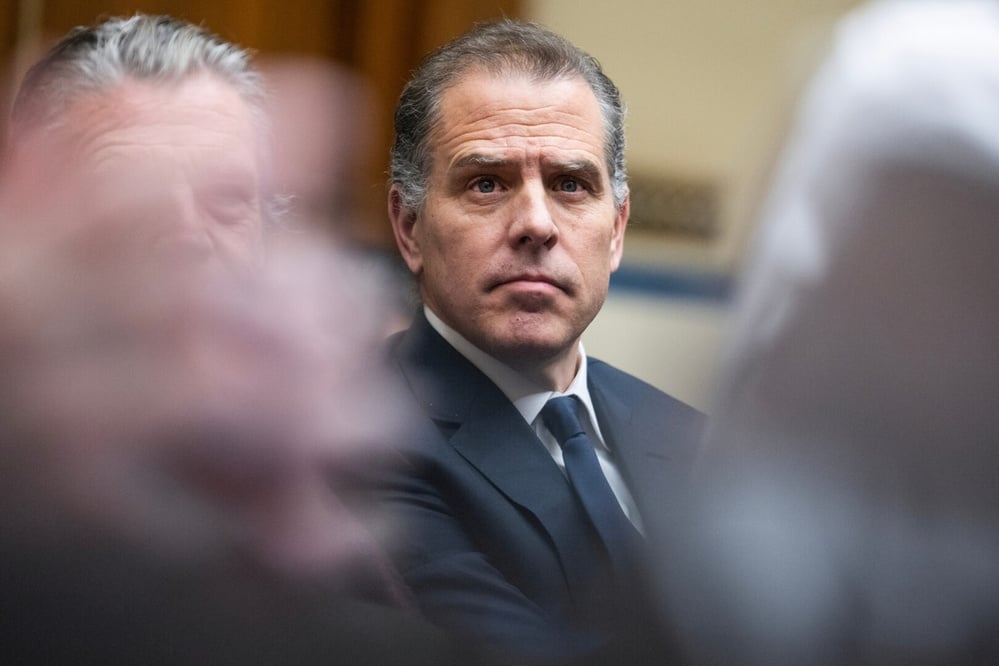

2026 © Helium Trades
Privacy Policy & Disclosure
* Disclaimer: Nothing on this website constitutes investment advice, performance data or any recommendation that any particular security, portfolio of securities, transaction or investment strategy is suitable for any specific person. Helium Trades is not responsible in any way for the accuracy
of any model predictions or price data. Any mention of a particular security and related prediction data is not a recommendation to buy or sell that security. Investments in securities involve the risk of loss. Past performance is no guarantee of future results. Helium Trades is not responsible for any of your investment decisions,
you should consult a financial expert before engaging in any transaction.
Helium Research Assistant

How can I help you today?
Ask any question about this page.