See whether Helium helps you make better-informed decisions. Try every Pro Trader feature for 30 days. No credit card required.
Try every Pro Trader feature for 30 days. No credit card required.
July 18, 2026 · 0 shares
Neutral, fact-focused coverage reporting a mayor's potential arrest order with minimal framing or opinion.
Brief report noting a NYC mayor's consideration of legal authority to arrest Israeli Prime Minister Netanyahu, based on an interview and a discussion with the NYC Law Department.
Automated analysis; not human reviewed. Limitations: Concise, case-specific limitations and plausible alternative interpretations.
Publication name missing; text too short for bias assessment.
July 22, 2026 · 0 shares
The piece neutrally reports a New York City mayor's attempt to arrest Netanyahu under an ICC warrant, notes the mayor's lack of local authority, calls for federal action, and presents reactions from Netanyahu and Trump without editorializing.
A city mayor discusses an ICC warrant for Netanyahu, the mayor's authority, and calls for federal enforcement amid US-ICC tensions, with responses from Trump and Netanyahu.
Automated analysis; not human reviewed.
Limitations: Brief excerpt; may omit broader coverage and subsequent developments.
·
52 of 52 available dimensions scored; omitted dimensions are not treated as neutral.
·
Verified supporting quotes for 1 of 52 scored dimensions.
Claim: Reporting relies on quotes and official statements rather than opinion.
“Benjamin Netanyahu is a war criminal, the architect of a horrific genocide against the Palestinian people” · exact text match
“The US does not recognize the ICC’s authority and is not a party to it” · exact text match
Counterevidence:
“Quotes could reflect selective framing” · not found in supplied text
Why: Direct quotes and official/legal references indicate objective framing.
Claim: The framing centers on legal authority and ICC involvement, aligning with mainstream institutional perspectives.
“The US does not recognize ICC authority” · not found in supplied text
“ICC arrest warrant” · not found in supplied text
Counterevidence:
“Mayor's explicit statements against Netanyahu could imply political stance” · not found in supplied text
Why: Coverage centers on laws and institutions rather than insurgent or anti-establishment framing.
Claim: The piece cites official warrants and statements from multiple actors, implying credibility.
“ICC arrest warrant issued” · not found in supplied text
“Netanyahu is expected to travel to New York for the UN General Assembly” · not found in supplied text
“The US does not recognize ICC authority” · not found in supplied text
Counterevidence:
“No independent verification beyond quotes” · not found in supplied text
Why: Diverse sourcing and legal references support credibility.
Ambiguity about fuller context; quotes run via mayor and president—scope limited.
July 19, 2026 · 0 shares
Neutral, quote-driven reportage that presents a mayor's assertion that Netanyahu is a 'war criminal' and 'belongs in The Hague' while detailing a legal review of arrest authority, without editorial commentary.
A report that a New York City mayor is weighing the authority to arrest a foreign leader, citing a New York Times interview.
Automated analysis; not human reviewed.
Limitations: Concise, case-specific limitations and plausible alternative interpretations.
·
2 of 52 available dimensions scored; omitted dimensions are not treated as neutral.
·
Verified supporting quotes for 1 of 2 scored dimensions.
Claim: No explicit liberal or conservative ideological tilt detected; reporting relies on quotes and legal context.
“In an interview with the 'New York Times,' Mayor Zohran Mamdani called Israeli Prime Minister Benjamin Netanyahu a 'war criminal' who 'belongs in The Hague.'” · exact text match
Why: Quotation of a single political actor's statement with no editorial framing suggests neutrality toward ideology.
Ambiguity about 'NY mayor' identity and the jurisdictional scope; evidence limited to a single quote and a short excerpt.
July 22, 2026 · 0 shares
The piece neutrally reports a New York City mayor's attempt to arrest Netanyahu under an ICC warrant, notes the mayor's lack of local authority, calls for federal action, and presents reactions from Netanyahu and Trump without editorializing.
A city mayor discusses an ICC warrant for Netanyahu, the mayor's authority, and calls for federal enforcement amid US-ICC tensions, with responses from Trump and Netanyahu.
Automated analysis; not human reviewed.
Limitations: Brief excerpt; may omit broader coverage and subsequent developments.
·
52 of 52 available dimensions scored; omitted dimensions are not treated as neutral.
·
Verified supporting quotes for 1 of 52 scored dimensions.
Claim: Reporting relies on quotes and official statements rather than opinion.
“Benjamin Netanyahu is a war criminal, the architect of a horrific genocide against the Palestinian people” · exact text match
“The US does not recognize the ICC’s authority and is not a party to it” · exact text match
Counterevidence:
“Quotes could reflect selective framing” · not found in supplied text
Why: Direct quotes and official/legal references indicate objective framing.
Claim: The framing centers on legal authority and ICC involvement, aligning with mainstream institutional perspectives.
“The US does not recognize ICC authority” · not found in supplied text
“ICC arrest warrant” · not found in supplied text
Counterevidence:
“Mayor's explicit statements against Netanyahu could imply political stance” · not found in supplied text
Why: Coverage centers on laws and institutions rather than insurgent or anti-establishment framing.
Claim: The piece cites official warrants and statements from multiple actors, implying credibility.
“ICC arrest warrant issued” · not found in supplied text
“Netanyahu is expected to travel to New York for the UN General Assembly” · not found in supplied text
“The US does not recognize ICC authority” · not found in supplied text
Counterevidence:
“No independent verification beyond quotes” · not found in supplied text
Why: Diverse sourcing and legal references support credibility.
Ambiguity about fuller context; quotes run via mayor and president—scope limited.
July 22, 2026 · 0 shares
Neutral, fact-focused reporting presents a mayor's admission of lacking authority to arrest Netanyahu and reversal of a prior pledge, with direct quotes and no evident slant.
Report on a mayor's admission of lacking authority to arrest Netanyahu and reversal of a prior pledge, in the context of Netanyahu's UN General Assembly travel.
Automated analysis; not human reviewed.
Limitations: Concise, case-specific limitations and plausible alternative interpretations.
·
4 of 52 available dimensions scored; omitted dimensions are not treated as neutral.
·
Verified supporting quotes for 0 of 4 scored dimensions.
Claim: No evident pro- or anti-establishment framing; UN context is neutral.
“New York City Mayor Zohran Mamdani (D) on Tuesday backed off of his previous promise to arrest Israeli Prime Minister Benjamin Netanyahu if he flies to the Big Apple in September for the annual United Nations General Assembly.” · exact text match
“"It is clear that we do not have the independent legal authority to enforce this warrant."” · not found in supplied text
Why: Neutral event framing with standard political reporting without advocacy.
Ambiguities: excerpt truncated; lacks full context; conclusions may change with full article.
July 18, 2026 · 0 shares
Neutral, fact-focused coverage reporting a mayor's potential arrest order with minimal framing or opinion.
Brief report noting a NYC mayor's consideration of legal authority to arrest Israeli Prime Minister Netanyahu, based on an interview and a discussion with the NYC Law Department.
Automated analysis; not human reviewed. Limitations: Concise, case-specific limitations and plausible alternative interpretations.
Publication name missing; text too short for bias assessment.
July 18, 2026 · 0 shares
Neutral, fact-focused coverage reporting a mayor's potential arrest order with minimal framing or opinion.
Brief report noting a NYC mayor's consideration of legal authority to arrest Israeli Prime Minister Netanyahu, based on an interview and a discussion with the NYC Law Department.
Automated analysis; not human reviewed. Limitations: Concise, case-specific limitations and plausible alternative interpretations.
Publication name missing; text too short for bias assessment.
A conservative-leaning, pro-establishment framing denigrates NYC Mayor Mamdani's arrest claim as illegitimate, relies on CNN analyst critique to dismiss it, and characterizes Mamdani's stance as Israel-hostile while portraying pro-Palestinian supporters as a 'Free Palestine!' mob.
A political commentary asserting that a local mayor lacks authority to arrest a visiting foreign head of state, framing the claim as illegitimate and relying on a CNN analyst to undermine it, while disparaging pro-Palestinian activism.
Automated analysis; not human reviewed.
Limitations: Case-specific; limited quotes; potential alternative interpretations exist (e.g., procedural nuances, other legal opinions) not captured in provided text.
·
8 of 52 available dimensions scored; omitted dimensions are not treated as neutral.
·
Verified supporting quotes for 0 of 8 scored dimensions.
Ambiguities in sourcing; limited quotes; potential outlet bias.
The piece presents a balanced portrayal by reporting both praise and criticism of Mamdani's arrest remarks and ICC call, relying on social-media reactions to illustrate division without endorsing a stance.
Balanced report on Mamdani's admission that New York City cannot arrest Netanyahu, the call for ICC action, and the range of online reactions including praise and criticism.
Automated analysis; not human reviewed.
Limitations: Case-specific; relies on quoted reactions; lacks direct authorial commentary; context limited to social-media responses.
·
52 of 52 available dimensions scored; omitted dimensions are not treated as neutral.
·
Verified supporting quotes for 1 of 52 scored dimensions.
Claim: The article maintains a neutral framing with both supportive and critical voices, not clearly liberal or conservative.
“The update appeared to spark mixed reactions online, with some applauding the mayor for his “moral clarity” and criticism from others for being “performative.”” · exact text match
““This is the kind of moral clarity we need from every elected Democrat,” liberal political commentator Adam Mockler wrote in response on X.” · exact text match
Counterevidence:
“Pathetic.The United States stands with Israel.” · exact text match
“This raging antisemite has no problem defending dictators, despots, and terrorist regimes.” · exact text match
Why: Diverse, opposing quotations indicate balanced framing rather than a clear charge of liberal or conservative bias.
Social-media quotes dominate; limited context; can't infer author intent.
Framing U.S. sanctions on the ICC as impunity and advocating accountability, the piece foregrounds civil-liberties concerns, NGO voices, and Nicaragua’s democratic backsliding while presenting a pro-ICC, anti-U.S. policy stance.
Interview and discussion revolving around U.S. sanctions on the ICC, the legality of those actions, and related political events in Israel/Palestine and Nicaragua.
Automated analysis; not human reviewed.
Limitations: Case-specific; relies on text excerpts; may not capture full intent or context beyond the presented transcript.
·
1 of 52 available dimensions scored; omitted dimensions are not treated as neutral.
·
Verified supporting quotes for 0 of 1 scored dimensions.
Claim: Plays up international accountability and critiques U.S. policy, signaling liberal-leaning framing.
““This is an insurance policy against accountability for crimes that the Trump administration is committing in plain sight.”” · exact text match
““Brody says that the U.S. government's rejection of the ICC’s jurisdiction is not about “American sovereignty,” as the Trump administration claims, but about “impunity,” for both U.S. allies, like Israel, and the U.S. itself.” · not found in supplied text
““the bombs that Israel used to destroy schools and hospitals and homes in Gaza were American bombs.”” · not found in supplied text
Counterevidence:
““But as we speak, the ICC and its friends are waging a war against our country, not with bullets or missiles, but with statutes, compacts and the force of so-called international law.”” · not found in supplied text
““It was a global tribunal staffed by unelected globalist bureaucrats who claim their power is almost unlimited.”” · not found in supplied text
Why: Framing emphasizes accountability and harms from alleged upholding of international law, with some opposing framing present within the same piece.
Ambiguities and evidence gaps could shift interpretation; reader should consider multiple framings.
Framing U.S. sanctions on the ICC as impunity and advocating accountability, the piece foregrounds civil-liberties concerns, NGO voices, and Nicaragua’s democratic backsliding while presenting a pro-ICC, anti-U.S. policy stance.
Interview and discussion revolving around U.S. sanctions on the ICC, the legality of those actions, and related political events in Israel/Palestine and Nicaragua.
Automated analysis; not human reviewed.
Limitations: Case-specific; relies on text excerpts; may not capture full intent or context beyond the presented transcript.
·
1 of 52 available dimensions scored; omitted dimensions are not treated as neutral.
·
Verified supporting quotes for 0 of 1 scored dimensions.
Claim: Plays up international accountability and critiques U.S. policy, signaling liberal-leaning framing.
““This is an insurance policy against accountability for crimes that the Trump administration is committing in plain sight.”” · exact text match
““Brody says that the U.S. government's rejection of the ICC’s jurisdiction is not about “American sovereignty,” as the Trump administration claims, but about “impunity,” for both U.S. allies, like Israel, and the U.S. itself.” · not found in supplied text
““the bombs that Israel used to destroy schools and hospitals and homes in Gaza were American bombs.”” · not found in supplied text
Counterevidence:
““But as we speak, the ICC and its friends are waging a war against our country, not with bullets or missiles, but with statutes, compacts and the force of so-called international law.”” · not found in supplied text
““It was a global tribunal staffed by unelected globalist bureaucrats who claim their power is almost unlimited.”” · not found in supplied text
Why: Framing emphasizes accountability and harms from alleged upholding of international law, with some opposing framing present within the same piece.
Ambiguities and evidence gaps could shift interpretation; reader should consider multiple framings.
July 22, 2026 · 0 shares
Neutral, fact-focused reporting presents a mayor's admission of lacking authority to arrest Netanyahu and reversal of a prior pledge, with direct quotes and no evident slant.
Report on a mayor's admission of lacking authority to arrest Netanyahu and reversal of a prior pledge, in the context of Netanyahu's UN General Assembly travel.
Automated analysis; not human reviewed. Limitations: Concise, case-specific limitations and plausible alternative interpretations. · 4 of 52 available dimensions scored; omitted dimensions are not treated as neutral. · Verified supporting quotes for 0 of 4 scored dimensions.
Claim: No evident pro- or anti-establishment framing; UN context is neutral.
“New York City Mayor Zohran Mamdani (D) on Tuesday backed off of his previous promise to arrest Israeli Prime Minister Benjamin Netanyahu if he flies to the Big Apple in September for the annual United Nations General Assembly.” · exact text match
“"It is clear that we do not have the independent legal authority to enforce this warrant."” · not found in supplied text
Why: Neutral event framing with standard political reporting without advocacy.
Ambiguities: excerpt truncated; lacks full context; conclusions may change with full article.
A conservative-leaning, pro-establishment framing denigrates NYC Mayor Mamdani's arrest claim as illegitimate, relies on CNN analyst critique to dismiss it, and characterizes Mamdani's stance as Israel-hostile while portraying pro-Palestinian supporters as a 'Free Palestine!' mob.
A political commentary asserting that a local mayor lacks authority to arrest a visiting foreign head of state, framing the claim as illegitimate and relying on a CNN analyst to undermine it, while disparaging pro-Palestinian activism.
Automated analysis; not human reviewed. Limitations: Case-specific; limited quotes; potential alternative interpretations exist (e.g., procedural nuances, other legal opinions) not captured in provided text. · 8 of 52 available dimensions scored; omitted dimensions are not treated as neutral. · Verified supporting quotes for 0 of 8 scored dimensions.
Ambiguities in sourcing; limited quotes; potential outlet bias.
Legal-institutional (U.S. jurisdiction/municipal powers)
July 22, 2026 · 0 shares
Neutral, fact-focused reporting presents a mayor's admission of lacking authority to arrest Netanyahu and reversal of a prior pledge, with direct quotes and no evident slant.
Report on a mayor's admission of lacking authority to arrest Netanyahu and reversal of a prior pledge, in the context of Netanyahu's UN General Assembly travel.
Automated analysis; not human reviewed. Limitations: Concise, case-specific limitations and plausible alternative interpretations. · 4 of 52 available dimensions scored; omitted dimensions are not treated as neutral. · Verified supporting quotes for 0 of 4 scored dimensions.
Claim: No evident pro- or anti-establishment framing; UN context is neutral.
“New York City Mayor Zohran Mamdani (D) on Tuesday backed off of his previous promise to arrest Israeli Prime Minister Benjamin Netanyahu if he flies to the Big Apple in September for the annual United Nations General Assembly.” · exact text match
“"It is clear that we do not have the independent legal authority to enforce this warrant."” · not found in supplied text
Why: Neutral event framing with standard political reporting without advocacy.
Ambiguities: excerpt truncated; lacks full context; conclusions may change with full article.
July 22, 2026 · 0 shares
The piece neutrally reports a New York City mayor's attempt to arrest Netanyahu under an ICC warrant, notes the mayor's lack of local authority, calls for federal action, and presents reactions from Netanyahu and Trump without editorializing.
A city mayor discusses an ICC warrant for Netanyahu, the mayor's authority, and calls for federal enforcement amid US-ICC tensions, with responses from Trump and Netanyahu.
Automated analysis; not human reviewed. Limitations: Brief excerpt; may omit broader coverage and subsequent developments. · 52 of 52 available dimensions scored; omitted dimensions are not treated as neutral. · Verified supporting quotes for 1 of 52 scored dimensions.
Claim: Reporting relies on quotes and official statements rather than opinion.
“Benjamin Netanyahu is a war criminal, the architect of a horrific genocide against the Palestinian people” · exact text match
“The US does not recognize the ICC’s authority and is not a party to it” · exact text match
Counterevidence:
“Quotes could reflect selective framing” · not found in supplied text
Why: Direct quotes and official/legal references indicate objective framing.
Claim: The framing centers on legal authority and ICC involvement, aligning with mainstream institutional perspectives.
“The US does not recognize ICC authority” · not found in supplied text
“ICC arrest warrant” · not found in supplied text
Counterevidence:
“Mayor's explicit statements against Netanyahu could imply political stance” · not found in supplied text
Why: Coverage centers on laws and institutions rather than insurgent or anti-establishment framing.
Claim: The piece cites official warrants and statements from multiple actors, implying credibility.
“ICC arrest warrant issued” · not found in supplied text
“Netanyahu is expected to travel to New York for the UN General Assembly” · not found in supplied text
“The US does not recognize ICC authority” · not found in supplied text
Counterevidence:
“No independent verification beyond quotes” · not found in supplied text
Why: Diverse sourcing and legal references support credibility.
Ambiguity about fuller context; quotes run via mayor and president—scope limited.
July 22, 2026 · 0 shares
Neutral, fact-focused reporting presents a mayor's admission of lacking authority to arrest Netanyahu and reversal of a prior pledge, with direct quotes and no evident slant.
Report on a mayor's admission of lacking authority to arrest Netanyahu and reversal of a prior pledge, in the context of Netanyahu's UN General Assembly travel.
Automated analysis; not human reviewed. Limitations: Concise, case-specific limitations and plausible alternative interpretations. · 4 of 52 available dimensions scored; omitted dimensions are not treated as neutral. · Verified supporting quotes for 0 of 4 scored dimensions.
Claim: No evident pro- or anti-establishment framing; UN context is neutral.
“New York City Mayor Zohran Mamdani (D) on Tuesday backed off of his previous promise to arrest Israeli Prime Minister Benjamin Netanyahu if he flies to the Big Apple in September for the annual United Nations General Assembly.” · exact text match
“"It is clear that we do not have the independent legal authority to enforce this warrant."” · not found in supplied text
Why: Neutral event framing with standard political reporting without advocacy.
Ambiguities: excerpt truncated; lacks full context; conclusions may change with full article.
A conservative-leaning, pro-establishment framing denigrates NYC Mayor Mamdani's arrest claim as illegitimate, relies on CNN analyst critique to dismiss it, and characterizes Mamdani's stance as Israel-hostile while portraying pro-Palestinian supporters as a 'Free Palestine!' mob.
A political commentary asserting that a local mayor lacks authority to arrest a visiting foreign head of state, framing the claim as illegitimate and relying on a CNN analyst to undermine it, while disparaging pro-Palestinian activism.
Automated analysis; not human reviewed. Limitations: Case-specific; limited quotes; potential alternative interpretations exist (e.g., procedural nuances, other legal opinions) not captured in provided text. · 8 of 52 available dimensions scored; omitted dimensions are not treated as neutral. · Verified supporting quotes for 0 of 8 scored dimensions.
Ambiguities in sourcing; limited quotes; potential outlet bias.
July 22, 2026 · 0 shares
The piece neutrally reports a New York City mayor's attempt to arrest Netanyahu under an ICC warrant, notes the mayor's lack of local authority, calls for federal action, and presents reactions from Netanyahu and Trump without editorializing.
A city mayor discusses an ICC warrant for Netanyahu, the mayor's authority, and calls for federal enforcement amid US-ICC tensions, with responses from Trump and Netanyahu.
Automated analysis; not human reviewed. Limitations: Brief excerpt; may omit broader coverage and subsequent developments. · 52 of 52 available dimensions scored; omitted dimensions are not treated as neutral. · Verified supporting quotes for 1 of 52 scored dimensions.
Claim: Reporting relies on quotes and official statements rather than opinion.
“Benjamin Netanyahu is a war criminal, the architect of a horrific genocide against the Palestinian people” · exact text match
“The US does not recognize the ICC’s authority and is not a party to it” · exact text match
Counterevidence:
“Quotes could reflect selective framing” · not found in supplied text
Why: Direct quotes and official/legal references indicate objective framing.
Claim: The framing centers on legal authority and ICC involvement, aligning with mainstream institutional perspectives.
“The US does not recognize ICC authority” · not found in supplied text
“ICC arrest warrant” · not found in supplied text
Counterevidence:
“Mayor's explicit statements against Netanyahu could imply political stance” · not found in supplied text
Why: Coverage centers on laws and institutions rather than insurgent or anti-establishment framing.
Claim: The piece cites official warrants and statements from multiple actors, implying credibility.
“ICC arrest warrant issued” · not found in supplied text
“Netanyahu is expected to travel to New York for the UN General Assembly” · not found in supplied text
“The US does not recognize ICC authority” · not found in supplied text
Counterevidence:
“No independent verification beyond quotes” · not found in supplied text
Why: Diverse sourcing and legal references support credibility.
Ambiguity about fuller context; quotes run via mayor and president—scope limited.
July 22, 2026 · 0 shares
The piece neutrally reports a New York City mayor's attempt to arrest Netanyahu under an ICC warrant, notes the mayor's lack of local authority, calls for federal action, and presents reactions from Netanyahu and Trump without editorializing.
A city mayor discusses an ICC warrant for Netanyahu, the mayor's authority, and calls for federal enforcement amid US-ICC tensions, with responses from Trump and Netanyahu.
Automated analysis; not human reviewed. Limitations: Brief excerpt; may omit broader coverage and subsequent developments. · 52 of 52 available dimensions scored; omitted dimensions are not treated as neutral. · Verified supporting quotes for 1 of 52 scored dimensions.
Claim: Reporting relies on quotes and official statements rather than opinion.
“Benjamin Netanyahu is a war criminal, the architect of a horrific genocide against the Palestinian people” · exact text match
“The US does not recognize the ICC’s authority and is not a party to it” · exact text match
Counterevidence:
“Quotes could reflect selective framing” · not found in supplied text
Why: Direct quotes and official/legal references indicate objective framing.
Claim: The framing centers on legal authority and ICC involvement, aligning with mainstream institutional perspectives.
“The US does not recognize ICC authority” · not found in supplied text
“ICC arrest warrant” · not found in supplied text
Counterevidence:
“Mayor's explicit statements against Netanyahu could imply political stance” · not found in supplied text
Why: Coverage centers on laws and institutions rather than insurgent or anti-establishment framing.
Claim: The piece cites official warrants and statements from multiple actors, implying credibility.
“ICC arrest warrant issued” · not found in supplied text
“Netanyahu is expected to travel to New York for the UN General Assembly” · not found in supplied text
“The US does not recognize ICC authority” · not found in supplied text
Counterevidence:
“No independent verification beyond quotes” · not found in supplied text
Why: Diverse sourcing and legal references support credibility.
Ambiguity about fuller context; quotes run via mayor and president—scope limited.
July 22, 2026 · 0 shares
Neutral, fact-focused reporting presents a mayor's admission of lacking authority to arrest Netanyahu and reversal of a prior pledge, with direct quotes and no evident slant.
Report on a mayor's admission of lacking authority to arrest Netanyahu and reversal of a prior pledge, in the context of Netanyahu's UN General Assembly travel.
Automated analysis; not human reviewed. Limitations: Concise, case-specific limitations and plausible alternative interpretations. · 4 of 52 available dimensions scored; omitted dimensions are not treated as neutral. · Verified supporting quotes for 0 of 4 scored dimensions.
Claim: No evident pro- or anti-establishment framing; UN context is neutral.
“New York City Mayor Zohran Mamdani (D) on Tuesday backed off of his previous promise to arrest Israeli Prime Minister Benjamin Netanyahu if he flies to the Big Apple in September for the annual United Nations General Assembly.” · exact text match
“"It is clear that we do not have the independent legal authority to enforce this warrant."” · not found in supplied text
Why: Neutral event framing with standard political reporting without advocacy.
Ambiguities: excerpt truncated; lacks full context; conclusions may change with full article.
Human-rights / accountability emphasis (ICC as a legal check)
July 22, 2026 · 0 shares
The piece neutrally reports a New York City mayor's attempt to arrest Netanyahu under an ICC warrant, notes the mayor's lack of local authority, calls for federal action, and presents reactions from Netanyahu and Trump without editorializing.
A city mayor discusses an ICC warrant for Netanyahu, the mayor's authority, and calls for federal enforcement amid US-ICC tensions, with responses from Trump and Netanyahu.
Automated analysis; not human reviewed. Limitations: Brief excerpt; may omit broader coverage and subsequent developments. · 52 of 52 available dimensions scored; omitted dimensions are not treated as neutral. · Verified supporting quotes for 1 of 52 scored dimensions.
Claim: Reporting relies on quotes and official statements rather than opinion.
“Benjamin Netanyahu is a war criminal, the architect of a horrific genocide against the Palestinian people” · exact text match
“The US does not recognize the ICC’s authority and is not a party to it” · exact text match
Counterevidence:
“Quotes could reflect selective framing” · not found in supplied text
Why: Direct quotes and official/legal references indicate objective framing.
Claim: The framing centers on legal authority and ICC involvement, aligning with mainstream institutional perspectives.
“The US does not recognize ICC authority” · not found in supplied text
“ICC arrest warrant” · not found in supplied text
Counterevidence:
“Mayor's explicit statements against Netanyahu could imply political stance” · not found in supplied text
Why: Coverage centers on laws and institutions rather than insurgent or anti-establishment framing.
Claim: The piece cites official warrants and statements from multiple actors, implying credibility.
“ICC arrest warrant issued” · not found in supplied text
“Netanyahu is expected to travel to New York for the UN General Assembly” · not found in supplied text
“The US does not recognize ICC authority” · not found in supplied text
Counterevidence:
“No independent verification beyond quotes” · not found in supplied text
Why: Diverse sourcing and legal references support credibility.
Ambiguity about fuller context; quotes run via mayor and president—scope limited.
July 18, 2026 · 0 shares
Neutral, fact-focused coverage reporting a mayor's potential arrest order with minimal framing or opinion.
Brief report noting a NYC mayor's consideration of legal authority to arrest Israeli Prime Minister Netanyahu, based on an interview and a discussion with the NYC Law Department.
Automated analysis; not human reviewed. Limitations: Concise, case-specific limitations and plausible alternative interpretations.
Publication name missing; text too short for bias assessment.
July 22, 2026 · 0 shares
The piece neutrally reports a New York City mayor's attempt to arrest Netanyahu under an ICC warrant, notes the mayor's lack of local authority, calls for federal action, and presents reactions from Netanyahu and Trump without editorializing.
A city mayor discusses an ICC warrant for Netanyahu, the mayor's authority, and calls for federal enforcement amid US-ICC tensions, with responses from Trump and Netanyahu.
Automated analysis; not human reviewed. Limitations: Brief excerpt; may omit broader coverage and subsequent developments. · 52 of 52 available dimensions scored; omitted dimensions are not treated as neutral. · Verified supporting quotes for 1 of 52 scored dimensions.
Claim: Reporting relies on quotes and official statements rather than opinion.
“Benjamin Netanyahu is a war criminal, the architect of a horrific genocide against the Palestinian people” · exact text match
“The US does not recognize the ICC’s authority and is not a party to it” · exact text match
Counterevidence:
“Quotes could reflect selective framing” · not found in supplied text
Why: Direct quotes and official/legal references indicate objective framing.
Claim: The framing centers on legal authority and ICC involvement, aligning with mainstream institutional perspectives.
“The US does not recognize ICC authority” · not found in supplied text
“ICC arrest warrant” · not found in supplied text
Counterevidence:
“Mayor's explicit statements against Netanyahu could imply political stance” · not found in supplied text
Why: Coverage centers on laws and institutions rather than insurgent or anti-establishment framing.
Claim: The piece cites official warrants and statements from multiple actors, implying credibility.
“ICC arrest warrant issued” · not found in supplied text
“Netanyahu is expected to travel to New York for the UN General Assembly” · not found in supplied text
“The US does not recognize ICC authority” · not found in supplied text
Counterevidence:
“No independent verification beyond quotes” · not found in supplied text
Why: Diverse sourcing and legal references support credibility.
Ambiguity about fuller context; quotes run via mayor and president—scope limited.
The piece presents a balanced portrayal by reporting both praise and criticism of Mamdani's arrest remarks and ICC call, relying on social-media reactions to illustrate division without endorsing a stance.
Balanced report on Mamdani's admission that New York City cannot arrest Netanyahu, the call for ICC action, and the range of online reactions including praise and criticism.
Automated analysis; not human reviewed. Limitations: Case-specific; relies on quoted reactions; lacks direct authorial commentary; context limited to social-media responses. · 52 of 52 available dimensions scored; omitted dimensions are not treated as neutral. · Verified supporting quotes for 1 of 52 scored dimensions.
Claim: The article maintains a neutral framing with both supportive and critical voices, not clearly liberal or conservative.
“The update appeared to spark mixed reactions online, with some applauding the mayor for his “moral clarity” and criticism from others for being “performative.”” · exact text match
““This is the kind of moral clarity we need from every elected Democrat,” liberal political commentator Adam Mockler wrote in response on X.” · exact text match
Counterevidence:
“Pathetic.The United States stands with Israel.” · exact text match
“This raging antisemite has no problem defending dictators, despots, and terrorist regimes.” · exact text match
Why: Diverse, opposing quotations indicate balanced framing rather than a clear charge of liberal or conservative bias.
Social-media quotes dominate; limited context; can't infer author intent.
July 22, 2026 · 0 shares
Neutral, fact-focused reporting presents a mayor's admission of lacking authority to arrest Netanyahu and reversal of a prior pledge, with direct quotes and no evident slant.
Report on a mayor's admission of lacking authority to arrest Netanyahu and reversal of a prior pledge, in the context of Netanyahu's UN General Assembly travel.
Automated analysis; not human reviewed. Limitations: Concise, case-specific limitations and plausible alternative interpretations. · 4 of 52 available dimensions scored; omitted dimensions are not treated as neutral. · Verified supporting quotes for 0 of 4 scored dimensions.
Claim: No evident pro- or anti-establishment framing; UN context is neutral.
“New York City Mayor Zohran Mamdani (D) on Tuesday backed off of his previous promise to arrest Israeli Prime Minister Benjamin Netanyahu if he flies to the Big Apple in September for the annual United Nations General Assembly.” · exact text match
“"It is clear that we do not have the independent legal authority to enforce this warrant."” · not found in supplied text
Why: Neutral event framing with standard political reporting without advocacy.
Ambiguities: excerpt truncated; lacks full context; conclusions may change with full article.
A conservative-leaning, pro-establishment framing denigrates NYC Mayor Mamdani's arrest claim as illegitimate, relies on CNN analyst critique to dismiss it, and characterizes Mamdani's stance as Israel-hostile while portraying pro-Palestinian supporters as a 'Free Palestine!' mob.
A political commentary asserting that a local mayor lacks authority to arrest a visiting foreign head of state, framing the claim as illegitimate and relying on a CNN analyst to undermine it, while disparaging pro-Palestinian activism.
Automated analysis; not human reviewed. Limitations: Case-specific; limited quotes; potential alternative interpretations exist (e.g., procedural nuances, other legal opinions) not captured in provided text. · 8 of 52 available dimensions scored; omitted dimensions are not treated as neutral. · Verified supporting quotes for 0 of 8 scored dimensions.
Ambiguities in sourcing; limited quotes; potential outlet bias.
Framing U.S. sanctions on the ICC as impunity and advocating accountability, the piece foregrounds civil-liberties concerns, NGO voices, and Nicaragua’s democratic backsliding while presenting a pro-ICC, anti-U.S. policy stance.
Interview and discussion revolving around U.S. sanctions on the ICC, the legality of those actions, and related political events in Israel/Palestine and Nicaragua.
Automated analysis; not human reviewed. Limitations: Case-specific; relies on text excerpts; may not capture full intent or context beyond the presented transcript. · 1 of 52 available dimensions scored; omitted dimensions are not treated as neutral. · Verified supporting quotes for 0 of 1 scored dimensions.
Claim: Plays up international accountability and critiques U.S. policy, signaling liberal-leaning framing.
““This is an insurance policy against accountability for crimes that the Trump administration is committing in plain sight.”” · exact text match
““Brody says that the U.S. government's rejection of the ICC’s jurisdiction is not about “American sovereignty,” as the Trump administration claims, but about “impunity,” for both U.S. allies, like Israel, and the U.S. itself.” · not found in supplied text
““the bombs that Israel used to destroy schools and hospitals and homes in Gaza were American bombs.”” · not found in supplied text
Counterevidence:
““But as we speak, the ICC and its friends are waging a war against our country, not with bullets or missiles, but with statutes, compacts and the force of so-called international law.”” · not found in supplied text
““It was a global tribunal staffed by unelected globalist bureaucrats who claim their power is almost unlimited.”” · not found in supplied text
Why: Framing emphasizes accountability and harms from alleged upholding of international law, with some opposing framing present within the same piece.
Ambiguities and evidence gaps could shift interpretation; reader should consider multiple framings.
July 22, 2026 · 0 shares
The piece neutrally reports a New York City mayor's attempt to arrest Netanyahu under an ICC warrant, notes the mayor's lack of local authority, calls for federal action, and presents reactions from Netanyahu and Trump without editorializing.
A city mayor discusses an ICC warrant for Netanyahu, the mayor's authority, and calls for federal enforcement amid US-ICC tensions, with responses from Trump and Netanyahu.
Automated analysis; not human reviewed. Limitations: Brief excerpt; may omit broader coverage and subsequent developments. · 52 of 52 available dimensions scored; omitted dimensions are not treated as neutral. · Verified supporting quotes for 1 of 52 scored dimensions.
Claim: Reporting relies on quotes and official statements rather than opinion.
“Benjamin Netanyahu is a war criminal, the architect of a horrific genocide against the Palestinian people” · exact text match
“The US does not recognize the ICC’s authority and is not a party to it” · exact text match
Counterevidence:
“Quotes could reflect selective framing” · not found in supplied text
Why: Direct quotes and official/legal references indicate objective framing.
Claim: The framing centers on legal authority and ICC involvement, aligning with mainstream institutional perspectives.
“The US does not recognize ICC authority” · not found in supplied text
“ICC arrest warrant” · not found in supplied text
Counterevidence:
“Mayor's explicit statements against Netanyahu could imply political stance” · not found in supplied text
Why: Coverage centers on laws and institutions rather than insurgent or anti-establishment framing.
Claim: The piece cites official warrants and statements from multiple actors, implying credibility.
“ICC arrest warrant issued” · not found in supplied text
“Netanyahu is expected to travel to New York for the UN General Assembly” · not found in supplied text
“The US does not recognize ICC authority” · not found in supplied text
Counterevidence:
“No independent verification beyond quotes” · not found in supplied text
Why: Diverse sourcing and legal references support credibility.
Ambiguity about fuller context; quotes run via mayor and president—scope limited.
Conservative / sovereignty and skepticism lens
July 22, 2026 · 0 shares
The piece neutrally reports a New York City mayor's attempt to arrest Netanyahu under an ICC warrant, notes the mayor's lack of local authority, calls for federal action, and presents reactions from Netanyahu and Trump without editorializing.
A city mayor discusses an ICC warrant for Netanyahu, the mayor's authority, and calls for federal enforcement amid US-ICC tensions, with responses from Trump and Netanyahu.
Automated analysis; not human reviewed. Limitations: Brief excerpt; may omit broader coverage and subsequent developments. · 52 of 52 available dimensions scored; omitted dimensions are not treated as neutral. · Verified supporting quotes for 1 of 52 scored dimensions.
Claim: Reporting relies on quotes and official statements rather than opinion.
“Benjamin Netanyahu is a war criminal, the architect of a horrific genocide against the Palestinian people” · exact text match
“The US does not recognize the ICC’s authority and is not a party to it” · exact text match
Counterevidence:
“Quotes could reflect selective framing” · not found in supplied text
Why: Direct quotes and official/legal references indicate objective framing.
Claim: The framing centers on legal authority and ICC involvement, aligning with mainstream institutional perspectives.
“The US does not recognize ICC authority” · not found in supplied text
“ICC arrest warrant” · not found in supplied text
Counterevidence:
“Mayor's explicit statements against Netanyahu could imply political stance” · not found in supplied text
Why: Coverage centers on laws and institutions rather than insurgent or anti-establishment framing.
Claim: The piece cites official warrants and statements from multiple actors, implying credibility.
“ICC arrest warrant issued” · not found in supplied text
“Netanyahu is expected to travel to New York for the UN General Assembly” · not found in supplied text
“The US does not recognize ICC authority” · not found in supplied text
Counterevidence:
“No independent verification beyond quotes” · not found in supplied text
Why: Diverse sourcing and legal references support credibility.
Ambiguity about fuller context; quotes run via mayor and president—scope limited.
Framing U.S. sanctions on the ICC as impunity and advocating accountability, the piece foregrounds civil-liberties concerns, NGO voices, and Nicaragua’s democratic backsliding while presenting a pro-ICC, anti-U.S. policy stance.
Interview and discussion revolving around U.S. sanctions on the ICC, the legality of those actions, and related political events in Israel/Palestine and Nicaragua.
Automated analysis; not human reviewed. Limitations: Case-specific; relies on text excerpts; may not capture full intent or context beyond the presented transcript. · 1 of 52 available dimensions scored; omitted dimensions are not treated as neutral. · Verified supporting quotes for 0 of 1 scored dimensions.
Claim: Plays up international accountability and critiques U.S. policy, signaling liberal-leaning framing.
““This is an insurance policy against accountability for crimes that the Trump administration is committing in plain sight.”” · exact text match
““Brody says that the U.S. government's rejection of the ICC’s jurisdiction is not about “American sovereignty,” as the Trump administration claims, but about “impunity,” for both U.S. allies, like Israel, and the U.S. itself.” · not found in supplied text
““the bombs that Israel used to destroy schools and hospitals and homes in Gaza were American bombs.”” · not found in supplied text
Counterevidence:
““But as we speak, the ICC and its friends are waging a war against our country, not with bullets or missiles, but with statutes, compacts and the force of so-called international law.”” · not found in supplied text
““It was a global tribunal staffed by unelected globalist bureaucrats who claim their power is almost unlimited.”” · not found in supplied text
Why: Framing emphasizes accountability and harms from alleged upholding of international law, with some opposing framing present within the same piece.
Ambiguities and evidence gaps could shift interpretation; reader should consider multiple framings.
A conservative-leaning, pro-establishment framing denigrates NYC Mayor Mamdani's arrest claim as illegitimate, relies on CNN analyst critique to dismiss it, and characterizes Mamdani's stance as Israel-hostile while portraying pro-Palestinian supporters as a 'Free Palestine!' mob.
A political commentary asserting that a local mayor lacks authority to arrest a visiting foreign head of state, framing the claim as illegitimate and relying on a CNN analyst to undermine it, while disparaging pro-Palestinian activism.
Automated analysis; not human reviewed. Limitations: Case-specific; limited quotes; potential alternative interpretations exist (e.g., procedural nuances, other legal opinions) not captured in provided text. · 8 of 52 available dimensions scored; omitted dimensions are not treated as neutral. · Verified supporting quotes for 0 of 8 scored dimensions.
Ambiguities in sourcing; limited quotes; potential outlet bias.
A conservative-leaning, pro-establishment framing denigrates NYC Mayor Mamdani's arrest claim as illegitimate, relies on CNN analyst critique to dismiss it, and characterizes Mamdani's stance as Israel-hostile while portraying pro-Palestinian supporters as a 'Free Palestine!' mob.
A political commentary asserting that a local mayor lacks authority to arrest a visiting foreign head of state, framing the claim as illegitimate and relying on a CNN analyst to undermine it, while disparaging pro-Palestinian activism.
Automated analysis; not human reviewed. Limitations: Case-specific; limited quotes; potential alternative interpretations exist (e.g., procedural nuances, other legal opinions) not captured in provided text. · 8 of 52 available dimensions scored; omitted dimensions are not treated as neutral. · Verified supporting quotes for 0 of 8 scored dimensions.
Ambiguities in sourcing; limited quotes; potential outlet bias.
July 22, 2026 · 0 shares
Neutral, fact-focused reporting presents a mayor's admission of lacking authority to arrest Netanyahu and reversal of a prior pledge, with direct quotes and no evident slant.
Report on a mayor's admission of lacking authority to arrest Netanyahu and reversal of a prior pledge, in the context of Netanyahu's UN General Assembly travel.
Automated analysis; not human reviewed. Limitations: Concise, case-specific limitations and plausible alternative interpretations. · 4 of 52 available dimensions scored; omitted dimensions are not treated as neutral. · Verified supporting quotes for 0 of 4 scored dimensions.
Claim: No evident pro- or anti-establishment framing; UN context is neutral.
“New York City Mayor Zohran Mamdani (D) on Tuesday backed off of his previous promise to arrest Israeli Prime Minister Benjamin Netanyahu if he flies to the Big Apple in September for the annual United Nations General Assembly.” · exact text match
“"It is clear that we do not have the independent legal authority to enforce this warrant."” · not found in supplied text
Why: Neutral event framing with standard political reporting without advocacy.
Ambiguities: excerpt truncated; lacks full context; conclusions may change with full article.
Framing U.S. sanctions on the ICC as impunity and advocating accountability, the piece foregrounds civil-liberties concerns, NGO voices, and Nicaragua’s democratic backsliding while presenting a pro-ICC, anti-U.S. policy stance.
Interview and discussion revolving around U.S. sanctions on the ICC, the legality of those actions, and related political events in Israel/Palestine and Nicaragua.
Automated analysis; not human reviewed. Limitations: Case-specific; relies on text excerpts; may not capture full intent or context beyond the presented transcript. · 1 of 52 available dimensions scored; omitted dimensions are not treated as neutral. · Verified supporting quotes for 0 of 1 scored dimensions.
Claim: Plays up international accountability and critiques U.S. policy, signaling liberal-leaning framing.
““This is an insurance policy against accountability for crimes that the Trump administration is committing in plain sight.”” · exact text match
““Brody says that the U.S. government's rejection of the ICC’s jurisdiction is not about “American sovereignty,” as the Trump administration claims, but about “impunity,” for both U.S. allies, like Israel, and the U.S. itself.” · not found in supplied text
““the bombs that Israel used to destroy schools and hospitals and homes in Gaza were American bombs.”” · not found in supplied text
Counterevidence:
““But as we speak, the ICC and its friends are waging a war against our country, not with bullets or missiles, but with statutes, compacts and the force of so-called international law.”” · not found in supplied text
““It was a global tribunal staffed by unelected globalist bureaucrats who claim their power is almost unlimited.”” · not found in supplied text
Why: Framing emphasizes accountability and harms from alleged upholding of international law, with some opposing framing present within the same piece.
Ambiguities and evidence gaps could shift interpretation; reader should consider multiple framings.
Helium Bias
July 22, 2026 · 0 shares
Neutral, fact-focused reporting presents a mayor's admission of lacking authority to arrest Netanyahu and reversal of a prior pledge, with direct quotes and no evident slant.
Report on a mayor's admission of lacking authority to arrest Netanyahu and reversal of a prior pledge, in the context of Netanyahu's UN General Assembly travel.
Automated analysis; not human reviewed. Limitations: Concise, case-specific limitations and plausible alternative interpretations. · 4 of 52 available dimensions scored; omitted dimensions are not treated as neutral. · Verified supporting quotes for 0 of 4 scored dimensions.
Claim: No evident pro- or anti-establishment framing; UN context is neutral.
“New York City Mayor Zohran Mamdani (D) on Tuesday backed off of his previous promise to arrest Israeli Prime Minister Benjamin Netanyahu if he flies to the Big Apple in September for the annual United Nations General Assembly.” · exact text match
“"It is clear that we do not have the independent legal authority to enforce this warrant."” · not found in supplied text
Why: Neutral event framing with standard political reporting without advocacy.
Ambiguities: excerpt truncated; lacks full context; conclusions may change with full article.
July 22, 2026 · 0 shares
The piece neutrally reports a New York City mayor's attempt to arrest Netanyahu under an ICC warrant, notes the mayor's lack of local authority, calls for federal action, and presents reactions from Netanyahu and Trump without editorializing.
A city mayor discusses an ICC warrant for Netanyahu, the mayor's authority, and calls for federal enforcement amid US-ICC tensions, with responses from Trump and Netanyahu.
Automated analysis; not human reviewed. Limitations: Brief excerpt; may omit broader coverage and subsequent developments. · 52 of 52 available dimensions scored; omitted dimensions are not treated as neutral. · Verified supporting quotes for 1 of 52 scored dimensions.
Claim: Reporting relies on quotes and official statements rather than opinion.
“Benjamin Netanyahu is a war criminal, the architect of a horrific genocide against the Palestinian people” · exact text match
“The US does not recognize the ICC’s authority and is not a party to it” · exact text match
Counterevidence:
“Quotes could reflect selective framing” · not found in supplied text
Why: Direct quotes and official/legal references indicate objective framing.
Claim: The framing centers on legal authority and ICC involvement, aligning with mainstream institutional perspectives.
“The US does not recognize ICC authority” · not found in supplied text
“ICC arrest warrant” · not found in supplied text
Counterevidence:
“Mayor's explicit statements against Netanyahu could imply political stance” · not found in supplied text
Why: Coverage centers on laws and institutions rather than insurgent or anti-establishment framing.
Claim: The piece cites official warrants and statements from multiple actors, implying credibility.
“ICC arrest warrant issued” · not found in supplied text
“Netanyahu is expected to travel to New York for the UN General Assembly” · not found in supplied text
“The US does not recognize ICC authority” · not found in supplied text
Counterevidence:
“No independent verification beyond quotes” · not found in supplied text
Why: Diverse sourcing and legal references support credibility.
Ambiguity about fuller context; quotes run via mayor and president—scope limited.
Framing U.S. sanctions on the ICC as impunity and advocating accountability, the piece foregrounds civil-liberties concerns, NGO voices, and Nicaragua’s democratic backsliding while presenting a pro-ICC, anti-U.S. policy stance.
Interview and discussion revolving around U.S. sanctions on the ICC, the legality of those actions, and related political events in Israel/Palestine and Nicaragua.
Automated analysis; not human reviewed. Limitations: Case-specific; relies on text excerpts; may not capture full intent or context beyond the presented transcript. · 1 of 52 available dimensions scored; omitted dimensions are not treated as neutral. · Verified supporting quotes for 0 of 1 scored dimensions.
Claim: Plays up international accountability and critiques U.S. policy, signaling liberal-leaning framing.
““This is an insurance policy against accountability for crimes that the Trump administration is committing in plain sight.”” · exact text match
““Brody says that the U.S. government's rejection of the ICC’s jurisdiction is not about “American sovereignty,” as the Trump administration claims, but about “impunity,” for both U.S. allies, like Israel, and the U.S. itself.” · not found in supplied text
““the bombs that Israel used to destroy schools and hospitals and homes in Gaza were American bombs.”” · not found in supplied text
Counterevidence:
““But as we speak, the ICC and its friends are waging a war against our country, not with bullets or missiles, but with statutes, compacts and the force of so-called international law.”” · not found in supplied text
““It was a global tribunal staffed by unelected globalist bureaucrats who claim their power is almost unlimited.”” · not found in supplied text
Why: Framing emphasizes accountability and harms from alleged upholding of international law, with some opposing framing present within the same piece.
Ambiguities and evidence gaps could shift interpretation; reader should consider multiple framings.
Story Blindspots
July 22, 2026 · 0 shares
Neutral, fact-focused reporting presents a mayor's admission of lacking authority to arrest Netanyahu and reversal of a prior pledge, with direct quotes and no evident slant.
Report on a mayor's admission of lacking authority to arrest Netanyahu and reversal of a prior pledge, in the context of Netanyahu's UN General Assembly travel.
Automated analysis; not human reviewed. Limitations: Concise, case-specific limitations and plausible alternative interpretations. · 4 of 52 available dimensions scored; omitted dimensions are not treated as neutral. · Verified supporting quotes for 0 of 4 scored dimensions.
Claim: No evident pro- or anti-establishment framing; UN context is neutral.
“New York City Mayor Zohran Mamdani (D) on Tuesday backed off of his previous promise to arrest Israeli Prime Minister Benjamin Netanyahu if he flies to the Big Apple in September for the annual United Nations General Assembly.” · exact text match
“"It is clear that we do not have the independent legal authority to enforce this warrant."” · not found in supplied text
Why: Neutral event framing with standard political reporting without advocacy.
Ambiguities: excerpt truncated; lacks full context; conclusions may change with full article.
July 18, 2026 · 0 shares
Neutral, fact-focused coverage reporting a mayor's potential arrest order with minimal framing or opinion.
Brief report noting a NYC mayor's consideration of legal authority to arrest Israeli Prime Minister Netanyahu, based on an interview and a discussion with the NYC Law Department.
Automated analysis; not human reviewed. Limitations: Concise, case-specific limitations and plausible alternative interpretations.
Publication name missing; text too short for bias assessment.
July 22, 2026 · 0 shares
The piece neutrally reports a New York City mayor's attempt to arrest Netanyahu under an ICC warrant, notes the mayor's lack of local authority, calls for federal action, and presents reactions from Netanyahu and Trump without editorializing.
A city mayor discusses an ICC warrant for Netanyahu, the mayor's authority, and calls for federal enforcement amid US-ICC tensions, with responses from Trump and Netanyahu.
Automated analysis; not human reviewed. Limitations: Brief excerpt; may omit broader coverage and subsequent developments. · 52 of 52 available dimensions scored; omitted dimensions are not treated as neutral. · Verified supporting quotes for 1 of 52 scored dimensions.
Claim: Reporting relies on quotes and official statements rather than opinion.
“Benjamin Netanyahu is a war criminal, the architect of a horrific genocide against the Palestinian people” · exact text match
“The US does not recognize the ICC’s authority and is not a party to it” · exact text match
Counterevidence:
“Quotes could reflect selective framing” · not found in supplied text
Why: Direct quotes and official/legal references indicate objective framing.
Claim: The framing centers on legal authority and ICC involvement, aligning with mainstream institutional perspectives.
“The US does not recognize ICC authority” · not found in supplied text
“ICC arrest warrant” · not found in supplied text
Counterevidence:
“Mayor's explicit statements against Netanyahu could imply political stance” · not found in supplied text
Why: Coverage centers on laws and institutions rather than insurgent or anti-establishment framing.
Claim: The piece cites official warrants and statements from multiple actors, implying credibility.
“ICC arrest warrant issued” · not found in supplied text
“Netanyahu is expected to travel to New York for the UN General Assembly” · not found in supplied text
“The US does not recognize ICC authority” · not found in supplied text
Counterevidence:
“No independent verification beyond quotes” · not found in supplied text
Why: Diverse sourcing and legal references support credibility.
Ambiguity about fuller context; quotes run via mayor and president—scope limited.
The piece presents a balanced portrayal by reporting both praise and criticism of Mamdani's arrest remarks and ICC call, relying on social-media reactions to illustrate division without endorsing a stance.
Balanced report on Mamdani's admission that New York City cannot arrest Netanyahu, the call for ICC action, and the range of online reactions including praise and criticism.
Automated analysis; not human reviewed. Limitations: Case-specific; relies on quoted reactions; lacks direct authorial commentary; context limited to social-media responses. · 52 of 52 available dimensions scored; omitted dimensions are not treated as neutral. · Verified supporting quotes for 1 of 52 scored dimensions.
Claim: The article maintains a neutral framing with both supportive and critical voices, not clearly liberal or conservative.
“The update appeared to spark mixed reactions online, with some applauding the mayor for his “moral clarity” and criticism from others for being “performative.”” · exact text match
““This is the kind of moral clarity we need from every elected Democrat,” liberal political commentator Adam Mockler wrote in response on X.” · exact text match
Counterevidence:
“Pathetic.The United States stands with Israel.” · exact text match
“This raging antisemite has no problem defending dictators, despots, and terrorist regimes.” · exact text match
Why: Diverse, opposing quotations indicate balanced framing rather than a clear charge of liberal or conservative bias.
Social-media quotes dominate; limited context; can't infer author intent.
A conservative-leaning, pro-establishment framing denigrates NYC Mayor Mamdani's arrest claim as illegitimate, relies on CNN analyst critique to dismiss it, and characterizes Mamdani's stance as Israel-hostile while portraying pro-Palestinian supporters as a 'Free Palestine!' mob.
A political commentary asserting that a local mayor lacks authority to arrest a visiting foreign head of state, framing the claim as illegitimate and relying on a CNN analyst to undermine it, while disparaging pro-Palestinian activism.
Automated analysis; not human reviewed. Limitations: Case-specific; limited quotes; potential alternative interpretations exist (e.g., procedural nuances, other legal opinions) not captured in provided text. · 8 of 52 available dimensions scored; omitted dimensions are not treated as neutral. · Verified supporting quotes for 0 of 8 scored dimensions.
Ambiguities in sourcing; limited quotes; potential outlet bias.
July 19, 2026 · 0 shares
Neutral, quote-driven reportage that presents a mayor's assertion that Netanyahu is a 'war criminal' and 'belongs in The Hague' while detailing a legal review of arrest authority, without editorial commentary.
A report that a New York City mayor is weighing the authority to arrest a foreign leader, citing a New York Times interview.
Automated analysis; not human reviewed. Limitations: Concise, case-specific limitations and plausible alternative interpretations. · 2 of 52 available dimensions scored; omitted dimensions are not treated as neutral. · Verified supporting quotes for 1 of 2 scored dimensions.
Claim: No explicit liberal or conservative ideological tilt detected; reporting relies on quotes and legal context.
“In an interview with the 'New York Times,' Mayor Zohran Mamdani called Israeli Prime Minister Benjamin Netanyahu a 'war criminal' who 'belongs in The Hague.'” · exact text match
Why: Quotation of a single political actor's statement with no editorial framing suggests neutrality toward ideology.
Ambiguity about 'NY mayor' identity and the jurisdictional scope; evidence limited to a single quote and a short excerpt.
July 22, 2026 · 0 shares
The piece neutrally reports a New York City mayor's attempt to arrest Netanyahu under an ICC warrant, notes the mayor's lack of local authority, calls for federal action, and presents reactions from Netanyahu and Trump without editorializing.
A city mayor discusses an ICC warrant for Netanyahu, the mayor's authority, and calls for federal enforcement amid US-ICC tensions, with responses from Trump and Netanyahu.
Automated analysis; not human reviewed. Limitations: Brief excerpt; may omit broader coverage and subsequent developments. · 52 of 52 available dimensions scored; omitted dimensions are not treated as neutral. · Verified supporting quotes for 1 of 52 scored dimensions.
Claim: Reporting relies on quotes and official statements rather than opinion.
“Benjamin Netanyahu is a war criminal, the architect of a horrific genocide against the Palestinian people” · exact text match
“The US does not recognize the ICC’s authority and is not a party to it” · exact text match
Counterevidence:
“Quotes could reflect selective framing” · not found in supplied text
Why: Direct quotes and official/legal references indicate objective framing.
Claim: The framing centers on legal authority and ICC involvement, aligning with mainstream institutional perspectives.
“The US does not recognize ICC authority” · not found in supplied text
“ICC arrest warrant” · not found in supplied text
Counterevidence:
“Mayor's explicit statements against Netanyahu could imply political stance” · not found in supplied text
Why: Coverage centers on laws and institutions rather than insurgent or anti-establishment framing.
Claim: The piece cites official warrants and statements from multiple actors, implying credibility.
“ICC arrest warrant issued” · not found in supplied text
“Netanyahu is expected to travel to New York for the UN General Assembly” · not found in supplied text
“The US does not recognize ICC authority” · not found in supplied text
Counterevidence:
“No independent verification beyond quotes” · not found in supplied text
Why: Diverse sourcing and legal references support credibility.
Ambiguity about fuller context; quotes run via mayor and president—scope limited.
July 22, 2026 · 0 shares
Neutral, fact-focused reporting presents a mayor's admission of lacking authority to arrest Netanyahu and reversal of a prior pledge, with direct quotes and no evident slant.
Report on a mayor's admission of lacking authority to arrest Netanyahu and reversal of a prior pledge, in the context of Netanyahu's UN General Assembly travel.
Automated analysis; not human reviewed. Limitations: Concise, case-specific limitations and plausible alternative interpretations. · 4 of 52 available dimensions scored; omitted dimensions are not treated as neutral. · Verified supporting quotes for 0 of 4 scored dimensions.
Claim: No evident pro- or anti-establishment framing; UN context is neutral.
“New York City Mayor Zohran Mamdani (D) on Tuesday backed off of his previous promise to arrest Israeli Prime Minister Benjamin Netanyahu if he flies to the Big Apple in September for the annual United Nations General Assembly.” · exact text match
“"It is clear that we do not have the independent legal authority to enforce this warrant."” · not found in supplied text
Why: Neutral event framing with standard political reporting without advocacy.
Ambiguities: excerpt truncated; lacks full context; conclusions may change with full article.
July 18, 2026 · 0 shares
Neutral, fact-focused coverage reporting a mayor's potential arrest order with minimal framing or opinion.
Brief report noting a NYC mayor's consideration of legal authority to arrest Israeli Prime Minister Netanyahu, based on an interview and a discussion with the NYC Law Department.
Automated analysis; not human reviewed. Limitations: Concise, case-specific limitations and plausible alternative interpretations.
Publication name missing; text too short for bias assessment.
July 18, 2026 · 0 shares
Neutral, fact-focused coverage reporting a mayor's potential arrest order with minimal framing or opinion.
Brief report noting a NYC mayor's consideration of legal authority to arrest Israeli Prime Minister Netanyahu, based on an interview and a discussion with the NYC Law Department.
Automated analysis; not human reviewed. Limitations: Concise, case-specific limitations and plausible alternative interpretations.
Publication name missing; text too short for bias assessment.
Framing U.S. sanctions on the ICC as impunity and advocating accountability, the piece foregrounds civil-liberties concerns, NGO voices, and Nicaragua’s democratic backsliding while presenting a pro-ICC, anti-U.S. policy stance.
Interview and discussion revolving around U.S. sanctions on the ICC, the legality of those actions, and related political events in Israel/Palestine and Nicaragua.
Automated analysis; not human reviewed. Limitations: Case-specific; relies on text excerpts; may not capture full intent or context beyond the presented transcript. · 1 of 52 available dimensions scored; omitted dimensions are not treated as neutral. · Verified supporting quotes for 0 of 1 scored dimensions.
Claim: Plays up international accountability and critiques U.S. policy, signaling liberal-leaning framing.
““This is an insurance policy against accountability for crimes that the Trump administration is committing in plain sight.”” · exact text match
““Brody says that the U.S. government's rejection of the ICC’s jurisdiction is not about “American sovereignty,” as the Trump administration claims, but about “impunity,” for both U.S. allies, like Israel, and the U.S. itself.” · not found in supplied text
““the bombs that Israel used to destroy schools and hospitals and homes in Gaza were American bombs.”” · not found in supplied text
Counterevidence:
““But as we speak, the ICC and its friends are waging a war against our country, not with bullets or missiles, but with statutes, compacts and the force of so-called international law.”” · not found in supplied text
““It was a global tribunal staffed by unelected globalist bureaucrats who claim their power is almost unlimited.”” · not found in supplied text
Why: Framing emphasizes accountability and harms from alleged upholding of international law, with some opposing framing present within the same piece.
Ambiguities and evidence gaps could shift interpretation; reader should consider multiple framings.
Framing U.S. sanctions on the ICC as impunity and advocating accountability, the piece foregrounds civil-liberties concerns, NGO voices, and Nicaragua’s democratic backsliding while presenting a pro-ICC, anti-U.S. policy stance.
Interview and discussion revolving around U.S. sanctions on the ICC, the legality of those actions, and related political events in Israel/Palestine and Nicaragua.
Automated analysis; not human reviewed. Limitations: Case-specific; relies on text excerpts; may not capture full intent or context beyond the presented transcript. · 1 of 52 available dimensions scored; omitted dimensions are not treated as neutral. · Verified supporting quotes for 0 of 1 scored dimensions.
Claim: Plays up international accountability and critiques U.S. policy, signaling liberal-leaning framing.
““This is an insurance policy against accountability for crimes that the Trump administration is committing in plain sight.”” · exact text match
““Brody says that the U.S. government's rejection of the ICC’s jurisdiction is not about “American sovereignty,” as the Trump administration claims, but about “impunity,” for both U.S. allies, like Israel, and the U.S. itself.” · not found in supplied text
““the bombs that Israel used to destroy schools and hospitals and homes in Gaza were American bombs.”” · not found in supplied text
Counterevidence:
““But as we speak, the ICC and its friends are waging a war against our country, not with bullets or missiles, but with statutes, compacts and the force of so-called international law.”” · not found in supplied text
““It was a global tribunal staffed by unelected globalist bureaucrats who claim their power is almost unlimited.”” · not found in supplied text
Why: Framing emphasizes accountability and harms from alleged upholding of international law, with some opposing framing present within the same piece.
Ambiguities and evidence gaps could shift interpretation; reader should consider multiple framings.
July 22, 2026 · 0 shares
Neutral, fact-focused reporting presents a mayor's admission of lacking authority to arrest Netanyahu and reversal of a prior pledge, with direct quotes and no evident slant.
Report on a mayor's admission of lacking authority to arrest Netanyahu and reversal of a prior pledge, in the context of Netanyahu's UN General Assembly travel.
Automated analysis; not human reviewed.
Limitations: Concise, case-specific limitations and plausible alternative interpretations.
·
4 of 52 available dimensions scored; omitted dimensions are not treated as neutral.
·
Verified supporting quotes for 0 of 4 scored dimensions.
Claim: No evident pro- or anti-establishment framing; UN context is neutral.
“New York City Mayor Zohran Mamdani (D) on Tuesday backed off of his previous promise to arrest Israeli Prime Minister Benjamin Netanyahu if he flies to the Big Apple in September for the annual United Nations General Assembly.” · exact text match
“"It is clear that we do not have the independent legal authority to enforce this warrant."” · not found in supplied text
Why: Neutral event framing with standard political reporting without advocacy.
Ambiguities: excerpt truncated; lacks full context; conclusions may change with full article.
July 22, 2026 · 0 shares
The piece neutrally reports a New York City mayor's attempt to arrest Netanyahu under an ICC warrant, notes the mayor's lack of local authority, calls for federal action, and presents reactions from Netanyahu and Trump without editorializing.
A city mayor discusses an ICC warrant for Netanyahu, the mayor's authority, and calls for federal enforcement amid US-ICC tensions, with responses from Trump and Netanyahu.
Automated analysis; not human reviewed.
Limitations: Brief excerpt; may omit broader coverage and subsequent developments.
·
52 of 52 available dimensions scored; omitted dimensions are not treated as neutral.
·
Verified supporting quotes for 1 of 52 scored dimensions.
Claim: Reporting relies on quotes and official statements rather than opinion.
“Benjamin Netanyahu is a war criminal, the architect of a horrific genocide against the Palestinian people” · exact text match
“The US does not recognize the ICC’s authority and is not a party to it” · exact text match
Counterevidence:
“Quotes could reflect selective framing” · not found in supplied text
Why: Direct quotes and official/legal references indicate objective framing.
Claim: The framing centers on legal authority and ICC involvement, aligning with mainstream institutional perspectives.
“The US does not recognize ICC authority” · not found in supplied text
“ICC arrest warrant” · not found in supplied text
Counterevidence:
“Mayor's explicit statements against Netanyahu could imply political stance” · not found in supplied text
Why: Coverage centers on laws and institutions rather than insurgent or anti-establishment framing.
Claim: The piece cites official warrants and statements from multiple actors, implying credibility.
“ICC arrest warrant issued” · not found in supplied text
“Netanyahu is expected to travel to New York for the UN General Assembly” · not found in supplied text
“The US does not recognize ICC authority” · not found in supplied text
Counterevidence:
“No independent verification beyond quotes” · not found in supplied text
Why: Diverse sourcing and legal references support credibility.
Ambiguity about fuller context; quotes run via mayor and president—scope limited.
July 18, 2026 · 0 shares
Neutral, fact-focused coverage reporting a mayor's potential arrest order with minimal framing or opinion.
Brief report noting a NYC mayor's consideration of legal authority to arrest Israeli Prime Minister Netanyahu, based on an interview and a discussion with the NYC Law Department.
Automated analysis; not human reviewed. Limitations: Concise, case-specific limitations and plausible alternative interpretations.
Publication name missing; text too short for bias assessment.
July 22, 2026 · 0 shares
Neutral, fact-focused reporting presents a mayor's admission of lacking authority to arrest Netanyahu and reversal of a prior pledge, with direct quotes and no evident slant.
Report on a mayor's admission of lacking authority to arrest Netanyahu and reversal of a prior pledge, in the context of Netanyahu's UN General Assembly travel.
Automated analysis; not human reviewed.
Limitations: Concise, case-specific limitations and plausible alternative interpretations.
·
4 of 52 available dimensions scored; omitted dimensions are not treated as neutral.
·
Verified supporting quotes for 0 of 4 scored dimensions.
Claim: No evident pro- or anti-establishment framing; UN context is neutral.
“New York City Mayor Zohran Mamdani (D) on Tuesday backed off of his previous promise to arrest Israeli Prime Minister Benjamin Netanyahu if he flies to the Big Apple in September for the annual United Nations General Assembly.” · exact text match
“"It is clear that we do not have the independent legal authority to enforce this warrant."” · not found in supplied text
Why: Neutral event framing with standard political reporting without advocacy.
Ambiguities: excerpt truncated; lacks full context; conclusions may change with full article.
July 22, 2026 · 0 shares
The piece neutrally reports a New York City mayor's attempt to arrest Netanyahu under an ICC warrant, notes the mayor's lack of local authority, calls for federal action, and presents reactions from Netanyahu and Trump without editorializing.
A city mayor discusses an ICC warrant for Netanyahu, the mayor's authority, and calls for federal enforcement amid US-ICC tensions, with responses from Trump and Netanyahu.
Automated analysis; not human reviewed.
Limitations: Brief excerpt; may omit broader coverage and subsequent developments.
·
52 of 52 available dimensions scored; omitted dimensions are not treated as neutral.
·
Verified supporting quotes for 1 of 52 scored dimensions.
Claim: Reporting relies on quotes and official statements rather than opinion.
“Benjamin Netanyahu is a war criminal, the architect of a horrific genocide against the Palestinian people” · exact text match
“The US does not recognize the ICC’s authority and is not a party to it” · exact text match
Counterevidence:
“Quotes could reflect selective framing” · not found in supplied text
Why: Direct quotes and official/legal references indicate objective framing.
Claim: The framing centers on legal authority and ICC involvement, aligning with mainstream institutional perspectives.
“The US does not recognize ICC authority” · not found in supplied text
“ICC arrest warrant” · not found in supplied text
Counterevidence:
“Mayor's explicit statements against Netanyahu could imply political stance” · not found in supplied text
Why: Coverage centers on laws and institutions rather than insurgent or anti-establishment framing.
Claim: The piece cites official warrants and statements from multiple actors, implying credibility.
“ICC arrest warrant issued” · not found in supplied text
“Netanyahu is expected to travel to New York for the UN General Assembly” · not found in supplied text
“The US does not recognize ICC authority” · not found in supplied text
Counterevidence:
“No independent verification beyond quotes” · not found in supplied text
Why: Diverse sourcing and legal references support credibility.
Ambiguity about fuller context; quotes run via mayor and president—scope limited.
July 22, 2026 · 0 shares
The piece neutrally reports a New York City mayor's attempt to arrest Netanyahu under an ICC warrant, notes the mayor's lack of local authority, calls for federal action, and presents reactions from Netanyahu and Trump without editorializing.
A city mayor discusses an ICC warrant for Netanyahu, the mayor's authority, and calls for federal enforcement amid US-ICC tensions, with responses from Trump and Netanyahu.
Automated analysis; not human reviewed.
Limitations: Brief excerpt; may omit broader coverage and subsequent developments.
·
52 of 52 available dimensions scored; omitted dimensions are not treated as neutral.
·
Verified supporting quotes for 1 of 52 scored dimensions.
Claim: Reporting relies on quotes and official statements rather than opinion.
“Benjamin Netanyahu is a war criminal, the architect of a horrific genocide against the Palestinian people” · exact text match
“The US does not recognize the ICC’s authority and is not a party to it” · exact text match
Counterevidence:
“Quotes could reflect selective framing” · not found in supplied text
Why: Direct quotes and official/legal references indicate objective framing.
Claim: The framing centers on legal authority and ICC involvement, aligning with mainstream institutional perspectives.
“The US does not recognize ICC authority” · not found in supplied text
“ICC arrest warrant” · not found in supplied text
Counterevidence:
“Mayor's explicit statements against Netanyahu could imply political stance” · not found in supplied text
Why: Coverage centers on laws and institutions rather than insurgent or anti-establishment framing.
Claim: The piece cites official warrants and statements from multiple actors, implying credibility.
“ICC arrest warrant issued” · not found in supplied text
“Netanyahu is expected to travel to New York for the UN General Assembly” · not found in supplied text
“The US does not recognize ICC authority” · not found in supplied text
Counterevidence:
“No independent verification beyond quotes” · not found in supplied text
Why: Diverse sourcing and legal references support credibility.
Ambiguity about fuller context; quotes run via mayor and president—scope limited.
The piece presents a balanced portrayal by reporting both praise and criticism of Mamdani's arrest remarks and ICC call, relying on social-media reactions to illustrate division without endorsing a stance.
Balanced report on Mamdani's admission that New York City cannot arrest Netanyahu, the call for ICC action, and the range of online reactions including praise and criticism.
Automated analysis; not human reviewed.
Limitations: Case-specific; relies on quoted reactions; lacks direct authorial commentary; context limited to social-media responses.
·
52 of 52 available dimensions scored; omitted dimensions are not treated as neutral.
·
Verified supporting quotes for 1 of 52 scored dimensions.
Claim: The article maintains a neutral framing with both supportive and critical voices, not clearly liberal or conservative.
“The update appeared to spark mixed reactions online, with some applauding the mayor for his “moral clarity” and criticism from others for being “performative.”” · exact text match
““This is the kind of moral clarity we need from every elected Democrat,” liberal political commentator Adam Mockler wrote in response on X.” · exact text match
Counterevidence:
“Pathetic.The United States stands with Israel.” · exact text match
“This raging antisemite has no problem defending dictators, despots, and terrorist regimes.” · exact text match
Why: Diverse, opposing quotations indicate balanced framing rather than a clear charge of liberal or conservative bias.
Social-media quotes dominate; limited context; can't infer author intent.
A conservative-leaning, pro-establishment framing denigrates NYC Mayor Mamdani's arrest claim as illegitimate, relies on CNN analyst critique to dismiss it, and characterizes Mamdani's stance as Israel-hostile while portraying pro-Palestinian supporters as a 'Free Palestine!' mob.
A political commentary asserting that a local mayor lacks authority to arrest a visiting foreign head of state, framing the claim as illegitimate and relying on a CNN analyst to undermine it, while disparaging pro-Palestinian activism.
Automated analysis; not human reviewed.
Limitations: Case-specific; limited quotes; potential alternative interpretations exist (e.g., procedural nuances, other legal opinions) not captured in provided text.
·
8 of 52 available dimensions scored; omitted dimensions are not treated as neutral.
·
Verified supporting quotes for 0 of 8 scored dimensions.
Ambiguities in sourcing; limited quotes; potential outlet bias.
A conservative-leaning, pro-establishment framing denigrates NYC Mayor Mamdani's arrest claim as illegitimate, relies on CNN analyst critique to dismiss it, and characterizes Mamdani's stance as Israel-hostile while portraying pro-Palestinian supporters as a 'Free Palestine!' mob.
A political commentary asserting that a local mayor lacks authority to arrest a visiting foreign head of state, framing the claim as illegitimate and relying on a CNN analyst to undermine it, while disparaging pro-Palestinian activism.
Automated analysis; not human reviewed.
Limitations: Case-specific; limited quotes; potential alternative interpretations exist (e.g., procedural nuances, other legal opinions) not captured in provided text.
·
8 of 52 available dimensions scored; omitted dimensions are not treated as neutral.
·
Verified supporting quotes for 0 of 8 scored dimensions.
Ambiguities in sourcing; limited quotes; potential outlet bias.
Framing U.S. sanctions on the ICC as impunity and advocating accountability, the piece foregrounds civil-liberties concerns, NGO voices, and Nicaragua’s democratic backsliding while presenting a pro-ICC, anti-U.S. policy stance.
Interview and discussion revolving around U.S. sanctions on the ICC, the legality of those actions, and related political events in Israel/Palestine and Nicaragua.
Automated analysis; not human reviewed.
Limitations: Case-specific; relies on text excerpts; may not capture full intent or context beyond the presented transcript.
·
1 of 52 available dimensions scored; omitted dimensions are not treated as neutral.
·
Verified supporting quotes for 0 of 1 scored dimensions.
Claim: Plays up international accountability and critiques U.S. policy, signaling liberal-leaning framing.
““This is an insurance policy against accountability for crimes that the Trump administration is committing in plain sight.”” · exact text match
““Brody says that the U.S. government's rejection of the ICC’s jurisdiction is not about “American sovereignty,” as the Trump administration claims, but about “impunity,” for both U.S. allies, like Israel, and the U.S. itself.” · not found in supplied text
““the bombs that Israel used to destroy schools and hospitals and homes in Gaza were American bombs.”” · not found in supplied text
Counterevidence:
““But as we speak, the ICC and its friends are waging a war against our country, not with bullets or missiles, but with statutes, compacts and the force of so-called international law.”” · not found in supplied text
““It was a global tribunal staffed by unelected globalist bureaucrats who claim their power is almost unlimited.”” · not found in supplied text
Why: Framing emphasizes accountability and harms from alleged upholding of international law, with some opposing framing present within the same piece.
Ambiguities and evidence gaps could shift interpretation; reader should consider multiple framings.
Framing U.S. sanctions on the ICC as impunity and advocating accountability, the piece foregrounds civil-liberties concerns, NGO voices, and Nicaragua’s democratic backsliding while presenting a pro-ICC, anti-U.S. policy stance.
Interview and discussion revolving around U.S. sanctions on the ICC, the legality of those actions, and related political events in Israel/Palestine and Nicaragua.
Automated analysis; not human reviewed.
Limitations: Case-specific; relies on text excerpts; may not capture full intent or context beyond the presented transcript.
·
1 of 52 available dimensions scored; omitted dimensions are not treated as neutral.
·
Verified supporting quotes for 0 of 1 scored dimensions.
Claim: Plays up international accountability and critiques U.S. policy, signaling liberal-leaning framing.
““This is an insurance policy against accountability for crimes that the Trump administration is committing in plain sight.”” · exact text match
““Brody says that the U.S. government's rejection of the ICC’s jurisdiction is not about “American sovereignty,” as the Trump administration claims, but about “impunity,” for both U.S. allies, like Israel, and the U.S. itself.” · not found in supplied text
““the bombs that Israel used to destroy schools and hospitals and homes in Gaza were American bombs.”” · not found in supplied text
Counterevidence:
““But as we speak, the ICC and its friends are waging a war against our country, not with bullets or missiles, but with statutes, compacts and the force of so-called international law.”” · not found in supplied text
““It was a global tribunal staffed by unelected globalist bureaucrats who claim their power is almost unlimited.”” · not found in supplied text
Why: Framing emphasizes accountability and harms from alleged upholding of international law, with some opposing framing present within the same piece.
Ambiguities and evidence gaps could shift interpretation; reader should consider multiple framings.
July 22, 2026 · 0 shares
Neutral, fact-focused reporting presents a mayor's admission of lacking authority to arrest Netanyahu and reversal of a prior pledge, with direct quotes and no evident slant.
Report on a mayor's admission of lacking authority to arrest Netanyahu and reversal of a prior pledge, in the context of Netanyahu's UN General Assembly travel.
Automated analysis; not human reviewed. Limitations: Concise, case-specific limitations and plausible alternative interpretations. · 4 of 52 available dimensions scored; omitted dimensions are not treated as neutral. · Verified supporting quotes for 0 of 4 scored dimensions.
Claim: No evident pro- or anti-establishment framing; UN context is neutral.
“New York City Mayor Zohran Mamdani (D) on Tuesday backed off of his previous promise to arrest Israeli Prime Minister Benjamin Netanyahu if he flies to the Big Apple in September for the annual United Nations General Assembly.” · exact text match
“"It is clear that we do not have the independent legal authority to enforce this warrant."” · not found in supplied text
Why: Neutral event framing with standard political reporting without advocacy.
Ambiguities: excerpt truncated; lacks full context; conclusions may change with full article.
July 22, 2026 · 0 shares
The piece neutrally reports a New York City mayor's attempt to arrest Netanyahu under an ICC warrant, notes the mayor's lack of local authority, calls for federal action, and presents reactions from Netanyahu and Trump without editorializing.
A city mayor discusses an ICC warrant for Netanyahu, the mayor's authority, and calls for federal enforcement amid US-ICC tensions, with responses from Trump and Netanyahu.
Automated analysis; not human reviewed. Limitations: Brief excerpt; may omit broader coverage and subsequent developments. · 52 of 52 available dimensions scored; omitted dimensions are not treated as neutral. · Verified supporting quotes for 1 of 52 scored dimensions.
Claim: Reporting relies on quotes and official statements rather than opinion.
“Benjamin Netanyahu is a war criminal, the architect of a horrific genocide against the Palestinian people” · exact text match
“The US does not recognize the ICC’s authority and is not a party to it” · exact text match
Counterevidence:
“Quotes could reflect selective framing” · not found in supplied text
Why: Direct quotes and official/legal references indicate objective framing.
Claim: The framing centers on legal authority and ICC involvement, aligning with mainstream institutional perspectives.
“The US does not recognize ICC authority” · not found in supplied text
“ICC arrest warrant” · not found in supplied text
Counterevidence:
“Mayor's explicit statements against Netanyahu could imply political stance” · not found in supplied text
Why: Coverage centers on laws and institutions rather than insurgent or anti-establishment framing.
Claim: The piece cites official warrants and statements from multiple actors, implying credibility.
“ICC arrest warrant issued” · not found in supplied text
“Netanyahu is expected to travel to New York for the UN General Assembly” · not found in supplied text
“The US does not recognize ICC authority” · not found in supplied text
Counterevidence:
“No independent verification beyond quotes” · not found in supplied text
Why: Diverse sourcing and legal references support credibility.
Ambiguity about fuller context; quotes run via mayor and president—scope limited.
Framing U.S. sanctions on the ICC as impunity and advocating accountability, the piece foregrounds civil-liberties concerns, NGO voices, and Nicaragua’s democratic backsliding while presenting a pro-ICC, anti-U.S. policy stance.
Interview and discussion revolving around U.S. sanctions on the ICC, the legality of those actions, and related political events in Israel/Palestine and Nicaragua.
Automated analysis; not human reviewed. Limitations: Case-specific; relies on text excerpts; may not capture full intent or context beyond the presented transcript. · 1 of 52 available dimensions scored; omitted dimensions are not treated as neutral. · Verified supporting quotes for 0 of 1 scored dimensions.
Claim: Plays up international accountability and critiques U.S. policy, signaling liberal-leaning framing.
““This is an insurance policy against accountability for crimes that the Trump administration is committing in plain sight.”” · exact text match
““Brody says that the U.S. government's rejection of the ICC’s jurisdiction is not about “American sovereignty,” as the Trump administration claims, but about “impunity,” for both U.S. allies, like Israel, and the U.S. itself.” · not found in supplied text
““the bombs that Israel used to destroy schools and hospitals and homes in Gaza were American bombs.”” · not found in supplied text
Counterevidence:
““But as we speak, the ICC and its friends are waging a war against our country, not with bullets or missiles, but with statutes, compacts and the force of so-called international law.”” · not found in supplied text
““It was a global tribunal staffed by unelected globalist bureaucrats who claim their power is almost unlimited.”” · not found in supplied text
Why: Framing emphasizes accountability and harms from alleged upholding of international law, with some opposing framing present within the same piece.
Ambiguities and evidence gaps could shift interpretation; reader should consider multiple framings.
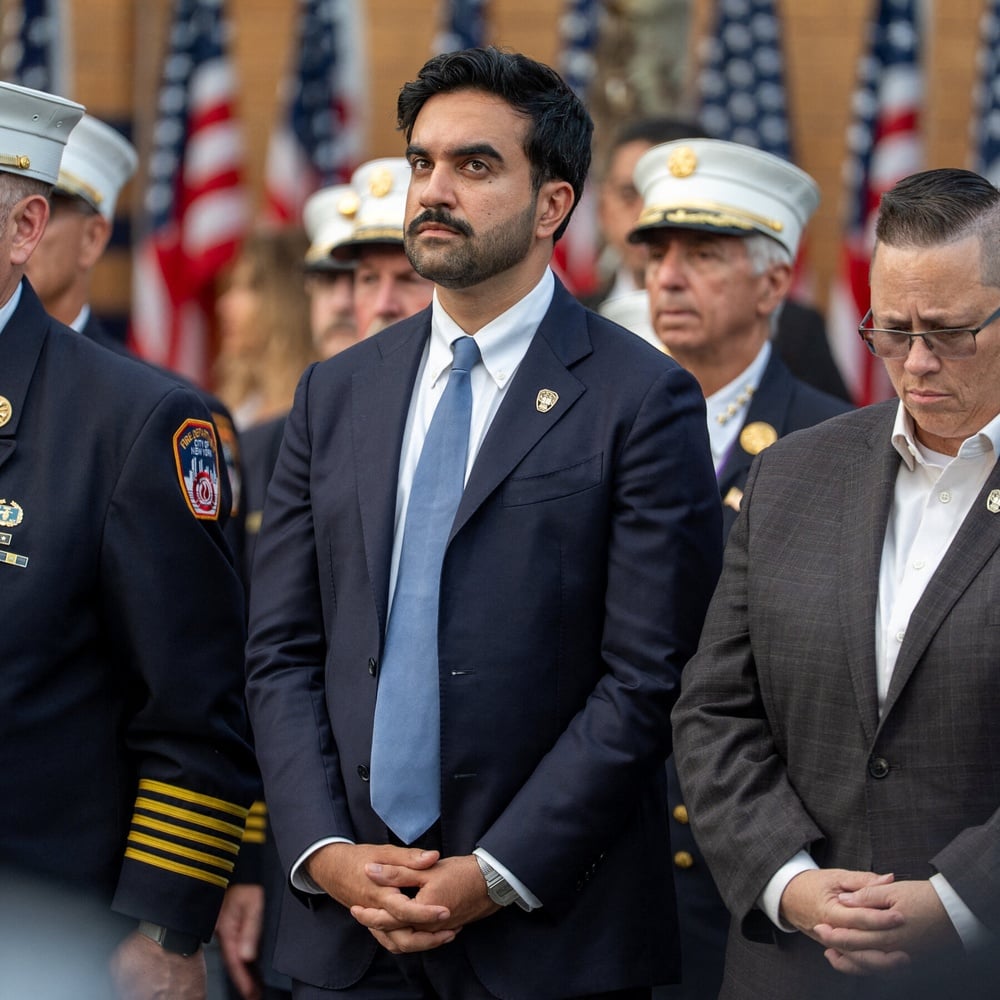

2026 © Helium Trades
Privacy Policy & Disclosure
* Disclaimer: Nothing on this website constitutes investment advice, performance data or any recommendation that any particular security, portfolio of securities, transaction or investment strategy is suitable for any specific person. Helium Trades is not responsible in any way for the accuracy
of any model predictions or price data. Any mention of a particular security and related prediction data is not a recommendation to buy or sell that security. Investments in securities involve the risk of loss. Past performance is no guarantee of future results. Helium Trades is not responsible for any of your investment decisions,
you should consult a financial expert before engaging in any transaction.
Helium Research Assistant

How can I help you today?
Ask any question about this page.