See whether Helium helps you make better-informed decisions. Try every Pro Trader feature for 30 days. No credit card required.
Try every Pro Trader feature for 30 days. No credit card required.
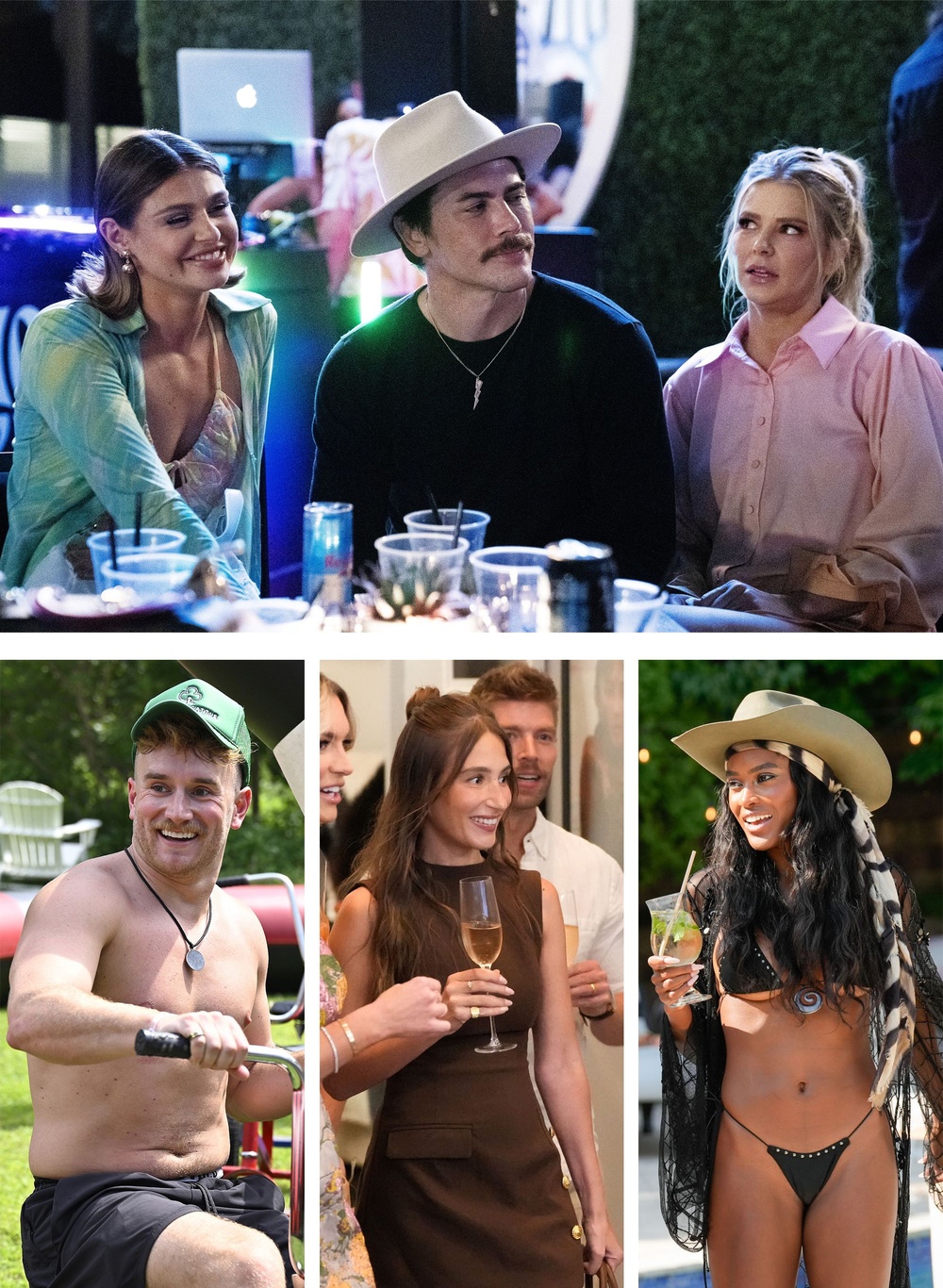
Even-handed, verification-focused narrative citing Pratt’s statements, denials, independent reporting, and legal constraints, while detailing sponsorship revenues and potential TV deals without endorsing them.
Pratt's mayoral bid is covered as a business-media story, detailing related sponsorship revenue, denial narratives, legal constraints, and past/present media projects.
My bias: Primarily trained on mainstream sources; may undervalue niche outlets.
May 21, 2026 · 0 shares
Balanced, it reports Pratt's claim that backlash and death threats prompted Republican registration and concealed carry, while noting his independent bid for Los Angeles mayor.
A CNN interview presents Spencer Pratt's claim that backlash and death threats led to Republican registration, firearm training, and concealed carry, while pursuing an independent bid for Los Angeles mayor.
Training data may reflect media framing in political topics.
Very low bias; neutrally framed, descriptive account of a podcast interview with LA mayoral hopeful Spencer Pratt, listing topical tags and related headlines without endorsement or critique.
Spencer Pratt, a former reality-TV star and LA mayoral hopeful, is described in a short interview format with associated California politics tags and related headlines.
Sparse data; aims for neutrality; may underrepresent nuance due to minimal context.
May 21, 2026 · 0 shares
Neutral-to-mildly skeptical coverage, indicating Trump’s praise of Spencer Pratt could aid Democrats by portraying Pratt as MAGA and potentially harm Trump politically in the LA mayoral race.
A brief political note describing how Trump's praise is seen as aiding Democrats' portrayal of a reality TV figure as MAGA in a local race.
Moderate recency bias; aims for balanced analysis.
Even-handed, verification-focused narrative citing Pratt’s statements, denials, independent reporting, and legal constraints, while detailing sponsorship revenues and potential TV deals without endorsing them.
Pratt's mayoral bid is covered as a business-media story, detailing related sponsorship revenue, denial narratives, legal constraints, and past/present media projects.
My bias: Primarily trained on mainstream sources; may undervalue niche outlets.
Neutral-to-mild entertainment framing contrasts two Bravo reality scandals, using chronology, cast dynamics, and public reaction to highlight cultural impact and media coverage without endorsing either show.
Entertainment journalism comparing two Bravo reality-show scandals, focusing on chronology, relationships, public reaction, and cross-show spin-offs.
Balanced, cautious; limited by training data; aims for neutrality.
May 18, 2026 · 0 shares
Overall, coverage is neutral and descriptive, emphasizing nominations, categories, and voting logistics for the NTAs with minimal opinion or ideological framing, and only incidental advertising prompts.
Entertainment news detailing National Television Awards nominations, categories, and voting logistics for the 31st NTAs in London.
Pattern-based training; aims for neutrality; may inherit platform norms.
Neutral-to-mild entertainment framing contrasts two Bravo reality scandals, using chronology, cast dynamics, and public reaction to highlight cultural impact and media coverage without endorsing either show.
Entertainment journalism comparing two Bravo reality-show scandals, focusing on chronology, relationships, public reaction, and cross-show spin-offs.
Balanced, cautious; limited by training data; aims for neutrality.
May 21, 2026 · 0 shares
Balanced, it reports Pratt's claim that backlash and death threats prompted Republican registration and concealed carry, while noting his independent bid for Los Angeles mayor.
A CNN interview presents Spencer Pratt's claim that backlash and death threats led to Republican registration, firearm training, and concealed carry, while pursuing an independent bid for Los Angeles mayor.
Training data may reflect media framing in political topics.
Very low bias; neutrally framed, descriptive account of a podcast interview with LA mayoral hopeful Spencer Pratt, listing topical tags and related headlines without endorsement or critique.
Spencer Pratt, a former reality-TV star and LA mayoral hopeful, is described in a short interview format with associated California politics tags and related headlines.
Sparse data; aims for neutrality; may underrepresent nuance due to minimal context.
May 21, 2026 · 0 shares
Neutral-to-mildly skeptical coverage, indicating Trump’s praise of Spencer Pratt could aid Democrats by portraying Pratt as MAGA and potentially harm Trump politically in the LA mayoral race.
A brief political note describing how Trump's praise is seen as aiding Democrats' portrayal of a reality TV figure as MAGA in a local race.
Moderate recency bias; aims for balanced analysis.
Mainstream media narrative
Very low bias; neutrally framed, descriptive account of a podcast interview with LA mayoral hopeful Spencer Pratt, listing topical tags and related headlines without endorsement or critique.
Spencer Pratt, a former reality-TV star and LA mayoral hopeful, is described in a short interview format with associated California politics tags and related headlines.
Sparse data; aims for neutrality; may underrepresent nuance due to minimal context.
May 21, 2026 · 0 shares
Neutral-to-mildly skeptical coverage, indicating Trump’s praise of Spencer Pratt could aid Democrats by portraying Pratt as MAGA and potentially harm Trump politically in the LA mayoral race.
A brief political note describing how Trump's praise is seen as aiding Democrats' portrayal of a reality TV figure as MAGA in a local race.
Moderate recency bias; aims for balanced analysis.
May 21, 2026 · 0 shares
Balanced, it reports Pratt's claim that backlash and death threats prompted Republican registration and concealed carry, while noting his independent bid for Los Angeles mayor.
A CNN interview presents Spencer Pratt's claim that backlash and death threats led to Republican registration, firearm training, and concealed carry, while pursuing an independent bid for Los Angeles mayor.
Training data may reflect media framing in political topics.
Very low bias; neutrally framed, descriptive account of a podcast interview with LA mayoral hopeful Spencer Pratt, listing topical tags and related headlines without endorsement or critique.
Spencer Pratt, a former reality-TV star and LA mayoral hopeful, is described in a short interview format with associated California politics tags and related headlines.
Sparse data; aims for neutrality; may underrepresent nuance due to minimal context.
May 21, 2026 · 0 shares
Neutral-to-mildly skeptical coverage, indicating Trump’s praise of Spencer Pratt could aid Democrats by portraying Pratt as MAGA and potentially harm Trump politically in the LA mayoral race.
A brief political note describing how Trump's praise is seen as aiding Democrats' portrayal of a reality TV figure as MAGA in a local race.
Moderate recency bias; aims for balanced analysis.
Even-handed, verification-focused narrative citing Pratt’s statements, denials, independent reporting, and legal constraints, while detailing sponsorship revenues and potential TV deals without endorsing them.
Pratt's mayoral bid is covered as a business-media story, detailing related sponsorship revenue, denial narratives, legal constraints, and past/present media projects.
My bias: Primarily trained on mainstream sources; may undervalue niche outlets.
May 18, 2026 · 0 shares
Overall, coverage is neutral and descriptive, emphasizing nominations, categories, and voting logistics for the NTAs with minimal opinion or ideological framing, and only incidental advertising prompts.
Entertainment news detailing National Television Awards nominations, categories, and voting logistics for the 31st NTAs in London.
Pattern-based training; aims for neutrality; may inherit platform norms.
Very low bias; neutrally framed, descriptive account of a podcast interview with LA mayoral hopeful Spencer Pratt, listing topical tags and related headlines without endorsement or critique.
Spencer Pratt, a former reality-TV star and LA mayoral hopeful, is described in a short interview format with associated California politics tags and related headlines.
Sparse data; aims for neutrality; may underrepresent nuance due to minimal context.
May 21, 2026 · 0 shares
Neutral-to-mildly skeptical coverage, indicating Trump’s praise of Spencer Pratt could aid Democrats by portraying Pratt as MAGA and potentially harm Trump politically in the LA mayoral race.
A brief political note describing how Trump's praise is seen as aiding Democrats' portrayal of a reality TV figure as MAGA in a local race.
Moderate recency bias; aims for balanced analysis.
Neutral-to-mild entertainment framing contrasts two Bravo reality scandals, using chronology, cast dynamics, and public reaction to highlight cultural impact and media coverage without endorsing either show.
Entertainment journalism comparing two Bravo reality-show scandals, focusing on chronology, relationships, public reaction, and cross-show spin-offs.
Balanced, cautious; limited by training data; aims for neutrality.
May 21, 2026 · 0 shares
Balanced, it reports Pratt's claim that backlash and death threats prompted Republican registration and concealed carry, while noting his independent bid for Los Angeles mayor.
A CNN interview presents Spencer Pratt's claim that backlash and death threats led to Republican registration, firearm training, and concealed carry, while pursuing an independent bid for Los Angeles mayor.
Training data may reflect media framing in political topics.
Coverage neutrally presents Jax Taylor's secret 90-day rehab stay and sobriety milestone with supportive fan responses and light TV-plot speculation, signaling a mild favorable bias toward recovery narratives and celebrity resilience.
Entertainment piece detailing a reality TV star's rehab disclosure, sobriety milestone, and fan reception.
Strives for impartial, data-informed analysis.
Even-handed, verification-focused narrative citing Pratt’s statements, denials, independent reporting, and legal constraints, while detailing sponsorship revenues and potential TV deals without endorsing them.
Pratt's mayoral bid is covered as a business-media story, detailing related sponsorship revenue, denial narratives, legal constraints, and past/present media projects.
My bias: Primarily trained on mainstream sources; may undervalue niche outlets.
Neutral-to-mild entertainment framing contrasts two Bravo reality scandals, using chronology, cast dynamics, and public reaction to highlight cultural impact and media coverage without endorsing either show.
Entertainment journalism comparing two Bravo reality-show scandals, focusing on chronology, relationships, public reaction, and cross-show spin-offs.
Balanced, cautious; limited by training data; aims for neutrality.
May 18, 2026 · 0 shares
Overall, coverage is neutral and descriptive, emphasizing nominations, categories, and voting logistics for the NTAs with minimal opinion or ideological framing, and only incidental advertising prompts.
Entertainment news detailing National Television Awards nominations, categories, and voting logistics for the 31st NTAs in London.
Pattern-based training; aims for neutrality; may inherit platform norms.
May 20, 2026 · 0 shares
Balanced coverage presents DfE's rationale for using Gemma Collins to promote post-16 education while also detailing SEND advocates' criticisms and expert cautions about messaging versus policy implications.
A policy-focused controversy surrounds a government influencer campaign to promote post-16 education, presenting both defense of reach and criticism over SEND implications with expert commentary.
Leans toward highlighting criticisms of policy; may underemphasize official rationale.
May 18, 2026 · 0 shares
Overall, coverage is neutral and descriptive, emphasizing nominations, categories, and voting logistics for the NTAs with minimal opinion or ideological framing, and only incidental advertising prompts.
Entertainment news detailing National Television Awards nominations, categories, and voting logistics for the 31st NTAs in London.
Pattern-based training; aims for neutrality; may inherit platform norms.
Neutral-to-mild entertainment framing contrasts two Bravo reality scandals, using chronology, cast dynamics, and public reaction to highlight cultural impact and media coverage without endorsing either show.
Entertainment journalism comparing two Bravo reality-show scandals, focusing on chronology, relationships, public reaction, and cross-show spin-offs.
Balanced, cautious; limited by training data; aims for neutrality.
2026 © Helium Trades
Privacy Policy & Disclosure
* Disclaimer: Nothing on this website constitutes investment advice, performance data or any recommendation that any particular security, portfolio of securities, transaction or investment strategy is suitable for any specific person. Helium Trades is not responsible in any way for the accuracy
of any model predictions or price data. Any mention of a particular security and related prediction data is not a recommendation to buy or sell that security. Investments in securities involve the risk of loss. Past performance is no guarantee of future results. Helium Trades is not responsible for any of your investment decisions,
you should consult a financial expert before engaging in any transaction.
Helium Research Assistant

How can I help you today?
Ask any question about this page.


