See whether Helium helps you make better-informed decisions. Try every Pro Trader feature for 30 days. No credit card required.
Try every Pro Trader feature for 30 days. No credit card required.
July 18, 2026 · 0 shares
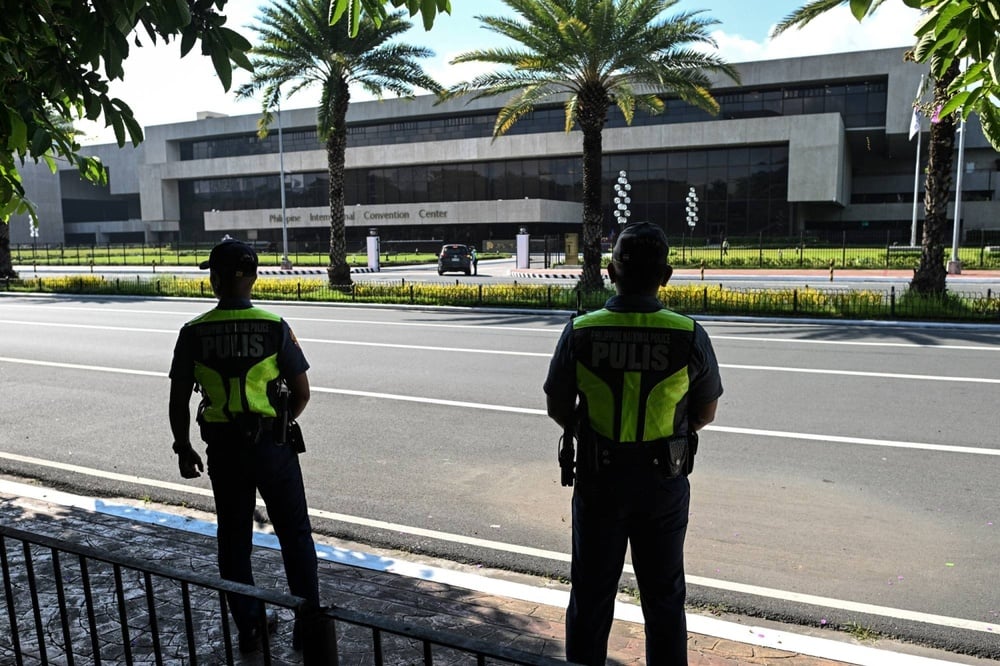
Neutral, descriptive coverage of ASEAN meetings in Manila, listing participants and dates and focusing on official proceedings over policy positions; emphasizes treaties and energy-security discussions as context.
Concise, factful report about Manila-hosted ASEAN meetings involving multiple global players, the Philippines' rotating chairmanship, and related treaties and energy-security initiatives.
Automated analysis; not human reviewed.
Limitations: Concise, case-specific limitations and plausible alternative interpretations.
·
52 of 52 available dimensions scored; omitted dimensions are not treated as neutral.
·
Verified supporting quotes for 38 of 52 scored dimensions.
Claim: The text shows no liberal or conservative framing; it reports events neutrally.
“Series of ASEAN foreign ministers' meetings opens in Manila.” · exact text match
“The Philippines expects to welcome Russian Foreign Minister Sergey Lavrov, Chinese Foreign Minister Wang Yi, US Secretary of State Marco Rubio, as well as the foreign ministers of several other countries” · exact text match
“ASEAN was established in 1967. Its 11 members are Brunei, Cambodia, East Timor, Indonesia, Laos, Malaysia, Myanmar, the Philippines, Singapore, Thailand, and Vietnam.” · exact text match
Why: Descriptive, event-focused language without ideological framing.
Claim: No populist or elitist framing; content centers on official actors and formal events.
“Series of ASEAN foreign ministers' meetings opens in Manila.” · exact text match
“The Philippines expects to welcome Russian Foreign Minister Sergey Lavrov, Chinese Foreign Minister Wang Yi, US Secretary of State Marco Rubio, as well as the foreign ministers of several other countries” · exact text match
“ASEAN was established in 1967. Its 11 members are Brunei, Cambodia, East Timor, Indonesia, Laos, Malaysia, Myanmar, the Philippines, Singapore, Thailand, and Vietnam.” · exact text match
Why: Neutral, formal tone with official participants.
Claim: No emphasis on civil liberties vs. state authority; no normative judgments present.
“ASEAN was established in 1967.” · exact text match
“the 50th anniversary of the Treaty of Amity and Cooperation in Southeast Asia, signed in Bali in 1976.” · not found in supplied text
Why: Describes institutions and treaties without policy prescriptions.
Claim: Reporting appears objective with no subjective judgments.
“Series of ASEAN foreign ministers' meetings opens in Manila.” · exact text match
Why: Content centers on events and participants rather than opinions.
Claim: No sensational language; neutral factual reportage.
“50th anniversary of the Treaty of Amity and Cooperation in Southeast Asia, signed in Bali in 1976, the cornerstone document governing relations between ASEAN and its dialogue partners.” · exact text match
Why: Factual statements without dramatic language.
Claim: Not applicable to financial sentiment; neutral stance.
“In addition to the ASEAN Foreign Ministers' Meeting, scheduled for July 21, Manila will host talks with ASEAN's dialogue partners, including Russia, China and the United States, a meeting of the foreign ministers of the East Asia Summit participating countries, and other events through July 24.” · exact text match
Why: Article focuses on diplomacy, not markets.
Claim: Neutral-level interest; not especially provocative or unusual.
“50th anniversary of the Treaty of Amity and Cooperation in Southeast Asia, signed in Bali in 1976, the cornerstone document governing relations between ASEAN and its dialogue partners.” · exact text match
Why: Content is standard diplomatic reporting.
Claim: Descriptive reporting with no prescriptive recommendations.
“the agenda will also include regional issues and energy security, including ratification of the ASEAN Petroleum Security Agreement.” · exact text match
Why: No policy prescriptions or normative judgments.
Claim: No policy stance; neutral description toward international partners.
“including Russia, China and the United States” · exact text match
“ASEAN was established in 1967.” · exact text match
Why: Neutral reporting on interactions.
Claim: No fear-inducing framing; neutral.
“Participants will also mark the 50th anniversary of the Treaty...” · not found in supplied text
Why: No fear-based framing.
Claim: No begging-the-question patterns; straightforward statements.
“In addition to the ASEAN Foreign Ministers' Meeting, scheduled for July 21, Manila will host talks with ASEAN's dialogue partners, including Russia, China and the United States, a meeting of the foreign ministers of the East Asia Summit participating countries, and other events through July 24.” · exact text match
Why: Direct statements of facts.
Claim: No gossip or unverified claims; quotes official lines only.
“The Philippines expects to welcome Russian Foreign Minister Sergey Lavrov, Chinese Foreign Minister Wang Yi, US Secretary of State Marco Rubio, as well as the foreign ministers of several other countries” · exact text match
Why: Official participants only.
Claim: No opinions stated; text is descriptive.
“ASEAN was established in 1967. Its 11 members are Brunei, Cambodia, East Timor, Indonesia, Laos, Malaysia, Myanmar, the Philippines, Singapore, Thailand, and Vietnam.” · exact text match
Why: Definitions and listing are factual.
Claim: No overt political leaning or normative claim; neutral description.
“In addition to the ASEAN Foreign Ministers' Meeting, scheduled for July 21, Manila will host talks with ASEAN's dialogue partners, including Russia, China and the United States, a meeting of the foreign ministers of the East Asia Summit participating countries, and other events through July 24.” · exact text match
Why: Describes policy processes neutrally.
Claim: No oversimplification; includes multiple entities and events.
“Series of ASEAN foreign ministers' meetings opens in Manila.” · exact text match
“ASEAN was established in 1967.” · exact text match
Why: Multiple details present.
Claim: No appeal to authority beyond citing official spokesperson.
“According to Dax Imperial, the Philippine Foreign Ministry's ASEAN affairs spokesperson” · exact text match
Why: Cites an official source; standard practice.
Claim: No immature rhetoric; professional tone.
“TOKYO, July 18. /TASS/.” · exact text match
Why: Professional formatting.
Claim: No circular reasoning; linear description.
“In addition to the ASEAN Foreign Ministers' Meeting, scheduled for July 21, Manila will host talks...” · not found in supplied text
Why: Direct, linear description.
Claim: 0; no attempt to avoid responding to criticisms.
“energy security, including ratification of the ASEAN Petroleum Security Agreement.” · exact text match
Why: Describes event context; no criticisms addressed.
Claim: 0; no victimization framing.
“Participants will also mark the 50th anniversary of the Treaty...” · not found in supplied text
Why: Neutral framing.
Claim: No overconfidence in certainty; statements are time-bound.
“through July 24.” · exact text match
Why: Time-bound data support the claim.
Claim: 0; no promotional/advertising content.
“Series of ASEAN foreign ministers' meetings opens in Manila.” · exact text match
Why: News-like content.
Claim: 0; no ideology-based framing.
“ASEAN established in 1967.” · not found in supplied text
Why: Factual and organizational description.
Claim: No tilt toward establishment vs anti-establishment; just factual mention of ASEAN's origins.
“ASEAN was established in 1967.” · exact text match
Why: Historical fact used as context.
Claim: 0; no emotional language.
“Series of ASEAN foreign ministers' meetings opens in Manila.” · exact text match
Why: Neutral tone.
Claim: 0; no double standard indicated.
“In addition to the ASEAN Foreign Ministers' Meeting, scheduled for July 21, Manila will host talks with ASEAN's dialogue partners, including Russia, China and the United States” · exact text match
Why: Neutral description.
Claim: High credibility due to official sourcing and factual statements.
“According to Dax Imperial, the Philippine Foreign Ministry's ASEAN affairs spokesperson, the agenda will also include regional issues and energy security, including ratification of the ASEAN Petroleum Security Agreement.” · exact text match
Why: Cites an official spokesperson.
Claim: Language remains rational and factual; no sensational or irrational framing.
“In addition to the ASEAN Foreign Ministers' Meeting, scheduled for July 21, Manila will host talks with ASEAN's dialogue partners, including Russia, China and the United States, a meeting of the foreign ministers of the East Asia Summit participating countries, and other events through July 24.” · exact text match
Why: Describes planned events with dates and participants.
Claim: 0; not advertorial.
“ASEAN was established in 1967.” · exact text match
Why: Informational content.
Claim: 0; no strong indicators of AI-authorship.
“TOKYO, July 18. /TASS/ A series of events leading up to the ASEAN Foreign Ministers' Meeting has opened in Manila” · not found in supplied text
Why: No clear AI markers.
Claim: No indicators of biased integrity violations; consistent, sourced reporting.
“According to Dax Imperial, the Philippine Foreign Ministry's ASEAN affairs spokesperson, the agenda will also include regional issues and energy security, including ratification of the ASEAN Petroleum Security Agreement.” · exact text match
Why: Cites an official source.
Claim: 0; no intelligence rating applied; article uses standard reporting.
“ASEAN was established in 1967.” · exact text match
Why: Clear context with standard reporting.
Claim: 0; no content related to terrorism.
“Russia, China and the United States” · exact text match
Why: Lacks terrorist content.
Claim: 0; no Marxist content.
“ASEAN established in 1967.” · not found in supplied text
Why: No Marxist framing.
Claim: 0; no Islamist content.
“Russia, China and the United States” · exact text match
Why: No Islamist content.
Claim: 0; no antisemitic content.
“ASEAN was established in 1967.” · exact text match
Why: No antisemitic content.
Claim: 0; no LGBT content.
“ASEAN members list” · not found in supplied text
Why: No LGBT content.
Claim: 0; no race-based claims.
“ASEAN members list” · not found in supplied text
Why: Neutral group composition.
Claim: 0; no identity-politics framing.
“Japan, India and New Zealand, and representatives of the European Union.” · exact text match
Why: Identity-based framing not present.
Claim: 0; no cruelty framing.
Why: Not applicable.
Claim: 0; no virtue signaling detected.
“energy security” · exact text match
“ASEAN Petroleum Security Agreement” · exact text match
Why: Policy-relevant content, not virtue signaling.
Claim: 0; no conspiratorial content.
“TOKYO, July 18. /TASS/ A series of events leading up to the ASEAN Foreign Ministers' Meeting has opened in Manila” · not found in supplied text
Why: Descriptive.
Claim: 0; no content related to self-harm.
Why: Not applicable.
Claim: 0; no scapegoating.
“50th anniversary of the Treaty of Amity and Cooperation in Southeast Asia” · exact text match
Why: Neutral historical framing.
Claim: 0; no observed hypocrisy signals.
“According to Dax Imperial, the Philippine Foreign Ministry's ASEAN affairs spokesperson” · exact text match
Why: Cites an official source; no inconsistency shown.
Claim: 0; no rejection of reason or modernity.
“energy security” · exact text match
“treaty anniversary” · not found in supplied text
Why: Descriptive, not anti-enlightenment.
Neutral stance; limited context beyond events; potential gaps in geopolitical depth.
July 20, 2026 · 0 shares
Neutral, diplomacy-focused coverage that presents bilateral talks and regional tensions without endorsing any side, while including sponsor-disclosure language and official quotes.
Diplomatic meeting between China and the Philippines at ASEAN meeting in Manila amid South China Sea tensions and broader regional alignments with Japan, Taiwan, and the United States.
Automated analysis; not human reviewed. Limitations: Concise, case-specific limitations and plausible alternative interpretations.
Sponsor content disclosure; limited quotes; date/source reliability uncertain.
July 20, 2026 · 0 shares
Neutral, diplomacy-focused coverage that presents bilateral talks and regional tensions without endorsing any side, while including sponsor-disclosure language and official quotes.
Diplomatic meeting between China and the Philippines at ASEAN meeting in Manila amid South China Sea tensions and broader regional alignments with Japan, Taiwan, and the United States.
Automated analysis; not human reviewed. Limitations: Concise, case-specific limitations and plausible alternative interpretations.
Sponsor content disclosure; limited quotes; date/source reliability uncertain.
July 21, 2026 · 0 shares
Hawkish, pro-establishment framing of US-China tensions in the Indo-Pacific, centering Rubio's hardline stance and reliance on official statements to shape regional security narratives.
A diplomatic-news report on Rubio's ASEAN summit involvement amid tensions with China, noting U.S. positions on navigation rights and a 2016 arbitration ruling, with related regional crises.
Automated analysis; not human reviewed.
Limitations: Case-specific limitations: reliance on official statements; potential pro-establishment slant; limited Chinese/ASEAN counter-narratives; possible translation of quotes; alternative interpretations exist.
·
3 of 52 available dimensions scored; omitted dimensions are not treated as neutral.
·
Verified supporting quotes for 0 of 3 scored dimensions.
Claim: Use of normative descriptors to frame China and regional security issues.
“Ahead of the gathering, Rubio reaffirmed U.S. support for freedom of navigation in the South China Sea, warning in an opinion piece published in Philippine newspapers that the region faced growing risks if critical shipping lanes fell under the control of 'a power willing to use commerce as a geopolitical weapon.'” · not found in supplied text
“While he did not name China, Rubio said such a scenario would pose 'dire new threats' to the sovereignty, security and economic future of both the United States and ASEAN nations.” · not found in supplied text
“The U.S. State Department condemned what it called China's 'dangerous and aggressive' actions, saying they reflected a troubling pattern of conduct against Philippine maritime operations.” · not found in supplied text
Counterevidence:
“Beijing rejects the ruling.” · exact text match
Why: Frequent use of evaluative terms suggests subjective framing, though quotes document official positions.
Claim: Hawkish framing of US-China tensions with emphasis on military-security language and punitive US stance.
“Ahead of the gathering, Rubio reaffirmed U.S. support for freedom of navigation in the South China Sea, warning in an opinion piece published in Philippine newspapers that the region faced growing risks if critical shipping lanes fell under the control of 'a power willing to use commerce as a geopolitical weapon.'” · not found in supplied text
“While he did not name China, Rubio said such a scenario would pose 'dire new threats' to the sovereignty, security and economic future of both the United States and ASEAN nations.” · not found in supplied text
“The U.S. State Department condemned what it called China's 'dangerous and aggressive' actions, saying they reflected a troubling pattern of conduct against Philippine maritime operations.” · not found in supplied text
Counterevidence:
“Beijing rejects the ruling.” · exact text match
“China's foreign ministry said ASEAN was not the proper venue for resolving bilateral maritime disputes and urged the Philippines, this year's ASEAN chair, to promote dialogue instead of advancing its own political interests.” · exact text match
Why: Language highlights US hawkish framing; Chinese counterclaims provide a moderation counterpoint.
Claim: Article leans on official US government framing and normative language about US commitments.
“The U.S. State Department condemned what it called China's 'dangerous and aggressive' actions, saying they reflected a troubling pattern of conduct against Philippine maritime operations.” · not found in supplied text
“Against that backdrop, Rubio's meetings with regional leaders are expected to focus on security, trade and Washington's commitment to allies facing what he has described as growing coercive pressure in the Indo-Pacific.” · exact text match
“Rubio also reiterated U.S. support for a 2016 international arbitration ruling that rejected China's sweeping territorial claims in the South China Sea. Beijing rejects the ruling.” · exact text match
Counterevidence:
“China's foreign ministry argued that ASEAN was not the proper venue for resolving maritime disputes and promoted dialogue instead.” · not found in supplied text
Why: Sourcing from US governmental statements indicates establishment-leaning framing, tempered by Chinese official pushback.
US-centric frame; limited Chinese/ASEAN counterpoints; relies on official quotes.
Neutral, event-focused reportage that relies on direct quotes and scheduling details to describe Trump's stance toward China and election interference without explicit editorializing.
News brief about Trump remarks on China and the Rubio-Wang meeting in Manila amid allegations of election interference.
Automated analysis; not human reviewed.
Limitations: Short article; relies on quotes; limited context; potential alternate interpretations not explored.
·
1 of 52 available dimensions scored; omitted dimensions are not treated as neutral.
·
Verified supporting quotes for 0 of 1 scored dimensions.
Ambiguities: brief text; limited quotes; no independent sourcing.
July 18, 2026 · 0 shares
Neutral-to-slightly pro-establishment framing emphasizing AI cooperation and leadership, with little critical scrutiny of China's role.
Diplomatic meeting in Shanghai focusing on AI cooperation, WAIC/WAICO, Belt and Road, and broader China-Indonesia collaboration.
Automated analysis; not human reviewed.
Limitations: Concise, case-specific limitations and plausible alternative interpretations.
·
2 of 52 available dimensions scored; omitted dimensions are not treated as neutral.
·
Verified supporting quotes for 1 of 2 scored dimensions.
Claim: Normative descriptions urging inclusive AI development and a 'shared future' partnership.
“Indonesia becoming one of the founding members of the World Artificial Intelligence Cooperation Organization reflects the country's positive attitude toward international cooperation on AI, adding that China stands ready to work with like-minded countries to advance AI development in an inclusive and universally beneficial direction.” · exact text match
“China is willing to strengthen coordination with Indonesia in international and regional affairs and push forward the building of a China-Indonesia community with a shared future that carries regional and global influence.” · not found in supplied text
Why: Phrasing frames goals as prescriptive aims rather than mere facts.
Claim: Pro-establishment framing evidenced by emphasis on China's leadership and cooperative ventures, without critical context.
“Indonesia becoming one of the founding members of the World Artificial Intelligence Cooperation Organization reflects the country's positive attitude toward international cooperation on AI, adding that China stands ready to work with like-minded countries to advance AI development in an inclusive and universally beneficial direction.” · exact text match
“China is willing to strengthen coordination with Indonesia in international and regional affairs and push forward the building of a China-Indonesia community with a shared future that carries regional and global influence, Wang said.” · exact text match
“Airlangga commended China's global leadership in the AI field, adding that Indonesia welcomes and invites more Chinese enterprises to invest in the country and looks forward to continuously expanding key Belt and Road cooperation projects with China.” · exact text match
Why: Official statements emphasize cooperation and leadership, with no critical framing presented.
One-voice, official framing; limited context; may omit independent verification.
July 20, 2026 · 0 shares
WAICO coverage frames a China-led, open-participation approach to AI governance as a counterweight to Western-led norms, while noting Western muted reactions and implying a growing fragmentation of global standards due to geopolitical divides.
Analysis of WAICO's formation and its potential effects on global AI governance, emphasizing China's role and Western reactions within a multipolar, contested framework.
Automated analysis; not human reviewed.
Limitations: Case-specific; relies on interpreting framing around WAICO and geopolitical actors; alternative readings might emphasize technical governance dynamics or downplay political motives.
·
52 of 52 available dimensions scored; omitted dimensions are not treated as neutral.
·
Verified supporting quotes for 0 of 52 scored dimensions.
WAICO framing may overemphasize geopolitical power dynamics
July 18, 2026 · 0 shares
Neutral, descriptive coverage of ASEAN meetings in Manila, listing participants and dates and focusing on official proceedings over policy positions; emphasizes treaties and energy-security discussions as context.
Concise, factful report about Manila-hosted ASEAN meetings involving multiple global players, the Philippines' rotating chairmanship, and related treaties and energy-security initiatives.
Automated analysis; not human reviewed. Limitations: Concise, case-specific limitations and plausible alternative interpretations. · 52 of 52 available dimensions scored; omitted dimensions are not treated as neutral. · Verified supporting quotes for 38 of 52 scored dimensions.
Claim: The text shows no liberal or conservative framing; it reports events neutrally.
“Series of ASEAN foreign ministers' meetings opens in Manila.” · exact text match
“The Philippines expects to welcome Russian Foreign Minister Sergey Lavrov, Chinese Foreign Minister Wang Yi, US Secretary of State Marco Rubio, as well as the foreign ministers of several other countries” · exact text match
“ASEAN was established in 1967. Its 11 members are Brunei, Cambodia, East Timor, Indonesia, Laos, Malaysia, Myanmar, the Philippines, Singapore, Thailand, and Vietnam.” · exact text match
Why: Descriptive, event-focused language without ideological framing.
Claim: No populist or elitist framing; content centers on official actors and formal events.
“Series of ASEAN foreign ministers' meetings opens in Manila.” · exact text match
“The Philippines expects to welcome Russian Foreign Minister Sergey Lavrov, Chinese Foreign Minister Wang Yi, US Secretary of State Marco Rubio, as well as the foreign ministers of several other countries” · exact text match
“ASEAN was established in 1967. Its 11 members are Brunei, Cambodia, East Timor, Indonesia, Laos, Malaysia, Myanmar, the Philippines, Singapore, Thailand, and Vietnam.” · exact text match
Why: Neutral, formal tone with official participants.
Claim: No emphasis on civil liberties vs. state authority; no normative judgments present.
“ASEAN was established in 1967.” · exact text match
“the 50th anniversary of the Treaty of Amity and Cooperation in Southeast Asia, signed in Bali in 1976.” · not found in supplied text
Why: Describes institutions and treaties without policy prescriptions.
Claim: Reporting appears objective with no subjective judgments.
“Series of ASEAN foreign ministers' meetings opens in Manila.” · exact text match
Why: Content centers on events and participants rather than opinions.
Claim: No sensational language; neutral factual reportage.
“50th anniversary of the Treaty of Amity and Cooperation in Southeast Asia, signed in Bali in 1976, the cornerstone document governing relations between ASEAN and its dialogue partners.” · exact text match
Why: Factual statements without dramatic language.
Claim: Not applicable to financial sentiment; neutral stance.
“In addition to the ASEAN Foreign Ministers' Meeting, scheduled for July 21, Manila will host talks with ASEAN's dialogue partners, including Russia, China and the United States, a meeting of the foreign ministers of the East Asia Summit participating countries, and other events through July 24.” · exact text match
Why: Article focuses on diplomacy, not markets.
Claim: Neutral-level interest; not especially provocative or unusual.
“50th anniversary of the Treaty of Amity and Cooperation in Southeast Asia, signed in Bali in 1976, the cornerstone document governing relations between ASEAN and its dialogue partners.” · exact text match
Why: Content is standard diplomatic reporting.
Claim: Descriptive reporting with no prescriptive recommendations.
“the agenda will also include regional issues and energy security, including ratification of the ASEAN Petroleum Security Agreement.” · exact text match
Why: No policy prescriptions or normative judgments.
Claim: No policy stance; neutral description toward international partners.
“including Russia, China and the United States” · exact text match
“ASEAN was established in 1967.” · exact text match
Why: Neutral reporting on interactions.
Claim: No fear-inducing framing; neutral.
“Participants will also mark the 50th anniversary of the Treaty...” · not found in supplied text
Why: No fear-based framing.
Claim: No begging-the-question patterns; straightforward statements.
“In addition to the ASEAN Foreign Ministers' Meeting, scheduled for July 21, Manila will host talks with ASEAN's dialogue partners, including Russia, China and the United States, a meeting of the foreign ministers of the East Asia Summit participating countries, and other events through July 24.” · exact text match
Why: Direct statements of facts.
Claim: No gossip or unverified claims; quotes official lines only.
“The Philippines expects to welcome Russian Foreign Minister Sergey Lavrov, Chinese Foreign Minister Wang Yi, US Secretary of State Marco Rubio, as well as the foreign ministers of several other countries” · exact text match
Why: Official participants only.
Claim: No opinions stated; text is descriptive.
“ASEAN was established in 1967. Its 11 members are Brunei, Cambodia, East Timor, Indonesia, Laos, Malaysia, Myanmar, the Philippines, Singapore, Thailand, and Vietnam.” · exact text match
Why: Definitions and listing are factual.
Claim: No overt political leaning or normative claim; neutral description.
“In addition to the ASEAN Foreign Ministers' Meeting, scheduled for July 21, Manila will host talks with ASEAN's dialogue partners, including Russia, China and the United States, a meeting of the foreign ministers of the East Asia Summit participating countries, and other events through July 24.” · exact text match
Why: Describes policy processes neutrally.
Claim: No oversimplification; includes multiple entities and events.
“Series of ASEAN foreign ministers' meetings opens in Manila.” · exact text match
“ASEAN was established in 1967.” · exact text match
Why: Multiple details present.
Claim: No appeal to authority beyond citing official spokesperson.
“According to Dax Imperial, the Philippine Foreign Ministry's ASEAN affairs spokesperson” · exact text match
Why: Cites an official source; standard practice.
Claim: No immature rhetoric; professional tone.
“TOKYO, July 18. /TASS/.” · exact text match
Why: Professional formatting.
Claim: No circular reasoning; linear description.
“In addition to the ASEAN Foreign Ministers' Meeting, scheduled for July 21, Manila will host talks...” · not found in supplied text
Why: Direct, linear description.
Claim: 0; no attempt to avoid responding to criticisms.
“energy security, including ratification of the ASEAN Petroleum Security Agreement.” · exact text match
Why: Describes event context; no criticisms addressed.
Claim: 0; no victimization framing.
“Participants will also mark the 50th anniversary of the Treaty...” · not found in supplied text
Why: Neutral framing.
Claim: No overconfidence in certainty; statements are time-bound.
“through July 24.” · exact text match
Why: Time-bound data support the claim.
Claim: 0; no promotional/advertising content.
“Series of ASEAN foreign ministers' meetings opens in Manila.” · exact text match
Why: News-like content.
Claim: 0; no ideology-based framing.
“ASEAN established in 1967.” · not found in supplied text
Why: Factual and organizational description.
Claim: No tilt toward establishment vs anti-establishment; just factual mention of ASEAN's origins.
“ASEAN was established in 1967.” · exact text match
Why: Historical fact used as context.
Claim: 0; no emotional language.
“Series of ASEAN foreign ministers' meetings opens in Manila.” · exact text match
Why: Neutral tone.
Claim: 0; no double standard indicated.
“In addition to the ASEAN Foreign Ministers' Meeting, scheduled for July 21, Manila will host talks with ASEAN's dialogue partners, including Russia, China and the United States” · exact text match
Why: Neutral description.
Claim: High credibility due to official sourcing and factual statements.
“According to Dax Imperial, the Philippine Foreign Ministry's ASEAN affairs spokesperson, the agenda will also include regional issues and energy security, including ratification of the ASEAN Petroleum Security Agreement.” · exact text match
Why: Cites an official spokesperson.
Claim: Language remains rational and factual; no sensational or irrational framing.
“In addition to the ASEAN Foreign Ministers' Meeting, scheduled for July 21, Manila will host talks with ASEAN's dialogue partners, including Russia, China and the United States, a meeting of the foreign ministers of the East Asia Summit participating countries, and other events through July 24.” · exact text match
Why: Describes planned events with dates and participants.
Claim: 0; not advertorial.
“ASEAN was established in 1967.” · exact text match
Why: Informational content.
Claim: 0; no strong indicators of AI-authorship.
“TOKYO, July 18. /TASS/ A series of events leading up to the ASEAN Foreign Ministers' Meeting has opened in Manila” · not found in supplied text
Why: No clear AI markers.
Claim: No indicators of biased integrity violations; consistent, sourced reporting.
“According to Dax Imperial, the Philippine Foreign Ministry's ASEAN affairs spokesperson, the agenda will also include regional issues and energy security, including ratification of the ASEAN Petroleum Security Agreement.” · exact text match
Why: Cites an official source.
Claim: 0; no intelligence rating applied; article uses standard reporting.
“ASEAN was established in 1967.” · exact text match
Why: Clear context with standard reporting.
Claim: 0; no content related to terrorism.
“Russia, China and the United States” · exact text match
Why: Lacks terrorist content.
Claim: 0; no Marxist content.
“ASEAN established in 1967.” · not found in supplied text
Why: No Marxist framing.
Claim: 0; no Islamist content.
“Russia, China and the United States” · exact text match
Why: No Islamist content.
Claim: 0; no antisemitic content.
“ASEAN was established in 1967.” · exact text match
Why: No antisemitic content.
Claim: 0; no LGBT content.
“ASEAN members list” · not found in supplied text
Why: No LGBT content.
Claim: 0; no race-based claims.
“ASEAN members list” · not found in supplied text
Why: Neutral group composition.
Claim: 0; no identity-politics framing.
“Japan, India and New Zealand, and representatives of the European Union.” · exact text match
Why: Identity-based framing not present.
Claim: 0; no cruelty framing.
Why: Not applicable.
Claim: 0; no virtue signaling detected.
“energy security” · exact text match
“ASEAN Petroleum Security Agreement” · exact text match
Why: Policy-relevant content, not virtue signaling.
Claim: 0; no conspiratorial content.
“TOKYO, July 18. /TASS/ A series of events leading up to the ASEAN Foreign Ministers' Meeting has opened in Manila” · not found in supplied text
Why: Descriptive.
Claim: 0; no content related to self-harm.
Why: Not applicable.
Claim: 0; no scapegoating.
“50th anniversary of the Treaty of Amity and Cooperation in Southeast Asia” · exact text match
Why: Neutral historical framing.
Claim: 0; no observed hypocrisy signals.
“According to Dax Imperial, the Philippine Foreign Ministry's ASEAN affairs spokesperson” · exact text match
Why: Cites an official source; no inconsistency shown.
Claim: 0; no rejection of reason or modernity.
“energy security” · exact text match
“treaty anniversary” · not found in supplied text
Why: Descriptive, not anti-enlightenment.
Neutral stance; limited context beyond events; potential gaps in geopolitical depth.
July 20, 2026 · 0 shares
WAICO coverage frames a China-led, open-participation approach to AI governance as a counterweight to Western-led norms, while noting Western muted reactions and implying a growing fragmentation of global standards due to geopolitical divides.
Analysis of WAICO's formation and its potential effects on global AI governance, emphasizing China's role and Western reactions within a multipolar, contested framework.
Automated analysis; not human reviewed. Limitations: Case-specific; relies on interpreting framing around WAICO and geopolitical actors; alternative readings might emphasize technical governance dynamics or downplay political motives. · 52 of 52 available dimensions scored; omitted dimensions are not treated as neutral. · Verified supporting quotes for 0 of 52 scored dimensions.
WAICO framing may overemphasize geopolitical power dynamics
July 18, 2026 · 0 shares
Neutral-to-slightly pro-establishment framing emphasizing AI cooperation and leadership, with little critical scrutiny of China's role.
Diplomatic meeting in Shanghai focusing on AI cooperation, WAIC/WAICO, Belt and Road, and broader China-Indonesia collaboration.
Automated analysis; not human reviewed. Limitations: Concise, case-specific limitations and plausible alternative interpretations. · 2 of 52 available dimensions scored; omitted dimensions are not treated as neutral. · Verified supporting quotes for 1 of 2 scored dimensions.
Claim: Normative descriptions urging inclusive AI development and a 'shared future' partnership.
“Indonesia becoming one of the founding members of the World Artificial Intelligence Cooperation Organization reflects the country's positive attitude toward international cooperation on AI, adding that China stands ready to work with like-minded countries to advance AI development in an inclusive and universally beneficial direction.” · exact text match
“China is willing to strengthen coordination with Indonesia in international and regional affairs and push forward the building of a China-Indonesia community with a shared future that carries regional and global influence.” · not found in supplied text
Why: Phrasing frames goals as prescriptive aims rather than mere facts.
Claim: Pro-establishment framing evidenced by emphasis on China's leadership and cooperative ventures, without critical context.
“Indonesia becoming one of the founding members of the World Artificial Intelligence Cooperation Organization reflects the country's positive attitude toward international cooperation on AI, adding that China stands ready to work with like-minded countries to advance AI development in an inclusive and universally beneficial direction.” · exact text match
“China is willing to strengthen coordination with Indonesia in international and regional affairs and push forward the building of a China-Indonesia community with a shared future that carries regional and global influence, Wang said.” · exact text match
“Airlangga commended China's global leadership in the AI field, adding that Indonesia welcomes and invites more Chinese enterprises to invest in the country and looks forward to continuously expanding key Belt and Road cooperation projects with China.” · exact text match
Why: Official statements emphasize cooperation and leadership, with no critical framing presented.
One-voice, official framing; limited context; may omit independent verification.
ASEAN-centered diplomatic/institutional lens
July 18, 2026 · 0 shares
Neutral, descriptive coverage of ASEAN meetings in Manila, listing participants and dates and focusing on official proceedings over policy positions; emphasizes treaties and energy-security discussions as context.
Concise, factful report about Manila-hosted ASEAN meetings involving multiple global players, the Philippines' rotating chairmanship, and related treaties and energy-security initiatives.
Automated analysis; not human reviewed. Limitations: Concise, case-specific limitations and plausible alternative interpretations. · 52 of 52 available dimensions scored; omitted dimensions are not treated as neutral. · Verified supporting quotes for 38 of 52 scored dimensions.
Claim: The text shows no liberal or conservative framing; it reports events neutrally.
“Series of ASEAN foreign ministers' meetings opens in Manila.” · exact text match
“The Philippines expects to welcome Russian Foreign Minister Sergey Lavrov, Chinese Foreign Minister Wang Yi, US Secretary of State Marco Rubio, as well as the foreign ministers of several other countries” · exact text match
“ASEAN was established in 1967. Its 11 members are Brunei, Cambodia, East Timor, Indonesia, Laos, Malaysia, Myanmar, the Philippines, Singapore, Thailand, and Vietnam.” · exact text match
Why: Descriptive, event-focused language without ideological framing.
Claim: No populist or elitist framing; content centers on official actors and formal events.
“Series of ASEAN foreign ministers' meetings opens in Manila.” · exact text match
“The Philippines expects to welcome Russian Foreign Minister Sergey Lavrov, Chinese Foreign Minister Wang Yi, US Secretary of State Marco Rubio, as well as the foreign ministers of several other countries” · exact text match
“ASEAN was established in 1967. Its 11 members are Brunei, Cambodia, East Timor, Indonesia, Laos, Malaysia, Myanmar, the Philippines, Singapore, Thailand, and Vietnam.” · exact text match
Why: Neutral, formal tone with official participants.
Claim: No emphasis on civil liberties vs. state authority; no normative judgments present.
“ASEAN was established in 1967.” · exact text match
“the 50th anniversary of the Treaty of Amity and Cooperation in Southeast Asia, signed in Bali in 1976.” · not found in supplied text
Why: Describes institutions and treaties without policy prescriptions.
Claim: Reporting appears objective with no subjective judgments.
“Series of ASEAN foreign ministers' meetings opens in Manila.” · exact text match
Why: Content centers on events and participants rather than opinions.
Claim: No sensational language; neutral factual reportage.
“50th anniversary of the Treaty of Amity and Cooperation in Southeast Asia, signed in Bali in 1976, the cornerstone document governing relations between ASEAN and its dialogue partners.” · exact text match
Why: Factual statements without dramatic language.
Claim: Not applicable to financial sentiment; neutral stance.
“In addition to the ASEAN Foreign Ministers' Meeting, scheduled for July 21, Manila will host talks with ASEAN's dialogue partners, including Russia, China and the United States, a meeting of the foreign ministers of the East Asia Summit participating countries, and other events through July 24.” · exact text match
Why: Article focuses on diplomacy, not markets.
Claim: Neutral-level interest; not especially provocative or unusual.
“50th anniversary of the Treaty of Amity and Cooperation in Southeast Asia, signed in Bali in 1976, the cornerstone document governing relations between ASEAN and its dialogue partners.” · exact text match
Why: Content is standard diplomatic reporting.
Claim: Descriptive reporting with no prescriptive recommendations.
“the agenda will also include regional issues and energy security, including ratification of the ASEAN Petroleum Security Agreement.” · exact text match
Why: No policy prescriptions or normative judgments.
Claim: No policy stance; neutral description toward international partners.
“including Russia, China and the United States” · exact text match
“ASEAN was established in 1967.” · exact text match
Why: Neutral reporting on interactions.
Claim: No fear-inducing framing; neutral.
“Participants will also mark the 50th anniversary of the Treaty...” · not found in supplied text
Why: No fear-based framing.
Claim: No begging-the-question patterns; straightforward statements.
“In addition to the ASEAN Foreign Ministers' Meeting, scheduled for July 21, Manila will host talks with ASEAN's dialogue partners, including Russia, China and the United States, a meeting of the foreign ministers of the East Asia Summit participating countries, and other events through July 24.” · exact text match
Why: Direct statements of facts.
Claim: No gossip or unverified claims; quotes official lines only.
“The Philippines expects to welcome Russian Foreign Minister Sergey Lavrov, Chinese Foreign Minister Wang Yi, US Secretary of State Marco Rubio, as well as the foreign ministers of several other countries” · exact text match
Why: Official participants only.
Claim: No opinions stated; text is descriptive.
“ASEAN was established in 1967. Its 11 members are Brunei, Cambodia, East Timor, Indonesia, Laos, Malaysia, Myanmar, the Philippines, Singapore, Thailand, and Vietnam.” · exact text match
Why: Definitions and listing are factual.
Claim: No overt political leaning or normative claim; neutral description.
“In addition to the ASEAN Foreign Ministers' Meeting, scheduled for July 21, Manila will host talks with ASEAN's dialogue partners, including Russia, China and the United States, a meeting of the foreign ministers of the East Asia Summit participating countries, and other events through July 24.” · exact text match
Why: Describes policy processes neutrally.
Claim: No oversimplification; includes multiple entities and events.
“Series of ASEAN foreign ministers' meetings opens in Manila.” · exact text match
“ASEAN was established in 1967.” · exact text match
Why: Multiple details present.
Claim: No appeal to authority beyond citing official spokesperson.
“According to Dax Imperial, the Philippine Foreign Ministry's ASEAN affairs spokesperson” · exact text match
Why: Cites an official source; standard practice.
Claim: No immature rhetoric; professional tone.
“TOKYO, July 18. /TASS/.” · exact text match
Why: Professional formatting.
Claim: No circular reasoning; linear description.
“In addition to the ASEAN Foreign Ministers' Meeting, scheduled for July 21, Manila will host talks...” · not found in supplied text
Why: Direct, linear description.
Claim: 0; no attempt to avoid responding to criticisms.
“energy security, including ratification of the ASEAN Petroleum Security Agreement.” · exact text match
Why: Describes event context; no criticisms addressed.
Claim: 0; no victimization framing.
“Participants will also mark the 50th anniversary of the Treaty...” · not found in supplied text
Why: Neutral framing.
Claim: No overconfidence in certainty; statements are time-bound.
“through July 24.” · exact text match
Why: Time-bound data support the claim.
Claim: 0; no promotional/advertising content.
“Series of ASEAN foreign ministers' meetings opens in Manila.” · exact text match
Why: News-like content.
Claim: 0; no ideology-based framing.
“ASEAN established in 1967.” · not found in supplied text
Why: Factual and organizational description.
Claim: No tilt toward establishment vs anti-establishment; just factual mention of ASEAN's origins.
“ASEAN was established in 1967.” · exact text match
Why: Historical fact used as context.
Claim: 0; no emotional language.
“Series of ASEAN foreign ministers' meetings opens in Manila.” · exact text match
Why: Neutral tone.
Claim: 0; no double standard indicated.
“In addition to the ASEAN Foreign Ministers' Meeting, scheduled for July 21, Manila will host talks with ASEAN's dialogue partners, including Russia, China and the United States” · exact text match
Why: Neutral description.
Claim: High credibility due to official sourcing and factual statements.
“According to Dax Imperial, the Philippine Foreign Ministry's ASEAN affairs spokesperson, the agenda will also include regional issues and energy security, including ratification of the ASEAN Petroleum Security Agreement.” · exact text match
Why: Cites an official spokesperson.
Claim: Language remains rational and factual; no sensational or irrational framing.
“In addition to the ASEAN Foreign Ministers' Meeting, scheduled for July 21, Manila will host talks with ASEAN's dialogue partners, including Russia, China and the United States, a meeting of the foreign ministers of the East Asia Summit participating countries, and other events through July 24.” · exact text match
Why: Describes planned events with dates and participants.
Claim: 0; not advertorial.
“ASEAN was established in 1967.” · exact text match
Why: Informational content.
Claim: 0; no strong indicators of AI-authorship.
“TOKYO, July 18. /TASS/ A series of events leading up to the ASEAN Foreign Ministers' Meeting has opened in Manila” · not found in supplied text
Why: No clear AI markers.
Claim: No indicators of biased integrity violations; consistent, sourced reporting.
“According to Dax Imperial, the Philippine Foreign Ministry's ASEAN affairs spokesperson, the agenda will also include regional issues and energy security, including ratification of the ASEAN Petroleum Security Agreement.” · exact text match
Why: Cites an official source.
Claim: 0; no intelligence rating applied; article uses standard reporting.
“ASEAN was established in 1967.” · exact text match
Why: Clear context with standard reporting.
Claim: 0; no content related to terrorism.
“Russia, China and the United States” · exact text match
Why: Lacks terrorist content.
Claim: 0; no Marxist content.
“ASEAN established in 1967.” · not found in supplied text
Why: No Marxist framing.
Claim: 0; no Islamist content.
“Russia, China and the United States” · exact text match
Why: No Islamist content.
Claim: 0; no antisemitic content.
“ASEAN was established in 1967.” · exact text match
Why: No antisemitic content.
Claim: 0; no LGBT content.
“ASEAN members list” · not found in supplied text
Why: No LGBT content.
Claim: 0; no race-based claims.
“ASEAN members list” · not found in supplied text
Why: Neutral group composition.
Claim: 0; no identity-politics framing.
“Japan, India and New Zealand, and representatives of the European Union.” · exact text match
Why: Identity-based framing not present.
Claim: 0; no cruelty framing.
Why: Not applicable.
Claim: 0; no virtue signaling detected.
“energy security” · exact text match
“ASEAN Petroleum Security Agreement” · exact text match
Why: Policy-relevant content, not virtue signaling.
Claim: 0; no conspiratorial content.
“TOKYO, July 18. /TASS/ A series of events leading up to the ASEAN Foreign Ministers' Meeting has opened in Manila” · not found in supplied text
Why: Descriptive.
Claim: 0; no content related to self-harm.
Why: Not applicable.
Claim: 0; no scapegoating.
“50th anniversary of the Treaty of Amity and Cooperation in Southeast Asia” · exact text match
Why: Neutral historical framing.
Claim: 0; no observed hypocrisy signals.
“According to Dax Imperial, the Philippine Foreign Ministry's ASEAN affairs spokesperson” · exact text match
Why: Cites an official source; no inconsistency shown.
Claim: 0; no rejection of reason or modernity.
“energy security” · exact text match
“treaty anniversary” · not found in supplied text
Why: Descriptive, not anti-enlightenment.
Neutral stance; limited context beyond events; potential gaps in geopolitical depth.
July 18, 2026 · 0 shares
State-oriented, institutionally framed reporting on ASEAN diplomacy and Myanmar crisis, relying heavily on official statements and policy frameworks, with minimal critical interrogation or ideological tilt.
Malaysian foreign minister Mohamad Hasan attends ASEAN diplomacy discussions in Manila, focusing on Myanmar crisis, ASEAN-China relations, and regional stability within established frameworks.
Automated analysis; not human reviewed. Limitations: Concise, case-specific limitations and plausible alternative interpretations.
Small excerpt; relies on official statements; no independent sources.
July 18, 2026 · 0 shares
Neutral, descriptive coverage of ASEAN meetings in Manila, listing participants and dates and focusing on official proceedings over policy positions; emphasizes treaties and energy-security discussions as context.
Concise, factful report about Manila-hosted ASEAN meetings involving multiple global players, the Philippines' rotating chairmanship, and related treaties and energy-security initiatives.
Automated analysis; not human reviewed. Limitations: Concise, case-specific limitations and plausible alternative interpretations. · 52 of 52 available dimensions scored; omitted dimensions are not treated as neutral. · Verified supporting quotes for 38 of 52 scored dimensions.
Claim: The text shows no liberal or conservative framing; it reports events neutrally.
“Series of ASEAN foreign ministers' meetings opens in Manila.” · exact text match
“The Philippines expects to welcome Russian Foreign Minister Sergey Lavrov, Chinese Foreign Minister Wang Yi, US Secretary of State Marco Rubio, as well as the foreign ministers of several other countries” · exact text match
“ASEAN was established in 1967. Its 11 members are Brunei, Cambodia, East Timor, Indonesia, Laos, Malaysia, Myanmar, the Philippines, Singapore, Thailand, and Vietnam.” · exact text match
Why: Descriptive, event-focused language without ideological framing.
Claim: No populist or elitist framing; content centers on official actors and formal events.
“Series of ASEAN foreign ministers' meetings opens in Manila.” · exact text match
“The Philippines expects to welcome Russian Foreign Minister Sergey Lavrov, Chinese Foreign Minister Wang Yi, US Secretary of State Marco Rubio, as well as the foreign ministers of several other countries” · exact text match
“ASEAN was established in 1967. Its 11 members are Brunei, Cambodia, East Timor, Indonesia, Laos, Malaysia, Myanmar, the Philippines, Singapore, Thailand, and Vietnam.” · exact text match
Why: Neutral, formal tone with official participants.
Claim: No emphasis on civil liberties vs. state authority; no normative judgments present.
“ASEAN was established in 1967.” · exact text match
“the 50th anniversary of the Treaty of Amity and Cooperation in Southeast Asia, signed in Bali in 1976.” · not found in supplied text
Why: Describes institutions and treaties without policy prescriptions.
Claim: Reporting appears objective with no subjective judgments.
“Series of ASEAN foreign ministers' meetings opens in Manila.” · exact text match
Why: Content centers on events and participants rather than opinions.
Claim: No sensational language; neutral factual reportage.
“50th anniversary of the Treaty of Amity and Cooperation in Southeast Asia, signed in Bali in 1976, the cornerstone document governing relations between ASEAN and its dialogue partners.” · exact text match
Why: Factual statements without dramatic language.
Claim: Not applicable to financial sentiment; neutral stance.
“In addition to the ASEAN Foreign Ministers' Meeting, scheduled for July 21, Manila will host talks with ASEAN's dialogue partners, including Russia, China and the United States, a meeting of the foreign ministers of the East Asia Summit participating countries, and other events through July 24.” · exact text match
Why: Article focuses on diplomacy, not markets.
Claim: Neutral-level interest; not especially provocative or unusual.
“50th anniversary of the Treaty of Amity and Cooperation in Southeast Asia, signed in Bali in 1976, the cornerstone document governing relations between ASEAN and its dialogue partners.” · exact text match
Why: Content is standard diplomatic reporting.
Claim: Descriptive reporting with no prescriptive recommendations.
“the agenda will also include regional issues and energy security, including ratification of the ASEAN Petroleum Security Agreement.” · exact text match
Why: No policy prescriptions or normative judgments.
Claim: No policy stance; neutral description toward international partners.
“including Russia, China and the United States” · exact text match
“ASEAN was established in 1967.” · exact text match
Why: Neutral reporting on interactions.
Claim: No fear-inducing framing; neutral.
“Participants will also mark the 50th anniversary of the Treaty...” · not found in supplied text
Why: No fear-based framing.
Claim: No begging-the-question patterns; straightforward statements.
“In addition to the ASEAN Foreign Ministers' Meeting, scheduled for July 21, Manila will host talks with ASEAN's dialogue partners, including Russia, China and the United States, a meeting of the foreign ministers of the East Asia Summit participating countries, and other events through July 24.” · exact text match
Why: Direct statements of facts.
Claim: No gossip or unverified claims; quotes official lines only.
“The Philippines expects to welcome Russian Foreign Minister Sergey Lavrov, Chinese Foreign Minister Wang Yi, US Secretary of State Marco Rubio, as well as the foreign ministers of several other countries” · exact text match
Why: Official participants only.
Claim: No opinions stated; text is descriptive.
“ASEAN was established in 1967. Its 11 members are Brunei, Cambodia, East Timor, Indonesia, Laos, Malaysia, Myanmar, the Philippines, Singapore, Thailand, and Vietnam.” · exact text match
Why: Definitions and listing are factual.
Claim: No overt political leaning or normative claim; neutral description.
“In addition to the ASEAN Foreign Ministers' Meeting, scheduled for July 21, Manila will host talks with ASEAN's dialogue partners, including Russia, China and the United States, a meeting of the foreign ministers of the East Asia Summit participating countries, and other events through July 24.” · exact text match
Why: Describes policy processes neutrally.
Claim: No oversimplification; includes multiple entities and events.
“Series of ASEAN foreign ministers' meetings opens in Manila.” · exact text match
“ASEAN was established in 1967.” · exact text match
Why: Multiple details present.
Claim: No appeal to authority beyond citing official spokesperson.
“According to Dax Imperial, the Philippine Foreign Ministry's ASEAN affairs spokesperson” · exact text match
Why: Cites an official source; standard practice.
Claim: No immature rhetoric; professional tone.
“TOKYO, July 18. /TASS/.” · exact text match
Why: Professional formatting.
Claim: No circular reasoning; linear description.
“In addition to the ASEAN Foreign Ministers' Meeting, scheduled for July 21, Manila will host talks...” · not found in supplied text
Why: Direct, linear description.
Claim: 0; no attempt to avoid responding to criticisms.
“energy security, including ratification of the ASEAN Petroleum Security Agreement.” · exact text match
Why: Describes event context; no criticisms addressed.
Claim: 0; no victimization framing.
“Participants will also mark the 50th anniversary of the Treaty...” · not found in supplied text
Why: Neutral framing.
Claim: No overconfidence in certainty; statements are time-bound.
“through July 24.” · exact text match
Why: Time-bound data support the claim.
Claim: 0; no promotional/advertising content.
“Series of ASEAN foreign ministers' meetings opens in Manila.” · exact text match
Why: News-like content.
Claim: 0; no ideology-based framing.
“ASEAN established in 1967.” · not found in supplied text
Why: Factual and organizational description.
Claim: No tilt toward establishment vs anti-establishment; just factual mention of ASEAN's origins.
“ASEAN was established in 1967.” · exact text match
Why: Historical fact used as context.
Claim: 0; no emotional language.
“Series of ASEAN foreign ministers' meetings opens in Manila.” · exact text match
Why: Neutral tone.
Claim: 0; no double standard indicated.
“In addition to the ASEAN Foreign Ministers' Meeting, scheduled for July 21, Manila will host talks with ASEAN's dialogue partners, including Russia, China and the United States” · exact text match
Why: Neutral description.
Claim: High credibility due to official sourcing and factual statements.
“According to Dax Imperial, the Philippine Foreign Ministry's ASEAN affairs spokesperson, the agenda will also include regional issues and energy security, including ratification of the ASEAN Petroleum Security Agreement.” · exact text match
Why: Cites an official spokesperson.
Claim: Language remains rational and factual; no sensational or irrational framing.
“In addition to the ASEAN Foreign Ministers' Meeting, scheduled for July 21, Manila will host talks with ASEAN's dialogue partners, including Russia, China and the United States, a meeting of the foreign ministers of the East Asia Summit participating countries, and other events through July 24.” · exact text match
Why: Describes planned events with dates and participants.
Claim: 0; not advertorial.
“ASEAN was established in 1967.” · exact text match
Why: Informational content.
Claim: 0; no strong indicators of AI-authorship.
“TOKYO, July 18. /TASS/ A series of events leading up to the ASEAN Foreign Ministers' Meeting has opened in Manila” · not found in supplied text
Why: No clear AI markers.
Claim: No indicators of biased integrity violations; consistent, sourced reporting.
“According to Dax Imperial, the Philippine Foreign Ministry's ASEAN affairs spokesperson, the agenda will also include regional issues and energy security, including ratification of the ASEAN Petroleum Security Agreement.” · exact text match
Why: Cites an official source.
Claim: 0; no intelligence rating applied; article uses standard reporting.
“ASEAN was established in 1967.” · exact text match
Why: Clear context with standard reporting.
Claim: 0; no content related to terrorism.
“Russia, China and the United States” · exact text match
Why: Lacks terrorist content.
Claim: 0; no Marxist content.
“ASEAN established in 1967.” · not found in supplied text
Why: No Marxist framing.
Claim: 0; no Islamist content.
“Russia, China and the United States” · exact text match
Why: No Islamist content.
Claim: 0; no antisemitic content.
“ASEAN was established in 1967.” · exact text match
Why: No antisemitic content.
Claim: 0; no LGBT content.
“ASEAN members list” · not found in supplied text
Why: No LGBT content.
Claim: 0; no race-based claims.
“ASEAN members list” · not found in supplied text
Why: Neutral group composition.
Claim: 0; no identity-politics framing.
“Japan, India and New Zealand, and representatives of the European Union.” · exact text match
Why: Identity-based framing not present.
Claim: 0; no cruelty framing.
Why: Not applicable.
Claim: 0; no virtue signaling detected.
“energy security” · exact text match
“ASEAN Petroleum Security Agreement” · exact text match
Why: Policy-relevant content, not virtue signaling.
Claim: 0; no conspiratorial content.
“TOKYO, July 18. /TASS/ A series of events leading up to the ASEAN Foreign Ministers' Meeting has opened in Manila” · not found in supplied text
Why: Descriptive.
Claim: 0; no content related to self-harm.
Why: Not applicable.
Claim: 0; no scapegoating.
“50th anniversary of the Treaty of Amity and Cooperation in Southeast Asia” · exact text match
Why: Neutral historical framing.
Claim: 0; no observed hypocrisy signals.
“According to Dax Imperial, the Philippine Foreign Ministry's ASEAN affairs spokesperson” · exact text match
Why: Cites an official source; no inconsistency shown.
Claim: 0; no rejection of reason or modernity.
“energy security” · exact text match
“treaty anniversary” · not found in supplied text
Why: Descriptive, not anti-enlightenment.
Neutral stance; limited context beyond events; potential gaps in geopolitical depth.
July 18, 2026 · 0 shares
State-oriented, institutionally framed reporting on ASEAN diplomacy and Myanmar crisis, relying heavily on official statements and policy frameworks, with minimal critical interrogation or ideological tilt.
Malaysian foreign minister Mohamad Hasan attends ASEAN diplomacy discussions in Manila, focusing on Myanmar crisis, ASEAN-China relations, and regional stability within established frameworks.
Automated analysis; not human reviewed. Limitations: Concise, case-specific limitations and plausible alternative interpretations.
Small excerpt; relies on official statements; no independent sources.
July 18, 2026 · 0 shares
Neutral, descriptive coverage of ASEAN meetings in Manila, listing participants and dates and focusing on official proceedings over policy positions; emphasizes treaties and energy-security discussions as context.
Concise, factful report about Manila-hosted ASEAN meetings involving multiple global players, the Philippines' rotating chairmanship, and related treaties and energy-security initiatives.
Automated analysis; not human reviewed. Limitations: Concise, case-specific limitations and plausible alternative interpretations. · 52 of 52 available dimensions scored; omitted dimensions are not treated as neutral. · Verified supporting quotes for 38 of 52 scored dimensions.
Claim: The text shows no liberal or conservative framing; it reports events neutrally.
“Series of ASEAN foreign ministers' meetings opens in Manila.” · exact text match
“The Philippines expects to welcome Russian Foreign Minister Sergey Lavrov, Chinese Foreign Minister Wang Yi, US Secretary of State Marco Rubio, as well as the foreign ministers of several other countries” · exact text match
“ASEAN was established in 1967. Its 11 members are Brunei, Cambodia, East Timor, Indonesia, Laos, Malaysia, Myanmar, the Philippines, Singapore, Thailand, and Vietnam.” · exact text match
Why: Descriptive, event-focused language without ideological framing.
Claim: No populist or elitist framing; content centers on official actors and formal events.
“Series of ASEAN foreign ministers' meetings opens in Manila.” · exact text match
“The Philippines expects to welcome Russian Foreign Minister Sergey Lavrov, Chinese Foreign Minister Wang Yi, US Secretary of State Marco Rubio, as well as the foreign ministers of several other countries” · exact text match
“ASEAN was established in 1967. Its 11 members are Brunei, Cambodia, East Timor, Indonesia, Laos, Malaysia, Myanmar, the Philippines, Singapore, Thailand, and Vietnam.” · exact text match
Why: Neutral, formal tone with official participants.
Claim: No emphasis on civil liberties vs. state authority; no normative judgments present.
“ASEAN was established in 1967.” · exact text match
“the 50th anniversary of the Treaty of Amity and Cooperation in Southeast Asia, signed in Bali in 1976.” · not found in supplied text
Why: Describes institutions and treaties without policy prescriptions.
Claim: Reporting appears objective with no subjective judgments.
“Series of ASEAN foreign ministers' meetings opens in Manila.” · exact text match
Why: Content centers on events and participants rather than opinions.
Claim: No sensational language; neutral factual reportage.
“50th anniversary of the Treaty of Amity and Cooperation in Southeast Asia, signed in Bali in 1976, the cornerstone document governing relations between ASEAN and its dialogue partners.” · exact text match
Why: Factual statements without dramatic language.
Claim: Not applicable to financial sentiment; neutral stance.
“In addition to the ASEAN Foreign Ministers' Meeting, scheduled for July 21, Manila will host talks with ASEAN's dialogue partners, including Russia, China and the United States, a meeting of the foreign ministers of the East Asia Summit participating countries, and other events through July 24.” · exact text match
Why: Article focuses on diplomacy, not markets.
Claim: Neutral-level interest; not especially provocative or unusual.
“50th anniversary of the Treaty of Amity and Cooperation in Southeast Asia, signed in Bali in 1976, the cornerstone document governing relations between ASEAN and its dialogue partners.” · exact text match
Why: Content is standard diplomatic reporting.
Claim: Descriptive reporting with no prescriptive recommendations.
“the agenda will also include regional issues and energy security, including ratification of the ASEAN Petroleum Security Agreement.” · exact text match
Why: No policy prescriptions or normative judgments.
Claim: No policy stance; neutral description toward international partners.
“including Russia, China and the United States” · exact text match
“ASEAN was established in 1967.” · exact text match
Why: Neutral reporting on interactions.
Claim: No fear-inducing framing; neutral.
“Participants will also mark the 50th anniversary of the Treaty...” · not found in supplied text
Why: No fear-based framing.
Claim: No begging-the-question patterns; straightforward statements.
“In addition to the ASEAN Foreign Ministers' Meeting, scheduled for July 21, Manila will host talks with ASEAN's dialogue partners, including Russia, China and the United States, a meeting of the foreign ministers of the East Asia Summit participating countries, and other events through July 24.” · exact text match
Why: Direct statements of facts.
Claim: No gossip or unverified claims; quotes official lines only.
“The Philippines expects to welcome Russian Foreign Minister Sergey Lavrov, Chinese Foreign Minister Wang Yi, US Secretary of State Marco Rubio, as well as the foreign ministers of several other countries” · exact text match
Why: Official participants only.
Claim: No opinions stated; text is descriptive.
“ASEAN was established in 1967. Its 11 members are Brunei, Cambodia, East Timor, Indonesia, Laos, Malaysia, Myanmar, the Philippines, Singapore, Thailand, and Vietnam.” · exact text match
Why: Definitions and listing are factual.
Claim: No overt political leaning or normative claim; neutral description.
“In addition to the ASEAN Foreign Ministers' Meeting, scheduled for July 21, Manila will host talks with ASEAN's dialogue partners, including Russia, China and the United States, a meeting of the foreign ministers of the East Asia Summit participating countries, and other events through July 24.” · exact text match
Why: Describes policy processes neutrally.
Claim: No oversimplification; includes multiple entities and events.
“Series of ASEAN foreign ministers' meetings opens in Manila.” · exact text match
“ASEAN was established in 1967.” · exact text match
Why: Multiple details present.
Claim: No appeal to authority beyond citing official spokesperson.
“According to Dax Imperial, the Philippine Foreign Ministry's ASEAN affairs spokesperson” · exact text match
Why: Cites an official source; standard practice.
Claim: No immature rhetoric; professional tone.
“TOKYO, July 18. /TASS/.” · exact text match
Why: Professional formatting.
Claim: No circular reasoning; linear description.
“In addition to the ASEAN Foreign Ministers' Meeting, scheduled for July 21, Manila will host talks...” · not found in supplied text
Why: Direct, linear description.
Claim: 0; no attempt to avoid responding to criticisms.
“energy security, including ratification of the ASEAN Petroleum Security Agreement.” · exact text match
Why: Describes event context; no criticisms addressed.
Claim: 0; no victimization framing.
“Participants will also mark the 50th anniversary of the Treaty...” · not found in supplied text
Why: Neutral framing.
Claim: No overconfidence in certainty; statements are time-bound.
“through July 24.” · exact text match
Why: Time-bound data support the claim.
Claim: 0; no promotional/advertising content.
“Series of ASEAN foreign ministers' meetings opens in Manila.” · exact text match
Why: News-like content.
Claim: 0; no ideology-based framing.
“ASEAN established in 1967.” · not found in supplied text
Why: Factual and organizational description.
Claim: No tilt toward establishment vs anti-establishment; just factual mention of ASEAN's origins.
“ASEAN was established in 1967.” · exact text match
Why: Historical fact used as context.
Claim: 0; no emotional language.
“Series of ASEAN foreign ministers' meetings opens in Manila.” · exact text match
Why: Neutral tone.
Claim: 0; no double standard indicated.
“In addition to the ASEAN Foreign Ministers' Meeting, scheduled for July 21, Manila will host talks with ASEAN's dialogue partners, including Russia, China and the United States” · exact text match
Why: Neutral description.
Claim: High credibility due to official sourcing and factual statements.
“According to Dax Imperial, the Philippine Foreign Ministry's ASEAN affairs spokesperson, the agenda will also include regional issues and energy security, including ratification of the ASEAN Petroleum Security Agreement.” · exact text match
Why: Cites an official spokesperson.
Claim: Language remains rational and factual; no sensational or irrational framing.
“In addition to the ASEAN Foreign Ministers' Meeting, scheduled for July 21, Manila will host talks with ASEAN's dialogue partners, including Russia, China and the United States, a meeting of the foreign ministers of the East Asia Summit participating countries, and other events through July 24.” · exact text match
Why: Describes planned events with dates and participants.
Claim: 0; not advertorial.
“ASEAN was established in 1967.” · exact text match
Why: Informational content.
Claim: 0; no strong indicators of AI-authorship.
“TOKYO, July 18. /TASS/ A series of events leading up to the ASEAN Foreign Ministers' Meeting has opened in Manila” · not found in supplied text
Why: No clear AI markers.
Claim: No indicators of biased integrity violations; consistent, sourced reporting.
“According to Dax Imperial, the Philippine Foreign Ministry's ASEAN affairs spokesperson, the agenda will also include regional issues and energy security, including ratification of the ASEAN Petroleum Security Agreement.” · exact text match
Why: Cites an official source.
Claim: 0; no intelligence rating applied; article uses standard reporting.
“ASEAN was established in 1967.” · exact text match
Why: Clear context with standard reporting.
Claim: 0; no content related to terrorism.
“Russia, China and the United States” · exact text match
Why: Lacks terrorist content.
Claim: 0; no Marxist content.
“ASEAN established in 1967.” · not found in supplied text
Why: No Marxist framing.
Claim: 0; no Islamist content.
“Russia, China and the United States” · exact text match
Why: No Islamist content.
Claim: 0; no antisemitic content.
“ASEAN was established in 1967.” · exact text match
Why: No antisemitic content.
Claim: 0; no LGBT content.
“ASEAN members list” · not found in supplied text
Why: No LGBT content.
Claim: 0; no race-based claims.
“ASEAN members list” · not found in supplied text
Why: Neutral group composition.
Claim: 0; no identity-politics framing.
“Japan, India and New Zealand, and representatives of the European Union.” · exact text match
Why: Identity-based framing not present.
Claim: 0; no cruelty framing.
Why: Not applicable.
Claim: 0; no virtue signaling detected.
“energy security” · exact text match
“ASEAN Petroleum Security Agreement” · exact text match
Why: Policy-relevant content, not virtue signaling.
Claim: 0; no conspiratorial content.
“TOKYO, July 18. /TASS/ A series of events leading up to the ASEAN Foreign Ministers' Meeting has opened in Manila” · not found in supplied text
Why: Descriptive.
Claim: 0; no content related to self-harm.
Why: Not applicable.
Claim: 0; no scapegoating.
“50th anniversary of the Treaty of Amity and Cooperation in Southeast Asia” · exact text match
Why: Neutral historical framing.
Claim: 0; no observed hypocrisy signals.
“According to Dax Imperial, the Philippine Foreign Ministry's ASEAN affairs spokesperson” · exact text match
Why: Cites an official source; no inconsistency shown.
Claim: 0; no rejection of reason or modernity.
“energy security” · exact text match
“treaty anniversary” · not found in supplied text
Why: Descriptive, not anti-enlightenment.
Neutral stance; limited context beyond events; potential gaps in geopolitical depth.
July 18, 2026 · 0 shares
State-oriented, institutionally framed reporting on ASEAN diplomacy and Myanmar crisis, relying heavily on official statements and policy frameworks, with minimal critical interrogation or ideological tilt.
Malaysian foreign minister Mohamad Hasan attends ASEAN diplomacy discussions in Manila, focusing on Myanmar crisis, ASEAN-China relations, and regional stability within established frameworks.
Automated analysis; not human reviewed. Limitations: Concise, case-specific limitations and plausible alternative interpretations.
Small excerpt; relies on official statements; no independent sources.
US hardline/“freedom of navigation” security narrative
July 21, 2026 · 0 shares
Hawkish, pro-establishment framing of US-China tensions in the Indo-Pacific, centering Rubio's hardline stance and reliance on official statements to shape regional security narratives.
A diplomatic-news report on Rubio's ASEAN summit involvement amid tensions with China, noting U.S. positions on navigation rights and a 2016 arbitration ruling, with related regional crises.
Automated analysis; not human reviewed. Limitations: Case-specific limitations: reliance on official statements; potential pro-establishment slant; limited Chinese/ASEAN counter-narratives; possible translation of quotes; alternative interpretations exist. · 3 of 52 available dimensions scored; omitted dimensions are not treated as neutral. · Verified supporting quotes for 0 of 3 scored dimensions.
Claim: Use of normative descriptors to frame China and regional security issues.
“Ahead of the gathering, Rubio reaffirmed U.S. support for freedom of navigation in the South China Sea, warning in an opinion piece published in Philippine newspapers that the region faced growing risks if critical shipping lanes fell under the control of 'a power willing to use commerce as a geopolitical weapon.'” · not found in supplied text
“While he did not name China, Rubio said such a scenario would pose 'dire new threats' to the sovereignty, security and economic future of both the United States and ASEAN nations.” · not found in supplied text
“The U.S. State Department condemned what it called China's 'dangerous and aggressive' actions, saying they reflected a troubling pattern of conduct against Philippine maritime operations.” · not found in supplied text
Counterevidence:
“Beijing rejects the ruling.” · exact text match
Why: Frequent use of evaluative terms suggests subjective framing, though quotes document official positions.
Claim: Hawkish framing of US-China tensions with emphasis on military-security language and punitive US stance.
“Ahead of the gathering, Rubio reaffirmed U.S. support for freedom of navigation in the South China Sea, warning in an opinion piece published in Philippine newspapers that the region faced growing risks if critical shipping lanes fell under the control of 'a power willing to use commerce as a geopolitical weapon.'” · not found in supplied text
“While he did not name China, Rubio said such a scenario would pose 'dire new threats' to the sovereignty, security and economic future of both the United States and ASEAN nations.” · not found in supplied text
“The U.S. State Department condemned what it called China's 'dangerous and aggressive' actions, saying they reflected a troubling pattern of conduct against Philippine maritime operations.” · not found in supplied text
Counterevidence:
“Beijing rejects the ruling.” · exact text match
“China's foreign ministry said ASEAN was not the proper venue for resolving bilateral maritime disputes and urged the Philippines, this year's ASEAN chair, to promote dialogue instead of advancing its own political interests.” · exact text match
Why: Language highlights US hawkish framing; Chinese counterclaims provide a moderation counterpoint.
Claim: Article leans on official US government framing and normative language about US commitments.
“The U.S. State Department condemned what it called China's 'dangerous and aggressive' actions, saying they reflected a troubling pattern of conduct against Philippine maritime operations.” · not found in supplied text
“Against that backdrop, Rubio's meetings with regional leaders are expected to focus on security, trade and Washington's commitment to allies facing what he has described as growing coercive pressure in the Indo-Pacific.” · exact text match
“Rubio also reiterated U.S. support for a 2016 international arbitration ruling that rejected China's sweeping territorial claims in the South China Sea. Beijing rejects the ruling.” · exact text match
Counterevidence:
“China's foreign ministry argued that ASEAN was not the proper venue for resolving maritime disputes and promoted dialogue instead.” · not found in supplied text
Why: Sourcing from US governmental statements indicates establishment-leaning framing, tempered by Chinese official pushback.
US-centric frame; limited Chinese/ASEAN counterpoints; relies on official quotes.
July 21, 2026 · 0 shares
Hawkish, pro-establishment framing of US-China tensions in the Indo-Pacific, centering Rubio's hardline stance and reliance on official statements to shape regional security narratives.
A diplomatic-news report on Rubio's ASEAN summit involvement amid tensions with China, noting U.S. positions on navigation rights and a 2016 arbitration ruling, with related regional crises.
Automated analysis; not human reviewed. Limitations: Case-specific limitations: reliance on official statements; potential pro-establishment slant; limited Chinese/ASEAN counter-narratives; possible translation of quotes; alternative interpretations exist. · 3 of 52 available dimensions scored; omitted dimensions are not treated as neutral. · Verified supporting quotes for 0 of 3 scored dimensions.
Claim: Use of normative descriptors to frame China and regional security issues.
“Ahead of the gathering, Rubio reaffirmed U.S. support for freedom of navigation in the South China Sea, warning in an opinion piece published in Philippine newspapers that the region faced growing risks if critical shipping lanes fell under the control of 'a power willing to use commerce as a geopolitical weapon.'” · not found in supplied text
“While he did not name China, Rubio said such a scenario would pose 'dire new threats' to the sovereignty, security and economic future of both the United States and ASEAN nations.” · not found in supplied text
“The U.S. State Department condemned what it called China's 'dangerous and aggressive' actions, saying they reflected a troubling pattern of conduct against Philippine maritime operations.” · not found in supplied text
Counterevidence:
“Beijing rejects the ruling.” · exact text match
Why: Frequent use of evaluative terms suggests subjective framing, though quotes document official positions.
Claim: Hawkish framing of US-China tensions with emphasis on military-security language and punitive US stance.
“Ahead of the gathering, Rubio reaffirmed U.S. support for freedom of navigation in the South China Sea, warning in an opinion piece published in Philippine newspapers that the region faced growing risks if critical shipping lanes fell under the control of 'a power willing to use commerce as a geopolitical weapon.'” · not found in supplied text
“While he did not name China, Rubio said such a scenario would pose 'dire new threats' to the sovereignty, security and economic future of both the United States and ASEAN nations.” · not found in supplied text
“The U.S. State Department condemned what it called China's 'dangerous and aggressive' actions, saying they reflected a troubling pattern of conduct against Philippine maritime operations.” · not found in supplied text
Counterevidence:
“Beijing rejects the ruling.” · exact text match
“China's foreign ministry said ASEAN was not the proper venue for resolving bilateral maritime disputes and urged the Philippines, this year's ASEAN chair, to promote dialogue instead of advancing its own political interests.” · exact text match
Why: Language highlights US hawkish framing; Chinese counterclaims provide a moderation counterpoint.
Claim: Article leans on official US government framing and normative language about US commitments.
“The U.S. State Department condemned what it called China's 'dangerous and aggressive' actions, saying they reflected a troubling pattern of conduct against Philippine maritime operations.” · not found in supplied text
“Against that backdrop, Rubio's meetings with regional leaders are expected to focus on security, trade and Washington's commitment to allies facing what he has described as growing coercive pressure in the Indo-Pacific.” · exact text match
“Rubio also reiterated U.S. support for a 2016 international arbitration ruling that rejected China's sweeping territorial claims in the South China Sea. Beijing rejects the ruling.” · exact text match
Counterevidence:
“China's foreign ministry argued that ASEAN was not the proper venue for resolving maritime disputes and promoted dialogue instead.” · not found in supplied text
Why: Sourcing from US governmental statements indicates establishment-leaning framing, tempered by Chinese official pushback.
US-centric frame; limited Chinese/ASEAN counterpoints; relies on official quotes.
July 21, 2026 · 0 shares
Hawkish, pro-establishment framing of US-China tensions in the Indo-Pacific, centering Rubio's hardline stance and reliance on official statements to shape regional security narratives.
A diplomatic-news report on Rubio's ASEAN summit involvement amid tensions with China, noting U.S. positions on navigation rights and a 2016 arbitration ruling, with related regional crises.
Automated analysis; not human reviewed. Limitations: Case-specific limitations: reliance on official statements; potential pro-establishment slant; limited Chinese/ASEAN counter-narratives; possible translation of quotes; alternative interpretations exist. · 3 of 52 available dimensions scored; omitted dimensions are not treated as neutral. · Verified supporting quotes for 0 of 3 scored dimensions.
Claim: Use of normative descriptors to frame China and regional security issues.
“Ahead of the gathering, Rubio reaffirmed U.S. support for freedom of navigation in the South China Sea, warning in an opinion piece published in Philippine newspapers that the region faced growing risks if critical shipping lanes fell under the control of 'a power willing to use commerce as a geopolitical weapon.'” · not found in supplied text
“While he did not name China, Rubio said such a scenario would pose 'dire new threats' to the sovereignty, security and economic future of both the United States and ASEAN nations.” · not found in supplied text
“The U.S. State Department condemned what it called China's 'dangerous and aggressive' actions, saying they reflected a troubling pattern of conduct against Philippine maritime operations.” · not found in supplied text
Counterevidence:
“Beijing rejects the ruling.” · exact text match
Why: Frequent use of evaluative terms suggests subjective framing, though quotes document official positions.
Claim: Hawkish framing of US-China tensions with emphasis on military-security language and punitive US stance.
“Ahead of the gathering, Rubio reaffirmed U.S. support for freedom of navigation in the South China Sea, warning in an opinion piece published in Philippine newspapers that the region faced growing risks if critical shipping lanes fell under the control of 'a power willing to use commerce as a geopolitical weapon.'” · not found in supplied text
“While he did not name China, Rubio said such a scenario would pose 'dire new threats' to the sovereignty, security and economic future of both the United States and ASEAN nations.” · not found in supplied text
“The U.S. State Department condemned what it called China's 'dangerous and aggressive' actions, saying they reflected a troubling pattern of conduct against Philippine maritime operations.” · not found in supplied text
Counterevidence:
“Beijing rejects the ruling.” · exact text match
“China's foreign ministry said ASEAN was not the proper venue for resolving bilateral maritime disputes and urged the Philippines, this year's ASEAN chair, to promote dialogue instead of advancing its own political interests.” · exact text match
Why: Language highlights US hawkish framing; Chinese counterclaims provide a moderation counterpoint.
Claim: Article leans on official US government framing and normative language about US commitments.
“The U.S. State Department condemned what it called China's 'dangerous and aggressive' actions, saying they reflected a troubling pattern of conduct against Philippine maritime operations.” · not found in supplied text
“Against that backdrop, Rubio's meetings with regional leaders are expected to focus on security, trade and Washington's commitment to allies facing what he has described as growing coercive pressure in the Indo-Pacific.” · exact text match
“Rubio also reiterated U.S. support for a 2016 international arbitration ruling that rejected China's sweeping territorial claims in the South China Sea. Beijing rejects the ruling.” · exact text match
Counterevidence:
“China's foreign ministry argued that ASEAN was not the proper venue for resolving maritime disputes and promoted dialogue instead.” · not found in supplied text
Why: Sourcing from US governmental statements indicates establishment-leaning framing, tempered by Chinese official pushback.
US-centric frame; limited Chinese/ASEAN counterpoints; relies on official quotes.
China-state and “dialogue over venues” narrative
July 21, 2026 · 0 shares
Hawkish, pro-establishment framing of US-China tensions in the Indo-Pacific, centering Rubio's hardline stance and reliance on official statements to shape regional security narratives.
A diplomatic-news report on Rubio's ASEAN summit involvement amid tensions with China, noting U.S. positions on navigation rights and a 2016 arbitration ruling, with related regional crises.
Automated analysis; not human reviewed. Limitations: Case-specific limitations: reliance on official statements; potential pro-establishment slant; limited Chinese/ASEAN counter-narratives; possible translation of quotes; alternative interpretations exist. · 3 of 52 available dimensions scored; omitted dimensions are not treated as neutral. · Verified supporting quotes for 0 of 3 scored dimensions.
Claim: Use of normative descriptors to frame China and regional security issues.
“Ahead of the gathering, Rubio reaffirmed U.S. support for freedom of navigation in the South China Sea, warning in an opinion piece published in Philippine newspapers that the region faced growing risks if critical shipping lanes fell under the control of 'a power willing to use commerce as a geopolitical weapon.'” · not found in supplied text
“While he did not name China, Rubio said such a scenario would pose 'dire new threats' to the sovereignty, security and economic future of both the United States and ASEAN nations.” · not found in supplied text
“The U.S. State Department condemned what it called China's 'dangerous and aggressive' actions, saying they reflected a troubling pattern of conduct against Philippine maritime operations.” · not found in supplied text
Counterevidence:
“Beijing rejects the ruling.” · exact text match
Why: Frequent use of evaluative terms suggests subjective framing, though quotes document official positions.
Claim: Hawkish framing of US-China tensions with emphasis on military-security language and punitive US stance.
“Ahead of the gathering, Rubio reaffirmed U.S. support for freedom of navigation in the South China Sea, warning in an opinion piece published in Philippine newspapers that the region faced growing risks if critical shipping lanes fell under the control of 'a power willing to use commerce as a geopolitical weapon.'” · not found in supplied text
“While he did not name China, Rubio said such a scenario would pose 'dire new threats' to the sovereignty, security and economic future of both the United States and ASEAN nations.” · not found in supplied text
“The U.S. State Department condemned what it called China's 'dangerous and aggressive' actions, saying they reflected a troubling pattern of conduct against Philippine maritime operations.” · not found in supplied text
Counterevidence:
“Beijing rejects the ruling.” · exact text match
“China's foreign ministry said ASEAN was not the proper venue for resolving bilateral maritime disputes and urged the Philippines, this year's ASEAN chair, to promote dialogue instead of advancing its own political interests.” · exact text match
Why: Language highlights US hawkish framing; Chinese counterclaims provide a moderation counterpoint.
Claim: Article leans on official US government framing and normative language about US commitments.
“The U.S. State Department condemned what it called China's 'dangerous and aggressive' actions, saying they reflected a troubling pattern of conduct against Philippine maritime operations.” · not found in supplied text
“Against that backdrop, Rubio's meetings with regional leaders are expected to focus on security, trade and Washington's commitment to allies facing what he has described as growing coercive pressure in the Indo-Pacific.” · exact text match
“Rubio also reiterated U.S. support for a 2016 international arbitration ruling that rejected China's sweeping territorial claims in the South China Sea. Beijing rejects the ruling.” · exact text match
Counterevidence:
“China's foreign ministry argued that ASEAN was not the proper venue for resolving maritime disputes and promoted dialogue instead.” · not found in supplied text
Why: Sourcing from US governmental statements indicates establishment-leaning framing, tempered by Chinese official pushback.
US-centric frame; limited Chinese/ASEAN counterpoints; relies on official quotes.
July 18, 2026 · 0 shares
Neutral-to-slightly pro-establishment framing emphasizing AI cooperation and leadership, with little critical scrutiny of China's role.
Diplomatic meeting in Shanghai focusing on AI cooperation, WAIC/WAICO, Belt and Road, and broader China-Indonesia collaboration.
Automated analysis; not human reviewed. Limitations: Concise, case-specific limitations and plausible alternative interpretations. · 2 of 52 available dimensions scored; omitted dimensions are not treated as neutral. · Verified supporting quotes for 1 of 2 scored dimensions.
Claim: Normative descriptions urging inclusive AI development and a 'shared future' partnership.
“Indonesia becoming one of the founding members of the World Artificial Intelligence Cooperation Organization reflects the country's positive attitude toward international cooperation on AI, adding that China stands ready to work with like-minded countries to advance AI development in an inclusive and universally beneficial direction.” · exact text match
“China is willing to strengthen coordination with Indonesia in international and regional affairs and push forward the building of a China-Indonesia community with a shared future that carries regional and global influence.” · not found in supplied text
Why: Phrasing frames goals as prescriptive aims rather than mere facts.
Claim: Pro-establishment framing evidenced by emphasis on China's leadership and cooperative ventures, without critical context.
“Indonesia becoming one of the founding members of the World Artificial Intelligence Cooperation Organization reflects the country's positive attitude toward international cooperation on AI, adding that China stands ready to work with like-minded countries to advance AI development in an inclusive and universally beneficial direction.” · exact text match
“China is willing to strengthen coordination with Indonesia in international and regional affairs and push forward the building of a China-Indonesia community with a shared future that carries regional and global influence, Wang said.” · exact text match
“Airlangga commended China's global leadership in the AI field, adding that Indonesia welcomes and invites more Chinese enterprises to invest in the country and looks forward to continuously expanding key Belt and Road cooperation projects with China.” · exact text match
Why: Official statements emphasize cooperation and leadership, with no critical framing presented.
One-voice, official framing; limited context; may omit independent verification.
July 20, 2026 · 0 shares
WAICO coverage frames a China-led, open-participation approach to AI governance as a counterweight to Western-led norms, while noting Western muted reactions and implying a growing fragmentation of global standards due to geopolitical divides.
Analysis of WAICO's formation and its potential effects on global AI governance, emphasizing China's role and Western reactions within a multipolar, contested framework.
Automated analysis; not human reviewed. Limitations: Case-specific; relies on interpreting framing around WAICO and geopolitical actors; alternative readings might emphasize technical governance dynamics or downplay political motives. · 52 of 52 available dimensions scored; omitted dimensions are not treated as neutral. · Verified supporting quotes for 0 of 52 scored dimensions.
WAICO framing may overemphasize geopolitical power dynamics
July 18, 2026 · 0 shares
Neutral-to-slightly pro-establishment framing emphasizing AI cooperation and leadership, with little critical scrutiny of China's role.
Diplomatic meeting in Shanghai focusing on AI cooperation, WAIC/WAICO, Belt and Road, and broader China-Indonesia collaboration.
Automated analysis; not human reviewed. Limitations: Concise, case-specific limitations and plausible alternative interpretations. · 2 of 52 available dimensions scored; omitted dimensions are not treated as neutral. · Verified supporting quotes for 1 of 2 scored dimensions.
Claim: Normative descriptions urging inclusive AI development and a 'shared future' partnership.
“Indonesia becoming one of the founding members of the World Artificial Intelligence Cooperation Organization reflects the country's positive attitude toward international cooperation on AI, adding that China stands ready to work with like-minded countries to advance AI development in an inclusive and universally beneficial direction.” · exact text match
“China is willing to strengthen coordination with Indonesia in international and regional affairs and push forward the building of a China-Indonesia community with a shared future that carries regional and global influence.” · not found in supplied text
Why: Phrasing frames goals as prescriptive aims rather than mere facts.
Claim: Pro-establishment framing evidenced by emphasis on China's leadership and cooperative ventures, without critical context.
“Indonesia becoming one of the founding members of the World Artificial Intelligence Cooperation Organization reflects the country's positive attitude toward international cooperation on AI, adding that China stands ready to work with like-minded countries to advance AI development in an inclusive and universally beneficial direction.” · exact text match
“China is willing to strengthen coordination with Indonesia in international and regional affairs and push forward the building of a China-Indonesia community with a shared future that carries regional and global influence, Wang said.” · exact text match
“Airlangga commended China's global leadership in the AI field, adding that Indonesia welcomes and invites more Chinese enterprises to invest in the country and looks forward to continuously expanding key Belt and Road cooperation projects with China.” · exact text match
Why: Official statements emphasize cooperation and leadership, with no critical framing presented.
One-voice, official framing; limited context; may omit independent verification.
July 20, 2026 · 0 shares
WAICO coverage frames a China-led, open-participation approach to AI governance as a counterweight to Western-led norms, while noting Western muted reactions and implying a growing fragmentation of global standards due to geopolitical divides.
Analysis of WAICO's formation and its potential effects on global AI governance, emphasizing China's role and Western reactions within a multipolar, contested framework.
Automated analysis; not human reviewed. Limitations: Case-specific; relies on interpreting framing around WAICO and geopolitical actors; alternative readings might emphasize technical governance dynamics or downplay political motives. · 52 of 52 available dimensions scored; omitted dimensions are not treated as neutral. · Verified supporting quotes for 0 of 52 scored dimensions.
WAICO framing may overemphasize geopolitical power dynamics
Philippines hedging and incident-management narrative
July 20, 2026 · 0 shares
Neutral, diplomacy-focused coverage that presents bilateral talks and regional tensions without endorsing any side, while including sponsor-disclosure language and official quotes.
Diplomatic meeting between China and the Philippines at ASEAN meeting in Manila amid South China Sea tensions and broader regional alignments with Japan, Taiwan, and the United States.
Automated analysis; not human reviewed. Limitations: Concise, case-specific limitations and plausible alternative interpretations.
Sponsor content disclosure; limited quotes; date/source reliability uncertain.
July 20, 2026 · 0 shares
Neutral, diplomacy-focused coverage that presents bilateral talks and regional tensions without endorsing any side, while including sponsor-disclosure language and official quotes.
Diplomatic meeting between China and the Philippines at ASEAN meeting in Manila amid South China Sea tensions and broader regional alignments with Japan, Taiwan, and the United States.
Automated analysis; not human reviewed. Limitations: Concise, case-specific limitations and plausible alternative interpretations.
Sponsor content disclosure; limited quotes; date/source reliability uncertain.
July 21, 2026 · 0 shares
Hawkish, pro-establishment framing of US-China tensions in the Indo-Pacific, centering Rubio's hardline stance and reliance on official statements to shape regional security narratives.
A diplomatic-news report on Rubio's ASEAN summit involvement amid tensions with China, noting U.S. positions on navigation rights and a 2016 arbitration ruling, with related regional crises.
Automated analysis; not human reviewed. Limitations: Case-specific limitations: reliance on official statements; potential pro-establishment slant; limited Chinese/ASEAN counter-narratives; possible translation of quotes; alternative interpretations exist. · 3 of 52 available dimensions scored; omitted dimensions are not treated as neutral. · Verified supporting quotes for 0 of 3 scored dimensions.
Claim: Use of normative descriptors to frame China and regional security issues.
“Ahead of the gathering, Rubio reaffirmed U.S. support for freedom of navigation in the South China Sea, warning in an opinion piece published in Philippine newspapers that the region faced growing risks if critical shipping lanes fell under the control of 'a power willing to use commerce as a geopolitical weapon.'” · not found in supplied text
“While he did not name China, Rubio said such a scenario would pose 'dire new threats' to the sovereignty, security and economic future of both the United States and ASEAN nations.” · not found in supplied text
“The U.S. State Department condemned what it called China's 'dangerous and aggressive' actions, saying they reflected a troubling pattern of conduct against Philippine maritime operations.” · not found in supplied text
Counterevidence:
“Beijing rejects the ruling.” · exact text match
Why: Frequent use of evaluative terms suggests subjective framing, though quotes document official positions.
Claim: Hawkish framing of US-China tensions with emphasis on military-security language and punitive US stance.
“Ahead of the gathering, Rubio reaffirmed U.S. support for freedom of navigation in the South China Sea, warning in an opinion piece published in Philippine newspapers that the region faced growing risks if critical shipping lanes fell under the control of 'a power willing to use commerce as a geopolitical weapon.'” · not found in supplied text
“While he did not name China, Rubio said such a scenario would pose 'dire new threats' to the sovereignty, security and economic future of both the United States and ASEAN nations.” · not found in supplied text
“The U.S. State Department condemned what it called China's 'dangerous and aggressive' actions, saying they reflected a troubling pattern of conduct against Philippine maritime operations.” · not found in supplied text
Counterevidence:
“Beijing rejects the ruling.” · exact text match
“China's foreign ministry said ASEAN was not the proper venue for resolving bilateral maritime disputes and urged the Philippines, this year's ASEAN chair, to promote dialogue instead of advancing its own political interests.” · exact text match
Why: Language highlights US hawkish framing; Chinese counterclaims provide a moderation counterpoint.
Claim: Article leans on official US government framing and normative language about US commitments.
“The U.S. State Department condemned what it called China's 'dangerous and aggressive' actions, saying they reflected a troubling pattern of conduct against Philippine maritime operations.” · not found in supplied text
“Against that backdrop, Rubio's meetings with regional leaders are expected to focus on security, trade and Washington's commitment to allies facing what he has described as growing coercive pressure in the Indo-Pacific.” · exact text match
“Rubio also reiterated U.S. support for a 2016 international arbitration ruling that rejected China's sweeping territorial claims in the South China Sea. Beijing rejects the ruling.” · exact text match
Counterevidence:
“China's foreign ministry argued that ASEAN was not the proper venue for resolving maritime disputes and promoted dialogue instead.” · not found in supplied text
Why: Sourcing from US governmental statements indicates establishment-leaning framing, tempered by Chinese official pushback.
US-centric frame; limited Chinese/ASEAN counterpoints; relies on official quotes.
US domestic-politics / allegation-management lens (includes a conservative reading)
Neutral, event-focused reportage that relies on direct quotes and scheduling details to describe Trump's stance toward China and election interference without explicit editorializing.
News brief about Trump remarks on China and the Rubio-Wang meeting in Manila amid allegations of election interference.
Automated analysis; not human reviewed. Limitations: Short article; relies on quotes; limited context; potential alternate interpretations not explored. · 1 of 52 available dimensions scored; omitted dimensions are not treated as neutral. · Verified supporting quotes for 0 of 1 scored dimensions.
Ambiguities: brief text; limited quotes; no independent sourcing.
Neutral, event-focused reportage that relies on direct quotes and scheduling details to describe Trump's stance toward China and election interference without explicit editorializing.
News brief about Trump remarks on China and the Rubio-Wang meeting in Manila amid allegations of election interference.
Automated analysis; not human reviewed. Limitations: Short article; relies on quotes; limited context; potential alternate interpretations not explored. · 1 of 52 available dimensions scored; omitted dimensions are not treated as neutral. · Verified supporting quotes for 0 of 1 scored dimensions.
Ambiguities: brief text; limited quotes; no independent sourcing.
Neutral, event-focused reportage that relies on direct quotes and scheduling details to describe Trump's stance toward China and election interference without explicit editorializing.
News brief about Trump remarks on China and the Rubio-Wang meeting in Manila amid allegations of election interference.
Automated analysis; not human reviewed. Limitations: Short article; relies on quotes; limited context; potential alternate interpretations not explored. · 1 of 52 available dimensions scored; omitted dimensions are not treated as neutral. · Verified supporting quotes for 0 of 1 scored dimensions.
Ambiguities: brief text; limited quotes; no independent sourcing.
Neutral, event-focused reportage that relies on direct quotes and scheduling details to describe Trump's stance toward China and election interference without explicit editorializing.
News brief about Trump remarks on China and the Rubio-Wang meeting in Manila amid allegations of election interference.
Automated analysis; not human reviewed. Limitations: Short article; relies on quotes; limited context; potential alternate interpretations not explored. · 1 of 52 available dimensions scored; omitted dimensions are not treated as neutral. · Verified supporting quotes for 0 of 1 scored dimensions.
Ambiguities: brief text; limited quotes; no independent sourcing.
July 18, 2026 · 0 shares
Official, non-critical framing of a China-Dominica meeting, emphasizing AI governance cooperation and consensus language with minimal critical or independent perspectives.
A concise, fact-based report of a Shanghai meeting between China's Wang Yi and Dominica's Vince Henderson, focusing on artificial intelligence governance and bilateral development cooperation.
Automated analysis; not human reviewed. Limitations: Concise, case-specific limitations and plausible alternative interpretations. · 52 of 52 available dimensions scored; omitted dimensions are not treated as neutral. · Verified supporting quotes for 1 of 52 scored dimensions.
Claim: Framing relies on official-language and consensus language, suggesting establishment-friendly coverage.
“Wang said China stands ready to strengthen coordination and cooperation within the World Artificial Intelligence Cooperation Organization with developing countries, including Dominica, and foster steady and robust growth of the organization.” · exact text match
“Guided by the consensus reached by the leaders of the two countries, China stands ready to work together with Dominica to strengthen alignment of development strategies and deepen mutually beneficial cooperation, Wang said.” · exact text match
“Dominica supports China in closely cooperating with the United Nations to promote artificial intelligence as a fair and inclusive international public good, Henderson said, adding that Dominica is ready to deepen cooperation with China across all sectors.” · exact text match
Why: Official quotes emphasize coordination, consensus, and cooperation, signaling establishment-aligned framing.
Ambiguity: source unclear; limited context; no critical perspective.
July 18, 2026 · 0 shares
Neutral, descriptive coverage of ASEAN meetings in Manila, listing participants and dates and focusing on official proceedings over policy positions; emphasizes treaties and energy-security discussions as context.
Concise, factful report about Manila-hosted ASEAN meetings involving multiple global players, the Philippines' rotating chairmanship, and related treaties and energy-security initiatives.
Automated analysis; not human reviewed. Limitations: Concise, case-specific limitations and plausible alternative interpretations. · 52 of 52 available dimensions scored; omitted dimensions are not treated as neutral. · Verified supporting quotes for 38 of 52 scored dimensions.
Claim: The text shows no liberal or conservative framing; it reports events neutrally.
“Series of ASEAN foreign ministers' meetings opens in Manila.” · exact text match
“The Philippines expects to welcome Russian Foreign Minister Sergey Lavrov, Chinese Foreign Minister Wang Yi, US Secretary of State Marco Rubio, as well as the foreign ministers of several other countries” · exact text match
“ASEAN was established in 1967. Its 11 members are Brunei, Cambodia, East Timor, Indonesia, Laos, Malaysia, Myanmar, the Philippines, Singapore, Thailand, and Vietnam.” · exact text match
Why: Descriptive, event-focused language without ideological framing.
Claim: No populist or elitist framing; content centers on official actors and formal events.
“Series of ASEAN foreign ministers' meetings opens in Manila.” · exact text match
“The Philippines expects to welcome Russian Foreign Minister Sergey Lavrov, Chinese Foreign Minister Wang Yi, US Secretary of State Marco Rubio, as well as the foreign ministers of several other countries” · exact text match
“ASEAN was established in 1967. Its 11 members are Brunei, Cambodia, East Timor, Indonesia, Laos, Malaysia, Myanmar, the Philippines, Singapore, Thailand, and Vietnam.” · exact text match
Why: Neutral, formal tone with official participants.
Claim: No emphasis on civil liberties vs. state authority; no normative judgments present.
“ASEAN was established in 1967.” · exact text match
“the 50th anniversary of the Treaty of Amity and Cooperation in Southeast Asia, signed in Bali in 1976.” · not found in supplied text
Why: Describes institutions and treaties without policy prescriptions.
Claim: Reporting appears objective with no subjective judgments.
“Series of ASEAN foreign ministers' meetings opens in Manila.” · exact text match
Why: Content centers on events and participants rather than opinions.
Claim: No sensational language; neutral factual reportage.
“50th anniversary of the Treaty of Amity and Cooperation in Southeast Asia, signed in Bali in 1976, the cornerstone document governing relations between ASEAN and its dialogue partners.” · exact text match
Why: Factual statements without dramatic language.
Claim: Not applicable to financial sentiment; neutral stance.
“In addition to the ASEAN Foreign Ministers' Meeting, scheduled for July 21, Manila will host talks with ASEAN's dialogue partners, including Russia, China and the United States, a meeting of the foreign ministers of the East Asia Summit participating countries, and other events through July 24.” · exact text match
Why: Article focuses on diplomacy, not markets.
Claim: Neutral-level interest; not especially provocative or unusual.
“50th anniversary of the Treaty of Amity and Cooperation in Southeast Asia, signed in Bali in 1976, the cornerstone document governing relations between ASEAN and its dialogue partners.” · exact text match
Why: Content is standard diplomatic reporting.
Claim: Descriptive reporting with no prescriptive recommendations.
“the agenda will also include regional issues and energy security, including ratification of the ASEAN Petroleum Security Agreement.” · exact text match
Why: No policy prescriptions or normative judgments.
Claim: No policy stance; neutral description toward international partners.
“including Russia, China and the United States” · exact text match
“ASEAN was established in 1967.” · exact text match
Why: Neutral reporting on interactions.
Claim: No fear-inducing framing; neutral.
“Participants will also mark the 50th anniversary of the Treaty...” · not found in supplied text
Why: No fear-based framing.
Claim: No begging-the-question patterns; straightforward statements.
“In addition to the ASEAN Foreign Ministers' Meeting, scheduled for July 21, Manila will host talks with ASEAN's dialogue partners, including Russia, China and the United States, a meeting of the foreign ministers of the East Asia Summit participating countries, and other events through July 24.” · exact text match
Why: Direct statements of facts.
Claim: No gossip or unverified claims; quotes official lines only.
“The Philippines expects to welcome Russian Foreign Minister Sergey Lavrov, Chinese Foreign Minister Wang Yi, US Secretary of State Marco Rubio, as well as the foreign ministers of several other countries” · exact text match
Why: Official participants only.
Claim: No opinions stated; text is descriptive.
“ASEAN was established in 1967. Its 11 members are Brunei, Cambodia, East Timor, Indonesia, Laos, Malaysia, Myanmar, the Philippines, Singapore, Thailand, and Vietnam.” · exact text match
Why: Definitions and listing are factual.
Claim: No overt political leaning or normative claim; neutral description.
“In addition to the ASEAN Foreign Ministers' Meeting, scheduled for July 21, Manila will host talks with ASEAN's dialogue partners, including Russia, China and the United States, a meeting of the foreign ministers of the East Asia Summit participating countries, and other events through July 24.” · exact text match
Why: Describes policy processes neutrally.
Claim: No oversimplification; includes multiple entities and events.
“Series of ASEAN foreign ministers' meetings opens in Manila.” · exact text match
“ASEAN was established in 1967.” · exact text match
Why: Multiple details present.
Claim: No appeal to authority beyond citing official spokesperson.
“According to Dax Imperial, the Philippine Foreign Ministry's ASEAN affairs spokesperson” · exact text match
Why: Cites an official source; standard practice.
Claim: No immature rhetoric; professional tone.
“TOKYO, July 18. /TASS/.” · exact text match
Why: Professional formatting.
Claim: No circular reasoning; linear description.
“In addition to the ASEAN Foreign Ministers' Meeting, scheduled for July 21, Manila will host talks...” · not found in supplied text
Why: Direct, linear description.
Claim: 0; no attempt to avoid responding to criticisms.
“energy security, including ratification of the ASEAN Petroleum Security Agreement.” · exact text match
Why: Describes event context; no criticisms addressed.
Claim: 0; no victimization framing.
“Participants will also mark the 50th anniversary of the Treaty...” · not found in supplied text
Why: Neutral framing.
Claim: No overconfidence in certainty; statements are time-bound.
“through July 24.” · exact text match
Why: Time-bound data support the claim.
Claim: 0; no promotional/advertising content.
“Series of ASEAN foreign ministers' meetings opens in Manila.” · exact text match
Why: News-like content.
Claim: 0; no ideology-based framing.
“ASEAN established in 1967.” · not found in supplied text
Why: Factual and organizational description.
Claim: No tilt toward establishment vs anti-establishment; just factual mention of ASEAN's origins.
“ASEAN was established in 1967.” · exact text match
Why: Historical fact used as context.
Claim: 0; no emotional language.
“Series of ASEAN foreign ministers' meetings opens in Manila.” · exact text match
Why: Neutral tone.
Claim: 0; no double standard indicated.
“In addition to the ASEAN Foreign Ministers' Meeting, scheduled for July 21, Manila will host talks with ASEAN's dialogue partners, including Russia, China and the United States” · exact text match
Why: Neutral description.
Claim: High credibility due to official sourcing and factual statements.
“According to Dax Imperial, the Philippine Foreign Ministry's ASEAN affairs spokesperson, the agenda will also include regional issues and energy security, including ratification of the ASEAN Petroleum Security Agreement.” · exact text match
Why: Cites an official spokesperson.
Claim: Language remains rational and factual; no sensational or irrational framing.
“In addition to the ASEAN Foreign Ministers' Meeting, scheduled for July 21, Manila will host talks with ASEAN's dialogue partners, including Russia, China and the United States, a meeting of the foreign ministers of the East Asia Summit participating countries, and other events through July 24.” · exact text match
Why: Describes planned events with dates and participants.
Claim: 0; not advertorial.
“ASEAN was established in 1967.” · exact text match
Why: Informational content.
Claim: 0; no strong indicators of AI-authorship.
“TOKYO, July 18. /TASS/ A series of events leading up to the ASEAN Foreign Ministers' Meeting has opened in Manila” · not found in supplied text
Why: No clear AI markers.
Claim: No indicators of biased integrity violations; consistent, sourced reporting.
“According to Dax Imperial, the Philippine Foreign Ministry's ASEAN affairs spokesperson, the agenda will also include regional issues and energy security, including ratification of the ASEAN Petroleum Security Agreement.” · exact text match
Why: Cites an official source.
Claim: 0; no intelligence rating applied; article uses standard reporting.
“ASEAN was established in 1967.” · exact text match
Why: Clear context with standard reporting.
Claim: 0; no content related to terrorism.
“Russia, China and the United States” · exact text match
Why: Lacks terrorist content.
Claim: 0; no Marxist content.
“ASEAN established in 1967.” · not found in supplied text
Why: No Marxist framing.
Claim: 0; no Islamist content.
“Russia, China and the United States” · exact text match
Why: No Islamist content.
Claim: 0; no antisemitic content.
“ASEAN was established in 1967.” · exact text match
Why: No antisemitic content.
Claim: 0; no LGBT content.
“ASEAN members list” · not found in supplied text
Why: No LGBT content.
Claim: 0; no race-based claims.
“ASEAN members list” · not found in supplied text
Why: Neutral group composition.
Claim: 0; no identity-politics framing.
“Japan, India and New Zealand, and representatives of the European Union.” · exact text match
Why: Identity-based framing not present.
Claim: 0; no cruelty framing.
Why: Not applicable.
Claim: 0; no virtue signaling detected.
“energy security” · exact text match
“ASEAN Petroleum Security Agreement” · exact text match
Why: Policy-relevant content, not virtue signaling.
Claim: 0; no conspiratorial content.
“TOKYO, July 18. /TASS/ A series of events leading up to the ASEAN Foreign Ministers' Meeting has opened in Manila” · not found in supplied text
Why: Descriptive.
Claim: 0; no content related to self-harm.
Why: Not applicable.
Claim: 0; no scapegoating.
“50th anniversary of the Treaty of Amity and Cooperation in Southeast Asia” · exact text match
Why: Neutral historical framing.
Claim: 0; no observed hypocrisy signals.
“According to Dax Imperial, the Philippine Foreign Ministry's ASEAN affairs spokesperson” · exact text match
Why: Cites an official source; no inconsistency shown.
Claim: 0; no rejection of reason or modernity.
“energy security” · exact text match
“treaty anniversary” · not found in supplied text
Why: Descriptive, not anti-enlightenment.
Neutral stance; limited context beyond events; potential gaps in geopolitical depth.
July 18, 2026 · 0 shares
Neutral-to-slightly pro-establishment framing emphasizing AI cooperation and leadership, with little critical scrutiny of China's role.
Diplomatic meeting in Shanghai focusing on AI cooperation, WAIC/WAICO, Belt and Road, and broader China-Indonesia collaboration.
Automated analysis; not human reviewed. Limitations: Concise, case-specific limitations and plausible alternative interpretations. · 2 of 52 available dimensions scored; omitted dimensions are not treated as neutral. · Verified supporting quotes for 1 of 2 scored dimensions.
Claim: Normative descriptions urging inclusive AI development and a 'shared future' partnership.
“Indonesia becoming one of the founding members of the World Artificial Intelligence Cooperation Organization reflects the country's positive attitude toward international cooperation on AI, adding that China stands ready to work with like-minded countries to advance AI development in an inclusive and universally beneficial direction.” · exact text match
“China is willing to strengthen coordination with Indonesia in international and regional affairs and push forward the building of a China-Indonesia community with a shared future that carries regional and global influence.” · not found in supplied text
Why: Phrasing frames goals as prescriptive aims rather than mere facts.
Claim: Pro-establishment framing evidenced by emphasis on China's leadership and cooperative ventures, without critical context.
“Indonesia becoming one of the founding members of the World Artificial Intelligence Cooperation Organization reflects the country's positive attitude toward international cooperation on AI, adding that China stands ready to work with like-minded countries to advance AI development in an inclusive and universally beneficial direction.” · exact text match
“China is willing to strengthen coordination with Indonesia in international and regional affairs and push forward the building of a China-Indonesia community with a shared future that carries regional and global influence, Wang said.” · exact text match
“Airlangga commended China's global leadership in the AI field, adding that Indonesia welcomes and invites more Chinese enterprises to invest in the country and looks forward to continuously expanding key Belt and Road cooperation projects with China.” · exact text match
Why: Official statements emphasize cooperation and leadership, with no critical framing presented.
One-voice, official framing; limited context; may omit independent verification.
July 20, 2026 · 0 shares
Neutral, diplomacy-focused coverage that presents bilateral talks and regional tensions without endorsing any side, while including sponsor-disclosure language and official quotes.
Diplomatic meeting between China and the Philippines at ASEAN meeting in Manila amid South China Sea tensions and broader regional alignments with Japan, Taiwan, and the United States.
Automated analysis; not human reviewed. Limitations: Concise, case-specific limitations and plausible alternative interpretations.
Sponsor content disclosure; limited quotes; date/source reliability uncertain.
July 18, 2026 · 0 shares
Neutral, descriptive coverage of ASEAN meetings in Manila, listing participants and dates and focusing on official proceedings over policy positions; emphasizes treaties and energy-security discussions as context.
Concise, factful report about Manila-hosted ASEAN meetings involving multiple global players, the Philippines' rotating chairmanship, and related treaties and energy-security initiatives.
Automated analysis; not human reviewed. Limitations: Concise, case-specific limitations and plausible alternative interpretations. · 52 of 52 available dimensions scored; omitted dimensions are not treated as neutral. · Verified supporting quotes for 38 of 52 scored dimensions.
Claim: The text shows no liberal or conservative framing; it reports events neutrally.
“Series of ASEAN foreign ministers' meetings opens in Manila.” · exact text match
“The Philippines expects to welcome Russian Foreign Minister Sergey Lavrov, Chinese Foreign Minister Wang Yi, US Secretary of State Marco Rubio, as well as the foreign ministers of several other countries” · exact text match
“ASEAN was established in 1967. Its 11 members are Brunei, Cambodia, East Timor, Indonesia, Laos, Malaysia, Myanmar, the Philippines, Singapore, Thailand, and Vietnam.” · exact text match
Why: Descriptive, event-focused language without ideological framing.
Claim: No populist or elitist framing; content centers on official actors and formal events.
“Series of ASEAN foreign ministers' meetings opens in Manila.” · exact text match
“The Philippines expects to welcome Russian Foreign Minister Sergey Lavrov, Chinese Foreign Minister Wang Yi, US Secretary of State Marco Rubio, as well as the foreign ministers of several other countries” · exact text match
“ASEAN was established in 1967. Its 11 members are Brunei, Cambodia, East Timor, Indonesia, Laos, Malaysia, Myanmar, the Philippines, Singapore, Thailand, and Vietnam.” · exact text match
Why: Neutral, formal tone with official participants.
Claim: No emphasis on civil liberties vs. state authority; no normative judgments present.
“ASEAN was established in 1967.” · exact text match
“the 50th anniversary of the Treaty of Amity and Cooperation in Southeast Asia, signed in Bali in 1976.” · not found in supplied text
Why: Describes institutions and treaties without policy prescriptions.
Claim: Reporting appears objective with no subjective judgments.
“Series of ASEAN foreign ministers' meetings opens in Manila.” · exact text match
Why: Content centers on events and participants rather than opinions.
Claim: No sensational language; neutral factual reportage.
“50th anniversary of the Treaty of Amity and Cooperation in Southeast Asia, signed in Bali in 1976, the cornerstone document governing relations between ASEAN and its dialogue partners.” · exact text match
Why: Factual statements without dramatic language.
Claim: Not applicable to financial sentiment; neutral stance.
“In addition to the ASEAN Foreign Ministers' Meeting, scheduled for July 21, Manila will host talks with ASEAN's dialogue partners, including Russia, China and the United States, a meeting of the foreign ministers of the East Asia Summit participating countries, and other events through July 24.” · exact text match
Why: Article focuses on diplomacy, not markets.
Claim: Neutral-level interest; not especially provocative or unusual.
“50th anniversary of the Treaty of Amity and Cooperation in Southeast Asia, signed in Bali in 1976, the cornerstone document governing relations between ASEAN and its dialogue partners.” · exact text match
Why: Content is standard diplomatic reporting.
Claim: Descriptive reporting with no prescriptive recommendations.
“the agenda will also include regional issues and energy security, including ratification of the ASEAN Petroleum Security Agreement.” · exact text match
Why: No policy prescriptions or normative judgments.
Claim: No policy stance; neutral description toward international partners.
“including Russia, China and the United States” · exact text match
“ASEAN was established in 1967.” · exact text match
Why: Neutral reporting on interactions.
Claim: No fear-inducing framing; neutral.
“Participants will also mark the 50th anniversary of the Treaty...” · not found in supplied text
Why: No fear-based framing.
Claim: No begging-the-question patterns; straightforward statements.
“In addition to the ASEAN Foreign Ministers' Meeting, scheduled for July 21, Manila will host talks with ASEAN's dialogue partners, including Russia, China and the United States, a meeting of the foreign ministers of the East Asia Summit participating countries, and other events through July 24.” · exact text match
Why: Direct statements of facts.
Claim: No gossip or unverified claims; quotes official lines only.
“The Philippines expects to welcome Russian Foreign Minister Sergey Lavrov, Chinese Foreign Minister Wang Yi, US Secretary of State Marco Rubio, as well as the foreign ministers of several other countries” · exact text match
Why: Official participants only.
Claim: No opinions stated; text is descriptive.
“ASEAN was established in 1967. Its 11 members are Brunei, Cambodia, East Timor, Indonesia, Laos, Malaysia, Myanmar, the Philippines, Singapore, Thailand, and Vietnam.” · exact text match
Why: Definitions and listing are factual.
Claim: No overt political leaning or normative claim; neutral description.
“In addition to the ASEAN Foreign Ministers' Meeting, scheduled for July 21, Manila will host talks with ASEAN's dialogue partners, including Russia, China and the United States, a meeting of the foreign ministers of the East Asia Summit participating countries, and other events through July 24.” · exact text match
Why: Describes policy processes neutrally.
Claim: No oversimplification; includes multiple entities and events.
“Series of ASEAN foreign ministers' meetings opens in Manila.” · exact text match
“ASEAN was established in 1967.” · exact text match
Why: Multiple details present.
Claim: No appeal to authority beyond citing official spokesperson.
“According to Dax Imperial, the Philippine Foreign Ministry's ASEAN affairs spokesperson” · exact text match
Why: Cites an official source; standard practice.
Claim: No immature rhetoric; professional tone.
“TOKYO, July 18. /TASS/.” · exact text match
Why: Professional formatting.
Claim: No circular reasoning; linear description.
“In addition to the ASEAN Foreign Ministers' Meeting, scheduled for July 21, Manila will host talks...” · not found in supplied text
Why: Direct, linear description.
Claim: 0; no attempt to avoid responding to criticisms.
“energy security, including ratification of the ASEAN Petroleum Security Agreement.” · exact text match
Why: Describes event context; no criticisms addressed.
Claim: 0; no victimization framing.
“Participants will also mark the 50th anniversary of the Treaty...” · not found in supplied text
Why: Neutral framing.
Claim: No overconfidence in certainty; statements are time-bound.
“through July 24.” · exact text match
Why: Time-bound data support the claim.
Claim: 0; no promotional/advertising content.
“Series of ASEAN foreign ministers' meetings opens in Manila.” · exact text match
Why: News-like content.
Claim: 0; no ideology-based framing.
“ASEAN established in 1967.” · not found in supplied text
Why: Factual and organizational description.
Claim: No tilt toward establishment vs anti-establishment; just factual mention of ASEAN's origins.
“ASEAN was established in 1967.” · exact text match
Why: Historical fact used as context.
Claim: 0; no emotional language.
“Series of ASEAN foreign ministers' meetings opens in Manila.” · exact text match
Why: Neutral tone.
Claim: 0; no double standard indicated.
“In addition to the ASEAN Foreign Ministers' Meeting, scheduled for July 21, Manila will host talks with ASEAN's dialogue partners, including Russia, China and the United States” · exact text match
Why: Neutral description.
Claim: High credibility due to official sourcing and factual statements.
“According to Dax Imperial, the Philippine Foreign Ministry's ASEAN affairs spokesperson, the agenda will also include regional issues and energy security, including ratification of the ASEAN Petroleum Security Agreement.” · exact text match
Why: Cites an official spokesperson.
Claim: Language remains rational and factual; no sensational or irrational framing.
“In addition to the ASEAN Foreign Ministers' Meeting, scheduled for July 21, Manila will host talks with ASEAN's dialogue partners, including Russia, China and the United States, a meeting of the foreign ministers of the East Asia Summit participating countries, and other events through July 24.” · exact text match
Why: Describes planned events with dates and participants.
Claim: 0; not advertorial.
“ASEAN was established in 1967.” · exact text match
Why: Informational content.
Claim: 0; no strong indicators of AI-authorship.
“TOKYO, July 18. /TASS/ A series of events leading up to the ASEAN Foreign Ministers' Meeting has opened in Manila” · not found in supplied text
Why: No clear AI markers.
Claim: No indicators of biased integrity violations; consistent, sourced reporting.
“According to Dax Imperial, the Philippine Foreign Ministry's ASEAN affairs spokesperson, the agenda will also include regional issues and energy security, including ratification of the ASEAN Petroleum Security Agreement.” · exact text match
Why: Cites an official source.
Claim: 0; no intelligence rating applied; article uses standard reporting.
“ASEAN was established in 1967.” · exact text match
Why: Clear context with standard reporting.
Claim: 0; no content related to terrorism.
“Russia, China and the United States” · exact text match
Why: Lacks terrorist content.
Claim: 0; no Marxist content.
“ASEAN established in 1967.” · not found in supplied text
Why: No Marxist framing.
Claim: 0; no Islamist content.
“Russia, China and the United States” · exact text match
Why: No Islamist content.
Claim: 0; no antisemitic content.
“ASEAN was established in 1967.” · exact text match
Why: No antisemitic content.
Claim: 0; no LGBT content.
“ASEAN members list” · not found in supplied text
Why: No LGBT content.
Claim: 0; no race-based claims.
“ASEAN members list” · not found in supplied text
Why: Neutral group composition.
Claim: 0; no identity-politics framing.
“Japan, India and New Zealand, and representatives of the European Union.” · exact text match
Why: Identity-based framing not present.
Claim: 0; no cruelty framing.
Why: Not applicable.
Claim: 0; no virtue signaling detected.
“energy security” · exact text match
“ASEAN Petroleum Security Agreement” · exact text match
Why: Policy-relevant content, not virtue signaling.
Claim: 0; no conspiratorial content.
“TOKYO, July 18. /TASS/ A series of events leading up to the ASEAN Foreign Ministers' Meeting has opened in Manila” · not found in supplied text
Why: Descriptive.
Claim: 0; no content related to self-harm.
Why: Not applicable.
Claim: 0; no scapegoating.
“50th anniversary of the Treaty of Amity and Cooperation in Southeast Asia” · exact text match
Why: Neutral historical framing.
Claim: 0; no observed hypocrisy signals.
“According to Dax Imperial, the Philippine Foreign Ministry's ASEAN affairs spokesperson” · exact text match
Why: Cites an official source; no inconsistency shown.
Claim: 0; no rejection of reason or modernity.
“energy security” · exact text match
“treaty anniversary” · not found in supplied text
Why: Descriptive, not anti-enlightenment.
Neutral stance; limited context beyond events; potential gaps in geopolitical depth.
July 21, 2026 · 0 shares
Hawkish, pro-establishment framing of US-China tensions in the Indo-Pacific, centering Rubio's hardline stance and reliance on official statements to shape regional security narratives.
A diplomatic-news report on Rubio's ASEAN summit involvement amid tensions with China, noting U.S. positions on navigation rights and a 2016 arbitration ruling, with related regional crises.
Automated analysis; not human reviewed. Limitations: Case-specific limitations: reliance on official statements; potential pro-establishment slant; limited Chinese/ASEAN counter-narratives; possible translation of quotes; alternative interpretations exist. · 3 of 52 available dimensions scored; omitted dimensions are not treated as neutral. · Verified supporting quotes for 0 of 3 scored dimensions.
Claim: Use of normative descriptors to frame China and regional security issues.
“Ahead of the gathering, Rubio reaffirmed U.S. support for freedom of navigation in the South China Sea, warning in an opinion piece published in Philippine newspapers that the region faced growing risks if critical shipping lanes fell under the control of 'a power willing to use commerce as a geopolitical weapon.'” · not found in supplied text
“While he did not name China, Rubio said such a scenario would pose 'dire new threats' to the sovereignty, security and economic future of both the United States and ASEAN nations.” · not found in supplied text
“The U.S. State Department condemned what it called China's 'dangerous and aggressive' actions, saying they reflected a troubling pattern of conduct against Philippine maritime operations.” · not found in supplied text
Counterevidence:
“Beijing rejects the ruling.” · exact text match
Why: Frequent use of evaluative terms suggests subjective framing, though quotes document official positions.
Claim: Hawkish framing of US-China tensions with emphasis on military-security language and punitive US stance.
“Ahead of the gathering, Rubio reaffirmed U.S. support for freedom of navigation in the South China Sea, warning in an opinion piece published in Philippine newspapers that the region faced growing risks if critical shipping lanes fell under the control of 'a power willing to use commerce as a geopolitical weapon.'” · not found in supplied text
“While he did not name China, Rubio said such a scenario would pose 'dire new threats' to the sovereignty, security and economic future of both the United States and ASEAN nations.” · not found in supplied text
“The U.S. State Department condemned what it called China's 'dangerous and aggressive' actions, saying they reflected a troubling pattern of conduct against Philippine maritime operations.” · not found in supplied text
Counterevidence:
“Beijing rejects the ruling.” · exact text match
“China's foreign ministry said ASEAN was not the proper venue for resolving bilateral maritime disputes and urged the Philippines, this year's ASEAN chair, to promote dialogue instead of advancing its own political interests.” · exact text match
Why: Language highlights US hawkish framing; Chinese counterclaims provide a moderation counterpoint.
Claim: Article leans on official US government framing and normative language about US commitments.
“The U.S. State Department condemned what it called China's 'dangerous and aggressive' actions, saying they reflected a troubling pattern of conduct against Philippine maritime operations.” · not found in supplied text
“Against that backdrop, Rubio's meetings with regional leaders are expected to focus on security, trade and Washington's commitment to allies facing what he has described as growing coercive pressure in the Indo-Pacific.” · exact text match
“Rubio also reiterated U.S. support for a 2016 international arbitration ruling that rejected China's sweeping territorial claims in the South China Sea. Beijing rejects the ruling.” · exact text match
Counterevidence:
“China's foreign ministry argued that ASEAN was not the proper venue for resolving maritime disputes and promoted dialogue instead.” · not found in supplied text
Why: Sourcing from US governmental statements indicates establishment-leaning framing, tempered by Chinese official pushback.
US-centric frame; limited Chinese/ASEAN counterpoints; relies on official quotes.
Neutral, event-focused reportage that relies on direct quotes and scheduling details to describe Trump's stance toward China and election interference without explicit editorializing.
News brief about Trump remarks on China and the Rubio-Wang meeting in Manila amid allegations of election interference.
Automated analysis; not human reviewed. Limitations: Short article; relies on quotes; limited context; potential alternate interpretations not explored. · 1 of 52 available dimensions scored; omitted dimensions are not treated as neutral. · Verified supporting quotes for 0 of 1 scored dimensions.
Ambiguities: brief text; limited quotes; no independent sourcing.
Neutral, event-focused reportage that relies on direct quotes and scheduling details to describe Trump's stance toward China and election interference without explicit editorializing.
News brief about Trump remarks on China and the Rubio-Wang meeting in Manila amid allegations of election interference.
Automated analysis; not human reviewed. Limitations: Short article; relies on quotes; limited context; potential alternate interpretations not explored. · 1 of 52 available dimensions scored; omitted dimensions are not treated as neutral. · Verified supporting quotes for 0 of 1 scored dimensions.
Ambiguities: brief text; limited quotes; no independent sourcing.
July 18, 2026 · 0 shares
Official, non-critical framing of a China-Dominica meeting, emphasizing AI governance cooperation and consensus language with minimal critical or independent perspectives.
A concise, fact-based report of a Shanghai meeting between China's Wang Yi and Dominica's Vince Henderson, focusing on artificial intelligence governance and bilateral development cooperation.
Automated analysis; not human reviewed. Limitations: Concise, case-specific limitations and plausible alternative interpretations. · 52 of 52 available dimensions scored; omitted dimensions are not treated as neutral. · Verified supporting quotes for 1 of 52 scored dimensions.
Claim: Framing relies on official-language and consensus language, suggesting establishment-friendly coverage.
“Wang said China stands ready to strengthen coordination and cooperation within the World Artificial Intelligence Cooperation Organization with developing countries, including Dominica, and foster steady and robust growth of the organization.” · exact text match
“Guided by the consensus reached by the leaders of the two countries, China stands ready to work together with Dominica to strengthen alignment of development strategies and deepen mutually beneficial cooperation, Wang said.” · exact text match
“Dominica supports China in closely cooperating with the United Nations to promote artificial intelligence as a fair and inclusive international public good, Henderson said, adding that Dominica is ready to deepen cooperation with China across all sectors.” · exact text match
Why: Official quotes emphasize coordination, consensus, and cooperation, signaling establishment-aligned framing.
Ambiguity: source unclear; limited context; no critical perspective.
July 18, 2026 · 0 shares
Neutral, descriptive coverage of ASEAN meetings in Manila, listing participants and dates and focusing on official proceedings over policy positions; emphasizes treaties and energy-security discussions as context.
Concise, factful report about Manila-hosted ASEAN meetings involving multiple global players, the Philippines' rotating chairmanship, and related treaties and energy-security initiatives.
Automated analysis; not human reviewed. Limitations: Concise, case-specific limitations and plausible alternative interpretations. · 52 of 52 available dimensions scored; omitted dimensions are not treated as neutral. · Verified supporting quotes for 38 of 52 scored dimensions.
Claim: The text shows no liberal or conservative framing; it reports events neutrally.
“Series of ASEAN foreign ministers' meetings opens in Manila.” · exact text match
“The Philippines expects to welcome Russian Foreign Minister Sergey Lavrov, Chinese Foreign Minister Wang Yi, US Secretary of State Marco Rubio, as well as the foreign ministers of several other countries” · exact text match
“ASEAN was established in 1967. Its 11 members are Brunei, Cambodia, East Timor, Indonesia, Laos, Malaysia, Myanmar, the Philippines, Singapore, Thailand, and Vietnam.” · exact text match
Why: Descriptive, event-focused language without ideological framing.
Claim: No populist or elitist framing; content centers on official actors and formal events.
“Series of ASEAN foreign ministers' meetings opens in Manila.” · exact text match
“The Philippines expects to welcome Russian Foreign Minister Sergey Lavrov, Chinese Foreign Minister Wang Yi, US Secretary of State Marco Rubio, as well as the foreign ministers of several other countries” · exact text match
“ASEAN was established in 1967. Its 11 members are Brunei, Cambodia, East Timor, Indonesia, Laos, Malaysia, Myanmar, the Philippines, Singapore, Thailand, and Vietnam.” · exact text match
Why: Neutral, formal tone with official participants.
Claim: No emphasis on civil liberties vs. state authority; no normative judgments present.
“ASEAN was established in 1967.” · exact text match
“the 50th anniversary of the Treaty of Amity and Cooperation in Southeast Asia, signed in Bali in 1976.” · not found in supplied text
Why: Describes institutions and treaties without policy prescriptions.
Claim: Reporting appears objective with no subjective judgments.
“Series of ASEAN foreign ministers' meetings opens in Manila.” · exact text match
Why: Content centers on events and participants rather than opinions.
Claim: No sensational language; neutral factual reportage.
“50th anniversary of the Treaty of Amity and Cooperation in Southeast Asia, signed in Bali in 1976, the cornerstone document governing relations between ASEAN and its dialogue partners.” · exact text match
Why: Factual statements without dramatic language.
Claim: Not applicable to financial sentiment; neutral stance.
“In addition to the ASEAN Foreign Ministers' Meeting, scheduled for July 21, Manila will host talks with ASEAN's dialogue partners, including Russia, China and the United States, a meeting of the foreign ministers of the East Asia Summit participating countries, and other events through July 24.” · exact text match
Why: Article focuses on diplomacy, not markets.
Claim: Neutral-level interest; not especially provocative or unusual.
“50th anniversary of the Treaty of Amity and Cooperation in Southeast Asia, signed in Bali in 1976, the cornerstone document governing relations between ASEAN and its dialogue partners.” · exact text match
Why: Content is standard diplomatic reporting.
Claim: Descriptive reporting with no prescriptive recommendations.
“the agenda will also include regional issues and energy security, including ratification of the ASEAN Petroleum Security Agreement.” · exact text match
Why: No policy prescriptions or normative judgments.
Claim: No policy stance; neutral description toward international partners.
“including Russia, China and the United States” · exact text match
“ASEAN was established in 1967.” · exact text match
Why: Neutral reporting on interactions.
Claim: No fear-inducing framing; neutral.
“Participants will also mark the 50th anniversary of the Treaty...” · not found in supplied text
Why: No fear-based framing.
Claim: No begging-the-question patterns; straightforward statements.
“In addition to the ASEAN Foreign Ministers' Meeting, scheduled for July 21, Manila will host talks with ASEAN's dialogue partners, including Russia, China and the United States, a meeting of the foreign ministers of the East Asia Summit participating countries, and other events through July 24.” · exact text match
Why: Direct statements of facts.
Claim: No gossip or unverified claims; quotes official lines only.
“The Philippines expects to welcome Russian Foreign Minister Sergey Lavrov, Chinese Foreign Minister Wang Yi, US Secretary of State Marco Rubio, as well as the foreign ministers of several other countries” · exact text match
Why: Official participants only.
Claim: No opinions stated; text is descriptive.
“ASEAN was established in 1967. Its 11 members are Brunei, Cambodia, East Timor, Indonesia, Laos, Malaysia, Myanmar, the Philippines, Singapore, Thailand, and Vietnam.” · exact text match
Why: Definitions and listing are factual.
Claim: No overt political leaning or normative claim; neutral description.
“In addition to the ASEAN Foreign Ministers' Meeting, scheduled for July 21, Manila will host talks with ASEAN's dialogue partners, including Russia, China and the United States, a meeting of the foreign ministers of the East Asia Summit participating countries, and other events through July 24.” · exact text match
Why: Describes policy processes neutrally.
Claim: No oversimplification; includes multiple entities and events.
“Series of ASEAN foreign ministers' meetings opens in Manila.” · exact text match
“ASEAN was established in 1967.” · exact text match
Why: Multiple details present.
Claim: No appeal to authority beyond citing official spokesperson.
“According to Dax Imperial, the Philippine Foreign Ministry's ASEAN affairs spokesperson” · exact text match
Why: Cites an official source; standard practice.
Claim: No immature rhetoric; professional tone.
“TOKYO, July 18. /TASS/.” · exact text match
Why: Professional formatting.
Claim: No circular reasoning; linear description.
“In addition to the ASEAN Foreign Ministers' Meeting, scheduled for July 21, Manila will host talks...” · not found in supplied text
Why: Direct, linear description.
Claim: 0; no attempt to avoid responding to criticisms.
“energy security, including ratification of the ASEAN Petroleum Security Agreement.” · exact text match
Why: Describes event context; no criticisms addressed.
Claim: 0; no victimization framing.
“Participants will also mark the 50th anniversary of the Treaty...” · not found in supplied text
Why: Neutral framing.
Claim: No overconfidence in certainty; statements are time-bound.
“through July 24.” · exact text match
Why: Time-bound data support the claim.
Claim: 0; no promotional/advertising content.
“Series of ASEAN foreign ministers' meetings opens in Manila.” · exact text match
Why: News-like content.
Claim: 0; no ideology-based framing.
“ASEAN established in 1967.” · not found in supplied text
Why: Factual and organizational description.
Claim: No tilt toward establishment vs anti-establishment; just factual mention of ASEAN's origins.
“ASEAN was established in 1967.” · exact text match
Why: Historical fact used as context.
Claim: 0; no emotional language.
“Series of ASEAN foreign ministers' meetings opens in Manila.” · exact text match
Why: Neutral tone.
Claim: 0; no double standard indicated.
“In addition to the ASEAN Foreign Ministers' Meeting, scheduled for July 21, Manila will host talks with ASEAN's dialogue partners, including Russia, China and the United States” · exact text match
Why: Neutral description.
Claim: High credibility due to official sourcing and factual statements.
“According to Dax Imperial, the Philippine Foreign Ministry's ASEAN affairs spokesperson, the agenda will also include regional issues and energy security, including ratification of the ASEAN Petroleum Security Agreement.” · exact text match
Why: Cites an official spokesperson.
Claim: Language remains rational and factual; no sensational or irrational framing.
“In addition to the ASEAN Foreign Ministers' Meeting, scheduled for July 21, Manila will host talks with ASEAN's dialogue partners, including Russia, China and the United States, a meeting of the foreign ministers of the East Asia Summit participating countries, and other events through July 24.” · exact text match
Why: Describes planned events with dates and participants.
Claim: 0; not advertorial.
“ASEAN was established in 1967.” · exact text match
Why: Informational content.
Claim: 0; no strong indicators of AI-authorship.
“TOKYO, July 18. /TASS/ A series of events leading up to the ASEAN Foreign Ministers' Meeting has opened in Manila” · not found in supplied text
Why: No clear AI markers.
Claim: No indicators of biased integrity violations; consistent, sourced reporting.
“According to Dax Imperial, the Philippine Foreign Ministry's ASEAN affairs spokesperson, the agenda will also include regional issues and energy security, including ratification of the ASEAN Petroleum Security Agreement.” · exact text match
Why: Cites an official source.
Claim: 0; no intelligence rating applied; article uses standard reporting.
“ASEAN was established in 1967.” · exact text match
Why: Clear context with standard reporting.
Claim: 0; no content related to terrorism.
“Russia, China and the United States” · exact text match
Why: Lacks terrorist content.
Claim: 0; no Marxist content.
“ASEAN established in 1967.” · not found in supplied text
Why: No Marxist framing.
Claim: 0; no Islamist content.
“Russia, China and the United States” · exact text match
Why: No Islamist content.
Claim: 0; no antisemitic content.
“ASEAN was established in 1967.” · exact text match
Why: No antisemitic content.
Claim: 0; no LGBT content.
“ASEAN members list” · not found in supplied text
Why: No LGBT content.
Claim: 0; no race-based claims.
“ASEAN members list” · not found in supplied text
Why: Neutral group composition.
Claim: 0; no identity-politics framing.
“Japan, India and New Zealand, and representatives of the European Union.” · exact text match
Why: Identity-based framing not present.
Claim: 0; no cruelty framing.
Why: Not applicable.
Claim: 0; no virtue signaling detected.
“energy security” · exact text match
“ASEAN Petroleum Security Agreement” · exact text match
Why: Policy-relevant content, not virtue signaling.
Claim: 0; no conspiratorial content.
“TOKYO, July 18. /TASS/ A series of events leading up to the ASEAN Foreign Ministers' Meeting has opened in Manila” · not found in supplied text
Why: Descriptive.
Claim: 0; no content related to self-harm.
Why: Not applicable.
Claim: 0; no scapegoating.
“50th anniversary of the Treaty of Amity and Cooperation in Southeast Asia” · exact text match
Why: Neutral historical framing.
Claim: 0; no observed hypocrisy signals.
“According to Dax Imperial, the Philippine Foreign Ministry's ASEAN affairs spokesperson” · exact text match
Why: Cites an official source; no inconsistency shown.
Claim: 0; no rejection of reason or modernity.
“energy security” · exact text match
“treaty anniversary” · not found in supplied text
Why: Descriptive, not anti-enlightenment.
Neutral stance; limited context beyond events; potential gaps in geopolitical depth.
July 20, 2026 · 0 shares
Neutral, diplomacy-focused coverage that presents bilateral talks and regional tensions without endorsing any side, while including sponsor-disclosure language and official quotes.
Diplomatic meeting between China and the Philippines at ASEAN meeting in Manila amid South China Sea tensions and broader regional alignments with Japan, Taiwan, and the United States.
Automated analysis; not human reviewed. Limitations: Concise, case-specific limitations and plausible alternative interpretations.
Sponsor content disclosure; limited quotes; date/source reliability uncertain.
July 21, 2026 · 0 shares
Hawkish, pro-establishment framing of US-China tensions in the Indo-Pacific, centering Rubio's hardline stance and reliance on official statements to shape regional security narratives.
A diplomatic-news report on Rubio's ASEAN summit involvement amid tensions with China, noting U.S. positions on navigation rights and a 2016 arbitration ruling, with related regional crises.
Automated analysis; not human reviewed. Limitations: Case-specific limitations: reliance on official statements; potential pro-establishment slant; limited Chinese/ASEAN counter-narratives; possible translation of quotes; alternative interpretations exist. · 3 of 52 available dimensions scored; omitted dimensions are not treated as neutral. · Verified supporting quotes for 0 of 3 scored dimensions.
Claim: Use of normative descriptors to frame China and regional security issues.
“Ahead of the gathering, Rubio reaffirmed U.S. support for freedom of navigation in the South China Sea, warning in an opinion piece published in Philippine newspapers that the region faced growing risks if critical shipping lanes fell under the control of 'a power willing to use commerce as a geopolitical weapon.'” · not found in supplied text
“While he did not name China, Rubio said such a scenario would pose 'dire new threats' to the sovereignty, security and economic future of both the United States and ASEAN nations.” · not found in supplied text
“The U.S. State Department condemned what it called China's 'dangerous and aggressive' actions, saying they reflected a troubling pattern of conduct against Philippine maritime operations.” · not found in supplied text
Counterevidence:
“Beijing rejects the ruling.” · exact text match
Why: Frequent use of evaluative terms suggests subjective framing, though quotes document official positions.
Claim: Hawkish framing of US-China tensions with emphasis on military-security language and punitive US stance.
“Ahead of the gathering, Rubio reaffirmed U.S. support for freedom of navigation in the South China Sea, warning in an opinion piece published in Philippine newspapers that the region faced growing risks if critical shipping lanes fell under the control of 'a power willing to use commerce as a geopolitical weapon.'” · not found in supplied text
“While he did not name China, Rubio said such a scenario would pose 'dire new threats' to the sovereignty, security and economic future of both the United States and ASEAN nations.” · not found in supplied text
“The U.S. State Department condemned what it called China's 'dangerous and aggressive' actions, saying they reflected a troubling pattern of conduct against Philippine maritime operations.” · not found in supplied text
Counterevidence:
“Beijing rejects the ruling.” · exact text match
“China's foreign ministry said ASEAN was not the proper venue for resolving bilateral maritime disputes and urged the Philippines, this year's ASEAN chair, to promote dialogue instead of advancing its own political interests.” · exact text match
Why: Language highlights US hawkish framing; Chinese counterclaims provide a moderation counterpoint.
Claim: Article leans on official US government framing and normative language about US commitments.
“The U.S. State Department condemned what it called China's 'dangerous and aggressive' actions, saying they reflected a troubling pattern of conduct against Philippine maritime operations.” · not found in supplied text
“Against that backdrop, Rubio's meetings with regional leaders are expected to focus on security, trade and Washington's commitment to allies facing what he has described as growing coercive pressure in the Indo-Pacific.” · exact text match
“Rubio also reiterated U.S. support for a 2016 international arbitration ruling that rejected China's sweeping territorial claims in the South China Sea. Beijing rejects the ruling.” · exact text match
Counterevidence:
“China's foreign ministry argued that ASEAN was not the proper venue for resolving maritime disputes and promoted dialogue instead.” · not found in supplied text
Why: Sourcing from US governmental statements indicates establishment-leaning framing, tempered by Chinese official pushback.
US-centric frame; limited Chinese/ASEAN counterpoints; relies on official quotes.
July 18, 2026 · 0 shares
Neutral-to-slightly pro-establishment framing emphasizing AI cooperation and leadership, with little critical scrutiny of China's role.
Diplomatic meeting in Shanghai focusing on AI cooperation, WAIC/WAICO, Belt and Road, and broader China-Indonesia collaboration.
Automated analysis; not human reviewed. Limitations: Concise, case-specific limitations and plausible alternative interpretations. · 2 of 52 available dimensions scored; omitted dimensions are not treated as neutral. · Verified supporting quotes for 1 of 2 scored dimensions.
Claim: Normative descriptions urging inclusive AI development and a 'shared future' partnership.
“Indonesia becoming one of the founding members of the World Artificial Intelligence Cooperation Organization reflects the country's positive attitude toward international cooperation on AI, adding that China stands ready to work with like-minded countries to advance AI development in an inclusive and universally beneficial direction.” · exact text match
“China is willing to strengthen coordination with Indonesia in international and regional affairs and push forward the building of a China-Indonesia community with a shared future that carries regional and global influence.” · not found in supplied text
Why: Phrasing frames goals as prescriptive aims rather than mere facts.
Claim: Pro-establishment framing evidenced by emphasis on China's leadership and cooperative ventures, without critical context.
“Indonesia becoming one of the founding members of the World Artificial Intelligence Cooperation Organization reflects the country's positive attitude toward international cooperation on AI, adding that China stands ready to work with like-minded countries to advance AI development in an inclusive and universally beneficial direction.” · exact text match
“China is willing to strengthen coordination with Indonesia in international and regional affairs and push forward the building of a China-Indonesia community with a shared future that carries regional and global influence, Wang said.” · exact text match
“Airlangga commended China's global leadership in the AI field, adding that Indonesia welcomes and invites more Chinese enterprises to invest in the country and looks forward to continuously expanding key Belt and Road cooperation projects with China.” · exact text match
Why: Official statements emphasize cooperation and leadership, with no critical framing presented.
One-voice, official framing; limited context; may omit independent verification.
July 18, 2026 · 0 shares
Neutral-to-slightly pro-establishment framing emphasizing AI cooperation and leadership, with little critical scrutiny of China's role.
Diplomatic meeting in Shanghai focusing on AI cooperation, WAIC/WAICO, Belt and Road, and broader China-Indonesia collaboration.
Automated analysis; not human reviewed. Limitations: Concise, case-specific limitations and plausible alternative interpretations. · 2 of 52 available dimensions scored; omitted dimensions are not treated as neutral. · Verified supporting quotes for 1 of 2 scored dimensions.
Claim: Normative descriptions urging inclusive AI development and a 'shared future' partnership.
“Indonesia becoming one of the founding members of the World Artificial Intelligence Cooperation Organization reflects the country's positive attitude toward international cooperation on AI, adding that China stands ready to work with like-minded countries to advance AI development in an inclusive and universally beneficial direction.” · exact text match
“China is willing to strengthen coordination with Indonesia in international and regional affairs and push forward the building of a China-Indonesia community with a shared future that carries regional and global influence.” · not found in supplied text
Why: Phrasing frames goals as prescriptive aims rather than mere facts.
Claim: Pro-establishment framing evidenced by emphasis on China's leadership and cooperative ventures, without critical context.
“Indonesia becoming one of the founding members of the World Artificial Intelligence Cooperation Organization reflects the country's positive attitude toward international cooperation on AI, adding that China stands ready to work with like-minded countries to advance AI development in an inclusive and universally beneficial direction.” · exact text match
“China is willing to strengthen coordination with Indonesia in international and regional affairs and push forward the building of a China-Indonesia community with a shared future that carries regional and global influence, Wang said.” · exact text match
“Airlangga commended China's global leadership in the AI field, adding that Indonesia welcomes and invites more Chinese enterprises to invest in the country and looks forward to continuously expanding key Belt and Road cooperation projects with China.” · exact text match
Why: Official statements emphasize cooperation and leadership, with no critical framing presented.
One-voice, official framing; limited context; may omit independent verification.
July 18, 2026 · 0 shares
Neutral, descriptive coverage of ASEAN meetings in Manila, listing participants and dates and focusing on official proceedings over policy positions; emphasizes treaties and energy-security discussions as context.
Concise, factful report about Manila-hosted ASEAN meetings involving multiple global players, the Philippines' rotating chairmanship, and related treaties and energy-security initiatives.
Automated analysis; not human reviewed. Limitations: Concise, case-specific limitations and plausible alternative interpretations. · 52 of 52 available dimensions scored; omitted dimensions are not treated as neutral. · Verified supporting quotes for 38 of 52 scored dimensions.
Claim: The text shows no liberal or conservative framing; it reports events neutrally.
“Series of ASEAN foreign ministers' meetings opens in Manila.” · exact text match
“The Philippines expects to welcome Russian Foreign Minister Sergey Lavrov, Chinese Foreign Minister Wang Yi, US Secretary of State Marco Rubio, as well as the foreign ministers of several other countries” · exact text match
“ASEAN was established in 1967. Its 11 members are Brunei, Cambodia, East Timor, Indonesia, Laos, Malaysia, Myanmar, the Philippines, Singapore, Thailand, and Vietnam.” · exact text match
Why: Descriptive, event-focused language without ideological framing.
Claim: No populist or elitist framing; content centers on official actors and formal events.
“Series of ASEAN foreign ministers' meetings opens in Manila.” · exact text match
“The Philippines expects to welcome Russian Foreign Minister Sergey Lavrov, Chinese Foreign Minister Wang Yi, US Secretary of State Marco Rubio, as well as the foreign ministers of several other countries” · exact text match
“ASEAN was established in 1967. Its 11 members are Brunei, Cambodia, East Timor, Indonesia, Laos, Malaysia, Myanmar, the Philippines, Singapore, Thailand, and Vietnam.” · exact text match
Why: Neutral, formal tone with official participants.
Claim: No emphasis on civil liberties vs. state authority; no normative judgments present.
“ASEAN was established in 1967.” · exact text match
“the 50th anniversary of the Treaty of Amity and Cooperation in Southeast Asia, signed in Bali in 1976.” · not found in supplied text
Why: Describes institutions and treaties without policy prescriptions.
Claim: Reporting appears objective with no subjective judgments.
“Series of ASEAN foreign ministers' meetings opens in Manila.” · exact text match
Why: Content centers on events and participants rather than opinions.
Claim: No sensational language; neutral factual reportage.
“50th anniversary of the Treaty of Amity and Cooperation in Southeast Asia, signed in Bali in 1976, the cornerstone document governing relations between ASEAN and its dialogue partners.” · exact text match
Why: Factual statements without dramatic language.
Claim: Not applicable to financial sentiment; neutral stance.
“In addition to the ASEAN Foreign Ministers' Meeting, scheduled for July 21, Manila will host talks with ASEAN's dialogue partners, including Russia, China and the United States, a meeting of the foreign ministers of the East Asia Summit participating countries, and other events through July 24.” · exact text match
Why: Article focuses on diplomacy, not markets.
Claim: Neutral-level interest; not especially provocative or unusual.
“50th anniversary of the Treaty of Amity and Cooperation in Southeast Asia, signed in Bali in 1976, the cornerstone document governing relations between ASEAN and its dialogue partners.” · exact text match
Why: Content is standard diplomatic reporting.
Claim: Descriptive reporting with no prescriptive recommendations.
“the agenda will also include regional issues and energy security, including ratification of the ASEAN Petroleum Security Agreement.” · exact text match
Why: No policy prescriptions or normative judgments.
Claim: No policy stance; neutral description toward international partners.
“including Russia, China and the United States” · exact text match
“ASEAN was established in 1967.” · exact text match
Why: Neutral reporting on interactions.
Claim: No fear-inducing framing; neutral.
“Participants will also mark the 50th anniversary of the Treaty...” · not found in supplied text
Why: No fear-based framing.
Claim: No begging-the-question patterns; straightforward statements.
“In addition to the ASEAN Foreign Ministers' Meeting, scheduled for July 21, Manila will host talks with ASEAN's dialogue partners, including Russia, China and the United States, a meeting of the foreign ministers of the East Asia Summit participating countries, and other events through July 24.” · exact text match
Why: Direct statements of facts.
Claim: No gossip or unverified claims; quotes official lines only.
“The Philippines expects to welcome Russian Foreign Minister Sergey Lavrov, Chinese Foreign Minister Wang Yi, US Secretary of State Marco Rubio, as well as the foreign ministers of several other countries” · exact text match
Why: Official participants only.
Claim: No opinions stated; text is descriptive.
“ASEAN was established in 1967. Its 11 members are Brunei, Cambodia, East Timor, Indonesia, Laos, Malaysia, Myanmar, the Philippines, Singapore, Thailand, and Vietnam.” · exact text match
Why: Definitions and listing are factual.
Claim: No overt political leaning or normative claim; neutral description.
“In addition to the ASEAN Foreign Ministers' Meeting, scheduled for July 21, Manila will host talks with ASEAN's dialogue partners, including Russia, China and the United States, a meeting of the foreign ministers of the East Asia Summit participating countries, and other events through July 24.” · exact text match
Why: Describes policy processes neutrally.
Claim: No oversimplification; includes multiple entities and events.
“Series of ASEAN foreign ministers' meetings opens in Manila.” · exact text match
“ASEAN was established in 1967.” · exact text match
Why: Multiple details present.
Claim: No appeal to authority beyond citing official spokesperson.
“According to Dax Imperial, the Philippine Foreign Ministry's ASEAN affairs spokesperson” · exact text match
Why: Cites an official source; standard practice.
Claim: No immature rhetoric; professional tone.
“TOKYO, July 18. /TASS/.” · exact text match
Why: Professional formatting.
Claim: No circular reasoning; linear description.
“In addition to the ASEAN Foreign Ministers' Meeting, scheduled for July 21, Manila will host talks...” · not found in supplied text
Why: Direct, linear description.
Claim: 0; no attempt to avoid responding to criticisms.
“energy security, including ratification of the ASEAN Petroleum Security Agreement.” · exact text match
Why: Describes event context; no criticisms addressed.
Claim: 0; no victimization framing.
“Participants will also mark the 50th anniversary of the Treaty...” · not found in supplied text
Why: Neutral framing.
Claim: No overconfidence in certainty; statements are time-bound.
“through July 24.” · exact text match
Why: Time-bound data support the claim.
Claim: 0; no promotional/advertising content.
“Series of ASEAN foreign ministers' meetings opens in Manila.” · exact text match
Why: News-like content.
Claim: 0; no ideology-based framing.
“ASEAN established in 1967.” · not found in supplied text
Why: Factual and organizational description.
Claim: No tilt toward establishment vs anti-establishment; just factual mention of ASEAN's origins.
“ASEAN was established in 1967.” · exact text match
Why: Historical fact used as context.
Claim: 0; no emotional language.
“Series of ASEAN foreign ministers' meetings opens in Manila.” · exact text match
Why: Neutral tone.
Claim: 0; no double standard indicated.
“In addition to the ASEAN Foreign Ministers' Meeting, scheduled for July 21, Manila will host talks with ASEAN's dialogue partners, including Russia, China and the United States” · exact text match
Why: Neutral description.
Claim: High credibility due to official sourcing and factual statements.
“According to Dax Imperial, the Philippine Foreign Ministry's ASEAN affairs spokesperson, the agenda will also include regional issues and energy security, including ratification of the ASEAN Petroleum Security Agreement.” · exact text match
Why: Cites an official spokesperson.
Claim: Language remains rational and factual; no sensational or irrational framing.
“In addition to the ASEAN Foreign Ministers' Meeting, scheduled for July 21, Manila will host talks with ASEAN's dialogue partners, including Russia, China and the United States, a meeting of the foreign ministers of the East Asia Summit participating countries, and other events through July 24.” · exact text match
Why: Describes planned events with dates and participants.
Claim: 0; not advertorial.
“ASEAN was established in 1967.” · exact text match
Why: Informational content.
Claim: 0; no strong indicators of AI-authorship.
“TOKYO, July 18. /TASS/ A series of events leading up to the ASEAN Foreign Ministers' Meeting has opened in Manila” · not found in supplied text
Why: No clear AI markers.
Claim: No indicators of biased integrity violations; consistent, sourced reporting.
“According to Dax Imperial, the Philippine Foreign Ministry's ASEAN affairs spokesperson, the agenda will also include regional issues and energy security, including ratification of the ASEAN Petroleum Security Agreement.” · exact text match
Why: Cites an official source.
Claim: 0; no intelligence rating applied; article uses standard reporting.
“ASEAN was established in 1967.” · exact text match
Why: Clear context with standard reporting.
Claim: 0; no content related to terrorism.
“Russia, China and the United States” · exact text match
Why: Lacks terrorist content.
Claim: 0; no Marxist content.
“ASEAN established in 1967.” · not found in supplied text
Why: No Marxist framing.
Claim: 0; no Islamist content.
“Russia, China and the United States” · exact text match
Why: No Islamist content.
Claim: 0; no antisemitic content.
“ASEAN was established in 1967.” · exact text match
Why: No antisemitic content.
Claim: 0; no LGBT content.
“ASEAN members list” · not found in supplied text
Why: No LGBT content.
Claim: 0; no race-based claims.
“ASEAN members list” · not found in supplied text
Why: Neutral group composition.
Claim: 0; no identity-politics framing.
“Japan, India and New Zealand, and representatives of the European Union.” · exact text match
Why: Identity-based framing not present.
Claim: 0; no cruelty framing.
Why: Not applicable.
Claim: 0; no virtue signaling detected.
“energy security” · exact text match
“ASEAN Petroleum Security Agreement” · exact text match
Why: Policy-relevant content, not virtue signaling.
Claim: 0; no conspiratorial content.
“TOKYO, July 18. /TASS/ A series of events leading up to the ASEAN Foreign Ministers' Meeting has opened in Manila” · not found in supplied text
Why: Descriptive.
Claim: 0; no content related to self-harm.
Why: Not applicable.
Claim: 0; no scapegoating.
“50th anniversary of the Treaty of Amity and Cooperation in Southeast Asia” · exact text match
Why: Neutral historical framing.
Claim: 0; no observed hypocrisy signals.
“According to Dax Imperial, the Philippine Foreign Ministry's ASEAN affairs spokesperson” · exact text match
Why: Cites an official source; no inconsistency shown.
Claim: 0; no rejection of reason or modernity.
“energy security” · exact text match
“treaty anniversary” · not found in supplied text
Why: Descriptive, not anti-enlightenment.
Neutral stance; limited context beyond events; potential gaps in geopolitical depth.
July 20, 2026 · 0 shares
WAICO coverage frames a China-led, open-participation approach to AI governance as a counterweight to Western-led norms, while noting Western muted reactions and implying a growing fragmentation of global standards due to geopolitical divides.
Analysis of WAICO's formation and its potential effects on global AI governance, emphasizing China's role and Western reactions within a multipolar, contested framework.
Automated analysis; not human reviewed. Limitations: Case-specific; relies on interpreting framing around WAICO and geopolitical actors; alternative readings might emphasize technical governance dynamics or downplay political motives. · 52 of 52 available dimensions scored; omitted dimensions are not treated as neutral. · Verified supporting quotes for 0 of 52 scored dimensions.
WAICO framing may overemphasize geopolitical power dynamics
July 21, 2026 · 0 shares
Hawkish, pro-establishment framing of US-China tensions in the Indo-Pacific, centering Rubio's hardline stance and reliance on official statements to shape regional security narratives.
A diplomatic-news report on Rubio's ASEAN summit involvement amid tensions with China, noting U.S. positions on navigation rights and a 2016 arbitration ruling, with related regional crises.
Automated analysis; not human reviewed.
Limitations: Case-specific limitations: reliance on official statements; potential pro-establishment slant; limited Chinese/ASEAN counter-narratives; possible translation of quotes; alternative interpretations exist.
·
3 of 52 available dimensions scored; omitted dimensions are not treated as neutral.
·
Verified supporting quotes for 0 of 3 scored dimensions.
Claim: Use of normative descriptors to frame China and regional security issues.
“Ahead of the gathering, Rubio reaffirmed U.S. support for freedom of navigation in the South China Sea, warning in an opinion piece published in Philippine newspapers that the region faced growing risks if critical shipping lanes fell under the control of 'a power willing to use commerce as a geopolitical weapon.'” · not found in supplied text
“While he did not name China, Rubio said such a scenario would pose 'dire new threats' to the sovereignty, security and economic future of both the United States and ASEAN nations.” · not found in supplied text
“The U.S. State Department condemned what it called China's 'dangerous and aggressive' actions, saying they reflected a troubling pattern of conduct against Philippine maritime operations.” · not found in supplied text
Counterevidence:
“Beijing rejects the ruling.” · exact text match
Why: Frequent use of evaluative terms suggests subjective framing, though quotes document official positions.
Claim: Hawkish framing of US-China tensions with emphasis on military-security language and punitive US stance.
“Ahead of the gathering, Rubio reaffirmed U.S. support for freedom of navigation in the South China Sea, warning in an opinion piece published in Philippine newspapers that the region faced growing risks if critical shipping lanes fell under the control of 'a power willing to use commerce as a geopolitical weapon.'” · not found in supplied text
“While he did not name China, Rubio said such a scenario would pose 'dire new threats' to the sovereignty, security and economic future of both the United States and ASEAN nations.” · not found in supplied text
“The U.S. State Department condemned what it called China's 'dangerous and aggressive' actions, saying they reflected a troubling pattern of conduct against Philippine maritime operations.” · not found in supplied text
Counterevidence:
“Beijing rejects the ruling.” · exact text match
“China's foreign ministry said ASEAN was not the proper venue for resolving bilateral maritime disputes and urged the Philippines, this year's ASEAN chair, to promote dialogue instead of advancing its own political interests.” · exact text match
Why: Language highlights US hawkish framing; Chinese counterclaims provide a moderation counterpoint.
Claim: Article leans on official US government framing and normative language about US commitments.
“The U.S. State Department condemned what it called China's 'dangerous and aggressive' actions, saying they reflected a troubling pattern of conduct against Philippine maritime operations.” · not found in supplied text
“Against that backdrop, Rubio's meetings with regional leaders are expected to focus on security, trade and Washington's commitment to allies facing what he has described as growing coercive pressure in the Indo-Pacific.” · exact text match
“Rubio also reiterated U.S. support for a 2016 international arbitration ruling that rejected China's sweeping territorial claims in the South China Sea. Beijing rejects the ruling.” · exact text match
Counterevidence:
“China's foreign ministry argued that ASEAN was not the proper venue for resolving maritime disputes and promoted dialogue instead.” · not found in supplied text
Why: Sourcing from US governmental statements indicates establishment-leaning framing, tempered by Chinese official pushback.
US-centric frame; limited Chinese/ASEAN counterpoints; relies on official quotes.
July 21, 2026 · 0 shares
Hawkish, pro-establishment framing of US-China tensions in the Indo-Pacific, centering Rubio's hardline stance and reliance on official statements to shape regional security narratives.
A diplomatic-news report on Rubio's ASEAN summit involvement amid tensions with China, noting U.S. positions on navigation rights and a 2016 arbitration ruling, with related regional crises.
Automated analysis; not human reviewed.
Limitations: Case-specific limitations: reliance on official statements; potential pro-establishment slant; limited Chinese/ASEAN counter-narratives; possible translation of quotes; alternative interpretations exist.
·
3 of 52 available dimensions scored; omitted dimensions are not treated as neutral.
·
Verified supporting quotes for 0 of 3 scored dimensions.
Claim: Use of normative descriptors to frame China and regional security issues.
“Ahead of the gathering, Rubio reaffirmed U.S. support for freedom of navigation in the South China Sea, warning in an opinion piece published in Philippine newspapers that the region faced growing risks if critical shipping lanes fell under the control of 'a power willing to use commerce as a geopolitical weapon.'” · not found in supplied text
“While he did not name China, Rubio said such a scenario would pose 'dire new threats' to the sovereignty, security and economic future of both the United States and ASEAN nations.” · not found in supplied text
“The U.S. State Department condemned what it called China's 'dangerous and aggressive' actions, saying they reflected a troubling pattern of conduct against Philippine maritime operations.” · not found in supplied text
Counterevidence:
“Beijing rejects the ruling.” · exact text match
Why: Frequent use of evaluative terms suggests subjective framing, though quotes document official positions.
Claim: Hawkish framing of US-China tensions with emphasis on military-security language and punitive US stance.
“Ahead of the gathering, Rubio reaffirmed U.S. support for freedom of navigation in the South China Sea, warning in an opinion piece published in Philippine newspapers that the region faced growing risks if critical shipping lanes fell under the control of 'a power willing to use commerce as a geopolitical weapon.'” · not found in supplied text
“While he did not name China, Rubio said such a scenario would pose 'dire new threats' to the sovereignty, security and economic future of both the United States and ASEAN nations.” · not found in supplied text
“The U.S. State Department condemned what it called China's 'dangerous and aggressive' actions, saying they reflected a troubling pattern of conduct against Philippine maritime operations.” · not found in supplied text
Counterevidence:
“Beijing rejects the ruling.” · exact text match
“China's foreign ministry said ASEAN was not the proper venue for resolving bilateral maritime disputes and urged the Philippines, this year's ASEAN chair, to promote dialogue instead of advancing its own political interests.” · exact text match
Why: Language highlights US hawkish framing; Chinese counterclaims provide a moderation counterpoint.
Claim: Article leans on official US government framing and normative language about US commitments.
“The U.S. State Department condemned what it called China's 'dangerous and aggressive' actions, saying they reflected a troubling pattern of conduct against Philippine maritime operations.” · not found in supplied text
“Against that backdrop, Rubio's meetings with regional leaders are expected to focus on security, trade and Washington's commitment to allies facing what he has described as growing coercive pressure in the Indo-Pacific.” · exact text match
“Rubio also reiterated U.S. support for a 2016 international arbitration ruling that rejected China's sweeping territorial claims in the South China Sea. Beijing rejects the ruling.” · exact text match
Counterevidence:
“China's foreign ministry argued that ASEAN was not the proper venue for resolving maritime disputes and promoted dialogue instead.” · not found in supplied text
Why: Sourcing from US governmental statements indicates establishment-leaning framing, tempered by Chinese official pushback.
US-centric frame; limited Chinese/ASEAN counterpoints; relies on official quotes.
July 21, 2026 · 0 shares
Hawkish, pro-establishment framing of US-China tensions in the Indo-Pacific, centering Rubio's hardline stance and reliance on official statements to shape regional security narratives.
A diplomatic-news report on Rubio's ASEAN summit involvement amid tensions with China, noting U.S. positions on navigation rights and a 2016 arbitration ruling, with related regional crises.
Automated analysis; not human reviewed.
Limitations: Case-specific limitations: reliance on official statements; potential pro-establishment slant; limited Chinese/ASEAN counter-narratives; possible translation of quotes; alternative interpretations exist.
·
3 of 52 available dimensions scored; omitted dimensions are not treated as neutral.
·
Verified supporting quotes for 0 of 3 scored dimensions.
Claim: Use of normative descriptors to frame China and regional security issues.
“Ahead of the gathering, Rubio reaffirmed U.S. support for freedom of navigation in the South China Sea, warning in an opinion piece published in Philippine newspapers that the region faced growing risks if critical shipping lanes fell under the control of 'a power willing to use commerce as a geopolitical weapon.'” · not found in supplied text
“While he did not name China, Rubio said such a scenario would pose 'dire new threats' to the sovereignty, security and economic future of both the United States and ASEAN nations.” · not found in supplied text
“The U.S. State Department condemned what it called China's 'dangerous and aggressive' actions, saying they reflected a troubling pattern of conduct against Philippine maritime operations.” · not found in supplied text
Counterevidence:
“Beijing rejects the ruling.” · exact text match
Why: Frequent use of evaluative terms suggests subjective framing, though quotes document official positions.
Claim: Hawkish framing of US-China tensions with emphasis on military-security language and punitive US stance.
“Ahead of the gathering, Rubio reaffirmed U.S. support for freedom of navigation in the South China Sea, warning in an opinion piece published in Philippine newspapers that the region faced growing risks if critical shipping lanes fell under the control of 'a power willing to use commerce as a geopolitical weapon.'” · not found in supplied text
“While he did not name China, Rubio said such a scenario would pose 'dire new threats' to the sovereignty, security and economic future of both the United States and ASEAN nations.” · not found in supplied text
“The U.S. State Department condemned what it called China's 'dangerous and aggressive' actions, saying they reflected a troubling pattern of conduct against Philippine maritime operations.” · not found in supplied text
Counterevidence:
“Beijing rejects the ruling.” · exact text match
“China's foreign ministry said ASEAN was not the proper venue for resolving bilateral maritime disputes and urged the Philippines, this year's ASEAN chair, to promote dialogue instead of advancing its own political interests.” · exact text match
Why: Language highlights US hawkish framing; Chinese counterclaims provide a moderation counterpoint.
Claim: Article leans on official US government framing and normative language about US commitments.
“The U.S. State Department condemned what it called China's 'dangerous and aggressive' actions, saying they reflected a troubling pattern of conduct against Philippine maritime operations.” · not found in supplied text
“Against that backdrop, Rubio's meetings with regional leaders are expected to focus on security, trade and Washington's commitment to allies facing what he has described as growing coercive pressure in the Indo-Pacific.” · exact text match
“Rubio also reiterated U.S. support for a 2016 international arbitration ruling that rejected China's sweeping territorial claims in the South China Sea. Beijing rejects the ruling.” · exact text match
Counterevidence:
“China's foreign ministry argued that ASEAN was not the proper venue for resolving maritime disputes and promoted dialogue instead.” · not found in supplied text
Why: Sourcing from US governmental statements indicates establishment-leaning framing, tempered by Chinese official pushback.
US-centric frame; limited Chinese/ASEAN counterpoints; relies on official quotes.
July 20, 2026 · 0 shares
Neutral, diplomacy-focused coverage that presents bilateral talks and regional tensions without endorsing any side, while including sponsor-disclosure language and official quotes.
Diplomatic meeting between China and the Philippines at ASEAN meeting in Manila amid South China Sea tensions and broader regional alignments with Japan, Taiwan, and the United States.
Automated analysis; not human reviewed. Limitations: Concise, case-specific limitations and plausible alternative interpretations.
Sponsor content disclosure; limited quotes; date/source reliability uncertain.
July 20, 2026 · 0 shares
Neutral, diplomacy-focused coverage that presents bilateral talks and regional tensions without endorsing any side, while including sponsor-disclosure language and official quotes.
Diplomatic meeting between China and the Philippines at ASEAN meeting in Manila amid South China Sea tensions and broader regional alignments with Japan, Taiwan, and the United States.
Automated analysis; not human reviewed. Limitations: Concise, case-specific limitations and plausible alternative interpretations.
Sponsor content disclosure; limited quotes; date/source reliability uncertain.
Neutral, event-focused reportage that relies on direct quotes and scheduling details to describe Trump's stance toward China and election interference without explicit editorializing.
News brief about Trump remarks on China and the Rubio-Wang meeting in Manila amid allegations of election interference.
Automated analysis; not human reviewed.
Limitations: Short article; relies on quotes; limited context; potential alternate interpretations not explored.
·
1 of 52 available dimensions scored; omitted dimensions are not treated as neutral.
·
Verified supporting quotes for 0 of 1 scored dimensions.
Ambiguities: brief text; limited quotes; no independent sourcing.
July 18, 2026 · 0 shares
Neutral, descriptive coverage of ASEAN meetings in Manila, listing participants and dates and focusing on official proceedings over policy positions; emphasizes treaties and energy-security discussions as context.
Concise, factful report about Manila-hosted ASEAN meetings involving multiple global players, the Philippines' rotating chairmanship, and related treaties and energy-security initiatives.
Automated analysis; not human reviewed.
Limitations: Concise, case-specific limitations and plausible alternative interpretations.
·
52 of 52 available dimensions scored; omitted dimensions are not treated as neutral.
·
Verified supporting quotes for 38 of 52 scored dimensions.
Claim: The text shows no liberal or conservative framing; it reports events neutrally.
“Series of ASEAN foreign ministers' meetings opens in Manila.” · exact text match
“The Philippines expects to welcome Russian Foreign Minister Sergey Lavrov, Chinese Foreign Minister Wang Yi, US Secretary of State Marco Rubio, as well as the foreign ministers of several other countries” · exact text match
“ASEAN was established in 1967. Its 11 members are Brunei, Cambodia, East Timor, Indonesia, Laos, Malaysia, Myanmar, the Philippines, Singapore, Thailand, and Vietnam.” · exact text match
Why: Descriptive, event-focused language without ideological framing.
Claim: No populist or elitist framing; content centers on official actors and formal events.
“Series of ASEAN foreign ministers' meetings opens in Manila.” · exact text match
“The Philippines expects to welcome Russian Foreign Minister Sergey Lavrov, Chinese Foreign Minister Wang Yi, US Secretary of State Marco Rubio, as well as the foreign ministers of several other countries” · exact text match
“ASEAN was established in 1967. Its 11 members are Brunei, Cambodia, East Timor, Indonesia, Laos, Malaysia, Myanmar, the Philippines, Singapore, Thailand, and Vietnam.” · exact text match
Why: Neutral, formal tone with official participants.
Claim: No emphasis on civil liberties vs. state authority; no normative judgments present.
“ASEAN was established in 1967.” · exact text match
“the 50th anniversary of the Treaty of Amity and Cooperation in Southeast Asia, signed in Bali in 1976.” · not found in supplied text
Why: Describes institutions and treaties without policy prescriptions.
Claim: Reporting appears objective with no subjective judgments.
“Series of ASEAN foreign ministers' meetings opens in Manila.” · exact text match
Why: Content centers on events and participants rather than opinions.
Claim: No sensational language; neutral factual reportage.
“50th anniversary of the Treaty of Amity and Cooperation in Southeast Asia, signed in Bali in 1976, the cornerstone document governing relations between ASEAN and its dialogue partners.” · exact text match
Why: Factual statements without dramatic language.
Claim: Not applicable to financial sentiment; neutral stance.
“In addition to the ASEAN Foreign Ministers' Meeting, scheduled for July 21, Manila will host talks with ASEAN's dialogue partners, including Russia, China and the United States, a meeting of the foreign ministers of the East Asia Summit participating countries, and other events through July 24.” · exact text match
Why: Article focuses on diplomacy, not markets.
Claim: Neutral-level interest; not especially provocative or unusual.
“50th anniversary of the Treaty of Amity and Cooperation in Southeast Asia, signed in Bali in 1976, the cornerstone document governing relations between ASEAN and its dialogue partners.” · exact text match
Why: Content is standard diplomatic reporting.
Claim: Descriptive reporting with no prescriptive recommendations.
“the agenda will also include regional issues and energy security, including ratification of the ASEAN Petroleum Security Agreement.” · exact text match
Why: No policy prescriptions or normative judgments.
Claim: No policy stance; neutral description toward international partners.
“including Russia, China and the United States” · exact text match
“ASEAN was established in 1967.” · exact text match
Why: Neutral reporting on interactions.
Claim: No fear-inducing framing; neutral.
“Participants will also mark the 50th anniversary of the Treaty...” · not found in supplied text
Why: No fear-based framing.
Claim: No begging-the-question patterns; straightforward statements.
“In addition to the ASEAN Foreign Ministers' Meeting, scheduled for July 21, Manila will host talks with ASEAN's dialogue partners, including Russia, China and the United States, a meeting of the foreign ministers of the East Asia Summit participating countries, and other events through July 24.” · exact text match
Why: Direct statements of facts.
Claim: No gossip or unverified claims; quotes official lines only.
“The Philippines expects to welcome Russian Foreign Minister Sergey Lavrov, Chinese Foreign Minister Wang Yi, US Secretary of State Marco Rubio, as well as the foreign ministers of several other countries” · exact text match
Why: Official participants only.
Claim: No opinions stated; text is descriptive.
“ASEAN was established in 1967. Its 11 members are Brunei, Cambodia, East Timor, Indonesia, Laos, Malaysia, Myanmar, the Philippines, Singapore, Thailand, and Vietnam.” · exact text match
Why: Definitions and listing are factual.
Claim: No overt political leaning or normative claim; neutral description.
“In addition to the ASEAN Foreign Ministers' Meeting, scheduled for July 21, Manila will host talks with ASEAN's dialogue partners, including Russia, China and the United States, a meeting of the foreign ministers of the East Asia Summit participating countries, and other events through July 24.” · exact text match
Why: Describes policy processes neutrally.
Claim: No oversimplification; includes multiple entities and events.
“Series of ASEAN foreign ministers' meetings opens in Manila.” · exact text match
“ASEAN was established in 1967.” · exact text match
Why: Multiple details present.
Claim: No appeal to authority beyond citing official spokesperson.
“According to Dax Imperial, the Philippine Foreign Ministry's ASEAN affairs spokesperson” · exact text match
Why: Cites an official source; standard practice.
Claim: No immature rhetoric; professional tone.
“TOKYO, July 18. /TASS/.” · exact text match
Why: Professional formatting.
Claim: No circular reasoning; linear description.
“In addition to the ASEAN Foreign Ministers' Meeting, scheduled for July 21, Manila will host talks...” · not found in supplied text
Why: Direct, linear description.
Claim: 0; no attempt to avoid responding to criticisms.
“energy security, including ratification of the ASEAN Petroleum Security Agreement.” · exact text match
Why: Describes event context; no criticisms addressed.
Claim: 0; no victimization framing.
“Participants will also mark the 50th anniversary of the Treaty...” · not found in supplied text
Why: Neutral framing.
Claim: No overconfidence in certainty; statements are time-bound.
“through July 24.” · exact text match
Why: Time-bound data support the claim.
Claim: 0; no promotional/advertising content.
“Series of ASEAN foreign ministers' meetings opens in Manila.” · exact text match
Why: News-like content.
Claim: 0; no ideology-based framing.
“ASEAN established in 1967.” · not found in supplied text
Why: Factual and organizational description.
Claim: No tilt toward establishment vs anti-establishment; just factual mention of ASEAN's origins.
“ASEAN was established in 1967.” · exact text match
Why: Historical fact used as context.
Claim: 0; no emotional language.
“Series of ASEAN foreign ministers' meetings opens in Manila.” · exact text match
Why: Neutral tone.
Claim: 0; no double standard indicated.
“In addition to the ASEAN Foreign Ministers' Meeting, scheduled for July 21, Manila will host talks with ASEAN's dialogue partners, including Russia, China and the United States” · exact text match
Why: Neutral description.
Claim: High credibility due to official sourcing and factual statements.
“According to Dax Imperial, the Philippine Foreign Ministry's ASEAN affairs spokesperson, the agenda will also include regional issues and energy security, including ratification of the ASEAN Petroleum Security Agreement.” · exact text match
Why: Cites an official spokesperson.
Claim: Language remains rational and factual; no sensational or irrational framing.
“In addition to the ASEAN Foreign Ministers' Meeting, scheduled for July 21, Manila will host talks with ASEAN's dialogue partners, including Russia, China and the United States, a meeting of the foreign ministers of the East Asia Summit participating countries, and other events through July 24.” · exact text match
Why: Describes planned events with dates and participants.
Claim: 0; not advertorial.
“ASEAN was established in 1967.” · exact text match
Why: Informational content.
Claim: 0; no strong indicators of AI-authorship.
“TOKYO, July 18. /TASS/ A series of events leading up to the ASEAN Foreign Ministers' Meeting has opened in Manila” · not found in supplied text
Why: No clear AI markers.
Claim: No indicators of biased integrity violations; consistent, sourced reporting.
“According to Dax Imperial, the Philippine Foreign Ministry's ASEAN affairs spokesperson, the agenda will also include regional issues and energy security, including ratification of the ASEAN Petroleum Security Agreement.” · exact text match
Why: Cites an official source.
Claim: 0; no intelligence rating applied; article uses standard reporting.
“ASEAN was established in 1967.” · exact text match
Why: Clear context with standard reporting.
Claim: 0; no content related to terrorism.
“Russia, China and the United States” · exact text match
Why: Lacks terrorist content.
Claim: 0; no Marxist content.
“ASEAN established in 1967.” · not found in supplied text
Why: No Marxist framing.
Claim: 0; no Islamist content.
“Russia, China and the United States” · exact text match
Why: No Islamist content.
Claim: 0; no antisemitic content.
“ASEAN was established in 1967.” · exact text match
Why: No antisemitic content.
Claim: 0; no LGBT content.
“ASEAN members list” · not found in supplied text
Why: No LGBT content.
Claim: 0; no race-based claims.
“ASEAN members list” · not found in supplied text
Why: Neutral group composition.
Claim: 0; no identity-politics framing.
“Japan, India and New Zealand, and representatives of the European Union.” · exact text match
Why: Identity-based framing not present.
Claim: 0; no cruelty framing.
Why: Not applicable.
Claim: 0; no virtue signaling detected.
“energy security” · exact text match
“ASEAN Petroleum Security Agreement” · exact text match
Why: Policy-relevant content, not virtue signaling.
Claim: 0; no conspiratorial content.
“TOKYO, July 18. /TASS/ A series of events leading up to the ASEAN Foreign Ministers' Meeting has opened in Manila” · not found in supplied text
Why: Descriptive.
Claim: 0; no content related to self-harm.
Why: Not applicable.
Claim: 0; no scapegoating.
“50th anniversary of the Treaty of Amity and Cooperation in Southeast Asia” · exact text match
Why: Neutral historical framing.
Claim: 0; no observed hypocrisy signals.
“According to Dax Imperial, the Philippine Foreign Ministry's ASEAN affairs spokesperson” · exact text match
Why: Cites an official source; no inconsistency shown.
Claim: 0; no rejection of reason or modernity.
“energy security” · exact text match
“treaty anniversary” · not found in supplied text
Why: Descriptive, not anti-enlightenment.
Neutral stance; limited context beyond events; potential gaps in geopolitical depth.
July 18, 2026 · 0 shares
State-oriented, institutionally framed reporting on ASEAN diplomacy and Myanmar crisis, relying heavily on official statements and policy frameworks, with minimal critical interrogation or ideological tilt.
Malaysian foreign minister Mohamad Hasan attends ASEAN diplomacy discussions in Manila, focusing on Myanmar crisis, ASEAN-China relations, and regional stability within established frameworks.
Automated analysis; not human reviewed. Limitations: Concise, case-specific limitations and plausible alternative interpretations.
Small excerpt; relies on official statements; no independent sources.
July 18, 2026 · 0 shares
Neutral-to-slightly pro-establishment framing emphasizing AI cooperation and leadership, with little critical scrutiny of China's role.
Diplomatic meeting in Shanghai focusing on AI cooperation, WAIC/WAICO, Belt and Road, and broader China-Indonesia collaboration.
Automated analysis; not human reviewed.
Limitations: Concise, case-specific limitations and plausible alternative interpretations.
·
2 of 52 available dimensions scored; omitted dimensions are not treated as neutral.
·
Verified supporting quotes for 1 of 2 scored dimensions.
Claim: Normative descriptions urging inclusive AI development and a 'shared future' partnership.
“Indonesia becoming one of the founding members of the World Artificial Intelligence Cooperation Organization reflects the country's positive attitude toward international cooperation on AI, adding that China stands ready to work with like-minded countries to advance AI development in an inclusive and universally beneficial direction.” · exact text match
“China is willing to strengthen coordination with Indonesia in international and regional affairs and push forward the building of a China-Indonesia community with a shared future that carries regional and global influence.” · not found in supplied text
Why: Phrasing frames goals as prescriptive aims rather than mere facts.
Claim: Pro-establishment framing evidenced by emphasis on China's leadership and cooperative ventures, without critical context.
“Indonesia becoming one of the founding members of the World Artificial Intelligence Cooperation Organization reflects the country's positive attitude toward international cooperation on AI, adding that China stands ready to work with like-minded countries to advance AI development in an inclusive and universally beneficial direction.” · exact text match
“China is willing to strengthen coordination with Indonesia in international and regional affairs and push forward the building of a China-Indonesia community with a shared future that carries regional and global influence, Wang said.” · exact text match
“Airlangga commended China's global leadership in the AI field, adding that Indonesia welcomes and invites more Chinese enterprises to invest in the country and looks forward to continuously expanding key Belt and Road cooperation projects with China.” · exact text match
Why: Official statements emphasize cooperation and leadership, with no critical framing presented.
One-voice, official framing; limited context; may omit independent verification.
July 20, 2026 · 0 shares
WAICO coverage frames a China-led, open-participation approach to AI governance as a counterweight to Western-led norms, while noting Western muted reactions and implying a growing fragmentation of global standards due to geopolitical divides.
Analysis of WAICO's formation and its potential effects on global AI governance, emphasizing China's role and Western reactions within a multipolar, contested framework.
Automated analysis; not human reviewed.
Limitations: Case-specific; relies on interpreting framing around WAICO and geopolitical actors; alternative readings might emphasize technical governance dynamics or downplay political motives.
·
52 of 52 available dimensions scored; omitted dimensions are not treated as neutral.
·
Verified supporting quotes for 0 of 52 scored dimensions.
WAICO framing may overemphasize geopolitical power dynamics
July 21, 2026 · 0 shares
Hawkish, pro-establishment framing of US-China tensions in the Indo-Pacific, centering Rubio's hardline stance and reliance on official statements to shape regional security narratives.
A diplomatic-news report on Rubio's ASEAN summit involvement amid tensions with China, noting U.S. positions on navigation rights and a 2016 arbitration ruling, with related regional crises.
Automated analysis; not human reviewed. Limitations: Case-specific limitations: reliance on official statements; potential pro-establishment slant; limited Chinese/ASEAN counter-narratives; possible translation of quotes; alternative interpretations exist. · 3 of 52 available dimensions scored; omitted dimensions are not treated as neutral. · Verified supporting quotes for 0 of 3 scored dimensions.
Claim: Use of normative descriptors to frame China and regional security issues.
“Ahead of the gathering, Rubio reaffirmed U.S. support for freedom of navigation in the South China Sea, warning in an opinion piece published in Philippine newspapers that the region faced growing risks if critical shipping lanes fell under the control of 'a power willing to use commerce as a geopolitical weapon.'” · not found in supplied text
“While he did not name China, Rubio said such a scenario would pose 'dire new threats' to the sovereignty, security and economic future of both the United States and ASEAN nations.” · not found in supplied text
“The U.S. State Department condemned what it called China's 'dangerous and aggressive' actions, saying they reflected a troubling pattern of conduct against Philippine maritime operations.” · not found in supplied text
Counterevidence:
“Beijing rejects the ruling.” · exact text match
Why: Frequent use of evaluative terms suggests subjective framing, though quotes document official positions.
Claim: Hawkish framing of US-China tensions with emphasis on military-security language and punitive US stance.
“Ahead of the gathering, Rubio reaffirmed U.S. support for freedom of navigation in the South China Sea, warning in an opinion piece published in Philippine newspapers that the region faced growing risks if critical shipping lanes fell under the control of 'a power willing to use commerce as a geopolitical weapon.'” · not found in supplied text
“While he did not name China, Rubio said such a scenario would pose 'dire new threats' to the sovereignty, security and economic future of both the United States and ASEAN nations.” · not found in supplied text
“The U.S. State Department condemned what it called China's 'dangerous and aggressive' actions, saying they reflected a troubling pattern of conduct against Philippine maritime operations.” · not found in supplied text
Counterevidence:
“Beijing rejects the ruling.” · exact text match
“China's foreign ministry said ASEAN was not the proper venue for resolving bilateral maritime disputes and urged the Philippines, this year's ASEAN chair, to promote dialogue instead of advancing its own political interests.” · exact text match
Why: Language highlights US hawkish framing; Chinese counterclaims provide a moderation counterpoint.
Claim: Article leans on official US government framing and normative language about US commitments.
“The U.S. State Department condemned what it called China's 'dangerous and aggressive' actions, saying they reflected a troubling pattern of conduct against Philippine maritime operations.” · not found in supplied text
“Against that backdrop, Rubio's meetings with regional leaders are expected to focus on security, trade and Washington's commitment to allies facing what he has described as growing coercive pressure in the Indo-Pacific.” · exact text match
“Rubio also reiterated U.S. support for a 2016 international arbitration ruling that rejected China's sweeping territorial claims in the South China Sea. Beijing rejects the ruling.” · exact text match
Counterevidence:
“China's foreign ministry argued that ASEAN was not the proper venue for resolving maritime disputes and promoted dialogue instead.” · not found in supplied text
Why: Sourcing from US governmental statements indicates establishment-leaning framing, tempered by Chinese official pushback.
US-centric frame; limited Chinese/ASEAN counterpoints; relies on official quotes.
July 18, 2026 · 0 shares
Neutral, descriptive coverage of ASEAN meetings in Manila, listing participants and dates and focusing on official proceedings over policy positions; emphasizes treaties and energy-security discussions as context.
Concise, factful report about Manila-hosted ASEAN meetings involving multiple global players, the Philippines' rotating chairmanship, and related treaties and energy-security initiatives.
Automated analysis; not human reviewed. Limitations: Concise, case-specific limitations and plausible alternative interpretations. · 52 of 52 available dimensions scored; omitted dimensions are not treated as neutral. · Verified supporting quotes for 38 of 52 scored dimensions.
Claim: The text shows no liberal or conservative framing; it reports events neutrally.
“Series of ASEAN foreign ministers' meetings opens in Manila.” · exact text match
“The Philippines expects to welcome Russian Foreign Minister Sergey Lavrov, Chinese Foreign Minister Wang Yi, US Secretary of State Marco Rubio, as well as the foreign ministers of several other countries” · exact text match
“ASEAN was established in 1967. Its 11 members are Brunei, Cambodia, East Timor, Indonesia, Laos, Malaysia, Myanmar, the Philippines, Singapore, Thailand, and Vietnam.” · exact text match
Why: Descriptive, event-focused language without ideological framing.
Claim: No populist or elitist framing; content centers on official actors and formal events.
“Series of ASEAN foreign ministers' meetings opens in Manila.” · exact text match
“The Philippines expects to welcome Russian Foreign Minister Sergey Lavrov, Chinese Foreign Minister Wang Yi, US Secretary of State Marco Rubio, as well as the foreign ministers of several other countries” · exact text match
“ASEAN was established in 1967. Its 11 members are Brunei, Cambodia, East Timor, Indonesia, Laos, Malaysia, Myanmar, the Philippines, Singapore, Thailand, and Vietnam.” · exact text match
Why: Neutral, formal tone with official participants.
Claim: No emphasis on civil liberties vs. state authority; no normative judgments present.
“ASEAN was established in 1967.” · exact text match
“the 50th anniversary of the Treaty of Amity and Cooperation in Southeast Asia, signed in Bali in 1976.” · not found in supplied text
Why: Describes institutions and treaties without policy prescriptions.
Claim: Reporting appears objective with no subjective judgments.
“Series of ASEAN foreign ministers' meetings opens in Manila.” · exact text match
Why: Content centers on events and participants rather than opinions.
Claim: No sensational language; neutral factual reportage.
“50th anniversary of the Treaty of Amity and Cooperation in Southeast Asia, signed in Bali in 1976, the cornerstone document governing relations between ASEAN and its dialogue partners.” · exact text match
Why: Factual statements without dramatic language.
Claim: Not applicable to financial sentiment; neutral stance.
“In addition to the ASEAN Foreign Ministers' Meeting, scheduled for July 21, Manila will host talks with ASEAN's dialogue partners, including Russia, China and the United States, a meeting of the foreign ministers of the East Asia Summit participating countries, and other events through July 24.” · exact text match
Why: Article focuses on diplomacy, not markets.
Claim: Neutral-level interest; not especially provocative or unusual.
“50th anniversary of the Treaty of Amity and Cooperation in Southeast Asia, signed in Bali in 1976, the cornerstone document governing relations between ASEAN and its dialogue partners.” · exact text match
Why: Content is standard diplomatic reporting.
Claim: Descriptive reporting with no prescriptive recommendations.
“the agenda will also include regional issues and energy security, including ratification of the ASEAN Petroleum Security Agreement.” · exact text match
Why: No policy prescriptions or normative judgments.
Claim: No policy stance; neutral description toward international partners.
“including Russia, China and the United States” · exact text match
“ASEAN was established in 1967.” · exact text match
Why: Neutral reporting on interactions.
Claim: No fear-inducing framing; neutral.
“Participants will also mark the 50th anniversary of the Treaty...” · not found in supplied text
Why: No fear-based framing.
Claim: No begging-the-question patterns; straightforward statements.
“In addition to the ASEAN Foreign Ministers' Meeting, scheduled for July 21, Manila will host talks with ASEAN's dialogue partners, including Russia, China and the United States, a meeting of the foreign ministers of the East Asia Summit participating countries, and other events through July 24.” · exact text match
Why: Direct statements of facts.
Claim: No gossip or unverified claims; quotes official lines only.
“The Philippines expects to welcome Russian Foreign Minister Sergey Lavrov, Chinese Foreign Minister Wang Yi, US Secretary of State Marco Rubio, as well as the foreign ministers of several other countries” · exact text match
Why: Official participants only.
Claim: No opinions stated; text is descriptive.
“ASEAN was established in 1967. Its 11 members are Brunei, Cambodia, East Timor, Indonesia, Laos, Malaysia, Myanmar, the Philippines, Singapore, Thailand, and Vietnam.” · exact text match
Why: Definitions and listing are factual.
Claim: No overt political leaning or normative claim; neutral description.
“In addition to the ASEAN Foreign Ministers' Meeting, scheduled for July 21, Manila will host talks with ASEAN's dialogue partners, including Russia, China and the United States, a meeting of the foreign ministers of the East Asia Summit participating countries, and other events through July 24.” · exact text match
Why: Describes policy processes neutrally.
Claim: No oversimplification; includes multiple entities and events.
“Series of ASEAN foreign ministers' meetings opens in Manila.” · exact text match
“ASEAN was established in 1967.” · exact text match
Why: Multiple details present.
Claim: No appeal to authority beyond citing official spokesperson.
“According to Dax Imperial, the Philippine Foreign Ministry's ASEAN affairs spokesperson” · exact text match
Why: Cites an official source; standard practice.
Claim: No immature rhetoric; professional tone.
“TOKYO, July 18. /TASS/.” · exact text match
Why: Professional formatting.
Claim: No circular reasoning; linear description.
“In addition to the ASEAN Foreign Ministers' Meeting, scheduled for July 21, Manila will host talks...” · not found in supplied text
Why: Direct, linear description.
Claim: 0; no attempt to avoid responding to criticisms.
“energy security, including ratification of the ASEAN Petroleum Security Agreement.” · exact text match
Why: Describes event context; no criticisms addressed.
Claim: 0; no victimization framing.
“Participants will also mark the 50th anniversary of the Treaty...” · not found in supplied text
Why: Neutral framing.
Claim: No overconfidence in certainty; statements are time-bound.
“through July 24.” · exact text match
Why: Time-bound data support the claim.
Claim: 0; no promotional/advertising content.
“Series of ASEAN foreign ministers' meetings opens in Manila.” · exact text match
Why: News-like content.
Claim: 0; no ideology-based framing.
“ASEAN established in 1967.” · not found in supplied text
Why: Factual and organizational description.
Claim: No tilt toward establishment vs anti-establishment; just factual mention of ASEAN's origins.
“ASEAN was established in 1967.” · exact text match
Why: Historical fact used as context.
Claim: 0; no emotional language.
“Series of ASEAN foreign ministers' meetings opens in Manila.” · exact text match
Why: Neutral tone.
Claim: 0; no double standard indicated.
“In addition to the ASEAN Foreign Ministers' Meeting, scheduled for July 21, Manila will host talks with ASEAN's dialogue partners, including Russia, China and the United States” · exact text match
Why: Neutral description.
Claim: High credibility due to official sourcing and factual statements.
“According to Dax Imperial, the Philippine Foreign Ministry's ASEAN affairs spokesperson, the agenda will also include regional issues and energy security, including ratification of the ASEAN Petroleum Security Agreement.” · exact text match
Why: Cites an official spokesperson.
Claim: Language remains rational and factual; no sensational or irrational framing.
“In addition to the ASEAN Foreign Ministers' Meeting, scheduled for July 21, Manila will host talks with ASEAN's dialogue partners, including Russia, China and the United States, a meeting of the foreign ministers of the East Asia Summit participating countries, and other events through July 24.” · exact text match
Why: Describes planned events with dates and participants.
Claim: 0; not advertorial.
“ASEAN was established in 1967.” · exact text match
Why: Informational content.
Claim: 0; no strong indicators of AI-authorship.
“TOKYO, July 18. /TASS/ A series of events leading up to the ASEAN Foreign Ministers' Meeting has opened in Manila” · not found in supplied text
Why: No clear AI markers.
Claim: No indicators of biased integrity violations; consistent, sourced reporting.
“According to Dax Imperial, the Philippine Foreign Ministry's ASEAN affairs spokesperson, the agenda will also include regional issues and energy security, including ratification of the ASEAN Petroleum Security Agreement.” · exact text match
Why: Cites an official source.
Claim: 0; no intelligence rating applied; article uses standard reporting.
“ASEAN was established in 1967.” · exact text match
Why: Clear context with standard reporting.
Claim: 0; no content related to terrorism.
“Russia, China and the United States” · exact text match
Why: Lacks terrorist content.
Claim: 0; no Marxist content.
“ASEAN established in 1967.” · not found in supplied text
Why: No Marxist framing.
Claim: 0; no Islamist content.
“Russia, China and the United States” · exact text match
Why: No Islamist content.
Claim: 0; no antisemitic content.
“ASEAN was established in 1967.” · exact text match
Why: No antisemitic content.
Claim: 0; no LGBT content.
“ASEAN members list” · not found in supplied text
Why: No LGBT content.
Claim: 0; no race-based claims.
“ASEAN members list” · not found in supplied text
Why: Neutral group composition.
Claim: 0; no identity-politics framing.
“Japan, India and New Zealand, and representatives of the European Union.” · exact text match
Why: Identity-based framing not present.
Claim: 0; no cruelty framing.
Why: Not applicable.
Claim: 0; no virtue signaling detected.
“energy security” · exact text match
“ASEAN Petroleum Security Agreement” · exact text match
Why: Policy-relevant content, not virtue signaling.
Claim: 0; no conspiratorial content.
“TOKYO, July 18. /TASS/ A series of events leading up to the ASEAN Foreign Ministers' Meeting has opened in Manila” · not found in supplied text
Why: Descriptive.
Claim: 0; no content related to self-harm.
Why: Not applicable.
Claim: 0; no scapegoating.
“50th anniversary of the Treaty of Amity and Cooperation in Southeast Asia” · exact text match
Why: Neutral historical framing.
Claim: 0; no observed hypocrisy signals.
“According to Dax Imperial, the Philippine Foreign Ministry's ASEAN affairs spokesperson” · exact text match
Why: Cites an official source; no inconsistency shown.
Claim: 0; no rejection of reason or modernity.
“energy security” · exact text match
“treaty anniversary” · not found in supplied text
Why: Descriptive, not anti-enlightenment.
Neutral stance; limited context beyond events; potential gaps in geopolitical depth.
Neutral, event-focused reportage that relies on direct quotes and scheduling details to describe Trump's stance toward China and election interference without explicit editorializing.
News brief about Trump remarks on China and the Rubio-Wang meeting in Manila amid allegations of election interference.
Automated analysis; not human reviewed. Limitations: Short article; relies on quotes; limited context; potential alternate interpretations not explored. · 1 of 52 available dimensions scored; omitted dimensions are not treated as neutral. · Verified supporting quotes for 0 of 1 scored dimensions.
Ambiguities: brief text; limited quotes; no independent sourcing.
July 20, 2026 · 0 shares
WAICO coverage frames a China-led, open-participation approach to AI governance as a counterweight to Western-led norms, while noting Western muted reactions and implying a growing fragmentation of global standards due to geopolitical divides.
Analysis of WAICO's formation and its potential effects on global AI governance, emphasizing China's role and Western reactions within a multipolar, contested framework.
Automated analysis; not human reviewed. Limitations: Case-specific; relies on interpreting framing around WAICO and geopolitical actors; alternative readings might emphasize technical governance dynamics or downplay political motives. · 52 of 52 available dimensions scored; omitted dimensions are not treated as neutral. · Verified supporting quotes for 0 of 52 scored dimensions.
WAICO framing may overemphasize geopolitical power dynamics
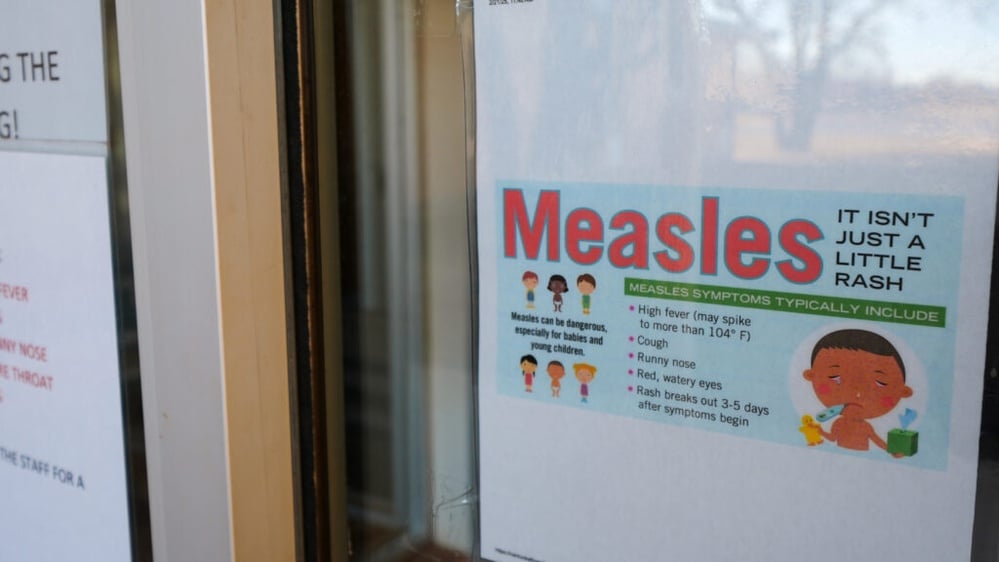
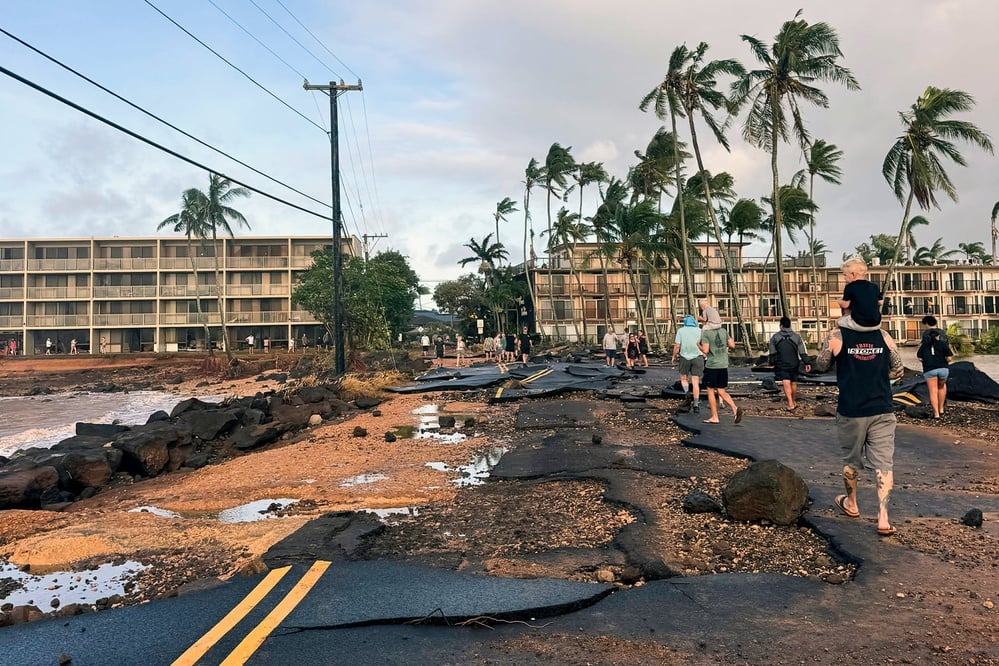
2026 © Helium Trades
Privacy Policy & Disclosure
* Disclaimer: Nothing on this website constitutes investment advice, performance data or any recommendation that any particular security, portfolio of securities, transaction or investment strategy is suitable for any specific person. Helium Trades is not responsible in any way for the accuracy
of any model predictions or price data. Any mention of a particular security and related prediction data is not a recommendation to buy or sell that security. Investments in securities involve the risk of loss. Past performance is no guarantee of future results. Helium Trades is not responsible for any of your investment decisions,
you should consult a financial expert before engaging in any transaction.
Helium Research Assistant

How can I help you today?
Ask any question about this page.


