See whether Helium helps you make better-informed decisions. Try every Pro Trader feature for 30 days. No credit card required.
Try every Pro Trader feature for 30 days. No credit card required.
October 20, 2026 · 0 shares
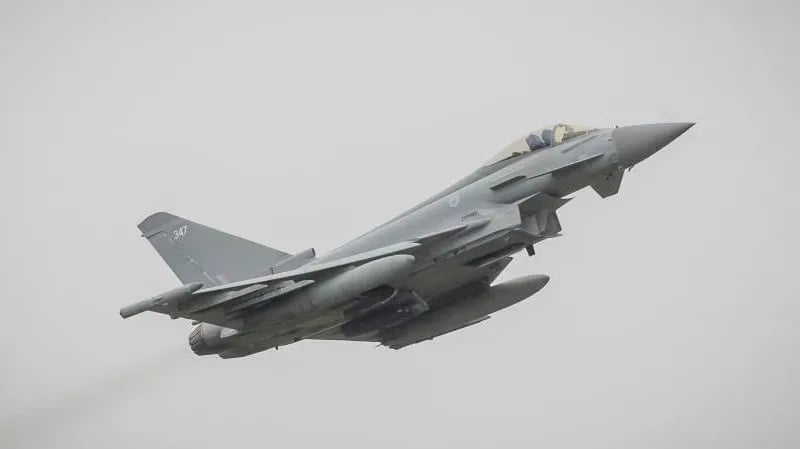
Frames the U.K. deployment through official government language, labeling the Houthis an “Iranian-backed Islamist militia” and emphasizing defensive support for an ally against “despicable” and “relentless” attacks.
Automated analysis; not human reviewed.
Limitations: The supplied text includes duplicated passages and appended related headlines, and it contains unusual/alternate political references such as Prime Minister Andy Burnham, limiting certainty about the original article boundaries.
·
10 of 55 available dimensions scored; omitted dimensions are not treated as neutral.
·
Verified supporting quotes for 10 of 10 scored dimensions.
Claim: The article relies on senior government and military officials rather than public or grassroots perspectives.
“The Ministry of Defence announced Tuesday that Royal Air Force Typhoon fighters will be deployed to the Gulf Kingdom” · exact text match
“Prime Minister Andy Burnham” · exact text match
Why: The sourcing and framing center elite official actors, with no populist or public voice included.
Claim: The article is mostly factual and attributed but includes a loaded characterization of the Houthis.
“The Ministry of Defence announced Tuesday that Royal Air Force Typhoon fighters will be deployed to the Gulf Kingdom” · exact text match
“The Iranian-backed Islamist militia group” · exact text match
Why: Attribution and factual reporting dominate, while the unquoted “Iranian-backed Islamist militia” label adds slight subjective framing.
Claim: The article largely describes announced policy and official statements rather than prescribing a course of action.
“The Ministry of Defence announced Tuesday that Royal Air Force Typhoon fighters will be deployed to the Gulf Kingdom” · exact text match
“Streeting said that the fighter jets will be used to protect Saudi airspace from drones and missiles.” · exact text match
Why: It reports the announcement and attributed rationale rather than advancing its own recommendation.
Claim: The article frames the U.K. deployment as justified military support for Saudi Arabia against Houthi attacks.
“U.K. fighter jets will be sent to aid Saudi Arabia in defending itself against attacks on critical energy and civilian infrastructure by the Houthis.” · exact text match
“Streeting said that the fighter jets will be used to protect Saudi airspace from drones and missiles.” · exact text match
Why: The presentation emphasizes military defense of an ally and does not include anti-deployment voices, producing a hawkish security framing.
Claim: The article emphasizes casualties and relentless attacks to convey a threat environment.
“killed 14 people and injured hundreds more” · exact text match
“relentless Houthi attacks” · exact text match
Why: Selected phrases foreground death, injury, and repeated attacks, supporting a moderate threat/fear framing.
Claim: The article is framed around a U.K. government military deployment and official political decision-making.
“U.K. fighter jets will be sent to aid Saudi Arabia in defending itself against attacks on critical energy and civilian infrastructure by the Houthis.” · exact text match
“The Ministry of Defence announced Tuesday that Royal Air Force Typhoon fighters will be deployed to the Gulf Kingdom” · exact text match
Why: The central content concerns government military policy and official statements, making the framing highly political.
Claim: The article compresses the Yemen conflict into a threat-and-defense frame without fuller political context.
“The Iranian-backed Islamist militia group, based in civil war-hit Yemen, has been launching ballistic missile strikes on Saudi Arabia for the past few weeks, successfully hitting three airports earlier this month.” · exact text match
Why: It identifies the Houthis mainly through an Iranian-backed militia/attack frame while giving minimal context for the civil war or competing grievances.
Claim: The article presents the U.K. government and military establishment's position as the primary frame, with no substantive critical source.
“The Ministry of Defence announced Tuesday that Royal Air Force Typhoon fighters will be deployed to the Gulf Kingdom” · exact text match
“Our support for Saudi Arabia is considered proportionate and focused on helping them defend themselves against relentless Houthi attacks.” · exact text match
Why: Official ministry and prime-ministerial spokesperson statements dominate the account, aligning the framing with establishment policy.
Claim: The report provides named institutional sourcing and direct attribution for its central claims.
“The Ministry of Defence announced Tuesday that Royal Air Force Typhoon fighters will be deployed to the Gulf Kingdom” · exact text match
“Streeting said that the fighter jets will be used to protect Saudi airspace from drones and missiles.” · exact text match
Why: Named government sources and direct quotes make the account moderately verifiable, though it remains one-sided.
Claim: The article is structured as attributed reporting of official decisions and claims rather than emotive argument.
“The Ministry of Defence announced Tuesday that Royal Air Force Typhoon fighters will be deployed to the Gulf Kingdom” · exact text match
“Streeting said that the fighter jets will be used to protect Saudi airspace from drones and missiles.” · exact text match
Why: The report gives attributed actions and explanations in a factual sequence, though loaded labels qualify the neutrality.
The supplied text includes duplicated passages and appended related headlines, and it contains unusual/alternate political references such as Prime Minister Andy Burnham, limiting certainty about the original article boundaries.
October 20, 2026 · 0 shares
The report frames the UK deployment through official government language as a purely defensive mission, relying on UK statements while giving only brief background to Houthi actions.
Automated analysis; not human reviewed.
Limitations: The supplied text is repetitive and includes an unverified reference to Andy Burnham as prime minister; scores reflect observable framing only, not external fact-checking.
·
9 of 55 available dimensions scored; omitted dimensions are not treated as neutral.
·
Verified supporting quotes for 9 of 9 scored dimensions.
Claim: Most claims are attributed to government or Houthi sources rather than presented as the publisher's opinion.
“the government has said” · exact text match
“Defence Secretary Wes Streeting said in a written statement on Tuesday” · exact text match
Why: Repeated attribution shows an objective-reporting style, though official framing is adopted in narration.
Claim: The article primarily reports actions and statements rather than advocating a policy.
“The UK will deploy RAF Typhoon jets to defend Saudi Arabia in response to escalating Houthi missile and drone attacks, the government has said.” · exact text match
Why: The wording reports a planned action and attributes it to the government, with no explicit prescription.
Claim: The report frames a military deployment as a response to attacks, giving limited space to diplomatic alternatives.
“The UK will deploy RAF Typhoon jets to defend Saudi Arabia in response to escalating Houthi missile and drone attacks, the government has said.” · exact text match
Why: The central development is a military deployment, leaning slightly hawkish in selection, though the stated role is defensive.
Claim: The report is largely factual but repeats the official characterization of the mission as defensive.
“The defensive mission will help defend Saudi cities and infrastructure” · exact text match
Why: The phrase adopts a government label in narrative text, adding a small opinion/framing element to otherwise factual reporting.
Claim: The report is centrally about a government military deployment and foreign policy.
“UK to deploy jets to defend Saudi Arabia from Houthi attacks.” · exact text match
Why: Military deployment and international conflict are core political subject matter.
Claim: The report adopts UK government terminology by describing the deployment as a defensive mission without independent challenge.
“The defensive mission will help defend Saudi cities and infrastructure” · exact text match
“These aircraft will operate in a defensive role and will not conduct offensive strikes against the Houthis” · exact text match
Why: The narrative and quoted official language present the government's stated purpose as the framing, indicating a pro-establishment orientation.
Claim: The report provides attribution to government officials and Houthi sources, but lacks independent verification.
“the government has said” · exact text match
“The group said they were behind two strikes on Riyadh's King Khalid International Airport on 10 and 11 October, which left 14 dead and more than 300 injured.” · exact text match
Why: Visible sourcing and attribution support moderate credibility, while reliance on official and partisan claims limits it.
Claim: The article uses attributed statements and specific events rather than emotional or fallacious reasoning.
“The group said they were behind two strikes on Riyadh's King Khalid International Airport on 10 and 11 October, which left 14 dead and more than 300 injured.” · exact text match
Why: The claim is attributed to the group and includes concrete details, supporting a rational-reporting classification.
Claim: The report attributes contested claims to the actors making them rather than asserting them as neutral fact.
“The group said they were behind two strikes on Riyadh's King Khalid International Airport on 10 and 11 October, which left 14 dead and more than 300 injured.” · exact text match
Why: Attribution of the Houthi claim signals fairness and honesty in handling contested information.
The supplied text is repetitive and includes an unverified reference to Andy Burnham as prime minister; scores reflect observable framing only, not external fact-checking.
October 20, 2026 · 0 shares
The report adopts the UK government’s 'defensive role' framing and 'Iranian-backed' Houthi label while centering official statements and omitting Houthi response or independent scrutiny.
Automated analysis; not human reviewed.
Limitations: Supplied text contains duplicated body text and related-link headlines; analysis used only the main report.
No named author byline is present.
·
8 of 55 available dimensions scored; omitted dimensions are not treated as neutral.
·
Verified supporting quotes for 8 of 8 scored dimensions.
Claim: The report uses evaluative official labels and a correspondent’s causal assessment.
“The United Kingdom has said it will deploy fighter jets to help protect Saudi Arabia from attacks by Yemen’s Houthis.” · exact text match
“the UK government’s decision was partly driven by growing concerns over rising energy prices” · exact text match
Why: Terms such as 'help protect' and the energy-price motive add framing beyond a bare event description.
Claim: The report primarily describes the deployment and official rationale rather than prescribing a policy course.
“The United Kingdom has said it will deploy fighter jets to help protect Saudi Arabia from attacks by Yemen’s Houthis.” · exact text match
Why: The sentence reports an announced action and stated rationale without advocacy.
Claim: The report presents the UK military deployment as protective support for Saudi Arabia against Houthi attacks.
“UK to deploy Typhoon jets to help defend Saudi Arabia from Houthi attacks” · exact text match
“RAF Typhoons will fly defensive air missions to help protect Saudi airspace from drones and missiles.” · exact text match
Why: The deployment is framed as defense against attacks, with no anti-war or diplomatic alternative highlighted.
Claim: The report focuses on a UK government military deployment and official decision-making.
“UK to deploy Typhoon jets to help defend Saudi Arabia from Houthi attacks” · exact text match
Why: Military deployment and official statements are core political and security content.
Claim: The report relies on UK military and government officials to establish the mission’s nature and justification.
“In a statement on Tuesday, the British Ministry of Defence said the Typhoon warplanes would operate in a “defensive role” and not carry out attacks against the Iranian-backed armed group.” · exact text match
“That’s why today I have approved further UK military support.” · exact text match
Why: The mission description and approval are sourced to UK officials without independent verification.
Claim: The report adopts the UK government’s defensive framing and presents no critical challenge or Houthi response.
“UK to deploy Typhoon jets to help defend Saudi Arabia from Houthi attacks” · exact text match
“The UK will fly defensive counter air missions to support the protection of Saudi cities and critical national infrastructure against aerial attack, using RAF Typhoon fighter jets” · exact text match
Why: The headline and official quote frame the deployment as protection/defense, with no counter-perspective in the supplied main text.
Claim: The report attributes the deployment and rationale to named official sources and a correspondent but lacks independent confirmation or Houthi response.
“In a statement on Tuesday, the British Ministry of Defence said the Typhoon warplanes would operate in a “defensive role” and not carry out attacks against the Iranian-backed armed group.” · exact text match
“Camille Nedelec said the UK government’s decision was partly driven by growing concerns over rising energy prices.” · exact text match
Why: Named official and correspondent sourcing is visible, while the supplied text does not include independent verification or a Houthi response.
Claim: The report includes a correspondent’s causal claim that energy-price concerns partly drove the decision.
“the UK government’s decision was partly driven by growing concerns over rising energy prices” · exact text match
Why: This is an attributed explanation rather than a confirmed official statement in the supplied text.
Supplied text contains duplicated body text and related-link headlines; analysis used only the main report.
No named author byline is present.
October 20, 2026 · 0 shares
Frames the U.K. deployment through official government language, labeling the Houthis an “Iranian-backed Islamist militia” and emphasizing defensive support for an ally against “despicable” and “relentless” attacks.
Automated analysis; not human reviewed.
Limitations: The supplied text includes duplicated passages and appended related headlines, and it contains unusual/alternate political references such as Prime Minister Andy Burnham, limiting certainty about the original article boundaries.
·
10 of 55 available dimensions scored; omitted dimensions are not treated as neutral.
·
Verified supporting quotes for 10 of 10 scored dimensions.
Claim: The article relies on senior government and military officials rather than public or grassroots perspectives.
“The Ministry of Defence announced Tuesday that Royal Air Force Typhoon fighters will be deployed to the Gulf Kingdom” · exact text match
“Prime Minister Andy Burnham” · exact text match
Why: The sourcing and framing center elite official actors, with no populist or public voice included.
Claim: The article is mostly factual and attributed but includes a loaded characterization of the Houthis.
“The Ministry of Defence announced Tuesday that Royal Air Force Typhoon fighters will be deployed to the Gulf Kingdom” · exact text match
“The Iranian-backed Islamist militia group” · exact text match
Why: Attribution and factual reporting dominate, while the unquoted “Iranian-backed Islamist militia” label adds slight subjective framing.
Claim: The article largely describes announced policy and official statements rather than prescribing a course of action.
“The Ministry of Defence announced Tuesday that Royal Air Force Typhoon fighters will be deployed to the Gulf Kingdom” · exact text match
“Streeting said that the fighter jets will be used to protect Saudi airspace from drones and missiles.” · exact text match
Why: It reports the announcement and attributed rationale rather than advancing its own recommendation.
Claim: The article frames the U.K. deployment as justified military support for Saudi Arabia against Houthi attacks.
“U.K. fighter jets will be sent to aid Saudi Arabia in defending itself against attacks on critical energy and civilian infrastructure by the Houthis.” · exact text match
“Streeting said that the fighter jets will be used to protect Saudi airspace from drones and missiles.” · exact text match
Why: The presentation emphasizes military defense of an ally and does not include anti-deployment voices, producing a hawkish security framing.
Claim: The article emphasizes casualties and relentless attacks to convey a threat environment.
“killed 14 people and injured hundreds more” · exact text match
“relentless Houthi attacks” · exact text match
Why: Selected phrases foreground death, injury, and repeated attacks, supporting a moderate threat/fear framing.
Claim: The article is framed around a U.K. government military deployment and official political decision-making.
“U.K. fighter jets will be sent to aid Saudi Arabia in defending itself against attacks on critical energy and civilian infrastructure by the Houthis.” · exact text match
“The Ministry of Defence announced Tuesday that Royal Air Force Typhoon fighters will be deployed to the Gulf Kingdom” · exact text match
Why: The central content concerns government military policy and official statements, making the framing highly political.
Claim: The article compresses the Yemen conflict into a threat-and-defense frame without fuller political context.
“The Iranian-backed Islamist militia group, based in civil war-hit Yemen, has been launching ballistic missile strikes on Saudi Arabia for the past few weeks, successfully hitting three airports earlier this month.” · exact text match
Why: It identifies the Houthis mainly through an Iranian-backed militia/attack frame while giving minimal context for the civil war or competing grievances.
Claim: The article presents the U.K. government and military establishment's position as the primary frame, with no substantive critical source.
“The Ministry of Defence announced Tuesday that Royal Air Force Typhoon fighters will be deployed to the Gulf Kingdom” · exact text match
“Our support for Saudi Arabia is considered proportionate and focused on helping them defend themselves against relentless Houthi attacks.” · exact text match
Why: Official ministry and prime-ministerial spokesperson statements dominate the account, aligning the framing with establishment policy.
Claim: The report provides named institutional sourcing and direct attribution for its central claims.
“The Ministry of Defence announced Tuesday that Royal Air Force Typhoon fighters will be deployed to the Gulf Kingdom” · exact text match
“Streeting said that the fighter jets will be used to protect Saudi airspace from drones and missiles.” · exact text match
Why: Named government sources and direct quotes make the account moderately verifiable, though it remains one-sided.
Claim: The article is structured as attributed reporting of official decisions and claims rather than emotive argument.
“The Ministry of Defence announced Tuesday that Royal Air Force Typhoon fighters will be deployed to the Gulf Kingdom” · exact text match
“Streeting said that the fighter jets will be used to protect Saudi airspace from drones and missiles.” · exact text match
Why: The report gives attributed actions and explanations in a factual sequence, though loaded labels qualify the neutrality.
The supplied text includes duplicated passages and appended related headlines, and it contains unusual/alternate political references such as Prime Minister Andy Burnham, limiting certainty about the original article boundaries.
October 21, 2026 · 0 shares
Reporting emphasizes the military necessity of Western intervention and strengthens the narrative of allied defense against Iranian influence.
The UK military deployment follows a request from Saudi Arabia and expands military assistance previously announced in September.
Automated analysis; not human reviewed.
·
11 of 55 available dimensions scored; omitted dimensions are not treated as neutral.
·
Verified supporting quotes for 0 of 11 scored dimensions.
October 20, 2026 · 0 shares
Market-focused and heavily attributed, with unverified attack claims explicitly caveated and price moves explained through analyst and shiptracker notes.
Brent and WTI are major crude oil benchmark contracts; a geopolitical risk premium is the extra price tied to possible supply disruption from conflict.
Automated analysis; not human reviewed.
Limitations: The supplied text is duplicated and includes page chrome; analysis uses only the substantive market report.
·
11 of 55 available dimensions scored; omitted dimensions are not treated as neutral.
·
Verified supporting quotes for 11 of 11 scored dimensions.
Claim: The report attributes claims and flags what could not be independently verified.
“Saudi authorities did not immediately confirm the claims and Reuters could not independently verify them.” · exact text match
“At least 18 vessels were reportedly attacked over two weeks, which keeps the risk premium intact, shiptracker Kpler said in a note on Monday.” · exact text match
Why: Attribution and verification limits support an objective stance.
Claim: The report uses verification caveats and attributed polling rather than sensational language.
“Saudi authorities did not immediately confirm the claims and Reuters could not independently verify them.” · exact text match
“In the US, crude oil stockpiles were expected to have fallen last week along with product inventories, a preliminary Reuters poll showed on Monday.” · exact text match
Why: Measured sourcing and caveats indicate low sensationalism.
Claim: The report emphasizes upward price movement and geopolitical risk premium.
“Oil prices advanced on Tuesday, with Brent hovering around a five-month high as traders priced in a geopolitical risk premium from Houthi attacks on Saudi infrastructure and reports of vessel attacks in the Gulf.” · exact text match
Why: A rising price and risk-premium framing lean slightly bullish, though the language is attributed and descriptive.
Claim: The report describes market movements and stated causes without recommending action.
“Oil prices advanced on Tuesday, with Brent hovering around a five-month high as traders priced in a geopolitical risk premium from Houthi attacks on Saudi infrastructure and reports of vessel attacks in the Gulf.” · exact text match
Why: Descriptive market reporting rather than prescriptive advocacy.
Claim: The report uses fear/risk language tied to attacks.
“The renewed attacks heightened fears about regional stability and underscored continuing risks to energy supply from the region, keeping oil prices above $100 a barrel.” · exact text match
Why: Mild fear framing is present but remains market-contextual and measured.
Claim: The report includes geopolitical actors and U.S. policy decisions in its market explanation.
“Yemen's Iran-aligned Houthis said on Monday they launched several attacks on Saudi energy, airport and military targets” · exact text match
“Friday's executive order by President Donald Trump waived key Russia-related US sanctions and tariffs” · exact text match
Why: Political and geopolitical content is present but not partisan.
Claim: The report uses attribution and explicit verification caveats.
“Saudi authorities did not immediately confirm the claims and Reuters could not independently verify them.” · exact text match
“At least 18 vessels were reportedly attacked over two weeks, which keeps the risk premium intact, shiptracker Kpler said in a note on Monday.” · exact text match
Why: Visible sourcing and uncertainty support high credibility.
Claim: The report uses precise figures and explicit uncertainty rather than unsupported assertions.
“Brent crude futures climbed 52 cents, or 0.47 per cent, to $110.07 a barrel by 0628 GMT, after rising as high as $110.70 a barrel in the previous session to their highest since May 20.” · exact text match
“Saudi authorities did not immediately confirm the claims and Reuters could not independently verify them.” · exact text match
Why: Precise data and caveats indicate rational, evidence-bound framing.
Claim: The report includes expectations and conditional market forecasts.
“In the US, crude oil stockpiles were expected to have fallen last week along with product inventories, a preliminary Reuters poll showed on Monday.” · exact text match
“However, if flows continue uninhibited despite the geopolitical environment, the risk premium would likely erode slowly.” · exact text match
Why: Speculation is limited and attributed to polls or analysts.
Claim: The report distinguishes unverified claims and attributes analyst views.
“Saudi authorities did not immediately confirm the claims and Reuters could not independently verify them.” · exact text match
“ING analysts said in a note on Tuesday.” · exact text match
Why: Fair attribution and caveats signal high integrity.
Claim: The report integrates precise market data, analyst notes, and official production figures.
“Brent crude futures climbed 52 cents, or 0.47 per cent, to $110.07 a barrel by 0628 GMT, after rising as high as $110.70 a barrel in the previous session to their highest since May 20.” · exact text match
“Russia's crude oil production increased by 65,000 barrels per day in September to 8.43 million bpd, but remained about 870,000 bpd below that of a year ago, the International Energy Agency said last week.” · exact text match
Why: Sourced data and caveats indicate high article intelligence.
The supplied text is duplicated and includes page chrome; analysis uses only the substantive market report.
October 22, 2026 · 0 shares
The narrative operates as a straight, fact-based report on escalating geopolitical conflicts and diplomatic maneuvers using official government statements as primary sources.
The Saudi-led coalition has backed the internationally recognized government in Yemen since 2015, against the Houthis, who control the capital Sanaa and much of the north.
Automated analysis; not human reviewed.
·
50 of 55 available dimensions scored; omitted dimensions are not treated as neutral.
·
Verified supporting quotes for 0 of 50 scored dimensions.
October 22, 2026 · 0 shares
Presents the escalating Saudi-Houthi conflict through official US and Saudi statements, consistently labeling the Houthis as Iran-backed while emphasizing attacks on civilian infrastructure.
Automated analysis; not human reviewed.
Limitations: The supplied text includes unrelated related-link headlines and a partial copyright line; analysis is limited to the main report.
·
8 of 55 available dimensions scored; omitted dimensions are not treated as neutral.
·
Verified supporting quotes for 8 of 8 scored dimensions.
Claim: Attributes casualty figures to Saudi authorities and diplomatic actions to a State Department spokesperson rather than asserting them in the outlet's own voice.
“Saudi authorities said debris from a drone intercepted during an attempted attack on an oil field killed two people” · exact text match
“a state department spokesperson said in a statement.” · exact text match
Why: The attribution shows factual, source-based reporting rather than subjective assertion.
Claim: Headline uses escalation language, but the body remains restrained and event-focused.
“US orders some diplomats to leave Saudi Arabia as Houthi attacks escalate” · exact text match
Why: The escalation wording is mildly dramatic but not sensational or emotive.
Claim: Mild threat framing appears through escalation and evacuation language, without rage-baiting.
“as attacks escalate” · exact text match
“the hostilities have the potential to escalate rapidly” · exact text match
Why: The language conveys danger but remains tied to reported events and official warnings.
Claim: Frames the conflict in political-security terms, repeatedly identifying the Houthis as Iran-backed.
“Conflict between Yemen's Iran-backed Houthis and Saudi Arabia has been rising in the past month.” · exact text match
Why: The publisher's own wording places the story within a geopolitical and security conflict frame.
Claim: Relies heavily on US and Saudi official accounts without independent challenge.
“Saudi authorities said debris from a drone intercepted during an attempted attack on an oil field killed two people” · exact text match
“a state department spokesperson said in a statement.” · exact text match
Why: Official statements structure the report, indicating a pro-establishment sourcing pattern.
Claim: Acknowledges missing details and distinguishes official statements from outlet assertions.
“No details of the attack have yet been given” · exact text match
“The energy ministry has also not said who had launched the drone” · exact text match
Why: Transparent uncertainty about attack details supports credibility.
Claim: Includes a limited forward-looking warning about escalation while mostly reporting events.
“the hostilities have the potential to escalate rapidly” · exact text match
Why: The quote is a forecast, but it is attributed and confined to one warning.
Claim: Shows fairness by noting unknown attribution and including both Saudi and Houthi rationales.
“The Houthis said they were retaliating for what they have called a Saudi blockade of their territory” · exact text match
“No details of the attack have yet been given” · exact text match
Why: Including the Houthi rationale and acknowledging unknowns indicates internal fairness and honesty.
The supplied text includes unrelated related-link headlines and a partial copyright line; analysis is limited to the main report.
October 22, 2026 · 0 shares
Neutral, terse news brief reporting a US personnel relocation and a deadly drone strike on Saudi oil infrastructure without evaluative language.
Automated analysis; not human reviewed.
Limitations: The article text is extremely brief, consisting of a headline and a one-sentence snippet, which limits assessment of framing and bias.
·
6 of 55 available dimensions scored; omitted dimensions are not treated as neutral.
·
Verified supporting quotes for 6 of 6 scored dimensions.
Claim: The article reports events in a purely factual manner without subjective evaluation.
“US orders some personnel to leave Saudi Arabia after Houthi attacks.” · exact text match
Why: The sentence states a factual action without adjectives, opinions, or interpretations.
Claim: The article avoids sensational or emotive language.
“two people were killed in a drone attack targeting Saudi Aramco’s Shaybah oilfield” · verified after text normalization
Why: The death toll is reported plainly, without sensational modifiers or dramatic framing.
Claim: The article is descriptive, reporting events without prescribing actions or policies.
“US orders some personnel to leave Saudi Arabia after Houthi attacks.” · exact text match
Why: The text describes a decision and an attack but offers no recommendations or prescriptions.
Claim: The article concerns political and military events.
“US orders some personnel to leave Saudi Arabia after Houthi attacks.” · exact text match
Why: The content involves government decisions and international conflict.
Claim: The article maintains a neutral emotional tone.
“two people were killed” · exact text match
Why: The report of fatalities is stated matter-of-factly, without emotive language.
Claim: The article presents information in a rational, factual manner.
“Decision comes as two people were killed in a drone attack targeting Saudi Aramco’s Shaybah oilfield” · verified after text normalization
Why: The sentence links events temporally without logical fallacies or irrational claims.
The article text is extremely brief, consisting of a headline and a one-sentence snippet, which limits assessment of framing and bias.
October 22, 2026 · 0 shares
The report is predominantly neutral and attributional, crediting AFP and anonymous security sources while explicitly flagging unknowns about duration and operational effects.
Automated analysis; not human reviewed.
Limitations: The supplied text includes repeated lede fragments and related-link headlines, so extraction is limited to the main report.
·
4 of 55 available dimensions scored; omitted dimensions are not treated as neutral.
·
Verified supporting quotes for 4 of 4 scored dimensions.
Claim: The report attributes the evacuation order to AFP and anonymous sources rather than asserting it as independently verified.
“AFP reported on Thursday.” · exact text match
“Three sources familiar with the matter, speaking on condition of anonymity for security reasons, said that most employees had already been working remotely since an attack targeted the company's headquarters last week.” · exact text match
Why: Attribution and caveated sourcing indicate objective reporting.
Claim: The report uses measured, factual language and explicitly notes unknowns rather than amplifying alarm.
“There was no immediate indication of how long the remote working arrangements would remain in place or whether the evacuation would affect Aramco's operations.” · exact text match
Why: Cautious qualification about consequences weighs against sensational framing.
Claim: Credibility is supported by named wire attribution, anonymous-source caveats, and explicit uncertainty about impact.
“AFP reported on Thursday.” · exact text match
“There was no immediate indication of how long the remote working arrangements would remain in place or whether the evacuation would affect Aramco's operations.” · exact text match
Why: Attribution and cautious qualification support high credibility.
Claim: The report discloses sourcing limitations and uncertainty without overstating what is known.
“Three sources familiar with the matter, speaking on condition of anonymity for security reasons, said that most employees had already been working remotely since an attack targeted the company's headquarters last week.” · exact text match
Why: Clear sourcing caveats and acknowledged unknowns support a high integrity score.
The supplied text includes repeated lede fragments and related-link headlines, so extraction is limited to the main report.
October 20, 2026 · 0 shares
Market-focused and heavily attributed, with unverified attack claims explicitly caveated and price moves explained through analyst and shiptracker notes.
Brent and WTI are major crude oil benchmark contracts; a geopolitical risk premium is the extra price tied to possible supply disruption from conflict.
Automated analysis; not human reviewed.
Limitations: The supplied text is duplicated and includes page chrome; analysis uses only the substantive market report.
·
11 of 55 available dimensions scored; omitted dimensions are not treated as neutral.
·
Verified supporting quotes for 11 of 11 scored dimensions.
Claim: The report attributes claims and flags what could not be independently verified.
“Saudi authorities did not immediately confirm the claims and Reuters could not independently verify them.” · exact text match
“At least 18 vessels were reportedly attacked over two weeks, which keeps the risk premium intact, shiptracker Kpler said in a note on Monday.” · exact text match
Why: Attribution and verification limits support an objective stance.
Claim: The report uses verification caveats and attributed polling rather than sensational language.
“Saudi authorities did not immediately confirm the claims and Reuters could not independently verify them.” · exact text match
“In the US, crude oil stockpiles were expected to have fallen last week along with product inventories, a preliminary Reuters poll showed on Monday.” · exact text match
Why: Measured sourcing and caveats indicate low sensationalism.
Claim: The report emphasizes upward price movement and geopolitical risk premium.
“Oil prices advanced on Tuesday, with Brent hovering around a five-month high as traders priced in a geopolitical risk premium from Houthi attacks on Saudi infrastructure and reports of vessel attacks in the Gulf.” · exact text match
Why: A rising price and risk-premium framing lean slightly bullish, though the language is attributed and descriptive.
Claim: The report describes market movements and stated causes without recommending action.
“Oil prices advanced on Tuesday, with Brent hovering around a five-month high as traders priced in a geopolitical risk premium from Houthi attacks on Saudi infrastructure and reports of vessel attacks in the Gulf.” · exact text match
Why: Descriptive market reporting rather than prescriptive advocacy.
Claim: The report uses fear/risk language tied to attacks.
“The renewed attacks heightened fears about regional stability and underscored continuing risks to energy supply from the region, keeping oil prices above $100 a barrel.” · exact text match
Why: Mild fear framing is present but remains market-contextual and measured.
Claim: The report includes geopolitical actors and U.S. policy decisions in its market explanation.
“Yemen's Iran-aligned Houthis said on Monday they launched several attacks on Saudi energy, airport and military targets” · exact text match
“Friday's executive order by President Donald Trump waived key Russia-related US sanctions and tariffs” · exact text match
Why: Political and geopolitical content is present but not partisan.
Claim: The report uses attribution and explicit verification caveats.
“Saudi authorities did not immediately confirm the claims and Reuters could not independently verify them.” · exact text match
“At least 18 vessels were reportedly attacked over two weeks, which keeps the risk premium intact, shiptracker Kpler said in a note on Monday.” · exact text match
Why: Visible sourcing and uncertainty support high credibility.
Claim: The report uses precise figures and explicit uncertainty rather than unsupported assertions.
“Brent crude futures climbed 52 cents, or 0.47 per cent, to $110.07 a barrel by 0628 GMT, after rising as high as $110.70 a barrel in the previous session to their highest since May 20.” · exact text match
“Saudi authorities did not immediately confirm the claims and Reuters could not independently verify them.” · exact text match
Why: Precise data and caveats indicate rational, evidence-bound framing.
Claim: The report includes expectations and conditional market forecasts.
“In the US, crude oil stockpiles were expected to have fallen last week along with product inventories, a preliminary Reuters poll showed on Monday.” · exact text match
“However, if flows continue uninhibited despite the geopolitical environment, the risk premium would likely erode slowly.” · exact text match
Why: Speculation is limited and attributed to polls or analysts.
Claim: The report distinguishes unverified claims and attributes analyst views.
“Saudi authorities did not immediately confirm the claims and Reuters could not independently verify them.” · exact text match
“ING analysts said in a note on Tuesday.” · exact text match
Why: Fair attribution and caveats signal high integrity.
Claim: The report integrates precise market data, analyst notes, and official production figures.
“Brent crude futures climbed 52 cents, or 0.47 per cent, to $110.07 a barrel by 0628 GMT, after rising as high as $110.70 a barrel in the previous session to their highest since May 20.” · exact text match
“Russia's crude oil production increased by 65,000 barrels per day in September to 8.43 million bpd, but remained about 870,000 bpd below that of a year ago, the International Energy Agency said last week.” · exact text match
Why: Sourced data and caveats indicate high article intelligence.
The supplied text is duplicated and includes page chrome; analysis uses only the substantive market report.
October 20, 2026 · 0 shares
Market-focused framing attributes oil's rise to a geopolitical risk premium while explicitly flagging unverified Houthi claims and citing analyst uncertainty.
Brent and WTI are benchmark crude oil prices; a geopolitical risk premium is the extra price traders assign to possible supply disruptions from conflict.
Automated analysis; not human reviewed.
Limitations: The supplied text contains duplicate snippets and list-like scrape artifacts, so scoring relies on the coherent substantive oil-market passages.
·
6 of 55 available dimensions scored; omitted dimensions are not treated as neutral.
·
Verified supporting quotes for 5 of 6 scored dimensions.
Claim: Contested attack claims are marked as unconfirmed and attributed, reducing subjective assertion.
“Saudi authorities did not immediately confirm the claims and Reuters could not independently verify them.” · exact text match
Why: The explicit verification caveat supports objective rather than subjective framing.
Claim: Price movement is reported with exact figures and attributed drivers rather than sensational language.
“Brent crude futures climbed 55 cents, or 0.50%, to $110.10 a barrel by 0319 GMT, after rising as high as $110.70 a barrel in the previous session to their highest since May 20.” · exact text match
Why: Precise market figures and measured wording support an objective, non-sensational classification.
Claim: The report attributes contested claims and includes explicit verification caveats rather than asserting them as fact.
“Saudi authorities did not immediately confirm the claims and Reuters could not independently verify them.” · exact text match
Why: Explicit uncertainty and attribution indicate rational, evidence-bound framing on this dimension.
Claim: The report transparently discloses verification limits on claims favorable to the geopolitical-risk narrative.
“Saudi authorities did not immediately confirm the claims and Reuters could not independently verify them.” · exact text match
Why: Open acknowledgment of unverified claims is a visible fairness and honesty signal.
Claim: The report connects price action to geopolitical incidents, supply data, and analyst assessments.
“The renewed attacks heightened fears about regional stability and underscored continuing risks to energy supply from the region, keeping oil prices above $100 a barrel.” · exact text match
Why: Contextual linking of market moves to multiple reported factors indicates above-average article intelligence.
The supplied text contains duplicate snippets and list-like scrape artifacts, so scoring relies on the coherent substantive oil-market passages.
October 22, 2026 · 0 shares
Presents the escalating Saudi-Houthi conflict through official US and Saudi statements, consistently labeling the Houthis as Iran-backed while emphasizing attacks on civilian infrastructure.
Automated analysis; not human reviewed.
Limitations: The supplied text includes unrelated related-link headlines and a partial copyright line; analysis is limited to the main report.
·
8 of 55 available dimensions scored; omitted dimensions are not treated as neutral.
·
Verified supporting quotes for 8 of 8 scored dimensions.
Claim: Attributes casualty figures to Saudi authorities and diplomatic actions to a State Department spokesperson rather than asserting them in the outlet's own voice.
“Saudi authorities said debris from a drone intercepted during an attempted attack on an oil field killed two people” · exact text match
“a state department spokesperson said in a statement.” · exact text match
Why: The attribution shows factual, source-based reporting rather than subjective assertion.
Claim: Headline uses escalation language, but the body remains restrained and event-focused.
“US orders some diplomats to leave Saudi Arabia as Houthi attacks escalate” · exact text match
Why: The escalation wording is mildly dramatic but not sensational or emotive.
Claim: Mild threat framing appears through escalation and evacuation language, without rage-baiting.
“as attacks escalate” · exact text match
“the hostilities have the potential to escalate rapidly” · exact text match
Why: The language conveys danger but remains tied to reported events and official warnings.
Claim: Frames the conflict in political-security terms, repeatedly identifying the Houthis as Iran-backed.
“Conflict between Yemen's Iran-backed Houthis and Saudi Arabia has been rising in the past month.” · exact text match
Why: The publisher's own wording places the story within a geopolitical and security conflict frame.
Claim: Relies heavily on US and Saudi official accounts without independent challenge.
“Saudi authorities said debris from a drone intercepted during an attempted attack on an oil field killed two people” · exact text match
“a state department spokesperson said in a statement.” · exact text match
Why: Official statements structure the report, indicating a pro-establishment sourcing pattern.
Claim: Acknowledges missing details and distinguishes official statements from outlet assertions.
“No details of the attack have yet been given” · exact text match
“The energy ministry has also not said who had launched the drone” · exact text match
Why: Transparent uncertainty about attack details supports credibility.
Claim: Includes a limited forward-looking warning about escalation while mostly reporting events.
“the hostilities have the potential to escalate rapidly” · exact text match
Why: The quote is a forecast, but it is attributed and confined to one warning.
Claim: Shows fairness by noting unknown attribution and including both Saudi and Houthi rationales.
“The Houthis said they were retaliating for what they have called a Saudi blockade of their territory” · exact text match
“No details of the attack have yet been given” · exact text match
Why: Including the Houthi rationale and acknowledging unknowns indicates internal fairness and honesty.
The supplied text includes unrelated related-link headlines and a partial copyright line; analysis is limited to the main report.
October 20, 2026 · 0 shares
Frames the U.K. deployment through official government language, labeling the Houthis an “Iranian-backed Islamist militia” and emphasizing defensive support for an ally against “despicable” and “relentless” attacks.
Automated analysis; not human reviewed. Limitations: The supplied text includes duplicated passages and appended related headlines, and it contains unusual/alternate political references such as Prime Minister Andy Burnham, limiting certainty about the original article boundaries. · 10 of 55 available dimensions scored; omitted dimensions are not treated as neutral. · Verified supporting quotes for 10 of 10 scored dimensions.
Claim: The article relies on senior government and military officials rather than public or grassroots perspectives.
“The Ministry of Defence announced Tuesday that Royal Air Force Typhoon fighters will be deployed to the Gulf Kingdom” · exact text match
“Prime Minister Andy Burnham” · exact text match
Why: The sourcing and framing center elite official actors, with no populist or public voice included.
Claim: The article is mostly factual and attributed but includes a loaded characterization of the Houthis.
“The Ministry of Defence announced Tuesday that Royal Air Force Typhoon fighters will be deployed to the Gulf Kingdom” · exact text match
“The Iranian-backed Islamist militia group” · exact text match
Why: Attribution and factual reporting dominate, while the unquoted “Iranian-backed Islamist militia” label adds slight subjective framing.
Claim: The article largely describes announced policy and official statements rather than prescribing a course of action.
“The Ministry of Defence announced Tuesday that Royal Air Force Typhoon fighters will be deployed to the Gulf Kingdom” · exact text match
“Streeting said that the fighter jets will be used to protect Saudi airspace from drones and missiles.” · exact text match
Why: It reports the announcement and attributed rationale rather than advancing its own recommendation.
Claim: The article frames the U.K. deployment as justified military support for Saudi Arabia against Houthi attacks.
“U.K. fighter jets will be sent to aid Saudi Arabia in defending itself against attacks on critical energy and civilian infrastructure by the Houthis.” · exact text match
“Streeting said that the fighter jets will be used to protect Saudi airspace from drones and missiles.” · exact text match
Why: The presentation emphasizes military defense of an ally and does not include anti-deployment voices, producing a hawkish security framing.
Claim: The article emphasizes casualties and relentless attacks to convey a threat environment.
“killed 14 people and injured hundreds more” · exact text match
“relentless Houthi attacks” · exact text match
Why: Selected phrases foreground death, injury, and repeated attacks, supporting a moderate threat/fear framing.
Claim: The article is framed around a U.K. government military deployment and official political decision-making.
“U.K. fighter jets will be sent to aid Saudi Arabia in defending itself against attacks on critical energy and civilian infrastructure by the Houthis.” · exact text match
“The Ministry of Defence announced Tuesday that Royal Air Force Typhoon fighters will be deployed to the Gulf Kingdom” · exact text match
Why: The central content concerns government military policy and official statements, making the framing highly political.
Claim: The article compresses the Yemen conflict into a threat-and-defense frame without fuller political context.
“The Iranian-backed Islamist militia group, based in civil war-hit Yemen, has been launching ballistic missile strikes on Saudi Arabia for the past few weeks, successfully hitting three airports earlier this month.” · exact text match
Why: It identifies the Houthis mainly through an Iranian-backed militia/attack frame while giving minimal context for the civil war or competing grievances.
Claim: The article presents the U.K. government and military establishment's position as the primary frame, with no substantive critical source.
“The Ministry of Defence announced Tuesday that Royal Air Force Typhoon fighters will be deployed to the Gulf Kingdom” · exact text match
“Our support for Saudi Arabia is considered proportionate and focused on helping them defend themselves against relentless Houthi attacks.” · exact text match
Why: Official ministry and prime-ministerial spokesperson statements dominate the account, aligning the framing with establishment policy.
Claim: The report provides named institutional sourcing and direct attribution for its central claims.
“The Ministry of Defence announced Tuesday that Royal Air Force Typhoon fighters will be deployed to the Gulf Kingdom” · exact text match
“Streeting said that the fighter jets will be used to protect Saudi airspace from drones and missiles.” · exact text match
Why: Named government sources and direct quotes make the account moderately verifiable, though it remains one-sided.
Claim: The article is structured as attributed reporting of official decisions and claims rather than emotive argument.
“The Ministry of Defence announced Tuesday that Royal Air Force Typhoon fighters will be deployed to the Gulf Kingdom” · exact text match
“Streeting said that the fighter jets will be used to protect Saudi airspace from drones and missiles.” · exact text match
Why: The report gives attributed actions and explanations in a factual sequence, though loaded labels qualify the neutrality.
The supplied text includes duplicated passages and appended related headlines, and it contains unusual/alternate political references such as Prime Minister Andy Burnham, limiting certainty about the original article boundaries.
October 20, 2026 · 0 shares
The report frames the UK deployment through official government language as a purely defensive mission, relying on UK statements while giving only brief background to Houthi actions.
Automated analysis; not human reviewed. Limitations: The supplied text is repetitive and includes an unverified reference to Andy Burnham as prime minister; scores reflect observable framing only, not external fact-checking. · 9 of 55 available dimensions scored; omitted dimensions are not treated as neutral. · Verified supporting quotes for 9 of 9 scored dimensions.
Claim: Most claims are attributed to government or Houthi sources rather than presented as the publisher's opinion.
“the government has said” · exact text match
“Defence Secretary Wes Streeting said in a written statement on Tuesday” · exact text match
Why: Repeated attribution shows an objective-reporting style, though official framing is adopted in narration.
Claim: The article primarily reports actions and statements rather than advocating a policy.
“The UK will deploy RAF Typhoon jets to defend Saudi Arabia in response to escalating Houthi missile and drone attacks, the government has said.” · exact text match
Why: The wording reports a planned action and attributes it to the government, with no explicit prescription.
Claim: The report frames a military deployment as a response to attacks, giving limited space to diplomatic alternatives.
“The UK will deploy RAF Typhoon jets to defend Saudi Arabia in response to escalating Houthi missile and drone attacks, the government has said.” · exact text match
Why: The central development is a military deployment, leaning slightly hawkish in selection, though the stated role is defensive.
Claim: The report is largely factual but repeats the official characterization of the mission as defensive.
“The defensive mission will help defend Saudi cities and infrastructure” · exact text match
Why: The phrase adopts a government label in narrative text, adding a small opinion/framing element to otherwise factual reporting.
Claim: The report is centrally about a government military deployment and foreign policy.
“UK to deploy jets to defend Saudi Arabia from Houthi attacks.” · exact text match
Why: Military deployment and international conflict are core political subject matter.
Claim: The report adopts UK government terminology by describing the deployment as a defensive mission without independent challenge.
“The defensive mission will help defend Saudi cities and infrastructure” · exact text match
“These aircraft will operate in a defensive role and will not conduct offensive strikes against the Houthis” · exact text match
Why: The narrative and quoted official language present the government's stated purpose as the framing, indicating a pro-establishment orientation.
Claim: The report provides attribution to government officials and Houthi sources, but lacks independent verification.
“the government has said” · exact text match
“The group said they were behind two strikes on Riyadh's King Khalid International Airport on 10 and 11 October, which left 14 dead and more than 300 injured.” · exact text match
Why: Visible sourcing and attribution support moderate credibility, while reliance on official and partisan claims limits it.
Claim: The article uses attributed statements and specific events rather than emotional or fallacious reasoning.
“The group said they were behind two strikes on Riyadh's King Khalid International Airport on 10 and 11 October, which left 14 dead and more than 300 injured.” · exact text match
Why: The claim is attributed to the group and includes concrete details, supporting a rational-reporting classification.
Claim: The report attributes contested claims to the actors making them rather than asserting them as neutral fact.
“The group said they were behind two strikes on Riyadh's King Khalid International Airport on 10 and 11 October, which left 14 dead and more than 300 injured.” · exact text match
Why: Attribution of the Houthi claim signals fairness and honesty in handling contested information.
The supplied text is repetitive and includes an unverified reference to Andy Burnham as prime minister; scores reflect observable framing only, not external fact-checking.
October 20, 2026 · 0 shares
Reports official governmental actions regarding military alliances and defensive support.
The deployment takes place amid escalating Houthi attacks in the region, some of which have been directed at civilian targets in Saudi Arabia.
Automated analysis; not human reviewed. · 2 of 55 available dimensions scored; omitted dimensions are not treated as neutral. · Verified supporting quotes for 0 of 2 scored dimensions.
October 21, 2026 · 0 shares
Reporting emphasizes the military necessity of Western intervention and strengthens the narrative of allied defense against Iranian influence.
The UK military deployment follows a request from Saudi Arabia and expands military assistance previously announced in September.
Automated analysis; not human reviewed. · 11 of 55 available dimensions scored; omitted dimensions are not treated as neutral. · Verified supporting quotes for 0 of 11 scored dimensions.
October 20, 2026 · 0 shares
The report frames the UK deployment through official government language as a purely defensive mission, relying on UK statements while giving only brief background to Houthi actions.
Automated analysis; not human reviewed. Limitations: The supplied text is repetitive and includes an unverified reference to Andy Burnham as prime minister; scores reflect observable framing only, not external fact-checking. · 9 of 55 available dimensions scored; omitted dimensions are not treated as neutral. · Verified supporting quotes for 9 of 9 scored dimensions.
Claim: Most claims are attributed to government or Houthi sources rather than presented as the publisher's opinion.
“the government has said” · exact text match
“Defence Secretary Wes Streeting said in a written statement on Tuesday” · exact text match
Why: Repeated attribution shows an objective-reporting style, though official framing is adopted in narration.
Claim: The article primarily reports actions and statements rather than advocating a policy.
“The UK will deploy RAF Typhoon jets to defend Saudi Arabia in response to escalating Houthi missile and drone attacks, the government has said.” · exact text match
Why: The wording reports a planned action and attributes it to the government, with no explicit prescription.
Claim: The report frames a military deployment as a response to attacks, giving limited space to diplomatic alternatives.
“The UK will deploy RAF Typhoon jets to defend Saudi Arabia in response to escalating Houthi missile and drone attacks, the government has said.” · exact text match
Why: The central development is a military deployment, leaning slightly hawkish in selection, though the stated role is defensive.
Claim: The report is largely factual but repeats the official characterization of the mission as defensive.
“The defensive mission will help defend Saudi cities and infrastructure” · exact text match
Why: The phrase adopts a government label in narrative text, adding a small opinion/framing element to otherwise factual reporting.
Claim: The report is centrally about a government military deployment and foreign policy.
“UK to deploy jets to defend Saudi Arabia from Houthi attacks.” · exact text match
Why: Military deployment and international conflict are core political subject matter.
Claim: The report adopts UK government terminology by describing the deployment as a defensive mission without independent challenge.
“The defensive mission will help defend Saudi cities and infrastructure” · exact text match
“These aircraft will operate in a defensive role and will not conduct offensive strikes against the Houthis” · exact text match
Why: The narrative and quoted official language present the government's stated purpose as the framing, indicating a pro-establishment orientation.
Claim: The report provides attribution to government officials and Houthi sources, but lacks independent verification.
“the government has said” · exact text match
“The group said they were behind two strikes on Riyadh's King Khalid International Airport on 10 and 11 October, which left 14 dead and more than 300 injured.” · exact text match
Why: Visible sourcing and attribution support moderate credibility, while reliance on official and partisan claims limits it.
Claim: The article uses attributed statements and specific events rather than emotional or fallacious reasoning.
“The group said they were behind two strikes on Riyadh's King Khalid International Airport on 10 and 11 October, which left 14 dead and more than 300 injured.” · exact text match
Why: The claim is attributed to the group and includes concrete details, supporting a rational-reporting classification.
Claim: The report attributes contested claims to the actors making them rather than asserting them as neutral fact.
“The group said they were behind two strikes on Riyadh's King Khalid International Airport on 10 and 11 October, which left 14 dead and more than 300 injured.” · exact text match
Why: Attribution of the Houthi claim signals fairness and honesty in handling contested information.
The supplied text is repetitive and includes an unverified reference to Andy Burnham as prime minister; scores reflect observable framing only, not external fact-checking.
October 21, 2026 · 0 shares
Reporting emphasizes the military necessity of Western intervention and strengthens the narrative of allied defense against Iranian influence.
The UK military deployment follows a request from Saudi Arabia and expands military assistance previously announced in September.
Automated analysis; not human reviewed. · 11 of 55 available dimensions scored; omitted dimensions are not treated as neutral. · Verified supporting quotes for 0 of 11 scored dimensions.
October 20, 2026 · 0 shares
Market-focused and heavily attributed, with unverified attack claims explicitly caveated and price moves explained through analyst and shiptracker notes.
Brent and WTI are major crude oil benchmark contracts; a geopolitical risk premium is the extra price tied to possible supply disruption from conflict.
Automated analysis; not human reviewed. Limitations: The supplied text is duplicated and includes page chrome; analysis uses only the substantive market report. · 11 of 55 available dimensions scored; omitted dimensions are not treated as neutral. · Verified supporting quotes for 11 of 11 scored dimensions.
Claim: The report attributes claims and flags what could not be independently verified.
“Saudi authorities did not immediately confirm the claims and Reuters could not independently verify them.” · exact text match
“At least 18 vessels were reportedly attacked over two weeks, which keeps the risk premium intact, shiptracker Kpler said in a note on Monday.” · exact text match
Why: Attribution and verification limits support an objective stance.
Claim: The report uses verification caveats and attributed polling rather than sensational language.
“Saudi authorities did not immediately confirm the claims and Reuters could not independently verify them.” · exact text match
“In the US, crude oil stockpiles were expected to have fallen last week along with product inventories, a preliminary Reuters poll showed on Monday.” · exact text match
Why: Measured sourcing and caveats indicate low sensationalism.
Claim: The report emphasizes upward price movement and geopolitical risk premium.
“Oil prices advanced on Tuesday, with Brent hovering around a five-month high as traders priced in a geopolitical risk premium from Houthi attacks on Saudi infrastructure and reports of vessel attacks in the Gulf.” · exact text match
Why: A rising price and risk-premium framing lean slightly bullish, though the language is attributed and descriptive.
Claim: The report describes market movements and stated causes without recommending action.
“Oil prices advanced on Tuesday, with Brent hovering around a five-month high as traders priced in a geopolitical risk premium from Houthi attacks on Saudi infrastructure and reports of vessel attacks in the Gulf.” · exact text match
Why: Descriptive market reporting rather than prescriptive advocacy.
Claim: The report uses fear/risk language tied to attacks.
“The renewed attacks heightened fears about regional stability and underscored continuing risks to energy supply from the region, keeping oil prices above $100 a barrel.” · exact text match
Why: Mild fear framing is present but remains market-contextual and measured.
Claim: The report includes geopolitical actors and U.S. policy decisions in its market explanation.
“Yemen's Iran-aligned Houthis said on Monday they launched several attacks on Saudi energy, airport and military targets” · exact text match
“Friday's executive order by President Donald Trump waived key Russia-related US sanctions and tariffs” · exact text match
Why: Political and geopolitical content is present but not partisan.
Claim: The report uses attribution and explicit verification caveats.
“Saudi authorities did not immediately confirm the claims and Reuters could not independently verify them.” · exact text match
“At least 18 vessels were reportedly attacked over two weeks, which keeps the risk premium intact, shiptracker Kpler said in a note on Monday.” · exact text match
Why: Visible sourcing and uncertainty support high credibility.
Claim: The report uses precise figures and explicit uncertainty rather than unsupported assertions.
“Brent crude futures climbed 52 cents, or 0.47 per cent, to $110.07 a barrel by 0628 GMT, after rising as high as $110.70 a barrel in the previous session to their highest since May 20.” · exact text match
“Saudi authorities did not immediately confirm the claims and Reuters could not independently verify them.” · exact text match
Why: Precise data and caveats indicate rational, evidence-bound framing.
Claim: The report includes expectations and conditional market forecasts.
“In the US, crude oil stockpiles were expected to have fallen last week along with product inventories, a preliminary Reuters poll showed on Monday.” · exact text match
“However, if flows continue uninhibited despite the geopolitical environment, the risk premium would likely erode slowly.” · exact text match
Why: Speculation is limited and attributed to polls or analysts.
Claim: The report distinguishes unverified claims and attributes analyst views.
“Saudi authorities did not immediately confirm the claims and Reuters could not independently verify them.” · exact text match
“ING analysts said in a note on Tuesday.” · exact text match
Why: Fair attribution and caveats signal high integrity.
Claim: The report integrates precise market data, analyst notes, and official production figures.
“Brent crude futures climbed 52 cents, or 0.47 per cent, to $110.07 a barrel by 0628 GMT, after rising as high as $110.70 a barrel in the previous session to their highest since May 20.” · exact text match
“Russia's crude oil production increased by 65,000 barrels per day in September to 8.43 million bpd, but remained about 870,000 bpd below that of a year ago, the International Energy Agency said last week.” · exact text match
Why: Sourced data and caveats indicate high article intelligence.
The supplied text is duplicated and includes page chrome; analysis uses only the substantive market report.
October 22, 2026 · 0 shares
Presents the escalating Saudi-Houthi conflict through official US and Saudi statements, consistently labeling the Houthis as Iran-backed while emphasizing attacks on civilian infrastructure.
Automated analysis; not human reviewed. Limitations: The supplied text includes unrelated related-link headlines and a partial copyright line; analysis is limited to the main report. · 8 of 55 available dimensions scored; omitted dimensions are not treated as neutral. · Verified supporting quotes for 8 of 8 scored dimensions.
Claim: Attributes casualty figures to Saudi authorities and diplomatic actions to a State Department spokesperson rather than asserting them in the outlet's own voice.
“Saudi authorities said debris from a drone intercepted during an attempted attack on an oil field killed two people” · exact text match
“a state department spokesperson said in a statement.” · exact text match
Why: The attribution shows factual, source-based reporting rather than subjective assertion.
Claim: Headline uses escalation language, but the body remains restrained and event-focused.
“US orders some diplomats to leave Saudi Arabia as Houthi attacks escalate” · exact text match
Why: The escalation wording is mildly dramatic but not sensational or emotive.
Claim: Mild threat framing appears through escalation and evacuation language, without rage-baiting.
“as attacks escalate” · exact text match
“the hostilities have the potential to escalate rapidly” · exact text match
Why: The language conveys danger but remains tied to reported events and official warnings.
Claim: Frames the conflict in political-security terms, repeatedly identifying the Houthis as Iran-backed.
“Conflict between Yemen's Iran-backed Houthis and Saudi Arabia has been rising in the past month.” · exact text match
Why: The publisher's own wording places the story within a geopolitical and security conflict frame.
Claim: Relies heavily on US and Saudi official accounts without independent challenge.
“Saudi authorities said debris from a drone intercepted during an attempted attack on an oil field killed two people” · exact text match
“a state department spokesperson said in a statement.” · exact text match
Why: Official statements structure the report, indicating a pro-establishment sourcing pattern.
Claim: Acknowledges missing details and distinguishes official statements from outlet assertions.
“No details of the attack have yet been given” · exact text match
“The energy ministry has also not said who had launched the drone” · exact text match
Why: Transparent uncertainty about attack details supports credibility.
Claim: Includes a limited forward-looking warning about escalation while mostly reporting events.
“the hostilities have the potential to escalate rapidly” · exact text match
Why: The quote is a forecast, but it is attributed and confined to one warning.
Claim: Shows fairness by noting unknown attribution and including both Saudi and Houthi rationales.
“The Houthis said they were retaliating for what they have called a Saudi blockade of their territory” · exact text match
“No details of the attack have yet been given” · exact text match
Why: Including the Houthi rationale and acknowledging unknowns indicates internal fairness and honesty.
The supplied text includes unrelated related-link headlines and a partial copyright line; analysis is limited to the main report.
October 22, 2026 · 0 shares
Neutral, terse news brief reporting a US personnel relocation and a deadly drone strike on Saudi oil infrastructure without evaluative language.
Automated analysis; not human reviewed. Limitations: The article text is extremely brief, consisting of a headline and a one-sentence snippet, which limits assessment of framing and bias. · 6 of 55 available dimensions scored; omitted dimensions are not treated as neutral. · Verified supporting quotes for 6 of 6 scored dimensions.
Claim: The article reports events in a purely factual manner without subjective evaluation.
“US orders some personnel to leave Saudi Arabia after Houthi attacks.” · exact text match
Why: The sentence states a factual action without adjectives, opinions, or interpretations.
Claim: The article avoids sensational or emotive language.
“two people were killed in a drone attack targeting Saudi Aramco’s Shaybah oilfield” · verified after text normalization
Why: The death toll is reported plainly, without sensational modifiers or dramatic framing.
Claim: The article is descriptive, reporting events without prescribing actions or policies.
“US orders some personnel to leave Saudi Arabia after Houthi attacks.” · exact text match
Why: The text describes a decision and an attack but offers no recommendations or prescriptions.
Claim: The article concerns political and military events.
“US orders some personnel to leave Saudi Arabia after Houthi attacks.” · exact text match
Why: The content involves government decisions and international conflict.
Claim: The article maintains a neutral emotional tone.
“two people were killed” · exact text match
Why: The report of fatalities is stated matter-of-factly, without emotive language.
Claim: The article presents information in a rational, factual manner.
“Decision comes as two people were killed in a drone attack targeting Saudi Aramco’s Shaybah oilfield” · verified after text normalization
Why: The sentence links events temporally without logical fallacies or irrational claims.
The article text is extremely brief, consisting of a headline and a one-sentence snippet, which limits assessment of framing and bias.
UK/Saudi Establishment
October 20, 2026 · 0 shares
Frames the U.K. deployment through official government language, labeling the Houthis an “Iranian-backed Islamist militia” and emphasizing defensive support for an ally against “despicable” and “relentless” attacks.
Automated analysis; not human reviewed. Limitations: The supplied text includes duplicated passages and appended related headlines, and it contains unusual/alternate political references such as Prime Minister Andy Burnham, limiting certainty about the original article boundaries. · 10 of 55 available dimensions scored; omitted dimensions are not treated as neutral. · Verified supporting quotes for 10 of 10 scored dimensions.
Claim: The article relies on senior government and military officials rather than public or grassroots perspectives.
“The Ministry of Defence announced Tuesday that Royal Air Force Typhoon fighters will be deployed to the Gulf Kingdom” · exact text match
“Prime Minister Andy Burnham” · exact text match
Why: The sourcing and framing center elite official actors, with no populist or public voice included.
Claim: The article is mostly factual and attributed but includes a loaded characterization of the Houthis.
“The Ministry of Defence announced Tuesday that Royal Air Force Typhoon fighters will be deployed to the Gulf Kingdom” · exact text match
“The Iranian-backed Islamist militia group” · exact text match
Why: Attribution and factual reporting dominate, while the unquoted “Iranian-backed Islamist militia” label adds slight subjective framing.
Claim: The article largely describes announced policy and official statements rather than prescribing a course of action.
“The Ministry of Defence announced Tuesday that Royal Air Force Typhoon fighters will be deployed to the Gulf Kingdom” · exact text match
“Streeting said that the fighter jets will be used to protect Saudi airspace from drones and missiles.” · exact text match
Why: It reports the announcement and attributed rationale rather than advancing its own recommendation.
Claim: The article frames the U.K. deployment as justified military support for Saudi Arabia against Houthi attacks.
“U.K. fighter jets will be sent to aid Saudi Arabia in defending itself against attacks on critical energy and civilian infrastructure by the Houthis.” · exact text match
“Streeting said that the fighter jets will be used to protect Saudi airspace from drones and missiles.” · exact text match
Why: The presentation emphasizes military defense of an ally and does not include anti-deployment voices, producing a hawkish security framing.
Claim: The article emphasizes casualties and relentless attacks to convey a threat environment.
“killed 14 people and injured hundreds more” · exact text match
“relentless Houthi attacks” · exact text match
Why: Selected phrases foreground death, injury, and repeated attacks, supporting a moderate threat/fear framing.
Claim: The article is framed around a U.K. government military deployment and official political decision-making.
“U.K. fighter jets will be sent to aid Saudi Arabia in defending itself against attacks on critical energy and civilian infrastructure by the Houthis.” · exact text match
“The Ministry of Defence announced Tuesday that Royal Air Force Typhoon fighters will be deployed to the Gulf Kingdom” · exact text match
Why: The central content concerns government military policy and official statements, making the framing highly political.
Claim: The article compresses the Yemen conflict into a threat-and-defense frame without fuller political context.
“The Iranian-backed Islamist militia group, based in civil war-hit Yemen, has been launching ballistic missile strikes on Saudi Arabia for the past few weeks, successfully hitting three airports earlier this month.” · exact text match
Why: It identifies the Houthis mainly through an Iranian-backed militia/attack frame while giving minimal context for the civil war or competing grievances.
Claim: The article presents the U.K. government and military establishment's position as the primary frame, with no substantive critical source.
“The Ministry of Defence announced Tuesday that Royal Air Force Typhoon fighters will be deployed to the Gulf Kingdom” · exact text match
“Our support for Saudi Arabia is considered proportionate and focused on helping them defend themselves against relentless Houthi attacks.” · exact text match
Why: Official ministry and prime-ministerial spokesperson statements dominate the account, aligning the framing with establishment policy.
Claim: The report provides named institutional sourcing and direct attribution for its central claims.
“The Ministry of Defence announced Tuesday that Royal Air Force Typhoon fighters will be deployed to the Gulf Kingdom” · exact text match
“Streeting said that the fighter jets will be used to protect Saudi airspace from drones and missiles.” · exact text match
Why: Named government sources and direct quotes make the account moderately verifiable, though it remains one-sided.
Claim: The article is structured as attributed reporting of official decisions and claims rather than emotive argument.
“The Ministry of Defence announced Tuesday that Royal Air Force Typhoon fighters will be deployed to the Gulf Kingdom” · exact text match
“Streeting said that the fighter jets will be used to protect Saudi airspace from drones and missiles.” · exact text match
Why: The report gives attributed actions and explanations in a factual sequence, though loaded labels qualify the neutrality.
The supplied text includes duplicated passages and appended related headlines, and it contains unusual/alternate political references such as Prime Minister Andy Burnham, limiting certainty about the original article boundaries.
October 20, 2026 · 0 shares
The framing is largely objective and attributive but leans pro-establishment and hawkish by centering U.K. and Saudi official justifications for defensive military support while calling the Houthis Iran-backed aggressors.
Automated analysis; not human reviewed. Limitations: The supplied text lacks an author byline, and the Al Jazeera casualty report is explicitly unverified. · 11 of 55 available dimensions scored; omitted dimensions are not treated as neutral. · Verified supporting quotes for 11 of 11 scored dimensions.
Claim: The report relies almost entirely on senior U.K. government and military officials rather than ordinary or dissenting voices.
“U.K. Defense Secretary Wes Streeting said in a statement on Tuesday.” · exact text match
“The U.K. Ministry of Defence also said that the fighter jets would operate only in a defensive role and would not conduct offensive strikes against the Houthis.” · exact text match
Why: Official government and military sources dominate the article's sourcing.
Claim: The report presents the deployment through factual descriptions and attributed official statements rather than publisher commentary.
“The U.K. said it would provide defensive military support, including fighter jets, to support Saudi Arabia as attacks by Iran-backed Houthi rebels escalate.” · exact text match
“The U.K. Ministry of Defence also said that the fighter jets would operate only in a defensive role and would not conduct offensive strikes against the Houthis.” · exact text match
Why: Core claims are factual and attributed, supporting an objective classification.
Claim: Framing is measured, with no dramatic or sensational publisher prose.
“The U.K. said it would provide defensive military support, including fighter jets, to support Saudi Arabia as attacks by Iran-backed Houthi rebels escalate.” · exact text match
“The U.K. Ministry of Defence also said that the fighter jets would operate only in a defensive role and would not conduct offensive strikes against the Houthis.” · exact text match
Why: The language is procedural and official rather than sensational.
Claim: The report describes announced U.K. military support and official rationales rather than prescribing a policy course.
“The U.K. said it would provide defensive military support, including fighter jets, to support Saudi Arabia as attacks by Iran-backed Houthi rebels escalate.” · exact text match
“The U.K. Ministry of Defence also said that the fighter jets would operate only in a defensive role and would not conduct offensive strikes against the Houthis.” · exact text match
Why: The text reports actions and statements without advocacy, supporting descriptive classification.
Claim: The selection centers a supportive military deployment and official condemnation of Houthi attacks, tilting hawkish though largely through attributed statements.
“The U.K. said it would provide defensive military support, including fighter jets, to support Saudi Arabia as attacks by Iran-backed Houthi rebels escalate.” · exact text match
“We unequivocally condemn the Houthi attacks on civilian targets like King Khalid International Airport and are clear that Saudi Arabia and the Republic of Yemen have the right to defend themselves.” · exact text match
Why: Military support and condemnation of attacks are framed positively, giving a mild hawkish tilt.
Claim: The report is centrally about state military action and international conflict, with alignment toward U.K. and Saudi official positions.
“The U.K. said it would provide defensive military support, including fighter jets, to support Saudi Arabia as attacks by Iran-backed Houthi rebels escalate.” · exact text match
“The U.K. Ministry of Defence also said that the fighter jets would operate only in a defensive role and would not conduct offensive strikes against the Houthis.” · exact text match
Why: State military deployment and geopolitical conflict make the subject highly political.
Claim: The article's claims and evaluations are sourced almost entirely to the U.K. defense secretary and Ministry of Defence.
“U.K. Defense Secretary Wes Streeting said in a statement on Tuesday.” · exact text match
“The U.K. Ministry of Defence also said that the fighter jets would operate only in a defensive role and would not conduct offensive strikes against the Houthis.” · exact text match
Why: Heavy reliance on official authority statements supports classification.
Claim: The report adopts the U.K. government and military's framing of the deployment as defensive support for an ally.
“The U.K. Ministry of Defence also said that the fighter jets would operate only in a defensive role and would not conduct offensive strikes against the Houthis.” · exact text match
“The U.K. said it would provide defensive military support, including fighter jets, to support Saudi Arabia as attacks by Iran-backed Houthi rebels escalate.” · exact text match
Why: Government and MoD framing dominates without countervailing sources, supporting pro-establishment classification.
Claim: The report names official and media sources and flags an unverified casualty report, supporting credibility.
“Al Jazeera reported Monday that at least 53 people were killed when the Houthis launched three ballistic missiles at a military camp in southern Yemen.” · exact text match
“was not able to independently verify the reports.” · exact text match
Why: Explicit attribution and uncertainty about an unverified report indicate high credibility.
Claim: The report is mostly measured, distinguishing defensive from offensive roles and flagging an unverified report.
“The U.K. Ministry of Defence also said that the fighter jets would operate only in a defensive role and would not conduct offensive strikes against the Houthis.” · exact text match
“was not able to independently verify the reports.” · exact text match
Why: The text separates defensive and offensive roles and explicitly notes unverified claims, indicating rational, cautious framing.
Claim: The report attributes the casualty report to Al Jazeera and explicitly says it could not independently verify it.
“Al Jazeera reported Monday that at least 53 people were killed when the Houthis launched three ballistic missiles at a military camp in southern Yemen.” · exact text match
“was not able to independently verify the reports.” · exact text match
Why: Attribution and explicit uncertainty indicate high integrity.
The supplied text lacks an author byline, and the Al Jazeera casualty report is explicitly unverified.
October 20, 2026 · 0 shares
Frames the U.K. deployment through official government language, labeling the Houthis an “Iranian-backed Islamist militia” and emphasizing defensive support for an ally against “despicable” and “relentless” attacks.
Automated analysis; not human reviewed. Limitations: The supplied text includes duplicated passages and appended related headlines, and it contains unusual/alternate political references such as Prime Minister Andy Burnham, limiting certainty about the original article boundaries. · 10 of 55 available dimensions scored; omitted dimensions are not treated as neutral. · Verified supporting quotes for 10 of 10 scored dimensions.
Claim: The article relies on senior government and military officials rather than public or grassroots perspectives.
“The Ministry of Defence announced Tuesday that Royal Air Force Typhoon fighters will be deployed to the Gulf Kingdom” · exact text match
“Prime Minister Andy Burnham” · exact text match
Why: The sourcing and framing center elite official actors, with no populist or public voice included.
Claim: The article is mostly factual and attributed but includes a loaded characterization of the Houthis.
“The Ministry of Defence announced Tuesday that Royal Air Force Typhoon fighters will be deployed to the Gulf Kingdom” · exact text match
“The Iranian-backed Islamist militia group” · exact text match
Why: Attribution and factual reporting dominate, while the unquoted “Iranian-backed Islamist militia” label adds slight subjective framing.
Claim: The article largely describes announced policy and official statements rather than prescribing a course of action.
“The Ministry of Defence announced Tuesday that Royal Air Force Typhoon fighters will be deployed to the Gulf Kingdom” · exact text match
“Streeting said that the fighter jets will be used to protect Saudi airspace from drones and missiles.” · exact text match
Why: It reports the announcement and attributed rationale rather than advancing its own recommendation.
Claim: The article frames the U.K. deployment as justified military support for Saudi Arabia against Houthi attacks.
“U.K. fighter jets will be sent to aid Saudi Arabia in defending itself against attacks on critical energy and civilian infrastructure by the Houthis.” · exact text match
“Streeting said that the fighter jets will be used to protect Saudi airspace from drones and missiles.” · exact text match
Why: The presentation emphasizes military defense of an ally and does not include anti-deployment voices, producing a hawkish security framing.
Claim: The article emphasizes casualties and relentless attacks to convey a threat environment.
“killed 14 people and injured hundreds more” · exact text match
“relentless Houthi attacks” · exact text match
Why: Selected phrases foreground death, injury, and repeated attacks, supporting a moderate threat/fear framing.
Claim: The article is framed around a U.K. government military deployment and official political decision-making.
“U.K. fighter jets will be sent to aid Saudi Arabia in defending itself against attacks on critical energy and civilian infrastructure by the Houthis.” · exact text match
“The Ministry of Defence announced Tuesday that Royal Air Force Typhoon fighters will be deployed to the Gulf Kingdom” · exact text match
Why: The central content concerns government military policy and official statements, making the framing highly political.
Claim: The article compresses the Yemen conflict into a threat-and-defense frame without fuller political context.
“The Iranian-backed Islamist militia group, based in civil war-hit Yemen, has been launching ballistic missile strikes on Saudi Arabia for the past few weeks, successfully hitting three airports earlier this month.” · exact text match
Why: It identifies the Houthis mainly through an Iranian-backed militia/attack frame while giving minimal context for the civil war or competing grievances.
Claim: The article presents the U.K. government and military establishment's position as the primary frame, with no substantive critical source.
“The Ministry of Defence announced Tuesday that Royal Air Force Typhoon fighters will be deployed to the Gulf Kingdom” · exact text match
“Our support for Saudi Arabia is considered proportionate and focused on helping them defend themselves against relentless Houthi attacks.” · exact text match
Why: Official ministry and prime-ministerial spokesperson statements dominate the account, aligning the framing with establishment policy.
Claim: The report provides named institutional sourcing and direct attribution for its central claims.
“The Ministry of Defence announced Tuesday that Royal Air Force Typhoon fighters will be deployed to the Gulf Kingdom” · exact text match
“Streeting said that the fighter jets will be used to protect Saudi airspace from drones and missiles.” · exact text match
Why: Named government sources and direct quotes make the account moderately verifiable, though it remains one-sided.
Claim: The article is structured as attributed reporting of official decisions and claims rather than emotive argument.
“The Ministry of Defence announced Tuesday that Royal Air Force Typhoon fighters will be deployed to the Gulf Kingdom” · exact text match
“Streeting said that the fighter jets will be used to protect Saudi airspace from drones and missiles.” · exact text match
Why: The report gives attributed actions and explanations in a factual sequence, though loaded labels qualify the neutrality.
The supplied text includes duplicated passages and appended related headlines, and it contains unusual/alternate political references such as Prime Minister Andy Burnham, limiting certainty about the original article boundaries.
October 20, 2026 · 0 shares
The report adopts a one-sided, pro-establishment security framing, presenting the British deployment as defensive against Iran-aligned Houthi attacks while relying on unnamed sources and omitting opposing perspectives.
The Houthis are a Yemeni movement aligned with Iran; Saudi Arabia has been involved in a military conflict with them in Yemen.
Automated analysis; not human reviewed. Limitations: The article relies on unnamed 'informed sources' and provides no official confirmation, Houthi response, or independent verification. · 7 of 55 available dimensions scored; omitted dimensions are not treated as neutral. · Verified supporting quotes for 7 of 7 scored dimensions.
Claim: The report uses matter-of-fact military and diplomatic language rather than emotive or sensational phrasing.
“Informed sources have revealed a British move to deploy Royal Air Force fighter jets on defensive missions aimed at protecting the Kingdom of Saudi Arabia.” · exact text match
Why: The prose reports a planned deployment in a measured, non-sensational tone.
Claim: The report frames the British deployment as a hawkish military support mission against Houthi attacks.
“London intends to deploy Typhoon fighter jets and military advisors to protect Saudi cities and infrastructure from Houthi attacks.” · exact text match
Why: The described plan is a military deployment intended to counter attacks, which supports a hawkish rather than dovish framing.
Claim: The article is centrally about a geopolitical military deployment and state security policy.
“Britain plans to deploy fighter jets to defend Saudi Arabia against Houthi attacks.” · exact text match
Why: The subject is state military action and international security, making the report highly political.
Claim: The report frames the deployment solely as defensive protection against Houthi attacks without presenting escalation risks or opposing perspectives.
“Informed sources have revealed a British move to deploy Royal Air Force fighter jets on defensive missions aimed at protecting the Kingdom of Saudi Arabia.” · exact text match
Why: The one-sided defensive framing omits competing interpretations of the military deployment.
Claim: The report asserts future operational effectiveness with certainty based on unnamed sources.
“Sources explained that Typhoon aircraft will participate effectively in protecting Saudi cities and infrastructure from aerial attacks.” · exact text match
Why: It states that the aircraft 'will participate effectively' despite relying on unnamed sources and lacking confirmed operational details.
Claim: The report presents the deployment as legitimate cooperation within established mutual security commitments.
“This cooperation is part of mutual security commitments between the two countries.” · exact text match
“Through this military deployment, London seeks to protect its interests and allies in the region.” · exact text match
Why: It adopts the language of official security partnership and allied interests without critical scrutiny.
Claim: The report uses unnamed 'informed sources' and a loaded 'Iran-aligned' label while consistently framing the deployment as defensive.
“Informed sources have revealed a British move to deploy Royal Air Force fighter jets on defensive missions aimed at protecting the Kingdom of Saudi Arabia.” · exact text match
“countering attacks launched by the Iran-aligned Houthis” · exact text match
Why: The combination of anonymous sourcing and legitimizing defensive language with an alignment label shapes interpretation without presenting alternative views.
The article relies on unnamed 'informed sources' and provides no official confirmation, Houthi response, or independent verification.
October 20, 2026 · 0 shares
The report frames the UK deployment through official government language as a purely defensive mission, relying on UK statements while giving only brief background to Houthi actions.
Automated analysis; not human reviewed. Limitations: The supplied text is repetitive and includes an unverified reference to Andy Burnham as prime minister; scores reflect observable framing only, not external fact-checking. · 9 of 55 available dimensions scored; omitted dimensions are not treated as neutral. · Verified supporting quotes for 9 of 9 scored dimensions.
Claim: Most claims are attributed to government or Houthi sources rather than presented as the publisher's opinion.
“the government has said” · exact text match
“Defence Secretary Wes Streeting said in a written statement on Tuesday” · exact text match
Why: Repeated attribution shows an objective-reporting style, though official framing is adopted in narration.
Claim: The article primarily reports actions and statements rather than advocating a policy.
“The UK will deploy RAF Typhoon jets to defend Saudi Arabia in response to escalating Houthi missile and drone attacks, the government has said.” · exact text match
Why: The wording reports a planned action and attributes it to the government, with no explicit prescription.
Claim: The report frames a military deployment as a response to attacks, giving limited space to diplomatic alternatives.
“The UK will deploy RAF Typhoon jets to defend Saudi Arabia in response to escalating Houthi missile and drone attacks, the government has said.” · exact text match
Why: The central development is a military deployment, leaning slightly hawkish in selection, though the stated role is defensive.
Claim: The report is largely factual but repeats the official characterization of the mission as defensive.
“The defensive mission will help defend Saudi cities and infrastructure” · exact text match
Why: The phrase adopts a government label in narrative text, adding a small opinion/framing element to otherwise factual reporting.
Claim: The report is centrally about a government military deployment and foreign policy.
“UK to deploy jets to defend Saudi Arabia from Houthi attacks.” · exact text match
Why: Military deployment and international conflict are core political subject matter.
Claim: The report adopts UK government terminology by describing the deployment as a defensive mission without independent challenge.
“The defensive mission will help defend Saudi cities and infrastructure” · exact text match
“These aircraft will operate in a defensive role and will not conduct offensive strikes against the Houthis” · exact text match
Why: The narrative and quoted official language present the government's stated purpose as the framing, indicating a pro-establishment orientation.
Claim: The report provides attribution to government officials and Houthi sources, but lacks independent verification.
“the government has said” · exact text match
“The group said they were behind two strikes on Riyadh's King Khalid International Airport on 10 and 11 October, which left 14 dead and more than 300 injured.” · exact text match
Why: Visible sourcing and attribution support moderate credibility, while reliance on official and partisan claims limits it.
Claim: The article uses attributed statements and specific events rather than emotional or fallacious reasoning.
“The group said they were behind two strikes on Riyadh's King Khalid International Airport on 10 and 11 October, which left 14 dead and more than 300 injured.” · exact text match
Why: The claim is attributed to the group and includes concrete details, supporting a rational-reporting classification.
Claim: The report attributes contested claims to the actors making them rather than asserting them as neutral fact.
“The group said they were behind two strikes on Riyadh's King Khalid International Airport on 10 and 11 October, which left 14 dead and more than 300 injured.” · exact text match
Why: Attribution of the Houthi claim signals fairness and honesty in handling contested information.
The supplied text is repetitive and includes an unverified reference to Andy Burnham as prime minister; scores reflect observable framing only, not external fact-checking.
Houthi/Iran-aligned
October 22, 2026 · 0 shares
Presents the escalating Saudi-Houthi conflict through official US and Saudi statements, consistently labeling the Houthis as Iran-backed while emphasizing attacks on civilian infrastructure.
Automated analysis; not human reviewed. Limitations: The supplied text includes unrelated related-link headlines and a partial copyright line; analysis is limited to the main report. · 8 of 55 available dimensions scored; omitted dimensions are not treated as neutral. · Verified supporting quotes for 8 of 8 scored dimensions.
Claim: Attributes casualty figures to Saudi authorities and diplomatic actions to a State Department spokesperson rather than asserting them in the outlet's own voice.
“Saudi authorities said debris from a drone intercepted during an attempted attack on an oil field killed two people” · exact text match
“a state department spokesperson said in a statement.” · exact text match
Why: The attribution shows factual, source-based reporting rather than subjective assertion.
Claim: Headline uses escalation language, but the body remains restrained and event-focused.
“US orders some diplomats to leave Saudi Arabia as Houthi attacks escalate” · exact text match
Why: The escalation wording is mildly dramatic but not sensational or emotive.
Claim: Mild threat framing appears through escalation and evacuation language, without rage-baiting.
“as attacks escalate” · exact text match
“the hostilities have the potential to escalate rapidly” · exact text match
Why: The language conveys danger but remains tied to reported events and official warnings.
Claim: Frames the conflict in political-security terms, repeatedly identifying the Houthis as Iran-backed.
“Conflict between Yemen's Iran-backed Houthis and Saudi Arabia has been rising in the past month.” · exact text match
Why: The publisher's own wording places the story within a geopolitical and security conflict frame.
Claim: Relies heavily on US and Saudi official accounts without independent challenge.
“Saudi authorities said debris from a drone intercepted during an attempted attack on an oil field killed two people” · exact text match
“a state department spokesperson said in a statement.” · exact text match
Why: Official statements structure the report, indicating a pro-establishment sourcing pattern.
Claim: Acknowledges missing details and distinguishes official statements from outlet assertions.
“No details of the attack have yet been given” · exact text match
“The energy ministry has also not said who had launched the drone” · exact text match
Why: Transparent uncertainty about attack details supports credibility.
Claim: Includes a limited forward-looking warning about escalation while mostly reporting events.
“the hostilities have the potential to escalate rapidly” · exact text match
Why: The quote is a forecast, but it is attributed and confined to one warning.
Claim: Shows fairness by noting unknown attribution and including both Saudi and Houthi rationales.
“The Houthis said they were retaliating for what they have called a Saudi blockade of their territory” · exact text match
“No details of the attack have yet been given” · exact text match
Why: Including the Houthi rationale and acknowledging unknowns indicates internal fairness and honesty.
The supplied text includes unrelated related-link headlines and a partial copyright line; analysis is limited to the main report.
October 20, 2026 · 0 shares
The report frames the UK deployment through official government language as a purely defensive mission, relying on UK statements while giving only brief background to Houthi actions.
Automated analysis; not human reviewed. Limitations: The supplied text is repetitive and includes an unverified reference to Andy Burnham as prime minister; scores reflect observable framing only, not external fact-checking. · 9 of 55 available dimensions scored; omitted dimensions are not treated as neutral. · Verified supporting quotes for 9 of 9 scored dimensions.
Claim: Most claims are attributed to government or Houthi sources rather than presented as the publisher's opinion.
“the government has said” · exact text match
“Defence Secretary Wes Streeting said in a written statement on Tuesday” · exact text match
Why: Repeated attribution shows an objective-reporting style, though official framing is adopted in narration.
Claim: The article primarily reports actions and statements rather than advocating a policy.
“The UK will deploy RAF Typhoon jets to defend Saudi Arabia in response to escalating Houthi missile and drone attacks, the government has said.” · exact text match
Why: The wording reports a planned action and attributes it to the government, with no explicit prescription.
Claim: The report frames a military deployment as a response to attacks, giving limited space to diplomatic alternatives.
“The UK will deploy RAF Typhoon jets to defend Saudi Arabia in response to escalating Houthi missile and drone attacks, the government has said.” · exact text match
Why: The central development is a military deployment, leaning slightly hawkish in selection, though the stated role is defensive.
Claim: The report is largely factual but repeats the official characterization of the mission as defensive.
“The defensive mission will help defend Saudi cities and infrastructure” · exact text match
Why: The phrase adopts a government label in narrative text, adding a small opinion/framing element to otherwise factual reporting.
Claim: The report is centrally about a government military deployment and foreign policy.
“UK to deploy jets to defend Saudi Arabia from Houthi attacks.” · exact text match
Why: Military deployment and international conflict are core political subject matter.
Claim: The report adopts UK government terminology by describing the deployment as a defensive mission without independent challenge.
“The defensive mission will help defend Saudi cities and infrastructure” · exact text match
“These aircraft will operate in a defensive role and will not conduct offensive strikes against the Houthis” · exact text match
Why: The narrative and quoted official language present the government's stated purpose as the framing, indicating a pro-establishment orientation.
Claim: The report provides attribution to government officials and Houthi sources, but lacks independent verification.
“the government has said” · exact text match
“The group said they were behind two strikes on Riyadh's King Khalid International Airport on 10 and 11 October, which left 14 dead and more than 300 injured.” · exact text match
Why: Visible sourcing and attribution support moderate credibility, while reliance on official and partisan claims limits it.
Claim: The article uses attributed statements and specific events rather than emotional or fallacious reasoning.
“The group said they were behind two strikes on Riyadh's King Khalid International Airport on 10 and 11 October, which left 14 dead and more than 300 injured.” · exact text match
Why: The claim is attributed to the group and includes concrete details, supporting a rational-reporting classification.
Claim: The report attributes contested claims to the actors making them rather than asserting them as neutral fact.
“The group said they were behind two strikes on Riyadh's King Khalid International Airport on 10 and 11 October, which left 14 dead and more than 300 injured.” · exact text match
Why: Attribution of the Houthi claim signals fairness and honesty in handling contested information.
The supplied text is repetitive and includes an unverified reference to Andy Burnham as prime minister; scores reflect observable framing only, not external fact-checking.
October 20, 2026 · 0 shares
Market-focused and heavily attributed, with unverified attack claims explicitly caveated and price moves explained through analyst and shiptracker notes.
Brent and WTI are major crude oil benchmark contracts; a geopolitical risk premium is the extra price tied to possible supply disruption from conflict.
Automated analysis; not human reviewed. Limitations: The supplied text is duplicated and includes page chrome; analysis uses only the substantive market report. · 11 of 55 available dimensions scored; omitted dimensions are not treated as neutral. · Verified supporting quotes for 11 of 11 scored dimensions.
Claim: The report attributes claims and flags what could not be independently verified.
“Saudi authorities did not immediately confirm the claims and Reuters could not independently verify them.” · exact text match
“At least 18 vessels were reportedly attacked over two weeks, which keeps the risk premium intact, shiptracker Kpler said in a note on Monday.” · exact text match
Why: Attribution and verification limits support an objective stance.
Claim: The report uses verification caveats and attributed polling rather than sensational language.
“Saudi authorities did not immediately confirm the claims and Reuters could not independently verify them.” · exact text match
“In the US, crude oil stockpiles were expected to have fallen last week along with product inventories, a preliminary Reuters poll showed on Monday.” · exact text match
Why: Measured sourcing and caveats indicate low sensationalism.
Claim: The report emphasizes upward price movement and geopolitical risk premium.
“Oil prices advanced on Tuesday, with Brent hovering around a five-month high as traders priced in a geopolitical risk premium from Houthi attacks on Saudi infrastructure and reports of vessel attacks in the Gulf.” · exact text match
Why: A rising price and risk-premium framing lean slightly bullish, though the language is attributed and descriptive.
Claim: The report describes market movements and stated causes without recommending action.
“Oil prices advanced on Tuesday, with Brent hovering around a five-month high as traders priced in a geopolitical risk premium from Houthi attacks on Saudi infrastructure and reports of vessel attacks in the Gulf.” · exact text match
Why: Descriptive market reporting rather than prescriptive advocacy.
Claim: The report uses fear/risk language tied to attacks.
“The renewed attacks heightened fears about regional stability and underscored continuing risks to energy supply from the region, keeping oil prices above $100 a barrel.” · exact text match
Why: Mild fear framing is present but remains market-contextual and measured.
Claim: The report includes geopolitical actors and U.S. policy decisions in its market explanation.
“Yemen's Iran-aligned Houthis said on Monday they launched several attacks on Saudi energy, airport and military targets” · exact text match
“Friday's executive order by President Donald Trump waived key Russia-related US sanctions and tariffs” · exact text match
Why: Political and geopolitical content is present but not partisan.
Claim: The report uses attribution and explicit verification caveats.
“Saudi authorities did not immediately confirm the claims and Reuters could not independently verify them.” · exact text match
“At least 18 vessels were reportedly attacked over two weeks, which keeps the risk premium intact, shiptracker Kpler said in a note on Monday.” · exact text match
Why: Visible sourcing and uncertainty support high credibility.
Claim: The report uses precise figures and explicit uncertainty rather than unsupported assertions.
“Brent crude futures climbed 52 cents, or 0.47 per cent, to $110.07 a barrel by 0628 GMT, after rising as high as $110.70 a barrel in the previous session to their highest since May 20.” · exact text match
“Saudi authorities did not immediately confirm the claims and Reuters could not independently verify them.” · exact text match
Why: Precise data and caveats indicate rational, evidence-bound framing.
Claim: The report includes expectations and conditional market forecasts.
“In the US, crude oil stockpiles were expected to have fallen last week along with product inventories, a preliminary Reuters poll showed on Monday.” · exact text match
“However, if flows continue uninhibited despite the geopolitical environment, the risk premium would likely erode slowly.” · exact text match
Why: Speculation is limited and attributed to polls or analysts.
Claim: The report distinguishes unverified claims and attributes analyst views.
“Saudi authorities did not immediately confirm the claims and Reuters could not independently verify them.” · exact text match
“ING analysts said in a note on Tuesday.” · exact text match
Why: Fair attribution and caveats signal high integrity.
Claim: The report integrates precise market data, analyst notes, and official production figures.
“Brent crude futures climbed 52 cents, or 0.47 per cent, to $110.07 a barrel by 0628 GMT, after rising as high as $110.70 a barrel in the previous session to their highest since May 20.” · exact text match
“Russia's crude oil production increased by 65,000 barrels per day in September to 8.43 million bpd, but remained about 870,000 bpd below that of a year ago, the International Energy Agency said last week.” · exact text match
Why: Sourced data and caveats indicate high article intelligence.
The supplied text is duplicated and includes page chrome; analysis uses only the substantive market report.
October 20, 2026 · 0 shares
Market-focused framing attributes oil's rise to a geopolitical risk premium while explicitly flagging unverified Houthi claims and citing analyst uncertainty.
Brent and WTI are benchmark crude oil prices; a geopolitical risk premium is the extra price traders assign to possible supply disruptions from conflict.
Automated analysis; not human reviewed. Limitations: The supplied text contains duplicate snippets and list-like scrape artifacts, so scoring relies on the coherent substantive oil-market passages. · 6 of 55 available dimensions scored; omitted dimensions are not treated as neutral. · Verified supporting quotes for 5 of 6 scored dimensions.
Claim: Contested attack claims are marked as unconfirmed and attributed, reducing subjective assertion.
“Saudi authorities did not immediately confirm the claims and Reuters could not independently verify them.” · exact text match
Why: The explicit verification caveat supports objective rather than subjective framing.
Claim: Price movement is reported with exact figures and attributed drivers rather than sensational language.
“Brent crude futures climbed 55 cents, or 0.50%, to $110.10 a barrel by 0319 GMT, after rising as high as $110.70 a barrel in the previous session to their highest since May 20.” · exact text match
Why: Precise market figures and measured wording support an objective, non-sensational classification.
Claim: The report attributes contested claims and includes explicit verification caveats rather than asserting them as fact.
“Saudi authorities did not immediately confirm the claims and Reuters could not independently verify them.” · exact text match
Why: Explicit uncertainty and attribution indicate rational, evidence-bound framing on this dimension.
Claim: The report transparently discloses verification limits on claims favorable to the geopolitical-risk narrative.
“Saudi authorities did not immediately confirm the claims and Reuters could not independently verify them.” · exact text match
Why: Open acknowledgment of unverified claims is a visible fairness and honesty signal.
Claim: The report connects price action to geopolitical incidents, supply data, and analyst assessments.
“The renewed attacks heightened fears about regional stability and underscored continuing risks to energy supply from the region, keeping oil prices above $100 a barrel.” · exact text match
Why: Contextual linking of market moves to multiple reported factors indicates above-average article intelligence.
The supplied text contains duplicate snippets and list-like scrape artifacts, so scoring relies on the coherent substantive oil-market passages.
October 21, 2026 · 0 shares
Reporting emphasizes the military necessity of Western intervention and strengthens the narrative of allied defense against Iranian influence.
The UK military deployment follows a request from Saudi Arabia and expands military assistance previously announced in September.
Automated analysis; not human reviewed. · 11 of 55 available dimensions scored; omitted dimensions are not treated as neutral. · Verified supporting quotes for 0 of 11 scored dimensions.
Skeptical/anti-escalation
October 20, 2026 · 0 shares
The report adopts the UK government’s 'defensive role' framing and 'Iranian-backed' Houthi label while centering official statements and omitting Houthi response or independent scrutiny.
Automated analysis; not human reviewed. Limitations: Supplied text contains duplicated body text and related-link headlines; analysis used only the main report. No named author byline is present. · 8 of 55 available dimensions scored; omitted dimensions are not treated as neutral. · Verified supporting quotes for 8 of 8 scored dimensions.
Claim: The report uses evaluative official labels and a correspondent’s causal assessment.
“The United Kingdom has said it will deploy fighter jets to help protect Saudi Arabia from attacks by Yemen’s Houthis.” · exact text match
“the UK government’s decision was partly driven by growing concerns over rising energy prices” · exact text match
Why: Terms such as 'help protect' and the energy-price motive add framing beyond a bare event description.
Claim: The report primarily describes the deployment and official rationale rather than prescribing a policy course.
“The United Kingdom has said it will deploy fighter jets to help protect Saudi Arabia from attacks by Yemen’s Houthis.” · exact text match
Why: The sentence reports an announced action and stated rationale without advocacy.
Claim: The report presents the UK military deployment as protective support for Saudi Arabia against Houthi attacks.
“UK to deploy Typhoon jets to help defend Saudi Arabia from Houthi attacks” · exact text match
“RAF Typhoons will fly defensive air missions to help protect Saudi airspace from drones and missiles.” · exact text match
Why: The deployment is framed as defense against attacks, with no anti-war or diplomatic alternative highlighted.
Claim: The report focuses on a UK government military deployment and official decision-making.
“UK to deploy Typhoon jets to help defend Saudi Arabia from Houthi attacks” · exact text match
Why: Military deployment and official statements are core political and security content.
Claim: The report relies on UK military and government officials to establish the mission’s nature and justification.
“In a statement on Tuesday, the British Ministry of Defence said the Typhoon warplanes would operate in a “defensive role” and not carry out attacks against the Iranian-backed armed group.” · exact text match
“That’s why today I have approved further UK military support.” · exact text match
Why: The mission description and approval are sourced to UK officials without independent verification.
Claim: The report adopts the UK government’s defensive framing and presents no critical challenge or Houthi response.
“UK to deploy Typhoon jets to help defend Saudi Arabia from Houthi attacks” · exact text match
“The UK will fly defensive counter air missions to support the protection of Saudi cities and critical national infrastructure against aerial attack, using RAF Typhoon fighter jets” · exact text match
Why: The headline and official quote frame the deployment as protection/defense, with no counter-perspective in the supplied main text.
Claim: The report attributes the deployment and rationale to named official sources and a correspondent but lacks independent confirmation or Houthi response.
“In a statement on Tuesday, the British Ministry of Defence said the Typhoon warplanes would operate in a “defensive role” and not carry out attacks against the Iranian-backed armed group.” · exact text match
“Camille Nedelec said the UK government’s decision was partly driven by growing concerns over rising energy prices.” · exact text match
Why: Named official and correspondent sourcing is visible, while the supplied text does not include independent verification or a Houthi response.
Claim: The report includes a correspondent’s causal claim that energy-price concerns partly drove the decision.
“the UK government’s decision was partly driven by growing concerns over rising energy prices” · exact text match
Why: This is an attributed explanation rather than a confirmed official statement in the supplied text.
Supplied text contains duplicated body text and related-link headlines; analysis used only the main report. No named author byline is present.
October 20, 2026 · 0 shares
The report frames the UK deployment through official government language as a purely defensive mission, relying on UK statements while giving only brief background to Houthi actions.
Automated analysis; not human reviewed. Limitations: The supplied text is repetitive and includes an unverified reference to Andy Burnham as prime minister; scores reflect observable framing only, not external fact-checking. · 9 of 55 available dimensions scored; omitted dimensions are not treated as neutral. · Verified supporting quotes for 9 of 9 scored dimensions.
Claim: Most claims are attributed to government or Houthi sources rather than presented as the publisher's opinion.
“the government has said” · exact text match
“Defence Secretary Wes Streeting said in a written statement on Tuesday” · exact text match
Why: Repeated attribution shows an objective-reporting style, though official framing is adopted in narration.
Claim: The article primarily reports actions and statements rather than advocating a policy.
“The UK will deploy RAF Typhoon jets to defend Saudi Arabia in response to escalating Houthi missile and drone attacks, the government has said.” · exact text match
Why: The wording reports a planned action and attributes it to the government, with no explicit prescription.
Claim: The report frames a military deployment as a response to attacks, giving limited space to diplomatic alternatives.
“The UK will deploy RAF Typhoon jets to defend Saudi Arabia in response to escalating Houthi missile and drone attacks, the government has said.” · exact text match
Why: The central development is a military deployment, leaning slightly hawkish in selection, though the stated role is defensive.
Claim: The report is largely factual but repeats the official characterization of the mission as defensive.
“The defensive mission will help defend Saudi cities and infrastructure” · exact text match
Why: The phrase adopts a government label in narrative text, adding a small opinion/framing element to otherwise factual reporting.
Claim: The report is centrally about a government military deployment and foreign policy.
“UK to deploy jets to defend Saudi Arabia from Houthi attacks.” · exact text match
Why: Military deployment and international conflict are core political subject matter.
Claim: The report adopts UK government terminology by describing the deployment as a defensive mission without independent challenge.
“The defensive mission will help defend Saudi cities and infrastructure” · exact text match
“These aircraft will operate in a defensive role and will not conduct offensive strikes against the Houthis” · exact text match
Why: The narrative and quoted official language present the government's stated purpose as the framing, indicating a pro-establishment orientation.
Claim: The report provides attribution to government officials and Houthi sources, but lacks independent verification.
“the government has said” · exact text match
“The group said they were behind two strikes on Riyadh's King Khalid International Airport on 10 and 11 October, which left 14 dead and more than 300 injured.” · exact text match
Why: Visible sourcing and attribution support moderate credibility, while reliance on official and partisan claims limits it.
Claim: The article uses attributed statements and specific events rather than emotional or fallacious reasoning.
“The group said they were behind two strikes on Riyadh's King Khalid International Airport on 10 and 11 October, which left 14 dead and more than 300 injured.” · exact text match
Why: The claim is attributed to the group and includes concrete details, supporting a rational-reporting classification.
Claim: The report attributes contested claims to the actors making them rather than asserting them as neutral fact.
“The group said they were behind two strikes on Riyadh's King Khalid International Airport on 10 and 11 October, which left 14 dead and more than 300 injured.” · exact text match
Why: Attribution of the Houthi claim signals fairness and honesty in handling contested information.
The supplied text is repetitive and includes an unverified reference to Andy Burnham as prime minister; scores reflect observable framing only, not external fact-checking.
October 22, 2026 · 0 shares
The narrative operates as a straight, fact-based report on escalating geopolitical conflicts and diplomatic maneuvers using official government statements as primary sources.
The Saudi-led coalition has backed the internationally recognized government in Yemen since 2015, against the Houthis, who control the capital Sanaa and much of the north.
Automated analysis; not human reviewed. · 50 of 55 available dimensions scored; omitted dimensions are not treated as neutral. · Verified supporting quotes for 0 of 50 scored dimensions.
October 20, 2026 · 0 shares
The report adopts the UK government’s 'defensive role' framing and 'Iranian-backed' Houthi label while centering official statements and omitting Houthi response or independent scrutiny.
Automated analysis; not human reviewed. Limitations: Supplied text contains duplicated body text and related-link headlines; analysis used only the main report. No named author byline is present. · 8 of 55 available dimensions scored; omitted dimensions are not treated as neutral. · Verified supporting quotes for 8 of 8 scored dimensions.
Claim: The report uses evaluative official labels and a correspondent’s causal assessment.
“The United Kingdom has said it will deploy fighter jets to help protect Saudi Arabia from attacks by Yemen’s Houthis.” · exact text match
“the UK government’s decision was partly driven by growing concerns over rising energy prices” · exact text match
Why: Terms such as 'help protect' and the energy-price motive add framing beyond a bare event description.
Claim: The report primarily describes the deployment and official rationale rather than prescribing a policy course.
“The United Kingdom has said it will deploy fighter jets to help protect Saudi Arabia from attacks by Yemen’s Houthis.” · exact text match
Why: The sentence reports an announced action and stated rationale without advocacy.
Claim: The report presents the UK military deployment as protective support for Saudi Arabia against Houthi attacks.
“UK to deploy Typhoon jets to help defend Saudi Arabia from Houthi attacks” · exact text match
“RAF Typhoons will fly defensive air missions to help protect Saudi airspace from drones and missiles.” · exact text match
Why: The deployment is framed as defense against attacks, with no anti-war or diplomatic alternative highlighted.
Claim: The report focuses on a UK government military deployment and official decision-making.
“UK to deploy Typhoon jets to help defend Saudi Arabia from Houthi attacks” · exact text match
Why: Military deployment and official statements are core political and security content.
Claim: The report relies on UK military and government officials to establish the mission’s nature and justification.
“In a statement on Tuesday, the British Ministry of Defence said the Typhoon warplanes would operate in a “defensive role” and not carry out attacks against the Iranian-backed armed group.” · exact text match
“That’s why today I have approved further UK military support.” · exact text match
Why: The mission description and approval are sourced to UK officials without independent verification.
Claim: The report adopts the UK government’s defensive framing and presents no critical challenge or Houthi response.
“UK to deploy Typhoon jets to help defend Saudi Arabia from Houthi attacks” · exact text match
“The UK will fly defensive counter air missions to support the protection of Saudi cities and critical national infrastructure against aerial attack, using RAF Typhoon fighter jets” · exact text match
Why: The headline and official quote frame the deployment as protection/defense, with no counter-perspective in the supplied main text.
Claim: The report attributes the deployment and rationale to named official sources and a correspondent but lacks independent confirmation or Houthi response.
“In a statement on Tuesday, the British Ministry of Defence said the Typhoon warplanes would operate in a “defensive role” and not carry out attacks against the Iranian-backed armed group.” · exact text match
“Camille Nedelec said the UK government’s decision was partly driven by growing concerns over rising energy prices.” · exact text match
Why: Named official and correspondent sourcing is visible, while the supplied text does not include independent verification or a Houthi response.
Claim: The report includes a correspondent’s causal claim that energy-price concerns partly drove the decision.
“the UK government’s decision was partly driven by growing concerns over rising energy prices” · exact text match
Why: This is an attributed explanation rather than a confirmed official statement in the supplied text.
Supplied text contains duplicated body text and related-link headlines; analysis used only the main report. No named author byline is present.
Market/energy
October 20, 2026 · 0 shares
Market-focused and heavily attributed, with unverified attack claims explicitly caveated and price moves explained through analyst and shiptracker notes.
Brent and WTI are major crude oil benchmark contracts; a geopolitical risk premium is the extra price tied to possible supply disruption from conflict.
Automated analysis; not human reviewed. Limitations: The supplied text is duplicated and includes page chrome; analysis uses only the substantive market report. · 11 of 55 available dimensions scored; omitted dimensions are not treated as neutral. · Verified supporting quotes for 11 of 11 scored dimensions.
Claim: The report attributes claims and flags what could not be independently verified.
“Saudi authorities did not immediately confirm the claims and Reuters could not independently verify them.” · exact text match
“At least 18 vessels were reportedly attacked over two weeks, which keeps the risk premium intact, shiptracker Kpler said in a note on Monday.” · exact text match
Why: Attribution and verification limits support an objective stance.
Claim: The report uses verification caveats and attributed polling rather than sensational language.
“Saudi authorities did not immediately confirm the claims and Reuters could not independently verify them.” · exact text match
“In the US, crude oil stockpiles were expected to have fallen last week along with product inventories, a preliminary Reuters poll showed on Monday.” · exact text match
Why: Measured sourcing and caveats indicate low sensationalism.
Claim: The report emphasizes upward price movement and geopolitical risk premium.
“Oil prices advanced on Tuesday, with Brent hovering around a five-month high as traders priced in a geopolitical risk premium from Houthi attacks on Saudi infrastructure and reports of vessel attacks in the Gulf.” · exact text match
Why: A rising price and risk-premium framing lean slightly bullish, though the language is attributed and descriptive.
Claim: The report describes market movements and stated causes without recommending action.
“Oil prices advanced on Tuesday, with Brent hovering around a five-month high as traders priced in a geopolitical risk premium from Houthi attacks on Saudi infrastructure and reports of vessel attacks in the Gulf.” · exact text match
Why: Descriptive market reporting rather than prescriptive advocacy.
Claim: The report uses fear/risk language tied to attacks.
“The renewed attacks heightened fears about regional stability and underscored continuing risks to energy supply from the region, keeping oil prices above $100 a barrel.” · exact text match
Why: Mild fear framing is present but remains market-contextual and measured.
Claim: The report includes geopolitical actors and U.S. policy decisions in its market explanation.
“Yemen's Iran-aligned Houthis said on Monday they launched several attacks on Saudi energy, airport and military targets” · exact text match
“Friday's executive order by President Donald Trump waived key Russia-related US sanctions and tariffs” · exact text match
Why: Political and geopolitical content is present but not partisan.
Claim: The report uses attribution and explicit verification caveats.
“Saudi authorities did not immediately confirm the claims and Reuters could not independently verify them.” · exact text match
“At least 18 vessels were reportedly attacked over two weeks, which keeps the risk premium intact, shiptracker Kpler said in a note on Monday.” · exact text match
Why: Visible sourcing and uncertainty support high credibility.
Claim: The report uses precise figures and explicit uncertainty rather than unsupported assertions.
“Brent crude futures climbed 52 cents, or 0.47 per cent, to $110.07 a barrel by 0628 GMT, after rising as high as $110.70 a barrel in the previous session to their highest since May 20.” · exact text match
“Saudi authorities did not immediately confirm the claims and Reuters could not independently verify them.” · exact text match
Why: Precise data and caveats indicate rational, evidence-bound framing.
Claim: The report includes expectations and conditional market forecasts.
“In the US, crude oil stockpiles were expected to have fallen last week along with product inventories, a preliminary Reuters poll showed on Monday.” · exact text match
“However, if flows continue uninhibited despite the geopolitical environment, the risk premium would likely erode slowly.” · exact text match
Why: Speculation is limited and attributed to polls or analysts.
Claim: The report distinguishes unverified claims and attributes analyst views.
“Saudi authorities did not immediately confirm the claims and Reuters could not independently verify them.” · exact text match
“ING analysts said in a note on Tuesday.” · exact text match
Why: Fair attribution and caveats signal high integrity.
Claim: The report integrates precise market data, analyst notes, and official production figures.
“Brent crude futures climbed 52 cents, or 0.47 per cent, to $110.07 a barrel by 0628 GMT, after rising as high as $110.70 a barrel in the previous session to their highest since May 20.” · exact text match
“Russia's crude oil production increased by 65,000 barrels per day in September to 8.43 million bpd, but remained about 870,000 bpd below that of a year ago, the International Energy Agency said last week.” · exact text match
Why: Sourced data and caveats indicate high article intelligence.
The supplied text is duplicated and includes page chrome; analysis uses only the substantive market report.
October 20, 2026 · 0 shares
Market-focused framing attributes oil's rise to a geopolitical risk premium while explicitly flagging unverified Houthi claims and citing analyst uncertainty.
Brent and WTI are benchmark crude oil prices; a geopolitical risk premium is the extra price traders assign to possible supply disruptions from conflict.
Automated analysis; not human reviewed. Limitations: The supplied text contains duplicate snippets and list-like scrape artifacts, so scoring relies on the coherent substantive oil-market passages. · 6 of 55 available dimensions scored; omitted dimensions are not treated as neutral. · Verified supporting quotes for 5 of 6 scored dimensions.
Claim: Contested attack claims are marked as unconfirmed and attributed, reducing subjective assertion.
“Saudi authorities did not immediately confirm the claims and Reuters could not independently verify them.” · exact text match
Why: The explicit verification caveat supports objective rather than subjective framing.
Claim: Price movement is reported with exact figures and attributed drivers rather than sensational language.
“Brent crude futures climbed 55 cents, or 0.50%, to $110.10 a barrel by 0319 GMT, after rising as high as $110.70 a barrel in the previous session to their highest since May 20.” · exact text match
Why: Precise market figures and measured wording support an objective, non-sensational classification.
Claim: The report attributes contested claims and includes explicit verification caveats rather than asserting them as fact.
“Saudi authorities did not immediately confirm the claims and Reuters could not independently verify them.” · exact text match
Why: Explicit uncertainty and attribution indicate rational, evidence-bound framing on this dimension.
Claim: The report transparently discloses verification limits on claims favorable to the geopolitical-risk narrative.
“Saudi authorities did not immediately confirm the claims and Reuters could not independently verify them.” · exact text match
Why: Open acknowledgment of unverified claims is a visible fairness and honesty signal.
Claim: The report connects price action to geopolitical incidents, supply data, and analyst assessments.
“The renewed attacks heightened fears about regional stability and underscored continuing risks to energy supply from the region, keeping oil prices above $100 a barrel.” · exact text match
Why: Contextual linking of market moves to multiple reported factors indicates above-average article intelligence.
The supplied text contains duplicate snippets and list-like scrape artifacts, so scoring relies on the coherent substantive oil-market passages.
October 20, 2026 · 0 shares
Market-focused and heavily attributed, with unverified attack claims explicitly caveated and price moves explained through analyst and shiptracker notes.
Brent and WTI are major crude oil benchmark contracts; a geopolitical risk premium is the extra price tied to possible supply disruption from conflict.
Automated analysis; not human reviewed. Limitations: The supplied text is duplicated and includes page chrome; analysis uses only the substantive market report. · 11 of 55 available dimensions scored; omitted dimensions are not treated as neutral. · Verified supporting quotes for 11 of 11 scored dimensions.
Claim: The report attributes claims and flags what could not be independently verified.
“Saudi authorities did not immediately confirm the claims and Reuters could not independently verify them.” · exact text match
“At least 18 vessels were reportedly attacked over two weeks, which keeps the risk premium intact, shiptracker Kpler said in a note on Monday.” · exact text match
Why: Attribution and verification limits support an objective stance.
Claim: The report uses verification caveats and attributed polling rather than sensational language.
“Saudi authorities did not immediately confirm the claims and Reuters could not independently verify them.” · exact text match
“In the US, crude oil stockpiles were expected to have fallen last week along with product inventories, a preliminary Reuters poll showed on Monday.” · exact text match
Why: Measured sourcing and caveats indicate low sensationalism.
Claim: The report emphasizes upward price movement and geopolitical risk premium.
“Oil prices advanced on Tuesday, with Brent hovering around a five-month high as traders priced in a geopolitical risk premium from Houthi attacks on Saudi infrastructure and reports of vessel attacks in the Gulf.” · exact text match
Why: A rising price and risk-premium framing lean slightly bullish, though the language is attributed and descriptive.
Claim: The report describes market movements and stated causes without recommending action.
“Oil prices advanced on Tuesday, with Brent hovering around a five-month high as traders priced in a geopolitical risk premium from Houthi attacks on Saudi infrastructure and reports of vessel attacks in the Gulf.” · exact text match
Why: Descriptive market reporting rather than prescriptive advocacy.
Claim: The report uses fear/risk language tied to attacks.
“The renewed attacks heightened fears about regional stability and underscored continuing risks to energy supply from the region, keeping oil prices above $100 a barrel.” · exact text match
Why: Mild fear framing is present but remains market-contextual and measured.
Claim: The report includes geopolitical actors and U.S. policy decisions in its market explanation.
“Yemen's Iran-aligned Houthis said on Monday they launched several attacks on Saudi energy, airport and military targets” · exact text match
“Friday's executive order by President Donald Trump waived key Russia-related US sanctions and tariffs” · exact text match
Why: Political and geopolitical content is present but not partisan.
Claim: The report uses attribution and explicit verification caveats.
“Saudi authorities did not immediately confirm the claims and Reuters could not independently verify them.” · exact text match
“At least 18 vessels were reportedly attacked over two weeks, which keeps the risk premium intact, shiptracker Kpler said in a note on Monday.” · exact text match
Why: Visible sourcing and uncertainty support high credibility.
Claim: The report uses precise figures and explicit uncertainty rather than unsupported assertions.
“Brent crude futures climbed 52 cents, or 0.47 per cent, to $110.07 a barrel by 0628 GMT, after rising as high as $110.70 a barrel in the previous session to their highest since May 20.” · exact text match
“Saudi authorities did not immediately confirm the claims and Reuters could not independently verify them.” · exact text match
Why: Precise data and caveats indicate rational, evidence-bound framing.
Claim: The report includes expectations and conditional market forecasts.
“In the US, crude oil stockpiles were expected to have fallen last week along with product inventories, a preliminary Reuters poll showed on Monday.” · exact text match
“However, if flows continue uninhibited despite the geopolitical environment, the risk premium would likely erode slowly.” · exact text match
Why: Speculation is limited and attributed to polls or analysts.
Claim: The report distinguishes unverified claims and attributes analyst views.
“Saudi authorities did not immediately confirm the claims and Reuters could not independently verify them.” · exact text match
“ING analysts said in a note on Tuesday.” · exact text match
Why: Fair attribution and caveats signal high integrity.
Claim: The report integrates precise market data, analyst notes, and official production figures.
“Brent crude futures climbed 52 cents, or 0.47 per cent, to $110.07 a barrel by 0628 GMT, after rising as high as $110.70 a barrel in the previous session to their highest since May 20.” · exact text match
“Russia's crude oil production increased by 65,000 barrels per day in September to 8.43 million bpd, but remained about 870,000 bpd below that of a year ago, the International Energy Agency said last week.” · exact text match
Why: Sourced data and caveats indicate high article intelligence.
The supplied text is duplicated and includes page chrome; analysis uses only the substantive market report.
Regional diplomatic
Presents a bare diplomatic readout built almost entirely on official government statements, relaying ministers' condemnations verbatim with no independent verification, sourcing diversity, or counterbalancing context.
Saudi Arabia has been targeted by Houthi cross-border attacks tied to the Yemen conflict; the R-4 grouping and the OIC Council of Foreign Ministers meeting in Baghdad are the diplomatic venues referenced.
Automated analysis; not human reviewed. Limitations: The supplied text is a short wire-style readout with duplicated headline strings and a trailing list of unrelated headlines, so framing judgments rest on limited substantive prose. · 55 of 55 available dimensions scored; omitted dimensions are not treated as neutral. · Verified supporting quotes for 21 of 55 scored dimensions.
Claim: Only senior officials and foreign ministers appear as actors.
“Pakistan's Foreign Minister Ishaq Dar and his Egyptian counterpart Badr Abdelatty” · exact text match
Why: Elite governmental actors exclusively frame the story.
Claim: Framing centers state sovereignty and security prerogatives.
“support for its sovereignty, territorial integrity and security” · exact text match
Why: State-security emphasis tilts mildly toward authority framing.
Claim: The report attributes its content to an official statement rather than adopting an interpretive or evaluative voice.
“Islamabad's Foreign Ministry said in a statement.” · exact text match
Why: Attribution to a named official source keeps the account factual and non-interpretive.
Claim: No sensational or emotive language is used to dramatize the events.
“The two leaders exchanged views on recent regional developments and strongly condemned the Houthi attacks against Saudi Arabia” · exact text match
Why: Plain diplomatic-reporting diction with no dramatization or urgency cues.
Claim: The report is a routine diplomatic readout with little narrative pull.
“The two leaders exchanged views on recent regional developments” · exact text match
Why: Formulaic diplomatic phrasing limits interest.
Claim: The text reports positions taken rather than urging a course of action on readers.
“Dar underscored the importance of continued dialogue and diplomacy in addressing regional challenges.” · exact text match
Why: The only normative language is attributed to a named minister, not the publisher.
Claim: The report emphasizes condemnation of attacks and solidarity alongside dialogue language.
“strongly condemned the Houthi attacks against Saudi Arabia” · exact text match
Counterevidence:
“Dar underscored the importance of continued dialogue and diplomacy in addressing regional challenges.” · exact text match
Why: Security-solidarity framing slightly outweighs the diplomatic language.
Claim: The content is entirely about interstate diplomacy and ministerial positions.
“They also discussed cooperation under the R-4 (Pakistan, Egypt, Türkiye and Saudi Arabia) framework” · exact text match
Why: Subject matter is government diplomacy and regional alignment.
Claim: The report's authority rests on ministerial statements and official phone calls rather than independent evidence.
“The reaffirmation was made during a telephone call between Pakistan's Foreign Minister Ishaq Dar and his Egyptian counterpart Badr Abdelatty, Islamabad's Foreign Ministry said in a statement.” · exact text match
Why: All substantive content derives from official sources quoted without corroboration.
Claim: A response from the Houthis or Iran is not sought.
“Separately, Dar and top Iranian diplomat Abbas Araghchi discussed by telephone the evolving regional situation” · exact text match
Why: No opposing-party response is included, only a related Iranian call.
Claim: The Kingdom is framed as the party requiring solidarity against attacks.
“reaffirming their full solidarity with the Kingdom” · exact text match
Why: Victim framing is mild and comes from quoted officials.
Claim: Condemnation is reported as settled without qualification.
“strongly condemned the Houthi attacks against Saudi Arabia” · exact text match
Why: Assertion strength reflects the source's language relayed in a readout.
Claim: Framing follows bloc-alignment solidarity rather than independent analysis.
“reaffirming their full solidarity with the Kingdom” · exact text match
Why: Alignment language is relayed without alternative perspectives.
Claim: The framing adopts official state positions and solidarity with a government as the organizing frame.
“reaffirming their full solidarity with the Kingdom and support for its sovereignty, territorial integrity and security.” · exact text match
Why: Uncritical relay of government-to-government solidarity language centers establishment actors.
Claim: Tone is neutral-reportorial with slight negative valence toward the attacks.
“strongly condemned the Houthi attacks” · exact text match
Why: Negativity is attributed to sources rather than expressed by the publisher, so only mild.
Claim: Only one side's actions are characterized, with no comparable scrutiny of Saudi actions.
“support for its sovereignty, territorial integrity and security” · exact text match
Why: One-sided framing, though driven by the sourced statements rather than explicit editorializing.
Claim: Claims are consistently tied to a named ministry statement and named officials.
“The two leaders exchanged views on recent regional developments and strongly condemned the Houthi attacks against Saudi Arabia, reaffirming their full solidarity with the Kingdom and support for its sovereignty, territorial integrity and security.” · exact text match
Why: Clear attribution supports credibility, though no independent verification is present.
Claim: The content is procedural and factual rather than emotive or fallacious.
“The two leaders exchanged views on recent regional developments” · exact text match
Why: Neutral, procedural reporting style.
Claim: The report omits any detail on the attacks themselves or opposing views.
“reiterated their condemnation of the Yemeni Houthi group's attacks on Saudi Arabia” · exact text match
Why: Material omission is present but consistent with short wire reporting.
Claim: Sources are named and claims are clearly attributed rather than presented anonymously.
“The reaffirmation was made during a telephone call between Pakistan's Foreign Minister Ishaq Dar and his Egyptian counterpart Badr Abdelatty, Islamabad's Foreign Ministry said in a statement.” · exact text match
Why: Consistent attribution signals fair, transparent handling of the material supplied.
Claim: The report conveys concrete diplomatic detail without analysis or error-prone inference.
“Separately, Dar and top Iranian diplomat Abbas Araghchi discussed by telephone the evolving regional situation and the ongoing OIC Council of Foreign Ministers meeting in Baghdad.” · exact text match
Why: Factual specificity but minimal explanatory depth.
The supplied text is a short wire-style readout with duplicated headline strings and a trailing list of unrelated headlines, so framing judgments rest on limited substantive prose.
Helium Bias
Story Blindspots
October 20, 2026 · 0 shares
Market-focused and heavily attributed, with unverified attack claims explicitly caveated and price moves explained through analyst and shiptracker notes.
Brent and WTI are major crude oil benchmark contracts; a geopolitical risk premium is the extra price tied to possible supply disruption from conflict.
Automated analysis; not human reviewed. Limitations: The supplied text is duplicated and includes page chrome; analysis uses only the substantive market report. · 11 of 55 available dimensions scored; omitted dimensions are not treated as neutral. · Verified supporting quotes for 11 of 11 scored dimensions.
Claim: The report attributes claims and flags what could not be independently verified.
“Saudi authorities did not immediately confirm the claims and Reuters could not independently verify them.” · exact text match
“At least 18 vessels were reportedly attacked over two weeks, which keeps the risk premium intact, shiptracker Kpler said in a note on Monday.” · exact text match
Why: Attribution and verification limits support an objective stance.
Claim: The report uses verification caveats and attributed polling rather than sensational language.
“Saudi authorities did not immediately confirm the claims and Reuters could not independently verify them.” · exact text match
“In the US, crude oil stockpiles were expected to have fallen last week along with product inventories, a preliminary Reuters poll showed on Monday.” · exact text match
Why: Measured sourcing and caveats indicate low sensationalism.
Claim: The report emphasizes upward price movement and geopolitical risk premium.
“Oil prices advanced on Tuesday, with Brent hovering around a five-month high as traders priced in a geopolitical risk premium from Houthi attacks on Saudi infrastructure and reports of vessel attacks in the Gulf.” · exact text match
Why: A rising price and risk-premium framing lean slightly bullish, though the language is attributed and descriptive.
Claim: The report describes market movements and stated causes without recommending action.
“Oil prices advanced on Tuesday, with Brent hovering around a five-month high as traders priced in a geopolitical risk premium from Houthi attacks on Saudi infrastructure and reports of vessel attacks in the Gulf.” · exact text match
Why: Descriptive market reporting rather than prescriptive advocacy.
Claim: The report uses fear/risk language tied to attacks.
“The renewed attacks heightened fears about regional stability and underscored continuing risks to energy supply from the region, keeping oil prices above $100 a barrel.” · exact text match
Why: Mild fear framing is present but remains market-contextual and measured.
Claim: The report includes geopolitical actors and U.S. policy decisions in its market explanation.
“Yemen's Iran-aligned Houthis said on Monday they launched several attacks on Saudi energy, airport and military targets” · exact text match
“Friday's executive order by President Donald Trump waived key Russia-related US sanctions and tariffs” · exact text match
Why: Political and geopolitical content is present but not partisan.
Claim: The report uses attribution and explicit verification caveats.
“Saudi authorities did not immediately confirm the claims and Reuters could not independently verify them.” · exact text match
“At least 18 vessels were reportedly attacked over two weeks, which keeps the risk premium intact, shiptracker Kpler said in a note on Monday.” · exact text match
Why: Visible sourcing and uncertainty support high credibility.
Claim: The report uses precise figures and explicit uncertainty rather than unsupported assertions.
“Brent crude futures climbed 52 cents, or 0.47 per cent, to $110.07 a barrel by 0628 GMT, after rising as high as $110.70 a barrel in the previous session to their highest since May 20.” · exact text match
“Saudi authorities did not immediately confirm the claims and Reuters could not independently verify them.” · exact text match
Why: Precise data and caveats indicate rational, evidence-bound framing.
Claim: The report includes expectations and conditional market forecasts.
“In the US, crude oil stockpiles were expected to have fallen last week along with product inventories, a preliminary Reuters poll showed on Monday.” · exact text match
“However, if flows continue uninhibited despite the geopolitical environment, the risk premium would likely erode slowly.” · exact text match
Why: Speculation is limited and attributed to polls or analysts.
Claim: The report distinguishes unverified claims and attributes analyst views.
“Saudi authorities did not immediately confirm the claims and Reuters could not independently verify them.” · exact text match
“ING analysts said in a note on Tuesday.” · exact text match
Why: Fair attribution and caveats signal high integrity.
Claim: The report integrates precise market data, analyst notes, and official production figures.
“Brent crude futures climbed 52 cents, or 0.47 per cent, to $110.07 a barrel by 0628 GMT, after rising as high as $110.70 a barrel in the previous session to their highest since May 20.” · exact text match
“Russia's crude oil production increased by 65,000 barrels per day in September to 8.43 million bpd, but remained about 870,000 bpd below that of a year ago, the International Energy Agency said last week.” · exact text match
Why: Sourced data and caveats indicate high article intelligence.
The supplied text is duplicated and includes page chrome; analysis uses only the substantive market report.
October 20, 2026 · 0 shares
The report adopts a one-sided, pro-establishment security framing, presenting the British deployment as defensive against Iran-aligned Houthi attacks while relying on unnamed sources and omitting opposing perspectives.
The Houthis are a Yemeni movement aligned with Iran; Saudi Arabia has been involved in a military conflict with them in Yemen.
Automated analysis; not human reviewed. Limitations: The article relies on unnamed 'informed sources' and provides no official confirmation, Houthi response, or independent verification. · 7 of 55 available dimensions scored; omitted dimensions are not treated as neutral. · Verified supporting quotes for 7 of 7 scored dimensions.
Claim: The report uses matter-of-fact military and diplomatic language rather than emotive or sensational phrasing.
“Informed sources have revealed a British move to deploy Royal Air Force fighter jets on defensive missions aimed at protecting the Kingdom of Saudi Arabia.” · exact text match
Why: The prose reports a planned deployment in a measured, non-sensational tone.
Claim: The report frames the British deployment as a hawkish military support mission against Houthi attacks.
“London intends to deploy Typhoon fighter jets and military advisors to protect Saudi cities and infrastructure from Houthi attacks.” · exact text match
Why: The described plan is a military deployment intended to counter attacks, which supports a hawkish rather than dovish framing.
Claim: The article is centrally about a geopolitical military deployment and state security policy.
“Britain plans to deploy fighter jets to defend Saudi Arabia against Houthi attacks.” · exact text match
Why: The subject is state military action and international security, making the report highly political.
Claim: The report frames the deployment solely as defensive protection against Houthi attacks without presenting escalation risks or opposing perspectives.
“Informed sources have revealed a British move to deploy Royal Air Force fighter jets on defensive missions aimed at protecting the Kingdom of Saudi Arabia.” · exact text match
Why: The one-sided defensive framing omits competing interpretations of the military deployment.
Claim: The report asserts future operational effectiveness with certainty based on unnamed sources.
“Sources explained that Typhoon aircraft will participate effectively in protecting Saudi cities and infrastructure from aerial attacks.” · exact text match
Why: It states that the aircraft 'will participate effectively' despite relying on unnamed sources and lacking confirmed operational details.
Claim: The report presents the deployment as legitimate cooperation within established mutual security commitments.
“This cooperation is part of mutual security commitments between the two countries.” · exact text match
“Through this military deployment, London seeks to protect its interests and allies in the region.” · exact text match
Why: It adopts the language of official security partnership and allied interests without critical scrutiny.
Claim: The report uses unnamed 'informed sources' and a loaded 'Iran-aligned' label while consistently framing the deployment as defensive.
“Informed sources have revealed a British move to deploy Royal Air Force fighter jets on defensive missions aimed at protecting the Kingdom of Saudi Arabia.” · exact text match
“countering attacks launched by the Iran-aligned Houthis” · exact text match
Why: The combination of anonymous sourcing and legitimizing defensive language with an alignment label shapes interpretation without presenting alternative views.
The article relies on unnamed 'informed sources' and provides no official confirmation, Houthi response, or independent verification.
October 22, 2026 · 0 shares
Presents the escalating Saudi-Houthi conflict through official US and Saudi statements, consistently labeling the Houthis as Iran-backed while emphasizing attacks on civilian infrastructure.
Automated analysis; not human reviewed. Limitations: The supplied text includes unrelated related-link headlines and a partial copyright line; analysis is limited to the main report. · 8 of 55 available dimensions scored; omitted dimensions are not treated as neutral. · Verified supporting quotes for 8 of 8 scored dimensions.
Claim: Attributes casualty figures to Saudi authorities and diplomatic actions to a State Department spokesperson rather than asserting them in the outlet's own voice.
“Saudi authorities said debris from a drone intercepted during an attempted attack on an oil field killed two people” · exact text match
“a state department spokesperson said in a statement.” · exact text match
Why: The attribution shows factual, source-based reporting rather than subjective assertion.
Claim: Headline uses escalation language, but the body remains restrained and event-focused.
“US orders some diplomats to leave Saudi Arabia as Houthi attacks escalate” · exact text match
Why: The escalation wording is mildly dramatic but not sensational or emotive.
Claim: Mild threat framing appears through escalation and evacuation language, without rage-baiting.
“as attacks escalate” · exact text match
“the hostilities have the potential to escalate rapidly” · exact text match
Why: The language conveys danger but remains tied to reported events and official warnings.
Claim: Frames the conflict in political-security terms, repeatedly identifying the Houthis as Iran-backed.
“Conflict between Yemen's Iran-backed Houthis and Saudi Arabia has been rising in the past month.” · exact text match
Why: The publisher's own wording places the story within a geopolitical and security conflict frame.
Claim: Relies heavily on US and Saudi official accounts without independent challenge.
“Saudi authorities said debris from a drone intercepted during an attempted attack on an oil field killed two people” · exact text match
“a state department spokesperson said in a statement.” · exact text match
Why: Official statements structure the report, indicating a pro-establishment sourcing pattern.
Claim: Acknowledges missing details and distinguishes official statements from outlet assertions.
“No details of the attack have yet been given” · exact text match
“The energy ministry has also not said who had launched the drone” · exact text match
Why: Transparent uncertainty about attack details supports credibility.
Claim: Includes a limited forward-looking warning about escalation while mostly reporting events.
“the hostilities have the potential to escalate rapidly” · exact text match
Why: The quote is a forecast, but it is attributed and confined to one warning.
Claim: Shows fairness by noting unknown attribution and including both Saudi and Houthi rationales.
“The Houthis said they were retaliating for what they have called a Saudi blockade of their territory” · exact text match
“No details of the attack have yet been given” · exact text match
Why: Including the Houthi rationale and acknowledging unknowns indicates internal fairness and honesty.
The supplied text includes unrelated related-link headlines and a partial copyright line; analysis is limited to the main report.
October 20, 2026 · 0 shares
Reports official governmental actions regarding military alliances and defensive support.
The deployment takes place amid escalating Houthi attacks in the region, some of which have been directed at civilian targets in Saudi Arabia.
Automated analysis; not human reviewed. · 2 of 55 available dimensions scored; omitted dimensions are not treated as neutral. · Verified supporting quotes for 0 of 2 scored dimensions.
October 21, 2026 · 0 shares
Reporting emphasizes the military necessity of Western intervention and strengthens the narrative of allied defense against Iranian influence.
The UK military deployment follows a request from Saudi Arabia and expands military assistance previously announced in September.
Automated analysis; not human reviewed. · 11 of 55 available dimensions scored; omitted dimensions are not treated as neutral. · Verified supporting quotes for 0 of 11 scored dimensions.
October 20, 2026 · 0 shares
The report frames the UK deployment through official government language as a purely defensive mission, relying on UK statements while giving only brief background to Houthi actions.
Automated analysis; not human reviewed. Limitations: The supplied text is repetitive and includes an unverified reference to Andy Burnham as prime minister; scores reflect observable framing only, not external fact-checking. · 9 of 55 available dimensions scored; omitted dimensions are not treated as neutral. · Verified supporting quotes for 9 of 9 scored dimensions.
Claim: Most claims are attributed to government or Houthi sources rather than presented as the publisher's opinion.
“the government has said” · exact text match
“Defence Secretary Wes Streeting said in a written statement on Tuesday” · exact text match
Why: Repeated attribution shows an objective-reporting style, though official framing is adopted in narration.
Claim: The article primarily reports actions and statements rather than advocating a policy.
“The UK will deploy RAF Typhoon jets to defend Saudi Arabia in response to escalating Houthi missile and drone attacks, the government has said.” · exact text match
Why: The wording reports a planned action and attributes it to the government, with no explicit prescription.
Claim: The report frames a military deployment as a response to attacks, giving limited space to diplomatic alternatives.
“The UK will deploy RAF Typhoon jets to defend Saudi Arabia in response to escalating Houthi missile and drone attacks, the government has said.” · exact text match
Why: The central development is a military deployment, leaning slightly hawkish in selection, though the stated role is defensive.
Claim: The report is largely factual but repeats the official characterization of the mission as defensive.
“The defensive mission will help defend Saudi cities and infrastructure” · exact text match
Why: The phrase adopts a government label in narrative text, adding a small opinion/framing element to otherwise factual reporting.
Claim: The report is centrally about a government military deployment and foreign policy.
“UK to deploy jets to defend Saudi Arabia from Houthi attacks.” · exact text match
Why: Military deployment and international conflict are core political subject matter.
Claim: The report adopts UK government terminology by describing the deployment as a defensive mission without independent challenge.
“The defensive mission will help defend Saudi cities and infrastructure” · exact text match
“These aircraft will operate in a defensive role and will not conduct offensive strikes against the Houthis” · exact text match
Why: The narrative and quoted official language present the government's stated purpose as the framing, indicating a pro-establishment orientation.
Claim: The report provides attribution to government officials and Houthi sources, but lacks independent verification.
“the government has said” · exact text match
“The group said they were behind two strikes on Riyadh's King Khalid International Airport on 10 and 11 October, which left 14 dead and more than 300 injured.” · exact text match
Why: Visible sourcing and attribution support moderate credibility, while reliance on official and partisan claims limits it.
Claim: The article uses attributed statements and specific events rather than emotional or fallacious reasoning.
“The group said they were behind two strikes on Riyadh's King Khalid International Airport on 10 and 11 October, which left 14 dead and more than 300 injured.” · exact text match
Why: The claim is attributed to the group and includes concrete details, supporting a rational-reporting classification.
Claim: The report attributes contested claims to the actors making them rather than asserting them as neutral fact.
“The group said they were behind two strikes on Riyadh's King Khalid International Airport on 10 and 11 October, which left 14 dead and more than 300 injured.” · exact text match
Why: Attribution of the Houthi claim signals fairness and honesty in handling contested information.
The supplied text is repetitive and includes an unverified reference to Andy Burnham as prime minister; scores reflect observable framing only, not external fact-checking.
October 22, 2026 · 0 shares
Presents the escalating Saudi-Houthi conflict through official US and Saudi statements, consistently labeling the Houthis as Iran-backed while emphasizing attacks on civilian infrastructure.
Automated analysis; not human reviewed. Limitations: The supplied text includes unrelated related-link headlines and a partial copyright line; analysis is limited to the main report. · 8 of 55 available dimensions scored; omitted dimensions are not treated as neutral. · Verified supporting quotes for 8 of 8 scored dimensions.
Claim: Attributes casualty figures to Saudi authorities and diplomatic actions to a State Department spokesperson rather than asserting them in the outlet's own voice.
“Saudi authorities said debris from a drone intercepted during an attempted attack on an oil field killed two people” · exact text match
“a state department spokesperson said in a statement.” · exact text match
Why: The attribution shows factual, source-based reporting rather than subjective assertion.
Claim: Headline uses escalation language, but the body remains restrained and event-focused.
“US orders some diplomats to leave Saudi Arabia as Houthi attacks escalate” · exact text match
Why: The escalation wording is mildly dramatic but not sensational or emotive.
Claim: Mild threat framing appears through escalation and evacuation language, without rage-baiting.
“as attacks escalate” · exact text match
“the hostilities have the potential to escalate rapidly” · exact text match
Why: The language conveys danger but remains tied to reported events and official warnings.
Claim: Frames the conflict in political-security terms, repeatedly identifying the Houthis as Iran-backed.
“Conflict between Yemen's Iran-backed Houthis and Saudi Arabia has been rising in the past month.” · exact text match
Why: The publisher's own wording places the story within a geopolitical and security conflict frame.
Claim: Relies heavily on US and Saudi official accounts without independent challenge.
“Saudi authorities said debris from a drone intercepted during an attempted attack on an oil field killed two people” · exact text match
“a state department spokesperson said in a statement.” · exact text match
Why: Official statements structure the report, indicating a pro-establishment sourcing pattern.
Claim: Acknowledges missing details and distinguishes official statements from outlet assertions.
“No details of the attack have yet been given” · exact text match
“The energy ministry has also not said who had launched the drone” · exact text match
Why: Transparent uncertainty about attack details supports credibility.
Claim: Includes a limited forward-looking warning about escalation while mostly reporting events.
“the hostilities have the potential to escalate rapidly” · exact text match
Why: The quote is a forecast, but it is attributed and confined to one warning.
Claim: Shows fairness by noting unknown attribution and including both Saudi and Houthi rationales.
“The Houthis said they were retaliating for what they have called a Saudi blockade of their territory” · exact text match
“No details of the attack have yet been given” · exact text match
Why: Including the Houthi rationale and acknowledging unknowns indicates internal fairness and honesty.
The supplied text includes unrelated related-link headlines and a partial copyright line; analysis is limited to the main report.
Reporting maintains an objective tone while highlighting the profound disruption and uncertainty caused by geopolitical conflict on local travel and economy.
Automated analysis; not human reviewed. · 55 of 55 available dimensions scored; omitted dimensions are not treated as neutral. · Verified supporting quotes for 0 of 55 scored dimensions.
October 20, 2026 · 0 shares
The report frames the UK deployment through official government language as a purely defensive mission, relying on UK statements while giving only brief background to Houthi actions.
Automated analysis; not human reviewed.
Limitations: The supplied text is repetitive and includes an unverified reference to Andy Burnham as prime minister; scores reflect observable framing only, not external fact-checking.
·
9 of 55 available dimensions scored; omitted dimensions are not treated as neutral.
·
Verified supporting quotes for 9 of 9 scored dimensions.
Claim: Most claims are attributed to government or Houthi sources rather than presented as the publisher's opinion.
“the government has said” · exact text match
“Defence Secretary Wes Streeting said in a written statement on Tuesday” · exact text match
Why: Repeated attribution shows an objective-reporting style, though official framing is adopted in narration.
Claim: The article primarily reports actions and statements rather than advocating a policy.
“The UK will deploy RAF Typhoon jets to defend Saudi Arabia in response to escalating Houthi missile and drone attacks, the government has said.” · exact text match
Why: The wording reports a planned action and attributes it to the government, with no explicit prescription.
Claim: The report frames a military deployment as a response to attacks, giving limited space to diplomatic alternatives.
“The UK will deploy RAF Typhoon jets to defend Saudi Arabia in response to escalating Houthi missile and drone attacks, the government has said.” · exact text match
Why: The central development is a military deployment, leaning slightly hawkish in selection, though the stated role is defensive.
Claim: The report is largely factual but repeats the official characterization of the mission as defensive.
“The defensive mission will help defend Saudi cities and infrastructure” · exact text match
Why: The phrase adopts a government label in narrative text, adding a small opinion/framing element to otherwise factual reporting.
Claim: The report is centrally about a government military deployment and foreign policy.
“UK to deploy jets to defend Saudi Arabia from Houthi attacks.” · exact text match
Why: Military deployment and international conflict are core political subject matter.
Claim: The report adopts UK government terminology by describing the deployment as a defensive mission without independent challenge.
“The defensive mission will help defend Saudi cities and infrastructure” · exact text match
“These aircraft will operate in a defensive role and will not conduct offensive strikes against the Houthis” · exact text match
Why: The narrative and quoted official language present the government's stated purpose as the framing, indicating a pro-establishment orientation.
Claim: The report provides attribution to government officials and Houthi sources, but lacks independent verification.
“the government has said” · exact text match
“The group said they were behind two strikes on Riyadh's King Khalid International Airport on 10 and 11 October, which left 14 dead and more than 300 injured.” · exact text match
Why: Visible sourcing and attribution support moderate credibility, while reliance on official and partisan claims limits it.
Claim: The article uses attributed statements and specific events rather than emotional or fallacious reasoning.
“The group said they were behind two strikes on Riyadh's King Khalid International Airport on 10 and 11 October, which left 14 dead and more than 300 injured.” · exact text match
Why: The claim is attributed to the group and includes concrete details, supporting a rational-reporting classification.
Claim: The report attributes contested claims to the actors making them rather than asserting them as neutral fact.
“The group said they were behind two strikes on Riyadh's King Khalid International Airport on 10 and 11 October, which left 14 dead and more than 300 injured.” · exact text match
Why: Attribution of the Houthi claim signals fairness and honesty in handling contested information.
The supplied text is repetitive and includes an unverified reference to Andy Burnham as prime minister; scores reflect observable framing only, not external fact-checking.
October 20, 2026 · 0 shares
Frames the U.K. deployment through official government language, labeling the Houthis an “Iranian-backed Islamist militia” and emphasizing defensive support for an ally against “despicable” and “relentless” attacks.
Automated analysis; not human reviewed.
Limitations: The supplied text includes duplicated passages and appended related headlines, and it contains unusual/alternate political references such as Prime Minister Andy Burnham, limiting certainty about the original article boundaries.
·
10 of 55 available dimensions scored; omitted dimensions are not treated as neutral.
·
Verified supporting quotes for 10 of 10 scored dimensions.
Claim: The article relies on senior government and military officials rather than public or grassroots perspectives.
“The Ministry of Defence announced Tuesday that Royal Air Force Typhoon fighters will be deployed to the Gulf Kingdom” · exact text match
“Prime Minister Andy Burnham” · exact text match
Why: The sourcing and framing center elite official actors, with no populist or public voice included.
Claim: The article is mostly factual and attributed but includes a loaded characterization of the Houthis.
“The Ministry of Defence announced Tuesday that Royal Air Force Typhoon fighters will be deployed to the Gulf Kingdom” · exact text match
“The Iranian-backed Islamist militia group” · exact text match
Why: Attribution and factual reporting dominate, while the unquoted “Iranian-backed Islamist militia” label adds slight subjective framing.
Claim: The article largely describes announced policy and official statements rather than prescribing a course of action.
“The Ministry of Defence announced Tuesday that Royal Air Force Typhoon fighters will be deployed to the Gulf Kingdom” · exact text match
“Streeting said that the fighter jets will be used to protect Saudi airspace from drones and missiles.” · exact text match
Why: It reports the announcement and attributed rationale rather than advancing its own recommendation.
Claim: The article frames the U.K. deployment as justified military support for Saudi Arabia against Houthi attacks.
“U.K. fighter jets will be sent to aid Saudi Arabia in defending itself against attacks on critical energy and civilian infrastructure by the Houthis.” · exact text match
“Streeting said that the fighter jets will be used to protect Saudi airspace from drones and missiles.” · exact text match
Why: The presentation emphasizes military defense of an ally and does not include anti-deployment voices, producing a hawkish security framing.
Claim: The article emphasizes casualties and relentless attacks to convey a threat environment.
“killed 14 people and injured hundreds more” · exact text match
“relentless Houthi attacks” · exact text match
Why: Selected phrases foreground death, injury, and repeated attacks, supporting a moderate threat/fear framing.
Claim: The article is framed around a U.K. government military deployment and official political decision-making.
“U.K. fighter jets will be sent to aid Saudi Arabia in defending itself against attacks on critical energy and civilian infrastructure by the Houthis.” · exact text match
“The Ministry of Defence announced Tuesday that Royal Air Force Typhoon fighters will be deployed to the Gulf Kingdom” · exact text match
Why: The central content concerns government military policy and official statements, making the framing highly political.
Claim: The article compresses the Yemen conflict into a threat-and-defense frame without fuller political context.
“The Iranian-backed Islamist militia group, based in civil war-hit Yemen, has been launching ballistic missile strikes on Saudi Arabia for the past few weeks, successfully hitting three airports earlier this month.” · exact text match
Why: It identifies the Houthis mainly through an Iranian-backed militia/attack frame while giving minimal context for the civil war or competing grievances.
Claim: The article presents the U.K. government and military establishment's position as the primary frame, with no substantive critical source.
“The Ministry of Defence announced Tuesday that Royal Air Force Typhoon fighters will be deployed to the Gulf Kingdom” · exact text match
“Our support for Saudi Arabia is considered proportionate and focused on helping them defend themselves against relentless Houthi attacks.” · exact text match
Why: Official ministry and prime-ministerial spokesperson statements dominate the account, aligning the framing with establishment policy.
Claim: The report provides named institutional sourcing and direct attribution for its central claims.
“The Ministry of Defence announced Tuesday that Royal Air Force Typhoon fighters will be deployed to the Gulf Kingdom” · exact text match
“Streeting said that the fighter jets will be used to protect Saudi airspace from drones and missiles.” · exact text match
Why: Named government sources and direct quotes make the account moderately verifiable, though it remains one-sided.
Claim: The article is structured as attributed reporting of official decisions and claims rather than emotive argument.
“The Ministry of Defence announced Tuesday that Royal Air Force Typhoon fighters will be deployed to the Gulf Kingdom” · exact text match
“Streeting said that the fighter jets will be used to protect Saudi airspace from drones and missiles.” · exact text match
Why: The report gives attributed actions and explanations in a factual sequence, though loaded labels qualify the neutrality.
The supplied text includes duplicated passages and appended related headlines, and it contains unusual/alternate political references such as Prime Minister Andy Burnham, limiting certainty about the original article boundaries.
October 20, 2026 · 0 shares
The framing is largely objective and attributive but leans pro-establishment and hawkish by centering U.K. and Saudi official justifications for defensive military support while calling the Houthis Iran-backed aggressors.
Automated analysis; not human reviewed.
Limitations: The supplied text lacks an author byline, and the Al Jazeera casualty report is explicitly unverified.
·
11 of 55 available dimensions scored; omitted dimensions are not treated as neutral.
·
Verified supporting quotes for 11 of 11 scored dimensions.
Claim: The report relies almost entirely on senior U.K. government and military officials rather than ordinary or dissenting voices.
“U.K. Defense Secretary Wes Streeting said in a statement on Tuesday.” · exact text match
“The U.K. Ministry of Defence also said that the fighter jets would operate only in a defensive role and would not conduct offensive strikes against the Houthis.” · exact text match
Why: Official government and military sources dominate the article's sourcing.
Claim: The report presents the deployment through factual descriptions and attributed official statements rather than publisher commentary.
“The U.K. said it would provide defensive military support, including fighter jets, to support Saudi Arabia as attacks by Iran-backed Houthi rebels escalate.” · exact text match
“The U.K. Ministry of Defence also said that the fighter jets would operate only in a defensive role and would not conduct offensive strikes against the Houthis.” · exact text match
Why: Core claims are factual and attributed, supporting an objective classification.
Claim: Framing is measured, with no dramatic or sensational publisher prose.
“The U.K. said it would provide defensive military support, including fighter jets, to support Saudi Arabia as attacks by Iran-backed Houthi rebels escalate.” · exact text match
“The U.K. Ministry of Defence also said that the fighter jets would operate only in a defensive role and would not conduct offensive strikes against the Houthis.” · exact text match
Why: The language is procedural and official rather than sensational.
Claim: The report describes announced U.K. military support and official rationales rather than prescribing a policy course.
“The U.K. said it would provide defensive military support, including fighter jets, to support Saudi Arabia as attacks by Iran-backed Houthi rebels escalate.” · exact text match
“The U.K. Ministry of Defence also said that the fighter jets would operate only in a defensive role and would not conduct offensive strikes against the Houthis.” · exact text match
Why: The text reports actions and statements without advocacy, supporting descriptive classification.
Claim: The selection centers a supportive military deployment and official condemnation of Houthi attacks, tilting hawkish though largely through attributed statements.
“The U.K. said it would provide defensive military support, including fighter jets, to support Saudi Arabia as attacks by Iran-backed Houthi rebels escalate.” · exact text match
“We unequivocally condemn the Houthi attacks on civilian targets like King Khalid International Airport and are clear that Saudi Arabia and the Republic of Yemen have the right to defend themselves.” · exact text match
Why: Military support and condemnation of attacks are framed positively, giving a mild hawkish tilt.
Claim: The report is centrally about state military action and international conflict, with alignment toward U.K. and Saudi official positions.
“The U.K. said it would provide defensive military support, including fighter jets, to support Saudi Arabia as attacks by Iran-backed Houthi rebels escalate.” · exact text match
“The U.K. Ministry of Defence also said that the fighter jets would operate only in a defensive role and would not conduct offensive strikes against the Houthis.” · exact text match
Why: State military deployment and geopolitical conflict make the subject highly political.
Claim: The article's claims and evaluations are sourced almost entirely to the U.K. defense secretary and Ministry of Defence.
“U.K. Defense Secretary Wes Streeting said in a statement on Tuesday.” · exact text match
“The U.K. Ministry of Defence also said that the fighter jets would operate only in a defensive role and would not conduct offensive strikes against the Houthis.” · exact text match
Why: Heavy reliance on official authority statements supports classification.
Claim: The report adopts the U.K. government and military's framing of the deployment as defensive support for an ally.
“The U.K. Ministry of Defence also said that the fighter jets would operate only in a defensive role and would not conduct offensive strikes against the Houthis.” · exact text match
“The U.K. said it would provide defensive military support, including fighter jets, to support Saudi Arabia as attacks by Iran-backed Houthi rebels escalate.” · exact text match
Why: Government and MoD framing dominates without countervailing sources, supporting pro-establishment classification.
Claim: The report names official and media sources and flags an unverified casualty report, supporting credibility.
“Al Jazeera reported Monday that at least 53 people were killed when the Houthis launched three ballistic missiles at a military camp in southern Yemen.” · exact text match
“was not able to independently verify the reports.” · exact text match
Why: Explicit attribution and uncertainty about an unverified report indicate high credibility.
Claim: The report is mostly measured, distinguishing defensive from offensive roles and flagging an unverified report.
“The U.K. Ministry of Defence also said that the fighter jets would operate only in a defensive role and would not conduct offensive strikes against the Houthis.” · exact text match
“was not able to independently verify the reports.” · exact text match
Why: The text separates defensive and offensive roles and explicitly notes unverified claims, indicating rational, cautious framing.
Claim: The report attributes the casualty report to Al Jazeera and explicitly says it could not independently verify it.
“Al Jazeera reported Monday that at least 53 people were killed when the Houthis launched three ballistic missiles at a military camp in southern Yemen.” · exact text match
“was not able to independently verify the reports.” · exact text match
Why: Attribution and explicit uncertainty indicate high integrity.
The supplied text lacks an author byline, and the Al Jazeera casualty report is explicitly unverified.
October 20, 2026 · 0 shares
The report adopts the UK government’s 'defensive role' framing and 'Iranian-backed' Houthi label while centering official statements and omitting Houthi response or independent scrutiny.
Automated analysis; not human reviewed.
Limitations: Supplied text contains duplicated body text and related-link headlines; analysis used only the main report.
No named author byline is present.
·
8 of 55 available dimensions scored; omitted dimensions are not treated as neutral.
·
Verified supporting quotes for 8 of 8 scored dimensions.
Claim: The report uses evaluative official labels and a correspondent’s causal assessment.
“The United Kingdom has said it will deploy fighter jets to help protect Saudi Arabia from attacks by Yemen’s Houthis.” · exact text match
“the UK government’s decision was partly driven by growing concerns over rising energy prices” · exact text match
Why: Terms such as 'help protect' and the energy-price motive add framing beyond a bare event description.
Claim: The report primarily describes the deployment and official rationale rather than prescribing a policy course.
“The United Kingdom has said it will deploy fighter jets to help protect Saudi Arabia from attacks by Yemen’s Houthis.” · exact text match
Why: The sentence reports an announced action and stated rationale without advocacy.
Claim: The report presents the UK military deployment as protective support for Saudi Arabia against Houthi attacks.
“UK to deploy Typhoon jets to help defend Saudi Arabia from Houthi attacks” · exact text match
“RAF Typhoons will fly defensive air missions to help protect Saudi airspace from drones and missiles.” · exact text match
Why: The deployment is framed as defense against attacks, with no anti-war or diplomatic alternative highlighted.
Claim: The report focuses on a UK government military deployment and official decision-making.
“UK to deploy Typhoon jets to help defend Saudi Arabia from Houthi attacks” · exact text match
Why: Military deployment and official statements are core political and security content.
Claim: The report relies on UK military and government officials to establish the mission’s nature and justification.
“In a statement on Tuesday, the British Ministry of Defence said the Typhoon warplanes would operate in a “defensive role” and not carry out attacks against the Iranian-backed armed group.” · exact text match
“That’s why today I have approved further UK military support.” · exact text match
Why: The mission description and approval are sourced to UK officials without independent verification.
Claim: The report adopts the UK government’s defensive framing and presents no critical challenge or Houthi response.
“UK to deploy Typhoon jets to help defend Saudi Arabia from Houthi attacks” · exact text match
“The UK will fly defensive counter air missions to support the protection of Saudi cities and critical national infrastructure against aerial attack, using RAF Typhoon fighter jets” · exact text match
Why: The headline and official quote frame the deployment as protection/defense, with no counter-perspective in the supplied main text.
Claim: The report attributes the deployment and rationale to named official sources and a correspondent but lacks independent confirmation or Houthi response.
“In a statement on Tuesday, the British Ministry of Defence said the Typhoon warplanes would operate in a “defensive role” and not carry out attacks against the Iranian-backed armed group.” · exact text match
“Camille Nedelec said the UK government’s decision was partly driven by growing concerns over rising energy prices.” · exact text match
Why: Named official and correspondent sourcing is visible, while the supplied text does not include independent verification or a Houthi response.
Claim: The report includes a correspondent’s causal claim that energy-price concerns partly drove the decision.
“the UK government’s decision was partly driven by growing concerns over rising energy prices” · exact text match
Why: This is an attributed explanation rather than a confirmed official statement in the supplied text.
Supplied text contains duplicated body text and related-link headlines; analysis used only the main report.
No named author byline is present.
October 20, 2026 · 0 shares
Market-focused and heavily attributed, with unverified attack claims explicitly caveated and price moves explained through analyst and shiptracker notes.
Brent and WTI are major crude oil benchmark contracts; a geopolitical risk premium is the extra price tied to possible supply disruption from conflict.
Automated analysis; not human reviewed.
Limitations: The supplied text is duplicated and includes page chrome; analysis uses only the substantive market report.
·
11 of 55 available dimensions scored; omitted dimensions are not treated as neutral.
·
Verified supporting quotes for 11 of 11 scored dimensions.
Claim: The report attributes claims and flags what could not be independently verified.
“Saudi authorities did not immediately confirm the claims and Reuters could not independently verify them.” · exact text match
“At least 18 vessels were reportedly attacked over two weeks, which keeps the risk premium intact, shiptracker Kpler said in a note on Monday.” · exact text match
Why: Attribution and verification limits support an objective stance.
Claim: The report uses verification caveats and attributed polling rather than sensational language.
“Saudi authorities did not immediately confirm the claims and Reuters could not independently verify them.” · exact text match
“In the US, crude oil stockpiles were expected to have fallen last week along with product inventories, a preliminary Reuters poll showed on Monday.” · exact text match
Why: Measured sourcing and caveats indicate low sensationalism.
Claim: The report emphasizes upward price movement and geopolitical risk premium.
“Oil prices advanced on Tuesday, with Brent hovering around a five-month high as traders priced in a geopolitical risk premium from Houthi attacks on Saudi infrastructure and reports of vessel attacks in the Gulf.” · exact text match
Why: A rising price and risk-premium framing lean slightly bullish, though the language is attributed and descriptive.
Claim: The report describes market movements and stated causes without recommending action.
“Oil prices advanced on Tuesday, with Brent hovering around a five-month high as traders priced in a geopolitical risk premium from Houthi attacks on Saudi infrastructure and reports of vessel attacks in the Gulf.” · exact text match
Why: Descriptive market reporting rather than prescriptive advocacy.
Claim: The report uses fear/risk language tied to attacks.
“The renewed attacks heightened fears about regional stability and underscored continuing risks to energy supply from the region, keeping oil prices above $100 a barrel.” · exact text match
Why: Mild fear framing is present but remains market-contextual and measured.
Claim: The report includes geopolitical actors and U.S. policy decisions in its market explanation.
“Yemen's Iran-aligned Houthis said on Monday they launched several attacks on Saudi energy, airport and military targets” · exact text match
“Friday's executive order by President Donald Trump waived key Russia-related US sanctions and tariffs” · exact text match
Why: Political and geopolitical content is present but not partisan.
Claim: The report uses attribution and explicit verification caveats.
“Saudi authorities did not immediately confirm the claims and Reuters could not independently verify them.” · exact text match
“At least 18 vessels were reportedly attacked over two weeks, which keeps the risk premium intact, shiptracker Kpler said in a note on Monday.” · exact text match
Why: Visible sourcing and uncertainty support high credibility.
Claim: The report uses precise figures and explicit uncertainty rather than unsupported assertions.
“Brent crude futures climbed 52 cents, or 0.47 per cent, to $110.07 a barrel by 0628 GMT, after rising as high as $110.70 a barrel in the previous session to their highest since May 20.” · exact text match
“Saudi authorities did not immediately confirm the claims and Reuters could not independently verify them.” · exact text match
Why: Precise data and caveats indicate rational, evidence-bound framing.
Claim: The report includes expectations and conditional market forecasts.
“In the US, crude oil stockpiles were expected to have fallen last week along with product inventories, a preliminary Reuters poll showed on Monday.” · exact text match
“However, if flows continue uninhibited despite the geopolitical environment, the risk premium would likely erode slowly.” · exact text match
Why: Speculation is limited and attributed to polls or analysts.
Claim: The report distinguishes unverified claims and attributes analyst views.
“Saudi authorities did not immediately confirm the claims and Reuters could not independently verify them.” · exact text match
“ING analysts said in a note on Tuesday.” · exact text match
Why: Fair attribution and caveats signal high integrity.
Claim: The report integrates precise market data, analyst notes, and official production figures.
“Brent crude futures climbed 52 cents, or 0.47 per cent, to $110.07 a barrel by 0628 GMT, after rising as high as $110.70 a barrel in the previous session to their highest since May 20.” · exact text match
“Russia's crude oil production increased by 65,000 barrels per day in September to 8.43 million bpd, but remained about 870,000 bpd below that of a year ago, the International Energy Agency said last week.” · exact text match
Why: Sourced data and caveats indicate high article intelligence.
The supplied text is duplicated and includes page chrome; analysis uses only the substantive market report.
October 20, 2026 · 0 shares
Market-focused framing attributes oil's rise to a geopolitical risk premium while explicitly flagging unverified Houthi claims and citing analyst uncertainty.
Brent and WTI are benchmark crude oil prices; a geopolitical risk premium is the extra price traders assign to possible supply disruptions from conflict.
Automated analysis; not human reviewed.
Limitations: The supplied text contains duplicate snippets and list-like scrape artifacts, so scoring relies on the coherent substantive oil-market passages.
·
6 of 55 available dimensions scored; omitted dimensions are not treated as neutral.
·
Verified supporting quotes for 5 of 6 scored dimensions.
Claim: Contested attack claims are marked as unconfirmed and attributed, reducing subjective assertion.
“Saudi authorities did not immediately confirm the claims and Reuters could not independently verify them.” · exact text match
Why: The explicit verification caveat supports objective rather than subjective framing.
Claim: Price movement is reported with exact figures and attributed drivers rather than sensational language.
“Brent crude futures climbed 55 cents, or 0.50%, to $110.10 a barrel by 0319 GMT, after rising as high as $110.70 a barrel in the previous session to their highest since May 20.” · exact text match
Why: Precise market figures and measured wording support an objective, non-sensational classification.
Claim: The report attributes contested claims and includes explicit verification caveats rather than asserting them as fact.
“Saudi authorities did not immediately confirm the claims and Reuters could not independently verify them.” · exact text match
Why: Explicit uncertainty and attribution indicate rational, evidence-bound framing on this dimension.
Claim: The report transparently discloses verification limits on claims favorable to the geopolitical-risk narrative.
“Saudi authorities did not immediately confirm the claims and Reuters could not independently verify them.” · exact text match
Why: Open acknowledgment of unverified claims is a visible fairness and honesty signal.
Claim: The report connects price action to geopolitical incidents, supply data, and analyst assessments.
“The renewed attacks heightened fears about regional stability and underscored continuing risks to energy supply from the region, keeping oil prices above $100 a barrel.” · exact text match
Why: Contextual linking of market moves to multiple reported factors indicates above-average article intelligence.
The supplied text contains duplicate snippets and list-like scrape artifacts, so scoring relies on the coherent substantive oil-market passages.
October 22, 2026 · 0 shares
Presents the escalating Saudi-Houthi conflict through official US and Saudi statements, consistently labeling the Houthis as Iran-backed while emphasizing attacks on civilian infrastructure.
Automated analysis; not human reviewed.
Limitations: The supplied text includes unrelated related-link headlines and a partial copyright line; analysis is limited to the main report.
·
8 of 55 available dimensions scored; omitted dimensions are not treated as neutral.
·
Verified supporting quotes for 8 of 8 scored dimensions.
Claim: Attributes casualty figures to Saudi authorities and diplomatic actions to a State Department spokesperson rather than asserting them in the outlet's own voice.
“Saudi authorities said debris from a drone intercepted during an attempted attack on an oil field killed two people” · exact text match
“a state department spokesperson said in a statement.” · exact text match
Why: The attribution shows factual, source-based reporting rather than subjective assertion.
Claim: Headline uses escalation language, but the body remains restrained and event-focused.
“US orders some diplomats to leave Saudi Arabia as Houthi attacks escalate” · exact text match
Why: The escalation wording is mildly dramatic but not sensational or emotive.
Claim: Mild threat framing appears through escalation and evacuation language, without rage-baiting.
“as attacks escalate” · exact text match
“the hostilities have the potential to escalate rapidly” · exact text match
Why: The language conveys danger but remains tied to reported events and official warnings.
Claim: Frames the conflict in political-security terms, repeatedly identifying the Houthis as Iran-backed.
“Conflict between Yemen's Iran-backed Houthis and Saudi Arabia has been rising in the past month.” · exact text match
Why: The publisher's own wording places the story within a geopolitical and security conflict frame.
Claim: Relies heavily on US and Saudi official accounts without independent challenge.
“Saudi authorities said debris from a drone intercepted during an attempted attack on an oil field killed two people” · exact text match
“a state department spokesperson said in a statement.” · exact text match
Why: Official statements structure the report, indicating a pro-establishment sourcing pattern.
Claim: Acknowledges missing details and distinguishes official statements from outlet assertions.
“No details of the attack have yet been given” · exact text match
“The energy ministry has also not said who had launched the drone” · exact text match
Why: Transparent uncertainty about attack details supports credibility.
Claim: Includes a limited forward-looking warning about escalation while mostly reporting events.
“the hostilities have the potential to escalate rapidly” · exact text match
Why: The quote is a forecast, but it is attributed and confined to one warning.
Claim: Shows fairness by noting unknown attribution and including both Saudi and Houthi rationales.
“The Houthis said they were retaliating for what they have called a Saudi blockade of their territory” · exact text match
“No details of the attack have yet been given” · exact text match
Why: Including the Houthi rationale and acknowledging unknowns indicates internal fairness and honesty.
The supplied text includes unrelated related-link headlines and a partial copyright line; analysis is limited to the main report.
October 21, 2026 · 0 shares
Reporting emphasizes the military necessity of Western intervention and strengthens the narrative of allied defense against Iranian influence.
The UK military deployment follows a request from Saudi Arabia and expands military assistance previously announced in September.
Automated analysis; not human reviewed.
·
11 of 55 available dimensions scored; omitted dimensions are not treated as neutral.
·
Verified supporting quotes for 0 of 11 scored dimensions.
October 22, 2026 · 0 shares
The report is predominantly neutral and attributional, crediting AFP and anonymous security sources while explicitly flagging unknowns about duration and operational effects.
Automated analysis; not human reviewed.
Limitations: The supplied text includes repeated lede fragments and related-link headlines, so extraction is limited to the main report.
·
4 of 55 available dimensions scored; omitted dimensions are not treated as neutral.
·
Verified supporting quotes for 4 of 4 scored dimensions.
Claim: The report attributes the evacuation order to AFP and anonymous sources rather than asserting it as independently verified.
“AFP reported on Thursday.” · exact text match
“Three sources familiar with the matter, speaking on condition of anonymity for security reasons, said that most employees had already been working remotely since an attack targeted the company's headquarters last week.” · exact text match
Why: Attribution and caveated sourcing indicate objective reporting.
Claim: The report uses measured, factual language and explicitly notes unknowns rather than amplifying alarm.
“There was no immediate indication of how long the remote working arrangements would remain in place or whether the evacuation would affect Aramco's operations.” · exact text match
Why: Cautious qualification about consequences weighs against sensational framing.
Claim: Credibility is supported by named wire attribution, anonymous-source caveats, and explicit uncertainty about impact.
“AFP reported on Thursday.” · exact text match
“There was no immediate indication of how long the remote working arrangements would remain in place or whether the evacuation would affect Aramco's operations.” · exact text match
Why: Attribution and cautious qualification support high credibility.
Claim: The report discloses sourcing limitations and uncertainty without overstating what is known.
“Three sources familiar with the matter, speaking on condition of anonymity for security reasons, said that most employees had already been working remotely since an attack targeted the company's headquarters last week.” · exact text match
Why: Clear sourcing caveats and acknowledged unknowns support a high integrity score.
The supplied text includes repeated lede fragments and related-link headlines, so extraction is limited to the main report.
October 22, 2026 · 0 shares
The narrative operates as a straight, fact-based report on escalating geopolitical conflicts and diplomatic maneuvers using official government statements as primary sources.
The Saudi-led coalition has backed the internationally recognized government in Yemen since 2015, against the Houthis, who control the capital Sanaa and much of the north.
Automated analysis; not human reviewed.
·
50 of 55 available dimensions scored; omitted dimensions are not treated as neutral.
·
Verified supporting quotes for 0 of 50 scored dimensions.
Presents a bare diplomatic readout built almost entirely on official government statements, relaying ministers' condemnations verbatim with no independent verification, sourcing diversity, or counterbalancing context.
Saudi Arabia has been targeted by Houthi cross-border attacks tied to the Yemen conflict; the R-4 grouping and the OIC Council of Foreign Ministers meeting in Baghdad are the diplomatic venues referenced.
Automated analysis; not human reviewed.
Limitations: The supplied text is a short wire-style readout with duplicated headline strings and a trailing list of unrelated headlines, so framing judgments rest on limited substantive prose.
·
55 of 55 available dimensions scored; omitted dimensions are not treated as neutral.
·
Verified supporting quotes for 21 of 55 scored dimensions.
Claim: Only senior officials and foreign ministers appear as actors.
“Pakistan's Foreign Minister Ishaq Dar and his Egyptian counterpart Badr Abdelatty” · exact text match
Why: Elite governmental actors exclusively frame the story.
Claim: Framing centers state sovereignty and security prerogatives.
“support for its sovereignty, territorial integrity and security” · exact text match
Why: State-security emphasis tilts mildly toward authority framing.
Claim: The report attributes its content to an official statement rather than adopting an interpretive or evaluative voice.
“Islamabad's Foreign Ministry said in a statement.” · exact text match
Why: Attribution to a named official source keeps the account factual and non-interpretive.
Claim: No sensational or emotive language is used to dramatize the events.
“The two leaders exchanged views on recent regional developments and strongly condemned the Houthi attacks against Saudi Arabia” · exact text match
Why: Plain diplomatic-reporting diction with no dramatization or urgency cues.
Claim: The report is a routine diplomatic readout with little narrative pull.
“The two leaders exchanged views on recent regional developments” · exact text match
Why: Formulaic diplomatic phrasing limits interest.
Claim: The text reports positions taken rather than urging a course of action on readers.
“Dar underscored the importance of continued dialogue and diplomacy in addressing regional challenges.” · exact text match
Why: The only normative language is attributed to a named minister, not the publisher.
Claim: The report emphasizes condemnation of attacks and solidarity alongside dialogue language.
“strongly condemned the Houthi attacks against Saudi Arabia” · exact text match
Counterevidence:
“Dar underscored the importance of continued dialogue and diplomacy in addressing regional challenges.” · exact text match
Why: Security-solidarity framing slightly outweighs the diplomatic language.
Claim: The content is entirely about interstate diplomacy and ministerial positions.
“They also discussed cooperation under the R-4 (Pakistan, Egypt, Türkiye and Saudi Arabia) framework” · exact text match
Why: Subject matter is government diplomacy and regional alignment.
Claim: The report's authority rests on ministerial statements and official phone calls rather than independent evidence.
“The reaffirmation was made during a telephone call between Pakistan's Foreign Minister Ishaq Dar and his Egyptian counterpart Badr Abdelatty, Islamabad's Foreign Ministry said in a statement.” · exact text match
Why: All substantive content derives from official sources quoted without corroboration.
Claim: A response from the Houthis or Iran is not sought.
“Separately, Dar and top Iranian diplomat Abbas Araghchi discussed by telephone the evolving regional situation” · exact text match
Why: No opposing-party response is included, only a related Iranian call.
Claim: The Kingdom is framed as the party requiring solidarity against attacks.
“reaffirming their full solidarity with the Kingdom” · exact text match
Why: Victim framing is mild and comes from quoted officials.
Claim: Condemnation is reported as settled without qualification.
“strongly condemned the Houthi attacks against Saudi Arabia” · exact text match
Why: Assertion strength reflects the source's language relayed in a readout.
Claim: Framing follows bloc-alignment solidarity rather than independent analysis.
“reaffirming their full solidarity with the Kingdom” · exact text match
Why: Alignment language is relayed without alternative perspectives.
Claim: The framing adopts official state positions and solidarity with a government as the organizing frame.
“reaffirming their full solidarity with the Kingdom and support for its sovereignty, territorial integrity and security.” · exact text match
Why: Uncritical relay of government-to-government solidarity language centers establishment actors.
Claim: Tone is neutral-reportorial with slight negative valence toward the attacks.
“strongly condemned the Houthi attacks” · exact text match
Why: Negativity is attributed to sources rather than expressed by the publisher, so only mild.
Claim: Only one side's actions are characterized, with no comparable scrutiny of Saudi actions.
“support for its sovereignty, territorial integrity and security” · exact text match
Why: One-sided framing, though driven by the sourced statements rather than explicit editorializing.
Claim: Claims are consistently tied to a named ministry statement and named officials.
“The two leaders exchanged views on recent regional developments and strongly condemned the Houthi attacks against Saudi Arabia, reaffirming their full solidarity with the Kingdom and support for its sovereignty, territorial integrity and security.” · exact text match
Why: Clear attribution supports credibility, though no independent verification is present.
Claim: The content is procedural and factual rather than emotive or fallacious.
“The two leaders exchanged views on recent regional developments” · exact text match
Why: Neutral, procedural reporting style.
Claim: The report omits any detail on the attacks themselves or opposing views.
“reiterated their condemnation of the Yemeni Houthi group's attacks on Saudi Arabia” · exact text match
Why: Material omission is present but consistent with short wire reporting.
Claim: Sources are named and claims are clearly attributed rather than presented anonymously.
“The reaffirmation was made during a telephone call between Pakistan's Foreign Minister Ishaq Dar and his Egyptian counterpart Badr Abdelatty, Islamabad's Foreign Ministry said in a statement.” · exact text match
Why: Consistent attribution signals fair, transparent handling of the material supplied.
Claim: The report conveys concrete diplomatic detail without analysis or error-prone inference.
“Separately, Dar and top Iranian diplomat Abbas Araghchi discussed by telephone the evolving regional situation and the ongoing OIC Council of Foreign Ministers meeting in Baghdad.” · exact text match
Why: Factual specificity but minimal explanatory depth.
The supplied text is a short wire-style readout with duplicated headline strings and a trailing list of unrelated headlines, so framing judgments rest on limited substantive prose.
October 22, 2026 · 0 shares
Presents the escalating Saudi-Houthi conflict through official US and Saudi statements, consistently labeling the Houthis as Iran-backed while emphasizing attacks on civilian infrastructure.
Automated analysis; not human reviewed.
Limitations: The supplied text includes unrelated related-link headlines and a partial copyright line; analysis is limited to the main report.
·
8 of 55 available dimensions scored; omitted dimensions are not treated as neutral.
·
Verified supporting quotes for 8 of 8 scored dimensions.
Claim: Attributes casualty figures to Saudi authorities and diplomatic actions to a State Department spokesperson rather than asserting them in the outlet's own voice.
“Saudi authorities said debris from a drone intercepted during an attempted attack on an oil field killed two people” · exact text match
“a state department spokesperson said in a statement.” · exact text match
Why: The attribution shows factual, source-based reporting rather than subjective assertion.
Claim: Headline uses escalation language, but the body remains restrained and event-focused.
“US orders some diplomats to leave Saudi Arabia as Houthi attacks escalate” · exact text match
Why: The escalation wording is mildly dramatic but not sensational or emotive.
Claim: Mild threat framing appears through escalation and evacuation language, without rage-baiting.
“as attacks escalate” · exact text match
“the hostilities have the potential to escalate rapidly” · exact text match
Why: The language conveys danger but remains tied to reported events and official warnings.
Claim: Frames the conflict in political-security terms, repeatedly identifying the Houthis as Iran-backed.
“Conflict between Yemen's Iran-backed Houthis and Saudi Arabia has been rising in the past month.” · exact text match
Why: The publisher's own wording places the story within a geopolitical and security conflict frame.
Claim: Relies heavily on US and Saudi official accounts without independent challenge.
“Saudi authorities said debris from a drone intercepted during an attempted attack on an oil field killed two people” · exact text match
“a state department spokesperson said in a statement.” · exact text match
Why: Official statements structure the report, indicating a pro-establishment sourcing pattern.
Claim: Acknowledges missing details and distinguishes official statements from outlet assertions.
“No details of the attack have yet been given” · exact text match
“The energy ministry has also not said who had launched the drone” · exact text match
Why: Transparent uncertainty about attack details supports credibility.
Claim: Includes a limited forward-looking warning about escalation while mostly reporting events.
“the hostilities have the potential to escalate rapidly” · exact text match
Why: The quote is a forecast, but it is attributed and confined to one warning.
Claim: Shows fairness by noting unknown attribution and including both Saudi and Houthi rationales.
“The Houthis said they were retaliating for what they have called a Saudi blockade of their territory” · exact text match
“No details of the attack have yet been given” · exact text match
Why: Including the Houthi rationale and acknowledging unknowns indicates internal fairness and honesty.
The supplied text includes unrelated related-link headlines and a partial copyright line; analysis is limited to the main report.
Reporting maintains an objective tone while highlighting the profound disruption and uncertainty caused by geopolitical conflict on local travel and economy.
Automated analysis; not human reviewed. · 55 of 55 available dimensions scored; omitted dimensions are not treated as neutral. · Verified supporting quotes for 0 of 55 scored dimensions.
October 20, 2026 · 0 shares
Market-focused and heavily attributed, with unverified attack claims explicitly caveated and price moves explained through analyst and shiptracker notes.
Brent and WTI are major crude oil benchmark contracts; a geopolitical risk premium is the extra price tied to possible supply disruption from conflict.
Automated analysis; not human reviewed. Limitations: The supplied text is duplicated and includes page chrome; analysis uses only the substantive market report. · 11 of 55 available dimensions scored; omitted dimensions are not treated as neutral. · Verified supporting quotes for 11 of 11 scored dimensions.
Claim: The report attributes claims and flags what could not be independently verified.
“Saudi authorities did not immediately confirm the claims and Reuters could not independently verify them.” · exact text match
“At least 18 vessels were reportedly attacked over two weeks, which keeps the risk premium intact, shiptracker Kpler said in a note on Monday.” · exact text match
Why: Attribution and verification limits support an objective stance.
Claim: The report uses verification caveats and attributed polling rather than sensational language.
“Saudi authorities did not immediately confirm the claims and Reuters could not independently verify them.” · exact text match
“In the US, crude oil stockpiles were expected to have fallen last week along with product inventories, a preliminary Reuters poll showed on Monday.” · exact text match
Why: Measured sourcing and caveats indicate low sensationalism.
Claim: The report emphasizes upward price movement and geopolitical risk premium.
“Oil prices advanced on Tuesday, with Brent hovering around a five-month high as traders priced in a geopolitical risk premium from Houthi attacks on Saudi infrastructure and reports of vessel attacks in the Gulf.” · exact text match
Why: A rising price and risk-premium framing lean slightly bullish, though the language is attributed and descriptive.
Claim: The report describes market movements and stated causes without recommending action.
“Oil prices advanced on Tuesday, with Brent hovering around a five-month high as traders priced in a geopolitical risk premium from Houthi attacks on Saudi infrastructure and reports of vessel attacks in the Gulf.” · exact text match
Why: Descriptive market reporting rather than prescriptive advocacy.
Claim: The report uses fear/risk language tied to attacks.
“The renewed attacks heightened fears about regional stability and underscored continuing risks to energy supply from the region, keeping oil prices above $100 a barrel.” · exact text match
Why: Mild fear framing is present but remains market-contextual and measured.
Claim: The report includes geopolitical actors and U.S. policy decisions in its market explanation.
“Yemen's Iran-aligned Houthis said on Monday they launched several attacks on Saudi energy, airport and military targets” · exact text match
“Friday's executive order by President Donald Trump waived key Russia-related US sanctions and tariffs” · exact text match
Why: Political and geopolitical content is present but not partisan.
Claim: The report uses attribution and explicit verification caveats.
“Saudi authorities did not immediately confirm the claims and Reuters could not independently verify them.” · exact text match
“At least 18 vessels were reportedly attacked over two weeks, which keeps the risk premium intact, shiptracker Kpler said in a note on Monday.” · exact text match
Why: Visible sourcing and uncertainty support high credibility.
Claim: The report uses precise figures and explicit uncertainty rather than unsupported assertions.
“Brent crude futures climbed 52 cents, or 0.47 per cent, to $110.07 a barrel by 0628 GMT, after rising as high as $110.70 a barrel in the previous session to their highest since May 20.” · exact text match
“Saudi authorities did not immediately confirm the claims and Reuters could not independently verify them.” · exact text match
Why: Precise data and caveats indicate rational, evidence-bound framing.
Claim: The report includes expectations and conditional market forecasts.
“In the US, crude oil stockpiles were expected to have fallen last week along with product inventories, a preliminary Reuters poll showed on Monday.” · exact text match
“However, if flows continue uninhibited despite the geopolitical environment, the risk premium would likely erode slowly.” · exact text match
Why: Speculation is limited and attributed to polls or analysts.
Claim: The report distinguishes unverified claims and attributes analyst views.
“Saudi authorities did not immediately confirm the claims and Reuters could not independently verify them.” · exact text match
“ING analysts said in a note on Tuesday.” · exact text match
Why: Fair attribution and caveats signal high integrity.
Claim: The report integrates precise market data, analyst notes, and official production figures.
“Brent crude futures climbed 52 cents, or 0.47 per cent, to $110.07 a barrel by 0628 GMT, after rising as high as $110.70 a barrel in the previous session to their highest since May 20.” · exact text match
“Russia's crude oil production increased by 65,000 barrels per day in September to 8.43 million bpd, but remained about 870,000 bpd below that of a year ago, the International Energy Agency said last week.” · exact text match
Why: Sourced data and caveats indicate high article intelligence.
The supplied text is duplicated and includes page chrome; analysis uses only the substantive market report.

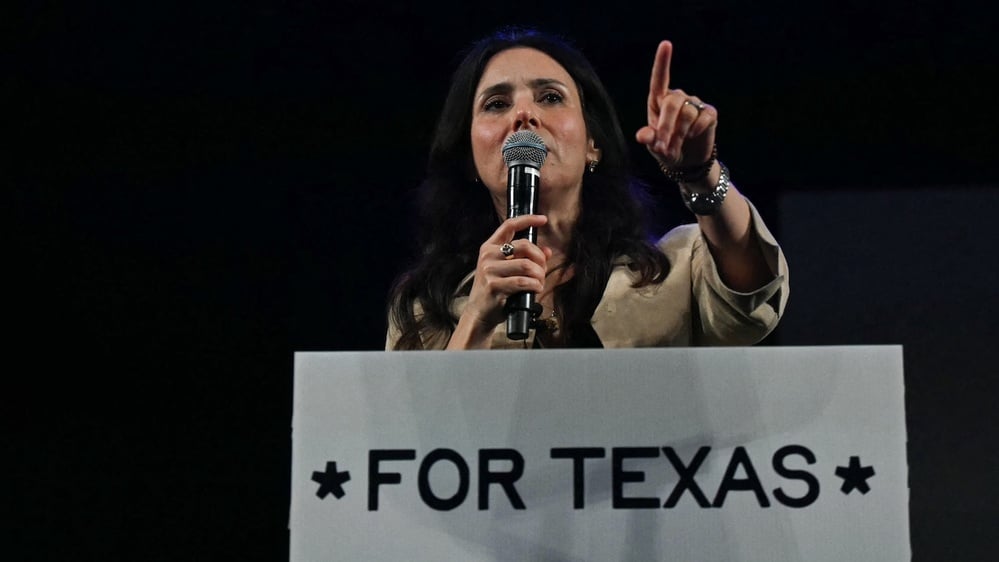

2026 © Helium Trades
Privacy Policy & Disclosure
* Disclaimer: Nothing on this website constitutes investment advice, performance data or any recommendation that any particular security, portfolio of securities, transaction or investment strategy is suitable for any specific person. Helium Trades is not responsible in any way for the accuracy
of any model predictions or price data. Any mention of a particular security and related prediction data is not a recommendation to buy or sell that security. Investments in securities involve the risk of loss. Past performance is no guarantee of future results. Helium Trades is not responsible for any of your investment decisions,
you should consult a financial expert before engaging in any transaction.
Helium Research Assistant

How can I help you today?
Ask any question about this page.


