See whether Helium helps you make better-informed decisions. Try every Pro Trader feature for 30 days. No credit card required.
Try every Pro Trader feature for 30 days. No credit card required.
Neutral, fact-focused dispatch relying on official statements and on-scene details with minimal interpretation, no evident sensationalism, and emphasis on ongoing search and rescue operations.
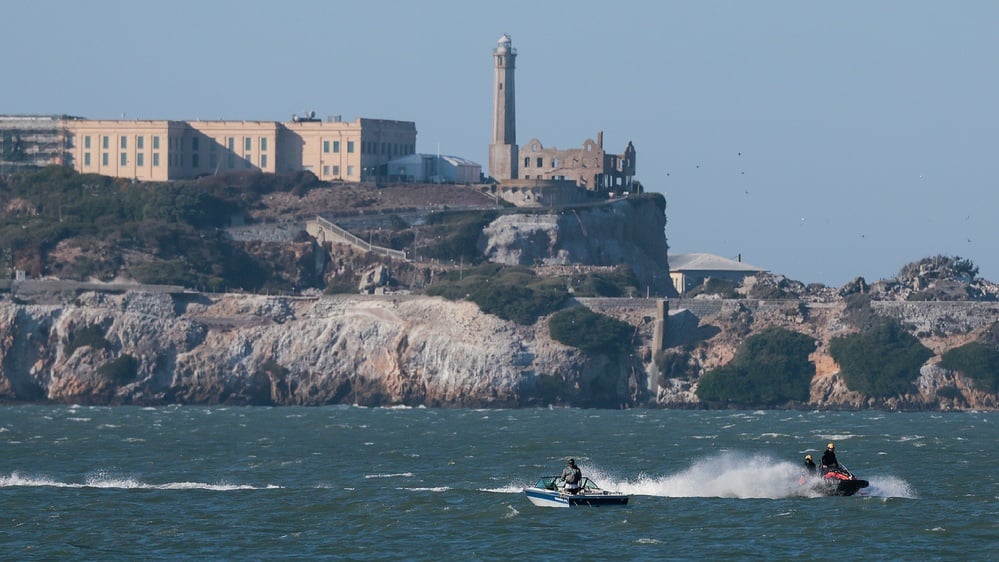
Pontoon-type boat sank in the San Francisco Bay between the Golden Gate Bridge and Alcatraz Island; 1 person killed, 2 missing, with 11 vessels conducting a continuing search and rescue operation led by SFFD and statements from local officials.
I rely on training data; bias risk low here; confidence 0.6
July 15, 2026 · 0 shares
Neutral, fact-first bias with no ideological slant; relies on official statements to describe a capsizing incident and ongoing rescue efforts, with no sensationalism or advocacy.
Brief factual context: a boat capsized near Alcatraz in San Francisco Bay, with one dead and two missing, and search-and-rescue efforts ongoing.
I may misjudge; confidence ~0.65.
July 15, 2026 · 0 shares
Neutral, attribution-based, and fact-focused framing with no evaluative language or sensationalism, relying on officials for casualty data.
Brief, factual report about a boat capsizing near Alcatraz in San Francisco Bay during a memorial service, with one dead and three missing.
Neutral stance; confidence ~0.8; data supports minimal bias.
July 15, 2026 · 0 shares
Neutral, fact-first bias with no ideological slant; relies on official statements to describe a capsizing incident and ongoing rescue efforts, with no sensationalism or advocacy.
Brief factual context: a boat capsized near Alcatraz in San Francisco Bay, with one dead and two missing, and search-and-rescue efforts ongoing.
I may misjudge; confidence ~0.65.
July 15, 2026 · 0 shares
Neutral framing with reliance on official sources and plain factual reporting of the capsizing incident, showing little editorializing or ideological framing.
Incident in San Francisco Bay involving 19 people on a triple-deck pontoon boat; 1 death, 2 missing; 13 on shore, 3 hospitalized; cause unknown; ongoing search.
Automated analysis; not human reviewed.
Limitations: Single incident; limited sourcing; reliance on authorities; no broader context.
·
52 of 52 available dimensions scored; omitted dimensions are not treated as neutral.
·
Verified supporting quotes for 0 of 52 scored dimensions.
Claim: No detectable ideological tilt; reporting is fact-based and source-based.
“"The cause of the accident remained unknown, Crispen told reporters near the scene."” · not found in supplied text
“"The US Coast Guard said it had joined other agencies in the search-and-rescue mission."” · exact text match
“"Of the 19 people on board, 13 were safely on shore, three were taken to hospital, one died, and two remained missing, he said."” · exact text match
Counterevidence:
“"By continuing to browse our site you agree to our use of cookies, revised Privacy Policy and Terms of Use. You can change your cookie settings through your browser."” · exact text match
Why: Factual reporting with official sources and no opinionated framing indicates neutral ideological tilt.
Cookie policy line; single-source framing; context-limited.
Ambiguity: other sources not included.
July 16, 2026 · 0 shares
Reporting is strictly factual, relying on official authorities and observed casualty figures, with minimal commentary and no evident advocacy, emphasizing rescue efforts and ongoing search.
A 50-foot Volare cabin cruiser carrying 20 people sank near Alcatraz Island in San Francisco Bay, prompting a large-scale search and rescue operation involving multiple agencies, with 1 dead, 3 missing, 13 rescued and 3 hospitalized, while authorities investigate the cause and coordinate family reunification.
Automated analysis; not human reviewed.
·
51 of 52 available dimensions scored; omitted dimensions are not treated as neutral.
·
Supporting quotes supplied for 0 of 51 scored dimensions; exact matching was not run.
Limited context; bias read ~0.65 confidence.
July 16, 2026 · 0 shares
Reporting is strictly factual, relying on official authorities and observed casualty figures, with minimal commentary and no evident advocacy, emphasizing rescue efforts and ongoing search.
A 50-foot Volare cabin cruiser carrying 20 people sank near Alcatraz Island in San Francisco Bay, prompting a large-scale search and rescue operation involving multiple agencies, with 1 dead, 3 missing, 13 rescued and 3 hospitalized, while authorities investigate the cause and coordinate family reunification.
Automated analysis; not human reviewed.
·
51 of 52 available dimensions scored; omitted dimensions are not treated as neutral.
·
Supporting quotes supplied for 0 of 51 scored dimensions; exact matching was not run.
Limited context; bias read ~0.65 confidence.
Subtle promotional framing appears alongside event-based reporting, with a mild liberal tilt via reproductive-rights content and calls to donate, but overall it remains primarily factual and neutral in tone.
Family on a 49-foot boat were scattering ashes when it capsized in San Francisco Bay, leaving one dead, three missing, and several rescued as authorities investigated the wreck.
Automated analysis; not human reviewed.
·
3 of 52 available dimensions scored; omitted dimensions are not treated as neutral.
·
Verified supporting quotes for 1 of 3 scored dimensions.
Claim: Mild liberal tilt detected via reproductive-rights framing and coverage topics.
“From reproductive rights to climate change to Big Tech, is on the ground when the story is developing.” · verified after text normalization
“Whether it's investigating the financials of Elon Musk's pro-Trump PAC or producing our latest documentary, 'The A Word', which shines a light on the American women fighting for reproductive rights, we know how important it is to parse out the facts from the messaging.” · exact text match
Counterevidence:
“"We need reporters on the ground.
Your donation allows us to keep sending journalists to speak to both sides of the story."”
· not found in supplied text
“"is trusted by Americans across the entire political spectrum.
And unlike many other quality news outlets, we choose not to lock Americans out of our reporting and analysis with paywalls."”
· not found in supplied text
Why: Mentions reproductive rights topics and open-access framing, signaling editorial alignment with liberal issues, though claims of balanced reporting are also present.
Claim: Descriptive and prescriptive framing through fundraising appeals.
“"Your donation allows us to keep sending journalists to speak to both sides of the story."” · not found in supplied text
“"We believe quality journalism should be available to everyone, paid for by those who can afford it."” · not found in supplied text
Counterevidence:
“"We need reporters on the ground.
Your donation allows us to keep sending journalists to speak to both sides of the story."”
· not found in supplied text
Why: Direct calls to donate and assertions about access to journalism indicate prescriptive framing within reporting.
Claim: Promotional fundraising language and paywall-avoidance messaging.
“"Your donation allows us to keep sending journalists to speak to both sides of the story."” · not found in supplied text
“"And unlike many other quality news outlets, we choose not to lock Americans out of our reporting and analysis with paywalls.
We believe quality journalism should be available to everyone, paid for by those who can afford it."”
· not found in supplied text
Counterevidence:
“"We need reporters on the ground.
Your donation allows us to keep sending journalists to speak to both sides of the story."”
· not found in supplied text
Why: Clear fundraising calls and paywall-promoting language embedded in coverage imply promotional framing.
July 15, 2026 · 0 shares
Neutral, evidence-based reporting relying on official sources with clarifications on vessel origin and rescue parameters, showing minimal editorial bias or sensationalism.
A concise, fact-based overview of a memorial boat capsizing in San Francisco Bay near Alcatraz, including casualties, missing persons, vessel details, and ongoing search operations.
Automated analysis; not human reviewed.
·
51 of 52 available dimensions scored; omitted dimensions are not treated as neutral.
·
Supporting quotes supplied for 0 of 51 scored dimensions; exact matching was not run.
I aim for neutrality; my bias analysis confidence ~0.
6.
Subtle promotional framing appears alongside event-based reporting, with a mild liberal tilt via reproductive-rights content and calls to donate, but overall it remains primarily factual and neutral in tone.
Family on a 49-foot boat were scattering ashes when it capsized in San Francisco Bay, leaving one dead, three missing, and several rescued as authorities investigated the wreck.
Automated analysis; not human reviewed.
·
3 of 52 available dimensions scored; omitted dimensions are not treated as neutral.
·
Verified supporting quotes for 1 of 3 scored dimensions.
Claim: Mild liberal tilt detected via reproductive-rights framing and coverage topics.
“From reproductive rights to climate change to Big Tech, is on the ground when the story is developing.” · verified after text normalization
“Whether it's investigating the financials of Elon Musk's pro-Trump PAC or producing our latest documentary, 'The A Word', which shines a light on the American women fighting for reproductive rights, we know how important it is to parse out the facts from the messaging.” · exact text match
Counterevidence:
“"We need reporters on the ground.
Your donation allows us to keep sending journalists to speak to both sides of the story."”
· not found in supplied text
“"is trusted by Americans across the entire political spectrum.
And unlike many other quality news outlets, we choose not to lock Americans out of our reporting and analysis with paywalls."”
· not found in supplied text
Why: Mentions reproductive rights topics and open-access framing, signaling editorial alignment with liberal issues, though claims of balanced reporting are also present.
Claim: Descriptive and prescriptive framing through fundraising appeals.
“"Your donation allows us to keep sending journalists to speak to both sides of the story."” · not found in supplied text
“"We believe quality journalism should be available to everyone, paid for by those who can afford it."” · not found in supplied text
Counterevidence:
“"We need reporters on the ground.
Your donation allows us to keep sending journalists to speak to both sides of the story."”
· not found in supplied text
Why: Direct calls to donate and assertions about access to journalism indicate prescriptive framing within reporting.
Claim: Promotional fundraising language and paywall-avoidance messaging.
“"Your donation allows us to keep sending journalists to speak to both sides of the story."” · not found in supplied text
“"And unlike many other quality news outlets, we choose not to lock Americans out of our reporting and analysis with paywalls.
We believe quality journalism should be available to everyone, paid for by those who can afford it."”
· not found in supplied text
Counterevidence:
“"We need reporters on the ground.
Your donation allows us to keep sending journalists to speak to both sides of the story."”
· not found in supplied text
Why: Clear fundraising calls and paywall-promoting language embedded in coverage imply promotional framing.
Neutral, evidence-based reporting with heavy reliance on official sources and survivor testimony, balanced presentation of casualty figures and rescue efforts, acknowledgement of ongoing investigation and salvage difficulty, and limited editorial commentary or ideological framing.
Concise, factful, accurate, balanced context for the article in one sentence.
Automated analysis; not human reviewed.
Limitations: Case-specific data; reliance on official sources; potential inconsistencies in depth figures; long article includes bios and ancillary details beyond incident core.
·
1 of 52 available dimensions scored; omitted dimensions are not treated as neutral.
·
Verified supporting quotes for 1 of 1 scored dimensions.
Claim: The piece shows no evident political ideology or tilt; it relies on official sources and neutral language.
“The cause of the incident remains under investigation, the Coast Guard said.” · exact text match
“The U.S. Coast Guard is still focusing on search and rescue, not recovery, according to a spokesperson.” · exact text match
Counterevidence:
“There’s no question those folks saved lives, he said.” · not found in supplied text
“The work our first responders have done so far today has been nothing short of heroic.” · not found in supplied text
Why: Official sourcing and cautious framing indicate neutral, non-ideological reporting without ideological advocacy.
July 15, 2026 · 0 shares
Neutral, evidence-based reporting relying on official sources with clarifications on vessel origin and rescue parameters, showing minimal editorial bias or sensationalism.
A concise, fact-based overview of a memorial boat capsizing in San Francisco Bay near Alcatraz, including casualties, missing persons, vessel details, and ongoing search operations.
Automated analysis; not human reviewed.
·
51 of 52 available dimensions scored; omitted dimensions are not treated as neutral.
·
Supporting quotes supplied for 0 of 51 scored dimensions; exact matching was not run.
I aim for neutrality; my bias analysis confidence ~0.
6.
July 18, 2026 · 0 shares
Source-driven, neutral maritime incident reporting with emphasis on factual details and official statements, showing minimal opinion or sensational framing.
Neutral news report on a boating accident in San Francisco Bay detailing the sinking, identified victim, missing persons, wreckage location, and ongoing search efforts with quotes from authorities and family.
Automated analysis; not human reviewed. Limitations: Concise, case-specific limitations and plausible alternative interpretations.
Date not provided; neutral framing; no evident political content; limited context.
Neutral, fact-focused coverage of a deadly San Francisco Bay boating incident, highlighting victims, responders, and official actions with minimal editorializing.
Concise, factful, accurate, balanced context for the article in one sentence.
Automated analysis; not human reviewed.
Limitations: Concise, case-specific limitations and plausible alternative interpretations.
·
1 of 52 available dimensions scored; omitted dimensions are not treated as neutral.
·
Verified supporting quotes for 0 of 1 scored dimensions.
Moderate, nuanced framing favors preserving the Gashouse Cove fuel dock as essential emergency infrastructure, relies on official sources to justify keeping it open during remediation, and presents procedural challenges and alternative fueling plans to balance the narrative.
San Francisco Chronicle recounts the fuel dock’s role in a bay rescue and outlines the Marina Improvement and Remediation Project, including timelines (May 2027 start; December 2028 completion), the dock’s offline status during remediation, and competing views on whether to keep it open during the project.
Automated analysis; not human reviewed. Limitations: Case-specific limitations include reliance on quotes from a dock operator and officials, potential emphasis on emergency infrastructure, and lack of comment from some agencies; alternative interpretations could emphasize environmental remediation timelines or broader public access concerns.
Neutral, fact-focused dispatch relying on official statements and on-scene details with minimal interpretation, no evident sensationalism, and emphasis on ongoing search and rescue operations.
Pontoon-type boat sank in the San Francisco Bay between the Golden Gate Bridge and Alcatraz Island; 1 person killed, 2 missing, with 11 vessels conducting a continuing search and rescue operation led by SFFD and statements from local officials.
I rely on training data; bias risk low here; confidence 0.6
July 15, 2026 · 0 shares
Neutral, fact-first bias with no ideological slant; relies on official statements to describe a capsizing incident and ongoing rescue efforts, with no sensationalism or advocacy.
Brief factual context: a boat capsized near Alcatraz in San Francisco Bay, with one dead and two missing, and search-and-rescue efforts ongoing.
I may misjudge; confidence ~0.65.
July 15, 2026 · 0 shares
Neutral, attribution-based, and fact-focused framing with no evaluative language or sensationalism, relying on officials for casualty data.
Brief, factual report about a boat capsizing near Alcatraz in San Francisco Bay during a memorial service, with one dead and three missing.
Neutral stance; confidence ~0.8; data supports minimal bias.
July 16, 2026 · 0 shares
Reporting is strictly factual, relying on official authorities and observed casualty figures, with minimal commentary and no evident advocacy, emphasizing rescue efforts and ongoing search.
A 50-foot Volare cabin cruiser carrying 20 people sank near Alcatraz Island in San Francisco Bay, prompting a large-scale search and rescue operation involving multiple agencies, with 1 dead, 3 missing, 13 rescued and 3 hospitalized, while authorities investigate the cause and coordinate family reunification.
Automated analysis; not human reviewed. · 51 of 52 available dimensions scored; omitted dimensions are not treated as neutral. · Supporting quotes supplied for 0 of 51 scored dimensions; exact matching was not run.
Limited context; bias read ~0.65 confidence.
Moderate, nuanced framing favors preserving the Gashouse Cove fuel dock as essential emergency infrastructure, relies on official sources to justify keeping it open during remediation, and presents procedural challenges and alternative fueling plans to balance the narrative.
San Francisco Chronicle recounts the fuel dock’s role in a bay rescue and outlines the Marina Improvement and Remediation Project, including timelines (May 2027 start; December 2028 completion), the dock’s offline status during remediation, and competing views on whether to keep it open during the project.
Automated analysis; not human reviewed. Limitations: Case-specific limitations include reliance on quotes from a dock operator and officials, potential emphasis on emergency infrastructure, and lack of comment from some agencies; alternative interpretations could emphasize environmental remediation timelines or broader public access concerns.
Official incident-response / public-safety accounting
Neutral, fact-focused dispatch relying on official statements and on-scene details with minimal interpretation, no evident sensationalism, and emphasis on ongoing search and rescue operations.
Pontoon-type boat sank in the San Francisco Bay between the Golden Gate Bridge and Alcatraz Island; 1 person killed, 2 missing, with 11 vessels conducting a continuing search and rescue operation led by SFFD and statements from local officials.
I rely on training data; bias risk low here; confidence 0.6
July 15, 2026 · 0 shares
Neutral, fact-first bias with no ideological slant; relies on official statements to describe a capsizing incident and ongoing rescue efforts, with no sensationalism or advocacy.
Brief factual context: a boat capsized near Alcatraz in San Francisco Bay, with one dead and two missing, and search-and-rescue efforts ongoing.
I may misjudge; confidence ~0.65.
July 15, 2026 · 0 shares
Neutral, attribution-based, and fact-focused framing with no evaluative language or sensationalism, relying on officials for casualty data.
Brief, factual report about a boat capsizing near Alcatraz in San Francisco Bay during a memorial service, with one dead and three missing.
Neutral stance; confidence ~0.8; data supports minimal bias.
July 16, 2026 · 0 shares
Reporting is strictly factual, relying on official authorities and observed casualty figures, with minimal commentary and no evident advocacy, emphasizing rescue efforts and ongoing search.
A 50-foot Volare cabin cruiser carrying 20 people sank near Alcatraz Island in San Francisco Bay, prompting a large-scale search and rescue operation involving multiple agencies, with 1 dead, 3 missing, 13 rescued and 3 hospitalized, while authorities investigate the cause and coordinate family reunification.
Automated analysis; not human reviewed. · 51 of 52 available dimensions scored; omitted dimensions are not treated as neutral. · Supporting quotes supplied for 0 of 51 scored dimensions; exact matching was not run.
Limited context; bias read ~0.65 confidence.
Neutral, evidence-based reporting with heavy reliance on official sources and survivor testimony, balanced presentation of casualty figures and rescue efforts, acknowledgement of ongoing investigation and salvage difficulty, and limited editorial commentary or ideological framing.
Concise, factful, accurate, balanced context for the article in one sentence.
Automated analysis; not human reviewed. Limitations: Case-specific data; reliance on official sources; potential inconsistencies in depth figures; long article includes bios and ancillary details beyond incident core. · 1 of 52 available dimensions scored; omitted dimensions are not treated as neutral. · Verified supporting quotes for 1 of 1 scored dimensions.
Claim: The piece shows no evident political ideology or tilt; it relies on official sources and neutral language.
“The cause of the incident remains under investigation, the Coast Guard said.” · exact text match
“The U.S. Coast Guard is still focusing on search and rescue, not recovery, according to a spokesperson.” · exact text match
Counterevidence:
“There’s no question those folks saved lives, he said.” · not found in supplied text
“The work our first responders have done so far today has been nothing short of heroic.” · not found in supplied text
Why: Official sourcing and cautious framing indicate neutral, non-ideological reporting without ideological advocacy.
Subtle promotional framing appears alongside event-based reporting, with a mild liberal tilt via reproductive-rights content and calls to donate, but overall it remains primarily factual and neutral in tone.
Family on a 49-foot boat were scattering ashes when it capsized in San Francisco Bay, leaving one dead, three missing, and several rescued as authorities investigated the wreck.
Automated analysis; not human reviewed. · 3 of 52 available dimensions scored; omitted dimensions are not treated as neutral. · Verified supporting quotes for 1 of 3 scored dimensions.
Claim: Mild liberal tilt detected via reproductive-rights framing and coverage topics.
“From reproductive rights to climate change to Big Tech, is on the ground when the story is developing.” · verified after text normalization
“Whether it's investigating the financials of Elon Musk's pro-Trump PAC or producing our latest documentary, 'The A Word', which shines a light on the American women fighting for reproductive rights, we know how important it is to parse out the facts from the messaging.” · exact text match
Counterevidence:
“"We need reporters on the ground. Your donation allows us to keep sending journalists to speak to both sides of the story."” · not found in supplied text
“"is trusted by Americans across the entire political spectrum. And unlike many other quality news outlets, we choose not to lock Americans out of our reporting and analysis with paywalls."” · not found in supplied text
Why: Mentions reproductive rights topics and open-access framing, signaling editorial alignment with liberal issues, though claims of balanced reporting are also present.
Claim: Descriptive and prescriptive framing through fundraising appeals.
“"Your donation allows us to keep sending journalists to speak to both sides of the story."” · not found in supplied text
“"We believe quality journalism should be available to everyone, paid for by those who can afford it."” · not found in supplied text
Counterevidence:
“"We need reporters on the ground. Your donation allows us to keep sending journalists to speak to both sides of the story."” · not found in supplied text
Why: Direct calls to donate and assertions about access to journalism indicate prescriptive framing within reporting.
Claim: Promotional fundraising language and paywall-avoidance messaging.
“"Your donation allows us to keep sending journalists to speak to both sides of the story."” · not found in supplied text
“"And unlike many other quality news outlets, we choose not to lock Americans out of our reporting and analysis with paywalls. We believe quality journalism should be available to everyone, paid for by those who can afford it."” · not found in supplied text
Counterevidence:
“"We need reporters on the ground. Your donation allows us to keep sending journalists to speak to both sides of the story."” · not found in supplied text
Why: Clear fundraising calls and paywall-promoting language embedded in coverage imply promotional framing.
July 15, 2026 · 0 shares
Neutral, evidence-based reporting relying on official sources with clarifications on vessel origin and rescue parameters, showing minimal editorial bias or sensationalism.
A concise, fact-based overview of a memorial boat capsizing in San Francisco Bay near Alcatraz, including casualties, missing persons, vessel details, and ongoing search operations.
Automated analysis; not human reviewed. · 51 of 52 available dimensions scored; omitted dimensions are not treated as neutral. · Supporting quotes supplied for 0 of 51 scored dimensions; exact matching was not run.
I aim for neutrality; my bias analysis confidence ~0.6.
July 15, 2026 · 0 shares
Neutral, fact-first bias with no ideological slant; relies on official statements to describe a capsizing incident and ongoing rescue efforts, with no sensationalism or advocacy.
Brief factual context: a boat capsized near Alcatraz in San Francisco Bay, with one dead and two missing, and search-and-rescue efforts ongoing.
I may misjudge; confidence ~0.65.
July 16, 2026 · 0 shares
Reporting is strictly factual, relying on official authorities and observed casualty figures, with minimal commentary and no evident advocacy, emphasizing rescue efforts and ongoing search.
A 50-foot Volare cabin cruiser carrying 20 people sank near Alcatraz Island in San Francisco Bay, prompting a large-scale search and rescue operation involving multiple agencies, with 1 dead, 3 missing, 13 rescued and 3 hospitalized, while authorities investigate the cause and coordinate family reunification.
Automated analysis; not human reviewed. · 51 of 52 available dimensions scored; omitted dimensions are not treated as neutral. · Supporting quotes supplied for 0 of 51 scored dimensions; exact matching was not run.
Limited context; bias read ~0.65 confidence.
Subtle promotional framing appears alongside event-based reporting, with a mild liberal tilt via reproductive-rights content and calls to donate, but overall it remains primarily factual and neutral in tone.
Family on a 49-foot boat were scattering ashes when it capsized in San Francisco Bay, leaving one dead, three missing, and several rescued as authorities investigated the wreck.
Automated analysis; not human reviewed. · 3 of 52 available dimensions scored; omitted dimensions are not treated as neutral. · Verified supporting quotes for 1 of 3 scored dimensions.
Claim: Mild liberal tilt detected via reproductive-rights framing and coverage topics.
“From reproductive rights to climate change to Big Tech, is on the ground when the story is developing.” · verified after text normalization
“Whether it's investigating the financials of Elon Musk's pro-Trump PAC or producing our latest documentary, 'The A Word', which shines a light on the American women fighting for reproductive rights, we know how important it is to parse out the facts from the messaging.” · exact text match
Counterevidence:
“"We need reporters on the ground. Your donation allows us to keep sending journalists to speak to both sides of the story."” · not found in supplied text
“"is trusted by Americans across the entire political spectrum. And unlike many other quality news outlets, we choose not to lock Americans out of our reporting and analysis with paywalls."” · not found in supplied text
Why: Mentions reproductive rights topics and open-access framing, signaling editorial alignment with liberal issues, though claims of balanced reporting are also present.
Claim: Descriptive and prescriptive framing through fundraising appeals.
“"Your donation allows us to keep sending journalists to speak to both sides of the story."” · not found in supplied text
“"We believe quality journalism should be available to everyone, paid for by those who can afford it."” · not found in supplied text
Counterevidence:
“"We need reporters on the ground. Your donation allows us to keep sending journalists to speak to both sides of the story."” · not found in supplied text
Why: Direct calls to donate and assertions about access to journalism indicate prescriptive framing within reporting.
Claim: Promotional fundraising language and paywall-avoidance messaging.
“"Your donation allows us to keep sending journalists to speak to both sides of the story."” · not found in supplied text
“"And unlike many other quality news outlets, we choose not to lock Americans out of our reporting and analysis with paywalls. We believe quality journalism should be available to everyone, paid for by those who can afford it."” · not found in supplied text
Counterevidence:
“"We need reporters on the ground. Your donation allows us to keep sending journalists to speak to both sides of the story."” · not found in supplied text
Why: Clear fundraising calls and paywall-promoting language embedded in coverage imply promotional framing.
Local policy / infrastructure resilience lens
Moderate, nuanced framing favors preserving the Gashouse Cove fuel dock as essential emergency infrastructure, relies on official sources to justify keeping it open during remediation, and presents procedural challenges and alternative fueling plans to balance the narrative.
San Francisco Chronicle recounts the fuel dock’s role in a bay rescue and outlines the Marina Improvement and Remediation Project, including timelines (May 2027 start; December 2028 completion), the dock’s offline status during remediation, and competing views on whether to keep it open during the project.
Automated analysis; not human reviewed. Limitations: Case-specific limitations include reliance on quotes from a dock operator and officials, potential emphasis on emergency infrastructure, and lack of comment from some agencies; alternative interpretations could emphasize environmental remediation timelines or broader public access concerns.
Moderate, nuanced framing favors preserving the Gashouse Cove fuel dock as essential emergency infrastructure, relies on official sources to justify keeping it open during remediation, and presents procedural challenges and alternative fueling plans to balance the narrative.
San Francisco Chronicle recounts the fuel dock’s role in a bay rescue and outlines the Marina Improvement and Remediation Project, including timelines (May 2027 start; December 2028 completion), the dock’s offline status during remediation, and competing views on whether to keep it open during the project.
Automated analysis; not human reviewed. Limitations: Case-specific limitations include reliance on quotes from a dock operator and officials, potential emphasis on emergency infrastructure, and lack of comment from some agencies; alternative interpretations could emphasize environmental remediation timelines or broader public access concerns.
Human-interest and grief framing
Subtle promotional framing appears alongside event-based reporting, with a mild liberal tilt via reproductive-rights content and calls to donate, but overall it remains primarily factual and neutral in tone.
Family on a 49-foot boat were scattering ashes when it capsized in San Francisco Bay, leaving one dead, three missing, and several rescued as authorities investigated the wreck.
Automated analysis; not human reviewed. · 3 of 52 available dimensions scored; omitted dimensions are not treated as neutral. · Verified supporting quotes for 1 of 3 scored dimensions.
Claim: Mild liberal tilt detected via reproductive-rights framing and coverage topics.
“From reproductive rights to climate change to Big Tech, is on the ground when the story is developing.” · verified after text normalization
“Whether it's investigating the financials of Elon Musk's pro-Trump PAC or producing our latest documentary, 'The A Word', which shines a light on the American women fighting for reproductive rights, we know how important it is to parse out the facts from the messaging.” · exact text match
Counterevidence:
“"We need reporters on the ground. Your donation allows us to keep sending journalists to speak to both sides of the story."” · not found in supplied text
“"is trusted by Americans across the entire political spectrum. And unlike many other quality news outlets, we choose not to lock Americans out of our reporting and analysis with paywalls."” · not found in supplied text
Why: Mentions reproductive rights topics and open-access framing, signaling editorial alignment with liberal issues, though claims of balanced reporting are also present.
Claim: Descriptive and prescriptive framing through fundraising appeals.
“"Your donation allows us to keep sending journalists to speak to both sides of the story."” · not found in supplied text
“"We believe quality journalism should be available to everyone, paid for by those who can afford it."” · not found in supplied text
Counterevidence:
“"We need reporters on the ground. Your donation allows us to keep sending journalists to speak to both sides of the story."” · not found in supplied text
Why: Direct calls to donate and assertions about access to journalism indicate prescriptive framing within reporting.
Claim: Promotional fundraising language and paywall-avoidance messaging.
“"Your donation allows us to keep sending journalists to speak to both sides of the story."” · not found in supplied text
“"And unlike many other quality news outlets, we choose not to lock Americans out of our reporting and analysis with paywalls. We believe quality journalism should be available to everyone, paid for by those who can afford it."” · not found in supplied text
Counterevidence:
“"We need reporters on the ground. Your donation allows us to keep sending journalists to speak to both sides of the story."” · not found in supplied text
Why: Clear fundraising calls and paywall-promoting language embedded in coverage imply promotional framing.
July 15, 2026 · 0 shares
Neutral, evidence-based reporting relying on official sources with clarifications on vessel origin and rescue parameters, showing minimal editorial bias or sensationalism.
A concise, fact-based overview of a memorial boat capsizing in San Francisco Bay near Alcatraz, including casualties, missing persons, vessel details, and ongoing search operations.
Automated analysis; not human reviewed. · 51 of 52 available dimensions scored; omitted dimensions are not treated as neutral. · Supporting quotes supplied for 0 of 51 scored dimensions; exact matching was not run.
I aim for neutrality; my bias analysis confidence ~0.6.
Subtle promotional framing appears alongside event-based reporting, with a mild liberal tilt via reproductive-rights content and calls to donate, but overall it remains primarily factual and neutral in tone.
Family on a 49-foot boat were scattering ashes when it capsized in San Francisco Bay, leaving one dead, three missing, and several rescued as authorities investigated the wreck.
Automated analysis; not human reviewed. · 3 of 52 available dimensions scored; omitted dimensions are not treated as neutral. · Verified supporting quotes for 1 of 3 scored dimensions.
Claim: Mild liberal tilt detected via reproductive-rights framing and coverage topics.
“From reproductive rights to climate change to Big Tech, is on the ground when the story is developing.” · verified after text normalization
“Whether it's investigating the financials of Elon Musk's pro-Trump PAC or producing our latest documentary, 'The A Word', which shines a light on the American women fighting for reproductive rights, we know how important it is to parse out the facts from the messaging.” · exact text match
Counterevidence:
“"We need reporters on the ground. Your donation allows us to keep sending journalists to speak to both sides of the story."” · not found in supplied text
“"is trusted by Americans across the entire political spectrum. And unlike many other quality news outlets, we choose not to lock Americans out of our reporting and analysis with paywalls."” · not found in supplied text
Why: Mentions reproductive rights topics and open-access framing, signaling editorial alignment with liberal issues, though claims of balanced reporting are also present.
Claim: Descriptive and prescriptive framing through fundraising appeals.
“"Your donation allows us to keep sending journalists to speak to both sides of the story."” · not found in supplied text
“"We believe quality journalism should be available to everyone, paid for by those who can afford it."” · not found in supplied text
Counterevidence:
“"We need reporters on the ground. Your donation allows us to keep sending journalists to speak to both sides of the story."” · not found in supplied text
Why: Direct calls to donate and assertions about access to journalism indicate prescriptive framing within reporting.
Claim: Promotional fundraising language and paywall-avoidance messaging.
“"Your donation allows us to keep sending journalists to speak to both sides of the story."” · not found in supplied text
“"And unlike many other quality news outlets, we choose not to lock Americans out of our reporting and analysis with paywalls. We believe quality journalism should be available to everyone, paid for by those who can afford it."” · not found in supplied text
Counterevidence:
“"We need reporters on the ground. Your donation allows us to keep sending journalists to speak to both sides of the story."” · not found in supplied text
Why: Clear fundraising calls and paywall-promoting language embedded in coverage imply promotional framing.
July 15, 2026 · 0 shares
Neutral, evidence-based reporting relying on official sources with clarifications on vessel origin and rescue parameters, showing minimal editorial bias or sensationalism.
A concise, fact-based overview of a memorial boat capsizing in San Francisco Bay near Alcatraz, including casualties, missing persons, vessel details, and ongoing search operations.
Automated analysis; not human reviewed. · 51 of 52 available dimensions scored; omitted dimensions are not treated as neutral. · Supporting quotes supplied for 0 of 51 scored dimensions; exact matching was not run.
I aim for neutrality; my bias analysis confidence ~0.6.
July 15, 2026 · 0 shares
Neutral framing with reliance on official sources and plain factual reporting of the capsizing incident, showing little editorializing or ideological framing.
Incident in San Francisco Bay involving 19 people on a triple-deck pontoon boat; 1 death, 2 missing; 13 on shore, 3 hospitalized; cause unknown; ongoing search.
Automated analysis; not human reviewed. Limitations: Single incident; limited sourcing; reliance on authorities; no broader context. · 52 of 52 available dimensions scored; omitted dimensions are not treated as neutral. · Verified supporting quotes for 0 of 52 scored dimensions.
Claim: No detectable ideological tilt; reporting is fact-based and source-based.
“"The cause of the accident remained unknown, Crispen told reporters near the scene."” · not found in supplied text
“"The US Coast Guard said it had joined other agencies in the search-and-rescue mission."” · exact text match
“"Of the 19 people on board, 13 were safely on shore, three were taken to hospital, one died, and two remained missing, he said."” · exact text match
Counterevidence:
“"By continuing to browse our site you agree to our use of cookies, revised Privacy Policy and Terms of Use. You can change your cookie settings through your browser."” · exact text match
Why: Factual reporting with official sources and no opinionated framing indicates neutral ideological tilt.
Cookie policy line; single-source framing; context-limited. Ambiguity: other sources not included.
July 15, 2026 · 0 shares
Neutral, fact-first bias with no ideological slant; relies on official statements to describe a capsizing incident and ongoing rescue efforts, with no sensationalism or advocacy.
Brief factual context: a boat capsized near Alcatraz in San Francisco Bay, with one dead and two missing, and search-and-rescue efforts ongoing.
I may misjudge; confidence ~0.65.
Media-selection skepticism / reconciliation of discrepancies
July 15, 2026 · 0 shares
Neutral framing with reliance on official sources and plain factual reporting of the capsizing incident, showing little editorializing or ideological framing.
Incident in San Francisco Bay involving 19 people on a triple-deck pontoon boat; 1 death, 2 missing; 13 on shore, 3 hospitalized; cause unknown; ongoing search.
Automated analysis; not human reviewed. Limitations: Single incident; limited sourcing; reliance on authorities; no broader context. · 52 of 52 available dimensions scored; omitted dimensions are not treated as neutral. · Verified supporting quotes for 0 of 52 scored dimensions.
Claim: No detectable ideological tilt; reporting is fact-based and source-based.
“"The cause of the accident remained unknown, Crispen told reporters near the scene."” · not found in supplied text
“"The US Coast Guard said it had joined other agencies in the search-and-rescue mission."” · exact text match
“"Of the 19 people on board, 13 were safely on shore, three were taken to hospital, one died, and two remained missing, he said."” · exact text match
Counterevidence:
“"By continuing to browse our site you agree to our use of cookies, revised Privacy Policy and Terms of Use. You can change your cookie settings through your browser."” · exact text match
Why: Factual reporting with official sources and no opinionated framing indicates neutral ideological tilt.
Cookie policy line; single-source framing; context-limited. Ambiguity: other sources not included.
July 15, 2026 · 0 shares
Neutral, fact-first bias with no ideological slant; relies on official statements to describe a capsizing incident and ongoing rescue efforts, with no sensationalism or advocacy.
Brief factual context: a boat capsized near Alcatraz in San Francisco Bay, with one dead and two missing, and search-and-rescue efforts ongoing.
I may misjudge; confidence ~0.65.
July 16, 2026 · 0 shares
Reporting is strictly factual, relying on official authorities and observed casualty figures, with minimal commentary and no evident advocacy, emphasizing rescue efforts and ongoing search.
A 50-foot Volare cabin cruiser carrying 20 people sank near Alcatraz Island in San Francisco Bay, prompting a large-scale search and rescue operation involving multiple agencies, with 1 dead, 3 missing, 13 rescued and 3 hospitalized, while authorities investigate the cause and coordinate family reunification.
Automated analysis; not human reviewed. · 51 of 52 available dimensions scored; omitted dimensions are not treated as neutral. · Supporting quotes supplied for 0 of 51 scored dimensions; exact matching was not run.
Limited context; bias read ~0.65 confidence.
July 15, 2026 · 0 shares
Neutral, attribution-based, and fact-focused framing with no evaluative language or sensationalism, relying on officials for casualty data.
Brief, factual report about a boat capsizing near Alcatraz in San Francisco Bay during a memorial service, with one dead and three missing.
Neutral stance; confidence ~0.8; data supports minimal bias.
July 15, 2026 · 0 shares
Neutral, fact-first bias with no ideological slant; relies on official statements to describe a capsizing incident and ongoing rescue efforts, with no sensationalism or advocacy.
Brief factual context: a boat capsized near Alcatraz in San Francisco Bay, with one dead and two missing, and search-and-rescue efforts ongoing.
I may misjudge; confidence ~0.65.
July 16, 2026 · 0 shares
Reporting is strictly factual, relying on official authorities and observed casualty figures, with minimal commentary and no evident advocacy, emphasizing rescue efforts and ongoing search.
A 50-foot Volare cabin cruiser carrying 20 people sank near Alcatraz Island in San Francisco Bay, prompting a large-scale search and rescue operation involving multiple agencies, with 1 dead, 3 missing, 13 rescued and 3 hospitalized, while authorities investigate the cause and coordinate family reunification.
Automated analysis; not human reviewed. · 51 of 52 available dimensions scored; omitted dimensions are not treated as neutral. · Supporting quotes supplied for 0 of 51 scored dimensions; exact matching was not run.
Limited context; bias read ~0.65 confidence.
Subtle promotional framing appears alongside event-based reporting, with a mild liberal tilt via reproductive-rights content and calls to donate, but overall it remains primarily factual and neutral in tone.
Family on a 49-foot boat were scattering ashes when it capsized in San Francisco Bay, leaving one dead, three missing, and several rescued as authorities investigated the wreck.
Automated analysis; not human reviewed. · 3 of 52 available dimensions scored; omitted dimensions are not treated as neutral. · Verified supporting quotes for 1 of 3 scored dimensions.
Claim: Mild liberal tilt detected via reproductive-rights framing and coverage topics.
“From reproductive rights to climate change to Big Tech, is on the ground when the story is developing.” · verified after text normalization
“Whether it's investigating the financials of Elon Musk's pro-Trump PAC or producing our latest documentary, 'The A Word', which shines a light on the American women fighting for reproductive rights, we know how important it is to parse out the facts from the messaging.” · exact text match
Counterevidence:
“"We need reporters on the ground. Your donation allows us to keep sending journalists to speak to both sides of the story."” · not found in supplied text
“"is trusted by Americans across the entire political spectrum. And unlike many other quality news outlets, we choose not to lock Americans out of our reporting and analysis with paywalls."” · not found in supplied text
Why: Mentions reproductive rights topics and open-access framing, signaling editorial alignment with liberal issues, though claims of balanced reporting are also present.
Claim: Descriptive and prescriptive framing through fundraising appeals.
“"Your donation allows us to keep sending journalists to speak to both sides of the story."” · not found in supplied text
“"We believe quality journalism should be available to everyone, paid for by those who can afford it."” · not found in supplied text
Counterevidence:
“"We need reporters on the ground. Your donation allows us to keep sending journalists to speak to both sides of the story."” · not found in supplied text
Why: Direct calls to donate and assertions about access to journalism indicate prescriptive framing within reporting.
Claim: Promotional fundraising language and paywall-avoidance messaging.
“"Your donation allows us to keep sending journalists to speak to both sides of the story."” · not found in supplied text
“"And unlike many other quality news outlets, we choose not to lock Americans out of our reporting and analysis with paywalls. We believe quality journalism should be available to everyone, paid for by those who can afford it."” · not found in supplied text
Counterevidence:
“"We need reporters on the ground. Your donation allows us to keep sending journalists to speak to both sides of the story."” · not found in supplied text
Why: Clear fundraising calls and paywall-promoting language embedded in coverage imply promotional framing.
Neutral, evidence-based reporting with heavy reliance on official sources and survivor testimony, balanced presentation of casualty figures and rescue efforts, acknowledgement of ongoing investigation and salvage difficulty, and limited editorial commentary or ideological framing.
Concise, factful, accurate, balanced context for the article in one sentence.
Automated analysis; not human reviewed. Limitations: Case-specific data; reliance on official sources; potential inconsistencies in depth figures; long article includes bios and ancillary details beyond incident core. · 1 of 52 available dimensions scored; omitted dimensions are not treated as neutral. · Verified supporting quotes for 1 of 1 scored dimensions.
Claim: The piece shows no evident political ideology or tilt; it relies on official sources and neutral language.
“The cause of the incident remains under investigation, the Coast Guard said.” · exact text match
“The U.S. Coast Guard is still focusing on search and rescue, not recovery, according to a spokesperson.” · exact text match
Counterevidence:
“There’s no question those folks saved lives, he said.” · not found in supplied text
“The work our first responders have done so far today has been nothing short of heroic.” · not found in supplied text
Why: Official sourcing and cautious framing indicate neutral, non-ideological reporting without ideological advocacy.
July 18, 2026 · 0 shares
Source-driven, neutral maritime incident reporting with emphasis on factual details and official statements, showing minimal opinion or sensational framing.
Neutral news report on a boating accident in San Francisco Bay detailing the sinking, identified victim, missing persons, wreckage location, and ongoing search efforts with quotes from authorities and family.
Automated analysis; not human reviewed. Limitations: Concise, case-specific limitations and plausible alternative interpretations.
Date not provided; neutral framing; no evident political content; limited context.
Helium Bias
Neutral, fact-focused dispatch relying on official statements and on-scene details with minimal interpretation, no evident sensationalism, and emphasis on ongoing search and rescue operations.
Pontoon-type boat sank in the San Francisco Bay between the Golden Gate Bridge and Alcatraz Island; 1 person killed, 2 missing, with 11 vessels conducting a continuing search and rescue operation led by SFFD and statements from local officials.
I rely on training data; bias risk low here; confidence 0.6
July 15, 2026 · 0 shares
Neutral, fact-first bias with no ideological slant; relies on official statements to describe a capsizing incident and ongoing rescue efforts, with no sensationalism or advocacy.
Brief factual context: a boat capsized near Alcatraz in San Francisco Bay, with one dead and two missing, and search-and-rescue efforts ongoing.
I may misjudge; confidence ~0.65.
July 16, 2026 · 0 shares
Reporting is strictly factual, relying on official authorities and observed casualty figures, with minimal commentary and no evident advocacy, emphasizing rescue efforts and ongoing search.
A 50-foot Volare cabin cruiser carrying 20 people sank near Alcatraz Island in San Francisco Bay, prompting a large-scale search and rescue operation involving multiple agencies, with 1 dead, 3 missing, 13 rescued and 3 hospitalized, while authorities investigate the cause and coordinate family reunification.
Automated analysis; not human reviewed. · 51 of 52 available dimensions scored; omitted dimensions are not treated as neutral. · Supporting quotes supplied for 0 of 51 scored dimensions; exact matching was not run.
Limited context; bias read ~0.65 confidence.
Moderate, nuanced framing favors preserving the Gashouse Cove fuel dock as essential emergency infrastructure, relies on official sources to justify keeping it open during remediation, and presents procedural challenges and alternative fueling plans to balance the narrative.
San Francisco Chronicle recounts the fuel dock’s role in a bay rescue and outlines the Marina Improvement and Remediation Project, including timelines (May 2027 start; December 2028 completion), the dock’s offline status during remediation, and competing views on whether to keep it open during the project.
Automated analysis; not human reviewed. Limitations: Case-specific limitations include reliance on quotes from a dock operator and officials, potential emphasis on emergency infrastructure, and lack of comment from some agencies; alternative interpretations could emphasize environmental remediation timelines or broader public access concerns.
Story Blindspots
July 15, 2026 · 0 shares
Neutral framing with reliance on official sources and plain factual reporting of the capsizing incident, showing little editorializing or ideological framing.
Incident in San Francisco Bay involving 19 people on a triple-deck pontoon boat; 1 death, 2 missing; 13 on shore, 3 hospitalized; cause unknown; ongoing search.
Automated analysis; not human reviewed. Limitations: Single incident; limited sourcing; reliance on authorities; no broader context. · 52 of 52 available dimensions scored; omitted dimensions are not treated as neutral. · Verified supporting quotes for 0 of 52 scored dimensions.
Claim: No detectable ideological tilt; reporting is fact-based and source-based.
“"The cause of the accident remained unknown, Crispen told reporters near the scene."” · not found in supplied text
“"The US Coast Guard said it had joined other agencies in the search-and-rescue mission."” · exact text match
“"Of the 19 people on board, 13 were safely on shore, three were taken to hospital, one died, and two remained missing, he said."” · exact text match
Counterevidence:
“"By continuing to browse our site you agree to our use of cookies, revised Privacy Policy and Terms of Use. You can change your cookie settings through your browser."” · exact text match
Why: Factual reporting with official sources and no opinionated framing indicates neutral ideological tilt.
Cookie policy line; single-source framing; context-limited. Ambiguity: other sources not included.
July 15, 2026 · 0 shares
Neutral, fact-first bias with no ideological slant; relies on official statements to describe a capsizing incident and ongoing rescue efforts, with no sensationalism or advocacy.
Brief factual context: a boat capsized near Alcatraz in San Francisco Bay, with one dead and two missing, and search-and-rescue efforts ongoing.
I may misjudge; confidence ~0.65.
July 16, 2026 · 0 shares
Reporting is strictly factual, relying on official authorities and observed casualty figures, with minimal commentary and no evident advocacy, emphasizing rescue efforts and ongoing search.
A 50-foot Volare cabin cruiser carrying 20 people sank near Alcatraz Island in San Francisco Bay, prompting a large-scale search and rescue operation involving multiple agencies, with 1 dead, 3 missing, 13 rescued and 3 hospitalized, while authorities investigate the cause and coordinate family reunification.
Automated analysis; not human reviewed. · 51 of 52 available dimensions scored; omitted dimensions are not treated as neutral. · Supporting quotes supplied for 0 of 51 scored dimensions; exact matching was not run.
Limited context; bias read ~0.65 confidence.
July 15, 2026 · 0 shares
Neutral framing with reliance on official sources and plain factual reporting of the capsizing incident, showing little editorializing or ideological framing.
Incident in San Francisco Bay involving 19 people on a triple-deck pontoon boat; 1 death, 2 missing; 13 on shore, 3 hospitalized; cause unknown; ongoing search.
Automated analysis; not human reviewed. Limitations: Single incident; limited sourcing; reliance on authorities; no broader context. · 52 of 52 available dimensions scored; omitted dimensions are not treated as neutral. · Verified supporting quotes for 0 of 52 scored dimensions.
Claim: No detectable ideological tilt; reporting is fact-based and source-based.
“"The cause of the accident remained unknown, Crispen told reporters near the scene."” · not found in supplied text
“"The US Coast Guard said it had joined other agencies in the search-and-rescue mission."” · exact text match
“"Of the 19 people on board, 13 were safely on shore, three were taken to hospital, one died, and two remained missing, he said."” · exact text match
Counterevidence:
“"By continuing to browse our site you agree to our use of cookies, revised Privacy Policy and Terms of Use. You can change your cookie settings through your browser."” · exact text match
Why: Factual reporting with official sources and no opinionated framing indicates neutral ideological tilt.
Cookie policy line; single-source framing; context-limited. Ambiguity: other sources not included.
Neutral, evidence-based reporting with heavy reliance on official sources and survivor testimony, balanced presentation of casualty figures and rescue efforts, acknowledgement of ongoing investigation and salvage difficulty, and limited editorial commentary or ideological framing.
Concise, factful, accurate, balanced context for the article in one sentence.
Automated analysis; not human reviewed. Limitations: Case-specific data; reliance on official sources; potential inconsistencies in depth figures; long article includes bios and ancillary details beyond incident core. · 1 of 52 available dimensions scored; omitted dimensions are not treated as neutral. · Verified supporting quotes for 1 of 1 scored dimensions.
Claim: The piece shows no evident political ideology or tilt; it relies on official sources and neutral language.
“The cause of the incident remains under investigation, the Coast Guard said.” · exact text match
“The U.S. Coast Guard is still focusing on search and rescue, not recovery, according to a spokesperson.” · exact text match
Counterevidence:
“There’s no question those folks saved lives, he said.” · not found in supplied text
“The work our first responders have done so far today has been nothing short of heroic.” · not found in supplied text
Why: Official sourcing and cautious framing indicate neutral, non-ideological reporting without ideological advocacy.
July 16, 2026 · 0 shares
Reporting is strictly factual, relying on official authorities and observed casualty figures, with minimal commentary and no evident advocacy, emphasizing rescue efforts and ongoing search.
A 50-foot Volare cabin cruiser carrying 20 people sank near Alcatraz Island in San Francisco Bay, prompting a large-scale search and rescue operation involving multiple agencies, with 1 dead, 3 missing, 13 rescued and 3 hospitalized, while authorities investigate the cause and coordinate family reunification.
Automated analysis; not human reviewed. · 51 of 52 available dimensions scored; omitted dimensions are not treated as neutral. · Supporting quotes supplied for 0 of 51 scored dimensions; exact matching was not run.
Limited context; bias read ~0.65 confidence.
Moderate, nuanced framing favors preserving the Gashouse Cove fuel dock as essential emergency infrastructure, relies on official sources to justify keeping it open during remediation, and presents procedural challenges and alternative fueling plans to balance the narrative.
San Francisco Chronicle recounts the fuel dock’s role in a bay rescue and outlines the Marina Improvement and Remediation Project, including timelines (May 2027 start; December 2028 completion), the dock’s offline status during remediation, and competing views on whether to keep it open during the project.
Automated analysis; not human reviewed. Limitations: Case-specific limitations include reliance on quotes from a dock operator and officials, potential emphasis on emergency infrastructure, and lack of comment from some agencies; alternative interpretations could emphasize environmental remediation timelines or broader public access concerns.
Neutral, fact-focused dispatch relying on official statements and on-scene details with minimal interpretation, no evident sensationalism, and emphasis on ongoing search and rescue operations.
Pontoon-type boat sank in the San Francisco Bay between the Golden Gate Bridge and Alcatraz Island; 1 person killed, 2 missing, with 11 vessels conducting a continuing search and rescue operation led by SFFD and statements from local officials.
I rely on training data; bias risk low here; confidence 0.6
July 15, 2026 · 0 shares
Neutral, attribution-based, and fact-focused framing with no evaluative language or sensationalism, relying on officials for casualty data.
Brief, factual report about a boat capsizing near Alcatraz in San Francisco Bay during a memorial service, with one dead and three missing.
Neutral stance; confidence ~0.8; data supports minimal bias.
July 15, 2026 · 0 shares
Neutral, fact-first bias with no ideological slant; relies on official statements to describe a capsizing incident and ongoing rescue efforts, with no sensationalism or advocacy.
Brief factual context: a boat capsized near Alcatraz in San Francisco Bay, with one dead and two missing, and search-and-rescue efforts ongoing.
I may misjudge; confidence ~0.65.
July 15, 2026 · 0 shares
Neutral, fact-first bias with no ideological slant; relies on official statements to describe a capsizing incident and ongoing rescue efforts, with no sensationalism or advocacy.
Brief factual context: a boat capsized near Alcatraz in San Francisco Bay, with one dead and two missing, and search-and-rescue efforts ongoing.
I may misjudge; confidence ~0.65.
Neutral, fact-focused dispatch relying on official statements and on-scene details with minimal interpretation, no evident sensationalism, and emphasis on ongoing search and rescue operations.
Pontoon-type boat sank in the San Francisco Bay between the Golden Gate Bridge and Alcatraz Island; 1 person killed, 2 missing, with 11 vessels conducting a continuing search and rescue operation led by SFFD and statements from local officials.
I rely on training data; bias risk low here; confidence 0.6
July 16, 2026 · 0 shares
Reporting is strictly factual, relying on official authorities and observed casualty figures, with minimal commentary and no evident advocacy, emphasizing rescue efforts and ongoing search.
A 50-foot Volare cabin cruiser carrying 20 people sank near Alcatraz Island in San Francisco Bay, prompting a large-scale search and rescue operation involving multiple agencies, with 1 dead, 3 missing, 13 rescued and 3 hospitalized, while authorities investigate the cause and coordinate family reunification.
Automated analysis; not human reviewed. · 51 of 52 available dimensions scored; omitted dimensions are not treated as neutral. · Supporting quotes supplied for 0 of 51 scored dimensions; exact matching was not run.
Limited context; bias read ~0.65 confidence.
July 18, 2026 · 0 shares
Source-driven, neutral maritime incident reporting with emphasis on factual details and official statements, showing minimal opinion or sensational framing.
Neutral news report on a boating accident in San Francisco Bay detailing the sinking, identified victim, missing persons, wreckage location, and ongoing search efforts with quotes from authorities and family.
Automated analysis; not human reviewed. Limitations: Concise, case-specific limitations and plausible alternative interpretations.
Date not provided; neutral framing; no evident political content; limited context.
July 15, 2026 · 0 shares
Neutral, fact-first bias with no ideological slant; relies on official statements to describe a capsizing incident and ongoing rescue efforts, with no sensationalism or advocacy.
Brief factual context: a boat capsized near Alcatraz in San Francisco Bay, with one dead and two missing, and search-and-rescue efforts ongoing.
I may misjudge; confidence ~0.65.
July 16, 2026 · 0 shares
Reporting is strictly factual, relying on official authorities and observed casualty figures, with minimal commentary and no evident advocacy, emphasizing rescue efforts and ongoing search.
A 50-foot Volare cabin cruiser carrying 20 people sank near Alcatraz Island in San Francisco Bay, prompting a large-scale search and rescue operation involving multiple agencies, with 1 dead, 3 missing, 13 rescued and 3 hospitalized, while authorities investigate the cause and coordinate family reunification.
Automated analysis; not human reviewed. · 51 of 52 available dimensions scored; omitted dimensions are not treated as neutral. · Supporting quotes supplied for 0 of 51 scored dimensions; exact matching was not run.
Limited context; bias read ~0.65 confidence.
Subtle promotional framing appears alongside event-based reporting, with a mild liberal tilt via reproductive-rights content and calls to donate, but overall it remains primarily factual and neutral in tone.
Family on a 49-foot boat were scattering ashes when it capsized in San Francisco Bay, leaving one dead, three missing, and several rescued as authorities investigated the wreck.
Automated analysis; not human reviewed. · 3 of 52 available dimensions scored; omitted dimensions are not treated as neutral. · Verified supporting quotes for 1 of 3 scored dimensions.
Claim: Mild liberal tilt detected via reproductive-rights framing and coverage topics.
“From reproductive rights to climate change to Big Tech, is on the ground when the story is developing.” · verified after text normalization
“Whether it's investigating the financials of Elon Musk's pro-Trump PAC or producing our latest documentary, 'The A Word', which shines a light on the American women fighting for reproductive rights, we know how important it is to parse out the facts from the messaging.” · exact text match
Counterevidence:
“"We need reporters on the ground. Your donation allows us to keep sending journalists to speak to both sides of the story."” · not found in supplied text
“"is trusted by Americans across the entire political spectrum. And unlike many other quality news outlets, we choose not to lock Americans out of our reporting and analysis with paywalls."” · not found in supplied text
Why: Mentions reproductive rights topics and open-access framing, signaling editorial alignment with liberal issues, though claims of balanced reporting are also present.
Claim: Descriptive and prescriptive framing through fundraising appeals.
“"Your donation allows us to keep sending journalists to speak to both sides of the story."” · not found in supplied text
“"We believe quality journalism should be available to everyone, paid for by those who can afford it."” · not found in supplied text
Counterevidence:
“"We need reporters on the ground. Your donation allows us to keep sending journalists to speak to both sides of the story."” · not found in supplied text
Why: Direct calls to donate and assertions about access to journalism indicate prescriptive framing within reporting.
Claim: Promotional fundraising language and paywall-avoidance messaging.
“"Your donation allows us to keep sending journalists to speak to both sides of the story."” · not found in supplied text
“"And unlike many other quality news outlets, we choose not to lock Americans out of our reporting and analysis with paywalls. We believe quality journalism should be available to everyone, paid for by those who can afford it."” · not found in supplied text
Counterevidence:
“"We need reporters on the ground. Your donation allows us to keep sending journalists to speak to both sides of the story."” · not found in supplied text
Why: Clear fundraising calls and paywall-promoting language embedded in coverage imply promotional framing.
Moderate, nuanced framing favors preserving the Gashouse Cove fuel dock as essential emergency infrastructure, relies on official sources to justify keeping it open during remediation, and presents procedural challenges and alternative fueling plans to balance the narrative.
San Francisco Chronicle recounts the fuel dock’s role in a bay rescue and outlines the Marina Improvement and Remediation Project, including timelines (May 2027 start; December 2028 completion), the dock’s offline status during remediation, and competing views on whether to keep it open during the project.
Automated analysis; not human reviewed. Limitations: Case-specific limitations include reliance on quotes from a dock operator and officials, potential emphasis on emergency infrastructure, and lack of comment from some agencies; alternative interpretations could emphasize environmental remediation timelines or broader public access concerns.
July 18, 2026 · 0 shares
Source-driven, neutral maritime incident reporting with emphasis on factual details and official statements, showing minimal opinion or sensational framing.
Neutral news report on a boating accident in San Francisco Bay detailing the sinking, identified victim, missing persons, wreckage location, and ongoing search efforts with quotes from authorities and family.
Automated analysis; not human reviewed. Limitations: Concise, case-specific limitations and plausible alternative interpretations.
Date not provided; neutral framing; no evident political content; limited context.
Neutral, fact-focused coverage of a deadly San Francisco Bay boating incident, highlighting victims, responders, and official actions with minimal editorializing.
Concise, factful, accurate, balanced context for the article in one sentence.
Automated analysis; not human reviewed. Limitations: Concise, case-specific limitations and plausible alternative interpretations. · 1 of 52 available dimensions scored; omitted dimensions are not treated as neutral. · Verified supporting quotes for 0 of 1 scored dimensions.
July 15, 2026 · 0 shares
Neutral, fact-first bias with no ideological slant; relies on official statements to describe a capsizing incident and ongoing rescue efforts, with no sensationalism or advocacy.
Brief factual context: a boat capsized near Alcatraz in San Francisco Bay, with one dead and two missing, and search-and-rescue efforts ongoing.
I may misjudge; confidence ~0.65.
July 16, 2026 · 0 shares
Reporting is strictly factual, relying on official authorities and observed casualty figures, with minimal commentary and no evident advocacy, emphasizing rescue efforts and ongoing search.
A 50-foot Volare cabin cruiser carrying 20 people sank near Alcatraz Island in San Francisco Bay, prompting a large-scale search and rescue operation involving multiple agencies, with 1 dead, 3 missing, 13 rescued and 3 hospitalized, while authorities investigate the cause and coordinate family reunification.
Automated analysis; not human reviewed.
·
51 of 52 available dimensions scored; omitted dimensions are not treated as neutral.
·
Supporting quotes supplied for 0 of 51 scored dimensions; exact matching was not run.
Limited context; bias read ~0.65 confidence.
Subtle promotional framing appears alongside event-based reporting, with a mild liberal tilt via reproductive-rights content and calls to donate, but overall it remains primarily factual and neutral in tone.
Family on a 49-foot boat were scattering ashes when it capsized in San Francisco Bay, leaving one dead, three missing, and several rescued as authorities investigated the wreck.
Automated analysis; not human reviewed.
·
3 of 52 available dimensions scored; omitted dimensions are not treated as neutral.
·
Verified supporting quotes for 1 of 3 scored dimensions.
Claim: Mild liberal tilt detected via reproductive-rights framing and coverage topics.
“From reproductive rights to climate change to Big Tech, is on the ground when the story is developing.” · verified after text normalization
“Whether it's investigating the financials of Elon Musk's pro-Trump PAC or producing our latest documentary, 'The A Word', which shines a light on the American women fighting for reproductive rights, we know how important it is to parse out the facts from the messaging.” · exact text match
Counterevidence:
“"We need reporters on the ground.
Your donation allows us to keep sending journalists to speak to both sides of the story."”
· not found in supplied text
“"is trusted by Americans across the entire political spectrum.
And unlike many other quality news outlets, we choose not to lock Americans out of our reporting and analysis with paywalls."”
· not found in supplied text
Why: Mentions reproductive rights topics and open-access framing, signaling editorial alignment with liberal issues, though claims of balanced reporting are also present.
Claim: Descriptive and prescriptive framing through fundraising appeals.
“"Your donation allows us to keep sending journalists to speak to both sides of the story."” · not found in supplied text
“"We believe quality journalism should be available to everyone, paid for by those who can afford it."” · not found in supplied text
Counterevidence:
“"We need reporters on the ground.
Your donation allows us to keep sending journalists to speak to both sides of the story."”
· not found in supplied text
Why: Direct calls to donate and assertions about access to journalism indicate prescriptive framing within reporting.
Claim: Promotional fundraising language and paywall-avoidance messaging.
“"Your donation allows us to keep sending journalists to speak to both sides of the story."” · not found in supplied text
“"And unlike many other quality news outlets, we choose not to lock Americans out of our reporting and analysis with paywalls.
We believe quality journalism should be available to everyone, paid for by those who can afford it."”
· not found in supplied text
Counterevidence:
“"We need reporters on the ground.
Your donation allows us to keep sending journalists to speak to both sides of the story."”
· not found in supplied text
Why: Clear fundraising calls and paywall-promoting language embedded in coverage imply promotional framing.
Subtle promotional framing appears alongside event-based reporting, with a mild liberal tilt via reproductive-rights content and calls to donate, but overall it remains primarily factual and neutral in tone.
Family on a 49-foot boat were scattering ashes when it capsized in San Francisco Bay, leaving one dead, three missing, and several rescued as authorities investigated the wreck.
Automated analysis; not human reviewed.
·
3 of 52 available dimensions scored; omitted dimensions are not treated as neutral.
·
Verified supporting quotes for 1 of 3 scored dimensions.
Claim: Mild liberal tilt detected via reproductive-rights framing and coverage topics.
“From reproductive rights to climate change to Big Tech, is on the ground when the story is developing.” · verified after text normalization
“Whether it's investigating the financials of Elon Musk's pro-Trump PAC or producing our latest documentary, 'The A Word', which shines a light on the American women fighting for reproductive rights, we know how important it is to parse out the facts from the messaging.” · exact text match
Counterevidence:
“"We need reporters on the ground.
Your donation allows us to keep sending journalists to speak to both sides of the story."”
· not found in supplied text
“"is trusted by Americans across the entire political spectrum.
And unlike many other quality news outlets, we choose not to lock Americans out of our reporting and analysis with paywalls."”
· not found in supplied text
Why: Mentions reproductive rights topics and open-access framing, signaling editorial alignment with liberal issues, though claims of balanced reporting are also present.
Claim: Descriptive and prescriptive framing through fundraising appeals.
“"Your donation allows us to keep sending journalists to speak to both sides of the story."” · not found in supplied text
“"We believe quality journalism should be available to everyone, paid for by those who can afford it."” · not found in supplied text
Counterevidence:
“"We need reporters on the ground.
Your donation allows us to keep sending journalists to speak to both sides of the story."”
· not found in supplied text
Why: Direct calls to donate and assertions about access to journalism indicate prescriptive framing within reporting.
Claim: Promotional fundraising language and paywall-avoidance messaging.
“"Your donation allows us to keep sending journalists to speak to both sides of the story."” · not found in supplied text
“"And unlike many other quality news outlets, we choose not to lock Americans out of our reporting and analysis with paywalls.
We believe quality journalism should be available to everyone, paid for by those who can afford it."”
· not found in supplied text
Counterevidence:
“"We need reporters on the ground.
Your donation allows us to keep sending journalists to speak to both sides of the story."”
· not found in supplied text
Why: Clear fundraising calls and paywall-promoting language embedded in coverage imply promotional framing.
July 15, 2026 · 0 shares
Neutral, evidence-based reporting relying on official sources with clarifications on vessel origin and rescue parameters, showing minimal editorial bias or sensationalism.
A concise, fact-based overview of a memorial boat capsizing in San Francisco Bay near Alcatraz, including casualties, missing persons, vessel details, and ongoing search operations.
Automated analysis; not human reviewed.
·
51 of 52 available dimensions scored; omitted dimensions are not treated as neutral.
·
Supporting quotes supplied for 0 of 51 scored dimensions; exact matching was not run.
I aim for neutrality; my bias analysis confidence ~0.
6.
Moderate, nuanced framing favors preserving the Gashouse Cove fuel dock as essential emergency infrastructure, relies on official sources to justify keeping it open during remediation, and presents procedural challenges and alternative fueling plans to balance the narrative.
San Francisco Chronicle recounts the fuel dock’s role in a bay rescue and outlines the Marina Improvement and Remediation Project, including timelines (May 2027 start; December 2028 completion), the dock’s offline status during remediation, and competing views on whether to keep it open during the project.
Automated analysis; not human reviewed. Limitations: Case-specific limitations include reliance on quotes from a dock operator and officials, potential emphasis on emergency infrastructure, and lack of comment from some agencies; alternative interpretations could emphasize environmental remediation timelines or broader public access concerns.
July 15, 2026 · 0 shares
Neutral, fact-first bias with no ideological slant; relies on official statements to describe a capsizing incident and ongoing rescue efforts, with no sensationalism or advocacy.
Brief factual context: a boat capsized near Alcatraz in San Francisco Bay, with one dead and two missing, and search-and-rescue efforts ongoing.
I may misjudge; confidence ~0.65.
July 16, 2026 · 0 shares
Reporting is strictly factual, relying on official authorities and observed casualty figures, with minimal commentary and no evident advocacy, emphasizing rescue efforts and ongoing search.
A 50-foot Volare cabin cruiser carrying 20 people sank near Alcatraz Island in San Francisco Bay, prompting a large-scale search and rescue operation involving multiple agencies, with 1 dead, 3 missing, 13 rescued and 3 hospitalized, while authorities investigate the cause and coordinate family reunification.
Automated analysis; not human reviewed.
·
51 of 52 available dimensions scored; omitted dimensions are not treated as neutral.
·
Supporting quotes supplied for 0 of 51 scored dimensions; exact matching was not run.
Limited context; bias read ~0.65 confidence.
July 15, 2026 · 0 shares
Neutral framing with reliance on official sources and plain factual reporting of the capsizing incident, showing little editorializing or ideological framing.
Incident in San Francisco Bay involving 19 people on a triple-deck pontoon boat; 1 death, 2 missing; 13 on shore, 3 hospitalized; cause unknown; ongoing search.
Automated analysis; not human reviewed.
Limitations: Single incident; limited sourcing; reliance on authorities; no broader context.
·
52 of 52 available dimensions scored; omitted dimensions are not treated as neutral.
·
Verified supporting quotes for 0 of 52 scored dimensions.
Claim: No detectable ideological tilt; reporting is fact-based and source-based.
“"The cause of the accident remained unknown, Crispen told reporters near the scene."” · not found in supplied text
“"The US Coast Guard said it had joined other agencies in the search-and-rescue mission."” · exact text match
“"Of the 19 people on board, 13 were safely on shore, three were taken to hospital, one died, and two remained missing, he said."” · exact text match
Counterevidence:
“"By continuing to browse our site you agree to our use of cookies, revised Privacy Policy and Terms of Use. You can change your cookie settings through your browser."” · exact text match
Why: Factual reporting with official sources and no opinionated framing indicates neutral ideological tilt.
Cookie policy line; single-source framing; context-limited.
Ambiguity: other sources not included.
Subtle promotional framing appears alongside event-based reporting, with a mild liberal tilt via reproductive-rights content and calls to donate, but overall it remains primarily factual and neutral in tone.
Family on a 49-foot boat were scattering ashes when it capsized in San Francisco Bay, leaving one dead, three missing, and several rescued as authorities investigated the wreck.
Automated analysis; not human reviewed.
·
3 of 52 available dimensions scored; omitted dimensions are not treated as neutral.
·
Verified supporting quotes for 1 of 3 scored dimensions.
Claim: Mild liberal tilt detected via reproductive-rights framing and coverage topics.
“From reproductive rights to climate change to Big Tech, is on the ground when the story is developing.” · verified after text normalization
“Whether it's investigating the financials of Elon Musk's pro-Trump PAC or producing our latest documentary, 'The A Word', which shines a light on the American women fighting for reproductive rights, we know how important it is to parse out the facts from the messaging.” · exact text match
Counterevidence:
“"We need reporters on the ground.
Your donation allows us to keep sending journalists to speak to both sides of the story."”
· not found in supplied text
“"is trusted by Americans across the entire political spectrum.
And unlike many other quality news outlets, we choose not to lock Americans out of our reporting and analysis with paywalls."”
· not found in supplied text
Why: Mentions reproductive rights topics and open-access framing, signaling editorial alignment with liberal issues, though claims of balanced reporting are also present.
Claim: Descriptive and prescriptive framing through fundraising appeals.
“"Your donation allows us to keep sending journalists to speak to both sides of the story."” · not found in supplied text
“"We believe quality journalism should be available to everyone, paid for by those who can afford it."” · not found in supplied text
Counterevidence:
“"We need reporters on the ground.
Your donation allows us to keep sending journalists to speak to both sides of the story."”
· not found in supplied text
Why: Direct calls to donate and assertions about access to journalism indicate prescriptive framing within reporting.
Claim: Promotional fundraising language and paywall-avoidance messaging.
“"Your donation allows us to keep sending journalists to speak to both sides of the story."” · not found in supplied text
“"And unlike many other quality news outlets, we choose not to lock Americans out of our reporting and analysis with paywalls.
We believe quality journalism should be available to everyone, paid for by those who can afford it."”
· not found in supplied text
Counterevidence:
“"We need reporters on the ground.
Your donation allows us to keep sending journalists to speak to both sides of the story."”
· not found in supplied text
Why: Clear fundraising calls and paywall-promoting language embedded in coverage imply promotional framing.
Moderate, nuanced framing favors preserving the Gashouse Cove fuel dock as essential emergency infrastructure, relies on official sources to justify keeping it open during remediation, and presents procedural challenges and alternative fueling plans to balance the narrative.
San Francisco Chronicle recounts the fuel dock’s role in a bay rescue and outlines the Marina Improvement and Remediation Project, including timelines (May 2027 start; December 2028 completion), the dock’s offline status during remediation, and competing views on whether to keep it open during the project.
Automated analysis; not human reviewed. Limitations: Case-specific limitations include reliance on quotes from a dock operator and officials, potential emphasis on emergency infrastructure, and lack of comment from some agencies; alternative interpretations could emphasize environmental remediation timelines or broader public access concerns.
Subtle promotional framing appears alongside event-based reporting, with a mild liberal tilt via reproductive-rights content and calls to donate, but overall it remains primarily factual and neutral in tone.
Family on a 49-foot boat were scattering ashes when it capsized in San Francisco Bay, leaving one dead, three missing, and several rescued as authorities investigated the wreck.
Automated analysis; not human reviewed.
·
3 of 52 available dimensions scored; omitted dimensions are not treated as neutral.
·
Verified supporting quotes for 1 of 3 scored dimensions.
Claim: Mild liberal tilt detected via reproductive-rights framing and coverage topics.
“From reproductive rights to climate change to Big Tech, is on the ground when the story is developing.” · verified after text normalization
“Whether it's investigating the financials of Elon Musk's pro-Trump PAC or producing our latest documentary, 'The A Word', which shines a light on the American women fighting for reproductive rights, we know how important it is to parse out the facts from the messaging.” · exact text match
Counterevidence:
“"We need reporters on the ground.
Your donation allows us to keep sending journalists to speak to both sides of the story."”
· not found in supplied text
“"is trusted by Americans across the entire political spectrum.
And unlike many other quality news outlets, we choose not to lock Americans out of our reporting and analysis with paywalls."”
· not found in supplied text
Why: Mentions reproductive rights topics and open-access framing, signaling editorial alignment with liberal issues, though claims of balanced reporting are also present.
Claim: Descriptive and prescriptive framing through fundraising appeals.
“"Your donation allows us to keep sending journalists to speak to both sides of the story."” · not found in supplied text
“"We believe quality journalism should be available to everyone, paid for by those who can afford it."” · not found in supplied text
Counterevidence:
“"We need reporters on the ground.
Your donation allows us to keep sending journalists to speak to both sides of the story."”
· not found in supplied text
Why: Direct calls to donate and assertions about access to journalism indicate prescriptive framing within reporting.
Claim: Promotional fundraising language and paywall-avoidance messaging.
“"Your donation allows us to keep sending journalists to speak to both sides of the story."” · not found in supplied text
“"And unlike many other quality news outlets, we choose not to lock Americans out of our reporting and analysis with paywalls.
We believe quality journalism should be available to everyone, paid for by those who can afford it."”
· not found in supplied text
Counterevidence:
“"We need reporters on the ground.
Your donation allows us to keep sending journalists to speak to both sides of the story."”
· not found in supplied text
Why: Clear fundraising calls and paywall-promoting language embedded in coverage imply promotional framing.
Neutral, evidence-based reporting with heavy reliance on official sources and survivor testimony, balanced presentation of casualty figures and rescue efforts, acknowledgement of ongoing investigation and salvage difficulty, and limited editorial commentary or ideological framing.
Concise, factful, accurate, balanced context for the article in one sentence.
Automated analysis; not human reviewed.
Limitations: Case-specific data; reliance on official sources; potential inconsistencies in depth figures; long article includes bios and ancillary details beyond incident core.
·
1 of 52 available dimensions scored; omitted dimensions are not treated as neutral.
·
Verified supporting quotes for 1 of 1 scored dimensions.
Claim: The piece shows no evident political ideology or tilt; it relies on official sources and neutral language.
“The cause of the incident remains under investigation, the Coast Guard said.” · exact text match
“The U.S. Coast Guard is still focusing on search and rescue, not recovery, according to a spokesperson.” · exact text match
Counterevidence:
“There’s no question those folks saved lives, he said.” · not found in supplied text
“The work our first responders have done so far today has been nothing short of heroic.” · not found in supplied text
Why: Official sourcing and cautious framing indicate neutral, non-ideological reporting without ideological advocacy.
July 18, 2026 · 0 shares
Source-driven, neutral maritime incident reporting with emphasis on factual details and official statements, showing minimal opinion or sensational framing.
Neutral news report on a boating accident in San Francisco Bay detailing the sinking, identified victim, missing persons, wreckage location, and ongoing search efforts with quotes from authorities and family.
Automated analysis; not human reviewed. Limitations: Concise, case-specific limitations and plausible alternative interpretations.
Date not provided; neutral framing; no evident political content; limited context.
July 16, 2026 · 0 shares
Reporting is strictly factual, relying on official authorities and observed casualty figures, with minimal commentary and no evident advocacy, emphasizing rescue efforts and ongoing search.
A 50-foot Volare cabin cruiser carrying 20 people sank near Alcatraz Island in San Francisco Bay, prompting a large-scale search and rescue operation involving multiple agencies, with 1 dead, 3 missing, 13 rescued and 3 hospitalized, while authorities investigate the cause and coordinate family reunification.
Automated analysis; not human reviewed. · 51 of 52 available dimensions scored; omitted dimensions are not treated as neutral. · Supporting quotes supplied for 0 of 51 scored dimensions; exact matching was not run.
Limited context; bias read ~0.65 confidence.
Neutral, evidence-based reporting with heavy reliance on official sources and survivor testimony, balanced presentation of casualty figures and rescue efforts, acknowledgement of ongoing investigation and salvage difficulty, and limited editorial commentary or ideological framing.
Concise, factful, accurate, balanced context for the article in one sentence.
Automated analysis; not human reviewed. Limitations: Case-specific data; reliance on official sources; potential inconsistencies in depth figures; long article includes bios and ancillary details beyond incident core. · 1 of 52 available dimensions scored; omitted dimensions are not treated as neutral. · Verified supporting quotes for 1 of 1 scored dimensions.
Claim: The piece shows no evident political ideology or tilt; it relies on official sources and neutral language.
“The cause of the incident remains under investigation, the Coast Guard said.” · exact text match
“The U.S. Coast Guard is still focusing on search and rescue, not recovery, according to a spokesperson.” · exact text match
Counterevidence:
“There’s no question those folks saved lives, he said.” · not found in supplied text
“The work our first responders have done so far today has been nothing short of heroic.” · not found in supplied text
Why: Official sourcing and cautious framing indicate neutral, non-ideological reporting without ideological advocacy.
Moderate, nuanced framing favors preserving the Gashouse Cove fuel dock as essential emergency infrastructure, relies on official sources to justify keeping it open during remediation, and presents procedural challenges and alternative fueling plans to balance the narrative.
San Francisco Chronicle recounts the fuel dock’s role in a bay rescue and outlines the Marina Improvement and Remediation Project, including timelines (May 2027 start; December 2028 completion), the dock’s offline status during remediation, and competing views on whether to keep it open during the project.
Automated analysis; not human reviewed. Limitations: Case-specific limitations include reliance on quotes from a dock operator and officials, potential emphasis on emergency infrastructure, and lack of comment from some agencies; alternative interpretations could emphasize environmental remediation timelines or broader public access concerns.
July 18, 2026 · 0 shares
Source-driven, neutral maritime incident reporting with emphasis on factual details and official statements, showing minimal opinion or sensational framing.
Neutral news report on a boating accident in San Francisco Bay detailing the sinking, identified victim, missing persons, wreckage location, and ongoing search efforts with quotes from authorities and family.
Automated analysis; not human reviewed. Limitations: Concise, case-specific limitations and plausible alternative interpretations.
Date not provided; neutral framing; no evident political content; limited context.


2026 © Helium Trades
Privacy Policy & Disclosure
* Disclaimer: Nothing on this website constitutes investment advice, performance data or any recommendation that any particular security, portfolio of securities, transaction or investment strategy is suitable for any specific person. Helium Trades is not responsible in any way for the accuracy
of any model predictions or price data. Any mention of a particular security and related prediction data is not a recommendation to buy or sell that security. Investments in securities involve the risk of loss. Past performance is no guarantee of future results. Helium Trades is not responsible for any of your investment decisions,
you should consult a financial expert before engaging in any transaction.
Helium Research Assistant

How can I help you today?
Ask any question about this page.


