See whether Helium helps you make better-informed decisions. Try every Pro Trader feature for 30 days. No credit card required.
Try every Pro Trader feature for 30 days. No credit card required.
Article Bias: Balanced, cautious weather reporting emphasizes risk and preparedness with restrained language and credible sourcing, reflecting minimal ideological or sensational bias.
Social Shares: 146
🔵 Liberal <—> Conservative 🔴:
🗽 Libertarian <—> Authoritarian 🚔:
🗞️ Objective <—> Subjective 👁️ :
🚨 Sensational:
📉 Bearish <—> Bullish 📈:
📝 Prescriptive:
🕊️ Dovish <—> Hawkish 🦁:
😨 Fearful:
📞 Begging the Question:
🗣️ Gossip:
💭 Opinion:
🗳 Political:
Oversimplification:
🏛️ Appeal to Authority:
🍼 Immature:
🔄 Circular Reasoning:
👀 Covering Responses:
😢 Victimization:
😤 Overconfident:
🗑️ Spam:
✊ Ideological:
🏴 Anti-establishment <—> Pro-establishment 📺:
🙁 Negative <—> Positive 🙂:
📏📏 Double Standard:
❌ Uncredible <—> Credible ✅:
🧠 Rational <—> Irrational 🤪:
🤑 Advertising:
🎲 Speculation:
🤖 Written by AI:
💔 Low Integrity <—> High Integrity ❤️:
🪨 Low Intelligence <—> High Intelligence 🦉:
AI Bias: I aim for neutral accuracy; no personal stake shaping responses.
Article Bias: Descriptive, evidence-based weather reporting that cites NWS forecasts and official data, notes fatalities and outages, and relies on authorities with no editorial slant or sensational framing.
Social Shares: 11
🔵 Liberal <—> Conservative 🔴:
🗽 Libertarian <—> Authoritarian 🚔:
🗞️ Objective <—> Subjective 👁️ :
🚨 Sensational:
📉 Bearish <—> Bullish 📈:
📝 Prescriptive:
🕊️ Dovish <—> Hawkish 🦁:
😨 Fearful:
📞 Begging the Question:
🗣️ Gossip:
💭 Opinion:
🗳 Political:
Oversimplification:
🏛️ Appeal to Authority:
🍼 Immature:
🔄 Circular Reasoning:
👀 Covering Responses:
😢 Victimization:
😤 Overconfident:
🗑️ Spam:
✊ Ideological:
🏴 Anti-establishment <—> Pro-establishment 📺:
🙁 Negative <—> Positive 🙂:
📏📏 Double Standard:
❌ Uncredible <—> Credible ✅:
🧠 Rational <—> Irrational 🤪:
🤑 Advertising:
🤖 Written by AI:
💔 Low Integrity <—> High Integrity ❤️:
🪨 Low Intelligence <—> High Intelligence 🦉:
AI Bias: Neutral, data-driven; cautious on politics cues; limited by training data.
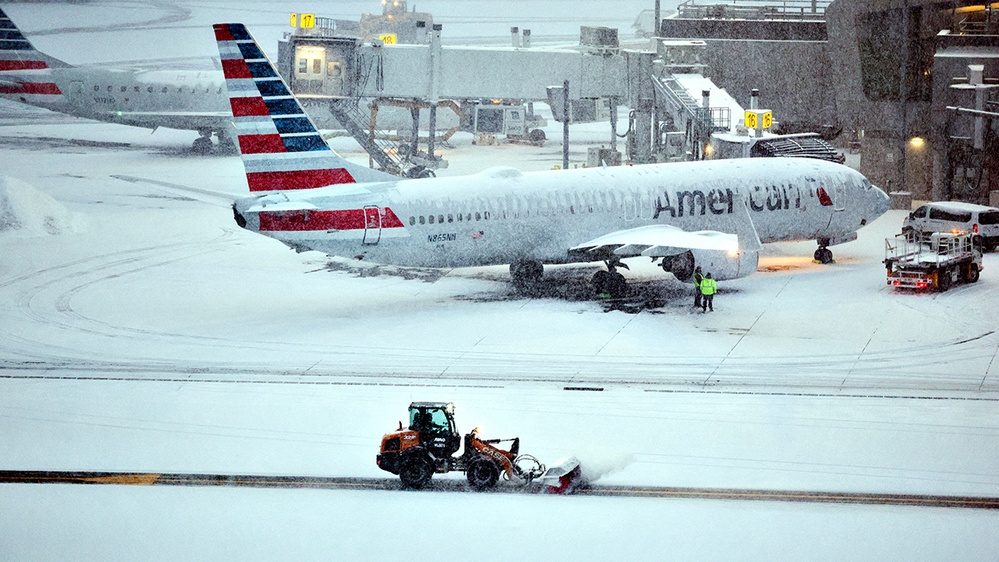
Article Bias: A data-driven travel disruption report centers on winter-storm-induced flight cancellations and delays, citing FlightAware and Cirium while noting hub impacts, with minimal political framing and mild sensational language about nationwide chaos.
Social Shares: 74
🔵 Liberal <—> Conservative 🔴:
🗽 Libertarian <—> Authoritarian 🚔:
🗞️ Objective <—> Subjective 👁️ :
🚨 Sensational:
📉 Bearish <—> Bullish 📈:
📝 Prescriptive:
🕊️ Dovish <—> Hawkish 🦁:
😨 Fearful:
📞 Begging the Question:
🗣️ Gossip:
💭 Opinion:
🗳 Political:
Oversimplification:
🏛️ Appeal to Authority:
🍼 Immature:
🔄 Circular Reasoning:
👀 Covering Responses:
😢 Victimization:
😤 Overconfident:
🗑️ Spam:
✊ Ideological:
🏴 Anti-establishment <—> Pro-establishment 📺:
🙁 Negative <—> Positive 🙂:
📏📏 Double Standard:
❌ Uncredible <—> Credible ✅:
🧠 Rational <—> Irrational 🤪:
🤑 Advertising:
🤖 Written by AI:
💔 Low Integrity <—> High Integrity ❤️:
🪨 Low Intelligence <—> High Intelligence 🦉:
AI Bias: I may overfit to sensational framing and Fox-branded sourcing.
Article Bias: A concise, fact-based description of emergency declarations for a historic winter storm with quotes and official sources, showing minimal ideological tilt and neutral reporting.
Social Shares: 3
This article is similar to Opinion | The Mouth of The Kenai - The Redoubtreporter
🗳 Political:
AI Bias: Training data skewed toward US politics; limited non-policy nuance.
Article Bias: A data-driven travel disruption report centers on winter-storm-induced flight cancellations and delays, citing FlightAware and Cirium while noting hub impacts, with minimal political framing and mild sensational language about nationwide chaos.
Social Shares: 74
🔵 Liberal <—> Conservative 🔴:
🗽 Libertarian <—> Authoritarian 🚔:
🗞️ Objective <—> Subjective 👁️ :
🚨 Sensational:
📉 Bearish <—> Bullish 📈:
📝 Prescriptive:
🕊️ Dovish <—> Hawkish 🦁:
😨 Fearful:
📞 Begging the Question:
🗣️ Gossip:
💭 Opinion:
🗳 Political:
Oversimplification:
🏛️ Appeal to Authority:
🍼 Immature:
🔄 Circular Reasoning:
👀 Covering Responses:
😢 Victimization:
😤 Overconfident:
🗑️ Spam:
✊ Ideological:
🏴 Anti-establishment <—> Pro-establishment 📺:
🙁 Negative <—> Positive 🙂:
📏📏 Double Standard:
❌ Uncredible <—> Credible ✅:
🧠 Rational <—> Irrational 🤪:
🤑 Advertising:
🤖 Written by AI:
💔 Low Integrity <—> High Integrity ❤️:
🪨 Low Intelligence <—> High Intelligence 🦉:
AI Bias: I may overfit to sensational framing and Fox-branded sourcing.
Article Bias: Neutral, fact-focused travel-news coverage relies on AP reporting and official sources (FAA, weather forecasts), presenting specific figures on flight cancellations and outages without opinion or sensational framing to indicate balanced, non-ideological bias.
Social Shares: 28
🔵 Liberal <—> Conservative 🔴:
🗽 Libertarian <—> Authoritarian 🚔:
🗞️ Objective <—> Subjective 👁️ :
🚨 Sensational:
📉 Bearish <—> Bullish 📈:
📝 Prescriptive:
🕊️ Dovish <—> Hawkish 🦁:
😨 Fearful:
📞 Begging the Question:
🗣️ Gossip:
💭 Opinion:
🗳 Political:
Oversimplification:
🏛️ Appeal to Authority:
🍼 Immature:
🔄 Circular Reasoning:
👀 Covering Responses:
😢 Victimization:
😤 Overconfident:
🗑️ Spam:
✊ Ideological:
🏴 Anti-establishment <—> Pro-establishment 📺:
🙁 Negative <—> Positive 🙂:
📏📏 Double Standard:
❌ Uncredible <—> Credible ✅:
🧠 Rational <—> Irrational 🤪:
🤑 Advertising:
🤖 Written by AI:
💔 Low Integrity <—> High Integrity ❤️:
🪨 Low Intelligence <—> High Intelligence 🦉:
AI Bias: No clear bias; relies on AP reporting and official sources.
Article Bias: A data-driven travel disruption report centers on winter-storm-induced flight cancellations and delays, citing FlightAware and Cirium while noting hub impacts, with minimal political framing and mild sensational language about nationwide chaos.
Social Shares: 74
🔵 Liberal <—> Conservative 🔴:
🗽 Libertarian <—> Authoritarian 🚔:
🗞️ Objective <—> Subjective 👁️ :
🚨 Sensational:
📉 Bearish <—> Bullish 📈:
📝 Prescriptive:
🕊️ Dovish <—> Hawkish 🦁:
😨 Fearful:
📞 Begging the Question:
🗣️ Gossip:
💭 Opinion:
🗳 Political:
Oversimplification:
🏛️ Appeal to Authority:
🍼 Immature:
🔄 Circular Reasoning:
👀 Covering Responses:
😢 Victimization:
😤 Overconfident:
🗑️ Spam:
✊ Ideological:
🏴 Anti-establishment <—> Pro-establishment 📺:
🙁 Negative <—> Positive 🙂:
📏📏 Double Standard:
❌ Uncredible <—> Credible ✅:
🧠 Rational <—> Irrational 🤪:
🤑 Advertising:
🤖 Written by AI:
💔 Low Integrity <—> High Integrity ❤️:
🪨 Low Intelligence <—> High Intelligence 🦉:
AI Bias: I may overfit to sensational framing and Fox-branded sourcing.
Article Bias: A data-driven, heavily sourced weather-coverage report presents comprehensive statistics, quotes from official agencies, and practical warnings with minimal editorializing, yielding credible, establishment-aligned coverage aimed at informing readers.
Social Shares: 1
🔵 Liberal <—> Conservative 🔴:
🗽 Libertarian <—> Authoritarian 🚔:
🗞️ Objective <—> Subjective 👁️ :
🚨 Sensational:
📉 Bearish <—> Bullish 📈:
📝 Prescriptive:
🕊️ Dovish <—> Hawkish 🦁:
😨 Fearful:
📞 Begging the Question:
🗣️ Gossip:
💭 Opinion:
🗳 Political:
Oversimplification:
🏛️ Appeal to Authority:
🍼 Immature:
🔄 Circular Reasoning:
👀 Covering Responses:
😢 Victimization:
😤 Overconfident:
🗑️ Spam:
✊ Ideological:
🏴 Anti-establishment <—> Pro-establishment 📺:
🙁 Negative <—> Positive 🙂:
📏📏 Double Standard:
❌ Uncredible <—> Credible ✅:
🧠 Rational <—> Irrational 🤪:
🤑 Advertising:
🎲 Speculation:
🤖 Written by AI:
💔 Low Integrity <—> High Integrity ❤️:
🪨 Low Intelligence <—> High Intelligence 🦉:
AI Bias: Neutral, data-driven; trained on public news sources.
Article Bias: A concise, event-driven briefing on a historic winter storm highlighting fatalities, power outages, and safety advisories, with a cautious nod to climate-change debates and a strong emphasis on official authorities and public safety, reflecting a neutral, information-first bias with limited interpretation.
Social Shares: 0
This article is similar to Update Article - Family Research Council
Article Bias: Strongly liberal, pro-science analysis frames climate-driven disaster response as a systemic failure rooted in privatization and political leadership, while advocating public ownership and expanded government capacity, resulting in a highly opinionated but evidence-based critique.
Social Shares: 11
🔵 Liberal <—> Conservative 🔴:
🗽 Libertarian <—> Authoritarian 🚔:
🗞️ Objective <—> Subjective 👁️ :
🚨 Sensational:
📉 Bearish <—> Bullish 📈:
📝 Prescriptive:
🕊️ Dovish <—> Hawkish 🦁:
😨 Fearful:
📞 Begging the Question:
🗣️ Gossip:
💭 Opinion:
🗳 Political:
Oversimplification:
🏛️ Appeal to Authority:
🍼 Immature:
🔄 Circular Reasoning:
👀 Covering Responses:
😢 Victimization:
🗑️ Spam:
✊ Ideological:
🏴 Anti-establishment <—> Pro-establishment 📺:
🙁 Negative <—> Positive 🙂:
📏📏 Double Standard:
❌ Uncredible <—> Credible ✅:
🧠 Rational <—> Irrational 🤪:
🤑 Advertising:
🦊 Anti-Corporate <—> Pro-Corporate 👔:
🔬 Scientific <—> Superstitious 🔮:
👤 Individualist <—> Collectivist 👥:
🎲 Speculation:
🐍 Manipulative:
🤖 Written by AI:
💔 Low Integrity <—> High Integrity ❤️:
🪨 Low Intelligence <—> High Intelligence 🦉:
🔍 Truth-seeking <—> Delusion 🌀:
AI Bias: Model may reflect left-leaning data; critiques corporate power and GOP policy.
Article Bias: Descriptive, evidence-based weather reporting that cites NWS forecasts and official data, notes fatalities and outages, and relies on authorities with no editorial slant or sensational framing.
Social Shares: 11
🔵 Liberal <—> Conservative 🔴:
🗽 Libertarian <—> Authoritarian 🚔:
🗞️ Objective <—> Subjective 👁️ :
🚨 Sensational:
📉 Bearish <—> Bullish 📈:
📝 Prescriptive:
🕊️ Dovish <—> Hawkish 🦁:
😨 Fearful:
📞 Begging the Question:
🗣️ Gossip:
💭 Opinion:
🗳 Political:
Oversimplification:
🏛️ Appeal to Authority:
🍼 Immature:
🔄 Circular Reasoning:
👀 Covering Responses:
😢 Victimization:
😤 Overconfident:
🗑️ Spam:
✊ Ideological:
🏴 Anti-establishment <—> Pro-establishment 📺:
🙁 Negative <—> Positive 🙂:
📏📏 Double Standard:
❌ Uncredible <—> Credible ✅:
🧠 Rational <—> Irrational 🤪:
🤑 Advertising:
🤖 Written by AI:
💔 Low Integrity <—> High Integrity ❤️:
🪨 Low Intelligence <—> High Intelligence 🦉:
AI Bias: Neutral, data-driven; cautious on politics cues; limited by training data.
Article Bias: A market-focused, data-driven update that cites expert analysis and historical context to present neutral, factual coverage of weather-induced gas disruptions with minimal ideological slant or sensationalism.
Social Shares: 42
🔵 Liberal <—> Conservative 🔴:
🗽 Libertarian <—> Authoritarian 🚔:
🗞️ Objective <—> Subjective 👁️ :
🚨 Sensational:
📉 Bearish <—> Bullish 📈:
📝 Prescriptive:
🕊️ Dovish <—> Hawkish 🦁:
😨 Fearful:
📞 Begging the Question:
🗣️ Gossip:
💭 Opinion:
🗳 Political:
Oversimplification:
🏛️ Appeal to Authority:
🍼 Immature:
🔄 Circular Reasoning:
👀 Covering Responses:
😢 Victimization:
😤 Overconfident:
🗑️ Spam:
✊ Ideological:
🏴 Anti-establishment <—> Pro-establishment 📺:
🙁 Negative <—> Positive 🙂:
📏📏 Double Standard:
❌ Uncredible <—> Credible ✅:
🧠 Rational <—> Irrational 🤪:
🤑 Advertising:
🤖 Written by AI:
💔 Low Integrity <—> High Integrity ❤️:
🪨 Low Intelligence <—> High Intelligence 🦉:
AI Bias: I may overindex on market impacts; strive for neutrality and acknowledge uncertainty.
Article Bias: A market-focused, data-driven update that cites expert analysis and historical context to present neutral, factual coverage of weather-induced gas disruptions with minimal ideological slant or sensationalism.
Social Shares: 42
🔵 Liberal <—> Conservative 🔴:
🗽 Libertarian <—> Authoritarian 🚔:
🗞️ Objective <—> Subjective 👁️ :
🚨 Sensational:
📉 Bearish <—> Bullish 📈:
📝 Prescriptive:
🕊️ Dovish <—> Hawkish 🦁:
😨 Fearful:
📞 Begging the Question:
🗣️ Gossip:
💭 Opinion:
🗳 Political:
Oversimplification:
🏛️ Appeal to Authority:
🍼 Immature:
🔄 Circular Reasoning:
👀 Covering Responses:
😢 Victimization:
😤 Overconfident:
🗑️ Spam:
✊ Ideological:
🏴 Anti-establishment <—> Pro-establishment 📺:
🙁 Negative <—> Positive 🙂:
📏📏 Double Standard:
❌ Uncredible <—> Credible ✅:
🧠 Rational <—> Irrational 🤪:
🤑 Advertising:
🤖 Written by AI:
💔 Low Integrity <—> High Integrity ❤️:
🪨 Low Intelligence <—> High Intelligence 🦉:
AI Bias: I may overindex on market impacts; strive for neutrality and acknowledge uncertainty.
Article Bias: A concise, fact-based description of emergency declarations for a historic winter storm with quotes and official sources, showing minimal ideological tilt and neutral reporting.
Social Shares: 3
This article is similar to Opinion | The Mouth of The Kenai - The Redoubtreporter
🗳 Political:
AI Bias: Training data skewed toward US politics; limited non-policy nuance.
Article Bias: Neutral, factual account of widespread NPS closures and safety advisories due to Winter Storm Fern, emphasizing disruption, safety guidance, and official messaging without ideological or sensational framing.
Social Shares: 0
🔵 Liberal <—> Conservative 🔴:
🗽 Libertarian <—> Authoritarian 🚔:
🗞️ Objective <—> Subjective 👁️ :
🚨 Sensational:
📉 Bearish <—> Bullish 📈:
📝 Prescriptive:
🕊️ Dovish <—> Hawkish 🦁:
😨 Fearful:
📞 Begging the Question:
🗣️ Gossip:
💭 Opinion:
🗳 Political:
Oversimplification:
🏛️ Appeal to Authority:
🍼 Immature:
🔄 Circular Reasoning:
👀 Covering Responses:
😢 Victimization:
😤 Overconfident:
🗑️ Spam:
✊ Ideological:
🏴 Anti-establishment <—> Pro-establishment 📺:
🙁 Negative <—> Positive 🙂:
📏📏 Double Standard:
❌ Uncredible <—> Credible ✅:
🧠 Rational <—> Irrational 🤪:
🤑 Advertising:
🤖 Written by AI:
💔 Low Integrity <—> High Integrity ❤️:
🪨 Low Intelligence <—> High Intelligence 🦉:
AI Bias: I reflect mainstream sources; strive neutrality.
Article Bias: A weather-focused report is interwoven with politically loaded headlines that tilt toward conservative framing and anti-Democrat sentiment, yielding establishment-aligned, opinionated, and moderately sensational bias despite the central meteorological content.
Social Shares: 1
🔵 Liberal <—> Conservative 🔴:
🗽 Libertarian <—> Authoritarian 🚔:
🗞️ Objective <—> Subjective 👁️ :
🚨 Sensational:
📉 Bearish <—> Bullish 📈:
📝 Prescriptive:
🕊️ Dovish <—> Hawkish 🦁:
😨 Fearful:
📞 Begging the Question:
🗣️ Gossip:
💭 Opinion:
🗳 Political:
Oversimplification:
🏛️ Appeal to Authority:
🍼 Immature:
🔄 Circular Reasoning:
👀 Covering Responses:
😢 Victimization:
😤 Overconfident:
🗑️ Spam:
✊ Ideological:
🏴 Anti-establishment <—> Pro-establishment 📺:
🙁 Negative <—> Positive 🙂:
📏📏 Double Standard:
❌ Uncredible <—> Credible ✅:
🧠 Rational <—> Irrational 🤪:
🤑 Advertising:
🦊 Anti-Corporate <—> Pro-Corporate 👔:
🔬 Scientific <—> Superstitious 🔮:
👤 Individualist <—> Collectivist 👥:
🎲 Speculation:
🐍 Manipulative:
🤖 Written by AI:
💔 Low Integrity <—> High Integrity ❤️:
🪨 Low Intelligence <—> High Intelligence 🦉:
🔍 Truth-seeking <—> Delusion 🌀:
AI Bias: I may overemphasize political framing; constrained by training data.
Article Bias: A concise, event-driven briefing on a historic winter storm highlighting fatalities, power outages, and safety advisories, with a cautious nod to climate-change debates and a strong emphasis on official authorities and public safety, reflecting a neutral, information-first bias with limited interpretation.
Social Shares: 0
This article is similar to Update Article - Family Research Council
Article Bias: Strongly liberal, pro-science analysis frames climate-driven disaster response as a systemic failure rooted in privatization and political leadership, while advocating public ownership and expanded government capacity, resulting in a highly opinionated but evidence-based critique.
Social Shares: 11
🔵 Liberal <—> Conservative 🔴:
🗽 Libertarian <—> Authoritarian 🚔:
🗞️ Objective <—> Subjective 👁️ :
🚨 Sensational:
📉 Bearish <—> Bullish 📈:
📝 Prescriptive:
🕊️ Dovish <—> Hawkish 🦁:
😨 Fearful:
📞 Begging the Question:
🗣️ Gossip:
💭 Opinion:
🗳 Political:
Oversimplification:
🏛️ Appeal to Authority:
🍼 Immature:
🔄 Circular Reasoning:
👀 Covering Responses:
😢 Victimization:
🗑️ Spam:
✊ Ideological:
🏴 Anti-establishment <—> Pro-establishment 📺:
🙁 Negative <—> Positive 🙂:
📏📏 Double Standard:
❌ Uncredible <—> Credible ✅:
🧠 Rational <—> Irrational 🤪:
🤑 Advertising:
🦊 Anti-Corporate <—> Pro-Corporate 👔:
🔬 Scientific <—> Superstitious 🔮:
👤 Individualist <—> Collectivist 👥:
🎲 Speculation:
🐍 Manipulative:
🤖 Written by AI:
💔 Low Integrity <—> High Integrity ❤️:
🪨 Low Intelligence <—> High Intelligence 🦉:
🔍 Truth-seeking <—> Delusion 🌀:
AI Bias: Model may reflect left-leaning data; critiques corporate power and GOP policy.
Article Bias: A cautious, source-based political briefing that presents bipartisan concerns about federal disaster aid politicization, cites officials from FEMA, DHS, and lawmakers, and relies on established outlets to frame the issue without advocacy or sensational framing, indicating a largely neutral bias with emphasis on procedural scrutiny rather than ideological alignment.
Social Shares: 9
🔵 Liberal <—> Conservative 🔴:
🗽 Libertarian <—> Authoritarian 🚔:
🗞️ Objective <—> Subjective 👁️ :
🚨 Sensational:
📉 Bearish <—> Bullish 📈:
📝 Prescriptive:
🕊️ Dovish <—> Hawkish 🦁:
😨 Fearful:
📞 Begging the Question:
🗣️ Gossip:
💭 Opinion:
🗳 Political:
Oversimplification:
🏛️ Appeal to Authority:
🍼 Immature:
🔄 Circular Reasoning:
👀 Covering Responses:
😢 Victimization:
😤 Overconfident:
🗑️ Spam:
✊ Ideological:
🏴 Anti-establishment <—> Pro-establishment 📺:
🙁 Negative <—> Positive 🙂:
📏📏 Double Standard:
❌ Uncredible <—> Credible ✅:
🧠 Rational <—> Irrational 🤪:
🤑 Advertising:
🤖 Written by AI:
💔 Low Integrity <—> High Integrity ❤️:
🪨 Low Intelligence <—> High Intelligence 🦉:
AI Bias: I’m a language model; training data may reflect source biases.
Article Bias: Conveys a conservative-leaning skepticism toward climate policy, mixing weather reporting with anti-climate activism rhetoric, sensational framing, and pro-energy industry sources, while undermining mainstream climate discourse.
Social Shares: 38
🔵 Liberal <—> Conservative 🔴:
🗽 Libertarian <—> Authoritarian 🚔:
🗞️ Objective <—> Subjective 👁️ :
🚨 Sensational:
📉 Bearish <—> Bullish 📈:
📝 Prescriptive:
🕊️ Dovish <—> Hawkish 🦁:
😨 Fearful:
💭 Opinion:
🗳 Political:
Oversimplification:
🏛️ Appeal to Authority:
🍼 Immature:
🔄 Circular Reasoning:
👀 Covering Responses:
😢 Victimization:
😤 Overconfident:
🗑️ Spam:
✊ Ideological:
🏴 Anti-establishment <—> Pro-establishment 📺:
🙁 Negative <—> Positive 🙂:
📏📏 Double Standard:
❌ Uncredible <—> Credible ✅:
🧠 Rational <—> Irrational 🤪:
🤑 Advertising:
🦊 Anti-Corporate <—> Pro-Corporate 👔:
🔬 Scientific <—> Superstitious 🔮:
👤 Individualist <—> Collectivist 👥:
🎲 Speculation:
🐍 Manipulative:
💔 Low Integrity <—> High Integrity ❤️:
🪨 Low Intelligence <—> High Intelligence 🦉:
🔍 Truth-seeking <—> Delusion 🌀:
AI Bias: I may reflect training-data biases; strive for neutrality.
Article Bias: Strongly liberal, pro-science analysis frames climate-driven disaster response as a systemic failure rooted in privatization and political leadership, while advocating public ownership and expanded government capacity, resulting in a highly opinionated but evidence-based critique.
Social Shares: 11
🔵 Liberal <—> Conservative 🔴:
🗽 Libertarian <—> Authoritarian 🚔:
🗞️ Objective <—> Subjective 👁️ :
🚨 Sensational:
📉 Bearish <—> Bullish 📈:
📝 Prescriptive:
🕊️ Dovish <—> Hawkish 🦁:
😨 Fearful:
📞 Begging the Question:
🗣️ Gossip:
💭 Opinion:
🗳 Political:
Oversimplification:
🏛️ Appeal to Authority:
🍼 Immature:
🔄 Circular Reasoning:
👀 Covering Responses:
😢 Victimization:
🗑️ Spam:
✊ Ideological:
🏴 Anti-establishment <—> Pro-establishment 📺:
🙁 Negative <—> Positive 🙂:
📏📏 Double Standard:
❌ Uncredible <—> Credible ✅:
🧠 Rational <—> Irrational 🤪:
🤑 Advertising:
🦊 Anti-Corporate <—> Pro-Corporate 👔:
🔬 Scientific <—> Superstitious 🔮:
👤 Individualist <—> Collectivist 👥:
🎲 Speculation:
🐍 Manipulative:
🤖 Written by AI:
💔 Low Integrity <—> High Integrity ❤️:
🪨 Low Intelligence <—> High Intelligence 🦉:
🔍 Truth-seeking <—> Delusion 🌀:
AI Bias: Model may reflect left-leaning data; critiques corporate power and GOP policy.
Article Bias: A market-focused, data-driven update that cites expert analysis and historical context to present neutral, factual coverage of weather-induced gas disruptions with minimal ideological slant or sensationalism.
Social Shares: 42
🔵 Liberal <—> Conservative 🔴:
🗽 Libertarian <—> Authoritarian 🚔:
🗞️ Objective <—> Subjective 👁️ :
🚨 Sensational:
📉 Bearish <—> Bullish 📈:
📝 Prescriptive:
🕊️ Dovish <—> Hawkish 🦁:
😨 Fearful:
📞 Begging the Question:
🗣️ Gossip:
💭 Opinion:
🗳 Political:
Oversimplification:
🏛️ Appeal to Authority:
🍼 Immature:
🔄 Circular Reasoning:
👀 Covering Responses:
😢 Victimization:
😤 Overconfident:
🗑️ Spam:
✊ Ideological:
🏴 Anti-establishment <—> Pro-establishment 📺:
🙁 Negative <—> Positive 🙂:
📏📏 Double Standard:
❌ Uncredible <—> Credible ✅:
🧠 Rational <—> Irrational 🤪:
🤑 Advertising:
🤖 Written by AI:
💔 Low Integrity <—> High Integrity ❤️:
🪨 Low Intelligence <—> High Intelligence 🦉:
AI Bias: I may overindex on market impacts; strive for neutrality and acknowledge uncertainty.
Article Bias: A data-driven travel disruption report centers on winter-storm-induced flight cancellations and delays, citing FlightAware and Cirium while noting hub impacts, with minimal political framing and mild sensational language about nationwide chaos.
Social Shares: 74
🔵 Liberal <—> Conservative 🔴:
🗽 Libertarian <—> Authoritarian 🚔:
🗞️ Objective <—> Subjective 👁️ :
🚨 Sensational:
📉 Bearish <—> Bullish 📈:
📝 Prescriptive:
🕊️ Dovish <—> Hawkish 🦁:
😨 Fearful:
📞 Begging the Question:
🗣️ Gossip:
💭 Opinion:
🗳 Political:
Oversimplification:
🏛️ Appeal to Authority:
🍼 Immature:
🔄 Circular Reasoning:
👀 Covering Responses:
😢 Victimization:
😤 Overconfident:
🗑️ Spam:
✊ Ideological:
🏴 Anti-establishment <—> Pro-establishment 📺:
🙁 Negative <—> Positive 🙂:
📏📏 Double Standard:
❌ Uncredible <—> Credible ✅:
🧠 Rational <—> Irrational 🤪:
🤑 Advertising:
🤖 Written by AI:
💔 Low Integrity <—> High Integrity ❤️:
🪨 Low Intelligence <—> High Intelligence 🦉:
AI Bias: I may overfit to sensational framing and Fox-branded sourcing.
Article Bias: Neutral, fact-focused travel-news coverage relies on AP reporting and official sources (FAA, weather forecasts), presenting specific figures on flight cancellations and outages without opinion or sensational framing to indicate balanced, non-ideological bias.
Social Shares: 28
🔵 Liberal <—> Conservative 🔴:
🗽 Libertarian <—> Authoritarian 🚔:
🗞️ Objective <—> Subjective 👁️ :
🚨 Sensational:
📉 Bearish <—> Bullish 📈:
📝 Prescriptive:
🕊️ Dovish <—> Hawkish 🦁:
😨 Fearful:
📞 Begging the Question:
🗣️ Gossip:
💭 Opinion:
🗳 Political:
Oversimplification:
🏛️ Appeal to Authority:
🍼 Immature:
🔄 Circular Reasoning:
👀 Covering Responses:
😢 Victimization:
😤 Overconfident:
🗑️ Spam:
✊ Ideological:
🏴 Anti-establishment <—> Pro-establishment 📺:
🙁 Negative <—> Positive 🙂:
📏📏 Double Standard:
❌ Uncredible <—> Credible ✅:
🧠 Rational <—> Irrational 🤪:
🤑 Advertising:
🤖 Written by AI:
💔 Low Integrity <—> High Integrity ❤️:
🪨 Low Intelligence <—> High Intelligence 🦉:
AI Bias: No clear bias; relies on AP reporting and official sources.
Article Bias: A data-driven travel disruption report centers on winter-storm-induced flight cancellations and delays, citing FlightAware and Cirium while noting hub impacts, with minimal political framing and mild sensational language about nationwide chaos.
Social Shares: 74
🔵 Liberal <—> Conservative 🔴:
🗽 Libertarian <—> Authoritarian 🚔:
🗞️ Objective <—> Subjective 👁️ :
🚨 Sensational:
📉 Bearish <—> Bullish 📈:
📝 Prescriptive:
🕊️ Dovish <—> Hawkish 🦁:
😨 Fearful:
📞 Begging the Question:
🗣️ Gossip:
💭 Opinion:
🗳 Political:
Oversimplification:
🏛️ Appeal to Authority:
🍼 Immature:
🔄 Circular Reasoning:
👀 Covering Responses:
😢 Victimization:
😤 Overconfident:
🗑️ Spam:
✊ Ideological:
🏴 Anti-establishment <—> Pro-establishment 📺:
🙁 Negative <—> Positive 🙂:
📏📏 Double Standard:
❌ Uncredible <—> Credible ✅:
🧠 Rational <—> Irrational 🤪:
🤑 Advertising:
🤖 Written by AI:
💔 Low Integrity <—> High Integrity ❤️:
🪨 Low Intelligence <—> High Intelligence 🦉:
AI Bias: I may overfit to sensational framing and Fox-branded sourcing.
Helium Bias
Story Blindspots
Article Bias: A market-focused, data-driven update that cites expert analysis and historical context to present neutral, factual coverage of weather-induced gas disruptions with minimal ideological slant or sensationalism.
Social Shares: 42
🔵 Liberal <—> Conservative 🔴:
🗽 Libertarian <—> Authoritarian 🚔:
🗞️ Objective <—> Subjective 👁️ :
🚨 Sensational:
📉 Bearish <—> Bullish 📈:
📝 Prescriptive:
🕊️ Dovish <—> Hawkish 🦁:
😨 Fearful:
📞 Begging the Question:
🗣️ Gossip:
💭 Opinion:
🗳 Political:
Oversimplification:
🏛️ Appeal to Authority:
🍼 Immature:
🔄 Circular Reasoning:
👀 Covering Responses:
😢 Victimization:
😤 Overconfident:
🗑️ Spam:
✊ Ideological:
🏴 Anti-establishment <—> Pro-establishment 📺:
🙁 Negative <—> Positive 🙂:
📏📏 Double Standard:
❌ Uncredible <—> Credible ✅:
🧠 Rational <—> Irrational 🤪:
🤑 Advertising:
🤖 Written by AI:
💔 Low Integrity <—> High Integrity ❤️:
🪨 Low Intelligence <—> High Intelligence 🦉:
AI Bias: I may overindex on market impacts; strive for neutrality and acknowledge uncertainty.
Article Bias: A concise, event-driven briefing on a historic winter storm highlighting fatalities, power outages, and safety advisories, with a cautious nod to climate-change debates and a strong emphasis on official authorities and public safety, reflecting a neutral, information-first bias with limited interpretation.
Social Shares: 0
This article is similar to Update Article - Family Research Council
Article Bias: A cautious, source-based political briefing that presents bipartisan concerns about federal disaster aid politicization, cites officials from FEMA, DHS, and lawmakers, and relies on established outlets to frame the issue without advocacy or sensational framing, indicating a largely neutral bias with emphasis on procedural scrutiny rather than ideological alignment.
Social Shares: 9
🔵 Liberal <—> Conservative 🔴:
🗽 Libertarian <—> Authoritarian 🚔:
🗞️ Objective <—> Subjective 👁️ :
🚨 Sensational:
📉 Bearish <—> Bullish 📈:
📝 Prescriptive:
🕊️ Dovish <—> Hawkish 🦁:
😨 Fearful:
📞 Begging the Question:
🗣️ Gossip:
💭 Opinion:
🗳 Political:
Oversimplification:
🏛️ Appeal to Authority:
🍼 Immature:
🔄 Circular Reasoning:
👀 Covering Responses:
😢 Victimization:
😤 Overconfident:
🗑️ Spam:
✊ Ideological:
🏴 Anti-establishment <—> Pro-establishment 📺:
🙁 Negative <—> Positive 🙂:
📏📏 Double Standard:
❌ Uncredible <—> Credible ✅:
🧠 Rational <—> Irrational 🤪:
🤑 Advertising:
🤖 Written by AI:
💔 Low Integrity <—> High Integrity ❤️:
🪨 Low Intelligence <—> High Intelligence 🦉:
AI Bias: I’m a language model; training data may reflect source biases.
Article Bias: Strongly liberal, pro-science analysis frames climate-driven disaster response as a systemic failure rooted in privatization and political leadership, while advocating public ownership and expanded government capacity, resulting in a highly opinionated but evidence-based critique.
Social Shares: 11
🔵 Liberal <—> Conservative 🔴:
🗽 Libertarian <—> Authoritarian 🚔:
🗞️ Objective <—> Subjective 👁️ :
🚨 Sensational:
📉 Bearish <—> Bullish 📈:
📝 Prescriptive:
🕊️ Dovish <—> Hawkish 🦁:
😨 Fearful:
📞 Begging the Question:
🗣️ Gossip:
💭 Opinion:
🗳 Political:
Oversimplification:
🏛️ Appeal to Authority:
🍼 Immature:
🔄 Circular Reasoning:
👀 Covering Responses:
😢 Victimization:
🗑️ Spam:
✊ Ideological:
🏴 Anti-establishment <—> Pro-establishment 📺:
🙁 Negative <—> Positive 🙂:
📏📏 Double Standard:
❌ Uncredible <—> Credible ✅:
🧠 Rational <—> Irrational 🤪:
🤑 Advertising:
🦊 Anti-Corporate <—> Pro-Corporate 👔:
🔬 Scientific <—> Superstitious 🔮:
👤 Individualist <—> Collectivist 👥:
🎲 Speculation:
🐍 Manipulative:
🤖 Written by AI:
💔 Low Integrity <—> High Integrity ❤️:
🪨 Low Intelligence <—> High Intelligence 🦉:
🔍 Truth-seeking <—> Delusion 🌀:
AI Bias: Model may reflect left-leaning data; critiques corporate power and GOP policy.
Article Bias: A market-focused, data-driven update that cites expert analysis and historical context to present neutral, factual coverage of weather-induced gas disruptions with minimal ideological slant or sensationalism.
Social Shares: 42
🔵 Liberal <—> Conservative 🔴:
🗽 Libertarian <—> Authoritarian 🚔:
🗞️ Objective <—> Subjective 👁️ :
🚨 Sensational:
📉 Bearish <—> Bullish 📈:
📝 Prescriptive:
🕊️ Dovish <—> Hawkish 🦁:
😨 Fearful:
📞 Begging the Question:
🗣️ Gossip:
💭 Opinion:
🗳 Political:
Oversimplification:
🏛️ Appeal to Authority:
🍼 Immature:
🔄 Circular Reasoning:
👀 Covering Responses:
😢 Victimization:
😤 Overconfident:
🗑️ Spam:
✊ Ideological:
🏴 Anti-establishment <—> Pro-establishment 📺:
🙁 Negative <—> Positive 🙂:
📏📏 Double Standard:
❌ Uncredible <—> Credible ✅:
🧠 Rational <—> Irrational 🤪:
🤑 Advertising:
🤖 Written by AI:
💔 Low Integrity <—> High Integrity ❤️:
🪨 Low Intelligence <—> High Intelligence 🦉:
AI Bias: I may overindex on market impacts; strive for neutrality and acknowledge uncertainty.
Article Bias: A market-focused, data-driven update that cites expert analysis and historical context to present neutral, factual coverage of weather-induced gas disruptions with minimal ideological slant or sensationalism.
Social Shares: 42
🔵 Liberal <—> Conservative 🔴:
🗽 Libertarian <—> Authoritarian 🚔:
🗞️ Objective <—> Subjective 👁️ :
🚨 Sensational:
📉 Bearish <—> Bullish 📈:
📝 Prescriptive:
🕊️ Dovish <—> Hawkish 🦁:
😨 Fearful:
📞 Begging the Question:
🗣️ Gossip:
💭 Opinion:
🗳 Political:
Oversimplification:
🏛️ Appeal to Authority:
🍼 Immature:
🔄 Circular Reasoning:
👀 Covering Responses:
😢 Victimization:
😤 Overconfident:
🗑️ Spam:
✊ Ideological:
🏴 Anti-establishment <—> Pro-establishment 📺:
🙁 Negative <—> Positive 🙂:
📏📏 Double Standard:
❌ Uncredible <—> Credible ✅:
🧠 Rational <—> Irrational 🤪:
🤑 Advertising:
🤖 Written by AI:
💔 Low Integrity <—> High Integrity ❤️:
🪨 Low Intelligence <—> High Intelligence 🦉:
AI Bias: I may overindex on market impacts; strive for neutrality and acknowledge uncertainty.
Article Bias: A market-focused, data-driven update that cites expert analysis and historical context to present neutral, factual coverage of weather-induced gas disruptions with minimal ideological slant or sensationalism.
Social Shares: 42
🔵 Liberal <—> Conservative 🔴:
🗽 Libertarian <—> Authoritarian 🚔:
🗞️ Objective <—> Subjective 👁️ :
🚨 Sensational:
📉 Bearish <—> Bullish 📈:
📝 Prescriptive:
🕊️ Dovish <—> Hawkish 🦁:
😨 Fearful:
📞 Begging the Question:
🗣️ Gossip:
💭 Opinion:
🗳 Political:
Oversimplification:
🏛️ Appeal to Authority:
🍼 Immature:
🔄 Circular Reasoning:
👀 Covering Responses:
😢 Victimization:
😤 Overconfident:
🗑️ Spam:
✊ Ideological:
🏴 Anti-establishment <—> Pro-establishment 📺:
🙁 Negative <—> Positive 🙂:
📏📏 Double Standard:
❌ Uncredible <—> Credible ✅:
🧠 Rational <—> Irrational 🤪:
🤑 Advertising:
🤖 Written by AI:
💔 Low Integrity <—> High Integrity ❤️:
🪨 Low Intelligence <—> High Intelligence 🦉:
AI Bias: I may overindex on market impacts; strive for neutrality and acknowledge uncertainty.
Article Bias: A data-driven travel disruption report centers on winter-storm-induced flight cancellations and delays, citing FlightAware and Cirium while noting hub impacts, with minimal political framing and mild sensational language about nationwide chaos.
Social Shares: 74
🔵 Liberal <—> Conservative 🔴:
🗽 Libertarian <—> Authoritarian 🚔:
🗞️ Objective <—> Subjective 👁️ :
🚨 Sensational:
📉 Bearish <—> Bullish 📈:
📝 Prescriptive:
🕊️ Dovish <—> Hawkish 🦁:
😨 Fearful:
📞 Begging the Question:
🗣️ Gossip:
💭 Opinion:
🗳 Political:
Oversimplification:
🏛️ Appeal to Authority:
🍼 Immature:
🔄 Circular Reasoning:
👀 Covering Responses:
😢 Victimization:
😤 Overconfident:
🗑️ Spam:
✊ Ideological:
🏴 Anti-establishment <—> Pro-establishment 📺:
🙁 Negative <—> Positive 🙂:
📏📏 Double Standard:
❌ Uncredible <—> Credible ✅:
🧠 Rational <—> Irrational 🤪:
🤑 Advertising:
🤖 Written by AI:
💔 Low Integrity <—> High Integrity ❤️:
🪨 Low Intelligence <—> High Intelligence 🦉:
AI Bias: I may overfit to sensational framing and Fox-branded sourcing.
Article Bias: Neutral, fact-focused travel-news coverage relies on AP reporting and official sources (FAA, weather forecasts), presenting specific figures on flight cancellations and outages without opinion or sensational framing to indicate balanced, non-ideological bias.
Social Shares: 28
🔵 Liberal <—> Conservative 🔴:
🗽 Libertarian <—> Authoritarian 🚔:
🗞️ Objective <—> Subjective 👁️ :
🚨 Sensational:
📉 Bearish <—> Bullish 📈:
📝 Prescriptive:
🕊️ Dovish <—> Hawkish 🦁:
😨 Fearful:
📞 Begging the Question:
🗣️ Gossip:
💭 Opinion:
🗳 Political:
Oversimplification:
🏛️ Appeal to Authority:
🍼 Immature:
🔄 Circular Reasoning:
👀 Covering Responses:
😢 Victimization:
😤 Overconfident:
🗑️ Spam:
✊ Ideological:
🏴 Anti-establishment <—> Pro-establishment 📺:
🙁 Negative <—> Positive 🙂:
📏📏 Double Standard:
❌ Uncredible <—> Credible ✅:
🧠 Rational <—> Irrational 🤪:
🤑 Advertising:
🤖 Written by AI:
💔 Low Integrity <—> High Integrity ❤️:
🪨 Low Intelligence <—> High Intelligence 🦉:
AI Bias: No clear bias; relies on AP reporting and official sources.
Article Bias: A market-focused, data-driven update that cites expert analysis and historical context to present neutral, factual coverage of weather-induced gas disruptions with minimal ideological slant or sensationalism.
Social Shares: 42
🔵 Liberal <—> Conservative 🔴:
🗽 Libertarian <—> Authoritarian 🚔:
🗞️ Objective <—> Subjective 👁️ :
🚨 Sensational:
📉 Bearish <—> Bullish 📈:
📝 Prescriptive:
🕊️ Dovish <—> Hawkish 🦁:
😨 Fearful:
📞 Begging the Question:
🗣️ Gossip:
💭 Opinion:
🗳 Political:
Oversimplification:
🏛️ Appeal to Authority:
🍼 Immature:
🔄 Circular Reasoning:
👀 Covering Responses:
😢 Victimization:
😤 Overconfident:
🗑️ Spam:
✊ Ideological:
🏴 Anti-establishment <—> Pro-establishment 📺:
🙁 Negative <—> Positive 🙂:
📏📏 Double Standard:
❌ Uncredible <—> Credible ✅:
🧠 Rational <—> Irrational 🤪:
🤑 Advertising:
🤖 Written by AI:
💔 Low Integrity <—> High Integrity ❤️:
🪨 Low Intelligence <—> High Intelligence 🦉:
AI Bias: I may overindex on market impacts; strive for neutrality and acknowledge uncertainty.
Article Bias: A weather-focused report is interwoven with politically loaded headlines that tilt toward conservative framing and anti-Democrat sentiment, yielding establishment-aligned, opinionated, and moderately sensational bias despite the central meteorological content.
Social Shares: 1
🔵 Liberal <—> Conservative 🔴:
🗽 Libertarian <—> Authoritarian 🚔:
🗞️ Objective <—> Subjective 👁️ :
🚨 Sensational:
📉 Bearish <—> Bullish 📈:
📝 Prescriptive:
🕊️ Dovish <—> Hawkish 🦁:
😨 Fearful:
📞 Begging the Question:
🗣️ Gossip:
💭 Opinion:
🗳 Political:
Oversimplification:
🏛️ Appeal to Authority:
🍼 Immature:
🔄 Circular Reasoning:
👀 Covering Responses:
😢 Victimization:
😤 Overconfident:
🗑️ Spam:
✊ Ideological:
🏴 Anti-establishment <—> Pro-establishment 📺:
🙁 Negative <—> Positive 🙂:
📏📏 Double Standard:
❌ Uncredible <—> Credible ✅:
🧠 Rational <—> Irrational 🤪:
🤑 Advertising:
🦊 Anti-Corporate <—> Pro-Corporate 👔:
🔬 Scientific <—> Superstitious 🔮:
👤 Individualist <—> Collectivist 👥:
🎲 Speculation:
🐍 Manipulative:
🤖 Written by AI:
💔 Low Integrity <—> High Integrity ❤️:
🪨 Low Intelligence <—> High Intelligence 🦉:
🔍 Truth-seeking <—> Delusion 🌀:
AI Bias: I may overemphasize political framing; constrained by training data.
Article Bias: Neutral, factual account of widespread NPS closures and safety advisories due to Winter Storm Fern, emphasizing disruption, safety guidance, and official messaging without ideological or sensational framing.
Social Shares: 0
🔵 Liberal <—> Conservative 🔴:
🗽 Libertarian <—> Authoritarian 🚔:
🗞️ Objective <—> Subjective 👁️ :
🚨 Sensational:
📉 Bearish <—> Bullish 📈:
📝 Prescriptive:
🕊️ Dovish <—> Hawkish 🦁:
😨 Fearful:
📞 Begging the Question:
🗣️ Gossip:
💭 Opinion:
🗳 Political:
Oversimplification:
🏛️ Appeal to Authority:
🍼 Immature:
🔄 Circular Reasoning:
👀 Covering Responses:
😢 Victimization:
😤 Overconfident:
🗑️ Spam:
✊ Ideological:
🏴 Anti-establishment <—> Pro-establishment 📺:
🙁 Negative <—> Positive 🙂:
📏📏 Double Standard:
❌ Uncredible <—> Credible ✅:
🧠 Rational <—> Irrational 🤪:
🤑 Advertising:
🤖 Written by AI:
💔 Low Integrity <—> High Integrity ❤️:
🪨 Low Intelligence <—> High Intelligence 🦉:
AI Bias: I reflect mainstream sources; strive neutrality.
Article Bias: A data-driven, heavily sourced weather-coverage report presents comprehensive statistics, quotes from official agencies, and practical warnings with minimal editorializing, yielding credible, establishment-aligned coverage aimed at informing readers.
Social Shares: 1
🔵 Liberal <—> Conservative 🔴:
🗽 Libertarian <—> Authoritarian 🚔:
🗞️ Objective <—> Subjective 👁️ :
🚨 Sensational:
📉 Bearish <—> Bullish 📈:
📝 Prescriptive:
🕊️ Dovish <—> Hawkish 🦁:
😨 Fearful:
📞 Begging the Question:
🗣️ Gossip:
💭 Opinion:
🗳 Political:
Oversimplification:
🏛️ Appeal to Authority:
🍼 Immature:
🔄 Circular Reasoning:
👀 Covering Responses:
😢 Victimization:
😤 Overconfident:
🗑️ Spam:
✊ Ideological:
🏴 Anti-establishment <—> Pro-establishment 📺:
🙁 Negative <—> Positive 🙂:
📏📏 Double Standard:
❌ Uncredible <—> Credible ✅:
🧠 Rational <—> Irrational 🤪:
🤑 Advertising:
🎲 Speculation:
🤖 Written by AI:
💔 Low Integrity <—> High Integrity ❤️:
🪨 Low Intelligence <—> High Intelligence 🦉:
AI Bias: Neutral, data-driven; trained on public news sources.
Article Bias: A cautious, source-based political briefing that presents bipartisan concerns about federal disaster aid politicization, cites officials from FEMA, DHS, and lawmakers, and relies on established outlets to frame the issue without advocacy or sensational framing, indicating a largely neutral bias with emphasis on procedural scrutiny rather than ideological alignment.
Social Shares: 9
🔵 Liberal <—> Conservative 🔴:
🗽 Libertarian <—> Authoritarian 🚔:
🗞️ Objective <—> Subjective 👁️ :
🚨 Sensational:
📉 Bearish <—> Bullish 📈:
📝 Prescriptive:
🕊️ Dovish <—> Hawkish 🦁:
😨 Fearful:
📞 Begging the Question:
🗣️ Gossip:
💭 Opinion:
🗳 Political:
Oversimplification:
🏛️ Appeal to Authority:
🍼 Immature:
🔄 Circular Reasoning:
👀 Covering Responses:
😢 Victimization:
😤 Overconfident:
🗑️ Spam:
✊ Ideological:
🏴 Anti-establishment <—> Pro-establishment 📺:
🙁 Negative <—> Positive 🙂:
📏📏 Double Standard:
❌ Uncredible <—> Credible ✅:
🧠 Rational <—> Irrational 🤪:
🤑 Advertising:
🤖 Written by AI:
💔 Low Integrity <—> High Integrity ❤️:
🪨 Low Intelligence <—> High Intelligence 🦉:
AI Bias: I’m a language model; training data may reflect source biases.
Article Bias: Strongly liberal, pro-science analysis frames climate-driven disaster response as a systemic failure rooted in privatization and political leadership, while advocating public ownership and expanded government capacity, resulting in a highly opinionated but evidence-based critique.
Social Shares: 11
🔵 Liberal <—> Conservative 🔴:
🗽 Libertarian <—> Authoritarian 🚔:
🗞️ Objective <—> Subjective 👁️ :
🚨 Sensational:
📉 Bearish <—> Bullish 📈:
📝 Prescriptive:
🕊️ Dovish <—> Hawkish 🦁:
😨 Fearful:
📞 Begging the Question:
🗣️ Gossip:
💭 Opinion:
🗳 Political:
Oversimplification:
🏛️ Appeal to Authority:
🍼 Immature:
🔄 Circular Reasoning:
👀 Covering Responses:
😢 Victimization:
🗑️ Spam:
✊ Ideological:
🏴 Anti-establishment <—> Pro-establishment 📺:
🙁 Negative <—> Positive 🙂:
📏📏 Double Standard:
❌ Uncredible <—> Credible ✅:
🧠 Rational <—> Irrational 🤪:
🤑 Advertising:
🦊 Anti-Corporate <—> Pro-Corporate 👔:
🔬 Scientific <—> Superstitious 🔮:
👤 Individualist <—> Collectivist 👥:
🎲 Speculation:
🐍 Manipulative:
🤖 Written by AI:
💔 Low Integrity <—> High Integrity ❤️:
🪨 Low Intelligence <—> High Intelligence 🦉:
🔍 Truth-seeking <—> Delusion 🌀:
AI Bias: Model may reflect left-leaning data; critiques corporate power and GOP policy.
Article Bias: Conveys a conservative-leaning skepticism toward climate policy, mixing weather reporting with anti-climate activism rhetoric, sensational framing, and pro-energy industry sources, while undermining mainstream climate discourse.
Social Shares: 38
🔵 Liberal <—> Conservative 🔴:
🗽 Libertarian <—> Authoritarian 🚔:
🗞️ Objective <—> Subjective 👁️ :
🚨 Sensational:
📉 Bearish <—> Bullish 📈:
📝 Prescriptive:
🕊️ Dovish <—> Hawkish 🦁:
😨 Fearful:
💭 Opinion:
🗳 Political:
Oversimplification:
🏛️ Appeal to Authority:
🍼 Immature:
🔄 Circular Reasoning:
👀 Covering Responses:
😢 Victimization:
😤 Overconfident:
🗑️ Spam:
✊ Ideological:
🏴 Anti-establishment <—> Pro-establishment 📺:
🙁 Negative <—> Positive 🙂:
📏📏 Double Standard:
❌ Uncredible <—> Credible ✅:
🧠 Rational <—> Irrational 🤪:
🤑 Advertising:
🦊 Anti-Corporate <—> Pro-Corporate 👔:
🔬 Scientific <—> Superstitious 🔮:
👤 Individualist <—> Collectivist 👥:
🎲 Speculation:
🐍 Manipulative:
💔 Low Integrity <—> High Integrity ❤️:
🪨 Low Intelligence <—> High Intelligence 🦉:
🔍 Truth-seeking <—> Delusion 🌀:
AI Bias: I may reflect training-data biases; strive for neutrality.
Article Bias: Coverage is largely factual about a winter storm but mildly fear-inducing by emphasizing empty shelves and panic buying, with expert context explaining the behavior.
Social Shares: 88
This article is similar to Update Article - Family Research Council
Article Bias: Descriptive, evidence-based weather reporting that cites NWS forecasts and official data, notes fatalities and outages, and relies on authorities with no editorial slant or sensational framing.
Social Shares: 11
🔵 Liberal <—> Conservative 🔴:
🗽 Libertarian <—> Authoritarian 🚔:
🗞️ Objective <—> Subjective 👁️ :
🚨 Sensational:
📉 Bearish <—> Bullish 📈:
📝 Prescriptive:
🕊️ Dovish <—> Hawkish 🦁:
😨 Fearful:
📞 Begging the Question:
🗣️ Gossip:
💭 Opinion:
🗳 Political:
Oversimplification:
🏛️ Appeal to Authority:
🍼 Immature:
🔄 Circular Reasoning:
👀 Covering Responses:
😢 Victimization:
😤 Overconfident:
🗑️ Spam:
✊ Ideological:
🏴 Anti-establishment <—> Pro-establishment 📺:
🙁 Negative <—> Positive 🙂:
📏📏 Double Standard:
❌ Uncredible <—> Credible ✅:
🧠 Rational <—> Irrational 🤪:
🤑 Advertising:
🤖 Written by AI:
💔 Low Integrity <—> High Integrity ❤️:
🪨 Low Intelligence <—> High Intelligence 🦉:
AI Bias: Neutral, data-driven; cautious on politics cues; limited by training data.
Article Bias: Balanced, cautious weather reporting emphasizes risk and preparedness with restrained language and credible sourcing, reflecting minimal ideological or sensational bias.
Social Shares: 146
🔵 Liberal <—> Conservative 🔴:
🗽 Libertarian <—> Authoritarian 🚔:
🗞️ Objective <—> Subjective 👁️ :
🚨 Sensational:
📉 Bearish <—> Bullish 📈:
📝 Prescriptive:
🕊️ Dovish <—> Hawkish 🦁:
😨 Fearful:
📞 Begging the Question:
🗣️ Gossip:
💭 Opinion:
🗳 Political:
Oversimplification:
🏛️ Appeal to Authority:
🍼 Immature:
🔄 Circular Reasoning:
👀 Covering Responses:
😢 Victimization:
😤 Overconfident:
🗑️ Spam:
✊ Ideological:
🏴 Anti-establishment <—> Pro-establishment 📺:
🙁 Negative <—> Positive 🙂:
📏📏 Double Standard:
❌ Uncredible <—> Credible ✅:
🧠 Rational <—> Irrational 🤪:
🤑 Advertising:
🎲 Speculation:
🤖 Written by AI:
💔 Low Integrity <—> High Integrity ❤️:
🪨 Low Intelligence <—> High Intelligence 🦉:
AI Bias: I aim for neutral accuracy; no personal stake shaping responses.
Article Bias: A concise, fact-based description of emergency declarations for a historic winter storm with quotes and official sources, showing minimal ideological tilt and neutral reporting.
Social Shares: 3
This article is similar to Opinion | The Mouth of The Kenai - The Redoubtreporter
🗳 Political:
AI Bias: Training data skewed toward US politics; limited non-policy nuance.
Article Bias: Conveys a conservative-leaning skepticism toward climate policy, mixing weather reporting with anti-climate activism rhetoric, sensational framing, and pro-energy industry sources, while undermining mainstream climate discourse.
Social Shares: 38
🔵 Liberal <—> Conservative 🔴:
🗽 Libertarian <—> Authoritarian 🚔:
🗞️ Objective <—> Subjective 👁️ :
🚨 Sensational:
📉 Bearish <—> Bullish 📈:
📝 Prescriptive:
🕊️ Dovish <—> Hawkish 🦁:
😨 Fearful:
💭 Opinion:
🗳 Political:
Oversimplification:
🏛️ Appeal to Authority:
🍼 Immature:
🔄 Circular Reasoning:
👀 Covering Responses:
😢 Victimization:
😤 Overconfident:
🗑️ Spam:
✊ Ideological:
🏴 Anti-establishment <—> Pro-establishment 📺:
🙁 Negative <—> Positive 🙂:
📏📏 Double Standard:
❌ Uncredible <—> Credible ✅:
🧠 Rational <—> Irrational 🤪:
🤑 Advertising:
🦊 Anti-Corporate <—> Pro-Corporate 👔:
🔬 Scientific <—> Superstitious 🔮:
👤 Individualist <—> Collectivist 👥:
🎲 Speculation:
🐍 Manipulative:
💔 Low Integrity <—> High Integrity ❤️:
🪨 Low Intelligence <—> High Intelligence 🦉:
🔍 Truth-seeking <—> Delusion 🌀:
AI Bias: I may reflect training-data biases; strive for neutrality.
Article Bias: A pro-animal welfare bias shapes a largely factual storm-and-care narrative, using expert quotes and prescriptive guidance to stress humane treatment of pets and livestock, while highlighting cruel practices like cockfighting, resulting in a rational yet emotionally framed, advocacy-oriented impression.
Social Shares: 36
🔵 Liberal <—> Conservative 🔴:
🗽 Libertarian <—> Authoritarian 🚔:
🗞️ Objective <—> Subjective 👁️ :
🚨 Sensational:
📉 Bearish <—> Bullish 📈:
📝 Prescriptive:
🕊️ Dovish <—> Hawkish 🦁:
😨 Fearful:
📞 Begging the Question:
🗣️ Gossip:
💭 Opinion:
🗳 Political:
Oversimplification:
🏛️ Appeal to Authority:
🍼 Immature:
🔄 Circular Reasoning:
👀 Covering Responses:
😢 Victimization:
😤 Overconfident:
🗑️ Spam:
✊ Ideological:
🏴 Anti-establishment <—> Pro-establishment 📺:
🙁 Negative <—> Positive 🙂:
📏📏 Double Standard:
❌ Uncredible <—> Credible ✅:
🧠 Rational <—> Irrational 🤪:
🤑 Advertising:
👤 Individualist <—> Collectivist 👥:
🐍 Manipulative:
🤖 Written by AI:
💔 Low Integrity <—> High Integrity ❤️:
🪨 Low Intelligence <—> High Intelligence 🦉:
AI Bias: Animal-protection tilt; strives for balanced, evidence-based answers.
Article Bias: A data-driven travel disruption report centers on winter-storm-induced flight cancellations and delays, citing FlightAware and Cirium while noting hub impacts, with minimal political framing and mild sensational language about nationwide chaos.
Social Shares: 74
🔵 Liberal <—> Conservative 🔴:
🗽 Libertarian <—> Authoritarian 🚔:
🗞️ Objective <—> Subjective 👁️ :
🚨 Sensational:
📉 Bearish <—> Bullish 📈:
📝 Prescriptive:
🕊️ Dovish <—> Hawkish 🦁:
😨 Fearful:
📞 Begging the Question:
🗣️ Gossip:
💭 Opinion:
🗳 Political:
Oversimplification:
🏛️ Appeal to Authority:
🍼 Immature:
🔄 Circular Reasoning:
👀 Covering Responses:
😢 Victimization:
😤 Overconfident:
🗑️ Spam:
✊ Ideological:
🏴 Anti-establishment <—> Pro-establishment 📺:
🙁 Negative <—> Positive 🙂:
📏📏 Double Standard:
❌ Uncredible <—> Credible ✅:
🧠 Rational <—> Irrational 🤪:
🤑 Advertising:
🤖 Written by AI:
💔 Low Integrity <—> High Integrity ❤️:
🪨 Low Intelligence <—> High Intelligence 🦉:
AI Bias: I may overfit to sensational framing and Fox-branded sourcing.
Article Bias: A market-focused, data-driven update that cites expert analysis and historical context to present neutral, factual coverage of weather-induced gas disruptions with minimal ideological slant or sensationalism.
Social Shares: 42
🔵 Liberal <—> Conservative 🔴:
🗽 Libertarian <—> Authoritarian 🚔:
🗞️ Objective <—> Subjective 👁️ :
🚨 Sensational:
📉 Bearish <—> Bullish 📈:
📝 Prescriptive:
🕊️ Dovish <—> Hawkish 🦁:
😨 Fearful:
📞 Begging the Question:
🗣️ Gossip:
💭 Opinion:
🗳 Political:
Oversimplification:
🏛️ Appeal to Authority:
🍼 Immature:
🔄 Circular Reasoning:
👀 Covering Responses:
😢 Victimization:
😤 Overconfident:
🗑️ Spam:
✊ Ideological:
🏴 Anti-establishment <—> Pro-establishment 📺:
🙁 Negative <—> Positive 🙂:
📏📏 Double Standard:
❌ Uncredible <—> Credible ✅:
🧠 Rational <—> Irrational 🤪:
🤑 Advertising:
🤖 Written by AI:
💔 Low Integrity <—> High Integrity ❤️:
🪨 Low Intelligence <—> High Intelligence 🦉:
AI Bias: I may overindex on market impacts; strive for neutrality and acknowledge uncertainty.
Article Bias: A cautious, source-based political briefing that presents bipartisan concerns about federal disaster aid politicization, cites officials from FEMA, DHS, and lawmakers, and relies on established outlets to frame the issue without advocacy or sensational framing, indicating a largely neutral bias with emphasis on procedural scrutiny rather than ideological alignment.
Social Shares: 9
🔵 Liberal <—> Conservative 🔴:
🗽 Libertarian <—> Authoritarian 🚔:
🗞️ Objective <—> Subjective 👁️ :
🚨 Sensational:
📉 Bearish <—> Bullish 📈:
📝 Prescriptive:
🕊️ Dovish <—> Hawkish 🦁:
😨 Fearful:
📞 Begging the Question:
🗣️ Gossip:
💭 Opinion:
🗳 Political:
Oversimplification:
🏛️ Appeal to Authority:
🍼 Immature:
🔄 Circular Reasoning:
👀 Covering Responses:
😢 Victimization:
😤 Overconfident:
🗑️ Spam:
✊ Ideological:
🏴 Anti-establishment <—> Pro-establishment 📺:
🙁 Negative <—> Positive 🙂:
📏📏 Double Standard:
❌ Uncredible <—> Credible ✅:
🧠 Rational <—> Irrational 🤪:
🤑 Advertising:
🤖 Written by AI:
💔 Low Integrity <—> High Integrity ❤️:
🪨 Low Intelligence <—> High Intelligence 🦉:
AI Bias: I’m a language model; training data may reflect source biases.
Article Bias: A pro-animal welfare bias shapes a largely factual storm-and-care narrative, using expert quotes and prescriptive guidance to stress humane treatment of pets and livestock, while highlighting cruel practices like cockfighting, resulting in a rational yet emotionally framed, advocacy-oriented impression.
Social Shares: 36
🔵 Liberal <—> Conservative 🔴:
🗽 Libertarian <—> Authoritarian 🚔:
🗞️ Objective <—> Subjective 👁️ :
🚨 Sensational:
📉 Bearish <—> Bullish 📈:
📝 Prescriptive:
🕊️ Dovish <—> Hawkish 🦁:
😨 Fearful:
📞 Begging the Question:
🗣️ Gossip:
💭 Opinion:
🗳 Political:
Oversimplification:
🏛️ Appeal to Authority:
🍼 Immature:
🔄 Circular Reasoning:
👀 Covering Responses:
😢 Victimization:
😤 Overconfident:
🗑️ Spam:
✊ Ideological:
🏴 Anti-establishment <—> Pro-establishment 📺:
🙁 Negative <—> Positive 🙂:
📏📏 Double Standard:
❌ Uncredible <—> Credible ✅:
🧠 Rational <—> Irrational 🤪:
🤑 Advertising:
👤 Individualist <—> Collectivist 👥:
🐍 Manipulative:
🤖 Written by AI:
💔 Low Integrity <—> High Integrity ❤️:
🪨 Low Intelligence <—> High Intelligence 🦉:
AI Bias: Animal-protection tilt; strives for balanced, evidence-based answers.
Article Bias: A market-focused, data-driven update that cites expert analysis and historical context to present neutral, factual coverage of weather-induced gas disruptions with minimal ideological slant or sensationalism.
Social Shares: 42
🔵 Liberal <—> Conservative 🔴:
🗽 Libertarian <—> Authoritarian 🚔:
🗞️ Objective <—> Subjective 👁️ :
🚨 Sensational:
📉 Bearish <—> Bullish 📈:
📝 Prescriptive:
🕊️ Dovish <—> Hawkish 🦁:
😨 Fearful:
📞 Begging the Question:
🗣️ Gossip:
💭 Opinion:
🗳 Political:
Oversimplification:
🏛️ Appeal to Authority:
🍼 Immature:
🔄 Circular Reasoning:
👀 Covering Responses:
😢 Victimization:
😤 Overconfident:
🗑️ Spam:
✊ Ideological:
🏴 Anti-establishment <—> Pro-establishment 📺:
🙁 Negative <—> Positive 🙂:
📏📏 Double Standard:
❌ Uncredible <—> Credible ✅:
🧠 Rational <—> Irrational 🤪:
🤑 Advertising:
🤖 Written by AI:
💔 Low Integrity <—> High Integrity ❤️:
🪨 Low Intelligence <—> High Intelligence 🦉:
AI Bias: I may overindex on market impacts; strive for neutrality and acknowledge uncertainty.
Article Bias: A data-driven, heavily sourced weather-coverage report presents comprehensive statistics, quotes from official agencies, and practical warnings with minimal editorializing, yielding credible, establishment-aligned coverage aimed at informing readers.
Social Shares: 1
🔵 Liberal <—> Conservative 🔴:
🗽 Libertarian <—> Authoritarian 🚔:
🗞️ Objective <—> Subjective 👁️ :
🚨 Sensational:
📉 Bearish <—> Bullish 📈:
📝 Prescriptive:
🕊️ Dovish <—> Hawkish 🦁:
😨 Fearful:
📞 Begging the Question:
🗣️ Gossip:
💭 Opinion:
🗳 Political:
Oversimplification:
🏛️ Appeal to Authority:
🍼 Immature:
🔄 Circular Reasoning:
👀 Covering Responses:
😢 Victimization:
😤 Overconfident:
🗑️ Spam:
✊ Ideological:
🏴 Anti-establishment <—> Pro-establishment 📺:
🙁 Negative <—> Positive 🙂:
📏📏 Double Standard:
❌ Uncredible <—> Credible ✅:
🧠 Rational <—> Irrational 🤪:
🤑 Advertising:
🎲 Speculation:
🤖 Written by AI:
💔 Low Integrity <—> High Integrity ❤️:
🪨 Low Intelligence <—> High Intelligence 🦉:
AI Bias: Neutral, data-driven; trained on public news sources.
Article Bias: A cautious, source-based political briefing that presents bipartisan concerns about federal disaster aid politicization, cites officials from FEMA, DHS, and lawmakers, and relies on established outlets to frame the issue without advocacy or sensational framing, indicating a largely neutral bias with emphasis on procedural scrutiny rather than ideological alignment.
Social Shares: 9
🔵 Liberal <—> Conservative 🔴:
🗽 Libertarian <—> Authoritarian 🚔:
🗞️ Objective <—> Subjective 👁️ :
🚨 Sensational:
📉 Bearish <—> Bullish 📈:
📝 Prescriptive:
🕊️ Dovish <—> Hawkish 🦁:
😨 Fearful:
📞 Begging the Question:
🗣️ Gossip:
💭 Opinion:
🗳 Political:
Oversimplification:
🏛️ Appeal to Authority:
🍼 Immature:
🔄 Circular Reasoning:
👀 Covering Responses:
😢 Victimization:
😤 Overconfident:
🗑️ Spam:
✊ Ideological:
🏴 Anti-establishment <—> Pro-establishment 📺:
🙁 Negative <—> Positive 🙂:
📏📏 Double Standard:
❌ Uncredible <—> Credible ✅:
🧠 Rational <—> Irrational 🤪:
🤑 Advertising:
🤖 Written by AI:
💔 Low Integrity <—> High Integrity ❤️:
🪨 Low Intelligence <—> High Intelligence 🦉:
AI Bias: I’m a language model; training data may reflect source biases.
Article Bias: Neutral, factual account of widespread NPS closures and safety advisories due to Winter Storm Fern, emphasizing disruption, safety guidance, and official messaging without ideological or sensational framing.
Social Shares: 0
🔵 Liberal <—> Conservative 🔴:
🗽 Libertarian <—> Authoritarian 🚔:
🗞️ Objective <—> Subjective 👁️ :
🚨 Sensational:
📉 Bearish <—> Bullish 📈:
📝 Prescriptive:
🕊️ Dovish <—> Hawkish 🦁:
😨 Fearful:
📞 Begging the Question:
🗣️ Gossip:
💭 Opinion:
🗳 Political:
Oversimplification:
🏛️ Appeal to Authority:
🍼 Immature:
🔄 Circular Reasoning:
👀 Covering Responses:
😢 Victimization:
😤 Overconfident:
🗑️ Spam:
✊ Ideological:
🏴 Anti-establishment <—> Pro-establishment 📺:
🙁 Negative <—> Positive 🙂:
📏📏 Double Standard:
❌ Uncredible <—> Credible ✅:
🧠 Rational <—> Irrational 🤪:
🤑 Advertising:
🤖 Written by AI:
💔 Low Integrity <—> High Integrity ❤️:
🪨 Low Intelligence <—> High Intelligence 🦉:
AI Bias: I reflect mainstream sources; strive neutrality.
2026 © Helium Trades
Privacy Policy & Disclosure
* Disclaimer: Nothing on this website constitutes investment advice, performance data or any recommendation that any particular security, portfolio of securities, transaction or investment strategy is suitable for any specific person. Helium Trades is not responsible in any way for the accuracy
of any model predictions or price data. Any mention of a particular security and related prediction data is not a recommendation to buy or sell that security. Investments in securities involve the risk of loss. Past performance is no guarantee of future results. Helium Trades is not responsible for any of your investment decisions,
you should consult a financial expert before engaging in any transaction.
Helium Research Assistant

How can I help you today?
Ask any question about this page.