See whether Helium helps you make better-informed decisions. Try every Pro Trader feature for 30 days. No credit card required.
Try every Pro Trader feature for 30 days. No credit card required.
July 24, 2026 · 0 shares
Framing centers on courtroom procedure, presenting prosecutors' theory, defense challenges, and material DNA evidence while balancing quotes from both sides.
Los Angeles preliminary hearing to determine probable cause for D4vd (David Anthony Burke) to stand trial on murder and related charges involving a 14-year-old victim.
Automated analysis; not human reviewed. Limitations: Concise, case-specific limitations and plausible alternative interpretations.
Prosecution-heavy framing; defense cross-exam context noted; limited background context.
Neutral, evidence-driven crime-reporting framing with balanced attribution to prosecutors and defense, though a mild editorial color appears in the opening descriptor and emphasis on the legal process rather than advocacy.
Four-day Los Angeles Superior Court preliminary hearing to decide if prosecutors have presented enough evidence to proceed to trial in the murder and dismemberment of a 14-year-old girl by a rising musician.
Automated analysis; not human reviewed.
Limitations: Concise, case-specific limitations and plausible alternative interpretations.
·
52 of 52 available dimensions scored; omitted dimensions are not treated as neutral.
·
Verified supporting quotes for 1 of 52 scored dimensions.
Claim: The text appears to present a neutral, multi-source crime report without obvious political framing.
“A judge is about to hear prosecutors' chilling case against rising singer D4vd.” · exact text match
“Prosecutors allege Burke killed the 14-year-old because she had threatened to reveal their relationship.” · exact text match
Counterevidence:
“The opening phrasing 'chilling case' introduces editorial coloring.” · not found in supplied text
Why: Balance of prosecution and defense language suggests neutrality, but sensational wording hints at mild editorial influence.
Autopsy year unspecified; defense details limited; single-source narrative.
AP frames coverage as a procedural, multi-source inquiry into DNA testing and forensic handling, foregrounding defense questions alongside police testimony and describing the defendant's public persona and evidence context.
AP reports on the third day of a preliminary hearing regarding the death of Celeste Rivas Hernandez and the charges against D4vd (David Burke), including DNA-testing disputes and forensic evidence.
Automated analysis; not human reviewed.
Limitations: Concise, case-specific limitations and plausible alternative interpretations.
·
47 of 52 available dimensions scored; omitted dimensions are not treated as neutral.
·
Verified supporting quotes for 4 of 47 scored dimensions.
Claim: The reporting treats the hearing as a neutral, procedural process with multi-source testimony rather than pushing any ideological stance.
“Lawyers for D4vd began showing glimpses into their defense strategy Thursday, pressing police on why they didn’t conduct more DNA testing on items found in the singer’s home and in his car that authorities said were used in the killing of 14-year-old Celeste Rivas Hernandez.” · exact text match
“Under prosecution questioning, Wallace said testing for DNA at the suspect’s residence wouldn’t make sense because the suspect’s DNA would be everywhere.” · exact text match
Why: Quotations from defense and investigators indicate balanced, non-ideological framing.
Claim: The coverage uses sensational framing in its headline and vivid details, potentially heightening drama while reporting facts.
“LAPD Expert: Singer D4vd’s Garage Had Signs of Blood Where Celeste Rivas Hernandez’s Body was Likely Cut Up.” · verified after text normalization
“Wallace testified earlier that throughout the garage, she found indications of blood that had been cleaned up.” · exact text match
“Prosecutors say he kept the body for weeks or months in the front trunk of the Tesla, where it was found after the car was towed 4 1/2 months later in September.” · exact text match
Why: Graphic framing may elevate drama, though reported facts are cited.
Claim: The article demonstrates integrity by presenting quotes from both sides and citing official testimony.
“Lauren Wallace, a criminalist with the Los Angeles Police Department, testified that initial chemical tests showed no signs of blood on the saws, so the handles were not swabbed for any DNA left behind by someone who touched it.” · exact text match
““If an item has somebody else’s DNA on it, you wouldn’t be able to see that at the time,” Berk said.” · exact text match
“Under prosecution questioning, Wallace said testing for DNA at the suspect’s residence wouldn’t make sense because the suspect’s DNA would be everywhere.” · exact text match
Why: Diverse sourcing and direct quotes support fair reporting.
Claim: The article demonstrates attention to context around the defendant’s public figure and timeline, indicating informational depth.
“An indie-pop singer whose music and online presence brought him a huge following, D4vd’s songs and videos often have dark and violent imagery often delivered through an alter-ego character he calls Itami.” · exact text match
“His breakthrough single in 2022 was called “Romantic Homicide,” one of several of his songs with more than a billion plays on Spotify.” · exact text match
“His debut full-length album, “Withered,” was released two days after prosecutors say Rivas Hernandez was killed.” · exact text match
Why: Background on the defendant/artist supports a nuanced portrayal rather than a superficial profile.
Ambiguity: limited excerpt; full context unknown.
July 22, 2026 · 0 shares
Reporting on the D4vd murder trial blends detailed courtroom chronology with vivid descriptions of grisly evidence and the victim’s family, presenting prosecution and defense perspectives while acknowledging public fascination and emotional impact without overt editorial stance.
Courtroom reporting on the first day of the D4vd murder trial, detailing gruesome evidence, procedural dynamics, and reactions from victims’ family, prosecutors, and defense.
Automated analysis; not human reviewed.
Limitations: Concise, case-specific limitations and plausible alternative interpretations.
·
52 of 52 available dimensions scored; omitted dimensions are not treated as neutral.
·
Verified supporting quotes for 0 of 52 scored dimensions.
Case-specific ambiguity: some subjectivity via first-person narration; potential sensational framing.
July 24, 2026 · 0 shares
Framing centers on courtroom procedure, presenting prosecutors' theory, defense challenges, and material DNA evidence while balancing quotes from both sides.
Los Angeles preliminary hearing to determine probable cause for D4vd (David Anthony Burke) to stand trial on murder and related charges involving a 14-year-old victim.
Automated analysis; not human reviewed. Limitations: Concise, case-specific limitations and plausible alternative interpretations.
Prosecution-heavy framing; defense cross-exam context noted; limited background context.
AP frames coverage as a procedural, multi-source inquiry into DNA testing and forensic handling, foregrounding defense questions alongside police testimony and describing the defendant's public persona and evidence context.
AP reports on the third day of a preliminary hearing regarding the death of Celeste Rivas Hernandez and the charges against D4vd (David Burke), including DNA-testing disputes and forensic evidence.
Automated analysis; not human reviewed.
Limitations: Concise, case-specific limitations and plausible alternative interpretations.
·
47 of 52 available dimensions scored; omitted dimensions are not treated as neutral.
·
Verified supporting quotes for 4 of 47 scored dimensions.
Claim: The reporting treats the hearing as a neutral, procedural process with multi-source testimony rather than pushing any ideological stance.
“Lawyers for D4vd began showing glimpses into their defense strategy Thursday, pressing police on why they didn’t conduct more DNA testing on items found in the singer’s home and in his car that authorities said were used in the killing of 14-year-old Celeste Rivas Hernandez.” · exact text match
“Under prosecution questioning, Wallace said testing for DNA at the suspect’s residence wouldn’t make sense because the suspect’s DNA would be everywhere.” · exact text match
Why: Quotations from defense and investigators indicate balanced, non-ideological framing.
Claim: The coverage uses sensational framing in its headline and vivid details, potentially heightening drama while reporting facts.
“LAPD Expert: Singer D4vd’s Garage Had Signs of Blood Where Celeste Rivas Hernandez’s Body was Likely Cut Up.” · verified after text normalization
“Wallace testified earlier that throughout the garage, she found indications of blood that had been cleaned up.” · exact text match
“Prosecutors say he kept the body for weeks or months in the front trunk of the Tesla, where it was found after the car was towed 4 1/2 months later in September.” · exact text match
Why: Graphic framing may elevate drama, though reported facts are cited.
Claim: The article demonstrates integrity by presenting quotes from both sides and citing official testimony.
“Lauren Wallace, a criminalist with the Los Angeles Police Department, testified that initial chemical tests showed no signs of blood on the saws, so the handles were not swabbed for any DNA left behind by someone who touched it.” · exact text match
““If an item has somebody else’s DNA on it, you wouldn’t be able to see that at the time,” Berk said.” · exact text match
“Under prosecution questioning, Wallace said testing for DNA at the suspect’s residence wouldn’t make sense because the suspect’s DNA would be everywhere.” · exact text match
Why: Diverse sourcing and direct quotes support fair reporting.
Claim: The article demonstrates attention to context around the defendant’s public figure and timeline, indicating informational depth.
“An indie-pop singer whose music and online presence brought him a huge following, D4vd’s songs and videos often have dark and violent imagery often delivered through an alter-ego character he calls Itami.” · exact text match
“His breakthrough single in 2022 was called “Romantic Homicide,” one of several of his songs with more than a billion plays on Spotify.” · exact text match
“His debut full-length album, “Withered,” was released two days after prosecutors say Rivas Hernandez was killed.” · exact text match
Why: Background on the defendant/artist supports a nuanced portrayal rather than a superficial profile.
Ambiguity: limited excerpt; full context unknown.
Publisher framing centers on defense strategy and DNA-testing questions in a neutral, procedural tone, while interleaving the artist's celebrity image.
Background: The case concerns D4vd (David Burke) facing murder-related charges in the death of Celeste Rivas Hernandez, with a preliminary hearing focusing on DNA-testing decisions and evidence handling.
Automated analysis; not human reviewed. Limitations: Concise, case-specific limitations and plausible alternative interpretations.
Neutral, evidence-driven crime-reporting framing with balanced attribution to prosecutors and defense, though a mild editorial color appears in the opening descriptor and emphasis on the legal process rather than advocacy.
Four-day Los Angeles Superior Court preliminary hearing to decide if prosecutors have presented enough evidence to proceed to trial in the murder and dismemberment of a 14-year-old girl by a rising musician.
Automated analysis; not human reviewed.
Limitations: Concise, case-specific limitations and plausible alternative interpretations.
·
52 of 52 available dimensions scored; omitted dimensions are not treated as neutral.
·
Verified supporting quotes for 1 of 52 scored dimensions.
Claim: The text appears to present a neutral, multi-source crime report without obvious political framing.
“A judge is about to hear prosecutors' chilling case against rising singer D4vd.” · exact text match
“Prosecutors allege Burke killed the 14-year-old because she had threatened to reveal their relationship.” · exact text match
Counterevidence:
“The opening phrasing 'chilling case' introduces editorial coloring.” · not found in supplied text
Why: Balance of prosecution and defense language suggests neutrality, but sensational wording hints at mild editorial influence.
Autopsy year unspecified; defense details limited; single-source narrative.
Neutral, evidence-focused reporting with direct sourcing and minimal editorializing, describing a Los Angeles preliminary hearing in a high-profile murder/dismemberment case without political framing.
AP reports on a Los Angeles preliminary hearing to determine probable cause in the murder and dismemberment case involving D4vd (David Burke) and a 14-year-old victim.
Automated analysis; not human reviewed.
Limitations: Concise, case-specific limitations and plausible alternative interpretations.
·
2 of 52 available dimensions scored; omitted dimensions are not treated as neutral.
·
Verified supporting quotes for 1 of 2 scored dimensions.
Claim: No ideological tilt detected; framing is procedural and source-based.
“LOS ANGELES (AP) — A judge is set to decide at a hearing that opens Tuesday whether there is enough evidence to put singer D4vd on trial in the killing and dismemberment of a 14-year-old girl that authorities said had threatened to expose their relationship.” · exact text match
“There is no jury.” · exact text match
“The defense has not publicly provided its version of events.” · exact text match
Counterevidence:
“The text includes graphic crime detail; this is journalistic coverage rather than ideological framing.” · not found in supplied text
Why: Procedural, source-based reporting with quotes from both sides suggests neutrality.
Claim: The report uses AP attribution and direct quotations from prosecutors and defense, with acknowledgment of uncertainties, indicating credible reporting.
“LOS ANGELES (AP) — A judge is set to decide at a hearing that opens Tuesday whether there is enough evidence to put singer D4vd on trial...” · not found in supplied text
“Prosecutors have said the evidence will show...” · not found in supplied text
“The defense has not publicly provided its version of events.” · exact text match
Counterevidence:
“The presence of stray formatting text at the start ('The post') reduces readability slightly.” · not found in supplied text
Why: AP attribution and direct quotes support credibility, though formatting noise slightly detracts.
July 24, 2026 · 0 shares
Framing centers on courtroom procedure, presenting prosecutors' theory, defense challenges, and material DNA evidence while balancing quotes from both sides.
Los Angeles preliminary hearing to determine probable cause for D4vd (David Anthony Burke) to stand trial on murder and related charges involving a 14-year-old victim.
Automated analysis; not human reviewed. Limitations: Concise, case-specific limitations and plausible alternative interpretations.
Prosecution-heavy framing; defense cross-exam context noted; limited background context.
AP frames coverage as a procedural, multi-source inquiry into DNA testing and forensic handling, foregrounding defense questions alongside police testimony and describing the defendant's public persona and evidence context.
AP reports on the third day of a preliminary hearing regarding the death of Celeste Rivas Hernandez and the charges against D4vd (David Burke), including DNA-testing disputes and forensic evidence.
Automated analysis; not human reviewed. Limitations: Concise, case-specific limitations and plausible alternative interpretations. · 47 of 52 available dimensions scored; omitted dimensions are not treated as neutral. · Verified supporting quotes for 4 of 47 scored dimensions.
Claim: The reporting treats the hearing as a neutral, procedural process with multi-source testimony rather than pushing any ideological stance.
“Lawyers for D4vd began showing glimpses into their defense strategy Thursday, pressing police on why they didn’t conduct more DNA testing on items found in the singer’s home and in his car that authorities said were used in the killing of 14-year-old Celeste Rivas Hernandez.” · exact text match
“Under prosecution questioning, Wallace said testing for DNA at the suspect’s residence wouldn’t make sense because the suspect’s DNA would be everywhere.” · exact text match
Why: Quotations from defense and investigators indicate balanced, non-ideological framing.
Claim: The coverage uses sensational framing in its headline and vivid details, potentially heightening drama while reporting facts.
“LAPD Expert: Singer D4vd’s Garage Had Signs of Blood Where Celeste Rivas Hernandez’s Body was Likely Cut Up.” · verified after text normalization
“Wallace testified earlier that throughout the garage, she found indications of blood that had been cleaned up.” · exact text match
“Prosecutors say he kept the body for weeks or months in the front trunk of the Tesla, where it was found after the car was towed 4 1/2 months later in September.” · exact text match
Why: Graphic framing may elevate drama, though reported facts are cited.
Claim: The article demonstrates integrity by presenting quotes from both sides and citing official testimony.
“Lauren Wallace, a criminalist with the Los Angeles Police Department, testified that initial chemical tests showed no signs of blood on the saws, so the handles were not swabbed for any DNA left behind by someone who touched it.” · exact text match
““If an item has somebody else’s DNA on it, you wouldn’t be able to see that at the time,” Berk said.” · exact text match
“Under prosecution questioning, Wallace said testing for DNA at the suspect’s residence wouldn’t make sense because the suspect’s DNA would be everywhere.” · exact text match
Why: Diverse sourcing and direct quotes support fair reporting.
Claim: The article demonstrates attention to context around the defendant’s public figure and timeline, indicating informational depth.
“An indie-pop singer whose music and online presence brought him a huge following, D4vd’s songs and videos often have dark and violent imagery often delivered through an alter-ego character he calls Itami.” · exact text match
“His breakthrough single in 2022 was called “Romantic Homicide,” one of several of his songs with more than a billion plays on Spotify.” · exact text match
“His debut full-length album, “Withered,” was released two days after prosecutors say Rivas Hernandez was killed.” · exact text match
Why: Background on the defendant/artist supports a nuanced portrayal rather than a superficial profile.
Ambiguity: limited excerpt; full context unknown.
July 22, 2026 · 0 shares
Reporting on the D4vd murder trial blends detailed courtroom chronology with vivid descriptions of grisly evidence and the victim’s family, presenting prosecution and defense perspectives while acknowledging public fascination and emotional impact without overt editorial stance.
Courtroom reporting on the first day of the D4vd murder trial, detailing gruesome evidence, procedural dynamics, and reactions from victims’ family, prosecutors, and defense.
Automated analysis; not human reviewed. Limitations: Concise, case-specific limitations and plausible alternative interpretations. · 52 of 52 available dimensions scored; omitted dimensions are not treated as neutral. · Verified supporting quotes for 0 of 52 scored dimensions.
Case-specific ambiguity: some subjectivity via first-person narration; potential sensational framing.
AP frames coverage as a procedural, multi-source inquiry into DNA testing and forensic handling, foregrounding defense questions alongside police testimony and describing the defendant's public persona and evidence context.
AP reports on the third day of a preliminary hearing regarding the death of Celeste Rivas Hernandez and the charges against D4vd (David Burke), including DNA-testing disputes and forensic evidence.
Automated analysis; not human reviewed. Limitations: Concise, case-specific limitations and plausible alternative interpretations. · 47 of 52 available dimensions scored; omitted dimensions are not treated as neutral. · Verified supporting quotes for 4 of 47 scored dimensions.
Claim: The reporting treats the hearing as a neutral, procedural process with multi-source testimony rather than pushing any ideological stance.
“Lawyers for D4vd began showing glimpses into their defense strategy Thursday, pressing police on why they didn’t conduct more DNA testing on items found in the singer’s home and in his car that authorities said were used in the killing of 14-year-old Celeste Rivas Hernandez.” · exact text match
“Under prosecution questioning, Wallace said testing for DNA at the suspect’s residence wouldn’t make sense because the suspect’s DNA would be everywhere.” · exact text match
Why: Quotations from defense and investigators indicate balanced, non-ideological framing.
Claim: The coverage uses sensational framing in its headline and vivid details, potentially heightening drama while reporting facts.
“LAPD Expert: Singer D4vd’s Garage Had Signs of Blood Where Celeste Rivas Hernandez’s Body was Likely Cut Up.” · verified after text normalization
“Wallace testified earlier that throughout the garage, she found indications of blood that had been cleaned up.” · exact text match
“Prosecutors say he kept the body for weeks or months in the front trunk of the Tesla, where it was found after the car was towed 4 1/2 months later in September.” · exact text match
Why: Graphic framing may elevate drama, though reported facts are cited.
Claim: The article demonstrates integrity by presenting quotes from both sides and citing official testimony.
“Lauren Wallace, a criminalist with the Los Angeles Police Department, testified that initial chemical tests showed no signs of blood on the saws, so the handles were not swabbed for any DNA left behind by someone who touched it.” · exact text match
““If an item has somebody else’s DNA on it, you wouldn’t be able to see that at the time,” Berk said.” · exact text match
“Under prosecution questioning, Wallace said testing for DNA at the suspect’s residence wouldn’t make sense because the suspect’s DNA would be everywhere.” · exact text match
Why: Diverse sourcing and direct quotes support fair reporting.
Claim: The article demonstrates attention to context around the defendant’s public figure and timeline, indicating informational depth.
“An indie-pop singer whose music and online presence brought him a huge following, D4vd’s songs and videos often have dark and violent imagery often delivered through an alter-ego character he calls Itami.” · exact text match
“His breakthrough single in 2022 was called “Romantic Homicide,” one of several of his songs with more than a billion plays on Spotify.” · exact text match
“His debut full-length album, “Withered,” was released two days after prosecutors say Rivas Hernandez was killed.” · exact text match
Why: Background on the defendant/artist supports a nuanced portrayal rather than a superficial profile.
Ambiguity: limited excerpt; full context unknown.
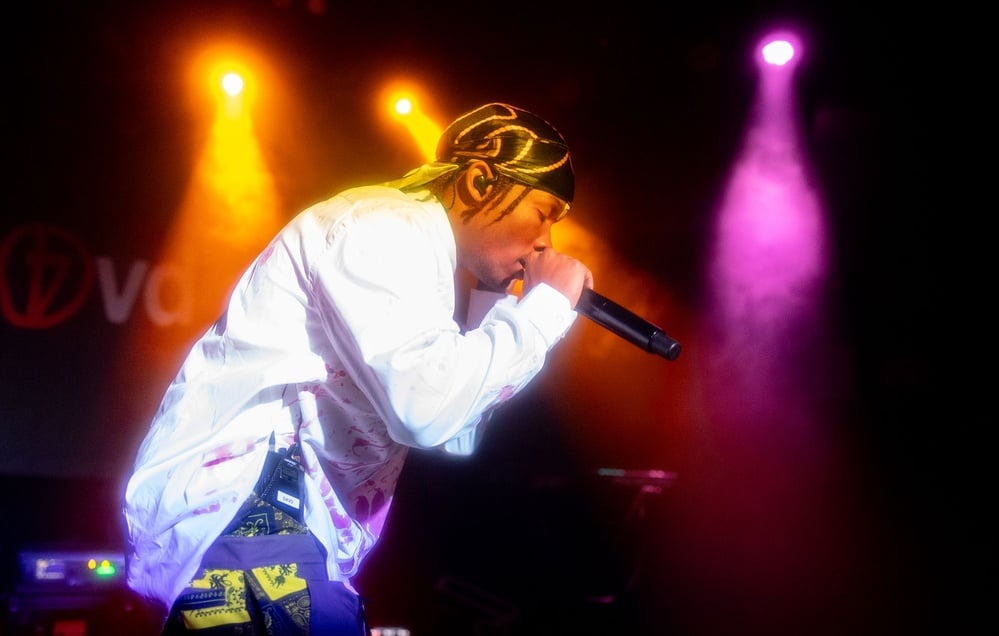
Publisher framing centers on defense strategy and DNA-testing questions in a neutral, procedural tone, while interleaving the artist's celebrity image.
Background: The case concerns D4vd (David Burke) facing murder-related charges in the death of Celeste Rivas Hernandez, with a preliminary hearing focusing on DNA-testing decisions and evidence handling.
Automated analysis; not human reviewed. Limitations: Concise, case-specific limitations and plausible alternative interpretations.
July 24, 2026 · 0 shares
Framing centers on courtroom procedure, presenting prosecutors' theory, defense challenges, and material DNA evidence while balancing quotes from both sides.
Los Angeles preliminary hearing to determine probable cause for D4vd (David Anthony Burke) to stand trial on murder and related charges involving a 14-year-old victim.
Automated analysis; not human reviewed. Limitations: Concise, case-specific limitations and plausible alternative interpretations.
Prosecution-heavy framing; defense cross-exam context noted; limited background context.
Helium Bias
July 24, 2026 · 0 shares
Framing centers on courtroom procedure, presenting prosecutors' theory, defense challenges, and material DNA evidence while balancing quotes from both sides.
Los Angeles preliminary hearing to determine probable cause for D4vd (David Anthony Burke) to stand trial on murder and related charges involving a 14-year-old victim.
Automated analysis; not human reviewed. Limitations: Concise, case-specific limitations and plausible alternative interpretations.
Prosecution-heavy framing; defense cross-exam context noted; limited background context.
Story Blindspots
AP frames coverage as a procedural, multi-source inquiry into DNA testing and forensic handling, foregrounding defense questions alongside police testimony and describing the defendant's public persona and evidence context.
AP reports on the third day of a preliminary hearing regarding the death of Celeste Rivas Hernandez and the charges against D4vd (David Burke), including DNA-testing disputes and forensic evidence.
Automated analysis; not human reviewed. Limitations: Concise, case-specific limitations and plausible alternative interpretations. · 47 of 52 available dimensions scored; omitted dimensions are not treated as neutral. · Verified supporting quotes for 4 of 47 scored dimensions.
Claim: The reporting treats the hearing as a neutral, procedural process with multi-source testimony rather than pushing any ideological stance.
“Lawyers for D4vd began showing glimpses into their defense strategy Thursday, pressing police on why they didn’t conduct more DNA testing on items found in the singer’s home and in his car that authorities said were used in the killing of 14-year-old Celeste Rivas Hernandez.” · exact text match
“Under prosecution questioning, Wallace said testing for DNA at the suspect’s residence wouldn’t make sense because the suspect’s DNA would be everywhere.” · exact text match
Why: Quotations from defense and investigators indicate balanced, non-ideological framing.
Claim: The coverage uses sensational framing in its headline and vivid details, potentially heightening drama while reporting facts.
“LAPD Expert: Singer D4vd’s Garage Had Signs of Blood Where Celeste Rivas Hernandez’s Body was Likely Cut Up.” · verified after text normalization
“Wallace testified earlier that throughout the garage, she found indications of blood that had been cleaned up.” · exact text match
“Prosecutors say he kept the body for weeks or months in the front trunk of the Tesla, where it was found after the car was towed 4 1/2 months later in September.” · exact text match
Why: Graphic framing may elevate drama, though reported facts are cited.
Claim: The article demonstrates integrity by presenting quotes from both sides and citing official testimony.
“Lauren Wallace, a criminalist with the Los Angeles Police Department, testified that initial chemical tests showed no signs of blood on the saws, so the handles were not swabbed for any DNA left behind by someone who touched it.” · exact text match
““If an item has somebody else’s DNA on it, you wouldn’t be able to see that at the time,” Berk said.” · exact text match
“Under prosecution questioning, Wallace said testing for DNA at the suspect’s residence wouldn’t make sense because the suspect’s DNA would be everywhere.” · exact text match
Why: Diverse sourcing and direct quotes support fair reporting.
Claim: The article demonstrates attention to context around the defendant’s public figure and timeline, indicating informational depth.
“An indie-pop singer whose music and online presence brought him a huge following, D4vd’s songs and videos often have dark and violent imagery often delivered through an alter-ego character he calls Itami.” · exact text match
“His breakthrough single in 2022 was called “Romantic Homicide,” one of several of his songs with more than a billion plays on Spotify.” · exact text match
“His debut full-length album, “Withered,” was released two days after prosecutors say Rivas Hernandez was killed.” · exact text match
Why: Background on the defendant/artist supports a nuanced portrayal rather than a superficial profile.
Ambiguity: limited excerpt; full context unknown.
Publisher framing centers on defense strategy and DNA-testing questions in a neutral, procedural tone, while interleaving the artist's celebrity image.
Background: The case concerns D4vd (David Burke) facing murder-related charges in the death of Celeste Rivas Hernandez, with a preliminary hearing focusing on DNA-testing decisions and evidence handling.
Automated analysis; not human reviewed. Limitations: Concise, case-specific limitations and plausible alternative interpretations.
July 24, 2026 · 0 shares
Framing centers on courtroom procedure, presenting prosecutors' theory, defense challenges, and material DNA evidence while balancing quotes from both sides.
Los Angeles preliminary hearing to determine probable cause for D4vd (David Anthony Burke) to stand trial on murder and related charges involving a 14-year-old victim.
Automated analysis; not human reviewed. Limitations: Concise, case-specific limitations and plausible alternative interpretations.
Prosecution-heavy framing; defense cross-exam context noted; limited background context.
July 22, 2026 · 0 shares
Reporting on the D4vd murder trial blends detailed courtroom chronology with vivid descriptions of grisly evidence and the victim’s family, presenting prosecution and defense perspectives while acknowledging public fascination and emotional impact without overt editorial stance.
Courtroom reporting on the first day of the D4vd murder trial, detailing gruesome evidence, procedural dynamics, and reactions from victims’ family, prosecutors, and defense.
Automated analysis; not human reviewed. Limitations: Concise, case-specific limitations and plausible alternative interpretations. · 52 of 52 available dimensions scored; omitted dimensions are not treated as neutral. · Verified supporting quotes for 0 of 52 scored dimensions.
Case-specific ambiguity: some subjectivity via first-person narration; potential sensational framing.
July 24, 2026 · 0 shares
Framing centers on courtroom procedure, presenting prosecutors' theory, defense challenges, and material DNA evidence while balancing quotes from both sides.
Los Angeles preliminary hearing to determine probable cause for D4vd (David Anthony Burke) to stand trial on murder and related charges involving a 14-year-old victim.
Automated analysis; not human reviewed. Limitations: Concise, case-specific limitations and plausible alternative interpretations.
Prosecution-heavy framing; defense cross-exam context noted; limited background context.
July 22, 2026 · 0 shares
Reporting on the D4vd murder trial blends detailed courtroom chronology with vivid descriptions of grisly evidence and the victim’s family, presenting prosecution and defense perspectives while acknowledging public fascination and emotional impact without overt editorial stance.
Courtroom reporting on the first day of the D4vd murder trial, detailing gruesome evidence, procedural dynamics, and reactions from victims’ family, prosecutors, and defense.
Automated analysis; not human reviewed. Limitations: Concise, case-specific limitations and plausible alternative interpretations. · 52 of 52 available dimensions scored; omitted dimensions are not treated as neutral. · Verified supporting quotes for 0 of 52 scored dimensions.
Case-specific ambiguity: some subjectivity via first-person narration; potential sensational framing.
AP frames coverage as a procedural, multi-source inquiry into DNA testing and forensic handling, foregrounding defense questions alongside police testimony and describing the defendant's public persona and evidence context.
AP reports on the third day of a preliminary hearing regarding the death of Celeste Rivas Hernandez and the charges against D4vd (David Burke), including DNA-testing disputes and forensic evidence.
Automated analysis; not human reviewed. Limitations: Concise, case-specific limitations and plausible alternative interpretations. · 47 of 52 available dimensions scored; omitted dimensions are not treated as neutral. · Verified supporting quotes for 4 of 47 scored dimensions.
Claim: The reporting treats the hearing as a neutral, procedural process with multi-source testimony rather than pushing any ideological stance.
“Lawyers for D4vd began showing glimpses into their defense strategy Thursday, pressing police on why they didn’t conduct more DNA testing on items found in the singer’s home and in his car that authorities said were used in the killing of 14-year-old Celeste Rivas Hernandez.” · exact text match
“Under prosecution questioning, Wallace said testing for DNA at the suspect’s residence wouldn’t make sense because the suspect’s DNA would be everywhere.” · exact text match
Why: Quotations from defense and investigators indicate balanced, non-ideological framing.
Claim: The coverage uses sensational framing in its headline and vivid details, potentially heightening drama while reporting facts.
“LAPD Expert: Singer D4vd’s Garage Had Signs of Blood Where Celeste Rivas Hernandez’s Body was Likely Cut Up.” · verified after text normalization
“Wallace testified earlier that throughout the garage, she found indications of blood that had been cleaned up.” · exact text match
“Prosecutors say he kept the body for weeks or months in the front trunk of the Tesla, where it was found after the car was towed 4 1/2 months later in September.” · exact text match
Why: Graphic framing may elevate drama, though reported facts are cited.
Claim: The article demonstrates integrity by presenting quotes from both sides and citing official testimony.
“Lauren Wallace, a criminalist with the Los Angeles Police Department, testified that initial chemical tests showed no signs of blood on the saws, so the handles were not swabbed for any DNA left behind by someone who touched it.” · exact text match
““If an item has somebody else’s DNA on it, you wouldn’t be able to see that at the time,” Berk said.” · exact text match
“Under prosecution questioning, Wallace said testing for DNA at the suspect’s residence wouldn’t make sense because the suspect’s DNA would be everywhere.” · exact text match
Why: Diverse sourcing and direct quotes support fair reporting.
Claim: The article demonstrates attention to context around the defendant’s public figure and timeline, indicating informational depth.
“An indie-pop singer whose music and online presence brought him a huge following, D4vd’s songs and videos often have dark and violent imagery often delivered through an alter-ego character he calls Itami.” · exact text match
“His breakthrough single in 2022 was called “Romantic Homicide,” one of several of his songs with more than a billion plays on Spotify.” · exact text match
“His debut full-length album, “Withered,” was released two days after prosecutors say Rivas Hernandez was killed.” · exact text match
Why: Background on the defendant/artist supports a nuanced portrayal rather than a superficial profile.
Ambiguity: limited excerpt; full context unknown.
July 24, 2026 · 0 shares
Framing centers on courtroom procedure, presenting prosecutors' theory, defense challenges, and material DNA evidence while balancing quotes from both sides.
Los Angeles preliminary hearing to determine probable cause for D4vd (David Anthony Burke) to stand trial on murder and related charges involving a 14-year-old victim.
Automated analysis; not human reviewed. Limitations: Concise, case-specific limitations and plausible alternative interpretations.
Prosecution-heavy framing; defense cross-exam context noted; limited background context.
July 22, 2026 · 0 shares
A cautious crime-report framing relies on law-enforcement attribution and factual detail but uses the phrase 'Gory details' to signal mild sensational framing around alleged bloodstains in a murder and sexual-abuse case involving a musician.
One-sentence context: Crime report about a hearing on probable cause in a murder and sexual abuse case involving a musician, citing possible bloodstains and gory details as described by law enforcement.
Automated analysis; not human reviewed. Limitations: Concise, case-specific limitations and plausible alternative interpretations. · 1 of 52 available dimensions scored; omitted dimensions are not treated as neutral. · Verified supporting quotes for 0 of 1 scored dimensions.
Ambiguity: fragmentary report; no verdict; limited context.
July 24, 2026 · 0 shares
Framing centers on courtroom procedure, presenting prosecutors' theory, defense challenges, and material DNA evidence while balancing quotes from both sides.
Los Angeles preliminary hearing to determine probable cause for D4vd (David Anthony Burke) to stand trial on murder and related charges involving a 14-year-old victim.
Automated analysis; not human reviewed. Limitations: Concise, case-specific limitations and plausible alternative interpretations.
Prosecution-heavy framing; defense cross-exam context noted; limited background context.
Neutral, evidence-driven crime-reporting framing with balanced attribution to prosecutors and defense, though a mild editorial color appears in the opening descriptor and emphasis on the legal process rather than advocacy.
Four-day Los Angeles Superior Court preliminary hearing to decide if prosecutors have presented enough evidence to proceed to trial in the murder and dismemberment of a 14-year-old girl by a rising musician.
Automated analysis; not human reviewed. Limitations: Concise, case-specific limitations and plausible alternative interpretations. · 52 of 52 available dimensions scored; omitted dimensions are not treated as neutral. · Verified supporting quotes for 1 of 52 scored dimensions.
Claim: The text appears to present a neutral, multi-source crime report without obvious political framing.
“A judge is about to hear prosecutors' chilling case against rising singer D4vd.” · exact text match
“Prosecutors allege Burke killed the 14-year-old because she had threatened to reveal their relationship.” · exact text match
Counterevidence:
“The opening phrasing 'chilling case' introduces editorial coloring.” · not found in supplied text
Why: Balance of prosecution and defense language suggests neutrality, but sensational wording hints at mild editorial influence.
Autopsy year unspecified; defense details limited; single-source narrative.
Neutral, evidence-driven crime-reporting framing with balanced attribution to prosecutors and defense, though a mild editorial color appears in the opening descriptor and emphasis on the legal process rather than advocacy.
Four-day Los Angeles Superior Court preliminary hearing to decide if prosecutors have presented enough evidence to proceed to trial in the murder and dismemberment of a 14-year-old girl by a rising musician.
Automated analysis; not human reviewed. Limitations: Concise, case-specific limitations and plausible alternative interpretations. · 52 of 52 available dimensions scored; omitted dimensions are not treated as neutral. · Verified supporting quotes for 1 of 52 scored dimensions.
Claim: The text appears to present a neutral, multi-source crime report without obvious political framing.
“A judge is about to hear prosecutors' chilling case against rising singer D4vd.” · exact text match
“Prosecutors allege Burke killed the 14-year-old because she had threatened to reveal their relationship.” · exact text match
Counterevidence:
“The opening phrasing 'chilling case' introduces editorial coloring.” · not found in supplied text
Why: Balance of prosecution and defense language suggests neutrality, but sensational wording hints at mild editorial influence.
Autopsy year unspecified; defense details limited; single-source narrative.
Neutral, evidence-focused reporting with direct sourcing and minimal editorializing, describing a Los Angeles preliminary hearing in a high-profile murder/dismemberment case without political framing.
AP reports on a Los Angeles preliminary hearing to determine probable cause in the murder and dismemberment case involving D4vd (David Burke) and a 14-year-old victim.
Automated analysis; not human reviewed. Limitations: Concise, case-specific limitations and plausible alternative interpretations. · 2 of 52 available dimensions scored; omitted dimensions are not treated as neutral. · Verified supporting quotes for 1 of 2 scored dimensions.
Claim: No ideological tilt detected; framing is procedural and source-based.
“LOS ANGELES (AP) — A judge is set to decide at a hearing that opens Tuesday whether there is enough evidence to put singer D4vd on trial in the killing and dismemberment of a 14-year-old girl that authorities said had threatened to expose their relationship.” · exact text match
“There is no jury.” · exact text match
“The defense has not publicly provided its version of events.” · exact text match
Counterevidence:
“The text includes graphic crime detail; this is journalistic coverage rather than ideological framing.” · not found in supplied text
Why: Procedural, source-based reporting with quotes from both sides suggests neutrality.
Claim: The report uses AP attribution and direct quotations from prosecutors and defense, with acknowledgment of uncertainties, indicating credible reporting.
“LOS ANGELES (AP) — A judge is set to decide at a hearing that opens Tuesday whether there is enough evidence to put singer D4vd on trial...” · not found in supplied text
“Prosecutors have said the evidence will show...” · not found in supplied text
“The defense has not publicly provided its version of events.” · exact text match
Counterevidence:
“The presence of stray formatting text at the start ('The post') reduces readability slightly.” · not found in supplied text
Why: AP attribution and direct quotes support credibility, though formatting noise slightly detracts.
AP frames coverage as a procedural, multi-source inquiry into DNA testing and forensic handling, foregrounding defense questions alongside police testimony and describing the defendant's public persona and evidence context.
AP reports on the third day of a preliminary hearing regarding the death of Celeste Rivas Hernandez and the charges against D4vd (David Burke), including DNA-testing disputes and forensic evidence.
Automated analysis; not human reviewed. Limitations: Concise, case-specific limitations and plausible alternative interpretations. · 47 of 52 available dimensions scored; omitted dimensions are not treated as neutral. · Verified supporting quotes for 4 of 47 scored dimensions.
Claim: The reporting treats the hearing as a neutral, procedural process with multi-source testimony rather than pushing any ideological stance.
“Lawyers for D4vd began showing glimpses into their defense strategy Thursday, pressing police on why they didn’t conduct more DNA testing on items found in the singer’s home and in his car that authorities said were used in the killing of 14-year-old Celeste Rivas Hernandez.” · exact text match
“Under prosecution questioning, Wallace said testing for DNA at the suspect’s residence wouldn’t make sense because the suspect’s DNA would be everywhere.” · exact text match
Why: Quotations from defense and investigators indicate balanced, non-ideological framing.
Claim: The coverage uses sensational framing in its headline and vivid details, potentially heightening drama while reporting facts.
“LAPD Expert: Singer D4vd’s Garage Had Signs of Blood Where Celeste Rivas Hernandez’s Body was Likely Cut Up.” · verified after text normalization
“Wallace testified earlier that throughout the garage, she found indications of blood that had been cleaned up.” · exact text match
“Prosecutors say he kept the body for weeks or months in the front trunk of the Tesla, where it was found after the car was towed 4 1/2 months later in September.” · exact text match
Why: Graphic framing may elevate drama, though reported facts are cited.
Claim: The article demonstrates integrity by presenting quotes from both sides and citing official testimony.
“Lauren Wallace, a criminalist with the Los Angeles Police Department, testified that initial chemical tests showed no signs of blood on the saws, so the handles were not swabbed for any DNA left behind by someone who touched it.” · exact text match
““If an item has somebody else’s DNA on it, you wouldn’t be able to see that at the time,” Berk said.” · exact text match
“Under prosecution questioning, Wallace said testing for DNA at the suspect’s residence wouldn’t make sense because the suspect’s DNA would be everywhere.” · exact text match
Why: Diverse sourcing and direct quotes support fair reporting.
Claim: The article demonstrates attention to context around the defendant’s public figure and timeline, indicating informational depth.
“An indie-pop singer whose music and online presence brought him a huge following, D4vd’s songs and videos often have dark and violent imagery often delivered through an alter-ego character he calls Itami.” · exact text match
“His breakthrough single in 2022 was called “Romantic Homicide,” one of several of his songs with more than a billion plays on Spotify.” · exact text match
“His debut full-length album, “Withered,” was released two days after prosecutors say Rivas Hernandez was killed.” · exact text match
Why: Background on the defendant/artist supports a nuanced portrayal rather than a superficial profile.
Ambiguity: limited excerpt; full context unknown.
July 24, 2026 · 0 shares
Framing centers on courtroom procedure, presenting prosecutors' theory, defense challenges, and material DNA evidence while balancing quotes from both sides.
Los Angeles preliminary hearing to determine probable cause for D4vd (David Anthony Burke) to stand trial on murder and related charges involving a 14-year-old victim.
Automated analysis; not human reviewed. Limitations: Concise, case-specific limitations and plausible alternative interpretations.
Prosecution-heavy framing; defense cross-exam context noted; limited background context.
July 22, 2026 · 0 shares
Reporting on the D4vd murder trial blends detailed courtroom chronology with vivid descriptions of grisly evidence and the victim’s family, presenting prosecution and defense perspectives while acknowledging public fascination and emotional impact without overt editorial stance.
Courtroom reporting on the first day of the D4vd murder trial, detailing gruesome evidence, procedural dynamics, and reactions from victims’ family, prosecutors, and defense.
Automated analysis; not human reviewed. Limitations: Concise, case-specific limitations and plausible alternative interpretations. · 52 of 52 available dimensions scored; omitted dimensions are not treated as neutral. · Verified supporting quotes for 0 of 52 scored dimensions.
Case-specific ambiguity: some subjectivity via first-person narration; potential sensational framing.
July 22, 2026 · 0 shares
Reporting on the D4vd murder trial blends detailed courtroom chronology with vivid descriptions of grisly evidence and the victim’s family, presenting prosecution and defense perspectives while acknowledging public fascination and emotional impact without overt editorial stance.
Courtroom reporting on the first day of the D4vd murder trial, detailing gruesome evidence, procedural dynamics, and reactions from victims’ family, prosecutors, and defense.
Automated analysis; not human reviewed. Limitations: Concise, case-specific limitations and plausible alternative interpretations. · 52 of 52 available dimensions scored; omitted dimensions are not treated as neutral. · Verified supporting quotes for 0 of 52 scored dimensions.
Case-specific ambiguity: some subjectivity via first-person narration; potential sensational framing.
AP frames coverage as a procedural, multi-source inquiry into DNA testing and forensic handling, foregrounding defense questions alongside police testimony and describing the defendant's public persona and evidence context.
AP reports on the third day of a preliminary hearing regarding the death of Celeste Rivas Hernandez and the charges against D4vd (David Burke), including DNA-testing disputes and forensic evidence.
Automated analysis; not human reviewed. Limitations: Concise, case-specific limitations and plausible alternative interpretations. · 47 of 52 available dimensions scored; omitted dimensions are not treated as neutral. · Verified supporting quotes for 4 of 47 scored dimensions.
Claim: The reporting treats the hearing as a neutral, procedural process with multi-source testimony rather than pushing any ideological stance.
“Lawyers for D4vd began showing glimpses into their defense strategy Thursday, pressing police on why they didn’t conduct more DNA testing on items found in the singer’s home and in his car that authorities said were used in the killing of 14-year-old Celeste Rivas Hernandez.” · exact text match
“Under prosecution questioning, Wallace said testing for DNA at the suspect’s residence wouldn’t make sense because the suspect’s DNA would be everywhere.” · exact text match
Why: Quotations from defense and investigators indicate balanced, non-ideological framing.
Claim: The coverage uses sensational framing in its headline and vivid details, potentially heightening drama while reporting facts.
“LAPD Expert: Singer D4vd’s Garage Had Signs of Blood Where Celeste Rivas Hernandez’s Body was Likely Cut Up.” · verified after text normalization
“Wallace testified earlier that throughout the garage, she found indications of blood that had been cleaned up.” · exact text match
“Prosecutors say he kept the body for weeks or months in the front trunk of the Tesla, where it was found after the car was towed 4 1/2 months later in September.” · exact text match
Why: Graphic framing may elevate drama, though reported facts are cited.
Claim: The article demonstrates integrity by presenting quotes from both sides and citing official testimony.
“Lauren Wallace, a criminalist with the Los Angeles Police Department, testified that initial chemical tests showed no signs of blood on the saws, so the handles were not swabbed for any DNA left behind by someone who touched it.” · exact text match
““If an item has somebody else’s DNA on it, you wouldn’t be able to see that at the time,” Berk said.” · exact text match
“Under prosecution questioning, Wallace said testing for DNA at the suspect’s residence wouldn’t make sense because the suspect’s DNA would be everywhere.” · exact text match
Why: Diverse sourcing and direct quotes support fair reporting.
Claim: The article demonstrates attention to context around the defendant’s public figure and timeline, indicating informational depth.
“An indie-pop singer whose music and online presence brought him a huge following, D4vd’s songs and videos often have dark and violent imagery often delivered through an alter-ego character he calls Itami.” · exact text match
“His breakthrough single in 2022 was called “Romantic Homicide,” one of several of his songs with more than a billion plays on Spotify.” · exact text match
“His debut full-length album, “Withered,” was released two days after prosecutors say Rivas Hernandez was killed.” · exact text match
Why: Background on the defendant/artist supports a nuanced portrayal rather than a superficial profile.
Ambiguity: limited excerpt; full context unknown.
Publisher framing centers on defense strategy and DNA-testing questions in a neutral, procedural tone, while interleaving the artist's celebrity image.
Background: The case concerns D4vd (David Burke) facing murder-related charges in the death of Celeste Rivas Hernandez, with a preliminary hearing focusing on DNA-testing decisions and evidence handling.
Automated analysis; not human reviewed. Limitations: Concise, case-specific limitations and plausible alternative interpretations.
July 24, 2026 · 0 shares
Framing centers on courtroom procedure, presenting prosecutors' theory, defense challenges, and material DNA evidence while balancing quotes from both sides.
Los Angeles preliminary hearing to determine probable cause for D4vd (David Anthony Burke) to stand trial on murder and related charges involving a 14-year-old victim.
Automated analysis; not human reviewed. Limitations: Concise, case-specific limitations and plausible alternative interpretations.
Prosecution-heavy framing; defense cross-exam context noted; limited background context.
July 24, 2026 · 0 shares
Framing centers on courtroom procedure, presenting prosecutors' theory, defense challenges, and material DNA evidence while balancing quotes from both sides.
Los Angeles preliminary hearing to determine probable cause for D4vd (David Anthony Burke) to stand trial on murder and related charges involving a 14-year-old victim.
Automated analysis; not human reviewed. Limitations: Concise, case-specific limitations and plausible alternative interpretations.
Prosecution-heavy framing; defense cross-exam context noted; limited background context.
July 24, 2026 · 0 shares
Framing centers on courtroom procedure, presenting prosecutors' theory, defense challenges, and material DNA evidence while balancing quotes from both sides.
Los Angeles preliminary hearing to determine probable cause for D4vd (David Anthony Burke) to stand trial on murder and related charges involving a 14-year-old victim.
Automated analysis; not human reviewed. Limitations: Concise, case-specific limitations and plausible alternative interpretations.
Prosecution-heavy framing; defense cross-exam context noted; limited background context.
July 24, 2026 · 0 shares
Framing centers on courtroom procedure, presenting prosecutors' theory, defense challenges, and material DNA evidence while balancing quotes from both sides.
Los Angeles preliminary hearing to determine probable cause for D4vd (David Anthony Burke) to stand trial on murder and related charges involving a 14-year-old victim.
Automated analysis; not human reviewed. Limitations: Concise, case-specific limitations and plausible alternative interpretations.
Prosecution-heavy framing; defense cross-exam context noted; limited background context.
July 22, 2026 · 0 shares
Reporting on the D4vd murder trial blends detailed courtroom chronology with vivid descriptions of grisly evidence and the victim’s family, presenting prosecution and defense perspectives while acknowledging public fascination and emotional impact without overt editorial stance.
Courtroom reporting on the first day of the D4vd murder trial, detailing gruesome evidence, procedural dynamics, and reactions from victims’ family, prosecutors, and defense.
Automated analysis; not human reviewed. Limitations: Concise, case-specific limitations and plausible alternative interpretations. · 52 of 52 available dimensions scored; omitted dimensions are not treated as neutral. · Verified supporting quotes for 0 of 52 scored dimensions.
Case-specific ambiguity: some subjectivity via first-person narration; potential sensational framing.
AP frames coverage as a procedural, multi-source inquiry into DNA testing and forensic handling, foregrounding defense questions alongside police testimony and describing the defendant's public persona and evidence context.
AP reports on the third day of a preliminary hearing regarding the death of Celeste Rivas Hernandez and the charges against D4vd (David Burke), including DNA-testing disputes and forensic evidence.
Automated analysis; not human reviewed. Limitations: Concise, case-specific limitations and plausible alternative interpretations. · 47 of 52 available dimensions scored; omitted dimensions are not treated as neutral. · Verified supporting quotes for 4 of 47 scored dimensions.
Claim: The reporting treats the hearing as a neutral, procedural process with multi-source testimony rather than pushing any ideological stance.
“Lawyers for D4vd began showing glimpses into their defense strategy Thursday, pressing police on why they didn’t conduct more DNA testing on items found in the singer’s home and in his car that authorities said were used in the killing of 14-year-old Celeste Rivas Hernandez.” · exact text match
“Under prosecution questioning, Wallace said testing for DNA at the suspect’s residence wouldn’t make sense because the suspect’s DNA would be everywhere.” · exact text match
Why: Quotations from defense and investigators indicate balanced, non-ideological framing.
Claim: The coverage uses sensational framing in its headline and vivid details, potentially heightening drama while reporting facts.
“LAPD Expert: Singer D4vd’s Garage Had Signs of Blood Where Celeste Rivas Hernandez’s Body was Likely Cut Up.” · verified after text normalization
“Wallace testified earlier that throughout the garage, she found indications of blood that had been cleaned up.” · exact text match
“Prosecutors say he kept the body for weeks or months in the front trunk of the Tesla, where it was found after the car was towed 4 1/2 months later in September.” · exact text match
Why: Graphic framing may elevate drama, though reported facts are cited.
Claim: The article demonstrates integrity by presenting quotes from both sides and citing official testimony.
“Lauren Wallace, a criminalist with the Los Angeles Police Department, testified that initial chemical tests showed no signs of blood on the saws, so the handles were not swabbed for any DNA left behind by someone who touched it.” · exact text match
““If an item has somebody else’s DNA on it, you wouldn’t be able to see that at the time,” Berk said.” · exact text match
“Under prosecution questioning, Wallace said testing for DNA at the suspect’s residence wouldn’t make sense because the suspect’s DNA would be everywhere.” · exact text match
Why: Diverse sourcing and direct quotes support fair reporting.
Claim: The article demonstrates attention to context around the defendant’s public figure and timeline, indicating informational depth.
“An indie-pop singer whose music and online presence brought him a huge following, D4vd’s songs and videos often have dark and violent imagery often delivered through an alter-ego character he calls Itami.” · exact text match
“His breakthrough single in 2022 was called “Romantic Homicide,” one of several of his songs with more than a billion plays on Spotify.” · exact text match
“His debut full-length album, “Withered,” was released two days after prosecutors say Rivas Hernandez was killed.” · exact text match
Why: Background on the defendant/artist supports a nuanced portrayal rather than a superficial profile.
Ambiguity: limited excerpt; full context unknown.
July 22, 2026 · 0 shares
Reporting on the D4vd murder trial blends detailed courtroom chronology with vivid descriptions of grisly evidence and the victim’s family, presenting prosecution and defense perspectives while acknowledging public fascination and emotional impact without overt editorial stance.
Courtroom reporting on the first day of the D4vd murder trial, detailing gruesome evidence, procedural dynamics, and reactions from victims’ family, prosecutors, and defense.
Automated analysis; not human reviewed. Limitations: Concise, case-specific limitations and plausible alternative interpretations. · 52 of 52 available dimensions scored; omitted dimensions are not treated as neutral. · Verified supporting quotes for 0 of 52 scored dimensions.
Case-specific ambiguity: some subjectivity via first-person narration; potential sensational framing.
Neutral, evidence-driven crime-reporting framing with balanced attribution to prosecutors and defense, though a mild editorial color appears in the opening descriptor and emphasis on the legal process rather than advocacy.
Four-day Los Angeles Superior Court preliminary hearing to decide if prosecutors have presented enough evidence to proceed to trial in the murder and dismemberment of a 14-year-old girl by a rising musician.
Automated analysis; not human reviewed. Limitations: Concise, case-specific limitations and plausible alternative interpretations. · 52 of 52 available dimensions scored; omitted dimensions are not treated as neutral. · Verified supporting quotes for 1 of 52 scored dimensions.
Claim: The text appears to present a neutral, multi-source crime report without obvious political framing.
“A judge is about to hear prosecutors' chilling case against rising singer D4vd.” · exact text match
“Prosecutors allege Burke killed the 14-year-old because she had threatened to reveal their relationship.” · exact text match
Counterevidence:
“The opening phrasing 'chilling case' introduces editorial coloring.” · not found in supplied text
Why: Balance of prosecution and defense language suggests neutrality, but sensational wording hints at mild editorial influence.
Autopsy year unspecified; defense details limited; single-source narrative.
Neutral, evidence-focused reporting with direct sourcing and minimal editorializing, describing a Los Angeles preliminary hearing in a high-profile murder/dismemberment case without political framing.
AP reports on a Los Angeles preliminary hearing to determine probable cause in the murder and dismemberment case involving D4vd (David Burke) and a 14-year-old victim.
Automated analysis; not human reviewed. Limitations: Concise, case-specific limitations and plausible alternative interpretations. · 2 of 52 available dimensions scored; omitted dimensions are not treated as neutral. · Verified supporting quotes for 1 of 2 scored dimensions.
Claim: No ideological tilt detected; framing is procedural and source-based.
“LOS ANGELES (AP) — A judge is set to decide at a hearing that opens Tuesday whether there is enough evidence to put singer D4vd on trial in the killing and dismemberment of a 14-year-old girl that authorities said had threatened to expose their relationship.” · exact text match
“There is no jury.” · exact text match
“The defense has not publicly provided its version of events.” · exact text match
Counterevidence:
“The text includes graphic crime detail; this is journalistic coverage rather than ideological framing.” · not found in supplied text
Why: Procedural, source-based reporting with quotes from both sides suggests neutrality.
Claim: The report uses AP attribution and direct quotations from prosecutors and defense, with acknowledgment of uncertainties, indicating credible reporting.
“LOS ANGELES (AP) — A judge is set to decide at a hearing that opens Tuesday whether there is enough evidence to put singer D4vd on trial...” · not found in supplied text
“Prosecutors have said the evidence will show...” · not found in supplied text
“The defense has not publicly provided its version of events.” · exact text match
Counterevidence:
“The presence of stray formatting text at the start ('The post') reduces readability slightly.” · not found in supplied text
Why: AP attribution and direct quotes support credibility, though formatting noise slightly detracts.
July 22, 2026 · 0 shares
Reporting on the D4vd murder trial blends detailed courtroom chronology with vivid descriptions of grisly evidence and the victim’s family, presenting prosecution and defense perspectives while acknowledging public fascination and emotional impact without overt editorial stance.
Courtroom reporting on the first day of the D4vd murder trial, detailing gruesome evidence, procedural dynamics, and reactions from victims’ family, prosecutors, and defense.
Automated analysis; not human reviewed.
Limitations: Concise, case-specific limitations and plausible alternative interpretations.
·
52 of 52 available dimensions scored; omitted dimensions are not treated as neutral.
·
Verified supporting quotes for 0 of 52 scored dimensions.
Case-specific ambiguity: some subjectivity via first-person narration; potential sensational framing.
July 20, 2026 · 0 shares
Prosecutorial framing predominates, using graphic detail and quotes from prosecutors while including defense responses, yielding a cautious yet potentially sensational portrayal of an ongoing murder case.
A news report detailing prosecutors' allegations and evidence in the 2025 murder and dismemberment case involving musician d4vd and Celeste Rivas Hernandez.
Automated analysis; not human reviewed. Limitations: Concise, case-specific limitations and plausible alternative interpretations.
Ambiguity: heavy reliance on prosecutorial claims; context from defense is present but not exhaustive.
July 22, 2026 · 0 shares
Reporting on the D4vd murder trial blends detailed courtroom chronology with vivid descriptions of grisly evidence and the victim’s family, presenting prosecution and defense perspectives while acknowledging public fascination and emotional impact without overt editorial stance.
Courtroom reporting on the first day of the D4vd murder trial, detailing gruesome evidence, procedural dynamics, and reactions from victims’ family, prosecutors, and defense.
Automated analysis; not human reviewed.
Limitations: Concise, case-specific limitations and plausible alternative interpretations.
·
52 of 52 available dimensions scored; omitted dimensions are not treated as neutral.
·
Verified supporting quotes for 0 of 52 scored dimensions.
Case-specific ambiguity: some subjectivity via first-person narration; potential sensational framing.
Neutral, evidence-focused reporting with direct sourcing and minimal editorializing, describing a Los Angeles preliminary hearing in a high-profile murder/dismemberment case without political framing.
AP reports on a Los Angeles preliminary hearing to determine probable cause in the murder and dismemberment case involving D4vd (David Burke) and a 14-year-old victim.
Automated analysis; not human reviewed.
Limitations: Concise, case-specific limitations and plausible alternative interpretations.
·
2 of 52 available dimensions scored; omitted dimensions are not treated as neutral.
·
Verified supporting quotes for 1 of 2 scored dimensions.
Claim: No ideological tilt detected; framing is procedural and source-based.
“LOS ANGELES (AP) — A judge is set to decide at a hearing that opens Tuesday whether there is enough evidence to put singer D4vd on trial in the killing and dismemberment of a 14-year-old girl that authorities said had threatened to expose their relationship.” · exact text match
“There is no jury.” · exact text match
“The defense has not publicly provided its version of events.” · exact text match
Counterevidence:
“The text includes graphic crime detail; this is journalistic coverage rather than ideological framing.” · not found in supplied text
Why: Procedural, source-based reporting with quotes from both sides suggests neutrality.
Claim: The report uses AP attribution and direct quotations from prosecutors and defense, with acknowledgment of uncertainties, indicating credible reporting.
“LOS ANGELES (AP) — A judge is set to decide at a hearing that opens Tuesday whether there is enough evidence to put singer D4vd on trial...” · not found in supplied text
“Prosecutors have said the evidence will show...” · not found in supplied text
“The defense has not publicly provided its version of events.” · exact text match
Counterevidence:
“The presence of stray formatting text at the start ('The post') reduces readability slightly.” · not found in supplied text
Why: AP attribution and direct quotes support credibility, though formatting noise slightly detracts.
July 22, 2026 · 0 shares
Reporting on the D4vd murder trial blends detailed courtroom chronology with vivid descriptions of grisly evidence and the victim’s family, presenting prosecution and defense perspectives while acknowledging public fascination and emotional impact without overt editorial stance.
Courtroom reporting on the first day of the D4vd murder trial, detailing gruesome evidence, procedural dynamics, and reactions from victims’ family, prosecutors, and defense.
Automated analysis; not human reviewed.
Limitations: Concise, case-specific limitations and plausible alternative interpretations.
·
52 of 52 available dimensions scored; omitted dimensions are not treated as neutral.
·
Verified supporting quotes for 0 of 52 scored dimensions.
Case-specific ambiguity: some subjectivity via first-person narration; potential sensational framing.
July 22, 2026 · 0 shares
Reporting on the D4vd murder trial blends detailed courtroom chronology with vivid descriptions of grisly evidence and the victim’s family, presenting prosecution and defense perspectives while acknowledging public fascination and emotional impact without overt editorial stance.
Courtroom reporting on the first day of the D4vd murder trial, detailing gruesome evidence, procedural dynamics, and reactions from victims’ family, prosecutors, and defense.
Automated analysis; not human reviewed.
Limitations: Concise, case-specific limitations and plausible alternative interpretations.
·
52 of 52 available dimensions scored; omitted dimensions are not treated as neutral.
·
Verified supporting quotes for 0 of 52 scored dimensions.
Case-specific ambiguity: some subjectivity via first-person narration; potential sensational framing.
AP frames coverage as a procedural, multi-source inquiry into DNA testing and forensic handling, foregrounding defense questions alongside police testimony and describing the defendant's public persona and evidence context.
AP reports on the third day of a preliminary hearing regarding the death of Celeste Rivas Hernandez and the charges against D4vd (David Burke), including DNA-testing disputes and forensic evidence.
Automated analysis; not human reviewed.
Limitations: Concise, case-specific limitations and plausible alternative interpretations.
·
47 of 52 available dimensions scored; omitted dimensions are not treated as neutral.
·
Verified supporting quotes for 4 of 47 scored dimensions.
Claim: The reporting treats the hearing as a neutral, procedural process with multi-source testimony rather than pushing any ideological stance.
“Lawyers for D4vd began showing glimpses into their defense strategy Thursday, pressing police on why they didn’t conduct more DNA testing on items found in the singer’s home and in his car that authorities said were used in the killing of 14-year-old Celeste Rivas Hernandez.” · exact text match
“Under prosecution questioning, Wallace said testing for DNA at the suspect’s residence wouldn’t make sense because the suspect’s DNA would be everywhere.” · exact text match
Why: Quotations from defense and investigators indicate balanced, non-ideological framing.
Claim: The coverage uses sensational framing in its headline and vivid details, potentially heightening drama while reporting facts.
“LAPD Expert: Singer D4vd’s Garage Had Signs of Blood Where Celeste Rivas Hernandez’s Body was Likely Cut Up.” · verified after text normalization
“Wallace testified earlier that throughout the garage, she found indications of blood that had been cleaned up.” · exact text match
“Prosecutors say he kept the body for weeks or months in the front trunk of the Tesla, where it was found after the car was towed 4 1/2 months later in September.” · exact text match
Why: Graphic framing may elevate drama, though reported facts are cited.
Claim: The article demonstrates integrity by presenting quotes from both sides and citing official testimony.
“Lauren Wallace, a criminalist with the Los Angeles Police Department, testified that initial chemical tests showed no signs of blood on the saws, so the handles were not swabbed for any DNA left behind by someone who touched it.” · exact text match
““If an item has somebody else’s DNA on it, you wouldn’t be able to see that at the time,” Berk said.” · exact text match
“Under prosecution questioning, Wallace said testing for DNA at the suspect’s residence wouldn’t make sense because the suspect’s DNA would be everywhere.” · exact text match
Why: Diverse sourcing and direct quotes support fair reporting.
Claim: The article demonstrates attention to context around the defendant’s public figure and timeline, indicating informational depth.
“An indie-pop singer whose music and online presence brought him a huge following, D4vd’s songs and videos often have dark and violent imagery often delivered through an alter-ego character he calls Itami.” · exact text match
“His breakthrough single in 2022 was called “Romantic Homicide,” one of several of his songs with more than a billion plays on Spotify.” · exact text match
“His debut full-length album, “Withered,” was released two days after prosecutors say Rivas Hernandez was killed.” · exact text match
Why: Background on the defendant/artist supports a nuanced portrayal rather than a superficial profile.
Ambiguity: limited excerpt; full context unknown.
July 24, 2026 · 0 shares
Framing centers on courtroom procedure, presenting prosecutors' theory, defense challenges, and material DNA evidence while balancing quotes from both sides.
Los Angeles preliminary hearing to determine probable cause for D4vd (David Anthony Burke) to stand trial on murder and related charges involving a 14-year-old victim.
Automated analysis; not human reviewed. Limitations: Concise, case-specific limitations and plausible alternative interpretations.
Prosecution-heavy framing; defense cross-exam context noted; limited background context.
July 22, 2026 · 0 shares
A cautious crime-report framing relies on law-enforcement attribution and factual detail but uses the phrase 'Gory details' to signal mild sensational framing around alleged bloodstains in a murder and sexual-abuse case involving a musician.
One-sentence context: Crime report about a hearing on probable cause in a murder and sexual abuse case involving a musician, citing possible bloodstains and gory details as described by law enforcement.
Automated analysis; not human reviewed.
Limitations: Concise, case-specific limitations and plausible alternative interpretations.
·
1 of 52 available dimensions scored; omitted dimensions are not treated as neutral.
·
Verified supporting quotes for 0 of 1 scored dimensions.
Ambiguity: fragmentary report; no verdict; limited context.
July 24, 2026 · 0 shares
Framing centers on courtroom procedure, presenting prosecutors' theory, defense challenges, and material DNA evidence while balancing quotes from both sides.
Los Angeles preliminary hearing to determine probable cause for D4vd (David Anthony Burke) to stand trial on murder and related charges involving a 14-year-old victim.
Automated analysis; not human reviewed. Limitations: Concise, case-specific limitations and plausible alternative interpretations.
Prosecution-heavy framing; defense cross-exam context noted; limited background context.
AP frames coverage as a procedural, multi-source inquiry into DNA testing and forensic handling, foregrounding defense questions alongside police testimony and describing the defendant's public persona and evidence context.
AP reports on the third day of a preliminary hearing regarding the death of Celeste Rivas Hernandez and the charges against D4vd (David Burke), including DNA-testing disputes and forensic evidence.
Automated analysis; not human reviewed.
Limitations: Concise, case-specific limitations and plausible alternative interpretations.
·
47 of 52 available dimensions scored; omitted dimensions are not treated as neutral.
·
Verified supporting quotes for 4 of 47 scored dimensions.
Claim: The reporting treats the hearing as a neutral, procedural process with multi-source testimony rather than pushing any ideological stance.
“Lawyers for D4vd began showing glimpses into their defense strategy Thursday, pressing police on why they didn’t conduct more DNA testing on items found in the singer’s home and in his car that authorities said were used in the killing of 14-year-old Celeste Rivas Hernandez.” · exact text match
“Under prosecution questioning, Wallace said testing for DNA at the suspect’s residence wouldn’t make sense because the suspect’s DNA would be everywhere.” · exact text match
Why: Quotations from defense and investigators indicate balanced, non-ideological framing.
Claim: The coverage uses sensational framing in its headline and vivid details, potentially heightening drama while reporting facts.
“LAPD Expert: Singer D4vd’s Garage Had Signs of Blood Where Celeste Rivas Hernandez’s Body was Likely Cut Up.” · verified after text normalization
“Wallace testified earlier that throughout the garage, she found indications of blood that had been cleaned up.” · exact text match
“Prosecutors say he kept the body for weeks or months in the front trunk of the Tesla, where it was found after the car was towed 4 1/2 months later in September.” · exact text match
Why: Graphic framing may elevate drama, though reported facts are cited.
Claim: The article demonstrates integrity by presenting quotes from both sides and citing official testimony.
“Lauren Wallace, a criminalist with the Los Angeles Police Department, testified that initial chemical tests showed no signs of blood on the saws, so the handles were not swabbed for any DNA left behind by someone who touched it.” · exact text match
““If an item has somebody else’s DNA on it, you wouldn’t be able to see that at the time,” Berk said.” · exact text match
“Under prosecution questioning, Wallace said testing for DNA at the suspect’s residence wouldn’t make sense because the suspect’s DNA would be everywhere.” · exact text match
Why: Diverse sourcing and direct quotes support fair reporting.
Claim: The article demonstrates attention to context around the defendant’s public figure and timeline, indicating informational depth.
“An indie-pop singer whose music and online presence brought him a huge following, D4vd’s songs and videos often have dark and violent imagery often delivered through an alter-ego character he calls Itami.” · exact text match
“His breakthrough single in 2022 was called “Romantic Homicide,” one of several of his songs with more than a billion plays on Spotify.” · exact text match
“His debut full-length album, “Withered,” was released two days after prosecutors say Rivas Hernandez was killed.” · exact text match
Why: Background on the defendant/artist supports a nuanced portrayal rather than a superficial profile.
Ambiguity: limited excerpt; full context unknown.
Publisher framing centers on defense strategy and DNA-testing questions in a neutral, procedural tone, while interleaving the artist's celebrity image.
Background: The case concerns D4vd (David Burke) facing murder-related charges in the death of Celeste Rivas Hernandez, with a preliminary hearing focusing on DNA-testing decisions and evidence handling.
Automated analysis; not human reviewed. Limitations: Concise, case-specific limitations and plausible alternative interpretations.
Neutral, evidence-driven crime-reporting framing with balanced attribution to prosecutors and defense, though a mild editorial color appears in the opening descriptor and emphasis on the legal process rather than advocacy.
Four-day Los Angeles Superior Court preliminary hearing to decide if prosecutors have presented enough evidence to proceed to trial in the murder and dismemberment of a 14-year-old girl by a rising musician.
Automated analysis; not human reviewed.
Limitations: Concise, case-specific limitations and plausible alternative interpretations.
·
52 of 52 available dimensions scored; omitted dimensions are not treated as neutral.
·
Verified supporting quotes for 1 of 52 scored dimensions.
Claim: The text appears to present a neutral, multi-source crime report without obvious political framing.
“A judge is about to hear prosecutors' chilling case against rising singer D4vd.” · exact text match
“Prosecutors allege Burke killed the 14-year-old because she had threatened to reveal their relationship.” · exact text match
Counterevidence:
“The opening phrasing 'chilling case' introduces editorial coloring.” · not found in supplied text
Why: Balance of prosecution and defense language suggests neutrality, but sensational wording hints at mild editorial influence.
Autopsy year unspecified; defense details limited; single-source narrative.
AP frames coverage as a procedural, multi-source inquiry into DNA testing and forensic handling, foregrounding defense questions alongside police testimony and describing the defendant's public persona and evidence context.
AP reports on the third day of a preliminary hearing regarding the death of Celeste Rivas Hernandez and the charges against D4vd (David Burke), including DNA-testing disputes and forensic evidence.
Automated analysis; not human reviewed.
Limitations: Concise, case-specific limitations and plausible alternative interpretations.
·
47 of 52 available dimensions scored; omitted dimensions are not treated as neutral.
·
Verified supporting quotes for 4 of 47 scored dimensions.
Claim: The reporting treats the hearing as a neutral, procedural process with multi-source testimony rather than pushing any ideological stance.
“Lawyers for D4vd began showing glimpses into their defense strategy Thursday, pressing police on why they didn’t conduct more DNA testing on items found in the singer’s home and in his car that authorities said were used in the killing of 14-year-old Celeste Rivas Hernandez.” · exact text match
“Under prosecution questioning, Wallace said testing for DNA at the suspect’s residence wouldn’t make sense because the suspect’s DNA would be everywhere.” · exact text match
Why: Quotations from defense and investigators indicate balanced, non-ideological framing.
Claim: The coverage uses sensational framing in its headline and vivid details, potentially heightening drama while reporting facts.
“LAPD Expert: Singer D4vd’s Garage Had Signs of Blood Where Celeste Rivas Hernandez’s Body was Likely Cut Up.” · verified after text normalization
“Wallace testified earlier that throughout the garage, she found indications of blood that had been cleaned up.” · exact text match
“Prosecutors say he kept the body for weeks or months in the front trunk of the Tesla, where it was found after the car was towed 4 1/2 months later in September.” · exact text match
Why: Graphic framing may elevate drama, though reported facts are cited.
Claim: The article demonstrates integrity by presenting quotes from both sides and citing official testimony.
“Lauren Wallace, a criminalist with the Los Angeles Police Department, testified that initial chemical tests showed no signs of blood on the saws, so the handles were not swabbed for any DNA left behind by someone who touched it.” · exact text match
““If an item has somebody else’s DNA on it, you wouldn’t be able to see that at the time,” Berk said.” · exact text match
“Under prosecution questioning, Wallace said testing for DNA at the suspect’s residence wouldn’t make sense because the suspect’s DNA would be everywhere.” · exact text match
Why: Diverse sourcing and direct quotes support fair reporting.
Claim: The article demonstrates attention to context around the defendant’s public figure and timeline, indicating informational depth.
“An indie-pop singer whose music and online presence brought him a huge following, D4vd’s songs and videos often have dark and violent imagery often delivered through an alter-ego character he calls Itami.” · exact text match
“His breakthrough single in 2022 was called “Romantic Homicide,” one of several of his songs with more than a billion plays on Spotify.” · exact text match
“His debut full-length album, “Withered,” was released two days after prosecutors say Rivas Hernandez was killed.” · exact text match
Why: Background on the defendant/artist supports a nuanced portrayal rather than a superficial profile.
Ambiguity: limited excerpt; full context unknown.
July 24, 2026 · 0 shares
Framing centers on courtroom procedure, presenting prosecutors' theory, defense challenges, and material DNA evidence while balancing quotes from both sides.
Los Angeles preliminary hearing to determine probable cause for D4vd (David Anthony Burke) to stand trial on murder and related charges involving a 14-year-old victim.
Automated analysis; not human reviewed. Limitations: Concise, case-specific limitations and plausible alternative interpretations.
Prosecution-heavy framing; defense cross-exam context noted; limited background context.
July 22, 2026 · 0 shares
A cautious crime-report framing relies on law-enforcement attribution and factual detail but uses the phrase 'Gory details' to signal mild sensational framing around alleged bloodstains in a murder and sexual-abuse case involving a musician.
One-sentence context: Crime report about a hearing on probable cause in a murder and sexual abuse case involving a musician, citing possible bloodstains and gory details as described by law enforcement.
Automated analysis; not human reviewed.
Limitations: Concise, case-specific limitations and plausible alternative interpretations.
·
1 of 52 available dimensions scored; omitted dimensions are not treated as neutral.
·
Verified supporting quotes for 0 of 1 scored dimensions.
Ambiguity: fragmentary report; no verdict; limited context.
July 24, 2026 · 0 shares
Framing centers on courtroom procedure, presenting prosecutors' theory, defense challenges, and material DNA evidence while balancing quotes from both sides.
Los Angeles preliminary hearing to determine probable cause for D4vd (David Anthony Burke) to stand trial on murder and related charges involving a 14-year-old victim.
Automated analysis; not human reviewed. Limitations: Concise, case-specific limitations and plausible alternative interpretations.
Prosecution-heavy framing; defense cross-exam context noted; limited background context.
July 22, 2026 · 0 shares
Reporting on the D4vd murder trial blends detailed courtroom chronology with vivid descriptions of grisly evidence and the victim’s family, presenting prosecution and defense perspectives while acknowledging public fascination and emotional impact without overt editorial stance.
Courtroom reporting on the first day of the D4vd murder trial, detailing gruesome evidence, procedural dynamics, and reactions from victims’ family, prosecutors, and defense.
Automated analysis; not human reviewed.
Limitations: Concise, case-specific limitations and plausible alternative interpretations.
·
52 of 52 available dimensions scored; omitted dimensions are not treated as neutral.
·
Verified supporting quotes for 0 of 52 scored dimensions.
Case-specific ambiguity: some subjectivity via first-person narration; potential sensational framing.
Neutral, evidence-focused reporting with direct sourcing and minimal editorializing, describing a Los Angeles preliminary hearing in a high-profile murder/dismemberment case without political framing.
AP reports on a Los Angeles preliminary hearing to determine probable cause in the murder and dismemberment case involving D4vd (David Burke) and a 14-year-old victim.
Automated analysis; not human reviewed.
Limitations: Concise, case-specific limitations and plausible alternative interpretations.
·
2 of 52 available dimensions scored; omitted dimensions are not treated as neutral.
·
Verified supporting quotes for 1 of 2 scored dimensions.
Claim: No ideological tilt detected; framing is procedural and source-based.
“LOS ANGELES (AP) — A judge is set to decide at a hearing that opens Tuesday whether there is enough evidence to put singer D4vd on trial in the killing and dismemberment of a 14-year-old girl that authorities said had threatened to expose their relationship.” · exact text match
“There is no jury.” · exact text match
“The defense has not publicly provided its version of events.” · exact text match
Counterevidence:
“The text includes graphic crime detail; this is journalistic coverage rather than ideological framing.” · not found in supplied text
Why: Procedural, source-based reporting with quotes from both sides suggests neutrality.
Claim: The report uses AP attribution and direct quotations from prosecutors and defense, with acknowledgment of uncertainties, indicating credible reporting.
“LOS ANGELES (AP) — A judge is set to decide at a hearing that opens Tuesday whether there is enough evidence to put singer D4vd on trial...” · not found in supplied text
“Prosecutors have said the evidence will show...” · not found in supplied text
“The defense has not publicly provided its version of events.” · exact text match
Counterevidence:
“The presence of stray formatting text at the start ('The post') reduces readability slightly.” · not found in supplied text
Why: AP attribution and direct quotes support credibility, though formatting noise slightly detracts.
AP frames coverage as a procedural, multi-source inquiry into DNA testing and forensic handling, foregrounding defense questions alongside police testimony and describing the defendant's public persona and evidence context.
AP reports on the third day of a preliminary hearing regarding the death of Celeste Rivas Hernandez and the charges against D4vd (David Burke), including DNA-testing disputes and forensic evidence.
Automated analysis; not human reviewed. Limitations: Concise, case-specific limitations and plausible alternative interpretations. · 47 of 52 available dimensions scored; omitted dimensions are not treated as neutral. · Verified supporting quotes for 4 of 47 scored dimensions.
Claim: The reporting treats the hearing as a neutral, procedural process with multi-source testimony rather than pushing any ideological stance.
“Lawyers for D4vd began showing glimpses into their defense strategy Thursday, pressing police on why they didn’t conduct more DNA testing on items found in the singer’s home and in his car that authorities said were used in the killing of 14-year-old Celeste Rivas Hernandez.” · exact text match
“Under prosecution questioning, Wallace said testing for DNA at the suspect’s residence wouldn’t make sense because the suspect’s DNA would be everywhere.” · exact text match
Why: Quotations from defense and investigators indicate balanced, non-ideological framing.
Claim: The coverage uses sensational framing in its headline and vivid details, potentially heightening drama while reporting facts.
“LAPD Expert: Singer D4vd’s Garage Had Signs of Blood Where Celeste Rivas Hernandez’s Body was Likely Cut Up.” · verified after text normalization
“Wallace testified earlier that throughout the garage, she found indications of blood that had been cleaned up.” · exact text match
“Prosecutors say he kept the body for weeks or months in the front trunk of the Tesla, where it was found after the car was towed 4 1/2 months later in September.” · exact text match
Why: Graphic framing may elevate drama, though reported facts are cited.
Claim: The article demonstrates integrity by presenting quotes from both sides and citing official testimony.
“Lauren Wallace, a criminalist with the Los Angeles Police Department, testified that initial chemical tests showed no signs of blood on the saws, so the handles were not swabbed for any DNA left behind by someone who touched it.” · exact text match
““If an item has somebody else’s DNA on it, you wouldn’t be able to see that at the time,” Berk said.” · exact text match
“Under prosecution questioning, Wallace said testing for DNA at the suspect’s residence wouldn’t make sense because the suspect’s DNA would be everywhere.” · exact text match
Why: Diverse sourcing and direct quotes support fair reporting.
Claim: The article demonstrates attention to context around the defendant’s public figure and timeline, indicating informational depth.
“An indie-pop singer whose music and online presence brought him a huge following, D4vd’s songs and videos often have dark and violent imagery often delivered through an alter-ego character he calls Itami.” · exact text match
“His breakthrough single in 2022 was called “Romantic Homicide,” one of several of his songs with more than a billion plays on Spotify.” · exact text match
“His debut full-length album, “Withered,” was released two days after prosecutors say Rivas Hernandez was killed.” · exact text match
Why: Background on the defendant/artist supports a nuanced portrayal rather than a superficial profile.
Ambiguity: limited excerpt; full context unknown.
Publisher framing centers on defense strategy and DNA-testing questions in a neutral, procedural tone, while interleaving the artist's celebrity image.
Background: The case concerns D4vd (David Burke) facing murder-related charges in the death of Celeste Rivas Hernandez, with a preliminary hearing focusing on DNA-testing decisions and evidence handling.
Automated analysis; not human reviewed. Limitations: Concise, case-specific limitations and plausible alternative interpretations.
July 24, 2026 · 0 shares
Framing centers on courtroom procedure, presenting prosecutors' theory, defense challenges, and material DNA evidence while balancing quotes from both sides.
Los Angeles preliminary hearing to determine probable cause for D4vd (David Anthony Burke) to stand trial on murder and related charges involving a 14-year-old victim.
Automated analysis; not human reviewed. Limitations: Concise, case-specific limitations and plausible alternative interpretations.
Prosecution-heavy framing; defense cross-exam context noted; limited background context.
Neutral, evidence-driven crime-reporting framing with balanced attribution to prosecutors and defense, though a mild editorial color appears in the opening descriptor and emphasis on the legal process rather than advocacy.
Four-day Los Angeles Superior Court preliminary hearing to decide if prosecutors have presented enough evidence to proceed to trial in the murder and dismemberment of a 14-year-old girl by a rising musician.
Automated analysis; not human reviewed. Limitations: Concise, case-specific limitations and plausible alternative interpretations. · 52 of 52 available dimensions scored; omitted dimensions are not treated as neutral. · Verified supporting quotes for 1 of 52 scored dimensions.
Claim: The text appears to present a neutral, multi-source crime report without obvious political framing.
“A judge is about to hear prosecutors' chilling case against rising singer D4vd.” · exact text match
“Prosecutors allege Burke killed the 14-year-old because she had threatened to reveal their relationship.” · exact text match
Counterevidence:
“The opening phrasing 'chilling case' introduces editorial coloring.” · not found in supplied text
Why: Balance of prosecution and defense language suggests neutrality, but sensational wording hints at mild editorial influence.
Autopsy year unspecified; defense details limited; single-source narrative.
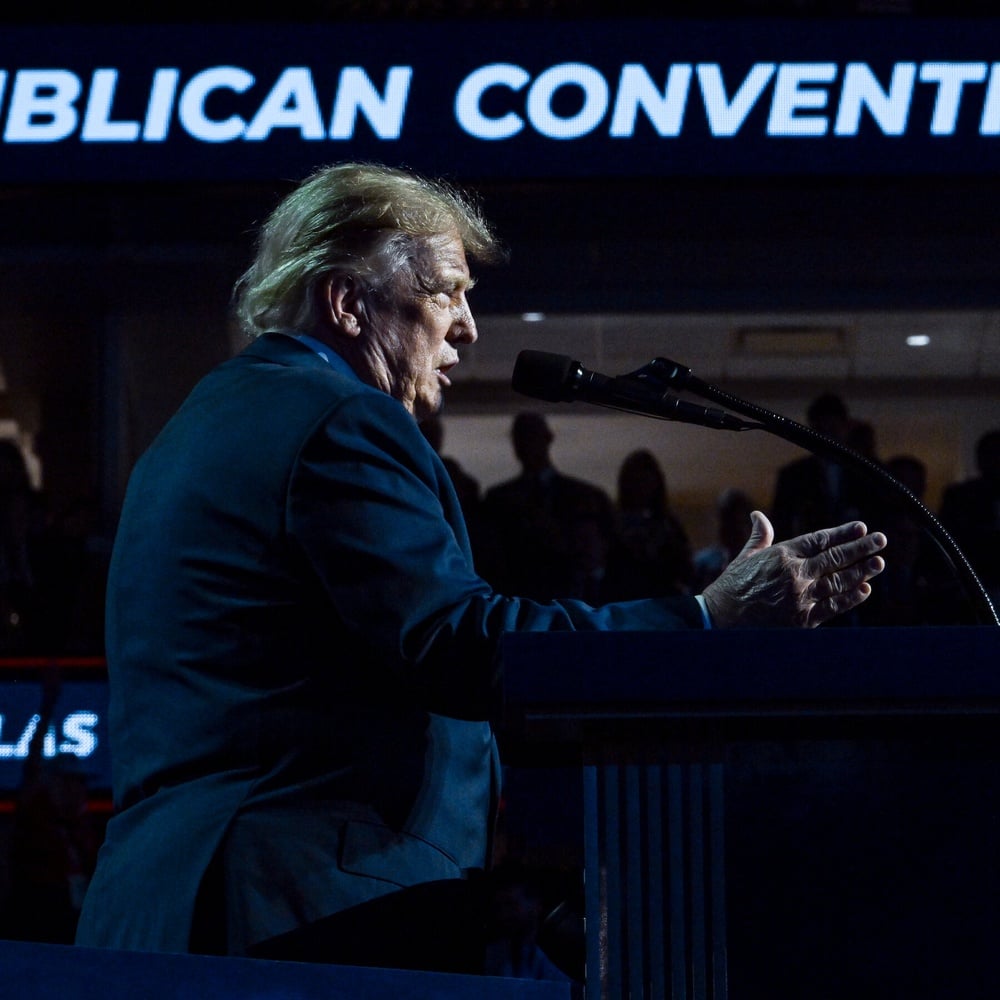
Click points to explore news by date. News sentiment ranges from -10 (very negative) to +10 (very positive) where 0 is neutral.
2026 © Helium Trades
Privacy Policy & Disclosure
* Disclaimer: Nothing on this website constitutes investment advice, performance data or any recommendation that any particular security, portfolio of securities, transaction or investment strategy is suitable for any specific person. Helium Trades is not responsible in any way for the accuracy
of any model predictions or price data. Any mention of a particular security and related prediction data is not a recommendation to buy or sell that security. Investments in securities involve the risk of loss. Past performance is no guarantee of future results. Helium Trades is not responsible for any of your investment decisions,
you should consult a financial expert before engaging in any transaction.
Helium Research Assistant

How can I help you today?
Ask any question about this page.