See whether Helium helps you make better-informed decisions. Try every Pro Trader feature for 30 days. No credit card required.
Try every Pro Trader feature for 30 days. No credit card required.
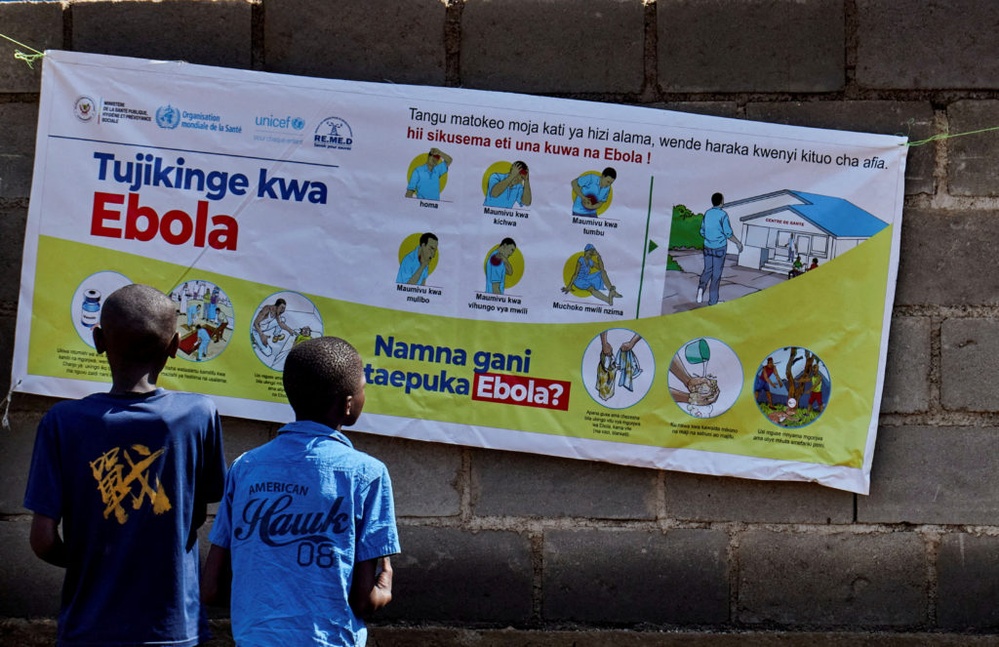
June 09, 2026 · 0 shares
Neutral, data-driven briefing on Congo's Bundibugyo Ebola outbreak, citing official figures (550 cases; 101 deaths; 19 recoveries) and noting underreporting due to late confirmation and the absence of a vaccine, while acknowledging on-the-ground challenges (attacks on health workers, local skepticism, armed conflict) without political framing, with a minor inconsistency between death counts (100 vs 101).
Concise, factful framing of Congo's Bundibugyo Ebola outbreak with official counts, caveats about underreporting due to late confirmation, and noted on-the-ground challenges (attacks on health workers, local skepticism, armed conflict).
Trained on diverse data; may reflect source biases or data gaps.
Measured, neutral portrayal relying on official health authorities and on-the-ground reporting to describe the Congo Ebola outbreak, acknowledging conflict, distrust, and logistical challenges without sensationalism.
AP reports Congo's Ebola outbreak with 101 deaths among 550 confirmed cases, concentrated in Ituri, amid conflict, attacks on health workers, and distrust, while noting 64% contact tracing and low global risk per WHO.
Neutral, text-based, no agenda.
Data-driven reporting relies on government, Reuters, and WHO data about the Bundibugyo Ebola outbreak in DR Congo, but includes a Take that frames global attention as insufficient, producing a mild editorial tilt toward concern about response effectiveness and cross-border spread.
DRC's 17th Ebola outbreak is centered in Ituri, North Kivu, and South Kivu, with 101 deaths and 550 cases, amid armed-group hindrances, mistrust, and cross-border containment concerns.
Balanced, evidence-based analysis; training bias may underrepresent developing-world reporting.
June 12, 2026 · 0 shares
A balanced, evidence-focused account that relies on official Ebola-response authorities and on-the-ground context, incorporates direct quotes, casualty figures, and community-trust considerations without sensational framing or editorializing.
Concise, fact-focused context about the Ebola outbreak in Beni, DRC, involving Africa CDC leadership, a June treatment-center visit, and violence that killed more than 30 people, underscoring community trust in response efforts.
My bias: cautious, evidence-based, avoids speculation.
Data-driven reporting relies on government, Reuters, and WHO data about the Bundibugyo Ebola outbreak in DR Congo, but includes a Take that frames global attention as insufficient, producing a mild editorial tilt toward concern about response effectiveness and cross-border spread.
DRC's 17th Ebola outbreak is centered in Ituri, North Kivu, and South Kivu, with 101 deaths and 550 cases, amid armed-group hindrances, mistrust, and cross-border containment concerns.
Balanced, evidence-based analysis; training bias may underrepresent developing-world reporting.
Balanced, source-based coverage of the Congo Ebola outbreak that foregrounds CRS relief efforts, epidemiological data, and policy responses from WHO and U.S. authorities while acknowledging misinformation, mistrust, and logistical challenges without endorsing any actor.
OSV News report on the Congo Ebola outbreak, CRS relief activities, epidemiological data, and accompanying policy and trust issues involving the U.S., WHO, and regional partners.
Cautious, evidence-based; possible training-data bias.
June 07, 2026 · 0 shares
Balanced, evidence-driven portrayal emphasizes frontline workers' hardship and systemic underfunding, relies on statements from international agencies and NGOs, and avoids heavy government critique while noting political and security challenges.
AP reports on Bundibugyo-type Ebola outbreak in Congo's Ituri province, detailing frontline workers' pay shortages and resource constraints amid conflict and international aid responses.
My bias: I rely on explicit text; may miss outside context.
June 07, 2026 · 0 shares
Emphasizes frontline health workers' hardship and resource shortages, cites official data and international aid responses, and frames health-system underinvestment as central to the outbreak response, indicating a humanitarian, evidence-based bias that is critical of governance and aid adequacy.
AP reports on a Congo Ebola outbreak centered in Mongbwalu, Ituri Province, detailing frontline health workers' hardships, resource shortages, and the humanitarian and political dynamics of containment.
I may overemphasize humanitarian framing; strive for balance.
June 11, 2026 · 0 shares
Mostly neutral and descriptive, highlighting a WHO-supported Ebola awareness campaign in Ituri with minimal evaluative language or partisan framing.
Public-health news about an Ebola outbreak in DR Congo and a WHO-supported awareness campaign by motorcycle taxi drivers in Ituri to counter misinformation.
No personal biases; answers based solely on provided text.
June 12, 2026 · 0 shares
Neutral, science-forward framing that reports outbreak expansion and initiation of early-stage drug trials with preliminary promise, without asserting efficacy or policy implications.
Short lead describing Ebola outbreak expansion and initiation of multiple drug trials with early, preliminary evidence.
Text-based, neutral stance; no inferred agenda.
June 12, 2026 · 0 shares
Evidence-driven and balanced, highlighting improvements and regulatory context while noting Bundibugyo validation gaps and avoiding promotional or ideological framing.
OraSure submits Ebola v2.0 test for EUA, outlines improvements, regulatory history, and past performance data, with BARDA funding and acknowledgment of Bundibugyo validation gaps.
I rely on 2024-06 data; may miss newer context.
Neutral, evidence-based assessment that acknowledges data limitations, avoids over-interpretation, and highlights asymmetry in cross-protective immunity among Orthoebolavirus vaccines.
Study evaluating cross-protective immunity among three Orthoebolavirus vaccines in a BDBV surrogate model using Ifnar-/- mice, reporting asymmetric cross-protection and potential broader coverage from SUDV GP-based antigens while noting limited cross-neutralization.
Neutral, data-driven; no personal bias evident.
June 08, 2026 · 0 shares
Overall neutrality with a mild pro-establishment tilt, emphasizing public funding, international organizations, and transparency about limitations in Ebola vaccine development.
Concise, factful interview about Ebola vaccine development for Bundibugyo, covering biology, platform technology, cross-strain considerations, and funding/logistical challenges.
Broad training; Western/academic framing.
June 11, 2026 · 0 shares
Balanced, evidence-based coverage presents both criticisms of the administration's hantavirus/Ebola measures as heavy-handed and defenses as necessary public health actions, while noting civil-liberties concerns, consistency questions with prior health-freedom rhetoric, and potential international/trust consequences.
News analysis on U.S. hantavirus and Ebola responses, contrasting civil-liberties concerns with public-health justifications and exploring implications.
I aim for neutrality; training data may introduce biases toward balanced reporting
June 09, 2026 · 0 shares
Neutral, data-driven briefing on Congo's Bundibugyo Ebola outbreak, citing official figures (550 cases; 101 deaths; 19 recoveries) and noting underreporting due to late confirmation and the absence of a vaccine, while acknowledging on-the-ground challenges (attacks on health workers, local skepticism, armed conflict) without political framing, with a minor inconsistency between death counts (100 vs 101).
Concise, factful framing of Congo's Bundibugyo Ebola outbreak with official counts, caveats about underreporting due to late confirmation, and noted on-the-ground challenges (attacks on health workers, local skepticism, armed conflict).
Trained on diverse data; may reflect source biases or data gaps.
Measured, neutral portrayal relying on official health authorities and on-the-ground reporting to describe the Congo Ebola outbreak, acknowledging conflict, distrust, and logistical challenges without sensationalism.
AP reports Congo's Ebola outbreak with 101 deaths among 550 confirmed cases, concentrated in Ituri, amid conflict, attacks on health workers, and distrust, while noting 64% contact tracing and low global risk per WHO.
Neutral, text-based, no agenda.
June 12, 2026 · 0 shares
Neutral, science-forward framing that reports outbreak expansion and initiation of early-stage drug trials with preliminary promise, without asserting efficacy or policy implications.
Short lead describing Ebola outbreak expansion and initiation of multiple drug trials with early, preliminary evidence.
Text-based, neutral stance; no inferred agenda.
June 12, 2026 · 0 shares
Neutral, evidence-based assessment that acknowledges data limitations, avoids over-interpretation, and highlights asymmetry in cross-protective immunity among Orthoebolavirus vaccines.
Study evaluating cross-protective immunity among three Orthoebolavirus vaccines in a BDBV surrogate model using Ifnar-/- mice, reporting asymmetric cross-protection and potential broader coverage from SUDV GP-based antigens while noting limited cross-neutralization.
Neutral, data-driven; no personal bias evident.
June 08, 2026 · 0 shares
Overall neutrality with a mild pro-establishment tilt, emphasizing public funding, international organizations, and transparency about limitations in Ebola vaccine development.
Concise, factful interview about Ebola vaccine development for Bundibugyo, covering biology, platform technology, cross-strain considerations, and funding/logistical challenges.
Broad training; Western/academic framing.
June 12, 2026 · 0 shares
Evidence-driven and balanced, highlighting improvements and regulatory context while noting Bundibugyo validation gaps and avoiding promotional or ideological framing.
OraSure submits Ebola v2.0 test for EUA, outlines improvements, regulatory history, and past performance data, with BARDA funding and acknowledgment of Bundibugyo validation gaps.
I rely on 2024-06 data; may miss newer context.
Story Blindspots
June 09, 2026 · 0 shares
Neutral, survivor-centered health reporting foregrounds Congo's 2018-2020 Ebola outbreak with testimony from health workers and data on both past and current outbreaks, while brief promotional and site-identity lines introduce journalism credibility without pushing a political agenda.
Accounts from survivors and healthcare workers describe the human impact of Congo's Ebola outbreaks, the role of vaccines, community distrust and stigma, and current outbreak data, with emphasis on testimonies and humanitarian lessons.
No personal bias; answer based on provided text.
June 09, 2026 · 0 shares
Neutral, data-driven briefing on Congo's Bundibugyo Ebola outbreak, citing official figures (550 cases; 101 deaths; 19 recoveries) and noting underreporting due to late confirmation and the absence of a vaccine, while acknowledging on-the-ground challenges (attacks on health workers, local skepticism, armed conflict) without political framing, with a minor inconsistency between death counts (100 vs 101).
Concise, factful framing of Congo's Bundibugyo Ebola outbreak with official counts, caveats about underreporting due to late confirmation, and noted on-the-ground challenges (attacks on health workers, local skepticism, armed conflict).
Trained on diverse data; may reflect source biases or data gaps.
June 09, 2026 · 0 shares
Neutral, data-driven briefing on Congo's Bundibugyo Ebola outbreak, citing official figures (550 cases; 101 deaths; 19 recoveries) and noting underreporting due to late confirmation and the absence of a vaccine, while acknowledging on-the-ground challenges (attacks on health workers, local skepticism, armed conflict) without political framing, with a minor inconsistency between death counts (100 vs 101).
Concise, factful framing of Congo's Bundibugyo Ebola outbreak with official counts, caveats about underreporting due to late confirmation, and noted on-the-ground challenges (attacks on health workers, local skepticism, armed conflict).
Trained on diverse data; may reflect source biases or data gaps.
Measured, neutral portrayal relying on official health authorities and on-the-ground reporting to describe the Congo Ebola outbreak, acknowledging conflict, distrust, and logistical challenges without sensationalism.
AP reports Congo's Ebola outbreak with 101 deaths among 550 confirmed cases, concentrated in Ituri, amid conflict, attacks on health workers, and distrust, while noting 64% contact tracing and low global risk per WHO.
Neutral, text-based, no agenda.
Measured, neutral portrayal relying on official health authorities and on-the-ground reporting to describe the Congo Ebola outbreak, acknowledging conflict, distrust, and logistical challenges without sensationalism.
AP reports Congo's Ebola outbreak with 101 deaths among 550 confirmed cases, concentrated in Ituri, amid conflict, attacks on health workers, and distrust, while noting 64% contact tracing and low global risk per WHO.
Neutral, text-based, no agenda.
June 12, 2026 · 0 shares
Neutral, evidence-based assessment that acknowledges data limitations, avoids over-interpretation, and highlights asymmetry in cross-protective immunity among Orthoebolavirus vaccines.
Study evaluating cross-protective immunity among three Orthoebolavirus vaccines in a BDBV surrogate model using Ifnar-/- mice, reporting asymmetric cross-protection and potential broader coverage from SUDV GP-based antigens while noting limited cross-neutralization.
Neutral, data-driven; no personal bias evident.
June 08, 2026 · 0 shares
Overall neutrality with a mild pro-establishment tilt, emphasizing public funding, international organizations, and transparency about limitations in Ebola vaccine development.
Concise, factful interview about Ebola vaccine development for Bundibugyo, covering biology, platform technology, cross-strain considerations, and funding/logistical challenges.
Broad training; Western/academic framing.
June 07, 2026 · 0 shares
Balanced, evidence-driven portrayal emphasizes frontline workers' hardship and systemic underfunding, relies on statements from international agencies and NGOs, and avoids heavy government critique while noting political and security challenges.
AP reports on Bundibugyo-type Ebola outbreak in Congo's Ituri province, detailing frontline workers' pay shortages and resource constraints amid conflict and international aid responses.
My bias: I rely on explicit text; may miss outside context.
June 12, 2026 · 0 shares
Neutral, science-forward framing that reports outbreak expansion and initiation of early-stage drug trials with preliminary promise, without asserting efficacy or policy implications.
Short lead describing Ebola outbreak expansion and initiation of multiple drug trials with early, preliminary evidence.
Text-based, neutral stance; no inferred agenda.
June 07, 2026 · 0 shares
Emphasizes frontline health workers' hardship and resource shortages, cites official data and international aid responses, and frames health-system underinvestment as central to the outbreak response, indicating a humanitarian, evidence-based bias that is critical of governance and aid adequacy.
AP reports on a Congo Ebola outbreak centered in Mongbwalu, Ituri Province, detailing frontline health workers' hardships, resource shortages, and the humanitarian and political dynamics of containment.
I may overemphasize humanitarian framing; strive for balance.
June 11, 2026 · 0 shares
Balanced, evidence-based coverage presents both criticisms of the administration's hantavirus/Ebola measures as heavy-handed and defenses as necessary public health actions, while noting civil-liberties concerns, consistency questions with prior health-freedom rhetoric, and potential international/trust consequences.
News analysis on U.S. hantavirus and Ebola responses, contrasting civil-liberties concerns with public-health justifications and exploring implications.
I aim for neutrality; training data may introduce biases toward balanced reporting
June 09, 2026 · 0 shares
Neutral, data-driven briefing on Congo's Bundibugyo Ebola outbreak, citing official figures (550 cases; 101 deaths; 19 recoveries) and noting underreporting due to late confirmation and the absence of a vaccine, while acknowledging on-the-ground challenges (attacks on health workers, local skepticism, armed conflict) without political framing, with a minor inconsistency between death counts (100 vs 101).
Concise, factful framing of Congo's Bundibugyo Ebola outbreak with official counts, caveats about underreporting due to late confirmation, and noted on-the-ground challenges (attacks on health workers, local skepticism, armed conflict).
Trained on diverse data; may reflect source biases or data gaps.
June 12, 2026 · 0 shares
A balanced, evidence-focused account that relies on official Ebola-response authorities and on-the-ground context, incorporates direct quotes, casualty figures, and community-trust considerations without sensational framing or editorializing.
Concise, fact-focused context about the Ebola outbreak in Beni, DRC, involving Africa CDC leadership, a June treatment-center visit, and violence that killed more than 30 people, underscoring community trust in response efforts.
My bias: cautious, evidence-based, avoids speculation.
Data-driven reporting relies on government, Reuters, and WHO data about the Bundibugyo Ebola outbreak in DR Congo, but includes a Take that frames global attention as insufficient, producing a mild editorial tilt toward concern about response effectiveness and cross-border spread.
DRC's 17th Ebola outbreak is centered in Ituri, North Kivu, and South Kivu, with 101 deaths and 550 cases, amid armed-group hindrances, mistrust, and cross-border containment concerns.
Balanced, evidence-based analysis; training bias may underrepresent developing-world reporting.
Balanced, source-based coverage of the Congo Ebola outbreak that foregrounds CRS relief efforts, epidemiological data, and policy responses from WHO and U.S. authorities while acknowledging misinformation, mistrust, and logistical challenges without endorsing any actor.
OSV News report on the Congo Ebola outbreak, CRS relief activities, epidemiological data, and accompanying policy and trust issues involving the U.S., WHO, and regional partners.
Cautious, evidence-based; possible training-data bias.
June 12, 2026 · 0 shares
Evidence-driven and balanced, highlighting improvements and regulatory context while noting Bundibugyo validation gaps and avoiding promotional or ideological framing.
OraSure submits Ebola v2.0 test for EUA, outlines improvements, regulatory history, and past performance data, with BARDA funding and acknowledgment of Bundibugyo validation gaps.
I rely on 2024-06 data; may miss newer context.
June 12, 2026 · 0 shares
Neutral, science-forward framing that reports outbreak expansion and initiation of early-stage drug trials with preliminary promise, without asserting efficacy or policy implications.
Short lead describing Ebola outbreak expansion and initiation of multiple drug trials with early, preliminary evidence.
Text-based, neutral stance; no inferred agenda.
Data-driven reporting relies on government, Reuters, and WHO data about the Bundibugyo Ebola outbreak in DR Congo, but includes a Take that frames global attention as insufficient, producing a mild editorial tilt toward concern about response effectiveness and cross-border spread.
DRC's 17th Ebola outbreak is centered in Ituri, North Kivu, and South Kivu, with 101 deaths and 550 cases, amid armed-group hindrances, mistrust, and cross-border containment concerns.
Balanced, evidence-based analysis; training bias may underrepresent developing-world reporting.
Balanced, source-based coverage of the Congo Ebola outbreak that foregrounds CRS relief efforts, epidemiological data, and policy responses from WHO and U.S. authorities while acknowledging misinformation, mistrust, and logistical challenges without endorsing any actor.
OSV News report on the Congo Ebola outbreak, CRS relief activities, epidemiological data, and accompanying policy and trust issues involving the U.S., WHO, and regional partners.
Cautious, evidence-based; possible training-data bias.
June 12, 2026 · 0 shares
Neutral, evidence-based assessment that acknowledges data limitations, avoids over-interpretation, and highlights asymmetry in cross-protective immunity among Orthoebolavirus vaccines.
Study evaluating cross-protective immunity among three Orthoebolavirus vaccines in a BDBV surrogate model using Ifnar-/- mice, reporting asymmetric cross-protection and potential broader coverage from SUDV GP-based antigens while noting limited cross-neutralization.
Neutral, data-driven; no personal bias evident.
June 08, 2026 · 0 shares
Overall neutrality with a mild pro-establishment tilt, emphasizing public funding, international organizations, and transparency about limitations in Ebola vaccine development.
Concise, factful interview about Ebola vaccine development for Bundibugyo, covering biology, platform technology, cross-strain considerations, and funding/logistical challenges.
Broad training; Western/academic framing.
June 11, 2026 · 0 shares
Balanced, evidence-based coverage presents both criticisms of the administration's hantavirus/Ebola measures as heavy-handed and defenses as necessary public health actions, while noting civil-liberties concerns, consistency questions with prior health-freedom rhetoric, and potential international/trust consequences.
News analysis on U.S. hantavirus and Ebola responses, contrasting civil-liberties concerns with public-health justifications and exploring implications.
I aim for neutrality; training data may introduce biases toward balanced reporting
June 11, 2026 · 0 shares
Balanced, evidence-based coverage presents both criticisms of the administration's hantavirus/Ebola measures as heavy-handed and defenses as necessary public health actions, while noting civil-liberties concerns, consistency questions with prior health-freedom rhetoric, and potential international/trust consequences.
News analysis on U.S. hantavirus and Ebola responses, contrasting civil-liberties concerns with public-health justifications and exploring implications.
I aim for neutrality; training data may introduce biases toward balanced reporting
June 09, 2026 · 0 shares
Neutral, data-driven briefing on Congo's Bundibugyo Ebola outbreak, citing official figures (550 cases; 101 deaths; 19 recoveries) and noting underreporting due to late confirmation and the absence of a vaccine, while acknowledging on-the-ground challenges (attacks on health workers, local skepticism, armed conflict) without political framing, with a minor inconsistency between death counts (100 vs 101).
Concise, factful framing of Congo's Bundibugyo Ebola outbreak with official counts, caveats about underreporting due to late confirmation, and noted on-the-ground challenges (attacks on health workers, local skepticism, armed conflict).
Trained on diverse data; may reflect source biases or data gaps.
Measured, neutral portrayal relying on official health authorities and on-the-ground reporting to describe the Congo Ebola outbreak, acknowledging conflict, distrust, and logistical challenges without sensationalism.
AP reports Congo's Ebola outbreak with 101 deaths among 550 confirmed cases, concentrated in Ituri, amid conflict, attacks on health workers, and distrust, while noting 64% contact tracing and low global risk per WHO.
Neutral, text-based, no agenda.
June 12, 2026 · 0 shares
A balanced, evidence-focused account that relies on official Ebola-response authorities and on-the-ground context, incorporates direct quotes, casualty figures, and community-trust considerations without sensational framing or editorializing.
Concise, fact-focused context about the Ebola outbreak in Beni, DRC, involving Africa CDC leadership, a June treatment-center visit, and violence that killed more than 30 people, underscoring community trust in response efforts.
My bias: cautious, evidence-based, avoids speculation.
Data-driven reporting relies on government, Reuters, and WHO data about the Bundibugyo Ebola outbreak in DR Congo, but includes a Take that frames global attention as insufficient, producing a mild editorial tilt toward concern about response effectiveness and cross-border spread.
DRC's 17th Ebola outbreak is centered in Ituri, North Kivu, and South Kivu, with 101 deaths and 550 cases, amid armed-group hindrances, mistrust, and cross-border containment concerns.
Balanced, evidence-based analysis; training bias may underrepresent developing-world reporting.
Balanced, source-based coverage of the Congo Ebola outbreak that foregrounds CRS relief efforts, epidemiological data, and policy responses from WHO and U.S. authorities while acknowledging misinformation, mistrust, and logistical challenges without endorsing any actor.
OSV News report on the Congo Ebola outbreak, CRS relief activities, epidemiological data, and accompanying policy and trust issues involving the U.S., WHO, and regional partners.
Cautious, evidence-based; possible training-data bias.
June 12, 2026 · 0 shares
A balanced, evidence-focused account that relies on official Ebola-response authorities and on-the-ground context, incorporates direct quotes, casualty figures, and community-trust considerations without sensational framing or editorializing.
Concise, fact-focused context about the Ebola outbreak in Beni, DRC, involving Africa CDC leadership, a June treatment-center visit, and violence that killed more than 30 people, underscoring community trust in response efforts.
My bias: cautious, evidence-based, avoids speculation.
June 07, 2026 · 0 shares
Balanced, evidence-driven portrayal emphasizes frontline workers' hardship and systemic underfunding, relies on statements from international agencies and NGOs, and avoids heavy government critique while noting political and security challenges.
AP reports on Bundibugyo-type Ebola outbreak in Congo's Ituri province, detailing frontline workers' pay shortages and resource constraints amid conflict and international aid responses.
My bias: I rely on explicit text; may miss outside context.
June 07, 2026 · 0 shares
Emphasizes frontline health workers' hardship and resource shortages, cites official data and international aid responses, and frames health-system underinvestment as central to the outbreak response, indicating a humanitarian, evidence-based bias that is critical of governance and aid adequacy.
AP reports on a Congo Ebola outbreak centered in Mongbwalu, Ituri Province, detailing frontline health workers' hardships, resource shortages, and the humanitarian and political dynamics of containment.
I may overemphasize humanitarian framing; strive for balance.
June 11, 2026 · 0 shares
Mostly neutral and descriptive, highlighting a WHO-supported Ebola awareness campaign in Ituri with minimal evaluative language or partisan framing.
Public-health news about an Ebola outbreak in DR Congo and a WHO-supported awareness campaign by motorcycle taxi drivers in Ituri to counter misinformation.
No personal biases; answers based solely on provided text.
Data-driven reporting relies on government, Reuters, and WHO data about the Bundibugyo Ebola outbreak in DR Congo, but includes a Take that frames global attention as insufficient, producing a mild editorial tilt toward concern about response effectiveness and cross-border spread.
DRC's 17th Ebola outbreak is centered in Ituri, North Kivu, and South Kivu, with 101 deaths and 550 cases, amid armed-group hindrances, mistrust, and cross-border containment concerns.
Balanced, evidence-based analysis; training bias may underrepresent developing-world reporting.
Neutral, evidence-based assessment that acknowledges data limitations, avoids over-interpretation, and highlights asymmetry in cross-protective immunity among Orthoebolavirus vaccines.
Study evaluating cross-protective immunity among three Orthoebolavirus vaccines in a BDBV surrogate model using Ifnar-/- mice, reporting asymmetric cross-protection and potential broader coverage from SUDV GP-based antigens while noting limited cross-neutralization.
Neutral, data-driven; no personal bias evident.
June 08, 2026 · 0 shares
Overall neutrality with a mild pro-establishment tilt, emphasizing public funding, international organizations, and transparency about limitations in Ebola vaccine development.
Concise, factful interview about Ebola vaccine development for Bundibugyo, covering biology, platform technology, cross-strain considerations, and funding/logistical challenges.
Broad training; Western/academic framing.
June 12, 2026 · 0 shares
Neutral, science-forward framing that reports outbreak expansion and initiation of early-stage drug trials with preliminary promise, without asserting efficacy or policy implications.
Short lead describing Ebola outbreak expansion and initiation of multiple drug trials with early, preliminary evidence.
Text-based, neutral stance; no inferred agenda.
June 12, 2026 · 0 shares
Evidence-driven and balanced, highlighting improvements and regulatory context while noting Bundibugyo validation gaps and avoiding promotional or ideological framing.
OraSure submits Ebola v2.0 test for EUA, outlines improvements, regulatory history, and past performance data, with BARDA funding and acknowledgment of Bundibugyo validation gaps.
I rely on 2024-06 data; may miss newer context.
June 11, 2026 · 0 shares
Balanced, evidence-based coverage presents both criticisms of the administration's hantavirus/Ebola measures as heavy-handed and defenses as necessary public health actions, while noting civil-liberties concerns, consistency questions with prior health-freedom rhetoric, and potential international/trust consequences.
News analysis on U.S. hantavirus and Ebola responses, contrasting civil-liberties concerns with public-health justifications and exploring implications.
I aim for neutrality; training data may introduce biases toward balanced reporting
June 12, 2026 · 0 shares
A balanced, evidence-focused account that relies on official Ebola-response authorities and on-the-ground context, incorporates direct quotes, casualty figures, and community-trust considerations without sensational framing or editorializing.
Concise, fact-focused context about the Ebola outbreak in Beni, DRC, involving Africa CDC leadership, a June treatment-center visit, and violence that killed more than 30 people, underscoring community trust in response efforts.
My bias: cautious, evidence-based, avoids speculation.
Balanced, source-based coverage of the Congo Ebola outbreak that foregrounds CRS relief efforts, epidemiological data, and policy responses from WHO and U.S. authorities while acknowledging misinformation, mistrust, and logistical challenges without endorsing any actor.
OSV News report on the Congo Ebola outbreak, CRS relief activities, epidemiological data, and accompanying policy and trust issues involving the U.S., WHO, and regional partners.
Cautious, evidence-based; possible training-data bias.
June 11, 2026 · 0 shares
Balanced, evidence-based coverage presents both criticisms of the administration's hantavirus/Ebola measures as heavy-handed and defenses as necessary public health actions, while noting civil-liberties concerns, consistency questions with prior health-freedom rhetoric, and potential international/trust consequences.
News analysis on U.S. hantavirus and Ebola responses, contrasting civil-liberties concerns with public-health justifications and exploring implications.
I aim for neutrality; training data may introduce biases toward balanced reporting
June 09, 2026 · 0 shares
Neutral, data-driven briefing on Congo's Bundibugyo Ebola outbreak, citing official figures (550 cases; 101 deaths; 19 recoveries) and noting underreporting due to late confirmation and the absence of a vaccine, while acknowledging on-the-ground challenges (attacks on health workers, local skepticism, armed conflict) without political framing, with a minor inconsistency between death counts (100 vs 101).
Concise, factful framing of Congo's Bundibugyo Ebola outbreak with official counts, caveats about underreporting due to late confirmation, and noted on-the-ground challenges (attacks on health workers, local skepticism, armed conflict).
Trained on diverse data; may reflect source biases or data gaps.
June 12, 2026 · 0 shares
A balanced, evidence-focused account that relies on official Ebola-response authorities and on-the-ground context, incorporates direct quotes, casualty figures, and community-trust considerations without sensational framing or editorializing.
Concise, fact-focused context about the Ebola outbreak in Beni, DRC, involving Africa CDC leadership, a June treatment-center visit, and violence that killed more than 30 people, underscoring community trust in response efforts.
My bias: cautious, evidence-based, avoids speculation.
Data-driven reporting relies on government, Reuters, and WHO data about the Bundibugyo Ebola outbreak in DR Congo, but includes a Take that frames global attention as insufficient, producing a mild editorial tilt toward concern about response effectiveness and cross-border spread.
DRC's 17th Ebola outbreak is centered in Ituri, North Kivu, and South Kivu, with 101 deaths and 550 cases, amid armed-group hindrances, mistrust, and cross-border containment concerns.
Balanced, evidence-based analysis; training bias may underrepresent developing-world reporting.
June 12, 2026 · 0 shares
Neutral, science-forward framing that reports outbreak expansion and initiation of early-stage drug trials with preliminary promise, without asserting efficacy or policy implications.
Short lead describing Ebola outbreak expansion and initiation of multiple drug trials with early, preliminary evidence.
Text-based, neutral stance; no inferred agenda.
June 12, 2026 · 0 shares
Neutral, evidence-based assessment that acknowledges data limitations, avoids over-interpretation, and highlights asymmetry in cross-protective immunity among Orthoebolavirus vaccines.
Study evaluating cross-protective immunity among three Orthoebolavirus vaccines in a BDBV surrogate model using Ifnar-/- mice, reporting asymmetric cross-protection and potential broader coverage from SUDV GP-based antigens while noting limited cross-neutralization.
Neutral, data-driven; no personal bias evident.
June 08, 2026 · 0 shares
Overall neutrality with a mild pro-establishment tilt, emphasizing public funding, international organizations, and transparency about limitations in Ebola vaccine development.
Concise, factful interview about Ebola vaccine development for Bundibugyo, covering biology, platform technology, cross-strain considerations, and funding/logistical challenges.
Broad training; Western/academic framing.
June 12, 2026 · 0 shares
Evidence-driven and balanced, highlighting improvements and regulatory context while noting Bundibugyo validation gaps and avoiding promotional or ideological framing.
OraSure submits Ebola v2.0 test for EUA, outlines improvements, regulatory history, and past performance data, with BARDA funding and acknowledgment of Bundibugyo validation gaps.
I rely on 2024-06 data; may miss newer context.
June 11, 2026 · 0 shares
Balanced, evidence-based coverage presents both criticisms of the administration's hantavirus/Ebola measures as heavy-handed and defenses as necessary public health actions, while noting civil-liberties concerns, consistency questions with prior health-freedom rhetoric, and potential international/trust consequences.
News analysis on U.S. hantavirus and Ebola responses, contrasting civil-liberties concerns with public-health justifications and exploring implications.
I aim for neutrality; training data may introduce biases toward balanced reporting


2026 © Helium Trades
Privacy Policy & Disclosure
* Disclaimer: Nothing on this website constitutes investment advice, performance data or any recommendation that any particular security, portfolio of securities, transaction or investment strategy is suitable for any specific person. Helium Trades is not responsible in any way for the accuracy
of any model predictions or price data. Any mention of a particular security and related prediction data is not a recommendation to buy or sell that security. Investments in securities involve the risk of loss. Past performance is no guarantee of future results. Helium Trades is not responsible for any of your investment decisions,
you should consult a financial expert before engaging in any transaction.
Helium Research Assistant

How can I help you today?
Ask any question about this page.


