See whether Helium helps you make better-informed decisions. Try every Pro Trader feature for 30 days. No credit card required.
Try every Pro Trader feature for 30 days. No credit card required.

November 02, 2026 · 0 shares
A narrowly factual weather report that attributes forecasts and warnings to the India Meteorological Department and state officials, with no evaluative or political framing beyond the cyclone's expected impacts.
The storm follows Cyclone Arnab, which made landfall in Andhra Pradesh on October 28, making Murasu the second Bay of Bengal cyclone in under a week.
Automated analysis; not human reviewed.
Limitations: The supplied text mixes article body with adjacent headline lists and a tweet embed; headline items were excluded from analysis, and the forecast content is inherently forward-looking, limiting confidence in certainty-related dimensions.
·
20 of 55 available dimensions scored; omitted dimensions are not treated as neutral.
·
Verified supporting quotes for 16 of 20 scored dimensions.
Claim: No ideological or partisan framing appears in the weather reporting.
“It is very likely to make landfall with wind speeds of 100 km per hour to 110 km per hour, gusting to 120 km per hour, the weather agency said.” · exact text match
Why: Content is apolitical, so neutrality is the supported reading.
Claim: No populist or elitist framing is present in the disaster reporting.
“Ten IndiGo flights scheduled to operate from Vijayawada in Andhra Pradesh on Monday were cancelled because of the cyclone, ANI quoted the airport authorities as saying.” · exact text match
Why: Neutral operational facts about flights and closures.
Claim: Closures and official coordination are reported without endorsement of expanded authority.
“the authorities in Chennai and Tiruvallur ordered schools and colleges in the two districts to remain closed on Monday.” · exact text match
Why: Safety measures are described, not advocated.
Claim: Framing is limited to attributed weather data and official statements rather than the reporter's interpretation.
“the India Meteorological Department said.” · exact text match
Why: Attribution to a named agency rather than subjective commentary.
Claim: Language is measured and technical rather than dramatized.
“As of 8.30 am on Monday, the storm was 180 km northeast of Chennai and 160 km east-southeast of Nellore, the India Meteorological Department said.” · exact text match
Why: Precise positional data with no hyperbolic phrasing.
Claim: The article reports closures and warnings rather than advocating actions for readers.
“Amid the heavy rain forecast, the authorities in Chennai and Tiruvallur ordered schools and colleges in the two districts to remain closed on Monday.” · exact text match
Why: Official actions are described; no prescriptive editorializing.
Claim: No foreign or security policy content is present.
“the weather department said on Sunday.” · exact text match
Why: Dimension largely inapplicable; neutrality is the only defensible reading.
Claim: Severe weather is described in technical severity terms without alarmist language.
“There could be extremely heavy rainfall on Monday and Tuesday in some places in coastal Andhra Pradesh, the weather department said on Sunday.” · exact text match
Why: 'Extremely heavy rainfall' is an official classification, lightly heightening urgency.
Claim: Political content is confined to factual reporting of chief ministers' coordination, with no partisan framing.
“Naidu requested human resources and machinery to restore damaged power systems, the chief minister’s office said on Sunday.” · exact text match
Why: Officeholders appear only as sources on disaster response.
Claim: Impacts are summarized regionally without granular local detail.
“Tamil Nadu was forecast to receive heavy to very heavy rainfall in some places Monday and Tuesday.” · exact text match
Why: Standard regional aggregation for a weather alert.
Claim: Impact and forecast claims rest on meteorological and official authority rather than independent analysis.
“his office said” · exact text match
Why: Authority citation is standard for weather reporting, so only mild.
Claim: The report presents state government coordination and official warnings without adversarial framing.
“Andhra Pradesh Chief Minister N Chandrababu Naidu said that he had spoken with Tamil Nadu Chief Minister C Joseph Vijay to coordinate the states’ efforts to mitigate the damage.” · exact text match
Why: Official activity is reported neutrally; slight pro-official framing only.
Claim: The report relies on named institutional sources and official statements for its key claims.
“the weather department said on Sunday.” · exact text match
Why: Consistent institutional attribution supports credibility in the supplied text.
Claim: The report presents forecasts and impact assessments in attributed, orderly factual form without emotive or illogical leaps.
“It is very likely to make landfall with wind speeds of 100 km per hour to 110 km per hour, gusting to 120 km per hour, the weather agency said.” · exact text match
Why: Quantified, sourced meteorological data presented plainly.
Claim: Forward-looking landfall and damage content is attributed forecast and may-estimate, not asserted as fact.
“The cyclonic storm is expected to make landfall near Ongole in Andhra Pradesh between midnight on Monday and Tuesday morning.” · exact text match
Why: Forecasting is inherent to the subject and is hedged through attribution.
Claim: Forecasts, estimates and cancellations are attributed to their sources with appropriate hedging.
“The Andhra Pradesh chief minister said that 6,000 to 8,000 electricity poles may be damaged because of the cyclone, severely threatening power supply.” · exact text match
Why: Estimates are labeled as such and tied to an identified official source.
The supplied text mixes article body with adjacent headline lists and a tweet embed; headline items were excluded from analysis, and the forecast content is inherently forward-looking, limiting confidence in certainty-related dimensions.
November 02, 2026 · 0 shares
Official-source disaster reporting is attributive and operational, with no evident partisan, sensational, or opinion framing.
Automated analysis; not human reviewed.
Limitations: The supplied text includes subscription/newsletter boilerplate and a comments notice; analysis is limited to the cyclone report.
·
13 of 55 available dimensions scored; omitted dimensions are not treated as neutral.
·
Verified supporting quotes for 13 of 13 scored dimensions.
Claim: The report frames the cyclone response as operational state action without partisan or ideological language.
“As the cyclonic storm, Cyclone Murasu, moves towards the A.P. coast, the State has deployed six National Disaster Response Force (NDRF) teams and seven State Disaster Response Force (SDRF) teams in districts likely to be affected by the cyclone.” · exact text match
Why: The quoted passage is disaster-response information with no partisan framing.
Claim: The report presents specific forecast details without subjective commentary.
“The landfall will be close to the Ongole coast, with a wind speed of 100 to 120 kmph, in the early hours of November 3.” · exact text match
Why: The quoted forecast is concrete and attributed, not evaluative.
Claim: Hazard information is stated factually rather than with sensational language.
“Isolated extremely heavy rainfall is expected at one or two locations in the districts of Krishna, Guntur, Bapatla, Prakasam, Markapuram and Nellore on Monday.” · exact text match
Why: The rainfall warning is specific and measured, without dramatic phrasing.
Claim: The report describes deployment locations rather than prescribing policy or opinion.
“two teams each have been stationed in the districts of Krishna, Bapatla, Guntur, Nellore and Prakasam, while one team each has been deployed in Markapuram, Palnadu and Tirupati districts.” · exact text match
Why: The passage reports operational facts descriptively.
Claim: The report provides public-service information without political framing.
“People can report any cyclone-related problems to officials through the Mana Mitra WhatsApp Governance service at 95523 00009.” · exact text match
Why: The quoted content is practical emergency information, not political argument.
Claim: Official authorities are central sources for the report's forecasts and response details.
“According to the 9 p.m. bulletin from the India Meteorological Department (IMD)” · exact text match
“According to information from the A.P. State Disaster Management Authority (APSDMA)” · exact text match
Why: The report repeatedly relies on named official authorities, appropriate for disaster forecasting.
Claim: The report gives substantial attention to government response measures.
“the State has deployed six National Disaster Response Force (NDRF) teams and seven State Disaster Response Force (SDRF) teams” · exact text match
“NTR and Guntur districts have announced holidays for all government and private schools, junior colleges and degree colleges on Monday” · exact text match
Why: Deployment totals and school closures are prominent response-focused details.
Claim: The report uses explicit sourcing and attribution for its central claims.
“According to the 9 p.m. bulletin from the India Meteorological Department (IMD)” · exact text match
“According to information from the A.P. State Disaster Management Authority (APSDMA)” · exact text match
Why: Named official sources and specific forecasts support visible credibility.
Claim: The report relies on quantified meteorological bulletins rather than emotive or speculative reasoning.
“According to the 9 p.m. bulletin from the India Meteorological Department (IMD), the cyclonic storm centred over Southwest and adjoining Westcentral Bay of Bengal at 5.30 p.m.” · exact text match
Why: The passage attributes specific storm data to an official meteorological bulletin.
Claim: The report is grounded in empirical meteorological data rather than superstition.
“According to the 9 p.m. bulletin from the India Meteorological Department (IMD), the cyclonic storm centred over Southwest and adjoining Westcentral Bay of Bengal at 5.30 p.m.” · exact text match
Why: The passage relies on official weather measurements and forecasts.
Claim: The report includes forecast speculation, but it is attributed to IMD rather than presented as the publisher's own prediction.
“The landfall will be close to the Ongole coast, with a wind speed of 100 to 120 kmph, in the early hours of November 3.” · exact text match
Why: The quoted landfall forecast is forward-looking but sourced to an official meteorological authority.
Claim: The report clearly attributes forecasts and official information to named authorities.
“According to information from the A.P. State Disaster Management Authority (APSDMA), the landfall point is likely to be Ongole” · exact text match
“According to the 9 p.m. bulletin from the India Meteorological Department (IMD)” · exact text match
Why: Explicit attribution and hedged forecast language indicate fair reporting practice.
Claim: The report includes precise, structured operational and meteorological detail.
“It was located about 420 km east-southeast of Chennai, 490 km east-southeast of Nellore, 500 km southeast of Machilipatnam, 510 east-southeast of Kavali, 530 km southeast of Ongole and 560 km south-southeast of Vishakhapatnam.” · exact text match
Why: The passage supplies detailed distances and locations in a structured way.
The supplied text includes subscription/newsletter boilerplate and a comments notice; analysis is limited to the cyclone report.
Presents cyclone-related flight disruptions as attributed, factual updates with minimal sensationalism or ideological framing.
Automated analysis; not human reviewed.
Limitations: No author byline is present; the supplied text includes duplicated advisory statements and page-chrome-like entries, though the substantive reporting is clear.
·
11 of 55 available dimensions scored; omitted dimensions are not treated as neutral.
·
Verified supporting quotes for 11 of 11 scored dimensions.
Claim: The report is framed around attributed operational facts and official statements, not the publisher's subjective viewpoint.
“Airport authorities reported 10 IndiGo flights scheduled from Gannavaram Airport in Vijayawada were cancelled.” · exact text match
Why: Factual attribution to airport authorities indicates objective reporting.
Claim: Cyclone disruption is reported in measured, advisory language without sensational embellishment.
“The airline issued a travel advisory, cautioning passengers about possible extended waiting times both on the ground and on board.” · exact text match
Why: Service-advisory wording is measured rather than sensational.
Claim: The article mainly describes events and official actions rather than prescribing a broad course of action.
“The Chennai Airport authorities said on Monday that certain flights have been cancelled in view of the adverse weather conditions.” · exact text match
Why: The quoted passage describes an official action rather than advocating a position.
Claim: The text is primarily factual reporting with no evident editorial opinion.
“IndiGo flight operations were affected in Andhra Pradesh and Chennai on Monday, November 2, due to adverse weather conditions amid the Cyclone Murasu warning in the region.” · exact text match
Why: The statement reports an event without evaluative commentary.
Claim: Political actors appear only in a disaster-preparedness context, not in partisan framing.
“Andhra Pradesh Chief Minister Chandrababu Naidu on Sunday cancelled his scheduled visit to Delhi on Monday and directed officials to remain fully prepared to deal with its impact.” · exact text match
Why: The political figure is mentioned for official preparedness, not partisan conflict.
Claim: The report remains unemotional, using service-advisory language.
“Airport authorities also recommended confirming flight status with the airline before travelling to the airport.” · exact text match
Why: Practical travel guidance is neutral rather than emotionally charged.
Claim: Sourcing is explicit and includes named agencies, airport authorities and airline advisories.
“Airport authorities reported 10 IndiGo flights scheduled from Gannavaram Airport in Vijayawada were cancelled.” · exact text match
Why: Attributed operational facts support visible credibility.
Claim: The report uses precise, attributed meteorological and flight data rather than emotive reasoning.
“At 5:30 AM IST on Monday, it lay centred near Latitude 13.9°N and Longitude 81.8°E.” · exact text match
Why: Precise sourced data supports a rational, empirical presentation.
Claim: Weather claims are grounded in meteorological measurements and official forecasts.
“Madhavaram recorded 11 cm rainfall, while Ennore Port recorded 10 cm.” · exact text match
Why: Measured rainfall data indicates empirical rather than superstitious framing.
Claim: Cancellations and forecasts are repeatedly attributed to named authorities and the airline.
“the India Meteorological Department (IMD) said in its latest bulletin” · exact text match
Why: Explicit attribution is an observable honesty and fairness signal.
Claim: The report is routine but information-dense, with clear operational detail and limited analysis.
“The listed cancellations covered flights between Chennai and Vijayawada, Rajahmundry, Kadapa and Tiruchirappalli.” · exact text match
Why: Specific route details show informative reporting without deep analysis.
No author byline is present; the supplied text includes duplicated advisory statements and page-chrome-like entries, though the substantive reporting is clear.
November 02, 2026 · 0 shares
Neutral, attribution-heavy disaster reporting that relies on official forecasts and evacuation figures without sensational or political framing.
Automated analysis; not human reviewed.
Limitations: The supplied text is a short, partly fragmented news summary with promotional page boilerplate; scoring is limited to the substantive cyclone update.
·
15 of 55 available dimensions scored; omitted dimensions are not treated as neutral.
·
Verified supporting quotes for 7 of 15 scored dimensions.
Claim: The report stays descriptive, attributing forecasts and evacuation figures to IMD and a named disaster-management official.
“Prakhar Jain, managing director of the Andhra Pradesh State Disaster Management Authority, told Reuters on Monday.” · exact text match
Why: Direct attribution and factual figures dominate over evaluative language.
Claim: Evacuation is reported with measured figures and forecast language rather than dramatic or alarmist wording.
“Around 2,000 people have been evacuated, and the process is continuing.” · exact text match
Why: The wording is restrained and numerical rather than sensational.
Claim: The report describes events and official plans without prescribing policy or action beyond attributed evacuation plans.
“Around 2,000 people have been evacuated, and the process is continuing.” · exact text match
Why: The article reports actions rather than advocating them.
Claim: Future storm behavior is framed through forecast and expectation language, not certainty.
“IMD has forecast Murasu to make landfall in the early hours of Tuesday.” · not found in supplied text
Why: Forecast language appropriately signals uncertainty.
Claim: Tone remains neutral and unemotional despite the disaster context.
“Authorities began evacuating people along India's eastern coast on Monday (Nov 2), a day before a severe cyclonic storm is expected to make landfall in a region recovering from a deadly cyclone last week.” · exact text match
Why: The report conveys risk through factual description without emotional intensifiers.
Claim: The report provides visible attribution to official meteorological and disaster-management sources.
“India Meteorological Department (IMD) has forecast Murasu to make landfall in the early hours of Tuesday.” · exact text match
Why: Named official sources support the main claims.
Claim: The account is factual and logically organized around forecast, evacuation, and geography.
“The cyclone formed over the Bay of Bengal, a major region for tropical cyclones that has spawned deadly storms on India's east coast.” · exact text match
Why: The article presents coherent factual context without irrational claims.
Claim: The report relies on meteorological forecasting rather than non-empirical claims.
“India Meteorological Department (IMD) has forecast Murasu to make landfall in the early hours of Tuesday.” · exact text match
Why: An official meteorological forecast is the basis for the storm claims.
The supplied text is a short, partly fragmented news summary with promotional page boilerplate; scoring is limited to the substantive cyclone update.
November 02, 2026 · 0 shares
Framing is neutral, attribution-driven, and restrained, relying on official forecasts and named disaster-management sources without ideological or sensational language.
Automated analysis; not human reviewed.
Limitations: The supplied text is brief and partly formatted as headline plus paraphrased paragraphs, so some framing dimensions lack enough material for confident scoring.
·
13 of 55 available dimensions scored; omitted dimensions are not treated as neutral.
·
Verified supporting quotes for 13 of 13 scored dimensions.
Claim: No left-right ideological framing is visible; the report focuses on evacuation and weather forecasts.
“Indian authorities began evacuating residents along the country’s eastern coast on Monday as Cyclone Murasu approached” · exact text match
Why: A procedural disaster-response sentence carries no left-right policy or ideological cue.
Claim: The report does not adopt a populist or elitist stance; it presents official disaster response as routine public administration.
“Authorities are moving quickly to reduce the risk to residents” · exact text match
Why: The framing is administrative and risk-focused rather than populist or elitist.
Claim: The report is objective, with named attribution for evacuation figures.
“Around 2,000 people had been evacuated by Monday, with preparations under way to move a further 30,000, Prakhar Jain, managing director of the Andhra Pradesh State Disaster Management Authority, told Reuters.” · exact text match
Why: Specific figures are attributed to a named official and Reuters.
Claim: The report is measured rather than sensational, explicitly noting the storm is forecast to be less intense than the prior one.
“Murasu is forecast to be less intense than Arnab” · exact text match
Why: A comparative, non-hyperbolic forecast statement reduces sensational framing.
Claim: The report describes official actions and forecasts without prescribing policy.
“Indian authorities began evacuating residents along the country’s eastern coast on Monday as Cyclone Murasu approached” · exact text match
Why: The phrasing reports an action rather than recommending one.
Claim: The report includes hazard language but is not fear-baiting; it notes lower forecast intensity than Arnab.
“Murasu is forecast to be less intense than Arnab” · exact text match
Why: A measured comparison tempers fear framing.
Claim: No publisher opinion or evaluative judgment is expressed.
“Around 2,000 people had been evacuated by Monday” · exact text match
Why: A factual count without evaluative language indicates low opinion framing.
Claim: Political framing is minimal; authorities are presented as disaster responders.
“Prakhar Jain, managing director of the Andhra Pradesh State Disaster Management Authority, told Reuters.” · exact text match
Why: The official role is administrative and emergency-management focused, not partisan.
Claim: The report relies on official meteorological and disaster-management authorities for key claims.
“The India Meteorological Department (IMD) forecast that the cyclone would hit the coast in the early hours of Tuesday” · exact text match
“Prakhar Jain, managing director of the Andhra Pradesh State Disaster Management Authority, told Reuters.” · exact text match
Why: Both the forecast and evacuation figures are sourced to authorities.
Claim: Credible reporting signals include named agencies, official titles, and Reuters attribution.
“Prakhar Jain, managing director of the Andhra Pradesh State Disaster Management Authority, told Reuters.” · exact text match
Why: Named sourcing and explicit attribution support credibility.
Claim: The report is evidence-oriented, using meteorological forecasts and official counts.
“The India Meteorological Department (IMD) forecast that the cyclone would hit the coast in the early hours of Tuesday” · exact text match
Why: Attributed forecasting and operational facts indicate rational reporting rather than emotive or illogical framing.
Claim: Future storm behavior is presented as forecast attributed to IMD, not as publisher speculation.
“forecast that the cyclone would hit the coast in the early hours of Tuesday” · exact text match
Why: Speculation is limited to attributed forecasting rather than open-ended publisher guesswork.
Claim: Sourcing and attribution are transparent.
“Around 2,000 people had been evacuated by Monday, with preparations under way to move a further 30,000, Prakhar Jain, managing director of the Andhra Pradesh State Disaster Management Authority, told Reuters.” · exact text match
Why: The report names an official, his title, and Reuters as the source for key evacuation details.
The supplied text is brief and partly formatted as headline plus paraphrased paragraphs, so some framing dimensions lack enough material for confident scoring.
November 02, 2026 · 0 shares
Official-source disaster reporting is attributive and operational, with no evident partisan, sensational, or opinion framing.
Automated analysis; not human reviewed.
Limitations: The supplied text includes subscription/newsletter boilerplate and a comments notice; analysis is limited to the cyclone report.
·
13 of 55 available dimensions scored; omitted dimensions are not treated as neutral.
·
Verified supporting quotes for 13 of 13 scored dimensions.
Claim: The report frames the cyclone response as operational state action without partisan or ideological language.
“As the cyclonic storm, Cyclone Murasu, moves towards the A.P. coast, the State has deployed six National Disaster Response Force (NDRF) teams and seven State Disaster Response Force (SDRF) teams in districts likely to be affected by the cyclone.” · exact text match
Why: The quoted passage is disaster-response information with no partisan framing.
Claim: The report presents specific forecast details without subjective commentary.
“The landfall will be close to the Ongole coast, with a wind speed of 100 to 120 kmph, in the early hours of November 3.” · exact text match
Why: The quoted forecast is concrete and attributed, not evaluative.
Claim: Hazard information is stated factually rather than with sensational language.
“Isolated extremely heavy rainfall is expected at one or two locations in the districts of Krishna, Guntur, Bapatla, Prakasam, Markapuram and Nellore on Monday.” · exact text match
Why: The rainfall warning is specific and measured, without dramatic phrasing.
Claim: The report describes deployment locations rather than prescribing policy or opinion.
“two teams each have been stationed in the districts of Krishna, Bapatla, Guntur, Nellore and Prakasam, while one team each has been deployed in Markapuram, Palnadu and Tirupati districts.” · exact text match
Why: The passage reports operational facts descriptively.
Claim: The report provides public-service information without political framing.
“People can report any cyclone-related problems to officials through the Mana Mitra WhatsApp Governance service at 95523 00009.” · exact text match
Why: The quoted content is practical emergency information, not political argument.
Claim: Official authorities are central sources for the report's forecasts and response details.
“According to the 9 p.m. bulletin from the India Meteorological Department (IMD)” · exact text match
“According to information from the A.P. State Disaster Management Authority (APSDMA)” · exact text match
Why: The report repeatedly relies on named official authorities, appropriate for disaster forecasting.
Claim: The report gives substantial attention to government response measures.
“the State has deployed six National Disaster Response Force (NDRF) teams and seven State Disaster Response Force (SDRF) teams” · exact text match
“NTR and Guntur districts have announced holidays for all government and private schools, junior colleges and degree colleges on Monday” · exact text match
Why: Deployment totals and school closures are prominent response-focused details.
Claim: The report uses explicit sourcing and attribution for its central claims.
“According to the 9 p.m. bulletin from the India Meteorological Department (IMD)” · exact text match
“According to information from the A.P. State Disaster Management Authority (APSDMA)” · exact text match
Why: Named official sources and specific forecasts support visible credibility.
Claim: The report relies on quantified meteorological bulletins rather than emotive or speculative reasoning.
“According to the 9 p.m. bulletin from the India Meteorological Department (IMD), the cyclonic storm centred over Southwest and adjoining Westcentral Bay of Bengal at 5.30 p.m.” · exact text match
Why: The passage attributes specific storm data to an official meteorological bulletin.
Claim: The report is grounded in empirical meteorological data rather than superstition.
“According to the 9 p.m. bulletin from the India Meteorological Department (IMD), the cyclonic storm centred over Southwest and adjoining Westcentral Bay of Bengal at 5.30 p.m.” · exact text match
Why: The passage relies on official weather measurements and forecasts.
Claim: The report includes forecast speculation, but it is attributed to IMD rather than presented as the publisher's own prediction.
“The landfall will be close to the Ongole coast, with a wind speed of 100 to 120 kmph, in the early hours of November 3.” · exact text match
Why: The quoted landfall forecast is forward-looking but sourced to an official meteorological authority.
Claim: The report clearly attributes forecasts and official information to named authorities.
“According to information from the A.P. State Disaster Management Authority (APSDMA), the landfall point is likely to be Ongole” · exact text match
“According to the 9 p.m. bulletin from the India Meteorological Department (IMD)” · exact text match
Why: Explicit attribution and hedged forecast language indicate fair reporting practice.
Claim: The report includes precise, structured operational and meteorological detail.
“It was located about 420 km east-southeast of Chennai, 490 km east-southeast of Nellore, 500 km southeast of Machilipatnam, 510 east-southeast of Kavali, 530 km southeast of Ongole and 560 km south-southeast of Vishakhapatnam.” · exact text match
Why: The passage supplies detailed distances and locations in a structured way.
The supplied text includes subscription/newsletter boilerplate and a comments notice; analysis is limited to the cyclone report.
Presents cyclone-related flight disruptions as attributed, factual updates with minimal sensationalism or ideological framing.
Automated analysis; not human reviewed.
Limitations: No author byline is present; the supplied text includes duplicated advisory statements and page-chrome-like entries, though the substantive reporting is clear.
·
11 of 55 available dimensions scored; omitted dimensions are not treated as neutral.
·
Verified supporting quotes for 11 of 11 scored dimensions.
Claim: The report is framed around attributed operational facts and official statements, not the publisher's subjective viewpoint.
“Airport authorities reported 10 IndiGo flights scheduled from Gannavaram Airport in Vijayawada were cancelled.” · exact text match
Why: Factual attribution to airport authorities indicates objective reporting.
Claim: Cyclone disruption is reported in measured, advisory language without sensational embellishment.
“The airline issued a travel advisory, cautioning passengers about possible extended waiting times both on the ground and on board.” · exact text match
Why: Service-advisory wording is measured rather than sensational.
Claim: The article mainly describes events and official actions rather than prescribing a broad course of action.
“The Chennai Airport authorities said on Monday that certain flights have been cancelled in view of the adverse weather conditions.” · exact text match
Why: The quoted passage describes an official action rather than advocating a position.
Claim: The text is primarily factual reporting with no evident editorial opinion.
“IndiGo flight operations were affected in Andhra Pradesh and Chennai on Monday, November 2, due to adverse weather conditions amid the Cyclone Murasu warning in the region.” · exact text match
Why: The statement reports an event without evaluative commentary.
Claim: Political actors appear only in a disaster-preparedness context, not in partisan framing.
“Andhra Pradesh Chief Minister Chandrababu Naidu on Sunday cancelled his scheduled visit to Delhi on Monday and directed officials to remain fully prepared to deal with its impact.” · exact text match
Why: The political figure is mentioned for official preparedness, not partisan conflict.
Claim: The report remains unemotional, using service-advisory language.
“Airport authorities also recommended confirming flight status with the airline before travelling to the airport.” · exact text match
Why: Practical travel guidance is neutral rather than emotionally charged.
Claim: Sourcing is explicit and includes named agencies, airport authorities and airline advisories.
“Airport authorities reported 10 IndiGo flights scheduled from Gannavaram Airport in Vijayawada were cancelled.” · exact text match
Why: Attributed operational facts support visible credibility.
Claim: The report uses precise, attributed meteorological and flight data rather than emotive reasoning.
“At 5:30 AM IST on Monday, it lay centred near Latitude 13.9°N and Longitude 81.8°E.” · exact text match
Why: Precise sourced data supports a rational, empirical presentation.
Claim: Weather claims are grounded in meteorological measurements and official forecasts.
“Madhavaram recorded 11 cm rainfall, while Ennore Port recorded 10 cm.” · exact text match
Why: Measured rainfall data indicates empirical rather than superstitious framing.
Claim: Cancellations and forecasts are repeatedly attributed to named authorities and the airline.
“the India Meteorological Department (IMD) said in its latest bulletin” · exact text match
Why: Explicit attribution is an observable honesty and fairness signal.
Claim: The report is routine but information-dense, with clear operational detail and limited analysis.
“The listed cancellations covered flights between Chennai and Vijayawada, Rajahmundry, Kadapa and Tiruchirappalli.” · exact text match
Why: Specific route details show informative reporting without deep analysis.
No author byline is present; the supplied text includes duplicated advisory statements and page-chrome-like entries, though the substantive reporting is clear.
November 02, 2026 · 0 shares
A narrowly factual weather report that attributes forecasts and warnings to the India Meteorological Department and state officials, with no evaluative or political framing beyond the cyclone's expected impacts.
The storm follows Cyclone Arnab, which made landfall in Andhra Pradesh on October 28, making Murasu the second Bay of Bengal cyclone in under a week.
Automated analysis; not human reviewed.
Limitations: The supplied text mixes article body with adjacent headline lists and a tweet embed; headline items were excluded from analysis, and the forecast content is inherently forward-looking, limiting confidence in certainty-related dimensions.
·
20 of 55 available dimensions scored; omitted dimensions are not treated as neutral.
·
Verified supporting quotes for 16 of 20 scored dimensions.
Claim: No ideological or partisan framing appears in the weather reporting.
“It is very likely to make landfall with wind speeds of 100 km per hour to 110 km per hour, gusting to 120 km per hour, the weather agency said.” · exact text match
Why: Content is apolitical, so neutrality is the supported reading.
Claim: No populist or elitist framing is present in the disaster reporting.
“Ten IndiGo flights scheduled to operate from Vijayawada in Andhra Pradesh on Monday were cancelled because of the cyclone, ANI quoted the airport authorities as saying.” · exact text match
Why: Neutral operational facts about flights and closures.
Claim: Closures and official coordination are reported without endorsement of expanded authority.
“the authorities in Chennai and Tiruvallur ordered schools and colleges in the two districts to remain closed on Monday.” · exact text match
Why: Safety measures are described, not advocated.
Claim: Framing is limited to attributed weather data and official statements rather than the reporter's interpretation.
“the India Meteorological Department said.” · exact text match
Why: Attribution to a named agency rather than subjective commentary.
Claim: Language is measured and technical rather than dramatized.
“As of 8.30 am on Monday, the storm was 180 km northeast of Chennai and 160 km east-southeast of Nellore, the India Meteorological Department said.” · exact text match
Why: Precise positional data with no hyperbolic phrasing.
Claim: The article reports closures and warnings rather than advocating actions for readers.
“Amid the heavy rain forecast, the authorities in Chennai and Tiruvallur ordered schools and colleges in the two districts to remain closed on Monday.” · exact text match
Why: Official actions are described; no prescriptive editorializing.
Claim: No foreign or security policy content is present.
“the weather department said on Sunday.” · exact text match
Why: Dimension largely inapplicable; neutrality is the only defensible reading.
Claim: Severe weather is described in technical severity terms without alarmist language.
“There could be extremely heavy rainfall on Monday and Tuesday in some places in coastal Andhra Pradesh, the weather department said on Sunday.” · exact text match
Why: 'Extremely heavy rainfall' is an official classification, lightly heightening urgency.
Claim: Political content is confined to factual reporting of chief ministers' coordination, with no partisan framing.
“Naidu requested human resources and machinery to restore damaged power systems, the chief minister’s office said on Sunday.” · exact text match
Why: Officeholders appear only as sources on disaster response.
Claim: Impacts are summarized regionally without granular local detail.
“Tamil Nadu was forecast to receive heavy to very heavy rainfall in some places Monday and Tuesday.” · exact text match
Why: Standard regional aggregation for a weather alert.
Claim: Impact and forecast claims rest on meteorological and official authority rather than independent analysis.
“his office said” · exact text match
Why: Authority citation is standard for weather reporting, so only mild.
Claim: The report presents state government coordination and official warnings without adversarial framing.
“Andhra Pradesh Chief Minister N Chandrababu Naidu said that he had spoken with Tamil Nadu Chief Minister C Joseph Vijay to coordinate the states’ efforts to mitigate the damage.” · exact text match
Why: Official activity is reported neutrally; slight pro-official framing only.
Claim: The report relies on named institutional sources and official statements for its key claims.
“the weather department said on Sunday.” · exact text match
Why: Consistent institutional attribution supports credibility in the supplied text.
Claim: The report presents forecasts and impact assessments in attributed, orderly factual form without emotive or illogical leaps.
“It is very likely to make landfall with wind speeds of 100 km per hour to 110 km per hour, gusting to 120 km per hour, the weather agency said.” · exact text match
Why: Quantified, sourced meteorological data presented plainly.
Claim: Forward-looking landfall and damage content is attributed forecast and may-estimate, not asserted as fact.
“The cyclonic storm is expected to make landfall near Ongole in Andhra Pradesh between midnight on Monday and Tuesday morning.” · exact text match
Why: Forecasting is inherent to the subject and is hedged through attribution.
Claim: Forecasts, estimates and cancellations are attributed to their sources with appropriate hedging.
“The Andhra Pradesh chief minister said that 6,000 to 8,000 electricity poles may be damaged because of the cyclone, severely threatening power supply.” · exact text match
Why: Estimates are labeled as such and tied to an identified official source.
The supplied text mixes article body with adjacent headline lists and a tweet embed; headline items were excluded from analysis, and the forecast content is inherently forward-looking, limiting confidence in certainty-related dimensions.
November 01, 2026 · 0 shares
The framing heavily emphasizes governmental directives, warning recipients, and the state's preparedness for the impending natural disaster.
Automated analysis; not human reviewed.
·
54 of 55 available dimensions scored; omitted dimensions are not treated as neutral.
·
Verified supporting quotes for 0 of 54 scored dimensions.
November 02, 2026 · 0 shares
A narrowly factual weather report that attributes forecasts and warnings to the India Meteorological Department and state officials, with no evaluative or political framing beyond the cyclone's expected impacts.
The storm follows Cyclone Arnab, which made landfall in Andhra Pradesh on October 28, making Murasu the second Bay of Bengal cyclone in under a week.
Automated analysis; not human reviewed.
Limitations: The supplied text mixes article body with adjacent headline lists and a tweet embed; headline items were excluded from analysis, and the forecast content is inherently forward-looking, limiting confidence in certainty-related dimensions.
·
20 of 55 available dimensions scored; omitted dimensions are not treated as neutral.
·
Verified supporting quotes for 16 of 20 scored dimensions.
Claim: No ideological or partisan framing appears in the weather reporting.
“It is very likely to make landfall with wind speeds of 100 km per hour to 110 km per hour, gusting to 120 km per hour, the weather agency said.” · exact text match
Why: Content is apolitical, so neutrality is the supported reading.
Claim: No populist or elitist framing is present in the disaster reporting.
“Ten IndiGo flights scheduled to operate from Vijayawada in Andhra Pradesh on Monday were cancelled because of the cyclone, ANI quoted the airport authorities as saying.” · exact text match
Why: Neutral operational facts about flights and closures.
Claim: Closures and official coordination are reported without endorsement of expanded authority.
“the authorities in Chennai and Tiruvallur ordered schools and colleges in the two districts to remain closed on Monday.” · exact text match
Why: Safety measures are described, not advocated.
Claim: Framing is limited to attributed weather data and official statements rather than the reporter's interpretation.
“the India Meteorological Department said.” · exact text match
Why: Attribution to a named agency rather than subjective commentary.
Claim: Language is measured and technical rather than dramatized.
“As of 8.30 am on Monday, the storm was 180 km northeast of Chennai and 160 km east-southeast of Nellore, the India Meteorological Department said.” · exact text match
Why: Precise positional data with no hyperbolic phrasing.
Claim: The article reports closures and warnings rather than advocating actions for readers.
“Amid the heavy rain forecast, the authorities in Chennai and Tiruvallur ordered schools and colleges in the two districts to remain closed on Monday.” · exact text match
Why: Official actions are described; no prescriptive editorializing.
Claim: No foreign or security policy content is present.
“the weather department said on Sunday.” · exact text match
Why: Dimension largely inapplicable; neutrality is the only defensible reading.
Claim: Severe weather is described in technical severity terms without alarmist language.
“There could be extremely heavy rainfall on Monday and Tuesday in some places in coastal Andhra Pradesh, the weather department said on Sunday.” · exact text match
Why: 'Extremely heavy rainfall' is an official classification, lightly heightening urgency.
Claim: Political content is confined to factual reporting of chief ministers' coordination, with no partisan framing.
“Naidu requested human resources and machinery to restore damaged power systems, the chief minister’s office said on Sunday.” · exact text match
Why: Officeholders appear only as sources on disaster response.
Claim: Impacts are summarized regionally without granular local detail.
“Tamil Nadu was forecast to receive heavy to very heavy rainfall in some places Monday and Tuesday.” · exact text match
Why: Standard regional aggregation for a weather alert.
Claim: Impact and forecast claims rest on meteorological and official authority rather than independent analysis.
“his office said” · exact text match
Why: Authority citation is standard for weather reporting, so only mild.
Claim: The report presents state government coordination and official warnings without adversarial framing.
“Andhra Pradesh Chief Minister N Chandrababu Naidu said that he had spoken with Tamil Nadu Chief Minister C Joseph Vijay to coordinate the states’ efforts to mitigate the damage.” · exact text match
Why: Official activity is reported neutrally; slight pro-official framing only.
Claim: The report relies on named institutional sources and official statements for its key claims.
“the weather department said on Sunday.” · exact text match
Why: Consistent institutional attribution supports credibility in the supplied text.
Claim: The report presents forecasts and impact assessments in attributed, orderly factual form without emotive or illogical leaps.
“It is very likely to make landfall with wind speeds of 100 km per hour to 110 km per hour, gusting to 120 km per hour, the weather agency said.” · exact text match
Why: Quantified, sourced meteorological data presented plainly.
Claim: Forward-looking landfall and damage content is attributed forecast and may-estimate, not asserted as fact.
“The cyclonic storm is expected to make landfall near Ongole in Andhra Pradesh between midnight on Monday and Tuesday morning.” · exact text match
Why: Forecasting is inherent to the subject and is hedged through attribution.
Claim: Forecasts, estimates and cancellations are attributed to their sources with appropriate hedging.
“The Andhra Pradesh chief minister said that 6,000 to 8,000 electricity poles may be damaged because of the cyclone, severely threatening power supply.” · exact text match
Why: Estimates are labeled as such and tied to an identified official source.
The supplied text mixes article body with adjacent headline lists and a tweet embed; headline items were excluded from analysis, and the forecast content is inherently forward-looking, limiting confidence in certainty-related dimensions.
November 02, 2026 · 0 shares
Measured disaster-impact reporting centers farmers' worry and crop damage without evident ideological or sensational framing.
Automated analysis; not human reviewed.
Limitations: The supplied article is a short, truncated snippet with no named sources or full context, limiting confidence in framing and credibility judgments.
·
55 of 55 available dimensions scored; omitted dimensions are not treated as neutral.
·
Verified supporting quotes for 55 of 55 scored dimensions.
Claim: The report contains no partisan or ideological framing.
“Farmers in Odisha, whose crops were damaged in floods caused by heavy rain triggered by Cyclone Arnab last week, are now worried about the impact of Cyclone Murasu” · exact text match
Why: The passage reports disaster impact and farmer concern without left-right political language.
Claim: The report does not adopt a populist or elitist stance.
“Farmers in Odisha, whose crops were damaged in floods caused by heavy rain triggered by Cyclone Arnab last week, are now worried about the impact of Cyclone Murasu” · exact text match
Why: It describes farmers' situation without framing it as a popular-versus-elite conflict.
Claim: The report does not take a libertarian or authoritarian position.
“Cyclone Murasu, which is approaching the coast of adjoining Andhra Pradesh.” · exact text match
Why: It reports a weather event without discussing state control or individual liberty.
Claim: The report is predominantly factual and attributed to observable events and farmers' stated concerns.
“Farmers in Odisha, whose crops were damaged in floods caused by heavy rain triggered by Cyclone Arnab last week, are now worried about the impact of Cyclone Murasu” · exact text match
Why: It describes crop damage and concern without evaluative commentary.
Claim: The language is measured rather than sensational.
“Cyclone Murasu, which is approaching the coast of adjoining Andhra Pradesh.” · exact text match
Why: Neutral geographic and weather description, with no dramatic adjectives.
Claim: The report does not express a market bearish or bullish view.
“Standing crops in Ganjam, Kandhamal and Gajapati districts have been damaged by heavy rainfall due to Cyclone” · exact text match
Why: It discusses crop damage, not financial-market direction.
Claim: The report has a mildly negative tone tied to crop losses but does not generalize pessimism.
“are now worried about the impact” · exact text match
Why: The concern is specific to farmers facing storm-related losses.
Claim: The report has moderate human-interest relevance but limited detail.
“Odisha farmers fear fresh crop losses as Cyclone Murasu nears coast.” · exact text match
Why: The farmer-impact angle is notable, but the snippet is brief.
Claim: The report describes conditions and concerns without prescribing policy or action.
“Standing crops in Ganjam, Kandhamal and Gajapati districts have been damaged by heavy rainfall due to Cyclone” · exact text match
Why: It states damage and risk, not recommendations.
Claim: The report does not take a dovish or hawkish stance.
“Cyclone Murasu, which is approaching the coast of adjoining Andhra Pradesh.” · exact text match
Why: It concerns a natural disaster, not military or foreign-policy conflict.
Claim: Fear language is present but limited to reported farmer concern, not rage-baiting.
“Odisha farmers fear fresh crop losses as Cyclone Murasu nears coast.” · exact text match
Why: The headline uses 'fear,' but the body remains factual.
Claim: The report does not rely on circular argumentation.
“Standing crops in Ganjam, Kandhamal and Gajapati districts have been damaged by heavy rainfall due to Cyclone” · exact text match
Why: It states a direct damage claim rather than arguing in a circle.
Claim: The report is not gossip-oriented.
“Farmers in Odisha, whose crops were damaged in floods caused by heavy rain triggered by Cyclone Arnab last week, are now worried about the impact of Cyclone Murasu” · exact text match
Why: It focuses on disaster impact, not personal or celebrity gossip.
Claim: The report is fact-based rather than opinionated.
“Farmers in Odisha, whose crops were damaged in floods caused by heavy rain triggered by Cyclone Arnab last week, are now worried about the impact of Cyclone Murasu” · exact text match
Why: It reports events and concerns without editorial judgment.
Claim: The report is non-political.
“Farmers in Odisha, whose crops were damaged in floods caused by heavy rain triggered by Cyclone Arnab last week, are now worried about the impact of Cyclone Murasu” · exact text match
Why: No political actors, policies, or ideological claims appear.
Claim: The report is brief but does not materially oversimplify the stated facts.
“Standing crops in Ganjam, Kandhamal and Gajapati districts have been damaged by heavy rainfall due to Cyclone” · exact text match
Why: It gives specific districts and causes, though the snippet is truncated.
Claim: The report does not rely on appeals to authority.
“Farmers in Odisha, whose crops were damaged in floods caused by heavy rain triggered by Cyclone Arnab last week, are now worried about the impact of Cyclone Murasu” · exact text match
Why: No named authority is invoked to support the claims.
Claim: The report is not immature or rage-baiting.
“Cyclone Murasu, which is approaching the coast of adjoining Andhra Pradesh.” · exact text match
Why: The tone is straightforward news reporting.
Claim: The report does not use circular reasoning.
“Farmers in Odisha, whose crops were damaged in floods caused by heavy rain triggered by Cyclone Arnab last week, are now worried about the impact of Cyclone Murasu” · exact text match
Why: It presents a sequence of events rather than a circular argument.
Claim: The report does not cover for a particular response or actor.
“Cyclone Murasu, which is approaching the coast of adjoining Andhra Pradesh.” · exact text match
Why: It reports the storm's approach without defending any response.
Claim: The report notes farmers' vulnerability but does not build a victimization narrative.
“are now worried about the impact” · exact text match
Why: The concern is tied to concrete crop damage and storm risk.
Claim: The report does not assert certainty beyond the supplied evidence.
“are now worried about the impact” · exact text match
Why: It reports concern rather than predicting a definite outcome.
Claim: The report is not spam or promotional fluff.
“Standing crops in Ganjam, Kandhamal and Gajapati districts have been damaged by heavy rainfall due to Cyclone” · exact text match
Why: It provides specific news content rather than advertising.
Claim: The report is not ideologically driven.
“Cyclone Murasu, which is approaching the coast of adjoining Andhra Pradesh.” · exact text match
Why: It presents a disaster update without ideological framing.
Claim: The report does not align with or oppose establishment actors.
“Farmers in Odisha, whose crops were damaged in floods caused by heavy rain triggered by Cyclone Arnab last week, are now worried about the impact of Cyclone Murasu” · exact text match
Why: No government or institutional stance is evaluated.
Claim: The report carries a mild negative emotional valence through fear and worry language, but it is reported rather than amplified.
“are now worried about the impact” · exact text match
Why: The wording conveys concern but remains tied to farmers' reported situation.
Claim: The report does not apply a double standard.
“Farmers in Odisha, whose crops were damaged in floods caused by heavy rain triggered by Cyclone Arnab last week, are now worried about the impact of Cyclone Murasu” · exact text match
Why: No comparable cases are treated inconsistently.
Claim: The report is plausible but limited by vague sourcing and truncation.
“Farmers in Odisha, whose crops were damaged in floods caused by heavy rain triggered by Cyclone Arnab last week, are now worried about the impact of Cyclone Murasu” · exact text match
Why: It states specific events and districts but does not name sources.
Claim: The report is largely rational and factual in its presentation.
“Standing crops in Ganjam, Kandhamal and Gajapati districts have been damaged by heavy rainfall due to Cyclone” · exact text match
Why: It states observable damage and risk without emotional or illogical leaps.
Claim: The report is not advertorial.
“Cyclone Murasu, which is approaching the coast of adjoining Andhra Pradesh.” · exact text match
Why: No product or service promotion appears.
Claim: The report relies on weather and damage observations rather than superstition.
“Cyclone Murasu, which is approaching the coast of adjoining Andhra Pradesh.” · exact text match
Why: It describes a meteorological event without supernatural claims.
Claim: The report is mostly descriptive, with limited speculation about future impact.
“are now worried about the impact” · exact text match
Why: It reports concern about a coming storm rather than forecasting specific outcomes.
Claim: The text has no strong independent indicators of AI authorship.
“Odisha farmers fear fresh crop losses as Cyclone Murasu nears coast.” · exact text match
Why: The snippet is short and conventional, providing weak evidence either way.
Claim: The report presents its claims straightforwardly without evident deception.
“Farmers in Odisha, whose crops were damaged in floods caused by heavy rain triggered by Cyclone Arnab last week, are now worried about the impact of Cyclone Murasu” · exact text match
Why: It reports events and concerns without apparent distortion.
Claim: The report is clear and informative but limited in depth.
“Standing crops in Ganjam, Kandhamal and Gajapati districts have been damaged by heavy rainfall due to Cyclone” · exact text match
Why: It provides specific locations and causes but little analysis.
Claim: The report does not promote delusional claims.
“Farmers in Odisha, whose crops were damaged in floods caused by heavy rain triggered by Cyclone Arnab last week, are now worried about the impact of Cyclone Murasu” · exact text match
Why: It reports a plausible disaster sequence.
Claim: The report has no terrorism-related framing.
“Cyclone Murasu, which is approaching the coast of adjoining Andhra Pradesh.” · exact text match
Why: It concerns a natural disaster, not political violence.
Claim: The report does not normalize or justify fraud.
“Standing crops in Ganjam, Kandhamal and Gajapati districts have been damaged by heavy rainfall due to Cyclone” · exact text match
Why: No deceptive gain or scam framing appears.
Claim: The report does not use Marxist class-conflict framing.
“Farmers in Odisha, whose crops were damaged in floods caused by heavy rain triggered by Cyclone Arnab last week, are now worried about the impact of Cyclone Murasu” · exact text match
Why: It reports disaster impact without class-conflict or anti-capitalist analysis.
Claim: The report has no Islamist framing.
“Cyclone Murasu, which is approaching the coast of adjoining Andhra Pradesh.” · exact text match
Why: Religion or political Islam is not mentioned.
Claim: The report contains no anti-Jewish framing.
“Farmers in Odisha, whose crops were damaged in floods caused by heavy rain triggered by Cyclone Arnab last week, are now worried about the impact of Cyclone Murasu” · exact text match
Why: No Jewish people or tropes are mentioned.
Claim: The report contains no anti-LGBT framing.
“Standing crops in Ganjam, Kandhamal and Gajapati districts have been damaged by heavy rainfall due to Cyclone” · exact text match
Why: LGBT people or issues are not mentioned.
Claim: The report contains no racial generalization or collective blame.
“Farmers in Odisha, whose crops were damaged in floods caused by heavy rain triggered by Cyclone Arnab last week, are now worried about the impact of Cyclone Murasu” · exact text match
Why: It describes a regional disaster without racial framing.
Claim: The report does not use identity-politics framing.
“Farmers in Odisha, whose crops were damaged in floods caused by heavy rain triggered by Cyclone Arnab last week, are now worried about the impact of Cyclone Murasu” · exact text match
Why: It focuses on farmers' material losses, not identity-group power dynamics.
Claim: The report does not express cruelty toward affected people.
“are now worried about the impact” · exact text match
Why: It treats farmers' concern as a legitimate reported fact.
Claim: The report does not engage in virtue signaling.
“Standing crops in Ganjam, Kandhamal and Gajapati districts have been damaged by heavy rainfall due to Cyclone” · exact text match
Why: It reports damage without moral self-presentation.
Claim: The report does not promote conspiratorial thinking.
“Cyclone Murasu, which is approaching the coast of adjoining Andhra Pradesh.” · exact text match
Why: It describes a weather event without hidden-plot claims.
Claim: The report does not advocate self-harming compassion tradeoffs.
“are now worried about the impact” · exact text match
Why: It reports concern about crop losses without policy advocacy.
Claim: The report does not scapegoat a group or actor.
“Farmers in Odisha, whose crops were damaged in floods caused by heavy rain triggered by Cyclone Arnab last week, are now worried about the impact of Cyclone Murasu” · exact text match
Why: Blame is not assigned beyond natural weather events.
Claim: The report does not apply incompatible standards to comparable cases.
“Cyclone Murasu, which is approaching the coast of adjoining Andhra Pradesh.” · exact text match
Why: No comparative moral standard is invoked.
Claim: The report does not reject reason, evidence, or pluralism.
“Standing crops in Ganjam, Kandhamal and Gajapati districts have been damaged by heavy rainfall due to Cyclone” · exact text match
Why: It presents observable damage and weather information.
The supplied article is a short, truncated snippet with no named sources or full context, limiting confidence in framing and credibility judgments.
November 02, 2026 · 0 shares
Neutral, attribution-heavy disaster reporting that relies on official forecasts and evacuation figures without sensational or political framing.
Automated analysis; not human reviewed.
Limitations: The supplied text is a short, partly fragmented news summary with promotional page boilerplate; scoring is limited to the substantive cyclone update.
·
15 of 55 available dimensions scored; omitted dimensions are not treated as neutral.
·
Verified supporting quotes for 7 of 15 scored dimensions.
Claim: The report stays descriptive, attributing forecasts and evacuation figures to IMD and a named disaster-management official.
“Prakhar Jain, managing director of the Andhra Pradesh State Disaster Management Authority, told Reuters on Monday.” · exact text match
Why: Direct attribution and factual figures dominate over evaluative language.
Claim: Evacuation is reported with measured figures and forecast language rather than dramatic or alarmist wording.
“Around 2,000 people have been evacuated, and the process is continuing.” · exact text match
Why: The wording is restrained and numerical rather than sensational.
Claim: The report describes events and official plans without prescribing policy or action beyond attributed evacuation plans.
“Around 2,000 people have been evacuated, and the process is continuing.” · exact text match
Why: The article reports actions rather than advocating them.
Claim: Future storm behavior is framed through forecast and expectation language, not certainty.
“IMD has forecast Murasu to make landfall in the early hours of Tuesday.” · not found in supplied text
Why: Forecast language appropriately signals uncertainty.
Claim: Tone remains neutral and unemotional despite the disaster context.
“Authorities began evacuating people along India's eastern coast on Monday (Nov 2), a day before a severe cyclonic storm is expected to make landfall in a region recovering from a deadly cyclone last week.” · exact text match
Why: The report conveys risk through factual description without emotional intensifiers.
Claim: The report provides visible attribution to official meteorological and disaster-management sources.
“India Meteorological Department (IMD) has forecast Murasu to make landfall in the early hours of Tuesday.” · exact text match
Why: Named official sources support the main claims.
Claim: The account is factual and logically organized around forecast, evacuation, and geography.
“The cyclone formed over the Bay of Bengal, a major region for tropical cyclones that has spawned deadly storms on India's east coast.” · exact text match
Why: The article presents coherent factual context without irrational claims.
Claim: The report relies on meteorological forecasting rather than non-empirical claims.
“India Meteorological Department (IMD) has forecast Murasu to make landfall in the early hours of Tuesday.” · exact text match
Why: An official meteorological forecast is the basis for the storm claims.
The supplied text is a short, partly fragmented news summary with promotional page boilerplate; scoring is limited to the substantive cyclone update.
Presents cyclone-related flight disruptions as attributed, factual updates with minimal sensationalism or ideological framing.
Automated analysis; not human reviewed. Limitations: No author byline is present; the supplied text includes duplicated advisory statements and page-chrome-like entries, though the substantive reporting is clear. · 11 of 55 available dimensions scored; omitted dimensions are not treated as neutral. · Verified supporting quotes for 11 of 11 scored dimensions.
Claim: The report is framed around attributed operational facts and official statements, not the publisher's subjective viewpoint.
“Airport authorities reported 10 IndiGo flights scheduled from Gannavaram Airport in Vijayawada were cancelled.” · exact text match
Why: Factual attribution to airport authorities indicates objective reporting.
Claim: Cyclone disruption is reported in measured, advisory language without sensational embellishment.
“The airline issued a travel advisory, cautioning passengers about possible extended waiting times both on the ground and on board.” · exact text match
Why: Service-advisory wording is measured rather than sensational.
Claim: The article mainly describes events and official actions rather than prescribing a broad course of action.
“The Chennai Airport authorities said on Monday that certain flights have been cancelled in view of the adverse weather conditions.” · exact text match
Why: The quoted passage describes an official action rather than advocating a position.
Claim: The text is primarily factual reporting with no evident editorial opinion.
“IndiGo flight operations were affected in Andhra Pradesh and Chennai on Monday, November 2, due to adverse weather conditions amid the Cyclone Murasu warning in the region.” · exact text match
Why: The statement reports an event without evaluative commentary.
Claim: Political actors appear only in a disaster-preparedness context, not in partisan framing.
“Andhra Pradesh Chief Minister Chandrababu Naidu on Sunday cancelled his scheduled visit to Delhi on Monday and directed officials to remain fully prepared to deal with its impact.” · exact text match
Why: The political figure is mentioned for official preparedness, not partisan conflict.
Claim: The report remains unemotional, using service-advisory language.
“Airport authorities also recommended confirming flight status with the airline before travelling to the airport.” · exact text match
Why: Practical travel guidance is neutral rather than emotionally charged.
Claim: Sourcing is explicit and includes named agencies, airport authorities and airline advisories.
“Airport authorities reported 10 IndiGo flights scheduled from Gannavaram Airport in Vijayawada were cancelled.” · exact text match
Why: Attributed operational facts support visible credibility.
Claim: The report uses precise, attributed meteorological and flight data rather than emotive reasoning.
“At 5:30 AM IST on Monday, it lay centred near Latitude 13.9°N and Longitude 81.8°E.” · exact text match
Why: Precise sourced data supports a rational, empirical presentation.
Claim: Weather claims are grounded in meteorological measurements and official forecasts.
“Madhavaram recorded 11 cm rainfall, while Ennore Port recorded 10 cm.” · exact text match
Why: Measured rainfall data indicates empirical rather than superstitious framing.
Claim: Cancellations and forecasts are repeatedly attributed to named authorities and the airline.
“the India Meteorological Department (IMD) said in its latest bulletin” · exact text match
Why: Explicit attribution is an observable honesty and fairness signal.
Claim: The report is routine but information-dense, with clear operational detail and limited analysis.
“The listed cancellations covered flights between Chennai and Vijayawada, Rajahmundry, Kadapa and Tiruchirappalli.” · exact text match
Why: Specific route details show informative reporting without deep analysis.
No author byline is present; the supplied text includes duplicated advisory statements and page-chrome-like entries, though the substantive reporting is clear.
November 02, 2026 · 0 shares
Official-source disaster reporting is attributive and operational, with no evident partisan, sensational, or opinion framing.
Automated analysis; not human reviewed. Limitations: The supplied text includes subscription/newsletter boilerplate and a comments notice; analysis is limited to the cyclone report. · 13 of 55 available dimensions scored; omitted dimensions are not treated as neutral. · Verified supporting quotes for 13 of 13 scored dimensions.
Claim: The report frames the cyclone response as operational state action without partisan or ideological language.
“As the cyclonic storm, Cyclone Murasu, moves towards the A.P. coast, the State has deployed six National Disaster Response Force (NDRF) teams and seven State Disaster Response Force (SDRF) teams in districts likely to be affected by the cyclone.” · exact text match
Why: The quoted passage is disaster-response information with no partisan framing.
Claim: The report presents specific forecast details without subjective commentary.
“The landfall will be close to the Ongole coast, with a wind speed of 100 to 120 kmph, in the early hours of November 3.” · exact text match
Why: The quoted forecast is concrete and attributed, not evaluative.
Claim: Hazard information is stated factually rather than with sensational language.
“Isolated extremely heavy rainfall is expected at one or two locations in the districts of Krishna, Guntur, Bapatla, Prakasam, Markapuram and Nellore on Monday.” · exact text match
Why: The rainfall warning is specific and measured, without dramatic phrasing.
Claim: The report describes deployment locations rather than prescribing policy or opinion.
“two teams each have been stationed in the districts of Krishna, Bapatla, Guntur, Nellore and Prakasam, while one team each has been deployed in Markapuram, Palnadu and Tirupati districts.” · exact text match
Why: The passage reports operational facts descriptively.
Claim: The report provides public-service information without political framing.
“People can report any cyclone-related problems to officials through the Mana Mitra WhatsApp Governance service at 95523 00009.” · exact text match
Why: The quoted content is practical emergency information, not political argument.
Claim: Official authorities are central sources for the report's forecasts and response details.
“According to the 9 p.m. bulletin from the India Meteorological Department (IMD)” · exact text match
“According to information from the A.P. State Disaster Management Authority (APSDMA)” · exact text match
Why: The report repeatedly relies on named official authorities, appropriate for disaster forecasting.
Claim: The report gives substantial attention to government response measures.
“the State has deployed six National Disaster Response Force (NDRF) teams and seven State Disaster Response Force (SDRF) teams” · exact text match
“NTR and Guntur districts have announced holidays for all government and private schools, junior colleges and degree colleges on Monday” · exact text match
Why: Deployment totals and school closures are prominent response-focused details.
Claim: The report uses explicit sourcing and attribution for its central claims.
“According to the 9 p.m. bulletin from the India Meteorological Department (IMD)” · exact text match
“According to information from the A.P. State Disaster Management Authority (APSDMA)” · exact text match
Why: Named official sources and specific forecasts support visible credibility.
Claim: The report relies on quantified meteorological bulletins rather than emotive or speculative reasoning.
“According to the 9 p.m. bulletin from the India Meteorological Department (IMD), the cyclonic storm centred over Southwest and adjoining Westcentral Bay of Bengal at 5.30 p.m.” · exact text match
Why: The passage attributes specific storm data to an official meteorological bulletin.
Claim: The report is grounded in empirical meteorological data rather than superstition.
“According to the 9 p.m. bulletin from the India Meteorological Department (IMD), the cyclonic storm centred over Southwest and adjoining Westcentral Bay of Bengal at 5.30 p.m.” · exact text match
Why: The passage relies on official weather measurements and forecasts.
Claim: The report includes forecast speculation, but it is attributed to IMD rather than presented as the publisher's own prediction.
“The landfall will be close to the Ongole coast, with a wind speed of 100 to 120 kmph, in the early hours of November 3.” · exact text match
Why: The quoted landfall forecast is forward-looking but sourced to an official meteorological authority.
Claim: The report clearly attributes forecasts and official information to named authorities.
“According to information from the A.P. State Disaster Management Authority (APSDMA), the landfall point is likely to be Ongole” · exact text match
“According to the 9 p.m. bulletin from the India Meteorological Department (IMD)” · exact text match
Why: Explicit attribution and hedged forecast language indicate fair reporting practice.
Claim: The report includes precise, structured operational and meteorological detail.
“It was located about 420 km east-southeast of Chennai, 490 km east-southeast of Nellore, 500 km southeast of Machilipatnam, 510 east-southeast of Kavali, 530 km southeast of Ongole and 560 km south-southeast of Vishakhapatnam.” · exact text match
Why: The passage supplies detailed distances and locations in a structured way.
The supplied text includes subscription/newsletter boilerplate and a comments notice; analysis is limited to the cyclone report.
November 02, 2026 · 0 shares
A narrowly factual weather report that attributes forecasts and warnings to the India Meteorological Department and state officials, with no evaluative or political framing beyond the cyclone's expected impacts.
The storm follows Cyclone Arnab, which made landfall in Andhra Pradesh on October 28, making Murasu the second Bay of Bengal cyclone in under a week.
Automated analysis; not human reviewed. Limitations: The supplied text mixes article body with adjacent headline lists and a tweet embed; headline items were excluded from analysis, and the forecast content is inherently forward-looking, limiting confidence in certainty-related dimensions. · 20 of 55 available dimensions scored; omitted dimensions are not treated as neutral. · Verified supporting quotes for 16 of 20 scored dimensions.
Claim: No ideological or partisan framing appears in the weather reporting.
“It is very likely to make landfall with wind speeds of 100 km per hour to 110 km per hour, gusting to 120 km per hour, the weather agency said.” · exact text match
Why: Content is apolitical, so neutrality is the supported reading.
Claim: No populist or elitist framing is present in the disaster reporting.
“Ten IndiGo flights scheduled to operate from Vijayawada in Andhra Pradesh on Monday were cancelled because of the cyclone, ANI quoted the airport authorities as saying.” · exact text match
Why: Neutral operational facts about flights and closures.
Claim: Closures and official coordination are reported without endorsement of expanded authority.
“the authorities in Chennai and Tiruvallur ordered schools and colleges in the two districts to remain closed on Monday.” · exact text match
Why: Safety measures are described, not advocated.
Claim: Framing is limited to attributed weather data and official statements rather than the reporter's interpretation.
“the India Meteorological Department said.” · exact text match
Why: Attribution to a named agency rather than subjective commentary.
Claim: Language is measured and technical rather than dramatized.
“As of 8.30 am on Monday, the storm was 180 km northeast of Chennai and 160 km east-southeast of Nellore, the India Meteorological Department said.” · exact text match
Why: Precise positional data with no hyperbolic phrasing.
Claim: The article reports closures and warnings rather than advocating actions for readers.
“Amid the heavy rain forecast, the authorities in Chennai and Tiruvallur ordered schools and colleges in the two districts to remain closed on Monday.” · exact text match
Why: Official actions are described; no prescriptive editorializing.
Claim: No foreign or security policy content is present.
“the weather department said on Sunday.” · exact text match
Why: Dimension largely inapplicable; neutrality is the only defensible reading.
Claim: Severe weather is described in technical severity terms without alarmist language.
“There could be extremely heavy rainfall on Monday and Tuesday in some places in coastal Andhra Pradesh, the weather department said on Sunday.” · exact text match
Why: 'Extremely heavy rainfall' is an official classification, lightly heightening urgency.
Claim: Political content is confined to factual reporting of chief ministers' coordination, with no partisan framing.
“Naidu requested human resources and machinery to restore damaged power systems, the chief minister’s office said on Sunday.” · exact text match
Why: Officeholders appear only as sources on disaster response.
Claim: Impacts are summarized regionally without granular local detail.
“Tamil Nadu was forecast to receive heavy to very heavy rainfall in some places Monday and Tuesday.” · exact text match
Why: Standard regional aggregation for a weather alert.
Claim: Impact and forecast claims rest on meteorological and official authority rather than independent analysis.
“his office said” · exact text match
Why: Authority citation is standard for weather reporting, so only mild.
Claim: The report presents state government coordination and official warnings without adversarial framing.
“Andhra Pradesh Chief Minister N Chandrababu Naidu said that he had spoken with Tamil Nadu Chief Minister C Joseph Vijay to coordinate the states’ efforts to mitigate the damage.” · exact text match
Why: Official activity is reported neutrally; slight pro-official framing only.
Claim: The report relies on named institutional sources and official statements for its key claims.
“the weather department said on Sunday.” · exact text match
Why: Consistent institutional attribution supports credibility in the supplied text.
Claim: The report presents forecasts and impact assessments in attributed, orderly factual form without emotive or illogical leaps.
“It is very likely to make landfall with wind speeds of 100 km per hour to 110 km per hour, gusting to 120 km per hour, the weather agency said.” · exact text match
Why: Quantified, sourced meteorological data presented plainly.
Claim: Forward-looking landfall and damage content is attributed forecast and may-estimate, not asserted as fact.
“The cyclonic storm is expected to make landfall near Ongole in Andhra Pradesh between midnight on Monday and Tuesday morning.” · exact text match
Why: Forecasting is inherent to the subject and is hedged through attribution.
Claim: Forecasts, estimates and cancellations are attributed to their sources with appropriate hedging.
“The Andhra Pradesh chief minister said that 6,000 to 8,000 electricity poles may be damaged because of the cyclone, severely threatening power supply.” · exact text match
Why: Estimates are labeled as such and tied to an identified official source.
The supplied text mixes article body with adjacent headline lists and a tweet embed; headline items were excluded from analysis, and the forecast content is inherently forward-looking, limiting confidence in certainty-related dimensions.
November 02, 2026 · 0 shares
Neutral, attribution-heavy disaster reporting that relies on official forecasts and evacuation figures without sensational or political framing.
Automated analysis; not human reviewed. Limitations: The supplied text is a short, partly fragmented news summary with promotional page boilerplate; scoring is limited to the substantive cyclone update. · 15 of 55 available dimensions scored; omitted dimensions are not treated as neutral. · Verified supporting quotes for 7 of 15 scored dimensions.
Claim: The report stays descriptive, attributing forecasts and evacuation figures to IMD and a named disaster-management official.
“Prakhar Jain, managing director of the Andhra Pradesh State Disaster Management Authority, told Reuters on Monday.” · exact text match
Why: Direct attribution and factual figures dominate over evaluative language.
Claim: Evacuation is reported with measured figures and forecast language rather than dramatic or alarmist wording.
“Around 2,000 people have been evacuated, and the process is continuing.” · exact text match
Why: The wording is restrained and numerical rather than sensational.
Claim: The report describes events and official plans without prescribing policy or action beyond attributed evacuation plans.
“Around 2,000 people have been evacuated, and the process is continuing.” · exact text match
Why: The article reports actions rather than advocating them.
Claim: Future storm behavior is framed through forecast and expectation language, not certainty.
“IMD has forecast Murasu to make landfall in the early hours of Tuesday.” · not found in supplied text
Why: Forecast language appropriately signals uncertainty.
Claim: Tone remains neutral and unemotional despite the disaster context.
“Authorities began evacuating people along India's eastern coast on Monday (Nov 2), a day before a severe cyclonic storm is expected to make landfall in a region recovering from a deadly cyclone last week.” · exact text match
Why: The report conveys risk through factual description without emotional intensifiers.
Claim: The report provides visible attribution to official meteorological and disaster-management sources.
“India Meteorological Department (IMD) has forecast Murasu to make landfall in the early hours of Tuesday.” · exact text match
Why: Named official sources support the main claims.
Claim: The account is factual and logically organized around forecast, evacuation, and geography.
“The cyclone formed over the Bay of Bengal, a major region for tropical cyclones that has spawned deadly storms on India's east coast.” · exact text match
Why: The article presents coherent factual context without irrational claims.
Claim: The report relies on meteorological forecasting rather than non-empirical claims.
“India Meteorological Department (IMD) has forecast Murasu to make landfall in the early hours of Tuesday.” · exact text match
Why: An official meteorological forecast is the basis for the storm claims.
The supplied text is a short, partly fragmented news summary with promotional page boilerplate; scoring is limited to the substantive cyclone update.
November 02, 2026 · 0 shares
Framing is neutral, attribution-driven, and restrained, relying on official forecasts and named disaster-management sources without ideological or sensational language.
Automated analysis; not human reviewed. Limitations: The supplied text is brief and partly formatted as headline plus paraphrased paragraphs, so some framing dimensions lack enough material for confident scoring. · 13 of 55 available dimensions scored; omitted dimensions are not treated as neutral. · Verified supporting quotes for 13 of 13 scored dimensions.
Claim: No left-right ideological framing is visible; the report focuses on evacuation and weather forecasts.
“Indian authorities began evacuating residents along the country’s eastern coast on Monday as Cyclone Murasu approached” · exact text match
Why: A procedural disaster-response sentence carries no left-right policy or ideological cue.
Claim: The report does not adopt a populist or elitist stance; it presents official disaster response as routine public administration.
“Authorities are moving quickly to reduce the risk to residents” · exact text match
Why: The framing is administrative and risk-focused rather than populist or elitist.
Claim: The report is objective, with named attribution for evacuation figures.
“Around 2,000 people had been evacuated by Monday, with preparations under way to move a further 30,000, Prakhar Jain, managing director of the Andhra Pradesh State Disaster Management Authority, told Reuters.” · exact text match
Why: Specific figures are attributed to a named official and Reuters.
Claim: The report is measured rather than sensational, explicitly noting the storm is forecast to be less intense than the prior one.
“Murasu is forecast to be less intense than Arnab” · exact text match
Why: A comparative, non-hyperbolic forecast statement reduces sensational framing.
Claim: The report describes official actions and forecasts without prescribing policy.
“Indian authorities began evacuating residents along the country’s eastern coast on Monday as Cyclone Murasu approached” · exact text match
Why: The phrasing reports an action rather than recommending one.
Claim: The report includes hazard language but is not fear-baiting; it notes lower forecast intensity than Arnab.
“Murasu is forecast to be less intense than Arnab” · exact text match
Why: A measured comparison tempers fear framing.
Claim: No publisher opinion or evaluative judgment is expressed.
“Around 2,000 people had been evacuated by Monday” · exact text match
Why: A factual count without evaluative language indicates low opinion framing.
Claim: Political framing is minimal; authorities are presented as disaster responders.
“Prakhar Jain, managing director of the Andhra Pradesh State Disaster Management Authority, told Reuters.” · exact text match
Why: The official role is administrative and emergency-management focused, not partisan.
Claim: The report relies on official meteorological and disaster-management authorities for key claims.
“The India Meteorological Department (IMD) forecast that the cyclone would hit the coast in the early hours of Tuesday” · exact text match
“Prakhar Jain, managing director of the Andhra Pradesh State Disaster Management Authority, told Reuters.” · exact text match
Why: Both the forecast and evacuation figures are sourced to authorities.
Claim: Credible reporting signals include named agencies, official titles, and Reuters attribution.
“Prakhar Jain, managing director of the Andhra Pradesh State Disaster Management Authority, told Reuters.” · exact text match
Why: Named sourcing and explicit attribution support credibility.
Claim: The report is evidence-oriented, using meteorological forecasts and official counts.
“The India Meteorological Department (IMD) forecast that the cyclone would hit the coast in the early hours of Tuesday” · exact text match
Why: Attributed forecasting and operational facts indicate rational reporting rather than emotive or illogical framing.
Claim: Future storm behavior is presented as forecast attributed to IMD, not as publisher speculation.
“forecast that the cyclone would hit the coast in the early hours of Tuesday” · exact text match
Why: Speculation is limited to attributed forecasting rather than open-ended publisher guesswork.
Claim: Sourcing and attribution are transparent.
“Around 2,000 people had been evacuated by Monday, with preparations under way to move a further 30,000, Prakhar Jain, managing director of the Andhra Pradesh State Disaster Management Authority, told Reuters.” · exact text match
Why: The report names an official, his title, and Reuters as the source for key evacuation details.
The supplied text is brief and partly formatted as headline plus paraphrased paragraphs, so some framing dimensions lack enough material for confident scoring.
November 02, 2026 · 0 shares
Measured disaster-impact reporting centers farmers' worry and crop damage without evident ideological or sensational framing.
Automated analysis; not human reviewed. Limitations: The supplied article is a short, truncated snippet with no named sources or full context, limiting confidence in framing and credibility judgments. · 55 of 55 available dimensions scored; omitted dimensions are not treated as neutral. · Verified supporting quotes for 55 of 55 scored dimensions.
Claim: The report contains no partisan or ideological framing.
“Farmers in Odisha, whose crops were damaged in floods caused by heavy rain triggered by Cyclone Arnab last week, are now worried about the impact of Cyclone Murasu” · exact text match
Why: The passage reports disaster impact and farmer concern without left-right political language.
Claim: The report does not adopt a populist or elitist stance.
“Farmers in Odisha, whose crops were damaged in floods caused by heavy rain triggered by Cyclone Arnab last week, are now worried about the impact of Cyclone Murasu” · exact text match
Why: It describes farmers' situation without framing it as a popular-versus-elite conflict.
Claim: The report does not take a libertarian or authoritarian position.
“Cyclone Murasu, which is approaching the coast of adjoining Andhra Pradesh.” · exact text match
Why: It reports a weather event without discussing state control or individual liberty.
Claim: The report is predominantly factual and attributed to observable events and farmers' stated concerns.
“Farmers in Odisha, whose crops were damaged in floods caused by heavy rain triggered by Cyclone Arnab last week, are now worried about the impact of Cyclone Murasu” · exact text match
Why: It describes crop damage and concern without evaluative commentary.
Claim: The language is measured rather than sensational.
“Cyclone Murasu, which is approaching the coast of adjoining Andhra Pradesh.” · exact text match
Why: Neutral geographic and weather description, with no dramatic adjectives.
Claim: The report does not express a market bearish or bullish view.
“Standing crops in Ganjam, Kandhamal and Gajapati districts have been damaged by heavy rainfall due to Cyclone” · exact text match
Why: It discusses crop damage, not financial-market direction.
Claim: The report has a mildly negative tone tied to crop losses but does not generalize pessimism.
“are now worried about the impact” · exact text match
Why: The concern is specific to farmers facing storm-related losses.
Claim: The report has moderate human-interest relevance but limited detail.
“Odisha farmers fear fresh crop losses as Cyclone Murasu nears coast.” · exact text match
Why: The farmer-impact angle is notable, but the snippet is brief.
Claim: The report describes conditions and concerns without prescribing policy or action.
“Standing crops in Ganjam, Kandhamal and Gajapati districts have been damaged by heavy rainfall due to Cyclone” · exact text match
Why: It states damage and risk, not recommendations.
Claim: The report does not take a dovish or hawkish stance.
“Cyclone Murasu, which is approaching the coast of adjoining Andhra Pradesh.” · exact text match
Why: It concerns a natural disaster, not military or foreign-policy conflict.
Claim: Fear language is present but limited to reported farmer concern, not rage-baiting.
“Odisha farmers fear fresh crop losses as Cyclone Murasu nears coast.” · exact text match
Why: The headline uses 'fear,' but the body remains factual.
Claim: The report does not rely on circular argumentation.
“Standing crops in Ganjam, Kandhamal and Gajapati districts have been damaged by heavy rainfall due to Cyclone” · exact text match
Why: It states a direct damage claim rather than arguing in a circle.
Claim: The report is not gossip-oriented.
“Farmers in Odisha, whose crops were damaged in floods caused by heavy rain triggered by Cyclone Arnab last week, are now worried about the impact of Cyclone Murasu” · exact text match
Why: It focuses on disaster impact, not personal or celebrity gossip.
Claim: The report is fact-based rather than opinionated.
“Farmers in Odisha, whose crops were damaged in floods caused by heavy rain triggered by Cyclone Arnab last week, are now worried about the impact of Cyclone Murasu” · exact text match
Why: It reports events and concerns without editorial judgment.
Claim: The report is non-political.
“Farmers in Odisha, whose crops were damaged in floods caused by heavy rain triggered by Cyclone Arnab last week, are now worried about the impact of Cyclone Murasu” · exact text match
Why: No political actors, policies, or ideological claims appear.
Claim: The report is brief but does not materially oversimplify the stated facts.
“Standing crops in Ganjam, Kandhamal and Gajapati districts have been damaged by heavy rainfall due to Cyclone” · exact text match
Why: It gives specific districts and causes, though the snippet is truncated.
Claim: The report does not rely on appeals to authority.
“Farmers in Odisha, whose crops were damaged in floods caused by heavy rain triggered by Cyclone Arnab last week, are now worried about the impact of Cyclone Murasu” · exact text match
Why: No named authority is invoked to support the claims.
Claim: The report is not immature or rage-baiting.
“Cyclone Murasu, which is approaching the coast of adjoining Andhra Pradesh.” · exact text match
Why: The tone is straightforward news reporting.
Claim: The report does not use circular reasoning.
“Farmers in Odisha, whose crops were damaged in floods caused by heavy rain triggered by Cyclone Arnab last week, are now worried about the impact of Cyclone Murasu” · exact text match
Why: It presents a sequence of events rather than a circular argument.
Claim: The report does not cover for a particular response or actor.
“Cyclone Murasu, which is approaching the coast of adjoining Andhra Pradesh.” · exact text match
Why: It reports the storm's approach without defending any response.
Claim: The report notes farmers' vulnerability but does not build a victimization narrative.
“are now worried about the impact” · exact text match
Why: The concern is tied to concrete crop damage and storm risk.
Claim: The report does not assert certainty beyond the supplied evidence.
“are now worried about the impact” · exact text match
Why: It reports concern rather than predicting a definite outcome.
Claim: The report is not spam or promotional fluff.
“Standing crops in Ganjam, Kandhamal and Gajapati districts have been damaged by heavy rainfall due to Cyclone” · exact text match
Why: It provides specific news content rather than advertising.
Claim: The report is not ideologically driven.
“Cyclone Murasu, which is approaching the coast of adjoining Andhra Pradesh.” · exact text match
Why: It presents a disaster update without ideological framing.
Claim: The report does not align with or oppose establishment actors.
“Farmers in Odisha, whose crops were damaged in floods caused by heavy rain triggered by Cyclone Arnab last week, are now worried about the impact of Cyclone Murasu” · exact text match
Why: No government or institutional stance is evaluated.
Claim: The report carries a mild negative emotional valence through fear and worry language, but it is reported rather than amplified.
“are now worried about the impact” · exact text match
Why: The wording conveys concern but remains tied to farmers' reported situation.
Claim: The report does not apply a double standard.
“Farmers in Odisha, whose crops were damaged in floods caused by heavy rain triggered by Cyclone Arnab last week, are now worried about the impact of Cyclone Murasu” · exact text match
Why: No comparable cases are treated inconsistently.
Claim: The report is plausible but limited by vague sourcing and truncation.
“Farmers in Odisha, whose crops were damaged in floods caused by heavy rain triggered by Cyclone Arnab last week, are now worried about the impact of Cyclone Murasu” · exact text match
Why: It states specific events and districts but does not name sources.
Claim: The report is largely rational and factual in its presentation.
“Standing crops in Ganjam, Kandhamal and Gajapati districts have been damaged by heavy rainfall due to Cyclone” · exact text match
Why: It states observable damage and risk without emotional or illogical leaps.
Claim: The report is not advertorial.
“Cyclone Murasu, which is approaching the coast of adjoining Andhra Pradesh.” · exact text match
Why: No product or service promotion appears.
Claim: The report relies on weather and damage observations rather than superstition.
“Cyclone Murasu, which is approaching the coast of adjoining Andhra Pradesh.” · exact text match
Why: It describes a meteorological event without supernatural claims.
Claim: The report is mostly descriptive, with limited speculation about future impact.
“are now worried about the impact” · exact text match
Why: It reports concern about a coming storm rather than forecasting specific outcomes.
Claim: The text has no strong independent indicators of AI authorship.
“Odisha farmers fear fresh crop losses as Cyclone Murasu nears coast.” · exact text match
Why: The snippet is short and conventional, providing weak evidence either way.
Claim: The report presents its claims straightforwardly without evident deception.
“Farmers in Odisha, whose crops were damaged in floods caused by heavy rain triggered by Cyclone Arnab last week, are now worried about the impact of Cyclone Murasu” · exact text match
Why: It reports events and concerns without apparent distortion.
Claim: The report is clear and informative but limited in depth.
“Standing crops in Ganjam, Kandhamal and Gajapati districts have been damaged by heavy rainfall due to Cyclone” · exact text match
Why: It provides specific locations and causes but little analysis.
Claim: The report does not promote delusional claims.
“Farmers in Odisha, whose crops were damaged in floods caused by heavy rain triggered by Cyclone Arnab last week, are now worried about the impact of Cyclone Murasu” · exact text match
Why: It reports a plausible disaster sequence.
Claim: The report has no terrorism-related framing.
“Cyclone Murasu, which is approaching the coast of adjoining Andhra Pradesh.” · exact text match
Why: It concerns a natural disaster, not political violence.
Claim: The report does not normalize or justify fraud.
“Standing crops in Ganjam, Kandhamal and Gajapati districts have been damaged by heavy rainfall due to Cyclone” · exact text match
Why: No deceptive gain or scam framing appears.
Claim: The report does not use Marxist class-conflict framing.
“Farmers in Odisha, whose crops were damaged in floods caused by heavy rain triggered by Cyclone Arnab last week, are now worried about the impact of Cyclone Murasu” · exact text match
Why: It reports disaster impact without class-conflict or anti-capitalist analysis.
Claim: The report has no Islamist framing.
“Cyclone Murasu, which is approaching the coast of adjoining Andhra Pradesh.” · exact text match
Why: Religion or political Islam is not mentioned.
Claim: The report contains no anti-Jewish framing.
“Farmers in Odisha, whose crops were damaged in floods caused by heavy rain triggered by Cyclone Arnab last week, are now worried about the impact of Cyclone Murasu” · exact text match
Why: No Jewish people or tropes are mentioned.
Claim: The report contains no anti-LGBT framing.
“Standing crops in Ganjam, Kandhamal and Gajapati districts have been damaged by heavy rainfall due to Cyclone” · exact text match
Why: LGBT people or issues are not mentioned.
Claim: The report contains no racial generalization or collective blame.
“Farmers in Odisha, whose crops were damaged in floods caused by heavy rain triggered by Cyclone Arnab last week, are now worried about the impact of Cyclone Murasu” · exact text match
Why: It describes a regional disaster without racial framing.
Claim: The report does not use identity-politics framing.
“Farmers in Odisha, whose crops were damaged in floods caused by heavy rain triggered by Cyclone Arnab last week, are now worried about the impact of Cyclone Murasu” · exact text match
Why: It focuses on farmers' material losses, not identity-group power dynamics.
Claim: The report does not express cruelty toward affected people.
“are now worried about the impact” · exact text match
Why: It treats farmers' concern as a legitimate reported fact.
Claim: The report does not engage in virtue signaling.
“Standing crops in Ganjam, Kandhamal and Gajapati districts have been damaged by heavy rainfall due to Cyclone” · exact text match
Why: It reports damage without moral self-presentation.
Claim: The report does not promote conspiratorial thinking.
“Cyclone Murasu, which is approaching the coast of adjoining Andhra Pradesh.” · exact text match
Why: It describes a weather event without hidden-plot claims.
Claim: The report does not advocate self-harming compassion tradeoffs.
“are now worried about the impact” · exact text match
Why: It reports concern about crop losses without policy advocacy.
Claim: The report does not scapegoat a group or actor.
“Farmers in Odisha, whose crops were damaged in floods caused by heavy rain triggered by Cyclone Arnab last week, are now worried about the impact of Cyclone Murasu” · exact text match
Why: Blame is not assigned beyond natural weather events.
Claim: The report does not apply incompatible standards to comparable cases.
“Cyclone Murasu, which is approaching the coast of adjoining Andhra Pradesh.” · exact text match
Why: No comparative moral standard is invoked.
Claim: The report does not reject reason, evidence, or pluralism.
“Standing crops in Ganjam, Kandhamal and Gajapati districts have been damaged by heavy rainfall due to Cyclone” · exact text match
Why: It presents observable damage and weather information.
The supplied article is a short, truncated snippet with no named sources or full context, limiting confidence in framing and credibility judgments.
Presents cyclone-related flight disruptions as attributed, factual updates with minimal sensationalism or ideological framing.
Automated analysis; not human reviewed. Limitations: No author byline is present; the supplied text includes duplicated advisory statements and page-chrome-like entries, though the substantive reporting is clear. · 11 of 55 available dimensions scored; omitted dimensions are not treated as neutral. · Verified supporting quotes for 11 of 11 scored dimensions.
Claim: The report is framed around attributed operational facts and official statements, not the publisher's subjective viewpoint.
“Airport authorities reported 10 IndiGo flights scheduled from Gannavaram Airport in Vijayawada were cancelled.” · exact text match
Why: Factual attribution to airport authorities indicates objective reporting.
Claim: Cyclone disruption is reported in measured, advisory language without sensational embellishment.
“The airline issued a travel advisory, cautioning passengers about possible extended waiting times both on the ground and on board.” · exact text match
Why: Service-advisory wording is measured rather than sensational.
Claim: The article mainly describes events and official actions rather than prescribing a broad course of action.
“The Chennai Airport authorities said on Monday that certain flights have been cancelled in view of the adverse weather conditions.” · exact text match
Why: The quoted passage describes an official action rather than advocating a position.
Claim: The text is primarily factual reporting with no evident editorial opinion.
“IndiGo flight operations were affected in Andhra Pradesh and Chennai on Monday, November 2, due to adverse weather conditions amid the Cyclone Murasu warning in the region.” · exact text match
Why: The statement reports an event without evaluative commentary.
Claim: Political actors appear only in a disaster-preparedness context, not in partisan framing.
“Andhra Pradesh Chief Minister Chandrababu Naidu on Sunday cancelled his scheduled visit to Delhi on Monday and directed officials to remain fully prepared to deal with its impact.” · exact text match
Why: The political figure is mentioned for official preparedness, not partisan conflict.
Claim: The report remains unemotional, using service-advisory language.
“Airport authorities also recommended confirming flight status with the airline before travelling to the airport.” · exact text match
Why: Practical travel guidance is neutral rather than emotionally charged.
Claim: Sourcing is explicit and includes named agencies, airport authorities and airline advisories.
“Airport authorities reported 10 IndiGo flights scheduled from Gannavaram Airport in Vijayawada were cancelled.” · exact text match
Why: Attributed operational facts support visible credibility.
Claim: The report uses precise, attributed meteorological and flight data rather than emotive reasoning.
“At 5:30 AM IST on Monday, it lay centred near Latitude 13.9°N and Longitude 81.8°E.” · exact text match
Why: Precise sourced data supports a rational, empirical presentation.
Claim: Weather claims are grounded in meteorological measurements and official forecasts.
“Madhavaram recorded 11 cm rainfall, while Ennore Port recorded 10 cm.” · exact text match
Why: Measured rainfall data indicates empirical rather than superstitious framing.
Claim: Cancellations and forecasts are repeatedly attributed to named authorities and the airline.
“the India Meteorological Department (IMD) said in its latest bulletin” · exact text match
Why: Explicit attribution is an observable honesty and fairness signal.
Claim: The report is routine but information-dense, with clear operational detail and limited analysis.
“The listed cancellations covered flights between Chennai and Vijayawada, Rajahmundry, Kadapa and Tiruchirappalli.” · exact text match
Why: Specific route details show informative reporting without deep analysis.
No author byline is present; the supplied text includes duplicated advisory statements and page-chrome-like entries, though the substantive reporting is clear.
November 02, 2026 · 0 shares
A narrowly factual weather report that attributes forecasts and warnings to the India Meteorological Department and state officials, with no evaluative or political framing beyond the cyclone's expected impacts.
The storm follows Cyclone Arnab, which made landfall in Andhra Pradesh on October 28, making Murasu the second Bay of Bengal cyclone in under a week.
Automated analysis; not human reviewed. Limitations: The supplied text mixes article body with adjacent headline lists and a tweet embed; headline items were excluded from analysis, and the forecast content is inherently forward-looking, limiting confidence in certainty-related dimensions. · 20 of 55 available dimensions scored; omitted dimensions are not treated as neutral. · Verified supporting quotes for 16 of 20 scored dimensions.
Claim: No ideological or partisan framing appears in the weather reporting.
“It is very likely to make landfall with wind speeds of 100 km per hour to 110 km per hour, gusting to 120 km per hour, the weather agency said.” · exact text match
Why: Content is apolitical, so neutrality is the supported reading.
Claim: No populist or elitist framing is present in the disaster reporting.
“Ten IndiGo flights scheduled to operate from Vijayawada in Andhra Pradesh on Monday were cancelled because of the cyclone, ANI quoted the airport authorities as saying.” · exact text match
Why: Neutral operational facts about flights and closures.
Claim: Closures and official coordination are reported without endorsement of expanded authority.
“the authorities in Chennai and Tiruvallur ordered schools and colleges in the two districts to remain closed on Monday.” · exact text match
Why: Safety measures are described, not advocated.
Claim: Framing is limited to attributed weather data and official statements rather than the reporter's interpretation.
“the India Meteorological Department said.” · exact text match
Why: Attribution to a named agency rather than subjective commentary.
Claim: Language is measured and technical rather than dramatized.
“As of 8.30 am on Monday, the storm was 180 km northeast of Chennai and 160 km east-southeast of Nellore, the India Meteorological Department said.” · exact text match
Why: Precise positional data with no hyperbolic phrasing.
Claim: The article reports closures and warnings rather than advocating actions for readers.
“Amid the heavy rain forecast, the authorities in Chennai and Tiruvallur ordered schools and colleges in the two districts to remain closed on Monday.” · exact text match
Why: Official actions are described; no prescriptive editorializing.
Claim: No foreign or security policy content is present.
“the weather department said on Sunday.” · exact text match
Why: Dimension largely inapplicable; neutrality is the only defensible reading.
Claim: Severe weather is described in technical severity terms without alarmist language.
“There could be extremely heavy rainfall on Monday and Tuesday in some places in coastal Andhra Pradesh, the weather department said on Sunday.” · exact text match
Why: 'Extremely heavy rainfall' is an official classification, lightly heightening urgency.
Claim: Political content is confined to factual reporting of chief ministers' coordination, with no partisan framing.
“Naidu requested human resources and machinery to restore damaged power systems, the chief minister’s office said on Sunday.” · exact text match
Why: Officeholders appear only as sources on disaster response.
Claim: Impacts are summarized regionally without granular local detail.
“Tamil Nadu was forecast to receive heavy to very heavy rainfall in some places Monday and Tuesday.” · exact text match
Why: Standard regional aggregation for a weather alert.
Claim: Impact and forecast claims rest on meteorological and official authority rather than independent analysis.
“his office said” · exact text match
Why: Authority citation is standard for weather reporting, so only mild.
Claim: The report presents state government coordination and official warnings without adversarial framing.
“Andhra Pradesh Chief Minister N Chandrababu Naidu said that he had spoken with Tamil Nadu Chief Minister C Joseph Vijay to coordinate the states’ efforts to mitigate the damage.” · exact text match
Why: Official activity is reported neutrally; slight pro-official framing only.
Claim: The report relies on named institutional sources and official statements for its key claims.
“the weather department said on Sunday.” · exact text match
Why: Consistent institutional attribution supports credibility in the supplied text.
Claim: The report presents forecasts and impact assessments in attributed, orderly factual form without emotive or illogical leaps.
“It is very likely to make landfall with wind speeds of 100 km per hour to 110 km per hour, gusting to 120 km per hour, the weather agency said.” · exact text match
Why: Quantified, sourced meteorological data presented plainly.
Claim: Forward-looking landfall and damage content is attributed forecast and may-estimate, not asserted as fact.
“The cyclonic storm is expected to make landfall near Ongole in Andhra Pradesh between midnight on Monday and Tuesday morning.” · exact text match
Why: Forecasting is inherent to the subject and is hedged through attribution.
Claim: Forecasts, estimates and cancellations are attributed to their sources with appropriate hedging.
“The Andhra Pradesh chief minister said that 6,000 to 8,000 electricity poles may be damaged because of the cyclone, severely threatening power supply.” · exact text match
Why: Estimates are labeled as such and tied to an identified official source.
The supplied text mixes article body with adjacent headline lists and a tweet embed; headline items were excluded from analysis, and the forecast content is inherently forward-looking, limiting confidence in certainty-related dimensions.
Affected Residents and Farmers
November 02, 2026 · 0 shares
Measured disaster-impact reporting centers farmers' worry and crop damage without evident ideological or sensational framing.
Automated analysis; not human reviewed. Limitations: The supplied article is a short, truncated snippet with no named sources or full context, limiting confidence in framing and credibility judgments. · 55 of 55 available dimensions scored; omitted dimensions are not treated as neutral. · Verified supporting quotes for 55 of 55 scored dimensions.
Claim: The report contains no partisan or ideological framing.
“Farmers in Odisha, whose crops were damaged in floods caused by heavy rain triggered by Cyclone Arnab last week, are now worried about the impact of Cyclone Murasu” · exact text match
Why: The passage reports disaster impact and farmer concern without left-right political language.
Claim: The report does not adopt a populist or elitist stance.
“Farmers in Odisha, whose crops were damaged in floods caused by heavy rain triggered by Cyclone Arnab last week, are now worried about the impact of Cyclone Murasu” · exact text match
Why: It describes farmers' situation without framing it as a popular-versus-elite conflict.
Claim: The report does not take a libertarian or authoritarian position.
“Cyclone Murasu, which is approaching the coast of adjoining Andhra Pradesh.” · exact text match
Why: It reports a weather event without discussing state control or individual liberty.
Claim: The report is predominantly factual and attributed to observable events and farmers' stated concerns.
“Farmers in Odisha, whose crops were damaged in floods caused by heavy rain triggered by Cyclone Arnab last week, are now worried about the impact of Cyclone Murasu” · exact text match
Why: It describes crop damage and concern without evaluative commentary.
Claim: The language is measured rather than sensational.
“Cyclone Murasu, which is approaching the coast of adjoining Andhra Pradesh.” · exact text match
Why: Neutral geographic and weather description, with no dramatic adjectives.
Claim: The report does not express a market bearish or bullish view.
“Standing crops in Ganjam, Kandhamal and Gajapati districts have been damaged by heavy rainfall due to Cyclone” · exact text match
Why: It discusses crop damage, not financial-market direction.
Claim: The report has a mildly negative tone tied to crop losses but does not generalize pessimism.
“are now worried about the impact” · exact text match
Why: The concern is specific to farmers facing storm-related losses.
Claim: The report has moderate human-interest relevance but limited detail.
“Odisha farmers fear fresh crop losses as Cyclone Murasu nears coast.” · exact text match
Why: The farmer-impact angle is notable, but the snippet is brief.
Claim: The report describes conditions and concerns without prescribing policy or action.
“Standing crops in Ganjam, Kandhamal and Gajapati districts have been damaged by heavy rainfall due to Cyclone” · exact text match
Why: It states damage and risk, not recommendations.
Claim: The report does not take a dovish or hawkish stance.
“Cyclone Murasu, which is approaching the coast of adjoining Andhra Pradesh.” · exact text match
Why: It concerns a natural disaster, not military or foreign-policy conflict.
Claim: Fear language is present but limited to reported farmer concern, not rage-baiting.
“Odisha farmers fear fresh crop losses as Cyclone Murasu nears coast.” · exact text match
Why: The headline uses 'fear,' but the body remains factual.
Claim: The report does not rely on circular argumentation.
“Standing crops in Ganjam, Kandhamal and Gajapati districts have been damaged by heavy rainfall due to Cyclone” · exact text match
Why: It states a direct damage claim rather than arguing in a circle.
Claim: The report is not gossip-oriented.
“Farmers in Odisha, whose crops were damaged in floods caused by heavy rain triggered by Cyclone Arnab last week, are now worried about the impact of Cyclone Murasu” · exact text match
Why: It focuses on disaster impact, not personal or celebrity gossip.
Claim: The report is fact-based rather than opinionated.
“Farmers in Odisha, whose crops were damaged in floods caused by heavy rain triggered by Cyclone Arnab last week, are now worried about the impact of Cyclone Murasu” · exact text match
Why: It reports events and concerns without editorial judgment.
Claim: The report is non-political.
“Farmers in Odisha, whose crops were damaged in floods caused by heavy rain triggered by Cyclone Arnab last week, are now worried about the impact of Cyclone Murasu” · exact text match
Why: No political actors, policies, or ideological claims appear.
Claim: The report is brief but does not materially oversimplify the stated facts.
“Standing crops in Ganjam, Kandhamal and Gajapati districts have been damaged by heavy rainfall due to Cyclone” · exact text match
Why: It gives specific districts and causes, though the snippet is truncated.
Claim: The report does not rely on appeals to authority.
“Farmers in Odisha, whose crops were damaged in floods caused by heavy rain triggered by Cyclone Arnab last week, are now worried about the impact of Cyclone Murasu” · exact text match
Why: No named authority is invoked to support the claims.
Claim: The report is not immature or rage-baiting.
“Cyclone Murasu, which is approaching the coast of adjoining Andhra Pradesh.” · exact text match
Why: The tone is straightforward news reporting.
Claim: The report does not use circular reasoning.
“Farmers in Odisha, whose crops were damaged in floods caused by heavy rain triggered by Cyclone Arnab last week, are now worried about the impact of Cyclone Murasu” · exact text match
Why: It presents a sequence of events rather than a circular argument.
Claim: The report does not cover for a particular response or actor.
“Cyclone Murasu, which is approaching the coast of adjoining Andhra Pradesh.” · exact text match
Why: It reports the storm's approach without defending any response.
Claim: The report notes farmers' vulnerability but does not build a victimization narrative.
“are now worried about the impact” · exact text match
Why: The concern is tied to concrete crop damage and storm risk.
Claim: The report does not assert certainty beyond the supplied evidence.
“are now worried about the impact” · exact text match
Why: It reports concern rather than predicting a definite outcome.
Claim: The report is not spam or promotional fluff.
“Standing crops in Ganjam, Kandhamal and Gajapati districts have been damaged by heavy rainfall due to Cyclone” · exact text match
Why: It provides specific news content rather than advertising.
Claim: The report is not ideologically driven.
“Cyclone Murasu, which is approaching the coast of adjoining Andhra Pradesh.” · exact text match
Why: It presents a disaster update without ideological framing.
Claim: The report does not align with or oppose establishment actors.
“Farmers in Odisha, whose crops were damaged in floods caused by heavy rain triggered by Cyclone Arnab last week, are now worried about the impact of Cyclone Murasu” · exact text match
Why: No government or institutional stance is evaluated.
Claim: The report carries a mild negative emotional valence through fear and worry language, but it is reported rather than amplified.
“are now worried about the impact” · exact text match
Why: The wording conveys concern but remains tied to farmers' reported situation.
Claim: The report does not apply a double standard.
“Farmers in Odisha, whose crops were damaged in floods caused by heavy rain triggered by Cyclone Arnab last week, are now worried about the impact of Cyclone Murasu” · exact text match
Why: No comparable cases are treated inconsistently.
Claim: The report is plausible but limited by vague sourcing and truncation.
“Farmers in Odisha, whose crops were damaged in floods caused by heavy rain triggered by Cyclone Arnab last week, are now worried about the impact of Cyclone Murasu” · exact text match
Why: It states specific events and districts but does not name sources.
Claim: The report is largely rational and factual in its presentation.
“Standing crops in Ganjam, Kandhamal and Gajapati districts have been damaged by heavy rainfall due to Cyclone” · exact text match
Why: It states observable damage and risk without emotional or illogical leaps.
Claim: The report is not advertorial.
“Cyclone Murasu, which is approaching the coast of adjoining Andhra Pradesh.” · exact text match
Why: No product or service promotion appears.
Claim: The report relies on weather and damage observations rather than superstition.
“Cyclone Murasu, which is approaching the coast of adjoining Andhra Pradesh.” · exact text match
Why: It describes a meteorological event without supernatural claims.
Claim: The report is mostly descriptive, with limited speculation about future impact.
“are now worried about the impact” · exact text match
Why: It reports concern about a coming storm rather than forecasting specific outcomes.
Claim: The text has no strong independent indicators of AI authorship.
“Odisha farmers fear fresh crop losses as Cyclone Murasu nears coast.” · exact text match
Why: The snippet is short and conventional, providing weak evidence either way.
Claim: The report presents its claims straightforwardly without evident deception.
“Farmers in Odisha, whose crops were damaged in floods caused by heavy rain triggered by Cyclone Arnab last week, are now worried about the impact of Cyclone Murasu” · exact text match
Why: It reports events and concerns without apparent distortion.
Claim: The report is clear and informative but limited in depth.
“Standing crops in Ganjam, Kandhamal and Gajapati districts have been damaged by heavy rainfall due to Cyclone” · exact text match
Why: It provides specific locations and causes but little analysis.
Claim: The report does not promote delusional claims.
“Farmers in Odisha, whose crops were damaged in floods caused by heavy rain triggered by Cyclone Arnab last week, are now worried about the impact of Cyclone Murasu” · exact text match
Why: It reports a plausible disaster sequence.
Claim: The report has no terrorism-related framing.
“Cyclone Murasu, which is approaching the coast of adjoining Andhra Pradesh.” · exact text match
Why: It concerns a natural disaster, not political violence.
Claim: The report does not normalize or justify fraud.
“Standing crops in Ganjam, Kandhamal and Gajapati districts have been damaged by heavy rainfall due to Cyclone” · exact text match
Why: No deceptive gain or scam framing appears.
Claim: The report does not use Marxist class-conflict framing.
“Farmers in Odisha, whose crops were damaged in floods caused by heavy rain triggered by Cyclone Arnab last week, are now worried about the impact of Cyclone Murasu” · exact text match
Why: It reports disaster impact without class-conflict or anti-capitalist analysis.
Claim: The report has no Islamist framing.
“Cyclone Murasu, which is approaching the coast of adjoining Andhra Pradesh.” · exact text match
Why: Religion or political Islam is not mentioned.
Claim: The report contains no anti-Jewish framing.
“Farmers in Odisha, whose crops were damaged in floods caused by heavy rain triggered by Cyclone Arnab last week, are now worried about the impact of Cyclone Murasu” · exact text match
Why: No Jewish people or tropes are mentioned.
Claim: The report contains no anti-LGBT framing.
“Standing crops in Ganjam, Kandhamal and Gajapati districts have been damaged by heavy rainfall due to Cyclone” · exact text match
Why: LGBT people or issues are not mentioned.
Claim: The report contains no racial generalization or collective blame.
“Farmers in Odisha, whose crops were damaged in floods caused by heavy rain triggered by Cyclone Arnab last week, are now worried about the impact of Cyclone Murasu” · exact text match
Why: It describes a regional disaster without racial framing.
Claim: The report does not use identity-politics framing.
“Farmers in Odisha, whose crops were damaged in floods caused by heavy rain triggered by Cyclone Arnab last week, are now worried about the impact of Cyclone Murasu” · exact text match
Why: It focuses on farmers' material losses, not identity-group power dynamics.
Claim: The report does not express cruelty toward affected people.
“are now worried about the impact” · exact text match
Why: It treats farmers' concern as a legitimate reported fact.
Claim: The report does not engage in virtue signaling.
“Standing crops in Ganjam, Kandhamal and Gajapati districts have been damaged by heavy rainfall due to Cyclone” · exact text match
Why: It reports damage without moral self-presentation.
Claim: The report does not promote conspiratorial thinking.
“Cyclone Murasu, which is approaching the coast of adjoining Andhra Pradesh.” · exact text match
Why: It describes a weather event without hidden-plot claims.
Claim: The report does not advocate self-harming compassion tradeoffs.
“are now worried about the impact” · exact text match
Why: It reports concern about crop losses without policy advocacy.
Claim: The report does not scapegoat a group or actor.
“Farmers in Odisha, whose crops were damaged in floods caused by heavy rain triggered by Cyclone Arnab last week, are now worried about the impact of Cyclone Murasu” · exact text match
Why: Blame is not assigned beyond natural weather events.
Claim: The report does not apply incompatible standards to comparable cases.
“Cyclone Murasu, which is approaching the coast of adjoining Andhra Pradesh.” · exact text match
Why: No comparative moral standard is invoked.
Claim: The report does not reject reason, evidence, or pluralism.
“Standing crops in Ganjam, Kandhamal and Gajapati districts have been damaged by heavy rainfall due to Cyclone” · exact text match
Why: It presents observable damage and weather information.
The supplied article is a short, truncated snippet with no named sources or full context, limiting confidence in framing and credibility judgments.
International Wire Service Framing
November 02, 2026 · 0 shares
Neutral, attribution-heavy disaster reporting that relies on official forecasts and evacuation figures without sensational or political framing.
Automated analysis; not human reviewed. Limitations: The supplied text is a short, partly fragmented news summary with promotional page boilerplate; scoring is limited to the substantive cyclone update. · 15 of 55 available dimensions scored; omitted dimensions are not treated as neutral. · Verified supporting quotes for 7 of 15 scored dimensions.
Claim: The report stays descriptive, attributing forecasts and evacuation figures to IMD and a named disaster-management official.
“Prakhar Jain, managing director of the Andhra Pradesh State Disaster Management Authority, told Reuters on Monday.” · exact text match
Why: Direct attribution and factual figures dominate over evaluative language.
Claim: Evacuation is reported with measured figures and forecast language rather than dramatic or alarmist wording.
“Around 2,000 people have been evacuated, and the process is continuing.” · exact text match
Why: The wording is restrained and numerical rather than sensational.
Claim: The report describes events and official plans without prescribing policy or action beyond attributed evacuation plans.
“Around 2,000 people have been evacuated, and the process is continuing.” · exact text match
Why: The article reports actions rather than advocating them.
Claim: Future storm behavior is framed through forecast and expectation language, not certainty.
“IMD has forecast Murasu to make landfall in the early hours of Tuesday.” · not found in supplied text
Why: Forecast language appropriately signals uncertainty.
Claim: Tone remains neutral and unemotional despite the disaster context.
“Authorities began evacuating people along India's eastern coast on Monday (Nov 2), a day before a severe cyclonic storm is expected to make landfall in a region recovering from a deadly cyclone last week.” · exact text match
Why: The report conveys risk through factual description without emotional intensifiers.
Claim: The report provides visible attribution to official meteorological and disaster-management sources.
“India Meteorological Department (IMD) has forecast Murasu to make landfall in the early hours of Tuesday.” · exact text match
Why: Named official sources support the main claims.
Claim: The account is factual and logically organized around forecast, evacuation, and geography.
“The cyclone formed over the Bay of Bengal, a major region for tropical cyclones that has spawned deadly storms on India's east coast.” · exact text match
Why: The article presents coherent factual context without irrational claims.
Claim: The report relies on meteorological forecasting rather than non-empirical claims.
“India Meteorological Department (IMD) has forecast Murasu to make landfall in the early hours of Tuesday.” · exact text match
Why: An official meteorological forecast is the basis for the storm claims.
The supplied text is a short, partly fragmented news summary with promotional page boilerplate; scoring is limited to the substantive cyclone update.
November 02, 2026 · 0 shares
Framing is neutral, attribution-driven, and restrained, relying on official forecasts and named disaster-management sources without ideological or sensational language.
Automated analysis; not human reviewed. Limitations: The supplied text is brief and partly formatted as headline plus paraphrased paragraphs, so some framing dimensions lack enough material for confident scoring. · 13 of 55 available dimensions scored; omitted dimensions are not treated as neutral. · Verified supporting quotes for 13 of 13 scored dimensions.
Claim: No left-right ideological framing is visible; the report focuses on evacuation and weather forecasts.
“Indian authorities began evacuating residents along the country’s eastern coast on Monday as Cyclone Murasu approached” · exact text match
Why: A procedural disaster-response sentence carries no left-right policy or ideological cue.
Claim: The report does not adopt a populist or elitist stance; it presents official disaster response as routine public administration.
“Authorities are moving quickly to reduce the risk to residents” · exact text match
Why: The framing is administrative and risk-focused rather than populist or elitist.
Claim: The report is objective, with named attribution for evacuation figures.
“Around 2,000 people had been evacuated by Monday, with preparations under way to move a further 30,000, Prakhar Jain, managing director of the Andhra Pradesh State Disaster Management Authority, told Reuters.” · exact text match
Why: Specific figures are attributed to a named official and Reuters.
Claim: The report is measured rather than sensational, explicitly noting the storm is forecast to be less intense than the prior one.
“Murasu is forecast to be less intense than Arnab” · exact text match
Why: A comparative, non-hyperbolic forecast statement reduces sensational framing.
Claim: The report describes official actions and forecasts without prescribing policy.
“Indian authorities began evacuating residents along the country’s eastern coast on Monday as Cyclone Murasu approached” · exact text match
Why: The phrasing reports an action rather than recommending one.
Claim: The report includes hazard language but is not fear-baiting; it notes lower forecast intensity than Arnab.
“Murasu is forecast to be less intense than Arnab” · exact text match
Why: A measured comparison tempers fear framing.
Claim: No publisher opinion or evaluative judgment is expressed.
“Around 2,000 people had been evacuated by Monday” · exact text match
Why: A factual count without evaluative language indicates low opinion framing.
Claim: Political framing is minimal; authorities are presented as disaster responders.
“Prakhar Jain, managing director of the Andhra Pradesh State Disaster Management Authority, told Reuters.” · exact text match
Why: The official role is administrative and emergency-management focused, not partisan.
Claim: The report relies on official meteorological and disaster-management authorities for key claims.
“The India Meteorological Department (IMD) forecast that the cyclone would hit the coast in the early hours of Tuesday” · exact text match
“Prakhar Jain, managing director of the Andhra Pradesh State Disaster Management Authority, told Reuters.” · exact text match
Why: Both the forecast and evacuation figures are sourced to authorities.
Claim: Credible reporting signals include named agencies, official titles, and Reuters attribution.
“Prakhar Jain, managing director of the Andhra Pradesh State Disaster Management Authority, told Reuters.” · exact text match
Why: Named sourcing and explicit attribution support credibility.
Claim: The report is evidence-oriented, using meteorological forecasts and official counts.
“The India Meteorological Department (IMD) forecast that the cyclone would hit the coast in the early hours of Tuesday” · exact text match
Why: Attributed forecasting and operational facts indicate rational reporting rather than emotive or illogical framing.
Claim: Future storm behavior is presented as forecast attributed to IMD, not as publisher speculation.
“forecast that the cyclone would hit the coast in the early hours of Tuesday” · exact text match
Why: Speculation is limited to attributed forecasting rather than open-ended publisher guesswork.
Claim: Sourcing and attribution are transparent.
“Around 2,000 people had been evacuated by Monday, with preparations under way to move a further 30,000, Prakhar Jain, managing director of the Andhra Pradesh State Disaster Management Authority, told Reuters.” · exact text match
Why: The report names an official, his title, and Reuters as the source for key evacuation details.
The supplied text is brief and partly formatted as headline plus paraphrased paragraphs, so some framing dimensions lack enough material for confident scoring.
Helium Bias
Story Blindspots
November 02, 2026 · 0 shares
A narrowly factual weather report that attributes forecasts and warnings to the India Meteorological Department and state officials, with no evaluative or political framing beyond the cyclone's expected impacts.
The storm follows Cyclone Arnab, which made landfall in Andhra Pradesh on October 28, making Murasu the second Bay of Bengal cyclone in under a week.
Automated analysis; not human reviewed. Limitations: The supplied text mixes article body with adjacent headline lists and a tweet embed; headline items were excluded from analysis, and the forecast content is inherently forward-looking, limiting confidence in certainty-related dimensions. · 20 of 55 available dimensions scored; omitted dimensions are not treated as neutral. · Verified supporting quotes for 16 of 20 scored dimensions.
Claim: No ideological or partisan framing appears in the weather reporting.
“It is very likely to make landfall with wind speeds of 100 km per hour to 110 km per hour, gusting to 120 km per hour, the weather agency said.” · exact text match
Why: Content is apolitical, so neutrality is the supported reading.
Claim: No populist or elitist framing is present in the disaster reporting.
“Ten IndiGo flights scheduled to operate from Vijayawada in Andhra Pradesh on Monday were cancelled because of the cyclone, ANI quoted the airport authorities as saying.” · exact text match
Why: Neutral operational facts about flights and closures.
Claim: Closures and official coordination are reported without endorsement of expanded authority.
“the authorities in Chennai and Tiruvallur ordered schools and colleges in the two districts to remain closed on Monday.” · exact text match
Why: Safety measures are described, not advocated.
Claim: Framing is limited to attributed weather data and official statements rather than the reporter's interpretation.
“the India Meteorological Department said.” · exact text match
Why: Attribution to a named agency rather than subjective commentary.
Claim: Language is measured and technical rather than dramatized.
“As of 8.30 am on Monday, the storm was 180 km northeast of Chennai and 160 km east-southeast of Nellore, the India Meteorological Department said.” · exact text match
Why: Precise positional data with no hyperbolic phrasing.
Claim: The article reports closures and warnings rather than advocating actions for readers.
“Amid the heavy rain forecast, the authorities in Chennai and Tiruvallur ordered schools and colleges in the two districts to remain closed on Monday.” · exact text match
Why: Official actions are described; no prescriptive editorializing.
Claim: No foreign or security policy content is present.
“the weather department said on Sunday.” · exact text match
Why: Dimension largely inapplicable; neutrality is the only defensible reading.
Claim: Severe weather is described in technical severity terms without alarmist language.
“There could be extremely heavy rainfall on Monday and Tuesday in some places in coastal Andhra Pradesh, the weather department said on Sunday.” · exact text match
Why: 'Extremely heavy rainfall' is an official classification, lightly heightening urgency.
Claim: Political content is confined to factual reporting of chief ministers' coordination, with no partisan framing.
“Naidu requested human resources and machinery to restore damaged power systems, the chief minister’s office said on Sunday.” · exact text match
Why: Officeholders appear only as sources on disaster response.
Claim: Impacts are summarized regionally without granular local detail.
“Tamil Nadu was forecast to receive heavy to very heavy rainfall in some places Monday and Tuesday.” · exact text match
Why: Standard regional aggregation for a weather alert.
Claim: Impact and forecast claims rest on meteorological and official authority rather than independent analysis.
“his office said” · exact text match
Why: Authority citation is standard for weather reporting, so only mild.
Claim: The report presents state government coordination and official warnings without adversarial framing.
“Andhra Pradesh Chief Minister N Chandrababu Naidu said that he had spoken with Tamil Nadu Chief Minister C Joseph Vijay to coordinate the states’ efforts to mitigate the damage.” · exact text match
Why: Official activity is reported neutrally; slight pro-official framing only.
Claim: The report relies on named institutional sources and official statements for its key claims.
“the weather department said on Sunday.” · exact text match
Why: Consistent institutional attribution supports credibility in the supplied text.
Claim: The report presents forecasts and impact assessments in attributed, orderly factual form without emotive or illogical leaps.
“It is very likely to make landfall with wind speeds of 100 km per hour to 110 km per hour, gusting to 120 km per hour, the weather agency said.” · exact text match
Why: Quantified, sourced meteorological data presented plainly.
Claim: Forward-looking landfall and damage content is attributed forecast and may-estimate, not asserted as fact.
“The cyclonic storm is expected to make landfall near Ongole in Andhra Pradesh between midnight on Monday and Tuesday morning.” · exact text match
Why: Forecasting is inherent to the subject and is hedged through attribution.
Claim: Forecasts, estimates and cancellations are attributed to their sources with appropriate hedging.
“The Andhra Pradesh chief minister said that 6,000 to 8,000 electricity poles may be damaged because of the cyclone, severely threatening power supply.” · exact text match
Why: Estimates are labeled as such and tied to an identified official source.
The supplied text mixes article body with adjacent headline lists and a tweet embed; headline items were excluded from analysis, and the forecast content is inherently forward-looking, limiting confidence in certainty-related dimensions.
Presents cyclone-related flight disruptions as attributed, factual updates with minimal sensationalism or ideological framing.
Automated analysis; not human reviewed. Limitations: No author byline is present; the supplied text includes duplicated advisory statements and page-chrome-like entries, though the substantive reporting is clear. · 11 of 55 available dimensions scored; omitted dimensions are not treated as neutral. · Verified supporting quotes for 11 of 11 scored dimensions.
Claim: The report is framed around attributed operational facts and official statements, not the publisher's subjective viewpoint.
“Airport authorities reported 10 IndiGo flights scheduled from Gannavaram Airport in Vijayawada were cancelled.” · exact text match
Why: Factual attribution to airport authorities indicates objective reporting.
Claim: Cyclone disruption is reported in measured, advisory language without sensational embellishment.
“The airline issued a travel advisory, cautioning passengers about possible extended waiting times both on the ground and on board.” · exact text match
Why: Service-advisory wording is measured rather than sensational.
Claim: The article mainly describes events and official actions rather than prescribing a broad course of action.
“The Chennai Airport authorities said on Monday that certain flights have been cancelled in view of the adverse weather conditions.” · exact text match
Why: The quoted passage describes an official action rather than advocating a position.
Claim: The text is primarily factual reporting with no evident editorial opinion.
“IndiGo flight operations were affected in Andhra Pradesh and Chennai on Monday, November 2, due to adverse weather conditions amid the Cyclone Murasu warning in the region.” · exact text match
Why: The statement reports an event without evaluative commentary.
Claim: Political actors appear only in a disaster-preparedness context, not in partisan framing.
“Andhra Pradesh Chief Minister Chandrababu Naidu on Sunday cancelled his scheduled visit to Delhi on Monday and directed officials to remain fully prepared to deal with its impact.” · exact text match
Why: The political figure is mentioned for official preparedness, not partisan conflict.
Claim: The report remains unemotional, using service-advisory language.
“Airport authorities also recommended confirming flight status with the airline before travelling to the airport.” · exact text match
Why: Practical travel guidance is neutral rather than emotionally charged.
Claim: Sourcing is explicit and includes named agencies, airport authorities and airline advisories.
“Airport authorities reported 10 IndiGo flights scheduled from Gannavaram Airport in Vijayawada were cancelled.” · exact text match
Why: Attributed operational facts support visible credibility.
Claim: The report uses precise, attributed meteorological and flight data rather than emotive reasoning.
“At 5:30 AM IST on Monday, it lay centred near Latitude 13.9°N and Longitude 81.8°E.” · exact text match
Why: Precise sourced data supports a rational, empirical presentation.
Claim: Weather claims are grounded in meteorological measurements and official forecasts.
“Madhavaram recorded 11 cm rainfall, while Ennore Port recorded 10 cm.” · exact text match
Why: Measured rainfall data indicates empirical rather than superstitious framing.
Claim: Cancellations and forecasts are repeatedly attributed to named authorities and the airline.
“the India Meteorological Department (IMD) said in its latest bulletin” · exact text match
Why: Explicit attribution is an observable honesty and fairness signal.
Claim: The report is routine but information-dense, with clear operational detail and limited analysis.
“The listed cancellations covered flights between Chennai and Vijayawada, Rajahmundry, Kadapa and Tiruchirappalli.” · exact text match
Why: Specific route details show informative reporting without deep analysis.
No author byline is present; the supplied text includes duplicated advisory statements and page-chrome-like entries, though the substantive reporting is clear.
The terse alert format reports hazard metrics in neutral, declarative language without ideological or sensational framing.
Automated analysis; not human reviewed. Limitations: The text is a very short automated-style alert with no named issuing authority, so sourcing and broader framing assessments are limited. · 4 of 55 available dimensions scored; omitted dimensions are not treated as neutral. · Verified supporting quotes for 4 of 4 scored dimensions.
Claim: Hazard impacts are stated through quantified estimates rather than evaluative language.
“Estimated population affected by category 1 (120 km/h) wind speeds or higher is 0 (0 in tropical storm).” · verified after text normalization
Why: A quantified population estimate with no subjective commentary supports objective framing.
Claim: The alert is framed as a routine color-coded notification rather than alarmist spectacle.
“Green notification for tropical cyclone MURASU-26.” · exact text match
Why: The color-coded notification and technical wording indicate a non-sensational presentation.
Claim: The report relies on measurable meteorological parameters rather than emotive or speculative reasoning.
“a Tropical Storm (maximum wind speed of 111 km/h) MURASU-26 was active in NorthIndian” · exact text match
Why: The use of a specific measured wind speed supports a rational, factual presentation.
Claim: The alert uses empirical wind-speed thresholds and population-exposure estimates.
“category 1 (120 km/h) wind speeds or higher” · exact text match
Why: Specific wind-speed thresholds and modeled exposure support a scientific rather than superstitious framing.
The text is a very short automated-style alert with no named issuing authority, so sourcing and broader framing assessments are limited.
November 02, 2026 · 0 shares
A narrowly factual weather report that attributes forecasts and warnings to the India Meteorological Department and state officials, with no evaluative or political framing beyond the cyclone's expected impacts.
The storm follows Cyclone Arnab, which made landfall in Andhra Pradesh on October 28, making Murasu the second Bay of Bengal cyclone in under a week.
Automated analysis; not human reviewed. Limitations: The supplied text mixes article body with adjacent headline lists and a tweet embed; headline items were excluded from analysis, and the forecast content is inherently forward-looking, limiting confidence in certainty-related dimensions. · 20 of 55 available dimensions scored; omitted dimensions are not treated as neutral. · Verified supporting quotes for 16 of 20 scored dimensions.
Claim: No ideological or partisan framing appears in the weather reporting.
“It is very likely to make landfall with wind speeds of 100 km per hour to 110 km per hour, gusting to 120 km per hour, the weather agency said.” · exact text match
Why: Content is apolitical, so neutrality is the supported reading.
Claim: No populist or elitist framing is present in the disaster reporting.
“Ten IndiGo flights scheduled to operate from Vijayawada in Andhra Pradesh on Monday were cancelled because of the cyclone, ANI quoted the airport authorities as saying.” · exact text match
Why: Neutral operational facts about flights and closures.
Claim: Closures and official coordination are reported without endorsement of expanded authority.
“the authorities in Chennai and Tiruvallur ordered schools and colleges in the two districts to remain closed on Monday.” · exact text match
Why: Safety measures are described, not advocated.
Claim: Framing is limited to attributed weather data and official statements rather than the reporter's interpretation.
“the India Meteorological Department said.” · exact text match
Why: Attribution to a named agency rather than subjective commentary.
Claim: Language is measured and technical rather than dramatized.
“As of 8.30 am on Monday, the storm was 180 km northeast of Chennai and 160 km east-southeast of Nellore, the India Meteorological Department said.” · exact text match
Why: Precise positional data with no hyperbolic phrasing.
Claim: The article reports closures and warnings rather than advocating actions for readers.
“Amid the heavy rain forecast, the authorities in Chennai and Tiruvallur ordered schools and colleges in the two districts to remain closed on Monday.” · exact text match
Why: Official actions are described; no prescriptive editorializing.
Claim: No foreign or security policy content is present.
“the weather department said on Sunday.” · exact text match
Why: Dimension largely inapplicable; neutrality is the only defensible reading.
Claim: Severe weather is described in technical severity terms without alarmist language.
“There could be extremely heavy rainfall on Monday and Tuesday in some places in coastal Andhra Pradesh, the weather department said on Sunday.” · exact text match
Why: 'Extremely heavy rainfall' is an official classification, lightly heightening urgency.
Claim: Political content is confined to factual reporting of chief ministers' coordination, with no partisan framing.
“Naidu requested human resources and machinery to restore damaged power systems, the chief minister’s office said on Sunday.” · exact text match
Why: Officeholders appear only as sources on disaster response.
Claim: Impacts are summarized regionally without granular local detail.
“Tamil Nadu was forecast to receive heavy to very heavy rainfall in some places Monday and Tuesday.” · exact text match
Why: Standard regional aggregation for a weather alert.
Claim: Impact and forecast claims rest on meteorological and official authority rather than independent analysis.
“his office said” · exact text match
Why: Authority citation is standard for weather reporting, so only mild.
Claim: The report presents state government coordination and official warnings without adversarial framing.
“Andhra Pradesh Chief Minister N Chandrababu Naidu said that he had spoken with Tamil Nadu Chief Minister C Joseph Vijay to coordinate the states’ efforts to mitigate the damage.” · exact text match
Why: Official activity is reported neutrally; slight pro-official framing only.
Claim: The report relies on named institutional sources and official statements for its key claims.
“the weather department said on Sunday.” · exact text match
Why: Consistent institutional attribution supports credibility in the supplied text.
Claim: The report presents forecasts and impact assessments in attributed, orderly factual form without emotive or illogical leaps.
“It is very likely to make landfall with wind speeds of 100 km per hour to 110 km per hour, gusting to 120 km per hour, the weather agency said.” · exact text match
Why: Quantified, sourced meteorological data presented plainly.
Claim: Forward-looking landfall and damage content is attributed forecast and may-estimate, not asserted as fact.
“The cyclonic storm is expected to make landfall near Ongole in Andhra Pradesh between midnight on Monday and Tuesday morning.” · exact text match
Why: Forecasting is inherent to the subject and is hedged through attribution.
Claim: Forecasts, estimates and cancellations are attributed to their sources with appropriate hedging.
“The Andhra Pradesh chief minister said that 6,000 to 8,000 electricity poles may be damaged because of the cyclone, severely threatening power supply.” · exact text match
Why: Estimates are labeled as such and tied to an identified official source.
The supplied text mixes article body with adjacent headline lists and a tweet embed; headline items were excluded from analysis, and the forecast content is inherently forward-looking, limiting confidence in certainty-related dimensions.
November 02, 2026 · 0 shares
Official-source disaster reporting is attributive and operational, with no evident partisan, sensational, or opinion framing.
Automated analysis; not human reviewed. Limitations: The supplied text includes subscription/newsletter boilerplate and a comments notice; analysis is limited to the cyclone report. · 13 of 55 available dimensions scored; omitted dimensions are not treated as neutral. · Verified supporting quotes for 13 of 13 scored dimensions.
Claim: The report frames the cyclone response as operational state action without partisan or ideological language.
“As the cyclonic storm, Cyclone Murasu, moves towards the A.P. coast, the State has deployed six National Disaster Response Force (NDRF) teams and seven State Disaster Response Force (SDRF) teams in districts likely to be affected by the cyclone.” · exact text match
Why: The quoted passage is disaster-response information with no partisan framing.
Claim: The report presents specific forecast details without subjective commentary.
“The landfall will be close to the Ongole coast, with a wind speed of 100 to 120 kmph, in the early hours of November 3.” · exact text match
Why: The quoted forecast is concrete and attributed, not evaluative.
Claim: Hazard information is stated factually rather than with sensational language.
“Isolated extremely heavy rainfall is expected at one or two locations in the districts of Krishna, Guntur, Bapatla, Prakasam, Markapuram and Nellore on Monday.” · exact text match
Why: The rainfall warning is specific and measured, without dramatic phrasing.
Claim: The report describes deployment locations rather than prescribing policy or opinion.
“two teams each have been stationed in the districts of Krishna, Bapatla, Guntur, Nellore and Prakasam, while one team each has been deployed in Markapuram, Palnadu and Tirupati districts.” · exact text match
Why: The passage reports operational facts descriptively.
Claim: The report provides public-service information without political framing.
“People can report any cyclone-related problems to officials through the Mana Mitra WhatsApp Governance service at 95523 00009.” · exact text match
Why: The quoted content is practical emergency information, not political argument.
Claim: Official authorities are central sources for the report's forecasts and response details.
“According to the 9 p.m. bulletin from the India Meteorological Department (IMD)” · exact text match
“According to information from the A.P. State Disaster Management Authority (APSDMA)” · exact text match
Why: The report repeatedly relies on named official authorities, appropriate for disaster forecasting.
Claim: The report gives substantial attention to government response measures.
“the State has deployed six National Disaster Response Force (NDRF) teams and seven State Disaster Response Force (SDRF) teams” · exact text match
“NTR and Guntur districts have announced holidays for all government and private schools, junior colleges and degree colleges on Monday” · exact text match
Why: Deployment totals and school closures are prominent response-focused details.
Claim: The report uses explicit sourcing and attribution for its central claims.
“According to the 9 p.m. bulletin from the India Meteorological Department (IMD)” · exact text match
“According to information from the A.P. State Disaster Management Authority (APSDMA)” · exact text match
Why: Named official sources and specific forecasts support visible credibility.
Claim: The report relies on quantified meteorological bulletins rather than emotive or speculative reasoning.
“According to the 9 p.m. bulletin from the India Meteorological Department (IMD), the cyclonic storm centred over Southwest and adjoining Westcentral Bay of Bengal at 5.30 p.m.” · exact text match
Why: The passage attributes specific storm data to an official meteorological bulletin.
Claim: The report is grounded in empirical meteorological data rather than superstition.
“According to the 9 p.m. bulletin from the India Meteorological Department (IMD), the cyclonic storm centred over Southwest and adjoining Westcentral Bay of Bengal at 5.30 p.m.” · exact text match
Why: The passage relies on official weather measurements and forecasts.
Claim: The report includes forecast speculation, but it is attributed to IMD rather than presented as the publisher's own prediction.
“The landfall will be close to the Ongole coast, with a wind speed of 100 to 120 kmph, in the early hours of November 3.” · exact text match
Why: The quoted landfall forecast is forward-looking but sourced to an official meteorological authority.
Claim: The report clearly attributes forecasts and official information to named authorities.
“According to information from the A.P. State Disaster Management Authority (APSDMA), the landfall point is likely to be Ongole” · exact text match
“According to the 9 p.m. bulletin from the India Meteorological Department (IMD)” · exact text match
Why: Explicit attribution and hedged forecast language indicate fair reporting practice.
Claim: The report includes precise, structured operational and meteorological detail.
“It was located about 420 km east-southeast of Chennai, 490 km east-southeast of Nellore, 500 km southeast of Machilipatnam, 510 east-southeast of Kavali, 530 km southeast of Ongole and 560 km south-southeast of Vishakhapatnam.” · exact text match
Why: The passage supplies detailed distances and locations in a structured way.
The supplied text includes subscription/newsletter boilerplate and a comments notice; analysis is limited to the cyclone report.
November 02, 2026 · 0 shares
A narrowly factual weather report that attributes forecasts and warnings to the India Meteorological Department and state officials, with no evaluative or political framing beyond the cyclone's expected impacts.
The storm follows Cyclone Arnab, which made landfall in Andhra Pradesh on October 28, making Murasu the second Bay of Bengal cyclone in under a week.
Automated analysis; not human reviewed. Limitations: The supplied text mixes article body with adjacent headline lists and a tweet embed; headline items were excluded from analysis, and the forecast content is inherently forward-looking, limiting confidence in certainty-related dimensions. · 20 of 55 available dimensions scored; omitted dimensions are not treated as neutral. · Verified supporting quotes for 16 of 20 scored dimensions.
Claim: No ideological or partisan framing appears in the weather reporting.
“It is very likely to make landfall with wind speeds of 100 km per hour to 110 km per hour, gusting to 120 km per hour, the weather agency said.” · exact text match
Why: Content is apolitical, so neutrality is the supported reading.
Claim: No populist or elitist framing is present in the disaster reporting.
“Ten IndiGo flights scheduled to operate from Vijayawada in Andhra Pradesh on Monday were cancelled because of the cyclone, ANI quoted the airport authorities as saying.” · exact text match
Why: Neutral operational facts about flights and closures.
Claim: Closures and official coordination are reported without endorsement of expanded authority.
“the authorities in Chennai and Tiruvallur ordered schools and colleges in the two districts to remain closed on Monday.” · exact text match
Why: Safety measures are described, not advocated.
Claim: Framing is limited to attributed weather data and official statements rather than the reporter's interpretation.
“the India Meteorological Department said.” · exact text match
Why: Attribution to a named agency rather than subjective commentary.
Claim: Language is measured and technical rather than dramatized.
“As of 8.30 am on Monday, the storm was 180 km northeast of Chennai and 160 km east-southeast of Nellore, the India Meteorological Department said.” · exact text match
Why: Precise positional data with no hyperbolic phrasing.
Claim: The article reports closures and warnings rather than advocating actions for readers.
“Amid the heavy rain forecast, the authorities in Chennai and Tiruvallur ordered schools and colleges in the two districts to remain closed on Monday.” · exact text match
Why: Official actions are described; no prescriptive editorializing.
Claim: No foreign or security policy content is present.
“the weather department said on Sunday.” · exact text match
Why: Dimension largely inapplicable; neutrality is the only defensible reading.
Claim: Severe weather is described in technical severity terms without alarmist language.
“There could be extremely heavy rainfall on Monday and Tuesday in some places in coastal Andhra Pradesh, the weather department said on Sunday.” · exact text match
Why: 'Extremely heavy rainfall' is an official classification, lightly heightening urgency.
Claim: Political content is confined to factual reporting of chief ministers' coordination, with no partisan framing.
“Naidu requested human resources and machinery to restore damaged power systems, the chief minister’s office said on Sunday.” · exact text match
Why: Officeholders appear only as sources on disaster response.
Claim: Impacts are summarized regionally without granular local detail.
“Tamil Nadu was forecast to receive heavy to very heavy rainfall in some places Monday and Tuesday.” · exact text match
Why: Standard regional aggregation for a weather alert.
Claim: Impact and forecast claims rest on meteorological and official authority rather than independent analysis.
“his office said” · exact text match
Why: Authority citation is standard for weather reporting, so only mild.
Claim: The report presents state government coordination and official warnings without adversarial framing.
“Andhra Pradesh Chief Minister N Chandrababu Naidu said that he had spoken with Tamil Nadu Chief Minister C Joseph Vijay to coordinate the states’ efforts to mitigate the damage.” · exact text match
Why: Official activity is reported neutrally; slight pro-official framing only.
Claim: The report relies on named institutional sources and official statements for its key claims.
“the weather department said on Sunday.” · exact text match
Why: Consistent institutional attribution supports credibility in the supplied text.
Claim: The report presents forecasts and impact assessments in attributed, orderly factual form without emotive or illogical leaps.
“It is very likely to make landfall with wind speeds of 100 km per hour to 110 km per hour, gusting to 120 km per hour, the weather agency said.” · exact text match
Why: Quantified, sourced meteorological data presented plainly.
Claim: Forward-looking landfall and damage content is attributed forecast and may-estimate, not asserted as fact.
“The cyclonic storm is expected to make landfall near Ongole in Andhra Pradesh between midnight on Monday and Tuesday morning.” · exact text match
Why: Forecasting is inherent to the subject and is hedged through attribution.
Claim: Forecasts, estimates and cancellations are attributed to their sources with appropriate hedging.
“The Andhra Pradesh chief minister said that 6,000 to 8,000 electricity poles may be damaged because of the cyclone, severely threatening power supply.” · exact text match
Why: Estimates are labeled as such and tied to an identified official source.
The supplied text mixes article body with adjacent headline lists and a tweet embed; headline items were excluded from analysis, and the forecast content is inherently forward-looking, limiting confidence in certainty-related dimensions.
November 02, 2026 · 0 shares
Neutral, attribution-heavy disaster reporting that relies on official forecasts and evacuation figures without sensational or political framing.
Automated analysis; not human reviewed. Limitations: The supplied text is a short, partly fragmented news summary with promotional page boilerplate; scoring is limited to the substantive cyclone update. · 15 of 55 available dimensions scored; omitted dimensions are not treated as neutral. · Verified supporting quotes for 7 of 15 scored dimensions.
Claim: The report stays descriptive, attributing forecasts and evacuation figures to IMD and a named disaster-management official.
“Prakhar Jain, managing director of the Andhra Pradesh State Disaster Management Authority, told Reuters on Monday.” · exact text match
Why: Direct attribution and factual figures dominate over evaluative language.
Claim: Evacuation is reported with measured figures and forecast language rather than dramatic or alarmist wording.
“Around 2,000 people have been evacuated, and the process is continuing.” · exact text match
Why: The wording is restrained and numerical rather than sensational.
Claim: The report describes events and official plans without prescribing policy or action beyond attributed evacuation plans.
“Around 2,000 people have been evacuated, and the process is continuing.” · exact text match
Why: The article reports actions rather than advocating them.
Claim: Future storm behavior is framed through forecast and expectation language, not certainty.
“IMD has forecast Murasu to make landfall in the early hours of Tuesday.” · not found in supplied text
Why: Forecast language appropriately signals uncertainty.
Claim: Tone remains neutral and unemotional despite the disaster context.
“Authorities began evacuating people along India's eastern coast on Monday (Nov 2), a day before a severe cyclonic storm is expected to make landfall in a region recovering from a deadly cyclone last week.” · exact text match
Why: The report conveys risk through factual description without emotional intensifiers.
Claim: The report provides visible attribution to official meteorological and disaster-management sources.
“India Meteorological Department (IMD) has forecast Murasu to make landfall in the early hours of Tuesday.” · exact text match
Why: Named official sources support the main claims.
Claim: The account is factual and logically organized around forecast, evacuation, and geography.
“The cyclone formed over the Bay of Bengal, a major region for tropical cyclones that has spawned deadly storms on India's east coast.” · exact text match
Why: The article presents coherent factual context without irrational claims.
Claim: The report relies on meteorological forecasting rather than non-empirical claims.
“India Meteorological Department (IMD) has forecast Murasu to make landfall in the early hours of Tuesday.” · exact text match
Why: An official meteorological forecast is the basis for the storm claims.
The supplied text is a short, partly fragmented news summary with promotional page boilerplate; scoring is limited to the substantive cyclone update.
November 02, 2026 · 0 shares
Framing is neutral, attribution-driven, and restrained, relying on official forecasts and named disaster-management sources without ideological or sensational language.
Automated analysis; not human reviewed. Limitations: The supplied text is brief and partly formatted as headline plus paraphrased paragraphs, so some framing dimensions lack enough material for confident scoring. · 13 of 55 available dimensions scored; omitted dimensions are not treated as neutral. · Verified supporting quotes for 13 of 13 scored dimensions.
Claim: No left-right ideological framing is visible; the report focuses on evacuation and weather forecasts.
“Indian authorities began evacuating residents along the country’s eastern coast on Monday as Cyclone Murasu approached” · exact text match
Why: A procedural disaster-response sentence carries no left-right policy or ideological cue.
Claim: The report does not adopt a populist or elitist stance; it presents official disaster response as routine public administration.
“Authorities are moving quickly to reduce the risk to residents” · exact text match
Why: The framing is administrative and risk-focused rather than populist or elitist.
Claim: The report is objective, with named attribution for evacuation figures.
“Around 2,000 people had been evacuated by Monday, with preparations under way to move a further 30,000, Prakhar Jain, managing director of the Andhra Pradesh State Disaster Management Authority, told Reuters.” · exact text match
Why: Specific figures are attributed to a named official and Reuters.
Claim: The report is measured rather than sensational, explicitly noting the storm is forecast to be less intense than the prior one.
“Murasu is forecast to be less intense than Arnab” · exact text match
Why: A comparative, non-hyperbolic forecast statement reduces sensational framing.
Claim: The report describes official actions and forecasts without prescribing policy.
“Indian authorities began evacuating residents along the country’s eastern coast on Monday as Cyclone Murasu approached” · exact text match
Why: The phrasing reports an action rather than recommending one.
Claim: The report includes hazard language but is not fear-baiting; it notes lower forecast intensity than Arnab.
“Murasu is forecast to be less intense than Arnab” · exact text match
Why: A measured comparison tempers fear framing.
Claim: No publisher opinion or evaluative judgment is expressed.
“Around 2,000 people had been evacuated by Monday” · exact text match
Why: A factual count without evaluative language indicates low opinion framing.
Claim: Political framing is minimal; authorities are presented as disaster responders.
“Prakhar Jain, managing director of the Andhra Pradesh State Disaster Management Authority, told Reuters.” · exact text match
Why: The official role is administrative and emergency-management focused, not partisan.
Claim: The report relies on official meteorological and disaster-management authorities for key claims.
“The India Meteorological Department (IMD) forecast that the cyclone would hit the coast in the early hours of Tuesday” · exact text match
“Prakhar Jain, managing director of the Andhra Pradesh State Disaster Management Authority, told Reuters.” · exact text match
Why: Both the forecast and evacuation figures are sourced to authorities.
Claim: Credible reporting signals include named agencies, official titles, and Reuters attribution.
“Prakhar Jain, managing director of the Andhra Pradesh State Disaster Management Authority, told Reuters.” · exact text match
Why: Named sourcing and explicit attribution support credibility.
Claim: The report is evidence-oriented, using meteorological forecasts and official counts.
“The India Meteorological Department (IMD) forecast that the cyclone would hit the coast in the early hours of Tuesday” · exact text match
Why: Attributed forecasting and operational facts indicate rational reporting rather than emotive or illogical framing.
Claim: Future storm behavior is presented as forecast attributed to IMD, not as publisher speculation.
“forecast that the cyclone would hit the coast in the early hours of Tuesday” · exact text match
Why: Speculation is limited to attributed forecasting rather than open-ended publisher guesswork.
Claim: Sourcing and attribution are transparent.
“Around 2,000 people had been evacuated by Monday, with preparations under way to move a further 30,000, Prakhar Jain, managing director of the Andhra Pradesh State Disaster Management Authority, told Reuters.” · exact text match
Why: The report names an official, his title, and Reuters as the source for key evacuation details.
The supplied text is brief and partly formatted as headline plus paraphrased paragraphs, so some framing dimensions lack enough material for confident scoring.
November 02, 2026 · 0 shares
A narrowly factual weather report that attributes forecasts and warnings to the India Meteorological Department and state officials, with no evaluative or political framing beyond the cyclone's expected impacts.
The storm follows Cyclone Arnab, which made landfall in Andhra Pradesh on October 28, making Murasu the second Bay of Bengal cyclone in under a week.
Automated analysis; not human reviewed.
Limitations: The supplied text mixes article body with adjacent headline lists and a tweet embed; headline items were excluded from analysis, and the forecast content is inherently forward-looking, limiting confidence in certainty-related dimensions.
·
20 of 55 available dimensions scored; omitted dimensions are not treated as neutral.
·
Verified supporting quotes for 16 of 20 scored dimensions.
Claim: No ideological or partisan framing appears in the weather reporting.
“It is very likely to make landfall with wind speeds of 100 km per hour to 110 km per hour, gusting to 120 km per hour, the weather agency said.” · exact text match
Why: Content is apolitical, so neutrality is the supported reading.
Claim: No populist or elitist framing is present in the disaster reporting.
“Ten IndiGo flights scheduled to operate from Vijayawada in Andhra Pradesh on Monday were cancelled because of the cyclone, ANI quoted the airport authorities as saying.” · exact text match
Why: Neutral operational facts about flights and closures.
Claim: Closures and official coordination are reported without endorsement of expanded authority.
“the authorities in Chennai and Tiruvallur ordered schools and colleges in the two districts to remain closed on Monday.” · exact text match
Why: Safety measures are described, not advocated.
Claim: Framing is limited to attributed weather data and official statements rather than the reporter's interpretation.
“the India Meteorological Department said.” · exact text match
Why: Attribution to a named agency rather than subjective commentary.
Claim: Language is measured and technical rather than dramatized.
“As of 8.30 am on Monday, the storm was 180 km northeast of Chennai and 160 km east-southeast of Nellore, the India Meteorological Department said.” · exact text match
Why: Precise positional data with no hyperbolic phrasing.
Claim: The article reports closures and warnings rather than advocating actions for readers.
“Amid the heavy rain forecast, the authorities in Chennai and Tiruvallur ordered schools and colleges in the two districts to remain closed on Monday.” · exact text match
Why: Official actions are described; no prescriptive editorializing.
Claim: No foreign or security policy content is present.
“the weather department said on Sunday.” · exact text match
Why: Dimension largely inapplicable; neutrality is the only defensible reading.
Claim: Severe weather is described in technical severity terms without alarmist language.
“There could be extremely heavy rainfall on Monday and Tuesday in some places in coastal Andhra Pradesh, the weather department said on Sunday.” · exact text match
Why: 'Extremely heavy rainfall' is an official classification, lightly heightening urgency.
Claim: Political content is confined to factual reporting of chief ministers' coordination, with no partisan framing.
“Naidu requested human resources and machinery to restore damaged power systems, the chief minister’s office said on Sunday.” · exact text match
Why: Officeholders appear only as sources on disaster response.
Claim: Impacts are summarized regionally without granular local detail.
“Tamil Nadu was forecast to receive heavy to very heavy rainfall in some places Monday and Tuesday.” · exact text match
Why: Standard regional aggregation for a weather alert.
Claim: Impact and forecast claims rest on meteorological and official authority rather than independent analysis.
“his office said” · exact text match
Why: Authority citation is standard for weather reporting, so only mild.
Claim: The report presents state government coordination and official warnings without adversarial framing.
“Andhra Pradesh Chief Minister N Chandrababu Naidu said that he had spoken with Tamil Nadu Chief Minister C Joseph Vijay to coordinate the states’ efforts to mitigate the damage.” · exact text match
Why: Official activity is reported neutrally; slight pro-official framing only.
Claim: The report relies on named institutional sources and official statements for its key claims.
“the weather department said on Sunday.” · exact text match
Why: Consistent institutional attribution supports credibility in the supplied text.
Claim: The report presents forecasts and impact assessments in attributed, orderly factual form without emotive or illogical leaps.
“It is very likely to make landfall with wind speeds of 100 km per hour to 110 km per hour, gusting to 120 km per hour, the weather agency said.” · exact text match
Why: Quantified, sourced meteorological data presented plainly.
Claim: Forward-looking landfall and damage content is attributed forecast and may-estimate, not asserted as fact.
“The cyclonic storm is expected to make landfall near Ongole in Andhra Pradesh between midnight on Monday and Tuesday morning.” · exact text match
Why: Forecasting is inherent to the subject and is hedged through attribution.
Claim: Forecasts, estimates and cancellations are attributed to their sources with appropriate hedging.
“The Andhra Pradesh chief minister said that 6,000 to 8,000 electricity poles may be damaged because of the cyclone, severely threatening power supply.” · exact text match
Why: Estimates are labeled as such and tied to an identified official source.
The supplied text mixes article body with adjacent headline lists and a tweet embed; headline items were excluded from analysis, and the forecast content is inherently forward-looking, limiting confidence in certainty-related dimensions.
Presents cyclone-related flight disruptions as attributed, factual updates with minimal sensationalism or ideological framing.
Automated analysis; not human reviewed.
Limitations: No author byline is present; the supplied text includes duplicated advisory statements and page-chrome-like entries, though the substantive reporting is clear.
·
11 of 55 available dimensions scored; omitted dimensions are not treated as neutral.
·
Verified supporting quotes for 11 of 11 scored dimensions.
Claim: The report is framed around attributed operational facts and official statements, not the publisher's subjective viewpoint.
“Airport authorities reported 10 IndiGo flights scheduled from Gannavaram Airport in Vijayawada were cancelled.” · exact text match
Why: Factual attribution to airport authorities indicates objective reporting.
Claim: Cyclone disruption is reported in measured, advisory language without sensational embellishment.
“The airline issued a travel advisory, cautioning passengers about possible extended waiting times both on the ground and on board.” · exact text match
Why: Service-advisory wording is measured rather than sensational.
Claim: The article mainly describes events and official actions rather than prescribing a broad course of action.
“The Chennai Airport authorities said on Monday that certain flights have been cancelled in view of the adverse weather conditions.” · exact text match
Why: The quoted passage describes an official action rather than advocating a position.
Claim: The text is primarily factual reporting with no evident editorial opinion.
“IndiGo flight operations were affected in Andhra Pradesh and Chennai on Monday, November 2, due to adverse weather conditions amid the Cyclone Murasu warning in the region.” · exact text match
Why: The statement reports an event without evaluative commentary.
Claim: Political actors appear only in a disaster-preparedness context, not in partisan framing.
“Andhra Pradesh Chief Minister Chandrababu Naidu on Sunday cancelled his scheduled visit to Delhi on Monday and directed officials to remain fully prepared to deal with its impact.” · exact text match
Why: The political figure is mentioned for official preparedness, not partisan conflict.
Claim: The report remains unemotional, using service-advisory language.
“Airport authorities also recommended confirming flight status with the airline before travelling to the airport.” · exact text match
Why: Practical travel guidance is neutral rather than emotionally charged.
Claim: Sourcing is explicit and includes named agencies, airport authorities and airline advisories.
“Airport authorities reported 10 IndiGo flights scheduled from Gannavaram Airport in Vijayawada were cancelled.” · exact text match
Why: Attributed operational facts support visible credibility.
Claim: The report uses precise, attributed meteorological and flight data rather than emotive reasoning.
“At 5:30 AM IST on Monday, it lay centred near Latitude 13.9°N and Longitude 81.8°E.” · exact text match
Why: Precise sourced data supports a rational, empirical presentation.
Claim: Weather claims are grounded in meteorological measurements and official forecasts.
“Madhavaram recorded 11 cm rainfall, while Ennore Port recorded 10 cm.” · exact text match
Why: Measured rainfall data indicates empirical rather than superstitious framing.
Claim: Cancellations and forecasts are repeatedly attributed to named authorities and the airline.
“the India Meteorological Department (IMD) said in its latest bulletin” · exact text match
Why: Explicit attribution is an observable honesty and fairness signal.
Claim: The report is routine but information-dense, with clear operational detail and limited analysis.
“The listed cancellations covered flights between Chennai and Vijayawada, Rajahmundry, Kadapa and Tiruchirappalli.” · exact text match
Why: Specific route details show informative reporting without deep analysis.
No author byline is present; the supplied text includes duplicated advisory statements and page-chrome-like entries, though the substantive reporting is clear.
November 02, 2026 · 0 shares
Official-source disaster reporting is attributive and operational, with no evident partisan, sensational, or opinion framing.
Automated analysis; not human reviewed.
Limitations: The supplied text includes subscription/newsletter boilerplate and a comments notice; analysis is limited to the cyclone report.
·
13 of 55 available dimensions scored; omitted dimensions are not treated as neutral.
·
Verified supporting quotes for 13 of 13 scored dimensions.
Claim: The report frames the cyclone response as operational state action without partisan or ideological language.
“As the cyclonic storm, Cyclone Murasu, moves towards the A.P. coast, the State has deployed six National Disaster Response Force (NDRF) teams and seven State Disaster Response Force (SDRF) teams in districts likely to be affected by the cyclone.” · exact text match
Why: The quoted passage is disaster-response information with no partisan framing.
Claim: The report presents specific forecast details without subjective commentary.
“The landfall will be close to the Ongole coast, with a wind speed of 100 to 120 kmph, in the early hours of November 3.” · exact text match
Why: The quoted forecast is concrete and attributed, not evaluative.
Claim: Hazard information is stated factually rather than with sensational language.
“Isolated extremely heavy rainfall is expected at one or two locations in the districts of Krishna, Guntur, Bapatla, Prakasam, Markapuram and Nellore on Monday.” · exact text match
Why: The rainfall warning is specific and measured, without dramatic phrasing.
Claim: The report describes deployment locations rather than prescribing policy or opinion.
“two teams each have been stationed in the districts of Krishna, Bapatla, Guntur, Nellore and Prakasam, while one team each has been deployed in Markapuram, Palnadu and Tirupati districts.” · exact text match
Why: The passage reports operational facts descriptively.
Claim: The report provides public-service information without political framing.
“People can report any cyclone-related problems to officials through the Mana Mitra WhatsApp Governance service at 95523 00009.” · exact text match
Why: The quoted content is practical emergency information, not political argument.
Claim: Official authorities are central sources for the report's forecasts and response details.
“According to the 9 p.m. bulletin from the India Meteorological Department (IMD)” · exact text match
“According to information from the A.P. State Disaster Management Authority (APSDMA)” · exact text match
Why: The report repeatedly relies on named official authorities, appropriate for disaster forecasting.
Claim: The report gives substantial attention to government response measures.
“the State has deployed six National Disaster Response Force (NDRF) teams and seven State Disaster Response Force (SDRF) teams” · exact text match
“NTR and Guntur districts have announced holidays for all government and private schools, junior colleges and degree colleges on Monday” · exact text match
Why: Deployment totals and school closures are prominent response-focused details.
Claim: The report uses explicit sourcing and attribution for its central claims.
“According to the 9 p.m. bulletin from the India Meteorological Department (IMD)” · exact text match
“According to information from the A.P. State Disaster Management Authority (APSDMA)” · exact text match
Why: Named official sources and specific forecasts support visible credibility.
Claim: The report relies on quantified meteorological bulletins rather than emotive or speculative reasoning.
“According to the 9 p.m. bulletin from the India Meteorological Department (IMD), the cyclonic storm centred over Southwest and adjoining Westcentral Bay of Bengal at 5.30 p.m.” · exact text match
Why: The passage attributes specific storm data to an official meteorological bulletin.
Claim: The report is grounded in empirical meteorological data rather than superstition.
“According to the 9 p.m. bulletin from the India Meteorological Department (IMD), the cyclonic storm centred over Southwest and adjoining Westcentral Bay of Bengal at 5.30 p.m.” · exact text match
Why: The passage relies on official weather measurements and forecasts.
Claim: The report includes forecast speculation, but it is attributed to IMD rather than presented as the publisher's own prediction.
“The landfall will be close to the Ongole coast, with a wind speed of 100 to 120 kmph, in the early hours of November 3.” · exact text match
Why: The quoted landfall forecast is forward-looking but sourced to an official meteorological authority.
Claim: The report clearly attributes forecasts and official information to named authorities.
“According to information from the A.P. State Disaster Management Authority (APSDMA), the landfall point is likely to be Ongole” · exact text match
“According to the 9 p.m. bulletin from the India Meteorological Department (IMD)” · exact text match
Why: Explicit attribution and hedged forecast language indicate fair reporting practice.
Claim: The report includes precise, structured operational and meteorological detail.
“It was located about 420 km east-southeast of Chennai, 490 km east-southeast of Nellore, 500 km southeast of Machilipatnam, 510 east-southeast of Kavali, 530 km southeast of Ongole and 560 km south-southeast of Vishakhapatnam.” · exact text match
Why: The passage supplies detailed distances and locations in a structured way.
The supplied text includes subscription/newsletter boilerplate and a comments notice; analysis is limited to the cyclone report.
November 02, 2026 · 0 shares
Neutral, attribution-heavy disaster reporting that relies on official forecasts and evacuation figures without sensational or political framing.
Automated analysis; not human reviewed.
Limitations: The supplied text is a short, partly fragmented news summary with promotional page boilerplate; scoring is limited to the substantive cyclone update.
·
15 of 55 available dimensions scored; omitted dimensions are not treated as neutral.
·
Verified supporting quotes for 7 of 15 scored dimensions.
Claim: The report stays descriptive, attributing forecasts and evacuation figures to IMD and a named disaster-management official.
“Prakhar Jain, managing director of the Andhra Pradesh State Disaster Management Authority, told Reuters on Monday.” · exact text match
Why: Direct attribution and factual figures dominate over evaluative language.
Claim: Evacuation is reported with measured figures and forecast language rather than dramatic or alarmist wording.
“Around 2,000 people have been evacuated, and the process is continuing.” · exact text match
Why: The wording is restrained and numerical rather than sensational.
Claim: The report describes events and official plans without prescribing policy or action beyond attributed evacuation plans.
“Around 2,000 people have been evacuated, and the process is continuing.” · exact text match
Why: The article reports actions rather than advocating them.
Claim: Future storm behavior is framed through forecast and expectation language, not certainty.
“IMD has forecast Murasu to make landfall in the early hours of Tuesday.” · not found in supplied text
Why: Forecast language appropriately signals uncertainty.
Claim: Tone remains neutral and unemotional despite the disaster context.
“Authorities began evacuating people along India's eastern coast on Monday (Nov 2), a day before a severe cyclonic storm is expected to make landfall in a region recovering from a deadly cyclone last week.” · exact text match
Why: The report conveys risk through factual description without emotional intensifiers.
Claim: The report provides visible attribution to official meteorological and disaster-management sources.
“India Meteorological Department (IMD) has forecast Murasu to make landfall in the early hours of Tuesday.” · exact text match
Why: Named official sources support the main claims.
Claim: The account is factual and logically organized around forecast, evacuation, and geography.
“The cyclone formed over the Bay of Bengal, a major region for tropical cyclones that has spawned deadly storms on India's east coast.” · exact text match
Why: The article presents coherent factual context without irrational claims.
Claim: The report relies on meteorological forecasting rather than non-empirical claims.
“India Meteorological Department (IMD) has forecast Murasu to make landfall in the early hours of Tuesday.” · exact text match
Why: An official meteorological forecast is the basis for the storm claims.
The supplied text is a short, partly fragmented news summary with promotional page boilerplate; scoring is limited to the substantive cyclone update.
Presents cyclone-related flight disruptions as attributed, factual updates with minimal sensationalism or ideological framing.
Automated analysis; not human reviewed.
Limitations: No author byline is present; the supplied text includes duplicated advisory statements and page-chrome-like entries, though the substantive reporting is clear.
·
11 of 55 available dimensions scored; omitted dimensions are not treated as neutral.
·
Verified supporting quotes for 11 of 11 scored dimensions.
Claim: The report is framed around attributed operational facts and official statements, not the publisher's subjective viewpoint.
“Airport authorities reported 10 IndiGo flights scheduled from Gannavaram Airport in Vijayawada were cancelled.” · exact text match
Why: Factual attribution to airport authorities indicates objective reporting.
Claim: Cyclone disruption is reported in measured, advisory language without sensational embellishment.
“The airline issued a travel advisory, cautioning passengers about possible extended waiting times both on the ground and on board.” · exact text match
Why: Service-advisory wording is measured rather than sensational.
Claim: The article mainly describes events and official actions rather than prescribing a broad course of action.
“The Chennai Airport authorities said on Monday that certain flights have been cancelled in view of the adverse weather conditions.” · exact text match
Why: The quoted passage describes an official action rather than advocating a position.
Claim: The text is primarily factual reporting with no evident editorial opinion.
“IndiGo flight operations were affected in Andhra Pradesh and Chennai on Monday, November 2, due to adverse weather conditions amid the Cyclone Murasu warning in the region.” · exact text match
Why: The statement reports an event without evaluative commentary.
Claim: Political actors appear only in a disaster-preparedness context, not in partisan framing.
“Andhra Pradesh Chief Minister Chandrababu Naidu on Sunday cancelled his scheduled visit to Delhi on Monday and directed officials to remain fully prepared to deal with its impact.” · exact text match
Why: The political figure is mentioned for official preparedness, not partisan conflict.
Claim: The report remains unemotional, using service-advisory language.
“Airport authorities also recommended confirming flight status with the airline before travelling to the airport.” · exact text match
Why: Practical travel guidance is neutral rather than emotionally charged.
Claim: Sourcing is explicit and includes named agencies, airport authorities and airline advisories.
“Airport authorities reported 10 IndiGo flights scheduled from Gannavaram Airport in Vijayawada were cancelled.” · exact text match
Why: Attributed operational facts support visible credibility.
Claim: The report uses precise, attributed meteorological and flight data rather than emotive reasoning.
“At 5:30 AM IST on Monday, it lay centred near Latitude 13.9°N and Longitude 81.8°E.” · exact text match
Why: Precise sourced data supports a rational, empirical presentation.
Claim: Weather claims are grounded in meteorological measurements and official forecasts.
“Madhavaram recorded 11 cm rainfall, while Ennore Port recorded 10 cm.” · exact text match
Why: Measured rainfall data indicates empirical rather than superstitious framing.
Claim: Cancellations and forecasts are repeatedly attributed to named authorities and the airline.
“the India Meteorological Department (IMD) said in its latest bulletin” · exact text match
Why: Explicit attribution is an observable honesty and fairness signal.
Claim: The report is routine but information-dense, with clear operational detail and limited analysis.
“The listed cancellations covered flights between Chennai and Vijayawada, Rajahmundry, Kadapa and Tiruchirappalli.” · exact text match
Why: Specific route details show informative reporting without deep analysis.
No author byline is present; the supplied text includes duplicated advisory statements and page-chrome-like entries, though the substantive reporting is clear.
November 02, 2026 · 0 shares
A narrowly factual weather report that attributes forecasts and warnings to the India Meteorological Department and state officials, with no evaluative or political framing beyond the cyclone's expected impacts.
The storm follows Cyclone Arnab, which made landfall in Andhra Pradesh on October 28, making Murasu the second Bay of Bengal cyclone in under a week.
Automated analysis; not human reviewed.
Limitations: The supplied text mixes article body with adjacent headline lists and a tweet embed; headline items were excluded from analysis, and the forecast content is inherently forward-looking, limiting confidence in certainty-related dimensions.
·
20 of 55 available dimensions scored; omitted dimensions are not treated as neutral.
·
Verified supporting quotes for 16 of 20 scored dimensions.
Claim: No ideological or partisan framing appears in the weather reporting.
“It is very likely to make landfall with wind speeds of 100 km per hour to 110 km per hour, gusting to 120 km per hour, the weather agency said.” · exact text match
Why: Content is apolitical, so neutrality is the supported reading.
Claim: No populist or elitist framing is present in the disaster reporting.
“Ten IndiGo flights scheduled to operate from Vijayawada in Andhra Pradesh on Monday were cancelled because of the cyclone, ANI quoted the airport authorities as saying.” · exact text match
Why: Neutral operational facts about flights and closures.
Claim: Closures and official coordination are reported without endorsement of expanded authority.
“the authorities in Chennai and Tiruvallur ordered schools and colleges in the two districts to remain closed on Monday.” · exact text match
Why: Safety measures are described, not advocated.
Claim: Framing is limited to attributed weather data and official statements rather than the reporter's interpretation.
“the India Meteorological Department said.” · exact text match
Why: Attribution to a named agency rather than subjective commentary.
Claim: Language is measured and technical rather than dramatized.
“As of 8.30 am on Monday, the storm was 180 km northeast of Chennai and 160 km east-southeast of Nellore, the India Meteorological Department said.” · exact text match
Why: Precise positional data with no hyperbolic phrasing.
Claim: The article reports closures and warnings rather than advocating actions for readers.
“Amid the heavy rain forecast, the authorities in Chennai and Tiruvallur ordered schools and colleges in the two districts to remain closed on Monday.” · exact text match
Why: Official actions are described; no prescriptive editorializing.
Claim: No foreign or security policy content is present.
“the weather department said on Sunday.” · exact text match
Why: Dimension largely inapplicable; neutrality is the only defensible reading.
Claim: Severe weather is described in technical severity terms without alarmist language.
“There could be extremely heavy rainfall on Monday and Tuesday in some places in coastal Andhra Pradesh, the weather department said on Sunday.” · exact text match
Why: 'Extremely heavy rainfall' is an official classification, lightly heightening urgency.
Claim: Political content is confined to factual reporting of chief ministers' coordination, with no partisan framing.
“Naidu requested human resources and machinery to restore damaged power systems, the chief minister’s office said on Sunday.” · exact text match
Why: Officeholders appear only as sources on disaster response.
Claim: Impacts are summarized regionally without granular local detail.
“Tamil Nadu was forecast to receive heavy to very heavy rainfall in some places Monday and Tuesday.” · exact text match
Why: Standard regional aggregation for a weather alert.
Claim: Impact and forecast claims rest on meteorological and official authority rather than independent analysis.
“his office said” · exact text match
Why: Authority citation is standard for weather reporting, so only mild.
Claim: The report presents state government coordination and official warnings without adversarial framing.
“Andhra Pradesh Chief Minister N Chandrababu Naidu said that he had spoken with Tamil Nadu Chief Minister C Joseph Vijay to coordinate the states’ efforts to mitigate the damage.” · exact text match
Why: Official activity is reported neutrally; slight pro-official framing only.
Claim: The report relies on named institutional sources and official statements for its key claims.
“the weather department said on Sunday.” · exact text match
Why: Consistent institutional attribution supports credibility in the supplied text.
Claim: The report presents forecasts and impact assessments in attributed, orderly factual form without emotive or illogical leaps.
“It is very likely to make landfall with wind speeds of 100 km per hour to 110 km per hour, gusting to 120 km per hour, the weather agency said.” · exact text match
Why: Quantified, sourced meteorological data presented plainly.
Claim: Forward-looking landfall and damage content is attributed forecast and may-estimate, not asserted as fact.
“The cyclonic storm is expected to make landfall near Ongole in Andhra Pradesh between midnight on Monday and Tuesday morning.” · exact text match
Why: Forecasting is inherent to the subject and is hedged through attribution.
Claim: Forecasts, estimates and cancellations are attributed to their sources with appropriate hedging.
“The Andhra Pradesh chief minister said that 6,000 to 8,000 electricity poles may be damaged because of the cyclone, severely threatening power supply.” · exact text match
Why: Estimates are labeled as such and tied to an identified official source.
The supplied text mixes article body with adjacent headline lists and a tweet embed; headline items were excluded from analysis, and the forecast content is inherently forward-looking, limiting confidence in certainty-related dimensions.
November 01, 2026 · 0 shares
The framing heavily emphasizes governmental directives, warning recipients, and the state's preparedness for the impending natural disaster.
Automated analysis; not human reviewed.
·
54 of 55 available dimensions scored; omitted dimensions are not treated as neutral.
·
Verified supporting quotes for 0 of 54 scored dimensions.
November 02, 2026 · 0 shares
Measured disaster-impact reporting centers farmers' worry and crop damage without evident ideological or sensational framing.
Automated analysis; not human reviewed.
Limitations: The supplied article is a short, truncated snippet with no named sources or full context, limiting confidence in framing and credibility judgments.
·
55 of 55 available dimensions scored; omitted dimensions are not treated as neutral.
·
Verified supporting quotes for 55 of 55 scored dimensions.
Claim: The report contains no partisan or ideological framing.
“Farmers in Odisha, whose crops were damaged in floods caused by heavy rain triggered by Cyclone Arnab last week, are now worried about the impact of Cyclone Murasu” · exact text match
Why: The passage reports disaster impact and farmer concern without left-right political language.
Claim: The report does not adopt a populist or elitist stance.
“Farmers in Odisha, whose crops were damaged in floods caused by heavy rain triggered by Cyclone Arnab last week, are now worried about the impact of Cyclone Murasu” · exact text match
Why: It describes farmers' situation without framing it as a popular-versus-elite conflict.
Claim: The report does not take a libertarian or authoritarian position.
“Cyclone Murasu, which is approaching the coast of adjoining Andhra Pradesh.” · exact text match
Why: It reports a weather event without discussing state control or individual liberty.
Claim: The report is predominantly factual and attributed to observable events and farmers' stated concerns.
“Farmers in Odisha, whose crops were damaged in floods caused by heavy rain triggered by Cyclone Arnab last week, are now worried about the impact of Cyclone Murasu” · exact text match
Why: It describes crop damage and concern without evaluative commentary.
Claim: The language is measured rather than sensational.
“Cyclone Murasu, which is approaching the coast of adjoining Andhra Pradesh.” · exact text match
Why: Neutral geographic and weather description, with no dramatic adjectives.
Claim: The report does not express a market bearish or bullish view.
“Standing crops in Ganjam, Kandhamal and Gajapati districts have been damaged by heavy rainfall due to Cyclone” · exact text match
Why: It discusses crop damage, not financial-market direction.
Claim: The report has a mildly negative tone tied to crop losses but does not generalize pessimism.
“are now worried about the impact” · exact text match
Why: The concern is specific to farmers facing storm-related losses.
Claim: The report has moderate human-interest relevance but limited detail.
“Odisha farmers fear fresh crop losses as Cyclone Murasu nears coast.” · exact text match
Why: The farmer-impact angle is notable, but the snippet is brief.
Claim: The report describes conditions and concerns without prescribing policy or action.
“Standing crops in Ganjam, Kandhamal and Gajapati districts have been damaged by heavy rainfall due to Cyclone” · exact text match
Why: It states damage and risk, not recommendations.
Claim: The report does not take a dovish or hawkish stance.
“Cyclone Murasu, which is approaching the coast of adjoining Andhra Pradesh.” · exact text match
Why: It concerns a natural disaster, not military or foreign-policy conflict.
Claim: Fear language is present but limited to reported farmer concern, not rage-baiting.
“Odisha farmers fear fresh crop losses as Cyclone Murasu nears coast.” · exact text match
Why: The headline uses 'fear,' but the body remains factual.
Claim: The report does not rely on circular argumentation.
“Standing crops in Ganjam, Kandhamal and Gajapati districts have been damaged by heavy rainfall due to Cyclone” · exact text match
Why: It states a direct damage claim rather than arguing in a circle.
Claim: The report is not gossip-oriented.
“Farmers in Odisha, whose crops were damaged in floods caused by heavy rain triggered by Cyclone Arnab last week, are now worried about the impact of Cyclone Murasu” · exact text match
Why: It focuses on disaster impact, not personal or celebrity gossip.
Claim: The report is fact-based rather than opinionated.
“Farmers in Odisha, whose crops were damaged in floods caused by heavy rain triggered by Cyclone Arnab last week, are now worried about the impact of Cyclone Murasu” · exact text match
Why: It reports events and concerns without editorial judgment.
Claim: The report is non-political.
“Farmers in Odisha, whose crops were damaged in floods caused by heavy rain triggered by Cyclone Arnab last week, are now worried about the impact of Cyclone Murasu” · exact text match
Why: No political actors, policies, or ideological claims appear.
Claim: The report is brief but does not materially oversimplify the stated facts.
“Standing crops in Ganjam, Kandhamal and Gajapati districts have been damaged by heavy rainfall due to Cyclone” · exact text match
Why: It gives specific districts and causes, though the snippet is truncated.
Claim: The report does not rely on appeals to authority.
“Farmers in Odisha, whose crops were damaged in floods caused by heavy rain triggered by Cyclone Arnab last week, are now worried about the impact of Cyclone Murasu” · exact text match
Why: No named authority is invoked to support the claims.
Claim: The report is not immature or rage-baiting.
“Cyclone Murasu, which is approaching the coast of adjoining Andhra Pradesh.” · exact text match
Why: The tone is straightforward news reporting.
Claim: The report does not use circular reasoning.
“Farmers in Odisha, whose crops were damaged in floods caused by heavy rain triggered by Cyclone Arnab last week, are now worried about the impact of Cyclone Murasu” · exact text match
Why: It presents a sequence of events rather than a circular argument.
Claim: The report does not cover for a particular response or actor.
“Cyclone Murasu, which is approaching the coast of adjoining Andhra Pradesh.” · exact text match
Why: It reports the storm's approach without defending any response.
Claim: The report notes farmers' vulnerability but does not build a victimization narrative.
“are now worried about the impact” · exact text match
Why: The concern is tied to concrete crop damage and storm risk.
Claim: The report does not assert certainty beyond the supplied evidence.
“are now worried about the impact” · exact text match
Why: It reports concern rather than predicting a definite outcome.
Claim: The report is not spam or promotional fluff.
“Standing crops in Ganjam, Kandhamal and Gajapati districts have been damaged by heavy rainfall due to Cyclone” · exact text match
Why: It provides specific news content rather than advertising.
Claim: The report is not ideologically driven.
“Cyclone Murasu, which is approaching the coast of adjoining Andhra Pradesh.” · exact text match
Why: It presents a disaster update without ideological framing.
Claim: The report does not align with or oppose establishment actors.
“Farmers in Odisha, whose crops were damaged in floods caused by heavy rain triggered by Cyclone Arnab last week, are now worried about the impact of Cyclone Murasu” · exact text match
Why: No government or institutional stance is evaluated.
Claim: The report carries a mild negative emotional valence through fear and worry language, but it is reported rather than amplified.
“are now worried about the impact” · exact text match
Why: The wording conveys concern but remains tied to farmers' reported situation.
Claim: The report does not apply a double standard.
“Farmers in Odisha, whose crops were damaged in floods caused by heavy rain triggered by Cyclone Arnab last week, are now worried about the impact of Cyclone Murasu” · exact text match
Why: No comparable cases are treated inconsistently.
Claim: The report is plausible but limited by vague sourcing and truncation.
“Farmers in Odisha, whose crops were damaged in floods caused by heavy rain triggered by Cyclone Arnab last week, are now worried about the impact of Cyclone Murasu” · exact text match
Why: It states specific events and districts but does not name sources.
Claim: The report is largely rational and factual in its presentation.
“Standing crops in Ganjam, Kandhamal and Gajapati districts have been damaged by heavy rainfall due to Cyclone” · exact text match
Why: It states observable damage and risk without emotional or illogical leaps.
Claim: The report is not advertorial.
“Cyclone Murasu, which is approaching the coast of adjoining Andhra Pradesh.” · exact text match
Why: No product or service promotion appears.
Claim: The report relies on weather and damage observations rather than superstition.
“Cyclone Murasu, which is approaching the coast of adjoining Andhra Pradesh.” · exact text match
Why: It describes a meteorological event without supernatural claims.
Claim: The report is mostly descriptive, with limited speculation about future impact.
“are now worried about the impact” · exact text match
Why: It reports concern about a coming storm rather than forecasting specific outcomes.
Claim: The text has no strong independent indicators of AI authorship.
“Odisha farmers fear fresh crop losses as Cyclone Murasu nears coast.” · exact text match
Why: The snippet is short and conventional, providing weak evidence either way.
Claim: The report presents its claims straightforwardly without evident deception.
“Farmers in Odisha, whose crops were damaged in floods caused by heavy rain triggered by Cyclone Arnab last week, are now worried about the impact of Cyclone Murasu” · exact text match
Why: It reports events and concerns without apparent distortion.
Claim: The report is clear and informative but limited in depth.
“Standing crops in Ganjam, Kandhamal and Gajapati districts have been damaged by heavy rainfall due to Cyclone” · exact text match
Why: It provides specific locations and causes but little analysis.
Claim: The report does not promote delusional claims.
“Farmers in Odisha, whose crops were damaged in floods caused by heavy rain triggered by Cyclone Arnab last week, are now worried about the impact of Cyclone Murasu” · exact text match
Why: It reports a plausible disaster sequence.
Claim: The report has no terrorism-related framing.
“Cyclone Murasu, which is approaching the coast of adjoining Andhra Pradesh.” · exact text match
Why: It concerns a natural disaster, not political violence.
Claim: The report does not normalize or justify fraud.
“Standing crops in Ganjam, Kandhamal and Gajapati districts have been damaged by heavy rainfall due to Cyclone” · exact text match
Why: No deceptive gain or scam framing appears.
Claim: The report does not use Marxist class-conflict framing.
“Farmers in Odisha, whose crops were damaged in floods caused by heavy rain triggered by Cyclone Arnab last week, are now worried about the impact of Cyclone Murasu” · exact text match
Why: It reports disaster impact without class-conflict or anti-capitalist analysis.
Claim: The report has no Islamist framing.
“Cyclone Murasu, which is approaching the coast of adjoining Andhra Pradesh.” · exact text match
Why: Religion or political Islam is not mentioned.
Claim: The report contains no anti-Jewish framing.
“Farmers in Odisha, whose crops were damaged in floods caused by heavy rain triggered by Cyclone Arnab last week, are now worried about the impact of Cyclone Murasu” · exact text match
Why: No Jewish people or tropes are mentioned.
Claim: The report contains no anti-LGBT framing.
“Standing crops in Ganjam, Kandhamal and Gajapati districts have been damaged by heavy rainfall due to Cyclone” · exact text match
Why: LGBT people or issues are not mentioned.
Claim: The report contains no racial generalization or collective blame.
“Farmers in Odisha, whose crops were damaged in floods caused by heavy rain triggered by Cyclone Arnab last week, are now worried about the impact of Cyclone Murasu” · exact text match
Why: It describes a regional disaster without racial framing.
Claim: The report does not use identity-politics framing.
“Farmers in Odisha, whose crops were damaged in floods caused by heavy rain triggered by Cyclone Arnab last week, are now worried about the impact of Cyclone Murasu” · exact text match
Why: It focuses on farmers' material losses, not identity-group power dynamics.
Claim: The report does not express cruelty toward affected people.
“are now worried about the impact” · exact text match
Why: It treats farmers' concern as a legitimate reported fact.
Claim: The report does not engage in virtue signaling.
“Standing crops in Ganjam, Kandhamal and Gajapati districts have been damaged by heavy rainfall due to Cyclone” · exact text match
Why: It reports damage without moral self-presentation.
Claim: The report does not promote conspiratorial thinking.
“Cyclone Murasu, which is approaching the coast of adjoining Andhra Pradesh.” · exact text match
Why: It describes a weather event without hidden-plot claims.
Claim: The report does not advocate self-harming compassion tradeoffs.
“are now worried about the impact” · exact text match
Why: It reports concern about crop losses without policy advocacy.
Claim: The report does not scapegoat a group or actor.
“Farmers in Odisha, whose crops were damaged in floods caused by heavy rain triggered by Cyclone Arnab last week, are now worried about the impact of Cyclone Murasu” · exact text match
Why: Blame is not assigned beyond natural weather events.
Claim: The report does not apply incompatible standards to comparable cases.
“Cyclone Murasu, which is approaching the coast of adjoining Andhra Pradesh.” · exact text match
Why: No comparative moral standard is invoked.
Claim: The report does not reject reason, evidence, or pluralism.
“Standing crops in Ganjam, Kandhamal and Gajapati districts have been damaged by heavy rainfall due to Cyclone” · exact text match
Why: It presents observable damage and weather information.
The supplied article is a short, truncated snippet with no named sources or full context, limiting confidence in framing and credibility judgments.
The terse alert format reports hazard metrics in neutral, declarative language without ideological or sensational framing.
Automated analysis; not human reviewed.
Limitations: The text is a very short automated-style alert with no named issuing authority, so sourcing and broader framing assessments are limited.
·
4 of 55 available dimensions scored; omitted dimensions are not treated as neutral.
·
Verified supporting quotes for 4 of 4 scored dimensions.
Claim: Hazard impacts are stated through quantified estimates rather than evaluative language.
“Estimated population affected by category 1 (120 km/h) wind speeds or higher is 0 (0 in tropical storm).” · verified after text normalization
Why: A quantified population estimate with no subjective commentary supports objective framing.
Claim: The alert is framed as a routine color-coded notification rather than alarmist spectacle.
“Green notification for tropical cyclone MURASU-26.” · exact text match
Why: The color-coded notification and technical wording indicate a non-sensational presentation.
Claim: The report relies on measurable meteorological parameters rather than emotive or speculative reasoning.
“a Tropical Storm (maximum wind speed of 111 km/h) MURASU-26 was active in NorthIndian” · exact text match
Why: The use of a specific measured wind speed supports a rational, factual presentation.
Claim: The alert uses empirical wind-speed thresholds and population-exposure estimates.
“category 1 (120 km/h) wind speeds or higher” · exact text match
Why: Specific wind-speed thresholds and modeled exposure support a scientific rather than superstitious framing.
The text is a very short automated-style alert with no named issuing authority, so sourcing and broader framing assessments are limited.
November 02, 2026 · 0 shares
Neutral, attribution-heavy disaster reporting that relies on official forecasts and evacuation figures without sensational or political framing.
Automated analysis; not human reviewed.
Limitations: The supplied text is a short, partly fragmented news summary with promotional page boilerplate; scoring is limited to the substantive cyclone update.
·
15 of 55 available dimensions scored; omitted dimensions are not treated as neutral.
·
Verified supporting quotes for 7 of 15 scored dimensions.
Claim: The report stays descriptive, attributing forecasts and evacuation figures to IMD and a named disaster-management official.
“Prakhar Jain, managing director of the Andhra Pradesh State Disaster Management Authority, told Reuters on Monday.” · exact text match
Why: Direct attribution and factual figures dominate over evaluative language.
Claim: Evacuation is reported with measured figures and forecast language rather than dramatic or alarmist wording.
“Around 2,000 people have been evacuated, and the process is continuing.” · exact text match
Why: The wording is restrained and numerical rather than sensational.
Claim: The report describes events and official plans without prescribing policy or action beyond attributed evacuation plans.
“Around 2,000 people have been evacuated, and the process is continuing.” · exact text match
Why: The article reports actions rather than advocating them.
Claim: Future storm behavior is framed through forecast and expectation language, not certainty.
“IMD has forecast Murasu to make landfall in the early hours of Tuesday.” · not found in supplied text
Why: Forecast language appropriately signals uncertainty.
Claim: Tone remains neutral and unemotional despite the disaster context.
“Authorities began evacuating people along India's eastern coast on Monday (Nov 2), a day before a severe cyclonic storm is expected to make landfall in a region recovering from a deadly cyclone last week.” · exact text match
Why: The report conveys risk through factual description without emotional intensifiers.
Claim: The report provides visible attribution to official meteorological and disaster-management sources.
“India Meteorological Department (IMD) has forecast Murasu to make landfall in the early hours of Tuesday.” · exact text match
Why: Named official sources support the main claims.
Claim: The account is factual and logically organized around forecast, evacuation, and geography.
“The cyclone formed over the Bay of Bengal, a major region for tropical cyclones that has spawned deadly storms on India's east coast.” · exact text match
Why: The article presents coherent factual context without irrational claims.
Claim: The report relies on meteorological forecasting rather than non-empirical claims.
“India Meteorological Department (IMD) has forecast Murasu to make landfall in the early hours of Tuesday.” · exact text match
Why: An official meteorological forecast is the basis for the storm claims.
The supplied text is a short, partly fragmented news summary with promotional page boilerplate; scoring is limited to the substantive cyclone update.
November 02, 2026 · 0 shares
Framing is neutral, attribution-driven, and restrained, relying on official forecasts and named disaster-management sources without ideological or sensational language.
Automated analysis; not human reviewed.
Limitations: The supplied text is brief and partly formatted as headline plus paraphrased paragraphs, so some framing dimensions lack enough material for confident scoring.
·
13 of 55 available dimensions scored; omitted dimensions are not treated as neutral.
·
Verified supporting quotes for 13 of 13 scored dimensions.
Claim: No left-right ideological framing is visible; the report focuses on evacuation and weather forecasts.
“Indian authorities began evacuating residents along the country’s eastern coast on Monday as Cyclone Murasu approached” · exact text match
Why: A procedural disaster-response sentence carries no left-right policy or ideological cue.
Claim: The report does not adopt a populist or elitist stance; it presents official disaster response as routine public administration.
“Authorities are moving quickly to reduce the risk to residents” · exact text match
Why: The framing is administrative and risk-focused rather than populist or elitist.
Claim: The report is objective, with named attribution for evacuation figures.
“Around 2,000 people had been evacuated by Monday, with preparations under way to move a further 30,000, Prakhar Jain, managing director of the Andhra Pradesh State Disaster Management Authority, told Reuters.” · exact text match
Why: Specific figures are attributed to a named official and Reuters.
Claim: The report is measured rather than sensational, explicitly noting the storm is forecast to be less intense than the prior one.
“Murasu is forecast to be less intense than Arnab” · exact text match
Why: A comparative, non-hyperbolic forecast statement reduces sensational framing.
Claim: The report describes official actions and forecasts without prescribing policy.
“Indian authorities began evacuating residents along the country’s eastern coast on Monday as Cyclone Murasu approached” · exact text match
Why: The phrasing reports an action rather than recommending one.
Claim: The report includes hazard language but is not fear-baiting; it notes lower forecast intensity than Arnab.
“Murasu is forecast to be less intense than Arnab” · exact text match
Why: A measured comparison tempers fear framing.
Claim: No publisher opinion or evaluative judgment is expressed.
“Around 2,000 people had been evacuated by Monday” · exact text match
Why: A factual count without evaluative language indicates low opinion framing.
Claim: Political framing is minimal; authorities are presented as disaster responders.
“Prakhar Jain, managing director of the Andhra Pradesh State Disaster Management Authority, told Reuters.” · exact text match
Why: The official role is administrative and emergency-management focused, not partisan.
Claim: The report relies on official meteorological and disaster-management authorities for key claims.
“The India Meteorological Department (IMD) forecast that the cyclone would hit the coast in the early hours of Tuesday” · exact text match
“Prakhar Jain, managing director of the Andhra Pradesh State Disaster Management Authority, told Reuters.” · exact text match
Why: Both the forecast and evacuation figures are sourced to authorities.
Claim: Credible reporting signals include named agencies, official titles, and Reuters attribution.
“Prakhar Jain, managing director of the Andhra Pradesh State Disaster Management Authority, told Reuters.” · exact text match
Why: Named sourcing and explicit attribution support credibility.
Claim: The report is evidence-oriented, using meteorological forecasts and official counts.
“The India Meteorological Department (IMD) forecast that the cyclone would hit the coast in the early hours of Tuesday” · exact text match
Why: Attributed forecasting and operational facts indicate rational reporting rather than emotive or illogical framing.
Claim: Future storm behavior is presented as forecast attributed to IMD, not as publisher speculation.
“forecast that the cyclone would hit the coast in the early hours of Tuesday” · exact text match
Why: Speculation is limited to attributed forecasting rather than open-ended publisher guesswork.
Claim: Sourcing and attribution are transparent.
“Around 2,000 people had been evacuated by Monday, with preparations under way to move a further 30,000, Prakhar Jain, managing director of the Andhra Pradesh State Disaster Management Authority, told Reuters.” · exact text match
Why: The report names an official, his title, and Reuters as the source for key evacuation details.
The supplied text is brief and partly formatted as headline plus paraphrased paragraphs, so some framing dimensions lack enough material for confident scoring.
November 02, 2026 · 0 shares
Measured disaster-impact reporting centers farmers' worry and crop damage without evident ideological or sensational framing.
Automated analysis; not human reviewed. Limitations: The supplied article is a short, truncated snippet with no named sources or full context, limiting confidence in framing and credibility judgments. · 55 of 55 available dimensions scored; omitted dimensions are not treated as neutral. · Verified supporting quotes for 55 of 55 scored dimensions.
Claim: The report contains no partisan or ideological framing.
“Farmers in Odisha, whose crops were damaged in floods caused by heavy rain triggered by Cyclone Arnab last week, are now worried about the impact of Cyclone Murasu” · exact text match
Why: The passage reports disaster impact and farmer concern without left-right political language.
Claim: The report does not adopt a populist or elitist stance.
“Farmers in Odisha, whose crops were damaged in floods caused by heavy rain triggered by Cyclone Arnab last week, are now worried about the impact of Cyclone Murasu” · exact text match
Why: It describes farmers' situation without framing it as a popular-versus-elite conflict.
Claim: The report does not take a libertarian or authoritarian position.
“Cyclone Murasu, which is approaching the coast of adjoining Andhra Pradesh.” · exact text match
Why: It reports a weather event without discussing state control or individual liberty.
Claim: The report is predominantly factual and attributed to observable events and farmers' stated concerns.
“Farmers in Odisha, whose crops were damaged in floods caused by heavy rain triggered by Cyclone Arnab last week, are now worried about the impact of Cyclone Murasu” · exact text match
Why: It describes crop damage and concern without evaluative commentary.
Claim: The language is measured rather than sensational.
“Cyclone Murasu, which is approaching the coast of adjoining Andhra Pradesh.” · exact text match
Why: Neutral geographic and weather description, with no dramatic adjectives.
Claim: The report does not express a market bearish or bullish view.
“Standing crops in Ganjam, Kandhamal and Gajapati districts have been damaged by heavy rainfall due to Cyclone” · exact text match
Why: It discusses crop damage, not financial-market direction.
Claim: The report has a mildly negative tone tied to crop losses but does not generalize pessimism.
“are now worried about the impact” · exact text match
Why: The concern is specific to farmers facing storm-related losses.
Claim: The report has moderate human-interest relevance but limited detail.
“Odisha farmers fear fresh crop losses as Cyclone Murasu nears coast.” · exact text match
Why: The farmer-impact angle is notable, but the snippet is brief.
Claim: The report describes conditions and concerns without prescribing policy or action.
“Standing crops in Ganjam, Kandhamal and Gajapati districts have been damaged by heavy rainfall due to Cyclone” · exact text match
Why: It states damage and risk, not recommendations.
Claim: The report does not take a dovish or hawkish stance.
“Cyclone Murasu, which is approaching the coast of adjoining Andhra Pradesh.” · exact text match
Why: It concerns a natural disaster, not military or foreign-policy conflict.
Claim: Fear language is present but limited to reported farmer concern, not rage-baiting.
“Odisha farmers fear fresh crop losses as Cyclone Murasu nears coast.” · exact text match
Why: The headline uses 'fear,' but the body remains factual.
Claim: The report does not rely on circular argumentation.
“Standing crops in Ganjam, Kandhamal and Gajapati districts have been damaged by heavy rainfall due to Cyclone” · exact text match
Why: It states a direct damage claim rather than arguing in a circle.
Claim: The report is not gossip-oriented.
“Farmers in Odisha, whose crops were damaged in floods caused by heavy rain triggered by Cyclone Arnab last week, are now worried about the impact of Cyclone Murasu” · exact text match
Why: It focuses on disaster impact, not personal or celebrity gossip.
Claim: The report is fact-based rather than opinionated.
“Farmers in Odisha, whose crops were damaged in floods caused by heavy rain triggered by Cyclone Arnab last week, are now worried about the impact of Cyclone Murasu” · exact text match
Why: It reports events and concerns without editorial judgment.
Claim: The report is non-political.
“Farmers in Odisha, whose crops were damaged in floods caused by heavy rain triggered by Cyclone Arnab last week, are now worried about the impact of Cyclone Murasu” · exact text match
Why: No political actors, policies, or ideological claims appear.
Claim: The report is brief but does not materially oversimplify the stated facts.
“Standing crops in Ganjam, Kandhamal and Gajapati districts have been damaged by heavy rainfall due to Cyclone” · exact text match
Why: It gives specific districts and causes, though the snippet is truncated.
Claim: The report does not rely on appeals to authority.
“Farmers in Odisha, whose crops were damaged in floods caused by heavy rain triggered by Cyclone Arnab last week, are now worried about the impact of Cyclone Murasu” · exact text match
Why: No named authority is invoked to support the claims.
Claim: The report is not immature or rage-baiting.
“Cyclone Murasu, which is approaching the coast of adjoining Andhra Pradesh.” · exact text match
Why: The tone is straightforward news reporting.
Claim: The report does not use circular reasoning.
“Farmers in Odisha, whose crops were damaged in floods caused by heavy rain triggered by Cyclone Arnab last week, are now worried about the impact of Cyclone Murasu” · exact text match
Why: It presents a sequence of events rather than a circular argument.
Claim: The report does not cover for a particular response or actor.
“Cyclone Murasu, which is approaching the coast of adjoining Andhra Pradesh.” · exact text match
Why: It reports the storm's approach without defending any response.
Claim: The report notes farmers' vulnerability but does not build a victimization narrative.
“are now worried about the impact” · exact text match
Why: The concern is tied to concrete crop damage and storm risk.
Claim: The report does not assert certainty beyond the supplied evidence.
“are now worried about the impact” · exact text match
Why: It reports concern rather than predicting a definite outcome.
Claim: The report is not spam or promotional fluff.
“Standing crops in Ganjam, Kandhamal and Gajapati districts have been damaged by heavy rainfall due to Cyclone” · exact text match
Why: It provides specific news content rather than advertising.
Claim: The report is not ideologically driven.
“Cyclone Murasu, which is approaching the coast of adjoining Andhra Pradesh.” · exact text match
Why: It presents a disaster update without ideological framing.
Claim: The report does not align with or oppose establishment actors.
“Farmers in Odisha, whose crops were damaged in floods caused by heavy rain triggered by Cyclone Arnab last week, are now worried about the impact of Cyclone Murasu” · exact text match
Why: No government or institutional stance is evaluated.
Claim: The report carries a mild negative emotional valence through fear and worry language, but it is reported rather than amplified.
“are now worried about the impact” · exact text match
Why: The wording conveys concern but remains tied to farmers' reported situation.
Claim: The report does not apply a double standard.
“Farmers in Odisha, whose crops were damaged in floods caused by heavy rain triggered by Cyclone Arnab last week, are now worried about the impact of Cyclone Murasu” · exact text match
Why: No comparable cases are treated inconsistently.
Claim: The report is plausible but limited by vague sourcing and truncation.
“Farmers in Odisha, whose crops were damaged in floods caused by heavy rain triggered by Cyclone Arnab last week, are now worried about the impact of Cyclone Murasu” · exact text match
Why: It states specific events and districts but does not name sources.
Claim: The report is largely rational and factual in its presentation.
“Standing crops in Ganjam, Kandhamal and Gajapati districts have been damaged by heavy rainfall due to Cyclone” · exact text match
Why: It states observable damage and risk without emotional or illogical leaps.
Claim: The report is not advertorial.
“Cyclone Murasu, which is approaching the coast of adjoining Andhra Pradesh.” · exact text match
Why: No product or service promotion appears.
Claim: The report relies on weather and damage observations rather than superstition.
“Cyclone Murasu, which is approaching the coast of adjoining Andhra Pradesh.” · exact text match
Why: It describes a meteorological event without supernatural claims.
Claim: The report is mostly descriptive, with limited speculation about future impact.
“are now worried about the impact” · exact text match
Why: It reports concern about a coming storm rather than forecasting specific outcomes.
Claim: The text has no strong independent indicators of AI authorship.
“Odisha farmers fear fresh crop losses as Cyclone Murasu nears coast.” · exact text match
Why: The snippet is short and conventional, providing weak evidence either way.
Claim: The report presents its claims straightforwardly without evident deception.
“Farmers in Odisha, whose crops were damaged in floods caused by heavy rain triggered by Cyclone Arnab last week, are now worried about the impact of Cyclone Murasu” · exact text match
Why: It reports events and concerns without apparent distortion.
Claim: The report is clear and informative but limited in depth.
“Standing crops in Ganjam, Kandhamal and Gajapati districts have been damaged by heavy rainfall due to Cyclone” · exact text match
Why: It provides specific locations and causes but little analysis.
Claim: The report does not promote delusional claims.
“Farmers in Odisha, whose crops were damaged in floods caused by heavy rain triggered by Cyclone Arnab last week, are now worried about the impact of Cyclone Murasu” · exact text match
Why: It reports a plausible disaster sequence.
Claim: The report has no terrorism-related framing.
“Cyclone Murasu, which is approaching the coast of adjoining Andhra Pradesh.” · exact text match
Why: It concerns a natural disaster, not political violence.
Claim: The report does not normalize or justify fraud.
“Standing crops in Ganjam, Kandhamal and Gajapati districts have been damaged by heavy rainfall due to Cyclone” · exact text match
Why: No deceptive gain or scam framing appears.
Claim: The report does not use Marxist class-conflict framing.
“Farmers in Odisha, whose crops were damaged in floods caused by heavy rain triggered by Cyclone Arnab last week, are now worried about the impact of Cyclone Murasu” · exact text match
Why: It reports disaster impact without class-conflict or anti-capitalist analysis.
Claim: The report has no Islamist framing.
“Cyclone Murasu, which is approaching the coast of adjoining Andhra Pradesh.” · exact text match
Why: Religion or political Islam is not mentioned.
Claim: The report contains no anti-Jewish framing.
“Farmers in Odisha, whose crops were damaged in floods caused by heavy rain triggered by Cyclone Arnab last week, are now worried about the impact of Cyclone Murasu” · exact text match
Why: No Jewish people or tropes are mentioned.
Claim: The report contains no anti-LGBT framing.
“Standing crops in Ganjam, Kandhamal and Gajapati districts have been damaged by heavy rainfall due to Cyclone” · exact text match
Why: LGBT people or issues are not mentioned.
Claim: The report contains no racial generalization or collective blame.
“Farmers in Odisha, whose crops were damaged in floods caused by heavy rain triggered by Cyclone Arnab last week, are now worried about the impact of Cyclone Murasu” · exact text match
Why: It describes a regional disaster without racial framing.
Claim: The report does not use identity-politics framing.
“Farmers in Odisha, whose crops were damaged in floods caused by heavy rain triggered by Cyclone Arnab last week, are now worried about the impact of Cyclone Murasu” · exact text match
Why: It focuses on farmers' material losses, not identity-group power dynamics.
Claim: The report does not express cruelty toward affected people.
“are now worried about the impact” · exact text match
Why: It treats farmers' concern as a legitimate reported fact.
Claim: The report does not engage in virtue signaling.
“Standing crops in Ganjam, Kandhamal and Gajapati districts have been damaged by heavy rainfall due to Cyclone” · exact text match
Why: It reports damage without moral self-presentation.
Claim: The report does not promote conspiratorial thinking.
“Cyclone Murasu, which is approaching the coast of adjoining Andhra Pradesh.” · exact text match
Why: It describes a weather event without hidden-plot claims.
Claim: The report does not advocate self-harming compassion tradeoffs.
“are now worried about the impact” · exact text match
Why: It reports concern about crop losses without policy advocacy.
Claim: The report does not scapegoat a group or actor.
“Farmers in Odisha, whose crops were damaged in floods caused by heavy rain triggered by Cyclone Arnab last week, are now worried about the impact of Cyclone Murasu” · exact text match
Why: Blame is not assigned beyond natural weather events.
Claim: The report does not apply incompatible standards to comparable cases.
“Cyclone Murasu, which is approaching the coast of adjoining Andhra Pradesh.” · exact text match
Why: No comparative moral standard is invoked.
Claim: The report does not reject reason, evidence, or pluralism.
“Standing crops in Ganjam, Kandhamal and Gajapati districts have been damaged by heavy rainfall due to Cyclone” · exact text match
Why: It presents observable damage and weather information.
The supplied article is a short, truncated snippet with no named sources or full context, limiting confidence in framing and credibility judgments.
November 02, 2026 · 0 shares
Neutral, attribution-heavy disaster reporting that relies on official forecasts and evacuation figures without sensational or political framing.
Automated analysis; not human reviewed. Limitations: The supplied text is a short, partly fragmented news summary with promotional page boilerplate; scoring is limited to the substantive cyclone update. · 15 of 55 available dimensions scored; omitted dimensions are not treated as neutral. · Verified supporting quotes for 7 of 15 scored dimensions.
Claim: The report stays descriptive, attributing forecasts and evacuation figures to IMD and a named disaster-management official.
“Prakhar Jain, managing director of the Andhra Pradesh State Disaster Management Authority, told Reuters on Monday.” · exact text match
Why: Direct attribution and factual figures dominate over evaluative language.
Claim: Evacuation is reported with measured figures and forecast language rather than dramatic or alarmist wording.
“Around 2,000 people have been evacuated, and the process is continuing.” · exact text match
Why: The wording is restrained and numerical rather than sensational.
Claim: The report describes events and official plans without prescribing policy or action beyond attributed evacuation plans.
“Around 2,000 people have been evacuated, and the process is continuing.” · exact text match
Why: The article reports actions rather than advocating them.
Claim: Future storm behavior is framed through forecast and expectation language, not certainty.
“IMD has forecast Murasu to make landfall in the early hours of Tuesday.” · not found in supplied text
Why: Forecast language appropriately signals uncertainty.
Claim: Tone remains neutral and unemotional despite the disaster context.
“Authorities began evacuating people along India's eastern coast on Monday (Nov 2), a day before a severe cyclonic storm is expected to make landfall in a region recovering from a deadly cyclone last week.” · exact text match
Why: The report conveys risk through factual description without emotional intensifiers.
Claim: The report provides visible attribution to official meteorological and disaster-management sources.
“India Meteorological Department (IMD) has forecast Murasu to make landfall in the early hours of Tuesday.” · exact text match
Why: Named official sources support the main claims.
Claim: The account is factual and logically organized around forecast, evacuation, and geography.
“The cyclone formed over the Bay of Bengal, a major region for tropical cyclones that has spawned deadly storms on India's east coast.” · exact text match
Why: The article presents coherent factual context without irrational claims.
Claim: The report relies on meteorological forecasting rather than non-empirical claims.
“India Meteorological Department (IMD) has forecast Murasu to make landfall in the early hours of Tuesday.” · exact text match
Why: An official meteorological forecast is the basis for the storm claims.
The supplied text is a short, partly fragmented news summary with promotional page boilerplate; scoring is limited to the substantive cyclone update.
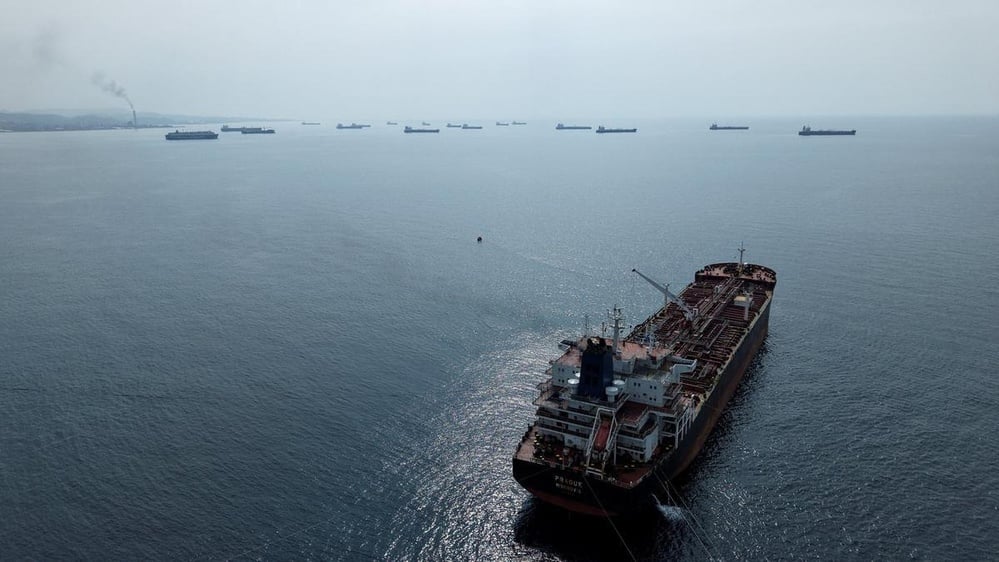


2026 © Helium Trades
Privacy Policy & Disclosure
* Disclaimer: Nothing on this website constitutes investment advice, performance data or any recommendation that any particular security, portfolio of securities, transaction or investment strategy is suitable for any specific person. Helium Trades is not responsible in any way for the accuracy
of any model predictions or price data. Any mention of a particular security and related prediction data is not a recommendation to buy or sell that security. Investments in securities involve the risk of loss. Past performance is no guarantee of future results. Helium Trades is not responsible for any of your investment decisions,
you should consult a financial expert before engaging in any transaction.
Helium Research Assistant

How can I help you today?
Ask any question about this page.


