See whether Helium helps you make better-informed decisions. Try every Pro Trader feature for 30 days. No credit card required.
Try every Pro Trader feature for 30 days. No credit card required.
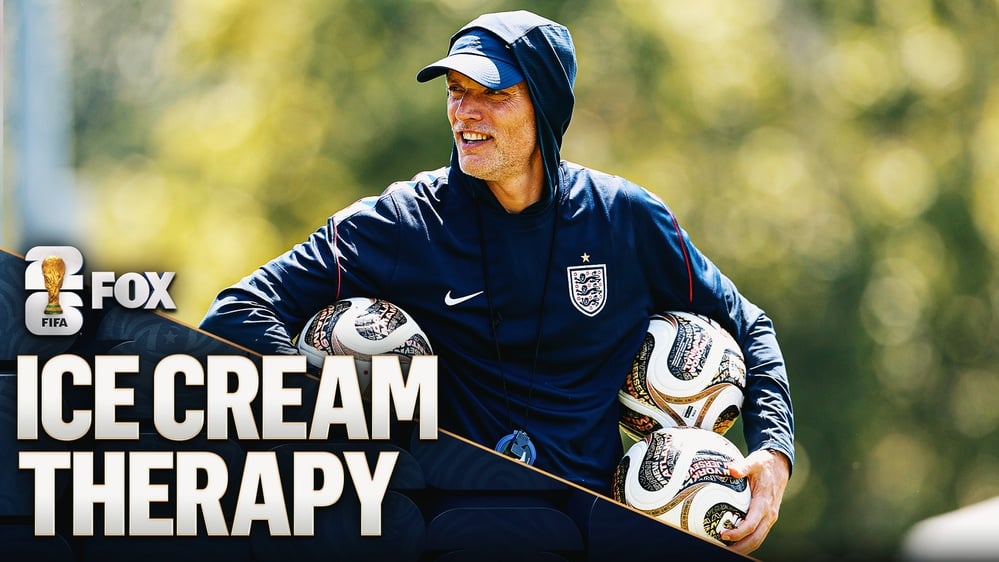
Balanced, evidence-based sports reporting with quotes from both coaches and players, highlighting tactical decisions, late goal drama, and the emotional aftermath without editorial slant.
World Cup semi-final coverage of England v Argentina, including substitutions, tactical shifts, stoppage-time drama, and post-match reactions, with a banner reference to the Falklands War.
Automated analysis; not human reviewed.
·
51 of 52 available dimensions scored; omitted dimensions are not treated as neutral.
·
Supporting quotes supplied for 0 of 51 scored dimensions; exact matching was not run.
My bias: cautious, data-driven; ~0.65 accuracy.
Promotional sponsorship content and subscription prompts accompany mostly neutral sports reporting about England's World Cup semi-final loss to Argentina, indicating mild advertising bias with limited ideological framing.
World Cup semi-final recap focusing on England's 2-1 loss to Argentina and Tuchel's claim that England is not cursed, with sponsor-related publication notes.
Automated analysis; not human reviewed.
Limitations: Concise, case-specific limitations and plausible alternative interpretations.
·
1 of 52 available dimensions scored; omitted dimensions are not treated as neutral.
·
Verified supporting quotes for 1 of 1 scored dimensions.
Claim: Presence of sponsorship content and promotional messaging indicates mild advertising influence on framing.
“In a time of both misinformation and too much information, quality journalism is more crucial than ever.By subscribing, you can help us get the story right.” · exact text match
“Sponsored contents planned and edited by JT Media Enterprise Division.” · exact text match
Why: Sponsorship disclosure and subscription prompts accompany the otherwise neutral sports reporting, suggesting promotional framing rather than purely editorial neutrality.
Excerpt-only; sponsorship lines may bias; lacks broader context.
Mostly objective reporting with mild subjective framing around Tuchel's decisions, including the label 'purported tactical genius' and focus on his no-regrets stance.
Coverage centers on Thomas Tuchel's post-match defense of England's World Cup semi-final exit to Argentina, detailing his substitutions, the late Argentine goals, and his assertion of having no regrets.
Automated analysis; not human reviewed.
·
51 of 52 available dimensions scored; omitted dimensions are not treated as neutral.
·
Supporting quotes supplied for 0 of 51 scored dimensions; exact matching was not run.
My bias: I may overinterpret nuanced sports language; confidence 0.65
Promotional sponsorship content and subscription prompts accompany mostly neutral sports reporting about England's World Cup semi-final loss to Argentina, indicating mild advertising bias with limited ideological framing.
World Cup semi-final recap focusing on England's 2-1 loss to Argentina and Tuchel's claim that England is not cursed, with sponsor-related publication notes.
Automated analysis; not human reviewed.
Limitations: Concise, case-specific limitations and plausible alternative interpretations.
·
1 of 52 available dimensions scored; omitted dimensions are not treated as neutral.
·
Verified supporting quotes for 1 of 1 scored dimensions.
Claim: Presence of sponsorship content and promotional messaging indicates mild advertising influence on framing.
“In a time of both misinformation and too much information, quality journalism is more crucial than ever.By subscribing, you can help us get the story right.” · exact text match
“Sponsored contents planned and edited by JT Media Enterprise Division.” · exact text match
Why: Sponsorship disclosure and subscription prompts accompany the otherwise neutral sports reporting, suggesting promotional framing rather than purely editorial neutrality.
Excerpt-only; sponsorship lines may bias; lacks broader context.
The report presents Tuchel's defense as defiant yet credible, balancing accountability with acknowledgment of external criticism and noting continued gaps to top nations.
Concise coverage of Tuchel defending his World Cup semi-final tactics ahead of the bronze-medal clash in Miami.
Automated analysis; not human reviewed.
Limitations: Concise, case-specific limitations and plausible alternative interpretations.
·
52 of 52 available dimensions scored; omitted dimensions are not treated as neutral.
·
Verified supporting quotes for 1 of 52 scored dimensions.
Claim: The reporting appears neutral with multiple viewpoints rather than endorsing a political stance.
“"Stick with Tuchel unless Guardiola is available - Rooney"” · exact text match
“"Tuchel did not deliver, but his time with England is not up - Shearer"” · exact text match
“"The fact the vast majority of the questions centred around his own personal performance against Argentina was perhaps another reason why he wasn't his usual personable self."” · exact text match
Counterevidence:
“"Defiant Tuchel defends decisions and says loss is 'scar we carry now'"” · exact text match
Why: Quotations from supporters and critics show mixed perspectives rather than a political framing.
Claim: The article presents a potentially engaging account due to painful defeat and Tuchel's defense.
“"scar we carry now"” · not found in supplied text
“"We will not stop chasing.
We will not stop hunting, we will not stop challenging."”
· not found in supplied text
Why: Emotionally charged phrases and ongoing resolve add interest.
Claim: The piece relies on direct quotes and verifiable events (scores, timings).
“"2-1 loss to Argentina"” · not found in supplied text
“"85 minutes 1-0 up"” · not found in supplied text
Why: Verifiable data points support credibility.
Claim: The reporting shows balance by including Tuchel's statements and external opinions.
“"If you need someone to blame, I take the responsibility.
I'm the head coach."”
· not found in supplied text
“"Stick with Tuchel unless Guardiola is available"” · not found in supplied text
Counterevidence:
“"Defiant Tuchel defends decisions"” · not found in supplied text
Why: Multiple viewpoints and direct quotes indicate fair coverage.
Claim: The piece demonstrates evidence-based reporting through direct quotes, statistics, and contextual notes.
“"We were 85 minutes 1-0 up."” · not found in supplied text
“"The players literally gave everything physically [in] every single match.
If you see this data drop, there must be a reason behind it, because the motivation was through the roof," he said.”
· not found in supplied text
Why: Inclusion of specific time markers and quotes suggests attention to detail and context.
Single-source text; lacks full match data; relies on quotes.
Foregrounds Wayne Rooney's explicit critique of Tuchel's substitutions as the central narrative device, attributing the stance to Rooney and not endorsing it by the publisher, with few alternative perspectives offered.
Wayne Rooney's critical assessment of Thomas Tuchel's substitutions after England's World Cup semi-final defeat to Argentina, including direct quotes and attribution to Rooney, with notes on the late goals that decided the match.
Automated analysis; not human reviewed.
·
51 of 52 available dimensions scored; omitted dimensions are not treated as neutral.
·
Supporting quotes supplied for 0 of 51 scored dimensions; exact matching was not run.
Scope narrow; based on Rooney quotes; confidence ~0.65.
An opinionated sports analysis foregrounding fear, defensive culture, and a notion of England's DNA, arguing Tuchel's changes addressed symptoms rather than root causes while citing selective data and authorities to shape a narrative of mental fragility.
Sports analysis focusing on England's World Cup performance, Thomas Tuchel's tactical changes, and psychological/cultural elements shaping play, with quotes from Kane, Tuchel, and FA commentary.
Automated analysis; not human reviewed.
·
51 of 52 available dimensions scored; omitted dimensions are not treated as neutral.
·
Supporting quotes supplied for 0 of 51 scored dimensions; exact matching was not run.
My bias: cautious, evidence-based; confidence ~0.
6.
Loaded framing emphasizes Tuchel's decisions and England's mentality as central to the exit, using evaluative language and questions to present the outcome as a controversy rather than a neutral recap, while still acknowledging Kane's contribution and contextual rankings.
Sports analysis of England's World Cup exit focusing on Tuchel's tactical decisions, squad mentality, and Kane's contribution within the rankings and forthcoming fixtures.
Automated analysis; not human reviewed.
Limitations: Case-specific; relies on excerpted quotes and narrative; possible alternative interpretations exist; lacks external corroboration in this excerpt.
·
1 of 52 available dimensions scored; omitted dimensions are not treated as neutral.
·
Verified supporting quotes for 1 of 1 scored dimensions.
Claim: The piece relies on evaluative framing and rhetorical devices to interpret events rather than presenting a strictly neutral report.
“The manager who criticised England for fearing defeat appeared, in the biggest moment of his reign, to coach exactly that emotion into his own team.” · exact text match
“They were more afraid to drop out of the tournament than having the hunger and excitement to win it.” · exact text match
“Tuchel arrived promising courage over caution.
He wanted England to dictate games, to make opponents uncomfortable and to embrace the biggest occasions without fear.”
· exact text match
Counterevidence:
“Tuchel's selections got England to a World Cup semi-final, but they looked run ragged in the Stateside heat from the last-16 onwards.” · exact text match
“What was the point of taking Kobbie Mainoo to this World Cup? He hasn't got on for a single minute.” · exact text match
Why: Multiple evaluative statements and narrative framing indicate subjectivity, though some factual details ground the analysis.
Ambiguity in whether evidence fully supports evaluative claims; framing may shift with different editorial emphasis.
July 16, 2026 · 0 shares
Backed by FA support and tempered by substitutions critique, the report maintains balance with a mild establishment tilt.
England's World Cup semi-final defeat to Argentina, with Tuchel backed by the FA and plans for a home Euro 2028.
Automated analysis; not human reviewed.
·
51 of 52 available dimensions scored; omitted dimensions are not treated as neutral.
·
Supporting quotes supplied for 0 of 51 scored dimensions; exact matching was not run.
Low bias; confidence ~0.65 in this analysis.
July 17, 2026 · 0 shares
Neutral, evidence-based sports reporting with balanced presentation of events, quotes, and official backing, showing no evident ideological or sensational bias.
Concise, factful, accurate, balanced context for the article in one sentence.
Automated analysis; not human reviewed.
Limitations: Concise, case-specific limitations and plausible alternative interpretations.
·
1 of 52 available dimensions scored; omitted dimensions are not treated as neutral.
·
Verified supporting quotes for 1 of 1 scored dimensions.
Claim: The article presents event-based reporting without political ideology or bias.
“The players returned to their base in Kansas City following the semi-final loss on Wednesday to undertake two final training sessions before Saturday's bronze-medal match against France.” · exact text match
“Tuchel reverted to a back five and made a number of defensive-minded substitutions in the closing stages as Lionel Messi inspired a dramatic comeback by assisting goals for Enzo Fernandez and then Lautaro Martinez's 92nd-minute winner.” · exact text match
“However, the England head coach has since appeared to refute the idea the defensive retreat was a result of the directions he'd provided his team.” · exact text match
Counterevidence:
“Sport reported on Thursday how a number of key players had been left disappointed at how the team were instructed to finish the game having taken the lead through Anthony Gordon.” · exact text match
Why: Direct event reporting and quotes about coaching decisions indicate emphasis on outcomes rather than political ideology.
The report presents Tuchel's defense as defiant yet credible, balancing accountability with acknowledgment of external criticism and noting continued gaps to top nations.
Concise coverage of Tuchel defending his World Cup semi-final tactics ahead of the bronze-medal clash in Miami.
Automated analysis; not human reviewed.
Limitations: Concise, case-specific limitations and plausible alternative interpretations.
·
52 of 52 available dimensions scored; omitted dimensions are not treated as neutral.
·
Verified supporting quotes for 1 of 52 scored dimensions.
Claim: The reporting appears neutral with multiple viewpoints rather than endorsing a political stance.
“"Stick with Tuchel unless Guardiola is available - Rooney"” · exact text match
“"Tuchel did not deliver, but his time with England is not up - Shearer"” · exact text match
“"The fact the vast majority of the questions centred around his own personal performance against Argentina was perhaps another reason why he wasn't his usual personable self."” · exact text match
Counterevidence:
“"Defiant Tuchel defends decisions and says loss is 'scar we carry now'"” · exact text match
Why: Quotations from supporters and critics show mixed perspectives rather than a political framing.
Claim: The article presents a potentially engaging account due to painful defeat and Tuchel's defense.
“"scar we carry now"” · not found in supplied text
“"We will not stop chasing.
We will not stop hunting, we will not stop challenging."”
· not found in supplied text
Why: Emotionally charged phrases and ongoing resolve add interest.
Claim: The piece relies on direct quotes and verifiable events (scores, timings).
“"2-1 loss to Argentina"” · not found in supplied text
“"85 minutes 1-0 up"” · not found in supplied text
Why: Verifiable data points support credibility.
Claim: The reporting shows balance by including Tuchel's statements and external opinions.
“"If you need someone to blame, I take the responsibility.
I'm the head coach."”
· not found in supplied text
“"Stick with Tuchel unless Guardiola is available"” · not found in supplied text
Counterevidence:
“"Defiant Tuchel defends decisions"” · not found in supplied text
Why: Multiple viewpoints and direct quotes indicate fair coverage.
Claim: The piece demonstrates evidence-based reporting through direct quotes, statistics, and contextual notes.
“"We were 85 minutes 1-0 up."” · not found in supplied text
“"The players literally gave everything physically [in] every single match.
If you see this data drop, there must be a reason behind it, because the motivation was through the roof," he said.”
· not found in supplied text
Why: Inclusion of specific time markers and quotes suggests attention to detail and context.
Single-source text; lacks full match data; relies on quotes.
Thomas Tuchel faces a possible FIFA ban after criticizing a referee, with The Athletic cited as the source.
The report links the risk to the referee's decisions during England's last-16 win over Mexico and includes quotes from Tuchel casting doubt on referees' reliability.
FIFA official Pierluigi Collina is quoted defending the integrity of match officials, presenting an establishment-facing stance.
Headlines and side notes include sensational items (porn star, street brawl) that reflect tabloid framing rather than a purely analytical approach.
Tabloid-style sports brief reporting potential FIFA sanction for Thomas Tuchel after World Cup referee criticism, with citations to The Athletic and FIFA official statements, plus sensational ancillary headlines.
I may be biased by training data; ~0.65 probability the bias analysis is accurate.
Foregrounds Wayne Rooney's explicit critique of Tuchel's substitutions as the central narrative device, attributing the stance to Rooney and not endorsing it by the publisher, with few alternative perspectives offered.
Wayne Rooney's critical assessment of Thomas Tuchel's substitutions after England's World Cup semi-final defeat to Argentina, including direct quotes and attribution to Rooney, with notes on the late goals that decided the match.
Automated analysis; not human reviewed. · 51 of 52 available dimensions scored; omitted dimensions are not treated as neutral. · Supporting quotes supplied for 0 of 51 scored dimensions; exact matching was not run.
Scope narrow; based on Rooney quotes; confidence ~0.65.
July 17, 2026 · 0 shares
Measured, data-driven critique of England's World Cup exit that foregrounds possession metrics and midfield development while grounding claims in quotes from Tuchel, Martínez, and FA officials, with cautious notes about signs of improvement.
Concise, factful, accurate, balanced context for the article in one sentence.
Automated analysis; not human reviewed. · 8 of 52 available dimensions scored; omitted dimensions are not treated as neutral. · Verified supporting quotes for 2 of 8 scored dimensions.
Claim: The piece mixes normative language with data-driven analysis.
“In their culture, ball possession plays a crucial role. It starts from a young age.” · not found in supplied text
“to find a way of playing without fear when it really comes to the crunch.” · not found in supplied text
Counterevidence:
“Quantitative metrics anchor the argument.” · not found in supplied text
Why: Normative language coexists with empirical data.
Claim: DNA philosophy framing has prescriptive implications for future play.
“"England DNA philosophy"” · verified after text normalization
“"intelligently dominate possession"” · verified after text normalization
“"to find a way of playing without fear when it really comes to the crunch."” · not found in supplied text
Counterevidence:
“Descriptive statements about results and deficits are also present.” · not found in supplied text
Why: Philosophy framing suggests prescriptive bias.
Claim: The article conveys judgments about England's midfield potential.
“There is still a shortage of top-class central midfielders with the technical skills required to win a World Cup semi-final.” · not found in supplied text
“But there have been signs that things may be starting to change.” · exact text match
Counterevidence:
“Quotes and data provide context beyond opinion.” · not found in supplied text
Why: Judgments accompany data/quotes, indicating opinion.
Claim: Emotional framing exists but is tempered by data.
“The post-match inquest into England’s elimination was almost over” · exact text match
“soul-searching” · exact text match
Counterevidence:
“Quantitative data anchors conclusions.” · not found in supplied text
Why: Emotional language coexists with analytic content.
Claim: Reports credibly due to named sources and statistics.
“In their culture, ball possession plays a crucial role (Tuchel quote)” · not found in supplied text
“England had 12% possession (stat)” · not found in supplied text
“12 of 39 passes from GK (stat)” · not found in supplied text
Counterevidence:
“The excerpt is a single piece; cross-checking not shown.” · not found in supplied text
Why: Credibility is supported by quotes and concrete numbers.
Claim: Article uses data (possession and passes) to support analysis, indicating a rational framing.
“England had only 12% of possession between Anthony Gordon opening the scoring in the 55th minute and Lautaro Martínez’s winner in the second minute of stoppage time.” · exact text match
“of the 39 passes they attempted in that period, 12 came from the goalkeeper, Jordan Pickford, while only five took place in Argentina’s half.” · exact text match
Counterevidence:
“Tuchel's qualitative analysis supplements the data; Martínez's quote adds interpretive context.” · not found in supplied text
Why: Quantitative metrics anchor analysis; qualitative quotes provide context.
Claim: Forward-looking statements imply speculation about future improvements.
“There have been signs that things may be starting to change” · not found in supplied text
“the answers to England’s prayers may already be here” · exact text match
Counterevidence:
“Data-driven analysis informs conclusions about current trends.” · not found in supplied text
Why: Future-oriented framing appears in the text.
Claim: Shows knowledge of FA DNA program and the midfield talent landscape.
“"England DNA philosophy"” · verified after text normalization
“"the FA’s director of elite development in 2014"” · not found in supplied text
“"Manchester City’s £116m summer signing"” · not found in supplied text
Counterevidence:
“No independent verification within excerpt.” · not found in supplied text
Why: References to program and players indicate informed analysis.
Guardian framing; reliance on DNA rhetoric; limited data on intent.
Story Blindspots
Loaded framing emphasizes Tuchel's decisions and England's mentality as central to the exit, using evaluative language and questions to present the outcome as a controversy rather than a neutral recap, while still acknowledging Kane's contribution and contextual rankings.
Sports analysis of England's World Cup exit focusing on Tuchel's tactical decisions, squad mentality, and Kane's contribution within the rankings and forthcoming fixtures.
Automated analysis; not human reviewed. Limitations: Case-specific; relies on excerpted quotes and narrative; possible alternative interpretations exist; lacks external corroboration in this excerpt. · 1 of 52 available dimensions scored; omitted dimensions are not treated as neutral. · Verified supporting quotes for 1 of 1 scored dimensions.
Claim: The piece relies on evaluative framing and rhetorical devices to interpret events rather than presenting a strictly neutral report.
“The manager who criticised England for fearing defeat appeared, in the biggest moment of his reign, to coach exactly that emotion into his own team.” · exact text match
“They were more afraid to drop out of the tournament than having the hunger and excitement to win it.” · exact text match
“Tuchel arrived promising courage over caution. He wanted England to dictate games, to make opponents uncomfortable and to embrace the biggest occasions without fear.” · exact text match
Counterevidence:
“Tuchel's selections got England to a World Cup semi-final, but they looked run ragged in the Stateside heat from the last-16 onwards.” · exact text match
“What was the point of taking Kobbie Mainoo to this World Cup? He hasn't got on for a single minute.” · exact text match
Why: Multiple evaluative statements and narrative framing indicate subjectivity, though some factual details ground the analysis.
Ambiguity in whether evidence fully supports evaluative claims; framing may shift with different editorial emphasis.
Thomas Tuchel faces a possible FIFA ban after criticizing a referee, with The Athletic cited as the source. The report links the risk to the referee's decisions during England's last-16 win over Mexico and includes quotes from Tuchel casting doubt on referees' reliability. FIFA official Pierluigi Collina is quoted defending the integrity of match officials, presenting an establishment-facing stance. Headlines and side notes include sensational items (porn star, street brawl) that reflect tabloid framing rather than a purely analytical approach.
Tabloid-style sports brief reporting potential FIFA sanction for Thomas Tuchel after World Cup referee criticism, with citations to The Athletic and FIFA official statements, plus sensational ancillary headlines.
I may be biased by training data; ~0.65 probability the bias analysis is accurate.
Lip-reader-based, drama-focused sports reporting foregrounds Tuchel's anger and Messi's impact with direct quotes, using lip-reading attribution and selective framing.
World Cup semi-final reporting focusing on lip-reader interpretation of Tuchel's admonition and Argentina's comeback to win 2-1 at MetLife Stadium.
Automated analysis; not human reviewed. Limitations: Case-specific; relies on lip-reader claims and quoted dialogue; lacks independent corroboration.
lip-reader claims may overstate drama; corroboration lacking
July 16, 2026 · 0 shares
Backed by FA support and tempered by substitutions critique, the report maintains balance with a mild establishment tilt.
England's World Cup semi-final defeat to Argentina, with Tuchel backed by the FA and plans for a home Euro 2028.
Automated analysis; not human reviewed. · 51 of 52 available dimensions scored; omitted dimensions are not treated as neutral. · Supporting quotes supplied for 0 of 51 scored dimensions; exact matching was not run.
Low bias; confidence ~0.65 in this analysis.
July 17, 2026 · 0 shares
Neutral, multi-sourced coverage of Wayne Rooney's stance on Thomas Tuchel's England tenure, presenting criticisms, potential replacement options, and FA backing with minimal editorializing.
Rooney’s comments on Tuchel’s England tenure, with reporting on criticisms and FA backing in the World Cup context.
Automated analysis; not human reviewed. Limitations: Case-specific: extraneous promotional-like text within article_text could influence perceived credibility; absence of broader context beyond one interview and FA backing limits conclusions. · 1 of 52 available dimensions scored; omitted dimensions are not treated as neutral. · Verified supporting quotes for 0 of 1 scored dimensions.
Balanced, evidence-based sports reporting with quotes from both coaches and players, highlighting tactical decisions, late goal drama, and the emotional aftermath without editorial slant.
World Cup semi-final coverage of England v Argentina, including substitutions, tactical shifts, stoppage-time drama, and post-match reactions, with a banner reference to the Falklands War.
Automated analysis; not human reviewed. · 51 of 52 available dimensions scored; omitted dimensions are not treated as neutral. · Supporting quotes supplied for 0 of 51 scored dimensions; exact matching was not run.
My bias: cautious, data-driven; ~0.65 accuracy.
Balanced, evidence-based sports reporting with quotes from both coaches and players, highlighting tactical decisions, late goal drama, and the emotional aftermath without editorial slant.
World Cup semi-final coverage of England v Argentina, including substitutions, tactical shifts, stoppage-time drama, and post-match reactions, with a banner reference to the Falklands War.
Automated analysis; not human reviewed. · 51 of 52 available dimensions scored; omitted dimensions are not treated as neutral. · Supporting quotes supplied for 0 of 51 scored dimensions; exact matching was not run.
My bias: cautious, data-driven; ~0.65 accuracy.
July 17, 2026 · 0 shares
Measured, data-driven critique of England's World Cup exit that foregrounds possession metrics and midfield development while grounding claims in quotes from Tuchel, Martínez, and FA officials, with cautious notes about signs of improvement.
Concise, factful, accurate, balanced context for the article in one sentence.
Automated analysis; not human reviewed. · 8 of 52 available dimensions scored; omitted dimensions are not treated as neutral. · Verified supporting quotes for 2 of 8 scored dimensions.
Claim: The piece mixes normative language with data-driven analysis.
“In their culture, ball possession plays a crucial role. It starts from a young age.” · not found in supplied text
“to find a way of playing without fear when it really comes to the crunch.” · not found in supplied text
Counterevidence:
“Quantitative metrics anchor the argument.” · not found in supplied text
Why: Normative language coexists with empirical data.
Claim: DNA philosophy framing has prescriptive implications for future play.
“"England DNA philosophy"” · verified after text normalization
“"intelligently dominate possession"” · verified after text normalization
“"to find a way of playing without fear when it really comes to the crunch."” · not found in supplied text
Counterevidence:
“Descriptive statements about results and deficits are also present.” · not found in supplied text
Why: Philosophy framing suggests prescriptive bias.
Claim: The article conveys judgments about England's midfield potential.
“There is still a shortage of top-class central midfielders with the technical skills required to win a World Cup semi-final.” · not found in supplied text
“But there have been signs that things may be starting to change.” · exact text match
Counterevidence:
“Quotes and data provide context beyond opinion.” · not found in supplied text
Why: Judgments accompany data/quotes, indicating opinion.
Claim: Emotional framing exists but is tempered by data.
“The post-match inquest into England’s elimination was almost over” · exact text match
“soul-searching” · exact text match
Counterevidence:
“Quantitative data anchors conclusions.” · not found in supplied text
Why: Emotional language coexists with analytic content.
Claim: Reports credibly due to named sources and statistics.
“In their culture, ball possession plays a crucial role (Tuchel quote)” · not found in supplied text
“England had 12% possession (stat)” · not found in supplied text
“12 of 39 passes from GK (stat)” · not found in supplied text
Counterevidence:
“The excerpt is a single piece; cross-checking not shown.” · not found in supplied text
Why: Credibility is supported by quotes and concrete numbers.
Claim: Article uses data (possession and passes) to support analysis, indicating a rational framing.
“England had only 12% of possession between Anthony Gordon opening the scoring in the 55th minute and Lautaro Martínez’s winner in the second minute of stoppage time.” · exact text match
“of the 39 passes they attempted in that period, 12 came from the goalkeeper, Jordan Pickford, while only five took place in Argentina’s half.” · exact text match
Counterevidence:
“Tuchel's qualitative analysis supplements the data; Martínez's quote adds interpretive context.” · not found in supplied text
Why: Quantitative metrics anchor analysis; qualitative quotes provide context.
Claim: Forward-looking statements imply speculation about future improvements.
“There have been signs that things may be starting to change” · not found in supplied text
“the answers to England’s prayers may already be here” · exact text match
Counterevidence:
“Data-driven analysis informs conclusions about current trends.” · not found in supplied text
Why: Future-oriented framing appears in the text.
Claim: Shows knowledge of FA DNA program and the midfield talent landscape.
“"England DNA philosophy"” · verified after text normalization
“"the FA’s director of elite development in 2014"” · not found in supplied text
“"Manchester City’s £116m summer signing"” · not found in supplied text
Counterevidence:
“No independent verification within excerpt.” · not found in supplied text
Why: References to program and players indicate informed analysis.
Guardian framing; reliance on DNA rhetoric; limited data on intent.
July 17, 2026 · 0 shares
Measured, data-driven critique of England's World Cup exit that foregrounds possession metrics and midfield development while grounding claims in quotes from Tuchel, Martínez, and FA officials, with cautious notes about signs of improvement.
Concise, factful, accurate, balanced context for the article in one sentence.
Automated analysis; not human reviewed. · 8 of 52 available dimensions scored; omitted dimensions are not treated as neutral. · Verified supporting quotes for 2 of 8 scored dimensions.
Claim: The piece mixes normative language with data-driven analysis.
“In their culture, ball possession plays a crucial role. It starts from a young age.” · not found in supplied text
“to find a way of playing without fear when it really comes to the crunch.” · not found in supplied text
Counterevidence:
“Quantitative metrics anchor the argument.” · not found in supplied text
Why: Normative language coexists with empirical data.
Claim: DNA philosophy framing has prescriptive implications for future play.
“"England DNA philosophy"” · verified after text normalization
“"intelligently dominate possession"” · verified after text normalization
“"to find a way of playing without fear when it really comes to the crunch."” · not found in supplied text
Counterevidence:
“Descriptive statements about results and deficits are also present.” · not found in supplied text
Why: Philosophy framing suggests prescriptive bias.
Claim: The article conveys judgments about England's midfield potential.
“There is still a shortage of top-class central midfielders with the technical skills required to win a World Cup semi-final.” · not found in supplied text
“But there have been signs that things may be starting to change.” · exact text match
Counterevidence:
“Quotes and data provide context beyond opinion.” · not found in supplied text
Why: Judgments accompany data/quotes, indicating opinion.
Claim: Emotional framing exists but is tempered by data.
“The post-match inquest into England’s elimination was almost over” · exact text match
“soul-searching” · exact text match
Counterevidence:
“Quantitative data anchors conclusions.” · not found in supplied text
Why: Emotional language coexists with analytic content.
Claim: Reports credibly due to named sources and statistics.
“In their culture, ball possession plays a crucial role (Tuchel quote)” · not found in supplied text
“England had 12% possession (stat)” · not found in supplied text
“12 of 39 passes from GK (stat)” · not found in supplied text
Counterevidence:
“The excerpt is a single piece; cross-checking not shown.” · not found in supplied text
Why: Credibility is supported by quotes and concrete numbers.
Claim: Article uses data (possession and passes) to support analysis, indicating a rational framing.
“England had only 12% of possession between Anthony Gordon opening the scoring in the 55th minute and Lautaro Martínez’s winner in the second minute of stoppage time.” · exact text match
“of the 39 passes they attempted in that period, 12 came from the goalkeeper, Jordan Pickford, while only five took place in Argentina’s half.” · exact text match
Counterevidence:
“Tuchel's qualitative analysis supplements the data; Martínez's quote adds interpretive context.” · not found in supplied text
Why: Quantitative metrics anchor analysis; qualitative quotes provide context.
Claim: Forward-looking statements imply speculation about future improvements.
“There have been signs that things may be starting to change” · not found in supplied text
“the answers to England’s prayers may already be here” · exact text match
Counterevidence:
“Data-driven analysis informs conclusions about current trends.” · not found in supplied text
Why: Future-oriented framing appears in the text.
Claim: Shows knowledge of FA DNA program and the midfield talent landscape.
“"England DNA philosophy"” · verified after text normalization
“"the FA’s director of elite development in 2014"” · not found in supplied text
“"Manchester City’s £116m summer signing"” · not found in supplied text
Counterevidence:
“No independent verification within excerpt.” · not found in supplied text
Why: References to program and players indicate informed analysis.
Guardian framing; reliance on DNA rhetoric; limited data on intent.
Mostly objective reporting with mild subjective framing around Tuchel's decisions, including the label 'purported tactical genius' and focus on his no-regrets stance.
Coverage centers on Thomas Tuchel's post-match defense of England's World Cup semi-final exit to Argentina, detailing his substitutions, the late Argentine goals, and his assertion of having no regrets.
Automated analysis; not human reviewed. · 51 of 52 available dimensions scored; omitted dimensions are not treated as neutral. · Supporting quotes supplied for 0 of 51 scored dimensions; exact matching was not run.
My bias: I may overinterpret nuanced sports language; confidence 0.65
Promotional sponsorship content and subscription prompts accompany mostly neutral sports reporting about England's World Cup semi-final loss to Argentina, indicating mild advertising bias with limited ideological framing.
World Cup semi-final recap focusing on England's 2-1 loss to Argentina and Tuchel's claim that England is not cursed, with sponsor-related publication notes.
Automated analysis; not human reviewed. Limitations: Concise, case-specific limitations and plausible alternative interpretations. · 1 of 52 available dimensions scored; omitted dimensions are not treated as neutral. · Verified supporting quotes for 1 of 1 scored dimensions.
Claim: Presence of sponsorship content and promotional messaging indicates mild advertising influence on framing.
“In a time of both misinformation and too much information, quality journalism is more crucial than ever.By subscribing, you can help us get the story right.” · exact text match
“Sponsored contents planned and edited by JT Media Enterprise Division.” · exact text match
Why: Sponsorship disclosure and subscription prompts accompany the otherwise neutral sports reporting, suggesting promotional framing rather than purely editorial neutrality.
Excerpt-only; sponsorship lines may bias; lacks broader context.
The report presents Tuchel's defense as defiant yet credible, balancing accountability with acknowledgment of external criticism and noting continued gaps to top nations.
Concise coverage of Tuchel defending his World Cup semi-final tactics ahead of the bronze-medal clash in Miami.
Automated analysis; not human reviewed. Limitations: Concise, case-specific limitations and plausible alternative interpretations. · 52 of 52 available dimensions scored; omitted dimensions are not treated as neutral. · Verified supporting quotes for 1 of 52 scored dimensions.
Claim: The reporting appears neutral with multiple viewpoints rather than endorsing a political stance.
“"Stick with Tuchel unless Guardiola is available - Rooney"” · exact text match
“"Tuchel did not deliver, but his time with England is not up - Shearer"” · exact text match
“"The fact the vast majority of the questions centred around his own personal performance against Argentina was perhaps another reason why he wasn't his usual personable self."” · exact text match
Counterevidence:
“"Defiant Tuchel defends decisions and says loss is 'scar we carry now'"” · exact text match
Why: Quotations from supporters and critics show mixed perspectives rather than a political framing.
Claim: The article presents a potentially engaging account due to painful defeat and Tuchel's defense.
“"scar we carry now"” · not found in supplied text
“"We will not stop chasing. We will not stop hunting, we will not stop challenging."” · not found in supplied text
Why: Emotionally charged phrases and ongoing resolve add interest.
Claim: The piece relies on direct quotes and verifiable events (scores, timings).
“"2-1 loss to Argentina"” · not found in supplied text
“"85 minutes 1-0 up"” · not found in supplied text
Why: Verifiable data points support credibility.
Claim: The reporting shows balance by including Tuchel's statements and external opinions.
“"If you need someone to blame, I take the responsibility. I'm the head coach."” · not found in supplied text
“"Stick with Tuchel unless Guardiola is available"” · not found in supplied text
Counterevidence:
“"Defiant Tuchel defends decisions"” · not found in supplied text
Why: Multiple viewpoints and direct quotes indicate fair coverage.
Claim: The piece demonstrates evidence-based reporting through direct quotes, statistics, and contextual notes.
“"We were 85 minutes 1-0 up."” · not found in supplied text
“"The players literally gave everything physically [in] every single match. If you see this data drop, there must be a reason behind it, because the motivation was through the roof," he said.” · not found in supplied text
Why: Inclusion of specific time markers and quotes suggests attention to detail and context.
Single-source text; lacks full match data; relies on quotes.
Foregrounds Wayne Rooney's explicit critique of Tuchel's substitutions as the central narrative device, attributing the stance to Rooney and not endorsing it by the publisher, with few alternative perspectives offered.
Wayne Rooney's critical assessment of Thomas Tuchel's substitutions after England's World Cup semi-final defeat to Argentina, including direct quotes and attribution to Rooney, with notes on the late goals that decided the match.
Automated analysis; not human reviewed. · 51 of 52 available dimensions scored; omitted dimensions are not treated as neutral. · Supporting quotes supplied for 0 of 51 scored dimensions; exact matching was not run.
Scope narrow; based on Rooney quotes; confidence ~0.65.
An opinionated sports analysis foregrounding fear, defensive culture, and a notion of England's DNA, arguing Tuchel's changes addressed symptoms rather than root causes while citing selective data and authorities to shape a narrative of mental fragility.
Sports analysis focusing on England's World Cup performance, Thomas Tuchel's tactical changes, and psychological/cultural elements shaping play, with quotes from Kane, Tuchel, and FA commentary.
Automated analysis; not human reviewed. · 51 of 52 available dimensions scored; omitted dimensions are not treated as neutral. · Supporting quotes supplied for 0 of 51 scored dimensions; exact matching was not run.
My bias: cautious, evidence-based; confidence ~0.6.
July 17, 2026 · 0 shares
Measured, data-driven critique of England's World Cup exit that foregrounds possession metrics and midfield development while grounding claims in quotes from Tuchel, Martínez, and FA officials, with cautious notes about signs of improvement.
Concise, factful, accurate, balanced context for the article in one sentence.
Automated analysis; not human reviewed. · 8 of 52 available dimensions scored; omitted dimensions are not treated as neutral. · Verified supporting quotes for 2 of 8 scored dimensions.
Claim: The piece mixes normative language with data-driven analysis.
“In their culture, ball possession plays a crucial role. It starts from a young age.” · not found in supplied text
“to find a way of playing without fear when it really comes to the crunch.” · not found in supplied text
Counterevidence:
“Quantitative metrics anchor the argument.” · not found in supplied text
Why: Normative language coexists with empirical data.
Claim: DNA philosophy framing has prescriptive implications for future play.
“"England DNA philosophy"” · verified after text normalization
“"intelligently dominate possession"” · verified after text normalization
“"to find a way of playing without fear when it really comes to the crunch."” · not found in supplied text
Counterevidence:
“Descriptive statements about results and deficits are also present.” · not found in supplied text
Why: Philosophy framing suggests prescriptive bias.
Claim: The article conveys judgments about England's midfield potential.
“There is still a shortage of top-class central midfielders with the technical skills required to win a World Cup semi-final.” · not found in supplied text
“But there have been signs that things may be starting to change.” · exact text match
Counterevidence:
“Quotes and data provide context beyond opinion.” · not found in supplied text
Why: Judgments accompany data/quotes, indicating opinion.
Claim: Emotional framing exists but is tempered by data.
“The post-match inquest into England’s elimination was almost over” · exact text match
“soul-searching” · exact text match
Counterevidence:
“Quantitative data anchors conclusions.” · not found in supplied text
Why: Emotional language coexists with analytic content.
Claim: Reports credibly due to named sources and statistics.
“In their culture, ball possession plays a crucial role (Tuchel quote)” · not found in supplied text
“England had 12% possession (stat)” · not found in supplied text
“12 of 39 passes from GK (stat)” · not found in supplied text
Counterevidence:
“The excerpt is a single piece; cross-checking not shown.” · not found in supplied text
Why: Credibility is supported by quotes and concrete numbers.
Claim: Article uses data (possession and passes) to support analysis, indicating a rational framing.
“England had only 12% of possession between Anthony Gordon opening the scoring in the 55th minute and Lautaro Martínez’s winner in the second minute of stoppage time.” · exact text match
“of the 39 passes they attempted in that period, 12 came from the goalkeeper, Jordan Pickford, while only five took place in Argentina’s half.” · exact text match
Counterevidence:
“Tuchel's qualitative analysis supplements the data; Martínez's quote adds interpretive context.” · not found in supplied text
Why: Quantitative metrics anchor analysis; qualitative quotes provide context.
Claim: Forward-looking statements imply speculation about future improvements.
“There have been signs that things may be starting to change” · not found in supplied text
“the answers to England’s prayers may already be here” · exact text match
Counterevidence:
“Data-driven analysis informs conclusions about current trends.” · not found in supplied text
Why: Future-oriented framing appears in the text.
Claim: Shows knowledge of FA DNA program and the midfield talent landscape.
“"England DNA philosophy"” · verified after text normalization
“"the FA’s director of elite development in 2014"” · not found in supplied text
“"Manchester City’s £116m summer signing"” · not found in supplied text
Counterevidence:
“No independent verification within excerpt.” · not found in supplied text
Why: References to program and players indicate informed analysis.
Guardian framing; reliance on DNA rhetoric; limited data on intent.
July 16, 2026 · 0 shares
Backed by FA support and tempered by substitutions critique, the report maintains balance with a mild establishment tilt.
England's World Cup semi-final defeat to Argentina, with Tuchel backed by the FA and plans for a home Euro 2028.
Automated analysis; not human reviewed. · 51 of 52 available dimensions scored; omitted dimensions are not treated as neutral. · Supporting quotes supplied for 0 of 51 scored dimensions; exact matching was not run.
Low bias; confidence ~0.65 in this analysis.
Thomas Tuchel faces a possible FIFA ban after criticizing a referee, with The Athletic cited as the source. The report links the risk to the referee's decisions during England's last-16 win over Mexico and includes quotes from Tuchel casting doubt on referees' reliability. FIFA official Pierluigi Collina is quoted defending the integrity of match officials, presenting an establishment-facing stance. Headlines and side notes include sensational items (porn star, street brawl) that reflect tabloid framing rather than a purely analytical approach.
Tabloid-style sports brief reporting potential FIFA sanction for Thomas Tuchel after World Cup referee criticism, with citations to The Athletic and FIFA official statements, plus sensational ancillary headlines.
I may be biased by training data; ~0.65 probability the bias analysis is accurate.
Thomas Tuchel faces a possible FIFA ban after criticizing a referee, with The Athletic cited as the source. The report links the risk to the referee's decisions during England's last-16 win over Mexico and includes quotes from Tuchel casting doubt on referees' reliability. FIFA official Pierluigi Collina is quoted defending the integrity of match officials, presenting an establishment-facing stance. Headlines and side notes include sensational items (porn star, street brawl) that reflect tabloid framing rather than a purely analytical approach.
Tabloid-style sports brief reporting potential FIFA sanction for Thomas Tuchel after World Cup referee criticism, with citations to The Athletic and FIFA official statements, plus sensational ancillary headlines.
I may be biased by training data; ~0.65 probability the bias analysis is accurate.
July 16, 2026 · 0 shares
Backed by FA support and tempered by substitutions critique, the report maintains balance with a mild establishment tilt.
England's World Cup semi-final defeat to Argentina, with Tuchel backed by the FA and plans for a home Euro 2028.
Automated analysis; not human reviewed. · 51 of 52 available dimensions scored; omitted dimensions are not treated as neutral. · Supporting quotes supplied for 0 of 51 scored dimensions; exact matching was not run.
Low bias; confidence ~0.65 in this analysis.
Balanced, evidence-based sports reporting with quotes from both coaches and players, highlighting tactical decisions, late goal drama, and the emotional aftermath without editorial slant.
World Cup semi-final coverage of England v Argentina, including substitutions, tactical shifts, stoppage-time drama, and post-match reactions, with a banner reference to the Falklands War.
Automated analysis; not human reviewed.
·
51 of 52 available dimensions scored; omitted dimensions are not treated as neutral.
·
Supporting quotes supplied for 0 of 51 scored dimensions; exact matching was not run.
My bias: cautious, data-driven; ~0.65 accuracy.
Promotional sponsorship content and subscription prompts accompany mostly neutral sports reporting about England's World Cup semi-final loss to Argentina, indicating mild advertising bias with limited ideological framing.
World Cup semi-final recap focusing on England's 2-1 loss to Argentina and Tuchel's claim that England is not cursed, with sponsor-related publication notes.
Automated analysis; not human reviewed.
Limitations: Concise, case-specific limitations and plausible alternative interpretations.
·
1 of 52 available dimensions scored; omitted dimensions are not treated as neutral.
·
Verified supporting quotes for 1 of 1 scored dimensions.
Claim: Presence of sponsorship content and promotional messaging indicates mild advertising influence on framing.
“In a time of both misinformation and too much information, quality journalism is more crucial than ever.By subscribing, you can help us get the story right.” · exact text match
“Sponsored contents planned and edited by JT Media Enterprise Division.” · exact text match
Why: Sponsorship disclosure and subscription prompts accompany the otherwise neutral sports reporting, suggesting promotional framing rather than purely editorial neutrality.
Excerpt-only; sponsorship lines may bias; lacks broader context.
July 16, 2026 · 0 shares
Sports framing relies on quotes from sports media figures and centers England's World Cup semifinal exit around the familiar '60 years of hurt' narrative, attributing perceived English media criticism to a national sports context without broader context.
A brief World Cup semifinal recap framing England's defeat through media commentary and the repeated '60 years of hurt' motif.
Automated analysis; not human reviewed. Limitations: Concise, case-specific limitations and plausible alternative interpretations.
case-specific: short sports piece; potential subjectivity in phrasing; no explicit date provided.
July 16, 2026 · 0 shares
Backed by FA support and tempered by substitutions critique, the report maintains balance with a mild establishment tilt.
England's World Cup semi-final defeat to Argentina, with Tuchel backed by the FA and plans for a home Euro 2028.
Automated analysis; not human reviewed.
·
51 of 52 available dimensions scored; omitted dimensions are not treated as neutral.
·
Supporting quotes supplied for 0 of 51 scored dimensions; exact matching was not run.
Low bias; confidence ~0.65 in this analysis.
Foregrounds Wayne Rooney's explicit critique of Tuchel's substitutions as the central narrative device, attributing the stance to Rooney and not endorsing it by the publisher, with few alternative perspectives offered.
Wayne Rooney's critical assessment of Thomas Tuchel's substitutions after England's World Cup semi-final defeat to Argentina, including direct quotes and attribution to Rooney, with notes on the late goals that decided the match.
Automated analysis; not human reviewed.
·
51 of 52 available dimensions scored; omitted dimensions are not treated as neutral.
·
Supporting quotes supplied for 0 of 51 scored dimensions; exact matching was not run.
Scope narrow; based on Rooney quotes; confidence ~0.65.
July 17, 2026 · 0 shares
Measured, data-driven critique of England's World Cup exit that foregrounds possession metrics and midfield development while grounding claims in quotes from Tuchel, Martínez, and FA officials, with cautious notes about signs of improvement.
Concise, factful, accurate, balanced context for the article in one sentence.
Automated analysis; not human reviewed.
·
8 of 52 available dimensions scored; omitted dimensions are not treated as neutral.
·
Verified supporting quotes for 2 of 8 scored dimensions.
Claim: The piece mixes normative language with data-driven analysis.
“In their culture, ball possession plays a crucial role.
It starts from a young age.”
· not found in supplied text
“to find a way of playing without fear when it really comes to the crunch.” · not found in supplied text
Counterevidence:
“Quantitative metrics anchor the argument.” · not found in supplied text
Why: Normative language coexists with empirical data.
Claim: DNA philosophy framing has prescriptive implications for future play.
“"England DNA philosophy"” · verified after text normalization
“"intelligently dominate possession"” · verified after text normalization
“"to find a way of playing without fear when it really comes to the crunch."” · not found in supplied text
Counterevidence:
“Descriptive statements about results and deficits are also present.” · not found in supplied text
Why: Philosophy framing suggests prescriptive bias.
Claim: The article conveys judgments about England's midfield potential.
“There is still a shortage of top-class central midfielders with the technical skills required to win a World Cup semi-final.” · not found in supplied text
“But there have been signs that things may be starting to change.” · exact text match
Counterevidence:
“Quotes and data provide context beyond opinion.” · not found in supplied text
Why: Judgments accompany data/quotes, indicating opinion.
Claim: Emotional framing exists but is tempered by data.
“The post-match inquest into England’s elimination was almost over” · exact text match
“soul-searching” · exact text match
Counterevidence:
“Quantitative data anchors conclusions.” · not found in supplied text
Why: Emotional language coexists with analytic content.
Claim: Reports credibly due to named sources and statistics.
“In their culture, ball possession plays a crucial role (Tuchel quote)” · not found in supplied text
“England had 12% possession (stat)” · not found in supplied text
“12 of 39 passes from GK (stat)” · not found in supplied text
Counterevidence:
“The excerpt is a single piece; cross-checking not shown.” · not found in supplied text
Why: Credibility is supported by quotes and concrete numbers.
Claim: Article uses data (possession and passes) to support analysis, indicating a rational framing.
“England had only 12% of possession between Anthony Gordon opening the scoring in the 55th minute and Lautaro Martínez’s winner in the second minute of stoppage time.” · exact text match
“of the 39 passes they attempted in that period, 12 came from the goalkeeper, Jordan Pickford, while only five took place in Argentina’s half.” · exact text match
Counterevidence:
“Tuchel's qualitative analysis supplements the data; Martínez's quote adds interpretive context.” · not found in supplied text
Why: Quantitative metrics anchor analysis; qualitative quotes provide context.
Claim: Forward-looking statements imply speculation about future improvements.
“There have been signs that things may be starting to change” · not found in supplied text
“the answers to England’s prayers may already be here” · exact text match
Counterevidence:
“Data-driven analysis informs conclusions about current trends.” · not found in supplied text
Why: Future-oriented framing appears in the text.
Claim: Shows knowledge of FA DNA program and the midfield talent landscape.
“"England DNA philosophy"” · verified after text normalization
“"the FA’s director of elite development in 2014"” · not found in supplied text
“"Manchester City’s £116m summer signing"” · not found in supplied text
Counterevidence:
“No independent verification within excerpt.” · not found in supplied text
Why: References to program and players indicate informed analysis.
Guardian framing; reliance on DNA rhetoric; limited data on intent.
Mostly objective reporting with mild subjective framing around Tuchel's decisions, including the label 'purported tactical genius' and focus on his no-regrets stance.
Coverage centers on Thomas Tuchel's post-match defense of England's World Cup semi-final exit to Argentina, detailing his substitutions, the late Argentine goals, and his assertion of having no regrets.
Automated analysis; not human reviewed.
·
51 of 52 available dimensions scored; omitted dimensions are not treated as neutral.
·
Supporting quotes supplied for 0 of 51 scored dimensions; exact matching was not run.
My bias: I may overinterpret nuanced sports language; confidence 0.65
Promotional sponsorship content and subscription prompts accompany mostly neutral sports reporting about England's World Cup semi-final loss to Argentina, indicating mild advertising bias with limited ideological framing.
World Cup semi-final recap focusing on England's 2-1 loss to Argentina and Tuchel's claim that England is not cursed, with sponsor-related publication notes.
Automated analysis; not human reviewed.
Limitations: Concise, case-specific limitations and plausible alternative interpretations.
·
1 of 52 available dimensions scored; omitted dimensions are not treated as neutral.
·
Verified supporting quotes for 1 of 1 scored dimensions.
Claim: Presence of sponsorship content and promotional messaging indicates mild advertising influence on framing.
“In a time of both misinformation and too much information, quality journalism is more crucial than ever.By subscribing, you can help us get the story right.” · exact text match
“Sponsored contents planned and edited by JT Media Enterprise Division.” · exact text match
Why: Sponsorship disclosure and subscription prompts accompany the otherwise neutral sports reporting, suggesting promotional framing rather than purely editorial neutrality.
Excerpt-only; sponsorship lines may bias; lacks broader context.
Balanced, evidence-based sports reporting with quotes from both coaches and players, highlighting tactical decisions, late goal drama, and the emotional aftermath without editorial slant.
World Cup semi-final coverage of England v Argentina, including substitutions, tactical shifts, stoppage-time drama, and post-match reactions, with a banner reference to the Falklands War.
Automated analysis; not human reviewed.
·
51 of 52 available dimensions scored; omitted dimensions are not treated as neutral.
·
Supporting quotes supplied for 0 of 51 scored dimensions; exact matching was not run.
My bias: cautious, data-driven; ~0.65 accuracy.
Loaded framing emphasizes Tuchel's decisions and England's mentality as central to the exit, using evaluative language and questions to present the outcome as a controversy rather than a neutral recap, while still acknowledging Kane's contribution and contextual rankings.
Sports analysis of England's World Cup exit focusing on Tuchel's tactical decisions, squad mentality, and Kane's contribution within the rankings and forthcoming fixtures.
Automated analysis; not human reviewed.
Limitations: Case-specific; relies on excerpted quotes and narrative; possible alternative interpretations exist; lacks external corroboration in this excerpt.
·
1 of 52 available dimensions scored; omitted dimensions are not treated as neutral.
·
Verified supporting quotes for 1 of 1 scored dimensions.
Claim: The piece relies on evaluative framing and rhetorical devices to interpret events rather than presenting a strictly neutral report.
“The manager who criticised England for fearing defeat appeared, in the biggest moment of his reign, to coach exactly that emotion into his own team.” · exact text match
“They were more afraid to drop out of the tournament than having the hunger and excitement to win it.” · exact text match
“Tuchel arrived promising courage over caution.
He wanted England to dictate games, to make opponents uncomfortable and to embrace the biggest occasions without fear.”
· exact text match
Counterevidence:
“Tuchel's selections got England to a World Cup semi-final, but they looked run ragged in the Stateside heat from the last-16 onwards.” · exact text match
“What was the point of taking Kobbie Mainoo to this World Cup? He hasn't got on for a single minute.” · exact text match
Why: Multiple evaluative statements and narrative framing indicate subjectivity, though some factual details ground the analysis.
Ambiguity in whether evidence fully supports evaluative claims; framing may shift with different editorial emphasis.
A largely neutral sports report with a light positive tilt toward Tuchel and England, relying on quotes and context while avoiding political or sensational framing.
A sports feature profiling Thomas Tuchel's pre-semis routine and England's World Cup journey.
Automated analysis; not human reviewed.
·
51 of 52 available dimensions scored; omitted dimensions are not treated as neutral.
·
Supporting quotes supplied for 0 of 51 scored dimensions; exact matching was not run.
Cautious; ~0.6 accuracy.
A largely neutral sports report with a light positive tilt toward Tuchel and England, relying on quotes and context while avoiding political or sensational framing.
A sports feature profiling Thomas Tuchel's pre-semis routine and England's World Cup journey.
Automated analysis; not human reviewed.
·
51 of 52 available dimensions scored; omitted dimensions are not treated as neutral.
·
Supporting quotes supplied for 0 of 51 scored dimensions; exact matching was not run.
Cautious; ~0.6 accuracy.
Thomas Tuchel faces a possible FIFA ban after criticizing a referee, with The Athletic cited as the source.
The report links the risk to the referee's decisions during England's last-16 win over Mexico and includes quotes from Tuchel casting doubt on referees' reliability.
FIFA official Pierluigi Collina is quoted defending the integrity of match officials, presenting an establishment-facing stance.
Headlines and side notes include sensational items (porn star, street brawl) that reflect tabloid framing rather than a purely analytical approach.
Tabloid-style sports brief reporting potential FIFA sanction for Thomas Tuchel after World Cup referee criticism, with citations to The Athletic and FIFA official statements, plus sensational ancillary headlines.
I may be biased by training data; ~0.65 probability the bias analysis is accurate.
Lip-reader-based, drama-focused sports reporting foregrounds Tuchel's anger and Messi's impact with direct quotes, using lip-reading attribution and selective framing.
World Cup semi-final reporting focusing on lip-reader interpretation of Tuchel's admonition and Argentina's comeback to win 2-1 at MetLife Stadium.
Automated analysis; not human reviewed. Limitations: Case-specific; relies on lip-reader claims and quoted dialogue; lacks independent corroboration.
lip-reader claims may overstate drama; corroboration lacking
July 17, 2026 · 0 shares
Neutral, multi-sourced coverage of Wayne Rooney's stance on Thomas Tuchel's England tenure, presenting criticisms, potential replacement options, and FA backing with minimal editorializing.
Rooney’s comments on Tuchel’s England tenure, with reporting on criticisms and FA backing in the World Cup context.
Automated analysis; not human reviewed. Limitations: Case-specific: extraneous promotional-like text within article_text could influence perceived credibility; absence of broader context beyond one interview and FA backing limits conclusions. · 1 of 52 available dimensions scored; omitted dimensions are not treated as neutral. · Verified supporting quotes for 0 of 1 scored dimensions.
Thomas Tuchel faces a possible FIFA ban after criticizing a referee, with The Athletic cited as the source. The report links the risk to the referee's decisions during England's last-16 win over Mexico and includes quotes from Tuchel casting doubt on referees' reliability. FIFA official Pierluigi Collina is quoted defending the integrity of match officials, presenting an establishment-facing stance. Headlines and side notes include sensational items (porn star, street brawl) that reflect tabloid framing rather than a purely analytical approach.
Tabloid-style sports brief reporting potential FIFA sanction for Thomas Tuchel after World Cup referee criticism, with citations to The Athletic and FIFA official statements, plus sensational ancillary headlines.
I may be biased by training data; ~0.65 probability the bias analysis is accurate.
A largely neutral sports report with a light positive tilt toward Tuchel and England, relying on quotes and context while avoiding political or sensational framing.
A sports feature profiling Thomas Tuchel's pre-semis routine and England's World Cup journey.
Automated analysis; not human reviewed. · 51 of 52 available dimensions scored; omitted dimensions are not treated as neutral. · Supporting quotes supplied for 0 of 51 scored dimensions; exact matching was not run.
Cautious; ~0.6 accuracy.
Balanced, evidence-based sports reporting with quotes from both coaches and players, highlighting tactical decisions, late goal drama, and the emotional aftermath without editorial slant.
World Cup semi-final coverage of England v Argentina, including substitutions, tactical shifts, stoppage-time drama, and post-match reactions, with a banner reference to the Falklands War.
Automated analysis; not human reviewed. · 51 of 52 available dimensions scored; omitted dimensions are not treated as neutral. · Supporting quotes supplied for 0 of 51 scored dimensions; exact matching was not run.
My bias: cautious, data-driven; ~0.65 accuracy.
July 17, 2026 · 0 shares
Measured, data-driven critique of England's World Cup exit that foregrounds possession metrics and midfield development while grounding claims in quotes from Tuchel, Martínez, and FA officials, with cautious notes about signs of improvement.
Concise, factful, accurate, balanced context for the article in one sentence.
Automated analysis; not human reviewed. · 8 of 52 available dimensions scored; omitted dimensions are not treated as neutral. · Verified supporting quotes for 2 of 8 scored dimensions.
Claim: The piece mixes normative language with data-driven analysis.
“In their culture, ball possession plays a crucial role. It starts from a young age.” · not found in supplied text
“to find a way of playing without fear when it really comes to the crunch.” · not found in supplied text
Counterevidence:
“Quantitative metrics anchor the argument.” · not found in supplied text
Why: Normative language coexists with empirical data.
Claim: DNA philosophy framing has prescriptive implications for future play.
“"England DNA philosophy"” · verified after text normalization
“"intelligently dominate possession"” · verified after text normalization
“"to find a way of playing without fear when it really comes to the crunch."” · not found in supplied text
Counterevidence:
“Descriptive statements about results and deficits are also present.” · not found in supplied text
Why: Philosophy framing suggests prescriptive bias.
Claim: The article conveys judgments about England's midfield potential.
“There is still a shortage of top-class central midfielders with the technical skills required to win a World Cup semi-final.” · not found in supplied text
“But there have been signs that things may be starting to change.” · exact text match
Counterevidence:
“Quotes and data provide context beyond opinion.” · not found in supplied text
Why: Judgments accompany data/quotes, indicating opinion.
Claim: Emotional framing exists but is tempered by data.
“The post-match inquest into England’s elimination was almost over” · exact text match
“soul-searching” · exact text match
Counterevidence:
“Quantitative data anchors conclusions.” · not found in supplied text
Why: Emotional language coexists with analytic content.
Claim: Reports credibly due to named sources and statistics.
“In their culture, ball possession plays a crucial role (Tuchel quote)” · not found in supplied text
“England had 12% possession (stat)” · not found in supplied text
“12 of 39 passes from GK (stat)” · not found in supplied text
Counterevidence:
“The excerpt is a single piece; cross-checking not shown.” · not found in supplied text
Why: Credibility is supported by quotes and concrete numbers.
Claim: Article uses data (possession and passes) to support analysis, indicating a rational framing.
“England had only 12% of possession between Anthony Gordon opening the scoring in the 55th minute and Lautaro Martínez’s winner in the second minute of stoppage time.” · exact text match
“of the 39 passes they attempted in that period, 12 came from the goalkeeper, Jordan Pickford, while only five took place in Argentina’s half.” · exact text match
Counterevidence:
“Tuchel's qualitative analysis supplements the data; Martínez's quote adds interpretive context.” · not found in supplied text
Why: Quantitative metrics anchor analysis; qualitative quotes provide context.
Claim: Forward-looking statements imply speculation about future improvements.
“There have been signs that things may be starting to change” · not found in supplied text
“the answers to England’s prayers may already be here” · exact text match
Counterevidence:
“Data-driven analysis informs conclusions about current trends.” · not found in supplied text
Why: Future-oriented framing appears in the text.
Claim: Shows knowledge of FA DNA program and the midfield talent landscape.
“"England DNA philosophy"” · verified after text normalization
“"the FA’s director of elite development in 2014"” · not found in supplied text
“"Manchester City’s £116m summer signing"” · not found in supplied text
Counterevidence:
“No independent verification within excerpt.” · not found in supplied text
Why: References to program and players indicate informed analysis.
Guardian framing; reliance on DNA rhetoric; limited data on intent.
July 16, 2026 · 0 shares
Sports framing relies on quotes from sports media figures and centers England's World Cup semifinal exit around the familiar '60 years of hurt' narrative, attributing perceived English media criticism to a national sports context without broader context.
A brief World Cup semifinal recap framing England's defeat through media commentary and the repeated '60 years of hurt' motif.
Automated analysis; not human reviewed. Limitations: Concise, case-specific limitations and plausible alternative interpretations.
case-specific: short sports piece; potential subjectivity in phrasing; no explicit date provided.
Foregrounds Wayne Rooney's explicit critique of Tuchel's substitutions as the central narrative device, attributing the stance to Rooney and not endorsing it by the publisher, with few alternative perspectives offered.
Wayne Rooney's critical assessment of Thomas Tuchel's substitutions after England's World Cup semi-final defeat to Argentina, including direct quotes and attribution to Rooney, with notes on the late goals that decided the match.
Automated analysis; not human reviewed. · 51 of 52 available dimensions scored; omitted dimensions are not treated as neutral. · Supporting quotes supplied for 0 of 51 scored dimensions; exact matching was not run.
Scope narrow; based on Rooney quotes; confidence ~0.65.
July 17, 2026 · 0 shares
Measured, data-driven critique of England's World Cup exit that foregrounds possession metrics and midfield development while grounding claims in quotes from Tuchel, Martínez, and FA officials, with cautious notes about signs of improvement.
Concise, factful, accurate, balanced context for the article in one sentence.
Automated analysis; not human reviewed. · 8 of 52 available dimensions scored; omitted dimensions are not treated as neutral. · Verified supporting quotes for 2 of 8 scored dimensions.
Claim: The piece mixes normative language with data-driven analysis.
“In their culture, ball possession plays a crucial role. It starts from a young age.” · not found in supplied text
“to find a way of playing without fear when it really comes to the crunch.” · not found in supplied text
Counterevidence:
“Quantitative metrics anchor the argument.” · not found in supplied text
Why: Normative language coexists with empirical data.
Claim: DNA philosophy framing has prescriptive implications for future play.
“"England DNA philosophy"” · verified after text normalization
“"intelligently dominate possession"” · verified after text normalization
“"to find a way of playing without fear when it really comes to the crunch."” · not found in supplied text
Counterevidence:
“Descriptive statements about results and deficits are also present.” · not found in supplied text
Why: Philosophy framing suggests prescriptive bias.
Claim: The article conveys judgments about England's midfield potential.
“There is still a shortage of top-class central midfielders with the technical skills required to win a World Cup semi-final.” · not found in supplied text
“But there have been signs that things may be starting to change.” · exact text match
Counterevidence:
“Quotes and data provide context beyond opinion.” · not found in supplied text
Why: Judgments accompany data/quotes, indicating opinion.
Claim: Emotional framing exists but is tempered by data.
“The post-match inquest into England’s elimination was almost over” · exact text match
“soul-searching” · exact text match
Counterevidence:
“Quantitative data anchors conclusions.” · not found in supplied text
Why: Emotional language coexists with analytic content.
Claim: Reports credibly due to named sources and statistics.
“In their culture, ball possession plays a crucial role (Tuchel quote)” · not found in supplied text
“England had 12% possession (stat)” · not found in supplied text
“12 of 39 passes from GK (stat)” · not found in supplied text
Counterevidence:
“The excerpt is a single piece; cross-checking not shown.” · not found in supplied text
Why: Credibility is supported by quotes and concrete numbers.
Claim: Article uses data (possession and passes) to support analysis, indicating a rational framing.
“England had only 12% of possession between Anthony Gordon opening the scoring in the 55th minute and Lautaro Martínez’s winner in the second minute of stoppage time.” · exact text match
“of the 39 passes they attempted in that period, 12 came from the goalkeeper, Jordan Pickford, while only five took place in Argentina’s half.” · exact text match
Counterevidence:
“Tuchel's qualitative analysis supplements the data; Martínez's quote adds interpretive context.” · not found in supplied text
Why: Quantitative metrics anchor analysis; qualitative quotes provide context.
Claim: Forward-looking statements imply speculation about future improvements.
“There have been signs that things may be starting to change” · not found in supplied text
“the answers to England’s prayers may already be here” · exact text match
Counterevidence:
“Data-driven analysis informs conclusions about current trends.” · not found in supplied text
Why: Future-oriented framing appears in the text.
Claim: Shows knowledge of FA DNA program and the midfield talent landscape.
“"England DNA philosophy"” · verified after text normalization
“"the FA’s director of elite development in 2014"” · not found in supplied text
“"Manchester City’s £116m summer signing"” · not found in supplied text
Counterevidence:
“No independent verification within excerpt.” · not found in supplied text
Why: References to program and players indicate informed analysis.
Guardian framing; reliance on DNA rhetoric; limited data on intent.
Balanced, evidence-based sports reporting with quotes from both coaches and players, highlighting tactical decisions, late goal drama, and the emotional aftermath without editorial slant.
World Cup semi-final coverage of England v Argentina, including substitutions, tactical shifts, stoppage-time drama, and post-match reactions, with a banner reference to the Falklands War.
Automated analysis; not human reviewed. · 51 of 52 available dimensions scored; omitted dimensions are not treated as neutral. · Supporting quotes supplied for 0 of 51 scored dimensions; exact matching was not run.
My bias: cautious, data-driven; ~0.65 accuracy.


2026 © Helium Trades
Privacy Policy & Disclosure
* Disclaimer: Nothing on this website constitutes investment advice, performance data or any recommendation that any particular security, portfolio of securities, transaction or investment strategy is suitable for any specific person. Helium Trades is not responsible in any way for the accuracy
of any model predictions or price data. Any mention of a particular security and related prediction data is not a recommendation to buy or sell that security. Investments in securities involve the risk of loss. Past performance is no guarantee of future results. Helium Trades is not responsible for any of your investment decisions,
you should consult a financial expert before engaging in any transaction.
Helium Research Assistant

How can I help you today?
Ask any question about this page.