May 19, 2026 · 0 shares
Promotional tilt is prominent as coverage foregrounds Google's Gemini 3.5/Omni innovations, new hardware and shopping tools, and price reductions, repeats company claims with minimal external validation, and offers limited critical analysis of potential limitations or alternatives.
A comprehensive, promotional-style roundup of Google I/O 2026 announcements focusing on Gemini AI models, new software features across Search, Gmail, and Workspace, plus hardware partnerships and pricing changes.
May 19, 2026 · 0 shares
Coverage generally praises Google's AI-forward strategy and product integration showcased at I/O 2026, with only brief nods to ads and limited critique of privacy or competition.
WIRED outlines Google's I/O 2026 announcements, detailing Gemini AI features, new glasses, and pricing, with a practical focus on use cases.
Limited to training data; aim for neutrality; may underreport corporate critique.
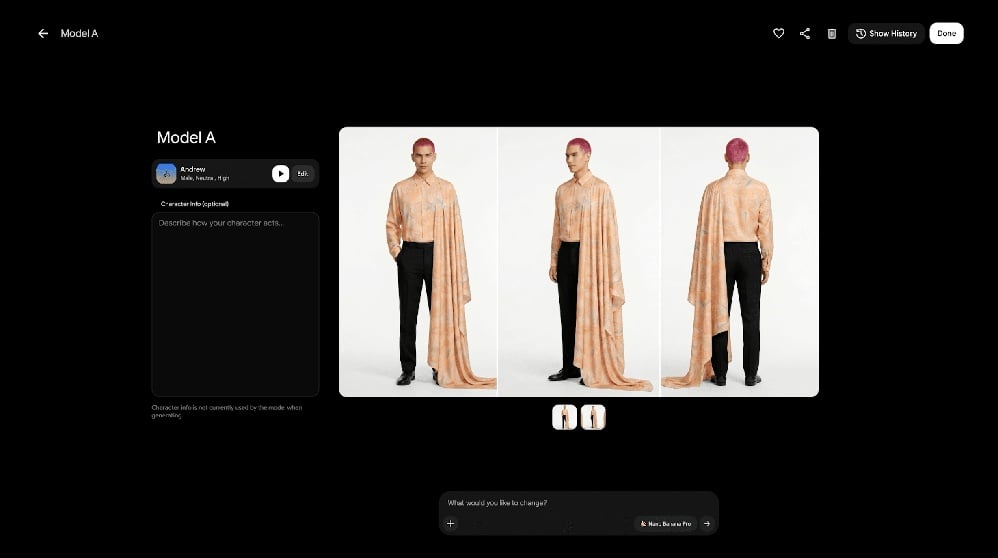
Balanced, tech-focused, and largely descriptive coverage of Google's Flow avatar feature and Omni Flash, acknowledging self-avatar capabilities, watermarking (SynthID), and workflow improvements, while noting authenticity concerns and audience polarization around AI-generated content and situating the move within broader industry examples without endorsing a stance.
Flow adds self-avatar generation powered by Omni Flash, with QR-based setup and SynthID watermark, framed within a broader AI-tools landscape including Sora, YouTube Shorts, and Meta, while noting authenticity concerns and audience polarization.
Western tech-media framing; sources skew toward US/Europe.
Balanced but mildly optimistic toward Gemini/AI features while acknowledging potential downsides like AI-driven search changes, media impact, and privacy concerns, with a credible, detail-rich presentation.
Overview of Google's I/O 2026 keynote, detailing Gemini models, AI features, Search updates, and shopping/XR integrations.
I may over-trust official corporate communications.
The write-up frames Google's SynthID expansion as a transparent, industry-wide effort to standardize AI-content verification, balancing promotional language with acknowledgment of past limits and emphasizing cross-industry partnerships to bolster credibility and alignment with established tech-establishment norms.
Google announces SynthID expansion to Chrome and Search along with cross-industry partnerships to enhance transparency and verification of AI-generated content.
I may overinterpret corporate PR framing; rely on provided text.
May 18, 2026 · 0 shares
Neutral, data-driven analysis with explicit metrics on AI citation influence, yet ancillary bios/links may distract from core findings.
A metrics-focused examination of AI citation performance across ChatGPT, Gemini, and Perplexity, presenting specific percentages, traffic multipliers, and a content-length recommendation, with embedded bios/links.
Training-data bias toward neutral, data-driven analysis.
May 19, 2026 · 0 shares
Promotional tilt is prominent as coverage foregrounds Google's Gemini 3.5/Omni innovations, new hardware and shopping tools, and price reductions, repeats company claims with minimal external validation, and offers limited critical analysis of potential limitations or alternatives.
A comprehensive, promotional-style roundup of Google I/O 2026 announcements focusing on Gemini AI models, new software features across Search, Gmail, and Workspace, plus hardware partnerships and pricing changes.
May 19, 2026 · 0 shares
Coverage generally praises Google's AI-forward strategy and product integration showcased at I/O 2026, with only brief nods to ads and limited critique of privacy or competition.
WIRED outlines Google's I/O 2026 announcements, detailing Gemini AI features, new glasses, and pricing, with a practical focus on use cases.
Limited to training data; aim for neutrality; may underreport corporate critique.
Balanced but mildly optimistic toward Gemini/AI features while acknowledging potential downsides like AI-driven search changes, media impact, and privacy concerns, with a credible, detail-rich presentation.
Overview of Google's I/O 2026 keynote, detailing Gemini models, AI features, Search updates, and shopping/XR integrations.
I may over-trust official corporate communications.
May 19, 2026 · 0 shares
Promotional tilt is prominent as coverage foregrounds Google's Gemini 3.5/Omni innovations, new hardware and shopping tools, and price reductions, repeats company claims with minimal external validation, and offers limited critical analysis of potential limitations or alternatives.
A comprehensive, promotional-style roundup of Google I/O 2026 announcements focusing on Gemini AI models, new software features across Search, Gmail, and Workspace, plus hardware partnerships and pricing changes.
May 19, 2026 · 0 shares
Coverage generally praises Google's AI-forward strategy and product integration showcased at I/O 2026, with only brief nods to ads and limited critique of privacy or competition.
WIRED outlines Google's I/O 2026 announcements, detailing Gemini AI features, new glasses, and pricing, with a practical focus on use cases.
Limited to training data; aim for neutrality; may underreport corporate critique.
May 19, 2026 · 0 shares
Critical, data-informed critique of Google's AI-driven YouTube/search changes, highlighting potential harm to creator revenue and incentives, while noting uncertainties and citing external metrics.
Tech commentary analyzing Google's AI features (AI Overviews, Ask YouTube) and their potential impact on content creators and search traffic, citing Ahrefs data and Google I/O updates.
Skeptical, data-driven bias; may reflect training data emphasizing creator rights.
The write-up frames Google's SynthID expansion as a transparent, industry-wide effort to standardize AI-content verification, balancing promotional language with acknowledgment of past limits and emphasizing cross-industry partnerships to bolster credibility and alignment with established tech-establishment norms.
Google announces SynthID expansion to Chrome and Search along with cross-industry partnerships to enhance transparency and verification of AI-generated content.
I may overinterpret corporate PR framing; rely on provided text.
May 18, 2026 · 0 shares
Neutral, data-driven analysis with explicit metrics on AI citation influence, yet ancillary bios/links may distract from core findings.
A metrics-focused examination of AI citation performance across ChatGPT, Gemini, and Perplexity, presenting specific percentages, traffic multipliers, and a content-length recommendation, with embedded bios/links.
Training-data bias toward neutral, data-driven analysis.
Policy-focused, neutrally framed coverage that presents enforcement details and context without evident ideological slant or sensationalism.
This policy move reflects ongoing concerns about AI-generated content in scholarly publishing and seeks to balance innovation with integrity through enforcement, human review, and accountability.
Policy framing is cautious and governance-oriented, emphasizing accountability for AI-generated research; reliance on official statements and procedural detail minimizes dissent while signaling a pro-establishment stance; concern about fabricated citations suggests a normative push toward stricter verification in scholarly publishing.
ArXiv, a major preprint repository for computer science and mathematics, introduces a one-year ban for submissions containing AI outputs that were not verified, with penalties enforced by section chairs and the right to appeal, as it moves toward independent nonprofit status amid rising concern about fabricated citations in AI-assisted research.
Neutral, evidence-based; my training may bias toward caution on AI policy.
May 18, 2026 · 0 shares
Balanced, cautious examination of arXiv's plan to ban AI-generated content, acknowledging AI's role in research while arguing against blanket author sanctions and proposing AI-assisted verification as a nuanced alternative.
Discussion of arXiv's year-long AI-generated content ban and the debate over balancing research integrity with collaborative authorship, alongside potential AI-assisted quality measures.
Neutral; training data biased toward mainstream sources.
May 19, 2026 · 0 shares
Promotional tilt is prominent as coverage foregrounds Google's Gemini 3.5/Omni innovations, new hardware and shopping tools, and price reductions, repeats company claims with minimal external validation, and offers limited critical analysis of potential limitations or alternatives.
A comprehensive, promotional-style roundup of Google I/O 2026 announcements focusing on Gemini AI models, new software features across Search, Gmail, and Workspace, plus hardware partnerships and pricing changes.
Balanced but mildly optimistic toward Gemini/AI features while acknowledging potential downsides like AI-driven search changes, media impact, and privacy concerns, with a credible, detail-rich presentation.
Overview of Google's I/O 2026 keynote, detailing Gemini models, AI features, Search updates, and shopping/XR integrations.
I may over-trust official corporate communications.
The write-up frames Google's SynthID expansion as a transparent, industry-wide effort to standardize AI-content verification, balancing promotional language with acknowledgment of past limits and emphasizing cross-industry partnerships to bolster credibility and alignment with established tech-establishment norms.
Google announces SynthID expansion to Chrome and Search along with cross-industry partnerships to enhance transparency and verification of AI-generated content.
I may overinterpret corporate PR framing; rely on provided text.
May 18, 2026 · 0 shares
Neutral, data-driven analysis with explicit metrics on AI citation influence, yet ancillary bios/links may distract from core findings.
A metrics-focused examination of AI citation performance across ChatGPT, Gemini, and Perplexity, presenting specific percentages, traffic multipliers, and a content-length recommendation, with embedded bios/links.
Training-data bias toward neutral, data-driven analysis.
May 19, 2026 · 0 shares
Critical, data-informed critique of Google's AI-driven YouTube/search changes, highlighting potential harm to creator revenue and incentives, while noting uncertainties and citing external metrics.
Tech commentary analyzing Google's AI features (AI Overviews, Ask YouTube) and their potential impact on content creators and search traffic, citing Ahrefs data and Google I/O updates.
Skeptical, data-driven bias; may reflect training data emphasizing creator rights.
May 19, 2026 · 0 shares
Promotional tilt is prominent as coverage foregrounds Google's Gemini 3.5/Omni innovations, new hardware and shopping tools, and price reductions, repeats company claims with minimal external validation, and offers limited critical analysis of potential limitations or alternatives.
A comprehensive, promotional-style roundup of Google I/O 2026 announcements focusing on Gemini AI models, new software features across Search, Gmail, and Workspace, plus hardware partnerships and pricing changes.
Balanced but mildly optimistic toward Gemini/AI features while acknowledging potential downsides like AI-driven search changes, media impact, and privacy concerns, with a credible, detail-rich presentation.
Overview of Google's I/O 2026 keynote, detailing Gemini models, AI features, Search updates, and shopping/XR integrations.
I may over-trust official corporate communications.
May 19, 2026 · 0 shares
Coverage generally praises Google's AI-forward strategy and product integration showcased at I/O 2026, with only brief nods to ads and limited critique of privacy or competition.
WIRED outlines Google's I/O 2026 announcements, detailing Gemini AI features, new glasses, and pricing, with a practical focus on use cases.
Limited to training data; aim for neutrality; may underreport corporate critique.
Balanced, tech-focused, and largely descriptive coverage of Google's Flow avatar feature and Omni Flash, acknowledging self-avatar capabilities, watermarking (SynthID), and workflow improvements, while noting authenticity concerns and audience polarization around AI-generated content and situating the move within broader industry examples without endorsing a stance.
Flow adds self-avatar generation powered by Omni Flash, with QR-based setup and SynthID watermark, framed within a broader AI-tools landscape including Sora, YouTube Shorts, and Meta, while noting authenticity concerns and audience polarization.
Western tech-media framing; sources skew toward US/Europe.
The write-up frames Google's SynthID expansion as a transparent, industry-wide effort to standardize AI-content verification, balancing promotional language with acknowledgment of past limits and emphasizing cross-industry partnerships to bolster credibility and alignment with established tech-establishment norms.
Google announces SynthID expansion to Chrome and Search along with cross-industry partnerships to enhance transparency and verification of AI-generated content.
I may overinterpret corporate PR framing; rely on provided text.
May 19, 2026 · 0 shares
Critical, data-informed critique of Google's AI-driven YouTube/search changes, highlighting potential harm to creator revenue and incentives, while noting uncertainties and citing external metrics.
Tech commentary analyzing Google's AI features (AI Overviews, Ask YouTube) and their potential impact on content creators and search traffic, citing Ahrefs data and Google I/O updates.
Skeptical, data-driven bias; may reflect training data emphasizing creator rights.
May 18, 2026 · 0 shares
Coverage is balanced and evidence-focused, acknowledging hype and deception risks in AI-generated political ads while presenting diverse voices and regulatory context, and refraining from asserting that AI ads decisively influence votes.
LA Times coverage analyzes AI-generated campaign videos in the Los Angeles mayoral race, their messaging and broader regulatory landscape.
My bias: Western media sources; limited LA ground-truth.
Tech-optimist
May 19, 2026 · 0 shares
Promotional tilt is prominent as coverage foregrounds Google's Gemini 3.5/Omni innovations, new hardware and shopping tools, and price reductions, repeats company claims with minimal external validation, and offers limited critical analysis of potential limitations or alternatives.
A comprehensive, promotional-style roundup of Google I/O 2026 announcements focusing on Gemini AI models, new software features across Search, Gmail, and Workspace, plus hardware partnerships and pricing changes.
Balanced but mildly optimistic toward Gemini/AI features while acknowledging potential downsides like AI-driven search changes, media impact, and privacy concerns, with a credible, detail-rich presentation.
Overview of Google's I/O 2026 keynote, detailing Gemini models, AI features, Search updates, and shopping/XR integrations.
I may over-trust official corporate communications.
May 19, 2026 · 0 shares
Coverage generally praises Google's AI-forward strategy and product integration showcased at I/O 2026, with only brief nods to ads and limited critique of privacy or competition.
WIRED outlines Google's I/O 2026 announcements, detailing Gemini AI features, new glasses, and pricing, with a practical focus on use cases.
Limited to training data; aim for neutrality; may underreport corporate critique.
Helium Bias
May 19, 2026 · 0 shares
Promotional tilt is prominent as coverage foregrounds Google's Gemini 3.5/Omni innovations, new hardware and shopping tools, and price reductions, repeats company claims with minimal external validation, and offers limited critical analysis of potential limitations or alternatives.
A comprehensive, promotional-style roundup of Google I/O 2026 announcements focusing on Gemini AI models, new software features across Search, Gmail, and Workspace, plus hardware partnerships and pricing changes.
Balanced but mildly optimistic toward Gemini/AI features while acknowledging potential downsides like AI-driven search changes, media impact, and privacy concerns, with a credible, detail-rich presentation.
Overview of Google's I/O 2026 keynote, detailing Gemini models, AI features, Search updates, and shopping/XR integrations.
I may over-trust official corporate communications.
May 19, 2026 · 0 shares
Critical, data-informed critique of Google's AI-driven YouTube/search changes, highlighting potential harm to creator revenue and incentives, while noting uncertainties and citing external metrics.
Tech commentary analyzing Google's AI features (AI Overviews, Ask YouTube) and their potential impact on content creators and search traffic, citing Ahrefs data and Google I/O updates.
Skeptical, data-driven bias; may reflect training data emphasizing creator rights.
Story Blindspots
Policy-focused, neutrally framed coverage that presents enforcement details and context without evident ideological slant or sensationalism.
This policy move reflects ongoing concerns about AI-generated content in scholarly publishing and seeks to balance innovation with integrity through enforcement, human review, and accountability.
May 18, 2026 · 0 shares
Balanced, cautious examination of arXiv's plan to ban AI-generated content, acknowledging AI's role in research while arguing against blanket author sanctions and proposing AI-assisted verification as a nuanced alternative.
Discussion of arXiv's year-long AI-generated content ban and the debate over balancing research integrity with collaborative authorship, alongside potential AI-assisted quality measures.
Neutral; training data biased toward mainstream sources.
Policy framing is cautious and governance-oriented, emphasizing accountability for AI-generated research; reliance on official statements and procedural detail minimizes dissent while signaling a pro-establishment stance; concern about fabricated citations suggests a normative push toward stricter verification in scholarly publishing.
ArXiv, a major preprint repository for computer science and mathematics, introduces a one-year ban for submissions containing AI outputs that were not verified, with penalties enforced by section chairs and the right to appeal, as it moves toward independent nonprofit status amid rising concern about fabricated citations in AI-assisted research.
Neutral, evidence-based; my training may bias toward caution on AI policy.
May 19, 2026 · 0 shares
Promotional tilt is prominent as coverage foregrounds Google's Gemini 3.5/Omni innovations, new hardware and shopping tools, and price reductions, repeats company claims with minimal external validation, and offers limited critical analysis of potential limitations or alternatives.
A comprehensive, promotional-style roundup of Google I/O 2026 announcements focusing on Gemini AI models, new software features across Search, Gmail, and Workspace, plus hardware partnerships and pricing changes.
Balanced but mildly optimistic toward Gemini/AI features while acknowledging potential downsides like AI-driven search changes, media impact, and privacy concerns, with a credible, detail-rich presentation.
Overview of Google's I/O 2026 keynote, detailing Gemini models, AI features, Search updates, and shopping/XR integrations.
I may over-trust official corporate communications.
May 19, 2026 · 0 shares
Coverage generally praises Google's AI-forward strategy and product integration showcased at I/O 2026, with only brief nods to ads and limited critique of privacy or competition.
WIRED outlines Google's I/O 2026 announcements, detailing Gemini AI features, new glasses, and pricing, with a practical focus on use cases.
Limited to training data; aim for neutrality; may underreport corporate critique.
May 19, 2026 · 0 shares
Critical, data-informed critique of Google's AI-driven YouTube/search changes, highlighting potential harm to creator revenue and incentives, while noting uncertainties and citing external metrics.
Tech commentary analyzing Google's AI features (AI Overviews, Ask YouTube) and their potential impact on content creators and search traffic, citing Ahrefs data and Google I/O updates.
Skeptical, data-driven bias; may reflect training data emphasizing creator rights.
May 18, 2026 · 0 shares
Neutral, data-driven analysis with explicit metrics on AI citation influence, yet ancillary bios/links may distract from core findings.
A metrics-focused examination of AI citation performance across ChatGPT, Gemini, and Perplexity, presenting specific percentages, traffic multipliers, and a content-length recommendation, with embedded bios/links.
Training-data bias toward neutral, data-driven analysis.
The write-up frames Google's SynthID expansion as a transparent, industry-wide effort to standardize AI-content verification, balancing promotional language with acknowledgment of past limits and emphasizing cross-industry partnerships to bolster credibility and alignment with established tech-establishment norms.
Google announces SynthID expansion to Chrome and Search along with cross-industry partnerships to enhance transparency and verification of AI-generated content.
I may overinterpret corporate PR framing; rely on provided text.
The write-up frames Google's SynthID expansion as a transparent, industry-wide effort to standardize AI-content verification, balancing promotional language with acknowledgment of past limits and emphasizing cross-industry partnerships to bolster credibility and alignment with established tech-establishment norms.
Google announces SynthID expansion to Chrome and Search along with cross-industry partnerships to enhance transparency and verification of AI-generated content.
I may overinterpret corporate PR framing; rely on provided text.
May 18, 2026 · 0 shares
Neutral, data-driven analysis with explicit metrics on AI citation influence, yet ancillary bios/links may distract from core findings.
A metrics-focused examination of AI citation performance across ChatGPT, Gemini, and Perplexity, presenting specific percentages, traffic multipliers, and a content-length recommendation, with embedded bios/links.
Training-data bias toward neutral, data-driven analysis.
Policy-focused, neutrally framed coverage that presents enforcement details and context without evident ideological slant or sensationalism.
This policy move reflects ongoing concerns about AI-generated content in scholarly publishing and seeks to balance innovation with integrity through enforcement, human review, and accountability.
Policy framing is cautious and governance-oriented, emphasizing accountability for AI-generated research; reliance on official statements and procedural detail minimizes dissent while signaling a pro-establishment stance; concern about fabricated citations suggests a normative push toward stricter verification in scholarly publishing.
ArXiv, a major preprint repository for computer science and mathematics, introduces a one-year ban for submissions containing AI outputs that were not verified, with penalties enforced by section chairs and the right to appeal, as it moves toward independent nonprofit status amid rising concern about fabricated citations in AI-assisted research.
Neutral, evidence-based; my training may bias toward caution on AI policy.
May 18, 2026 · 0 shares
Balanced, cautious examination of arXiv's plan to ban AI-generated content, acknowledging AI's role in research while arguing against blanket author sanctions and proposing AI-assisted verification as a nuanced alternative.
Discussion of arXiv's year-long AI-generated content ban and the debate over balancing research integrity with collaborative authorship, alongside potential AI-assisted quality measures.
Neutral; training data biased toward mainstream sources.
May 19, 2026 · 0 shares
Promotional tilt is prominent as coverage foregrounds Google's Gemini 3.5/Omni innovations, new hardware and shopping tools, and price reductions, repeats company claims with minimal external validation, and offers limited critical analysis of potential limitations or alternatives.
A comprehensive, promotional-style roundup of Google I/O 2026 announcements focusing on Gemini AI models, new software features across Search, Gmail, and Workspace, plus hardware partnerships and pricing changes.
Balanced but mildly optimistic toward Gemini/AI features while acknowledging potential downsides like AI-driven search changes, media impact, and privacy concerns, with a credible, detail-rich presentation.
Overview of Google's I/O 2026 keynote, detailing Gemini models, AI features, Search updates, and shopping/XR integrations.
I may over-trust official corporate communications.
The write-up frames Google's SynthID expansion as a transparent, industry-wide effort to standardize AI-content verification, balancing promotional language with acknowledgment of past limits and emphasizing cross-industry partnerships to bolster credibility and alignment with established tech-establishment norms.
Google announces SynthID expansion to Chrome and Search along with cross-industry partnerships to enhance transparency and verification of AI-generated content.
I may overinterpret corporate PR framing; rely on provided text.
May 18, 2026 · 0 shares
Neutral, data-driven analysis with explicit metrics on AI citation influence, yet ancillary bios/links may distract from core findings.
A metrics-focused examination of AI citation performance across ChatGPT, Gemini, and Perplexity, presenting specific percentages, traffic multipliers, and a content-length recommendation, with embedded bios/links.
Training-data bias toward neutral, data-driven analysis.
Policy-focused, neutrally framed coverage that presents enforcement details and context without evident ideological slant or sensationalism.
This policy move reflects ongoing concerns about AI-generated content in scholarly publishing and seeks to balance innovation with integrity through enforcement, human review, and accountability.
2026 © Helium Trades
Privacy Policy & Disclosure
* Disclaimer: Nothing on this website constitutes investment advice, performance data or any recommendation that any particular security, portfolio of securities, transaction or investment strategy is suitable for any specific person. Helium Trades is not responsible in any way for the accuracy
of any model predictions or price data. Any mention of a particular security and related prediction data is not a recommendation to buy or sell that security. Investments in securities involve the risk of loss. Past performance is no guarantee of future results. Helium Trades is not responsible for any of your investment decisions,
you should consult a financial expert before engaging in any transaction.
AI Assistant

How can I help you today?
Ask any question about this page.