See whether Helium helps you make better-informed decisions. Try every Pro Trader feature for 30 days. No credit card required.
Try every Pro Trader feature for 30 days. No credit card required.
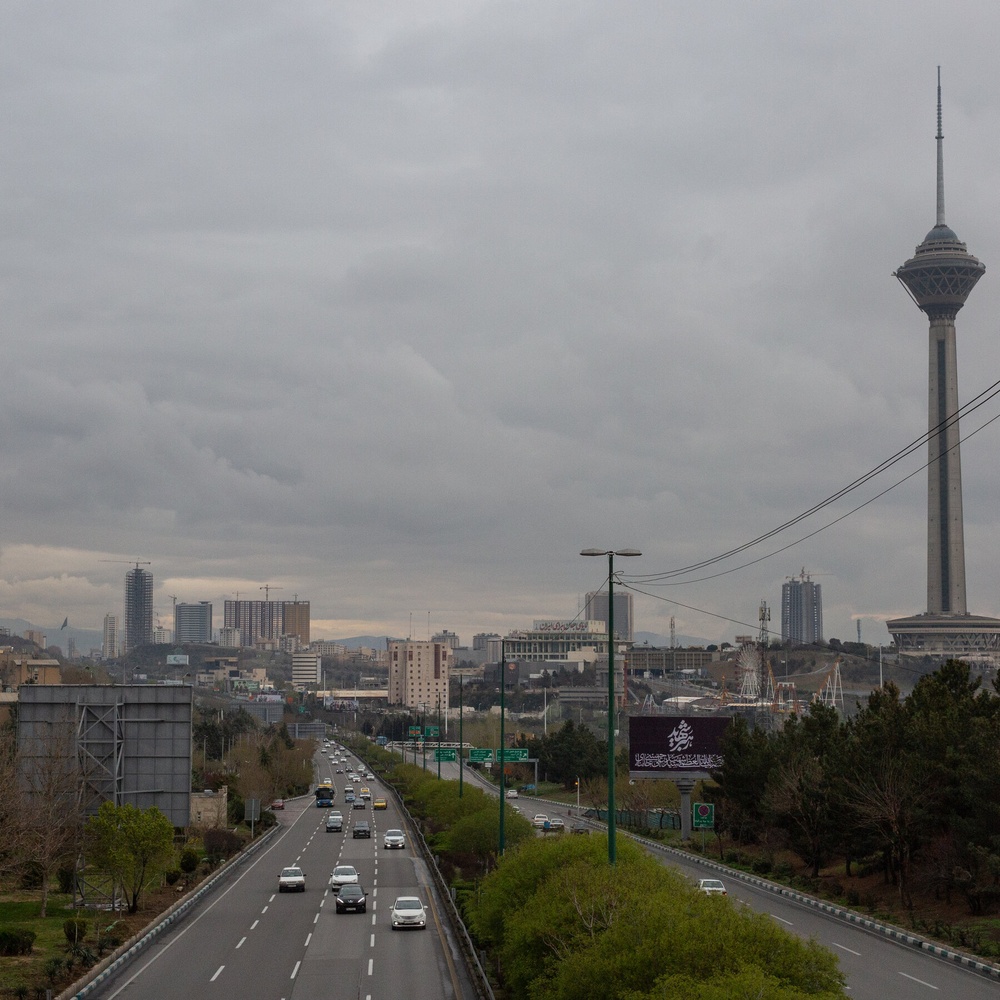
Neutral, informational framing that presents Iran's rejection of a cease-fire while noting openness to talks, and depicts concerns about pauses being exploited by Israel and the United States.
Concise context: report about Iran's stance on a proposed cease-fire, emphasizing rejection, openness to negotiations, and concern about pause enabling adversaries to strengthen ahead of resumed strikes.
I aim for neutrality; training data may reflect media bias.
Balanced, multi-source coverage cites Iran, Israel, the United States, and mediators, presents casualty tallies and energy-market implications, and describes diplomatic efforts with measured language while avoiding overt advocacy.
Concise, factful, balanced context for the article in one sentence.
Western-source dominance risk; not real-time; underrepresent non-Western voices.
Neutral, humanitarian-focused coverage relies on UNHCR statements and quantified funding data to frame a widening displacement crisis in Iran and Lebanon, acknowledges military actions by the US and Israel and related Western aid cuts without endorsing any side, and foregrounds the regional funding gap and logistical bottlenecks as central to the relief response.
UNHCR seeks more funding to manage unprecedented displacement in Iran and Lebanon amid a widening Middle East conflict, with funding shortfalls and Western-donor cuts affecting relief operations and logistics.
Balanced, cautiously critical perspective that foregrounds Iran's Strait of Hormuz leverage, diverse expert voices, and humanitarian costs, while critiquing the implications of coercive strategies and outlining possible off-ramps rather than definitive outcomes.
An international affairs explainer analyzing Iran's leverage via the Strait of Hormuz, energy market implications, and the evolving dynamics of U.S./Israel responses in the conflict.
Moderate Western-leaning training data; may underrepresent non-Western outlets.
Moderate, establishment-leaning bias favoring diplomacy, multilateralism, and restraint in Iran policy.
It uses historical analogies (Venezuela, Ukraine) to critique rapid regime-change strategies.
It advocates a negotiated off-ramp with strict limits on Iran’s nuclear program and missiles to preserve regional stability and U.S. credibility.
CFR analysis argues that the Iran war risks becoming a Russia-style quagmire and advocates a negotiated off-ramp with strict limits on Iran’s nuclear program and missiles to preserve regional stability and U.S. credibility.
Diverse sources; potential Western foreign-policy tilt
Rights-centered, pro-civil-liberties framing foregrounds volunteers and OSINT to critique Iran's digital oppression while acknowledging data limits and that crowdsourced tools cannot substitute official emergency alerts.
WIRED describes Mahsa Alert, a volunteer-powered, crowdsourced mapping platform in Iran designed to provide real-time-like alerts and offline access amid government censorship and a major internet shutdown, set against the backdrop of the US-Israel war.
Western-media-skewed training; may overemphasize civil-liberties framing.
Neutral, humanitarian-focused coverage relies on UNHCR statements and quantified funding data to frame a widening displacement crisis in Iran and Lebanon, acknowledges military actions by the US and Israel and related Western aid cuts without endorsing any side, and foregrounds the regional funding gap and logistical bottlenecks as central to the relief response.
UNHCR seeks more funding to manage unprecedented displacement in Iran and Lebanon amid a widening Middle East conflict, with funding shortfalls and Western-donor cuts affecting relief operations and logistics.
Neutral, informational framing that presents Iran's rejection of a cease-fire while noting openness to talks, and depicts concerns about pauses being exploited by Israel and the United States.
Concise context: report about Iran's stance on a proposed cease-fire, emphasizing rejection, openness to negotiations, and concern about pause enabling adversaries to strengthen ahead of resumed strikes.
I aim for neutrality; training data may reflect media bias.
Negotiation/off-ramp centered statecraft
Balanced, cautiously critical perspective that foregrounds Iran's Strait of Hormuz leverage, diverse expert voices, and humanitarian costs, while critiquing the implications of coercive strategies and outlining possible off-ramps rather than definitive outcomes.
An international affairs explainer analyzing Iran's leverage via the Strait of Hormuz, energy market implications, and the evolving dynamics of U.S./Israel responses in the conflict.
Moderate Western-leaning training data; may underrepresent non-Western outlets.
Moderate, establishment-leaning bias favoring diplomacy, multilateralism, and restraint in Iran policy. It uses historical analogies (Venezuela, Ukraine) to critique rapid regime-change strategies. It advocates a negotiated off-ramp with strict limits on Iran’s nuclear program and missiles to preserve regional stability and U.S. credibility.
CFR analysis argues that the Iran war risks becoming a Russia-style quagmire and advocates a negotiated off-ramp with strict limits on Iran’s nuclear program and missiles to preserve regional stability and U.S. credibility.
Diverse sources; potential Western foreign-policy tilt
Neutral, informational framing that presents Iran's rejection of a cease-fire while noting openness to talks, and depicts concerns about pauses being exploited by Israel and the United States.
Concise context: report about Iran's stance on a proposed cease-fire, emphasizing rejection, openness to negotiations, and concern about pause enabling adversaries to strengthen ahead of resumed strikes.
I aim for neutrality; training data may reflect media bias.
Iran’s strategic communications and bargaining logic
Neutral, informational framing that presents Iran's rejection of a cease-fire while noting openness to talks, and depicts concerns about pauses being exploited by Israel and the United States.
Concise context: report about Iran's stance on a proposed cease-fire, emphasizing rejection, openness to negotiations, and concern about pause enabling adversaries to strengthen ahead of resumed strikes.
I aim for neutrality; training data may reflect media bias.
Coverage presents US peace plan details alongside Iran's rejection and critical quotes, attributing claims to multiple sources and avoiding editorial conclusions, yielding a balanced, attribution-driven portrayal with cautious skepticism toward both sides.
Conflict-era coverage of a US 15-point peace plan for Iran amid ongoing hostilities, highlighting Iran's rejection and a reported five-condition counterproposal with multiple source attributions.
Neutral, source-focused; aims for fairness.
Balanced, cautiously critical perspective that foregrounds Iran's Strait of Hormuz leverage, diverse expert voices, and humanitarian costs, while critiquing the implications of coercive strategies and outlining possible off-ramps rather than definitive outcomes.
An international affairs explainer analyzing Iran's leverage via the Strait of Hormuz, energy market implications, and the evolving dynamics of U.S./Israel responses in the conflict.
Moderate Western-leaning training data; may underrepresent non-Western outlets.
Humanitarian and civil-society information ecosystem
Neutral, humanitarian-focused coverage relies on UNHCR statements and quantified funding data to frame a widening displacement crisis in Iran and Lebanon, acknowledges military actions by the US and Israel and related Western aid cuts without endorsing any side, and foregrounds the regional funding gap and logistical bottlenecks as central to the relief response.
UNHCR seeks more funding to manage unprecedented displacement in Iran and Lebanon amid a widening Middle East conflict, with funding shortfalls and Western-donor cuts affecting relief operations and logistics.
Rights-centered, pro-civil-liberties framing foregrounds volunteers and OSINT to critique Iran's digital oppression while acknowledging data limits and that crowdsourced tools cannot substitute official emergency alerts.
WIRED describes Mahsa Alert, a volunteer-powered, crowdsourced mapping platform in Iran designed to provide real-time-like alerts and offline access amid government censorship and a major internet shutdown, set against the backdrop of the US-Israel war.
Western-media-skewed training; may overemphasize civil-liberties framing.
Rights-centered, pro-civil-liberties framing foregrounds volunteers and OSINT to critique Iran's digital oppression while acknowledging data limits and that crowdsourced tools cannot substitute official emergency alerts.
WIRED describes Mahsa Alert, a volunteer-powered, crowdsourced mapping platform in Iran designed to provide real-time-like alerts and offline access amid government censorship and a major internet shutdown, set against the backdrop of the US-Israel war.
Western-media-skewed training; may overemphasize civil-liberties framing.
Information contestation: claims of victory vs evidence of ongoing risk
Left-leaning, anti-Trump, anti-war political commentary that labels official victory claims as deceit, emphasizes ongoing conflict and costs, and advocates for independent journalism and accountability.
A political commentary arguing that US actions in Iran are not a clear victory and that official claims are misleading, emphasizing ongoing hostilities and costs.
Moderate left-leaning data; potential anti-Trump framing.
Balanced, multi-source coverage cites Iran, Israel, the United States, and mediators, presents casualty tallies and energy-market implications, and describes diplomatic efforts with measured language while avoiding overt advocacy.
Concise, factful, balanced context for the article in one sentence.
Western-source dominance risk; not real-time; underrepresent non-Western voices.
Left-leaning, anti-Trump, anti-war political commentary that labels official victory claims as deceit, emphasizes ongoing conflict and costs, and advocates for independent journalism and accountability.
A political commentary arguing that US actions in Iran are not a clear victory and that official claims are misleading, emphasizing ongoing hostilities and costs.
Moderate left-leaning data; potential anti-Trump framing.
Geopolitical realism and exit-strategy skepticism (including non-Western framing)
Kremlin-aligned framing portrays US-led actions against Iran as miscalculated and economically costly, emphasizing two underestimations (that Iran would give up and that there would be no economic consequences) and a lack of clear goals or exit strategy, while noting domestic opposition in the US and UK and presenting Iran as capable of resisting and retaliating.
A Kremlin-aligned report of statements by a Russian official criticizing US-led actions against Iran, including alleged miscalculations and domestic opposition, with mention of Iranian retaliation.
Balanced, cautiously critical perspective that foregrounds Iran's Strait of Hormuz leverage, diverse expert voices, and humanitarian costs, while critiquing the implications of coercive strategies and outlining possible off-ramps rather than definitive outcomes.
An international affairs explainer analyzing Iran's leverage via the Strait of Hormuz, energy market implications, and the evolving dynamics of U.S./Israel responses in the conflict.
Moderate Western-leaning training data; may underrepresent non-Western outlets.
Ideological risk: regime-change or demonization lenses
Strong anti-Iran regime bias; pro-Western democracy and national-security stance; uses charged epithets 'the Great Satan' and 'the Cancerous Boil' to delegitimize Iran's leadership and justify U.S.-Israel policy, reflecting an establishment-aligned perspective.
Policy analysis from the Hoover Institution criticizing Iran's regime and advocating Western democratic governance and national-security policy responses.
Left-leaning, anti-Trump, pro-protest and pro-cross-class alliance bias; criticizes Democratic establishment's handling of Gaza/anti-war protests while foregrounding state violence and democratic renewal as the solution.
An in-depth interview on The Intercept's Briefing featuring NYU professor Nikhil Pal Singh discussing protests, coalition-building, and critiques of Trump-era domestic and foreign policy.
I lean left; risk bias toward liberal framing from training data.
Helium Bias
Story Blindspots
Balanced, multi-source coverage cites Iran, Israel, the United States, and mediators, presents casualty tallies and energy-market implications, and describes diplomatic efforts with measured language while avoiding overt advocacy.
Concise, factful, balanced context for the article in one sentence.
Western-source dominance risk; not real-time; underrepresent non-Western voices.
Rights-centered, pro-civil-liberties framing foregrounds volunteers and OSINT to critique Iran's digital oppression while acknowledging data limits and that crowdsourced tools cannot substitute official emergency alerts.
WIRED describes Mahsa Alert, a volunteer-powered, crowdsourced mapping platform in Iran designed to provide real-time-like alerts and offline access amid government censorship and a major internet shutdown, set against the backdrop of the US-Israel war.
Western-media-skewed training; may overemphasize civil-liberties framing.
Moderate, establishment-leaning bias favoring diplomacy, multilateralism, and restraint in Iran policy. It uses historical analogies (Venezuela, Ukraine) to critique rapid regime-change strategies. It advocates a negotiated off-ramp with strict limits on Iran’s nuclear program and missiles to preserve regional stability and U.S. credibility.
CFR analysis argues that the Iran war risks becoming a Russia-style quagmire and advocates a negotiated off-ramp with strict limits on Iran’s nuclear program and missiles to preserve regional stability and U.S. credibility.
Diverse sources; potential Western foreign-policy tilt
Nuanced, cross-cutting coverage balancing U.S. diplomacy claims with Iranian rhetoric and regional observers, highlighting de-escalation, costs of war, and the fragility of negotiations.
Overview of US peace proposal to Iran, Iranian rejection, and ensuing regional military developments, deployments, sanctions, and diplomatic commentary.
Tends to reflect Western-source emphasis; cross-check with non-Western voices.
Strong anti-Iran regime bias; pro-Western democracy and national-security stance; uses charged epithets 'the Great Satan' and 'the Cancerous Boil' to delegitimize Iran's leadership and justify U.S.-Israel policy, reflecting an establishment-aligned perspective.
Policy analysis from the Hoover Institution criticizing Iran's regime and advocating Western democratic governance and national-security policy responses.
Kremlin-aligned framing portrays US-led actions against Iran as miscalculated and economically costly, emphasizing two underestimations (that Iran would give up and that there would be no economic consequences) and a lack of clear goals or exit strategy, while noting domestic opposition in the US and UK and presenting Iran as capable of resisting and retaliating.
A Kremlin-aligned report of statements by a Russian official criticizing US-led actions against Iran, including alleged miscalculations and domestic opposition, with mention of Iranian retaliation.
Neutral, informational framing that presents Iran's rejection of a cease-fire while noting openness to talks, and depicts concerns about pauses being exploited by Israel and the United States.
Concise context: report about Iran's stance on a proposed cease-fire, emphasizing rejection, openness to negotiations, and concern about pause enabling adversaries to strengthen ahead of resumed strikes.
I aim for neutrality; training data may reflect media bias.
Neutral, humanitarian-focused coverage relies on UNHCR statements and quantified funding data to frame a widening displacement crisis in Iran and Lebanon, acknowledges military actions by the US and Israel and related Western aid cuts without endorsing any side, and foregrounds the regional funding gap and logistical bottlenecks as central to the relief response.
UNHCR seeks more funding to manage unprecedented displacement in Iran and Lebanon amid a widening Middle East conflict, with funding shortfalls and Western-donor cuts affecting relief operations and logistics.
Rights-centered, pro-civil-liberties framing foregrounds volunteers and OSINT to critique Iran's digital oppression while acknowledging data limits and that crowdsourced tools cannot substitute official emergency alerts.
WIRED describes Mahsa Alert, a volunteer-powered, crowdsourced mapping platform in Iran designed to provide real-time-like alerts and offline access amid government censorship and a major internet shutdown, set against the backdrop of the US-Israel war.
Western-media-skewed training; may overemphasize civil-liberties framing.
Neutral, informational framing that presents Iran's rejection of a cease-fire while noting openness to talks, and depicts concerns about pauses being exploited by Israel and the United States.
Concise context: report about Iran's stance on a proposed cease-fire, emphasizing rejection, openness to negotiations, and concern about pause enabling adversaries to strengthen ahead of resumed strikes.
I aim for neutrality; training data may reflect media bias.
Balanced, multi-source coverage cites Iran, Israel, the United States, and mediators, presents casualty tallies and energy-market implications, and describes diplomatic efforts with measured language while avoiding overt advocacy.
Concise, factful, balanced context for the article in one sentence.
Western-source dominance risk; not real-time; underrepresent non-Western voices.
Neutral, humanitarian-focused coverage relies on UNHCR statements and quantified funding data to frame a widening displacement crisis in Iran and Lebanon, acknowledges military actions by the US and Israel and related Western aid cuts without endorsing any side, and foregrounds the regional funding gap and logistical bottlenecks as central to the relief response.
UNHCR seeks more funding to manage unprecedented displacement in Iran and Lebanon amid a widening Middle East conflict, with funding shortfalls and Western-donor cuts affecting relief operations and logistics.
Balanced, cautiously critical perspective that foregrounds Iran's Strait of Hormuz leverage, diverse expert voices, and humanitarian costs, while critiquing the implications of coercive strategies and outlining possible off-ramps rather than definitive outcomes.
An international affairs explainer analyzing Iran's leverage via the Strait of Hormuz, energy market implications, and the evolving dynamics of U.S./Israel responses in the conflict.
Moderate Western-leaning training data; may underrepresent non-Western outlets.
Moderate, establishment-leaning bias favoring diplomacy, multilateralism, and restraint in Iran policy.
It uses historical analogies (Venezuela, Ukraine) to critique rapid regime-change strategies.
It advocates a negotiated off-ramp with strict limits on Iran’s nuclear program and missiles to preserve regional stability and U.S. credibility.
CFR analysis argues that the Iran war risks becoming a Russia-style quagmire and advocates a negotiated off-ramp with strict limits on Iran’s nuclear program and missiles to preserve regional stability and U.S. credibility.
Diverse sources; potential Western foreign-policy tilt
Rights-centered, pro-civil-liberties framing foregrounds volunteers and OSINT to critique Iran's digital oppression while acknowledging data limits and that crowdsourced tools cannot substitute official emergency alerts.
WIRED describes Mahsa Alert, a volunteer-powered, crowdsourced mapping platform in Iran designed to provide real-time-like alerts and offline access amid government censorship and a major internet shutdown, set against the backdrop of the US-Israel war.
Western-media-skewed training; may overemphasize civil-liberties framing.
Left-leaning, anti-Trump, anti-war political commentary that labels official victory claims as deceit, emphasizes ongoing conflict and costs, and advocates for independent journalism and accountability.
A political commentary arguing that US actions in Iran are not a clear victory and that official claims are misleading, emphasizing ongoing hostilities and costs.
Moderate left-leaning data; potential anti-Trump framing.
Strong anti-Iran regime bias; pro-Western democracy and national-security stance; uses charged epithets 'the Great Satan' and 'the Cancerous Boil' to delegitimize Iran's leadership and justify U.S.-Israel policy, reflecting an establishment-aligned perspective.
Policy analysis from the Hoover Institution criticizing Iran's regime and advocating Western democratic governance and national-security policy responses.
Kremlin-aligned framing portrays US-led actions against Iran as miscalculated and economically costly, emphasizing two underestimations (that Iran would give up and that there would be no economic consequences) and a lack of clear goals or exit strategy, while noting domestic opposition in the US and UK and presenting Iran as capable of resisting and retaliating.
A Kremlin-aligned report of statements by a Russian official criticizing US-led actions against Iran, including alleged miscalculations and domestic opposition, with mention of Iranian retaliation.
Left-leaning, anti-Trump, pro-protest and pro-cross-class alliance bias; criticizes Democratic establishment's handling of Gaza/anti-war protests while foregrounding state violence and democratic renewal as the solution.
An in-depth interview on The Intercept's Briefing featuring NYU professor Nikhil Pal Singh discussing protests, coalition-building, and critiques of Trump-era domestic and foreign policy.
I lean left; risk bias toward liberal framing from training data.
Neutral, informational framing that presents Iran's rejection of a cease-fire while noting openness to talks, and depicts concerns about pauses being exploited by Israel and the United States.
Concise context: report about Iran's stance on a proposed cease-fire, emphasizing rejection, openness to negotiations, and concern about pause enabling adversaries to strengthen ahead of resumed strikes.
I aim for neutrality; training data may reflect media bias.
Moderate, establishment-leaning bias favoring diplomacy, multilateralism, and restraint in Iran policy.
It uses historical analogies (Venezuela, Ukraine) to critique rapid regime-change strategies.
It advocates a negotiated off-ramp with strict limits on Iran’s nuclear program and missiles to preserve regional stability and U.S. credibility.
CFR analysis argues that the Iran war risks becoming a Russia-style quagmire and advocates a negotiated off-ramp with strict limits on Iran’s nuclear program and missiles to preserve regional stability and U.S. credibility.
Diverse sources; potential Western foreign-policy tilt
Rights-centered, pro-civil-liberties framing foregrounds volunteers and OSINT to critique Iran's digital oppression while acknowledging data limits and that crowdsourced tools cannot substitute official emergency alerts.
WIRED describes Mahsa Alert, a volunteer-powered, crowdsourced mapping platform in Iran designed to provide real-time-like alerts and offline access amid government censorship and a major internet shutdown, set against the backdrop of the US-Israel war.
Western-media-skewed training; may overemphasize civil-liberties framing.
Neutral, informational framing that presents Iran's rejection of a cease-fire while noting openness to talks, and depicts concerns about pauses being exploited by Israel and the United States.
Concise context: report about Iran's stance on a proposed cease-fire, emphasizing rejection, openness to negotiations, and concern about pause enabling adversaries to strengthen ahead of resumed strikes.
I aim for neutrality; training data may reflect media bias.
Balanced, cautiously critical perspective that foregrounds Iran's Strait of Hormuz leverage, diverse expert voices, and humanitarian costs, while critiquing the implications of coercive strategies and outlining possible off-ramps rather than definitive outcomes.
An international affairs explainer analyzing Iran's leverage via the Strait of Hormuz, energy market implications, and the evolving dynamics of U.S./Israel responses in the conflict.
Moderate Western-leaning training data; may underrepresent non-Western outlets.
Neutral, humanitarian-focused coverage relies on UNHCR statements and quantified funding data to frame a widening displacement crisis in Iran and Lebanon, acknowledges military actions by the US and Israel and related Western aid cuts without endorsing any side, and foregrounds the regional funding gap and logistical bottlenecks as central to the relief response.
UNHCR seeks more funding to manage unprecedented displacement in Iran and Lebanon amid a widening Middle East conflict, with funding shortfalls and Western-donor cuts affecting relief operations and logistics.
Rights-centered, pro-civil-liberties framing foregrounds volunteers and OSINT to critique Iran's digital oppression while acknowledging data limits and that crowdsourced tools cannot substitute official emergency alerts.
WIRED describes Mahsa Alert, a volunteer-powered, crowdsourced mapping platform in Iran designed to provide real-time-like alerts and offline access amid government censorship and a major internet shutdown, set against the backdrop of the US-Israel war.
Western-media-skewed training; may overemphasize civil-liberties framing.
Rights-centered, pro-civil-liberties framing foregrounds volunteers and OSINT to critique Iran's digital oppression while acknowledging data limits and that crowdsourced tools cannot substitute official emergency alerts.
WIRED describes Mahsa Alert, a volunteer-powered, crowdsourced mapping platform in Iran designed to provide real-time-like alerts and offline access amid government censorship and a major internet shutdown, set against the backdrop of the US-Israel war.
Western-media-skewed training; may overemphasize civil-liberties framing.
Left-leaning, anti-Trump, anti-war political commentary that labels official victory claims as deceit, emphasizes ongoing conflict and costs, and advocates for independent journalism and accountability.
A political commentary arguing that US actions in Iran are not a clear victory and that official claims are misleading, emphasizing ongoing hostilities and costs.
Moderate left-leaning data; potential anti-Trump framing.



2026 © Helium Trades
Privacy Policy & Disclosure
* Disclaimer: Nothing on this website constitutes investment advice, performance data or any recommendation that any particular security, portfolio of securities, transaction or investment strategy is suitable for any specific person. Helium Trades is not responsible in any way for the accuracy
of any model predictions or price data. Any mention of a particular security and related prediction data is not a recommendation to buy or sell that security. Investments in securities involve the risk of loss. Past performance is no guarantee of future results. Helium Trades is not responsible for any of your investment decisions,
you should consult a financial expert before engaging in any transaction.
Helium Research Assistant

How can I help you today?
Ask any question about this page.


