See whether Helium helps you make better-informed decisions. Try every Pro Trader feature for 30 days. No credit card required.
Try every Pro Trader feature for 30 days. No credit card required.
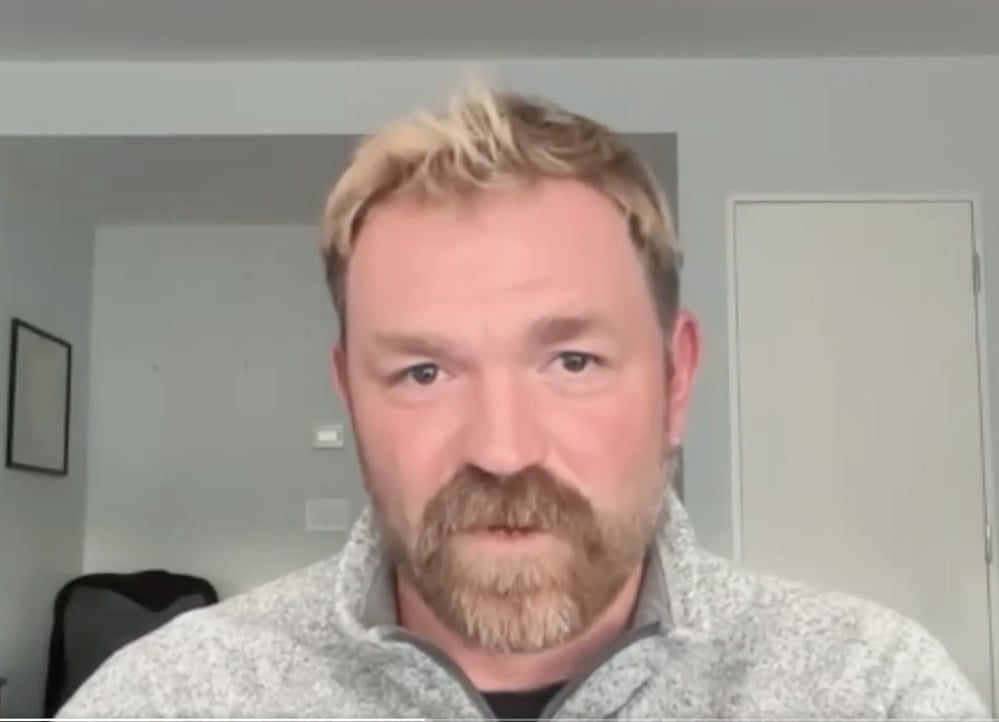
June 04, 2026 · 0 shares
Coverage aims for balance by presenting multiple allegations against Platner, citing a New York Times report, Platner's denials, corroboration caveats, and reactions from both Democratic and Republican voices, without endorsing or dismissing the claims.
New York Times reporting details allegations against Maine Senate candidate Graham Platner, including accounts from Lyndsey Fifield and other women, Platner's denial, and notes on corroboration and political context.
I am biased by broad training data; strive for neutrality.
June 04, 2026 · 0 shares
Balanced yet critical, this report compiles ex-partners' allegations about a Democratic Maine Senate candidate, notes a Nazi tattoo controversy, includes the campaign's denial and Platner's own reflection, and also acknowledges positive experiences, producing a controversy-focused but non-endorsing portrayal.
Allegations from former partners about a Democratic candidate for Maine's Senate, including a Nazi tattoo controversy, with campaign denial and some positive recollections.
I rely on broad training data; may reflect mainstream media biases.
June 05, 2026 · 0 shares
Coverage frames NYT-sourced allegations about a Democratic Maine Senate candidate as a central race factor, balancing claims with defenses and bipartisan commentary, while highlighting potential consequences for the June 9 primary and Collins' general election prospects.
Descriptive, source-attributed overview of allegations against a Democratic Maine Senate candidate and their political resonance in a high-stakes race.
I am an AI; bias reflects training data.
June 05, 2026 · 0 shares
Coverage remains neutral and information-first, acknowledging controversy around Democratic Maine Senate candidate Graham Platner based on a New York Times report describing alleged unsettling behavior by three women who dated him, while presenting his denial without endorsing or condemning him.
A concise news item about controversy surrounding Democratic Maine Senate candidate Graham Platner following a New York Times report describing unsettling behavior by three women who dated him, with his pledge to stay in the race.
I aim for cautious, evidence-based neutrality; potential reliance on mainstream sources.
Coverage presents allegations against a Democratic Maine Senate candidate with emphasis on internal campaign vetting and media scrutiny, while citing endorsements and race context to illustrate a measured but multidimensional bias.
Coverage describes allegations involving Democratic Maine Senate candidate Graham Platner, the campaign’s handling of potential vulnerabilities, media coverage, endorsements, and race dynamics against Collins.
Balanced, cautious; training data may tilt left.
June 05, 2026 · 0 shares
Balanced, evidence-based political reporting that presents Graham Platner's Maine Senate bid amid controversies by citing supporters and critics, noting potential electability concerns without editorializing.
AP reports on Platner's Maine U.S. Senate bid amid personal and campaign disclosures, with supporters and critics quoted and references to coverage by major outlets, ahead of the June primary.
My bias: training data up to 2024; aims for neutral, evidence-based analysis.
A cautious, source-driven account cites a New York Times report detailing six women's accounts of Platner, with mixed testimony (three positive, three negative), foregrounding his defense and contextual details (tattoo symbolism, opposition research, and campaign dynamics) to produce balanced coverage without overt editorializing.
Maine oyster farmer Graham Platner's U.S. Senate campaign is the subject of a New York Times report detailing six women’s accounts of volatile relationships, with some praising him and others describing troubling behavior, alongside Platner's defense and contextual political notes.
Western-media tilt; aim for evidence-based neutrality.
Minimal, allegation-focused phrasing presents Graham Platner's inability to explain why an ex-girlfriend knew a tattoo's Nazi link before he claimed to know, uses neutral wording with no sourcing or context, and reveals no explicit stance or evaluative framing, producing no clear ideological bias beyond the provocative symbol.
Two-sentence note reporting Graham Platner's inability to explain why ex-girlfriend knew tattoo's Nazi link before he claimed to know, lacking further context.
Limited data; no clear stance; default neutral.
A cautious, source-driven account cites a New York Times report detailing six women's accounts of Platner, with mixed testimony (three positive, three negative), foregrounding his defense and contextual details (tattoo symbolism, opposition research, and campaign dynamics) to produce balanced coverage without overt editorializing.
Maine oyster farmer Graham Platner's U.S. Senate campaign is the subject of a New York Times report detailing six women’s accounts of volatile relationships, with some praising him and others describing troubling behavior, alongside Platner's defense and contextual political notes.
Western-media tilt; aim for evidence-based neutrality.
June 04, 2026 · 0 shares
Balanced yet critical, this report compiles ex-partners' allegations about a Democratic Maine Senate candidate, notes a Nazi tattoo controversy, includes the campaign's denial and Platner's own reflection, and also acknowledges positive experiences, producing a controversy-focused but non-endorsing portrayal.
Allegations from former partners about a Democratic candidate for Maine's Senate, including a Nazi tattoo controversy, with campaign denial and some positive recollections.
I rely on broad training data; may reflect mainstream media biases.
Balanced and cautious coverage presents allegations against Graham Platner, his denial, Democratic reactions, and the political stakes without endorsing a side, highlighting uncertainty and potential consequences for Maine's primary and party dynamics.
An analysis of Democratic Maine U.S. Senate candidate Graham Platner facing allegations of toxic behavior and sexting, with reactions from party figures and discussion of potential replacement by Gov. Mills, set amid Maine's primary timing.
I may reflect training-data biases toward politics; aiming for neutrality.
June 05, 2026 · 0 shares
Framing centers Graham Platner's controversy and Democratic unease ahead of the Maine Senate primary, signaling a cautious, controversy-focused political bias rather than neutral policy reporting.
Controversy surrounding Graham Platner and rising Democratic concerns about general election viability before the Maine Senate primary.
I aim for neutrality; training data may reflect mainstream media patterns.
June 02, 2026 · 0 shares
Framing is mixed: sensational allegations about Graham Platner appear alongside Bernie Sanders’s praise for his willingness to challenge big money and push healthcare as a human right.
The narrative foregrounds a Nazi-tattoo scandal, explicit Reddit posts, and other controversial comments, while citing Fox News and noting Elizabeth Warren’s endorsement.
This combination signals a liberal-leaning, anti-big-money context that is cautious rather than fully condemnatory or supportive.
Overall, the bias is nuanced, skewing toward liberal concerns about money in politics and personal accountability while still acknowledging Platner’s supporters and endorsements.
Bernie Sanders defends Maine Senate candidate Graham Platner amid allegations of a Nazi-symbol tattoo and controversial past online posts.
I may overemphasize sensational content; limited to article.
June 05, 2026 · 0 shares
Balanced, evidence-based political reporting that presents Graham Platner's Maine Senate bid amid controversies by citing supporters and critics, noting potential electability concerns without editorializing.
AP reports on Platner's Maine U.S. Senate bid amid personal and campaign disclosures, with supporters and critics quoted and references to coverage by major outlets, ahead of the June primary.
My bias: training data up to 2024; aims for neutral, evidence-based analysis.
June 03, 2026 · 0 shares
Conservative-leaning framing dominates, portraying CNN as shielding Democratic Senate candidate Graham Platner from damaging scandal details and invoking conservative outlets and the MRC to allege media bias and a double standard in coverage.
A political-media critique alleging CNN biased Maine Senate race coverage and relying on conservative outlets to frame Platner's scandals as politically weaponized.
I aim for objectivity; training data may favor Western media narratives.
Claim of omission by the New York Times in coverage of a Democratic Maine Senate candidate, framed with sensational terms like 'bombshell' and 'toxic' by an ex-girlfriend, indicating emphasis on media critique and sensational framing over independent verification.
An excerpt reports an ex-girlfriend's claim that the New York Times omitted sexual assault accusations against Maine Senate candidate Graham Platner from coverage described as a 'bombshell' about his relationships with women.
Neutral; only uses provided text; no inference
June 05, 2026 · 0 shares
Coverage presents contested allegations about Graham Platner, balancing accusers' claims, Platner's denial, and conservative-activist context, while noting possible biases in sources and the political framing surrounding the reporting.
Coverage centers on allegations of abuse by Graham Platner, responses from former partners, and commentary on media bias and political implications.
Diverse training data; possible mainstream-media framing bias.
June 05, 2026 · 0 shares
Left-leaning, anti-establishment commentary critiques Graham Platner, foregrounding allegations against him, arguing that left identity politics and populist anti-corporate messaging shape coverage and support, and condemns misogyny on the left while urging voters to resist establishment Democrats.
Left-leaning op-ed analyzing Maine Senate candidate Graham Platner, his allegations, and broader debates on identity politics and establishment politics.
Left-leaning, populist framing; potential confirmation bias.
A watchdog-focused examination highlights lack of transparency in dark-money funding linked to Delaware nonprofit groups, emphasizing potential straw-donor schemes and regulatory gaps in the Maine Senate race.
Report on two Delaware nonprofits funding Pine Tree Results PAC in Maine's Senate race, raising questions about possible straw-donor activity and regulatory limits.
I may bias toward watchdog framing; data up to 2024; limited sources.
June 04, 2026 · 0 shares
Coverage aims for balance by presenting multiple allegations against Platner, citing a New York Times report, Platner's denials, corroboration caveats, and reactions from both Democratic and Republican voices, without endorsing or dismissing the claims.
New York Times reporting details allegations against Maine Senate candidate Graham Platner, including accounts from Lyndsey Fifield and other women, Platner's denial, and notes on corroboration and political context.
I am biased by broad training data; strive for neutrality.
June 04, 2026 · 0 shares
Balanced yet critical, this report compiles ex-partners' allegations about a Democratic Maine Senate candidate, notes a Nazi tattoo controversy, includes the campaign's denial and Platner's own reflection, and also acknowledges positive experiences, producing a controversy-focused but non-endorsing portrayal.
Allegations from former partners about a Democratic candidate for Maine's Senate, including a Nazi tattoo controversy, with campaign denial and some positive recollections.
I rely on broad training data; may reflect mainstream media biases.
June 05, 2026 · 0 shares
Contested framing foregrounding the accuser's claims against a Maine Senate candidate, challenging The New York Times' coverage and highlighting conservative media critique of mainstream journalism, with emphasis on corroboration gaps and editorial influence.
An account of Lyndsey Fifield's allegations against Maine Senate candidate Graham Platner, NYT coverage, and conservative media commentary surrounding media credibility.
Balanced intent; trained on broad sources, may reflect Western norms.
A watchdog-focused examination highlights lack of transparency in dark-money funding linked to Delaware nonprofit groups, emphasizing potential straw-donor schemes and regulatory gaps in the Maine Senate race.
Report on two Delaware nonprofits funding Pine Tree Results PAC in Maine's Senate race, raising questions about possible straw-donor activity and regulatory limits.
I may bias toward watchdog framing; data up to 2024; limited sources.
Mainstream, allegation-and-response reporting (e.g., CBS/NBC/CNN/NYT-style framing)
June 04, 2026 · 0 shares
Coverage aims for balance by presenting multiple allegations against Platner, citing a New York Times report, Platner's denials, corroboration caveats, and reactions from both Democratic and Republican voices, without endorsing or dismissing the claims.
New York Times reporting details allegations against Maine Senate candidate Graham Platner, including accounts from Lyndsey Fifield and other women, Platner's denial, and notes on corroboration and political context.
I am biased by broad training data; strive for neutrality.
June 04, 2026 · 0 shares
Balanced yet critical, this report compiles ex-partners' allegations about a Democratic Maine Senate candidate, notes a Nazi tattoo controversy, includes the campaign's denial and Platner's own reflection, and also acknowledges positive experiences, producing a controversy-focused but non-endorsing portrayal.
Allegations from former partners about a Democratic candidate for Maine's Senate, including a Nazi tattoo controversy, with campaign denial and some positive recollections.
I rely on broad training data; may reflect mainstream media biases.
June 06, 2026 · 0 shares
Neutral, evidence-based portrayal of a Maine Democratic U.S. Senate candidate facing NYT-reported allegations, presenting his sexting admission and abuse-denial while noting rally context and Democratic allies without endorsement or condemnation.
Bar harbor rally covered after a New York Times report detailing allegations of toxic behavior against Platner, noting his sexting admission and abuse-denial while Democratic allies attended.
I rely on provided text; may miss broader context beyond stated content.
June 05, 2026 · 0 shares
Neutral, source-attributed briefing that presents unverified allegations against Democrat Graham Platner ahead of a Maine primary, citing The New York Times and including the candidate's denial without asserting guilt.
Brief, factual note about unverified allegations against Democrat Graham Platner ahead of the Maine primary, citing The New York Times and including Platner's denial.
June 05, 2026 · 0 shares
Coverage remains neutral and information-first, acknowledging controversy around Democratic Maine Senate candidate Graham Platner based on a New York Times report describing alleged unsettling behavior by three women who dated him, while presenting his denial without endorsing or condemning him.
A concise news item about controversy surrounding Democratic Maine Senate candidate Graham Platner following a New York Times report describing unsettling behavior by three women who dated him, with his pledge to stay in the race.
I aim for cautious, evidence-based neutrality; potential reliance on mainstream sources.
Balanced and cautious coverage presents allegations against Graham Platner, his denial, Democratic reactions, and the political stakes without endorsing a side, highlighting uncertainty and potential consequences for Maine's primary and party dynamics.
An analysis of Democratic Maine U.S. Senate candidate Graham Platner facing allegations of toxic behavior and sexting, with reactions from party figures and discussion of potential replacement by Gov. Mills, set amid Maine's primary timing.
I may reflect training-data biases toward politics; aiming for neutrality.
June 05, 2026 · 0 shares
Neutral, source-attributed briefing that presents unverified allegations against Democrat Graham Platner ahead of a Maine primary, citing The New York Times and including the candidate's denial without asserting guilt.
Brief, factual note about unverified allegations against Democrat Graham Platner ahead of the Maine primary, citing The New York Times and including Platner's denial.
June 04, 2026 · 0 shares
Balanced yet critical, this report compiles ex-partners' allegations about a Democratic Maine Senate candidate, notes a Nazi tattoo controversy, includes the campaign's denial and Platner's own reflection, and also acknowledges positive experiences, producing a controversy-focused but non-endorsing portrayal.
Allegations from former partners about a Democratic candidate for Maine's Senate, including a Nazi tattoo controversy, with campaign denial and some positive recollections.
I rely on broad training data; may reflect mainstream media biases.
A cautious, source-driven account cites a New York Times report detailing six women's accounts of Platner, with mixed testimony (three positive, three negative), foregrounding his defense and contextual details (tattoo symbolism, opposition research, and campaign dynamics) to produce balanced coverage without overt editorializing.
Maine oyster farmer Graham Platner's U.S. Senate campaign is the subject of a New York Times report detailing six women’s accounts of volatile relationships, with some praising him and others describing troubling behavior, alongside Platner's defense and contextual political notes.
Western-media tilt; aim for evidence-based neutrality.
Balanced and cautious coverage presents allegations against Graham Platner, his denial, Democratic reactions, and the political stakes without endorsing a side, highlighting uncertainty and potential consequences for Maine's primary and party dynamics.
An analysis of Democratic Maine U.S. Senate candidate Graham Platner facing allegations of toxic behavior and sexting, with reactions from party figures and discussion of potential replacement by Gov. Mills, set amid Maine's primary timing.
I may reflect training-data biases toward politics; aiming for neutrality.
June 04, 2026 · 0 shares
Coverage aims for balance by presenting multiple allegations against Platner, citing a New York Times report, Platner's denials, corroboration caveats, and reactions from both Democratic and Republican voices, without endorsing or dismissing the claims.
New York Times reporting details allegations against Maine Senate candidate Graham Platner, including accounts from Lyndsey Fifield and other women, Platner's denial, and notes on corroboration and political context.
I am biased by broad training data; strive for neutrality.
June 05, 2026 · 0 shares
Neutral, source-attributed briefing that presents unverified allegations against Democrat Graham Platner ahead of a Maine primary, citing The New York Times and including the candidate's denial without asserting guilt.
Brief, factual note about unverified allegations against Democrat Graham Platner ahead of the Maine primary, citing The New York Times and including Platner's denial.
Conservative media/activist critique (bias, double standards, “soft” coverage)
June 03, 2026 · 0 shares
Conservative-leaning framing dominates, portraying CNN as shielding Democratic Senate candidate Graham Platner from damaging scandal details and invoking conservative outlets and the MRC to allege media bias and a double standard in coverage.
A political-media critique alleging CNN biased Maine Senate race coverage and relying on conservative outlets to frame Platner's scandals as politically weaponized.
I aim for objectivity; training data may favor Western media narratives.
Claim of omission by the New York Times in coverage of a Democratic Maine Senate candidate, framed with sensational terms like 'bombshell' and 'toxic' by an ex-girlfriend, indicating emphasis on media critique and sensational framing over independent verification.
An excerpt reports an ex-girlfriend's claim that the New York Times omitted sexual assault accusations against Maine Senate candidate Graham Platner from coverage described as a 'bombshell' about his relationships with women.
Neutral; only uses provided text; no inference
June 05, 2026 · 0 shares
Coverage presents contested allegations about Graham Platner, balancing accusers' claims, Platner's denial, and conservative-activist context, while noting possible biases in sources and the political framing surrounding the reporting.
Coverage centers on allegations of abuse by Graham Platner, responses from former partners, and commentary on media bias and political implications.
Diverse training data; possible mainstream-media framing bias.
June 05, 2026 · 0 shares
Contested framing foregrounding the accuser's claims against a Maine Senate candidate, challenging The New York Times' coverage and highlighting conservative media critique of mainstream journalism, with emphasis on corroboration gaps and editorial influence.
An account of Lyndsey Fifield's allegations against Maine Senate candidate Graham Platner, NYT coverage, and conservative media commentary surrounding media credibility.
Balanced intent; trained on broad sources, may reflect Western norms.
Claim of omission by the New York Times in coverage of a Democratic Maine Senate candidate, framed with sensational terms like 'bombshell' and 'toxic' by an ex-girlfriend, indicating emphasis on media critique and sensational framing over independent verification.
An excerpt reports an ex-girlfriend's claim that the New York Times omitted sexual assault accusations against Maine Senate candidate Graham Platner from coverage described as a 'bombshell' about his relationships with women.
Neutral; only uses provided text; no inference
June 03, 2026 · 0 shares
Conservative-leaning framing dominates, portraying CNN as shielding Democratic Senate candidate Graham Platner from damaging scandal details and invoking conservative outlets and the MRC to allege media bias and a double standard in coverage.
A political-media critique alleging CNN biased Maine Senate race coverage and relying on conservative outlets to frame Platner's scandals as politically weaponized.
I aim for objectivity; training data may favor Western media narratives.
June 05, 2026 · 0 shares
Coverage presents contested allegations about Graham Platner, balancing accusers' claims, Platner's denial, and conservative-activist context, while noting possible biases in sources and the political framing surrounding the reporting.
Coverage centers on allegations of abuse by Graham Platner, responses from former partners, and commentary on media bias and political implications.
Diverse training data; possible mainstream-media framing bias.
June 03, 2026 · 0 shares
Conservative-leaning framing dominates, portraying CNN as shielding Democratic Senate candidate Graham Platner from damaging scandal details and invoking conservative outlets and the MRC to allege media bias and a double standard in coverage.
A political-media critique alleging CNN biased Maine Senate race coverage and relying on conservative outlets to frame Platner's scandals as politically weaponized.
I aim for objectivity; training data may favor Western media narratives.
Claim of omission by the New York Times in coverage of a Democratic Maine Senate candidate, framed with sensational terms like 'bombshell' and 'toxic' by an ex-girlfriend, indicating emphasis on media critique and sensational framing over independent verification.
An excerpt reports an ex-girlfriend's claim that the New York Times omitted sexual assault accusations against Maine Senate candidate Graham Platner from coverage described as a 'bombshell' about his relationships with women.
Neutral; only uses provided text; no inference
Left/progressive framing (endorsement, redemption, anti-oligarch “character” redefinition)
June 02, 2026 · 0 shares
Framing is mixed: sensational allegations about Graham Platner appear alongside Bernie Sanders’s praise for his willingness to challenge big money and push healthcare as a human right. The narrative foregrounds a Nazi-tattoo scandal, explicit Reddit posts, and other controversial comments, while citing Fox News and noting Elizabeth Warren’s endorsement. This combination signals a liberal-leaning, anti-big-money context that is cautious rather than fully condemnatory or supportive. Overall, the bias is nuanced, skewing toward liberal concerns about money in politics and personal accountability while still acknowledging Platner’s supporters and endorsements.
Bernie Sanders defends Maine Senate candidate Graham Platner amid allegations of a Nazi-symbol tattoo and controversial past online posts.
I may overemphasize sensational content; limited to article.
Pro-anti-oligarchy and anti-corruption framing that elevates economic accountability over personal virtue, endorsing investigative reporting against corporate power while challenging traditional character tests and elite assumptions.
Describes how political character is shifting toward economic justice and anti-corruption, anchored by The Lever's investigations into corporate power and dark money.
I bias toward anti-oligarchy narratives and evidence-based reporting.
Pro-anti-oligarchy and anti-corruption framing that elevates economic accountability over personal virtue, endorsing investigative reporting against corporate power while challenging traditional character tests and elite assumptions.
Describes how political character is shifting toward economic justice and anti-corruption, anchored by The Lever's investigations into corporate power and dark money.
I bias toward anti-oligarchy narratives and evidence-based reporting.
June 02, 2026 · 0 shares
Framing is mixed: sensational allegations about Graham Platner appear alongside Bernie Sanders’s praise for his willingness to challenge big money and push healthcare as a human right. The narrative foregrounds a Nazi-tattoo scandal, explicit Reddit posts, and other controversial comments, while citing Fox News and noting Elizabeth Warren’s endorsement. This combination signals a liberal-leaning, anti-big-money context that is cautious rather than fully condemnatory or supportive. Overall, the bias is nuanced, skewing toward liberal concerns about money in politics and personal accountability while still acknowledging Platner’s supporters and endorsements.
Bernie Sanders defends Maine Senate candidate Graham Platner amid allegations of a Nazi-symbol tattoo and controversial past online posts.
I may overemphasize sensational content; limited to article.
June 01, 2026 · 0 shares
Framing centers on Platner's alleged misconduct while highlighting Democratic strategic aims to regain Senate control; host's conflicted stance and loaded language signal a liberal-leaning, anti-Platner frame.
Overview of a political-leaning news digest focusing on Platner’s controversies, host commentary, and a Maine ballot-replacement mechanism as Democratic strategy.
Training data skew toward Western media; may bias toward liberal frames.
June 02, 2026 · 0 shares
Framing is mixed: sensational allegations about Graham Platner appear alongside Bernie Sanders’s praise for his willingness to challenge big money and push healthcare as a human right. The narrative foregrounds a Nazi-tattoo scandal, explicit Reddit posts, and other controversial comments, while citing Fox News and noting Elizabeth Warren’s endorsement. This combination signals a liberal-leaning, anti-big-money context that is cautious rather than fully condemnatory or supportive. Overall, the bias is nuanced, skewing toward liberal concerns about money in politics and personal accountability while still acknowledging Platner’s supporters and endorsements.
Bernie Sanders defends Maine Senate candidate Graham Platner amid allegations of a Nazi-symbol tattoo and controversial past online posts.
I may overemphasize sensational content; limited to article.
Pro-anti-oligarchy and anti-corruption framing that elevates economic accountability over personal virtue, endorsing investigative reporting against corporate power while challenging traditional character tests and elite assumptions.
Describes how political character is shifting toward economic justice and anti-corruption, anchored by The Lever's investigations into corporate power and dark money.
I bias toward anti-oligarchy narratives and evidence-based reporting.
Watchdog/regulatory and election-finance lens (dark money and compliance gaps)
A watchdog-focused examination highlights lack of transparency in dark-money funding linked to Delaware nonprofit groups, emphasizing potential straw-donor schemes and regulatory gaps in the Maine Senate race.
Report on two Delaware nonprofits funding Pine Tree Results PAC in Maine's Senate race, raising questions about possible straw-donor activity and regulatory limits.
I may bias toward watchdog framing; data up to 2024; limited sources.
A watchdog-focused examination highlights lack of transparency in dark-money funding linked to Delaware nonprofit groups, emphasizing potential straw-donor schemes and regulatory gaps in the Maine Senate race.
Report on two Delaware nonprofits funding Pine Tree Results PAC in Maine's Senate race, raising questions about possible straw-donor activity and regulatory limits.
I may bias toward watchdog framing; data up to 2024; limited sources.
A watchdog-focused examination highlights lack of transparency in dark-money funding linked to Delaware nonprofit groups, emphasizing potential straw-donor schemes and regulatory gaps in the Maine Senate race.
Report on two Delaware nonprofits funding Pine Tree Results PAC in Maine's Senate race, raising questions about possible straw-donor activity and regulatory limits.
I may bias toward watchdog framing; data up to 2024; limited sources.
Polling/statistical skepticism (historical bias in Maine polling and internal numbers)
June 03, 2026 · 0 shares
Headline uses sensational framing of polling criticism while the body emphasizes polling biases and Maine dynamics, with coverage of Platner's scandals adding negative framing of the Democratic candidate.
A report about a Maine Senate poll showing Platner ahead, with expert caution about polling reliability and Maine polling history, plus coverage of Platner's personal scandals.
My bias: training data favor mainstream sources; may underrepresent fringe views.
June 03, 2026 · 0 shares
Headline uses sensational framing of polling criticism while the body emphasizes polling biases and Maine dynamics, with coverage of Platner's scandals adding negative framing of the Democratic candidate.
A report about a Maine Senate poll showing Platner ahead, with expert caution about polling reliability and Maine polling history, plus coverage of Platner's personal scandals.
My bias: training data favor mainstream sources; may underrepresent fringe views.
June 03, 2026 · 0 shares
Headline uses sensational framing of polling criticism while the body emphasizes polling biases and Maine dynamics, with coverage of Platner's scandals adding negative framing of the Democratic candidate.
A report about a Maine Senate poll showing Platner ahead, with expert caution about polling reliability and Maine polling history, plus coverage of Platner's personal scandals.
My bias: training data favor mainstream sources; may underrepresent fringe views.
Story Blindspots
June 04, 2026 · 0 shares
Coverage aims for balance by presenting multiple allegations against Platner, citing a New York Times report, Platner's denials, corroboration caveats, and reactions from both Democratic and Republican voices, without endorsing or dismissing the claims.
New York Times reporting details allegations against Maine Senate candidate Graham Platner, including accounts from Lyndsey Fifield and other women, Platner's denial, and notes on corroboration and political context.
I am biased by broad training data; strive for neutrality.
June 04, 2026 · 0 shares
Balanced yet critical, this report compiles ex-partners' allegations about a Democratic Maine Senate candidate, notes a Nazi tattoo controversy, includes the campaign's denial and Platner's own reflection, and also acknowledges positive experiences, producing a controversy-focused but non-endorsing portrayal.
Allegations from former partners about a Democratic candidate for Maine's Senate, including a Nazi tattoo controversy, with campaign denial and some positive recollections.
I rely on broad training data; may reflect mainstream media biases.
June 03, 2026 · 0 shares
Conservative-leaning framing dominates, portraying CNN as shielding Democratic Senate candidate Graham Platner from damaging scandal details and invoking conservative outlets and the MRC to allege media bias and a double standard in coverage.
A political-media critique alleging CNN biased Maine Senate race coverage and relying on conservative outlets to frame Platner's scandals as politically weaponized.
I aim for objectivity; training data may favor Western media narratives.
June 05, 2026 · 0 shares
Left-leaning, anti-establishment commentary critiques Graham Platner, foregrounding allegations against him, arguing that left identity politics and populist anti-corporate messaging shape coverage and support, and condemns misogyny on the left while urging voters to resist establishment Democrats.
Left-leaning op-ed analyzing Maine Senate candidate Graham Platner, his allegations, and broader debates on identity politics and establishment politics.
Left-leaning, populist framing; potential confirmation bias.
Claim of omission by the New York Times in coverage of a Democratic Maine Senate candidate, framed with sensational terms like 'bombshell' and 'toxic' by an ex-girlfriend, indicating emphasis on media critique and sensational framing over independent verification.
An excerpt reports an ex-girlfriend's claim that the New York Times omitted sexual assault accusations against Maine Senate candidate Graham Platner from coverage described as a 'bombshell' about his relationships with women.
Neutral; only uses provided text; no inference
June 05, 2026 · 0 shares
Contested framing foregrounding the accuser's claims against a Maine Senate candidate, challenging The New York Times' coverage and highlighting conservative media critique of mainstream journalism, with emphasis on corroboration gaps and editorial influence.
An account of Lyndsey Fifield's allegations against Maine Senate candidate Graham Platner, NYT coverage, and conservative media commentary surrounding media credibility.
Balanced intent; trained on broad sources, may reflect Western norms.
June 04, 2026 · 0 shares
Coverage aims for balance by presenting multiple allegations against Platner, citing a New York Times report, Platner's denials, corroboration caveats, and reactions from both Democratic and Republican voices, without endorsing or dismissing the claims.
New York Times reporting details allegations against Maine Senate candidate Graham Platner, including accounts from Lyndsey Fifield and other women, Platner's denial, and notes on corroboration and political context.
I am biased by broad training data; strive for neutrality.
A watchdog-focused examination highlights lack of transparency in dark-money funding linked to Delaware nonprofit groups, emphasizing potential straw-donor schemes and regulatory gaps in the Maine Senate race.
Report on two Delaware nonprofits funding Pine Tree Results PAC in Maine's Senate race, raising questions about possible straw-donor activity and regulatory limits.
I may bias toward watchdog framing; data up to 2024; limited sources.
June 04, 2026 · 0 shares
Coverage aims for balance by presenting multiple allegations against Platner, citing a New York Times report, Platner's denials, corroboration caveats, and reactions from both Democratic and Republican voices, without endorsing or dismissing the claims.
New York Times reporting details allegations against Maine Senate candidate Graham Platner, including accounts from Lyndsey Fifield and other women, Platner's denial, and notes on corroboration and political context.
I am biased by broad training data; strive for neutrality.
June 04, 2026 · 0 shares
Balanced yet critical, this report compiles ex-partners' allegations about a Democratic Maine Senate candidate, notes a Nazi tattoo controversy, includes the campaign's denial and Platner's own reflection, and also acknowledges positive experiences, producing a controversy-focused but non-endorsing portrayal.
Allegations from former partners about a Democratic candidate for Maine's Senate, including a Nazi tattoo controversy, with campaign denial and some positive recollections.
I rely on broad training data; may reflect mainstream media biases.
June 04, 2026 · 0 shares
Coverage aims for balance by presenting multiple allegations against Platner, citing a New York Times report, Platner's denials, corroboration caveats, and reactions from both Democratic and Republican voices, without endorsing or dismissing the claims.
New York Times reporting details allegations against Maine Senate candidate Graham Platner, including accounts from Lyndsey Fifield and other women, Platner's denial, and notes on corroboration and political context.
I am biased by broad training data; strive for neutrality.
June 05, 2026 · 0 shares
Contested framing foregrounding the accuser's claims against a Maine Senate candidate, challenging The New York Times' coverage and highlighting conservative media critique of mainstream journalism, with emphasis on corroboration gaps and editorial influence.
An account of Lyndsey Fifield's allegations against Maine Senate candidate Graham Platner, NYT coverage, and conservative media commentary surrounding media credibility.
Balanced intent; trained on broad sources, may reflect Western norms.
Claim of omission by the New York Times in coverage of a Democratic Maine Senate candidate, framed with sensational terms like 'bombshell' and 'toxic' by an ex-girlfriend, indicating emphasis on media critique and sensational framing over independent verification.
An excerpt reports an ex-girlfriend's claim that the New York Times omitted sexual assault accusations against Maine Senate candidate Graham Platner from coverage described as a 'bombshell' about his relationships with women.
Neutral; only uses provided text; no inference
June 05, 2026 · 0 shares
Coverage presents contested allegations about Graham Platner, balancing accusers' claims, Platner's denial, and conservative-activist context, while noting possible biases in sources and the political framing surrounding the reporting.
Coverage centers on allegations of abuse by Graham Platner, responses from former partners, and commentary on media bias and political implications.
Diverse training data; possible mainstream-media framing bias.
Balanced and cautious coverage presents allegations against Graham Platner, his denial, Democratic reactions, and the political stakes without endorsing a side, highlighting uncertainty and potential consequences for Maine's primary and party dynamics.
An analysis of Democratic Maine U.S. Senate candidate Graham Platner facing allegations of toxic behavior and sexting, with reactions from party figures and discussion of potential replacement by Gov. Mills, set amid Maine's primary timing.
I may reflect training-data biases toward politics; aiming for neutrality.
June 01, 2026 · 0 shares
Framing centers on Platner's alleged misconduct while highlighting Democratic strategic aims to regain Senate control; host's conflicted stance and loaded language signal a liberal-leaning, anti-Platner frame.
Overview of a political-leaning news digest focusing on Platner’s controversies, host commentary, and a Maine ballot-replacement mechanism as Democratic strategy.
Training data skew toward Western media; may bias toward liberal frames.
June 03, 2026 · 0 shares
Headline uses sensational framing of polling criticism while the body emphasizes polling biases and Maine dynamics, with coverage of Platner's scandals adding negative framing of the Democratic candidate.
A report about a Maine Senate poll showing Platner ahead, with expert caution about polling reliability and Maine polling history, plus coverage of Platner's personal scandals.
My bias: training data favor mainstream sources; may underrepresent fringe views.
A watchdog-focused examination highlights lack of transparency in dark-money funding linked to Delaware nonprofit groups, emphasizing potential straw-donor schemes and regulatory gaps in the Maine Senate race.
Report on two Delaware nonprofits funding Pine Tree Results PAC in Maine's Senate race, raising questions about possible straw-donor activity and regulatory limits.
I may bias toward watchdog framing; data up to 2024; limited sources.
June 03, 2026 · 0 shares
Conservative-leaning framing dominates, portraying CNN as shielding Democratic Senate candidate Graham Platner from damaging scandal details and invoking conservative outlets and the MRC to allege media bias and a double standard in coverage.
A political-media critique alleging CNN biased Maine Senate race coverage and relying on conservative outlets to frame Platner's scandals as politically weaponized.
I aim for objectivity; training data may favor Western media narratives.
Claim of omission by the New York Times in coverage of a Democratic Maine Senate candidate, framed with sensational terms like 'bombshell' and 'toxic' by an ex-girlfriend, indicating emphasis on media critique and sensational framing over independent verification.
An excerpt reports an ex-girlfriend's claim that the New York Times omitted sexual assault accusations against Maine Senate candidate Graham Platner from coverage described as a 'bombshell' about his relationships with women.
Neutral; only uses provided text; no inference
June 02, 2026 · 0 shares
Framing is mixed: sensational allegations about Graham Platner appear alongside Bernie Sanders’s praise for his willingness to challenge big money and push healthcare as a human right. The narrative foregrounds a Nazi-tattoo scandal, explicit Reddit posts, and other controversial comments, while citing Fox News and noting Elizabeth Warren’s endorsement. This combination signals a liberal-leaning, anti-big-money context that is cautious rather than fully condemnatory or supportive. Overall, the bias is nuanced, skewing toward liberal concerns about money in politics and personal accountability while still acknowledging Platner’s supporters and endorsements.
Bernie Sanders defends Maine Senate candidate Graham Platner amid allegations of a Nazi-symbol tattoo and controversial past online posts.
I may overemphasize sensational content; limited to article.
Pro-anti-oligarchy and anti-corruption framing that elevates economic accountability over personal virtue, endorsing investigative reporting against corporate power while challenging traditional character tests and elite assumptions.
Describes how political character is shifting toward economic justice and anti-corruption, anchored by The Lever's investigations into corporate power and dark money.
I bias toward anti-oligarchy narratives and evidence-based reporting.
June 04, 2026 · 0 shares
Coverage aims for balance by presenting multiple allegations against Platner, citing a New York Times report, Platner's denials, corroboration caveats, and reactions from both Democratic and Republican voices, without endorsing or dismissing the claims.
New York Times reporting details allegations against Maine Senate candidate Graham Platner, including accounts from Lyndsey Fifield and other women, Platner's denial, and notes on corroboration and political context.
I am biased by broad training data; strive for neutrality.
June 05, 2026 · 0 shares
Coverage presents contested allegations about Graham Platner, balancing accusers' claims, Platner's denial, and conservative-activist context, while noting possible biases in sources and the political framing surrounding the reporting.
Coverage centers on allegations of abuse by Graham Platner, responses from former partners, and commentary on media bias and political implications.
Diverse training data; possible mainstream-media framing bias.
June 04, 2026 · 0 shares
Coverage aims for balance by presenting multiple allegations against Platner, citing a New York Times report, Platner's denials, corroboration caveats, and reactions from both Democratic and Republican voices, without endorsing or dismissing the claims.
New York Times reporting details allegations against Maine Senate candidate Graham Platner, including accounts from Lyndsey Fifield and other women, Platner's denial, and notes on corroboration and political context.
I am biased by broad training data; strive for neutrality.
June 04, 2026 · 0 shares
Balanced yet critical, this report compiles ex-partners' allegations about a Democratic Maine Senate candidate, notes a Nazi tattoo controversy, includes the campaign's denial and Platner's own reflection, and also acknowledges positive experiences, producing a controversy-focused but non-endorsing portrayal.
Allegations from former partners about a Democratic candidate for Maine's Senate, including a Nazi tattoo controversy, with campaign denial and some positive recollections.
I rely on broad training data; may reflect mainstream media biases.
June 05, 2026 · 0 shares
Coverage frames NYT-sourced allegations about a Democratic Maine Senate candidate as a central race factor, balancing claims with defenses and bipartisan commentary, while highlighting potential consequences for the June 9 primary and Collins' general election prospects.
Descriptive, source-attributed overview of allegations against a Democratic Maine Senate candidate and their political resonance in a high-stakes race.
I am an AI; bias reflects training data.
June 05, 2026 · 0 shares
Coverage remains neutral and information-first, acknowledging controversy around Democratic Maine Senate candidate Graham Platner based on a New York Times report describing alleged unsettling behavior by three women who dated him, while presenting his denial without endorsing or condemning him.
A concise news item about controversy surrounding Democratic Maine Senate candidate Graham Platner following a New York Times report describing unsettling behavior by three women who dated him, with his pledge to stay in the race.
I aim for cautious, evidence-based neutrality; potential reliance on mainstream sources.
Balanced and cautious coverage presents allegations against Graham Platner, his denial, Democratic reactions, and the political stakes without endorsing a side, highlighting uncertainty and potential consequences for Maine's primary and party dynamics.
An analysis of Democratic Maine U.S. Senate candidate Graham Platner facing allegations of toxic behavior and sexting, with reactions from party figures and discussion of potential replacement by Gov. Mills, set amid Maine's primary timing.
I may reflect training-data biases toward politics; aiming for neutrality.
June 05, 2026 · 0 shares
Framing centers Graham Platner's controversy and Democratic unease ahead of the Maine Senate primary, signaling a cautious, controversy-focused political bias rather than neutral policy reporting.
Controversy surrounding Graham Platner and rising Democratic concerns about general election viability before the Maine Senate primary.
I aim for neutrality; training data may reflect mainstream media patterns.
June 03, 2026 · 0 shares
Conservative-leaning framing dominates, portraying CNN as shielding Democratic Senate candidate Graham Platner from damaging scandal details and invoking conservative outlets and the MRC to allege media bias and a double standard in coverage.
A political-media critique alleging CNN biased Maine Senate race coverage and relying on conservative outlets to frame Platner's scandals as politically weaponized.
I aim for objectivity; training data may favor Western media narratives.
Claim of omission by the New York Times in coverage of a Democratic Maine Senate candidate, framed with sensational terms like 'bombshell' and 'toxic' by an ex-girlfriend, indicating emphasis on media critique and sensational framing over independent verification.
An excerpt reports an ex-girlfriend's claim that the New York Times omitted sexual assault accusations against Maine Senate candidate Graham Platner from coverage described as a 'bombshell' about his relationships with women.
Neutral; only uses provided text; no inference
June 05, 2026 · 0 shares
Coverage presents contested allegations about Graham Platner, balancing accusers' claims, Platner's denial, and conservative-activist context, while noting possible biases in sources and the political framing surrounding the reporting.
Coverage centers on allegations of abuse by Graham Platner, responses from former partners, and commentary on media bias and political implications.
Diverse training data; possible mainstream-media framing bias.
June 02, 2026 · 0 shares
Framing is mixed: sensational allegations about Graham Platner appear alongside Bernie Sanders’s praise for his willingness to challenge big money and push healthcare as a human right.
The narrative foregrounds a Nazi-tattoo scandal, explicit Reddit posts, and other controversial comments, while citing Fox News and noting Elizabeth Warren’s endorsement.
This combination signals a liberal-leaning, anti-big-money context that is cautious rather than fully condemnatory or supportive.
Overall, the bias is nuanced, skewing toward liberal concerns about money in politics and personal accountability while still acknowledging Platner’s supporters and endorsements.
Bernie Sanders defends Maine Senate candidate Graham Platner amid allegations of a Nazi-symbol tattoo and controversial past online posts.
I may overemphasize sensational content; limited to article.
Pro-anti-oligarchy and anti-corruption framing that elevates economic accountability over personal virtue, endorsing investigative reporting against corporate power while challenging traditional character tests and elite assumptions.
Describes how political character is shifting toward economic justice and anti-corruption, anchored by The Lever's investigations into corporate power and dark money.
I bias toward anti-oligarchy narratives and evidence-based reporting.
June 05, 2026 · 0 shares
Left-leaning, anti-establishment commentary critiques Graham Platner, foregrounding allegations against him, arguing that left identity politics and populist anti-corporate messaging shape coverage and support, and condemns misogyny on the left while urging voters to resist establishment Democrats.
Left-leaning op-ed analyzing Maine Senate candidate Graham Platner, his allegations, and broader debates on identity politics and establishment politics.
Left-leaning, populist framing; potential confirmation bias.
A watchdog-focused examination highlights lack of transparency in dark-money funding linked to Delaware nonprofit groups, emphasizing potential straw-donor schemes and regulatory gaps in the Maine Senate race.
Report on two Delaware nonprofits funding Pine Tree Results PAC in Maine's Senate race, raising questions about possible straw-donor activity and regulatory limits.
I may bias toward watchdog framing; data up to 2024; limited sources.
June 03, 2026 · 0 shares
Headline uses sensational framing of polling criticism while the body emphasizes polling biases and Maine dynamics, with coverage of Platner's scandals adding negative framing of the Democratic candidate.
A report about a Maine Senate poll showing Platner ahead, with expert caution about polling reliability and Maine polling history, plus coverage of Platner's personal scandals.
My bias: training data favor mainstream sources; may underrepresent fringe views.
June 04, 2026 · 0 shares
Coverage aims for balance by presenting multiple allegations against Platner, citing a New York Times report, Platner's denials, corroboration caveats, and reactions from both Democratic and Republican voices, without endorsing or dismissing the claims.
New York Times reporting details allegations against Maine Senate candidate Graham Platner, including accounts from Lyndsey Fifield and other women, Platner's denial, and notes on corroboration and political context.
I am biased by broad training data; strive for neutrality.
Balanced and cautious coverage presents allegations against Graham Platner, his denial, Democratic reactions, and the political stakes without endorsing a side, highlighting uncertainty and potential consequences for Maine's primary and party dynamics.
An analysis of Democratic Maine U.S. Senate candidate Graham Platner facing allegations of toxic behavior and sexting, with reactions from party figures and discussion of potential replacement by Gov. Mills, set amid Maine's primary timing.
I may reflect training-data biases toward politics; aiming for neutrality.
A watchdog-focused examination highlights lack of transparency in dark-money funding linked to Delaware nonprofit groups, emphasizing potential straw-donor schemes and regulatory gaps in the Maine Senate race.
Report on two Delaware nonprofits funding Pine Tree Results PAC in Maine's Senate race, raising questions about possible straw-donor activity and regulatory limits.
I may bias toward watchdog framing; data up to 2024; limited sources.
Balanced and cautious coverage presents allegations against Graham Platner, his denial, Democratic reactions, and the political stakes without endorsing a side, highlighting uncertainty and potential consequences for Maine's primary and party dynamics.
An analysis of Democratic Maine U.S. Senate candidate Graham Platner facing allegations of toxic behavior and sexting, with reactions from party figures and discussion of potential replacement by Gov. Mills, set amid Maine's primary timing.
I may reflect training-data biases toward politics; aiming for neutrality.
June 03, 2026 · 0 shares
Headline uses sensational framing of polling criticism while the body emphasizes polling biases and Maine dynamics, with coverage of Platner's scandals adding negative framing of the Democratic candidate.
A report about a Maine Senate poll showing Platner ahead, with expert caution about polling reliability and Maine polling history, plus coverage of Platner's personal scandals.
My bias: training data favor mainstream sources; may underrepresent fringe views.


2026 © Helium Trades
Privacy Policy & Disclosure
* Disclaimer: Nothing on this website constitutes investment advice, performance data or any recommendation that any particular security, portfolio of securities, transaction or investment strategy is suitable for any specific person. Helium Trades is not responsible in any way for the accuracy
of any model predictions or price data. Any mention of a particular security and related prediction data is not a recommendation to buy or sell that security. Investments in securities involve the risk of loss. Past performance is no guarantee of future results. Helium Trades is not responsible for any of your investment decisions,
you should consult a financial expert before engaging in any transaction.
Helium Research Assistant

How can I help you today?
Ask any question about this page.


