See whether Helium helps you make better-informed decisions. Try every Pro Trader feature for 30 days. No credit card required.
Try every Pro Trader feature for 30 days. No credit card required.
July 17, 2026 · 0 shares
Framing is attribution-heavy and multi-sourced, foregrounding official responses from the White House, Downing Street, and Falkland Islands authorities to a World Cup banner tied to Falklands sovereignty, while contextualizing the dispute with 2013 referendum results and war casualty data; the headline centers on free-speech defense, but the body presents quotes from multiple sides and contextual facts, implying a cautious, establishment-aligned balance rather than advocacy.
A report on international responses to Argentina's World Cup banner about Falklands sovereignty, citing statements from the White House, Downing Street, and Falkland Islands government, plus historical referendum data and war casualty context.
Automated analysis; not human reviewed.
Limitations: Concise, case-specific limitations and plausible alternative interpretations.
·
52 of 52 available dimensions scored; omitted dimensions are not treated as neutral.
·
Verified supporting quotes for 1 of 52 scored dimensions.
Claim: The article maintains a neutral framing with diverse sources.
“The White House has defended the Argentinian football team's right to free speech after they controversially waved a banner in support of their country's territorial claim to the Falkland Islands while celebrating their World Cup win against England.” · exact text match
“We believe in our First Amendment rights here in the United States of America.” · exact text match
Counterevidence:
“The headline frames the piece as defending Argentina's right to free speech.” · not found in supplied text
Why: Mix of official voices and topics suggests neutral stance; headline framing hints at free-speech emphasis.
Claim: The reporting acknowledges political dimensions without endorsing a stance.
“The Falklands remain a sovereignty dispute between the UK and Argentina.” · not found in supplied text
“We do not wish politics being brought into sport” · not found in supplied text
“Nor do we wish the Islands and their people to be used as a political football in every conversation about England and Argentina” · exact text match
Counterevidence:
“The headline frames the piece as defending Argentina's right to free speech.” · not found in supplied text
Why: Sourcing from political actors and explicit statements indicates political framing rather than non-political coverage.
Claim: Sourcing from official authorities signals establishment-aligned framing.
“The White House statement” · not found in supplied text
“Downing Street quote” · not found in supplied text
“Falkland Islands government statement” · not found in supplied text
Counterevidence:
“Inclusion of referendum and war context adds independent data and perspectives.” · not found in supplied text
Why: Reliance on official voices is typical of establishment-aligned reporting, mitigated by contextual data.
Claim: High credibility due to attribution and verifiable data.
“The White House has defended the Argentinian team's right to free speech after they controversially waved a banner in support of their country's territorial claim to the Falkland Islands while celebrating their World Cup win against England.” · not found in supplied text
“Of 1,517 votes cast in the two-day referendum - on a turnout of more than 90% - 1,513 were in favour, while just three votes were against.” · exact text match
“The 74-day conflict led to the deaths of 255 British military personnel, three islanders and 649 Argentine soldiers.” · exact text match
Counterevidence:
“Some text appears truncated or generic content, which could affect the precise context.” · not found in supplied text
Why: Direct quotes and numeric data support credibility, though some minor textual anomalies could reduce certainty.
Ambiguity in framing; evidence limited to quotes and figures; possible unacknowledged editorial nuance.
Neutral, evidence-based framing presents a Moroccan observatory's study on AI-generated misinformation during Morocco’s 2026 World Cup, noting its potential effects on national identity and polarization while detailing recommended government-led digital diplomacy and multilingual platform engagement.
A report by the Moroccan Observatory for Media and Digital Vigilance analyzes AI-generated misinformation around Morocco during the 2026 World Cup, detailing its spread, potential effects on national identity, and recommended policy responses.
Automated analysis; not human reviewed.
Limitations: Concise, case-specific limitations and plausible alternative interpretations.
·
4 of 52 available dimensions scored; omitted dimensions are not treated as neutral.
·
Verified supporting quotes for 4 of 4 scored dimensions.
Claim: The article presents prescriptive policy recommendations attributed to the Moroccan Observatory.
“To address these challenges, the observatory recommended strengthening Morocco’s presence on international digital platforms, particularly multilingual ones, to promote the country’s perspective and participate more effectively in global debates.” · exact text match
“The report also called for the development of a national digital diplomacy strategy involving public institutions and relevant stakeholders to bolster Morocco’s international image and support its interests abroad.” · exact text match
Why: Explicit policy recommendations indicate prescriptive framing beyond mere description.
Claim: Pro-establishment framing through emphasis on state-led digital diplomacy and national image-building.
“To address these challenges, the observatory recommended strengthening Morocco’s presence on international digital platforms, particularly multilingual ones, to promote the country’s perspective and participate more effectively in global debates.” · exact text match
“The report also called for the development of a national digital diplomacy strategy involving public institutions and relevant stakeholders to bolster Morocco’s international image and support its interests abroad.” · exact text match
Why: Cites policy measures aimed at projecting national image via public institutions.
Claim: Acknowledges emotional reactions as amplifying misinformation
“The report also noted that emotional reactions from Moroccan social media users to provocative content targeting the country’s image or national symbols often contributed to amplifying its reach.” · exact text match
Why: Describes emotional amplification without endorsing or condemning it, indicating descriptive emphasis on emotions.
Claim: The article presents the study as credible by citing concrete data and quotes.
“The study analyzed more than 500 posts, comments and online interactions across Facebook, X, Instagram and TikTok, as well as coverage by various media outlets.” · exact text match
“The report, titled “Monitoring Media and Digital Behavior During Morocco’s Participation in the 2026 FIFA World Cup,” found that AI-generated images, videos and social media posts often proved difficult to distinguish from authentic content during the tournament.” · exact text match
Why: Presence of a named study with a sample size and a formal title supports credibility, though independent corroboration is not shown.
Limitations: single observatory study; no independent corroboration.
July 19, 2026 · 0 shares
Loaded, critical framing casts FIFA as lacking credibility and presents Simon Kuper's World Cup awards as a satirical corrective, signaling a clearly editorial stance from a Financial Times columnist rather than neutral reporting.
A Financial Times column by Simon Kuper critiques FIFA's credibility and presents his own World Cup awards as a response.
Automated analysis; not human reviewed. Limitations: Concise, case-specific limitations and plausible alternative interpretations.
Headlines alone; context limited; may overstate editorial stance.
Balanced, descriptive framing presents Lamine Yamal as a 19-year-old soccer star and son of African migrants who symbolizes Spain's evolving multicultural identity within World Cup discourse, without endorsing a particular political stance.
Profile of Lamine Yamal, a 19-year-old soccer star and son of African migrants, illustrating Spain's evolving multicultural identity as the World Cup final approaches.
Automated analysis; not human reviewed.
Limitations: Concise, case-specific limitations and plausible alternative interpretations.
·
1 of 52 available dimensions scored; omitted dimensions are not treated as neutral.
·
Verified supporting quotes for 1 of 1 scored dimensions.
Claim: The article's framing shows no explicit tilt toward liberal or conservative interpretations of multiculturalism; it describes a migrant background and a national debate without endorsing a stance.
“Lamine Yamal, Soccer Star and Son of African Migrants” · exact text match
“national debate about what it means to be Spanish in an increasingly multicultural society” · exact text match
Why: Descriptive framing of identity and debate without normative guidance.
Ambiguity in neutrality; descriptive framing only.
July 18, 2026 · 0 shares
Coverage is neutral and entertainment-focused, presenting Messi's quotes and a charity-calendar note without political or ideological framing.
Sports coverage describing Messi's reaction to a viral photo with Lamine Yamal ahead of the World Cup Final, including direct quotes and a note about a 2007 charity calendar.
Automated analysis; not human reviewed.
Limitations: Concise, case-specific limitations and plausible alternative interpretations.
·
3 of 52 available dimensions scored; omitted dimensions are not treated as neutral.
·
Verified supporting quotes for 1 of 3 scored dimensions.
Claim: No political leaning detected; coverage centers on sports and personal remarks.
“Messi described the viral photos of him with baby Lamine Yamal as "just crazy"” · not found in supplied text
“destiny brings the pair together for Sunday's World Cup final between Argentina and Spain.” · exact text match
“The photoshoot came as part of a charity calendar made by local newspaper Diario Sport and UNICEF in 2007.” · exact text match
Why: Text centers on sports and personal quotes, not political framing.
Claim: No political framing detected; reporting avoids policy or partisan issues.
“destiny brings the pair together for Sunday's World Cup final between Argentina and Spain.” · exact text match
Why: Focus on sports; not politics.
Claim: Presence of unrelated items within the article_text may affect perceived credibility; core Messi content remains direct quotes.
“Footage shows scale of major wildfire sweeping through northern Spain” · exact text match
“The key flaw in Burnham’s ‘No 10 in the North’ plan” · exact text match
“The photoshoot came as part of a charity calendar made by Diario Sport and UNICEF in 2007.” · not found in supplied text
Why: Unrelated items embedded in the text could affect readability but do not alter the primary Messi content.
Ambiguity: limited Messi-focused data; surrounding text may embed non-Messi items.
July 19, 2026 · 0 shares
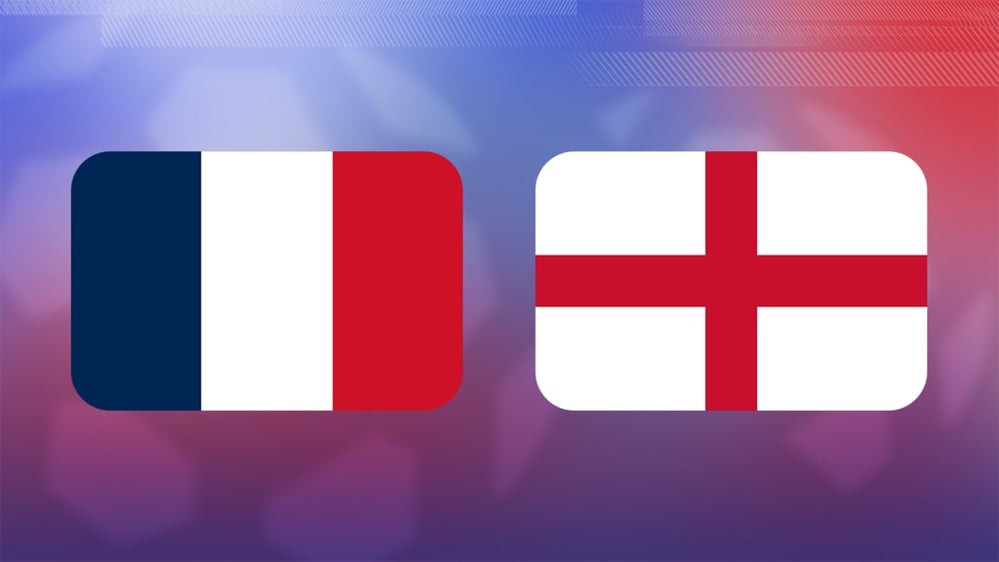
The piece presents a largely celebratory, pro-establishment framing of England's 6-4 World Cup bronze-medal win, foregrounding praise from political figures and official bodies, and relying on quotes from Starmer, Beckham, and FIFA to reinforce legitimacy and national pride, with minimal critical context.
Coverage centers on political reaction and national pride surrounding England's 6-4 World Cup bronze-medal win over France, highlighting Starmer's praise, players' scoring feats, and FIFA's congratulations.
Automated analysis; not human reviewed.
Limitations: Concise, case-specific limitations and plausible alternative interpretations.
·
47 of 52 available dimensions scored; omitted dimensions are not treated as neutral.
·
Verified supporting quotes for 5 of 47 scored dimensions.
Claim: Subjective descriptors are present alongside factual reporting.
“with a thrilling 6-4 victory over France.” · exact text match
““Great result tonight @England.
You’ve done us proud.””
· exact text match
Counterevidence:
“Saka scored a hat-trick.” · not found in supplied text
Why: Subjective terms co-occur with objective facts.
Claim: Sensational language is used about the result.
“a thrilling 6-4 victory over France.” · exact text match
Counterevidence:
“...LIVE headlines are standard coverage in sports journalism.” · not found in supplied text
Why: The use of 'thrilling' signals sensational framing.
Claim: Positive framing around the outcome and records.
“their best World Cup finish outside winning the tournament in 1966” · exact text match
“Bellingham’s seventh goal of the tournament made him England’s highest scorer in a single tournament.” · exact text match
Counterevidence:
“The article also lists neutral lines such as 'England vs France LIVE' headlines.” · not found in supplied text
Why: Achievements and records convey a favorable view of the outcome.
Claim: Notable scoring feats and records increase reader interest.
“Bukayo Saka scored a hat-trick” · exact text match
“Bellingham’s seventh goal of the tournament” · exact text match
“Mbappe 22 goals as top scorer” · not found in supplied text
Counterevidence:
“Sports-score reporting is common and expected.” · not found in supplied text
Why: Record-breaking mentions and star players heighten appeal.
Claim: Celebratory language and quotes indicate opinionated framing.
“‘You’ve done us proud.’” · not found in supplied text
““Great result tonight @England.
You’ve done us proud.””
· exact text match
Counterevidence:
“Scores and records are factual data.” · not found in supplied text
Why: Quotations and positive phrasing reflect favorable interpretation.
Claim: Reference to Prime Minister and successor suggests political framing.
“outgoing Prime Minister” · exact text match
“Andy Burnham will replace Starmer on Monday” · not found in supplied text
Counterevidence:
“Primary focus remains the sports result and reactions.” · not found in supplied text
Why: Inclusion of political leadership context introduces political framing.
Claim: Authorities (FIFA) are used to validate success.
“Fifa congratulated England...” · not found in supplied text
“'Their best finish since 1966.'” · not found in supplied text
Counterevidence:
“Authorities are standard corroborators in sports reporting.” · not found in supplied text
Why: Relying on an authority to reinforce significance.
Claim: The piece foregrounds official praise and political transition context.
“The outgoing Prime Minister said England had ‘done us proud’” · exact text match
“Andy Burnham will replace Starmer on Monday” · not found in supplied text
“FIFA congratulated England...” · not found in supplied text
Counterevidence:
“The sports results themselves are the central focus.” · not found in supplied text
Why: Inclusion of political figures and retirement/transition context signals establishment alignment.
Claim: Emotional language signals affective framing.
“thrilling” · exact text match
“Great result tonight” · exact text match
Counterevidence:
“The event also includes objective data.” · not found in supplied text
Why: Emotional descriptors accompany factual details.
Claim: Use of diverse sources and official statements enhances credibility.
“quotes from Starmer, Beckham, FIFA” · not found in supplied text
Counterevidence:
“Lacks critical counterpoints or dissenting voices.” · not found in supplied text
Why: Credibility is supported by variety of sources but tempered by absence of critique.
Claim: The report mixes emotive language with factual details.
“with a thrilling 6-4 victory over France.” · exact text match
Counterevidence:
“Bukayo Saka scored a hat-trick with Ezri Konsa and Jude Bellingham also on target as England bounced back from their disappointment in losing to Argentina in the semi-final to clinch third place – their best World Cup finish outside winning the tournament in 1966.” · exact text match
Why: Emotive terms appear alongside concrete data.
Claim: Framing via selective quotes to emphasize positives.
“‘thrilling 6-4 victory’” · not found in supplied text
““Great result tonight @England.
You’ve done us proud.””
· exact text match
Counterevidence:
“Multiple sources are cited to corroborate the event.” · not found in supplied text
Why: Selective quotation can influence interpretation.
Claim: The article presents accounts from multiple sources and quotes.
“The outgoing Prime Minister said England had ‘done us proud’ after the 6-4 victory.” · not found in supplied text
“Sir Keir posted on X: “Great result tonight @England.
You’ve done us proud.””
· not found in supplied text
“Governing body Fifa also congratulated England, posting a picture...” · not found in supplied text
Counterevidence:
“Lack of critical analysis beyond reporting the results.” · not found in supplied text
Why: Multiple sources contribute to perceived credibility, though critical scrutiny is limited.
Claim: Contains concrete scores and goal data.
“England 6-4 France” · exact text match
“Saka hat-trick” · not found in supplied text
“Bellingham's seventh goal” · verified after text normalization
Counterevidence:
“Some headlines are promotional rather than analytic.” · not found in supplied text
Why: Explicit numerical data supports factual reporting.
Limited critical context; heavy reliance on quotes.
July 18, 2026 · 0 shares
Primarily a straightforward World Cup recap with England-focused framing and positive language about England's performance, while France's lineup rotation and Deschamps' farewell are presented as contextual.
England defeated France 6-4 in the World Cup third-place match in Miami, with Saka's hat trick and Deschamps' farewell in a context of France's rotated lineup.
Automated analysis; not human reviewed.
Limitations: Concise, case-specific limitations and plausible alternative interpretations.
·
52 of 52 available dimensions scored; omitted dimensions are not treated as neutral.
·
Verified supporting quotes for 2 of 52 scored dimensions.
Claim: No overt political framing; article functions as a sports recap.
“France-England: Bellingham ends Les Bleus' comeback in Deschamps' farewell.” · exact text match
“England clinched third place at the World Cup with a dominant 6-4 victory over France in Miami, with Bukayo Saka's hat trick proving decisive.” · exact text match
“The Three Lions' attacking prowess overwhelmed Didier Deschamps' rotated France side in his final match as manager after 14 years in charge.” · exact text match
Counterevidence:
“The headline frames the match as a dramatic comeback ending, which emphasizes England's win.” · not found in supplied text
“Deschamps' farewell frames the match in a managerial context, rather than a neutral game report.” · not found in supplied text
Why: Quotes indicate strong England-centric framing but no explicit political angle.
Claim: Largely factual with minimal subjectivity; evaluative terms are sports-oriented.
“England clinched third place at the World Cup with a dominant 6-4 victory over France in Miami, with Bukayo Saka's hat trick proving decisive.” · exact text match
“The Three Lions' attacking prowess overwhelmed Didier Deschamps' rotated France side in his final match as manager after 14 years in charge.” · exact text match
Counterevidence:
“dominant” · exact text match
“attacking prowess overwhelmed” · exact text match
Why: Some evaluative language exists but within sports reporting norms.
Claim: Appears credible due to concrete results and clear narrative elements.
“"England clinched third place at the World Cup with a dominant 6-4 victory over France in Miami"” · not found in supplied text
“"Bukayo Saka's hat trick proving decisive"” · not found in supplied text
Counterevidence:
“"Relive the match with our minute-by-minute commentary."” · not found in supplied text
Why: Direct numerical data supports credibility; limited sourcing context.
Claim: Reporting emphasizes verifiable outcomes (score, hat trick) and well-known context (Deschamps' farewell).
“England clinched third place at the World Cup with a dominant 6-4 victory over France in Miami.” · not found in supplied text
“Bukayo Saka's hat trick proving decisive.” · exact text match
Counterevidence:
“France-England: Bellingham ends Les Bleus' comeback in Deschamps' farewell.” · exact text match
Why: Factual details support integrity; leading lines may frame the match narratively.
Headline/body mismatch; limited context; potential inconsistencies in the piece.
July 17, 2026 · 0 shares
Framing is attribution-heavy and multi-sourced, foregrounding official responses from the White House, Downing Street, and Falkland Islands authorities to a World Cup banner tied to Falklands sovereignty, while contextualizing the dispute with 2013 referendum results and war casualty data; the headline centers on free-speech defense, but the body presents quotes from multiple sides and contextual facts, implying a cautious, establishment-aligned balance rather than advocacy.
A report on international responses to Argentina's World Cup banner about Falklands sovereignty, citing statements from the White House, Downing Street, and Falkland Islands government, plus historical referendum data and war casualty context.
Automated analysis; not human reviewed. Limitations: Concise, case-specific limitations and plausible alternative interpretations. · 52 of 52 available dimensions scored; omitted dimensions are not treated as neutral. · Verified supporting quotes for 1 of 52 scored dimensions.
Claim: The article maintains a neutral framing with diverse sources.
“The White House has defended the Argentinian football team's right to free speech after they controversially waved a banner in support of their country's territorial claim to the Falkland Islands while celebrating their World Cup win against England.” · exact text match
“We believe in our First Amendment rights here in the United States of America.” · exact text match
Counterevidence:
“The headline frames the piece as defending Argentina's right to free speech.” · not found in supplied text
Why: Mix of official voices and topics suggests neutral stance; headline framing hints at free-speech emphasis.
Claim: The reporting acknowledges political dimensions without endorsing a stance.
“The Falklands remain a sovereignty dispute between the UK and Argentina.” · not found in supplied text
“We do not wish politics being brought into sport” · not found in supplied text
“Nor do we wish the Islands and their people to be used as a political football in every conversation about England and Argentina” · exact text match
Counterevidence:
“The headline frames the piece as defending Argentina's right to free speech.” · not found in supplied text
Why: Sourcing from political actors and explicit statements indicates political framing rather than non-political coverage.
Claim: Sourcing from official authorities signals establishment-aligned framing.
“The White House statement” · not found in supplied text
“Downing Street quote” · not found in supplied text
“Falkland Islands government statement” · not found in supplied text
Counterevidence:
“Inclusion of referendum and war context adds independent data and perspectives.” · not found in supplied text
Why: Reliance on official voices is typical of establishment-aligned reporting, mitigated by contextual data.
Claim: High credibility due to attribution and verifiable data.
“The White House has defended the Argentinian team's right to free speech after they controversially waved a banner in support of their country's territorial claim to the Falkland Islands while celebrating their World Cup win against England.” · not found in supplied text
“Of 1,517 votes cast in the two-day referendum - on a turnout of more than 90% - 1,513 were in favour, while just three votes were against.” · exact text match
“The 74-day conflict led to the deaths of 255 British military personnel, three islanders and 649 Argentine soldiers.” · exact text match
Counterevidence:
“Some text appears truncated or generic content, which could affect the precise context.” · not found in supplied text
Why: Direct quotes and numeric data support credibility, though some minor textual anomalies could reduce certainty.
Ambiguity in framing; evidence limited to quotes and figures; possible unacknowledged editorial nuance.
Neutral, evidence-based framing presents a Moroccan observatory's study on AI-generated misinformation during Morocco’s 2026 World Cup, noting its potential effects on national identity and polarization while detailing recommended government-led digital diplomacy and multilingual platform engagement.
A report by the Moroccan Observatory for Media and Digital Vigilance analyzes AI-generated misinformation around Morocco during the 2026 World Cup, detailing its spread, potential effects on national identity, and recommended policy responses.
Automated analysis; not human reviewed. Limitations: Concise, case-specific limitations and plausible alternative interpretations. · 4 of 52 available dimensions scored; omitted dimensions are not treated as neutral. · Verified supporting quotes for 4 of 4 scored dimensions.
Claim: The article presents prescriptive policy recommendations attributed to the Moroccan Observatory.
“To address these challenges, the observatory recommended strengthening Morocco’s presence on international digital platforms, particularly multilingual ones, to promote the country’s perspective and participate more effectively in global debates.” · exact text match
“The report also called for the development of a national digital diplomacy strategy involving public institutions and relevant stakeholders to bolster Morocco’s international image and support its interests abroad.” · exact text match
Why: Explicit policy recommendations indicate prescriptive framing beyond mere description.
Claim: Pro-establishment framing through emphasis on state-led digital diplomacy and national image-building.
“To address these challenges, the observatory recommended strengthening Morocco’s presence on international digital platforms, particularly multilingual ones, to promote the country’s perspective and participate more effectively in global debates.” · exact text match
“The report also called for the development of a national digital diplomacy strategy involving public institutions and relevant stakeholders to bolster Morocco’s international image and support its interests abroad.” · exact text match
Why: Cites policy measures aimed at projecting national image via public institutions.
Claim: Acknowledges emotional reactions as amplifying misinformation
“The report also noted that emotional reactions from Moroccan social media users to provocative content targeting the country’s image or national symbols often contributed to amplifying its reach.” · exact text match
Why: Describes emotional amplification without endorsing or condemning it, indicating descriptive emphasis on emotions.
Claim: The article presents the study as credible by citing concrete data and quotes.
“The study analyzed more than 500 posts, comments and online interactions across Facebook, X, Instagram and TikTok, as well as coverage by various media outlets.” · exact text match
“The report, titled “Monitoring Media and Digital Behavior During Morocco’s Participation in the 2026 FIFA World Cup,” found that AI-generated images, videos and social media posts often proved difficult to distinguish from authentic content during the tournament.” · exact text match
Why: Presence of a named study with a sample size and a formal title supports credibility, though independent corroboration is not shown.
Limitations: single observatory study; no independent corroboration.
Sports diplomacy / free-speech balancing (US-UK-Falklands framing)
July 17, 2026 · 0 shares
Framing is attribution-heavy and multi-sourced, foregrounding official responses from the White House, Downing Street, and Falkland Islands authorities to a World Cup banner tied to Falklands sovereignty, while contextualizing the dispute with 2013 referendum results and war casualty data; the headline centers on free-speech defense, but the body presents quotes from multiple sides and contextual facts, implying a cautious, establishment-aligned balance rather than advocacy.
A report on international responses to Argentina's World Cup banner about Falklands sovereignty, citing statements from the White House, Downing Street, and Falkland Islands government, plus historical referendum data and war casualty context.
Automated analysis; not human reviewed. Limitations: Concise, case-specific limitations and plausible alternative interpretations. · 52 of 52 available dimensions scored; omitted dimensions are not treated as neutral. · Verified supporting quotes for 1 of 52 scored dimensions.
Claim: The article maintains a neutral framing with diverse sources.
“The White House has defended the Argentinian football team's right to free speech after they controversially waved a banner in support of their country's territorial claim to the Falkland Islands while celebrating their World Cup win against England.” · exact text match
“We believe in our First Amendment rights here in the United States of America.” · exact text match
Counterevidence:
“The headline frames the piece as defending Argentina's right to free speech.” · not found in supplied text
Why: Mix of official voices and topics suggests neutral stance; headline framing hints at free-speech emphasis.
Claim: The reporting acknowledges political dimensions without endorsing a stance.
“The Falklands remain a sovereignty dispute between the UK and Argentina.” · not found in supplied text
“We do not wish politics being brought into sport” · not found in supplied text
“Nor do we wish the Islands and their people to be used as a political football in every conversation about England and Argentina” · exact text match
Counterevidence:
“The headline frames the piece as defending Argentina's right to free speech.” · not found in supplied text
Why: Sourcing from political actors and explicit statements indicates political framing rather than non-political coverage.
Claim: Sourcing from official authorities signals establishment-aligned framing.
“The White House statement” · not found in supplied text
“Downing Street quote” · not found in supplied text
“Falkland Islands government statement” · not found in supplied text
Counterevidence:
“Inclusion of referendum and war context adds independent data and perspectives.” · not found in supplied text
Why: Reliance on official voices is typical of establishment-aligned reporting, mitigated by contextual data.
Claim: High credibility due to attribution and verifiable data.
“The White House has defended the Argentinian team's right to free speech after they controversially waved a banner in support of their country's territorial claim to the Falkland Islands while celebrating their World Cup win against England.” · not found in supplied text
“Of 1,517 votes cast in the two-day referendum - on a turnout of more than 90% - 1,513 were in favour, while just three votes were against.” · exact text match
“The 74-day conflict led to the deaths of 255 British military personnel, three islanders and 649 Argentine soldiers.” · exact text match
Counterevidence:
“Some text appears truncated or generic content, which could affect the precise context.” · not found in supplied text
Why: Direct quotes and numeric data support credibility, though some minor textual anomalies could reduce certainty.
Ambiguity in framing; evidence limited to quotes and figures; possible unacknowledged editorial nuance.
July 17, 2026 · 0 shares
Framing is attribution-heavy and multi-sourced, foregrounding official responses from the White House, Downing Street, and Falkland Islands authorities to a World Cup banner tied to Falklands sovereignty, while contextualizing the dispute with 2013 referendum results and war casualty data; the headline centers on free-speech defense, but the body presents quotes from multiple sides and contextual facts, implying a cautious, establishment-aligned balance rather than advocacy.
A report on international responses to Argentina's World Cup banner about Falklands sovereignty, citing statements from the White House, Downing Street, and Falkland Islands government, plus historical referendum data and war casualty context.
Automated analysis; not human reviewed. Limitations: Concise, case-specific limitations and plausible alternative interpretations. · 52 of 52 available dimensions scored; omitted dimensions are not treated as neutral. · Verified supporting quotes for 1 of 52 scored dimensions.
Claim: The article maintains a neutral framing with diverse sources.
“The White House has defended the Argentinian football team's right to free speech after they controversially waved a banner in support of their country's territorial claim to the Falkland Islands while celebrating their World Cup win against England.” · exact text match
“We believe in our First Amendment rights here in the United States of America.” · exact text match
Counterevidence:
“The headline frames the piece as defending Argentina's right to free speech.” · not found in supplied text
Why: Mix of official voices and topics suggests neutral stance; headline framing hints at free-speech emphasis.
Claim: The reporting acknowledges political dimensions without endorsing a stance.
“The Falklands remain a sovereignty dispute between the UK and Argentina.” · not found in supplied text
“We do not wish politics being brought into sport” · not found in supplied text
“Nor do we wish the Islands and their people to be used as a political football in every conversation about England and Argentina” · exact text match
Counterevidence:
“The headline frames the piece as defending Argentina's right to free speech.” · not found in supplied text
Why: Sourcing from political actors and explicit statements indicates political framing rather than non-political coverage.
Claim: Sourcing from official authorities signals establishment-aligned framing.
“The White House statement” · not found in supplied text
“Downing Street quote” · not found in supplied text
“Falkland Islands government statement” · not found in supplied text
Counterevidence:
“Inclusion of referendum and war context adds independent data and perspectives.” · not found in supplied text
Why: Reliance on official voices is typical of establishment-aligned reporting, mitigated by contextual data.
Claim: High credibility due to attribution and verifiable data.
“The White House has defended the Argentinian team's right to free speech after they controversially waved a banner in support of their country's territorial claim to the Falkland Islands while celebrating their World Cup win against England.” · not found in supplied text
“Of 1,517 votes cast in the two-day referendum - on a turnout of more than 90% - 1,513 were in favour, while just three votes were against.” · exact text match
“The 74-day conflict led to the deaths of 255 British military personnel, three islanders and 649 Argentine soldiers.” · exact text match
Counterevidence:
“Some text appears truncated or generic content, which could affect the precise context.” · not found in supplied text
Why: Direct quotes and numeric data support credibility, though some minor textual anomalies could reduce certainty.
Ambiguity in framing; evidence limited to quotes and figures; possible unacknowledged editorial nuance.
July 17, 2026 · 0 shares
Framing is attribution-heavy and multi-sourced, foregrounding official responses from the White House, Downing Street, and Falkland Islands authorities to a World Cup banner tied to Falklands sovereignty, while contextualizing the dispute with 2013 referendum results and war casualty data; the headline centers on free-speech defense, but the body presents quotes from multiple sides and contextual facts, implying a cautious, establishment-aligned balance rather than advocacy.
A report on international responses to Argentina's World Cup banner about Falklands sovereignty, citing statements from the White House, Downing Street, and Falkland Islands government, plus historical referendum data and war casualty context.
Automated analysis; not human reviewed. Limitations: Concise, case-specific limitations and plausible alternative interpretations. · 52 of 52 available dimensions scored; omitted dimensions are not treated as neutral. · Verified supporting quotes for 1 of 52 scored dimensions.
Claim: The article maintains a neutral framing with diverse sources.
“The White House has defended the Argentinian football team's right to free speech after they controversially waved a banner in support of their country's territorial claim to the Falkland Islands while celebrating their World Cup win against England.” · exact text match
“We believe in our First Amendment rights here in the United States of America.” · exact text match
Counterevidence:
“The headline frames the piece as defending Argentina's right to free speech.” · not found in supplied text
Why: Mix of official voices and topics suggests neutral stance; headline framing hints at free-speech emphasis.
Claim: The reporting acknowledges political dimensions without endorsing a stance.
“The Falklands remain a sovereignty dispute between the UK and Argentina.” · not found in supplied text
“We do not wish politics being brought into sport” · not found in supplied text
“Nor do we wish the Islands and their people to be used as a political football in every conversation about England and Argentina” · exact text match
Counterevidence:
“The headline frames the piece as defending Argentina's right to free speech.” · not found in supplied text
Why: Sourcing from political actors and explicit statements indicates political framing rather than non-political coverage.
Claim: Sourcing from official authorities signals establishment-aligned framing.
“The White House statement” · not found in supplied text
“Downing Street quote” · not found in supplied text
“Falkland Islands government statement” · not found in supplied text
Counterevidence:
“Inclusion of referendum and war context adds independent data and perspectives.” · not found in supplied text
Why: Reliance on official voices is typical of establishment-aligned reporting, mitigated by contextual data.
Claim: High credibility due to attribution and verifiable data.
“The White House has defended the Argentinian team's right to free speech after they controversially waved a banner in support of their country's territorial claim to the Falkland Islands while celebrating their World Cup win against England.” · not found in supplied text
“Of 1,517 votes cast in the two-day referendum - on a turnout of more than 90% - 1,513 were in favour, while just three votes were against.” · exact text match
“The 74-day conflict led to the deaths of 255 British military personnel, three islanders and 649 Argentine soldiers.” · exact text match
Counterevidence:
“Some text appears truncated or generic content, which could affect the precise context.” · not found in supplied text
Why: Direct quotes and numeric data support credibility, though some minor textual anomalies could reduce certainty.
Ambiguity in framing; evidence limited to quotes and figures; possible unacknowledged editorial nuance.
July 17, 2026 · 0 shares
Framing is attribution-heavy and multi-sourced, foregrounding official responses from the White House, Downing Street, and Falkland Islands authorities to a World Cup banner tied to Falklands sovereignty, while contextualizing the dispute with 2013 referendum results and war casualty data; the headline centers on free-speech defense, but the body presents quotes from multiple sides and contextual facts, implying a cautious, establishment-aligned balance rather than advocacy.
A report on international responses to Argentina's World Cup banner about Falklands sovereignty, citing statements from the White House, Downing Street, and Falkland Islands government, plus historical referendum data and war casualty context.
Automated analysis; not human reviewed. Limitations: Concise, case-specific limitations and plausible alternative interpretations. · 52 of 52 available dimensions scored; omitted dimensions are not treated as neutral. · Verified supporting quotes for 1 of 52 scored dimensions.
Claim: The article maintains a neutral framing with diverse sources.
“The White House has defended the Argentinian football team's right to free speech after they controversially waved a banner in support of their country's territorial claim to the Falkland Islands while celebrating their World Cup win against England.” · exact text match
“We believe in our First Amendment rights here in the United States of America.” · exact text match
Counterevidence:
“The headline frames the piece as defending Argentina's right to free speech.” · not found in supplied text
Why: Mix of official voices and topics suggests neutral stance; headline framing hints at free-speech emphasis.
Claim: The reporting acknowledges political dimensions without endorsing a stance.
“The Falklands remain a sovereignty dispute between the UK and Argentina.” · not found in supplied text
“We do not wish politics being brought into sport” · not found in supplied text
“Nor do we wish the Islands and their people to be used as a political football in every conversation about England and Argentina” · exact text match
Counterevidence:
“The headline frames the piece as defending Argentina's right to free speech.” · not found in supplied text
Why: Sourcing from political actors and explicit statements indicates political framing rather than non-political coverage.
Claim: Sourcing from official authorities signals establishment-aligned framing.
“The White House statement” · not found in supplied text
“Downing Street quote” · not found in supplied text
“Falkland Islands government statement” · not found in supplied text
Counterevidence:
“Inclusion of referendum and war context adds independent data and perspectives.” · not found in supplied text
Why: Reliance on official voices is typical of establishment-aligned reporting, mitigated by contextual data.
Claim: High credibility due to attribution and verifiable data.
“The White House has defended the Argentinian team's right to free speech after they controversially waved a banner in support of their country's territorial claim to the Falkland Islands while celebrating their World Cup win against England.” · not found in supplied text
“Of 1,517 votes cast in the two-day referendum - on a turnout of more than 90% - 1,513 were in favour, while just three votes were against.” · exact text match
“The 74-day conflict led to the deaths of 255 British military personnel, three islanders and 649 Argentine soldiers.” · exact text match
Counterevidence:
“Some text appears truncated or generic content, which could affect the precise context.” · not found in supplied text
Why: Direct quotes and numeric data support credibility, though some minor textual anomalies could reduce certainty.
Ambiguity in framing; evidence limited to quotes and figures; possible unacknowledged editorial nuance.
Helium Bias
Neutral, evidence-based framing presents a Moroccan observatory's study on AI-generated misinformation during Morocco’s 2026 World Cup, noting its potential effects on national identity and polarization while detailing recommended government-led digital diplomacy and multilingual platform engagement.
A report by the Moroccan Observatory for Media and Digital Vigilance analyzes AI-generated misinformation around Morocco during the 2026 World Cup, detailing its spread, potential effects on national identity, and recommended policy responses.
Automated analysis; not human reviewed. Limitations: Concise, case-specific limitations and plausible alternative interpretations. · 4 of 52 available dimensions scored; omitted dimensions are not treated as neutral. · Verified supporting quotes for 4 of 4 scored dimensions.
Claim: The article presents prescriptive policy recommendations attributed to the Moroccan Observatory.
“To address these challenges, the observatory recommended strengthening Morocco’s presence on international digital platforms, particularly multilingual ones, to promote the country’s perspective and participate more effectively in global debates.” · exact text match
“The report also called for the development of a national digital diplomacy strategy involving public institutions and relevant stakeholders to bolster Morocco’s international image and support its interests abroad.” · exact text match
Why: Explicit policy recommendations indicate prescriptive framing beyond mere description.
Claim: Pro-establishment framing through emphasis on state-led digital diplomacy and national image-building.
“To address these challenges, the observatory recommended strengthening Morocco’s presence on international digital platforms, particularly multilingual ones, to promote the country’s perspective and participate more effectively in global debates.” · exact text match
“The report also called for the development of a national digital diplomacy strategy involving public institutions and relevant stakeholders to bolster Morocco’s international image and support its interests abroad.” · exact text match
Why: Cites policy measures aimed at projecting national image via public institutions.
Claim: Acknowledges emotional reactions as amplifying misinformation
“The report also noted that emotional reactions from Moroccan social media users to provocative content targeting the country’s image or national symbols often contributed to amplifying its reach.” · exact text match
Why: Describes emotional amplification without endorsing or condemning it, indicating descriptive emphasis on emotions.
Claim: The article presents the study as credible by citing concrete data and quotes.
“The study analyzed more than 500 posts, comments and online interactions across Facebook, X, Instagram and TikTok, as well as coverage by various media outlets.” · exact text match
“The report, titled “Monitoring Media and Digital Behavior During Morocco’s Participation in the 2026 FIFA World Cup,” found that AI-generated images, videos and social media posts often proved difficult to distinguish from authentic content during the tournament.” · exact text match
Why: Presence of a named study with a sample size and a formal title supports credibility, though independent corroboration is not shown.
Limitations: single observatory study; no independent corroboration.
July 17, 2026 · 0 shares
Framing is attribution-heavy and multi-sourced, foregrounding official responses from the White House, Downing Street, and Falkland Islands authorities to a World Cup banner tied to Falklands sovereignty, while contextualizing the dispute with 2013 referendum results and war casualty data; the headline centers on free-speech defense, but the body presents quotes from multiple sides and contextual facts, implying a cautious, establishment-aligned balance rather than advocacy.
A report on international responses to Argentina's World Cup banner about Falklands sovereignty, citing statements from the White House, Downing Street, and Falkland Islands government, plus historical referendum data and war casualty context.
Automated analysis; not human reviewed. Limitations: Concise, case-specific limitations and plausible alternative interpretations. · 52 of 52 available dimensions scored; omitted dimensions are not treated as neutral. · Verified supporting quotes for 1 of 52 scored dimensions.
Claim: The article maintains a neutral framing with diverse sources.
“The White House has defended the Argentinian football team's right to free speech after they controversially waved a banner in support of their country's territorial claim to the Falkland Islands while celebrating their World Cup win against England.” · exact text match
“We believe in our First Amendment rights here in the United States of America.” · exact text match
Counterevidence:
“The headline frames the piece as defending Argentina's right to free speech.” · not found in supplied text
Why: Mix of official voices and topics suggests neutral stance; headline framing hints at free-speech emphasis.
Claim: The reporting acknowledges political dimensions without endorsing a stance.
“The Falklands remain a sovereignty dispute between the UK and Argentina.” · not found in supplied text
“We do not wish politics being brought into sport” · not found in supplied text
“Nor do we wish the Islands and their people to be used as a political football in every conversation about England and Argentina” · exact text match
Counterevidence:
“The headline frames the piece as defending Argentina's right to free speech.” · not found in supplied text
Why: Sourcing from political actors and explicit statements indicates political framing rather than non-political coverage.
Claim: Sourcing from official authorities signals establishment-aligned framing.
“The White House statement” · not found in supplied text
“Downing Street quote” · not found in supplied text
“Falkland Islands government statement” · not found in supplied text
Counterevidence:
“Inclusion of referendum and war context adds independent data and perspectives.” · not found in supplied text
Why: Reliance on official voices is typical of establishment-aligned reporting, mitigated by contextual data.
Claim: High credibility due to attribution and verifiable data.
“The White House has defended the Argentinian team's right to free speech after they controversially waved a banner in support of their country's territorial claim to the Falkland Islands while celebrating their World Cup win against England.” · not found in supplied text
“Of 1,517 votes cast in the two-day referendum - on a turnout of more than 90% - 1,513 were in favour, while just three votes were against.” · exact text match
“The 74-day conflict led to the deaths of 255 British military personnel, three islanders and 649 Argentine soldiers.” · exact text match
Counterevidence:
“Some text appears truncated or generic content, which could affect the precise context.” · not found in supplied text
Why: Direct quotes and numeric data support credibility, though some minor textual anomalies could reduce certainty.
Ambiguity in framing; evidence limited to quotes and figures; possible unacknowledged editorial nuance.
Story Blindspots
July 19, 2026 · 0 shares
Loaded, critical framing casts FIFA as lacking credibility and presents Simon Kuper's World Cup awards as a satirical corrective, signaling a clearly editorial stance from a Financial Times columnist rather than neutral reporting.
A Financial Times column by Simon Kuper critiques FIFA's credibility and presents his own World Cup awards as a response.
Automated analysis; not human reviewed. Limitations: Concise, case-specific limitations and plausible alternative interpretations.
Headlines alone; context limited; may overstate editorial stance.
July 17, 2026 · 0 shares
Framing is attribution-heavy and multi-sourced, foregrounding official responses from the White House, Downing Street, and Falkland Islands authorities to a World Cup banner tied to Falklands sovereignty, while contextualizing the dispute with 2013 referendum results and war casualty data; the headline centers on free-speech defense, but the body presents quotes from multiple sides and contextual facts, implying a cautious, establishment-aligned balance rather than advocacy.
A report on international responses to Argentina's World Cup banner about Falklands sovereignty, citing statements from the White House, Downing Street, and Falkland Islands government, plus historical referendum data and war casualty context.
Automated analysis; not human reviewed. Limitations: Concise, case-specific limitations and plausible alternative interpretations. · 52 of 52 available dimensions scored; omitted dimensions are not treated as neutral. · Verified supporting quotes for 1 of 52 scored dimensions.
Claim: The article maintains a neutral framing with diverse sources.
“The White House has defended the Argentinian football team's right to free speech after they controversially waved a banner in support of their country's territorial claim to the Falkland Islands while celebrating their World Cup win against England.” · exact text match
“We believe in our First Amendment rights here in the United States of America.” · exact text match
Counterevidence:
“The headline frames the piece as defending Argentina's right to free speech.” · not found in supplied text
Why: Mix of official voices and topics suggests neutral stance; headline framing hints at free-speech emphasis.
Claim: The reporting acknowledges political dimensions without endorsing a stance.
“The Falklands remain a sovereignty dispute between the UK and Argentina.” · not found in supplied text
“We do not wish politics being brought into sport” · not found in supplied text
“Nor do we wish the Islands and their people to be used as a political football in every conversation about England and Argentina” · exact text match
Counterevidence:
“The headline frames the piece as defending Argentina's right to free speech.” · not found in supplied text
Why: Sourcing from political actors and explicit statements indicates political framing rather than non-political coverage.
Claim: Sourcing from official authorities signals establishment-aligned framing.
“The White House statement” · not found in supplied text
“Downing Street quote” · not found in supplied text
“Falkland Islands government statement” · not found in supplied text
Counterevidence:
“Inclusion of referendum and war context adds independent data and perspectives.” · not found in supplied text
Why: Reliance on official voices is typical of establishment-aligned reporting, mitigated by contextual data.
Claim: High credibility due to attribution and verifiable data.
“The White House has defended the Argentinian team's right to free speech after they controversially waved a banner in support of their country's territorial claim to the Falkland Islands while celebrating their World Cup win against England.” · not found in supplied text
“Of 1,517 votes cast in the two-day referendum - on a turnout of more than 90% - 1,513 were in favour, while just three votes were against.” · exact text match
“The 74-day conflict led to the deaths of 255 British military personnel, three islanders and 649 Argentine soldiers.” · exact text match
Counterevidence:
“Some text appears truncated or generic content, which could affect the precise context.” · not found in supplied text
Why: Direct quotes and numeric data support credibility, though some minor textual anomalies could reduce certainty.
Ambiguity in framing; evidence limited to quotes and figures; possible unacknowledged editorial nuance.
Neutral, evidence-based framing presents a Moroccan observatory's study on AI-generated misinformation during Morocco’s 2026 World Cup, noting its potential effects on national identity and polarization while detailing recommended government-led digital diplomacy and multilingual platform engagement.
A report by the Moroccan Observatory for Media and Digital Vigilance analyzes AI-generated misinformation around Morocco during the 2026 World Cup, detailing its spread, potential effects on national identity, and recommended policy responses.
Automated analysis; not human reviewed. Limitations: Concise, case-specific limitations and plausible alternative interpretations. · 4 of 52 available dimensions scored; omitted dimensions are not treated as neutral. · Verified supporting quotes for 4 of 4 scored dimensions.
Claim: The article presents prescriptive policy recommendations attributed to the Moroccan Observatory.
“To address these challenges, the observatory recommended strengthening Morocco’s presence on international digital platforms, particularly multilingual ones, to promote the country’s perspective and participate more effectively in global debates.” · exact text match
“The report also called for the development of a national digital diplomacy strategy involving public institutions and relevant stakeholders to bolster Morocco’s international image and support its interests abroad.” · exact text match
Why: Explicit policy recommendations indicate prescriptive framing beyond mere description.
Claim: Pro-establishment framing through emphasis on state-led digital diplomacy and national image-building.
“To address these challenges, the observatory recommended strengthening Morocco’s presence on international digital platforms, particularly multilingual ones, to promote the country’s perspective and participate more effectively in global debates.” · exact text match
“The report also called for the development of a national digital diplomacy strategy involving public institutions and relevant stakeholders to bolster Morocco’s international image and support its interests abroad.” · exact text match
Why: Cites policy measures aimed at projecting national image via public institutions.
Claim: Acknowledges emotional reactions as amplifying misinformation
“The report also noted that emotional reactions from Moroccan social media users to provocative content targeting the country’s image or national symbols often contributed to amplifying its reach.” · exact text match
Why: Describes emotional amplification without endorsing or condemning it, indicating descriptive emphasis on emotions.
Claim: The article presents the study as credible by citing concrete data and quotes.
“The study analyzed more than 500 posts, comments and online interactions across Facebook, X, Instagram and TikTok, as well as coverage by various media outlets.” · exact text match
“The report, titled “Monitoring Media and Digital Behavior During Morocco’s Participation in the 2026 FIFA World Cup,” found that AI-generated images, videos and social media posts often proved difficult to distinguish from authentic content during the tournament.” · exact text match
Why: Presence of a named study with a sample size and a formal title supports credibility, though independent corroboration is not shown.
Limitations: single observatory study; no independent corroboration.
Neutral, evidence-based framing presents a Moroccan observatory's study on AI-generated misinformation during Morocco’s 2026 World Cup, noting its potential effects on national identity and polarization while detailing recommended government-led digital diplomacy and multilingual platform engagement.
A report by the Moroccan Observatory for Media and Digital Vigilance analyzes AI-generated misinformation around Morocco during the 2026 World Cup, detailing its spread, potential effects on national identity, and recommended policy responses.
Automated analysis; not human reviewed. Limitations: Concise, case-specific limitations and plausible alternative interpretations. · 4 of 52 available dimensions scored; omitted dimensions are not treated as neutral. · Verified supporting quotes for 4 of 4 scored dimensions.
Claim: The article presents prescriptive policy recommendations attributed to the Moroccan Observatory.
“To address these challenges, the observatory recommended strengthening Morocco’s presence on international digital platforms, particularly multilingual ones, to promote the country’s perspective and participate more effectively in global debates.” · exact text match
“The report also called for the development of a national digital diplomacy strategy involving public institutions and relevant stakeholders to bolster Morocco’s international image and support its interests abroad.” · exact text match
Why: Explicit policy recommendations indicate prescriptive framing beyond mere description.
Claim: Pro-establishment framing through emphasis on state-led digital diplomacy and national image-building.
“To address these challenges, the observatory recommended strengthening Morocco’s presence on international digital platforms, particularly multilingual ones, to promote the country’s perspective and participate more effectively in global debates.” · exact text match
“The report also called for the development of a national digital diplomacy strategy involving public institutions and relevant stakeholders to bolster Morocco’s international image and support its interests abroad.” · exact text match
Why: Cites policy measures aimed at projecting national image via public institutions.
Claim: Acknowledges emotional reactions as amplifying misinformation
“The report also noted that emotional reactions from Moroccan social media users to provocative content targeting the country’s image or national symbols often contributed to amplifying its reach.” · exact text match
Why: Describes emotional amplification without endorsing or condemning it, indicating descriptive emphasis on emotions.
Claim: The article presents the study as credible by citing concrete data and quotes.
“The study analyzed more than 500 posts, comments and online interactions across Facebook, X, Instagram and TikTok, as well as coverage by various media outlets.” · exact text match
“The report, titled “Monitoring Media and Digital Behavior During Morocco’s Participation in the 2026 FIFA World Cup,” found that AI-generated images, videos and social media posts often proved difficult to distinguish from authentic content during the tournament.” · exact text match
Why: Presence of a named study with a sample size and a formal title supports credibility, though independent corroboration is not shown.
Limitations: single observatory study; no independent corroboration.
July 17, 2026 · 0 shares
Neutral, multi-voiced report presenting Trump’s tariff threat against Canada over wildfire smoke with quotes from both sides, plus NYC air-quality warnings and World Cup context, without explicit endorsement or condemnation.
RT.com reports on Trump's tariff threats over wildfire smoke affecting the US Northeast before the World Cup final, including Canadian reaction and public-health warnings.
Automated analysis; not human reviewed. Limitations: Concise, case-specific limitations and plausible alternative interpretations. · 47 of 52 available dimensions scored; omitted dimensions are not treated as neutral. · Verified supporting quotes for 3 of 47 scored dimensions.
Claim: Sensational language appears in social-media content featured in the piece.
“🚨#BREAKING: New York City now has the worst air quality of any city on Earth as canadian Wildfires Blanket Northeast States in Apocalyptic Haze” · exact text match
“"apocalyptic haze"” · not found in supplied text
Counterevidence:
“This article also includes official health warnings and direct quotes, which contextualize the sensational material.” · not found in supplied text
Why: Sensational elements exist but are presented alongside factual reporting.
Claim: Public-health warnings and air-quality thresholds may create fear-based framing.
“air quality alert” · exact text match
“"unhealthy levels"” · not found in supplied text
Why: Standard health risk framing accompanies event coverage.
Claim: The article shows balanced framing with quotes from both Trump and Canadian officials.
“"We are holding Canada responsible for the fact that they are not properly maintaining their Forests, and Brush therein," Trump wrote on Truth Social, claiming that the pollution is costing the US billions of dollars.” · verified after text normalization
“"Maybe what you should do rather than complain is send support, send help,"” · verified after text normalization
Why: Dual-perspective quotes indicate balanced reporting rather than endorsement.
Claim: Emotional descriptors accompany quotes, suggesting bias toward eliciting concern.
“"filthy, polluted, and unhealthy air"” · verified after text normalization
Why: Emotion-laden quotes appear but the article remains largely informative.
Claim: Inclusion of sensational social-media content may influence reader perception.
“🚨#BREAKING: New York City now has the worst air quality of Earth... Apocalyptic Haze” · not found in supplied text
Counterevidence:
“The article also documents official warnings and quotes to provide context.” · not found in supplied text
Why: Sensational elements exist but are contextualized within reporting.
Claim: The article uses quotes and concrete figures, typical of standard reporting.
“Air Quality Index above 200 (classified as 'very unhealthy')” · verified after text normalization
“Around 80,000 people are expected to attend” · exact text match
Why: Reporting relies on quotes and concrete data rather than analysis.
RT source; limited context; quotes-heavy; broader context missing.
July 19, 2026 · 0 shares
Loaded, critical framing casts FIFA as lacking credibility and presents Simon Kuper's World Cup awards as a satirical corrective, signaling a clearly editorial stance from a Financial Times columnist rather than neutral reporting.
A Financial Times column by Simon Kuper critiques FIFA's credibility and presents his own World Cup awards as a response.
Automated analysis; not human reviewed. Limitations: Concise, case-specific limitations and plausible alternative interpretations.
Headlines alone; context limited; may overstate editorial stance.
July 19, 2026 · 0 shares
The piece presents a largely celebratory, pro-establishment framing of England's 6-4 World Cup bronze-medal win, foregrounding praise from political figures and official bodies, and relying on quotes from Starmer, Beckham, and FIFA to reinforce legitimacy and national pride, with minimal critical context.
Coverage centers on political reaction and national pride surrounding England's 6-4 World Cup bronze-medal win over France, highlighting Starmer's praise, players' scoring feats, and FIFA's congratulations.
Automated analysis; not human reviewed. Limitations: Concise, case-specific limitations and plausible alternative interpretations. · 47 of 52 available dimensions scored; omitted dimensions are not treated as neutral. · Verified supporting quotes for 5 of 47 scored dimensions.
Claim: Subjective descriptors are present alongside factual reporting.
“with a thrilling 6-4 victory over France.” · exact text match
““Great result tonight @England. You’ve done us proud.”” · exact text match
Counterevidence:
“Saka scored a hat-trick.” · not found in supplied text
Why: Subjective terms co-occur with objective facts.
Claim: Sensational language is used about the result.
“a thrilling 6-4 victory over France.” · exact text match
Counterevidence:
“...LIVE headlines are standard coverage in sports journalism.” · not found in supplied text
Why: The use of 'thrilling' signals sensational framing.
Claim: Positive framing around the outcome and records.
“their best World Cup finish outside winning the tournament in 1966” · exact text match
“Bellingham’s seventh goal of the tournament made him England’s highest scorer in a single tournament.” · exact text match
Counterevidence:
“The article also lists neutral lines such as 'England vs France LIVE' headlines.” · not found in supplied text
Why: Achievements and records convey a favorable view of the outcome.
Claim: Notable scoring feats and records increase reader interest.
“Bukayo Saka scored a hat-trick” · exact text match
“Bellingham’s seventh goal of the tournament” · exact text match
“Mbappe 22 goals as top scorer” · not found in supplied text
Counterevidence:
“Sports-score reporting is common and expected.” · not found in supplied text
Why: Record-breaking mentions and star players heighten appeal.
Claim: Celebratory language and quotes indicate opinionated framing.
“‘You’ve done us proud.’” · not found in supplied text
““Great result tonight @England. You’ve done us proud.”” · exact text match
Counterevidence:
“Scores and records are factual data.” · not found in supplied text
Why: Quotations and positive phrasing reflect favorable interpretation.
Claim: Reference to Prime Minister and successor suggests political framing.
“outgoing Prime Minister” · exact text match
“Andy Burnham will replace Starmer on Monday” · not found in supplied text
Counterevidence:
“Primary focus remains the sports result and reactions.” · not found in supplied text
Why: Inclusion of political leadership context introduces political framing.
Claim: Authorities (FIFA) are used to validate success.
“Fifa congratulated England...” · not found in supplied text
“'Their best finish since 1966.'” · not found in supplied text
Counterevidence:
“Authorities are standard corroborators in sports reporting.” · not found in supplied text
Why: Relying on an authority to reinforce significance.
Claim: The piece foregrounds official praise and political transition context.
“The outgoing Prime Minister said England had ‘done us proud’” · exact text match
“Andy Burnham will replace Starmer on Monday” · not found in supplied text
“FIFA congratulated England...” · not found in supplied text
Counterevidence:
“The sports results themselves are the central focus.” · not found in supplied text
Why: Inclusion of political figures and retirement/transition context signals establishment alignment.
Claim: Emotional language signals affective framing.
“thrilling” · exact text match
“Great result tonight” · exact text match
Counterevidence:
“The event also includes objective data.” · not found in supplied text
Why: Emotional descriptors accompany factual details.
Claim: Use of diverse sources and official statements enhances credibility.
“quotes from Starmer, Beckham, FIFA” · not found in supplied text
Counterevidence:
“Lacks critical counterpoints or dissenting voices.” · not found in supplied text
Why: Credibility is supported by variety of sources but tempered by absence of critique.
Claim: The report mixes emotive language with factual details.
“with a thrilling 6-4 victory over France.” · exact text match
Counterevidence:
“Bukayo Saka scored a hat-trick with Ezri Konsa and Jude Bellingham also on target as England bounced back from their disappointment in losing to Argentina in the semi-final to clinch third place – their best World Cup finish outside winning the tournament in 1966.” · exact text match
Why: Emotive terms appear alongside concrete data.
Claim: Framing via selective quotes to emphasize positives.
“‘thrilling 6-4 victory’” · not found in supplied text
““Great result tonight @England. You’ve done us proud.”” · exact text match
Counterevidence:
“Multiple sources are cited to corroborate the event.” · not found in supplied text
Why: Selective quotation can influence interpretation.
Claim: The article presents accounts from multiple sources and quotes.
“The outgoing Prime Minister said England had ‘done us proud’ after the 6-4 victory.” · not found in supplied text
“Sir Keir posted on X: “Great result tonight @England. You’ve done us proud.”” · not found in supplied text
“Governing body Fifa also congratulated England, posting a picture...” · not found in supplied text
Counterevidence:
“Lack of critical analysis beyond reporting the results.” · not found in supplied text
Why: Multiple sources contribute to perceived credibility, though critical scrutiny is limited.
Claim: Contains concrete scores and goal data.
“England 6-4 France” · exact text match
“Saka hat-trick” · not found in supplied text
“Bellingham's seventh goal” · verified after text normalization
Counterevidence:
“Some headlines are promotional rather than analytic.” · not found in supplied text
Why: Explicit numerical data supports factual reporting.
Limited critical context; heavy reliance on quotes.
July 17, 2026 · 0 shares
Framing is attribution-heavy and multi-sourced, foregrounding official responses from the White House, Downing Street, and Falkland Islands authorities to a World Cup banner tied to Falklands sovereignty, while contextualizing the dispute with 2013 referendum results and war casualty data; the headline centers on free-speech defense, but the body presents quotes from multiple sides and contextual facts, implying a cautious, establishment-aligned balance rather than advocacy.
A report on international responses to Argentina's World Cup banner about Falklands sovereignty, citing statements from the White House, Downing Street, and Falkland Islands government, plus historical referendum data and war casualty context.
Automated analysis; not human reviewed. Limitations: Concise, case-specific limitations and plausible alternative interpretations. · 52 of 52 available dimensions scored; omitted dimensions are not treated as neutral. · Verified supporting quotes for 1 of 52 scored dimensions.
Claim: The article maintains a neutral framing with diverse sources.
“The White House has defended the Argentinian football team's right to free speech after they controversially waved a banner in support of their country's territorial claim to the Falkland Islands while celebrating their World Cup win against England.” · exact text match
“We believe in our First Amendment rights here in the United States of America.” · exact text match
Counterevidence:
“The headline frames the piece as defending Argentina's right to free speech.” · not found in supplied text
Why: Mix of official voices and topics suggests neutral stance; headline framing hints at free-speech emphasis.
Claim: The reporting acknowledges political dimensions without endorsing a stance.
“The Falklands remain a sovereignty dispute between the UK and Argentina.” · not found in supplied text
“We do not wish politics being brought into sport” · not found in supplied text
“Nor do we wish the Islands and their people to be used as a political football in every conversation about England and Argentina” · exact text match
Counterevidence:
“The headline frames the piece as defending Argentina's right to free speech.” · not found in supplied text
Why: Sourcing from political actors and explicit statements indicates political framing rather than non-political coverage.
Claim: Sourcing from official authorities signals establishment-aligned framing.
“The White House statement” · not found in supplied text
“Downing Street quote” · not found in supplied text
“Falkland Islands government statement” · not found in supplied text
Counterevidence:
“Inclusion of referendum and war context adds independent data and perspectives.” · not found in supplied text
Why: Reliance on official voices is typical of establishment-aligned reporting, mitigated by contextual data.
Claim: High credibility due to attribution and verifiable data.
“The White House has defended the Argentinian team's right to free speech after they controversially waved a banner in support of their country's territorial claim to the Falkland Islands while celebrating their World Cup win against England.” · not found in supplied text
“Of 1,517 votes cast in the two-day referendum - on a turnout of more than 90% - 1,513 were in favour, while just three votes were against.” · exact text match
“The 74-day conflict led to the deaths of 255 British military personnel, three islanders and 649 Argentine soldiers.” · exact text match
Counterevidence:
“Some text appears truncated or generic content, which could affect the precise context.” · not found in supplied text
Why: Direct quotes and numeric data support credibility, though some minor textual anomalies could reduce certainty.
Ambiguity in framing; evidence limited to quotes and figures; possible unacknowledged editorial nuance.
July 17, 2026 · 0 shares
Framing is attribution-heavy and multi-sourced, foregrounding official responses from the White House, Downing Street, and Falkland Islands authorities to a World Cup banner tied to Falklands sovereignty, while contextualizing the dispute with 2013 referendum results and war casualty data; the headline centers on free-speech defense, but the body presents quotes from multiple sides and contextual facts, implying a cautious, establishment-aligned balance rather than advocacy.
A report on international responses to Argentina's World Cup banner about Falklands sovereignty, citing statements from the White House, Downing Street, and Falkland Islands government, plus historical referendum data and war casualty context.
Automated analysis; not human reviewed. Limitations: Concise, case-specific limitations and plausible alternative interpretations. · 52 of 52 available dimensions scored; omitted dimensions are not treated as neutral. · Verified supporting quotes for 1 of 52 scored dimensions.
Claim: The article maintains a neutral framing with diverse sources.
“The White House has defended the Argentinian football team's right to free speech after they controversially waved a banner in support of their country's territorial claim to the Falkland Islands while celebrating their World Cup win against England.” · exact text match
“We believe in our First Amendment rights here in the United States of America.” · exact text match
Counterevidence:
“The headline frames the piece as defending Argentina's right to free speech.” · not found in supplied text
Why: Mix of official voices and topics suggests neutral stance; headline framing hints at free-speech emphasis.
Claim: The reporting acknowledges political dimensions without endorsing a stance.
“The Falklands remain a sovereignty dispute between the UK and Argentina.” · not found in supplied text
“We do not wish politics being brought into sport” · not found in supplied text
“Nor do we wish the Islands and their people to be used as a political football in every conversation about England and Argentina” · exact text match
Counterevidence:
“The headline frames the piece as defending Argentina's right to free speech.” · not found in supplied text
Why: Sourcing from political actors and explicit statements indicates political framing rather than non-political coverage.
Claim: Sourcing from official authorities signals establishment-aligned framing.
“The White House statement” · not found in supplied text
“Downing Street quote” · not found in supplied text
“Falkland Islands government statement” · not found in supplied text
Counterevidence:
“Inclusion of referendum and war context adds independent data and perspectives.” · not found in supplied text
Why: Reliance on official voices is typical of establishment-aligned reporting, mitigated by contextual data.
Claim: High credibility due to attribution and verifiable data.
“The White House has defended the Argentinian team's right to free speech after they controversially waved a banner in support of their country's territorial claim to the Falkland Islands while celebrating their World Cup win against England.” · not found in supplied text
“Of 1,517 votes cast in the two-day referendum - on a turnout of more than 90% - 1,513 were in favour, while just three votes were against.” · exact text match
“The 74-day conflict led to the deaths of 255 British military personnel, three islanders and 649 Argentine soldiers.” · exact text match
Counterevidence:
“Some text appears truncated or generic content, which could affect the precise context.” · not found in supplied text
Why: Direct quotes and numeric data support credibility, though some minor textual anomalies could reduce certainty.
Ambiguity in framing; evidence limited to quotes and figures; possible unacknowledged editorial nuance.
July 17, 2026 · 0 shares
Framing is attribution-heavy and multi-sourced, foregrounding official responses from the White House, Downing Street, and Falkland Islands authorities to a World Cup banner tied to Falklands sovereignty, while contextualizing the dispute with 2013 referendum results and war casualty data; the headline centers on free-speech defense, but the body presents quotes from multiple sides and contextual facts, implying a cautious, establishment-aligned balance rather than advocacy.
A report on international responses to Argentina's World Cup banner about Falklands sovereignty, citing statements from the White House, Downing Street, and Falkland Islands government, plus historical referendum data and war casualty context.
Automated analysis; not human reviewed. Limitations: Concise, case-specific limitations and plausible alternative interpretations. · 52 of 52 available dimensions scored; omitted dimensions are not treated as neutral. · Verified supporting quotes for 1 of 52 scored dimensions.
Claim: The article maintains a neutral framing with diverse sources.
“The White House has defended the Argentinian football team's right to free speech after they controversially waved a banner in support of their country's territorial claim to the Falkland Islands while celebrating their World Cup win against England.” · exact text match
“We believe in our First Amendment rights here in the United States of America.” · exact text match
Counterevidence:
“The headline frames the piece as defending Argentina's right to free speech.” · not found in supplied text
Why: Mix of official voices and topics suggests neutral stance; headline framing hints at free-speech emphasis.
Claim: The reporting acknowledges political dimensions without endorsing a stance.
“The Falklands remain a sovereignty dispute between the UK and Argentina.” · not found in supplied text
“We do not wish politics being brought into sport” · not found in supplied text
“Nor do we wish the Islands and their people to be used as a political football in every conversation about England and Argentina” · exact text match
Counterevidence:
“The headline frames the piece as defending Argentina's right to free speech.” · not found in supplied text
Why: Sourcing from political actors and explicit statements indicates political framing rather than non-political coverage.
Claim: Sourcing from official authorities signals establishment-aligned framing.
“The White House statement” · not found in supplied text
“Downing Street quote” · not found in supplied text
“Falkland Islands government statement” · not found in supplied text
Counterevidence:
“Inclusion of referendum and war context adds independent data and perspectives.” · not found in supplied text
Why: Reliance on official voices is typical of establishment-aligned reporting, mitigated by contextual data.
Claim: High credibility due to attribution and verifiable data.
“The White House has defended the Argentinian team's right to free speech after they controversially waved a banner in support of their country's territorial claim to the Falkland Islands while celebrating their World Cup win against England.” · not found in supplied text
“Of 1,517 votes cast in the two-day referendum - on a turnout of more than 90% - 1,513 were in favour, while just three votes were against.” · exact text match
“The 74-day conflict led to the deaths of 255 British military personnel, three islanders and 649 Argentine soldiers.” · exact text match
Counterevidence:
“Some text appears truncated or generic content, which could affect the precise context.” · not found in supplied text
Why: Direct quotes and numeric data support credibility, though some minor textual anomalies could reduce certainty.
Ambiguity in framing; evidence limited to quotes and figures; possible unacknowledged editorial nuance.
July 17, 2026 · 0 shares
Framing is attribution-heavy and multi-sourced, foregrounding official responses from the White House, Downing Street, and Falkland Islands authorities to a World Cup banner tied to Falklands sovereignty, while contextualizing the dispute with 2013 referendum results and war casualty data; the headline centers on free-speech defense, but the body presents quotes from multiple sides and contextual facts, implying a cautious, establishment-aligned balance rather than advocacy.
A report on international responses to Argentina's World Cup banner about Falklands sovereignty, citing statements from the White House, Downing Street, and Falkland Islands government, plus historical referendum data and war casualty context.
Automated analysis; not human reviewed. Limitations: Concise, case-specific limitations and plausible alternative interpretations. · 52 of 52 available dimensions scored; omitted dimensions are not treated as neutral. · Verified supporting quotes for 1 of 52 scored dimensions.
Claim: The article maintains a neutral framing with diverse sources.
“The White House has defended the Argentinian football team's right to free speech after they controversially waved a banner in support of their country's territorial claim to the Falkland Islands while celebrating their World Cup win against England.” · exact text match
“We believe in our First Amendment rights here in the United States of America.” · exact text match
Counterevidence:
“The headline frames the piece as defending Argentina's right to free speech.” · not found in supplied text
Why: Mix of official voices and topics suggests neutral stance; headline framing hints at free-speech emphasis.
Claim: The reporting acknowledges political dimensions without endorsing a stance.
“The Falklands remain a sovereignty dispute between the UK and Argentina.” · not found in supplied text
“We do not wish politics being brought into sport” · not found in supplied text
“Nor do we wish the Islands and their people to be used as a political football in every conversation about England and Argentina” · exact text match
Counterevidence:
“The headline frames the piece as defending Argentina's right to free speech.” · not found in supplied text
Why: Sourcing from political actors and explicit statements indicates political framing rather than non-political coverage.
Claim: Sourcing from official authorities signals establishment-aligned framing.
“The White House statement” · not found in supplied text
“Downing Street quote” · not found in supplied text
“Falkland Islands government statement” · not found in supplied text
Counterevidence:
“Inclusion of referendum and war context adds independent data and perspectives.” · not found in supplied text
Why: Reliance on official voices is typical of establishment-aligned reporting, mitigated by contextual data.
Claim: High credibility due to attribution and verifiable data.
“The White House has defended the Argentinian team's right to free speech after they controversially waved a banner in support of their country's territorial claim to the Falkland Islands while celebrating their World Cup win against England.” · not found in supplied text
“Of 1,517 votes cast in the two-day referendum - on a turnout of more than 90% - 1,513 were in favour, while just three votes were against.” · exact text match
“The 74-day conflict led to the deaths of 255 British military personnel, three islanders and 649 Argentine soldiers.” · exact text match
Counterevidence:
“Some text appears truncated or generic content, which could affect the precise context.” · not found in supplied text
Why: Direct quotes and numeric data support credibility, though some minor textual anomalies could reduce certainty.
Ambiguity in framing; evidence limited to quotes and figures; possible unacknowledged editorial nuance.
Neutral, evidence-based framing presents a Moroccan observatory's study on AI-generated misinformation during Morocco’s 2026 World Cup, noting its potential effects on national identity and polarization while detailing recommended government-led digital diplomacy and multilingual platform engagement.
A report by the Moroccan Observatory for Media and Digital Vigilance analyzes AI-generated misinformation around Morocco during the 2026 World Cup, detailing its spread, potential effects on national identity, and recommended policy responses.
Automated analysis; not human reviewed. Limitations: Concise, case-specific limitations and plausible alternative interpretations. · 4 of 52 available dimensions scored; omitted dimensions are not treated as neutral. · Verified supporting quotes for 4 of 4 scored dimensions.
Claim: The article presents prescriptive policy recommendations attributed to the Moroccan Observatory.
“To address these challenges, the observatory recommended strengthening Morocco’s presence on international digital platforms, particularly multilingual ones, to promote the country’s perspective and participate more effectively in global debates.” · exact text match
“The report also called for the development of a national digital diplomacy strategy involving public institutions and relevant stakeholders to bolster Morocco’s international image and support its interests abroad.” · exact text match
Why: Explicit policy recommendations indicate prescriptive framing beyond mere description.
Claim: Pro-establishment framing through emphasis on state-led digital diplomacy and national image-building.
“To address these challenges, the observatory recommended strengthening Morocco’s presence on international digital platforms, particularly multilingual ones, to promote the country’s perspective and participate more effectively in global debates.” · exact text match
“The report also called for the development of a national digital diplomacy strategy involving public institutions and relevant stakeholders to bolster Morocco’s international image and support its interests abroad.” · exact text match
Why: Cites policy measures aimed at projecting national image via public institutions.
Claim: Acknowledges emotional reactions as amplifying misinformation
“The report also noted that emotional reactions from Moroccan social media users to provocative content targeting the country’s image or national symbols often contributed to amplifying its reach.” · exact text match
Why: Describes emotional amplification without endorsing or condemning it, indicating descriptive emphasis on emotions.
Claim: The article presents the study as credible by citing concrete data and quotes.
“The study analyzed more than 500 posts, comments and online interactions across Facebook, X, Instagram and TikTok, as well as coverage by various media outlets.” · exact text match
“The report, titled “Monitoring Media and Digital Behavior During Morocco’s Participation in the 2026 FIFA World Cup,” found that AI-generated images, videos and social media posts often proved difficult to distinguish from authentic content during the tournament.” · exact text match
Why: Presence of a named study with a sample size and a formal title supports credibility, though independent corroboration is not shown.
Limitations: single observatory study; no independent corroboration.
July 19, 2026 · 0 shares
Loaded, critical framing casts FIFA as lacking credibility and presents Simon Kuper's World Cup awards as a satirical corrective, signaling a clearly editorial stance from a Financial Times columnist rather than neutral reporting.
A Financial Times column by Simon Kuper critiques FIFA's credibility and presents his own World Cup awards as a response.
Automated analysis; not human reviewed. Limitations: Concise, case-specific limitations and plausible alternative interpretations.
Headlines alone; context limited; may overstate editorial stance.
July 17, 2026 · 0 shares
Framing is attribution-heavy and multi-sourced, foregrounding official responses from the White House, Downing Street, and Falkland Islands authorities to a World Cup banner tied to Falklands sovereignty, while contextualizing the dispute with 2013 referendum results and war casualty data; the headline centers on free-speech defense, but the body presents quotes from multiple sides and contextual facts, implying a cautious, establishment-aligned balance rather than advocacy.
A report on international responses to Argentina's World Cup banner about Falklands sovereignty, citing statements from the White House, Downing Street, and Falkland Islands government, plus historical referendum data and war casualty context.
Automated analysis; not human reviewed.
Limitations: Concise, case-specific limitations and plausible alternative interpretations.
·
52 of 52 available dimensions scored; omitted dimensions are not treated as neutral.
·
Verified supporting quotes for 1 of 52 scored dimensions.
Claim: The article maintains a neutral framing with diverse sources.
“The White House has defended the Argentinian football team's right to free speech after they controversially waved a banner in support of their country's territorial claim to the Falkland Islands while celebrating their World Cup win against England.” · exact text match
“We believe in our First Amendment rights here in the United States of America.” · exact text match
Counterevidence:
“The headline frames the piece as defending Argentina's right to free speech.” · not found in supplied text
Why: Mix of official voices and topics suggests neutral stance; headline framing hints at free-speech emphasis.
Claim: The reporting acknowledges political dimensions without endorsing a stance.
“The Falklands remain a sovereignty dispute between the UK and Argentina.” · not found in supplied text
“We do not wish politics being brought into sport” · not found in supplied text
“Nor do we wish the Islands and their people to be used as a political football in every conversation about England and Argentina” · exact text match
Counterevidence:
“The headline frames the piece as defending Argentina's right to free speech.” · not found in supplied text
Why: Sourcing from political actors and explicit statements indicates political framing rather than non-political coverage.
Claim: Sourcing from official authorities signals establishment-aligned framing.
“The White House statement” · not found in supplied text
“Downing Street quote” · not found in supplied text
“Falkland Islands government statement” · not found in supplied text
Counterevidence:
“Inclusion of referendum and war context adds independent data and perspectives.” · not found in supplied text
Why: Reliance on official voices is typical of establishment-aligned reporting, mitigated by contextual data.
Claim: High credibility due to attribution and verifiable data.
“The White House has defended the Argentinian team's right to free speech after they controversially waved a banner in support of their country's territorial claim to the Falkland Islands while celebrating their World Cup win against England.” · not found in supplied text
“Of 1,517 votes cast in the two-day referendum - on a turnout of more than 90% - 1,513 were in favour, while just three votes were against.” · exact text match
“The 74-day conflict led to the deaths of 255 British military personnel, three islanders and 649 Argentine soldiers.” · exact text match
Counterevidence:
“Some text appears truncated or generic content, which could affect the precise context.” · not found in supplied text
Why: Direct quotes and numeric data support credibility, though some minor textual anomalies could reduce certainty.
Ambiguity in framing; evidence limited to quotes and figures; possible unacknowledged editorial nuance.
July 17, 2026 · 0 shares
Framing is attribution-heavy and multi-sourced, foregrounding official responses from the White House, Downing Street, and Falkland Islands authorities to a World Cup banner tied to Falklands sovereignty, while contextualizing the dispute with 2013 referendum results and war casualty data; the headline centers on free-speech defense, but the body presents quotes from multiple sides and contextual facts, implying a cautious, establishment-aligned balance rather than advocacy.
A report on international responses to Argentina's World Cup banner about Falklands sovereignty, citing statements from the White House, Downing Street, and Falkland Islands government, plus historical referendum data and war casualty context.
Automated analysis; not human reviewed.
Limitations: Concise, case-specific limitations and plausible alternative interpretations.
·
52 of 52 available dimensions scored; omitted dimensions are not treated as neutral.
·
Verified supporting quotes for 1 of 52 scored dimensions.
Claim: The article maintains a neutral framing with diverse sources.
“The White House has defended the Argentinian football team's right to free speech after they controversially waved a banner in support of their country's territorial claim to the Falkland Islands while celebrating their World Cup win against England.” · exact text match
“We believe in our First Amendment rights here in the United States of America.” · exact text match
Counterevidence:
“The headline frames the piece as defending Argentina's right to free speech.” · not found in supplied text
Why: Mix of official voices and topics suggests neutral stance; headline framing hints at free-speech emphasis.
Claim: The reporting acknowledges political dimensions without endorsing a stance.
“The Falklands remain a sovereignty dispute between the UK and Argentina.” · not found in supplied text
“We do not wish politics being brought into sport” · not found in supplied text
“Nor do we wish the Islands and their people to be used as a political football in every conversation about England and Argentina” · exact text match
Counterevidence:
“The headline frames the piece as defending Argentina's right to free speech.” · not found in supplied text
Why: Sourcing from political actors and explicit statements indicates political framing rather than non-political coverage.
Claim: Sourcing from official authorities signals establishment-aligned framing.
“The White House statement” · not found in supplied text
“Downing Street quote” · not found in supplied text
“Falkland Islands government statement” · not found in supplied text
Counterevidence:
“Inclusion of referendum and war context adds independent data and perspectives.” · not found in supplied text
Why: Reliance on official voices is typical of establishment-aligned reporting, mitigated by contextual data.
Claim: High credibility due to attribution and verifiable data.
“The White House has defended the Argentinian team's right to free speech after they controversially waved a banner in support of their country's territorial claim to the Falkland Islands while celebrating their World Cup win against England.” · not found in supplied text
“Of 1,517 votes cast in the two-day referendum - on a turnout of more than 90% - 1,513 were in favour, while just three votes were against.” · exact text match
“The 74-day conflict led to the deaths of 255 British military personnel, three islanders and 649 Argentine soldiers.” · exact text match
Counterevidence:
“Some text appears truncated or generic content, which could affect the precise context.” · not found in supplied text
Why: Direct quotes and numeric data support credibility, though some minor textual anomalies could reduce certainty.
Ambiguity in framing; evidence limited to quotes and figures; possible unacknowledged editorial nuance.
Neutral, evidence-based framing presents a Moroccan observatory's study on AI-generated misinformation during Morocco’s 2026 World Cup, noting its potential effects on national identity and polarization while detailing recommended government-led digital diplomacy and multilingual platform engagement.
A report by the Moroccan Observatory for Media and Digital Vigilance analyzes AI-generated misinformation around Morocco during the 2026 World Cup, detailing its spread, potential effects on national identity, and recommended policy responses.
Automated analysis; not human reviewed.
Limitations: Concise, case-specific limitations and plausible alternative interpretations.
·
4 of 52 available dimensions scored; omitted dimensions are not treated as neutral.
·
Verified supporting quotes for 4 of 4 scored dimensions.
Claim: The article presents prescriptive policy recommendations attributed to the Moroccan Observatory.
“To address these challenges, the observatory recommended strengthening Morocco’s presence on international digital platforms, particularly multilingual ones, to promote the country’s perspective and participate more effectively in global debates.” · exact text match
“The report also called for the development of a national digital diplomacy strategy involving public institutions and relevant stakeholders to bolster Morocco’s international image and support its interests abroad.” · exact text match
Why: Explicit policy recommendations indicate prescriptive framing beyond mere description.
Claim: Pro-establishment framing through emphasis on state-led digital diplomacy and national image-building.
“To address these challenges, the observatory recommended strengthening Morocco’s presence on international digital platforms, particularly multilingual ones, to promote the country’s perspective and participate more effectively in global debates.” · exact text match
“The report also called for the development of a national digital diplomacy strategy involving public institutions and relevant stakeholders to bolster Morocco’s international image and support its interests abroad.” · exact text match
Why: Cites policy measures aimed at projecting national image via public institutions.
Claim: Acknowledges emotional reactions as amplifying misinformation
“The report also noted that emotional reactions from Moroccan social media users to provocative content targeting the country’s image or national symbols often contributed to amplifying its reach.” · exact text match
Why: Describes emotional amplification without endorsing or condemning it, indicating descriptive emphasis on emotions.
Claim: The article presents the study as credible by citing concrete data and quotes.
“The study analyzed more than 500 posts, comments and online interactions across Facebook, X, Instagram and TikTok, as well as coverage by various media outlets.” · exact text match
“The report, titled “Monitoring Media and Digital Behavior During Morocco’s Participation in the 2026 FIFA World Cup,” found that AI-generated images, videos and social media posts often proved difficult to distinguish from authentic content during the tournament.” · exact text match
Why: Presence of a named study with a sample size and a formal title supports credibility, though independent corroboration is not shown.
Limitations: single observatory study; no independent corroboration.
Neutral, evidence-based framing presents a Moroccan observatory's study on AI-generated misinformation during Morocco’s 2026 World Cup, noting its potential effects on national identity and polarization while detailing recommended government-led digital diplomacy and multilingual platform engagement.
A report by the Moroccan Observatory for Media and Digital Vigilance analyzes AI-generated misinformation around Morocco during the 2026 World Cup, detailing its spread, potential effects on national identity, and recommended policy responses.
Automated analysis; not human reviewed.
Limitations: Concise, case-specific limitations and plausible alternative interpretations.
·
4 of 52 available dimensions scored; omitted dimensions are not treated as neutral.
·
Verified supporting quotes for 4 of 4 scored dimensions.
Claim: The article presents prescriptive policy recommendations attributed to the Moroccan Observatory.
“To address these challenges, the observatory recommended strengthening Morocco’s presence on international digital platforms, particularly multilingual ones, to promote the country’s perspective and participate more effectively in global debates.” · exact text match
“The report also called for the development of a national digital diplomacy strategy involving public institutions and relevant stakeholders to bolster Morocco’s international image and support its interests abroad.” · exact text match
Why: Explicit policy recommendations indicate prescriptive framing beyond mere description.
Claim: Pro-establishment framing through emphasis on state-led digital diplomacy and national image-building.
“To address these challenges, the observatory recommended strengthening Morocco’s presence on international digital platforms, particularly multilingual ones, to promote the country’s perspective and participate more effectively in global debates.” · exact text match
“The report also called for the development of a national digital diplomacy strategy involving public institutions and relevant stakeholders to bolster Morocco’s international image and support its interests abroad.” · exact text match
Why: Cites policy measures aimed at projecting national image via public institutions.
Claim: Acknowledges emotional reactions as amplifying misinformation
“The report also noted that emotional reactions from Moroccan social media users to provocative content targeting the country’s image or national symbols often contributed to amplifying its reach.” · exact text match
Why: Describes emotional amplification without endorsing or condemning it, indicating descriptive emphasis on emotions.
Claim: The article presents the study as credible by citing concrete data and quotes.
“The study analyzed more than 500 posts, comments and online interactions across Facebook, X, Instagram and TikTok, as well as coverage by various media outlets.” · exact text match
“The report, titled “Monitoring Media and Digital Behavior During Morocco’s Participation in the 2026 FIFA World Cup,” found that AI-generated images, videos and social media posts often proved difficult to distinguish from authentic content during the tournament.” · exact text match
Why: Presence of a named study with a sample size and a formal title supports credibility, though independent corroboration is not shown.
Limitations: single observatory study; no independent corroboration.
July 19, 2026 · 0 shares
Loaded, critical framing casts FIFA as lacking credibility and presents Simon Kuper's World Cup awards as a satirical corrective, signaling a clearly editorial stance from a Financial Times columnist rather than neutral reporting.
A Financial Times column by Simon Kuper critiques FIFA's credibility and presents his own World Cup awards as a response.
Automated analysis; not human reviewed. Limitations: Concise, case-specific limitations and plausible alternative interpretations.
Headlines alone; context limited; may overstate editorial stance.
July 19, 2026 · 0 shares
Loaded, critical framing casts FIFA as lacking credibility and presents Simon Kuper's World Cup awards as a satirical corrective, signaling a clearly editorial stance from a Financial Times columnist rather than neutral reporting.
A Financial Times column by Simon Kuper critiques FIFA's credibility and presents his own World Cup awards as a response.
Automated analysis; not human reviewed. Limitations: Concise, case-specific limitations and plausible alternative interpretations.
Headlines alone; context limited; may overstate editorial stance.
Balanced, descriptive framing presents Lamine Yamal as a 19-year-old soccer star and son of African migrants who symbolizes Spain's evolving multicultural identity within World Cup discourse, without endorsing a particular political stance.
Profile of Lamine Yamal, a 19-year-old soccer star and son of African migrants, illustrating Spain's evolving multicultural identity as the World Cup final approaches.
Automated analysis; not human reviewed.
Limitations: Concise, case-specific limitations and plausible alternative interpretations.
·
1 of 52 available dimensions scored; omitted dimensions are not treated as neutral.
·
Verified supporting quotes for 1 of 1 scored dimensions.
Claim: The article's framing shows no explicit tilt toward liberal or conservative interpretations of multiculturalism; it describes a migrant background and a national debate without endorsing a stance.
“Lamine Yamal, Soccer Star and Son of African Migrants” · exact text match
“national debate about what it means to be Spanish in an increasingly multicultural society” · exact text match
Why: Descriptive framing of identity and debate without normative guidance.
Ambiguity in neutrality; descriptive framing only.
July 18, 2026 · 0 shares
Coverage is neutral and entertainment-focused, presenting Messi's quotes and a charity-calendar note without political or ideological framing.
Sports coverage describing Messi's reaction to a viral photo with Lamine Yamal ahead of the World Cup Final, including direct quotes and a note about a 2007 charity calendar.
Automated analysis; not human reviewed.
Limitations: Concise, case-specific limitations and plausible alternative interpretations.
·
3 of 52 available dimensions scored; omitted dimensions are not treated as neutral.
·
Verified supporting quotes for 1 of 3 scored dimensions.
Claim: No political leaning detected; coverage centers on sports and personal remarks.
“Messi described the viral photos of him with baby Lamine Yamal as "just crazy"” · not found in supplied text
“destiny brings the pair together for Sunday's World Cup final between Argentina and Spain.” · exact text match
“The photoshoot came as part of a charity calendar made by local newspaper Diario Sport and UNICEF in 2007.” · exact text match
Why: Text centers on sports and personal quotes, not political framing.
Claim: No political framing detected; reporting avoids policy or partisan issues.
“destiny brings the pair together for Sunday's World Cup final between Argentina and Spain.” · exact text match
Why: Focus on sports; not politics.
Claim: Presence of unrelated items within the article_text may affect perceived credibility; core Messi content remains direct quotes.
“Footage shows scale of major wildfire sweeping through northern Spain” · exact text match
“The key flaw in Burnham’s ‘No 10 in the North’ plan” · exact text match
“The photoshoot came as part of a charity calendar made by Diario Sport and UNICEF in 2007.” · not found in supplied text
Why: Unrelated items embedded in the text could affect readability but do not alter the primary Messi content.
Ambiguity: limited Messi-focused data; surrounding text may embed non-Messi items.
July 18, 2026 · 0 shares
Primarily a straightforward World Cup recap with England-focused framing and positive language about England's performance, while France's lineup rotation and Deschamps' farewell are presented as contextual.
England defeated France 6-4 in the World Cup third-place match in Miami, with Saka's hat trick and Deschamps' farewell in a context of France's rotated lineup.
Automated analysis; not human reviewed.
Limitations: Concise, case-specific limitations and plausible alternative interpretations.
·
52 of 52 available dimensions scored; omitted dimensions are not treated as neutral.
·
Verified supporting quotes for 2 of 52 scored dimensions.
Claim: No overt political framing; article functions as a sports recap.
“France-England: Bellingham ends Les Bleus' comeback in Deschamps' farewell.” · exact text match
“England clinched third place at the World Cup with a dominant 6-4 victory over France in Miami, with Bukayo Saka's hat trick proving decisive.” · exact text match
“The Three Lions' attacking prowess overwhelmed Didier Deschamps' rotated France side in his final match as manager after 14 years in charge.” · exact text match
Counterevidence:
“The headline frames the match as a dramatic comeback ending, which emphasizes England's win.” · not found in supplied text
“Deschamps' farewell frames the match in a managerial context, rather than a neutral game report.” · not found in supplied text
Why: Quotes indicate strong England-centric framing but no explicit political angle.
Claim: Largely factual with minimal subjectivity; evaluative terms are sports-oriented.
“England clinched third place at the World Cup with a dominant 6-4 victory over France in Miami, with Bukayo Saka's hat trick proving decisive.” · exact text match
“The Three Lions' attacking prowess overwhelmed Didier Deschamps' rotated France side in his final match as manager after 14 years in charge.” · exact text match
Counterevidence:
“dominant” · exact text match
“attacking prowess overwhelmed” · exact text match
Why: Some evaluative language exists but within sports reporting norms.
Claim: Appears credible due to concrete results and clear narrative elements.
“"England clinched third place at the World Cup with a dominant 6-4 victory over France in Miami"” · not found in supplied text
“"Bukayo Saka's hat trick proving decisive"” · not found in supplied text
Counterevidence:
“"Relive the match with our minute-by-minute commentary."” · not found in supplied text
Why: Direct numerical data supports credibility; limited sourcing context.
Claim: Reporting emphasizes verifiable outcomes (score, hat trick) and well-known context (Deschamps' farewell).
“England clinched third place at the World Cup with a dominant 6-4 victory over France in Miami.” · not found in supplied text
“Bukayo Saka's hat trick proving decisive.” · exact text match
Counterevidence:
“France-England: Bellingham ends Les Bleus' comeback in Deschamps' farewell.” · exact text match
Why: Factual details support integrity; leading lines may frame the match narratively.
Headline/body mismatch; limited context; potential inconsistencies in the piece.
July 19, 2026 · 0 shares
The piece presents a largely celebratory, pro-establishment framing of England's 6-4 World Cup bronze-medal win, foregrounding praise from political figures and official bodies, and relying on quotes from Starmer, Beckham, and FIFA to reinforce legitimacy and national pride, with minimal critical context.
Coverage centers on political reaction and national pride surrounding England's 6-4 World Cup bronze-medal win over France, highlighting Starmer's praise, players' scoring feats, and FIFA's congratulations.
Automated analysis; not human reviewed.
Limitations: Concise, case-specific limitations and plausible alternative interpretations.
·
47 of 52 available dimensions scored; omitted dimensions are not treated as neutral.
·
Verified supporting quotes for 5 of 47 scored dimensions.
Claim: Subjective descriptors are present alongside factual reporting.
“with a thrilling 6-4 victory over France.” · exact text match
““Great result tonight @England.
You’ve done us proud.””
· exact text match
Counterevidence:
“Saka scored a hat-trick.” · not found in supplied text
Why: Subjective terms co-occur with objective facts.
Claim: Sensational language is used about the result.
“a thrilling 6-4 victory over France.” · exact text match
Counterevidence:
“...LIVE headlines are standard coverage in sports journalism.” · not found in supplied text
Why: The use of 'thrilling' signals sensational framing.
Claim: Positive framing around the outcome and records.
“their best World Cup finish outside winning the tournament in 1966” · exact text match
“Bellingham’s seventh goal of the tournament made him England’s highest scorer in a single tournament.” · exact text match
Counterevidence:
“The article also lists neutral lines such as 'England vs France LIVE' headlines.” · not found in supplied text
Why: Achievements and records convey a favorable view of the outcome.
Claim: Notable scoring feats and records increase reader interest.
“Bukayo Saka scored a hat-trick” · exact text match
“Bellingham’s seventh goal of the tournament” · exact text match
“Mbappe 22 goals as top scorer” · not found in supplied text
Counterevidence:
“Sports-score reporting is common and expected.” · not found in supplied text
Why: Record-breaking mentions and star players heighten appeal.
Claim: Celebratory language and quotes indicate opinionated framing.
“‘You’ve done us proud.’” · not found in supplied text
““Great result tonight @England.
You’ve done us proud.””
· exact text match
Counterevidence:
“Scores and records are factual data.” · not found in supplied text
Why: Quotations and positive phrasing reflect favorable interpretation.
Claim: Reference to Prime Minister and successor suggests political framing.
“outgoing Prime Minister” · exact text match
“Andy Burnham will replace Starmer on Monday” · not found in supplied text
Counterevidence:
“Primary focus remains the sports result and reactions.” · not found in supplied text
Why: Inclusion of political leadership context introduces political framing.
Claim: Authorities (FIFA) are used to validate success.
“Fifa congratulated England...” · not found in supplied text
“'Their best finish since 1966.'” · not found in supplied text
Counterevidence:
“Authorities are standard corroborators in sports reporting.” · not found in supplied text
Why: Relying on an authority to reinforce significance.
Claim: The piece foregrounds official praise and political transition context.
“The outgoing Prime Minister said England had ‘done us proud’” · exact text match
“Andy Burnham will replace Starmer on Monday” · not found in supplied text
“FIFA congratulated England...” · not found in supplied text
Counterevidence:
“The sports results themselves are the central focus.” · not found in supplied text
Why: Inclusion of political figures and retirement/transition context signals establishment alignment.
Claim: Emotional language signals affective framing.
“thrilling” · exact text match
“Great result tonight” · exact text match
Counterevidence:
“The event also includes objective data.” · not found in supplied text
Why: Emotional descriptors accompany factual details.
Claim: Use of diverse sources and official statements enhances credibility.
“quotes from Starmer, Beckham, FIFA” · not found in supplied text
Counterevidence:
“Lacks critical counterpoints or dissenting voices.” · not found in supplied text
Why: Credibility is supported by variety of sources but tempered by absence of critique.
Claim: The report mixes emotive language with factual details.
“with a thrilling 6-4 victory over France.” · exact text match
Counterevidence:
“Bukayo Saka scored a hat-trick with Ezri Konsa and Jude Bellingham also on target as England bounced back from their disappointment in losing to Argentina in the semi-final to clinch third place – their best World Cup finish outside winning the tournament in 1966.” · exact text match
Why: Emotive terms appear alongside concrete data.
Claim: Framing via selective quotes to emphasize positives.
“‘thrilling 6-4 victory’” · not found in supplied text
““Great result tonight @England.
You’ve done us proud.””
· exact text match
Counterevidence:
“Multiple sources are cited to corroborate the event.” · not found in supplied text
Why: Selective quotation can influence interpretation.
Claim: The article presents accounts from multiple sources and quotes.
“The outgoing Prime Minister said England had ‘done us proud’ after the 6-4 victory.” · not found in supplied text
“Sir Keir posted on X: “Great result tonight @England.
You’ve done us proud.””
· not found in supplied text
“Governing body Fifa also congratulated England, posting a picture...” · not found in supplied text
Counterevidence:
“Lack of critical analysis beyond reporting the results.” · not found in supplied text
Why: Multiple sources contribute to perceived credibility, though critical scrutiny is limited.
Claim: Contains concrete scores and goal data.
“England 6-4 France” · exact text match
“Saka hat-trick” · not found in supplied text
“Bellingham's seventh goal” · verified after text normalization
Counterevidence:
“Some headlines are promotional rather than analytic.” · not found in supplied text
Why: Explicit numerical data supports factual reporting.
Limited critical context; heavy reliance on quotes.
July 17, 2026 · 0 shares
Framing is attribution-heavy and multi-sourced, foregrounding official responses from the White House, Downing Street, and Falkland Islands authorities to a World Cup banner tied to Falklands sovereignty, while contextualizing the dispute with 2013 referendum results and war casualty data; the headline centers on free-speech defense, but the body presents quotes from multiple sides and contextual facts, implying a cautious, establishment-aligned balance rather than advocacy.
A report on international responses to Argentina's World Cup banner about Falklands sovereignty, citing statements from the White House, Downing Street, and Falkland Islands government, plus historical referendum data and war casualty context.
Automated analysis; not human reviewed.
Limitations: Concise, case-specific limitations and plausible alternative interpretations.
·
52 of 52 available dimensions scored; omitted dimensions are not treated as neutral.
·
Verified supporting quotes for 1 of 52 scored dimensions.
Claim: The article maintains a neutral framing with diverse sources.
“The White House has defended the Argentinian football team's right to free speech after they controversially waved a banner in support of their country's territorial claim to the Falkland Islands while celebrating their World Cup win against England.” · exact text match
“We believe in our First Amendment rights here in the United States of America.” · exact text match
Counterevidence:
“The headline frames the piece as defending Argentina's right to free speech.” · not found in supplied text
Why: Mix of official voices and topics suggests neutral stance; headline framing hints at free-speech emphasis.
Claim: The reporting acknowledges political dimensions without endorsing a stance.
“The Falklands remain a sovereignty dispute between the UK and Argentina.” · not found in supplied text
“We do not wish politics being brought into sport” · not found in supplied text
“Nor do we wish the Islands and their people to be used as a political football in every conversation about England and Argentina” · exact text match
Counterevidence:
“The headline frames the piece as defending Argentina's right to free speech.” · not found in supplied text
Why: Sourcing from political actors and explicit statements indicates political framing rather than non-political coverage.
Claim: Sourcing from official authorities signals establishment-aligned framing.
“The White House statement” · not found in supplied text
“Downing Street quote” · not found in supplied text
“Falkland Islands government statement” · not found in supplied text
Counterevidence:
“Inclusion of referendum and war context adds independent data and perspectives.” · not found in supplied text
Why: Reliance on official voices is typical of establishment-aligned reporting, mitigated by contextual data.
Claim: High credibility due to attribution and verifiable data.
“The White House has defended the Argentinian team's right to free speech after they controversially waved a banner in support of their country's territorial claim to the Falkland Islands while celebrating their World Cup win against England.” · not found in supplied text
“Of 1,517 votes cast in the two-day referendum - on a turnout of more than 90% - 1,513 were in favour, while just three votes were against.” · exact text match
“The 74-day conflict led to the deaths of 255 British military personnel, three islanders and 649 Argentine soldiers.” · exact text match
Counterevidence:
“Some text appears truncated or generic content, which could affect the precise context.” · not found in supplied text
Why: Direct quotes and numeric data support credibility, though some minor textual anomalies could reduce certainty.
Ambiguity in framing; evidence limited to quotes and figures; possible unacknowledged editorial nuance.
July 17, 2026 · 0 shares
Framing is attribution-heavy and multi-sourced, foregrounding official responses from the White House, Downing Street, and Falkland Islands authorities to a World Cup banner tied to Falklands sovereignty, while contextualizing the dispute with 2013 referendum results and war casualty data; the headline centers on free-speech defense, but the body presents quotes from multiple sides and contextual facts, implying a cautious, establishment-aligned balance rather than advocacy.
A report on international responses to Argentina's World Cup banner about Falklands sovereignty, citing statements from the White House, Downing Street, and Falkland Islands government, plus historical referendum data and war casualty context.
Automated analysis; not human reviewed. Limitations: Concise, case-specific limitations and plausible alternative interpretations. · 52 of 52 available dimensions scored; omitted dimensions are not treated as neutral. · Verified supporting quotes for 1 of 52 scored dimensions.
Claim: The article maintains a neutral framing with diverse sources.
“The White House has defended the Argentinian football team's right to free speech after they controversially waved a banner in support of their country's territorial claim to the Falkland Islands while celebrating their World Cup win against England.” · exact text match
“We believe in our First Amendment rights here in the United States of America.” · exact text match
Counterevidence:
“The headline frames the piece as defending Argentina's right to free speech.” · not found in supplied text
Why: Mix of official voices and topics suggests neutral stance; headline framing hints at free-speech emphasis.
Claim: The reporting acknowledges political dimensions without endorsing a stance.
“The Falklands remain a sovereignty dispute between the UK and Argentina.” · not found in supplied text
“We do not wish politics being brought into sport” · not found in supplied text
“Nor do we wish the Islands and their people to be used as a political football in every conversation about England and Argentina” · exact text match
Counterevidence:
“The headline frames the piece as defending Argentina's right to free speech.” · not found in supplied text
Why: Sourcing from political actors and explicit statements indicates political framing rather than non-political coverage.
Claim: Sourcing from official authorities signals establishment-aligned framing.
“The White House statement” · not found in supplied text
“Downing Street quote” · not found in supplied text
“Falkland Islands government statement” · not found in supplied text
Counterevidence:
“Inclusion of referendum and war context adds independent data and perspectives.” · not found in supplied text
Why: Reliance on official voices is typical of establishment-aligned reporting, mitigated by contextual data.
Claim: High credibility due to attribution and verifiable data.
“The White House has defended the Argentinian team's right to free speech after they controversially waved a banner in support of their country's territorial claim to the Falkland Islands while celebrating their World Cup win against England.” · not found in supplied text
“Of 1,517 votes cast in the two-day referendum - on a turnout of more than 90% - 1,513 were in favour, while just three votes were against.” · exact text match
“The 74-day conflict led to the deaths of 255 British military personnel, three islanders and 649 Argentine soldiers.” · exact text match
Counterevidence:
“Some text appears truncated or generic content, which could affect the precise context.” · not found in supplied text
Why: Direct quotes and numeric data support credibility, though some minor textual anomalies could reduce certainty.
Ambiguity in framing; evidence limited to quotes and figures; possible unacknowledged editorial nuance.
Neutral, evidence-based framing presents a Moroccan observatory's study on AI-generated misinformation during Morocco’s 2026 World Cup, noting its potential effects on national identity and polarization while detailing recommended government-led digital diplomacy and multilingual platform engagement.
A report by the Moroccan Observatory for Media and Digital Vigilance analyzes AI-generated misinformation around Morocco during the 2026 World Cup, detailing its spread, potential effects on national identity, and recommended policy responses.
Automated analysis; not human reviewed. Limitations: Concise, case-specific limitations and plausible alternative interpretations. · 4 of 52 available dimensions scored; omitted dimensions are not treated as neutral. · Verified supporting quotes for 4 of 4 scored dimensions.
Claim: The article presents prescriptive policy recommendations attributed to the Moroccan Observatory.
“To address these challenges, the observatory recommended strengthening Morocco’s presence on international digital platforms, particularly multilingual ones, to promote the country’s perspective and participate more effectively in global debates.” · exact text match
“The report also called for the development of a national digital diplomacy strategy involving public institutions and relevant stakeholders to bolster Morocco’s international image and support its interests abroad.” · exact text match
Why: Explicit policy recommendations indicate prescriptive framing beyond mere description.
Claim: Pro-establishment framing through emphasis on state-led digital diplomacy and national image-building.
“To address these challenges, the observatory recommended strengthening Morocco’s presence on international digital platforms, particularly multilingual ones, to promote the country’s perspective and participate more effectively in global debates.” · exact text match
“The report also called for the development of a national digital diplomacy strategy involving public institutions and relevant stakeholders to bolster Morocco’s international image and support its interests abroad.” · exact text match
Why: Cites policy measures aimed at projecting national image via public institutions.
Claim: Acknowledges emotional reactions as amplifying misinformation
“The report also noted that emotional reactions from Moroccan social media users to provocative content targeting the country’s image or national symbols often contributed to amplifying its reach.” · exact text match
Why: Describes emotional amplification without endorsing or condemning it, indicating descriptive emphasis on emotions.
Claim: The article presents the study as credible by citing concrete data and quotes.
“The study analyzed more than 500 posts, comments and online interactions across Facebook, X, Instagram and TikTok, as well as coverage by various media outlets.” · exact text match
“The report, titled “Monitoring Media and Digital Behavior During Morocco’s Participation in the 2026 FIFA World Cup,” found that AI-generated images, videos and social media posts often proved difficult to distinguish from authentic content during the tournament.” · exact text match
Why: Presence of a named study with a sample size and a formal title supports credibility, though independent corroboration is not shown.
Limitations: single observatory study; no independent corroboration.
July 19, 2026 · 0 shares
Loaded, critical framing casts FIFA as lacking credibility and presents Simon Kuper's World Cup awards as a satirical corrective, signaling a clearly editorial stance from a Financial Times columnist rather than neutral reporting.
A Financial Times column by Simon Kuper critiques FIFA's credibility and presents his own World Cup awards as a response.
Automated analysis; not human reviewed. Limitations: Concise, case-specific limitations and plausible alternative interpretations.
Headlines alone; context limited; may overstate editorial stance.
Balanced, descriptive framing presents Lamine Yamal as a 19-year-old soccer star and son of African migrants who symbolizes Spain's evolving multicultural identity within World Cup discourse, without endorsing a particular political stance.
Profile of Lamine Yamal, a 19-year-old soccer star and son of African migrants, illustrating Spain's evolving multicultural identity as the World Cup final approaches.
Automated analysis; not human reviewed. Limitations: Concise, case-specific limitations and plausible alternative interpretations. · 1 of 52 available dimensions scored; omitted dimensions are not treated as neutral. · Verified supporting quotes for 1 of 1 scored dimensions.
Claim: The article's framing shows no explicit tilt toward liberal or conservative interpretations of multiculturalism; it describes a migrant background and a national debate without endorsing a stance.
“Lamine Yamal, Soccer Star and Son of African Migrants” · exact text match
“national debate about what it means to be Spanish in an increasingly multicultural society” · exact text match
Why: Descriptive framing of identity and debate without normative guidance.
Ambiguity in neutrality; descriptive framing only.
July 18, 2026 · 0 shares
Coverage is neutral and entertainment-focused, presenting Messi's quotes and a charity-calendar note without political or ideological framing.
Sports coverage describing Messi's reaction to a viral photo with Lamine Yamal ahead of the World Cup Final, including direct quotes and a note about a 2007 charity calendar.
Automated analysis; not human reviewed. Limitations: Concise, case-specific limitations and plausible alternative interpretations. · 3 of 52 available dimensions scored; omitted dimensions are not treated as neutral. · Verified supporting quotes for 1 of 3 scored dimensions.
Claim: No political leaning detected; coverage centers on sports and personal remarks.
“Messi described the viral photos of him with baby Lamine Yamal as "just crazy"” · not found in supplied text
“destiny brings the pair together for Sunday's World Cup final between Argentina and Spain.” · exact text match
“The photoshoot came as part of a charity calendar made by local newspaper Diario Sport and UNICEF in 2007.” · exact text match
Why: Text centers on sports and personal quotes, not political framing.
Claim: No political framing detected; reporting avoids policy or partisan issues.
“destiny brings the pair together for Sunday's World Cup final between Argentina and Spain.” · exact text match
Why: Focus on sports; not politics.
Claim: Presence of unrelated items within the article_text may affect perceived credibility; core Messi content remains direct quotes.
“Footage shows scale of major wildfire sweeping through northern Spain” · exact text match
“The key flaw in Burnham’s ‘No 10 in the North’ plan” · exact text match
“The photoshoot came as part of a charity calendar made by Diario Sport and UNICEF in 2007.” · not found in supplied text
Why: Unrelated items embedded in the text could affect readability but do not alter the primary Messi content.
Ambiguity: limited Messi-focused data; surrounding text may embed non-Messi items.
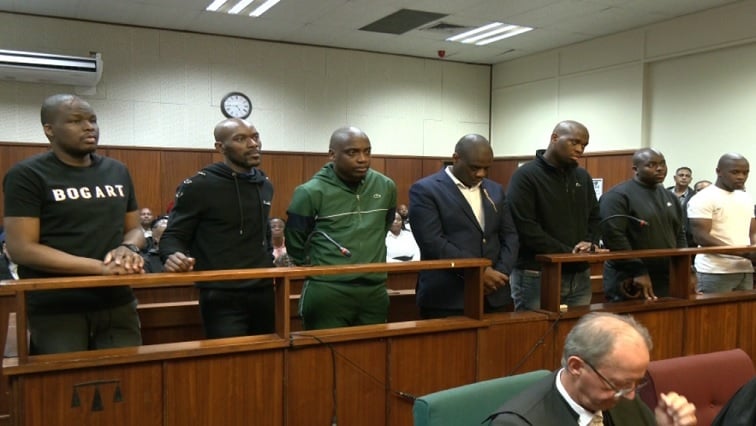
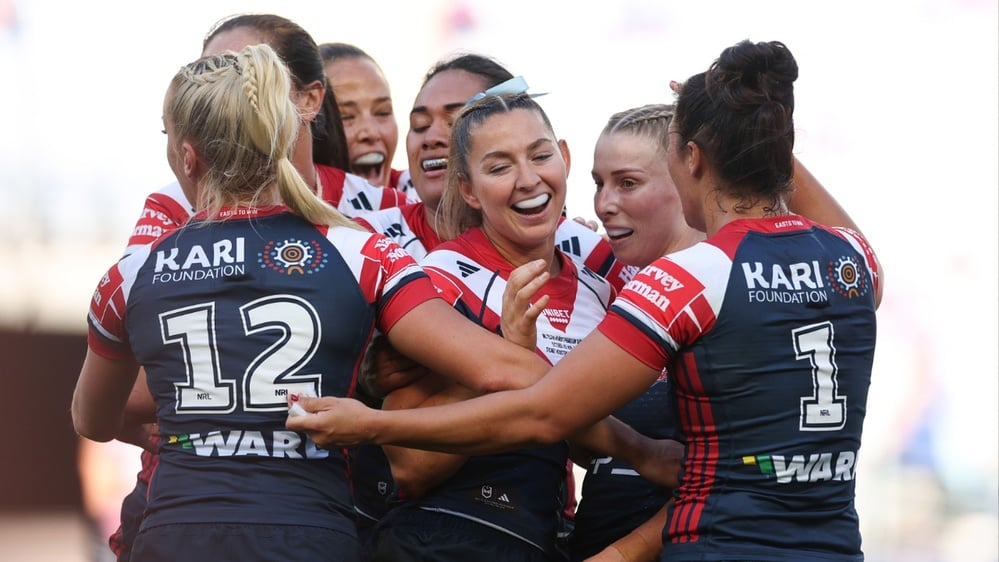

2026 © Helium Trades
Privacy Policy & Disclosure
* Disclaimer: Nothing on this website constitutes investment advice, performance data or any recommendation that any particular security, portfolio of securities, transaction or investment strategy is suitable for any specific person. Helium Trades is not responsible in any way for the accuracy
of any model predictions or price data. Any mention of a particular security and related prediction data is not a recommendation to buy or sell that security. Investments in securities involve the risk of loss. Past performance is no guarantee of future results. Helium Trades is not responsible for any of your investment decisions,
you should consult a financial expert before engaging in any transaction.
Helium Research Assistant

How can I help you today?
Ask any question about this page.


